➤ Table of Contents
I’ll never forget the first time I completely ruined a chicken dinner. It was supposed to be a simple roasted chicken for my in-laws, something foolproof and impressive. Instead, I pulled a dry, overcooked bird from the oven, its breast meat tough as shoe leather while the thighs were still slightly pink. My mother-in-law smiled politely and reached for the gravy boat, but I knew the truth. I hadn’t yet learned that cooking chicken well requires understanding its quirks, respecting its different cuts, and knowing which cooking methods work best for each piece.
⚡ Smart Kitchen Tools Every Home Cook Swears By

- Pure aluminum
- Durable enough for everyday cooking
- Made in the USA with quality

- 7 cooking functions in one compact cooker
- 3-quart size ideal for couples or small meals
- Up to 70% faster than traditional cooking

- 3 sizes for every recipe
- Pre-seasoned & durable cast iron
- Oven & grill ready
That embarrassing dinner became my turning point. I dove deep into learning everything about cooking chicken, from proper seasoning techniques to understanding internal temperatures to discovering which marinades actually tenderize and which just add flavor. Years later, chicken has become my most-cooked protein, the foundation of countless weeknight dinners and the star of special occasion meals. It’s versatile enough to take on virtually any flavor profile, affordable enough to cook regularly, and when done right, absolutely delicious.
This guide is everything I’ve learned through years of trial and error, kitchen experiments, and plenty of happy accidents. We’ll explore crispy coated chicken that shatters at first bite, tender sautéed dishes swimming in savory sauces, bold Asian-inspired preparations that wake up your taste buds, and comforting classics that feel like a warm hug on a plate. You’ll discover why some chicken recipes work brilliantly while others fall flat, learn techniques that guarantee juicy results every time, and find inspiration for every night of the week.
Whether you’re looking for quick weeknight dinners that come together in thirty minutes or impressive dishes for entertaining, craving something familiar and comforting or adventurous and new, you’ll find recipes here that actually work. And because I believe cooking should bring joy rather than stress, every technique comes from real experience in a real kitchen, complete with the mistakes I made so you can skip straight to success.
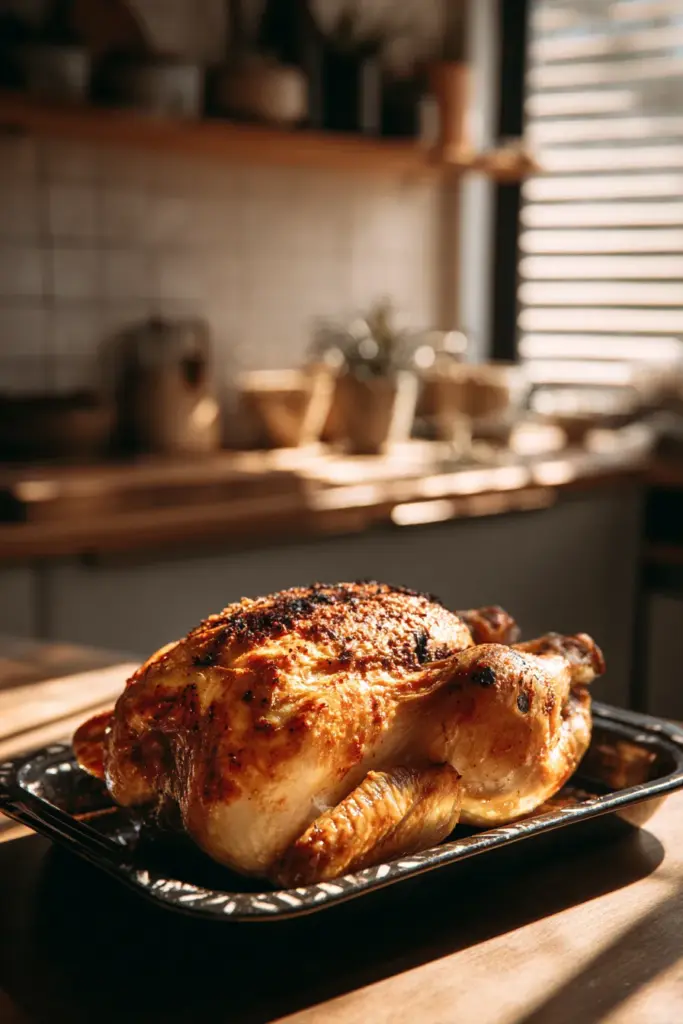
Understanding Chicken: Cuts, Quality, and Kitchen Basics
Before we dive into specific recipes, let’s talk about chicken itself. Not all chicken is created equal, and understanding the differences between cuts, quality levels, and preparation methods will transform your cooking. I learned this lesson slowly, wondering why restaurant chicken always seemed more tender and flavorful than mine, even when I followed recipes exactly.
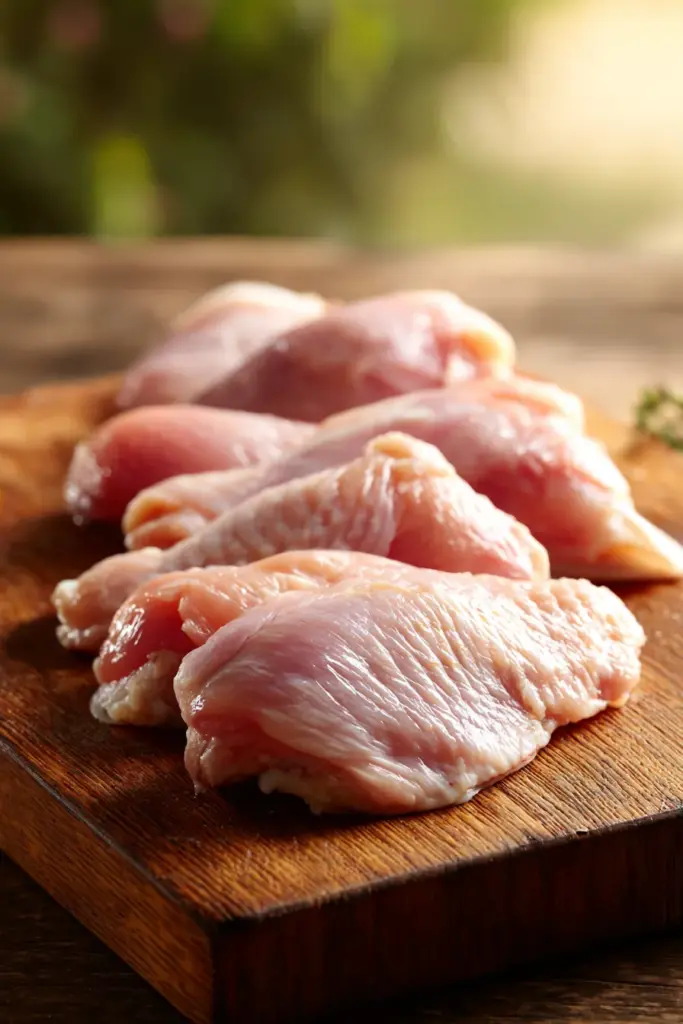
The secret starts at the store. When I’m buying chicken breasts, I look for pieces that are similar in size and thickness. Uneven breasts cook unevenly, leaving you with that terrible combo of dry edges and undercooked centers. If your breasts are thick on one end and thin on the other, pound them to an even thickness or butterfly them before cooking. This one simple step has saved countless dinners in my kitchen.
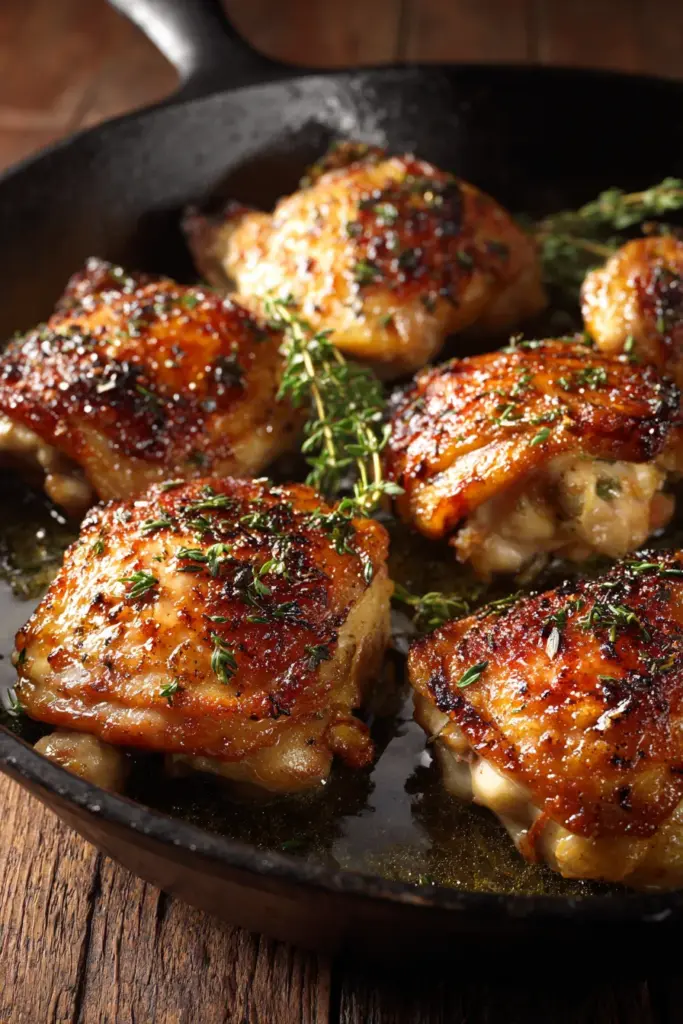
Chicken thighs have become my favorite cut over the years. They’re more forgiving than breasts, staying juicy and tender even if you slightly overcook them. Their higher fat content means more flavor, and they’re perfect for dishes with bold sauces and seasonings. Plus, they’re usually cheaper than breasts, which means you can make impressive meals without breaking the budget.
Fresh Versus Frozen: What Actually Matters
I used to be a snob about fresh chicken, convinced that frozen was somehow inferior. Then I learned that most chicken at the grocery store has actually been frozen at some point anyway, and properly frozen chicken is perfectly fine for most preparations. The key is thawing it correctly, always in the refrigerator, never on the counter where bacteria can multiply.
That said, I do notice a difference in texture with fresh chicken for certain preparations. When I’m making something like the crispy cheddar chicken recipe, where the coating needs to adhere perfectly and the meat should be incredibly tender, fresh chicken gives me slightly better results. For saucy dishes and stir-fries where the chicken is marinated and cooked in flavorful liquids, frozen works beautifully.
🥗 Fresh, Fast & Foolproof — Upgrades You'll Use Tonight

- Zoodles in seconds
- Heavy-duty, 10 sharp blades
- Keto, paleo & gluten-free friendly

- Meals in ~30 minutes
- 3-Qt — perfect for 1–3 people
- Pressure cook, sauté, steam & more

- Phone alerts & live temp graph
- Hands-off monitoring for smokers
- Perfect doneness, every time
One trick I’ve learned is to partially freeze fresh chicken before slicing it for stir-fries. About thirty minutes in the freezer firms up the meat just enough that you can slice it paper-thin, which is the secret to those tender, velvety pieces you get in restaurant Chinese food. This technique makes preparing dishes like Chinese pepper chicken so much easier.
Temperature and Food Safety Without the Fear
Let’s talk about the elephant in the kitchen: food safety. I used to overcook chicken terribly because I was scared of undercooking it. Then I bought an instant-read thermometer and everything changed. Chicken breasts are perfectly done at 165 degrees Fahrenheit, no higher. Chicken thighs can go to 175 or even 180 degrees and stay juicy because of their higher fat content.
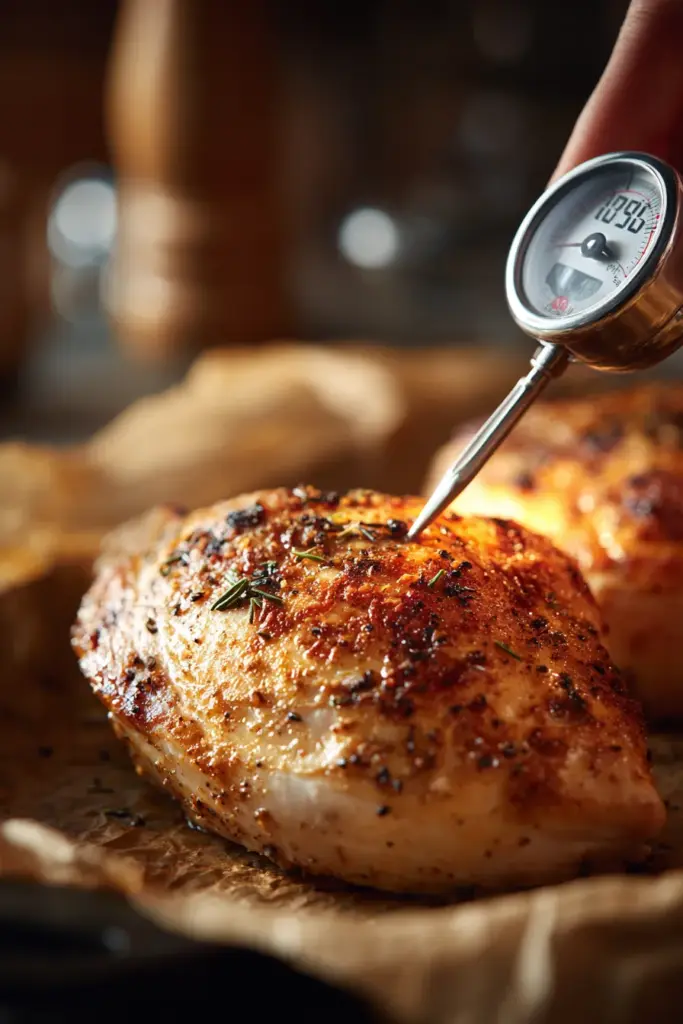
Here’s what nobody tells you: chicken continues cooking after you remove it from heat. I pull my chicken breasts at 160 degrees, tent them with foil, and let them rest for five minutes. The carryover cooking brings them to 165 degrees while the resting period allows the juices to redistribute. The result is chicken that’s safe, juicy, and tender rather than dry and chalky.
Proper storage matters too. I never leave cooked chicken at room temperature for more than two hours, and I cool leftovers quickly by spreading them out rather than piling them deep in a container. These simple habits have kept my family safe while letting me enjoy chicken without paranoia.
Mastering Crispy Coated Chicken
There’s something magical about perfectly crispy chicken. That satisfying crunch when you bite through the coating, followed by juicy, tender meat inside. It’s the kind of dish that makes everyone at the table go quiet for a moment, too busy enjoying their food to talk. But getting that perfect crispy coating took me years to master, with plenty of soggy, pale, or burnt attempts along the way.
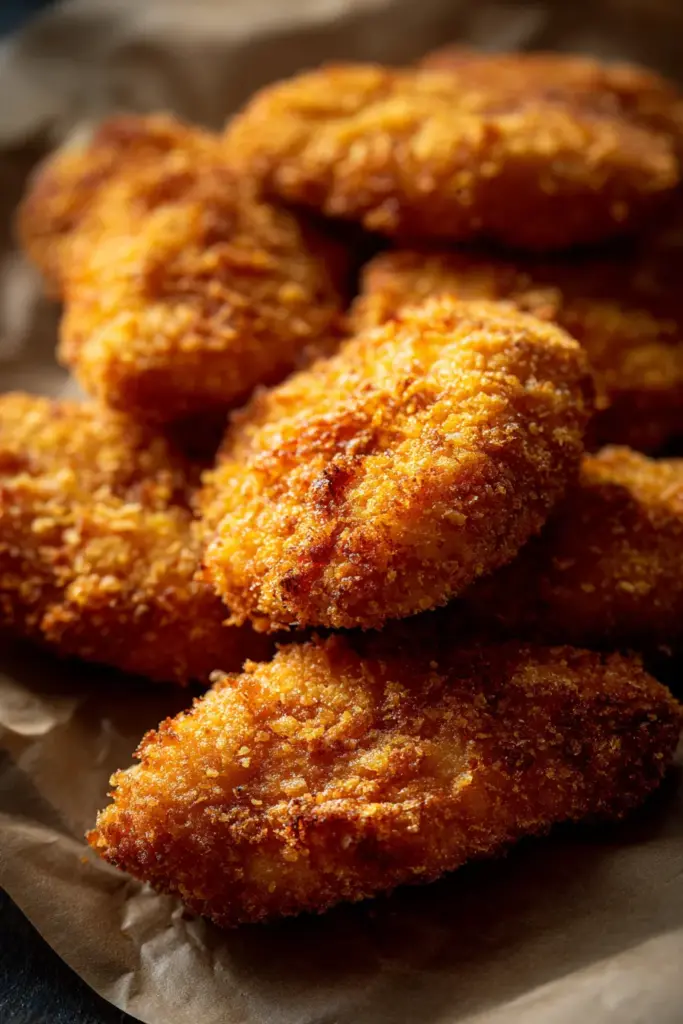
The foundation of great crispy chicken is the breading process. I use a three-step system: flour, egg wash, and coating. The flour helps the egg stick, the egg helps the coating stick, and the coating provides that crucial crunch. But here’s the trick nobody mentions: let your breaded chicken rest in the refrigerator for at least thirty minutes before cooking. This allows the coating to set and bond with the chicken, dramatically reducing the chances it’ll fall off during cooking.
My go-to preparation when I want something reliably delicious is crack chicken tenders with their creamy and savory coating. The combination of crispy exterior and that addictive ranch-based seasoning makes them disappear from the plate almost instantly. My kids request these constantly, and I don’t blame them one bit.
The Science of Crunch
Understanding what makes coating crispy changed my cooking completely. Moisture is the enemy of crispiness. When chicken releases steam during cooking, that moisture can make your carefully constructed coating soggy. This is why proper oil temperature is crucial. Too low and the coating absorbs oil and steams. Too high and it burns before the chicken cooks through.
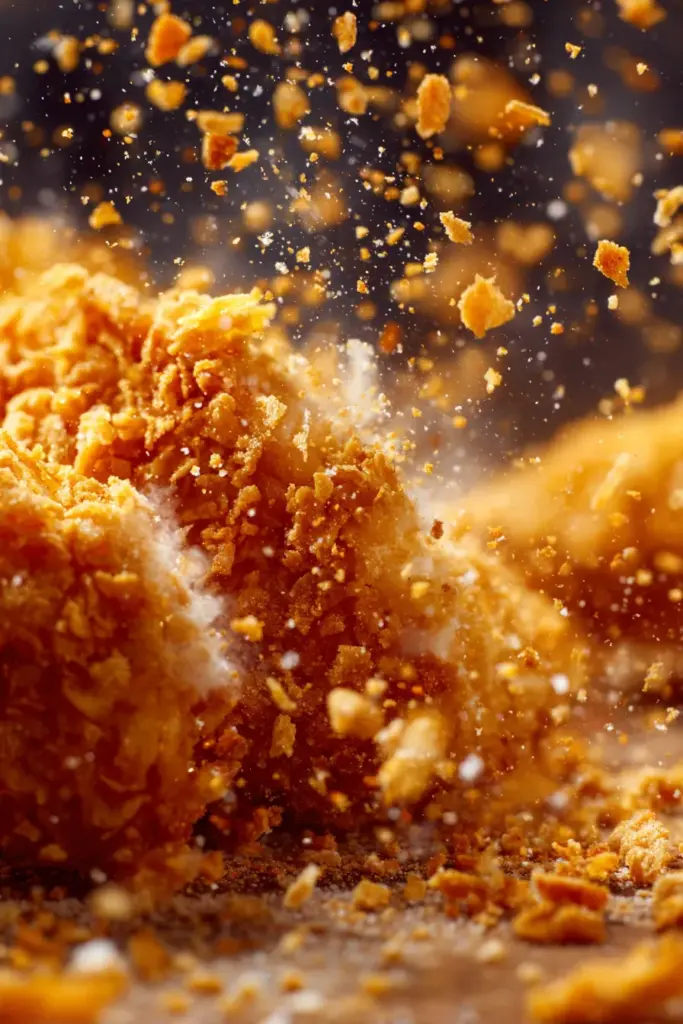
I keep my oil between 350 and 375 degrees Fahrenheit for frying. At this temperature, the coating crisps quickly, forming a barrier that seals in moisture and keeps out excess oil. The result is chicken that’s crispy outside and juicy inside, not greasy or heavy. A thermometer is essential here. Guessing oil temperature leads to inconsistent results and potential disasters.
For a lighter take on crispy chicken that still delivers incredible crunch, I turn to crispy chicken tenders with honey mustard dip. These bake in the oven rather than frying, using a technique of high heat and proper spacing to achieve golden, crunchy coating without the mess and calories of deep frying.
Sweet and Savory Coating Combinations
Once you master the basic technique, you can play with flavors in endless ways. Sweet and savory combinations work beautifully with chicken, each element balancing the other. The sweet component caramelizes during cooking, adding another layer of flavor and helping the coating brown beautifully.
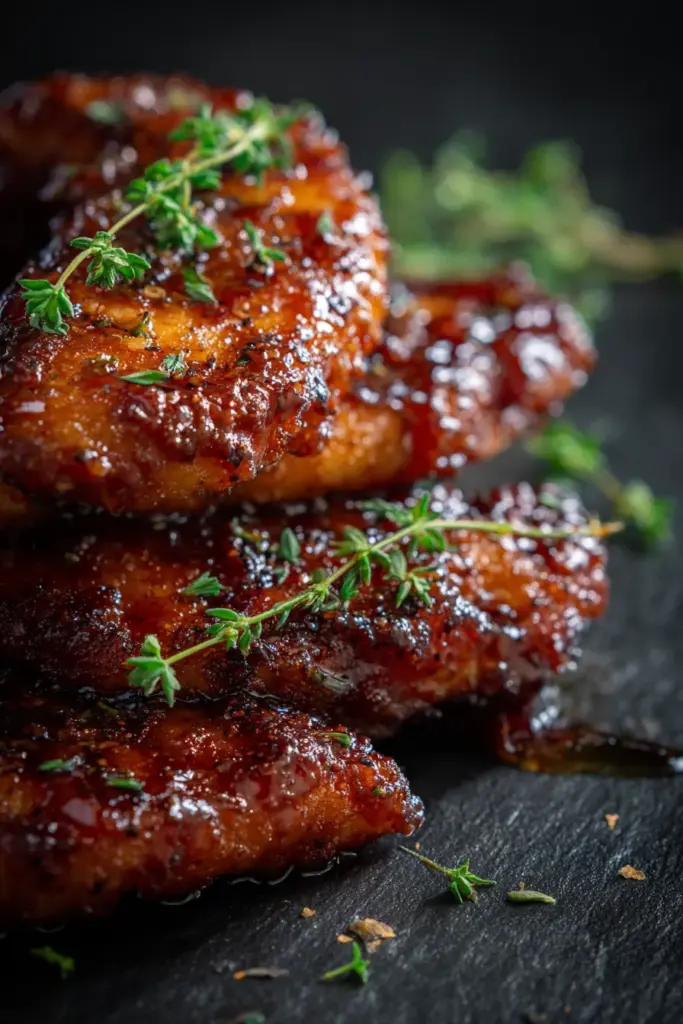
One of my family’s absolute favorites is bacon brown sugar chicken tenders. The brown sugar creates this incredible lacquered exterior, almost candy-like in spots, while the bacon adds smoky, salty richness. It sounds like it might be too sweet, but the balance is perfect, especially when you serve it with something tangy or spicy on the side.
The key with sweet coatings is watching them carefully. Sugar burns faster than plain breading, so you need slightly lower heat and close attention. I usually start these in a hot oven to crisp the coating, then reduce the temperature to finish cooking through without burning the sugar. It takes a little more babysitting but the results are worth every minute.
Garlic Parmesan Chicken: A Category Unto Itself
If I had to choose one flavor combination that defines comfort food chicken, it would be garlic and parmesan. There’s something about that sharp, nutty cheese mingling with pungent, sweet garlic that transforms simple chicken into something crave-worthy. I’ve made countless variations over the years, each one teaching me something new about balancing these bold flavors.
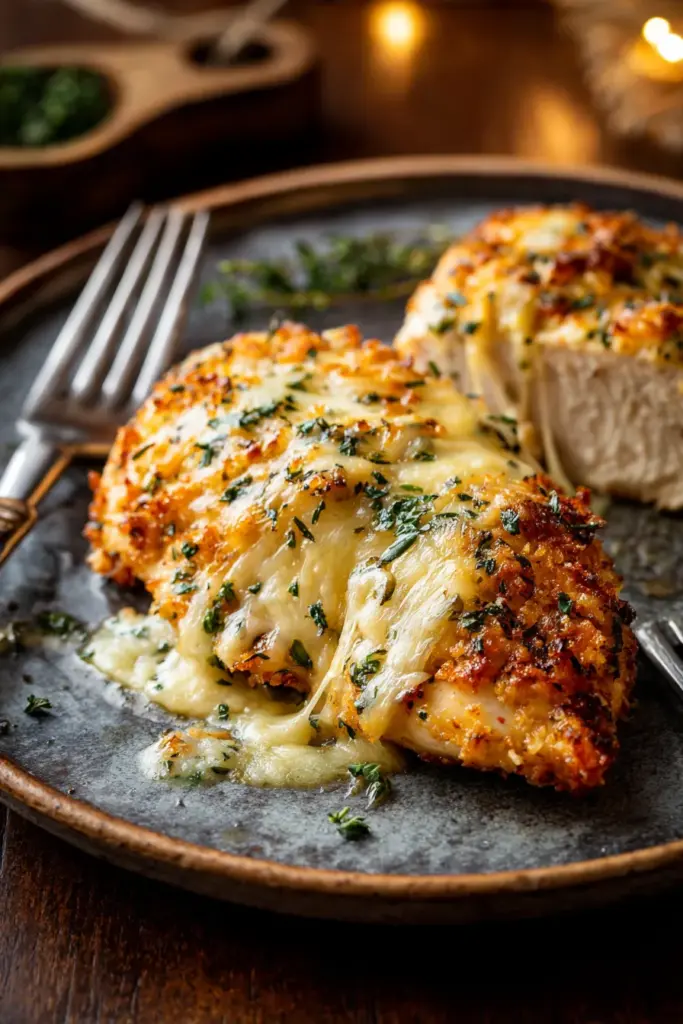
The mistake I see most often with garlic parmesan chicken is using pre-grated parmesan from a can. That dried, powdery stuff has its place, but it can’t compare to freshly grated Parmigiano-Reggiano. The real cheese melts into a creamy, slightly crispy coating that clings to the chicken beautifully. It’s worth the small extra effort to grate it yourself.
When I want something that feels restaurant-fancy but comes together easily, I make Longhorn garlic parmesan crusted chicken. That thick, golden crust of cheese and garlic on top of tender chicken breast is pure indulgence. The trick is broiling it at the end to get that beautiful browned top without overcooking the meat underneath.
Fresh Garlic Versus Garlic Powder
I use both fresh garlic and garlic powder in my cooking, and they serve different purposes. Fresh garlic gives you those sharp, pungent notes and little bursts of intense flavor. Garlic powder provides a more mellow, evenly distributed garlic taste throughout a coating or marinade. For the best garlic parmesan chicken, I often use both.
Fresh garlic needs careful handling to avoid bitterness. When it burns, even slightly, it turns acrid and unpleasant. I add fresh minced garlic toward the end of cooking sauces, or I mix it into coatings that will be protected from direct heat. For crusts that go under the broiler, I lean more heavily on garlic powder with just a touch of fresh garlic for complexity.
The Ritz cracker chicken parmesan uses a genius technique of mixing garlic into buttery cracker crumbs. The crackers provide incredible crunch while their buttery flavor amplifies both the garlic and parmesan. It’s one of those recipes that sounds too simple to be special, but somehow it absolutely is.
Building Layers of Flavor
Great garlic parmesan chicken isn’t just about dumping cheese and garlic on top. It’s about building layers of flavor that work together. I often start by seasoning the raw chicken with salt, pepper, and garlic powder. Then comes the cooking method, whether that’s pan-frying, baking, or breading and frying. Finally, I add the parmesan element, either as a crust that bakes on top or a sauce that coats the finished chicken.
Each layer adds depth without overwhelming. The result is chicken where every bite delivers that perfect garlic parmesan flavor, not just the parts where visible cheese sits on top. This technique works for simple weeknight cooking and impressive company meals alike.
Classic Italian-Inspired Chicken Dishes
Italian cooking taught me that simple ingredients, properly prepared, can create magic. You don’t need twenty ingredients or complicated techniques. What you need is quality components, proper seasoning, and respect for timing. This philosophy transformed my chicken cooking, taking me from complicated recipes with mediocre results to simple preparations that tasted incredible.
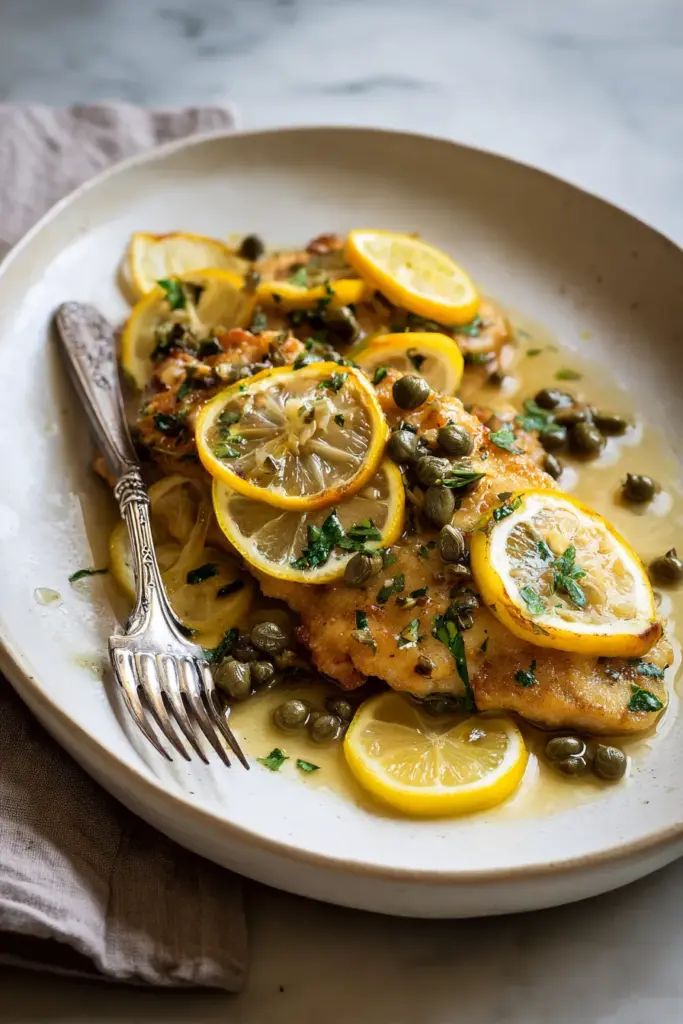
One of my most-made dishes when I’m craving Italian comfort food is chicken piccata. Those tender cutlets in bright, lemony sauce with briny capers are the definition of elegant simplicity. The whole thing comes together in about thirty minutes, but it tastes like something from a fancy restaurant.
The secret to great piccata is pounding the chicken thin, really thin. We’re talking a quarter-inch thick. This allows it to cook quickly in the hot pan, developing a golden crust without drying out. I use a meat mallet and pound between sheets of plastic wrap to avoid splattering raw chicken all over my kitchen. It’s a bit of arm workout, but completely worth it.
The Art of Pan Sauces
Italian chicken dishes taught me about pan sauces, those quick sauces made in the same pan where you cooked the chicken. After you remove the cooked chicken, there are all these browned bits stuck to the bottom of the pan. Those bits are pure flavor, and deglazing the pan with wine, broth, or lemon juice dissolves them into a sauce that tastes infinitely better than anything that starts from scratch in a clean pan.
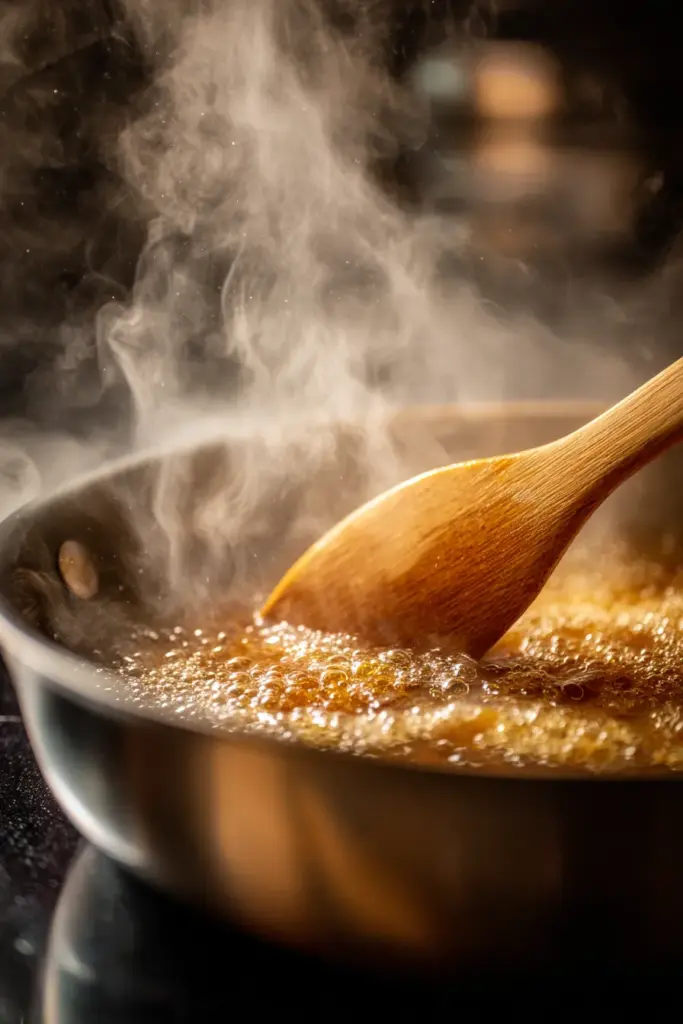
The technique is simple but requires attention. Once the chicken is out, I add my liquid to the hot pan. It sizzles and steams, and I scrape the bottom with a wooden spoon, dissolving all those flavorful bits. Then I add butter, which emulsifies into the sauce and gives it body and richness. Sometimes I add cream for richness, sometimes just a pat of cold butter whisked in at the end for silky texture.
This same technique creates multiple different dishes. Change the liquid and seasonings, and you’ve got a completely different meal. It’s the foundation of countless Italian chicken preparations and one of the most valuable techniques in my cooking arsenal.
Breaded and Fried Italian Style
When I want comfort food with Italian flair, I turn to breaded, fried cutlets. The Italian method uses finely ground breadcrumbs, often mixed with parmesan, creating a delicate, crispy coating that’s less chunky than traditional fried chicken but equally satisfying.
The key is using panko or homemade breadcrumbs rather than store-bought Italian breadcrumbs, which can be stale and tasteless. I pulse fresh bread in my food processor until I get fine crumbs, then season them with parmesan, garlic powder, and herbs. The result is a coating that actually tastes like something rather than just adding texture.
Southern-Style Fried Chicken and Comfort Classics
Growing up, fried chicken meant Sunday dinners at my grandmother’s house. She’d start early in the morning, brining her chicken in buttermilk seasoned with hot sauce and spices. By dinner time, that chicken would emerge from her cast iron skillet golden, crispy, and so flavorful that we’d fight over the last piece. I’ve spent years trying to recreate that magic in my own kitchen, and while I’ll never quite match her version, I’ve learned what makes great fried chicken work.
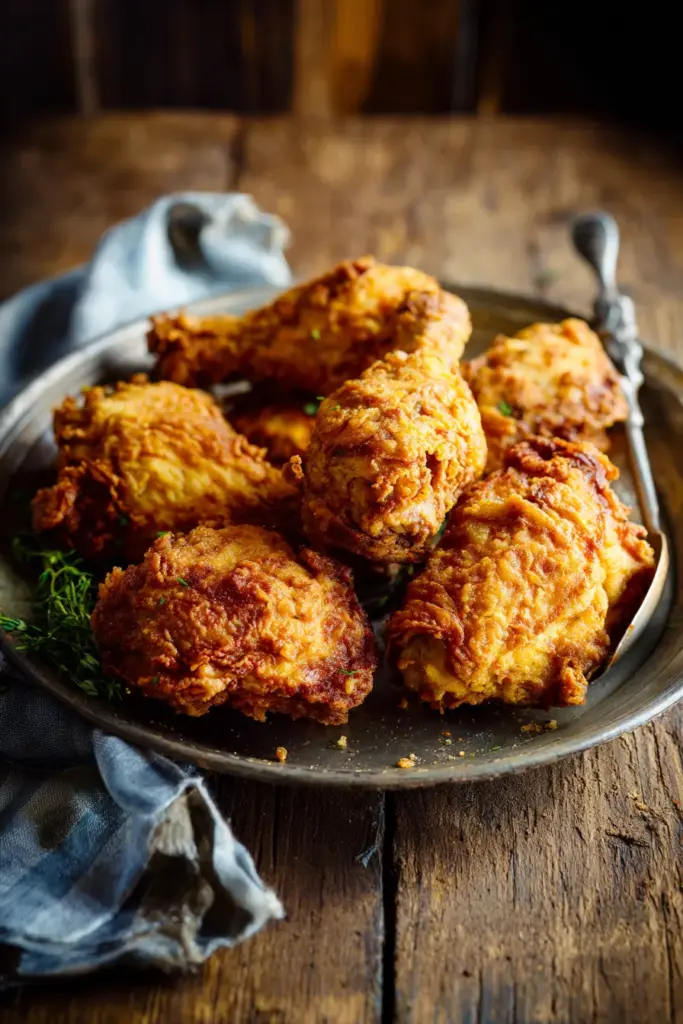
The foundation is the brine or marinade. Buttermilk does something special to chicken, tenderizing it while adding tangy flavor that balances the richness of frying. I soak my chicken for at least four hours, preferably overnight. The acid in the buttermilk breaks down the proteins slightly, ensuring tender meat even after high-heat cooking.
My version of country fried chicken and gravy pays homage to those Sunday dinners. The chicken fries up golden and crispy, then gets smothered in creamy, peppery gravy that soaks into fluffy biscuits underneath. It’s indulgent and comforting, the kind of meal that makes you understand why Southern food has such devoted fans.
The Secret to Crispy Skin
Getting truly crispy fried chicken took me years to figure out. The secret is double-dipping: flour, buttermilk, flour again. That second coating creates extra crunch and helps the breading stay attached during frying. But here’s the crucial part: let the coated chicken rest for fifteen to twenty minutes before frying. This allows the coating to set and bond with the chicken.
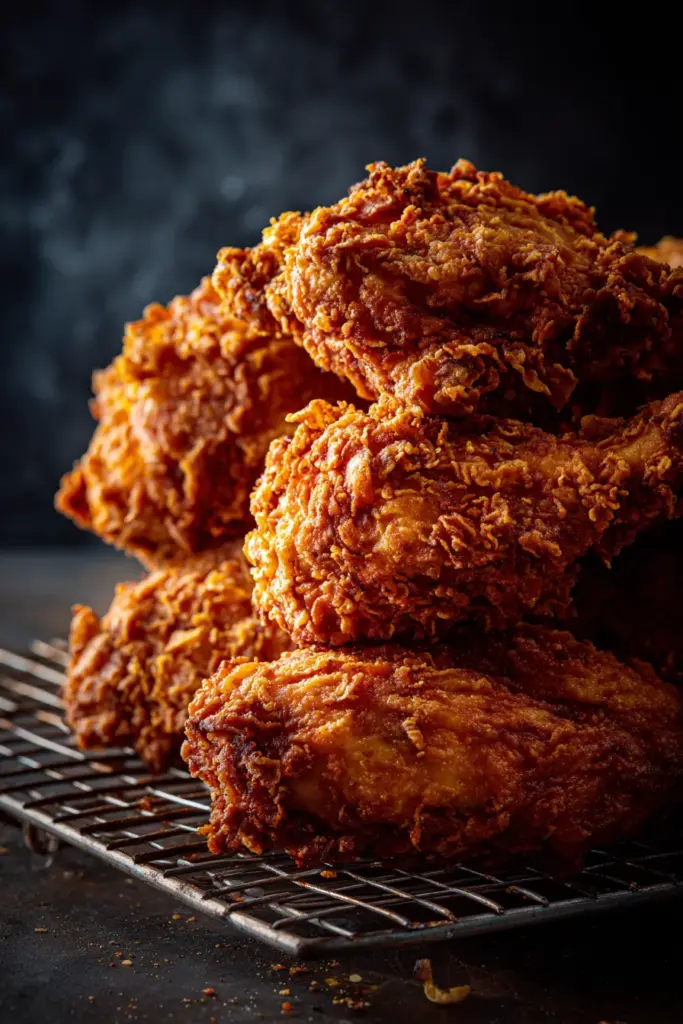
I also learned to add a little buttermilk back into my flour mixture for the second coating. This creates these little clumps of seasoned flour that fry up into extra-crispy bits all over the chicken. It’s a technique my grandmother used, though she never explained why. Now I know it’s about creating texture variation in the coating.
Temperature control is everything in frying. Too hot and the outside burns before the inside cooks. Too cool and you get greasy, pale chicken. I keep my oil at 350 degrees Fahrenheit and don’t crowd the pan. Each piece needs space for the oil to circulate and the coating to crisp properly.
Beyond Traditional Fried Chicken
Once you master basic fried chicken technique, you can play with flavors in fun ways. Asian-inspired fried chicken has become hugely popular, and for good reason. The combination of crispy coating and bold sauces creates something incredibly crave-worthy.
My soy garlic fried chicken uses Korean techniques for extra crispy chicken that stays crunchy even after being tossed in sauce. The secret is double-frying: fry once at lower temperature to cook through, let rest, then fry again at higher temperature to crisp the coating. It’s more work but the results are spectacular.
Asian-Inspired Chicken: Bold Flavors and Quick Cooking
Asian cooking opened up a whole new world of chicken possibilities for me. The flavors are bold and complex, the cooking methods are quick and efficient, and the results are always exciting. I remember my first attempt at stir-fry: a mushy, overcooked mess where everything stuck to the pan. Since then, I’ve learned the techniques that make Asian-style chicken work, and now it’s my go-to for fast, flavorful weeknight dinners.
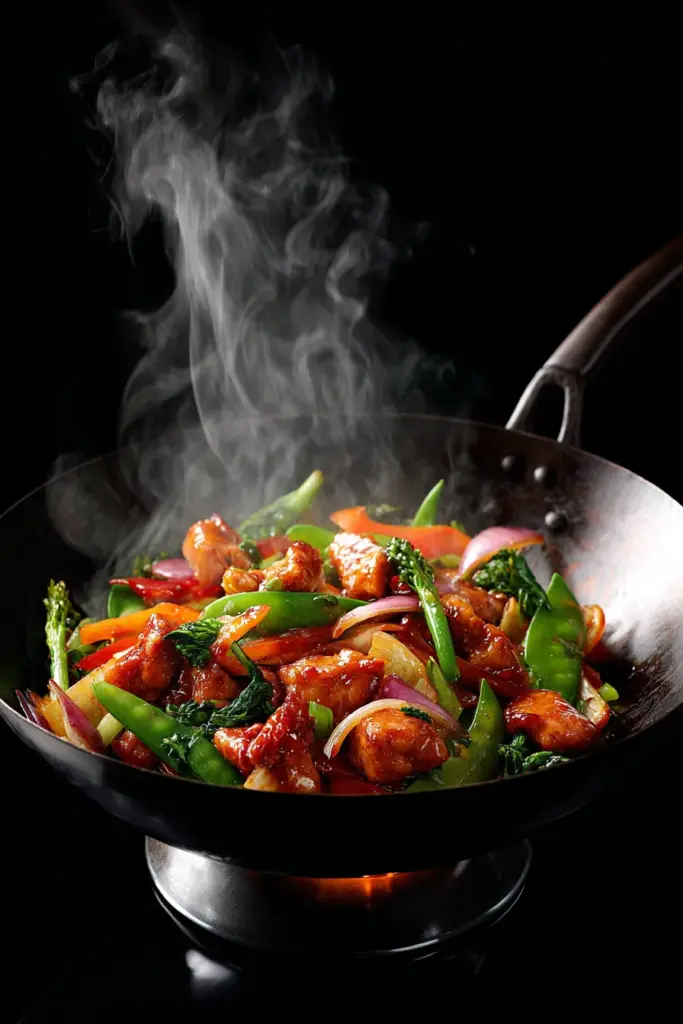
The foundation of great Asian chicken is the marinade and the velveting technique. Velveting involves marinating sliced chicken in a mixture of egg white, cornstarch, and sometimes oil or rice wine. This coating protects the chicken during high-heat cooking, keeping it incredibly tender. The first time I tried it, I couldn’t believe how restaurant-quality my home-cooked chicken suddenly tasted.
For something that combines Latin and Asian flavors in the most delicious way, try homemade pollo loco. The citrus marinade and special spice blend create chicken that’s juicy, flavorful, and endlessly versatile. It’s perfect in tacos, over rice, or just eaten straight with some beans on the side.
Stir-Fry Success: High Heat and Organization
Stir-frying is all about speed and organization. Everything happens so fast that you don’t have time to stop and chop or measure once you start cooking. I learned this the hard way, burning garlic while frantically trying to slice vegetables mid-stir-fry. Now I do all my prep first, arranging everything in small bowls near the stove in the order I’ll use them.
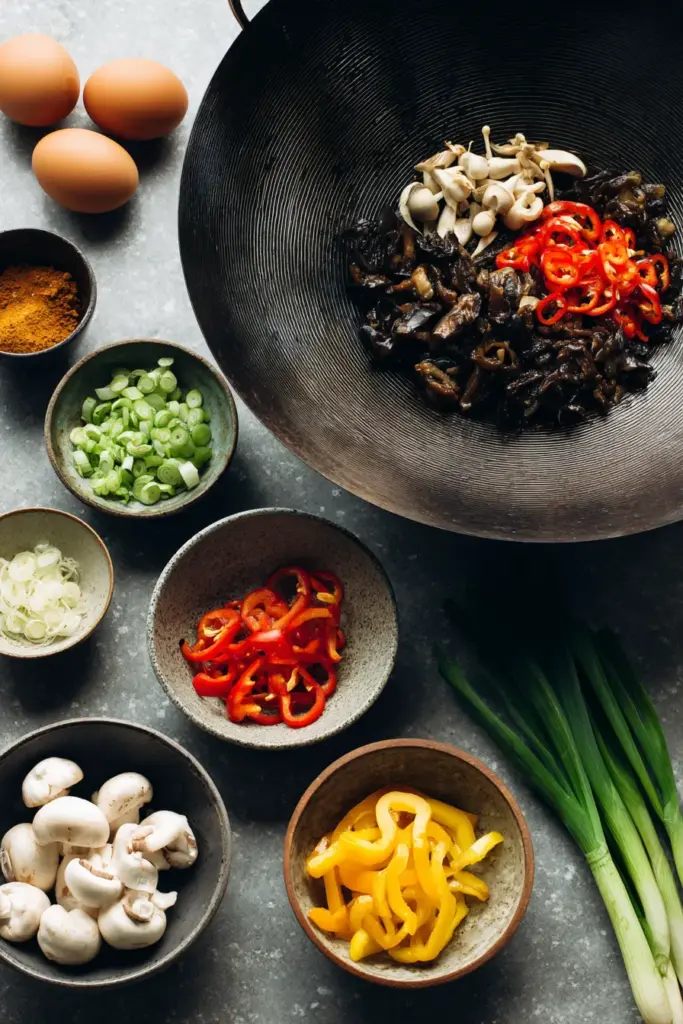
The key to great stir-fry is a screaming hot pan or wok and working in small batches. When you overcrowd the pan, the temperature drops and your ingredients steam instead of searing. I cook my chicken first, remove it to a plate, then cook vegetables in batches before combining everything with sauce at the end.
My healthy sesame chicken uses these techniques for restaurant-quality results without deep frying. The sauce is perfectly balanced between sweet, savory, and tangy, clinging to tender chicken pieces and coating everything evenly. It’s become our Friday night tradition, served over rice with extra sauce for drizzling.

Saucy Asian Chicken Dishes
Some of my favorite Asian-inspired chicken dishes are the saucy ones, where tender chicken swims in flavorful liquid that begs to be soaked up with rice. These dishes feel comforting and nourishing, especially on cold nights when you need something warming.
The caramelised soy chicken in garlic ginger broth is one of those dishes that makes your whole house smell amazing. The chicken braises in a mixture of soy sauce, aromatics, and just enough sugar to create that beautiful caramelized glaze. The broth becomes this intensely flavorful liquid that I serve over rice to catch every drop.
For something with more heat and drama, the fiery chicken ramen with creamy garlic sauce brings together spicy, creamy, and savory in one bowl. It’s ramen elevated beyond the instant packet, with tender chicken and vegetables in a broth that’s complex and deeply satisfying.
The Magic of Aromatics
Asian cooking taught me about the power of aromatics. Garlic, ginger, scallions, and chilies form the foundation of countless dishes, each adding their own personality. I learned to mince my garlic and ginger finely, almost to a paste, so they distribute their flavor evenly throughout dishes.
Fresh ginger makes a huge difference compared to dried. That bright, spicy, almost floral quality you get from fresh ginger is irreplaceable. I keep ginger in my freezer and grate it frozen, which is actually easier than grating fresh ginger and gives you the perfect texture for marinades and sauces.
Spicy Chicken Dishes: Heat with Purpose
I used to think I didn’t like spicy food. Then I realized I just didn’t like heat without flavor. Good spicy food balances the heat with other elements: sweet, sour, savory, aromatic. The chile is part of the dish, not the whole point. Once I understood this, spicy chicken became some of my most crave-worthy cooking.
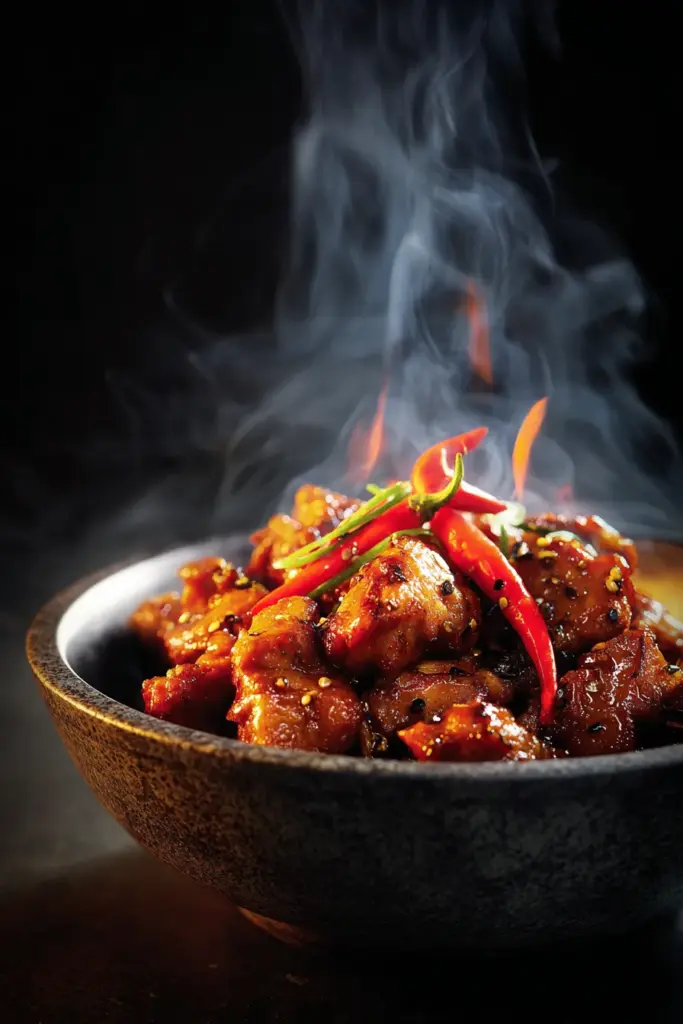
The key is knowing your chiles and using them appropriately. Fresh jalapeños add bright, vegetal heat. Dried chiles like chipotles bring smoke along with their spice. Chile pastes and sauces layer in complexity. I learned to taste as I go, building heat gradually rather than dumping it all in at once and hoping for the best.
My spicy jalapeño chicken stir-fry taught me about balancing heat. The jalapeños provide the spice, but the sauce has sweetness from a touch of honey and tang from vinegar. The result is chicken that’s definitely spicy but also deeply flavorful, where you can taste everything, not just the burn.
Building Layers of Heat
Great spicy dishes build heat in layers. You might start with chiles in the marinade for heat that permeates the meat. Then fresh chiles in the cooking process for bright, immediate spice. Finally, a drizzle of hot sauce or chile oil at the end for adjustable heat at the table. Each layer adds complexity.
I also learned about cooling elements that help balance spice. Dairy products like sour cream or cheese, acidic components like lime juice, sweet elements like honey or brown sugar, all these help temper heat while letting you enjoy more of it. This is why dishes like sweet corn and jalapeño chicken skillet work so well. The sweet corn and cream balance the jalapeño heat perfectly.
Sweet and Spicy Combinations
Some of the most addictive chicken dishes play sweet against spicy. The contrast keeps your palate interested, each bite offering different sensations. I make variations of this combination constantly because it never gets boring.
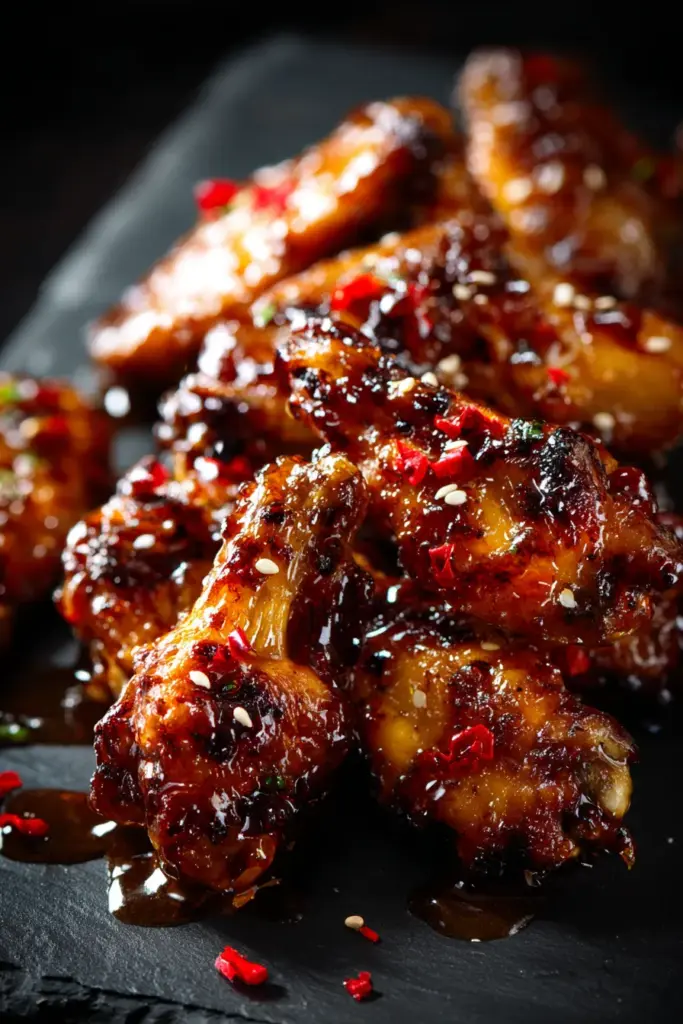
The candied jalapeño chicken wings are a perfect example. The wings get coated in a glaze that’s sticky-sweet from brown sugar but has real heat from jalapeños. You can’t stop eating them even when your mouth is on fire because that sweetness keeps calling you back.
For something with stone fruit sweetness balancing the heat, I make hot honey peach wings. The peaches add fruity sweetness and beautiful color, while hot honey provides warmth that builds gradually. These are perfect for summer cookouts when peaches are at their peak.
Creative Chicken Combinations and Fusion Dishes
Some of my favorite chicken dishes don’t fit neatly into traditional categories. They borrow techniques and flavors from different cuisines, creating something new and exciting. These fusion dishes keep cooking interesting and often become the recipes I make most often because they’re unexpected and delicious.
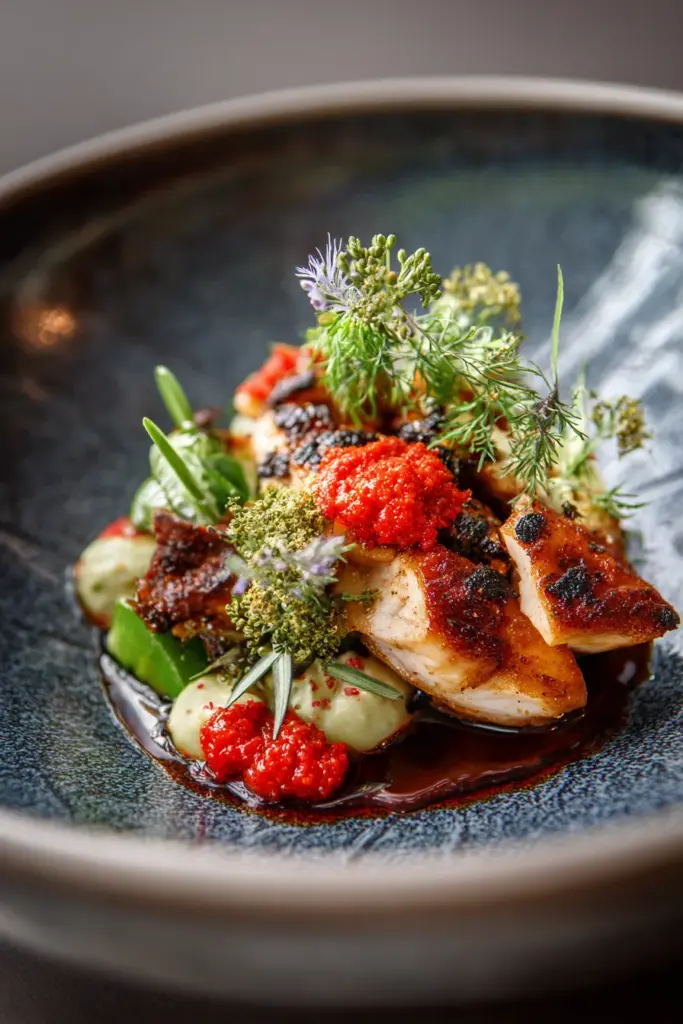
One example is birria spice rubbed chicken thighs. Birria is traditionally made with beef or goat, but the spice blend works beautifully on chicken thighs. The deep, complex flavors from dried chiles, cumin, and Mexican spices transform simple chicken into something special. I serve it with consommé for dipping, just like traditional birria.
The key with fusion cooking is understanding what makes each cuisine’s techniques and flavors work, then combining them thoughtfully rather than randomly. You’re not just throwing ingredients together and hoping for the best. You’re taking the best elements from different traditions and creating something that makes sense.
Chicken with Unexpected Ingredients
I’ve learned to be adventurous with ingredient combinations, especially when there’s a logical flavor connection even if it’s not traditional. Chicken is mild enough that it works with almost anything if you balance the flavors properly.
Take chicken with spinach, bacon, and mushrooms. This combination might sound like someone just threw pantry ingredients together, but it works perfectly. The smoky bacon, earthy mushrooms, and slightly bitter spinach all complement chicken while playing off each other. Add cream or cheese and you’ve got a sauce that ties everything together.
Another unexpected winner is cheesy chicken, shrimp, and rice. Surf and turf in a skillet, essentially. The chicken provides substance, the shrimp adds sweetness and ocean flavor, and the cheese brings everything together. It’s indulgent and satisfying, the kind of dish that feels special but comes together on a weeknight.
One-Pan Wonders
Some of my favorite chicken dishes happen entirely in one pan or skillet. Less cleanup, more flavor development, and the convenience of everything cooking together. The chicken releases juices that flavor the other ingredients, creating dishes that taste like they required way more effort than they actually did.
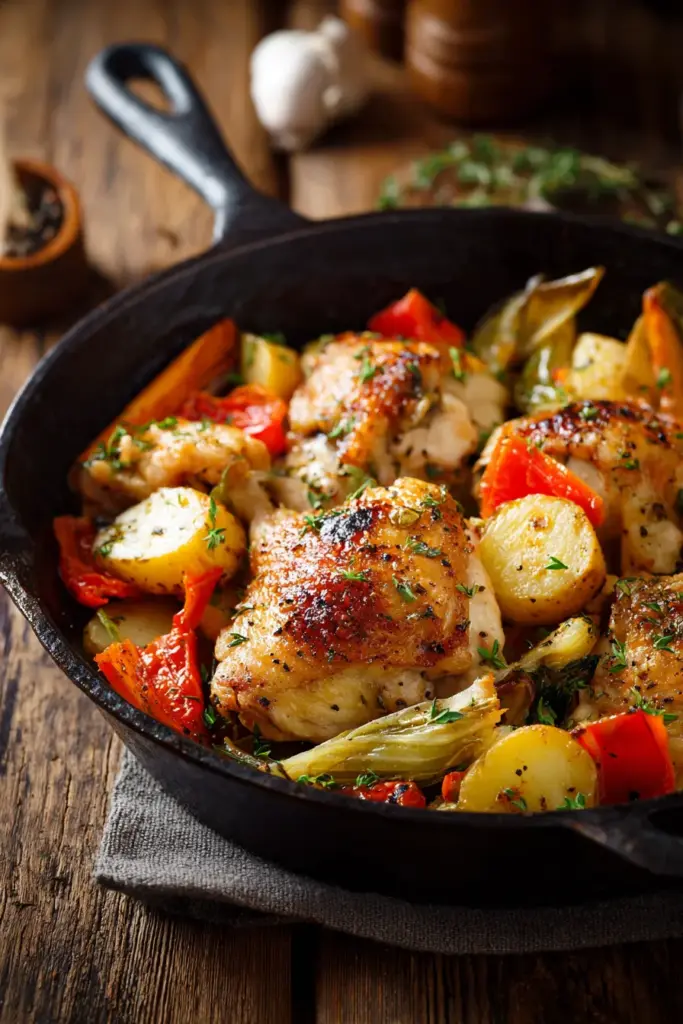
The key to successful one-pan chicken is understanding cooking times. You can’t just throw everything in at once and hope it all finishes simultaneously. I start with ingredients that need longer cooking, like potatoes or root vegetables. Add the chicken when those are partially done. Finish with quick-cooking items like greens or tomatoes that just need to wilt or warm through.
International Chicken Inspirations
Traveling through recipes from different cuisines taught me how versatile chicken really is. Every culture has found ways to make this humble protein exciting and delicious, often using ingredients and techniques I never would have thought to try. Exploring these international preparations expanded my cooking repertoire immensely.
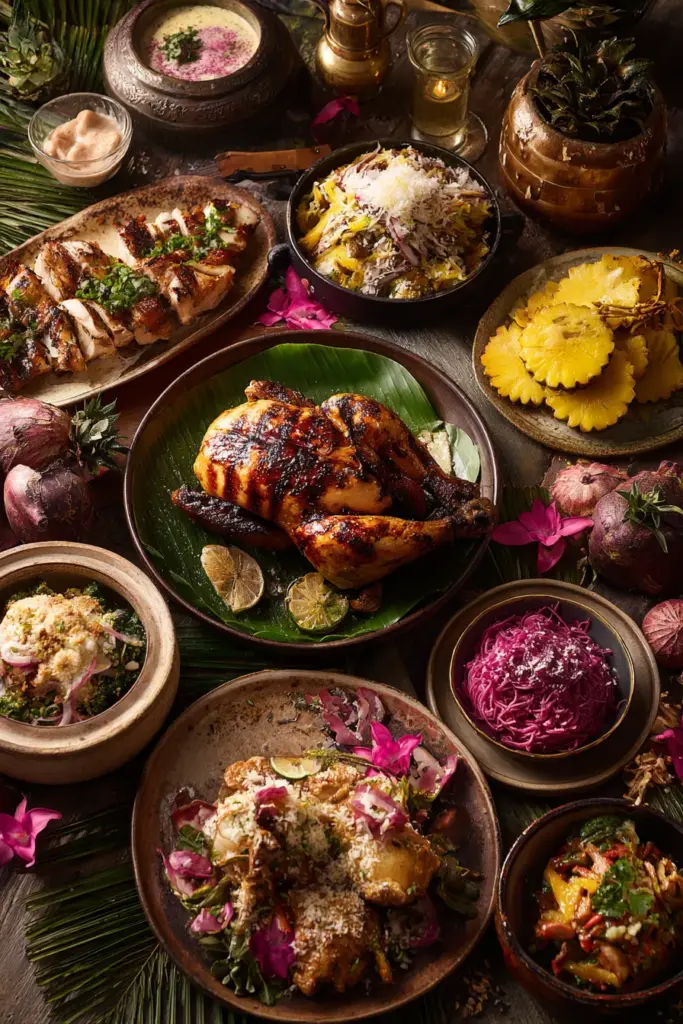
Chinese cooking alone offers countless chicken preparations, each with its own character. Some are sweet and sticky, others savory and aromatic, still others fiery and bold. The Chinese braising technique works beautifully with chicken too, creating tender meat in an intensely flavorful sauce that improves as it sits.
Korean fried chicken has become a phenomenon for good reason. The ultra-crispy coating stays crunchy even under sauce, and the sauces themselves are masterpieces of sweet, spicy, and savory balance. The technique involves coating chicken in a very light batter, often with potato starch instead of flour, then double-frying for maximum crispiness.
Latin American Chicken Traditions
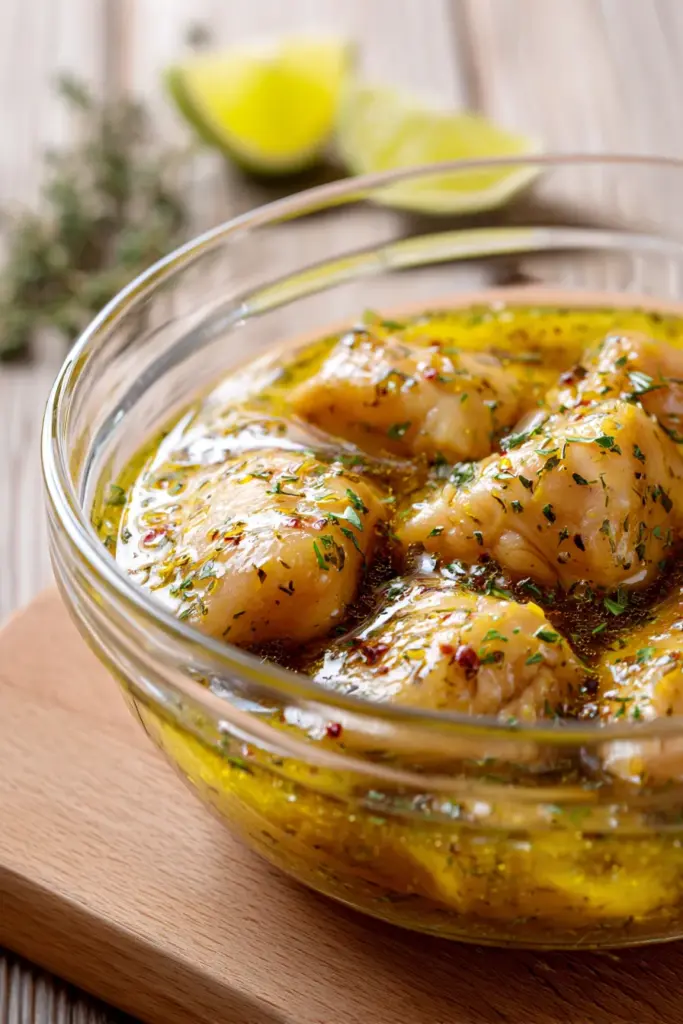
Latin American cooking introduced me to the power of marinades with citrus and spices. The acidity from lime or orange juice tenderizes chicken while adding brightness. Combined with cumin, oregano, garlic, and chiles, you get chicken that’s deeply flavorful before it even hits the heat.
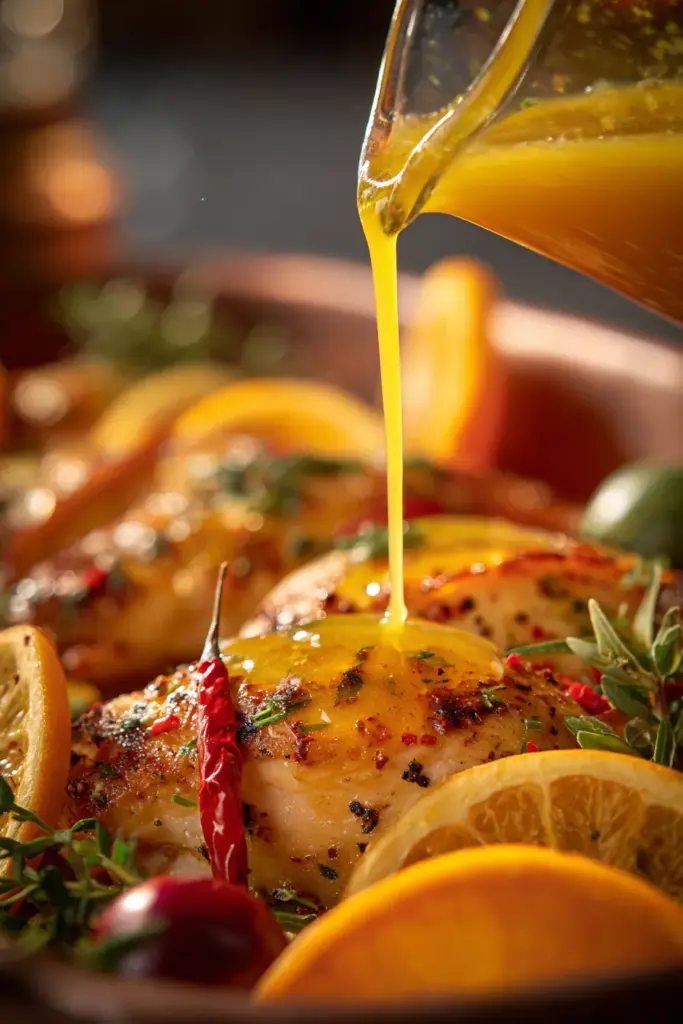
These marinades work because they have both acid and fat. The acid breaks down proteins on the surface of the chicken while the fat carries fat-soluble flavors into the meat. I learned to marinate for at least a few hours, sometimes overnight, letting those flavors really penetrate.
The techniques transfer beautifully between proteins. What works for chicken often works for other meats too, which is why learning these international preparations has made me a more versatile cook overall.
Building a Spice Collection
Cooking international chicken dishes requires building your spice collection thoughtfully. I started with basics like cumin, paprika, and chili powder, then expanded to include things like Chinese five-spice, garam masala, and za’atar. Each spice blend opens up a whole category of dishes.
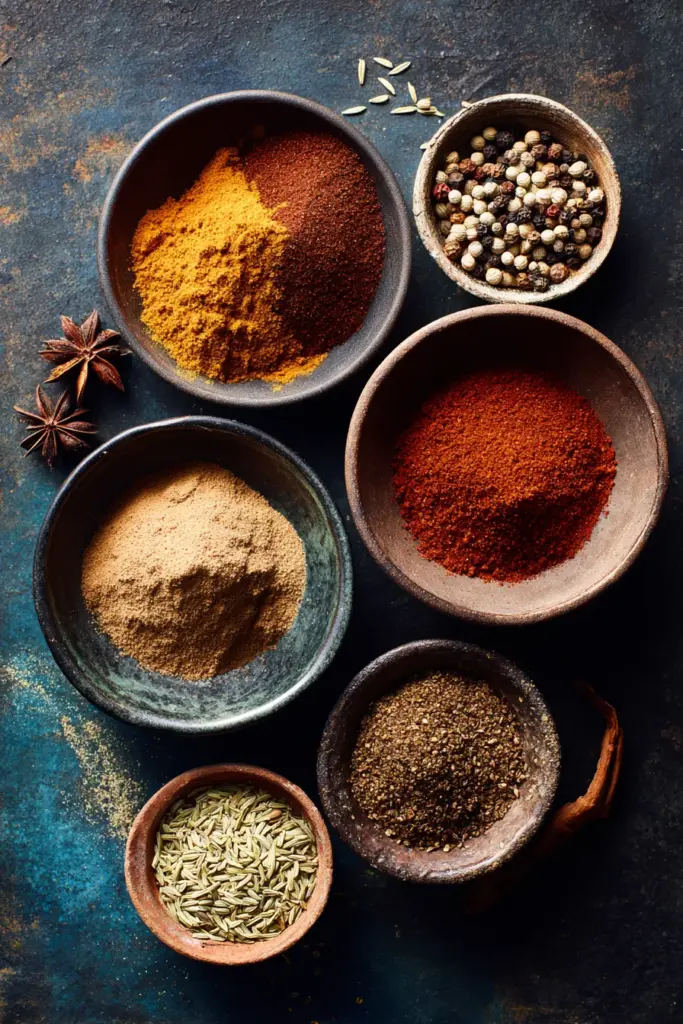
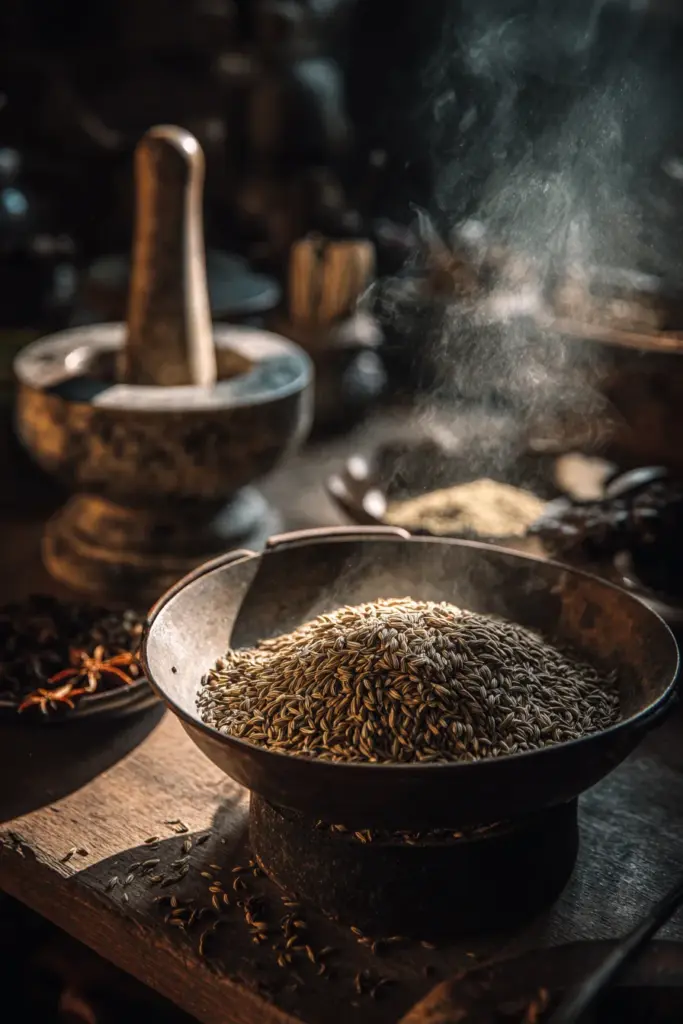
Fresh spices make a huge difference. I learned to buy whole spices and toast and grind them myself when possible. The flavor is so much more vibrant than pre-ground spices that have been sitting in your cabinet for months. Cumin seeds toasted until fragrant, then ground, taste like a completely different spice than the stale powder in a jar.
Beef Dishes and Cross-Protein Techniques
While this guide focuses on chicken, many of the techniques transfer beautifully to other proteins. I often use beef in similar preparations, adapting cooking times and methods to suit the different characteristics of each meat. Understanding these connections makes you a more intuitive, flexible cook.
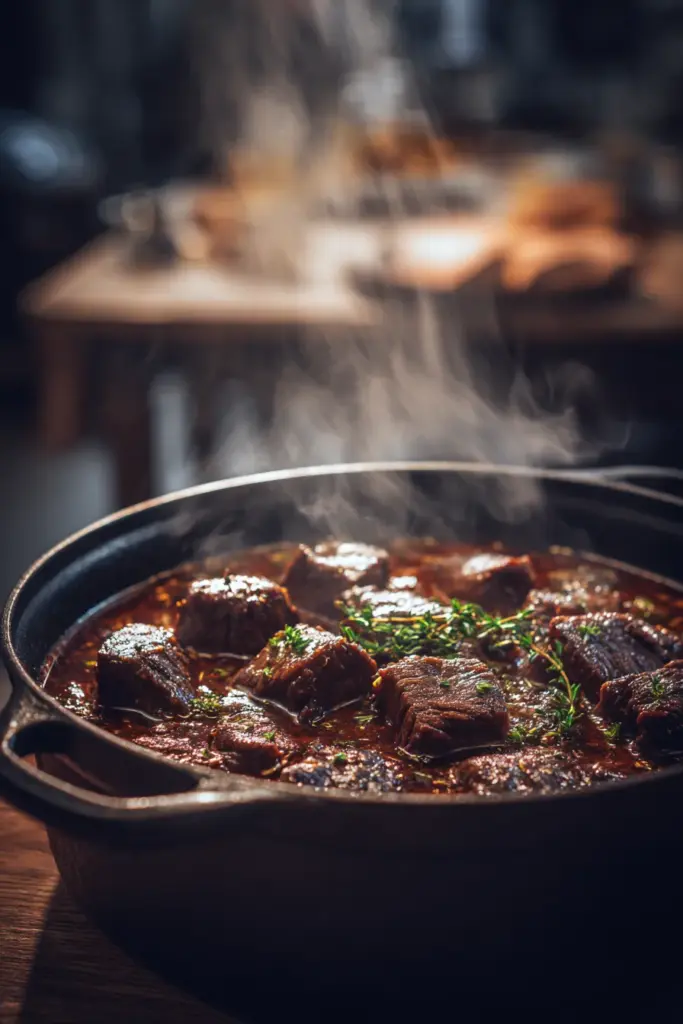
The braising technique I use for chicken thighs works wonderfully with tougher cuts of beef. Dishes like Chinese braised beef belly use the same principle: low, slow cooking in flavorful liquid transforms tough, chewy meat into something meltingly tender. The key is time and temperature, breaking down connective tissue until it becomes gelatin.
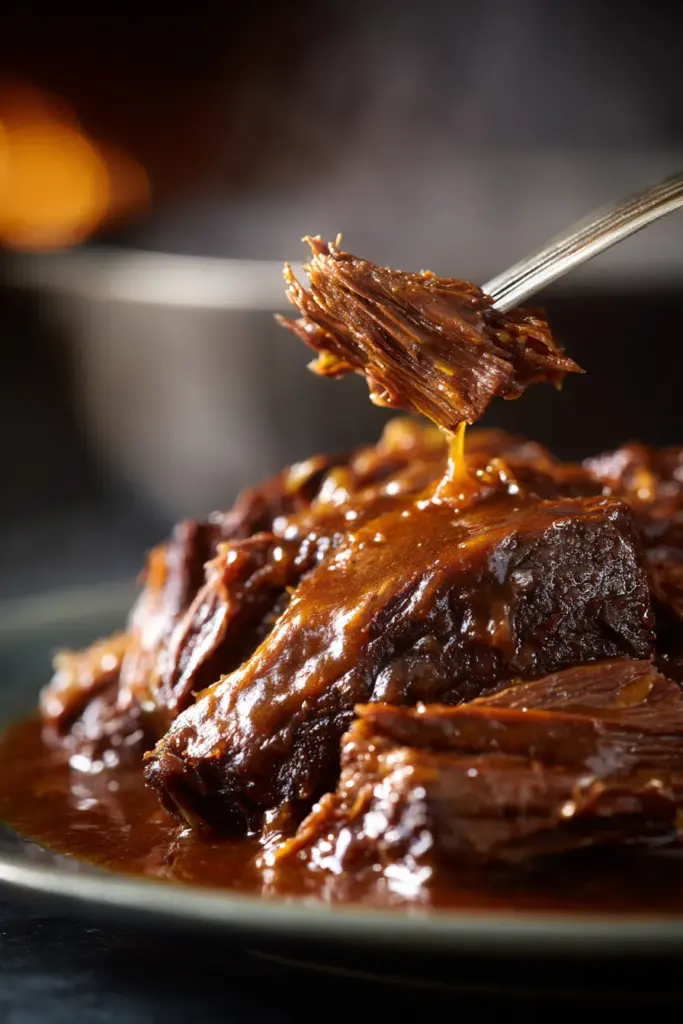
Sweet glazes work on beef just like they do on chicken. The brown sugar beef chops use the same technique of creating a caramelized crust through the combination of sugar and high heat. The sweetness balances the rich, savory flavor of beef perfectly.
When to Choose Which Protein
I choose proteins based on what flavors I’m craving and how much time I have. Chicken cooks faster than most beef cuts, making it perfect for weeknights. Chicken also has a milder flavor that works with virtually any cuisine or seasoning. Beef has more inherent flavor and works beautifully with bold, rich preparations.
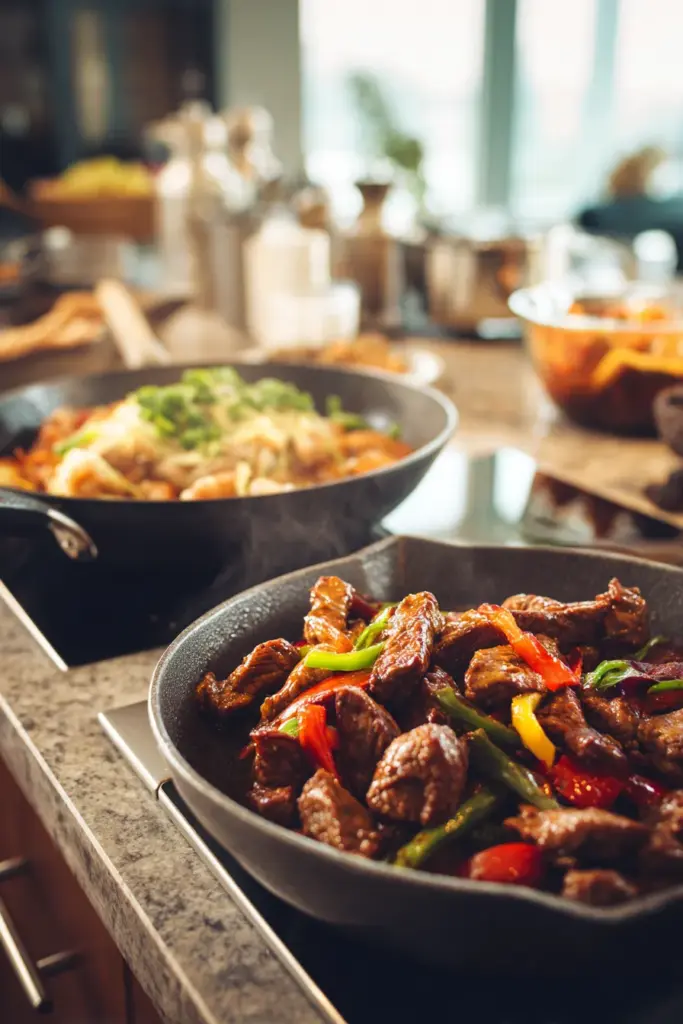
For something classic and satisfying, steak and baked potatoes delivers in a way that chicken never quite can. Sometimes you just need that hearty, rich flavor of beef. But the next night, I’ll make chicken because it’s lighter, more versatile, and often more forgiving.
Understanding the properties of different proteins helps you substitute intelligently. Chicken thighs can often replace pork in recipes. Chicken breasts sometimes work in place of pork tenderloin. Learning these equivalencies means you can adapt recipes to what you have on hand or what’s on sale.
Sauces and Condiments: The Finishing Touch
Great chicken often comes down to the sauce. You can cook chicken perfectly, but the wrong sauce or no sauce at all leaves it feeling incomplete. I’ve spent years learning to make sauces that elevate chicken from good to memorable, and it’s transformed my cooking more than almost any other skill.
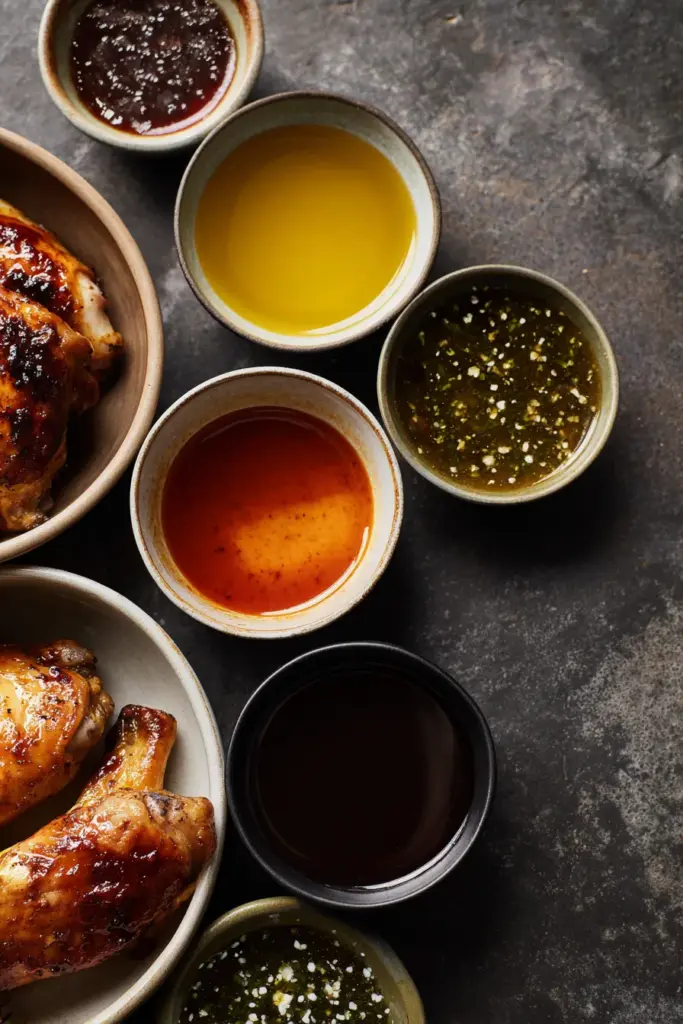
The foundation of most sauces is balancing flavors: fat, acid, salt, sweet, and sometimes umami. Too much of any one element and the sauce falls flat or overwhelms. When I’m developing a sauce, I taste constantly, adjusting as I go. A squeeze of lemon might brighten a heavy cream sauce. A spoonful of butter might round out something too acidic.
Having the right condiments on hand makes quick sauce-making possible. I always keep soy sauce, fish sauce, vinegars, hot sauces, and mustards stocked. With these building blocks, I can create countless sauce variations without following a recipe. The homemade yakisoba sauce is a perfect example: simple ingredients combined in the right proportions create something much greater than the sum of its parts.
Quick Pan Sauces
Pan sauces remain my favorite way to finish chicken dishes. After cooking chicken in a skillet, you have a pan full of browned bits and rendered fat, the perfect foundation for sauce. Deglaze with wine, broth, or even water, scrape up those flavorful bits, and you’re halfway to a delicious sauce.
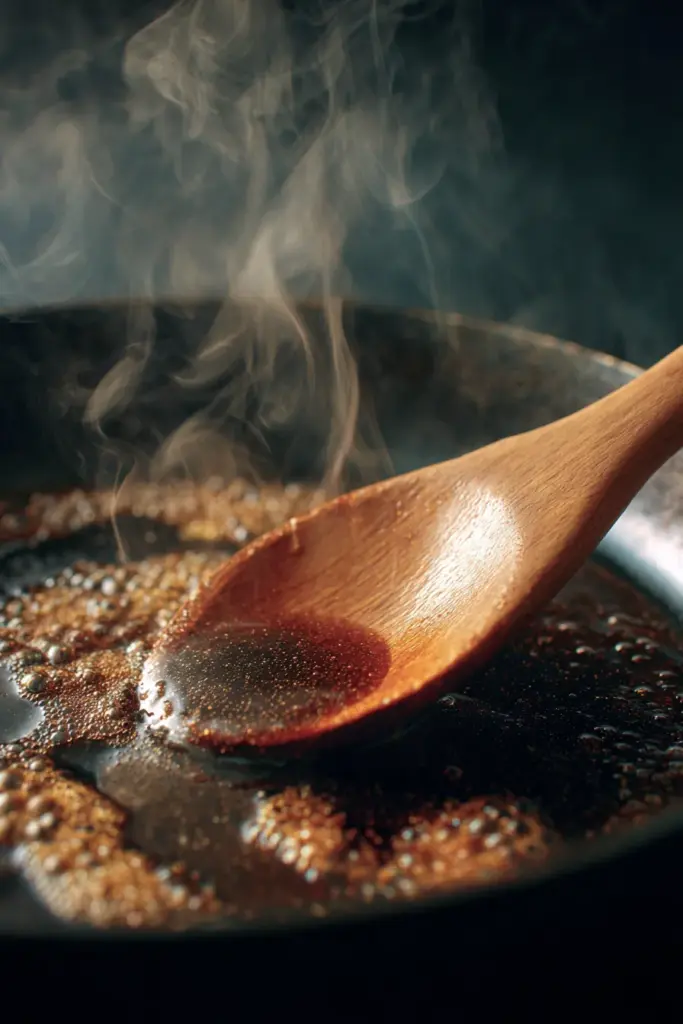
From there, you can go countless directions. Add cream for richness. Stir in mustard for tang and complexity. Whisk in cold butter at the end for silky texture. Throw in fresh herbs for brightness. The same base technique creates everything from elegant French sauces to rustic Italian pan gravies.
The key is working quickly while the pan is still hot and those browned bits haven’t hardened. I keep all my sauce ingredients ready before I start cooking the chicken. That way, as soon as the chicken comes out of the pan, I can immediately start the sauce without losing momentum or heat.
Make-Ahead Sauce Strategies
Some sauces actually improve with time, making them perfect for meal prep. Tomato-based sauces, braising liquids, and Asian-style sauces often taste better the next day after flavors have had time to meld. I’ll make a big batch on Sunday and use it throughout the week with different proteins and sides.
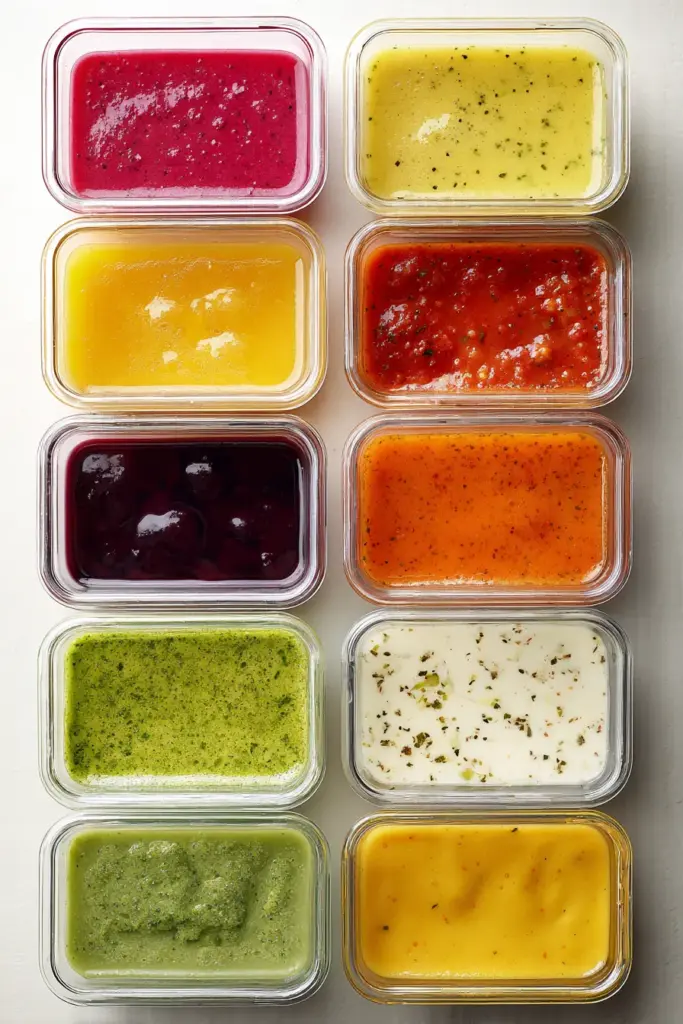
These sauces freeze beautifully too. I portion them into containers, freeze them flat for easy storage, and pull them out as needed. A freezer full of good sauces means I’m always one quick protein cook away from an impressive dinner.
Expert Tips for Perfect Chicken Every Time
After years of cooking chicken almost daily, I’ve accumulated tips and tricks that consistently produce better results. These are the things I wish someone had told me when I was starting out, the small details that make the difference between okay chicken and really excellent chicken.
First, always bring chicken to room temperature before cooking. Cold chicken hitting a hot pan causes uneven cooking, with the outside done before the inside has warmed through. I take my chicken out of the fridge thirty minutes before cooking. This one change improved my results immediately.
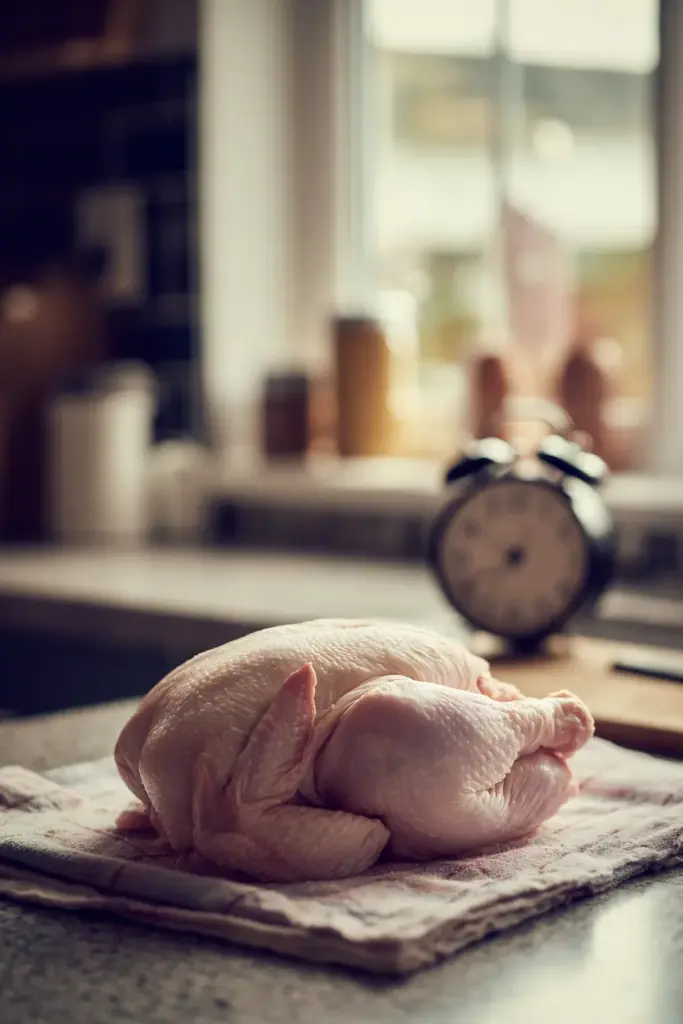
Salt chicken well ahead of time when possible. Salting at least an hour before cooking, or even overnight, allows the salt to penetrate the meat rather than just seasoning the surface. This is especially important for thick cuts like bone-in breasts or thighs. The chicken becomes seasoned throughout, not just on the outside.
Common Mistakes to Avoid
The biggest mistake I see is overcrowding the pan. When you pack too much chicken into a skillet, it releases moisture that can’t evaporate fast enough. Instead of browning, the chicken steams and turns pale and soft. Give each piece space. Cook in batches if needed. The wait is worth it for proper browning.
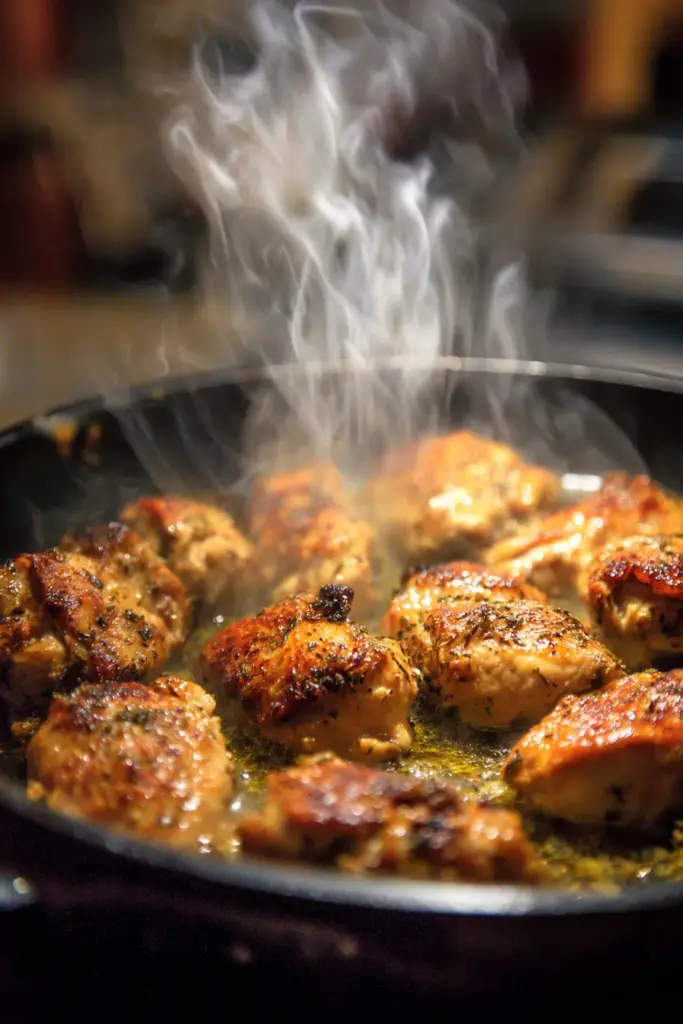
Another common error is moving chicken too soon after it hits the pan. When chicken first touches hot metal, it sticks. This is normal. If you try to flip it immediately, you’ll tear the skin or coating. Wait. After a few minutes, once a crust forms, the chicken will release naturally. Be patient.
Not letting chicken rest after cooking is wasteful. When you cut into chicken immediately after cooking, all those juices run out onto the cutting board. Let it rest for at least five minutes, tented with foil. The juices redistribute, and every bite stays moist and flavorful.
Temperature and Timing Guidelines
Every cut of chicken has an ideal cooking time and temperature, but these are guidelines, not absolute rules. Thickness matters more than weight. A thick chicken breast needs longer than a thin one, regardless of what they weigh. This is why I always flatten breasts to even thickness or butterfly them for uniform cooking.
Bone-in chicken takes longer than boneless. Dark meat can handle higher temperatures than white meat. Skin-on chicken needs high initial heat to crisp the skin, then moderate heat to finish cooking through without burning. These variables mean you need to understand the principles, not just follow times and temps blindly.
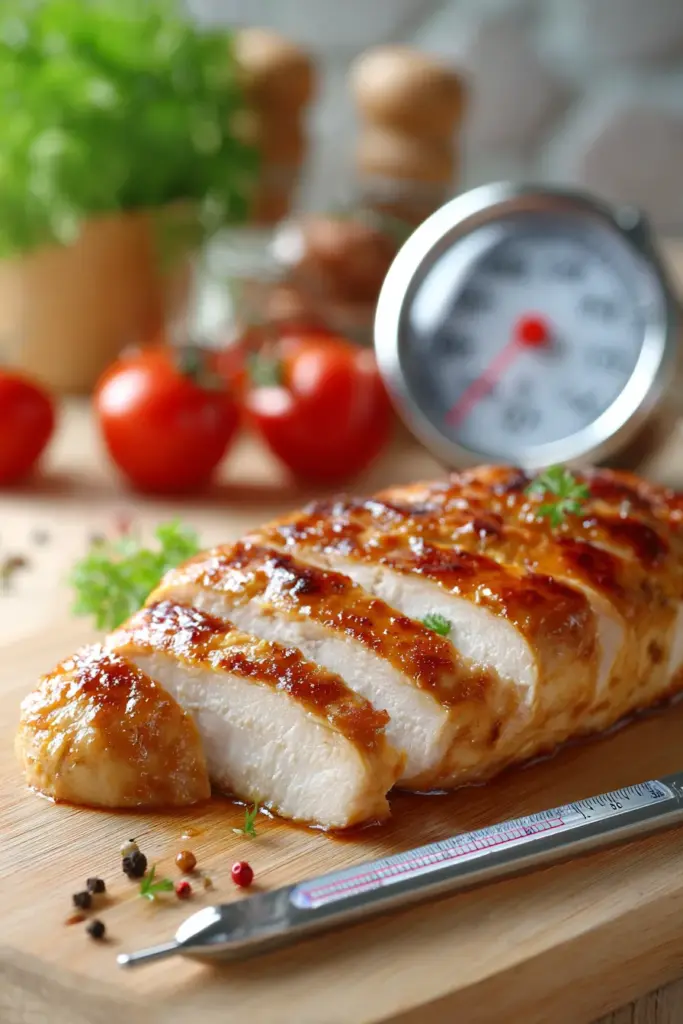
My instant-read thermometer is my most-used kitchen tool. It removes all guesswork. Chicken breast is done at 165 degrees Fahrenheit. Thighs are perfect at 175 degrees. Wings can go to 180 degrees without drying out. Simple, reliable, and it guarantees I never serve undercooked or dried-out chicken.
Bringing It All Together: Your Chicken Cooking Journey
We’ve covered a lot of ground together, from basic techniques to international preparations, from simple weeknight dinners to impressive dishes for company. But the real magic happens when you take these techniques and make them your own, adapting them to your taste and your kitchen.
The most important lesson I’ve learned is that cooking chicken well isn’t about following recipes exactly. It’s about understanding principles. Once you know why techniques work, you can improvise and adapt. You can look in your fridge, see what needs using, and create something delicious without a recipe to guide you.
Start with recipes that appeal to you, practice the techniques until they become second nature, then begin experimenting. Add different spices to a basic preparation. Swap vegetables in a stir-fry. Change the cheese in a parmesan crust. Every variation teaches you something new about how flavors and techniques interact.
Remember that mistakes are part of learning. My best recipes often came from happy accidents or from fixing something that went wrong. That dried-out chicken taught me about temperatures. That soggy coating taught me about proper breading technique. Every failure contained lessons that made me better.
Building Your Repertoire
I encourage you to develop a rotation of chicken dishes you can make without thinking. For me, it’s about eight to ten preparations I’ve made so often they’re automatic. When I’m tired or busy, I can pull out one of these tried-and-true recipes and dinner happens almost on autopilot.
But I also push myself to try new things regularly. Maybe once a week, I’ll make something I’ve never made before or try a technique that’s unfamiliar. This keeps cooking interesting and gradually expands that repertoire of automatic dishes. What was challenging and new last month becomes comfortable and familiar this month.
The recipes in this guide give you a solid foundation. Simple preparations like roasted chicken teach you about proper cooking. Coated dishes teach you about texture. Saucy preparations teach you about flavor building. International dishes expose you to new ingredients and techniques. Work through them, learn from them, and make them yours.
Seasonal Cooking and Flexibility
While chicken is available year-round, I’ve learned to think seasonally about how I prepare it. Summer means grilled chicken with bright, fresh flavors and lots of vegetables. Winter means braised dishes, creamy sauces, and warming spices. Fall and spring are transition times, perfect for trying new techniques and flavor combinations.
This seasonal approach keeps meals interesting and takes advantage of what’s best at each time of year. Those tomatoes and basil in summer, the squash and apples in fall, the hearty greens in winter, they all pair beautifully with chicken in different preparations. Let the seasons guide your cooking and you’ll never get bored.
Conclusion
Looking back at my journey with chicken, from that disastrous first roasted chicken to the confident cook I am now, I’m amazed at how much this one protein has taught me about cooking in general. Every technique I learned with chicken transferred to other ingredients. Every mistake taught me something valuable. Every success built my confidence to try something new.
The beauty of chicken is its versatility and forgiveness. It works with virtually any flavor profile, from subtle and delicate to bold and spicy. It takes to quick cooking and slow braising equally well. It’s affordable enough to experiment with without worrying about wasting expensive ingredients. For all these reasons, mastering chicken makes you a better cook overall.
My hope is that this guide gives you the confidence to explore chicken in all its possibilities. Try the recipes that sound appealing, learn the techniques that intrigue you, and don’t be afraid to make mistakes. That’s how you learn. Every cook has dried out chicken breasts and burned garlic and soggy coating in their past. What matters is learning from those experiences and trying again.
Remember that cooking should bring joy. Yes, we want to feed ourselves and our families well, but the process itself should be satisfying. The smell of garlic hitting hot oil, the sizzle of chicken in a pan, the first taste of something you’ve made from scratch, these are simple pleasures that make cooking worthwhile. Embrace them. Enjoy the journey. Let chicken be your vehicle for exploring flavors, techniques, and the pure satisfaction of making something delicious with your own hands.
Whether you’re making a quick weeknight stir-fry or an elaborate dish for special guests, whether you’re following a recipe exactly or improvising based on what’s in your fridge, you’re developing skills and creating memories. That’s what cooking is really about. So get in your kitchen, grab some chicken, and start cooking. You’ve got this.
Explore more delicious chicken inspiration on Luscious Recipes:
Frequently Asked Questions
How do I prevent chicken breasts from drying out?
Don’t overcook them. Pull breasts from heat at 160 degrees and let carryover cooking finish them. Pound them to even thickness so they cook uniformly. Brining or marinating in buttermilk or yogurt helps retain moisture. Consider switching to thighs, which stay juicier.
Can I substitute chicken thighs for breasts in recipes?
Usually yes, with adjustments. Thighs take slightly longer to cook and have more fat, which means richer flavor and juicier results. They work beautifully in any recipe with sauce or braising. For dishes that need neat slices or specific presentation, breasts might be better.
How long can I marinate chicken safely?
In the refrigerator, up to two days for most marinades. Acidic marinades with lots of citrus or vinegar should max out at twelve hours or they’ll start breaking down the texture too much. Oil-based marinades without much acid can go longer. Always marinate in the fridge, never on the counter.
Why does my breading fall off during cooking?
Your chicken was probably too wet when you breaded it. Pat it completely dry first. Make sure each layer adheres before moving to the next. Let breaded chicken rest in the fridge for thirty minutes before cooking. Don’t move it too soon in the pan. Use proper oil temperature so the coating sets quickly.
What’s the best way to reheat leftover chicken?
Depends on the original preparation. Fried chicken reheats best in the oven at 375 degrees to recrisp the coating. Saucy chicken reheats well in the microwave or on the stovetop with a splash of liquid. Grilled chicken can dry out when reheated, so add it to something with sauce or moisture.
How do I know when chicken is done without a thermometer?
You don’t, really. Visual cues help but aren’t reliable. Clear juices, firm texture, and no pink in the center suggest doneness, but only a thermometer tells you for certain. They’re inexpensive and worth it for food safety and perfect results. Invest in one.
Can I freeze marinated chicken?
Absolutely, and it’s a great meal prep strategy. Combine raw chicken and marinade in a freezer bag, squeeze out air, and freeze flat. As it thaws in the fridge, it marinates. By the time it’s thawed, it’s marinated and ready to cook. Super convenient for busy nights.
What’s the difference between chicken broth and stock?
Stock is made from bones and has more gelatin, giving it body. Broth is made from meat and is lighter. For most chicken dishes, they’re interchangeable. I keep both on hand and use whichever I have. Homemade is better than store-bought, but good quality boxed broth works fine.
Why is my stir-fry chicken tough?
You’re probably cooking it too long or at too low temperature. Stir-fry needs very high heat and quick cooking. Slice chicken thin against the grain. Marinate it with cornstarch for velveting. Don’t overcrowd the pan. Cook in small batches, keeping each batch moving constantly.
How do I get crispy chicken skin?
Dry the skin thoroughly before cooking. Pat it with paper towels, then let it air-dry in the fridge uncovered for a few hours if possible. Start skin-side down in a cold pan, which allows fat to render slowly. Don’t move it until the skin releases naturally. High heat at the end crisps it perfectly.
Can I cook frozen chicken without thawing?
You can, but it’s not ideal. Cooking time increases by about fifty percent. The outside can overcook while the inside reaches safe temperature. The texture often suffers. For best results, thaw in the refrigerator. For emergencies, sealed chicken can thaw in cold water changed every thirty minutes.
What’s the white stuff that comes out of chicken when cooking?
That’s protein, specifically albumin. It’s completely safe and normal. It appears more when chicken is cooked from cold or at too high temperature. Bringing chicken to room temperature before cooking and using moderate heat reduces it. Brining also helps minimize it.

🍳 Precision Meets Passion — Tools Chefs Trust Daily

- Grams & ounces — precise to 1g
- Perfect for baking & keto tracking
- Sleek stainless steel design

- German stainless precision
- Razor-sharp & dishwasher-safe
- Elegant wood block organizer

- Premium Stainless Steel Build
- Easy to Clean & Dishwasher Safe
- A Must-Have Kitchen Tool