➤ Table of Contents
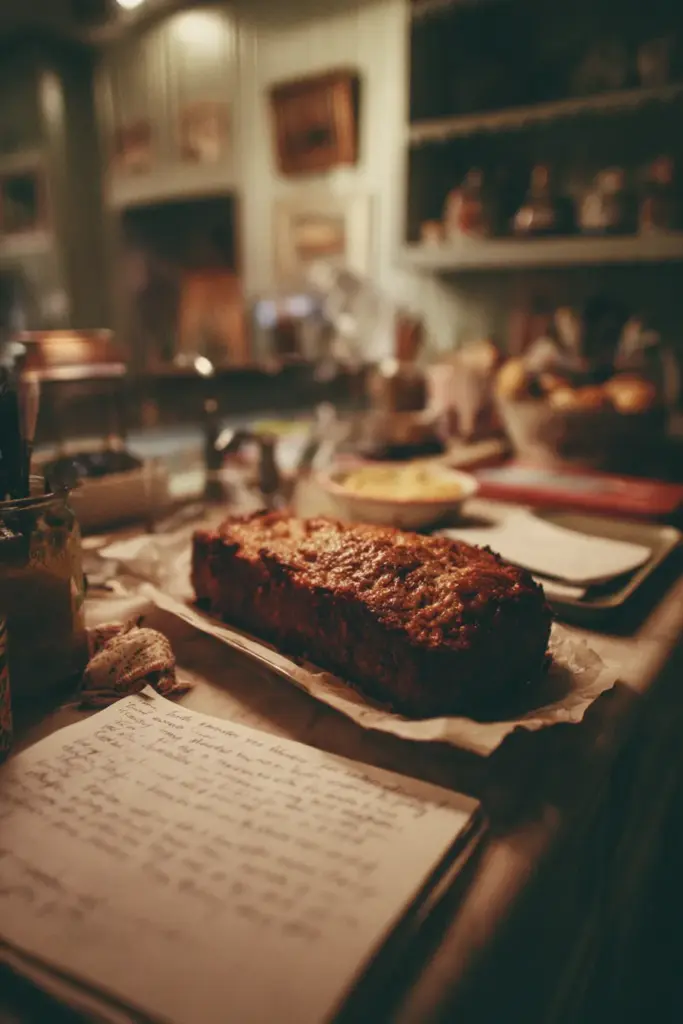
I’ll never forget the first meatloaf I made completely on my own. I was fresh out of college, living in my first apartment, and desperately missing my mom’s Sunday dinners. I called her up, scribbled down her recipe on the back of an envelope, and proceeded to create what can only be described as a dense, flavorless brick. The ketchup glaze was burnt on the edges, the inside was somehow both dry and greasy, and I’m pretty sure I could have used it as a doorstop. But you know what? I learned more from that disaster than I ever would have from a perfect first attempt.
⚡ Smart Kitchen Tools Every Home Cook Swears By

- Pure aluminum
- Durable enough for everyday cooking
- Made in the USA with quality

- 7 cooking functions in one compact cooker
- 3-quart size ideal for couples or small meals
- Up to 70% faster than traditional cooking

- 3 sizes for every recipe
- Pre-seasoned & durable cast iron
- Oven & grill ready
That experience launched what became years of experimenting with ground beef and comfort food classics. I’ve made meatloaf at least a hundred times since then, each version teaching me something new about moisture, seasoning, and texture. I’ve learned that the difference between a good meatloaf and a great one often comes down to tiny details: the ratio of meat to binder, how gently you mix it, even the pan you bake it in. These lessons extend to every ground beef dinner I make, from Swedish meatballs to shepherd’s pie to simple weeknight chili.
Ground meat dinners hold a special place in home cooking because they’re approachable, affordable, and infinitely adaptable. A pound of ground beef can become a dozen different meals depending on how you season and prepare it. These are the recipes that fed families through generations, the ones that get requested for birthday dinners and show up at potlucks and church suppers. They’re comfort food in the truest sense, warm and filling and somehow able to make even the worst day feel a little bit better.
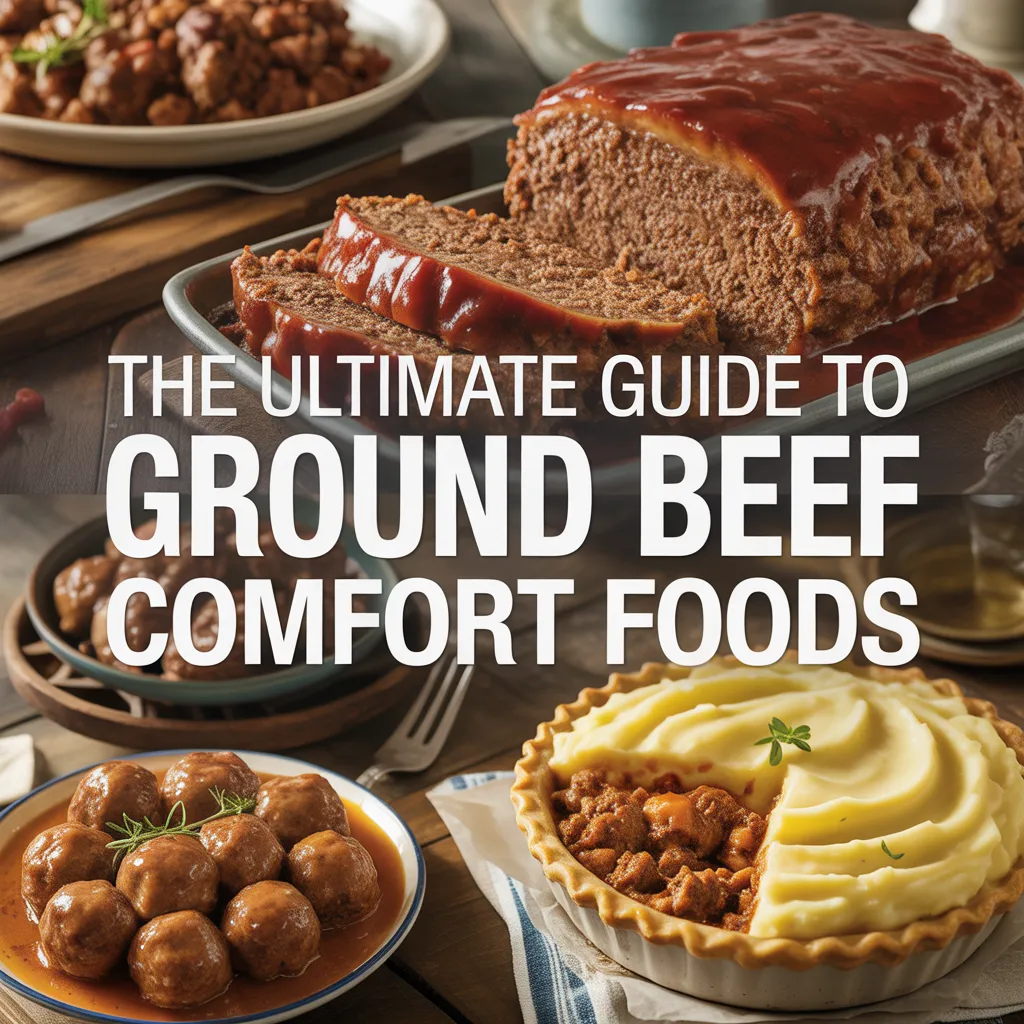
This guide is everything I’ve learned about cooking with ground beef and other ground meats. We’ll explore classic preparations that have stood the test of time, techniques for keeping meat tender and flavorful, and creative variations that breathe new life into familiar favorites. Whether you’re feeding a crowd on a budget, trying to get dinner on the table quickly after work, or looking for that perfect nostalgic meal that tastes like home, you’ll find inspiration here. Every recipe and technique comes from real kitchen experience, complete with the mistakes I made so you can skip straight to the delicious results.
Mastering the Art of Meatloaf
Meatloaf might be the most divisive comfort food in America. People either adore it or think they hate it, and I’m convinced the haters just haven’t had a good one yet. A properly made meatloaf is moist, flavorful, and so satisfying that you’ll find yourself making extra just for sandwiches the next day. A bad meatloaf is exactly what I made that first time: dense, dry, and worthy of its unfortunate reputation.
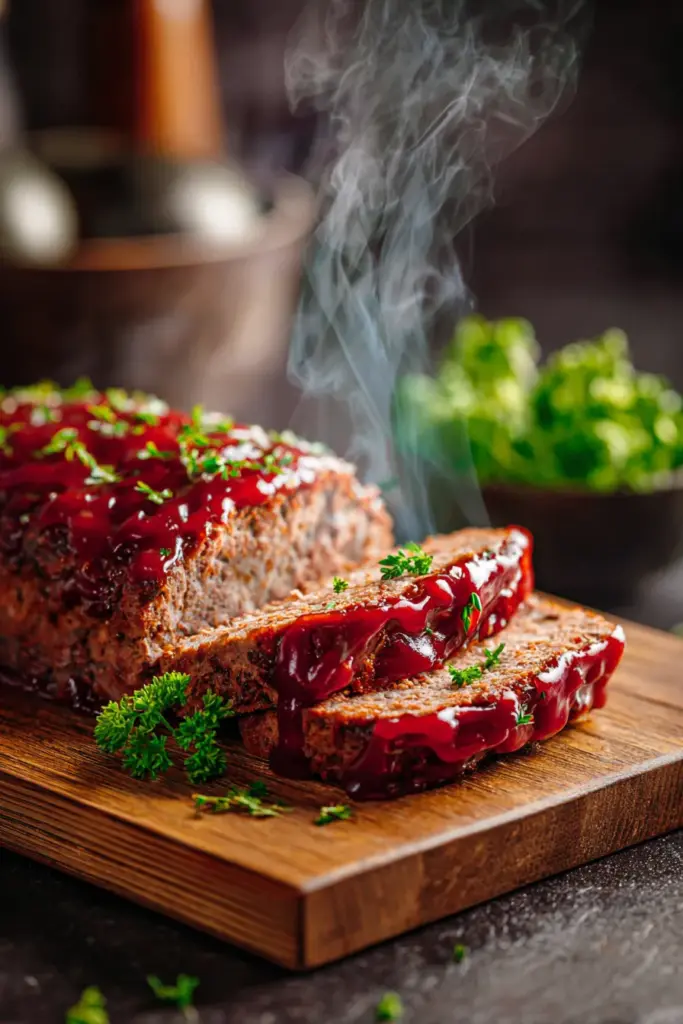
The secret to great meatloaf starts with understanding what makes ground meat tender. You need a panade, which is just a fancy word for bread or breadcrumbs soaked in liquid. This mixture keeps the meat moist during cooking and creates a tender texture instead of that dreaded meatloaf density. I use regular breadcrumbs soaked in milk, but I’ve also had success with crushed crackers, oats, or even torn sandwich bread.
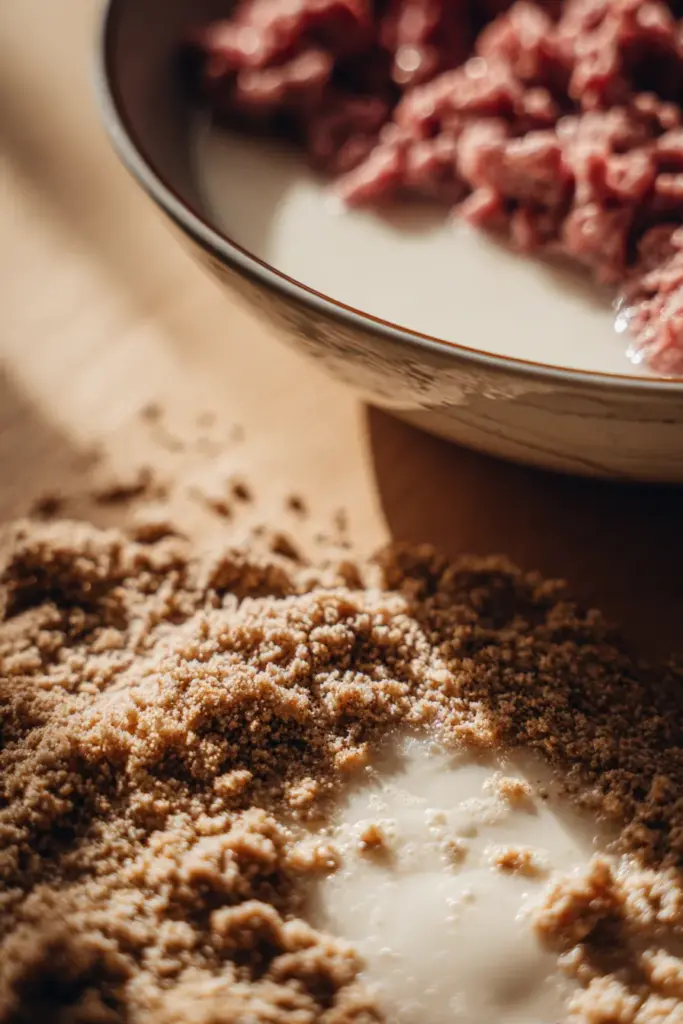
The ratio matters tremendously. For every pound of ground meat, you want about half a cup of breadcrumbs and a quarter cup of liquid. Too little and your meatloaf will be dense. Too much and it falls apart. The easy meatloaf recipe I make most often hits this balance perfectly, creating a slice that holds together but still feels light and tender.
Mixing and Shaping Techniques
Here’s where many people go wrong: they overmix the meat mixture. Once you add your ground beef to the other ingredients, you want to mix just until everything is combined. Overworking the meat develops the proteins too much, creating that dense, tough texture we’re trying to avoid. I use my hands and work quickly, stopping the moment I don’t see any more dry spots or unmixed ingredients.
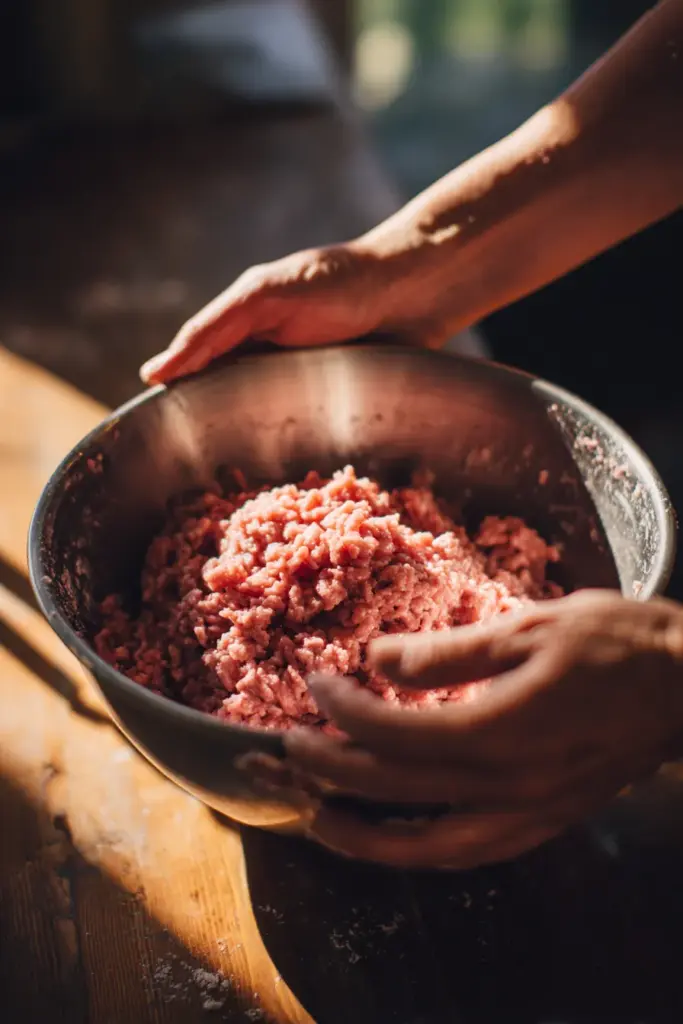
Shaping the meatloaf makes a difference too. I used to pack mine into a loaf pan, but I’ve learned that free-form meatloaves cooked on a sheet pan develop better crust all around and allow fat to drain away. For something more substantial, try the best classic meatloaf recipe that balances traditional flavors with proper technique.
🥗 Fresh, Fast & Foolproof — Upgrades You'll Use Tonight

- Zoodles in seconds
- Heavy-duty, 10 sharp blades
- Keto, paleo & gluten-free friendly

- Meals in ~30 minutes
- 3-Qt — perfect for 1–3 people
- Pressure cook, sauté, steam & more

- Phone alerts & live temp graph
- Hands-off monitoring for smokers
- Perfect doneness, every time
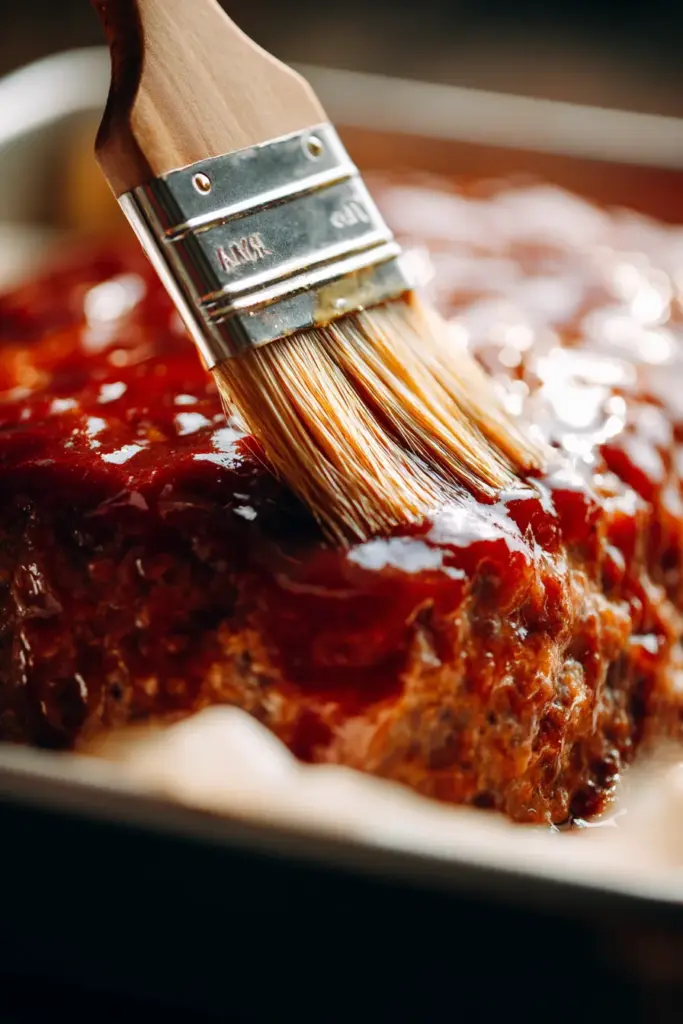
The glaze is your moment to add personality. A simple ketchup-based glaze works wonderfully, but I also love experimenting with BBQ sauce, teriyaki, or even a balsamic reduction. Apply half the glaze before baking and the rest during the last fifteen minutes. This creates layers of flavor and that gorgeous glossy finish.
Creative Meatloaf Variations
Once you master the basic technique, meatloaf becomes a canvas for creativity. The classic Philly cheesesteak meatloaf brings together bell peppers, onions, and plenty of melted cheese for a twist that tastes exactly like its namesake sandwich. It’s become one of my family’s most requested dinners.
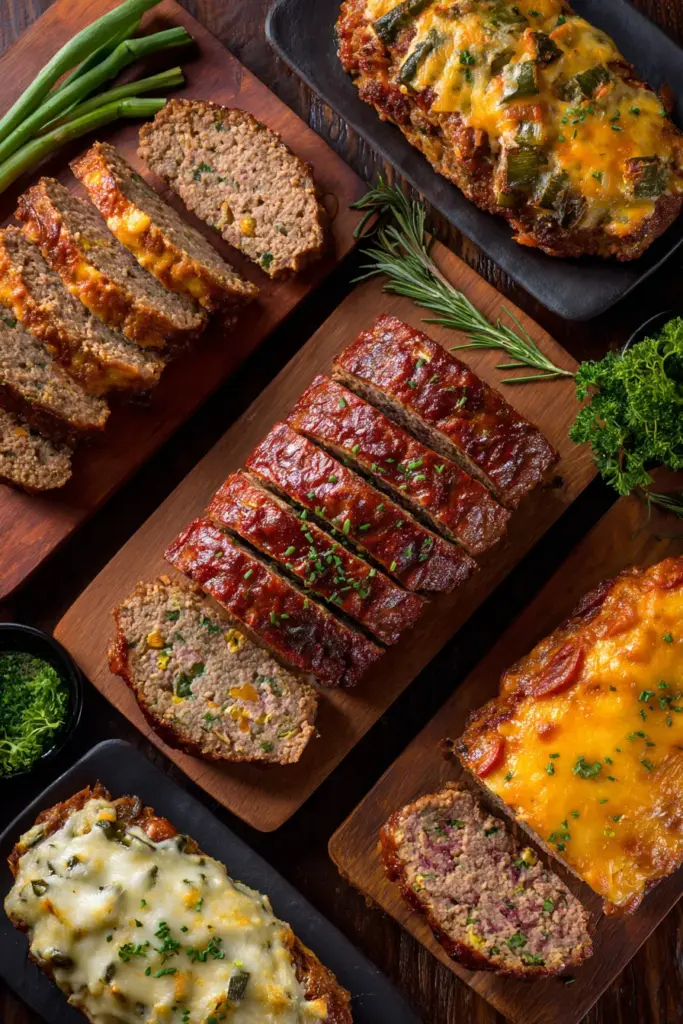
For something with bold flavors, the BBQ cheddar meatloaf combines smoky barbecue sauce with sharp cheddar cheese throughout the loaf. Each slice is studded with melted cheese pockets, and that tangy BBQ glaze makes it feel like summer cookout food in meatloaf form.
When I’m cooking for just my husband and myself, I turn to the meatloaf for two that scales down perfectly without sacrificing flavor. There’s something wonderful about having exactly the right amount with maybe one portion left over for lunch, rather than eating meatloaf for five days straight.
Stuffed and Loaded Meatloaf Ideas
Taking meatloaf to the next level means adding fillings and toppings that transform it into something special. The stuffed Italian meatloaf has a center of mozzarella, spinach, and Italian seasonings that oozes when you slice into it. It looks incredibly impressive on the plate and tastes like something from an Italian grandmother’s kitchen.
One of my favorite combinations is the meatloaf with mashed potatoes and cheese that puts creamy mashed potatoes right on top of the meat mixture before baking. It’s like shepherd’s pie and meatloaf had a baby, and that baby is absolutely delicious.
For something unconventional that actually works brilliantly, try not yo mama’s meatloaf, which incorporates unexpected ingredients that add moisture and flavor without being traditional. Sometimes breaking the rules creates the most memorable meals.
Simple and Quick Meatloaf Options
On busy weeknights, you don’t always have time for elaborate preparations. That’s when recipes like the 4-ingredient meatloaf become absolute lifesavers. With just ground beef, stuffing mix, egg, and ketchup, you can have meatloaf in the oven in less than ten minutes. It’s proof that simple doesn’t have to mean boring.
If you’re looking for something with a bit more flair but still straightforward, the easy meatloaf recipe delivers classic flavor without complicated steps. It’s the kind of reliable recipe you’ll make over and over because it works every single time.
I’m also a huge fan of the easiest best meatloaf recipe you will ever make, which lives up to its bold claim. When you need dinner on the table with minimal fuss but maximum comfort, this is the one to reach for.
Meatballs: From Italian Classics to Swedish Comfort
There was a period in my twenties when I lived in a tiny apartment with an even tinier kitchen, and I made meatballs at least once a week. They were economical, they froze beautifully, and they could become a dozen different meals depending on the sauce I paired them with. I’d make a huge batch on Sunday afternoon, freeze them in portions, and have the foundation for quick dinners all month long.
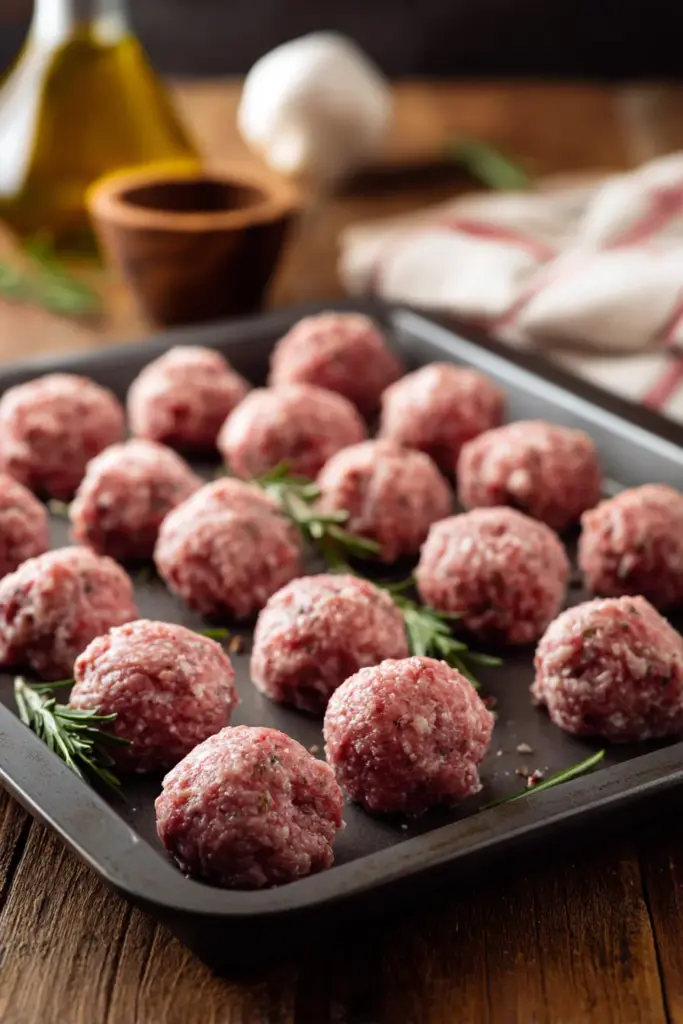
The beauty of meatballs is their versatility. Change the seasonings and they become Italian, Swedish, German, or anything else you want. The basic technique remains similar, but those subtle differences in spices, binders, and cooking methods create entirely different dishes. Learning to make great meatballs opens up a whole world of easy, delicious dinners.
My approach to meatballs follows the same moisture principles as meatloaf. You need that panade of breadcrumbs and liquid to keep them tender. I also add an egg for binding and grated onion for flavor and additional moisture. The key is mixing gently and shaping them with a light touch. Heavy-handed meatballs are dense meatballs.
Classic Italian Meatballs
Italian meatballs are probably what most people picture when they hear the word meatball. These are the ones swimming in marinara sauce, piled on top of spaghetti, or tucked into submarine sandwiches. The classic Italian meatballs recipe I use comes from my Italian neighbor who shared her family’s technique with me years ago.
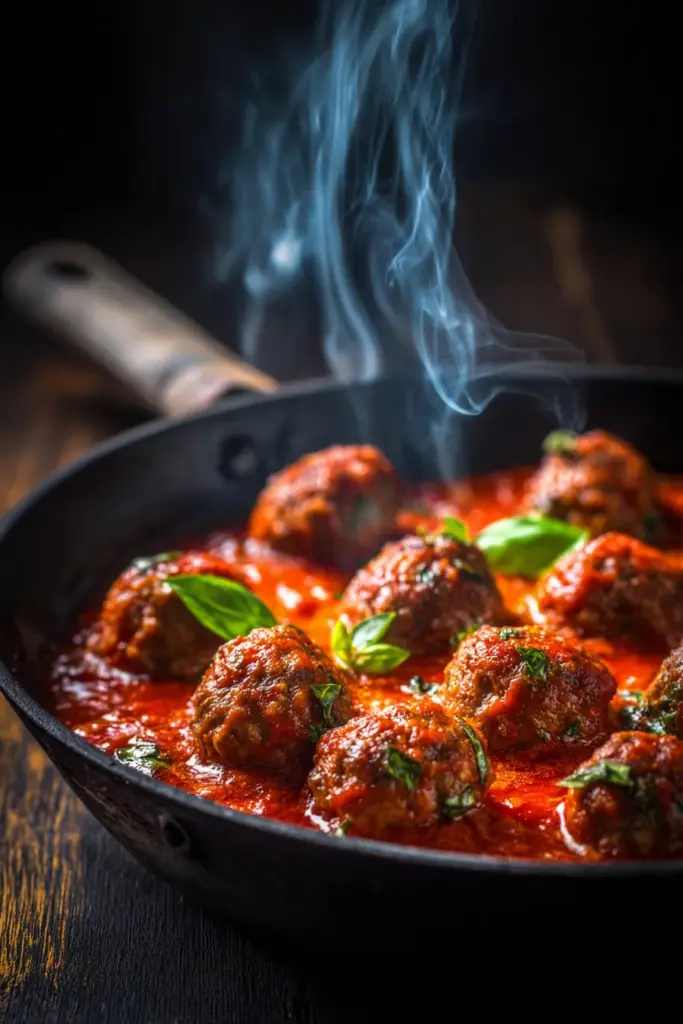
The secret is using a blend of meats. I combine ground beef with ground pork and sometimes a little ground veal if I can find it. The pork adds richness and fat that keeps everything moist. Italian seasonings like oregano, basil, and plenty of garlic give them that distinctive flavor, and I always add freshly grated Parmesan cheese to the mixture for extra savory depth.
For a celebrity-inspired version with its own twist, the Bobby Flay’s Italian meatball recipe incorporates techniques from one of America’s most famous chefs. The flavor profile is bold and confident, exactly what you’d expect.
Swedish Meatballs and Cream Sauce
Swedish meatballs are an entirely different experience from Italian ones. They’re smaller, more delicate, and served in a rich, creamy sauce that’s seasoned with nutmeg and allspice. The first time I made Swedish meatballs, I was shocked by how much those warm spices changed the entire character of the dish.
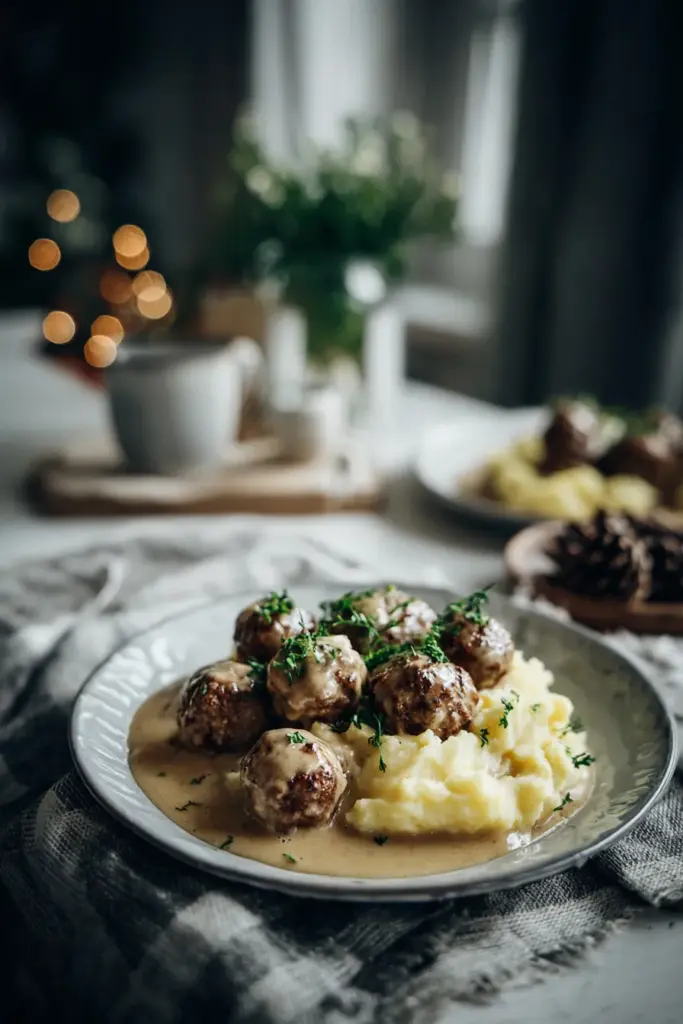
The cream sauce is just as important as the meatballs themselves. I make mine with beef broth, heavy cream, and a touch of soy sauce for depth. That combination of savory, creamy, and slightly sweet from the spices creates something incredibly comforting. Serve them over egg noodles or mashed potatoes to soak up every bit of that gorgeous sauce.
Swedish meatballs are perfect for entertaining because you can make them ahead and reheat them in the sauce. They actually taste better the next day after the flavors have had time to meld together. I’ve served them at holiday parties, potlucks, and family dinners, and they’re always a hit.
German Meatballs and Regional Variations
German meatballs, or frikadellen as they’re sometimes called, have their own distinct personality. The classic German meatballs I make are seasoned with marjoram, which gives them an earthy, slightly floral flavor that’s completely different from Italian or Swedish versions.
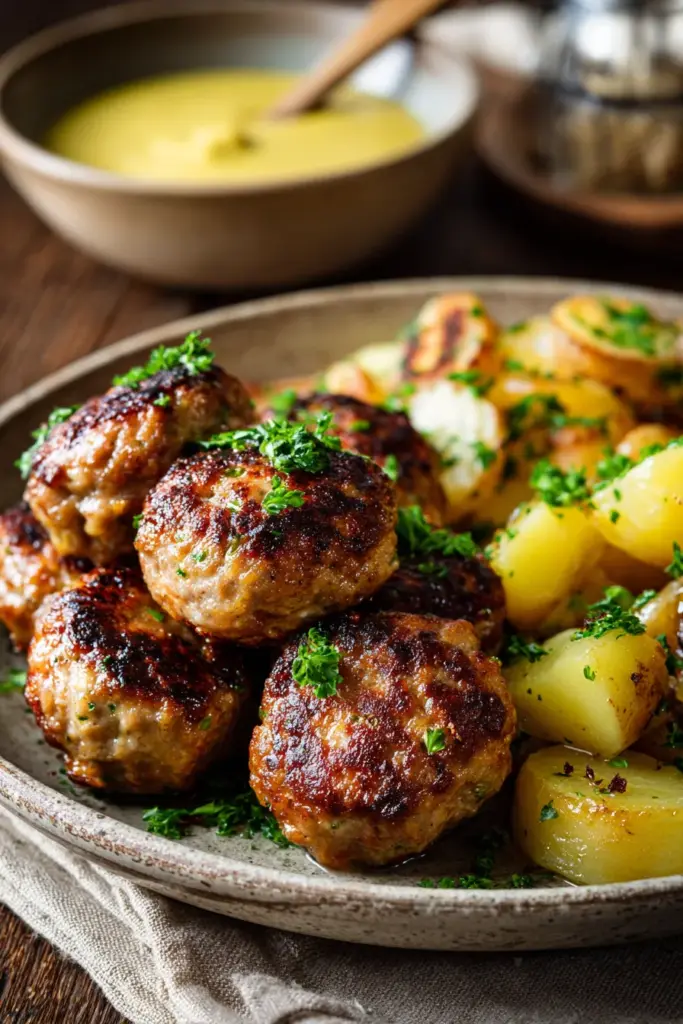
What I love about German meatballs is that they’re often served without sauce, letting the seasoning of the meat shine through. They’re pan-fried until crispy on the outside and tender inside, then served alongside potatoes and vegetables or on a roll with mustard. The crispy crust you get from pan-frying adds wonderful texture.
These are also fantastic cold the next day, sliced and eaten on bread with pickles and mustard. My German grandmother used to make them this way for picnics and road trips, and now I do the same thing.
Easy Baked Meatball Method
While pan-frying creates great crust, baking meatballs is much easier when you’re making a large batch. The quick easy baked meatballs method I use involves arranging them on a sheet pan and baking at high heat until browned and cooked through.
Baking allows you to make dozens of meatballs at once without standing over the stove. They come out evenly cooked and still develop some nice browning. I line my pan with parchment paper for easy cleanup, and I use a small cookie scoop to portion them so they’re all the same size and cook evenly.
Once baked, these meatballs can go into any sauce you like, be frozen for later, or even eaten plain. Having a stash of cooked meatballs in your freezer is like having a secret weapon for quick dinners.
Salisbury Steak and Hamburger Steak Dinners
Salisbury steak holds a special place in my heart because it was one of my dad’s favorite dinners growing up. Every time Mom made it, he’d get this nostalgic look on his face and tell stories about the Salisbury steak they served in his elementary school cafeteria. I’m not sure if those cafeteria versions were actually good or if he just remembers them fondly, but the version I make now is definitely delicious.
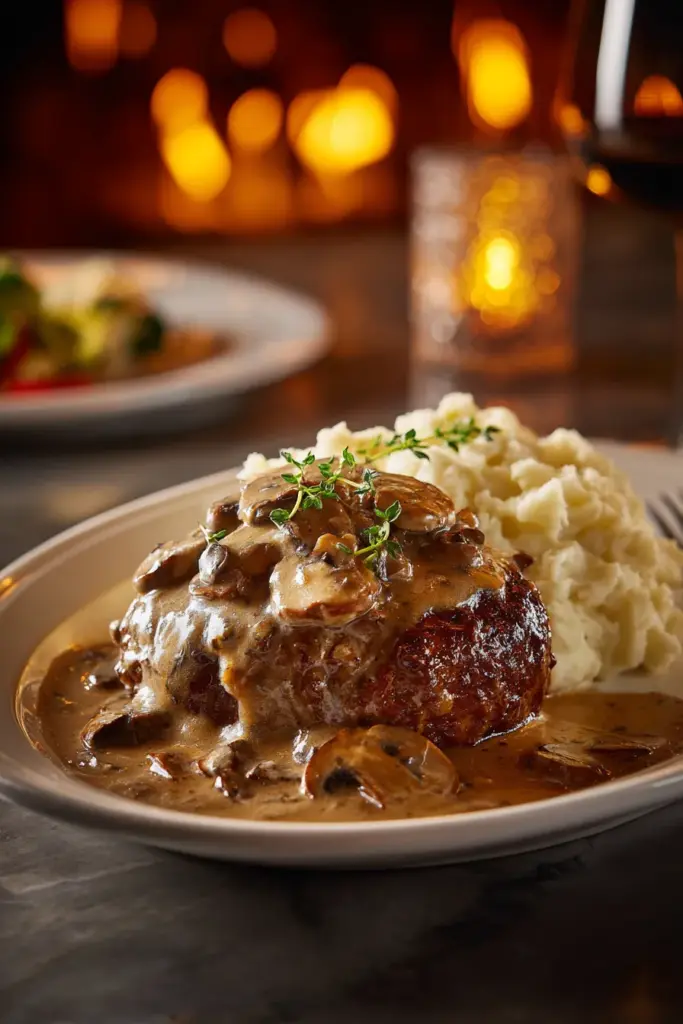
The difference between Salisbury steak and a regular hamburger is all in the treatment. You’re making shaped beef patties, but you’re cooking them in a rich gravy that transforms them into something more elegant and comforting. The meat is mixed with seasonings and binders like meatloaf, so it’s tender rather than having that coarse burger texture.
My easy Salisbury steak with mushroom gravy is pure comfort food. The mushroom gravy is savory and rich, with plenty of onions and a deep brown color from good beef broth. Served over mashed potatoes or egg noodles, it’s the kind of meal that makes you want to curl up on the couch afterward.
Traditional Hamburger Steak Methods
Hamburger steak is similar to Salisbury steak but often simpler in preparation. The Amish hamburger steak bake takes this concept and turns it into a casserole-style dish that’s perfect for feeding a crowd. Everything bakes together in one pan, and the flavors meld beautifully.
What I love about hamburger steak dinners is how they stretch ground beef into something more substantial than plain burgers. The gravy adds richness and moisture, and serving them with classic sides like mashed potatoes and green beans creates a complete, satisfying meal that feels like Sunday dinner even on a weeknight.
The technique for shaping hamburger steaks is important. You want them thicker than regular burger patties, about half an inch to three-quarters of an inch thick. This allows them to stay moist and tender as they simmer in the gravy without falling apart or overcooking.
Gravy Techniques and Flavor Building
The gravy makes or breaks these dishes. I always start by browning the meat patties in the pan, then removing them and using that same pan to build the gravy. Those browned bits stuck to the bottom, what chefs call fond, add incredible depth to the gravy. Scrape them up as you add your liquids.
I make my gravy with a simple roux of butter and flour, then whisk in beef broth and let it simmer until thickened. Mushrooms and onions cooked until soft and golden add flavor and texture. A splash of Worcestershire sauce and a bay leaf give it complexity. The meat patties go back into this gravy to finish cooking, absorbing all those delicious flavors.
Don’t rush the gravy. Let it simmer and reduce until it coats the back of a spoon. Thin gravy is disappointing, but perfectly thickened gravy that clings to the meat and pools on the plate around your mashed potatoes is pure heaven.
Cabbage Rolls and Stuffed Vegetable Dishes
I was terrified of making cabbage rolls for years. They seemed so fussy and time-consuming, all that blanching and rolling and hoping they didn’t fall apart. Then my Polish friend invited me over to help her make a batch for her daughter’s birthday, and I realized they’re actually quite straightforward once you understand the process. Now they’re one of my favorite ways to use ground beef.

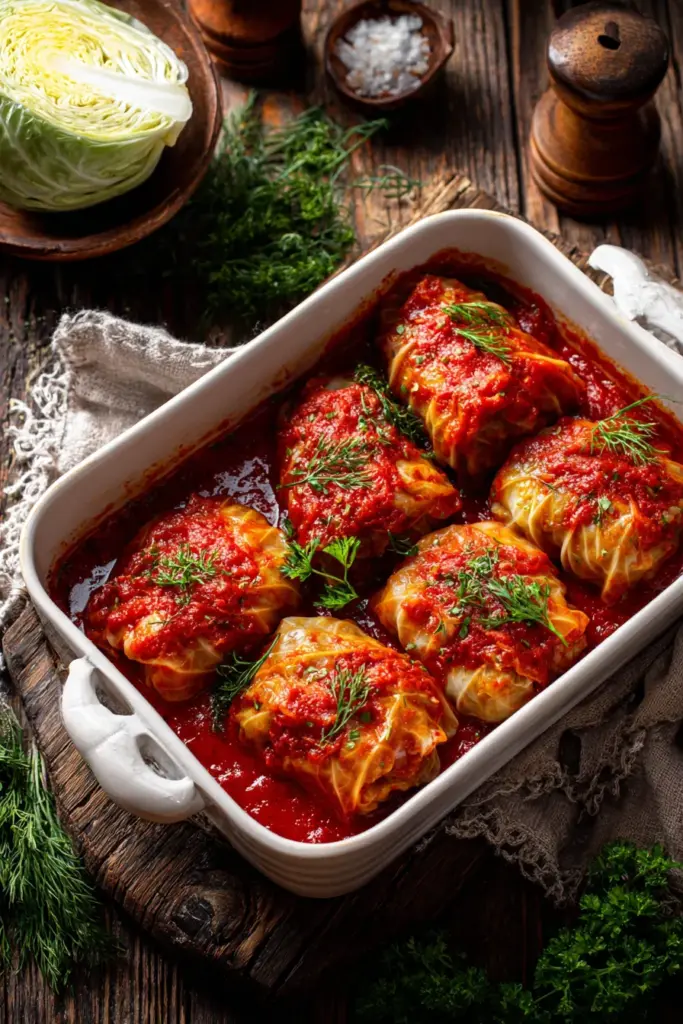
The traditional method involves coring a head of cabbage, blanching the whole thing to soften the leaves, then carefully peeling them off one by one. Each leaf gets filled with a mixture of ground beef, rice, and seasonings, rolled up, and nestled into a baking dish with tomato sauce. The cabbage rolls recipe I use now is streamlined but still delivers that authentic taste.
What makes cabbage rolls so wonderful is how the cabbage becomes sweet and tender as it bakes, melding with the savory meat filling and tangy tomato sauce. Each roll is like a perfect little package of comfort, and they’re even better the next day after the flavors have married together overnight.
Simplified Cabbage Roll Skillet
When I want the flavor of cabbage rolls without the rolling, I turn to a cabbage roll skillet. This genius shortcut chops everything up and cooks it together in one pan. You get all the same flavors in a fraction of the time.
The skillet version is perfect for busy weeknights when you’re craving comfort food but don’t have hours to spend rolling individual cabbage leaves. I brown the ground beef with onions and garlic, add chopped cabbage, rice, and tomato sauce, then let everything simmer together until the cabbage is tender and the rice is cooked. The result tastes remarkably like traditional cabbage rolls.
This is also a more forgiving dish. If your cabbage isn’t perfectly cooked or your rice is a little mushier than ideal, it all just becomes part of the comforting whole. Kids who might be suspicious of rolled cabbage often devour the skillet version because it looks less intimidating.
Polish-Style Baked Cabbage Rolls
For special occasions or when I have extra time, I make Polish cabbage rolls baked in the oven the traditional way. The Polish method often includes a sweet-and-sour element in the sauce, with a touch of brown sugar and vinegar balancing the tomatoes.
I layer the rolls in a deep baking dish, sometimes adding a few sauerkraut leaves between layers for extra flavor. The rolls bake low and slow, becoming incredibly tender. The house fills with the most amazing aroma, and by the time they’re ready, everyone is hovering around the kitchen asking when dinner will be served.
These freeze beautifully, so I often make a double batch. Having homemade cabbage rolls in the freezer feels like a gift to my future self. Just reheat them in the oven with a little extra sauce, and you have a comforting dinner with almost no effort.
Ground Beef Casseroles: One-Pan Wonders
Casseroles are the unsung heroes of home cooking. They’re economical, they feed a crowd, they travel well to potlucks, and they often taste even better as leftovers. Growing up, casseroles appeared on our table at least twice a week, and I’ve carried that tradition into my own kitchen with updated versions that feel fresh and delicious.
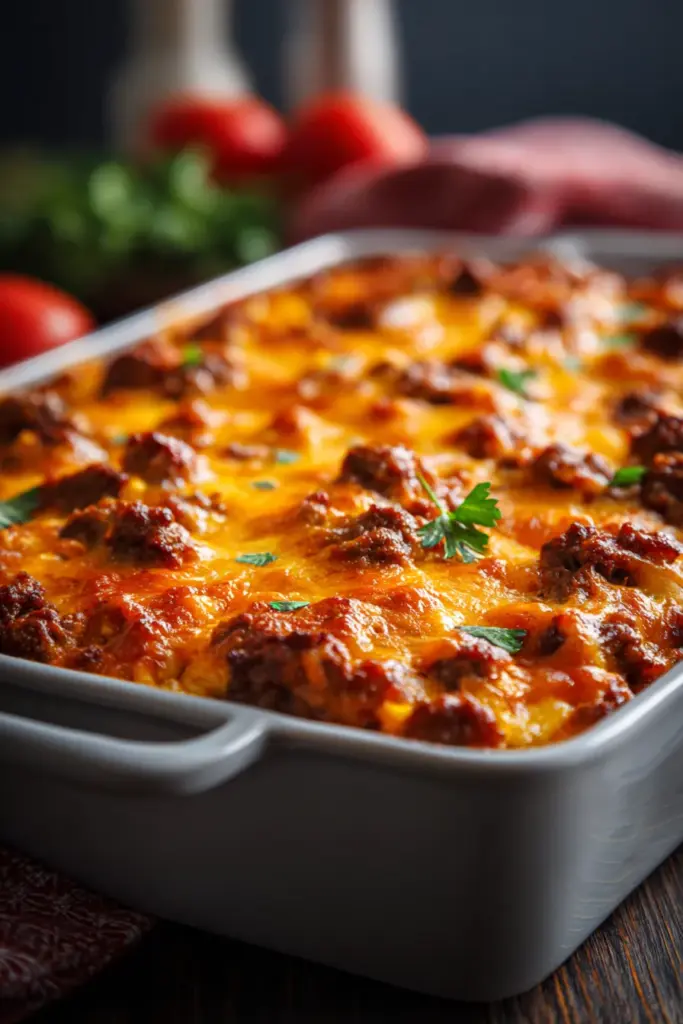
The key to a great casserole is layering flavors and textures. You want a protein component, a starch, vegetables, sauce, and usually cheese to tie everything together. Ground beef casseroles are particularly forgiving because the meat distributes throughout the dish, stretching a pound of beef to feed six to eight people easily.
One of my family’s absolute favorites is the irresistible Big Mac casserole recipe, which captures all the flavors of the famous burger in casserole form. It’s fun, nostalgic, and always a conversation starter when I bring it to gatherings.
Cheesy Ground Beef Casseroles
Cheese makes everything better, and casseroles are no exception. The cheesy meatloaf casserole combines the flavors of meatloaf with the ease of a casserole. The result is comfort food squared, with plenty of melted cheese holding everything together.
I love how casseroles allow you to sneak in vegetables that picky eaters might otherwise reject. When everything is mixed together and covered in cheese and sauce, even kids who claim to hate vegetables will often clean their plates. It’s not sneaky exactly, but it’s strategic.
The beauty of casseroles is also in their flexibility. You can assemble them ahead of time and refrigerate until you’re ready to bake. This makes them perfect for busy weeknights, holiday hosting, or bringing meals to friends who need help. Just pop them in the oven and you have a complete dinner with minimal last-minute effort.
Shepherd’s Pie: The Ultimate Comfort Casserole
Shepherd’s pie might be the ultimate comfort casserole. That layer of seasoned ground meat topped with creamy mashed potatoes, baked until golden and bubbly, is pure satisfaction in every bite. The shepherd’s pie I make follows the traditional method but with a few tweaks I’ve learned over the years.
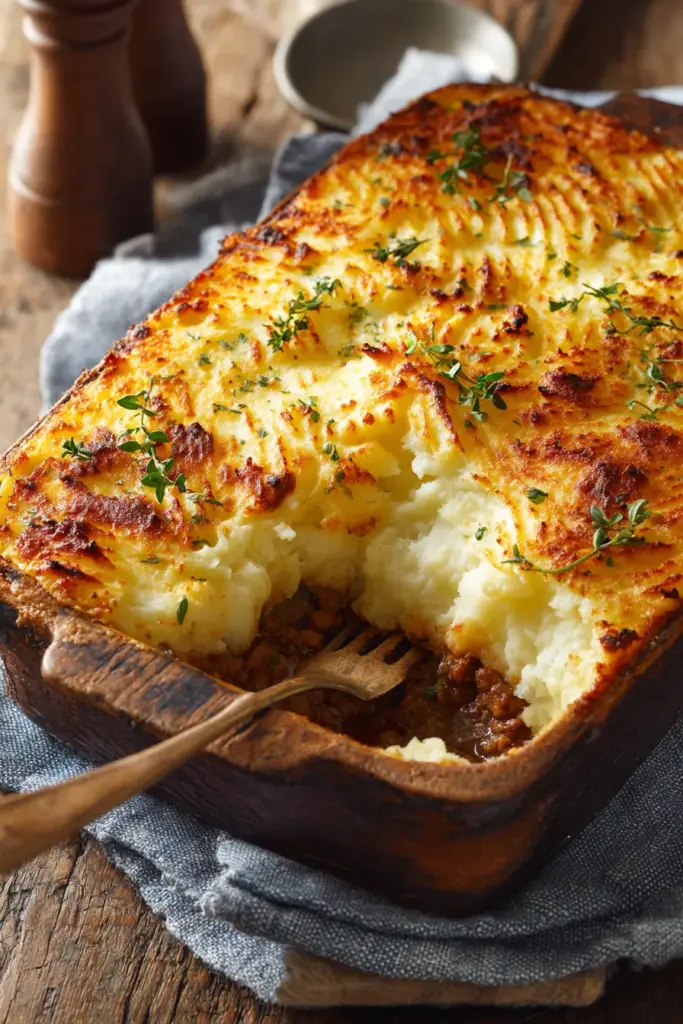
True shepherd’s pie is made with lamb, while cottage pie uses beef, but most Americans use the terms interchangeably and make it with ground beef. I add vegetables like peas, carrots, and corn to the meat mixture for color and nutrition. The gravy needs to be thick enough to support the mashed potato topping without making the whole dish soupy.
For the mashed potato topping, I make them extra creamy with butter and milk, then pipe or spread them over the meat mixture. Before baking, I run a fork over the top to create ridges that will brown beautifully. Those golden, crispy peaks of potato are the best bites.
Hobo Casseroles and Foil Packet Dinners
Hobo casseroles and foil packet dinners are nostalgic throwbacks that deserve more attention. The hobo casserole with ground beef and potatoes is simple, hearty, and reminds me of camping trips and backyard cookouts.
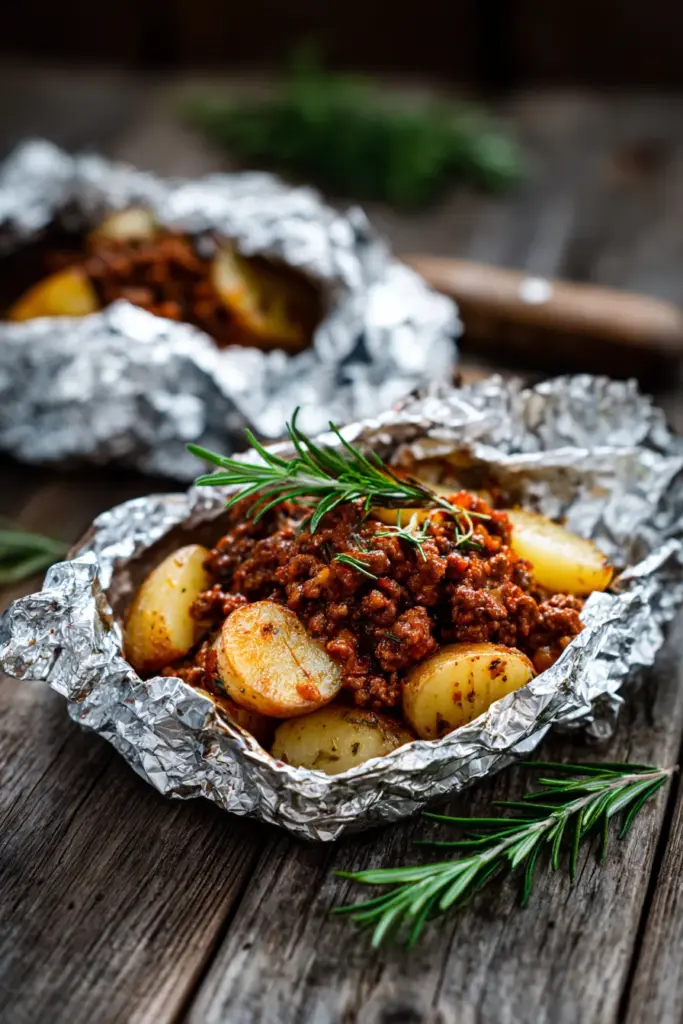
These dishes typically layer ground beef with sliced potatoes and onions, season everything well, and bake until tender. They’re economical, filling, and the kind of no-frills cooking that lets the ingredients shine. I often add sliced carrots or other vegetables I have on hand.
For individual servings or camping, the hobo foil packets method wraps everything in foil and cooks them on the grill or in the oven. Each person gets their own packet, and there’s something fun and nostalgic about opening up that foil to reveal your personal dinner inside.
Chili and Hearty Stews
Nothing says comfort quite like a pot of chili simmering on the stove, filling the house with the aroma of spices, tomatoes, and slow-cooked meat. Chili is one of those dishes that everyone has an opinion about. Some insist it must have beans. Others say real chili never includes beans. Some want it thick enough to stand a spoon in, while others prefer it soupier. I’ve landed somewhere in the middle, making different versions depending on my mood and who I’m feeding.

My old-fashioned chili dinner is the kind of recipe that improves with time. I make it a day ahead when possible, letting all those spices bloom and the flavors deepen overnight. Chili is also one of the most forgiving dishes in the world. Too thick? Add liquid. Too thin? Let it simmer uncovered. Not spicy enough? Add more chiles. It’s almost impossible to mess up.
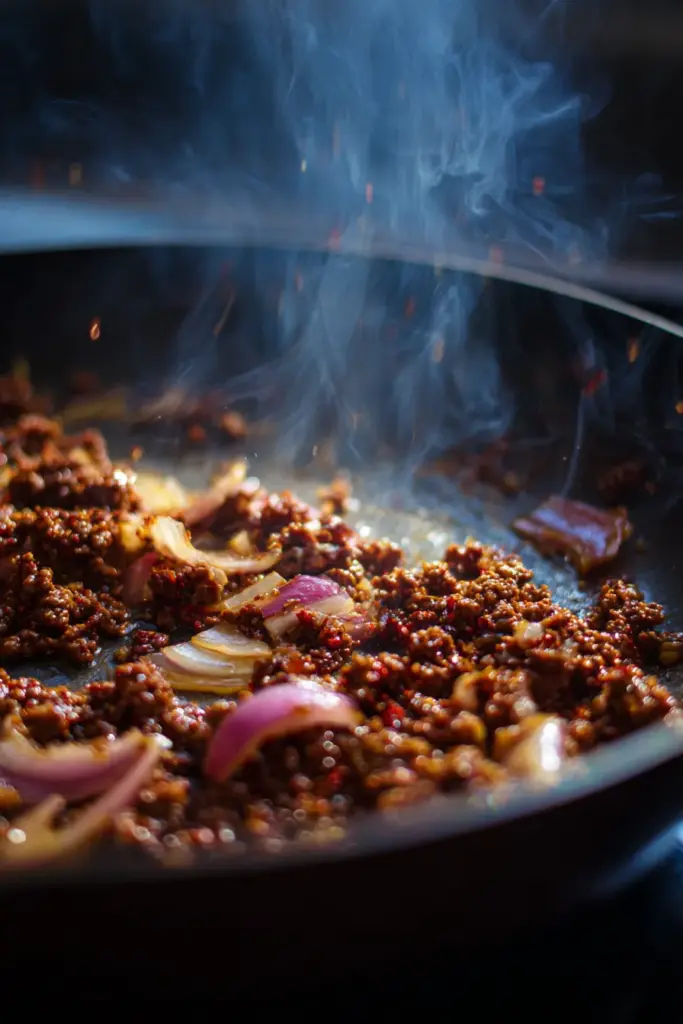
The key to great chili is building layers of flavor. I start by browning the ground beef well, letting it develop those caramelized bits. Then I cook the onions and peppers until soft and sweet. The spices get toasted briefly to wake up their flavors before I add the liquids. This step-by-step approach creates depth that you can taste in every spoonful.
Chili Variations and Toppings
While my old-fashioned chili is a reliable favorite, I also love experimenting with different styles. Sometimes I’ll make a white chili with ground turkey, white beans, and green chiles. Other times I’ll go for a Cincinnati-style chili with warm spices like cinnamon and cocoa powder, served over spaghetti with a mountain of shredded cheese.
The toppings bar is half the fun of serving chili. I set out bowls of shredded cheese, sour cream, diced onions, sliced jalapeños, crushed tortilla chips, and fresh cilantro. Everyone can customize their bowl exactly how they like it. This also makes chili perfect for casual entertaining, since people can help themselves and make it their own.
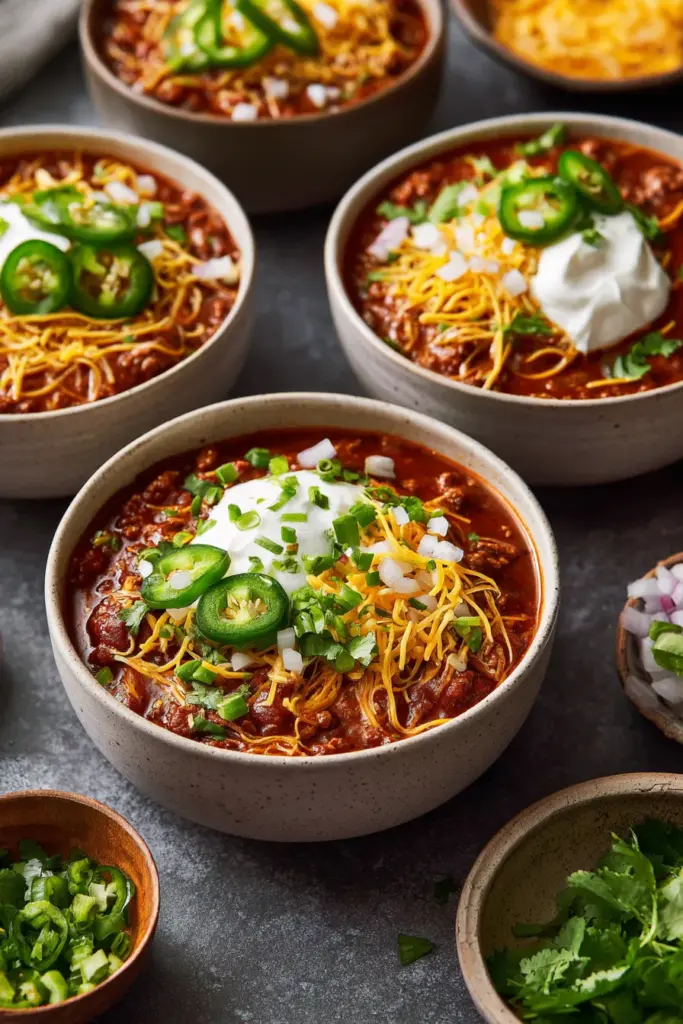
Chili is also one of the best dishes for feeding a crowd on a budget. A pound or two of ground beef, some beans and tomatoes, and you can easily feed ten to twelve people. It reheats beautifully and actually tastes better the second day, making it ideal for meal prep or making ahead for parties.
Serving Chili Beyond the Bowl
While a steaming bowl of chili is perfect on its own, I also love using it as a component in other dishes. Chili dogs, chili cheese fries, chili mac, and Frito pie all turn leftover chili into exciting new meals. It’s like getting multiple dinners from one cooking session.

I also make chili specifically to freeze in portions. Having containers of homemade chili in the freezer means I always have a quick dinner option. Just thaw, heat, and serve with cornbread or over rice. It’s faster than takeout and so much more satisfying.
International Ground Beef Dishes
Ground beef might seem like an all-American ingredient, but cultures around the world have their own traditional dishes featuring ground meat. Exploring these international preparations has expanded my dinner repertoire tremendously and introduced my family to flavors and techniques we might never have tried otherwise.
What I love about international ground beef dishes is how they prove that the same basic ingredient can taste completely different depending on how you season and prepare it. Ground beef is a blank canvas that takes on whatever flavors you give it, from the warm spices of Middle Eastern cuisine to the bright, fresh flavors of Mexican cooking.
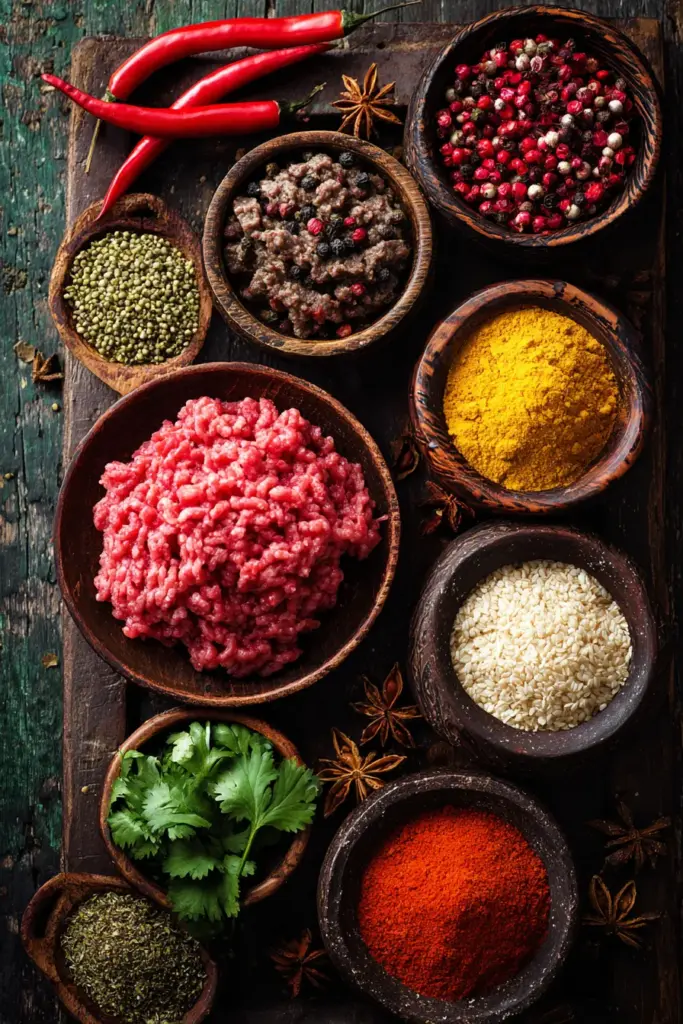
These dishes also tend to be economical and family-friendly, which makes sense when you consider that ground meat has been a staple protein in working-class kitchens worldwide for generations. They’re the kind of recipes that mothers and grandmothers have passed down, tweaking and perfecting over time.
Exploring Different Cultural Traditions
Each culture brings its own approach to seasoning and serving ground beef. Understanding these different traditions has made me a better cook overall because I’ve learned flavor combinations I never would have tried on my own. The spices, herbs, and cooking methods all work together to create something greater than the sum of their parts.
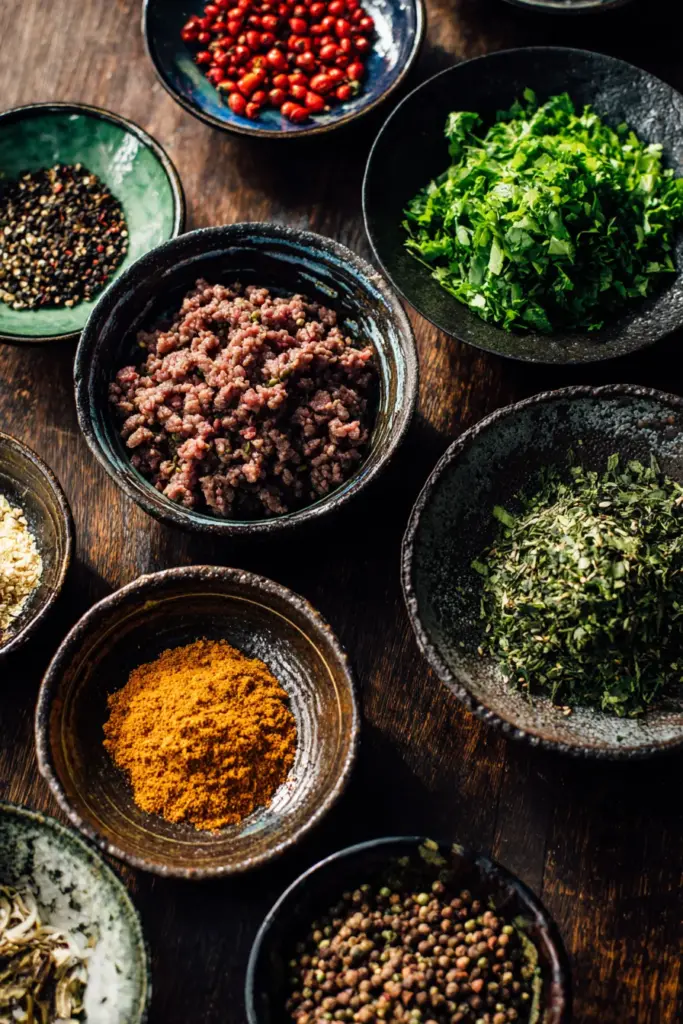
I encourage experimenting with these international dishes even if you think your family won’t like them. Start with milder versions and gradually increase the spices and flavors as everyone’s palate adjusts. You might be surprised by what becomes a new favorite.
Expert Tips for Cooking with Ground Beef
After years of cooking with ground beef multiple times a week, I’ve learned countless lessons about choosing, storing, and preparing it. These tips have saved me from dry meatloaf, greasy casseroles, and bland dinners more times than I can count.
First and foremost, the quality of your ground beef matters. I usually buy 80/20 ground beef, which means it’s eighty percent lean meat and twenty percent fat. This ratio provides enough fat for flavor and moisture without being greasy. Leaner ground beef like 90/10 or 93/7 works for some recipes, but it can dry out easily and lacks the rich flavor of fattier beef. For dishes where the fat will drain away, like meatballs or meatloaf, I stick with 80/20.
Don’t buy ground beef too far in advance. Use it within one to two days of purchase, or freeze it immediately if you won’t use it right away. Ground beef has more surface area than whole cuts, so bacteria can develop more quickly. When freezing, I portion it out into one-pound amounts and flatten the packages so they thaw faster when I need them.
Proper Browning Techniques
Browning ground beef properly makes a huge difference in flavor. Don’t crowd the pan. If you pile too much meat in at once, it steams instead of browns. I work in batches if necessary, giving each portion room to develop that caramelized crust.
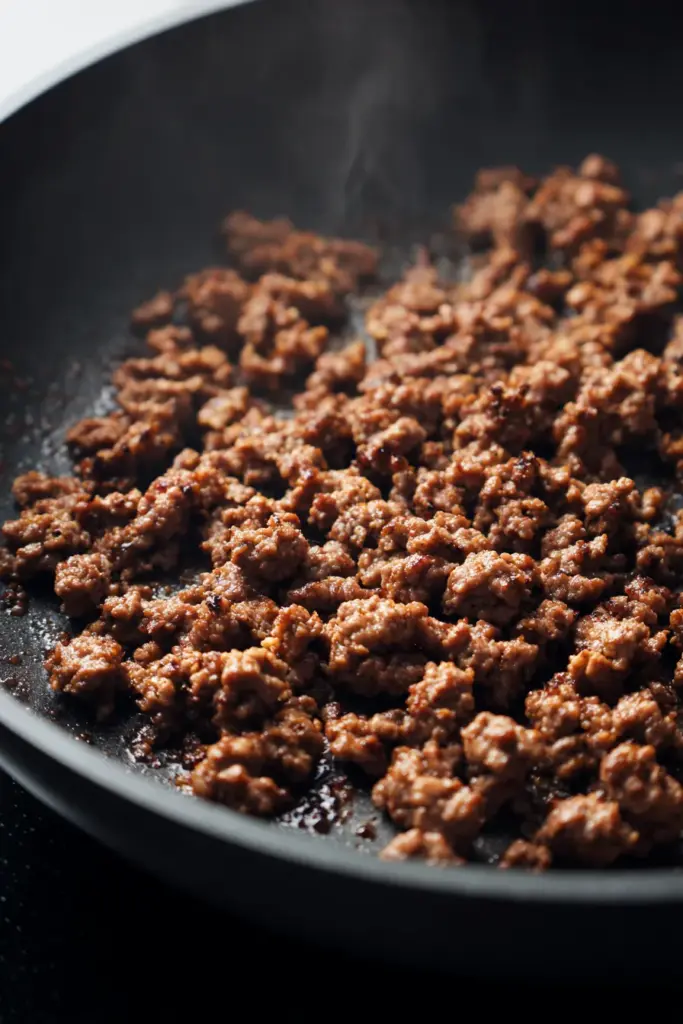
Let the meat cook undisturbed for two to three minutes before breaking it up. This allows a crust to form, which adds flavor. Then use a wooden spoon or spatula to break it into chunks. I don’t aim for uniform crumbles; I like having different-sized pieces for varied texture.
Season the meat while it cooks, not after. The seasonings will penetrate better and develop more flavor. Salt especially should go in early to help draw out moisture and develop browning. Don’t be shy with seasoning; ground beef needs assertive flavoring to taste its best.
Keeping Ground Beef Dishes Moist
Dry ground beef dishes are a common problem with easy solutions. The panade technique I mentioned earlier works for any ground beef mixture that needs to hold together. Soaking breadcrumbs or oats in milk creates moisture that stays in the dish during cooking.
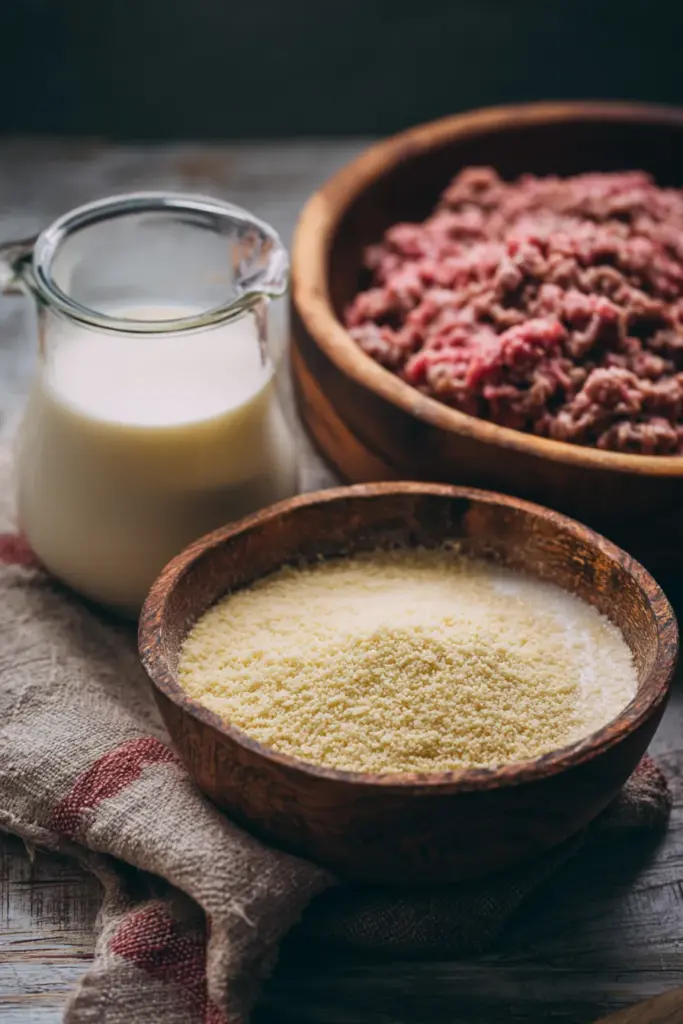
Don’t overmix or overwork ground beef. Whether you’re making meatballs, meatloaf, or burger patties, handle the meat gently. Overworking develops the proteins and creates a dense, tough texture. Mix just until combined, then stop.
For casseroles and skillet dishes, don’t cook the beef until it’s bone-dry before adding other ingredients. A little pink remaining is fine; it will finish cooking with everything else. Overcooking at the browning stage means it will be dry and crumbly in the final dish.
Seasoning Beyond Salt and Pepper
While salt and pepper are essential, ground beef benefits from additional seasonings. I always have Worcestershire sauce, soy sauce, and beef bouillon on hand for adding umami depth. A splash of Worcestershire in meatloaf or meatballs makes them taste richer and more complex.

Onions and garlic are your friends. Whether fresh, powdered, or granulated, they add aromatic depth that transforms ground beef from boring to delicious. I often use a combination of fresh and powdered for layers of flavor.
Don’t forget about herbs. Fresh parsley brightens dishes, while dried oregano, thyme, and basil add complexity. Toast dried spices briefly in the pan before adding liquid to wake up their flavors. This small step makes a noticeable difference in the final dish.
Making Ground Beef Dishes Ahead
Many ground beef dishes improve when made ahead, and most freeze beautifully. Meatloaf, meatballs, casseroles, and chili all reheat well, making them perfect for meal prep or batch cooking.
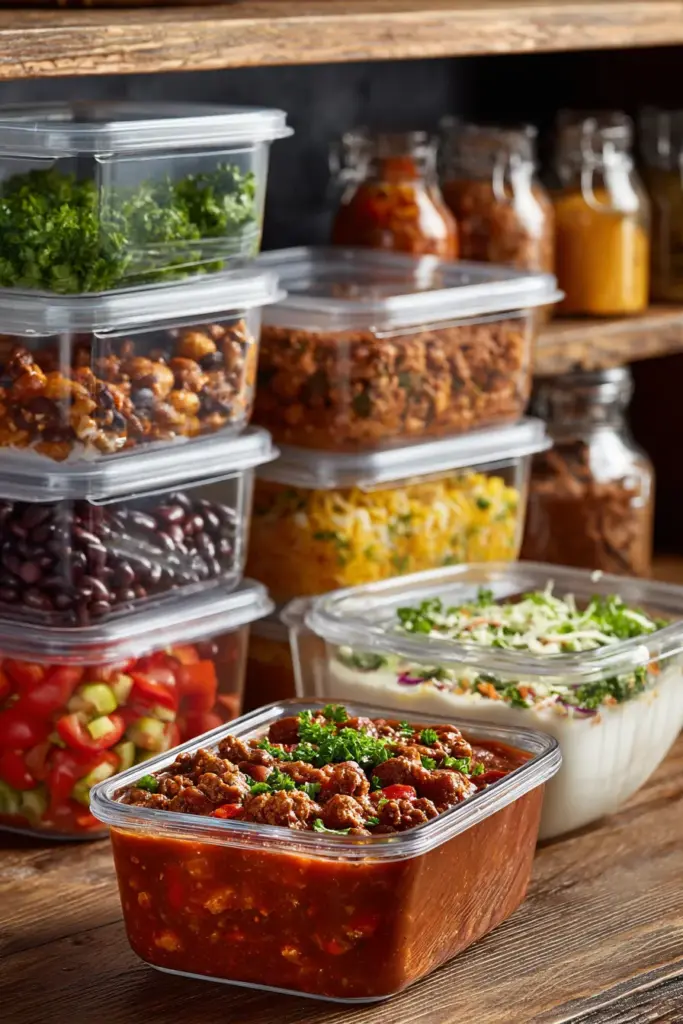
For meatballs, I often make a huge batch, bake them, then freeze them in portions. They can go straight from freezer to sauce without thawing, making weeknight dinners incredibly easy. The same works for browned and seasoned ground beef; freeze it in portions and you have a head start on multiple meals.
When freezing casseroles, I assemble them in disposable aluminum pans so I don’t have my good baking dishes tied up in the freezer. Let them cool completely, cover tightly with foil, and freeze for up to three months. Thaw overnight in the refrigerator before baking as directed.
Bringing It All Together: Your Ground Beef Kitchen
Looking back at that first terrible meatloaf I made years ago, I’m grateful for every mistake and every lesson that followed. Ground beef has become one of my most trusted ingredients, the foundation for countless family dinners and the star of some of our most beloved recipes. There’s something deeply satisfying about transforming a simple pound of ground beef into a meal that brings everyone to the table with genuine excitement.
What I hope you take away from this guide is that cooking with ground beef doesn’t have to be complicated or intimidating. Yes, there are techniques that make a difference, seasonings that elevate flavors, and methods that prevent common problems. But at its heart, ground beef cooking is approachable, forgiving, and perfect for home cooks at any skill level. These are the recipes that fed generations before us, and they work because they’re based on simple principles: good ingredients, proper technique, and cooking with care.
The recipes and techniques we’ve explored here represent years of trial and error in my own kitchen, but your journey with ground beef will be uniquely yours. You’ll develop your own preferences for seasoning, discover which recipes your family requests again and again, and probably make some memorable mistakes along the way. That’s all part of becoming a confident cook who can look at a pound of ground beef and see not just meat, but dinner possibilities.
Remember that cooking should bring joy, not stress. If a meatloaf cracks or a casserole turns out a bit dry, you’ve still created a homemade meal with love and effort. Every time you cook, you’re building skills and knowledge that will serve you for life. And there’s something wonderful about knowing you can feed your family well without relying on restaurants or processed convenience foods.
Keep exploring and experimenting with these comfort food classics. Try the hearty meatloaf recipe for a reliable family dinner, explore the Joanna Gaines classic meatloaf for a celebrity-inspired version, or master the meatloaf without eggs for dietary restrictions. Each recipe teaches something new and adds another tool to your cooking arsenal.
Frequently Asked Questions
How can I make meatloaf that doesn’t fall apart when I slice it?
The key is using enough binder like breadcrumbs or oats soaked in milk, including an egg to hold everything together, and letting the meatloaf rest for ten minutes after baking before slicing. This resting time allows the juices to redistribute and the structure to firm up, making clean slices much easier.
What’s the best way to drain fat from ground beef without making a mess?
I push the cooked ground beef to one side of the pan, tilt the pan slightly, and use a spoon to scoop out the fat. You can also use a turkey baster to suck up the fat, or carefully pour it into an empty can that you’ll throw away once it solidifies. Never pour hot fat down your drain as it will clog pipes.
Can I substitute ground turkey or chicken for ground beef in these recipes?
Yes, but keep in mind that poultry is much leaner than beef, so your dishes may turn out drier. Add extra moisture through ingredients like grated vegetables, additional liquid, or a bit of olive oil. Ground turkey and chicken also have milder flavors, so you may need to increase seasonings.
Why do my meatballs always turn out tough and dense?
You’re likely overmixing the meat mixture or using meat that’s too lean. Mix just until combined, handle the mixture gently, and make sure you’re using a panade of breadcrumbs soaked in milk. Also, avoid pressing the meatballs too firmly when shaping them.
How do I know when ground beef is fully cooked?
Ground beef should reach an internal temperature of 160 degrees Fahrenheit. It should be brown throughout with no pink remaining, and the juices should run clear. For dishes like meatloaf, use a meat thermometer inserted into the center to check.
Can I make these recipes without eggs?
Yes, though eggs help bind ingredients together. For meatloaf and meatballs, you can substitute a flax egg (one tablespoon ground flaxseed mixed with three tablespoons water, let sit for five minutes), or simply omit the egg and increase the breadcrumbs slightly. The texture may be slightly different but will still work.
What’s the secret to getting a good crust on meatloaf?
Don’t bake it in a loaf pan. Form it free-form on a sheet pan lined with parchment paper so air circulates all around. Apply your glaze during the last fifteen to twenty minutes of baking, and consider finishing it under the broiler for a minute or two to caramelize the top.
How long can I keep cooked ground beef dishes in the refrigerator?
Most cooked ground beef dishes will keep safely for three to four days in the refrigerator when stored in airtight containers. Make sure to refrigerate within two hours of cooking. When reheating, make sure the food reaches 165 degrees Fahrenheit throughout.
Why does my chili taste bland even though I added lots of spices?
Chili needs time for flavors to develop. Let it simmer for at least thirty to forty-five minutes, and it’s even better the next day. Also, make sure you’re toasting your spices briefly before adding liquid, using enough salt, and adding a splash of acid like vinegar or lime juice at the end to brighten all the flavors.
What’s the best way to reheat meatloaf without drying it out?
Slice the meatloaf and reheat individual slices in the microwave with a damp paper towel over them, or reheat slices in a covered dish in a 325-degree oven with a splash of broth or water. You can also reheat slices in a skillet with a little butter, which creates a nice crust.

🍳 Precision Meets Passion — Tools Chefs Trust Daily

- Grams & ounces — precise to 1g
- Perfect for baking & keto tracking
- Sleek stainless steel design

- German stainless precision
- Razor-sharp & dishwasher-safe
- Elegant wood block organizer

- Premium Stainless Steel Build
- Easy to Clean & Dishwasher Safe
- A Must-Have Kitchen Tool