➤ Table of Contents
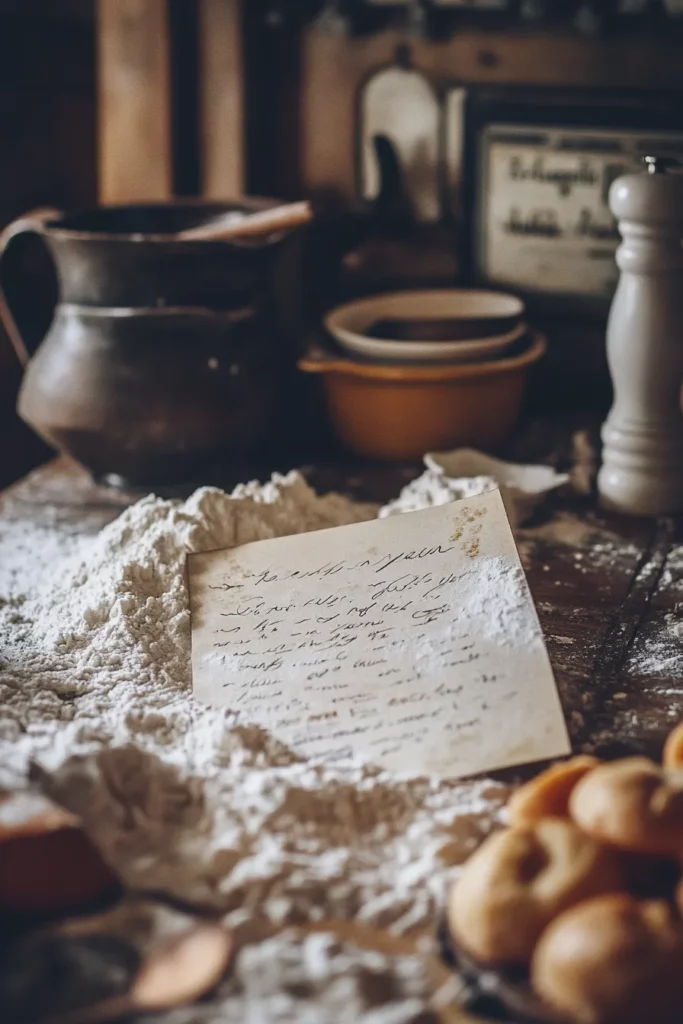
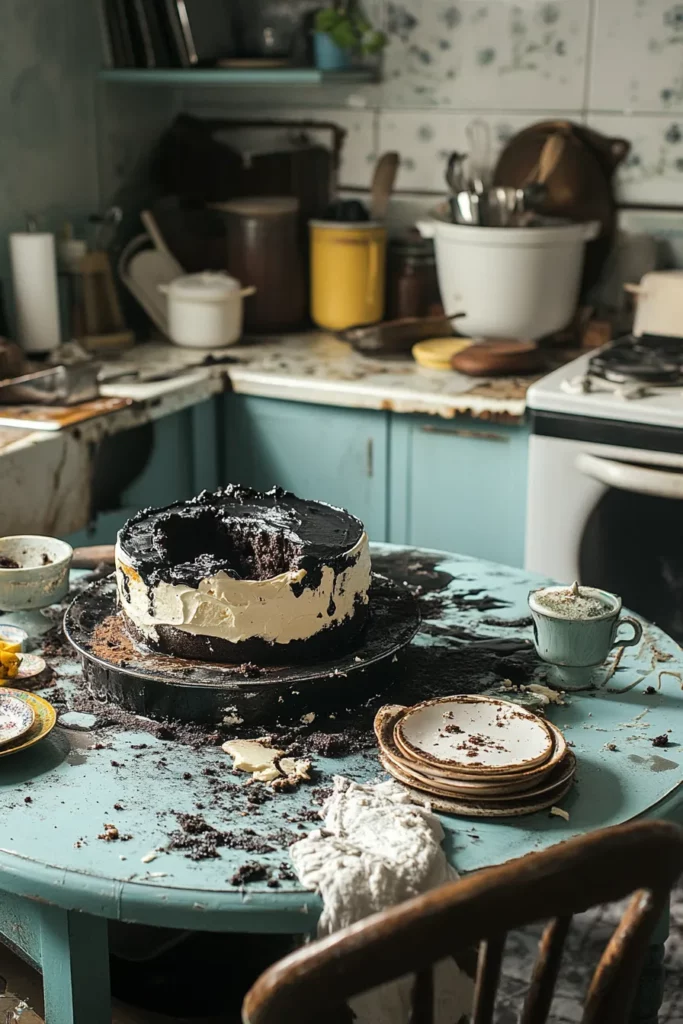
I’ll never forget the first time I tried to make a layered cake from scratch. I was twelve years old, and my mom’s birthday was coming up. I wanted to surprise her with something special, something that showed how much I loved her. The recipe card was stained and yellowed, passed down from my grandmother, and the instructions seemed simple enough. But when I pulled those layers out of the oven, one was lopsided, the other was burned on the edges, and somehow I’d managed to get flour absolutely everywhere.
⚡ Smart Kitchen Tools Every Home Cook Swears By

- Pure aluminum
- Durable enough for everyday cooking
- Made in the USA with quality

- 7 cooking functions in one compact cooker
- 3-quart size ideal for couples or small meals
- Up to 70% faster than traditional cooking

- 3 sizes for every recipe
- Pre-seasoned & durable cast iron
- Oven & grill ready
My mom walked into the kitchen to find me near tears, surrounded by the chaos of my baking disaster. But instead of laughing or criticizing, she wrapped me in a hug and said something I’ve never forgotten: “Honey, every great baker has made terrible cakes. The difference is, they keep trying.” We salvaged what we could, covered the whole mess in extra frosting, and she declared it the most delicious birthday cake she’d ever had. Looking back, I’m sure that was a stretch, but her encouragement planted a seed that grew into a lifelong love of baking.
Today, desserts aren’t just recipes to me. They’re stories waiting to be told, memories waiting to be made, comfort waiting to be shared. There’s something magical about transforming butter, sugar, and flour into something that makes people close their eyes and smile. Whether it’s a simple cookie that reminds someone of childhood or an elaborate cake that becomes the centerpiece of a celebration, desserts have this incredible power to connect us to each other and to the moments that matter most.

This guide is everything I’ve learned about making desserts that truly shine. From classic cakes that never go out of style to creative treats that surprise and delight, from the techniques that make the difference between good and amazing to the little secrets that professionals use every day. We’ll explore how to choose the right dessert for any occasion, master the fundamentals that underpin all great baking, and build your confidence so that you can create sweet memories in your own kitchen.
Whether you’re a complete beginner who’s never creamed butter and sugar together or an experienced baker looking to expand your repertoire, there’s something here for you. Because the truth is, desserts don’t have to be intimidating or complicated. With the right guidance, a little patience, and the willingness to embrace the occasional imperfect cake, anyone can learn to bake beautifully.
The Foundation: Essential Techniques for Dessert Success
Before we dive into specific recipes, let’s talk about the techniques that form the foundation of great dessert making. I spent years wondering why my cakes sometimes turned out dense while other times they were perfectly fluffy, or why my cookies would spread into flat discs one day and stay perfectly round the next. The answer wasn’t in following recipes more carefully. It was in understanding the fundamental principles behind how desserts work.
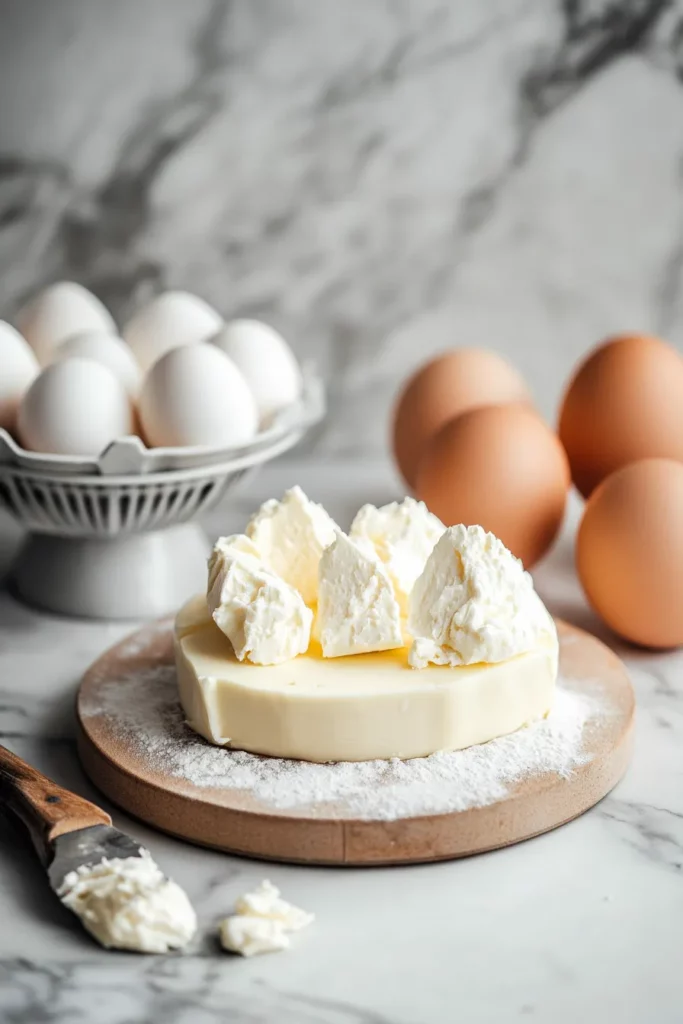
Temperature is probably the single most important factor that home bakers overlook. Room temperature ingredients blend together smoothly and create better texture in your final product. Cold butter won’t cream properly with sugar, cold eggs can cause batters to curdle, and cold cream cheese will leave lumps in your frosting no matter how long you beat it. I learned to take everything out of the fridge at least an hour before baking, and my results improved dramatically overnight.
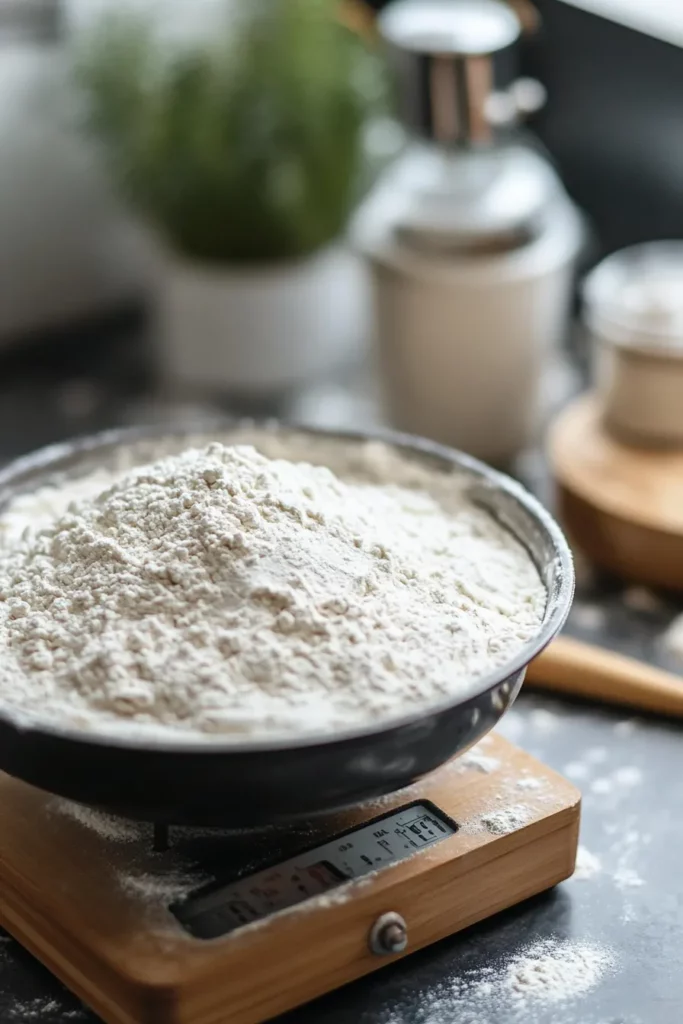
Measuring accurately matters more in baking than in almost any other type of cooking. Unlike a soup where you can add a little more of this or that to taste, desserts rely on precise ratios of ingredients to achieve the right chemical reactions. I finally invested in a kitchen scale and started weighing my flour instead of scooping it, and suddenly my recipes turned out consistent every single time. That one change eliminated so many variables and frustrations.
🥗 Fresh, Fast & Foolproof — Upgrades You'll Use Tonight

- Zoodles in seconds
- Heavy-duty, 10 sharp blades
- Keto, paleo & gluten-free friendly

- Meals in ~30 minutes
- 3-Qt — perfect for 1–3 people
- Pressure cook, sauté, steam & more

- Phone alerts & live temp graph
- Hands-off monitoring for smokers
- Perfect doneness, every time
Creaming Butter and Sugar: The Secret to Light, Fluffy Cakes
When a recipe tells you to cream butter and sugar together, it’s not just mixing them. You’re actually incorporating thousands of tiny air bubbles into the butter, which expand during baking to give your cake its light, tender crumb. The first time someone explained this to me, everything clicked. I stopped rushing through this step and started beating the mixture for a full three to five minutes until it was pale, fluffy, and had increased in volume.
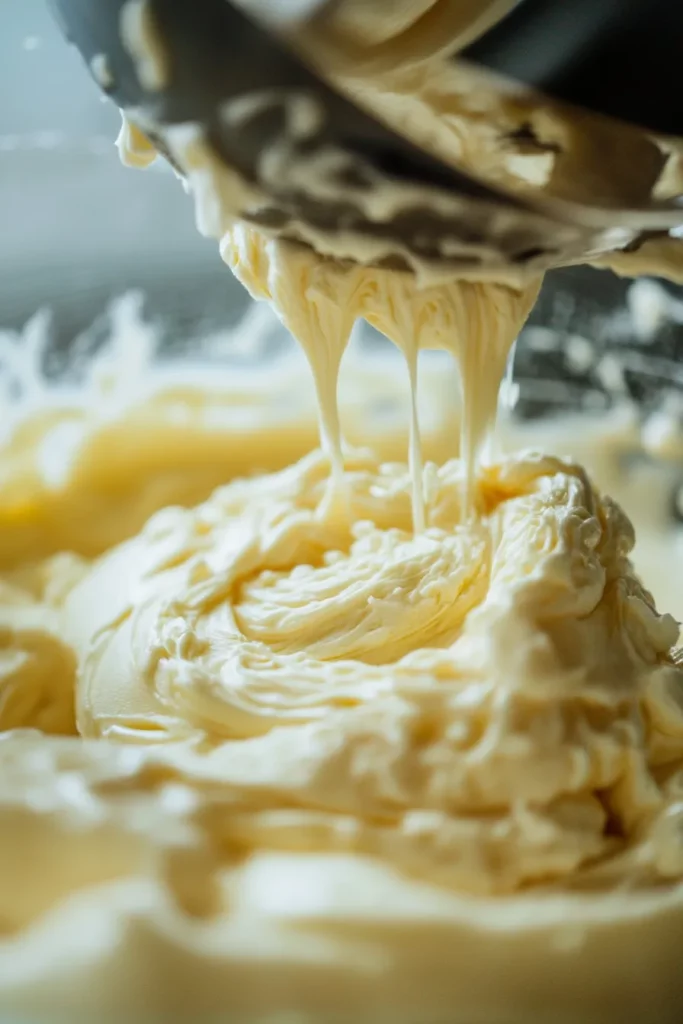
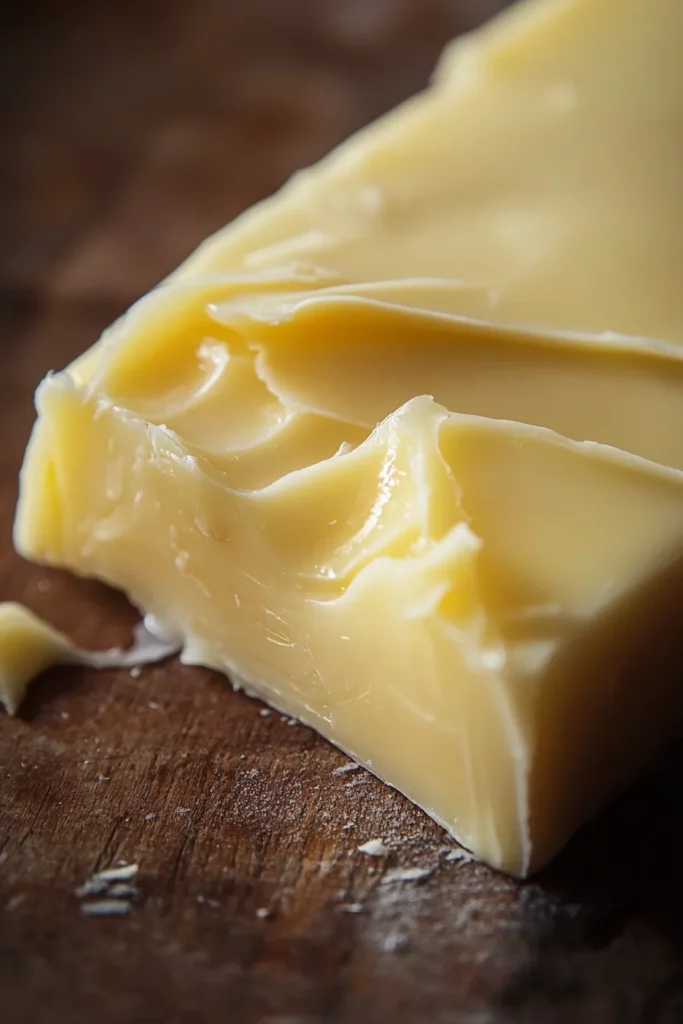
The butter needs to be at the right temperature for this to work. Too cold, and the sugar just cuts into the butter without incorporating air. Too warm, and the butter becomes greasy and can’t hold those air bubbles. Room temperature butter should give slightly when you press it but still hold its shape. If you forget to take your butter out in advance, you can cut it into small cubes and it will come to temperature much faster than a whole stick.
Understanding Leavening: Why Cakes Rise
Baking powder, baking soda, eggs, and air are all leavening agents that help desserts rise and develop their characteristic texture. Baking soda needs an acid to activate it, which is why you often see it paired with buttermilk, yogurt, or brown sugar. Baking powder contains its own acid, so it works in recipes without acidic ingredients. Using the wrong one or using expired leavening agents can result in flat, dense desserts that never had a chance.
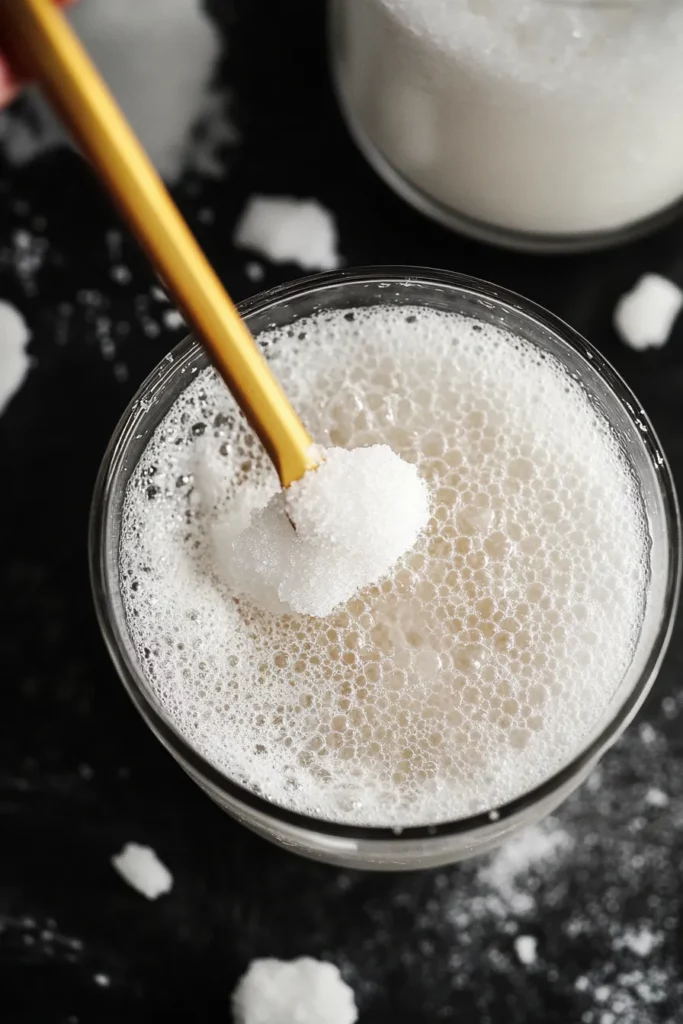
I check the date on my baking powder and soda religiously now, and I test them if I’m not sure they’re still good. For baking powder, mix a teaspoon into hot water. It should bubble vigorously. For baking soda, mix it with vinegar. Active baking soda will fizz immediately. This simple test has saved me from wasting ingredients on desserts that were doomed from the start.
Classic Cakes: Timeless Favorites That Never Disappoint
There’s a reason certain cakes have remained popular for generations. They hit all the right notes of flavor, texture, and comfort. These are the cakes that show up at every celebration, the ones that people request for birthdays and holidays, the ones that feel like coming home. I’ve made hundreds of cakes over the years, but I keep coming back to these classics because they simply work.
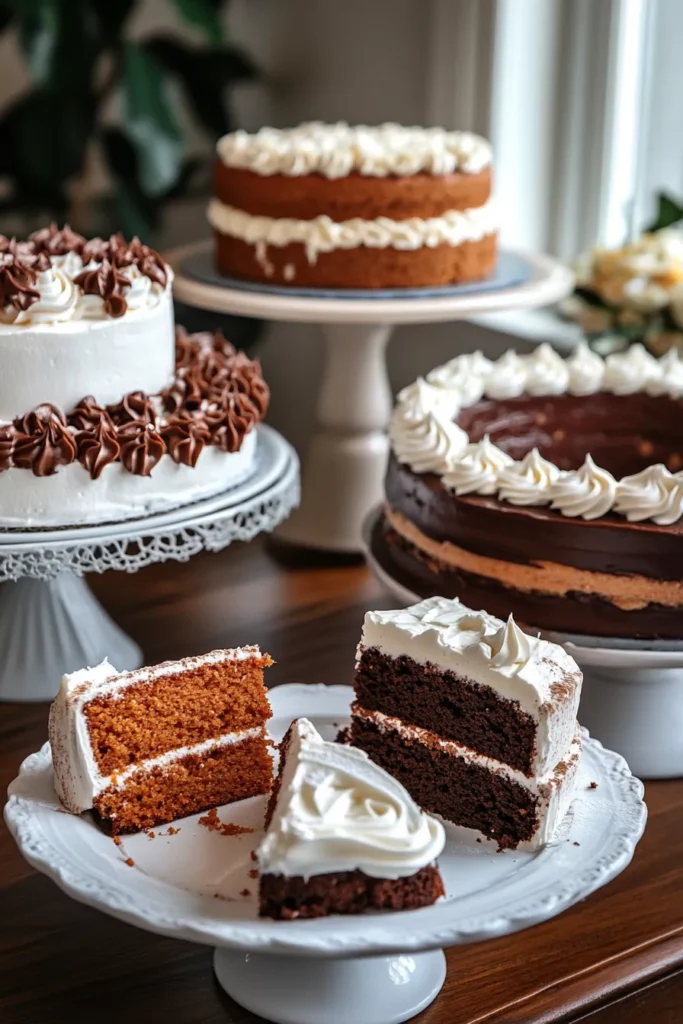
The beauty of classic cakes is that once you master the basic technique, you can adapt and personalize them endlessly. A simple yellow cake becomes a coconut cake with different extracts and frosting. A chocolate cake transforms into a sophisticated espresso version with the addition of strong coffee. The foundation stays the same, but the possibilities are limitless.
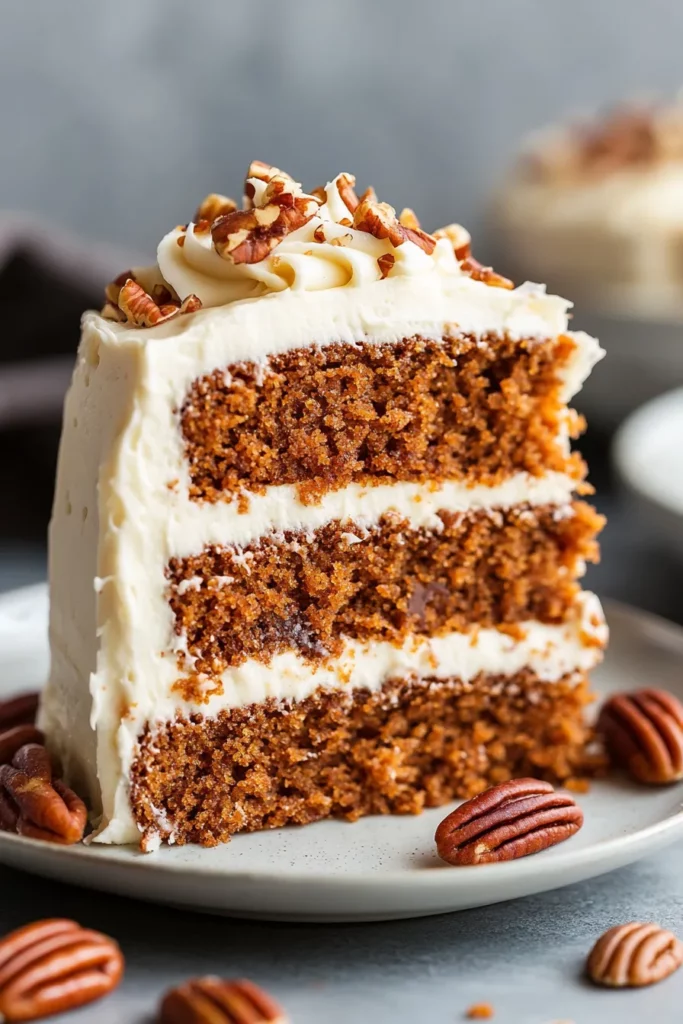
My carrot cake recipe is one of those classics that I’ve perfected over the years. The key is grating the carrots finely enough that they almost melt into the batter, creating incredible moisture without any identifiable vegetable pieces that might turn off picky eaters. I add crushed pineapple too, which might sound unusual, but it adds even more moisture and a subtle sweetness that complements the warm spices beautifully. The cream cheese frosting isn’t just slapped on top either. I pipe it between the layers and all over the outside, then press toasted pecans into the sides for a professional finish that’s actually quite simple to achieve.
Pound Cakes: Simple Perfection
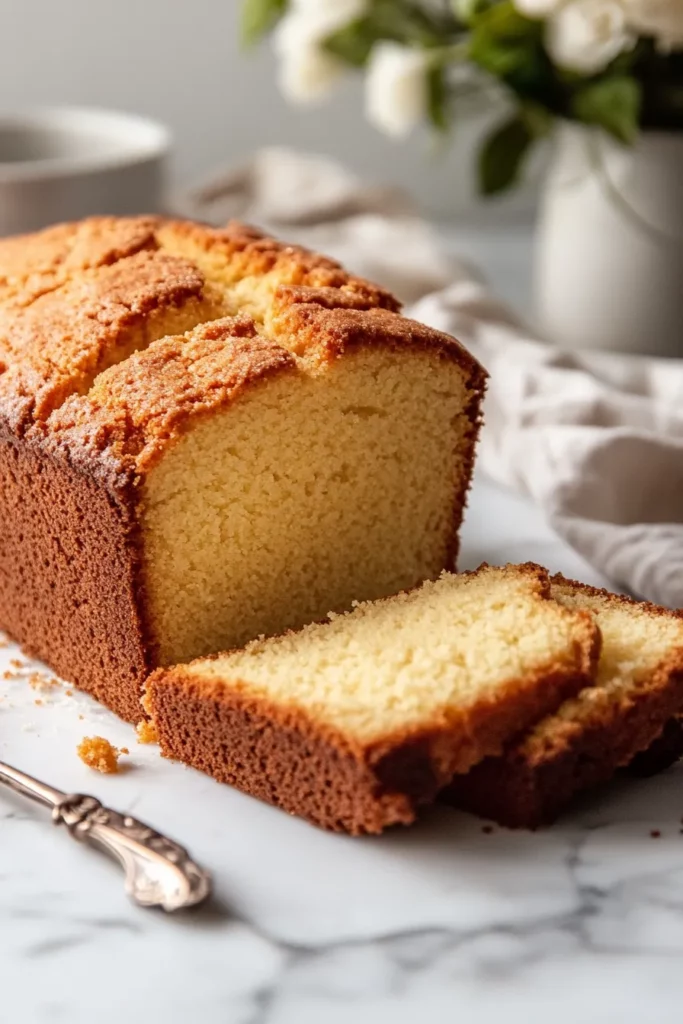
Pound cake gets its name from the traditional recipe that used a pound each of butter, sugar, eggs, and flour. While we’ve adapted those proportions for modern tastes and smaller yields, the principle remains: this is a rich, buttery cake with a tight, tender crumb that’s perfect on its own or dressed up with fruit, whipped cream, or glaze.
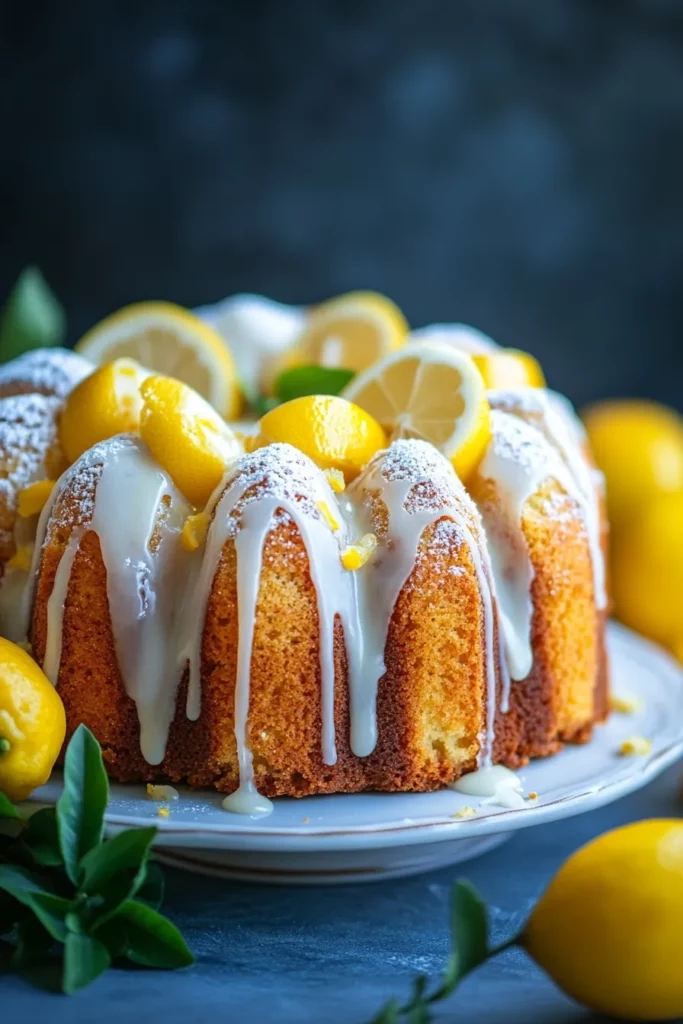
The lemon pound cake is my favorite variation, especially in spring and summer when you want something bright and refreshing. I use both lemon zest and juice in the batter, then soak the warm cake in a lemon syrup and finish with a tart lemon glaze. Each bite is intensely lemony without being overwhelming, and the cake stays incredibly moist for days. It’s perfect for afternoon tea, weekend brunch, or wrapped up as a gift for neighbors and friends.
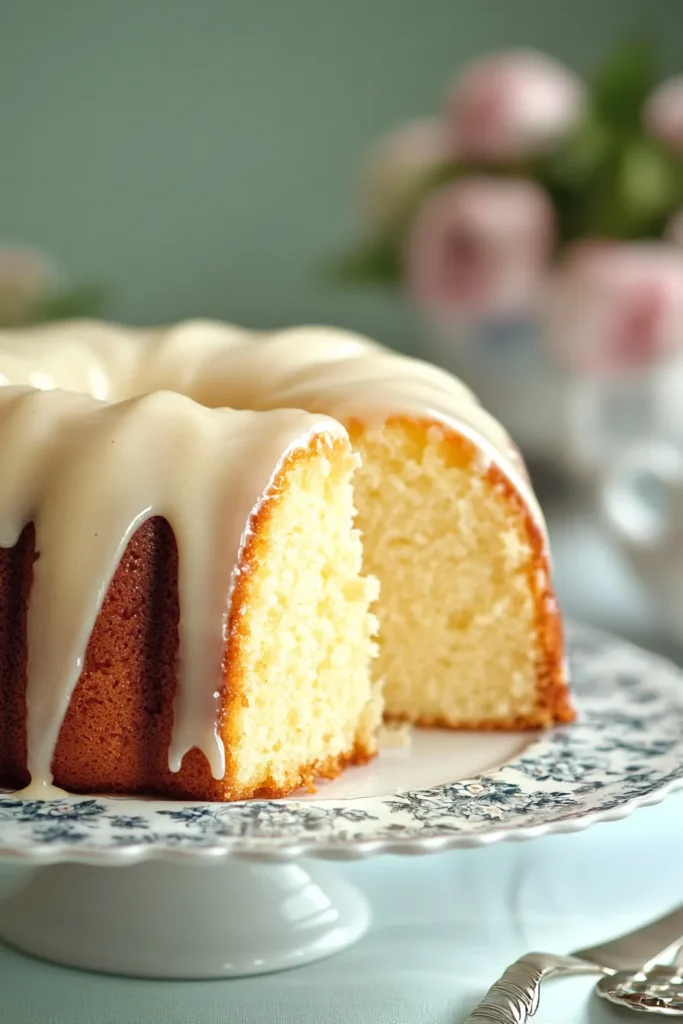
When I want something more subtly flavored but equally delicious, I make my vanilla buttermilk pound cake with cream cheese glaze. The buttermilk adds a slight tang that balances the sweetness and creates the most tender crumb imaginable. The cream cheese glaze is more interesting than a basic powdered sugar glaze, with a slight tanginess and richer flavor that makes this simple cake feel special. I’ve brought this to countless potlucks and picnics, and someone always asks for the recipe.
Fruit-Forward Cakes That Celebrate the Seasons
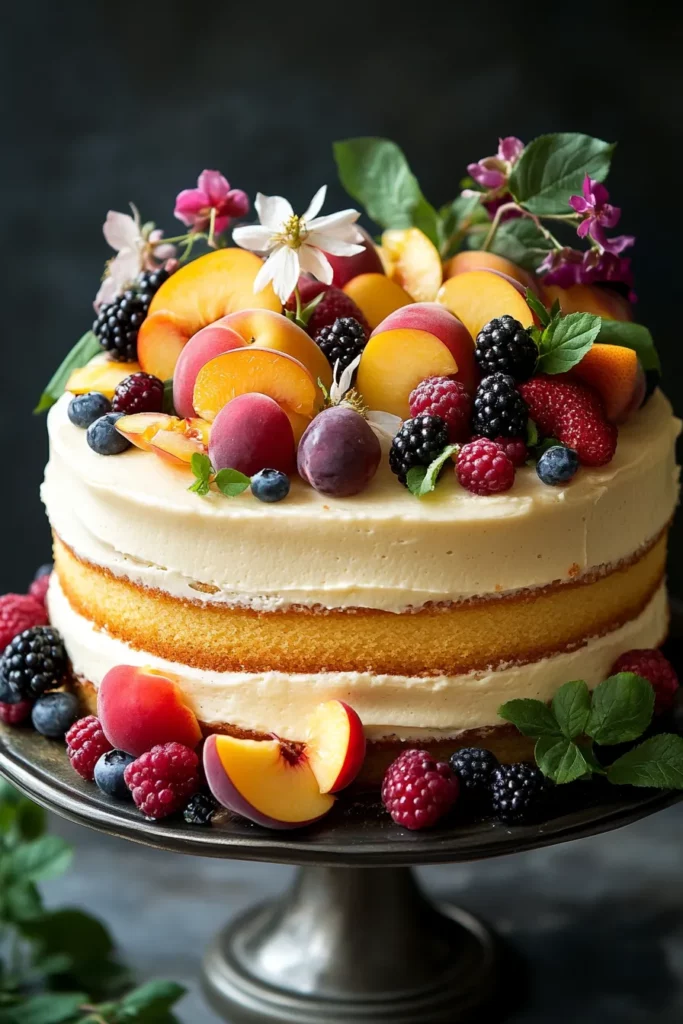
Nothing beats a cake that showcases seasonal fruit at its peak. These are the desserts I make when the farmers market is overflowing with gorgeous produce that’s too beautiful not to bake with. The fruit adds natural sweetness, incredible moisture, and flavors that can’t be replicated with extracts or artificial flavoring.
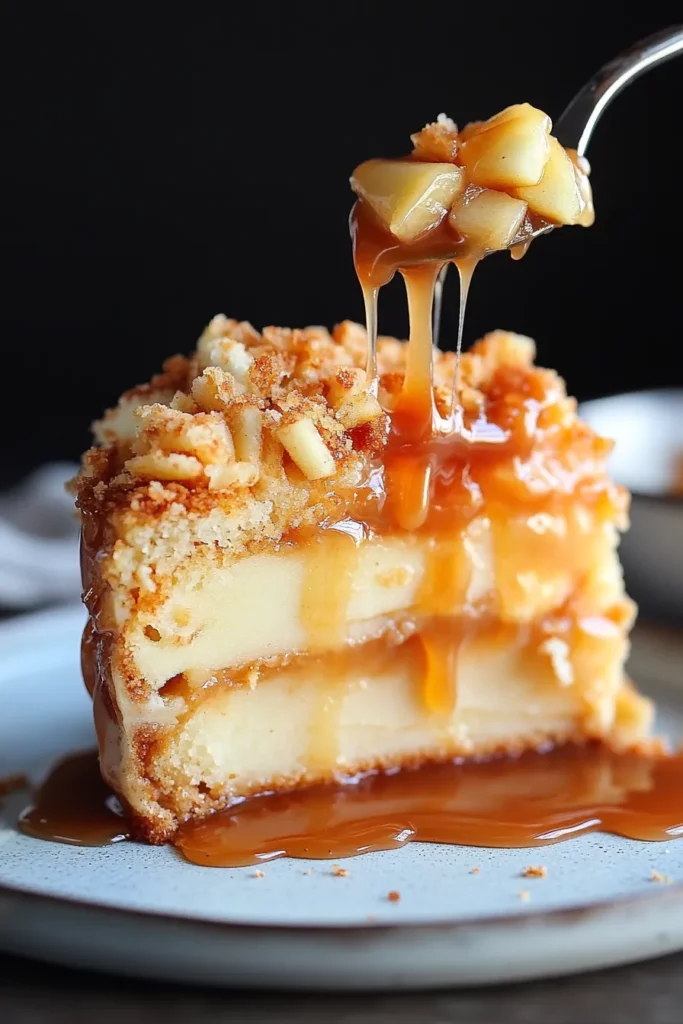
My caramel apple cake is autumn in cake form. Fresh apples are folded into a spiced batter, then the whole thing is drizzled with homemade caramel sauce that seeps into every crevice. The combination of tender cake, soft apple pieces, and that deep caramel flavor is absolutely irresistible. I make this every October without fail, usually when I’ve gone apple picking and have more apples than I know what to do with. It fills the house with the most amazing smell while it bakes, that perfect blend of cinnamon, vanilla, and caramelizing sugar.
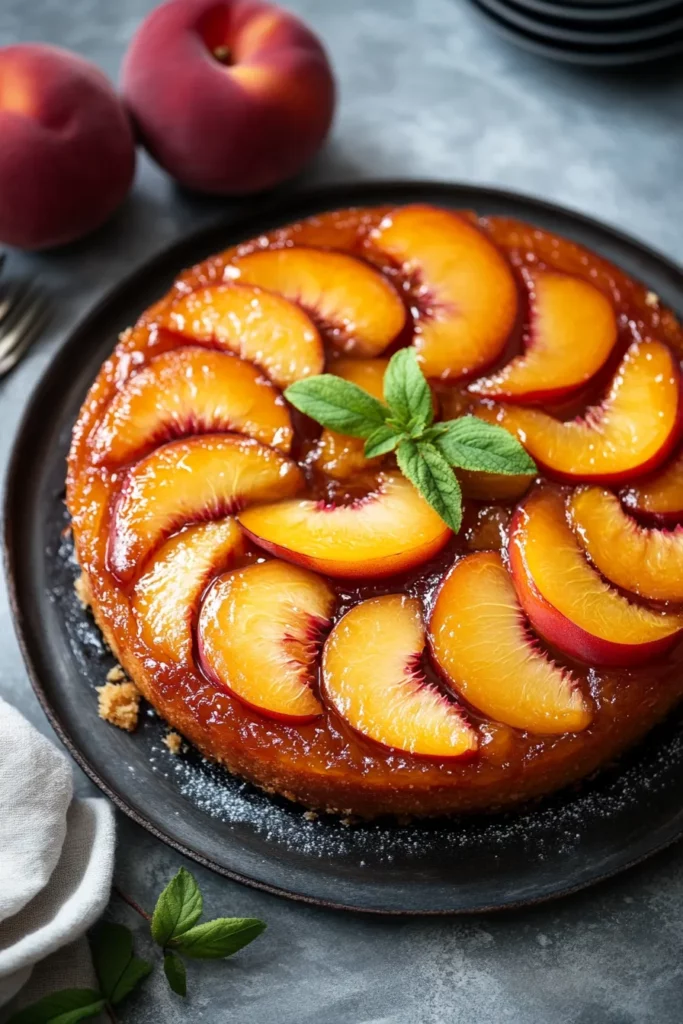
In summer, when peaches are at their absolute best, I turn to the peach upside-down cake. The technique is simple but impressive: you caramelize butter and brown sugar in the bottom of the pan, arrange peach slices in a beautiful pattern, pour cake batter over top, and bake. When you flip it out of the pan, you have a glossy, gorgeous cake with caramelized fruit on top. The peaches become almost jammy during baking, their juices mingling with the caramel to create pockets of intense flavor throughout the cake.
Cheesecakes: Creamy, Rich, and Endlessly Versatile
I was terrified of making cheesecake for years. All those warnings about water baths and cracking and precise temperatures made it seem impossibly complicated. Then I finally worked up the courage to try, and I discovered that cheesecake is actually quite forgiving once you understand a few key principles. The result is so worth any anxiety: that impossibly creamy, rich filling with just enough tang from the cream cheese, all sitting on a buttery graham cracker crust.
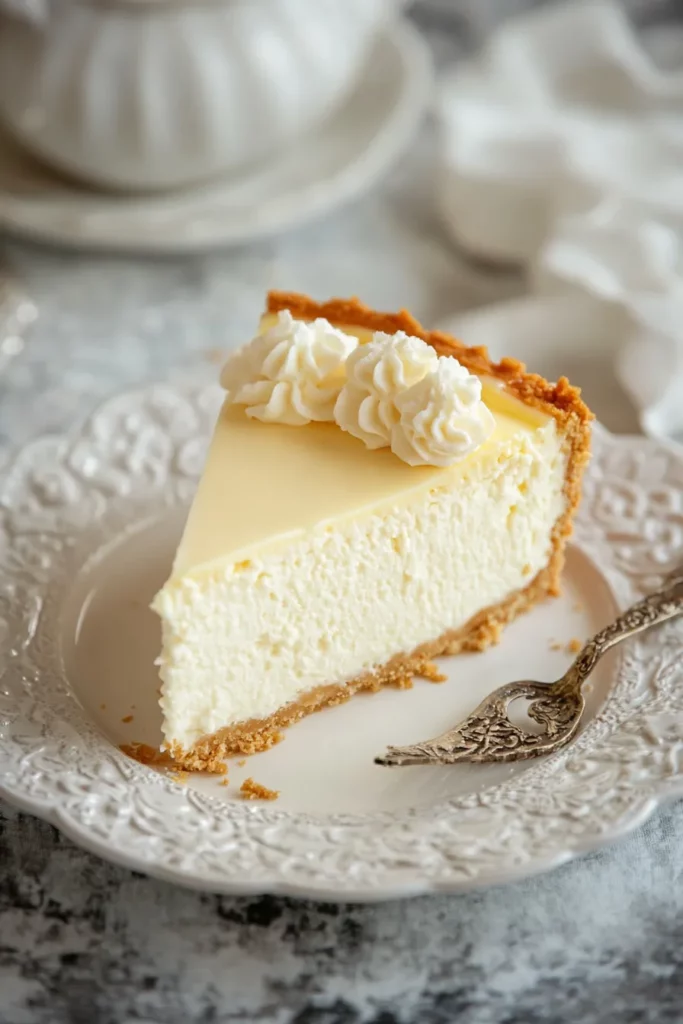
The secret to perfect cheesecake is patience. You need to let all your ingredients come to room temperature before mixing, which ensures a smooth batter without lumps. You need to bake it low and slow, so the edges don’t set before the center is done. And most importantly, you need to let it chill completely, preferably overnight, so the texture has time to firm up and the flavors have time to develop. Rush any of these steps and you’ll end up with cracks, dense texture, or flavors that aren’t fully integrated.
Flavor Combinations That Take Cheesecake Beyond Basic
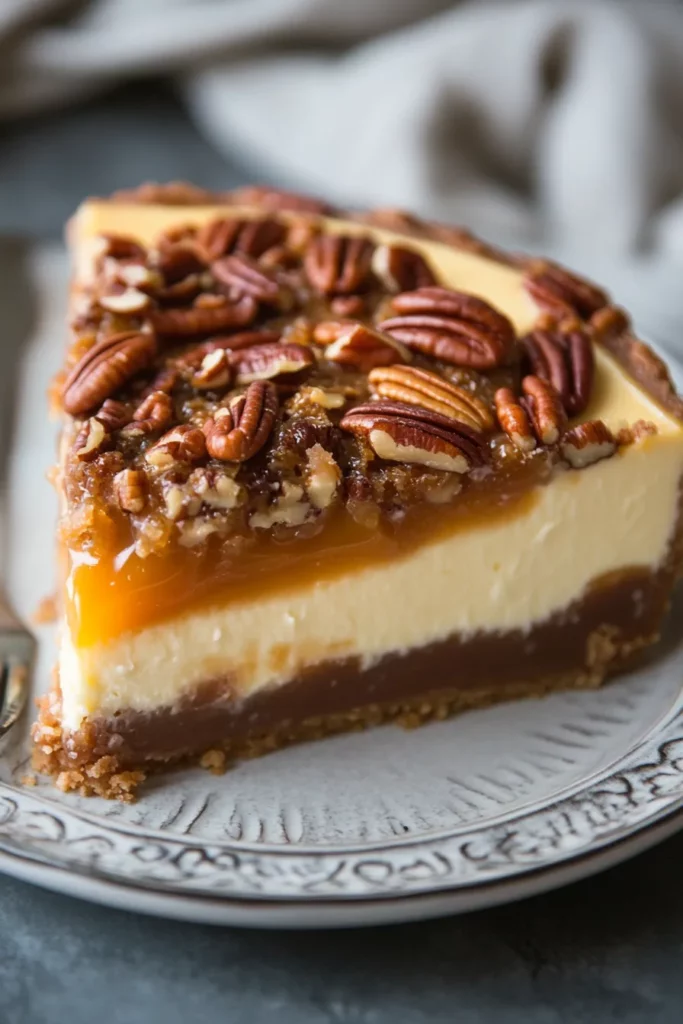
Plain cheesecake is wonderful, but mixing in complementary flavors takes it to another level entirely. The pecan pie cheesecake combines two beloved desserts into one spectacular creation. The bottom layer is classic creamy cheesecake, while the top is a gooey pecan pie filling with toasted pecans and rich caramel flavors. It’s the kind of dessert that makes people pause mid-conversation and ask what on earth they’re eating because it’s so good.
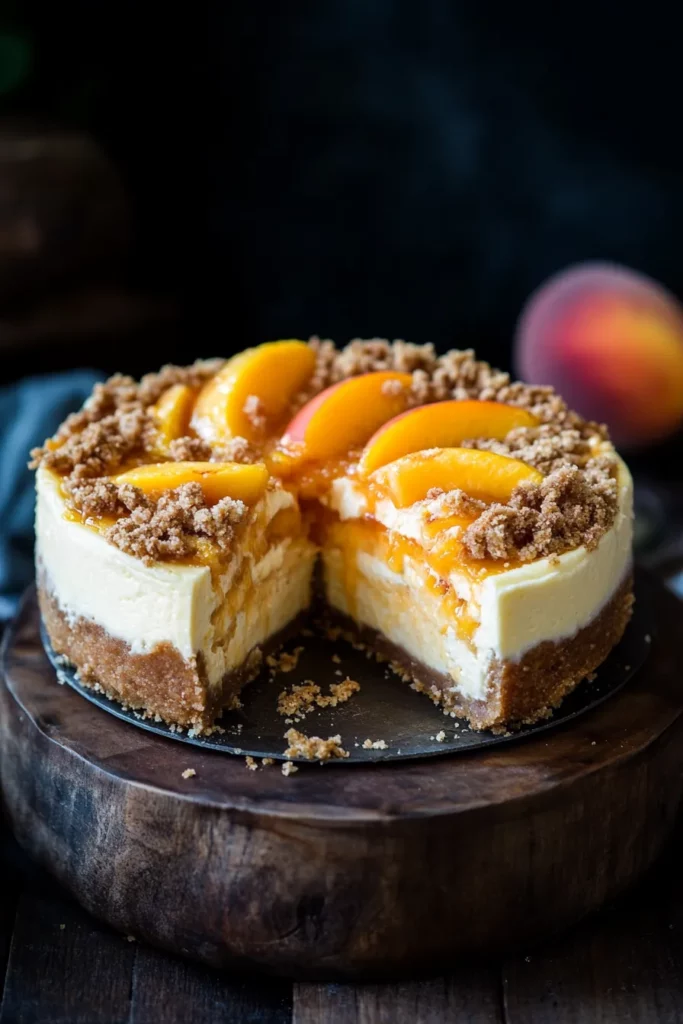
During peach season, the peach cobbler cheesecake is my go-to showstopper. Fresh peaches are mixed with cinnamon and sugar, then swirled through the cheesecake batter before baking. The top gets a crumbly streusel topping that mimics traditional cobbler. Each slice has ribbons of spiced peaches running through the creamy filling, and that crunchy topping adds textural contrast that makes every bite interesting. It’s impressive enough for dinner parties but approachable enough that I don’t stress about making it.
No-Bake Options for Easy Entertaining
Sometimes you want the richness of cheesecake without turning on the oven, especially during hot summer months. No-bake cheesecakes rely on gelatin or whipped cream to set the filling instead of eggs and baking. The texture is lighter and mousse-like, almost airy compared to traditional baked cheesecake, but equally delicious in its own way.
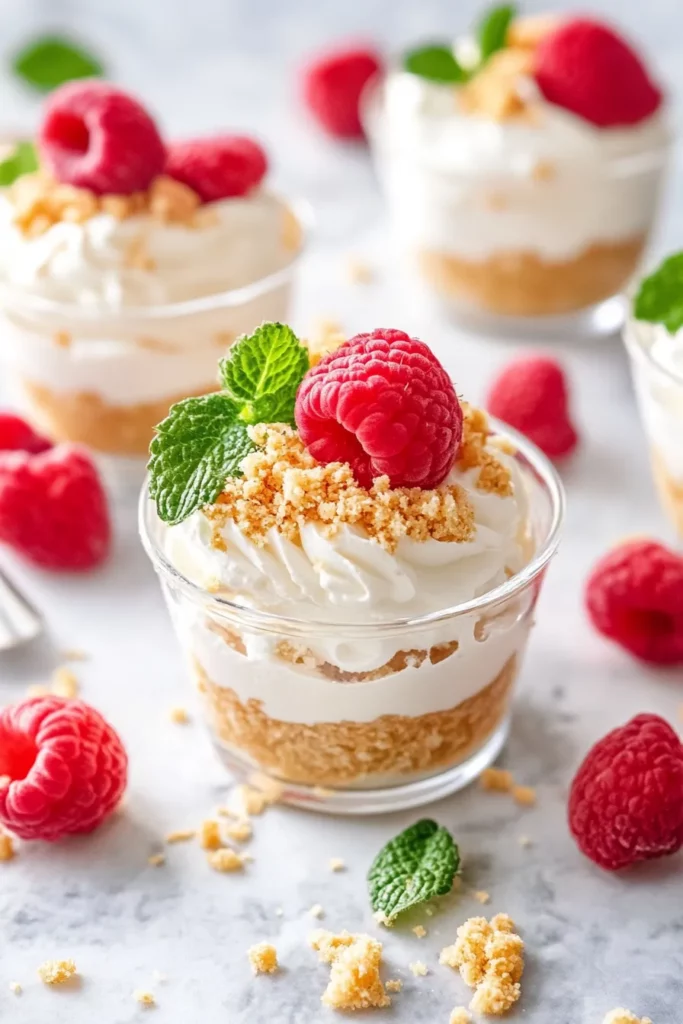
I make no-bake versions when I’m entertaining because I can prepare them the day before and not worry about last-minute baking or cooling time. The crust is just pressed into the pan, the filling is whipped together and spread on top, and then everything chills until firm. It’s almost foolproof, and guests always seem impressed that you made cheesecake from scratch, even though it took maybe twenty minutes of actual work.
Fruit Desserts: Cobblers, Crisps, and Simple Perfection
Some of my favorite desserts are the ones that let fruit be the star. There’s something deeply satisfying about transforming fresh fruit into a warm, comforting dessert with just a simple topping or crust. These are the desserts I grew up eating at church potlucks and family gatherings, the ones that filled the house with incredible smells and brought everyone to the table without fail.
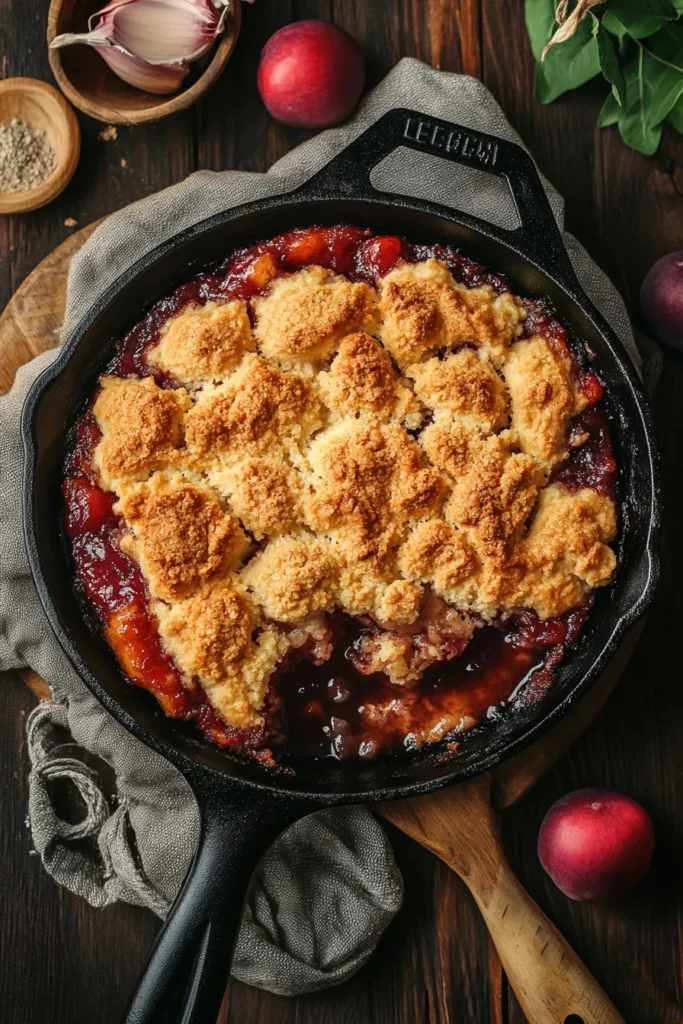
The beauty of fruit desserts is their flexibility. You can use whatever fruit is in season or what you have on hand. The ratios don’t have to be exact. If your fruit is extra tart, add a little more sugar. If it’s super juicy, add an extra tablespoon of cornstarch or flour to thicken the filling. The forgiving nature of these desserts makes them perfect for beginners or for those nights when you want something homemade but don’t want to stress about precision.
Peach Desserts: Summer’s Sweetest Gift
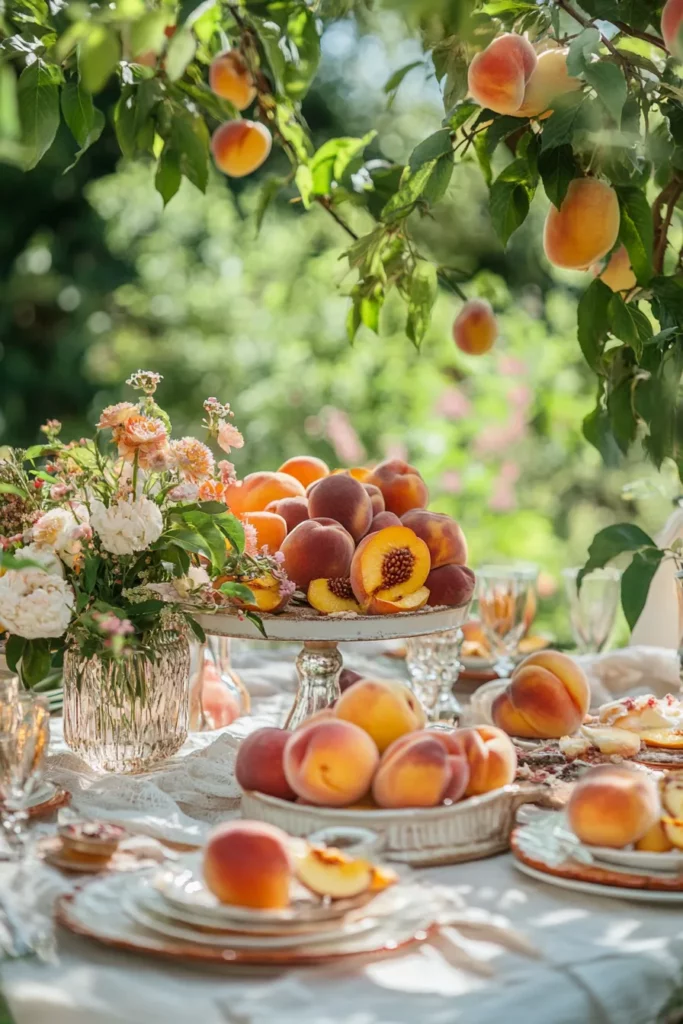
Fresh peaches are one of summer’s greatest pleasures, and I try to make as many peach desserts as possible during their short season. There’s nothing quite like biting into a perfectly ripe peach, juice running down your chin, sweetness balanced by just a hint of tang. When you bake with peak-season peaches, that incredible flavor intensifies and concentrates, becoming even more peachy than a fresh peach somehow.
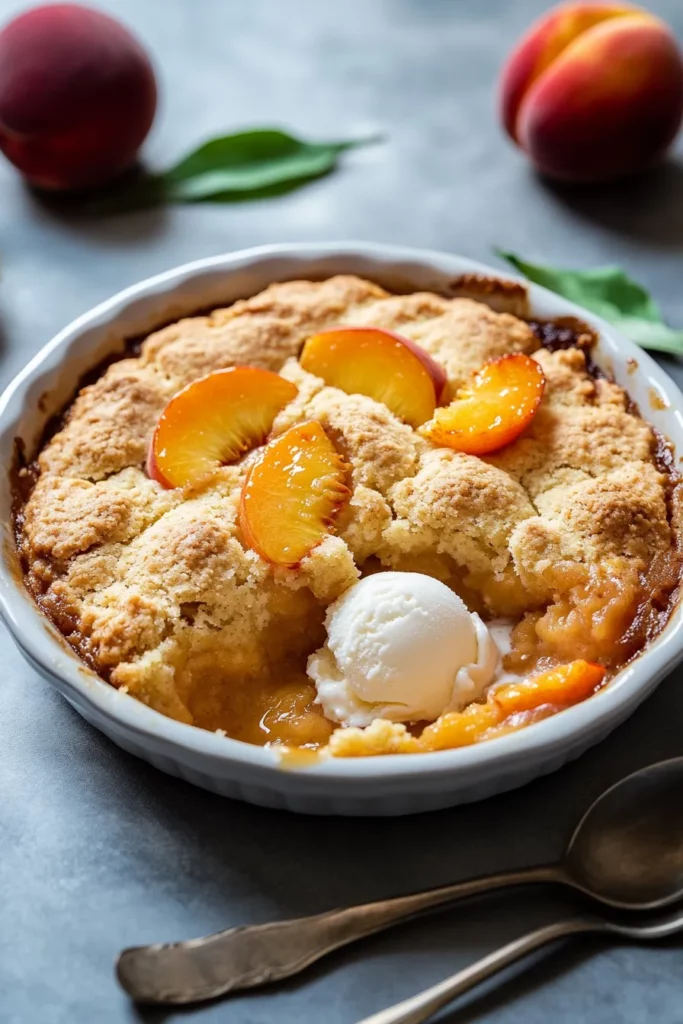
The fresh southern peach cobbler is summer dessert perfection. Sliced peaches are tossed with sugar, cinnamon, and a touch of lemon juice, then topped with a simple batter that bakes up into a golden, slightly crispy topping with a tender interior. Some people make cobbler with biscuits on top, but I prefer this style where the batter spreads over the fruit and creates those wonderful crispy edges around the sides of the pan. Served warm with vanilla ice cream melting into the peach juices, it’s everything a summer dessert should be.

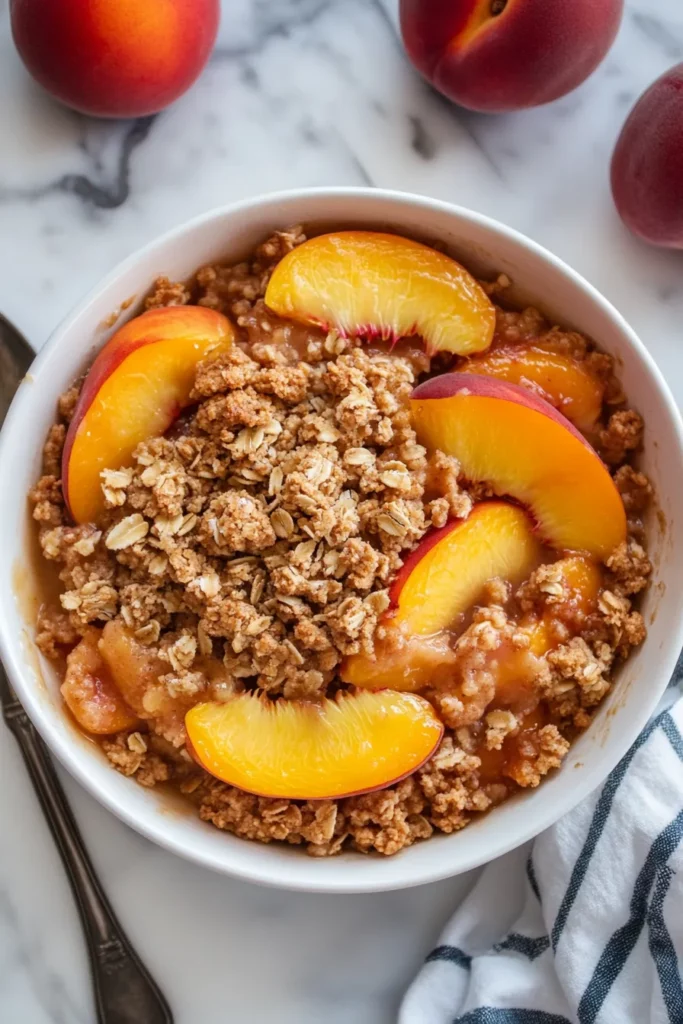
When I want something with a crunchier topping, I turn to the best peach crisp. The topping is loaded with oats, brown sugar, and butter that bakes into crispy, caramelized clusters. The contrast between the soft, syrupy fruit and those crunchy oat clusters is addictive. I’ve been known to sneak bites of leftover crisp straight from the fridge for breakfast, though I’m not officially recommending that.
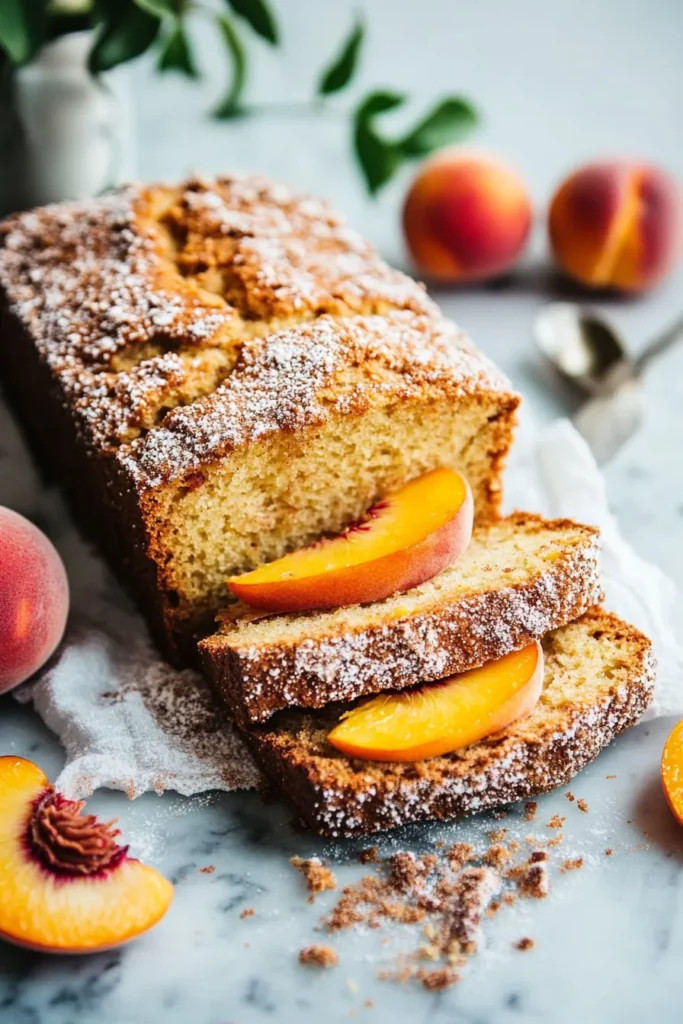
For a more bread-like treat that’s perfect with morning coffee, southern peach bread is a revelation. It’s similar to banana bread but lighter, with chunks of fresh peach throughout and a hint of almond extract that makes the peach flavor sing. The top gets a crunchy cinnamon-sugar crust that provides textural interest. This bread stays moist for days and actually improves on the second day as the flavors meld together.
Cookies and Bars: Small Treats with Big Flavor
Cookies hold a special place in my heart because they were the first thing I learned to bake successfully on my own. There’s something wonderful about being able to produce a batch of delicious treats in under an hour from start to finish. Cookies are generous that way. They’re quick, they’re forgiving of small mistakes, and they’re endlessly customizable based on what you’re craving or what you have in your pantry.
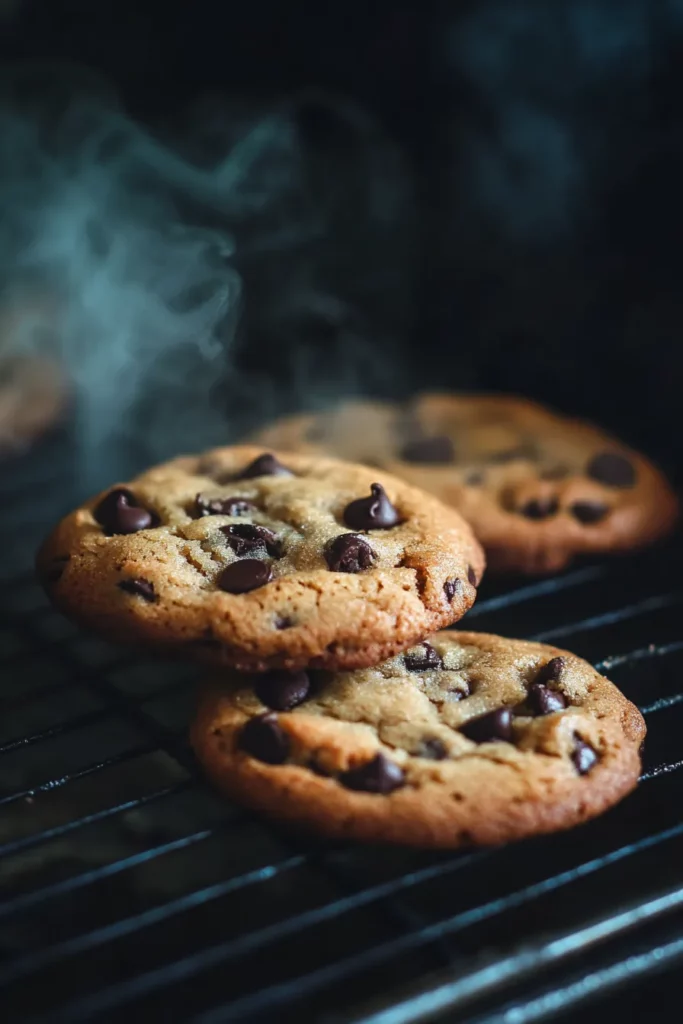
I keep cookie dough in my freezer almost constantly now. I’ll mix up a batch, scoop it into balls, freeze them on a sheet pan, then transfer the frozen dough balls to a bag. Anytime we want fresh-baked cookies, I just pull out however many we need and bake them straight from frozen, adding maybe a minute or two to the baking time. It’s the best of both worlds: the convenience of store-bought cookies with the taste and satisfaction of homemade.
Classic Cookies Everyone Loves
Some cookies are universally beloved for good reason. They hit the perfect balance of flavor, texture, and familiarity that makes them impossible to resist. My pecan sandies are buttery, nutty, and have that characteristic sandy, crumbly texture that gives them their name. They’re not overly sweet, which makes them perfect with coffee or tea, and the toasted pecans add a depth of flavor that makes them feel sophisticated despite their simplicity.
The white chocolate cranberry cookies are festive and beautiful, perfect for holiday cookie exchanges or anytime you want something special. The tart dried cranberries balance the sweetness of the white chocolate perfectly, and the red and white colors make them look festive even before you add any decoration. I make these every Christmas, and they disappear faster than any other cookie on the tray.
Bars and Brownies: Easy Crowd-Pleasers
When I need to make a lot of dessert quickly or want something I can cut into neat squares for serving, I turn to bars and brownies. One pan produces enough servings for a crowd, and there’s no scooping individual cookies or worrying about consistent sizing. Everything bakes evenly in one go, then you just cut and serve.
The magic cookie bars are called magic for a reason. You press graham cracker crumbs into a pan, layer on chocolate chips, nuts, and coconut, then pour sweetened condensed milk over the whole thing and bake. Somehow, these simple layers transform into chewy, gooey, incredibly delicious bars that taste infinitely more complex than the sum of their parts. They’re dangerously easy to make and even more dangerous to have around because they’re so addictive.
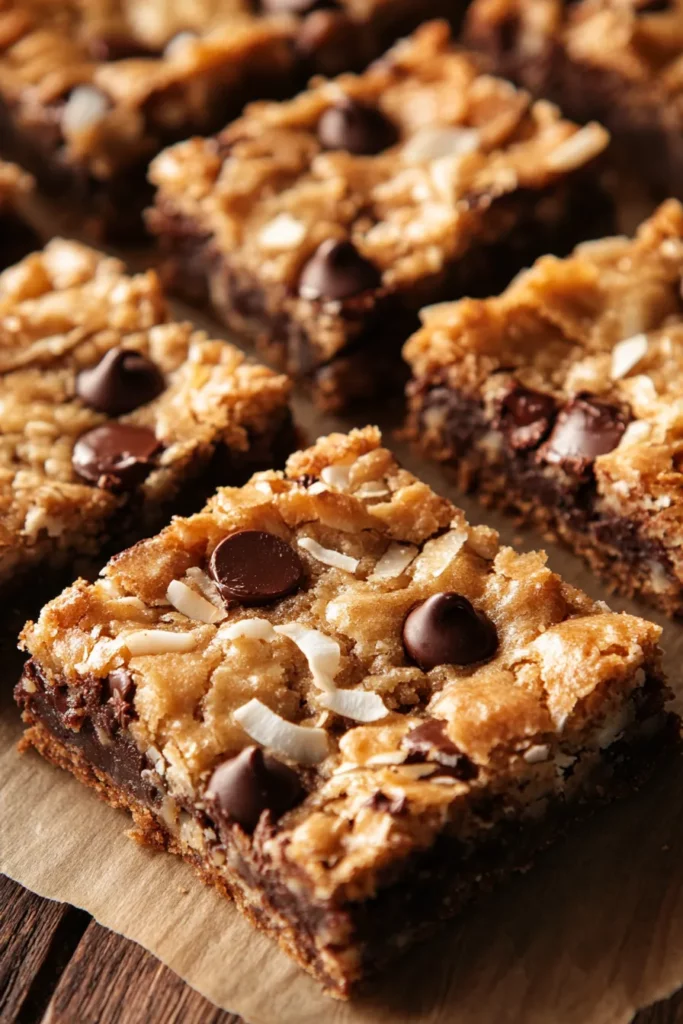
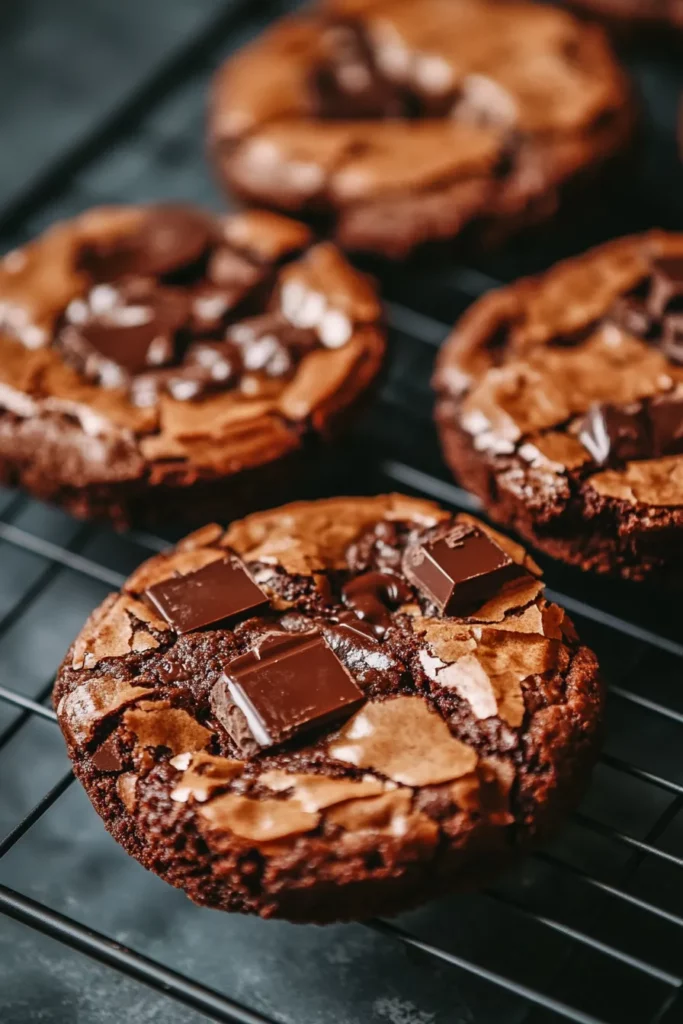
For chocolate lovers, the fudgy chewy brookies combine the best of both brownies and cookies. The bottom is a layer of chocolate chip cookie dough, the top is fudgy brownie batter, and when they bake together, the result is pure magic. You get the crispy edges of cookies and the fudgy center of brownies all in one bite. I make these for parties and potlucks, and people genuinely can’t figure out what they are at first, which just adds to their appeal.
No-Bake Treats: Quick Sweets for Busy Days
Not every dessert needs an oven. Some of my most beloved treats come together on the stovetop or with no cooking at all. These are perfect for summer when you don’t want to heat up the kitchen, for holidays when the oven is occupied with dinner, or for those times when you need something sweet right now and don’t have the patience to wait for baking and cooling.
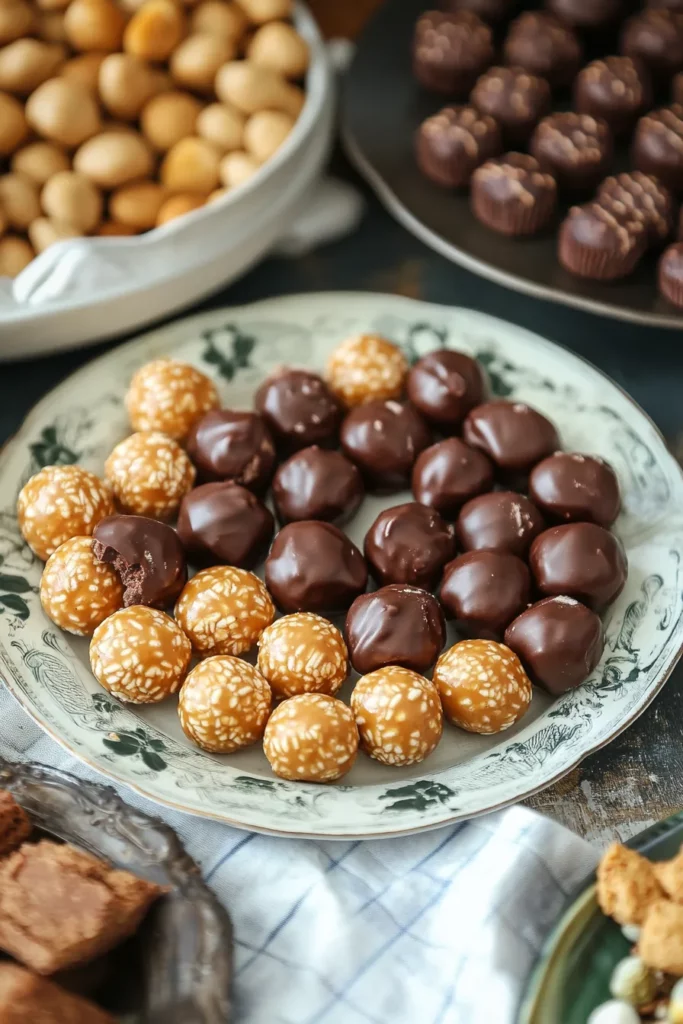
No-bake desserts often have a retro charm that I find completely appealing. They remind me of church cookbooks from the seventies and neighborhood recipe swaps. The names alone are delightful: buckeyes, puppy chow, muddy buddies. These are casual, fun desserts that don’t take themselves too seriously but deliver big on flavor and satisfaction.
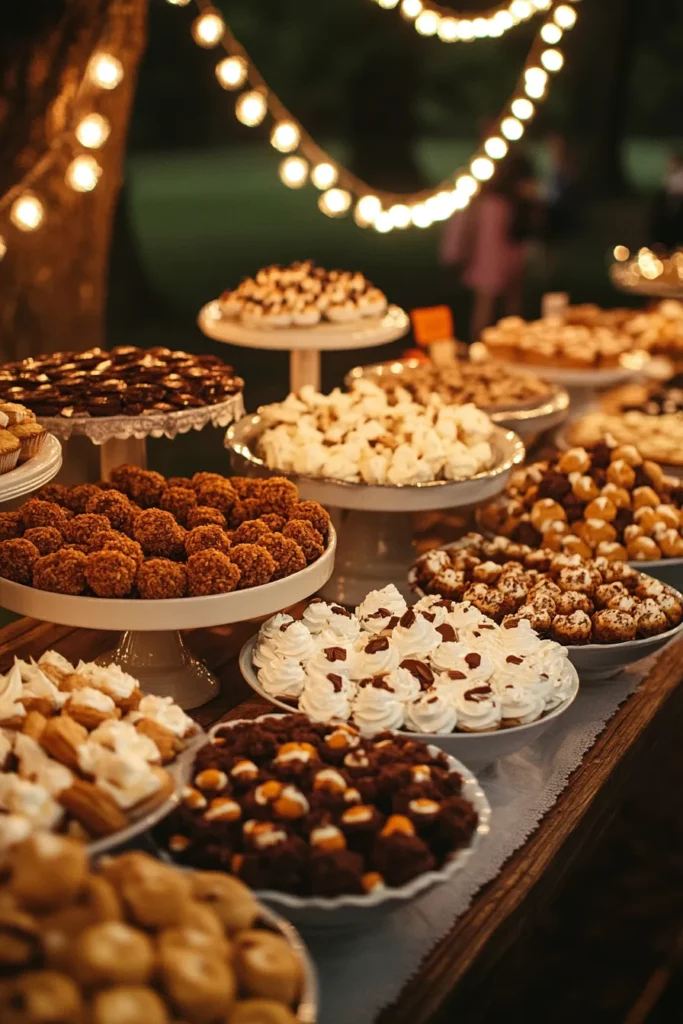
Chocolate-Covered Everything
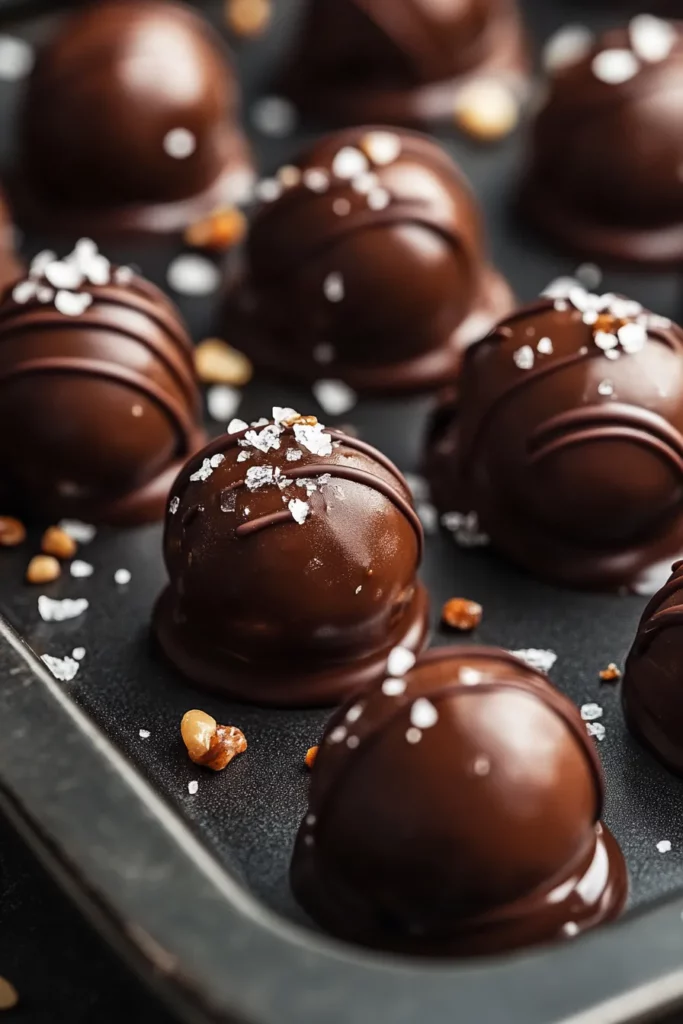
There’s something deeply satisfying about dipping things in chocolate. It feels both fancy and fun at the same time. My peanut butter balls are a Christmas tradition in my house, those little rounds of sweetened peanut butter filling dipped in chocolate that look like miniature buckeyes. The combination of creamy peanut butter and smooth chocolate is timeless and addictive. I make them every December, and they keep well in the fridge for weeks, making them perfect for gifting or having on hand when guests drop by.
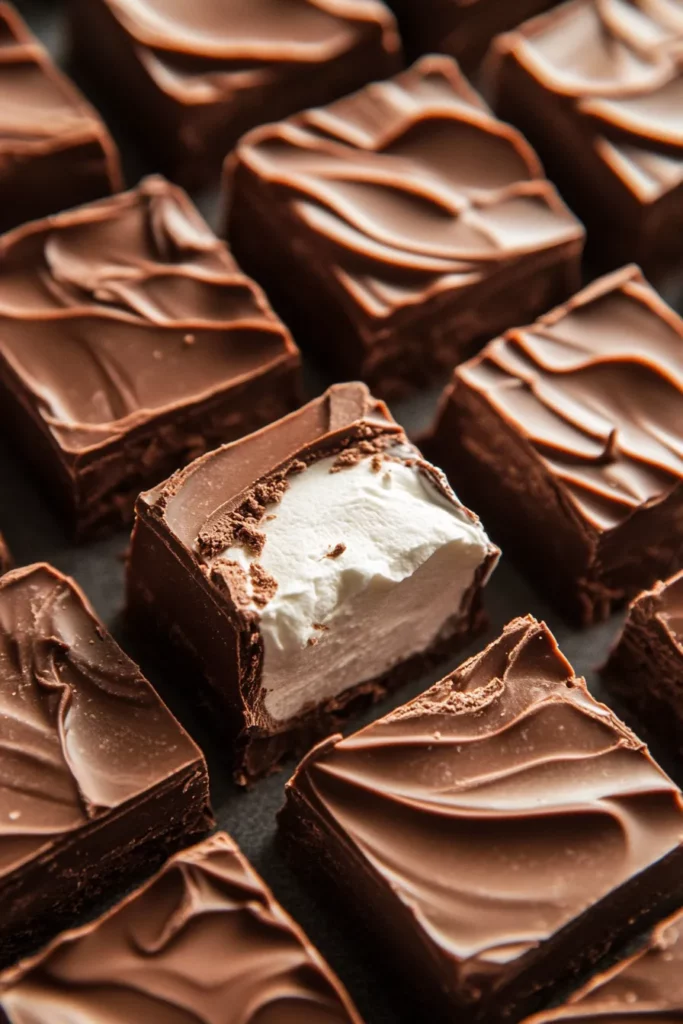
The Cool Whip candy is another no-bake chocolate treat that’s easier than you’d expect. It uses Cool Whip as a base, which might sound odd, but creates an incredibly light, fluffy, mousse-like center that contrasts beautifully with the chocolate coating. They’re airy and melt-in-your-mouth while still being rich enough to satisfy chocolate cravings.
Snack Mix Desserts: Fun for Everyone
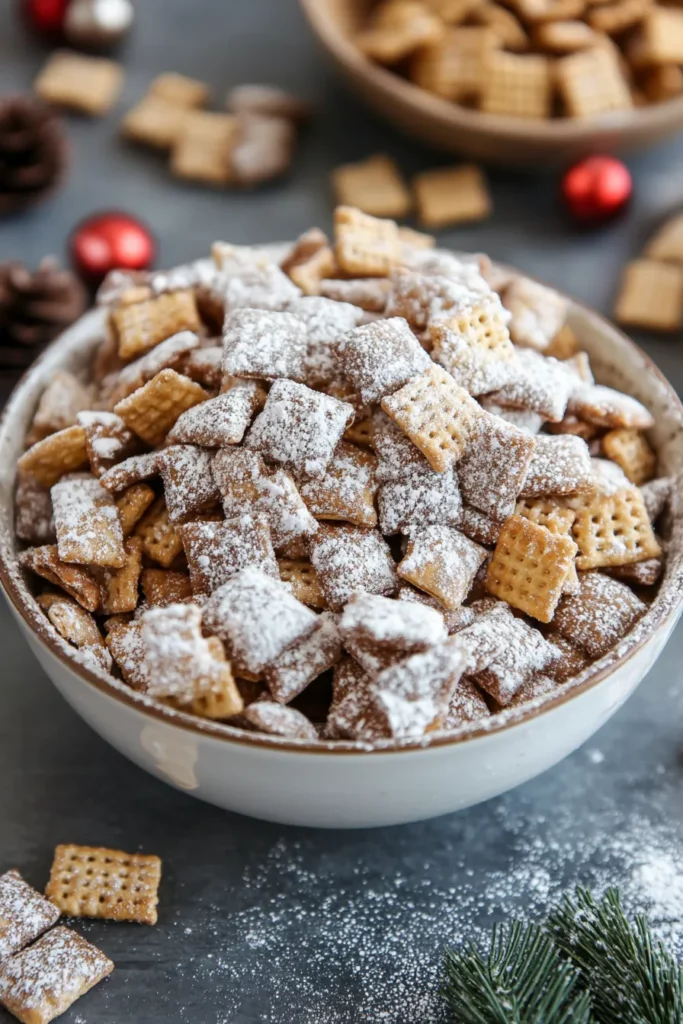
These desserts straddle the line between candy and snack mix, and they’re always huge hits at parties. The reindeer chow is what many people call muddy buddies or puppy chow: Chex cereal coated in chocolate and peanut butter, then tossed in powdered sugar until every piece is coated. It’s sweet, crunchy, slightly salty, and completely addictive. I make this for holiday parties, and I’ve learned to make a double batch because it always disappears.
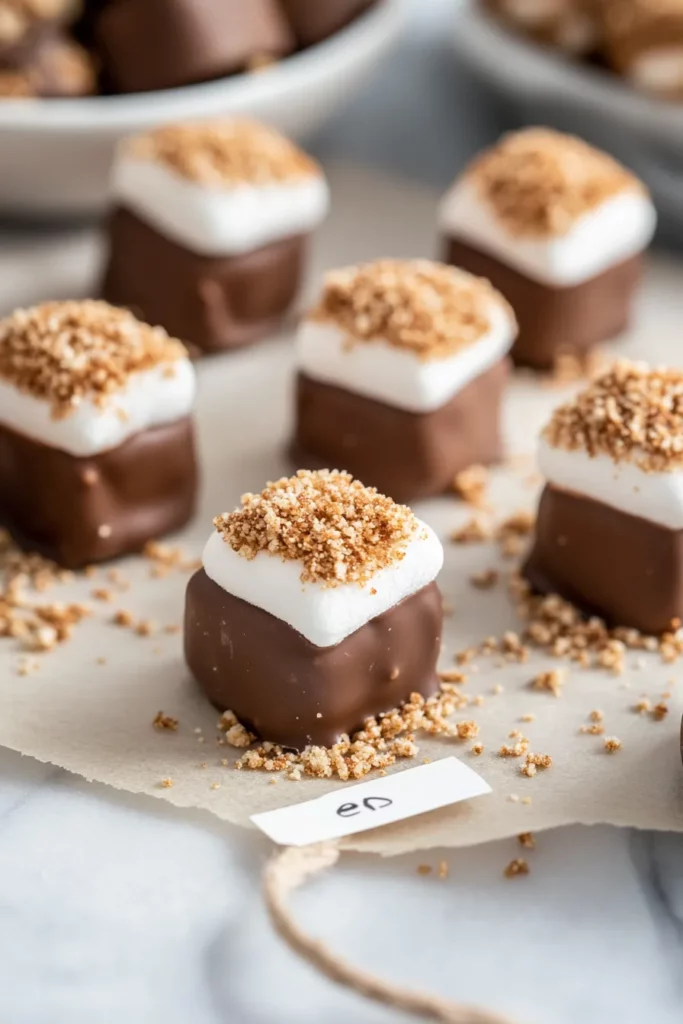
The moose farts have an admittedly ridiculous name, but they’re seriously delicious. Mini marshmallows are coated in chocolate and peanut butter, then rolled in graham cracker crumbs. They’re chewy, chocolatey, and have a nostalgic s’mores-like flavor that makes them impossible to stop eating. Kids love them because of the silly name, adults love them because they’re genuinely tasty.
Holiday and Special Occasion Desserts
Some desserts are specifically tied to celebrations in our minds. Certain cakes and cookies show up reliably at holidays, and eating them becomes part of the tradition itself. These are the desserts we look forward to all year, the ones that signal a special occasion has arrived, the ones that wouldn’t feel quite right served on a random Tuesday in July.
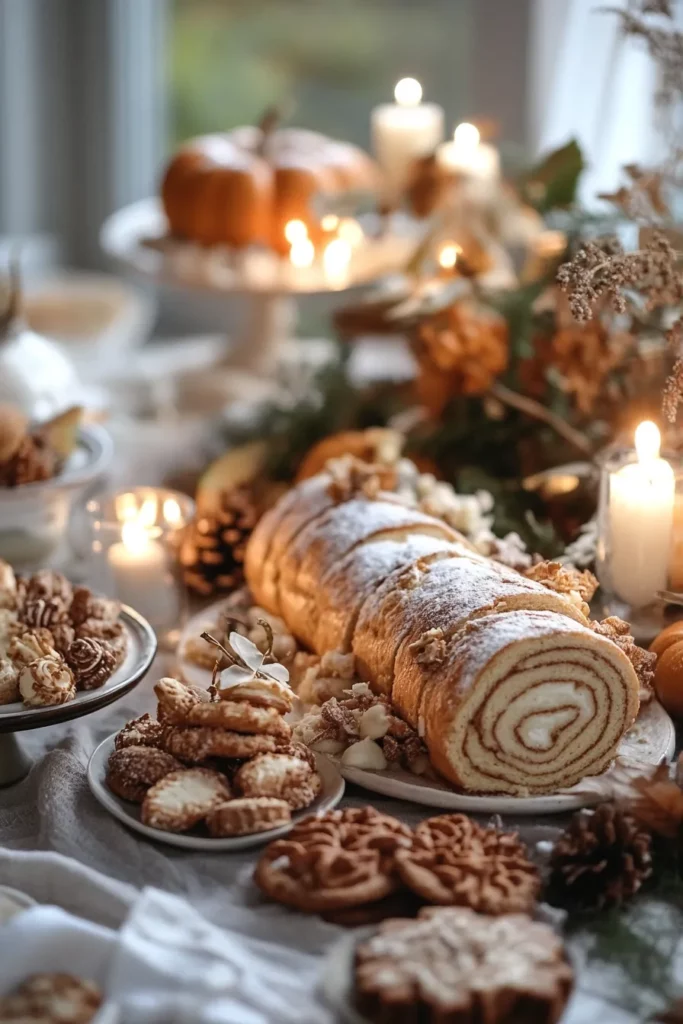
I’ve built my own collection of holiday desserts over the years, some inherited from family tradition and others discovered along the way and adopted into our rotation. These are the recipes I turn to when I want to mark an occasion as special, when I want dessert to be memorable rather than everyday, when I want to create those moments that become cherished food memories years down the road.
The pumpkin roll is one of those quintessentially autumn desserts that shows up faithfully at Thanksgiving dinners across America. My pumpkin roll has a light, spiced pumpkin sponge cake wrapped around a smooth cream cheese filling. The first time I made it, I was convinced I’d tear the cake while rolling it, but it’s more forgiving than you’d think. The key is rolling it while it’s still warm and pliable, and using a clean kitchen towel dusted with powdered sugar to help guide the roll without sticking.
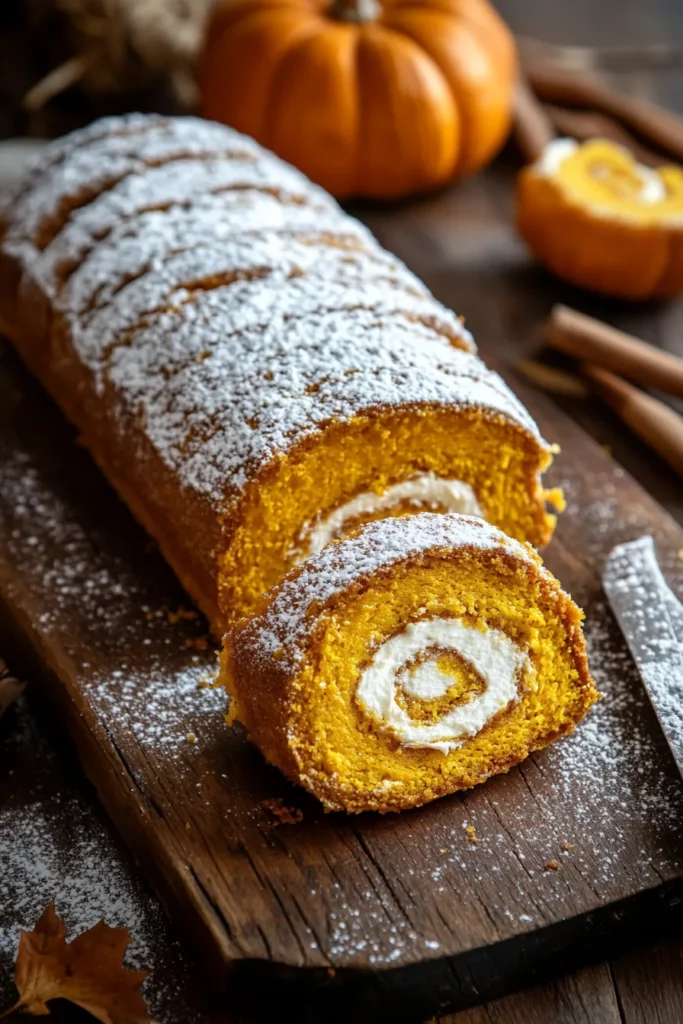
The finished roll is beautiful, with that spiral of orange cake and white filling creating a striking visual when you slice it. It tastes exactly like fall should taste: warm spices, sweet pumpkin, tangy cream cheese, all balanced perfectly. I make this every Thanksgiving now, and my family would revolt if I tried to serve something else. It’s become one of those non-negotiable traditions that defines the holiday.
Understanding Ingredients: What Makes Desserts Work
I used to think that as long as I followed a recipe exactly, my desserts would turn out perfectly. Then I’d read comments from other bakers whose results didn’t match mine, or I’d see a recipe that called for an unusual ingredient substitution, and I’d wonder how they knew what would work and what wouldn’t. The answer is understanding what each ingredient actually does in a recipe, so you can troubleshoot problems and make informed decisions about substitutions when necessary.
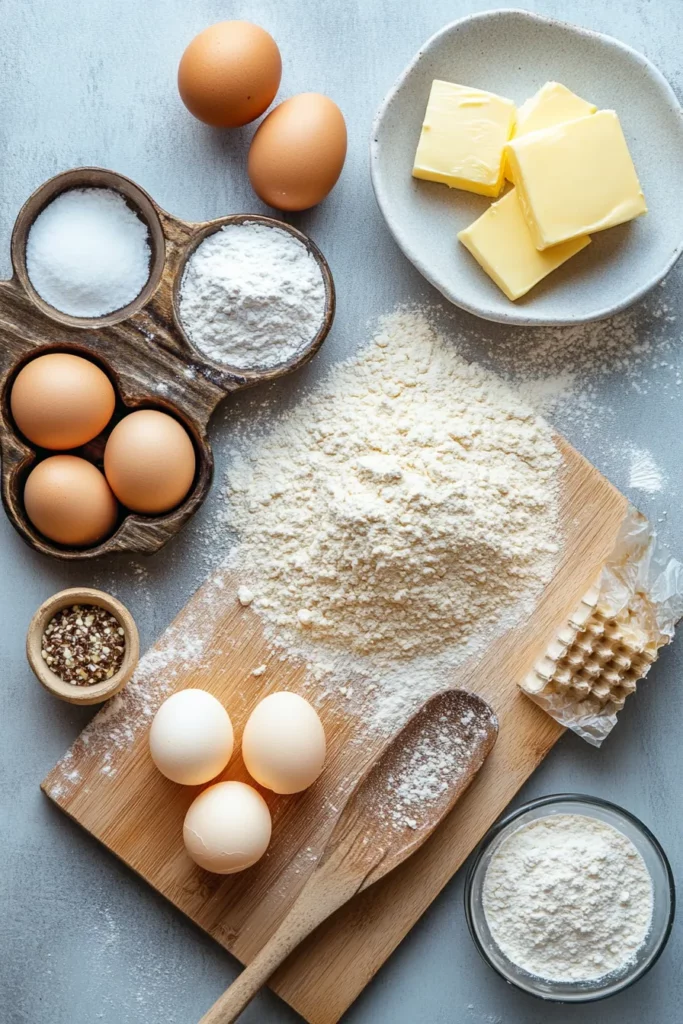
Flour provides structure in baked goods. When flour is mixed with liquid, the proteins in it form gluten, which creates the framework that holds everything together. Too much gluten development makes desserts tough and chewy. Too little, and they fall apart or have no structure. Different types of flour have different protein contents: bread flour has the most, cake flour has the least, and all-purpose flour sits in the middle, making it versatile enough for most dessert recipes.
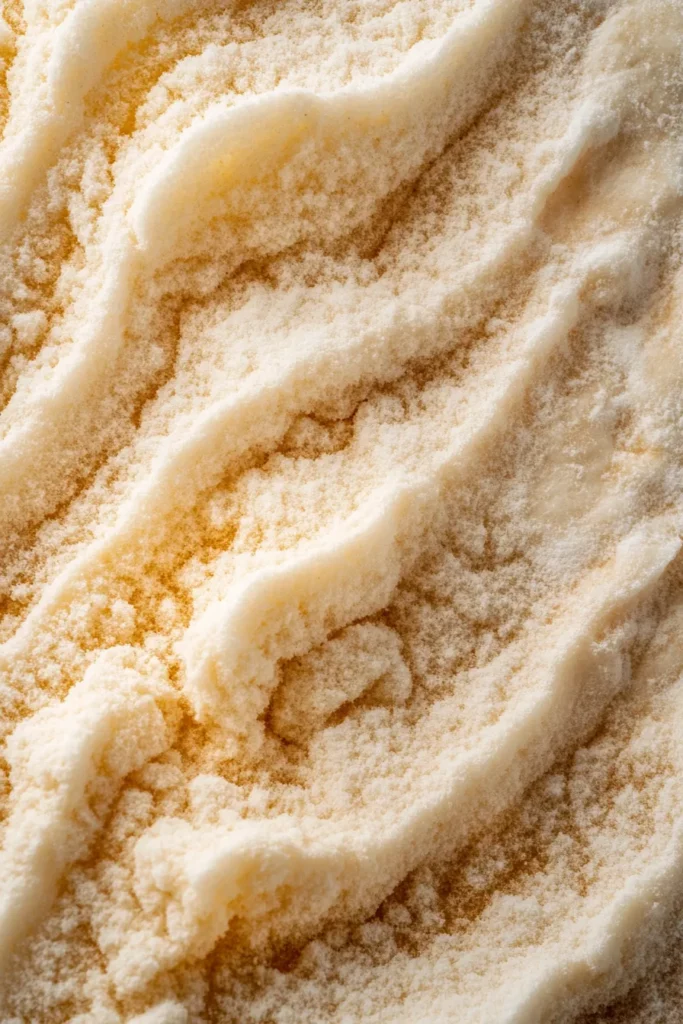
Sugar does more than just sweeten. It also tenderizes by interfering with gluten development, adds moisture by attracting and holding water, and aids in browning through caramelization. This is why you can’t just drastically reduce the sugar in a recipe without affecting the texture and structure of the final product. If you want a less sweet dessert, it’s better to find a recipe formulated with less sugar than to cut the sugar from a traditional recipe.
Fats: Butter, Oil, and Why They Matter
Butter adds flavor and creates tenderness, but it also contributes to structure because of its water content. When butter melts during baking, the water turns to steam, which helps create lift and layers. This is why pie crust and croissants use cold butter: those cold butter pieces create steam pockets that become flaky layers. Oil, on the other hand, coats flour particles more completely, preventing gluten development and creating very tender, moist cakes. But oil doesn’t add the same flavor or contribute to structure the way butter does.
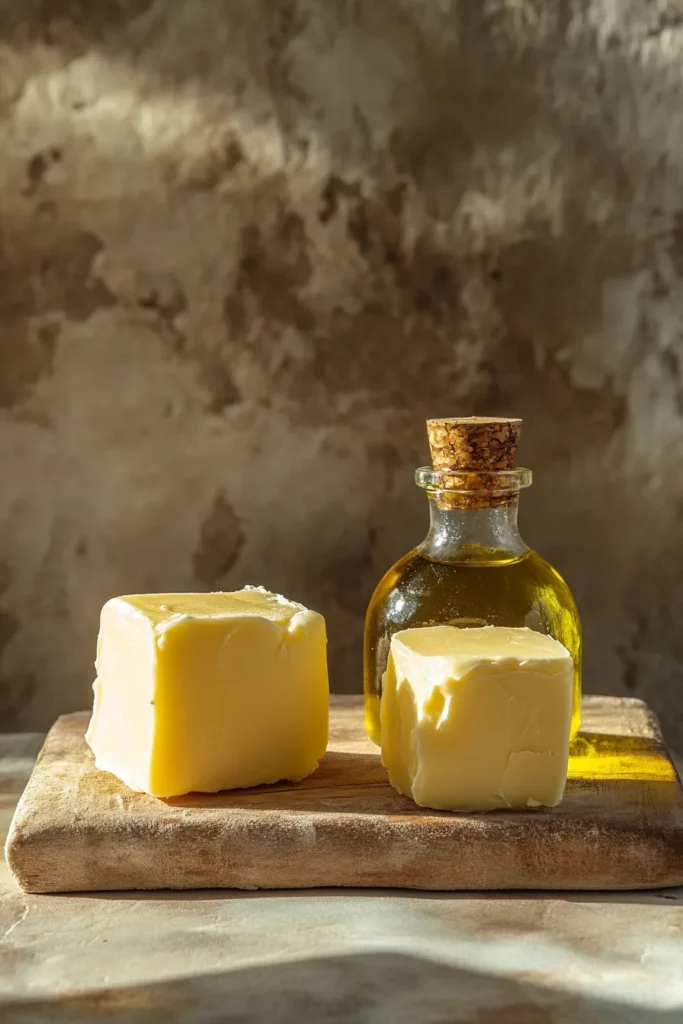
I use butter when flavor is paramount and when I want a specific texture like flaky pastry or crispy cookies. I use oil in cakes where I want maximum moisture and don’t mind sacrificing some of butter’s rich flavor. Understanding this difference means I can look at a recipe and understand why the author chose one fat over the other, and know what will happen if I decide to substitute.
Eggs: The Multi-Tasking Miracle
Eggs do so much work in desserts that it’s almost hard to believe. They provide structure through the proteins that coagulate when heated. They add moisture and richness through the fat in the yolks. They contribute to leavening when beaten to incorporate air. They emulsify ingredients that wouldn’t normally want to mix together. They add color and flavor. In some recipes, like custards and cheesecakes, eggs are the primary structure provider. In others, like angel food cake, beaten egg whites are the only leavening agent.
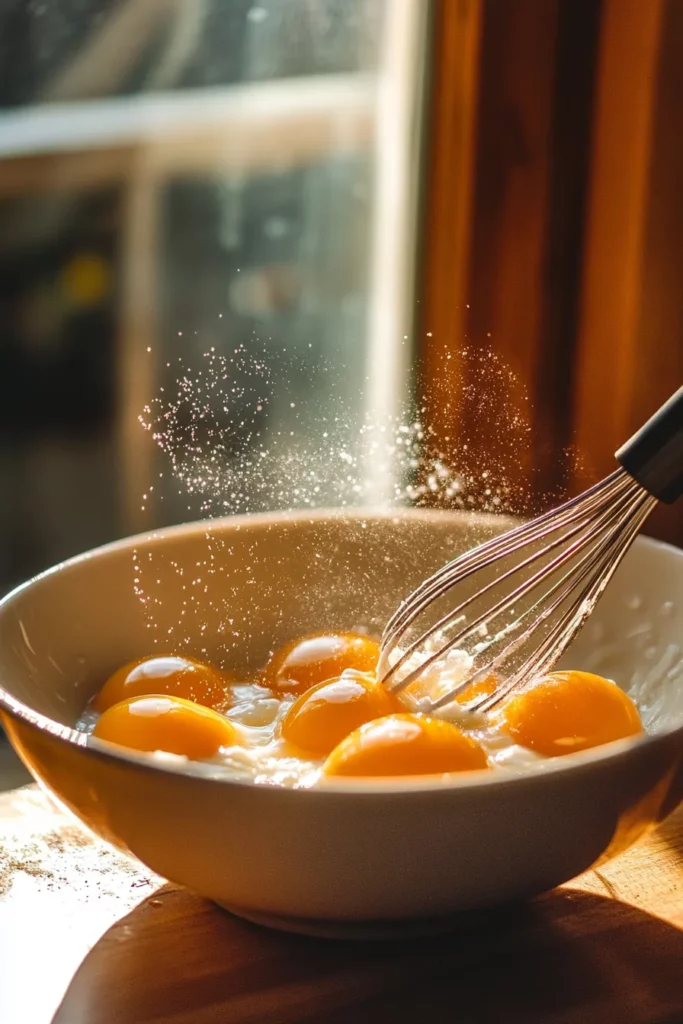
Using the right temperature of eggs matters. Cold eggs don’t incorporate as easily into batters and can cause mixtures to curdle. Room temperature eggs blend smoothly and create better emulsions. If I forget to take eggs out in advance, I put them in a bowl of warm tap water for five minutes, and they come to temperature quickly without any risk of cooking.
Expert Tips for Better Desserts Every Time
After years of baking everything from simple cookies to elaborate multi-layer cakes, I’ve accumulated a mental list of tips and tricks that consistently improve results. These aren’t complicated techniques or expensive equipment. They’re small adjustments and careful attention to detail that make the difference between good desserts and great ones.
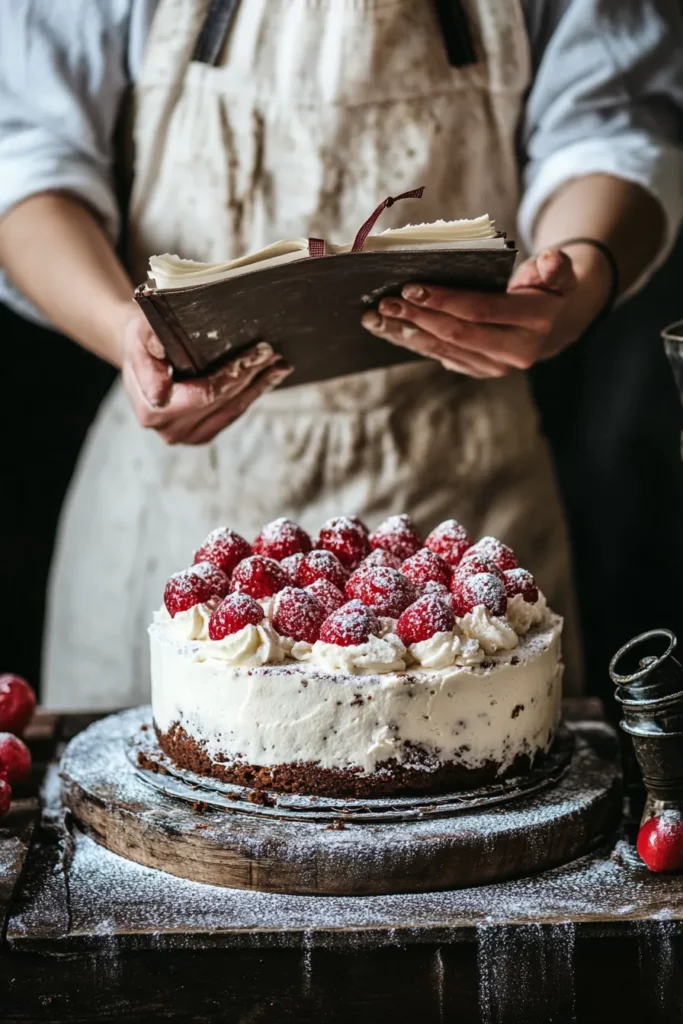
One of the biggest lessons I’ve learned is the importance of reading a recipe completely before starting. I mean really reading it, not just skimming. I note where ingredients need to be at room temperature, where something needs to chill for hours, where there’s hands-on time that needs my full attention. This prevents those frustrating moments when you’re halfway through a recipe and realize you should have softened the butter or that you’re supposed to refrigerate the dough overnight. A little advance planning eliminates so much stress.
Investing in an oven thermometer was a game-changer for me. I discovered my oven runs about twenty-five degrees cooler than the dial says, which explained years of mysteriously underbaked cookies and cakes that took longer than recipes indicated. Ovens are notoriously inaccurate, and having a thermometer that tells you the actual temperature means you can adjust accordingly. Now I just set my oven twenty-five degrees higher than recipes call for, and everything bakes in the expected time with perfect results.
Don’t Skip the Cooling Step
I used to be so impatient about letting things cool properly. I’d pull a cake from the oven, wait maybe five minutes, and try to remove it from the pan, often with disastrous results. Cakes need time to set up as they cool. If you try to remove them too soon, they’ll fall apart or stick to the pan. I learned to wait until cakes are completely cool before frosting them, even though it meant planning ahead or waiting until the next day. Warm cakes cause frosting to melt and slide off. It’s frustrating to wait, but it’s much more frustrating to watch your carefully made frosting turn into a puddle.
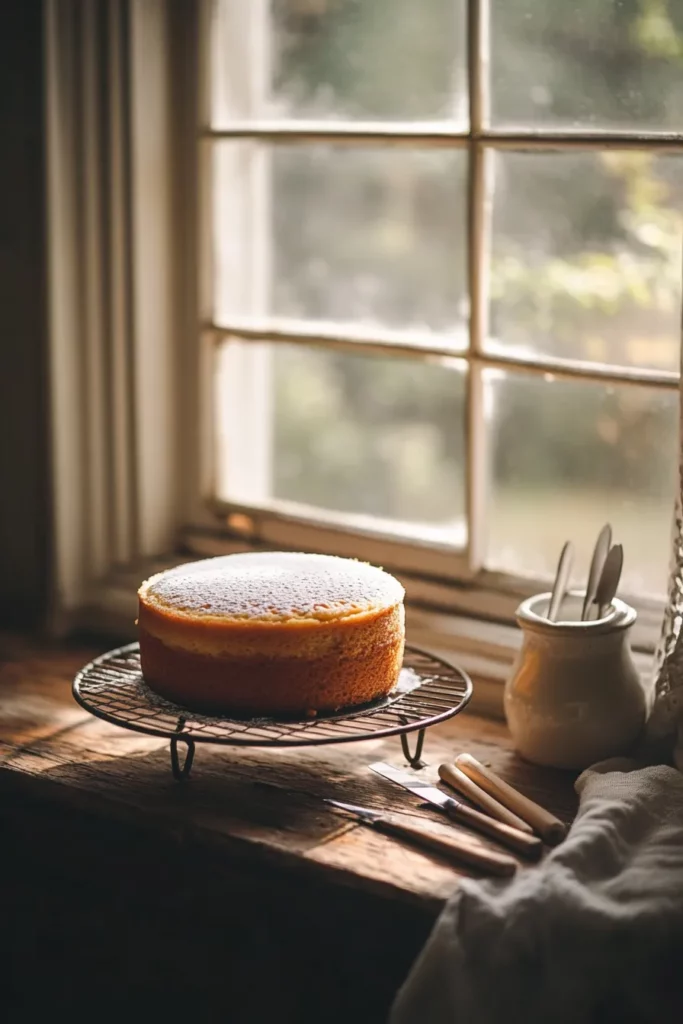
Cookies are the opposite. They continue to bake on the hot pan even after you remove them from the oven, so I always take them out when they still look slightly underdone. They’ll finish cooking on the pan and end up perfectly baked with slightly soft centers instead of dry and overbaked. After a few minutes on the pan, I transfer them to a cooling rack so they don’t keep cooking on that hot surface.
Taste as You Go
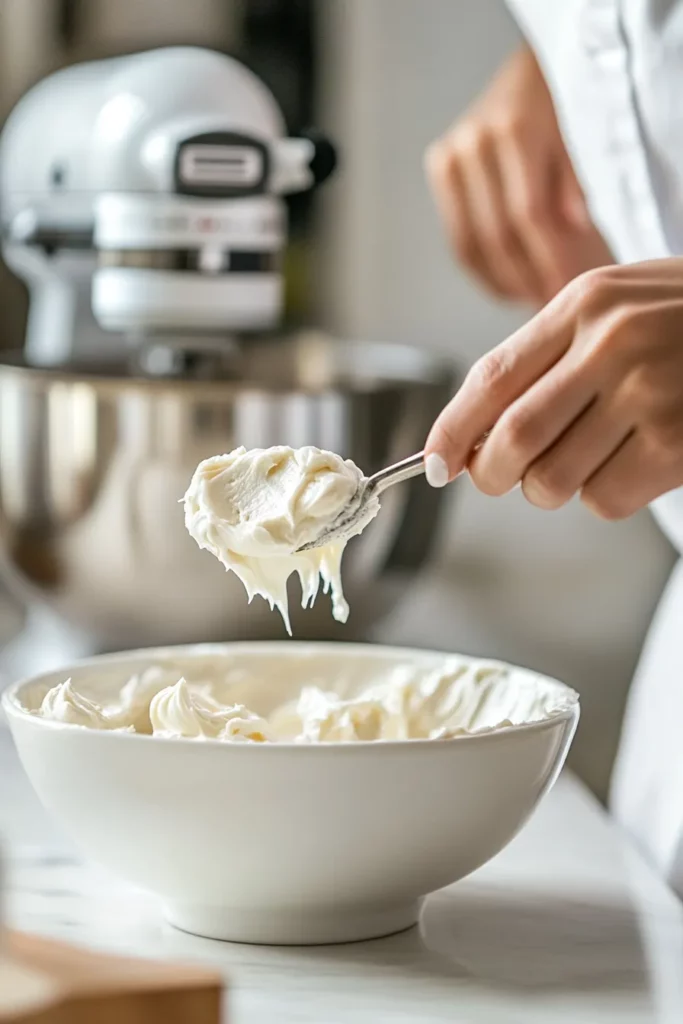
Even though you can’t always taste raw batter because of eggs, you can and should taste components as you make them. Taste your frosting before adding all the powdered sugar to see if it needs more sweetness or flavoring. Taste your fruit filling to check if it needs more sugar or lemon juice. Taste your caramel to make sure it’s reached the depth of flavor you want. Adjusting as you go means your final dessert will be exactly how you want it rather than discovering problems only after it’s too late to fix them.
Troubleshooting Common Dessert Problems
Even experienced bakers run into problems sometimes. Desserts can be temperamental, affected by humidity, oven quirks, altitude, and dozens of other variables. The difference between beginners and experienced bakers isn’t that experienced bakers never have problems. It’s that they know how to diagnose and fix those problems, or at least understand what went wrong so they can prevent it next time.
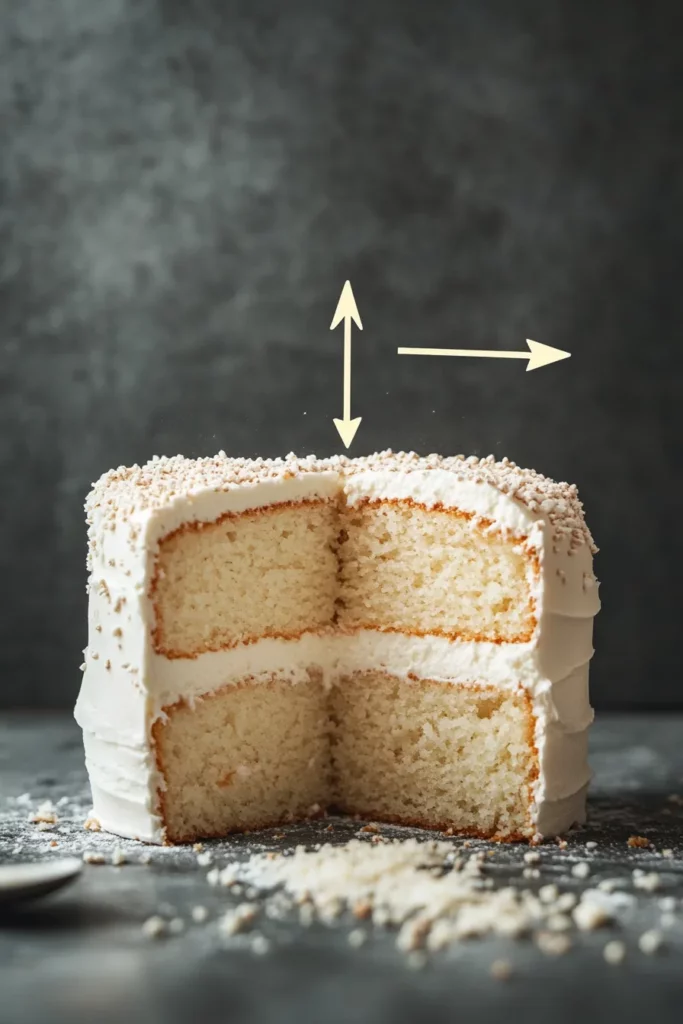
Dense, heavy cakes usually result from too much flour or overmixing. Flour should be measured by spooning it into the measuring cup and leveling off, not by scooping the cup into the flour bag, which compacts it and gives you much more flour than the recipe intends. Overmixing develops too much gluten, which creates a tough, dense texture instead of the tender crumb we want. Mix just until ingredients are combined, then stop, even if the batter doesn’t look perfectly smooth.
Why Cookies Spread Too Much
Cookies that spread into flat puddles are frustrating, especially when you’re trying to make nice, thick cookies with defined edges. This usually happens because the butter was too warm or the dough wasn’t chilled before baking. Butter needs to be soft enough to mix but not melted or greasy. If your kitchen is hot, the butter can soften too much even if it started at the right temperature. The solution is chilling the shaped cookie dough for at least thirty minutes before baking. Cold dough holds its shape better in the oven, giving the structure time to set before the butter melts.
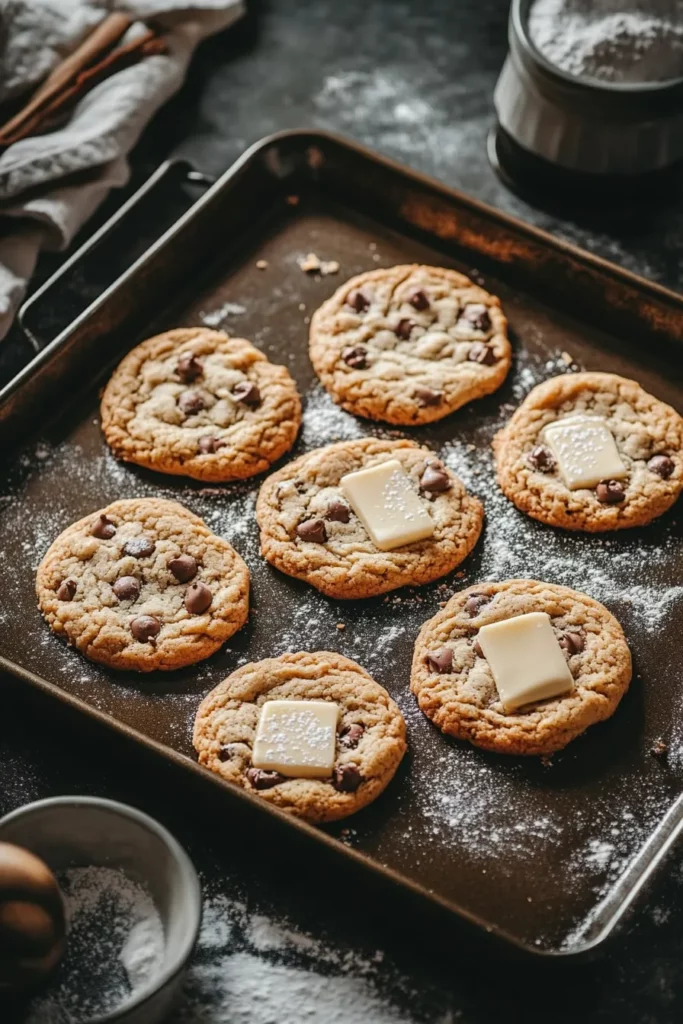
Using too little flour or too much sugar can also cause spreading. Make sure you’re measuring accurately and not packing flour into the measuring cup. And check that you’re using the right type of flour. Cake flour will produce different results than all-purpose flour in cookie recipes.
Fixing Curdled or Separated Batters
Sometimes when you add eggs to creamed butter and sugar, the mixture looks curdled or separated instead of smooth and homogeneous. This usually happens when the eggs are too cold. The temperature difference causes the butter to seize up into little bits instead of staying emulsified. If this happens, don’t panic. You can often fix it by beating in a tablespoon of flour, which helps bring the mixture back together. Or simply continue with the recipe. Once you add the flour, the curdled appearance usually disappears, and the final baked good turns out fine.
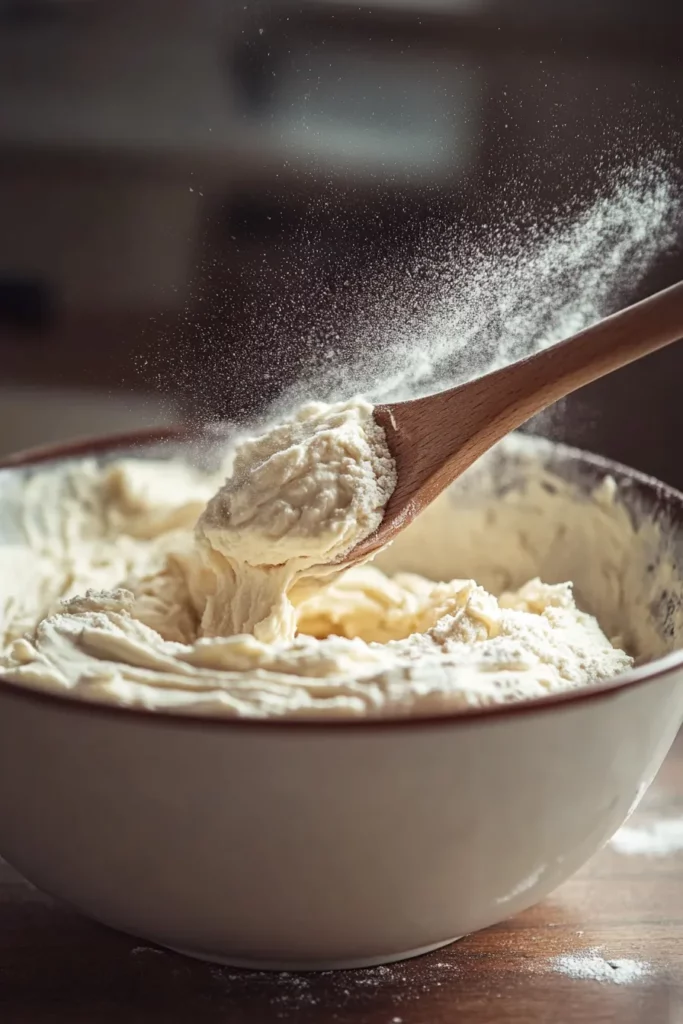
To prevent this problem, make sure all ingredients are at room temperature before mixing. If you see the mixture starting to curdle as you add eggs, stop adding them, beat the mixture vigorously until it comes back together, then continue adding eggs more slowly.
Conclusion
Looking back at that twelve-year-old girl crying over a lopsided birthday cake, I wish I could tell her not to worry so much. Every baker who’s ever made anything beautiful has also made disasters. The cakes that collapse, the cookies that spread into one giant blob, the frosting that refuses to cooperate. These aren’t failures. They’re education, experience, the foundation for all the successful desserts that come after.
The desserts we make aren’t just about the end result, although biting into something delicious you created yourself never gets old. They’re about the process, the learning, the gradual building of skills and confidence. They’re about the joy of sharing something you made with people you care about and seeing their faces light up. They’re about creating traditions and memories, about marking occasions as special, about showing love in the most delicious way possible.
Whether you’re making a simple batch of cookies on a Wednesday evening or an elaborate cake for a milestone celebration, you’re participating in something wonderful and deeply human. We’ve been sweetening our lives with desserts for thousands of years, and each time you measure flour and cream butter and sugar, you’re connecting to that long tradition of bakers who came before.
Start simple if you’re new to baking. Master the basics before you attempt the complicated stuff. Read recipes thoroughly. Measure carefully. Be patient with cooling times. Taste as you go. Learn from mistakes instead of being discouraged by them. And most importantly, remember that even imperfect desserts made with love taste better than perfect desserts made without it.
Your kitchen is waiting. Your mixing bowls are ready. And somewhere in the recipes above is your next favorite dessert, the one you’ll make again and again, the one that will become part of your own traditions and food memories. Happy baking.
Explore more delicious inspiration:
Frequently Asked Questions
How do I know when a cake is done baking?
A fully baked cake will spring back when lightly pressed in the center, and a toothpick inserted into the middle will come out clean or with just a few moist crumbs attached, not wet batter. The edges will also start to pull away slightly from the sides of the pan. Color can be misleading, especially with chocolate cakes, so rely more on these texture tests.
Can I substitute oil for butter in cake recipes?
You can, but the results will be different. Oil produces a more tender, moist cake but with less flavor than butter. Generally, use three-quarters the amount of oil as butter called for in the recipe. Oil works best in recipes that don’t rely on butter’s flavor or structure-building properties, like simple layer cakes or chocolate cakes where other flavors dominate.
Why did my cheesecake crack?
Cheesecakes crack when they bake too quickly, usually from too high oven temperature, or when they cool too quickly, creating stress on the surface. Using a water bath helps maintain even, gentle heat. Baking at a lower temperature and letting the cheesecake cool gradually in the turned-off oven with the door cracked also helps prevent cracks.
How can I prevent my fruit from sinking to the bottom of the cake?
Toss your fruit pieces in a little flour before folding them into the batter. This coating helps suspend them in the batter rather than sinking. Also make sure your batter is thick enough to support the fruit. Thin batters can’t hold heavy additions. Using smaller pieces of fruit instead of large chunks helps too.
What’s the difference between baking soda and baking powder?
Baking soda is pure sodium bicarbonate and needs an acid to activate it. Baking powder contains baking soda plus an acid, so it works without additional acidic ingredients. They’re not interchangeable. Using the wrong one will affect how your desserts rise and can leave an unpleasant metallic taste if too much baking soda is used without enough acid to neutralize it.
Can I freeze cookie dough?
Absolutely. Most cookie doughs freeze beautifully for up to three months. Scoop the dough into balls, freeze them on a sheet pan until solid, then transfer to a freezer bag. Bake straight from frozen, adding just a minute or two to the baking time. This is perfect for having fresh-baked cookies anytime without the work of making a whole batch.
Why is my buttercream grainy?
Graininess in buttercream usually means the powdered sugar wasn’t fully incorporated or the butter was too cold. Make sure your butter is soft and beat the buttercream for several minutes after adding the sugar. If it’s still grainy, you can warm the bowl slightly with your hands or place it briefly over warm water while beating, which helps dissolve any remaining sugar crystals.
How long do homemade desserts keep?
It varies widely by type. Cookies generally keep for five to seven days in an airtight container. Most cakes stay fresh for three to four days at room temperature if frosted with buttercream, or up to a week if refrigerated. Fruit desserts are best eaten within two to three days. Cheesecakes keep for up to five days in the refrigerator. Most desserts can be frozen for longer storage, though texture may change slightly.
Can I make desserts ahead for a party?
Many desserts are actually better when made ahead, allowing flavors to develop and saving you stress on party day. Cheesecakes, cookies, bars, and pound cakes all make ahead beautifully. Layer cakes can be baked, cooled, wrapped tightly, and frozen for up to a month, then thawed and frosted the day of your event. Fruit desserts are best made the day you plan to serve them.
What’s the best way to store different types of desserts?
Cookies stay freshest in airtight containers at room temperature, with a piece of bread added to keep them soft. Cakes with buttercream can stay at room temperature for a day or two, or refrigerated for longer storage, but bring to room temperature before serving for best flavor. Cream cheese frosted cakes and cheesecakes must be refrigerated. Fruit desserts should be covered and refrigerated.

🍳 Precision Meets Passion — Tools Chefs Trust Daily

- Grams & ounces — precise to 1g
- Perfect for baking & keto tracking
- Sleek stainless steel design

- German stainless precision
- Razor-sharp & dishwasher-safe
- Elegant wood block organizer

- Premium Stainless Steel Build
- Easy to Clean & Dishwasher Safe
- A Must-Have Kitchen Tool