➤ Table of Contents
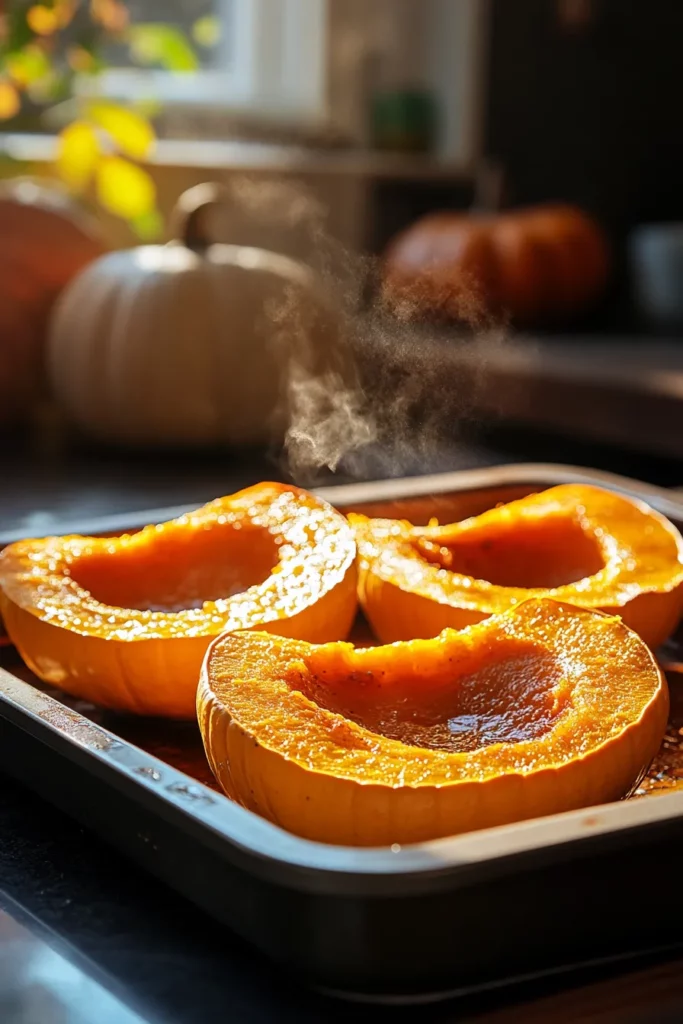
I’ll never forget the first time I roasted a real pumpkin instead of just opening a can. It was a chilly October afternoon, and I’d bought a sugar pumpkin at the farmers market on a whim, with no real plan for what to do with it. I halved it, scooped out the seeds, and slid it into the oven, and within thirty minutes my kitchen smelled like autumn itself. When I finally scraped out that tender, golden flesh and tasted it, I understood why people have been cooking with pumpkins for centuries. It was sweet, earthy, and so much more vibrant than anything I’d ever gotten from a can.
⚡ Smart Kitchen Tools Every Home Cook Swears By

- Instant-read accuracy
- Backlit display for night grilling
- Waterproof & ultra-fast probe

- 17 smart cooking presets
- XL 10L family capacity
- Roast, bake, fry & dehydrate

- 3 sizes for every recipe
- Pre-seasoned & durable cast iron
- Oven & grill ready
That moment opened up a whole world of pumpkin cooking for me. What started as a simple curiosity became a full-fledged obsession every fall. I began experimenting with pumpkin in everything from breakfast to cocktails, from savory tarts to no-bake treats. Some experiments were disasters, like the time I tried to make pumpkin pasta from scratch and ended up with orange goo. But most were revelations, each recipe teaching me something new about this versatile ingredient.
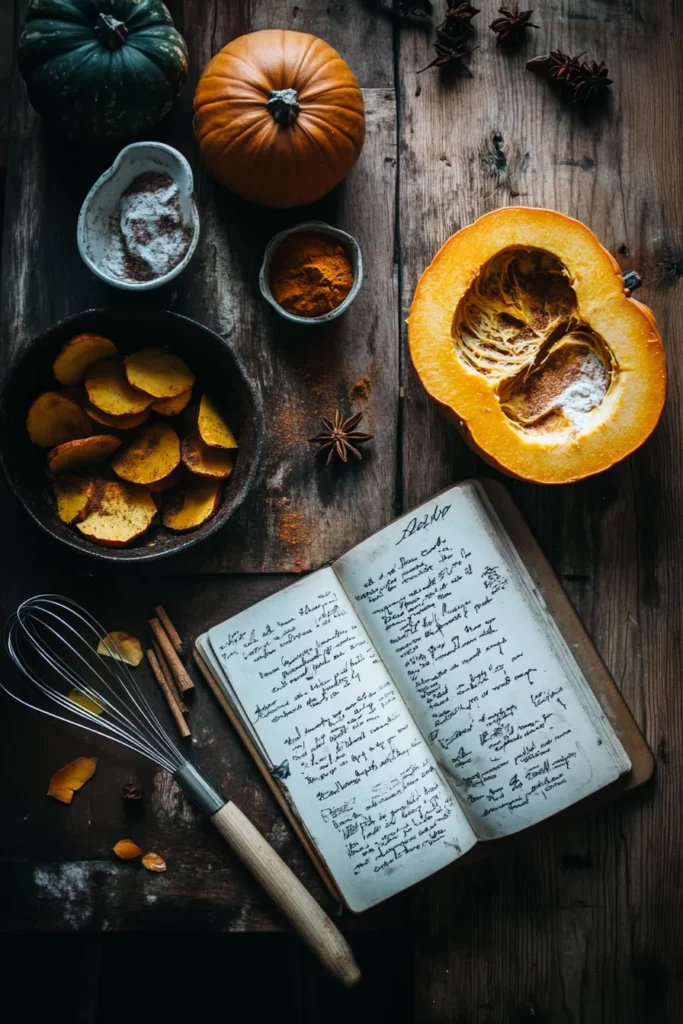
Here’s what I’ve learned through years of pumpkin adventures: this humble squash is so much more than pie filling. It’s a blank canvas that works beautifully in sweet and savory dishes alike. It adds moisture to baked goods, creaminess to dips, substance to main courses, and that unmistakable warmth to everything it touches. Whether you’re looking for a show-stopping dessert, a cozy breakfast, or an elegant appetizer, pumpkin has a place at your table.
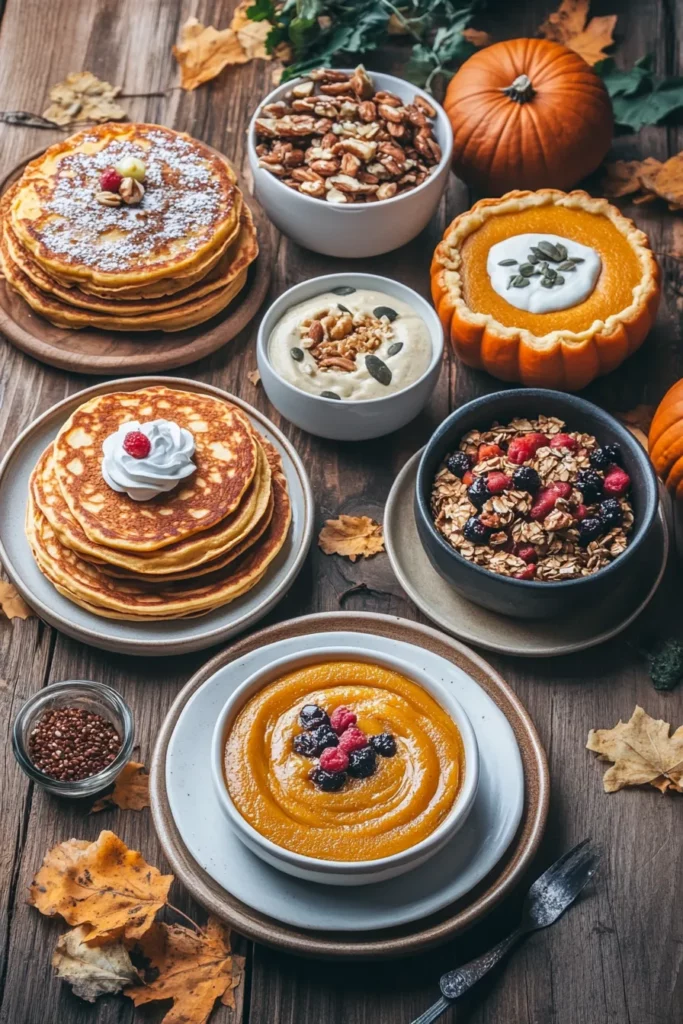
This guide is everything I wish I’d known when I started cooking with pumpkin. We’ll explore the difference between canned and fresh pumpkin, master essential techniques, and discover recipes for every meal and occasion. From classic favorites that never go out of style to creative new ways to enjoy pumpkin’s earthy sweetness, you’ll find inspiration for making the most of pumpkin season. And because I believe cooking should be a joy, every recipe and technique comes with the real kitchen wisdom I’ve gathered along the way, including the mistakes I made so you don’t have to.
Understanding Pumpkin: Fresh vs. Canned and How to Choose
Let me be honest with you right from the start: there’s absolutely nothing wrong with canned pumpkin. I use it all the time, especially for baking where consistency matters. That first fresh pumpkin experiment taught me about flavor, but years of cooking have taught me about practicality. The key is knowing when to use which type and how to get the best results from both.
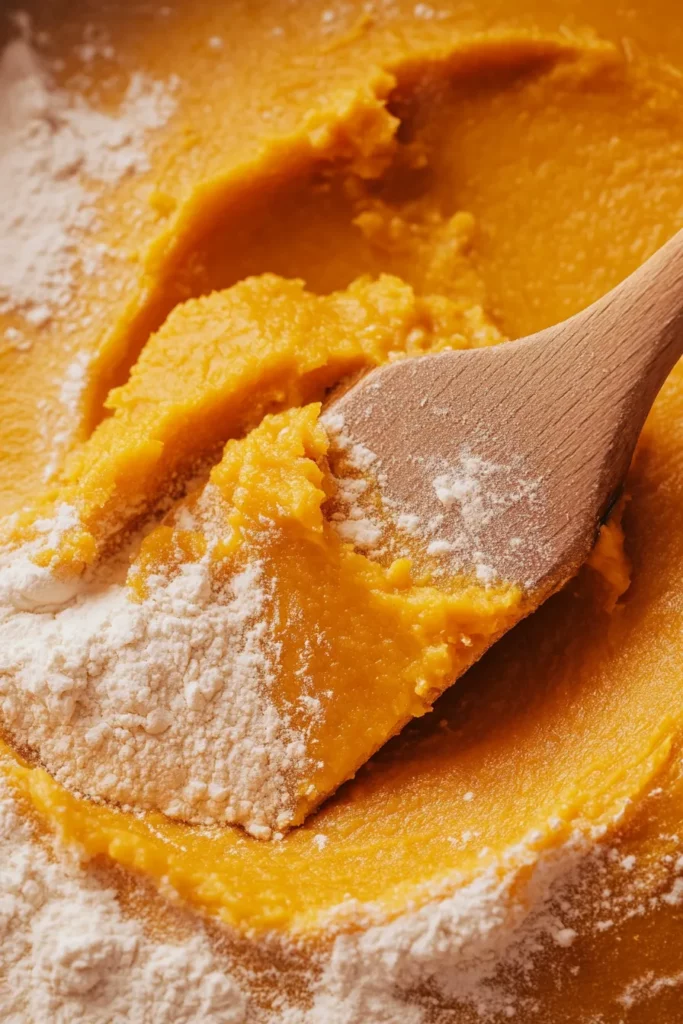
Canned pumpkin puree is convenient, consistent, and already cooked and strained to the perfect texture for baking. When I’m making pumpkin pancakes on a busy Saturday morning, I reach for the can without hesitation. The texture is reliable, the flavor is good, and it saves me an hour of roasting and pureeing time.
Fresh pumpkin has its place too, though. The flavor is brighter and more complex, with subtle variations depending on the variety and how you cook it. I love using fresh pumpkin for savory dishes where that fresh vegetable quality shines through. It’s also wonderful for recipes where you want visible chunks of pumpkin or when presentation matters.
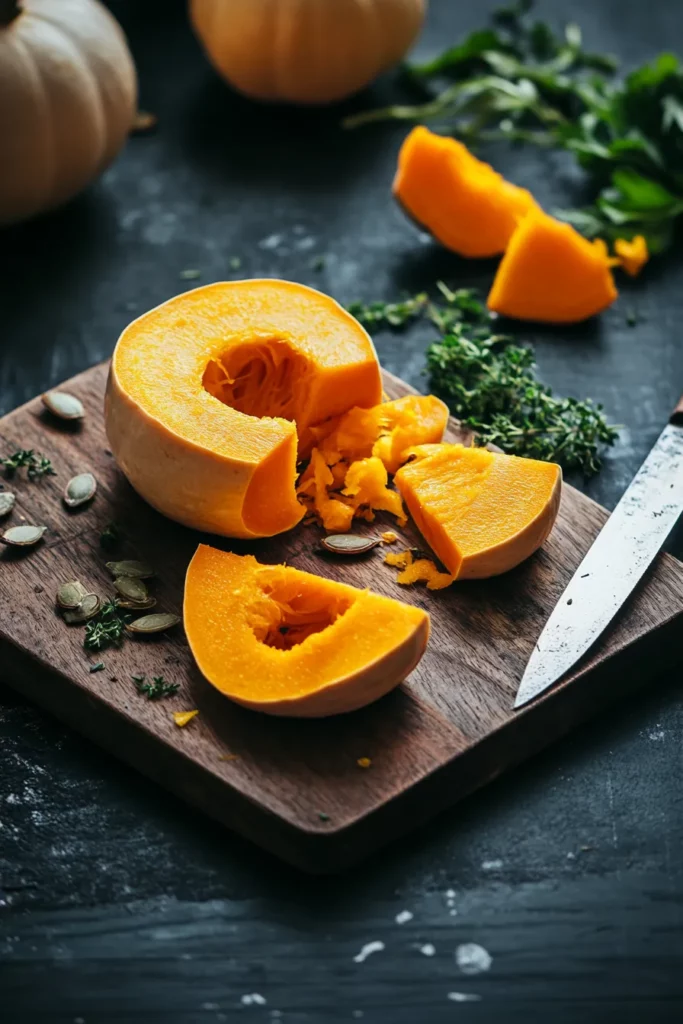
Choosing the Right Pumpkin
Not all pumpkins are created equal, and this is crucial to understand. Those giant jack-o-lantern pumpkins you see everywhere in October? They’re bred for size and carving, not flavor. Their flesh is stringy, watery, and bland. Save them for the front porch.
🥗 Fresh, Fast & Foolproof — Upgrades You'll Use Tonight

- Zoodles in seconds
- Heavy-duty, 10 sharp blades
- Keto, paleo & gluten-free friendly

- Meals in ~30 minutes
- 3-Qt — perfect for 1–3 people
- Pressure cook, sauté, steam & more

- Phone alerts & live temp graph
- Hands-off monitoring for smokers
- Perfect doneness, every time
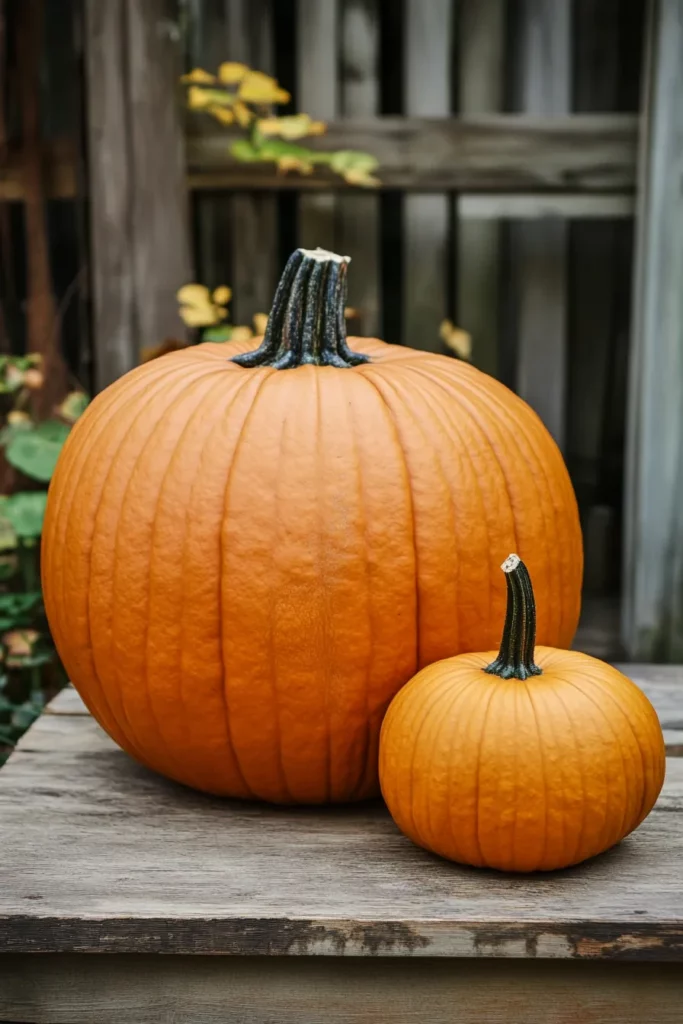
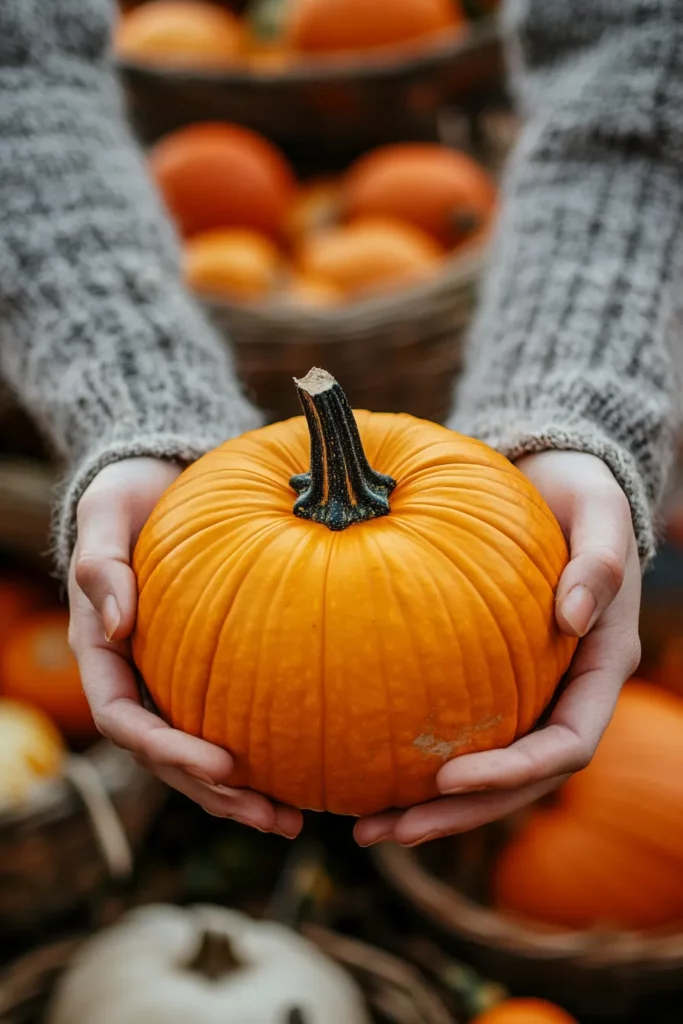
For cooking, you want sugar pumpkins, also called pie pumpkins. They’re smaller, usually four to eight pounds, with dense, sweet flesh and smooth texture when cooked. The skin is darker orange and the shape is more squat and round. When you pick one up, it should feel heavy for its size, which tells you the flesh is dense and not hollow or dry inside.
I also look for pumpkins with a dull, matte skin rather than shiny. A dull finish usually indicates the pumpkin is fully mature and will be sweeter. The stem should be intact, dry, and firmly attached. If the stem is missing or the area around it is soft, that pumpkin is past its prime.
Storage and Preparation
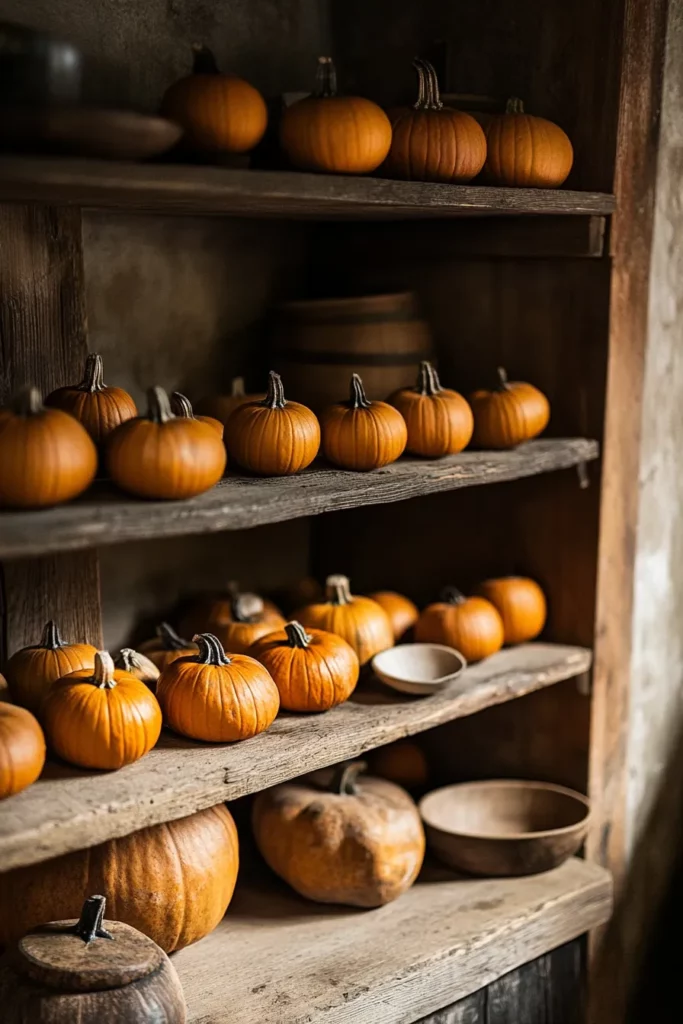
Whole pumpkins store beautifully in a cool, dry place for months. I keep mine in my basement, where they stay good from October well into January. Just make sure they’re not touching each other and check them occasionally for soft spots. Once you cut into a pumpkin, wrap the unused portion tightly and refrigerate it for up to a week.
To prepare fresh pumpkin, I’ve tried various methods over the years. My favorite is the simplest: cut the pumpkin in half, scoop out the seeds and strings, brush the cut sides with a little oil, and roast cut-side down at 375 degrees Fahrenheit until tender. This usually takes forty-five minutes to an hour depending on size. The pumpkin is done when you can easily pierce it with a fork.
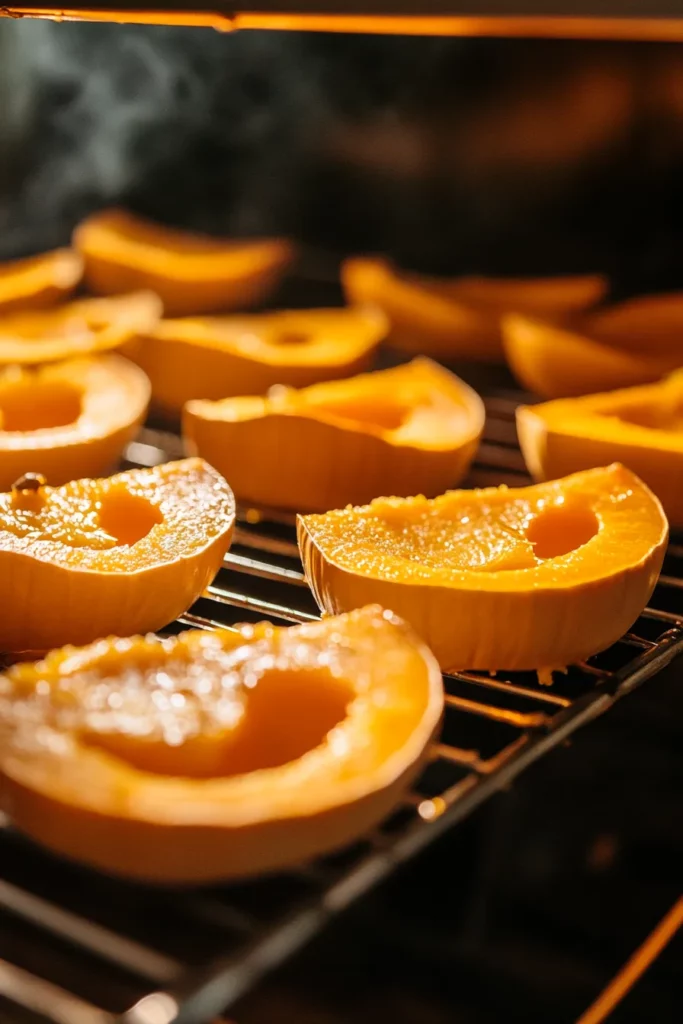
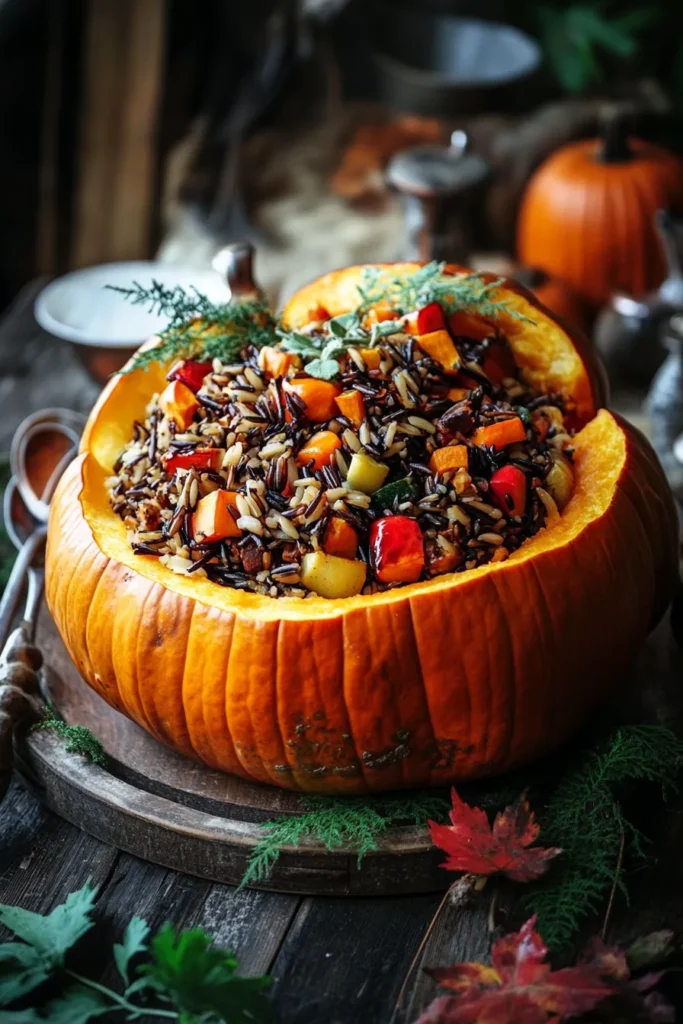
After roasting, let it cool enough to handle, then scoop out the flesh. I puree it in a food processor for smooth recipes or leave it chunky for dishes like my whole roasted pumpkin stuffed with wild rice and vegetables. If the puree seems watery, I strain it through cheesecloth for an hour to remove excess moisture.
Classic Pumpkin Breakfast Recipes That Start Your Day Right
Pumpkin for breakfast might sound unusual if you’ve only ever had it in pie, but it’s one of my favorite ways to enjoy this versatile ingredient. The natural sweetness and creamy texture add moisture and flavor to morning dishes without making them feel heavy or overly indulgent. Plus, there’s something about the warm spices that go with pumpkin that just feels right on a cool autumn morning.
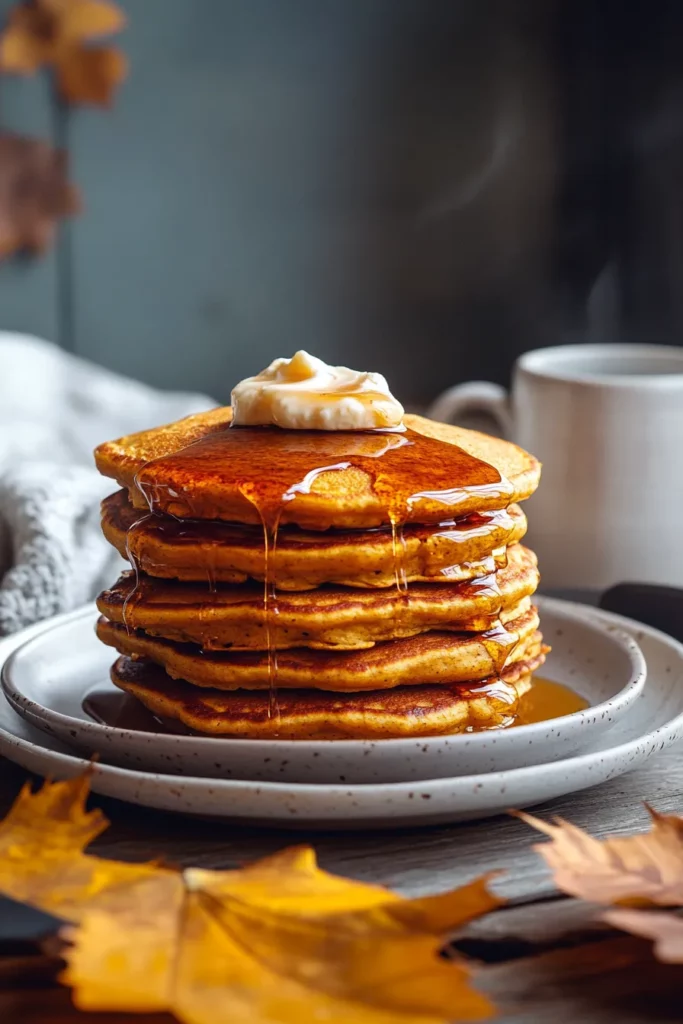
I started incorporating pumpkin into breakfast when I was looking for ways to add more vegetables to my family’s morning routine. Sneaky? Maybe a little. But when those pumpkin pancakes started disappearing faster than regular pancakes ever did, I knew I was onto something good.
The beauty of pumpkin in breakfast recipes is how it adds moisture without adding fat. Pancakes stay tender for hours instead of getting tough. Breads stay fresh for days. Oatmeal becomes luxuriously creamy. And everything gets that gorgeous golden color that makes breakfast feel special even on ordinary Tuesdays.
Pumpkin Pancakes and French Toast
My go-to weekend breakfast during fall is definitely pumpkin pancakes. They’re fluffy, spiced just right, and have this wonderful tender crumb that regular pancakes sometimes lack. The pumpkin adds moisture that keeps them soft even as they cool, which means I can make a big batch and everyone can eat at their own pace without the pancakes turning into hockey pucks.
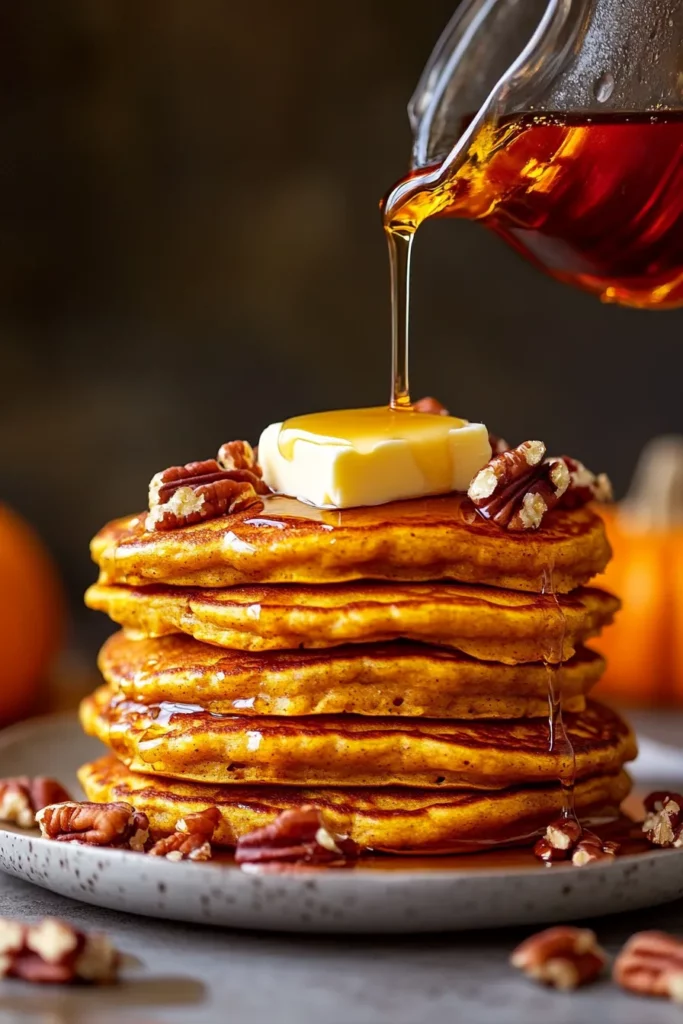
I make them with a mix of cinnamon, nutmeg, and ginger, and serve them with real maple syrup and a pat of butter. Sometimes I’ll add chocolate chips for the kids or pecans for the adults. They’re substantial enough to keep you full all morning, but they don’t feel heavy the way some fall breakfasts can.
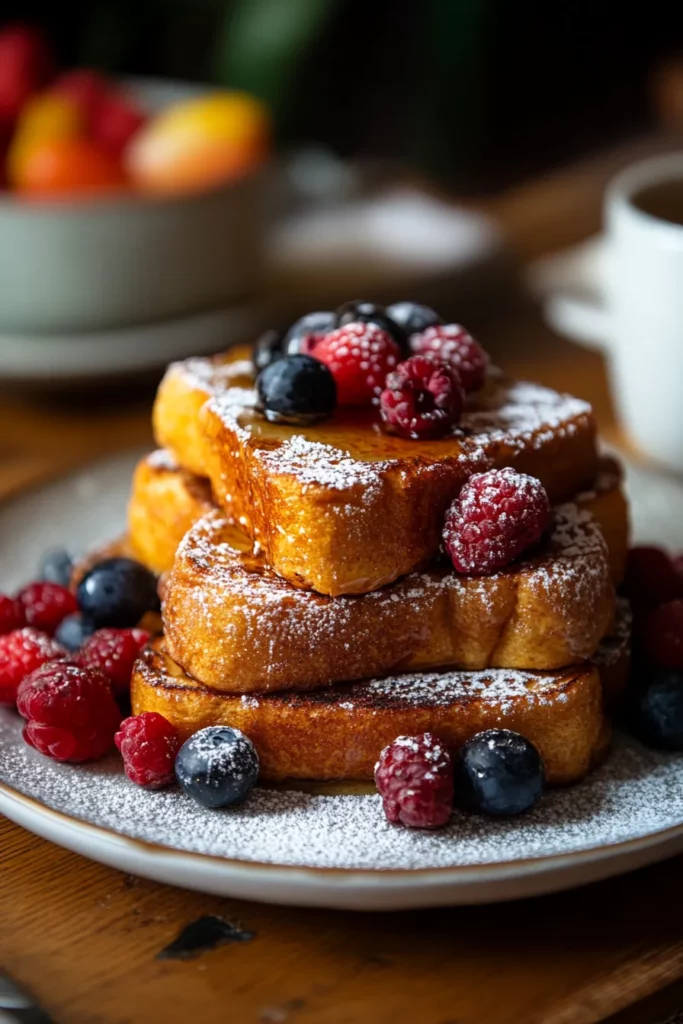
For something even more decadent, pumpkin French toast takes ordinary breakfast to special-occasion status. The custard mixture, enriched with pumpkin puree and warm spices, creates French toast that’s crispy on the outside and impossibly creamy inside. I use thick-cut brioche or challah, and the result is restaurant-quality breakfast at home.
Warming Pumpkin Oatmeal
On weekday mornings when time is tight, I turn to pumpkin oatmeal. It cooks up in just minutes, but the addition of pumpkin puree and spices makes it feel special and seasonal. The pumpkin adds creaminess and a subtle sweetness, so I don’t need as much added sugar as I would with plain oatmeal.
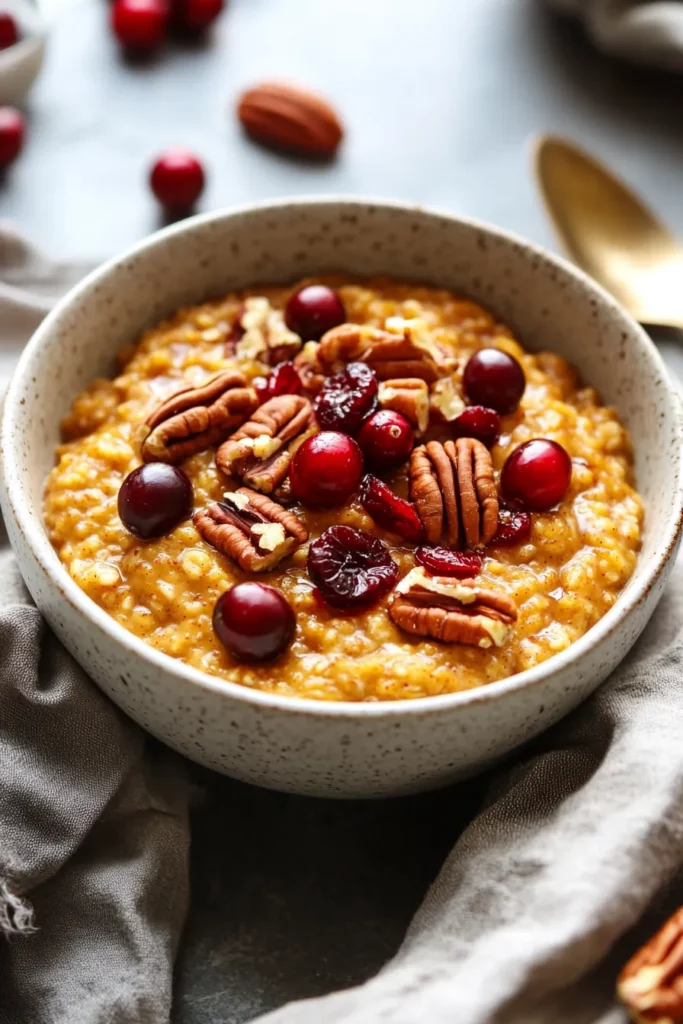
I cook my oats with milk, stir in pumpkin puree, cinnamon, and a touch of maple syrup, then top with whatever I have on hand. Pecans and dried cranberries are a favorite combination. Sometimes I’ll add a dollop of yogurt or a sprinkle of granola for crunch. It’s comfort in a bowl, nutritious enough to fuel your morning, and infinitely customizable.
The best part about pumpkin oatmeal is how meal-prep-friendly it is. I can make a big batch on Sunday and portion it into containers for the week. It reheats beautifully, and I actually think it tastes better the next day after the flavors have had time to meld together.
Pumpkin Cottage Cheese Bake
For a higher-protein breakfast option that still feels like a treat, the pumpkin cottage cheese bake has become a weekly staple in my house. It’s like a cross between a crustless quiche and a souffle, with a light, fluffy texture that’s nothing like what you’d expect from cottage cheese.
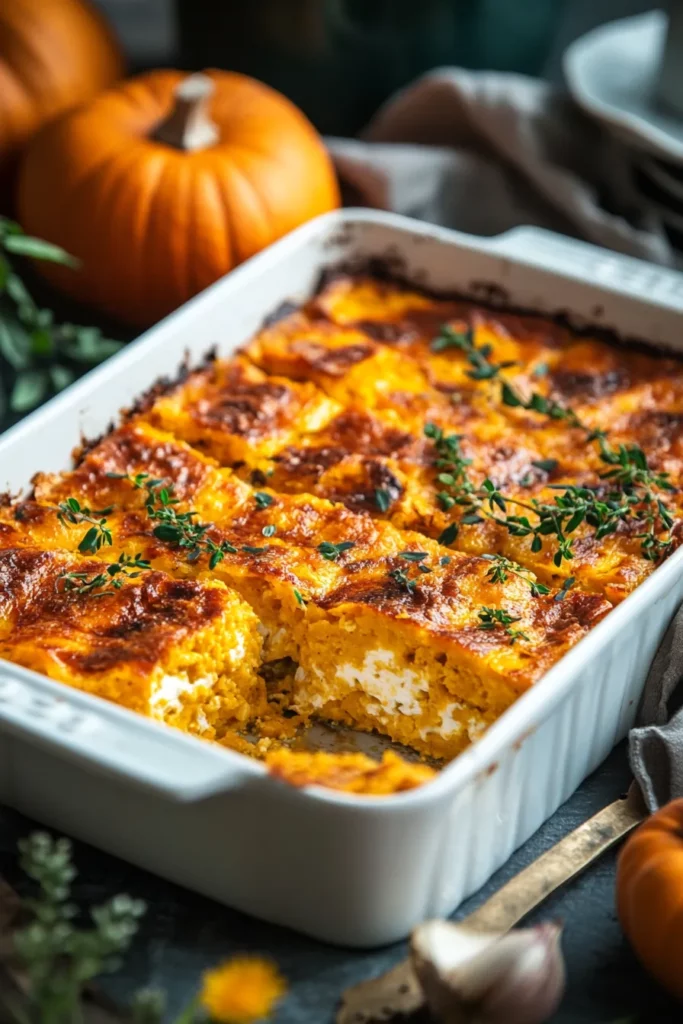
The cottage cheese provides protein and creaminess while the pumpkin adds moisture and that warm fall flavor. I bake it in a casserole dish and cut it into squares for easy serving. It’s excellent warm from the oven, but I also love it cold the next day, straight from the fridge as a quick breakfast or snack.
This recipe is especially great if you’re feeding a crowd. I make it for holiday brunches when I have family visiting, and everyone is always surprised by how light and flavorful it is. It looks impressive on a buffet table, but the actual effort involved is minimal.
Pumpkin Breads and Morning Bakes: From Simple to Show-Stopping
There’s a reason pumpkin bread is a fall classic. That first bite, still warm from the oven with butter melting into its tender crumb, is one of autumn’s great pleasures. I’ve probably made pumpkin bread a hundred times over the years, and I’m still not tired of it. Each variation teaches me something new about how pumpkin behaves in baking.
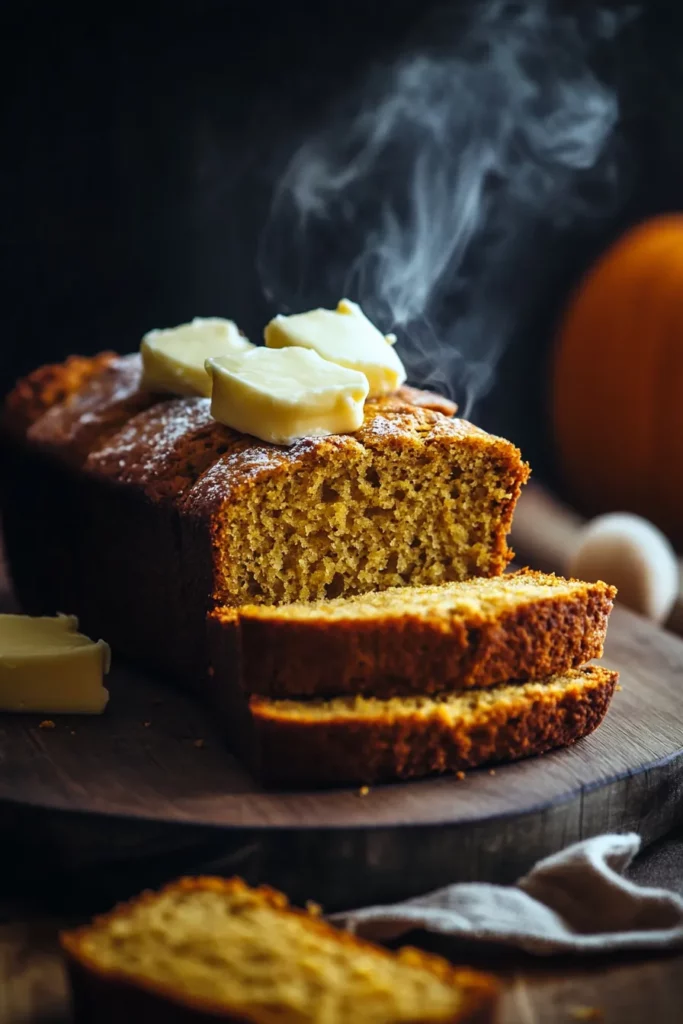
The thing about pumpkin bread is that it’s nearly foolproof. The pumpkin keeps it incredibly moist, so it’s hard to overbake. It stays fresh for days, actually improving as the flavors meld. And it’s one of those recipes that makes your house smell so good that neighbors will knock on your door asking what you’re making.
I’ve learned that the key to exceptional pumpkin bread is not overmixing the batter and using good spices. Fresh cinnamon and nutmeg make a huge difference compared to old, dusty spices that have been sitting in your cabinet for years. And a little vanilla extract enhances the pumpkin flavor rather than competing with it.
Classic and Rich Variations
My standard pumpkin bread recipe is straightforward and reliably delicious. It’s the one I make most often, the one I bring to potlucks, and the one I’ve given to more friends than I can count. It has a tender crumb, warm spices, and just enough sweetness without being cloying.
When I want something a bit more special, I make the rich and buttery pumpkin bread. This version uses more butter and eggs, creating an almost pound-cake-like texture that’s luxurious and dense. It’s perfect for gifting or serving to company with coffee or tea.
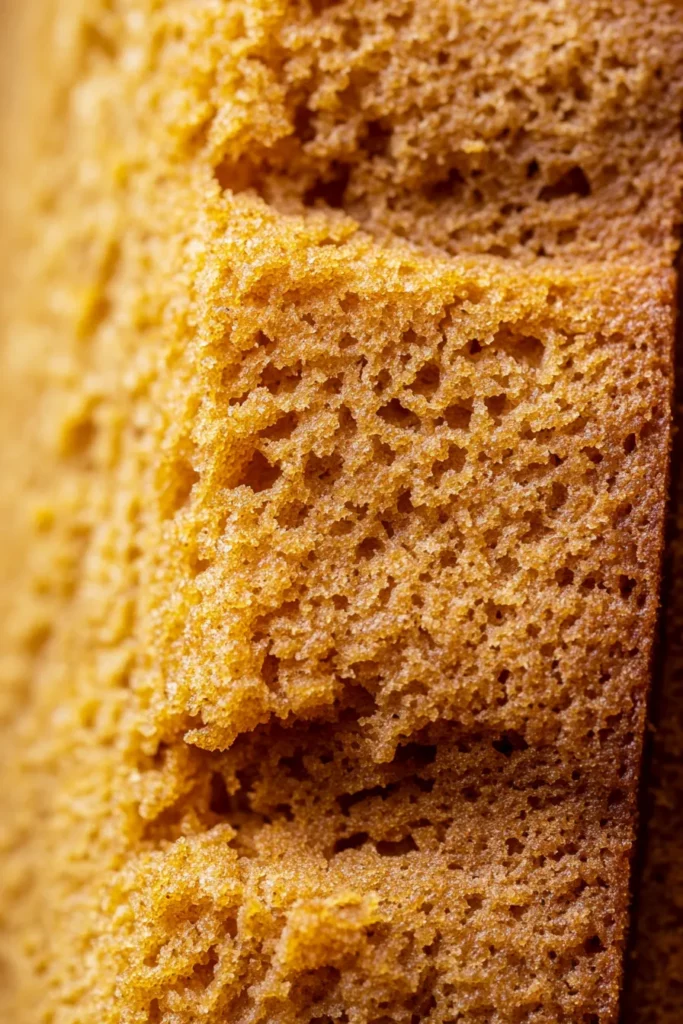
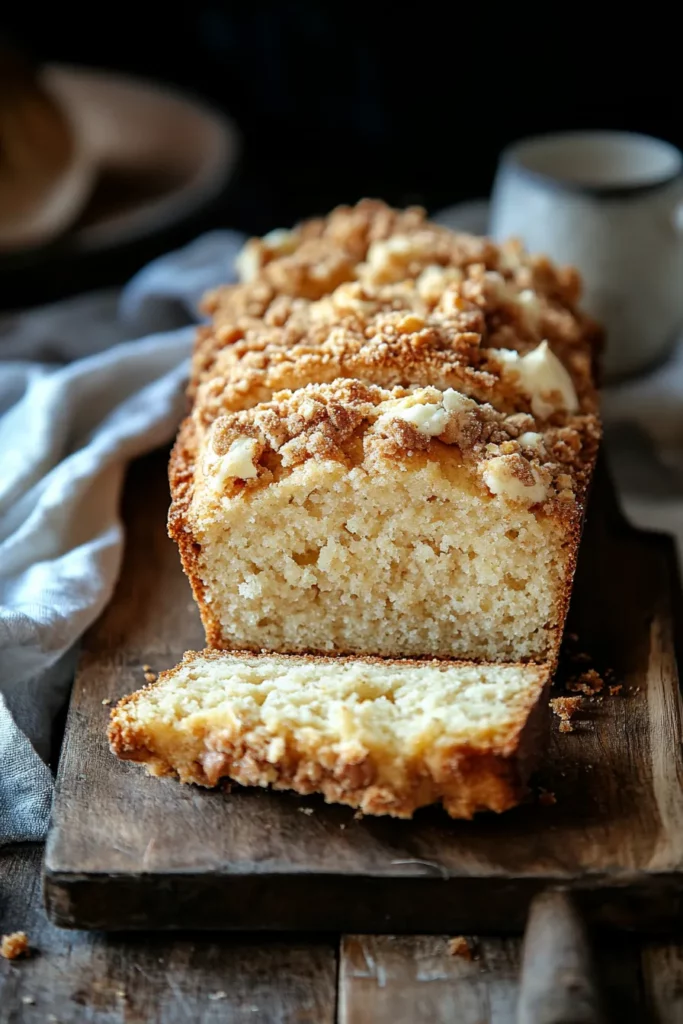
For texture and visual appeal, the pumpkin streusel bread is my go-to impressive option. That buttery, cinnamon-laced streusel topping adds crunch and sweetness, and it looks bakery-beautiful when you slice into it. I’ve brought this to holiday brunches and watched it disappear in minutes.
Coffee Cakes for Special Mornings
When I really want to make breakfast feel like an occasion, I turn to pumpkin coffee cake. There’s something about coffee cake that signals celebration, maybe because it takes a bit more effort than everyday baking but still feels homey and approachable.
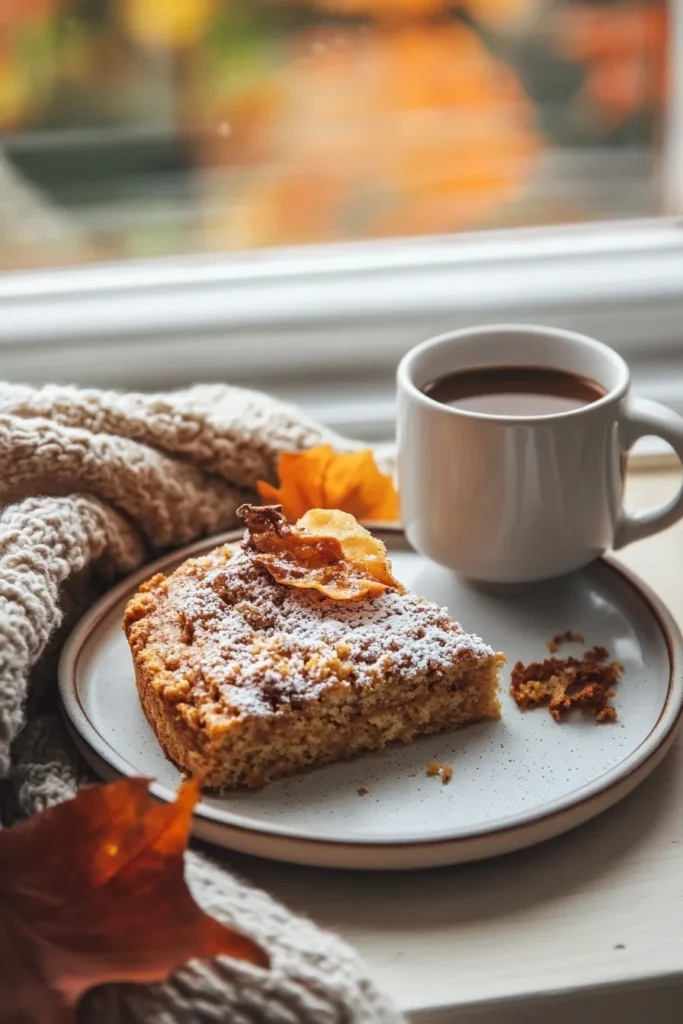
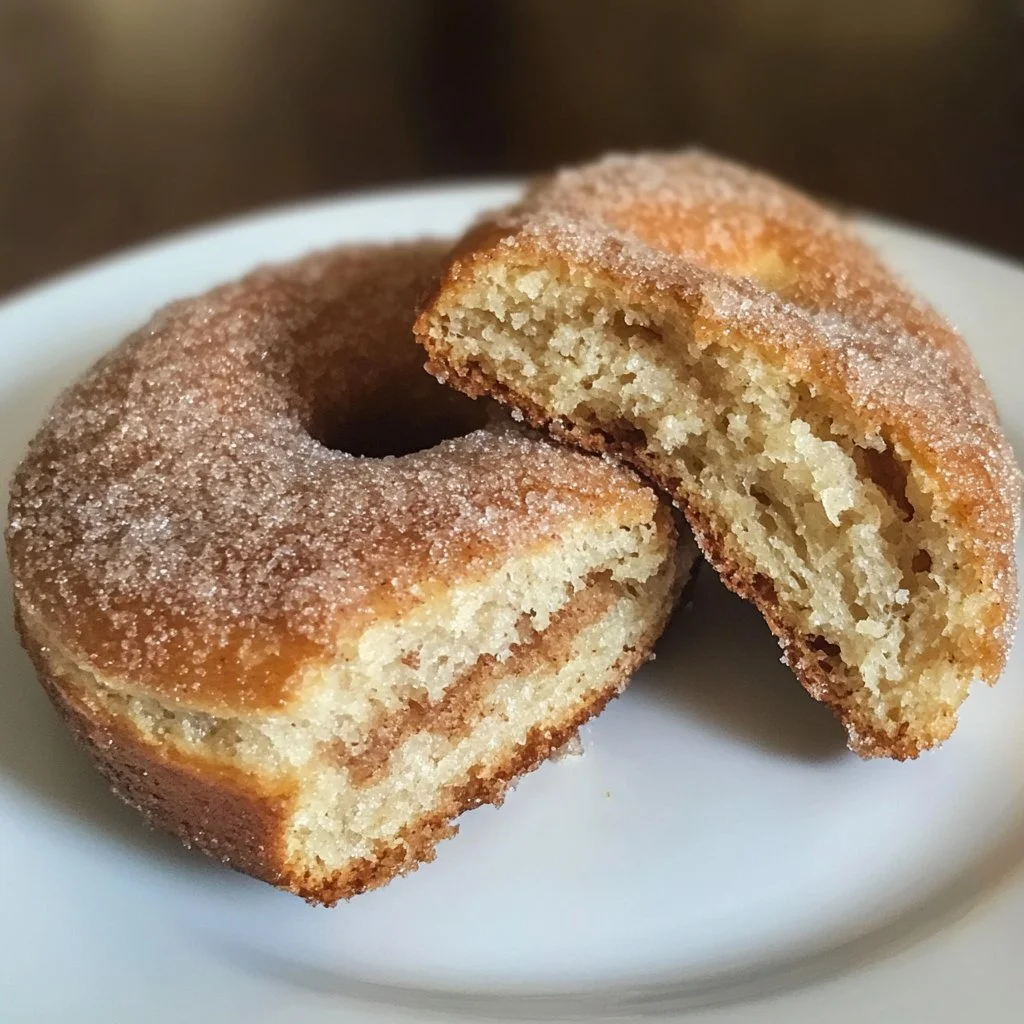
My pumpkin coffee cake has layers of spiced cake with a ribbon of cinnamon-sugar running through the middle and a crumbly streusel on top. It’s the kind of thing you make when your in-laws are visiting or when you want to spoil your family on a lazy Sunday morning. I serve it with good coffee and feel like a domestic goddess even though the recipe is actually quite manageable.
The cake stays moist for days thanks to the pumpkin, so I can bake it on Saturday and still enjoy it through the week. I’ll have a slice warmed up for breakfast, or sometimes I’ll eat a piece as an afternoon snack with tea. It’s versatile that way, working for any time you want something sweet but not too heavy.
Decadent Pumpkin Desserts: Cakes, Cheesecakes, and Layer Cakes
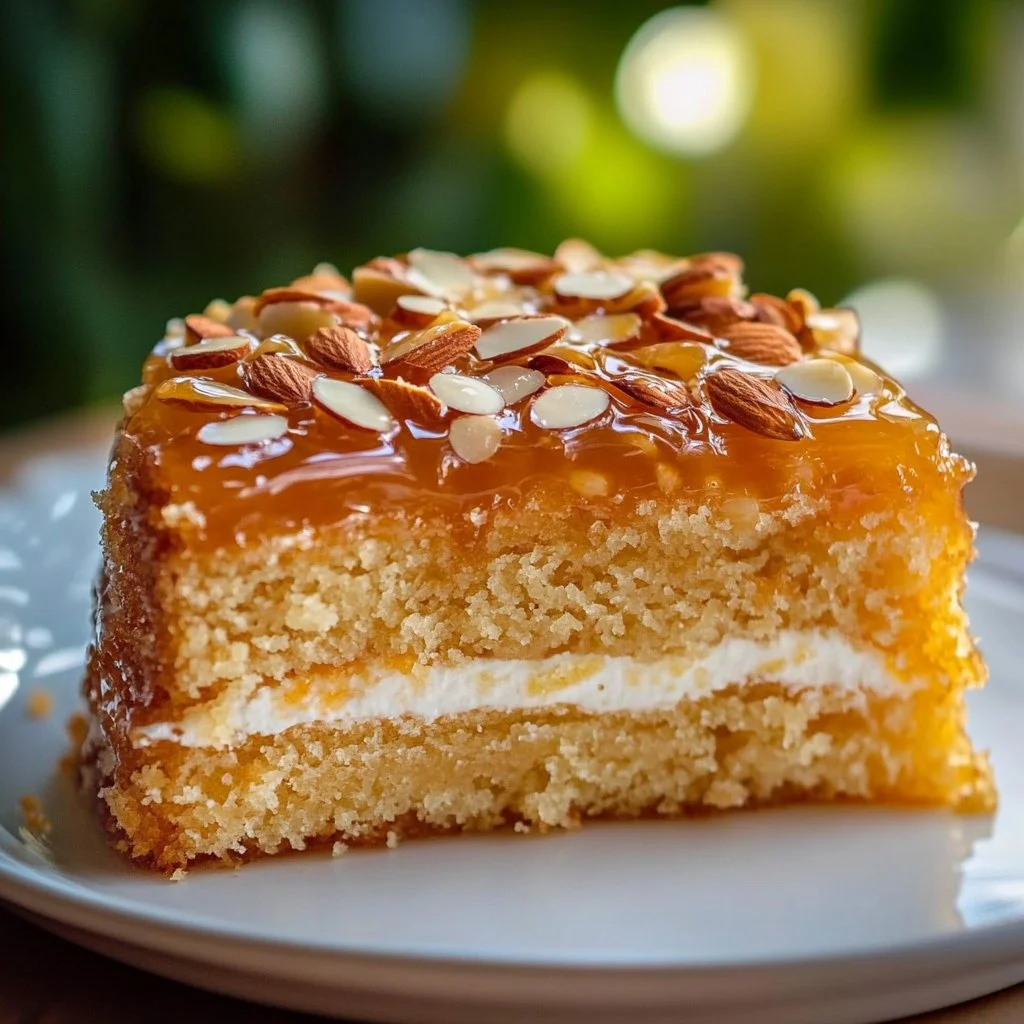
If pumpkin pie is the classic fall dessert, pumpkin cake is the sophisticated cousin who shows up looking effortlessly elegant. I love pumpkin cakes for their versatility. They can be simple sheet cakes for everyday enjoyment or elaborately frosted layer cakes for special celebrations. The pumpkin keeps them incredibly moist, and that warm spice profile pairs beautifully with so many frostings and fillings.
My first attempt at a pumpkin layer cake was for my daughter’s fall birthday. I was nervous about getting the layers even and the frosting smooth, but the cake itself was so forgiving that even my amateur decorating looked good. The birthday girl declared it her favorite cake ever, and now it’s a non-negotiable tradition every year.
Pumpkin Layer Cakes and Rolls
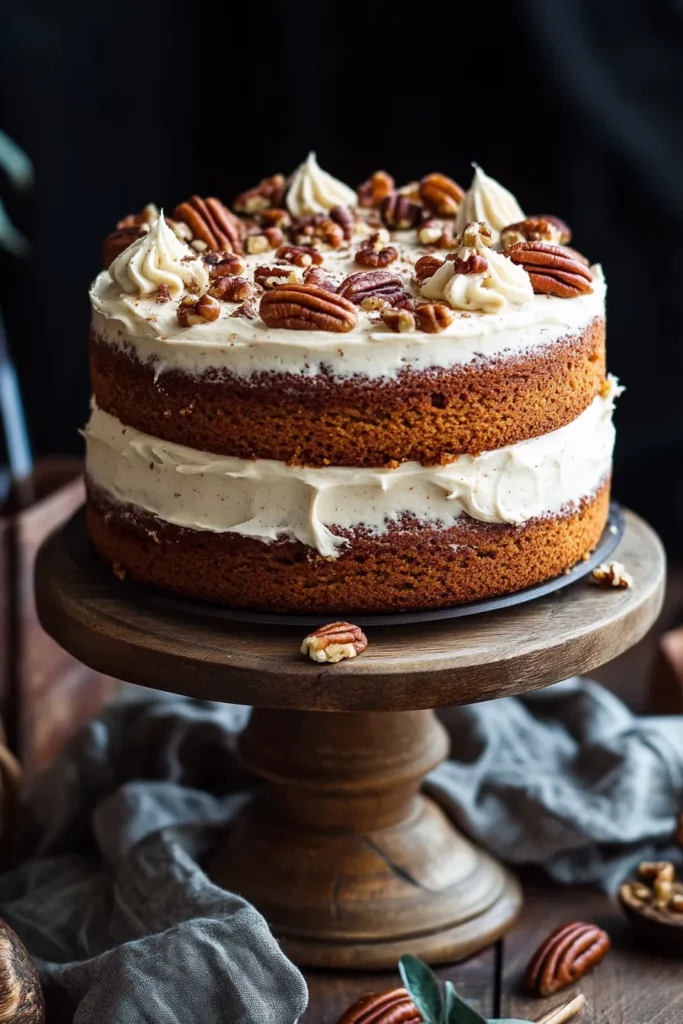
The pumpkin layer cake I make most often is a three-layer beauty with cream cheese frosting. The cake itself is tender and perfectly spiced, and the tangy cream cheese frosting balances the sweetness beautifully. I decorate it simply with chopped pecans pressed into the sides and maybe some caramel drizzle on top.
For something that looks more impressive than it actually is to make, the pumpkin roll is a showstopper. That spiral of spiced cake wrapped around sweet cream cheese filling looks bakery-level professional, but once you learn the rolling technique, it’s actually quite straightforward.
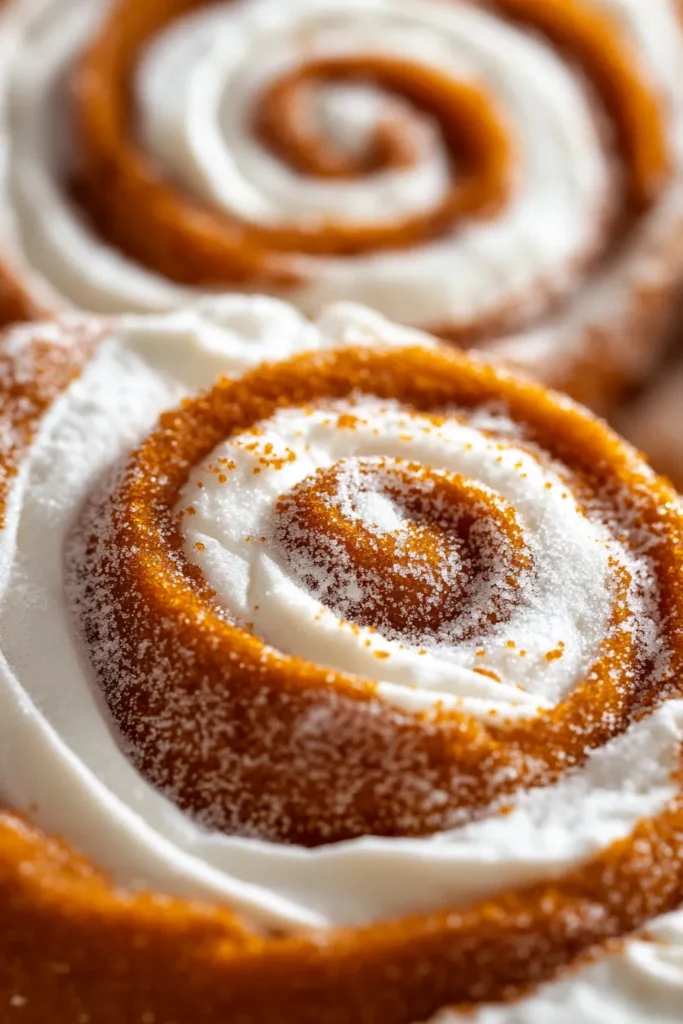

The key to a successful pumpkin roll is rolling it while it’s still warm and then letting it cool in that rolled shape. This sets the cake’s memory so it doesn’t crack when you fill and re-roll it. I learned this the hard way after my first pumpkin roll cracked into three pieces. It still tasted delicious, but it looked like a disaster. Now I know better, and my rolls come out perfect every time.
Pumpkin Cheesecakes: Creamy and Rich
Cheesecake is already decadent, but add pumpkin and warm spices, and you’ve got something truly special. My pumpkin cheesecake has a gingersnap crust that adds spicy crunch, a creamy pumpkin-spiced filling, and often a layer of sour cream or whipped cream on top.
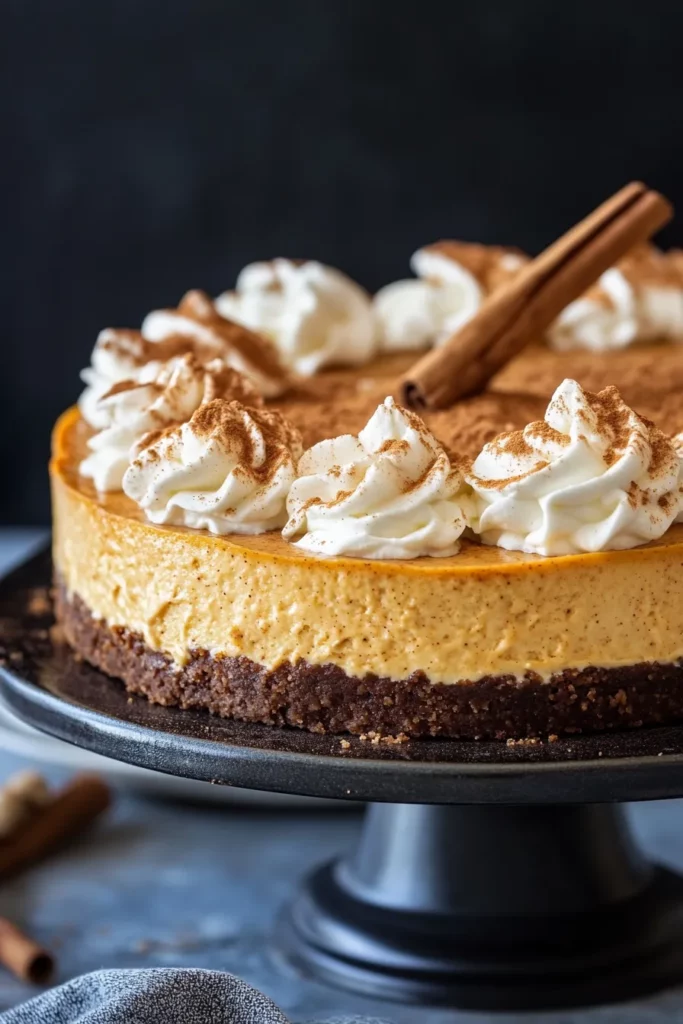
The texture of pumpkin cheesecake is incredible. The pumpkin makes it even creamier than regular cheesecake, if that’s possible. It’s dense but not heavy, rich but not cloying, and that spice profile keeps each bite interesting. I make it for Thanksgiving every year, and it’s become as essential to our holiday table as the turkey.
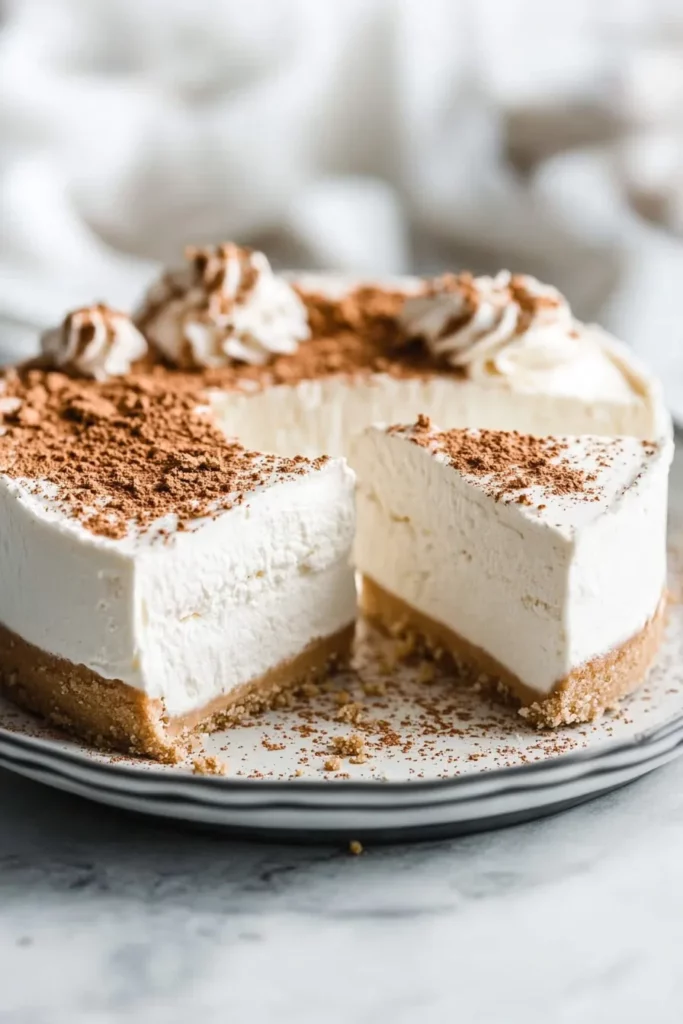
For a no-bake option that’s lighter but still indulgent, I make easy pumpkin cheesecake delight. This version layers graham crackers with a pumpkin-cream cheese mixture and gets chilled until everything sets up beautifully. It’s less rich than traditional cheesecake, making it perfect for serving after a heavy meal.
Pumpkin Bars, Crisps, and Easy Desserts
Not every dessert needs to be a production. Some of my favorite pumpkin treats are the simple ones that come together quickly and disappear even faster. Bars and crisps are perfect for this. They’re easy to make, easy to serve, and easy to transport if you’re bringing dessert somewhere.
I fell in love with pumpkin bars when a friend brought them to a potluck years ago. They had all the flavor of pumpkin pie but were so much easier to serve and eat. No fussy slicing, no plates and forks needed. Just pick up a square and enjoy. I got the recipe from her that night and have been making variations ever since.
Pumpkin Pie Bars and Variations
My pumpkin pie bars have a buttery shortbread crust and a creamy pumpkin filling that’s essentially pumpkin pie in bar form. They’re easier than making pie because there’s no crimping crusts or worrying about soggy bottoms. You just press the crust into a pan, pour in the filling, and bake.
The bars cut cleanly once they’re fully chilled, creating neat squares that look professional and appealing. I usually top them with a small dollop of whipped cream when serving, though they’re perfectly delicious plain too. They’re substantial enough to feel like a real dessert but not so heavy that you feel overstuffed after eating one.
These bars are also excellent for feeding a crowd. One 9×13 pan yields at least two dozen bars, maybe more depending on how you cut them. I make them for fall gatherings, bake sales, and any time I need a dessert that travels well and appeals to a wide audience.
Warm Pumpkin Crisps
There’s something deeply comforting about fruit crisps, and pumpkin crisps bring that same cozy feeling with autumn flavors. The pumpkin crisp recipe I make has a spiced pumpkin base topped with a buttery oat streusel that gets golden and crunchy in the oven.
I serve it warm, scooped into bowls with vanilla ice cream melting on top. The contrast of cold ice cream and warm, spiced pumpkin is perfection. It’s the kind of dessert that makes people close their eyes and sigh with contentment after the first bite.
The warm pumpkin pie crisp takes this concept even further, with a filling that tastes exactly like pumpkin pie but without any of the fuss of making crust. I can throw this together in about ten minutes of active work, and forty minutes later I have a dessert that looks and tastes like I worked much harder.
Creative Pumpkin Treats: Cookies, Dips, and No-Bake Delights
Some of my most-loved pumpkin recipes are the ones that are a bit unexpected. These are the treats that make people say, “Wait, there’s pumpkin in this?” before going back for seconds. They’re playful, creative, and prove that pumpkin can do so much more than the classics we all know.
I started experimenting with these kinds of recipes when I had leftover pumpkin puree and wanted to try something different. Not every experiment worked. I’ve made some truly strange combinations that even I wouldn’t eat. But the successful ones have become some of my most-requested recipes, the ones friends specifically ask me to bring to gatherings.
Pumpkin Cookies and Sweet Treats
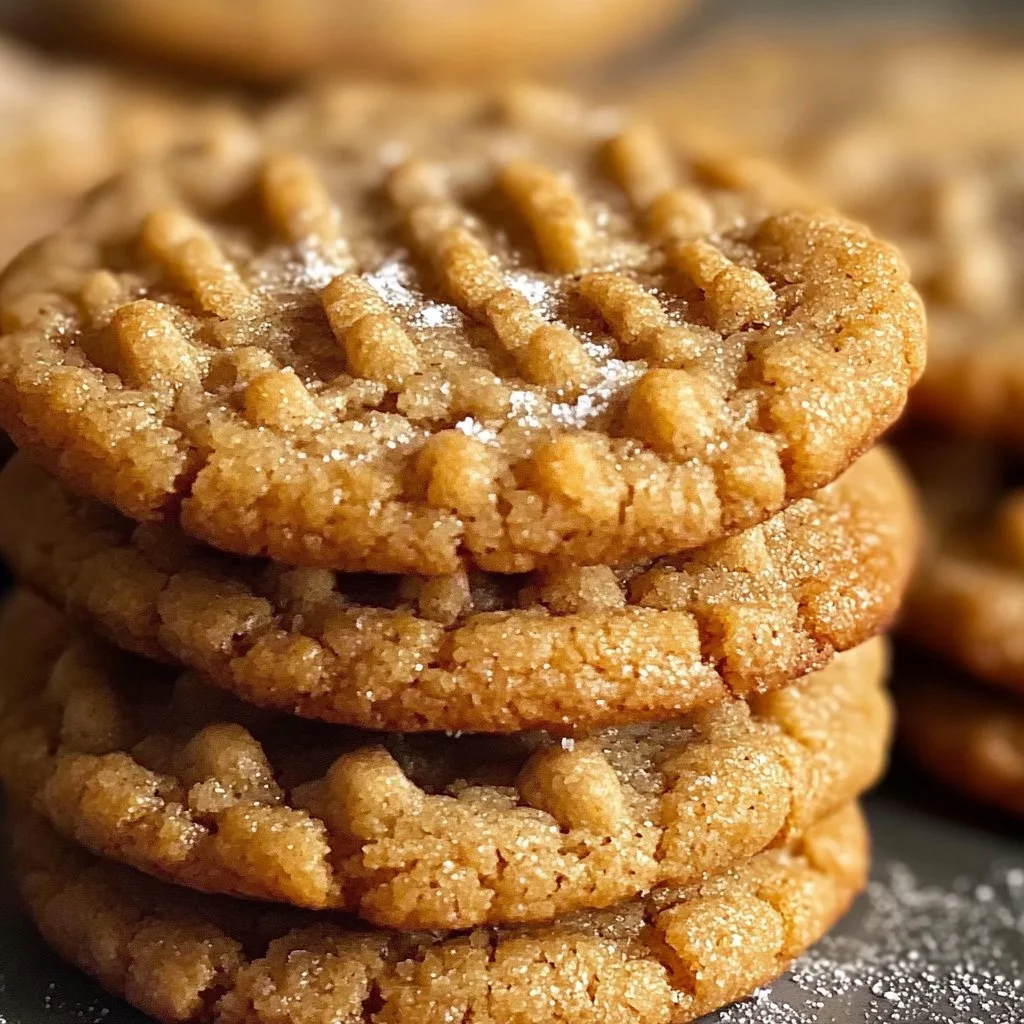
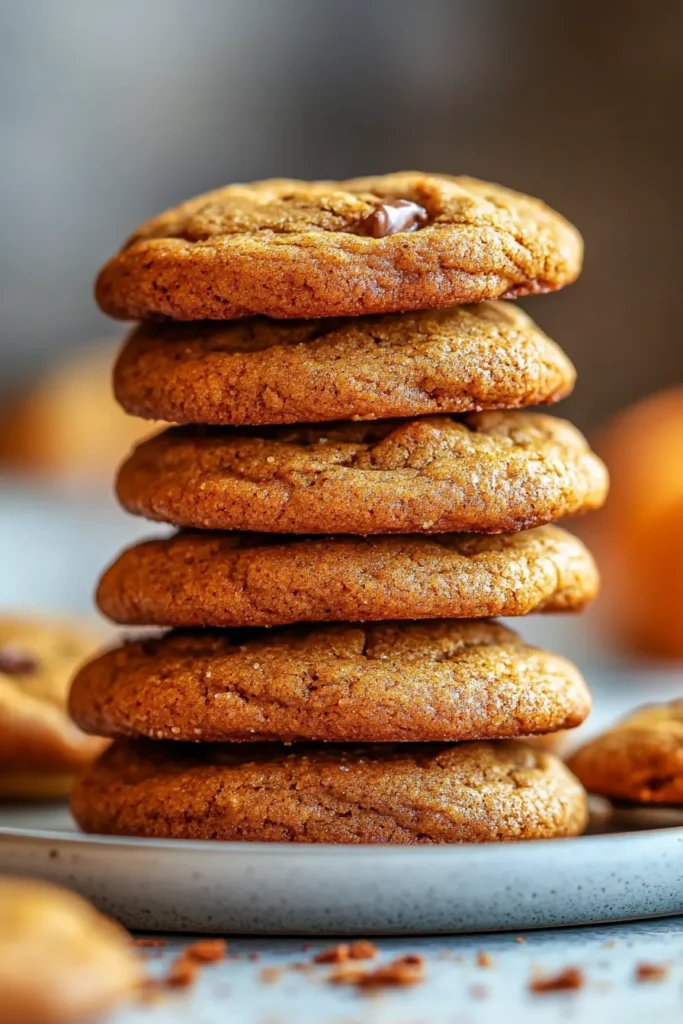
The chewy pumpkin snickerdoodle cookies are a perfect example of pumpkin playing well with other flavors. The pumpkin keeps the cookies incredibly soft and chewy while the cinnamon-sugar coating gives them that classic snickerdoodle taste. They’re familiar but with a seasonal twist that makes them feel special.
These cookies stay soft for days, which is rare for homemade cookies. I think it’s the moisture from the pumpkin that keeps them from drying out. I’ll bake a batch on Sunday and still have perfectly chewy cookies by Thursday, assuming they last that long in my house.
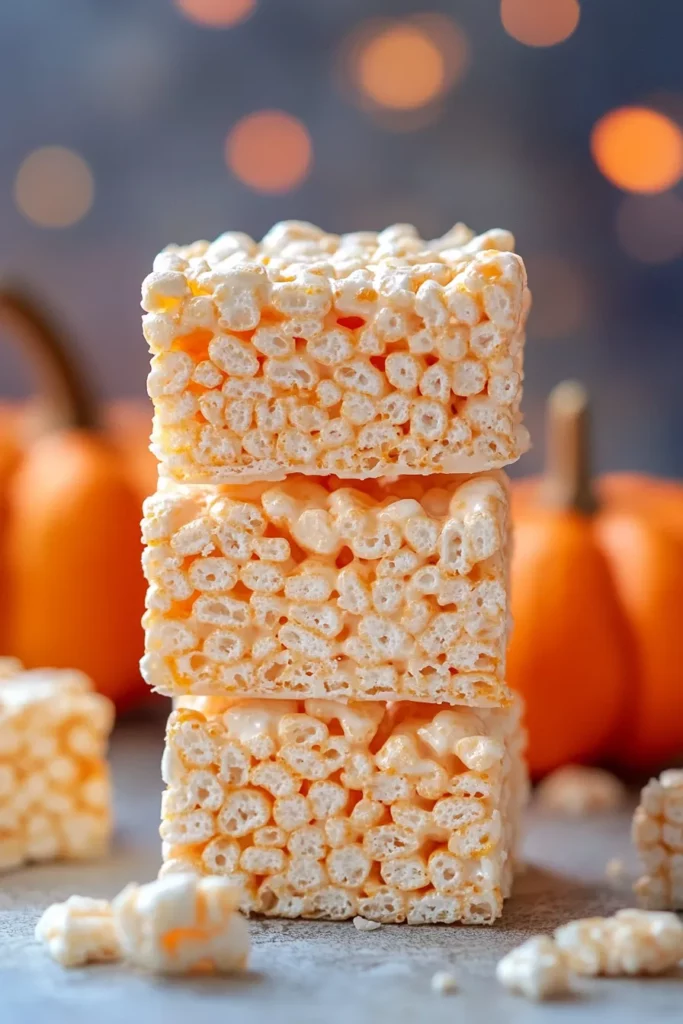
For something completely different, pumpkin rice krispie treats add pumpkin puree and spices to the classic marshmallow treat recipe. They’re orange-colored, subtly spiced, and surprisingly delicious. Kids love them because they’re still recognizably rice krispie treats, and adults appreciate the seasonal twist.
No-Bake Pumpkin Options
When it’s too hot to turn on the oven or I just don’t feel like baking, I turn to no-bake pumpkin treats. The no-bake pumpkin cheesecake balls are little bites of pumpkin cheesecake flavor, rolled in graham cracker crumbs and chilled until firm.
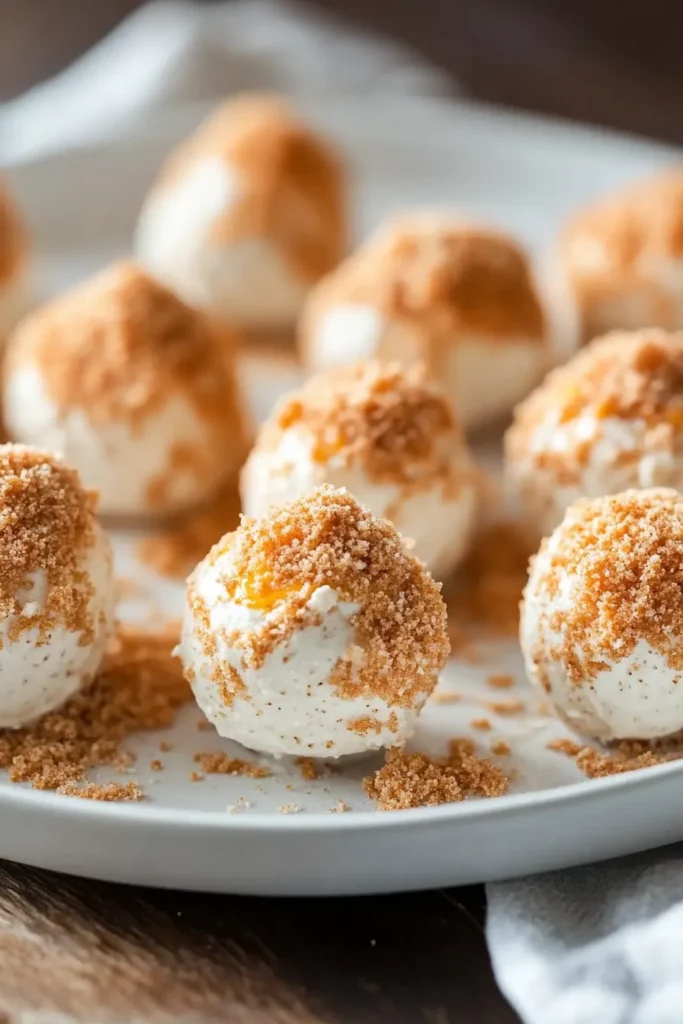
They’re perfect for parties because they’re already portion-controlled and easy to eat standing up with just a napkin. I make them when I’m bringing dessert somewhere and don’t want to worry about serving utensils or plates. They look cute arranged on a platter, and they always get compliments.
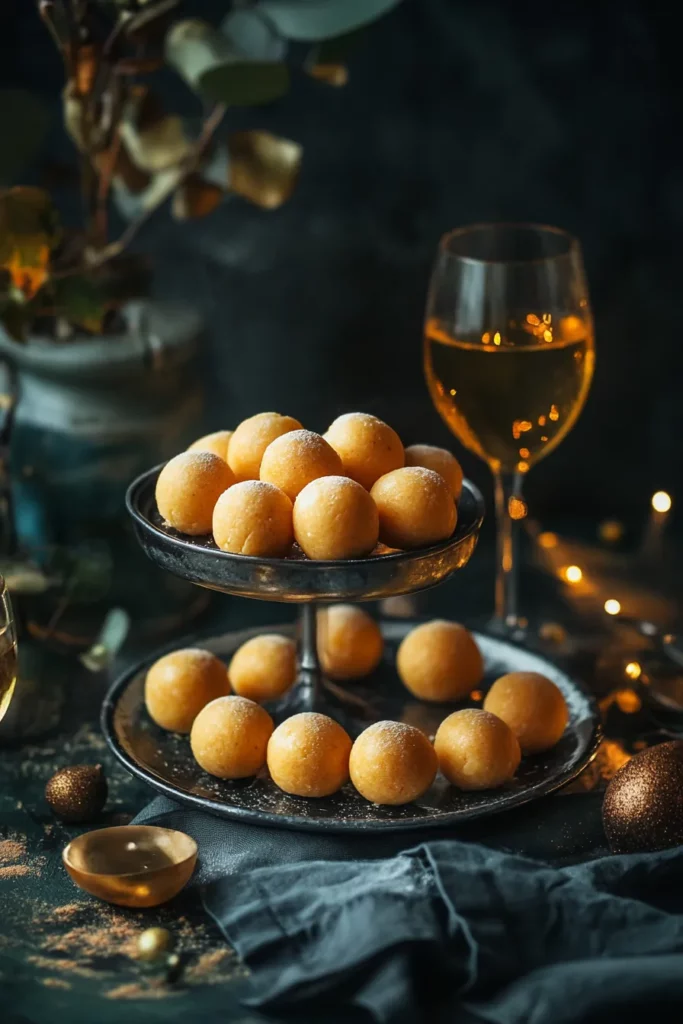
These cheesecake balls also freeze beautifully, which makes them excellent for advance preparation. I can make a batch weeks before I need them, freeze them in a container, and then thaw them the morning of an event. They taste just as good as freshly made, and the advance prep saves my sanity during busy holiday weeks.
Savory Pumpkin Recipes: Dips, Appetizers, and Main Dishes
Here’s where pumpkin really gets interesting. Most people think of pumpkin as a sweet ingredient, but it’s actually incredibly versatile in savory applications. The natural sweetness of pumpkin balances beautifully with salty, tangy, and umami flavors, creating complex dishes that surprise and delight.
I started exploring savory pumpkin recipes because I was tired of sweet treats and wanted to use pumpkin in dinner. That first attempt, a pumpkin risotto, opened my eyes to a whole new world of possibilities. Suddenly pumpkin wasn’t just a fall dessert ingredient. It was a vegetable I could roast, puree into sauces, stuff into tarts, and incorporate into main dishes.
Pumpkin Dips and Spreads
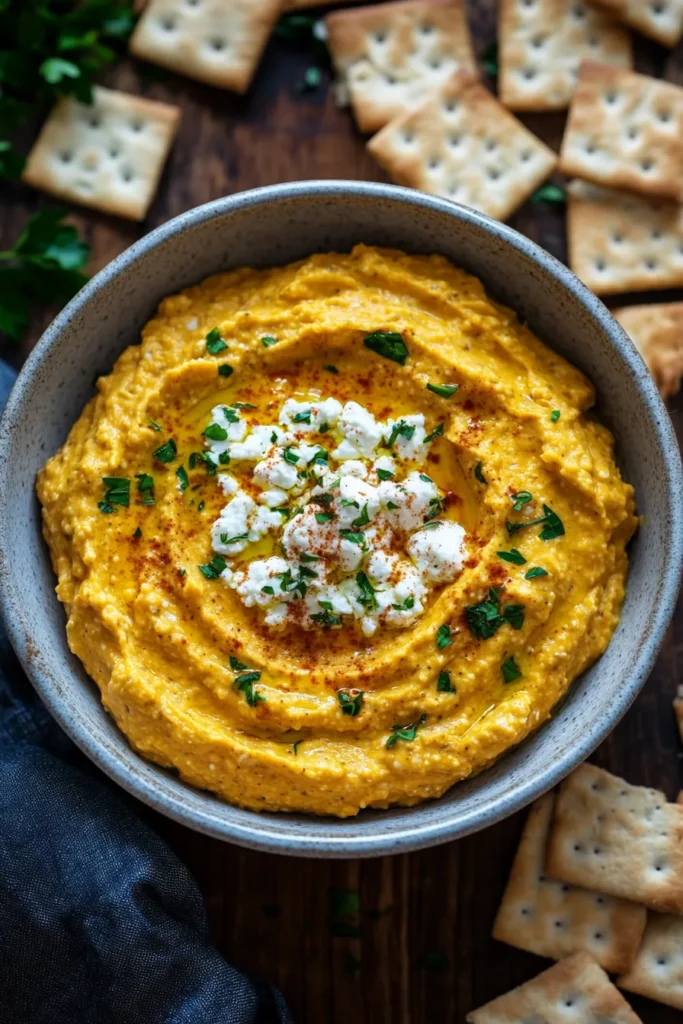
The pumpkin whipped feta dip is probably my favorite savory pumpkin creation. The tangy feta gets blended with roasted pumpkin, garlic, herbs, and good olive oil until it’s impossibly creamy and smooth. The result is a gorgeous orange dip that looks stunning and tastes even better.
I serve it with pita chips, crackers, or vegetable crudités, and it’s always the first thing to disappear at parties. People are intrigued by the color, then blown away by the flavor. The pumpkin adds sweetness and body without making the dip taste dessert-like at all. It’s sophisticated, unexpected, and so much more interesting than the usual hummus or spinach dip.
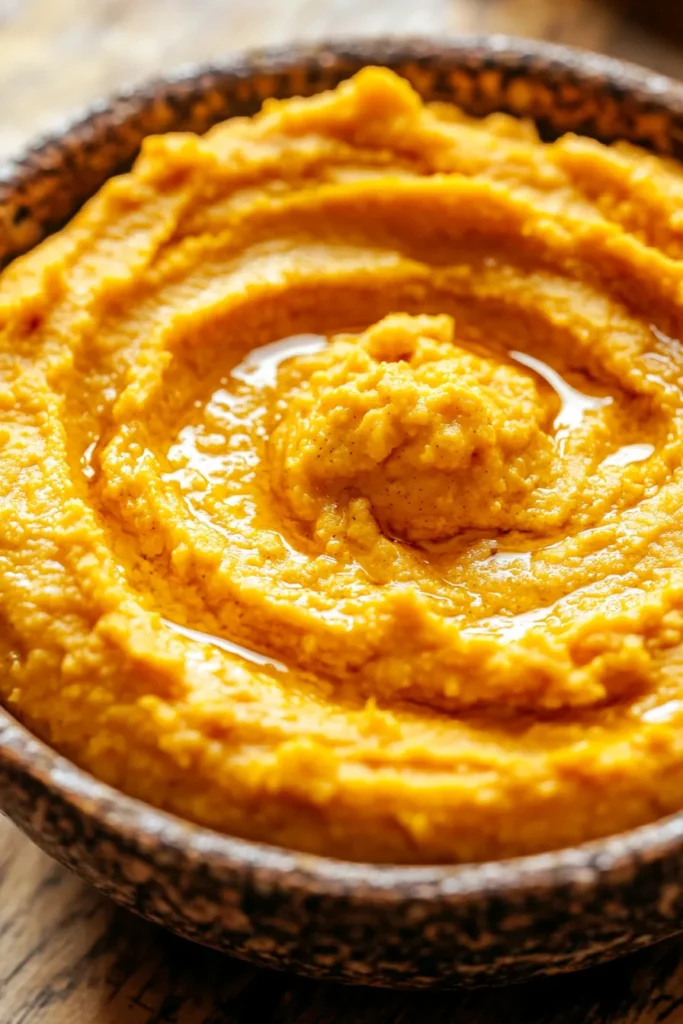
For a lighter option, cozy creamy pumpkin hummus adds pumpkin puree to classic hummus ingredients. The pumpkin makes it extra creamy and adds subtle sweetness that balances the tahini and lemon. It’s healthy, filling, and perfect for snacking throughout the day.
I also make a dairy-free pumpkin pie dip that’s sweet enough for dessert but works as an appetizer with apple slices and graham crackers. It’s creamy without any dairy, naturally sweetened, and full of warm spices. Friends with dietary restrictions always appreciate having something they can enjoy at gatherings.
Roasted and Stuffed Pumpkin Dishes
For a stunning main course or substantial side dish, cinnamon roasted pumpkin with pomegranate seeds and almonds is absolutely gorgeous on a plate. The roasted pumpkin wedges are tender and caramelized, the pomegranate seeds add jewel-like pops of tart juice, and the almonds provide crunch.
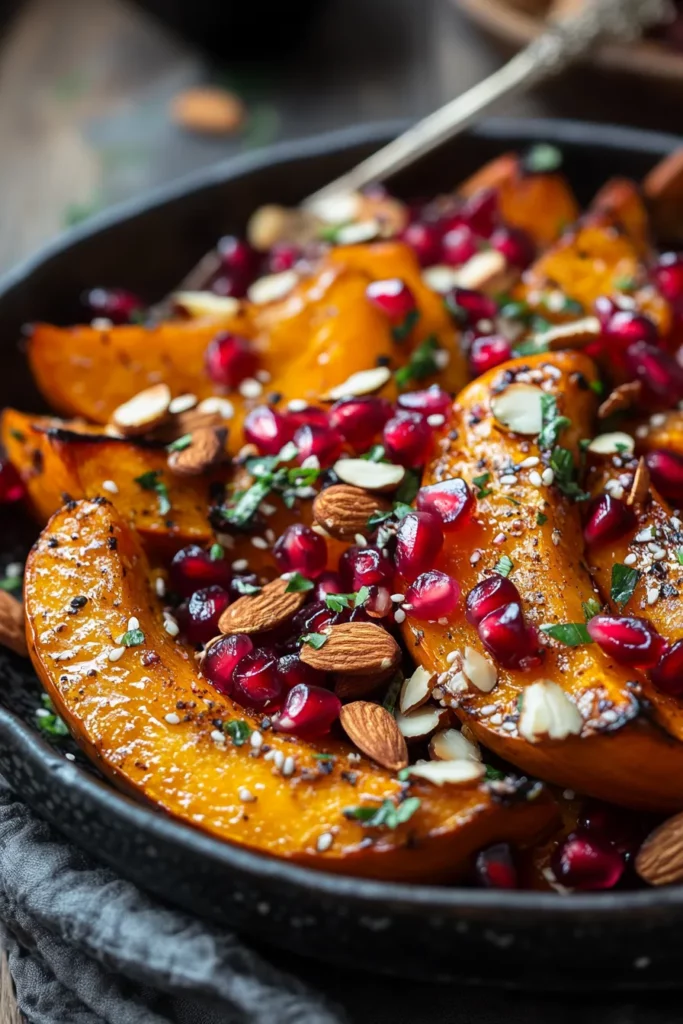
This dish works as a vegetarian main course or as a side dish for roasted meats. It’s beautiful enough for holiday tables but simple enough for weeknight dinners. The combination of sweet, tart, and nutty flavors keeps every bite interesting, and the colors make the plate look vibrant and appealing.
The whole roasted pumpkin stuffed with wild rice and vegetables is my go-to impressive main dish for vegetarian holiday meals. You roast a whole pumpkin until tender, fill it with a savory stuffing of wild rice, vegetables, nuts, and herbs, and bring it to the table whole for dramatic presentation.
The pumpkin itself becomes part of the dish, its sweet flesh scooped out along with the stuffing. It’s interactive, beautiful, and absolutely delicious. Plus, there’s something magical about serving dinner in an edible bowl. Guests always get excited when they see it coming to the table.
Elegant Tarts and Special Occasions
For something truly special, the pumpkin ricotta caramelized onion tart with bacon and sage is an absolute showstopper. The combination of sweet caramelized onions, creamy pumpkin-ricotta filling, crispy bacon, and earthy sage creates layers of flavor that are sophisticated and complex.
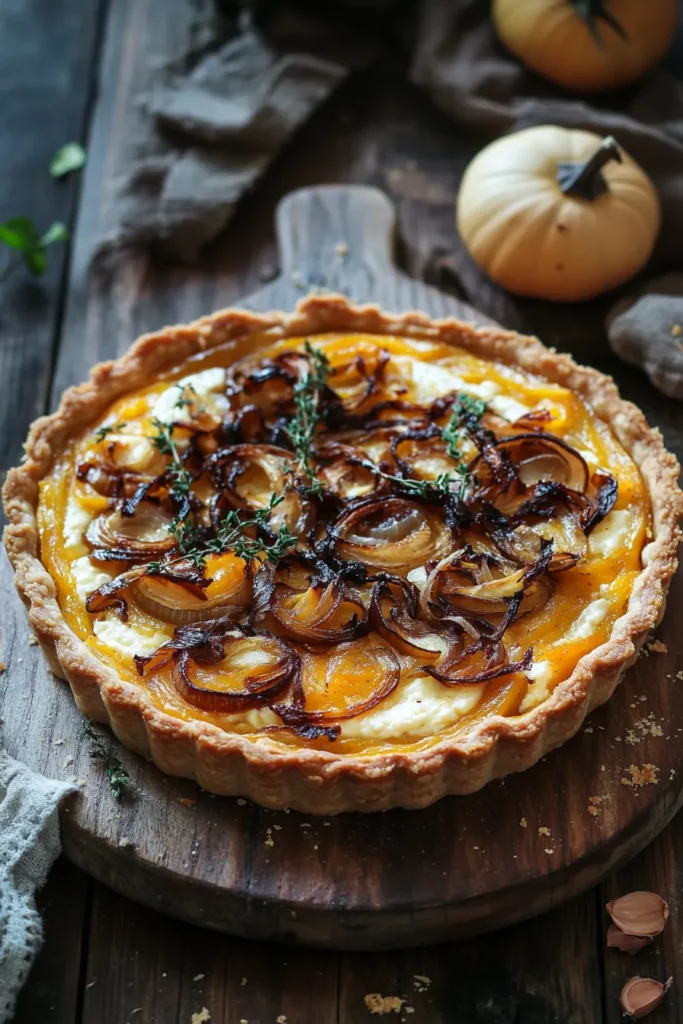
I make this tart for special brunches or as an appetizer for dinner parties. It looks bakery-level professional but comes together more easily than you’d think. The puff pastry base is store-bought, and the filling is simply mixed together and spread on top. The hardest part is waiting for the onions to caramelize, but that’s mostly hands-off time.
This tart slices beautifully and can be served warm or at room temperature, making it perfect for entertaining. I’ll sometimes make it in the morning and serve it at dinner, and it’s just as good hours later as it is fresh from the oven.
Pumpkin Seeds and Zero-Waste Cooking
One of the best parts about cooking with fresh pumpkin is that you get a bonus snack from the seeds. I’ll never forget the first time I roasted pumpkin seeds properly. Before that, I’d always ended up with tough, chewy seeds that weren’t worth the effort. But once I figured out the technique, roasted pumpkin seeds became one of my favorite fall snacks.
The key is separating the seeds from all that stringy pumpkin gunk, which is easier said than done. I’ve tried dozens of methods over the years. Picking them out by hand is tedious but thorough. Soaking them in water helps the strings float away. These days I use a combination approach: roughly separate them by hand, then put them in a bowl of water where the seeds sink and the strings float.
Perfect Roasted Pumpkin Seeds
Once your seeds are clean, the actual roasting is simple. I toss them with oil and salt, spread them on a baking sheet, and roast at 325 degrees Fahrenheit, stirring every ten minutes, until they’re golden and crispy. This takes about thirty to forty minutes total.
My roasted pumpkin seeds recipe includes several seasoning variations because plain salted seeds, while delicious, can get boring. I love making a sweet cinnamon-sugar version, a spicy chili-lime version, and a savory garlic-parmesan version all from the same batch of seeds.
The beauty of roasted pumpkin seeds is how adaptable they are to whatever flavors you’re craving. I’ve made curry-spiced seeds, everything bagel seasoning seeds, and even sweet maple-glazed seeds. Each version disappears just as quickly as the last, and I’m always wishing I’d made more.
Using Pumpkin Seeds Beyond Snacking
Roasted pumpkin seeds aren’t just for snacking straight from the bowl, though that’s certainly delicious. I use them as a crunchy topping on soups, especially pumpkin soup where they add textural contrast and a pleasing echo of the main ingredient. They’re excellent on salads, adding protein and crunch.
I also grind roasted pumpkin seeds into a paste for sauces and dips, inspired by pepita-based Mexican sauces. The ground seeds add richness and nutty flavor to dressings and marinades. And sometimes I’ll roughly chop them and add them to bread dough or sprinkle them on top of muffins before baking for visual interest and texture.
Pumpkin Drinks: From Cozy to Festive
Pumpkin isn’t just for eating. It makes appearances in drinks too, from cozy morning lattes to festive cocktails. While the pumpkin spice latte craze has made pumpkin drinks ubiquitous, I think there’s still room for creative, homemade versions that actually taste like pumpkin rather than just a blend of spices.
I’ve made pumpkin smoothies for healthy breakfasts, pumpkin hot chocolate for cozy afternoons, and pumpkin cocktails for adult celebrations. Each one uses actual pumpkin puree, not just pumpkin pie spice, which makes a real difference in flavor and nutrition.
Pumpkin Punch Cocktail
For parties, the pumpkin punch cocktail is always a hit. It’s a crowd-pleasing drink that looks beautiful in a punch bowl and tastes like autumn in a glass. The combination of pumpkin puree, apple cider, warm spices, and a splash of bourbon or rum creates something that’s both festive and delicious.
I make this for Halloween parties, Thanksgiving gatherings, and fall birthday celebrations. It’s easy to scale up or down depending on how many people you’re serving, and you can make a non-alcoholic version that’s just as tasty by omitting the liquor and adding a bit more cider or ginger ale for fizz.
The presentation is part of the fun. I’ll serve it in a large glass punch bowl, garnished with apple slices, cinnamon sticks, and star anise. Sometimes I’ll freeze small portions of the punch with apple slices or cranberries into ice cubes so the drink stays cold without getting watered down. It looks impressive and tastes even better than it looks.
Tips for Baking and Cooking with Pumpkin
After years of pumpkin cooking adventures, I’ve learned some tricks that make everything turn out better. These are the things I wish someone had told me when I first started experimenting with pumpkin beyond basic pie. They’re the kind of practical wisdom that comes from making mistakes and learning from them.
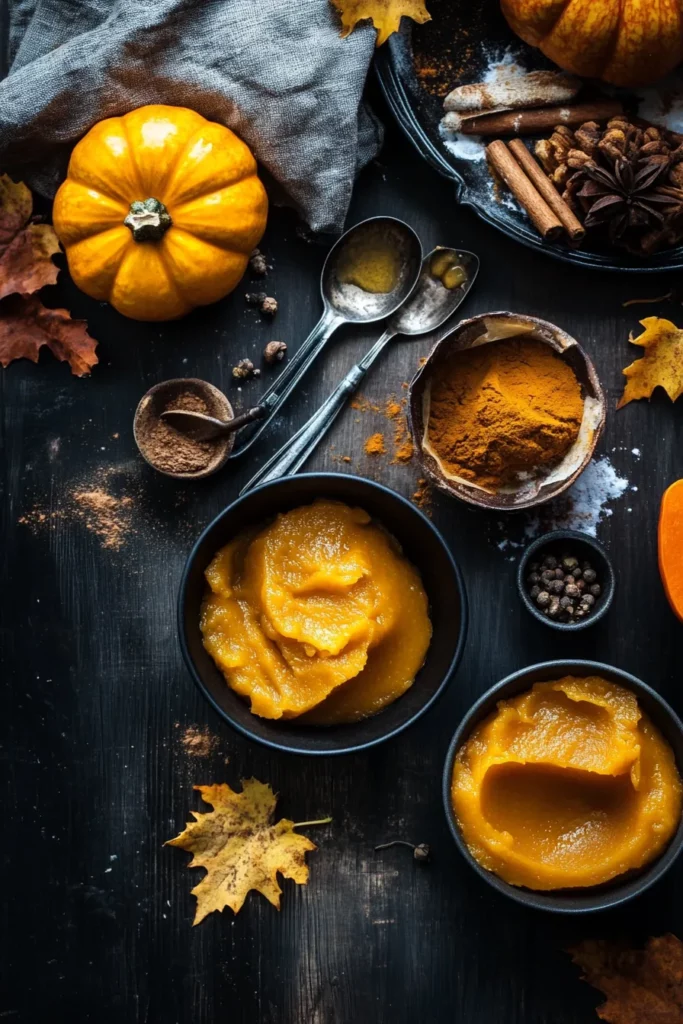
The first and maybe most important tip is about moisture content. Pumpkin puree contains a lot of water, which is great for keeping baked goods moist but can be a problem if you have too much liquid in your recipe. If you’re using fresh pumpkin that you’ve roasted and pureed, it often has more water than canned pumpkin.
I learned to strain homemade pumpkin puree through cheesecloth or a fine-mesh sieve if it seems watery. You want the consistency of canned pumpkin, thick enough that it doesn’t run when you spoon it. This extra step makes a huge difference in the final texture of your baked goods. Watery pumpkin puree can lead to dense, heavy cakes and breads that never quite bake through properly.
Spice Blends and Flavor Balance
Pumpkin pie spice is convenient, but I prefer mixing my own blend for more control over the flavor profile. My standard mix is three parts cinnamon, one part ginger, one part nutmeg, and a pinch of cloves. Sometimes I’ll add cardamom for complexity or allspice for warmth.
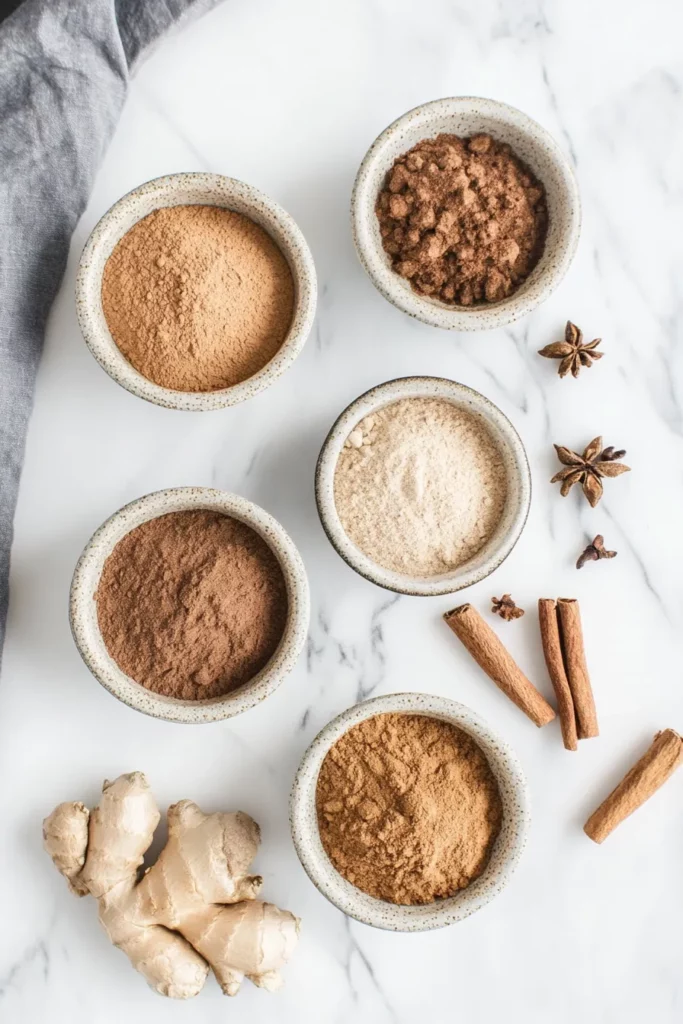
The key is not going overboard with the spices. Pumpkin has its own subtle flavor that can be overwhelmed by too much spice. I’ve made that mistake, creating desserts that tasted more like a spice factory than like pumpkin. Now I use a lighter hand with the spices, letting the pumpkin shine through.
Vanilla extract is my secret weapon in pumpkin recipes. A full tablespoon of vanilla in a cake or bread recipe enhances the pumpkin flavor without adding more spice. It rounds out the flavor profile and adds depth. I also sometimes add a tablespoon of maple syrup to recipes that call for sugar, which complements pumpkin beautifully.
Storage and Make-Ahead Tips
One of pumpkin’s best qualities in baking is how well pumpkin treats store and often improve with time. Pumpkin breads and cakes stay moist for days, sometimes a whole week if wrapped properly. I wrap cooled breads in plastic wrap and then foil, and they stay perfect at room temperature for at least four days.
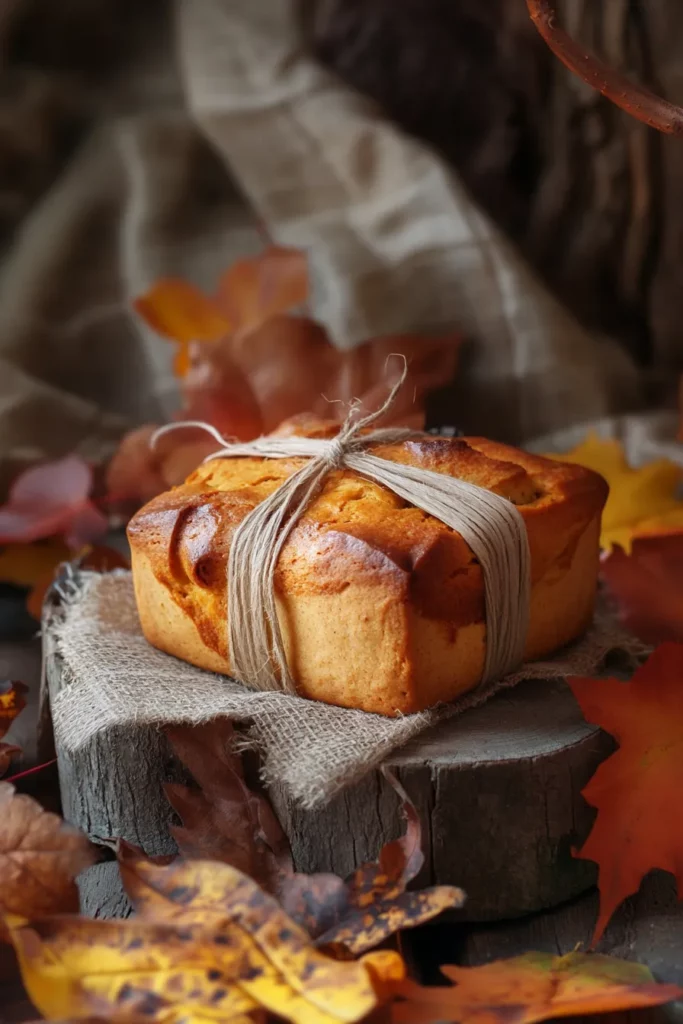
Many pumpkin recipes freeze beautifully too. I’ll make double batches of pumpkin bread or muffins and freeze half for later. They thaw at room temperature in a couple of hours, or I can microwave individual portions for quick breakfast or snacks. Wrapped well, they keep in the freezer for three months without any loss of quality.
For cookies and bars, I store them in airtight containers with a piece of bread, which sounds weird but actually works. The bread releases just enough moisture to keep the cookies soft without making them soggy. I replace the bread slice every couple of days.
Conclusion: Embracing Pumpkin Beyond Pie
Looking back at my pumpkin cooking journey, from that first roasted sugar pumpkin to the countless recipes I’ve made since, I’m amazed at how versatile this ingredient truly is. What started as a simple curiosity has become a full-fledged passion that returns every fall with the first cool breeze and the appearance of pumpkins at the market.
The beauty of pumpkin is that it works in so many contexts. It can be the star of an elegant dessert or a supporting player in a savory main dish. It can make breakfast feel special or turn a simple snack into something memorable. It keeps baked goods moist, adds nutrition to dips, and brings warmth and comfort to everything it touches.
I hope this guide has given you confidence to explore pumpkin in new ways. Try that recipe that seems a little outside your comfort zone. Experiment with savory applications if you’ve only ever made pumpkin pie. Or if you’re already a pumpkin enthusiast, I hope you’ve found some new favorites to add to your rotation.
The most important thing I’ve learned is that cooking with pumpkin should be a joy, not a chore. Yes, fresh pumpkins can be intimidating to prepare. And yes, some recipes require more steps than others. But the reward is worth it: food that tastes like autumn, that makes your house smell incredible, and that brings people together around your table.
So grab a pumpkin, whether it’s fresh from the patch or canned from the pantry, and start creating. Trust your instincts, taste as you go, and remember that even the mistakes teach you something. Every pumpkin recipe you make adds to your knowledge and skill, building confidence for the next adventure.
Here are some of my favorite pumpkin recipes to explore next:
Pumpkin Roll
Pumpkin Pancakes
Pumpkin Cheesecake
Frequently Asked Questions
Can I substitute fresh pumpkin for canned pumpkin in recipes?
Yes, you absolutely can. The key is getting your homemade pumpkin puree to the same consistency as canned. After roasting and pureeing your pumpkin, if it seems watery, strain it through cheesecloth for an hour to remove excess moisture. One fifteen-ounce can of pumpkin equals about two cups of homemade puree.
Why did my pumpkin bread sink in the middle?
This usually happens from overmixing the batter or opening the oven door too early. When you overmix, you develop too much gluten, which can cause collapse. And opening the oven before the structure has set allows the bread to fall. Mix just until the ingredients are combined, and don’t open the oven for at least the first forty-five minutes of baking.
How do I know when my pumpkin cake or bread is done?
A toothpick or cake tester inserted into the center should come out with just a few moist crumbs, not wet batter. The top should spring back when lightly touched. For breads, the internal temperature should reach 200 to 205 degrees Fahrenheit. Let baked goods cool in the pan for ten to fifteen minutes before removing.
Can I use pumpkin pie filling instead of pumpkin puree?
No, they’re different products. Pumpkin pie filling already has sugar, spices, and other ingredients added. Pumpkin puree is just cooked, mashed pumpkin with nothing else added. Always use plain pumpkin puree in recipes unless they specifically call for pie filling.
What’s the best way to store leftover pumpkin puree?
Refrigerate opened canned pumpkin or homemade puree in an airtight container for up to a week. For longer storage, freeze it in measured portions. I use ice cube trays for small amounts or freezer bags labeled with the amount for larger quantities. Frozen pumpkin puree keeps for up to six months.
Why does my pumpkin dip taste bland?
Pumpkin itself is quite mild, so it needs bold flavors to shine in savory dishes. Make sure you’re using enough salt, which is crucial for bringing out flavor. Fresh garlic, good quality olive oil, and bright acidic ingredients like lemon juice also help. Taste as you go and adjust seasonings generously.
Can I make pumpkin recipes dairy-free or gluten-free?
Most pumpkin recipes adapt well to dietary restrictions. For dairy-free versions, use coconut milk or almond milk instead of regular milk, and coconut oil instead of butter. For gluten-free baking, use a good all-purpose gluten-free flour blend designed for baking. The pumpkin’s moisture helps keep gluten-free baked goods from drying out.
How long do roasted pumpkin seeds stay fresh?
Stored in an airtight container at room temperature, roasted pumpkin seeds stay crispy for about two weeks. If they start to lose their crunch, you can refresh them in a 300-degree oven for five to ten minutes. For longer storage, keep them in the refrigerator for up to a month or freeze for up to three months.
What’s the difference between a sugar pumpkin and a carving pumpkin?
Sugar pumpkins, also called pie pumpkins, are smaller and bred specifically for eating. They have sweeter, denser, less stringy flesh. Carving pumpkins are larger, bred for size and hollow interiors for carving. Their flesh is watery, stringy, and bland. Always use sugar pumpkins for cooking.
Can I cook pumpkin in the Instant Pot or slow cooker?
Yes, though I find roasting produces better flavor. For the Instant Pot, place halved, seeded pumpkin on a trivet with a cup of water, and pressure cook on high for fifteen minutes. For slow cooker, place pumpkin pieces in the cooker with a little water, cover, and cook on low for six to eight hours until tender.
Why are my pumpkin cookies cakey instead of chewy?
Too much flour or not enough fat can cause this. Make sure you’re measuring flour correctly by spooning it into the measuring cup and leveling it off, not scooping directly from the bag. Also, try slightly underbaking the cookies and letting them finish setting on the pan after removing from the oven.
What can I do with leftover pumpkin from recipes?
Leftover pumpkin puree is incredibly versatile. Stir it into oatmeal or yogurt for breakfast, add it to smoothies, mix it into pasta sauce for extra creaminess, or use it as a base for soup. You can also freeze it in ice cube trays for easy portioned additions to future recipes.

🍳 Precision Meets Passion — Tools Chefs Trust Daily

- Grams & ounces — precise to 1g
- Perfect for baking & keto tracking
- Sleek stainless steel design

- German stainless precision
- Razor-sharp & dishwasher-safe
- Elegant wood block organizer

- WiFi precision cooking at home
- 1100W — heats fast & evenly
- Perfect steak, fish & veggies