➤ Table of Contents
I’ll never forget the morning my grandmother taught me to make cinnamon rolls from scratch. I was maybe ten years old, standing on a step stool at her kitchen counter, watching her knead dough with flour-dusted hands. The way she rolled it out, spread that cinnamon-sugar filling, and coiled it into perfect spirals felt like magic. When they came out of the oven, golden and fragrant, the whole house smelled like heaven. That’s when I understood that breakfast could be more than cereal from a box. It could be an experience, a moment of warmth and comfort that sets the tone for your entire day.
⚡ Smart Kitchen Tools Every Home Cook Swears By

- Pure aluminum
- Durable enough for everyday cooking
- Made in the USA with quality

- 7 cooking functions in one compact cooker
- 3-quart size ideal for couples or small meals
- Up to 70% faster than traditional cooking

- 3 sizes for every recipe
- Pre-seasoned & durable cast iron
- Oven & grill ready
Now, years later, I find myself recreating that same magic in my own kitchen. Some mornings call for quick breads that come together in minutes. Other weekends deserve the slow, meditative process of yeast doughs rising on the counter. Whether it’s a Tuesday morning when everyone’s rushing out the door or a leisurely Sunday brunch, there’s a breakfast bread for every occasion and every skill level.
This guide is everything I’ve learned about breakfast breads, from simple quick breads to elaborate yeasted creations. We’ll explore cinnamon-scented favorites, fruit-studded loaves, savory morning options, and techniques that will make you feel confident tackling any recipe. You’ll discover which breads freeze beautifully for meal prep, which ones are perfect for special occasions, and how to troubleshoot common problems that trip up even experienced bakers.
Whether you’re a complete beginner who’s never worked with yeast or an experienced baker looking for new inspiration, you’ll find recipes and techniques here that will transform your breakfast routine. Because mornings deserve to be delicious, and there’s nothing quite like the smell of fresh bread baking to make a house feel like home.
Understanding Quick Breads vs Yeasted Breads
When I first started baking breakfast breads, I didn’t really understand the difference between quick breads and yeasted breads. I just knew some recipes took hours and others came together fast. But understanding the science behind these two categories changed everything about how I approached baking. It helped me know which type to choose based on my time, mood, and what I wanted to serve.
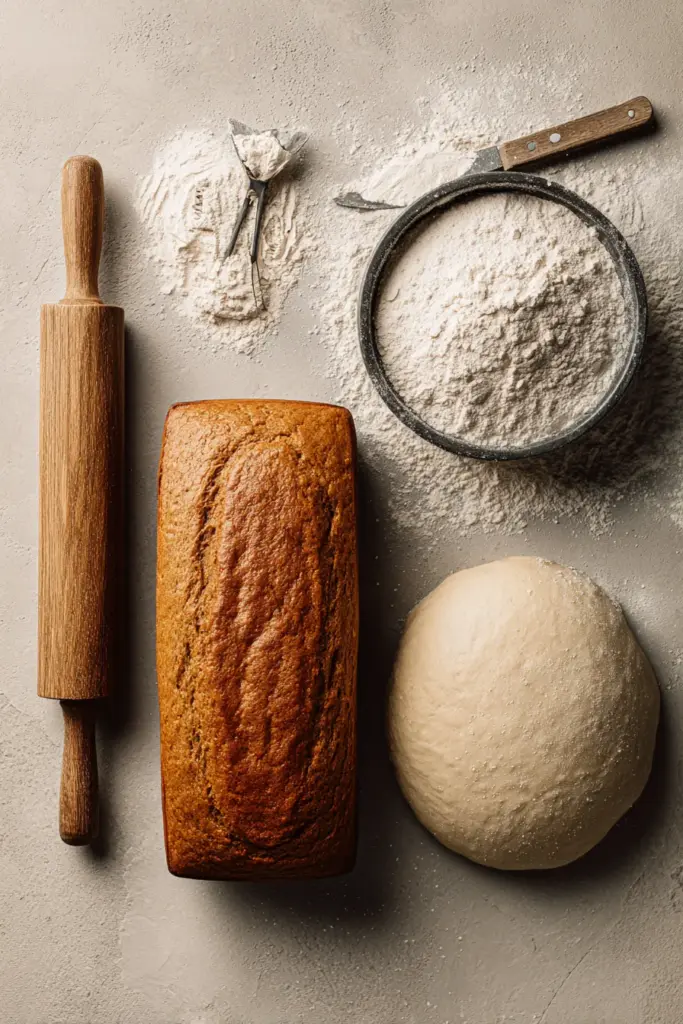
Quick breads are exactly what they sound like. They use chemical leaveners like baking powder or baking soda instead of yeast, which means they don’t need time to rise. You mix them up, pour them into a pan, and bake immediately. Think banana bread, muffins, scones, and coffee cakes. These are the heroes of busy mornings when you want something homemade but don’t have hours to spare.
The beauty of quick breads is their forgiving nature. Because you’re not dealing with temperamental yeast or gluten development, there’s less that can go wrong. The key is not overmixing once you add the wet ingredients to the dry. That’s the mistake I made for years, beating the batter until it was completely smooth. The result was tough, dense bread with tunnels running through it. Now I mix just until the flour disappears, leaving some small lumps. The texture is tender and perfect every time.
The Magic of Yeasted Breads
Yeasted breads require more time and attention, but they reward you with incredible texture and flavor. There’s something almost alive about working with yeast. You’re literally nurturing billions of tiny organisms, feeding them flour and water, and watching them transform simple ingredients into something spectacular. The first time I successfully made the best cinnamon rolls ever, I felt like I’d unlocked a secret superpower.
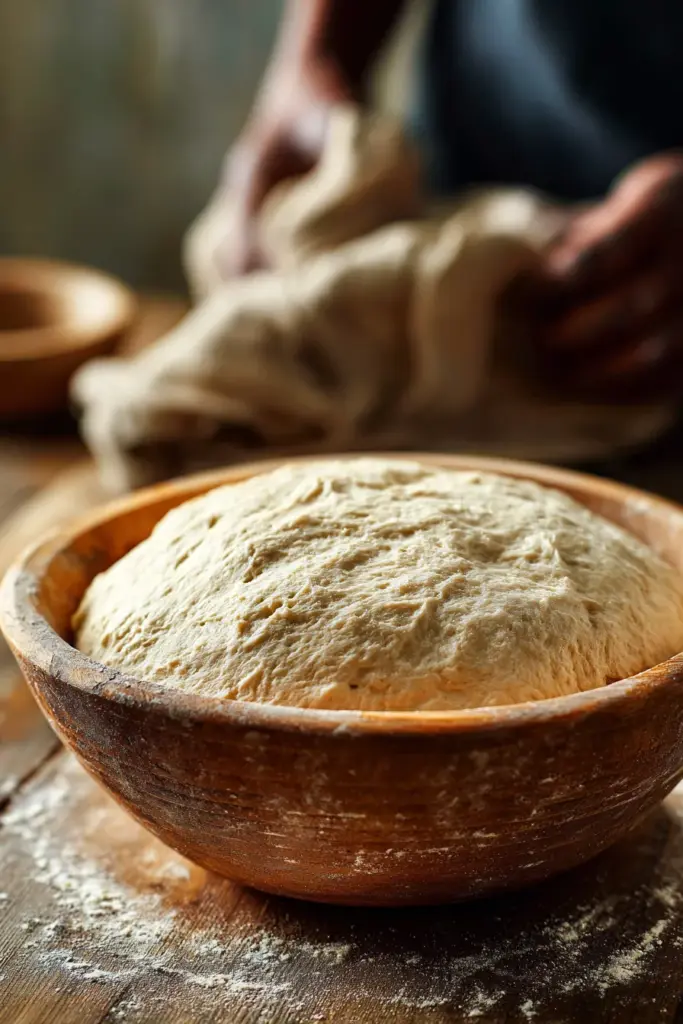
Yeast breads need warmth, time, and patience. The dough must rise until it doubles in size, which can take anywhere from thirty minutes to several hours depending on the recipe and temperature of your kitchen. Then you shape it, let it rise again, and finally bake. It’s a process that can’t be rushed, but the result is worth every minute. That fluffy, pillowy texture with slightly chewy edges? You can’t get that from quick breads.
I’ve learned that the temperature of your ingredients and environment matters enormously with yeast. Too hot and you’ll kill the yeast. Too cold and it won’t activate properly. I aim for lukewarm liquids, around 105 to 110 degrees Fahrenheit, and I proof my dough in the warmest spot in my kitchen. In winter, that’s often inside my oven with just the light on.
🥗 Fresh, Fast & Foolproof — Upgrades You'll Use Tonight

- Zoodles in seconds
- Heavy-duty, 10 sharp blades
- Keto, paleo & gluten-free friendly

- Meals in ~30 minutes
- 3-Qt — perfect for 1–3 people
- Pressure cook, sauté, steam & more

- Phone alerts & live temp graph
- Hands-off monitoring for smokers
- Perfect doneness, every time
Choosing the Right Type for Your Morning
So how do you decide which type to make? I think about three things: time, occasion, and what I’m craving. If I need something ready in under an hour, quick breads are the obvious choice. The quick bread recipes in my collection can be mixed, baked, and cooled in about forty-five minutes total.
For special occasions or when I want to really impress, I turn to yeasted breads. There’s something about pulling a pan of homemade best homemade cinnamon rolls out of the oven that makes people think you’re a baking genius, even though the actual hands-on work isn’t that difficult.
And sometimes I split the difference by making yeasted dough the night before. Many recipes can be refrigerated overnight for a slow, cold rise that develops even better flavor. I’ll mix up dough before bed, let it rise in the fridge, then shape and bake it in the morning. It gives you that incredible yeasted texture without having to wake up at dawn to start the process.
Cinnamon Breads: The Heart of Morning Baking
If there’s one flavor that defines breakfast baking, it’s cinnamon. That warm, sweet-spicy aroma is so tied to morning comfort that just catching a whiff of it can make me feel cozy and content. I’ve baked with cinnamon in dozens of different forms, from simple swirls in quick breads to elaborate cinnamon roll variations, and I’m convinced I’ll never tire of it.
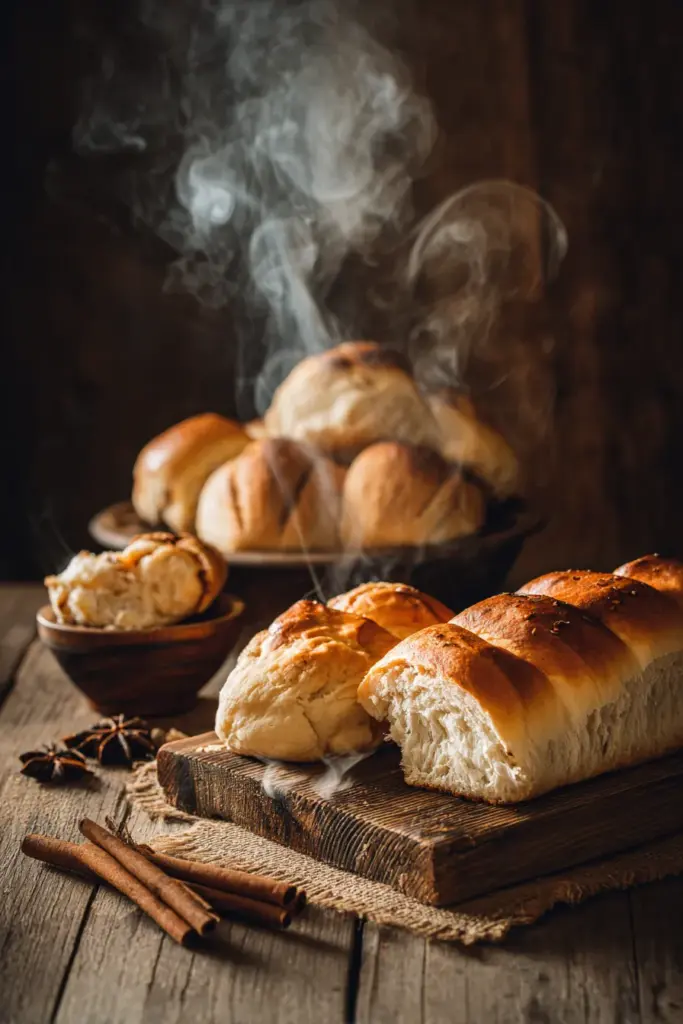
The key to great cinnamon baked goods is using enough cinnamon and pairing it with the right amount of sugar. Too little and it barely registers. Too much and it can taste harsh or dusty. I’ve found that about one to two tablespoons of cinnamon per loaf or batch strikes the perfect balance, creating that signature warmth without overwhelming other flavors.
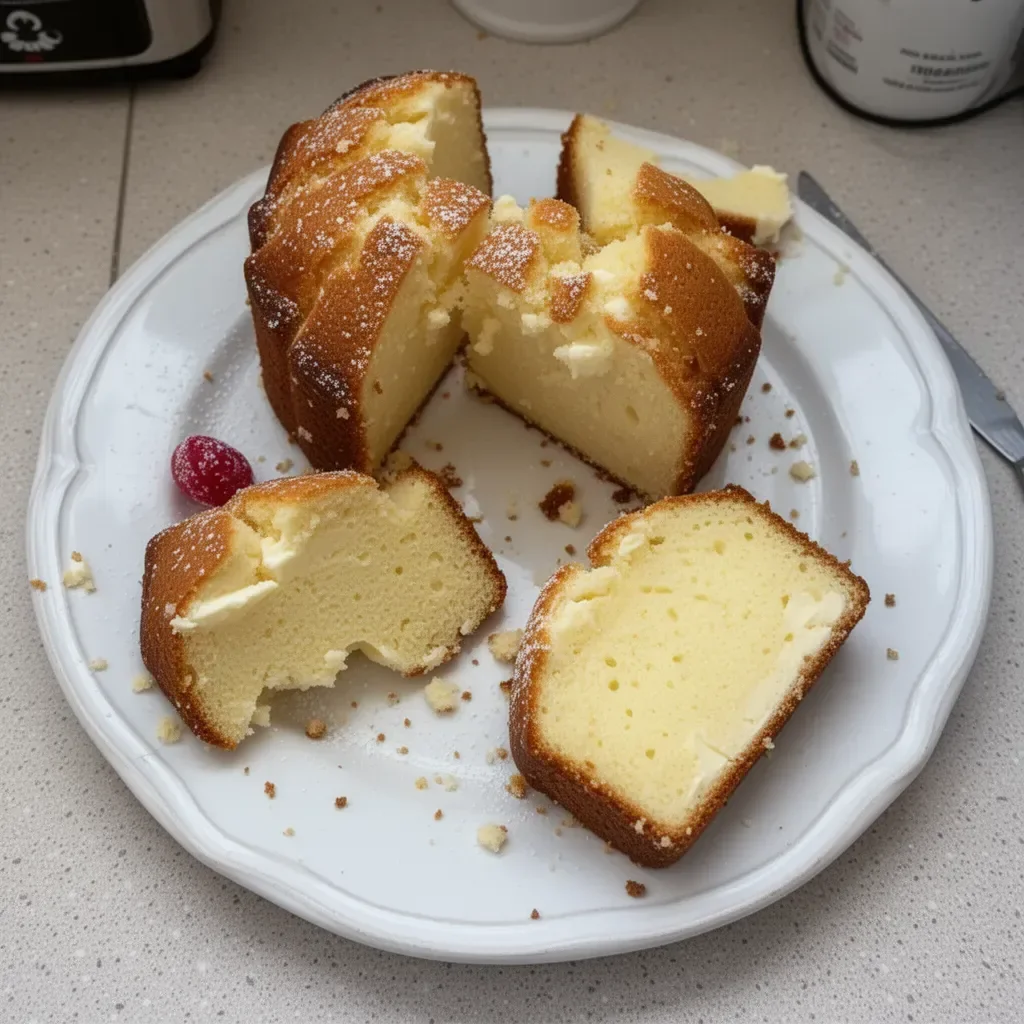
One of my absolute favorites is cinnamon sugar donut bread, which captures everything delicious about cake donuts in an easy loaf form. The texture is tender and fine-crumbed, and that cinnamon-sugar coating on top gets slightly crispy in the oven. It’s the kind of bread that disappears within hours of coming out of the oven.
Cinnamon Swirl Techniques
Creating beautiful cinnamon swirls in bread takes just a little technique, but the visual impact is stunning. For quick breads, I make a cinnamon-sugar mixture and either swirl it through the batter with a knife or layer it in the middle of the loaf. The cinnamon swirl apple bread uses this layering technique to create distinct ribbons of cinnamon running through tender apple-studded bread.
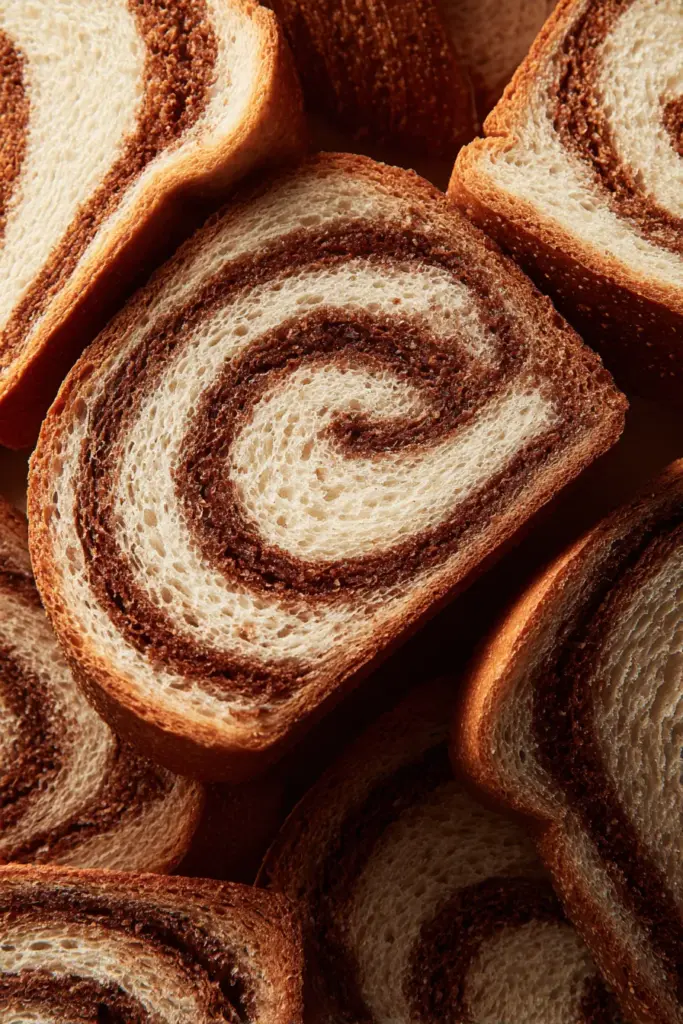
For yeasted breads like cinnamon rolls, the process is different but equally satisfying. You roll out the dough into a rectangle, spread it with softened butter, sprinkle on the cinnamon-sugar mixture, and roll it up tightly. The key is getting that roll tight enough that you have distinct spirals, but not so tight that the dough tears. I roll from the long side, keeping tension on the dough as I go, then seal the seam by pinching it closed.
If you want to get really creative, try adding cream cheese to the filling like in chocolate chip cookie cinnamon rolls. The tangy cream cheese cuts through the sweetness beautifully and adds an extra layer of richness. These are the cinnamon rolls I make when I really want to blow people’s minds.
Cinnamon Roll Mastery
Cinnamon rolls deserve their own discussion because they’re in a category all by themselves. They’re the pinnacle of breakfast baking, the thing everyone gets excited about, the reason people show up early to brunch. I’ve made hundreds of batches over the years, and I’ve learned what separates good cinnamon rolls from truly exceptional ones.
The dough itself needs to be soft and enriched with butter, eggs, and milk. This creates that pillowy, tender texture we’re after. I knead until the dough is smooth and elastic but still slightly tacky. If it’s too dry, the rolls will be tough. The the best cinnamon rolls recipe I use has the perfect balance of richness and fluffiness.
The filling is where you can really customize. Classic cinnamon-sugar is always wonderful, but I also love adding chopped pecans, raisins, or even a layer of fruit preserves. Just don’t overdo the filling, or the rolls won’t seal properly and everything will leak out during baking. I learned that lesson the hard way with a batch that basically melted into a cinnamon-sugar puddle in the pan.
And then there’s the frosting. Cream cheese frosting is classic for a reason. That tangy, sweet, creamy topping is the perfect complement to spiced, buttery rolls. I slather it on while the rolls are still slightly warm so it melts into all the nooks and crannies. Pure heaven.
Apple Breads: Celebrating Fall Flavors Year-Round
Apples and breakfast breads are a match made in heaven. The fruit adds moisture, natural sweetness, and little pockets of tender texture throughout the crumb. I started baking apple breads in autumn when apples were abundant at the farmers market, but I quickly realized these recipes are too good to save for just one season. Now I make them year-round, adjusting the apple variety based on what’s available.

The best apples for baking are those that hold their shape and have a good balance of sweet and tart. Granny Smith, Honeycrisp, and Braeburn are my top choices. I avoid Red Delicious, which turn mealy when baked, and overly sweet varieties that can make the bread taste one-dimensional. Sometimes I use a mix of varieties for more complex flavor.
The heavenly cinnamon apple bread combines everything I love about apple baking. The bread is moist and tender, studded with chunks of fresh apple, and scented with plenty of cinnamon. It’s the recipe I turn to when I have a bag of apples that need using and want something comforting and delicious.
Preparing Apples for Baking
How you prepare the apples makes a difference in the final texture. I peel them for most recipes because the peel can be a bit tough in baked goods. Then I dice them into small pieces, usually about half-inch cubes. Too large and they create big gaps in the bread. Too small and they practically dissolve during baking.
One trick I’ve learned is to toss the diced apples with a little lemon juice and sugar before adding them to the batter. The lemon juice prevents browning and adds brightness, while the sugar draws out some moisture so the apples don’t water down your bread. Just drain off any excess liquid before folding them in.
For a truly spectacular apple bread, try the apple bread perfect fall treat. This version has a streusel topping that adds crunch and extra sweetness. The contrast between the crispy top and tender interior makes every bite interesting.
Apple Fritter Style Breads
One of the most popular variations on apple bread is the fritter-style version. These breads capture that beloved apple fritter flavor and texture in an easier, less messy form than actual fried fritters. The Amish apple fritter bread dessert is so good it can honestly work as either breakfast or dessert.
What makes these breads special is the glaze. While the bread itself is similar to other apple quick breads, that sweet vanilla glaze drizzled over the top takes it to another level. It soaks into the top layer slightly, creating a sweet crust that’s irresistible. I make the glaze with powdered sugar, milk, and vanilla, adjusting the consistency until it’s thick enough to coat the bread but thin enough to drizzle.
These breads are excellent for gift-giving. They look impressive, taste amazing, and travel well. I’ve brought apple fritter bread to countless potlucks and gatherings, and there are never leftovers. People always ask for the recipe.
Banana Breads: The Ultimate Comfort Loaf
Banana bread holds a special place in my heart because it was one of the first things I learned to bake on my own. There’s something deeply satisfying about transforming overripe bananas, those brown-speckled fruits that nobody wants to eat plain, into something incredibly delicious. It’s kitchen alchemy at its most accessible.
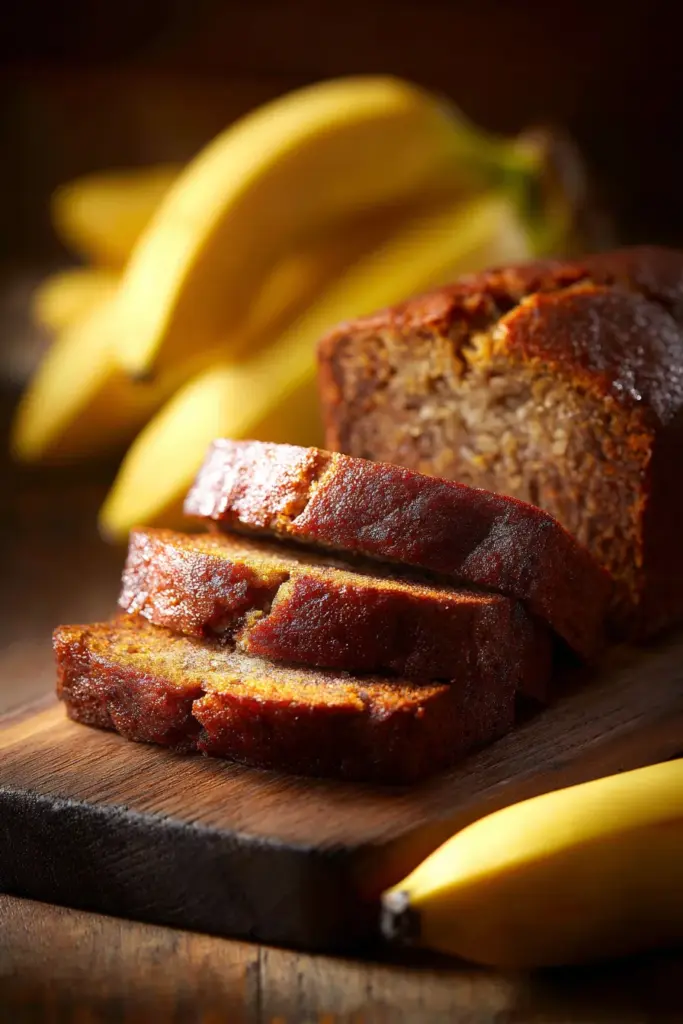
The secret to great banana bread is using bananas that are genuinely overripe. I’m talking about bananas with skins that are mostly brown or even black. Those ugly bananas that you’d never peel and eat are exactly what you want for baking. They’re sweeter, easier to mash, and provide so much more flavor than firmer, yellower bananas.
I always have bananas in my freezer specifically for baking. When my fresh bananas get too ripe, I toss them in the freezer, peel and all. When I’m ready to bake, I thaw them out and they’re perfect. The texture gets even mushier during freezing, which is actually ideal for banana bread. My go-to recipe is this easy moist banana bread that never fails to deliver tender, flavorful results.
Banana Bread Variations
Once you master a basic banana bread, the variations are endless. Chocolate chips are the classic addition, and for good reason. The combination of sweet banana and pockets of melted chocolate is hard to beat. The super moist chocolate chip banana bread is probably my most-requested recipe, beloved by kids and adults alike.
But don’t stop at chocolate chips. I’ve successfully added nuts, dried fruit, coconut, peanut butter chips, and even swirls of Nutella. One of my more creative experiments resulted in snickerdoodle banana bread, which combines banana bread with those beloved cinnamon-sugar cookies. It’s playful and delicious in the best way.
For something truly different, try adding zucchini alongside the banana. The banana zucchini bread might sound odd, but the zucchini adds moisture and helps the bread stay fresh for days. Plus, it’s a sneaky way to get vegetables into breakfast, which always makes me feel a little virtuous even while eating cake-like bread.
Achieving the Perfect Texture
The texture of banana bread is everything. It should be moist but not gummy, tender but not mushy, with a slightly crisp edge where it touched the pan. Getting this right comes down to a few key techniques that took me years to perfect.
First, don’t overmix the batter. This is probably the most common mistake I see. Once you add the flour, mix just until it’s incorporated. Overmixing develops gluten and creates a tough, dense loaf. I use a wooden spoon or rubber spatula and fold gently, leaving a few small flour streaks rather than beating until smooth.
Second, watch your oven temperature. Banana bread is thick and takes a long time to bake through. If your oven runs hot, the outside can burn before the inside is done. I bake at 350 degrees Fahrenheit and tent the loaf with foil if it’s browning too quickly. The bread is done when a toothpick inserted in the center comes out with just a few moist crumbs, not wet batter.
Finally, let the bread cool completely before slicing. I know it’s tempting to cut into it right away, but warm banana bread is too soft and will fall apart or gum up your knife. Give it at least thirty minutes, or better yet, wait until it’s completely cool. The texture firms up as it cools, and you’ll get much cleaner slices.
Lemon and Citrus Morning Breads
Not every morning calls for warm spices and chocolate. Sometimes you want something bright, fresh, and lightly sweet to start your day. That’s when I turn to citrus breads. Lemon especially has this way of making everything taste clean and vibrant. It’s like sunshine baked into bread form, perfect for spring mornings or anytime you need a little brightness.
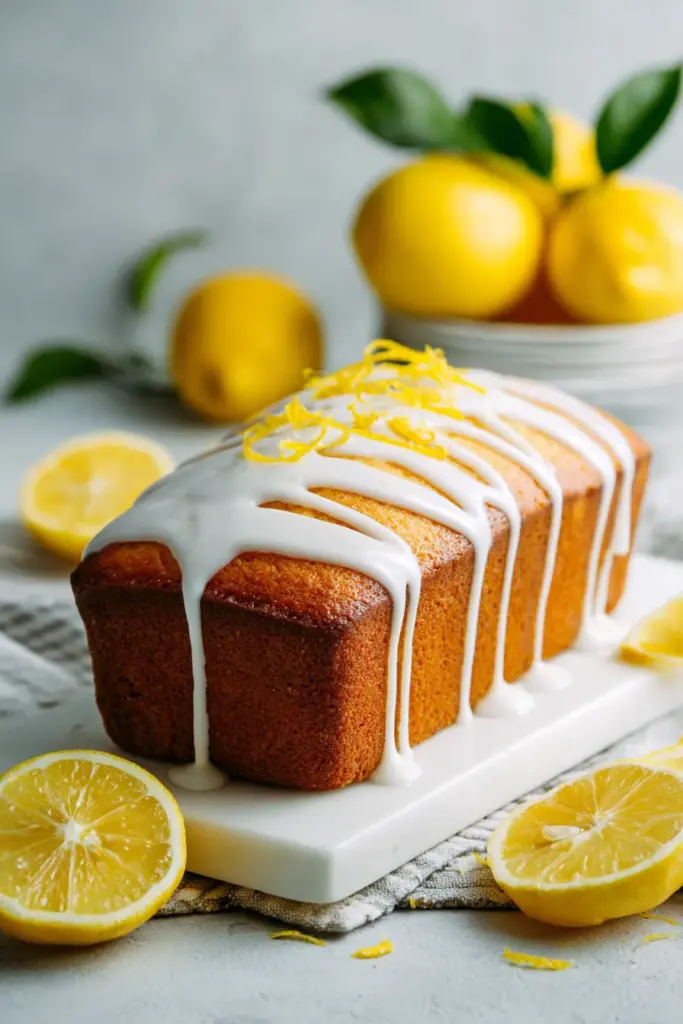
I love how lemon can be both a primary flavor and a supporting player. In some recipes, it’s front and center, unmistakably lemony. In others, it works behind the scenes, brightening other flavors without dominating. Learning to work with citrus in baking has expanded my repertoire enormously and given me options for people who don’t love cinnamon or chocolate.
The easy lemon blueberry bread with lemon glaze is one of my most popular recipes. The combination of tart lemon and sweet blueberries is classic for a reason, and that lemony glaze soaks into the top of the bread, creating an incredible texture and concentrated flavor.
Working with Citrus Zest and Juice
The key to great citrus baking is using both zest and juice. The zest contains essential oils that provide intense, pure citrus flavor without adding extra liquid. I zest directly into the sugar when making citrus breads, then rub them together with my fingers. This releases those oils and distributes the flavor throughout the sugar, which then gets mixed into the batter.
For the juice, always use fresh if possible. Bottled lemon juice tastes flat and artificial compared to juice squeezed from real lemons. A typical lemon yields about three tablespoons of juice and one to two tablespoons of zest. I often need two or three lemons for one recipe, depending on how lemony I want the final result.
The lemon zucchini bread is a fantastic example of how citrus can brighten vegetable breads. The zucchini adds moisture without much flavor of its own, making it the perfect vehicle for bright lemon notes. This is a bread I make all summer when zucchini is abundant and I’m craving something fresh.
Glazes and Toppings
Citrus breads are often finished with a glaze, which adds extra flavor and creates that beautiful glossy finish. My basic lemon glaze is just powdered sugar mixed with lemon juice until it’s thick but pourable. I adjust the consistency depending on how I want it to look. Thicker glazes sit on top in a distinct layer. Thinner glazes soak into the bread more, creating a sweet crust.
I always glaze while the bread is still warm. The glaze soaks in slightly, bonding with the bread instead of just sitting on top. Some will run down the sides, creating those pretty drips. Don’t worry if it looks like too much glaze at first. It will set as it cools, creating exactly the right amount of sweetness.
For an extra lemony punch, try the lemon zucchini muffins, which are basically individual portions of lemon bread. Muffins have more surface area for glaze, which makes them even more intensely flavored. They’re perfect for breakfast on the go.
Savory Breakfast Breads and Beyond
While most breakfast breads lean sweet, savory versions have earned a permanent place in my morning rotation. There’s something deeply satisfying about a slightly salty, herby, or cheesy bread alongside eggs or as part of a breakfast sandwich. These breads feel more substantial somehow, more like real food and less like dessert for breakfast.
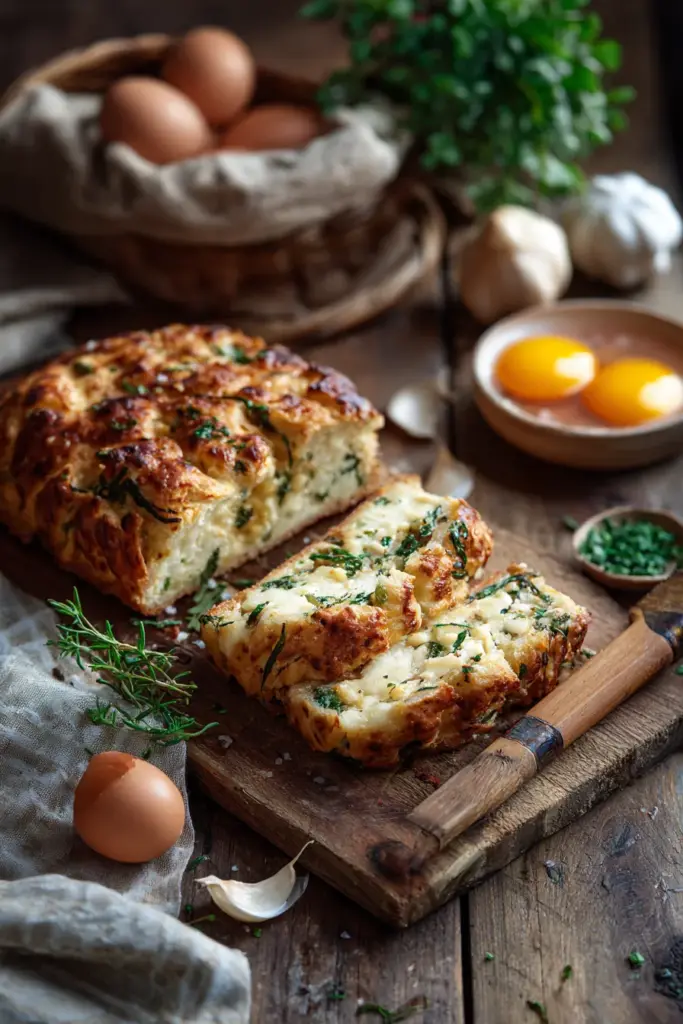
Savory breads also work beautifully for brunch spreads where you want variety. While guests are loading up on cinnamon rolls and fruit breads, having a savory option provides balance and gives people a break from all that sweetness. I’ve watched the same person alternate between a cinnamon roll and a slice of cheese bread, clearly appreciating the contrast.
One of my favorite savory options is soft brioche loaf, which isn’t sweet despite being enriched with eggs and butter. The tender, slightly rich crumb makes incredible toast, French toast, or bread pudding. Brioche is versatile enough to work with both sweet and savory applications, making it endlessly useful.
Cheese and Herb Combinations
Adding cheese to quick breads transforms them completely. The cheese melts during baking, creating pockets of rich, savory flavor throughout the bread. I use sharp cheddar most often, but I’ve also had success with gruyere, parmesan, and pepper jack for a spicy kick.
Herbs brighten savory breads and add complexity. Fresh herbs are always best if you have them. I love rosemary with cheese, chives with bacon, thyme with mushrooms, and basil with sun-dried tomatoes. The peach jalapeno cream cheese cornbread muffins are an unexpected combination that works brilliantly, balancing sweet peaches with spicy jalapenos and tangy cream cheese.
For something truly quick and impressive, try 2 ingredient slow cooker beer bread. It sounds almost too simple to work, but the beer provides both leavening and flavor, creating a rustic, yeasty loaf with minimal effort. It’s perfect for those mornings when you want homemade bread but don’t want to fuss.
Breakfast Bread with Meat
Adding cooked bacon, sausage, or ham to breakfast breads makes them feel like a complete meal. These are the breads I make when I’m hosting a crowd and want to offer something substantial that people can eat while standing around talking.
The key is cooking and draining the meat thoroughly before adding it to the batter. Excess grease can make the bread heavy and interfere with the structure. I crisp my bacon until it’s quite done, then crumble it into small pieces that distribute evenly throughout the bread.
For something more elaborate, savory breakfast burritos wrapped in bread form, like freezer breakfast burritos, can be made ahead and reheated throughout the week. They’re not exactly bread, but they serve the same purpose of providing a portable, satisfying breakfast option.
Muffins: Individual Morning Portions
Muffins are basically bread’s more practical cousin. They bake faster, cool faster, portion themselves automatically, and freeze beautifully. I probably make muffins more than any other breakfast baked good because they’re just so convenient. I can mix up a batch on Sunday, freeze them, and have ready-to-go breakfasts all week.
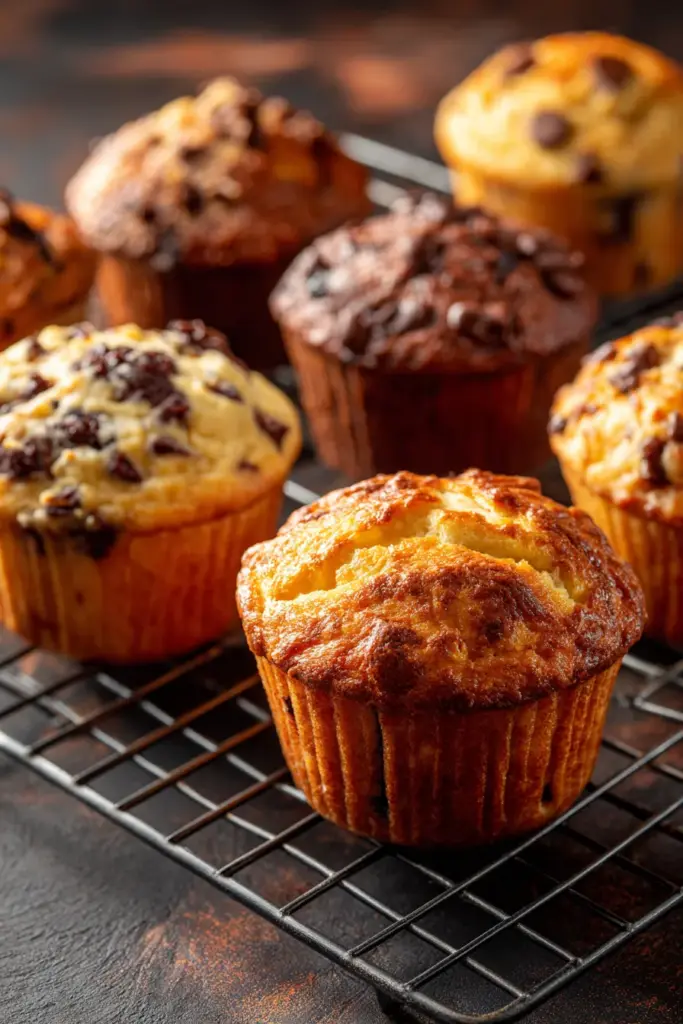

The key to tender muffins is the same as for quick breads: minimal mixing. But muffins present an additional challenge because there’s a temptation to fill the cups too full, creating mushroom-top muffins that look impressive but can be dry. I fill my muffin cups about two-thirds full, which creates nicely domed muffins that bake evenly.
My apple cinnamon streusel muffins are everything a muffin should be: tender crumb, flavorful fruit throughout, and a crunchy streusel topping that adds textural contrast. These are the muffins I make when I want to feel like I really accomplished something, even though they come together quickly.
Making Muffins from Other Recipes
One of the best baking tricks I know is that most quick bread recipes can be turned into muffins, and vice versa. The beauty of muffins is their faster baking time. Where a loaf might take fifty to sixty minutes, muffins are usually done in eighteen to twenty-two minutes. This makes them perfect for when you’re in a hurry or when you want variety.
I’ve successfully made muffin versions of banana bread, zucchini bread, pumpkin bread, and every fruit bread I own. The recipe stays the same. You just divide the batter among muffin cups instead of pouring it into a loaf pan and reduce the baking time. Keep an eye on them starting around the fifteen-minute mark, testing with a toothpick until it comes out clean.
You can even make muffins using pancake mix when you need something even faster. It’s a great shortcut that still produces homemade muffins, perfect for busy mornings or when you’re dealing with a pantry ingredient that needs using.
Muffin Mix-Ins and Toppings
The fun with muffins is how easily you can customize them. I keep my base muffin batter fairly simple, then change up the mix-ins depending on what I have on hand and what sounds good. Fresh or frozen berries are always a win. Chocolate chips make any muffin feel like a treat. Nuts add crunch and protein.
For berries, I toss them with a little flour before folding them into the batter. This prevents them from sinking to the bottom and helps them stay distributed throughout the muffins. Frozen berries work just as well as fresh. Don’t thaw them first, or they’ll turn your batter purple or red.
Streusel toppings turn simple muffins into something special. My basic streusel is just flour, sugar, and butter rubbed together until crumbly. Sometimes I add oats for texture or cinnamon for flavor. The blueberry biscuits use a similar technique, where the topping adds both visual appeal and delicious crunch.
Pancake Breads and Morning Griddle Favorites
There’s a whole category of breakfast breads that blur the line between bread and pancakes. These are typically made with pancake-like batters but baked in loaf pans or muffin tins rather than cooked on a griddle. They capture that fluffy, tender pancake texture in a more portable, less syrup-required format.
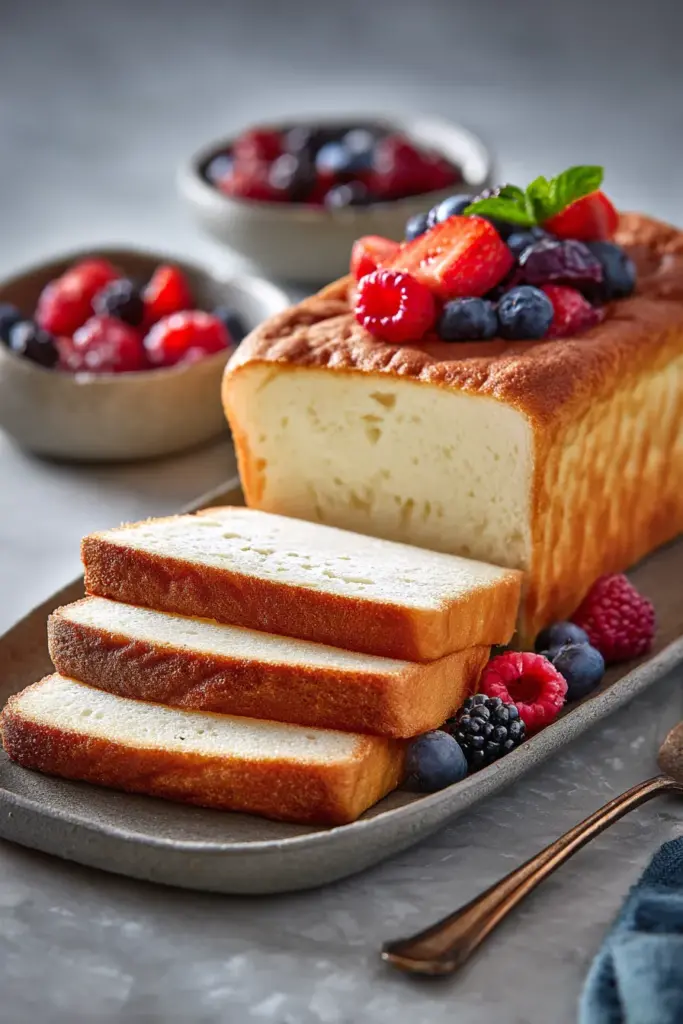
I started experimenting with these after making too much pancake batter one morning and wondering what would happen if I just baked it. Turns out, pancake batter makes a delicious quick bread with a uniquely light, fluffy texture. This discovery led me to create several recipes specifically designed to bridge these two breakfast categories.
While we’re talking about pancakes, I have to mention fluffy Japanese souffle pancakes, which are so tall and jiggly they’re almost more like bread than traditional flat pancakes. They require a bit more technique, but the result is stunning and delicious.
Pancake Mix Versatility
Having homemade pancake mix on hand makes breakfast so much easier. I mix up large batches and keep them in airtight containers, ready to turn into pancakes, waffles, or quick breads at a moment’s notice. My homemade pancake mix is better than any store-bought version, with no preservatives or weird ingredients.
This mix is endlessly adaptable. Add fruit, chocolate chips, or spices to the batter. Make it into muffins or loaf bread. Use it as a base for savory pancakes with cheese and herbs. Once you have that basic mix mastered, you can improvise breakfast in countless ways.
For something different, try strawberry pancake recipe, where fresh strawberries are folded into the batter just before cooking. The berries burst during cooking, creating pockets of sweet, jammy fruit throughout. It’s like strawberry shortcake for breakfast.
Special Pancake Variations
Once you’re comfortable with basic pancakes, the variations get really fun. I make savory versions with herbs and cheese, sweet versions with fruit and spices, and even dessert-like versions with chocolate and whipped cream.
For lighter pancakes with a subtle tang, try lemon yogurt pancakes. The yogurt makes them incredibly tender, and the lemon keeps them from being too heavy. These are my go-to when I want something that feels a bit healthier without sacrificing flavor.
And for kids or anyone with a playful spirit, Eggo confetti pancakes add a fun element to breakfast. The colorful sprinkles make morning feel like a celebration, which is honestly what every day should be.
Seasonal Breakfast Breads and Special Occasions
Throughout the year, different seasons call for different breakfast breads. I love how fall brings pumpkin and apples, winter means cranberries and warming spices, spring calls for lemon and berries, and summer is all about peaches and fresh fruit. Baking with the seasons keeps breakfast interesting and ensures you’re using ingredients at their peak.
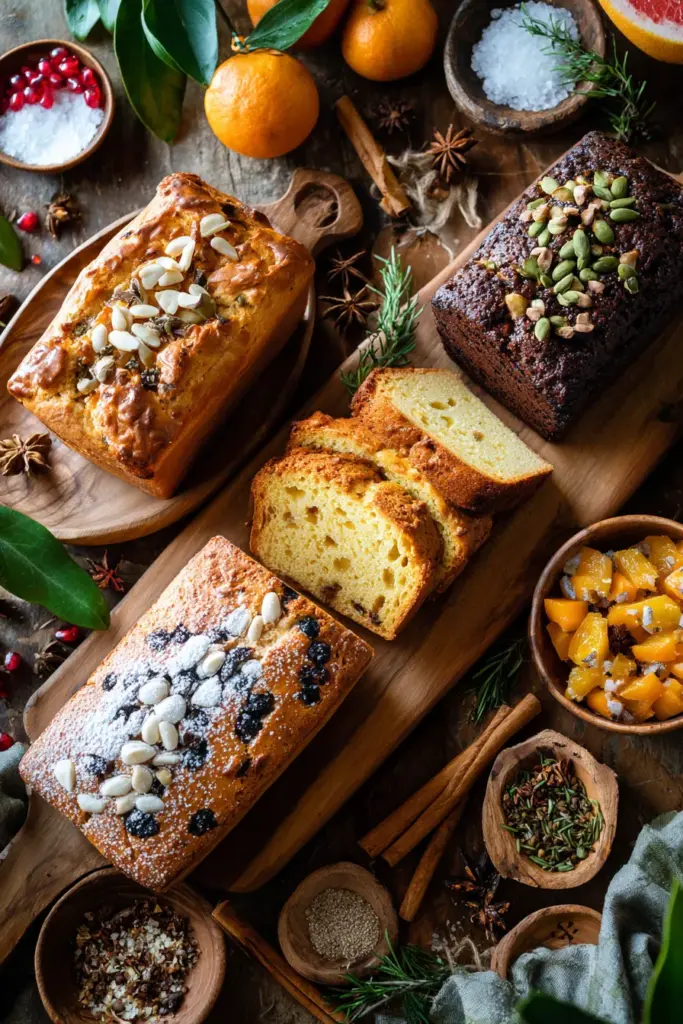
Pumpkin season is especially exciting for breakfast bakers. There’s something so comforting about that spiced pumpkin aroma filling the kitchen on a cool morning. The easy pumpkin bread is a staple in my house from September through December, often making multiple appearances each week.
I also love turning classic desserts into breakfast forms. The pumpkin French toast takes regular French toast and gives it a fall makeover with pumpkin puree and spices. It’s indulgent enough for a special weekend breakfast but uses bread you probably already have.
Holiday Morning Traditions
Special occasions deserve special breads. Christmas morning calls for something impressive, whether that’s a wreath-shaped cinnamon bread, a special brioche, or an elaborate coffee cake. These are the mornings when I pull out all the stops, making yeasted breads that require time and attention but reward everyone with something spectacular.
For holiday brunches, I often make several different breads to offer variety. There’s usually a sweet option like cinnamon rolls, something fruity like apple bread, and a savory choice like cheese bread or brioche. This gives guests options and makes the spread feel abundant and welcoming.
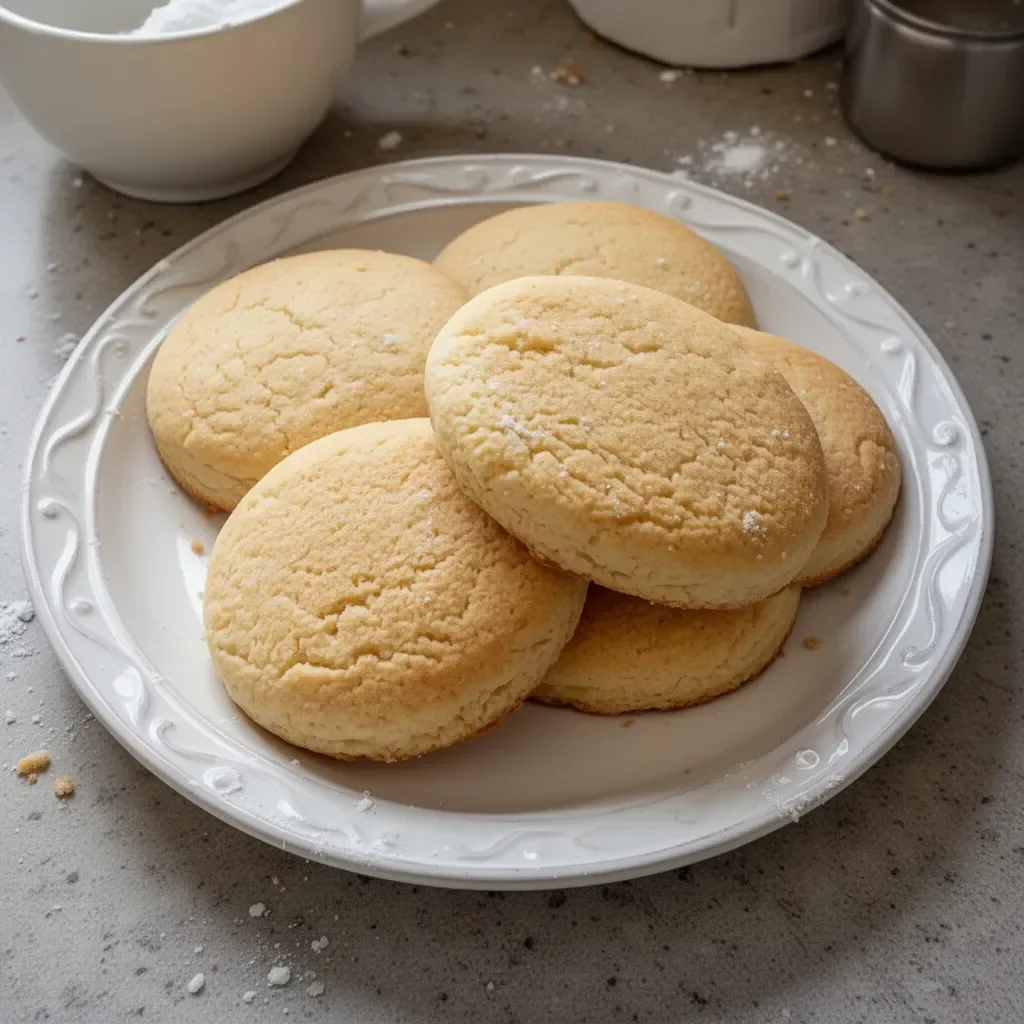
Summer holidays call for lighter breads that won’t weigh you down in the heat. The peach scones are perfect for a Fourth of July breakfast, capturing summer fruit at its best in a buttery, tender scone. They’re elegant enough for company but simple enough to make regularly.
Make-Ahead Strategies for Busy Mornings
One of the best things about breakfast breads is how many of them can be made ahead. This is crucial for holiday mornings when you want to spend time with family instead of standing in the kitchen. I’ve developed strategies over the years that let me enjoy fresh-baked bread without the early morning work.
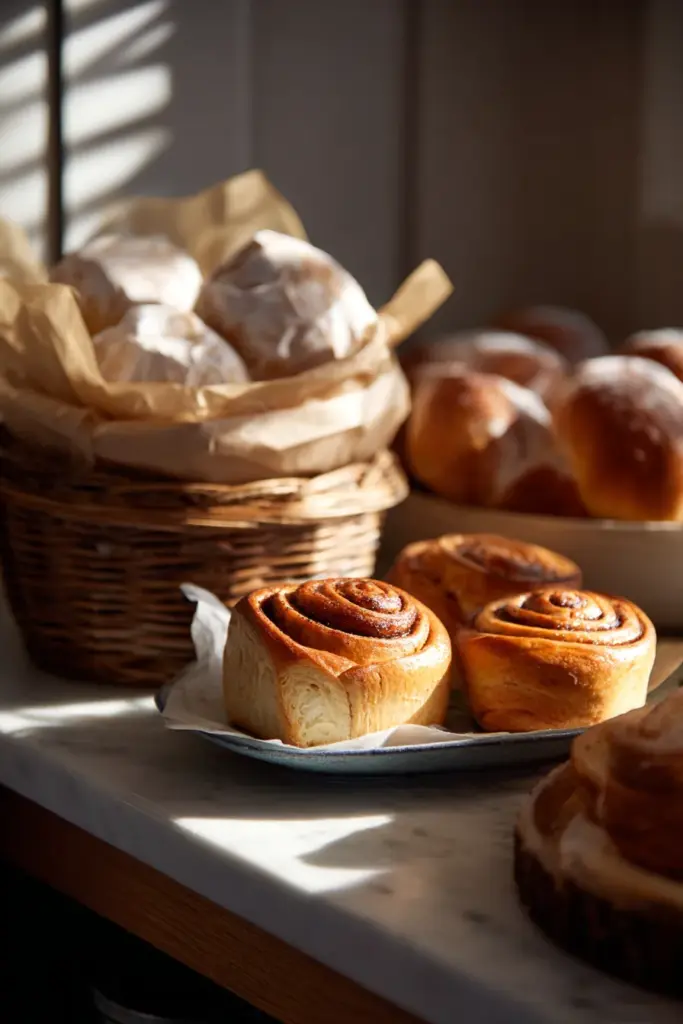
Many yeasted doughs can be mixed and shaped the night before, then refrigerated for a slow overnight rise. In the morning, you just let them come to room temperature briefly and bake. This works beautifully for cinnamon rolls, dinner rolls that double as breakfast rolls, and sweet breads.
Quick breads and muffins freeze exceptionally well. I often bake double batches, let them cool completely, wrap them tightly, and freeze for up to three months. They thaw at room temperature in a few hours, or you can warm individual slices in the microwave. Having a stash of frozen muffins and bread slices means you always have a homemade breakfast option, even on the busiest mornings.
Overnight and No-Cook Morning Options
Sometimes the best breakfast preparation happens the night before with recipes that require no morning cooking at all. These overnight options have saved me countless times when I knew morning would be rushed but still wanted everyone to have something homemade and delicious.
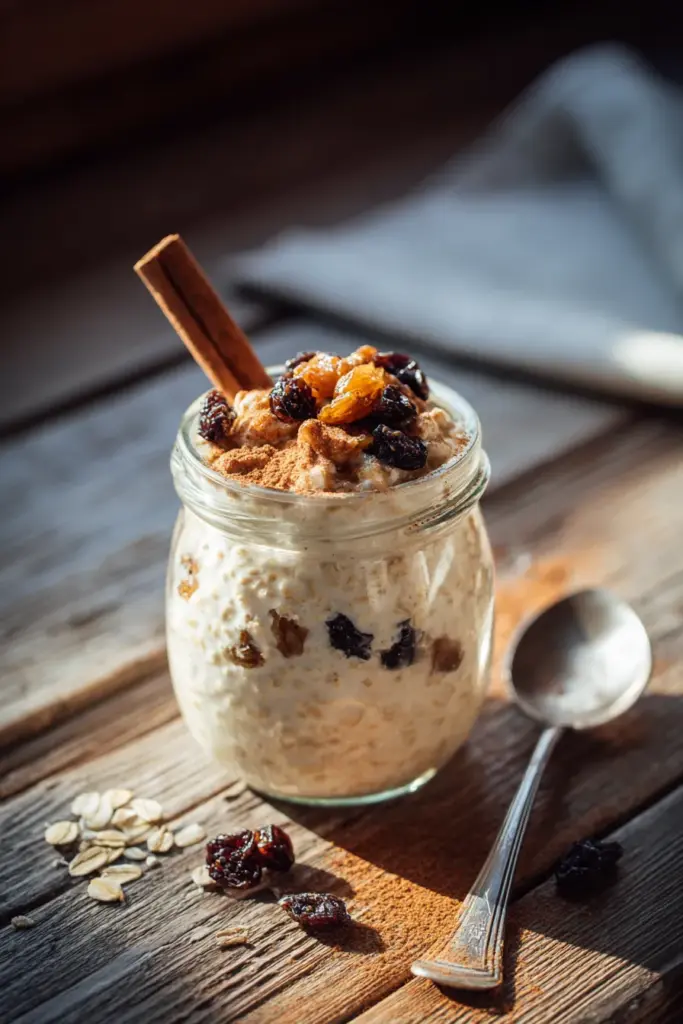
Overnight oats fall into this category beautifully. While not technically bread, they serve the same purpose of providing a substantial, satisfying breakfast. My creamy cinnamon roll overnight oats capture all the flavors of cinnamon rolls in a no-bake, make-ahead format that’s healthier and easier.
French toast casserole is another brilliant make-ahead option. You assemble it the night before, let the bread soak up all the custard overnight, then pop it in the oven in the morning. It’s essentially bread pudding for breakfast, and it’s absolutely divine. The French toast casserole is my go-to for holiday breakfasts when I need to feed a crowd without spending all morning cooking.
Grab-and-Go Breakfast Solutions
Real life means sometimes breakfast has to happen in the car or at your desk. That’s when portable breakfast options become essential. I try to always have some grab-and-go options available for those mornings that go sideways.
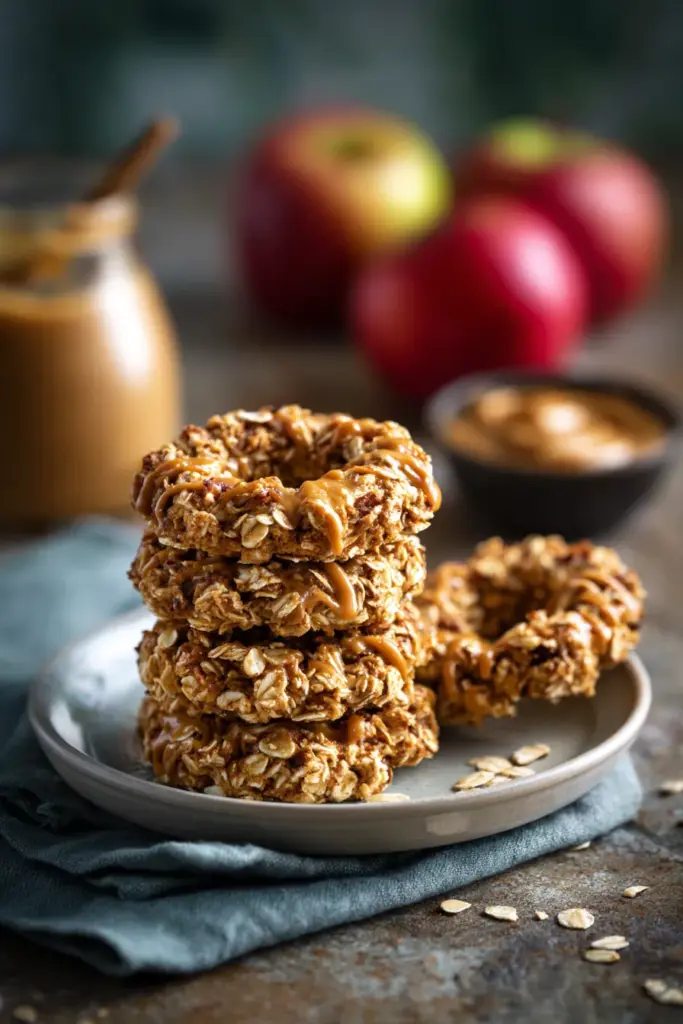
Breakfast cookies are genius for this. They’re nutritious enough to call breakfast but tasty enough that kids will actually eat them willingly. The healthy grab and go banana breakfast cookies pack oats, banana, and whatever mix-ins you like into a portable cookie format.
Similarly creative is peanut butter granola apple rings, which turns apple slices into edible plates for peanut butter and granola. It’s fun, portable, and actually healthy despite feeling like a treat.
Creative Breakfast Bread Alternatives
Not every morning bread fits into traditional categories. Some of my favorite breakfast options are the weird, creative combinations that work surprisingly well. These are the recipes I make when I’m feeling experimental or when I need to use up odd ingredients.
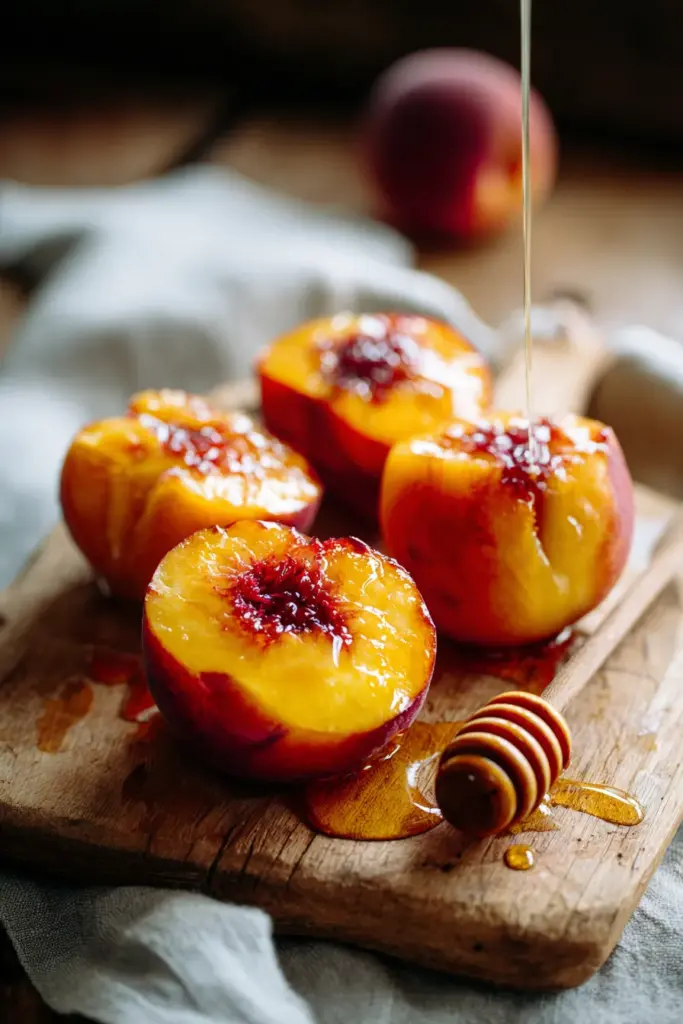
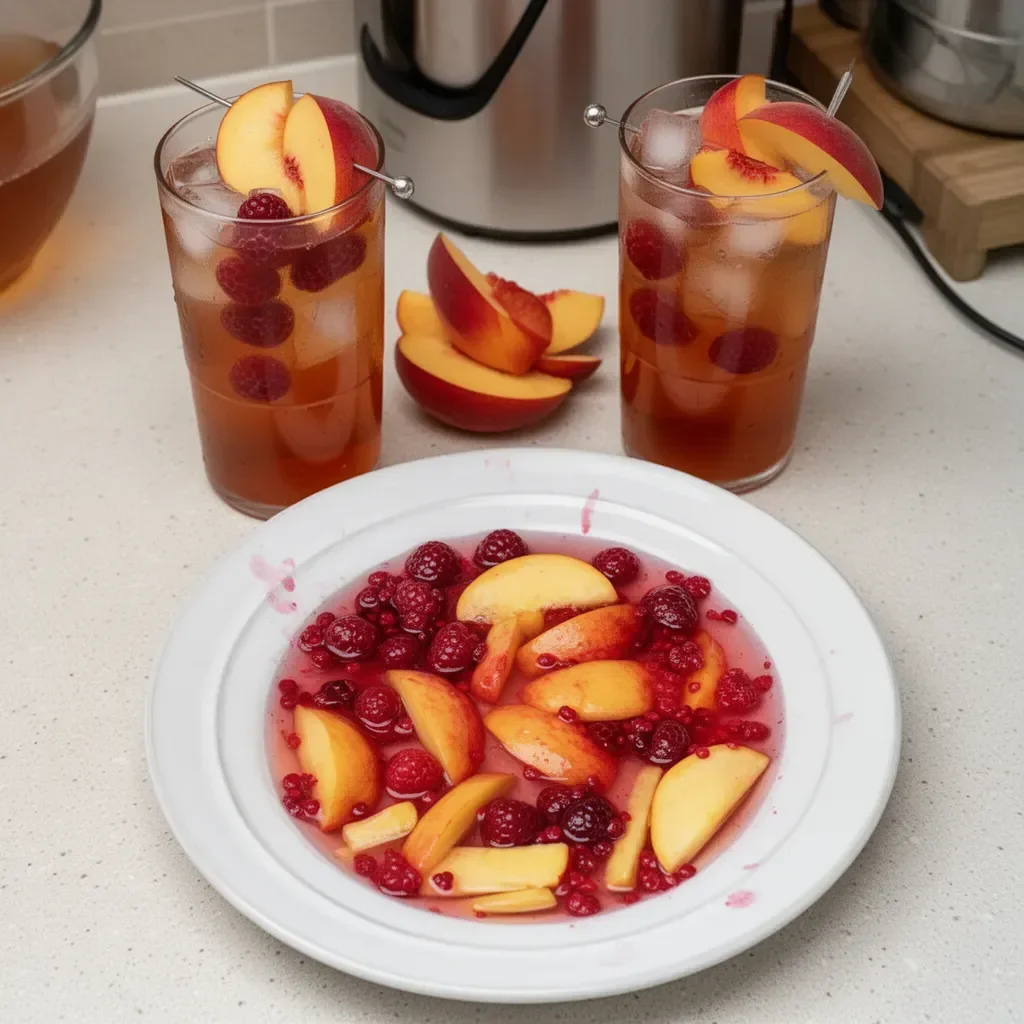
Take grated frozen peach with honey breakfast, which is barely a recipe but absolutely delicious. Sometimes the simplest ideas are the best, especially in summer when fruit is incredible and you don’t want to heat up the kitchen.
For something more elaborate, try Southern breakfast enchiladas with sausage gravy. These blur the line between breakfast and dinner, wrapping scrambled eggs and sausage in tortillas and smothering everything in gravy. It’s indulgent and ridiculous and absolutely wonderful.
Quick Breads for Ultra-Busy Mornings
There are mornings when even my usual quick breads feel like too much work. That’s when I turn to the fastest recipes in my collection, the ones that come together so quickly you can make them on a weekday without feeling stressed. These are the true heroes of busy family life.
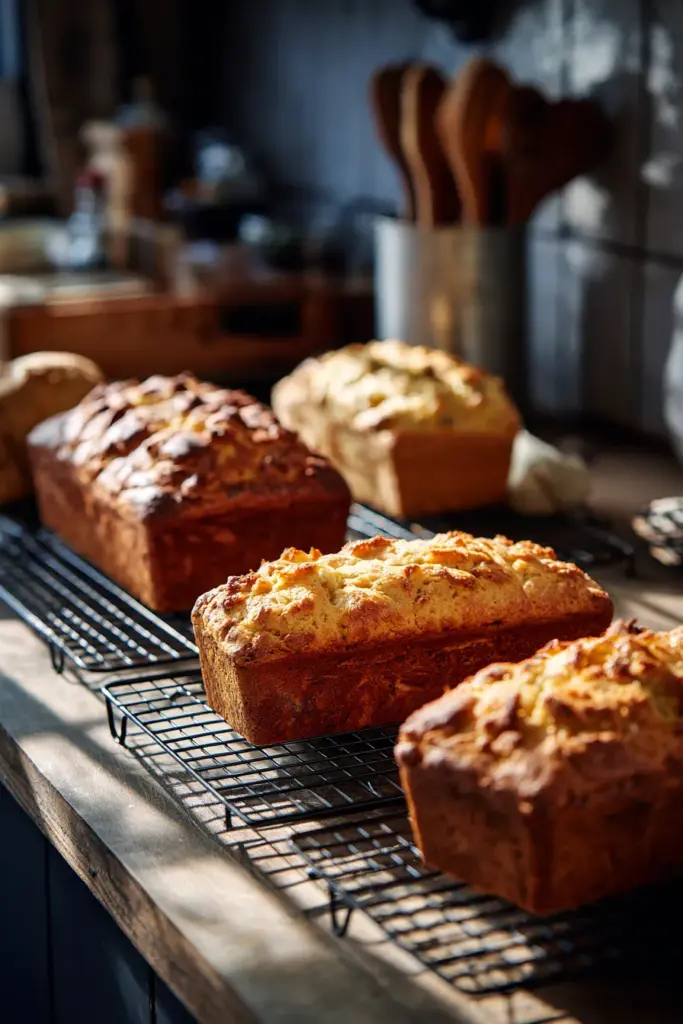
The fastest bread I know is quick 20 minute bread recipe, which lives up to its name. From deciding to make bread to pulling it out of the oven takes about twenty minutes. It’s not fancy, but it’s fresh and homemade and so much better than store-bought.
Another speedy option is pineapple quick bread, which uses crushed pineapple for moisture and sweetness. The fruit means you can use less sugar and fat while still getting a tender, flavorful bread. Plus, pineapple bread feels a bit exotic and special, even though it’s actually quite simple.
Simplifying Breakfast with One-Bowl Recipes
The fewer dishes required, the more likely I am to bake on a busy morning. One-bowl recipes eliminate the annoying “mix dry ingredients separately, mix wet ingredients separately, then combine” structure that most baking recipes follow. While that method produces great results, sometimes I just want to throw everything in one bowl and be done with it.
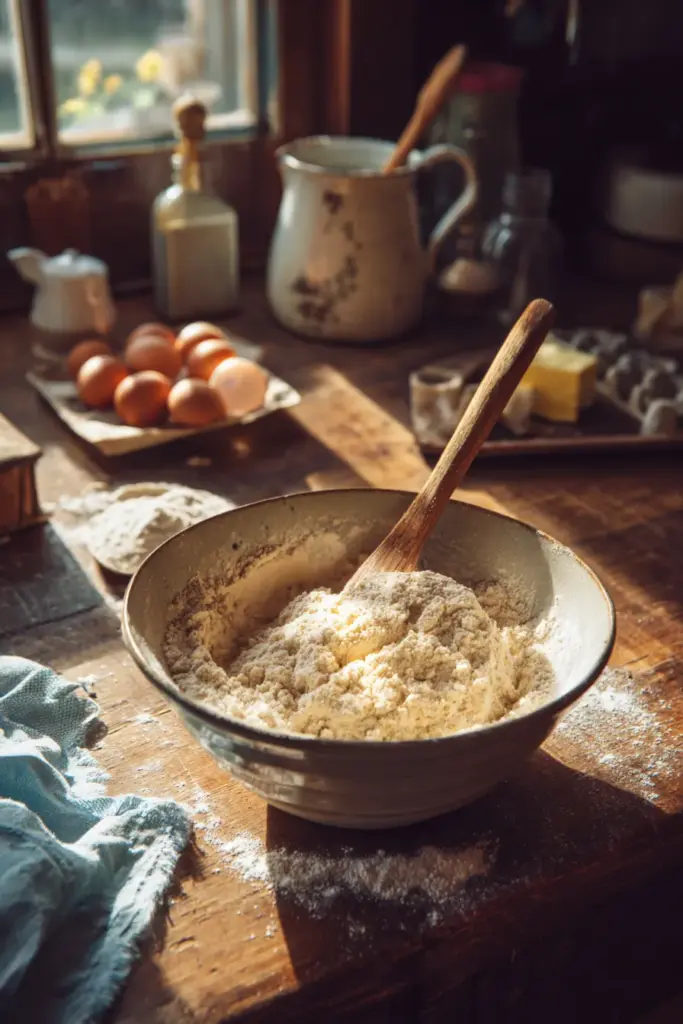
Many of my quick breads can be successfully made in one bowl if you’re not too fussy about perfect texture. I’ve learned which rules can be bent and which really do matter. For example, you can add the wet ingredients directly to the dry without pre-mixing, as long as you’re careful not to overmix once the flour gets involved.
The texture might be slightly less perfect than the two-bowl method, but honestly, on a Tuesday morning when everyone needs to eat and get out the door, close enough is good enough. These shortcuts have made breakfast baking much more accessible in my daily life rather than reserving it only for weekends.
Unique and Unexpected Breakfast Combinations
Some of my favorite breakfast breads are the ones that make people say, “Wait, what?” when I describe them. These unexpected combinations often work brilliantly, bringing together flavors or ingredients that seem odd until you actually taste them together. These recipes have taught me to be more adventurous and trust my instincts even when a combination seems unconventional.
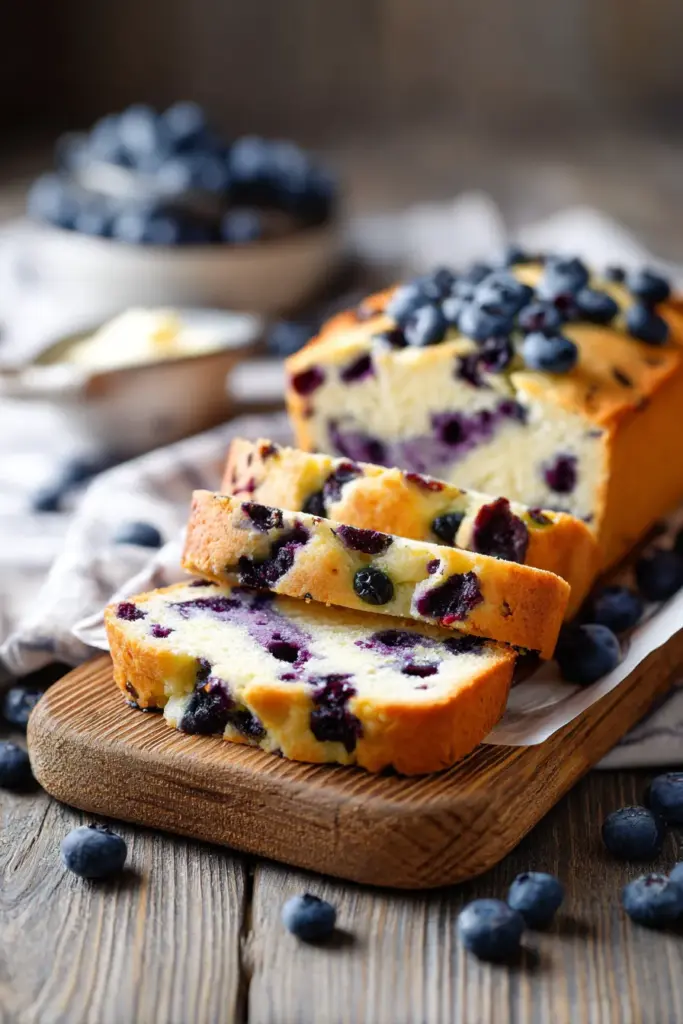
One surprising winner is blueberry cottage cheese, which isn’t exactly bread but fills the same breakfast role. The cottage cheese provides protein and creaminess, while the blueberries add sweetness and color. It’s simple but somehow feels indulgent.
Even more unexpected is venison stuffed pancakes with Sriracha maple syrup. This combination of game meat, pancakes, spice, and sweet maple creates layers of flavor that shouldn’t work but absolutely do. It’s the kind of recipe that comes from thinking outside the box and being willing to experiment.
Savory Meat in Breakfast Breads
Adding meat to breakfast baked goods creates incredibly satisfying, protein-rich meals. While bacon and sausage are obvious choices, I’ve also experimented with more unusual meats with great success. The key is balancing the richness of the meat with other flavors and making sure everything is properly cooked and drained before adding it to batters.
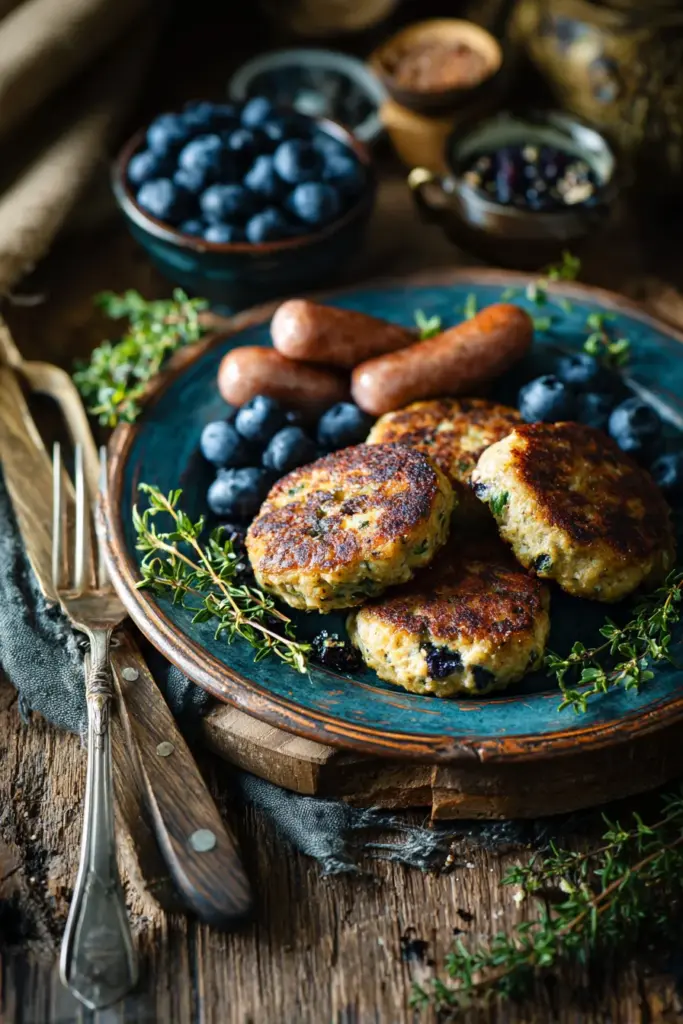
For something truly unique, try blueberry and thyme venison sausage patties. The sweet blueberries and aromatic thyme complement the rich venison beautifully. These patties are sophisticated enough for a fancy brunch but easy enough for everyday breakfasts.
These adventurous combinations have taught me that breakfast doesn’t have to follow rigid rules. Sweet and savory can coexist. Unexpected ingredients can create memorable dishes. The willingness to experiment has made my breakfast repertoire so much more interesting.
Breakfast Bars and Portable Options
Sometimes breakfast needs to be truly portable, something you can eat with one hand while driving or walking. That’s when I turn to breakfast bars, which pack nutrition and flavor into a compact, easy-to-transport form. These aren’t granola bars from a box. They’re homemade, substantial, and actually satisfying.
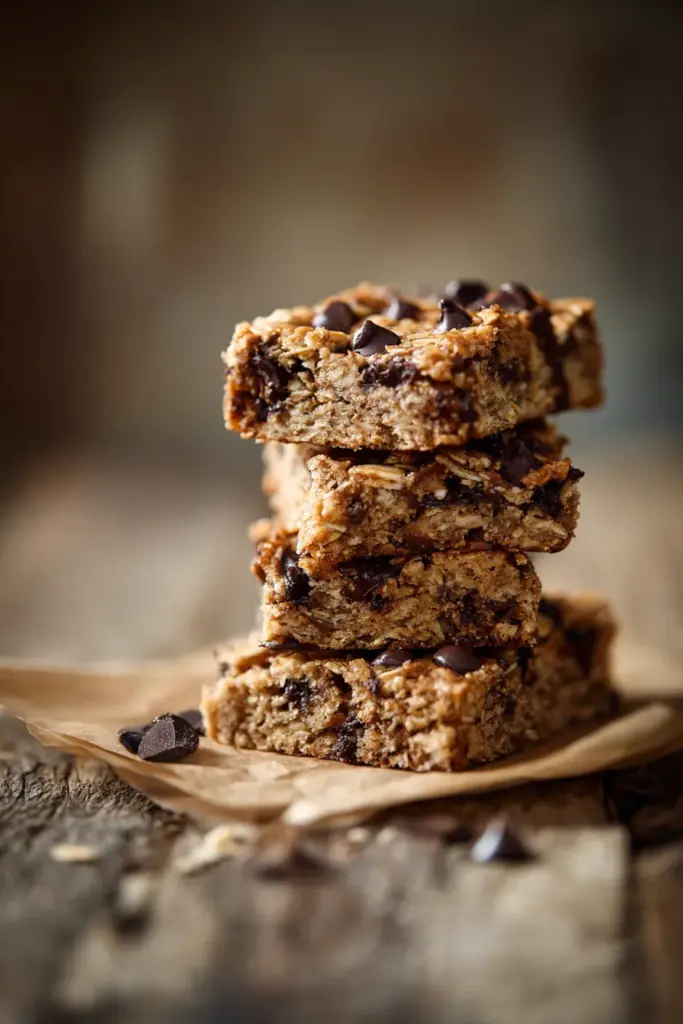
The banana oatmeal chocolate chip bars are probably my most-made breakfast bar. They combine the best elements of banana bread and oatmeal cookies in a format that’s perfect for eating on the go. They’re sweet enough to feel like a treat but wholesome enough to feel good about eating them for breakfast.
These bars freeze beautifully, which means I can make a double batch and have breakfast sorted for weeks. I wrap them individually in plastic wrap, stack them in a freezer container, and grab one each morning. They thaw by the time you’re ready to eat them, or you can warm them briefly in the microwave if you prefer.
Balancing Nutrition and Taste
The challenge with breakfast bars is making them nutritious enough to justify calling them breakfast while still tasting good enough that people want to eat them. I’ve tried many recipes that were healthy but cardboard-like, and others that were delicious but basically candy bars disguised as breakfast.
The key is using naturally sweet ingredients like ripe bananas, dates, or honey rather than loads of refined sugar. Oats provide substance and fiber. Nuts add protein and healthy fats. A small amount of chocolate chips or dried fruit makes them feel indulgent without going overboard.
I also pay attention to texture. Nobody wants a dry, crumbly bar that falls apart. Adding enough moisture through fruit, yogurt, or nut butter helps bars stay tender and chewy. They should hold together when you bite them but not feel gummy or overly sticky.
Expert Tips for Breakfast Baking Success
After years of making breakfast breads almost daily, I’ve accumulated a collection of tips and tricks that make everything easier and more reliable. These are the things I wish someone had told me when I was starting out, the lessons learned through plenty of trial and error in my own kitchen.
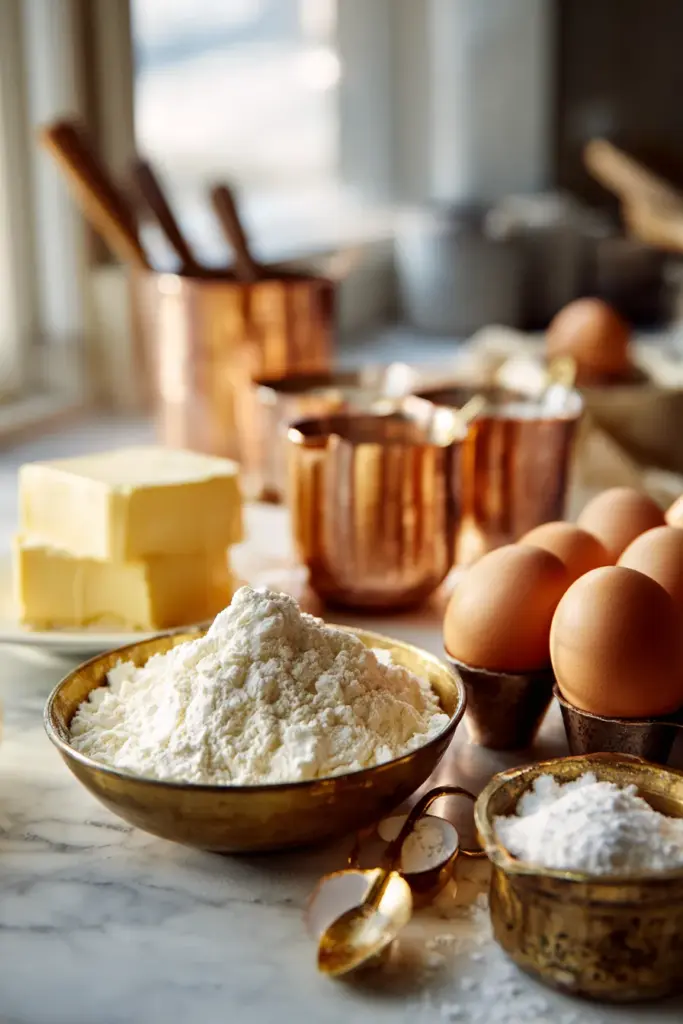
First, invest in an oven thermometer. I baked for years thinking my oven was accurate, then discovered it ran twenty-five degrees hot. No wonder my breads always seemed to brown too quickly on the outside while staying undercooked inside. A five-dollar thermometer solved a problem I’d been struggling with for ages.
Second, measure flour correctly. This is probably the single biggest factor in consistent baking results. I used to just scoop my measuring cup directly into the flour bag, which packed it down and resulted in too much flour. Now I spoon flour into the measuring cup and level it off with a knife. Even better, I weigh my flour when recipes provide weights. The difference in final texture is remarkable.
Ingredient Temperature Matters
Room temperature ingredients mix together more easily and create better texture in the final product. This is especially true for eggs, butter, and dairy. Cold ingredients don’t emulsify properly, which can result in dense, tough bread. I take my eggs and butter out of the fridge thirty minutes before I plan to bake.
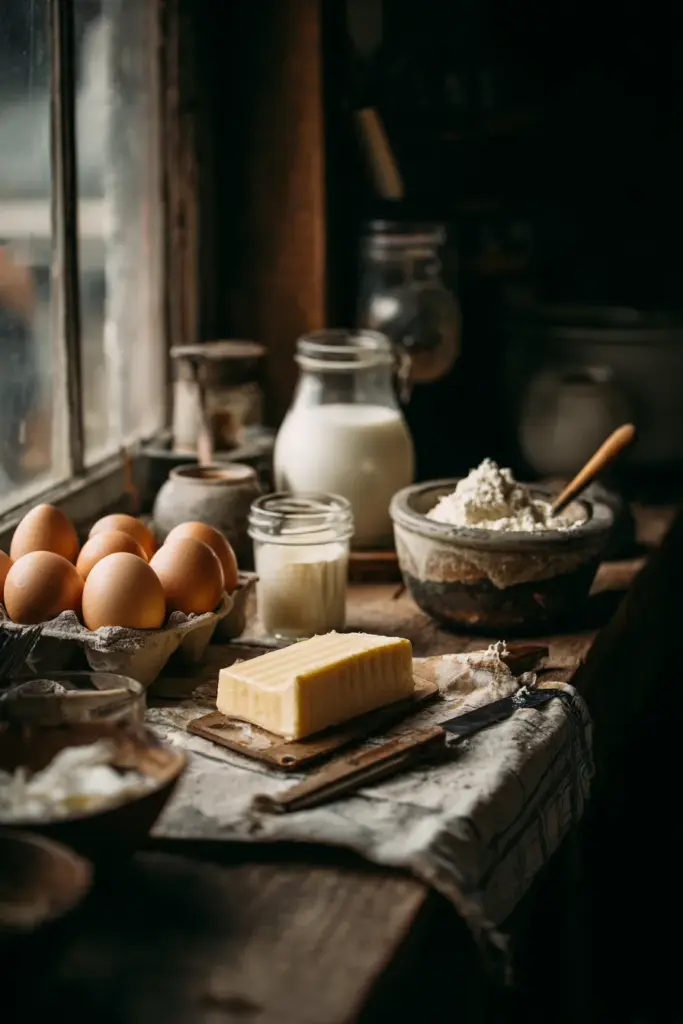
If I forget or need to bake immediately, I have tricks for warming things quickly. Eggs can sit in warm water for five minutes to take the chill off. Butter can be cut into small pieces to warm faster, or microwaved for just a few seconds at a time until softened but not melted, unless the recipe specifically calls for melted butter.
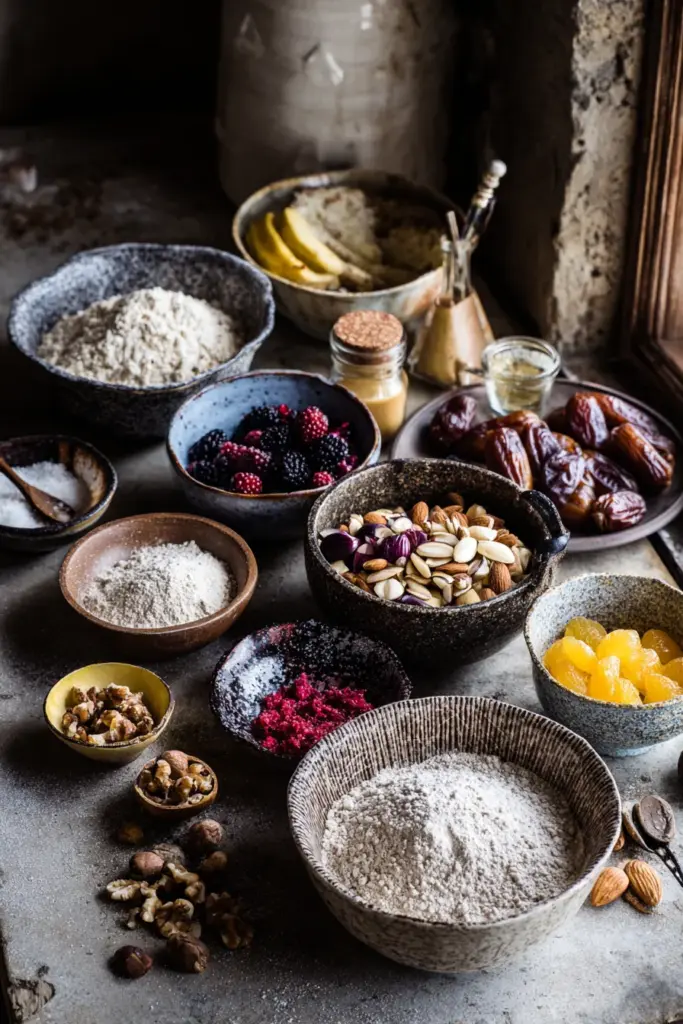
For recipes calling for buttermilk or sour cream, room temperature is essential. These thicker dairy products are hard to incorporate when cold, leading to lumpy batter and uneven texture. I set them out with everything else, or warm them gently in the microwave if needed.
Common Mistakes and How to Fix Them
Dense, heavy bread usually comes from too much flour or overmixing. If your breads consistently turn out heavy, try measuring flour more carefully and mixing less. Remember that some lumps in the batter are fine. You’re aiming for just combined, not smooth like cake batter.
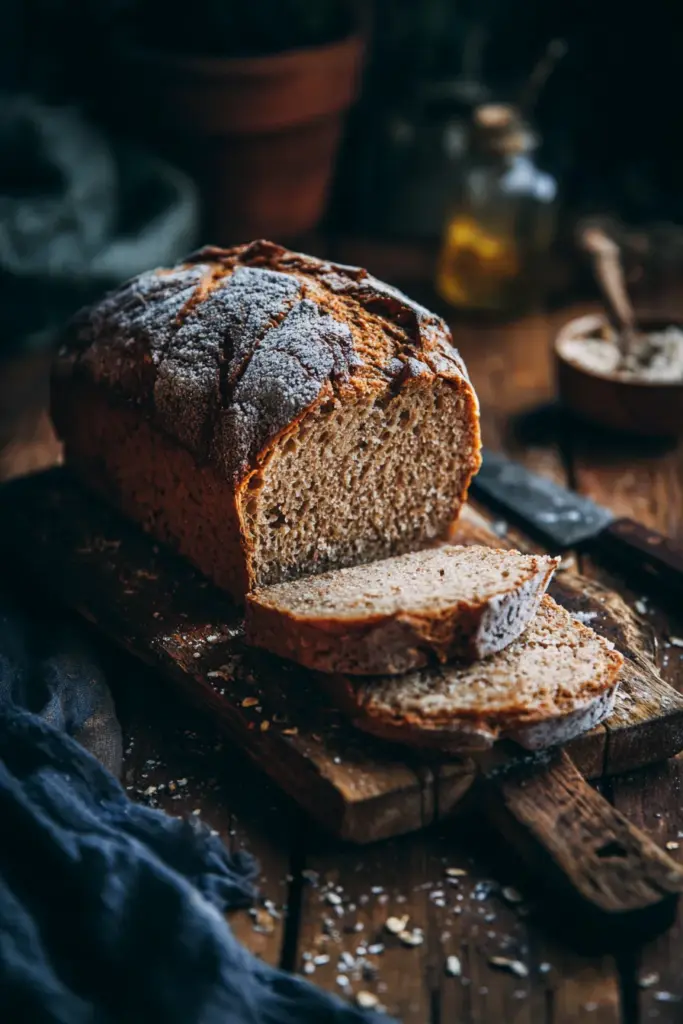
Dry bread often results from overbaking or too much flour. Every oven is different, so start checking for doneness a few minutes before the recipe suggests. A toothpick should come out with just a few moist crumbs, not completely clean. Bread continues cooking from residual heat even after you remove it from the oven, so slightly underdone is better than overdone.
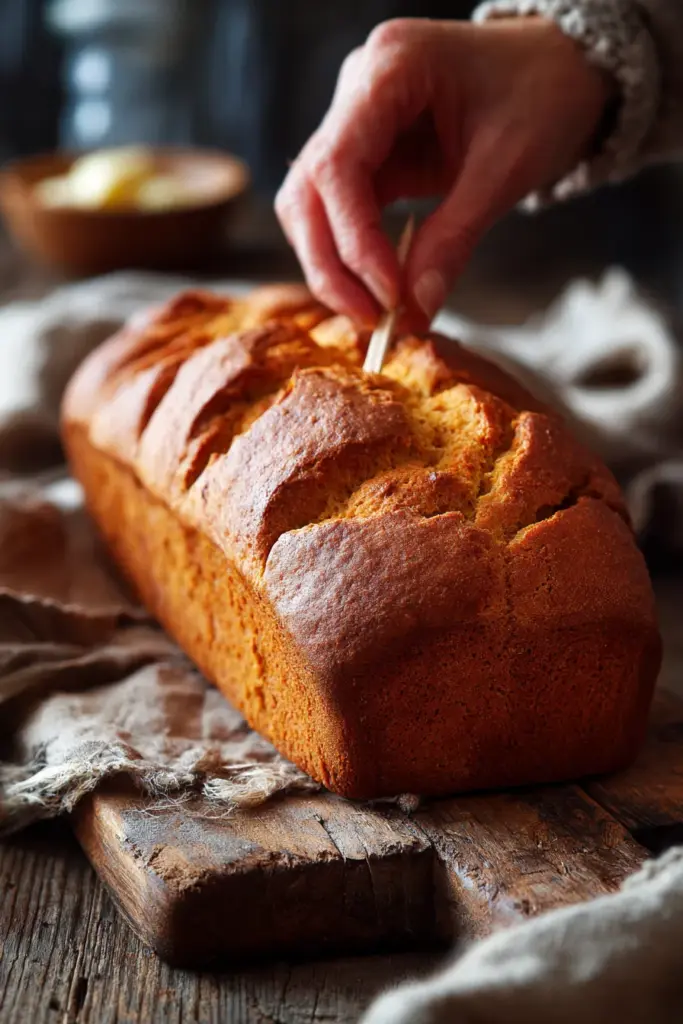
If your bread sinks in the middle, the batter might be too wet, or you might be opening the oven door too early. I never open the oven in the first thirty minutes of baking. That rush of cool air can cause delicate batters to collapse. Sinking can also indicate too much leavening or not enough structure from flour and eggs.
Storage and Freshness
Quick breads stay fresh for three to four days at room temperature when properly stored. I let bread cool completely, then wrap it tightly in plastic wrap or store it in an airtight container. Don’t slice the whole loaf at once. Cut slices as you need them to keep the rest from drying out.
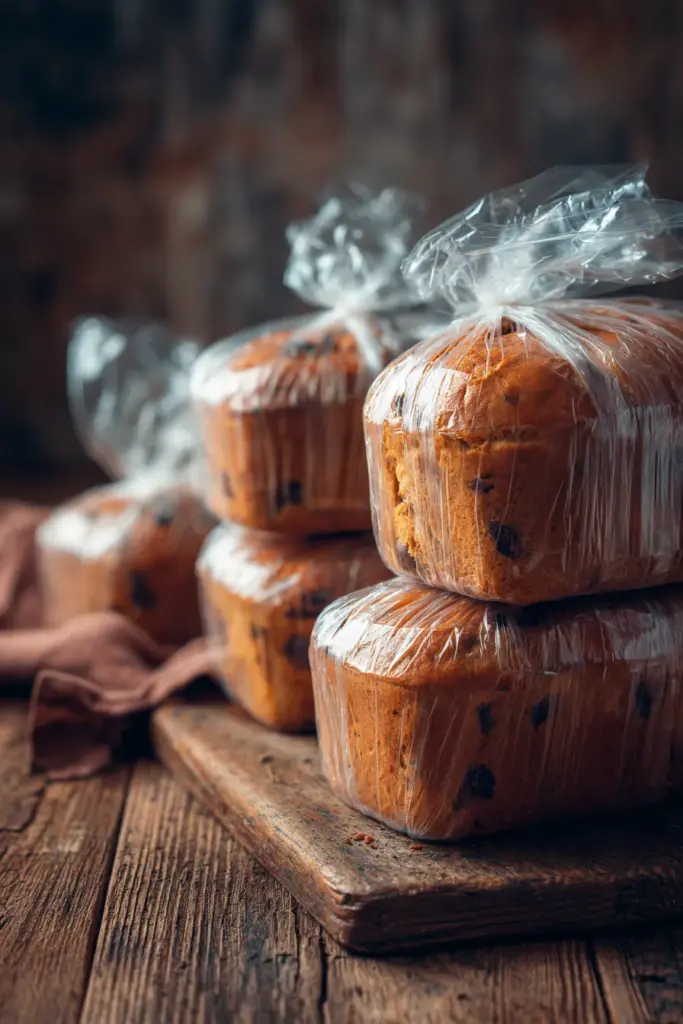
For longer storage, freeze bread. Wrap it well in plastic wrap, then in aluminum foil, and freeze for up to three months. Thaw at room temperature or warm slices directly from frozen. I often slice bread before freezing so I can take out just what I need.
Yeasted breads are best enjoyed the day they’re made, but they’ll last for two to three days at room temperature. I refresh day-old cinnamon rolls or sweet rolls by warming them gently in the microwave or oven. A few seconds of heat brings back that just-baked softness.
Conclusion
Looking back at my years of breakfast baking, I’m amazed at how much these recipes have become woven into the fabric of our family life. There’s the cinnamon roll recipe I make every Christmas morning, the banana bread that uses up overripe fruit without fail, the quick muffins I pull from the freezer on chaotic weekday mornings. Each one represents not just a recipe, but a collection of memories made around our kitchen table.
The beauty of breakfast breads is their incredible versatility. They work for every skill level, every schedule, every dietary preference, and every occasion. Whether you’re a beginner baker making your first loaf of banana bread or an experienced cook tackling elaborate yeasted creations, there’s always something new to learn and try. The techniques I’ve shared here have come from countless batches, some successes and plenty of failures, each one teaching me something valuable.
What I love most is how breakfast breads bring people together. There’s something about the smell of bread baking that draws everyone to the kitchen. Conversations start, stories are shared, and connections deepen over something as simple as a warm slice of cinnamon bread. In our busy, distracted world, that’s a gift worth giving yourself and your family.
My hope is that these recipes and techniques inspire you to make breakfast baking a regular part of your routine. Start simple if you’re nervous. Try that banana bread recipe or a basic muffin. Notice how good your kitchen smells, how satisfied you feel pulling something you made from the oven, how much your family appreciates it. Then keep going. Try something more challenging. Experiment with flavors. Make mistakes and learn from them. That’s how you grow as a baker and as a cook.
The recipes I’ve included here are just the beginning. Each one can be adapted, customized, and made your own. Add your favorite fruits, try different spices, adjust sweetness levels to your taste. Baking is both science and art, and while the science provides structure, the art is where you get to play and express yourself. Don’t be afraid to make these recipes uniquely yours.
Explore more delicious morning inspiration:
Fluffy Japanese Souffle Pancakes
Frequently Asked Questions
Can I substitute ingredients in breakfast bread recipes?
Many substitutions work well in breakfast breads. You can usually swap different fruits (banana for pumpkin, apples for pears), use different nuts or leave them out entirely, and substitute similar dairy products (buttermilk for yogurt, milk for almond milk). What’s harder to substitute are the structural ingredients like flour, eggs, and leavening. Those changes can significantly affect texture and may require recipe adjustments.
Why did my bread turn out dense and heavy?
Dense bread usually comes from overmixing, too much flour, or expired leavening. Make sure your baking powder and baking soda are fresh (they lose effectiveness after about six months). Measure flour carefully by spooning it into measuring cups rather than scooping. Mix just until ingredients are combined, leaving some small lumps.
Can I make breakfast breads without eggs?
Yes, though eggs provide structure, moisture, and richness that’s harder to replace. For each egg, you can substitute a quarter cup of applesauce, mashed banana, or commercial egg replacer. The texture might be slightly different, but the bread will still work. Flax eggs (one tablespoon ground flaxseed mixed with three tablespoons water) also work well in many recipes.
How do I know when bread is done baking?
The toothpick test is most reliable. Insert a toothpick or thin knife into the center of the bread. It should come out with just a few moist crumbs, not wet batter. The top should be golden brown and spring back when lightly pressed. Internal temperature should reach about 200 to 205 degrees Fahrenheit for most breads.
Why does my bread stick to the pan?
Proper pan preparation prevents sticking. Grease pans thoroughly with butter or oil, making sure to get into corners. I also line the bottom with parchment paper for extra insurance, especially for delicate breads. Let bread cool in the pan for ten to fifteen minutes before removing, which allows it to set up and release more easily.
Can I reduce the sugar in breakfast bread recipes?
You can usually reduce sugar by about one-quarter without significantly affecting texture. Sugar does more than just sweeten. It helps create tenderness, browning, and moisture retention. Reducing it too much can result in tougher, drier bread that doesn’t brown as nicely. If you want less sweetness, try reducing gradually and see how you like the results.
How should I store leftover breakfast bread?
Store cooled bread wrapped tightly in plastic wrap or in an airtight container at room temperature for three to four days. For longer storage, freeze wrapped bread for up to three months. Don’t refrigerate bread, as that actually makes it go stale faster due to a process called retrogradation.
Can I make muffins from any quick bread recipe?
Yes, almost any quick bread batter can be baked as muffins. Fill muffin cups about two-thirds full and reduce baking time to eighteen to twenty-two minutes, checking for doneness with the toothpick test. Conversely, muffin recipes can usually be baked as loaves by increasing the time to fifty to sixty minutes.
Why did my fruit sink to the bottom of the bread?
Fruit sinks when the batter is too thin or the fruit is too heavy. Toss berries or chopped fruit with a tablespoon of flour before folding them into the batter. This helps suspend them throughout the bread. For heavier fruits like apples or pears, make sure pieces are small and evenly distributed.
How can I make my breakfast breads healthier?
Substitute whole wheat flour for half the all-purpose flour. Replace some of the fat with Greek yogurt or applesauce. Reduce sugar slightly and add natural sweetness with fruit. Include nuts, seeds, or oats for fiber and nutrients. These changes may slightly affect texture, but the bread will still be delicious while being more nutritious.
What’s the best way to reheat frozen breakfast bread?
Thaw wrapped bread at room temperature for a few hours, or microwave individual slices for twenty to thirty seconds. For a crispy exterior, toast slices or warm them in a 300-degree oven for ten minutes. Whole loaves can be wrapped in foil and reheated in a 350-degree oven for fifteen to twenty minutes.
Can I make breakfast bread without a stand mixer?
Absolutely. Most quick breads only require a bowl and spoon or whisk. Even yeasted breads can be made by hand, though it requires more time and effort for kneading. I made bread for years without a mixer, and it’s actually quite satisfying to work the dough with your hands and feel it transform.

🍳 Precision Meets Passion — Tools Chefs Trust Daily

- Grams & ounces — precise to 1g
- Perfect for baking & keto tracking
- Sleek stainless steel design

- German stainless precision
- Razor-sharp & dishwasher-safe
- Elegant wood block organizer

- Premium Stainless Steel Build
- Easy to Clean & Dishwasher Safe
- A Must-Have Kitchen Tool