➤ Table of Contents
I remember the first time I stood in my grandmother’s garden, surrounded by thick-leafed cabbages bigger than my head and neat rows of green beans hanging heavy on their vines. She plucked a cauliflower from its stalk, brushed off a bit of dirt, and told me that these humble vegetables had fed her family through lean times and celebrations alike. Back then, I didn’t understand why she got so emotional talking about vegetables. But now, years later, with my own kitchen full of these same ingredients, I get it.
⚡ Smart Kitchen Tools Every Home Cook Swears By

- Pure aluminum
- Durable enough for everyday cooking
- Made in the USA with quality

- 7 cooking functions in one compact cooker
- 3-quart size ideal for couples or small meals
- Up to 70% faster than traditional cooking

- 3 sizes for every recipe
- Pre-seasoned & durable cast iron
- Oven & grill ready
There’s something deeply comforting about cooking with cauliflower, cabbage, and green beans. Maybe it’s because they’re so unpretentious, so willing to transform themselves into whatever you need them to be. Cauliflower can become crispy and golden or soft and creamy. Cabbage sweetens and caramelizes under heat or adds crunch when raw. Green beans snap with freshness or melt into tender, savory perfection. These vegetables don’t demand attention or fancy techniques. They just quietly make everything better.
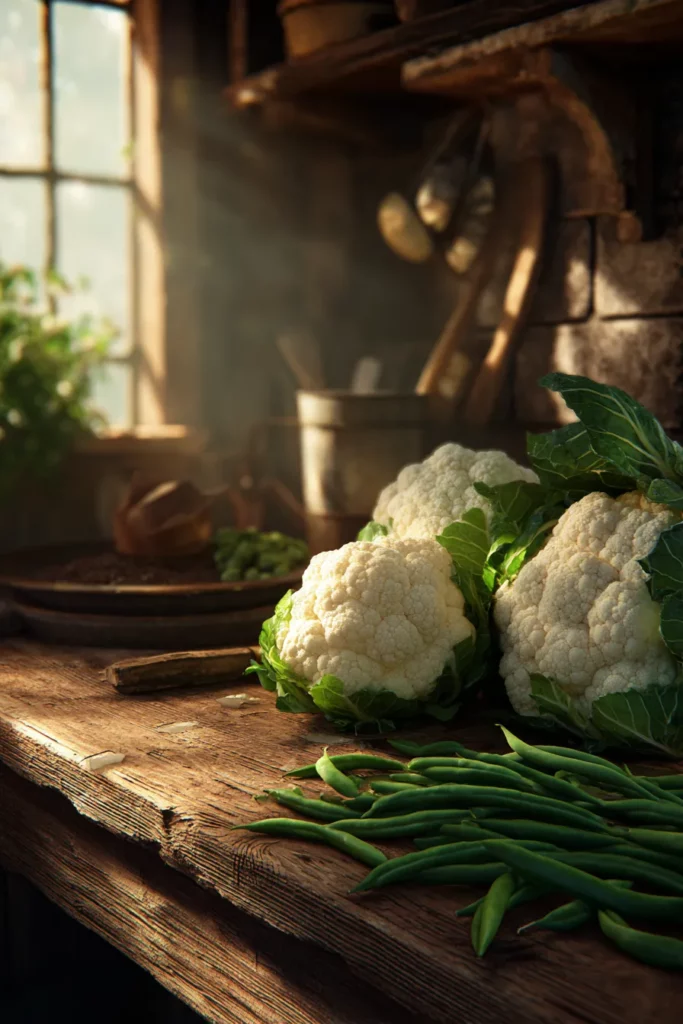
What surprised me most over the years is how incredibly versatile these three vegetables really are. I’ve roasted them, fried them, baked them into casseroles, tossed them with pasta, and turned them into everything from elegant dinner party sides to quick weeknight solutions. Each one brings something special to the table, both literally and nutritionally. They’re packed with vitamins, fiber, and all those good-for-you compounds that nutritionists love to talk about, but more importantly, they taste absolutely delicious when you know what to do with them.
This guide is everything I’ve learned about cooking cauliflower, cabbage, and green beans over countless kitchen experiments, family dinners, and yes, a few spectacular failures that taught me what not to do. Whether you’re looking to master the perfect roasted cauliflower, discover how cabbage can actually be the star of your meal, or find new ways to make green beans exciting, you’ll find practical techniques, flavor combinations that work, and recipes that have become staples in my own home. No complicated chef tricks, no impossible-to-find ingredients. Just real food that real people want to eat, cooked in ways that actually work.
Understanding Cauliflower: From Selection to Perfect Preparation
The first cauliflower I ever bought was a disaster waiting to happen. I grabbed the biggest, whitest head at the grocery store, feeling proud of my vegetable selection skills. Three days later, when I finally got around to cooking it, I discovered brown spots spreading across the florets and a slightly sour smell. That expensive head of cauliflower went straight into the compost, and I learned my first important lesson: size isn’t everything when it comes to selecting produce.
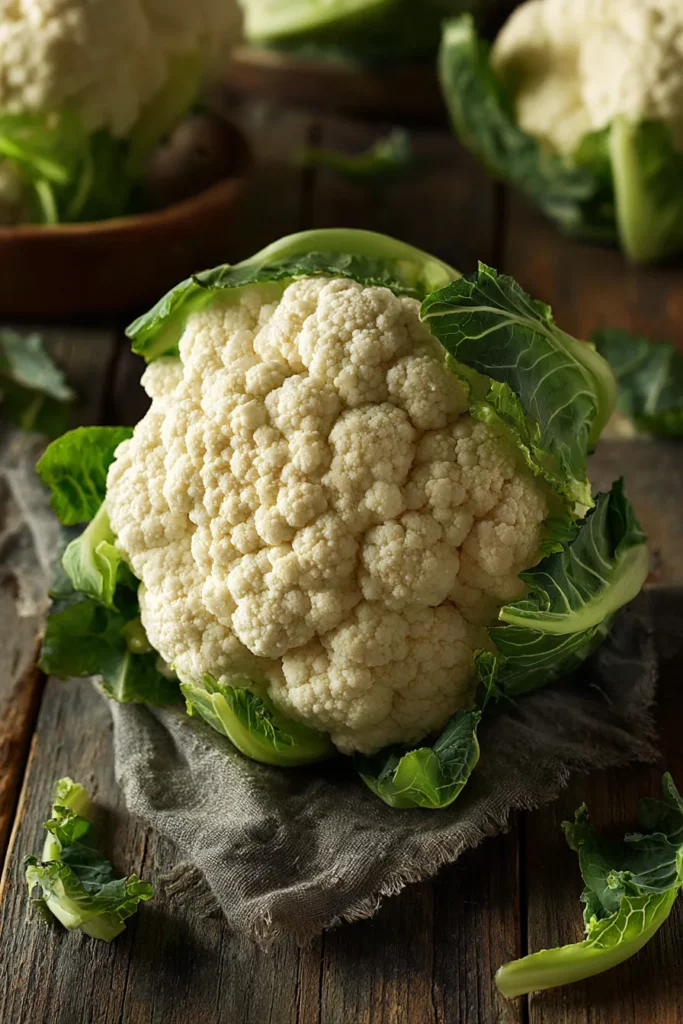
When you’re shopping for cauliflower, look for tight, compact florets with no separation or spreading. The head should feel heavy for its size, which tells you it’s dense and fresh rather than hollow or drying out. Those outer leaves are actually a good sign of freshness. If they’re bright green and crisp, that cauliflower was recently harvested. Brown or wilted leaves suggest it’s been sitting around too long.
Here’s something that took me years to figure out: those little brown spots on cauliflower aren’t necessarily a deal-breaker. Tiny surface spots can simply be trimmed away. But if you see widespread discoloration, soft patches, or anything that looks slimy, leave that head on the shelf. Fresh cauliflower should smell clean and slightly sweet, never musty or strong.
Storage Tricks That Actually Work
I used to throw cauliflower straight into the crisper drawer and wonder why it got weird and wet within a few days. Then a farmer at my local market taught me the paper towel trick, and it changed everything. Wrap your whole head of cauliflower loosely in paper towels, then store it in a perforated plastic bag or leave it slightly open. The paper towels absorb excess moisture while the bag maintains just enough humidity to keep everything fresh.
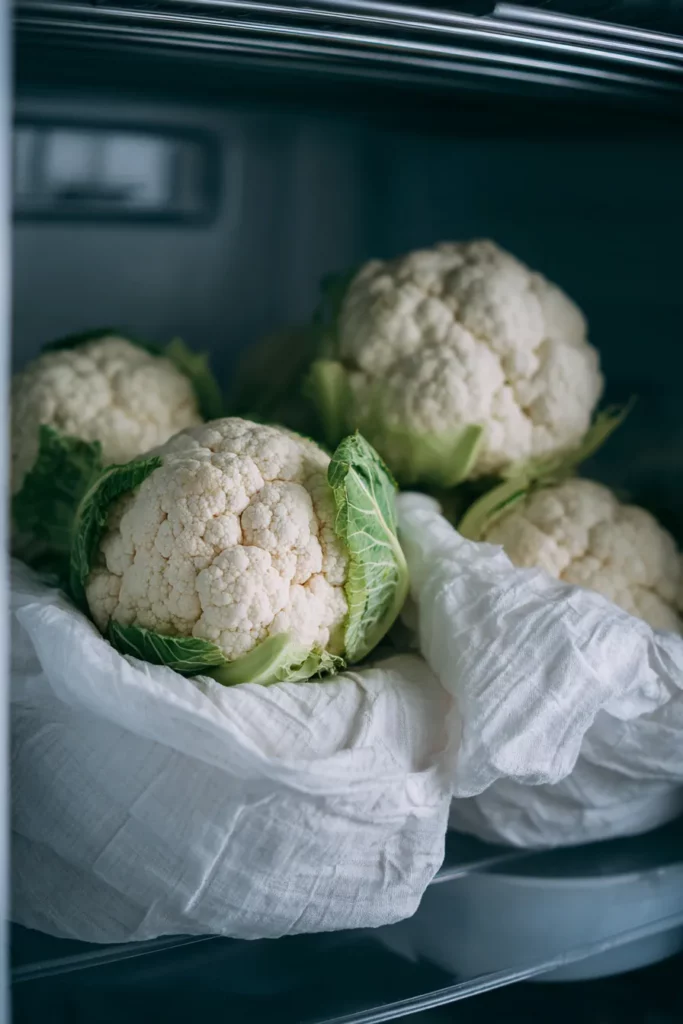
Stored this way, cauliflower stays good for about a week in the refrigerator. Once you cut into it, wrap the pieces tightly in plastic wrap or store them in an airtight container. Cut cauliflower will keep for about four to five days, though it’s best used within three. You can also blanch and freeze cauliflower florets for up to eight months, which is what I do when I find a great sale or have more than I can use fresh.
🥗 Fresh, Fast & Foolproof — Upgrades You'll Use Tonight

- Zoodles in seconds
- Heavy-duty, 10 sharp blades
- Keto, paleo & gluten-free friendly

- Meals in ~30 minutes
- 3-Qt — perfect for 1–3 people
- Pressure cook, sauté, steam & more

- Phone alerts & live temp graph
- Hands-off monitoring for smokers
- Perfect doneness, every time
Cutting and Prep Methods
Breaking down a head of cauliflower used to intimidate me until I realized it’s actually one of the easiest vegetables to prep. Remove those outer leaves first, then flip the head upside down so you’re looking at the stem. You’ll see how the florets branch off from the central core. Simply slice downward between the branches, and the florets will naturally separate. For smaller pieces, cut the larger florets at the smaller branches.

The stem and core are completely edible, by the way. I peel off the tough outer layer and chop the tender inside into cubes. It adds bulk to soups and roasted vegetable medleys, and it seems wasteful to throw away perfectly good food. The roasted cauliflower I make uses every bit of the head, stems and all, and nobody can tell the difference once everything is golden and caramelized.
Roasted Cauliflower: Techniques for Caramelized Perfection
The first time I successfully roasted cauliflower, truly roasted it with those deep brown caramelized edges and nutty flavor, I understood why people were calling it a vegetable revelation. Before that, my roasted cauliflower was pale, soft, and frankly boring. The difference came down to three things: high heat, proper spacing, and patience.
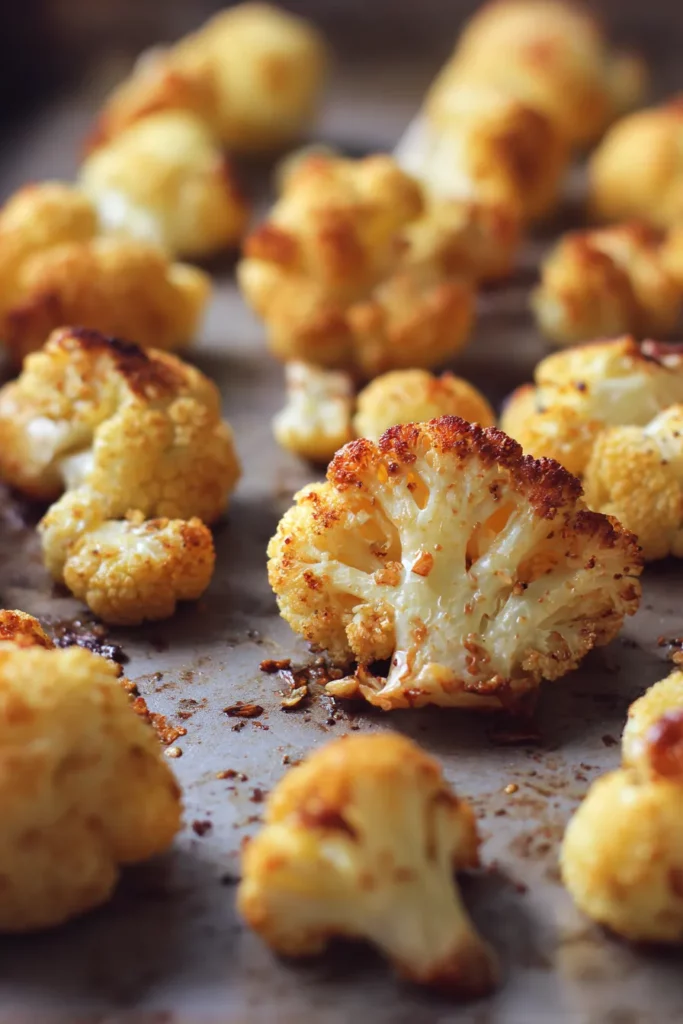
High heat is non-negotiable for properly roasted cauliflower. I preheat my oven to 425 degrees Fahrenheit, sometimes even pushing it to 450 for extra caramelization. At lower temperatures, the cauliflower steams in its own moisture instead of browning. That’s fine for some dishes, but it won’t give you those crispy, almost-burnt edges that make roasted cauliflower addictive.
Spacing matters more than I ever realized. When florets are crowded on the baking sheet, they release moisture that can’t evaporate quickly enough. This creates steam, and steamed cauliflower is completely different from roasted cauliflower. I leave at least half an inch between florets, using two baking sheets if needed. Yes, it takes up more oven space, but the results are worth it.
Flavoring Roasted Cauliflower
Simple roasted cauliflower with just olive oil, salt, and pepper is delicious, but this vegetable takes on other flavors beautifully. I toss florets with whatever seasonings I’m in the mood for before roasting. Sometimes it’s garlic powder, smoked paprika, and a squeeze of lemon after roasting. Other times I go for curry powder and a sprinkle of raisins and almonds added in the last five minutes of roasting.
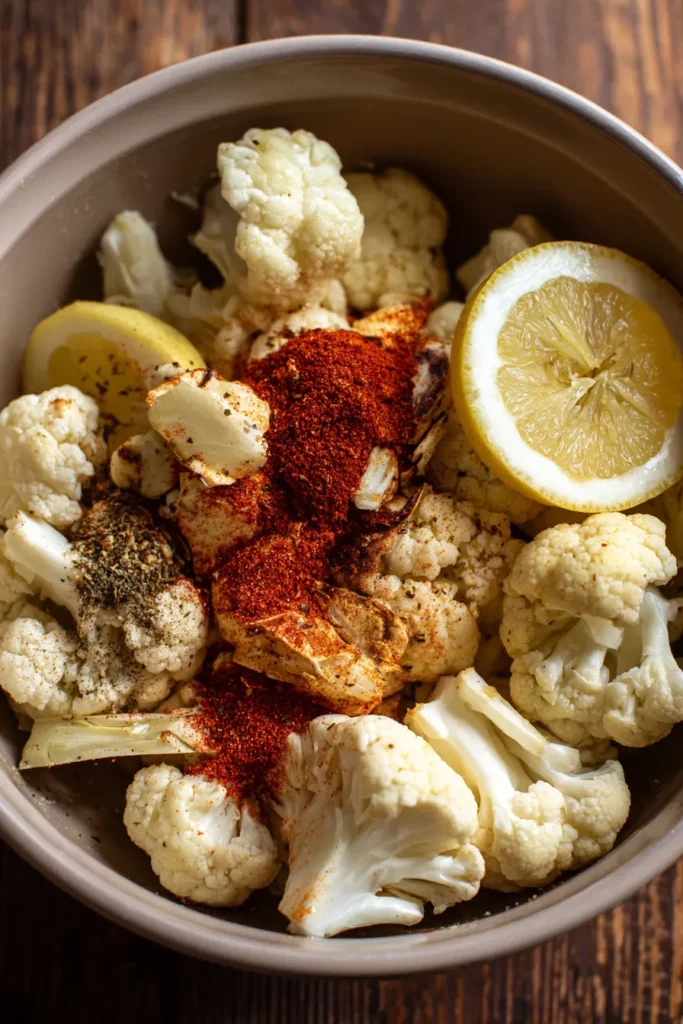
The garlic parmesan roasted cauliflower bites are probably my most-made version. The cheese gets crispy on the outside while the garlic permeates every bite. I serve these as a side dish, but honestly, my kids will eat them straight off the pan as a snack.
For something that feels a bit more special, the parmesan cauliflower bites have a breading that crisps up beautifully in the oven. They’re similar to fried cauliflower but so much easier and less messy. I make these when I want something that feels indulgent without actually being heavy.
Whole Roasted Cauliflower Presentations
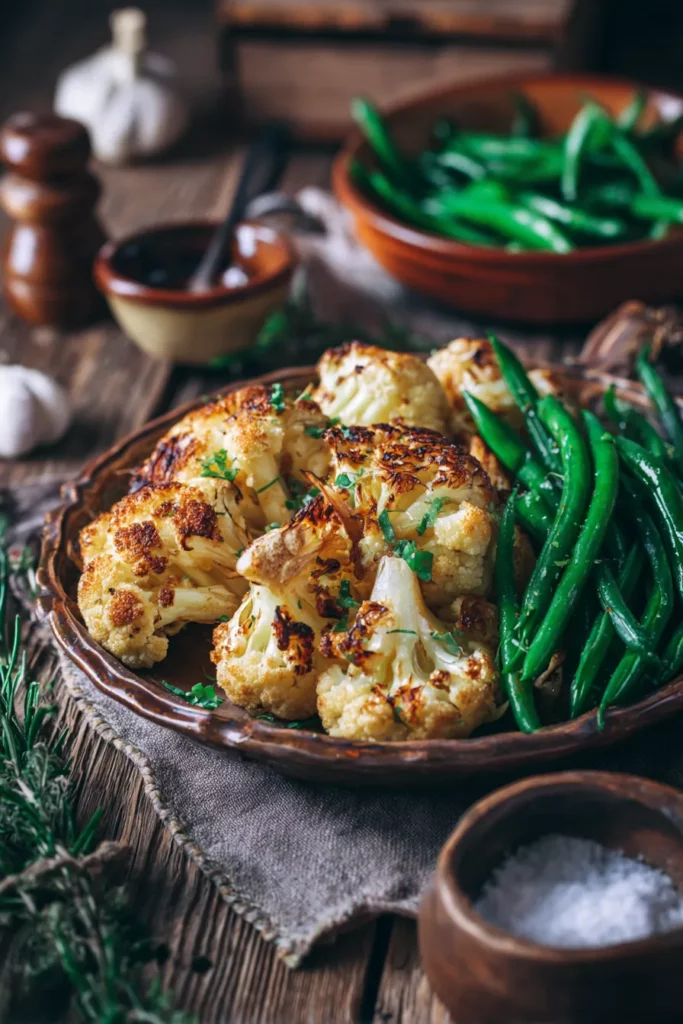
Roasting a whole head of cauliflower creates an impressive centerpiece that’s actually simpler than it looks. I trim the base so the head sits flat, brush it all over with oil and seasonings, then roast it at 400 degrees Fahrenheit for about an hour, basting occasionally with more oil or butter. The outside gets deeply browned and crispy while the inside stays tender.
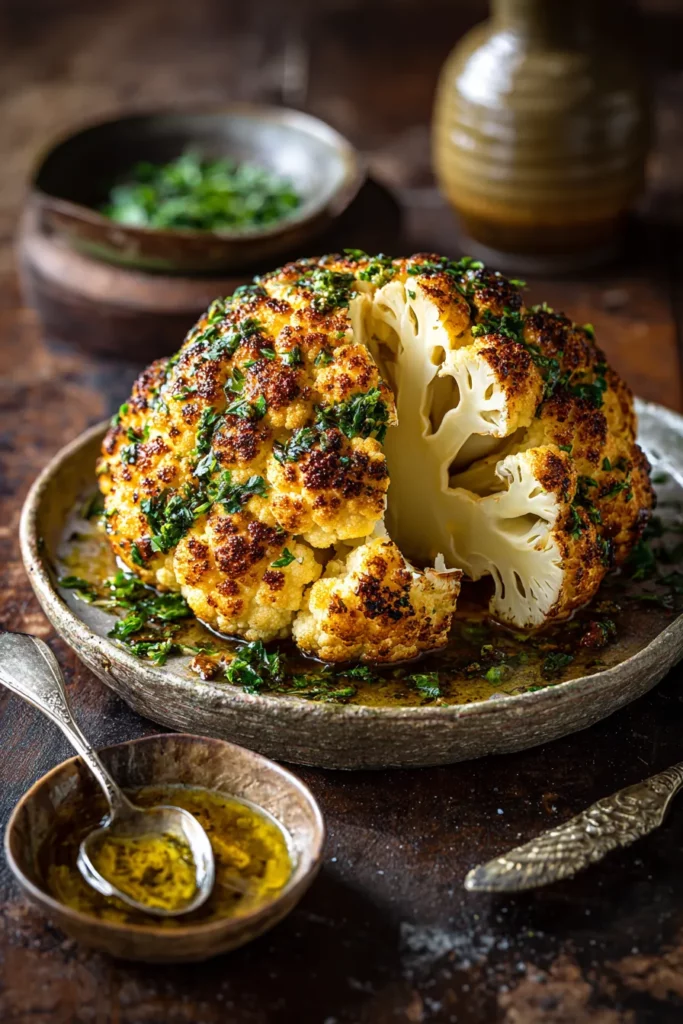
The whole roasted cauliflower with garlic and herbs comes out looking restaurant-fancy but requires minimal active cooking time. I bring it to the table whole, let everyone admire it, then cut it into wedges to serve. The combination of crispy exterior and soft, flavorful interior makes each slice interesting from edge to center.
Cauliflower in Skillets and Sautés
Not everything needs to be roasted, even though roasting is wonderful. Skillet cooking gives you more control and often faster results, perfect for weeknight dinners when you don’t want to wait for the oven to preheat. I reach for my cast-iron skillet when I want cauliflower with a seared, slightly charred flavor but still tender texture.
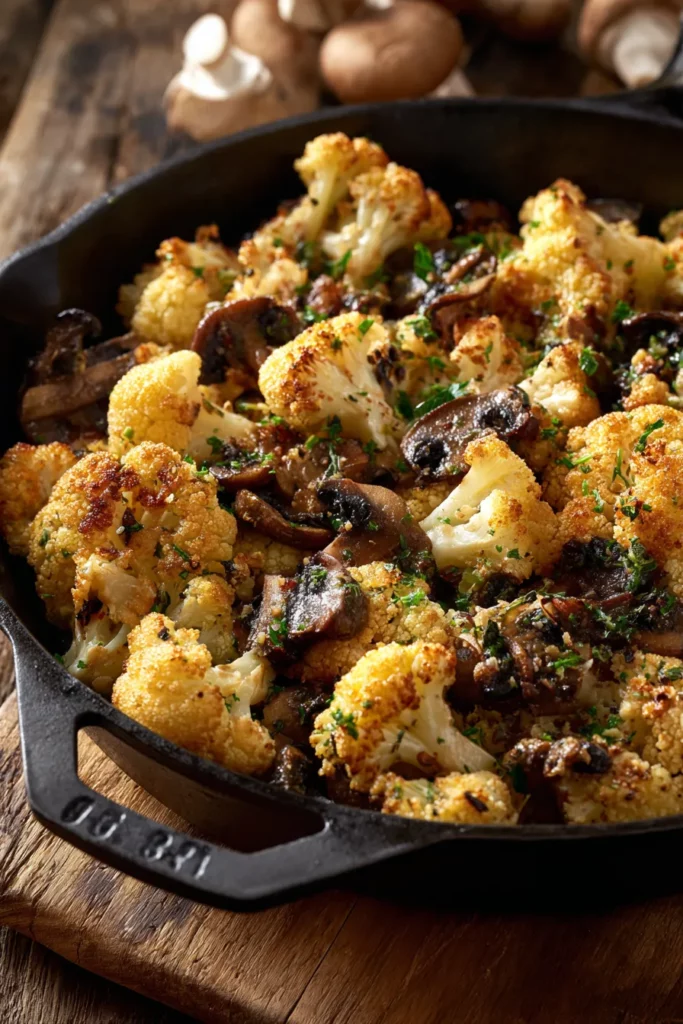
The technique is straightforward: heat your pan until it’s really hot, add oil with a high smoke point like avocado or grapeseed oil, then add your cauliflower florets in a single layer. Don’t move them for the first few minutes. Let them develop that golden-brown crust on one side before flipping. This is where most people go wrong, stirring too soon and preventing proper browning.
Adding mushrooms to cauliflower creates a wonderful earthy combination that feels substantial enough to be a main course. The garlic cauliflower mushroom skillet comes together in about twenty minutes and has become one of my go-to easy dinners. The mushrooms release moisture that helps steam the cauliflower while everything browns together, and the garlic ties it all into something that feels much fancier than the effort required.
Quick Weeknight Cauliflower Dishes
On busy nights, I keep things simple but flavorful. A hot skillet, some cauliflower, garlic, and whatever spices sound good creates dinner in less time than ordering takeout. I’ll sometimes toss in whatever other vegetables need using up from the crisper drawer. Everything cooks at roughly the same rate if cut to similar sizes.
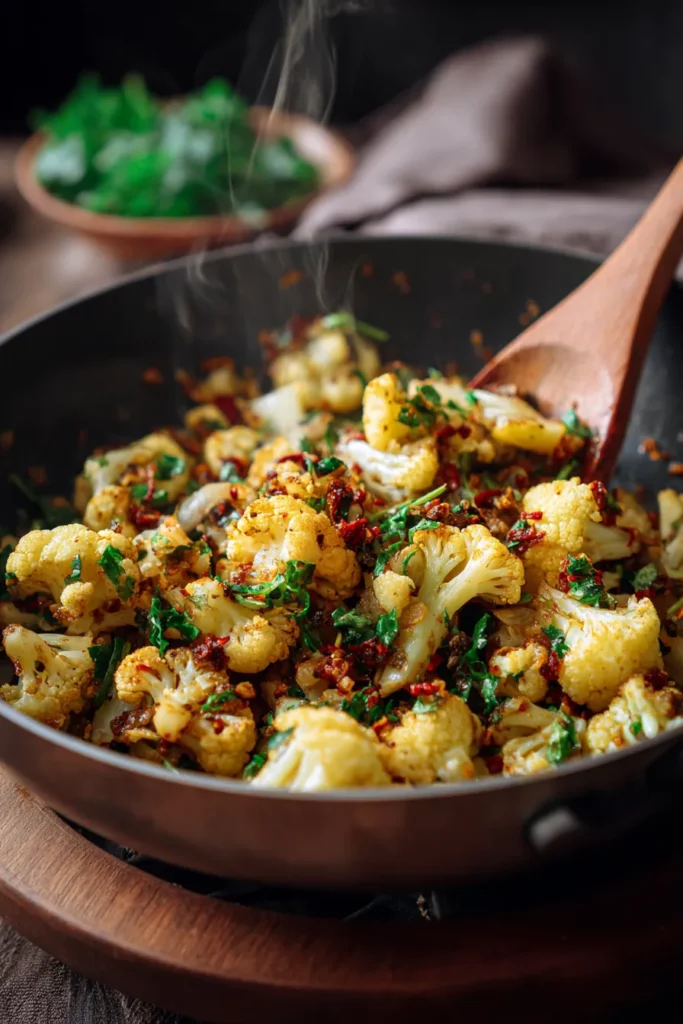
Cauliflower’s mild flavor means it pairs well with bold seasonings. I’ve made it with curry spices and coconut milk for a quick curry, with soy sauce and ginger for an Asian-inspired stir-fry, and with tomatoes and Italian seasonings for a Mediterranean feel. Each version tastes completely different, which keeps cauliflower from ever feeling boring or repetitive in my meal rotation.
Cabbage: From Humble to Incredible
I avoided cabbage for years because I associated it with that sulfurous smell from overboiled cabbage of my childhood. Then I tried roasted cabbage, and everything changed. Suddenly this humble, inexpensive vegetable became something I craved, something I chose over fancier vegetables. The transformation that happens when you apply high heat to cabbage is almost magical.
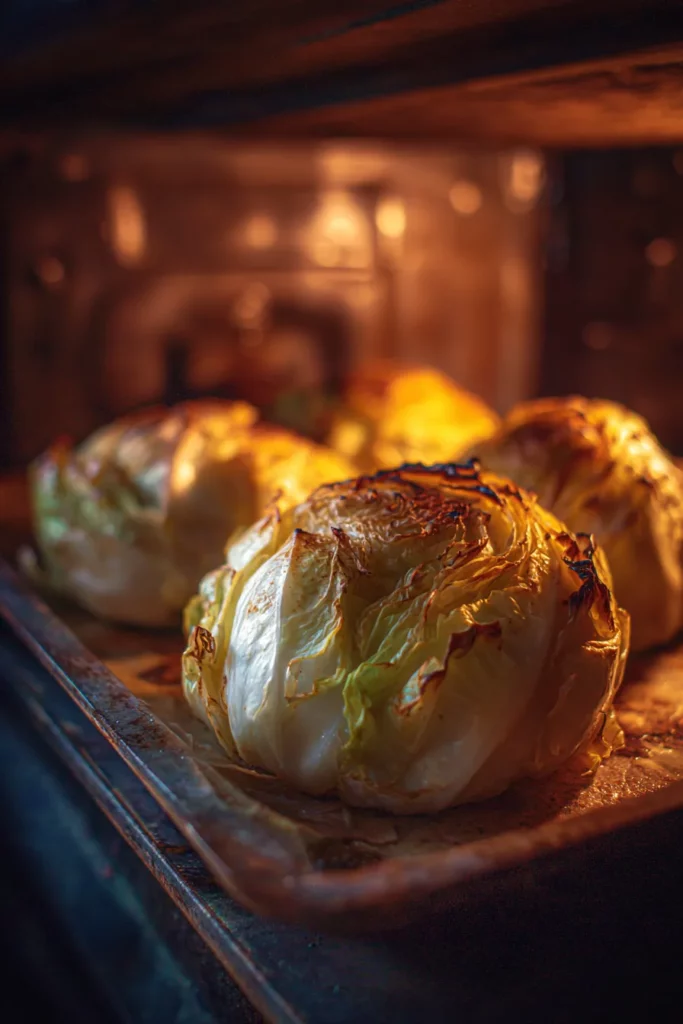
Cabbage comes in several varieties, each with its own personality. Green cabbage is the workhorse, mild and versatile. Red cabbage is slightly peppery and adds gorgeous color. Savoy cabbage has crinkled leaves that are more tender and delicate. For roasting and most cooked applications, I reach for regular green or red cabbage. The tight, compact heads hold up better to heat and develop better caramelization.
Selecting and Storing Cabbage
A good cabbage feels heavy and dense when you pick it up. The outer leaves should be crisp and tightly wrapped around the head. Avoid cabbages with soft spots, splits, or leaves that are pulling away from the head. Some scarring or blemishes on the outer leaves are fine since you’ll be removing those anyway, but the head itself should feel solid.
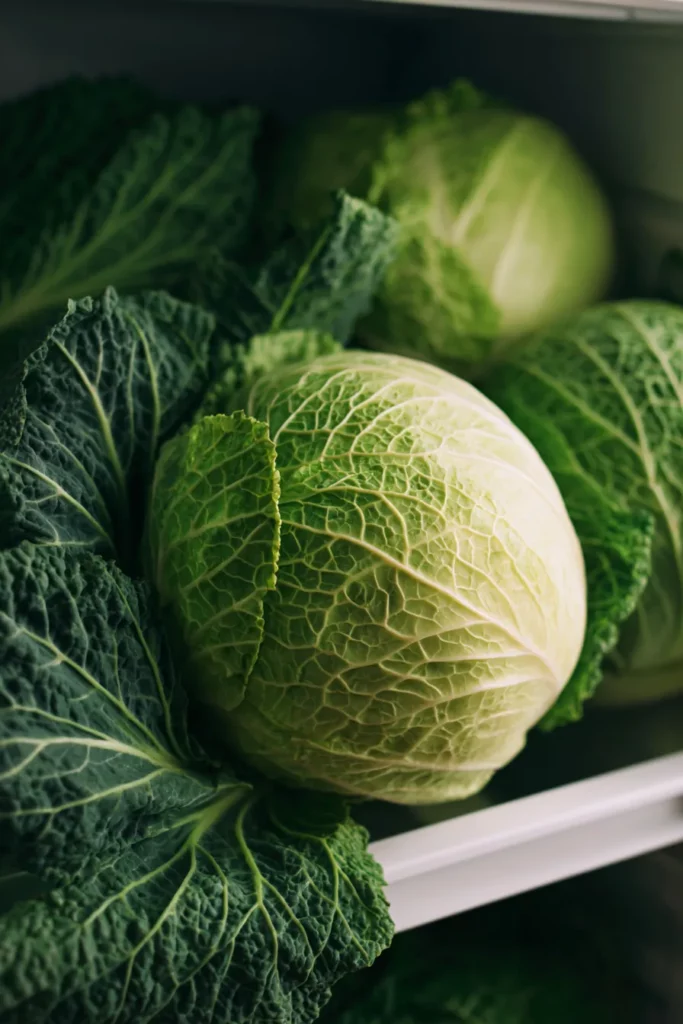
Cabbage is one of the longest-lasting vegetables in your refrigerator. An unwrapped whole head will keep for weeks in the crisper drawer. Once cut, wrap it tightly in plastic wrap or store it in a sealed container. Cut cabbage releases moisture and starts oxidizing at the cut surface, but it’s still good for about a week. I’ve successfully used cabbage that’s been cut for ten days without any issues, though the outer layers may need trimming.
Roasted Cabbage Steaks and Wedges
Cutting cabbage into thick slices creates what people call cabbage steaks, and they’re one of my favorite vegetable preparations. I cut the cabbage into one-inch thick rounds, keeping the core intact so the slices hold together. Brush both sides with oil, season generously, and roast at 400 degrees Fahrenheit until the edges are deeply browned and crispy.
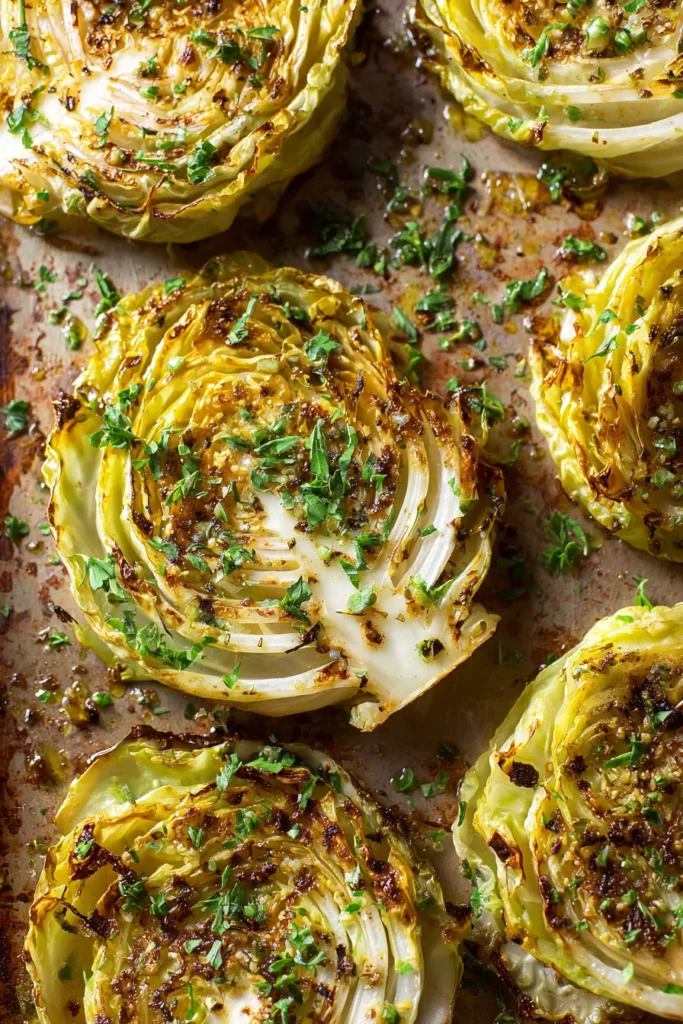
The oven roasted garlic cabbage steaks are simple but completely satisfying. The garlic mellows as it roasts, the cabbage sweetens and caramelizes, and you end up with tender centers and crispy, almost-burnt edges. I serve these as a side dish, but they’re substantial enough that I sometimes make them the center of a vegetarian meal with grains and a sauce.
For feeding a crowd, I prefer cabbage wedges over steaks. Cut the head into eight wedges, keeping the core attached to each piece. The wedges are easier to handle and fit better on a large baking sheet. The roasted cabbage wedges with spices and olive oil get everyone reaching for seconds, even people who claim they don’t like cabbage.
Whole Roasted Cabbage
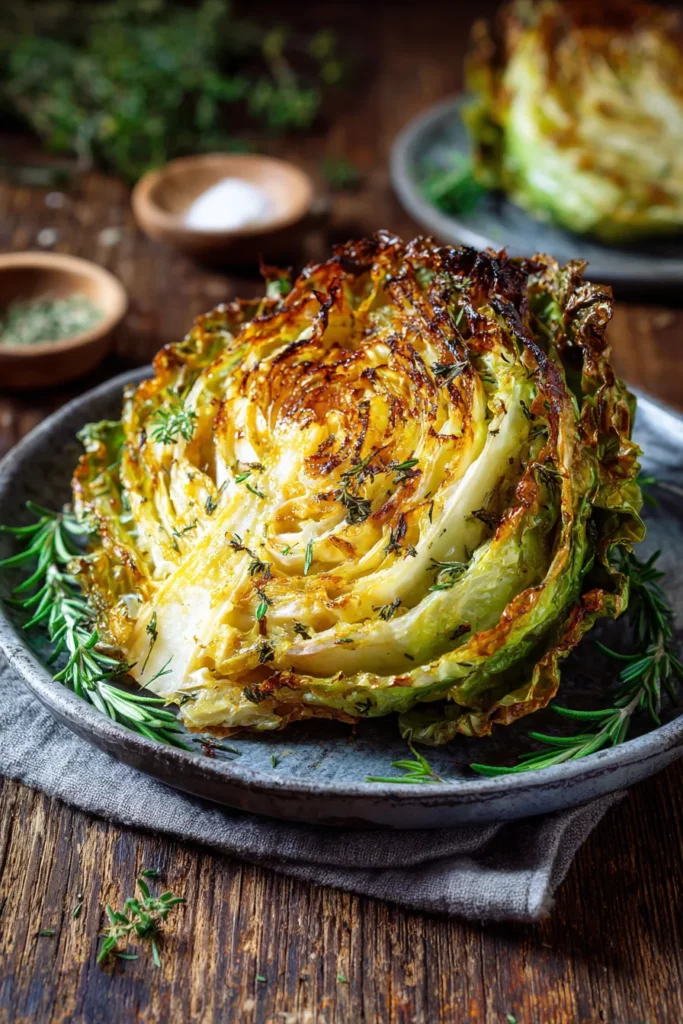
If roasted cabbage steaks impressed you, wait until you try roasting a whole head. It looks dramatic, tastes incredible, and requires almost no work beyond the occasional basting. I core the cabbage partially so heat can penetrate, brush it all over with oil or butter mixed with seasonings, and roast it at 375 degrees Fahrenheit for about an hour and a half.
The whole roasted cabbage develops layers of texture and flavor. The outer leaves get crispy and intensely caramelized, almost chip-like. The inner layers stay tender and sweet. Bringing a whole roasted cabbage to the table makes a statement. I cut it into wedges to serve, and people are always surprised by how something so simple can taste so complex and satisfying.
Skillet-Fried Cabbage with Bold Flavors
While roasted cabbage is wonderful, fried cabbage in a skillet might be even better for everyday cooking. It’s faster, it doesn’t heat up the whole kitchen, and the technique works for using up smaller amounts of cabbage. Plus, you can add other ingredients to the skillet and have a complete dish in less than twenty minutes.
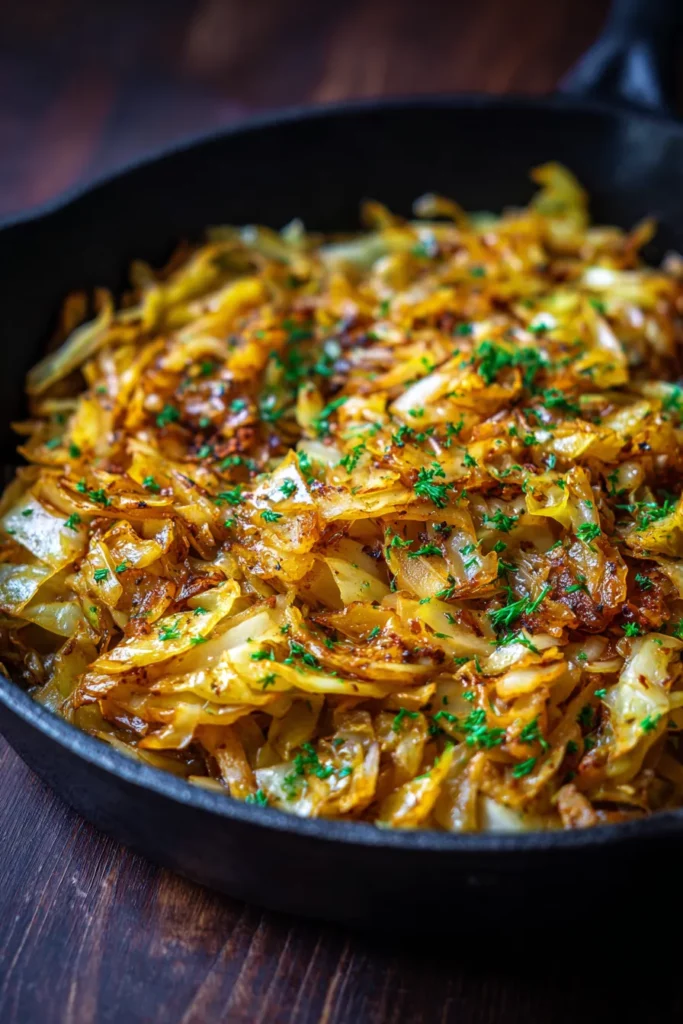
The key to great fried cabbage is getting your pan hot before adding the cabbage and not overcrowding. I use a large skillet, heat it well, add my fat of choice, then add the cabbage in a layer that covers the bottom but isn’t piled high. High heat and space allow moisture to evaporate quickly, giving you caramelization instead of steaming.
Classic Fried Cabbage Combinations
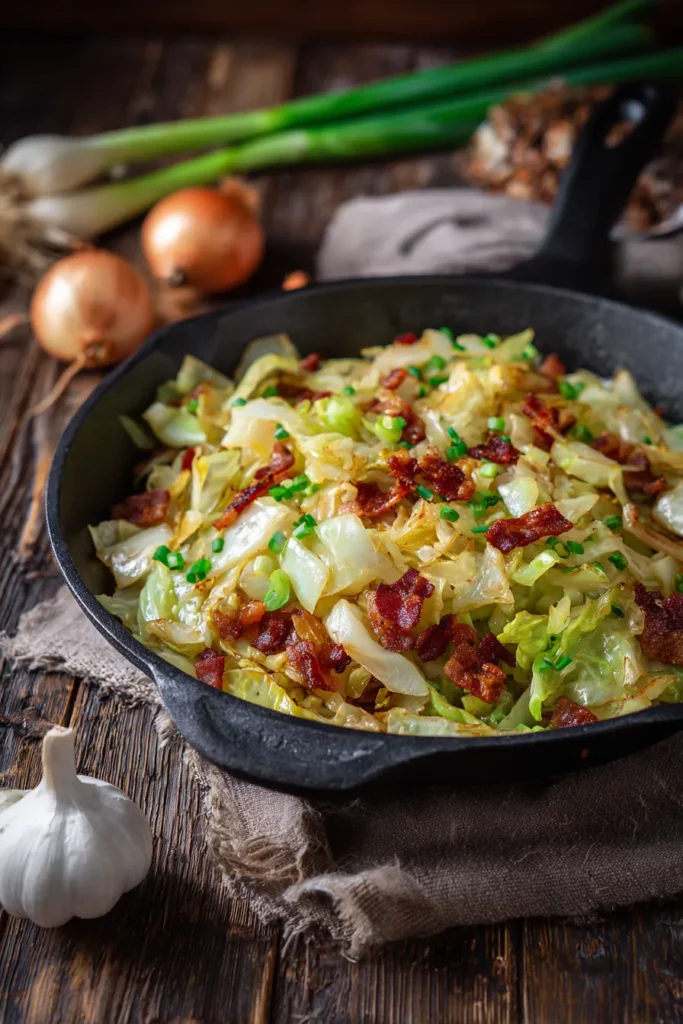
Bacon and cabbage are one of those classic pairings that never gets old. The smoky, salty bacon fat flavors the cabbage beautifully while the cabbage’s sweetness balances the richness. The fried cabbage with bacon, onion, and garlic is comfort food at its simplest and best. I cook the bacon first, remove it to drain, then use the rendered fat to cook the onions, garlic, and cabbage. The bacon goes back in at the end for texture.

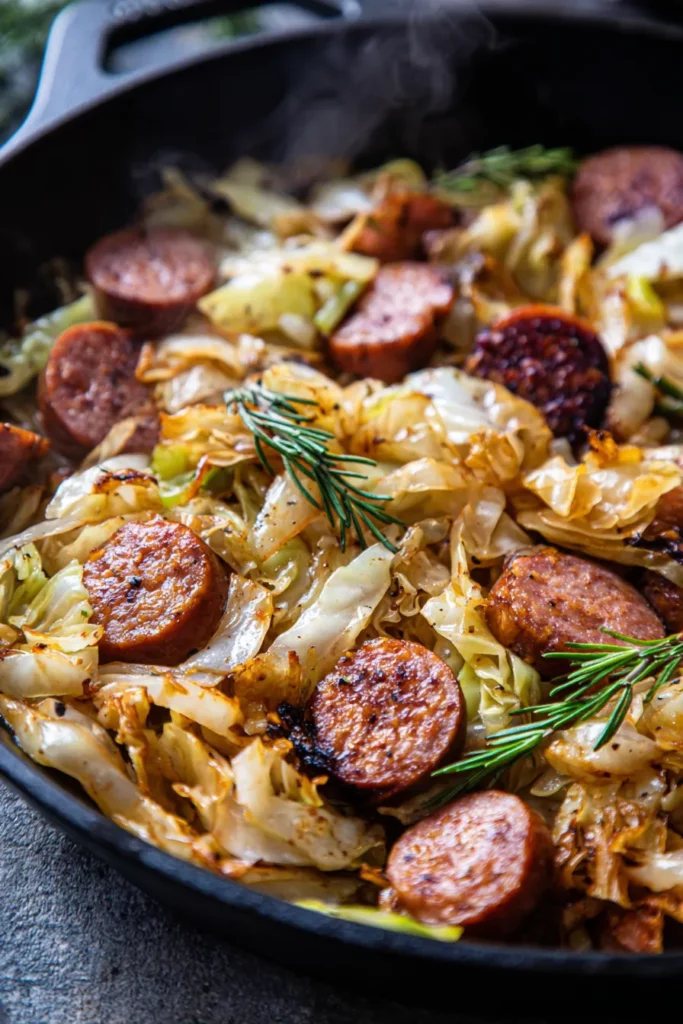
For something heartier, adding sausage turns fried cabbage into a complete meal. The fried cabbage with sausage is one of those dishes I make when I need dinner fast but still want something satisfying. I use whatever sausage I have on hand, from Italian to kielbasa to chorizo. Each type brings its own flavor profile, so the same basic recipe never feels repetitive.
Seasoning Fried Cabbage
Cabbage’s mild flavor makes it a perfect canvas for different seasoning profiles. I’ve made it with curry spices and coconut milk for an Indian-inspired dish, with soy sauce and sesame oil for Asian flavors, and with tomatoes and paprika for something more Mediterranean. The vegetable itself stays in the background, letting the seasonings shine while adding substance and nutrition.
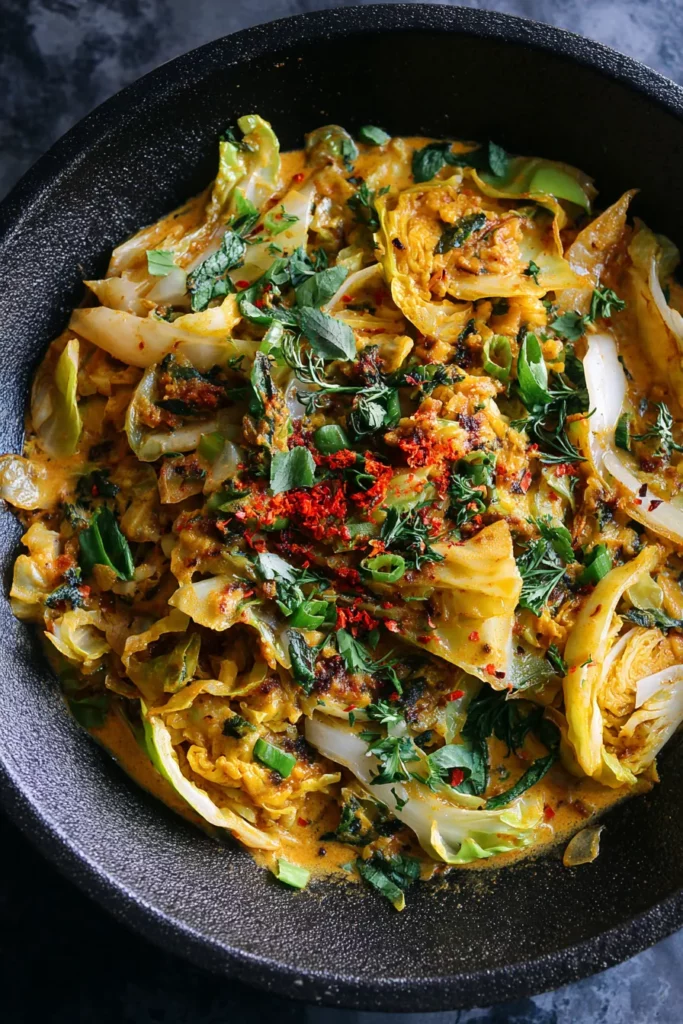
Don’t be afraid to season generously. Cabbage can handle strong flavors and actually benefits from them. I always taste and adjust seasoning at the end of cooking. What seemed like enough salt at the beginning might need a boost once everything has cooked down and the flavors have concentrated.
Green Beans: From Garden to Table
Fresh green beans still remind me of summer afternoons sitting on my grandmother’s porch, snapping beans with my cousins. We’d compete to see who could snap the most, tossing them into a big metal bowl while she told stories. Those beans, cooked simply with bacon and onions, tasted like summer and family and home. Now when I cook green beans, those memories come flooding back.
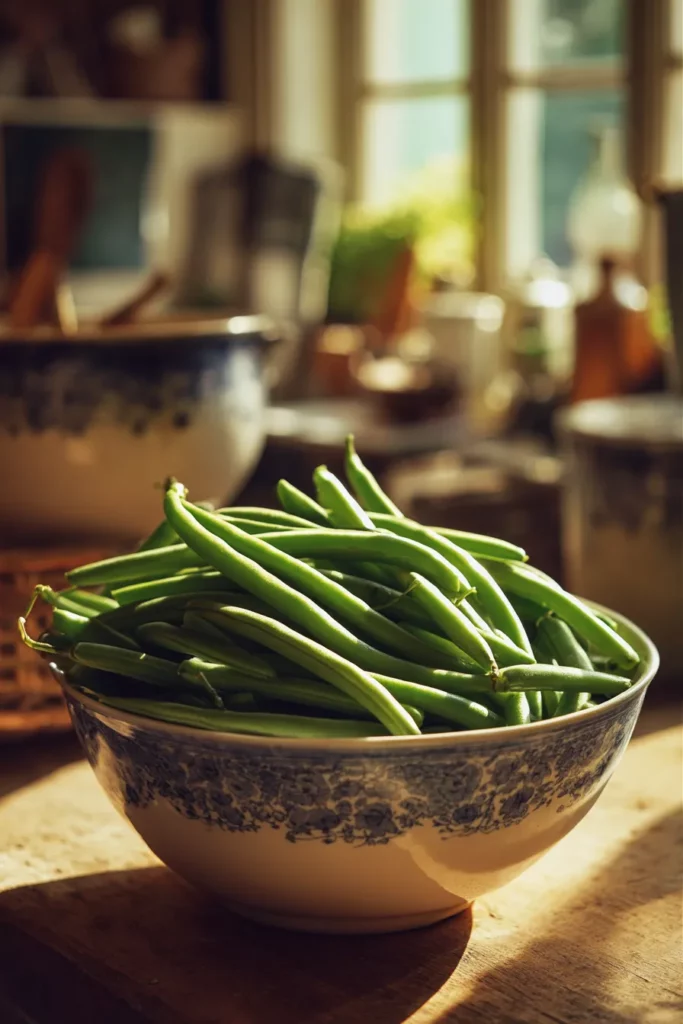
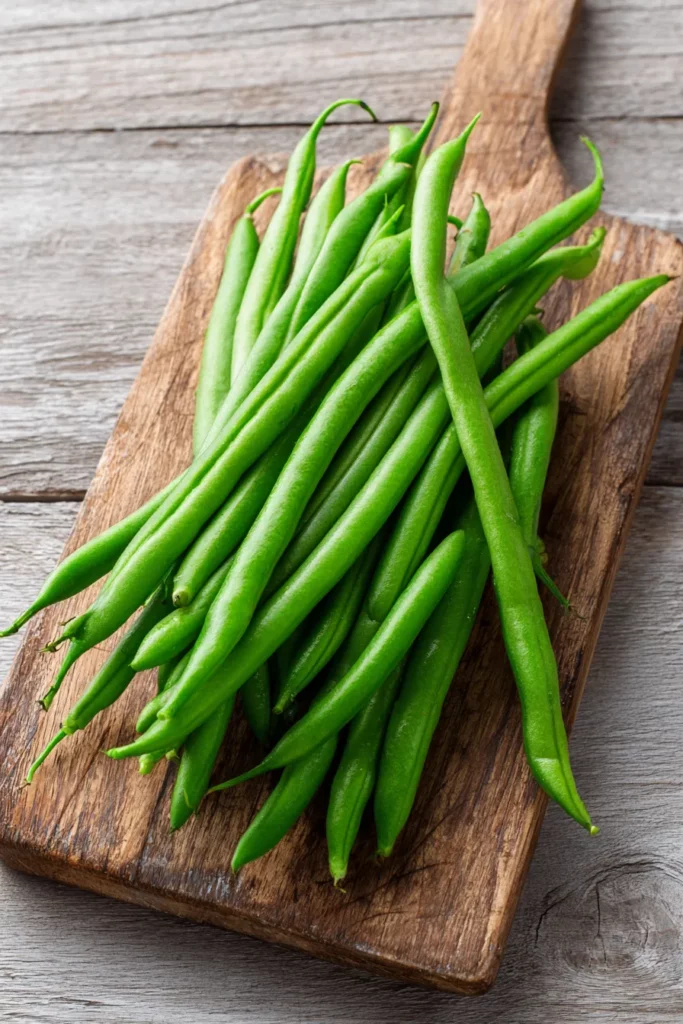
The best green beans are firm and crisp, snapping cleanly when bent. They should be bright green without any brown spots or shriveled ends. Size is a matter of preference. Thin haricots verts cook quickly and stay tender. Standard green beans have more substance and hold up better to longer cooking. I buy whatever looks freshest at the market, adjusting cooking time accordingly.
Preparing Green Beans
Trimming green beans is simple but time-consuming if you’re doing a large batch. I snap or cut off the stem end, which is tough and fibrous. The pointed end is actually edible, though some people remove it for appearance. Honestly, I only bother with the stem end unless I’m making something for company.
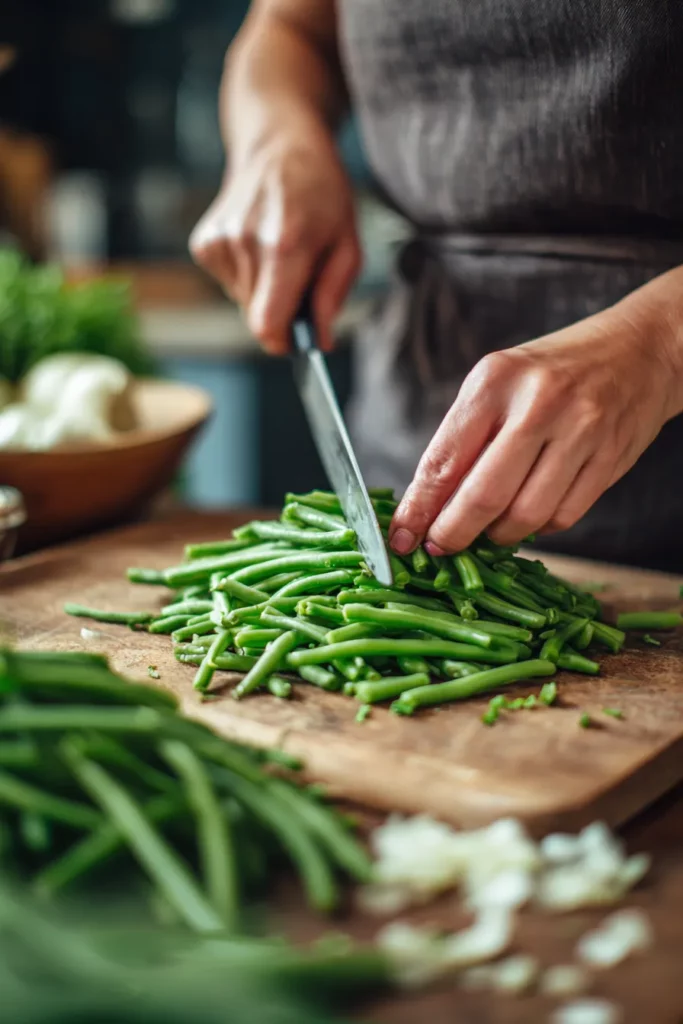
Some recipes call for cutting green beans into shorter lengths. This makes them easier to eat and allows them to pick up more sauce or seasoning. I prefer leaving them whole most of the time, but cut beans work better in casseroles, stir-fries, and salads where you want everything to be roughly the same size.
The Classic Green Bean Casserole
Green bean casserole gets a bad reputation because so many versions are made with canned soup and canned beans and taste like, well, canned ingredients. But a homemade version with fresh beans and real sauce is genuinely delicious. The green bean casserole recipe I make uses fresh green beans, a creamy mushroom sauce made from scratch, and crispy fried onions. It’s rich and comforting without being heavy or overly processed.
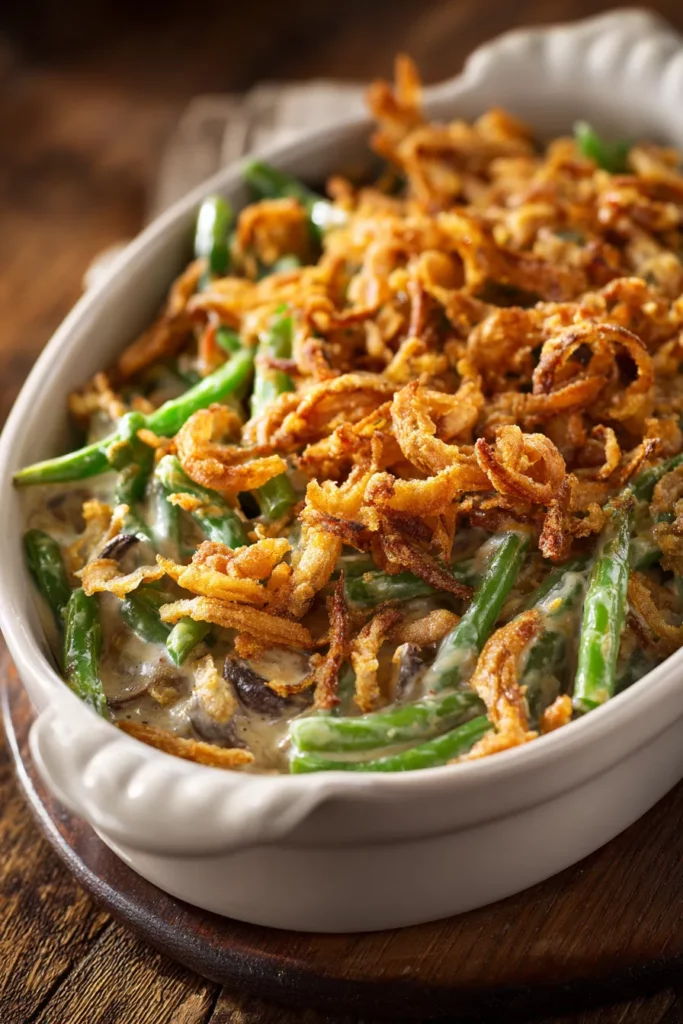
The key to great green bean casserole is blanching the beans first so they’re crisp-tender, not mushy. I bring a large pot of salted water to a boil, cook the beans for about three minutes, then shock them in ice water to stop the cooking. This preserves their bright color and gives them the right texture. Mix them with the sauce, top with onions, and bake just until everything is hot and bubbly.
Roasted Green Beans with Garlic and Parmesan
Roasting transforms green beans into something special. The high heat caramelizes their natural sugars and concentrates their flavor, while the edges get slightly crispy and browned. It’s completely different from steamed or boiled green beans, which are fine but not particularly exciting.
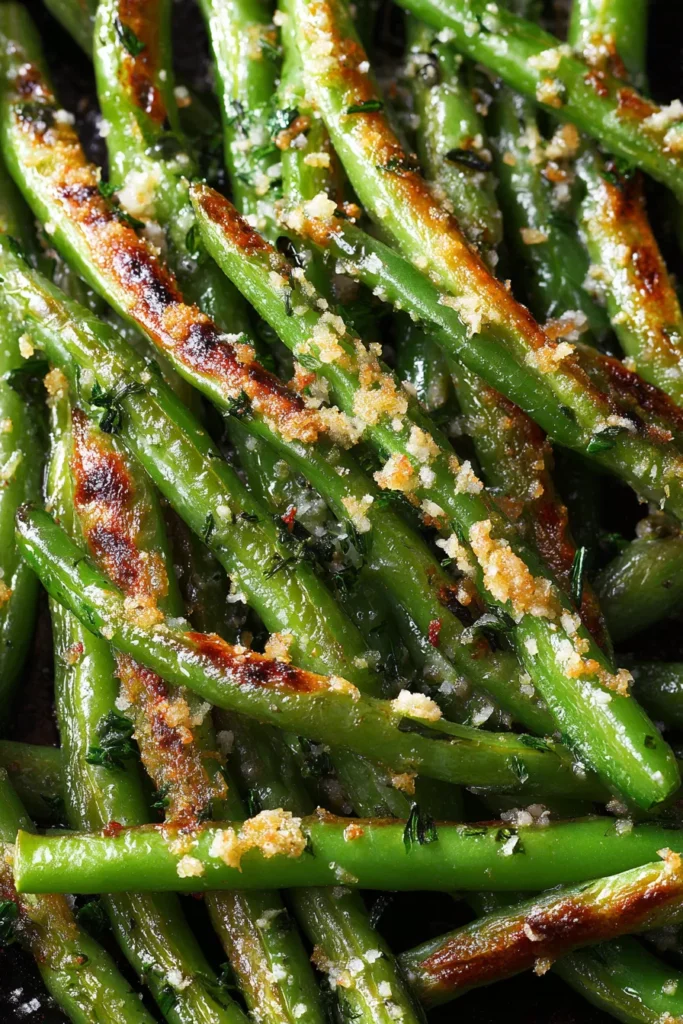
I roast green beans at 425 degrees Fahrenheit on a baking sheet in a single layer. Tossing them with oil is essential. Without enough fat, they’ll dry out instead of roasting properly. I’m generous with the oil, using about two tablespoons per pound of beans. They should be lightly coated but not dripping.
The crispy garlic parmesan roasted green beans are always a hit at dinner parties. The parmesan gets crispy and golden, the garlic mellows and sweetens, and the beans themselves become tender with crispy tips. I add the cheese and garlic in the last five minutes of roasting so the cheese doesn’t burn. Fresh lemon juice squeezed over the top right before serving adds brightness that cuts through the richness.
Green Beans with Potatoes and Bacon
Combining green beans with potatoes creates a hearty side dish that’s almost substantial enough to be a meal. The potatoes add starch and comfort, the beans add freshness and color, and bacon ties everything together with smoky, salty flavor. The country ranch green beans and potatoes with bacon is pure comfort food, the kind of dish that makes everyone ask for seconds.
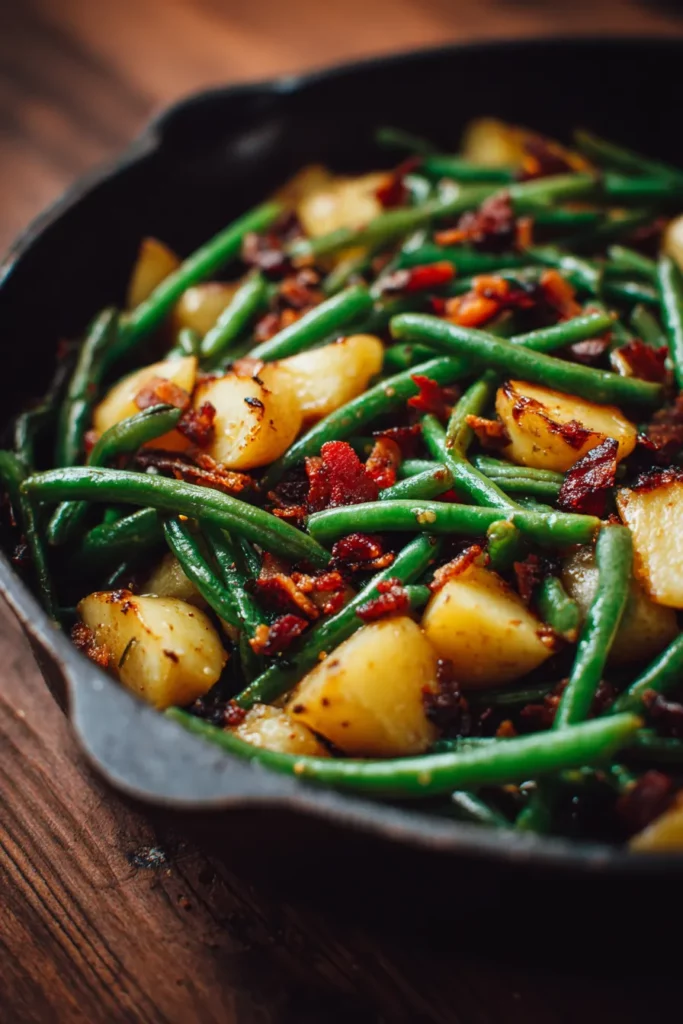
I make this in a large skillet or Dutch oven, starting with the bacon, then using the rendered fat to cook cubed potatoes until they’re golden and crispy. The green beans go in next with some broth or water to help everything steam together. The ranch seasoning adds a familiar, comforting flavor that kids and adults both love. It’s the kind of side dish that pairs with everything from grilled chicken to meatloaf to simple scrambled eggs.
Quick Sautéed Green Beans
When I need green beans on the table fast, I turn to simple sautéing. A hot pan, some oil or butter, and maybe some aromatics create tender-crisp beans in less than ten minutes. This technique works for weeknight dinners when roasting feels like too much effort or when I don’t want to heat up the oven.
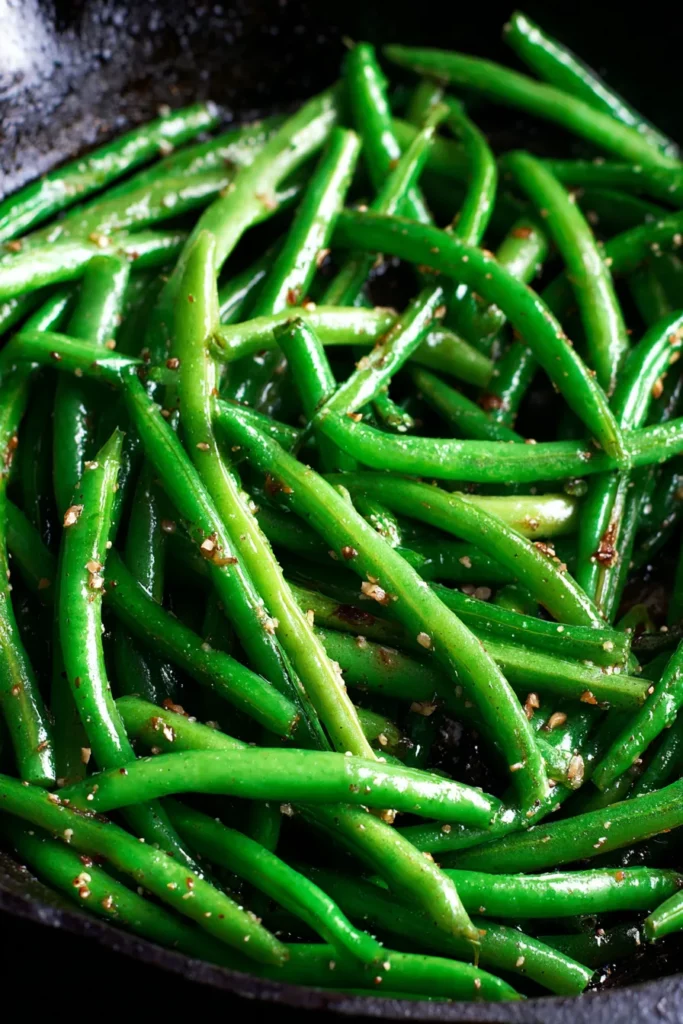
The trick to evenly cooked sautéed green beans is adding a splash of water or broth and covering the pan for a few minutes after the initial sautéing. This creates steam that finishes cooking the beans all the way through without burning the outside. I uncover the pan for the last minute or two to evaporate any remaining liquid and return to pure sautéing.
Lemon and Herb Variations
Lemon and green beans are a natural pairing. The bright acidity cuts through any richness and makes the beans taste fresh and vibrant. The lemon herb sautéed green beans with parmesan combines all these elements for a side dish that feels light but still indulgent. Fresh herbs, whether basil, parsley, or thyme, add another layer of flavor and make the whole dish smell incredible.
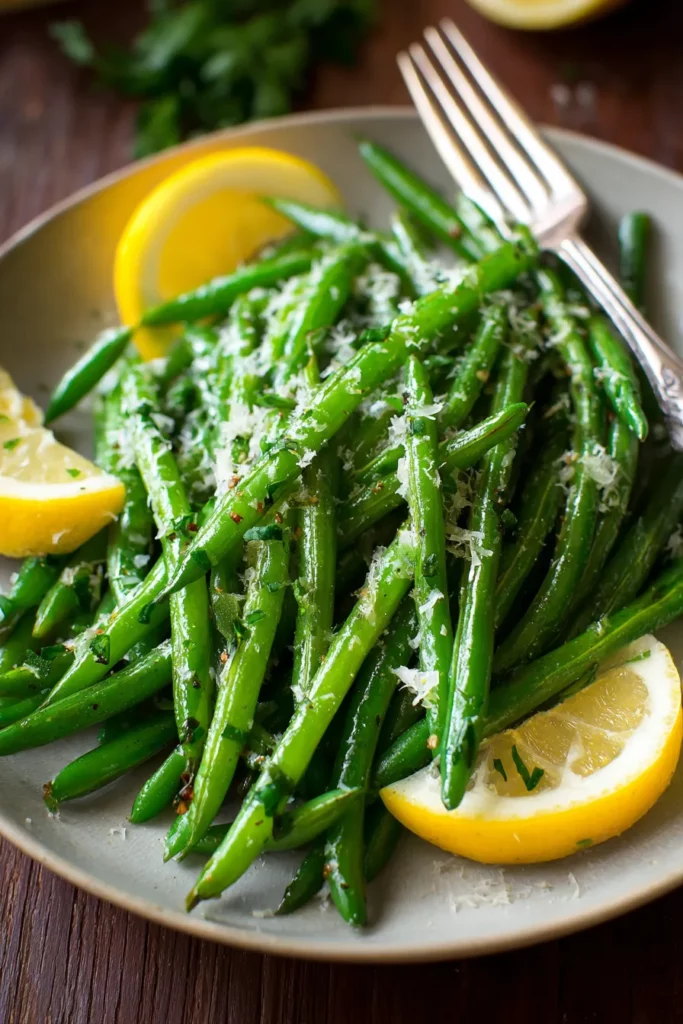
I always add lemon juice at the end of cooking, never at the beginning. Adding it too early can make the beans lose their bright green color. A squeeze of fresh lemon right before serving keeps everything vibrant and fresh-tasting. Sometimes I’ll add a bit of lemon zest too for even more citrus flavor without extra acidity.
Green Beans with Mushrooms
Green beans and mushrooms create a combination that feels elegant enough for company but easy enough for everyday. The earthy mushrooms complement the fresh bean flavor beautifully. I make several versions of this pairing depending on my mood.
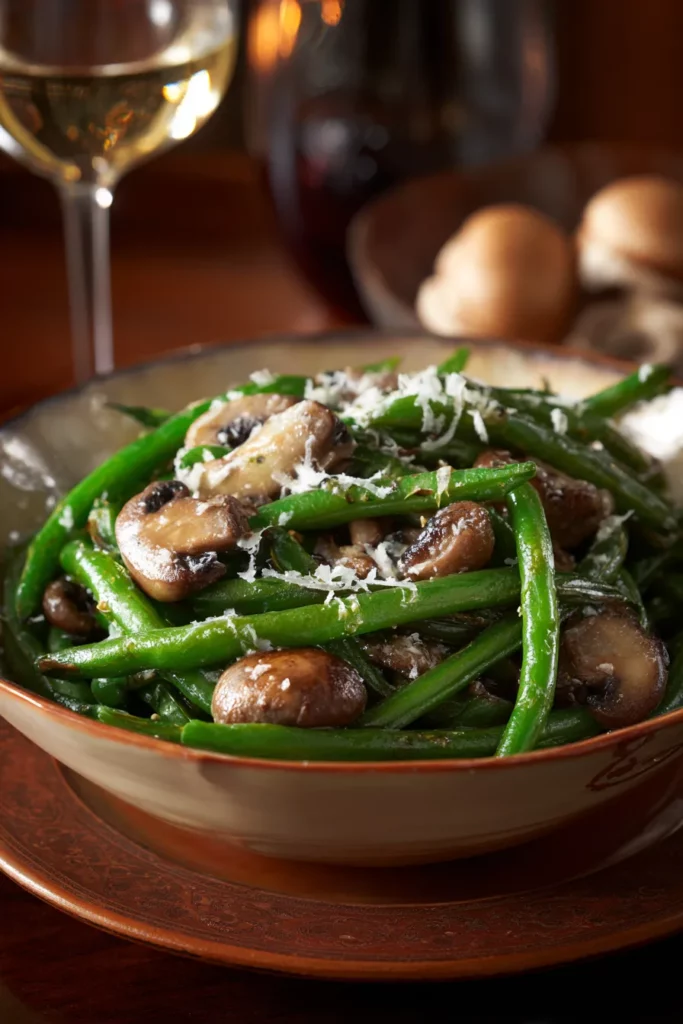
The lemon butter green beans and mushrooms with parmesan is rich and comforting, perfect alongside roasted chicken or steak. The butter and parmesan make it indulgent, while the lemon keeps it from feeling heavy. For something with even more garlic presence, the garlic butter sautéed green beans and mushrooms is fragrant and delicious, with enough garlic that you’ll smell it cooking from rooms away.
Green Beans in Complete Meals
Green beans work beautifully as part of complete one-pan meals where protein and vegetables cook together. This approach saves time and dishes while creating harmonious flavors as everything mingles in the pan. I love these meals for their simplicity and the way the beans soak up flavors from the protein and seasonings.
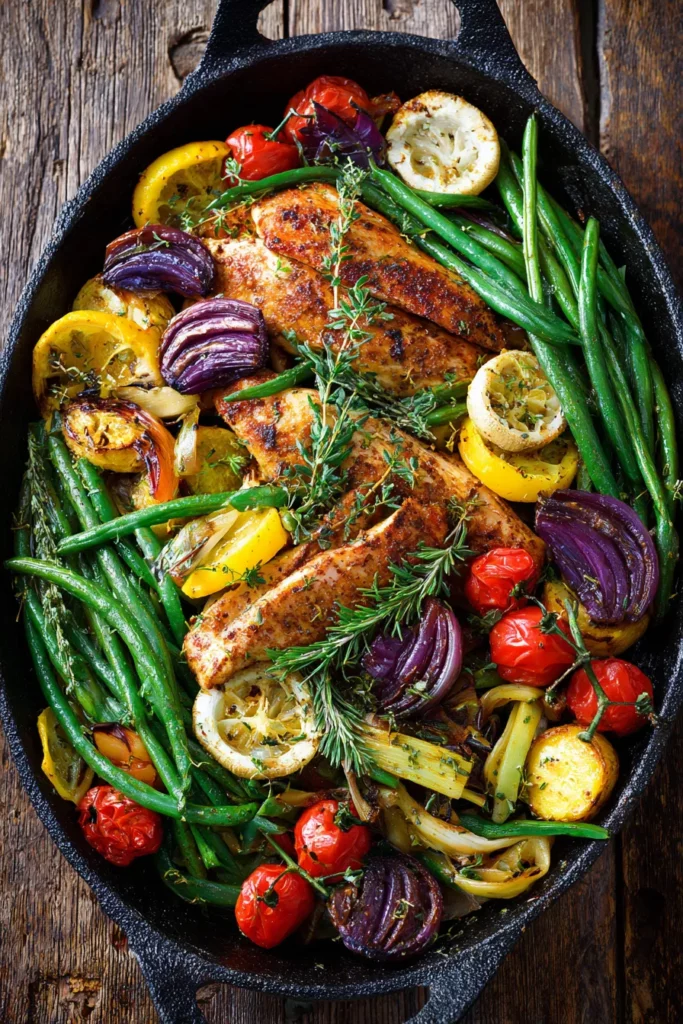
Green Beans with Steak
Pairing green beans with steak creates a classic steakhouse combination at home. The garlic butter steak bites with green beans comes together in one pan in less than twenty minutes. I sear the steak pieces first, remove them to rest, then cook the green beans in the same pan with all those delicious browned bits and beef juices. Everything gets finished together with garlic butter that coats both the meat and vegetables. It’s an easy weeknight dinner that tastes like you spent hours cooking.
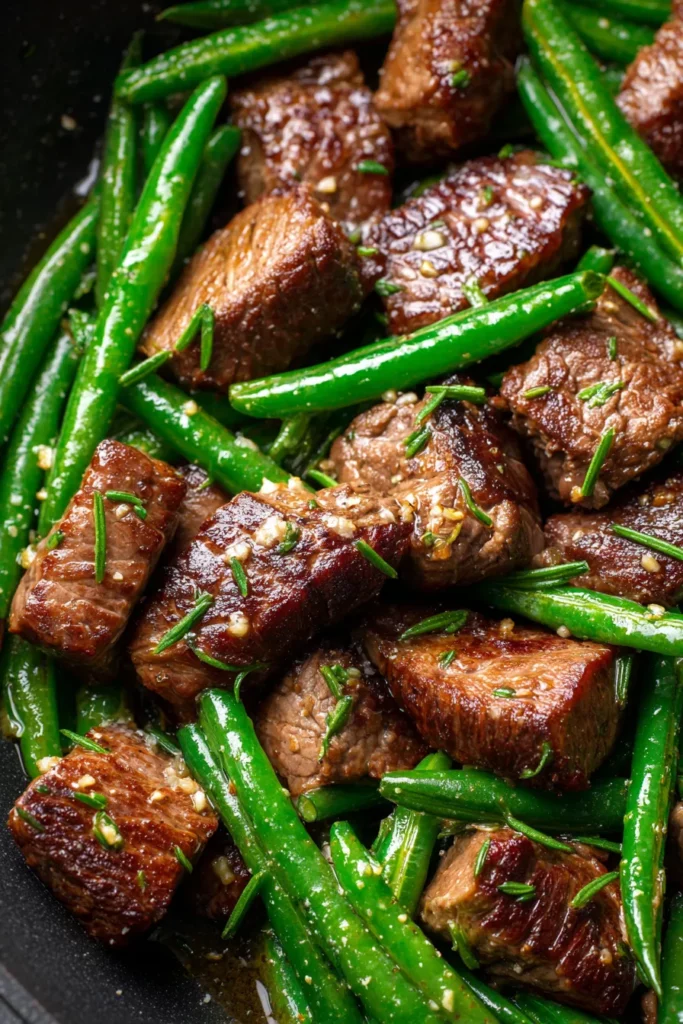
Green Beans with Salmon
Salmon and green beans is another winning combination, lighter than steak but equally satisfying. The maple Dijon salmon with thyme butter and garlic green beans balances sweet, tangy, herbal, and savory in one complete meal. I bake the salmon and beans together on one sheet pan, making cleanup almost effortless.
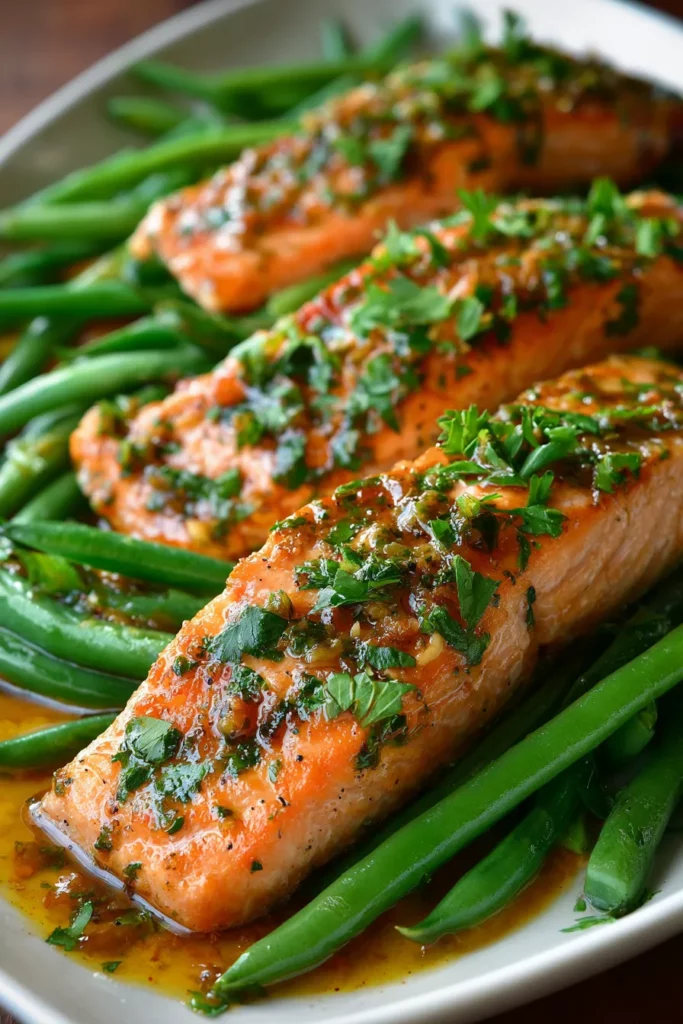
For special occasions, the maple glazed salmon with garlic green beans and toasted almonds adds textural interest with crunchy almonds scattered over everything. The maple glaze caramelizes slightly under the broiler, creating a glossy coating that makes the whole dish look restaurant-quality. But it’s actually simple enough for a Tuesday night.
Sweet and Glazed Green Bean Preparations
While savory preparations are classic, glazed green beans with a touch of sweetness create something special. The sweetness shouldn’t overpower but should enhance the beans’ natural flavor and create beautiful caramelization. These preparations work particularly well for holiday meals or when you want a side dish that feels a bit more celebratory.
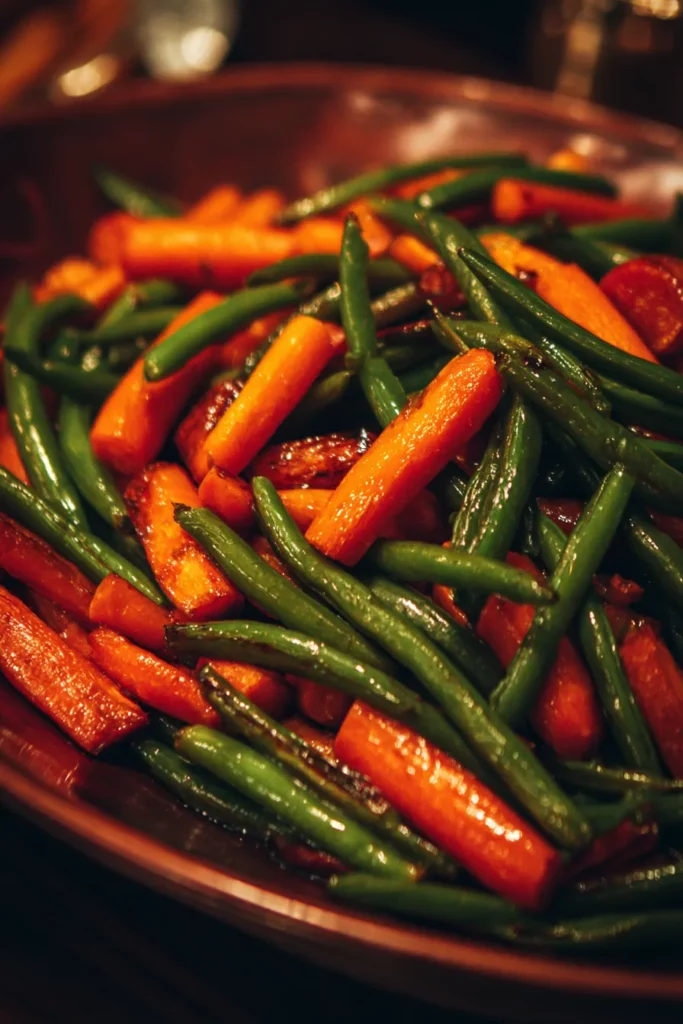
Honey is my go-to sweetener for green beans. It adds complexity beyond simple sugar, with floral notes that complement the vegetables’ earthiness. Combined with acid, salt, and fat, honey creates a glaze that coats the beans beautifully without being cloying.
The honey glazed carrots and green beans combines two vegetables that cook at similar rates and both benefit from a sweet glaze. The carrots add color and their own natural sweetness, while the green beans provide textural contrast and fresh flavor. I make this for Thanksgiving every year, and it’s become one of those dishes people specifically request.
Expert Tips for Cooking These Vegetables
After years of cooking cauliflower, cabbage, and green beans in every way imaginable, I’ve learned some tricks that make a real difference. These aren’t complicated techniques or chef secrets. They’re practical solutions to common problems that took me way too long to figure out on my own.
Don’t Overcrowd the Pan
This is probably the single most important tip for getting good browning and caramelization on any vegetable. When vegetables are crowded, they release moisture that can’t evaporate quickly enough. This creates steam, which cooks the vegetables but doesn’t brown them. The difference between steamed cauliflower and properly roasted cauliflower is dramatic. Use two baking sheets if needed. Your vegetables will thank you with better flavor and texture.
Salt Properly
Vegetables need more salt than you think. Salt enhances their natural flavors and helps draw out moisture, which aids in browning. I season vegetables before cooking, then taste and adjust at the end. The amount of salt that seemed right for raw vegetables often isn’t enough once everything has cooked down and concentrated. Don’t be timid with your seasoning. Vegetables can handle it.
High Heat is Your Friend
Most vegetables benefit from higher cooking temperatures than people typically use. 350 degrees Fahrenheit might technically cook your vegetables, but 425 or 450 degrees transforms them. The high heat caramelizes natural sugars and creates complex flavors and textures you simply can’t achieve at lower temperatures. Obviously, watch carefully to prevent burning, but don’t be afraid to crank up the heat.
Use Good Oil Generously
Vegetables need fat to roast properly. Too little oil, and they’ll dry out and stick to the pan. Too much, and they’ll be greasy. I aim for vegetables that are lightly coated but not dripping. Usually this means about two tablespoons of oil per pound of vegetables. Use oil with a high smoke point for high-heat cooking: avocado oil, refined coconut oil, or grapeseed oil work well. Save the fancy olive oil for drizzling on finished dishes.
Size Matters for Even Cooking
Cut vegetables into similar-sized pieces so everything cooks at the same rate. This sounds obvious, but it’s easy to get lazy when you’re prepping a big batch. Those tiny cauliflower pieces will burn before the large ones are done. Those thin green beans will overcook while the fat ones are still raw. Take an extra minute to make sizes consistent, and your results will be dramatically better.
Blanching Before Roasting
For vegetables that are particularly dense or that you want to be very tender, blanching before roasting helps. Boil them briefly in salted water, shock in ice water to stop cooking, then pat dry before roasting. This pre-cooking ensures the insides are perfectly tender while allowing the outsides to still get crispy and caramelized. I use this technique for green beans and sometimes for cauliflower stems, which are denser than florets.
Fresh is Better, But Frozen Works
Fresh vegetables will always give you the best texture and flavor, but frozen vegetables are a legitimate option, especially for weeknight cooking. Frozen green beans work beautifully in casseroles and skillet dishes. Frozen cauliflower can be roasted straight from the freezer, though you’ll need to increase cooking time and might not get quite as much caramelization. I always keep frozen vegetables on hand for those nights when I haven’t made it to the market.
The key with frozen vegetables is dealing with their extra moisture. Spread them on a baking sheet and let them thaw for a few minutes, then pat dry with paper towels before cooking. Or roast them at a slightly higher temperature to evaporate that moisture while browning. They won’t be identical to fresh, but they’ll still be good.
Conclusion
These three vegetables have taught me so much about cooking over the years. They’ve shown me that humble ingredients can become extraordinary with the right techniques. That high heat and proper seasoning can transform something ordinary into something people actually crave. That vegetables don’t need to be complicated or covered in heavy sauces to be delicious.
What I love most about cauliflower, cabbage, and green beans is their reliability. They’re available year-round, affordable, and endlessly versatile. When I don’t know what to make for dinner, I can always turn to one of these vegetables and create something good. When my grocery budget is tight, these three stretch meals without sacrificing flavor or nutrition. When I want to eat more vegetables but don’t want to feel deprived, these deliver satisfaction and comfort.
The recipes and techniques in this guide have become part of my regular cooking rotation. Some weeks I roast cauliflower three times because everyone devours it. Other weeks cabbage in various forms appears at multiple dinners. Green beans work their way into weeknight meals and holiday tables alike. These aren’t special-occasion vegetables. They’re everyday heroes that make regular meals better.
I hope this guide gives you the confidence to cook these vegetables in new ways and the inspiration to make them a bigger part of your meals. Start with whatever sounds most appealing. Try a simple roasted preparation first to understand how high heat transforms these vegetables. Then experiment with different seasonings, add-ins, and cooking methods. Let your family’s preferences guide you, but don’t be afraid to push boundaries a little. That vegetable someone thinks they don’t like might just need a different preparation to win them over.
Keep cooking, keep experimenting, and remember that even experienced cooks sometimes burn the green beans or undersalt the cauliflower. It’s all part of learning what works in your kitchen with your equipment and your preferences. The more you cook these vegetables, the more intuitive it becomes.
Explore more delicious vegetable inspiration:
Whole Roasted Cauliflower with Garlic and Herbs
Oven Roasted Garlic Cabbage Steaks
Frequently Asked Questions
How do I keep cauliflower white when cooking?
Add a tablespoon of lemon juice or vinegar to the cooking water if boiling or steaming. For roasting, the browning is actually desirable and adds flavor, so don’t worry about discoloration. Store raw cauliflower properly and use it while fresh to prevent yellowing before cooking.
Why does my cabbage smell bad when cooking?
Cabbage releases sulfur compounds when overcooked, creating that unpleasant smell. The solution is high heat and shorter cooking times. Roasting or quick sautéing minimizes sulfur release and actually brings out cabbage’s natural sweetness instead.
Can I eat cauliflower and cabbage raw?
Absolutely. Both are delicious raw in salads and slaws. Raw cauliflower has a mild, slightly sweet flavor and crunchy texture. Raw cabbage adds crunch and freshness to coleslaws and salads. Just slice or chop them thinly for the best eating experience.
How do I know when green beans are done cooking?
Green beans are done when they’re tender-crisp, meaning they’re cooked through but still have a slight snap when you bite them. They should be bright green, not dull or olive-colored. Cooking time varies by method, but taste one to check. Overcooked green beans become mushy and lose their vibrant color.
What’s the difference between green beans and string beans?
They’re the same vegetable. String beans is an older term referring to the fibrous string that used to run along the seam of green beans. Modern varieties have been bred to be stringless, so we mostly call them green beans now. You might also hear them called snap beans.
Can I prepare these vegetables ahead of time?
Yes, with some caveats. Cut cauliflower and cabbage can be stored in sealed containers in the fridge for several days. Trimmed green beans keep well for a day or two. For best results with roasted vegetables, prep them ahead but cook them just before serving. Roasted vegetables are best fresh from the oven, though they can be reheated.
Why are my roasted vegetables soggy instead of crispy?
Usually this happens because of overcrowding on the pan, not enough oil, or oven temperature that’s too low. Make sure vegetables are in a single layer with space between pieces, coat them well with oil, and use high heat, at least 400 degrees Fahrenheit or higher.
How do I get my kids to eat these vegetables?
Roasting is often the answer. The caramelization and crispy edges make vegetables taste sweeter and more interesting than steamed or boiled versions. Adding cheese, bacon, or a sweet glaze also helps. Let kids help with preparation, and serve vegetables alongside familiar foods they already like.
What’s the best way to reheat leftover roasted vegetables?
Use your oven or toaster oven at 400 degrees Fahrenheit to crisp them back up. Spread them on a baking sheet and heat for about 10 minutes. Microwaving will make them soft and steamed. Air fryers also work beautifully for reheating and re-crisping roasted vegetables.
Are the stems and leaves of cauliflower edible?
Yes, completely. The stems are tender and sweet once peeled and cooked. The leaves can be roasted like kale chips or chopped and added to dishes. Don’t throw away these nutritious, delicious parts.
How long do fresh green beans last in the refrigerator?
Fresh green beans will keep for about five to seven days in the crisper drawer, stored in a plastic bag or container. They’ll start losing moisture and becoming limp after that. For longest storage, don’t wash them until you’re ready to use them.
Can I freeze fresh cauliflower, cabbage, or green beans?
Yes, but blanch them first for best results. Blanching preserves color, texture, and nutrients. Blanch cauliflower for three minutes, cabbage for 90 seconds, and green beans for three minutes. Cool in ice water, drain well, and freeze in airtight containers for up to eight months.

🍳 Precision Meets Passion — Tools Chefs Trust Daily

- Grams & ounces — precise to 1g
- Perfect for baking & keto tracking
- Sleek stainless steel design

- German stainless precision
- Razor-sharp & dishwasher-safe
- Elegant wood block organizer

- Premium Stainless Steel Build
- Easy to Clean & Dishwasher Safe
- A Must-Have Kitchen Tool