➤ Table of Contents
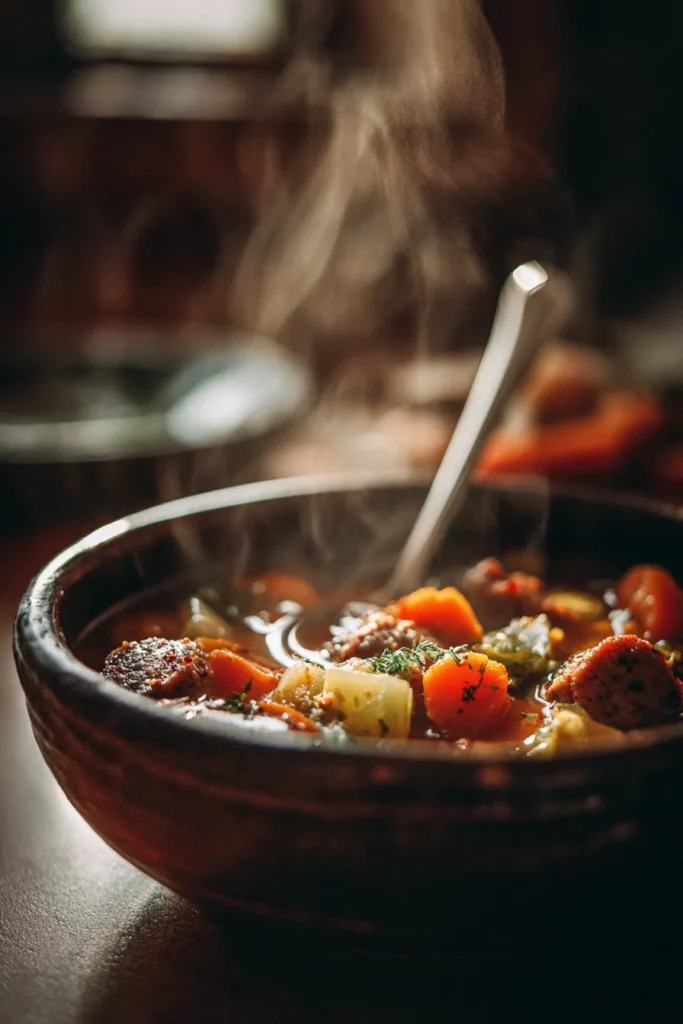
I’ll never forget the first time I made soup for dinner and my husband looked at me like I’d lost my mind. “Soup?” he said. “That’s not dinner, that’s what you eat before dinner.” He was picturing those thin, watery broths his mom used to serve from a can. What he didn’t know was that I’d been simmering a pot of sausage and bean soup all afternoon, the kind that’s so thick with vegetables and meat that your spoon practically stands up in it.
⚡ Smart Kitchen Tools Every Home Cook Swears By

- Pure aluminum
- Durable enough for everyday cooking
- Made in the USA with quality

- 7 cooking functions in one compact cooker
- 3-quart size ideal for couples or small meals
- Up to 70% faster than traditional cooking

- 3 sizes for every recipe
- Pre-seasoned & durable cast iron
- Oven & grill ready
One bite changed everything. The rich, savory broth clung to chunks of Italian sausage and tender white beans. Carrots and celery had softened into sweet, aromatic bites. Fresh herbs perfumed every spoonful. He went back for seconds, then thirds, and never again questioned whether soup could be a proper meal.
That’s the magic of hearty meat and sausage soups. They’re not dainty appetizers or delicate first courses. These are stick-to-your-ribs, warm-you-from-the-inside-out meals that satisfy completely. They’re what you crave on cold evenings when you need something substantial. They’re what you make when you want your kitchen to smell like home. They’re comfort food in its most elemental, nourishing form.
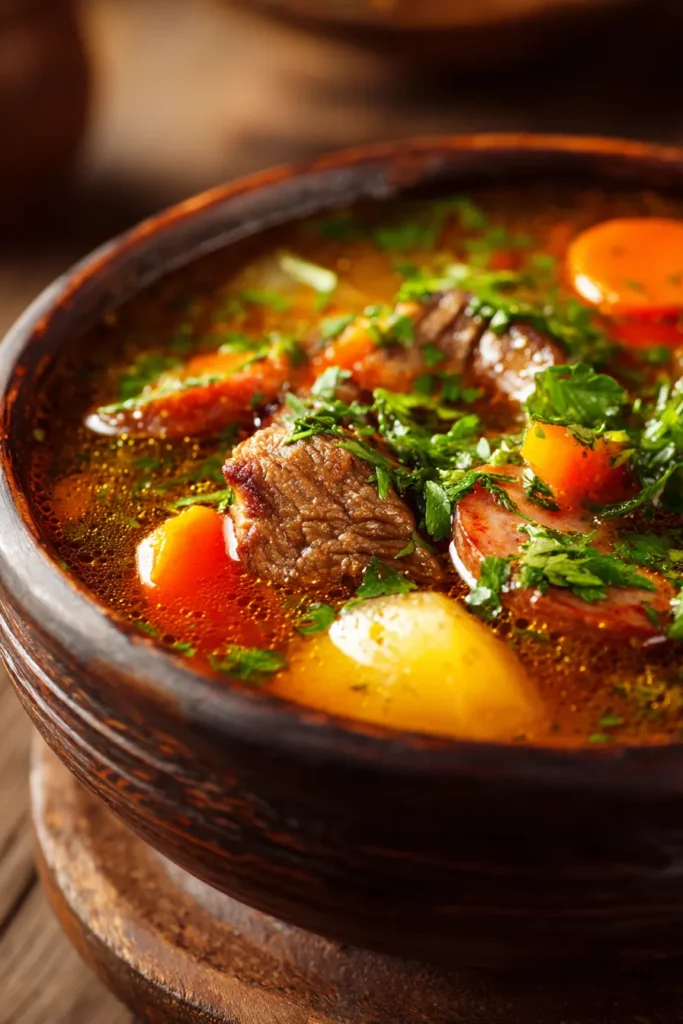
Over the years, I’ve learned that the best hearty soups follow a few key principles. They layer flavors by browning meat first, building depth through aromatics, and simmering long enough for everything to meld together. They balance richness with brightness, using vegetables and herbs to keep things interesting. And they’re forgiving, the kind of recipes where you can adjust seasonings, swap ingredients, and still end up with something delicious.
This guide covers everything I’ve learned about making exceptional meat and sausage soups. We’ll explore classic combinations like beef and vegetables, creative takes like cheeseburger soup, and satisfying one-pot meals that feed a crowd. You’ll learn techniques for building flavor, tips for choosing the right cuts of meat, and ways to transform simple ingredients into extraordinary bowls of comfort. Whether you’re feeding a family on a Tuesday night or preparing for weekend meal prep, these soups deliver both convenience and soul-warming satisfaction.
Building Flavor: The Foundation of Great Meat Soups
The difference between mediocre soup and extraordinary soup often comes down to technique, not exotic ingredients. I learned this the hard way after making countless pots of bland, one-dimensional soup in my early cooking days. I’d throw everything into a pot at once, simmer it, and wonder why restaurant soups tasted so much better than mine.
The secret is layering flavors through proper browning and building. When you brown meat, you’re not just cooking it. You’re creating hundreds of new flavor compounds through the Maillard reaction, that magical process where proteins and sugars interact under high heat to create deep, complex, savory notes. Those crusty brown bits stuck to the bottom of your pot are liquid gold, and deglazing them into your soup is non-negotiable.
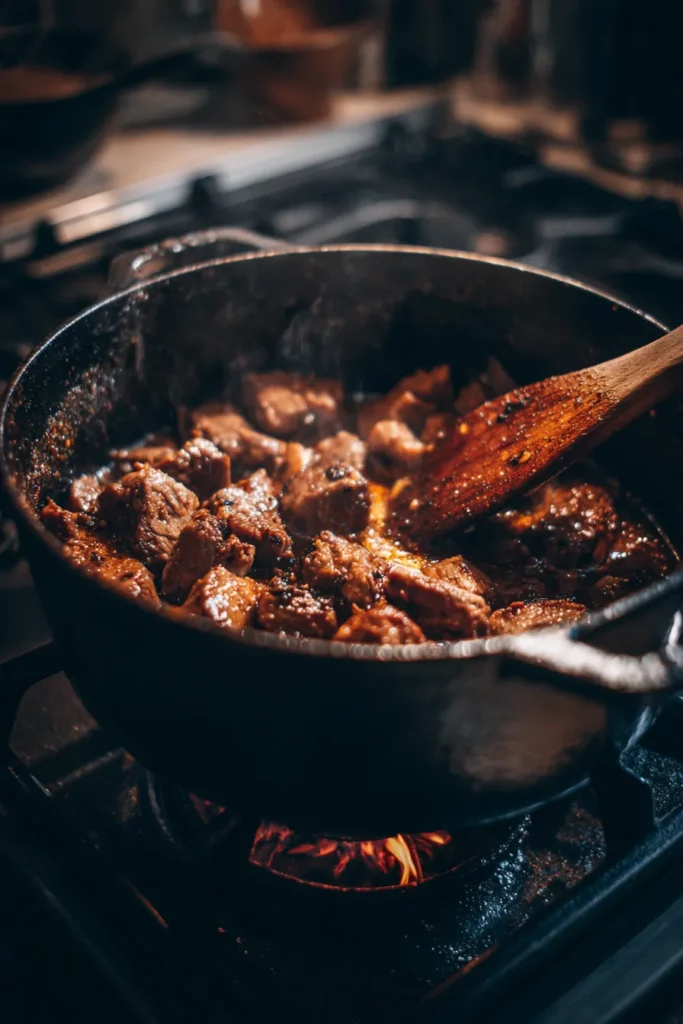
I always start my meat soups by patting the meat dry with paper towels. Moisture is the enemy of browning. Then I heat my pot until it’s properly hot, add a bit of oil, and give the meat space to brown rather than steam. Crowding the pot creates moisture and prevents that crucial caramelization. Sometimes I brown in batches, even though it takes longer, because the results are worth it.
The Aromatic Base That Changes Everything
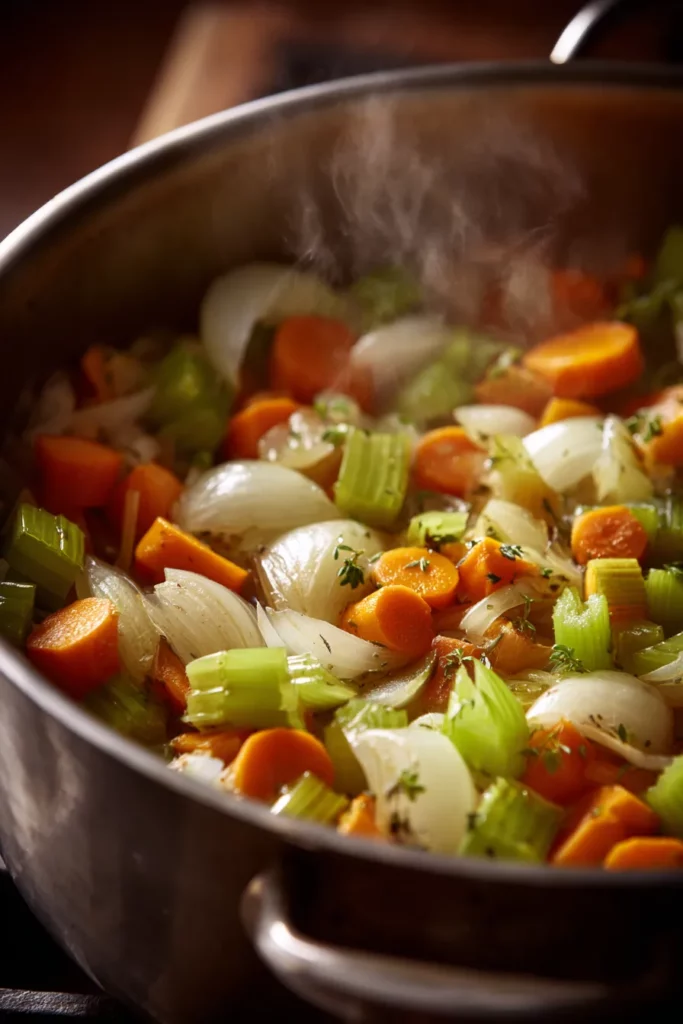
After browning meat, I build the aromatic foundation with onions, celery, and carrots, the classic mirepoix that forms the backbone of so many great soups. These vegetables need time to soften and release their natural sugars. I cook them over medium heat, stirring occasionally, until the onions turn translucent and everything smells sweet and fragrant.
🥗 Fresh, Fast & Foolproof — Upgrades You'll Use Tonight

- Zoodles in seconds
- Heavy-duty, 10 sharp blades
- Keto, paleo & gluten-free friendly

- Meals in ~30 minutes
- 3-Qt — perfect for 1–3 people
- Pressure cook, sauté, steam & more

- Phone alerts & live temp graph
- Hands-off monitoring for smokers
- Perfect doneness, every time
Garlic comes next, but only for the last minute or so of cooking the vegetables. Add it too early and it burns, turning bitter and acrid. Add it at the right moment and it blooms into that perfect aromatic perfume that makes everyone gravitate toward the kitchen.
This is also when I add dried herbs and spices, toasting them briefly in the hot pot to wake up their essential oils. Fresh herbs come at the end, but dried oregano, thyme, bay leaves, and paprika benefit from this early toasting. The difference in depth of flavor is remarkable.
Deglazing and Building the Broth
Here’s where many home cooks miss a crucial step. After cooking your aromatics, your pot has all those beautiful brown bits stuck to the bottom. Don’t ignore them. Add a splash of wine, beer, or even just broth, and scrape up those fond with a wooden spoon. This is deglazing, and it incorporates all that concentrated flavor back into your soup.
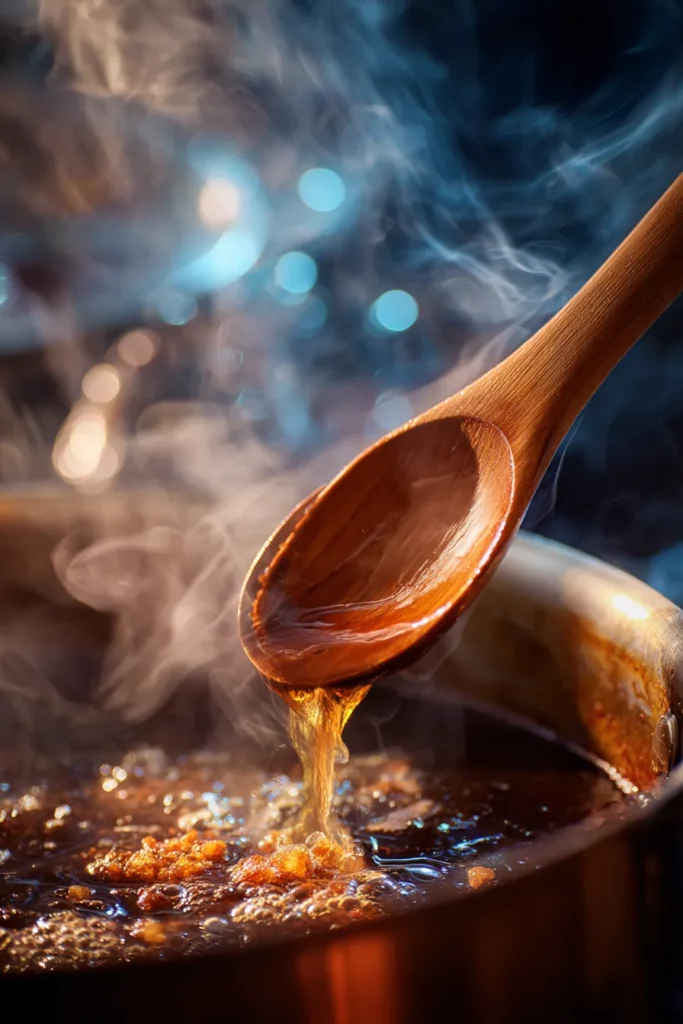
For richer soups, I sometimes add tomato paste at this stage, cooking it for a minute or two until it darkens slightly. This caramelizes the tomato sugars and removes any tinny taste, adding umami depth to the final soup. Then comes your liquid, whether it’s store-bought broth, homemade stock, or a combination.
The vegetable beef soup I make follows this exact process, and the difference is night and day compared to just dumping everything in together. Each step builds on the last, creating layers of flavor that make the soup taste like it simmered for hours even when it didn’t.
Beef Soups: From Classic to Creative
Beef soups hold a special place in my heart, probably because my grandmother made the most incredible vegetable beef soup every Sunday during winter. The house would fill with that deep, meaty aroma, and we’d all gather around her table for bowls topped with crusty bread. She used chuck roast, cutting it into small cubes herself because she said the pre-cut stew meat was never quite right.
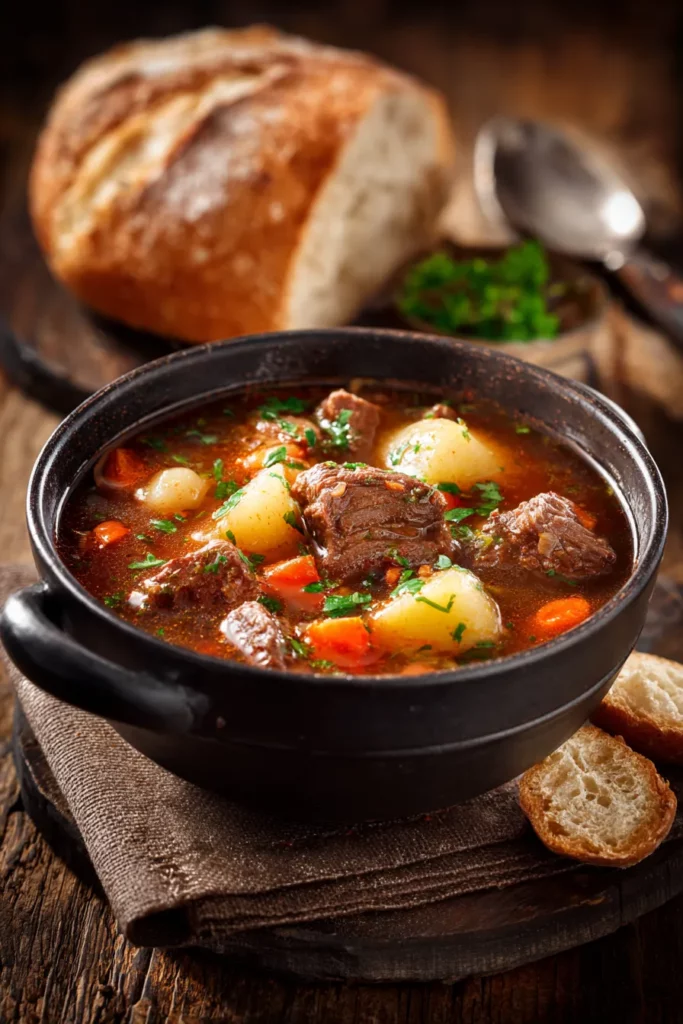
She was onto something. The cut of beef you choose matters tremendously in soup. Chuck roast, with its marbling of fat and connective tissue, becomes meltingly tender during long simmering. It releases gelatin that gives body to the broth. Stew meat works too, though you have less control over what cuts you’re getting. Leaner cuts like sirloin can work for quicker-cooking soups, but they’ll never have quite the same richness.
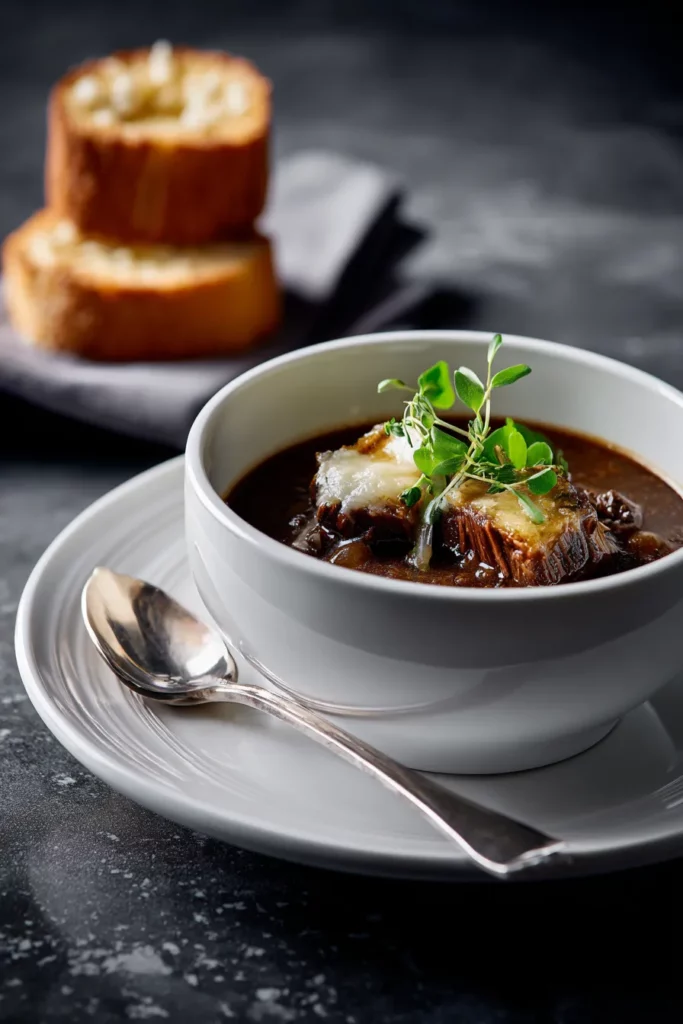
For something truly special, the French onion beef short rib soup takes beef soup into elegant territory. Short ribs, with their incredible marbling and rich flavor, create a broth that’s practically luxurious. The meat falls apart at the touch of a spoon, and when you top it with melted Gruyere like French onion soup, it becomes something extraordinary.
Ground Beef: Quick and Satisfying
While cubed beef creates incredible depth, ground beef offers convenience without sacrificing flavor. The key is browning it properly, breaking it up into small pieces so you get maximum surface area for caramelization. I always drain excess fat after browning to keep the soup from feeling greasy, but I leave enough to carry flavor.
The cheeseburger soup was a revelation when I first tried it. It captures all those burger flavors we love in a creamy, comforting soup format. Pickles, mustard, and cheese all make appearances, creating something nostalgic and satisfying. My kids request it constantly, especially on busy school nights when I need dinner on the table quickly.
For an even heartier version, the cheeseburger macaroni soup adds pasta to the mix. It’s like the best parts of cheeseburgers and mac and cheese had a baby, all in soup form. The pasta soaks up the cheesy broth, and every spoonful delivers complete comfort.
Specialty Beef Soups
Some of my favorite beef soups take inspiration from other dishes entirely. The Philly cheesesteak soup transforms that iconic sandwich into a creamy, cheese-laden bowl. Thin strips of beef, peppers, onions, and plenty of provolone create all those familiar flavors in a completely different format.
For something with Western flair, I turn to creamy cowboy soup. It’s loaded with ground beef, beans, corn, and tomatoes, with just enough cream to make it rich and satisfying. The mix of textures and the slight kick from spices make it endlessly interesting.
When I want to impress, the French onion beef noodle bake brings together French onion flavors with egg noodles in a way that’s both familiar and surprising. The deeply caramelized onions add sweetness and complexity that elevates simple beef into something special.
Sausage Soups: Bold Flavors and Easy Preparation
Sausage changed my soup game completely. Unlike plain ground meat that needs heavy seasoning, good sausage comes pre-seasoned with herbs, spices, and aromatics already mixed in. It’s like having a head start on flavor, and it makes weeknight soup-making so much more manageable.
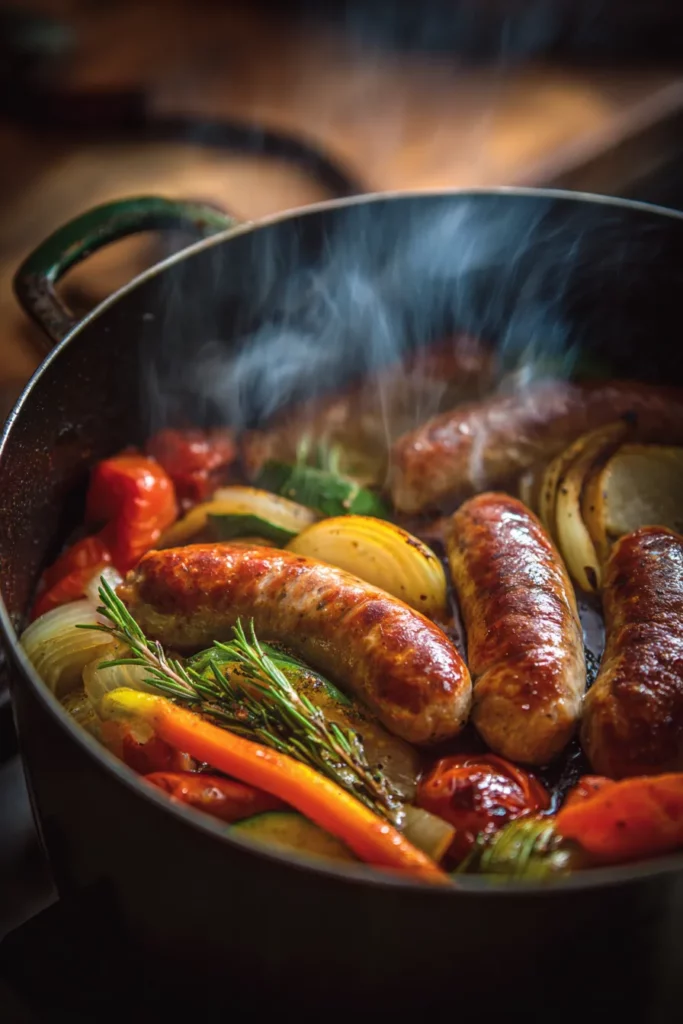
I keep several types of sausage in my freezer specifically for soup. Italian sausage, both sweet and hot, works beautifully in tomato-based soups and pairs perfectly with beans and greens. Kielbasa adds smoky depth to potato soups and cabbage-based recipes. Andouille brings Cajun flair. Each type of sausage essentially dictates the flavor direction of your soup, making recipe development almost intuitive.
The technique for using sausage in soup is straightforward. If it’s in casings, I’ll sometimes remove them and crumble the meat for a more integrated texture. Other times I leave it in the casing, slice it into rounds or half-moons, and brown the pieces to get crispy edges. Both approaches work, just giving different textures and presentations.
Italian Sausage Combinations
Italian sausage is probably my most-used variety because it plays so well with Italian-American soup flavors. The fennel, garlic, and herbs in the sausage complement tomatoes, beans, pasta, and greens perfectly. The creamy bean soup with sausage showcases this beautifully, with white beans and Italian sausage creating a rustic, satisfying combination.
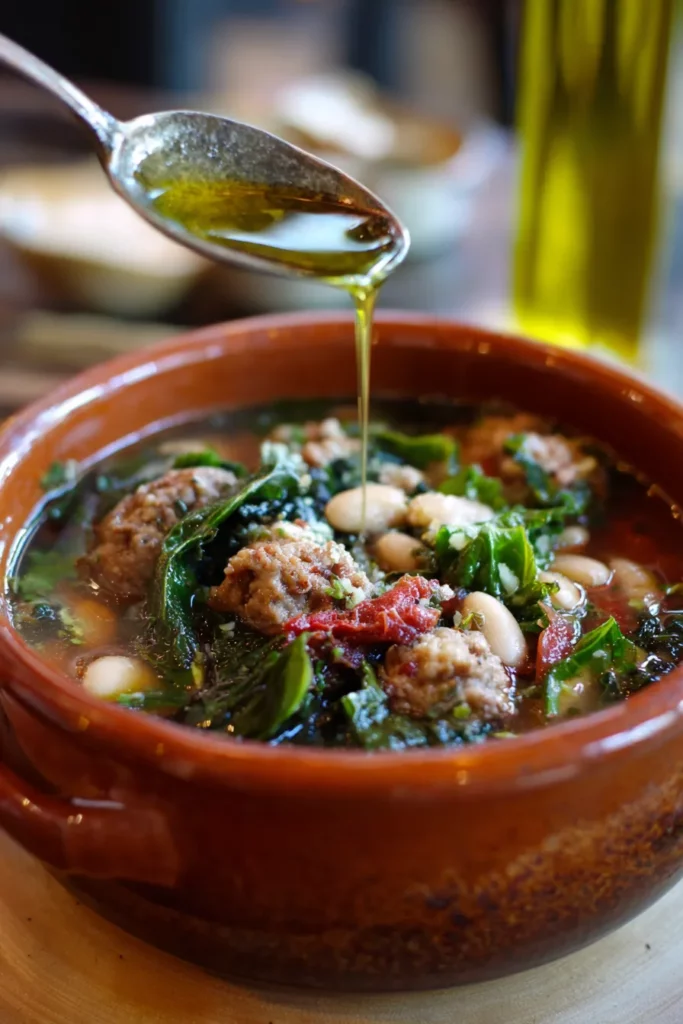
For something more elegant, the autumn tortellini soup with sausage adds cheese-filled pasta to the mix. The tortellini makes it feel special, like something you’d order at a cozy Italian restaurant, but it comes together in about thirty minutes.
I love how sausage eliminates the need for extensive seasoning. You brown it, add your vegetables and broth, and you already have complex, developed flavors. It’s soup-making on easy mode, perfect for those nights when you’re tired but still want something homemade and delicious.
Kielbasa and Smoked Sausage Soups
Kielbasa brings a different character to soups, with its smoky, garlicky flavor and firmer texture. It’s perfect in potato soups where that smokiness complements the earthy potatoes beautifully. The sausage potato soup I make uses kielbasa or smoked sausage, creating a hearty, warming bowl that tastes like comfort itself.
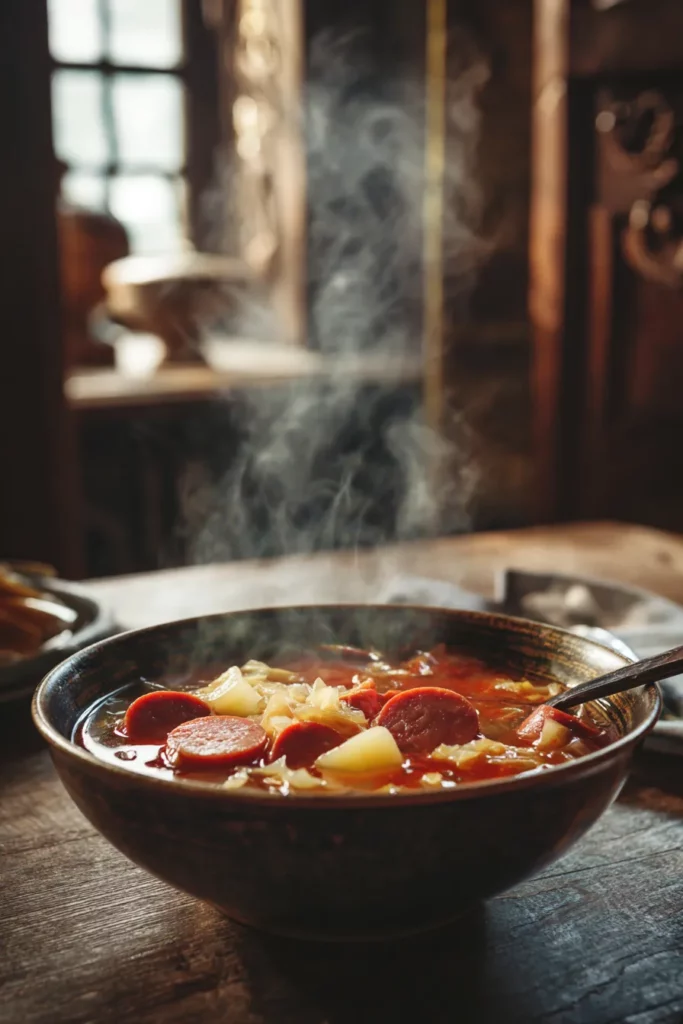
For an even more substantial version, the hearty kielbasa potato soup loads up on both sausage and potatoes, with cabbage or kale adding color and nutrition. It’s the kind of soup that sticks with you, perfect for cold weather or after spending time outdoors.
Smoked sausage also works wonderfully in Cajun-inspired soups. The smokiness pairs beautifully with the holy trinity of onions, celery, and bell peppers, creating depth without needing hours of simmering. A little Cajun seasoning, some fire-roasted tomatoes, and you’ve got complex flavor in minimal time.
Turkey Soups: Lighter but Still Satisfying
I used to think turkey was just for Thanksgiving, that sad dry bird we all suffered through once a year. Then I discovered ground turkey as a soup ingredient and realized it’s actually incredibly versatile. It has a milder flavor than beef, which means it takes on seasonings beautifully, and it’s leaner, which appeals to people watching their fat intake.
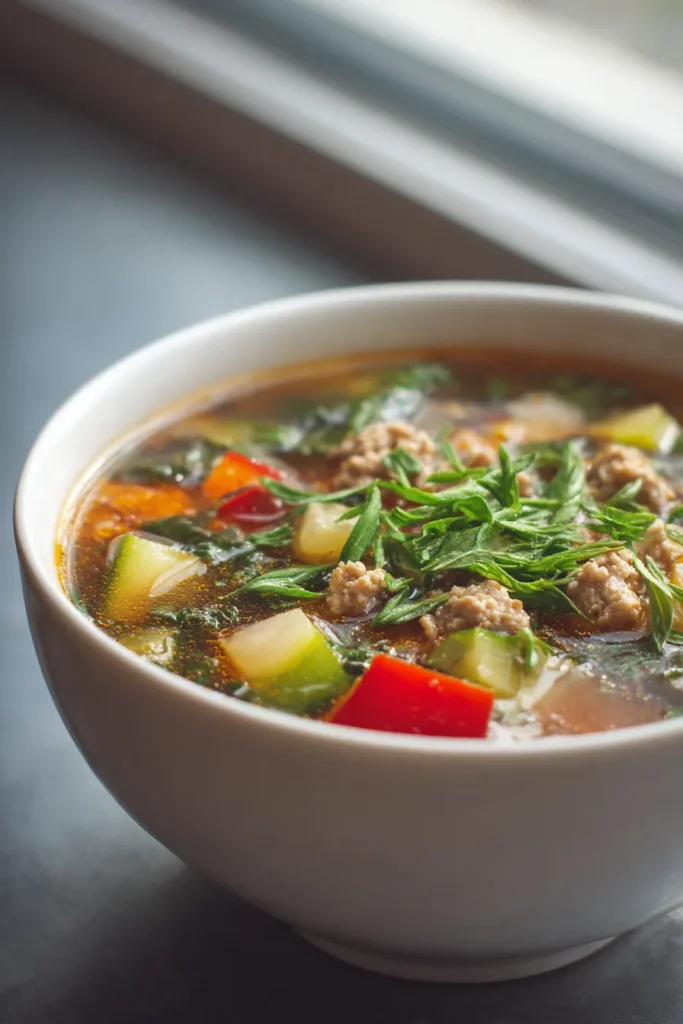
The trick with turkey is not treating it exactly like beef. It needs a bit more fat in the cooking process since it’s so lean. I use olive oil generously when browning, and I’m careful not to overcook it or it becomes dry and crumbly. Proper seasoning is crucial too, because turkey won’t carry a soup on flavor alone the way well-marbled beef does.
What turkey does brilliantly is provide protein and substance without heaviness. The hearty ground turkey soup proves this perfectly. It’s loaded with vegetables and turkey, filling and satisfying, but it doesn’t leave you feeling weighed down the way a beef soup sometimes can.
Turkey for Healthy, High-Protein Meals
Turkey shines in soups designed for specific dietary goals. The weight loss turkey vegetable soup maximizes vegetables and lean protein while minimizing calories and fat. It’s the kind of soup you can eat a huge bowl of without guilt, perfect for when you’re trying to eat lighter but still want something satisfying.
For those focused on protein intake, the high protein stuffed pepper soup delivers all the flavors of stuffed peppers with the ease of a one-pot soup. Turkey, beans, and rice provide substantial protein, while bell peppers and tomatoes add vitamins and flavor. It’s healthy eating that doesn’t feel like a sacrifice.
I appreciate turkey soups for their versatility in meal planning. They reheat beautifully, they freeze well, and they’re substantial enough for dinner but light enough that you don’t feel sluggish afterward. For busy families trying to balance convenience with health, turkey soups are incredibly valuable.
Turkey Soup Seasoning Tips
Since turkey has a mild flavor, seasoning becomes especially important. I’m generous with aromatics like onions, garlic, and celery. Fresh herbs make a noticeable difference, particularly parsley, thyme, and oregano. I also find that turkey benefits from a flavor boost near the end of cooking, either from a squeeze of lemon juice, a splash of vinegar, or a handful of fresh herbs stirred in just before serving.
Don’t be shy with salt either. Turkey needs proper seasoning to shine. I season in layers: when browning the meat, when adding vegetables, and again when adding the broth. Then I taste and adjust at the end. This ensures even seasoning throughout rather than a soup that tastes flat with occasional salty bites.
Umami boosters work beautifully with turkey. A splash of soy sauce, some tomato paste, or even a parmesan rind simmered in the broth adds depth that makes turkey soup taste rich and complex despite being relatively lean.
One-Pot Wonders and Quick Weeknight Soups
Let me tell you about the week I discovered truly easy soup recipes. I was drowning in work deadlines, my kids had activities every night, and the thought of cooking elaborate dinners made me want to order takeout forever. That’s when I started focusing on soups that came together in one pot with minimal prep, and it changed how I approached weeknight cooking.
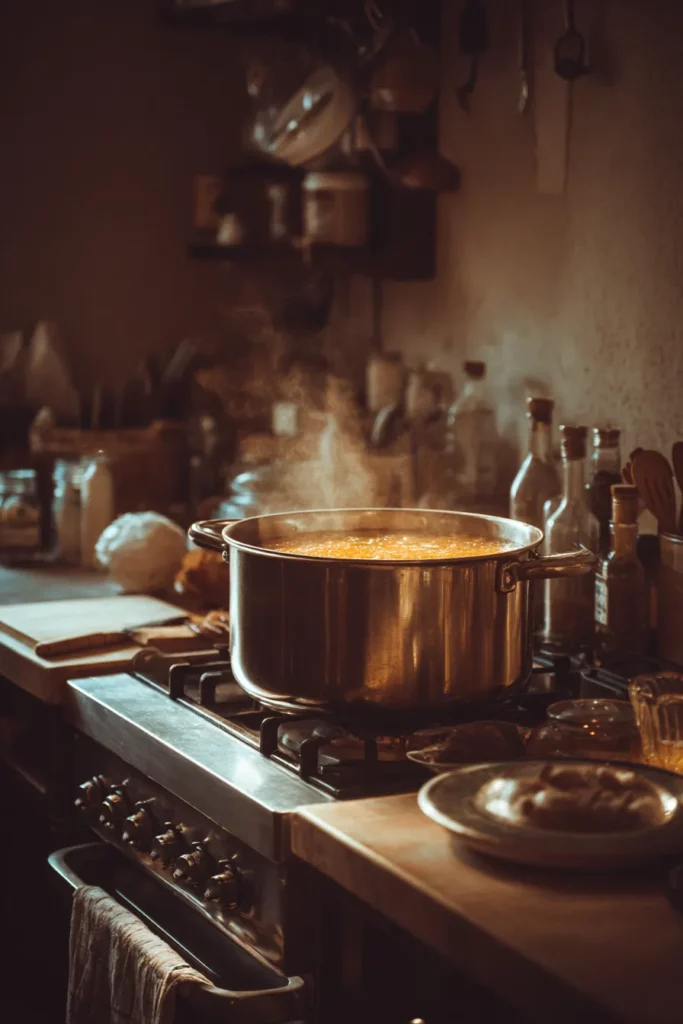
The beauty of one-pot soups is that they’re not just about convenience, though that’s certainly valuable. They’re about building flavor in a single vessel, where every ingredient contributes to the broth and nothing gets lost or wasted. Everything melds together, creating harmony in that pot that’s hard to achieve when cooking components separately.
My criteria for weeknight soups are simple: minimal chopping, one pot, under an hour, and big enough for leftovers. The easy soup recipe I rely on most often checks all those boxes. It’s flexible enough to use whatever vegetables I have on hand, works with different proteins, and always delivers satisfaction without stress.
Busy Day Solutions
Some days are just harder than others. The kind of days where you walk in the door exhausted, everyone’s hungry, and the idea of cooking anything feels overwhelming. Those are the days I reach for busy day soup, a literal lifesaver that comes together faster than you’d think possible.
The secret to quick soups is using ingredients that don’t need long cooking times. Ground meat instead of cubes. Quick-cooking vegetables like zucchini, spinach, or frozen peas. Small pasta shapes or canned beans that are already tender. You’re not trying to transform tough ingredients, just combining things that are already relatively quick-cooking into a harmonious whole.
For minimal effort, the 4 ingredient one pot macaroni cheeseburger soup is almost absurdly simple. Ground beef, pasta, cheese, and broth. That’s it. Yet it tastes like you put in far more effort, and everyone at the table will be happy.

Slow Cooker Convenience
While many of my soups cook on the stovetop, slow cookers offer a different kind of convenience. You prep everything in the morning, turn it on, and come home to dinner ready and waiting. The house smells amazing, and there’s something psychologically comforting about knowing dinner is handled before you even leave for work.
The crockpot cheeseburger soup is perfect for this approach. Brown the beef the night before if you want, or just add it raw in the morning. By dinnertime, everything has melded into a rich, creamy soup that tastes like it required far more attention than it actually did.
Slow cookers are particularly good for soups with tougher cuts of meat that benefit from long, gentle cooking. They’re also foolproof, hard to overcook, and keep everything warm if dinner gets delayed. For busy families, they’re invaluable.
Creamy, Cheesy, and Indulgent Soups
Sometimes you don’t want healthy or light. Sometimes you want soup that’s rich, creamy, and completely indulgent. Soup that feels like a warm hug in a bowl. These are the soups I make when comfort is the priority, when we need something that soothes and satisfies on every level.

Creamy soups get their richness from various sources. Sometimes it’s heavy cream or half-and-half. Other times it’s cream cheese, which adds tanginess along with creaminess. Shredded cheese melted into the broth creates silky texture and deep flavor. Some soups use a combination, layering different dairy products for maximum richness.
The key to creamy soups is adding the dairy at the right time and temperature. Add it too early or over too high heat and it can curdle or separate. I always reduce the heat to low before stirring in cream, and I add cheese gradually, letting each handful melt completely before adding more. Patience here makes the difference between silky smooth soup and grainy, separated disappointment.
Cheese Lover’s Paradise
Cheese transforms soup from simple to extraordinary. The right cheese adds not just creaminess but complex flavor that makes every spoonful interesting. Sharp cheddar brings tang and richness. Gruyere offers nutty sophistication. Cream cheese provides luxurious texture. Parmesan adds umami depth.
I’ve learned that cheese quality matters significantly in soup. Pre-shredded cheese contains anti-caking agents that can make soup grainy. Whenever possible, I buy blocks and shred them myself. The texture is noticeably smoother, and the flavor is brighter.
For ultimate indulgence, creamy soups with multiple cheeses deliver layered flavor that keeps you coming back for more. The combination of different cheeses creates complexity that single-cheese soups can’t match.
Balancing Richness
Rich, creamy soups need balance or they become cloying. I always include elements that cut through the richness. Acidity from a splash of vinegar or lemon juice brightens everything. Fresh herbs add aromatic freshness. A garnish of something crunchy, like croutons or crispy bacon, provides textural contrast that keeps the soup interesting.
Vegetables are crucial for balancing creamy soups. They add nutrition, sure, but they also provide textural variety and fresh flavors that prevent richness from becoming overwhelming. Even in the most indulgent soups, I make sure there are vegetables offering contrast and interest.
Sometimes I’ll serve rich soup in smaller portions as a first course rather than a main dish. This way you get all that comforting indulgence without feeling too full. Pair it with a crisp salad and crusty bread, and you have a balanced, satisfying meal.
Soup for Meal Prep and Freezing
I finally got serious about meal prep when I realized how much money and time I was wasting on last-minute dinner decisions. Soup became the foundation of my meal prep routine because it checks every box: makes large batches, improves with time, reheats beautifully, and freezes like a dream.
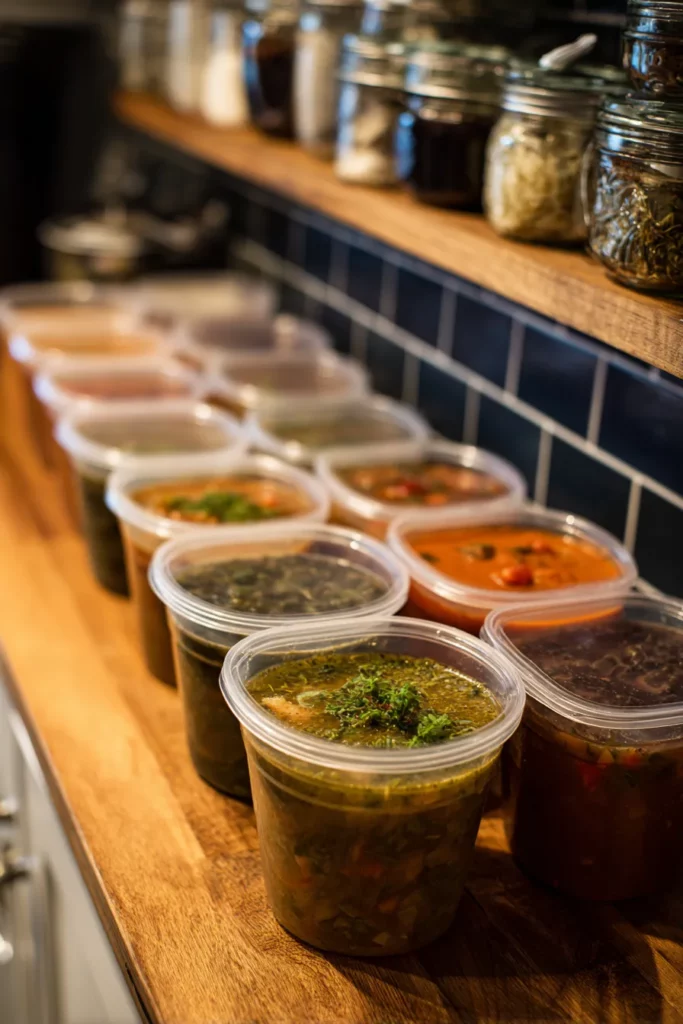
Every Sunday, I make at least one big pot of soup. Sometimes two if I’m feeling ambitious. I portion it into containers, some for the refrigerator and some for the freezer, and suddenly I have easy dinners ready for those nights when cooking feels impossible. It’s transformed how I manage weeknight meals.
Not all soups freeze equally well, though. I’ve learned through trial and error which ones are freezer-friendly and which are better eaten fresh. Soups with cream or dairy can separate when frozen and thawed, though they often come back together with stirring. Pasta in soup gets mushy after freezing, so I either freeze the soup without pasta and add it fresh when reheating, or I accept the softer texture.
Best Practices for Freezing Soup
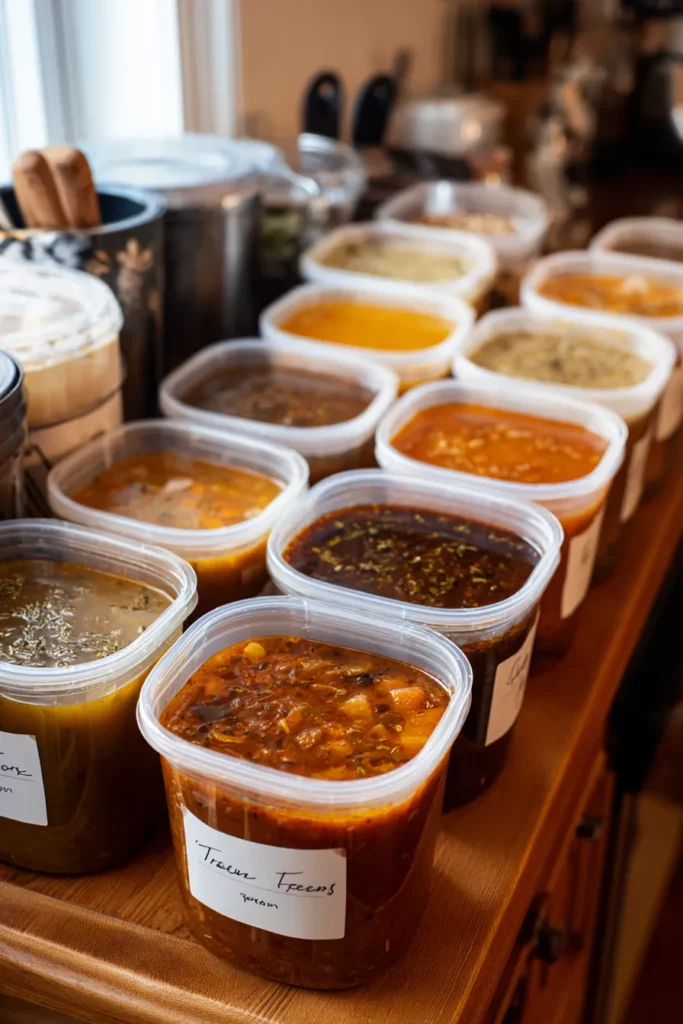
The mechanics of freezing soup properly make a huge difference in quality. I let soup cool completely before portioning, which prevents condensation and ice crystals. I use freezer-safe containers or heavy-duty freezer bags, leaving a bit of space at the top because liquids expand when frozen. I always label with the name and date because three months later, all frozen soups look the same.
For freezer bags, I’ve learned a great trick: fill the bag, squeeze out excess air, seal it, and lay it flat on a baking sheet to freeze. Once solid, you can stack the flat bags like files in your freezer, saving tons of space and making it easy to see what you have.
Most meat and sausage soups freeze beautifully for three to four months. The flavors often meld even more during freezing, so the soup you pull out months later tastes even better than when you made it. Just thaw overnight in the refrigerator and reheat gently on the stove or in the microwave.
Meal Prep Strategies
Beyond just making soup ahead, I’ve developed strategies that maximize the value of soup in meal planning. I keep different varieties in the freezer so we don’t get bored. One might be tomato-based, another creamy, a third clear broth. This variety keeps everyone happy when pulling from freezer stock.
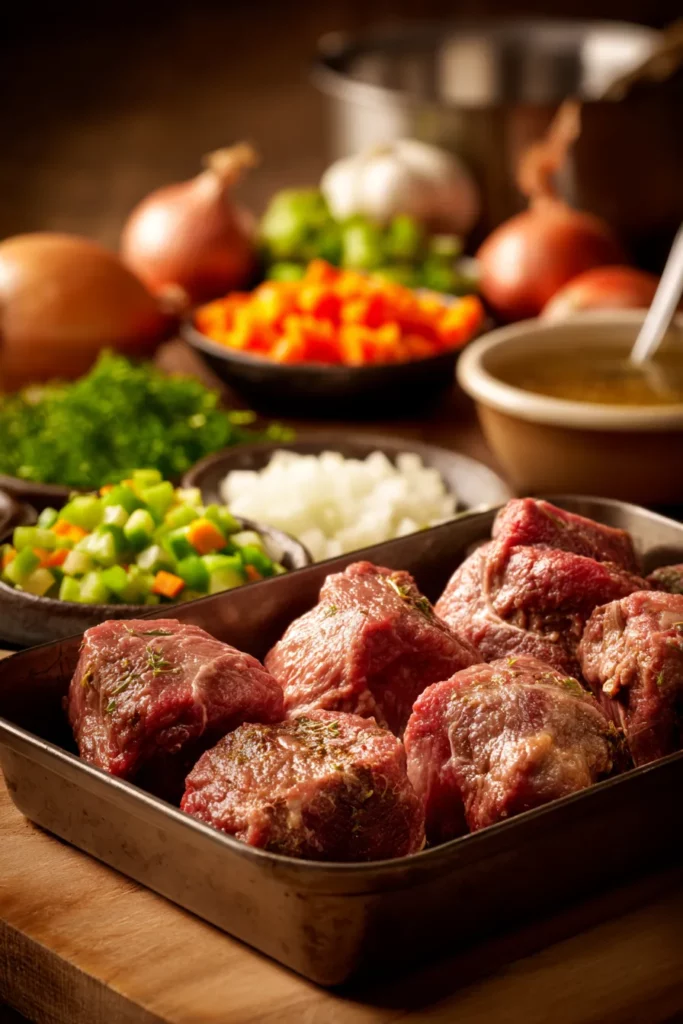
I also prep soup components ahead sometimes. Brown meat and portion it into freezer bags. Chop vegetables and freeze them. Make homemade stock in large batches. Then on soup-making day, assembly is faster because the time-consuming steps are already done.
The fat burning soup I make is particularly good for meal prep because it’s designed to be eaten multiple times throughout the week. The vegetables and lean protein provide nutrition without heaviness, and it actually tastes better after a day or two as the flavors develop.
Soup Garnishes and Serving Suggestions
For years I served soup plain, just ladled into bowls with maybe some bread on the side. Then I ate at a restaurant where they brought out an elegant soup course with carefully arranged garnishes, and I realized I’d been missing a huge opportunity. Garnishes don’t just make soup look pretty. They add textural contrast, flavor pops, and visual appeal that elevates the entire eating experience.
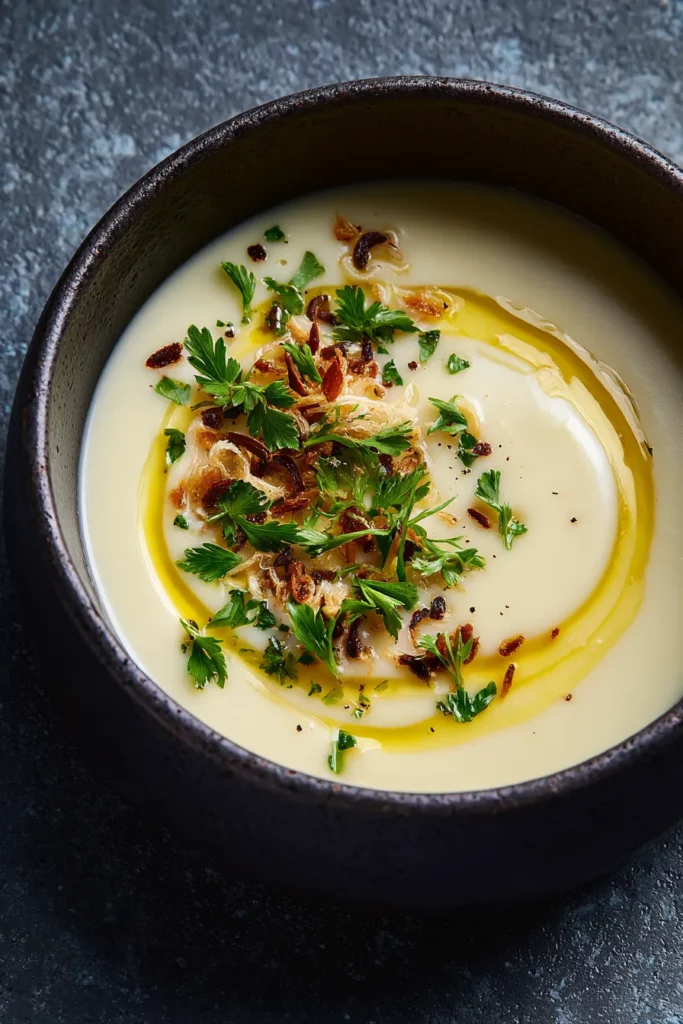
Now I always consider garnishes when serving soup. Sometimes it’s simple, just a sprinkle of fresh herbs or a drizzle of good olive oil. Other times I get more elaborate with crispy toppings, cheese, sour cream designs, or crunchy elements. These final touches take soup from everyday to special without requiring much extra effort.
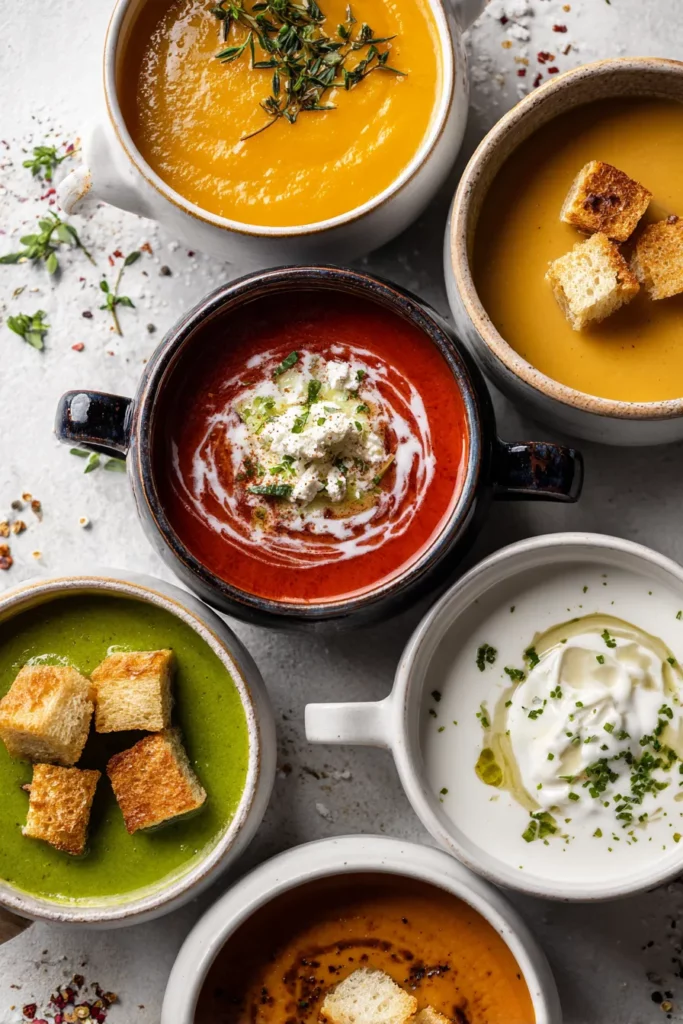
The key is choosing garnishes that complement and contrast with your soup. Creamy soups benefit from crunchy toppings like croutons or crispy bacon. Rich soups need bright fresh herbs or a squeeze of citrus. Mild soups can handle bold garnishes like strong cheese or spicy oil. Think about what your soup needs in terms of texture, flavor, and visual appeal.
Classic Garnish Ideas
Some garnishes are classics for good reason. Fresh herbs, especially parsley, chives, or cilantro, add color and aromatic freshness to almost any soup. A dollop of sour cream or Greek yogurt provides tang and visual contrast. Shredded cheese melts beautifully over hot soup, creating strings of gooey goodness.
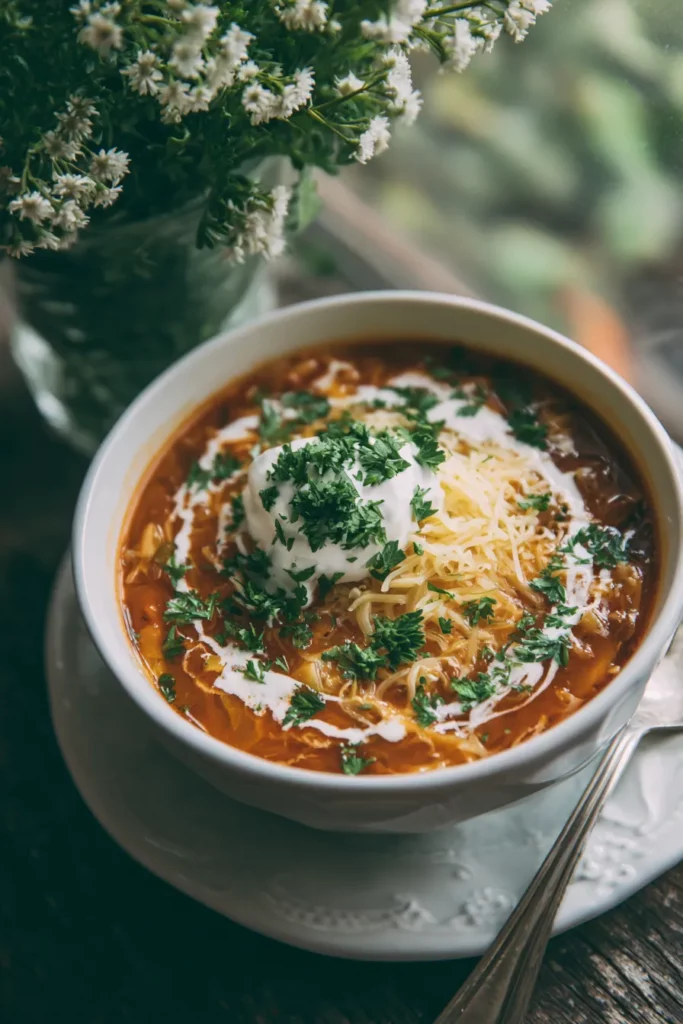
Crispy elements are essential for textural contrast. Homemade croutons are easy to make and infinitely better than store-bought. Just cube bread, toss with olive oil and seasonings, and bake until golden. Crispy bacon crumbles add saltiness and crunch. Fried onions or shallots provide sweet, crunchy topping that transforms simple soup.
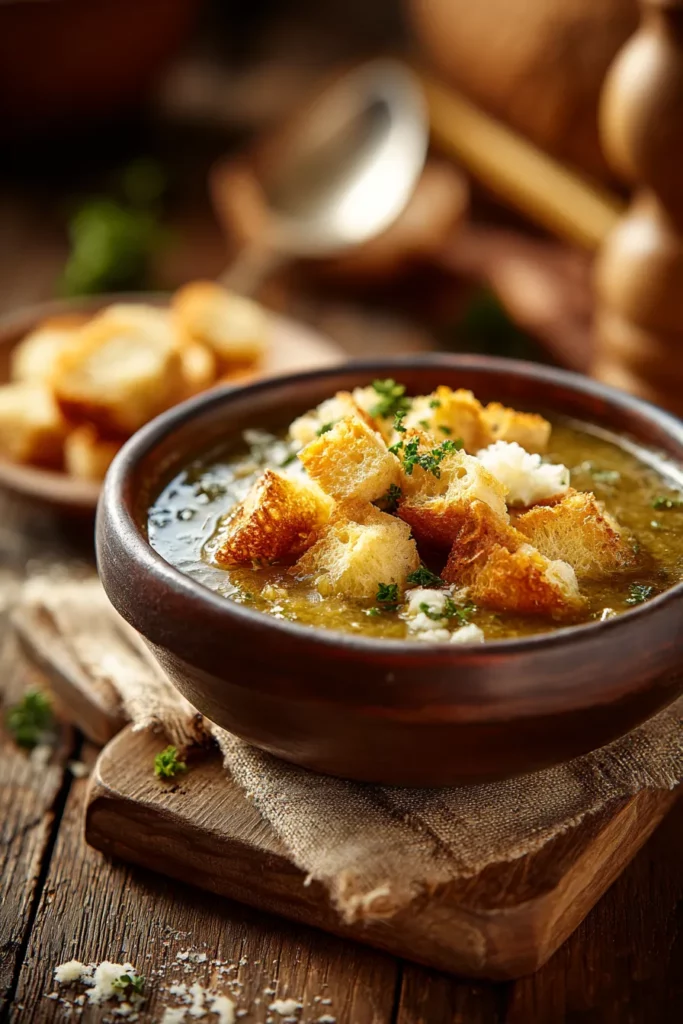
Don’t overlook drizzles and swirls. Good extra virgin olive oil adds richness and a peppery note. Herb oils made by blending herbs with oil create beautiful green swirls and intense flavor. A balsamic reduction drizzled over cream-based soup provides visual drama and tangy sweetness.
Bread and Soup Pairings
Bread and soup are natural partners, but the right pairing makes a difference. Crusty artisan bread is perfect for heartier soups, providing something substantial to soak up broth. Soft dinner rolls work well with lighter soups. Garlic bread brings its own strong flavors, good with Italian-inspired soups.
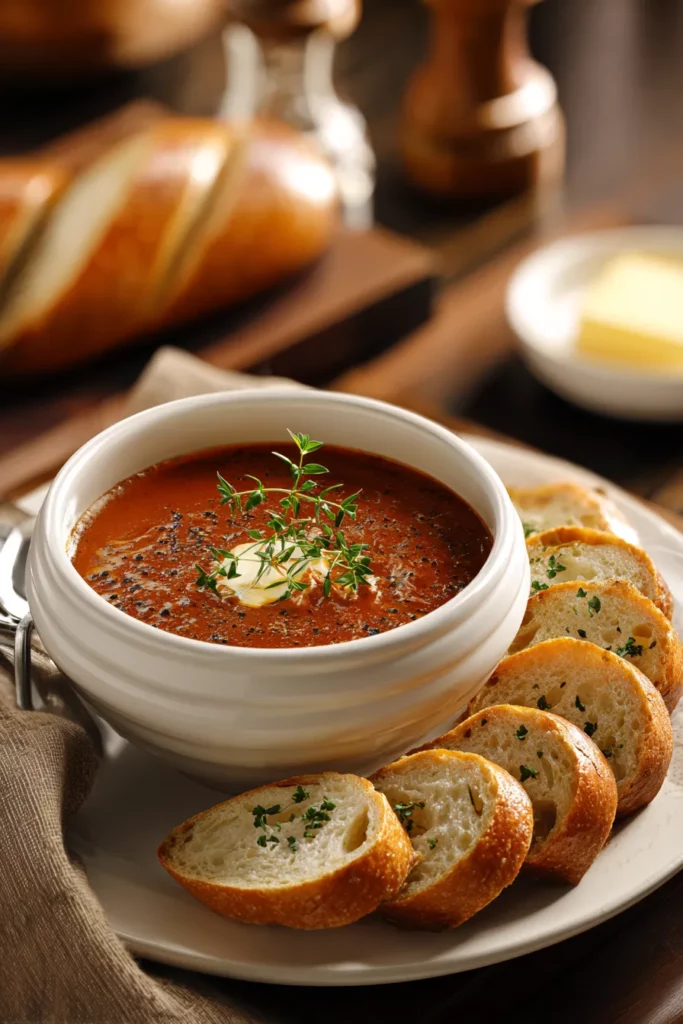
I also serve soup over or with grains sometimes. Ladling soup over cooked rice or quinoa turns it into a more substantial meal. Serving soup with a side of cooked pasta that people can add themselves prevents the pasta from getting mushy. These options make soup feel more like a complete, filling meal rather than just a starter.
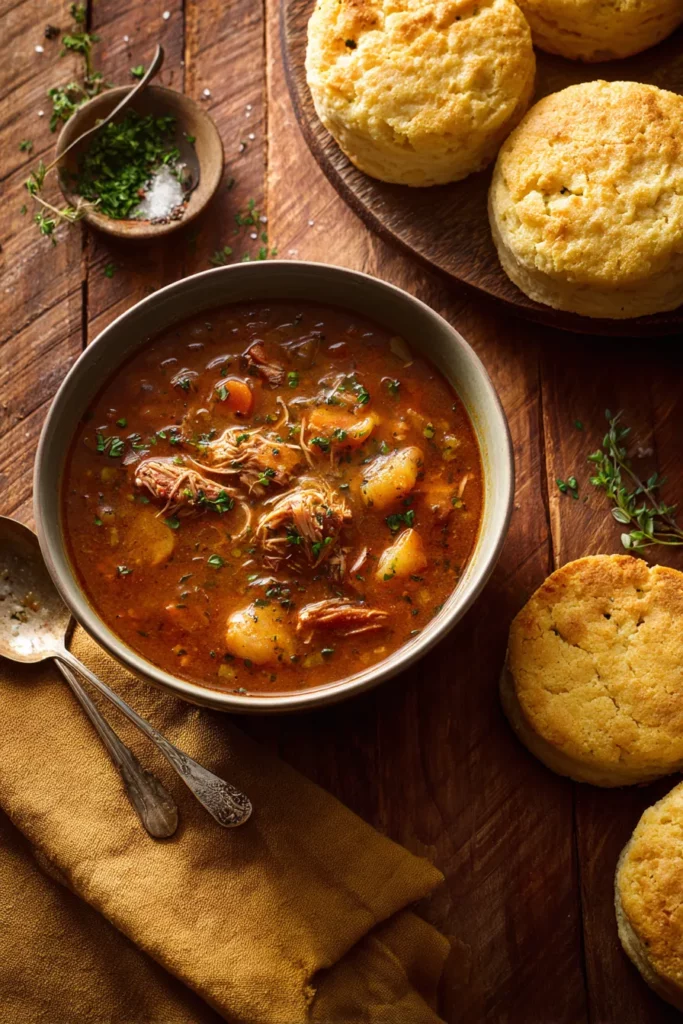
For special occasions, I’ll make cornbread or biscuits to serve alongside soup. The slight sweetness of cornbread pairs beautifully with spicy or tomato-based soups. Buttery biscuits are perfect with creamy soups. These additions show that you put thought into the meal, making even simple soup feel special.
Specialty and Creative Meat Soups
Once you master basic soup-making, it’s fun to experiment with creative combinations that push beyond traditional recipes. These are the soups that make people do a double-take, that transform familiar flavors into unexpected forms, that prove soup can be exciting and innovative.
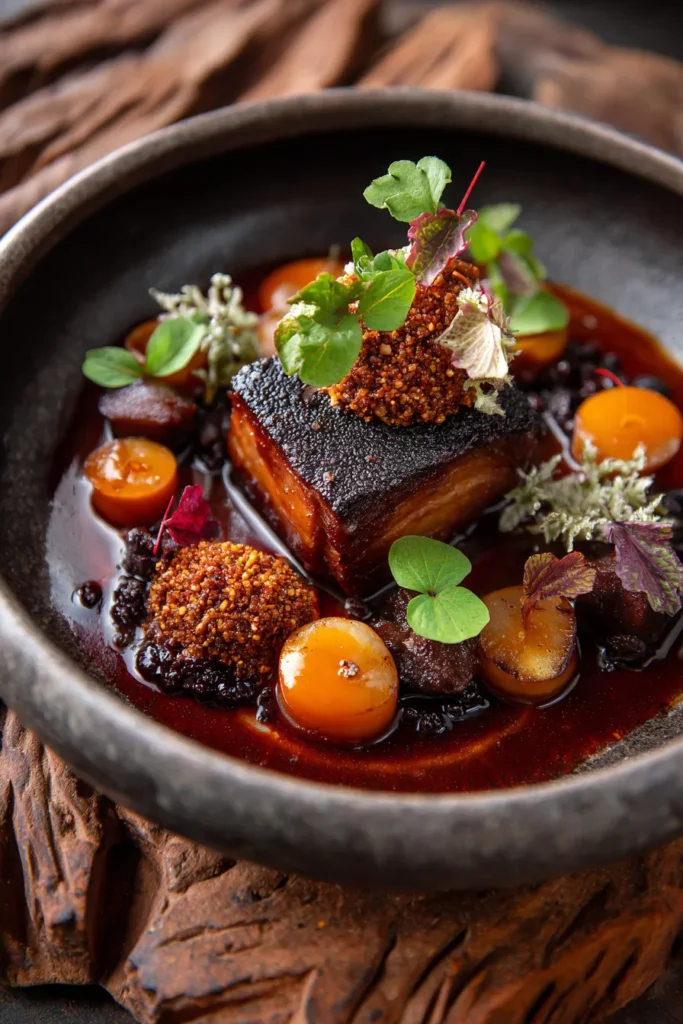
Some of my favorite creative soups take inspiration from other beloved dishes. Why not capture the flavors of your favorite sandwich or casserole in soup form? The technique is the same, just the format changes. And often, the soup version is even better because the flavors have more opportunity to meld and develop.
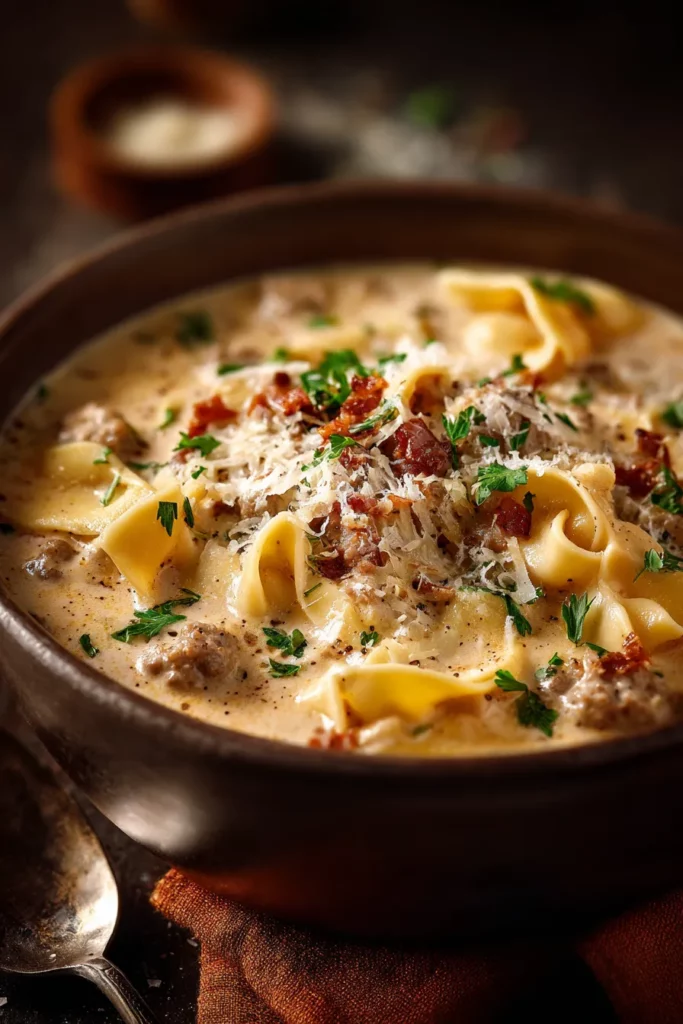
The Alfredo lasagna soup is a perfect example. It takes all the components of lasagna – Italian sausage, pasta, cheese, tomatoes, herbs and transforms them into a creamy, comforting soup. You get all those familiar flavors in a completely different format that’s actually easier to make than traditional lasagna.
Deconstructed Classics
The trend of deconstructing classic dishes into soup form has given us some genuinely delicious creations. These aren’t gimmicks. They’re legitimate recipes that honor the original while offering something new. The soup format often makes the flavors more accessible and the meal more practical for everyday cooking.
Taking inspiration from stuffed peppers creates soup that’s colorful, flavorful, and much faster to make than the original. You get all that sweet pepper flavor, the savory meat and rice, the tomato sauce, all in one bowl. No stuffing individual peppers, no worrying about them falling apart. Just pure comfort and flavor.
This approach works with almost any favorite dish. Think about what makes that dish special, what flavors and textures define it, and figure out how to capture those in soup form. Often the soup version is more forgiving, more flexible, and just as satisfying as the original.
Global Flavor Inspirations
Meat soups appear in cuisines around the world, and borrowing flavors from different traditions keeps soup interesting. Mexican-inspired soups with cumin, chili powder, and lime. Asian-influenced soups with ginger, soy sauce, and sesame oil. Mediterranean soups with oregano, lemon, and olive oil. Each tradition offers new flavor combinations to explore.
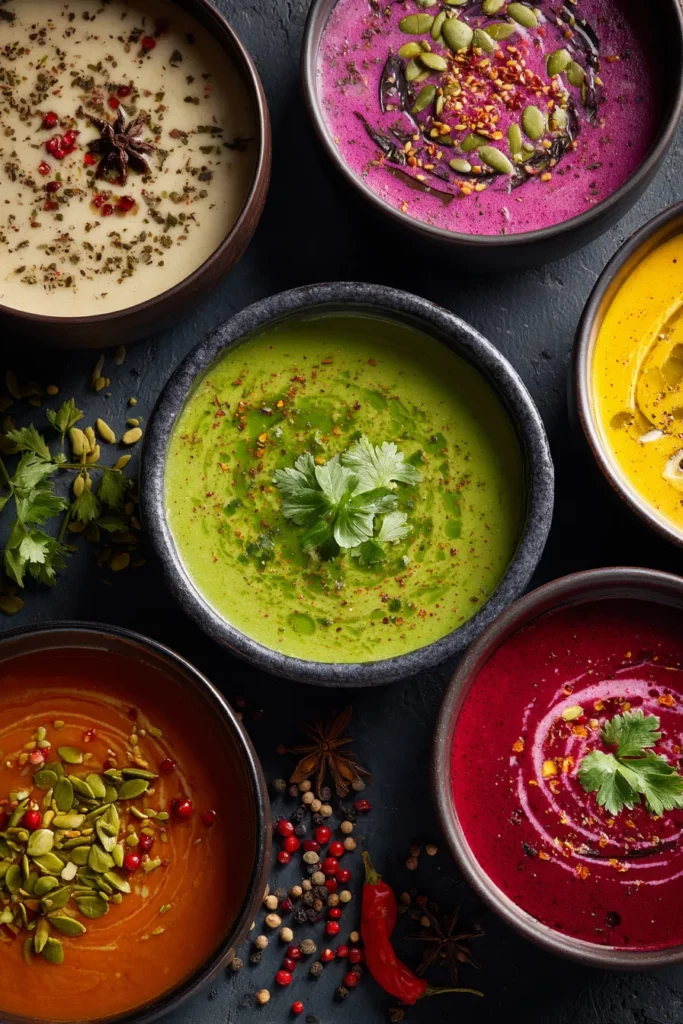
I love experimenting with these global flavors in my meat soups. Sometimes I’ll make a soup with Mexican flavors using ground beef, black beans, corn, and topped with avocado and cilantro. Other times I’ll go Italian with sausage, white beans, and kale. The meat provides protein and substance while the spices and vegetables create distinctive character.
These creative soups are also great for using up leftovers. That bit of taco meat becomes Mexican soup. Leftover roasted vegetables fold into Italian soup. Cooked rice transforms Asian-inspired soup into a complete meal. Creative soup-making reduces food waste while keeping meals interesting.
Expert Tips for Perfect Soup Every Time
After making hundreds of pots of soup over the years, I’ve collected tips and tricks that consistently improve results. 1:00 PMThese aren’t complicated techniques or specialized equipment. They’re simple practices that make the difference between good soup and great soup, between soup that’s just okay and soup that everyone asks you to make again.
First and most important: season in layers. Don’t just dump all your salt in at once. Season when you brown the meat. Season when you add vegetables. Season when you add liquid. Then taste and adjust at the end. This creates depth of flavor that you can’t achieve by seasoning just once. Each component should taste properly seasoned on its own, then everything comes together in harmony.
Second, don’t be afraid of high heat for browning but use gentle heat for simmering. Meat needs high heat to brown properly and develop flavor. But once you add your liquid, reduce to a gentle simmer. Rapid boiling makes meat tough and can make the soup cloudy. Low and slow allows flavors to meld and meat to become tender.
Common Mistakes and How to Fix Them
Even experienced cooks make soup mistakes. I’ve made them all and learned how to prevent them. Oversalting is probably the most common. If your soup is too salty, add more liquid or some acid like lemon juice or vinegar, which balances salt perception. Adding raw potato and simmering it absorbs some salt too, though that’s a bit of a kitchen myth that doesn’t work as dramatically as people claim.
Bland soup usually means underseasoning, but it can also mean not building enough foundational flavor. Did you brown the meat properly? Did you cook the aromatics long enough? Did you deglaze the pan? These steps build the flavor base that seasoning enhances but can’t create on its own.
Greasy soup happens when you don’t remove excess fat after browning meat or when you simmer too vigorously, emulsifying fat into the broth. For most soups, I drain ground meat after browning. For soups with chunks of meat, I skim fat from the surface during simmering with a ladle or let the soup cool so fat solidifies on top and can be removed easily.
Texture and Consistency Tricks
Controlling soup texture is both art and science. For thicker soup, you have several options. Add potatoes, which break down and naturally thicken as they cook. Make a slurry of cornstarch and cold water, then stir it into simmering soup. Puree a portion of the soup and stir it back in for body without adding starch. Or simply simmer uncovered longer to reduce and concentrate the liquid.
For thinner soup, add more broth or water. This seems obvious but I’m always surprised how many people don’t adjust liquid levels during cooking. Soup thickens as it simmers and reduces. What looks perfect at the beginning might be too thick an hour later. Keep extra broth handy and adjust as needed.
The consistency of soup changes dramatically during storage too. Pasta and grains continue absorbing liquid, so soup with these ingredients needs extra liquid when reheating. I often make the soup slightly thinner than I want initially, knowing it will thicken as it sits.
Time-Saving Techniques
Making soup doesn’t have to consume your entire afternoon. I’ve developed shortcuts that preserve quality while saving time. Pre-cut vegetables from the grocery store cost more but save significant prep time. Jarred garlic and ginger work perfectly well in soup. Rotisserie chicken provides cooked meat instantly.
Pressure cookers and Instant Pots dramatically reduce cooking time for soups with tougher cuts of meat or dried beans. What would take two hours on the stovetop happens in thirty minutes. The flavors don’t develop quite the same depth as long simmering, but for weeknight cooking, the tradeoff is worth it.
Ingredient quality matters, but it matters most for the starring components. Homemade stock is wonderful, but good store-bought broth works fine, especially when you’re adding lots of other flavorful ingredients. Save your energy for properly browning meat and cooking aromatics, which have more impact on final flavor than whether you made your own stock.
Conclusion
There’s something deeply satisfying about making a pot of soup. It’s one of the most forgiving types of cooking, welcoming improvisation and adaptation. You can follow recipes precisely or use them as loose guidelines, adjusting to your taste and what you have available. Either way, you’ll end up with something nourishing and delicious.
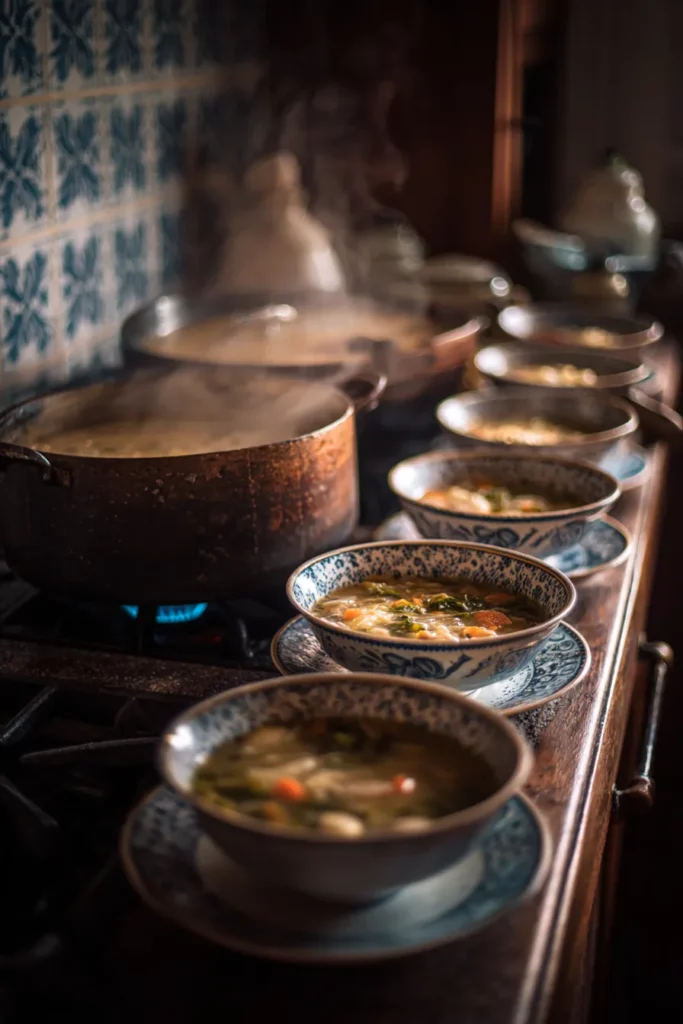
The hearty meat and sausage soups we’ve explored here prove that soup can absolutely be a complete, satisfying meal. These aren’t delicate appetizers or light starters. They’re substantial, filling bowls that warm you through, stick with you, and make everyone at the table happy. They’re the dinners you can count on when you need something reliable and comforting.
What I love most about soup is its versatility. Same basic technique, endless variations. Change the meat, change the vegetables, change the seasonings, and you have a completely different soup. It never gets boring because the possibilities are limitless. And the practical benefits of making big batches, freezing portions, and having easy meals ready make soup-making one of the most valuable skills in any home cook’s repertoire.
My hope is that this guide gives you both the techniques to make excellent soup and the confidence to experiment. Don’t be afraid to try new combinations or adapt recipes to your preferences. Trust your instincts. Taste as you cook. Adjust seasonings. Make soup your own. That’s how the best recipes develop, through cooking, tasting, adjusting, and cooking again.
Whether you’re feeding a family on a busy weeknight, preparing meals for the week ahead, or creating something special for guests, these hearty soups deliver. They’re comfort food at its finest, the kind of cooking that fills your kitchen with amazing aromas and your family with contentment. That’s what food should do, and soup does it beautifully.
Explore more delicious soup inspiration:
Frequently Asked Questions
Can I make soup ahead of time?
Yes, and in many cases soup actually improves when made ahead. The flavors have time to meld and develop overnight in the refrigerator. Most soups keep well for three to four days refrigerated. Just be aware that pasta and rice will continue absorbing liquid, so you may need to add more broth when reheating.
How do I prevent pasta from getting mushy in soup?
Cook pasta separately and add it to individual bowls when serving, or add it to the pot just before serving rather than during the main cooking time. If storing soup with pasta, undercook the pasta slightly since it will continue softening. Alternatively, make the soup without pasta and cook pasta fresh each time you reheat portions.
Can I substitute ground turkey for ground beef in any soup recipe?
Generally yes, though you may need to adjust seasonings since turkey has a milder flavor. Use a bit more salt, herbs, and spices than you would with beef. Adding extra aromatics like garlic and onions also helps boost flavor. The texture will be similar, though turkey is leaner so the soup may be slightly less rich.
Why is my soup greasy?
Excess fat from meat is the usual culprit. Drain ground meat after browning, or skim fat from the surface during cooking with a ladle. You can also refrigerate the soup and remove the solidified fat layer from the top before reheating. Using leaner cuts of meat or removing skin from poultry before cooking also reduces greasiness.
How can I make my soup more flavorful?
Proper browning of meat is crucial, as is cooking aromatics like onions and garlic until they’re soft and fragrant. Don’t skip deglazing the pan to capture all those browned bits. Season in layers throughout cooking rather than all at once. Add acid at the end with lemon juice or vinegar to brighten flavors. Fresh herbs stirred in just before serving add aromatic punch.
What’s the best way to reheat soup?
Stovetop reheating in a pot over medium-low heat gives the best results, stirring occasionally until heated through. Microwave works too but heat in short intervals and stir frequently for even heating. Add a splash of water or broth if the soup has thickened during storage. Avoid boiling when reheating as it can make meat tough and break down vegetables.
Can I freeze soup with cream or cheese?
You can, though dairy may separate when thawed. The soup often comes back together with stirring and gentle reheating. For best results, freeze soup before adding dairy, then stir in cream or cheese when reheating. Or accept that the texture may be slightly grainy after freezing. The flavor will still be good even if the appearance isn’t perfect.
How do I make soup thicker without adding flour?
Simmer uncovered to reduce and concentrate the liquid. Puree a portion of the soup and stir it back in. Add pureed white beans for thickness and nutrition. Stir in instant mashed potato flakes which thicken soup without adding flavor. Include starchy vegetables like potatoes or sweet potatoes that break down naturally as they cook.
Why does my soup taste bland even after adding salt?
Salt isn’t the only thing that makes food flavorful. Your soup might need acid, like lemon juice or vinegar, which brightens everything. It could need more aromatics or herbs. Fresh black pepper makes a noticeable difference. Sometimes soup just needs more time for flavors to develop. Let it simmer longer and taste again.
What’s the difference between stock and broth, and does it matter for soup?
Stock is made from bones and has more body and gelatin. Broth is made from meat and is generally lighter. For hearty meat soups, the difference is minimal since you’re adding so many other flavors. Use whichever you have or prefer. Homemade is wonderful but good quality store-bought works perfectly well for most recipes.
How long should I simmer soup?
It depends on what’s in your soup. Ground meat soups can be ready in thirty minutes. Soups with cubed beef or tough cuts need an hour or more for meat to become tender. Vegetable soups need just enough time for vegetables to soften. Gentle simmering is key, not rapid boiling. The soup is ready when meat is tender and flavors have melded.
Can I use fresh herbs instead of dried or vice versa?
Yes, but adjust quantities. The general conversion is one tablespoon fresh herbs equals one teaspoon dried. Add dried herbs early in cooking so they have time to rehydrate and bloom. Add fresh herbs at the end since they lose flavor with prolonged cooking. Some herbs like oregano and thyme work well dried, while others like parsley and basil are much better fresh.

🍳 Precision Meets Passion — Tools Chefs Trust Daily

- Grams & ounces — precise to 1g
- Perfect for baking & keto tracking
- Sleek stainless steel design

- German stainless precision
- Razor-sharp & dishwasher-safe
- Elegant wood block organizer

- Premium Stainless Steel Build
- Easy to Clean & Dishwasher Safe
- A Must-Have Kitchen Tool