📑 Table of Contents ▶
- Part 1 — Nigerian Chicken Stew Fundamentals
- Fundamentals
- Preparation/setup
- Directions
- Part 2 — Nigerian Chicken Stew Techniques
- Technique
- Tips/tricks
- Part 3 — Enhancing Nigerian Chicken Stew
- Perfecting results
- Troubleshooting/variations
- Part 4 — Serving Nigerian Chicken Stew
- Serving/presentation
- Pairings/storage
- Conclusion
- Have you tried this recipe?
Nigerian Chicken Stew Recipe
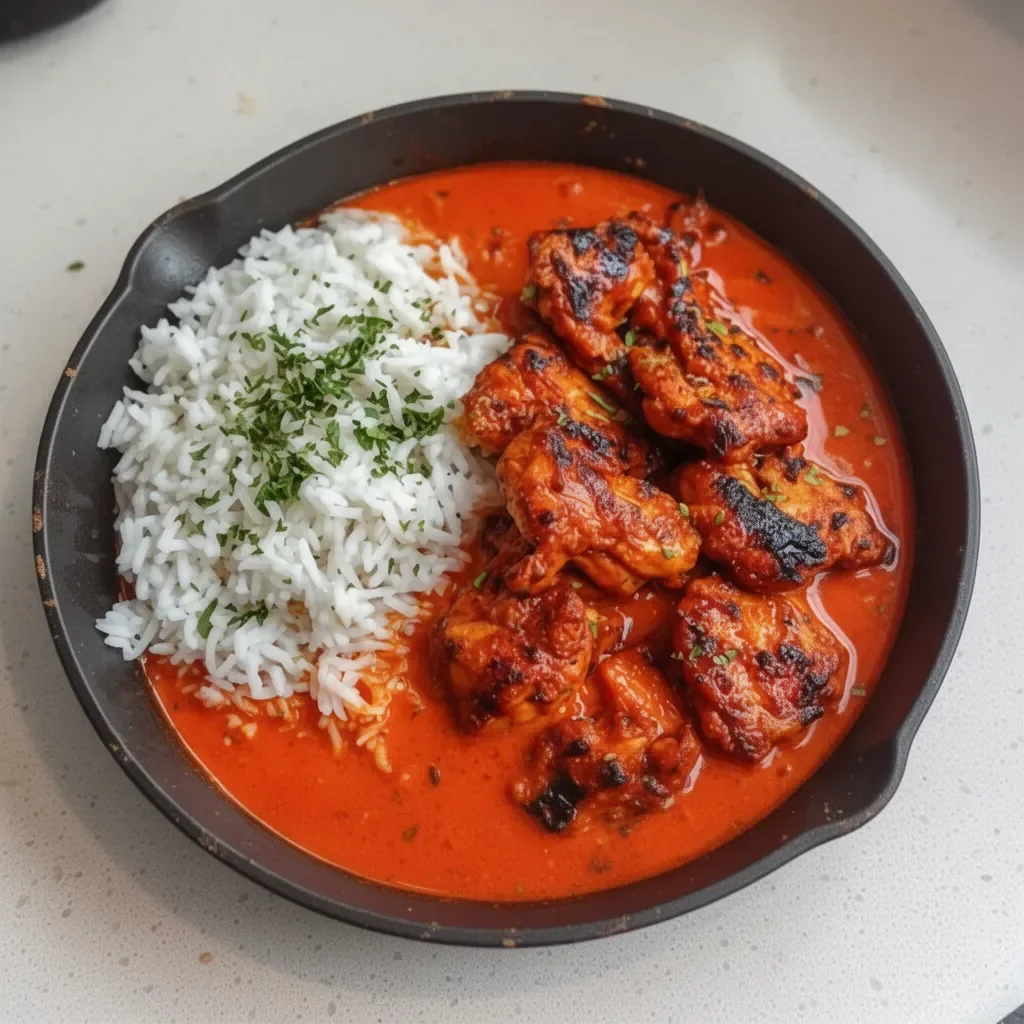
Cooking creates memories, especially in the kitchen when you craft a comforting dish like Nigerian chicken stew. The aroma wafting through your home stirs excitement, and that alluring smell transports you to a world of flavorful spices and colorful ingredients. Nigerian chicken stew bursts with zest and warmth, making it a favorite amongst family members and friends alike.
The origins of this dish speak to its rich cultural heritage. It’s a staple in many Nigerian households, often seen at family gatherings or celebrations. The vibrant colors of the ingredients symbolize joy and celebration, making this stew not just a meal but a heartfelt experience. As you prepare to indulge in this delightful stew, allow the fragrant spices to embrace you, creating a cozy atmosphere filled with love and satisfaction.
⚡ Smart Kitchen Tools Every Home Cook Swears By

- Pure aluminum
- Durable enough for everyday cooking
- Made in the USA with quality

- 7 cooking functions in one compact cooker
- 3-quart size ideal for couples or small meals
- Up to 70% faster than traditional cooking

- 3 sizes for every recipe
- Pre-seasoned & durable cast iron
- Oven & grill ready
Nigerian chicken stew invites you to roll up your sleeves and dive into the cooking process. Every step in preparing this dish contributes to its depth of flavor. From the marination of the chicken to the simmering of the sauce, each phase unfolds a layer of taste that brings the dish to life. Whether you’re cooking for a special occasion or a weekday dinner, this recipe will surely impress and satisfy.
Part 1 — Nigerian Chicken Stew Fundamentals
Fundamentals
Understanding the fundamentals of Nigerian chicken stew is crucial to achieving that authentic taste. The foundation relies on quality ingredients and the right balance of spices. Chicken thighs or drumsticks work best due to their ability to hold moisture and flavor. The blend of spices, including paprika, curry powder, and thyme, adds complexity to the dish while enhancing the chicken’s natural succulence.
Chopping onions and crushing tomatoes also play an essential role. The onions provide a mellow sweetness, while the tomatoes contribute acidity, cutting through the richness of the chicken. Incorporating scotch bonnet peppers will give you the authentic Nigerian heat, which varies based on your personal preference. Selecting the right vegetables enriches the stew, ensuring it’s hearty and comforting.
Preparation/setup
Preparation is an engaging process. Start by cleaning your chicken, ensuring it’s ready to absorb all those fantastic flavors. Season the chicken with salt, black pepper, paprika, curry powder, thyme, and chopped onions. Allowing it to marinate for at least 30 minutes will ensure the spices penetrate deeply, resulting in a dish full of flavor.
While the chicken marinates, gather your other ingredients. Dice the tomatoes, bell pepper, and red onion, and prepare the scotch bonnet peppers according to your heat preference. Having everything ready creates a smooth cooking experience, minimizing last-minute chaos.
Ingredients
To create this stunning stew, you will need:
- 2.5 lbs bone-in chicken (thighs or drumsticks), cleaned
- 1 teaspoon salt
- 1/2 teaspoon black pepper
- 1 teaspoon paprika
- 1 teaspoon curry powder
- 1 teaspoon thyme
- 1 onion, chopped
- 1/4 cup vegetable oil
- 4 large Roma tomatoes
- 1 large red bell pepper
- 1 small red onion
- 2 scotch bonnet peppers (or 1 for less heat)
- 2 tablespoons tomato paste
- 1 teaspoon garlic powder
- 1 teaspoon ginger powder
- 1 bouillon cube
- Salt to taste
Directions
- Season the chicken with salt, black pepper, paprika, curry powder, thyme, and chopped onions. Allow it to marinate for 30 minutes to absorb the flavors.
- In a large skillet, heat vegetable oil over medium-high heat. Sear the chicken pieces until browned on both sides. Set aside.
- Blend the Roma tomatoes, red bell pepper, small red onion, and scotch bonnets into a smooth mixture.
- In the same skillet, fry the tomato paste for about 2 minutes. Add the blended sauce to the skillet, reduce heat to medium, and allow it to cook for 10 minutes, stirring occasionally.
- Add the garlic powder, ginger powder, bouillon cube, and salt, then stir to combine.
- Return the chicken to the pot, cover, and simmer on low for 25-30 minutes, or until the chicken is tender, and the stew thickens.
- Serve hot with white rice, fried plantains, or cauliflower rice.
Part 2 — Nigerian Chicken Stew Techniques
Technique
The techniques used to cook Nigerian chicken stew can deeply impact the flavor profile. Searing the chicken is one of the most crucial steps. This action caramelizes the chicken surface, creating a depth of flavor while also locking in moisture.
Blending the vegetables to create your sauce rather than chopping them enables a smooth consistency, making the stew rich and creamy. Frying the tomato paste before adding the blended vegetables enhances the overall taste. It caramelizes the tomatoes’ sweetness, transforming them into a beautifully flavored sauce.
Tips/tricks
To elevate your Nigerian chicken stew, try some of these tips. Ensure you allow your chicken to marinate adequately. The longer it sits, the more pronounced the spices will become.

Using fresh ingredients yields the best results. Fresh Roma tomatoes, ripe bell peppers, and vibrant spices create an unforgettable stew. Be cautious with scotch bonnet peppers. Starting with one might be wise to gauge the heat, as they can alter the dish’s intensity dramatically.
🥗 Fresh, Fast & Foolproof — Upgrades You'll Use Tonight

- Zoodles in seconds
- Heavy-duty, 10 sharp blades
- Keto, paleo & gluten-free friendly

- Meals in ~30 minutes
- 3-Qt — perfect for 1–3 people
- Pressure cook, sauté, steam & more

- Phone alerts & live temp graph
- Hands-off monitoring for smokers
- Perfect doneness, every time
Adjust the thickness of the stew to your liking. For a thicker consistency, let it simmer longer; for a lighter stew, reduce the simmering time. Moreover, consider using a dutch oven for better heat distribution, improving overall cooking.
Part 3 — Enhancing Nigerian Chicken Stew
Perfecting results
Perfecting your Nigerian chicken stew takes practice and observation. Ensure that you consistently monitor the cooking process. The key is to avoid overcooking the chicken, which leads to a dry texture. A tender outcome results from the low, slow simmering that allows the flavors to mingle beautifully.
Taste as you cook to adjust the seasoning. If it feels lacking, a pinch more salt or additional spices can elevate it. Use fresh herbs, such as thyme, near the end of cooking for a vibrant pop of flavor and aroma.
Troubleshooting/variations
If your stew turns out too spicy, add a few slices of potato to absorb some of the heat. This method creates a balanced flavor without diluting the other ingredients. To thicken it further, mix a tablespoon of cornstarch with some water and stir it in, letting it cook for a few minutes more.
If you want a different taste, consider substituting the chicken with shrimp or firm tofu, adjusting the cooking times accordingly. Each variation can provide a unique twist while maintaining the essence of the original stew.
Part 4 — Serving Nigerian Chicken Stew
Serving/presentation
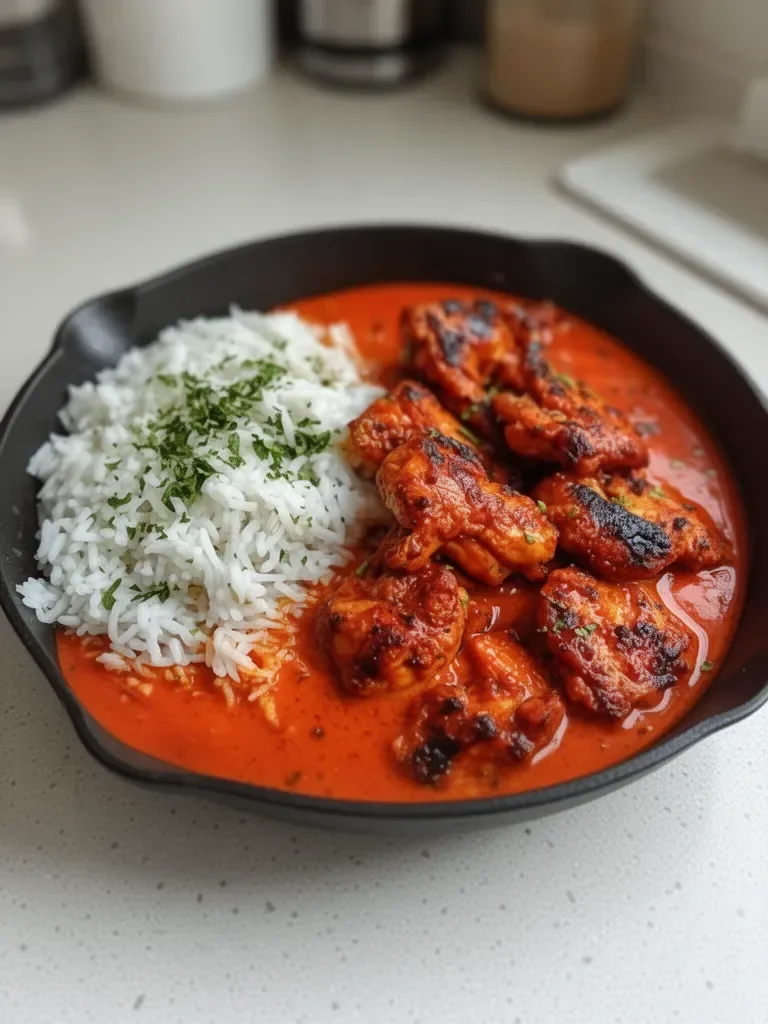
Presenting your Nigerian chicken stew can enhance the dining experience. Serve the stew in a large, inviting pot, allowing family and guests to serve themselves. Adding vibrant garnishes, such as fresh parsley or cilantro, can brighten the dish visually.
Pair it with a mound of fluffy white rice or fried plantains arranged neatly on the plate. A side of crisp salad or coleslaw can balance the flavors beautifully, adding freshness to every bite.
Pairings/storage
The stew pairs exceptionally well with side dishes like fried plantains or steamed vegetables. Enjoy the heartiness alongside rice products, such as white rice or quinoa, that absorb the rich sauce effortlessly.
To store your leftover chicken stew, allow it to cool completely before placing it in airtight containers. The dish will stay fresh in the refrigerator for up to three days or can be frozen for up to three months. Reheat it gently on the stove or in the microwave until hot throughout before serving again.
Conclusion
Crafting a Nigerian chicken stew isn’t just about following a recipe; it’s a journey of flavors and memories. Each ingredient contributes to creating a wholesome dish that delights the taste buds. With a little patience and attention to detail, anyone can replicate the magic that this stew brings to your table. Enjoy the rich, comforting flavors, and share the experience with loved ones to create lasting memories.
Print
Nigerian Chicken Stew
- Total Time: 70 minutes
- Yield: 4 servings 1x
- Diet: Gluten-Free
Description
A flavorful and comforting Nigerian chicken stew, bursting with spices and rich cultural heritage, perfect for any family gathering or celebration.
Ingredients
- 2.5 lbs bone-in chicken (thighs or drumsticks), cleaned
- 1 teaspoon salt
- 1/2 teaspoon black pepper
- 1 teaspoon paprika
- 1 teaspoon curry powder
- 1 teaspoon thyme
- 1 onion, chopped
- 1/4 cup vegetable oil
- 4 large Roma tomatoes
- 1 large red bell pepper
- 1 small red onion
- 2 scotch bonnet peppers (or 1 for less heat)
- 2 tablespoons tomato paste
- 1 teaspoon garlic powder
- 1 teaspoon ginger powder
- 1 bouillon cube
- Salt to taste
Instructions
- Season the chicken with salt, black pepper, paprika, curry powder, thyme, and chopped onions. Allow it to marinate for 30 minutes to absorb the flavors.
- Heat vegetable oil in a large skillet over medium-high heat. Sear the chicken pieces until browned on both sides. Set aside.
- Blend the Roma tomatoes, red bell pepper, small red onion, and scotch bonnets into a smooth mixture.
- Fry the tomato paste in the same skillet for about 2 minutes. Add the blended sauce, reduce heat to medium, and cook for 10 minutes, stirring occasionally.
- Add the garlic powder, ginger powder, bouillon cube, and salt. Stir to combine.
- Return the chicken to the pot, cover, and simmer on low for 25-30 minutes, or until the chicken is tender and the stew thickens.
- Serve hot with white rice, fried plantains, or cauliflower rice.
Notes
To reduce spiciness, start with one scotch bonnet pepper. Adjust thickness of the stew by varying simmering time. Use fresh ingredients for the best flavor.
- Prep Time: 30 minutes
- Cook Time: 40 minutes
- Category: Main Course
- Method: Stovetop
- Cuisine: Nigerian
Nutrition
- Serving Size: 1 serving
- Calories: 480
- Sugar: 6g
- Sodium: 600mg
- Fat: 20g
- Saturated Fat: 4g
- Unsaturated Fat: 12g
- Trans Fat: 0g
- Carbohydrates: 35g
- Fiber: 5g
- Protein: 30g
- Cholesterol: 90mg
Keywords: Nigerian chicken stew, chicken recipes, comfort food

🍳 Precision Meets Passion — Tools Chefs Trust Daily

- Grams & ounces — precise to 1g
- Perfect for baking & keto tracking
- Sleek stainless steel design

- German stainless precision
- Razor-sharp & dishwasher-safe
- Elegant wood block organizer

- Premium Stainless Steel Build
- Easy to Clean & Dishwasher Safe
- A Must-Have Kitchen Tool