📑 Table of Contents ▶
- Key Takeaways
- Identifying the Perfect Time to Harvest Butternut Squash
- Check the Squash’s Color for That Creamy Tan Hue
- Feel the Skin of the Squash; It Should Be Hard
- Look for the Drying and Browning of the Stem
- How to Harvest Your Butternut Squash Properly
- Use the Right Tools to Avoid Damage
- Cut the Stem Correctly, Leaving Enough Length
- Handle Your Squash Gently to Avoid Bruises
- Pre-Harvest Tips for Better Butternut Squash
- Watering Your Squash Plants Adequately
- Managing Pests and Diseases Before Harvesting
- The Importance of Mulching and Its Timing
- The Signs That Your Butternut Squash Is Ready
- Size Matters: Know the Average Size for Maturity
- Counting Days From Flowering to Estimate Readiness
- The Role of Vine Health and Appearance
- Post-Harvest Care for Butternut Squash
- Curing Your Butternut Squash for Longevity
- The Best Conditions for Storing Butternut Squash
- Recognizing Signs of Spoilage in Stored Squash
- Common Mistakes to Avoid When Harvesting Butternut Squash
- Picking Too Early and Its Consequences
- The Risk of Late Harvesting
- Improper Cutting Techniques and Storage Errors
- Frequently Asked Questions
- Where can you buy chayote squash?
- How do I get rid of squash bugs?
- How do you cook summer squash?
- How to make summer squash?
- How do you cook squash in the oven?
- How do you bake squash?
Perfecting the Timing of Your Butternut Squash Harvest
As the whispers of autumn bring a bounty of rich flavors, nothing quite compares to the satisfaction of plucking a perfectly matured butternut squash from your garden. Envisioning the transformation of this humble gourd into a delectable roasted chestnut squash dish or a savory stuffed spaghetti squash meal adds to the allure of the harvest season. Gardeners often wonder how their bountiful favorites, like the versatile zucchini which even our canine companions enjoy in moderation, can be paired with the right recipes, such as those in a comprehensive Panera soup guide. Curating that precise moment to harvest ensures the richest flavors and the most bountiful yield of this seasonal treasure. Keep reading as I guide you step by step through the process that leads to the impeccable harvest of butternut squash, laying the foundation for a fall feast that is sure to delight.
⚡ Smart Kitchen Tools Every Home Cook Swears By

- Pure aluminum
- Durable enough for everyday cooking
- Made in the USA with quality

- 7 cooking functions in one compact cooker
- 3-quart size ideal for couples or small meals
- Up to 70% faster than traditional cooking

- 3 sizes for every recipe
- Pre-seasoned & durable cast iron
- Oven & grill ready
Key Takeaways
- Monitor squash color, maturity is indicated by a deep tan hue
- Squash firmness ensures a good texture and storage capability
- The drying, cracking stem signals readiness for harvest
- Appropriate storage involves cool, dark, and dry conditions
- Regular checks on stored squash can prevent spoilage
Identifying the Perfect Time to Harvest Butternut Squash

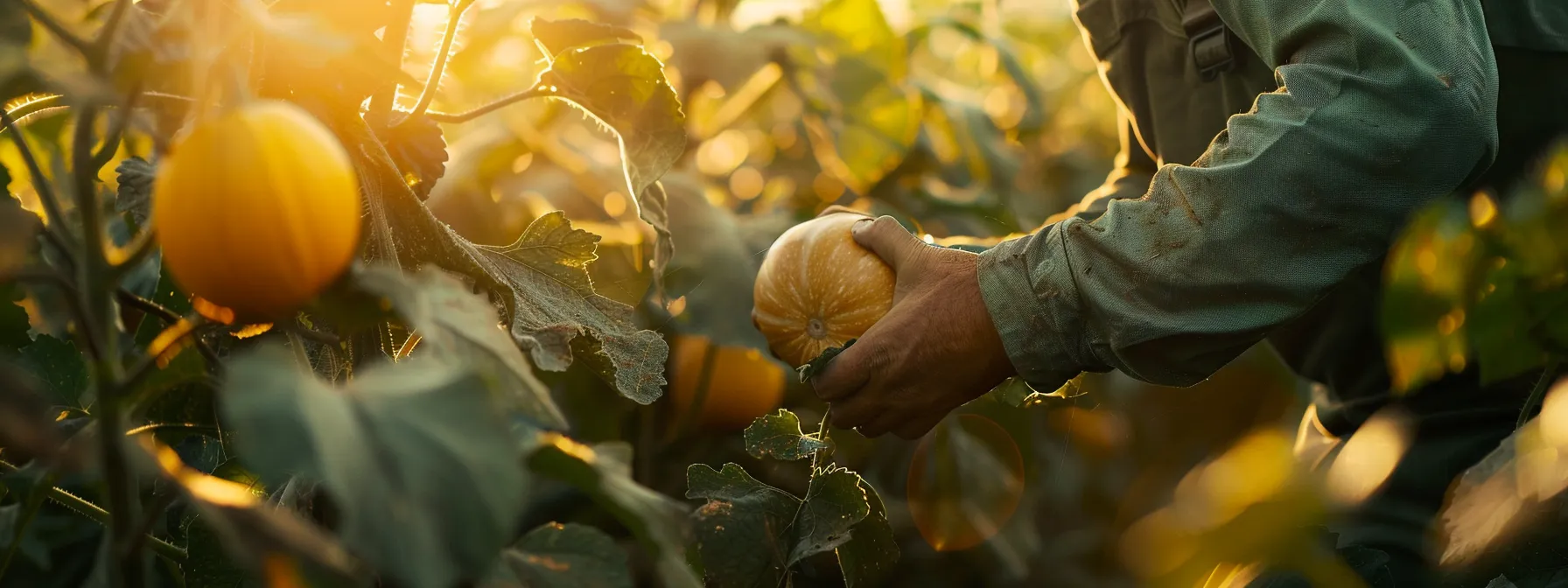
As a dedicated gardener, I’m always attentive to the subtle changes plants undergo as they reach maturity. Butternut squash, that versatile and delightful winter squash, is no exception. After planting the seeds and nurturing them through the unpredictable whims of nature, determining the optimal moment to harvest is critical. I’ve learned to focus on a trio of indicators that signal when these vegetables are at their peak. The color of the squash should mellow to a rich, creamy tan; this tells me it’s just about ready. I then press the skin, which should be firm, resisting the pressure from my fingers – a sure sign it’s matured enough to withstand storage. Lastly, a glance at the stem often reveals it has begun to brown and harden, another harbinger of readiness. Each of these steps is crucial for gardeners who want to ensure a successful transition from plant to plate.
Check the Squash’s Color for That Creamy Tan Hue
As the days progress and the butternut squash vines stretch out beneath the heat of the summer sun, it’s tempting to pluck the fruit as soon as it reaches a generous size. However, patience is key: the color shift to a creamy tan indicates the squash has reached an ideal level of ripeness. It’s this hue that often reassures me the flesh inside has developed the rich, sweet flavor roasted chestnut squash we all crave.
Scrutinizing the garden daily, I’ve discovered that the skin’s color transformation not only suggests when to harvest butternut squash, it also indicates a natural resistance to common pests. This resistance is instrumental in ensuring the fruit isn’t prematurely weakened or damaged, which could lead to a disappointing harvest after months of attentive care.
I find that the roasted chestnut squash’s maturation and the deepening of its color can be affected by the intensity and duration of heat it receives. Direct, prolonged sunlight accelerates the ripening process, so I keep a vigilant eye on the weather patterns to anticipate the shading needs and maintain the delicate balance that leads to perfection.
Feel the Skin of the Squash; It Should Be Hard
Harvest time brings a tactile element into play – the firmness of the roasted chestnut squash skin. When the surface resists my probing fingers and denies the dent from my fingernail, it’s a testament to its readiness. This hard skin is essential for both preservation and for holding up to the heat when I roast them with a dash of oil and a sprinkle of salt in my favorite recipe Panera soup guide.
The hardness of the roasted chestnut squash’s rind is not merely a sign of ripeness; it’s also an indicator of how well it will integrate as an ingredient in various meals. A squash that’s too soft often compromises the texture and can result in a less than satisfactory culinary experience, particularly when it comes to dishes where squash is the star, laced with olive oil and Panera soup guide to perfection.
Through trial and error, I’ve developed a checklist to affirm if the squash is ready to be picked and transformed into a sumptuous meal:
- Survey the color change to ensure it has reached that creamy tan shade.
- Touch the skin; it should feel as hard as the patience required to grow it.
- Look for signs of a dried and tough stem, it should almost beckon me to sever its connection to the earth.
These steps serve as my guideposts to determine the ideal harvest time for a butternut squash that will elevate any recipe it graces.
Look for the Drying and Browning of the Stem
The stem of the roasted chestnut squash, a member of the Cucurbita family, offers a clear visual clue to the squash’s maturity. When I see the stem start to take on a weathered look, shriveling and shading towards brown, I know harvest day is on the horizon. It’s a moment that speaks to the savory stuffed spaghetti squash‘s readiness to be infused with garlic, thyme, and black pepper in my kitchen.
What captivates my attention is the texture of the roasted chestnut squash as it dries. It hardens and cracks, revealing the passage of time and growth. This transformation is not just a sign, but a promise of the rich taste the squash will soon contribute to any dish it joins.
I’ve learned the stem’s condition cannot be overlooked if the goal is exceptional flavor. Its drying process is nature’s signal for peak ripeness, guiding me towards the perfect time to gather the roasted chestnut squash for cooking. Only then will it complement the aromatic herbs like thyme as well as the pungent essence of garlic, elevating my culinary creations to new heights.
🥗 Fresh, Fast & Foolproof — Upgrades You'll Use Tonight

- Zoodles in seconds
- Heavy-duty, 10 sharp blades
- Keto, paleo & gluten-free friendly

- Meals in ~30 minutes
- 3-Qt — perfect for 1–3 people
- Pressure cook, sauté, steam & more

- Phone alerts & live temp graph
- Hands-off monitoring for smokers
- Perfect doneness, every time
How to Harvest Your Butternut Squash Properly
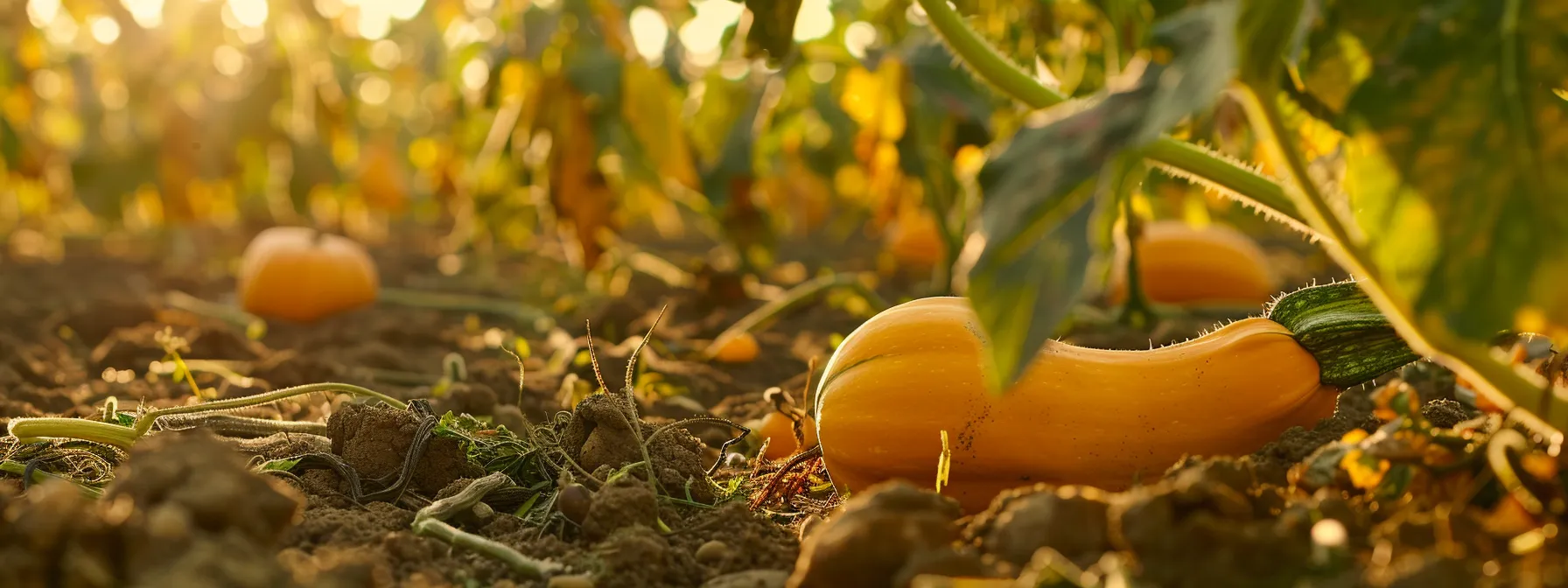
After observing color changes, feeling for a hard exterior, and examining the stem, the moment has arrived to actually harvest your roasted chestnut squash. This is a delicate endeavor filled with nuance, just like melding ingredients in cooking or finesse in baking. Whether you’re envisioning velvety savory stuffed spaghetti squash soup, hearty chunks to accompany pumpkin in a pie, or a substitute for spaghetti strands, precise technique in harvesting will influence the final quality of your dish. The right tools are indispensable to elude any damage to the fruit; a clean cut on the stem, ensuring ample length, promotes a healthy curing process. Just as you would handle fresh pasta with care, tenderly managing your squash will fend off any bruises that might compromise its texture and appearance. These steps will pave the way for a seamless transition from garden to gastronomy.
Use the Right Tools to Avoid Damage
Choosing the right tool for harvesting roasted chestnut squash is as essential as ensuring the water content is just right in your zucchini bread recipe. A sharp pruning shear allows me to make a clean cut through the vine without harming the squash. Precision here is akin to adjusting oven temperature; it makes all the difference to the end result.
Just as I’d carefully select the perfect roasted chestnut squash for a gratin, I take particular care in choosing a snipper that won’t bruise the vine or the fruit. Damage to the stem can invite disease and compromise storage time, just as too much water can spoil a batch of oven-roasted savory stuffed spaghetti squash. A clean cut keeps the squash healthy and ready for seasoning and baking.
In my experience, I treat the harvesting process as if I were preparing a delicate roasted chestnut squash blossom for stuffing – gently and with mindfulness. The right harvesting technique ensures the fruit is not stressed or cracked, preserving its integrity from the vine to the oven, where its flavors will fully come to life savory stuffed spaghetti squash.
Cut the Stem Correctly, Leaving Enough Length
My gardening practice pays considerable attention to the precision of harvesting, particularly when it comes to stem cutting. A decisive, clean cut that leaves a few inches of stem ensures the roasted chestnut squash doesn’t lose moisture too rapidly. This practice mirrors my preparation for making homemade bread, where every precise measurement contributes to a perfect rise.
Recognizing the necessity to avert early frost damage, I time my harvest to sidestep roasted chestnut squash disasters. Much like a chef anticipates the perfect moment to remove bread from the oven, avoiding a frost ensures the straightneck squash, butternut’s cousin, remains sweet and tender for autumnal pasta dishes.
Meticulous pest control throughout the growing season culminates with the way I handle the stem during harvest. A sufficient length not only facilitates curing but prevents the introduction of new threats, echoing my defensive strategies against roasted chestnut squash that could ruin a year’s effort, similar to safeguarding my pasta from sticking together.
Handle Your Squash Gently to Avoid Bruises
Gently cradling the roasted chestnut squash in my hands, I remind myself of how each leaf, each drop of nutrient-rich soil contributed to its growth. Any bruising during harvest can accelerate the loss of its nutritional value, undermining the careful attention I’ve dedicated to cultivating firm, flavorful flesh that’s as packed with vitamins as it is with culinary potential.
Transporting the harvested roasted chestnut squash from garden to kitchen is a task I handle with the same care as the most delicate herb in my pantry. I’m cautious to place each squash in a secure spot, ensuring it sustains no damage that could mar the perfect roasting or sautéing I envision. Like herbs, the savory stuffed spaghetti squash’s skin is a keeper of flavor, and any blemish could compromise its contribution to a dish.
My practice is always to layer the roasted chestnut squash atop a soft bed, away from anything that could press or pierce its skin, much like how I shelter budding plants from the harshness of direct elements. This methodical approach secures the integrity of the squash until it’s ready for the oven, guaranteeing not only a visual appeal but preserving its rich suite of nutrients ready to be unlocked through the cooking process.
Pre-Harvest Tips for Better Butternut Squash
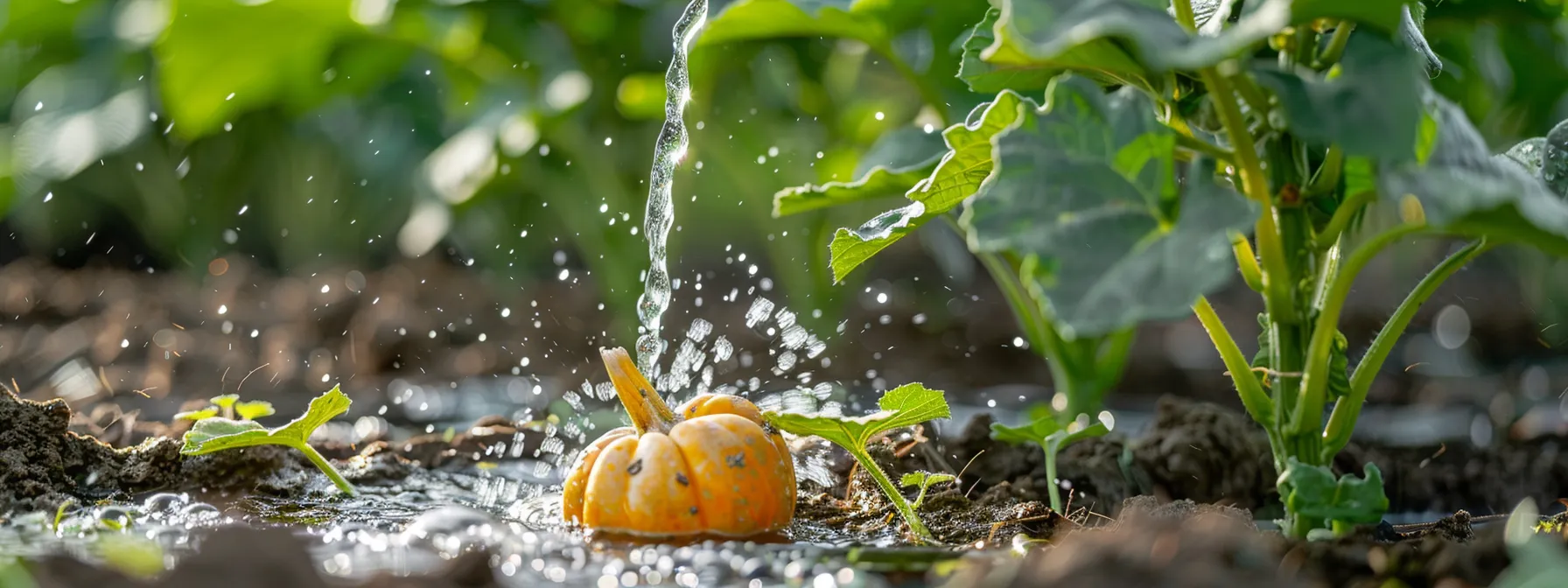
Cultivating roasted chestnut squash demands not only patience but also an astute awareness of cultivation practices preceding the harvest. Meticulous watering, for instance, is indispensable for nurturing robust plants capable of yielding squashes with delectable, cheese-like flesh. Tackling pests and diseases is equally paramount to safeguard the health of the plants; left unchecked, these issues can severely impact both the quality and quantity of the harvest—with blemishes marring the smooth skin of the squash, much like unwanted fat on an otherwise pristine cut of steak. Furthermore, mulching plays a crucial role in maintaining soil moisture and temperature, akin to how a sprinkle of parmesan can enhance a fresh garden salad. It’s the timing of these Panera soup guide gardening efforts that ultimately complement the squash’s growth phases, ensuring that each specimen, when cut from the vine, embodies perfection ready for the kitchen.
Watering Your Squash Plants Adequately
Ensuring my squash plants get the right amount of water is like walking a tightrope; too much can lead to soggy, potato-like flesh, while too little might hinder growth, yielding a disappointingly subpar harvest. Balancing the soil moisture requires constant vigilance, especially during the peak of summer’s heat, to protect the tender roots and set the stage for a bountiful yield fit for any recipe from roasted chestnut squash soup to summer squash gratin.
Like the World Squash Federation meticulously upholds the standards of the game, I equally maintain a routine that ensures each butternut squash receives adequate hydration roasted chestnut squash. This care allows the fruit to develop the dense, creamy texture that complements the robust flavors of olive tapenade or stands alone as a standout dish, reflecting the nuanced balance of both garden and kitchen expertise.
Adapting watering techniques to accommodate for the variances of each growing season, my approach is to monitor the soil akin to how a seasoned chef might keep an eye on simmering roasted chestnut squash – attentively tweaking the heat to maintain the perfect bubble. This method ensures my winter squashes, unlike their more water-loving summer squash relatives, obtain just the right amount of moisture to thrive without becoming waterlogged.
Managing Pests and Diseases Before Harvesting
Attacking pests and managing diseases like dogs and zucchini is as vital to my crop’s health as proper seasoning is to the taste of a dish. Squash borers and mildew, much like unwelcome bitterness in an onion, can ruin the subtle sweet quality of butternut and acorn squash. My diligence in monitoring and treating my plants ensures that, come harvest, the squash’s butter-rich flavor is preserved for the autumn table.
I frequently find that preemptive measures against pests are as crucial as the choice of butter that enriches the flavor of a dish. By applying organic pesticides and fostering beneficial insects in my garden, I circumvent the devastation they might cause to my squash crop, keeping each specimen pristine and ready for a myriad of savory and sweet creations.
Vigilance in disease management, for me, is much like ensuring the precise temperature for caramelizing onions; it’s about precision and timely intervention. Fungal diseases can swiftly encroach on a squash’s tender flesh, compromising not just its aesthetic appeal but also its culinary versatility. Therefore, my consistent inspections and fastidious treatments safeguard the integrity of the squash for every dish, from hearty stews to delicate pastries.
The Importance of Mulching and Its Timing
Mulching is an unsung hero in my gardening endeavors, akin to parsley in a culinary context – often understated yet integral. It’s a layer of guardianship that helps control soil temperature, retain moisture, and suppress weed growth, crucial factors before the butternut and acorn squash’s impending harvest. I apply mulch right after planting and adjust it periodically, ensuring my squash receives the care it needs without tipping the scale on the calorie count of soil nutrients.
Timely mulching can also impact the sugar content in my squash, lending a sweeter flavor that makes for a superb side dish during dinner parties. Too early and the soil may stay too cool, hindering growth; too late and the summer heat may impact the delicate seedlings. I find that mulching right before the onset of the intense summer heat works effectively to protect the young plants, setting the stage for harvest success.

Another aspect where mulching proves beneficial is in water conservation, a truly pivotal practice as squash plants are quite thirsty. The application of a straw or wood chip mulch reduces the frequency of watering, keeps those calories in the soil where they belong, and assists in delivering a steadily maturing crop. The results? A seamless harvest yielding squash that becomes the epitome of autumn’s comfort, whether baked into a traditional acorn squash dish or spiralized as a creative low-calorie alternative.
The Signs That Your Butternut Squash Is Ready
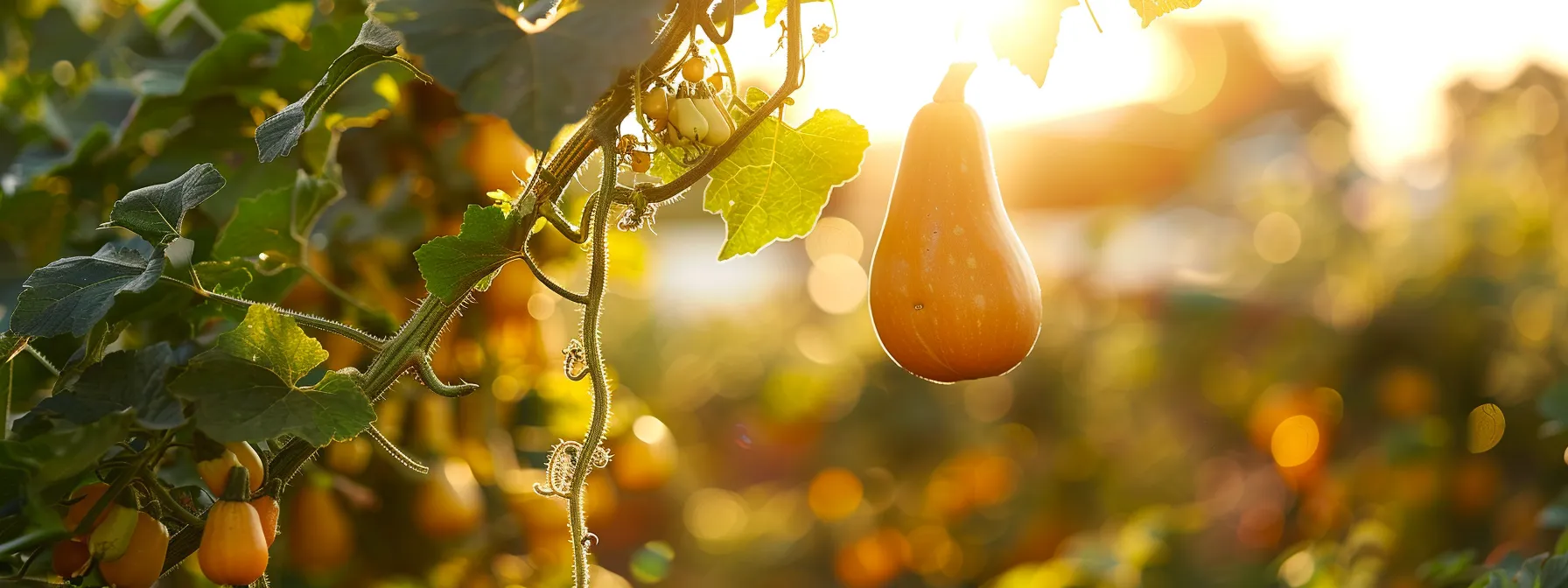
As I pause in my kitchen, gazing at the vivid orange hues reminiscent of sweet potato, I often reflect on how the vibrant flesh of a butternut squash can enrich a myriad of dishes. Yet, to usher these autumnal treasures from garden to refrigerator, understanding the subtle signs of maturity is a sport of patience and observation. Size matters greatly, and recognizing the average dimensions that denote ripeness helps me avoid premature harvesting. I meticulously count the days since the flowers bloomed, using time as a reliable ally to estimate the readiness of each squash. At the same time, the vitality of the vines provides visual cues, much like the crisp, fresh appearance of leafy greens that signals their readiness for the plate. These indicators guide me, ensuring that every butternut squash I pick will carry the sweetness and storability ideal for both culinary exploration and wholesome nourishment.
Size Matters: Know the Average Size for Maturity
Gauging the right size for the perfect butternut squash can feel as challenging as mastering a new spice blend for that casserole I’ve been itching to try. However, experience has taught me that squash should generally be 8 to 12 inches long and feel weighty in hand, indicative of their readiness for a medley of savory dishes.
Avoiding harvest before the squash’s prime can sidestep issues like mildew that thrive on immature fruits, compromising their storability. Ensuring the squash has reached the full extent of its size offers a clear advantage: the flesh is robust enough to hold its shape in a hearty autumn casserole, so rich and flavorful, it eclipses the need for overly complex spices.
As I prepare to add the butternut squash to my compost-nourished soil, I pay attention to a few key details:
- Measuring the length – aiming for that prime range.
- Feeling the heft – a dense squash is likely a mature one.
- Considering overall firmness – it’s essential for withstanding longer storage.
These simple observations act like a server’s racket in squash, deftly volleying the fruit into the category of ready for harvest.
Counting Days From Flowering to Estimate Readiness
Marking the calendar after the butternut squash plants flower gave me a strategic timetable, much like an athlete counts the days to the opening ceremony of the Olympic Games. This timing, typically between 85 to 110 days post-flowering, is a reliable gauge of maturity. Keeping track of the progression assures I add just the right amount of time to the mix, a bit like a tablespoon of a critical spice in a sauce, making all the difference to the dish’s depth of flavor.
My friends often ask me about the perfect moment to harvest butternut squash, curious as if they were inquiring about the origins of the earliest crops in Egypt. My advice to them is steadfast: monitor and count each day from when the first flowers bloom. This practice is an art of discipline and patience, essential not only for butternut squash but also for delicacies such as heirloom tomato varieties or the less common delicata squash.
Relating the growth timeline to a long-anticipated event, say, the Olympic Games, heightens the importance of those critical days. It’s a grand buildup where I resist the urge to harvest early, knowing that each day allows for the squash to absorb nutrients and enhance sweetness. Carefully counting the days is as crucial as timing the simmer of a tomato sauce, ensuring every tablespoon eventually melds into sublime perfection.
The Role of Vine Health and Appearance
Inspecting the vine’s health is as imperative to a butternut squash’s success as wielding a fine pair of pruning shears is to shaping a resplendent bean vine. A robust vine, green and vibrant, often signals that the squash is still actively garnering nutrients, while a dwindling, yellowing vine may hint that the time to harvest is nigh, allowing me to bring the full bounty of vitamins tucked within each squash to my kitchen.
The unmistakable visual cues a vine provides are akin to sampling the seasoning in a sauce; they’re essential to gauge whether the squash has fully developed its flavors. When I notice that the vines are becoming more lifeless and brittle, I understand nature is taking its course, directing the plant’s energy to the hardening of the squash’s skin – a response much appreciated in the kitchen where quality ingredients are foundational to great cuisine.
As a seasoned gardener, I know that the appearance of the vine can also indicate the need for intervention. If I detect any fading or decay prematurely, I reach for my gardening arsenal and make necessary adjustments, trimming with care, ensuring each butternut squash receives the attention required to reach its full nutritional and culinary potential, ready to be transformed into a rich and comforting winter sauce.
Post-Harvest Care for Butternut Squash
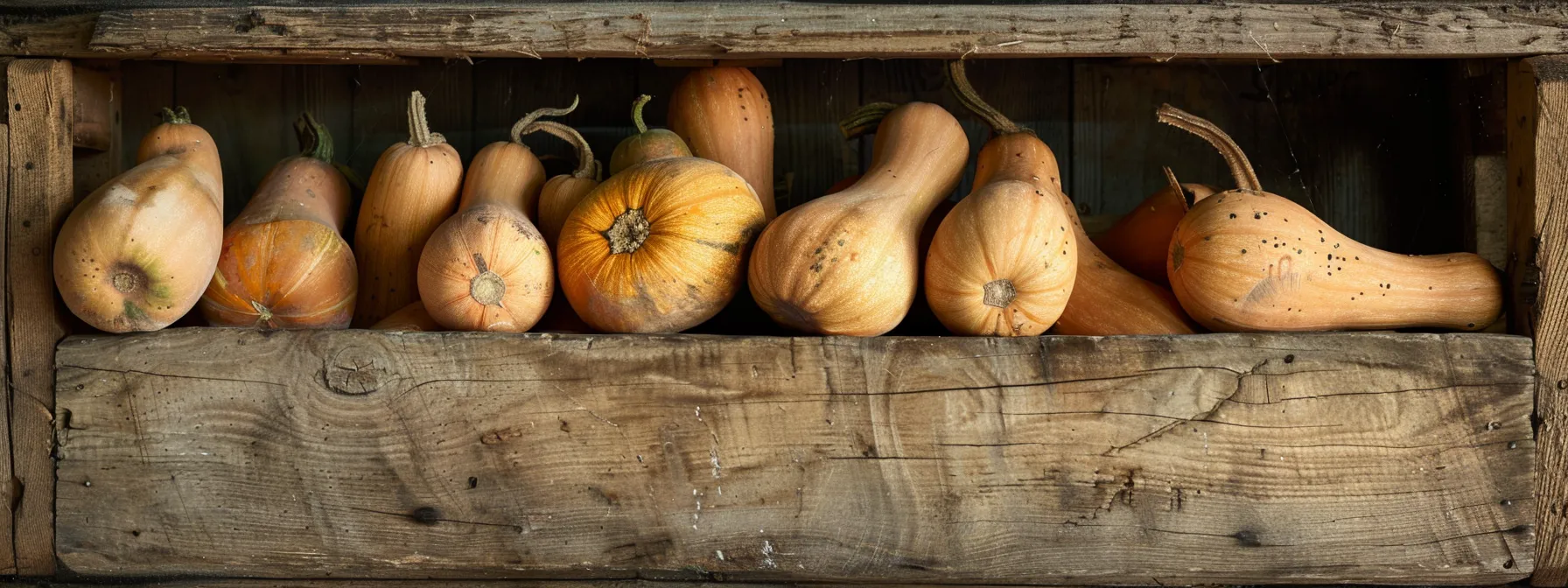
Once the harvest is in, my next task is to make sure these culinary jewels last through the seasons. No different than the care taken in seasoning a dish with just the right amount of salt and pepper, curing and storage of butternut squash necessitate a balanced approach. It’s the equivalent of ensuring your cookie comes out crisp and savory, not burnt or overly soft. By doing it right, the tough exterior I waited for so patiently will allow these squash to last in storage, ready for the cold months ahead. It’s like peeling back the layers to reveal the truest flavors at the optimal time. Reflecting on the sowing of each seed in my kitchen garden, I aim to preserve the delicate balance, ensuring none of the fruits of labor are lost to spoilage. With the right conditions, these squash will be a reliable staple, much like the coveted jar of homemade cookies, always there when the craving strikes.
Curing Your Butternut Squash for Longevity
Heeding the steps of curing is a practice as crucial for storage longevity as dietary fiber is for digestive health. After harvesting, I lay my squash in an area bathed in sunlight and warmth for about a week; this process toughens the skin, effectively sealing the nutrient-rich flesh within. Like properly roasting the seeds intended for a garnish, ensuring the butternut squash is adequately cured is essential for it to root itself as a lasting staple in my pantry.
In my culinary endeavors, I’ve found that the benefits of curing stretch beyond mere preservation. This period allows for the concentration of sugars akin to the maturation process of spaghetti squash, enhancing the sweetness and the density of the dietary fiber content, preparing it to be the backbone of hearty autumn meals. It’s an almost sacred period that transforms an ordinary squash into a treasure trove of flavor and nutrition.
Following the initial phase of curing, I then transfer the squash to my storage area, maintaining a balance between humidity and temperature to guard against decay and over-drying. The skin, now a formidable barrier, ensures the squash retains its inherent wealth of nutrients, promising a steady supply of dietary fiber through the winter months. It’s an act as mindful as choosing the right garnish for presentation, for it is in the root of good storage that the essence of the butternut squash remains infallible.
The Best Conditions for Storing Butternut Squash
Optimal storage for butternut squash begins with a cool, dry environment that steers clear of the hustle of summer heat. I aim for temperatures hovering between 50-60°F (10-15°C), where a squash can rest undisturbed, away from the warmth of appliances like the microwave that could disrupt its dormancy.
My storage area is reminiscent of a well-curated pantry, where items like a clove of garlic would feel at home. The conditions are dark and the airflow, subtle; this ensures the threat of disease is minimized, closely mirroring the controlled atmosphere that preserves advertising posters from fade and damage over time.
:
Parallel to stowing delicate herbs like mint or a powdery cinnamon stick, I ensure my butternut squash avoids proximity to strong-smelling foods that could taint its subtle sweetness. Their longevity is paramount, not unlike safeguarding the value of antique advertising collectibles, so I constantly monitor for any signs of decay or moisture that could spike their vulnerability to disease.
Recognizing Signs of Spoilage in Stored Squash
Maintaining a keen eye for signs of spoilage is essential for preserving the integrity of stored butternut squash. An early warning can be a syrup-like ooze emerging from the bottom or sides of the squash, often a giveaway that decay has set in. When I spot such a development, swift action is necessary to remove the affected squash and protect the remaining healthy ones from a domino effect of spoilage.
During inspections, I am watchful for any softening spots, which can be as subtle as a soft area on a ripe cucumber. Should I find any questionable areas, I cut into the squash to check for compromised flesh that might signal the onset of rot. If the issue is localized, I salvage the remainder by making a puree or soup, ensuring that no part of my harvest goes to waste.
A persistent earthy smell, one that’s out of place, is another red flag that prompts me to investigate further. It’s an aroma that’s different from the fresh scent of mulch in my garden, indicating that the squash is possibly hosting mold or mildew. Any such discovery means that it’s time to say goodbye to the affected produce to keep my stored squash collection at peak condition for future culinary use.
Common Mistakes to Avoid When Harvesting Butternut Squash
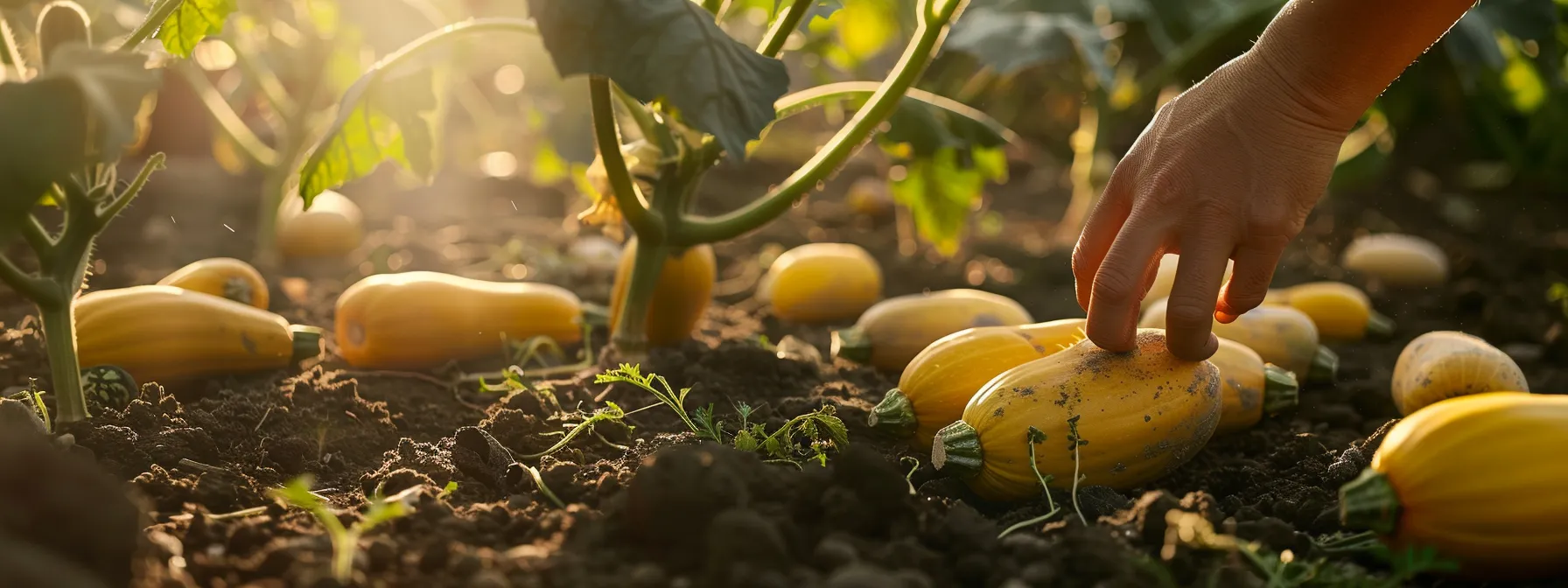
Navigating the delicate process of harvesting butternut squash requires an intricate understanding of timing, akin to the precision needed when monitoring humidity for the perfect wine cellar conditions. One might think of squash as merely another carbohydrate on the table, but it’s much more than that. Ensuring the squash isn’t picked too prematurely prevents the loss of that desired creamy texture, much like avoiding saturated fat in an intricately calibrated diet. Conversely, waiting for too long can lead a squash to overripe, as if leaving a fruit drink out to ferment unintentionally. My approach also includes refining my cutting techniques—slicing the stem cleanly just as I would prune an unruly vine to foster growth—while avoiding storage errors that can quickly spoil a well-cultivated harvest. As I’ve honed these skills, I’ve learned that these steps together contribute to the butternut squash’s ability to take a simple meal and elevate it to a symphony of flavors.
Picking Too Early and Its Consequences
One major pitfall in the process of harvesting butternut squash is the temptation to pick them too soon, much like plucking a lemon before its zesty prime. When harvested prematurely, the flesh of the squash has not had the full benefit of nutrients and pollination effects, resulting in a lackluster flavor often lacking in sweetness and the rich, creamy texture that is highly sought after. This deprived state not only affects taste but may also impact the versatility of the squash in recipes where it is intended to be the focal ingredient.
Additionally, a butternut squash that’s gathered too early often exhibits seeds that haven’t fully matured. These underdeveloped pumpkin seeds, coveted for their nutty flavor and plant-based protein, will not have reached their full potential, drastically diminishing their value both as a snack or as a supplementary ingredient. A butternut squash needs adequate time on the vine to develop seeds that can be roasted to a satisfying crunch, adding depth to salads, breads, and more.
When butternut squash is allowed to mature fully, they accumulate a wealth of nutrients that contribute to the overall protein and fiber content – a boon for health-conscious diners. Picking them too early undermines this nutritional fortification, stripping future meals of the essential protein and creamy consistency that pairs perfectly with various herbs and spices. Recognizing and avoiding premature harvesting allows the squash to become the cream of the crop both in nutritional power and epicurean appeal.
The Risk of Late Harvesting
Leaving butternut squash in my England garden beyond its peak time risks exposing the crop to colder weather and persistent insects which can pierce the tough exterior, leaving it susceptible to rot. I take cues from the declining vitality of the vines, much like attending to the perfect roast chicken, I know timing is everything to prevent an otherwise hearty yield from succumbing to the elements and pests.
Waiting too long can cause the butternut squash to turn too fibrous, affecting the texture and taste. Even a delightful autumn staple like kabocha benefits from keen awareness to harvest times; hence, I stay vigilant, ensuring that my butternut squash retains the ideal consistency to meld seamlessly into a velvety marinara sauce or stand as a robust side dish.
Moreover, a delayed harvest means the butternut could overripen, compromising its sweetness – the hallmark that complements flavors whether in soups, roasted alongside chicken, or as a puree. In the same vein that an English apple tree bears fruit for turnovers, I ensure that my timing in picking butternut squash is impeccable for the best culinary experience.
Improper Cutting Techniques and Storage Errors
Snipping the butternut squash stem with precision is akin to the careful mincing of ginger – both require a sharp tool and an attentive approach. An improper cut with a dull fork or lack of clean incision can introduce disease or hasten decay, much like an inaccurately measured sprinkle of flour can impact the consistency of a pie’s crust. Keeping tools sharp and my technique precise ensures the color and integrity of the squash remains ideal for storage.
Once I’ve harvested with the proper technique, attention turns to storage conditions which can make or break the longevity of my squash. Like ingredients for a ginger-spiced pie, butternut squash must be kept in a cool, dark place to preserve its rich color and flavor. Any deviation from this, and the risk of soft spots or mold increases dramatically, diminishing their prime quality.
Even in storage, checking on my butternut squash is an ongoing task, preventing any unnoticed softening or dampness from spoiling my stock. It’s not unlike ensuring that a fork glides smoothly through a pie, affirming its readiness for serving. Periodic inspections prevent any small issues from becoming major losses and help maintain the squash’s flour-like texture, ripe for culinary use.
Frequently Asked Questions
Where can you buy chayote squash?
Chayote squash is available at many local grocery stores, particularly those that cater to diverse cultures or specialize in fresh produce. Additionally, farmers’ markets can be an excellent source for fresh, often locally-grown chayote.
If you’d prefer online shopping, numerous specialty food retailers sell chayote squash on their websites. Exploring ethnic grocery stores online can also yield good results for finding this versatile vegetable.
How do I get rid of squash bugs?
To combat squash bugs, regular garden inspection is a must. Look for eggs on the undersides of leaves, and when you find them, remove by hand or use tape to lift them away.
Implementing floating row covers can deter adult bugs. Also, encourage natural predators like ladybugs and introduce companion plants like nasturtiums and marigolds to repel the pests.
How do you cook summer squash?
Cooking summer squash is simple and versatile. Slice it and sauté with olive oil, garlic, salt, and pepper for a quick side dish. Alternatively, chop and add it to stews or pasta for extra nutrition and subtle flavor.
For a warm, comforting meal, bake sliced squash with a sprinkle of cheese and breadcrumbs. Or, spiralize it into noodles for a low-carb option, sautéed with your favorite sauce – an excellent substitute for traditional pasta.
How to make summer squash?
Gathering butternut squash at its peak requires patience. Wait for a deep tan hue and a stem that crackles; the rind should resist your fingernail. The ideal moment is when the squash feels firm and the exterior is quite tough.
After harvesting, butternut squash can be transformed into a savory soup or roasted with herbs for a side dish. Simply scoop out the seeds, slice it into pieces, and cook until tender. Its sweet, nutty flavor enriches countless recipes.
How do you cook squash in the oven?
Preheat your oven to 400°F (204°C). Cut the butternut squash into halves or cubes, remove the seeds, and place it on a baking sheet. Drizzle with olive oil and season with salt, pepper, and any additional spices you prefer.
Roast in the preheated oven for about 25 to 30 minutes or until the squash becomes tender and lightly browned. The time may vary depending on the size of your squash pieces, so keep an eye on the oven and test for doneness with a fork.
How do you bake squash?
To bake squash, preheat your oven to 375°F (190°C). Cut the squash in half, scoop out seeds, and place cut-side down on a baking sheet lined with parchment paper. Bake for about 45 minutes, or until tender.
Once cooked, let cool slightly before handling. Scoop out the softened flesh with a spoon and enjoy as is or use in your favorite recipes. The roasted squash can be seasoned with herbs, spices, or a pat of butter to enhance its naturally sweet flavor.

🍳 Precision Meets Passion — Tools Chefs Trust Daily

- Grams & ounces — precise to 1g
- Perfect for baking & keto tracking
- Sleek stainless steel design

- German stainless precision
- Razor-sharp & dishwasher-safe
- Elegant wood block organizer

- Premium Stainless Steel Build
- Easy to Clean & Dishwasher Safe
- A Must-Have Kitchen Tool