📑 Table of Contents ▶
- Understanding Steak Doneness Levels
- Fundamentals
- Preparation/Setup
- Directions
- Cooking Techniques for Steak
- Technique
- Tips and Tricks
- Perfecting Your Steak Results
- Perfecting Results
- Troubleshooting and Variations
- Serving Your Steak Experience
- Serving and Presentation
- Pairings and Storage
- Have you tried this recipe?
Steak Doneness Levels
Cooking steak to the perfect doneness brings joy to many home cooks. Imagine the aroma of a perfectly cooked piece of meat sizzling in a hot pan, the anticipation building as you slice into it to reveal its interior. The first time I achieved the perfect medium-rare steak, I felt like a true chef. The seared crust added texture, while the vibrant pink center melted in my mouth, delivering a flavor explosion that felt like a celebration of all my culinary efforts.
Understanding steak doneness levels helps refine that experience. Each doneness level evokes a different reaction from your taste buds. Some enjoy their steak cooked through, while others prefer a light sear that allows the meat’s natural juices to shine. Knowing the doneness levels creates confidence, allowing you to cook steak just the way you like it. This passion for mastering steak doneness levels persuades cooks to keep experimenting.
⚡ Smart Kitchen Tools Every Home Cook Swears By

- Pure aluminum
- Durable enough for everyday cooking
- Made in the USA with quality

- 7 cooking functions in one compact cooker
- 3-quart size ideal for couples or small meals
- Up to 70% faster than traditional cooking

- 3 sizes for every recipe
- Pre-seasoned & durable cast iron
- Oven & grill ready
In this exploration of steak doneness levels, you’ll uncover techniques and tips that ensure a perfect steak every time. Embrace the cooking process and discover how to achieve the ideal steak doneness level, whether you prefer it rare or well done. It’s time to turn that kitchen into a joyful space filled with delicious aromas and memorable meals.
Understanding Steak Doneness Levels
Fundamentals
Steak doneness levels reflect the internal temperature of the meat, which determines the texture and flavor. Familiarizing yourself with these levels can enhance your cooking experience. The primary doneness levels include rare, medium-rare, medium, medium-well, and well done. Each offers a unique taste and texture, catering to varied preferences.
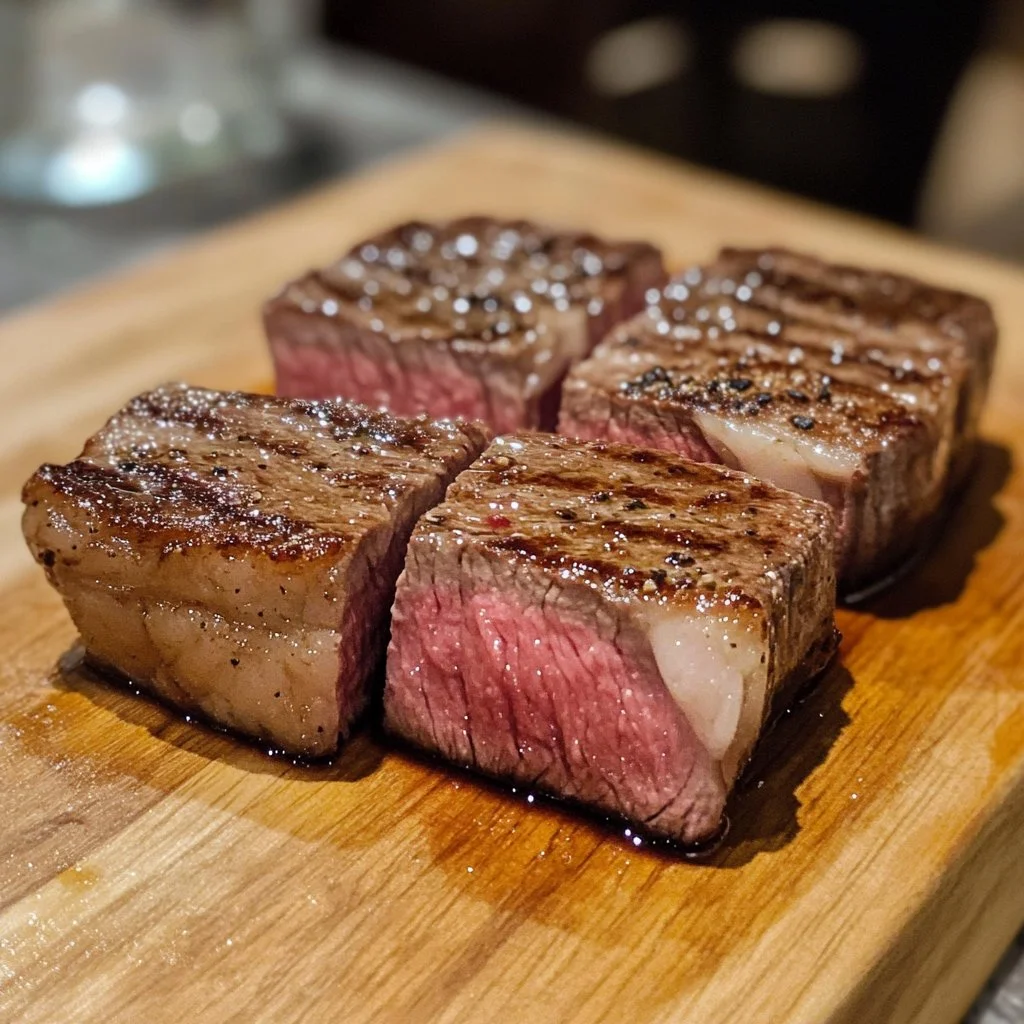
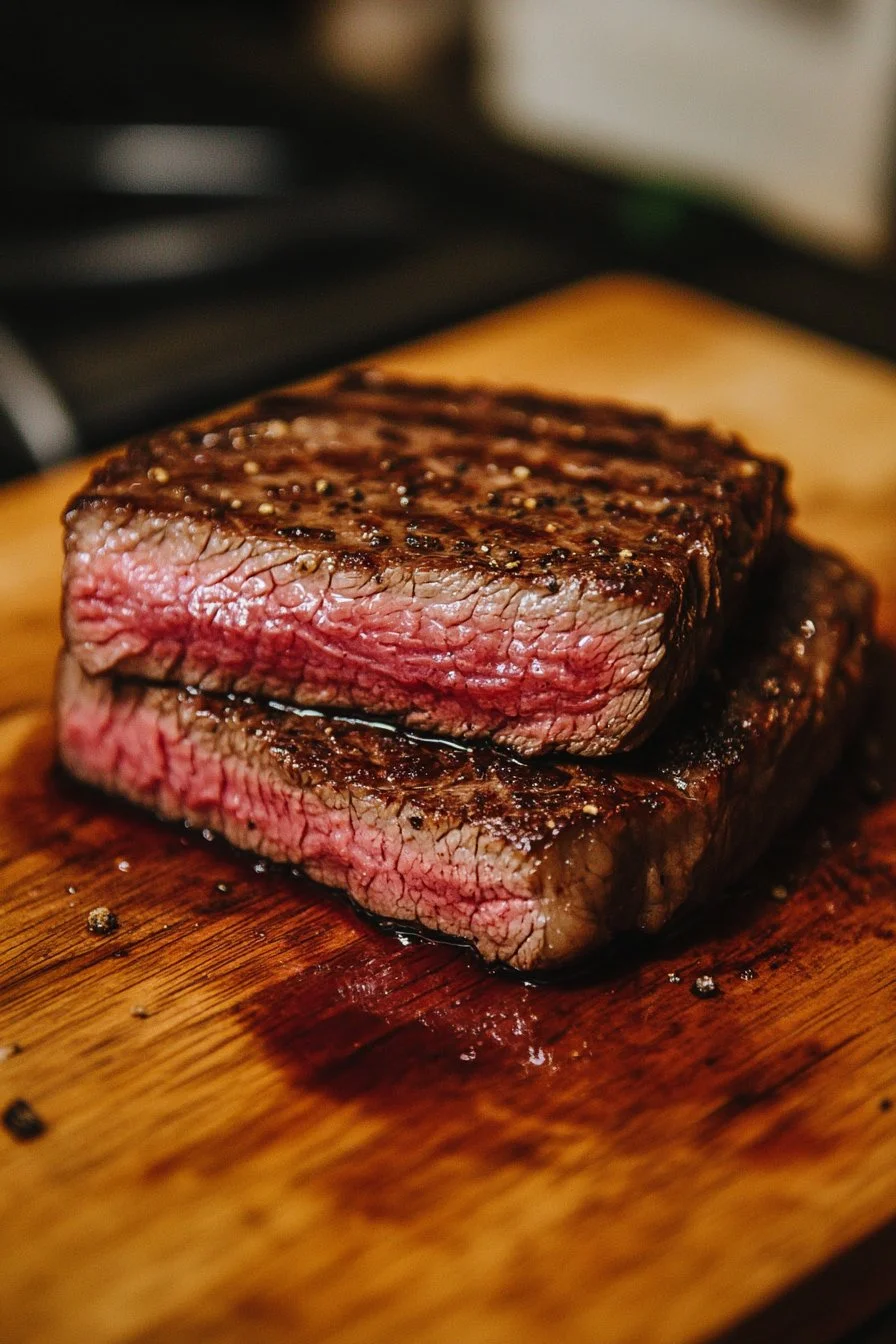
Rare steak sits at about 120°F to 130°F. The meat remains red and cool in the center, with a soft texture. Medium-rare, reaching 130°F to 135°F, features a warm red center and a juicy, tender bite. Medium, at 135°F to 145°F, delivers a hint of pink, creating a firmer texture. Medium-well, landing at 145°F to 155°F, has only a trace of pink, while well done, above 155°F, has no pink and presents a firmer, drier texture.
Understanding these levels allows you to serve steak with precision and cater to your guests’ preferences. Whether grilling or pan-searing, knowing doneness helps you confidently cook your meal.
Preparation/Setup
Preparing for steak cooking requires some thought to ensure you reach the desired doneness. Start by choosing the right cut of meat, as different cuts yield different textures and flavors. Popular choices include ribeye, sirloin, and filet mignon. Selecting quality meat plays a vital role in achieving a satisfying steak experience.
Next, allow your steak to come to room temperature before cooking. This step helps ensure even cooking. Season generously with salt and pepper to enhance the natural flavors and create a beautiful crust during cooking. After seasoning, let the steak rest for about 30 minutes before you place it on the heat source.
Choose your preferred cooking method—grilling, pan-searing, or broiling. Each method can affect the final texture and flavor. Preheat your grill or skillet to high heat, essential for a good sear that locks in juices.
Ingredients
- High-quality steak (ribeye, sirloin, or filet mignon)
- Kosher salt
- Freshly ground black pepper
- Cooking oil (for searing)
- Optional: herbs like rosemary or thyme
Directions
- Remove the steak from the refrigerator and allow it to rest at room temperature for about 30 minutes.
- Preheat your grill, skillet, or oven to high heat.
- Season both sides of the steak with kosher salt and freshly ground black pepper.
- Add cooking oil to the skillet if using. Place the steak on the hot grill or skillet.
- Cook for approximately 4-5 minutes on one side without moving it. Flip and cook for an additional 4-5 minutes.
- Use a meat thermometer to check the internal temperature, aiming for your desired doneness level.
- Remove the steak from heat and let it rest for 5-10 minutes before slicing.
Cooking Techniques for Steak
Technique
Cooking steak to the right doneness requires a solid understanding of timing and temperature. Using a meat thermometer will help you gauge the temperature accurately, ensuring you hit your desired doneness without guesswork. Insert the thermometer into the thickest part of the steak, avoiding bone and fat for the most accurate reading.

Different methods produce different results. Grilling imparts smoky flavors, while pan-searing creates a rich, caramelized crust. Broiling exposes the steak to high heat from above, resulting in quick cooking. Each technique has nuances worth exploring for variety in your meals.
Tips and Tricks
- Let your steak rest after cooking. This allows juices to redistribute, resulting in a moist and flavorful bite.
- If uncertain about doneness, start with shorter cooking times and increase as needed. You can always cook longer, but you can’t undo overcooking.
- Enhance flavor by adding aromatics like garlic or herbs during the last few minutes of cooking. The flavors infuse into the meat, creating an extra layer of deliciousness.
- Practice makes perfect. Experiment with various cuts and doneness levels to find your favorites.
Perfecting Your Steak Results
Perfecting Results
Achieving the perfect steak involves attention to detail and practice. Start with high-quality meat. The cut, marbling, and age of the beef play a significant role in flavor and tenderness. Angus or grass-fed beef are popular choices for their rich flavors.
🥗 Fresh, Fast & Foolproof — Upgrades You'll Use Tonight

- Zoodles in seconds
- Heavy-duty, 10 sharp blades
- Keto, paleo & gluten-free friendly

- Meals in ~30 minutes
- 3-Qt — perfect for 1–3 people
- Pressure cook, sauté, steam & more

- Phone alerts & live temp graph
- Hands-off monitoring for smokers
- Perfect doneness, every time
Understanding your cooking equipment is essential too. Different grills or stovetops heat differently, so factors like the thickness of the steak and the specific burner used can impact cooking time. Keep a close watch as you gauge doneness during cooking rather than relying solely on the clock.
Troubleshooting and Variations
If you consistently struggle with steak doneness, check whether your cooking temperature is accurate. An inconsistent heat source may lead to uneven cooking. Consider using a reliable thermometer for gauge and keep your cookware clean to ensure optimal performance.
For those seeking a different flavor profile, marinate your steak before cooking. Marinades can tenderize meat while adding layers of flavor. Explore various marinades made with herbs, spices, or even citrus juices to achieve different results.
Serving Your Steak Experience
Serving and Presentation
A beautifully cooked steak deserves appealing presentation. Slice the steak against the grain to enhance tenderness, creating thin, even pieces. Arrange the slices on a platter and consider garnishing with fresh herbs for a vibrant touch. For added color, serve with seasonal vegetables or a refreshing salad.
Pair with a side like mashed potatoes or roasted vegetables to complement the hearty flavors of the steak. These sides can round out the meal while keeping the focus on the main dish.
Pairings and Storage
There are endless possibilities for pairing with steak, from hearty sides to refreshing salads. Consider flavors that complement the rich taste of the meat, such as grilled asparagus or creamy coleslaw. Simple starches like baked potatoes or rice can also provide a satisfying base.
If you have leftover steak, store it properly in the refrigerator. Wrap it tightly in plastic wrap or aluminum foil to prevent moisture loss. Consume within three to four days for the best flavor. Reheat gently to avoid further cooking and drying out the meat.
Steak doneness levels offer a delightful culinary journey worth exploring. Understanding the fundamentals allows you to experiment and cook confidently. With practice, anyone can master steak doneness levels and elevate their home cooking. Enjoy the process and savor each delicious bite!
Print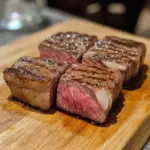
Steak Doneness Levels
- Total Time: 40 minutes
- Yield: 2 servings
- Diet: None
Description
Master the art of cooking steak to the perfect doneness, exploring techniques, tips, and timings for each level of doneness, from rare to well done.
Ingredients
- High-quality steak (ribeye, sirloin, or filet mignon)
- Kosher salt
- Freshly ground black pepper
- Cooking oil (for searing)
- Optional: herbs like rosemary or thyme
Instructions
- Remove the steak from the refrigerator and allow it to rest at room temperature for about 30 minutes.
- Preheat your grill, skillet, or oven to high heat.
- Season both sides of the steak with kosher salt and freshly ground black pepper.
- Add cooking oil to the skillet if using. Place the steak on the hot grill or skillet.
- Cook for approximately 4-5 minutes on one side without moving it. Flip and cook for an additional 4-5 minutes.
- Use a meat thermometer to check the internal temperature, aiming for your desired doneness level.
- Remove the steak from heat and let it rest for 5-10 minutes before slicing.
Notes
Let your steak rest after cooking to allow juices to redistribute for a moist and flavorful bite. Experiment with different cuts and doneness levels to find your favorites.
- Prep Time: 30 minutes
- Cook Time: 10 minutes
- Category: Main Course
- Method: Grilling, Pan-searing, or Broiling
- Cuisine: American
Nutrition
- Serving Size: 1 steak
- Calories: 450
- Sugar: 0g
- Sodium: 600mg
- Fat: 30g
- Saturated Fat: 12g
- Unsaturated Fat: 15g
- Trans Fat: 0g
- Carbohydrates: 0g
- Fiber: 0g
- Protein: 40g
- Cholesterol: 120mg
Keywords: steak, cooking techniques, doneness levels, grilling, meat

🍳 Precision Meets Passion — Tools Chefs Trust Daily

- Grams & ounces — precise to 1g
- Perfect for baking & keto tracking
- Sleek stainless steel design

- German stainless precision
- Razor-sharp & dishwasher-safe
- Elegant wood block organizer

- Premium Stainless Steel Build
- Easy to Clean & Dishwasher Safe
- A Must-Have Kitchen Tool