➤ Table of Contents
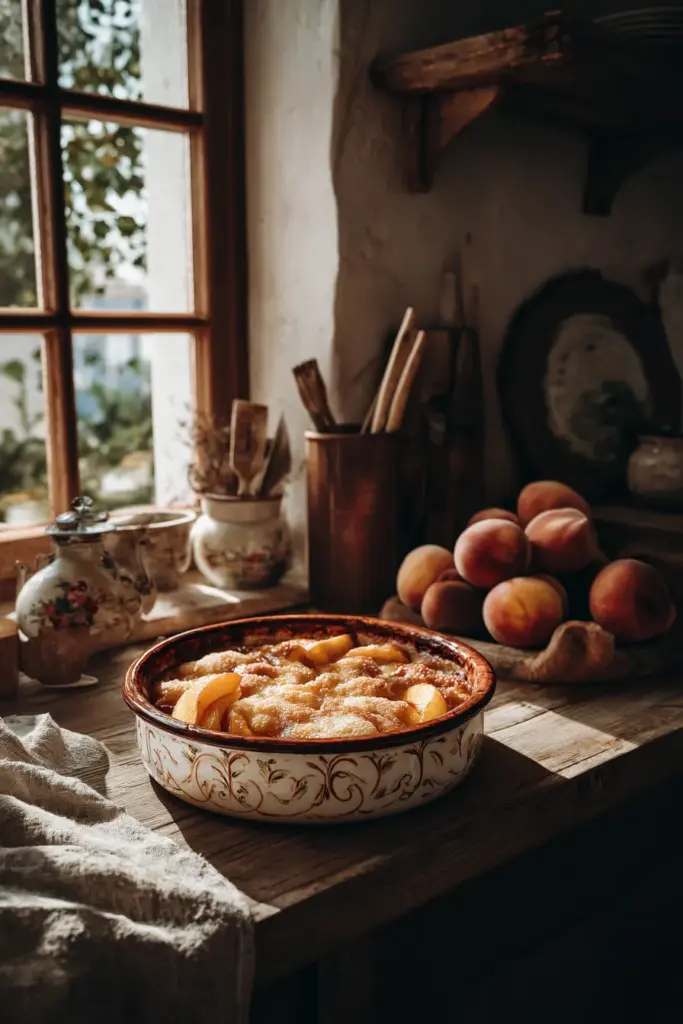
The first time I made a cobbler from scratch, I was nervous it wouldn’t work. I’d always thought of cobblers as something grandmothers made, requiring years of experience and some kind of secret family knowledge. But my neighbor had dropped off a basket of peaches from her tree, more than I could eat fresh, and I needed to do something with them before they went bad. I found a simple cobbler recipe, followed the instructions while holding my breath, and pulled out something that looked and smelled like magic.
⚡ Smart Kitchen Tools Every Home Cook Swears By

- Pure aluminum
- Durable enough for everyday cooking
- Made in the USA with quality

- 7 cooking functions in one compact cooker
- 3-quart size ideal for couples or small meals
- Up to 70% faster than traditional cooking

- 3 sizes for every recipe
- Pre-seasoned & durable cast iron
- Oven & grill ready
That first cobbler taught me that fruit desserts aren’t complicated or intimidating. They’re some of the most forgiving baking you can do, celebrating seasonal fruit without requiring pastry skills or precise technique. The fruit does most of the work, bringing natural sweetness and flavor. Your job is just to provide a simple topping or crust that lets that fruit shine through. When I took my first bite of that peach cobbler, warm from the oven with a scoop of vanilla ice cream melting into the juices, I understood why these desserts have been made for generations.
What I love about cobblers, crisps, and similar fruit desserts is their flexibility. You can use whatever fruit is in season or on sale. The toppings can be simple biscuit dough, buttery streusel, or even cake batter. You can make them in individual portions or feed a crowd from one big pan. They’re equally at home at a casual weeknight dinner or a holiday table. And unlike fussy layer cakes or temperamental pastries, these desserts are nearly impossible to mess up.
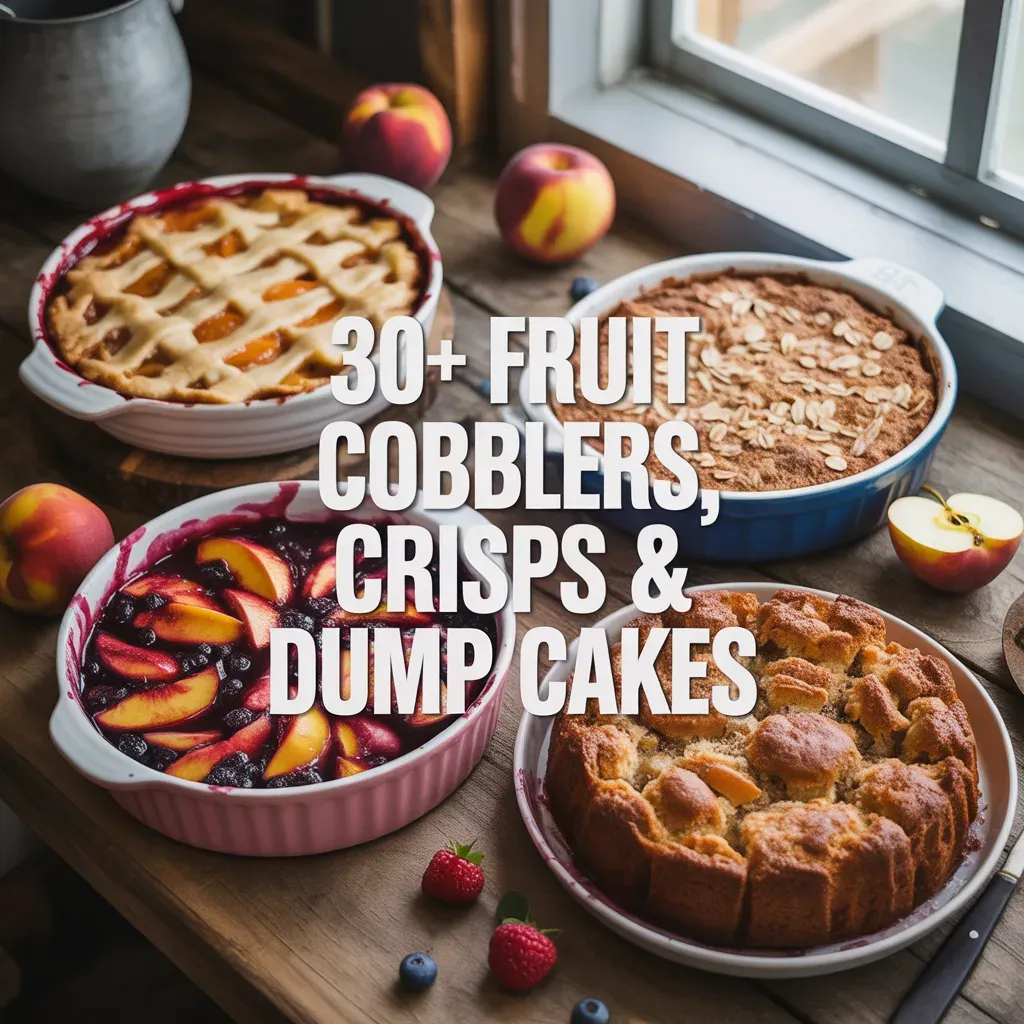
This guide covers everything I’ve learned about fruit desserts over the years, from traditional cobblers and crisps to easy dump cakes that come together in minutes. We’ll explore classic preparations and creative twists, techniques for getting perfect results, and ways to use fruit beyond just dessert. Whether you’re working with summer peaches, fall apples, or berries you froze last season, you’ll find recipes here that celebrate fruit in all its delicious forms.
Understanding Cobblers, Crisps, and Crumbles
Before I started making fruit desserts regularly, I was confused about what made a cobbler different from a crisp or a crumble. They all seemed like fruit with some kind of topping baked until bubbly. But as I learned to make each one, I discovered they’re actually quite distinct, each with its own character and ideal applications.
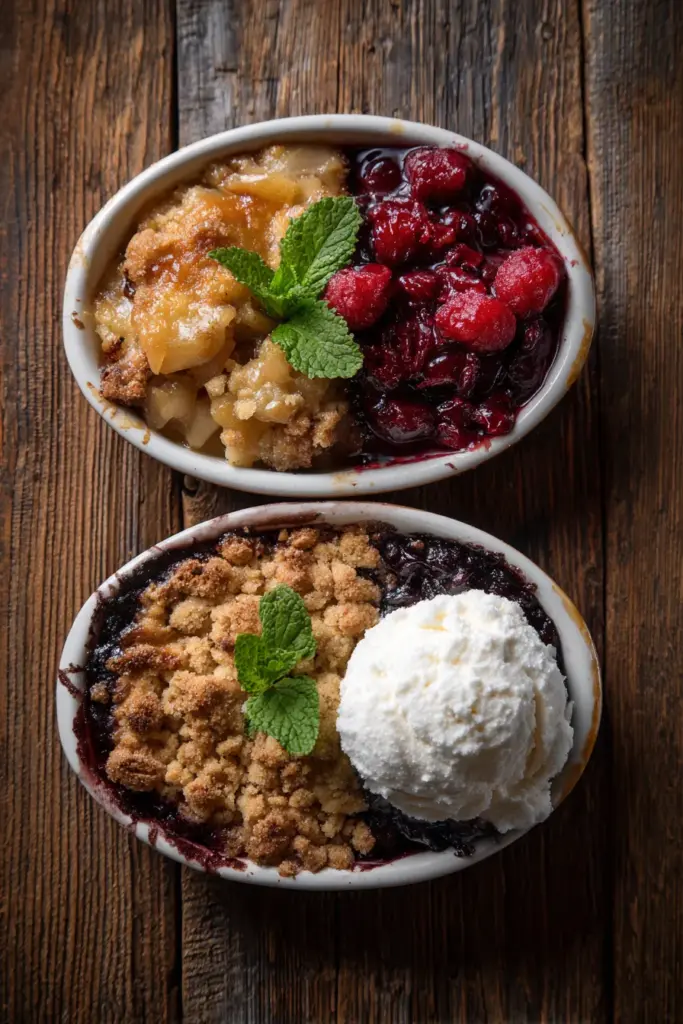
Cobblers have a biscuit-like topping that can be dropped in spoonfuls over the fruit or rolled out and placed on top. As it bakes, the topping becomes golden and slightly crispy on the outside while staying tender inside, kind of like a biscuit sitting on top of stewed fruit. The easy Southern peach cobbler is a perfect example, with its tender biscuit topping that soaks up just enough juice while maintaining structure.
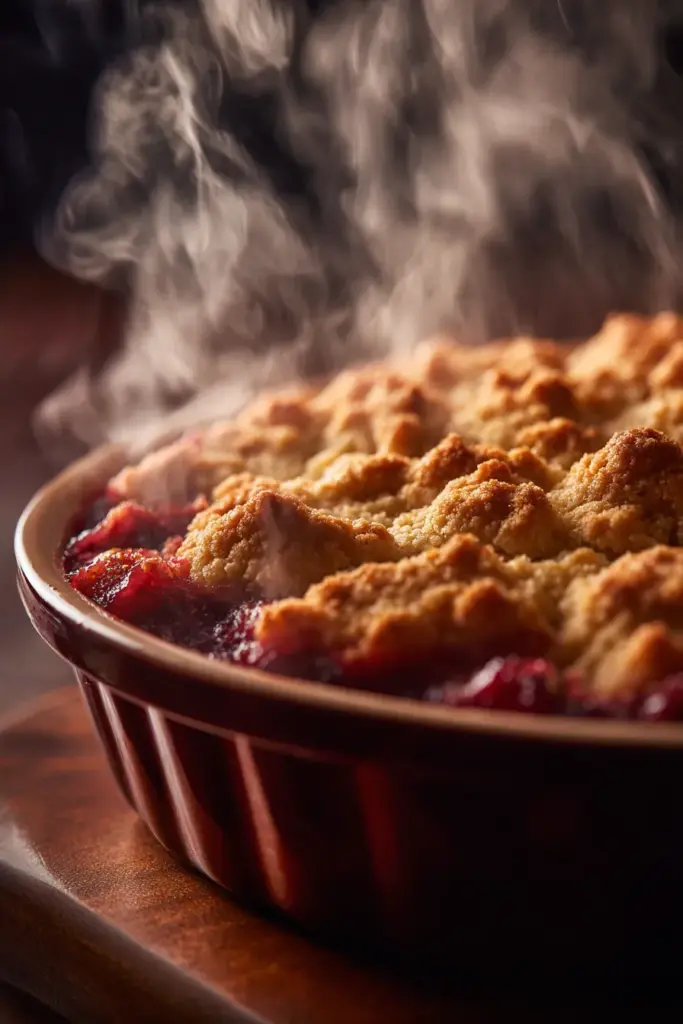
Crisps and crumbles are closely related, both featuring a streusel-like topping made from butter, sugar, and flour. The difference is subtle. Crisps usually include oats in the topping, giving them more texture and a heartier feel. The apple crisp I make most often has that classic oat topping that gets wonderfully crunchy and golden. Crumbles typically don’t have oats, creating a more delicate, sandy texture that’s buttery and sweet.
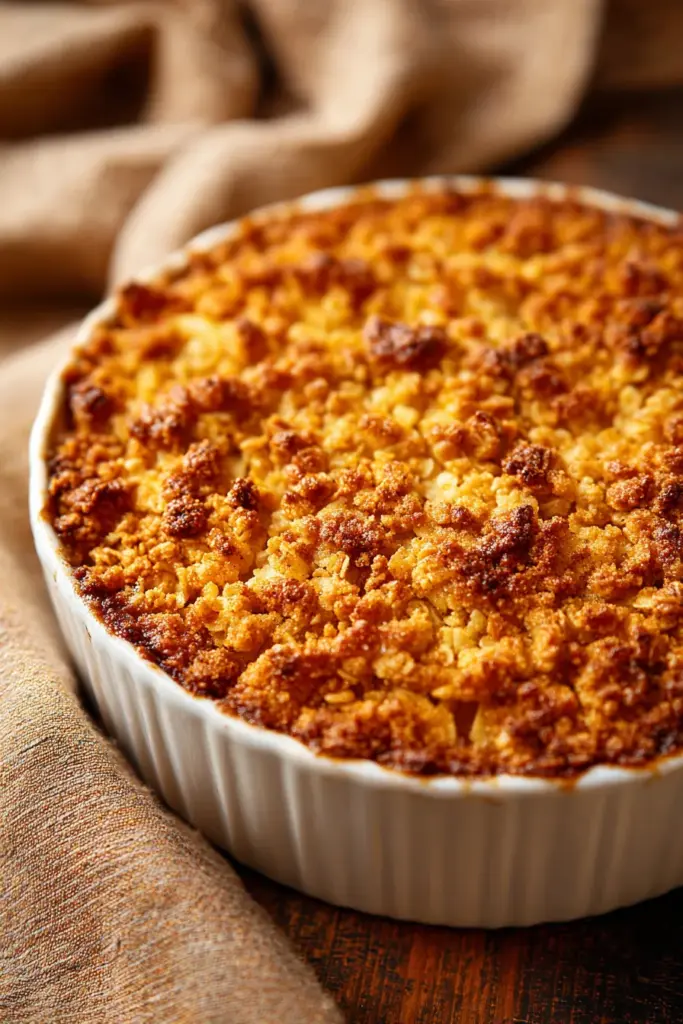
The Appeal of Simple Fruit Desserts
What makes these desserts so appealing is their rustic simplicity. You don’t need perfect technique or fancy equipment. There’s no rolling out pie dough or worrying about soggy bottoms. The toppings are mixed in one bowl and spread or dropped onto fruit. Everything bakes in one dish, and the results are always delicious even if they don’t look magazine-perfect.
🥗 Fresh, Fast & Foolproof — Upgrades You'll Use Tonight

- Zoodles in seconds
- Heavy-duty, 10 sharp blades
- Keto, paleo & gluten-free friendly

- Meals in ~30 minutes
- 3-Qt — perfect for 1–3 people
- Pressure cook, sauté, steam & more

- Phone alerts & live temp graph
- Hands-off monitoring for smokers
- Perfect doneness, every time
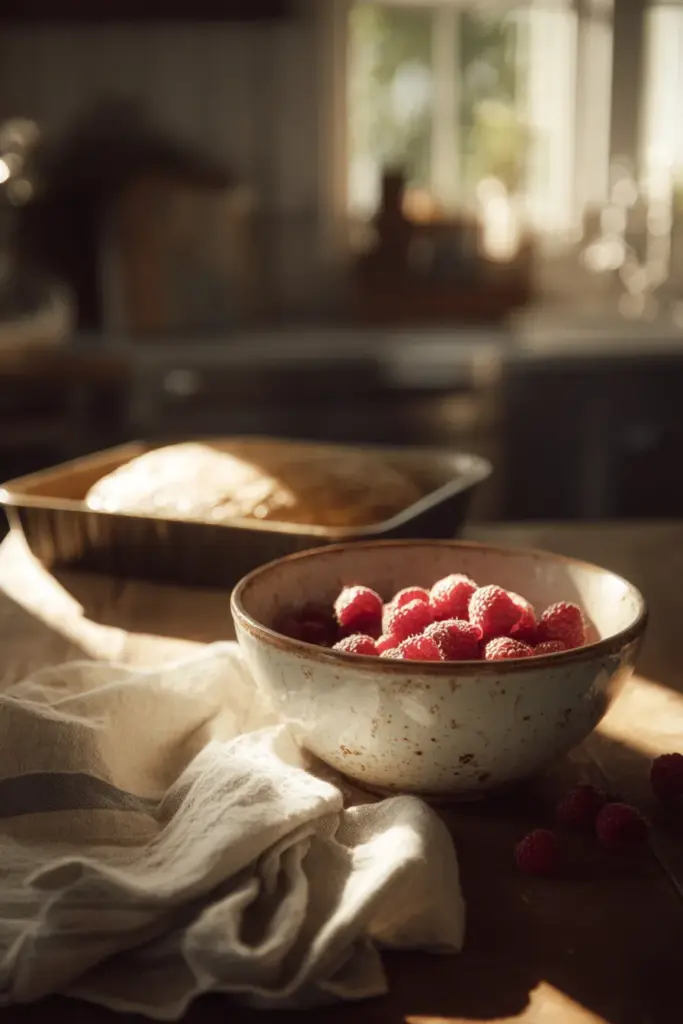
I turn to these desserts when I want something homemade without spending hours in the kitchen. The old school easy brown sugar peach cobbler comes together in about fifteen minutes of active work. The oven does the rest, filling your house with the smell of baking fruit and spices while you do other things. It’s the kind of cooking that makes you feel accomplished without requiring much effort.
Apple Desserts: Fall’s Perfect Canvas
Apples might be the most versatile fruit for baking. They’re available year-round, hold their shape when cooked, and work with so many different flavor profiles. Every fall when apple season arrives, I go a little crazy making every apple dessert I can think of. But honestly, I make apple desserts year-round because they’re reliable and always crowd-pleasing.
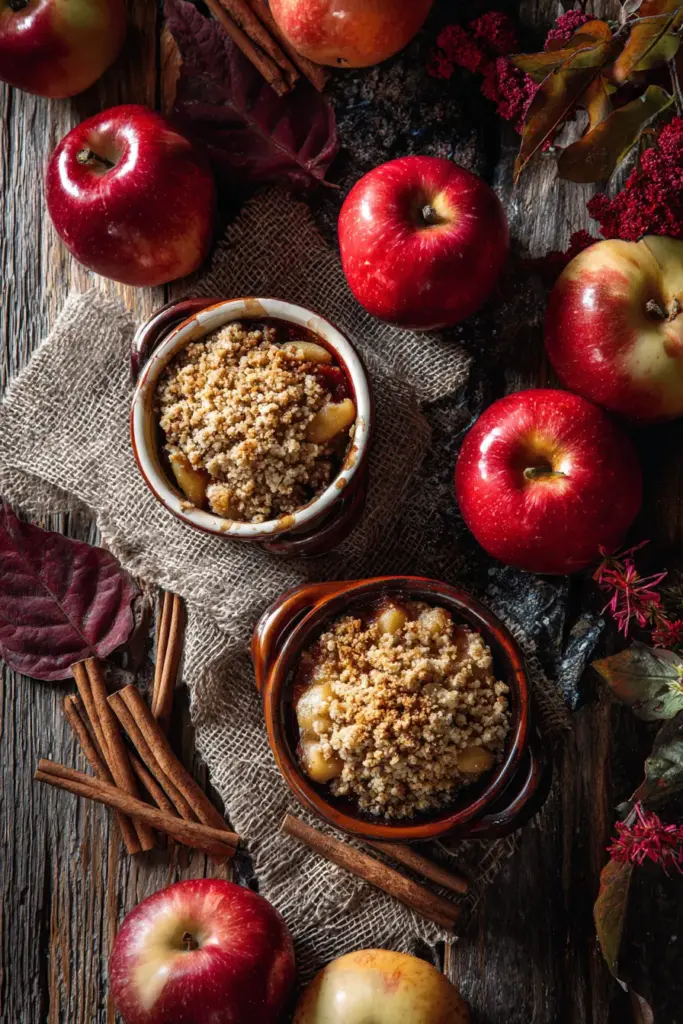
The Pioneer Woman apple crisp is my go-to when I want something classic and comforting. It’s the apple dessert that makes everyone happy, with tender cinnamon-spiced apples under a buttery, crunchy oat topping. I serve it warm with vanilla ice cream, and the combination of hot and cold, soft fruit and crunchy topping, creates the perfect bite every time.
For apple crisp success, the type of apple matters. I use firm, tart apples like Granny Smith or a mix of Granny Smith and something sweeter like Honeycrisp. Soft apples turn to mush during baking, while firm apples hold their shape and provide that satisfying texture contrast with the topping. I peel and slice them about a quarter-inch thick, which gives them time to soften and release juice without falling apart.
Variations on Apple Crisp and Crumble
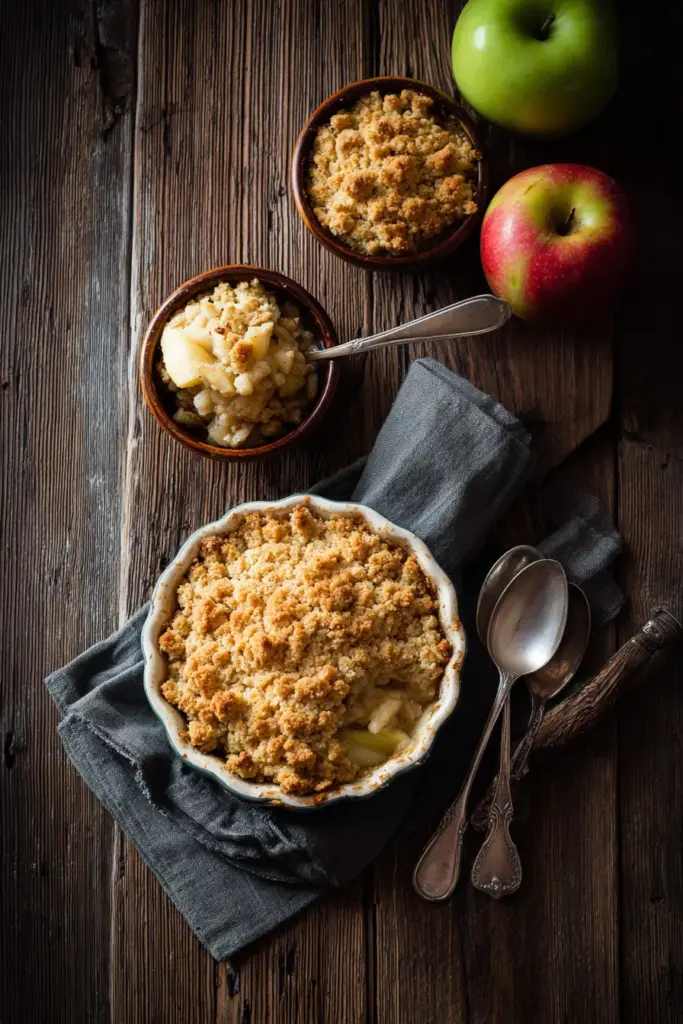
The baked apple crumble takes a slightly different approach with a more refined, buttery topping without oats. It’s what I make when I want something that feels a bit more elegant, though the technique is exactly the same. The crumble topping is made by cutting cold butter into flour and sugar until it resembles coarse crumbs, creating those perfect little nuggets that get crispy and golden in the oven.
One of my favorite creative twists is the easy cinnamon roll apple cobbler, which uses refrigerated cinnamon roll dough as the topping. It’s genius in its simplicity. Cut the cinnamon rolls into pieces, arrange them over spiced apples, and bake. The cinnamon roll dough becomes golden and tender, and you can drizzle the included icing over the top for extra sweetness. It’s a shortcut that doesn’t taste like one.
Apple Dump Cakes
Dump cakes are the ultimate easy dessert, and apple versions are particularly good. The apple pie dump cake and homemade apple pie dump cake use canned apple pie filling or fresh apples topped with dry cake mix and butter. As it bakes, the butter melts into the cake mix, creating a golden, crispy topping over bubbling apple filling.
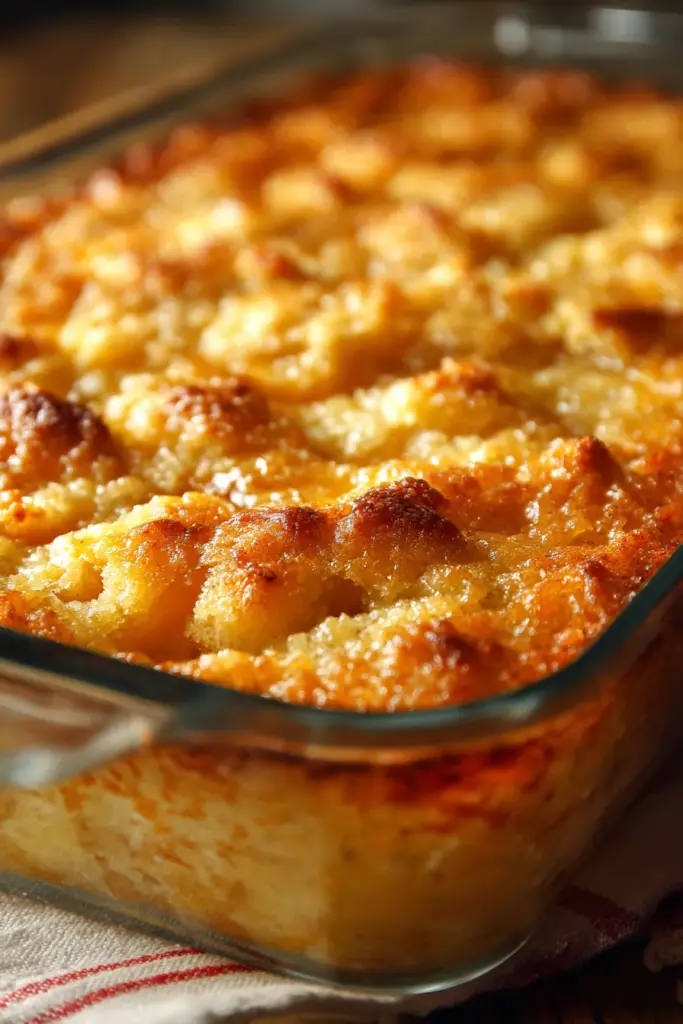
The genius of dump cakes is that there’s no mixing required. You literally dump the ingredients in layers and let the oven work its magic. I was skeptical the first time I made one because it seemed too easy to be good. But the result was surprisingly delicious, with a texture somewhere between cobbler and coffee cake. It’s not the same as made-from-scratch, but it’s a legitimate dessert that comes together in five minutes.
Creative Apple Applications
Beyond traditional desserts, apples work in unexpected formats too. The delicious apple pie quesadillas stuff cinnamon-sugar apples and cream cheese into flour tortillas, then cook them until crispy and golden. They’re like handheld apple pies that are ready in minutes, perfect for a fun breakfast or dessert.
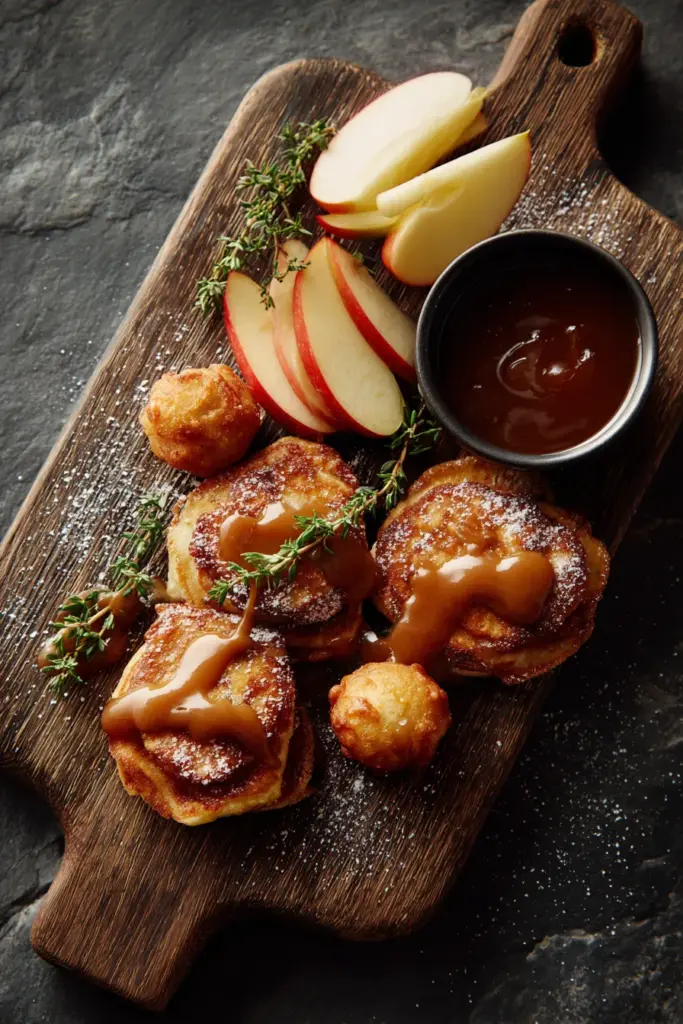
The apple fritter bites capture that beloved apple fritter flavor in easy bite-sized pieces. Instead of dealing with yeast dough and frying large fritters, these are made with a simple batter, baked or fried into small pieces, and glazed with sweet icing. All the flavor of apple fritters with a fraction of the work.
For a truly impressive presentation, the apple crisp cheesecake layers creamy cheesecake with spiced apples and a crumbly topping. It’s everything I love about apple crisp combined with rich, tangy cheesecake. This is the dessert I make when I want to seriously impress someone without revealing how straightforward it actually is to put together.
Peach Cobblers and Summer Stone Fruit Desserts
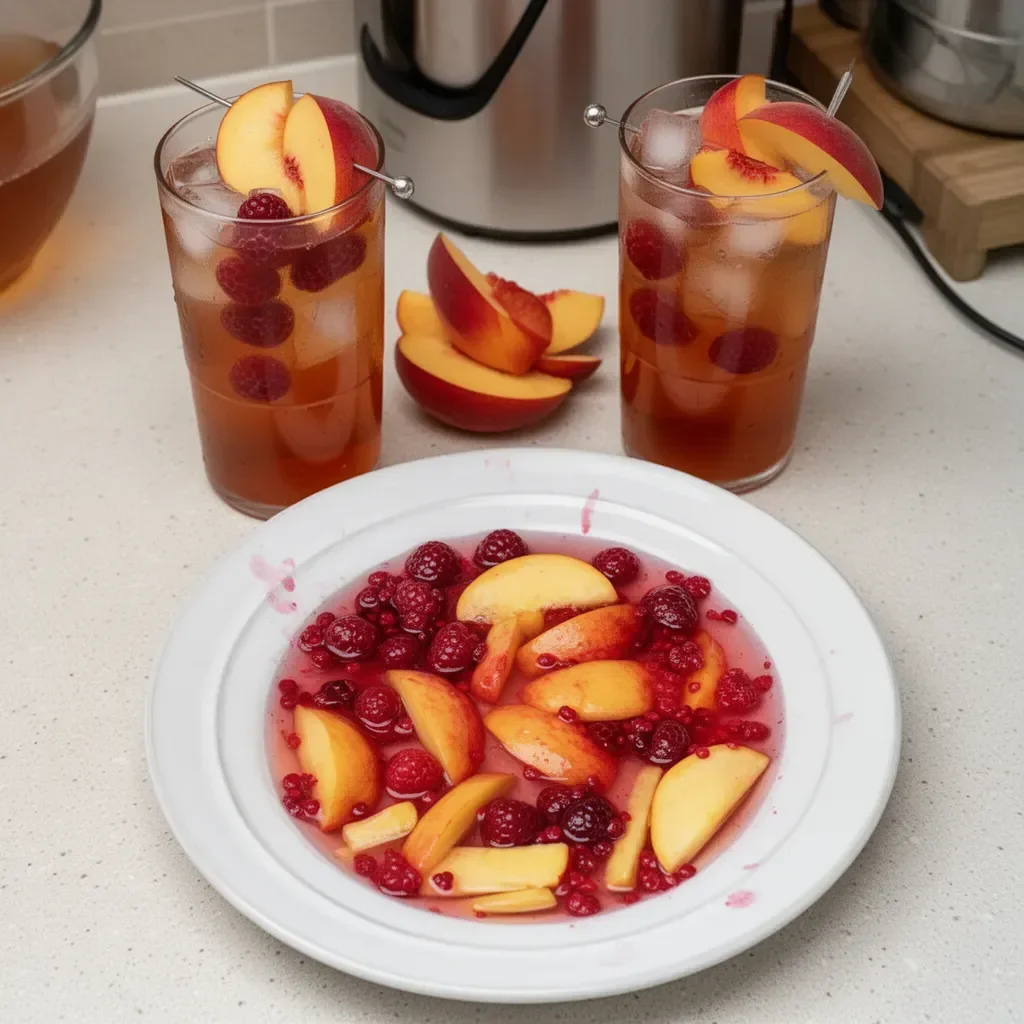
If apples are fall’s perfect fruit, peaches own summer. There’s nothing quite like a perfectly ripe peach, and when you have more than you can eat fresh, turning them into cobbler is the best possible solution. Peach cobbler is comfort food that tastes like sunshine, with soft, sweet fruit under a tender topping that’s meant to be eaten warm with ice cream.
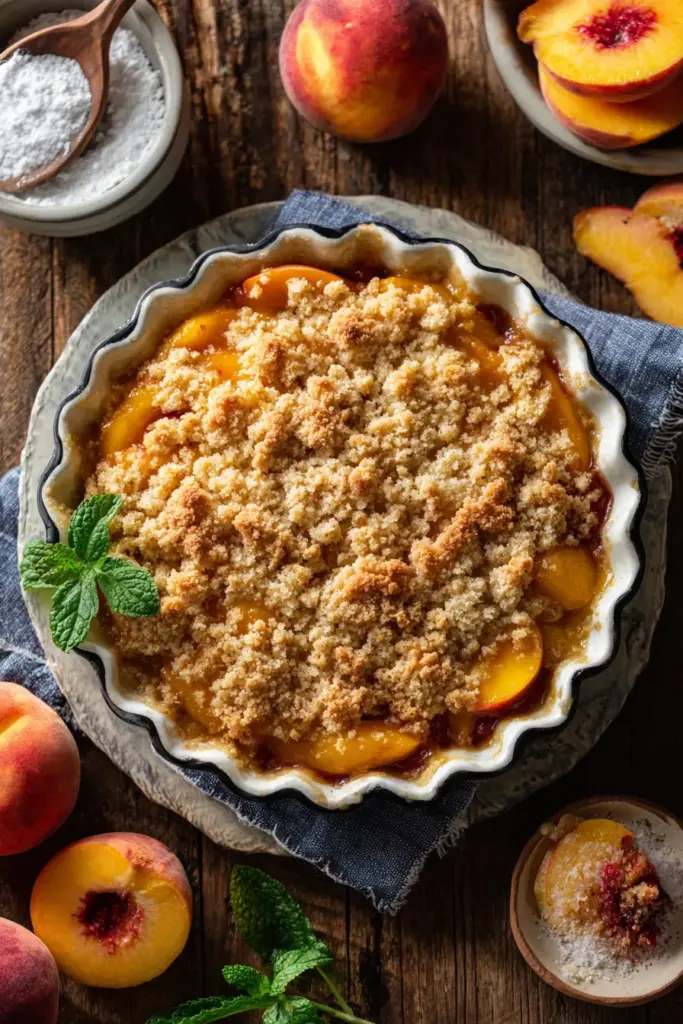
The easy peach crisp is my most-made summer dessert. Fresh peaches tossed with a bit of sugar and lemon juice, topped with a buttery oat streusel, and baked until the fruit is bubbling and the topping is golden. It’s so simple but so good, especially when peaches are at their peak in July and August. I make it at least once a week during peach season.
When working with fresh peaches, I usually peel them because the skins can become tough and leathery when cooked. The easiest way to peel peaches is to blanch them briefly in boiling water. Score an X on the bottom of each peach, drop them in boiling water for thirty seconds, then transfer to ice water. The skins slip right off. If you’re feeling lazy or your peaches are particularly ripe, you can skip peeling, but the texture is better without skins.
Traditional Southern Peach Cobbler
The best old-fashioned peaches and cream desserts are all about letting the fruit be the star. Simple preparations with just enough sugar to enhance the peaches’ natural sweetness, cream to add richness, and maybe some warm spices like cinnamon or nutmeg. These are the desserts that make you appreciate what great fresh fruit tastes like.
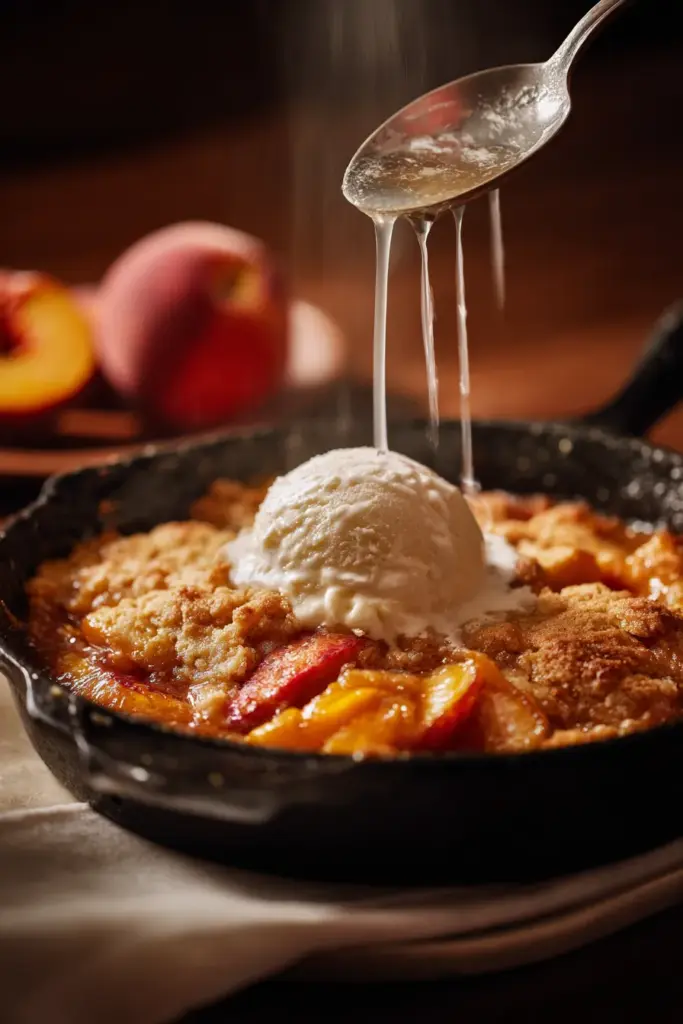
For a truly authentic experience, baked peaches couldn’t be simpler. Halved peaches get a filling of butter, brown sugar, and spices, then bake until soft and caramelized. They’re perfect on their own, over ice cream, or alongside pound cake. It’s barely a recipe, more of a technique, but it transforms good peaches into something spectacular.
Creative Peach Desserts
The peach upside down cake with hot honey elevates humble peaches into something elegant and unexpected. The hot honey, that combination of honey and chili flakes, adds complexity and a subtle heat that makes the sweet peaches even more interesting. It’s the dessert I make when I want something different that still showcases summer fruit.
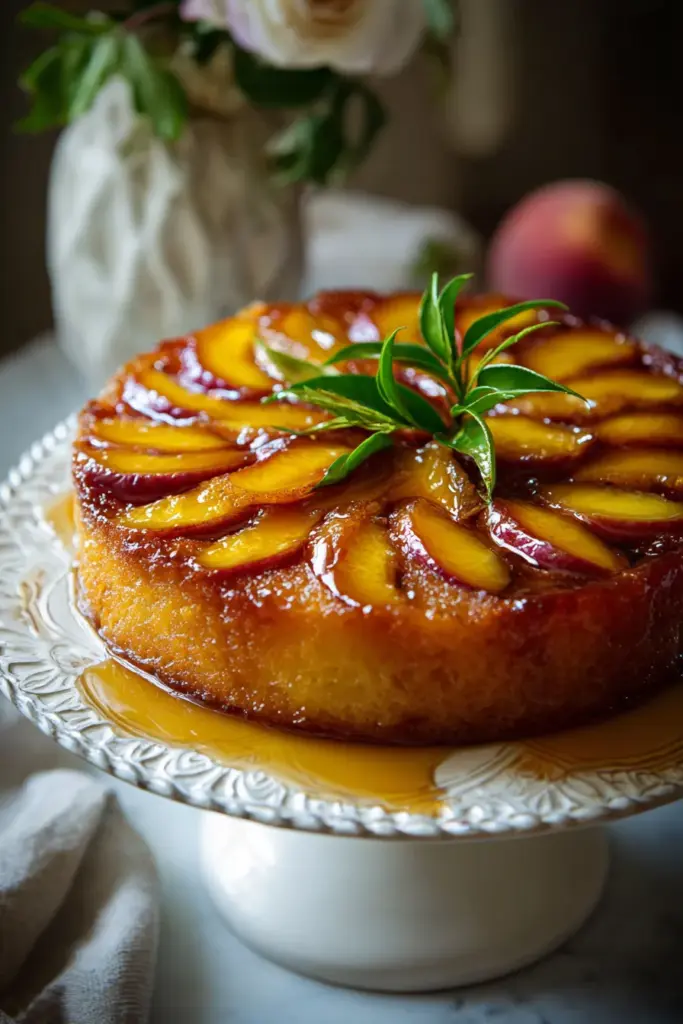
The honey peach upside down tart offers another sophisticated take on peaches. The honey caramelizes during baking, creating a glossy glaze over the fruit that looks almost professional. When you flip it out of the pan, the peaches are perfectly arranged and glistening. It looks impressive but uses simple techniques anyone can master.
For individual servings, peach cobbler cupcakes put cobbler flavors into portable form. Each cupcake has a bit of peach filling baked right in, capturing that cobbler experience in a hand-held treat. They’re perfect for parties or picnics where serving a whole cobbler would be impractical.
Preserving Peach Flavor
When peach season is at its peak and you have more fruit than you can use fresh, preserving becomes essential. The French peach jam captures summer flavor in jars that last for months. Unlike American jams that are often very sweet, French-style jams use less sugar, letting the fruit flavor shine through. The jam tastes intensely of peaches, perfect for spreading on toast or using in desserts throughout the year.
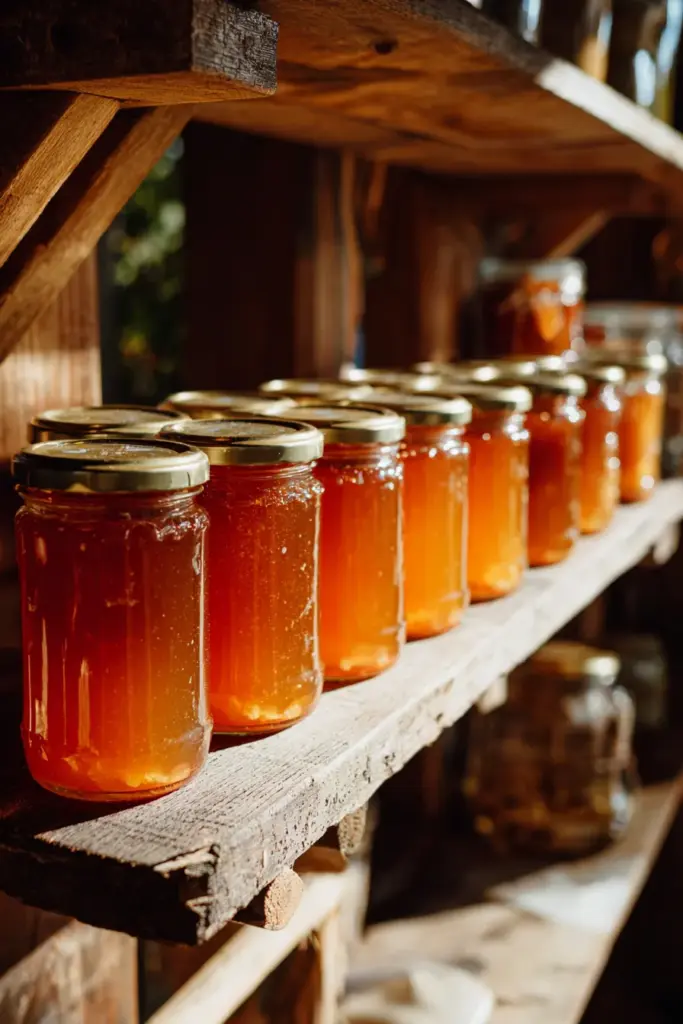
The pickled honey peaches might seem unusual if you’ve never had pickled fruit, but they’re incredible. The vinegar brightens the peaches’ flavor, the honey adds depth, and the pickling spices create complexity. These work as a dessert component, a cheese plate addition, or even as an accompaniment to savory dishes like pork or chicken.
Pecans, Chocolate, and Other Cobbler Variations
While fruit cobblers are traditional, creative cooks have expanded the concept to include other flavors. The pecan pie cobbler and homemade pecan pie cobbler bring pecan pie flavors to cobbler format. Instead of fruit filling, you get that rich, sweet, nutty filling from pecan pie with a cake-like topping. It’s genius for people who love pecan pie but don’t want to deal with pie crust.

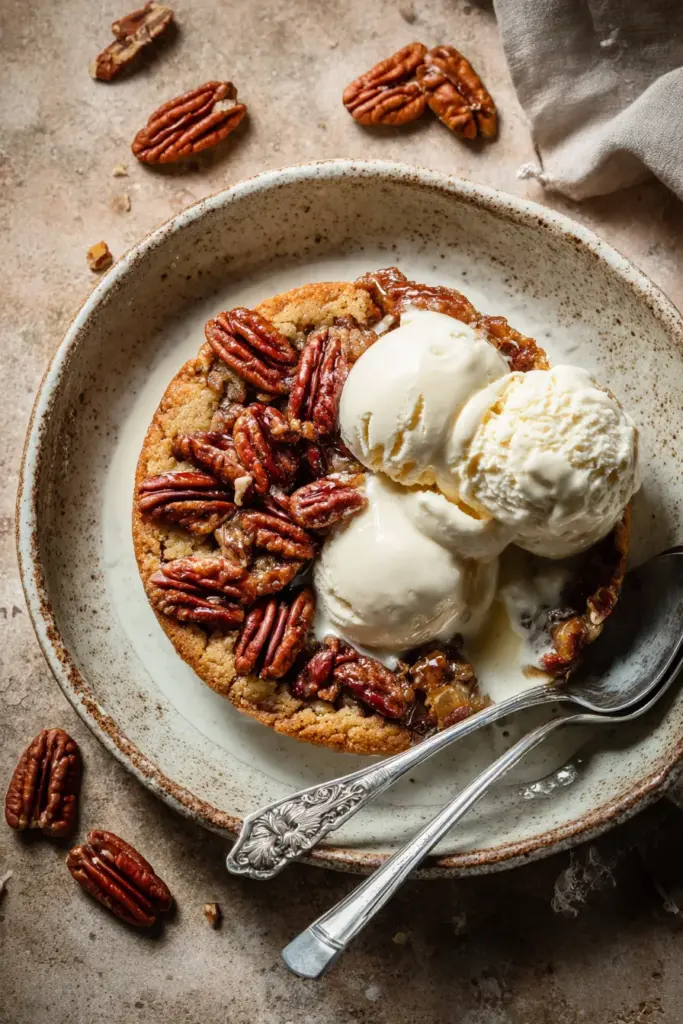
The technique is similar to traditional cobbler, but the filling is made from butter, sugar, eggs, and pecans, essentially a pecan pie filling. A simple batter goes on top, and as it bakes, the batter rises through the filling in places, creating a marbled effect. The pecans toast and become crunchy, while the filling stays gooey and sweet. Served warm with vanilla ice cream, it’s pure indulgence.
Chocolate Desserts in Cobbler Format
The chocolate cobbler is one of those desserts that sounds too good to be true. A pudding-like chocolate layer on the bottom, cake on top, all from one simple batter. The magic happens when you pour hot water over the batter before baking. It seems wrong, like you’re ruining the dessert, but the water sinks to the bottom and creates a fudgy sauce while the cake rises to the top.
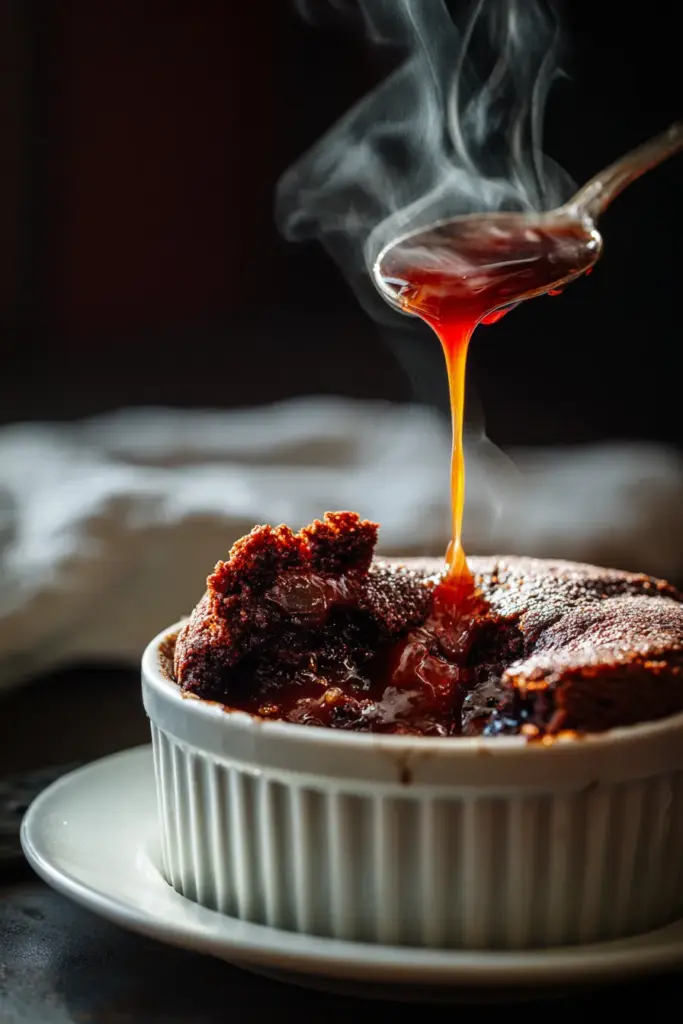
I was skeptical the first time I made chocolate cobbler because the process felt so counterintuitive. But when I pulled it out of the oven and saw the crackly top and bubbling sauce around the edges, I was converted. Served warm with vanilla ice cream, the hot fudge sauce mingles with cold ice cream in the best possible way.
Lemon and Citrus Cobblers
The magic lemon cobbler delight uses the same magic pudding technique as chocolate cobbler but with bright, tangy lemon flavor. It’s refreshing and less heavy than chocolate, perfect for summer when you want something sweet but not too rich. The lemon flavor is intense without being sour, balanced by enough sugar to keep it dessert-like.
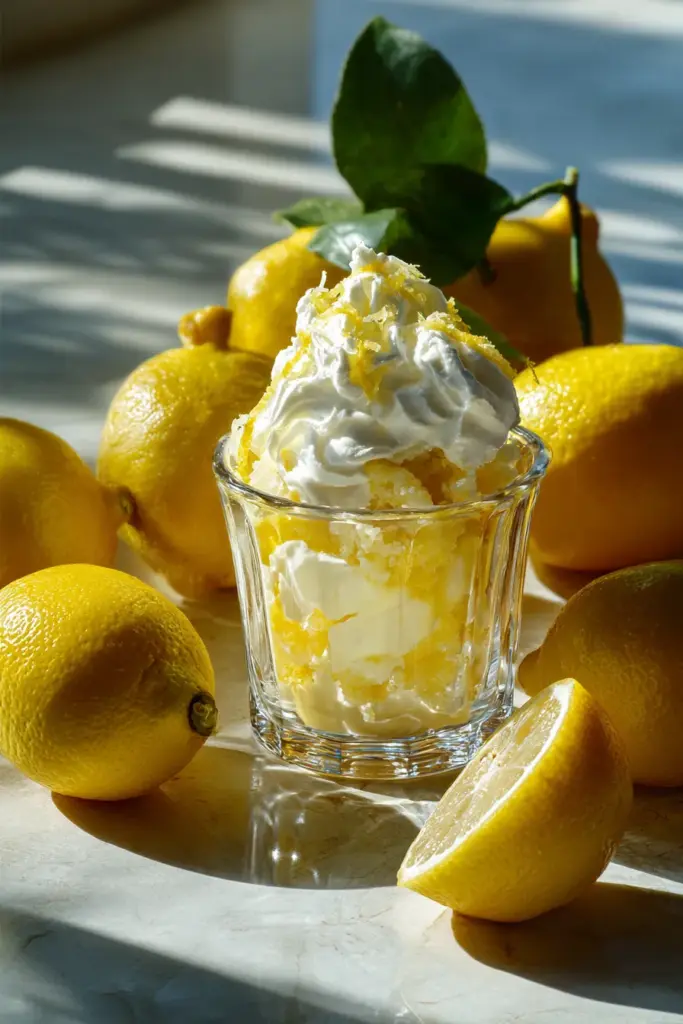
Lemon desserts work particularly well in cobbler format because the cake layer helps balance the citrus intensity. Too much lemon can be overwhelming, but with the sweet cake topping soaking up some of that tart lemon sauce, everything comes into perfect balance. I serve this with whipped cream rather than ice cream, which feels lighter and more appropriate for the bright citrus flavors.
Dump Cakes: The Ultimate Easy Dessert
Dump cakes have a reputation for being lazy cooking, and honestly, that’s accurate. But sometimes lazy cooking is exactly what you need, and dump cakes deliver surprisingly good results for minimal effort. The concept is simple: fruit on the bottom, dry cake mix on top, butter over everything. Bake until golden and bubbly. That’s it.
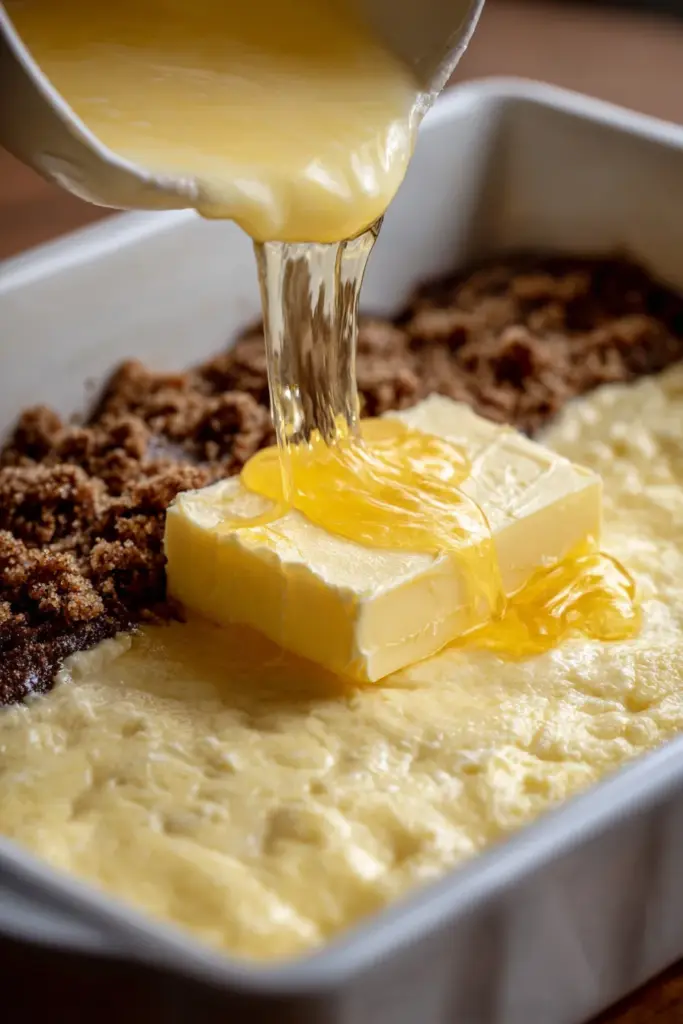
The death by chocolate dump cake is decadence made easy. Chocolate pudding, chocolate chips, chocolate cake mix, and butter create layers of chocolate flavor and texture. It’s rich and fudgy, perfect for serious chocolate lovers who want dessert without working too hard for it.
What makes dump cakes work is the interaction between the wet filling and the dry cake mix. The filling releases moisture and steam as it heats, which gets absorbed by the cake mix. The butter on top melts down through the cake mix, creating pockets of crispy, caramelized topping alongside softer, more cake-like sections. It’s not a uniform texture, which is part of the appeal.
Fruit-Based Dump Cakes
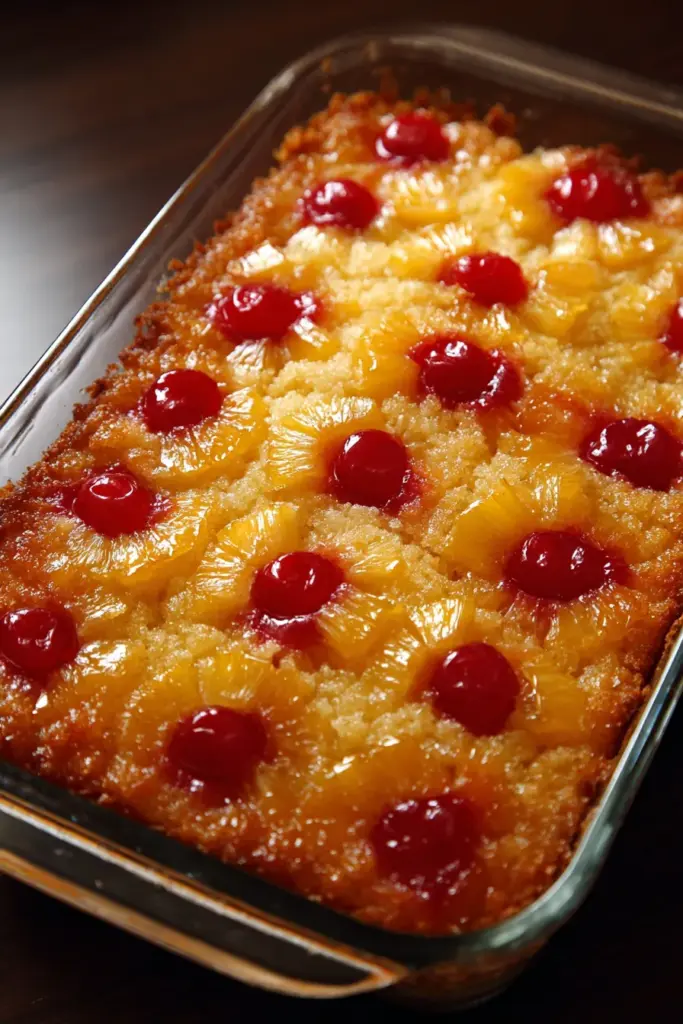
The pineapple upside down dump cake gives you the flavors of classic pineapple upside down cake without the fuss of making actual cake. Pineapple slices and maraschino cherries on the bottom, yellow cake mix, and butter create something that tastes remarkably like the real thing. The pineapple caramelizes slightly during baking, adding depth and complexity.
For a fun twist, the Oreo dump cake uses crushed Oreos as part of the topping layer. Cookies and cream pudding on the bottom, cake mix and crushed Oreos on top, creates a dessert that tastes like cookies and cream ice cream in cake form. It’s a hit with kids and adults alike, proving that dump cakes can be fun and creative, not just easy.
Berry Desserts and Crumbles
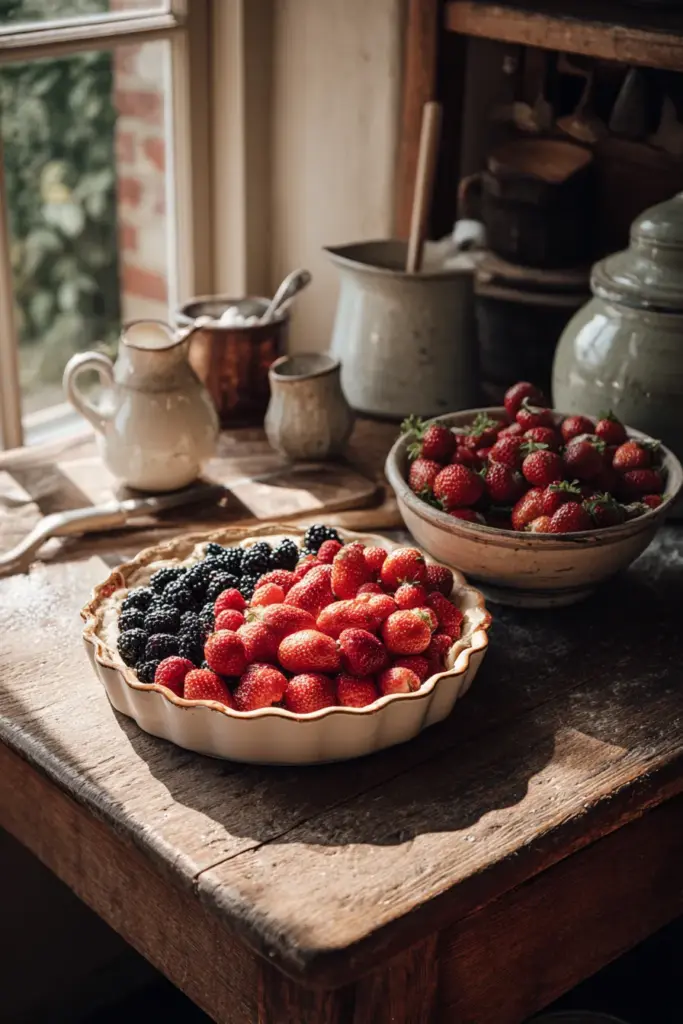
Berries are the most delicate fruit for desserts, requiring gentle handling and minimal cooking to preserve their bright flavors. The blackberry crumble showcases how beautiful berries can be in a simple preparation. The berries burst and release their juices, creating a gorgeous purple sauce under a golden, buttery topping.
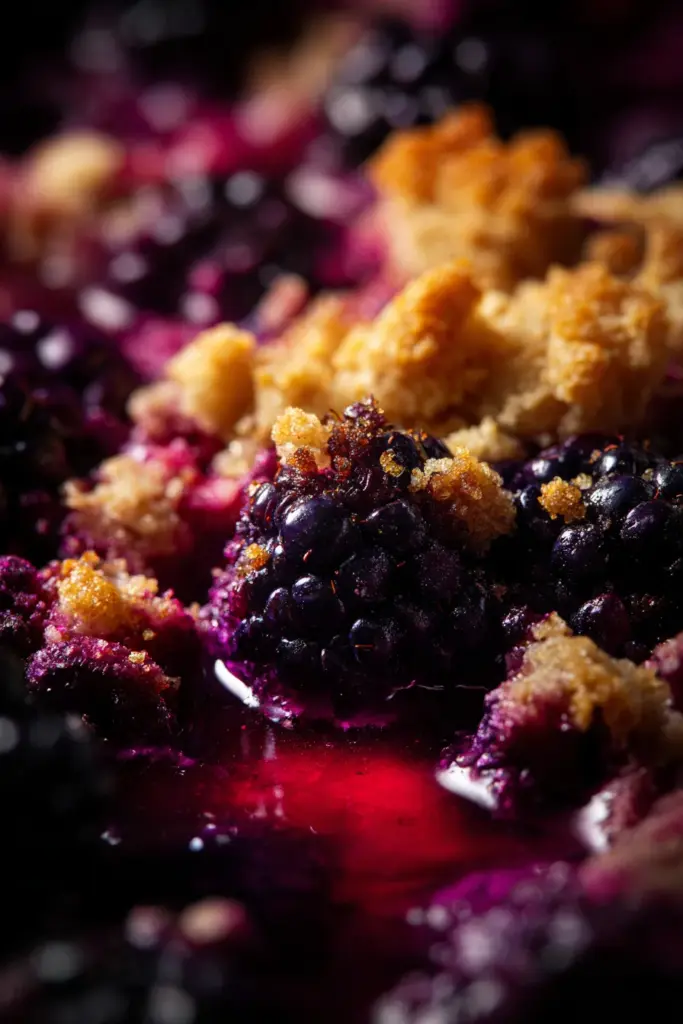
When working with berries, I toss them with just enough sugar to enhance their natural sweetness and a bit of cornstarch or flour to thicken the juices they release. Too much thickener and you get gummy filling; too little and the dessert is soupy. I use about one to two tablespoons of cornstarch per four cups of berries, which creates a sauce that’s thick enough to hold together but still fluid and saucy.
Fresh berries are ideal, but frozen work beautifully too. I don’t thaw frozen berries before using them in cobblers and crisps. Adding them frozen prevents them from bleeding too much into the topping and extends the baking time slightly, which actually helps the topping get extra golden and crispy. Summer berries get expensive outside their season, so frozen berries make these desserts accessible year-round.
Strawberry Desserts Beyond the Basics
Strawberries inspire creativity like no other fruit. They’re beautiful, widely loved, and work in so many different preparations. The strawberry cream cheese pastry combines flaky puff pastry with tangy cream cheese and sweet strawberries for an elegant dessert that looks bakery-quality but uses mostly convenience ingredients.
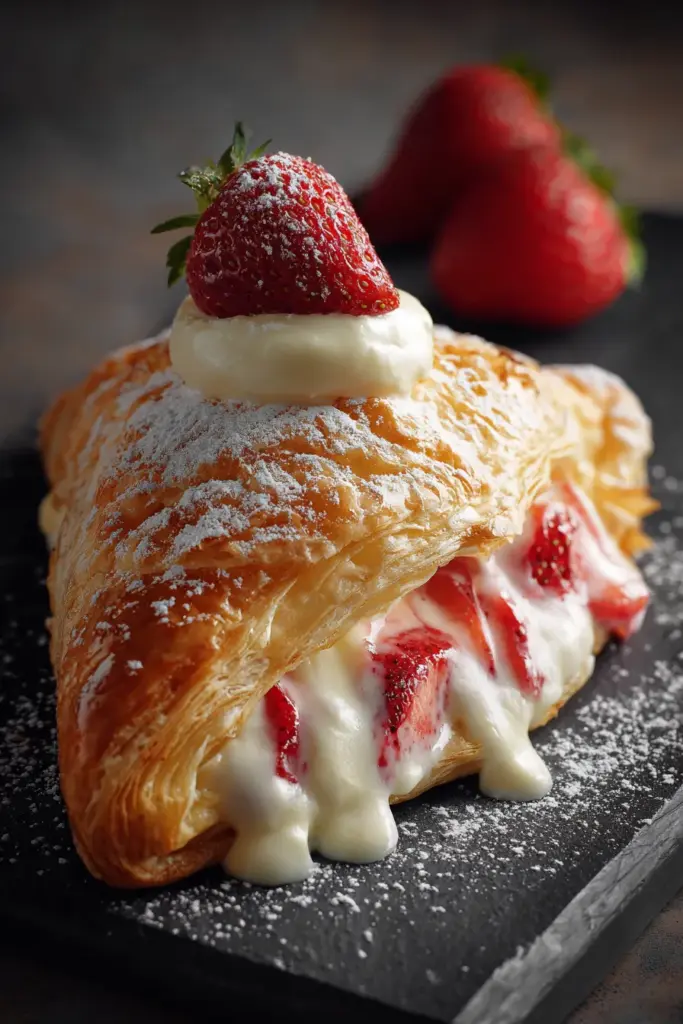
The strawberries and cream pastry puffs offer individual portions perfect for parties or special occasions. Each puff pastry cup holds a dollop of sweetened cream cheese and fresh strawberries, creating a bite that’s crispy, creamy, and fruity all at once. They look impressive arranged on a platter but take minimal effort to assemble.
Creative Strawberry Applications
The fried strawberry cheesecake sandwiches are indulgent and fun, perfect for when you want dessert that feels like a treat. Cream cheese and strawberries get sandwiched between bread, dipped in egg batter, and fried until golden. It’s like French toast met cheesecake and strawberries, and honestly, it works better than you’d think.
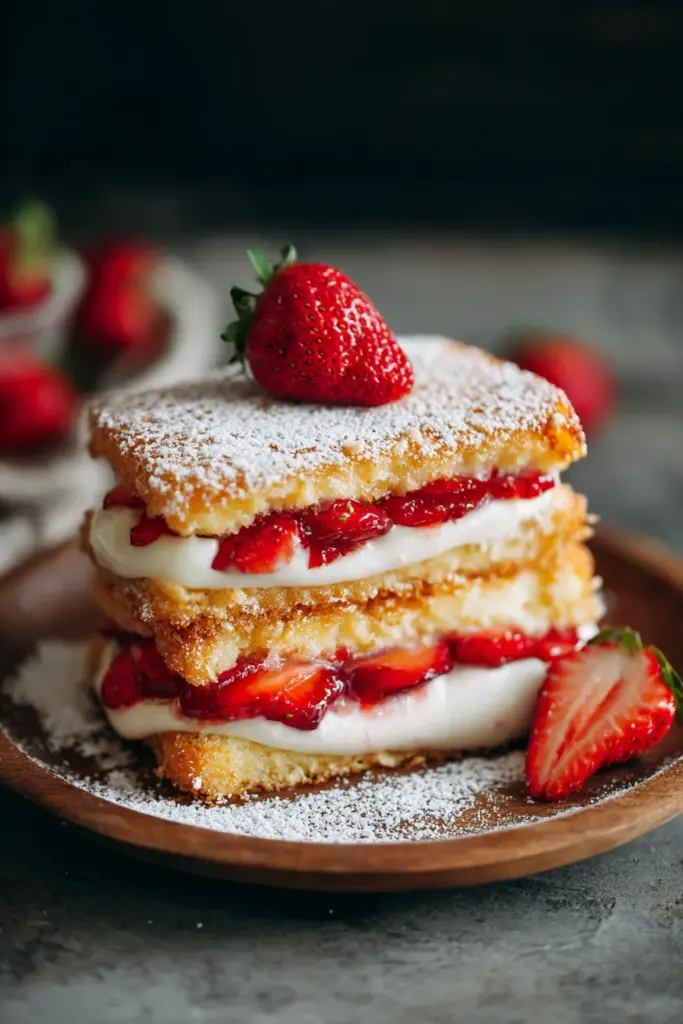
For something truly whimsical, the creative cute strawberry shortcake sushi rolls up strawberries, cream, and cake in a presentation that looks like sushi. It’s a fun project to make with kids or a unique dessert for a party. The familiar flavors of strawberry shortcake get presented in a totally unexpected format.
Strawberry and Cheesecake Combinations
The cheesecake deviled strawberries are possibly the cutest dessert I’ve ever made. Hollow out strawberries and pipe them full of sweetened cream cheese, then top with graham cracker crumbs. They look like deviled eggs but taste like strawberry cheesecake. They’re perfect for parties because they’re elegant, bite-sized, and you can prep them ahead.
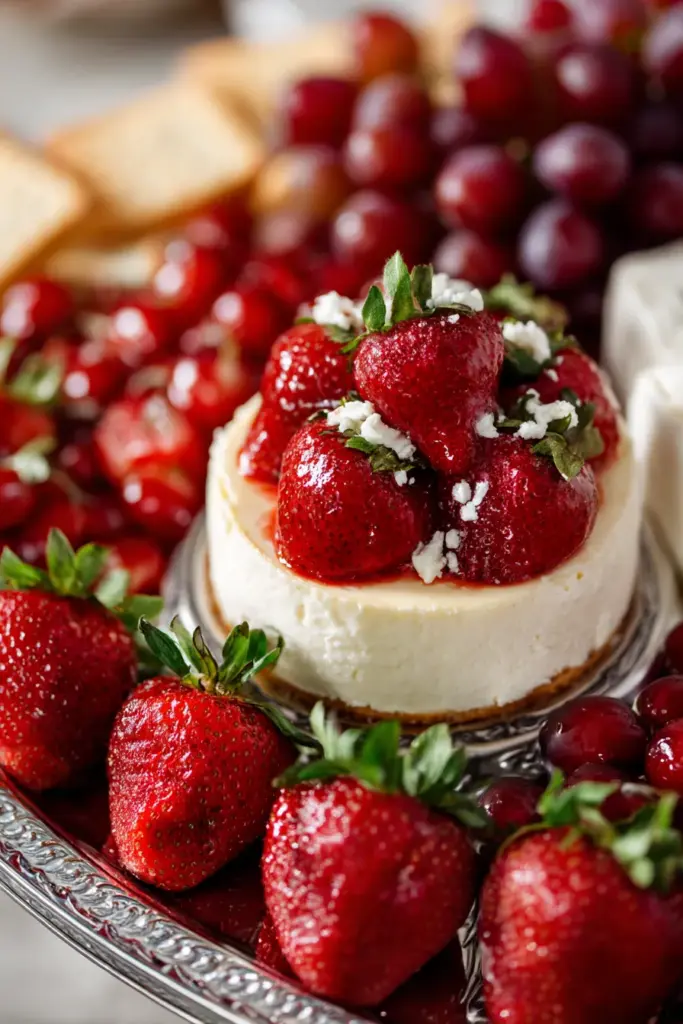
The cherry cheesecake fluff isn’t strictly a strawberry recipe, but it uses similar techniques to create a light, mousse-like dessert. Cream cheese, whipped topping, and cherry pie filling combine into something that’s like cheesecake but airier and easier. It works with strawberry pie filling too, creating a no-bake dessert that satisfies cheesecake cravings without turning on the oven.
Strawberry Baking Components
Learning to make easy homemade strawberry jelly opens up endless possibilities for using strawberries in baking. The jelly can fill cakes, top cheesecakes, spread on pastries, or mix into frostings. It’s more flavorful than store-bought and lets you control the sweetness level.
The strawberry cake filling guide and ultimate strawberry cake recipe show how to build strawberry flavor into layer cakes. Fresh strawberry puree in the cake batter, strawberry filling between layers, and strawberry buttercream create a cake that tastes intensely of strawberries from the first bite to the last.
Savory Applications of Sweet Fruit
Not every fruit recipe needs to be dessert. I’ve discovered that peaches, apples, and other fruits work beautifully in savory applications, bringing sweetness and acidity that balance rich proteins. The jalapeño peach chicken combines sweet peaches with spicy jalapeños for a glaze that transforms simple chicken into something special.

The peaches provide natural sweetness and a fruity complexity that’s different from just adding sugar. The jalapeños bring heat that’s tempered by the fruit, creating a sauce that’s balanced and interesting. I serve this chicken over rice or with a simple salad, letting the flavorful protein be the star of the meal.
The hot honey peach and prosciutto sandwich is a flavor combination that works better than you’d expect. Sweet peaches, salty prosciutto, creamy cheese, and that hint of heat from hot honey create a sandwich that hits every taste note. It’s my go-to fancy lunch when I want something different from the usual sandwich rotation.
Expert Tips for Perfect Fruit Desserts
After making hundreds of fruit desserts, I’ve learned tricks that ensure success every time. These aren’t complicated techniques, just small adjustments and habits that make the difference between good and great results. Understanding these principles helps you troubleshoot problems and even create your own variations.
First, the fruit needs to be good quality. Fruit desserts are only as good as the fruit you start with. Underripe or mealy fruit won’t suddenly become delicious because you baked it. I taste my fruit before using it, and if it’s not sweet and flavorful raw, I adjust the recipe by adding more sugar or enhancing with spices. If the fruit is truly bad, I choose a different dessert rather than trying to save it.
Second, proper thickening prevents soupy desserts. Fruit releases juice as it cooks, and if that juice isn’t thickened, you end up with fruit swimming in liquid. I use cornstarch or flour, about one to two tablespoons per four cups of fruit. Cornstarch creates a clearer, more glossy sauce. Flour makes a slightly cloudy but more traditional sauce. Either works; it’s just personal preference.
Topping Techniques for Success
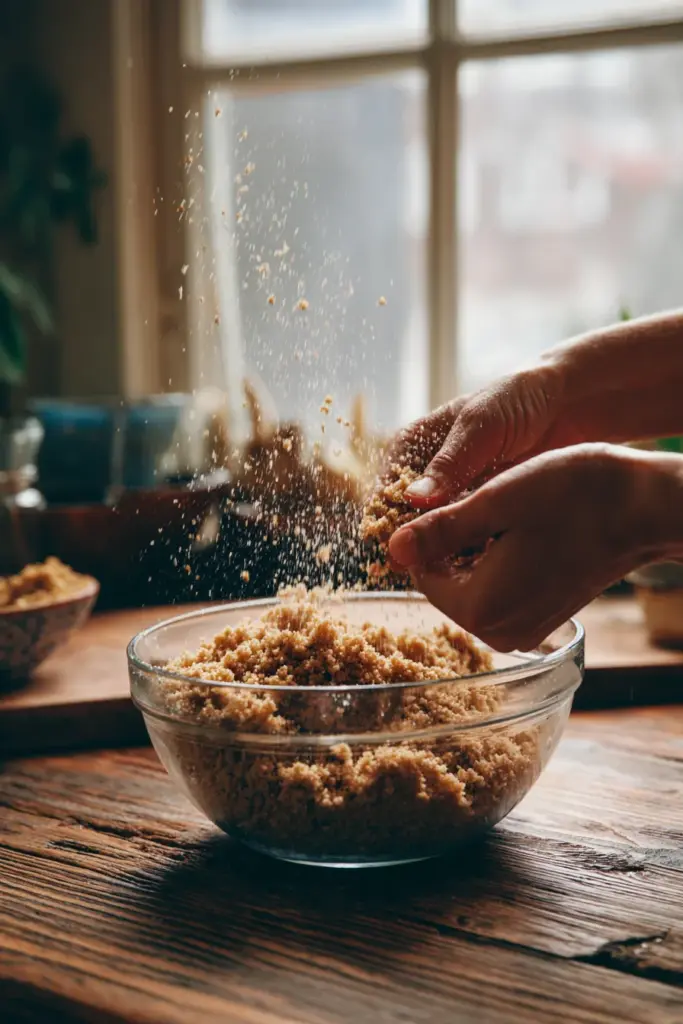
For crisp and crumble toppings, cold butter is essential. The butter needs to stay in small pieces as you mix it with the flour and sugar. Those butter pieces melt during baking, creating pockets that turn crispy and golden. If the butter gets too soft during mixing, the topping becomes greasy and heavy rather than light and crunchy.
I cut cold butter into small cubes and use a pastry cutter or my fingers to work it into the dry ingredients until the mixture resembles coarse crumbs with pea-sized pieces of butter throughout. Some people use a food processor, which works but requires a light touch to avoid overprocessing. The goal is a crumbly mixture that clumps when you squeeze it but falls apart when you release.
For cobbler toppings, don’t overmix the dough. Mix just until the ingredients come together. Overmixing develops gluten, which makes the topping tough rather than tender. The dough should be shaggy and slightly rough-looking, not smooth. This is similar to biscuit dough, and the same rules apply.
Baking and Serving Tips
Always place fruit desserts on a baking sheet before putting them in the oven. Fruit bubbles over as it bakes, and the sheet catches any drips, saving you from a burnt mess on the oven floor. I line my baking sheet with foil for easier cleanup, since fruit juice burns onto the pan and is difficult to scrub off.
Fruit desserts are almost always better served warm or at room temperature rather than straight from the refrigerator. The flavors are more pronounced, the topping has better texture, and warm dessert with cold ice cream is one of life’s great pleasures. I let desserts cool for about twenty to thirty minutes after baking, which lets them set up slightly while still being warm enough to enjoy.
Leftovers can be refrigerated and reheated. Cover the dessert with foil and warm in a 350-degree oven for about fifteen to twenty minutes. The topping won’t be quite as crispy as fresh-baked, but it’s still delicious. Avoid microwaving if possible, as it makes toppings soggy and textures less appealing.
Conclusion
My journey with fruit desserts has taught me that the best baking often comes from simplicity. When you start with good fruit and treat it with respect, you don’t need complicated techniques or fancy ingredients. A few basic toppings, some fundamental understanding of how fruit cooks and thickens, and the willingness to trust the process are really all you need to create desserts that people remember.
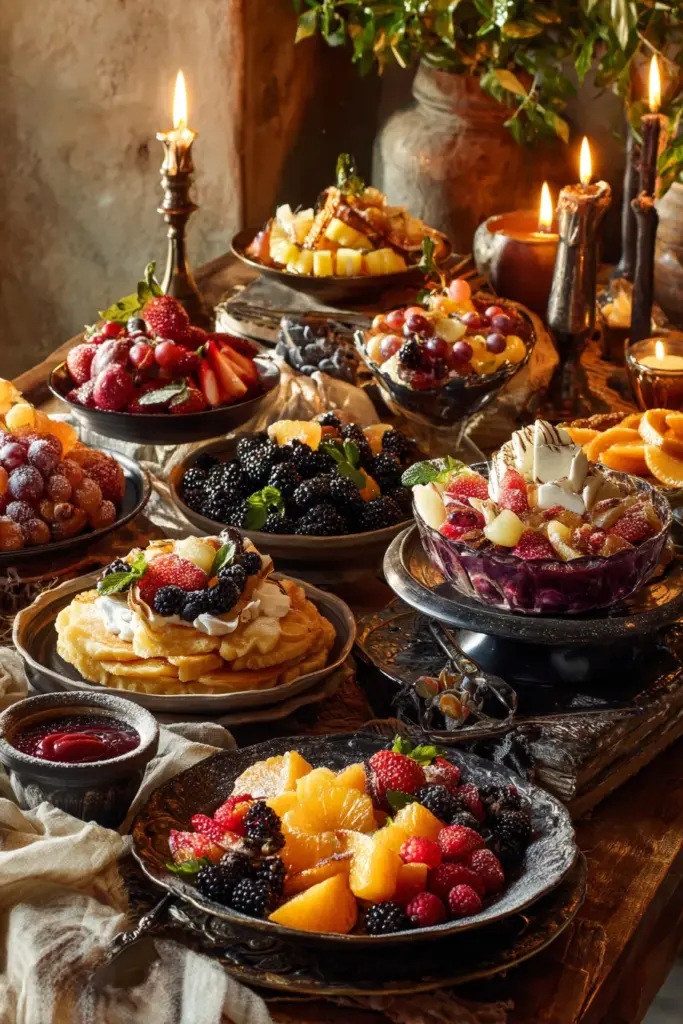
What I love about cobblers, crisps, and their relatives is how they celebrate the seasons. Summer peaches turn into bubbling cobbler. Fall apples become cinnamon-scented crisps. Winter offers time to use frozen fruit or try creative variations like chocolate cobbler. Spring brings the first berries for delicate crumbles. These desserts connect us to the rhythm of the year, making us more aware of what’s in season and what’s at its peak.
The forgiving nature of these desserts makes them perfect for learning to bake. You can make mistakes and still end up with something delicious. The fruit is juicier than expected? The topping soaks up that extra liquid. The topping isn’t perfectly spread? It looks rustic and homemade in the best way. This forgiveness builds confidence, teaching you about baking without the pressure of perfection.
Remember that recipes are guidelines, not rules. If your apples are particularly tart, add more sugar. If your peaches are very juicy, use extra thickener. If you prefer more cinnamon or less nutmeg, adjust to your taste. The more you make these desserts, the more you’ll develop instincts about what works and what needs adjustment. This intuition is what transforms you from a recipe-follower into a real cook.
Don’t be afraid to experiment with different fruits, flavor combinations, and toppings. Some of my favorite recipes came from trying something new or making do with what I had on hand. Mixed berry cobbler with apples and pears. Peach crisp with crystallized ginger. Apple crumble with maple syrup instead of sugar. These experiments keep cooking interesting and help you discover new favorites.
The joy of these desserts extends beyond just eating them. Making cobbler for your family on a Sunday afternoon, bringing a crisp to a potluck where everyone asks for the recipe, surprising someone with a warm fruit dessert on a cold night, these moments of sharing and connection are what home cooking is really about. The desserts are delicious, but the memories and relationships they build are what matter most.
So pull out that baking dish, gather whatever fruit looks good, and start making something wonderful. Whether you’re following a recipe exactly or improvising based on what you have, whether you’re feeding a crowd or just yourself, whether it’s a special occasion or a random Tuesday, fruit desserts bring sweetness and comfort to any situation. Trust yourself, trust the fruit, and enjoy the simple pleasure of creating something delicious from scratch.
Continue exploring more delicious inspiration with these favorites:
Frequently Asked Questions
Can I use frozen fruit in cobblers and crisps?
Absolutely. Frozen fruit works beautifully in these desserts, and I use it all the time, especially in winter when fresh fruit is expensive or unavailable. The key is not thawing the fruit before using it. Add frozen fruit directly to your baking dish, maybe tossed with slightly more thickener than you’d use for fresh since frozen fruit releases more liquid. The baking time might increase by five to ten minutes, which actually helps the topping get extra golden and crispy. Frozen fruit sometimes lacks the bright flavor of fresh, so I compensate with extra vanilla, lemon juice, or spices.
Why is my cobbler topping gummy or dense?
Dense, gummy cobbler topping usually results from too much liquid in the dough or overmixing. The dough should be thick and just barely come together, not pourable. If your dough seems too wet, add flour a tablespoon at a time until it reaches the right consistency. Also check that you’re measuring flour correctly by spooning it into the measuring cup rather than scooping, which packs it down. Finally, mix just until ingredients are combined. Overmixing develops gluten, creating a tough, dense texture instead of the light, biscuit-like topping you want.
How do I prevent my crisp topping from becoming soggy?
Soggy crisp topping usually happens when there’s too much moisture in the fruit or when the dessert is covered while still hot. Make sure you’re using enough thickener in the fruit, which absorbs excess liquid. Don’t cover the dessert while it’s baking or cooling, as trapped steam softens the topping. If you need to cover leftovers for storage, wait until they’re completely cool, and accept that reheated topping won’t be quite as crispy as fresh. You can revive crispness somewhat by reheating uncovered in the oven rather than the microwave.
Can I reduce the sugar in fruit desserts?
You can reduce sugar, but it affects more than just sweetness. Sugar helps fruit release juice, contributes to browning, and adds structure to toppings. I can usually reduce sugar by about one-quarter without major issues, especially if the fruit is very sweet. Beyond that, you might notice the fruit doesn’t get as juicy, the topping doesn’t brown as well, and the overall flavor is less balanced. If you need less sugar, consider using naturally sweet fruit like ripe peaches or adding flavor through spices, vanilla, or citrus zest.
What’s the best way to peel peaches?
The blanching method is easiest for multiple peaches. Bring a pot of water to boil and prepare a bowl of ice water. Score a small X on the bottom of each peach. Drop peaches in boiling water for thirty to sixty seconds, depending on ripeness. Transfer immediately to ice water. The skins should slip right off. For very ripe peaches, you can often peel them with a vegetable peeler or even your fingers. If you’re only doing one or two peaches and don’t want to boil water, a sharp vegetable peeler works fine, though it’s slower than blanching.
Why is my fruit dessert watery?
Watery fruit desserts result from not using enough thickener or not baking long enough for the fruit to release its juice and the thickener to activate. Cornstarch and flour need heat and time to thicken properly. Make sure you’re baking until you see the fruit mixture actively bubbling, not just until the topping looks done. Different fruits release different amounts of liquid; berries and peaches are particularly juicy and need adequate thickener. If you consistently have watery desserts, increase the cornstarch or flour by a tablespoon next time.
Can I make fruit desserts ahead of time?
You can prep the components ahead but should generally bake close to serving time for best results. Mix the fruit with sugar and thickener and refrigerate. Prepare the topping and refrigerate separately. When ready to bake, combine them and proceed with the recipe, adding a few minutes to baking time since everything is cold. Fully baked desserts can be made a day ahead and reheated, but the topping won’t be as crispy as fresh. For entertaining, I often prep components in the morning and bake during dinner so dessert comes out of the oven warm and perfect for serving.
What apples are best for baking?
Firm, tart apples that hold their shape are best. Granny Smith is the classic choice because it stays firm and provides tartness that balances sweet topping. Other good options include Honeycrisp, Pink Lady, Braeburn, or Jonathan. I often use a mix of Granny Smith and something sweeter like Honeycrisp for complexity. Avoid Red Delicious, McIntosh, or other soft varieties that turn mushy when cooked. The apple should have a pleasant, slightly tart flavor when eaten raw. If it’s bland fresh, it will be bland baked.
How do I know when my cobbler is done baking?
Look for three signs: the topping should be golden brown, the fruit should be bubbling around the edges, and a toothpick inserted in the topping should come out clean or with just a few moist crumbs. The bubbling is important because it means the fruit has released its juice and the thickener has activated. If the topping browns before the fruit bubbles, tent the dish with foil and continue baking until you see active bubbling. Most fruit desserts take forty-five to sixty minutes at 350 to 375 degrees Fahrenheit.
Can I substitute butter in cobbler and crisp toppings?
Butter provides the best flavor and texture, but substitutions are possible. For cobbler dough, you can use shortening or coconut oil, though the flavor will be different. For crisp toppings, cold coconut oil works fairly well, creating similar crispy texture though with a subtle coconut flavor. Margarine works but isn’t as flavorful. Oil doesn’t work in crisp toppings because it doesn’t create the right texture. If you need dairy-free, stick with coconut oil or vegan butter substitutes designed for baking. Whatever fat you use, make sure it’s cold for crisp toppings.

🍳 Precision Meets Passion — Tools Chefs Trust Daily

- Grams & ounces — precise to 1g
- Perfect for baking & keto tracking
- Sleek stainless steel design

- German stainless precision
- Razor-sharp & dishwasher-safe
- Elegant wood block organizer

- Premium Stainless Steel Build
- Easy to Clean & Dishwasher Safe
- A Must-Have Kitchen Tool