➤ Table of Contents
I’ll never forget the first time I brought a homemade dip to a party. It was a simple spinach artichoke situation, nothing fancy, but I’d spent an hour stirring and tasting and adjusting the seasonings until it felt just right. When I arrived, the host had already set out store-bought salsa and a tub of ranch. My dip sat there looking homemade and slightly out of place next to those neat commercial containers. But within twenty minutes, my bowl was scraped clean, and three different people had asked for the recipe.
⚡ Smart Kitchen Tools Every Home Cook Swears By

- Pure aluminum
- Durable enough for everyday cooking
- Made in the USA with quality

- 7 cooking functions in one compact cooker
- 3-quart size ideal for couples or small meals
- Up to 70% faster than traditional cooking

- 3 sizes for every recipe
- Pre-seasoned & durable cast iron
- Oven & grill ready
That’s when I understood the power of a really good dip. It’s not just food, it’s a conversation starter, a gathering point, the thing that brings people to the table before dinner is even ready. Whether you’re hosting game day, planning a holiday spread, or just looking for an afternoon snack that feels special, the right dip can transform the whole experience.

Over the years, I’ve made countless dips and spreads. Some were disasters, like the time I added way too much garlic to a white bean dip and cleared the room. Others became family legends, requested at every gathering. Through all that trial and error, I’ve learned what works and what doesn’t, which flavors sing together and which fall flat, and most importantly, how to make dips that taste homemade without requiring hours in the kitchen.
This guide covers everything from creamy cheese-based dips to fresh vegetable spreads, from game-day favorites to elegant appetizers worthy of your fanciest party. You’ll learn techniques that actually work, flavor combinations that make sense, and tips for making your dips look as good as they taste. Because whether you’re feeding a crowd or just treating yourself, everyone deserves dip that’s delicious.
Cheese-Based Dips: The Crowd-Pleasers
There’s something about warm, melted cheese that makes people instantly happy. I’ve seen the grumpiest guests at parties perk right up when a bubbling cheese dip comes out of the oven. It’s comfort food at its finest, the kind of thing that disappears faster than you’d think possible.
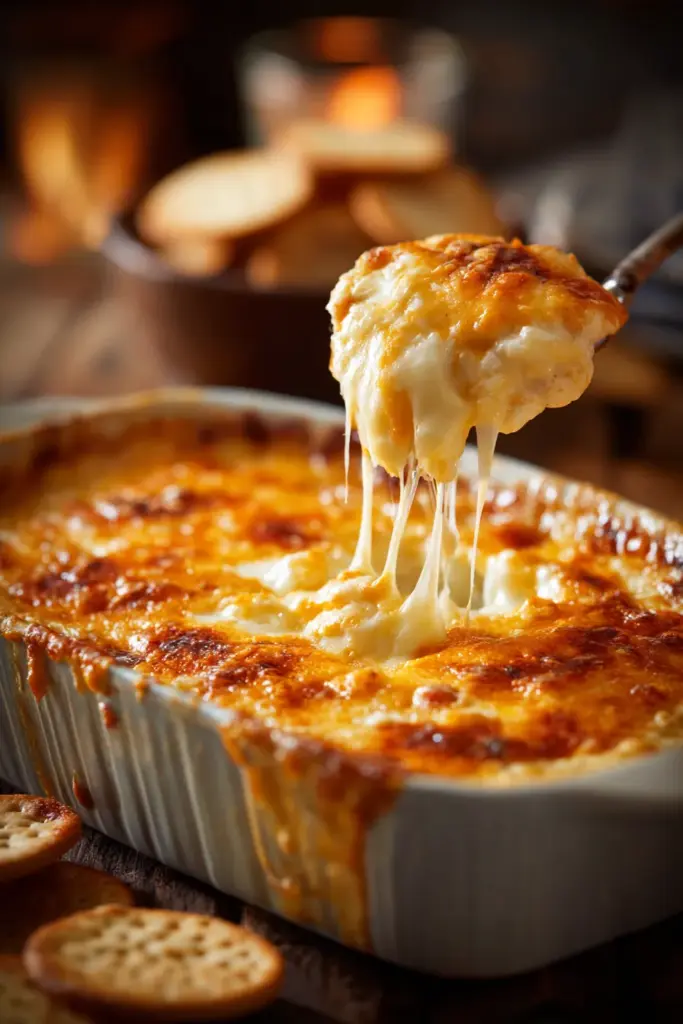
The foundation of any great cheese dip is understanding how cheese melts. Not all cheeses behave the same way when heated. Hard aged cheeses like parmesan can get grainy and separated. American cheese melts smoothly but lacks complexity. The secret is usually combining cheeses: something for flavor, something for texture, and often a little cream cheese or sour cream to keep everything silky.
My go-to technique for hot cheese dips starts with a base of cream cheese, softened to room temperature so it incorporates easily. Then I add shredded cheese gradually, letting each addition melt before adding more. This prevents that stringy, separated texture that happens when you dump everything in at once. A splash of milk or cream helps achieve the perfect dipping consistency.
Queso: The Game Day Champion
If there’s one dip that defines game day in my house, it’s queso. Not the jarred stuff, though I won’t judge if that’s your starting point. Real queso, made from scratch with actual cheese, has a depth of flavor that’s worth the extra ten minutes of effort. The cheese melts into a smooth, creamy sauce that clings to tortilla chips perfectly.

🥗 Fresh, Fast & Foolproof — Upgrades You'll Use Tonight

- Zoodles in seconds
- Heavy-duty, 10 sharp blades
- Keto, paleo & gluten-free friendly

- Meals in ~30 minutes
- 3-Qt — perfect for 1–3 people
- Pressure cook, sauté, steam & more

- Phone alerts & live temp graph
- Hands-off monitoring for smokers
- Perfect doneness, every time
Traditional queso uses white American cheese as the base because it melts so beautifully without breaking. I combine it with pepper jack for heat and sharp cheddar for flavor. Sautéed onions, garlic, diced tomatoes with green chiles, and a bit of cumin create that classic Tex-Mex taste. The whole thing comes together in one pot, ready in about fifteen minutes.
But here’s where it gets interesting. Adding protein turns queso from a snack into almost a meal. The cheesy venison queso dip for game day is perfect when you have ground venison in the freezer and want something heartier than plain cheese. The venison adds a rich, slightly gamey flavor that pairs surprisingly well with the creamy cheese base.
Adding Heat and Texture
Once you master basic queso, the variations become endless. Heat-lovers in my family always request the spicier version. The cheesy jalapeño venison queso dip brings serious heat from fresh jalapeños while the venison keeps it substantial enough to serve as a main appetizer.
For the ultimate indulgence, I make a loaded version that’s essentially nachos in dip form. The loaded venison queso dip gets topped with everything: sour cream, guacamole, pico de gallo, black olives, green onions. It’s messy and over-the-top and always the first thing to disappear at parties.
The key to keeping queso at the perfect temperature during parties is using a small slow cooker set to warm. This prevents the cheese from hardening as it sits out. If it does thicken up, a splash of milk stirred in brings it back to dipping consistency. I learned this the hard way after serving queso that turned into a solid block halfway through a Super Bowl party.
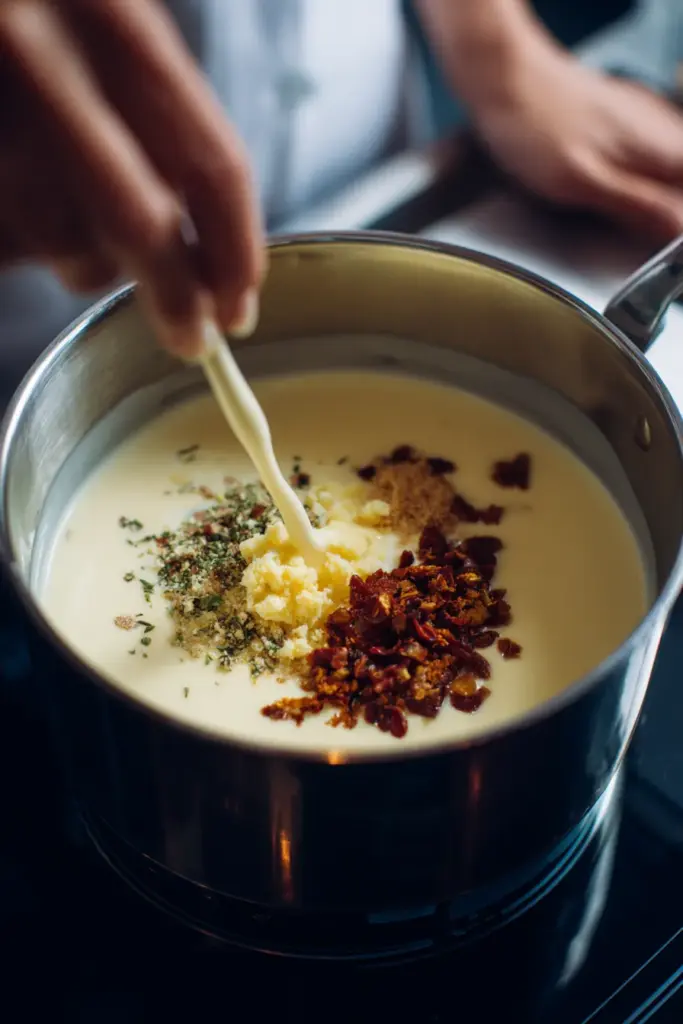
Fruit-Based Spreads: Sweet and Savory Balance
Not all dips need to be savory. Some of my favorite spreads straddle that line between sweet and savory, working equally well on a cheese board, slathered on warm biscuits, or even stirred into oatmeal. Fruit-based spreads have a way of feeling both indulgent and wholesome at the same time.
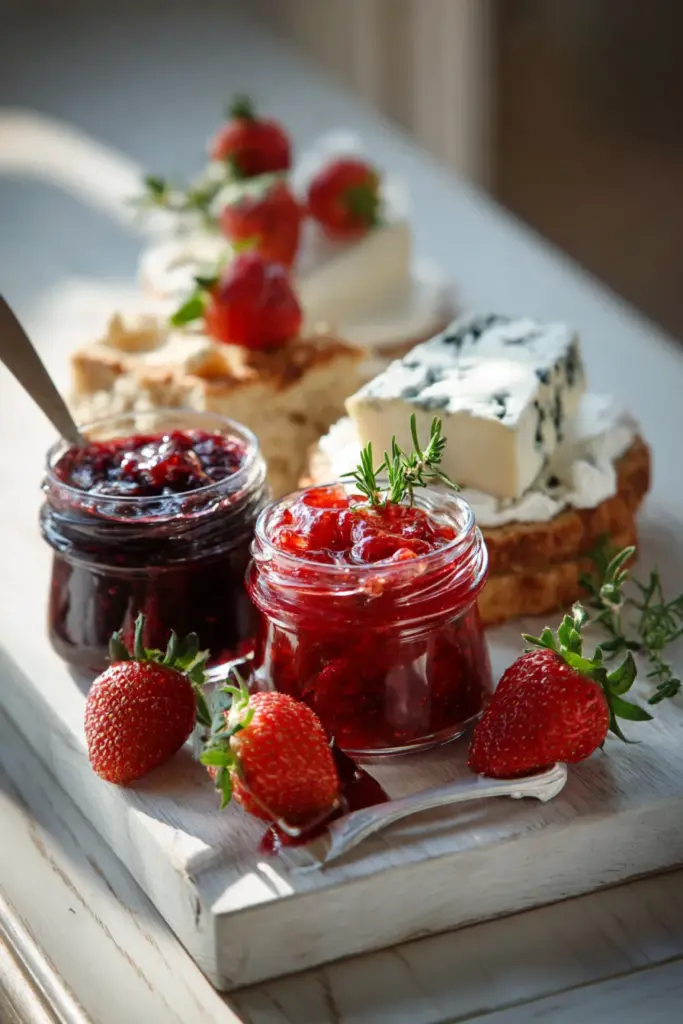
Making fruit spreads from scratch used to intimidate me. All that stirring and worrying about consistency and wondering if it would set properly seemed like too much work. Then I discovered that most fruit spreads are surprisingly forgiving. Unlike jam or jelly, which require precise sugar-to-fruit ratios for proper setting, spreads like apple butter are much more relaxed.
The secret is low and slow cooking. Whether you’re using a slow cooker, a heavy pot on the stove, or even the oven, the goal is to cook the fruit down until it’s thick, concentrated, and deeply flavored. Sugar and spices enhance the fruit’s natural sweetness rather than overwhelming it.
Apple Butter: Autumn in a Jar
Apple butter holds a special place in my heart. It’s what my grandmother always made when apple season arrived, filling her house with the smell of cinnamon and cloves for hours. The name is misleading since there’s no actual butter involved. It’s just apples cooked down so thoroughly that they become smooth and spreadable like butter.
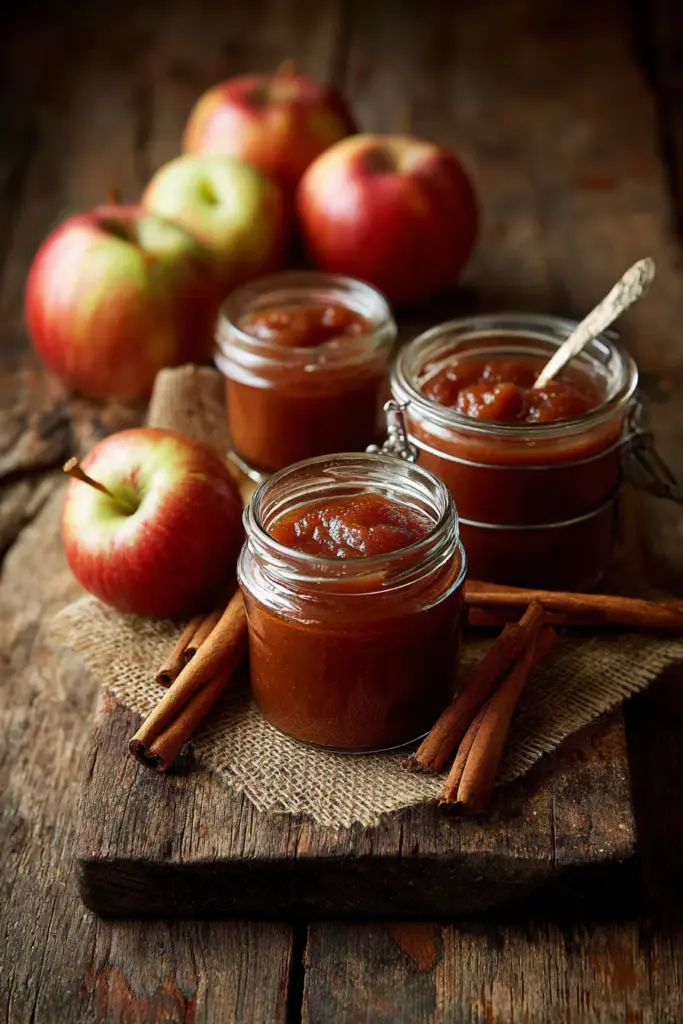
My apple butter recipe uses a mix of sweet and tart apples for complexity. Gala or Fuji apples provide sweetness while Granny Smiths add brightness and prevent the spread from becoming cloying. Brown sugar deepens the flavor in a way white sugar can’t, and warming spices like cinnamon, nutmeg, and allspice make it taste like fall.
I make mine in the slow cooker now, which is much easier than standing over a hot stove for hours. The apples cook down over eight to ten hours, and you only need to stir occasionally. Toward the end, I take the lid off for the last hour or two to let excess moisture evaporate and the butter thicken to spreadable consistency.
Serving and Storing Fruit Spreads
Apple butter is incredibly versatile beyond just toast. I use it as a glaze for pork chops, stir it into yogurt, swirl it through coffee cake batter, and serve it alongside sharp cheddar on cheese boards. The sweet-tart fruit cuts through rich, fatty cheeses beautifully.
For storage, fruit spreads keep for several weeks in the refrigerator in airtight containers. I also freeze portions in small jars, which is perfect for gift-giving during the holidays. There’s something deeply satisfying about handing someone a jar of homemade apple butter, knowing they’ll get to experience those warm, spiced flavors long after apple season has passed.
Bean and Legume Dips: Protein-Packed Options
Bean-based dips might not sound glamorous, but they’re workhorses in my kitchen. They’re inexpensive, protein-rich, endlessly customizable, and have a creamy texture that’s perfect for dipping. Plus, unlike cheese dips that can feel heavy, bean dips somehow manage to be satisfying without leaving you feeling weighed down.
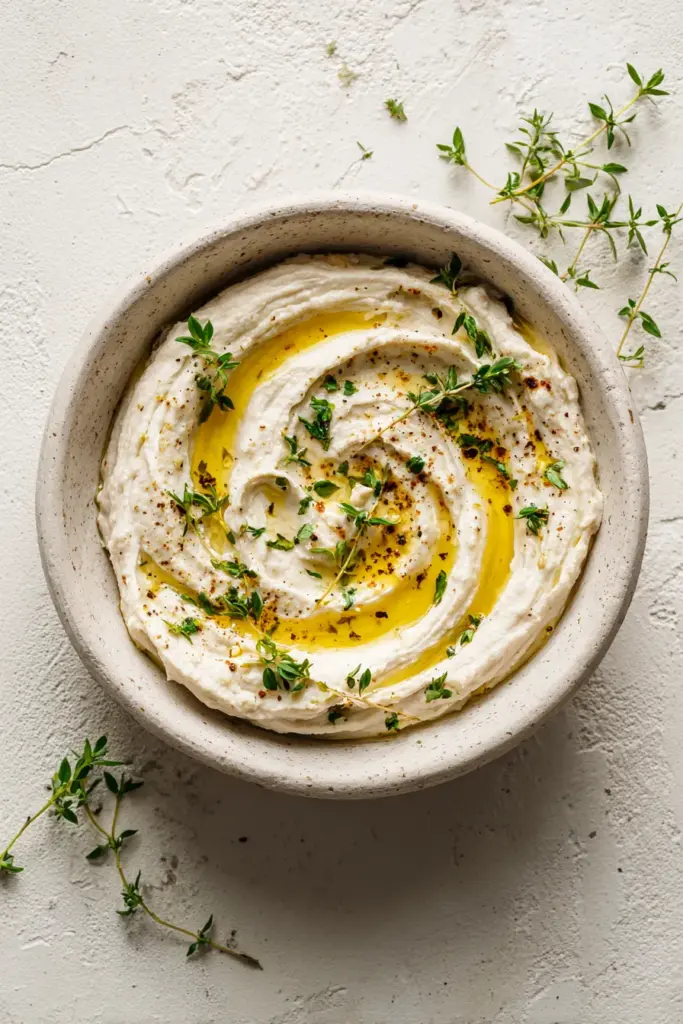
The foundation of great bean dips is properly cooked beans. Whether you’re using dried beans you’ve cooked yourself or canned beans for convenience, texture matters. Beans that are undercooked won’t blend smoothly. Overcooked beans become mushy but at least they’ll puree well. I always err on the side of overcooking slightly when I’m planning to make dip.
White beans are my favorite for dips because they have a mild, buttery flavor that works with almost any seasoning profile. They blend into an incredibly smooth, creamy consistency without needing much added fat. A drizzle of good olive oil, some garlic, lemon juice, and herbs create a simple but delicious dip in minutes.
Working with White Beans
White beans come in several varieties, and knowing the differences helps you choose the right one for your dip. Cannellini beans are large and creamy with a slightly nutty flavor. Great Northern beans are medium-sized and mild. Navy beans are small and dense. For dips, I usually reach for cannellini because their size and creaminess create the smoothest texture.
If you’re wondering about what beans are white, the answer includes these common varieties plus a few others like butter beans and white kidney beans. Each has subtle flavor and texture differences, but they’re generally interchangeable in recipes.
For a comprehensive look at cooking with white beans, including the best varieties for different dishes, my white beans and ham culinary journey covers everything from selection to preparation. While that’s focused on the classic ham pairing, the bean basics apply to dips too.
Southern-Style Bean Preparations
Growing up in the South, white beans were always cooked with ham hocks or bacon, creating rich, smoky flavors that I still crave. Those same flavors work beautifully in dips. The key is cooking Southern-style white beans low and slow until they’re creamy and infused with smoky pork flavor.
If you’re making a big batch of beans for soup or sides, you might wonder about freezing ham and bean soup. Good news: beans freeze beautifully, which means you can cook once and have ready-to-blend beans for quick dips later.
One common issue when cooking white beans with ham is getting the right consistency. If your beans turn out too thin, there are several ways to fix it. My guide on thickening white beans and ham covers techniques that work whether you’re making soup or preparing beans for dip.
Hummus and Middle Eastern Inspired Dips
Hummus changed my life. That sounds dramatic, but it’s true. Before I learned to make it at home, I thought hummus was just okay, something healthy but not particularly exciting. Then I made a batch from scratch and realized that good hummus, real hummus, is silky, rich, tangy, and absolutely addictive.
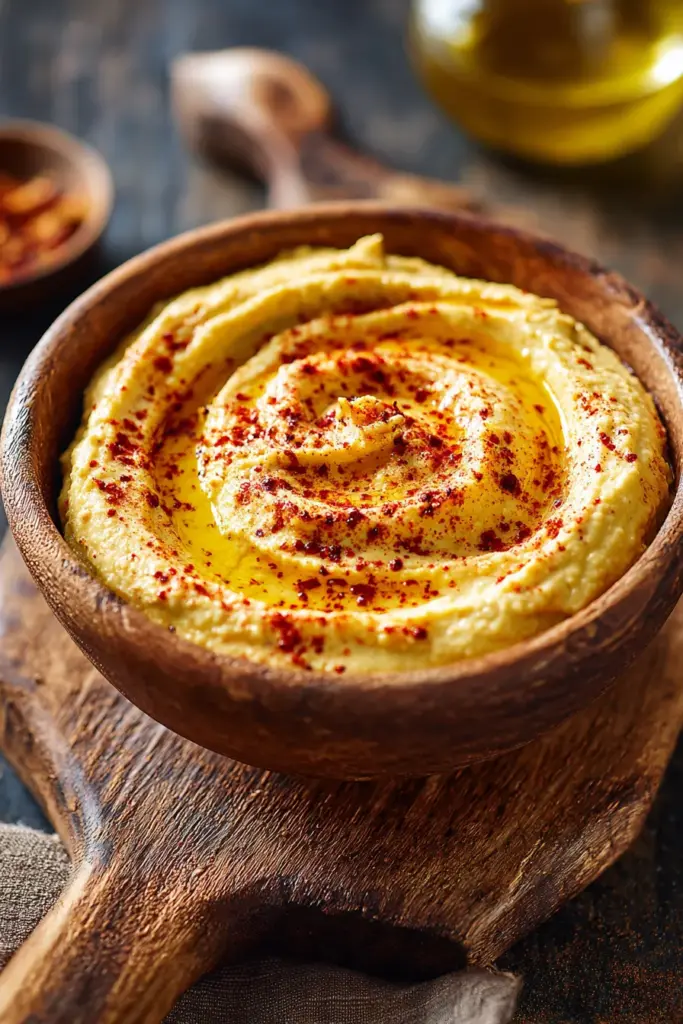
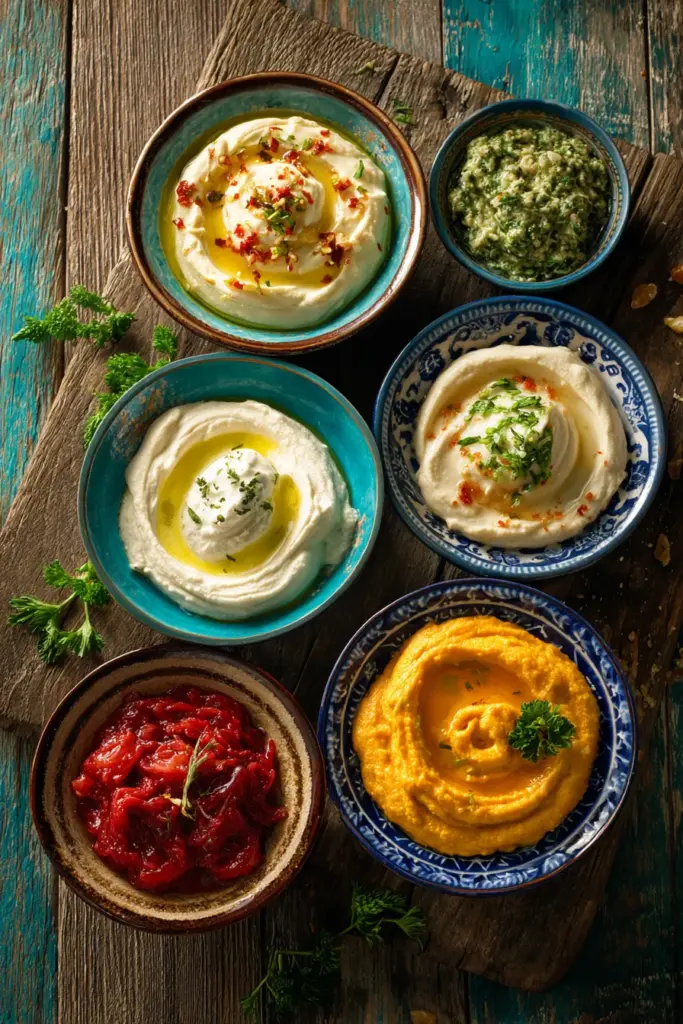
The secret to restaurant-quality hummus at home is threefold: cook your chickpeas until they’re almost falling apart, use good tahini, and blend longer than you think necessary. Most people underblend their hummus, leaving it grainy instead of satiny smooth. I run my food processor for a full three to four minutes, scraping down the sides occasionally, until the hummus is as smooth as frosting.
Traditional hummus is simple: chickpeas, tahini, lemon juice, garlic, and salt. But once you master the basic technique, you can flavor it endlessly. Roasted red peppers, sun-dried tomatoes, fresh herbs, roasted garlic, or even unexpected additions like pumpkin create exciting variations.
Creative Hummus Variations
Fall is when I start craving warmer, cozier flavors in everything, including dips. That’s when I make my 10-minute cozy creamy pumpkin hummus, which adds pumpkin puree and warming spices to traditional hummus. It’s gorgeous, nutritious, and tastes like autumn.
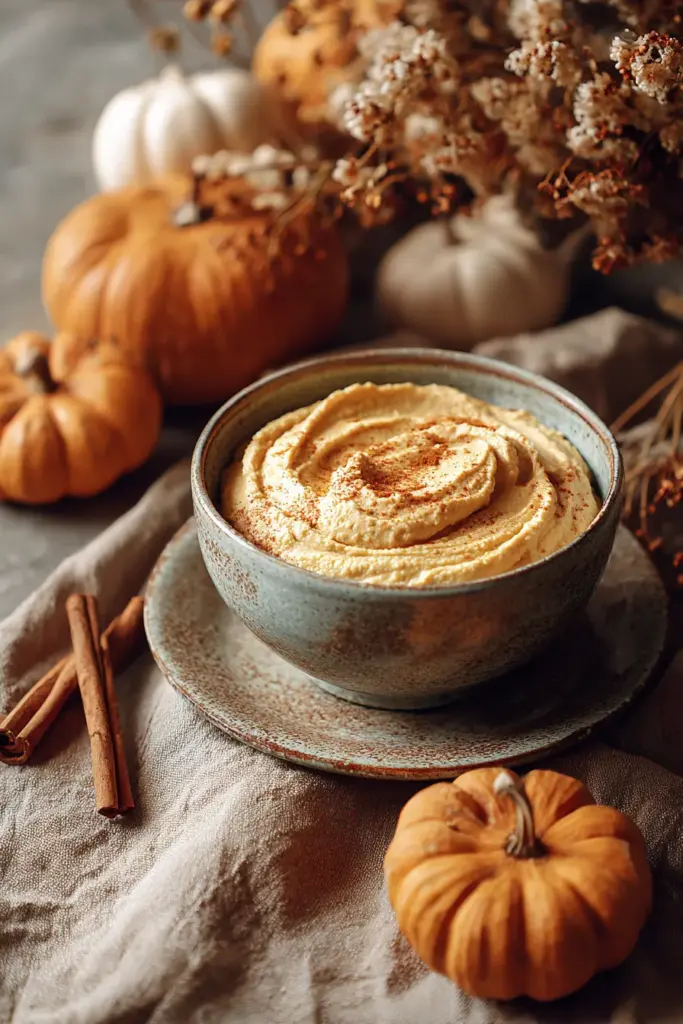
The beauty of pumpkin hummus is how it transforms something familiar into something special without being complicated. The pumpkin adds creaminess and a subtle sweetness that balances the tahini’s bitterness. Cumin, coriander, and a pinch of cinnamon enhance the pumpkin flavor without making it taste like dessert.
Whipped Feta Dips
While hummus uses chickpeas as the base, whipped feta dips rely on tangy cheese for their signature flavor. Feta might seem too salty and crumbly to make a smooth dip, but when you blend it with cream cheese or Greek yogurt and a bit of olive oil, it transforms into something luxurious.
My pumpkin whipped feta dip combines the best of both worlds: creamy whipped feta with roasted pumpkin puree. The result is sophisticated and unexpected, perfect for fall entertaining when you want something beyond the usual suspects. Fresh herbs, a drizzle of honey, and some toasted pumpkin seeds on top make it look as impressive as it tastes.
Holiday and Seasonal Dips
Some dips are tied to specific seasons or occasions in my mind. They’re the ones that signal celebration, that make ordinary gatherings feel special, that create memories alongside the food itself. These are the dips I make when I want to mark a moment, not just feed people.

Holiday dips often incorporate seasonal flavors and ingredients. Cranberries in fall, peppermint in winter, fresh herbs in spring. But beyond ingredients, there’s something about the presentation and occasion that makes these dips memorable. They’re usually served in nicer bowls, garnished more thoughtfully, photographed for the family album.
The challenge with holiday dips is balancing traditional flavors with enough creativity to feel special. Nobody wants the same exact dip at every gathering, but straying too far from familiar territory can alienate picky eaters. I try to take classic flavor combinations and present them in new ways.
Warm and Fragrant Presentations
One of my favorite holiday traditions isn’t actually a dip at all, but it creates an atmosphere that makes every other food taste better. The natural holiday spice simmer pot fills your house with the scent of cinnamon, cloves, orange, and pine while you’re cooking and entertaining.
I keep one going on the stove during holiday parties. Guests walk in and immediately smell something wonderful, something welcoming. It sets the mood before they’ve even seen the food. And unlike scented candles, it’s completely natural, just fruit, spices, and herbs simmering in water.

Festive Beverages to Accompany Dips
Dips and drinks go hand in hand at parties. While guests are grazing on appetizers, they need something to sip. I always plan my drink menu to complement the dips I’m serving, considering both flavors and the overall vibe of the gathering.

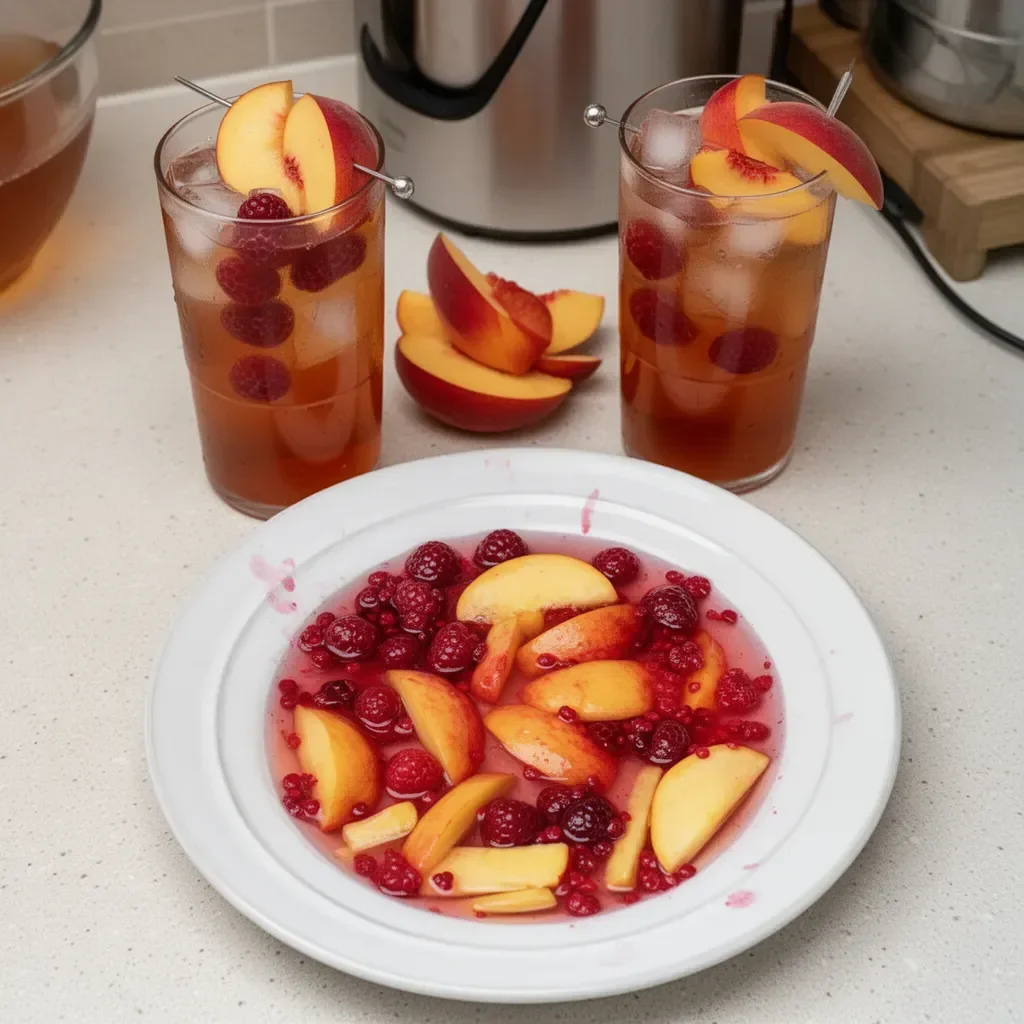
For Thanksgiving, I make a big batch of Thanksgiving punch that’s festive without being too sweet. The apple cider base with autumn spices pairs beautifully with savory dips and cheese spreads. It’s also easy to make ahead, which is crucial when you’re juggling multiple dishes.
Summer gatherings call for something lighter and more refreshing. My pink coconut mojito is a favorite at warm-weather parties. The mint and lime brighten any rich dip, and the pretty pink color makes the whole spread look more festive.
For family-friendly parties where kids are present, I always include special non-alcoholic options. The Santa’s hat Shirley Temple drink makes kids feel included in the celebration. Its sweet, fizzy flavor pairs surprisingly well with salty dips and snacks.
Pasta Salad Dips and Cold Spreads
The line between pasta salad and dip is blurrier than you might think. Chop the ingredients smaller, add a bit more dressing to make it scoopable, and suddenly your pasta salad becomes a dip. It’s not traditional, but it works beautifully for casual gatherings where you want something substantial that still feels light.
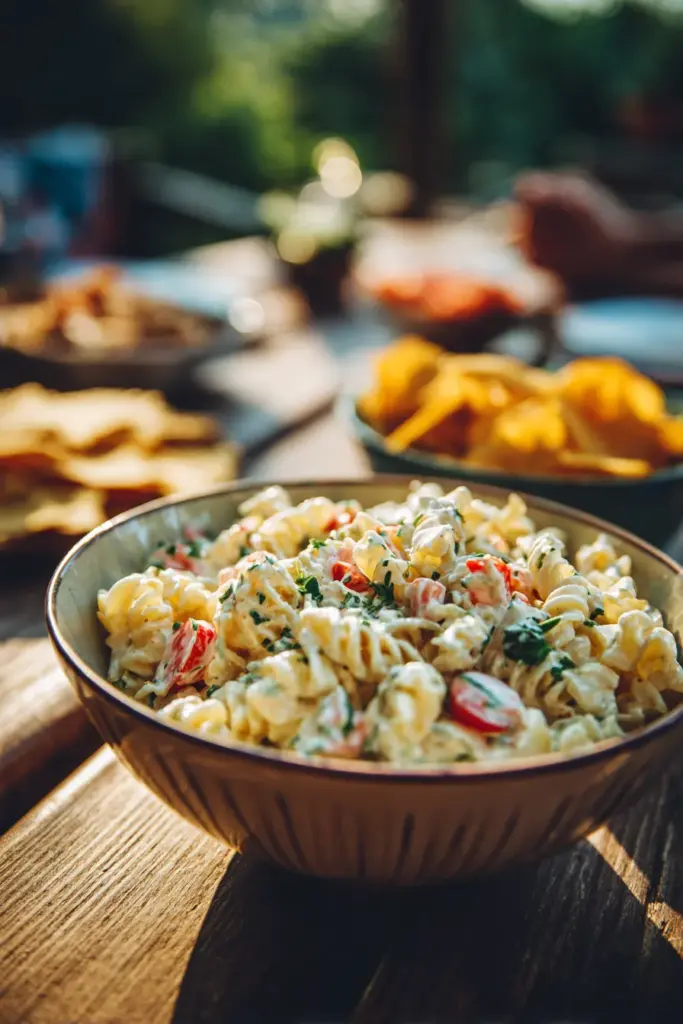
Pasta salad dips are perfect for outdoor parties because they hold up well at room temperature and actually improve as they sit and the flavors meld. They’re hearty enough to keep hungry guests satisfied between meals but refreshing enough for warm weather. Plus, they’re incredibly versatile in terms of flavors and mix-ins.
The key to pasta salad that works as a dip is cooking the pasta properly and preventing it from getting soggy. Nobody wants to dip a chip into mushy pasta. My tips to prevent soggy pasta salad cover the crucial steps: cooking pasta al dente, rinsing it properly, and dressing it at the right time.
Quick and Simple Pasta Salad Solutions
When I need something fast, I turn to minimal-ingredient recipes. The ultimate guide to 4-ingredient pasta salad proves you don’t need a dozen components to make something delicious. Four well-chosen ingredients, properly prepared, create satisfying results without the stress.
If you’re short on time or energy, there’s no shame in starting with prepared options. My guide to packaged pasta salads reviews what’s worth buying and how to doctor them up to taste homemade. A few fresh additions can transform a mediocre store-bought salad into something you’d be proud to serve.
Understanding what pairs well with pasta salad helps you build a complete spread. The pasta salad pairings guide covers proteins, vegetables, and sides that complement pasta-based dishes without repeating flavors or textures.
Nutritional Considerations and Storage
If you’re watching calories or feeding guests with dietary restrictions, knowing the nutritional breakdown helps. My pasta salad calories nutritional guide breaks down typical pasta salads and offers lighter alternatives that don’t sacrifice flavor.
Storage is crucial for pasta salads, especially when you’re making them ahead. The shelf life of pasta salad in the fridge varies depending on ingredients. Mayonnaise-based versions have different storage requirements than vinaigrette-dressed ones. For detailed information about keeping pasta salad fresh, check out my pasta salad shelf life in the fridge guide.
If you’re searching for pasta salad inspiration nearby, my pasta salad near me culinary journey explores regional variations and local favorites that might inspire your next homemade batch.
Sweet Dips and Dessert Spreads
Not every dip needs to be savory. Some of my favorite party spreads are sweet, designed for dipping fruit, cookies, or just eating with a spoon when no one’s looking. Sweet dips occupy that perfect space between dessert and snack, feeling indulgent without being as heavy as cake or pie.

The foundation of most sweet dips is cream cheese or mascarpone, beaten until fluffy and combined with sweeteners and flavorings. The cream cheese provides tanginess that keeps sweet dips from being cloying. Brown sugar adds depth that white sugar can’t match. Vanilla extract is essential, and a pinch of salt makes everything taste more intensely of itself.
I serve sweet dips with apple slices, strawberries, pretzels, graham crackers, or cookies. The combination of textures and temperatures, cold creamy dip against crisp fruit or crunchy cookies creates a more interesting eating experience than any single component alone.
Cookie Dough Dips and Edible Batters
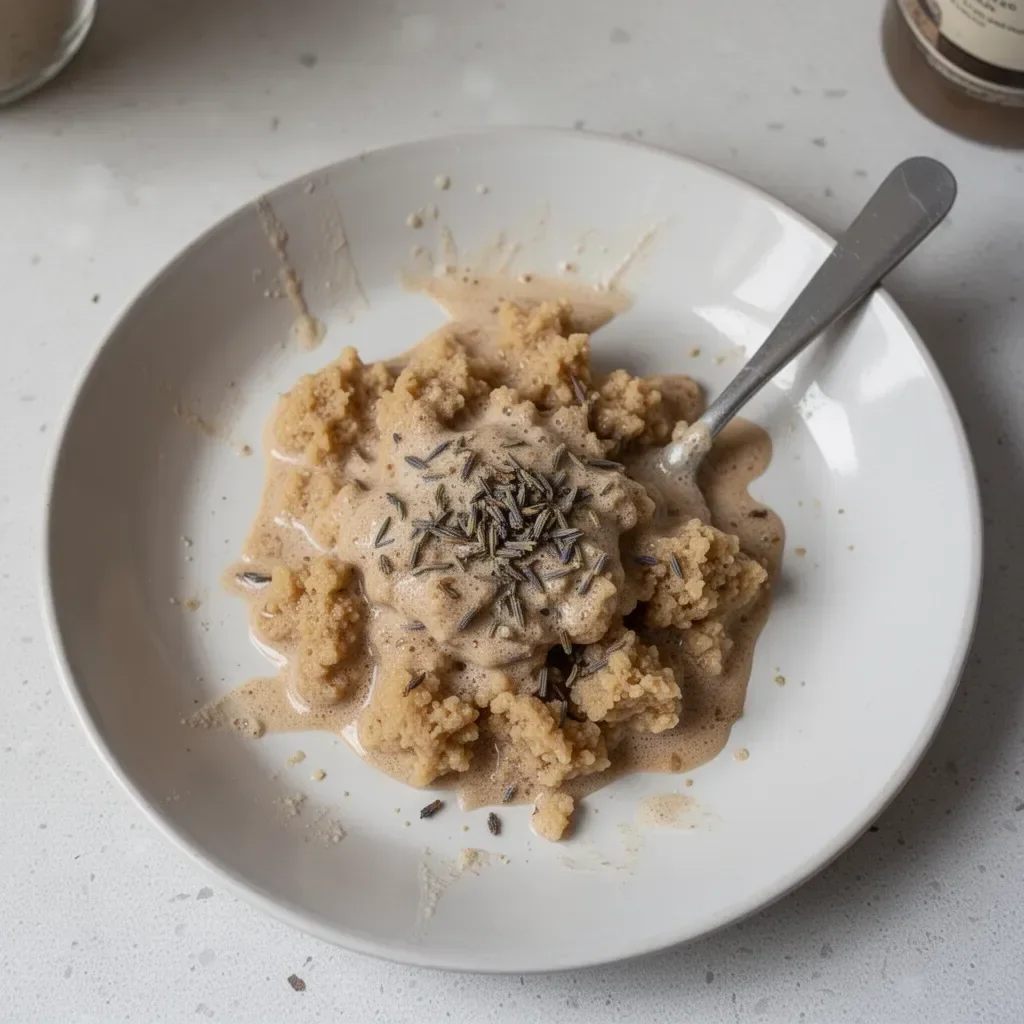
One of the most popular sweet dips at parties is anything that tastes like cookie dough. There’s something irresistible about that flavor, especially when you can eat it without worrying about raw eggs. I make a safe-to-eat cookie dough dip by heat-treating the flour and leaving out the eggs entirely, using cream cheese for richness instead.
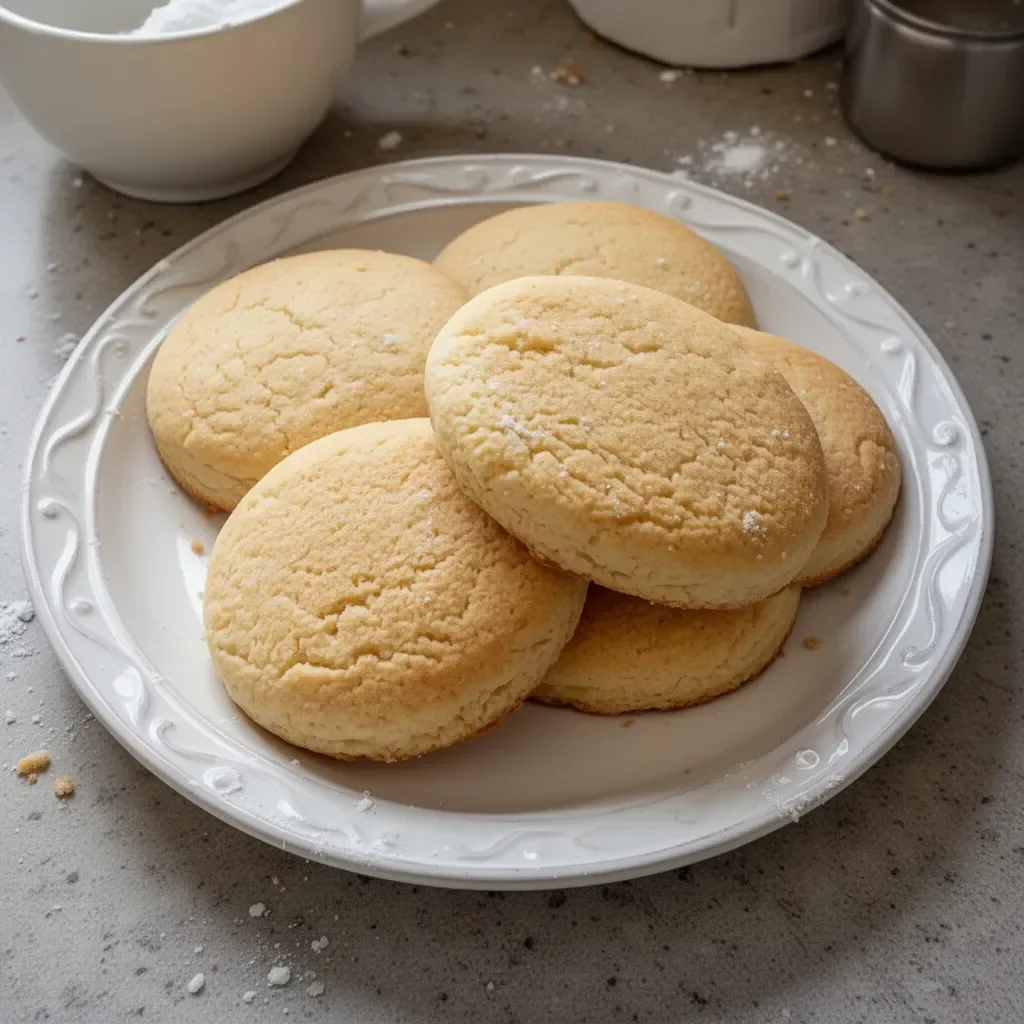
For guests with dietary restrictions, my sugar-free oatmeal cookies can be crumbled and used as a topping for sweet dips, or the same flavor profile works as a dip base. The warm spices and oat texture create something comforting without refined sugar.
Fruit-Based Sweet Dips
Fruit curds make excellent sweet dips or spreads. Lemon curd is classic, but lime, orange, passion fruit, or mixed berry versions are all delicious. The bright acidity cuts through rich cream cheese or mascarpone, and the jewel-toned colors look beautiful on a dessert board.
I make fruit curd dips by folding prepared fruit curd into whipped cream cheese, creating something lighter and fluffier than curd alone but more substantial than whipped cream. A sprinkle of citrus zest on top adds aroma and visual appeal.
Restaurant-Inspired Dips You Can Make at Home
Some of the best dip inspiration comes from restaurants. That spinach artichoke dip you love, the buffalo chicken dip from your favorite sports bar, the seven-layer taco dip from every potluck, these restaurant classics can absolutely be recreated at home, often better than the originals.

The advantage of making restaurant favorites at home is control. You can adjust spice levels, add more of the ingredients you love, use better quality cheese, and avoid the preservatives and fillers that commercial versions often contain. Plus, it’s significantly cheaper to make a batch at home than to order it as an appetizer every time you eat out.
I always start by tasting the restaurant version carefully, trying to identify the individual components. What cheese are they using? Is there a hint of cream cheese or sour cream? What spices am I detecting? Then I search for copycat recipes and adapt them based on my own preferences and pantry.
Comfort Food Chain Restaurant Favorites
Chain restaurants have perfected crowd-pleasing flavors, and there’s no shame in recreating them. I’ve studied what makes certain restaurants’ food so craveable, and it usually comes down to generous seasoning, quality fats, and the right balance of textures.
Speaking of chain restaurants, if you’re looking for healthier options when eating out, my Chick-fil-A grilled nuggets nutritional deep dive might interest you. While it’s not about dips specifically, understanding restaurant nutrition helps inform your homemade versions.
For soup inspiration that could be adapted into dips or served alongside them, the Panera soup guide explores fresh, nutritious soups. Many of these flavor profiles work beautifully when thickened into dip consistency.
One-Pot and Casserole-Style Hot Dips
Hot dips that bake in one dish are party lifesavers. They go straight from oven to table, stay warm longer than stovetop dips, and look impressive with their bubbling, golden-brown tops. Plus, cleanup is minimal since everything cooks in the serving dish.
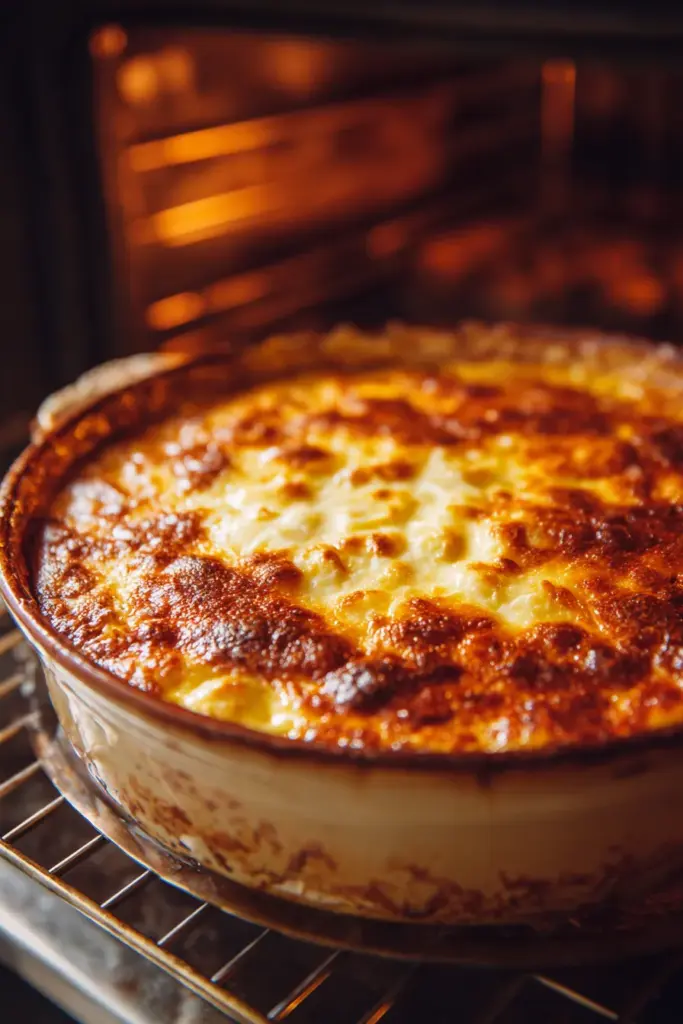
The technique for most baked dips is similar: mix your ingredients, spread in a baking dish, top with cheese and/or breadcrumbs, and bake until hot and bubbly. The top should be golden and slightly crispy while the inside stays creamy. If the top browns too quickly, tent with foil for the remaining baking time.
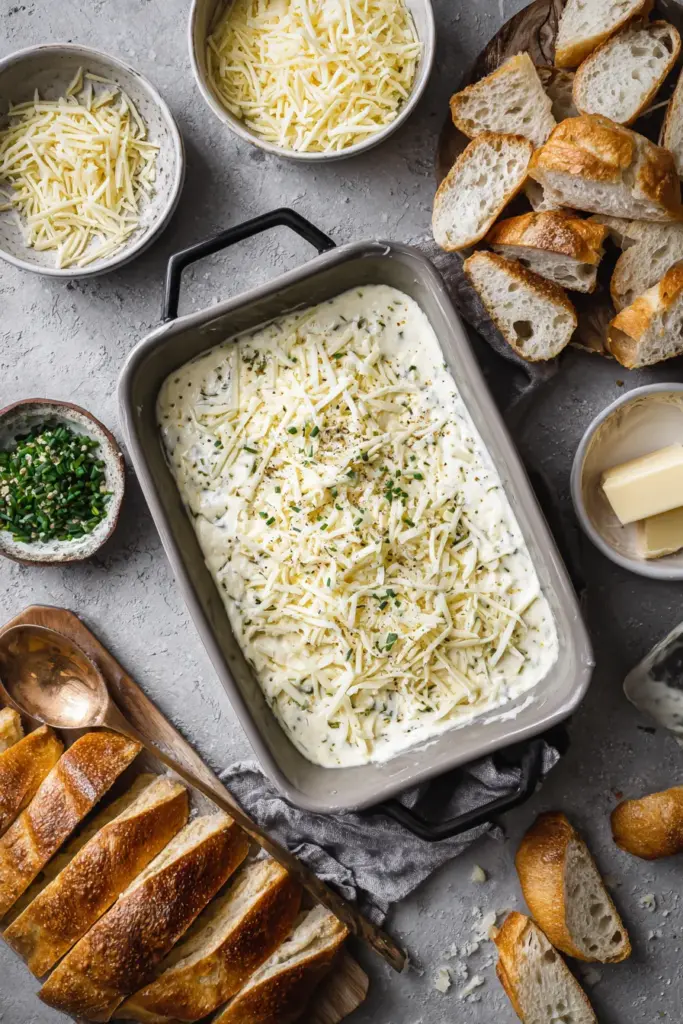
I use these same techniques for casserole recipes and comforting one-dish meals. The principles of layering flavors and textures apply whether you’re making a dip for a party or a casserole for dinner. Both benefit from proper seasoning, good quality ingredients, and patience while baking.
Buffalo Chicken and Hot Wing Flavors
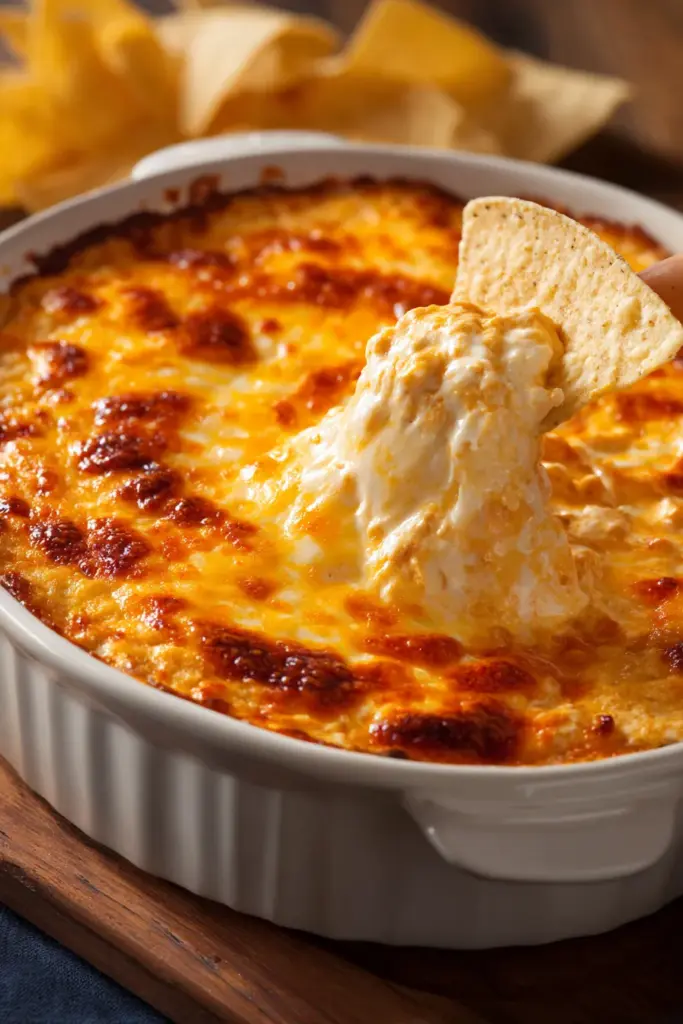
Buffalo chicken dip is probably the most popular baked dip in America right now. It combines everything people love about buffalo wings, shredded chicken, hot sauce, ranch or blue cheese, into a scoopable form. The tanginess, the heat, the cooling creaminess, all in one bite.
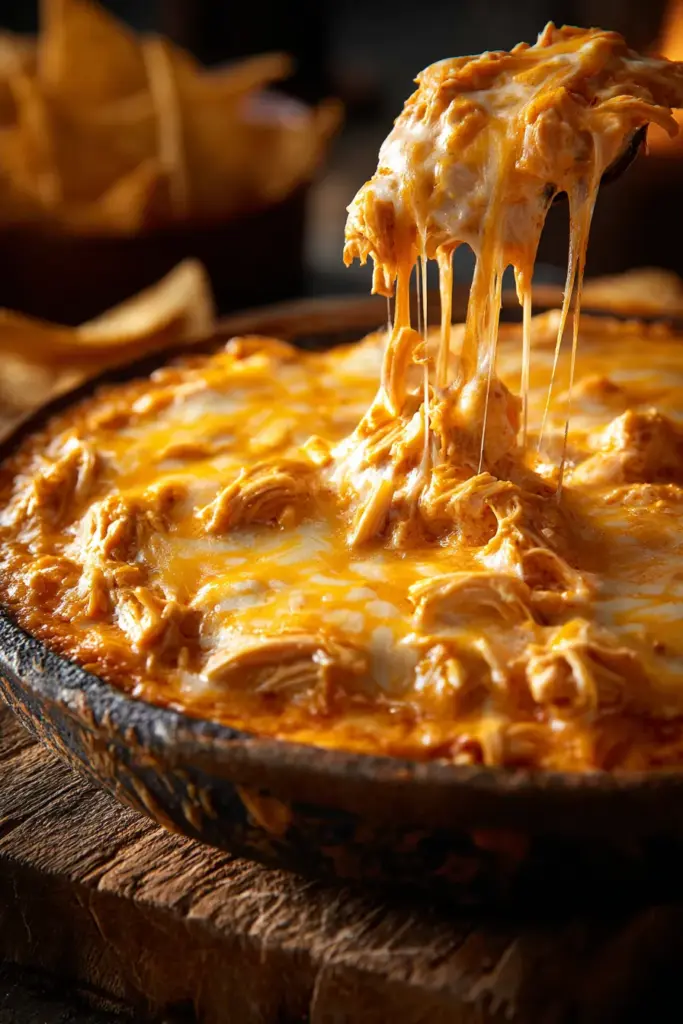
My version uses rotisserie chicken for convenience, though leftover cooked chicken works perfectly. The cream cheese base gets thinned with ranch dressing and buffalo sauce, studded with shredded chicken, and topped with more cheese. Thirty minutes in a hot oven creates that addictive combination of crispy top and creamy interior.
Spinach Artichoke Variations
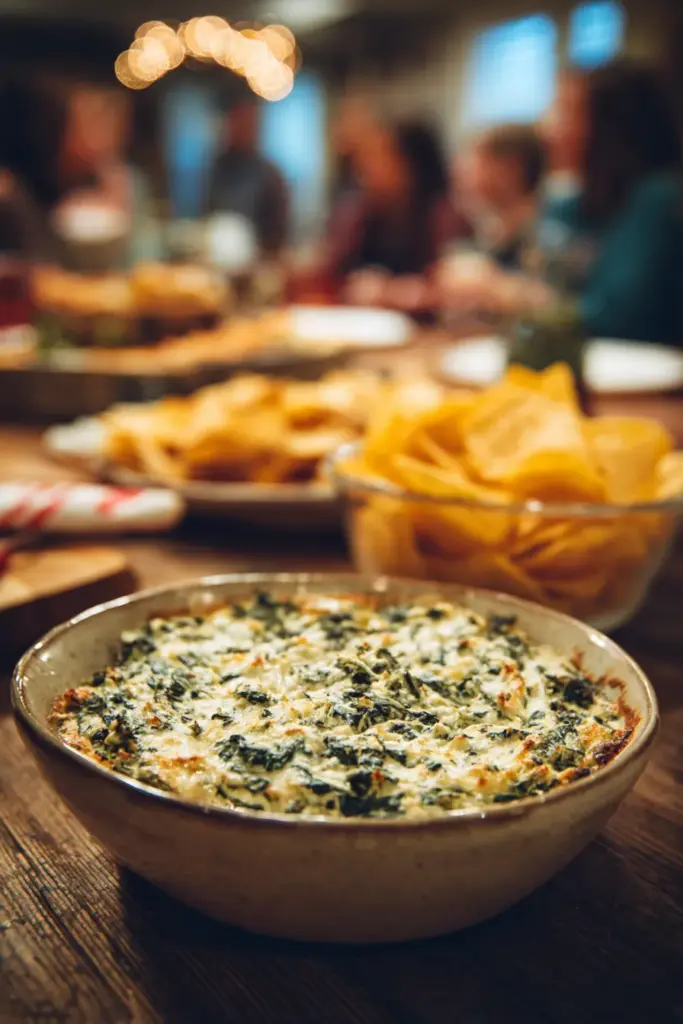
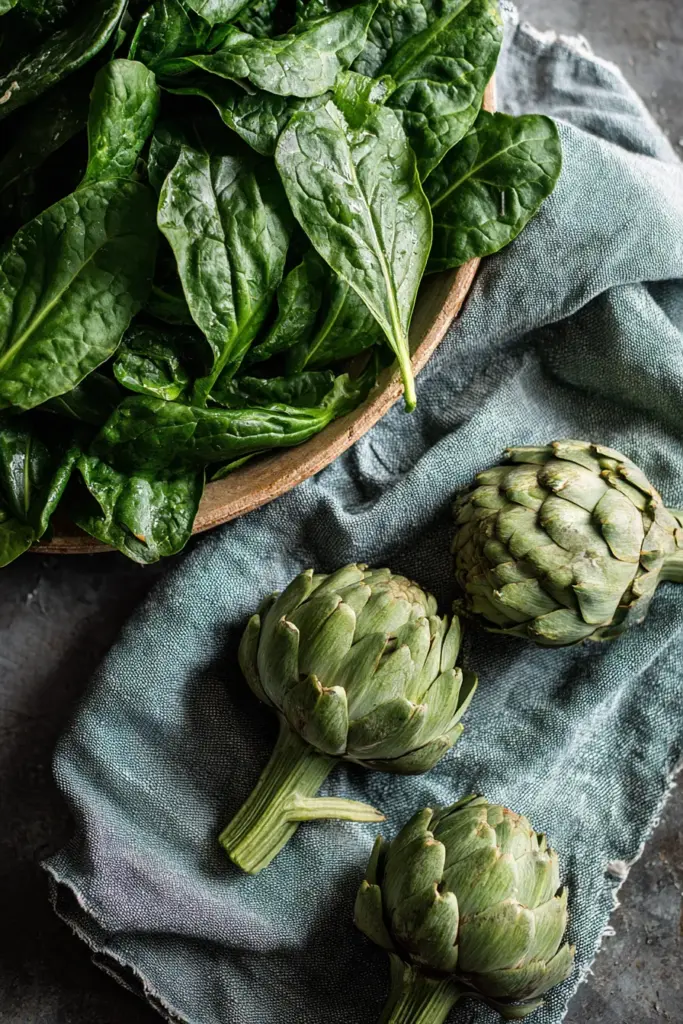
Spinach artichoke dip is a close second in the popularity contest. The combination of tangy artichokes, tender spinach, and three types of cheese creates something that’s impossible to stop eating. I’ve seen people who claim to hate vegetables devour bowls of this stuff.
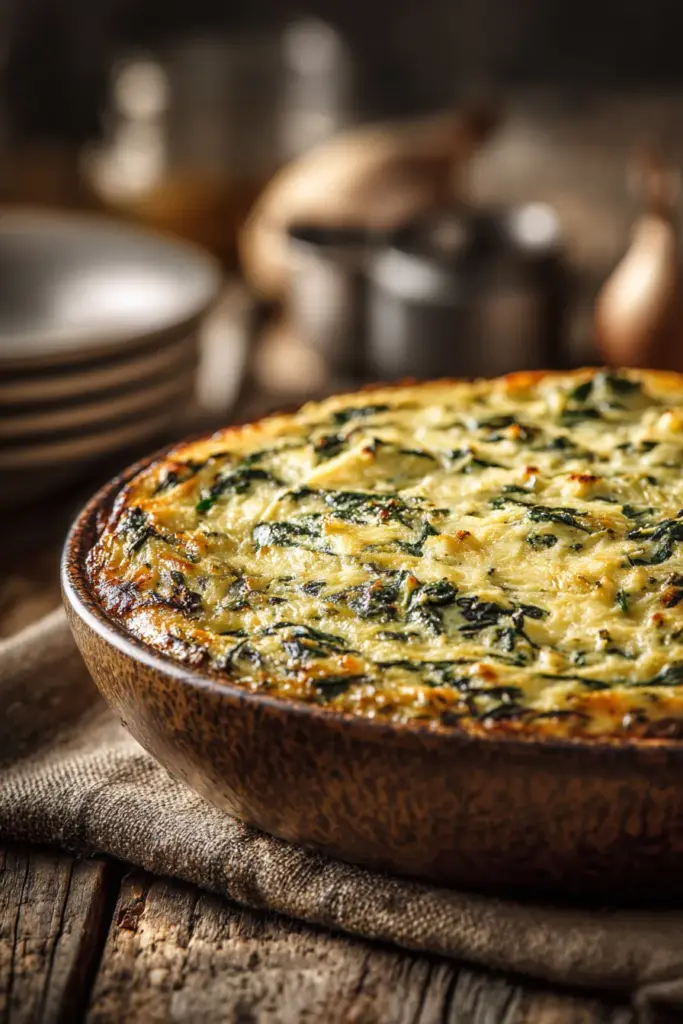
The key is properly draining both the spinach and artichokes. Excess moisture makes the dip watery and sad. I squeeze frozen spinach in a clean kitchen towel until no more water comes out. Canned or jarred artichokes get pressed between paper towels. This extra step makes the difference between okay dip and exceptional dip.
Expert Tips for Perfect Dips Every Time
After making hundreds of dips over the years, I’ve learned some universal truths that apply regardless of what type you’re making. These aren’t complicated techniques or special equipment requirements. They’re simple practices that dramatically improve results.
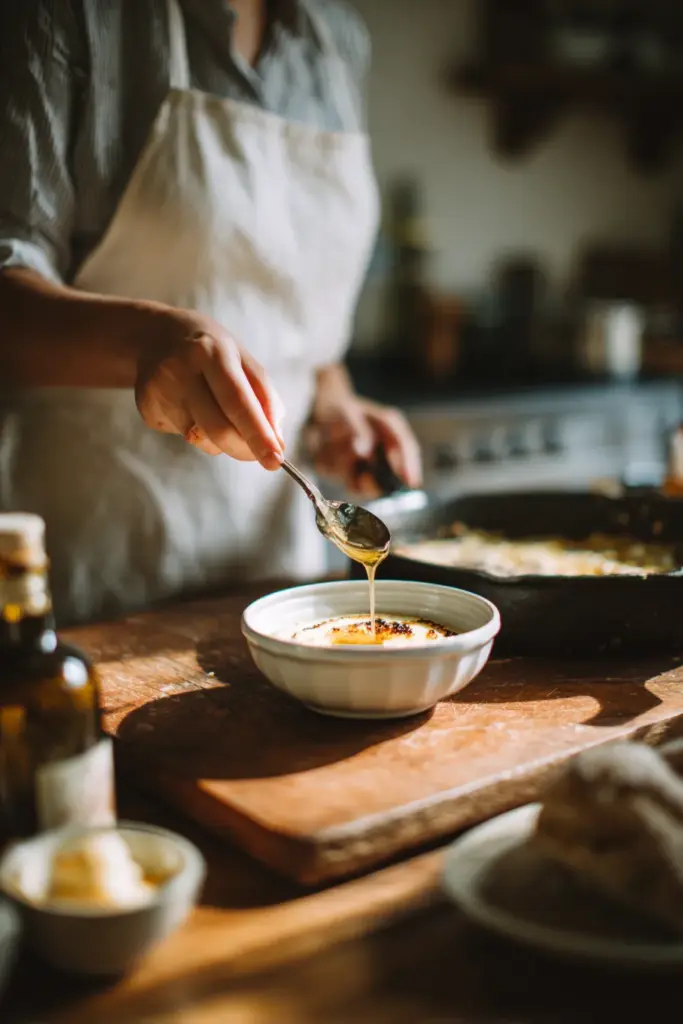
First, taste as you go. This sounds obvious, but so many people follow a recipe blindly without adjusting seasoning to their preferences. Salt levels, spice heat, acid balance, all of these should be adjusted to taste. What’s perfect for me might be too bland or too spicy for you.
Second, let dips rest before serving when possible. Flavors need time to meld and develop. Cold dips benefit from at least an hour in the refrigerator. Hot dips should rest for five to ten minutes after baking so they’re not molten lava hot. This resting time also allows them to thicken slightly as they cool.
Temperature Control
Serving temperature makes a huge difference. Cold dips should be actually cold, not just cool. I take them out of the refrigerator right before serving rather than letting them sit at room temperature. Hot dips should be genuinely hot, not lukewarm. A small slow cooker keeps them at the perfect temperature during parties.

For cheese-based hot dips, the danger zone is when they cool down and the cheese firms up. Once that happens, reheating rarely brings back the original texture. Plan to serve hot dips within an hour or two of baking, or keep them warm in a slow cooker or chafing dish.
Texture Troubleshooting
If your dip is too thick, thin it gradually with liquid: milk, cream, broth, or even water depending on the recipe. Add a tablespoon at a time, stirring thoroughly before adding more. It’s much easier to thin a dip than to thicken it.
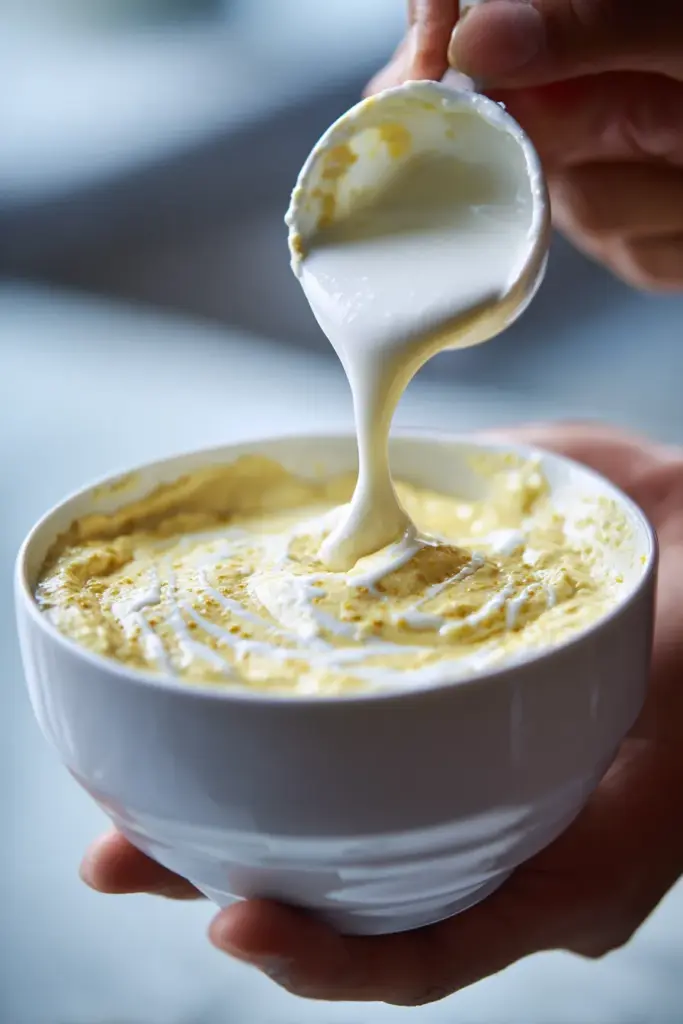
If your dip is too thin, you have several options. For cold dips, refrigeration often thickens them. For hot dips, simmering uncovered evaporates excess moisture. Adding more cheese, cream cheese, or sour cream also thickens while enhancing creaminess. Breadcrumbs or crushed crackers work in a pinch but can make the texture grainy.
Make-Ahead Strategies
Most dips can be made ahead, which is crucial for stress-free entertaining. Cold dips actually improve with time as flavors develop. I make them a day or two before parties and store them covered in the refrigerator. Just give them a good stir before serving.
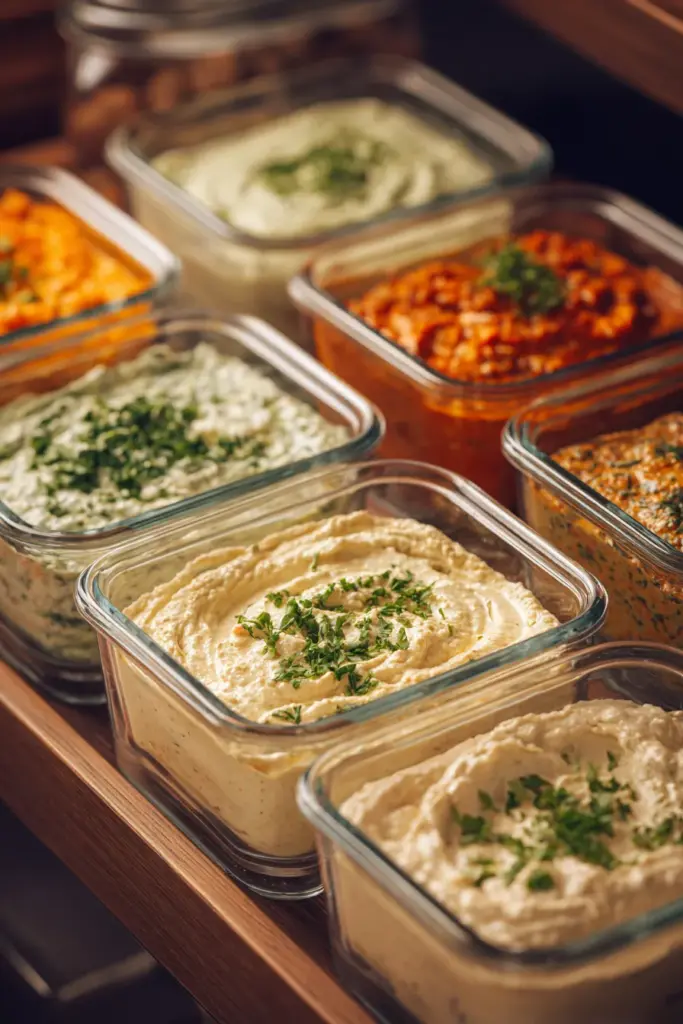
Hot dips can be assembled ahead and refrigerated unbaked. Bring them to room temperature for thirty minutes before baking, and add a few extra minutes to the baking time since they’re starting cold. This strategy lets you pop them in the oven right before guests arrive so they’re hot and fresh.
Presentation Matters
How you present a dip affects how people perceive it. The same dip served in a disposable container versus a beautiful bowl tastes different in people’s minds. I use shallow, wide bowls for dips so there’s plenty of surface area for dipping. Deep narrow bowls make it hard to reach the bottom without making a mess.
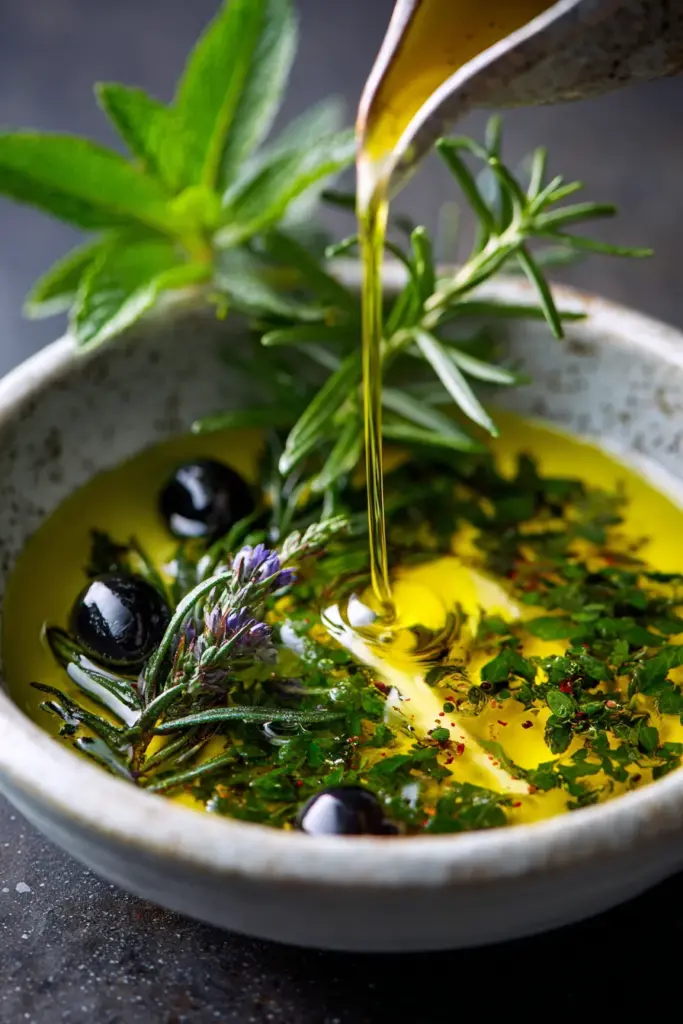
Garnish thoughtfully but not excessively. A sprinkle of fresh herbs, a drizzle of good olive oil, some toasted nuts, or a dusting of paprika adds visual appeal without overwhelming the dip. The garnish should hint at flavors within the dip rather than introducing entirely new elements.
Conclusion
Making great dips is one of those kitchen skills that pays dividends far beyond the effort required. A really good dip transforms any gathering, turning it from ordinary to memorable. It’s the thing people gather around, the conversation starter, the recipe they ask for later. And honestly, there’s deep satisfaction in watching a dip you made disappear as people go back for second and third helpings.

What I love most about dips is their accessibility. You don’t need advanced cooking skills or expensive equipment. A bowl, a spoon, good ingredients, and a willingness to taste and adjust as you go, that’s really all it takes. Some of the best dips are the simplest, just a few quality ingredients combined thoughtfully.
Remember that recipes are guidelines, not rigid rules. If you don’t like an ingredient, swap it out. If something isn’t spicy enough or creamy enough or tangy enough for your taste, adjust it. Cooking should bring joy, not stress. The worst that can happen is you learn what doesn’t work and try something different next time.
As you explore these dip recipes and techniques, pay attention to what your family and friends respond to. Maybe they love heat and bold flavors. Maybe they prefer milder, creamier options. Let their preferences guide you toward the dips you’ll make again and again, the ones that become your signature dishes.
For more inspiration and detailed recipes, explore these favorite resources:
Frequently Asked Questions
How long can dips sit out at room temperature?
The USDA guidelines say that perishable foods including most dips should not sit at room temperature for more than two hours, or one hour if it’s above ninety degrees. For parties lasting longer, keep cold dips on ice or hot dips in a warming device.
Can I freeze dips for later use?
Some dips freeze well while others don’t. Bean-based dips and cooked meat dips usually freeze fine. Dairy-heavy dips with sour cream or cream cheese often separate when thawed. If you must freeze a creamy dip, stir vigorously when reheating to re-emulsify.
How do I adjust spice levels in dips?
Start with less heat than you think you need. You can always add more hot sauce or cayenne, but you can’t take it out. To tone down a too-spicy dip, add more of the dairy components like sour cream or cream cheese, which help neutralize heat.
What’s the best way to reheat cold dips?
Cold dips are meant to be served cold, but if you mean reheating hot dips that have cooled, use gentle heat. Microwave in short bursts, stirring between each, or reheat in a low oven covered with foil. Adding a splash of milk or cream helps restore texture.
Can I make dips dairy-free?
Yes, though the texture and flavor will differ. Cashew cream makes an excellent dairy-free base for creamy dips. Nutritional yeast adds cheesy flavor without cheese. Coconut milk works in some applications though it imparts coconut flavor.
How do I keep avocado-based dips from browning?
Press plastic wrap directly onto the surface of guacamole or avocado dips, eliminating air exposure. Adding lime or lemon juice helps slow oxidation. Make these dips as close to serving time as possible for the best color.
What are the best dippers beyond chips?
Fresh vegetables like carrots, celery, bell peppers, and cucumber are healthy options. Bread pieces, pita chips, crackers, and pretzels add crunch. For sweet dips, try fruit slices, cookies, or graham crackers. Think about textural contrast.
How thick should dip consistency be?
Dips should be thick enough to cling to the dipper without being gloppy. Think somewhere between sour cream and cream cheese in texture. If you turn the bowl upside down, the dip shouldn’t slide out immediately, but it should be scoopable without effort.
Can I use Greek yogurt instead of sour cream?
Yes, Greek yogurt works as a substitute for sour cream in most cold dips. It’s tangier and slightly thinner, so you might need less liquid elsewhere in the recipe. Full-fat Greek yogurt provides the closest texture to sour cream.
How do I prevent cheese dips from getting grainy?
Use low to medium heat when melting cheese. High heat causes proteins to seize and separate. Adding cheese gradually rather than all at once helps. A bit of cream cheese or cornstarch acts as an emulsifier, keeping the sauce smooth.
What’s the secret to restaurant-quality dips?
Don’t skimp on salt and fat. Restaurants use more of both than most home cooks. Also, they often finish dips with a drizzle of quality olive oil or a pat of butter, which adds richness and sheen. Taste and adjust seasoning until the flavor really pops.

🍳 Precision Meets Passion — Tools Chefs Trust Daily

- Grams & ounces — precise to 1g
- Perfect for baking & keto tracking
- Sleek stainless steel design

- German stainless precision
- Razor-sharp & dishwasher-safe
- Elegant wood block organizer

- Premium Stainless Steel Build
- Easy to Clean & Dishwasher Safe
- A Must-Have Kitchen Tool