➤ Table of Contents
I’ll never forget the first time I bit into a jalapeño pepper without removing the seeds. I was nineteen, trying to impress my boyfriend’s family at a backyard barbecue, and someone passed me a bowl of what looked like innocent pickled pepper rings. I confidently grabbed a handful and tossed them on my burger, then took a huge bite. The heat hit about three seconds later, and suddenly I couldn’t breathe, couldn’t talk, and my eyes were streaming tears. His grandmother took pity on me and handed me a glass of milk, explaining gently that you always remove the seeds unless you really know what you’re doing.
⚡ Smart Kitchen Tools Every Home Cook Swears By

- Pure aluminum
- Durable enough for everyday cooking
- Made in the USA with quality

- 7 cooking functions in one compact cooker
- 3-quart size ideal for couples or small meals
- Up to 70% faster than traditional cooking

- 3 sizes for every recipe
- Pre-seasoned & durable cast iron
- Oven & grill ready
That embarrassing moment was actually a gift because it taught me to respect heat and understand it rather than fear it. Over the years, I’ve learned to appreciate spicy food in all its forms, from the bright, vegetal heat of fresh jalapeños to the smoky depth of chipotles to the complex fire of habaneros. Heat isn’t just about making your mouth burn. When used properly, it adds dimension and excitement to food, waking up your palate and making everything taste more alive.
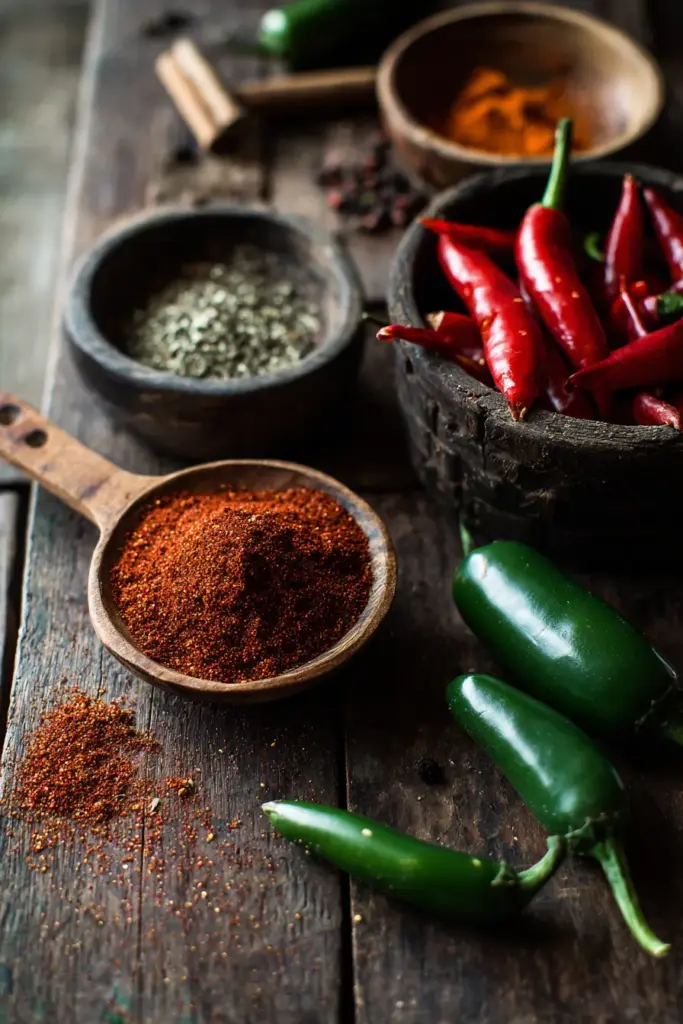
What I love about cooking with jalapeños and other spicy ingredients is how they transform ordinary dishes into something memorable. A simple soup becomes exciting with the right amount of heat. Bland vegetables suddenly have personality. Comfort food casseroles get a kick that makes them interesting without losing their comforting appeal. The key is understanding how to control heat, how to build it gradually, and how to balance it with other flavors so it enhances rather than overwhelms.
This guide covers everything I’ve learned about cooking with heat and spice. We’ll explore different types of peppers and how to use them, dive into spicy soups from around the world, discover how jalapeños elevate everything from venison to casseroles, and master techniques for controlling heat levels to suit any palate. Whether you’re a heat-seeker who wants everything as spicy as possible or someone who just wants a gentle kick of flavor, you’ll find recipes and techniques here that help you cook with confidence and create dishes that are exciting, flavorful, and perfectly suited to your taste.
Understanding Heat: Peppers, Spices, and How to Control Them
Before diving into recipes, it’s worth understanding what creates heat in food and how to manage it. The burning sensation from peppers comes from capsaicin, a compound concentrated in the seeds and white membranes. Different peppers have vastly different heat levels, measured in Scoville units. Jalapeños typically range from 2,500 to 8,000 Scoville units, which is moderate and manageable. Habaneros jump to 100,000 to 350,000, creating serious heat that demands respect.
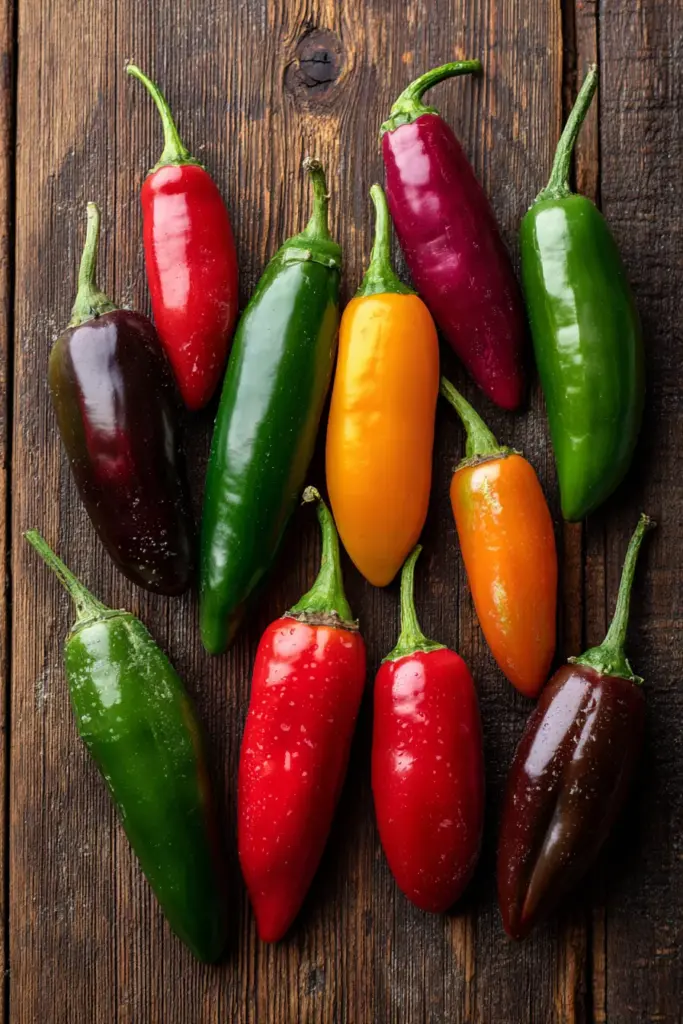
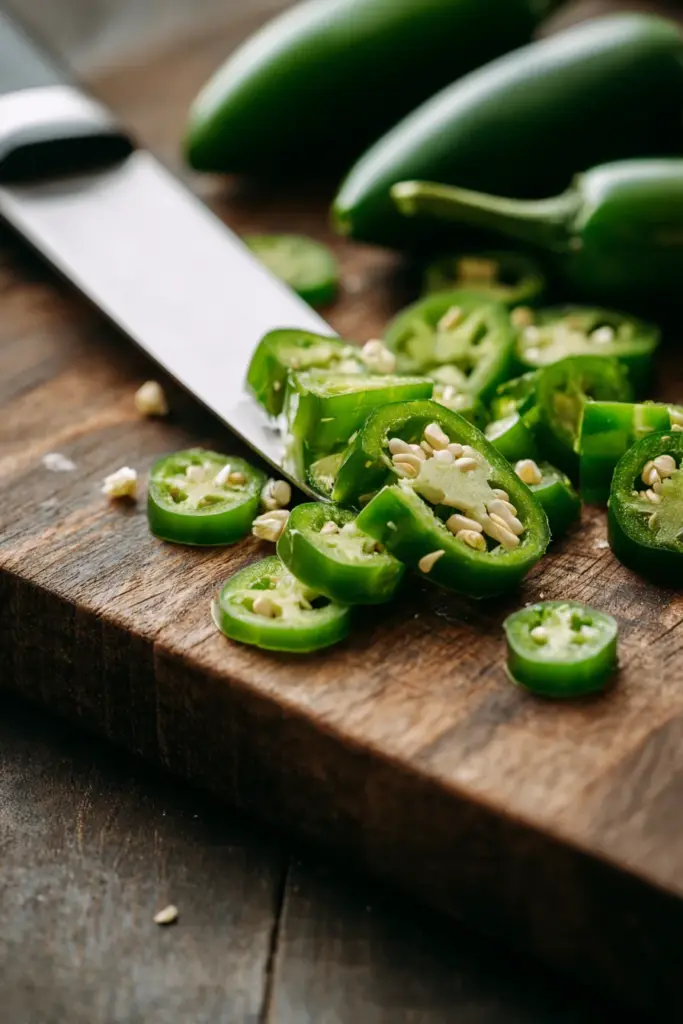
I learned through trial and error that you can control the heat level in any pepper by removing or including the seeds and membranes. For mild heat with jalapeño flavor, I slice the pepper in half lengthwise and scrape out all the seeds and white ribs with a spoon, leaving just the flesh. For medium heat, I leave some seeds. For maximum heat, I include everything. This same technique works with any pepper, giving you precise control over the final spiciness.
Heat also builds as food cooks. A dish that seems mildly spicy when you first taste it can become significantly hotter after simmering for an hour. I’ve learned to go lighter on the heat initially and adjust toward the end of cooking. It’s easy to add more spice but impossible to remove it once it’s there.
Balancing Heat with Other Flavors
The best spicy food isn’t just hot; it’s balanced. Heat needs to be tempered with fat, acid, sweetness, or salt to create a complex, enjoyable eating experience rather than just pain. Dairy is particularly effective at taming heat, which is why sour cream, cheese, and yogurt appear so often in spicy recipes. The fat binds with capsaicin and carries it away, providing real relief rather than just diluting the heat like water does.
🥗 Fresh, Fast & Foolproof — Upgrades You'll Use Tonight

- Zoodles in seconds
- Heavy-duty, 10 sharp blades
- Keto, paleo & gluten-free friendly

- Meals in ~30 minutes
- 3-Qt — perfect for 1–3 people
- Pressure cook, sauté, steam & more

- Phone alerts & live temp graph
- Hands-off monitoring for smokers
- Perfect doneness, every time
Acid brightens spicy food and makes it more refreshing. Lime juice in Mexican dishes, vinegar in hot sauces, and citrus in Asian recipes all help balance heat and prevent it from becoming monotonous. Sweetness, whether from sugar, honey, or fruit, provides contrast that makes heat more interesting and complex. Salt enhances all flavors, including heat, so I’m careful not to over-salt spicy dishes until the end when I can taste the full effect.
Spicy Soups from Around the World
Soups are one of my favorite vehicles for heat because the broth carries flavors beautifully and you can adjust spice levels easily. A spicy soup warms you from the inside, perfect for cold days or when you’re feeling under the weather. The heat clears your sinuses and makes you feel alive in a way that mild soups simply can’t.
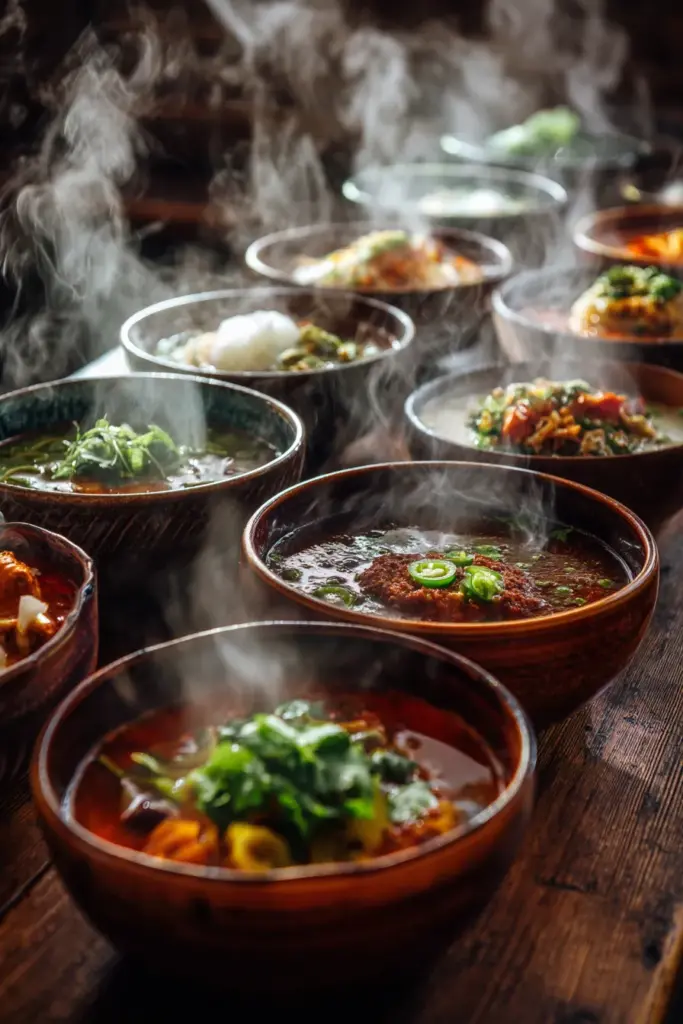
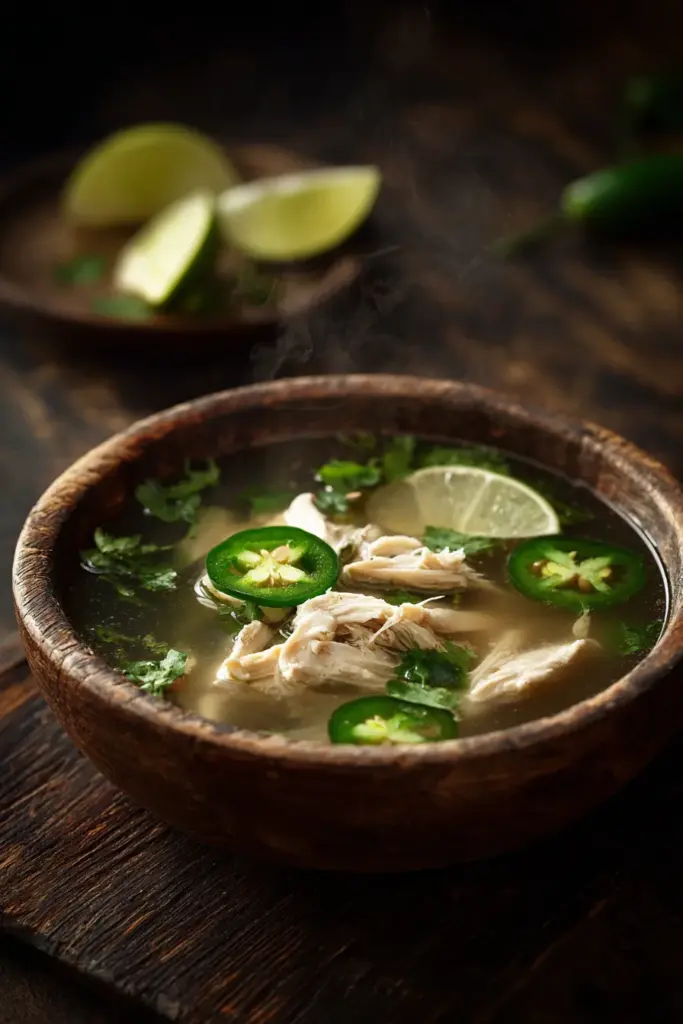
The Mexican chicken soup caldo de pollo is my answer to every winter cold and gloomy day. This traditional soup gets its heat from serrano or jalapeño peppers simmered right in the broth, creating a gentle warmth that builds as you eat. The chickpeas, vegetables, and tender chicken make it substantial enough to be a complete meal, while the lime juice and cilantro keep everything bright and fresh.
For something with more kick, the chicken enchilada soup brings all those beloved enchilada flavors to a bowl. The creamy chicken enchilada soup version adds cream cheese or heavy cream for richness that balances the heat perfectly. The creamy cheesy green chicken enchilada soup uses green chiles and tomatillos for a tangier, brighter flavor profile than red chile versions.
Mexican Street Corn Soup
The Mexican street corn soup and Mexican street corn soup recipe capture those beloved elote flavors in liquid form. Sweet corn, smoky spices, lime, cilantro, and a hint of heat create something that tastes like summer street food in a bowl. I top it with crumbled cotija cheese, a squeeze of lime, and a sprinkle of chili powder for the full experience.
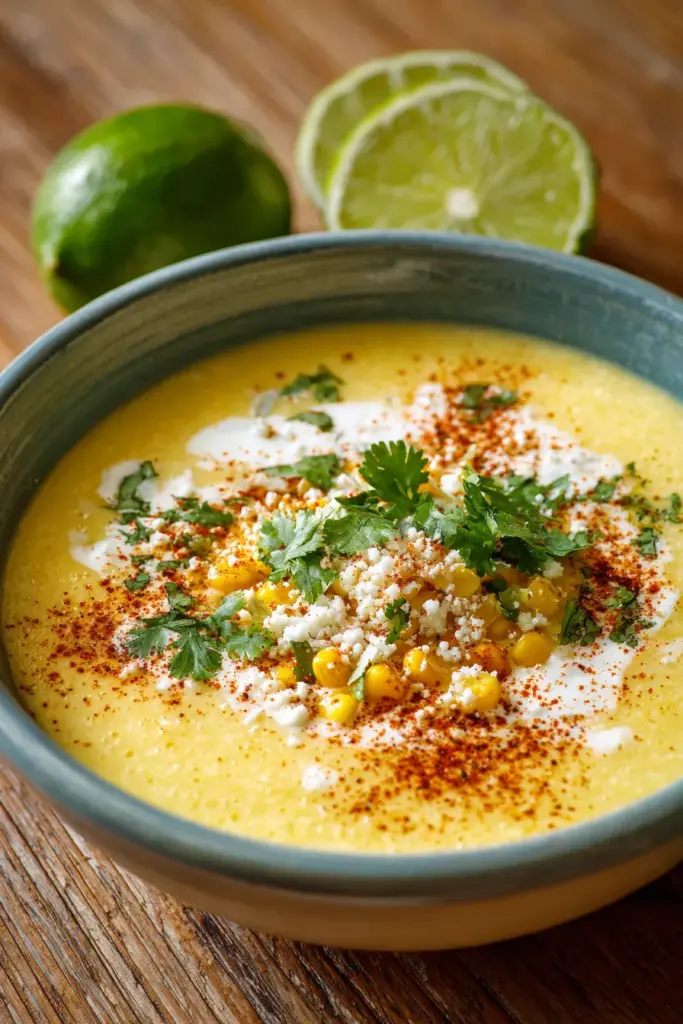
What makes this soup special is how it balances sweet corn with savory, spicy, and tangy elements. The corn provides natural sweetness, the chiles add heat, the lime brings brightness, and the cheese contributes saltiness and richness. Every spoonful hits multiple taste notes, creating a soup that’s complex and satisfying.
Asian-Inspired Spicy Soups
The Asian dumpling soup and easy Asian dumpling potsticker soup bring heat through chili oil and fresh ginger. These soups are quick, flavorful, and endlessly customizable. I keep frozen dumplings in my freezer specifically for making these soups when I want something hot, spicy, and comforting in under thirty minutes.
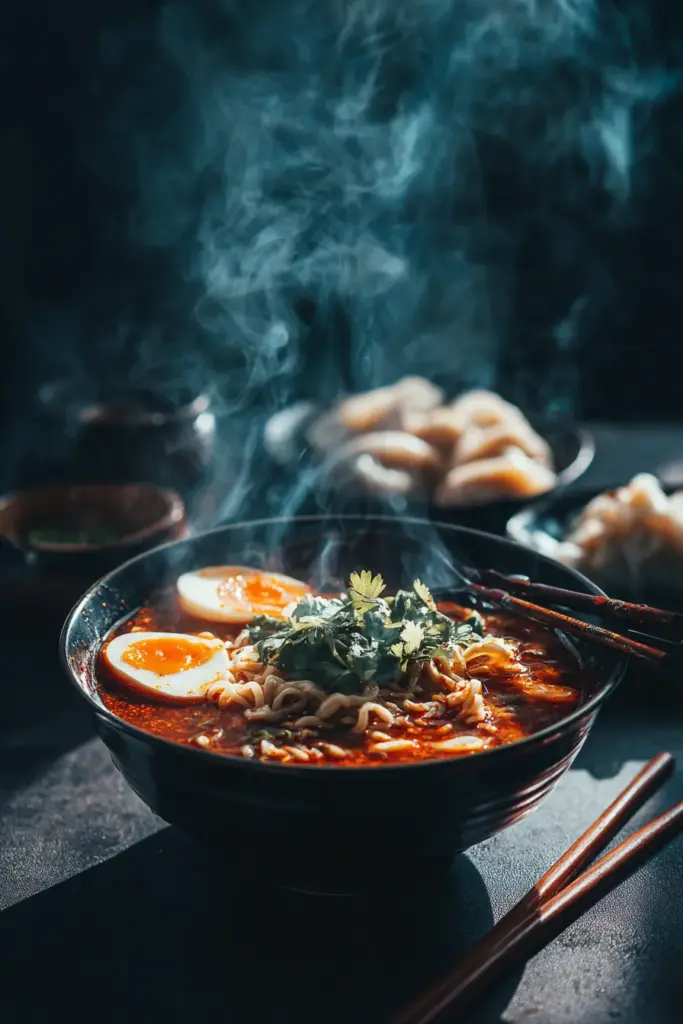
The Thai coconut soup vegan version demonstrates how coconut milk tames heat while adding richness and complexity. The creamy coconut balances the spicy chiles and bright lime, creating a soup that’s both comforting and exciting. I adjust the heat by adding more or fewer Thai chiles, making it as mild or as fiery as I want.
Hearty Spicy Vegetable Soups
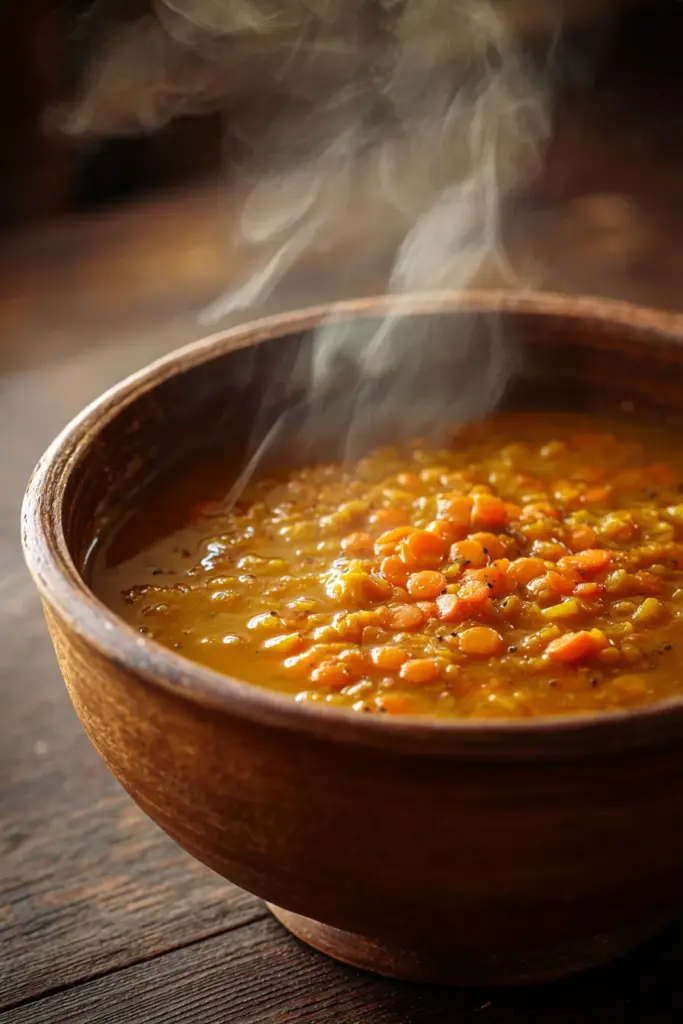
The spicy carrot red lentil soup vegan and spicy sesame carrot soup with red lentils prove that vegetarian soups can be just as satisfying as meat-based ones. The red lentils add protein and create a creamy texture as they break down, while the carrots provide sweetness that balances the heat. Cumin, coriander, and chili flakes build complex spice that’s warming without being overwhelming.
The green sauce tortilla soup uses tomatillos and green chiles for a tangy, spicy broth that’s completely different from tomato-based tortilla soups. The bright green color is beautiful, and the flavors are fresh and vibrant. I top it with crispy tortilla strips, avocado, and a dollop of sour cream to balance the heat.
Cajun and Creole Spicy Soups
The Cajun chicken sausage gumbo brings Louisiana heat through andouille sausage, cayenne pepper, and the holy trinity of onions, celery, and bell peppers. The dark roux that forms the base adds depth and richness, creating a soup that’s complex, hearty, and full of layers. I serve it over rice to soak up all that flavorful broth.
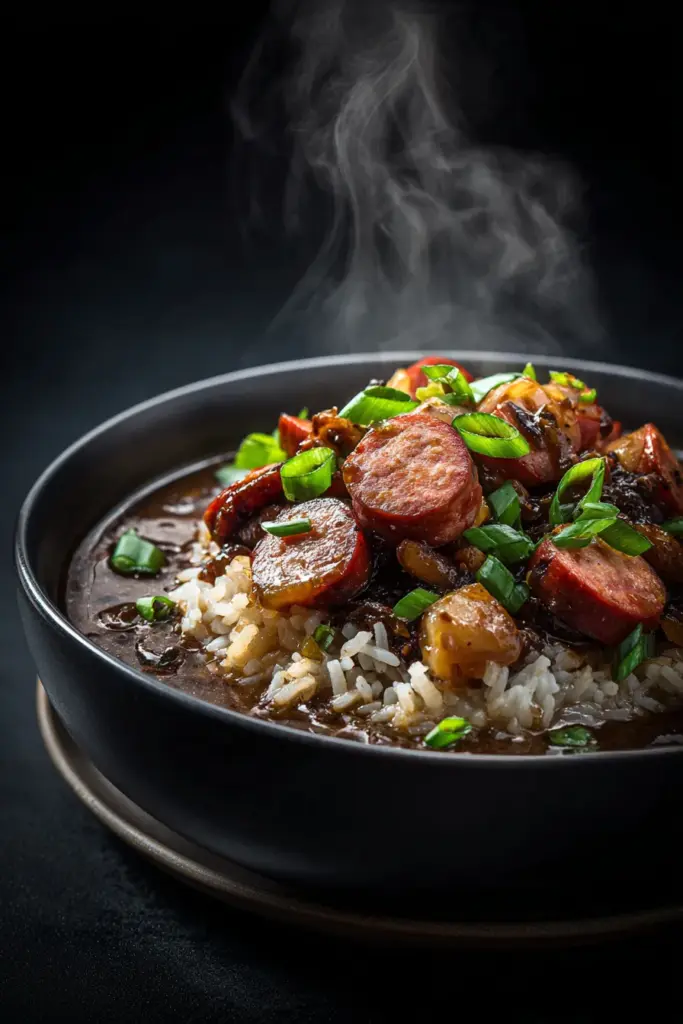
Making gumbo taught me patience. The roux needs to be cooked low and slow until it reaches that deep chocolate color, which can take thirty to forty-five minutes of constant stirring. But that time investment pays off in the depth of flavor it creates. The heat from cayenne and hot sauce builds slowly, creating warmth that lingers pleasantly rather than overwhelming your palate.
Chili: The Ultimate Spicy Comfort Food
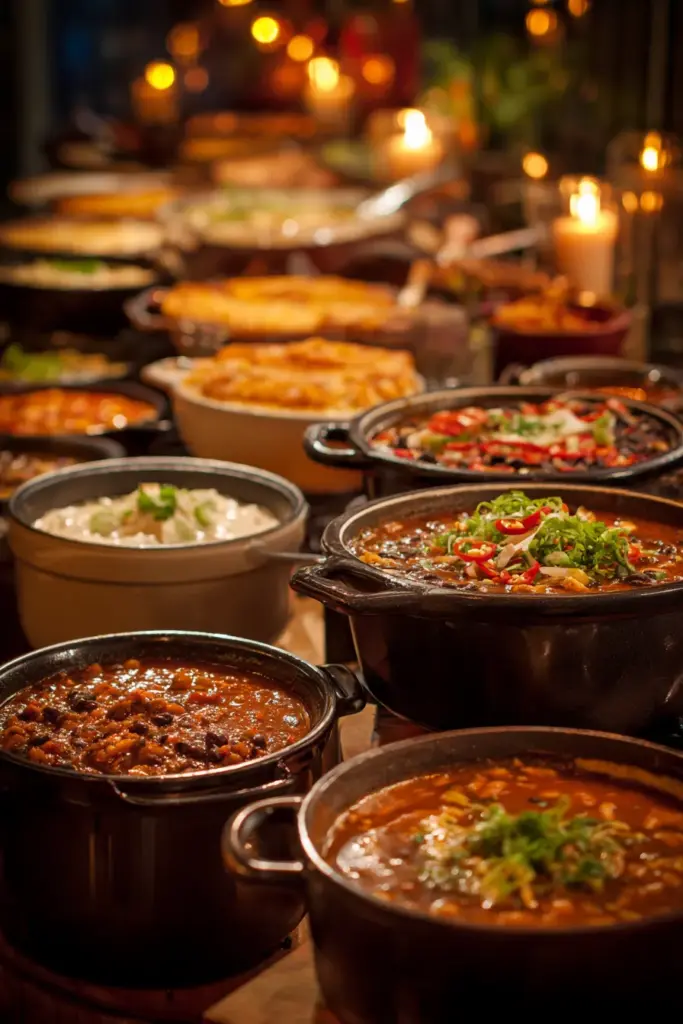
Chili deserves its own section because it’s possibly the most personal spicy dish. Everyone has their own idea of what makes perfect chili, and the debates can get heated. The old-fashioned chili is my baseline, a classic version with ground beef, tomatoes, beans, and a blend of chili powder, cumin, and cayenne that creates the familiar, comforting flavor most of us grew up with.
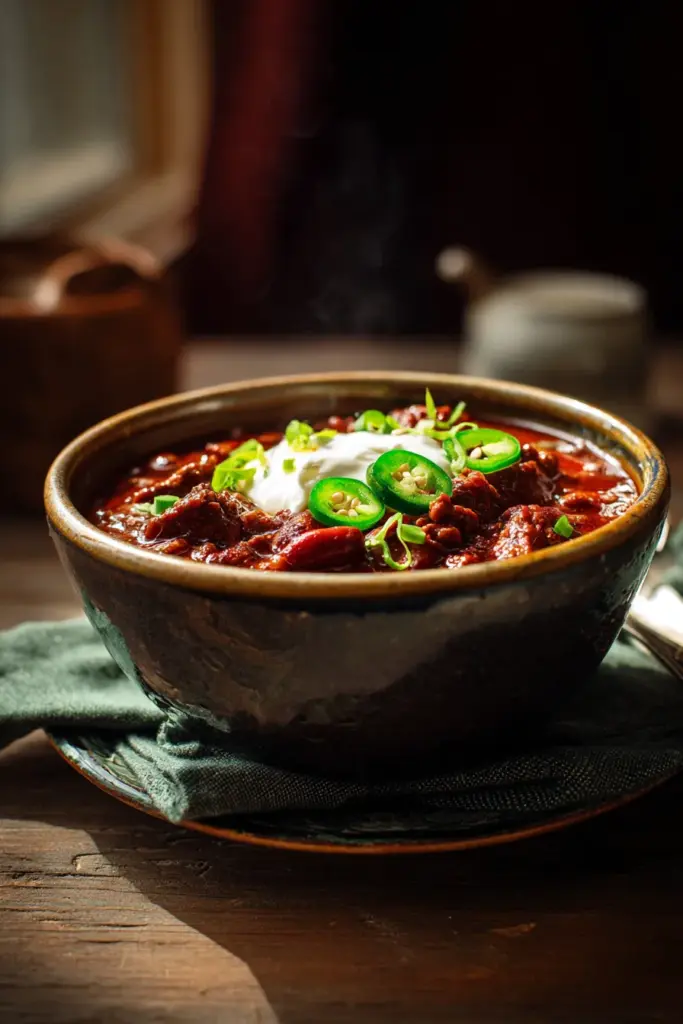
What I love about chili is how it develops flavor over time. It’s good fresh from the pot, but it’s even better the next day after the flavors have had time to meld. I make a big batch on Sunday and eat it throughout the week, each bowl tasting better than the last. The heat mellows slightly as it sits, becoming more integrated and less aggressive.
Turkey Chili and Lighter Variations
The turkey chili offers a lighter option that’s still satisfying and full of flavor. Ground turkey is leaner than beef, which means the chili is less rich but also less heavy. I add extra vegetables and use a combination of different chiles to build complex heat that makes up for the leaner meat.
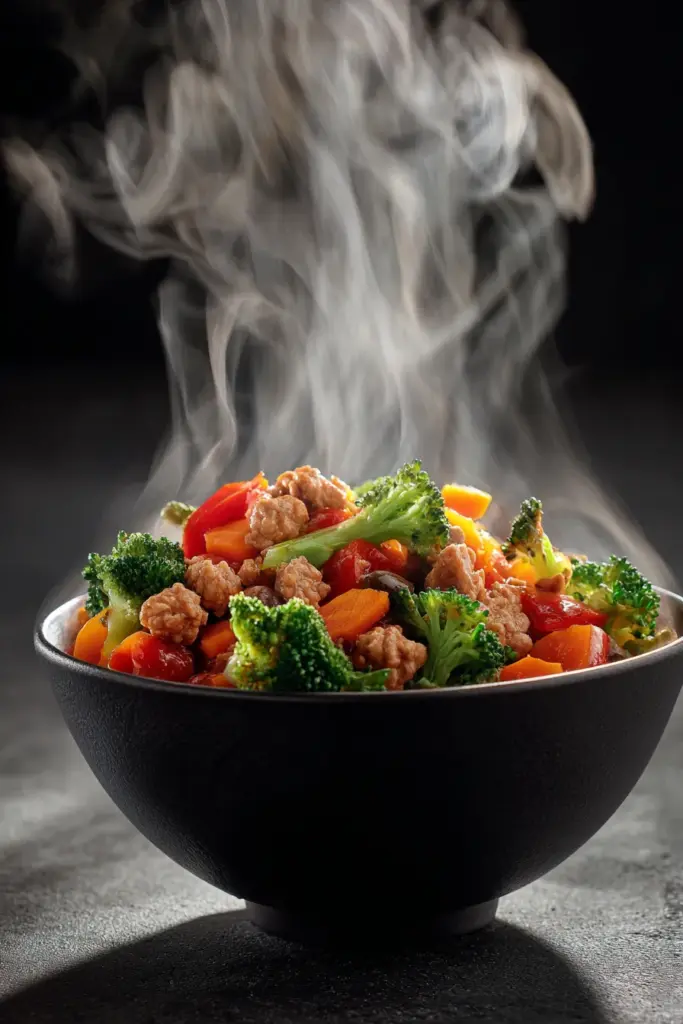
For turkey chili, I’ve learned to brown the meat really well before adding liquid. Turkey can be bland if not properly seasoned and browned, so I take my time with this step, breaking up the meat into small pieces and letting it develop good color. The caramelization adds flavor that keeps the chili from tasting flat or one-dimensional.
Venison Chili
The spicy venison chili is for hunters or anyone who has access to venison. The lean, gamey meat creates a chili with deep, complex flavor that’s different from beef or turkey versions. I add bacon or a bit of beef fat to compensate for venison’s leanness, which keeps the chili from being too dry.
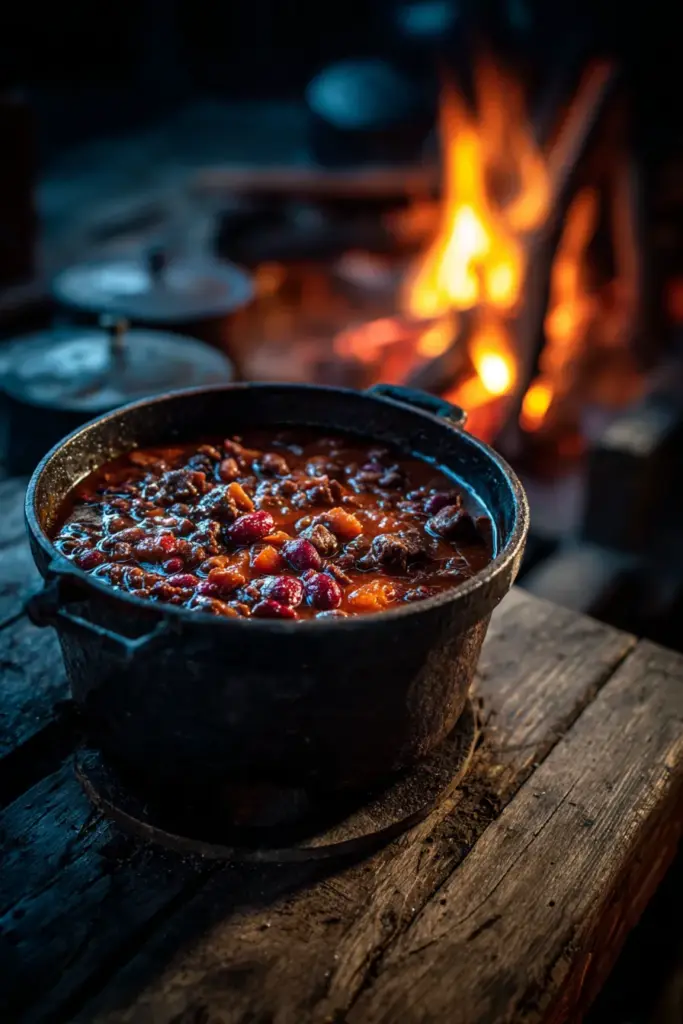
Venison pairs beautifully with bold spices and heat. The slightly wild flavor stands up to aggressive seasoning in a way that milder meats don’t. I use a combination of dried chiles, fresh jalapeños, and a touch of cocoa powder to create layers of flavor that complement the venison’s distinctive taste.
Jalapeño and Spicy Venison Recipes
Venison and heat are natural partners. The rich, slightly gamey flavor of venison benefits from spicy preparations that cut through the richness and add excitement. I’ve discovered that jalapeños, habaneros, and chipotle peppers all work beautifully with venison in different ways.
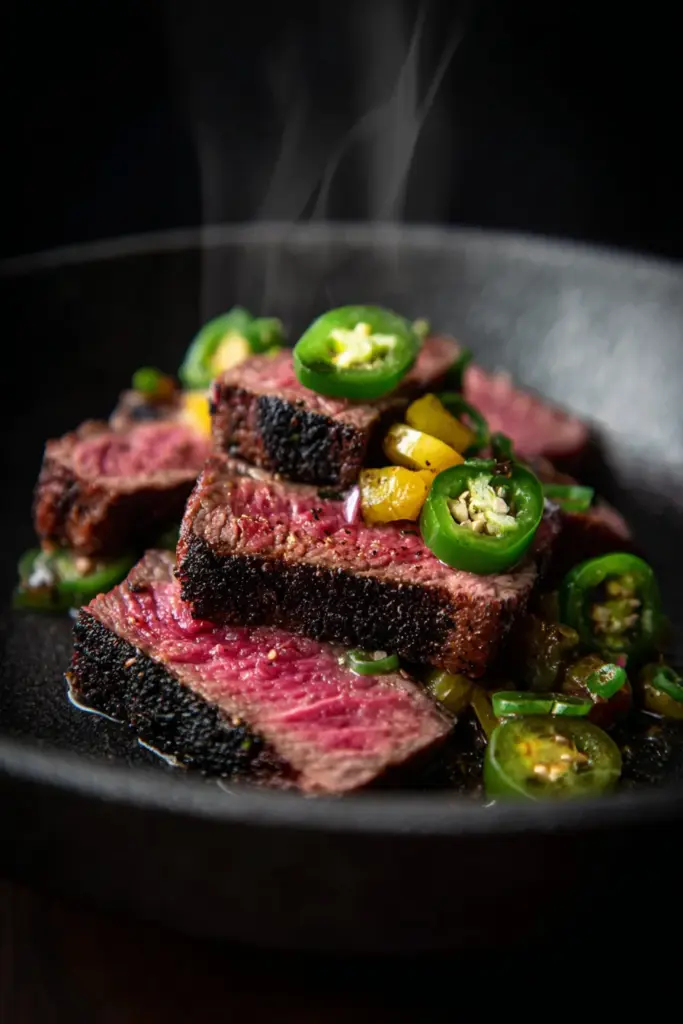
The deer tenderloin with jalapeño showcases how fresh jalapeños brighten and enliven tender venison. I slice jalapeños thin and sauté them with the venison, creating a quick, elegant dish that’s ready in minutes. The jalapeño cream cheese stuffed venison backstrap takes it further, butterflying the backstrap and filling it with a mixture of cream cheese, jalapeños, and spices before wrapping in bacon and grilling or roasting.
That stuffed backstrap recipe is my go-to when I want to impress guests with wild game. The cream cheese keeps the lean venison moist while the jalapeños add bright heat. The bacon provides fat and smokiness, and the whole presentation is beautiful when sliced to reveal the spiral of filling inside.

Fruity and Spicy Venison Combinations
The blackberry habanero venison kebabs combine fruit sweetness with serious heat. The blackberries provide tartness and natural sugar that balance the habanero’s fire, while the venison’s rich flavor holds its own against these bold accompaniments. I thread chunks of venison on skewers with vegetables and brush with the blackberry-habanero glaze during grilling.
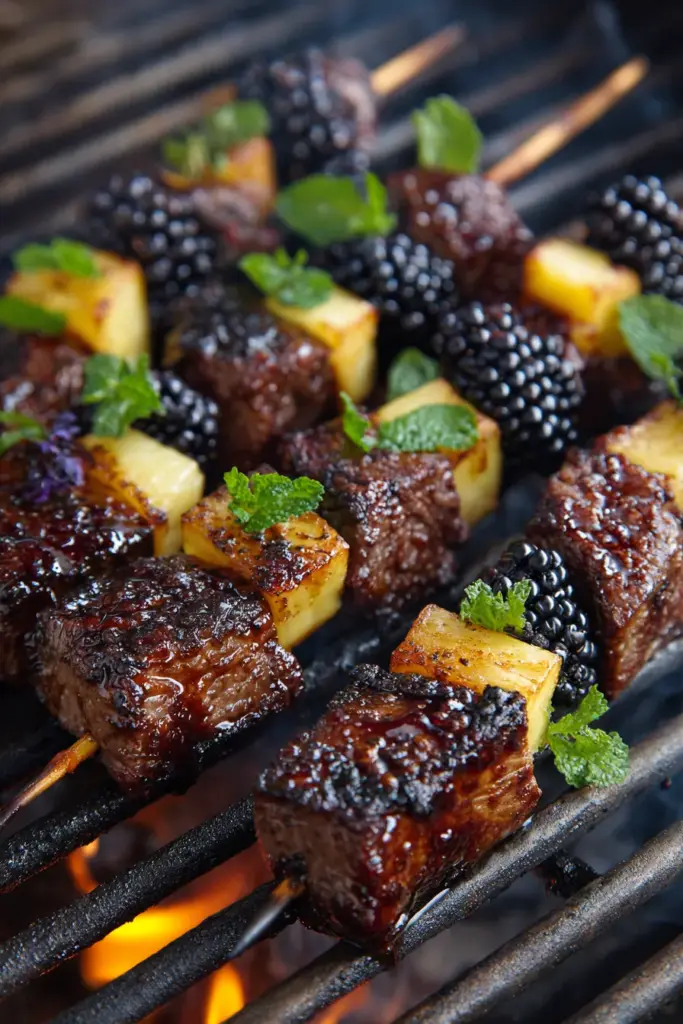
Similarly, the pineapple habanero venison skewers use tropical fruit to balance heat. The pineapple’s sweetness and acidity complement both the venison and the habanero, creating a flavor profile that’s complex and exciting. These skewers are perfect for summer grilling when you want something different from the usual burgers and hot dogs.
The blackberry chipotle venison chops bring smoky heat through chipotle peppers in adobo. I make a sauce with blackberries, chipotles, balsamic vinegar, and a touch of honey that reduces down to a glossy glaze. The smokiness of the chipotle enhances the venison’s natural earthiness while the blackberries keep everything balanced.
Indian-Inspired Venison Dishes
The venison meatballs in tikka masala sauce and venison tikka masala skewers prove that venison works beautifully with Indian spices. The warming spices, creamy tomato sauce, and controlled heat of tikka masala complement venison’s flavor without overwhelming it. I serve these over rice or with naan bread for a complete meal that feels exotic and special.
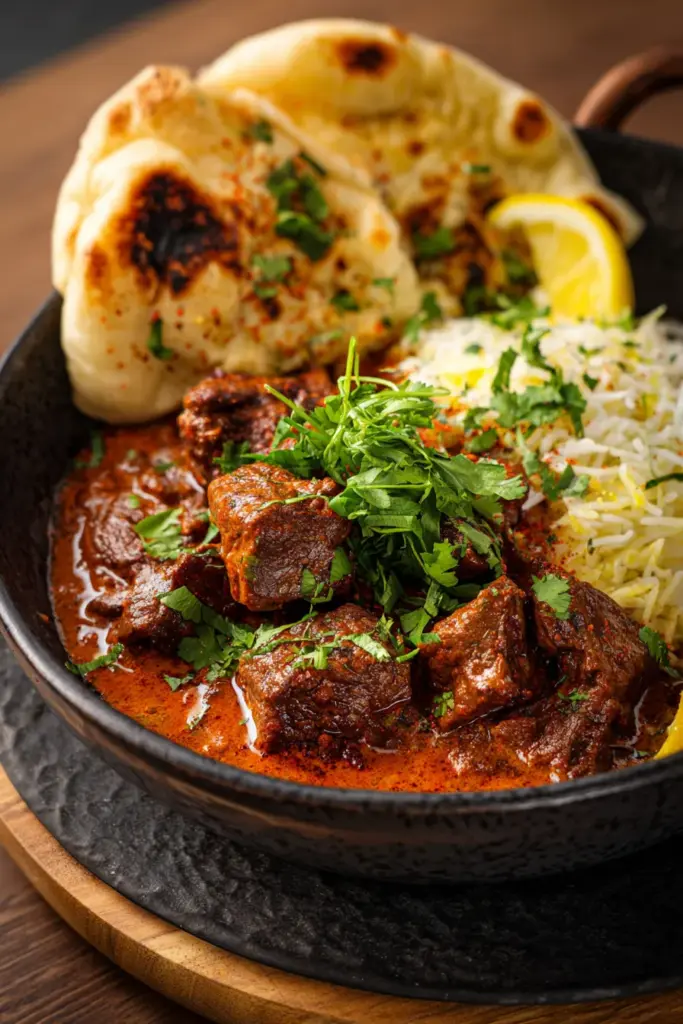
Making tikka masala from scratch isn’t as complicated as it seems. The spice blend, garam masala, cumin, coriander, cayenne, builds complex heat that’s warming rather than painful. The cream and tomatoes create a rich sauce that clings to the venison, whether it’s meatballs or skewered chunks.
Cajun Venison
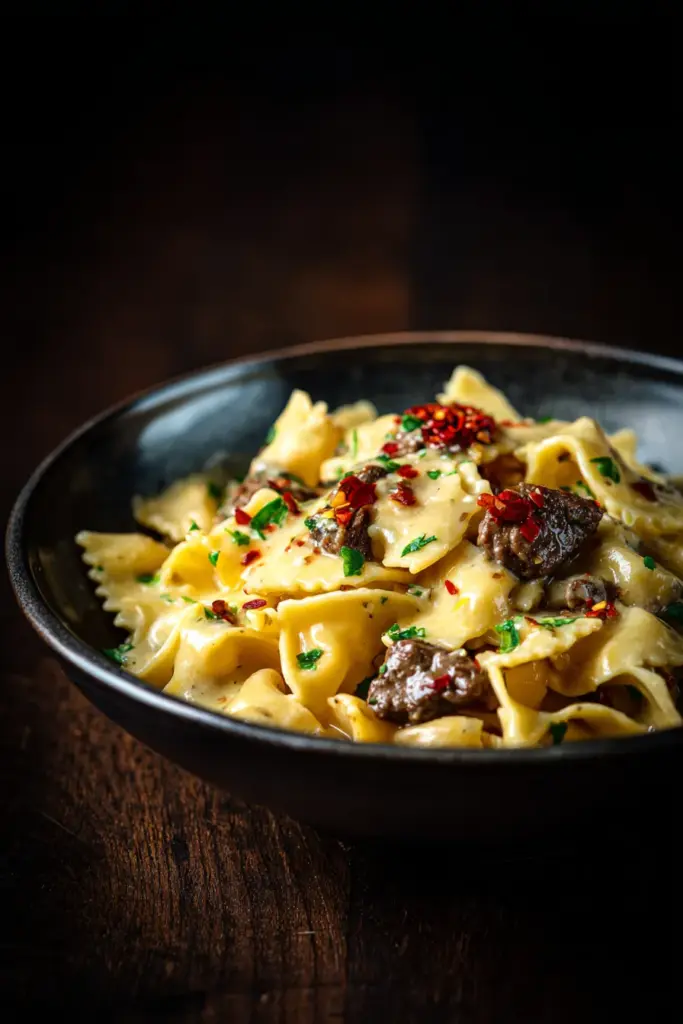
The Cajun venison pasta with roasted Alfredo sauce brings Louisiana flavors to pasta. I coat venison strips in Cajun seasoning, sear them until blackened and spicy, then toss with pasta and a rich Alfredo sauce. The creamy sauce tempers the Cajun spice while the venison adds protein and its distinctive flavor.
For snacking, the spicy venison snack sticks turn venison into portable, flavorful treats. Making snack sticks requires a meat grinder and sausage stuffer, but the results are worth the equipment investment if you process a lot of venison. The spices, including cayenne and red pepper flakes, preserve the meat and add the heat that makes these addictive.
Mexican and Tex-Mex Casseroles with Heat
Casseroles might not seem exciting, but add some heat and Mexican flavors, and they become completely different. These are the comfort foods I crave when I want something warming, satisfying, and easy to make ahead. The fajita chicken casserole brings all those beloved fajita flavors to a one-dish format with bell peppers, onions, seasoned chicken, cheese, and just enough heat from jalapeños to keep things interesting.
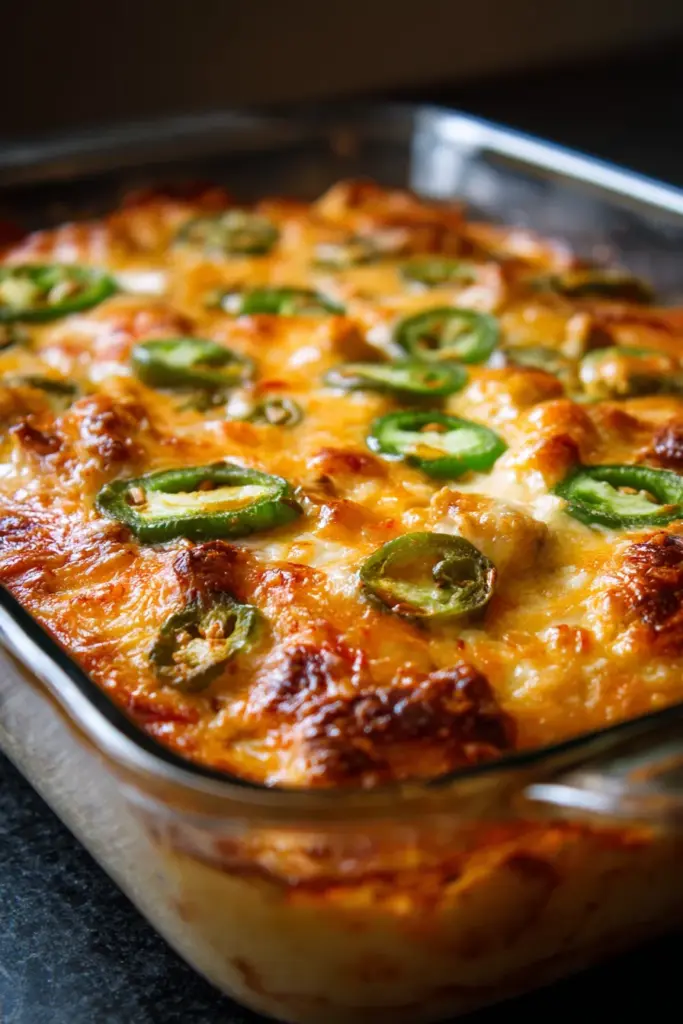
What makes this casserole work is layering the flavors. I sauté the peppers and onions until they’re caramelized and sweet, season the chicken aggressively with cumin and chili powder, and layer everything with cheese that melts into the vegetables. The jalapeños can be adjusted to taste, from just a few slices for mild heat to a generous handful for serious kick.
Mexican Street Corn Casserole
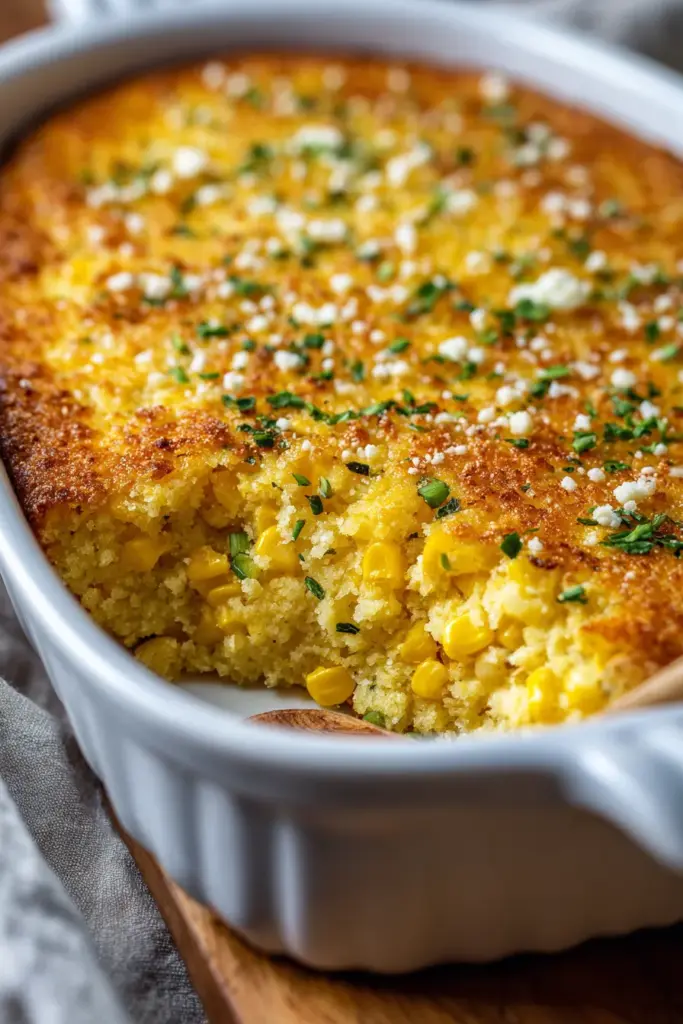
The Mexican street corn casserole transforms elote into something you can serve to a crowd. Corn, cream cheese, butter, jalapeños, and cotija cheese bake together into something that’s creamy, spicy, and absolutely addictive. I make this for potlucks and it always disappears first, with people asking for the recipe.
The key to this casserole is not skimping on the jalapeños and chili powder. Those elements are what make it taste like street corn rather than just creamed corn. I also add lime juice and cilantro just before serving to keep the flavors bright and fresh rather than letting everything meld into one-dimensional richness.
Creative Casserole Variations
The Mexican white trash casserole might have an unfortunate name, but it’s comfort food at its finest. Layers of tortilla chips, seasoned ground beef, beans, cheese, and jalapeños create something that’s like nachos and enchiladas had a baby. It’s messy, indulgent, and exactly what you want when you’re craving cheesy, spicy comfort food.
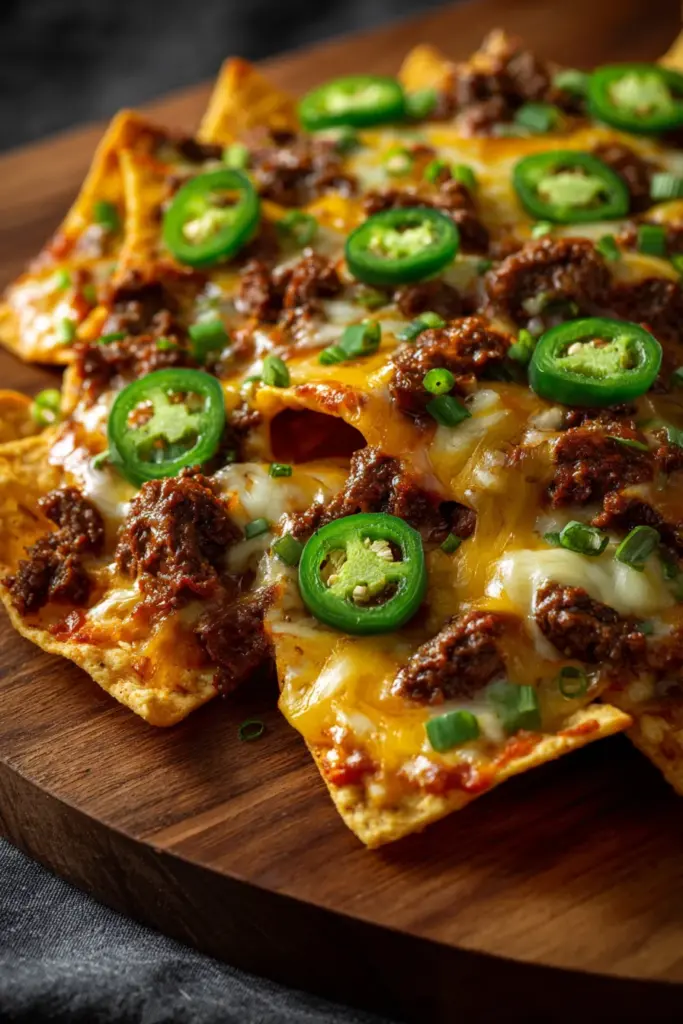
I make this when feeding a crowd on a budget or when I want leftovers that reheat well. The casserole format means everything stays together better than nachos would, and you get all those flavors in every bite rather than having naked chips at the bottom and overly loaded ones on top.
Spicy Dips, Appetizers, and Sides
Sometimes you don’t want a whole spicy meal, just something to snack on or serve as an appetizer. The jalapeño popper cheese ball captures those beloved jalapeño popper flavors in a form that’s perfect for parties. Cream cheese, cheddar, bacon, and jalapeños get rolled into a ball and coated with more bacon and green onions. It’s always a hit.
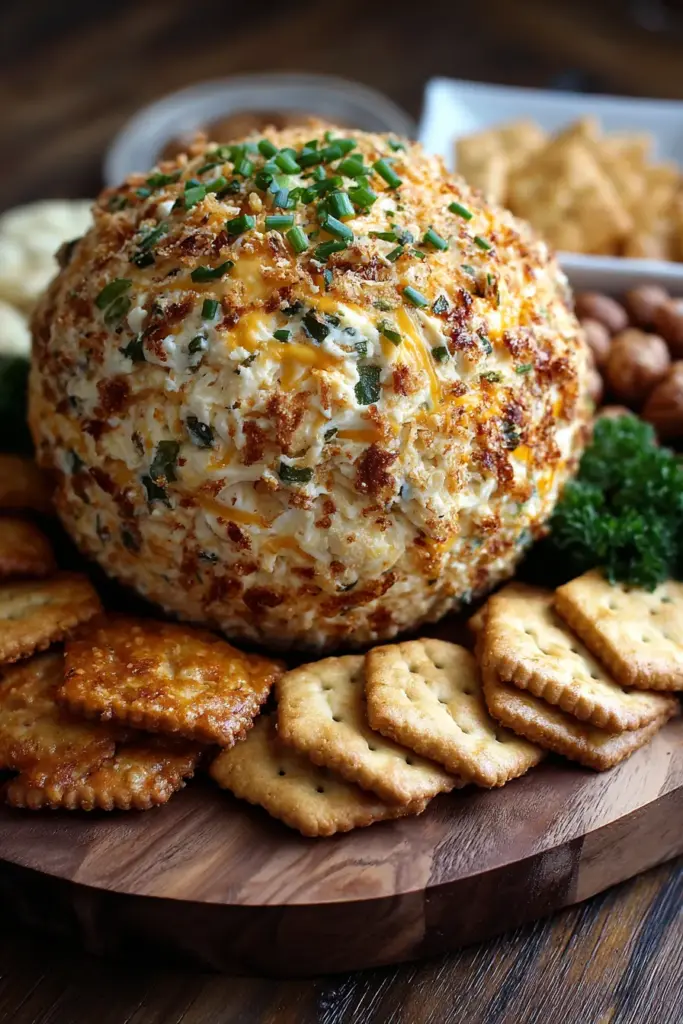
Making cheese balls ahead is one of their best features. I make them a day or two before a party, wrap them well, and refrigerate. The flavors actually improve with time as everything melds together. Just let the cheese ball sit at room temperature for about twenty minutes before serving so it’s soft enough to spread easily.
Hot Dips for Gatherings
The crab rangoon dip with wonton chips brings those restaurant appetizer flavors to dip format. Cream cheese, crab, green onions, and a touch of heat from sriracha or chili garlic sauce create something that’s creamy, savory, and addictive. The homemade wonton chips are easy and taste so much better than store-bought.
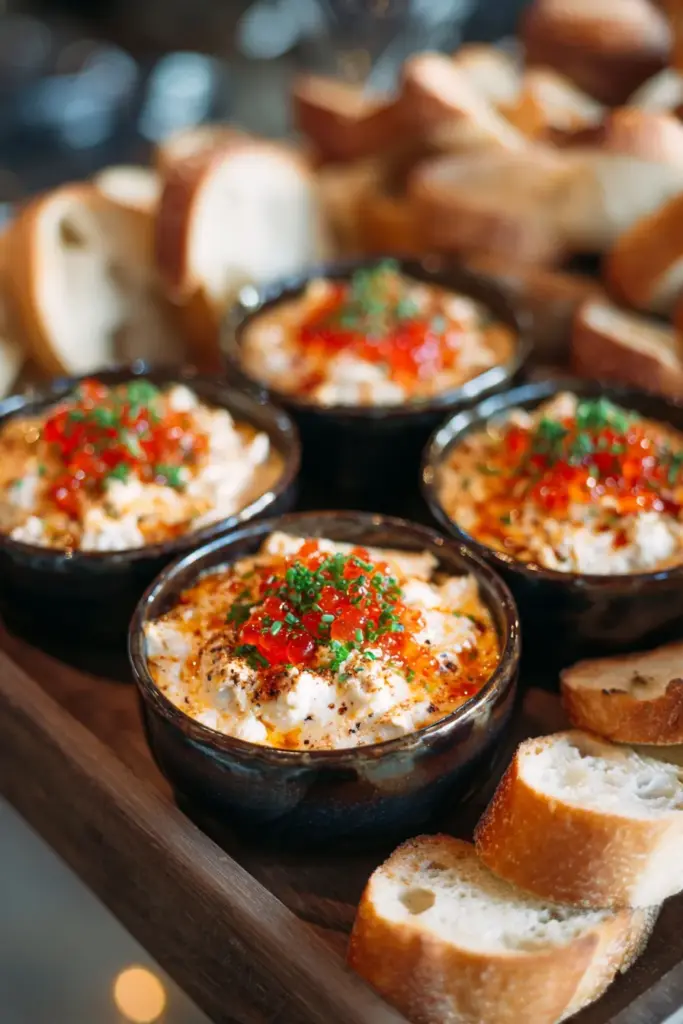
The pepper jelly cheese dip with bacon combines sweet heat from pepper jelly with creamy cheese and salty bacon. It’s a Southern classic that works equally well at fancy parties or casual game day gatherings. I serve it warm with crackers or vegetables for dipping.
Spicy Salads and Sides
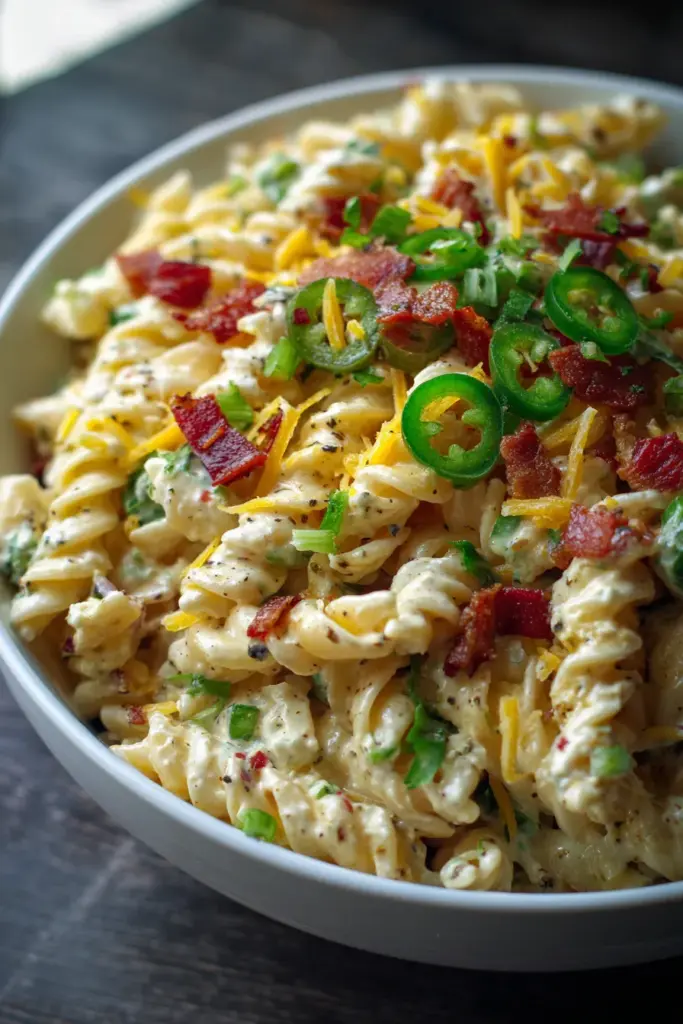
The cheesy jalapeño popper pasta salad brings those appetizer flavors to a side dish that’s perfect for potlucks and barbecues. Pasta, cream cheese, cheddar, bacon, and jalapeños create a salad that’s rich, spicy, and completely different from typical mayo-based pasta salads.
For a unique side, the gumbo greens recipe cooks collard greens or other hearty greens with the spices and flavors of gumbo. The result is greens that are far more interesting than basic boiled greens, with layers of heat and complexity from cayenne, hot sauce, and Cajun seasoning.
Spicy Vegetable Sides
The roasted soy sauce spicy broccoli transforms boring broccoli into something you actually want to eat. High heat roasting makes the edges crispy and slightly charred, while the soy sauce adds umami and the chili flakes provide heat. It’s a side dish that steals the show from whatever protein it’s served alongside.
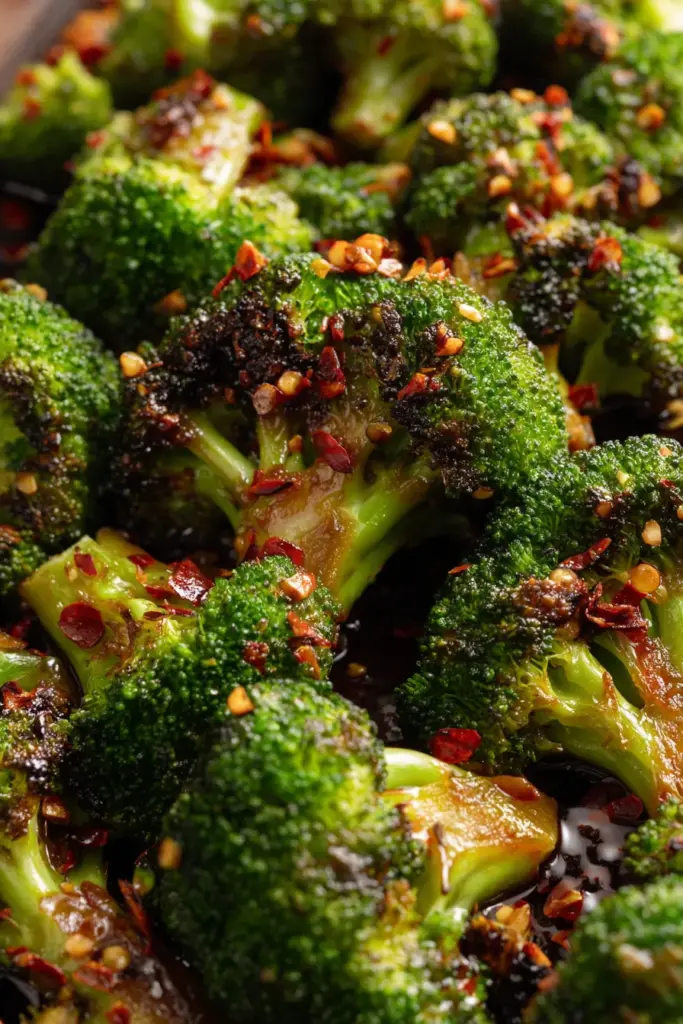
I’ve learned that the key to great roasted vegetables is high heat and not crowding the pan. The vegetables need space for the moisture to evaporate and the edges to caramelize. Crowded vegetables steam rather than roast, and you miss out on all those crispy, flavorful bits.
Condiments and Flavor Boosters
Sometimes the best way to add heat is through condiments and sauces rather than cooking spicy ingredients into the dish itself. The tangy BBQ cowboy butter is a compound butter spiked with BBQ spices and a touch of heat that melts over steaks, chicken, or vegetables. I make a log of it, wrap it in plastic wrap, and keep it in the freezer. Slicing off a pat to melt over hot food instantly upgrades any simple protein.
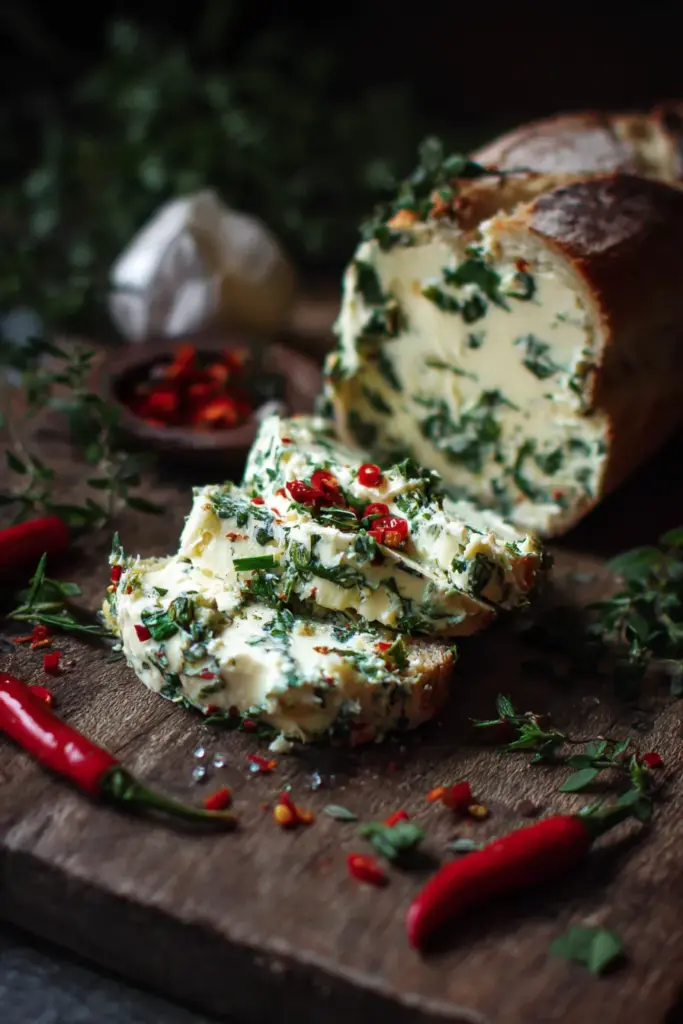
Cowboy butter is incredibly versatile. I use it on grilled meats, tossed with roasted vegetables, spread on warm bread, or even mixed into scrambled eggs. The combination of butter, garlic, herbs, and spices creates an instant flavor boost that makes everything taste better.
Expert Tips for Cooking with Heat and Spice
After years of cooking spicy food, I’ve learned techniques that help control heat and create balanced, flavorful dishes rather than just painful ones. These aren’t complicated tricks, just small habits that make a real difference in how your spicy food turns out.
First, always wear gloves when handling hot peppers, especially habaneros or hotter varieties. I learned this the hard way after cutting jalapeños bare-handed and then rubbing my eye an hour later. The capsaicin stays on your skin for hours, and it will find any sensitive area you touch. If you don’t have gloves, coat your hands in oil before handling peppers, which creates a barrier, and wash thoroughly with soap after.
Second, build heat gradually. Start with less than you think you need, taste, and add more if desired. You can always increase heat, but you can’t remove it once it’s there. For dishes that cook for a long time, remember that heat intensifies, so err on the side of caution initially.
Balancing and Taming Heat
If a dish becomes too spicy, don’t panic. There are several ways to tame excess heat. Dairy is the most effective, whether it’s stirring in cream, adding a dollop of sour cream, or sprinkling cheese on top. The fat binds with capsaicin and neutralizes it. Acid, like lime juice or vinegar, doesn’t reduce heat but it balances it and makes it less overwhelming. Sweetness from sugar or honey provides contrast that makes heat more tolerable.
For soups and stews that are too spicy, I add more broth or coconut milk to dilute the heat. I can also add potatoes or other starchy vegetables that absorb some of the capsaicin. For sauces, adding butter or cream tempers heat while maintaining flavor. Sometimes simply serving the dish with plain rice, bread, or tortillas provides a neutral element that balances the spicy components.
Selecting and Preparing Peppers
Not all jalapeños are created equal. I’ve bought jalapeños that were barely spicy and others that rivaled serranos for heat. The only way to know is to taste a tiny piece of the pepper you’re using. I cut off the tip and touch it to my tongue, which gives me an idea of how hot that particular pepper is and helps me adjust the amount I use.
Roasting peppers mellows their heat slightly and adds complexity. I roast jalapeños, poblanos, or Hatch chiles over an open flame or under the broiler until the skins blacken and blister. Then I place them in a covered bowl to steam for ten minutes, which makes the skins easy to peel off. The roasted flesh has a sweet, smoky flavor that’s more complex than raw peppers.
Spice Combinations That Work
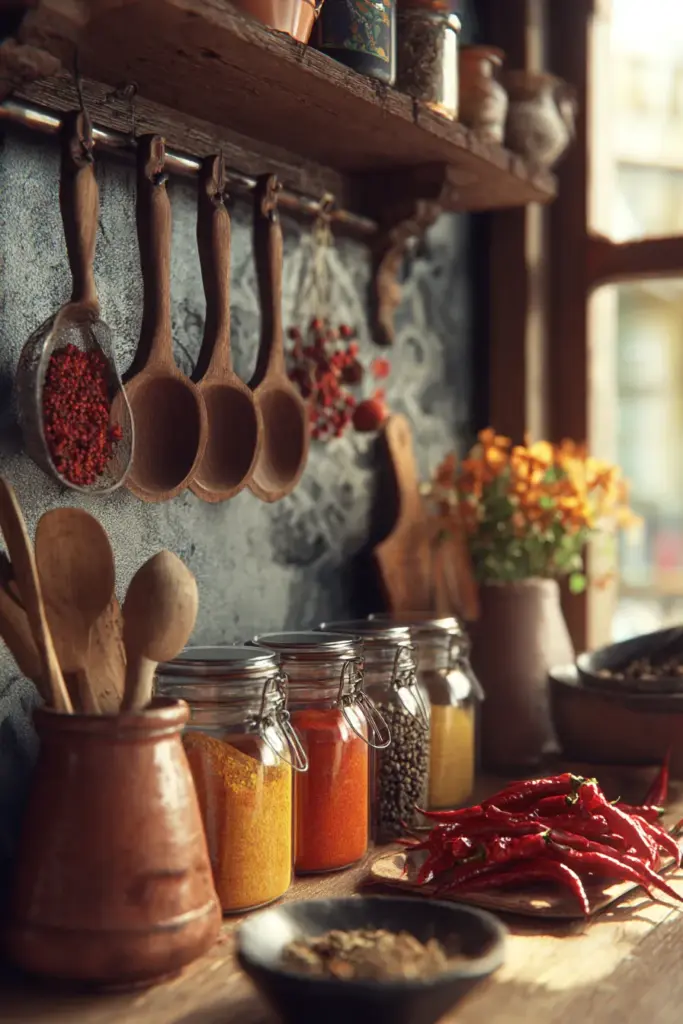
Certain spice combinations create more interesting heat than just adding cayenne or chili powder alone. I combine different types of heat for complexity, using fresh jalapeños for bright, vegetal heat, chipotle for smoky heat, and cayenne for pure fire. This layering creates depth rather than one-dimensional burning.
Warming spices like cumin, coriander, and smoked paprika enhance chile heat and make it feel more complex. I toast whole spices before grinding them, which intensifies their flavor and makes them more aromatic. Just a minute or two in a dry skillet over medium heat brings out oils and fragrance that ground spices from a jar can’t match.
Conclusion
My journey with spicy food, from that embarrassing jalapeño incident to the confident cook I am today, taught me that heat is a tool like any other. Used well, it adds excitement, complexity, and dimension to food. Used poorly, it just causes pain and overwhelms other flavors. The difference lies in understanding heat, respecting it, and learning to balance it with other elements.
What I love about cooking with jalapeños and other spicy ingredients is how they wake up your palate and make you pay attention to what you’re eating. A spicy dish demands your focus in a way that bland food never does. That engagement with your food, that awareness of flavor and sensation, is part of what makes cooking and eating such a pleasure.
The recipes in this guide span different cuisines and techniques, but they all share the principle of using heat thoughtfully rather than recklessly. Whether it’s a gentle warming soup, a moderately spicy casserole, or a fiery venison dish for heat-seekers, each recipe balances heat with other flavors to create something that’s exciting but not punishing.
Remember that heat tolerance is personal and variable. What’s mild to one person might be overwhelming to another. Don’t let anyone shame you for your heat preferences, whether you like it mild or volcanic. Cook to your taste, and if cooking for others, offer heat on the side so everyone can customize. The goal is enjoyment, not suffering.
As you explore these recipes, don’t be afraid to adjust heat levels to suit your preferences. Start conservatively and add more heat if desired. Pay attention to how different peppers and spices affect dishes. Notice which heat-taming techniques work best for you. This experimentation and learning is part of becoming a confident cook who can create perfectly spiced food without relying on exact measurements.
Most importantly, have fun with spicy cooking. Try new peppers when you see them at the market. Experiment with different heat combinations. Challenge yourself to gradually increase your tolerance if you want to appreciate spicier foods. Or stick with mild heat if that’s what makes you happy. There’s no right or wrong way to enjoy spicy food, only your way.
So grab some jalapeños, fire up the stove, and start cooking. Whether you’re making a warming soup for a cold day, a spicy casserole for a potluck, or testing your heat tolerance with habanero-laced venison, you’re engaging with one of cooking’s most exciting and satisfying elements. Embrace the heat, respect its power, and enjoy the incredible flavors that spicy ingredients bring to your table.
Continue exploring more delicious inspiration with these favorites:
- Mexican Chicken Soup Caldo de Pollo
- Old-Fashioned Chili
- Jalapeño Cream Cheese Stuffed Venison Backstrap
- Mexican Street Corn Casserole
Frequently Asked Questions
How do I reduce the heat in a recipe that’s too spicy?
The most effective way to reduce heat is adding dairy like cream, sour cream, or cheese, which contains casein that binds with capsaicin and neutralizes it. For soups and stews, dilute with more broth, coconut milk, or tomatoes. Add a potato and let it cook in the dish, then remove it; the potato will absorb some capsaicin. For sauces, blend in butter or nut butter. Sugar or honey provides contrast that makes heat more tolerable without removing it. Remember that water doesn’t help; it just spreads the capsaicin around your mouth. Never try to fix too-spicy food by adding more of everything else equally, as you’ll just make too much food that’s still too spicy.
What’s the best way to handle jalapeños without burning my hands?
Always wear disposable gloves when cutting hot peppers, especially if you’re handling more than one or two. If you don’t have gloves, coat your hands thoroughly with cooking oil before handling peppers, which creates a protective barrier. After handling peppers, wash your hands with soap and hot water, scrubbing under your nails. Even with precautions, don’t touch your face, eyes, or any sensitive areas for several hours. If you do get capsaicin on your skin, rubbing with oil or milk helps remove it better than water. I learned this the hard way and now keep a box of gloves in my kitchen specifically for pepper prep.
Can I substitute different types of peppers in recipes?
You can substitute peppers, but be aware of heat differences. Jalapeños and serranos are somewhat interchangeable, though serranos are hotter. Poblanos are much milder and work well if you want pepper flavor without much heat. Habaneros and Scotch bonnets are significantly hotter than jalapeños and should be used sparingly unless you love serious heat. When substituting, start with less than the recipe calls for and taste before adding more. Different peppers also have different flavor profiles; jalapeños taste fresh and vegetal, chipotles are smoky, poblanos are earthy. These flavor differences will affect your final dish even if you adjust for heat level.
How do I store fresh peppers?
Fresh peppers keep best in the refrigerator, stored unwashed in a plastic bag or container. They’ll last one to two weeks depending on how fresh they were when purchased. Don’t wash them before storing, as excess moisture promotes mold. If you have more peppers than you can use, freeze them. I chop jalapeños and freeze them in small portions in ice cube trays or small bags. They’re perfect for adding to cooked dishes though the texture isn’t great for fresh applications after freezing. Dried peppers store in a cool, dark place in an airtight container for months.
Why does spicy food sometimes taste hotter the next day?
Capsaicin continues to infuse into food as it sits, which is why leftover chili or curry often tastes spicier the next day. The longer peppers sit in liquid, the more capsaicin leeches out. This is why I’m conservative with heat in dishes that I plan to make ahead. What tastes mildly spicy when fresh might be quite hot after sitting overnight. If making spicy food ahead, I start with less heat than I ultimately want and adjust before serving if needed. Some people actually prefer this developed heat, finding the flavors more integrated and complex after sitting.
What should I serve with spicy food to balance the heat?
Serve cooling elements alongside spicy dishes to provide relief and balance. Rice, bread, or tortillas offer neutral carriers that temper heat. Dairy products like sour cream, yogurt, or cheese cool your mouth effectively. Fresh vegetables like cucumber or lettuce provide crisp, cooling contrast. Acidic elements like lime wedges or pickled vegetables cut through heat and cleanse the palate. Sweet elements like mango, pineapple, or a touch of honey provide pleasant contrast. I always have at least two or three of these elements available when serving spicy food so everyone can customize their heat level.
Can kids eat spicy food?
Kids can absolutely eat spicy food, but introduce heat gradually and respect their preferences. Start with very mild heat and increase slowly over time as their tolerance builds. Make heat optional by serving hot sauce or jalapeños on the side rather than cooking them into the dish. Don’t force kids to eat spicy food or mock them for not liking it; this creates negative associations. Offer cooling elements like milk or yogurt. Some kids naturally love spicy food while others never develop a taste for it, and both are fine. The goal is exposing them to different flavors without making meals stressful.
How do I know if a pepper will be hot or mild?
Unfortunately, there’s no foolproof way to predict heat levels in individual peppers since variation exists within pepper varieties. Jalapeños from the same plant can have different heat levels. Generally, peppers get hotter as they mature and ripen. Stressed plants, those grown in hot, dry conditions, produce hotter peppers. The only reliable way to gauge heat is tasting a tiny piece of the specific pepper you’re using. Cut the tip and barely touch it to your tongue. This gives you enough information to adjust quantities without overwhelming your mouth if it’s particularly hot. Store-bought peppers are often milder than home-grown ones.
What’s the difference between fresh and dried chiles?
Fresh and dried chiles are quite different in flavor and use. Fresh chiles like jalapeños and serranos have bright, vegetal flavors and are great in salsas, salads, and dishes where you want fresh heat. Dried chiles like ancho, guajillo, and chipotle develop deep, complex flavors through drying, often with smoky, sweet, or earthy notes. Dried chiles are typically rehydrated in hot water before use or toasted to intensify flavor. They’re essential for authentic Mexican sauces and moles. Most fresh peppers have dried equivalents; jalapeños become chipotles when smoked and dried, poblanos become anchos when dried. Neither is better; they’re just different tools for different applications.
How do I make food spicy without just adding heat?
Creating interesting spicy food means building complexity beyond just heat. Combine different types of peppers for layered heat, fresh jalapeños for brightness, dried chipotles for smokiness, cayenne for pure fire. Toast spices before using to intensify their flavors. Add umami through ingredients like soy sauce, fish sauce, or tomato paste. Balance heat with sweet, sour, and salty elements. Use aromatic vegetables like onions, garlic, and ginger as foundations. Add fresh herbs at the end for brightness. Create textural interest with crispy toppings or crunchy vegetables. The goal is creating a dish where heat is one component of many rather than the only notable flavor.

🍳 Precision Meets Passion — Tools Chefs Trust Daily

- Grams & ounces — precise to 1g
- Perfect for baking & keto tracking
- Sleek stainless steel design

- German stainless precision
- Razor-sharp & dishwasher-safe
- Elegant wood block organizer

- Premium Stainless Steel Build
- Easy to Clean & Dishwasher Safe
- A Must-Have Kitchen Tool