➤ Table of Contents
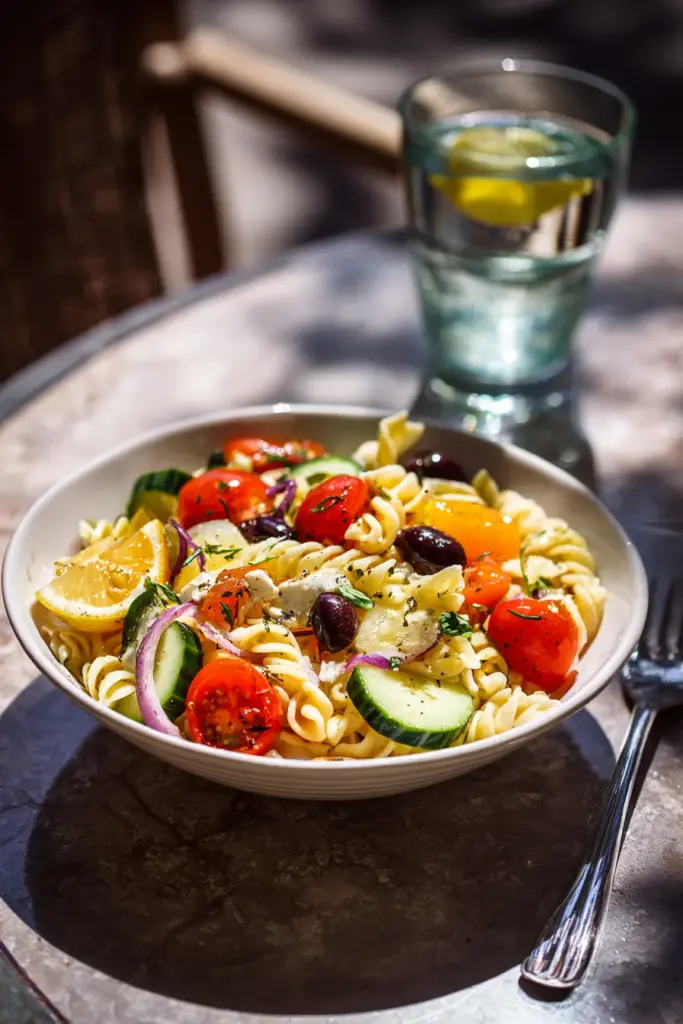
I used to think pasta salad was just a sad potluck afterthought, you know the kind, overcooked noodles drowning in bottled Italian dressing with a few sad vegetables thrown in. Then I went to a summer barbecue where someone brought a Mediterranean pasta salad that completely changed my perspective. It was bright and fresh, with perfectly al dente pasta, briny olives, tangy feta, crisp vegetables, and a lemon vinaigrette that made everything sing. I had three servings and asked for the recipe before I left.
⚡ Smart Kitchen Tools Every Home Cook Swears By

- Pure aluminum
- Durable enough for everyday cooking
- Made in the USA with quality

- 7 cooking functions in one compact cooker
- 3-quart size ideal for couples or small meals
- Up to 70% faster than traditional cooking

- 3 sizes for every recipe
- Pre-seasoned & durable cast iron
- Oven & grill ready
That salad opened my eyes to what pasta salad could be when done right. It’s not just a convenience food or a way to use up leftover pasta. It’s a legitimate dish that can be the star of a meal, a side that people actually request, or a lunch that you look forward to all morning. The key is treating pasta salad with the same care you’d give any other dish, using quality ingredients, proper technique, and flavor combinations that actually work together.
What I love about pasta salads is their incredible versatility. They work for meal prep, feeding a crowd, potlucks, picnics, or just having something delicious ready in the fridge when you don’t feel like cooking. You can make them Mediterranean, Italian, Mexican, Asian-inspired, or completely your own creation. They’re endlessly adaptable to what you have on hand, what’s in season, or what flavors you’re craving. And unlike hot pasta dishes that need to be served immediately, pasta salads often get better as they sit, making them perfect for busy lives.
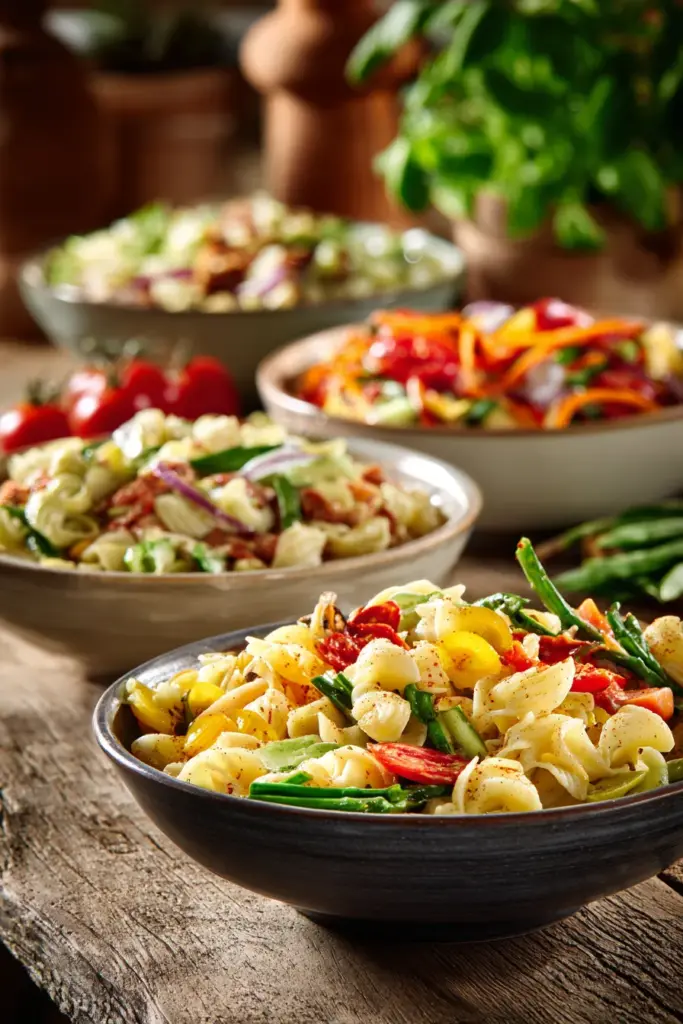
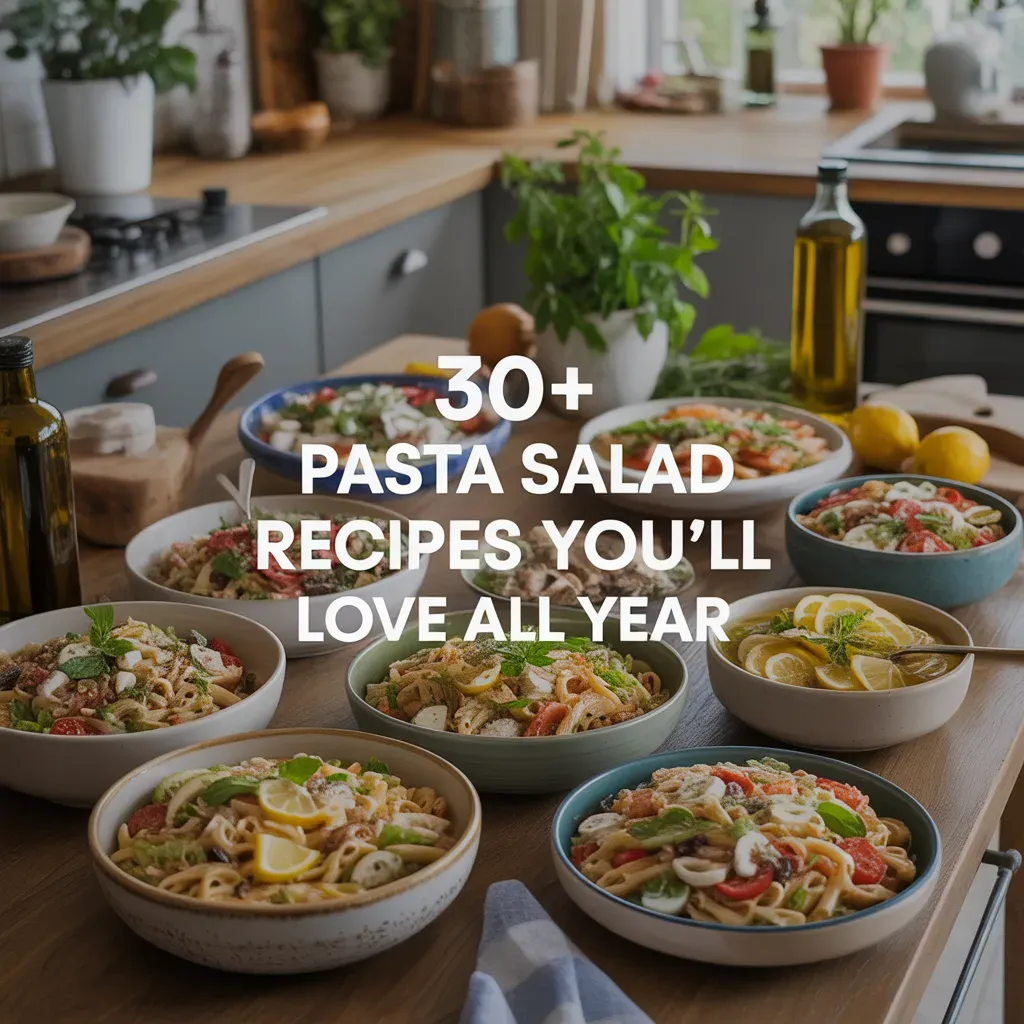
This guide is everything I’ve learned about making pasta salads that people actually want to eat. We’ll cover Mediterranean and Greek versions with their bright, fresh flavors, orzo salads that feel elegant and refined, Italian-inspired combinations, creative twists from other cuisines, and all the techniques that ensure your pasta salad is perfectly seasoned, properly dressed, and never boring. Whether you’re new to pasta salad or looking to expand beyond the basics, you’ll find recipes and tips here that transform this humble dish into something you’re genuinely excited to make and eat.
Understanding Pasta Salad Fundamentals
Before diving into specific recipes, it’s worth understanding what makes a great pasta salad. I’ve made enough mediocre pasta salads to know that success comes down to a few key principles. First, the pasta itself matters enormously. It needs to be cooked properly, cooled correctly, and dressed while it’s still slightly warm so it absorbs flavor.
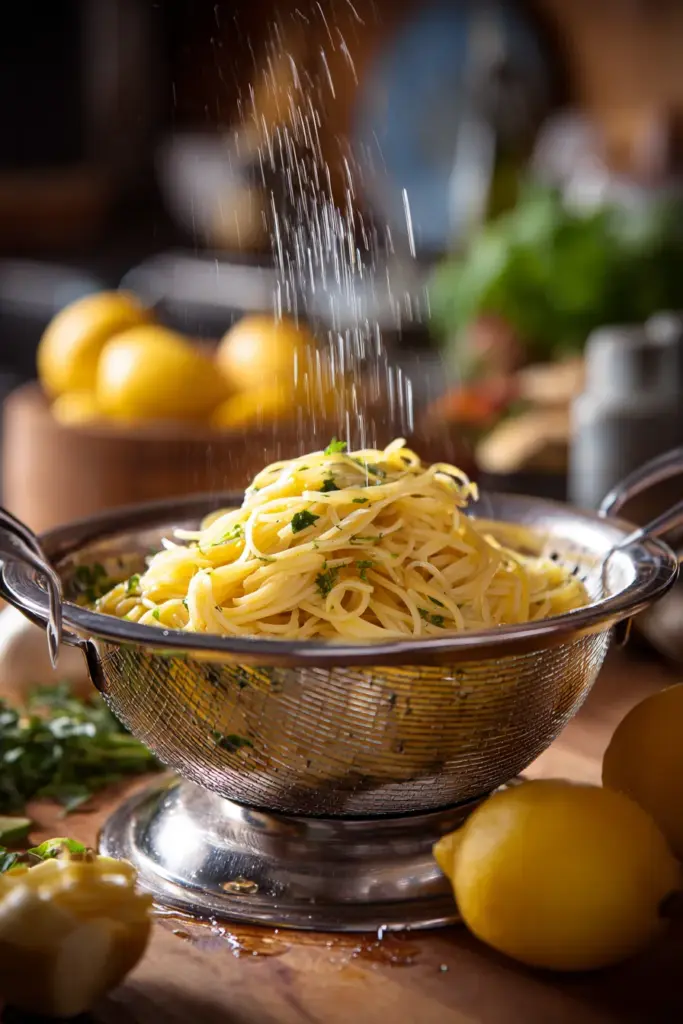
I always cook pasta for salad to true al dente, maybe even a minute less than I would for hot pasta. The pasta continues to soften as it sits in the dressing, and nobody wants mushy pasta salad. I taste the pasta a minute or two before the package directions suggest, looking for that slight firmness in the center. As soon as it’s ready, I drain it and rinse it under cold water to stop the cooking immediately.
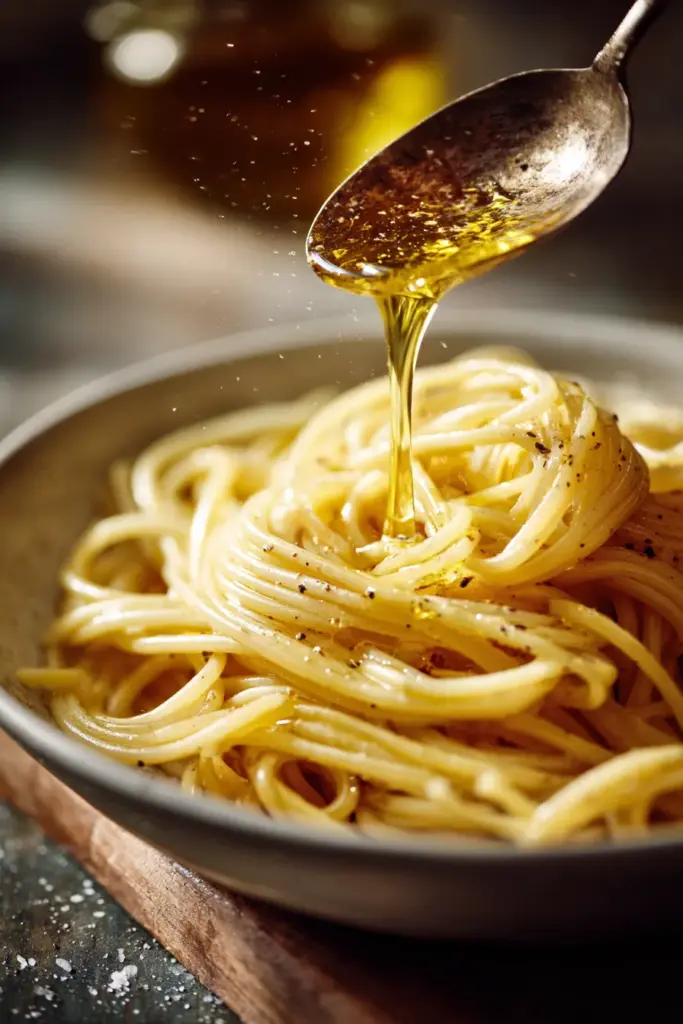
Here’s a trick that changed my pasta salad game: after rinsing and draining, I toss the still-warm pasta with a bit of the dressing right away. The warm pasta absorbs some dressing and flavor, creating a base that tastes seasoned throughout rather than just coated on the outside. Then I let it cool completely before adding the remaining ingredients and dressing. This two-stage dressing technique ensures every bite is flavorful.
Choosing the Right Pasta Shape
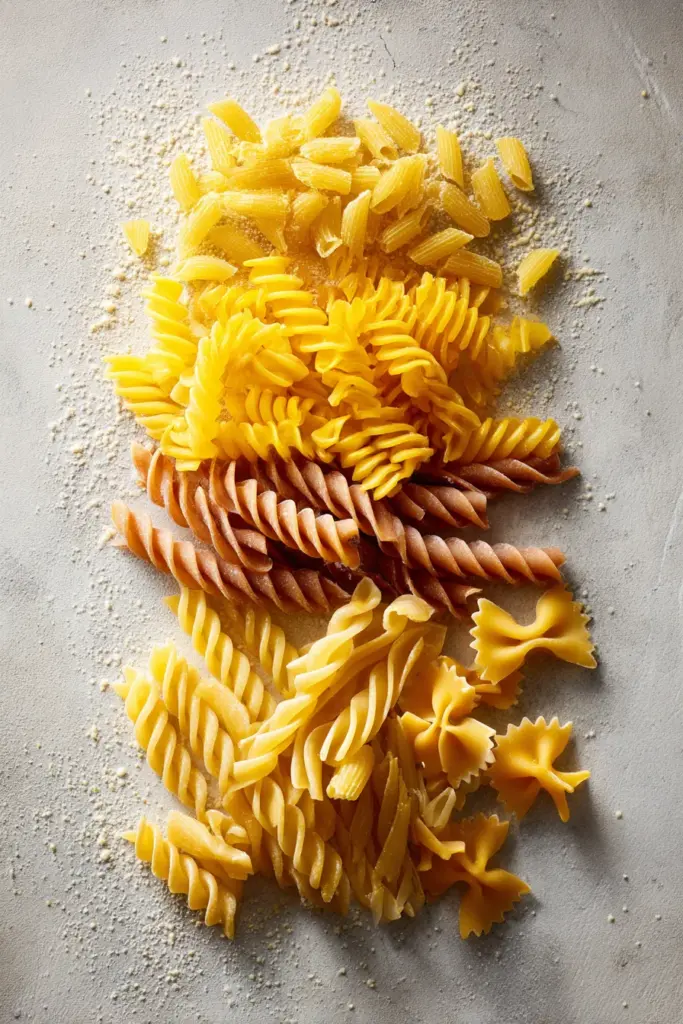
Different pasta shapes work better for different salads. Short shapes with ridges, tubes, or twists hold dressing and catch smaller ingredients, making every forkful interesting. Penne, rotini, fusilli, and farfalle are all excellent choices for chunky salads with lots of mix-ins. Smaller shapes like orzo, which we’ll discuss extensively later, create a different experience, more refined and delicate.
🥗 Fresh, Fast & Foolproof — Upgrades You'll Use Tonight

- Zoodles in seconds
- Heavy-duty, 10 sharp blades
- Keto, paleo & gluten-free friendly

- Meals in ~30 minutes
- 3-Qt — perfect for 1–3 people
- Pressure cook, sauté, steam & more

- Phone alerts & live temp graph
- Hands-off monitoring for smokers
- Perfect doneness, every time
For the best macaroni salad, elbow macaroni is traditional and works perfectly. The curved tubes catch creamy dressing while being small enough for easy eating. I make this classic version with a mayonnaise-based dressing, crunchy vegetables, and just enough tang from vinegar and mustard to keep it from being too heavy.
Mediterranean and Greek Pasta Salads
Mediterranean pasta salads are probably my most-made category because they’re fresh, flavorful, and feel healthy without being boring. The combination of olives, feta, tomatoes, cucumbers, and herbs with a bright lemon vinaigrette creates something that tastes like summer no matter what time of year you make it.
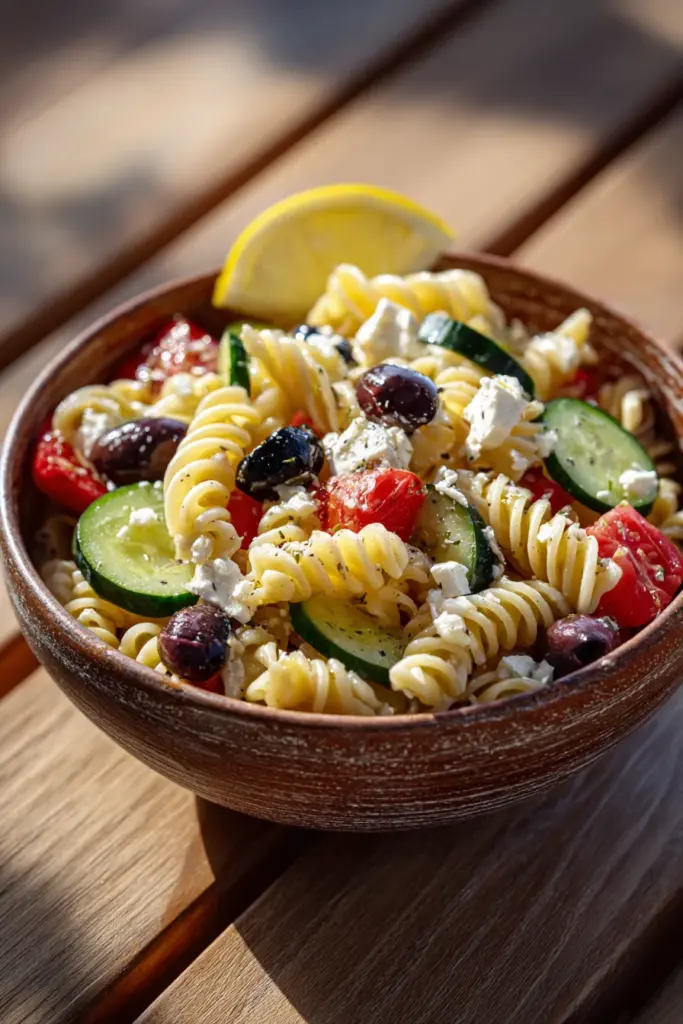
The fresh Mediterranean pasta salad is where I started my pasta salad journey, and it remains a favorite. Rotini pasta gets tossed with kalamata olives, cherry tomatoes, cucumber, red onion, feta cheese, and a simple lemon-oregano vinaigrette. It’s the kind of salad that works equally well as a light lunch or a side dish at a barbecue.
What makes Mediterranean pasta salads so appealing is the balance of flavors. The briny olives and salty feta contrast with sweet tomatoes and crisp cucumber. The tangy vinaigrette brings everything together without being heavy like creamy dressings. Fresh herbs, usually parsley and oregano, add brightness and make the whole thing feel vibrant and alive.
Building the Perfect Mediterranean Pasta Salad
The Mediterranean pasta salad collection offers endless variations on this theme. Some include artichoke hearts, which add a tender, slightly tangy element. Others incorporate roasted red peppers for sweetness and color. The healthy Mediterranean pasta salad versions focus on whole grain pasta and extra vegetables while keeping the satisfying flavors intact.
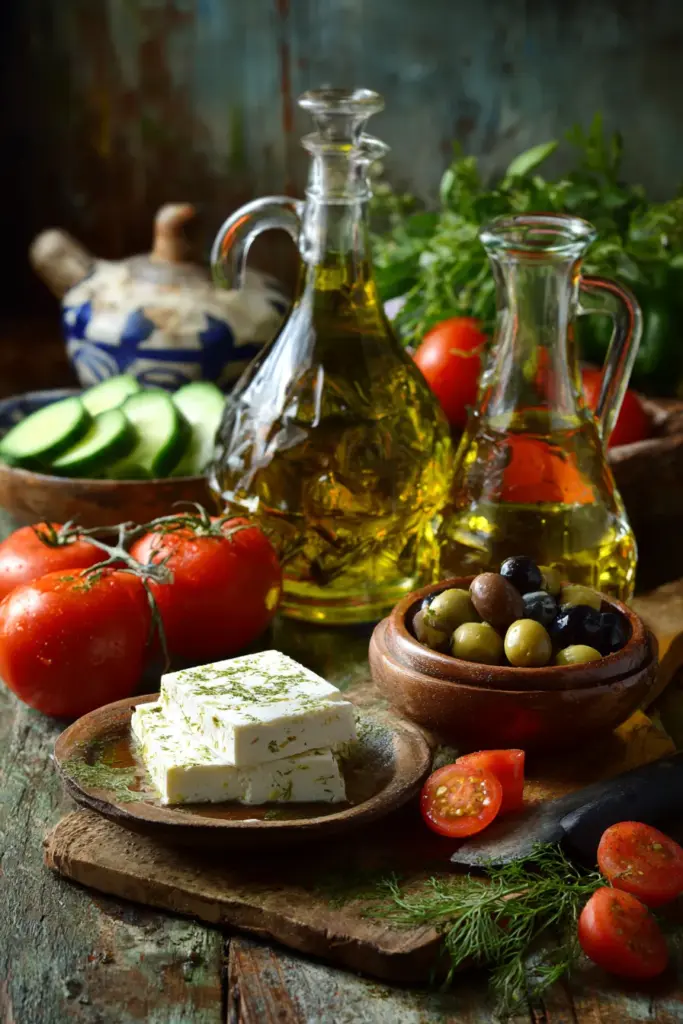
I’ve learned that the quality of ingredients really shows in these simple salads. Good olives, the kind you buy from the olive bar rather than canned black olives, make a huge difference. Real feta cheese, preferably Greek or Bulgarian, has a tangy, creamy quality that pre-crumbled domestic feta can’t match. Fresh lemon juice instead of bottled, good olive oil, fresh herbs, these small upgrades elevate the whole dish.
The Mediterranean pasta salads recipe collection and Mediterranean pasta salad healthy recipes showcase how many variations are possible within this flavor profile. You can keep it simple with just a few ingredients or load it up with everything you love. The Mediterranean pasta salad healthy recipes dishes and Mediterranean pasta salad healthy recipes salads collections prove that healthy eating doesn’t mean sacrificing flavor.
Greek Pasta Salad Variations
Greek pasta salads are close cousins to Mediterranean versions but with specific Greek flavor profiles. The Greek pasta salad and Greek pasta salad recipes typically include feta, kalamata olives, tomatoes, cucumber, and red onion with an oregano-forward dressing. What sets them apart is often the use of Greek seasoning and sometimes pepperoncini for a pickled punch.
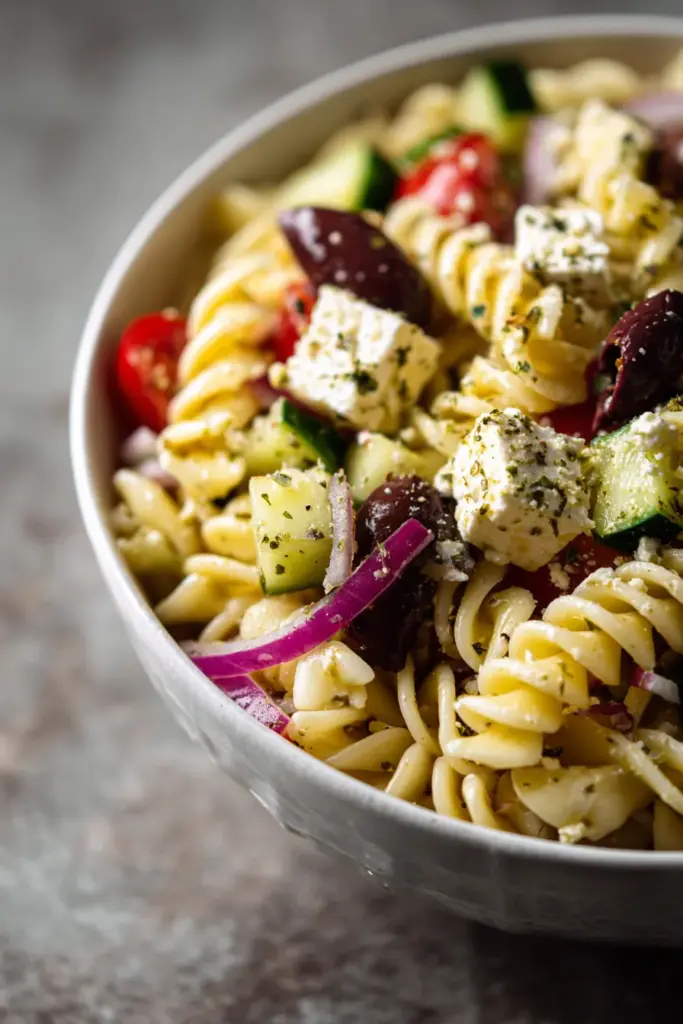
The Greek pasta salad cuisine and Greek pasta salad cuisine healthy versions embrace traditional Greek flavors while adapting them to pasta format. I love how the Greek pasta salad cuisine healthy recipes maintain authentic flavors while being lighter and more vegetable-focused.
Special Mediterranean Variations
The Mediterranean kale pasta salad adds hearty greens for extra nutrition and a slightly earthy flavor. I massage the kale with a bit of olive oil and lemon juice before mixing it with the pasta, which softens it and makes it more tender. It’s a great way to sneak more vegetables into a crowd-pleasing dish.
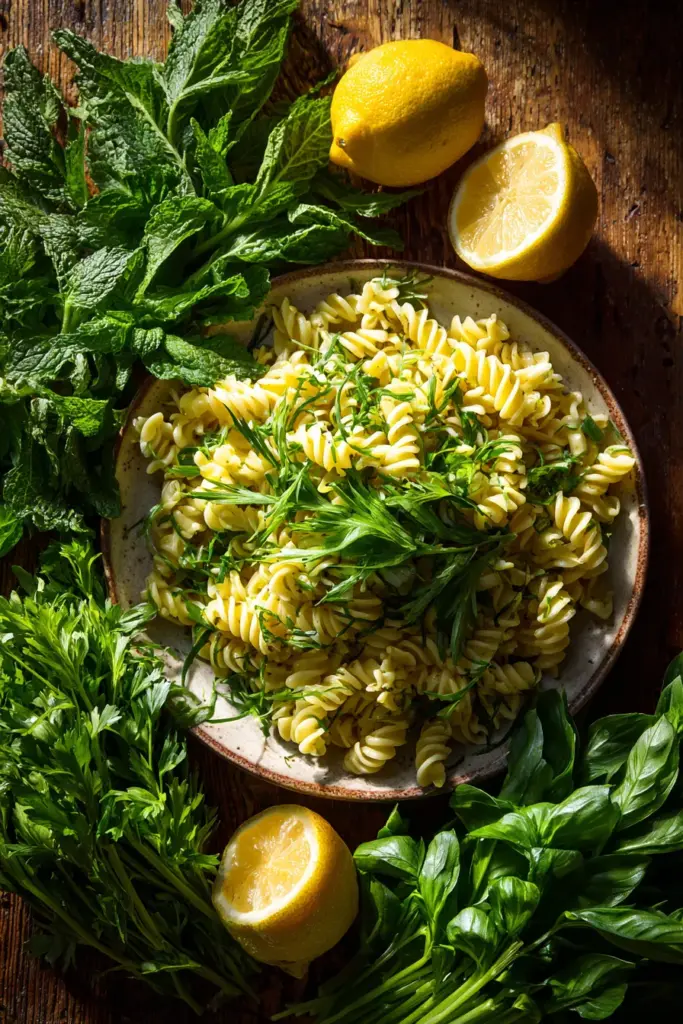
For something inspired by familiar flavors, the Olive Garden inspired pasta salad brings those restaurant flavors home. It captures that Italian-American style with its creamy, zesty dressing and generous mix of vegetables and cheese. The Sam’s Club Mediterranean pasta salad copycat lets you recreate that popular store-bought version at home with fresher ingredients and better flavor.
The lemon herb Mediterranean pasta salad emphasizes bright citrus and fresh herbs, creating something that feels particularly light and refreshing. Meanwhile, the sun-dried tomato pasta salad uses those intensely flavored tomatoes to create pockets of concentrated sweetness throughout the dish.
The various iterations like Mediterranean pasta salad healthy recipes dishes salads and Mediterranean pasta salad healthy recipes recipe all offer slightly different takes on these core flavors, proving that Mediterranean pasta salad never gets boring.
The World of Orzo Salads
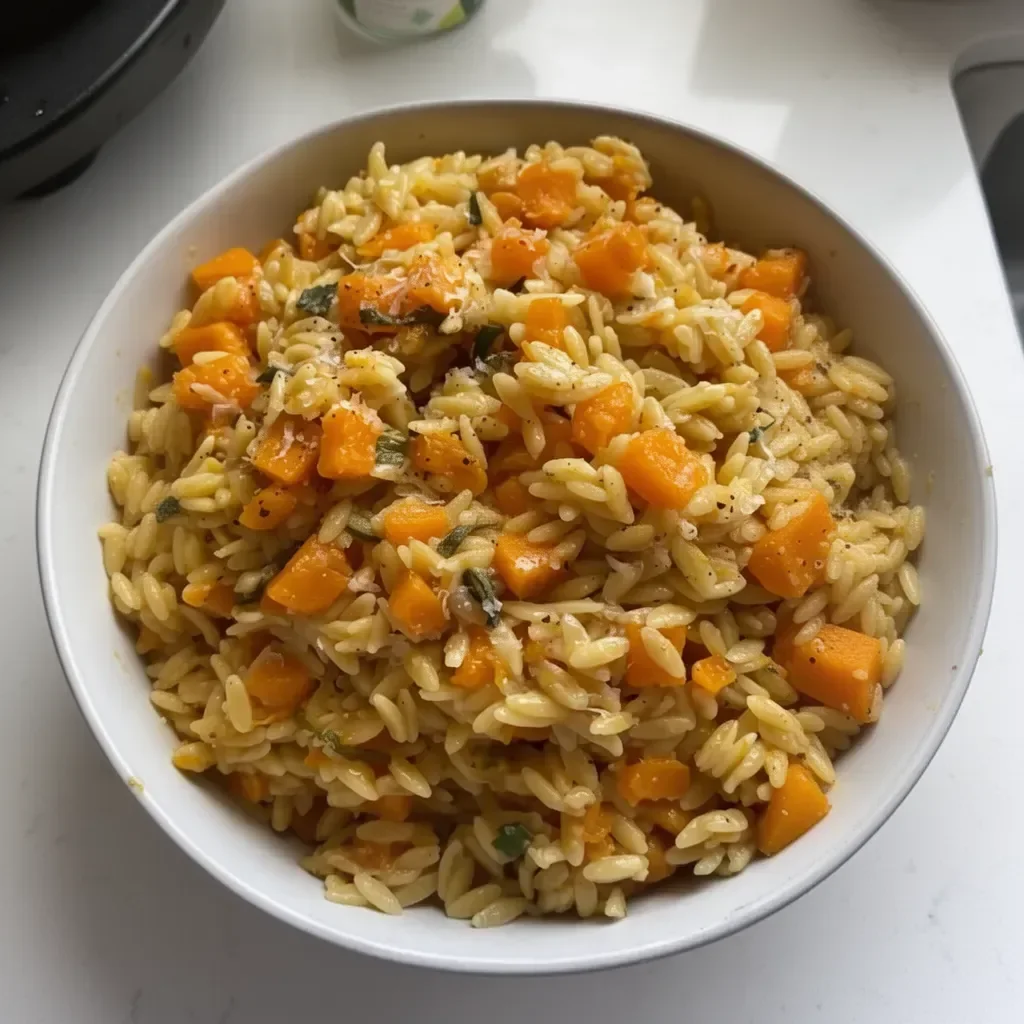
Orzo changed my relationship with pasta salad entirely. These tiny, rice-shaped pasta pieces create a completely different eating experience from traditional pasta shapes. Orzo salads feel more refined and elegant, making them perfect for nicer occasions while still being easy and approachable to make.
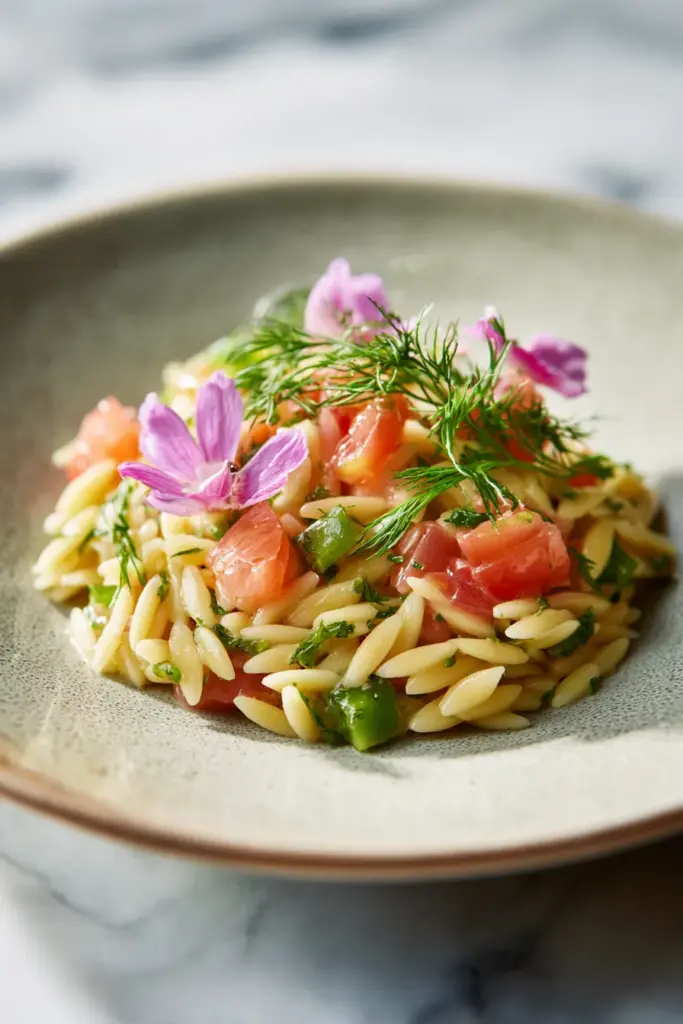
The orzo pasta salad basics are similar to regular pasta salad, but the small size means every forkful has a perfect mix of pasta, vegetables, and dressing. Nothing falls off the fork, no large chunks overwhelm the bite, everything is in harmony. The orzo pasta salad recipes collection shows how versatile this small pasta can be.
Cooking orzo requires attention because it goes from perfect to mushy quickly. I cook it for the minimum time suggested on the package, testing a minute early. As soon as it’s al dente, I drain and rinse it immediately under cold water. The small size means it cools quickly, which is convenient for getting salad on the table faster.
Mediterranean and Greek Orzo Salads
The Mediterranean orzo salad is possibly my most-made lunch. It’s substantial enough to be filling but doesn’t leave you feeling heavy or sluggish. The Mediterranean orzo salad with feta and feta Mediterranean orzo salad showcase how essential feta is to this flavor profile, adding creaminess and tang that balances the bright vegetables.
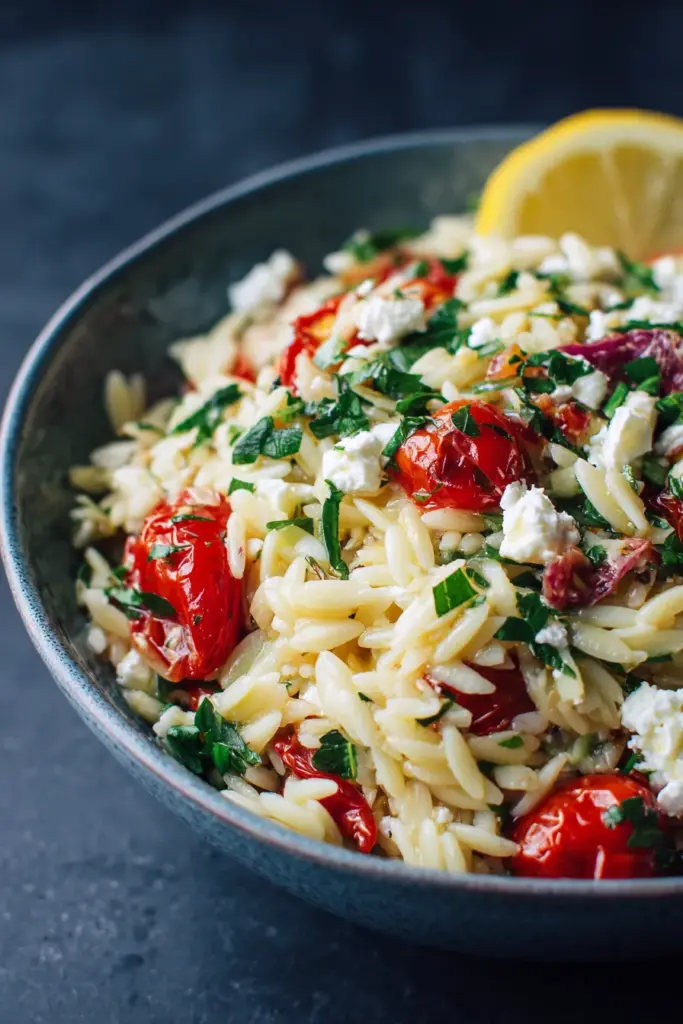
The vegetarian Mediterranean orzo salad proves you don’t need protein to make a satisfying meal. The combination of orzo, vegetables, cheese, and a flavorful dressing provides plenty of substance. For those who do want protein, the Greek chicken orzo salad recipe adds grilled chicken for a complete meal.
The healthy Mediterranean orzo salad and healthy orzo pasta salad versions focus on maximizing vegetables and using whole grain orzo when possible. The Mediterranean orzo salad recipes collection offers countless ways to combine these elements.
Greek Orzo Variations
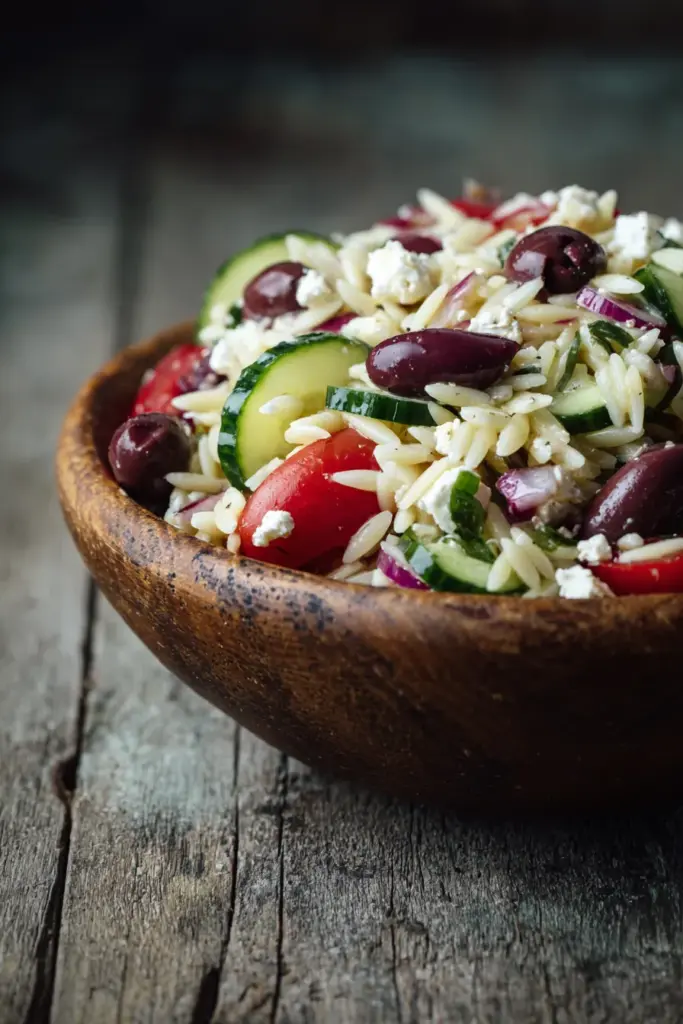
The Greek orzo salad and Greek orzo pasta salad bring those distinctive Greek flavors to the small pasta format. The 20-minute Greek orzo salad is perfect for busy weeknights when you need something healthy and delicious quickly. The Mediterranean orzo pasta salad easy Greek salad simplifies the process even further without sacrificing flavor.
Lemon-Forward Orzo Salads
Lemon and orzo are a match made in heaven. The zesty lemon orzo pasta salad, lemon dill orzo salad, and lemon basil orzo pasta salad all celebrate bright citrus flavor. The lemon cuts through the richness of olive oil and feta, keeping everything fresh and balanced.
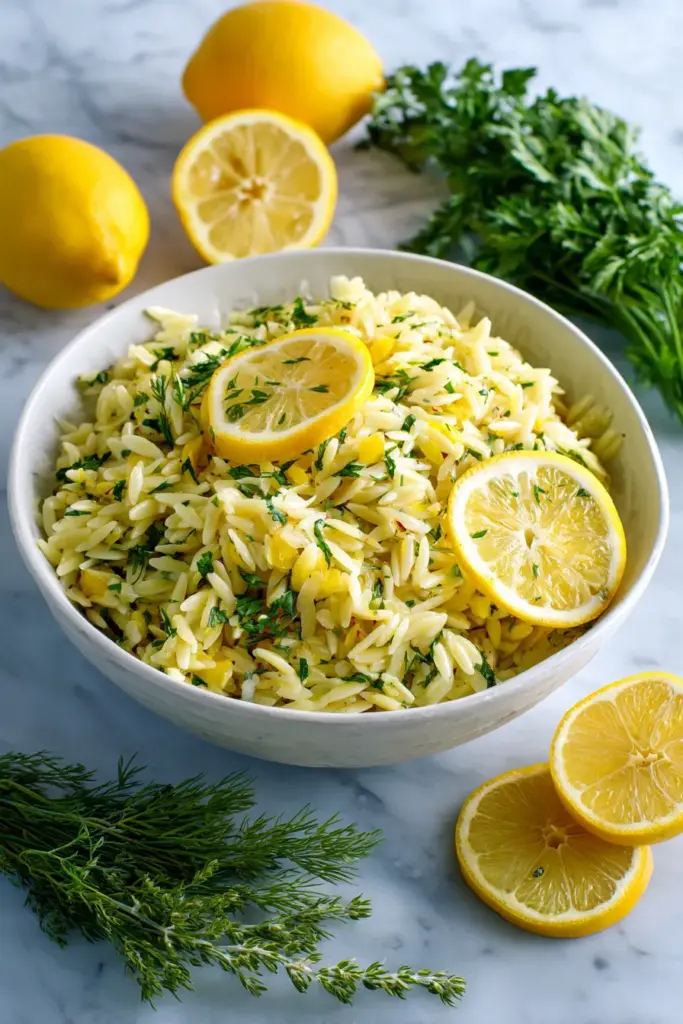
The easy orzo salad with lemon dressing is my template for quick orzo salads. I make the lemon dressing in the bottom of the serving bowl, add warm cooked orzo and toss, then mix in whatever vegetables and cheese I have on hand. The lemon herb orzo salad adds fresh herbs like parsley, dill, and mint for layers of fresh flavor.

The easy lemon orzo salad with feta and 30-minute lemon orzo salad with feta are quick, reliable recipes that work for meal prep or entertaining. The lemon orzo salad with chicken turns these sides into complete meals.
Creative Orzo Combinations
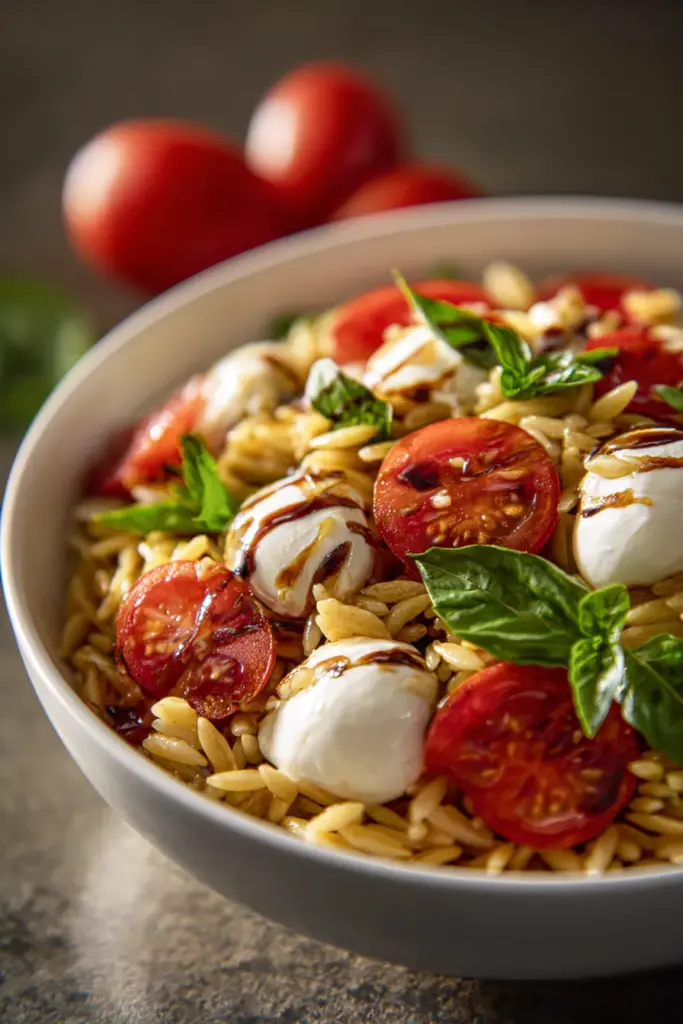
The Caprese orzo pasta salad brings that classic Italian flavor combination to orzo format. Fresh mozzarella, tomatoes, basil, and a balsamic dressing create something elegant enough for company but easy enough for a weeknight.
The orzo pasta salad healthy recipes collection includes options like the orzo salad with roasted veggies and feta, where roasted vegetables add depth and sweetness. The homemade orzo pasta salad with feta and sun-dried tomatoes uses those intensely flavored tomatoes for pockets of concentrated sweetness.
The sun-dried tomato orzo pesto salad combines two bold flavors that complement each other beautifully. The easy orzo olive salad focuses on briny olives for a Mediterranean feel, while the delicious orzo salad recipe provides a solid, versatile base you can customize.
Italian Pasta Salad Variations
Italian pasta salads have a different character from Greek and Mediterranean versions, often featuring Italian meats, cheeses, and that distinctive Italian dressing flavor. The Italian antipasto pasta salad and healthy Italian antipasto pasta salad bring the antipasto platter to pasta format with salami, mozzarella, pepperoncini, and Italian dressing.
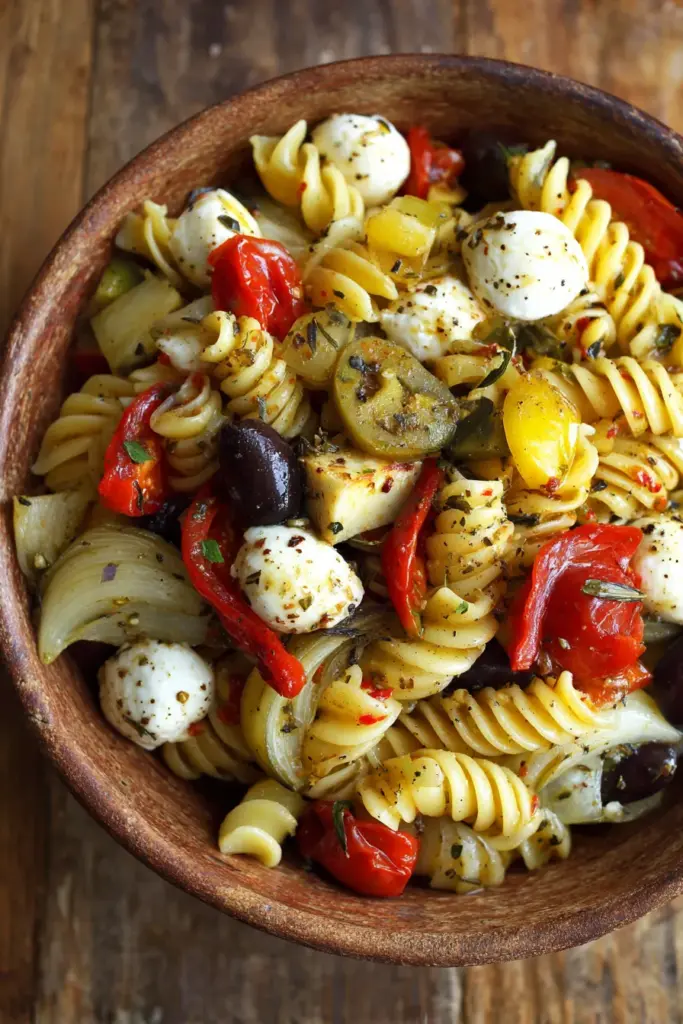
What I love about antipasto pasta salads is how they capture the spirit of Italian-American delis and restaurants. All those flavors you’d get on an antipasto platter, the salty meats, creamy cheeses, tangy pickled vegetables, come together with pasta and dressing into something that’s more than the sum of its parts.
The Italian pasta salad with cheesy tortellini uses stuffed pasta for extra richness and interest. The cheese filling in tortellini means every piece of pasta is flavorful on its own, creating a more substantial, satisfying salad.
International Pasta Salad Flavors
While Mediterranean and Italian salads dominate my rotation, branching out into other flavor profiles keeps things interesting. The Mexican street corn pasta salad brings those beloved elote flavors to pasta. Corn, cotija cheese, lime, chili powder, and cilantro create something that tastes like summer street food in pasta form.
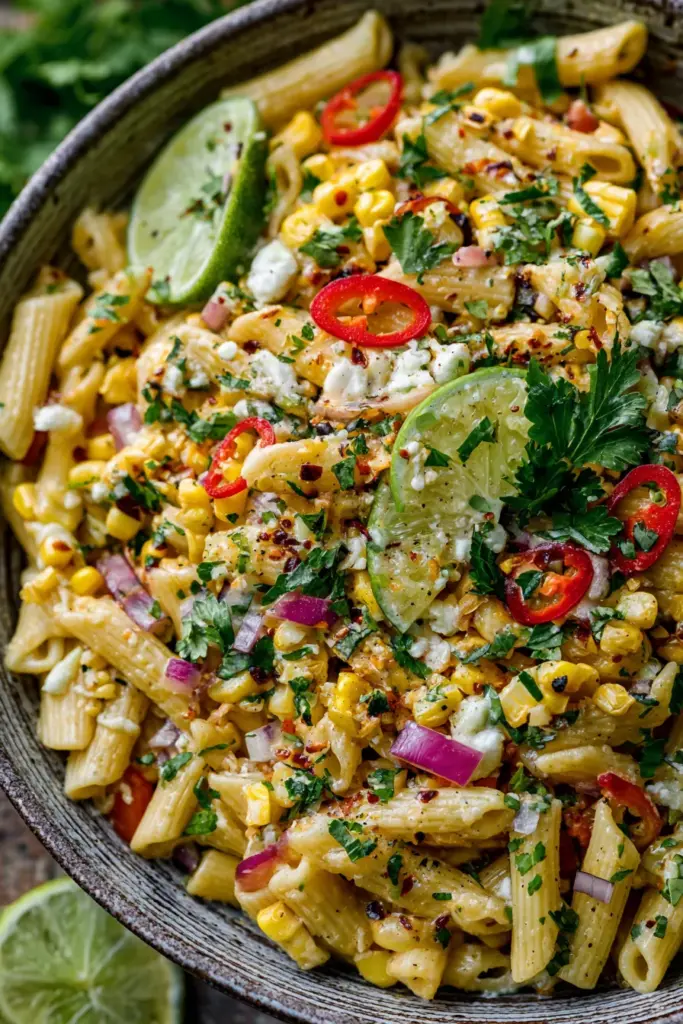
I make this for cookouts and potlucks, and it always gets attention. The combination of sweet corn, salty cheese, tangy lime, and a hint of heat hits all the right notes. The cilantro lime pasta salad emphasizes those bright, fresh flavors that make Mexican cuisine so appealing.
Creative Pasta Salad Presentations
Beyond traditional bowl presentations, pasta salads work beautifully in individual servings for meal prep or parties. The grilled chicken Caesar pasta salad jars layer all the components in mason jars for grab-and-go lunches that look as good as they taste.
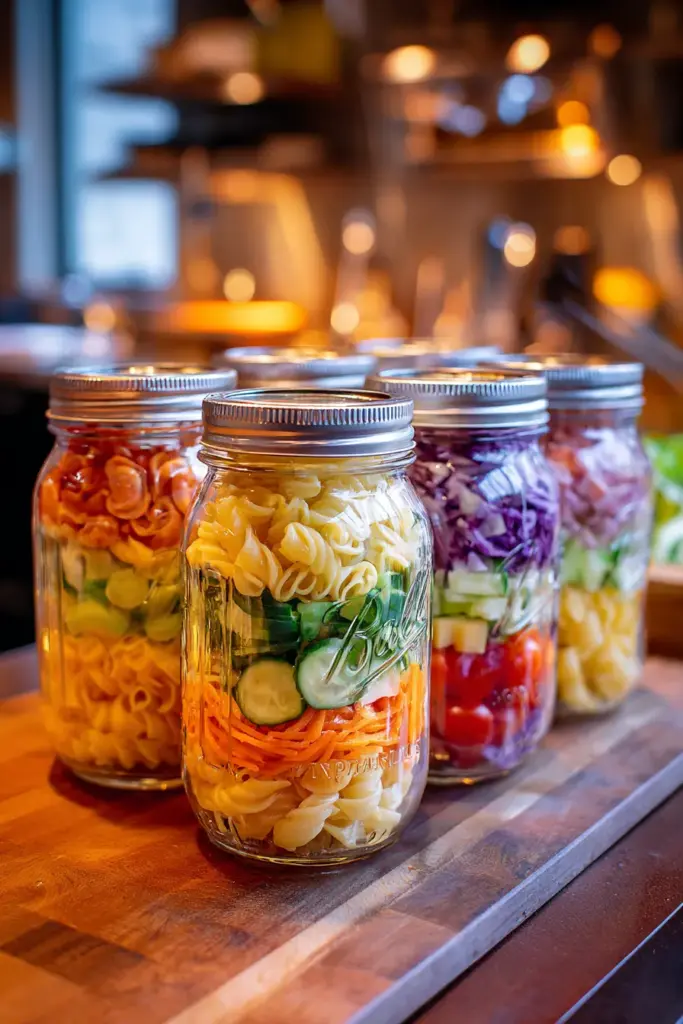
Mason jar salads have become my favorite meal prep format because they keep ingredients separate until you’re ready to eat. The dressing goes on the bottom, heartier ingredients like pasta and proteins in the middle, and delicate greens on top. When you’re ready to eat, shake the jar to distribute dressing, and pour into a bowl or eat directly from the jar.
Mason Jar Pasta Salad Techniques
The mason jar salads to meal prep for lunch collection shows how versatile this format is. The mason jar salad with tortellini uses stuffed pasta for extra substance, while the spinach pasta salad in a jar incorporates fresh greens that stay crisp until lunch.
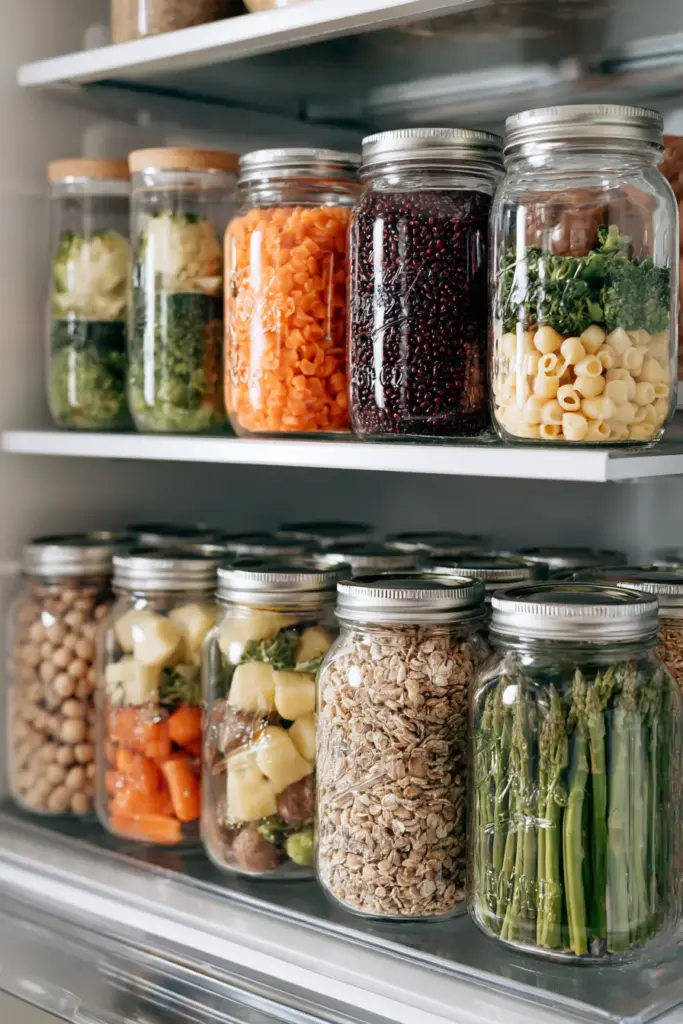
The mason jar salad prep techniques I’ve developed make weekday lunches effortless. I spend an hour on Sunday making five jars, and I have healthy, delicious lunches ready all week. The key is using wide-mouth quart jars and layering strategically so nothing gets soggy.
Special Pasta Salad Variations
Some pasta salads don’t fit neatly into categories but are too good not to mention. The lemon arugula pasta salad uses peppery arugula for a sophisticated, grown-up salad. The arugula wilts slightly when tossed with warm pasta, softening its bite while maintaining its distinctive flavor.
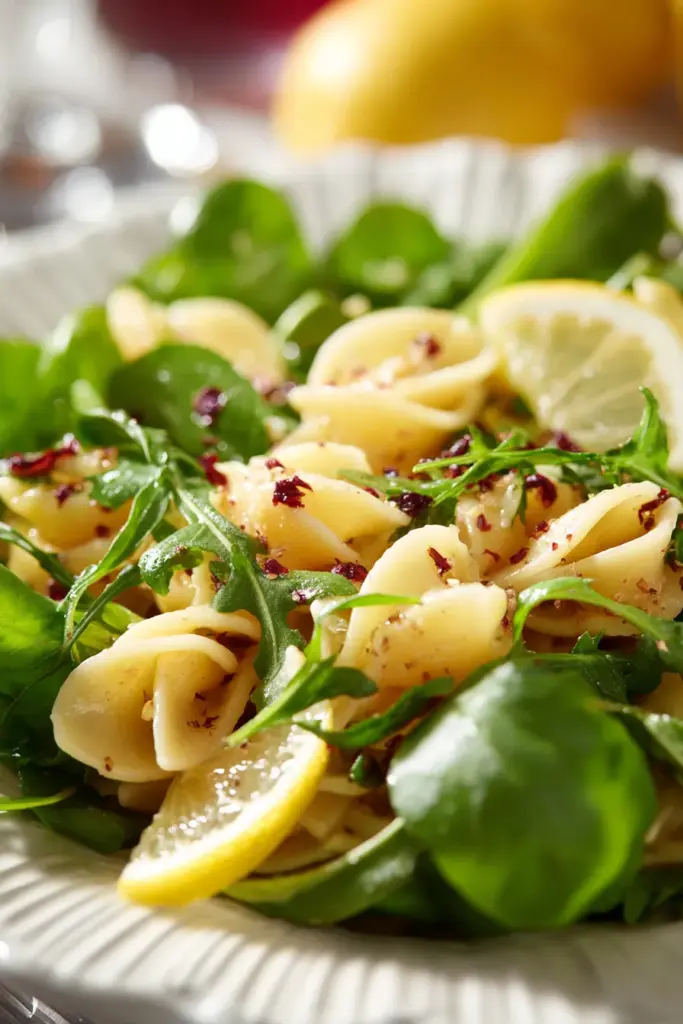
The feta cranberry penne salad with orange vinaigrette and feta cranberry rigatoni salad with lemon vinaigrette combine sweet dried cranberries with tangy feta and citrus dressing. These fall and winter salads work beautifully for holiday gatherings or when you want something different from the usual Mediterranean flavors.
Expert Tips for Perfect Pasta Salad Every Time
After making countless pasta salads, I’ve developed a system that ensures consistent, delicious results. These aren’t complicated techniques, just small habits that make a real difference in the final dish.
First, always salt your pasta cooking water generously. It should taste like the sea. This is your only chance to season the pasta itself, and under-seasoned pasta makes for bland salad no matter how good your dressing is. I use about a tablespoon of salt per quart of water, which seems like a lot but is necessary for properly seasoned pasta.
Second, don’t overdress your salad initially. Pasta absorbs dressing as it sits, so what looks like the right amount when you first mix the salad will seem dry an hour later. I dress pasta salad lightly at first, refrigerate it, then add more dressing just before serving if needed. This prevents that gummy, overdressed texture that happens when pasta soaks up too much dressing.
Timing and Temperature
Pasta salad tastes best at room temperature, not straight from the fridge. The cold mutes flavors and makes the dressing less fluid and appealing. I make pasta salad at least two hours before serving so it has time to chill and let flavors meld, but I take it out of the refrigerator about twenty minutes before eating to take the chill off.
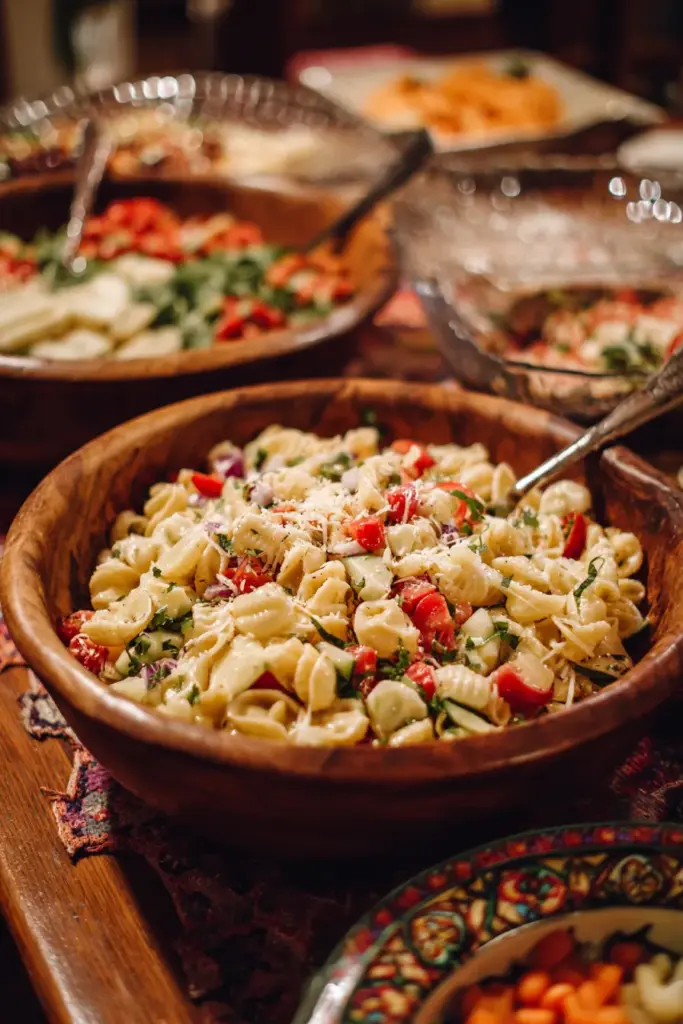
This temperature consideration is crucial for potlucks and gatherings. If you’re bringing pasta salad somewhere, transport it in a cooler with ice packs, but let it sit at room temperature for fifteen to twenty minutes before serving. The flavors will be much more vibrant, and the texture will be better.
Ingredient Quality and Preparation
The quality of your ingredients shows in pasta salad because the preparations are simple. Good olive oil, fresh lemon juice, real Parmesan or feta, quality olives, these upgrades don’t cost much but make a noticeable difference. I use the good stuff for pasta salad because there’s nowhere for mediocre ingredients to hide.
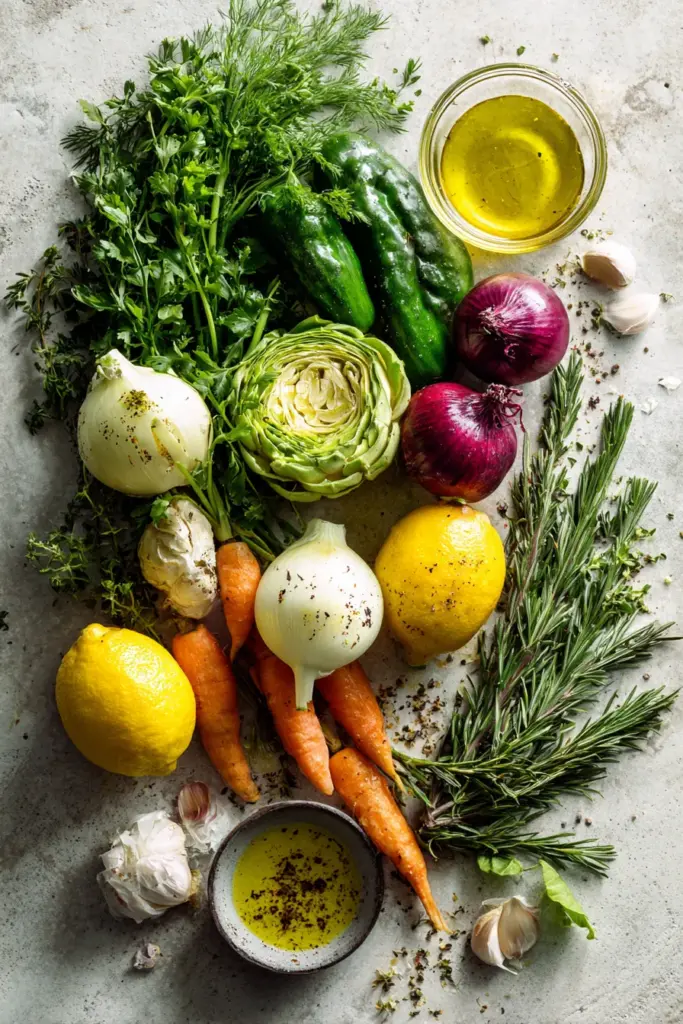
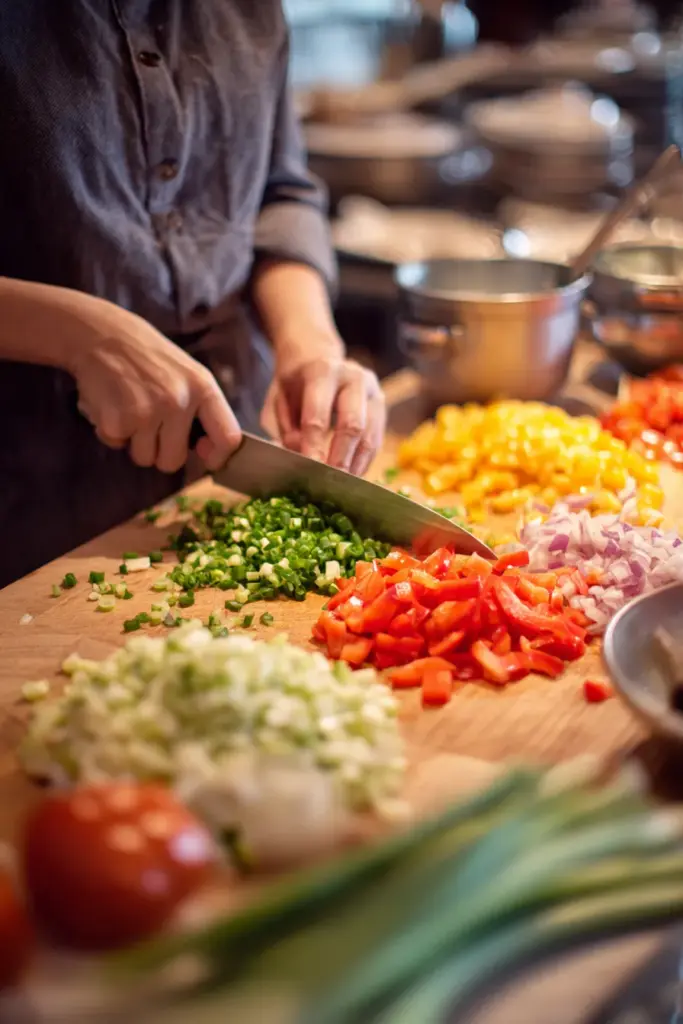
Vegetable prep matters too. I cut everything into similar-sized pieces so the salad looks cohesive and every forkful has a good mix. Tomatoes should be similar size to the pasta. Cucumbers should be diced, not huge chunks. Onions should be sliced thin so they don’t overwhelm. This attention to detail makes the difference between a salad that looks thrown together and one that looks intentional.
Make-Ahead and Storage
Most pasta salads are actually better the next day after flavors have had time to meld. I often make them a day ahead for gatherings, which also reduces last-minute stress. They keep well refrigerated for three to four days, making them excellent for meal prep.
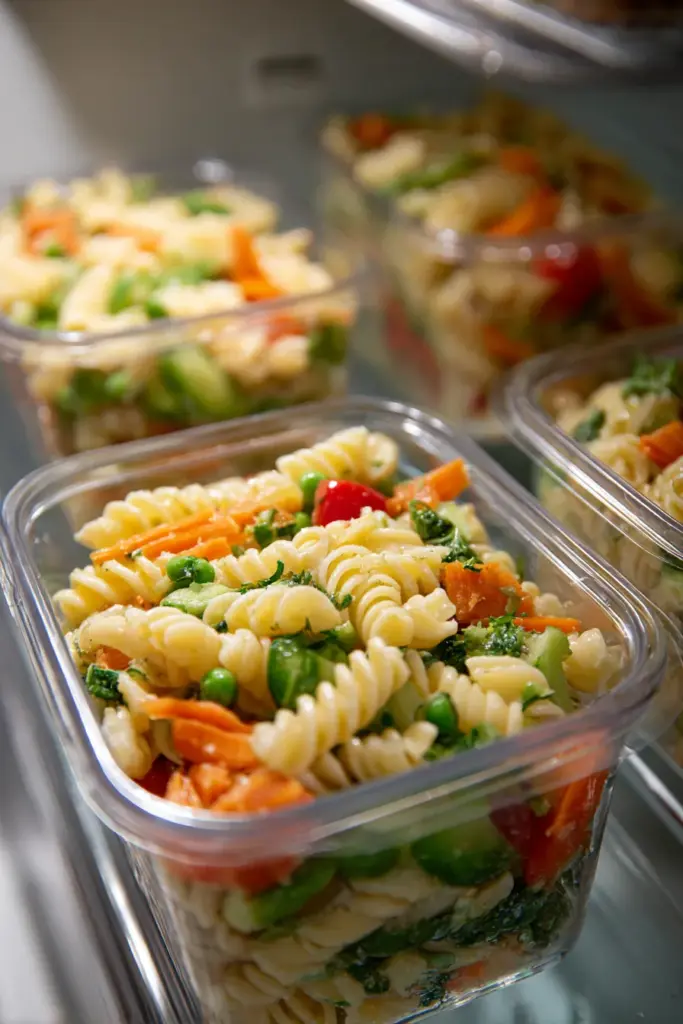
Store pasta salad in an airtight container to prevent it from absorbing refrigerator odors. If you know you’ll have leftovers, consider storing some of the dressing separately and adding it as needed. This keeps the salad from becoming overdressed and mushy over time.
For ingredients that don’t hold up well, like fresh herbs or delicate greens, I add them just before serving rather than mixing them in ahead of time. This keeps everything looking and tasting fresh even when the base salad was made days earlier.
Conclusion
My pasta salad journey from skeptic to enthusiast taught me that any dish, no matter how humble or often done poorly, can be delicious when approached with care and good technique. Pasta salad isn’t just a convenience food or a way to stretch a meal. It’s a legitimate dish that deserves attention and can be the star of any gathering when done right.
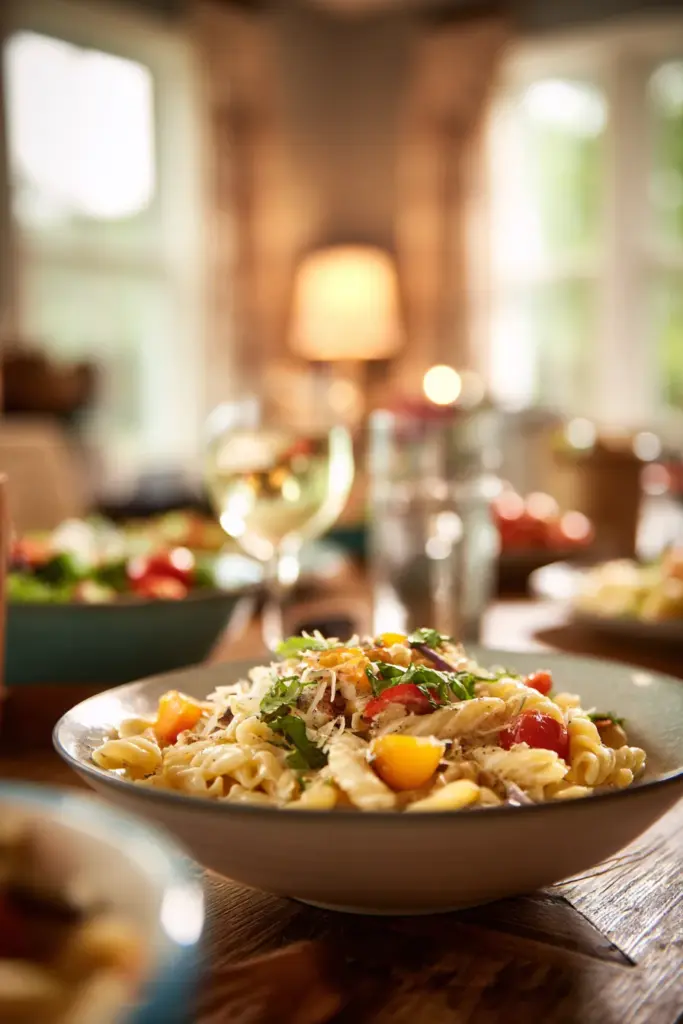
What I love most about pasta salad is its democratic nature. You can make it fancy with orzo, artichokes, and imported feta, or keep it simple with rotini, vegetables, and a basic vinaigrette. You can prep it days ahead or throw it together in twenty minutes. You can feed two people or twenty. It adapts to whatever you need, whatever you have on hand, whatever flavors you’re craving.
The versatility of pasta salad means you’ll never run out of options. Mediterranean flavors for when you want something bright and fresh. Italian combinations when you’re craving something heartier. Mexican-inspired versions when you want bold flavors. Asian-influenced salads when you want something different. The pasta is just a vehicle for whatever flavors excite you, and the techniques work across all these variations.
Remember that the best pasta salad comes from good ingredients treated with care. Cook the pasta properly, season it well, use fresh vegetables and quality cheese, make a flavorful dressing, and give everything time to meld together. These simple principles ensure success whether you’re making a simple orzo salad for lunch or an elaborate antipasto pasta salad for a party.
Don’t be afraid to experiment and make these recipes your own. Swap vegetables based on what’s in season or what you have in the fridge. Try different cheeses, herbs, or proteins. Adjust dressings to your taste. The recipes are starting points, not rules. As you make more pasta salads, you’ll develop your own preferences and techniques that work for your taste and lifestyle.
The meal prep aspect of pasta salad has changed my weekday lunches completely. Spending an hour on Sunday making several salads means I have healthy, delicious lunches ready all week. No more sad desk lunches or expensive takeout. Just grab a jar or container from the fridge, maybe add a handful of fresh greens if you’re feeling fancy, and you have a meal that actually tastes good and keeps you satisfied until dinner.
For entertaining, pasta salad is the reliable friend you can always count on. It feeds a crowd affordably, can be made entirely ahead, doesn’t need to be kept hot, and almost everyone likes it. Whether it’s a backyard barbecue, a potluck, a picnic, or a holiday gathering, pasta salad fits the occasion and makes your life easier while still being delicious.
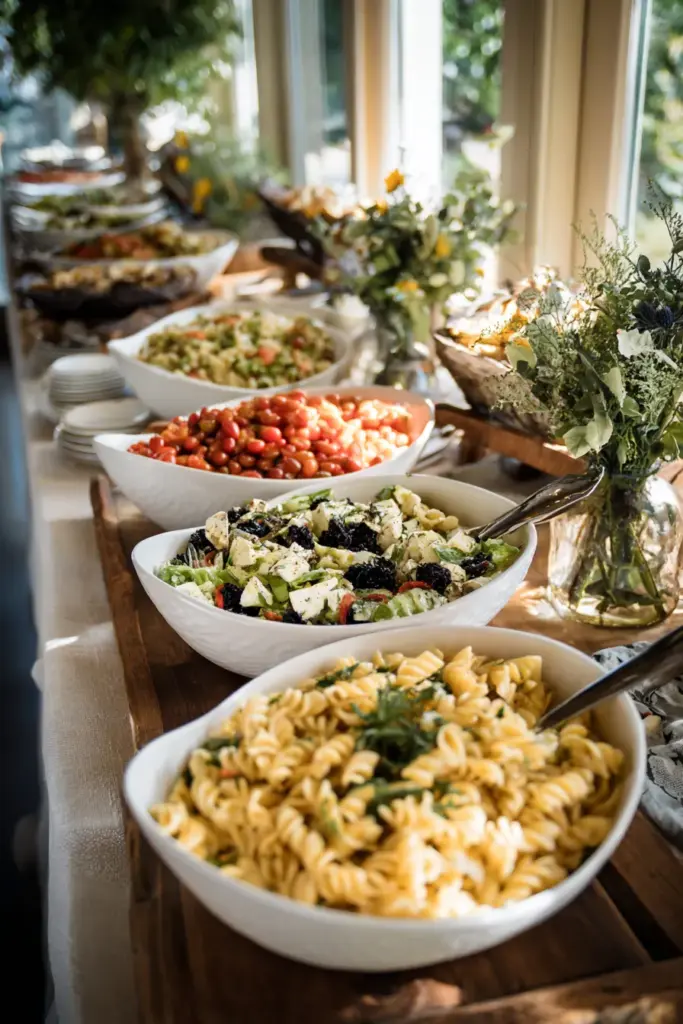
So grab whatever pasta shape you have in the pantry, pull out those vegetables from the crisper drawer, and make yourself a pasta salad. Whether you follow one of these recipes exactly or use them as inspiration for your own creation, you’re making something that’s nourishing, delicious, and entirely your own. That’s the real beauty of pasta salad, it’s endlessly adaptable while being consistently satisfying, simple enough for busy weeknights yet special enough for celebrations, and always there when you need a reliable, crowd-pleasing dish.
Continue exploring more delicious inspiration with these favorites:
- Fresh Mediterranean Pasta Salad
- Mediterranean Orzo Salad
- Greek Pasta Salad
- Mexican Street Corn Pasta Salad
Frequently Asked Questions
How do I keep pasta salad from getting dry?
Pasta absorbs dressing as it sits, which is why pasta salad often seems dry the next day. To prevent this, I dress the salad lightly at first and reserve some dressing to add later. Before serving pasta salad that’s been refrigerated, I add a splash of fresh dressing or just a drizzle of olive oil and a squeeze of lemon juice to freshen it up. Also, don’t rinse pasta too aggressively after cooking; you want to remove the excess starch but not dry it out completely. A slightly damp pasta absorbs dressing better and stays moister.
Should I rinse pasta for pasta salad?
Yes, always rinse pasta for cold salads. Rinsing stops the cooking process immediately, preventing the pasta from overcooking and becoming mushy. It also removes excess surface starch that can make the salad gummy and cause the pasta to stick together in clumps. I rinse under cold running water, tossing the pasta gently until it’s completely cool. The small amount of water that clings to the pasta actually helps it absorb dressing better when you toss it while still slightly warm.
Can I make pasta salad the night before?
Not only can you make pasta salad the night before, it’s often better that way. The flavors meld and develop as the salad sits, creating a more cohesive, well-seasoned dish. I make pasta salad at least four hours ahead, often the night before, for best results. Just remember that you’ll likely need to add a bit more dressing before serving since the pasta will absorb some overnight. Store it covered in the refrigerator and let it come to room temperature for about twenty minutes before serving for the best flavor.
What’s the best pasta shape for pasta salad?
The best pasta shape depends on what else is in your salad, but generally, short shapes with texture work best. Rotini, fusilli, and penne have ridges or twists that catch dressing and hold onto smaller ingredients. Farfalle and shells create little pockets that hold dressing and mix-ins. Orzo is perfect for more refined, uniform salads. Avoid long pasta like spaghetti or linguine, which is difficult to mix evenly and awkward to eat in salad form. Choose shapes that are similar in size to your largest mix-in so everything stays proportional.
How do I prevent vegetables from making pasta salad watery?
Watery vegetables like tomatoes and cucumbers can make pasta salad soupy if not handled properly. For tomatoes, I seed them before adding to the salad, cutting them in half and scooping out the juicy seed pockets. For cucumbers, I use the seedless English variety when possible, or I seed regular cucumbers by cutting them in half lengthwise and scraping out the seeds with a spoon. You can also salt cucumbers and let them sit for fifteen minutes to draw out excess moisture, then pat them dry before adding to the salad. Add delicate vegetables just before serving rather than letting them sit in the salad overnight.
Should pasta salad dressing be oil-based or creamy?
Both work, and the choice depends on the flavor profile you’re going for and how long the salad needs to last. Oil-based vinaigrettes are lighter, brighter, and tend to be healthier. They work beautifully with Mediterranean and Greek salads where you want fresh, vibrant flavors. Creamy dressings, usually mayo-based, are richer and more traditional for American-style pasta salads. They hold up slightly better over time and don’t separate like vinaigrettes can. I use oil-based dressings for vegetable-heavy salads and creamy dressings for heartier, more substantial salads with proteins and cheese.
How long does pasta salad last in the refrigerator?
Properly stored pasta salad lasts three to four days in the refrigerator. After that, the vegetables start breaking down, the pasta gets mushy, and the overall quality declines. Salads with mayonnaise-based dressings should be treated more carefully, especially if left at room temperature for extended periods, while vinaigrette-based salads are more stable. Always store pasta salad in an airtight container and keep it refrigerated when not serving. If the salad smells off, looks discolored, or has been sitting at room temperature for more than two hours, it’s best to discard it.
Can I use whole wheat or gluten-free pasta for pasta salad?
Absolutely. Whole wheat pasta works well in pasta salad and adds nutty flavor and extra fiber. It has a slightly different texture, a bit denser and more substantial, but this can be appealing in heartier salads. Cook it until truly al dente since it can get mushy more easily than regular pasta. Gluten-free pasta varies widely by brand and type. Rice-based pastas work well but can be delicate and break apart easily. Chickpea and lentil-based pastas are sturdier and add protein. Whatever alternative pasta you use, watch it carefully while cooking since most cook faster than traditional pasta and the window between perfect and overcooked is smaller.
Why does my pasta salad taste bland?
Bland pasta salad usually results from under-seasoning at multiple stages. First, make sure you’re salting the pasta cooking water adequately. Then, season your dressing properly with salt, acid, and other flavorings. Don’t rely on the dressing alone; the individual components should be seasoned too. Taste as you go and adjust. Also, cold temperatures mute flavors, so pasta salad needs more seasoning than you might think. I always taste pasta salad after it’s been refrigerated and add more salt, acid, or herbs before serving. Fresh herbs, a squeeze of lemon, or a sprinkle of flaky salt right before serving can wake up flavors that have dulled in the fridge.
Should I add cheese to pasta salad before or after refrigerating?
This depends on the type of cheese. Feta, Parmesan, and other hard aged cheeses can be added to the salad when you first make it; they actually benefit from time to mingle with the other flavors. Soft cheeses like fresh mozzarella should be added closer to serving time since they can get rubbery or weep moisture if they sit too long. If using shredded melting cheeses, I add them when making the salad so they have time to soften and absorb flavors. For cubed mozzarella, I add it an hour or two before serving. This timing ensures the best texture and prevents cheese from making the salad watery or gummy.

🍳 Precision Meets Passion — Tools Chefs Trust Daily

- Grams & ounces — precise to 1g
- Perfect for baking & keto tracking
- Sleek stainless steel design

- German stainless precision
- Razor-sharp & dishwasher-safe
- Elegant wood block organizer

- Premium Stainless Steel Build
- Easy to Clean & Dishwasher Safe
- A Must-Have Kitchen Tool