➤ Table of Contents
I’ll never forget the first time I tried to make beef tips for my family. I was so confident, having watched my grandmother make them countless times, her kitchen filling with that rich, savory aroma that meant comfort was on its way. But my first attempt turned out tough and chewy, the gravy thin and flavorless. I stood at the stove, disappointed, wondering where I’d gone wrong. That failure became my greatest teacher, sending me on a journey to understand beef cooking that transformed the way I approach this incredible ingredient.
⚡ Smart Kitchen Tools Every Home Cook Swears By

- Pure aluminum
- Durable enough for everyday cooking
- Made in the USA with quality

- 7 cooking functions in one compact cooker
- 3-quart size ideal for couples or small meals
- Up to 70% faster than traditional cooking

- 3 sizes for every recipe
- Pre-seasoned & durable cast iron
- Oven & grill ready
There’s something deeply satisfying about cooking beef well. Maybe it’s the way a perfect sear creates that golden-brown crust, or how slow-cooked beef falls apart at the touch of a fork. Perhaps it’s the versatility, how the same cut can become a quick weeknight stir-fry or a luxurious Sunday dinner depending on how you treat it. Whatever it is, beef has earned its place at the center of so many beloved meals, from weeknight comfort food to special occasion celebrations.
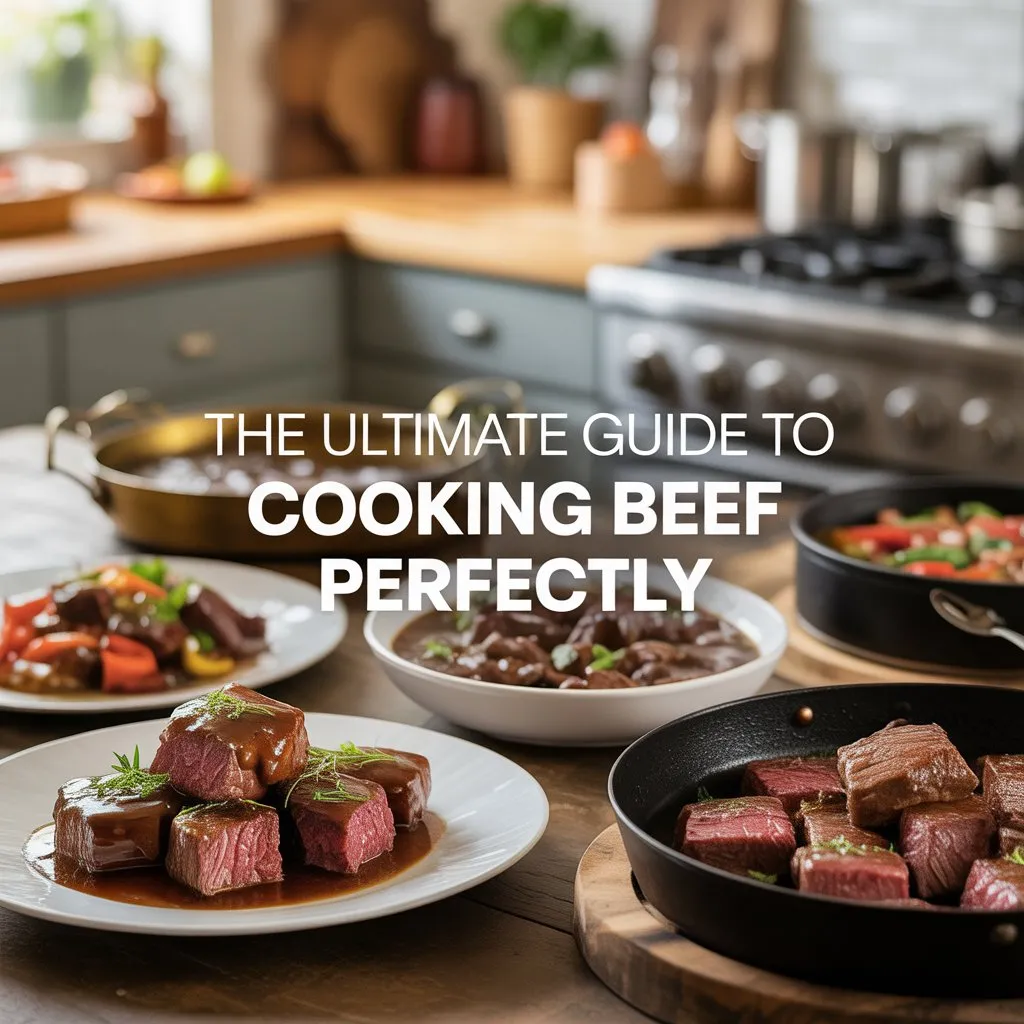
This guide is everything I’ve learned about cooking beef over years of kitchen experiments, failures, and successes. We’ll explore tender beef tips smothered in rich gravy, hearty stews that warm you from the inside out, quick stir-fries for busy evenings, and so much more. You’ll learn the techniques that actually work, the mistakes to avoid, and the flavor combinations that make each dish special. Whether you’re cooking for your family on a Tuesday night or preparing something impressive for guests, you’ll find recipes and guidance that make beef cooking approachable and delicious.
These aren’t fussy restaurant techniques or complicated procedures. This is real home cooking, the kind that brings people to the table with anticipation and keeps them there asking for seconds. Every recipe comes from my own kitchen, tested and retested until I got it just right, with all the tips I wish someone had told me when I was starting out.
Mastering Beef Tips: The Foundation of Comfort Cooking
Beef tips hold a special place in my heart because they represent everything I love about home cooking. They’re tender, flavorful, economical, and endlessly adaptable. But getting them right requires understanding a few key principles that make the difference between tough, disappointing meat and melt-in-your-mouth perfection.
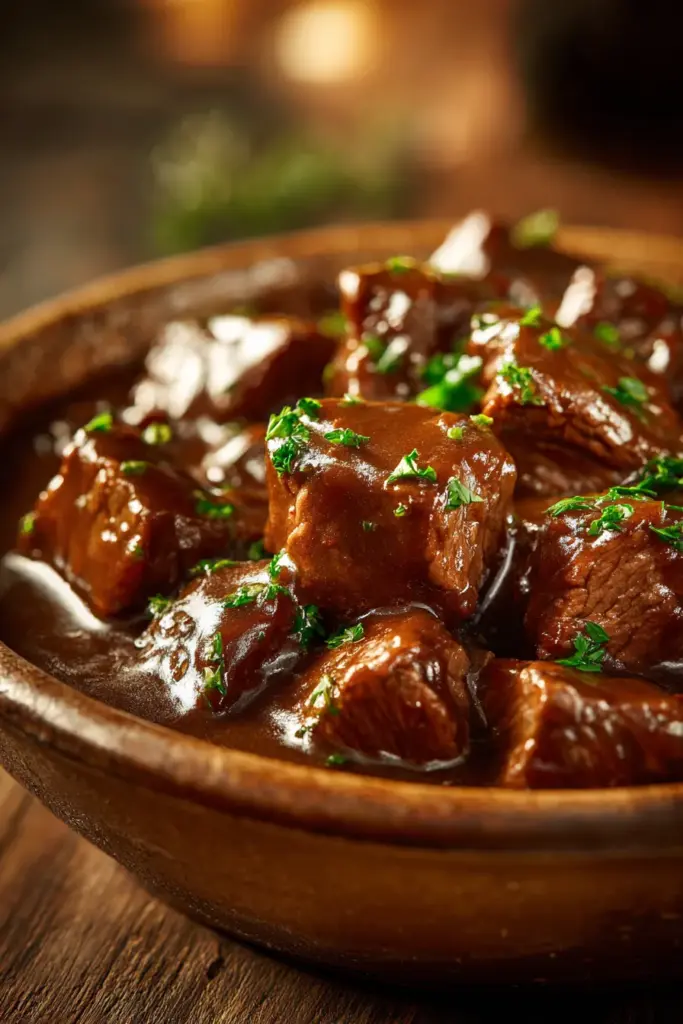
The first thing I learned is that “beef tips” isn’t actually a specific cut of meat. It’s a preparation style that typically uses sirloin, but can also be made with other tender cuts. The key is cutting the beef into bite-sized pieces and cooking it in a way that keeps it tender while building rich, savory flavors. My go-to method involves a quick sear followed by gentle braising in flavorful liquid until everything comes together.
When I make beef tips and noodles, I think about those childhood dinners where comfort and satisfaction mattered most. The tender beef mingles with egg noodles and rich gravy, creating a dish that feels like a warm hug. It’s the kind of meal that makes everyone at the table go quiet for the first few bites, too busy enjoying to talk.
Building the Perfect Gravy
Gravy is where beef tips truly shine or fall flat. A great gravy isn’t just brown liquid. It’s rich, silky, and full of depth. I’ve learned that the secret starts with properly searing the beef. Those brown bits stuck to the bottom of the pan, what chefs call fond, are pure flavor gold. Don’t skip deglazing that pan.
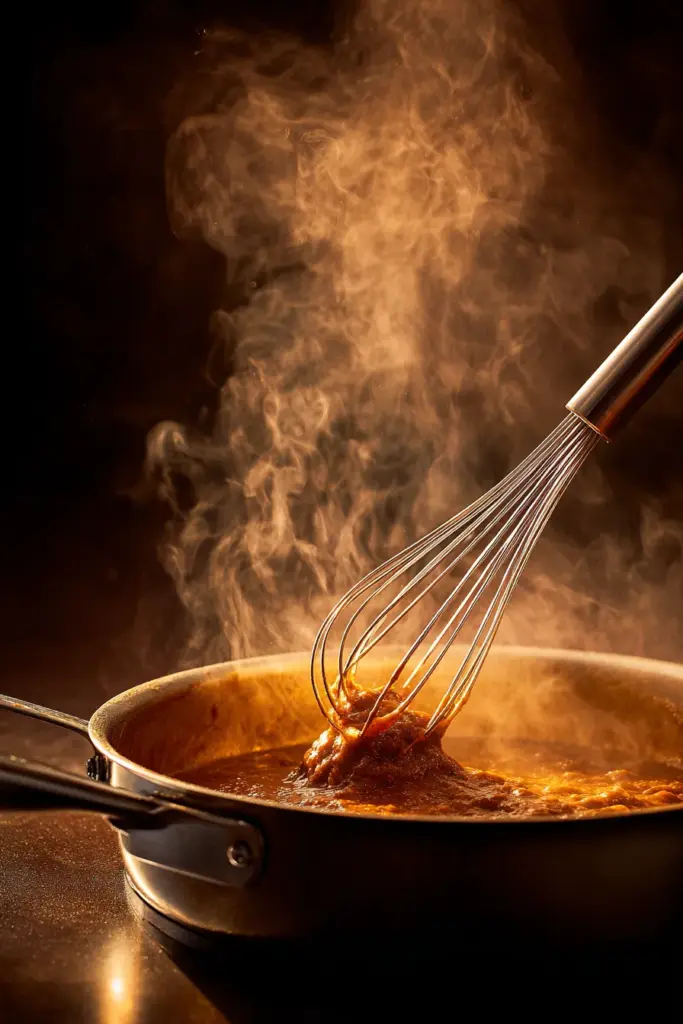
My beef tips and gravy recipe walks you through building layers of flavor from the ground up. You’ll start with the sear, add aromatics like onions and garlic, deglaze with something flavorful like wine or broth, and then simmer everything until the flavors meld and the gravy thickens naturally.
For something truly special, try the double French onion beef tips with gravy. The caramelized onions add sweetness and complexity that transforms ordinary beef tips into something memorable. It takes a bit more time to properly caramelize those onions, but the resulting depth of flavor is absolutely worth it.
🥗 Fresh, Fast & Foolproof — Upgrades You'll Use Tonight

- Zoodles in seconds
- Heavy-duty, 10 sharp blades
- Keto, paleo & gluten-free friendly

- Meals in ~30 minutes
- 3-Qt — perfect for 1–3 people
- Pressure cook, sauté, steam & more

- Phone alerts & live temp graph
- Hands-off monitoring for smokers
- Perfect doneness, every time
Versatile Serving Options
While egg noodles are classic, beef tips work beautifully with other bases too. Rice is wonderful for soaking up all that delicious gravy. The beef tips and rice recipe has become my weeknight staple because rice is always in my pantry and it cooks while the beef simmers.
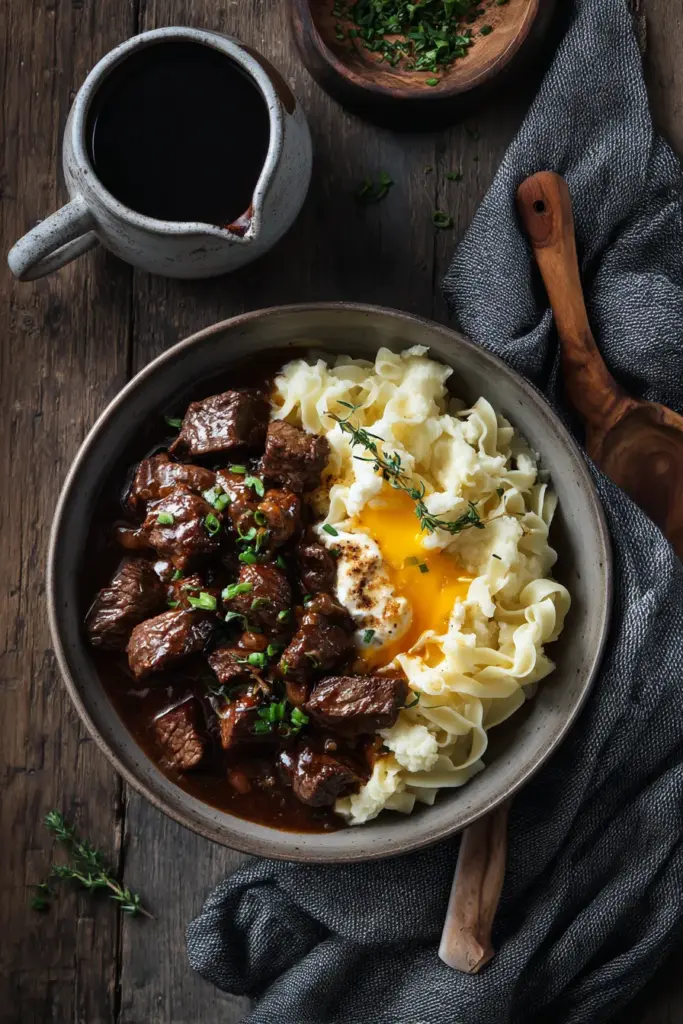
Sometimes I want the pure experience of beef and gravy without competing flavors. That’s when I turn to a straightforward beef tips and gravy preparation, served simply with crusty bread or mashed potatoes. There’s elegance in simplicity when the ingredients are good and the technique is sound.
The Pioneer Woman beef tips and gravy brings a rustic, homestyle approach that feels like something from a ranch kitchen. It’s hearty, unpretentious, and deeply satisfying. This is the kind of cooking that built America’s food traditions, and it still holds up today.
Slow Cooker and Instant Pot: Modern Convenience Meets Classic Flavor
I resisted slow cookers and pressure cookers for years, thinking that real cooking required constant attention and stovetop work. How wrong I was. These appliances have revolutionized how I make beef dishes, especially on busy days when I need dinner to basically cook itself while I handle everything else life throws at me.
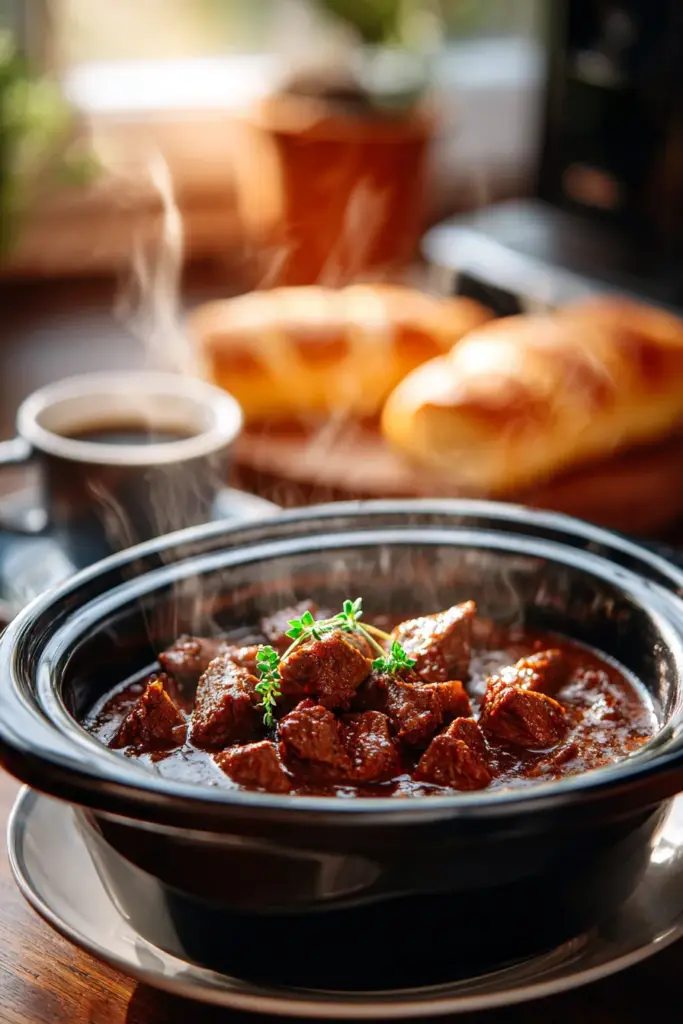
The beauty of slow cooking beef is how it transforms even tougher cuts into fork-tender perfection. The long, gentle heat breaks down connective tissue, making the meat incredibly tender while the flavors have hours to develop and deepen. I can throw ingredients in before work and come home to a house that smells amazing and a dinner that’s ready to eat.
My crockpot beef tips with gravy is a lifesaver during hectic weeks. You get all the rich flavor of traditional beef tips without standing at the stove stirring. The crockpot does the work while you do everything else, and the results are just as good, sometimes even better because of that extended cooking time.
The No-Peek Method
There’s a particular technique I’ve come to love for its simplicity and foolproof results. The easy no-peek beef tips method requires you to trust the process and resist the urge to constantly check on your food. You seal everything up, put it in the oven, and leave it alone. No stirring, no peeking, no fussing.
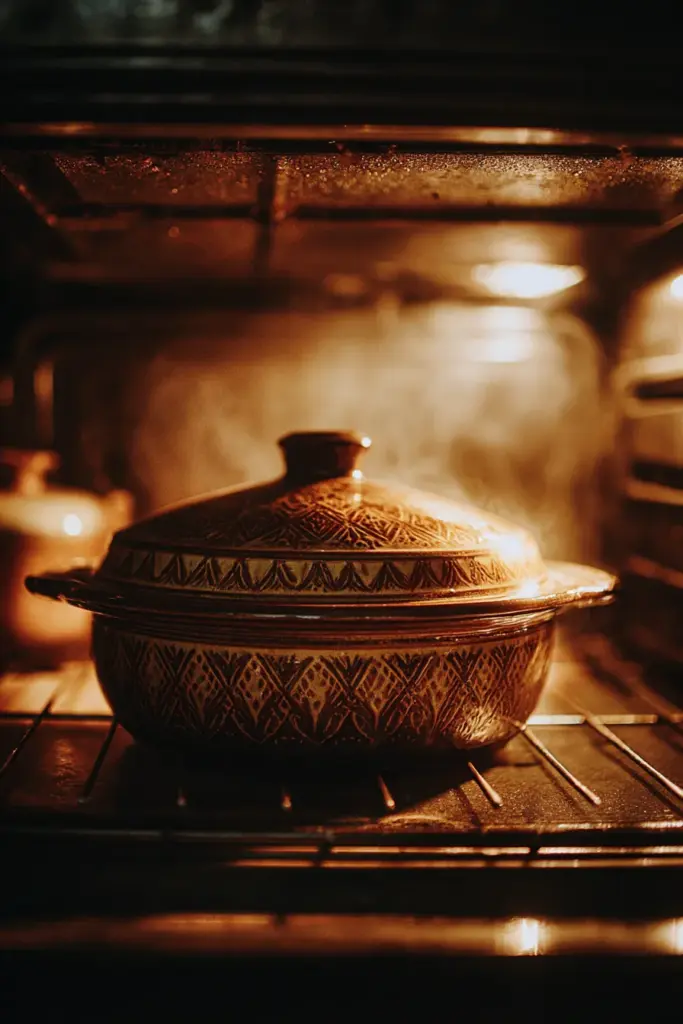
This hands-off approach works because the sealed environment creates its own perfect cooking chamber. Steam and heat circulate evenly, the meat braises in its own juices, and everything comes out tender and flavorful. It’s liberating to put something in the oven and not worry about it for a couple of hours.
Pressure Cooking for Quick Results
When I discovered the Instant Pot beef tips method, it changed weeknight cooking forever. What normally takes hours in a slow cooker happens in under an hour in the pressure cooker. The high pressure forces moisture and flavor into the meat quickly, creating tender results without the long wait.
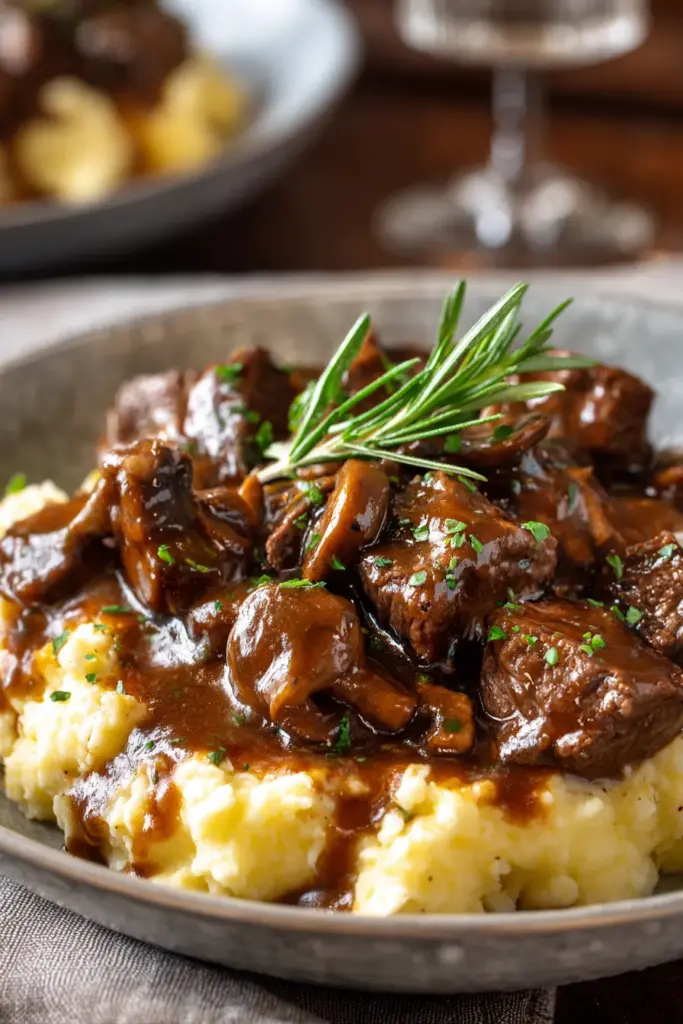
The key to pressure cooking beef is not overcrowding the pot and making sure there’s enough liquid for proper steam. I always deglaze the pot after searing to capture those flavorful brown bits, then add the liquid and seal it up. Thirty to forty minutes later, you have beef that tastes like it simmered all day.
Hearty Beef Stews: One-Pot Comfort
There’s a particular kind of satisfaction that comes from making beef stew. Maybe it’s how all those simple ingredients transform into something greater than the sum of their parts. Or perhaps it’s the way a good stew fills your home with the most incredible aroma, promising warmth and comfort with every spoonful. Whatever it is, beef stew represents home cooking at its finest.
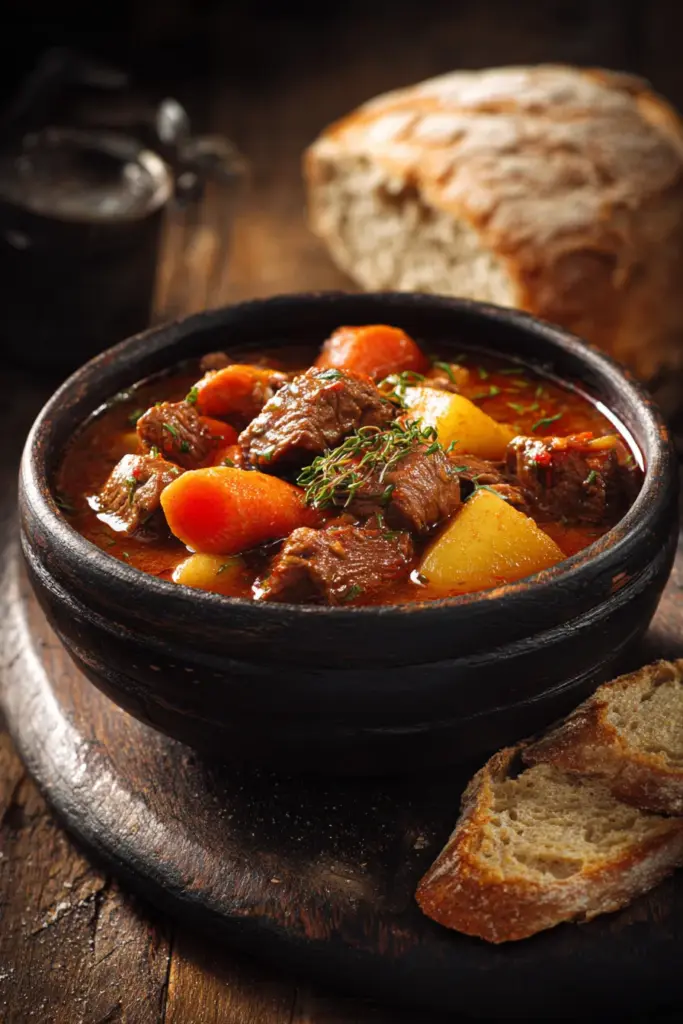
I learned to make stew from my mother, who learned from her mother, and so on back through generations. But I’ve also learned that while tradition matters, there’s room for creativity and improvement. The foundation remains the same: good beef, aromatic vegetables, flavorful liquid, and time. But the details, those are where you can make a stew truly your own.
My easy homemade beef stew recipes collection includes everything from classic preparations to more adventurous variations. Some are quick weeknight versions, others are slow-simmered weekend projects. All of them deliver that soul-satisfying warmth that only a good stew can provide.
French-Inspired Stew Variations
The first time I tasted French onion soup, I thought about how those same flavors would work in a beef stew. The result was better than I imagined. The French onion beef stew recipes combine the best of both worlds: tender beef and vegetables in a rich broth, topped with that signature combination of melted cheese and toasted bread.
Taking this concept further, the French onion beef stew has become one of my most requested recipes. The caramelized onions add incredible depth, while a splash of wine and a bay leaf bring complexity. It’s fancy enough for company but comforting enough for a family dinner.
Modern Cooking Methods for Traditional Stew
While I love a stew that simmers on the stove for hours, sometimes life demands faster solutions. The Instant Pot beef stew recipes deliver rich, deep flavors in a fraction of the time. The pressure creates an environment where flavors meld quickly and meat becomes tender fast.
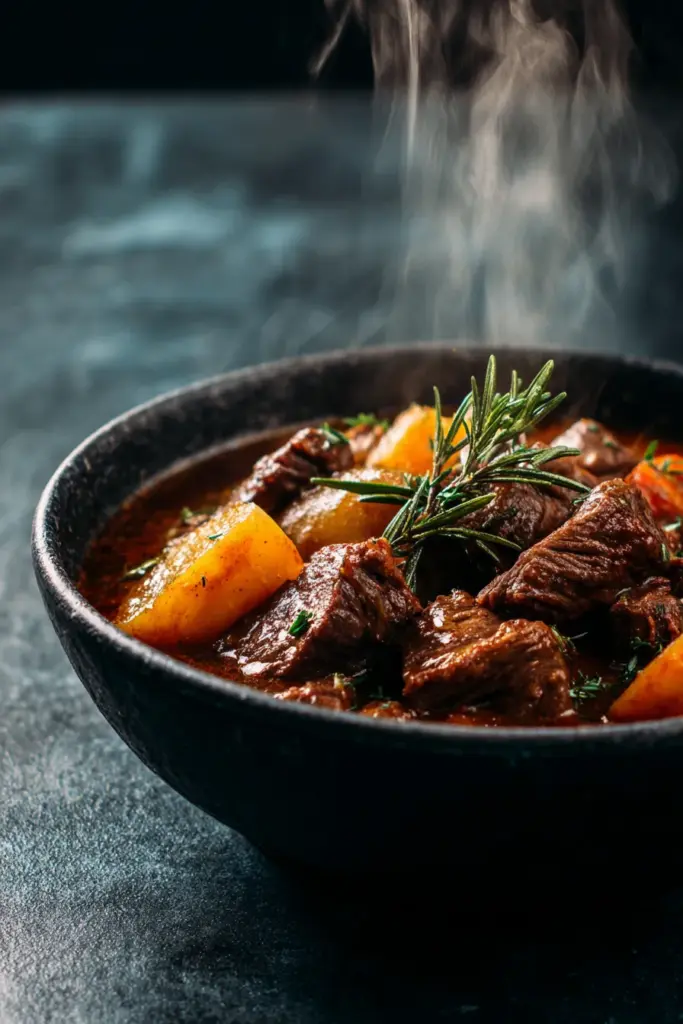
For days when I want to prep in the morning and forget about dinner until evening, the best ever slow cooker beef stew recipe is my answer. Everything goes into the slow cooker, and eight hours later you have a perfectly cooked stew with minimal effort. The long, gentle cooking creates incredible tenderness and allows flavors to develop fully.
Stew Variations and Creative Twists
Traditional beef stew is wonderful, but there’s a whole world of variations to explore. My approach to beef stew cooking includes trying different vegetables, various herbs and spices, and alternative liquids like beer or tomatoes for completely different flavor profiles.
When I’m watching the budget, easy ground beef stew offers the same comforting warmth as traditional stew but costs less and cooks faster. Ground beef doesn’t need that long braising time, so you can have a hearty stew on the table in under an hour. It’s perfect for feeding a crowd without breaking the bank.
The best beef stew and rice combines two comfort food favorites into one satisfying meal. The rice soaks up the rich gravy while adding substance, making the stew stretch further and feel more filling. It’s the kind of meal that sticks to your ribs and keeps you warm on cold nights.
Quick Beef Stir-Fries and Noodle Dishes
Not every beef dinner needs hours of slow cooking. Some of my favorite weeknight meals come together in less time than it takes to order takeout. Stir-fries and quick noodle dishes have saved dinner countless times when I’m short on time but still want something delicious and homemade.
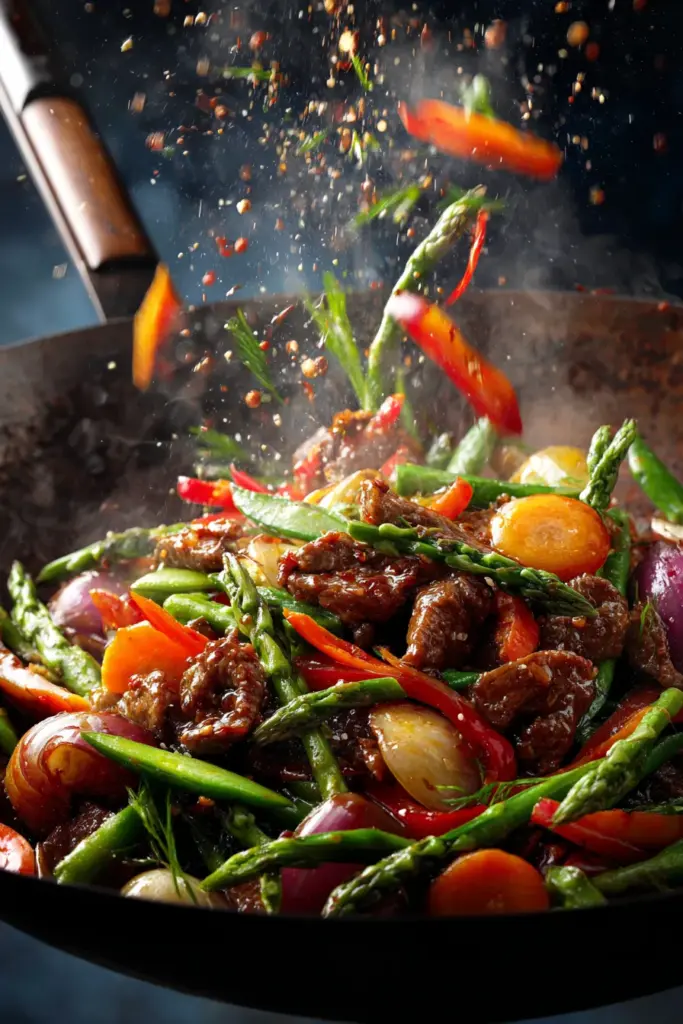
The secret to great stir-fry isn’t complicated equipment or hard-to-find ingredients. It’s about proper preparation, high heat, and quick cooking. I slice the beef thin against the grain, get my pan screaming hot, and work in batches so everything sears properly instead of steaming. These simple techniques make restaurant-quality stir-fry achievable at home.
My beef ramen noodles stir-fry transforms those inexpensive ramen packages into something special. I discard the seasoning packets and use the noodles with fresh vegetables, tender beef, and a sauce I make myself. It’s quick, satisfying, and so much better than the packaged version.
Asian-Inspired Beef Noodles
The first time I made sticky beef noodles, I knew I’d found something special. The sauce clings to both the beef and noodles, creating this glossy, slightly sweet and savory coating that’s utterly addictive. It’s the kind of dish where you find yourself scraping the plate for every last bit.
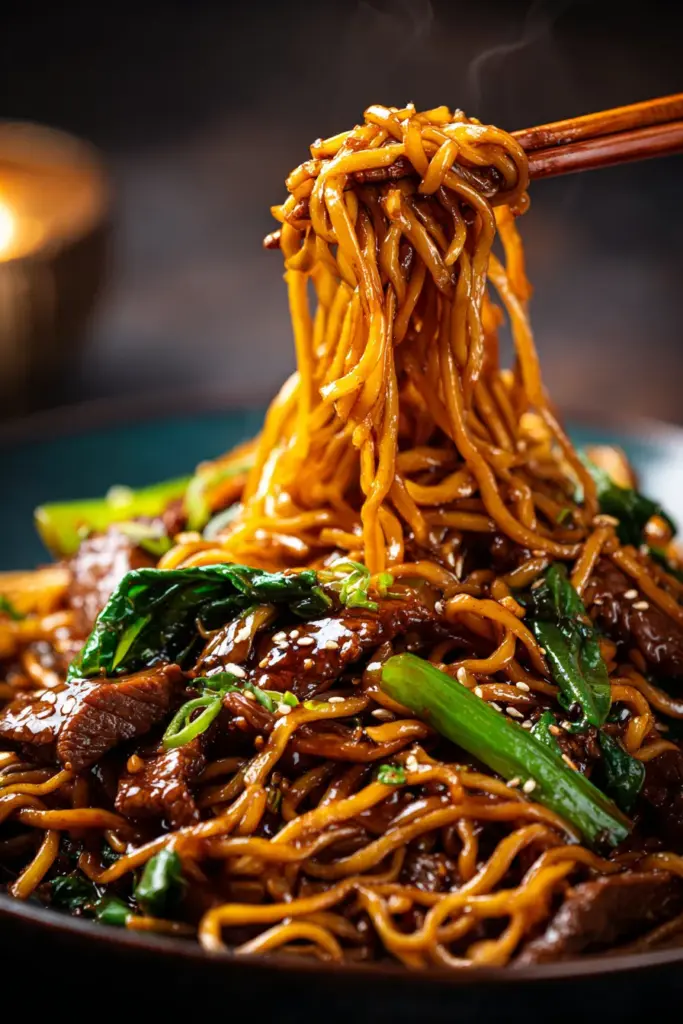
The key to sticky beef noodles is that sauce. Mine uses soy sauce, a touch of honey or brown sugar, garlic, ginger, and a splash of rice vinegar for balance. It reduces down to a thick, glossy coating that makes everything shine. Toss in some vegetables for color and nutrition, and you have a complete meal in one pan.
Simple Beef and Noodle Combinations
Sometimes the simplest preparations are the best. My simple beef and noodles recipe proves that you don’t need complicated techniques or exotic ingredients to make something wonderful. Good beef, egg noodles, a flavorful sauce, and you’re done.
This is the kind of recipe I turn to when I’m tired, when the kids are hungry, or when I just don’t feel like putting in a lot of effort. It’s forgiving, flexible, and always hits the spot. You can add whatever vegetables you have on hand, adjust the seasonings to your taste, and have dinner on the table in thirty minutes or less.
Global Beef Flavors: Beyond Traditional American Cooking
One of my favorite discoveries in beef cooking has been exploring flavors from different cuisines. Beef is beloved worldwide, and each culture has developed unique ways of preparing it that reflect their ingredients, climate, and traditions. Bringing these global flavors into my kitchen has expanded my repertoire and introduced my family to exciting new tastes.
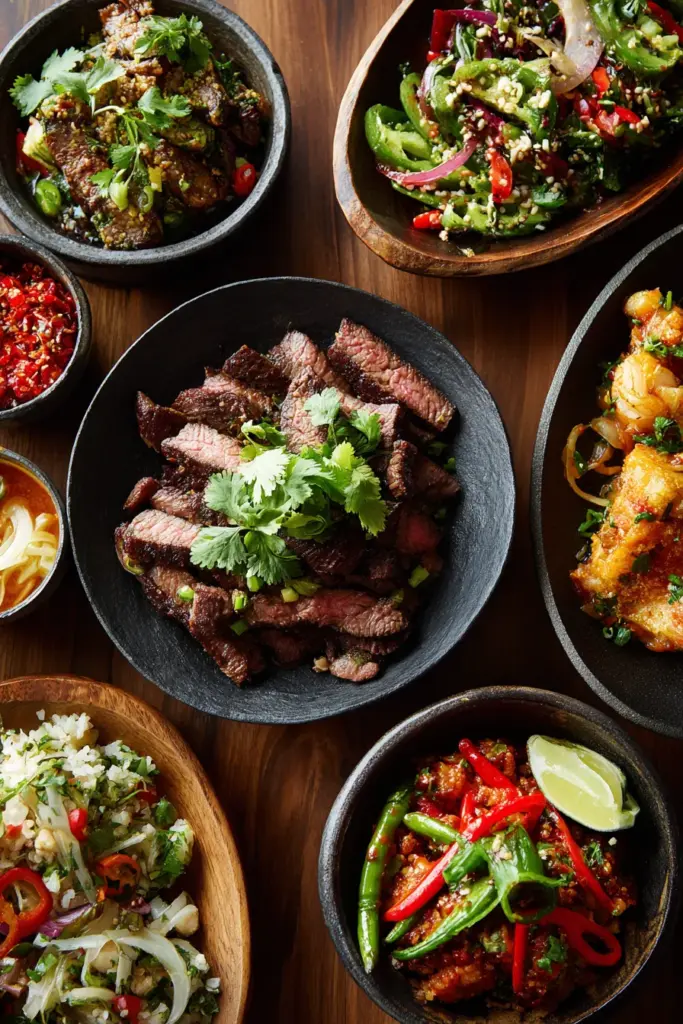
Mexican cuisine treats beef with particular skill, using bold spices and long cooking times to create incredible depth. The ultimate Instant Pot beef barbacoa captures those complex, spicy, slightly smoky flavors in a fraction of the traditional cooking time. The pressure cooker does in an hour what would normally take all day, infusing the beef with chilies, spices, and citrus.
This barbacoa has become our taco night staple. The shredded beef is versatile enough to use in tacos, burritos, bowls, or even on its own with some fresh tortillas and lime. The leftovers, if there are any, make incredible quesadillas and nachos.
Mexican-Inspired Beef Dishes
My journey into Mexican beef cooking led me to discover caldillo, a comforting beef and chile stew from northern Mexico. It’s lighter than traditional beef stew, with a broth-based sauce flavored with tomatoes, green chiles, and potatoes. The result is warming without being heavy, perfect for those nights when you want comfort food that doesn’t weigh you down.
The Mexican beef green chile takes the flavors of the Southwest and creates something that works beautifully over rice, in tortillas, or as a filling for enchiladas. The roasted green chiles add a mild heat and distinctive flavor that pairs perfectly with tender chunks of beef.
Budget-Friendly Beef Techniques
I learned about poor man’s burnt ends when I was looking for ways to make expensive-tasting food on a tight budget. Traditional burnt ends come from brisket, requiring special equipment and hours of smoking. This version uses chuck roast, achieves similar flavors in the oven, and costs a fraction of the price.
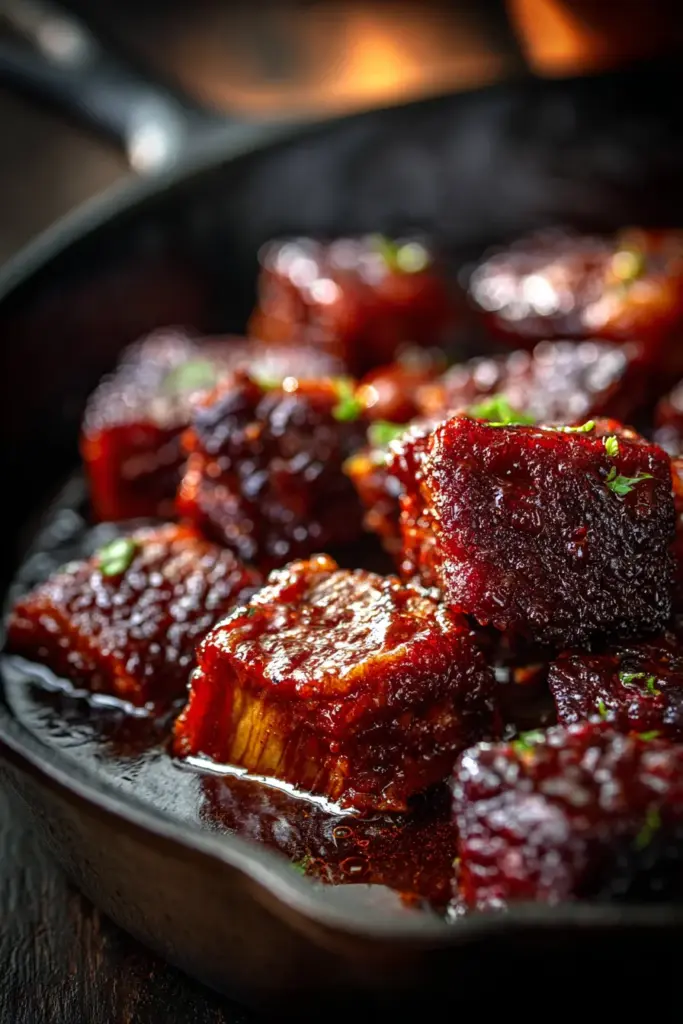

The secret is cutting the beef into cubes, seasoning them well, and cooking them low and slow until they develop a caramelized crust while staying tender inside. Tossed with barbecue sauce at the end, they’re sweet, smoky, savory, and incredibly addictive. I serve them as an appetizer, over rice, or piled onto sandwiches.
Ground Beef: Versatile and Quick
Ground beef is probably the most versatile form of beef in any kitchen. It’s economical, cooks quickly, and adapts to countless flavor profiles and cuisines. I always keep ground beef in my freezer because I know I can turn it into a satisfying meal on even the busiest evenings.
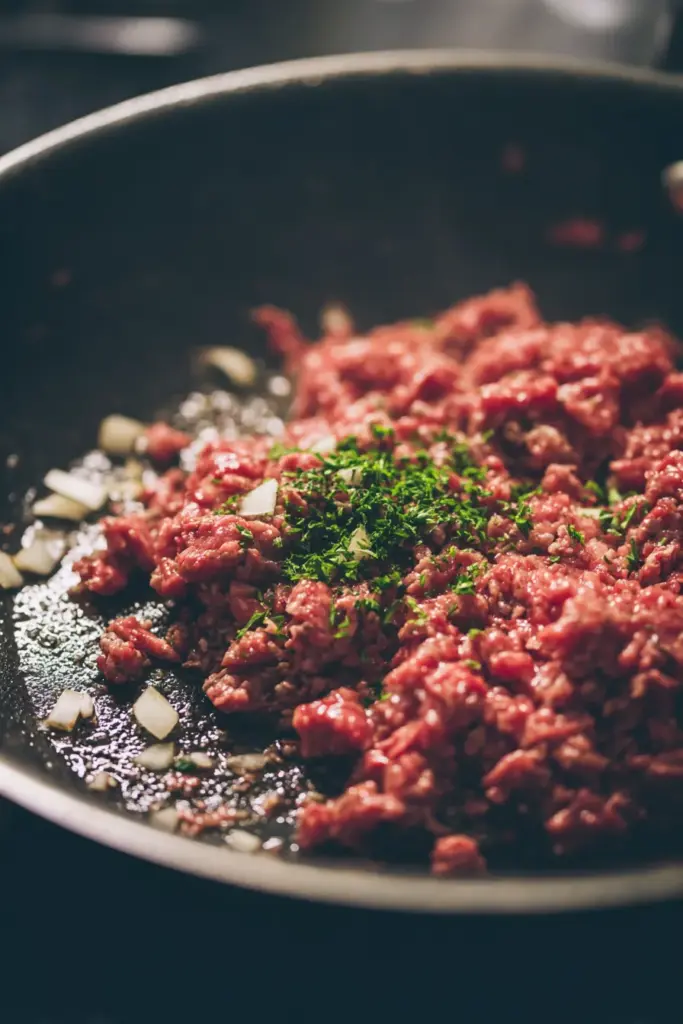
The ground beef stroganoff was born from a night when I wanted the creamy comfort of traditional stroganoff but didn’t have time to slice and sear steak. Ground beef cooks in minutes, and when combined with mushrooms, sour cream, and egg noodles, it creates a dish that’s just as satisfying as the original.
This has become a weekly rotation meal in my house. The kids love it, it’s done in thirty minutes, and it feels like comfort food without requiring much effort. Plus, ground beef is forgiving. If you slightly overcook it, the creamy sauce keeps everything moist and delicious.
Meal Prep and Make-Ahead Options
Ground beef is ideal for meal prepping. The meal prep ground beef teriyaki is my solution for having healthy, homemade lunches ready all week. I cook a big batch on Sunday, portion it into containers with rice and vegetables, and have five grab-and-go meals ready.
The teriyaki sauce is sweet, salty, and savory, coating the beef and making even reheated meals taste fresh and delicious. It’s so much better than restaurant teriyaki and costs a fraction of the price. Plus, controlling the ingredients means I know exactly what my family is eating.
Steak Bites and Quick Seared Beef
When I want to feel fancy without spending hours in the kitchen, steak bites are my answer. They cook in minutes, taste luxurious, and are endlessly adaptable to different flavors and sauces. The key is using a good quality cut, getting your pan very hot, and not overcooking. Steak bites should be seared on the outside and tender on the inside.
The garlic butter steak bites with parmesan cream sauce might be the most decadent thing in my repertoire. Tender pieces of seared steak swimming in a rich, garlicky, cheesy sauce that’s perfect for spooning over mashed potatoes or pasta. It tastes like something from an expensive steakhouse but comes together in less than twenty minutes.
The technique is simple: cut good steak into bite-sized pieces, season well, sear quickly in a screaming hot pan, then remove and make the sauce in the same pan. Those brown bits left behind become the foundation for an incredible sauce. It’s restaurant-quality cooking that anyone can master.
Flavored Butter Variations
Compound butters transform simple steak bites into something special. The cowboy butter steak bites use a butter loaded with garlic, herbs, lemon, and a touch of heat. It melts over the hot steak, creating a sauce that’s bright, rich, and incredibly flavorful.
I keep flavored butters in my freezer so I can quickly elevate simple beef dishes. Roll them into logs, slice off a round when needed, and let it melt over hot meat for instant luxury. It’s a simple technique that makes you look like a much fancier cook than you actually are.
Classic Stroganoff and Creamy Beef Dishes
Stroganoff holds a special place in my heart because it was one of the first dishes I learned to make from scratch. The combination of tender beef, earthy mushrooms, tangy sour cream, and egg noodles is pure comfort, and learning to make it well taught me important lessons about building sauces and balancing flavors.
When I discovered Gordon Ramsay’s beef stroganoff, it elevated my understanding of this classic dish. His technique involves high heat, quick cooking, and careful attention to not letting the sauce break when adding sour cream. These details make the difference between good stroganoff and great stroganoff.
The key is slicing the beef very thin against the grain so it stays tender during the quick cooking. You want the beef to just cook through, not simmer forever. The mushrooms should be properly browned, not steamed. And the sour cream gets stirred in at the end, off heat, so it doesn’t curdle. These small details create the silky, rich sauce that makes stroganoff special.
Mastering the Classic Preparation
I’ve made the Gordon Ramsay beef stroganoff recipe so many times that I could do it in my sleep now. What once seemed complicated has become second nature. The technique of cooking in batches, building the sauce properly, and timing the sour cream addition now feels intuitive.
This recipe taught me that great cooking isn’t about complicated ingredients or fancy equipment. It’s about understanding technique, respecting timing, and paying attention to details. Those lessons have improved everything I cook, not just stroganoff.
Specialty Beef Cuts and Techniques
As I’ve grown more confident in the kitchen, I’ve started exploring less common cuts of beef and more specialized techniques. These aren’t necessarily harder to cook, they’re just less familiar to many home cooks. But understanding these cuts opens up new possibilities for flavor and variety.
The savory beef top round steak recipes taught me how to work with a leaner, tougher cut and turn it into something delicious. Top round needs different treatment than more tender cuts. Marinating, proper slicing, and careful cooking prevent it from becoming dry or chewy.
This cut is economical and flavorful if you treat it right. I use it for stir-fries where thin slicing and quick cooking work perfectly, or for slow-cooked dishes where time breaks down the toughness. It’s a workhorse cut that deserves more attention than it typically gets.
Elegant Beef Preparations
When I want to impress, I turn to dishes like honey mustard glazed beef chops with sweet potato gratin. This is the kind of meal that looks and tastes like you spent all day in the kitchen, but the techniques are actually quite manageable once you break them down.
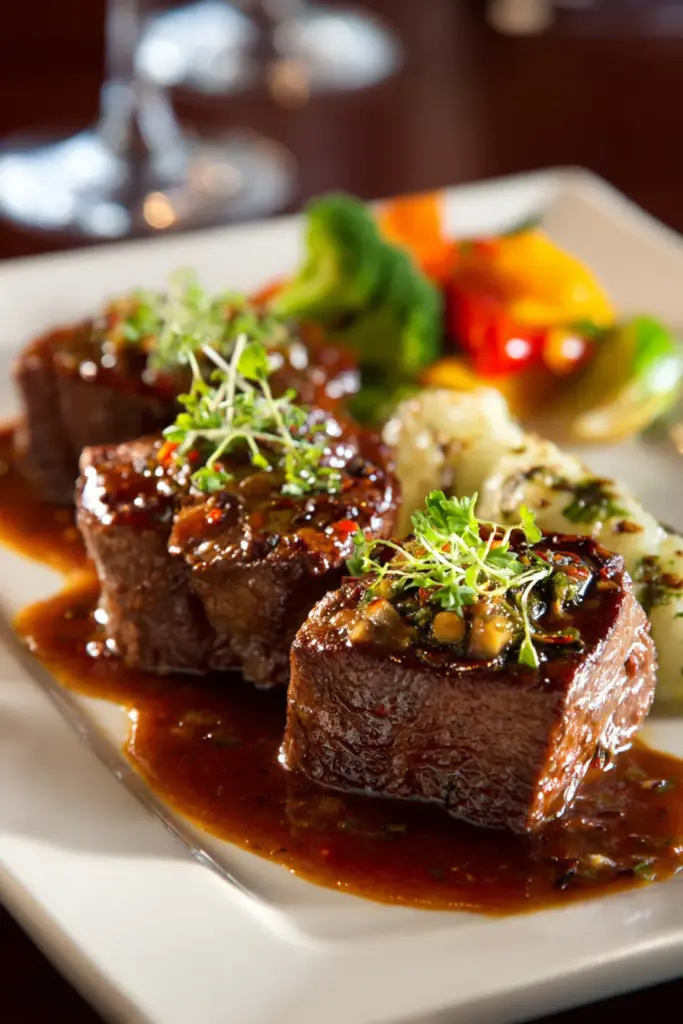
The honey mustard glaze brings sweet and tangy flavors that complement beef beautifully. The sweet potato gratin is creamy and luxurious, turning simple sweet potatoes into something special. Together, they create a meal that’s perfect for date nights or dinner parties when you want to show off a bit.
Exploring Different Steak Cuts
Learning about flank steak and bavette opened my eyes to how different cuts require different approaches. These thin, flavorful cuts are perfect for quick cooking and benefit from marinating. They’re also more affordable than premium steaks while offering excellent flavor.
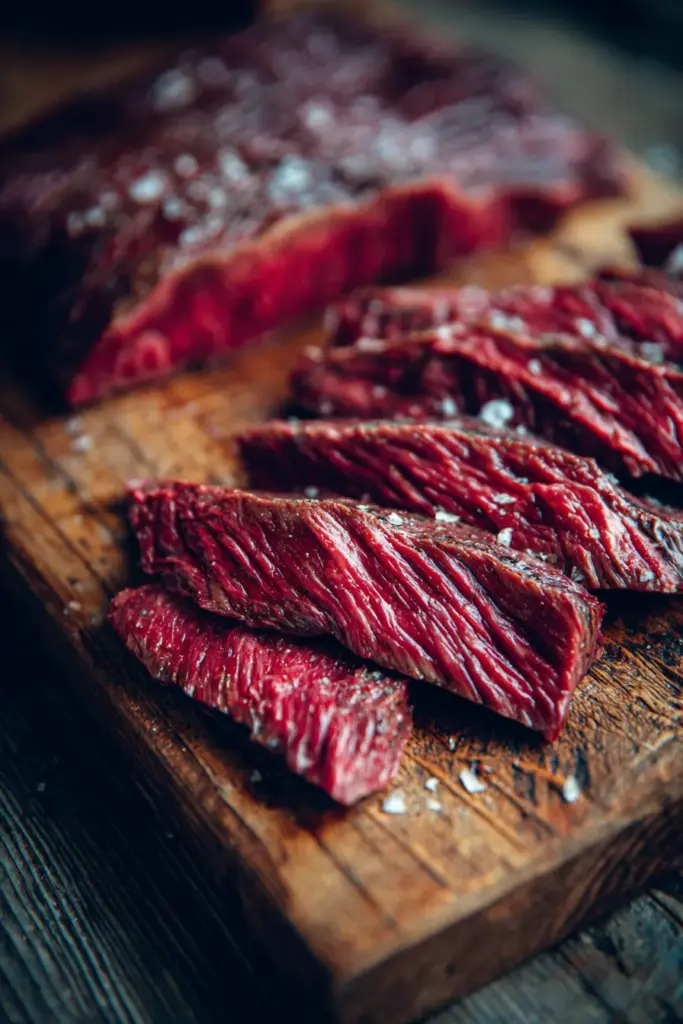
The grilled hanger steak is another revelation. This cut was traditionally kept by butchers for themselves because they knew how flavorful it is. It’s tender, beefy, and perfect for grilling. A simple seasoning and proper cooking is all it needs to shine.
Advanced Steak Doneness
I learned about blue rare steak from a chef friend who insisted I try steak cooked less than I was used to. Blue rare is controversial, barely cooked beyond a quick sear, but for high-quality beef with good marbling, it can be revelatory. The beef is cool in the center, incredibly tender, and full of pure beef flavor.
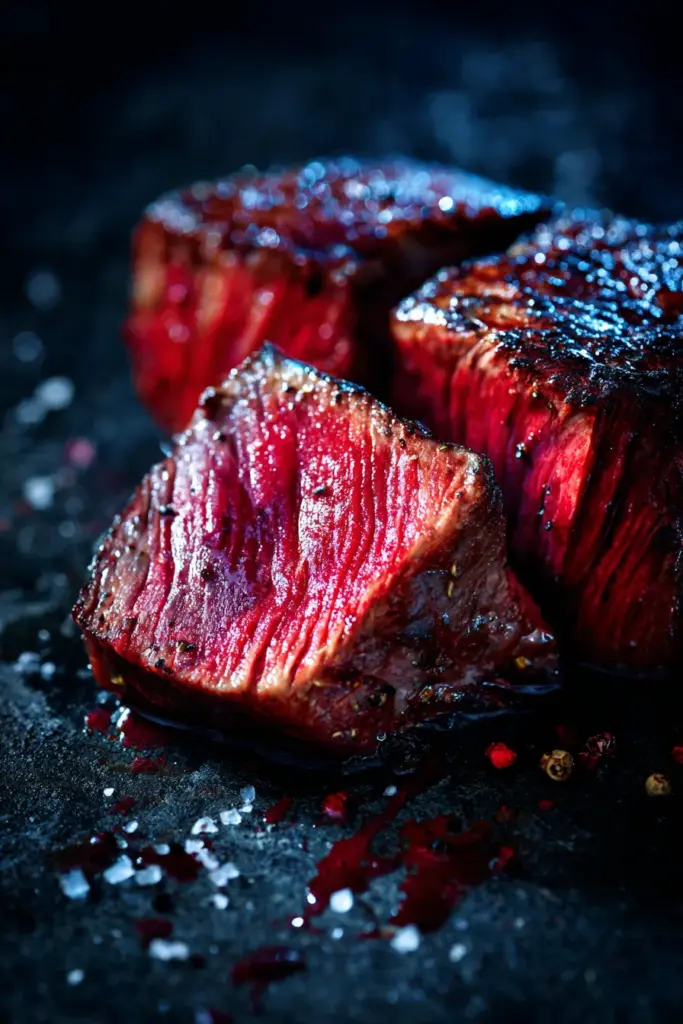
This isn’t for everyone, and it absolutely requires excellent quality beef from a trusted source. But it taught me that different levels of doneness each have their merits, and that cooking beef less can sometimes be more, not less, enjoyable.
Beyond Traditional Beef: Unusual Cuts and Preparations
As I became more adventurous in my beef cooking, I started exploring cuts and preparations that many home cooks overlook. These aren’t necessarily difficult to prepare, they’re just less common in typical American cooking. But they offer unique flavors and textures worth discovering.
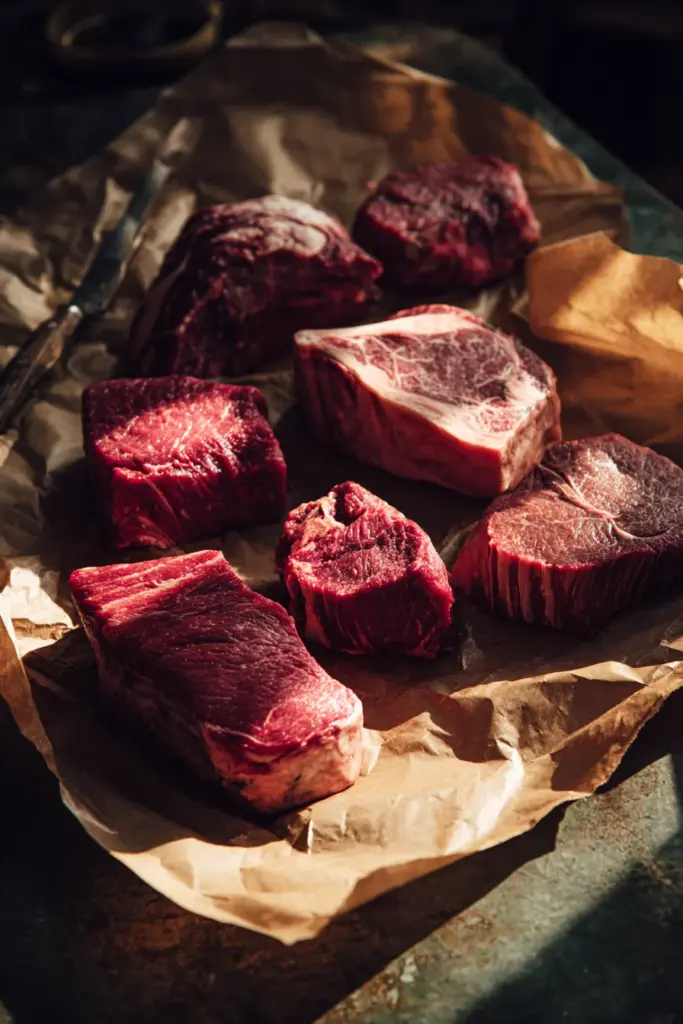
Learning how to cook beef bacon was fascinating. It’s made from beef instead of pork, offering similar crispy, salty satisfaction for those who don’t eat pork. The cooking method is slightly different from pork bacon, requiring lower heat and more patience, but the results are delicious.
I use beef bacon in breakfast dishes, crumbled over salads, or as a flavoring ingredient in other recipes. It adds that smoky, savory depth that bacon provides while being completely beef-based.
Organ Meats and Traditional Preparations
Cooking cow liver was initially intimidating. Liver has a strong flavor and requires careful preparation to avoid toughness or bitterness. But when cooked properly, it’s rich, flavorful, and incredibly nutritious.
The key to good liver is not overcooking it. Liver should be cooked quickly over high heat until just done but still slightly pink in the center. Overcooking makes it tough and intensifies the strong flavor that many people find off-putting. Soaking it in milk before cooking helps mellow the flavor and tenderize the texture.
I serve liver with caramelized onions and a rich gravy, which complements its strong flavor beautifully. It’s not something I make every week, but when I do, it feels like I’m connecting with older cooking traditions and making the most of the whole animal.
Mastering Quick Beef Stir-Fries
Stir-frying is one of the most practical cooking techniques in my weeknight arsenal. It’s fast, healthy, and endlessly adaptable. The beauty of a good stir-fry is that once you understand the basic technique, you can create infinite variations based on what’s in your refrigerator.
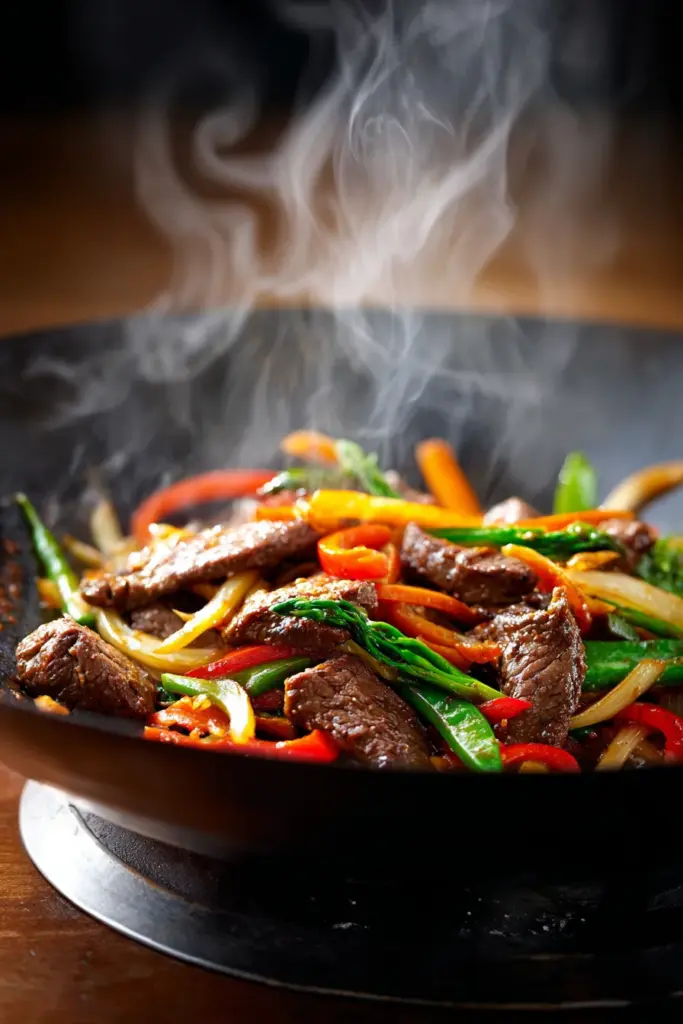
My beef stir-fry comes together in less time than it takes to order and pick up takeout. The key is having everything prepped before you start cooking. Once that pan is hot, things happen fast. You need your beef sliced, vegetables cut, sauce mixed, and everything within arm’s reach.
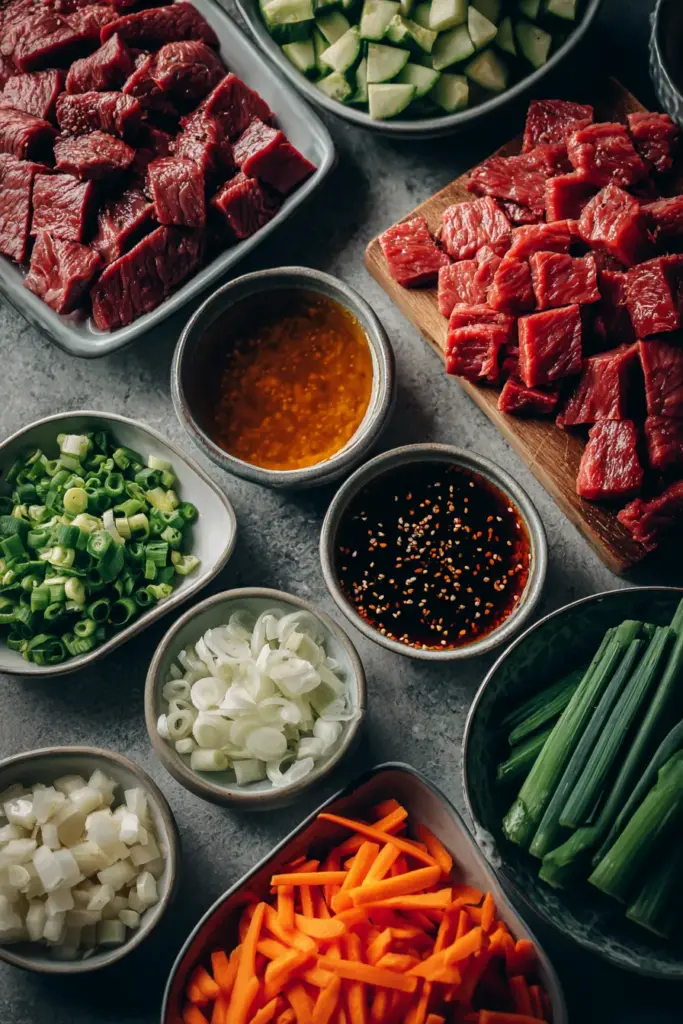
I use high heat and work in batches so the beef sears rather than steams. This creates those flavorful browned bits that make restaurant stir-fries so good. Cook the beef first, remove it, then cook the vegetables. Add everything back together at the end with the sauce, and dinner is done.
Techniques for Tender Stir-Fry Beef
The secret to tender stir-fry beef is in the slicing and the marinade. I always slice beef very thin against the grain. This shortens the muscle fibers, making each bite more tender. Then I marinate it briefly with a mixture of soy sauce, cornstarch, and sometimes a bit of oil. This coating, called velveting, keeps the beef tender during the high-heat cooking.
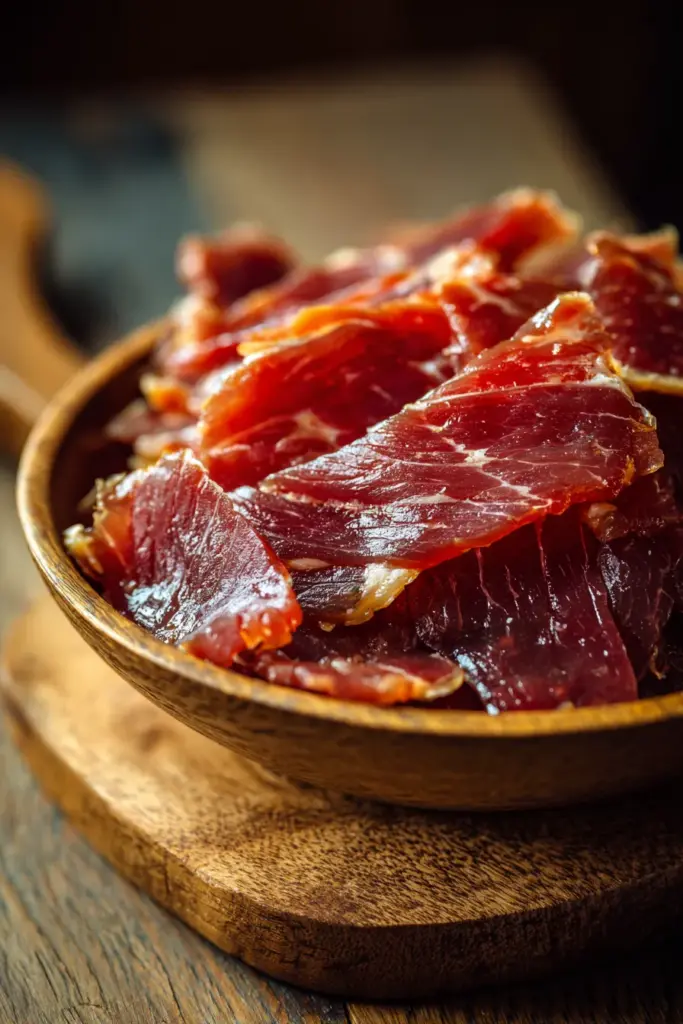
I learned this technique from Chinese cooking, and it transformed my stir-fries. Even tougher cuts of beef come out tender when you slice thin against the grain and use the velveting technique. It’s one of those simple tricks that makes a huge difference in the final dish.
Expert Tips for Cooking Beef Perfectly
After years of cooking beef in every way imaginable, I’ve accumulated a collection of tips and tricks that consistently improve results. These aren’t complicated techniques or secret ingredients. They’re practical lessons learned from successes and failures in my own kitchen.
First, let beef come to room temperature before cooking. I take it out of the refrigerator thirty minutes before I plan to cook it. Cold beef doesn’t sear properly and cooks unevenly. Room temperature beef develops a better crust and cooks more uniformly from edge to center.
Second, don’t crowd the pan. This is probably the mistake I see most often. When you put too much beef in the pan at once, the temperature drops and the beef releases moisture faster than it can evaporate. Instead of getting a nice brown sear, you end up steaming the meat. Cook in batches if necessary. It takes a few extra minutes but makes a dramatic difference in flavor and texture.
Choosing the Right Cut
Understanding which cuts work for which cooking methods has improved my beef cooking more than any other single piece of knowledge. Tender cuts like ribeye, strip steak, and tenderloin are best for quick, high-heat cooking like grilling or pan-searing. Tougher cuts like chuck, brisket, and round benefit from slow cooking methods that break down connective tissue.
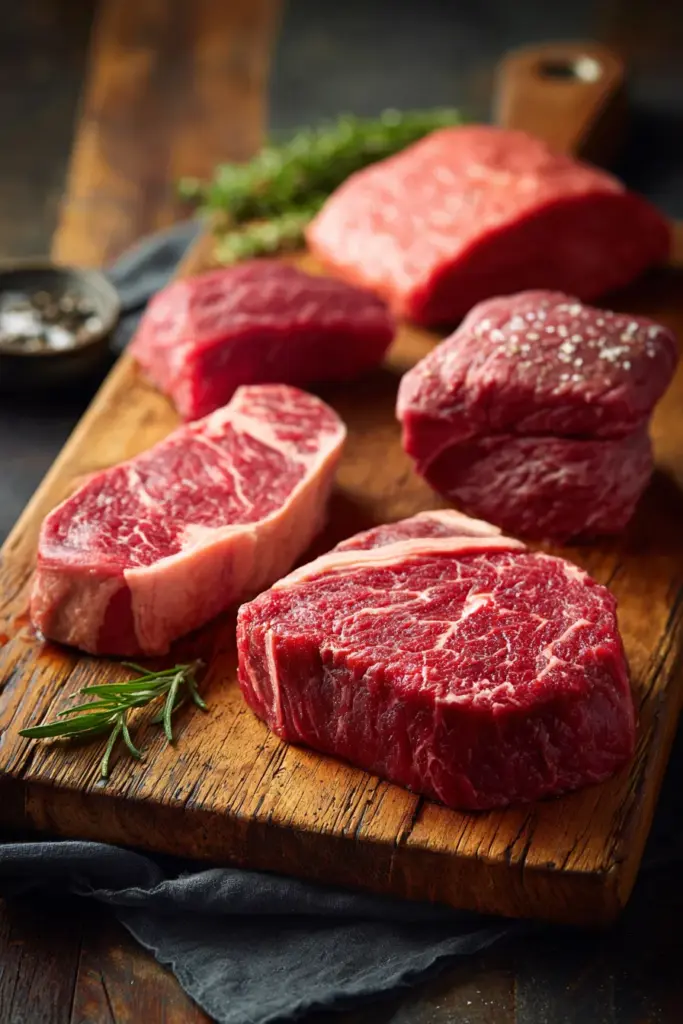
Don’t try to grill a tough cut and expect it to be tender. Don’t slow-cook an expensive tender cut and wonder why it turned dry and stringy. Match the cut to the method, and you’ll get much better results without spending more money or effort.
Seasoning and Timing
I season beef generously with salt and pepper. More generously than you probably think. A good crust requires proper seasoning, and some of that seasoning will be left in the pan anyway. Don’t be timid with salt, especially for larger pieces of meat.
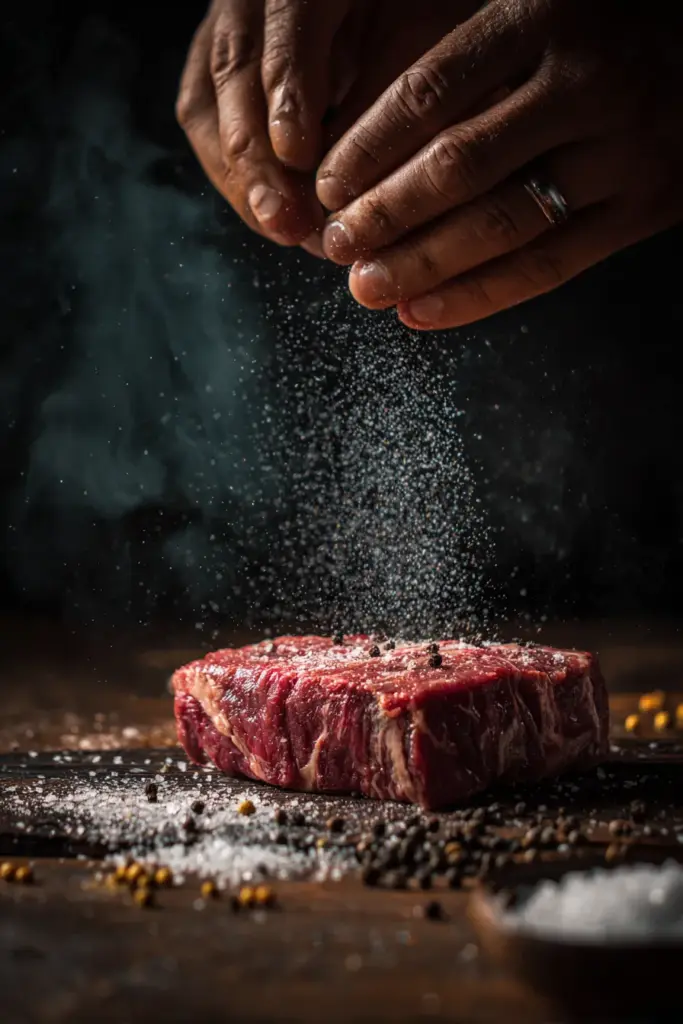
For quick-cooking methods like stir-fry or steak bites, season just before cooking. For slow-cooked dishes like stews, season at multiple stages. Salt at the beginning helps draw out moisture and build flavor. Seasoning at the end adjusts the final taste and brightens everything up.
Resting and Slicing
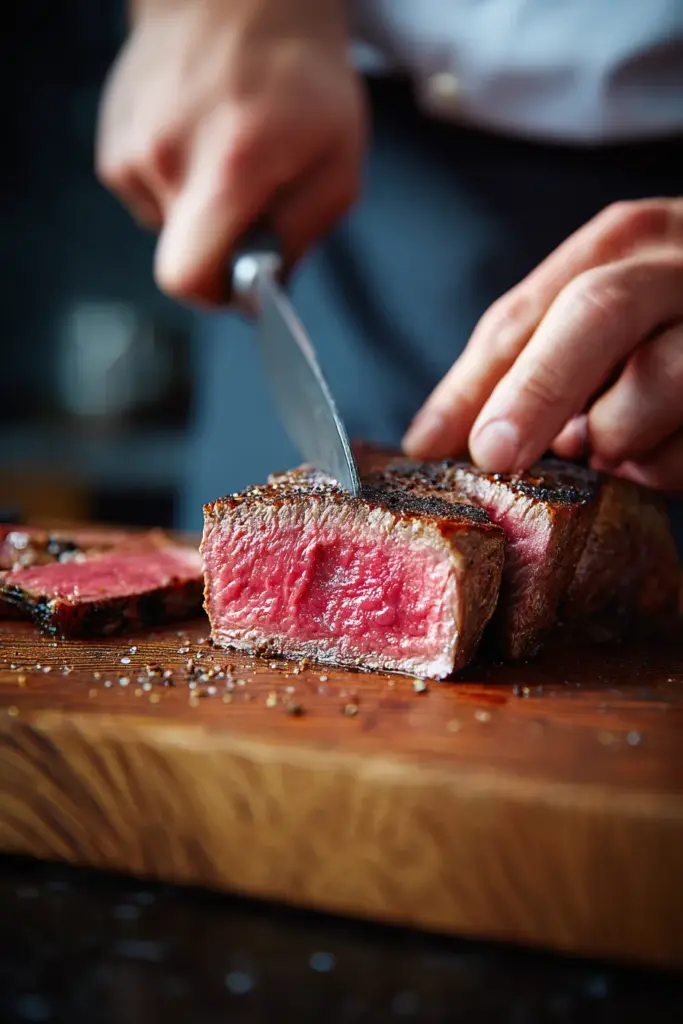
Let cooked beef rest before slicing. This is crucial for steaks and roasts. When beef cooks, the juices migrate toward the center. If you cut it immediately, those juices run out onto the cutting board instead of staying in the meat. Resting allows the juices to redistribute throughout the meat, keeping every bite moist and flavorful.
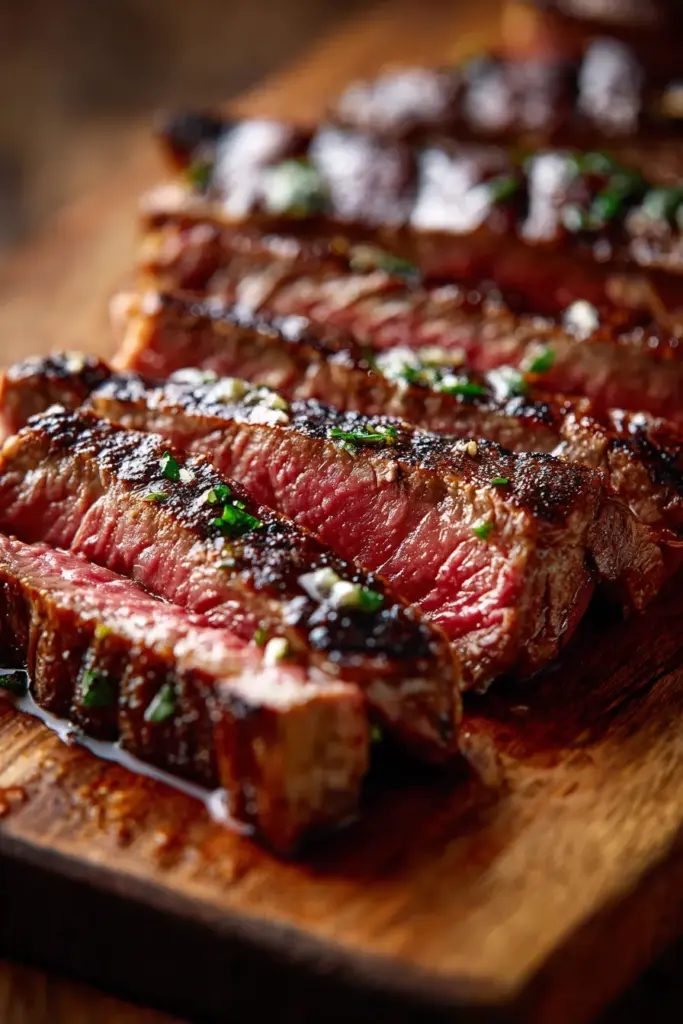
For a steak, rest it for at least five minutes, loosely covered with foil. For a large roast, rest fifteen to twenty minutes. The larger the piece of meat, the longer the rest it needs. I know it’s hard to wait when that beef smells so good, but the patience pays off in juicier, more flavorful results.
Always slice beef against the grain, especially for tougher cuts. Look at the meat and you’ll see the muscle fibers running in one direction. Cut perpendicular to those fibers, shortening them so each bite is more tender. This is particularly important for flank steak, skirt steak, and brisket.
Conclusion
Looking back at that first failed attempt at beef tips all those years ago, I can’t help but smile. That tough, disappointing dinner taught me more than any successful meal ever could. It sent me on a journey to understand beef cooking that has brought so much joy, satisfaction, and delicious food into my kitchen and onto my family’s table.
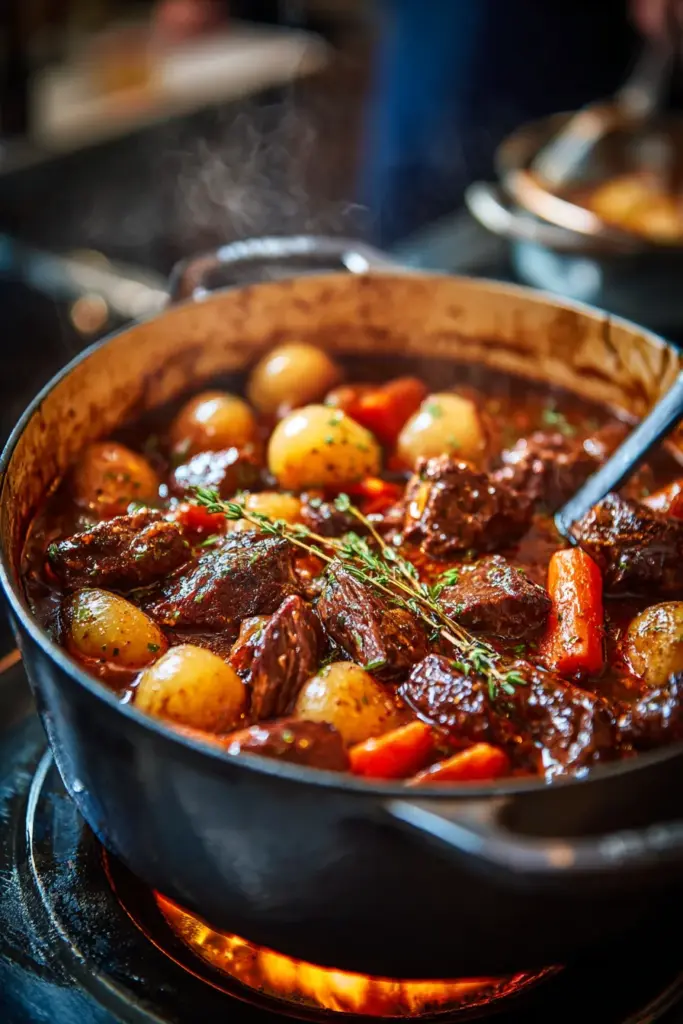
Beef cooking isn’t complicated once you understand a few basic principles. Match the cut to the cooking method. Don’t rush tender cuts or give up too early on tough ones. Season generously, sear properly, and let meat rest before slicing. These simple guidelines will improve everything you make, whether it’s a quick weeknight stir-fry or a special occasion roast.
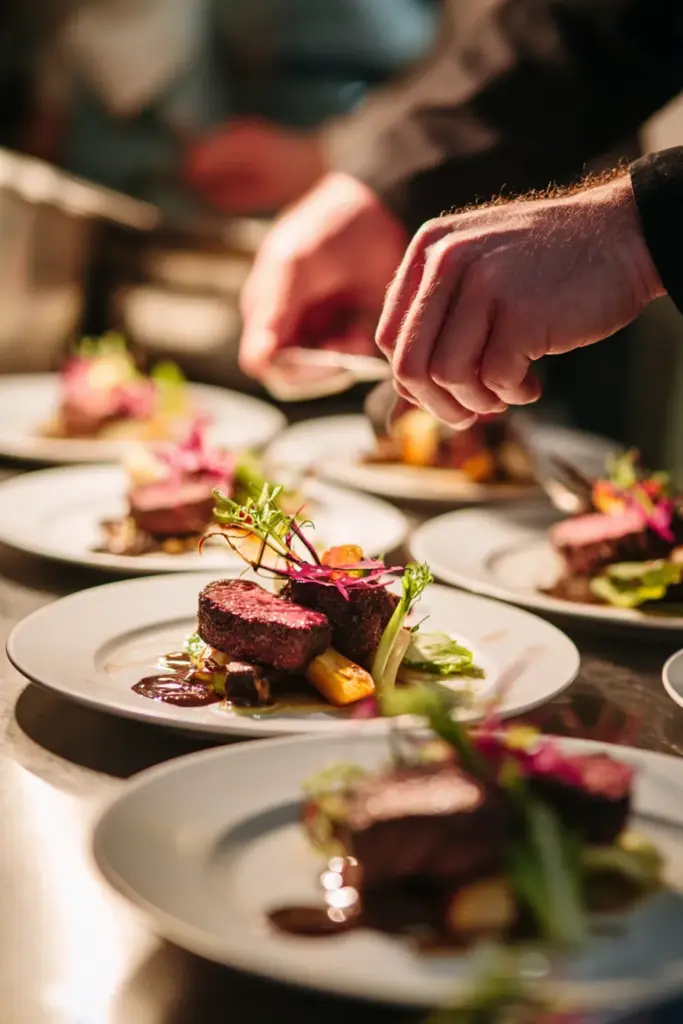
The recipes and techniques in this guide represent years of learning, experimenting, and refining in my own kitchen. Some came from family traditions passed down through generations. Others came from restaurant meals that inspired me to recreate flavors at home. All of them have earned their place in my regular cooking rotation because they’re delicious, practical, and bring people together around the table.
Remember that cooking is as much about the journey as the destination. Don’t be discouraged by failures. Every tough piece of meat, every broken sauce, every burned dinner teaches you something valuable for next time. The confidence and skill you build through practice makes cooking more enjoyable and the results more consistently good.
Start with the recipes that appeal to you most, whether that’s quick stir-fries for busy weeknights, comforting stews for cold evenings, or impressive dishes for special occasions. Try the techniques, adjust the seasonings to your taste, and make these recipes your own. That’s what good home cooking is about: taking inspiration and making it work for your family, your schedule, and your preferences.
Explore more delicious beef inspiration with these favorites:
- Beef Tips and Noodles
- Garlic Butter Steak Bites with Parmesan Cream Sauce
- Instant Pot Beef Stew Recipes
Frequently Asked Questions
How do I know when beef tips are done?
Beef tips are done when they’re fork-tender and have reached an internal temperature of at least 145 degrees Fahrenheit, but for the best texture in braised dishes, cook them to around 190 to 200 degrees Fahrenheit. At this temperature, the connective tissue has broken down and the meat practically falls apart. The best test is simply trying to shred a piece with a fork. If it comes apart easily, it’s done.
Can I make beef stew in advance?
Absolutely, and in fact beef stew often tastes better the next day. The flavors have more time to meld and develop. Make your stew up to three days ahead, let it cool completely, and store it in the refrigerator. Reheat gently on the stove or in the microwave. You can also freeze beef stew for up to three months. Thaw overnight in the refrigerator before reheating.
What’s the best cut of beef for stir-fry?
Flank steak, sirloin, and ribeye all work beautifully for stir-fry. The key is slicing whatever cut you choose very thin against the grain. Even tougher cuts can work if you slice them properly and use a quick marinade with cornstarch to tenderize. I often use flank steak because it’s flavorful, relatively affordable, and the grain is easy to identify for proper slicing.
How can I make my gravy thicker?
There are several ways to thicken gravy. The simplest is to make a slurry by mixing equal parts cornstarch and cold water, then whisking it into the simmering gravy. Cook for a few minutes until it thickens. You can also reduce the gravy by simmering it uncovered, which concentrates flavors while thickening through evaporation. Another option is to mash some of the cooked vegetables from your dish and stir them back into the gravy for body and thickness.
Why is my beef tough even after long cooking?
If your beef is tough after long cooking, you probably didn’t cook it long enough. This sounds counterintuitive, but tough cuts need to cook past tender and into fall-apart territory. The connective tissue takes time to break down. Keep cooking until the internal temperature reaches 190 to 200 degrees Fahrenheit and the meat shreds easily. Also make sure there’s enough liquid in your pot. Meat can dry out and toughen if the liquid evaporates too much.
Can I substitute ground beef in recipes calling for beef tips?
While ground beef won’t give you the same texture as beef tips, it can work in many of the same flavor profiles, especially for quick weeknight meals. Ground beef cooks faster and costs less, making it a practical substitute when you’re short on time or budget. The texture will be different, but the flavors can be quite similar. I do this regularly with stroganoff and stew recipes.
How do I prevent beef from becoming dry?
Don’t overcook it, and don’t cook tender cuts using methods meant for tough cuts. Use a meat thermometer to check doneness rather than guessing. For steaks and quick-cooking cuts, aim for 130 to 135 degrees Fahrenheit for medium-rare, 135 to 145 for medium. Remove the meat from heat a few degrees before your target temperature since it will continue cooking as it rests. For braised dishes, make sure there’s enough liquid and that the pot is covered to trap moisture.
What’s the difference between beef broth and beef stock?
Stock is made by simmering bones, which releases gelatin and creates a richer, more full-bodied liquid. Broth is made by simmering meat, creating a lighter, more delicate flavor. For most home cooking purposes, they’re interchangeable, though stock will give you a slightly richer result in sauces and gravies. I keep both in my pantry and use whichever I have on hand.
How long can I store cooked beef in the refrigerator?
Cooked beef lasts three to four days in the refrigerator when stored properly in airtight containers. Let it cool to room temperature before refrigerating, but don’t leave it out for more than two hours. For longer storage, freeze cooked beef for up to three months. Label containers with the date so you know when to use them. Reheat thoroughly to 165 degrees Fahrenheit before serving leftovers.
Why do recipes tell you to sear beef before slow cooking?
Searing creates a flavorful brown crust through the Maillard reaction, which develops complex, savory flavors. Those brown bits stuck to the pan, called fond, become the foundation for rich sauces and gravies when you deglaze. While searing doesn’t actually seal in juices as once believed, it does add significant flavor to the final dish. That said, if you’re really short on time, you can skip searing and still make a good stew, it just won’t have quite the same depth.
Can I cook frozen beef without thawing it first?
You can cook frozen beef, but it will take longer and won’t brown as well. For best results, especially for quick-cooking methods like stir-fry or steak bites, thaw the beef first. For slow-cooked dishes like stew or pot roast, you can add frozen beef directly to the slow cooker or pot, just add thirty to fifty percent more cooking time. Ground beef can go straight from freezer to pan, though it’s easier to season and brown if thawed first.
What’s the best way to reheat beef without drying it out?
The key to reheating beef is low, gentle heat and added moisture. For braised dishes like stew or beef tips, reheat slowly on the stovetop with a splash of broth or water. For steaks and quick-cooked beef, the microwave actually works well if you use fifty percent power and add a tablespoon of water to create steam. Cover the dish to trap moisture. You can also reheat beef in a low oven, covered with foil, until just warmed through. Don’t overheat or you’ll dry it out.

🍳 Precision Meets Passion — Tools Chefs Trust Daily

- Grams & ounces — precise to 1g
- Perfect for baking & keto tracking
- Sleek stainless steel design

- German stainless precision
- Razor-sharp & dishwasher-safe
- Elegant wood block organizer

- Premium Stainless Steel Build
- Easy to Clean & Dishwasher Safe
- A Must-Have Kitchen Tool