➤ Table of Contents
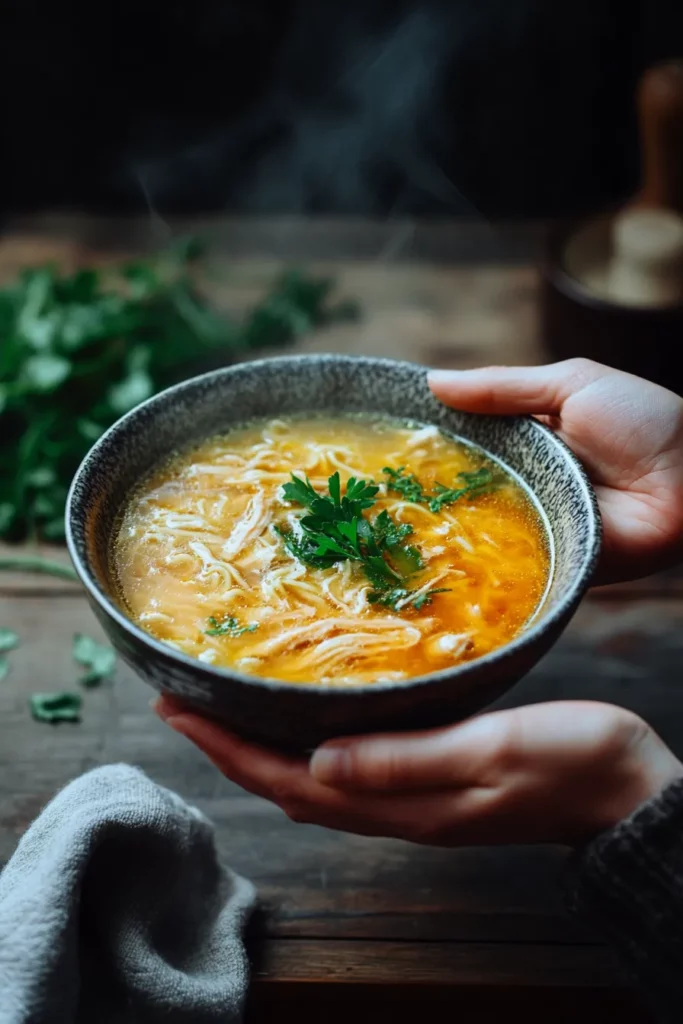
I’ll never forget the first time I made chicken soup from scratch. I was home sick with a terrible cold, feeling absolutely miserable, and suddenly remembered my grandmother’s advice that homemade chicken soup was nature’s best medicine. I dragged myself to the kitchen, threw a whole chicken in a pot with vegetables and water, and let it simmer for hours. The steam rising from that pot, fragrant with herbs and vegetables, made me feel better before I even took the first spoonful. When I finally ladled that golden broth into a bowl, added tender chicken and soft noodles, and tasted it, I understood why people have been making chicken soup for centuries.
⚡ Smart Kitchen Tools Every Home Cook Swears By

- Pure aluminum
- Durable enough for everyday cooking
- Made in the USA with quality

- 7 cooking functions in one compact cooker
- 3-quart size ideal for couples or small meals
- Up to 70% faster than traditional cooking

- 3 sizes for every recipe
- Pre-seasoned & durable cast iron
- Oven & grill ready
There’s something almost magical about chicken soup. Maybe it’s the way the broth shimmers with tiny droplets of fat that somehow make everything taste richer. Or how those first few spoonfuls warm you from the inside out, making you feel cared for even when you’re alone in your kitchen. It could be the way the aroma fills your home, turning even the dreariest day into something a little cozier. Whatever it is, chicken soup has earned its reputation as comfort food at its finest.
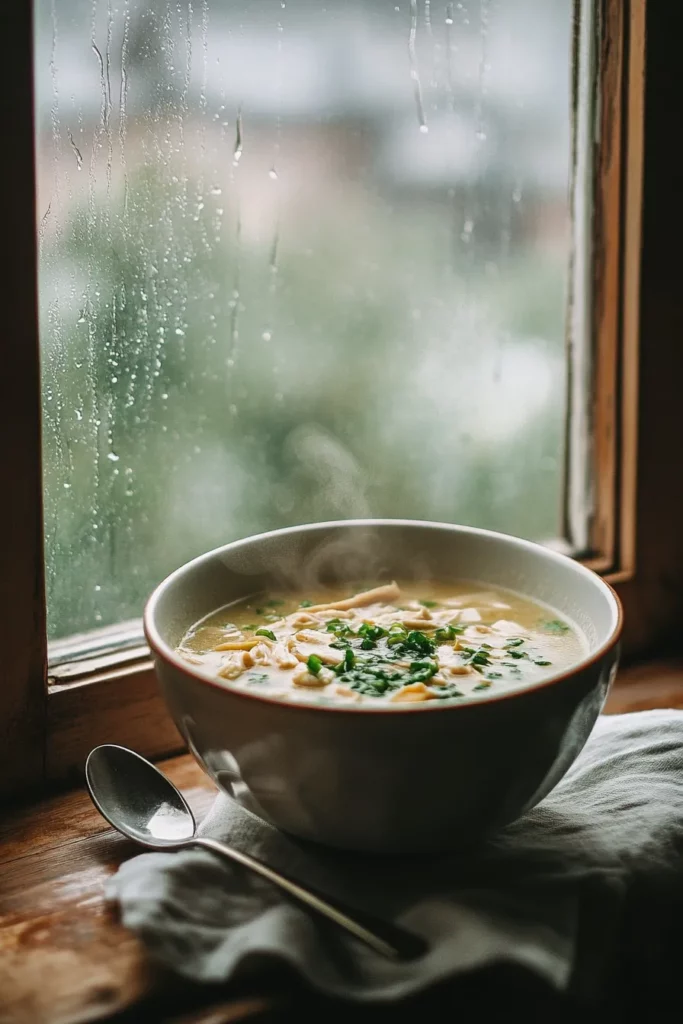
This guide is everything I’ve learned about making chicken soup in all its glorious variations. We’ll explore classic versions that taste like childhood memories, creative twists that bring new excitement to familiar flavors, and healing bowls packed with anti-inflammatory ingredients. You’ll learn the techniques that make broth deeply flavorful, discover which ingredients work best together, and find recipes for every occasion from quick weeknight dinners to slow-simmered weekend projects.

Whether you’re nursing a cold, feeding a crowd, or just craving something warm and nourishing, you’ll find the perfect chicken soup here. And because I believe the best cooking comes from understanding why things work, not just following instructions, I’ll share all the little tricks and insights I’ve gathered from years of soup-making. Some lessons came from success, others from spectacular failures, but all of them will help you make the best chicken soup you’ve ever tasted.
Understanding the Foundation: Building Perfect Chicken Broth
Every great chicken soup starts with great broth. This is the lesson I learned the hard way after making a batch with store-bought broth that tasted thin and one-dimensional. Once I understood how to build deep, rich flavor from scratch, my soups transformed completely. The difference between good broth and great broth is the difference between a soup you eat and a soup you crave.
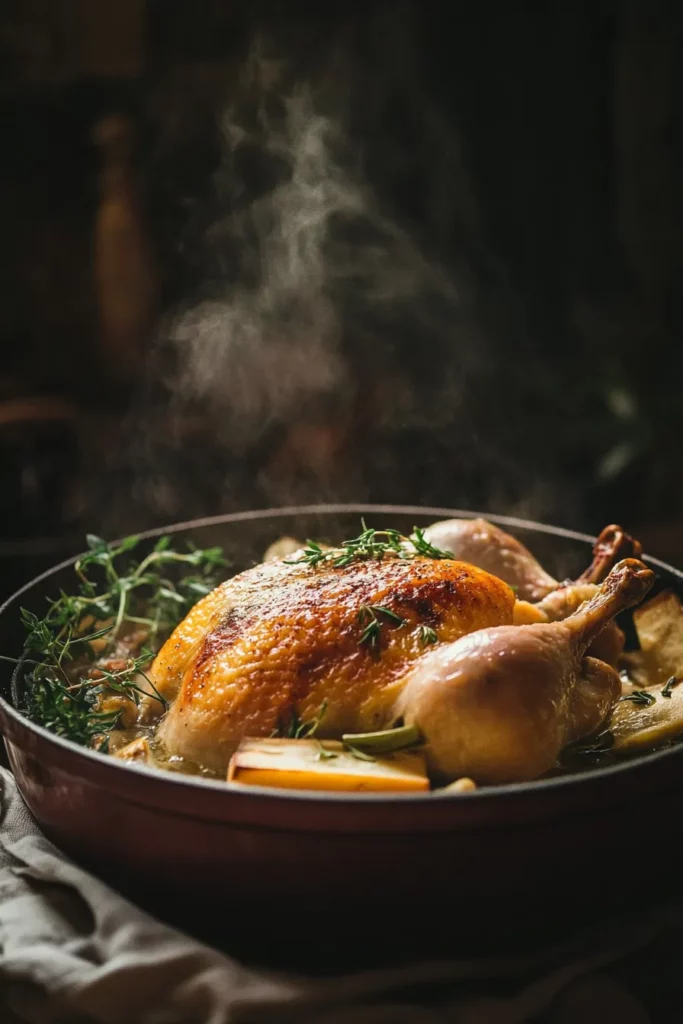
The foundation of flavorful broth is time and the right ingredients. I always use a whole chicken or a combination of chicken parts with bones. Those bones are crucial because they release gelatin as they simmer, giving the broth body and that luxurious mouthfeel. I’ve tried making broth with just boneless chicken breasts, and while it works in a pinch, it lacks the depth and richness that bones provide.
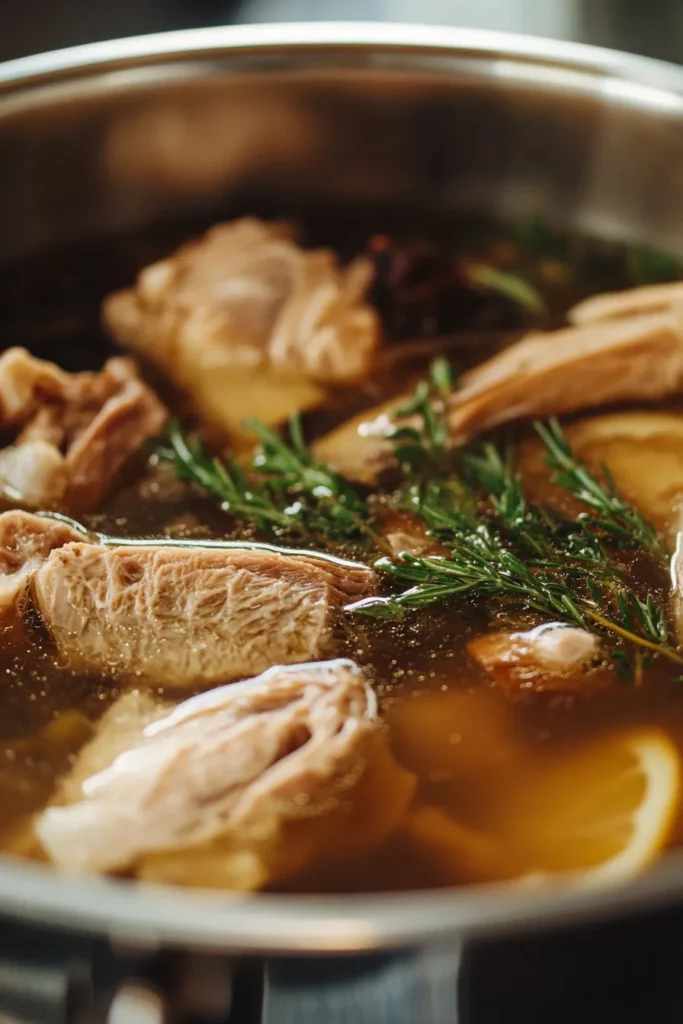
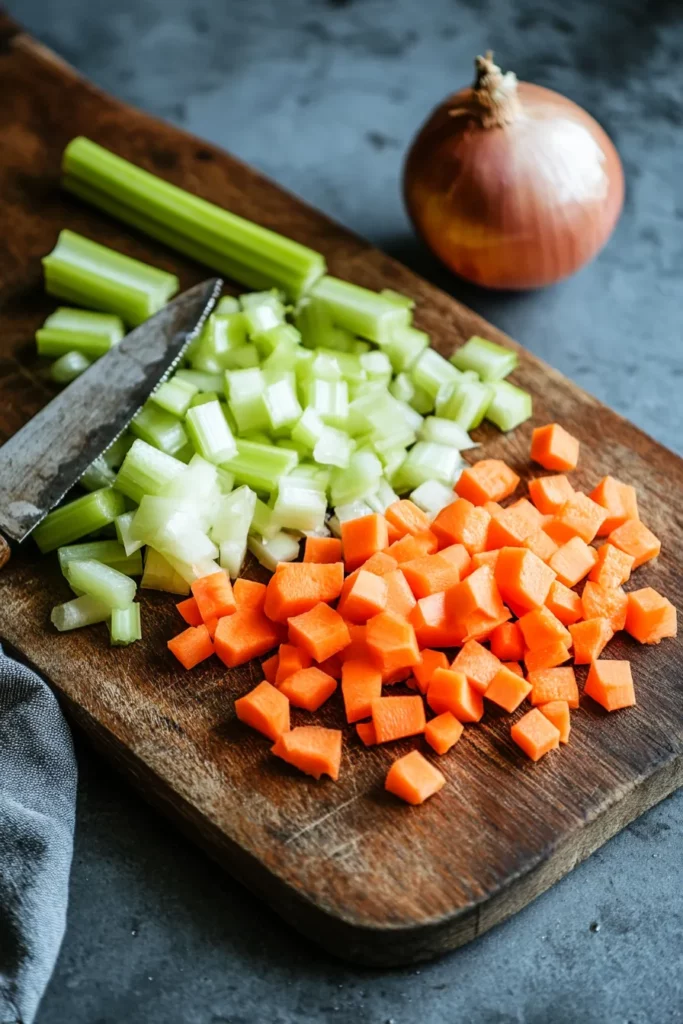
Aromatics make all the difference too. I start with the holy trinity of onions, carrots, and celery, roughly chopped since they’ll be strained out later anyway. A few cloves of garlic, some peppercorns, bay leaves, and fresh herbs like parsley and thyme round out the flavor profile. These ingredients simmer together for at least two hours, sometimes longer if I have time, creating a broth that tastes complex and layered rather than flat.
🥗 Fresh, Fast & Foolproof — Upgrades You'll Use Tonight

- Zoodles in seconds
- Heavy-duty, 10 sharp blades
- Keto, paleo & gluten-free friendly

- Meals in ~30 minutes
- 3-Qt — perfect for 1–3 people
- Pressure cook, sauté, steam & more

- Phone alerts & live temp graph
- Hands-off monitoring for smokers
- Perfect doneness, every time
The Skimming Question
When I first started making broth, I stressed about skimming off every bit of foam and fat that rose to the surface. Then I learned that while the initial foam should be skimmed off in the first fifteen minutes of simmering, that light layer of fat is actually where a lot of flavor lives. Now I skim the foam but leave some fat, or I chill the finished broth and remove only the hardened fat layer before using it. This gives me control over richness without sacrificing flavor.
Temperature matters more than I initially realized. A gentle simmer with just a few bubbles breaking the surface extracts flavor without making the broth cloudy. Boiling too vigorously can make broth murky and give it an off taste. I learned this after ruining a batch by letting it boil hard while I got distracted with other tasks. Low and slow wins every time.

Store-Bought Broth Shortcuts
I’m realistic about weeknight cooking. Sometimes you don’t have three hours to make broth from scratch. On those nights, good quality store-bought broth is perfectly acceptable. I doctor it up by simmering it with fresh aromatics for twenty minutes, adding a splash of white wine, and seasoning it well. This quick boost makes even basic store-bought broth taste homemade.
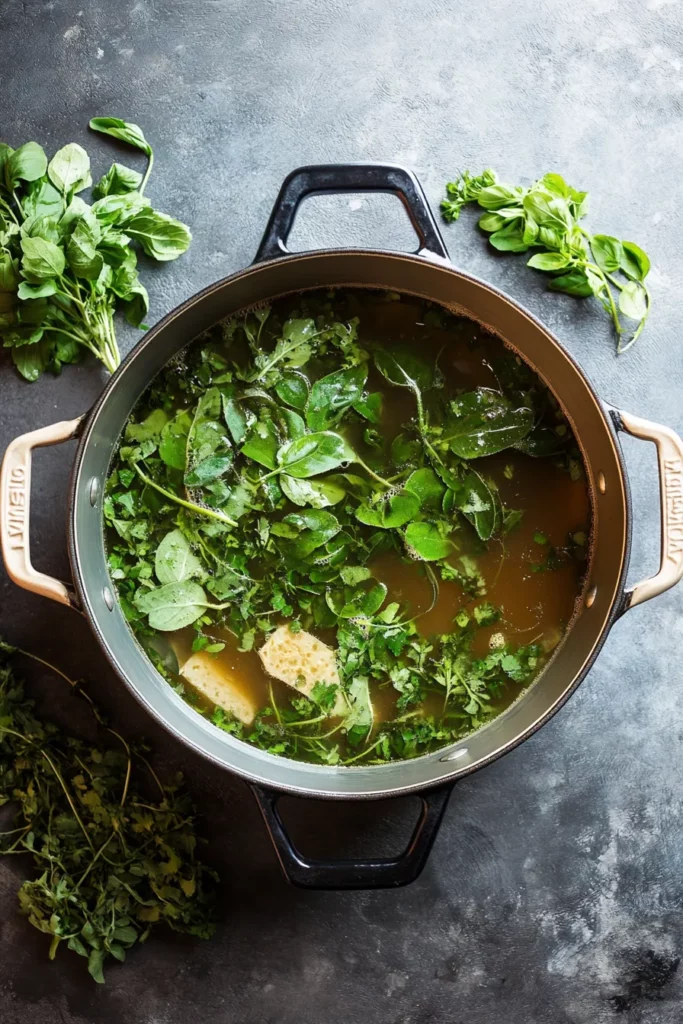
When I want something truly comforting and nourishing, I turn to homemade chicken soup made with broth I’ve simmered myself. The depth of flavor is incomparable, and knowing exactly what went into the pot gives me peace of mind when I’m serving it to family.
Classic Chicken Noodle Soup: Getting It Right Every Time
Chicken noodle soup is probably what most people picture when they think of chicken soup. It’s the soup of childhood sick days, the one your mom made when you had a cold, the ultimate comfort food. But making truly great chicken noodle soup requires more care than you might think. It’s not just throwing chicken, noodles, and vegetables into broth. The timing, the ratios, and the techniques all matter.
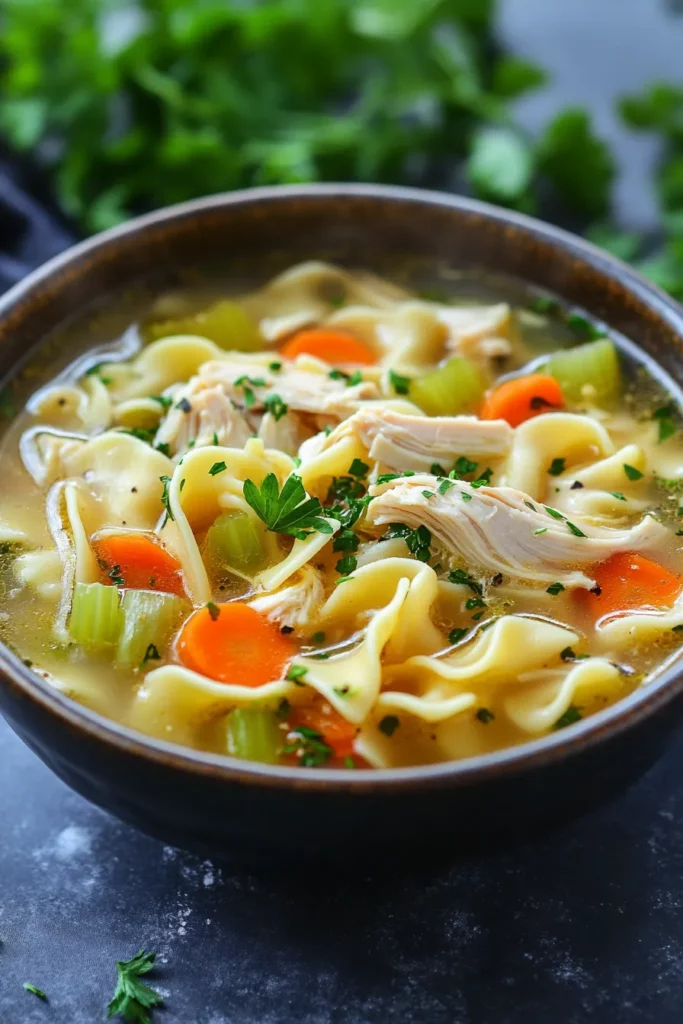
The most common mistake I see people make is cooking the noodles directly in the soup pot and then storing leftovers together. This turns your noodles into mushy, bloated shadows of themselves by the next day. Now I always cook noodles separately and add them to individual bowls as I serve. If I’m making soup for the week, I store the noodles and the soup separately, combining them only when it’s time to eat.
My go-to version is this perfect chicken noodle soup that balances all the elements beautifully. The vegetables are tender but not mushy, the chicken is moist and plentiful, and the noodles have the perfect texture. It’s the soup I make most often because it satisfies everyone and works for any occasion.
Noodle Selection Matters
Not all noodles work equally well in chicken soup. Egg noodles are traditional for good reason. They have substance and flavor that complements the broth without getting lost in it. I prefer wide egg noodles because they’re easier to eat with a spoon and hold up better over time. Those tiny alphabet noodles might be cute, but they turn to mush quickly.
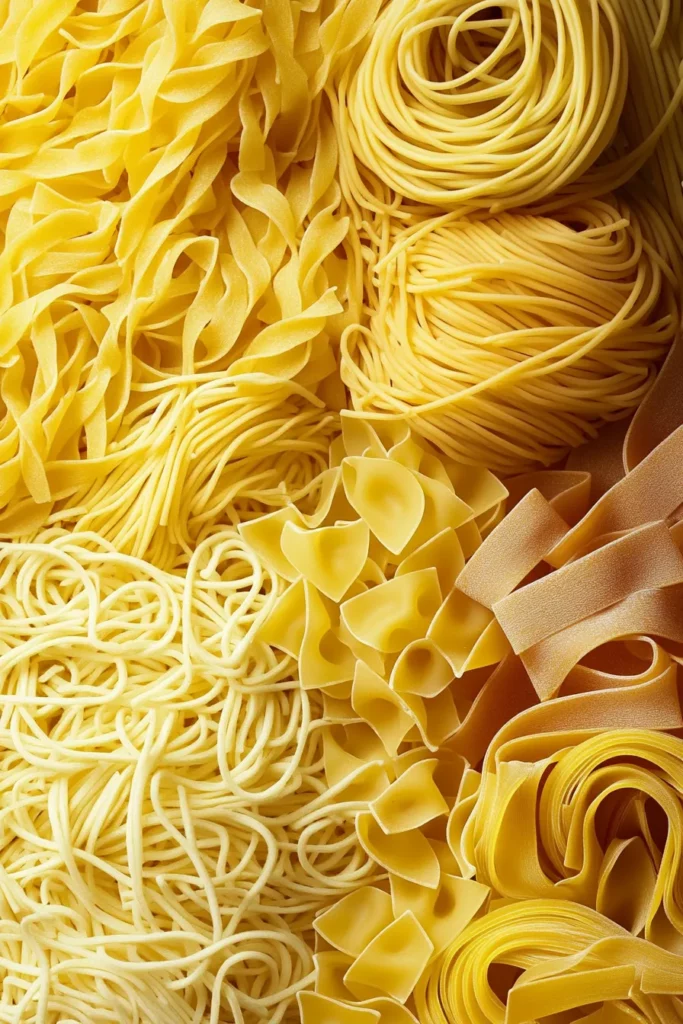
Fresh pasta is a wonderful upgrade if you have time or can find it at the store. It cooks faster and has a tender texture that feels luxurious in soup. Just remember it only takes two to three minutes to cook, so watch it carefully. The creamy chicken noodle soup I make sometimes uses fresh fettuccine broken into shorter pieces, creating a more elegant version of the classic.
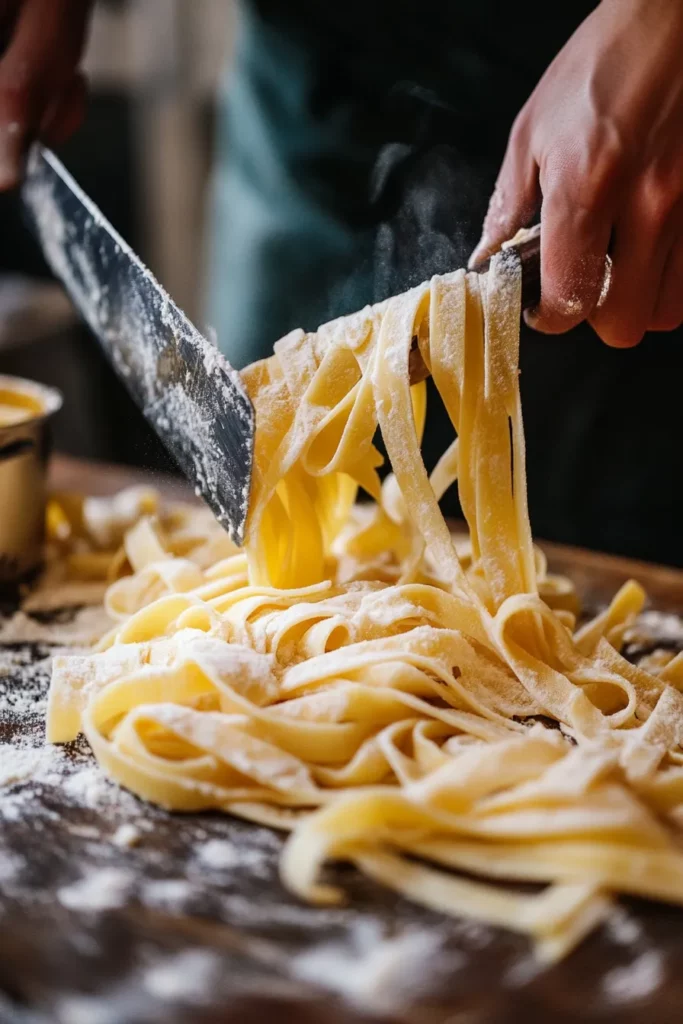
For a quicker version that still tastes homemade, the chicken noodle soup recipe I developed uses rotisserie chicken and streamlines the process without cutting corners on flavor. It’s ready in thirty minutes but tastes like it simmered all day.
Vegetable Ratios and Timing
Getting the vegetable timing right took me a while to figure out. Carrots take longer to cook than celery, and both take longer than fresh herbs. Now I add carrots first, letting them soften for five minutes before adding celery. Onions go in with the carrots if I want them very soft, or later if I prefer a bit of texture. Fresh herbs always go in at the very end so they stay bright and fresh-tasting.
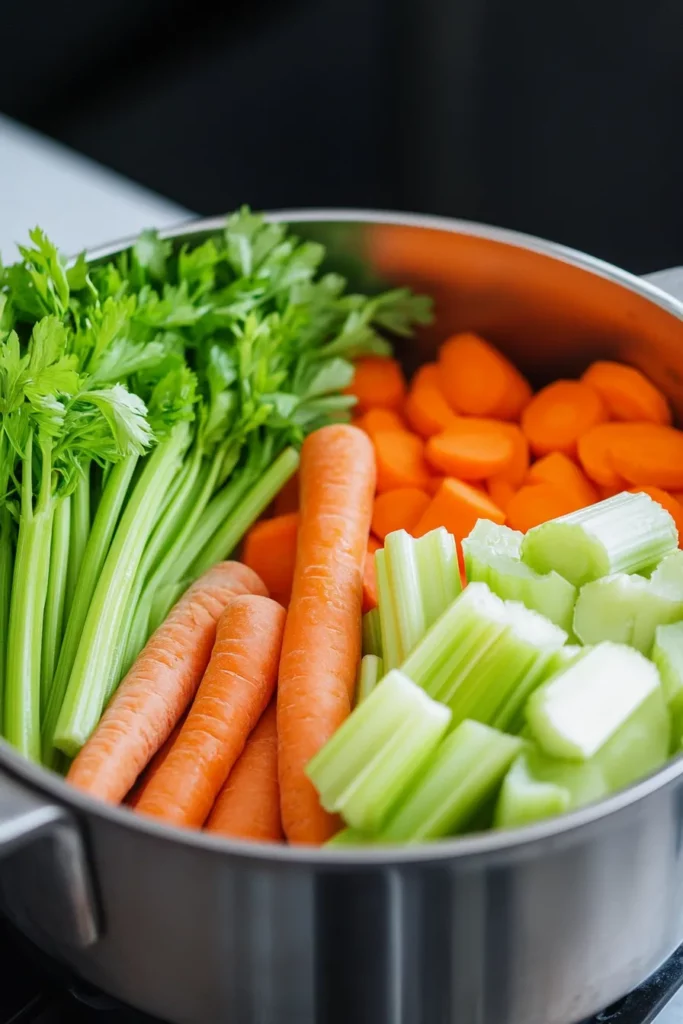
The ratio of vegetables to broth matters too. Too many vegetables and you end up with vegetable soup that happens to have some chicken in it. Too few and the soup tastes thin and boring. I aim for about two cups of diced vegetables per six cups of broth, which gives you substantial bites of vegetables without overwhelming everything else.
Healing and Anti-Inflammatory Chicken Soups
After dealing with some inflammation issues myself, I started researching which ingredients could help reduce inflammation while still tasting delicious. I discovered that many traditional chicken soup ingredients like garlic, onions, and herbs already have anti-inflammatory properties. By adding a few specific ingredients like turmeric, ginger, and certain vegetables, I could create soups that were both healing and comforting.
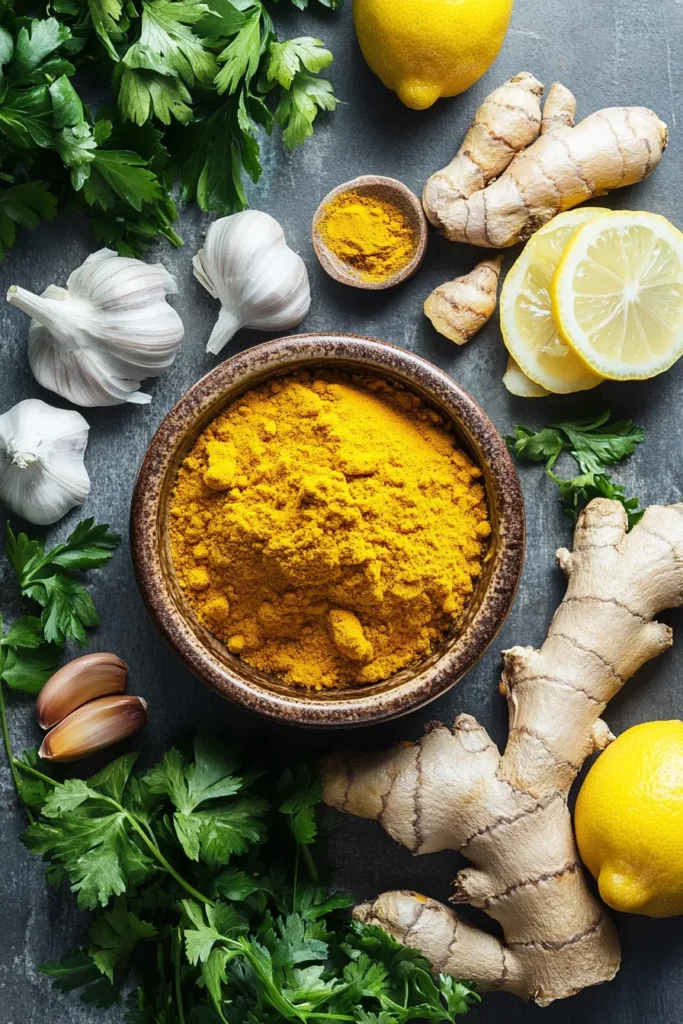
The healing chicken soup I developed combines traditional soup-making wisdom with modern nutritional knowledge. It’s packed with vegetables, uses bone broth for extra collagen and minerals, and includes immune-boosting ingredients like garlic and ginger. When I’m feeling under the weather, this is what I make.
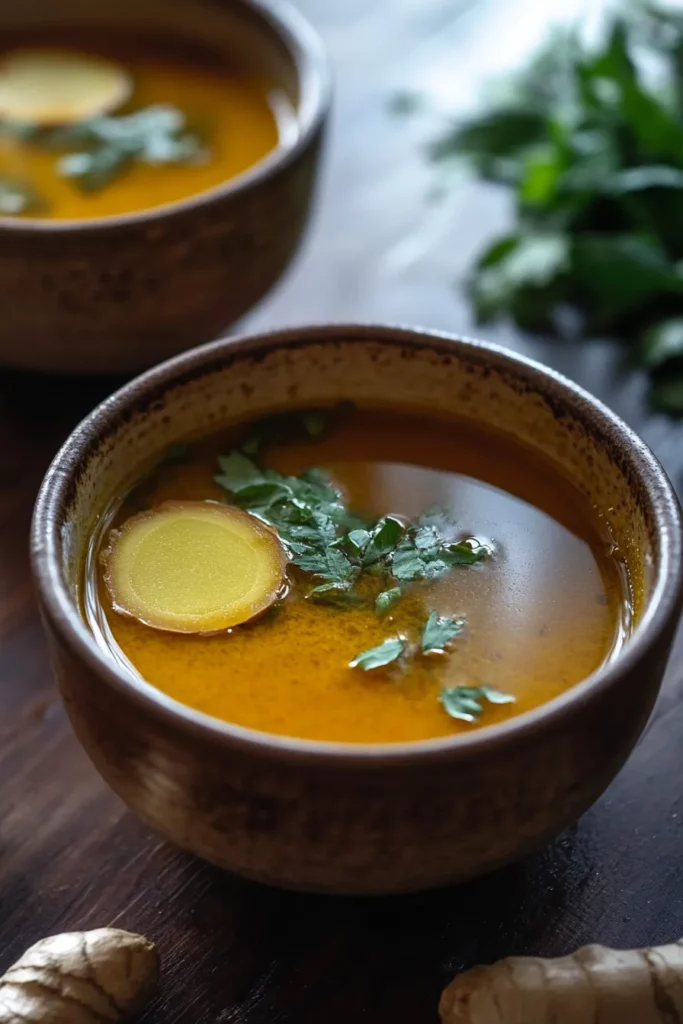
What surprised me most was how good these healing soups could taste. I expected them to be medicinal and virtuous but kind of bland. Instead, ingredients like turmeric and ginger add warmth and complexity that makes the soup more interesting than basic versions. The anti-inflammatory chicken soup has become a regular rotation recipe, not just something I make when I’m sick.
Turmeric: The Golden Touch
Turmeric is one of the most powerful anti-inflammatory ingredients you can add to soup, but it needs to be used correctly. I learned this after making a soup that was so bitter and earthy-tasting that nobody wanted to eat it. The key is balancing turmeric with fat and acid. The fat helps your body absorb turmeric’s beneficial compounds, and a squeeze of lemon or lime at the end brightens the earthy flavor.

The anti-inflammatory turmeric chicken soup gets this balance right. It has enough turmeric to be beneficial without being overwhelming, and the addition of coconut milk provides both the fat needed for absorption and a creamy richness that makes the soup feel indulgent rather than medicinal.
For a lighter version that still packs anti-inflammatory benefits, try the 30-minute anti-inflammatory cauliflower chicken soup. Cauliflower adds substance and creaminess when blended while contributing its own anti-inflammatory compounds. It’s quick enough for weeknights but feels special and nourishing.
Italian Penicillin: Cultural Variations on Healing Soup
Different cultures have their own versions of healing chicken soup, and the Italian version is particularly delicious. Italian penicillin soup uses tiny pasta like acini di pepe or orzo, lots of fresh parsley, lemon juice, and sometimes eggs for richness. The bright, fresh flavors make it feel lighter than traditional chicken noodle soup while still being deeply comforting.
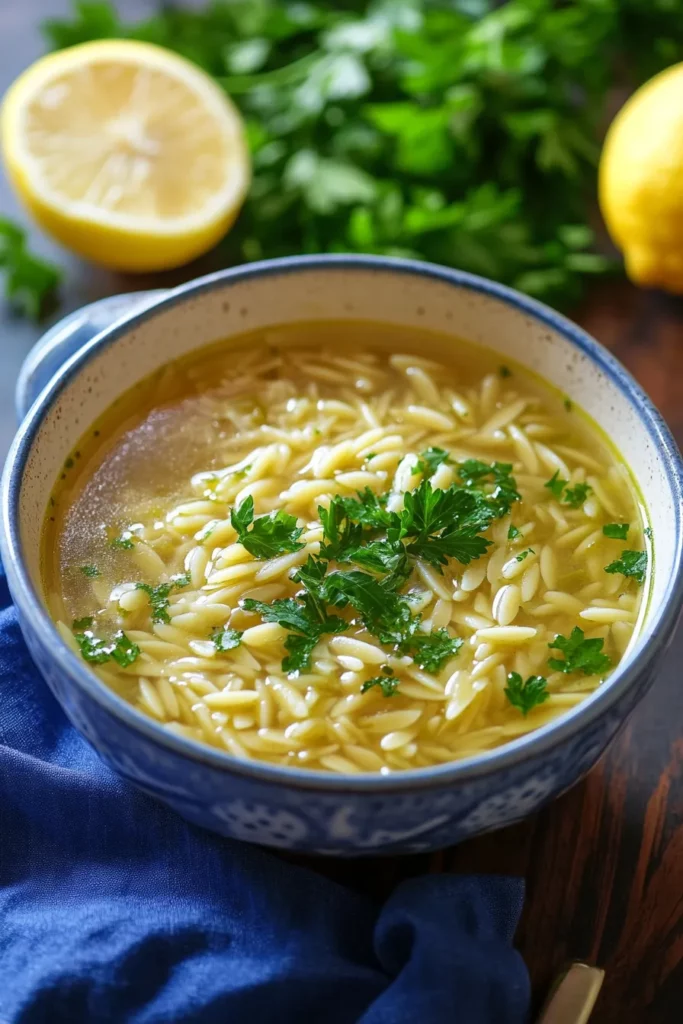
What I love about this version is how the lemon juice and fresh herbs wake up your palate. When you’re sick and everything tastes muted, those bright flavors cut through and make eating enjoyable again. The soup is nourishing and healing while still being something you’d want to eat even when you’re perfectly healthy.
Creamy and Indulgent Chicken Soups
Sometimes you want chicken soup that feels more like a hug than medicine. That’s when I turn to creamy versions that are rich, indulgent, and utterly satisfying. These aren’t everyday soups, but when you need comfort food in its truest form, nothing else will do.

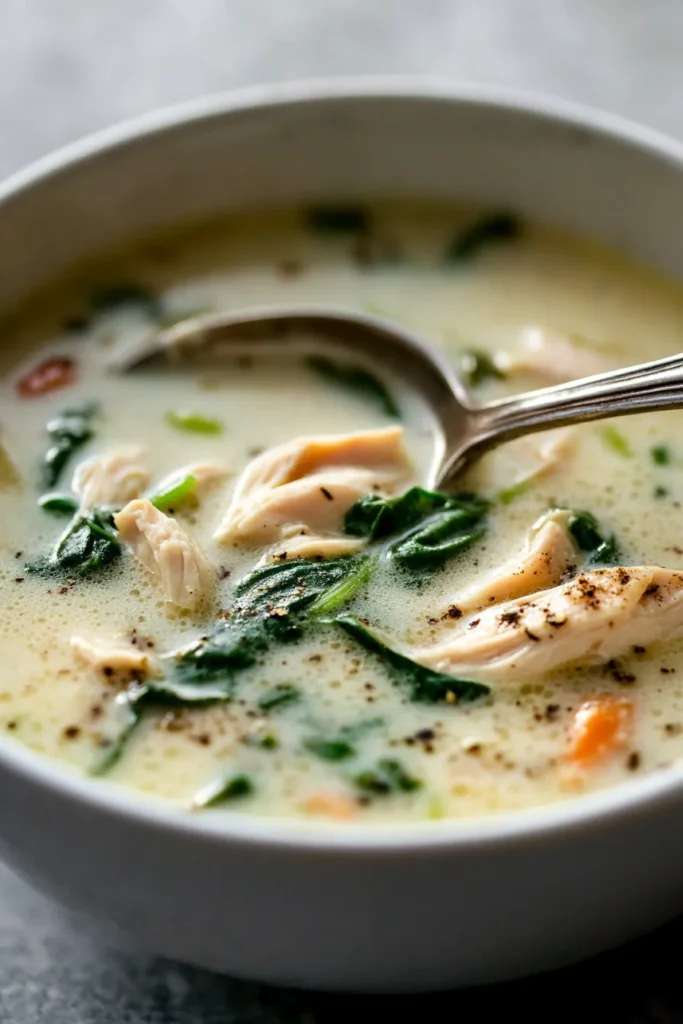
The secret to great creamy chicken soup is building flavor before adding any cream. I sauté the vegetables until they’re soft and sweet, brown the chicken pieces for extra depth, and let everything simmer in broth until the flavors meld. Only then do I add cream or milk, which enriches rather than overwhelms the existing flavors.
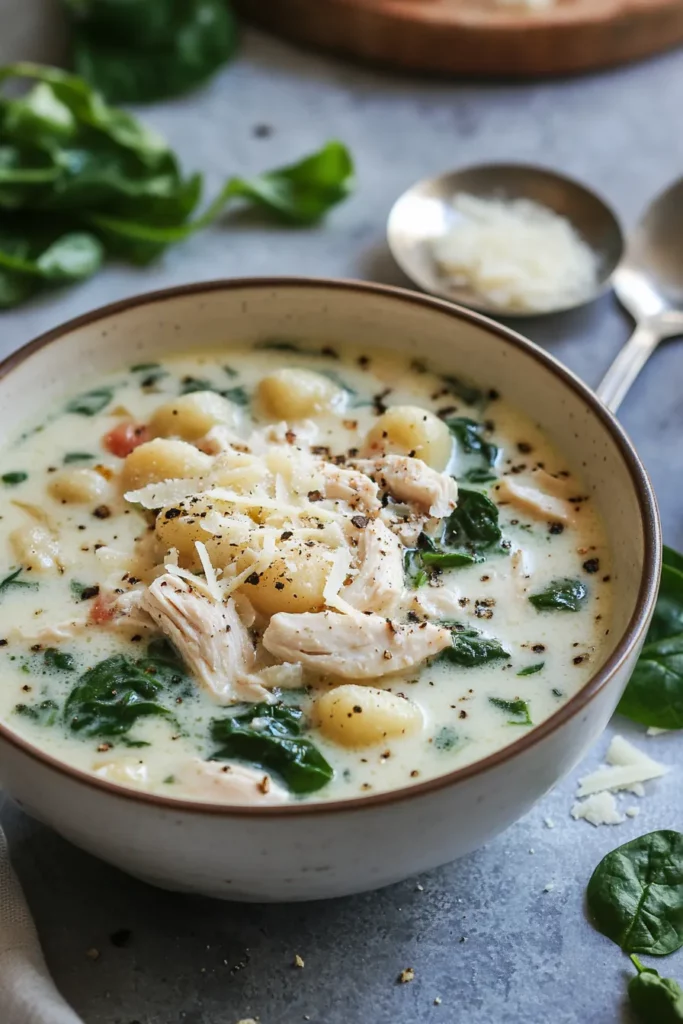
One of my family’s absolute favorites is better than Olive Garden chicken gnocchi soup. The pillowy gnocchi, tender chicken, and creamy broth loaded with spinach create something that’s both elegant and comforting. I make it for special occasions and weeknight dinners alike because it always feels like a treat.
The Gnocchi Experience
Gnocchi in soup is a revelation if you’ve never tried it. Those little potato dumplings soak up broth while staying tender, and they’re more substantial than noodles without being heavy. The Olive Garden chicken gnocchi soup copycat recipe I developed captures that restaurant magic at home.
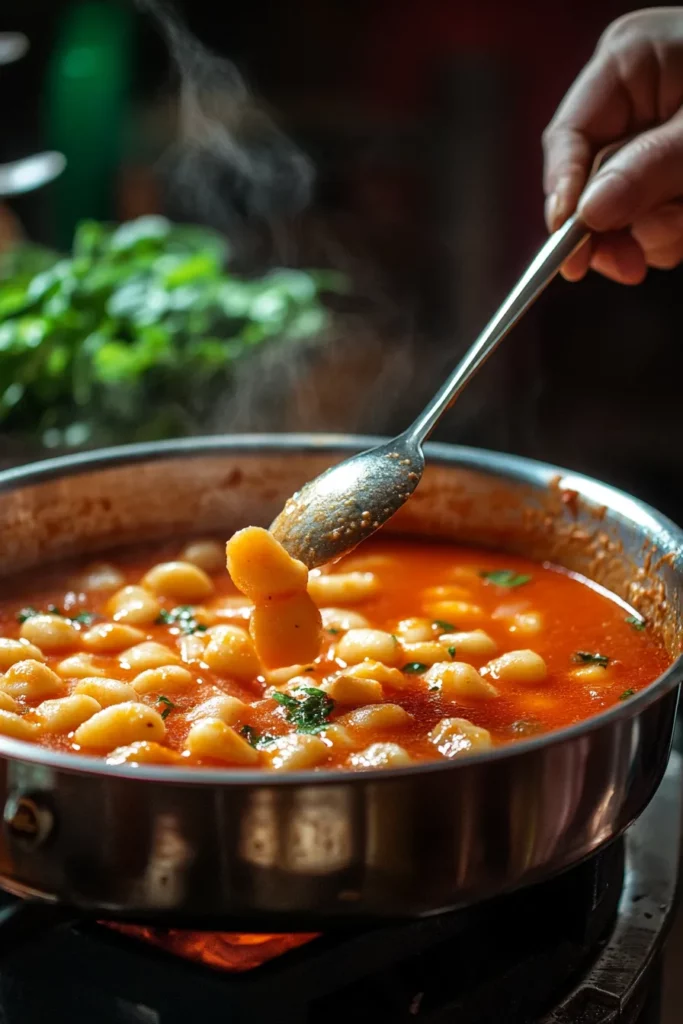
The trick with gnocchi is not to overcook them. They should be tender but still hold their shape, not dissolve into the soup. I cook them separately just like pasta and add them to the soup at the end. For the best texture and flavor, try making homemade chicken gnocchi soup from scratch. The extra effort creates something truly special.
Chicken Pot Pie Soup: All the Comfort, Less Work
I love chicken pot pie, but making that flaky crust and assembling everything can feel like a project. Chicken pot pie soup gives you all those same comforting flavors in a fraction of the time. The creamy broth, tender vegetables, and chunks of chicken taste exactly like pot pie filling, and you can serve it with biscuits or puff pastry on top if you want that pastry element.
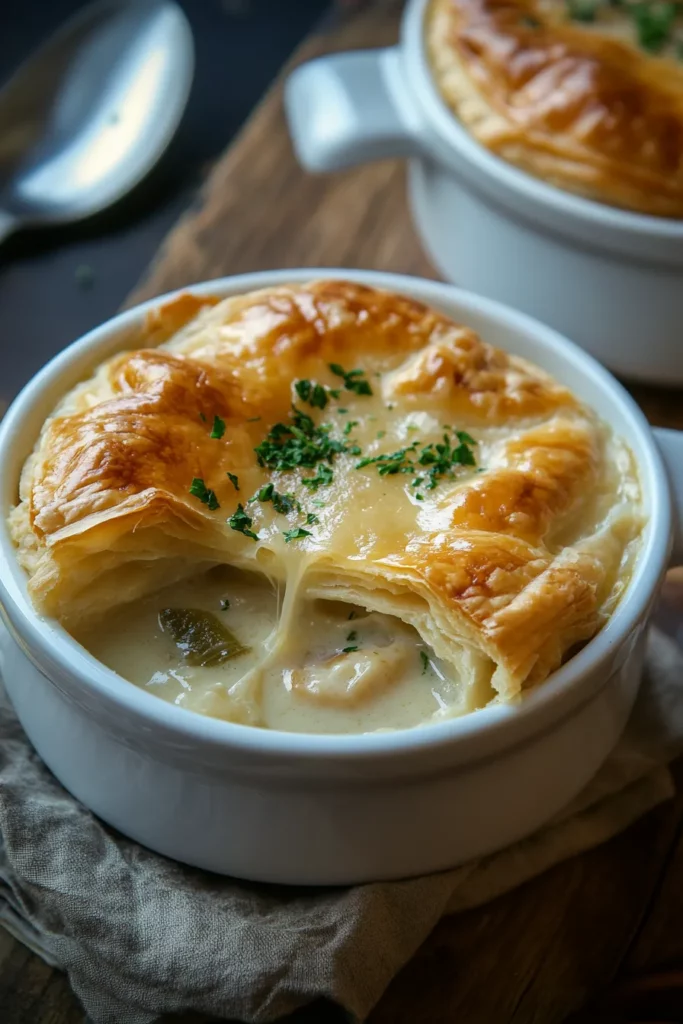
What makes this soup work is getting the consistency right. It should be thick enough to coat a spoon but still soupy enough to eat with a spoon rather than a fork. I use a combination of flour and cream to thicken it, which gives body without making it gummy or starchy-tasting.
Slow Cooker and Crockpot Chicken Soups
My slow cooker changed my soup-making life. Being able to throw ingredients in before work and come home to a house filled with the aroma of simmering soup is one of life’s simple pleasures. Plus, the gentle, even heat of a slow cooker creates incredibly tender chicken and well-developed flavors without any babysitting required.
The key to successful slow cooker soup is understanding what works well with long cooking times and what doesn’t. Sturdy vegetables like carrots, celery, and onions are perfect. Delicate vegetables like spinach or herbs should be added in the last thirty minutes. Pasta and rice need careful timing too, or they’ll turn to mush.
My go-to weeknight recipe is slow cooker chicken noodle soup. I put everything except the noodles in the slow cooker in the morning, and in the evening I just cook the noodles separately and add them to bowls as I serve. It’s foolproof and always delicious.
Rice and Wild Rice Variations
Rice-based chicken soups are wonderfully hearty and satisfying. The rice absorbs broth and becomes creamy, adding body to the soup while making it more filling. Slow cooker chicken rice soup is a family favorite that feels like a warm hug in a bowl.
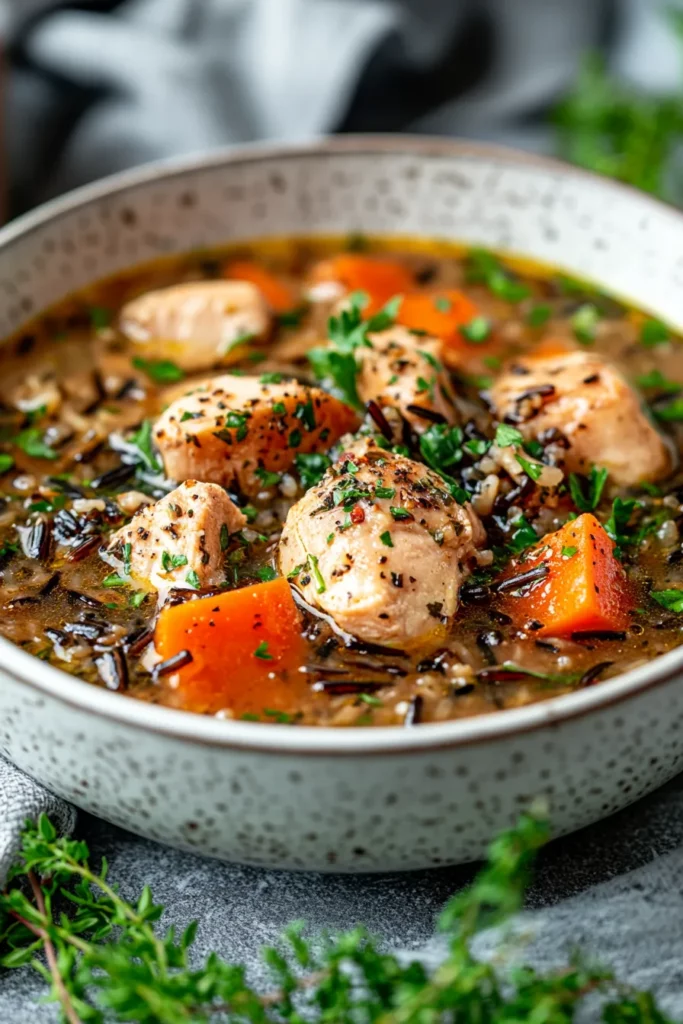
Wild rice takes this concept even further. Its nutty flavor and chewy texture add complexity that white rice can’t match. The wild rice soup I make is earthy and rich, perfect for cold winter nights when you need something substantial. It’s one of those soups that tastes even better the next day after the flavors have melded.
For the ultimate comfort food, try crockpot chicken wild rice soup. The slow cooker perfectly cooks the wild rice until it’s tender but not mushy, and the result is a soup that’s both rustic and elegant. I often make the creamy version, creamy crockpot chicken wild rice soup, when I want something extra indulgent.
Timing Tips for Slow Cooker Success
After years of slow cooker soup-making, I’ve learned that timing is everything. Most chicken soups need four to six hours on low or two to three hours on high. Chicken breasts cook faster than thighs, and boneless cooks faster than bone-in. I prefer using bone-in, skin-on chicken thighs for slow cooker soups because they stay moist and flavorful even after hours of cooking.
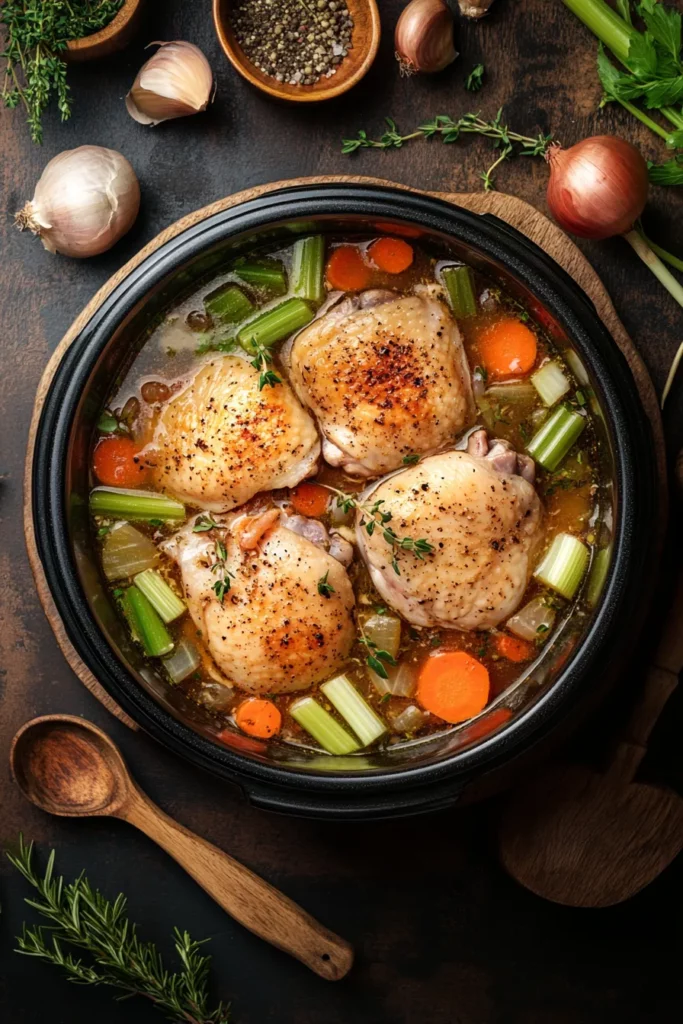
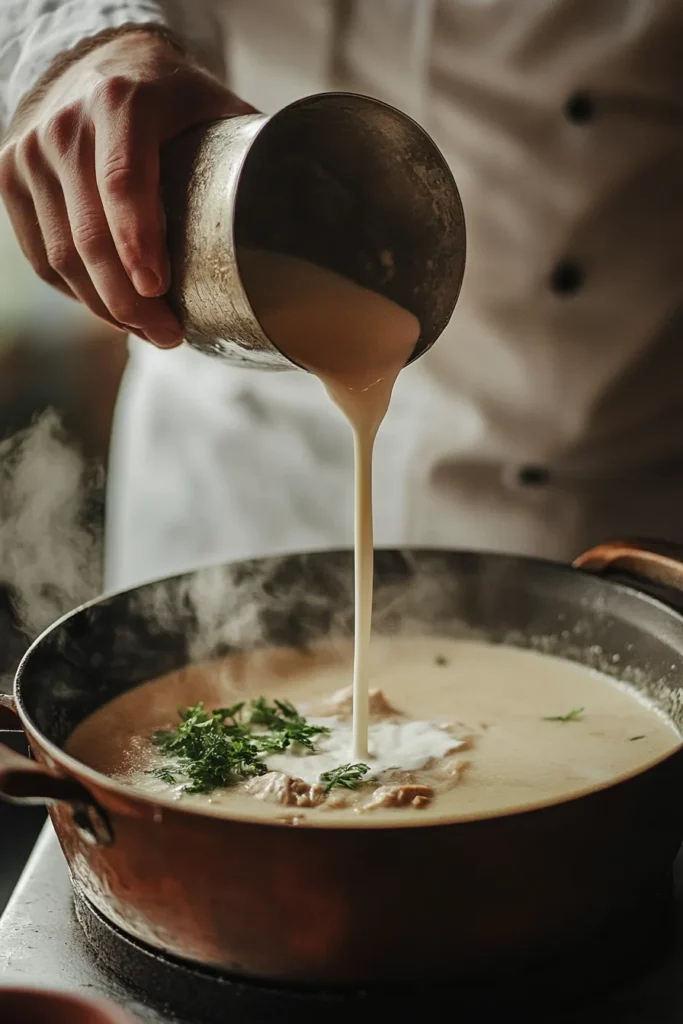
One mistake I made early on was adding dairy products at the beginning of cooking. Milk and cream can separate or curdle over long cooking times. Now I always add them in the last thirty minutes to an hour of cooking, stirring them in gently once the soup is otherwise finished.
Creative and International Chicken Soup Variations
Once you master the basics of chicken soup, the world of flavor combinations opens up. I love experimenting with ingredients from different cuisines, creating fusion soups that bring new excitement to familiar comfort food. These creative versions keep chicken soup interesting even if you eat it weekly like my family does.
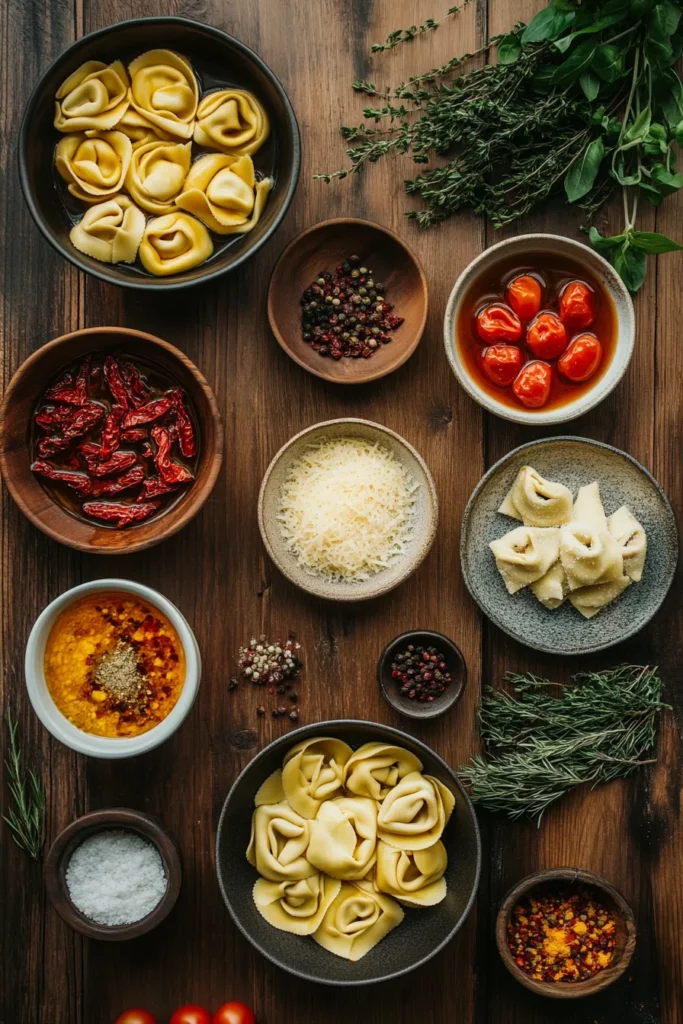
The marry me chicken soup takes inspiration from the viral marry me chicken dish, transforming those sun-dried tomatoes, herbs, and creamy sauce into soup form. It’s rich, flavorful, and sophisticated enough for date night but easy enough for a Tuesday dinner.
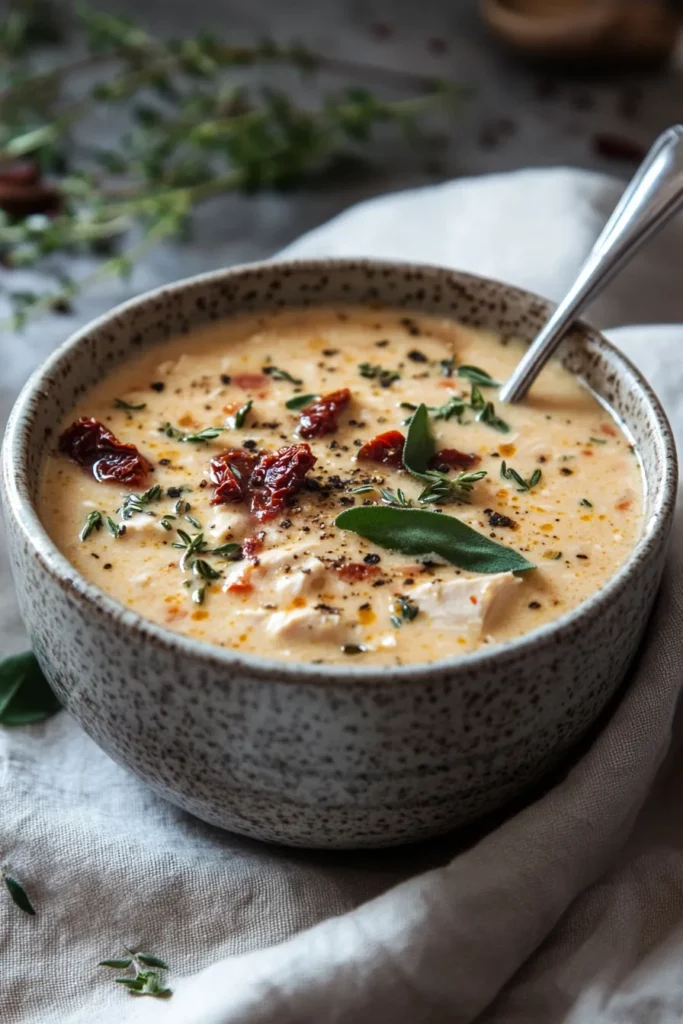
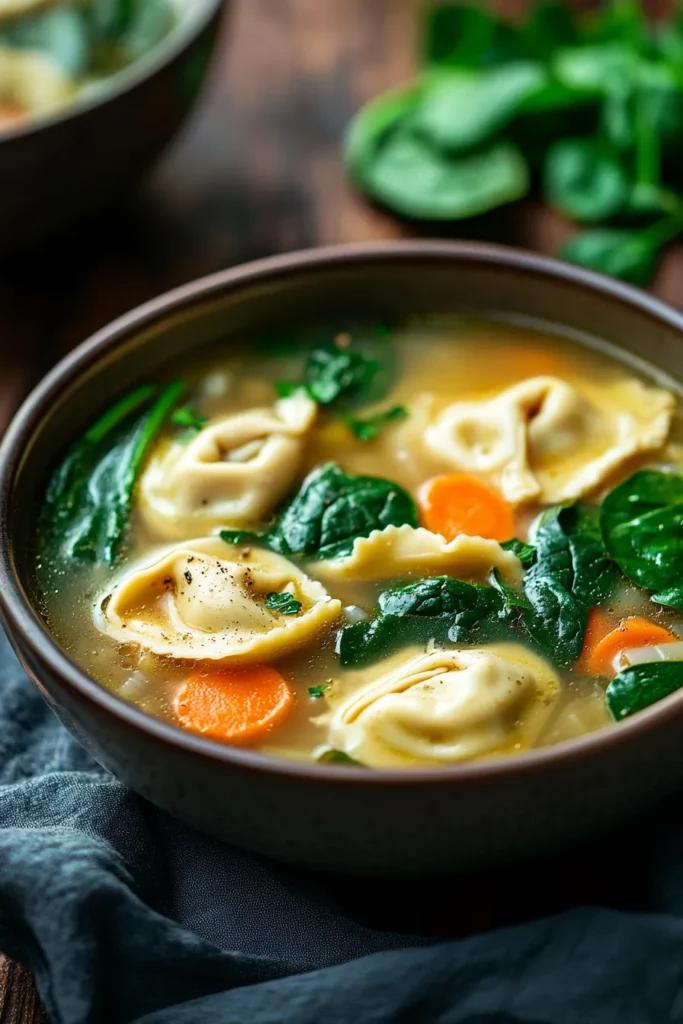
Tortellini transforms ordinary chicken soup into something special. Those little pasta pillows filled with cheese add richness and interest to every spoonful. My chicken tortellini soup recipe combines tender chicken, cheese tortellini, fresh spinach, and a flavorful broth for a soup that feels like a special occasion even when it’s just a regular weeknight.
Unexpected Ingredient Additions
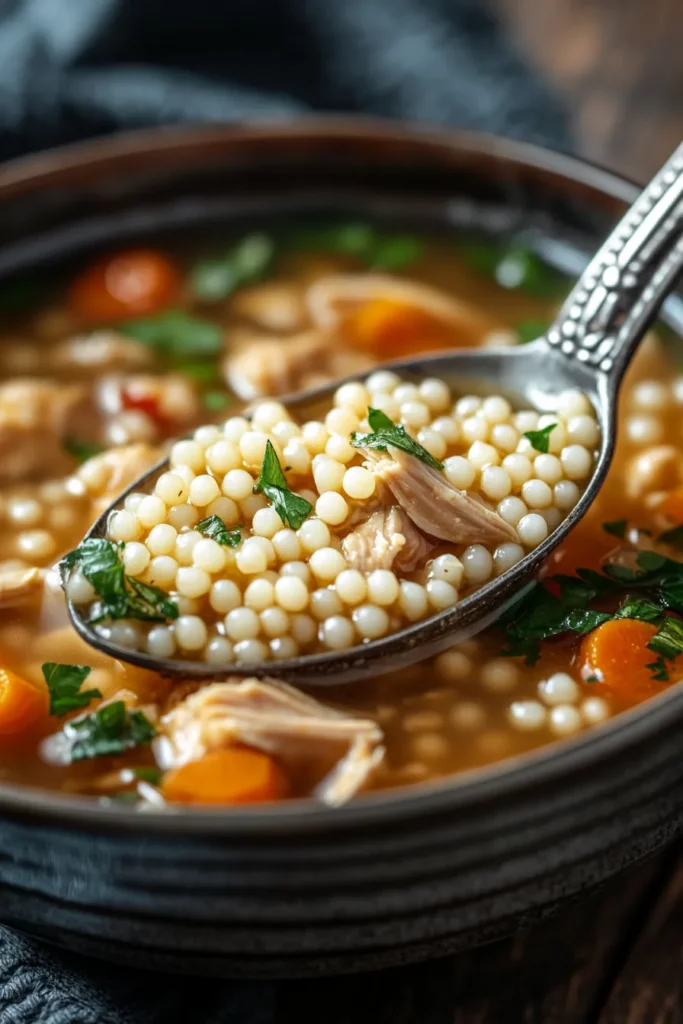
Some of my best soup discoveries came from experimenting with unexpected ingredients. Pearl couscous, for example, adds wonderful texture and visual interest to chicken soup. The comfort in a bowl chicken pearl couscous soup has those delightful little pearls that are fun to eat and absorb broth beautifully.
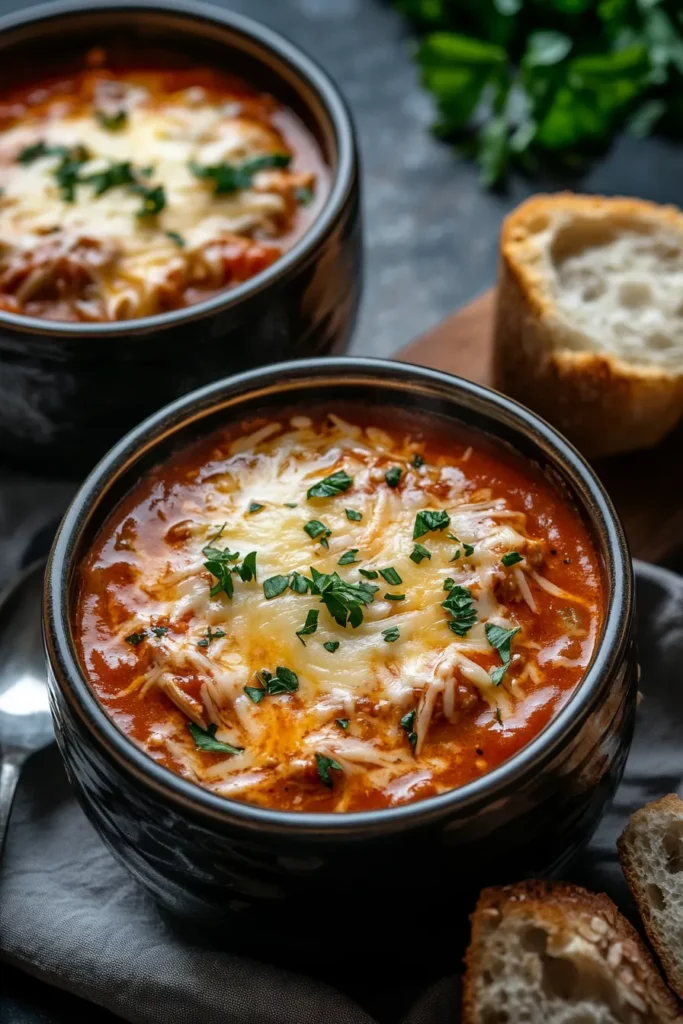
Parmesan-based soups opened up a whole new category for me. The crock pot chicken parmesan soup tastes like the Italian-American classic transformed into a cozy bowl. It has all those familiar flavors of marinara, melted cheese, and Italian herbs, but in a form that’s easier to make and even more comforting to eat.
Expert Tips for Perfect Chicken Soup Every Time
After making hundreds of pots of chicken soup, I’ve learned countless lessons about what works and what doesn’t. These are the tips I wish someone had told me when I first started making soup, the little tricks that elevate good soup to great soup.
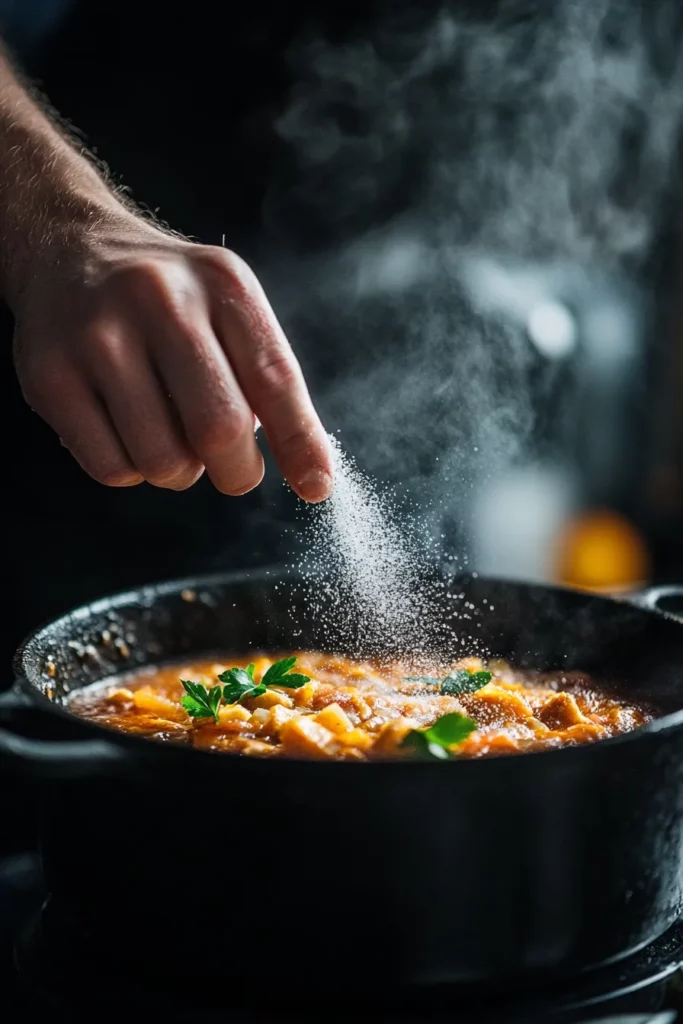
First, season as you go. Don’t wait until the end to add all your salt. Adding it gradually throughout the cooking process allows the flavors to develop and meld properly. I season the vegetables as I sauté them, season the broth when I add it, and then taste and adjust at the end. This creates layers of seasoning rather than just salty soup.
Temperature control matters more than you might think. A hard boil makes broth cloudy and can make chicken tough and stringy. A bare simmer, where you see gentle bubbles occasionally breaking the surface, extracts flavor without overcooking anything. I learned this lesson after serving chicken soup with tough, dry chicken pieces because I’d let the pot boil too vigorously.
The Acid Brightening Trick
One of the most important lessons I learned is that a squeeze of acid at the very end transforms chicken soup from good to extraordinary. Lemon juice is my go-to, but lime juice or a splash of vinegar works too. This brightens all the flavors and makes the soup taste more vibrant and alive. Just a tablespoon or two makes a huge difference.
I add acid right before serving, never during cooking. Added too early, it can make vegetables mushy and give the soup a sour rather than bright flavor. Wait until everything else is done, taste the soup, add a squeeze of lemon juice, taste again, and marvel at how much better it suddenly tastes.
Storage and Reheating Guidelines
Chicken soup stores beautifully, which makes it perfect for meal prep. I always let soup cool completely before refrigerating it in airtight containers. It will keep for four to five days in the fridge or up to three months in the freezer. For best results, I freeze soup in portion-sized containers so I can thaw only what I need.
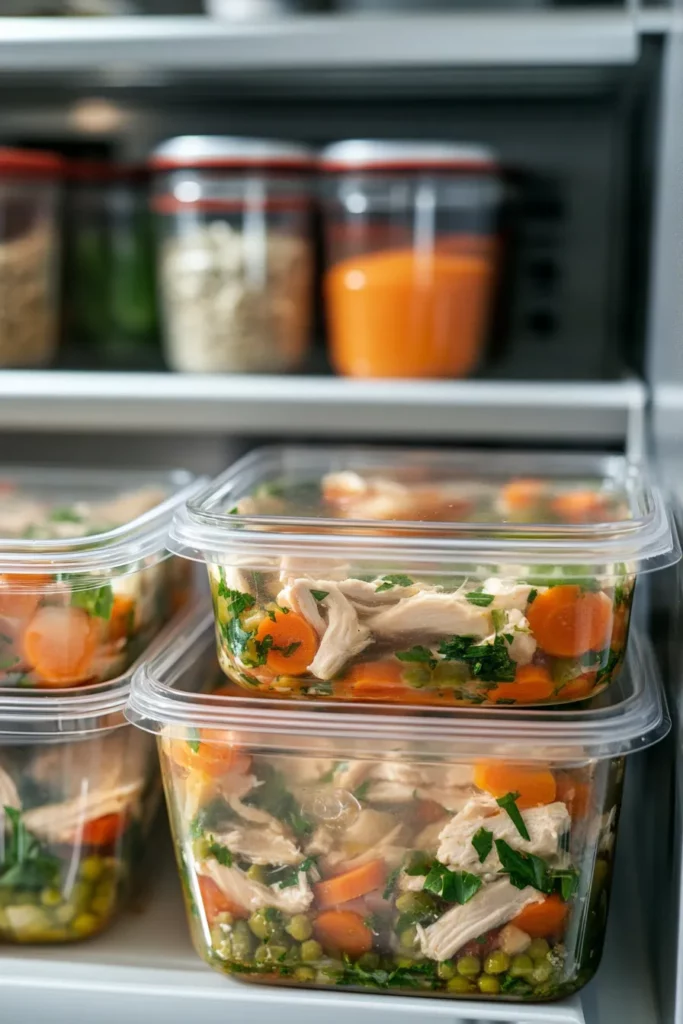
When reheating, do it gently over medium-low heat rather than blasting it on high. This prevents the chicken from getting tough and any dairy from separating. If the soup seems too thick after storage, thin it with a bit of broth or water. Pasta and rice will continue absorbing liquid as the soup sits, so these types always need a little extra liquid when reheating.
Common Mistakes to Avoid
The biggest mistake I see people make is using chicken breasts and cooking them too long. Chicken breasts are lean and dry out quickly, especially with long cooking times. If you do use breasts, add them later in the cooking process and remove them as soon as they’re cooked through, about fifteen to twenty minutes. Dark meat thighs are much more forgiving and stay moist even with longer cooking.
Another common error is not building layers of flavor. Just dumping everything in a pot at once and hoping for the best rarely produces great soup. Take time to sauté your aromatics until they’re soft and fragrant. Brown your chicken pieces if the recipe calls for it. These steps create depth that you simply cannot achieve by adding everything simultaneously.
Underseasoning is perhaps the most frequent mistake. Chicken soup needs more salt than you think because you’re seasoning a large volume of liquid. Taste frequently as you cook and adjust seasoning accordingly. Remember that some salt will cook off or be absorbed by noodles and rice, so season throughout the cooking process, not just at the beginning.
Conclusion
Chicken soup has been warming hearts and healing bodies for as long as people have been cooking, and for good reason. It’s infinitely adaptable, deeply comforting, and relatively simple to make once you understand the basics. Whether you’re nursing a cold with a bowl of healing broth, celebrating a special occasion with an elegant gnocchi soup, or just feeding your family on a busy Tuesday night, there’s a chicken soup for every mood and moment.
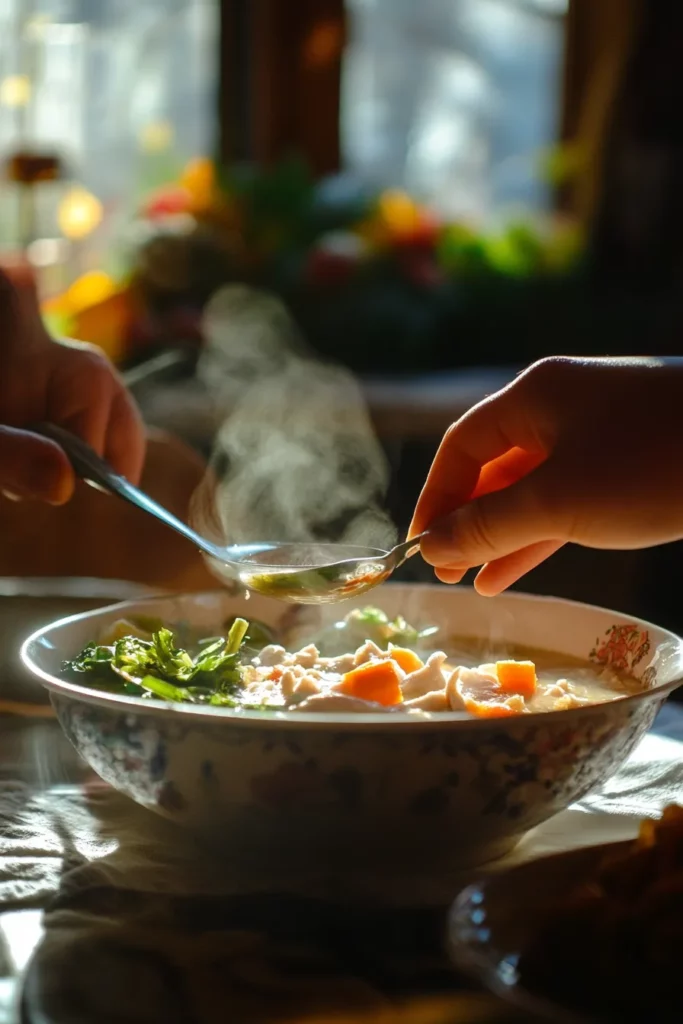
The most important thing I’ve learned about chicken soup is that it’s forgiving. You can adjust ingredients based on what you have, substitute vegetables according to the season, make it as simple or as complex as your schedule allows. The fundamentals remain the same: good broth, properly cooked chicken, thoughtfully chosen vegetables and aromatics, and careful seasoning. Master these basics, and you can create countless variations that will become family favorites.
Remember that the best chicken soup is the one that brings you comfort and joy. Don’t stress about making it perfect. Some of my favorite soup memories involve slightly overcooked noodles or vegetables cut in uneven sizes. What mattered was the warmth, the nourishment, and the care that went into making it. Soup made with love always tastes better, even if it’s not technically perfect.
So pull out your biggest pot, gather your ingredients, and start simmering. Your kitchen will smell amazing, your house will feel cozier, and you’ll have delicious, nourishing food to enjoy for days. And maybe, like me, you’ll discover that making chicken soup becomes a form of meditation, a way to slow down and create something meaningful with your own hands.
Explore more delicious inspiration:
Better Than Olive Garden Chicken Gnocchi Soup
Frequently Asked Questions
Can I use rotisserie chicken for chicken soup?
Absolutely, and it’s one of my favorite shortcuts for weeknight soup. Rotisserie chicken is already cooked and seasoned, so it saves you significant time. Just shred the meat and add it to your soup near the end of cooking so it heats through without getting dry. You can even simmer the bones and skin in your broth for extra flavor before straining.
Why is my chicken soup bland?
Bland soup usually means underseasoning or lack of layered flavors. Make sure you’re salting adequately throughout cooking, not just at the end. Also ensure you’re sautéing your aromatics properly to develop their flavors before adding liquid. A squeeze of lemon juice at the end brightens everything remarkably. Sometimes bland soup just needs more salt, pepper, and acid to come alive.
How do I keep noodles from getting mushy in chicken soup?
Cook noodles separately and add them to individual bowls as you serve, or store them separately from the soup. Noodles continue absorbing liquid as they sit, which is why leftover chicken noodle soup often has bloated, mushy noodles. This separate cooking method keeps them perfect every time and your leftovers will still be delicious.
Can I freeze chicken soup with noodles or rice?
You can, but the texture of noodles and rice changes after freezing and thawing. They become softer and sometimes mushy. For best results, freeze the soup without pasta or rice, then cook those fresh when you reheat the soup. If you do freeze soup with noodles or rice, expect them to be softer and plan to add extra broth when reheating.
What’s the best way to thicken chicken soup?
There are several methods depending on what texture you want. For a slightly thickened soup, whisk together equal parts flour and softened butter to make a beurre manié, then whisk it into the simmering soup. For cream-based soups, heavy cream naturally thickens as it reduces. You can also blend some of the cooked vegetables and stir them back in for body without adding flour or cream.
How long should I simmer chicken soup?
For soups using pre-cooked chicken or rotisserie chicken, you only need to simmer long enough for vegetables to cook and flavors to meld, usually twenty to thirty minutes. For soups where you’re cooking raw chicken, simmer until the chicken is cooked through and tender, about twenty-five to thirty minutes for boneless pieces or forty-five to sixty minutes for bone-in pieces. The longer gentle simmering time allows more flavor to develop.
Can I make chicken soup in advance?
Chicken soup is actually better the next day after flavors have melded overnight. Make it a day or two before you need it, but store noodles or rice separately if using them. The soup will keep refrigerated for four to five days or frozen for up to three months. Just reheat gently and adjust seasoning before serving, as some flavors mellow with storage.
What vegetables work best in chicken soup?
Classic choices like carrots, celery, and onions are traditional for good reason. They hold up well to cooking and add sweetness and depth. Other great options include parsnips, potatoes, sweet potatoes, green beans, peas, corn, and spinach or kale. Heartier vegetables like carrots can go in early, while delicate greens should be added in the last few minutes of cooking.
How do I make my chicken soup more flavorful?
Build flavor in layers rather than adding everything at once. Sauté aromatics until golden, brown chicken pieces before simmering, use homemade or high-quality broth, add fresh herbs near the end, and finish with acid like lemon juice. Don’t be shy with seasoning, and consider adding depth with ingredients like soy sauce, fish sauce, or parmesan rinds simmered in the broth.
Should I skim the fat off chicken soup?
This is personal preference. Some fat adds flavor and richness, but too much can make soup greasy. I skim off the foam that appears in the first fifteen minutes of simmering, but I leave some of the clear fat for flavor. If you want to remove most fat, refrigerate the soup overnight and lift off the solid fat layer that forms on top before reheating.
Can I use chicken thighs instead of breasts?
Yes, and I actually prefer thighs for most soups. They stay moist and tender even with longer cooking times, and they have more flavor than breasts. Dark meat adds richness to the broth that white meat doesn’t provide. Boneless, skinless thighs are convenient, but bone-in, skin-on thighs create even more flavorful broth if you don’t mind removing bones before serving.
What herbs work best in chicken soup?
Classic choices include parsley, thyme, and bay leaves. Parsley adds fresh, bright flavor and should go in at the end. Thyme and bay leaves can simmer with the soup for their entire cooking time. Dill is wonderful in lighter, more delicate chicken soups. Fresh herbs generally taste better than dried, but if using dried, use about one-third the amount and add them earlier in cooking so they have time to hydrate and release flavor.

🍳 Precision Meets Passion — Tools Chefs Trust Daily

- Grams & ounces — precise to 1g
- Perfect for baking & keto tracking
- Sleek stainless steel design

- German stainless precision
- Razor-sharp & dishwasher-safe
- Elegant wood block organizer

- Premium Stainless Steel Build
- Easy to Clean & Dishwasher Safe
- A Must-Have Kitchen Tool