📑 Table of Contents ▶
- Understanding and Preventing Soggy Pasta Salad
- Common Mistakes Leading to Soggy Pasta Salad
- Additional Expert Tips for Perfect Pasta Salad
- Choosing the Right Pasta
- Cooking Pasta for Salad – The Al Dente Secret
- Steps to Achieving Al Dente Pasta
- Additional Tips for Perfect Pasta Salad
- Cooling Techniques to Retain Firmness
- Assembling and Serving the Perfect Pasta Salad
- Dressing Your Pasta Salad
- Adding Ingredients – Timing and Selection
- Final Assembly and Presentation Tips
- FAQs
Pasta salad is a versatile and beloved dish, perfect for picnics, potlucks, and meal prep. Yet, achieving the perfect texture—especially avoiding the dreaded soggy pasta salad—can be a culinary challenge. This comprehensive guide will walk you through the steps and secrets to creating a pasta salad that’s as delightful in texture as it is in taste, ensuring you never have to face the disappointment of soggy pasta salad again.
Understanding and Preventing Soggy Pasta Salad
Achieving the perfect texture and consistency in your pasta salad is paramount. Soggy pasta salad often results from simple mistakes that are easily avoidable. By understanding these common missteps, you can ensure your pasta salad is a hit at every dining table.
⚡ Smart Kitchen Tools Every Home Cook Swears By

- Pure aluminum
- Durable enough for everyday cooking
- Made in the USA with quality

- 7 cooking functions in one compact cooker
- 3-quart size ideal for couples or small meals
- Up to 70% faster than traditional cooking

- 3 sizes for every recipe
- Pre-seasoned & durable cast iron
- Oven & grill ready
Common Mistakes Leading to Soggy Pasta Salad
-
Overcooking the Pasta:
- Problem: Pasta that is cooked beyond the ‘al dente’ stage tends to become too soft. When mixed with dressing, overcooked pasta quickly absorbs moisture, resulting in a mushy texture that overpowers the salad’s other elements.
- Solution: Cook your pasta until it’s ‘al dente’ – firm to the bite. This ensures that the pasta holds its shape and texture when combined with other ingredients. Always follow the recommended cooking time on the pasta package, and consider tasting it a minute or two before the time is up to ensure perfect firmness.
-
Incorrect Pasta Cooling Methods:
- Problem: If pasta isn’t cooled properly after cooking, it continues to cook from residual heat, becoming softer and more prone to absorbing dressing.
- Solution: To stop the cooking process immediately, drain the pasta and rinse it under cold water until it’s completely cooled. This not only halts cooking but also removes excess starch from the pasta’s surface, preventing clumping and ensuring a better texture.
-
Dressing the Pasta Too Early:
- Problem: ADressing pasta too far in advance can lead to soggy pasta salad, as the pasta absorbs excess moisture.
- Solution: To avoid soggy pasta salad, dress your pasta close to serving time. If prepared in advance, keep the dressing separate and mix just before serving, maintaining the pasta’s perfect texture.
Additional Expert Tips for Perfect Pasta Salad
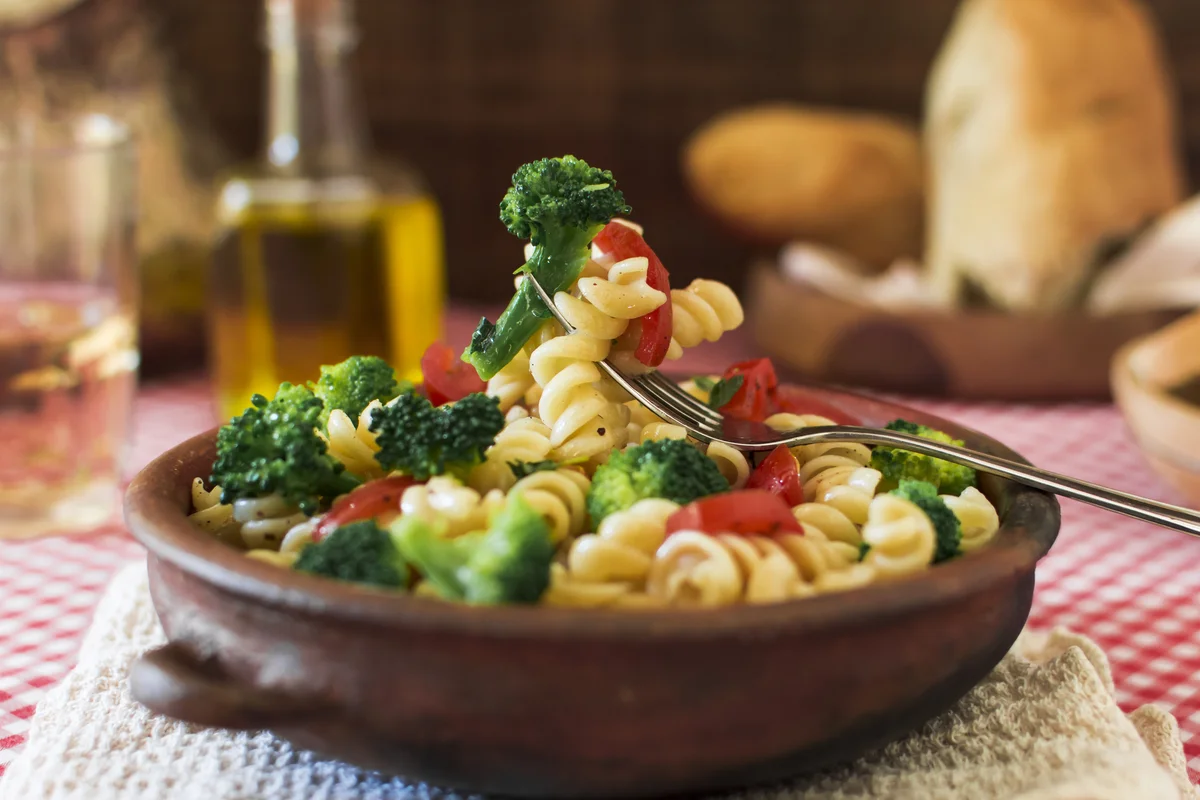
- Choose the Right Pasta: Opt for pasta shapes that hold dressing well without becoming soggy, such as fusilli, rotini, or penne. These shapes have nooks and crannies that capture the dressing, enhancing the flavor of your salad without causing sogginess.
- Balance the Dressing: Ensure your dressing has the right balance of oil, acid, and seasoning. Too much liquid can make the salad soggy. A good rule of thumb is to start with a small amount of dressing, toss, and then add more as needed.
- Incorporate Fresh Ingredients: Fresh vegetables and herbs add texture, flavor, and visual appeal to your pasta salad. Add ingredients like cherry tomatoes, cucumbers, olives, and fresh basil or parsley to elevate your dish.
By understanding and avoiding the common pitfalls of pasta salad preparation, you can create a delightful dish that’s sure to impress. Keep these tips from Eat at Home Cooks in mind, and you’re on your way to making a perfectly textured, flavorful pasta salad that stands out at any dining table.
Choosing the Right Pasta
Choosing the right pasta forms the cornerstone of crafting a delectable pasta salad. The type of pasta you select can greatly influence the texture, flavor, and overall enjoyment of the salad. Understanding that not all pasta is suitable for salad is key. Here are the factors to consider when picking your pasta:
-
Pasta Shape:
- Choose Short and Sturdy: Short, robust pasta shapes like fusilli, rotini, or penne are ideal for salads. Their compact structure ensures they don’t break easily during mixing or serving.
- Surface Area and Grooves: Shapes with plenty of surface area and grooves, such as rotini or fusilli, are excellent as they trap and hold onto the dressing, ensuring every bite is flavorful.
- Avoid Long, Thin Pasta: Spaghetti or angel hair tend to clump together in a salad and don’t hold dressing as effectively.
-
Pasta Texture:
- Go for Rough Textures: Pasta with a rough, porous surface is preferable. This texture is typically the result of a traditional extrusion process through bronze dies. The rougher texture acts like tiny hooks, holding onto the dressing and other ingredients, which ensures a more flavorful bite.
- Steer Clear of Overly Smooth Pasta: Shiny, smooth pasta might be appealing for some dishes, but in a salad, it can cause the dressing to slide off, leaving your pasta bland and your dressing at the bottom of the bowl.
-
Pasta Quality:
- Durum Wheat Semolina: High-quality pasta is often made from durum wheat semolina, which is hard and holds its shape well. This type of pasta is less likely to become mushy and is more forgiving if overcooked by a minute or two.
- Check the Cooking Time: Good quality pasta usually has a longer cooking time. It’s a sign that it’s made from a harder type of wheat and will maintain its texture better in a salad.
-
Cooking the Pasta:
- Salt the Water: Always cook pasta in well-salted water. This is your opportunity to season the pasta itself.
- Al Dente is Key: Cook the pasta until it’s al dente (firm to the bite). Overcooked pasta can become mushy, especially when mixed with dressing and other ingredients.
- Rinse After Cooking: For cold pasta salads, rinse the pasta with cold water after cooking. This stops the cooking process and removes excess starch, which can make the salad gummy.
Cooking Pasta for Salad – The Al Dente Secret
Creating a standout pasta salad begins with perfectly cooked pasta. Achieving the ‘al dente’ texture—tender yet firm to the bite—is more than a cooking technique; it’s an art. Cooking your pasta ‘al dente’ not only enhances the dish’s texture but also ensures the pasta holds its shape when mixed with other ingredients. Here are expert tips on how to cook your pasta to ‘al dente’ perfection, ensuring it forms the ideal base for a delicious pasta salad.

Steps to Achieving Al Dente Pasta
-
Boil in Salted Water:
- Why It’s Important: Salting the water is a fundamental step in pasta cooking. It flavors the pasta from the inside out, ensuring that it’s well-seasoned throughout. The salt enhances the pasta’s natural flavor, providing a subtle but noticeable difference in the final dish.
- How to Do It: Bring a large pot of water to a rolling boil. As a general rule, use about 1 tablespoon of salt for every 4 quarts of water. This might seem like a lot, but most of the salt drains away with the water. Adding salt after the water has boiled ensures it dissolves quickly and doesn’t slow down the boiling process.
-
Stir Regularly:
- Why It’s Important: Stirring the pasta is crucial to prevent it from sticking together. It also ensures that the pasta cooks evenly, preventing some pieces from becoming too soft while others remain too firm.
- How to Do It: Use a long spoon or fork to gently stir the pasta periodically, especially during the first couple of minutes when it’s most likely to stick together. This simple action can make a significant difference in the texture of your pasta.
-
Taste Test:
- Why It’s Important: Relying solely on the package’s suggested cooking time can be misleading, as factors like the size of the pot, the amount of water, and the intensity of the heat can affect cooking time. Tasting allows you to determine the exact moment your pasta reaches the perfect ‘al dente’ texture.
- How to Do It: Begin tasting the pasta a few minutes before the suggested cooking time on the package. Bite into a piece of pasta. If it’s mostly firm with a slight resistance in the center, it’s ‘al dente.’ It should be firm but not hard, tender but not mushy.
Additional Tips for Perfect Pasta Salad
- Rinse After Cooking: If you’re using the pasta for a cold salad, rinse it under cold water after draining. This stops the cooking process and removes excess starch, preventing the pasta from becoming sticky or overly soft.
- Mix While Warm: If you’re adding a dressing to your pasta, consider doing so while the pasta is still warm. Warm pasta absorbs flavors more effectively, ensuring each piece is beautifully seasoned.
Mastering the ‘al dente’ cooking technique is key to a sensational pasta salad. By boiling in salted water, stirring regularly, and conducting a taste test, you can ensure your pasta provides the perfect foundation for your salad’s flavors and textures. Remember, the attention to detail in cooking your pasta will reflect in every delicious bite of your salad!
Cooling Techniques to Retain Firmness
After cooking your pasta to ‘al dente’ perfection, the cooling process is pivotal in maintaining its firmness and preventing sogginess.
- Rinse with Cold Water: Immediately after draining, rinse your pasta under cold water. This stops the cooking process instantly and cools the pasta down, preserving its firm texture.
- Drain Well: Make sure to drain the pasta thoroughly. Excess water can seep into the pasta, making it soggy. A good tip is to shake the colander gently or even pat the pasta dry with a clean towel if necessary.
Assembling and Serving the Perfect Pasta Salad
Dressing Your Pasta Salad
The dressing is more than just a flavor enhancer; it’s the binding agent of your pasta salad. The type of dressing you choose and when you apply it are crucial.
- Choose the Right Dressing: Oil-based dressings tend to coat the pasta lightly and are less likely to be absorbed too quickly. Creamy dressings, while delicious, can make the pasta mushy if they’re absorbed too deeply.
- Dress at the Right Time: To maintain the pasta’s texture, dress your salad no more than 30 minutes before serving. This ensures that the pasta is flavorful without becoming overly saturated with the dressing.
Adding Ingredients – Timing and Selection
When adding ingredients to your pasta salad, consider not just the flavor they bring, but also their texture and how they interact with the other components, especially the dressing. The key is to add each ingredient at the right moment to preserve its unique texture and taste, avoiding the common pitfall of a soggy or unbalanced salad.
Fresh and Crunchy
- Why It’s Crucial: Fresh vegetables, fruits, and nuts bring a delightful crunch and freshness to your pasta salad. They are the elements that can elevate your dish from good to great, offering a refreshing contrast to the soft pasta.
- When to Add: Introduce these ingredients right before serving. This timing ensures that they retain their crisp texture and vibrant color, adding an inviting crunch with every bite.
- Examples: Freshly diced bell peppers, crisp cucumber slices, juicy cherry tomatoes, or toasted nuts can transform your pasta salad, providing a delightful sensory contrast.
Absorbent Ingredients
- Why It’s Crucial: Ingredients like cheese, croutons, or chunks of bread are absorbent, meaning they can soak up the dressing if added too early, leading to a soggy texture.
- When to Add: These ingredients should be added closer to serving time. This strategy prevents them from becoming overly saturated with the dressing, maintaining the intended texture and ensuring your pasta salad remains appealing and delicious.
- Examples: Feta or goat cheese, homemade croutons, or chunks of rustic bread can add a depth of flavor and a satisfying chew to your pasta salad when added at the right moment.
Final Assembly and Presentation Tips
The way you assemble and present your pasta salad can turn it from a simple dish into a showstopper.
- Layering: Start with a layer of pasta at the bottom, then add your dressing. This allows for even coating. After that, layer in your other ingredients, creating a beautiful and appetizing mix.
- Serving: Keep your salad chilled until serving time to maintain freshness. If you’re serving it outdoors or on a hot day, consider placing the salad bowl over a bed of ice to keep it cool and refreshing.
FAQs
- How long can you store pasta salad? Ideally, pasta salad should be consumed within 3-5 days when stored properly in the fridge. For detailed insights, you might want to explore guides like Pasta Salad Shelf Life in the Fridge.
-
Can you make pasta salad the day before? Yes, preparing pasta salad a day in advance is fine. However, for best results, add ingredients prone to sogginess closer to the serving time.
- Best ways to refresh leftover pasta salad? A splash of vinegar or lemon juice can revive the flavors of a leftover pasta salad. For more creative ideas, consider looking into resources like Pasta Salad Pairings Guide.
In conclusion, creating a pasta salad that’s flavorful and maintains the perfect texture is all about understanding the nuances of pasta cooking, cooling, and dressing. By avoiding common mistakes and following these tips, you’ll be well on your way to mastering the art of the perfect pasta salad. Happy cooking!
🥗 Fresh, Fast & Foolproof — Upgrades You'll Use Tonight

- Zoodles in seconds
- Heavy-duty, 10 sharp blades
- Keto, paleo & gluten-free friendly

- Meals in ~30 minutes
- 3-Qt — perfect for 1–3 people
- Pressure cook, sauté, steam & more

- Phone alerts & live temp graph
- Hands-off monitoring for smokers
- Perfect doneness, every time

🍳 Precision Meets Passion — Tools Chefs Trust Daily

- Grams & ounces — precise to 1g
- Perfect for baking & keto tracking
- Sleek stainless steel design

- German stainless precision
- Razor-sharp & dishwasher-safe
- Elegant wood block organizer

- Premium Stainless Steel Build
- Easy to Clean & Dishwasher Safe
- A Must-Have Kitchen Tool