📑 Table of Contents ▶
Vegetarian Pasta Primavera
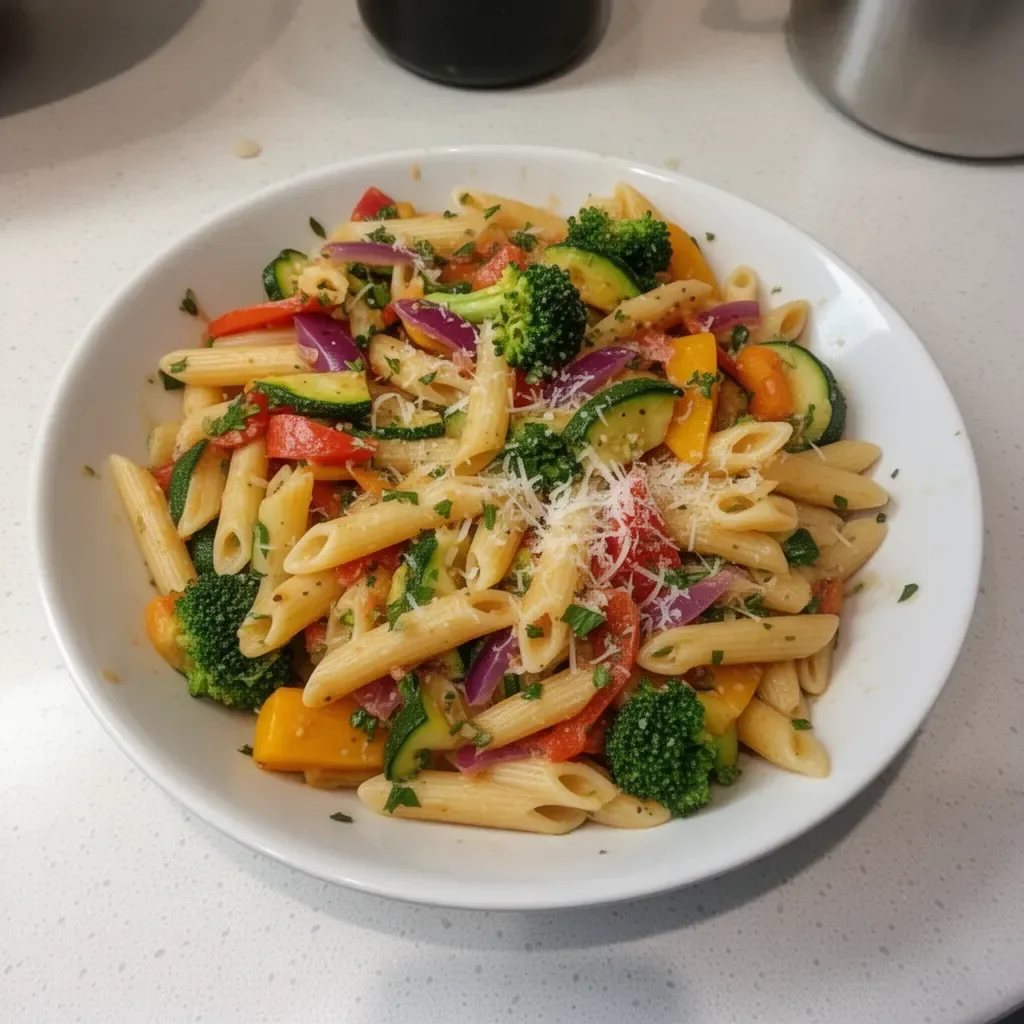
Dancing around the kitchen, I often find myself captivated by the aroma of something delicious bubbling away on the stove. The vibrant colors and fresh ingredients of a vegetarian pasta primavera always draw me in. This dish isn’t just a meal; it’s an expression of joy and creativity. I remember the first time I tried cooking it—I tossed in whatever vegetables I had on hand, and it turned out to be a delightful surprise.
The beauty of vegetarian pasta primavera lies in its versatility. You can incorporate whatever vegetables are in season or even use leftovers. As I engaged in this culinary experiment, I quickly learned that pasta primavera is about embracing spontaneity in the kitchen. Every time I make it, I feel that same excitement as the last, as each ingredient finds its place in the vibrant medley.
⚡ Smart Kitchen Tools Every Home Cook Swears By

- Pure aluminum
- Durable enough for everyday cooking
- Made in the USA with quality

- 7 cooking functions in one compact cooker
- 3-quart size ideal for couples or small meals
- Up to 70% faster than traditional cooking

- 3 sizes for every recipe
- Pre-seasoned & durable cast iron
- Oven & grill ready
A plate of vegetarian pasta primavera represents more than just food; it captures the essence of comfort, community, and a love for wholesome cooking. Every ingredient plays a part, and together they create a dish that feels like a celebration of flavors.
Vegetarian Pasta Basics
Fundamentals
Vegetarian pasta primavera showcases fresh vegetables and a simple pasta base. The beauty of this dish lies in its ability to highlight seasonal ingredients while providing a hearty, satisfying meal. The foundation includes al dente pasta, sautéed vegetables, and fragrant garlic, forming a delightful balance of flavors. Cooking this dish allows you to embrace creativity by altering or adding vegetables based on availability and preference.
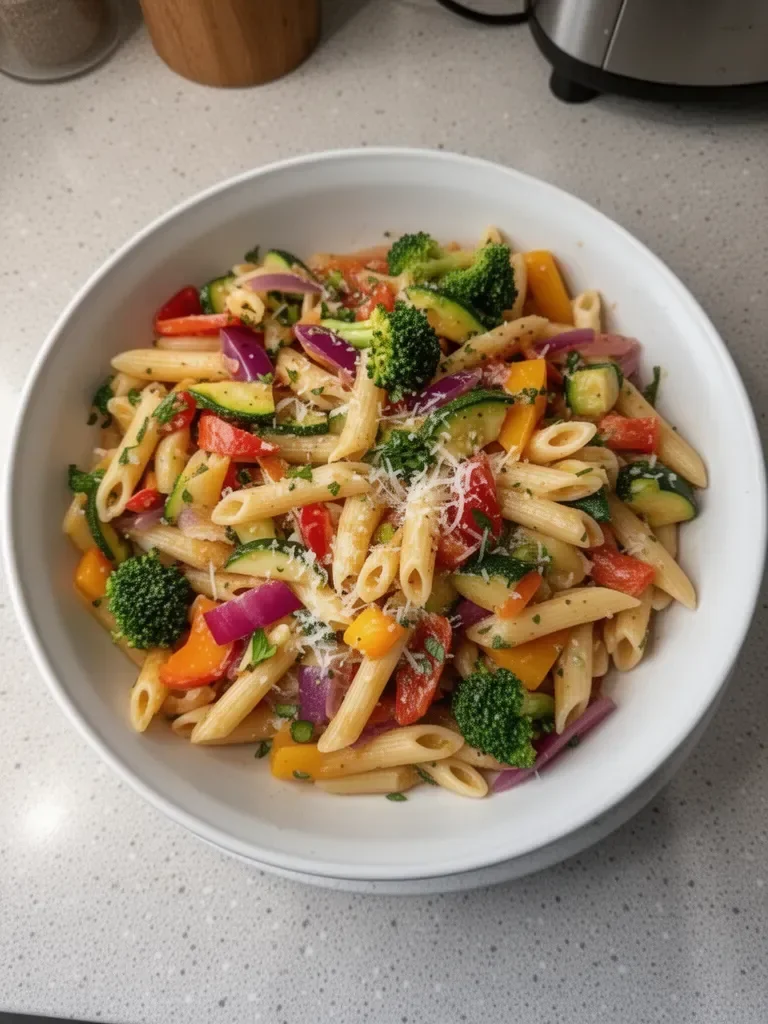
Pasta primavera traditionally calls for a colorful blend of vegetables that might include bell peppers, zucchini, cherry tomatoes, and broccoli. This medley not only adds vibrancy to your plate but also packs a nutritional punch. Each vegetable contributes its unique texture and flavor, turning a simple pasta dish into an exciting culinary experience.
Preparation and Setup
To create this vibrant dish, start by gathering your ingredients. You’ll need 8 ounces of pasta, two tablespoons of olive oil, and an assortment of fresh vegetables, including bell peppers, zucchini, cherry tomatoes, and broccoli. Prepare your fresh ingredients by slicing the bell peppers and zucchini, halving the cherry tomatoes, and cutting the broccoli into florets. The better your prep, the more enjoyable the cooking experience becomes.
Cooking starts with boiling water to cook the pasta following the package instructions. Once cooked, drain the pasta and set it aside, allowing it to rest while you prepare the vegetables. Heat olive oil in a large skillet over medium heat. This will be your flavor base, so ensure it’s hot enough to sauté the garlic and vegetables properly.
Ingredients
The ingredients for vegetarian pasta primavera are simple yet flavorful. You need the following:
- 8 oz pasta (spaghetti or fettuccine)
- 2 tablespoons olive oil
- 1 cup bell peppers (sliced)
- 1 cup zucchini (sliced)
- 1 cup cherry tomatoes (halved)
- 1 cup broccoli florets
- 2 cloves garlic (minced)
- Salt and pepper to taste
- Fresh basil leaves (for garnish)
- Parmesan cheese (for serving, optional)
This combination offers a delightful balance of colors, textures, and tastes. Feel free to adjust the ratios based on your preferences or what you have left in your fridge.
Directions
- Cook the pasta according to package instructions. Drain and set aside.
- In a large skillet, heat olive oil over medium heat.
- Add garlic and sauté for 1 minute until fragrant.
- Add bell peppers, zucchini, and broccoli; cook for about 5-7 minutes until tender.
- Stir in cherry tomatoes and cook for an additional 2-3 minutes.
- Season with salt and pepper to taste.
- Add cooked pasta to the skillet and toss to combine.
- Serve warm, garnished with fresh basil and topped with Parmesan cheese if desired.
Creative Cooking Methods
Technique
Cooking vegetarian pasta primavera is a fun and straightforward process. The secret to achieving the best flavors lies in how you sauté the vegetables. Start with high heat to maintain the vegetables’ vibrant colors and crisp textures. Sautéing quickly helps lock in nutrients and retain the freshness of each ingredient.
When adding vegetables to the skillet, consider their cooking times. Start with those that take longer, like bell peppers and broccoli, and finish with quick-cooking options such as zucchini and cherry tomatoes. This allows each element to reach its perfect tenderness.

Tips and Tricks
One essential tip is to become familiar with your vegetables. Knowing how long each vegetable needs to cook allows you to time the sautéing process perfectly. For added depth of flavor, consider adding crushed red pepper or herbs like thyme or oregano during cooking. These simple adjustments can elevate your pasta primavera to a new level.
🥗 Fresh, Fast & Foolproof — Upgrades You'll Use Tonight

- Zoodles in seconds
- Heavy-duty, 10 sharp blades
- Keto, paleo & gluten-free friendly

- Meals in ~30 minutes
- 3-Qt — perfect for 1–3 people
- Pressure cook, sauté, steam & more

- Phone alerts & live temp graph
- Hands-off monitoring for smokers
- Perfect doneness, every time
If you prefer a creamier sauce, consider adding a splash of heavy cream or a dollop of ricotta cheese at the end. This change can add a rich layer of flavor to the dish without overshadowing the fresh vegetables.
Perfecting Your Dish
Perfecting Results
To achieve the best results with vegetarian pasta primavera, focus on your vegetable selection and cooking time. Choosing seasonal vegetables often results in optimum flavor and texture. When possible, select the freshest produce available, as this makes a considerable difference in the end result.
Cook pasta until it is just al dente, as it continues to cook briefly after being added to the skillet. This ensures you achieve that perfect bite in every forkful. Always taste your dish before serving to adjust seasoning, allowing for salt and pepper to bring out the natural flavors of the ingredients.
Troubleshooting and Variations
If your pasta primavera seems too dry, try drizzling in an extra tablespoon of olive oil or tossing in a bit of reserved pasta water. This helps to create a light, cohesive sauce without overpowering the dish. Alternatively, if you enjoy a bit of heat, add crushed red pepper flakes when sautéing the garlic.
For variations, consider using different pastas such as penne or whole grain options. You can also experiment with a variety of vegetables based on what you have on hand. Carrots, asparagus, or even green beans can add delightful touches to this adaptable dish.
Serving and Storing
Serving and Presentation
When serving vegetarian pasta primavera, presentation plays a key role in enticing your dinner guests. Use a large bowl to display the pasta and vegetables. Garnish each serving with freshly torn basil leaves for color and an aromatic boost. If desired, sprinkle a little Parmesan cheese over the top to enhance the dish’s flavor profile.
Creating an inviting table setting can transform a simple weeknight meal into something special. Pair the colorful bowl of pasta with a crisp salad and crusty bread to round out the meal, making it a complete dining experience.
Pairings and Storage
While enjoying vegetarian pasta primavera, it complements a variety of side dishes. A fresh garden salad or crusty bread offers a satisfying balance to the meal.
Store leftovers in an airtight container in the refrigerator for up to three days. When reheating, add a splash of olive oil to regain some moisture. This simple practice helps revive the flavors and textures of the dish, making your next meal just as enjoyable as the first.
Vegetarian pasta primavera captures the essence of fresh ingredients and creativity in the kitchen. The dish celebrates the joys of cooking and finding comfort in simplicity. Enjoy experimenting with this versatile recipe, and allow it to inspire your culinary adventures.
Print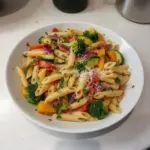
Vegetarian Pasta Primavera
- Total Time: 30 minutes
- Yield: 4 servings 1x
- Diet: Vegetarian
Description
A vibrant and versatile dish showcasing seasonal vegetables and al dente pasta, perfect for any occasion.
Ingredients
- 8 oz pasta (spaghetti or fettuccine)
- 2 tablespoons olive oil
- 1 cup bell peppers (sliced)
- 1 cup zucchini (sliced)
- 1 cup cherry tomatoes (halved)
- 1 cup broccoli florets
- 2 cloves garlic (minced)
- Salt and pepper to taste
- Fresh basil leaves (for garnish)
- Parmesan cheese (for serving, optional)
Instructions
- Cook the pasta according to package instructions. Drain and set aside.
- In a large skillet, heat olive oil over medium heat.
- Add garlic and sauté for 1 minute until fragrant.
- Add bell peppers, zucchini, and broccoli; cook for about 5-7 minutes until tender.
- Stir in cherry tomatoes and cook for an additional 2-3 minutes.
- Season with salt and pepper to taste.
- Add cooked pasta to the skillet and toss to combine.
- Serve warm, garnished with fresh basil and topped with Parmesan cheese if desired.
Notes
For a creamier sauce, add a splash of heavy cream or a dollop of ricotta cheese at the end. Consider using different pasta types or additional vegetables based on your preference.
- Prep Time: 15 minutes
- Cook Time: 15 minutes
- Category: Main Course
- Method: Sautéing
- Cuisine: Italian
Nutrition
- Serving Size: 1 serving
- Calories: 350
- Sugar: 5g
- Sodium: 400mg
- Fat: 12g
- Saturated Fat: 2g
- Unsaturated Fat: 8g
- Trans Fat: 0g
- Carbohydrates: 45g
- Fiber: 3g
- Protein: 12g
- Cholesterol: 5mg
Keywords: vegetarian pasta, pasta primavera, healthy recipe, easy pasta dish, seasonal vegetables

🍳 Precision Meets Passion — Tools Chefs Trust Daily

- Grams & ounces — precise to 1g
- Perfect for baking & keto tracking
- Sleek stainless steel design

- German stainless precision
- Razor-sharp & dishwasher-safe
- Elegant wood block organizer

- Premium Stainless Steel Build
- Easy to Clean & Dishwasher Safe
- A Must-Have Kitchen Tool