➤ Table of Contents
I still remember the first time my uncle handed me a package of venison tenderloin from his fall hunt. I stood in my kitchen, turning it over in my hands, wondering how on earth I was supposed to cook this lean, beautiful piece of meat without turning it into shoe leather. Growing up, the only venison I’d tasted was dry and gamey, cooked by well-meaning relatives who treated it exactly like beef. That first tenderloin taught me that venison demands its own approach, its own respect, and when you give it that, the results are absolutely spectacular.
⚡ Smart Kitchen Tools Every Home Cook Swears By

- Pure aluminum
- Durable enough for everyday cooking
- Made in the USA with quality

- 7 cooking functions in one compact cooker
- 3-quart size ideal for couples or small meals
- Up to 70% faster than traditional cooking

- 3 sizes for every recipe
- Pre-seasoned & durable cast iron
- Oven & grill ready
There’s something special about cooking wild game that connects you to seasons, to traditions, to the land itself. Maybe it’s knowing that this meat came from an animal that lived free, or maybe it’s the care required to honor that gift by cooking it properly. Whatever it is, venison has become one of my favorite proteins to work with, especially during fall and winter when rich, warming flavors feel just right.
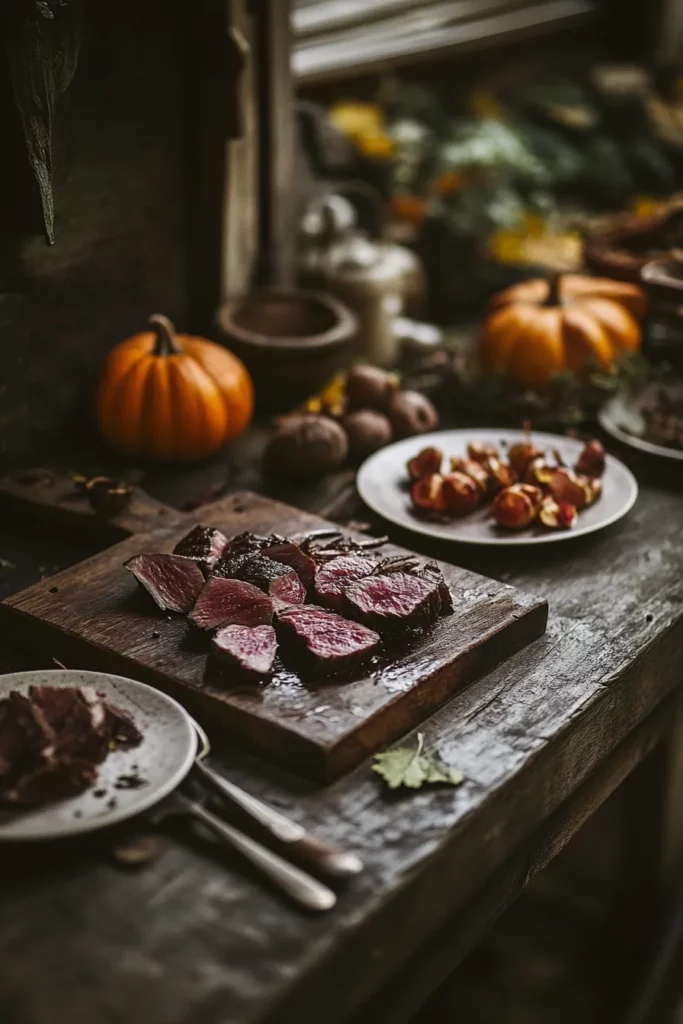
This guide is everything I’ve learned through years of experimenting, making mistakes, and celebrating successes with venison. We’ll explore tender, elegant preparations for venison tenderloin and backstrap that will impress anyone at your table. You’ll discover bacon-wrapped techniques that add moisture and flavor, glazes that balance venison’s natural earthiness, and stuffed preparations that transform a simple cut into something extraordinary. Then we’ll dive deep into the art of making venison jerky, from classic maple-sweetened versions to smoky, spicy variations that disappear as fast as you can make them.
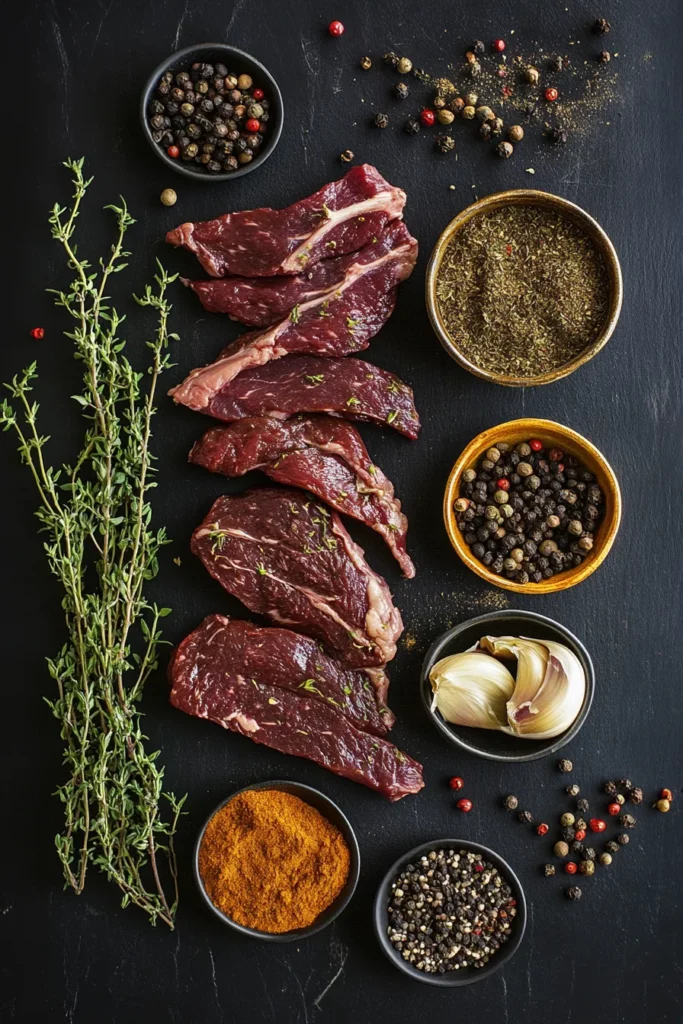
Whether you’re a hunter looking to honor your harvest, someone who’s been gifted venison and wants to cook it well, or simply a curious cook ready to explore beyond typical proteins, you’ll find techniques and recipes here that actually work. Every tip comes from real kitchen experience, complete with the lessons I learned the hard way so your venison turns out perfect every time.
Understanding Venison: Why It’s Different from Beef
The biggest mistake people make with venison is treating it like beef. I know this because I made that mistake myself, more than once. Venison is leaner, with almost no marbling, which means it cooks faster and can dry out quickly if you’re not careful. That lack of fat also means venison benefits tremendously from added moisture, whether that’s through bacon wrapping, butter basting, or rich sauces.
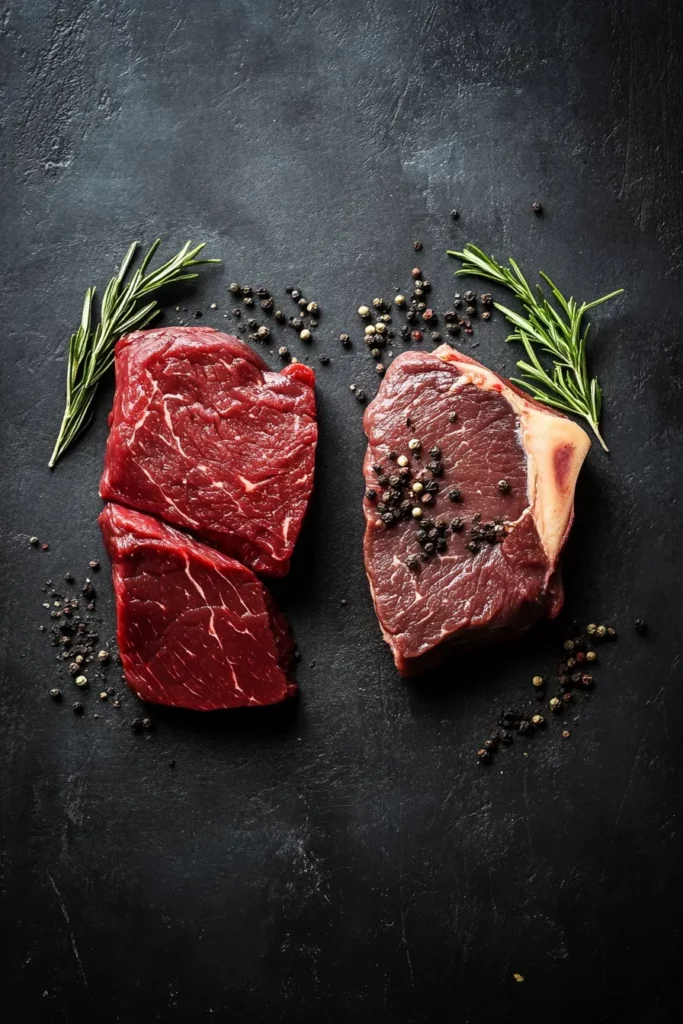
The flavor of venison varies depending on the deer’s diet, age, and how the meat was handled after harvest. Properly processed venison that’s been aged and trimmed of all silver skin and fat has a clean, slightly sweet, earthy flavor. It’s not gamey in an unpleasant way. In fact, when cooked right, venison tastes rich and almost buttery, with a depth that beef sometimes lacks.
Tenderloin and backstrap are the most prized cuts, running along the deer’s back. These muscles do very little work, making them incredibly tender. The tenderloin is smaller and sits inside the body cavity, while the backstrap runs along the outside of the spine. Both are best cooked quickly over high heat or low and slow with plenty of moisture. Medium-rare to medium is ideal. Cook venison past medium and you’ll end up with that dry, tough texture that gives wild game a bad name.
Selecting and Storing Venison
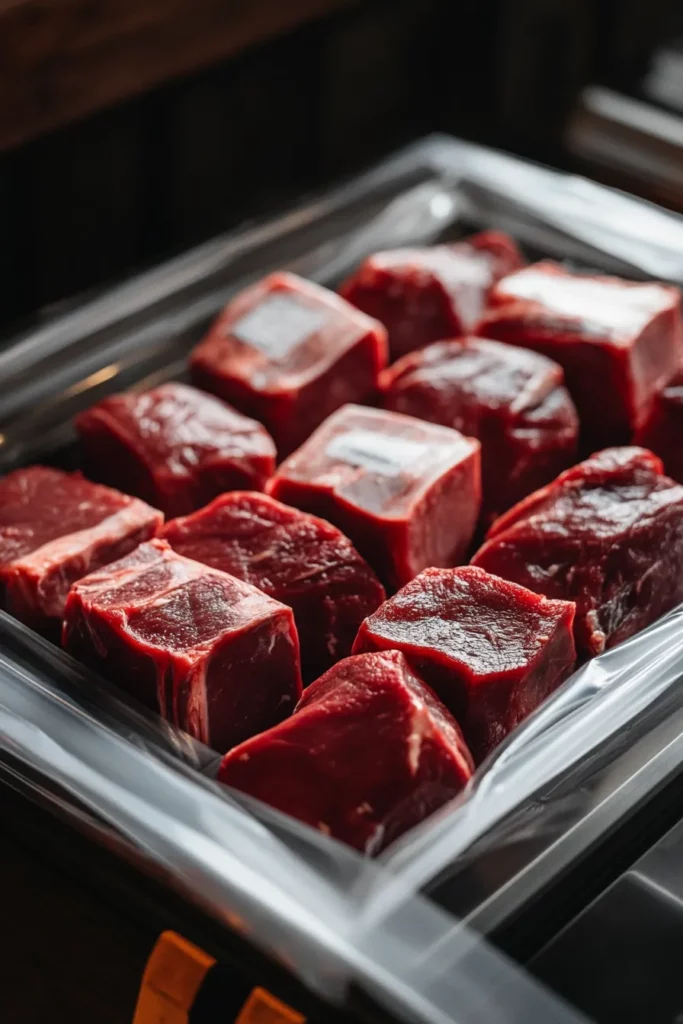
If you’re buying venison rather than hunting it yourself, look for meat that’s deep red with no gray or brown discoloration. It should smell clean and fresh, never sour or overly strong. Vacuum-sealed venison from reputable processors is your best bet, as proper packaging prevents freezer burn and preserves quality.
🥗 Fresh, Fast & Foolproof — Upgrades You'll Use Tonight

- Zoodles in seconds
- Heavy-duty, 10 sharp blades
- Keto, paleo & gluten-free friendly

- Meals in ~30 minutes
- 3-Qt — perfect for 1–3 people
- Pressure cook, sauté, steam & more

- Phone alerts & live temp graph
- Hands-off monitoring for smokers
- Perfect doneness, every time
In the freezer, well-wrapped venison keeps for up to a year, though I try to use mine within six to eight months for best flavor and texture. When you’re ready to cook, thaw venison slowly in the refrigerator, never at room temperature. This gradual thawing helps preserve the meat’s texture and prevents moisture loss.
Before cooking, always bring venison to room temperature for about thirty minutes. This ensures even cooking throughout. And here’s something crucial that took me too long to learn: remove all silver skin and any remaining fat or membrane. Venison fat has a waxy texture and strong flavor that most people find unpleasant. A sharp knife and a little patience will give you clean, beautiful meat ready for cooking.
Bacon-Wrapped Venison Tenderloin: The Moisture Solution
Wrapping venison in bacon is one of the smartest techniques I’ve learned for cooking this lean meat. The bacon serves multiple purposes: it adds fat that bastes the meat as it cooks, it provides a barrier that prevents overcooking, and it contributes a smoky, salty flavor that complements venison beautifully. Plus, let’s be honest, everything’s better with bacon.
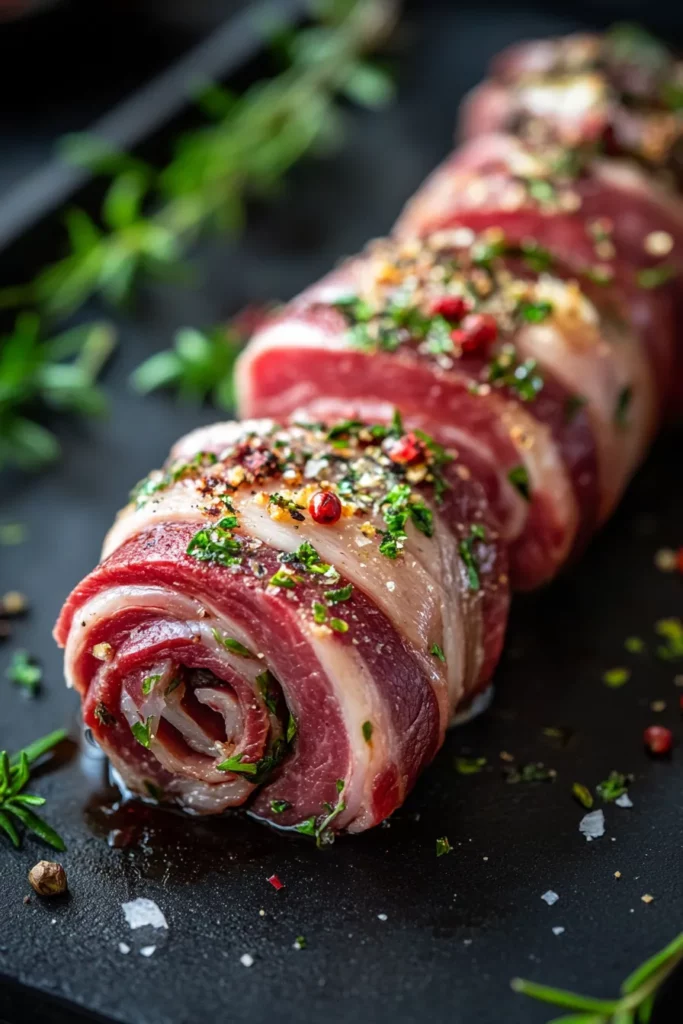
The key is using the right bacon and wrapping it properly. I prefer thick-cut bacon that won’t crisp up too quickly. You want the bacon to render its fat gradually, keeping the venison moist throughout cooking. Wrap the strips in a spiral pattern with slight overlap, securing the ends with toothpicks if needed. Some people like to partially cook the bacon first, but I find that wrapping raw bacon and cooking the whole package together works perfectly.
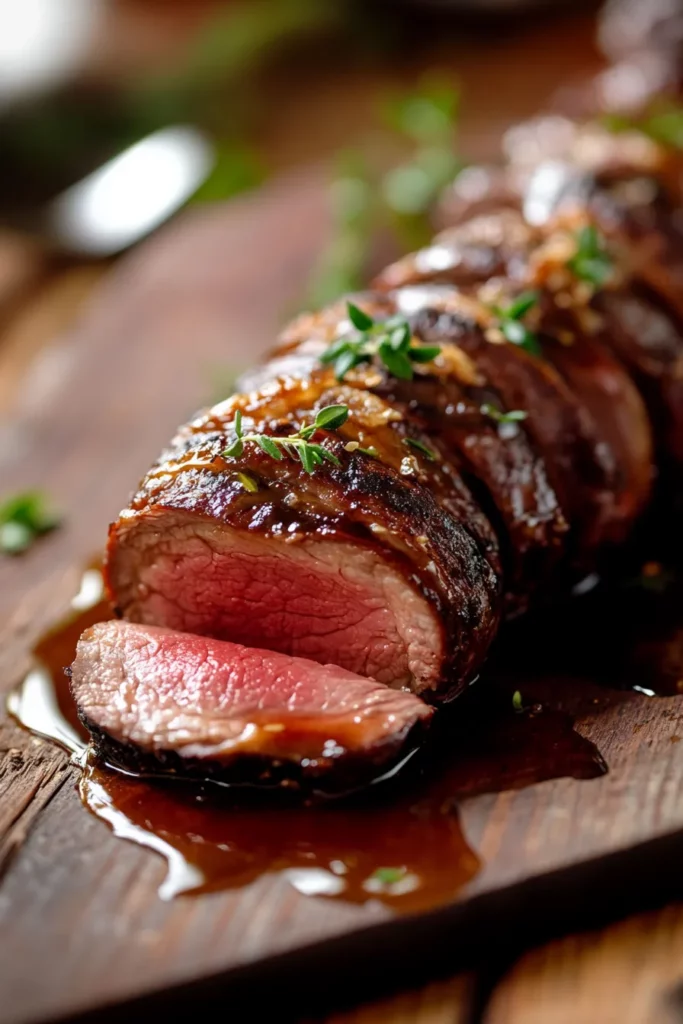
My go-to preparation is bacon wrapped venison tenderloins with maple syrup glaze. The maple sweetness balances the meat’s earthiness while the bacon keeps everything juicy. It’s elegant enough for a special dinner but straightforward enough for a weeknight meal when you want something impressive without spending hours in the kitchen.
Glazes That Complement Bacon and Venison
Once you’ve mastered basic bacon wrapping, the fun begins with different glaze combinations. Sweet and spicy works wonderfully with venison’s flavor profile. The sweet and spicy bacon wrapped venison tenderloin uses brown sugar, chili powder, and a touch of cayenne to create layers of flavor that make each bite interesting.
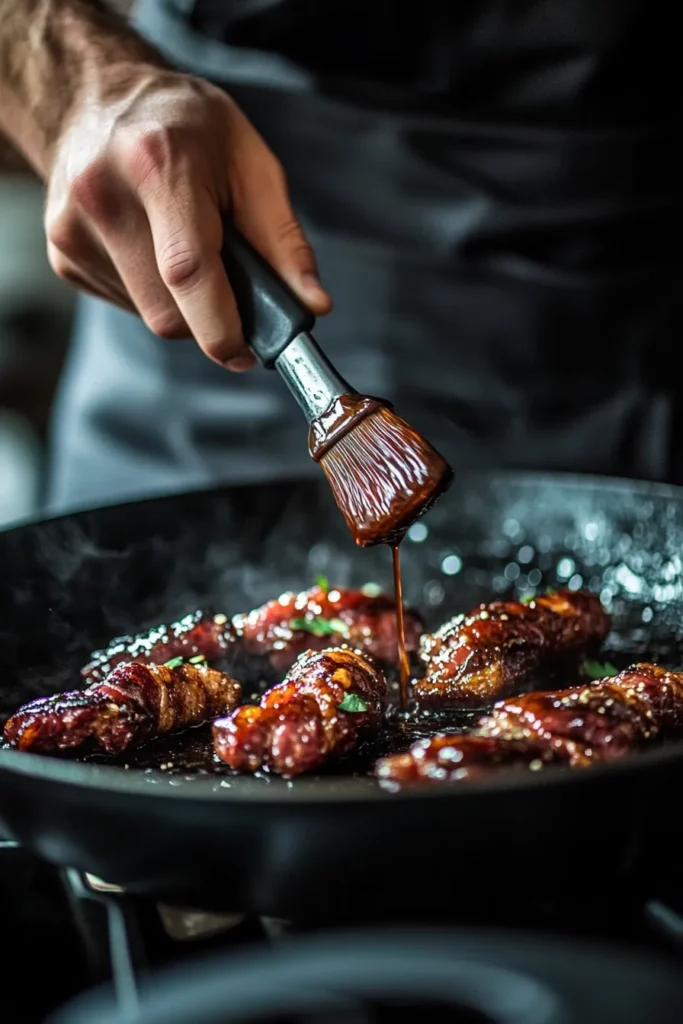
For something richer and more indulgent, try the bacon wrapped venison tenderloin with garlic cream sauce. The sauce is luxurious and silky, clinging to the bacon-wrapped meat in the most delicious way. It’s the kind of dish that makes people think you went to culinary school, even though it comes together quite simply.
When I’m cooking for guests who might be skeptical about wild game, I pull out all the stops with the maple cream cheese venison tenderloin jalapeno poppers with crispy bacon. This preparation combines everything people love: bacon, cream cheese, a touch of heat from the jalapenos, and maple sweetness. It’s impossible not to love, and it converts venison skeptics every single time.
Cooking Temperature and Timing
Getting the temperature right is crucial for bacon-wrapped venison. I sear the wrapped tenderloin in a hot skillet first, browning the bacon on all sides. This takes about two to three minutes per side. Then I transfer everything to a 375-degree oven to finish cooking. For medium-rare, which is my preferred doneness, the internal temperature should reach 130 to 135 degrees Fahrenheit. This usually takes twelve to fifteen minutes in the oven after searing.
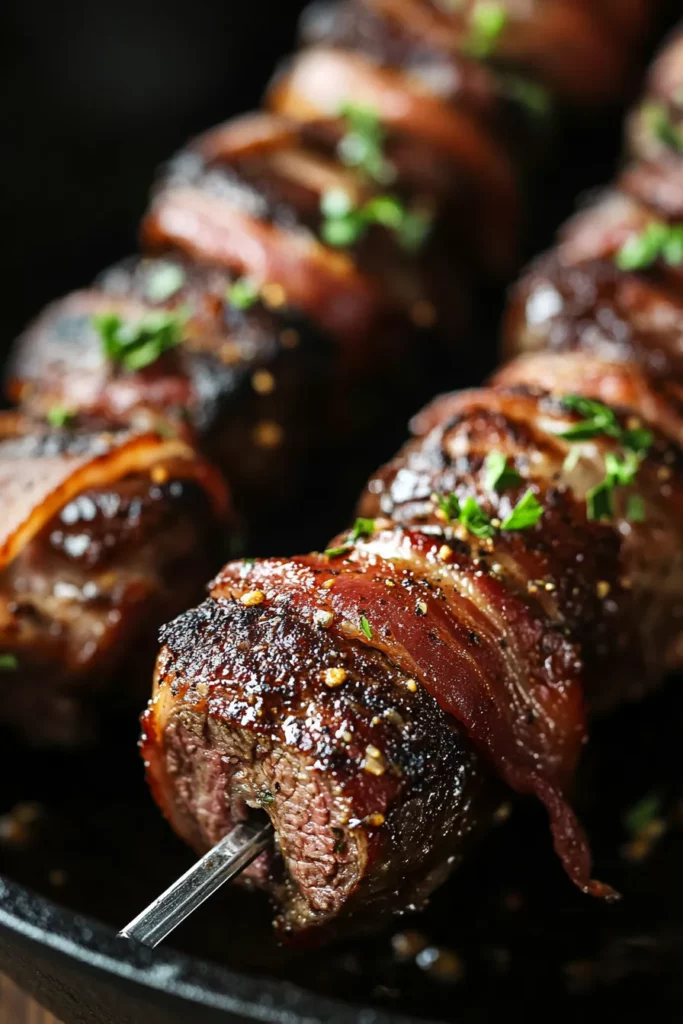
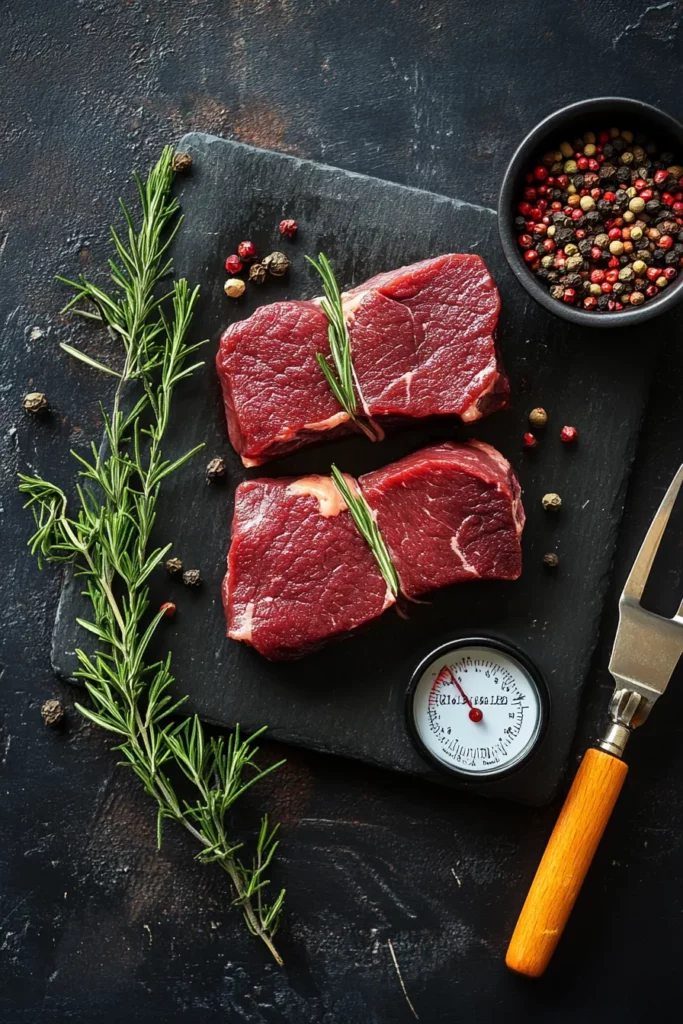
Use a meat thermometer. This isn’t optional with venison because the window between perfectly cooked and overdone is narrow. Insert the thermometer into the thickest part of the meat, making sure you’re not touching bone or getting a reading from just the bacon. When it hits your target temperature, remove it from the oven immediately and let it rest for five to ten minutes before slicing.
That resting period is essential. It allows the juices to redistribute throughout the meat so they don’t all run out when you slice. I tent the meat loosely with foil during resting, which keeps it warm without continuing to cook it. Then slice against the grain into medallions, revealing that perfect pink center surrounded by crispy, flavorful bacon.
Glazed Venison Tenderloin: Sweet and Savory Balance
Glazes are another excellent way to add moisture and flavor to venison while creating a beautiful, glossy finish. The sugars in glazes caramelize during cooking, forming a slightly crispy coating that contrasts wonderfully with the tender meat inside. I’ve experimented with countless glaze combinations, and certain flavor profiles consistently work best with venison’s unique taste.
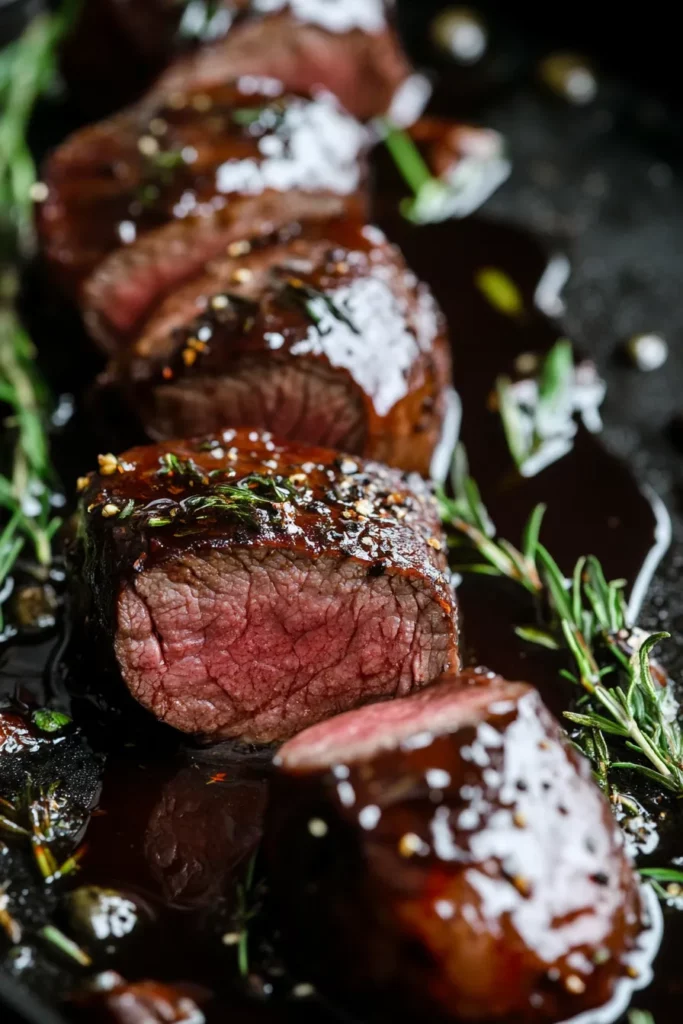
Maple-based glazes are naturals with venison. There’s something about maple’s complex sweetness that echoes the slight sweetness in properly aged venison. The maple glazed venison tenderloin recipe is beautifully simple, letting the quality of both the meat and the maple syrup shine through. I use real maple syrup, never pancake syrup, because the depth of flavor makes a real difference.
For holiday meals or special occasions, the cranberry glazed venison tenderloin brings festive colors and flavors to the table. The tartness of cranberries cuts through the richness of the meat, while the glaze’s sweetness balances everything perfectly. It looks stunning on a platter, those ruby-red glazed medallions garnished with fresh herbs.
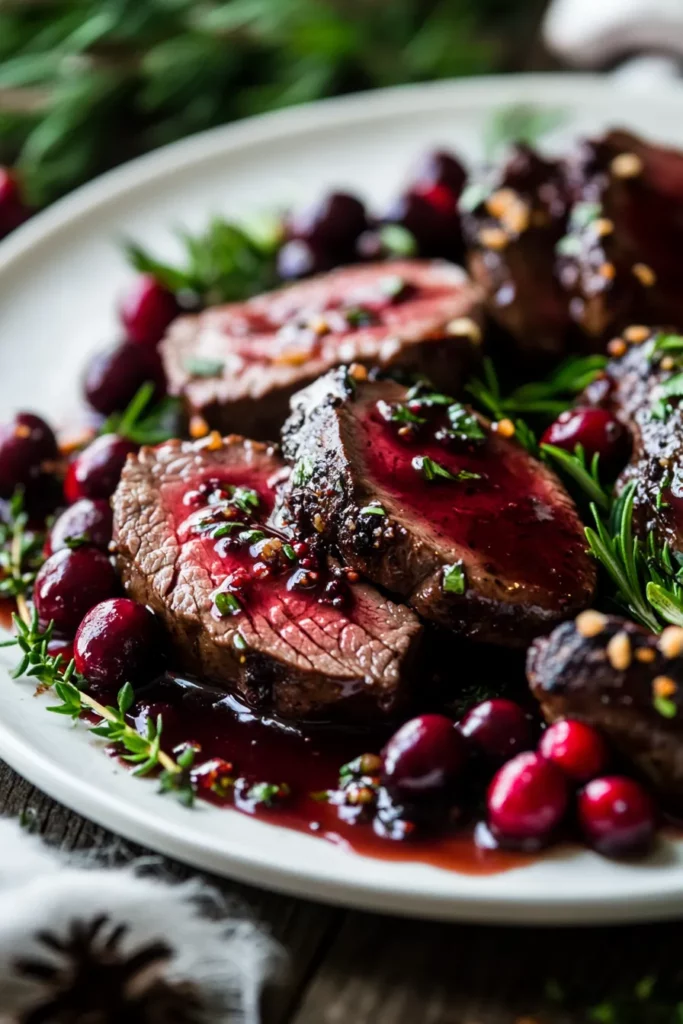
Building Complex Glaze Flavors
My favorite glazes layer multiple flavors rather than relying on a single note. The smoky maple Dijon glazed venison tenderloin combines maple sweetness with mustard’s tang and smoked paprika’s depth. Each component plays a role, creating something more interesting than any single flavor could achieve alone.
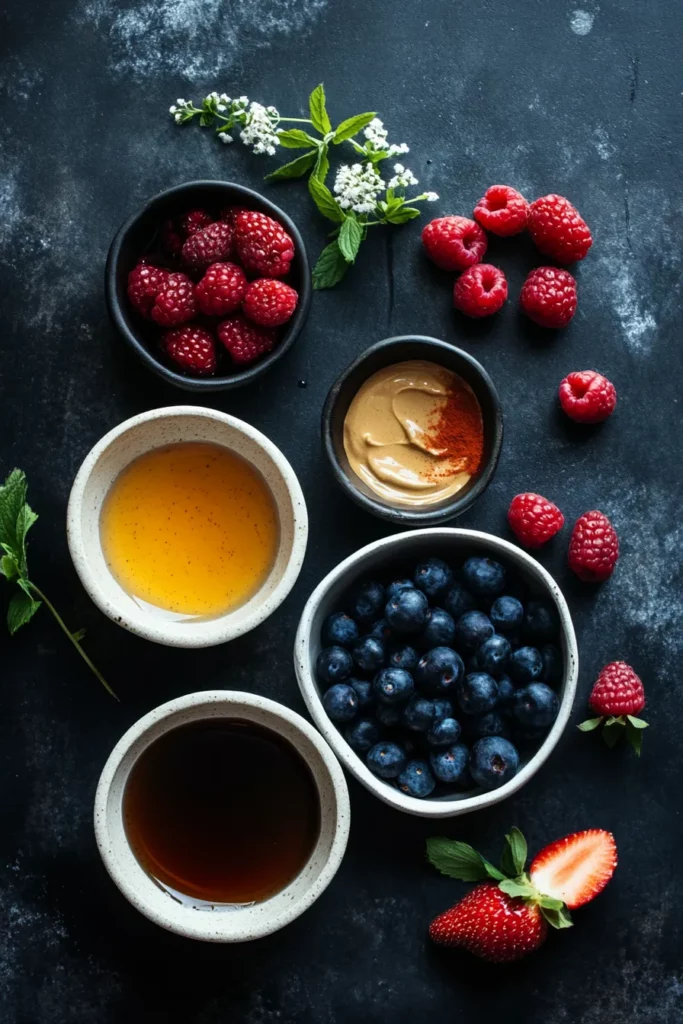
Fruit-based glazes work wonderfully with venison’s slightly sweet flavor. The venison tenderloin with blackberry reduction is sophisticated and restaurant-quality, with the berries’ tartness and sweetness creating a complex sauce that complements rather than overwhelms the meat. I make this when I want to impress without working too hard.
The technique for glazed venison is similar regardless of which glaze you choose. Sear the meat first to develop a crust, then brush with glaze and finish in a hot oven. Some glazes benefit from multiple applications during cooking, building up layers of flavor. Others work best applied once near the end to prevent burning. High-sugar glazes can scorch quickly, so watch carefully during those final minutes.
Timing Your Glaze Application
When to apply your glaze depends on its sugar content. High-sugar glazes like pure maple syrup or honey-based mixtures should go on during the last five to seven minutes of cooking. This gives them enough time to caramelize without burning. Lower-sugar glazes with more acid, like those based on vinegar or mustard, can be applied earlier and even during searing.
I usually apply glaze in two stages. The first application happens about halfway through oven cooking, giving the sugars time to start caramelizing. The second application comes during the last few minutes, creating a fresh, glossy finish. Between applications, I’ll baste the meat with any glaze that’s accumulated in the pan, building up layers of flavor.
Always reserve some uncooked glaze for serving. The glaze in the pan has come into contact with raw meat juices, so while it’s perfectly safe after cooking, having fresh glaze for the table looks and tastes better. Drizzle it over the sliced meat just before serving, letting it pool slightly on the plate for an elegant presentation.
Stuffed Venison: Impressive Presentations
Stuffing venison backstrap transforms it from a simple piece of meat into an impressive centerpiece that looks like something from a fine dining restaurant. The first time I butterflied a backstrap to stuff it, I was nervous about ruining this prized cut. But the technique is actually quite forgiving, and the results are so dramatic that it’s become one of my favorite ways to serve venison for special occasions.
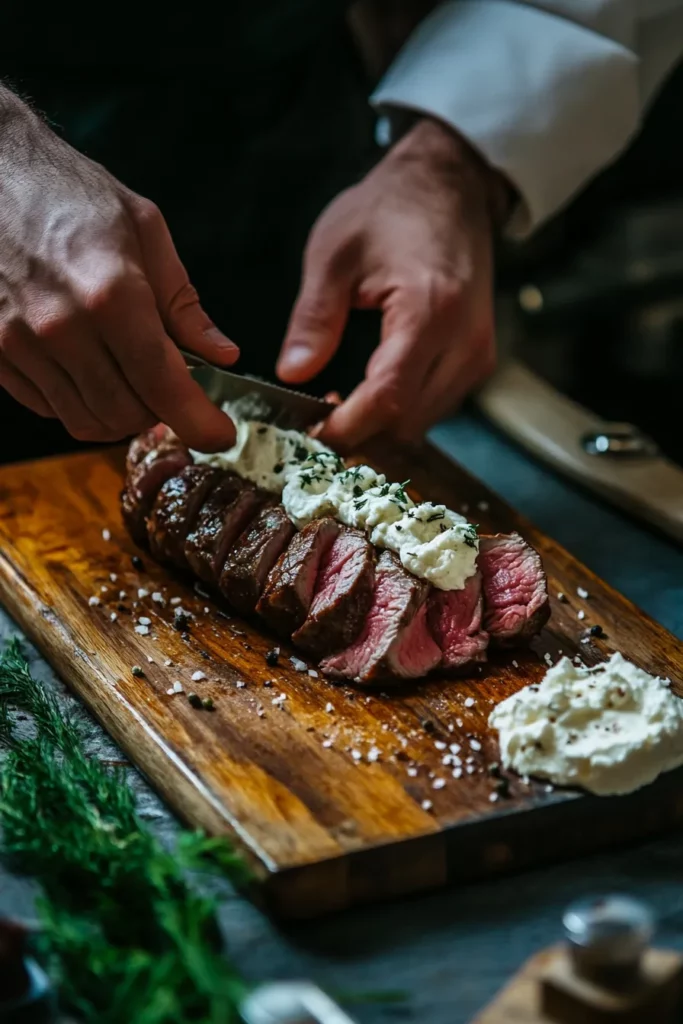
The key to successful stuffed venison is creating a pocket without cutting all the way through. I use a sharp knife to slice horizontally into the thickest part of the backstrap, stopping about an inch from the opposite edge. Then I open it like a book, creating a surface to spread your filling. Some people pound it thinner, but I find that gentle flattening with my hands works just fine.
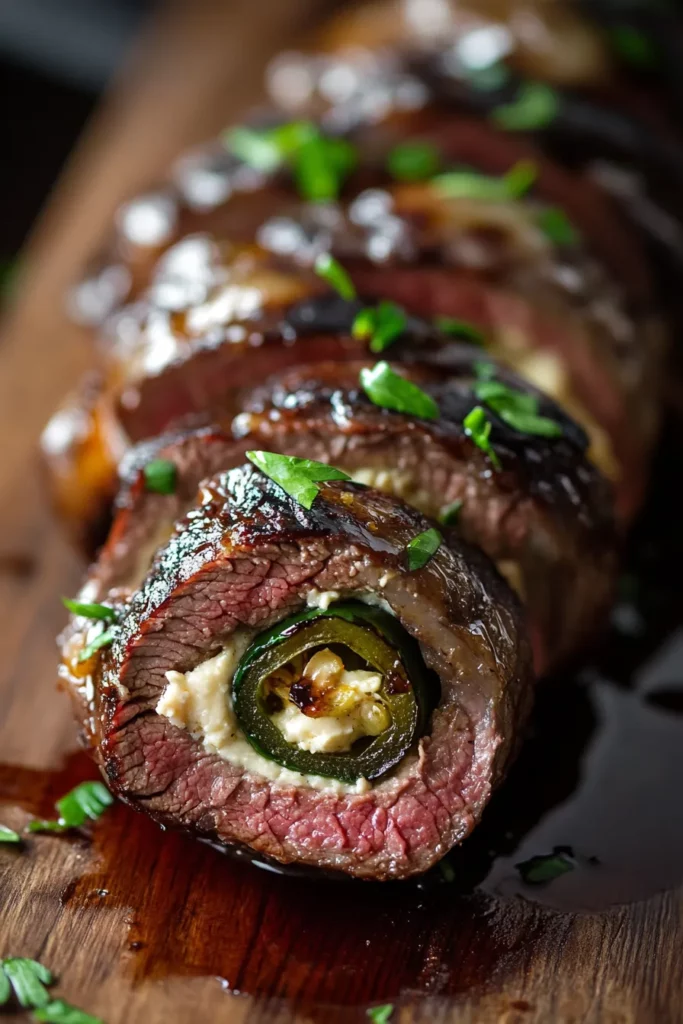
My most popular stuffed preparation is the stuffed venison backstrap with jalapeno cream cheese and garlic butter glaze. The cream cheese melts into the meat as it cooks, keeping everything moist, while the jalapenos add just enough heat to make things interesting. That garlic butter glaze at the end brings everything together with rich, aromatic flavor.
Filling Options That Work
The best stuffings for venison backstrap have a few things in common: they add moisture, they contribute complementary flavors, and they hold together well during cooking. Cream cheese based fillings are foolproof, staying creamy and luscious even when the meat is cooked to perfection. I’ll mix cream cheese with herbs, spices, vegetables, and sometimes other cheeses for different flavor profiles.
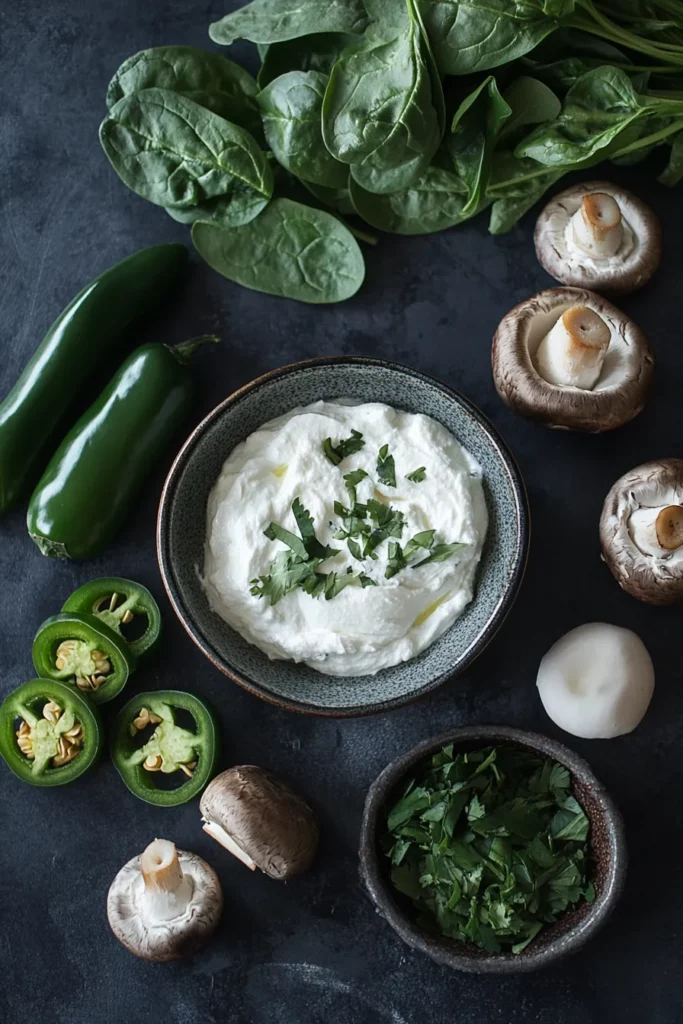
Spinach and mushroom fillings work beautifully, their earthy flavors echoing the venison’s natural taste. I’ll sauté the vegetables first to remove excess moisture, then mix them with cheese and seasonings. Sun-dried tomatoes, roasted red peppers, and caramelized onions are all excellent additions that add both flavor and visual appeal when you slice the finished backstrap.
For a fall-focused version, I’ll stuff backstrap with a mixture of apples, sage, and a touch of maple syrup, along with cream cheese to hold everything together. The fruit’s sweetness and the herb’s savory notes create something that feels seasonal and special, perfect for hunting season dinners when you want to celebrate the harvest.
Securing and Cooking Stuffed Backstrap
After stuffing, you need to secure the backstrap so the filling stays inside during cooking. Kitchen twine works perfectly. I tie the backstrap at one-inch intervals, creating a neat package that holds its shape. Don’t tie too tightly or you’ll squeeze out the filling, but make sure it’s snug enough to keep everything contained.
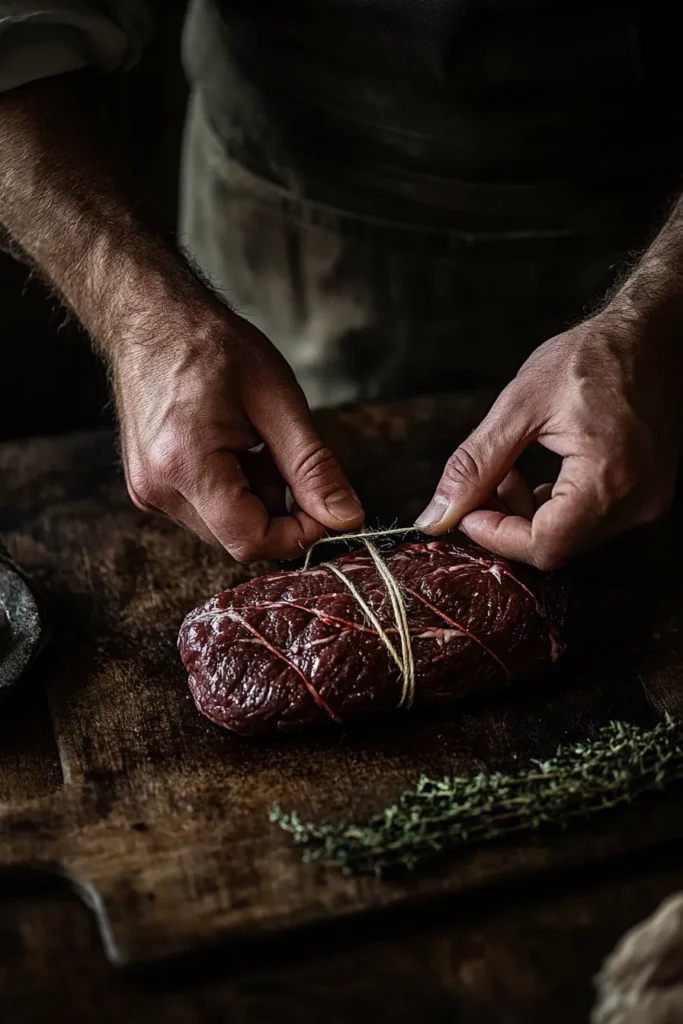
Searing is essential for stuffed backstrap. A hot pan creates a crust that seals in the juices and gives the outside great flavor and texture. I sear all sides until deeply browned, then transfer to a 375-degree oven to finish. The cooking time depends on the thickness, but figure on twenty to twenty-five minutes for a medium-sized backstrap to reach medium-rare doneness.
Letting stuffed backstrap rest before slicing is even more important than with unstuffed meat. The filling needs time to set up a bit, or it will all ooze out when you cut into it. Ten minutes under a foil tent is ideal. Then remove the twine, slice into thick medallions, and arrange them on a platter where everyone can see that beautiful spiral of filling inside the perfectly cooked meat.
The Art of Making Venison Jerky: Foundation Techniques
Making venison jerky was intimidating to me at first. All those instructions about slicing thickness, marinade times, and proper drying seemed complicated. But once I made my first successful batch, I realized jerky is actually quite forgiving. The basic principles are straightforward, and once you understand them, you can experiment endlessly with flavors and techniques.
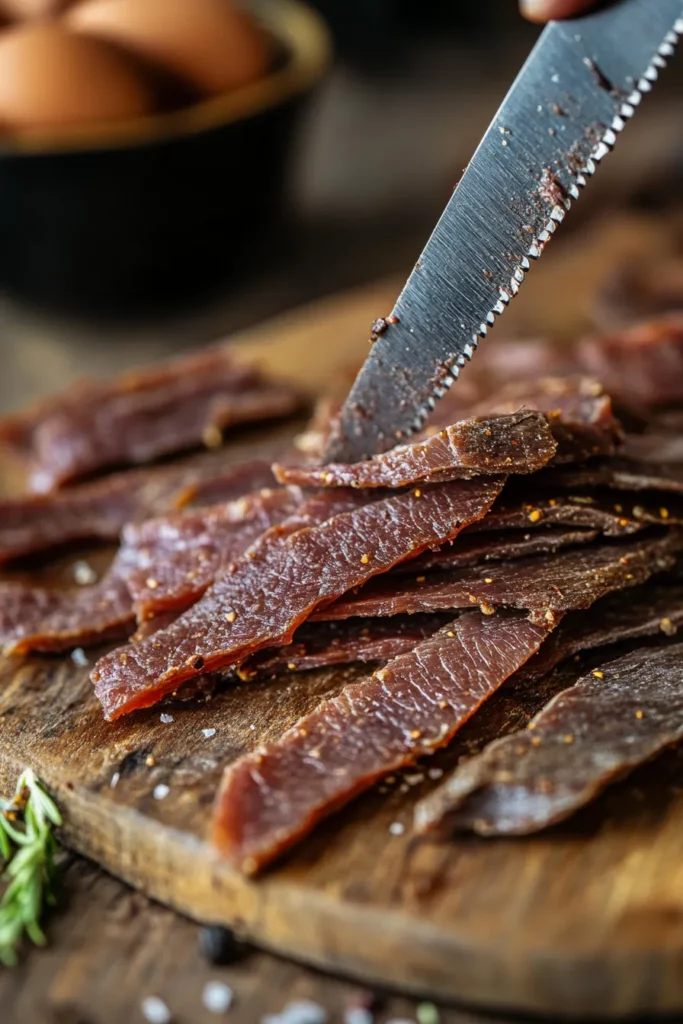
The most important factor in good jerky is how you slice the meat. You want strips that are about one-quarter inch thick, sliced with the grain rather than against it. Slicing with the grain creates jerky that’s chewy but not tough, the texture you want. Partially freezing the meat before slicing makes this much easier. After about an hour in the freezer, venison firms up enough to slice cleanly into even strips.

Trim away all fat and silver skin before slicing. Fat doesn’t dry properly and can turn rancid during storage. You want pure, lean muscle for jerky. A sharp knife is essential. Dull knives slip and create uneven slices, which means some pieces will be perfectly dried while others are either too crisp or still too moist.
Marinades and Dry Rubs
The marinade is where jerky gets its flavor, so this step matters. I always marinate venison for at least eight hours, preferably overnight. The meat needs time to absorb all those flavors. In a pinch, you can marinate for as little as four hours, but the flavor won’t penetrate as deeply.
Soy sauce or Worcestershire sauce form the base of most jerky marinades, providing saltiness and umami depth. From there, you can go in countless directions. Brown sugar and maple syrup create sweetness that balances the salt. Liquid smoke adds that campfire flavor without actual smoking. Hot sauce, chili powder, or cayenne bring heat. Garlic, onion powder, and black pepper are classic additions that work in almost any jerky.
The ratio matters. Your marinade should be salty enough to cure the meat slightly while it dries. Not so salty that the jerky is unpleasantly sharp, but enough salt to act as a preservative and enhance flavor. I use about one-quarter cup of soy sauce per pound of meat as a baseline, adjusting other ingredients around that.
Drying Methods: Dehydrator vs Oven vs Smoker
You have several options for drying jerky, each with advantages. A dehydrator is ideal because it maintains consistent low temperature and circulates air evenly. Set it to 160 degrees Fahrenheit and check after four to six hours. Jerky is done when it bends without breaking and has no moisture pockets.
Oven drying works well if you don’t have a dehydrator. Set your oven to its lowest temperature, ideally around 170 degrees. Prop the door open slightly with a wooden spoon to allow moisture to escape. Lay the strips on wire racks over baking sheets and dry for four to eight hours, checking periodically. The time varies based on thickness and your oven’s actual temperature.
Smoking jerky adds incredible flavor but requires more equipment and attention. A smoker or grill set up for indirect heat works perfectly. Use mild woods like apple, cherry, or maple that won’t overpower the meat. Smoke at 160 to 180 degrees for four to six hours. The smoked venison jerky with applewood and cherry wood has a wonderful depth that you can’t achieve with a dehydrator alone.
Sweet Venison Jerky: Maple and Brown Sugar Variations
Sweet jerky might sound unusual if you’ve only had gas station varieties, but the combination of sweet and salty is what makes homemade jerky so addictive. The sugar caramelizes slightly during drying, creating complex flavors that keep you reaching for just one more piece. These sweet versions are consistently the most popular in my house, disappearing faster than any other style I make.
The classic classic maple venison jerky recipe is my baseline sweet jerky. Real maple syrup provides natural sweetness plus that distinctive maple flavor that pairs so well with venison. I use a combination of maple syrup and soy sauce as the marinade base, with garlic, black pepper, and just a touch of liquid smoke rounding out the flavors.
Brown sugar creates a different sweetness than maple, more molasses-like and slightly deeper. The brown sugar and maple venison jerky combines both sweeteners for a complex flavor profile that’s neither too light nor too heavy. It’s the jerky I make most often because everyone loves it, from kids to adults who insist they don’t like sweet things.
Adding Fruit and Spice Complexity
Fruit-based additions take sweet jerky in interesting directions. Apple cider or apple juice adds gentle fruit notes without being obviously appley. The maple apple cider venison jerky with fall spices incorporates cider along with cinnamon, nutmeg, and allspice for jerky that tastes like autumn in every bite.
For something more dramatic, the caramelized brown sugar venison jerky with apple cinnamon glaze takes sweetness to another level. The glaze, applied partway through drying, creates a glossy, intensely flavored coating that makes this jerky feel special enough for gifts.
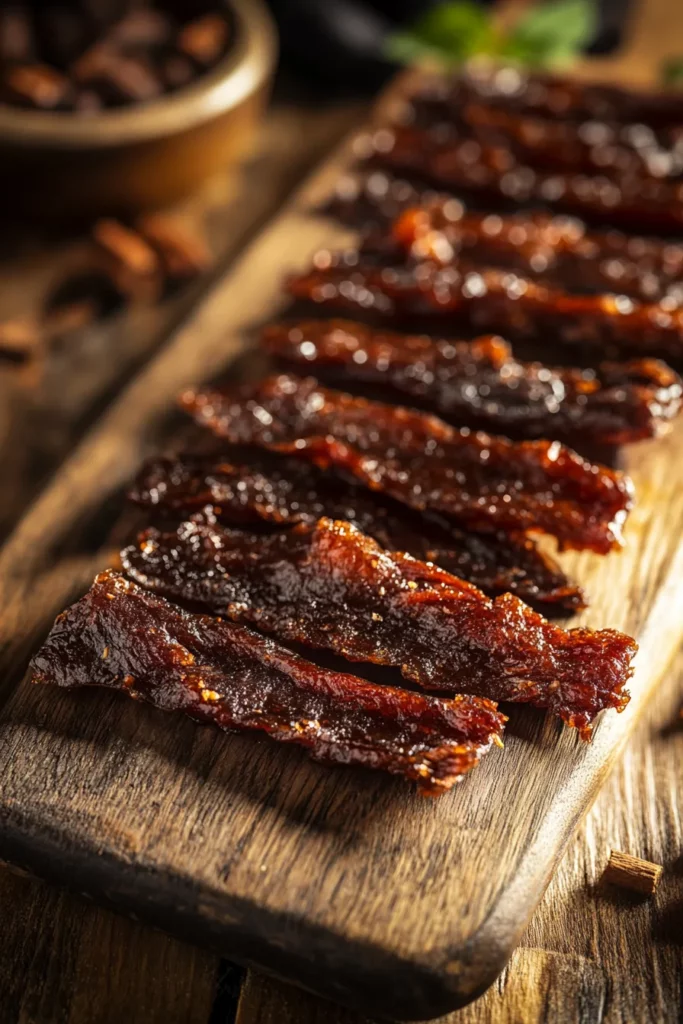
The maple syrup deer jerky recipe is my simplified version for when I want excellent results without a long ingredient list. Just maple syrup, soy sauce, garlic, and pepper create jerky that’s balanced and delicious, proving you don’t need complicated recipes for outstanding results.
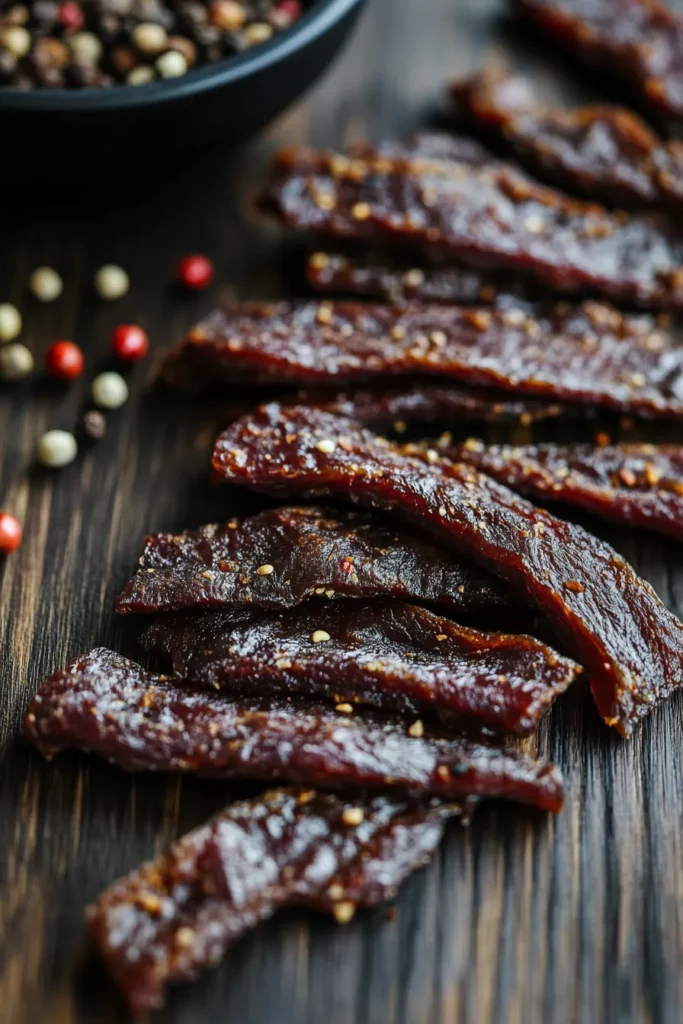
Sweet and Spicy Combinations
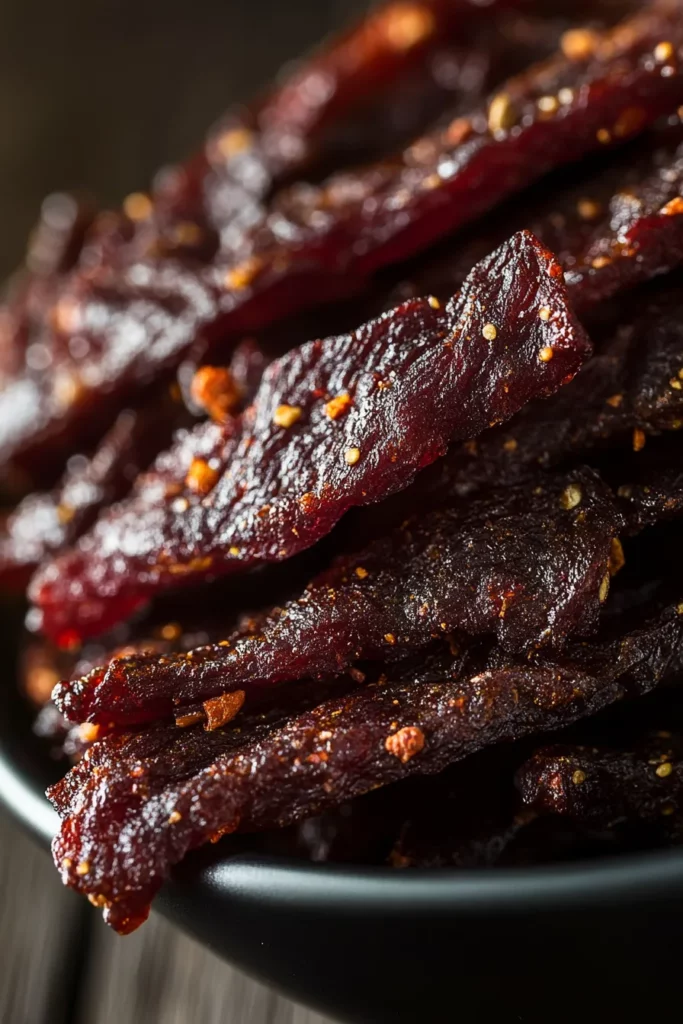
Adding heat to sweet jerky creates layers of flavor that make each bite more interesting than the last. The sweetness hits first, then the heat builds gradually. It’s not overwhelming spiciness, just enough to wake up your palate. The sweet and spicy maple venison jerky balances maple sweetness with red pepper flakes for that perfect sweet-heat combination.
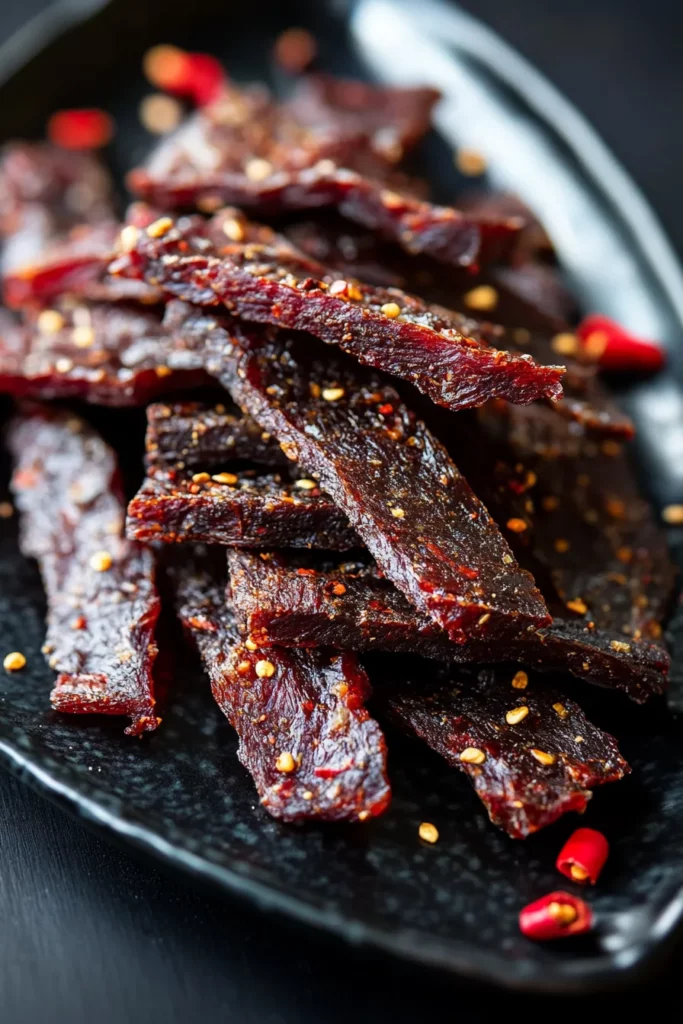
Chipotle peppers in adobo sauce add both heat and smokiness along with complexity. The maple chipotle venison jerky recipe is my go-to when I want to impress jerky enthusiasts. The combination of maple’s sweetness, chipotle’s smoke, and the underlying heat creates sophisticated flavors you won’t find in store-bought jerky.
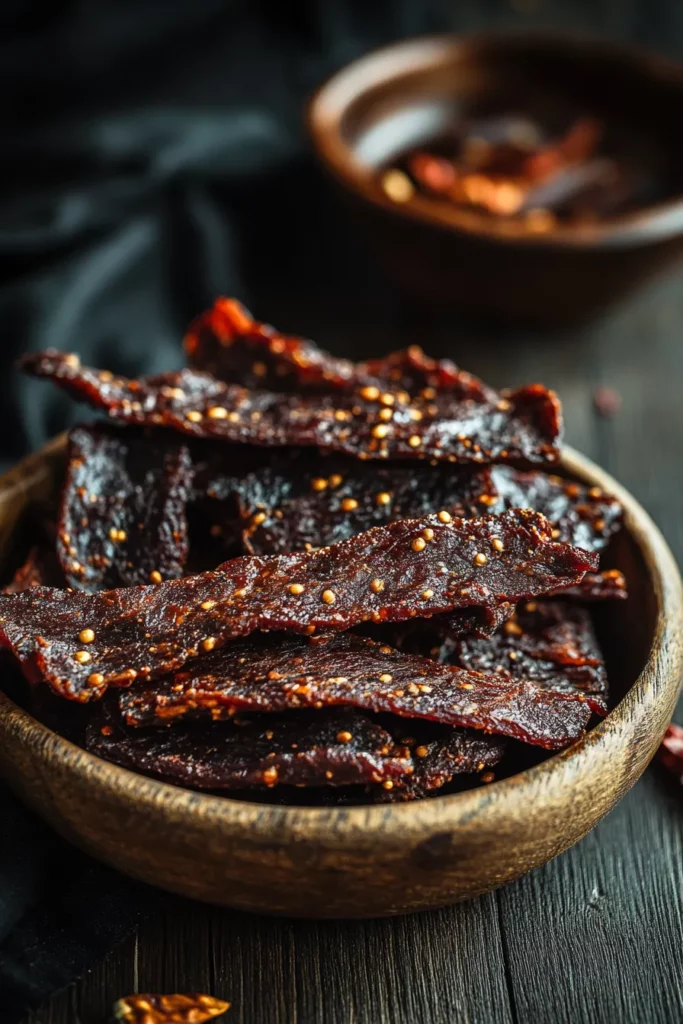
I also love the sweet spicy maple venison jerky that uses cayenne pepper for clean heat without smokiness. It’s straightforward and adjustable, letting you dial the heat up or down based on who’s eating it. Start with less cayenne than you think you need. You can always add more next batch, but you can’t take it out once it’s in the marinade.
Smoky and Savory Jerky Profiles
While sweet jerky has its place, sometimes you want something more traditionally savory. These versions focus on smoke, salt, spice, and umami rather than sweetness. They’re the jerky I reach for when I want a protein snack that feels substantial and satisfying without any sugar crash afterward.
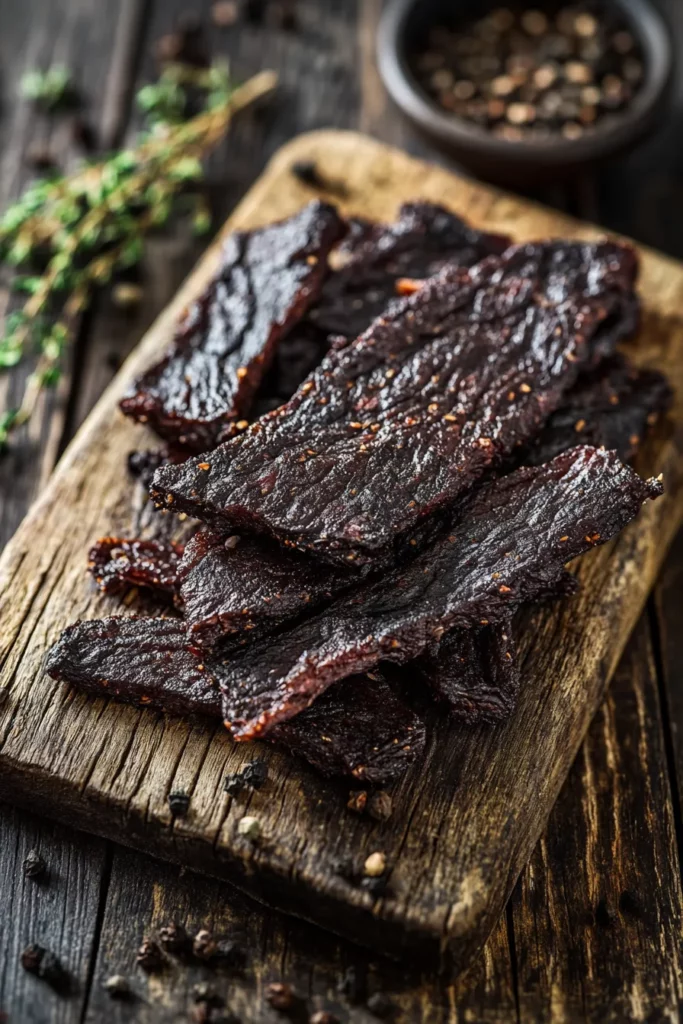
The smoky brown sugar venison jerky recipe bridges sweet and savory, using just enough brown sugar to balance the heavy smoke and salt. The smoke flavor comes from liquid smoke in the marinade plus actual smoking if you have the equipment. It’s intense and deeply flavored, the kind of jerky that makes you feel like you’re eating around a campfire.
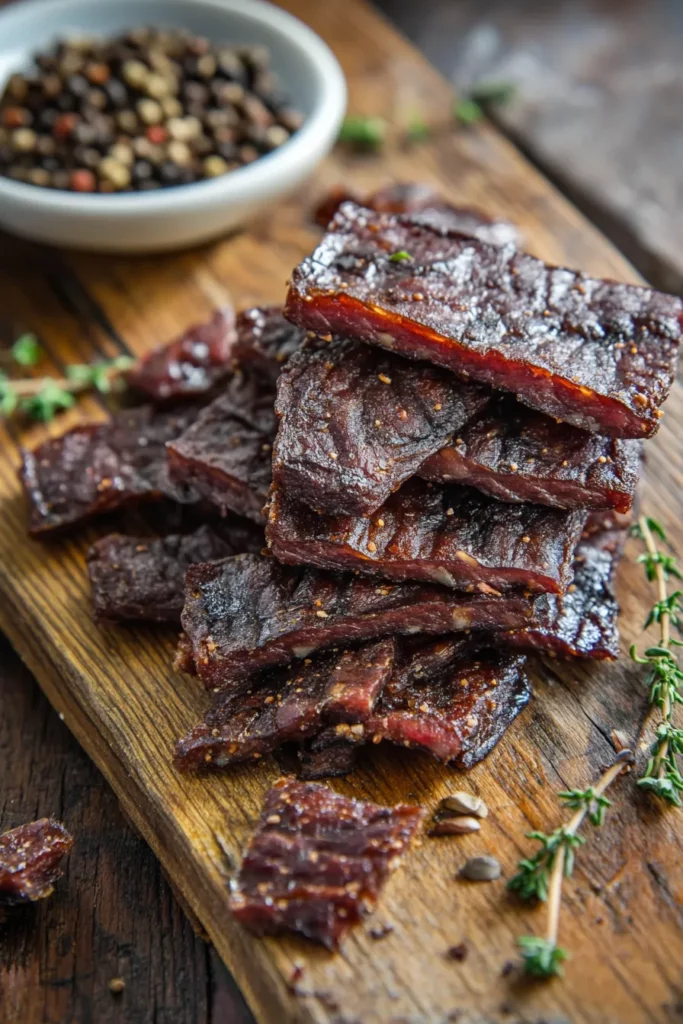
For pure smoky flavor, the smoked venison jerky recipe relies on actual wood smoke to flavor the meat. No liquid smoke needed when you’re doing the real thing. The wood choice matters here. Hickory is classic and strong. Applewood is milder and slightly sweet. Cherry wood adds beautiful color along with gentle smoke flavor.
Regional and Spiced Variations
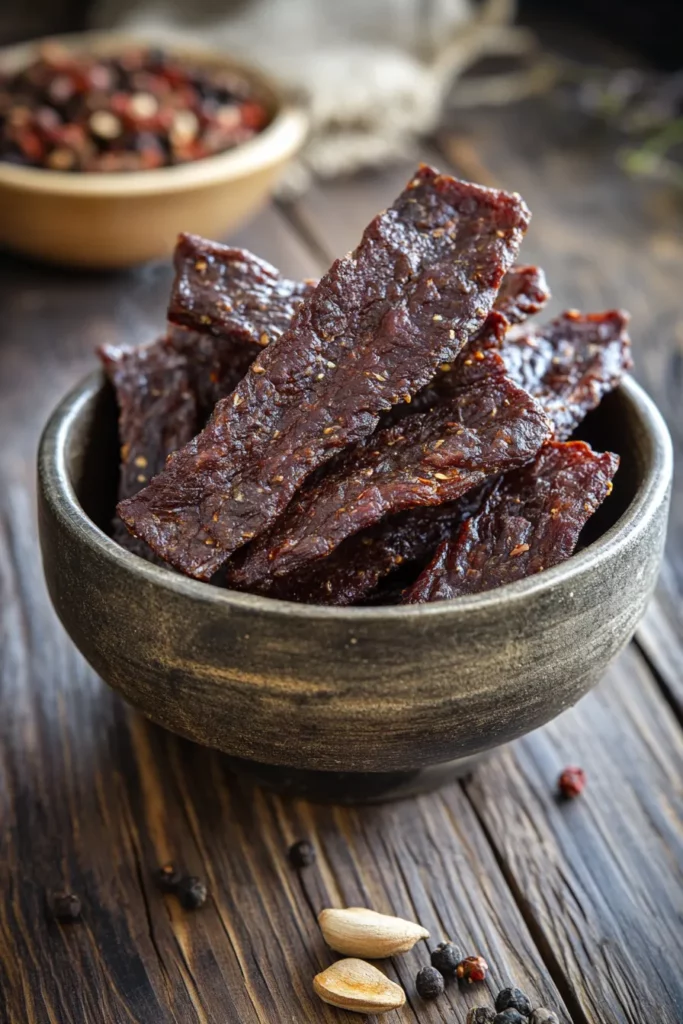
Different regional styles bring unique spice blends to jerky. The Cajun style venison jerky with brown sugar glaze uses Louisiana-inspired seasoning with paprika, cayenne, garlic, and onion creating complex heat and flavor. The brown sugar glaze applied during drying adds just enough sweetness to balance all those spices.
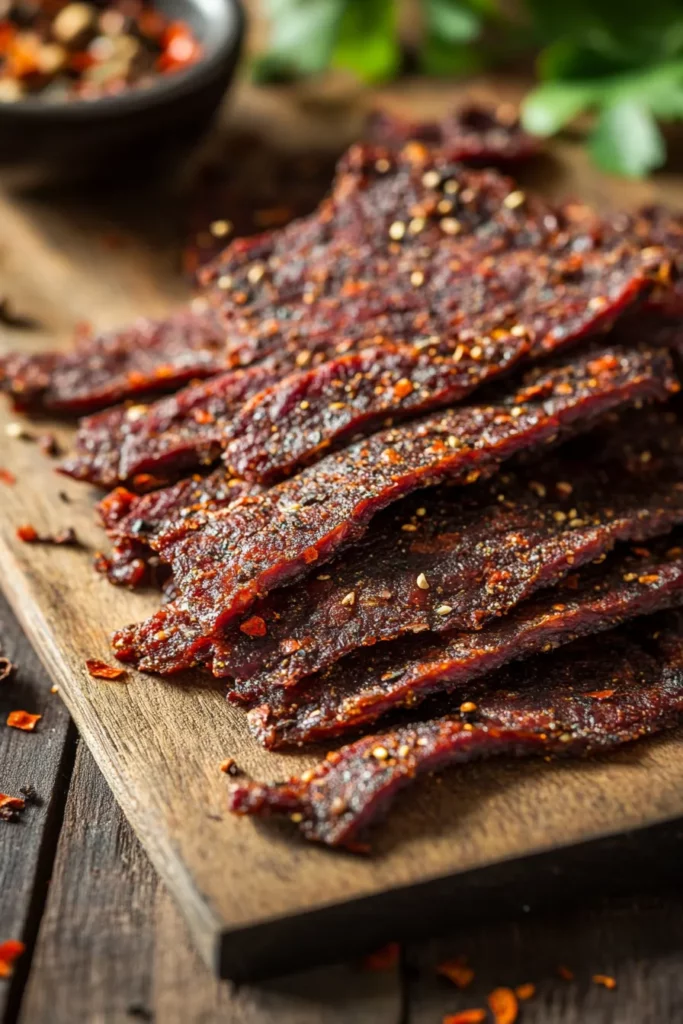
For straightforward savory jerky without regional influences, the sweet and smoky deer jerky recipe uses basic seasonings in perfect proportion. Soy sauce, Worcestershire, liquid smoke, garlic powder, and black pepper create classic jerky flavor that never goes out of style.
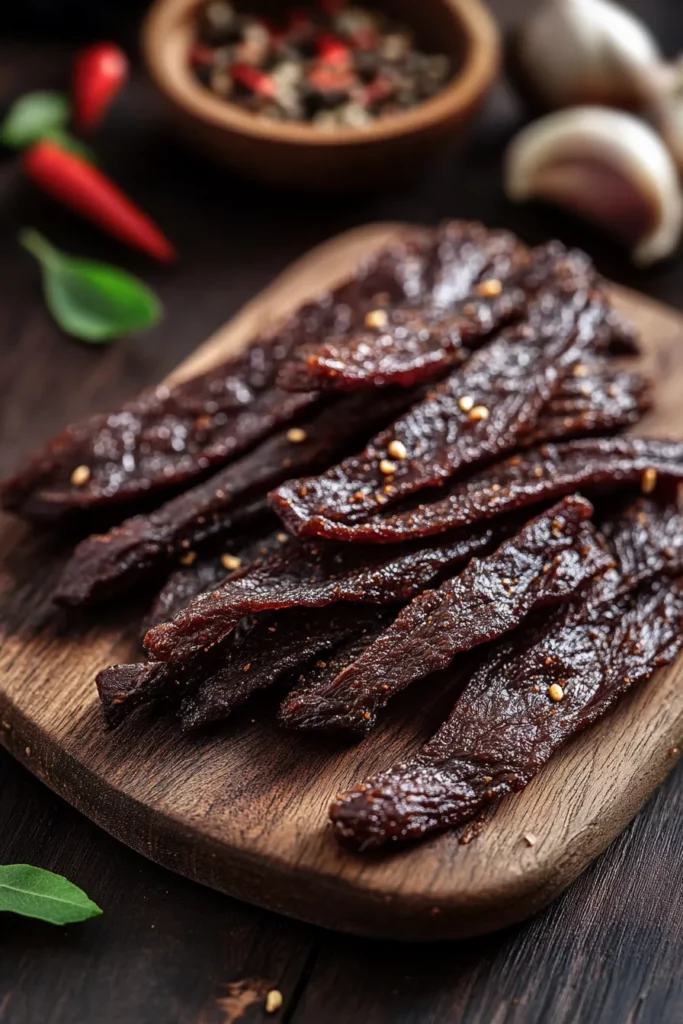
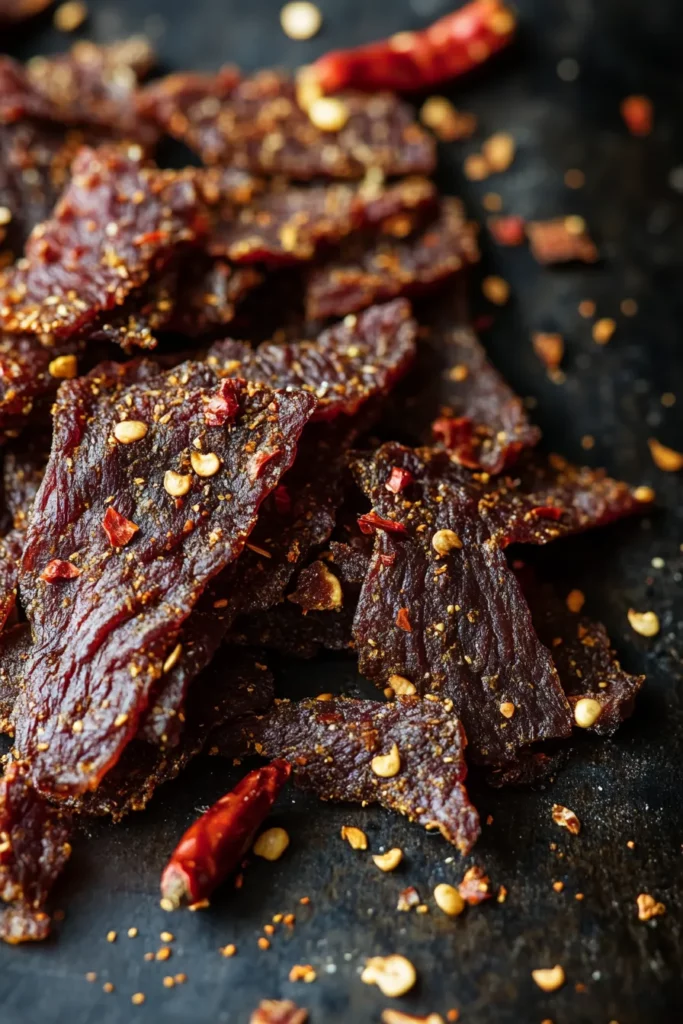
Heat-focused jerky lovers will appreciate the spicy wild game jerky with red pepper flakes. The heat is upfront and honest, no sweetness to mask it. Red pepper flakes provide not just heat but also a slight fruitiness that you don’t get from cayenne alone. This is jerky for people who like things spicy.
Honey-Based Savory Jerky
Honey behaves differently than other sweeteners in jerky, creating a sticky, glossy finish with floral notes that maple and brown sugar don’t have. The honey garlic venison jerky recipe pairs honey’s sweetness with plenty of garlic for a sweet-savory combination that’s become wildly popular. The garlic mellows during drying, becoming sweet itself and complementing the honey perfectly.
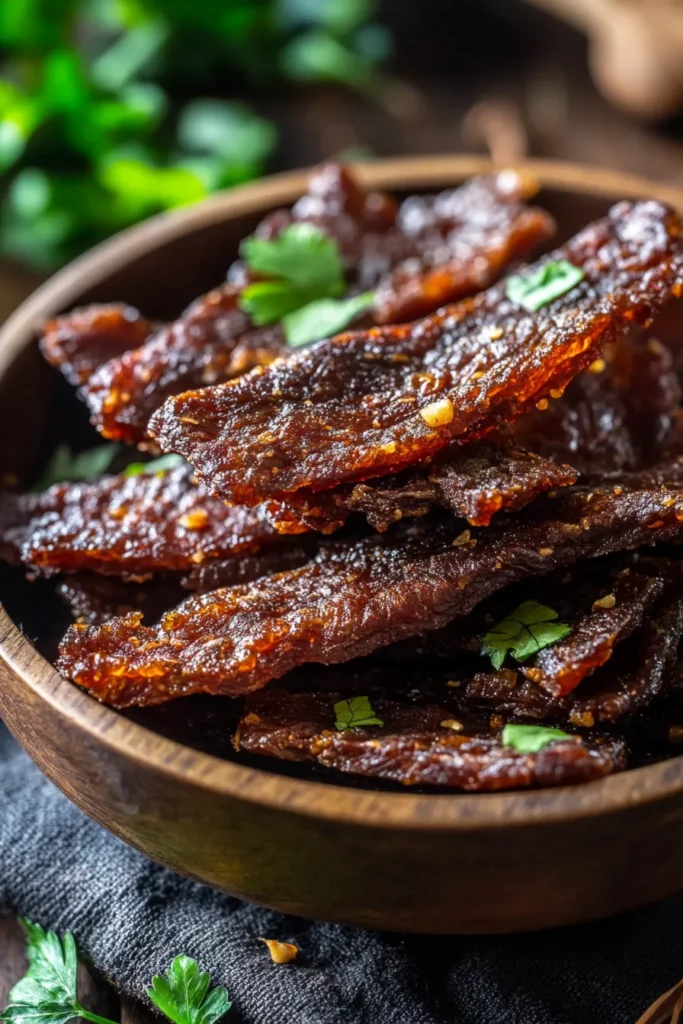
Honey also helps create that slightly sticky, tender texture that some people prefer in jerky. It doesn’t dry quite as hard as sugar-based recipes, staying chewier and more tender. If you like your jerky on the softer side, honey-based marinades are the way to go.
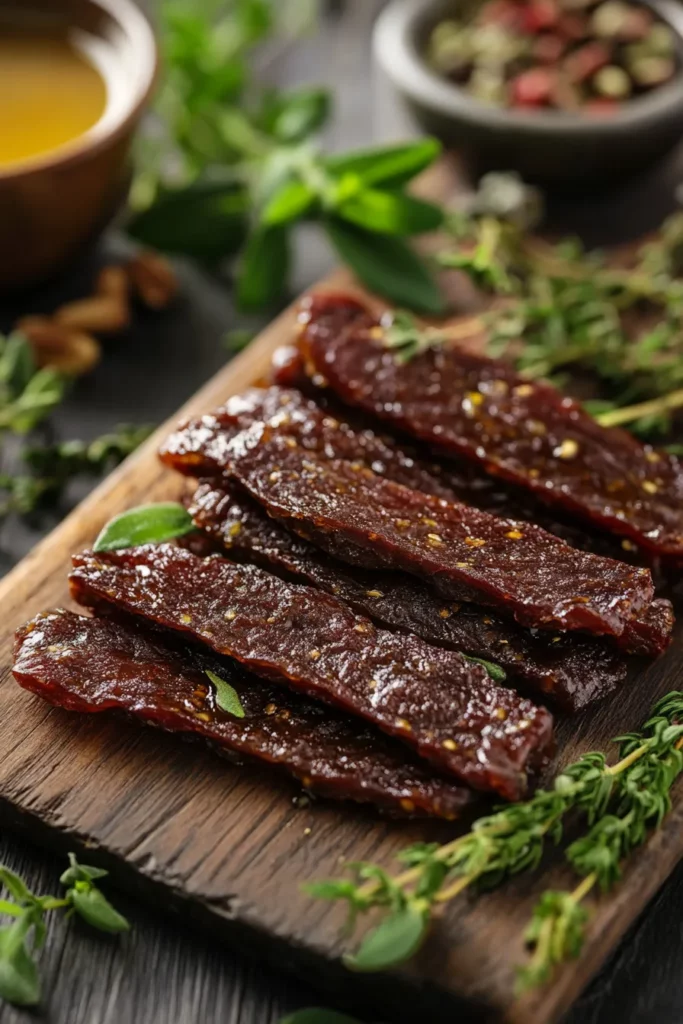
Beyond Venison: Other Game and Meat Jerkies
Once you’ve mastered venison jerky, the same techniques work beautifully with other meats. Elk, in particular, makes outstanding jerky. Its flavor is similar to venison but slightly milder, with a texture that’s perfect for drying. The elk jerky recipe uses a straightforward marinade that lets the meat’s quality shine through.
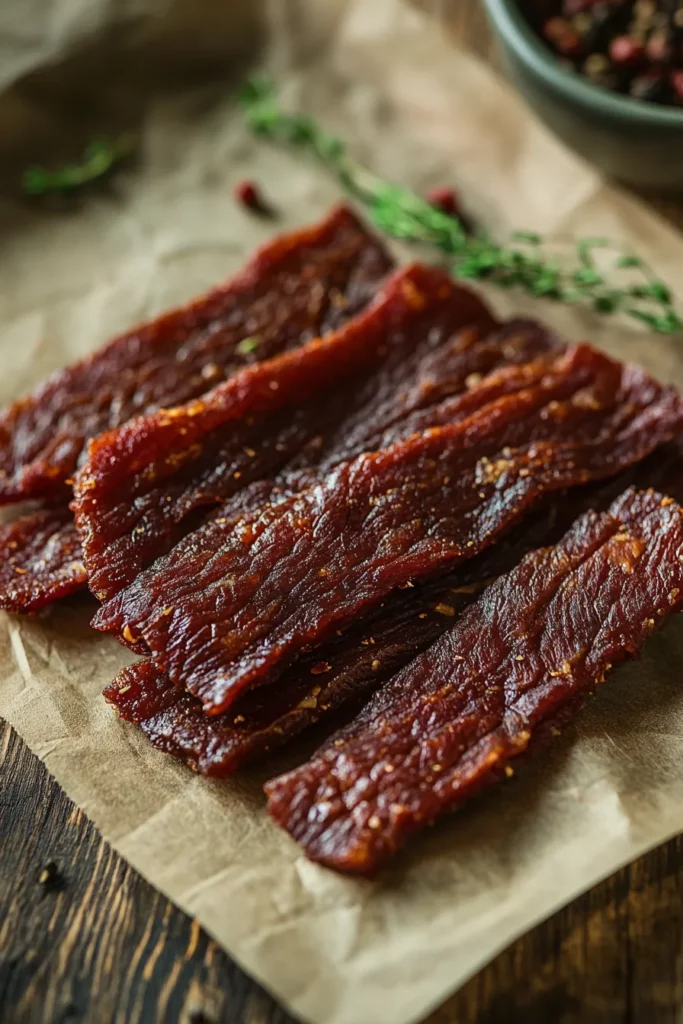
For something different in format, the elk jerky sticks involve grinding the meat with seasonings and forming it into sticks rather than slicing. This creates a different texture, more like commercial meat sticks, that some people prefer. You need a jerky gun or sausage stuffer for this method, but the results are worth the equipment investment if you make jerky regularly.
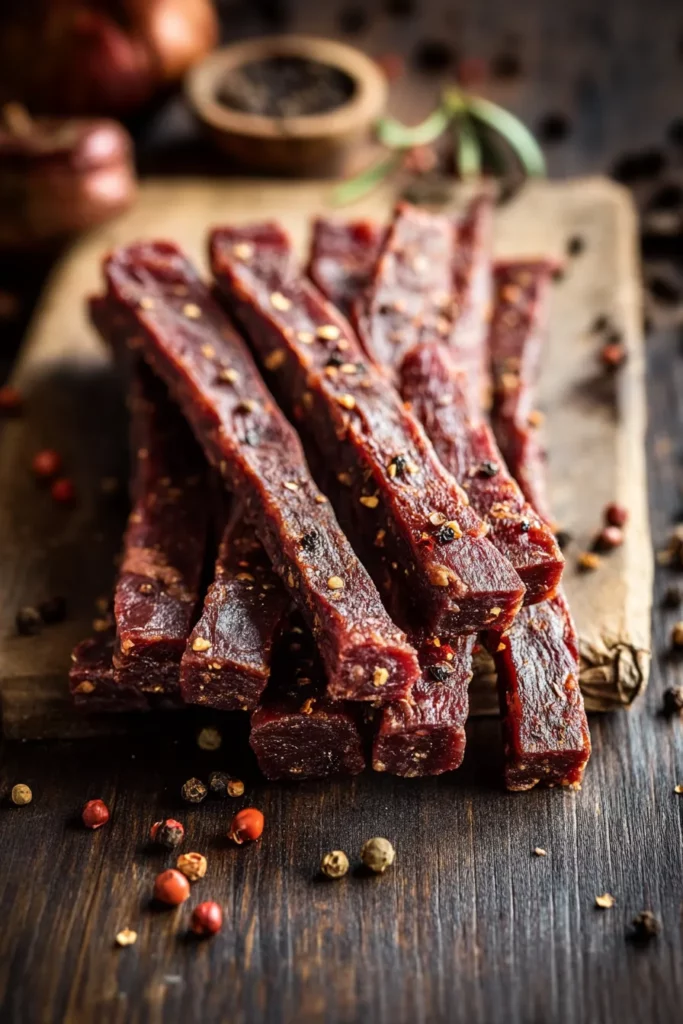
Beef Jerky for Comparison and Variety
I also make beef jerky to have options for people who are hesitant about wild game. The homemade beef jerky follows the same basic techniques as venison but with slightly different timing since beef can be a bit fattier. I use top round or bottom round, both lean cuts that dry well.
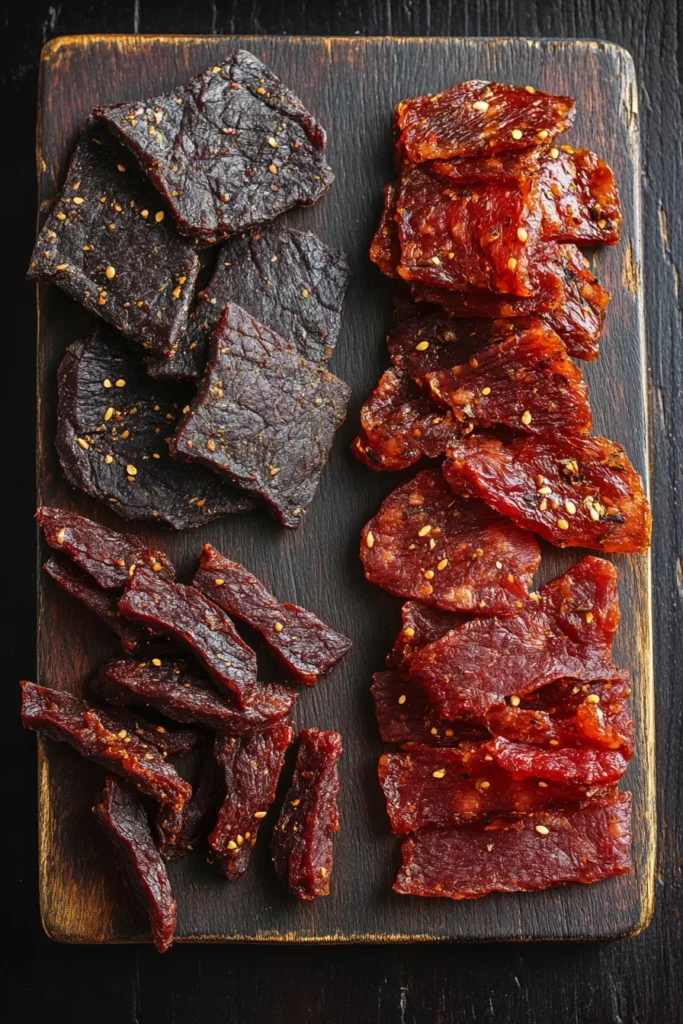
The honey hickory beef jerky is particularly popular, combining honey’s sweetness with hickory’s bold smoke. This is the jerky I make when I want something that appeals to absolutely everyone, from kids to adults, wild game lovers to those who prefer conventional meat.
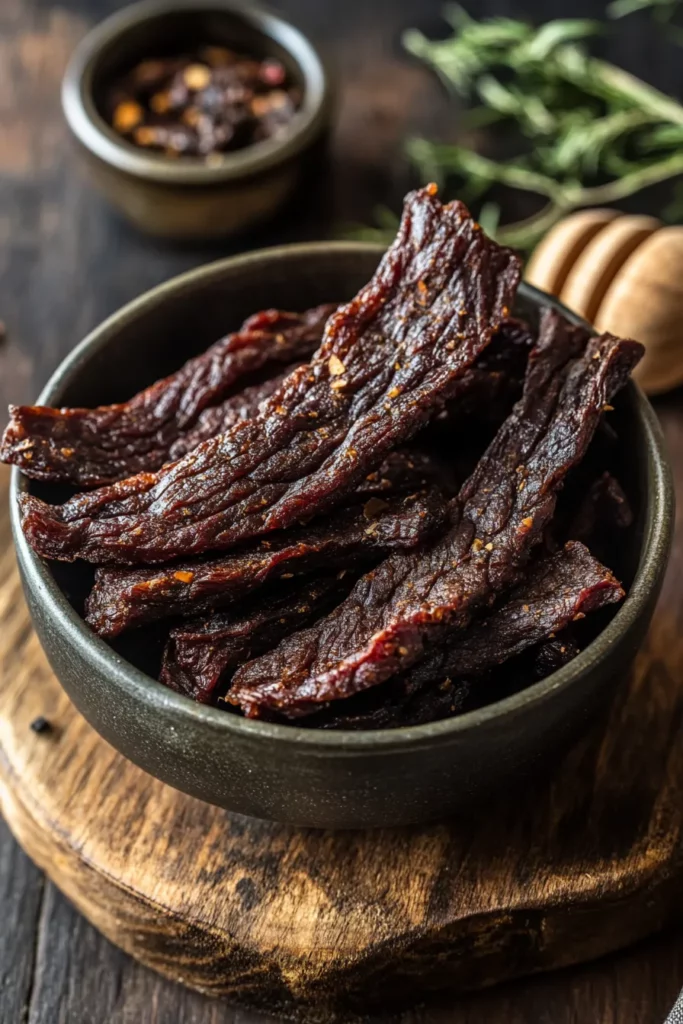
Having both venison and beef jerky options means I can offer variety at gatherings. Some people are curious about wild game and eager to try it. Others prefer what they know. Making both means everyone’s happy and those who try the venison often discover they love it more than beef.
Expert Tips for Perfect Venison Every Time
After years of cooking venison and making countless batches of jerky, I’ve learned tricks that consistently improve results. These aren’t secrets exactly, just the kind of knowledge you gain through experience, both successes and failures. Applying these tips will help you avoid the mistakes I made while learning.
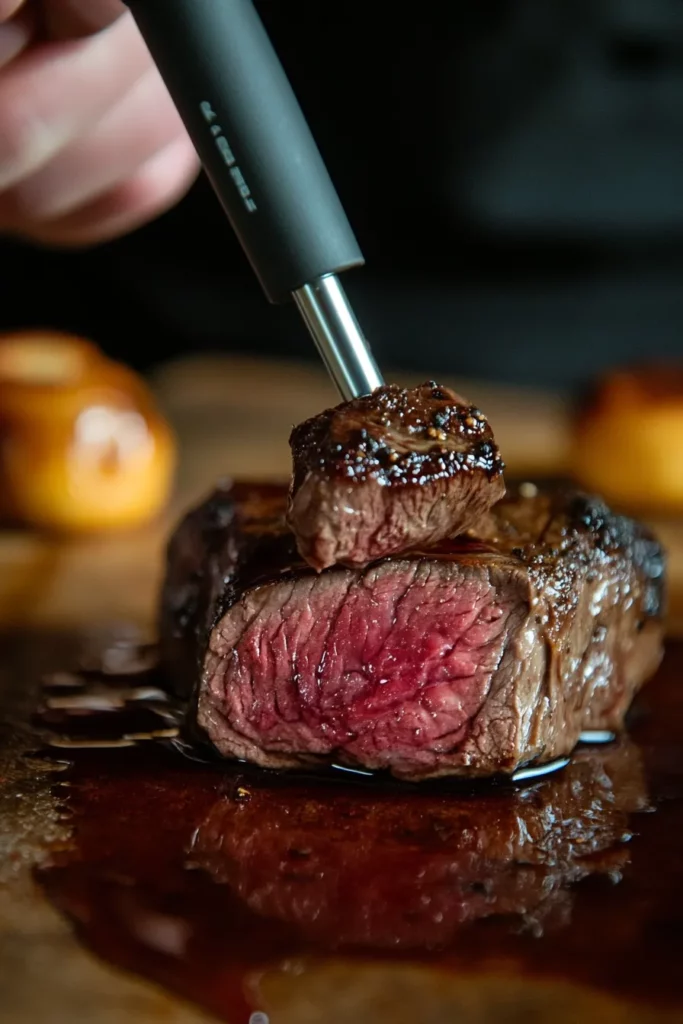
First, always use a meat thermometer with venison. The margin between perfectly cooked and overdone is narrow. A good instant-read thermometer is essential equipment, not optional. For tenderloin and backstrap, I pull the meat at 130 degrees for medium-rare, knowing it will coast up a few degrees during resting. This gives you that pink center that keeps venison tender and juicy.
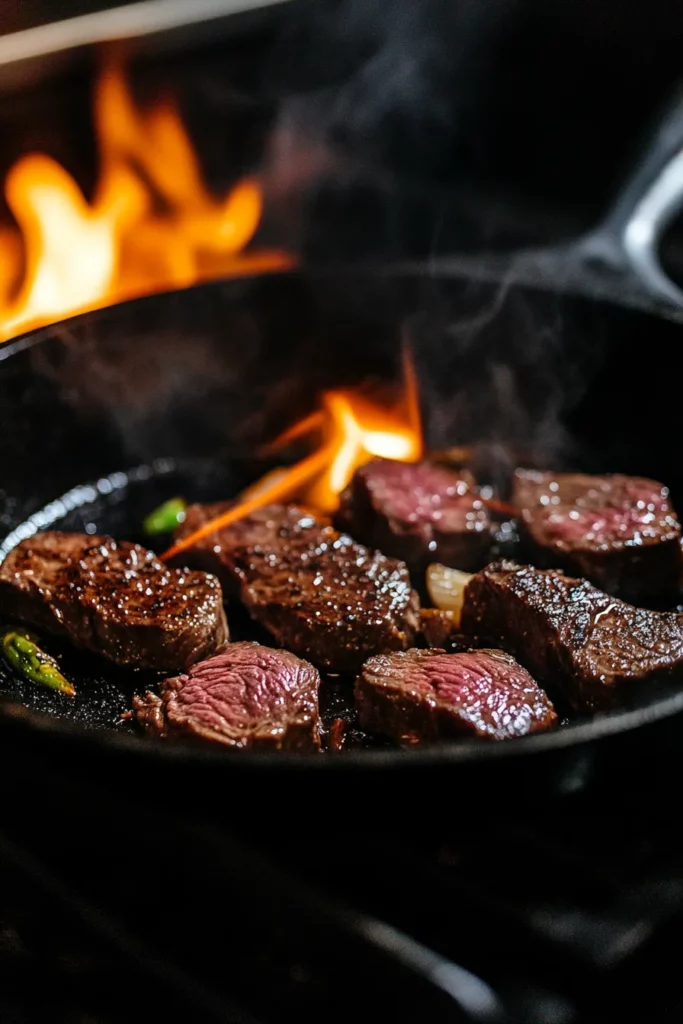
Don’t skip the searing step when cooking whole venison cuts. That initial high heat creates a flavorful crust and helps seal in juices. I sear in a very hot cast-iron skillet with just a touch of high-smoke-point oil like avocado or grapeseed. Each side needs only two to three minutes. You’re not trying to cook the meat through, just develop color and flavor on the outside.
Common Mistakes to Avoid
The biggest mistake is overcooking. Venison cooked past medium becomes tough and dry, losing all the qualities that make it special. If your family insists on well-done meat, venison might not be the right protein for them, or you’ll need to cook it low and slow with plenty of added moisture rather than using quick, high-heat methods.
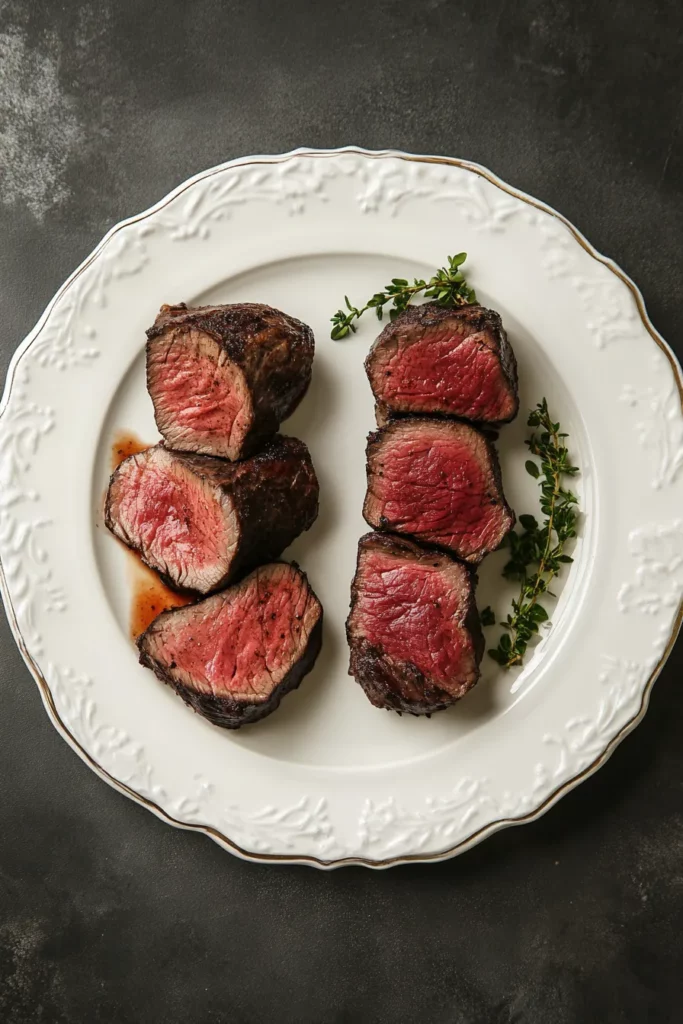
Another common error is not letting the meat rest after cooking. That resting period allows juices to redistribute throughout the meat. Cut into venison immediately after cooking and those precious juices run all over your cutting board instead of staying in the meat where they belong. Ten minutes of resting makes an enormous difference in both juiciness and tenderness.
With jerky specifically, the most frequent mistake is slicing strips too thick or too thin. Too thick and they take forever to dry, often developing a hard exterior while remaining moist inside. Too thin and they dry out completely, becoming brittle and crumbly. That quarter-inch thickness is ideal, and partially freezing the meat before slicing makes achieving consistent thickness much easier.
Storage and Reheating Tips
Fresh venison should be cooked within two days of thawing. If your plans change, you can refreeze it, though the texture might suffer slightly. I prefer to cook it and then freeze leftovers rather than refreezing raw meat. Cooked venison keeps in the refrigerator for three to four days and reheats well in a low oven or sliced cold for sandwiches.
For reheating whole venison pieces, the oven is better than the microwave. Place the meat in a baking dish with a splash of broth or sauce, cover with foil, and warm at 300 degrees until heated through. This gentle reheating prevents the meat from drying out or toughening. Sliced venison can be warmed in a skillet with butter or incorporated into dishes like pasta where the sauce keeps it moist.
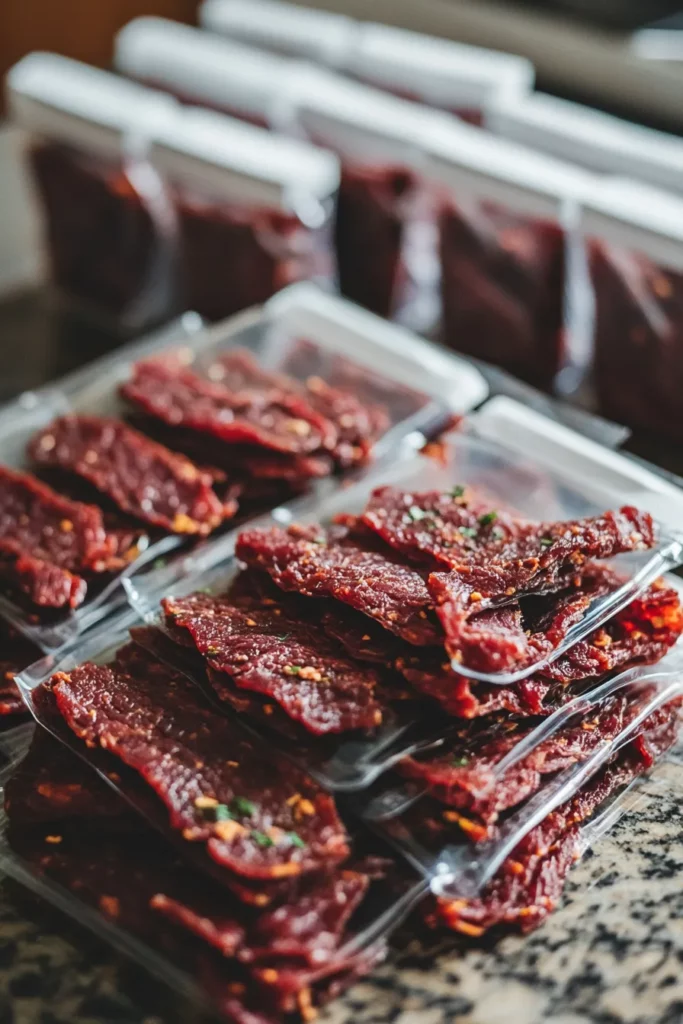
Jerky storage is straightforward but important. Properly dried jerky keeps at room temperature in an airtight container for two to three weeks. For longer storage, refrigerate it for up to two months or freeze for six months. Vacuum sealing extends shelf life significantly. I portion jerky into smaller bags so I only open what I’ll eat within a week or two, keeping the rest sealed and fresh.
Bringing It All Together: Your Venison Journey
Working with venison has taught me patience, respect for ingredients, and the satisfaction of cooking something truly special. Whether you’re preparing elegant bacon-wrapped tenderloin for a holiday meal or spending a Saturday afternoon making jerky, these recipes connect you to traditions that go back generations. There’s something meaningful about taking wild game and transforming it into food that brings people together.
The techniques you’ve learned here work across all venison preparations. High heat for tender cuts, careful temperature monitoring, proper resting, and the confidence to pull meat from heat before it looks done. These principles apply whether you’re making a simple glazed tenderloin or an elaborate stuffed backstrap. And once you understand the basics of jerky making, the variations become limitless, letting you create custom flavors that suit your exact preferences.
Remember that venison is lean and unforgiving of overcooking, but that same leanness makes it healthy and delicious when treated properly. The bacon-wrapped preparations add necessary fat and flavor. The glazes provide moisture and complexity. The stuffed versions transform simple meat into restaurant-quality presentations. And the jerky recipes preserve your harvest while creating portable, protein-rich snacks that disappear almost as fast as you make them.
Start with the simpler recipes if you’re new to cooking venison. The basic maple glazed tenderloin or classic maple jerky are both approachable and reliably delicious. As your confidence grows, experiment with stuffed preparations and more complex flavor profiles. Try different woods for smoking jerky. Play with glaze combinations that appeal to your palate. Cooking should be creative and enjoyable, not stressful.
And here’s something important: not every batch will be perfect, and that’s okay. I’ve overcooked venison, burned jerky, and had stuffing leak out of backstraps. Each mistake taught me something that made the next attempt better. Give yourself permission to learn through doing, knowing that even imperfect venison is usually still pretty good.
Explore More Wild Game and Fall Cooking Inspiration
If you’ve enjoyed learning about venison preparation, there’s so much more to discover about cooking with seasonal ingredients and wild game. These recipes and techniques open doors to a whole world of hunting season traditions, fall flavors, and creative ways to honor the food you’re preparing.
Continue your venison cooking journey with these favorites:
Maple Cream Cheese Venison Tenderloin Jalapeno Poppers with Crispy Bacon
Cranberry Glazed Venison Tenderloin
Smoky Maple Dijon Glazed Venison Tenderloin
Frequently Asked Questions
How do I know when venison is done without overcooking it?
A meat thermometer is essential for cooking venison perfectly. For medium-rare, which is ideal for tenderloin and backstrap, remove the meat from heat when it reaches 130 to 135 degrees Fahrenheit. The temperature will rise another five degrees during resting. For medium, pull it at 135 to 140 degrees. Venison cooked past 150 degrees becomes dry and tough.
Can I use frozen venison for these recipes?
Absolutely. Just thaw it slowly in the refrigerator, never at room temperature. Plan for twenty-four hours of thawing time for most cuts. For jerky, partially frozen meat is actually ideal because it slices more easily into even strips. Let it thaw just enough that you can slice through it but it’s still firm.
Why does my venison taste gamey?
Gamey flavor usually comes from fat or improper processing rather than the meat itself. Always trim away all fat and silver skin before cooking. Properly aged and processed venison has a mild, slightly sweet flavor. Soaking in milk overnight can help if you’re stuck with strong-tasting meat, though this shouldn’t be necessary with quality venison.
What’s the difference between venison tenderloin and backstrap?
Both are premium cuts, but they come from different locations. Tenderloin is inside the body cavity, smaller and extremely tender. Backstrap runs along the outside of the spine and is larger. Both cook similarly and can be used interchangeably in most recipes. Backstrap is better for stuffing because of its size.
How long does homemade venison jerky last?
Properly dried and stored jerky keeps at room temperature for two to three weeks in an airtight container. Refrigerate it for up to two months or freeze for six months. The key is making sure it’s completely dry before storage. Any remaining moisture can lead to mold, so err on the side of overdrying slightly.
Can I make jerky without a dehydrator?
Yes, an oven works perfectly. Set it to the lowest temperature, usually 170 degrees, and prop the door open slightly with a wooden spoon to allow moisture to escape. Place strips on wire racks over baking sheets and dry for four to eight hours, checking periodically. It takes longer than a dehydrator but produces excellent results.
Should I slice jerky with or against the grain?
Slice with the grain for traditional chewy jerky. Slicing against the grain creates more tender jerky that’s easier to bite through but might be too soft for some preferences. Try both ways and see which texture you prefer. I usually slice with the grain because I like that satisfying chew.
What wood is best for smoking venison jerky?
Mild woods like apple, cherry, or maple work beautifully with venison without overpowering its flavor. Hickory is classic but stronger, so use it carefully. Avoid mesquite, which can be too intense for venison. Fruit woods add subtle sweetness that complements both sweet and savory jerky marinades.
Can I use these recipes with other wild game?
Definitely. Elk, antelope, moose, and other wild game work with the same techniques and recipes. Elk is particularly excellent and very similar to venison. Even wild boar can be used, though you’ll want to cook it to a higher internal temperature than venison due to safety considerations.
How do I prevent venison from drying out?
Don’t overcook it. Use a meat thermometer and pull it from heat earlier than you think you should, accounting for carryover cooking during resting. Adding fat through bacon wrapping, butter basting, or rich sauces also helps. And always let the meat rest before slicing to retain juices.
What should I serve with venison tenderloin?
Venison pairs beautifully with earthy fall vegetables like roasted root vegetables, Brussels sprouts, or wild mushrooms. Creamy mashed potatoes or sweet potato puree provide richness. Fruit-based side dishes like cranberry relish or apple chutney complement venison’s slight sweetness. Rich, dark sauces work wonderfully too.
Can I marinate venison too long?
For whole cuts like tenderloin, more than twenty-four hours of marinating can start to break down the meat’s texture too much. Eight to twelve hours is ideal for most marinades. For jerky, eight to twenty-four hours works well, with overnight being my standard. The meat needs time to absorb flavors without becoming mushy

🍳 Precision Meets Passion — Tools Chefs Trust Daily

- Grams & ounces — precise to 1g
- Perfect for baking & keto tracking
- Sleek stainless steel design

- German stainless precision
- Razor-sharp & dishwasher-safe
- Elegant wood block organizer

- Premium Stainless Steel Build
- Easy to Clean & Dishwasher Safe
- A Must-Have Kitchen Tool