➤ Table of Contents
I’ll never forget the summer my neighbor dropped off a laundry basket overflowing with zucchini from her garden. At first, I panicked. What on earth was I going to do with twelve enormous zucchini before they went soft and sad in my crisper drawer? That basket became my education in the versatility of summer squash. Within two weeks, I’d made casseroles, fritters, stuffed boats, layered bakes, and even pizza bites. My family stopped groaning when they saw zucchini on the dinner table and started asking which zucchini dish I was making tonight.
⚡ Smart Kitchen Tools Every Home Cook Swears By

- Pure aluminum
- Durable enough for everyday cooking
- Made in the USA with quality

- 7 cooking functions in one compact cooker
- 3-quart size ideal for couples or small meals
- Up to 70% faster than traditional cooking

- 3 sizes for every recipe
- Pre-seasoned & durable cast iron
- Oven & grill ready
There’s something wonderful about zucchini and summer squash that makes them kitchen workhorses. They’re mild enough to take on whatever flavors you pair them with, yet they have their own subtle sweetness and satisfying texture when cooked properly. They’re forgiving too. Overcook most vegetables and you’ve got mush, but zucchini holds its shape and stays pleasant even if your timing isn’t perfect. Plus, they’re available and affordable nearly year-round, making them reliable friends in meal planning.
This guide is everything I’ve learned about cooking with zucchini and summer squash through years of experimenting, succeeding, and yes, occasionally creating soggy disasters that taught me what not to do. We’ll explore the difference between varieties, master techniques that prevent watery results, discover flavor combinations that make these vegetables shine, and work through dozens of recipes that range from simple weeknight dinners to impressive entertaining dishes. Whether you’re dealing with a garden surplus or just want to add more vegetables to your family’s meals, you’ll find ideas here that actually work.
I believe that cooking should be joyful, not stressful. So every technique comes with the kind of real-talk explanations and tips I wish someone had shared with me when I was standing in my kitchen staring at that basket of zucchini, wondering where to begin. Let’s dive in together and turn these humble summer vegetables into dishes your family will genuinely look forward to eating.
Understanding Zucchini and Summer Squash: What You Need to Know
For years, I thought all summer squash were basically the same thing with different colors. Then I started paying attention to how they cooked differently, and I realized that while they’re similar, each variety has its own personality in the kitchen. Understanding these differences helps you choose the right squash for the right dish.
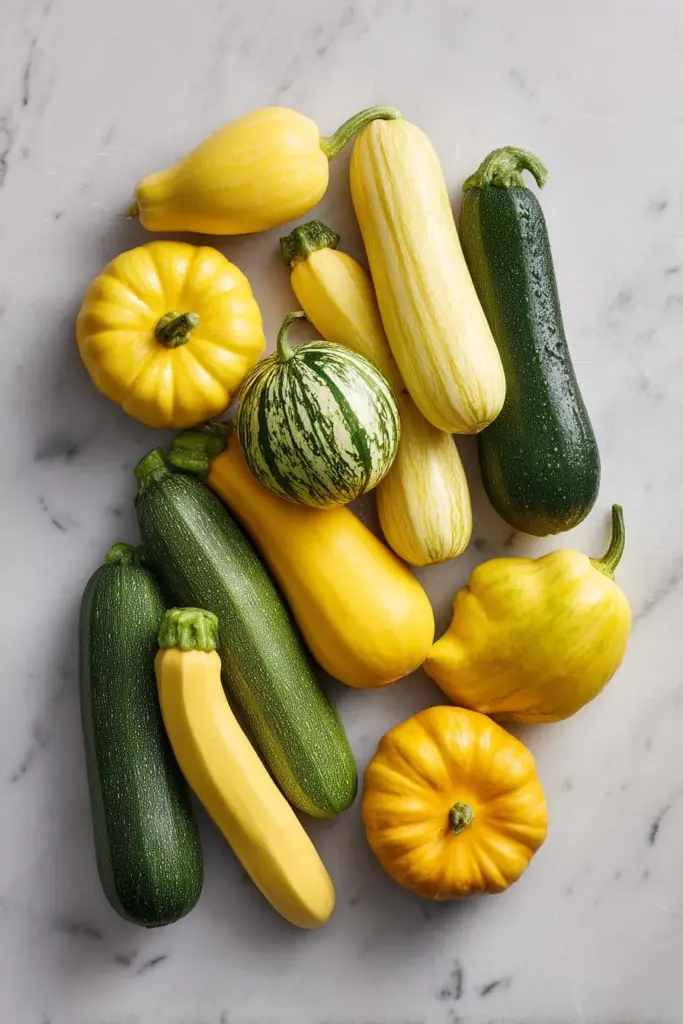
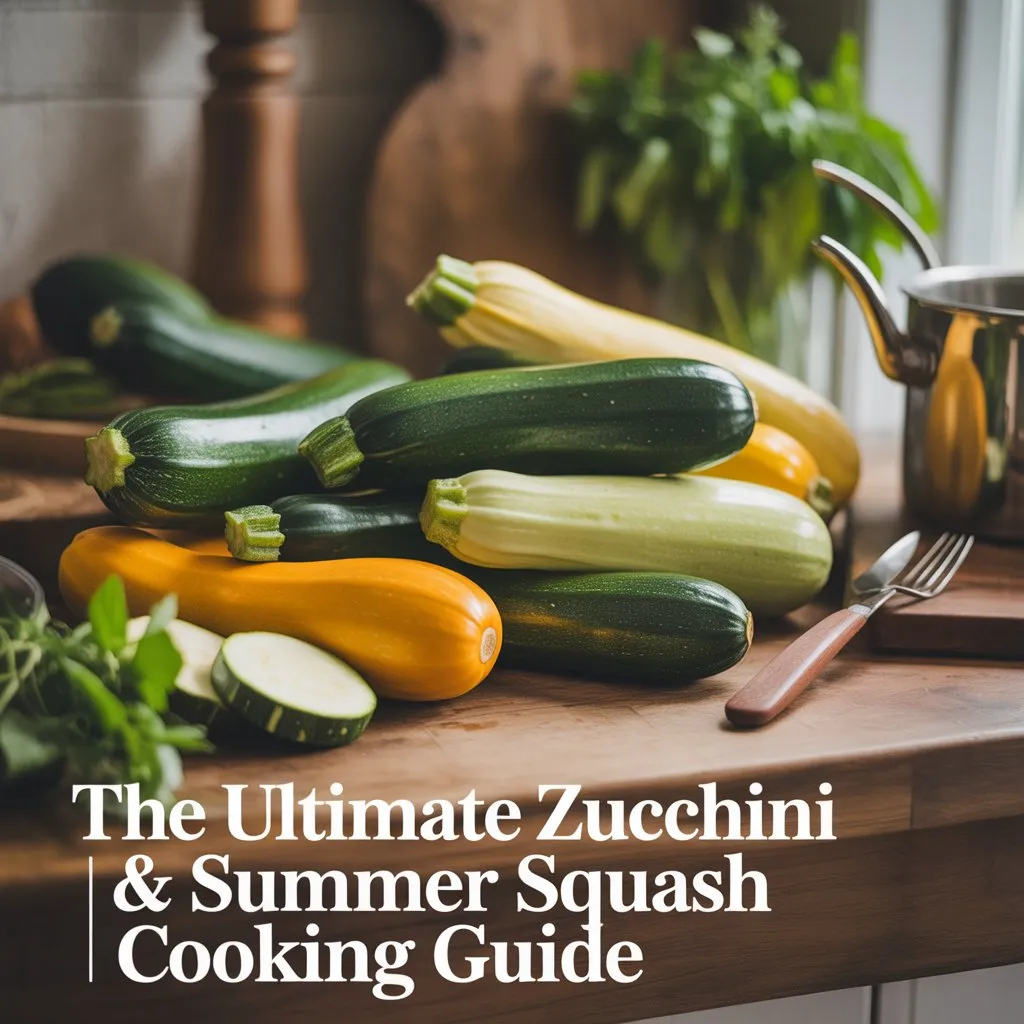
Zucchini is the most common summer squash, with dark green skin and creamy white flesh. It has a mild, slightly sweet flavor and holds its shape well when cooked. Yellow summer squash, sometimes called yellow crookneck or straightneck depending on the shape, has a brighter, slightly more pronounced flavor. The flesh is a bit more delicate and tends to release more moisture when cooked.
Then there’s the beautiful pattypan squash with its scalloped edges and flying saucer shape. These are firmer and denser than zucchini, with a slightly nutty flavor. I love using them whole when they’re small, stuffing them for an impressive presentation. And let’s not forget about the striped varieties like zephyr squash or the round, globe-shaped zucchini that are perfect for stuffing.
Selecting the Best Squash at the Market
Size matters tremendously with summer squash, and bigger is definitely not better. Those massive zucchini that look impressive in the garden? They’re usually watery, seedy, and bland. I learned this the hard way when I tried to make a beautiful cheesy zucchini tomato bake with ricotta and herbs using a baseball bat-sized zucchini. The dish turned into a watery mess despite my best efforts.
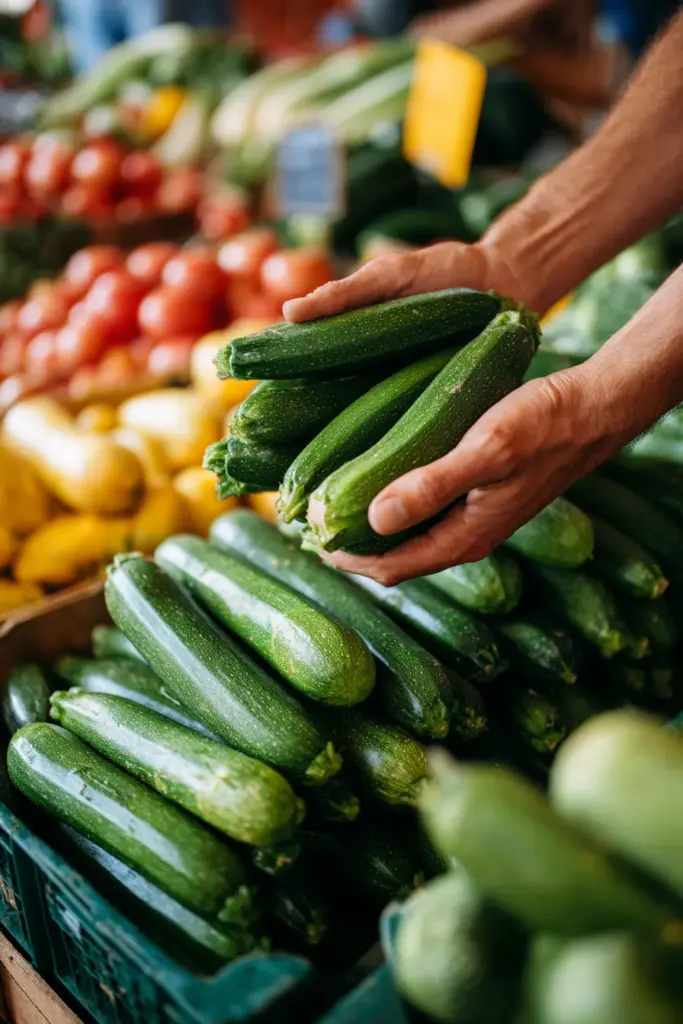
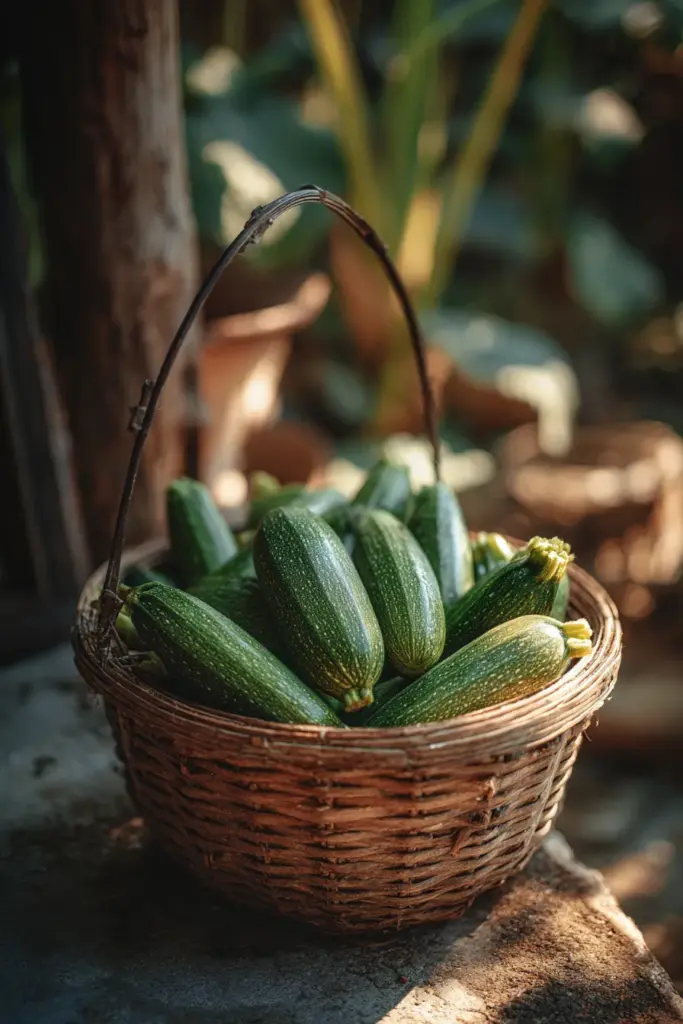
Look for small to medium squash, about six to eight inches long for zucchini and yellow squash. The skin should be glossy and firm, with no soft spots or wrinkles. When you hold it, it should feel heavy for its size, indicating dense flesh rather than a hollow, seedy interior. Gently press your fingernail against the skin. If it doesn’t easily puncture, that’s a good sign of freshness.
At farmers markets, I always ask when the squash was picked. Summer squash starts declining in quality just a couple days after harvest, so fresher is always better. Store them in the crisper drawer of your refrigerator, unwashed, for up to five days. Don’t wash them until you’re ready to use them, as excess moisture encourages spoilage.
🥗 Fresh, Fast & Foolproof — Upgrades You'll Use Tonight

- Zoodles in seconds
- Heavy-duty, 10 sharp blades
- Keto, paleo & gluten-free friendly

- Meals in ~30 minutes
- 3-Qt — perfect for 1–3 people
- Pressure cook, sauté, steam & more

- Phone alerts & live temp graph
- Hands-off monitoring for smokers
- Perfect doneness, every time
The Moisture Problem: Why Your Zucchini Dishes Turn Watery
Here’s the thing about zucchini that took me forever to figure out: it’s mostly water. Like, seriously mostly water. This is why so many zucchini dishes end up swimming in liquid, diluting flavors and creating soggy textures. But once you understand this, you can take steps to prevent it.
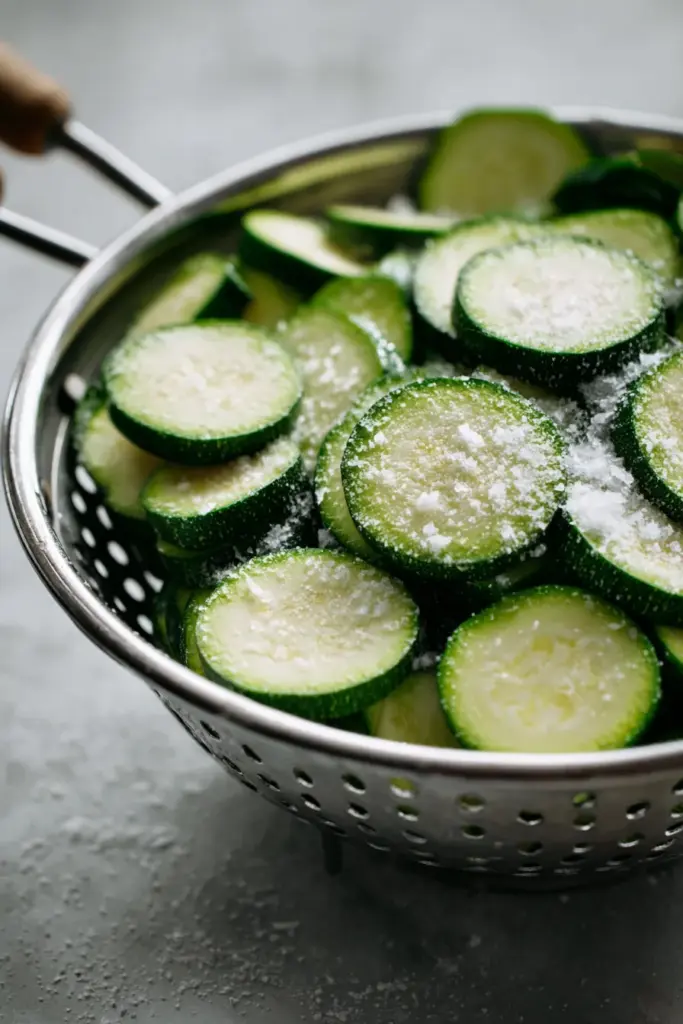
For dishes where you want distinct pieces of zucchini rather than mush, like in my layered summer vegetable bake with three cheeses, salting is your best friend. Slice or dice your zucchini, toss it with salt, and let it sit in a colander for fifteen to thirty minutes. The salt draws out moisture through osmosis. Then squeeze the zucchini in clean kitchen towels or paper towels to remove even more liquid before cooking.
For casseroles and bakes, I’ve learned to pre-cook the zucchini slightly to release some moisture before assembling the dish. A quick sauté or a few minutes under the broiler does wonders. This extra step makes the difference between a casserole that holds together beautifully and one that’s a soupy disappointment.
Stuffed Zucchini Boats: A Canvas for Endless Creativity
The first time I made stuffed zucchini boats, I was trying to use up leftover ground beef and some wilting vegetables. I had no recipe, just an instinct that hollowing out zucchini halves and filling them with tasty things might work. They came out so well that my husband asked if we could have them every week. That was five years ago, and we’re still making them regularly because they’re endlessly adaptable.

The technique is straightforward: halve zucchini lengthwise, scoop out the seeds and some flesh to create a cavity, fill with your mixture, and bake until everything is hot and melded together. What makes stuffed zucchini boats brilliant is how the zucchini shell becomes tender and slightly sweet, complementing whatever savory filling you’ve chosen. Plus, each boat is naturally portioned, making serving easy.
I start with medium zucchini, about seven to eight inches long. Any smaller and there’s not enough cavity for a satisfying amount of filling. Any larger and the zucchini takes too long to cook and gets mushy. After halving them, I use a spoon to scrape out the seedy center, leaving about a quarter inch of flesh attached to the skin. Don’t throw away those scooped-out bits. Chop them up and add them to your filling for zero waste.
Classic Meat and Vegetable Combinations
My most-requested stuffed zucchini boat is probably the spinach mushroom and ricotta stuffed zucchini boats. The creamy ricotta binds everything together, while the earthy mushrooms and nutritious spinach make it feel both indulgent and virtuous. I serve these with a simple salad and crusty bread for a complete meal that looks like I worked much harder than I actually did.
When I want something with a bit more kick, the buffalo chicken zucchini boats hit the spot. They’re perfect for game day or when you’re craving buffalo wings but want something a little lighter. The zucchini provides a cooling contrast to the spicy buffalo sauce, and topped with blue cheese or ranch, they’re absolutely craveable.
For busy weeknights, I often turn to simple ground beef or turkey fillings. The beauty is that you can season them any direction you want. Italian with marinara and mozzarella. Mexican with taco spices, black beans, and pepper jack. Greek with feta, oregano, and tomatoes. The zucchini vessel works with all of it.
Tips for Perfect Zucchini Boats Every Time
Here’s what I’ve learned through trial and error: pre-cook your zucchini shells slightly before stuffing. I brush them with olive oil, season with salt and pepper, and roast them cut-side down for about ten minutes. This head start means the filling and the shell finish cooking at the same time, preventing undercooked, crunchy zucchini or overcooked, mushy filling.
Don’t overfill the boats. I used to heap filling as high as possible, thinking more was better. Then it would all slide off during baking and I’d end up with a messy pan. Now I fill them so the mixture comes just to the top edge, maybe barely mounded. If you have extra filling, bake it separately in a small dish and serve it on the side.
The topping matters too. A sprinkle of cheese, breadcrumbs, or both creates a golden, crispy top layer that adds textural contrast. I add the topping during the last ten to fifteen minutes of baking so it browns beautifully without burning.
Layered Zucchini Casseroles and Bakes
There’s something deeply satisfying about pulling a bubbling, golden casserole from the oven, knowing that layers of vegetables, cheese, and flavorful additions are waiting inside. Layered zucchini dishes have become some of my favorite ways to feed a crowd or prep meals for the week ahead. They’re forgiving, they reheat beautifully, and they somehow taste even better the next day after all the flavors have had time to become friends.
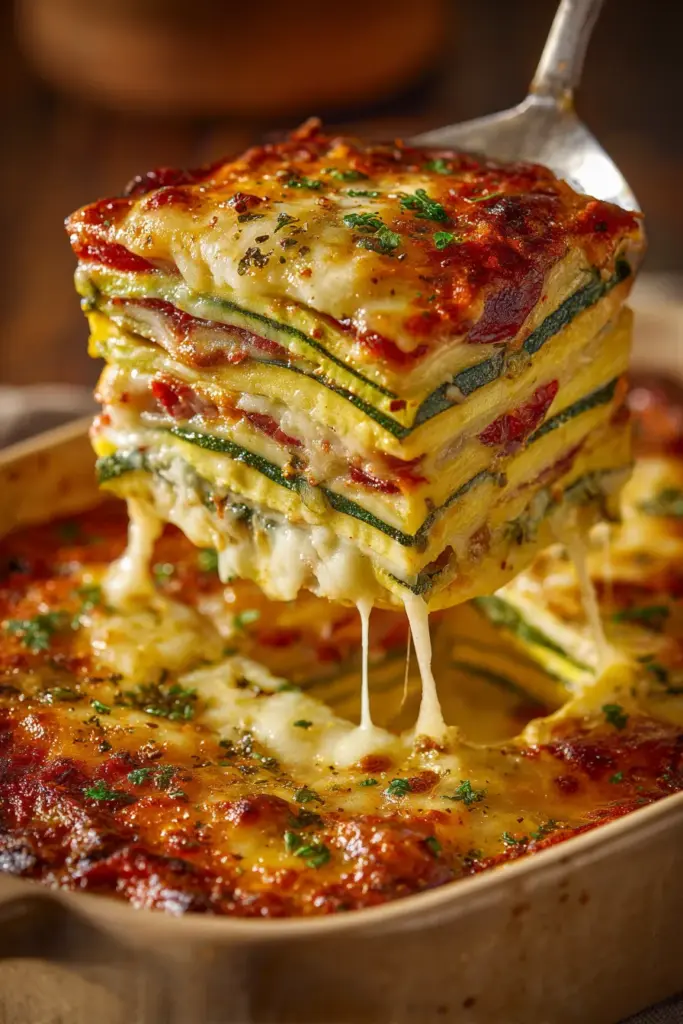
The concept is simple: thinly sliced zucchini layered with various other ingredients, bound together with sauce or cheese or both, then baked until everything melds into cohesive deliciousness. What makes these dishes work so well is how the zucchini softens and absorbs the flavors around it while still maintaining enough structure to give the dish body.
My go-to technique for layered dishes is slicing the zucchini about a quarter inch thick. Thinner than that and it turns to mush. Thicker and it doesn’t cook through properly. I use a mandoline when I have time because consistent thickness means even cooking. When I’m in a hurry, a sharp knife and a steady hand work just fine.
Vegetarian Layered Bakes
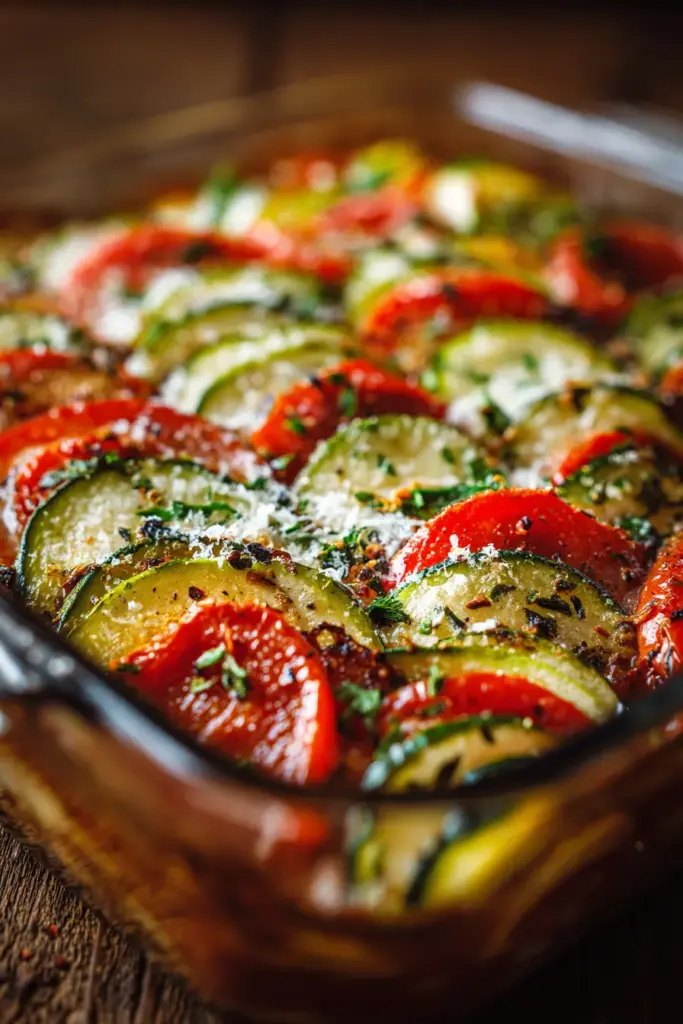
The layered zucchini and tomato bake is pure summer on a plate. I make this constantly when both zucchini and tomatoes are at their peak, alternating slices with herbs, garlic, and a generous amount of good parmesan. It’s simple enough to make on a Tuesday but pretty enough to serve to guests. The key is using ripe, flavorful tomatoes and not skimping on the fresh herbs.
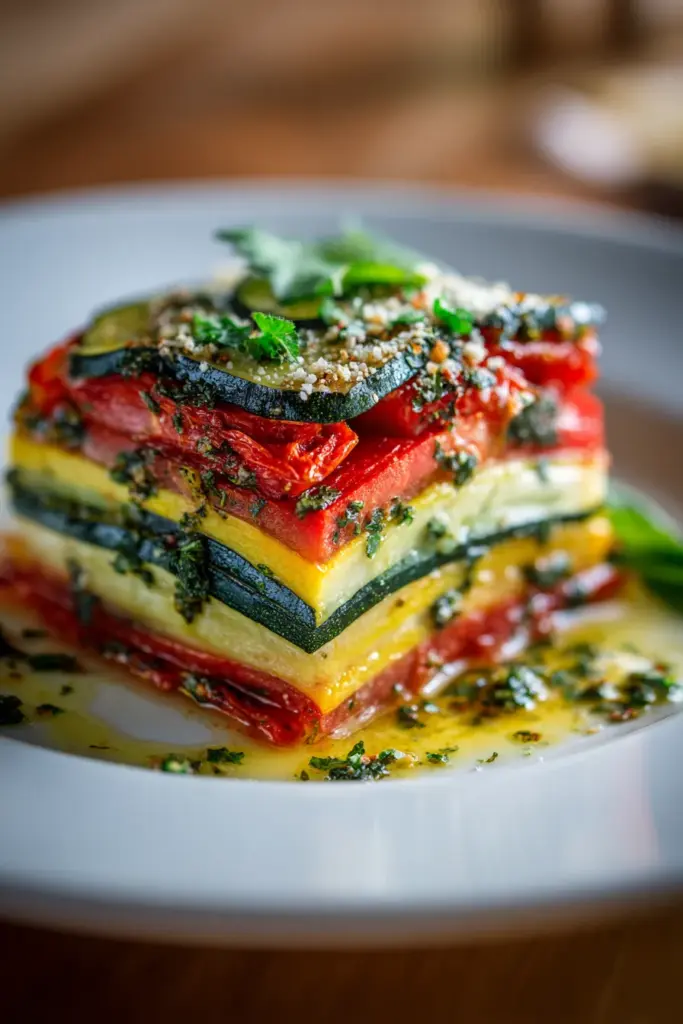
When I want something richer and more substantial, I turn to the cheesy zucchini ricotta bake. Layers of zucchini alternate with creamy ricotta mixture and marinara sauce, creating something that’s like lasagna’s lighter, more vegetable-forward cousin. My kids devour this, which is saying something because getting them to eat vegetables isn’t always easy.
The layered zucchini ricotta melts take this concept even further, with multiple layers creating a stunning cross-section when you slice into it. I like to use both zucchini and yellow squash for visual interest, the green and yellow layers creating a beautiful pattern. It’s the kind of dish that makes people ask for the recipe.
Hearty Casseroles with Meat
Sometimes you need something more substantial, and that’s where meat-based zucchini casseroles shine. The zucchini hamburger casserole has become a family favorite, especially with my teenage son who’s always hungry. It’s hearty enough to satisfy big appetites while still packing in plenty of vegetables.
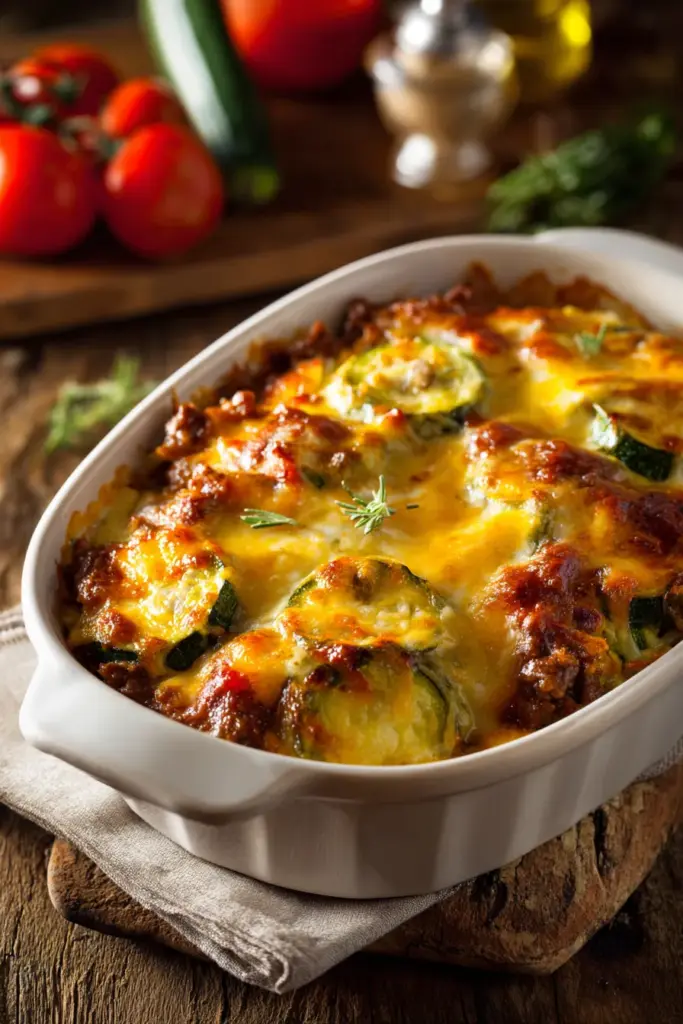
I developed the layered zucchini ground beef casserole during a phase when I was trying to sneak more vegetables into meals without anyone complaining. The seasoned ground beef provides familiar comfort food flavors while the zucchini adds nutrition and keeps everything from being too heavy. It works beautifully for meal prep too, portioning easily and reheating without getting dry.
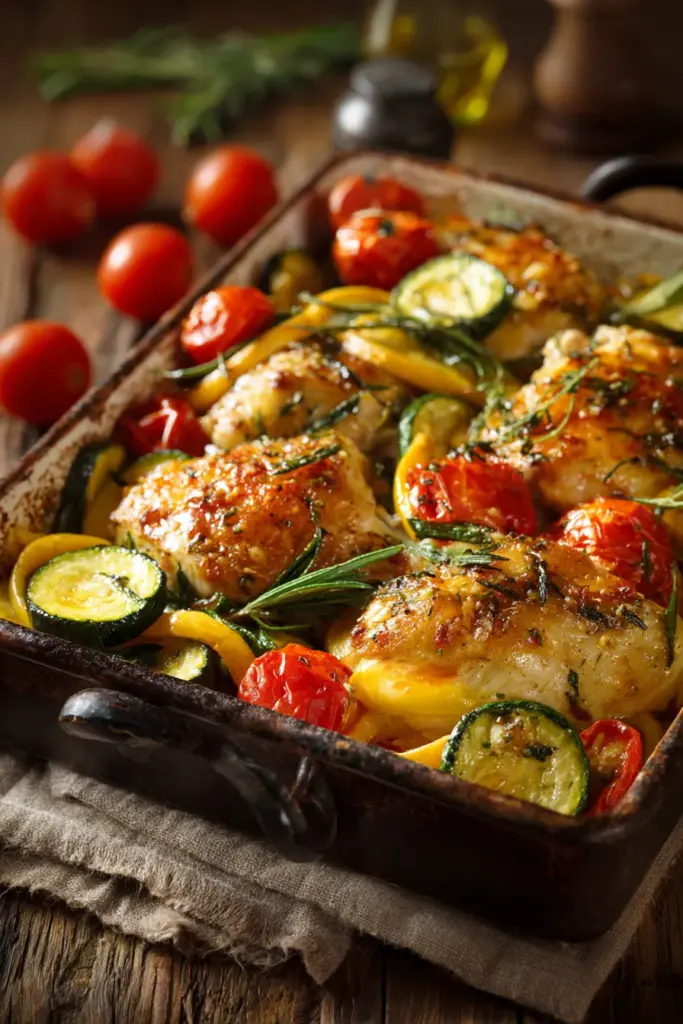
For a lighter protein option, the chicken zucchini tomato bake combines tender chicken pieces with fresh vegetables in a way that feels healthy but never boring. I season it simply with garlic, herbs, and a splash of white wine, letting the ingredients speak for themselves. The Italian chicken and zucchini bake takes a similar approach but leans into Italian flavors with basil, oregano, and mozzarella.
Tips for Casserole Success
The biggest mistake people make with zucchini casseroles is not accounting for all that moisture I mentioned earlier. Even with pre-salting, zucchini will release liquid as it bakes. I combat this by using less sauce than you might think necessary. The zucchini will contribute its own liquid, and you don’t want a swimming pool in your casserole dish.
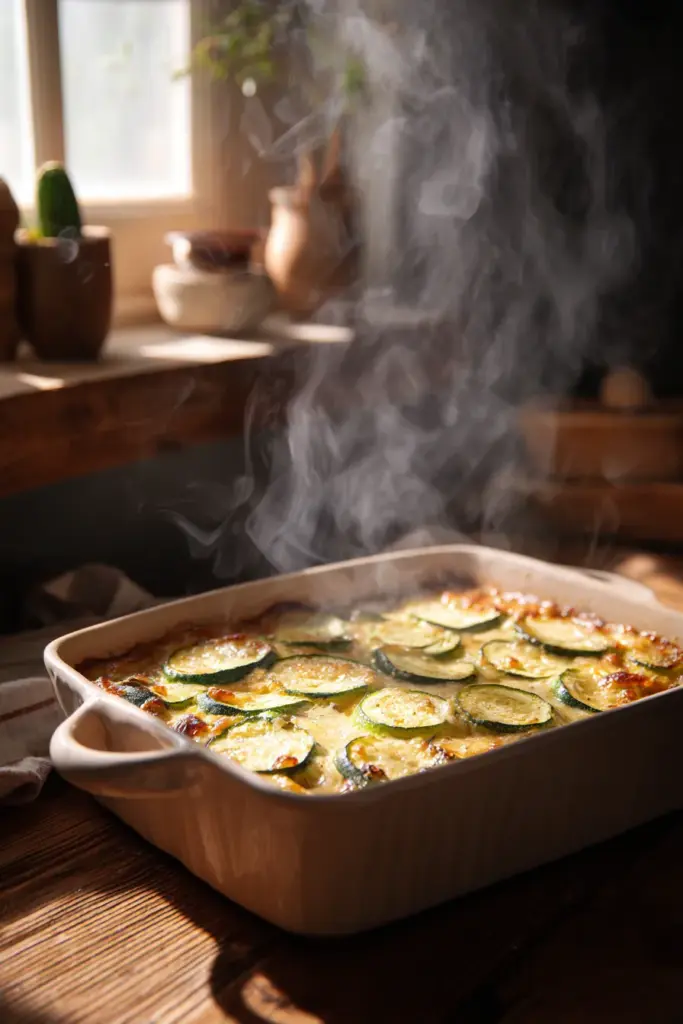
Another trick is to arrange your zucchini slices in a single direction rather than randomly. Whether you’re shingling them in overlapping rows or standing them up on edge, organized placement helps the casserole hold together better when you serve it. Plus, it just looks prettier.
Let your casseroles rest for ten to fifteen minutes after baking before cutting into them. I know it’s tempting to dig in immediately, but this resting time allows everything to set up properly. The result is clean slices instead of a sloppy, falling-apart mess.
Low-Carb and Keto-Friendly Zucchini Dishes
When I first started experimenting with lower-carb eating, I worried I’d miss pasta and comfort food casseroles too much to stick with it. Then I discovered how brilliantly zucchini can stand in for pasta in so many dishes, and suddenly those cravings became much more manageable. Zucchini isn’t trying to be pasta, but it provides a similar vehicle for all those beloved sauces and toppings.
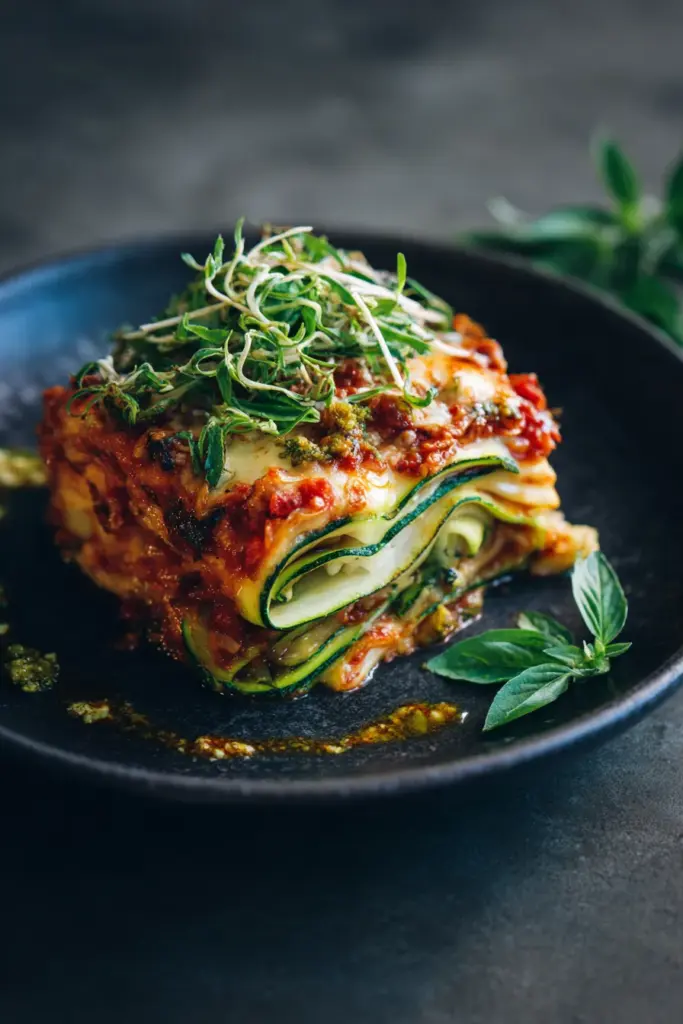
The beauty of using zucchini in low-carb cooking is that you’re not really sacrificing anything. You’re not eating a sad substitute and pretending it’s as good as the real thing. You’re eating delicious vegetables prepared in ways that happen to be lower in carbohydrates while still being completely satisfying. That mindset shift made all the difference for me.
Slicing zucchini lengthwise into thin strips creates noodle-like ribbons perfect for layered dishes. I use a mandoline for this, though a vegetable peeler works too if you’re patient. The key is getting them thin enough to be tender when cooked but not so thin they disintegrate into mush.
Zucchini Lasagna Variations
My keto zucchini ricotta lasagna bake is probably my most-made low-carb recipe. It has all the comfort and satisfaction of traditional lasagna but swaps pasta for zucchini ribbons. The trick is salting those zucchini strips heavily and letting them drain for at least thirty minutes. Then I pat them very dry before layering. This prevents the dreaded watery lasagna that can ruin an otherwise perfect dish.
I build the lasagna exactly like a traditional one: sauce, zucchini, ricotta mixture, mozzarella, repeat. The cheesy garden zucchini lasagna skillet is a quicker weeknight version that comes together in one pan. It has all the same flavors but skips the precise layering, making it perfect for busy evenings when you want comfort food fast.
For something with a bit more visual drama, try the layered zucchini ricotta melts with marinara. The vertical layering creates a beautiful presentation that makes weeknight dinner feel special. I serve this to guests all the time, and no one ever complains about missing the pasta.
Other Creative Low-Carb Options
The zucchini parmesan melts with garlic ricotta reimagine chicken parmesan but with zucchini as the star. Thick zucchini rounds get breaded and baked until golden, then topped with sauce and cheese. They’re substantial enough to be a main course, especially when served over a bed of greens or alongside roasted vegetables.
I also love making roasted veggie melts with ricotta and marinara, which combine zucchini with other low-carb vegetables like eggplant and bell peppers. The variety of vegetables keeps things interesting, and roasting them first develops deep, caramelized flavors that make the dish feel indulgent rather than diet-like.
Quick and Easy Zucchini Sides
Not every zucchini dish needs to be an elaborate production. Some nights, you just need a simple, flavorful vegetable side that comes together in under twenty minutes. These are the recipes I turn to constantly, the ones that make weeknight cooking manageable and keep my family from getting bored with the same steamed vegetables over and over.

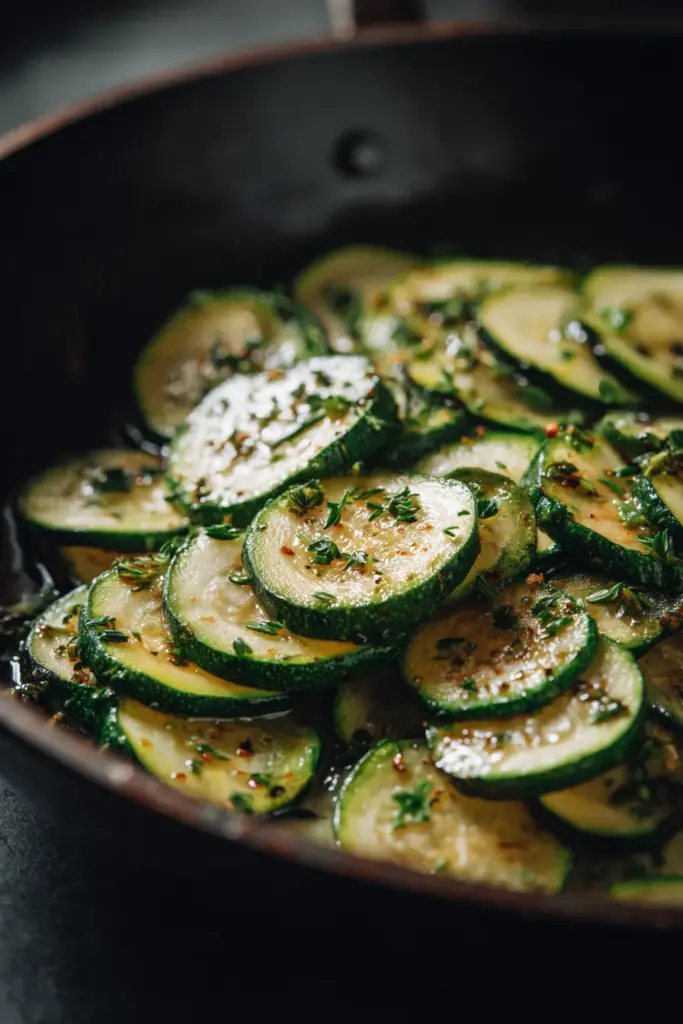
The beauty of zucchini as a side dish is how quickly it cooks and how well it takes on different seasonings. You can go Mediterranean with lemon and herbs, Asian with soy and sesame, Italian with garlic and parmesan, or Mexican with cumin and lime. The same vegetable becomes completely different dishes depending on how you season it.
My fastest method is probably the air fryer squash and zucchini. I cube the vegetables, toss with oil and seasonings, and let the air fryer work its magic. In about twelve minutes, I have perfectly cooked zucchini with lightly caramelized edges. No hovering over a hot stove, no multiple pans to wash. Just set it and forget it while I handle the rest of dinner.
Simple Sautés and Pan-Fries
A basic sauté is probably the most common way I cook zucchini. Heat olive oil or butter in a large skillet, add sliced zucchini, season with salt and pepper, and cook over medium-high heat until tender and golden in spots. It takes maybe ten minutes from start to finish, and you can customize it endlessly with whatever herbs or spices appeal to you.
The key to good sautéed zucchini is not overcrowding the pan. If you pile too much zucchini in there, it steams instead of browning, and you miss out on those caramelized bits that provide so much flavor. Cook it in batches if necessary, or use a larger pan.
I like to add garlic during the last minute or two of cooking. Add it too early and it burns before the zucchini is done. Those final moments are also when I’ll toss in fresh herbs like basil or parsley, or add a squeeze of lemon juice to brighten everything up.
Baked and Roasted Options
When I’m already using the oven for the main course, roasting zucchini alongside it makes sense. I cut zucchini into thick rounds or long wedges, toss with oil and seasonings, and spread on a baking sheet. At 425 degrees Fahrenheit, they take about twenty to twenty-five minutes, flipping once halfway through.
The zucchini and cheese bake is an easy side that looks more impressive than it is. Sliced zucchini goes in a baking dish with some marinara or cream sauce, topped with cheese, and baked until bubbly. It’s the kind of dish that makes people think you fussed more than you did.
For something truly simple but delicious, try slicing zucchini lengthwise into planks, brushing with olive oil and garlic, and grilling or broiling until charred in spots. The smoky flavor pairs beautifully with summer meals, and the presentation is lovely.
Creative Zucchini Appetizers and Snacks
I never thought of zucchini as party food until I made my first batch of zucchini fritters for a potluck. They disappeared faster than the chicken wings and cheese dip, with people asking what made them so addictively crispy and flavorful. That’s when I started experimenting with zucchini as an appetizer vegetable, and I’ve been pleasantly surprised by how versatile it is in this category.
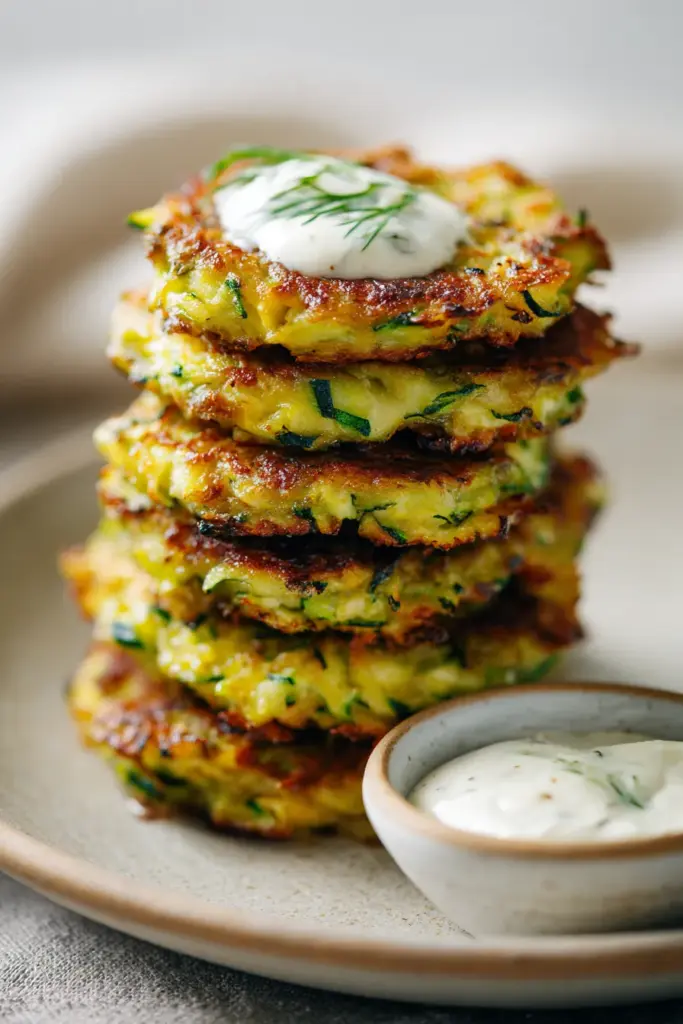
The trick with zucchini appetizers is managing that moisture issue even more carefully than usual. Small bites need to be crispy or at least hold together well, and excess water is the enemy of both. So I’m religious about salting, draining, and squeezing zucchini before incorporating it into any appetizer recipe.
What makes zucchini brilliant for entertaining is that many of these recipes can be partially or fully prepped ahead. You can form fritters or stuff boats in the morning, refrigerate them, and cook them just before guests arrive. That flexibility reduces stress and lets you actually enjoy your own party.
Fritters, Bites, and Finger Foods
My zucchini and feta fritters are always a hit. The tangy feta balances the mild zucchini, while fresh dill and lemon zest add brightness. I serve them with a garlicky yogurt sauce for dipping, and they work equally well as an appetizer or a light lunch. The key is getting them really crispy on the outside while keeping the inside tender.
For a fun party snack, zucchini pizza bites satisfy pizza cravings in a healthier package. Thick zucchini rounds become the base, topped with sauce, cheese, and your favorite pizza toppings. They’re easy enough for kids to help make, which is always a bonus in my kitchen.
I often make these for game day instead of traditional pizza, and no one complains. The zucchini provides a sturdy base that holds all those toppings without getting soggy, and each bite delivers that pizza flavor we all crave. Plus, you can customize each round differently to please various preferences.
Elegant Small Bites
When I’m entertaining and want something that looks more refined, I turn to preparations like grilled zucchini ribbons wrapped around goat cheese and herbs. They’re simple to make but look elegant on a platter. The ribbons are created by slicing zucchini lengthwise into thin strips with a vegetable peeler, then grilling or sautéing them briefly until pliable.
Another favorite is zucchini rounds topped with various spreads and garnishes. I’ll roast thick rounds until tender and slightly caramelized, then top them with things like herbed ricotta, tapenade, or sun-dried tomato spread. They’re like little canapes but entirely vegetable-based.
For passed appetizers at parties, I sometimes make mini versions of my layered zucchini yellow squash casserole in muffin tins. Each cup becomes an individual portion, perfect for guests to grab and eat with one hand while mingling.
One-Pan and Skillet Zucchini Dinners
After a long day, the last thing I want is a sink full of dishes. That’s when one-pan dinners become my saving grace, and zucchini fits beautifully into this category. It cooks relatively quickly, pairs well with proteins, and brings freshness to hearty meals without adding complexity or extra pans.
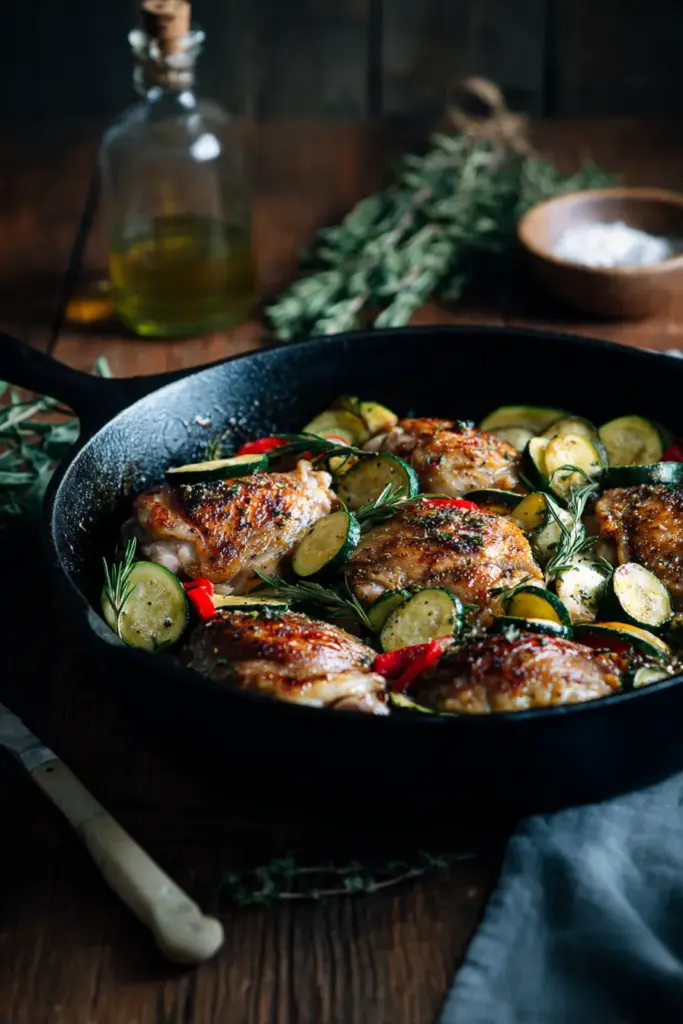
What I love about skillet dinners with zucchini is how the vegetable absorbs flavors from whatever else is cooking in the pan. Those pan drippings, seasonings, and aromatics all get soaked up by the zucchini, making it taste like an integral part of the dish rather than just a side note.
The key to successful one-pan cooking is adding ingredients at the right time so everything finishes cooking together. Zucchini cooks faster than most proteins, so I typically add it during the last ten to fifteen minutes of cooking time. This prevents mushy zucchini while ensuring it’s tender and flavorful.
Chicken and Zucchini Combinations
Chicken and zucchini are natural partners in one-pan cooking. The chicken zucchini skillet bake is probably my most-made weeknight dinner. I sear chicken thighs or breasts in an oven-safe skillet, remove them, sauté zucchini and other vegetables, return the chicken to the pan, and slide everything into the oven to finish cooking. Simple, straightforward, and always delicious.
For something with Mediterranean flair, the one pan Mediterranean chicken with tomatoes and zucchini brings together bright, sunny flavors that transport me to warmer climates even in the middle of winter. Kalamata olives, feta cheese, fresh tomatoes, and zucchini create a colorful, flavorful dish that needs nothing but maybe some crusty bread to soak up the juices.
The garlic lemon chicken and zucchini bake is my go-to when I want something that feels light and fresh. The citrus keeps it from being heavy, and the garlic provides plenty of flavor without adding richness. It’s the kind of dinner that leaves you satisfied but not stuffed, which I appreciate especially during warmer months.
Building Flavor in One Pan
The secret to great one-pan dinners isn’t just about convenience. It’s about building layers of flavor as you cook. I always start by browning the protein well. That caramelization creates fond, those flavorful brown bits that stick to the pan. Then I sauté aromatics like garlic and onions, scraping up that fond to incorporate it.
When I add the zucchini, I make sure there’s enough fat in the pan for it to cook properly. Zucchini can absorb quite a bit of oil or butter, so I’m not shy about adding another drizzle if the pan looks dry. This ensures the zucchini browns nicely instead of steaming.
Finishing the dish with fresh herbs, a squeeze of lemon, or a sprinkle of cheese adds that final layer of flavor that takes things from good to memorable. These last-minute additions brighten and complete the dish, making it taste like you worked much harder than you did.
Classic Southern-Style Squash Casserole
Growing up, summer squash casserole was a church potluck staple. Every family seemed to have their own version, but they all shared common elements: tender squash, creamy sauce, buttery cracker topping, and enough cheese to make anyone happy. When I got my own kitchen, I knew I needed to master this classic Southern dish, and over the years, I’ve developed a version that honors tradition while incorporating what I’ve learned about handling squash’s moisture issues.
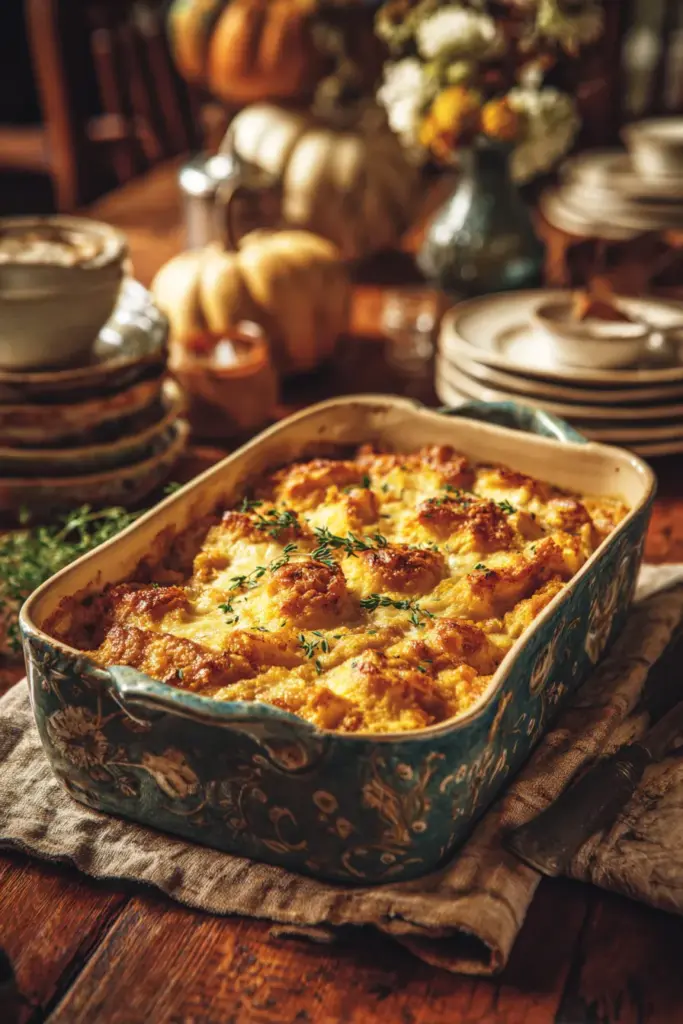
The old school squash casserole is pure comfort food. It’s the kind of dish that belongs at family reunions and holiday tables, the kind that makes people nostalgic for grandmother’s cooking. But here’s the thing: many traditional recipes result in watery casseroles because they don’t account for the liquid squash releases. I’ve adjusted my method to prevent that while keeping all the comforting flavors intact.
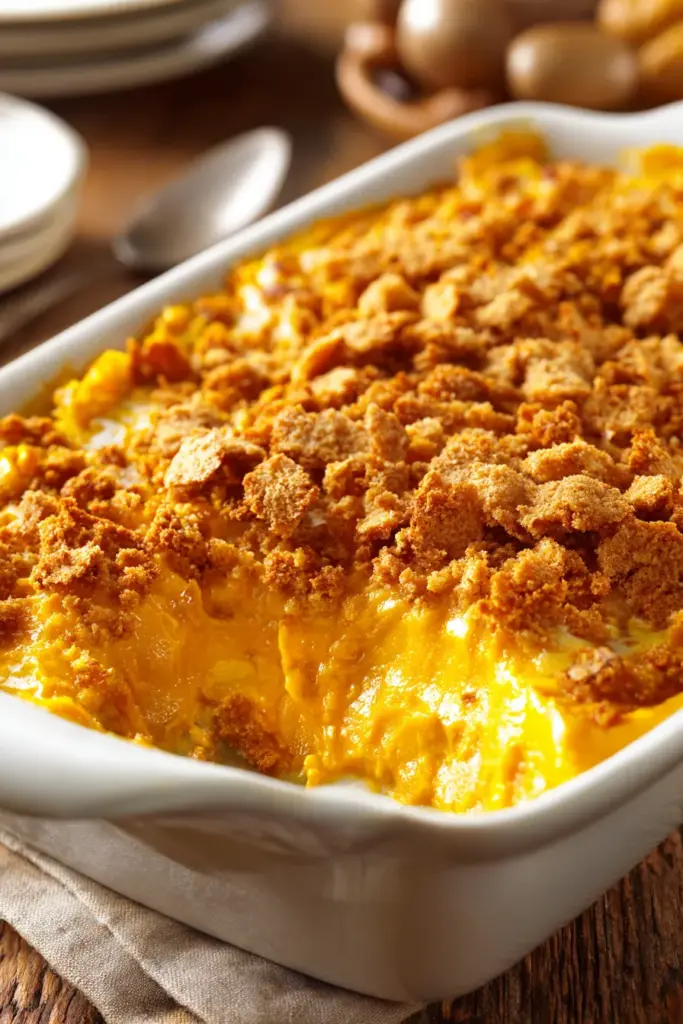
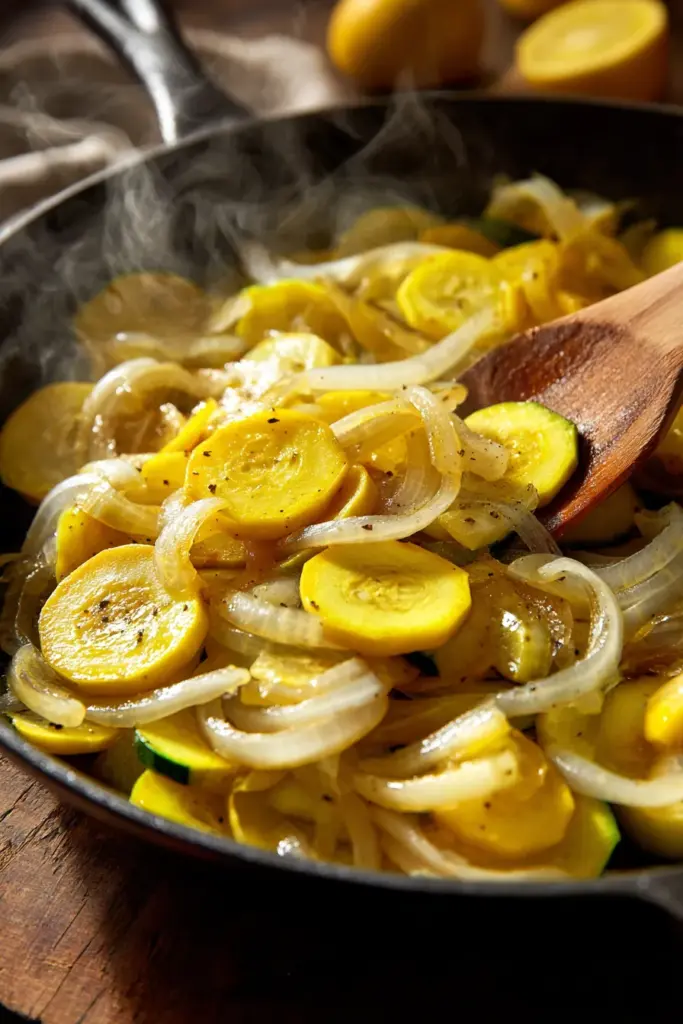
My technique starts with cooking the squash separately first. I sauté sliced squash with onions until just tender, letting excess moisture evaporate in the pan. This step makes all the difference between a creamy, cohesive casserole and a soupy mess. Then I mix it with cream of chicken soup, sour cream, and cheese before transferring to a baking dish and topping with buttery crackers.
Tips for Perfect Southern Squash Casserole
Use a mix of yellow squash and zucchini if you like, or stick with traditional yellow squash. Both work beautifully, though yellow squash is more traditional. Cut them into similar-sized pieces so everything cooks evenly. I prefer half-inch slices that hold their shape but still become tender.
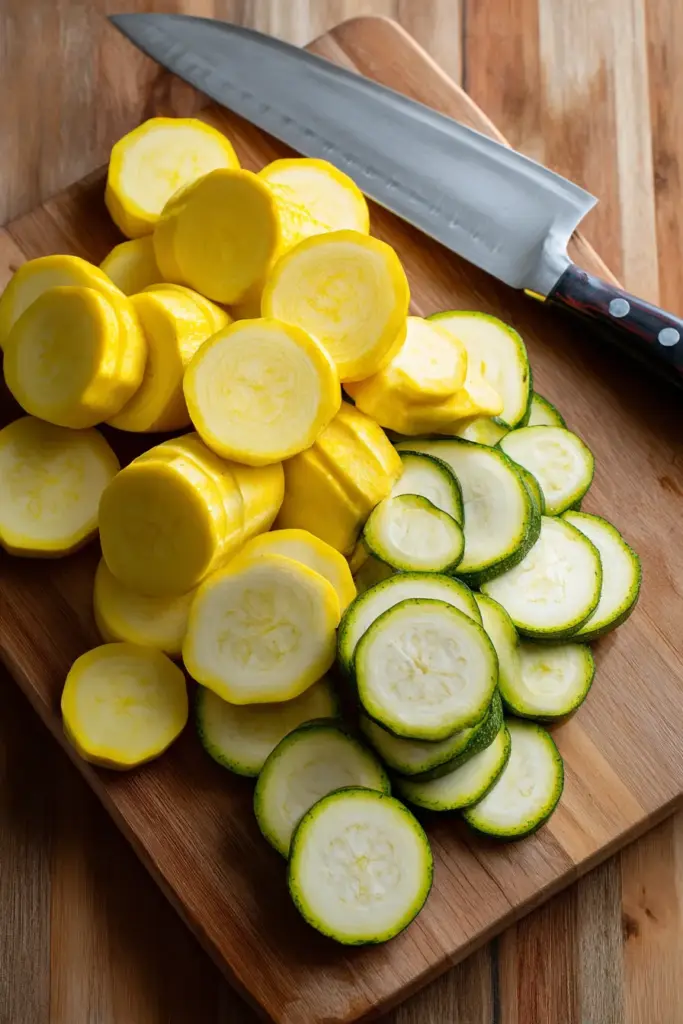
Don’t skip the onion. It adds sweetness and depth that makes the casserole more complex and interesting. I like Vidalia onions when they’re in season for their natural sweetness, but regular yellow onions work fine too.
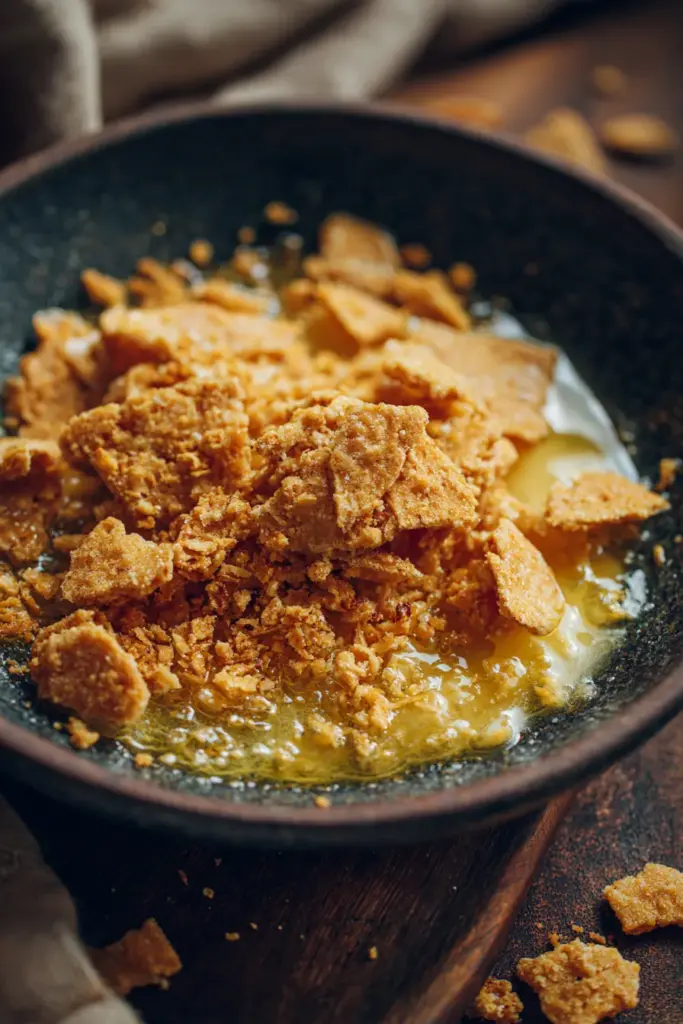
The topping is crucial. I crush Ritz crackers and toss them with melted butter until every crumb is coated. This creates a golden, crunchy top layer that contrasts beautifully with the creamy squash beneath. Some people add a layer of cheese under the crackers, which is delicious but makes it quite rich. I usually save that trick for special occasions.
Variations on the Theme
While I love the classic version, I also make variations depending on my mood and what I have on hand. Sometimes I’ll add cooked chicken or turkey to make it a complete meal. Other times I’ll incorporate different cheeses like sharp cheddar or gruyere for more sophisticated flavors.
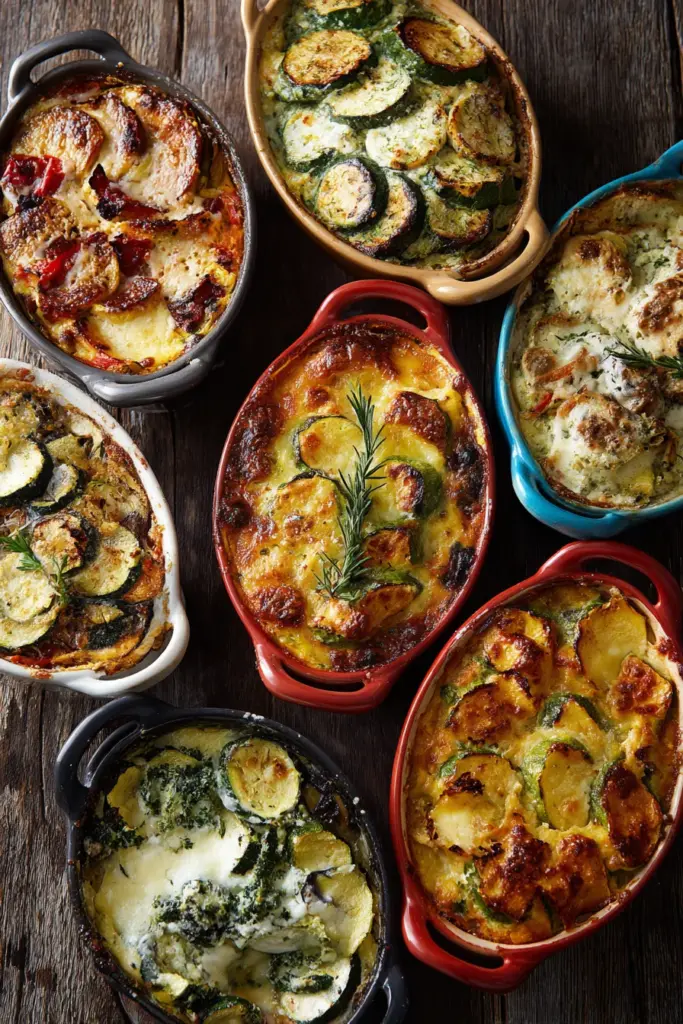
For a lighter version that’s still satisfying, I’ll use Greek yogurt instead of sour cream and reduce the amount of cheese slightly. It’s not as indulgent as the traditional version, but it still delivers that creamy, comforting experience we’re after.
Adding vegetables like bell peppers, mushrooms, or corn gives the casserole more substance and nutrition. The sweet meat squash recipe takes a different approach to winter squash but uses similar casserole techniques that work beautifully for summer squash too.
Expert Tips for Cooking with Zucchini and Summer Squash
After years of cooking with zucchini almost weekly, I’ve accumulated a collection of tricks and techniques that make everything easier and more successful. These are the things I wish someone had told me when I was starting out, the small adjustments that lead to big improvements in your final dishes.
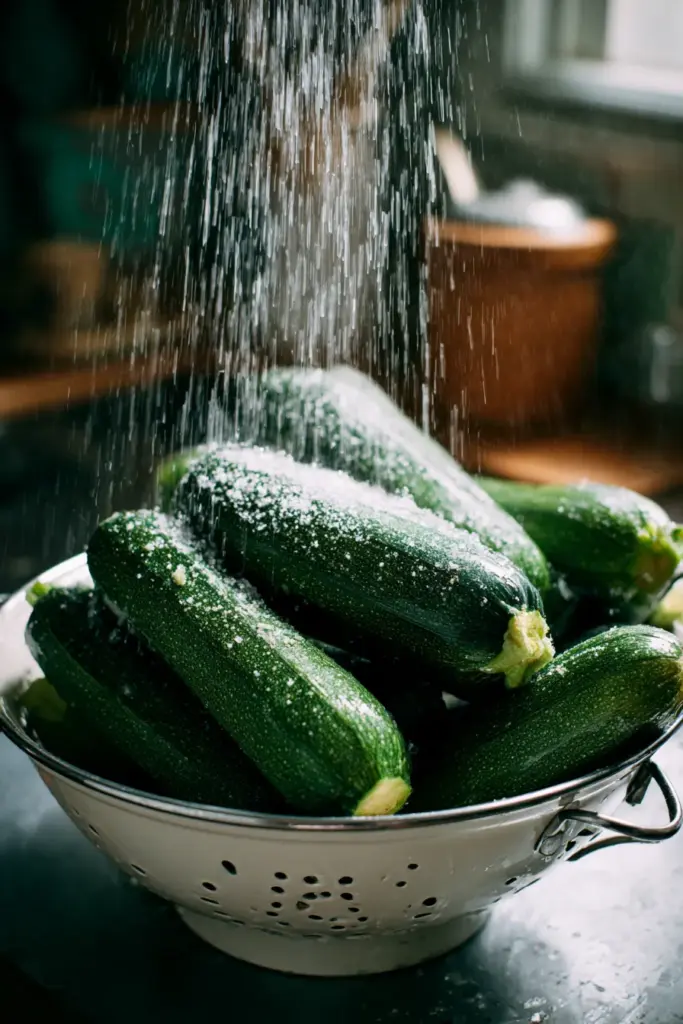
First and most important: salt your zucchini when moisture matters. I cannot stress this enough. For any dish where you want distinct pieces of zucchini rather than mush, or where excess liquid would ruin the recipe, salt the zucchini first. Toss sliced or diced zucchini with about half a teaspoon of salt per medium zucchini, place in a colander, and let it sit for twenty to thirty minutes. Then squeeze it dry in kitchen towels. This removes an astonishing amount of water.
Choose the right cooking method for your desired outcome. High, dry heat like roasting, grilling, or air frying creates caramelization and intensifies flavor. Lower, moist heat like sautéing or steaming preserves the delicate texture and mild flavor. There’s no wrong choice, just different results for different purposes.
Common Mistakes and How to Avoid Them
The biggest mistake I see people make is overcooking zucchini. It goes from tender to mushy quickly, losing its texture and becoming unpleasant. Watch your cooking times carefully, and remember that zucchini continues to cook for a minute or two after you remove it from heat due to residual heat. I usually pull it from the pan when it’s just barely tender, knowing it will finish cooking as it sits.
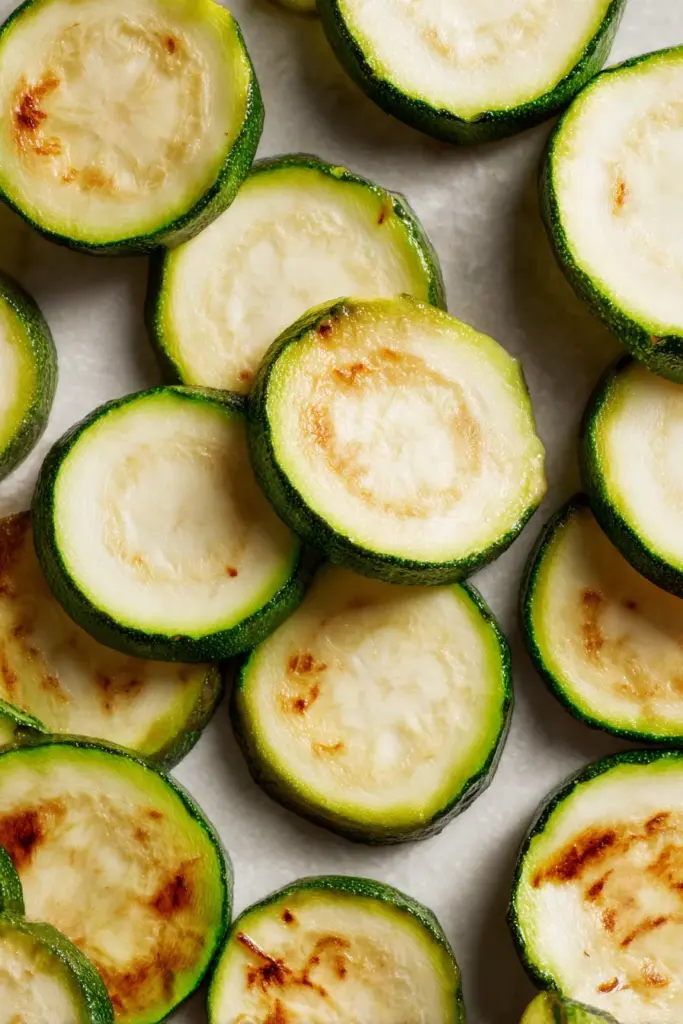
Another common error is not seasoning enough. Zucchini is mild and needs assertive seasoning to shine. Don’t be shy with salt, and consider adding layers of flavor with garlic, herbs, citrus, or spices. Bland zucchini is what gives this vegetable a bad reputation, but properly seasoned zucchini is absolutely delicious.
Cutting zucchini into pieces that are too small is another pitfall. Those tiny pieces turn to mush and disappear into your dish. I aim for substantial pieces that will maintain their shape and presence. Even for dishes where I want the zucchini to break down somewhat, I start with larger pieces that have room to shrink without vanishing entirely.
Flavor Combinations That Always Work
Some flavor pairings with zucchini are just magic. Garlic and zucchini are best friends, with the pungent garlic complementing the mild squash perfectly. I add garlic to almost every zucchini dish I make, whether it’s minced and sautéed, roasted whole alongside the squash, or infused into oil.
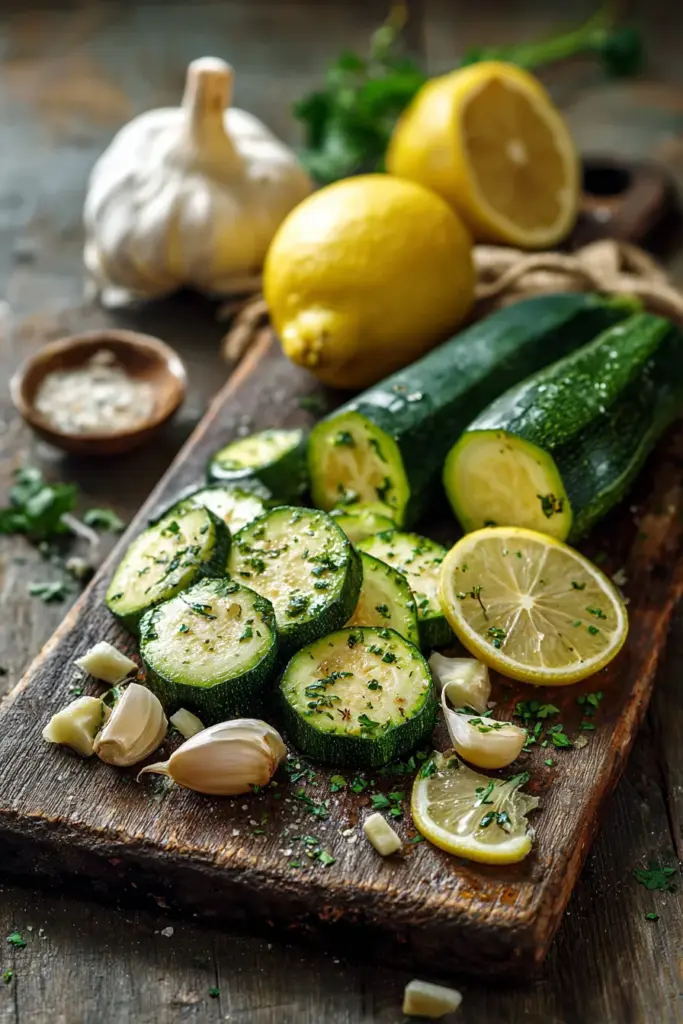
Fresh herbs brighten zucchini beautifully. Basil is classic, especially with Italian preparations. Dill works wonderfully in Greek-inspired dishes. Mint is surprisingly delicious with grilled zucchini. Parsley adds freshness without competing with other flavors. I keep various herbs growing in pots on my porch specifically for zucchini season.
Citrus, particularly lemon, cuts through zucchini’s mild sweetness and adds brightness. A squeeze of lemon juice at the end of cooking transforms zucchini from pleasant to crave-worthy. Lemon zest is even better, providing concentrated citrus flavor without adding liquid.
Storage and Meal Prep Tips
Raw zucchini keeps for about five days in the refrigerator. Store it unwashed in the crisper drawer, preferably in a perforated plastic bag that allows some air circulation. Wash it right before using, not before storing, as excess moisture encourages decay.
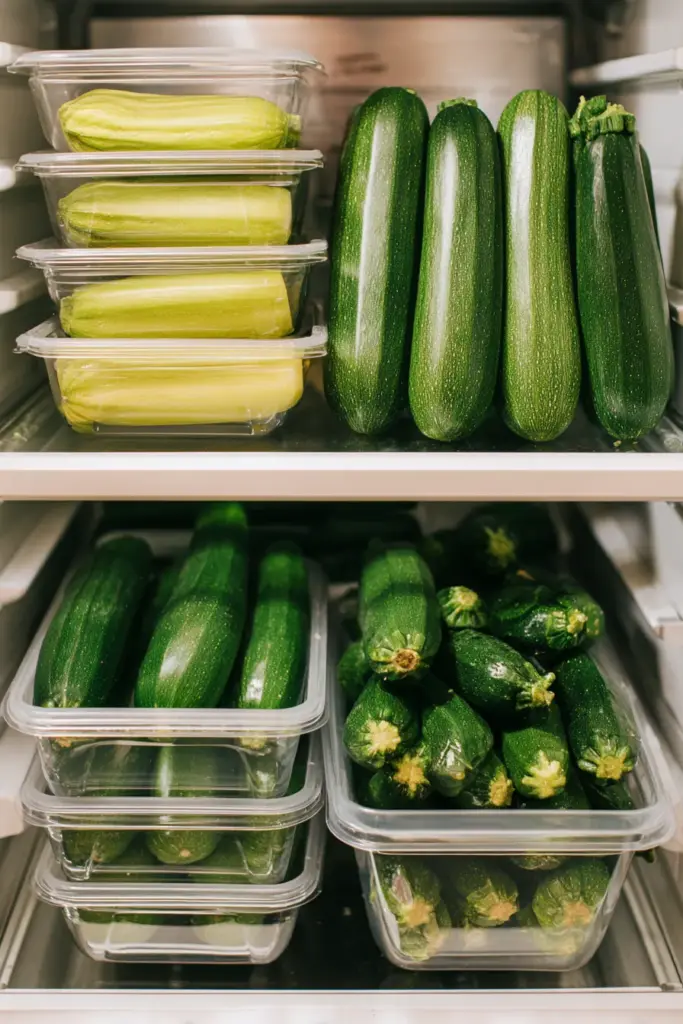
Cooked zucchini dishes store well for three to four days in the refrigerator. Most casseroles and bakes actually taste better the next day after flavors have melded. I often make these dishes on Sunday for easy weeknight reheating. The one exception is crispy preparations like fritters, which are best eaten fresh though they’ll reheat acceptably in an air fryer or oven.
You can freeze zucchini, but it’s best used in cooked dishes afterward rather than raw applications. Blanch sliced zucchini for one to two minutes, plunge into ice water, dry thoroughly, and freeze in single layers before transferring to freezer bags. Frozen zucchini works well in soups, casseroles, and sauces but will be too soft for dishes where you want distinct, tender-crisp pieces.
Bringing It All Together: Your Zucchini Journey
Looking back at that laundry basket of zucchini that started my own journey with this vegetable, I’m amazed at how far I’ve come. What seemed overwhelming and intimidating then now feels like a welcome challenge, an opportunity to get creative in the kitchen with an ingredient that’s endlessly versatile and reliably delicious when treated right.
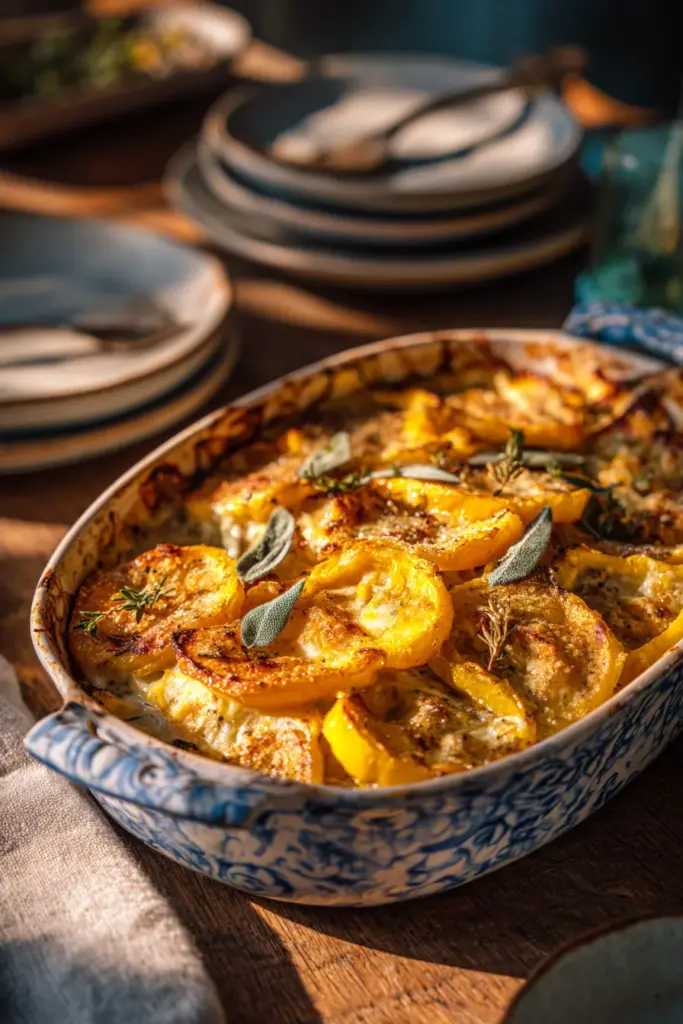
The beauty of cooking with zucchini and summer squash is that there’s always something new to try. Maybe you master stuffed zucchini boats and then move on to layered casseroles. Perhaps you perfect crispy fritters and next tackle low-carb lasagna. Each technique builds on the last, and before you know it, you’re handling these vegetables with confidence and creativity.
Remember the fundamentals we’ve covered: choose small to medium squash for the best texture and flavor, salt and drain when moisture matters, don’t overcrowd the pan when sautéing, season assertively because zucchini is mild, and don’t overcook. With these basics in your back pocket, you can approach any zucchini recipe with confidence.
The recipes I’ve shared represent years of experimentation, both successes and failures that taught me what works and what doesn’t. But don’t be afraid to make them your own. Cooking is personal, and what works for my family might need tweaking for yours. Adjust seasonings, try different cheese, add vegetables you love, make it spicier or milder. These recipes are your starting point, not your limitations.
If you’re looking for more inspiration, explore these delicious options that showcase summer squash at its best:
- Layered Zucchini Yellow Squash Casserole
- Garlic Lemon Chicken and Zucchini Bake
- Spinach Mushroom and Ricotta Stuffed Zucchini Boats
Whether you’re dealing with a garden surplus, trying to add more vegetables to your diet, or simply looking for new weeknight dinner ideas, zucchini and summer squash offer endless possibilities. They’re affordable, available year-round in most places, and adaptable to virtually any cuisine or cooking style you can imagine.
So next time you find yourself with more zucchini than you know what to do with, I hope you’ll think of it as an opportunity rather than a problem. An opportunity to try something new, to get creative, to nourish your family with delicious, vegetable-forward meals that they’ll actually look forward to eating. Because that’s what cooking should be: joyful, creative, and deeply satisfying for both the cook and everyone gathered around the table.
Frequently Asked Questions
How do I keep zucchini from getting mushy in casseroles?
The key is removing excess moisture before baking. Salt sliced zucchini and let it drain for 20-30 minutes, then squeeze dry in kitchen towels. This prevents the watery texture that makes casseroles soggy.
Do I need to peel zucchini before cooking?
Not usually. The skin is tender and edible, plus it contains nutrients and adds color to your dishes. Only peel if you’re working with very large, mature zucchini with tough skin, or if you prefer a smoother texture in purees.
What’s the best way to cut zucchini?
It depends on your dish. Rounds work well for roasting and appetizers. Half-moons are good for sautés. Julienne or spiralized zucchini works for pasta alternatives. Lengthwise halves are perfect for stuffing. Use whatever shape makes sense for your recipe.
Can I substitute yellow squash for zucchini in recipes?
Yes, they’re interchangeable in almost all recipes. Yellow squash has slightly more moisture and a touch more flavor, but the differences are minimal. Use whatever you have or prefer.
Why does my zucchini taste bitter?
Bitterness usually comes from overly mature zucchini or stress during growing, like inconsistent watering. Choose smaller, younger squash which are naturally sweeter. Some people are also more sensitive to cucurbitacins, the compounds that can cause bitterness.
How long should I cook zucchini?
It depends on the method and size. Thin slices sauté in 5-7 minutes. Half-inch rounds roast in 20-25 minutes at 425°F. Whole stuffed zucchini boats need 30-40 minutes. The key is cooking until just tender, not mushy.
Can I eat zucchini raw?
Absolutely! Raw zucchini is crisp, refreshing, and mild. Slice it thin for salads, spiralize it for raw “noodles,” or cut into sticks for dipping. Young, tender zucchini is best for raw applications.
What’s the white stuff that comes out when I cook zucchini?
That’s just water and natural starches being released as the zucchini cooks. It’s normal and harmless, though it’s one reason why salting and draining zucchini before cooking produces better results in many dishes.
How do I know when zucchini has gone bad?
Look for soft spots, wrinkled skin, or an off smell. Fresh zucchini should be firm with glossy, unblemished skin. If it feels squishy or looks shriveled, it’s past its prime.
Why is my zucchini bread or fritters falling apart?
You probably didn’t squeeze out enough moisture from the zucchini. Shredded zucchini holds a tremendous amount of water. Squeeze it as dry as possible in kitchen towels before adding to batters, or your baked goods will be too wet to hold together properly.
Can I grow zucchini in containers?
Yes, zucchini grows well in large containers, at least 24 inches deep and wide. Choose bush varieties rather than vining types for container growing. Just be warned: even one plant produces prolifically, so start small!
What’s the difference between zucchini and cucumber?
Though they look similar, they’re different vegetables. Cucumbers are eaten raw and have thinner, tender skin with watery flesh and a distinct cucumber flavor. Zucchini is a squash, typically cooked, with firmer flesh and a milder, slightly sweet taste.

🍳 Precision Meets Passion — Tools Chefs Trust Daily

- Grams & ounces — precise to 1g
- Perfect for baking & keto tracking
- Sleek stainless steel design

- German stainless precision
- Razor-sharp & dishwasher-safe
- Elegant wood block organizer

- Premium Stainless Steel Build
- Easy to Clean & Dishwasher Safe
- A Must-Have Kitchen Tool