➤ Table of Contents
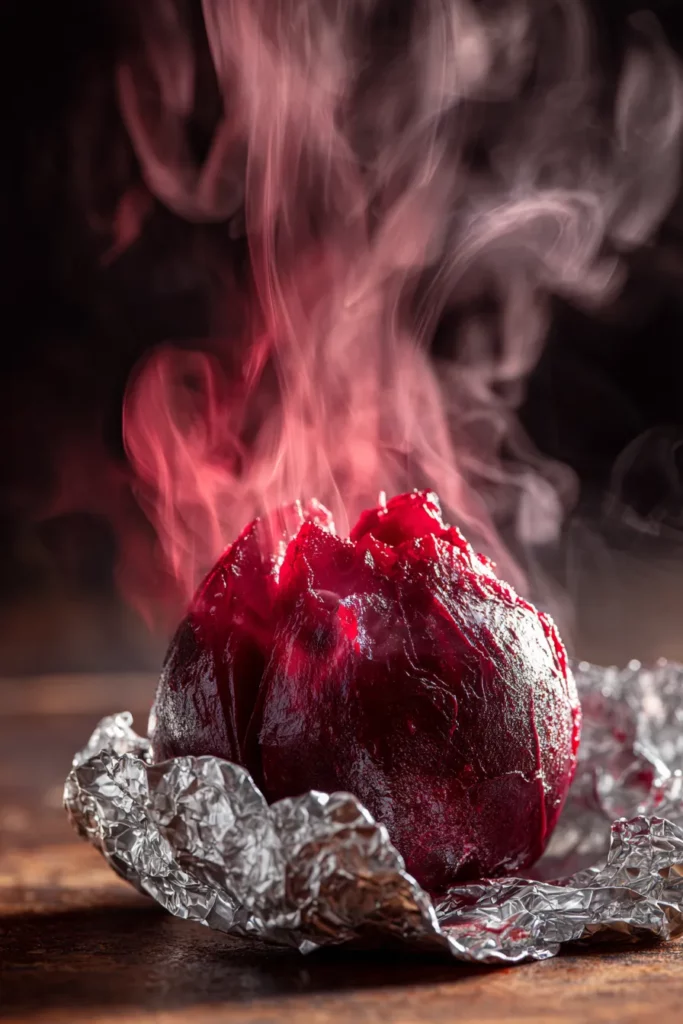
I remember the first time I roasted beets in my kitchen. They’d been sitting in my vegetable drawer for days, those odd, dirt-crusted bulbs that I wasn’t quite sure what to do with. My grandmother had insisted I take some from her garden, assuring me they were nothing like the mushy, metallic-tasting canned beets I’d grown up avoiding. So there I stood, slightly intimidated, carefully wrapping them in foil and sliding them into a hot oven. An hour later, when I peeled back that foil and the ruby-red steam rose up, releasing an earthy-sweet aroma that filled my kitchen, everything changed. Those roasted beets were tender, naturally sweet, and absolutely nothing like what I remembered from childhood.
⚡ Smart Kitchen Tools Every Home Cook Swears By

- Instant-read accuracy
- Backlit display for night grilling
- Waterproof & ultra-fast probe

- 17 smart cooking presets
- XL 10L family capacity
- Roast, bake, fry & dehydrate

- 3 sizes for every recipe
- Pre-seasoned & durable cast iron
- Oven & grill ready
That moment sparked what has become a genuine love affair with beets. I’ve since learned that these humble root vegetables are incredibly versatile, stunning to look at, and surprisingly easy to work with once you know a few tricks. Their natural earthiness pairs beautifully with tangy cheeses, bright citrus, crunchy nuts, and fresh greens in ways that transform simple salads into restaurant-worthy dishes.
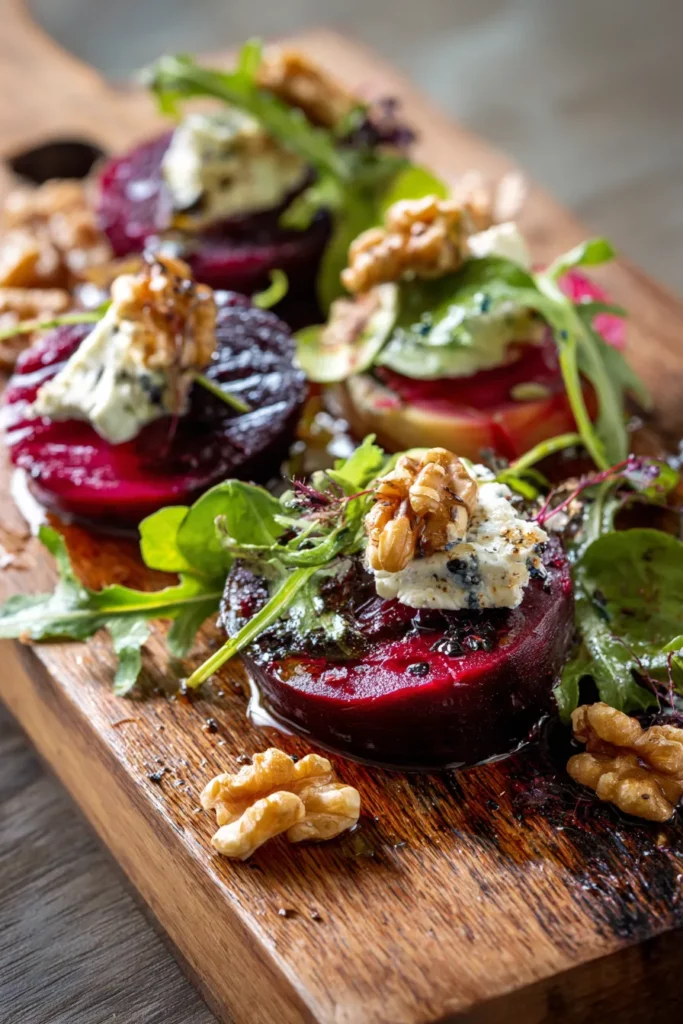
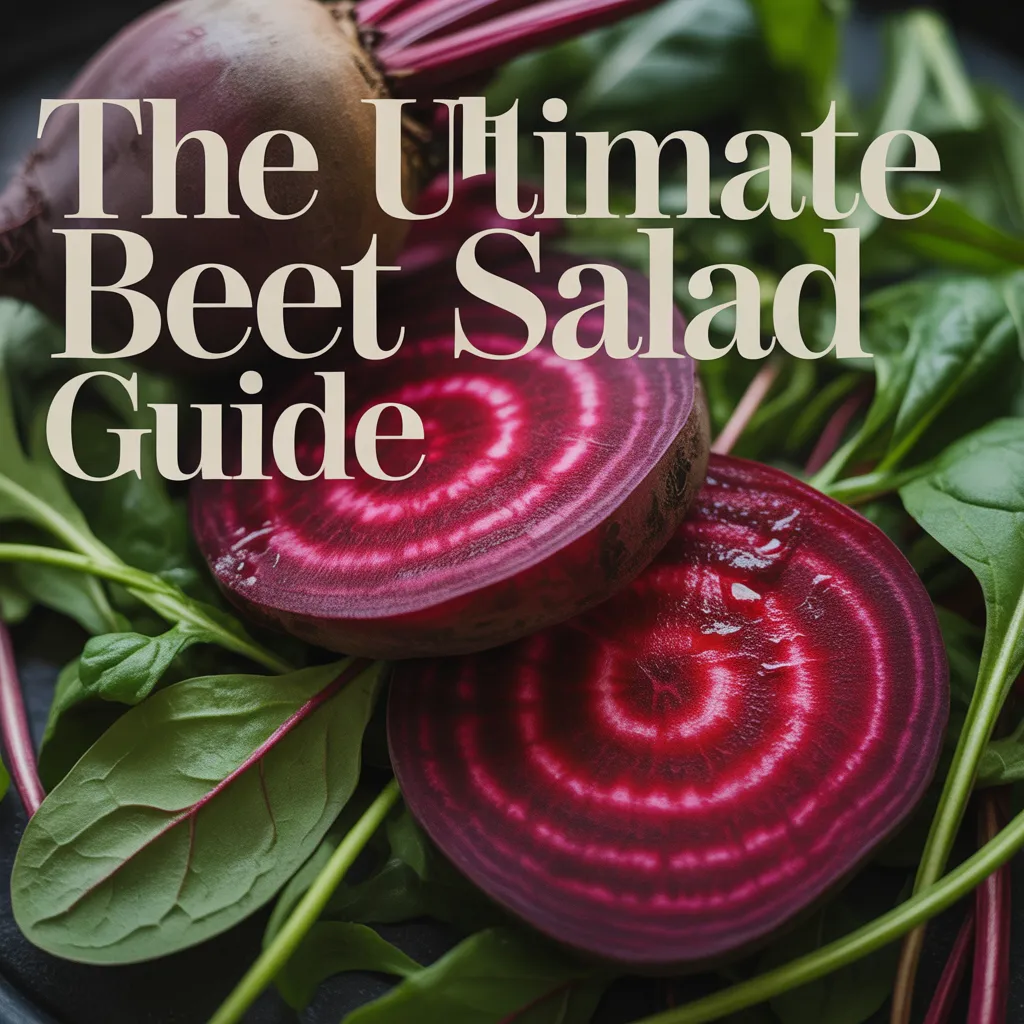
This guide is everything I’ve learned about cooking with beets over the years, from selecting the best ones at the market to creating gorgeous salads that make people stop and stare. We’ll explore roasting techniques that bring out beets’ natural sweetness, flavor combinations that balance their earthy intensity, and creative presentations that showcase their incredible color. Whether you’re a longtime beet enthusiast or someone who’s still skeptical about these ruby beauties, you’ll find inspiration here.
You’ll discover warm winter salads perfect for cozy dinners, vibrant summer combinations that celebrate seasonal produce, and everything in between. Because I believe cooking should be approachable and joyful, every recipe and technique comes from real experience in my own kitchen, complete with the lessons I learned along the way.
Understanding Beets: Selection, Storage, and Preparation
The first step to loving beets is knowing how to choose good ones. I learned this the hard way after bringing home beautiful-looking beets that turned out woody and bland inside. Now I know what to look for, and it makes all the difference in how your finished dishes taste.
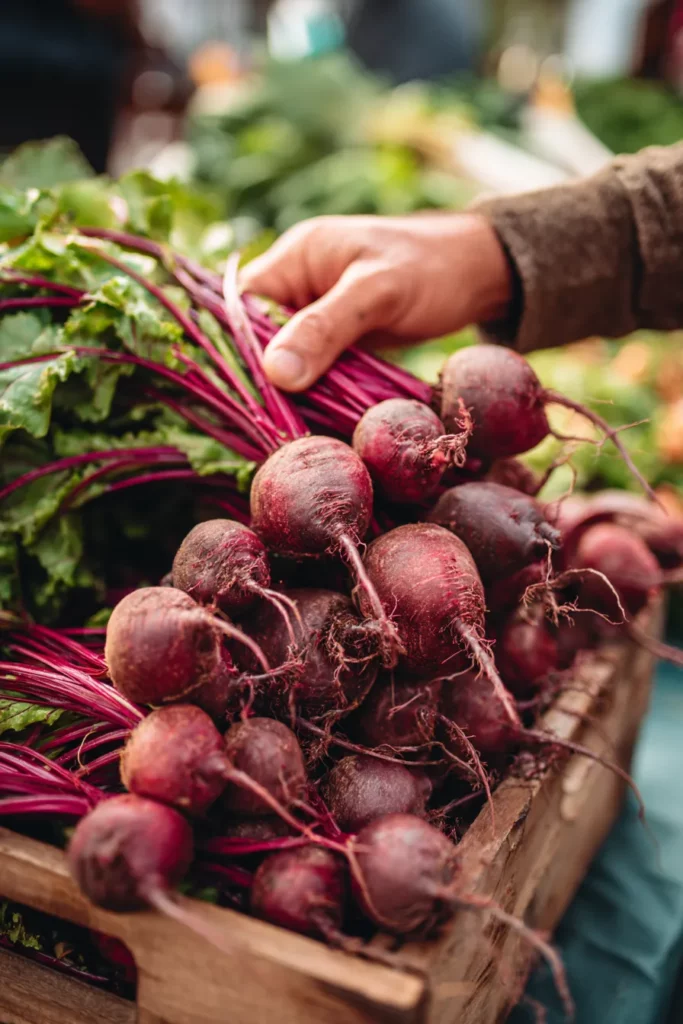
When you’re shopping for beets, look for firm, smooth bulbs without soft spots or excessive bruising. Smaller to medium beets, about the size of a tennis ball, tend to be more tender and sweet than really large ones. If the greens are still attached, that’s actually a bonus. Fresh, perky greens indicate the beets are recently harvested. Plus, those greens are completely edible and delicious, so you’re getting two vegetables in one.
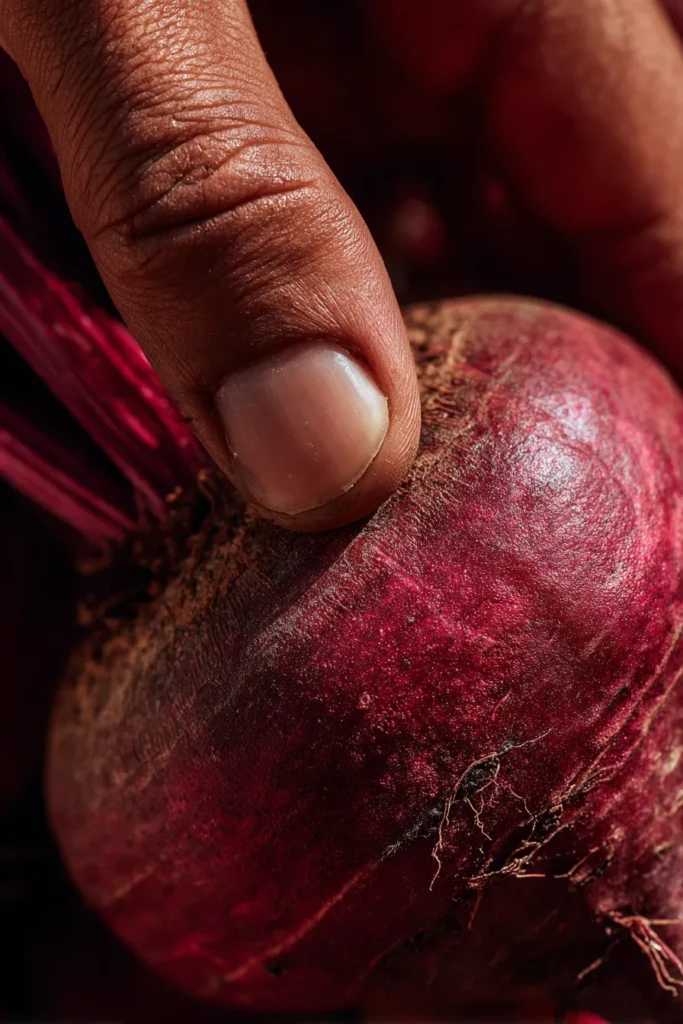
I always give beets a gentle squeeze. They should feel rock-solid, never soft or spongy. The skin might have some dirt clinging to it, which is fine. In fact, I prefer beets with a bit of dirt still on them because it means they haven’t been over-washed, which can reduce their storage life.
Storing Beets for Maximum Freshness
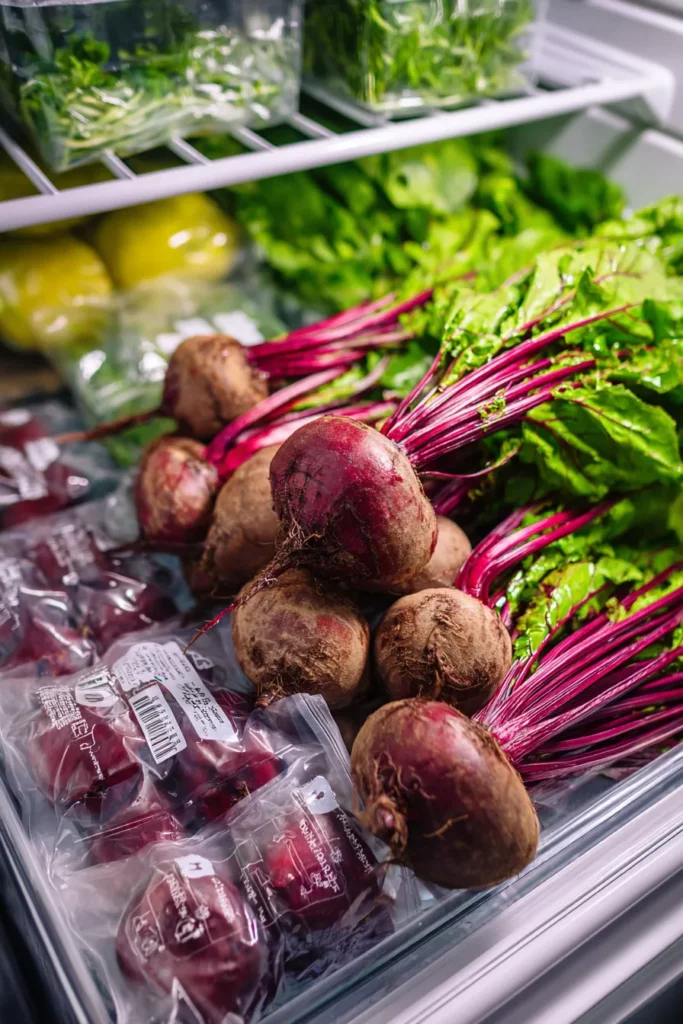
Fresh beets store remarkably well if you handle them right. As soon as I get home from the market, I cut off the greens, leaving about an inch of stem attached to the bulb. This prevents moisture from being drawn out of the beet into the wilting greens. I store the greens separately in a plastic bag in the crisper drawer, where they’ll keep for three to four days.
🥗 Fresh, Fast & Foolproof — Upgrades You'll Use Tonight

- Zoodles in seconds
- Heavy-duty, 10 sharp blades
- Keto, paleo & gluten-free friendly

- Meals in ~30 minutes
- 3-Qt — perfect for 1–3 people
- Pressure cook, sauté, steam & more

- Phone alerts & live temp graph
- Hands-off monitoring for smokers
- Perfect doneness, every time
The beets themselves go into a separate bag or container in the refrigerator. They’ll stay fresh for two to three weeks this way, sometimes even longer. Don’t wash them before storing. That bit of dirt actually helps protect them and keeps them from drying out.
If you have more beets than you can use fresh, they freeze beautifully after roasting. I’ll roast a big batch, let them cool, peel and cube them, then freeze in portions. These frozen roasted beets are perfect for quick salads or blending into smoothies months later.
Preparing Beets Without the Mess
Let’s talk about the elephant in the room: beet stains. Yes, beets will stain your hands, your cutting board, and anything else they touch. But I’ve learned some tricks that make the process much less intimidating.
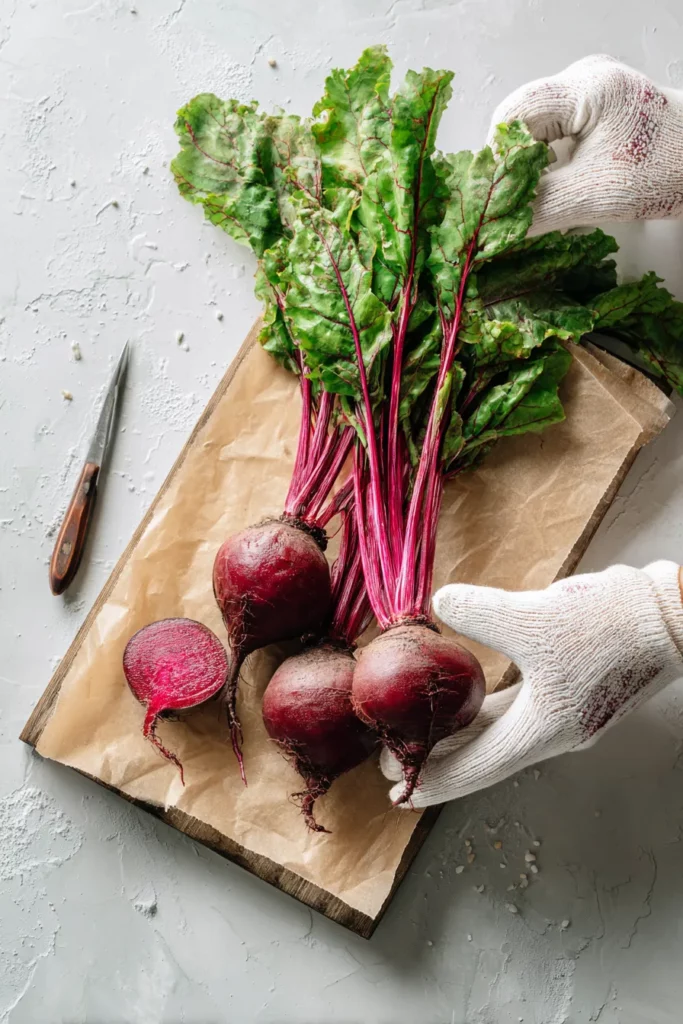
First, I almost always roast beets whole and unpeeled. This contains the mess and actually makes them easier to peel afterward. The skin slips right off once they’re cooked. When I do need to peel raw beets, I wear disposable gloves and work on a cutting board I don’t mind staining, or I place parchment paper under my regular board.
For fresh beet stains on your hands, lemon juice and salt work wonders. Rub them together on the stained areas, and most of the color will come right off. For cutting boards, a paste of baking soda and water, left to sit for a few minutes before scrubbing, usually does the trick.
Mastering the Art of Roasting Beets
Roasting is hands-down the best way to cook beets. It concentrates their natural sugars, deepens their earthy flavor, and creates that tender, almost creamy texture that makes beets so appealing. The method is simple, but getting it exactly right took me a few tries to figure out.

I preheat my oven to 400 degrees Fahrenheit and scrub the beets clean under running water, using a vegetable brush to remove any stubborn dirt. I leave the root end and about an inch of stem intact. This keeps the beets from bleeding out all their gorgeous color and flavor during roasting. Then I wrap each beet individually in aluminum foil, place them on a baking sheet, and slide them into the hot oven.
The roasting time depends entirely on the size of your beets. Small beets might be done in forty-five minutes, while larger ones can take an hour and a half. I check for doneness by carefully opening the foil and piercing the beet with a knife. It should slide in easily with just a little resistance, like a properly cooked potato.
The Easy Peel Method
Here’s the magic part that makes roasting so much better than boiling: once the beets are cool enough to handle but still quite warm, the skins slip off almost effortlessly. I just rub them with a paper towel or my fingers, and the skin peels away cleanly. No fighting with a vegetable peeler. No purple-stained hands wrestling with slippery, raw beets.
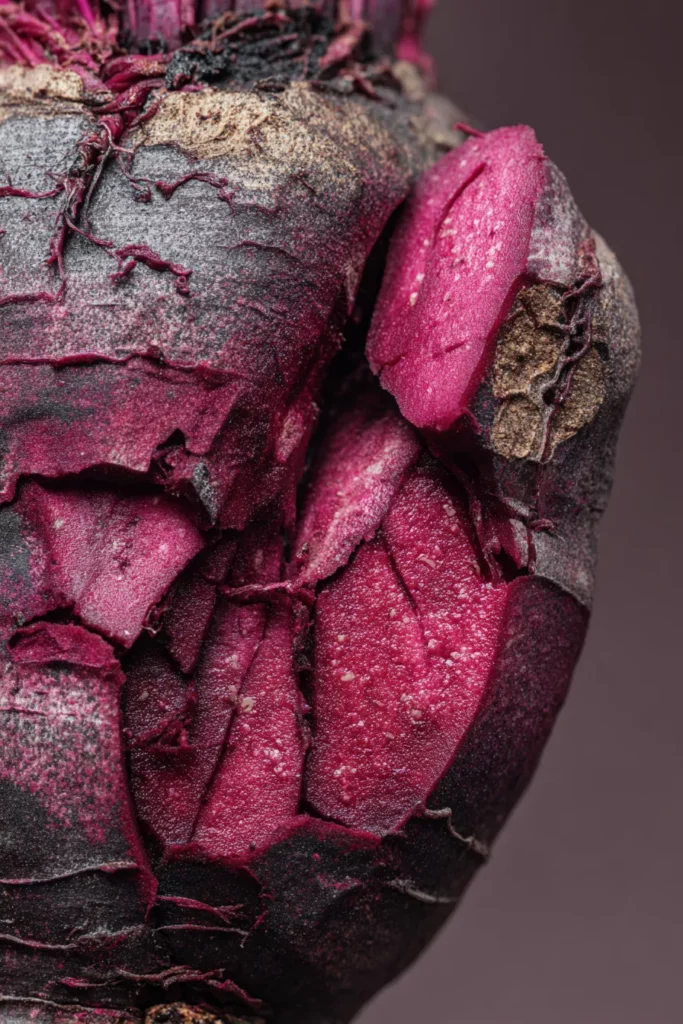
Sometimes I’ll roast a big batch on Sunday and keep them in the refrigerator all week. They stay fresh for five to six days, and having roasted beets ready to go makes throwing together salads so much easier on busy weeknights.
The roasted beets can be used immediately while still warm, which is wonderful in dishes like the warm beet and lentil salad with goat cheese and balsamic glaze. The warmth helps the flavors meld together beautifully, and there’s something especially comforting about a warm salad on a chilly evening.
Classic Beet and Goat Cheese Combinations
If there’s one pairing that converted me completely to team beet, it’s beets with goat cheese. The tangy, creamy cheese balances the beets’ earthy sweetness perfectly. It’s a combination that appears on restaurant menus everywhere for good reason. It just works.
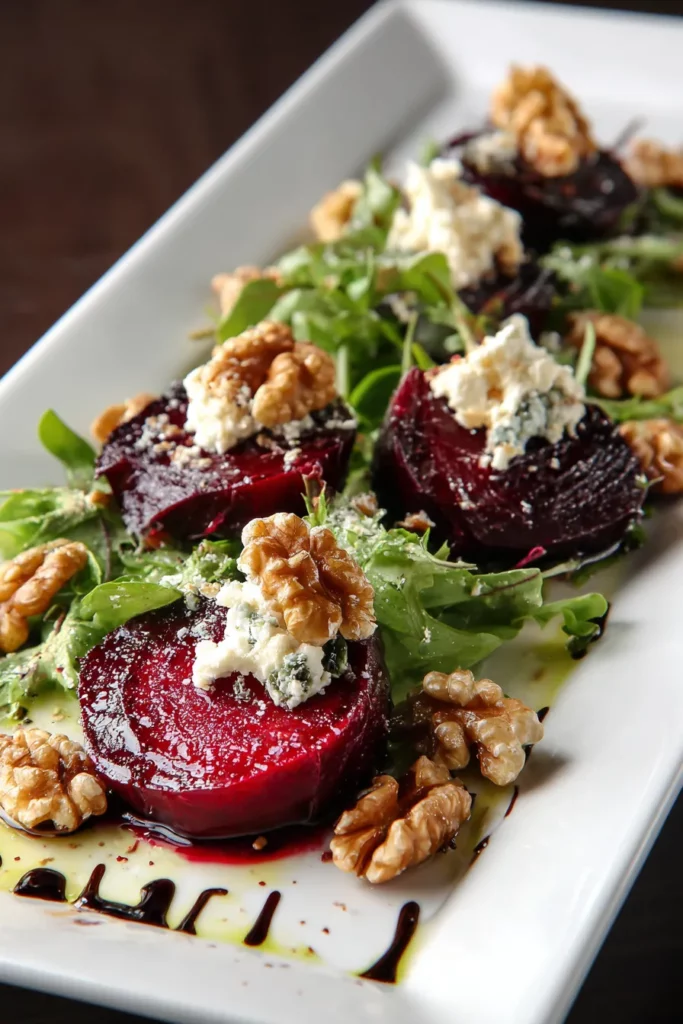
My go-to version starts with roasted beets, either cubed or sliced into rounds, arranged on a bed of fresh greens. I crumble good quality goat cheese over the top, add some toasted walnuts for crunch, and drizzle everything with a simple vinaigrette. The roasted beet salad with goat cheese and walnuts is my most-made version, the one I turn to when I need something that looks impressive but comes together quickly.
The beauty of this combination is how adaptable it is. Sometimes I’ll add fresh orange segments for brightness, creating a stunning contrast of colors and flavors. The roasted beet and goat cheese salad with walnuts and honey takes it a step further with a drizzle of honey that echoes the beets’ natural sweetness.
Warm Versus Cold Presentations
I’ve learned that temperature makes a big difference in how these salads feel and taste. Cold beet salads are refreshing and perfect for summer entertaining or as a make-ahead option. The flavors have time to meld together, and everything stays crisp and fresh.
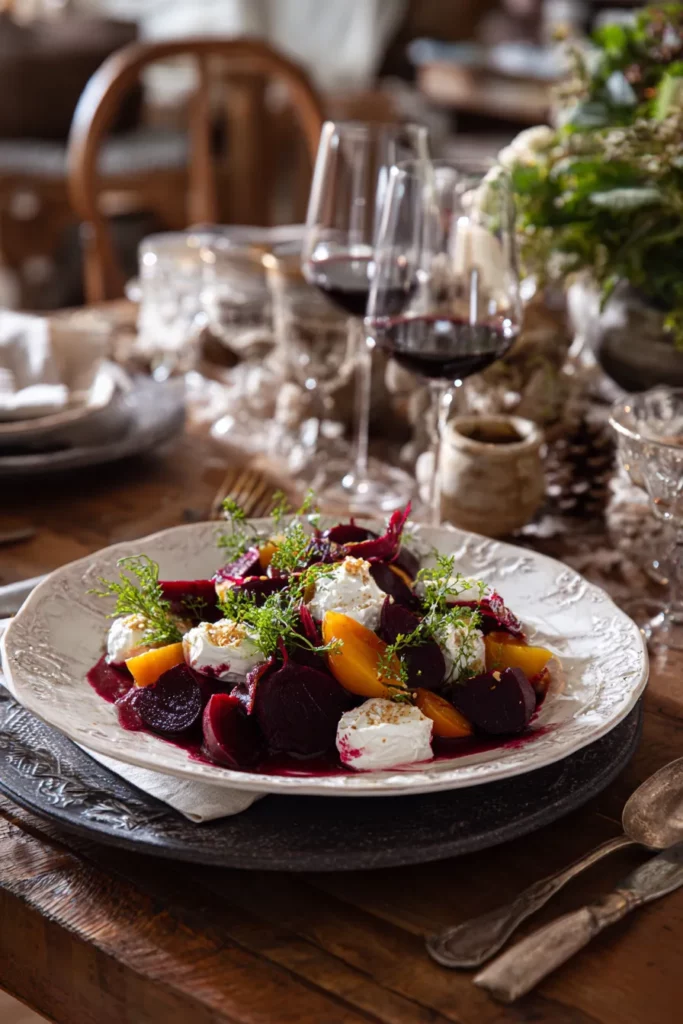
But warm beet salads have their own appeal. When you toss just-roasted, still-warm beets with creamy goat cheese, the cheese softens slightly, creating little pockets of melted tanginess throughout the salad. The warm roasted beet salad with goat cheese is perfect for fall and winter dinners when you want something substantial and comforting.
For an extra special presentation, try the roasted beet salad with creamy goat cheese, where the goat cheese is whipped with a bit of cream until it’s light and fluffy. It creates an elegant base that you can spread on the plate before arranging the beets on top.
Adding Textural Elements
Texture is crucial in beet salads. The tender beets need something to contrast with, something crunchy to make each bite interesting. Walnuts are classic, their slight bitterness complementing the sweet beets beautifully. But I also love pistachios for their bright green color and buttery flavor.
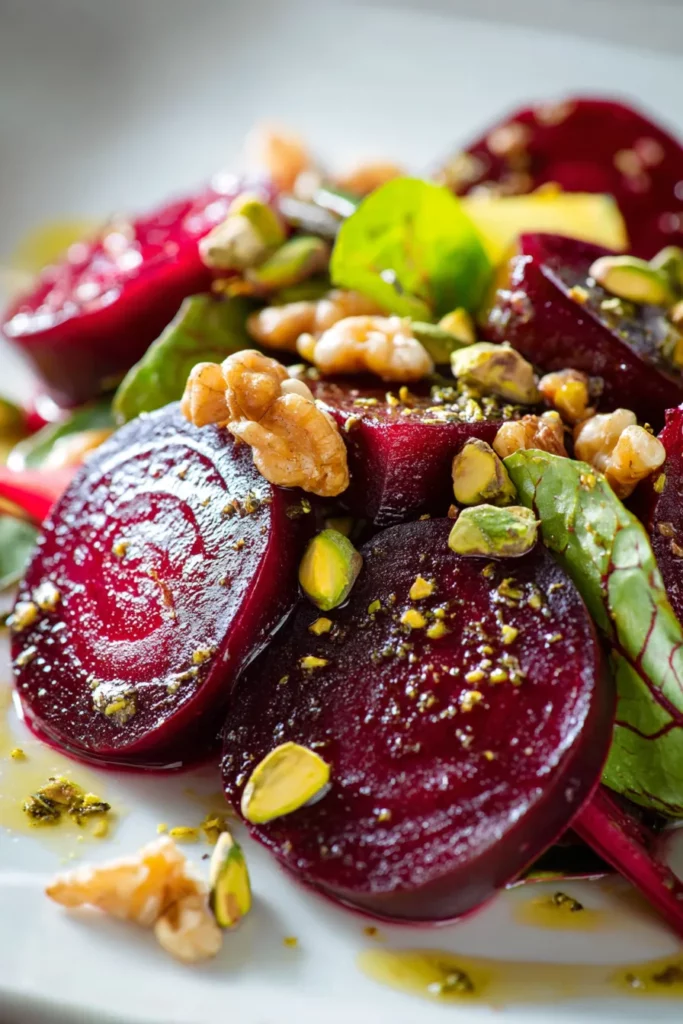
The balsamic glazed roasted beets with goat cheese and pistachios uses that pistachio contrast to stunning effect. The glossy balsamic glaze adds another layer of flavor complexity, while the pistachios provide both crunch and visual appeal against the deep red beets.
Citrus and Beet Pairings: Bright and Beautiful
Oranges and beets are one of those combinations that sounds unusual until you try it, and then you wonder why you waited so long. The bright, acidic sweetness of citrus cuts through the beets’ earthiness in the most refreshing way. Plus, the color combination is absolutely stunning on a plate.
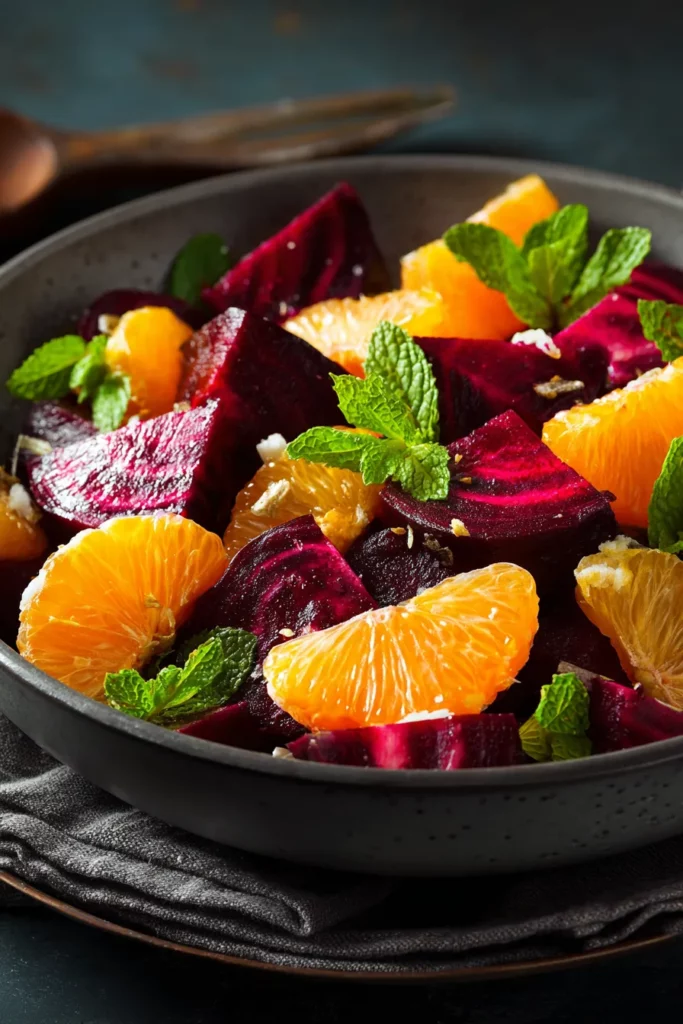
I remember the first time I made an orange and beet salad for a dinner party. Several guests asked for the recipe before they’d even finished their first serving. The orange beet salad has since become one of my signature dishes, especially in winter when both ingredients are at their peak.
The key to this pairing is using really good oranges. I prefer navel oranges or cara cara oranges for their sweetness and easy-to-section nature. Blood oranges are spectacular when you can find them, their dramatic dark red color playing beautifully with the beets’ crimson hue.
Building Layers of Flavor
While beets and oranges are delicious on their own, adding a few other elements creates a more complex, satisfying salad. The beet orange goat cheese salad brings together the trinity of flavors: earthy beets, bright citrus, and tangy cheese. Each component enhances the others.
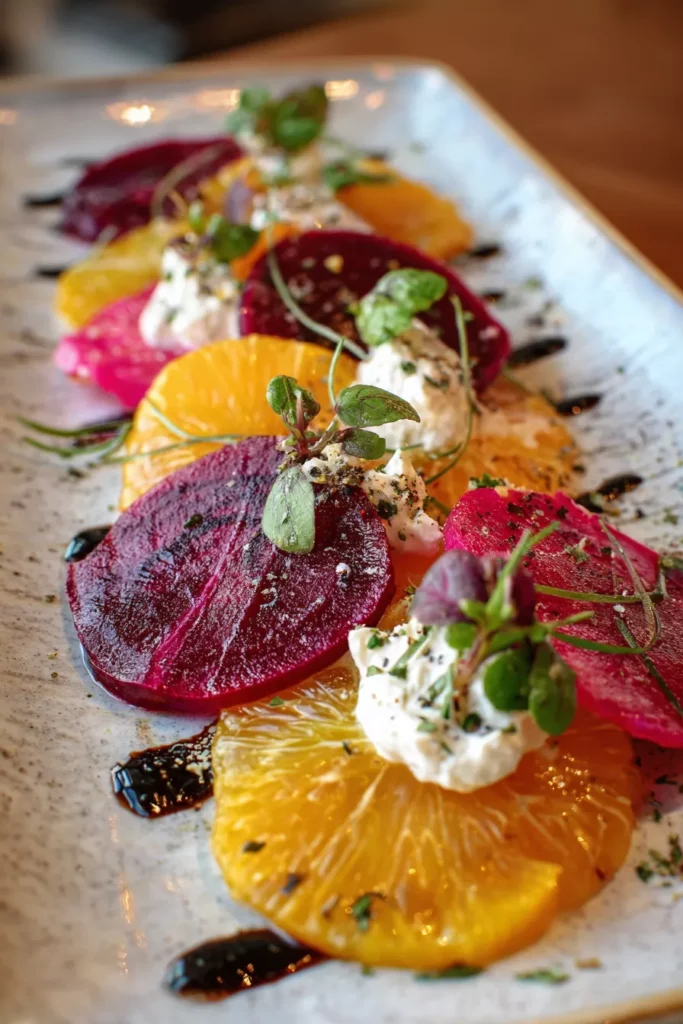
I also love adding fresh herbs to citrus beet salads. Mint is particularly wonderful, its cool brightness amplifying the refreshing quality of the oranges. A simple vinaigrette made with orange juice, olive oil, and a touch of honey brings everything together without overwhelming the starring ingredients.
For a simpler preparation that still showcases these flavors beautifully, try the beet orange salad. It’s straightforward and lets the natural flavors shine through, perfect for when you want something light and refreshing.
Creative Citrus Variations
While oranges are my go-to citrus for beet salads, other citrus fruits work wonderfully too. Grapefruit adds a more bitter, complex note that some people prefer. I’ll use a mix of both oranges and grapefruit for visual variety and layered flavors.
The beets salad I make most often incorporates whatever citrus looks best at the market that day. Sometimes it’s all oranges, sometimes a mix, occasionally even some pomelo when I can find it. The flexibility is part of what makes this style of salad so practical for year-round cooking.
For an especially creamy, luxurious version, the beet and orange salad with creamy feta uses whipped feta instead of goat cheese. The result is slightly saltier and wonderfully smooth, a nice change from the usual goat cheese approach.
When I want to make this style of salad feel even more special, I turn to the vibrant beet and orange salad with creamy feta. The presentation is more carefully arranged, the components more thoughtfully composed, making it perfect for dinner parties or holiday gatherings.
Beets with Other Vegetables: Creative Combinations
While beets are beautiful on their own, pairing them with other vegetables creates more complex, substantial salads that can serve as complete meals. I’ve experimented with countless combinations over the years, and some have become regular rotations in my kitchen.

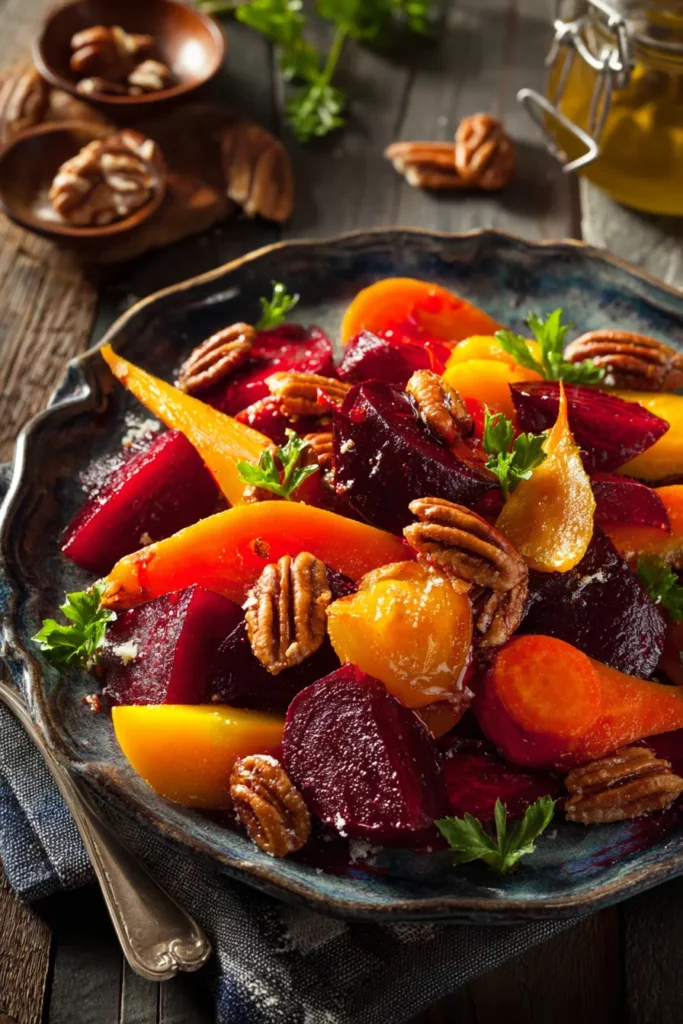
Carrots and beets make a particularly stunning duo. Both are naturally sweet root vegetables, but their flavors are distinct enough to be interesting together. The carrot and beet salad with goat cheese and pecans is one of my favorite ways to showcase winter produce. The orange carrots and red beets create a vibrant palette, while the pecans add buttery crunch.
I’ll roast the carrots and beets separately since they cook at different rates, then combine them once everything is done. The carrots need less time than beets, usually thirty to forty minutes versus an hour or more for the beets. Getting this timing right ensures everything is perfectly tender without anything being over or undercooked.
Avocado and Beet Pairings
Avocado might seem like an unlikely partner for beets, but the creamy, mild avocado actually provides a wonderful contrast to the beets’ intense flavor and color. It adds richness and a silky texture that makes the salad feel more substantial and satisfying.
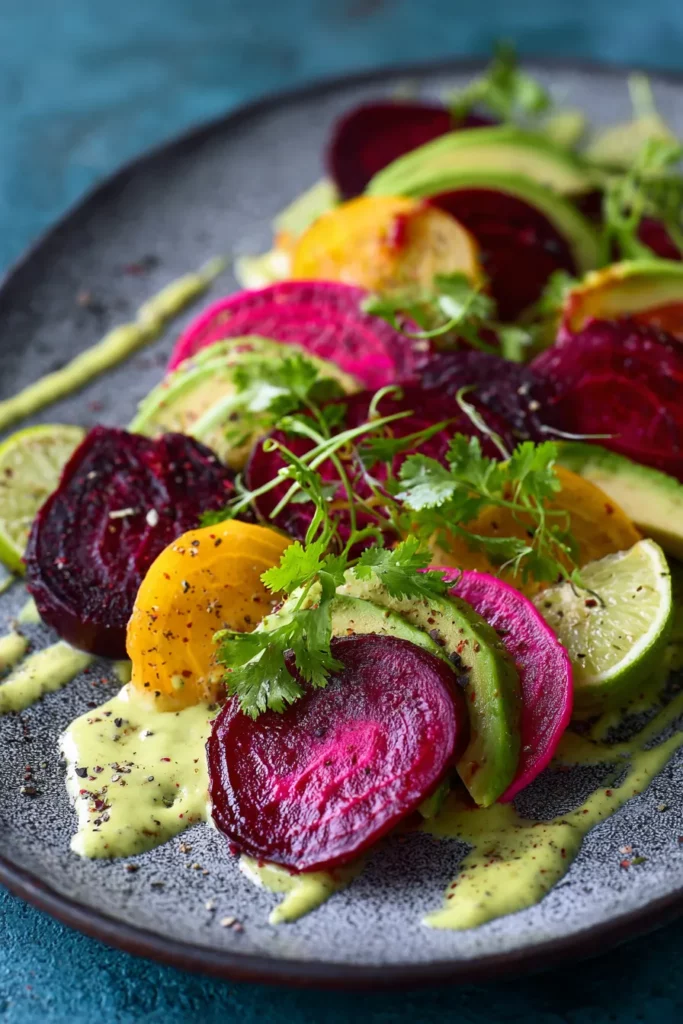
The vibrant salad with roasted beets and avocado layers these contrasting elements beautifully, with crisp greens, tender beets, and buttery avocado slices all working together. I usually add some kind of seed or nut for crunch, and a citrus-based vinaigrette to tie everything together.
For a Mediterranean-inspired version, the beetroot and avocado salad with feta and pine nuts brings in salty feta and delicate pine nuts. It’s elegant and sophisticated, the kind of salad that makes a light lunch feel special.
When I want something with even more visual drama, I make the roasted beet salad with orange avocado and pistachios. This one combines multiple elements we’ve talked about: citrus brightness, creamy avocado, crunchy pistachios, and of course those gorgeous roasted beets. It’s a showstopper on the plate.
Fruit and Beet Combinations
Adding fruit to beet salads might sound overly sweet, but when balanced with the right dressing and other elements, it creates complex, interesting flavors that go beyond simple sweetness. Apples and pears work particularly well, their crisp texture and gentle sweetness complementing the tender beets.
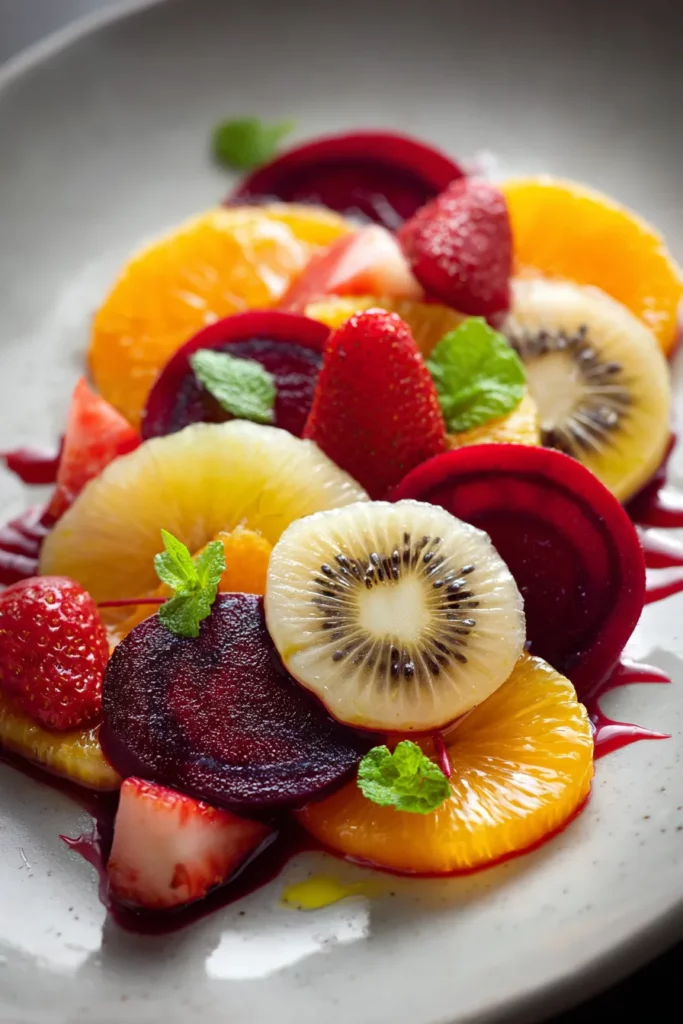
The beet apple and cranberry salad is a fall favorite in my house. The tart cranberries, crisp apples, and earthy beets create a beautiful balance of flavors and textures. I usually add some kind of cheese, either goat cheese or a sharp cheddar, to round everything out.
For summer gatherings, nothing beats the unexpected delight of the roasted beet and watermelon salad with feta and mint. I know it sounds strange, but trust me on this one. The sweet, juicy watermelon and the earthy beets are incredible together, especially with salty feta and fresh mint. It’s refreshing, beautiful, and always gets people talking.
Golden Beets and Other Varieties
For years, I only knew about red beets. Then I discovered golden beets at the farmers market, and my beet world expanded considerably. Golden beets have all the sweetness and tender texture of red beets but with a milder, less earthy flavor that some people prefer. Plus, they won’t stain everything pink.
I love using golden beets when I want beet flavor without the dramatic color, or when I’m serving beet skeptics who are put off by that intense earthiness. The golden beet salad with honey mustard dressing is perfect for introducing people to beets in a gentler way. The honey mustard dressing adds tang and sweetness that highlights the golden beets’ naturally sweet, buttery flavor.
You can often find other beet varieties too: striped Chioggia beets with their candy-cane rings, white beets, even purple beets that are darker than standard red ones. I like to mix varieties in salads for visual interest. Just remember that red beets will stain everything they touch, so if you’re using multiple colors, keep them separate until just before serving.
Roasting Golden Beets
Golden beets cook exactly like red beets. Same temperature, same timing, same techniques. The only difference is that you don’t have to worry quite as much about staining when you’re handling them. I still roast them wrapped in foil, and the skins still slip off easily once they’re cooked.
Because golden beets are milder, I sometimes season them a bit more assertively. A drizzle of balsamic vinegar while they’re still warm, or a sprinkle of herbs and garlic, helps bring out their flavor. They’re also wonderful in mixed salads where you want beet sweetness without overwhelming other delicate ingredients.
Warm Beet Salads for Cooler Weather
While cold beet salads are lovely, warm beet salads have become some of my favorite fall and winter dishes. There’s something especially comforting about a warm salad on a chilly evening, and beets adapt beautifully to this treatment.
The trick with warm beet salads is timing. You want the beets warm but not scalding hot, and you want to add delicate ingredients like cheese and greens at the last minute so they don’t completely wilt or melt. I usually roast my beets, let them cool just slightly while I prep everything else, then assemble the salad when the beets are still quite warm to the touch.
Lentils pair exceptionally well with warm beets. They’re both earthy, both substantial, and together they create a salad that feels like a real meal. The warm beet and lentil salad with goat cheese and balsamic glaze is one I make at least once a week during winter. It’s protein-rich, satisfying, and beautiful to look at.
Building Hearty Beet Salads
For salads that can serve as main courses, I add grains or legumes along with the beets. Quinoa is particularly good, soaking up the beet juices and vinaigrette while adding protein and a pleasant texture. The vibrant quinoa salad with beets walnuts and orange vinaigrette is complete and balanced enough to be lunch all on its own.
I’ll cook the quinoa in vegetable broth for extra flavor, then toss it with warm roasted beets while both are still warm. This allows the quinoa to absorb some of the beet color and flavor. Add walnuts, fresh orange segments, and a bright vinaigrette, and you have something special.
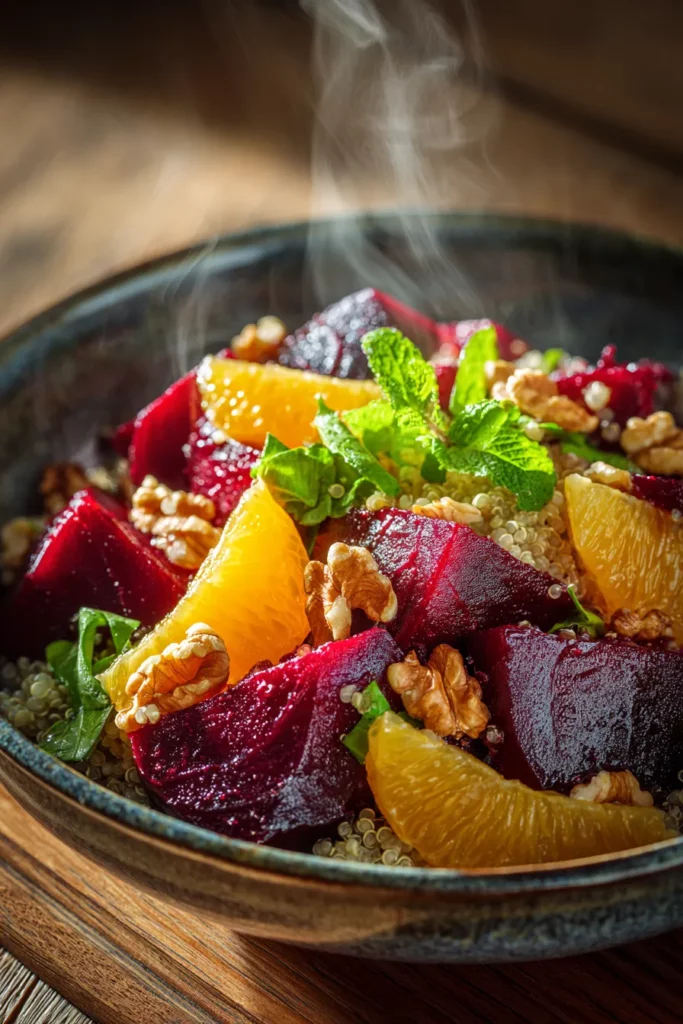
These grain-based salads also work wonderfully for meal prep. I’ll make a big batch on Sunday and portion it out for lunches throughout the week. The flavors actually improve after a day in the refrigerator as everything melds together.
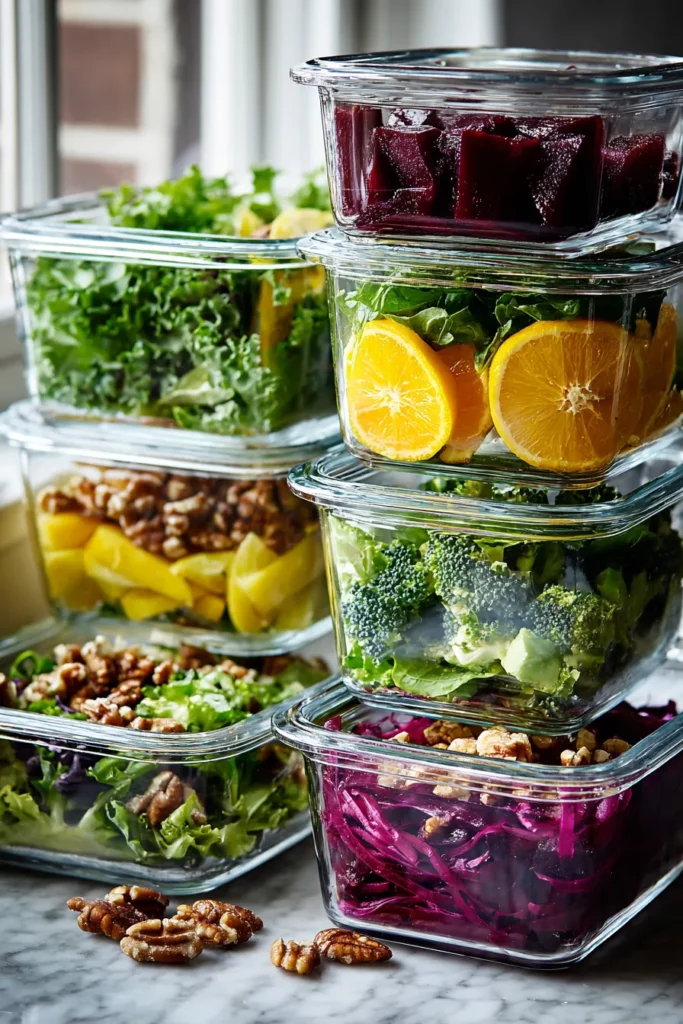
Beet Salads with Greens: Building the Perfect Base
The greens you choose for a beet salad matter more than you might think. Different greens provide different flavors and textures, and matching them appropriately to your other ingredients makes a real difference in the final dish.
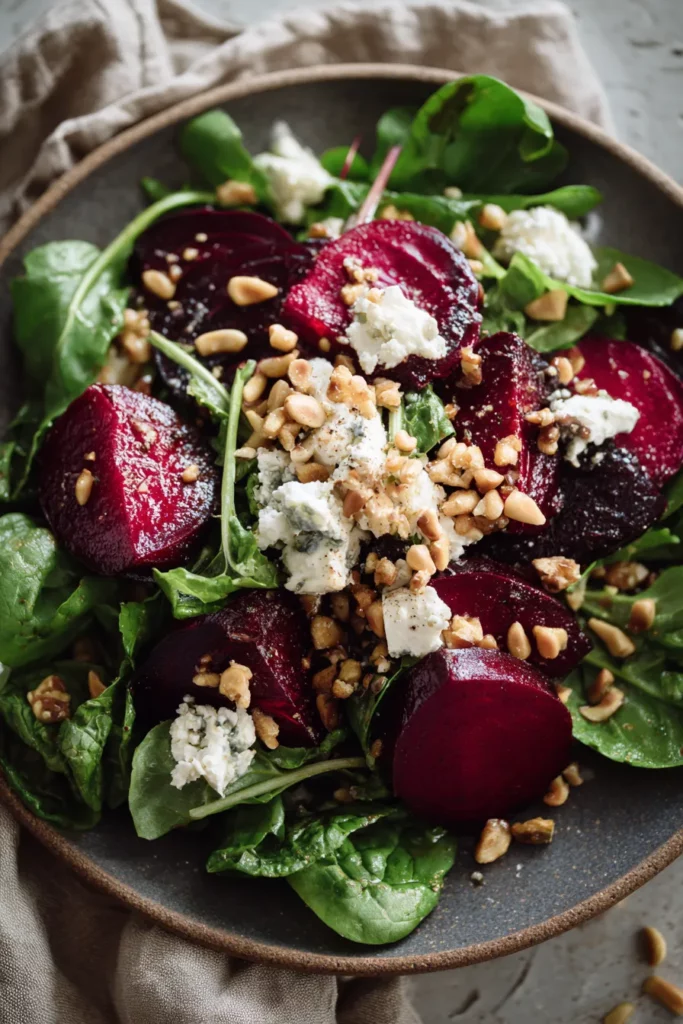
Spinach is my go-to for classic beet salads. Its mild flavor doesn’t compete with the beets, and its tender texture works well with other soft ingredients like goat cheese and roasted beets. The beet salad with spinach mandarin oranges red onion pine nuts and feta cheese showcases how spinach provides a neutral canvas for bolder flavors to shine.
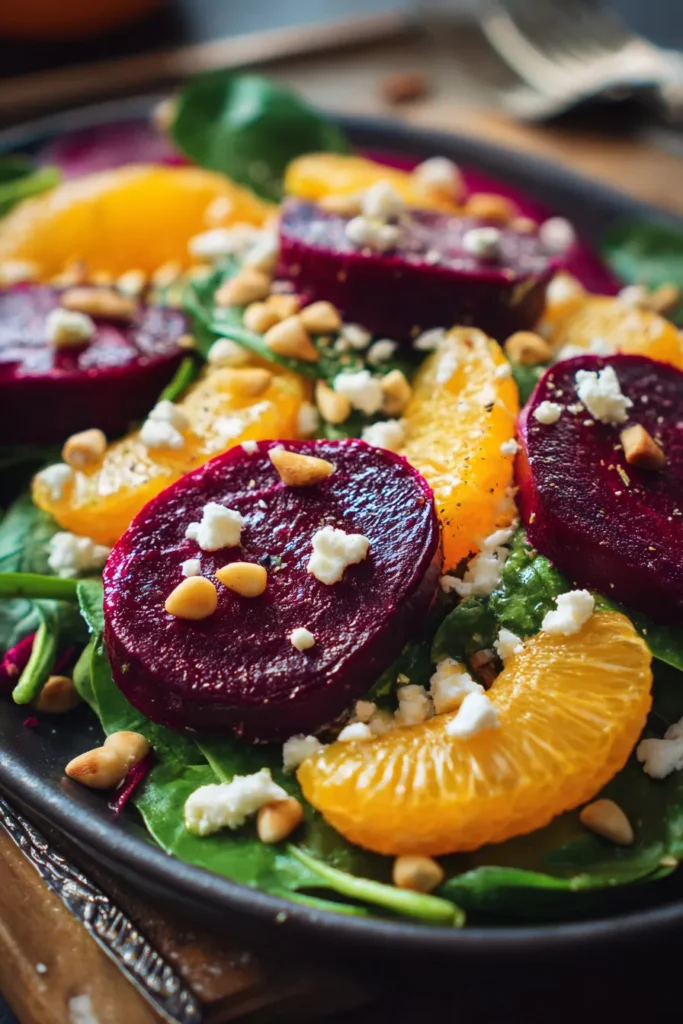
For something with more personality, I turn to arugula. Its peppery bite stands up beautifully to sweet roasted beets, creating a more complex flavor profile. The arugula and roasted beet salad is one of those perfect simple combinations where each ingredient makes the others better.
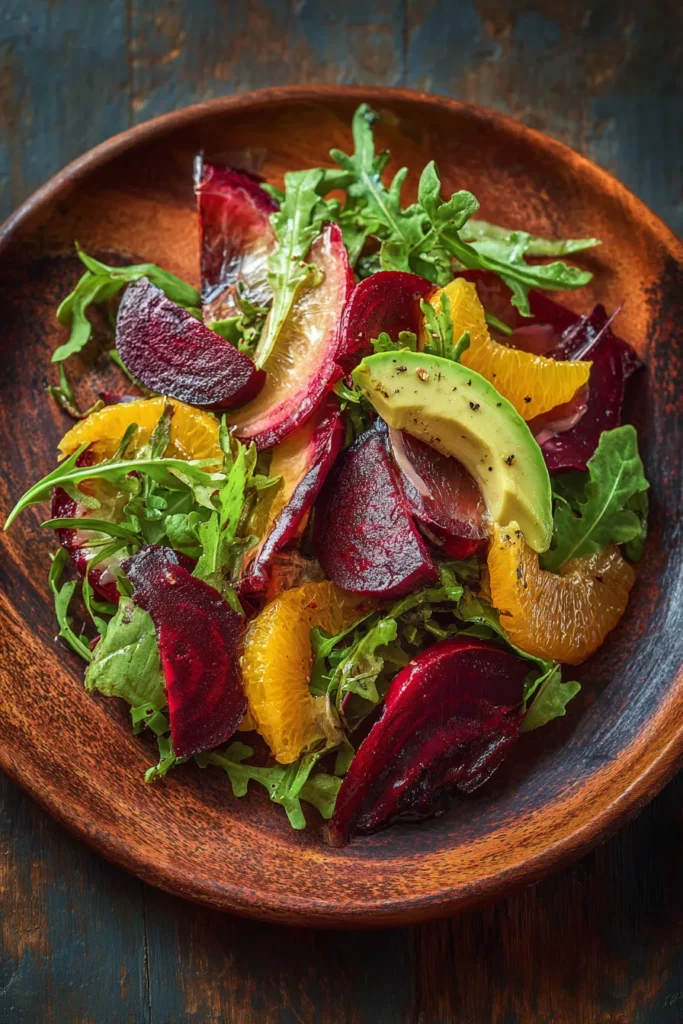
Spinach and Beet Combinations
Spinach salads with beets can go in so many directions depending on what else you add. I love the combination in the beet spinach and goat cheese salad with honey basil vinaigrette. The honey and basil in the dressing bring a fresh, almost summery quality even to a winter salad.
For something more substantial, the spinach salad with roasted beets avocado and citrus vinaigrette adds creamy avocado and bright citrus notes. It’s one of those salads that manages to feel light and refreshing while still being quite filling.
Arugula’s Peppery Punch
Arugula’s assertive flavor makes it perfect when you want a salad with more boldness and complexity. The slight bitterness and peppery notes contrast beautifully with beets’ sweetness. I find that arugula-based beet salads benefit from slightly less assertive dressings since the greens already bring so much flavor.
The healthy roasted beet arugula salad with citrus and avocado balances the arugula’s bite with sweet beets, creamy avocado, and bright citrus. It’s a salad that tastes complex and restaurant-worthy but comes together easily at home.
For an elegant presentation perfect for dinner parties, try the roasted carrot and arugula salad with feta and candied pecans. While this one features carrots prominently, the technique and flavor combinations work beautifully with beets too, or with a mix of both root vegetables.
Specialty Beet Salads: Premium Ingredients and Presentations
Sometimes you want to pull out all the stops and create something truly special. These are the beet salads I make for important dinners, holiday gatherings, or when I really want to impress guests. They use premium ingredients and more careful presentation, but they’re still achievable for home cooks.
Burrata is one of those magical ingredients that elevates everything it touches. When you break into that delicate outer shell and the creamy center spills out, mixing with roasted beets and a good vinaigrette, it’s pure luxury. The roasted beet and burrata salad with pistachio vinaigrette is my showstopper recipe, the one that makes people go silent for a moment when they take the first bite.
The key to this salad is using the absolute best ingredients you can find. Fresh burrata from a good cheese shop, perfectly ripe beets roasted until sweet and tender, really good olive oil for the vinaigrette. When each component is excellent on its own, they combine to create something extraordinary.
Blue Cheese and Beet Pairings
Blue cheese is polarizing, I know, but for those who love it, the combination with beets is incredible. The funky, salty, pungent cheese against sweet, earthy beets creates a dramatic contrast that’s deeply satisfying. I was initially skeptical, but the roasted walnut and blue cheese salad with honey pear vinaigrette made me a complete convert.
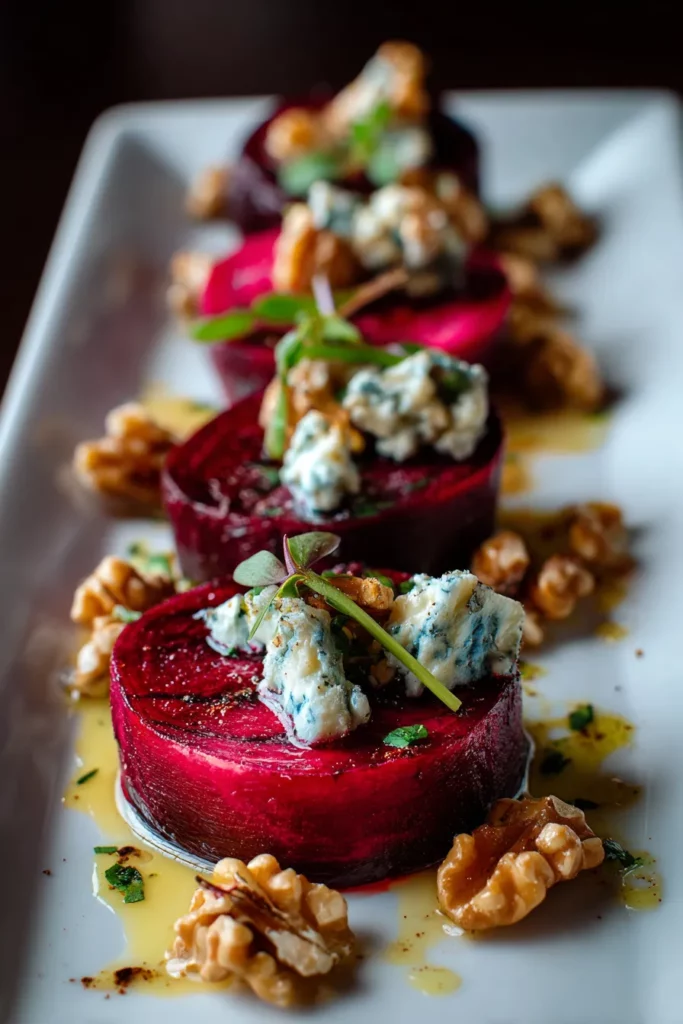
The trick with blue cheese in beet salads is using a good quality, creamy blue rather than an overly aggressive, crumbly one. Gorgonzola dolce works beautifully, as does a mild Danish blue. You want the cheese to provide contrast without completely overwhelming the other flavors.
Creating Visual Drama
These special-occasion salads benefit from thoughtful plating. Instead of tossing everything together, I’ll arrange components separately on the plate. Sliced beets fanned out, a ball of burrata or a wedge of blue cheese positioned carefully, nuts and herbs scattered artfully. It takes just a few extra minutes but makes a huge visual impact.
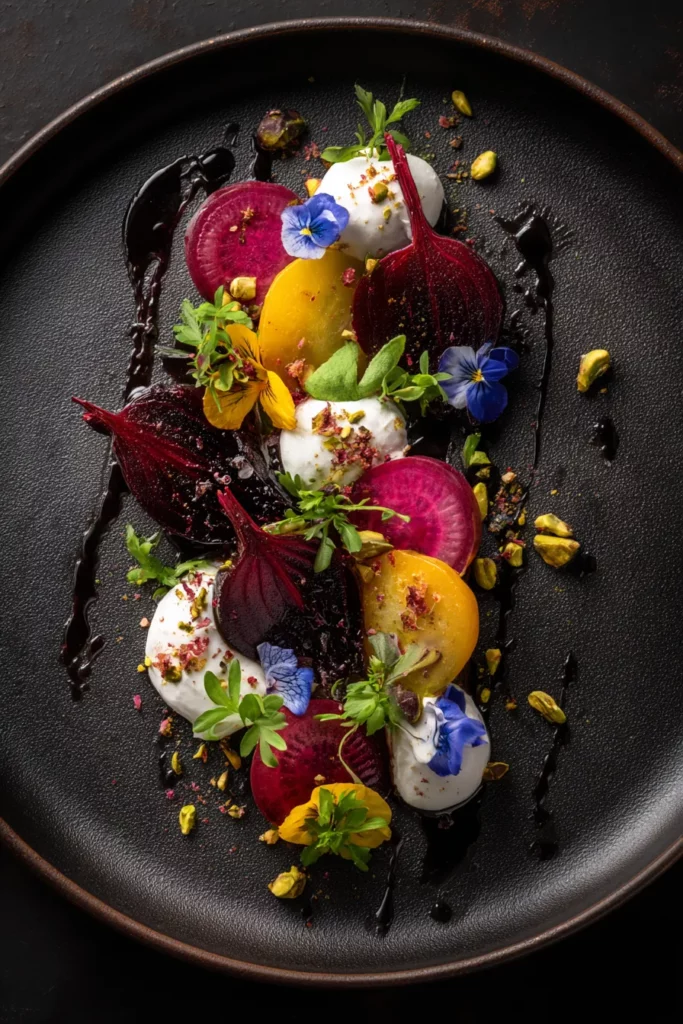
For something with stunning color contrast, the roasted beet salad with avocado and citrus is beautiful to behold. The deep red beets, bright orange citrus segments, and pale green avocado create a palette that’s almost too pretty to eat. Almost.
Expert Tips for Perfect Beet Salads Every Time
After years of making beet salads weekly, I’ve learned some tricks that consistently produce better results. These are the things I wish someone had told me when I was first learning to love beets.
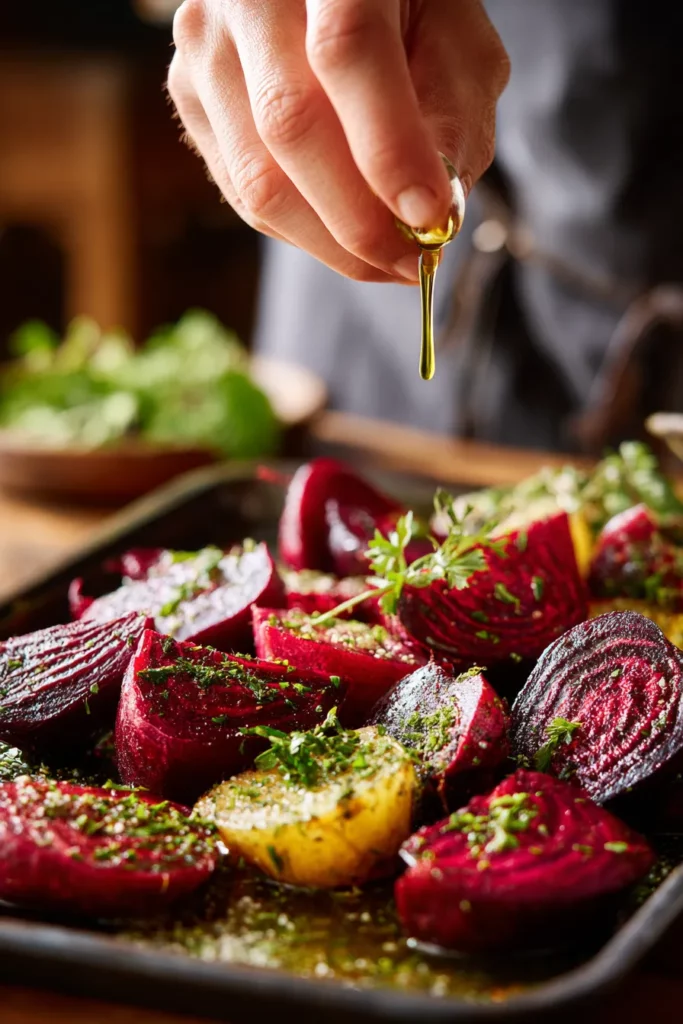
First, don’t overdress your beet salads. Beets have such a strong color that they’ll stain everything they touch, including your dressing. If you add too much dressing, everything turns pink and loses its visual appeal. I dress beet salads more lightly than other salads, adding just enough to coat and flavor without drowning.
Season your beets while they’re still warm after roasting. They’ll absorb seasonings much better when warm than when cold. A sprinkle of salt, a splash of good vinegar, maybe some fresh herbs tossed with the hot beets creates much deeper flavor than seasoning cold beets later.
Temperature Matters
I’ve learned that serving temperature dramatically affects how beet salads taste. Ice-cold beets from the refrigerator don’t have nearly as much flavor as room temperature or slightly warm beets. If you’re making a cold salad with beets you roasted days ago, take them out of the fridge thirty minutes before serving to let them come to room temperature.
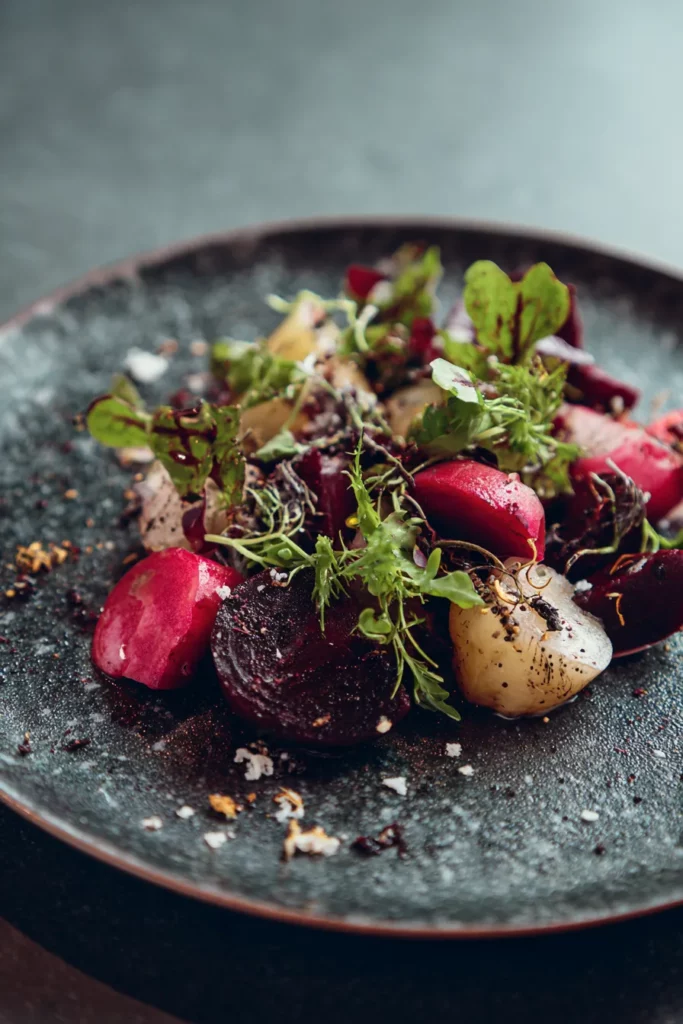
For warm salads, timing is everything. Have all your other components prepped and ready before you take the beets out of the oven. That way you can assemble everything while the beets are still warm but not so hot that they wilt delicate greens or completely melt cheese.
Balancing Flavors
Beets are naturally sweet and earthy, so they need elements that provide contrast. Acid is crucial. I always include something bright and acidic, whether it’s citrus, vinegar in the dressing, or pickled onions. The acid cuts through the sweetness and makes the whole salad taste more balanced and interesting.
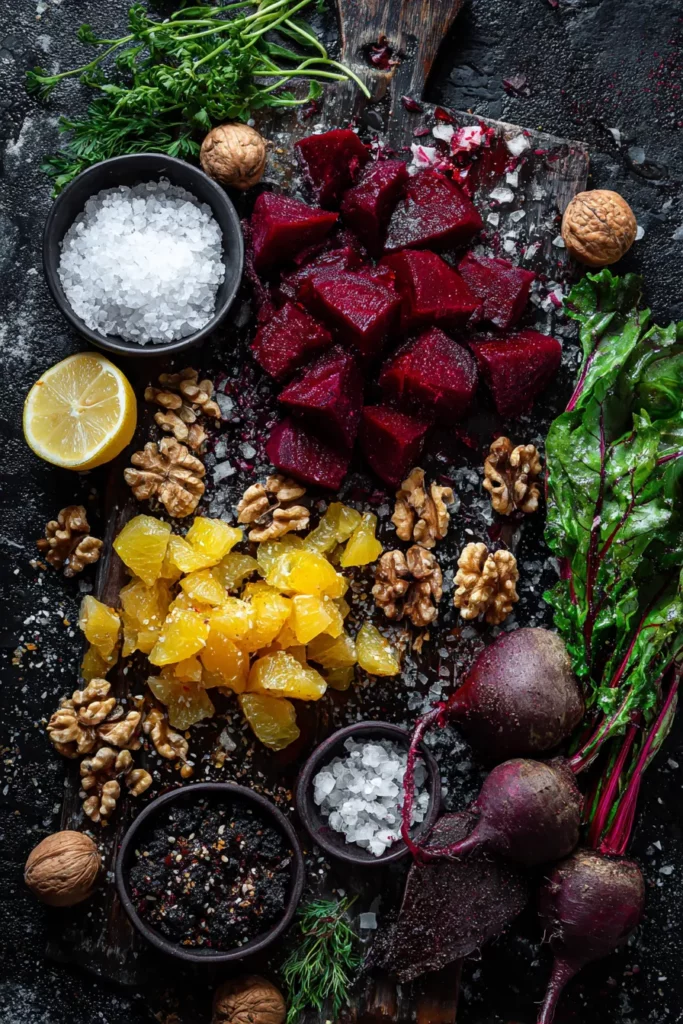
Salt is equally important. Beets need a good amount of salt to bring out their flavor. Don’t be timid. Taste as you go and season more generously than you might think necessary.
Texture contrast is the final piece. Every beet salad benefits from something crunchy. Nuts, seeds, croutons, crispy chickpeas, whatever provides that textural variety that keeps each bite interesting. The tender beets need that contrast to shine.
Make-Ahead Strategies
The one thing I’ve learned not to do ahead is adding delicate greens or soft cheese. These should go in just before serving. Otherwise you end up with wilted, soggy greens and cheese that’s lost its shape and appeal.
Conclusion: Embracing the Beauty of Beets
Looking back at my journey with beets, from that first intimidating encounter in my kitchen to now making beet salads weekly, I’m amazed at how much this one vegetable has enriched my cooking. Beets have taught me that ingredients I thought I disliked often just needed proper preparation and thoughtful pairing to become favorites.
The recipes and techniques in this guide represent years of experimentation, plenty of mistakes, and countless delicious salads. I’ve learned that beets are far more versatile and approachable than their intimidating reputation suggests. With simple roasting techniques and an understanding of which flavors complement their earthy sweetness, anyone can create stunning beet salads that look and taste restaurant-worthy.
The key takeaways I hope you’ll remember: roast beets whole in their skins for the easiest preparation and best flavor. Balance their sweetness with acidic ingredients and their earthiness with bright, fresh elements. Don’t be afraid of bold pairings like blue cheese or unexpected combinations like watermelon. Add textural contrast with nuts or seeds. And season generously, especially with salt, to bring out the beets’ natural flavors.
Most importantly, remember that cooking with beets should be joyful, not stressful. Yes, they’ll stain your hands temporarily. Yes, they take some time to roast. But the reward is absolutely worth it: gorgeous, nutritious salads that taste as good as they look, meals that showcase the very best of seasonal produce, and the satisfaction of creating something truly special from humble ingredients.
Whether you’re making a simple weeknight salad or an impressive dish for company, beets offer endless possibilities. Explore different varieties, experiment with flavor combinations, and don’t be afraid to make these recipes your own. That’s how cooking becomes not just a task, but a genuine pleasure.
Explore more delicious beet inspiration:
- Roasted Beet and Burrata Salad with Pistachio Vinaigrette
- Beet Spinach and Goat Cheese Salad with Honey Basil Vinaigrette
- Roasted Beet and Watermelon Salad with Feta and Mint
Frequently Asked Questions
How do I keep beets from staining everything?
Roast beets whole and unpeeled to contain the color. Wear gloves when handling raw beets. Use lemon juice and salt to remove stains from hands. For cutting boards, make a paste of baking soda and water. The staining is temporary and comes out with these simple tricks.
Can I use canned beets in these salads?
While fresh roasted beets taste significantly better, canned beets will work in a pinch. Drain them well and pat dry before using. They won’t have the same depth of flavor or firm texture, but they’re acceptable when fresh beets aren’t available or you’re short on time.
How long do roasted beets keep in the refrigerator?
Properly stored roasted beets last five to seven days in an airtight container in the refrigerator. I often roast a large batch on Sunday and use them throughout the week in different salads and dishes.
Why are my roasted beets tough or woody?
This usually happens with older, larger beets. Choose smaller, fresher beets for the best texture. Also make sure you’re roasting them long enough. They should be completely tender when pierced with a knife.
Can I freeze roasted beets?
Yes, roasted beets freeze beautifully. Let them cool completely, then peel and cut them into your desired shape. Freeze in a single layer on a baking sheet first, then transfer to freezer bags. They’ll keep for up to six months.
What’s the best way to prevent beet salads from turning everything pink?
Dress beet salads lightly and add dressing just before serving. If using red beets with other colored ingredients, keep components separate until the last moment. Or use golden beets, which won’t stain other ingredients.
Should I peel beets before or after roasting?
Always peel after roasting. The skin slips off much more easily once cooked, and roasting beets in their skin keeps them from drying out while concentrating their flavor.
What cheese works best with beets if I don’t like goat cheese?
Feta is an excellent alternative with similar tang. Blue cheese creates a bold pairing for those who enjoy it. Even a good sharp cheddar or Parmesan works well. The key is choosing something with enough personality to stand up to the beets’ strong flavor.
How do I know when beets are done roasting?
Pierce them with a knife or skewer. It should slide in easily with just slight resistance. If it’s still hard in the center, keep roasting. Larger beets can take up to ninety minutes, so be patient.
Can I eat beet greens, and how should I prepare them?
Absolutely! Beet greens are delicious and nutritious. Sauté them like spinach with garlic and olive oil, add them to soups, or use tender young greens raw in salads. They have a slightly mineral, earthy flavor similar to Swiss chard.
Why do my beets taste too earthy?
Some people are more sensitive to geosmin, the compound that gives beets their earthy flavor. Adding acidic ingredients like citrus or vinegar helps balance this. Golden beets are also naturally less earthy than red varieties.
What’s the best type of beet for salads?
For most salads, standard red beets or golden beets work beautifully. Choose medium-sized beets that are firm and heavy for their size. Chioggia beets with their striped interior are gorgeous but lose their pattern when cooked, so they’re best used raw.

🍳 Precision Meets Passion — Tools Chefs Trust Daily

- Grams & ounces — precise to 1g
- Perfect for baking & keto tracking
- Sleek stainless steel design

- German stainless precision
- Razor-sharp & dishwasher-safe
- Elegant wood block organizer

- WiFi precision cooking at home
- 1100W — heats fast & evenly
- Perfect steak, fish & veggies