📑 Table of Contents ▶
Best Ever Greek Pita
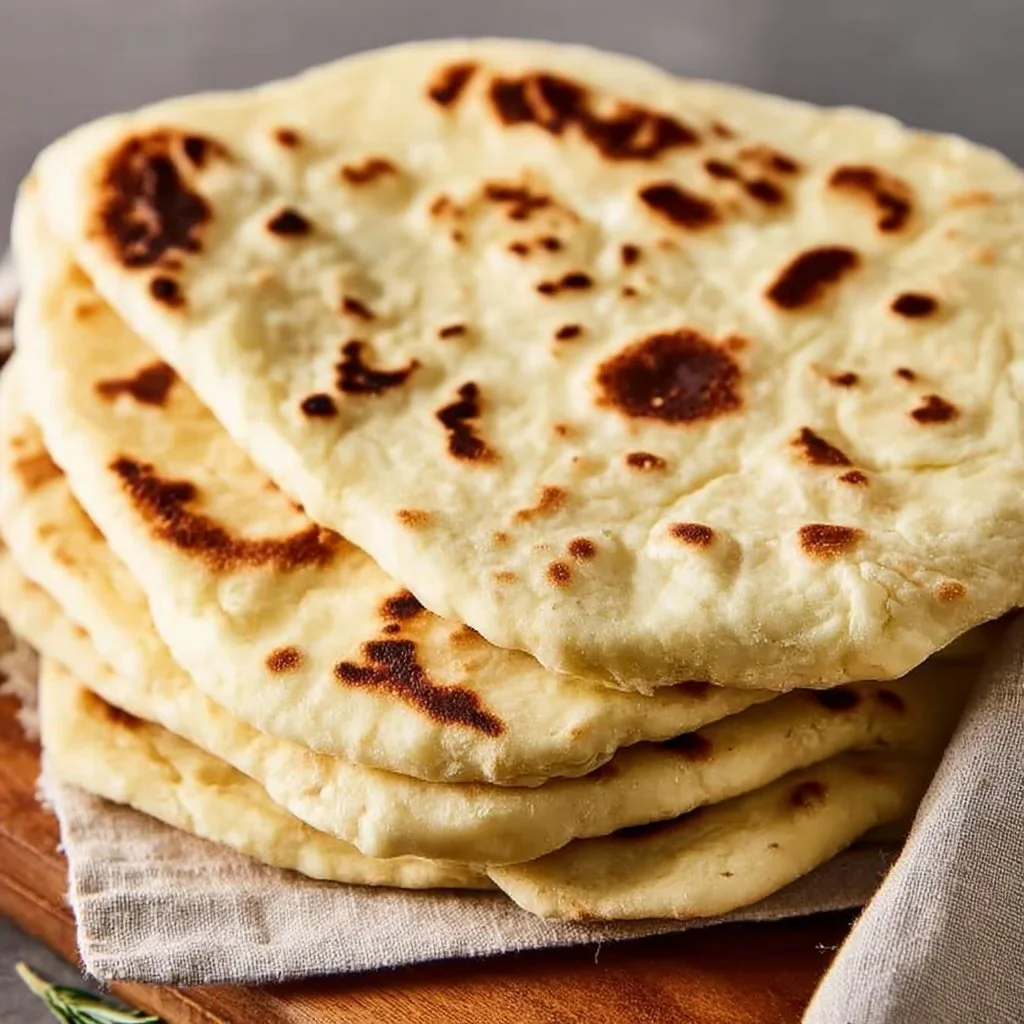
There’s something utterly delightful about the aroma of freshly baked bread wafting through your kitchen. When I was younger, I always found myself sneaking into the kitchen, eagerly waiting for bread to rise. That anticipation never leaves you. The way the dough transforms into a fluffy, golden masterpiece is nothing short of magical.
⚡ Smart Kitchen Tools Every Home Cook Swears By

- Pure aluminum
- Durable enough for everyday cooking
- Made in the USA with quality

- 7 cooking functions in one compact cooker
- 3-quart size ideal for couples or small meals
- Up to 70% faster than traditional cooking

- 3 sizes for every recipe
- Pre-seasoned & durable cast iron
- Oven & grill ready
The journey to make the best ever Greek pita starts with simple ingredients that you likely have on hand. The beauty of it all lies in the process. You mix, knead, and then patiently wait, watching the dough rise before your eyes. It’s like watching a mini transformation happen right in front of you. With each step, the satisfaction builds, and soon you’ll find yourself with perfectly soft and pillowy pitas, ready for feasting.
Crafting the perfect Greek pita is not just about the final product; it’s about embracing the joy of cooking and sharing with others. Whether you serve them warm at a family meal or use them to whip up a quick snack, these pitas will quickly become your favorite go-to. Let’s dive into this process and discover how to create the best ever Greek pita.
Understanding Greek Pita
Fundamentals
Understanding the fundamentals of Greek pita helps elevate your cooking game. The main ingredients include all-purpose flour, yeast, kosher salt, warm milk, warm water, and olive oil. Each component plays a crucial role in achieving that classic pita texture. The yeast brings life to the dough, making it fluffy and airy, while the flour is its foundation.
Kosher salt enhances the flavor, ensuring every bite is savory and satisfying. The warm milk and water work together to activate the yeast, promoting that ideal rise. Olive oil adds richness to the dough, contributing to its softness. Knowing how these ingredients work together sets you on the right path to mastering your Greek pita.
Preparation/setup
Preparing your workspace is equally important. Start by gathering all your ingredients and tools. You’ll need a large bowl for mixing, a clean surface for kneading, and a cast iron pan for cooking. This ensures you have everything at your fingertips, allowing for a smooth cooking process.
Begin by combining the flour, yeast, and salt in your large bowl. Mixing these dry ingredients ensures even distribution, setting the stage for the perfect dough. Next, add the warm milk and water, stirring to bring it all together. This mixture activates the yeast, allowing it to work its magic. Following this, incorporate olive oil, kneading the dough directly in the bowl. It’s a tactile experience that creates a connection with the dough before it begins its rise.
Mastering the Technique
Technique
Kneading the dough may seem daunting, but it’s quite straightforward. Once you add the olive oil and the mixture comes together, use your hands to knead it in the bowl for a few minutes. This process helps develop gluten, which gives your pita its structure and chewiness. Aim for a smooth and elastic dough before moving on to the next step.
After kneading, transfer the dough to a lightly oiled bowl. Don’t hesitate to get your hands a little messy, as this adds to the fun of the process! Cover the bowl with plastic wrap and let it rest in a warm place for about an hour or until it doubles in size. The anticipation of watching your dough rise adds to the excitement.
Tips/tricks
A few tips can make your pita-making experience even better. Use warm water and milk—not too hot—to prevent the yeast from dying. The perfect temperature is critical for properly activating your yeast. Also, if your dough feels too sticky, don’t hesitate to add a bit more flour as you knead.

When cutting the dough into equal pieces, a bench scraper can make this task easier. Uniformity helps ensure that all your pitas cook evenly. As you stretch each piece into a circle, take your time. A gentle hand can make a world of difference in achieving that ideal thickness. If you find that the dough resists stretching, let it rest for a few more minutes before trying again.
Perfecting the Recipe
Perfecting results
After all that hard work, cooking your pitas requires precision. A hot cast iron pan works beautifully for cooking pitas. Add a teaspoon of olive oil and let it heat up. Gently lay each stretched pita into the hot pan and watch the magic happen. The sound of sizzling means you’re on the right track.
🥗 Fresh, Fast & Foolproof — Upgrades You'll Use Tonight

- Zoodles in seconds
- Heavy-duty, 10 sharp blades
- Keto, paleo & gluten-free friendly

- Meals in ~30 minutes
- 3-Qt — perfect for 1–3 people
- Pressure cook, sauté, steam & more

- Phone alerts & live temp graph
- Hands-off monitoring for smokers
- Perfect doneness, every time
Cook each pita for about a minute on one side, then drizzle a little olive oil on top before flipping. This simple step adds flavor and helps achieve that delightful golden finish. It’s remarkable how such a short cook time results in soft, puffed pitas that are perfect for any meal.
Troubleshooting/variations
If your pitas don’t puff up as expected, don’t fret. Sometimes the dough might be either too dry or too wet. Adjusting the flour-to-water ratio can remedy this issue. Other times, they may need more time in the hot pan. Pay close attention to how they cook, and experiment with different timings based on your equipment.
Feel free to experiment with variations, too. Adding herbs or spices to the dough can create unique flavor profiles. For instance, consider incorporating garlic powder or dried herbs for an aromatic twist on classic pitas.
Serving Your Greek Pita
Serving/presentation
Serving your Greek pita should be as delightful as making them. Stack the freshly cooked pitas on a large platter and consider covering them with a clean kitchen towel to keep them warm. The visual appeal adds to the overall experience.
These pitas pair beautifully with a variety of dishes. Use them as a base for a vibrant Mediterranean platter or as the perfect side for grilled vegetables. You can also fill them with fresh ingredients, like roasted red peppers, cucumber, and herbs, creating delicious handheld meals.
Pairings/storage
Although pitas are delightful fresh from the skillet, they also store well. Keep them in a sealed container or plastic bag to maintain their soft texture. If you have leftovers, you can easily reheat them in the microwave or warm them gently in a pan.
Consider pairing these pitas with a hummus dip or a refreshing yogurt sauce. Simple ingredients can enhance your dining experience. Whether you enjoy them warm or cold, these pitas will surely impress your family and friends.
In crafting the best ever Greek pita, you unleash a world of flavor and comfort. Embrace the process and enjoy each step along the way. The effort will always pay off, resulting in savory, soft pitas that bring everyone together. Get immersed in the joy of cooking, and let these pitas be the star of your kitchen endeavors.
Print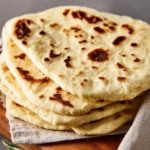
Best Ever Greek Pita
- Total Time: 75 minutes
- Yield: 8 servings 1x
- Diet: Vegetarian
Description
Deliciously soft and fluffy Greek pitas made from simple ingredients, perfect for pairing with various dishes or enjoying as a quick snack.
Ingredients
- 3 cups all-purpose flour
- 1 packet active dry yeast
- 1 teaspoon kosher salt
- 1 cup warm milk
- 1 cup warm water
- 2 tablespoons olive oil
Instructions
- In a large bowl, combine flour, yeast, and salt. Mix well.
- Add warm milk and water, stirring to combine.
- Incorporate olive oil and knead the dough in the bowl for a few minutes until smooth and elastic.
- Transfer the dough to an oiled bowl, cover with plastic wrap, and let it rise in a warm place for about 1 hour or until doubled in size.
- Once the dough has risen, punch it down and divide it into equal pieces.
- Roll each piece into a circle, making sure not to stretch it too thin.
- Preheat a cast iron pan over medium heat and add a teaspoon of olive oil.
- Cook each pita for about 1 minute on one side, then drizzle with olive oil and flip, cooking until puffed and golden.
- Remove and keep warm on a platter covered with a kitchen towel.
Notes
Ensure water and milk are warm but not hot to avoid killing the yeast. Experiment with adding herbs or spices to the dough for extra flavor.
- Prep Time: 15 minutes
- Cook Time: 10 minutes
- Category: Bread
- Method: Baking
- Cuisine: Greek
Nutrition
- Serving Size: 1 pita
- Calories: 150
- Sugar: 1g
- Sodium: 220mg
- Fat: 4g
- Saturated Fat: 0.5g
- Unsaturated Fat: 3g
- Trans Fat: 0g
- Carbohydrates: 25g
- Fiber: 1g
- Protein: 5g
- Cholesterol: 0mg
Keywords: Greek pita, bread recipe, homemade pita, Mediterranean cuisine, soft pitas

🍳 Precision Meets Passion — Tools Chefs Trust Daily

- Grams & ounces — precise to 1g
- Perfect for baking & keto tracking
- Sleek stainless steel design

- German stainless precision
- Razor-sharp & dishwasher-safe
- Elegant wood block organizer

- Premium Stainless Steel Build
- Easy to Clean & Dishwasher Safe
- A Must-Have Kitchen Tool