➤ Table of Contents
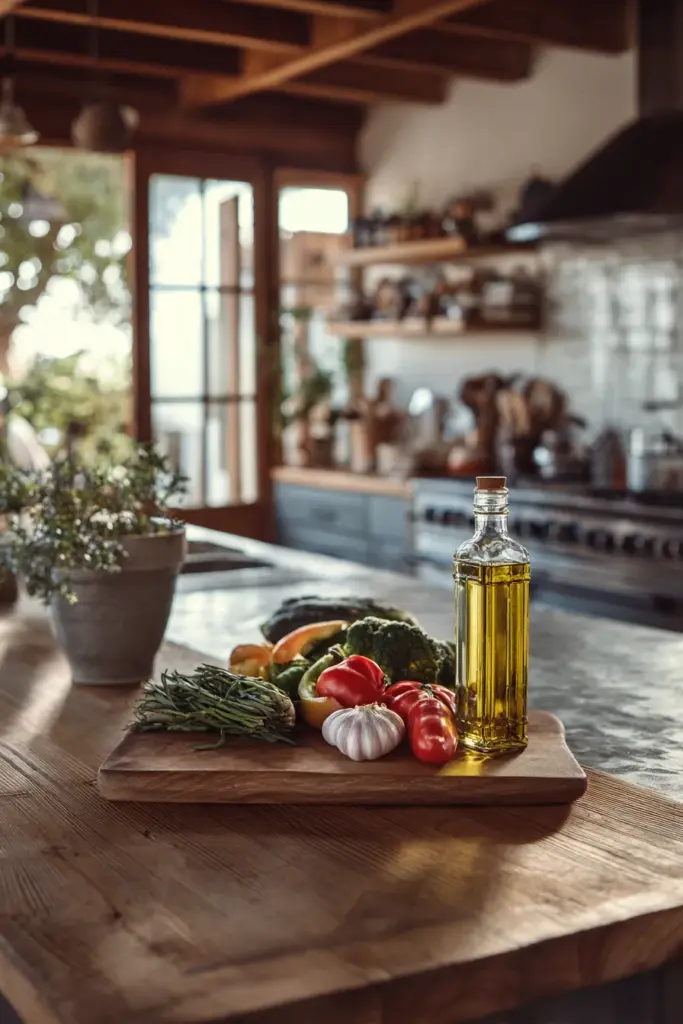
I remember standing in my kitchen one ordinary Tuesday evening, staring at a crisper drawer full of vegetables that were just a day or two away from going soft. Zucchini, bell peppers, carrots, a sweet potato. Nothing exciting on its own, but together? I tossed them all on a sheet pan with olive oil, minced garlic, and whatever herbs I had in the fridge. Forty minutes later, my family devoured every last caramelized bite, and I realized I’d stumbled onto something wonderful.
⚡ Smart Kitchen Tools Every Home Cook Swears By

- Pure aluminum
- Durable enough for everyday cooking
- Made in the USA with quality

- 7 cooking functions in one compact cooker
- 3-quart size ideal for couples or small meals
- Up to 70% faster than traditional cooking

- 3 sizes for every recipe
- Pre-seasoned & durable cast iron
- Oven & grill ready
That moment changed how I cook vegetables forever. Before then, I’d been stuck in a steaming-and-butter rut, producing limp, boring sides that nobody got excited about. But roasting with garlic and herbs? That transformed ordinary vegetables into something my kids actually asked for. The edges get crispy and caramelized, the insides stay tender, and those aromatic herbs and garlic create layers of flavor that make everything taste restaurant-quality.
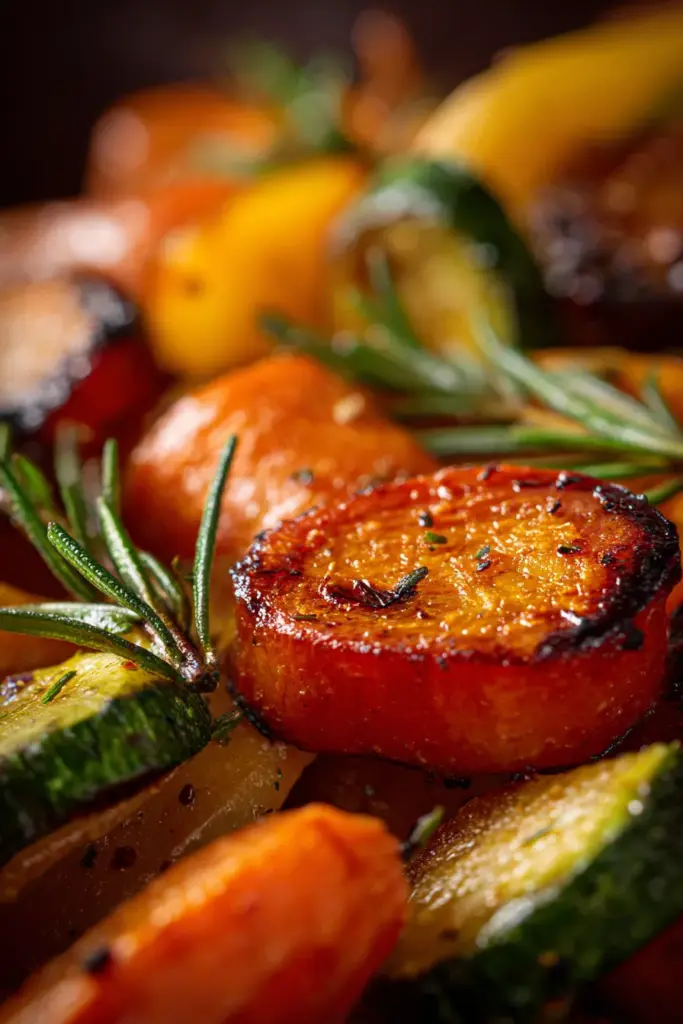
This guide is everything I’ve learned about roasting vegetables with garlic and herbs over years of weeknight dinners, holiday meals, and potluck contributions. We’ll explore which vegetables roast best together, how to prep them for perfect caramelization, which herb combinations work magic, and how to avoid the soggy, pale vegetables that give roasting a bad name. You’ll learn timing tricks, flavor pairings, and presentation ideas that make vegetables the star of the meal, not just an afterthought.
Whether you’re trying to get your family to eat more vegetables, looking for easy meal prep ideas, or wanting to elevate your side dish game for entertaining, roasted vegetables with garlic and herbs are your answer. They’re endlessly adaptable, forgiving for beginners, and impressive enough for special occasions. Plus, most of the work is done by your oven while you focus on everything else.
Understanding the Science of Perfect Roasted Vegetables
The first time I tried roasting vegetables, I ended up with a pan of mushy, steamed vegetables instead of the golden, caramelized pieces I was hoping for. I’d made every beginner mistake in the book: crowding the pan, using too low a temperature, and not drying the vegetables properly. Once I understood what actually happens during roasting, everything changed.
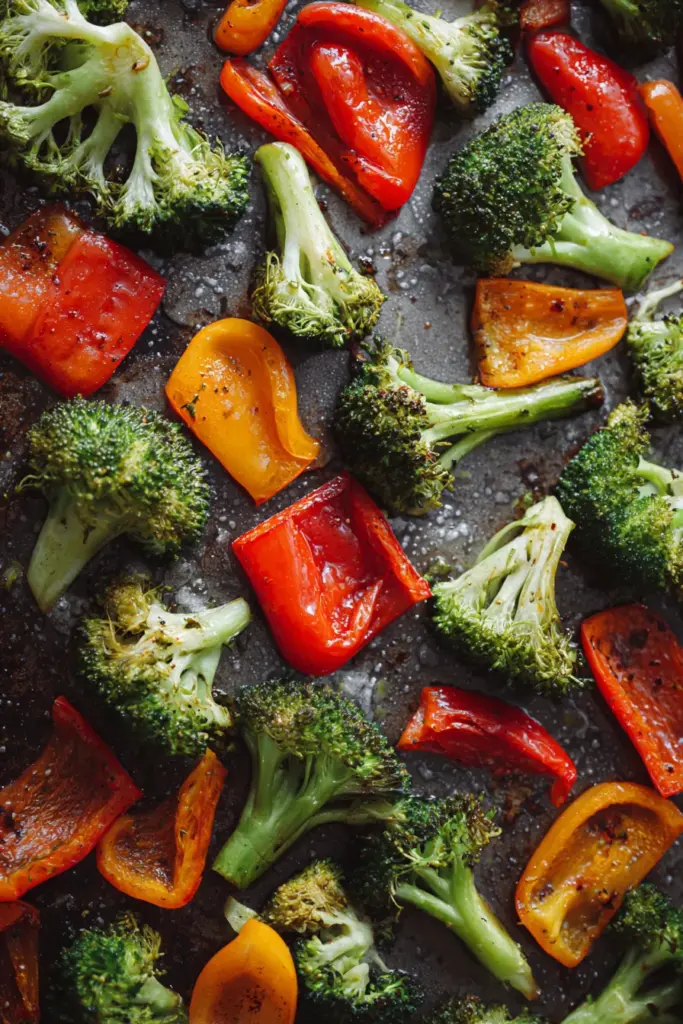
Roasting is all about the Maillard reaction, that magical chemical process where sugars and proteins in vegetables brown and develop complex, savory flavors. This only happens at high temperatures, typically above 400 degrees Fahrenheit, and only when moisture evaporates quickly from the vegetable surfaces. If vegetables are wet or crowded together, they steam instead of roast, and you miss out on all that delicious caramelization.
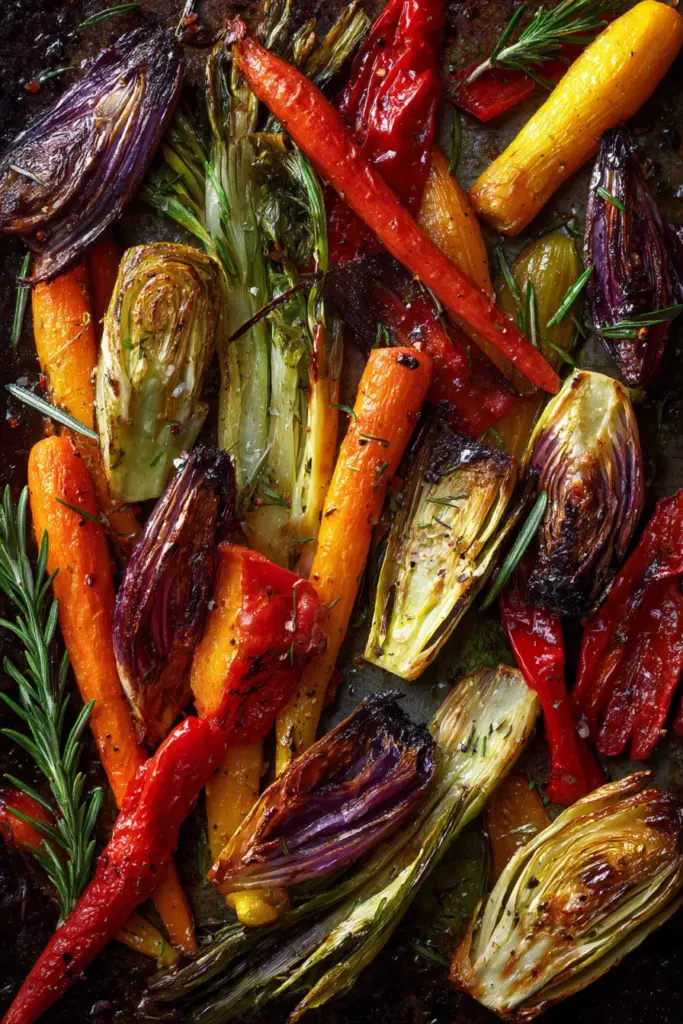
The vegetables themselves contain natural sugars that caramelize during roasting, creating sweetness that balances their savory notes. Root vegetables like carrots and sweet potatoes have more natural sugars, which is why they get so beautifully browned and sweet. Even vegetables that seem bitter or bland, like Brussels sprouts or cauliflower, develop nutty, almost sweet flavors when roasted properly.
Temperature and Timing Fundamentals
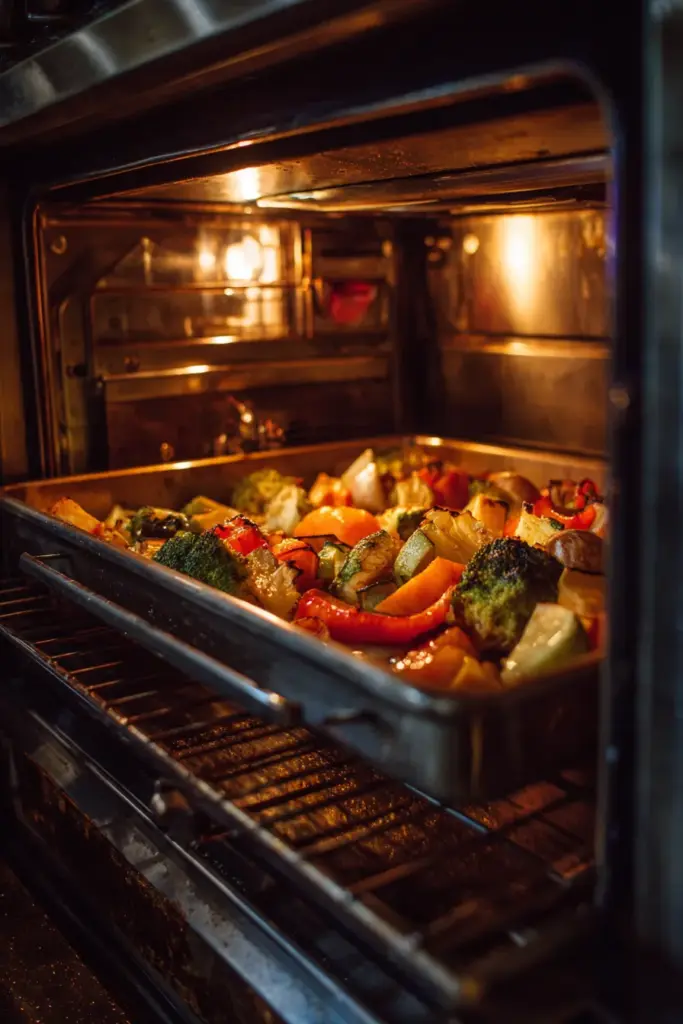
I always preheat my oven to at least 425 degrees Fahrenheit for roasting vegetables. Some vegetables, like Brussels sprouts or broccoli, benefit from even higher heat, around 450 degrees. This high temperature is crucial for getting that crispy exterior before the interior overcooks and turns mushy.
🥗 Fresh, Fast & Foolproof — Upgrades You'll Use Tonight

- Zoodles in seconds
- Heavy-duty, 10 sharp blades
- Keto, paleo & gluten-free friendly

- Meals in ~30 minutes
- 3-Qt — perfect for 1–3 people
- Pressure cook, sauté, steam & more

- Phone alerts & live temp graph
- Hands-off monitoring for smokers
- Perfect doneness, every time
Timing varies dramatically based on the vegetable and how you cut it. Dense vegetables like potatoes, carrots, and beets need forty-five to sixty minutes. Medium-density vegetables like bell peppers, zucchini, and eggplant need twenty-five to thirty-five minutes. Quick-cooking vegetables like asparagus or cherry tomatoes only need fifteen to twenty minutes. When I’m roasting mixed vegetables, I add them to the pan in stages based on their cooking times so everything finishes together.
The key is checking for two things: tender interiors and golden-brown exteriors. If your vegetables are brown but still hard, your oven is too hot. If they’re soft but pale, your oven isn’t hot enough or your pan is too crowded. You want both tenderness and that gorgeous caramelization happening at the same time.
The Crowding Problem
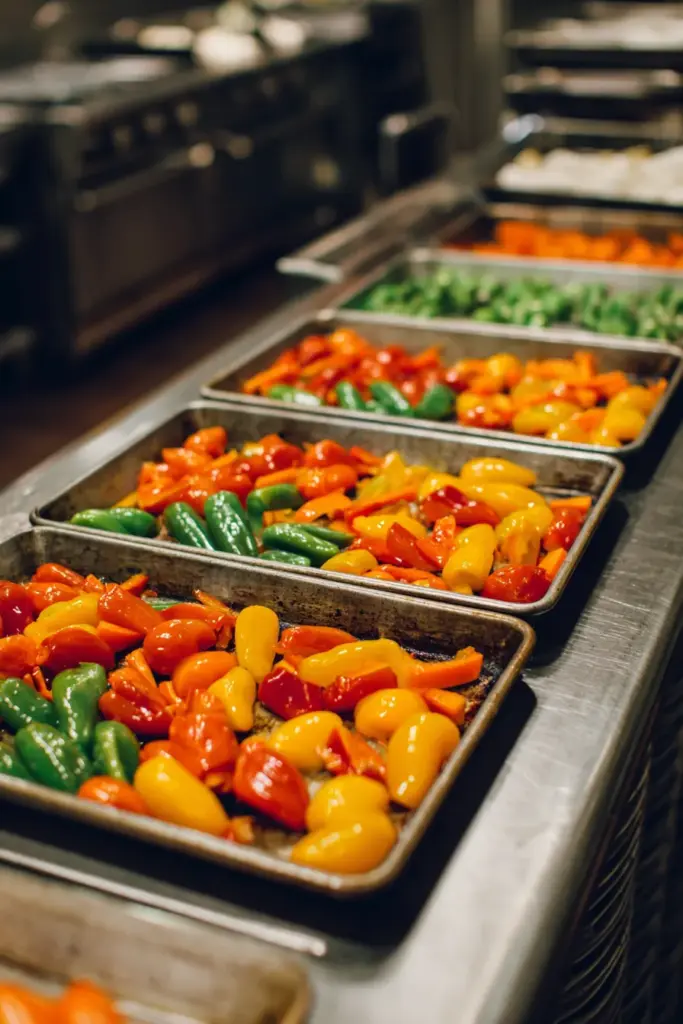
This is the mistake I see most often, and it’s the one that ruins more roasted vegetables than any other factor. When vegetables are crowded on a pan, they release moisture that has nowhere to go. That moisture creates steam, and steamed vegetables don’t brown or caramelize. You end up with limp, pale vegetables instead of crispy, golden ones.
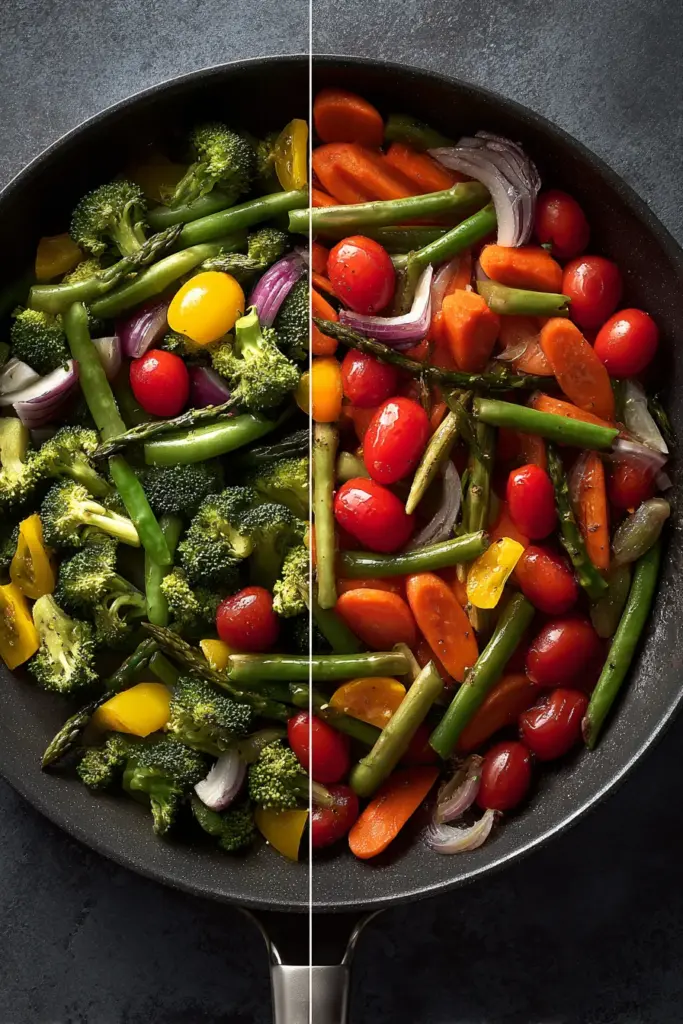
I use the rule of thumb that vegetables should have at least a half-inch of space around them on all sides. If I’m roasting a large batch, I use two sheet pans instead of cramming everything onto one. The extra pan is worth it for the difference in texture and flavor. Sometimes I’ll even rotate the pans halfway through cooking, swapping their oven positions to ensure even browning.
For the best results, spread vegetables in a single layer with no overlapping. I know it’s tempting to pile them up to save time and dishes, but trust me, the results are so much better when you give them space. If you want to try something special with summer vegetables, the roasted garlic parmesan zucchini squash tomatoes showcase how proper spacing creates that perfect golden crust.
Selecting and Preparing Vegetables for Roasting
Not all vegetables roast equally well, and knowing which ones work best together has saved me from many disappointing dinners. I’ve learned through trial and error which combinations work, which vegetables need special prep, and how to cut everything so it cooks evenly.
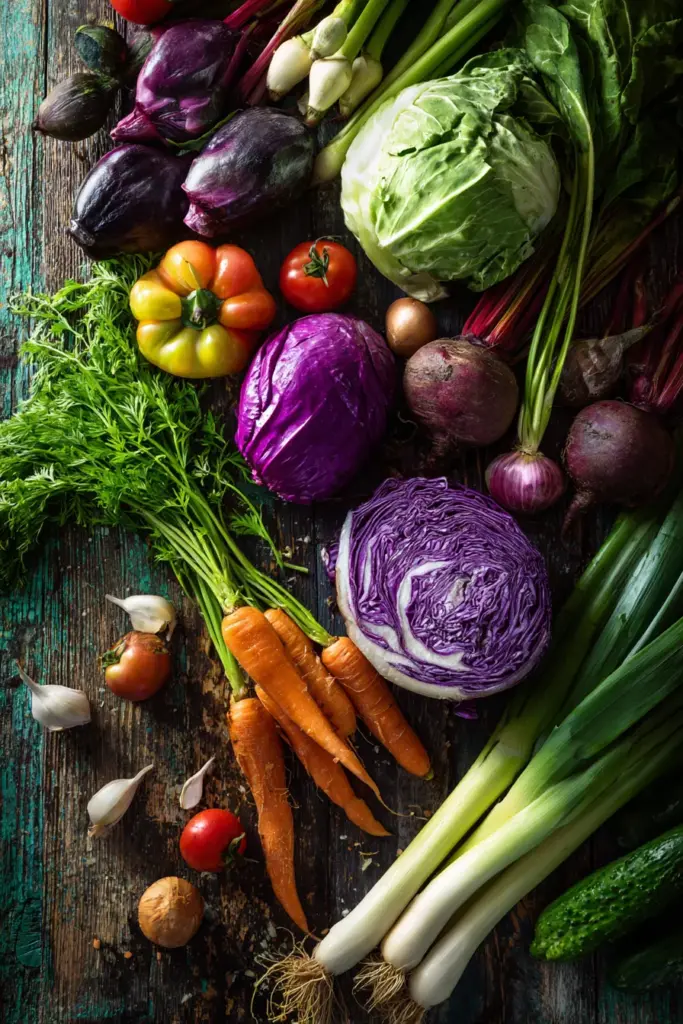
The best vegetables for roasting are those with enough structure to hold their shape under high heat while developing caramelization. Root vegetables like carrots, potatoes, sweet potatoes, parsnips, and beets are roasting superstars. Cruciferous vegetables like broccoli, cauliflower, and Brussels sprouts become almost addictively crispy and sweet. Squashes of all kinds, from zucchini to butternut, roast beautifully.
Bell peppers, onions, and tomatoes add sweetness and moisture to roasted vegetable medleys. Asparagus, green beans, and snap peas work well but need shorter cooking times. Even mushrooms, though technically not vegetables, develop incredible umami depth when roasted at high heat.
Cutting for Even Cooking
The way you cut vegetables might be the second most important factor after oven temperature. Uniform pieces cook evenly, while a mix of large and small pieces leaves you with some burnt bits and some undercooked chunks. I aim for pieces that are roughly the same size, usually about one to one-and-a-half inches.
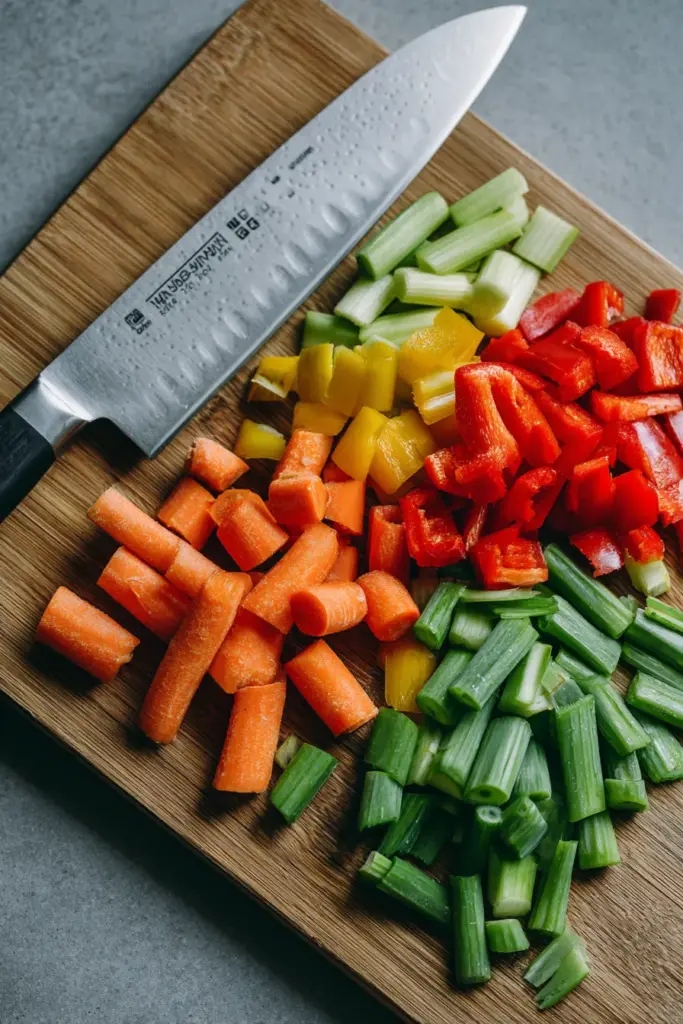
For root vegetables, I cut them into similar-sized chunks or wedges. Carrots and parsnips can be cut on the diagonal into thick slices, which gives them more surface area for caramelization. Potatoes and sweet potatoes can be cubed, wedged, or sliced into rounds depending on the look you’re going for.
Softer vegetables like zucchini and bell peppers should be cut into slightly larger pieces since they shrink more during cooking. I usually cut zucchini into thick half-moons or large chunks, and bell peppers into wide strips or large squares. Cherry tomatoes can be left whole, while larger tomatoes should be quartered or cut into thick wedges.
The Importance of Drying
Here’s something I wish someone had told me years ago: pat your vegetables dry before roasting. Even if you’ve just washed them, even if they don’t look particularly wet, moisture on the surface will create steam instead of allowing browning. I spread washed vegetables on a clean kitchen towel and either pat them dry or let them air-dry for a few minutes before tossing with oil.
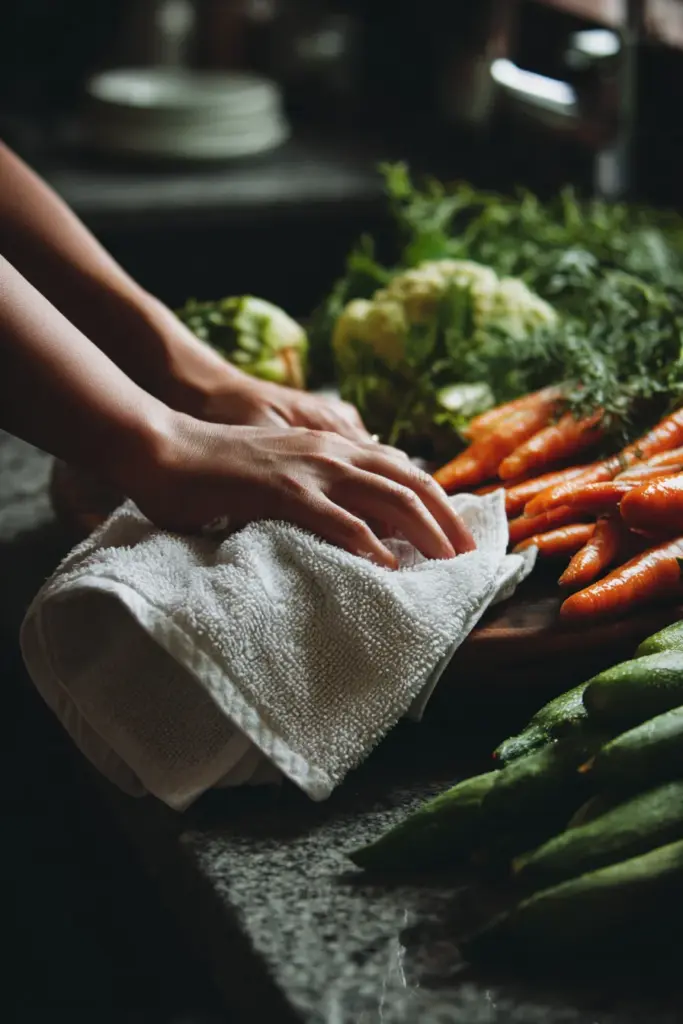
This is especially important for vegetables with high water content like zucchini, eggplant, and mushrooms. Sometimes I’ll salt zucchini or eggplant and let it sit for twenty minutes to draw out excess moisture, then pat it thoroughly dry before roasting. The extra step makes a huge difference in the final texture.
Garlic Techniques That Transform Roasted Vegetables
Garlic is what elevates roasted vegetables from good to extraordinary. But adding garlic isn’t as simple as tossing in some minced cloves and hoping for the best. I’ve burned more garlic than I care to admit before learning how to add it properly to achieve that sweet, mellow, caramelized garlic flavor instead of bitter, burnt bits.
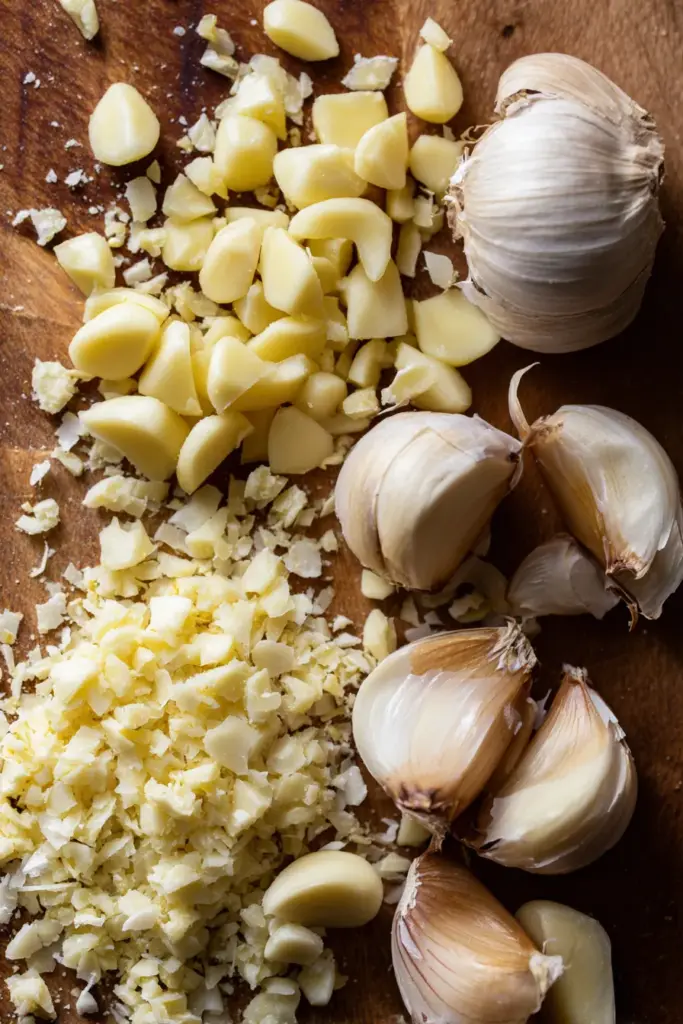
The challenge with garlic is that it burns easily at the high temperatures needed for roasting vegetables. Those tiny minced pieces turn bitter and acrid if they’re exposed directly to a 425-degree oven for forty minutes. I’ve learned several techniques to get maximum garlic flavor without the burnt taste.
My favorite method is to toss vegetables with whole or large smashed garlic cloves. The larger pieces don’t burn as easily, and they develop a sweet, almost nutty flavor as they roast. By the time the vegetables are done, the garlic is soft, golden, and spreadable. You can either leave them whole in the final dish or mash them into the vegetables for even distribution of flavor.
Timing Your Garlic Addition
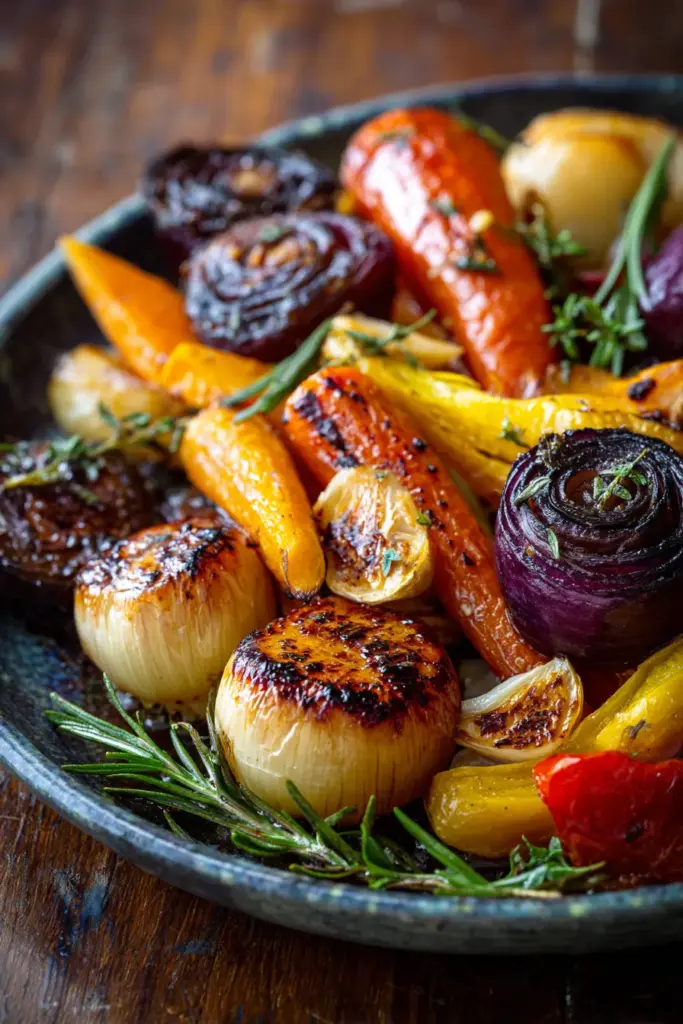
For vegetables that need long roasting times, like potatoes or root vegetables, I add minced garlic about halfway through cooking. I’ll roast the vegetables for twenty to twenty-five minutes first, then pull out the pan, toss everything with minced garlic and fresh herbs, and return it to the oven for the remaining time. This gives you that intense garlic flavor without burning.
Another technique I love is making a garlic-herb oil to drizzle over vegetables during the last ten minutes of roasting. I’ll heat olive oil gently with minced garlic and herbs just until fragrant, then brush or drizzle this flavored oil over the nearly-done vegetables. They absorb all that garlicky goodness in the final moments without any risk of burning.
For a guaranteed success with garlic flavor, try the country ranch green beans and potatoes with bacon, which combines garlic with other aromatics in a way that never burns and always tastes perfect.
Roasted Garlic as a Base
Sometimes I’ll roast whole heads of garlic alongside my vegetables. I cut the top off a head of garlic, drizzle it with olive oil, wrap it in foil, and nestle it on the pan with the vegetables. After forty-five minutes, the garlic cloves are soft, sweet, and spreadable. I squeeze them out and toss them with the roasted vegetables at the end, creating this incredible creamy, garlicky coating.
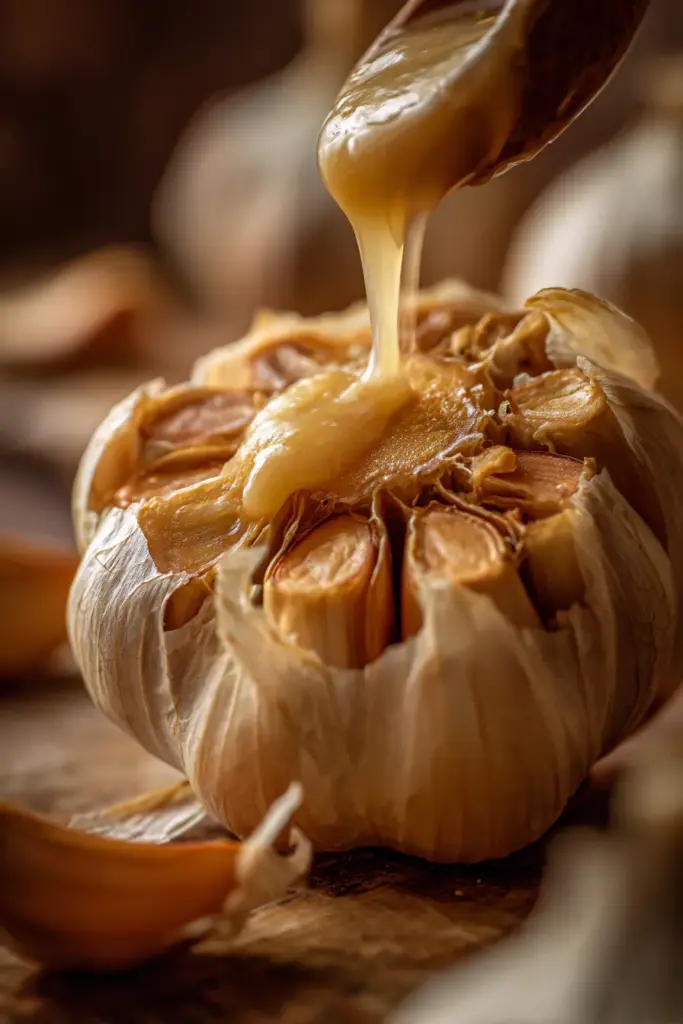
Roasted garlic has a completely different flavor from raw or sautéed garlic. It’s mellow, sweet, almost caramel-like, with none of the sharp bite of raw garlic. Mixed into roasted vegetables, it adds richness and depth without overwhelming other flavors. Plus, it looks impressive when you tell people you roasted a whole head of garlic with dinner.
Fresh Herbs Versus Dried: When to Use Each
The herb question stumped me for years. Should I use fresh or dried? When should I add them? How much is enough? I’ve learned that both fresh and dried herbs have their place in roasted vegetables, but they work very differently and need to be treated accordingly.
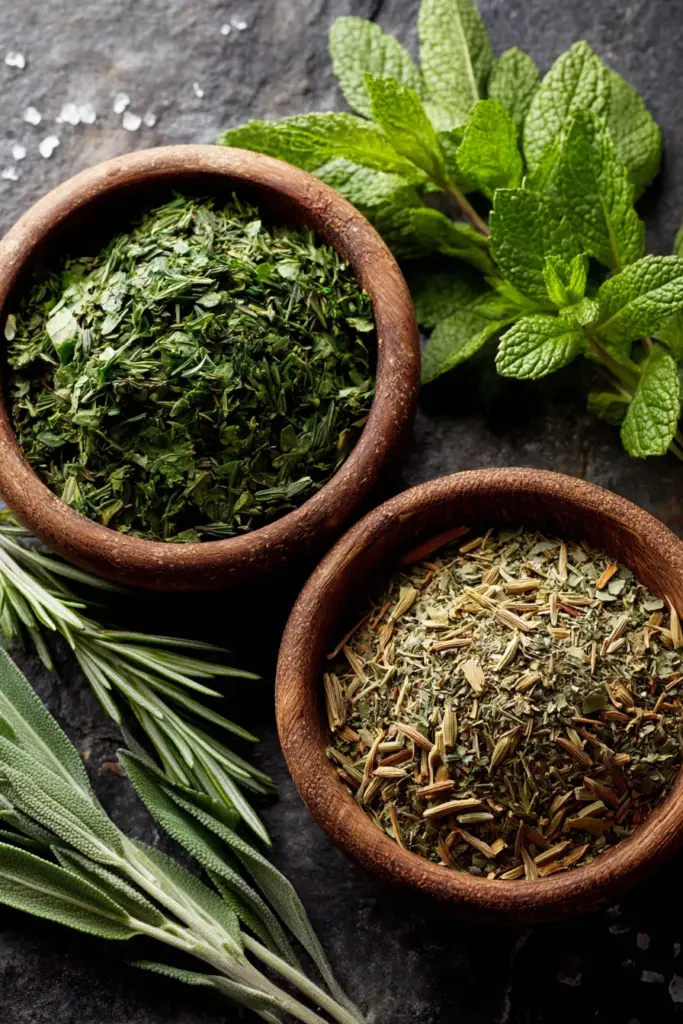
Dried herbs are more concentrated in flavor than fresh, and they hold up better to long cooking times at high heat. When I’m roasting vegetables for forty-five minutes or more, I usually reach for dried herbs. Rosemary, thyme, oregano, and sage all work beautifully in their dried form, infusing vegetables with flavor throughout the cooking process.
I add dried herbs at the beginning, tossing them with the vegetables, oil, salt, and pepper before everything goes in the oven. The heat releases their essential oils, and their flavors mellow and deepen as the vegetables roast. Use about one-third the amount you’d use of fresh herbs since dried herbs are more potent.
Fresh Herb Applications
Fresh herbs are brighter and more aromatic than dried, but they can burn or turn bitter under high heat for extended periods. My strategy is to add sturdy fresh herbs like rosemary and thyme at the beginning of roasting, but to save delicate herbs like basil, parsley, cilantro, and dill for the end.
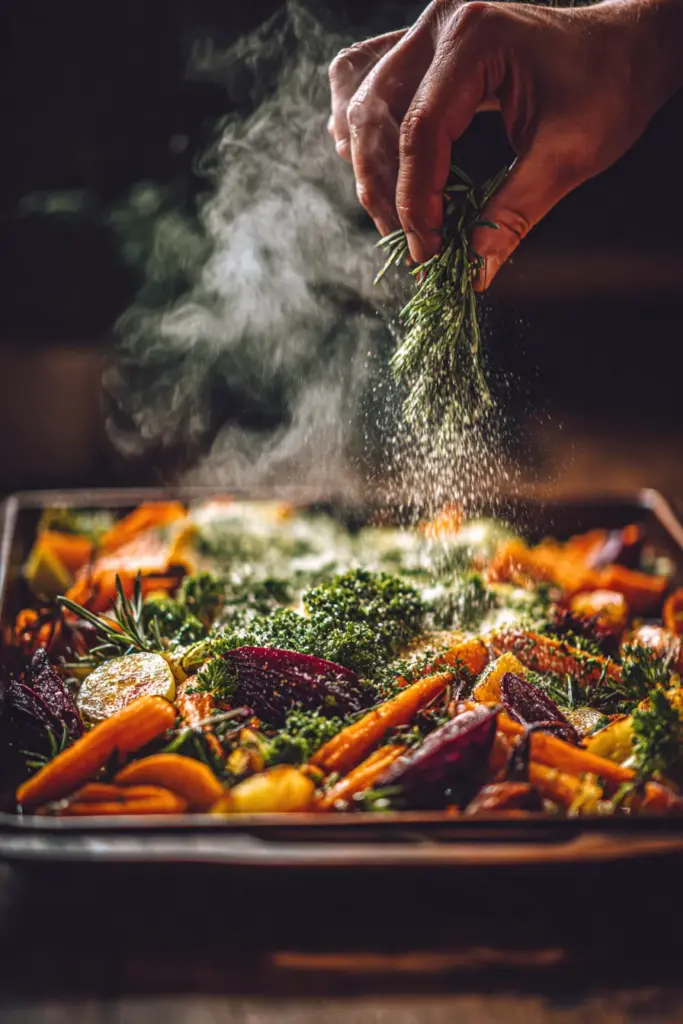
Rosemary and thyme can handle the heat. I’ll strip the leaves from their stems, chop them roughly, and toss them with the vegetables before roasting. Their woody structure protects their flavor compounds from completely breaking down in the oven. The result is vegetables infused with that piney rosemary flavor or earthy thyme essence.
Delicate herbs get added in the last five minutes of roasting or immediately after the vegetables come out of the oven. I’ll pull the pan out, scatter fresh basil, parsley, or cilantro over everything, toss it all together, and either return to the oven briefly or just let the residual heat wilt the herbs slightly. This gives you that bright, fresh herb flavor without any bitterness.
Herb Combinations That Work
Some herb combinations have become my go-to standards for roasted vegetables. Rosemary and thyme together create that classic Mediterranean flavor that works with almost any vegetable. Oregano, thyme, and a touch of lemon zest give you Greek-inspired roasted vegetables. Sage and garlic are perfect with root vegetables and winter squash.
For summer vegetables, I love basil, oregano, and thyme together. That combination reminds me of ratatouille and works beautifully with zucchini, eggplant, tomatoes, and peppers. Sometimes I’ll add fresh basil at the end for an extra flavor boost that tastes like summer in every bite.
The delightful roasted vegetable salad showcases how fresh herbs added at the end can brighten already-roasted vegetables, turning them from a simple side into something special enough to be the main attraction.
Building Flavor Layers: Oils, Acids, and Seasonings
I used to think roasting vegetables was as simple as tossing them with olive oil, salt, and pepper. And while that combination is delicious, I’ve learned that building layers of flavor creates roasted vegetables that are truly memorable. It’s about knowing when to add each element for maximum impact.
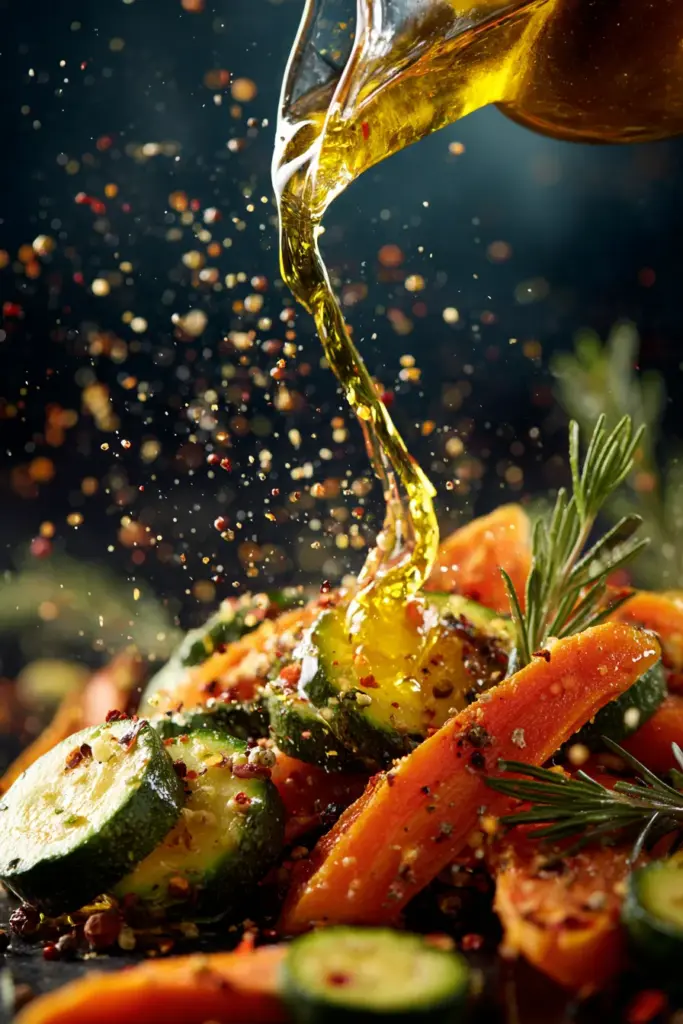
The oil you choose matters more than you might think. I use regular olive oil, not extra virgin, for roasting since it has a higher smoke point. Extra virgin olive oil can turn bitter at high roasting temperatures. Sometimes I’ll use avocado oil, which has an even higher smoke point, or I’ll mix olive oil with a little butter for vegetables that benefit from that rich, buttery flavor.
The amount of oil is important too. You want just enough to coat the vegetables lightly and promote browning, but not so much that they’re swimming in oil. I use about two to three tablespoons of oil per pound of vegetables. Too little oil and they won’t brown properly. Too much and they become greasy instead of crispy.
The Role of Acid
Adding acid to roasted vegetables brightens all the other flavors and provides balance to their natural sweetness. But timing matters. I almost never add acid before roasting because it can prevent proper browning. Instead, I add it at the very end, right after the vegetables come out of the oven.
A squeeze of fresh lemon juice is my most common finishing touch. That bright citrus note cuts through the richness of the roasted vegetables and makes everything taste more vibrant. Sometimes I’ll use balsamic vinegar instead, especially with Mediterranean-style vegetable combinations. The sweet-tart flavor complements caramelized vegetables beautifully.
For a tangy twist on roasted vegetables, try the rustic roasted vegetable bake with cannellini beans, which combines roasted vegetables with beans and a light, acidic dressing for a complete meal that feels hearty but fresh.
Specialty Seasonings and Spices
Beyond salt, pepper, and herbs, there’s a world of seasonings that can transform roasted vegetables. Smoked paprika adds depth and a hint of smokiness that makes vegetables taste like they came off a grill. Cumin brings earthy warmth that works especially well with root vegetables and squash. Red pepper flakes add gentle heat that builds as you eat.
I’ve fallen in love with za’atar, that Middle Eastern spice blend of thyme, sesame seeds, and sumac. Tossed with roasted vegetables, it creates complex layers of flavor that are nutty, tangy, and aromatic all at once. Curry powder transforms vegetables into something exotic and warming, perfect for fall and winter.
Sometimes I’ll add a pinch of cinnamon or nutmeg to sweet vegetables like carrots, sweet potatoes, or winter squash. Just a small amount enhances their natural sweetness without making them taste like dessert. The warmth of those spices feels especially right during the cooler months.
Classic Roasted Vegetable Combinations
Over years of roasting vegetables weekly, I’ve developed a handful of combinations that I return to again and again. These aren’t rigid recipes but rather frameworks that work reliably, producing vegetables that my family requests repeatedly. Each combination balances flavors, textures, and colors for a complete side dish that could almost be a meal on its own.
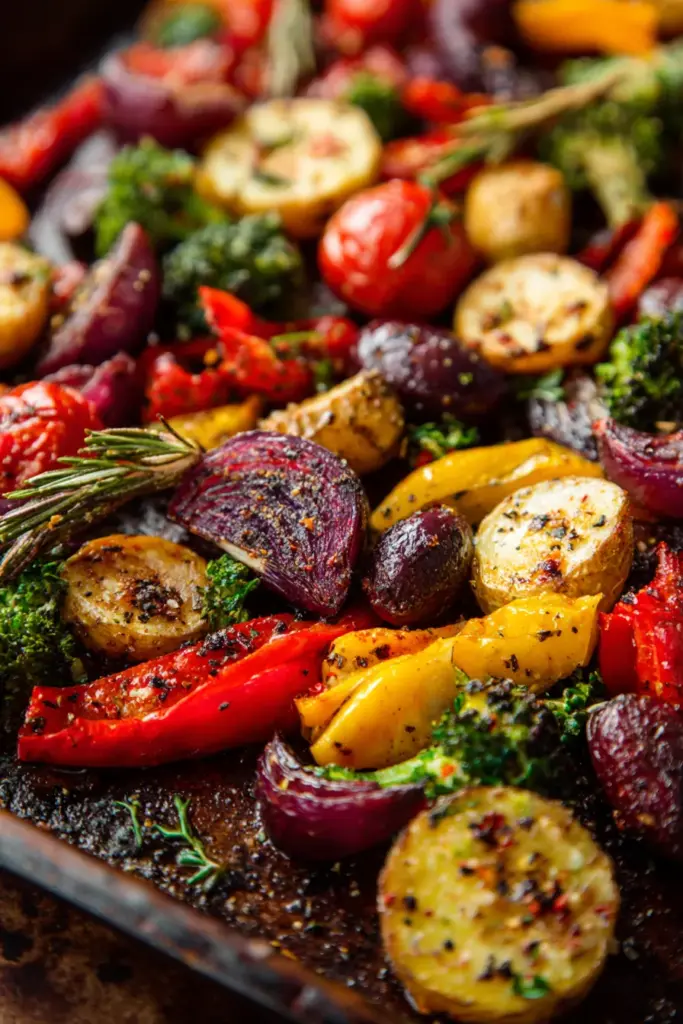
My Mediterranean medley has become a household staple. Zucchini, bell peppers, red onion, cherry tomatoes, and eggplant all cut into similar-sized pieces, tossed with olive oil, garlic, oregano, and thyme. The vegetables caramelize beautifully, the tomatoes burst and create little pockets of sweet-tart juice, and the whole pan smells like summer even in January.
I roast this combination at 425 degrees for about thirty-five minutes, stirring once halfway through. At the end, I add fresh basil and a squeeze of lemon. Sometimes I’ll crumble feta cheese over the top while everything is still hot, letting it soften and melt slightly into the vegetables. The cheesy marry me roasted vegetable medley takes this concept even further with multiple cheeses creating an irresistible finish.
Root Vegetable Medleys
For fall and winter, my root vegetable combination becomes weekly dinner rotation. Carrots, parsnips, sweet potatoes, red onion, and whole garlic cloves tossed with olive oil, rosemary, thyme, salt, and pepper. These need the full forty-five to fifty minutes at 425 degrees, but the result is vegetables so caramelized and sweet they taste like candy.
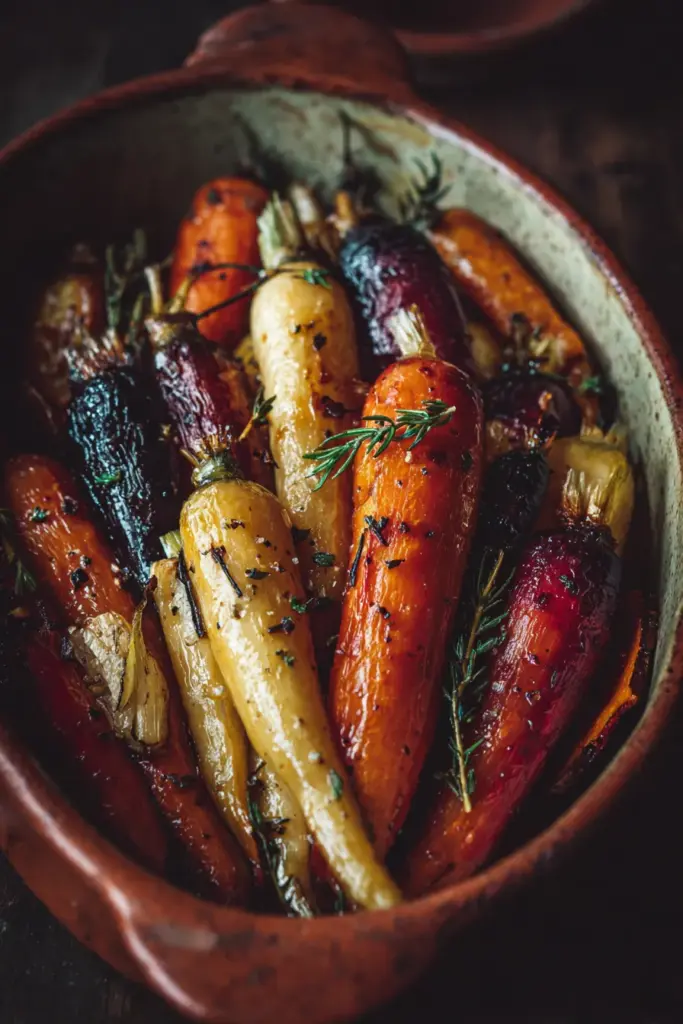
The key with root vegetables is cutting them uniformly and not babying them. They can handle high heat and long cooking times. In fact, they need it to develop that deep caramelization. I turn them once about halfway through, and I always make extra because the leftovers are perfect for breakfast hash or grain bowls throughout the week.
For something with more color and sophistication, the roasted vegetables with honey mustard drizzle combines root vegetables with a tangy-sweet glaze that makes them special enough for holiday meals but easy enough for Tuesday dinner.
Green Vegetable Combinations
Green vegetables need a lighter touch but still benefit from high-heat roasting. Broccoli, Brussels sprouts, green beans, and asparagus each have their own roasting sweet spot, but they all share the need for very high heat and relatively short cooking times to stay bright and crispy.
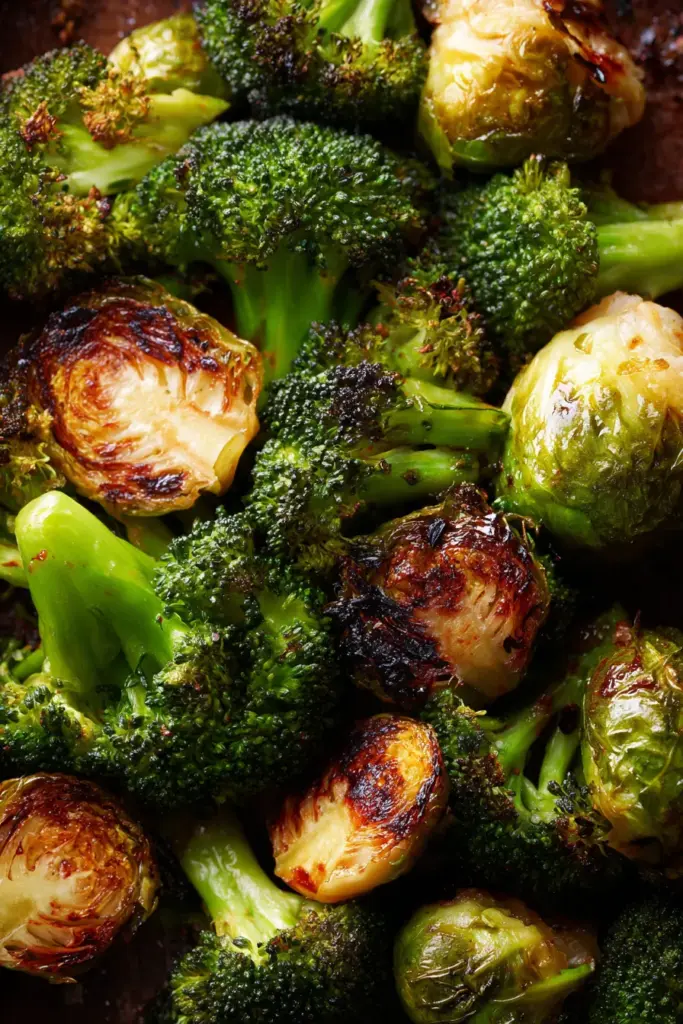
I’ll often roast Brussels sprouts and broccoli together since they have similar cooking times. Both get halved, tossed with olive oil, garlic, salt, and pepper, and roasted at 450 degrees for about twenty to twenty-five minutes. The outer leaves get almost crispy, nearly charred in spots, while the insides stay tender. That contrast in texture is what makes them so addictive.
The Mediterranean roasted vegetables with oregano and feta shows how green vegetables benefit from bold flavors and a tangy cheese finish that makes them feel indulgent rather than virtuous.
Sheet Pan Strategies for Mixed Vegetable Roasting
One of the beauties of roasted vegetables is that you can cook an entire meal’s worth of sides on one or two sheet pans. But making this work requires strategy. Different vegetables have different cooking times, and if you’re not careful, you end up with some vegetables burnt while others are still raw.
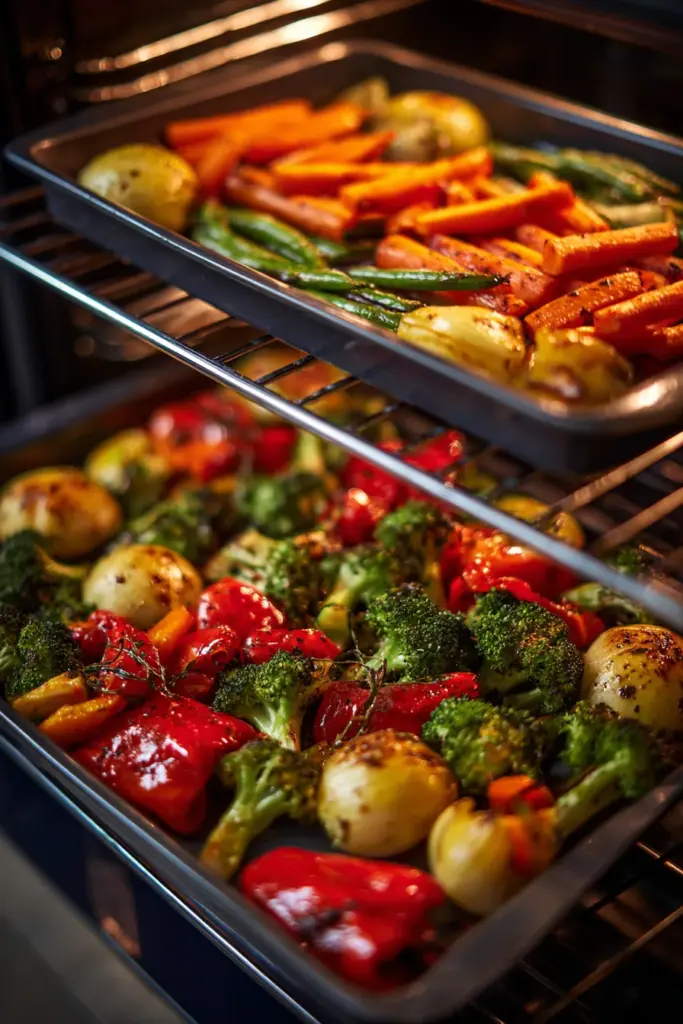
My strategy is to think in terms of timing groups. Quick-cooking vegetables like asparagus, cherry tomatoes, and thinly sliced zucchini need only fifteen to twenty minutes. Medium vegetables like bell peppers, regular-cut zucchini, and broccoli need twenty-five to thirty minutes. Long-cooking vegetables like potatoes, carrots, sweet potatoes, and winter squash need forty-five to sixty minutes.
When I want to roast a mix, I start the long-cooking vegetables first. After they’ve roasted for fifteen to twenty minutes and started to soften, I add the medium-cooking vegetables. Then, in the final ten to fifteen minutes, I add the quick-cooking vegetables. Everything finishes at the same time, perfectly roasted with nothing burnt or undercooked.
The Two-Pan Approach
Sometimes I’ll use two sheet pans with similar cooking times on each, which simplifies the timing. One pan might have all root vegetables, while the other has summer vegetables. Both go in the oven at the same time but at different rack positions. I swap their positions halfway through cooking to ensure even browning.
This approach also prevents overcrowding, which is crucial for proper roasting. I’d rather use two pans and get crispy, caramelized vegetables than cram everything onto one pan and end up with steamed, pale vegetables. The extra pan is a small price to pay for significantly better results.
For a complete sheet pan meal that includes vegetables and protein, the sheet pan Mediterranean veggie medley recipe demonstrates perfect timing so everything finishes together without any component suffering.

Flavor Separation Considerations
Sometimes I deliberately separate vegetables onto different pans not because of timing but because of flavor. Strong-flavored vegetables like Brussels sprouts or broccoli can overpower more delicate vegetables if they’re all mixed together. And if I’m using different seasoning profiles on different vegetables, keeping them separate makes sense.
I might roast sweet potatoes with cinnamon and maple syrup on one pan while savory vegetables with garlic and herbs roast on another. Both can be in the oven at the same time, but keeping them separate means each gets the flavor treatment it deserves without any awkward mixing of sweet and savory.
Roasted Vegetable Salads: From Warm to Cold
One of my favorite discoveries has been using roasted vegetables as the base for substantial salads. These aren’t just side salads but meal-worthy combinations where the warm, caramelized vegetables provide richness and substance that makes leafy greens feel like a complete dinner.
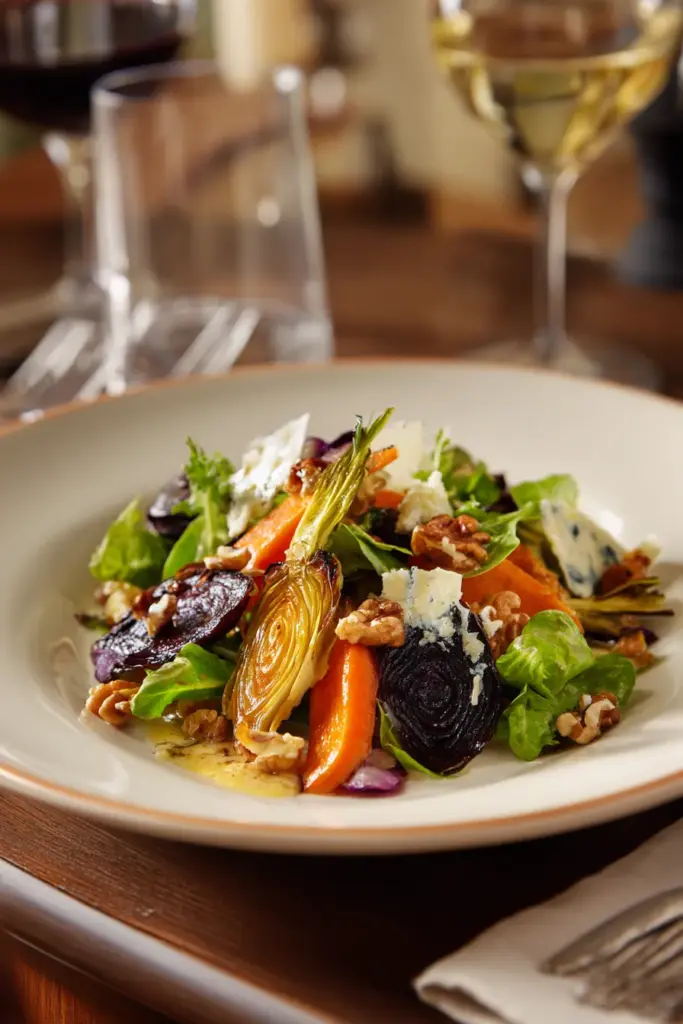
The beauty of roasted vegetable salads is the contrast of temperatures and textures. Warm roasted vegetables over cool, crisp greens, creamy cheese or nuts for richness, and a bright, acidic dressing to tie it all together. Every bite has something different going on, which keeps the salad interesting from first forkful to last.
My go-to template is roasted vegetables, mixed greens or arugula, something creamy like goat cheese or feta, something crunchy like nuts or seeds, and a simple vinaigrette. The specific vegetables and accompaniments change with the seasons, but the structure remains the same.
Warm Salad Compositions
Warm roasted vegetable salads are perfect for fall and winter when you want something fresh and vegetable-forward but also warming and substantial. I’ll often build these with hearty greens like kale or arugula that can handle the heat of the just-roasted vegetables without wilting into nothing.
The roasted Mediterranean vegetable toss with garlic and herbs is one of those salads that blurs the line between side and main course. The garlic and herb roasted vegetables are so flavorful that they need minimal additional dressing, just a squeeze of lemon and maybe some shaved parmesan.
I love adding grains to these warm salads too. Farro, quinoa, or wild rice turn a vegetable salad into a truly complete meal. The grains soak up the vegetable juices and dressing, becoming more flavorful as everything mingles together. These salads also pack beautifully for lunch the next day, tasting even better as the flavors have more time to meld.
Balsamic-Based Combinations
Balsamic vinegar has become my secret weapon for roasted vegetable salads. Its sweet-tart complexity complements caramelized vegetables perfectly, and it brings everything together into a cohesive dish. Sometimes I’ll drizzle reduced balsamic glaze over the finished salad for both flavor and visual appeal.
The balsamic roasted vegetables with sweet potatoes and zucchini demonstrates how balsamic vinegar enhances both the sweet and savory elements in roasted vegetables, creating a balanced dish that works as a side or a light main course.
For special occasions, I’ll add dried fruits like cranberries or cherries to roasted vegetable salads with balsamic dressing. The fruit adds pops of sweetness that play beautifully against the tangy vinegar and savory vegetables. Toasted nuts provide crunch and richness, making every bite texturally interesting.
Incorporating Roasted Vegetables Into Complete Meals
While roasted vegetables shine as a side dish, I’ve found they’re incredibly versatile as components in larger preparations. A big batch of roasted vegetables on Sunday can transform into multiple different meals throughout the week with minimal additional effort.
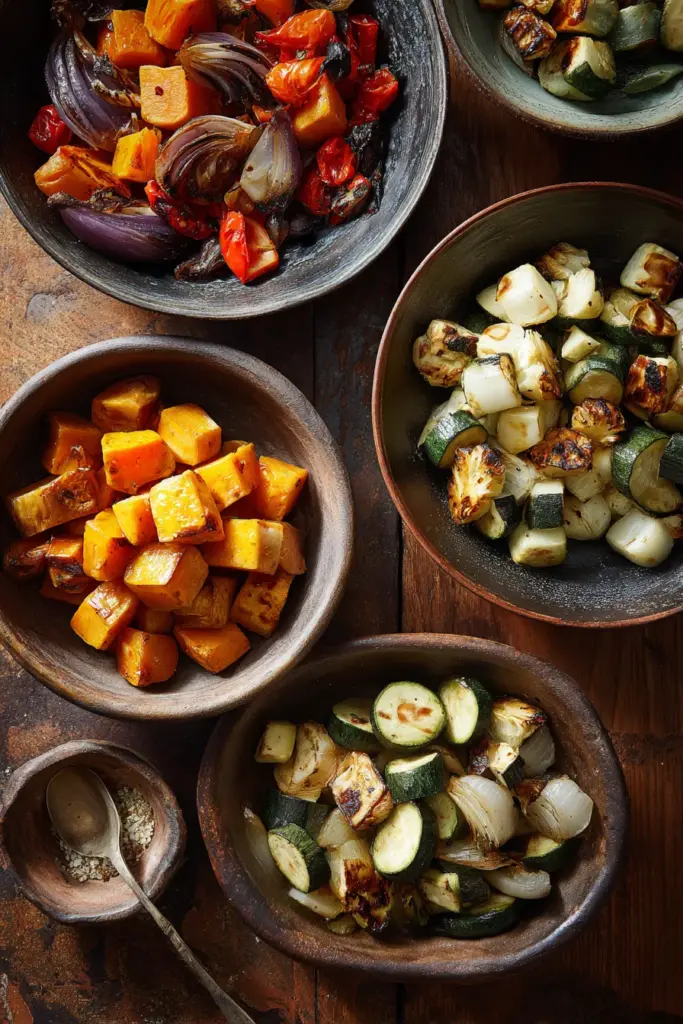
One of my favorite ways to use roasted vegetables is in pot pies and bakes. The vegetables are already cooked and flavorful, so all you need to do is combine them with a sauce and a topping. The roasted autumn vegetable pot pie takes this concept to its delicious conclusion, with tender roasted vegetables in creamy sauce under a flaky crust.
These kinds of preparations feel impressive but are secretly easy. You roast the vegetables one day, then the next day you make a quick sauce, combine everything in a baking dish, top with pastry or biscuits, and bake until golden. It’s comfort food that happens to be packed with vegetables.
Roasted Vegetables in Grain Bowls
Grain bowls have become a weekly staple in my house, and roasted vegetables are always a key component. I’ll cook a big batch of quinoa, farro, or brown rice, then top it with various roasted vegetables, a protein if desired, and a flavorful sauce or dressing. Everyone can customize their bowl with what they want.
The versatility is what makes this approach so practical. Monday’s roasted vegetables might go in a Mediterranean-style bowl with hummus and tahini dressing. Wednesday’s could be Asian-inspired with soy-ginger sauce and sesame seeds. Friday might be Mexican-influenced with black beans and avocado. Same vegetables, completely different meals.
Roasted vegetables also work beautifully in cold grain salads for lunch. The roasted carrot quinoa salad with avocado lemon dressing is one I make repeatedly, the sweet roasted carrots contrasting beautifully with creamy avocado and bright lemon.
Pasta and Roasted Vegetables
Tossing roasted vegetables with pasta creates satisfying meals that feel hearty but remain relatively light. The vegetables add bulk and nutrition to the pasta, meaning you need less pasta to feel satisfied. Plus, those caramelized bits and olive oil from roasting become part of the pasta sauce.
I’ll often roast cherry tomatoes until they burst, along with garlic, zucchini, and whatever else is in season. Toss this with hot pasta, add some pasta cooking water to create a light sauce, finish with parmesan and fresh basil, and you have dinner in the time it takes to boil pasta. The roasted vegetables make it feel special even though it comes together in thirty minutes.
For more substantial pasta dishes, roasted butternut squash or roasted red peppers create creamy sauces when pureed. Thin with pasta water and toss with noodles for a vegetable-based sauce that’s rich and satisfying without heavy cream.
Special Occasion Roasted Vegetables
Roasted vegetables can absolutely be elegant enough for holiday meals and dinner parties. It’s all about presentation and choosing combinations that feel special. I’ve served roasted vegetables at Thanksgiving, Christmas dinners, and formal dinner parties, always to enthusiastic response.
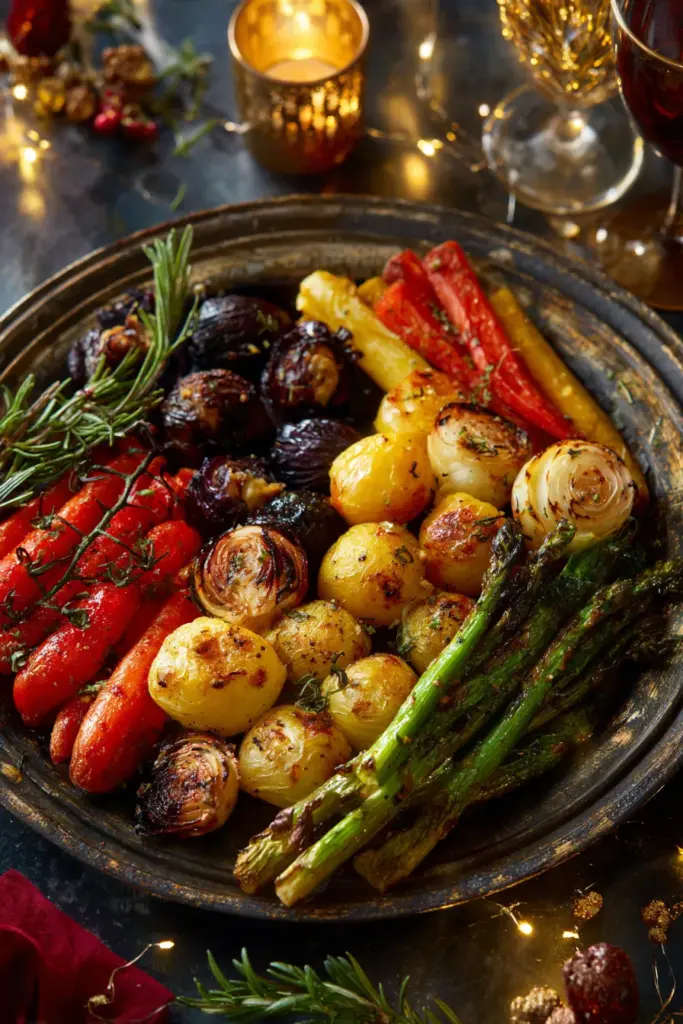
The key is treating roasted vegetables with the same care you’d give any special dish. Choose vegetables that are in peak season, cut them beautifully, arrange them artfully on the serving platter, and finish with something that adds visual appeal like fresh herbs, cheese, nuts, or a glossy glaze.
For fall gatherings, I love combining roasted squash with fruits and nuts. The roasted acorn squash and pear salad with walnuts and goat cheese is elegant enough for any holiday table, with the roasted squash providing a sweet, substantial base for the delicate pears and tangy cheese.
Centerpiece Vegetable Presentations
Sometimes I’ll make roasted vegetables the centerpiece of a vegetarian meal. A whole roasted cauliflower, for instance, looks stunning and feeds a crowd. Or a platter of mixed roasted vegetables arranged by color, creating a rainbow effect that’s as beautiful as it is delicious.
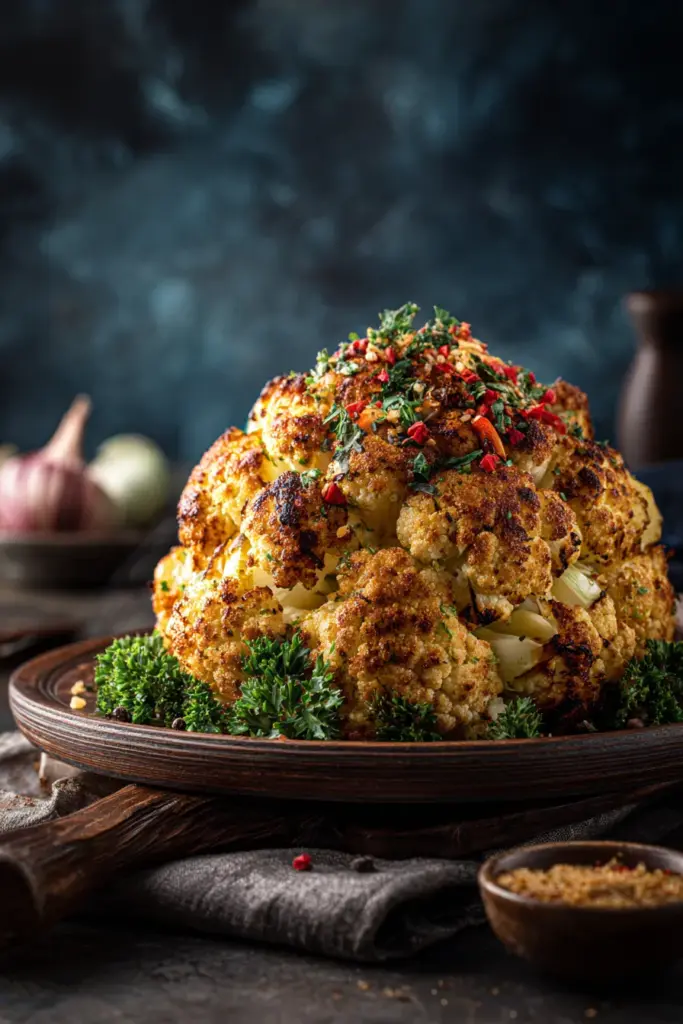
The roasted chestnut squash with savory herbs is one of those dishes that looks complicated but is actually quite simple. The whole roasted squash, golden and aromatic with herbs, makes a dramatic presentation when brought to the table whole before being sliced and served.
For plated dinners, I’ll often use roasted vegetables as a bed for proteins or as a composed element on the plate. Roasted carrots arranged in a line, roasted Brussels sprouts halves standing on their cut sides, roasted beets fanned out in thin slices. These restaurant-style presentations elevate simple roasted vegetables into something that feels refined.
Sweet and Savory Glazed Vegetables
Glazes transform roasted vegetables from everyday to extraordinary. A maple glaze on roasted carrots or sweet potatoes adds visual shine and a touch of sweetness that complements their natural flavors. Honey mustard glaze adds tangy complexity. Balsamic reduction provides sweet-tart depth.
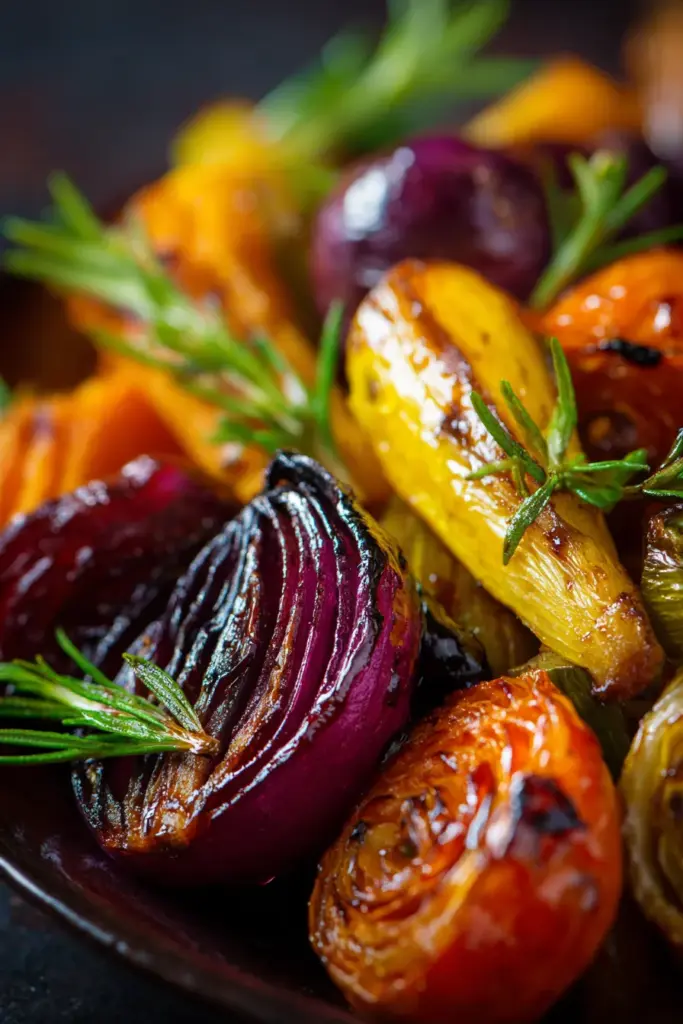
The trick with glazes is adding them at the right time. Too early and they burn. Too late and they don’t adhere properly. I usually add glaze in the last ten minutes of roasting, allowing it to caramelize slightly and create a beautiful lacquered appearance on the vegetables.
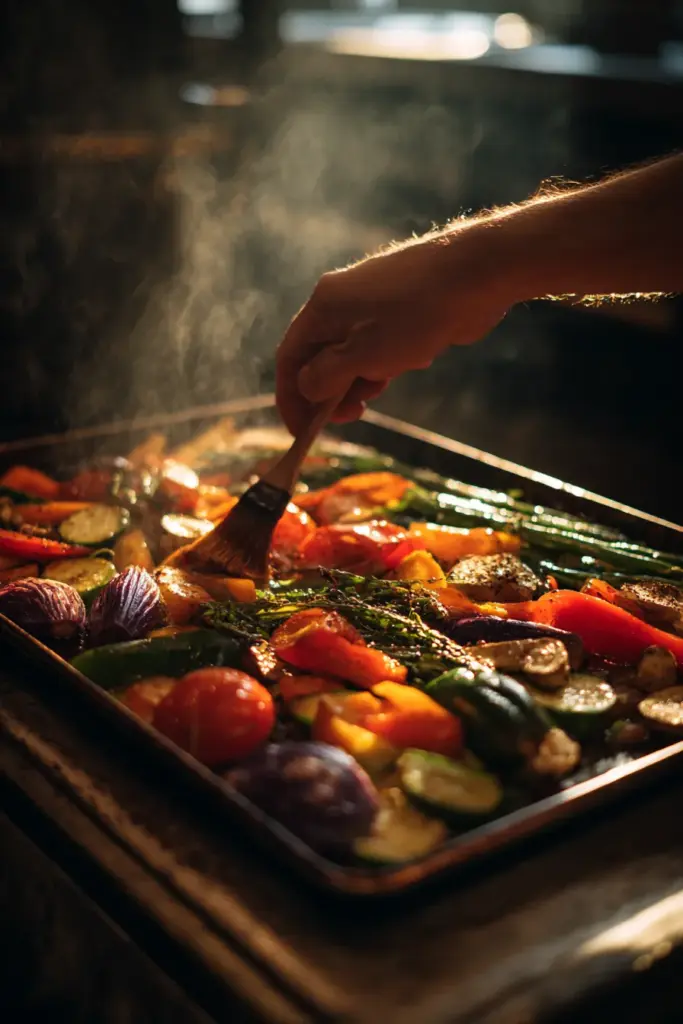
Try the maple glazed acorn squash with pomegranate seeds and goat cheese for a stunning holiday side that combines sweet maple glaze with tart pomegranate and creamy cheese. The colors alone make it festive, and the flavors are perfectly balanced.
Creative Cuts and Presentations
The way you cut vegetables affects not just cooking time but also visual appeal and eating experience. Over time, I’ve learned that varying cuts creates more interesting dishes and can even change how vegetables taste by altering the ratio of caramelized surface to tender interior.
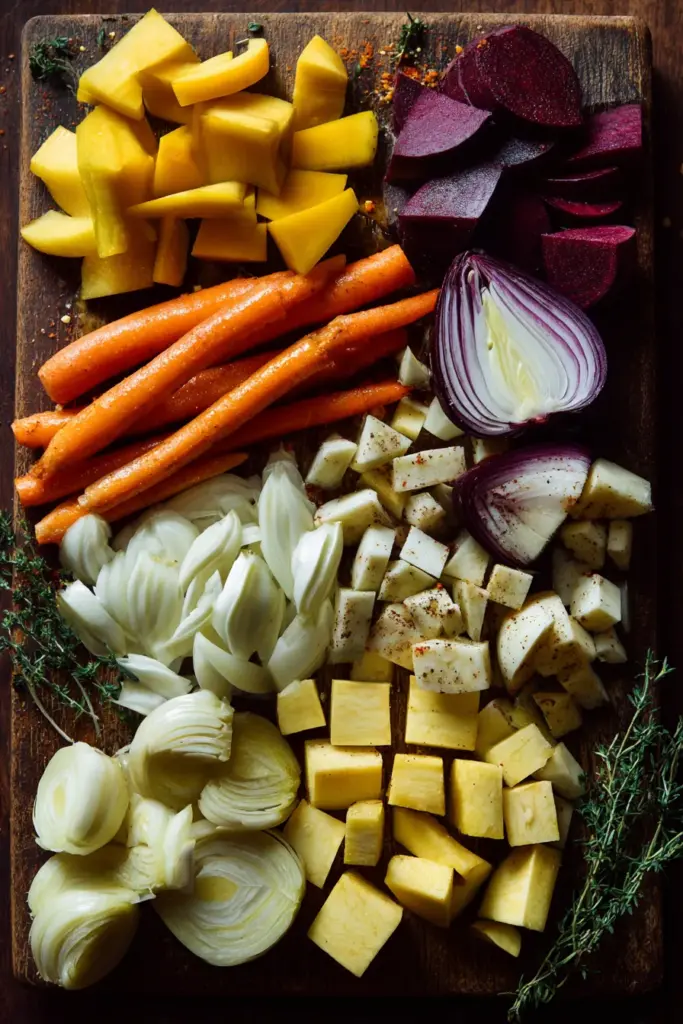
Medallions or rounds work beautifully for vegetables like sweet potatoes, zucchini, eggplant, and even butternut squash. These cuts create flat surfaces that caramelize beautifully and look elegant when arranged on a platter. They’re also perfect for building stacks or creating composed presentations.
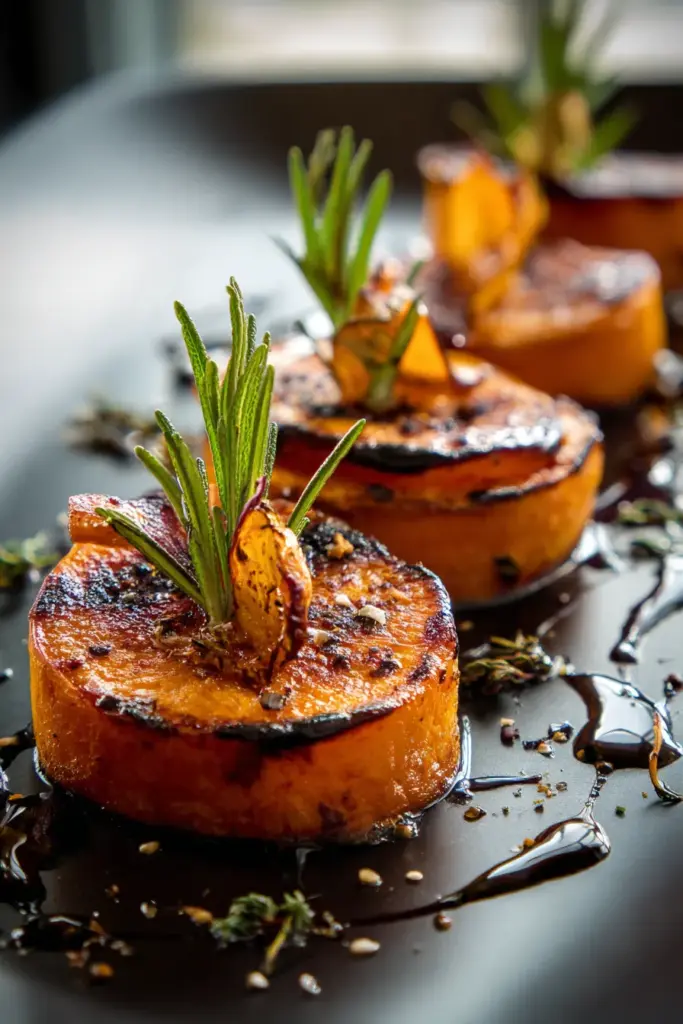
The maple toasted butternut medallions showcase how this cut creates maximum caramelization surface, resulting in sweet, crispy edges and tender centers. Arranged on a platter with some finishing touches, they look restaurant-quality despite being incredibly simple.
Chunky Versus Thin Cuts
Thick chunks of vegetables feel hearty and substantial, perfect for rustic presentations and meal-prep situations. They stay moist inside while developing caramelization on their surfaces. Thin cuts, on the other hand, get more crispy and provide more caramelized surface per bite.
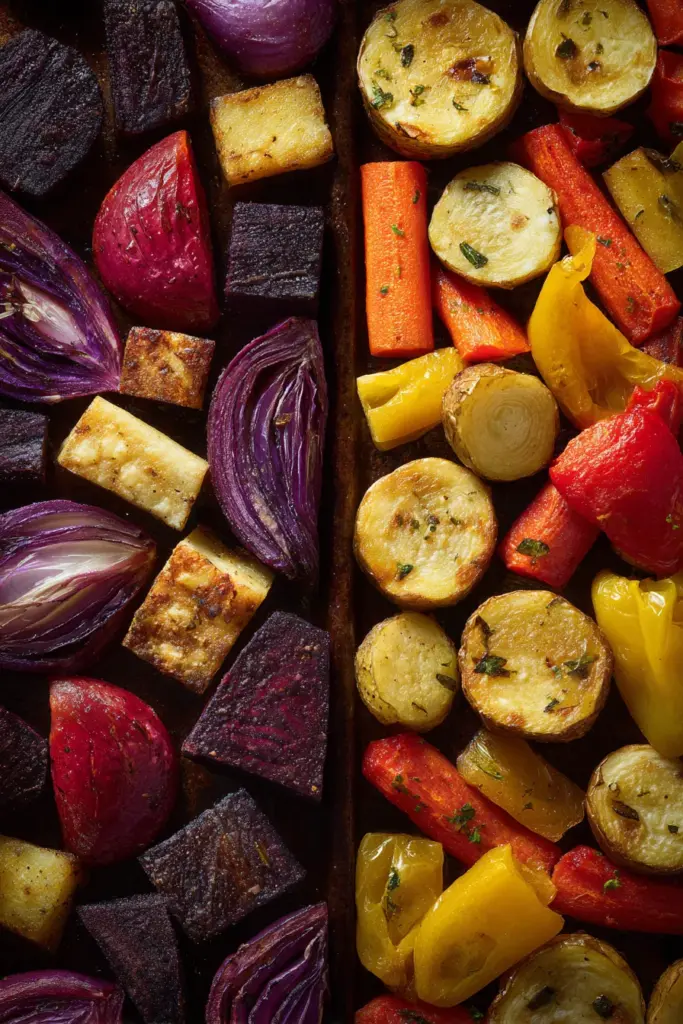
I’ll adjust my cuts based on what I’m serving. For family dinners, chunky cuts work well. For entertaining, thinner, more elegant cuts feel special. Sometimes I’ll vary the cuts within the same batch of vegetables for textural variety, with some thick pieces staying tender and some thin pieces getting extra crispy.
For something special, the caramelized sweet potato bites with cranberry feta sparkle uses small, uniform cuts that create perfect little bites, ideal for appetizer presentations or as part of a composed plate.
Whole and Halved Presentations
Sometimes the most impressive presentation is the simplest: whole roasted vegetables or dramatic halves. Acorn squash halves, heads of cauliflower, large carrots left whole, these create visual impact while being remarkably easy to prepare.
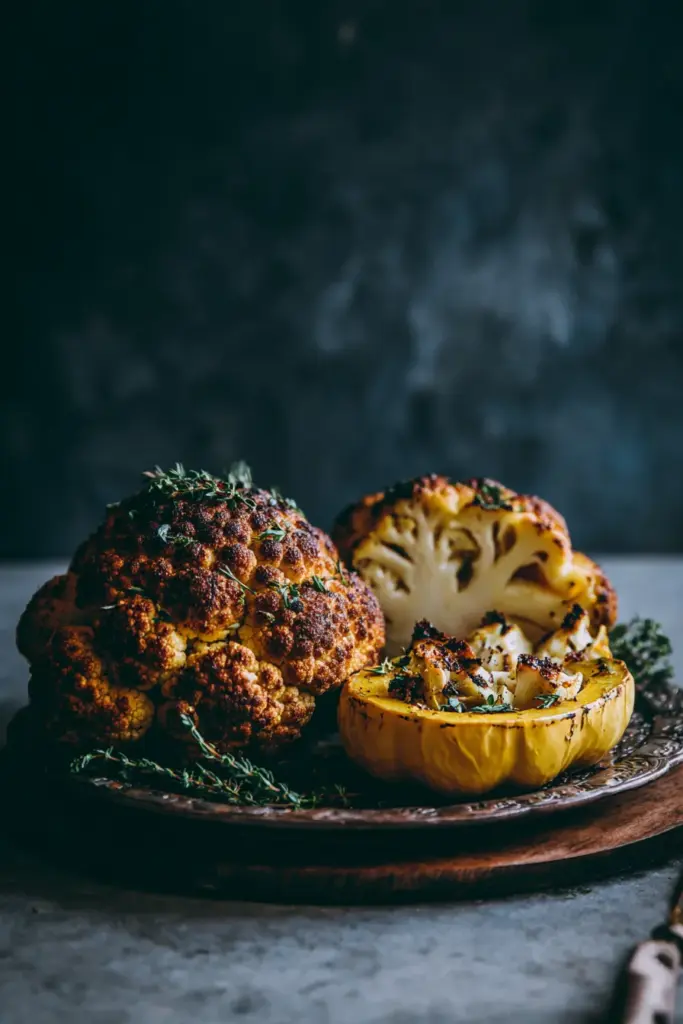
The key with whole or large-piece roasting is longer cooking times and sometimes lower temperatures to ensure the interior cooks through before the exterior burns. I’ll often start covered with foil, then uncover for the final browning phase. This technique ensures everything cooks evenly while still developing that crucial caramelization.
Seasonal Roasted Vegetable Guides
The best roasted vegetables are those in peak season, when their flavors are most concentrated and their prices most reasonable. I’ve learned to adjust my roasting repertoire throughout the year, embracing what’s abundant and delicious at each season.
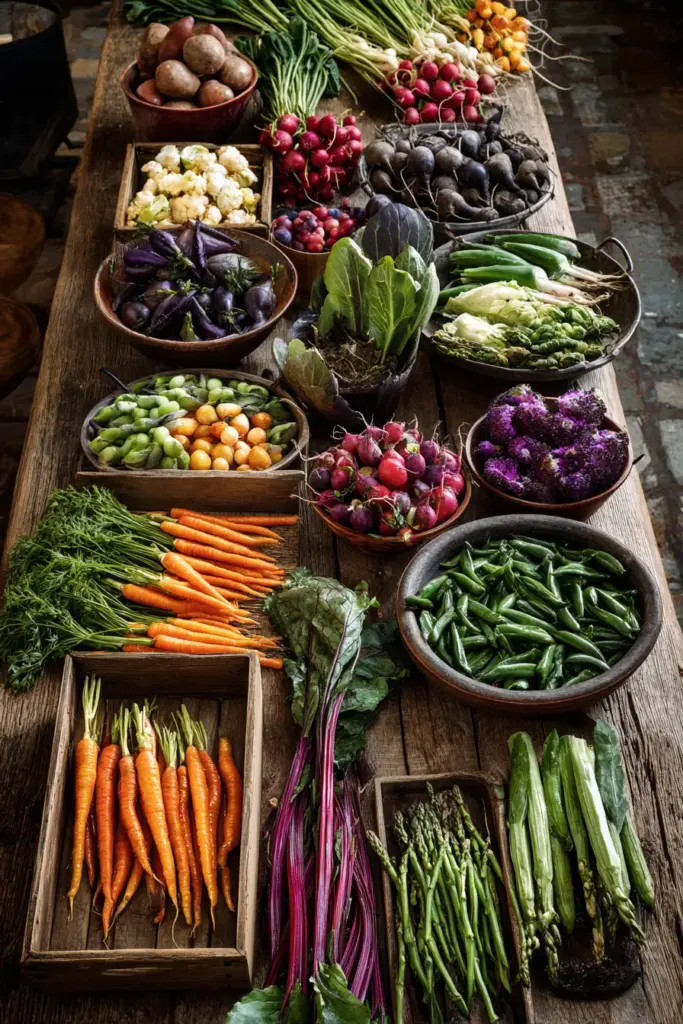
Spring brings asparagus, new potatoes, baby carrots, and tender spring onions. These vegetables need gentle handling and shorter roasting times than their winter counterparts. Spring roasted vegetables should taste fresh and green, not heavy. I use lighter herbs like dill and chives, and I finish with lemon to keep everything bright.
Summer is all about Mediterranean vegetables: zucchini, eggplant, bell peppers, tomatoes. These are the vegetables that love high heat and become almost impossibly sweet when roasted. I pair them with basil, oregano, and lots of garlic for those classic southern Italian flavors that taste like sunshine.
Fall Roasting Focus
Fall is arguably the best season for roasted vegetables. All the winter squashes come into season, along with sweet potatoes, regular potatoes, carrots, parsnips, Brussels sprouts, cauliflower, and beets. These vegetables were made for roasting, becoming sweet and caramelized under high heat.
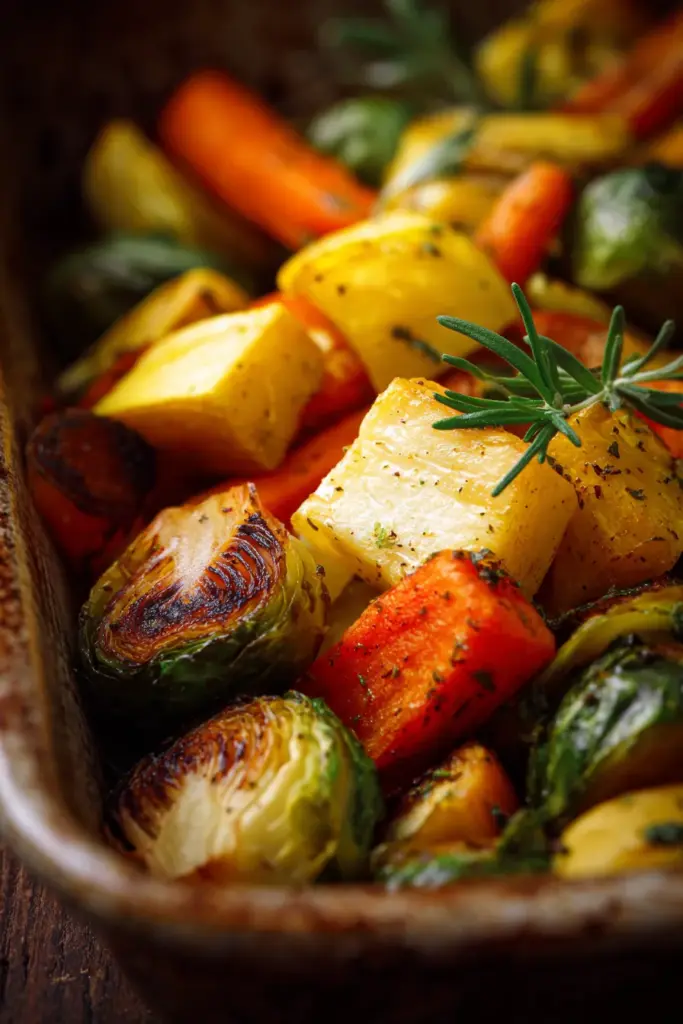
This is when I make the roasted carrot salad with feta almonds and balsamic glaze on repeat. Fall carrots are so sweet and tender that roasting them feels like cheating, they’re almost too easy to make delicious.
The caramelized carrot and orange salad with hazelnuts takes advantage of fall’s best carrots paired with citrus that’s starting to come into season. The combination of sweet roasted carrots with bright orange and crunchy hazelnuts feels like the essence of autumn on a plate.
Winter Roasting Strategies
Winter is when I lean hardest into roasted vegetables. The hearty root vegetables and winter squashes that dominate this season are perfectly suited to long, slow roasting. These vegetables can handle high heat and extended cooking times, emerging from the oven deeply caramelized and almost candy-sweet.
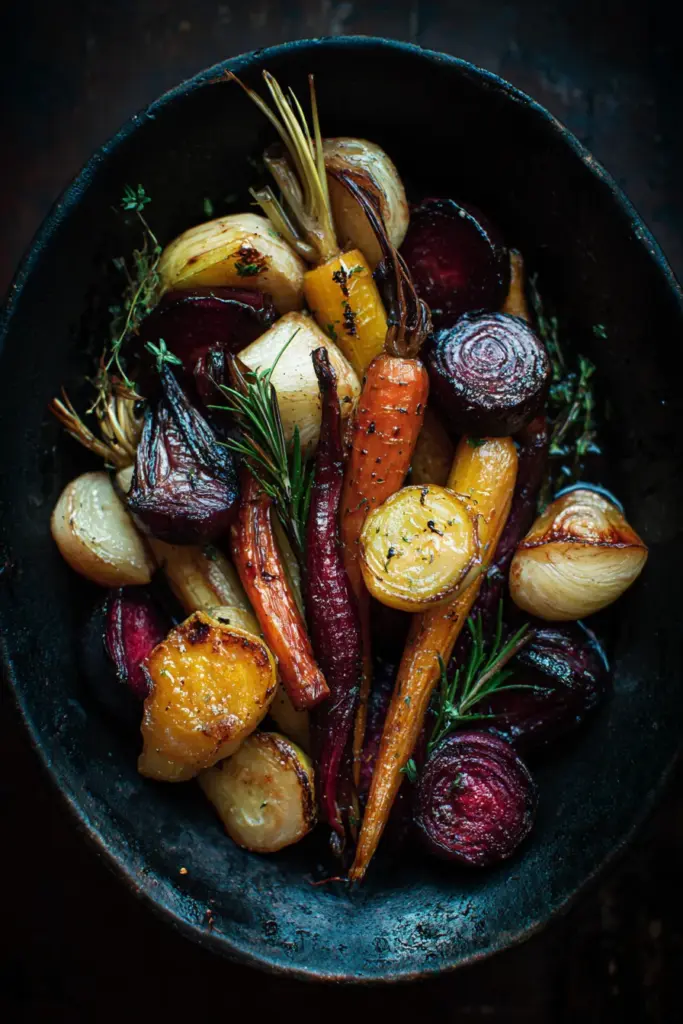
I make big batches in winter, knowing they’ll be used throughout the week in different ways. Roasted vegetables are wonderful cold-weather food, warming and substantial without being heavy. They pair beautifully with roasted meats but also work as vegetarian main courses when combined with grains and legumes.
The arugula and roasted butternut squash salad with blue cheese is a winter staple in my house, the sweet squash and peppery arugula creating perfect balance, while the blue cheese adds richness that makes it feel indulgent.
Roasted Vegetable Meal Prep Strategies
Roasted vegetables have become a cornerstone of my meal prep routine. They hold up beautifully in the refrigerator, lasting four to five days and sometimes improving in flavor as they sit. Having a container of roasted vegetables ready to go makes healthy eating throughout the week dramatically easier.
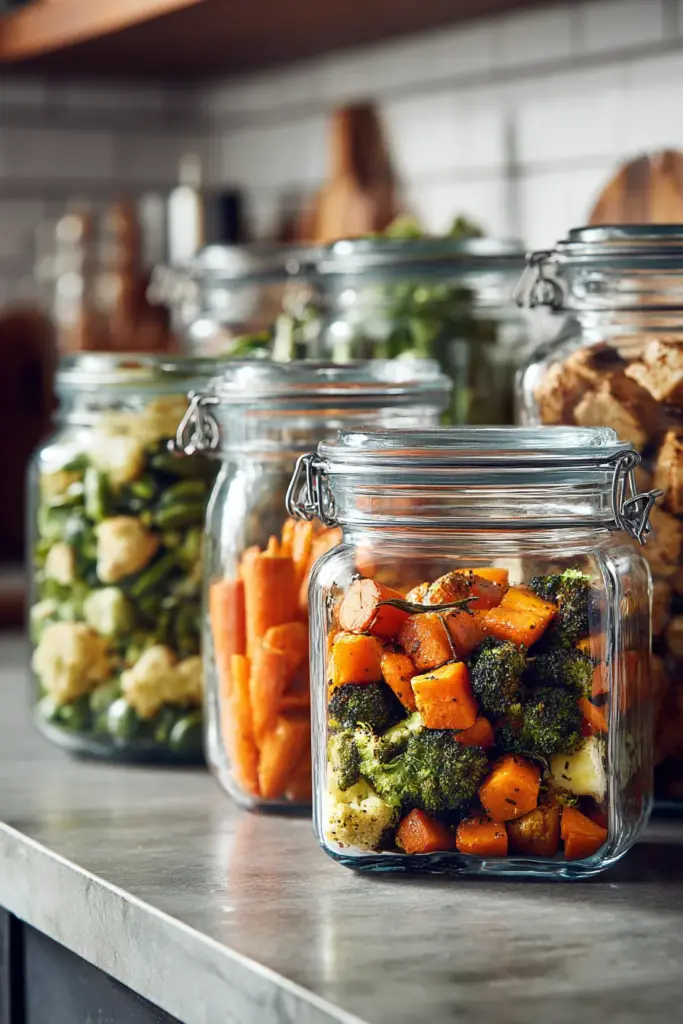
My Sunday meal prep almost always includes roasting two or three sheet pans of vegetables. I’ll choose a mix of vegetables that work well throughout the week in different applications. Root vegetables like sweet potatoes and carrots are versatile workhorses. Brussels sprouts and broccoli add green vegetable options. Bell peppers and onions work in everything from breakfast scrambles to dinner grain bowls.
I store different vegetables separately so I can mix and match throughout the week. One container might have roasted sweet potatoes, another roasted Brussels sprouts, another mixed roasted peppers and onions. This gives me maximum flexibility when assembling meals.
Reheating Without Losing Quality
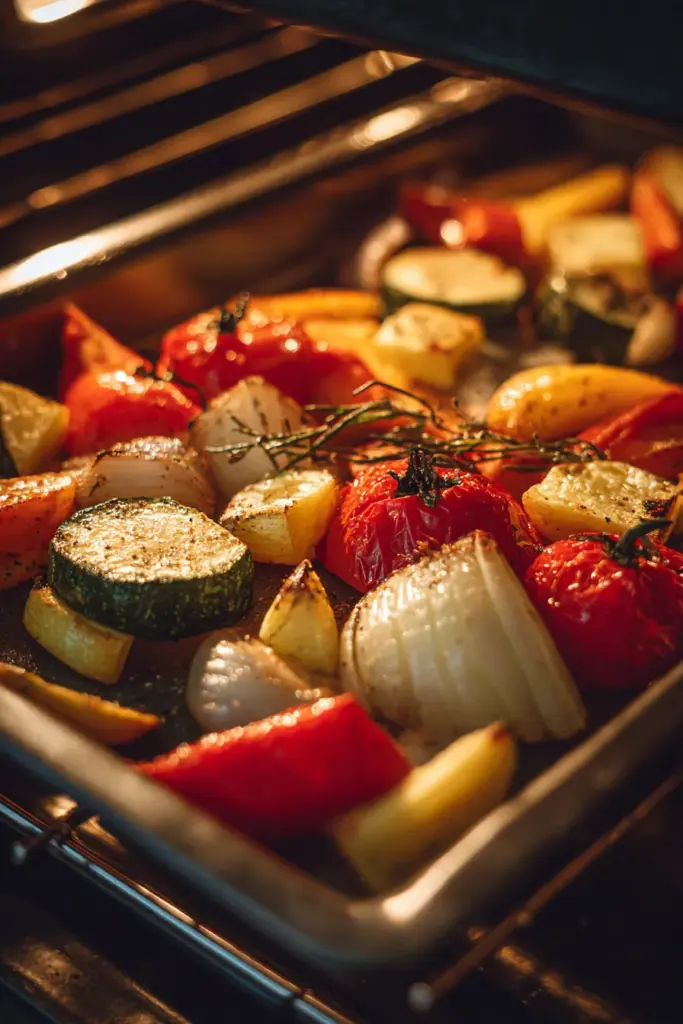
The challenge with meal-prepped roasted vegetables is reheating them without turning them soggy. Microwaving works in a pinch but doesn’t maintain that crispy exterior I love. My preferred method is reheating in a hot oven or toaster oven for just five to ten minutes, which re-crisps the exteriors while warming them through.
Sometimes I don’t reheat at all. Many roasted vegetables are delicious cold or at room temperature, especially in salads or grain bowls. The roasted sweet potato and avocado salad with lime dressing actually benefits from using cold roasted sweet potatoes, their firm texture contrasting beautifully with creamy avocado.
For quick lunches, I’ll build bowls using cold roasted vegetables as a base. Add some greens, a protein like chickpeas or leftover chicken, a grain if you want something more substantial, and a zippy dressing. Five minutes of assembly gives you a lunch that’s infinitely better than takeout.
Transforming Leftovers
Leftover roasted vegetables are actually ingredients waiting for their next transformation. Blend them into soups for instant depth and body. Mash them into dips or spreads. Chop them and add to frittatas or scrambles. Toss them with pasta. Each application gives them new life while preventing food waste.
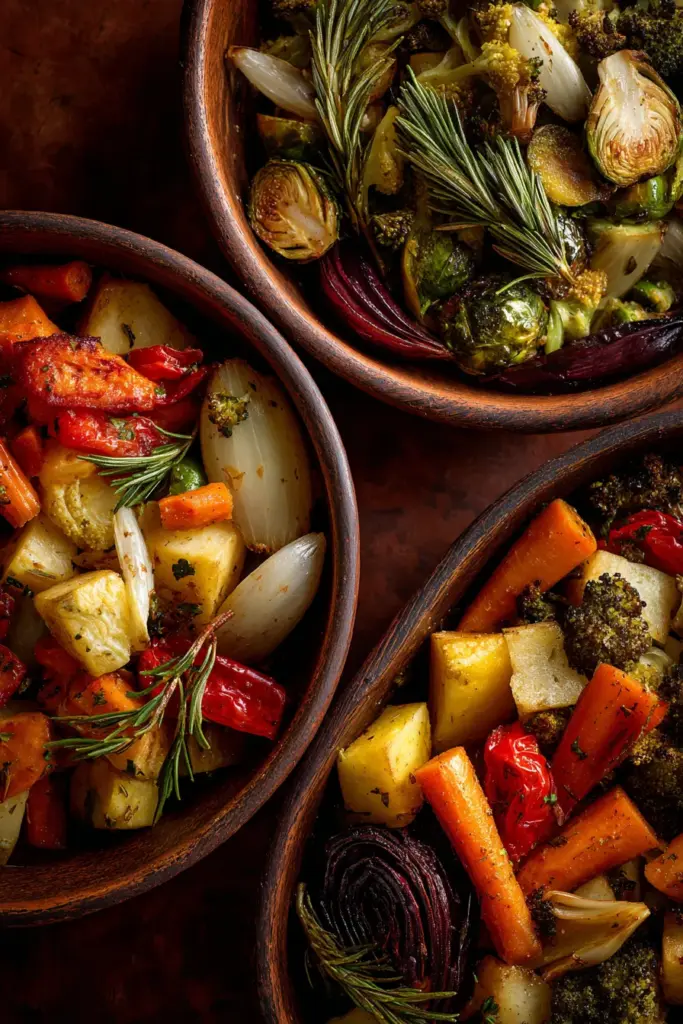
I particularly love using leftover roasted vegetables in breakfast hash. Dice them up, crisp them in a hot skillet with some potatoes if you didn’t roast any, add eggs, and you have a satisfying breakfast that feels indulgent but is actually quite healthy. The roasted sweet potato and kale quinoa salad works equally well for lunch as it does for dinner, proving that roasted vegetables are meal-versatile in the best way.
Troubleshooting Common Roasting Problems
Even after years of roasting vegetables weekly, I still occasionally have batches that don’t turn out quite right. Understanding what went wrong helps prevent the same mistakes next time. Most roasting problems come down to a few common issues that are easily fixed once you know what to look for.
Soggy, pale vegetables are almost always the result of overcrowding, too-low temperature, or excess moisture. If your vegetables are steaming instead of roasting, you need more space between pieces, higher heat, or drier vegetables before they go in the oven. Sometimes it’s all three. This is the most common problem I see when friends ask for help with their roasted vegetables.
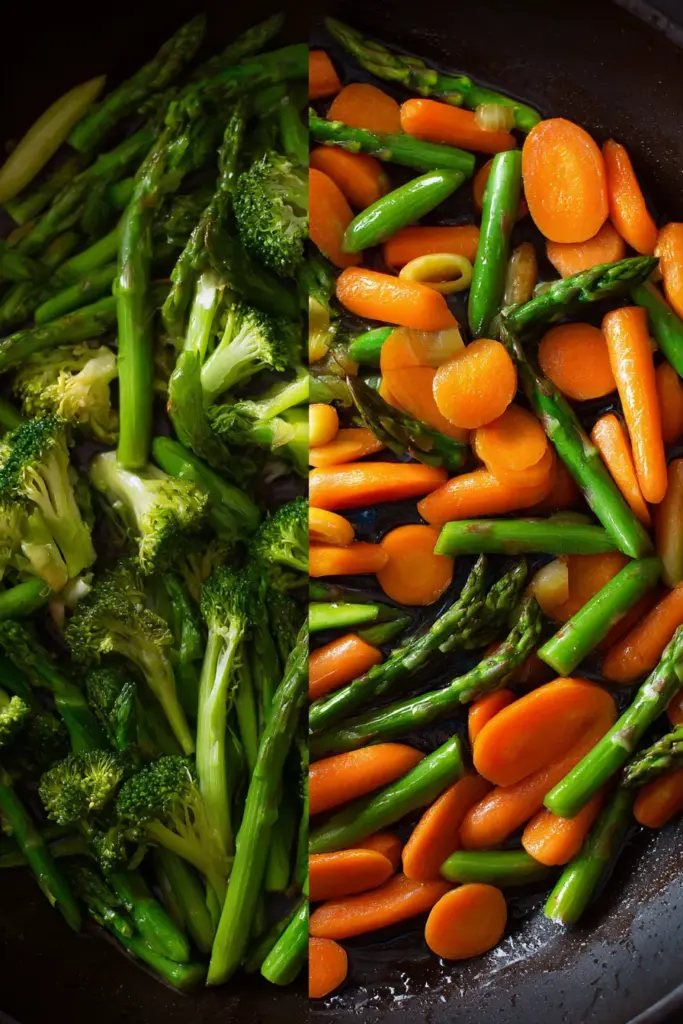
Burnt exteriors with raw interiors mean your oven is too hot or your pieces are too large for the cooking time. Lower the temperature slightly or cut vegetables into smaller, more uniform pieces. Covering with foil for part of the cooking time can also help vegetables cook through before their exteriors burn.
Fixing Underseasoned Vegetables
Vegetables that taste bland despite being properly roasted usually just need more salt. Vegetables can handle more salt than you might think, and undersalting is a common problem. I always taste and adjust seasoning when vegetables come out of the oven, adding more salt if needed along with a finishing squeeze of lemon or drizzle of good olive oil.
Sometimes the issue isn’t salt but a lack of acid to brighten the flavors. Even perfectly roasted vegetables can taste flat without that finishing touch of acidity. Keep lemons on hand for a squeeze of juice at the end, or use vinegar, especially balsamic. That bright note makes everything taste more vibrant and defined.
Dealing with Uneven Cooking
When some vegetables are done while others are still raw, the problem is usually inconsistent sizing or not accounting for different cooking times. Make sure all pieces of the same vegetable are cut to similar sizes. When mixing different vegetables, either cut quicker-cooking ones larger or add them to the pan later.
Rotating the pan halfway through cooking also helps with uneven browning, especially if your oven has hot spots. I set a timer for the halfway point and use that opportunity to stir or flip vegetables while rotating the pan 180 degrees. This ensures everything gets equal exposure to the oven’s heat.
Making Roasted Vegetables Special: Finishing Touches
The difference between good roasted vegetables and great ones often comes down to those final touches after they come out of the oven. These finishing elements add complexity, visual appeal, and layers of flavor that transform simple roasted vegetables into something memorable.
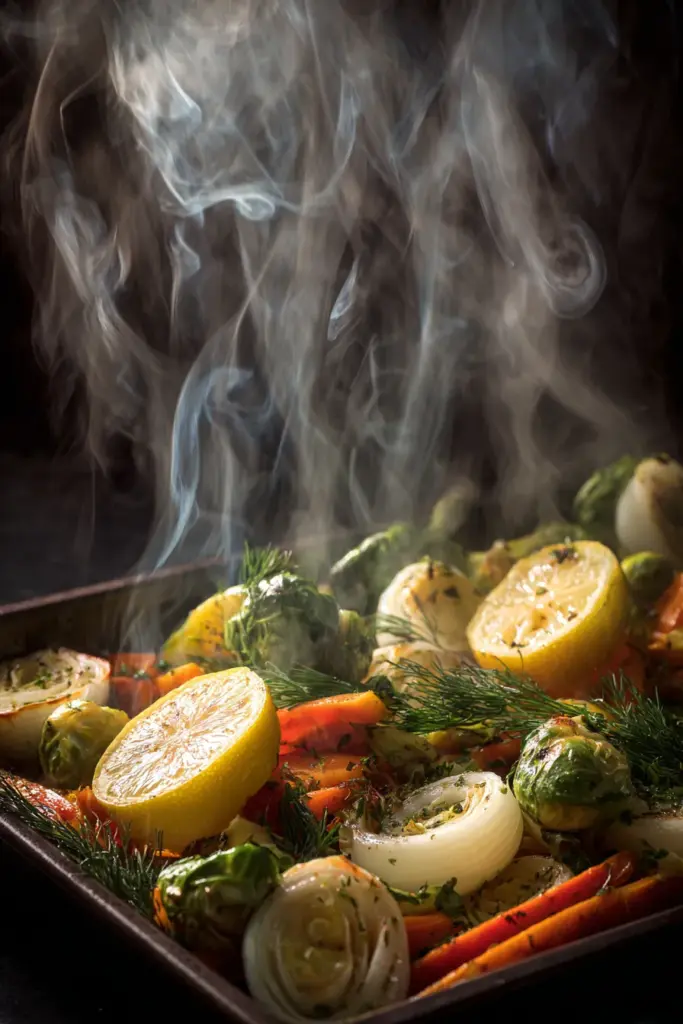
Fresh herbs added at the end bring brightness and aromatics that complement the caramelized flavors of roasted vegetables. I keep parsley, basil, cilantro, and dill on hand for finishing. Just a rough chop scattered over hot vegetables adds color, freshness, and another dimension of flavor. The herbs wilt slightly from the residual heat, releasing their aromatics without turning bitter.
Cheese is another finishing touch I use frequently. Crumbled feta or goat cheese adds tangy creaminess. Shaved parmesan brings umami and saltiness. Blue cheese provides bold, assertive flavor that stands up to hearty roasted vegetables. I add cheese while vegetables are still hot so it softens and begins to melt, creating little pockets of creamy richness throughout.
Nuts, Seeds, and Textural Elements
Toasted nuts or seeds add crunch and richness that contrasts beautifully with tender roasted vegetables. I’ll scatter toasted pine nuts, slivered almonds, chopped walnuts, or pepitas over finished vegetables. The nuts should be toasted separately until fragrant and golden, then added at the very end so they stay crispy.
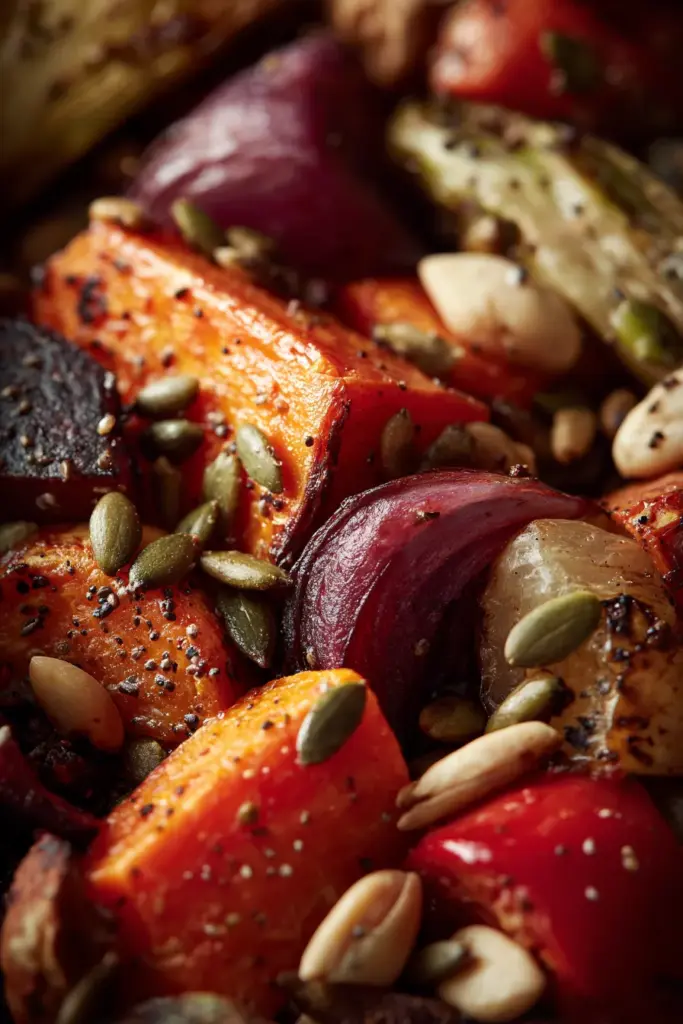
For something extra special, the maple honey drizzled butternut squash showcases how a glossy drizzle and some toasted nuts transform already-delicious roasted squash into something that looks and tastes like it came from a fancy restaurant.
Dried fruits add pops of sweetness that play beautifully against savory roasted vegetables. Dried cranberries, cherries, or apricots work particularly well with fall vegetables. I’ll sometimes warm them slightly with the vegetables or add them cold for textural contrast. The mystic maple sweet potato bites with cranberry and pecan demonstrates how dried fruit and nuts elevate simple roasted sweet potatoes into something truly special.
Drizzles and Glazes
A final drizzle of something special takes roasted vegetables over the top. Good olive oil, herb oil, brown butter, balsamic reduction, honey, maple syrup, or tahini sauce all work depending on the flavor profile you’re going for. These drizzles add visual appeal while providing that last layer of flavor.
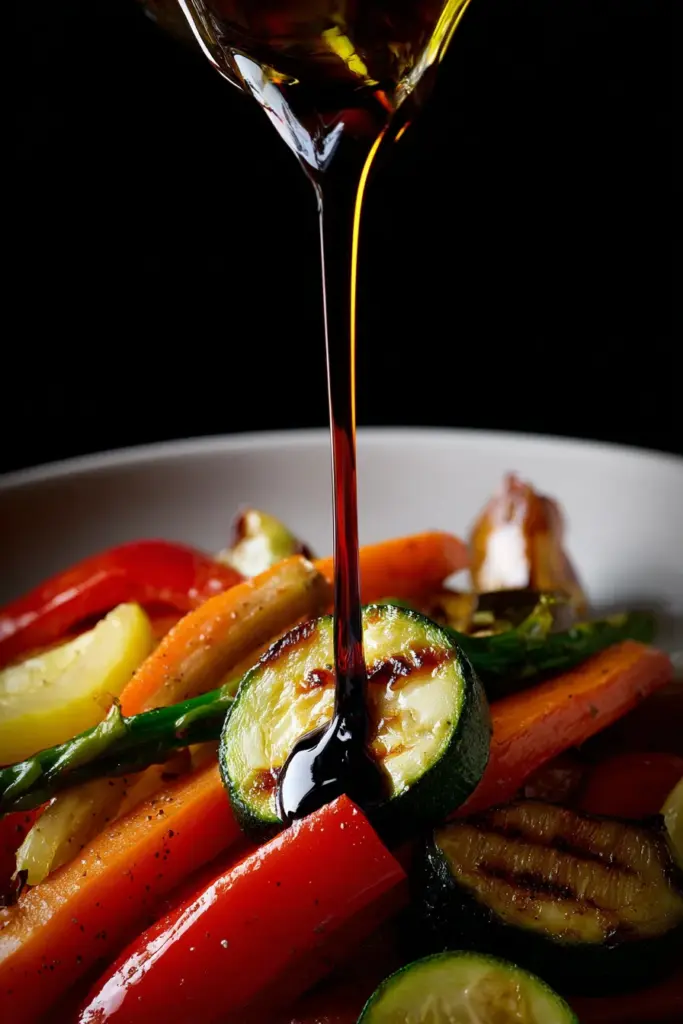
I particularly love the combination of roasted vegetables with a creamy element like yogurt sauce or tahini drizzle. The cool, tangy creaminess contrasts with the warm, sweet vegetables in a way that’s both refreshing and satisfying. For a stunning finish, try the caramelized maple butternut bites with cranberry dust and creamy feta, which layers multiple finishing touches for maximum impact.
Expert Tips for Roasting Success
After years of roasting vegetables multiple times a week, I’ve accumulated a collection of tips and tricks that make the process easier and the results more consistent. These are the things I wish someone had told me when I was just starting out, the details that make the difference between good roasted vegetables and exceptional ones.
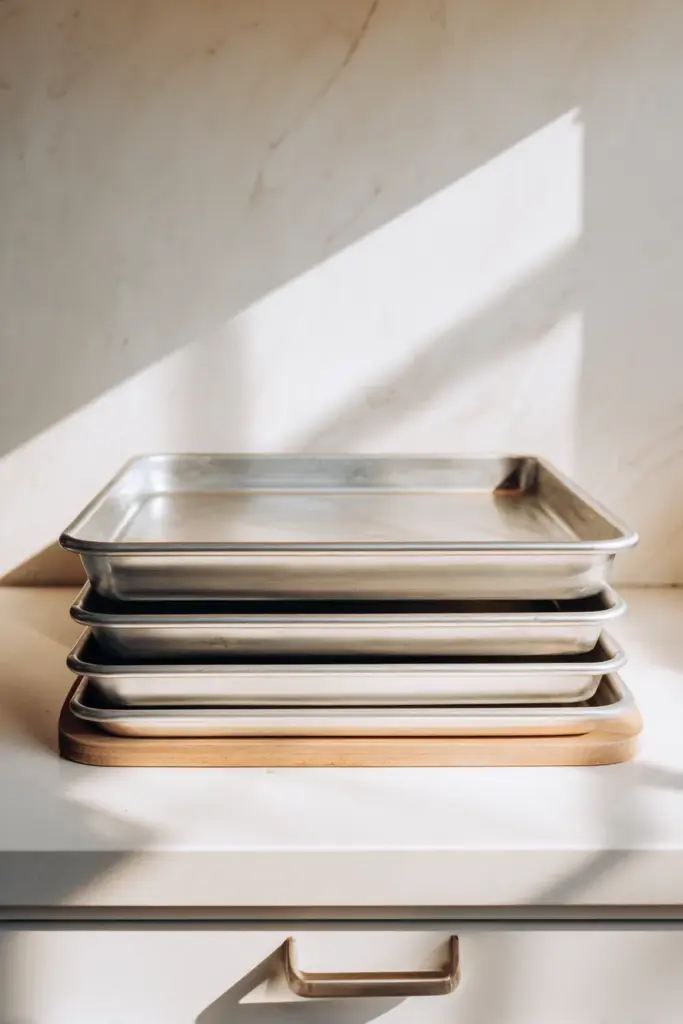
First, invest in good sheet pans. Heavy, rimmed aluminum sheet pans conduct heat evenly and won’t warp in high-heat ovens. I prefer light-colored pans over dark ones because dark pans absorb more heat and can cause over-browning. Line them with parchment paper for easy cleanup and to prevent sticking, though a well-oiled pan works fine too.
Second, let your oven fully preheat. I know it’s tempting to rush, but putting vegetables into an oven that isn’t fully hot means they’ll steam before they start to roast. Those first fifteen to twenty minutes are crucial for beginning the caramelization process. If your oven isn’t hot enough, you’ve already compromised your results.
Timing and Temperature Adjustments
Get to know your oven’s quirks. Some run hot, some run cool, some have significant hot spots. After the first few times roasting vegetables, you’ll know if you need to adjust the temperature up or down from recipe recommendations. My oven runs slightly cool, so I usually add twenty-five degrees to any roasting temperature.
Use the oven’s convection setting if you have one. The circulating air promotes even browning and can reduce cooking time by about twenty-five percent. Just watch carefully the first time you use convection since vegetables can go from perfectly roasted to burnt quickly with the increased air circulation.
Common Mistakes to Avoid
Don’t skip the oil. It’s not just about preventing sticking, oil is essential for heat transfer and promoting browning. Vegetables roasted without enough oil will dry out and won’t develop that caramelized exterior we want. Use enough to coat everything lightly but evenly.
Don’t keep opening the oven door to check. Every time you open it, the temperature drops significantly, and it takes time for the oven to recover that heat. Trust your timer and only check at the designated intervals. Your vegetables will thank you with better browning.
Don’t forget about carry-over cooking. Vegetables continue cooking for a few minutes after they come out of the oven from residual heat. If you wait until they’re completely done before removing them, they’ll be overcooked by the time you serve them. Pull them when they’re just shy of perfect, and they’ll finish cooking on the pan.
Conclusion
Standing in my kitchen today, looking at a pan of perfectly roasted vegetables just out of the oven, I’m reminded of how far I’ve come from those early attempts at wrestling with butternut squash and producing soggy steamed vegetables instead of crispy caramelized ones. Roasting vegetables with garlic and herbs has become second nature now, something I do multiple times a week without thinking too hard about it.
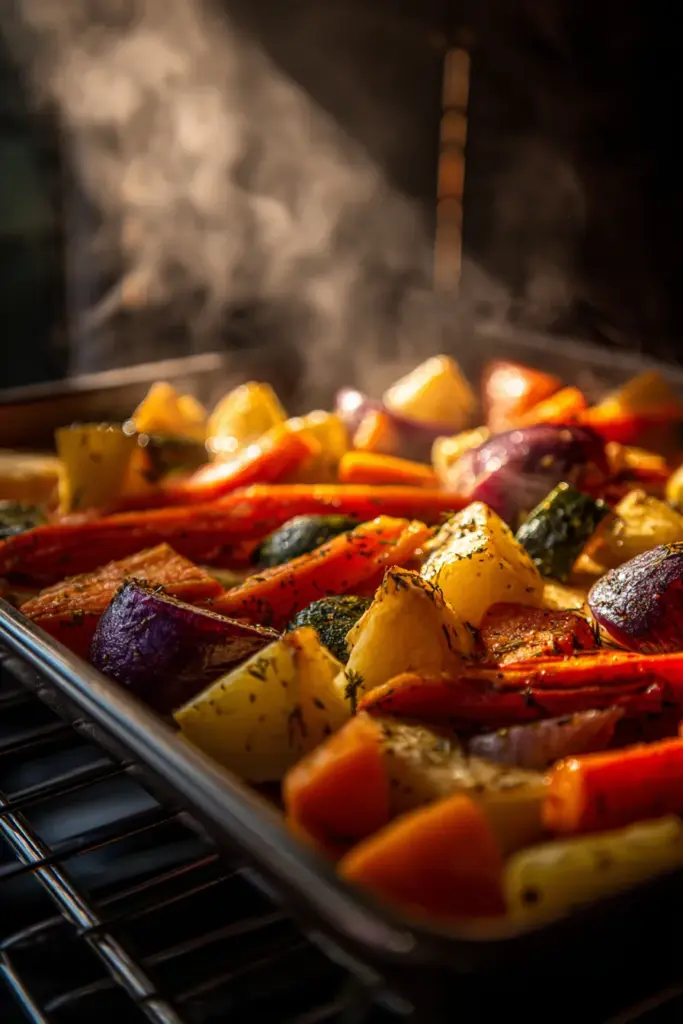
The beauty of this cooking method is its simplicity and flexibility. You don’t need fancy equipment, exotic ingredients, or complicated techniques. Just good vegetables, high heat, proper spacing, and the confidence to let the oven do its work. Those four elements consistently produce vegetables that taste so good you’ll actually crave them, vegetables that turn skeptics into believers and make even the pickiest eaters ask for seconds.
What I love most is how adaptable this approach is to your life, your preferences, and what’s available to you. Use whatever vegetables are in season or on sale. Switch up the herbs based on what you have or what sounds good. Add cheese or nuts for richness, or keep it simple with just olive oil and salt. Make it Mediterranean with oregano and feta, or Asian-inspired with ginger and sesame. The foundational technique remains the same, but the possibilities are endless.
Remember that roasting vegetables is as much about building confidence as it is about following instructions. Your first few attempts might not be perfect. Your garlic might burn, or your vegetables might crowd together and steam. That’s okay. Each pan teaches you something, and soon you’ll develop an intuition for timing, seasoning, and spacing that makes the whole process feel natural and easy.
For more inspiration with specific vegetables and creative preparations, explore these favorite combinations: the roasted garlic parmesan zucchini squash tomatoes for summer, the Mediterranean roasted vegetables with oregano and feta for year-round appeal, and the roasted autumn vegetable pot pie for when you want to turn your roasted vegetables into something truly special.
Frequently Asked Questions
What temperature is best for roasting vegetables?
I recommend 425 degrees Fahrenheit as the sweet spot for most vegetables. This temperature is hot enough to promote good caramelization without burning, and it works for a wide variety of vegetables. Some vegetables like Brussels sprouts or broccoli benefit from even higher heat around 450 degrees, while delicate vegetables might do better at 400 degrees.
How do I prevent vegetables from getting soggy?
Soggy vegetables result from overcrowding and excess moisture. Make sure vegetables have space between them on the pan, use high enough heat, and pat vegetables dry before tossing with oil. If vegetables release a lot of liquid during roasting, which sometimes happens with zucchini or tomatoes, you can drain the pan partway through cooking.
Can I roast frozen vegetables?
Yes, but they need special handling. Don’t thaw them first or they’ll be too wet. Roast them straight from frozen at a slightly higher temperature, around 450 degrees, and expect them to take longer. They won’t get quite as caramelized as fresh vegetables, but they can still be delicious. Frozen Brussels sprouts, broccoli, and cauliflower work particularly well.
Should I cover vegetables while roasting?
Generally no, you want that dry heat for caramelization. However, for very large or dense vegetables that need long cooking times, covering with foil for the first portion of cooking can help them cook through before the exteriors burn. Uncover for the last fifteen to twenty minutes to brown.
How do I know when vegetables are done?
Look for tender interiors that pierce easily with a fork and golden-brown exteriors with some caramelized spots. Different vegetables have different done-ness points. Potatoes should be completely tender inside. Zucchini should still have a slight bite. Carrots should be tender but not mushy. Experience will teach you the perfect point for each vegetable.
Can I meal prep roasted vegetables?
Absolutely. Roasted vegetables keep well in the refrigerator for four to five days. Store them in airtight containers and reheat in a hot oven or toaster oven to re-crisp them, or use them cold in salads and grain bowls. Some vegetables, like roasted peppers and tomatoes, are even better after sitting for a day.
What’s the best way to reheat roasted vegetables?
For best results, reheat in a 400-degree oven or toaster oven for five to ten minutes. This re-crisps the exteriors while warming them through. Microwaving works but produces softer vegetables. Many roasted vegetables are also delicious served cold or at room temperature.
Do I need to flip vegetables while roasting?
For most vegetables, yes. Flipping or stirring about halfway through ensures even browning on all sides. The exception is when you deliberately want one side extra crispy, like with Brussels sprouts halves placed cut-side down. In that case, don’t flip them until the very end.
Can I add sauce before roasting?
Most sauces, especially sugary ones, should be added near the end of roasting or after vegetables come out of the oven. Sauces added too early can burn or prevent proper caramelization. Oil-based marinades are fine from the beginning, but save glazes, balsamic vinegar, and honey-based sauces for the final minutes.
Why are my roasted vegetables bitter?
Bitterness usually comes from burnt garlic or herbs, or from over-roasting certain vegetables like Brussels sprouts or broccoli. Make sure minced garlic is added later in cooking or use whole cloves that won’t burn. Pull vegetables from the oven when they’re caramelized but not charred.
What vegetables don’t roast well?
Leafy greens like spinach or lettuce don’t roast well, they just shrivel and burn. Very watery vegetables like cucumber are also poor candidates. Delicate vegetables like peas or corn can be roasted but need very short times. Stick with firmer vegetables with lower water content for best results.
Can I use dried herbs instead of fresh?
Yes, dried herbs work beautifully for roasting since they hold up better to high heat and long cooking times. Use about one-third the amount of dried herbs compared to fresh. Add dried herbs at the beginning, but save delicate fresh herbs like basil or parsley for finishing.

🍳 Precision Meets Passion — Tools Chefs Trust Daily

- Grams & ounces — precise to 1g
- Perfect for baking & keto tracking
- Sleek stainless steel design

- German stainless precision
- Razor-sharp & dishwasher-safe
- Elegant wood block organizer

- Premium Stainless Steel Build
- Easy to Clean & Dishwasher Safe
- A Must-Have Kitchen Tool