➤ Table of Contents
I still remember the exact moment I fell in love with sheet pan dinners. It was a Tuesday evening after one of those days where everything seemed to go wrong. I was standing in my kitchen at six thirty, staring at a sink already full of breakfast dishes and lunch containers, with absolutely no energy to cook an elaborate meal. My kids were hungry, my husband was on his way home, and I had a pound of chicken thighs and some vegetables that needed using.
⚡ Smart Kitchen Tools Every Home Cook Swears By

- Pure aluminum
- Durable enough for everyday cooking
- Made in the USA with quality

- 7 cooking functions in one compact cooker
- 3-quart size ideal for couples or small meals
- Up to 70% faster than traditional cooking

- 3 sizes for every recipe
- Pre-seasoned & durable cast iron
- Oven & grill ready
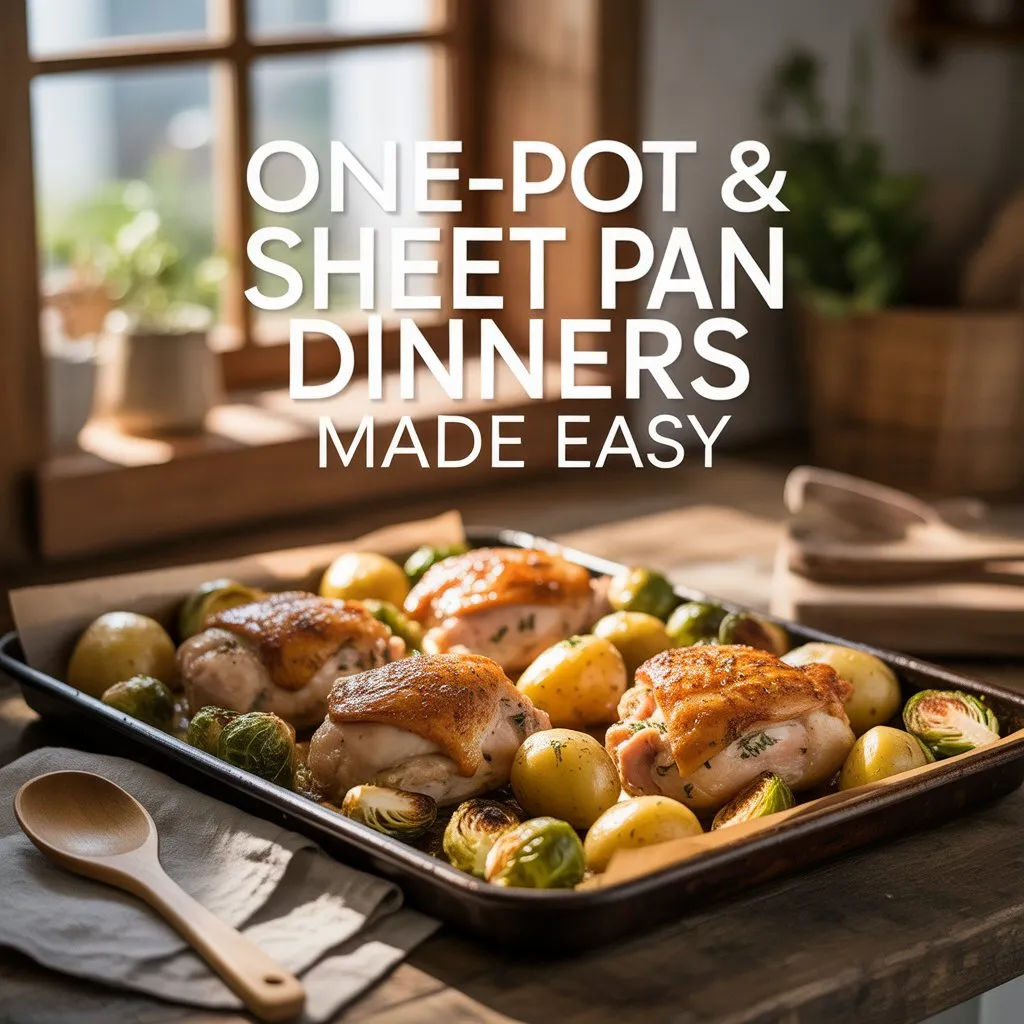
In a moment of pure desperation, I threw everything onto my largest baking sheet. Chicken, potatoes, Brussels sprouts, a drizzle of olive oil, some salt and pepper. I slid it into a hot oven and walked away. Forty minutes later, the timer dinged, and I pulled out a complete, perfectly cooked dinner. The chicken was golden and crispy, the potatoes were tender with caramelized edges, and those Brussels sprouts were transformed into something my kids actually wanted to eat. Best of all, there was exactly one pan to clean.
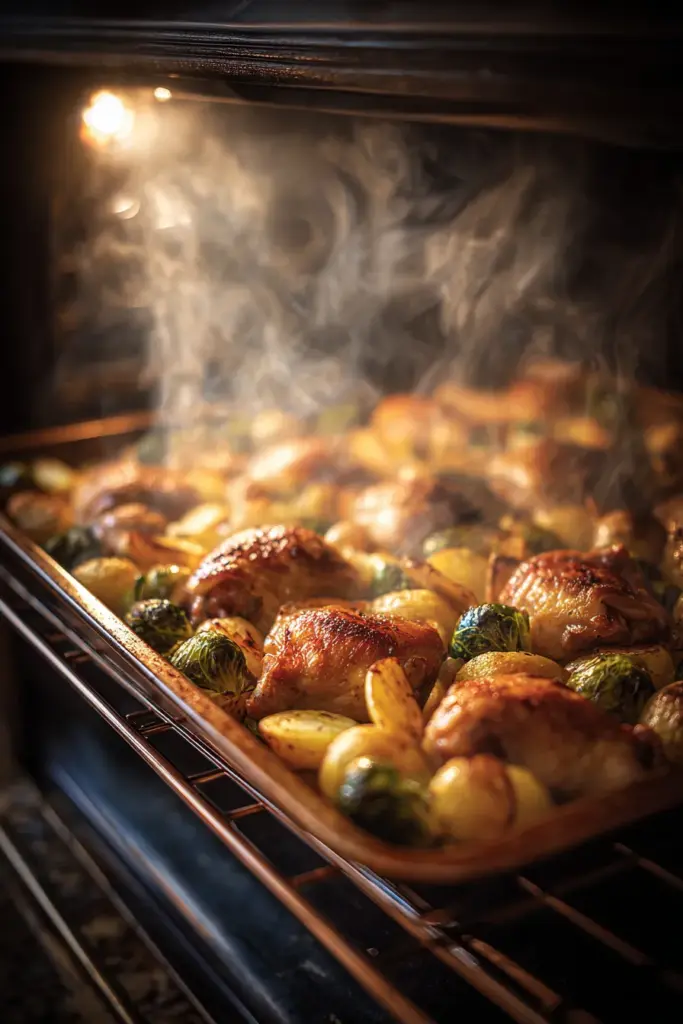
That night changed how I approach weeknight cooking. I realized that simple doesn’t have to mean boring, and minimal cleanup doesn’t have to mean sacrificing flavor. One-pot and sheet pan dinners have become my secret weapon for getting good food on the table without turning my kitchen into a disaster zone. They’ve saved my sanity on countless busy evenings, impressed guests who thought I’d worked much harder than I actually did, and taught me that sometimes the simplest cooking methods produce the most delicious results.
This guide is everything I’ve learned about one-pot and sheet pan cooking over years of weeknight dinners, Sunday meal prep sessions, and even some special occasion meals. You’ll discover how to build flavor without complicated techniques, how to time different ingredients so everything finishes perfectly, and how to transform simple ingredients into meals your whole family will love. Whether you’re cooking for one or feeding a crowd, dealing with picky eaters or adventurous palates, working with chicken, beef, venison, or keeping things vegetarian, there’s a one-pot or sheet pan solution that will work for you.
Why One-Pot and Sheet Pan Dinners Changed My Cooking Life
Before I discovered the magic of sheet pan cooking, my weeknight routine was exhausting. I’d use one pan for protein, another for sides, maybe a pot for rice or pasta. By the time dinner was ready, my kitchen looked like a bomb had gone off. The actual eating part took twenty minutes, but the cleanup stretched on for what felt like hours. I was spending more time washing dishes than I was spending with my family, and that realization hit hard one evening when my youngest asked why I was always at the sink.
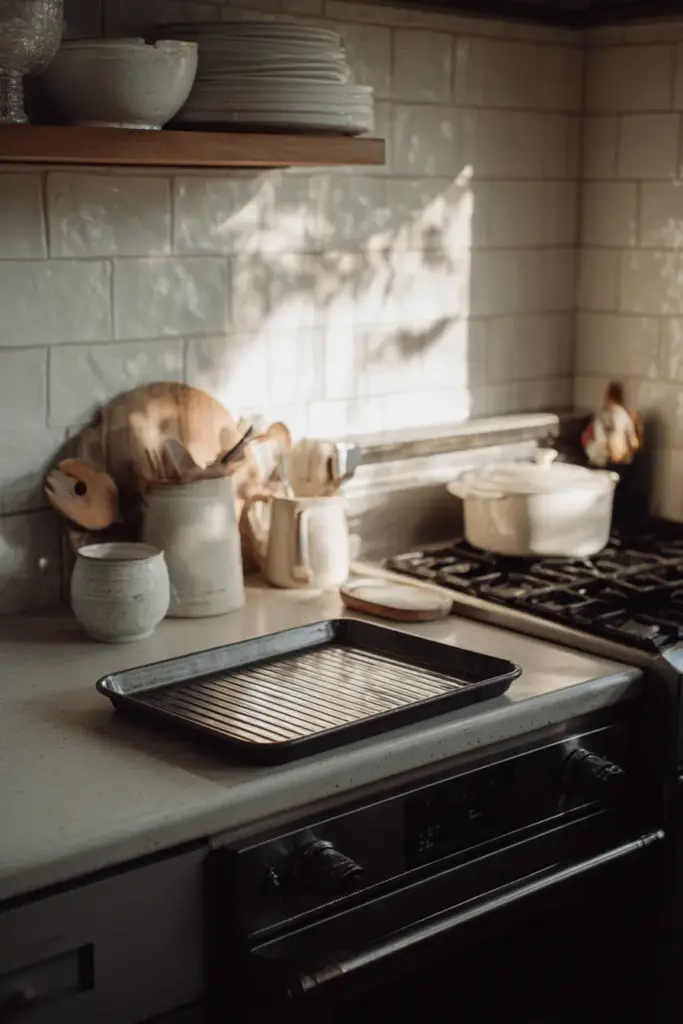
The beauty of one-pot and sheet pan cooking isn’t just about having fewer dishes to wash, though that’s certainly a big part of it. It’s about simplifying the entire cooking process. When everything cooks together in one vessel, flavors mingle and develop in ways they can’t when you’re cooking components separately. The juices from your protein season your vegetables. The vegetables release moisture that keeps everything tender. It all becomes greater than the sum of its parts.
I started experimenting with different combinations, learning which ingredients could roast together successfully and which needed different timing. The sheet pan chicken fajitas became an early favorite, teaching me how peppers and onions caramelize beautifully alongside seasoned chicken strips. The sizzling, slightly charred vegetables and tender chicken created restaurant-quality fajitas right in my own oven, no stovetop babysitting required.
The Mental Load Relief Nobody Talks About
There’s another benefit to one-pot cooking that took me a while to articulate. It’s the mental relief of not having to juggle multiple cooking processes simultaneously. When you’re sautéing chicken while also boiling pasta and steaming vegetables, your brain is tracking three different timers, three different techniques, three potential points of failure. It’s exhausting in a way that’s hard to explain until you’ve experienced the alternative.
With sheet pan cooking, I prep everything, arrange it on the pan, and set one timer. During that cooking time, I can help with homework, set the table, or just sit down for five minutes with a cup of tea. The oven does the work while I reclaim some mental space. On my most overwhelming days, this feels like an actual gift.
I’ve also learned that one-pot cooking is more forgiving than traditional methods. If you’re a few minutes late pulling that sheet pan from the oven, dinner isn’t ruined. There’s a window of doneness that gives you flexibility, which matters when you’re parenting or working or just trying to keep all the plates spinning. The food develops deeper flavors with a bit of extra time rather than burning or drying out like it might on the stovetop.
🥗 Fresh, Fast & Foolproof — Upgrades You'll Use Tonight

- Zoodles in seconds
- Heavy-duty, 10 sharp blades
- Keto, paleo & gluten-free friendly

- Meals in ~30 minutes
- 3-Qt — perfect for 1–3 people
- Pressure cook, sauté, steam & more

- Phone alerts & live temp graph
- Hands-off monitoring for smokers
- Perfect doneness, every time
Essential Equipment and Setup for Sheet Pan Success
You don’t need a fancy kitchen to master one-pot and sheet pan cooking, but having the right basic equipment makes everything easier. I learned this the hard way when I tried making a sheet pan dinner on a flimsy, warped baking sheet that I’d had since college. The pan buckled in the oven, everything slid to one corner, and nothing cooked evenly. Investing in good equipment doesn’t mean spending a fortune, but it does mean choosing pieces that will actually work.
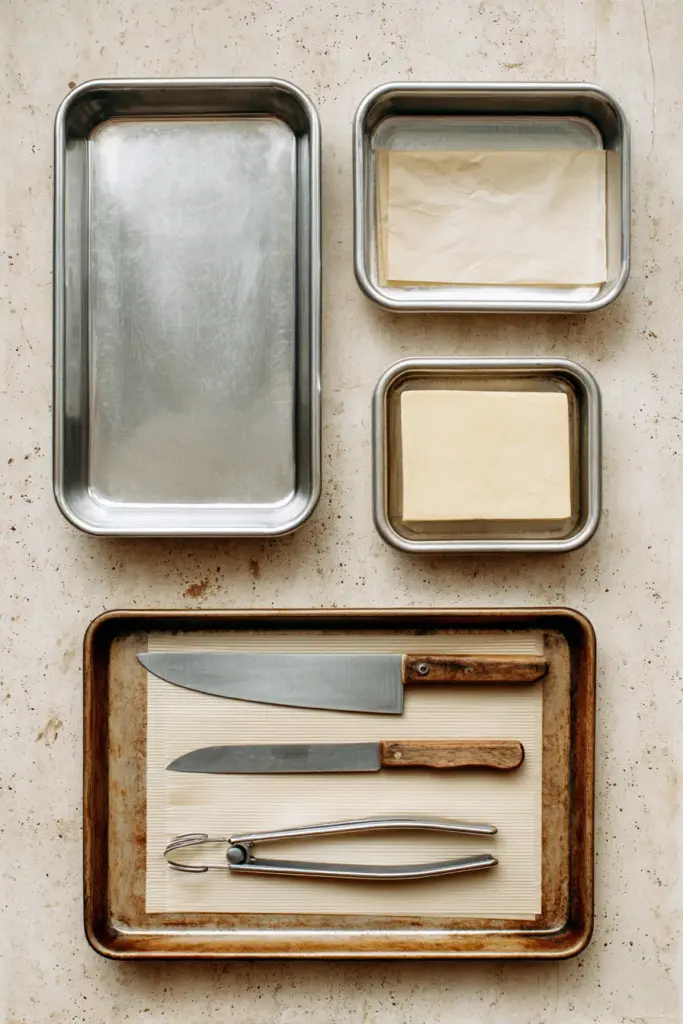
The most important piece is a heavy-duty rimmed baking sheet, what professional kitchens call a half-sheet pan. Mine measures roughly eighteen by thirteen inches and has a one-inch rim around the edges. The rim is crucial because it contains any juices or oils that might otherwise drip into your oven. I actually own three of these now because I use them so frequently, and having multiples means I can prep several meals at once for the week ahead.
Look for sheets made from heavy-gauge aluminum. They should feel substantial in your hands, not flimsy. A good sheet pan won’t warp in high heat, which is essential for even cooking. I also line my pans with parchment paper or silicone baking mats for even easier cleanup. The parchment creates a nonstick surface and prevents food from sticking to the pan, which means even less scrubbing later.
Oven Temperature and Positioning
Most of my sheet pan dinners cook at temperatures between 400 and 450 degrees Fahrenheit. This high heat is what creates those beautiful caramelized edges on vegetables and crispy skin on proteins. It’s hot enough to brown and develop flavor but not so hot that everything burns before cooking through.
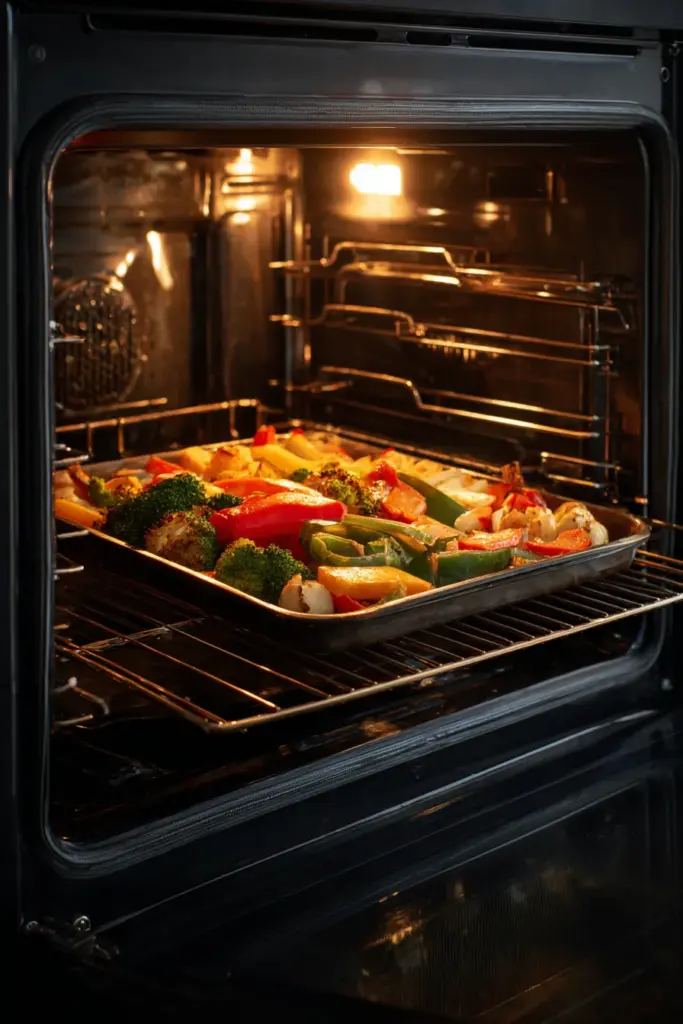
I position my oven rack in the center or slightly above center. This puts the food close enough to the heating element to get good browning but not so close that the tops burn while the bottoms stay pale. If I’m cooking something that I want extra crispy, like wings or potato wedges, I might start it on a lower rack and move it up for the last few minutes under the broiler.
Here’s something that took me embarrassingly long to figure out: always preheat your oven fully before putting in your sheet pan. That initial blast of proper heat is what starts the browning process. If you put food in a cold or warming oven, it steams rather than roasts, and you lose that caramelization we’re after.
The Right Tools Make Everything Easier
Beyond the sheet pan itself, a few other tools have become indispensable in my one-pot cooking routine. A good pair of tongs lets me flip ingredients or remove them from hot pans safely. A sharp chef’s knife and sturdy cutting board make prep work quick. I also love my kitchen shears for cutting bacon, trimming chicken, or snipping fresh herbs.
For one-pot stovetop meals, I rely on a heavy Dutch oven or a large, deep skillet with a lid. Cast iron works beautifully for this, retaining heat evenly and going from stovetop to oven without issue. My Dutch oven is probably my most-used piece of cookware after my sheet pans, perfect for everything from braised meats to hearty soups to baked pasta dishes.
Mastering Timing: Getting Everything Done at Once
The trickiest part of sheet pan cooking, and what initially frustrated me most, is getting everything to finish cooking at the same time. Chicken needs to reach a safe internal temperature, but you don’t want your vegetables to turn to mush while waiting for the protein to cook through. Potatoes take longer than asparagus. Cherry tomatoes cook faster than Brussels sprouts. It’s a puzzle that requires some strategy.
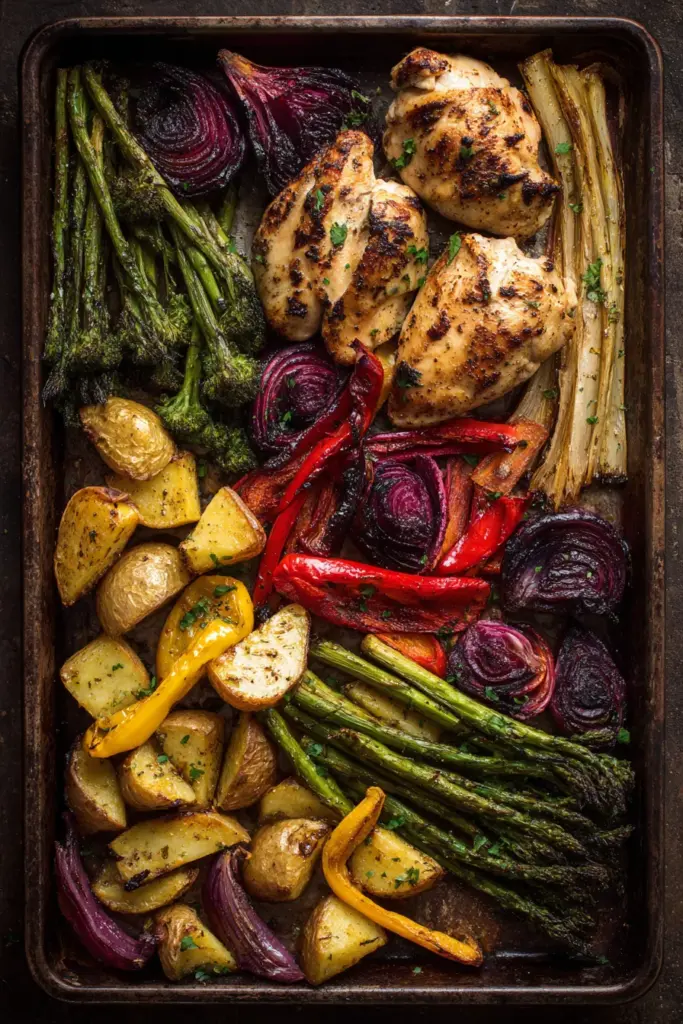
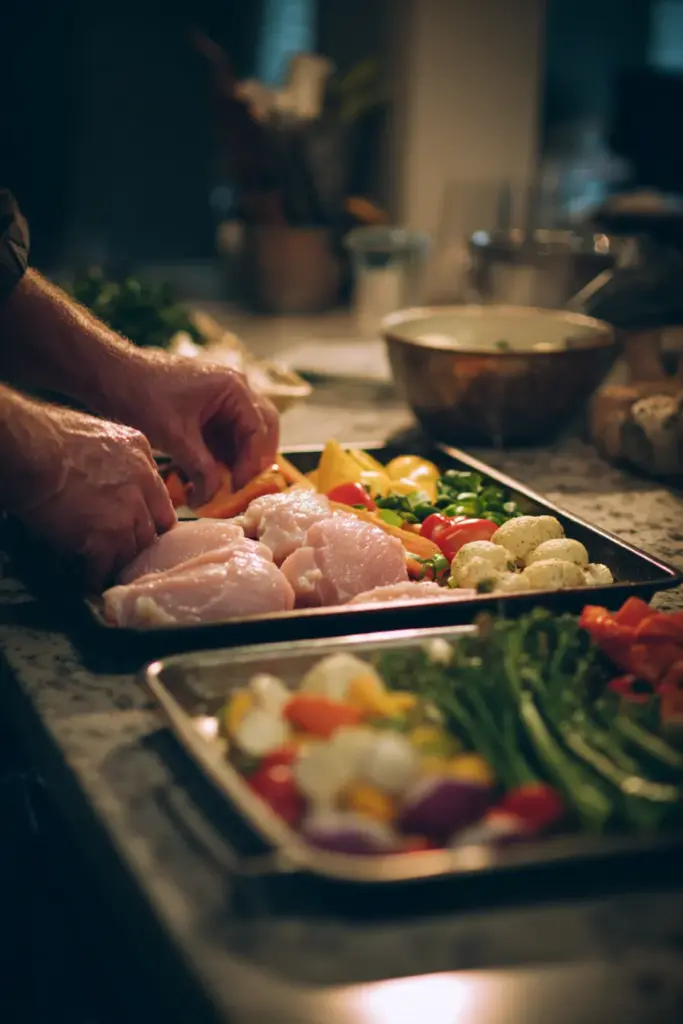
My breakthrough came when I stopped trying to put everything on the pan at once. Instead, I started thinking about staggered additions. Dense vegetables like potatoes, carrots, or winter squash go on the pan first. They get a head start in the oven, usually fifteen to twenty minutes depending on how I’ve cut them. Then I add my protein and medium-cooking vegetables. Quick-cooking items like cherry tomatoes, delicate greens, or fresh herbs go on during the last five to ten minutes.
Another strategy is cutting ingredients to similar sizes based on their cooking times. If I’m roasting chicken thighs with potatoes and broccoli, I’ll cut the potatoes into small chunks since they take longer to cook, leave the chicken thighs whole since they’re already relatively quick-cooking, and cut the broccoli into larger florets so they don’t overcook. Everything finishes around the same time because I’ve adjusted the sizes to account for different cooking speeds.
The Art of Proper Spacing
Crowding is the enemy of good sheet pan cooking. I learned this lesson when I tried to squeeze too much onto one pan and ended up with steamed, pale vegetables instead of the roasted, caramelized pieces I wanted. Food needs space around it for air to circulate and for moisture to evaporate. When ingredients touch or overlap too much, they steam rather than roast.
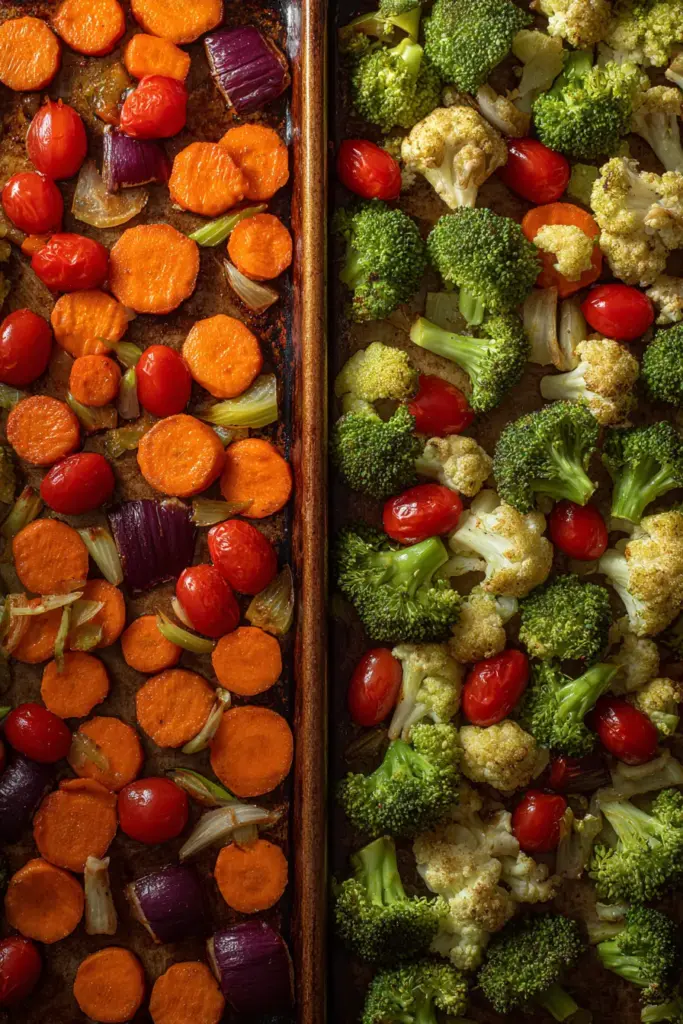
As a general rule, I leave about half an inch of space between pieces. If I have more ingredients than can comfortably fit with proper spacing, I use two sheet pans instead of cramming everything onto one. Yes, this means rotating the pans halfway through cooking so everything browns evenly, but it’s worth it for properly cooked food.
The exception to the spacing rule is when you’re intentionally creating layers. For dishes like the creamy garlic crab stuffed mushrooms, you’re building upward rather than spreading out. These stuffed mushrooms create their own little ecosystem, with the filling staying moist while the tops brown beautifully.
Building Flavor Without Extra Effort
The magic of one-pot and sheet pan cooking is that flavor develops naturally as everything cooks together. But there are strategies to boost that flavor even further without adding complexity or extra dishes. I’ve learned to think about layers of flavor: what happens before cooking, what happens during cooking, and those final touches that bring everything together.
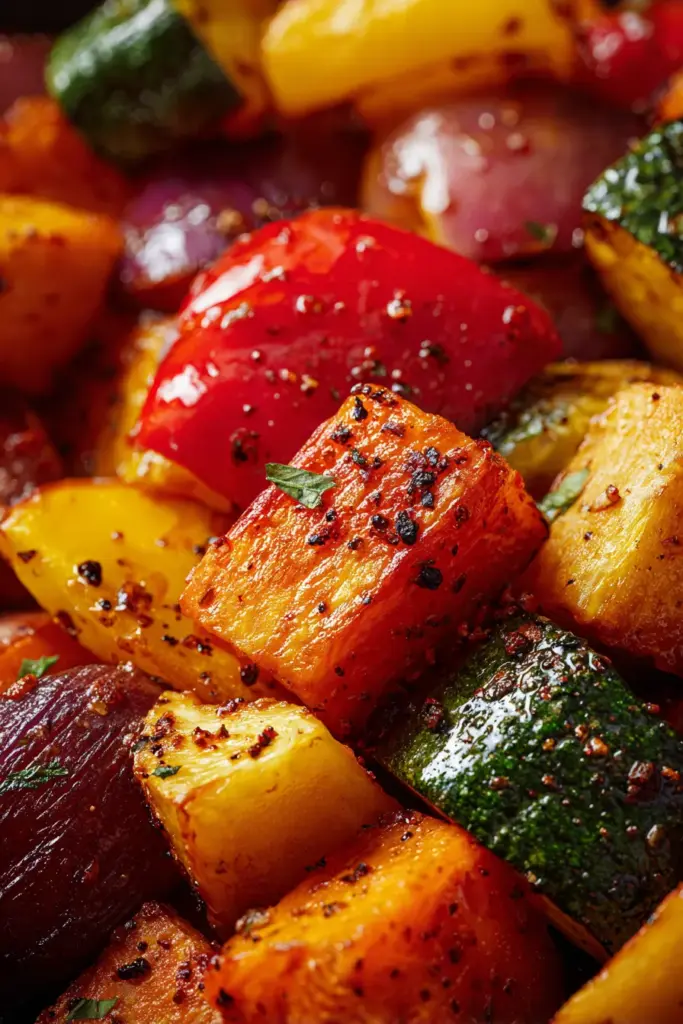
Before anything hits the pan, I focus on seasoning generously. This sounds obvious, but it’s easy to under-season when you’re cooking a large quantity of food. I use more salt than feels comfortable at first, knowing that it needs to season all those vegetables and complement the protein. I also add flavor through spice blends, dried herbs, or seasoning mixes that I keep stocked in my pantry.
During cooking, those magical Maillard reactions happen, creating new flavors through browning and caramelization. This is why high heat matters so much. It’s also why I sometimes toss vegetables with a tiny bit of sugar or honey before roasting. That extra sugar helps with caramelization and balances savory flavors beautifully.
Fresh Finishes That Elevate Everything
The finishing touches are where good sheet pan dinners become great ones. A squeeze of fresh lemon juice brightens everything. A handful of fresh herbs adds color and a burst of flavor that dried herbs can’t match. A drizzle of good olive oil or a dollop of flavored butter makes the whole dish feel more luxurious.
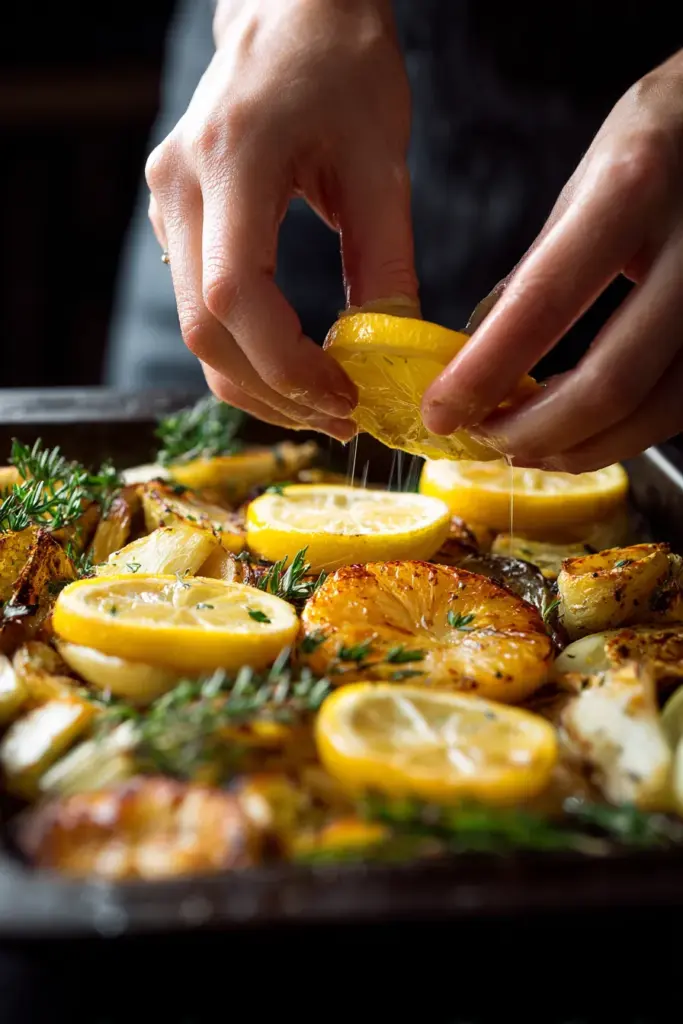
I keep various finishing sauces and condiments on hand for this purpose. Sometimes it’s as simple as hot sauce or soy sauce. Other times I’ll make a quick pan sauce using the browned bits and accumulated juices on the sheet pan itself. Pour a splash of wine or broth onto the still-hot pan, scrape up all those flavorful bits, and you have an instant sauce with zero extra effort.
Crunchy toppings also add interest to one-pot meals. Toasted nuts, crispy bacon crumbles, or breadcrumbs provide textural contrast. The crispy fried mushrooms taught me how important texture is in making a meal feel complete. That initial crunch followed by tender, flavorful mushroom makes every bite exciting.
Stuffed and Wrapped: Elevated Sheet Pan Dinners
Once I had basic sheet pan meals down, I started experimenting with stuffed and wrapped preparations. These dishes look fancy and impressive but actually work perfectly in the one-pan format. The key is that everything is self-contained, so you get complex flavors without complicated execution or cleanup.
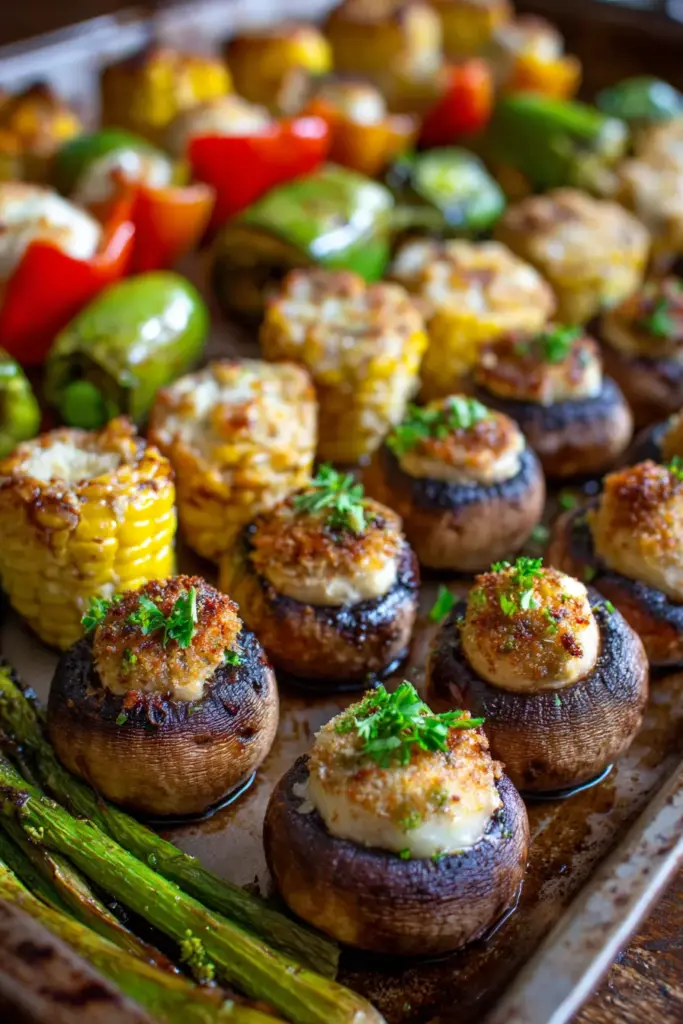
Stuffed mushrooms became one of my go-to appetizer solutions. They’re completely customizable, they look elegant, and you can make them ahead. The stuffed mushrooms with spinach, bacon, and cheese combine everything delicious into neat little packages. The mushroom caps cradle the filling while releasing their own savory juices, creating flavor in every component.
What I love about stuffed vegetables is how the exterior protects and flavors the filling. Bell peppers, zucchini, tomatoes, and especially mushrooms all work beautifully for this technique. You’re essentially creating individual portion-controlled servings that cook evenly because they’re all roughly the same size.
Wild Game Variations That Impress
If you have access to venison or other wild game, stuffed preparations are an excellent way to use it. Venison is leaner than beef, which means it can dry out easily, but when you combine it with cheese and seasonings in a stuffed format, it stays moist and flavorful. The spicy venison and bacon stuffed mushrooms are always the first appetizer to disappear at my gatherings.
The bacon in these recipes serves multiple purposes beyond flavor. It adds fat that keeps the lean venison moist, and its smokiness complements the game meat beautifully. The venison stuffed mushrooms with cream cheese and spices take a slightly different approach, using cream cheese to create richness and bind everything together.
For something more adventurous, the wild game jalapeno poppers with mushrooms combine two great ideas into one. The jalapenos provide a spicy vessel, the mushrooms add earthiness, and the venison creates substance. It’s game-day food that actually showcases wild game in an approachable way.
Jalapeno Poppers: The Ultimate Sheet Pan Party Food
Speaking of jalapenos, stuffed and wrapped jalapeno poppers have become my signature party contribution. They’re spicy, creamy, crispy, and completely addictive. The basic technique works for countless variations, and they all bake beautifully on a sheet pan without requiring any frying or complicated preparation.
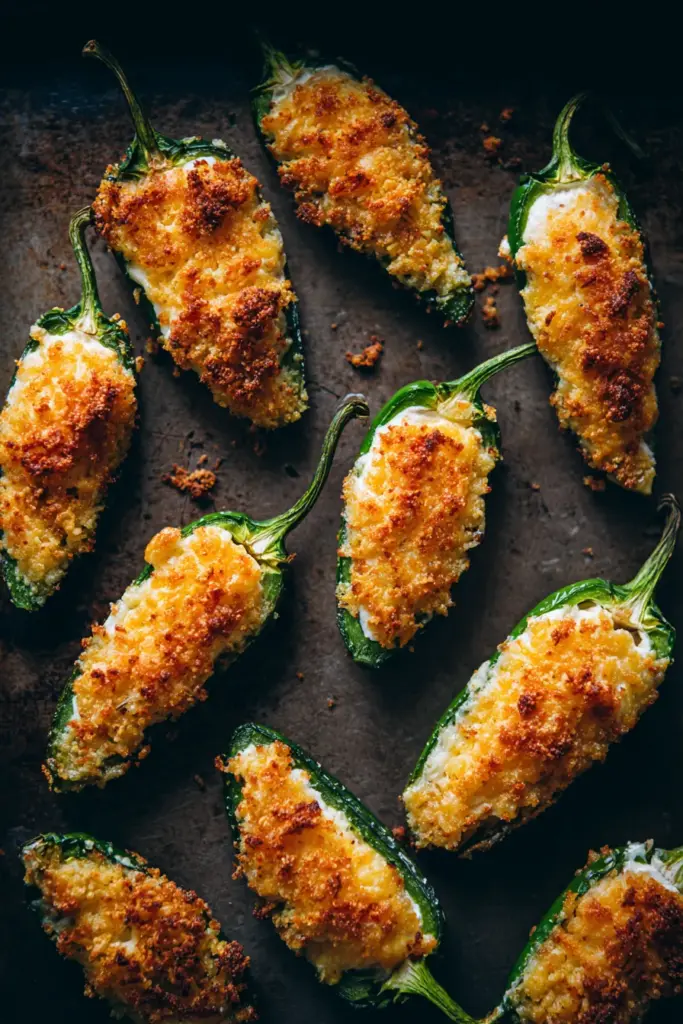
The venison stuffed jalapeno bombs with smoked gouda are probably my most requested recipe. The smoked gouda adds depth that complements both the venison and the jalapeno heat. Wrapped in bacon and baked until everything is crispy and bubbling, they’re impossible to resist.
For those who like things sweet and spicy, the sweet and spicy venison jalapeno poppers with honey drizzle balance heat with honey sweetness. That honey drizzle at the end is crucial, cutting through the richness and tying all the flavors together. I make these when I want to impress without spending hours in the kitchen.
Creative Bacon Applications in Sheet Pan Cooking
Bacon deserves its own section in any discussion of one-pot cooking because it’s such a versatile flavor-builder. The fat renders and bastes everything cooking alongside it. The smokiness penetrates other ingredients. And that crispy texture provides contrast to tender vegetables and proteins.
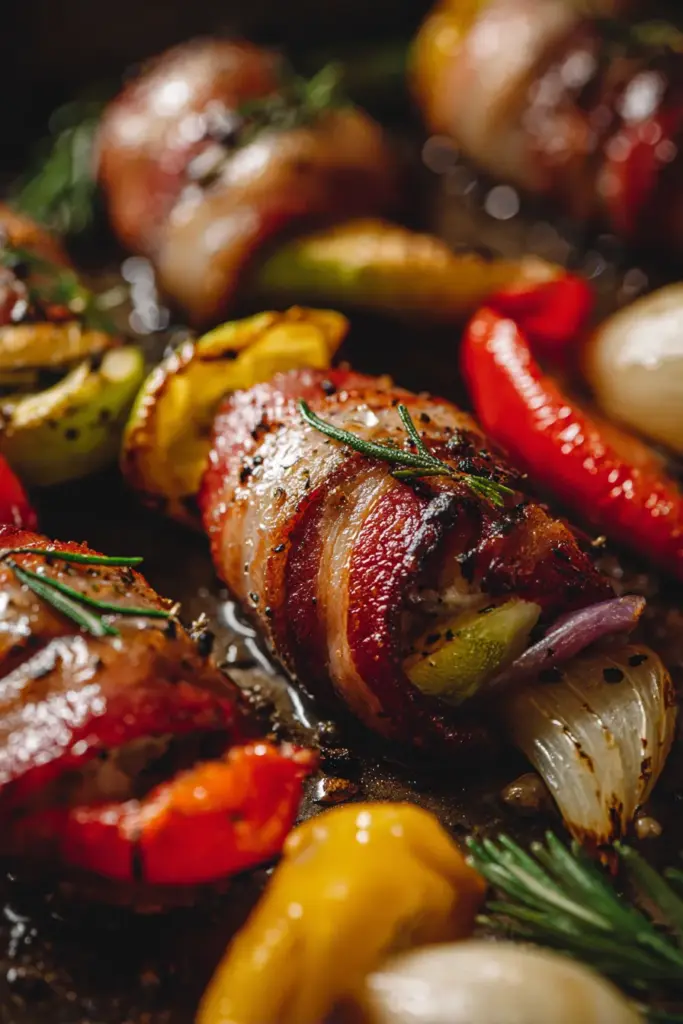
I’ve moved beyond just crumbling bacon on top of things, though that’s still delicious. Now I think about bacon as a wrapper, a flavoring agent, and a textural element. The candied jalapeno venison bites showcase this perfectly. The bacon wraps around seasoned venison, protecting it from the oven’s heat while adding its own flavor. A brush of glaze creates that sweet and savory combination that makes these bites vanish from the plate.
Seasonal twists keep bacon interesting throughout the year. The venison jalapeno poppers with cranberry goat cheese bring fall flavors to a classic format. The tart cranberries cut through rich cheese and meat, while the bacon holds everything together and adds its essential smokiness.
Maple and Bacon: A Match Made in Heaven
One of my favorite flavor combinations for sheet pan cooking is maple and bacon. There’s something about that sweet-smoky interplay that works with everything from breakfast to dinner, appetizers to mains. The crispy maple cream cheese venison jalapeno poppers with sweet heat exemplify this balance perfectly.
The maple doesn’t make things overly sweet. Instead, it adds depth and complexity while helping with caramelization. When you brush it on during the last few minutes of baking, it creates a glossy, slightly crispy coating that’s absolutely addictive. The maple cream cheese venison jalapeno poppers with crispy bacon crumble take this even further, adding extra bacon on top for maximum bacon enjoyment.
For summer entertaining, the summer bacon mozzarella poppers with jalapeno honey drizzle offer a lighter take on the concept. The mozzarella melts beautifully, the honey adds floral notes, and the bacon provides that essential savory element. They’re perfect for outdoor gatherings when you want something substantial but not too heavy.

Bacon Shots and Bundles
Beyond stuffed formats, bacon lends itself to creative presentations that work perfectly on sheet pans. The spicy jalapeno pickle bacon shots with ranch drizzle are basically party food genius. Pickles wrapped in bacon and baked until crispy, then drizzled with cooling ranch. They’re tangy, smoky, spicy, and creamy all at once.
For something more elegant, bacon wrapped asparagus bundles make vegetables feel special. The bacon protects the asparagus from drying out while adding flavor, and the bundles look beautiful on the plate. I make these for Easter and other spring holidays when asparagus is at its best.
Handheld Sheet Pan Meals: Sandwiches, Cones, and Cupcakes
One of my favorite recent discoveries is using sheet pans to make handheld meals that would traditionally require stovetop cooking or deep frying. These are perfect for game days, casual dinners, or any time you want food that’s fun to eat without creating a huge mess in the kitchen.
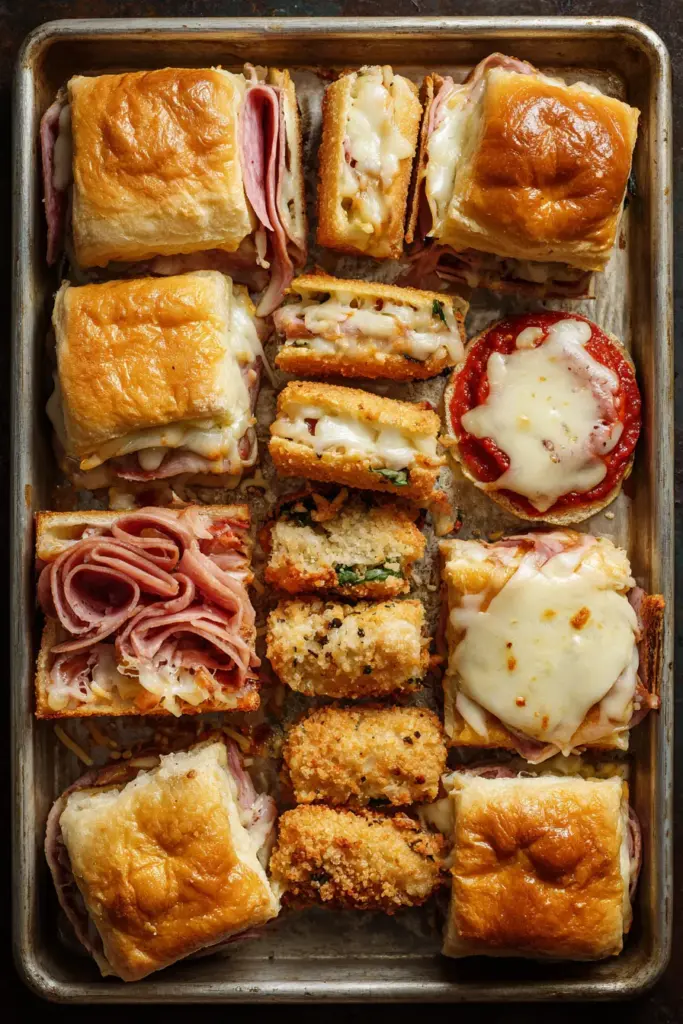
The triple cheese bacon explosion sandwich is exactly what it sounds like: excessive, delicious, and completely worth it. Building sandwiches on a sheet pan lets you make multiple servings at once, and everything gets toasty and melty together in the oven. The cheese gets crispy on the edges, the bacon stays crisp, and you can feed a crowd without standing over a griddle flipping individual sandwiches.
For something more playful, the bacon cheeseburger stuffed tater tot cones are pure fun. I press tater tots into cone shapes, fill them with seasoned ground beef and cheese, and bake everything until golden and crispy. Kids go absolutely crazy for these, but honestly, adults do too. They’re everything good about a cheeseburger in a crunchy, handheld format.
Muffin Tin Magic on Sheet Pans
Muffin tins sitting on sheet pans open up even more possibilities for individual portion cooking. The mini taco cupcakes with ground beef and cheese are a genius way to make taco night more interesting. Press tortillas or wonton wrappers into muffin cups, fill with seasoned beef and cheese, and bake. Everyone gets their own perfect little taco cup, and the presentation makes even simple weeknight dinners feel special.
Mini meatloaves follow the same principle. Instead of one large loaf that takes forever to cook, you make individual servings in muffin cups. They cook faster, you can customize them easily, and portioning is automatic. My favorite mini meatloaves have become a weekly request from my kids.
For a lighter option, the herb crusted chicken mini meatloaves use ground chicken instead of beef. They’re just as satisfying but feel a bit lighter, perfect for when you want comfort food without feeling overly full. The herb crust adds flavor and creates a nice textural contrast to the tender chicken.
Party Food and Game Day Sheet Pan Appetizers
Sheet pans are my secret weapon for entertaining. I can prep multiple appetizers ahead of time, keep them refrigerated, and then pop them in the oven right before guests arrive. No standing over the stove, no last-minute frying, no stress. Everything comes out hot, fresh, and impressive-looking with minimal effort.
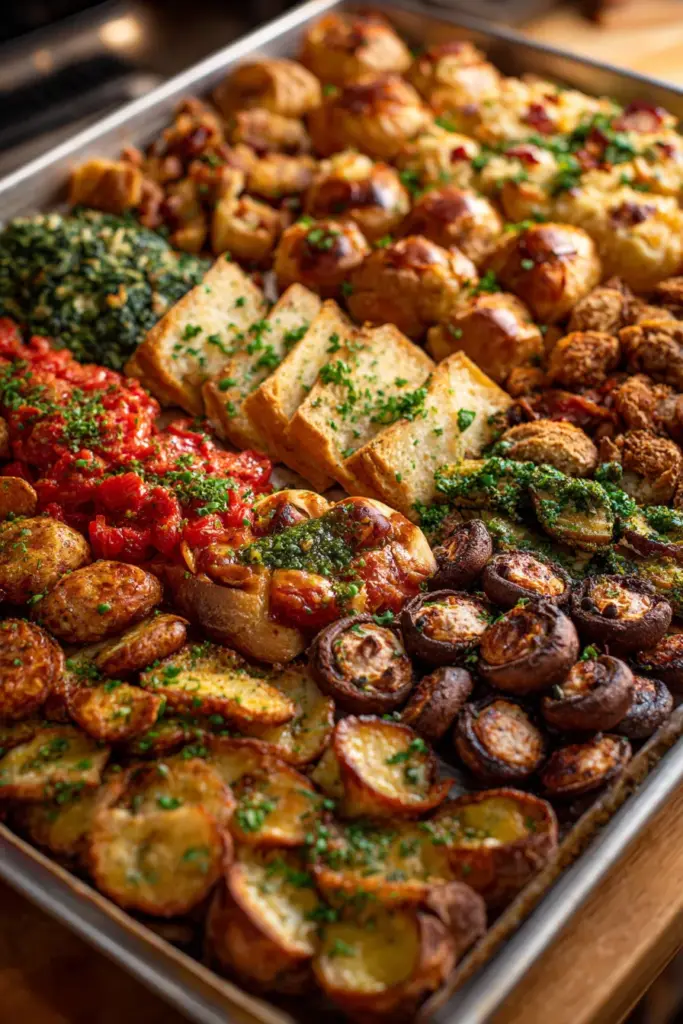
Little smokies are a classic party food that many people still make in a slow cooker with bottled sauce. But I’ve discovered that roasting them on a sheet pan creates better texture and more interesting flavor options. The BBQ little smokies get slightly crispy on the outside while staying juicy inside, and the sauce caramelizes into a sticky glaze.
For those who want to avoid bottled BBQ sauce, the little smokies recipe without BBQ sauce uses a from-scratch glaze that’s just as easy but tastes more sophisticated. Brown sugar, soy sauce, garlic, and a few other pantry staples create something special without requiring any shopping for specific products.
Sheet Pan BBQ for Crowds
Speaking of BBQ, sheet pans can handle much more than appetizers. I’ve successfully made entire BBQ dinners in the oven when weather or circumstances made outdoor grilling impossible. The BBQ beef recipe creates fall-apart tender meat with caramelized edges, all done in the oven without any smoking or special equipment.
The key to oven BBQ is patience and the right temperature. Low and slow, around 300 degrees Fahrenheit, allows the meat to become tender while the sauce reduces and caramelizes. I’ll brush on sauce multiple times during cooking, building up layers of flavor. The last application gets hit with high heat or a quick broil to create that slightly charred, sticky surface we associate with good BBQ.
One-Pot Stovetop Meals: When the Oven Isn’t the Answer
While sheet pans are wonderful, sometimes a single pot on the stovetop is the better choice. Soups, stews, braised dishes, and creamy pastas all work better with moist heat rather than dry oven heat. The beauty of these one-pot stovetop meals is similar to sheet pan cooking: everything cooks together, flavors meld, and cleanup is minimal.
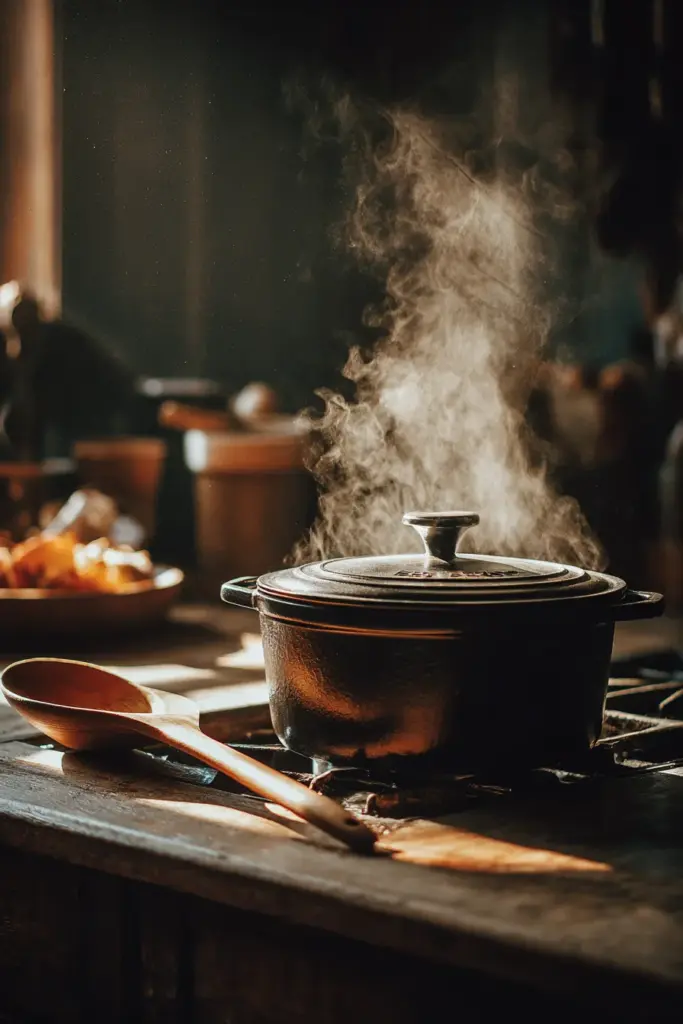
I turn to stovetop one-pot meals when I want something saucy or when I’m working with ingredients that need liquid cooking. The technique usually follows a pattern: brown proteins or aromatics first to develop flavor, add liquids and other ingredients, then simmer until everything is tender and the flavors have come together.
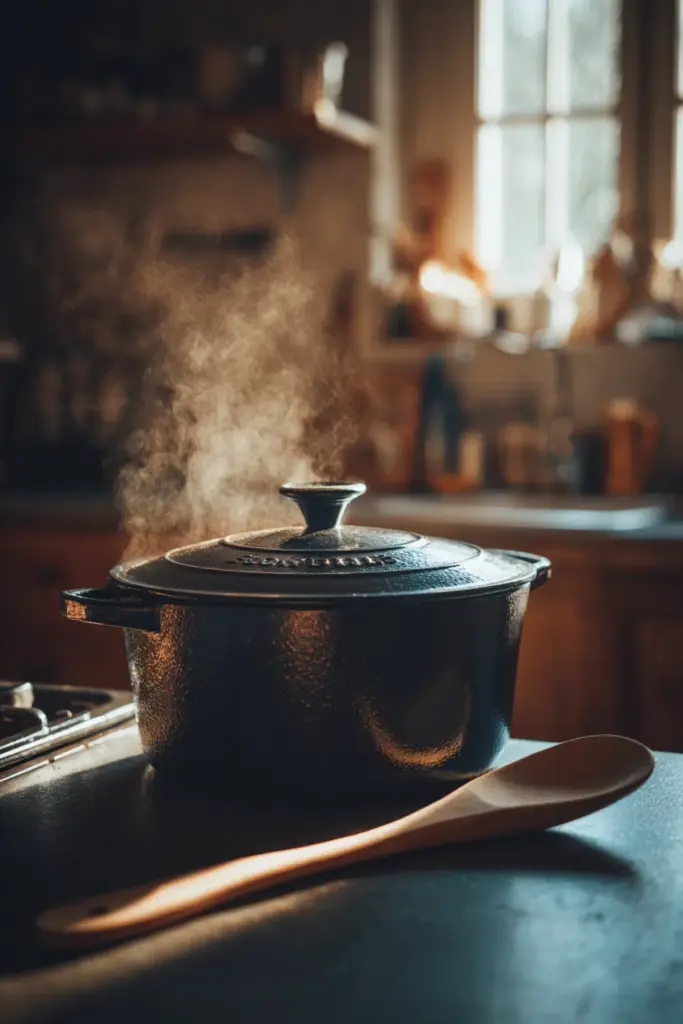
My large Dutch oven is perfect for these meals. Its heavy bottom prevents burning, its depth accommodates large quantities, and it can go from stovetop to oven if needed. I use it for everything from chili to curry to pasta bakes to braised meats. It’s an investment piece that has paid for itself many times over in convenience and versatility.
Building Flavor in One-Pot Stovetop Cooking
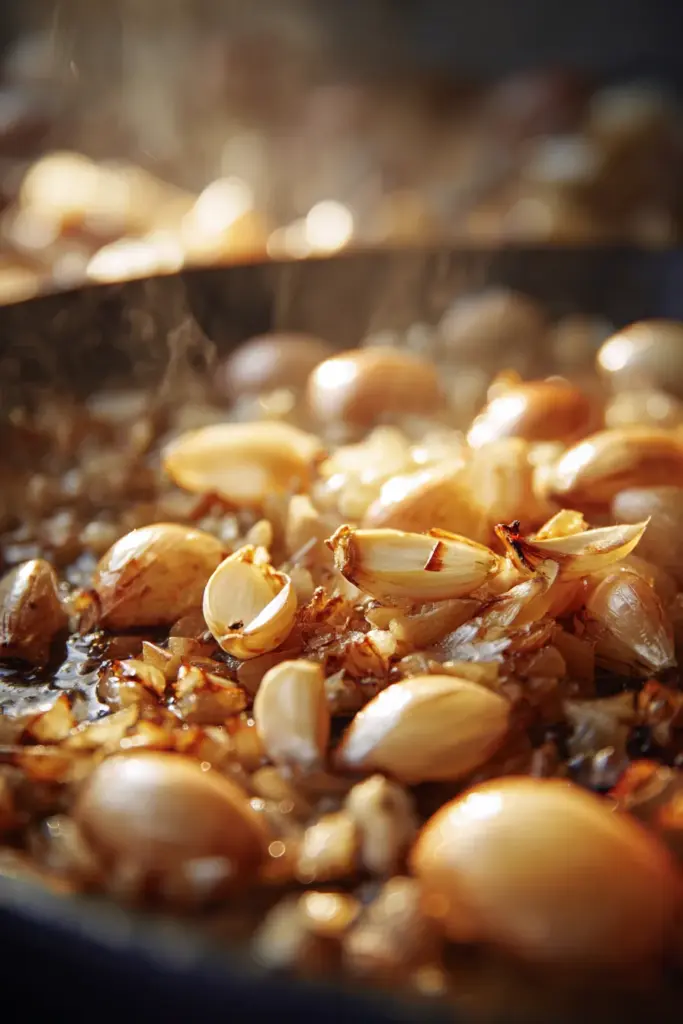
The secret to great one-pot stovetop meals is layering flavors at different stages. I start by browning meat or sautéing aromatics like onions, garlic, and ginger. This initial cooking develops fond, those browned bits stuck to the bottom of the pot that contribute huge amounts of flavor.
Then I deglaze with liquid, wine, broth, or even water, scraping up all those flavorful bits. This becomes the base of whatever sauce or gravy the dish will have. From there, I add other ingredients in order of cooking time, letting everything simmer together until tender.
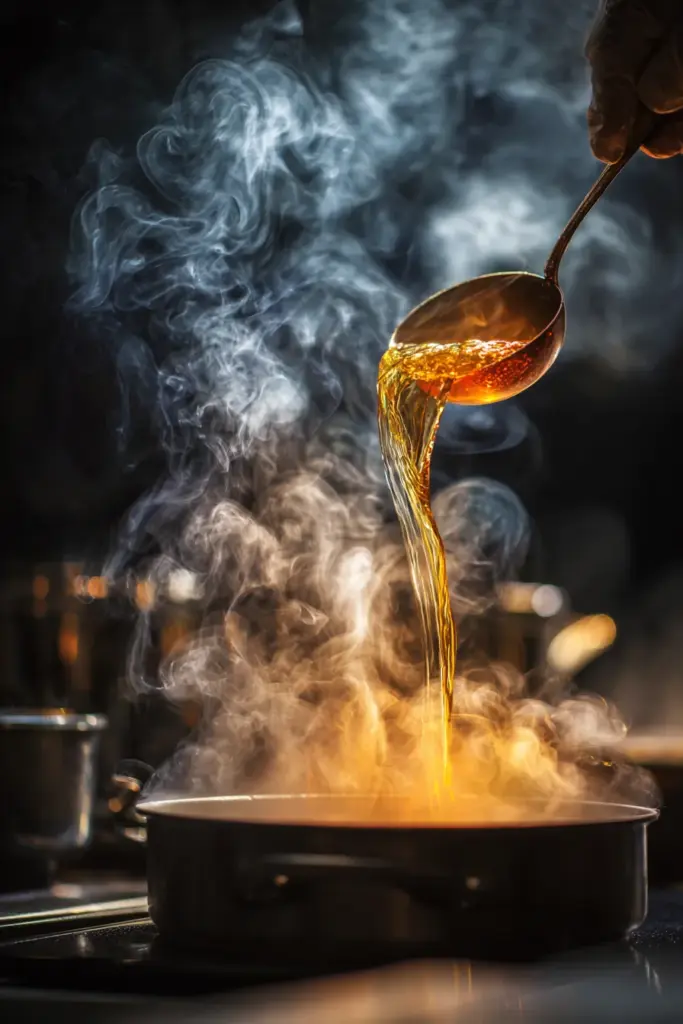
Finishing is just as important in stovetop cooking as it is in roasting. Fresh herbs, a squeeze of citrus, a dollop of sour cream or yogurt, all these additions brighten and complete the dish. Sometimes I’ll add something crunchy on top, toasted nuts or croutons, to provide textural contrast to the tender braised ingredients.
Meal Prep and Make-Ahead Strategies
One of the best things about one-pot and sheet pan meals is how well they adapt to meal prep. I spend a few hours on Sunday preparing components or complete meals for the week ahead, then I can serve dinner in the time it takes to reheat something. It’s been a game-changer for managing busy weeknights without resorting to takeout or convenience foods.
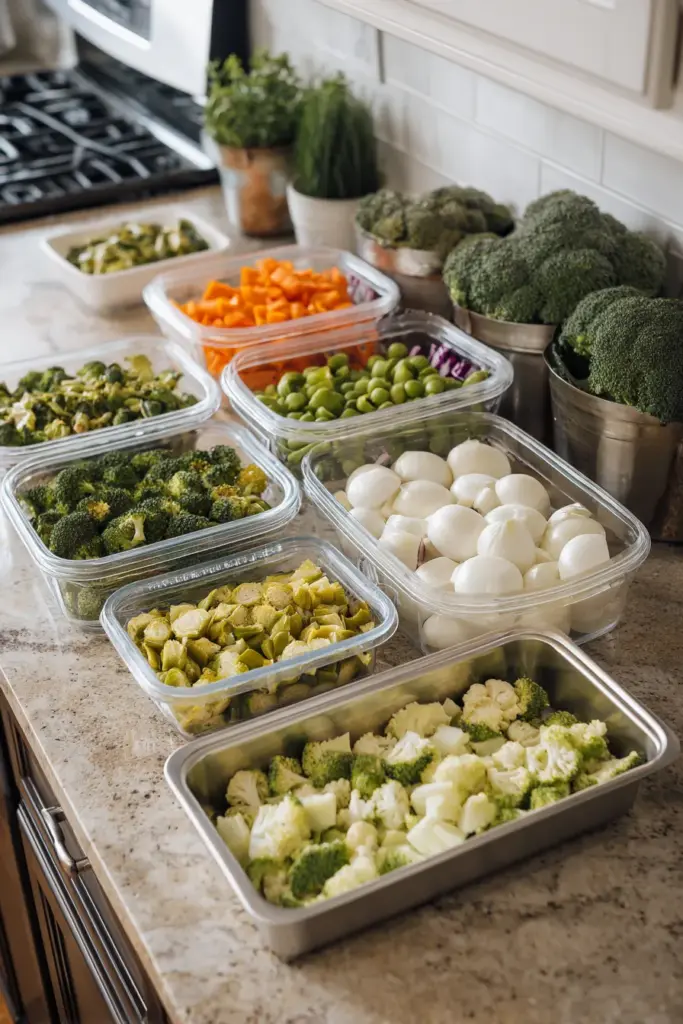
My approach to meal prep has evolved over time. I used to try to make complete, finished meals that I’d just reheat. But I found that some things don’t reheat well, and eating the exact same thing multiple days in a row gets boring. Now I prep components that I can mix and match throughout the week.
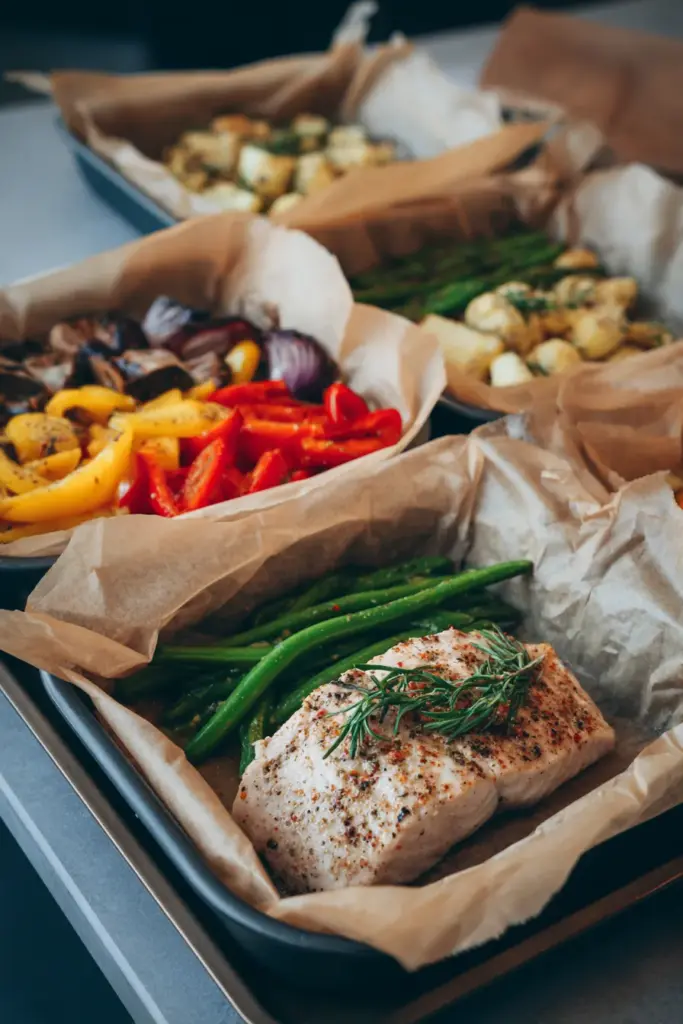
For sheet pan meals, I’ll prep everything up to the point of cooking. Proteins get seasoned and stored in containers. Vegetables get cut and combined with oil and seasonings in bags. When it’s time for dinner, I arrange everything on a sheet pan and roast. The meal feels fresh because it actually is, but I’ve eliminated all the chopping and measuring that usually makes weeknight cooking feel overwhelming.
Freezer-Friendly Options
Many one-pot and sheet pan meals freeze beautifully, which extends meal prep benefits even further. I’ll double recipes, serve one version fresh, and freeze the second for later. This works particularly well for stuffed preparations like those mushrooms and jalapeno poppers, which can go from freezer to oven with minimal adjustment to cooking time.
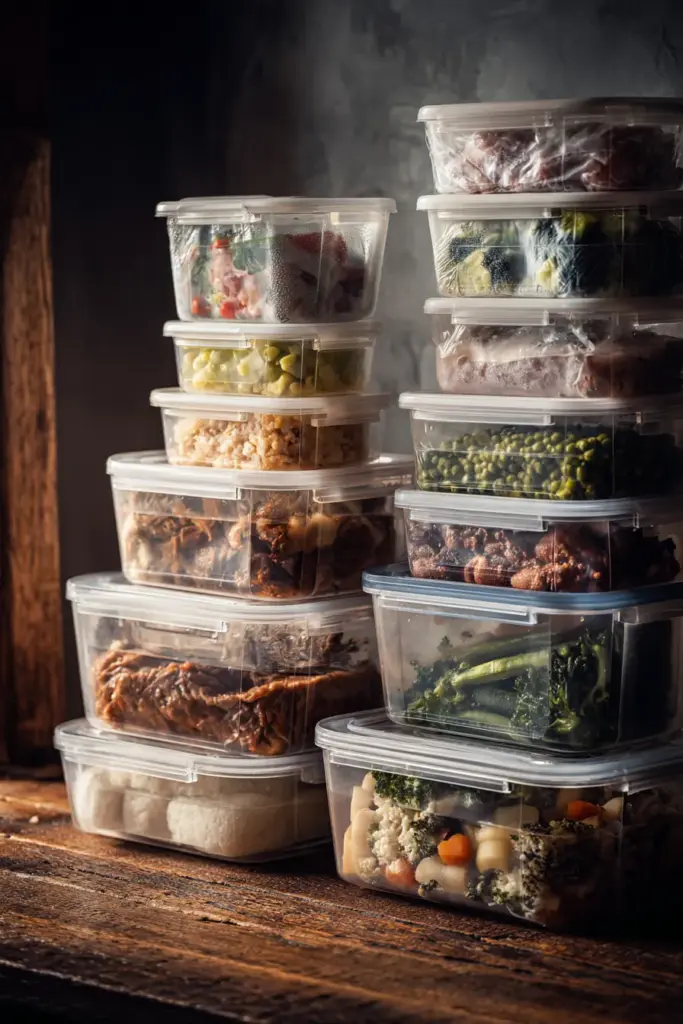
When freezing, I focus on proper packaging to prevent freezer burn. I use heavy-duty freezer bags or airtight containers, removing as much air as possible. I always label with contents and date because future me never remembers what past me put in unmarked containers. Most properly frozen sheet pan components will keep for two to three months without quality loss.
Reheating is straightforward. For most sheet pan meals, I reheat at 350 degrees Fahrenheit until heated through, usually fifteen to twenty minutes depending on quantity. I’ll add a splash of liquid if things seem dry, or tent with foil if the top is browning too quickly. The goal is to warm everything without overcooking or drying it out.
Adapting Recipes to Dietary Needs and Preferences
One of the things I love most about one-pot and sheet pan cooking is how adaptable it is. The basic techniques work for nearly any ingredient combination, which means you can easily adjust recipes to accommodate dietary restrictions, preferences, or whatever ingredients you happen to have on hand.
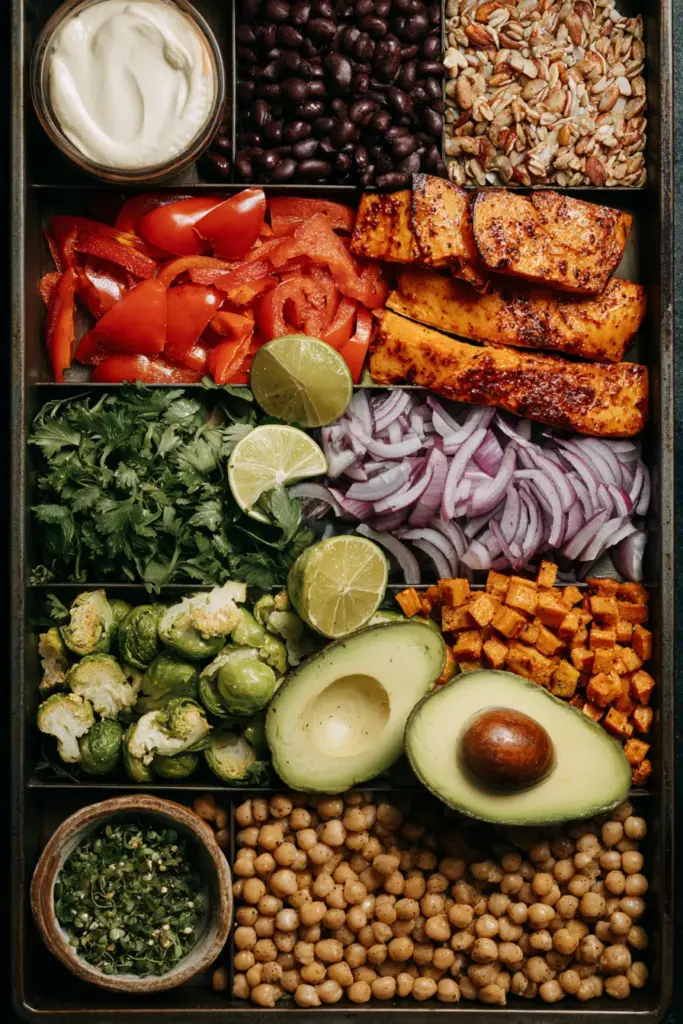
For vegetarian adaptations, I replace meat with hearty vegetables, legumes, or meat alternatives. Portobello mushrooms make an excellent stand-in for beef or venison, with similar meatiness and the ability to hold up to robust flavors. Chickpeas or white beans add protein and substance to sheet pan meals without any meat.
Going gluten-free is usually straightforward since most sheet pan dinners don’t rely on flour or wheat products. The main thing to watch for is cross-contamination from marinades or sauces that might contain hidden gluten. I use gluten-free soy sauce or coconut aminos in place of regular soy sauce, and I check labels on spice blends which sometimes contain wheat as a filler.
Lower-Carb and Keto Adaptations
Sheet pan dinners adapt beautifully to lower-carb eating. Simply increase the vegetables and protein while skipping or reducing starchy components. Instead of potatoes, I’ll use cauliflower, radishes, or turnips. Instead of breading on proteins, I’ll use nut crusts or simply season well and let the natural browning create flavor.
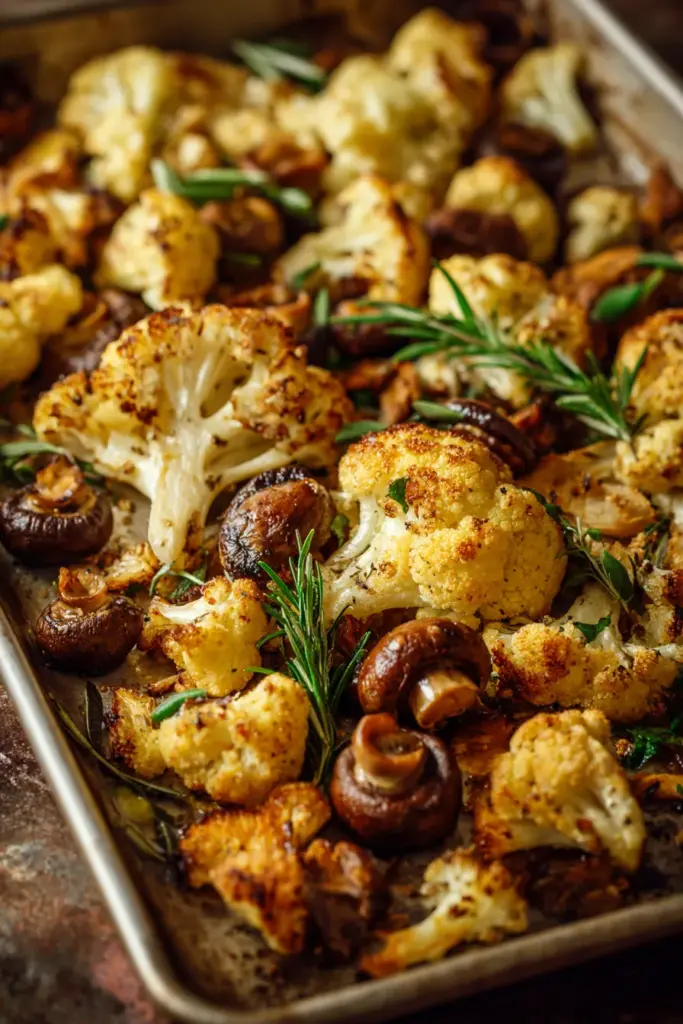
Many of the stuffed and wrapped preparations work perfectly for keto eating since they’re already focused on proteins and vegetables with cheese. Those jalapeno poppers and stuffed mushrooms are naturally low-carb, packed with fat and protein, and completely satisfying without any starchy sides.
Common Mistakes and How to Avoid Them
I’ve made every possible sheet pan cooking mistake over the years, which means I can help you avoid them. The most common error, one I see repeatedly even among experienced cooks, is crowding the pan. I’ve already mentioned this but it bears repeating because it ruins more sheet pan dinners than any other single mistake.
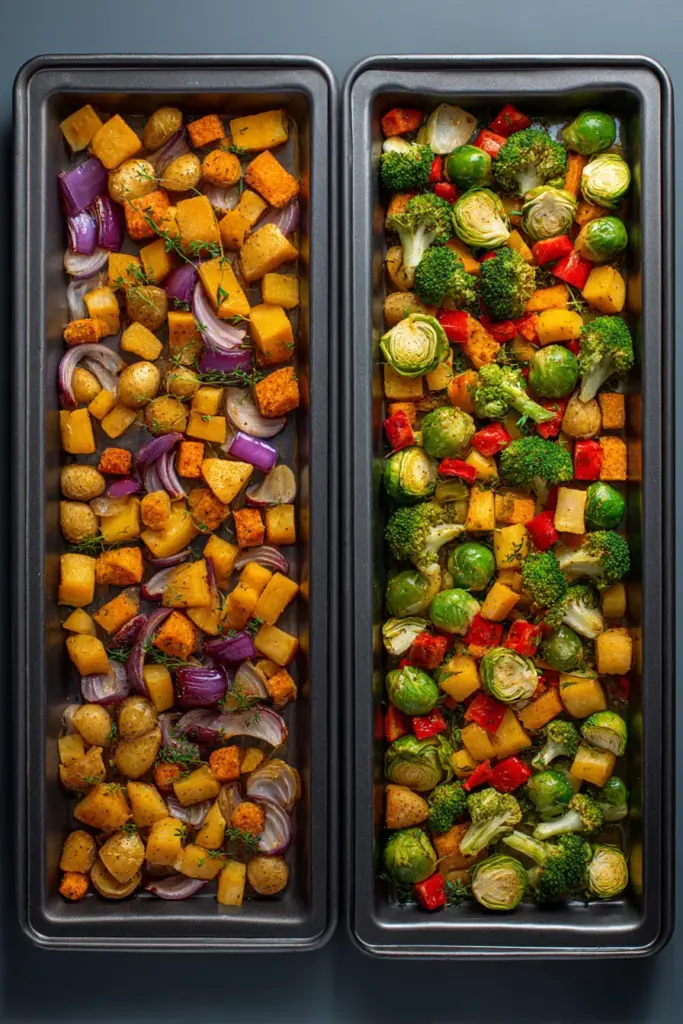
When food touches or overlaps significantly, it steams instead of roasting. You end up with pale, soft vegetables and proteins that never develop that delicious caramelized crust. The solution is simple: use two pans or make less food. There’s no workaround that will make crowding work well.
Another frequent mistake is not preheating the oven fully. Putting food into a cold or warming oven means it sits in a moderate temperature zone too long, releasing moisture without any browning. By the time the oven reaches the target temperature, you’ve already lost the chance for good caramelization. Always wait for that preheat indicator before your sheet pan goes in.
Seasoning and Doneness Issues
Under-seasoning is epidemic in home cooking generally, but it’s particularly problematic in sheet pan cooking where you’re dealing with larger quantities of food. What seems like plenty of salt for four chicken thighs plus a pound of vegetables is actually not enough. I season much more aggressively than feels natural at first, and the results have taught me to trust the process.
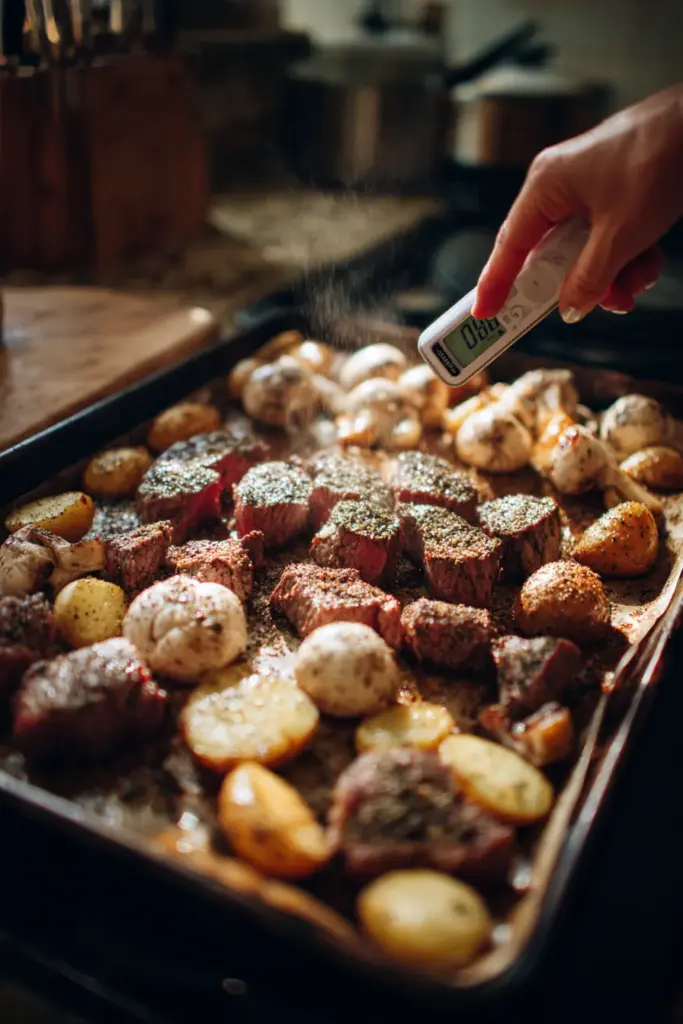
On the flip side, over-cooking dries out sheet pan dinners and makes everything sad. I use an instant-read thermometer for proteins to ensure accuracy. Chicken should hit 165 degrees Fahrenheit, pork 145 degrees, beef depends on desired doneness. Vegetables should be tender but not mushy, with some structural integrity remaining.
Different parts of proteins cook at different rates too. Chicken breasts cook faster than thighs. Thin ends of fish fillets cook before thick portions. I account for this by either cutting to uniform thickness, folding thin portions under, or arranging items strategically on the pan so faster-cooking parts are at the edges away from direct heat.
Expert Tips for Next-Level Sheet Pan Cooking
After years of making sheet pan dinners multiple times per week, I’ve accumulated tips and tricks that take meals from good to genuinely impressive. These aren’t complicated techniques requiring special skills. They’re simple adjustments that make meaningful differences in the final result.
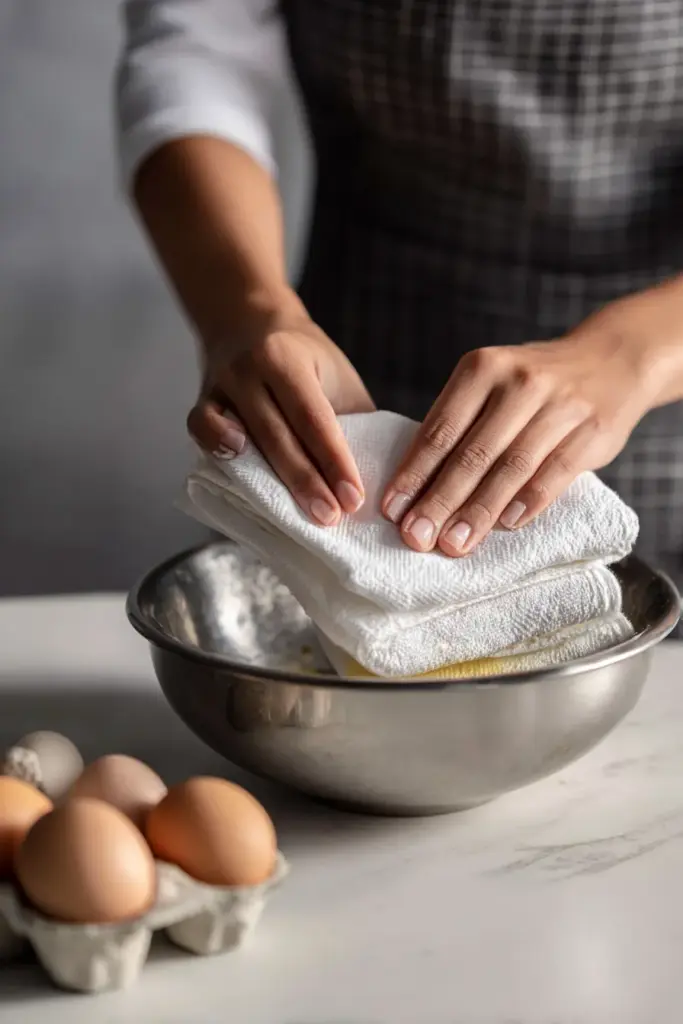
First, I always bring proteins to room temperature before cooking. Cold meat straight from the refrigerator cooks unevenly, with the outside overcooking before the center reaches a safe temperature. I take proteins out thirty minutes before cooking, which makes a noticeable difference in texture and juiciness.
I also pat everything dry before it goes on the pan. Excess moisture prevents browning because the water has to evaporate before temperatures can rise high enough for caramelization. This is especially important for proteins and for vegetables you’ve just washed. A few minutes with paper towels makes everything roast better.
The Power of Marinades and Dry Rubs
While simple salt and pepper works fine, taking a few extra minutes to apply a marinade or dry rub creates exponentially more flavor. For quick weeknight dinners, I keep several dry rub mixtures in my pantry: a smoky blend with paprika and cumin, an Italian herb mixture, a curry powder blend, and a simple garlic-pepper combination.
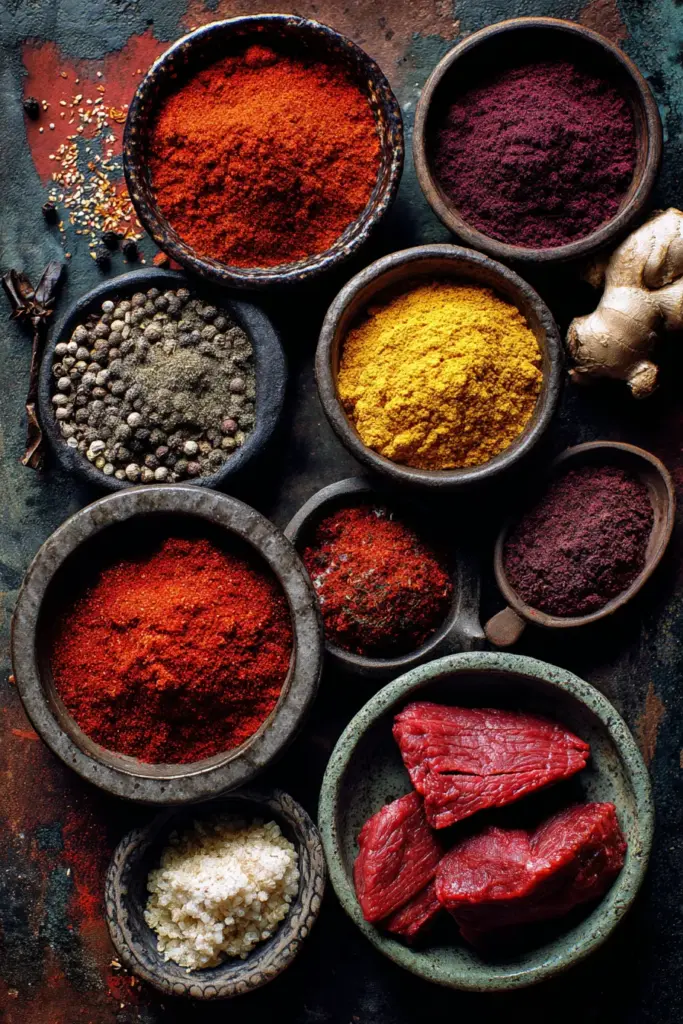
Marinades add flavor and help tenderize proteins, but they require planning ahead. I’ll often prep proteins in marinade the night before, then drain them well before roasting. Too much liquid from marinade will prevent browning, so I pat marinated items dry before they go on the sheet pan.
Acid-based marinades with citrus or vinegar should only be used for a few hours maximum, especially on delicate proteins like fish or shrimp. The acid starts to “cook” the protein chemically, which can lead to mushy texture if left too long. For overnight marinating, I use oil-based marinades with herbs and spices but minimal acid.
Temperature Tricks for Better Results
While most of my sheet pan dinners cook at 400 to 450 degrees Fahrenheit, sometimes I use temperature variations within a single meal for better results. I’ll start proteins at high heat to brown the exterior, then reduce temperature to finish cooking through gently. This prevents the outside from burning before the inside is done.
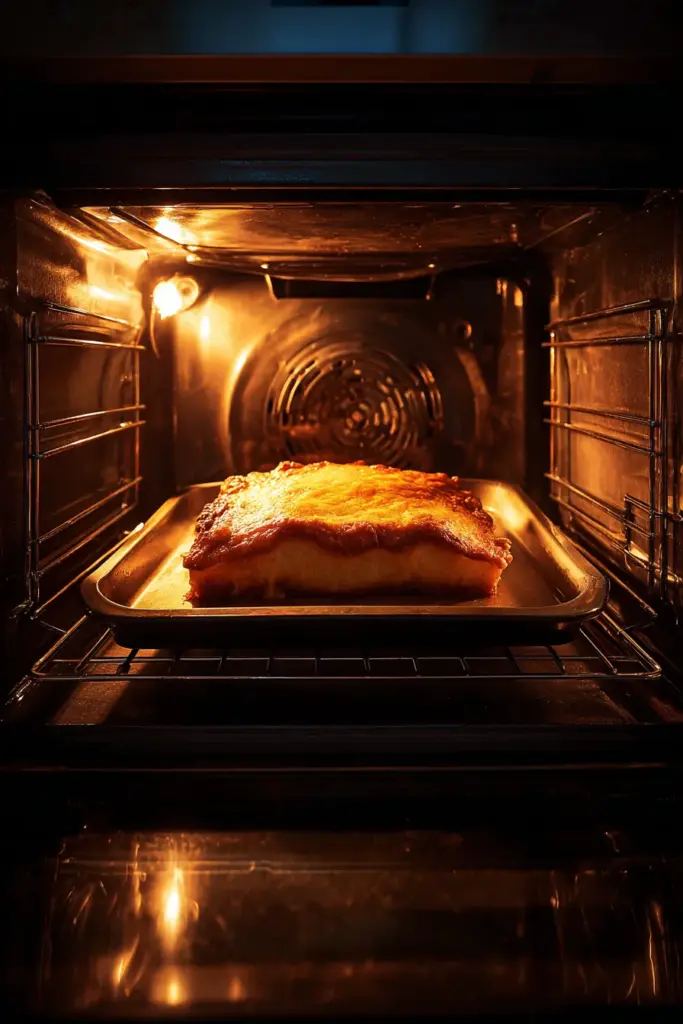
The broiler is my secret weapon for finishing touches. In the last few minutes of cooking, I’ll switch from bake to broil to create extra browning and crispiness on top. This works beautifully for cheese-topped dishes, for getting extra color on proteins, or for crisping up the tops of stuffed preparations. I watch carefully during broiling since things can go from perfect to burnt in seconds.
Bringing It All Together
Sheet pan and one-pot cooking transformed my relationship with weeknight dinner. What used to feel like an overwhelming chore became something manageable, even enjoyable. I’m no longer spending my evenings chained to the sink, washing endless dishes while my family sits in the other room. Instead, I’m sitting with them, sharing the meal we just ate, because cleanup takes five minutes instead of an hour.
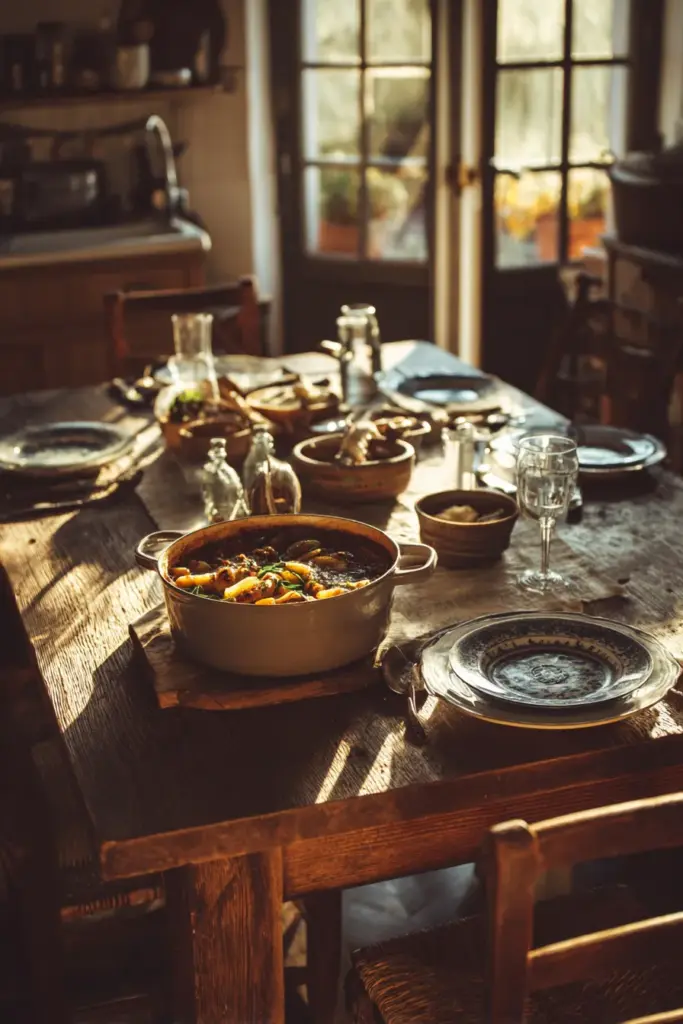
The techniques in this guide aren’t complicated or requiring special skills. They’re about understanding how heat works, how different ingredients cook at different rates, and how to build layers of flavor without layers of complexity. Once these concepts click, you can adapt them to whatever ingredients you have, whatever dietary needs you’re working with, whatever your family actually wants to eat.
I’ve learned that simple doesn’t mean boring. Some of my family’s favorite meals are the simplest ones: chicken thighs with roasted vegetables, seasoned well and cooked until everything is golden and delicious. Other times we want something more exciting, those stuffed mushrooms or wrapped jalapenos or creative handheld formats that make dinner feel special. Sheet pan cooking handles both ends of that spectrum beautifully.
The key is getting started and being willing to experiment. Your first sheet pan dinner might not be perfect. Mine wasn’t. But each time you make one, you learn something about timing, about seasoning, about which combinations work best for your family. You build a repertoire of reliable meals that you can make without even consulting recipes, adjusting on the fly based on what’s in your refrigerator or what sounds good that day.
My hope is that this guide gives you the confidence to try sheet pan cooking if you haven’t already, or to expand your repertoire if you’re already comfortable with the basics. There’s so much possibility in this simple format, from weeknight basics to impressive entertaining menus. The cleanup is always minimal, the results are consistently delicious, and the time you save can be spent doing literally anything else besides standing over a hot stove or washing dishes.
For more inspiration and delicious recipes, explore these favorites from our collection:
Creamy Garlic Crab Stuffed Mushrooms
Bacon Cheeseburger Stuffed Tater Tot Cones
Frequently Asked Questions
How do I prevent vegetables from getting soggy on sheet pans?
The main causes of soggy vegetables are crowding, too much oil, and insufficient heat. Make sure vegetables have space around them, use just enough oil to coat lightly, and roast at 400 degrees or higher. Also pat vegetables dry after washing them, as excess water creates steam.
Can I use aluminum foil instead of parchment paper?
Yes, though parchment is preferable for most applications. Foil can react with acidic ingredients like tomatoes or vinegar, creating off-flavors. If using foil, avoid direct contact with acidic foods. Foil works great for foods you want to brown aggressively since it conducts heat better than parchment.
How do I keep chicken from drying out on sheet pans?
Use bone-in, skin-on chicken when possible, as both bone and skin protect the meat from drying. Don’t overcook, use a thermometer to check for 165 degrees Fahrenheit. Consider brining chicken before cooking, which helps it retain moisture. Dark meat like thighs is more forgiving than white meat breasts.
What’s the best way to reheat sheet pan leftovers?
Reheat in a 350-degree oven until warmed through, usually fifteen to twenty minutes depending on quantity. Add a splash of broth or water if things seem dry. Avoid microwaving when possible, as it makes crispy items soggy and can overcook proteins.
Can I prep sheet pan meals in advance?
Absolutely. Prep all components, store them separately in the refrigerator, then assemble on the sheet pan right before cooking. Most prepped components will keep two to three days. You can also freeze many sheet pan meal components for longer storage.
Why isn’t my food browning properly?
Common causes include overcrowding, insufficient heat, too much moisture, or not enough oil. Make sure your oven is fully preheated, use high enough temperature (400-450°F for most items), don’t crowd the pan, and pat food dry before cooking. A light coating of oil helps browning.
How do I adapt recipes for larger or smaller quantities?
For smaller quantities, use a smaller pan to maintain proper spacing and cooking times may be slightly shorter. For larger quantities, use multiple pans rather than crowding one large pan. Rotate pans halfway through cooking for even results. Cooking times generally stay similar when you maintain proper spacing.
What vegetables work best for sheet pan cooking?
Sturdy vegetables like potatoes, carrots, Brussels sprouts, cauliflower, broccoli, bell peppers, and winter squash all roast beautifully. Delicate greens should be added toward the end. Cut dense vegetables smaller than quick-cooking ones so everything finishes together.
Can I use non-stick pans instead of aluminum?
Non-stick pans work but typically can’t handle the high temperatures ideal for roasting, as most non-stick coatings degrade above 400-450 degrees Fahrenheit. Check your pan’s temperature rating. Heavy aluminum or stainless steel sheet pans are better choices for high-heat roasting.
How do I prevent sheet pans from warping in the oven?
Invest in heavy-gauge, professional-quality sheet pans. Thin pans will warp with high heat. Once you have good pans, avoid extreme temperature changes like running hot pans under cold water. Quality pans cost more initially but last much longer and perform better.
What’s the difference between roasting and baking on sheet pans?
The terms are often used interchangeably, but technically roasting uses higher heat (400°F and above) and is used for proteins and vegetables, while baking uses moderate heat and is for items like cookies or casseroles. For our purposes with savory dinners, we’re generally roasting even if recipes sometimes say baking.
Can I cook frozen vegetables on sheet pans?
Yes, though results vary by vegetable. Frozen vegetables release more moisture, so increase oven temperature slightly and give them extra space. Pat them as dry as possible first. Fresh vegetables generally roast better, but frozen works in a pinch, especially for items like Brussels sprouts or cauliflower.

🍳 Precision Meets Passion — Tools Chefs Trust Daily

- Grams & ounces — precise to 1g
- Perfect for baking & keto tracking
- Sleek stainless steel design

- German stainless precision
- Razor-sharp & dishwasher-safe
- Elegant wood block organizer

- Premium Stainless Steel Build
- Easy to Clean & Dishwasher Safe
- A Must-Have Kitchen Tool