📑 Table of Contents ▶
Ratatouille
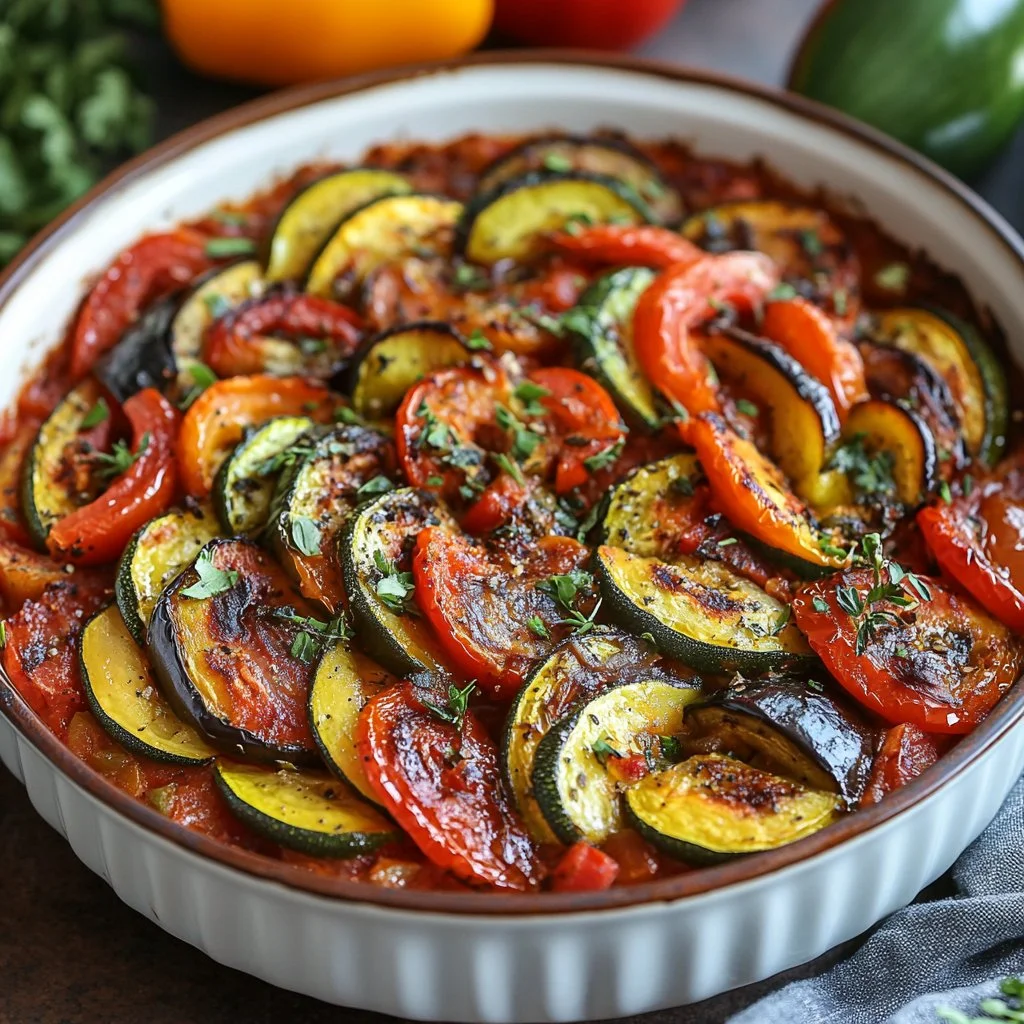
Dancing around the kitchen, the aroma of ratatouille bubbling on the stove creates an atmosphere of joy. This classic dish brings together vibrant flavors and colorful vegetables, making it a staple in many homes. The moment I first sautéed vegetables for my version of ratatouille, I understood the magic of seasonal cooking. Each simmering bite provides a connection to nature’s bounty. Every time I make ratatouille, I feel grounded by the earthiness of the ingredients.
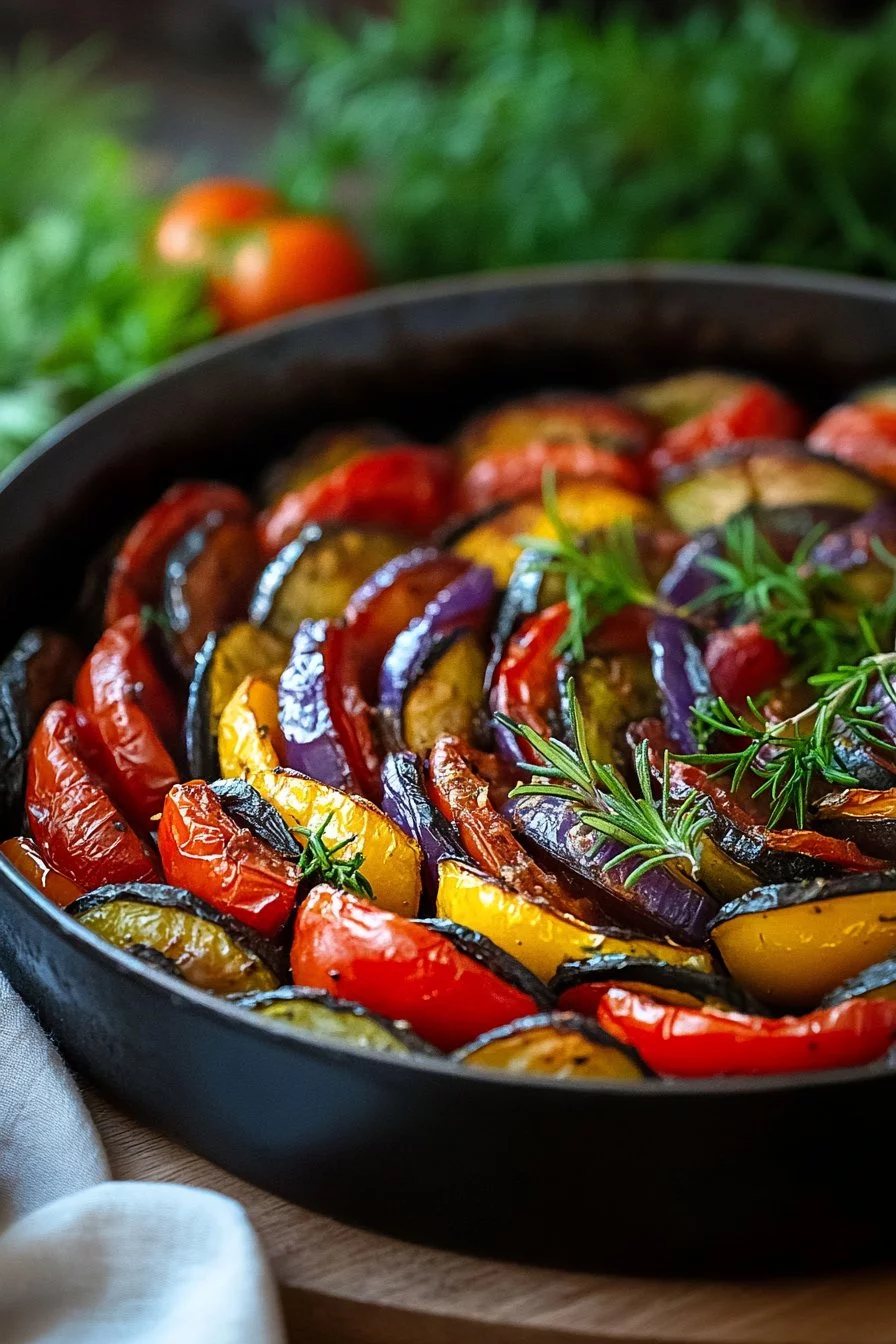
Creating ratatouille feels like a celebration of vegetables. You unveil the beauty of each component, from the rich purple of eggplant to the bright yellow hues of squash. The process invites creativity and transformation, a reminder that cooking is as much about the journey as it is about the destination.
⚡ Smart Kitchen Tools Every Home Cook Swears By

- Pure aluminum
- Durable enough for everyday cooking
- Made in the USA with quality

- 7 cooking functions in one compact cooker
- 3-quart size ideal for couples or small meals
- Up to 70% faster than traditional cooking

- 3 sizes for every recipe
- Pre-seasoned & durable cast iron
- Oven & grill ready
In this dish, fresh ingredients combine harmoniously, resulting in warm and comforting flavors that evoke memories of carefree gatherings. Ratatouille not only satisfies your taste buds, but it also nourishes the soul, making it an ideal dish for sharing with friends and family.
Ratatouille Essentials
Fundamentals
At its core, ratatouille embodies simplicity and wholesomeness. It showcases the best of summer vegetables, making it a truly versatile dish. Each vegetable introduces unique textures, flavors, and colors that enhance the overall appeal. To capture its essence, understanding the foundational elements of ratatouille is crucial.
Select fresh and ripe vegetables for the most flavorful experience. Eggplant, zucchini, yellow squash, and bell pepper feature prominently, allowing their flavors to meld beautifully when cooked together. The sauce, primarily made from tomatoes, creates a rich base that amplifies the natural sweetness of each vegetable. This celebration of fresh produce provides a hearty yet light meal that’s perfect for any occasion.
Preparation/Setup
Preparation sets the stage for an enjoyable cooking experience. Start by gathering all ingredients and tools, including a large skillet, cutting board, and sharp knife. Dicing the eggplant into small pieces, slicing the zucchini and yellow squash, and chopping the bell pepper ensures even cooking.
Chop the onion and mince the garlic, which serve as aromatic foundations for this dish. Heating olive oil in the skillet before adding these elements guarantees that you extract the maximum depth of flavor. Working methodically ensures that each vegetable reaches its ideal tenderness, creating a harmonious blend of tastes.
Ingredients
- 1 eggplant, diced
- 2 zucchini, sliced
- 2 yellow squash, sliced
- 1 bell pepper, chopped
- 2 cups tomato sauce
- 1 onion, chopped
- 3 cloves garlic, minced
- 1 teaspoon dried thyme
- 1 teaspoon dried basil
- Salt and pepper to taste
- Olive oil
Directions
- In a large skillet, heat olive oil over medium heat.
- Add the onion and garlic, sauté until translucent.
- Add the eggplant, zucchini, yellow squash, and bell pepper. Cook until they start to soften.
- Pour in the tomato sauce and add thyme, basil, salt, and pepper.
- Stir well, reduce heat, and let simmer for about 30 minutes, stirring occasionally until the vegetables are tender.
- Serve warm, optionally over rice or with crusty bread.
Creative Techniques in Ratatouille
Technique
Cooking ratatouille involves a few techniques that elevate the flavors and textures of each ingredient. Sautéing the onions and garlic first releases their essential oils, filling your kitchen with a delightful aroma. Adding the diced eggplant allows it to absorb the flavors, while its spongy texture becomes soft and luscious.
As you introduce the zucchini, yellow squash, and bell pepper, the dish develops a deeper character. Stirring gently helps incorporate all ingredients without mashing them together, preserving their individuality. The key is to maintain a balance where each vegetable complements the others, creating a mosaic of flavors on the plate.
Tips/Tricks
One crucial tip is to salt the diced eggplant before cooking. This process, known as “sweating,” draws out excess moisture and bitterness, ensuring that it achieves a beautiful texture once cooked. Furthermore, you can experiment with seasonal herbs instead of dried thyme and basil to add another layer of freshness.

For those who enjoy spiciness, consider a pinch of red pepper flakes for an added kick. Variation with vegetable choices is also welcomed—experiment with seasonal veggies to keep the dish exciting. Ratatouille invites creativity, making it an adaptable meal for any palate.
Perfecting Ratatouille
Perfecting Results
Achieving that perfect ratatouille involves patience and a keen eye. Monitor the vegetables as they cook; you want them soft but not mushy. Keep the heat at a moderate level to allow even cooking without risking burning. The stone-like quality of the ratatouille emerges as you craft a rich tapestry of flavors.
🥗 Fresh, Fast & Foolproof — Upgrades You'll Use Tonight

- Zoodles in seconds
- Heavy-duty, 10 sharp blades
- Keto, paleo & gluten-free friendly

- Meals in ~30 minutes
- 3-Qt — perfect for 1–3 people
- Pressure cook, sauté, steam & more

- Phone alerts & live temp graph
- Hands-off monitoring for smokers
- Perfect doneness, every time
Taste regularly during the simmering process. Adjusting the seasoning ensures that each bite delivers a burst of flavor. Remember, the goal is to create a balanced dish where no single flavor overpowers another. It should encapsulate a unity of taste and texture that feels satisfying and delightful.
Troubleshooting/Variations
If your ratatouille turns out too watery, let it simmer longer to reach your desired consistency. Alternatively, if you prefer a thicker sauce, consider using crushed tomatoes instead of the sauce or adding a small amount of tomato paste during cooking.
For those wishing to deepen the flavor profile, browning the vegetables slightly before adding the tomato sauce introduces a roasted quality that enhances the overall taste. You might also enjoy adding olives or capers for a Mediterranean twist, transforming this dish into a new culinary experience.
Serving Ratatouille Perfectly
Serving/Presentation
The vibrant colors of the vegetables create a beautiful display, making presentation as simple as vivid. Serve ratatouille warm either over a bowl of fluffy rice or alongside crusty bread. Presenting it in a rustic dish enhances its homemade charm, inviting diners to enjoy the harvest of flavors.
A sprinkle of fresh herbs on top just before serving brings a spring-like freshness that contrasts with the warm, cooked vegetables. You can also add a drizzle of olive oil to finish, which elevates the dish with a touch of elegance.
Pairings/Storage
Ratatouille pairs wonderfully with a variety of sides. Consider offering a simple green salad for a refreshing contrast. Additionally, crusty bread or warm rice serves as a perfect accompaniment.
Storing leftovers is easy—simply place the ratatouille in an airtight container and refrigerate. It lasts for 3-4 days, and flavors deepen as the ingredients meld together over time. Reheating on the stovetop or in the microwave warms up this delicious dish, making it an ideal option for busy weeknights or lunch.
Ratatouille stands as a testament to what a simple gathering of vegetables can achieve. It offers a fulfilling experience that warms the heart, allowing every cook to share their love through this timeless classic.
The art of crafting ratatouille not only makes a satisfying meal but also strengthens connections with nature and community. Experience the joy of cooking through every tender bite, and you may find that this dish becomes a cherished favorite in your kitchen too.
Print
Ratatouille
- Total Time: 45 minutes
- Yield: 4 servings 1x
- Diet: Vegetarian
Description
A classic dish showcasing vibrant flavors and colorful vegetables, embodying simplicity and wholesomeness.
Ingredients
- 1 eggplant, diced
- 2 zucchini, sliced
- 2 yellow squash, sliced
- 1 bell pepper, chopped
- 2 cups tomato sauce
- 1 onion, chopped
- 3 cloves garlic, minced
- 1 teaspoon dried thyme
- 1 teaspoon dried basil
- Salt and pepper to taste
- Olive oil
Instructions
- In a large skillet, heat olive oil over medium heat.
- Add the onion and garlic, sauté until translucent.
- Add the eggplant, zucchini, yellow squash, and bell pepper. Cook until they start to soften.
- Pour in the tomato sauce and add thyme, basil, salt, and pepper.
- Stir well, reduce heat, and let simmer for about 30 minutes, stirring occasionally until the vegetables are tender.
- Serve warm, optionally over rice or with crusty bread.
Notes
Salting the diced eggplant before cooking helps improve its texture. You can use seasonal herbs for added freshness.
- Prep Time: 15 minutes
- Cook Time: 30 minutes
- Category: Main Course
- Method: Sautéing and Simmering
- Cuisine: French
Nutrition
- Serving Size: 1 serving
- Calories: 280
- Sugar: 8g
- Sodium: 450mg
- Fat: 10g
- Saturated Fat: 1g
- Unsaturated Fat: 8g
- Trans Fat: 0g
- Carbohydrates: 40g
- Fiber: 6g
- Protein: 7g
- Cholesterol: 0mg
Keywords: Ratatouille, Vegetable Medley, French Cuisine

🍳 Precision Meets Passion — Tools Chefs Trust Daily

- Grams & ounces — precise to 1g
- Perfect for baking & keto tracking
- Sleek stainless steel design

- German stainless precision
- Razor-sharp & dishwasher-safe
- Elegant wood block organizer

- Premium Stainless Steel Build
- Easy to Clean & Dishwasher Safe
- A Must-Have Kitchen Tool