➤ Table of Contents
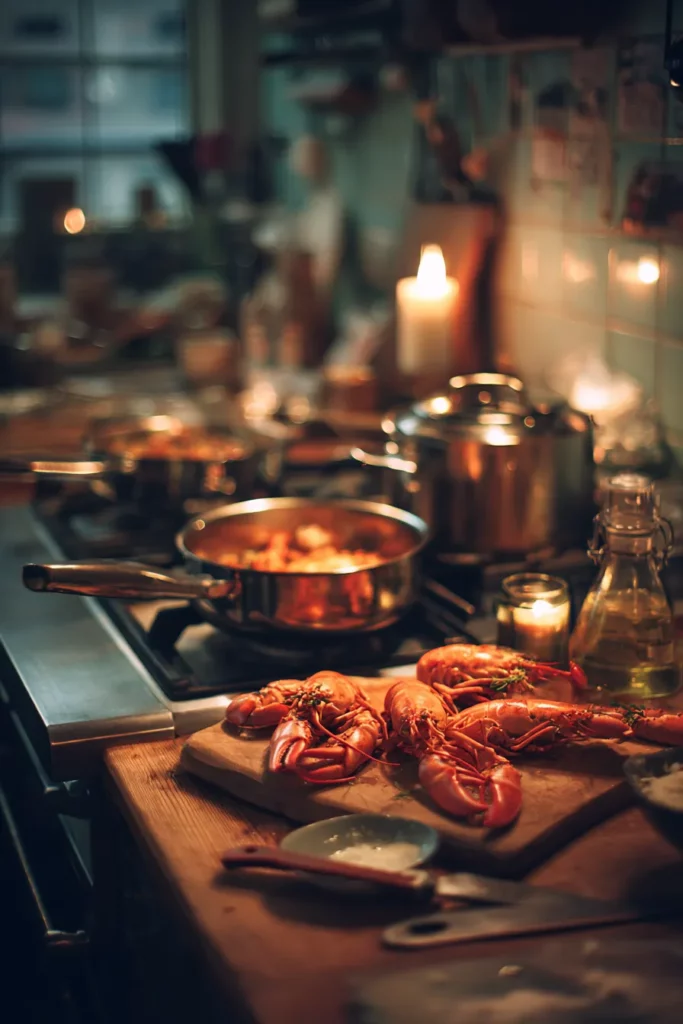
I’ll never forget the first time I attempted to make lobster bisque from scratch. It was for my anniversary dinner, and I wanted to impress my husband with something fancy and restaurant-worthy. I had this romantic vision of us sipping velvety, coral-colored soup by candlelight. What actually happened was me frantically Googling “how to crack lobster shells” at seven o’clock, my kitchen looking like a seafood crime scene, and nearly burning the roux because I got distracted trying to extract every bit of meat from those stubborn claws.
⚡ Smart Kitchen Tools Every Home Cook Swears By

- Pure aluminum
- Durable enough for everyday cooking
- Made in the USA with quality

- 7 cooking functions in one compact cooker
- 3-quart size ideal for couples or small meals
- Up to 70% faster than traditional cooking

- 3 sizes for every recipe
- Pre-seasoned & durable cast iron
- Oven & grill ready
But here’s the thing about that chaotic evening. Despite the mess, despite my inexperience, despite everything that went wrong, that bisque was absolutely delicious. There’s something almost magical about seafood soups and chowders. The way the ocean’s sweetness infuses into cream and butter, how those shells you almost threw away become the foundation of the most incredible broth, the comforting warmth of a bowl that tastes like coastal memories even if you’re hundreds of miles from the sea.
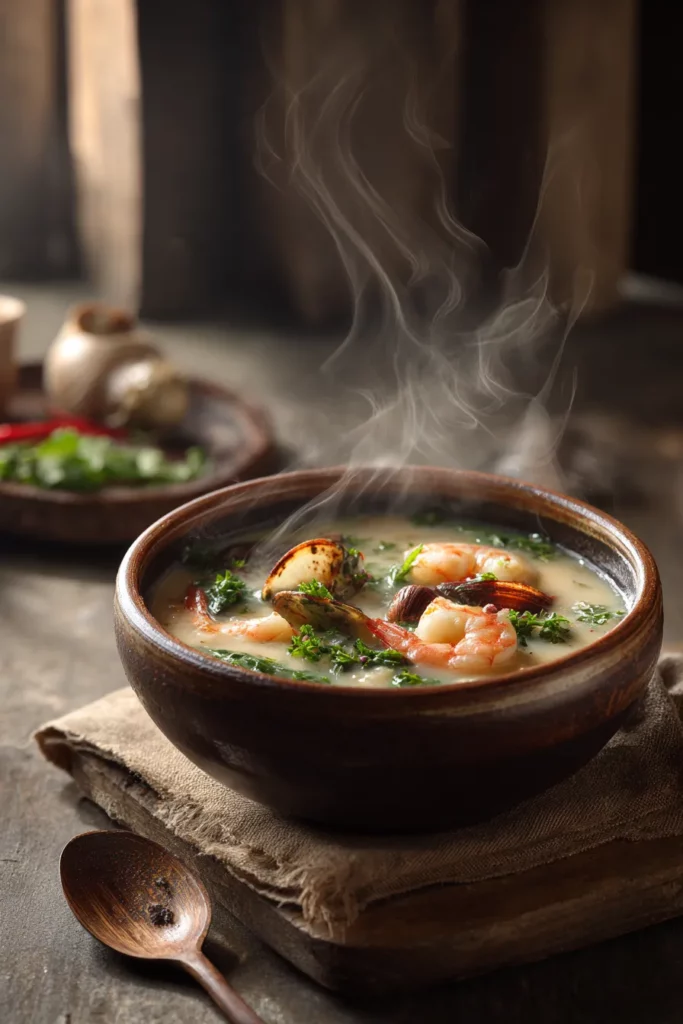
Since that first attempt, I’ve made countless pots of seafood soups and chowders. I’ve learned which shortcuts actually work and which ones compromise flavor. I’ve discovered how to coax maximum taste from shrimp shells, when to add delicate scallops so they stay tender, and why some chowders turn out thin and disappointing while others are luxuriously thick and satisfying. These aren’t just recipes to me anymore. They’re stories of dinner parties, quiet weeknight comforts, and special occasions worth celebrating.
This guide is everything I wish I’d known before that anniversary dinner. We’ll explore the silky elegance of bisques, the hearty comfort of chowders, and all the beautiful variations in between. You’ll learn the techniques that separate good seafood soup from extraordinary seafood soup, understand which seafood combinations work best together, and discover how to make restaurant-quality dishes in your own kitchen without the stress I experienced that first time. Whether you’re planning an impressive dinner party or just craving a bowl of something warm and oceanic on a chilly evening, you’ll find exactly what you need here.
Understanding the Difference Between Bisques and Chowders
For the longest time, I thought bisque and chowder were just fancy words for the same thing. They’re both creamy seafood soups, right? But after making dozens of each, I’ve come to understand and appreciate their distinct personalities. It’s like comparing velvet to fleece. Both are soft and comforting, but the experience of each is entirely different.
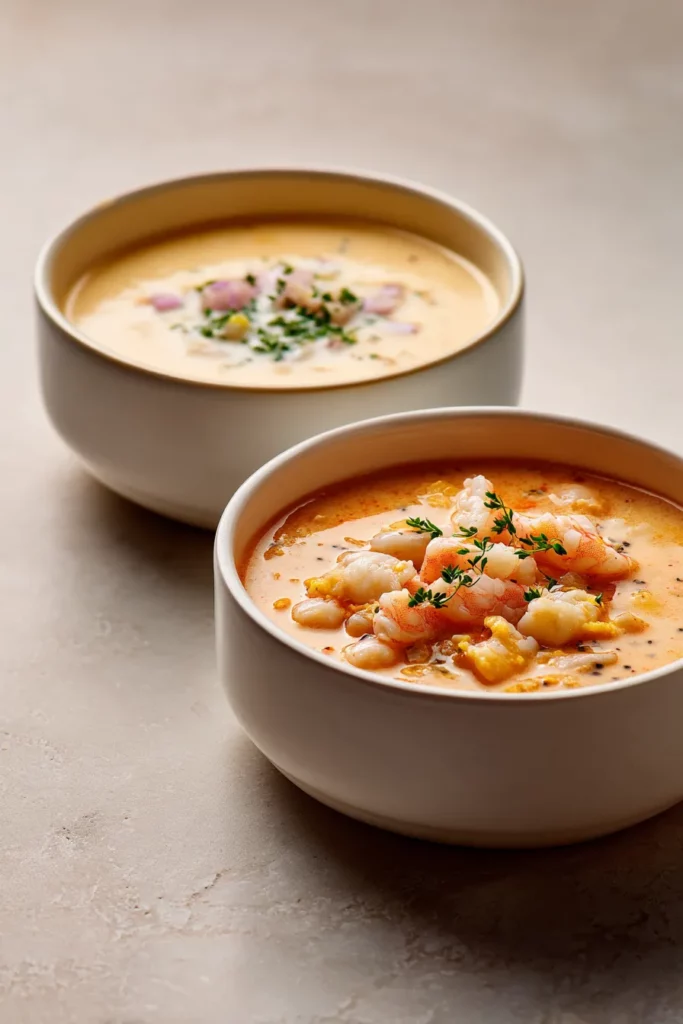
Bisques are refined and elegant. They’re smooth, luxurious soups traditionally made by grinding or pureeing shells and seafood into a silky base. The texture should be completely uniform, almost like drinking liquid silk. When you make a proper bisque, you’re committing to a process that extracts every possible bit of flavor from your seafood. Those shells you might discard? They’re gold in bisque-making, lending deep oceanic flavor and a gorgeous color that no amount of food coloring could replicate.
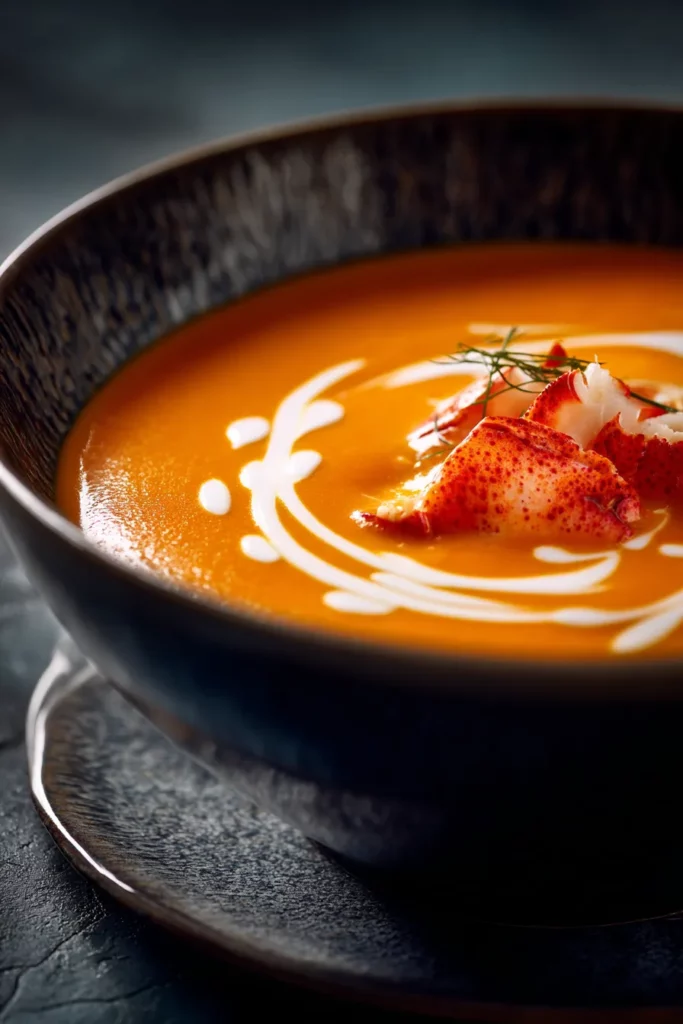
The foundation of a great bisque starts with aromatics. I always begin with a classic mirepoix of onions, celery, and carrots, sweating them gently in butter until they’re soft and fragrant. Then comes the crucial step that many home cooks skip: toasting the shells. Whether I’m making creamy shrimp bisque with garlic and herbs or something more elaborate, those toasted shells create a depth of flavor that’s simply irreplaceable.
The Art of Making Bisque
Making bisque is a labor of love, but it’s not as difficult as restaurant menus might have you believe. The process follows a rhythm: sauté your aromatics, toast your shells until they turn pink and fragrant, deglaze with something acidic like wine or brandy, add stock and simmer until every bit of flavor has been extracted, then strain everything and finish with cream.
I learned an important lesson about straining the hard way. My first few bisques had tiny shell fragments that would occasionally crunch between your teeth. Not exactly the elegant experience I was going for. Now I strain twice, first through a regular mesh strainer to catch the big pieces, then through cheesecloth or a fine-mesh strainer to catch everything else. It takes an extra five minutes but makes all the difference in achieving that signature silky texture.
🥗 Fresh, Fast & Foolproof — Upgrades You'll Use Tonight

- Zoodles in seconds
- Heavy-duty, 10 sharp blades
- Keto, paleo & gluten-free friendly

- Meals in ~30 minutes
- 3-Qt — perfect for 1–3 people
- Pressure cook, sauté, steam & more

- Phone alerts & live temp graph
- Hands-off monitoring for smokers
- Perfect doneness, every time
The lobster and shrimp bisque recipe taught me about balancing seafood flavors. Lobster is sweet and delicate, while shrimp brings a slightly brinier note. Together, they create something more complex than either would alone. The same principle applies to the lobster and scallop bisque with a hint of brandy, where that splash of brandy cuts through the richness and adds warmth.
Chowder’s Heartier Approach
Chowders are bisque’s more rustic, approachable cousin. Where bisques are smooth and refined, chowders are chunky and comforting. They’re the kind of soup you want when you’re cold and hungry, when you need something substantial that feels like a hug in a bowl. Chowders don’t ask you to strain and puree. They celebrate texture, with tender chunks of seafood, soft potato cubes, and sometimes crispy bacon bits adding contrast.
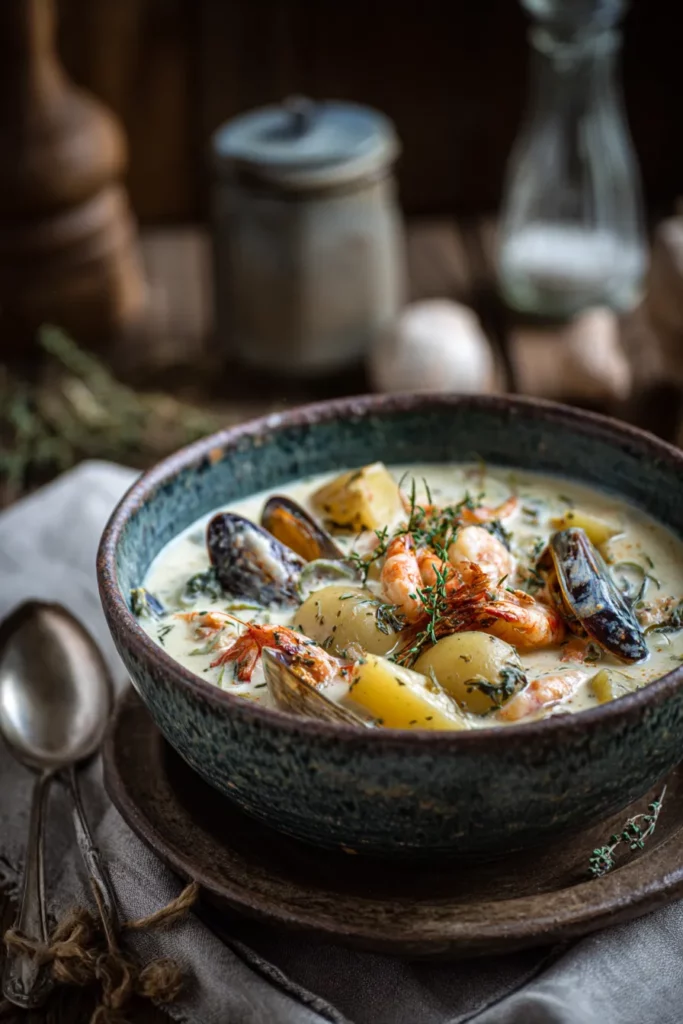
The base of most chowders is similar: aromatics, potatoes, and a creamy broth. But the technique is more forgiving. You don’t need to extract flavor from shells because you’re not pureeing anything. The seafood goes in toward the end, cooking just until tender, staying in recognizable, satisfying pieces. This makes chowders faster to prepare and, honestly, more practical for weeknight cooking.
My go-to is creamy clam chowder, which has been a family favorite for years. There’s something about those tender clams nestled in creamy, potato-studded broth that never gets old. I always use fresh clams when I can find them, but canned clams work beautifully too, especially on busy weeknights when you don’t have time to steam and shuck.
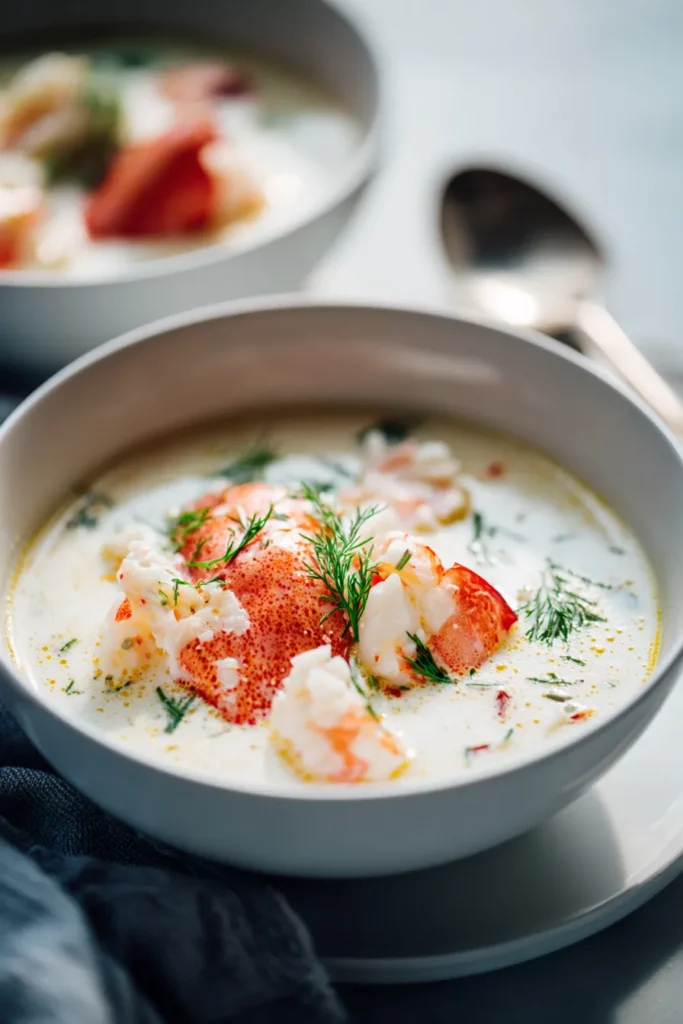
For something more luxurious, the lobster chowder recipe is worth the splurge. It has all the comfort of traditional chowder but with sweet lobster meat that makes it feel special. I make it for birthdays and celebrations, when we want something that tastes expensive but still has that homey, satisfying quality of classic chowder.
Essential Techniques for Perfect Seafood Soup
The difference between mediocre seafood soup and spectacular seafood soup often comes down to technique rather than expensive ingredients. I’ve served impressive soups made with affordable shrimp and I’ve had disappointing soups made with premium lobster. The cooking method matters more than you might think.
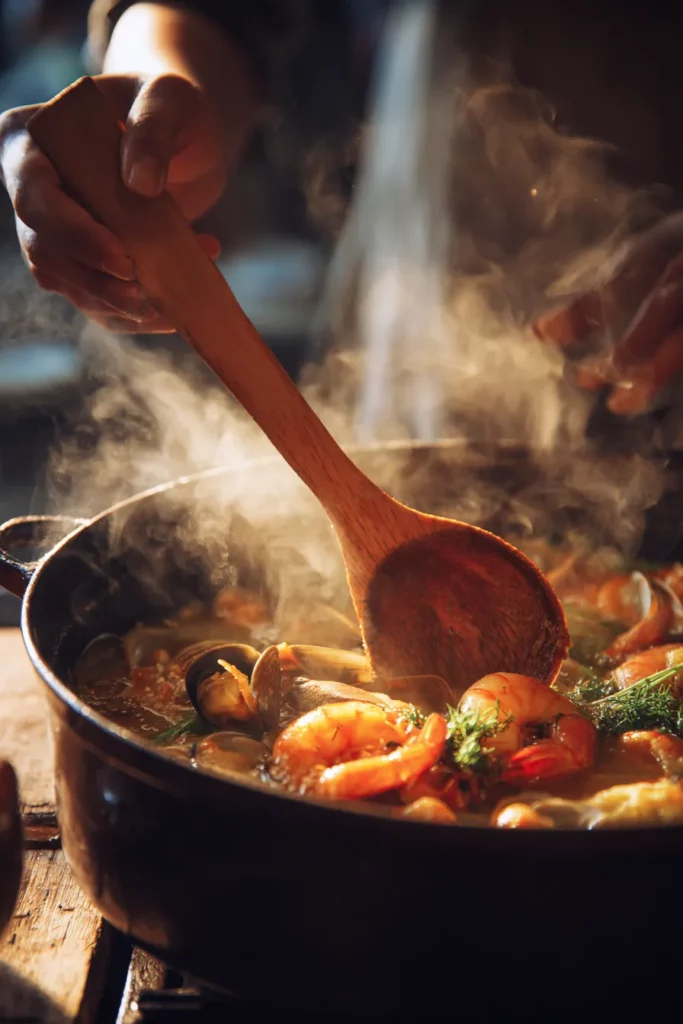
The most important lesson I learned is about timing. Seafood cooks quickly, and overcooked seafood becomes rubbery and loses its sweet, delicate flavor. Shrimp needs just two to three minutes. Scallops are even faster. When I’m making something like velvety shrimp and scallop bisque, I add the actual seafood meat at the very end, letting it poach gently in the hot soup just until cooked through.
Building Flavor Foundations
Every great seafood soup starts with a flavorful base, and that base begins long before any seafood enters the pot. I always start with aromatics: onions, celery, sometimes carrots, always garlic. These get sweated in butter or oil until they’re soft and translucent, releasing their flavors into the fat that will carry them throughout the soup.
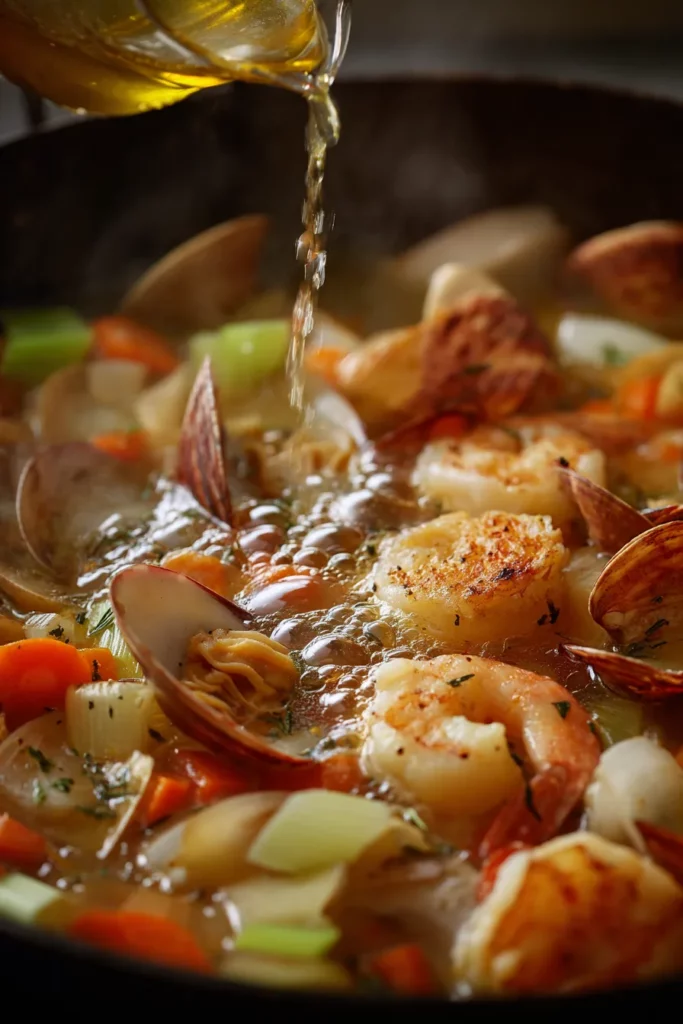
Then comes one of my favorite steps: the toast. Whether it’s shells that need toasting or tomato paste that needs caramelizing, this step develops deep, complex flavors that make your soup taste like it simmered for hours even if it didn’t. When I make scallop and leek bisque, I save any scallop scraps or side muscles and toast those along with my aromatics.
Stock choice matters too. I prefer making my own seafood stock from shells and scraps, but I understand that’s not always practical. When buying store-bought stock, I look for one that lists actual seafood as the first ingredient, not just “natural flavors.” And here’s a trick: if your stock tastes weak, reduce it by a third before using it in your soup. Concentration equals flavor.
The Cream Question
People always ask me about cream in seafood soups. Do you need heavy cream? Can you use half-and-half? What about milk? The answer depends on what you’re making and what texture you want. For bisques, I always use heavy cream. Its fat content creates that luxurious, velvety texture and helps the soup feel rich and substantial.
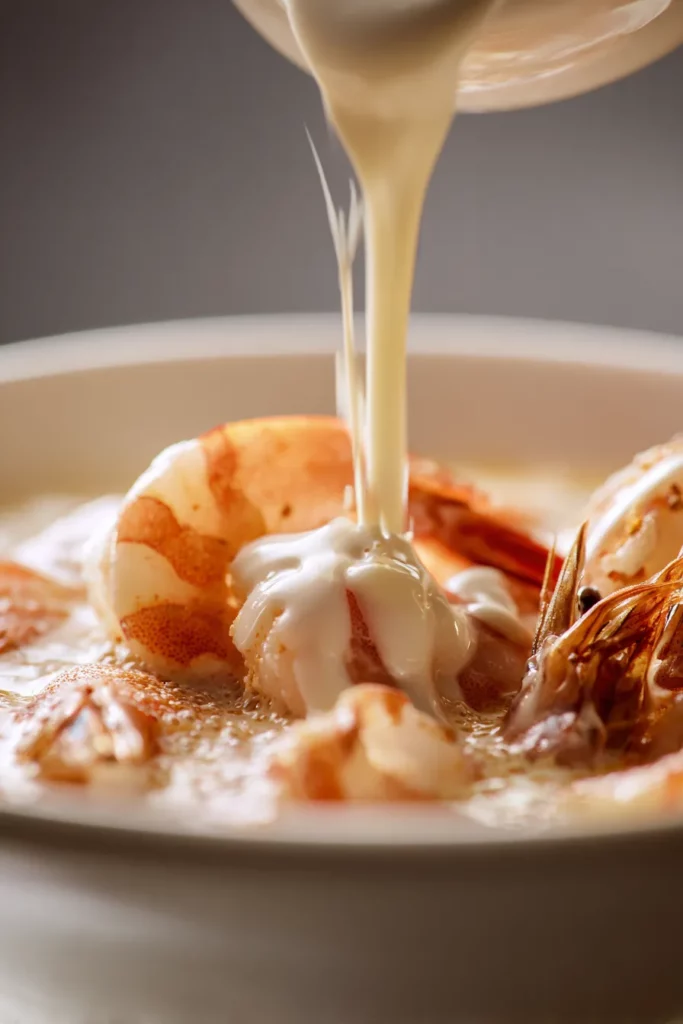
For chowders, I have more flexibility. I often use a combination of whole milk and cream, which gives you richness without being quite as heavy. The silky shrimp and scallop chowder uses this approach, creating a soup that’s creamy but not overwhelmingly rich. You can actually taste the seafood instead of just cream.
One technique I love for adding body without extra cream is using pureed potatoes. After your potatoes are cooked, pull out a cup or so and blend them until smooth, then stir them back into the soup. This creates thickness and creaminess while keeping the soup from feeling too heavy. It’s an old New England trick that works beautifully.
Seasoning Seafood Soups
Seasoning seafood requires a lighter hand than you might use with beef stew or chicken soup. The ocean has its own salt, and seafood’s delicate sweetness can be easily overwhelmed. I always season in stages, starting conservatively and tasting frequently.
Salt is obvious, but don’t forget acid. A squeeze of lemon juice at the end brightens everything and makes the seafood flavors pop. Sometimes I use white wine earlier in the cooking process, which adds both acidity and depth. The seafood bisque with scallops, cod, and shrimp benefits from a generous splash of dry white wine that cuts through the richness.
Fresh herbs make a huge difference too. I add hardy herbs like thyme and bay leaves early, letting them simmer and infuse. Delicate herbs like parsley, chives, and tarragon go in at the very end, keeping their bright, fresh flavor. A sprinkle of fresh herbs on top of each bowl right before serving adds color and a burst of freshness with every spoonful.
Luxurious Lobster and Crab Bisques
There’s something undeniably special about lobster and crab bisques. Maybe it’s because these shellfish feel expensive and luxurious, turning a simple bowl of soup into an occasion. Or maybe it’s their sweetness and complexity, flavors that can’t be replicated with any other ingredient. Whatever the reason, when I serve lobster or crab bisque, people always seem to sit up a little straighter and pay attention.
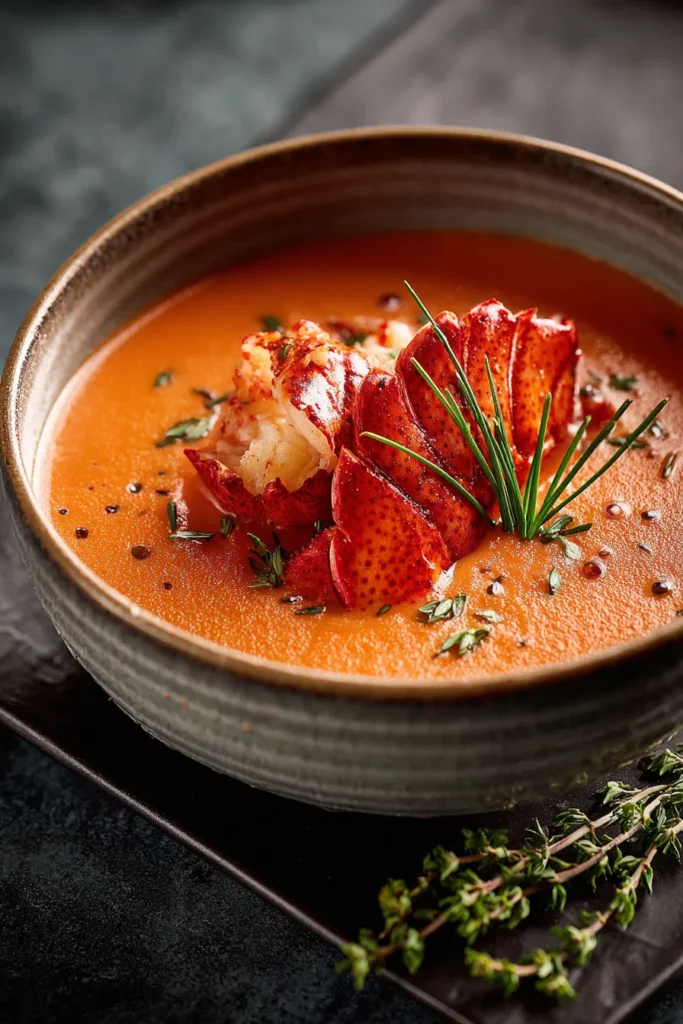
Working with lobster and crab requires confidence, but it’s less intimidating than you might think. Yes, there’s cracking and picking involved. Yes, it can be messy. But the payoff is so worth it. Those shells you’re cracking? They contain the secret to the most flavorful bisque you’ll ever make. The tomalley in lobster, the mustard in crabs, even the liquid inside the shells all contribute to depth and richness.
When I’m making creamy crab and shrimp seafood bisque, I always buy whole crabs rather than just picking meat. The shells are essential for building that complex, layered flavor. I’ll pick the meat carefully, keeping the shells, then toast those shells with my aromatics until they smell amazing and turn bright red-orange.
Lobster Bisque Secrets
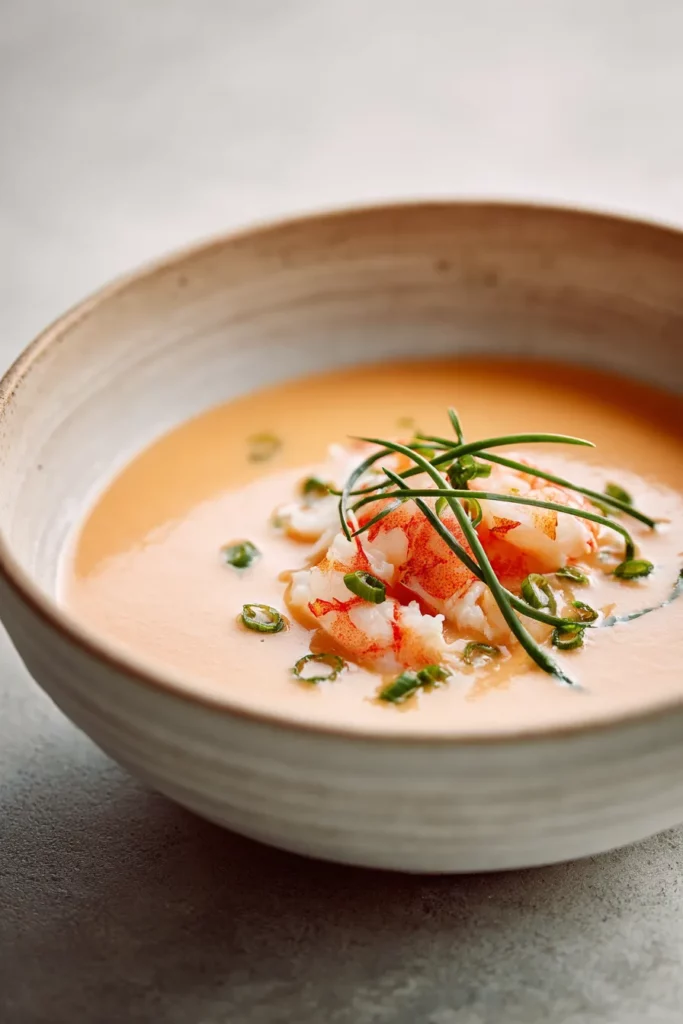
Lobster bisque is the queen of seafood soups. It’s what I make when I really want to impress someone, when I need a dish that says “I care about this meal, about this moment, about you.” The flavor is sweet and briny, the color is that gorgeous coral that can only come from lobster shells, and the texture should be so smooth you can’t detect even a hint of graininess.
The key to great lobster bisque is using every part of the lobster. I steam whole lobsters, pick the meat for adding at the end, then take those empty shells and crush them into smaller pieces. Not powder, just smaller chunks that will release their flavor more easily. Into the pot they go with butter, aromatics, tomato paste, and a generous splash of brandy or cognac.
The homemade crab and shrimp seafood bisque taught me about combining different shellfish for complexity. The crab brings sweetness, the shrimp adds brininess, and together they create something more interesting than either alone. This principle applies to all multi-seafood bisques. You’re not just adding more ingredients; you’re creating layers of ocean flavor.
Working With Crab
Crab bisque has always felt more approachable to me than lobster bisque, probably because I grew up eating crab and it doesn’t carry quite the same intimidation factor. But the technique is similar: extract flavor from shells, create a silky base, finish with cream and picked crab meat.
I prefer using blue crab or Dungeness crab for bisques. Blue crab is what I grew up with on the East Coast, its sweet meat and flavorful shells perfect for soups. Dungeness crab from the West Coast has a slightly different, nuttier flavor that works beautifully too. The rich and creamy homemade crab and shrimp seafood bisque showcases how well crab plays with other seafood.
One thing I’ve learned about crab is not to overcomplicate it. Crab’s sweetness is delicate, and too many competing flavors can overwhelm it. I keep my seasonings simple: onion, celery, garlic, a touch of tomato paste, white wine, and cream. That’s really all you need. The luxurious crab and shrimp bisque follows this philosophy, letting the seafood shine without too many distractions.
Combining Lobster and Crab
When I really want to go all out, I combine lobster and crab in one spectacular bisque. It feels extravagant because it is, but for special occasions, birthdays, or anniversaries, nothing says celebration quite like creamy lobster and crab bisque.
The technique is essentially the same as making single-seafood bisque, but you’re working with shells and meat from both creatures. I find that lobster and crab complement each other beautifully. Lobster is slightly more delicate, crab a bit sweeter. Together, they create complexity that keeps you coming back for another spoonful.
The trick with combination bisques is balancing the flavors. You don’t want one seafood to overpower the other. I usually use slightly more crab than lobster, as lobster flavor is more concentrated. A two-to-one ratio works well: two crabs to one lobster, or a pound of crab meat to half a pound of lobster meat.
Shrimp Bisques and Chowders for Every Occasion
Shrimp is my weeknight hero. It’s affordable, widely available, and cooks quickly. But more importantly, shrimp makes absolutely spectacular soups and chowders. Those shells that most people throw away are packed with flavor, and shrimp’s natural sweetness works beautifully with cream, butter, and aromatic vegetables.
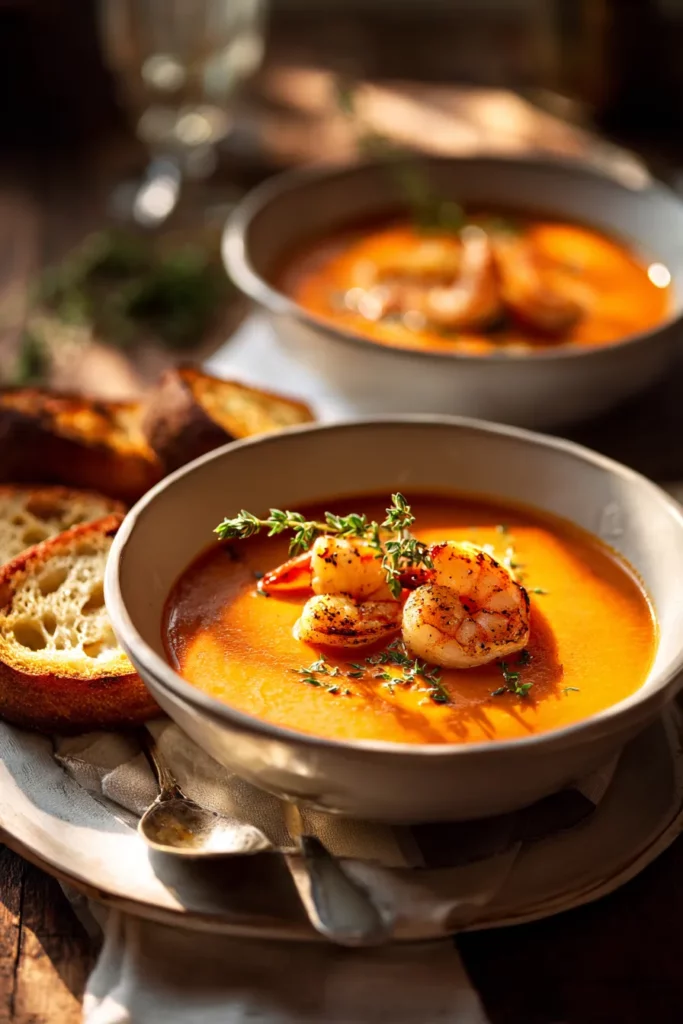
I always buy shell-on shrimp when I’m making soup. Yes, peeling them takes a few extra minutes, but those shells are essential for building flavor. I save every shell, every little piece, and use them all. The difference between bisque made with shells and bisque made without is the difference between something good and something extraordinary.
When I’m cooking for company on a budget, shrimp bisque is my secret weapon. It tastes luxurious and expensive, but shrimp costs a fraction of what lobster does. Nobody has ever left my table disappointed by shrimp bisque. In fact, some people prefer it to lobster bisque because the flavor is a bit more approachable, less intensely oceanic.
Classic Shrimp Bisque
The foundation of any good shrimp bisque is properly toasted shells. After peeling my shrimp, I heat butter in my soup pot and add all those shells. I cook them over medium-high heat, stirring frequently, until they turn bright pink and start to smell sweet and toasty. This step is crucial. It’s where the magic happens, where ordinary shrimp shells transform into the base of something spectacular.
Once the shells are toasted, I add my aromatics: onions, celery, carrots, and garlic. After they’ve softened, in goes tomato paste, which I let caramelize against the bottom of the pot. Then comes white wine or sherry for deglazing, scraping up all those flavorful browned bits. The technique creates layers of flavor that make the final bisque taste complex and restaurant-worthy.
For a soup that showcases pure shrimp flavor with complementary herbs, nothing beats a classic preparation. The aromatics support rather than compete with the shrimp, and the cream provides richness without heaviness. It’s the kind of soup that makes people ask for your recipe, certain it must be complicated when really it’s just good technique and quality ingredients.
Adding Heat and Spice
While classic bisque is wonderful, sometimes you want something with more personality, more kick. That’s when I turn to creamy spicy jalapeno shrimp soup, which takes everything I love about shrimp bisque and adds heat from fresh jalapenos and a touch of smokiness from paprika.
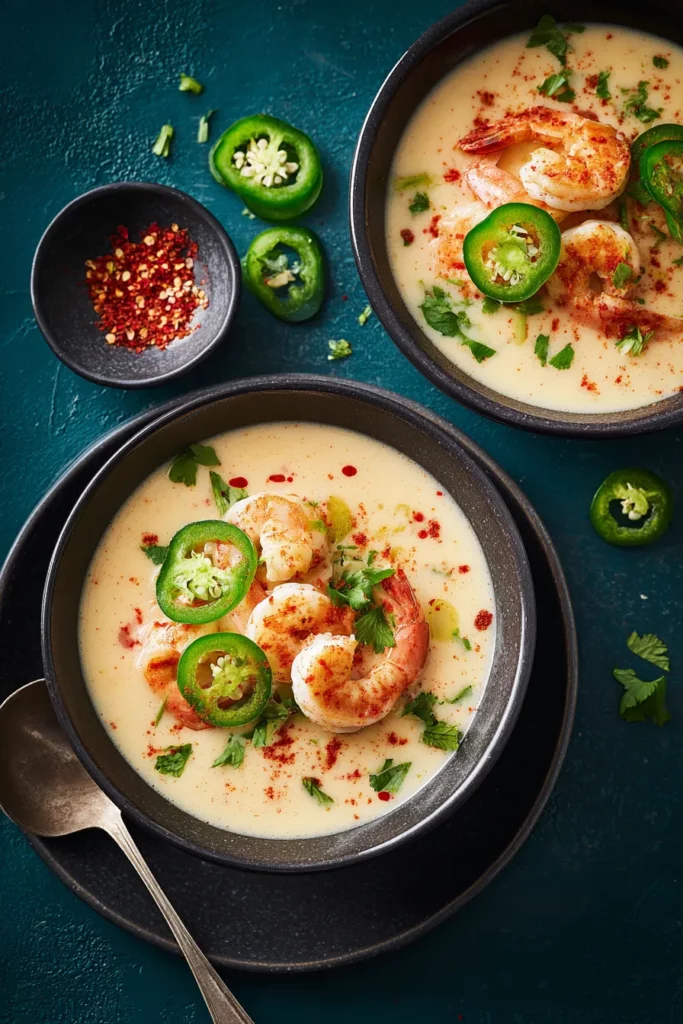

The trick with spicy seafood soup is balancing the heat so it enhances rather than overwhelms the delicate shrimp. I seed my jalapenos to control the spice level, starting with just one pepper and tasting before adding more. You can always add heat, but you can’t take it away. The cream helps temper the spice, creating a soup that’s warm and tingly rather than painfully hot.
I love serving this version at casual dinner parties. It’s unexpected, showing guests that seafood soup doesn’t have to be formal and stuffy. With cornbread or crusty rolls on the side and maybe a simple green salad, it’s a complete meal that feels special without being fancy.
Chowder-Style Shrimp Soups
When I want the comfort of chowder but the sweetness of shrimp, I make chunky, potato-filled shrimp chowder. It’s heartier than bisque, more substantial, the kind of soup that works as a complete meal rather than just a starter. Tender pieces of shrimp, soft potato cubes, sweet corn if it’s in season, all bound together in a creamy broth that tastes like the coast.
The technique for shrimp chowder is more forgiving than bisque. You don’t need to strain everything or achieve perfect smoothness. In fact, a bit of texture is exactly what you want. I’ll often mash a few of the potato pieces against the side of the pot to thicken the soup naturally, creating creaminess without adding more cream.
Bacon is a classic addition to shrimp chowder, and I understand why. The smokiness and saltiness contrast beautifully with sweet shrimp and creamy broth. I’ll cook bacon until crispy, remove it, then use the rendered fat to cook my aromatics. That bacon fat carries flavor throughout the soup, and the crispy bacon bits on top add textural contrast and a hit of salt with each spoonful.
Elegant Scallop Soups and Mixed Seafood Bisques
Scallops bring something special to seafood soups. Their sweetness is even more delicate than shrimp, their texture when properly cooked is tender and almost buttery. But scallops are also expensive and easy to overcook, which makes them slightly intimidating. I’ve learned to treat scallops with respect and restraint, adding them at the very end and cooking them just until they turn opaque.
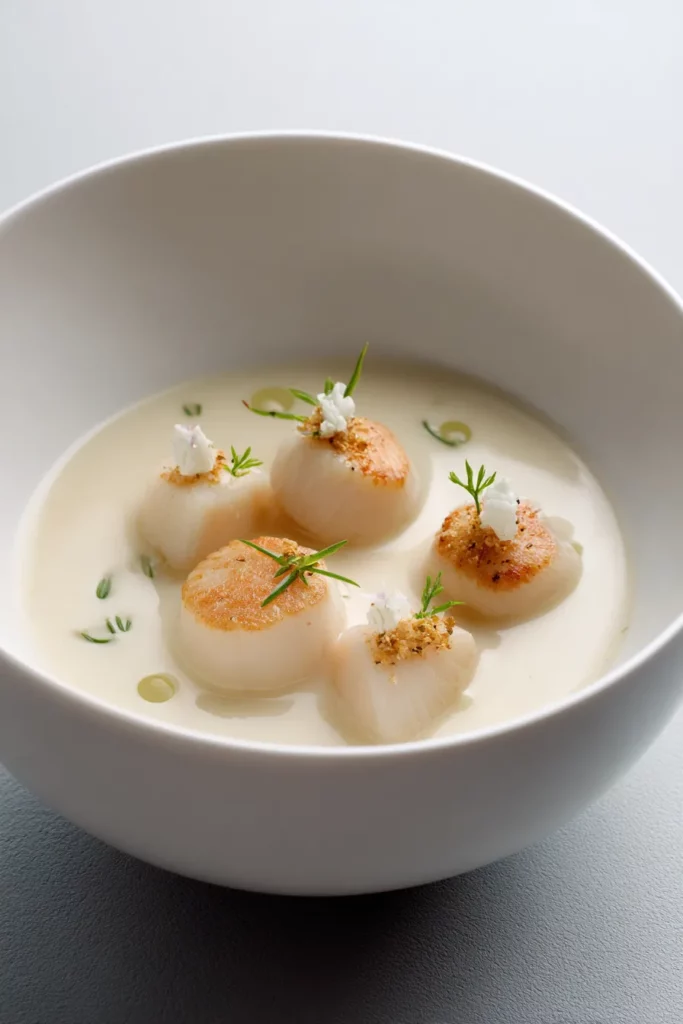
The first time I made scallop bisque, I added the scallops too early and cooked them too long. They turned into little rubber balls, and I was so disappointed. That expensive ingredient wasted because I didn’t understand timing. Now I know better. Scallops go in at the very last minute, just barely poaching in the hot soup, staying tender and sweet.
What makes scallop soups particularly luxurious is their flavor. Scallops taste purely of the ocean, sweet and clean, without any fishiness. They’re the ingredient I use when I want a soup that feels refined and elegant, perfect for impressing dinner guests or celebrating something special.
Pure Scallop Bisques
Making bisque with only scallops is a study in simplicity and restraint. Because scallops are so delicate, you don’t want to overwhelm them with competing flavors. My approach is minimal: leeks instead of onions for their sweeter, milder flavor, a touch of white wine, good stock, cream, and that’s about it.
Leeks and scallops have an affinity for each other that I can’t quite explain. Maybe it’s their shared sweetness, or the way leeks’ mild onion flavor complements rather than competes with scallop’s ocean taste. The combination just works beautifully, and it’s become one of my favorite winter soups when I want something that feels special but isn’t too heavy.
One important note about scallops: always buy dry-packed scallops if you can find them. Wet-packed scallops have been treated with chemicals to preserve them and absorb water, which means they won’t brown properly and they’ll dilute your soup. Dry-packed scallops cost more, but the flavor difference is worth every penny.
Combining Multiple Seafoods
Some of my favorite bisques combine multiple types of seafood, creating complexity you can’t achieve with just one ingredient. The technique is the same as single-seafood bisque, but you’re layering flavors from different sources. It’s like painting with multiple colors instead of just one.
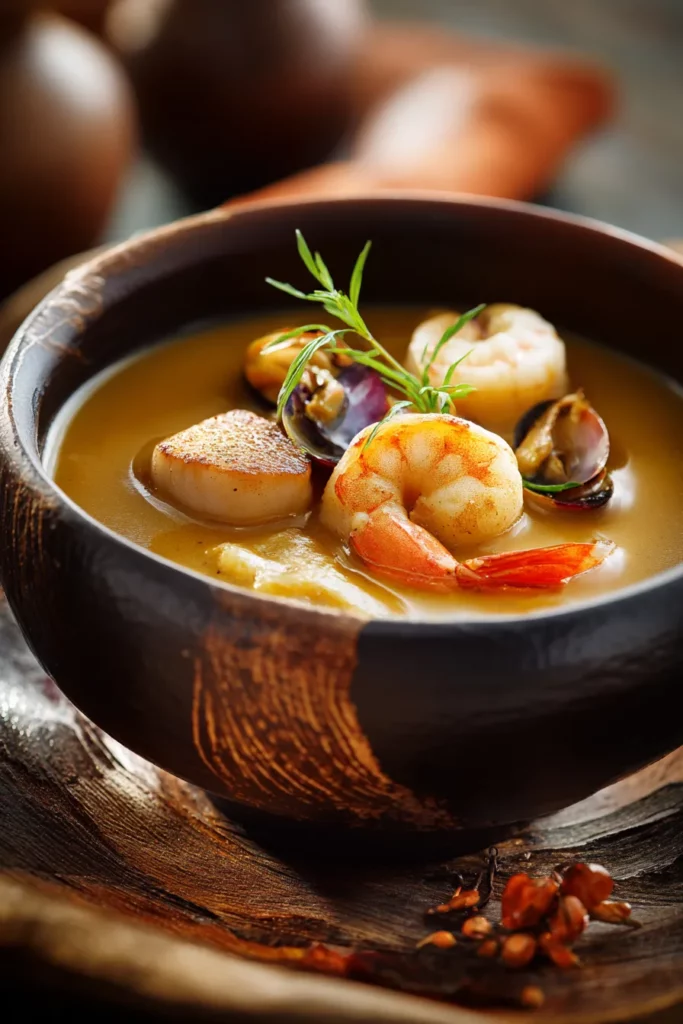
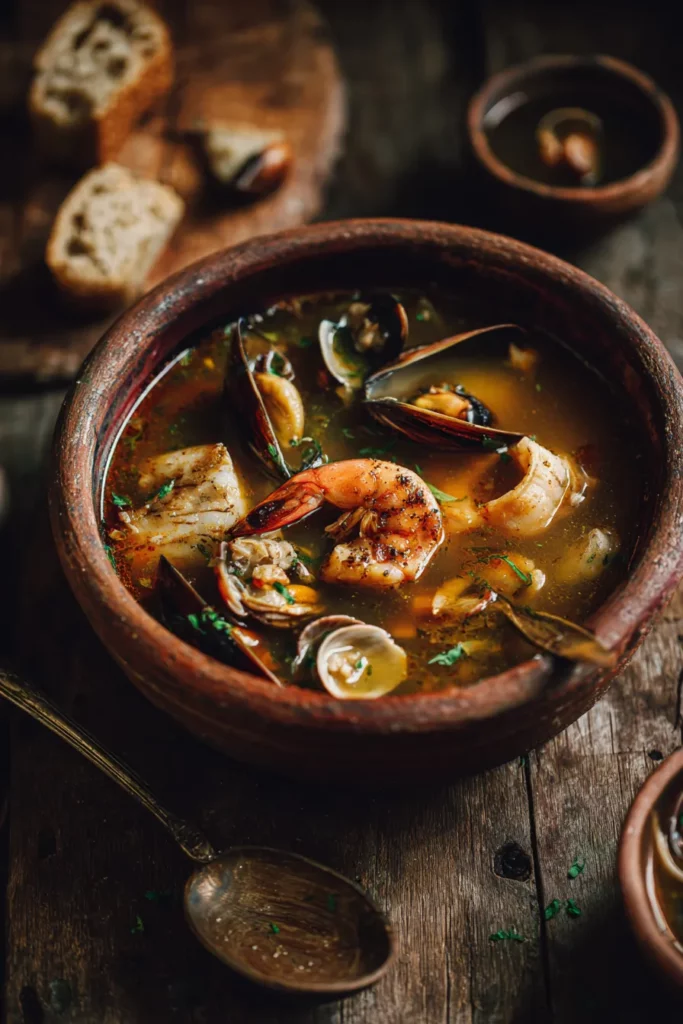
When combining seafoods, I think about how their flavors complement each other. Shrimp and scallops work beautifully together, the shrimp bringing brininess while scallops add sweetness. Adding cod or another white fish gives body and makes the soup more substantial without overwhelming the shellfish flavors.
The key is adding each seafood at the right time based on how long it takes to cook. Firmer fish like cod goes in first, cooking for five to seven minutes. Scallops and shrimp go in toward the end, needing just a few minutes. This staged approach ensures everything is perfectly cooked, nothing overdone or underdone.
Holiday and Special Occasion Bisques
For holidays and celebrations, I pull out all the stops with mixed seafood bisques that include lobster, crab, shrimp, and scallops. It’s extravagant and expensive, but for Christmas Eve or New Year’s, it feels appropriate to make something that’s truly special.
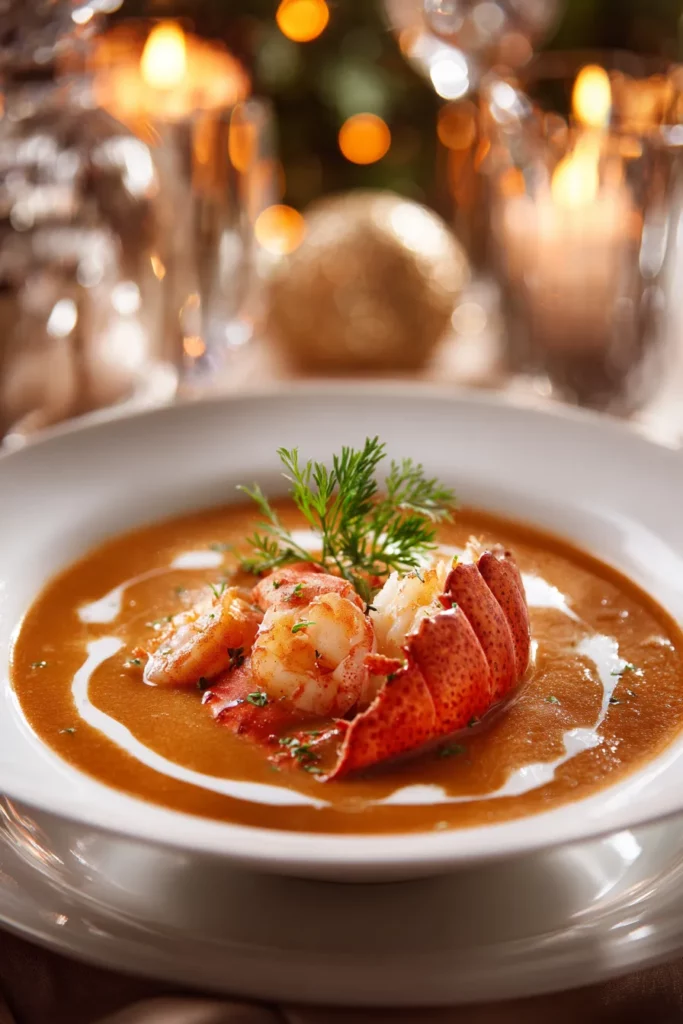
These multi-seafood extravaganzas follow the same basic technique as simpler bisques, just with more ingredients. I save all the shells from everything, toast them together, build my base, strain everything thoroughly, then add back the picked meat from each seafood at the very end. The result is a bisque that tastes complex and luxurious, with layers of ocean flavor that keep revealing themselves with each spoonful.
The presentation matters for these special-occasion soups. I serve them in shallow bowls, garnished with a swirl of cream, fresh herbs, and maybe a piece or two of each seafood carefully arranged on top. A little drama on the plate makes the meal feel even more celebratory.
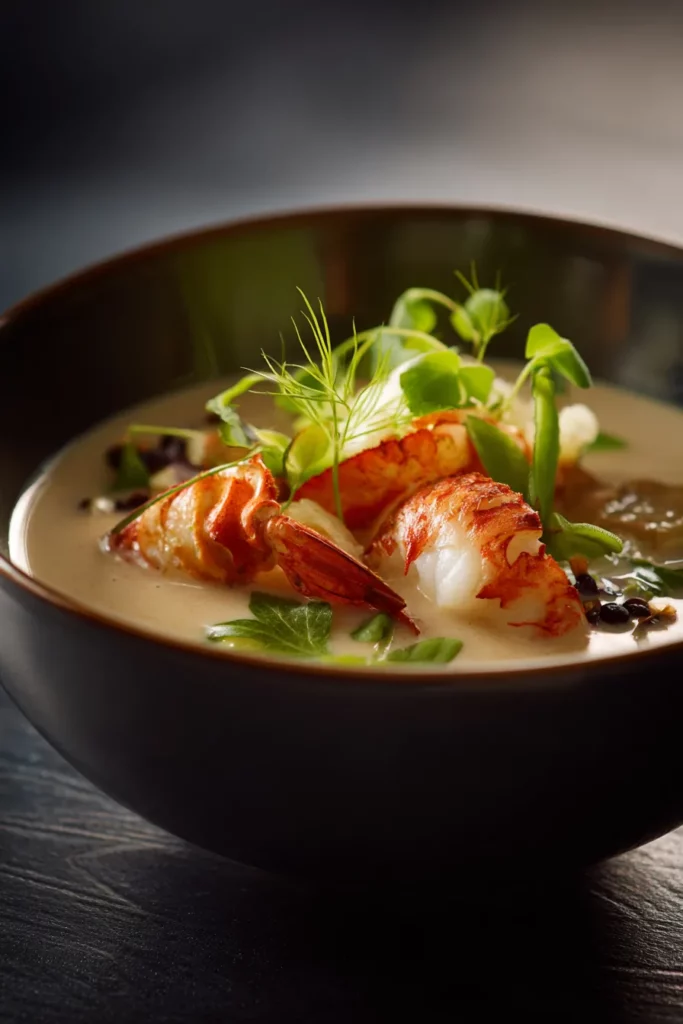
Beyond Traditional: Creative Seafood Soup Variations
While I love classic bisques and chowders, some of my favorite seafood soups break the rules entirely. They draw inspiration from different cuisines, use unexpected ingredients, or take traditional techniques in new directions. These are the soups I make when I’m feeling creative, when I want to surprise people with something they haven’t tasted before.
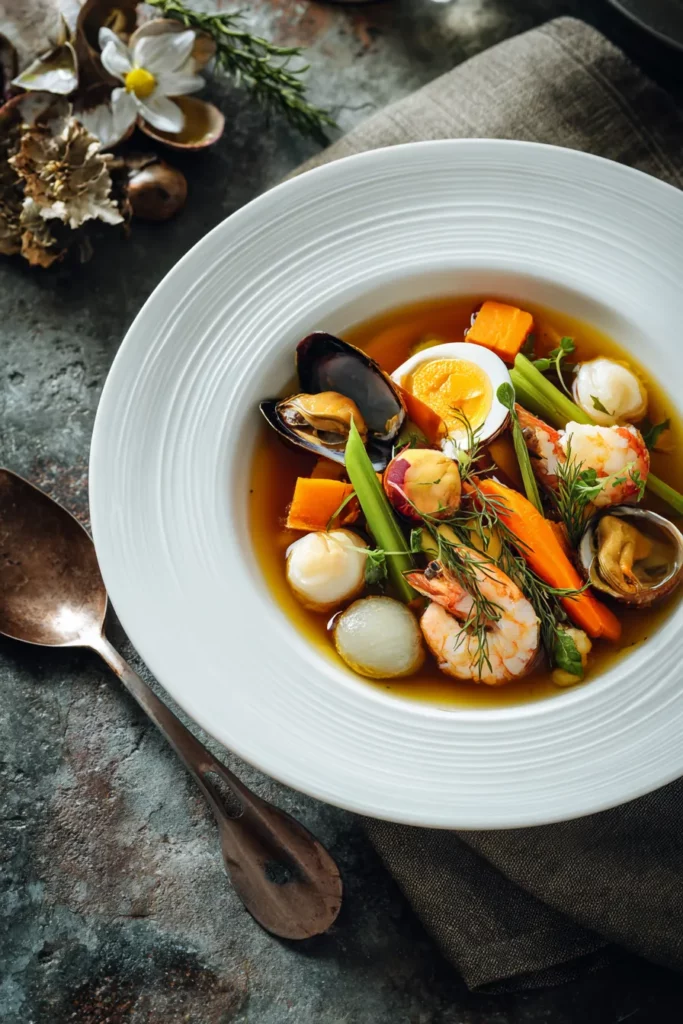
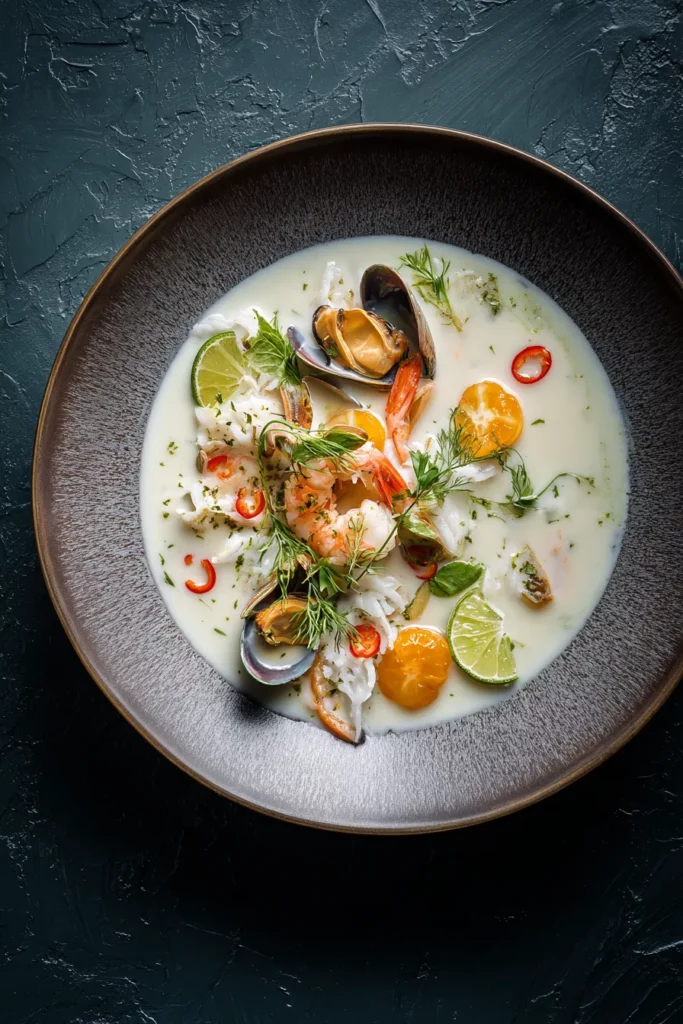
The beautiful thing about seafood soup as a template is how adaptable it is. The basic structure works with so many different flavor profiles. Asian spices and coconut milk, Mediterranean herbs and tomatoes, Latin American chilies and lime, they all create delicious variations on the seafood soup theme.
Unexpected Soup Inspirations
Sometimes the best cooking ideas come from unexpected places. I’ve learned wonderful techniques from cuisines that don’t traditionally get credit for their soups. Taking those ideas and applying them to seafood has led to some of my most interesting recipes.
One of the most surprising soups I ever made was chicken feet soup, which taught me about extracting collagen and body from bones and connective tissue. While not a seafood soup, the technique translates beautifully to seafood stock-making. Those shells and bones contain gelatin that adds silky texture to your finished soup, just like chicken feet do.
Similarly, cow foot soup opened my eyes to how long, slow simmering develops deep, complex flavors. While I don’t simmer seafood for hours, the principle of patience and proper technique applies. Good soup can’t be rushed, whether you’re working with beef bones or shrimp shells.
Fusion and Cross-Cultural Approaches
Some of my most interesting seafood soups blend techniques and ingredients from different culinary traditions. I’ll use French bisque technique with Thai aromatics like lemongrass and ginger. Or I’ll make New England chowder base but finish it with Mexican peppers and lime. These fusions aren’t about being trendy; they’re about exploring how flavors work together.
The key to successful fusion is understanding the foundations of both traditions you’re combining. You need to know why French bisque works, what makes it distinctive, before you can successfully adapt it with Asian ingredients. Otherwise, you’re just throwing random things together and hoping for the best.
I’ve found that coconut milk works beautifully in place of or alongside cream in seafood soups. It adds richness without heaviness, and its subtle sweetness complements seafood wonderfully. A bisque made with coconut milk, ginger, lemongrass, and shrimp tastes completely different from traditional French bisque but is equally delicious in its own way.
Hearty Meat and Seafood Combinations
While not traditional bisque territory, combining meat and seafood in hearty soups creates something satisfying and complex. I love making soups where seafood meets land-based proteins, each contributing its own flavors and textures.
One surprising combination I adore is apple carrot beef rib soup, which taught me about balancing sweet and savory, about how fruit can enhance rather than overwhelm meat. While this particular soup doesn’t include seafood, the principle applies. Sometimes unexpected sweetness, whether from apples or the natural sweetness of seafood, creates balance and interest.
I’ve experimented with adding bacon or pancetta to seafood chowders, which works wonderfully. The smoky, salty pork contrasts with sweet seafood, and the rendered fat adds richness to the base. It’s a combination you see in traditional New England cooking, and it exists for good reason. The flavors genuinely complement each other.
Practical Tips for Home Cooks
After years of making seafood soups and chowders, I’ve accumulated a collection of tips and tricks that make the process easier, faster, and more reliable. These aren’t fancy techniques; they’re practical solutions to common problems that every home cook faces.
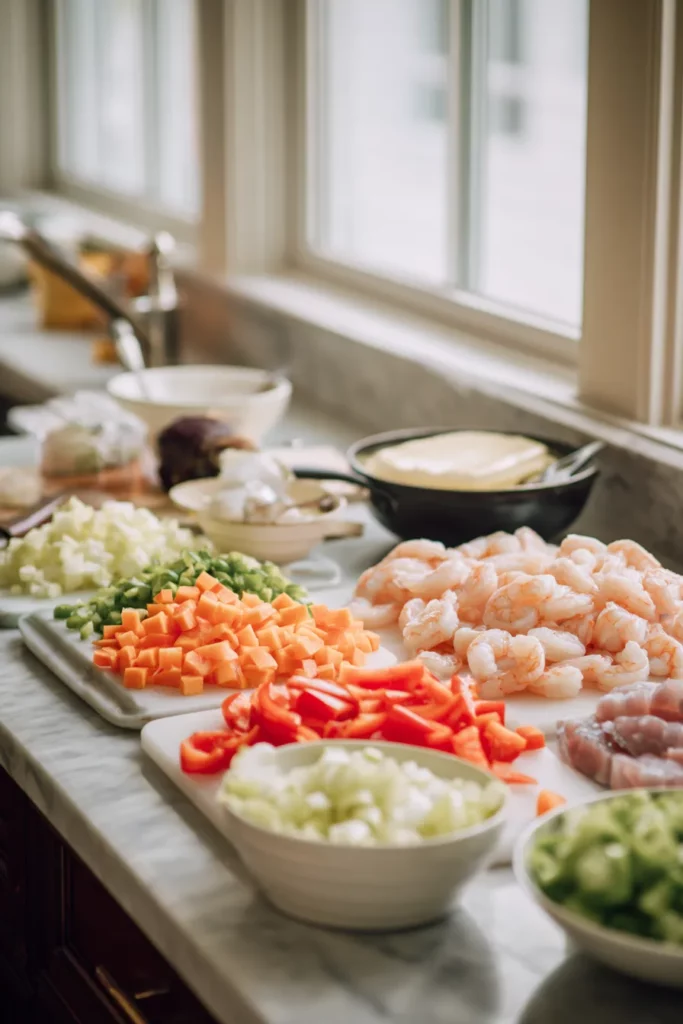
The biggest challenge most people face with seafood soup is timing. Everything happens quickly, and it’s easy to overcook delicate seafood. My solution is to do as much prep as possible before I start cooking. I chop all my vegetables, measure out my liquids, have my cream ready to go. Once cooking starts, I can focus on technique and timing rather than scrambling to find ingredients.
Shopping and Storage
Buying seafood intimidates many home cooks, and I understand why. It’s expensive, it’s perishable, and it’s not always obvious what’s fresh and what’s past its prime. I’ve learned to shop confidently by asking questions and trusting my senses.
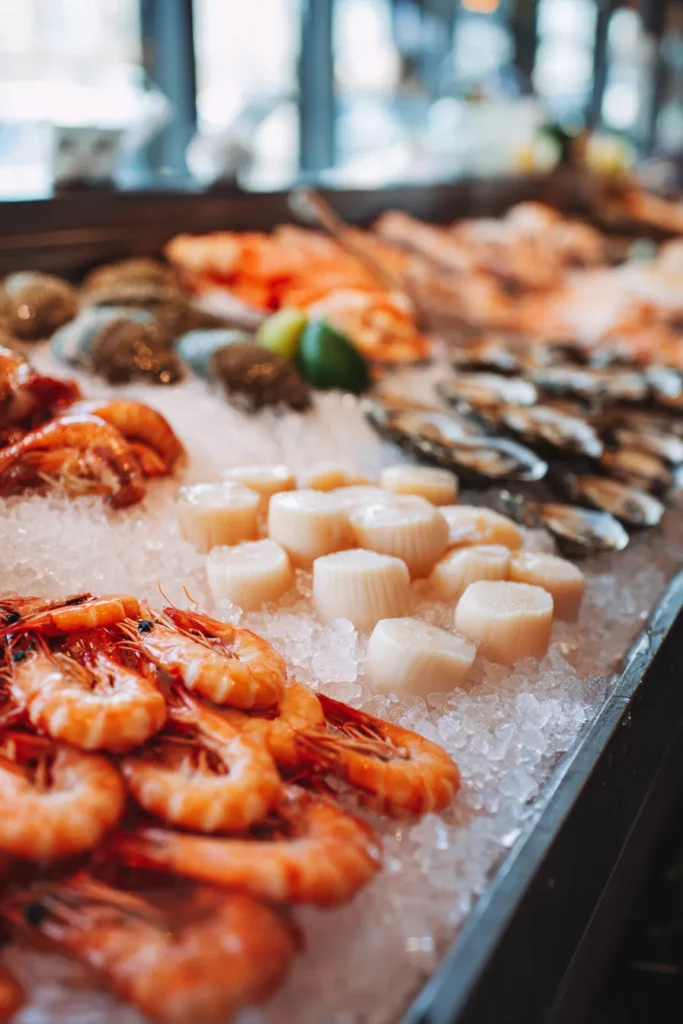
Fresh seafood should smell like the ocean, clean and briny, never fishy or ammonia-like. The flesh should be firm and spring back when you press it gently. Shrimp should look plump and translucent, not slimy or dried out. Scallops should be slightly sticky but not wet or sitting in liquid.
For soups and bisques where you’re cooking and pureeing everything, frozen seafood works beautifully. I keep frozen shrimp in my freezer at all times for impromptu soup-making. Just make sure it’s properly thawed before cooking. I thaw it in the refrigerator overnight or, if I’m in a hurry, in a bowl of cold water, changing the water every fifteen minutes until thawed.
Make-Ahead and Storage Strategies
One question I get constantly is whether you can make seafood soup ahead of time. The answer is yes, but with some caveats. The base of your soup, everything up until you add the seafood and cream, can be made one or two days ahead and refrigerated. This actually improves the flavor as everything has time to meld.
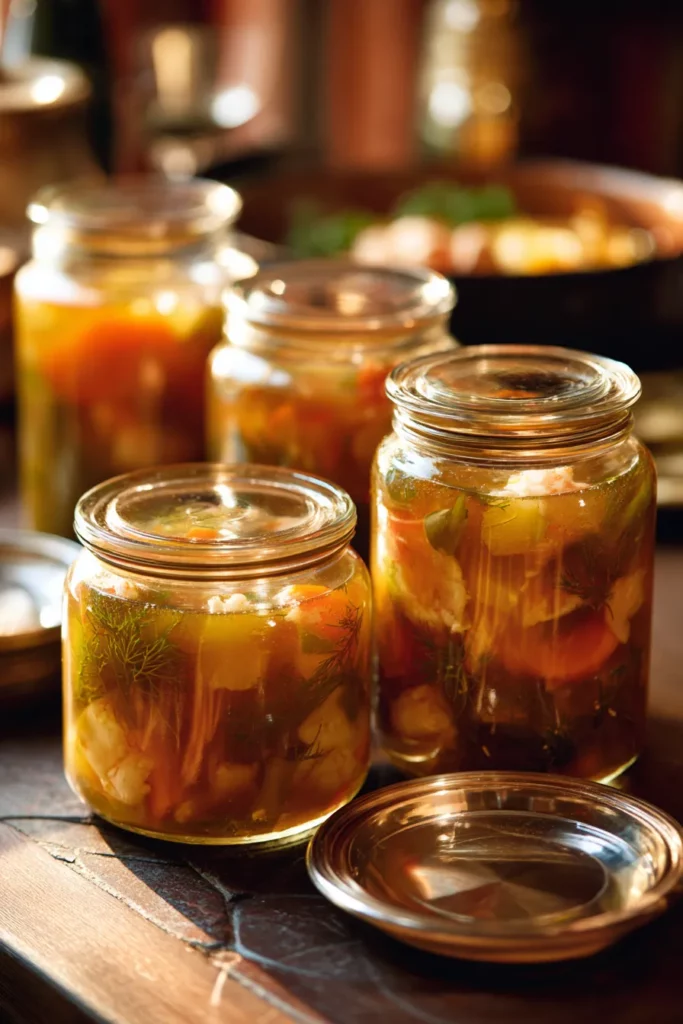
What you don’t want to do is cook the seafood ahead of time. It will continue cooking as it sits and become tough and rubbery when reheated. Instead, prepare your base, cool it completely, refrigerate it, then reheat it gently when you’re ready to serve. Add your seafood and cream during reheating, cooking just until the seafood is done.
Freez soup requires even more care. Cream-based soups can separate when frozen and thawed. If you know you want to freeze soup, make the base without cream, freeze that, then add cream when you reheat. The seafood is tricky too. I prefer to freeze just the base and add fresh seafood when serving, but if you must freeze cooked seafood in soup, undercook it slightly so reheating doesn’t turn it to rubber.
Equipment That Makes a Difference
You don’t need a lot of fancy equipment to make great seafood soup, but a few key tools make the process much easier. A heavy-bottomed soup pot or Dutch oven is essential. It distributes heat evenly, preventing hot spots that can scorch your base. I use my six-quart Dutch oven for almost all my soup-making.
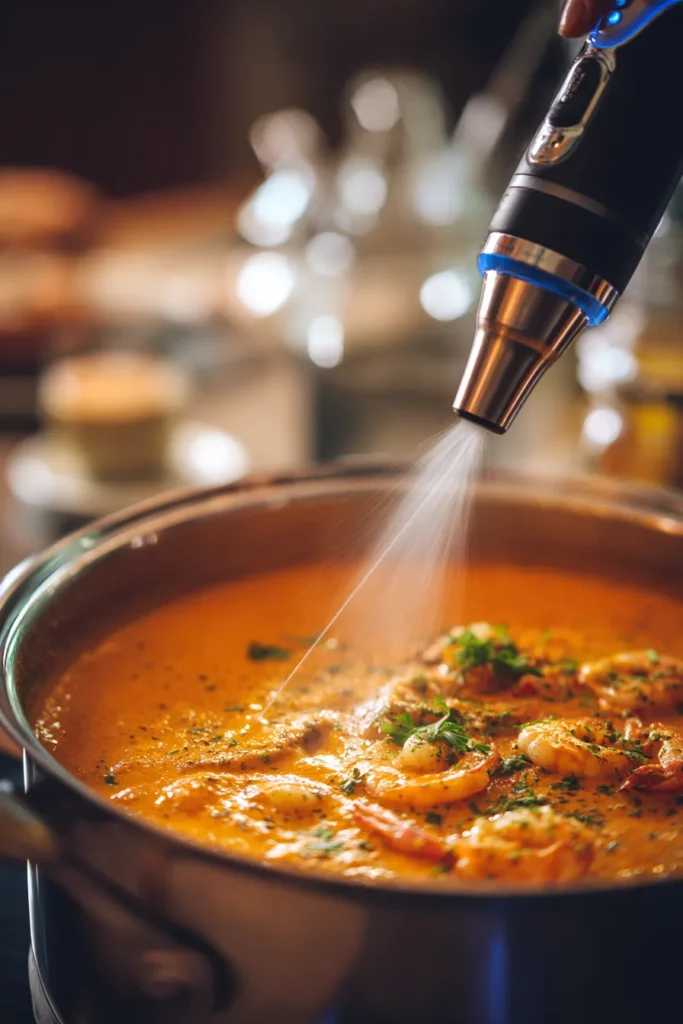
An immersion blender has changed my soup-making life. Instead of carefully transferring hot liquid to a blender in batches, risking burns and messes, I can blend right in the pot. For bisques where smoothness is crucial, I’ll still run everything through a fine-mesh strainer after blending, but the immersion blender does most of the work.
A good fine-mesh strainer is non-negotiable for bisques. You’re straining out shells and aromatics, and you want every bit of liquid to pass through while catching all the solids. I have two sizes: a large one for initial straining and a smaller, finer one for the second pass when I want that perfectly silky texture.
Troubleshooting Common Problems
Even experienced cooks run into problems sometimes. Here are the issues I’ve faced and how I’ve learned to fix them. If your soup is too thin, the easiest fix is reduction. Let it simmer uncovered, stirring occasionally, until it reaches your desired consistency. Or use my potato trick: remove a cup of solids, blend until smooth, and stir back in.
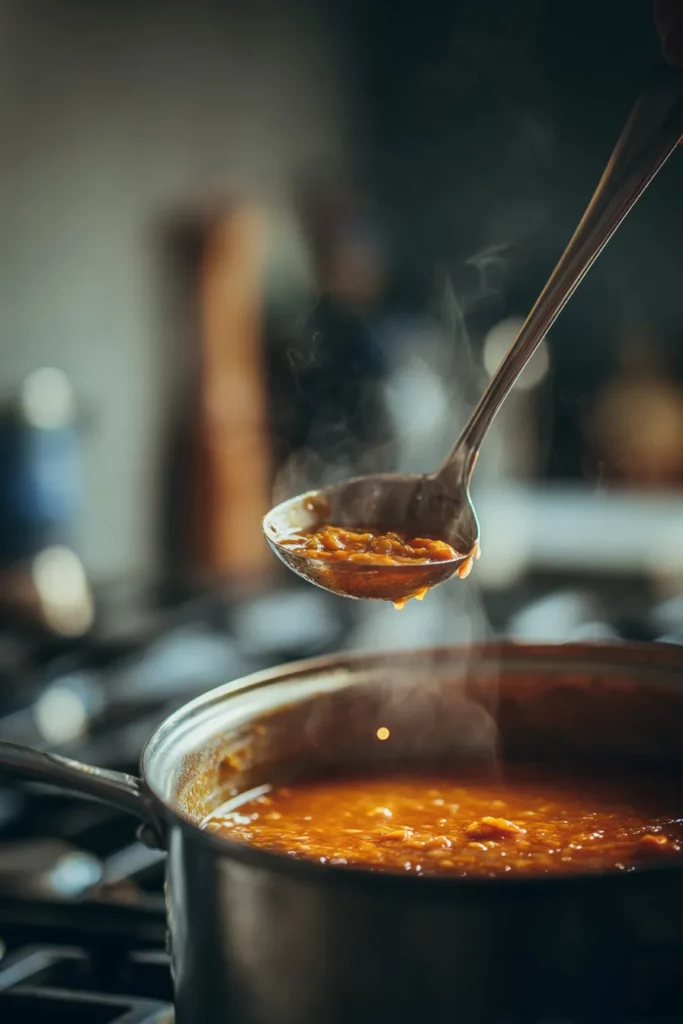
If your soup tastes flat, you probably need acid and salt. Squeeze in some lemon juice, add a splash of wine, check your salt level. Seafood needs proper seasoning to shine. If it’s too salty, add more cream or unsalted stock to dilute. A peeled potato simmered in the soup will also absorb some salt.
Curdled cream is usually the result of too-high heat. Cream should be added at the end and the soup should never boil after cream goes in. If you’ve already curdled your soup, sometimes blending will smooth it out. Otherwise, strain it and start over with fresh cream, being more careful about temperature.
Overcooked seafood is tough to fix. Prevention is the best cure: watch your timing carefully and err on the side of undercooking. If you’ve already overdone it, chop the seafood finely and incorporate it into the soup so the texture is less noticeable. Or acknowledge the mistake and start over with fresh seafood, using the overcooked pieces in another application like seafood cakes.
Conclusion
Looking back at that chaotic first anniversary dinner when I attempted lobster bisque and nearly set off the smoke alarm, I smile at how far I’ve come. That kitchen disaster taught me more than any cookbook ever could. It taught me patience, the importance of technique, and the truth that even messy, imperfect cooking can create something delicious if you’re willing to learn from your mistakes.
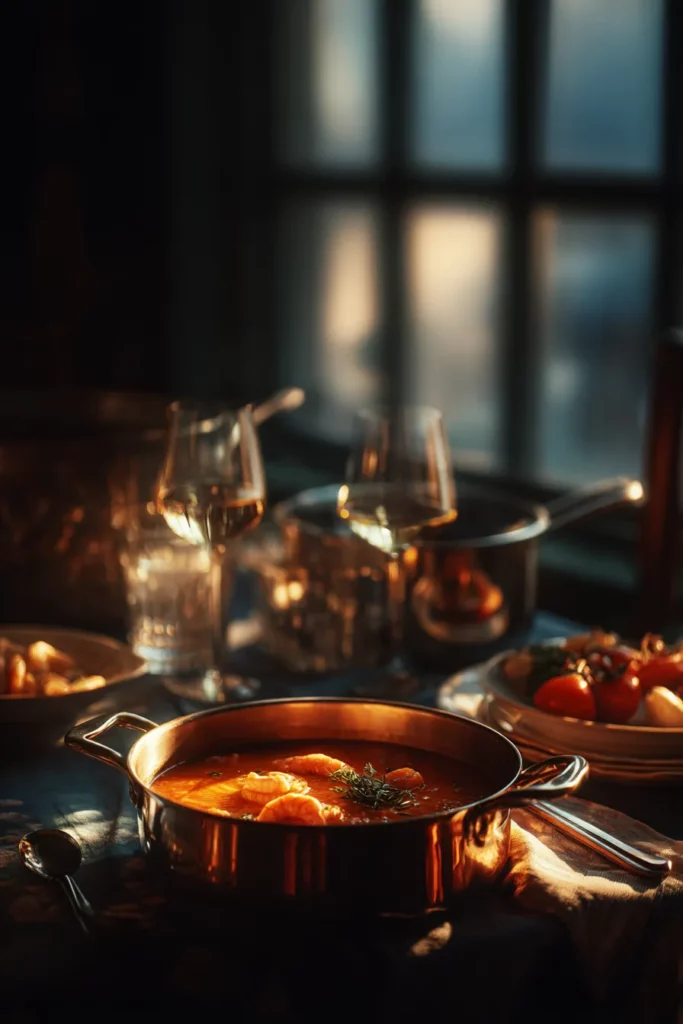
Seafood soups and chowders have become some of my most cherished recipes, the dishes I turn to when I want to feel connected to the ocean even when I’m landlocked, when I want to impress someone special, or when I simply need a bowl of something warm and comforting. They’re versatile enough to be weeknight dinners or celebration centerpieces, budget-friendly when made with shrimp or luxurious when you splurge on lobster.
The most important thing I’ve learned is that great seafood soup isn’t about having expensive ingredients or complicated techniques. It’s about respecting your seafood, understanding timing, building flavor thoughtfully, and not being afraid to make mistakes. Every pot of soup teaches you something, whether it’s how to balance acidity and richness, when to add delicate scallops, or how much difference properly toasted shells make.
Start simple. Make a basic shrimp bisque or a classic clam chowder. Learn the foundations, understand how the techniques work, then experiment. Add spice, try different seafood combinations, adapt the recipes to your taste. Cooking should be joyful, not stressful. If something doesn’t turn out perfectly, you’ve learned what not to do next time. And honestly, even imperfect seafood soup usually tastes pretty good.
Whether you’re drawn to the silky elegance of bisques or the hearty comfort of chowders, whether you prefer classic preparations or creative variations, there’s a seafood soup perfect for every occasion and every cook. These recipes connect us to coastal traditions, to family memories of seaside vacations, to the simple pleasure of a warm bowl on a cold evening. They’re worth the effort, worth the occasional mess, worth every minute spent learning and improving.
So grab that pot, buy some shrimp or scallops, and start cooking. Your kitchen might get a little messy. You might overcook the seafood once or twice while you’re learning timing. But eventually, you’ll make a pot of bisque or chowder that makes you stop and think, “I made this. This is really good.” And that moment, that pride in creating something delicious from simple ingredients and good technique, that’s what cooking is all about.
Frequently Asked Questions
Can I use frozen seafood for bisque and chowder?
Absolutely. Frozen seafood works beautifully in soups where you’re cooking and pureeing everything. Make sure to thaw it properly in the refrigerator overnight rather than at room temperature. Frozen shrimp, scallops, and fish are often flash-frozen right after harvest, meaning they’re sometimes fresher than “fresh” seafood that’s been sitting at the market for days.
How do I keep my bisque from being grainy?
Graininess usually comes from inadequate straining or from cream breaking. Strain your bisque through a fine-mesh strainer or cheesecloth after blending to catch any tiny shell fragments. When adding cream, make sure your soup isn’t boiling, and add the cream slowly while stirring. High heat can cause cream to separate and create a grainy texture.
What’s the best way to thicken seafood soup without flour?
I use several techniques for thickening without flour. Pureed potatoes work wonderfully and add body without changing the flavor much. You can also use a small amount of tomato paste, which thickens while adding depth. For a richer option, stir in an egg yolk tempered with hot soup, though this requires careful technique to avoid scrambling.
How long can I store homemade seafood soup in the refrigerator?
Cream-based seafood soups are best within two to three days of making them. The seafood and dairy make them more perishable than vegetable soups. Store in an airtight container and reheat gently, never bringing to a full boil. If your soup smells off or looks separated in an unusual way, err on the side of caution and discard it.
Can I substitute milk for cream in chowder?
You can, but your chowder will be thinner and less rich. If you want to lighten your chowder, a better approach is using half cream and half whole milk rather than all milk. This gives you some richness while cutting calories and fat. You can also use the potato-thickening technique to add body if your lightened chowder seems too thin.
Why does my shrimp bisque taste bitter?
Bitterness often comes from overcooking the tomato paste or from burning the shells during toasting. Make sure to stir constantly when toasting shells and watch them carefully. If you’re using tomato paste, cook it just until it darkens slightly and smells sweet, not burned. Sometimes bitterness comes from the shrimp themselves if they’re past their prime, so always start with quality seafood.
What’s the difference between stock and broth in seafood soup?
Stock is made from bones and shells, creating a more gelatinous liquid with deeper flavor. Broth is typically made from meat and vegetables, lighter in body and flavor. For bisques where you want maximum flavor, homemade seafood stock made from shells is ideal. For chowders, good-quality broth works fine, or you can use a combination of stock and broth.
Can I make seafood soup without any cream?
Definitely. While cream creates that luxurious texture we associate with bisque and chowder, you can make delicious seafood soups without it. Use pureed vegetables like cauliflower or potatoes for body. Or embrace a lighter, broth-based soup where the seafood flavors shine without cream. Mediterranean and Asian seafood soups rarely use cream and are absolutely delicious.
How do I know when scallops are properly cooked in soup?
Scallops cook very quickly, usually in two to three minutes. They’re done when they turn from translucent to opaque throughout and feel slightly firm when you press them. Overcooked scallops become rubbery and tough. I add scallops in the last few minutes of cooking, turn off the heat, and let them finish cooking in the residual heat of the hot soup.
What wine works best in seafood bisque?
Dry white wine is traditional and works beautifully. Look for something crisp and acidic like Sauvignon Blanc, Pinot Grigio, or unoaked Chardonnay. Avoid sweet wines, which will make your bisque taste odd. If you prefer not to use wine, dry vermouth works well, or you can substitute additional stock with a squeeze of lemon juice for acidity.
Can I make seafood soup in a slow cooker?
The base of your soup can be made in a slow cooker, cooking the vegetables and aromatics low and slow. However, seafood itself should never go in a slow cooker. It cooks too quickly and will become rubber if cooked for hours. Make your base in the slow cooker, then transfer to the stovetop to add seafood and finish the soup.
How do I prevent my chowder from curdling?
Curdling happens when cream or milk gets too hot or when acid is added to hot dairy. Add cream at the end of cooking and keep the heat low, never letting it boil. If you’re using wine or lemon juice, add them before the cream so they have time to cook down. Stirring constantly when adding cream also helps prevent curdling.

🍳 Precision Meets Passion — Tools Chefs Trust Daily

- Grams & ounces — precise to 1g
- Perfect for baking & keto tracking
- Sleek stainless steel design

- German stainless precision
- Razor-sharp & dishwasher-safe
- Elegant wood block organizer

- Premium Stainless Steel Build
- Easy to Clean & Dishwasher Safe
- A Must-Have Kitchen Tool