➤ Table of Contents
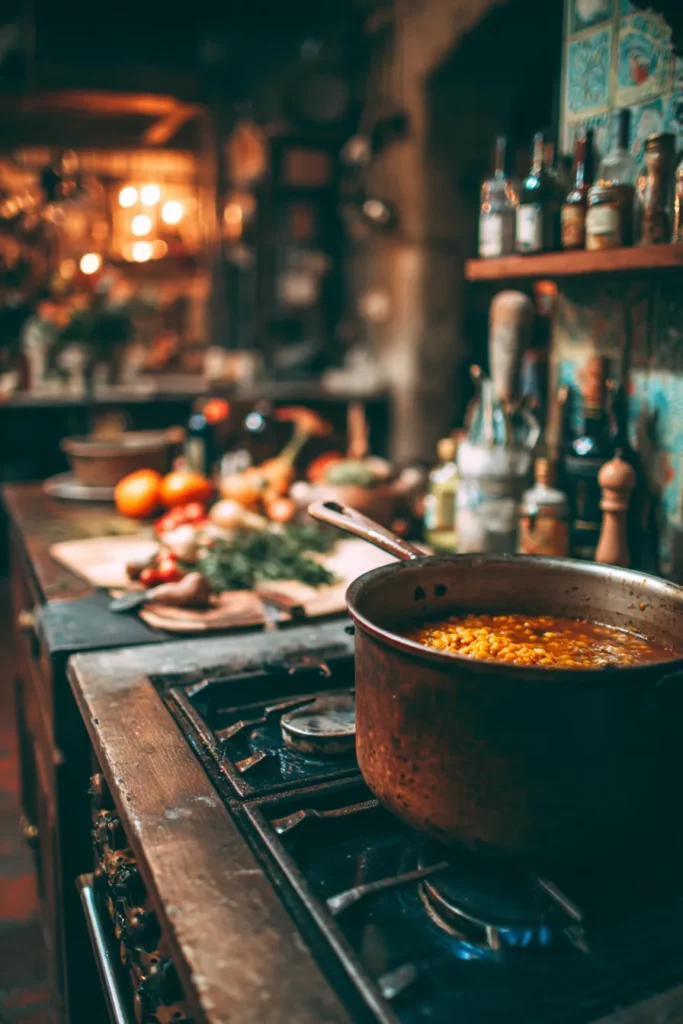
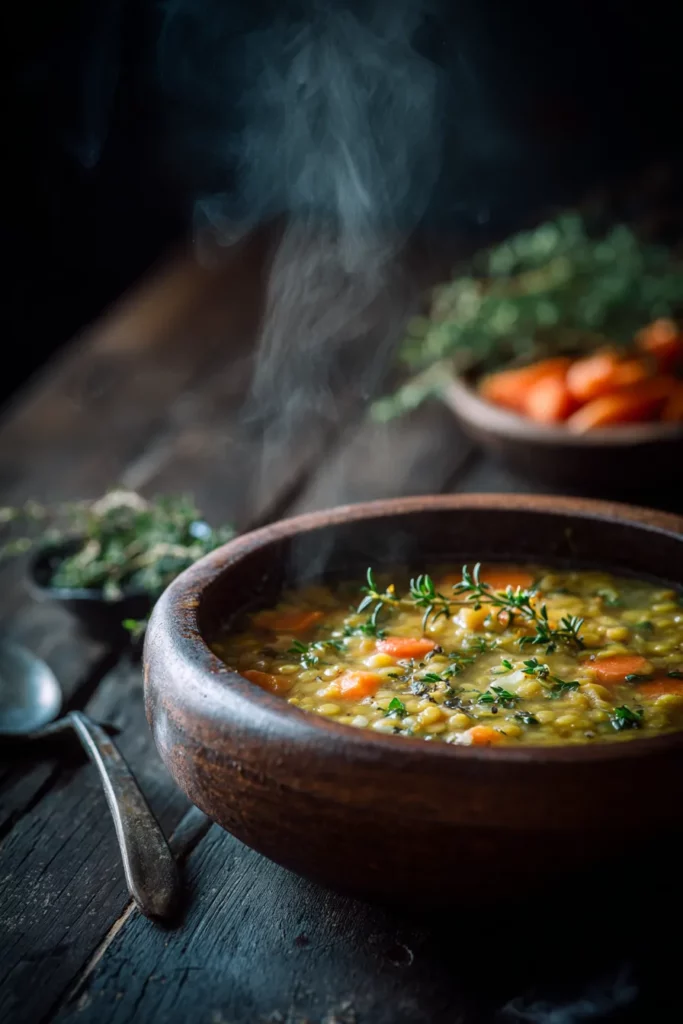
I’ll never forget the first time I made a pot of lentil soup from scratch. I was in college, perpetually broke, trying to stretch my grocery budget through the end of the month. My grandmother had mentioned something about lentils being cheap and filling, so I grabbed a bag at the store without really knowing what I was doing. I threw them in a pot with some vegetables, garlic, and whatever spices I could find in my tiny apartment kitchen. What emerged two hours later was nothing short of magic.
⚡ Smart Kitchen Tools Every Home Cook Swears By

- Pure aluminum
- Durable enough for everyday cooking
- Made in the USA with quality

- 7 cooking functions in one compact cooker
- 3-quart size ideal for couples or small meals
- Up to 70% faster than traditional cooking

- 3 sizes for every recipe
- Pre-seasoned & durable cast iron
- Oven & grill ready
That soup was creamy without any cream, deeply flavorful without expensive ingredients, and so satisfying that I ate it for three days straight and never felt deprived. It was my introduction to the quiet power of legumes, those humble dried beans, lentils, and chickpeas that have sustained civilizations for thousands of years. They weren’t just cheap. They were actually, genuinely delicious.
Since then, legumes have become the foundation of so many meals in my kitchen. They’re the secret ingredient that makes dinner feel complete without spending a fortune or heating up the oven for hours. On busy weeknights when I need something quick and nourishing, I reach for canned chickpeas. On lazy Sundays when I want something simmering on the stove filling the house with warmth, I start with dried beans. And on those in-between days when I want healthy food that still feels indulgent, I turn to lentils in all their glorious varieties.
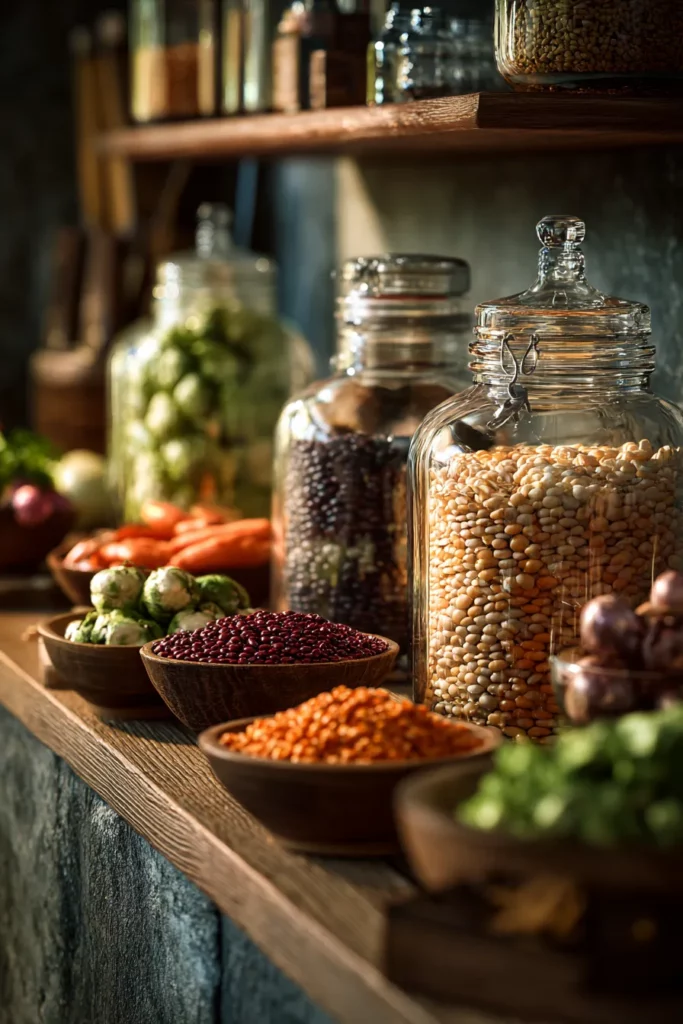
This guide is everything I’ve learned about cooking with legumes over the years. We’ll explore the different types and how each one behaves in the kitchen. You’ll discover techniques that actually work, from the proper way to soak beans to the secret of perfectly creamy hummus. We’ll dive into hearty soups and stews, vibrant salads, satisfying bowls, and even some surprising applications you might not have considered. Whether you’re cooking for health reasons, budget concerns, environmental consciousness, or simply because you love good food, legumes offer endless possibilities that never feel like compromise.
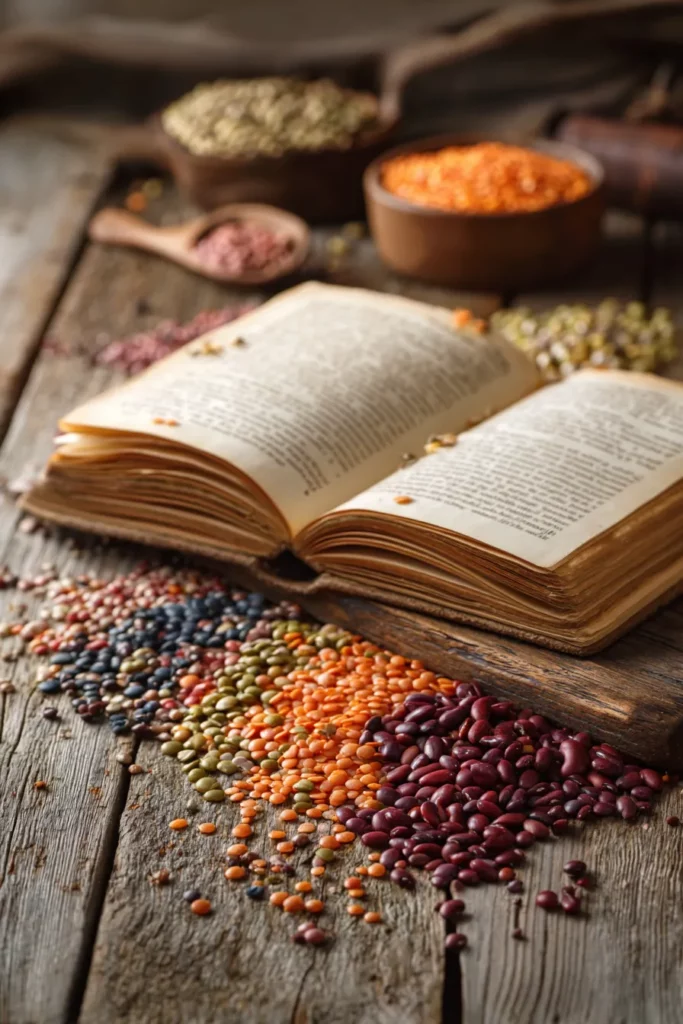
Understanding Legumes: Types, Benefits, and Kitchen Basics
When I first started cooking with legumes regularly, I thought they were all pretty much the same. Beans are beans, right? Wrong. So wonderfully, deliciously wrong. Each type of legume has its own personality, its own texture, its own particular talents in the kitchen. Learning these differences transformed my cooking from “I’m making beans” to “I’m making this specific dish with these specific legumes because they’re perfect for it.”
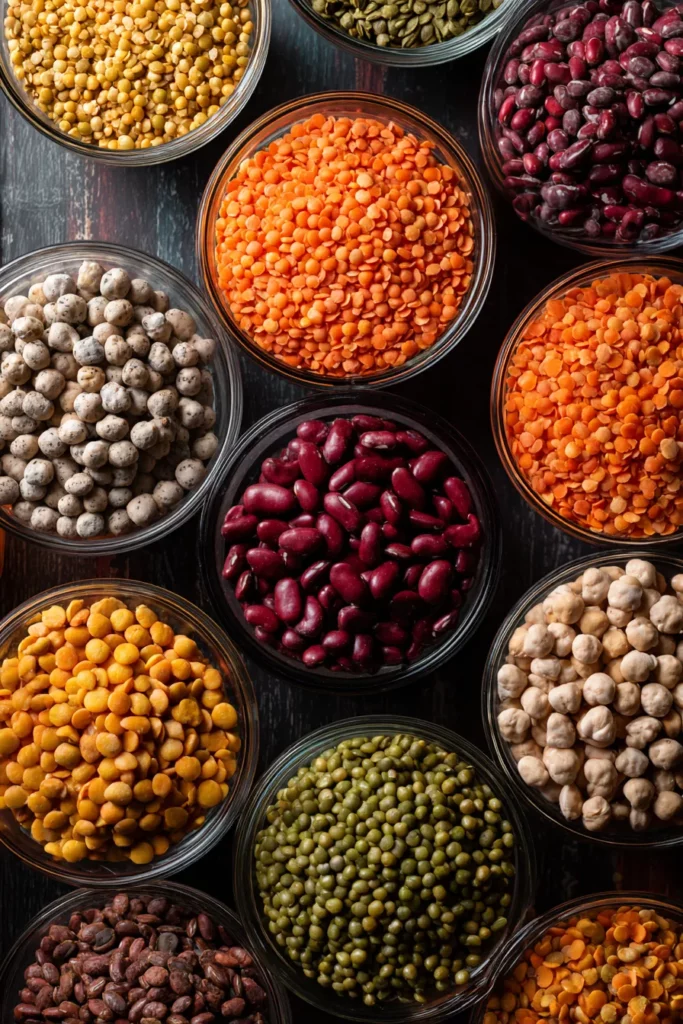
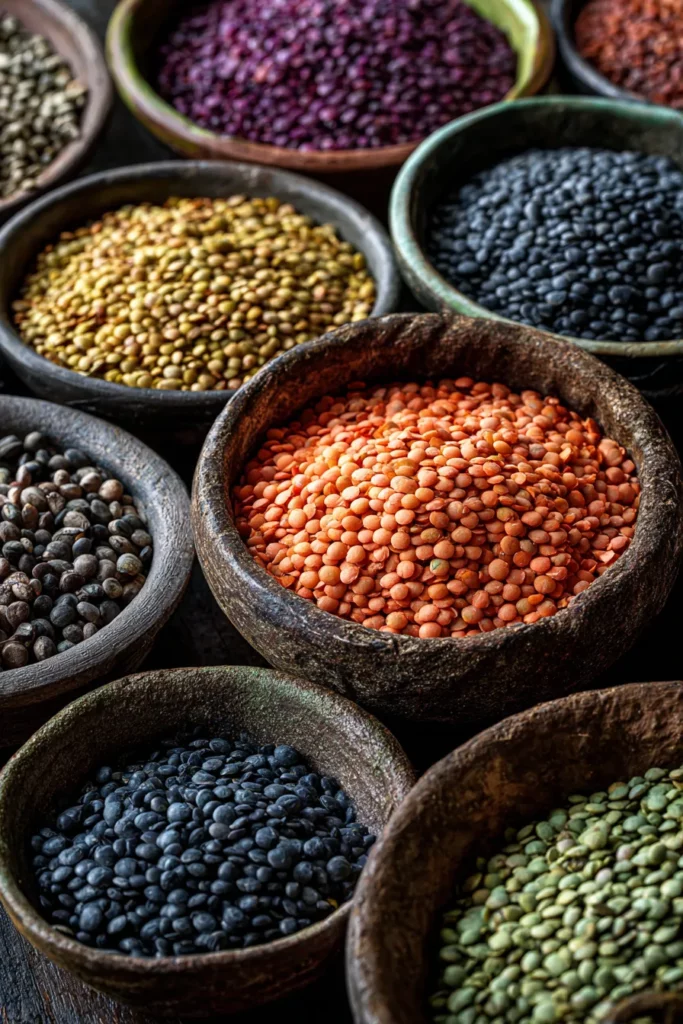
Let’s start with lentils, which have become some of my most-cooked legumes. They don’t require soaking, they cook relatively quickly, and they have this amazing ability to become creamy while still holding their shape. Red and yellow lentils break down into a silky puree, perfect for soups and curries. Green and brown lentils keep their form, ideal for salads and side dishes. Black lentils, also called beluga lentils, are tiny and elegant, almost caviar-like when cooked.
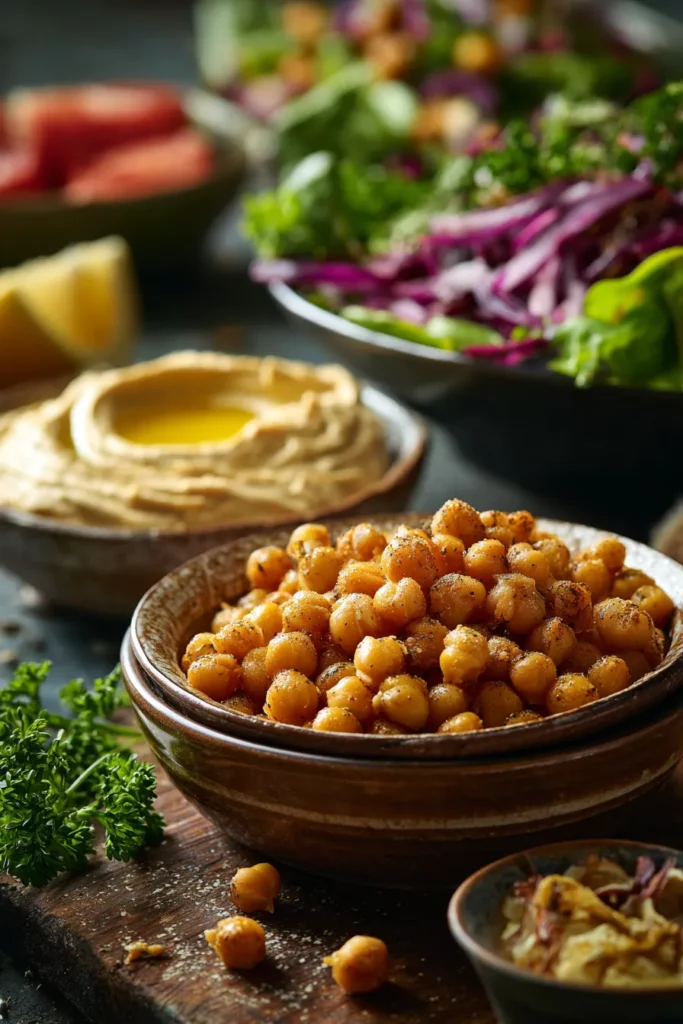
Then there are chickpeas, those round, nutty legumes that seem to work in absolutely everything. They’re sturdy enough to roast until crispy, mild enough to blend into smooth hummus, and substantial enough to anchor a hearty salad or bowl. I always keep several cans in my pantry because they’re so versatile and forgiving.
🥗 Fresh, Fast & Foolproof — Upgrades You'll Use Tonight

- Zoodles in seconds
- Heavy-duty, 10 sharp blades
- Keto, paleo & gluten-free friendly

- Meals in ~30 minutes
- 3-Qt — perfect for 1–3 people
- Pressure cook, sauté, steam & more

- Phone alerts & live temp graph
- Hands-off monitoring for smokers
- Perfect doneness, every time
The Soaking Question: When and Why
Here’s something that confused me for years: when do you actually need to soak beans? The answer depends on what you’re making and how much time you have. Soaking dried beans overnight does three things. It reduces cooking time significantly, makes the beans more digestible by breaking down some of those compounds that cause gas, and can result in more evenly cooked beans with better texture.
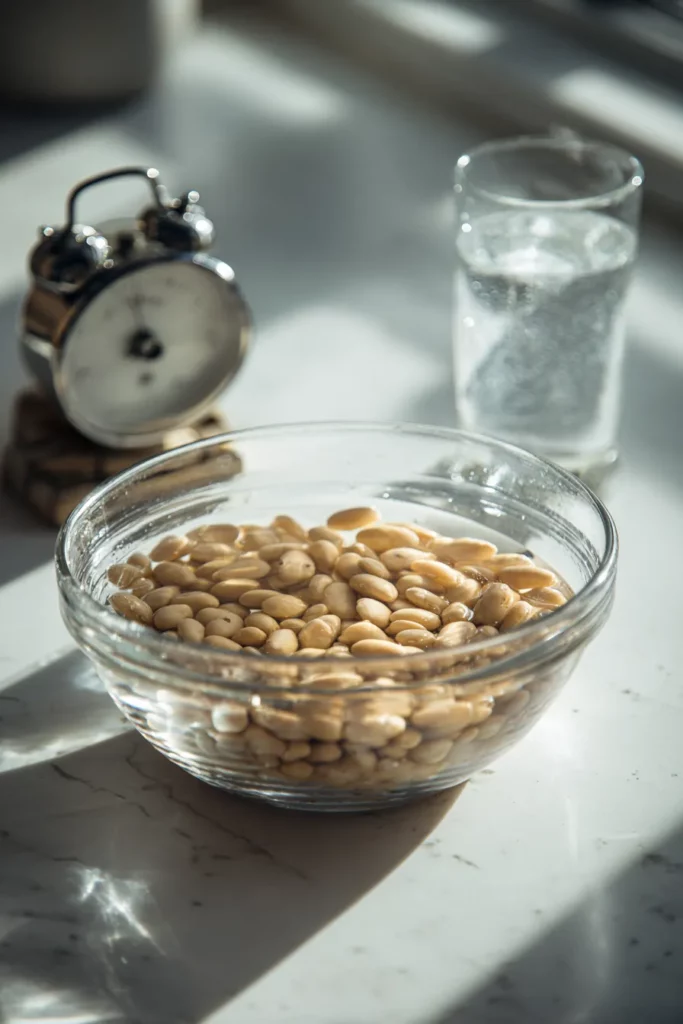
But here’s what I’ve learned through trial and error: you don’t always need to soak. Lentils never need soaking. Split peas don’t need it either. For larger beans like chickpeas, kidney beans, and white beans, soaking is helpful but not absolutely required if you have the time for longer cooking. I do a quick soak method when I forget to plan ahead. Cover the beans with water, bring to a boil, turn off the heat, let them sit for an hour, then drain and proceed with your recipe.
The one exception where soaking is truly important is for kidney beans. Raw or undercooked kidney beans contain a compound that can make you sick, so they need proper soaking and thorough cooking. This is one place where I never cut corners.
Canned Versus Dried: Making the Choice
I use both canned and dried legumes regularly, and each has its place. Canned beans are my weeknight heroes. They’re already cooked, ready in minutes, and honestly quite good quality these days. I drain and rinse them to remove excess sodium and that slightly metallic liquid they’re packed in, then use them in salads, quick soups, or anywhere I need beans fast.
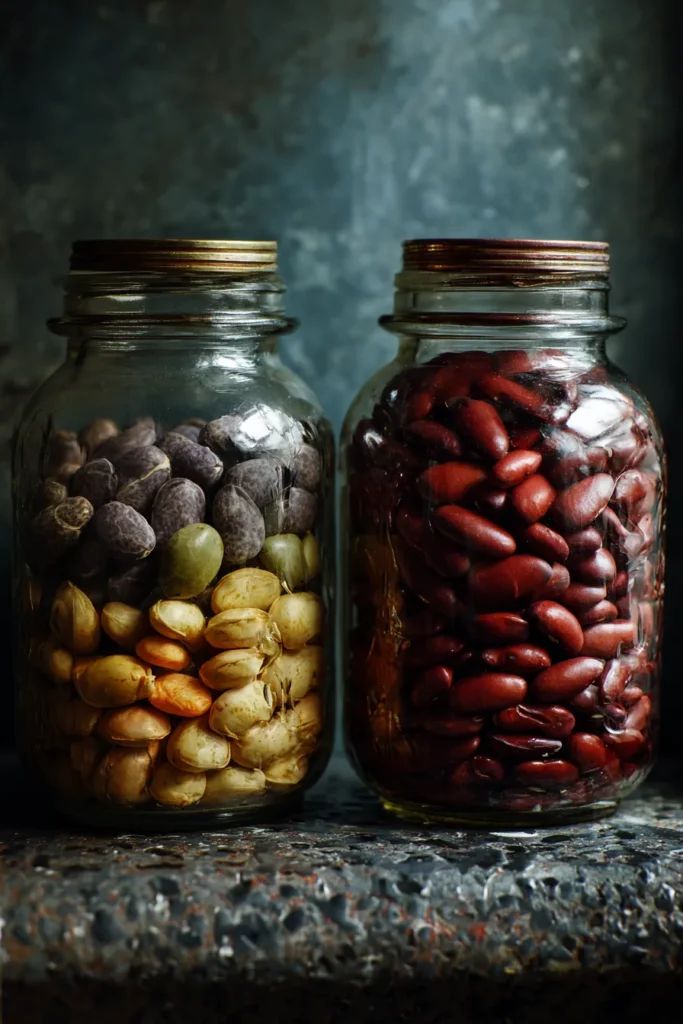
Dried legumes are what I turn to when I have time and want the best flavor and texture. There’s something about cooking beans from scratch that gives you complete control over their doneness. You can season the cooking liquid, adjust the texture precisely, and end up with beans that taste more vibrant and complex than canned versions. Plus, dried legumes are incredibly economical. A pound of dried beans costs less than a single can but yields the equivalent of three to four cans once cooked.
My system is simple: I keep both on hand. Dried beans for weekend cooking and meal prep, canned beans for those Tuesday nights when dinner needs to happen in thirty minutes.
Hearty Legume Soups and Stews
There’s a particular kind of comfort that comes from a bowl of bean soup on a cold evening. It’s the kind of food that warms you from the inside out, that makes you slow down and savor each spoonful, that somehow tastes even better the next day when the flavors have had time to meld and deepen.
My journey with legume soups started simple and has grown more adventurous over the years. That first college lentil soup was basic but good. Now I make versions with coconut milk and curry spices, with tomatoes and Italian herbs, with roasted vegetables and bright citrus. The foundation is always legumes, but the possibilities are endless.
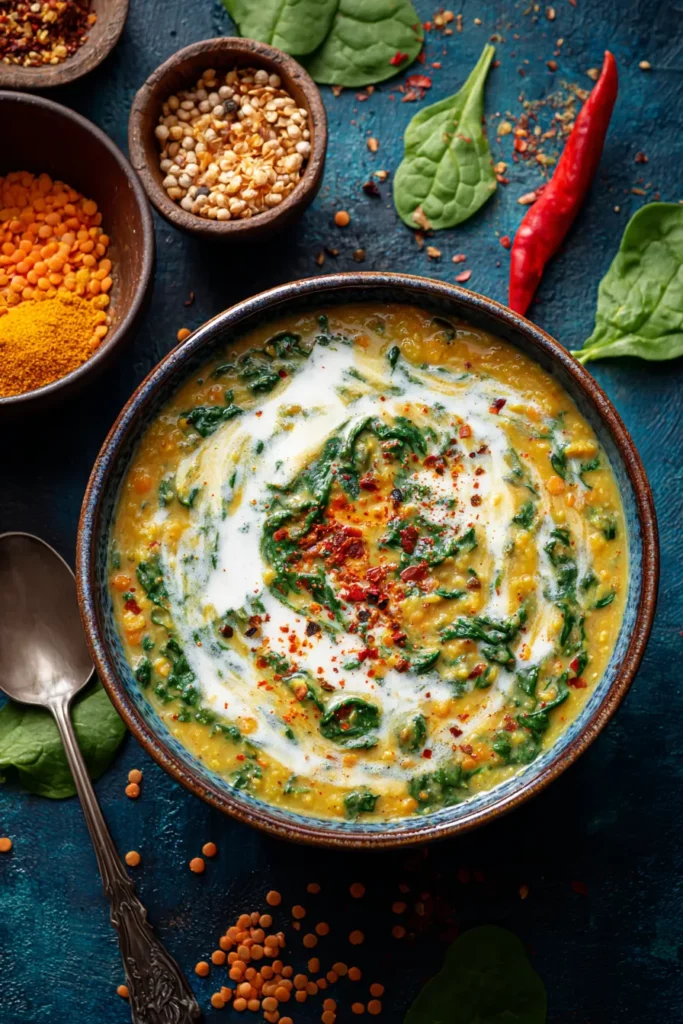
One of my absolute favorites is creamy lentil and spinach coconut curry. The red lentils break down into this velvety base, the coconut milk adds richness without heaviness, and the spinach brings color and nutrition. It’s the kind of soup that vegetarians love and meat-eaters don’t realize is meatless until you tell them.
The Art of Building Flavor in Bean Soups
Here’s what I’ve learned about making truly great bean soup: you have to build layers of flavor. It’s not enough to just throw beans in a pot with water and hope for the best. You need to start with aromatics, usually onions, garlic, celery, and carrots, cooked in a bit of oil until they’re soft and fragrant. This creates a flavorful base that makes all the difference.
Then comes the question of what liquid to use. Water works, but broth is better. I use vegetable broth most of the time, occasionally chicken broth if I want something richer. The liquid should be well-seasoned from the start because legumes absorb flavors as they cook. Don’t wait until the end to add salt and spices.
The lentil soup recipe I make most often is a master class in layered flavors. It starts with those essential aromatics, adds warm spices like cumin and turmeric, includes tomatoes for brightness and body, and finishes with a squeeze of lemon juice that makes everything pop. It’s satisfying enough to be a meal on its own, especially with crusty bread alongside.
White Bean Soups: Creamy Comfort
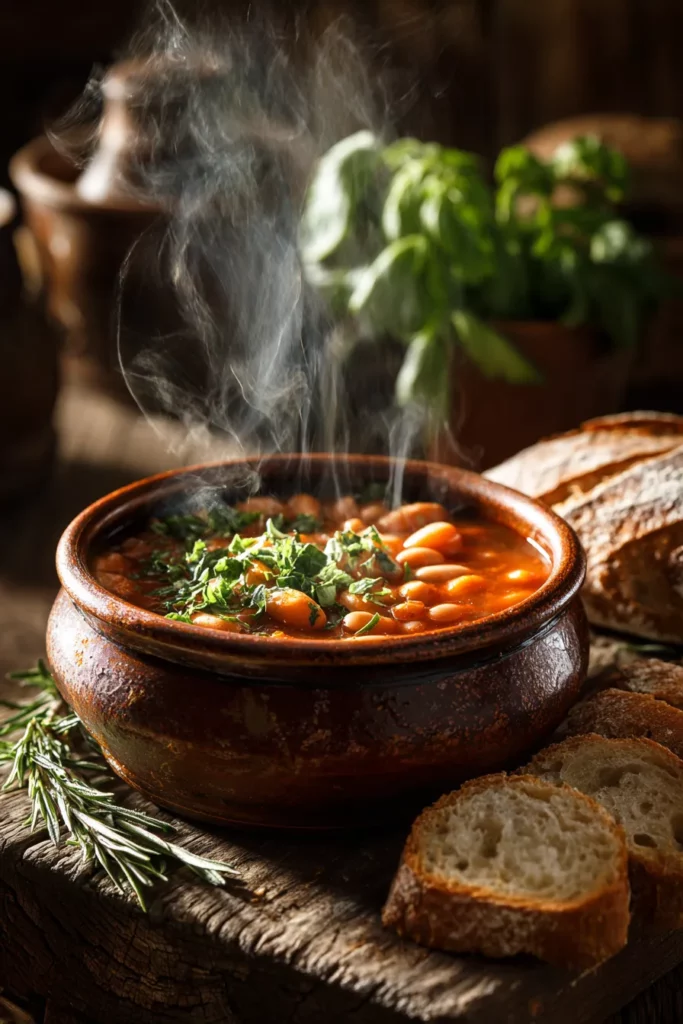
White beans, whether they’re cannellini, navy, or great northern, have this wonderful ability to create creamy, comforting soups. They break down just enough to thicken the broth naturally while still maintaining some whole beans for texture. I love them in Italian-style soups with rosemary and tomatoes, in French-inspired versions with leeks and herbs, and in American classics with ham or bacon.
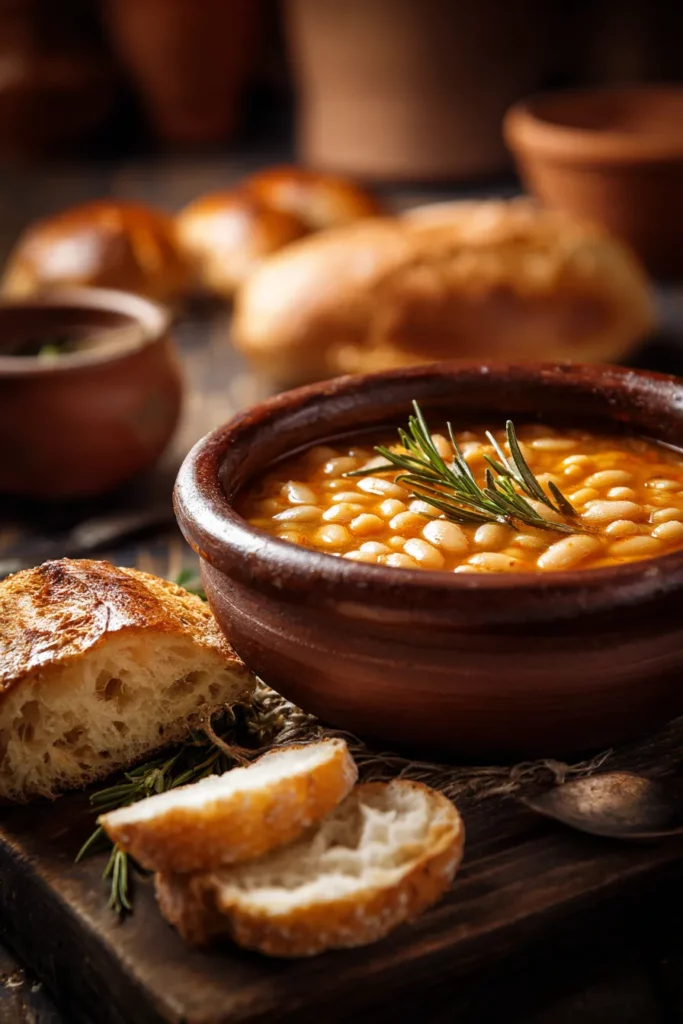
The Tuscan white bean soup is a family favorite that transports you straight to Italy with every spoonful. The beans are cooked with garlic, rosemary, and good olive oil until they’re meltingly tender. Some of them get mashed to create a creamy base while others stay whole for substance. It’s simple food done perfectly.
When I want something with more smoky, savory depth, I make bean with bacon soup. The bacon adds incredible flavor without requiring much meat, and the beans soak up all those smoky notes. It’s the kind of soup my dad requests every time he visits, served with cornbread for dunking.
Chili: The Ultimate Bean Stew
Chili deserves its own discussion because it’s probably the most popular bean dish in American cooking. I grew up eating traditional beef chili, but discovering white chili changed everything for me. It proved that chili doesn’t have to be red and beef-based to be satisfying and delicious.
My white chili uses white beans, chicken, and green chiles for a completely different but equally comforting experience. The flavors are brighter, the color is more interesting, and it feels lighter while still being filling. I make a big pot and freeze half for those nights when cooking feels impossible.
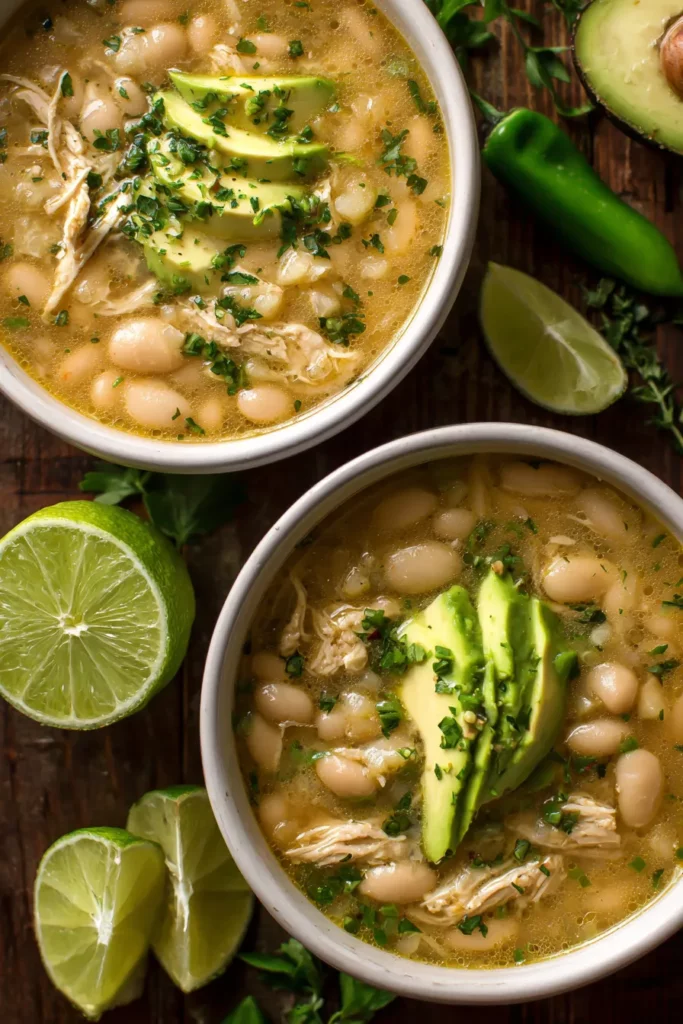
The white bean chicken chili is my go-to version when I’m feeding a crowd. It’s mild enough for kids but flavorful enough for adults, especially when you set out toppings like avocado, cheese, cilantro, and lime wedges so everyone can customize their bowl.
For something more creative, the Mexican street corn white chicken chili combines two favorite flavors into one incredible bowl. The sweet corn, tangy lime, and creamy cheese topping turn regular chili into something special enough for company.
Vibrant Legume Salads
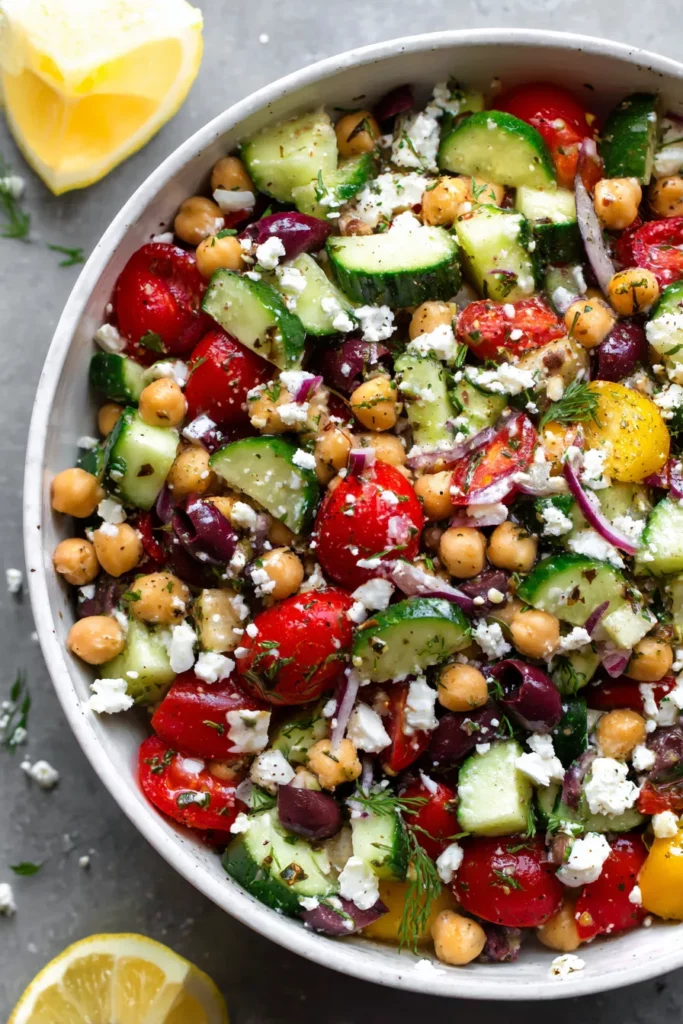
For years, I thought of legumes only as hot, cooked dishes. Soups, stews, maybe as a side dish. It never occurred to me to use them cold in salads until I had a chickpea salad at a Mediterranean restaurant that completely changed my perspective. The chickpeas were the star, not just a filler ingredient. They were tossed with crunchy vegetables, briny olives, tangy feta, and a bright lemon dressing that made everything sing.
Now bean salads are in my regular rotation, especially during warmer months when I don’t want to turn on the stove. They’re perfect for meal prep because they actually get better after a day or two in the fridge as the flavors meld. They’re substantial enough to be a main course lunch but also work beautifully as a side dish for grilled meats or fish.

The key to great bean salads is balancing textures and flavors. You need something crunchy, usually raw vegetables like cucumbers, peppers, or celery. Something creamy, whether that’s avocado, cheese, or a rich dressing. Something bright and acidic to cut through the earthiness of the beans. And plenty of fresh herbs to make everything taste alive and vibrant.
Mediterranean Chickpea Salads: Endless Variations
Chickpea salads have become my obsession. There’s something about their nutty flavor and firm texture that works perfectly in cold salads. They don’t get mushy like some beans can. They hold their shape, absorb dressing beautifully, and provide that satisfying bite that makes a salad feel like a real meal.
I make several different versions depending on what I’m in the mood for. The Mediterranean chickpea feta salad is probably my most-made version. It’s got cucumbers, tomatoes, red onion, feta cheese, and a simple lemon-olive oil dressing. It’s the kind of salad that tastes like summer even in the middle of winter.
The Mediterranean chickpea salad I make for potlucks adds olives and fresh dill, which gives it an even more distinctly Greek character. People always ask for the recipe, surprised that something so flavorful can be so simple.
When I want something with more herbs and brightness, I turn to the Mediterranean chickpea salad with lemon vinaigrette. The extra lemon in the dressing makes it incredibly refreshing, perfect for those days when you want something light but filling.
Creative Dressing and Flavor Combinations
While I love a classic lemon-olive oil dressing, I’ve also experimented with other flavor profiles for chickpea salads. The Mediterranean chickpea salad recipe I developed adds sun-dried tomatoes and artichoke hearts for a more complex, rich version that feels special enough for entertaining.
One of my more creative variations is the Mediterranean chickpea salad with tzatziki dressing. Instead of the usual vinaigrette, I use tzatziki, that cucumber-yogurt sauce, as the dressing. It coats the chickpeas and vegetables in creamy, garlicky goodness that’s absolutely addictive.
Warm Legume Salads
Not all legume salads need to be cold. Some of my favorites are served warm or at room temperature, where the beans are still tender and the vegetables are just cooked enough to be sweet and soft. These blur the line between salad and side dish in the best way possible.
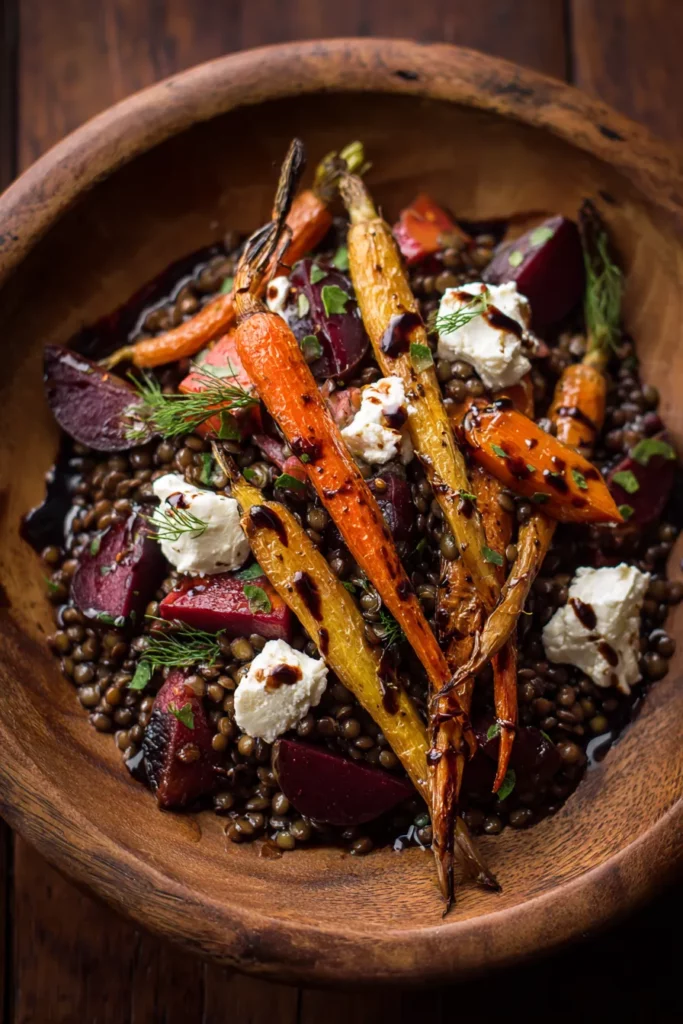
The warm beet and lentil salad with goat cheese and balsamic glaze is stunning both visually and flavor-wise. The earthy beets and lentils are perfect together, the tangy goat cheese provides contrast, and the balsamic glaze ties everything together with sweet-tart complexity.
Another favorite is the honey-glazed carrot and lentil salad with tahini dressing. The roasted carrots get caramelized and sweet, the lentils add substance, and the tahini dressing brings nutty richness. It’s the kind of salad that converts people who think they don’t like lentils.
For something with Mediterranean flair, the Mediterranean white bean salad combines creamy white beans with roasted red peppers, olives, and fresh herbs. It works beautifully warm, at room temperature, or cold, making it perfect for picnics and potlucks where you’re not sure when it will be served.
Satisfying Legume Bowls
Bowl meals have become my weeknight salvation. There’s something so satisfying about a bowl that has everything you need in one place: protein, vegetables, grains, and a flavorful sauce tying it all together. Legumes are perfect for bowls because they provide that protein and substance without requiring any cooking skills beyond opening a can or simmering dried beans.
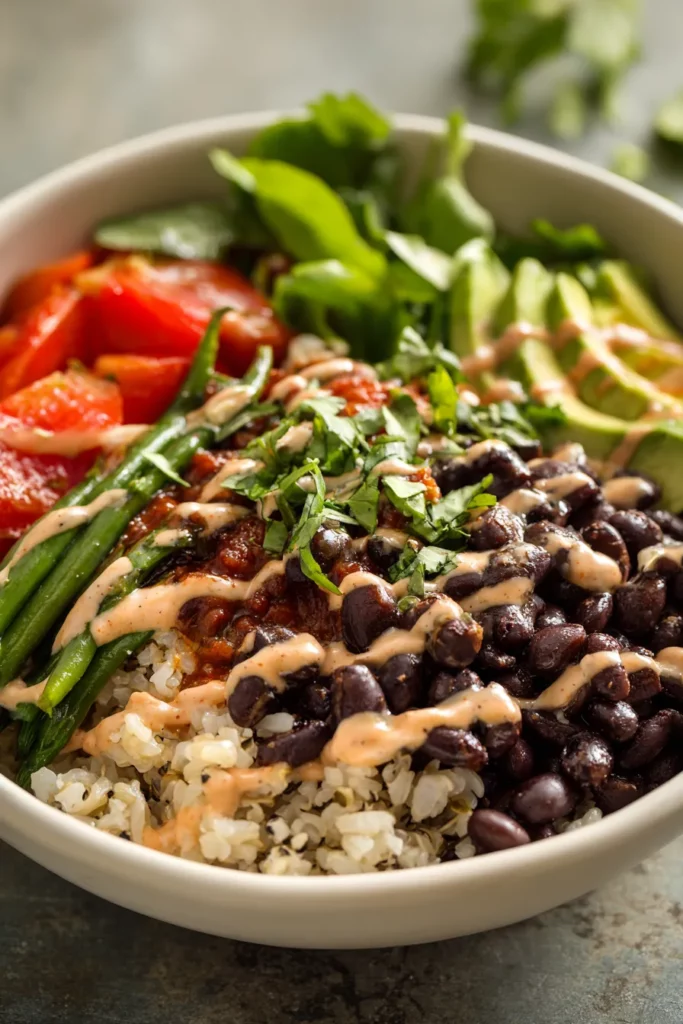
The beauty of bowl meals is their flexibility. You can prep components ahead, mix and match based on what you have available, and customize each person’s bowl to their preferences. My kids will pick out vegetables they don’t like but happily eat the rest. My husband loads his up with hot sauce. I add extra greens. Everyone’s happy.
What makes a great bowl is layers. You need a base, usually grains like rice or quinoa. Then your protein, which is where legumes shine. Vegetables for nutrition and color and texture. A sauce or dressing to bring moisture and flavor. And finally, some kind of crunch or fresh element on top. When all these components come together, you get a meal that’s nourishing, delicious, and completely satisfying.
Burrito Bowl Style: Mexican-Inspired Combinations
Mexican-flavored bowls are probably my most-made version because everyone in my family loves them. The black bean and quinoa burrito bowls have become a weekly staple. I cook quinoa in vegetable broth for extra flavor, season black beans with cumin and garlic, and set out all the toppings: avocado, cheese, salsa, cilantro, lime wedges.
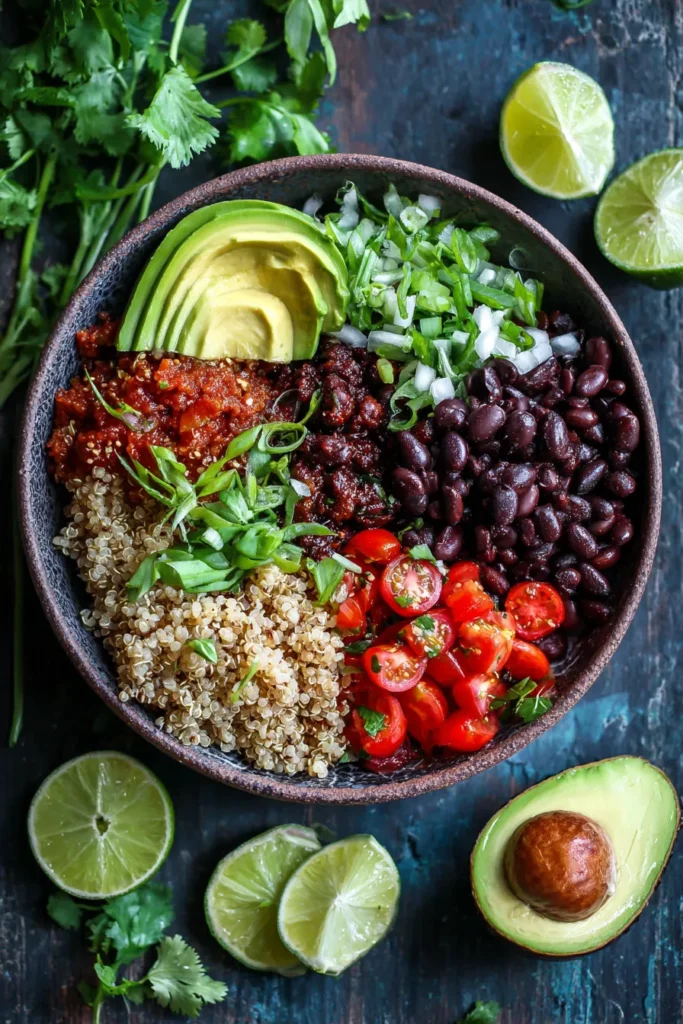
What I love about burrito bowls is that you get all the flavors of a burrito without the heaviness of a flour tortilla. The quinoa and black beans together form a complete protein, so vegetarians get everything they need. The fresh toppings keep it from feeling heavy or stodgy.
Mediterranean and Middle Eastern Bowl Creations
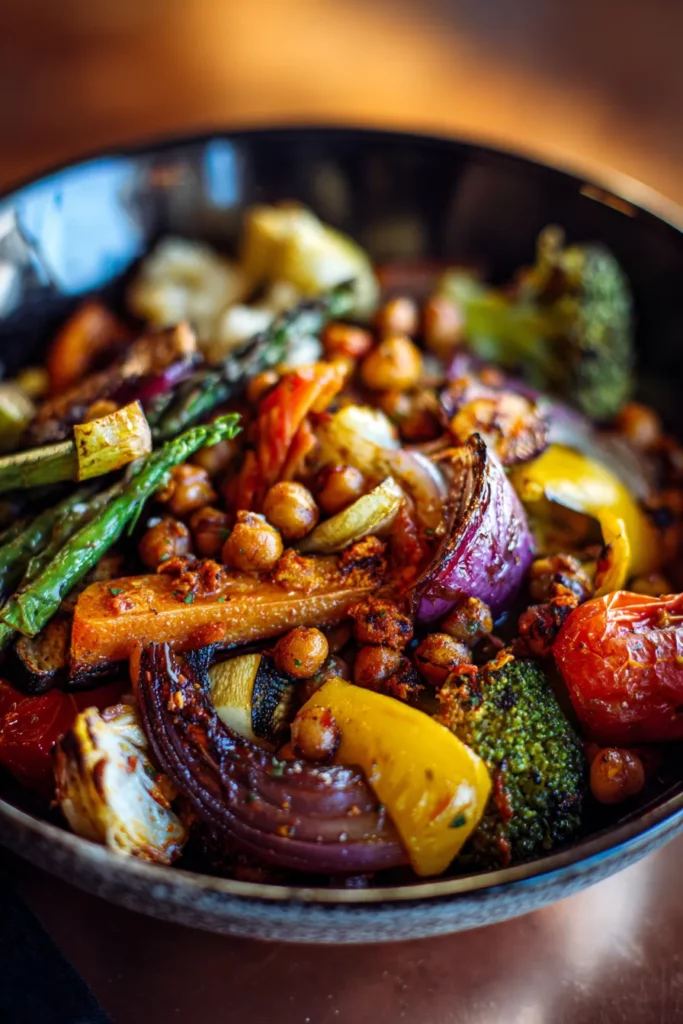
Mediterranean bowls bring a completely different flavor profile but the same level of satisfaction. The harissa chickpea and roasted veggie bowl is one of my favorites when I want something with a bit of heat and complexity. Harissa is a North African chili paste that adds smoky, spicy depth. The roasted vegetables get sweet and caramelized, and the chickpeas soak up all those bold flavors.
For something luxurious and unexpected, try the halloumi and chickpea bowls with hot honey drizzle. Halloumi is that squeaky, salty cheese that you can grill or pan-fry. It stays firm and gets golden brown and crispy on the outside. Combined with chickpeas and drizzled with spicy honey, it’s a flavor combination that will make you rethink everything you thought you knew about bowl meals.
Traditional Bean Dishes with Modern Twists
Some bean dishes have deep roots in culinary traditions, recipes that have been passed down through generations because they simply work. These are the dishes that connected me to food cultures beyond my own upbringing, that taught me how different cuisines approach the same humble ingredients in wonderfully diverse ways.
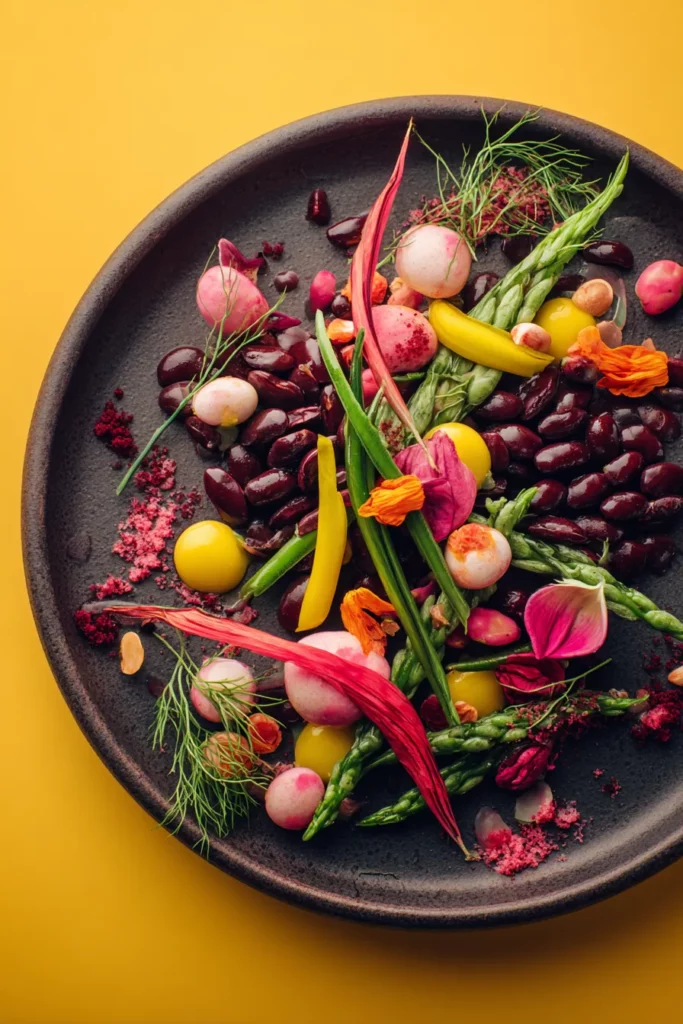
Learning to make these traditional dishes well has been one of the most rewarding parts of my cooking journey. There’s something special about mastering a recipe that’s been made the same way for decades or even centuries, understanding why each step matters, and then finding ways to make it your own while respecting its origins.
Mexican Bean Traditions
Mexican cuisine has perhaps the richest tradition of bean cooking in the world. Beans aren’t just a side dish or a filler ingredient. They’re central to the cuisine, prepared in countless ways that showcase their versatility and flavor.
One of my favorite discoveries has been authentic drunken beans, or frijoles borrachos. These beans are cooked with beer, bacon, tomatoes, and spices until they’re incredibly flavorful and the broth is rich and soupy. The beer adds a subtle maltiness that makes the beans taste deeper and more complex. I serve them with warm tortillas and rice for a complete meal that feels both homey and special.
What I love about frijoles borrachos is that they taste even better the next day. The flavors have time to develop and deepen. I’ll often make a big pot on Sunday and eat them throughout the week, sometimes as a side dish, sometimes spooned over rice, sometimes used as a filling for tacos or burritos.
Expert Tips for Perfect Legume Cooking
After years of cooking with legumes almost daily, I’ve learned so many little tricks that make a huge difference in the final dish. These are the things that took me from making okay bean dishes to making great ones, the subtle adjustments that elevate legumes from boring to crave-worthy.
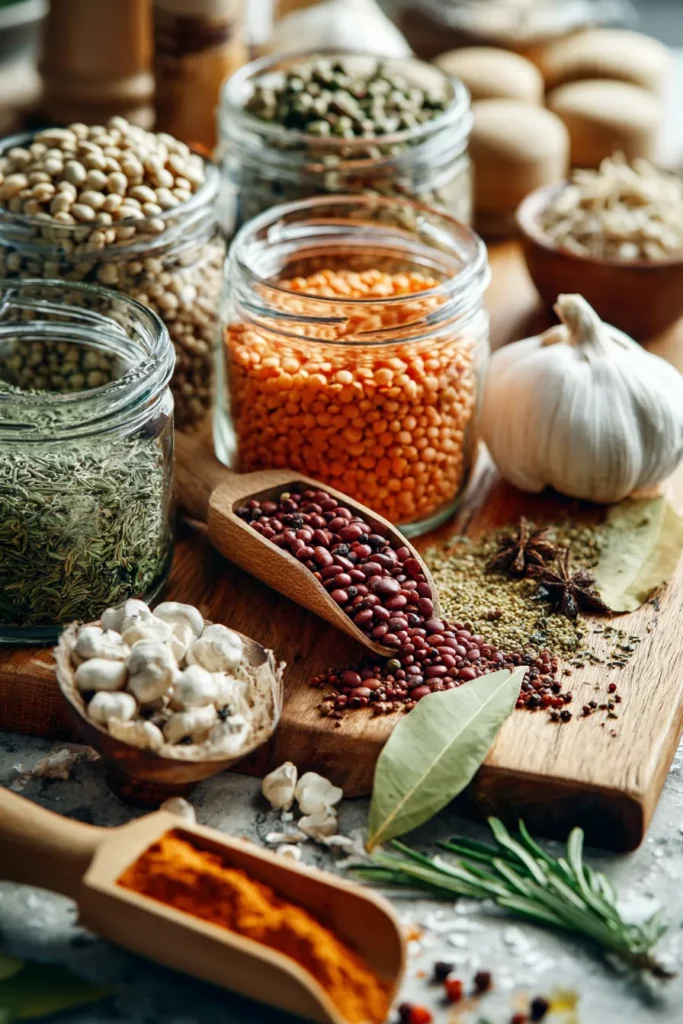
The first and most important lesson: don’t overcook your legumes. It’s tempting to cook them until they’re falling apart, but unless you’re making soup or puree, you want them tender but still holding their shape. Overcooked beans get mushy and lose their appealing texture. I always start checking for doneness earlier than the recipe suggests and cook just until they’re tender enough to bite through easily but not so soft that they’re breaking apart.
Seasoning Strategies
Here’s something that confused me for years: when to add salt when cooking beans. I’d heard you should never salt beans while they’re cooking because it makes them tough. Then I heard you must salt them to develop good flavor. The truth, as usual, is somewhere in the middle.
I’ve found that adding salt toward the end of cooking works best for dried beans. If you salt too early, the beans can take longer to soften. But if you wait until they’re completely done, they won’t absorb the seasoning as well. I add salt about halfway through the cooking time, when the beans are starting to soften but aren’t quite tender yet. This gives them time to absorb the seasoning without interfering with their softening.
For canned beans, the approach is different since they’re already cooked. I always drain and rinse them first, which removes excess sodium and that slightly metallic canning liquid. Then I season them aggressively because they need flavor added to them. Garlic, spices, acid, and aromatics all help wake up canned beans and make them taste fresh and vibrant.
The Acid Question
Adding acidic ingredients like tomatoes, lemon juice, or vinegar to beans requires timing. Acid slows down the softening process, so if you add it too early, your beans might never get tender. This is why most bean soups and stews call for adding tomatoes after the beans have cooked for a while.
But acid is also essential for bringing out the best flavors in finished bean dishes. A squeeze of lemon juice or splash of vinegar at the end brightens everything and makes the beans taste more complex. I always have a lemon or lime on hand when cooking legumes because that final hit of acid right before serving transforms the dish.
Storage and Meal Prep Tips
Cooked beans store beautifully, which makes them perfect for meal prep. I often cook a big batch of dried beans on Sunday and use them throughout the week in different dishes. They’ll keep in the refrigerator for four to five days in their cooking liquid, which helps keep them moist and flavorful.
You can also freeze cooked beans for up to three months. I portion them into containers with some of their cooking liquid, cool completely, and freeze. They thaw quickly and taste almost as good as freshly cooked. This means you can have the quality and flavor of beans cooked from scratch with the convenience of canned beans.
Common Mistakes and How to Avoid Them
The biggest mistake I see people make with legumes is not cooking them long enough. Beans should be completely tender, never crunchy or grainy in the center. Undercooked beans are unpleasant to eat and harder to digest. Don’t rush the process.
Another common error is not adding enough liquid. Beans absorb a lot of water as they cook, and if your pot runs dry, the beans on top won’t cook properly. I always make sure there’s at least an inch of liquid covering the beans throughout cooking, adding more water or broth as needed.
Finally, don’t forget about aromatics. Cooking beans in plain water produces bland beans. Cook them with onions, garlic, bay leaves, and herbs, and you’ll end up with beans that taste delicious on their own before you even turn them into a final dish.
Conclusion
Looking back at my journey with legumes, from that first college lentil soup to the countless bean dishes I make now, I’m amazed at how much these humble ingredients have enriched my cooking and my life. They’ve taught me that good food doesn’t require expensive ingredients or complicated techniques. Sometimes the simplest foods, prepared with care and attention, are the most satisfying.
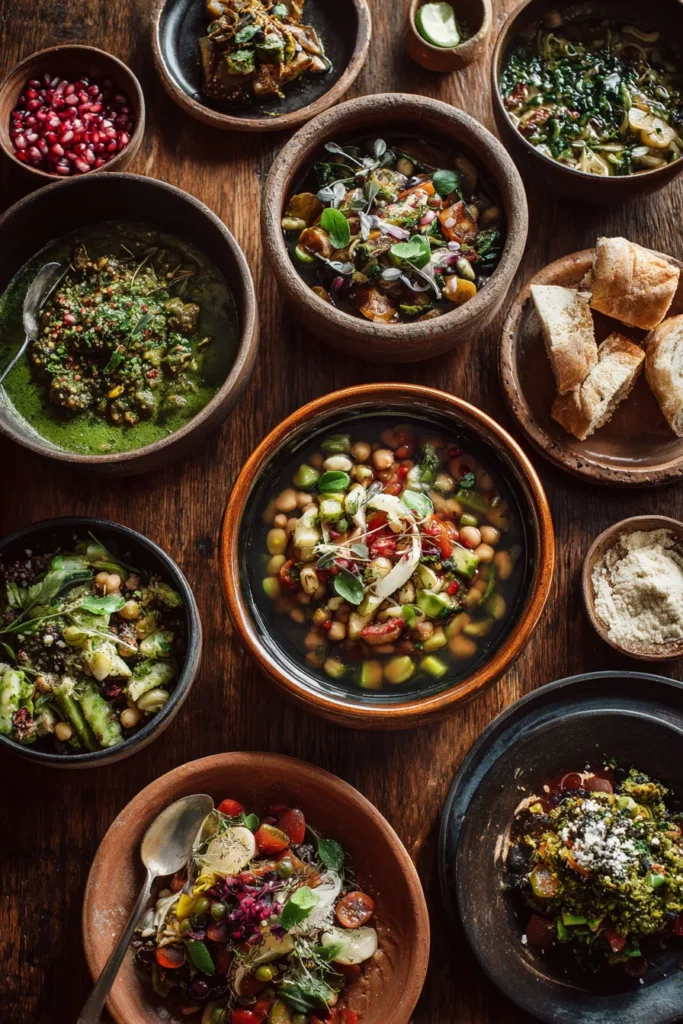
What I love most about cooking with legumes is their generosity. A single bag of dried beans feeds a crowd. A can of chickpeas becomes a complete meal with just a few additions. They’re patient too, sitting in your pantry waiting until you need them, never going bad, never demanding attention until you’re ready to cook.
The key takeaways from this guide come down to a few essential truths. First, legumes are endlessly versatile. Whether you want soup, salad, bowls, or traditional stews, there’s a legume preparation that will work. Second, technique matters more than you might think. Proper seasoning, correct cooking times, and understanding when to add acid all make the difference between okay beans and extraordinary ones. Third, both dried and canned legumes have their place in a well-stocked kitchen. Don’t feel guilty about using canned beans on busy nights, but do take time to cook from scratch when you can.
Finally, and perhaps most importantly, legumes invite experimentation. Don’t be afraid to try new varieties, new flavor combinations, new cooking methods. Some of my best recipes have come from happy accidents and curious experiments. That’s the joy of cooking with legumes. They’re forgiving enough for beginners but interesting enough to keep experienced cooks engaged.
Start simple. Make a pot of lentil soup or toss some chickpeas with vegetables and good olive oil. See how these ingredients fit into your kitchen, your schedule, your family’s preferences. Then branch out. Try that coconut curry. Make a big batch of burrito bowls for the week. Experiment with drunken beans or white chili. Each recipe will teach you something new about what these versatile legumes can do.
Explore more delicious inspiration:
- Creamy Lentil and Spinach Coconut Curry
- Black Bean and Quinoa Burrito Bowls
- Mediterranean Chickpea Feta Salad
Frequently Asked Questions
Do I really need to soak beans overnight?
Not always. Lentils and split peas never need soaking. For larger beans, soaking reduces cooking time and can make them more digestible, but it’s not absolutely required. You can do a quick soak method by bringing beans to a boil, turning off the heat, letting them sit for an hour, then draining and cooking normally. Or you can skip soaking entirely and just cook them longer. The texture might be slightly less creamy, but they’ll still be perfectly good.
Why do my beans sometimes stay hard no matter how long I cook them?
This usually happens for one of two reasons: old beans or hard water. Dried beans lose moisture over time and eventually won’t soften properly no matter how long you cook them. If you’ve had beans in your pantry for more than a year or two, they might be past their prime. Hard water with high mineral content can also prevent beans from softening. Adding a pinch of baking soda to the cooking water can help, or use filtered water if your tap water is very hard.
How can I reduce the gas and digestive issues from eating beans?
Several strategies help. Soaking beans and discarding the soaking water removes some of the oligosaccharides that cause gas. Cooking beans thoroughly also helps, as does adding a strip of kombu seaweed to the cooking water. Starting with smaller portions and gradually increasing as your digestive system adjusts can make a big difference too. And always drain and rinse canned beans well before using them.
Can I cook different types of beans together?
You can, but it’s tricky because different beans have different cooking times. Chickpeas take much longer than black beans, for example. If you want to cook a mixed bean soup or stew, either start the longer-cooking beans first and add the others later, or use canned beans where the cooking time doesn’t matter since they’re all already cooked.
What’s the best way to add more flavor to canned beans?
Always drain and rinse canned beans first to remove that metallic-tasting canning liquid. Then heat them with aromatics like garlic and onions, spices, and some kind of liquid to help them absorb flavor. Even just sautéing garlic in olive oil and tossing drained beans in it with some salt and pepper makes a huge difference. Adding acid at the end, like a squeeze of lemon or splash of vinegar, brightens everything.
Are dried beans really better than canned?
Dried beans have better texture and flavor, and you control the seasoning completely. They’re also much more economical. But canned beans are convenient and still quite good, especially if you treat them right by rinsing and seasoning well. I keep both on hand and use whichever makes sense for the situation. Weekend cooking? Dried beans. Tuesday dinner? Canned beans.
How do I know when beans are done cooking?
Taste them. They should be completely tender all the way through with no graininess or crunch in the center. The texture should be creamy and smooth, not chalky. For dishes where beans will cook further in sauce or soup, you can pull them slightly early. For salads where they won’t cook more, make sure they’re completely tender before you stop cooking.
Can I freeze cooked beans?
Absolutely. Cooked beans freeze beautifully for up to three months. I freeze them in their cooking liquid in portion-sized containers. They thaw quickly in the microwave or on the stovetop and taste almost as good as freshly cooked. This is perfect for meal prep. Cook once, eat multiple times.
What’s the difference between all the types of lentils?
Red and yellow lentils cook quickly and break down into a creamy puree, perfect for soups and curries. Green and brown lentils hold their shape better and are ideal for salads and side dishes. Black lentils, also called beluga lentils, are tiny and stay very firm, almost caviar-like. French lentils, or lentilles du Puy, have the best flavor and texture in my opinion, staying firm with a peppery taste.
How long do dried beans last in the pantry?
Dried beans can last for years if stored in a cool, dry place in an airtight container. However, they lose moisture over time and eventually won’t cook properly. For best quality, use dried beans within a year or two of purchase. If you’re not sure how old your beans are, cook a small test batch. If they won’t soften after several hours of cooking, they’re probably too old.
Do I need to add anything special to the water when cooking beans?
For basic beans, you just need water or broth, aromatics like onions and garlic, bay leaves, and salt added partway through cooking. Some people add a strip of kombu seaweed, which is said to help with digestibility. A drizzle of oil can help prevent foaming. Beyond that, the additions depend on what dish you’re making and what flavors you want to develop.
Can I use my slow cooker or Instant Pot for cooking beans?
Both work great. Slow cookers are perfect for dried beans, cooking them low and slow until tender. Just make sure there’s plenty of liquid. Instant Pots have revolutionized bean cooking by cutting the time dramatically. Unsoaked beans that would normally take hours cook in thirty to forty-five minutes under pressure. Both methods require less active attention than stovetop cooking, making them perfect for busy cooks.

🍳 Precision Meets Passion — Tools Chefs Trust Daily

- Grams & ounces — precise to 1g
- Perfect for baking & keto tracking
- Sleek stainless steel design

- German stainless precision
- Razor-sharp & dishwasher-safe
- Elegant wood block organizer

- Premium Stainless Steel Build
- Easy to Clean & Dishwasher Safe
- A Must-Have Kitchen Tool