➤ Table of Contents
I still remember the first meatloaf I ever made as a newlywed. I followed my grandmother’s recipe exactly, or so I thought, but somehow it came out dry as cardboard with a texture more suited to construction material than dinner. My husband gamely chewed through his portion while I sat there mortified, wondering how something so simple could go so wrong. That failure sent me on a years-long journey to understand what makes meatloaf truly magnificent.

⚡ Smart Kitchen Tools Every Home Cook Swears By

- Pure aluminum
- Durable enough for everyday cooking
- Made in the USA with quality

- 7 cooking functions in one compact cooker
- 3-quart size ideal for couples or small meals
- Up to 70% faster than traditional cooking

- 3 sizes for every recipe
- Pre-seasoned & durable cast iron
- Oven & grill ready
Now, decades later, meatloaf has become one of those recipes I can make with my eyes closed. I’ve learned that the magic lies not in fancy ingredients or complicated techniques, but in understanding a few key principles about moisture, binding, and flavor. The difference between a dry, crumbly meatloaf and one that’s tender, juicy, and full of flavor often comes down to just a handful of small adjustments.
This guide is everything I wish someone had told me that first night in my kitchen. We’ll explore classic preparations that have stood the test of time, creative variations that breathe new life into this comfort food staple, and all the techniques you need to make meatloaf that has your family asking for seconds. From traditional American-style loaves with sweet tomato glaze to Italian-inspired versions bursting with herbs and cheese, from breakfast casseroles that repurpose ground meat in surprising ways to elegant dinner presentations that prove meatloaf can be company-worthy.
Whether you’re looking for a reliable weeknight dinner, a dish that feeds a crowd without breaking the bank, or creative ways to use ground beef beyond the usual suspects, you’ll find inspiration here. And because I believe cooking should feel like a joy rather than a chore, every recipe and technique comes from real kitchen experience, complete with the mistakes I made so you can skip straight to the delicious results.
Understanding the Foundation: What Makes Perfect Meatloaf
Let me tell you about the revelation that changed my meatloaf forever. I was watching a cooking show where the chef explained that meatloaf isn’t really about the meat at all. It’s about the panade, that mixture of liquid-soaked bread or breadcrumbs that keeps everything moist and tender. Once I understood this concept, everything clicked into place.
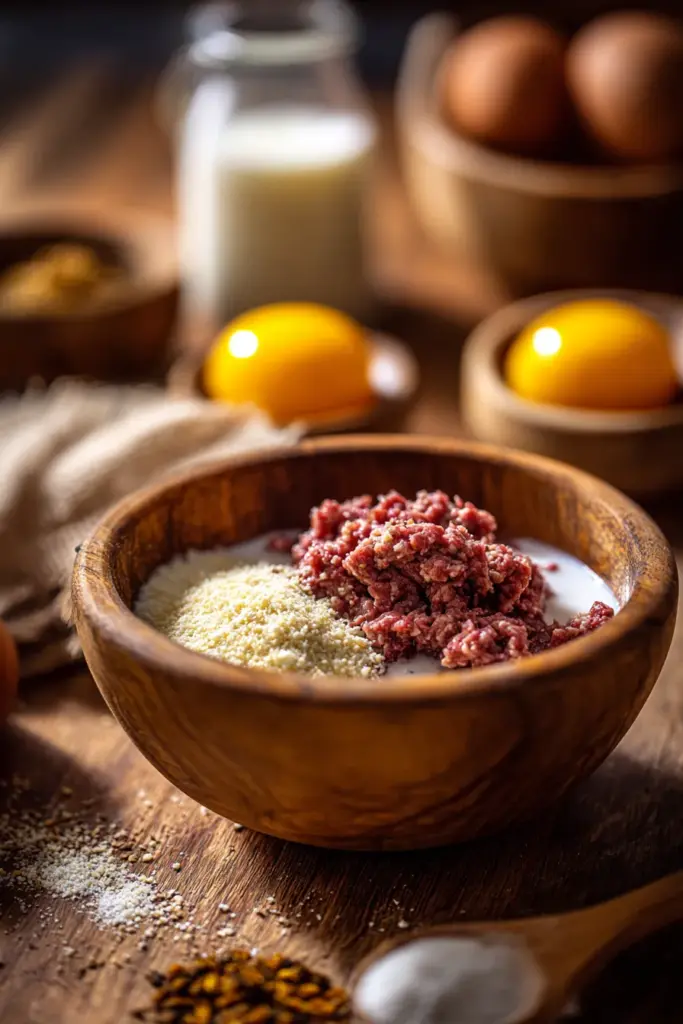
The protein in ground meat wants to bind together tightly when cooked, which creates that dense, dry texture we all dread. The panade interrupts this binding, creating pockets of moisture throughout the loaf. It’s the same principle that makes meatballs tender instead of tough. I now soak my breadcrumbs in milk for at least five minutes before mixing them with the meat, and the difference is night and day.
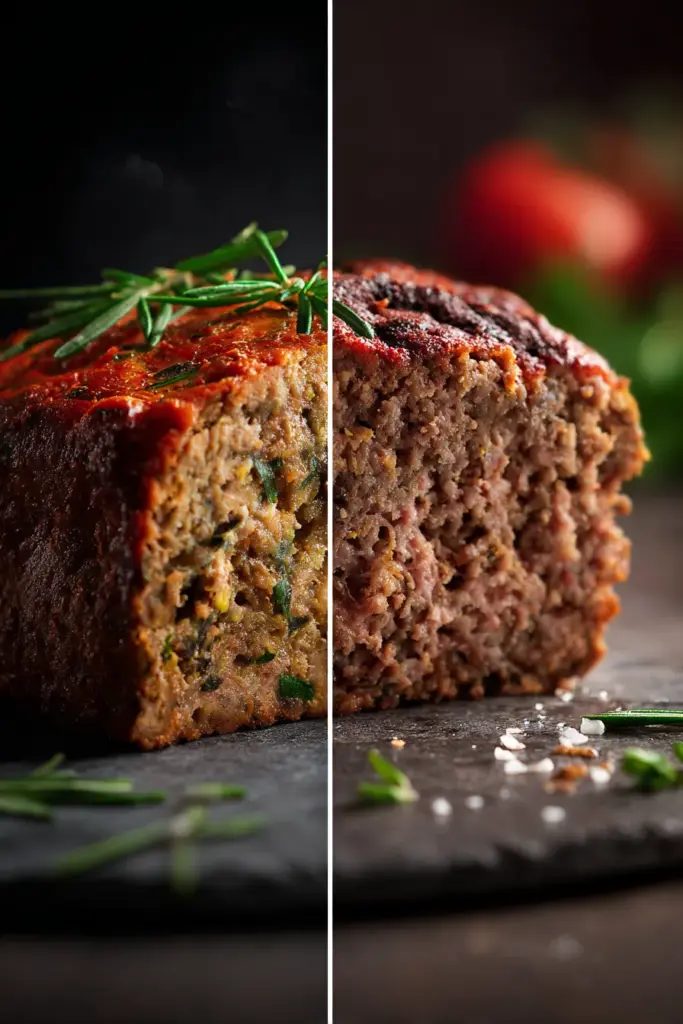
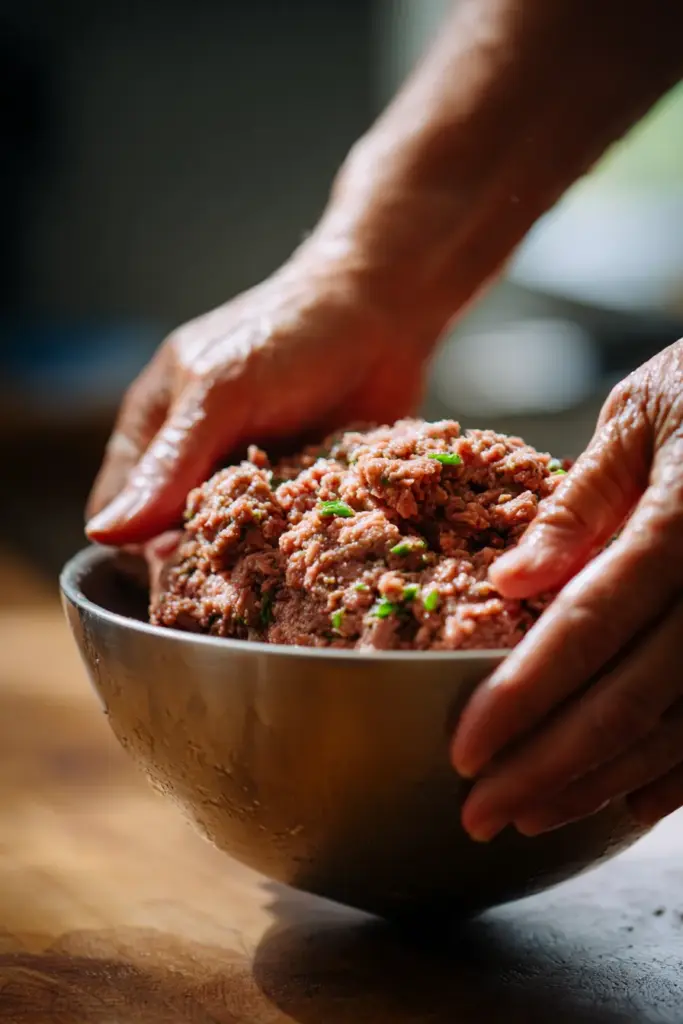
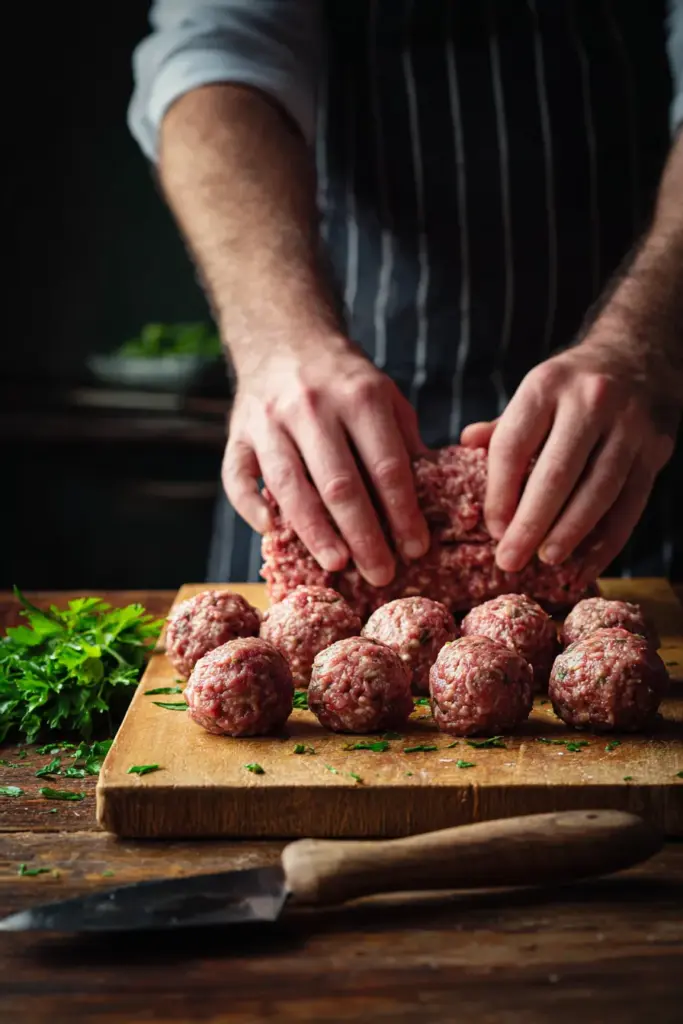
But moisture is just the beginning. Great meatloaf needs proper seasoning, the right ratio of ingredients, and gentle handling. Overmixing develops the proteins too much, creating that tough texture even when you’ve done everything else right. I mix my ingredients just until combined, using my hands to gently fold everything together rather than stirring aggressively with a spoon.
Choosing Your Ground Meat
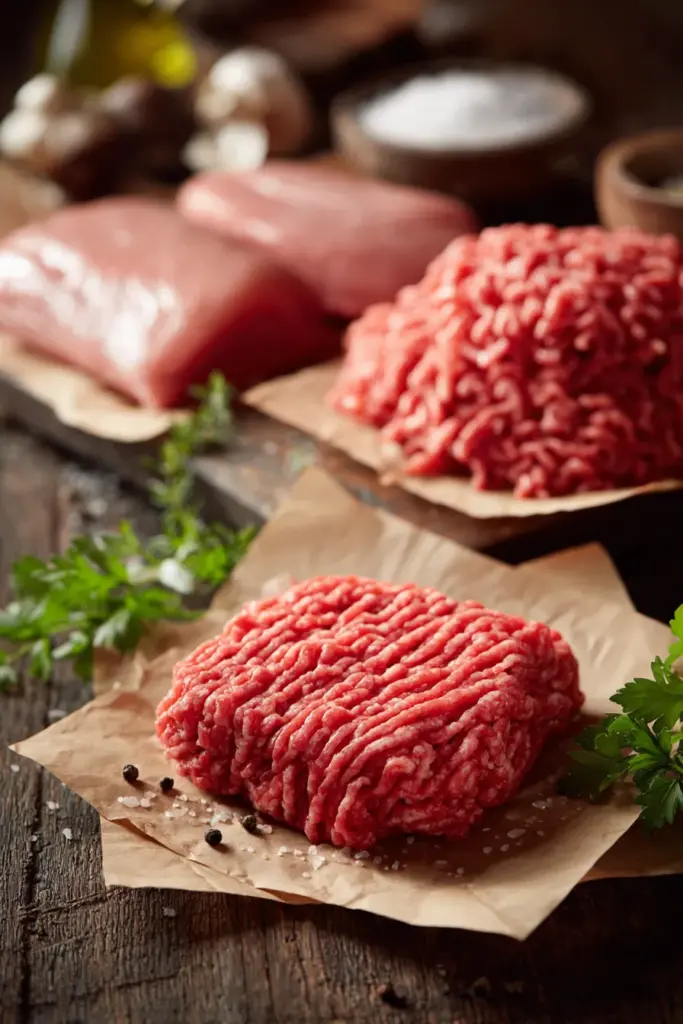
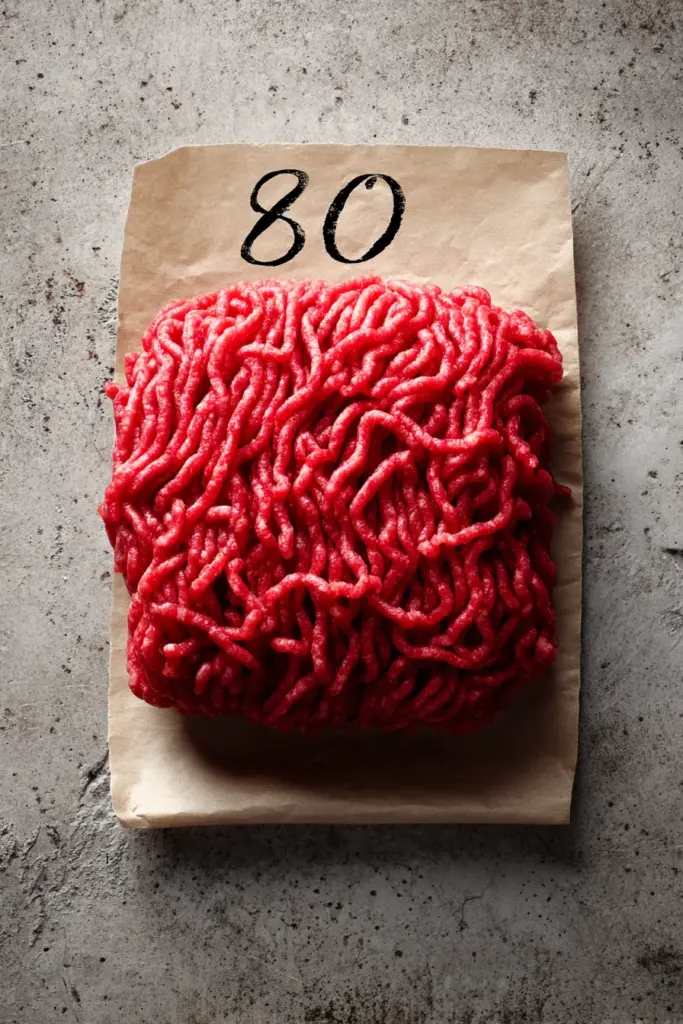
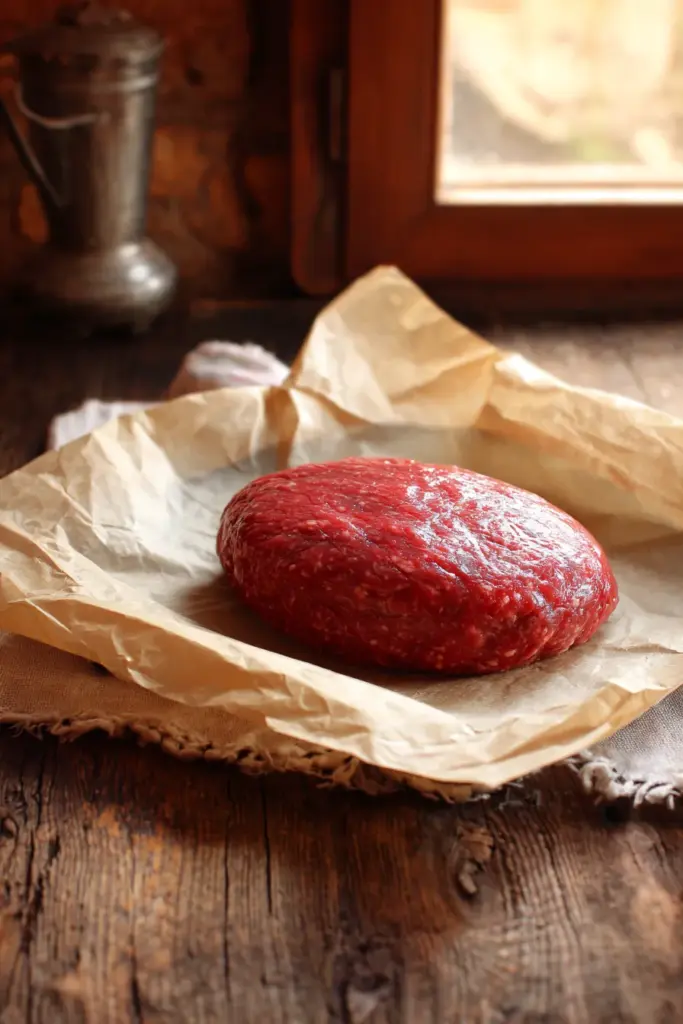
The fat content in your ground meat matters more than you might think. I learned this the hard way after making a meatloaf with extra-lean ground beef, thinking I was doing everyone a favor. That loaf was so dry it practically squeaked. Ground beef with about fifteen to twenty percent fat content gives you the best balance of flavor and moisture without being greasy.
🥗 Fresh, Fast & Foolproof — Upgrades You'll Use Tonight

- Zoodles in seconds
- Heavy-duty, 10 sharp blades
- Keto, paleo & gluten-free friendly

- Meals in ~30 minutes
- 3-Qt — perfect for 1–3 people
- Pressure cook, sauté, steam & more

- Phone alerts & live temp graph
- Hands-off monitoring for smokers
- Perfect doneness, every time
Many cooks swear by a blend of meats, and I’ve come to agree. Mixing ground beef with ground pork adds richness and keeps the texture tender. Some recipes call for veal too, creating that classic meatloaf blend you see at butcher shops. The pork fat has a lower melting point than beef fat, which means more of it renders out during cooking, basting the loaf from within.
For a truly exceptional version, try the Gordon Ramsay meatloaf that’s moist, flavorful, and perfectly glazed. His technique incorporates Worcestershire sauce and Dijon mustard into the meat mixture, adding layers of savory depth that elevate the whole dish.
The Role of Binders and Fillers
Eggs act as the glue that holds your meatloaf together, but too many eggs make it rubbery while too few leave it crumbly. I use one large egg per pound of meat as my baseline, adjusting slightly based on how many other moist ingredients I’m adding. The eggs need to be beaten before mixing so they distribute evenly throughout the meat.
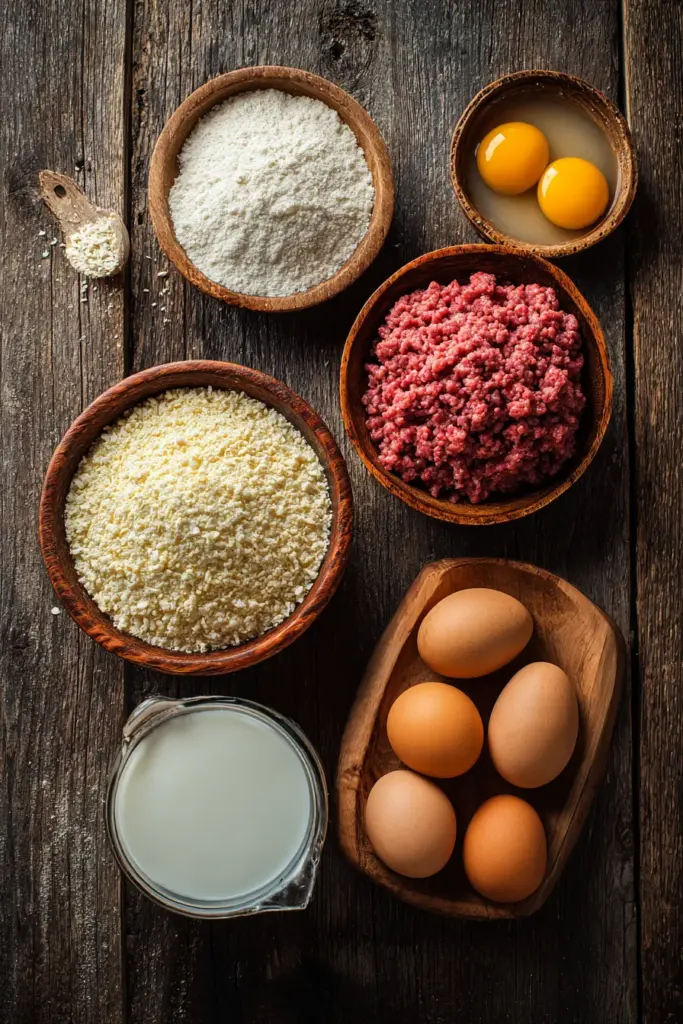
Breadcrumbs, oats, or crushed crackers provide structure and absorb moisture. I prefer fresh breadcrumbs from day-old bread because they have a softer texture than dried crumbs. But honestly, any bread product works as long as you soak it properly. The liquid can be milk, broth, or even tomato juice, depending on the flavor profile you’re after.
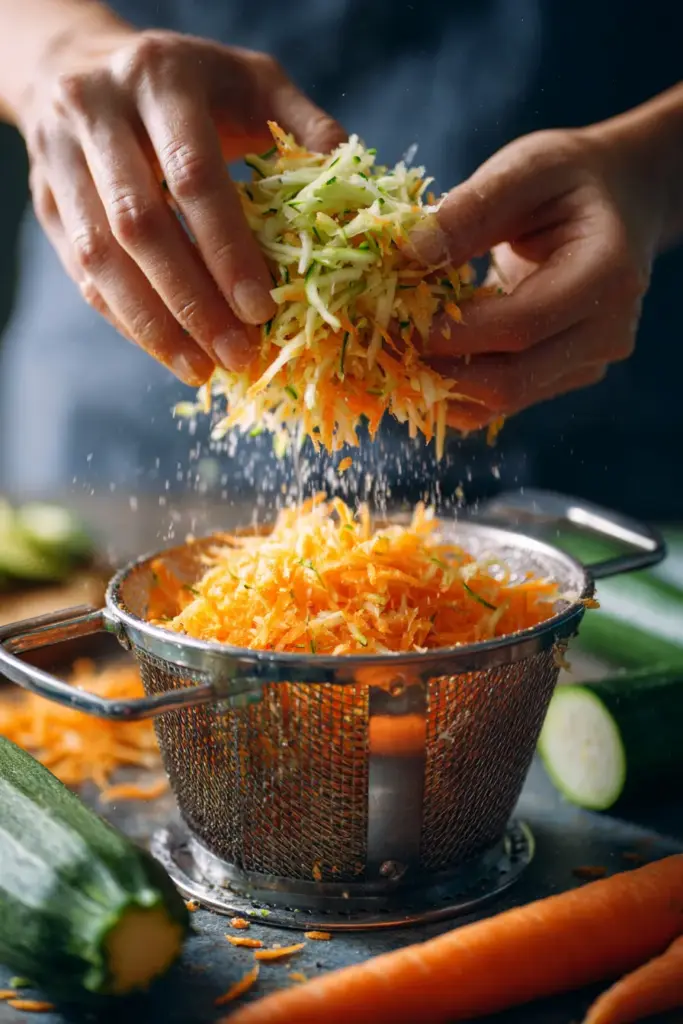
Some recipes add grated vegetables like onions, carrots, or zucchini. These contribute moisture and flavor while also stretching the meat a bit further. I always squeeze excess liquid from grated zucchini before adding it, otherwise the meatloaf can become too wet and won’t hold its shape when sliced.
Classic Meatloaf Recipes: Time-Tested Favorites
There’s something deeply comforting about a traditional meatloaf, the kind that probably appeared on American dinner tables for decades. These recipes don’t try to reinvent the wheel. Instead, they perfect the fundamentals, creating a dish that feels like a warm hug after a long day.
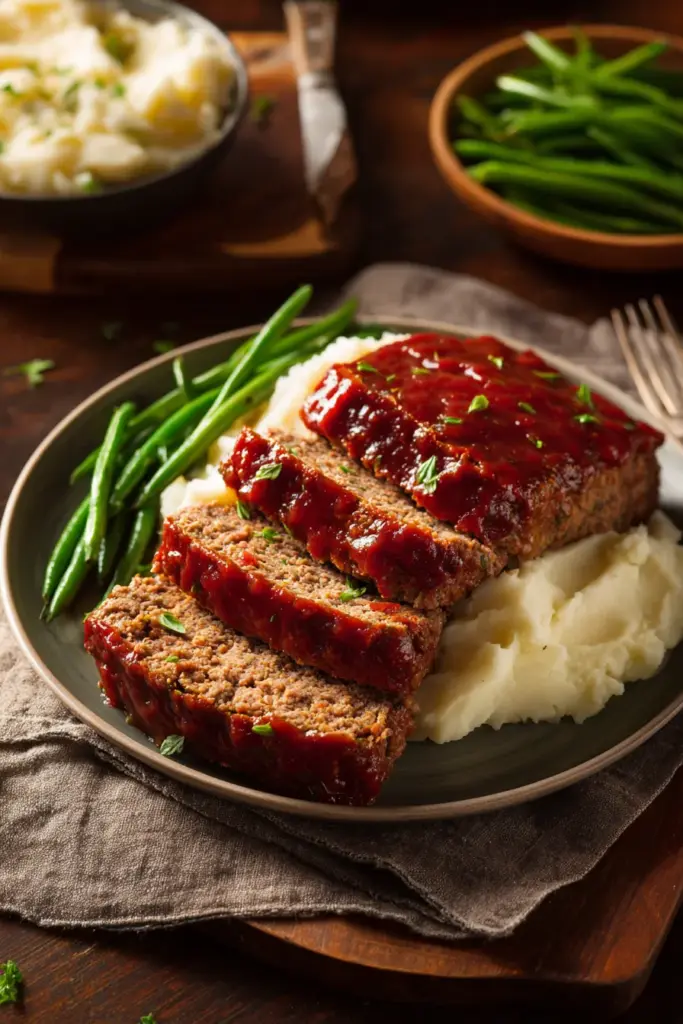
My go-to classic meatloaf recipe is the one I turn to when I want reliability without fuss. It uses a simple combination of ground beef, breadcrumbs soaked in milk, eggs, and aromatic vegetables like onion and garlic. The seasoning is straightforward but perfectly balanced with salt, pepper, and a touch of dried herbs. What makes it special is the technique, not exotic ingredients.
I shape my classic meatloaf on a rimmed baking sheet rather than pressing it into a loaf pan. This allows hot air to circulate all around the meat, creating a nicely browned exterior on all sides instead of steaming in its own juices. The fat drips away rather than pooling around the loaf, which keeps the bottom from getting soggy.
The Perfect Glaze Makes the Difference
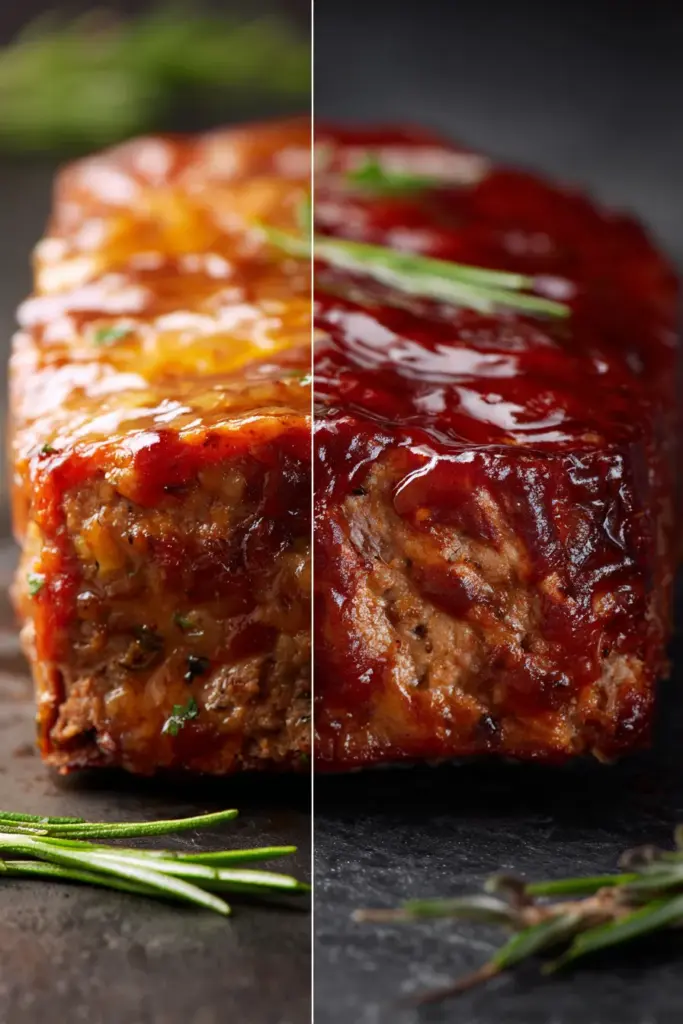
Here’s where classic meatloaf really shines. That glossy, sweet-tangy glaze on top transforms the dish from everyday to special. The most traditional version combines ketchup with brown sugar and a splash of vinegar or Worcestershire sauce. I brush half the glaze on about twenty minutes before the meatloaf finishes cooking, then add the rest in the final five minutes so it caramelizes without burning.
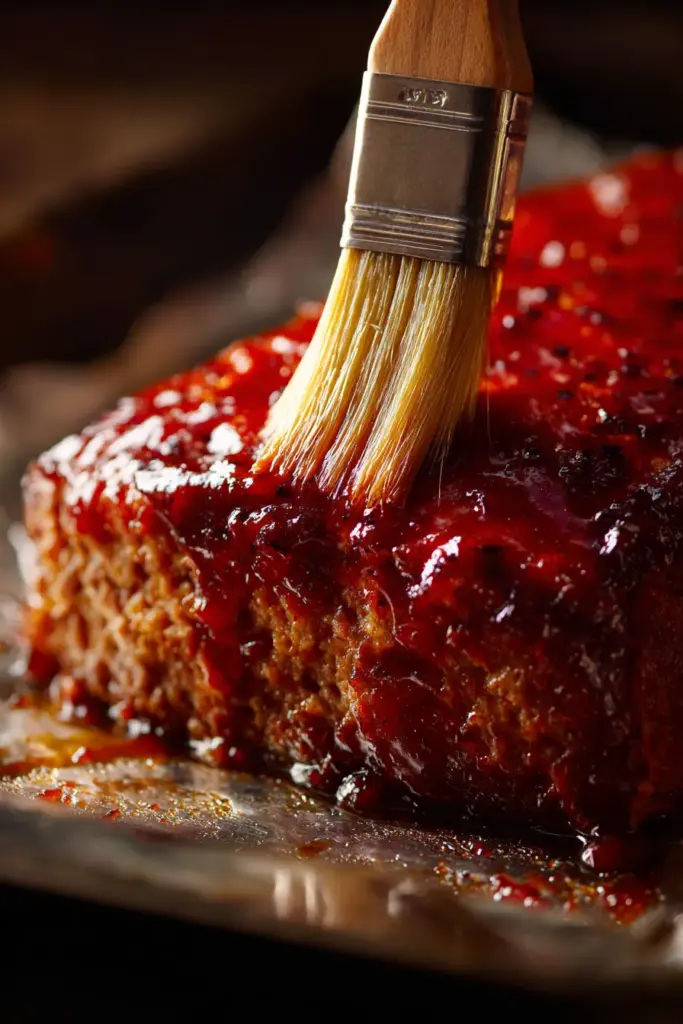
The meatloaf with brown sugar glaze takes this concept and perfects it. The molasses notes in brown sugar add depth that regular white sugar can’t match. I sometimes add a tiny pinch of cayenne pepper to the glaze for just a whisper of heat that balances the sweetness.
For something even simpler, the best meatloaf and easiest recipe ever strips away any unnecessary complications. It’s the recipe I recommend to nervous beginners or busy parents who need dinner on the table without drama. Despite its simplicity, it delivers on flavor and texture every single time.
Family Heritage Recipes
Some of the best meatloaves are the ones passed down through generations, carrying the taste memories of family dinners past. These recipes often have quirky additions or unusual techniques that don’t make sense until you taste the results. Granny’s classic meatloaf is exactly that kind of recipe, with old-fashioned charm and flavors that feel like coming home.
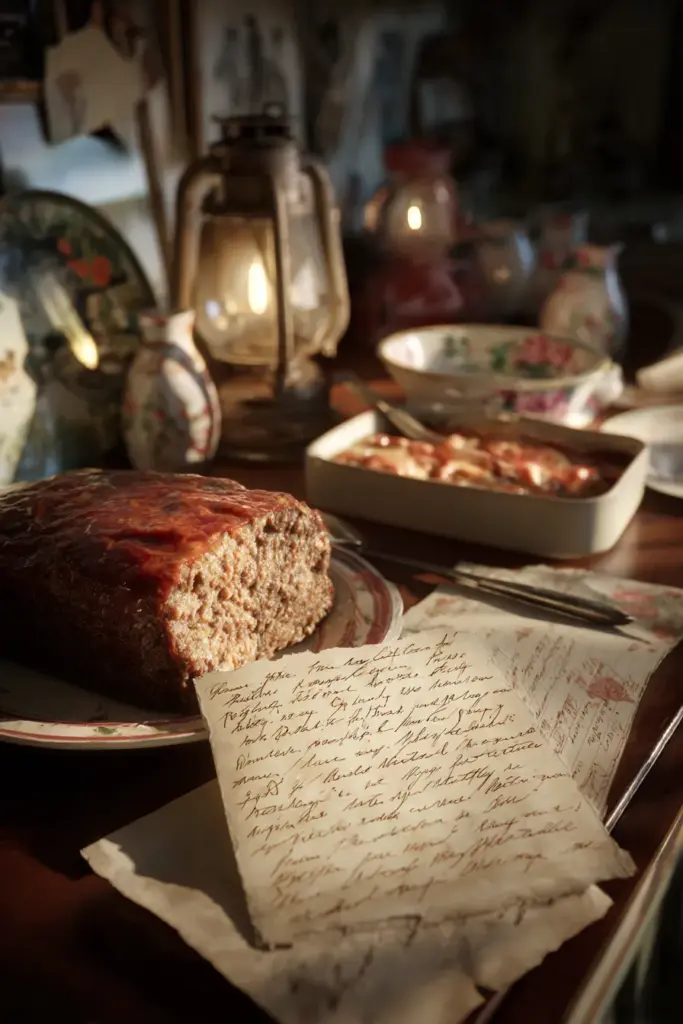
I love hearing about the secret ingredients in different families’ meatloaf recipes. Some swear by a packet of onion soup mix for concentrated savory flavor. Others add a splash of coffee to deepen the taste without making it taste like coffee. My grandmother put a hard-boiled egg in the center of her meatloaf, so every slice revealed that pretty yellow yolk in the middle.
The homestyle meatloaf captures that nostalgic quality perfectly. It’s the kind of recipe that makes your house smell amazing while it bakes, drawing everyone to the kitchen to ask when dinner will be ready. Served with mashed potatoes and green beans, it’s comfort food at its finest.
When You Want Guaranteed Results
Sometimes you need a recipe that’s been tested by someone whose reputation depends on it working. The Ina’s easy meatloaf delivers that reliability. Ina Garten’s approach to cooking emphasizes good ingredients prepared simply, and her meatloaf follows that philosophy perfectly.
What I appreciate about celebrity chef recipes is that they’ve been made thousands of times by home cooks and refined based on that feedback. Any quirks or problems have been worked out through multiple iterations. When a recipe from someone like Ina consistently gets rave reviews, you can trust it will work in your kitchen too.
That said, I always encourage you to taste and adjust as you go. Even the best recipe might need a little more salt for your palate or an extra clove of garlic because you love garlic. Cooking is personal, and your meatloaf should reflect your tastes, not just follow instructions blindly.
Creative Meatloaf Variations: Beyond Traditional
Once you master the basics, meatloaf becomes a canvas for creativity. The foundational technique stays the same, but you can take the flavors in completely different directions. I went through a phase where I challenged myself to make a different meatloaf variation every week, and I discovered that this humble dish is far more versatile than its reputation suggests.
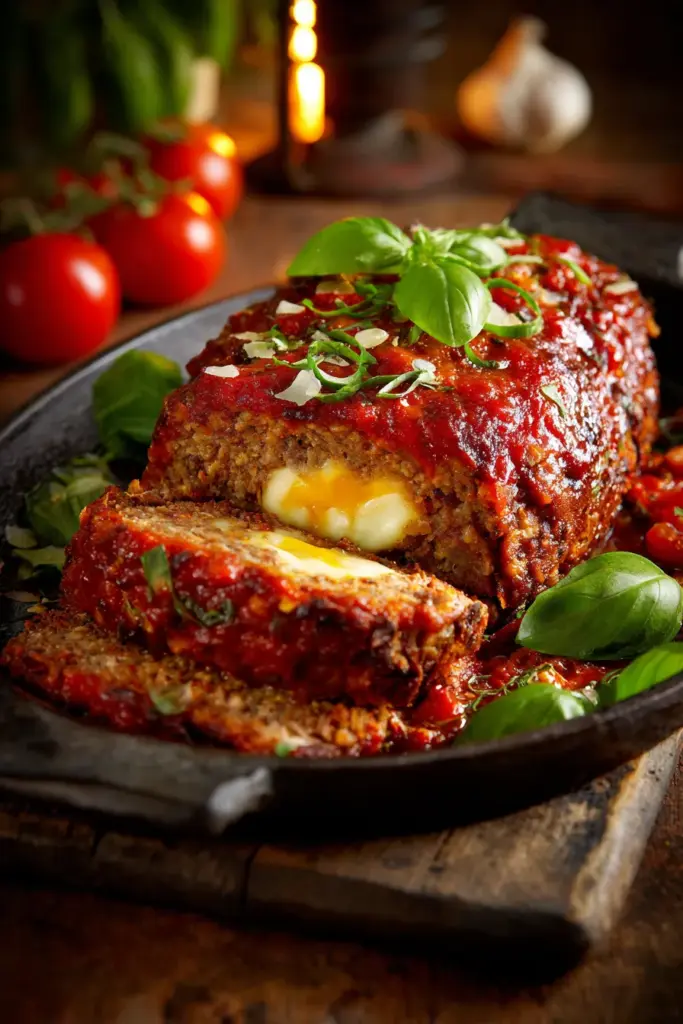
Italian flavors work beautifully with ground meat, and the Italian meatloaf recipe proves it. Instead of the typical American seasonings, this version incorporates garlic, oregano, basil, and Parmesan cheese. I sometimes tuck mozzarella cheese down the center for a melty surprise when you slice into it. The glaze becomes marinara-based instead of ketchup-based, and suddenly you have something that feels completely different despite using the same basic technique.
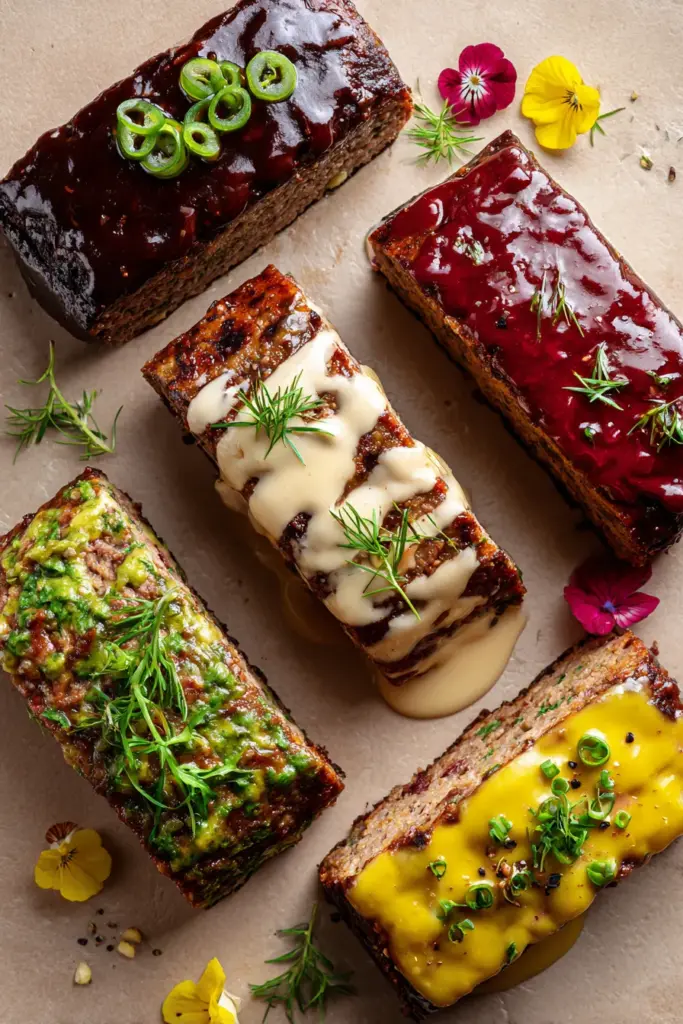
The key to successful variations is understanding which elements can change and which need to stay consistent. The ratio of meat to binders, the cooking temperature, and the gentle mixing technique remain constant. What changes are the seasonings, the type of liquid used for soaking breadcrumbs, any add-ins like cheese or vegetables, and the glaze or sauce on top.
Specialty Meatloaf That Wows
I’ll never forget the first time I served the meatloaf that makes my husband’s face light up. It was a Friday night, and I’d spent the afternoon trying a new recipe that promised to be special. When I pulled it from the oven with its glossy glaze and brought it to the table, his expression told me this one was a keeper before he even took a bite.
What made it different was the combination of flavors that shouldn’t work together but somehow do. There was sweetness from brown sugar, tang from mustard, savory depth from Worcestershire sauce, and a hint of heat from a touch of hot sauce. Each component balanced the others perfectly, creating something more complex and interesting than standard meatloaf without being weird or off-putting.
Sometimes the variation comes from what you serve alongside or on top of the meatloaf rather than changes to the meat mixture itself. The meatloaf with mushroom gravy takes a relatively simple loaf and elevates it with a rich, savory sauce. That silky mushroom gravy turns meatloaf into something special enough for company, especially when served over mashed potatoes that soak up every drop.
Individual Portions and Fun Shapes
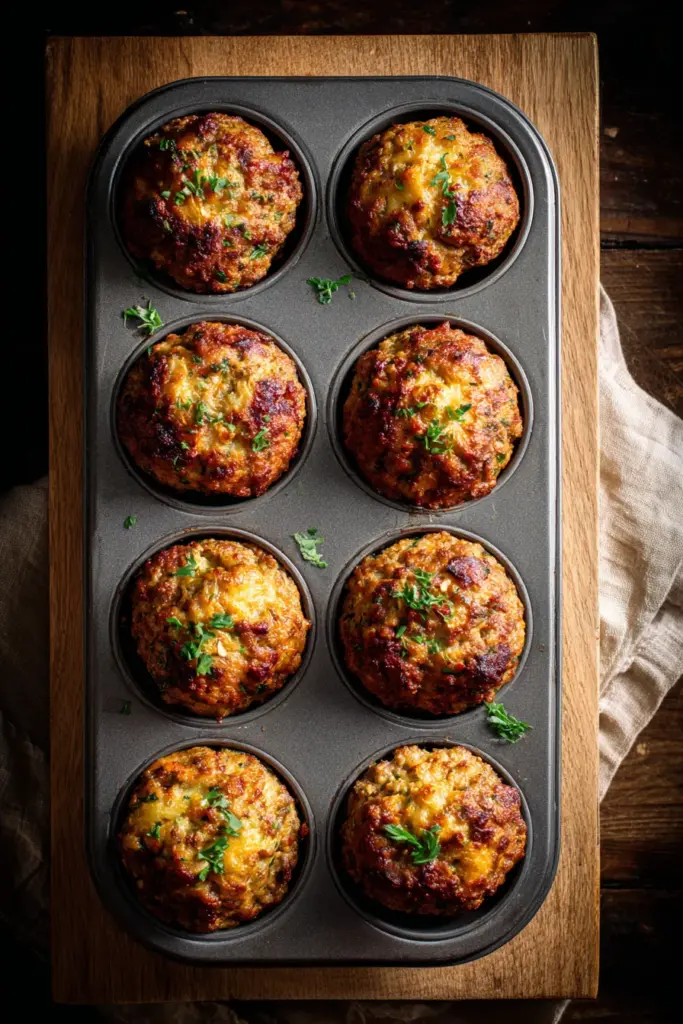
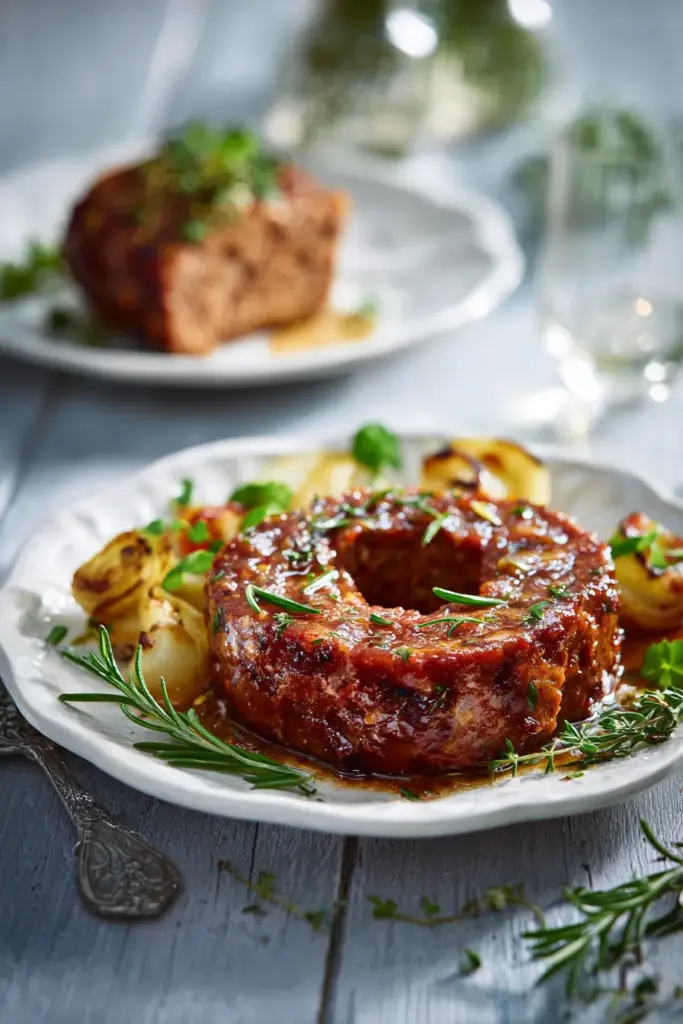
Meatloaf doesn’t have to be shaped into a traditional loaf. I’ve made it in muffin tins for individual portions that cook faster and give everyone their own crispy edges. I’ve formed it into a ring with a hole in the center, filling that space with mashed potatoes for an impressive presentation. I’ve even pressed it into a bundt pan for a dramatic shape that slices beautifully.

Meatballs are really just meatloaf in a different form, and they open up even more possibilities. The Christmas cranberry meatballs bring festive flavors to a familiar format. The sweet-tart cranberry sauce creates a beautiful glaze that looks gorgeous on a holiday buffet table.
For another take on the same concept, try the cranberry meatballs that work equally well as an appetizer or served over rice as a main course. The cranberries add brightness and a pop of color that cuts through the richness of the meat. I make these every year for our holiday open house, and they’re always among the first things to disappear.
Elevated Meatball Dishes and Ground Meat Creations
The techniques you use for meatloaf translate beautifully to meatballs and other ground meat preparations. Once you understand how to keep ground meat moist and flavorful, you can apply those principles to countless dishes. This section is all about taking those fundamentals and using them in creative ways beyond the traditional loaf shape.
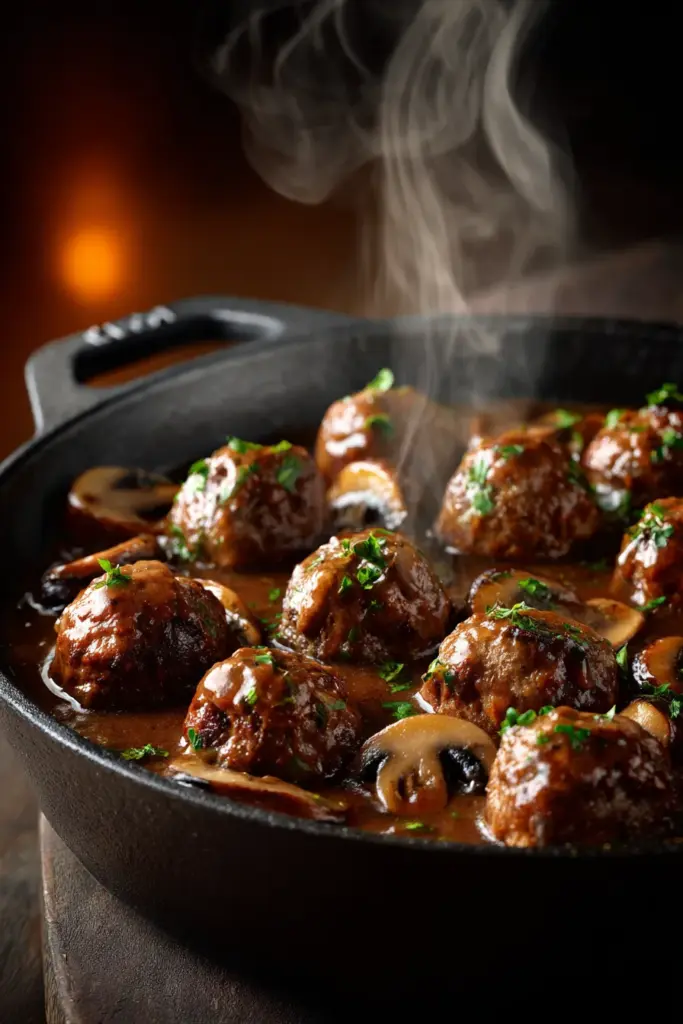
Salisbury steak sits right in that sweet spot between meatloaf and hamburger. The savory Salisbury steak meatballs with mushroom gravy shape the seasoned meat mixture into oval patties that get pan-seared before simmering in rich gravy. The result has all the comfort of meatloaf with a more refined presentation.
What I love about this preparation is how quickly it comes together compared to a traditional meatloaf. The smaller portions cook faster, and searing them in a pan creates incredible flavor through browning. That fond left in the pan becomes the base for your gravy, adding layers of savory depth you just can’t get from oven-baking alone.
Casseroles That Start With Ground Meat
Ground meat casseroles take the flavors we love in meatloaf and combine them with other ingredients for one-dish meals that feed a crowd. These are the dishes I turn to when I need to bring something to a potluck or have extra mouths to feed. They’re economical, satisfying, and usually taste even better the next day.
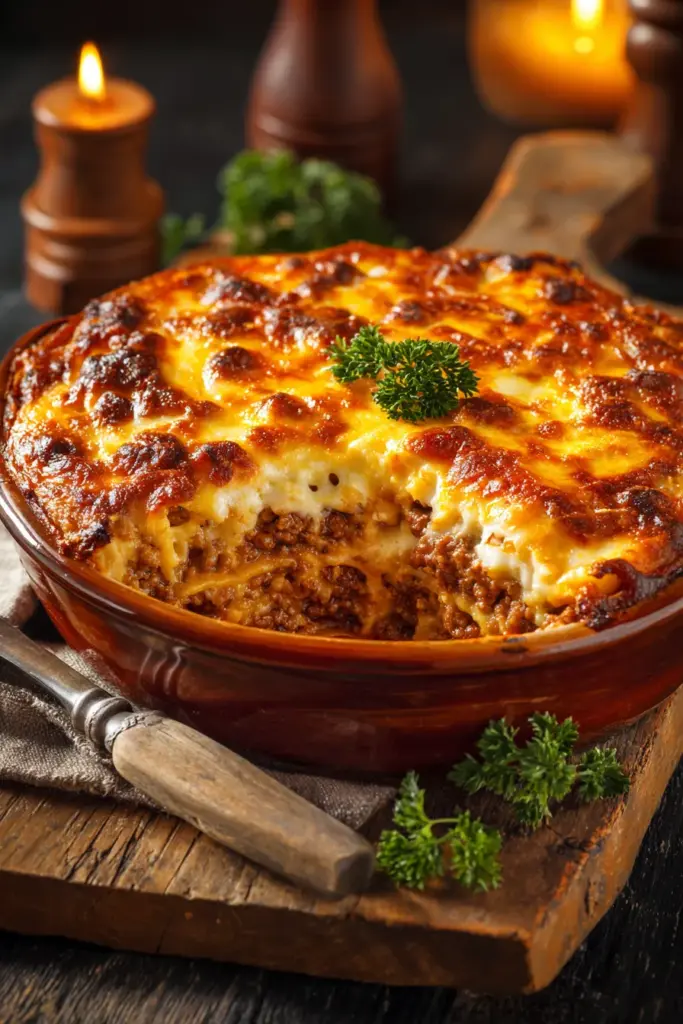
The bacon cheeseburger noodle bake captures all those beloved burger flavors in a family-friendly casserole. Egg noodles provide substance, cheese makes everything creamy and rich, and bacon adds smoky depth. It’s kid-approved comfort food that adults love too.
For something even more indulgent, the Parmesan garlic bacon cheeseburger lasagna layers all those flavors between pasta sheets. It’s over-the-top in the best way, perfect for when you want to make something impressive without spending hours on complicated techniques. The combination of ground beef, bacon, multiple cheeses, and garlic creates something that disappears fast every time I make it.
Creative Comfort Food Combinations
Some of the best ground meat dishes come from thinking outside the box and combining unexpected ingredients. The BBQ bacon tater tot cheeseburger casserole sounds like it shouldn’t work, but trust me, it absolutely does. Crispy tater tots on top, cheesy beef mixture below, all brought together with tangy BBQ sauce. It’s fun, it’s delicious, and it proves that comfort food doesn’t have to be sophisticated to be wonderful.
The meat lovers pizza tortellini takes Italian-American favorites and mashes them together in the most delightful way. Cheese-filled tortellini gets tossed with seasoned ground meat, pizza sauce, and all your favorite toppings. It’s the kind of dinner that makes weeknight meals feel special without requiring special effort.
For appetizers or party food, the Rotel cream cheese sausage balls are addictively good. Ground sausage mixed with cheese and just enough binder to hold everything together, baked until golden. These disappear at parties faster than I can make them, and I always get asked for the recipe.
Breakfast Casseroles and Morning Applications
Ground meat isn’t just for dinner. Some of my favorite breakfast casseroles start with seasoned ground beef or sausage, creating hearty morning meals that satisfy even the biggest appetites. These dishes are lifesavers when you’re feeding a crowd for brunch or want to have breakfast ready without morning cooking stress.
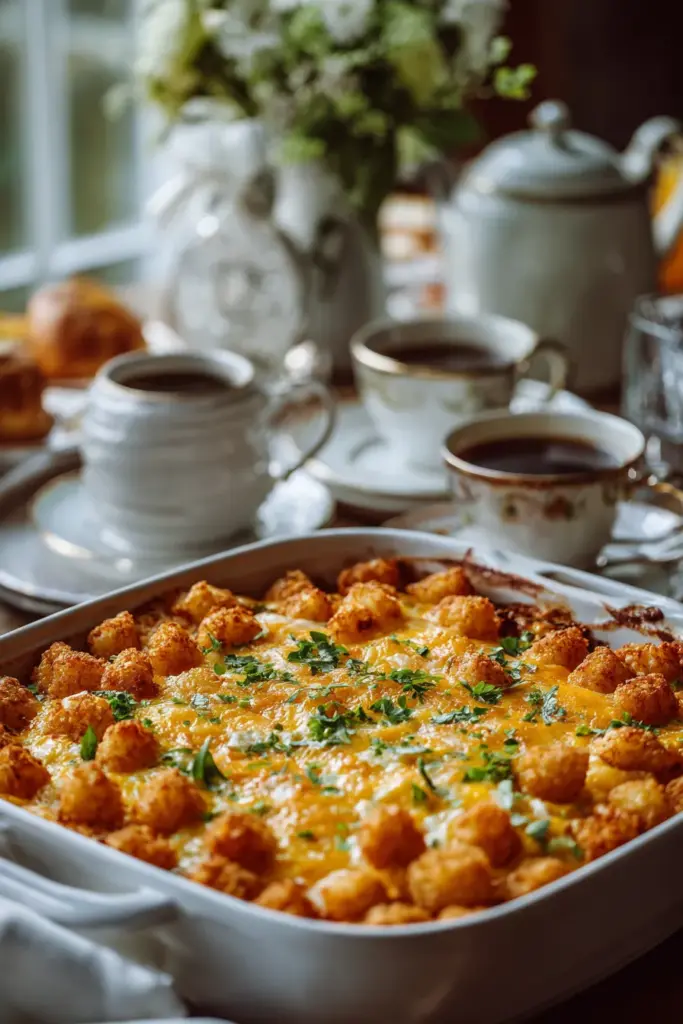
The beauty of breakfast casseroles is that most can be assembled the night before and just popped in the oven in the morning. You wake up, turn on the oven, take a shower, and breakfast is ready by the time you’re dressed. The tater tot breakfast casserole with sausage gravy might be my favorite in this category. Crispy tater tots, creamy sausage gravy, eggs, and cheese all baked together until golden and bubbly.
I make this for Christmas morning because it feeds everyone at once and I can assemble it Christmas Eve after the kids go to bed. On Christmas morning, I just slide it into the oven while we open stockings, and breakfast is ready by the time we’re done. No standing at the stove flipping pancakes or scrambling eggs for an hour while everyone else eats. It’s genius for holiday hosting.
French-Inspired Ground Meat Dishes
Not every ground meat dish comes from American comfort food traditions. The ragout de pommes de terre aux boulettes de viande hachee is a French potato and meatball stew that’s rustic and deeply satisfying. Small meatballs simmer in a rich tomato-based sauce with potatoes until everything melds together into hearty, soul-warming comfort.
What I love about this dish is how the potatoes soak up all the flavors from the sauce and meatballs. Each bite is rich and savory, perfect for cold weather when you want something that sticks to your ribs. Served with crusty bread to sop up every drop of sauce, it’s the kind of meal that turns a regular weeknight into something special.
More Breakfast Casserole Variations
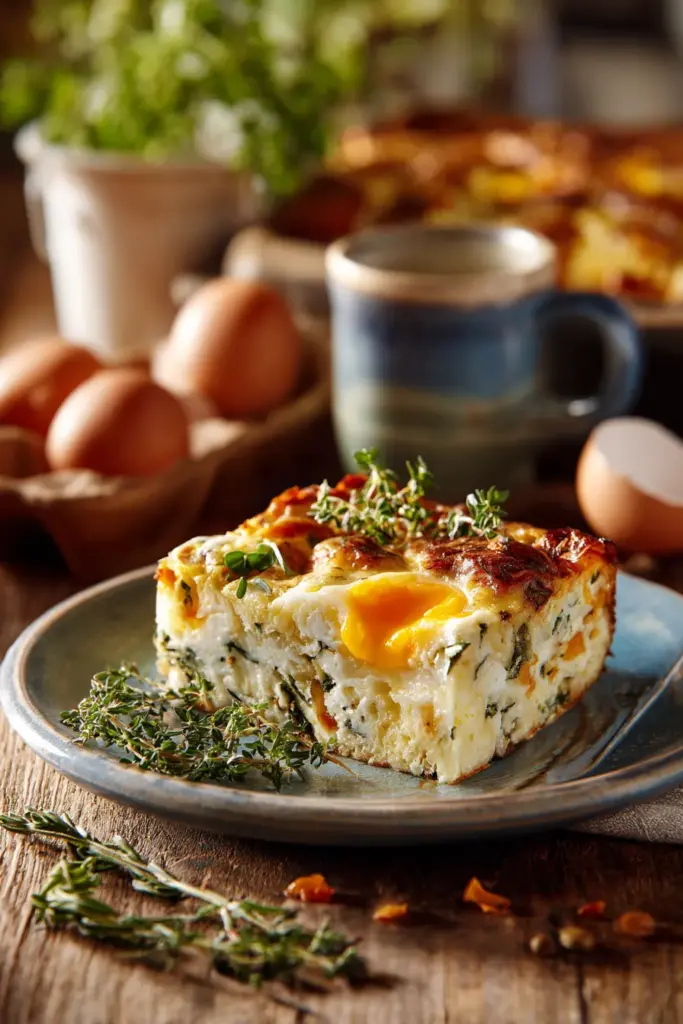
For a lighter but still satisfying option, the breakfast casserole with ham, spinach, and mushrooms brings vegetables into your morning meal without feeling like you’re sacrificing flavor. The ham provides that satisfying protein and salt, while the spinach and mushrooms add nutrition and earthiness. It’s the breakfast casserole I make when I want to feel a little less guilty about starting the day with cheese and carbs.
The loaded hash brown breakfast casserole goes in the opposite direction, piling on everything delicious without apology. Shredded hash browns form the base, topped with eggs, cheese, bacon or sausage, and any other breakfast favorites you want to include. It’s customizable, feeds a crowd, and reheats beautifully for easy weekday breakfasts.
I portion out leftovers into individual servings and refrigerate them. Then during the busy week, anyone can grab a portion, microwave it for a minute or two, and have a hot, substantial breakfast without any morning cooking. It’s meal prep that actually works for real life.
Complete Dinner Solutions and One-Dish Meals
Sometimes you want a meal where everything cooks together, where the protein, starch, and vegetables all meld into one cohesive dish. These are the recipes I turn to when I want a complete dinner from a single pan or dish, making both cooking and cleanup easier. Ground meat features prominently in many of these because it’s economical, cooks quickly, and pairs well with so many different ingredients.
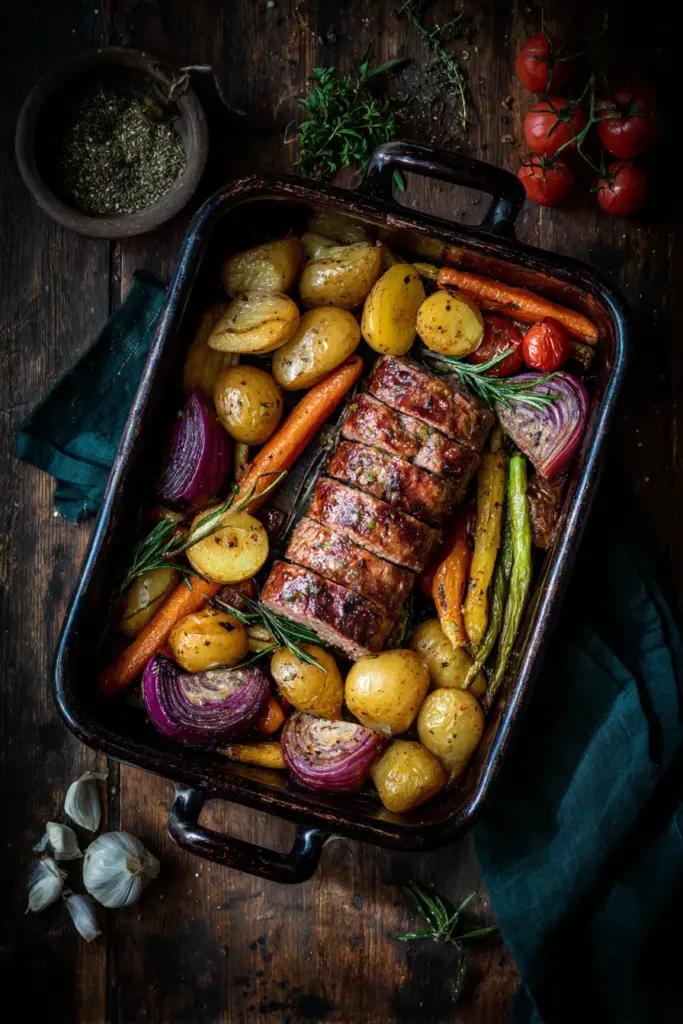
The garlic Parmesan chops with cheesy scalloped potatoes shows how you can build a complete meal in one baking dish. While this uses pork chops rather than ground meat, it demonstrates the principle of layering proteins with complementary ingredients for a finished meal that comes out of the oven ready to serve. The technique works just as well with meatloaf or meatballs nestled into the potatoes.
I’ve adapted this concept by making mini meatloaves and surrounding them with potato wedges and vegetables, everything roasting together and sharing flavors. The vegetables soak up some of the meat drippings while the potatoes get crispy on the edges. One pan, complete dinner, minimal cleanup. That’s weeknight cooking at its best.
Classic Comfort Dishes
Some dishes have earned their classic status through generations of home cooks making them over and over. The classic shepherd’s pie is really just meatloaf filling topped with mashed potatoes and baked until golden. The same principles of keeping the meat mixture moist and flavorful apply, but the presentation and accompaniments change the entire experience.
Shepherd’s pie is brilliant for using up leftover mashed potatoes, though I often make fresh mash specifically for this dish because I want that fluffy, buttery layer on top. The meat filling gets seasoned with Worcestershire sauce and herbs, mixed with vegetables like peas and carrots, and topped generously with those creamy potatoes. Under the broiler for a few minutes at the end creates a gorgeous golden crown.
This is another make-ahead hero. Assemble it completely, cover, and refrigerate for up to a day before baking. Just add a few extra minutes to the cooking time if you’re starting from cold. Perfect for busy weeks when you can prep on Sunday for an easy Wednesday dinner.
Special Occasion Proteins
While ground meat dominates everyday cooking, there are times when you want to pull out all the stops. The filet mignon with shrimp and lobster cream represents the opposite end of the spectrum from meatloaf, but it shares the same principle of making protein the star while complementing it with carefully chosen accompaniments. This dish is pure luxury, perfect for anniversaries or when you want to celebrate something special at home.
The tender filet pairs beautifully with seafood, and that lobster cream sauce is rich without being heavy. It’s the kind of meal that makes you feel like you’re dining at an expensive restaurant, except you’re comfortable in your own home and paying a fraction of the price. Served with roasted asparagus and maybe some creamy mashed potatoes, it’s an unforgettable dinner.
Creative Beef Preparations
For something between everyday ground meat and special occasion steak, the apple cider Dijon marinated tip roast hits the sweet spot. Tip roast is an affordable cut that becomes incredibly tender and flavorful with the right marinade and cooking method. The apple cider adds subtle sweetness while the Dijon provides tang and depth.
I usually marinate this overnight, letting those flavors penetrate deep into the meat. Then I roast it low and slow until it’s perfectly medium-rare throughout. Sliced thin against the grain, it’s tender enough to impress yet economical enough for regular rotation. The leftover roast makes incredible sandwiches the next day.
Expert Tips for Meatloaf Success
After making hundreds of meatloaves over the years, I’ve learned what works and what doesn’t through plenty of trial and error. These are the tips I wish someone had shared with me from the beginning, the little tricks that make the difference between okay meatloaf and truly great meatloaf.
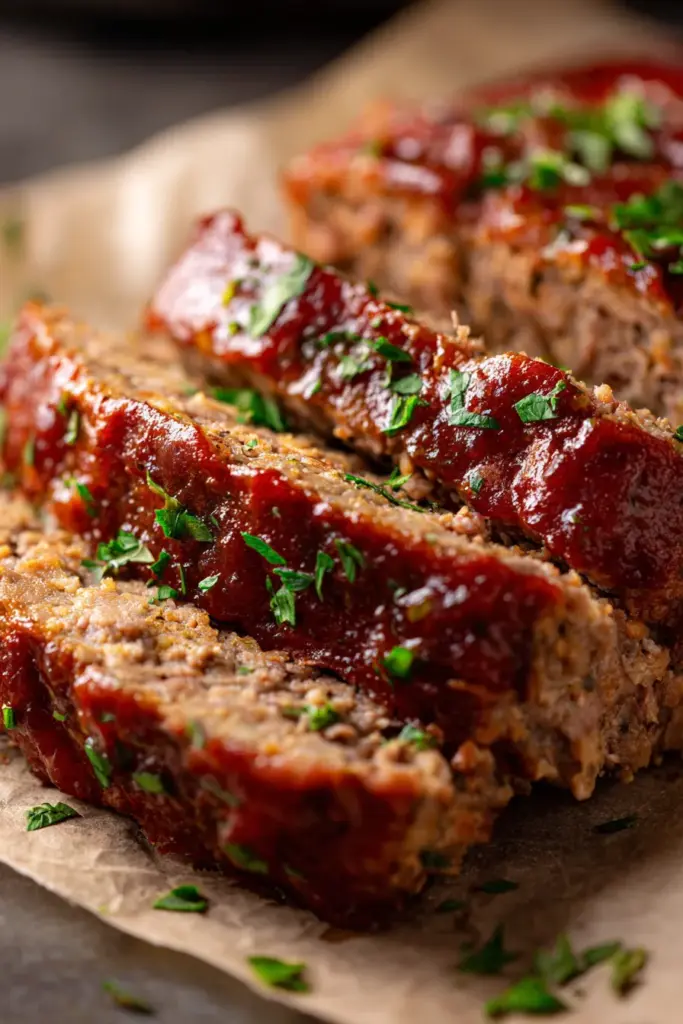
First, never skip the panade. That mixture of breadcrumbs or bread soaked in liquid is not optional filler, it’s essential for moisture and texture. Let the breadcrumbs soak for at least five minutes before mixing them with your meat. They should be thoroughly softened and have absorbed all the liquid. This step alone will transform your meatloaf from dry to juicy.
Second, mix with your hands, not a spoon or mixer. Your hands give you better control and help you feel when ingredients are just combined. Overmixing is one of the biggest mistakes people make. Mix until you can’t see any more streaks of egg or dry breadcrumbs, then stop immediately. The mixture should look a bit rough and shaggy, not smooth and paste-like.
Temperature and Timing Matters
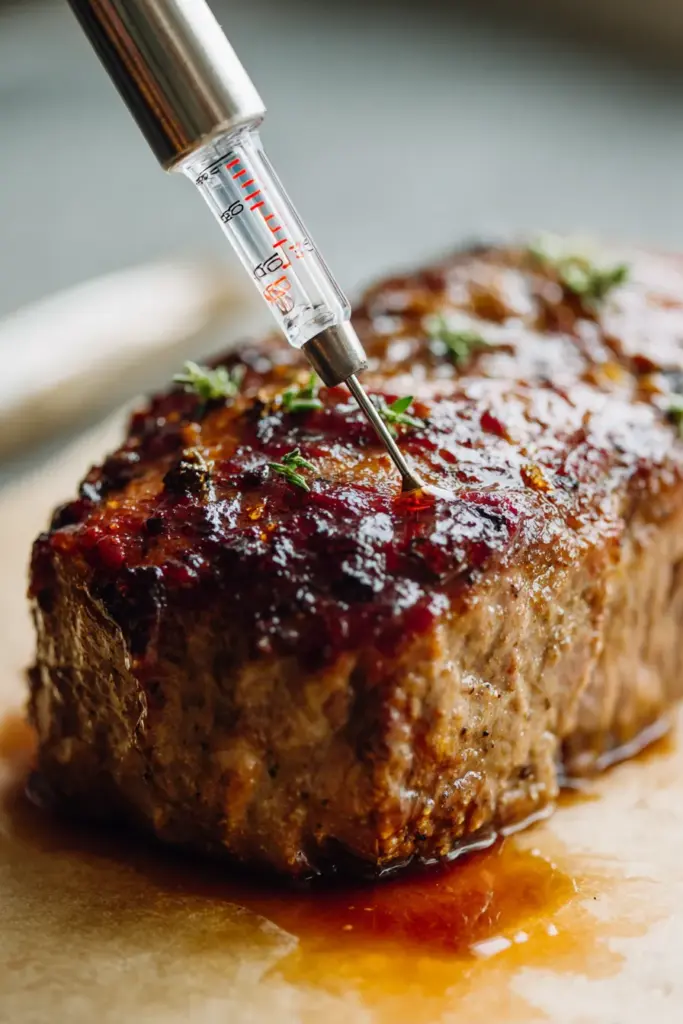
Use a meat thermometer, always. Meatloaf should reach an internal temperature of 160 degrees Fahrenheit for food safety. But here’s the trick: take it out when it hits 155 degrees. It will continue cooking from residual heat while it rests, reaching that perfect 160 without overshooting into dry territory.
Let your meatloaf rest for at least ten minutes after removing it from the oven. I know it’s tempting to slice into it immediately, but resting allows the juices to redistribute throughout the meat instead of running out when you cut it. Cover it loosely with foil during this time to keep it warm.
Shape matters more than you might think. I form my meatloaf into a slightly domed, oval shape rather than a perfect rectangle. This allows heat to circulate more evenly and creates more surface area for that delicious caramelized exterior. The oval shape also looks more natural and appetizing on the plate.
Ingredient Quality and Substitutions
Not all breadcrumbs are created equal. Fresh breadcrumbs made from day-old bread have better texture than store-bought dried crumbs. But if you’re using dried crumbs, increase the liquid slightly since they absorb more. Panko breadcrumbs work too, though they create a slightly different texture that’s a bit lighter and airier.
For the milk in your panade, any dairy milk works fine. Whole milk creates the richest result, but two percent is perfectly good. You can substitute beef broth if you want more savory flavor, or even use a splash of cream for extra richness. I’ve successfully used buttermilk for a tangy twist and almond milk in a pinch when that’s all I had on hand.
When it comes to vegetables mixed into your meatloaf, always cook them first if they have high water content. Raw onions, mushrooms, bell peppers, or zucchini release liquid as they cook, which can make your meatloaf soggy. Sauté them until softened and any liquid has evaporated, then cool before mixing into your meat. This extra step makes a huge difference in the final texture.
Storage and Reheating
Leftover meatloaf keeps beautifully, which is one reason I often make extra. Store cooled slices in an airtight container in the refrigerator for up to four days. For longer storage, wrap individual slices well and freeze for up to three months. Frozen meatloaf reheats surprisingly well.
To reheat, I prefer the oven for maintaining texture. Place slices in a baking dish, add a tablespoon or two of water or broth, cover with foil, and warm at 325 degrees Fahrenheit until heated through. The added liquid creates steam that keeps the meat from drying out. The microwave works for quick reheating but can make the texture rubbery if you’re not careful. Use fifty percent power and heat in short intervals.
Cold meatloaf makes incredible sandwiches. I actually prefer meatloaf sandwiches to hot meatloaf sometimes. A thick slice on good bread with lettuce, tomato, and maybe some of that glaze or a smear of mayo is simple perfection. My kids fight over cold meatloaf sandwiches in their lunch boxes.
Bringing It All Together: Your Meatloaf Journey
Looking back at my meatloaf journey from that first dry disaster to the versions I make confidently today, I’m struck by how much this simple dish has taught me about cooking. It taught me patience, the importance of technique over complexity, and the value of understanding why ingredients work together rather than just following instructions blindly.
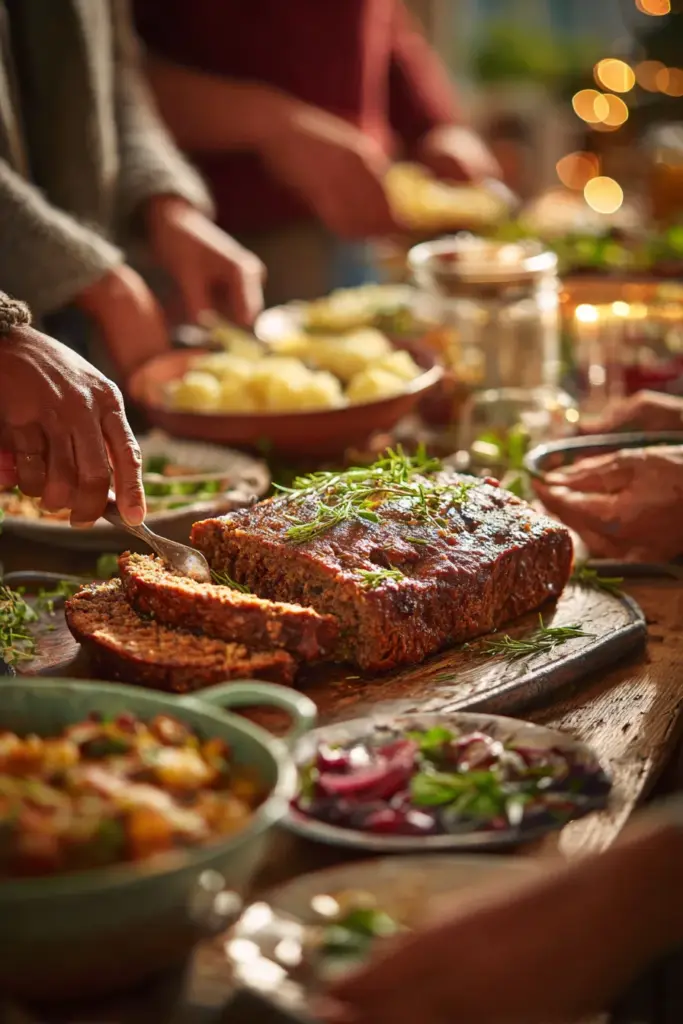
Meatloaf embodies everything I love about home cooking. It’s economical, feeding a family without straining the budget. It’s forgiving, working with whatever you have on hand and adapting to different flavors and additions. It’s comforting, the kind of food that makes people feel cared for and satisfied. And it’s versatile, transforming from basic weeknight dinner to holiday-worthy centerpiece depending on how you approach it.
The recipes and techniques I’ve shared here represent years of learning, experimenting, and sometimes failing in my kitchen. But that’s exactly what makes them valuable. These aren’t theoretical techniques or untested ideas. They’re the real solutions I’ve discovered for the real problems that come up when you’re trying to get a good dinner on the table.
Start with a classic recipe until you understand the fundamentals. Pay attention to the panade, handle the meat gently, and use a thermometer to avoid overcooking. Once those basics become second nature, start experimenting with different flavors, glazes, and presentations. Try the Italian version, the mushroom gravy variation, or those individual meatloaf portions. Each variation will teach you something new.
Remember that cooking should be joyful, not stressful. If your meatloaf isn’t perfect the first time, that’s completely normal. Mine certainly wasn’t. But each time you make it, you’ll understand a little more about how the ingredients work together, how your particular oven cooks, and what your family prefers. That knowledge is worth more than any recipe.
The beauty of meatloaf is that it welcomes you into the kitchen regardless of your skill level. Beginners can make a delicious, satisfying version by following straightforward instructions. Advanced cooks can experiment endlessly with flavors and techniques. And everyone in between has room to grow and learn.
Explore more comforting recipes and kitchen inspiration:
- Gordon Ramsay Meatloaf: Moist, Flavorful, and Perfectly Glazed
- Classic Meatloaf Recipe That Never Fails
- Meatloaf with Rich Mushroom Gravy
Frequently Asked Questions
Why is my meatloaf always dry?
The most common cause of dry meatloaf is using meat that’s too lean or not including enough panade. Ground beef with fifteen to twenty percent fat works best. Make sure you’re soaking your breadcrumbs in liquid thoroughly and using enough of this mixture. Also check that you’re not overcooking it. Use a meat thermometer and remove the meatloaf when it reaches 155 degrees Fahrenheit internally.
Can I make meatloaf ahead of time?
Absolutely. You can shape your meatloaf, place it in the baking dish, cover tightly, and refrigerate for up to twenty-four hours before baking. You can also freeze unbaked meatloaf for up to three months. Just thaw it completely in the refrigerator before baking and add five to ten extra minutes to the cooking time since it will be cold.
Should I cook meatloaf covered or uncovered?
I bake meatloaf uncovered for most of the cooking time to 01:07develop that nice browned exterior and allow excess moisture to evaporate. If the top is browning too quickly, you can tent it loosely with foil for part of the cooking time. But for the best texture and appearance, most of the baking should be uncovered.
What can I use instead of breadcrumbs in meatloaf?
Crushed crackers, oats, or crushed corn flakes all work as substitutes for breadcrumbs. Some people use cooked rice or quinoa. For a gluten-free option, gluten-free breadcrumbs or oats work perfectly. The key is using something that will absorb moisture and help bind the mixture while keeping it tender.
How do I know when meatloaf is done without a thermometer?
While a thermometer is the most reliable method, you can check by inserting a knife into the center and leaving it for a few seconds. When you pull it out, touch it to your wrist. If it’s hot, the meatloaf is likely done. The juices should run clear, not pink. But I really recommend getting an instant-read thermometer because it takes all the guesswork out.
Can I use ground turkey or chicken instead of beef?
Yes, but these leaner meats require some adjustments. Add extra moisture through the panade, consider mixing in some ground pork for fat and flavor, and be careful not to overcook since lean poultry dries out quickly. I usually brush the top with butter or oil before baking to help with browning and moisture.
Why does my meatloaf fall apart when I slice it?
This usually means there isn’t enough binder or the mixture wasn’t combined thoroughly enough. Make sure you’re using eggs and that they’re well mixed throughout. Let the meatloaf rest for at least ten minutes after baking so the structure can set. Also ensure you’re not undercooking it, as the proteins need to reach the proper temperature to firm up.
What’s the best way to add vegetables to meatloaf?
Finely chop or grate your vegetables and sauté them first to remove excess moisture and concentrate their flavors. Onions, bell peppers, carrots, celery, mushrooms, and zucchini all work well. Cool them completely before mixing into your meat to avoid warming the fat and making the mixture greasy. Aim for no more than one cup of vegetables per pound of meat.
Should meatloaf be cooked in a loaf pan or on a baking sheet?
I prefer shaping meatloaf freeform on a rimmed baking sheet because this allows fat to drip away and air to circulate all around, creating better browning. However, a loaf pan gives you those perfect rectangular slices and can be useful if your mixture is very soft. If using a pan, consider forming the loaf slightly smaller than the pan so fat can drain around the sides.
Can I make mini meatloaves instead of one large loaf?
Mini meatloaves are wonderful because they cook faster and everyone gets their own portion with crispy edges all around. Form them into individual portions, reduce the cooking time to about twenty-five to thirty minutes, and check temperature to ensure they reach 160 degrees Fahrenheit. They’re perfect for meal prep since you can freeze individual portions.
What should I serve with meatloaf?
Classic pairings include mashed potatoes, green beans, glazed carrots, or roasted vegetables. Macaroni and cheese is always a hit with kids. A simple salad balances the richness of the meat. I love serving meatloaf with creamy mashed potatoes to soak up any glaze or gravy and some bright, crisp vegetables for contrast.
How can I add more flavor to my meatloaf?
Layer your flavors by using beef broth instead of milk in your panade, adding Worcestershire sauce or soy sauce for umami depth, including sautéed garlic and onions, and seasoning generously with herbs and spices. Don’t forget salt, it makes all the other flavors come alive. A flavorful glaze on top adds another dimension too.

🍳 Precision Meets Passion — Tools Chefs Trust Daily

- Grams & ounces — precise to 1g
- Perfect for baking & keto tracking
- Sleek stainless steel design

- German stainless precision
- Razor-sharp & dishwasher-safe
- Elegant wood block organizer

- Premium Stainless Steel Build
- Easy to Clean & Dishwasher Safe
- A Must-Have Kitchen Tool