➤ Table of Contents
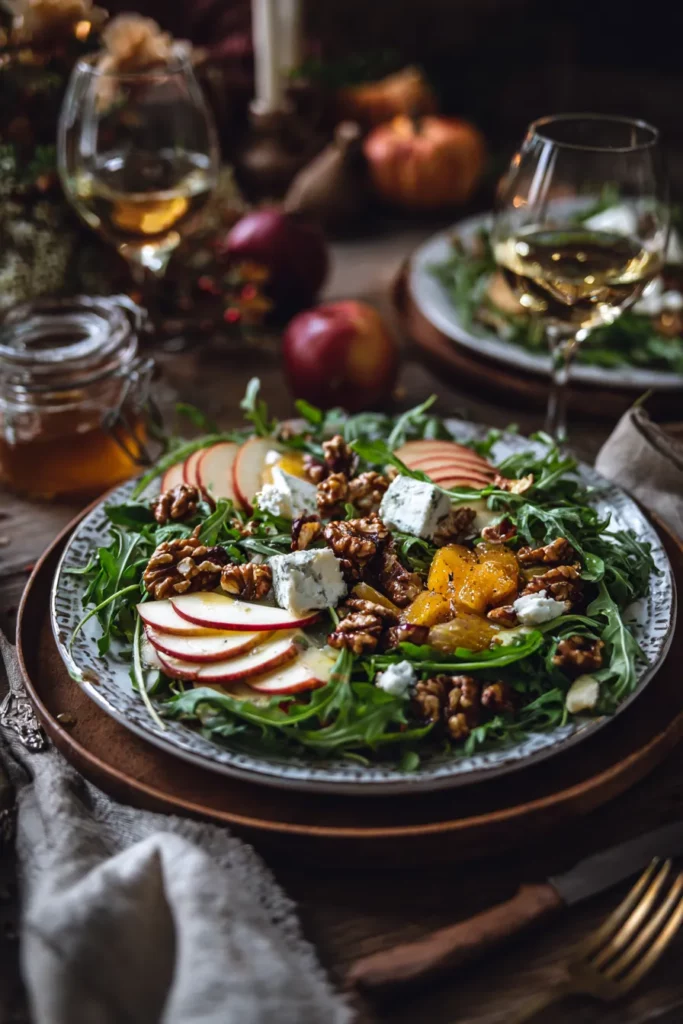
I’ll never forget the first time I served a fruit salad at a dinner party and watched it become the star of the table. It wasn’t a simple bowl of cut fruit like the ones from my childhood picnics. Instead, it was a beautiful autumn creation with crisp apples, peppery arugula, tangy blue cheese, and candied walnuts, all brought together with a maple Dijon vinaigrette that made everything sing. My guests kept going back for seconds, and one friend pulled me aside to ask how something so simple could taste so complex and satisfying.
⚡ Smart Kitchen Tools Every Home Cook Swears By

- Pure aluminum
- Durable enough for everyday cooking
- Made in the USA with quality

- 7 cooking functions in one compact cooker
- 3-quart size ideal for couples or small meals
- Up to 70% faster than traditional cooking

- 3 sizes for every recipe
- Pre-seasoned & durable cast iron
- Oven & grill ready
That moment changed how I thought about fruit in savory cooking. Fruit salads aren’t just desserts or afterthoughts. They’re vibrant, dynamic dishes that can anchor a meal, brighten a holiday table, or transform a simple weeknight dinner into something special. The natural sweetness of fruit creates incredible balance when paired with salty cheese, bitter greens, crunchy nuts, and bright vinaigrettes.

Over the years, I’ve learned that the secret to exceptional fruit salads lies in understanding how to balance flavors and textures. You need something sweet, something savory, something creamy, something crunchy, and a dressing that ties it all together. When you get that balance right, magic happens. A peach and burrata salad becomes a celebration of summer. An apple and spinach combination turns into the perfect fall lunch. A strawberry crunch salad brings joy to spring gatherings.
This guide will walk you through everything I’ve learned about creating fruit-based salads that actually satisfy. We’ll explore seasonal combinations, perfect pairings, dressing techniques, and twenty-seven tested recipes that work for casual weeknight dinners and special occasions alike. Whether you’re looking for a light summer lunch, an impressive dinner party starter, or a crowd-pleasing potluck contribution, you’ll find inspiration here. And because I believe the best cooking comes from understanding why things work, I’ll share the principles behind each combination so you can start creating your own signature salads too.
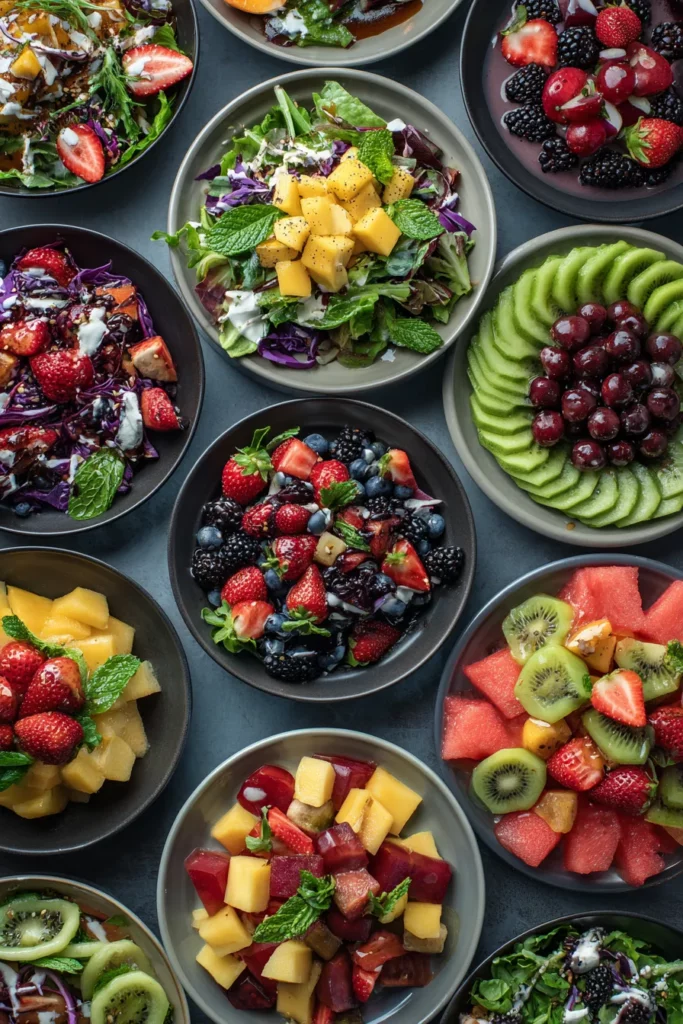
Understanding the Building Blocks of Perfect Fruit Salads
The first fruit salad I ever made on my own was a disaster. I threw together every fruit I had in the fridge, added some lettuce, and drizzled it with bottled Italian dressing. The result was watery, confused, and frankly unappetizing. Nobody wanted seconds. That failure taught me that fruit salads need structure and intention just like any other dish.
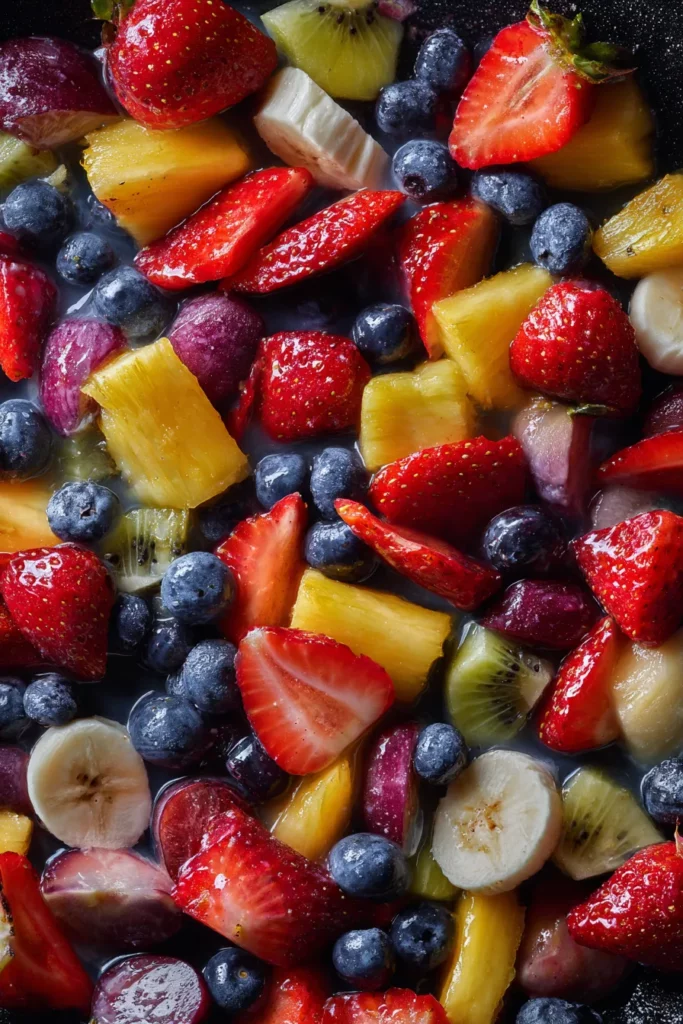
Great fruit salads follow a formula, even when they seem wildly creative. You need a base, a star fruit, supporting players, textural contrast, and a dressing that brings everything into harmony. Once I understood this framework, my fruit salads went from hit-or-miss experiments to reliable crowd-pleasers.
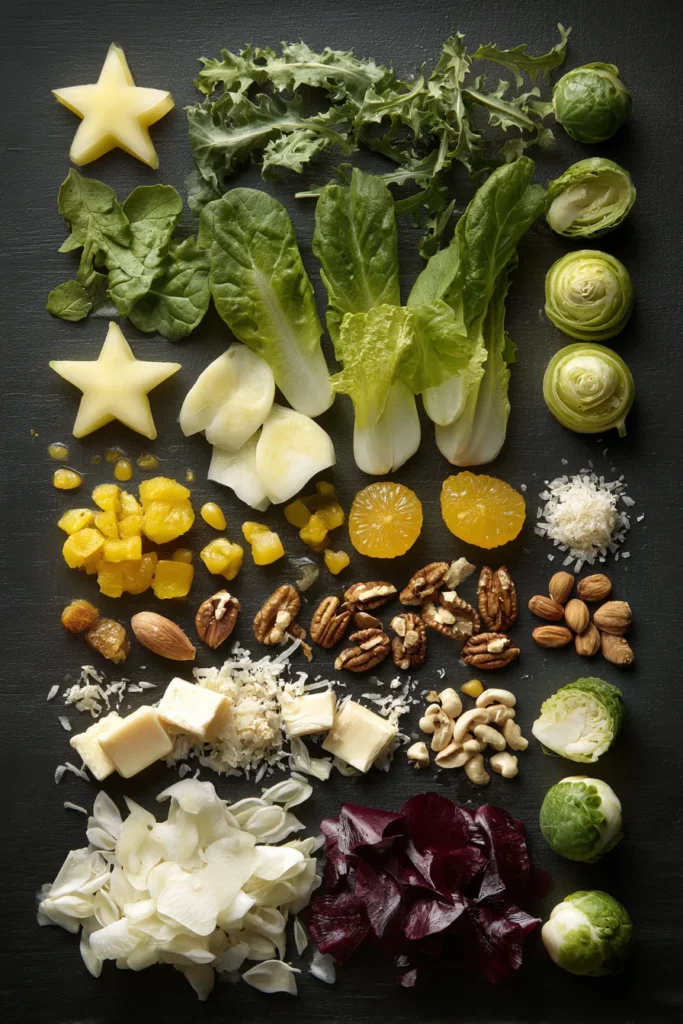
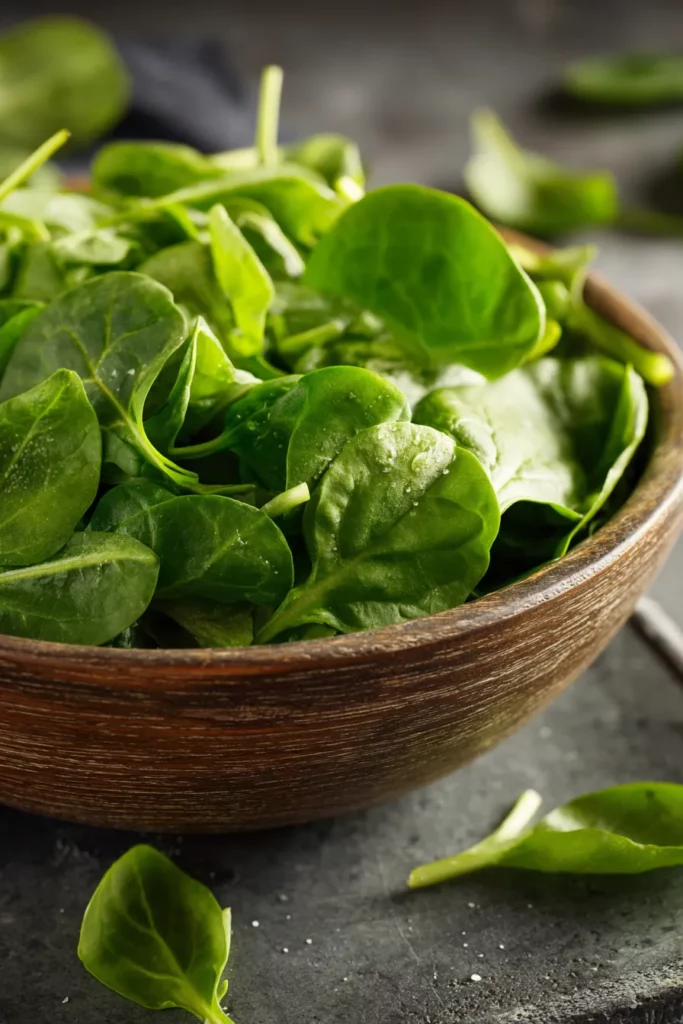
The base is typically greens, though sometimes it’s grains or other vegetables. Arugula is my go-to for its peppery bite that stands up to sweet fruit. Spinach works beautifully for milder combinations. Baby kale adds a modern touch and holds up well when dressed ahead. The greens provide bulk, nutrition, and a savory foundation that prevents the salad from tasting like dessert.
🥗 Fresh, Fast & Foolproof — Upgrades You'll Use Tonight

- Zoodles in seconds
- Heavy-duty, 10 sharp blades
- Keto, paleo & gluten-free friendly

- Meals in ~30 minutes
- 3-Qt — perfect for 1–3 people
- Pressure cook, sauté, steam & more

- Phone alerts & live temp graph
- Hands-off monitoring for smokers
- Perfect doneness, every time
Choosing Your Star Fruit
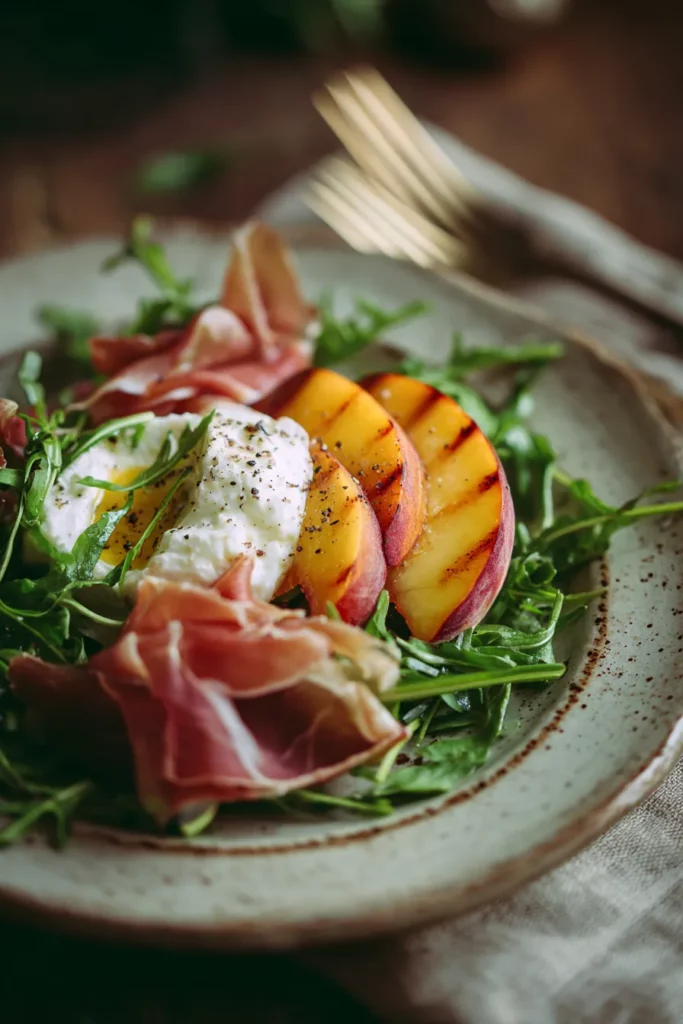
Every great fruit salad has one fruit that takes center stage. This is your flavor anchor, the ingredient that defines the dish. In summer, peaches are unbeatable. Their juicy sweetness and tender texture make them perfect for pairing with creamy cheeses and salty prosciutto. The peach, goat cheese, arugula and prosciutto salad showcases how a perfectly ripe peach can be the foundation for something truly special.
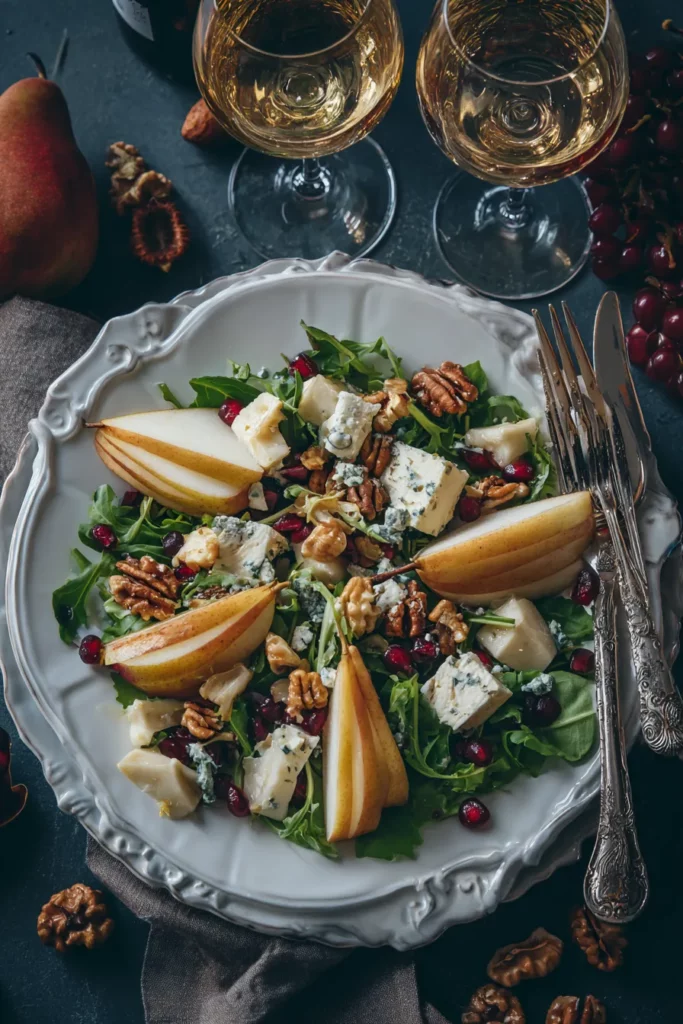
Fall belongs to apples and pears. Their crisp texture provides satisfying crunch, and they don’t get watery or fall apart when tossed with dressing. Apples work especially well with bold, punchy ingredients that can stand up to their assertiveness. I love making an apple arugula salad when the first crisp apples arrive at the farmers market each September.
The beauty of working with seasonal fruit is that you’re guaranteed freshness and flavor. Summer peaches need nothing more than slicing to be delicious. Winter pears offer sweetness when other fresh fruits are bland. Spring strawberries bring brightness after months of citrus and apples. Each season offers its own opportunities.

Supporting Ingredients That Make Everything Better
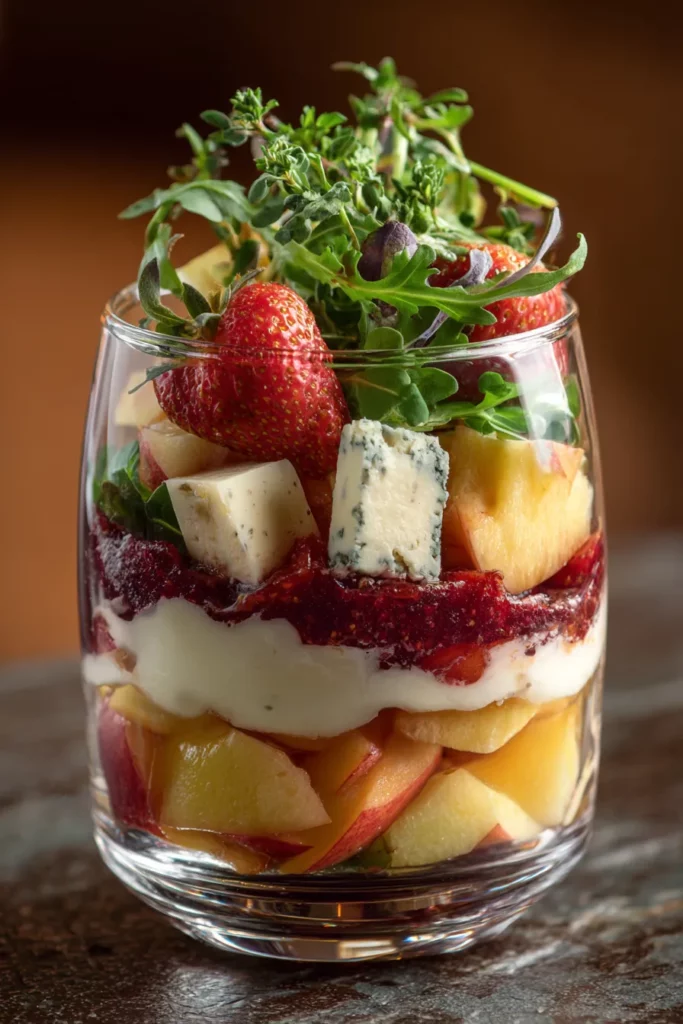
Once you’ve chosen your star fruit, you need supporting players. Cheese is almost always part of my formula. Tangy goat cheese complements sweet fruit beautifully. Sharp blue cheese or gorgonzola provides bold contrast. Fresh mozzarella or burrata adds creaminess without overwhelming delicate flavors. The pear and arugula salad with gorgonzola demonstrates how the right cheese can transform simple ingredients into something memorable.
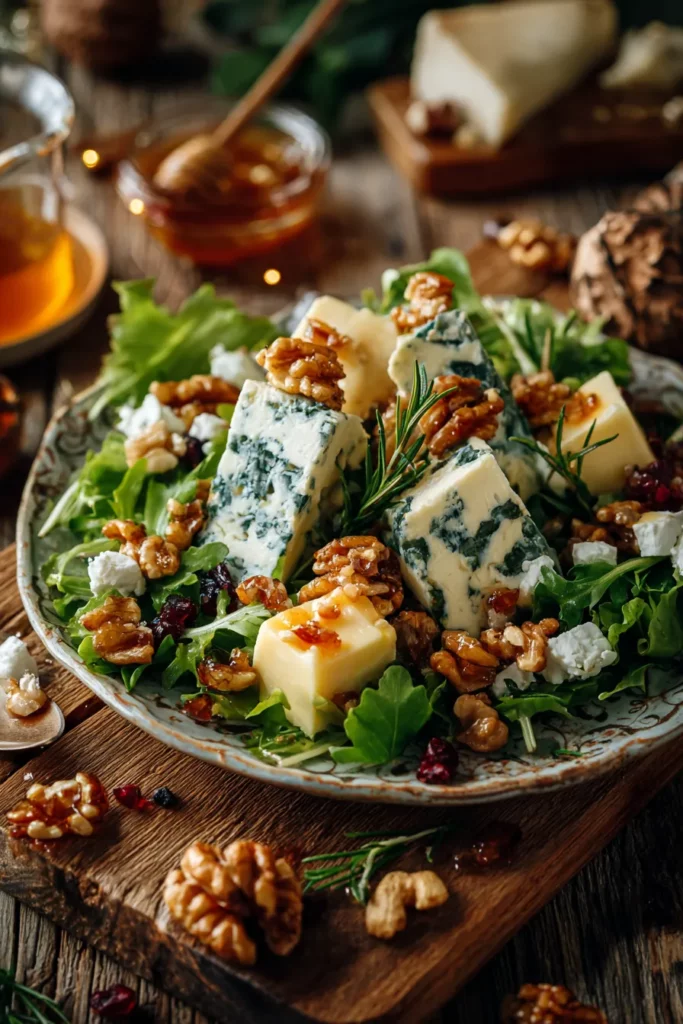
Nuts add essential crunch and richness. Walnuts pair naturally with apples and pears. Pecans work with sweeter fruits and warm spices. Almonds bring subtle flavor that doesn’t compete. I often toast and candy my nuts with a bit of maple syrup or honey, creating little nuggets of sweet, crunchy pleasure that everyone fights over.
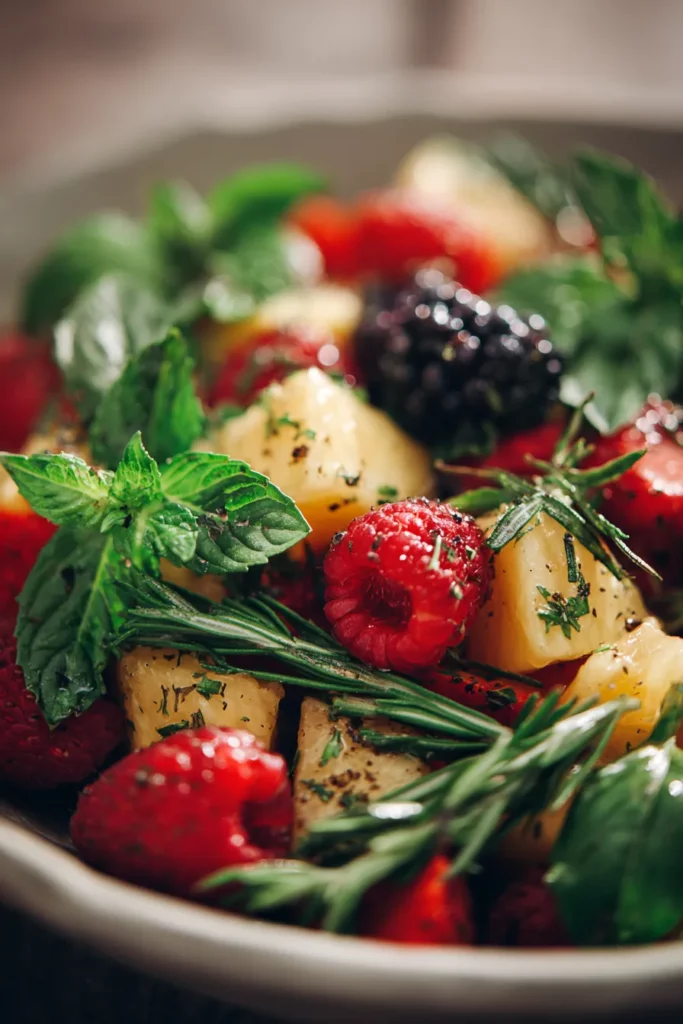
Don’t forget about herbs. Fresh basil with stone fruits is classic for good reason. Mint brightens berry salads. A handful of fresh thyme or rosemary can add unexpected sophistication. These small additions layer in complexity and make your salads taste restaurant-quality.
Apple Salads: Fall’s Most Versatile Foundation
Apples are the workhorses of fruit salads, especially during autumn when they’re at peak season. Their firm texture means they hold up beautifully to dressing without getting soggy or brown too quickly. Plus, the variety of apple types means you can tailor your salad to exactly the flavor profile you want. Tart Granny Smiths for sharp contrast. Sweet Honeycrisps for balanced sweetness. Crisp Fujis for pure apple flavor.
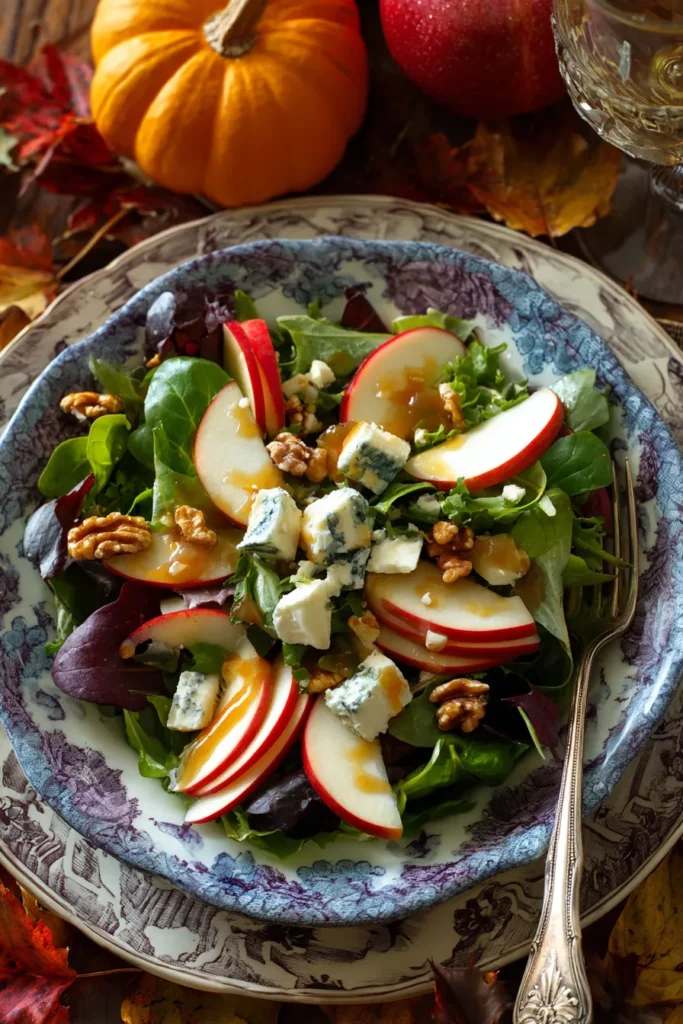
I’ve learned to cut apples just before serving when possible, but when I need to prep ahead, a quick toss in lemon juice keeps them from oxidizing. The acid also brightens their flavor, which works beautifully in salads. For gatherings where the salad sits out for a while, I’ll choose varieties like Honeycrisp or Pink Lady that resist browning better than softer types.
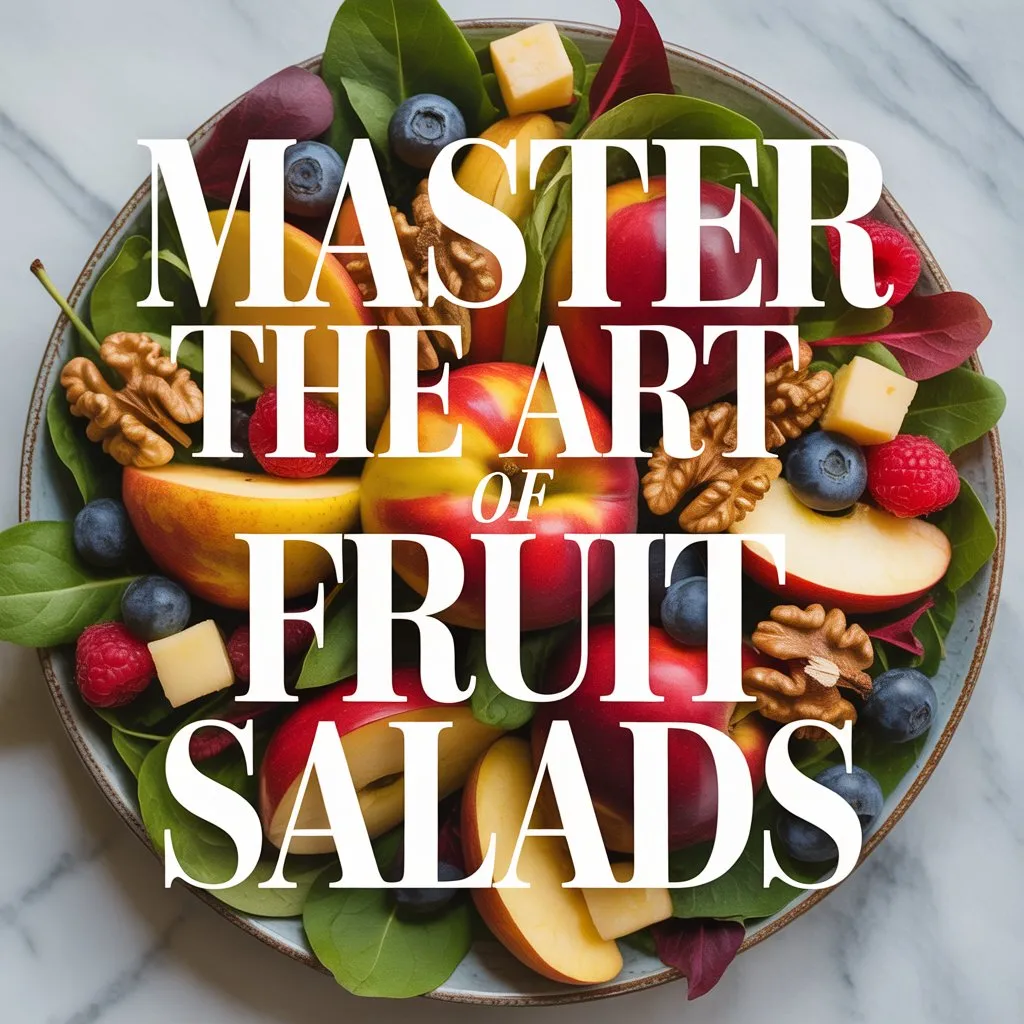
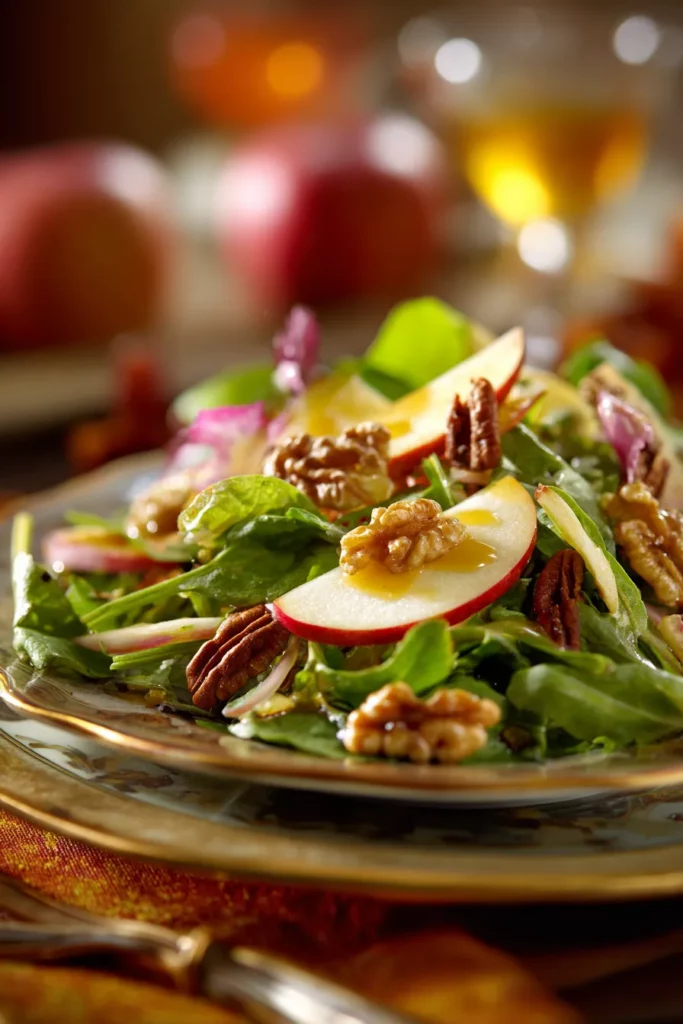
One of my favorite autumn combinations is the autumn apple walnut salad with maple Dijon vinaigrette. The maple in the dressing echoes fall flavors without being heavy, while the Dijon adds tang that prevents the salad from being too sweet. It’s become my signature contribution to Thanksgiving dinners.
Apple and Cheese Pairings That Work
The combination of apples and cheese is timeless for good reason. The fruit’s sweetness and crisp texture contrast beautifully with creamy, tangy cheese. Blue cheese is my first choice when I want bold flavor. The apple and spinach salad with blue cheese, toasted walnuts and balsamic vinaigrette has converted more than one blue cheese skeptic in my life.
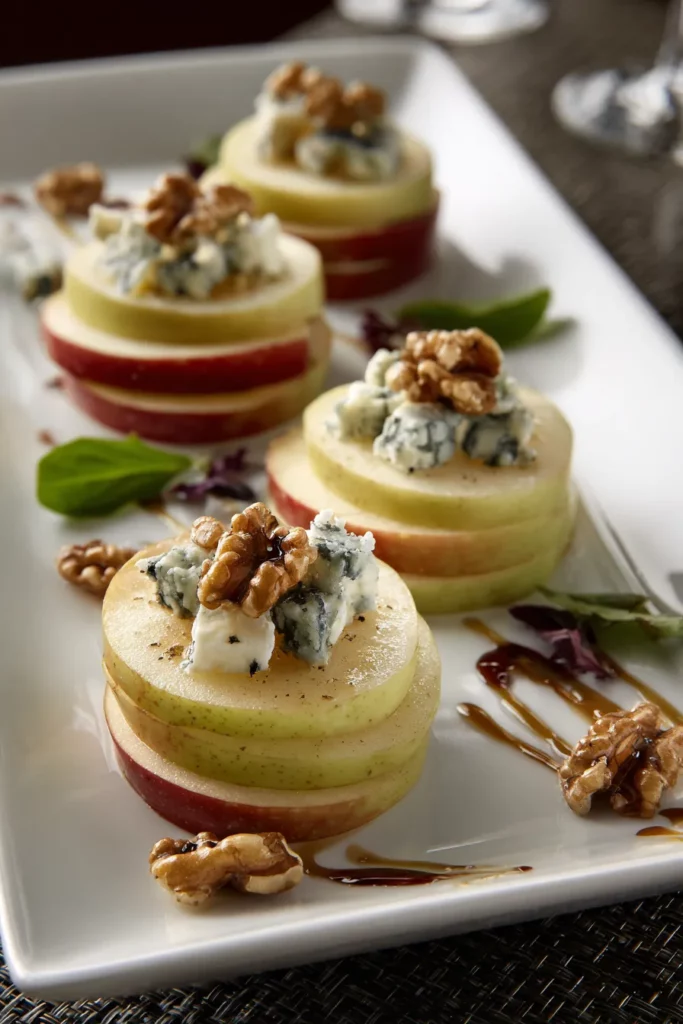
For those who find blue cheese too assertive, feta offers a milder option that still provides that essential salty tang. I make an apple and baby spinach salad with feta, walnut and maple Dijon dressing at least twice a month during fall. It’s light enough for lunch but substantial enough to serve alongside dinner.
The key to these combinations is balancing the sweetness of the apples with the saltiness of the cheese and the richness of the nuts. Too much of any one element throws everything off. I aim for about equal volumes of greens and apples, then add cheese and nuts more sparingly as accent flavors rather than equal components.
Creative Apple Salad Variations
While classic apple salads are wonderful, some of my favorite versions push boundaries a bit. The quick delicious apple salad is my weeknight go-to, coming together in minutes with pantry staples and whatever apples I have on hand. It proves that fruit salads don’t need to be complicated to be delicious.
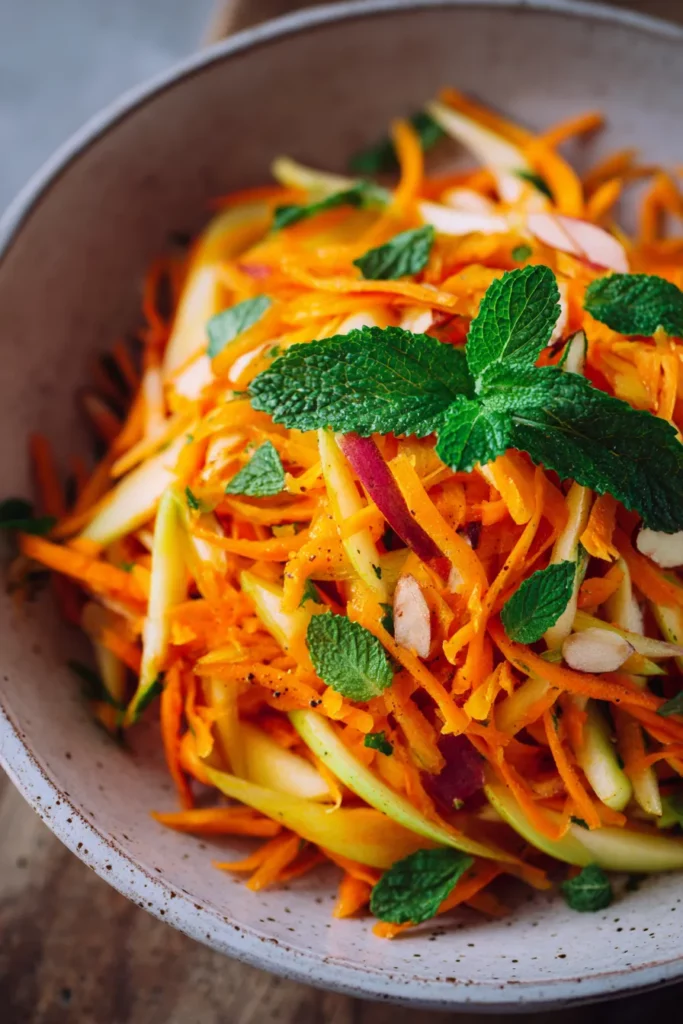
For something more substantial, the carrot apple salad adds shredded carrots for extra crunch, color, and nutrition. The carrots’ earthiness complements the apples’ brightness, creating a salad that works equally well as a side dish or a light lunch. It’s particularly good with a creamy dressing that coats all those shreds and keeps everything cohesive.
When I want something that feels special enough for entertaining, I turn to more elaborate combinations. The apple fruit salad with warm fall spice dressing brings together multiple fruits with apples as the anchor. The warm spiced dressing, made with cinnamon and nutmeg, transforms the salad into something that tastes like autumn in a bowl.
Peach Salads: Summer’s Sweet Celebration
There’s a narrow window each summer when peaches are absolutely perfect. Not the hard, flavorless ones you find in grocery stores year-round, but the real deal. Juice-dripping-down-your-chin, fragrant, sunset-colored perfection. During those precious few weeks, I make peach salads constantly, trying to capture that fleeting summer magic in as many forms as possible.
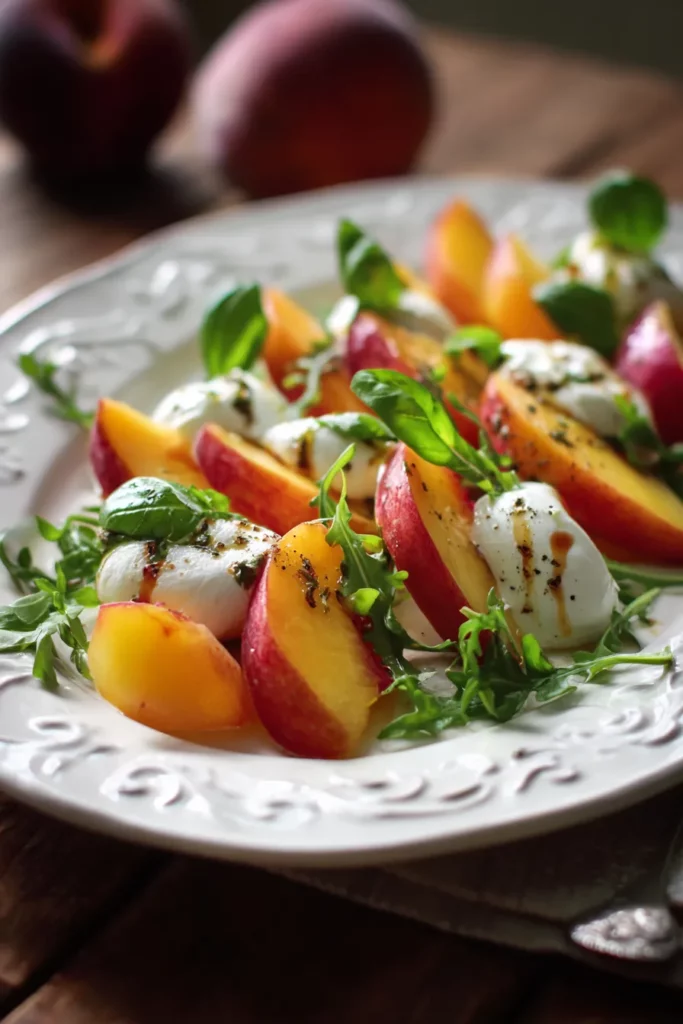
The challenge with peaches in salads is their delicate nature. They bruise easily and can make a salad watery if not handled properly. I’ve learned to slice them just before serving and to choose peaches that are ripe but still have a bit of firmness. Overripe peaches turn to mush when tossed with dressing, while underripe ones lack that essential peachy sweetness.
My absolute favorite way to serve peaches in summer is with burrata. The combination is pure magic. The best peach and burrata caprese recipe is my most-requested summer dish, appearing at nearly every outdoor gathering I host. The creamy, mild burrata lets the peaches shine while adding luxurious texture.
The Peach and Burrata Love Story
I could dedicate an entire section to peach and burrata combinations because they’re that good. The pairing works on multiple levels. The sweetness of ripe peaches needs the creamy richness of burrata. The soft texture of both ingredients creates a luxurious mouthfeel. And visually, the pale burrata and golden peaches together look absolutely stunning on a plate.
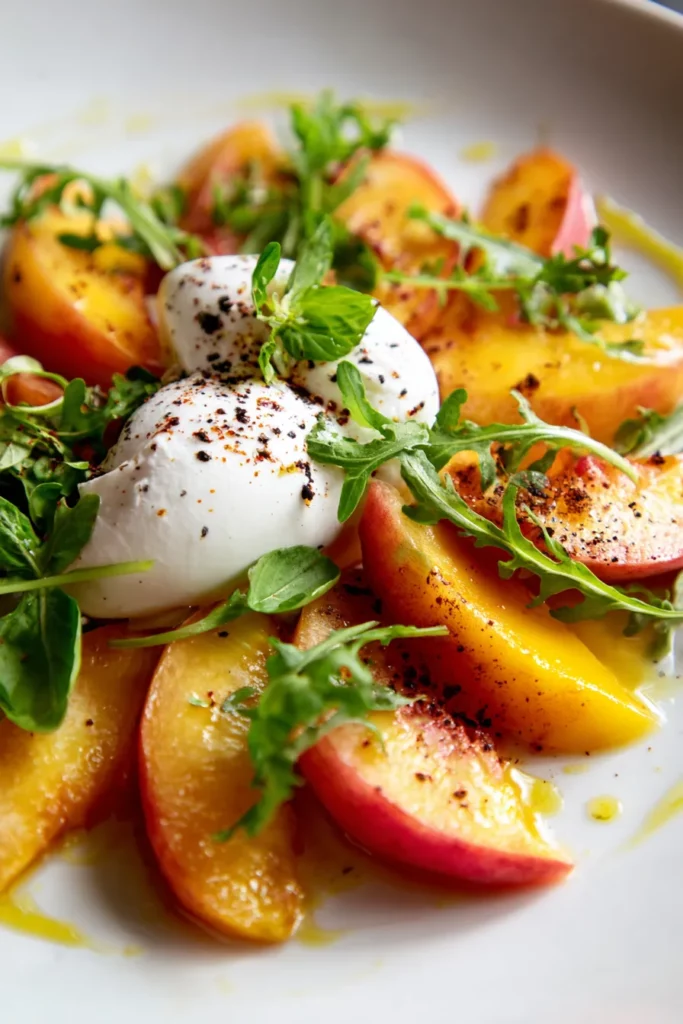
The peach burrata salad with champagne vinaigrette adds an elegant touch with a light, bubbly dressing that doesn’t overpower the delicate flavors. It’s perfect for summer dinner parties when you want something sophisticated but not fussy.
For a more traditional Italian approach, the peach caprese salad with burrata includes fresh basil and a drizzle of balsamic glaze. The basil’s anise notes complement the peaches beautifully, while the balsamic adds depth and slight acidity that brightens everything.
If you want tomatoes in the mix, the tomato, peach and burrata salad combines two of summer’s best offerings in one bowl. The tomatoes add savory depth and juiciness that makes this substantial enough to serve as a light main course with good bread alongside.
Beyond Burrata: Other Peach Salad Combinations
While burrata is my first love, peaches pair beautifully with other ingredients too. The simple peach feta salad offers a tangier, more assertive flavor profile. The salty feta provides sharp contrast to sweet peaches, especially when you add fresh mint and a honey-lemon dressing.
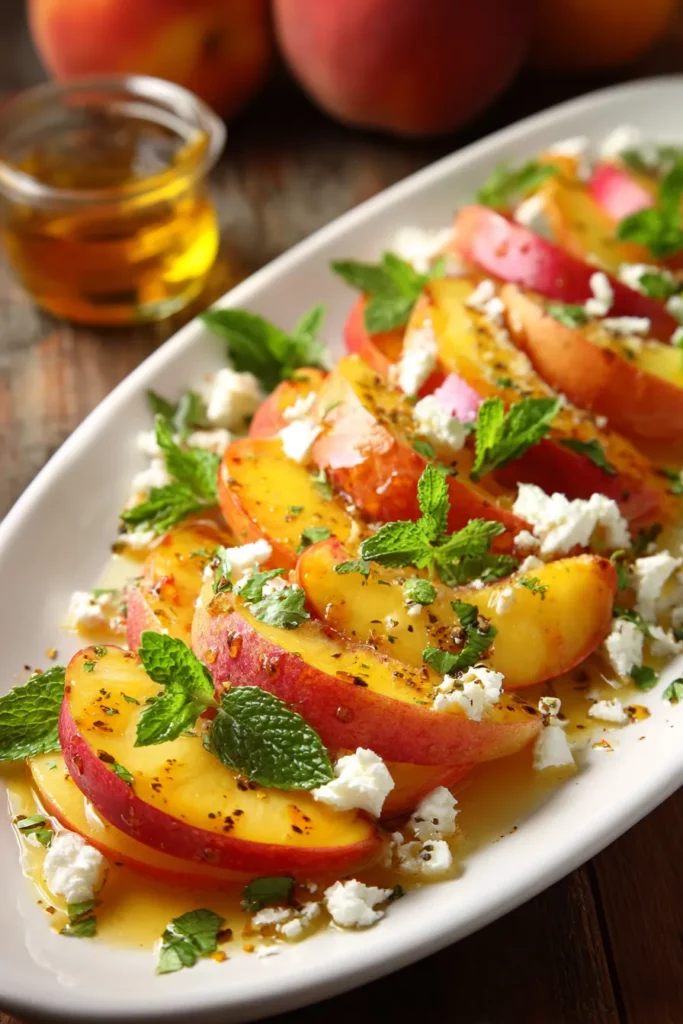
For something with a bit more substance, try the balsamic peach arugula salad. The peppery arugula stands up nicely to juicy peaches, and the balsamic dressing ties everything together with its sweet-tart complexity. I often add toasted almonds or pine nuts for crunch.
The chickpea peach salad with honey lime dressing takes things in a completely different direction. The chickpeas add protein and substance, making this a complete meal rather than just a side. The honey lime dressing is bright and refreshing, perfect for hot summer days when you want something light but filling.
Sweet Peach Salad Options
Not all fruit salads need to be savory. Sometimes you want something that leans into the sweetness, perfect for brunch or as a healthier dessert option. The summer peach fruit salad combines peaches with other summer fruits in a light, refreshing mix that celebrates the season.
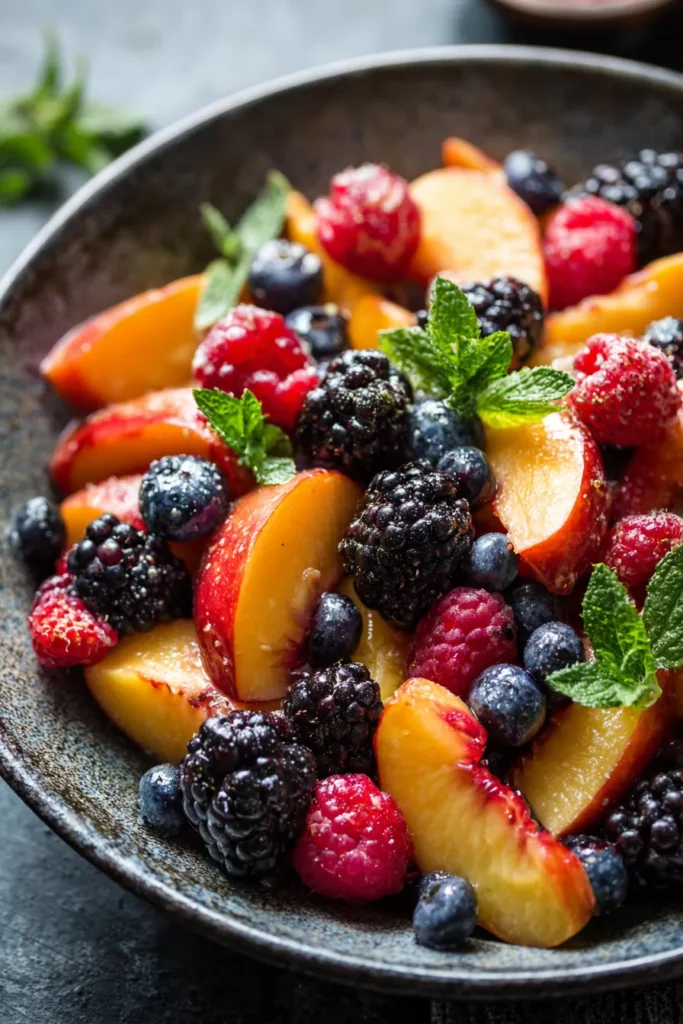
For something truly decadent, the millionaire peach salad recipe is rich, creamy, and absolutely irresistible. It’s the kind of dish that disappears at potlucks, with people scraping the bowl for every last bit. The combination of fruit, cream, and marshmallows feels nostalgic and indulgent in the best way.
Pear Salads: Elegant Autumn Sophistication
Pears bring an elegant refinement to fall salads that apples sometimes can’t match. Their delicate sweetness and buttery texture work beautifully with bold cheeses and toasted nuts. I think of pear salads as the sophisticated cousin of apple salads, perfect for occasions when you want something that feels a bit more special.
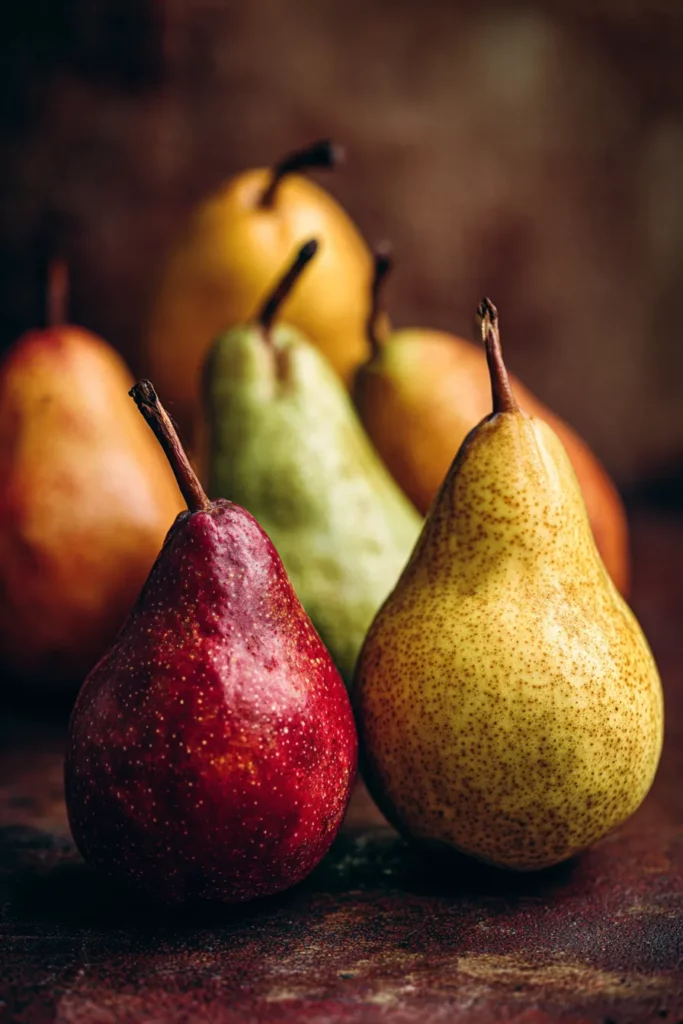
The trick with pears is catching them at exactly the right moment of ripeness. Too firm and they’re grainy and flavorless. Too ripe and they fall apart when sliced. I look for pears that yield slightly to gentle pressure at the stem end but still feel firm overall. If I buy them underripe, I’ll leave them on the counter in a paper bag with a banana to speed ripening.
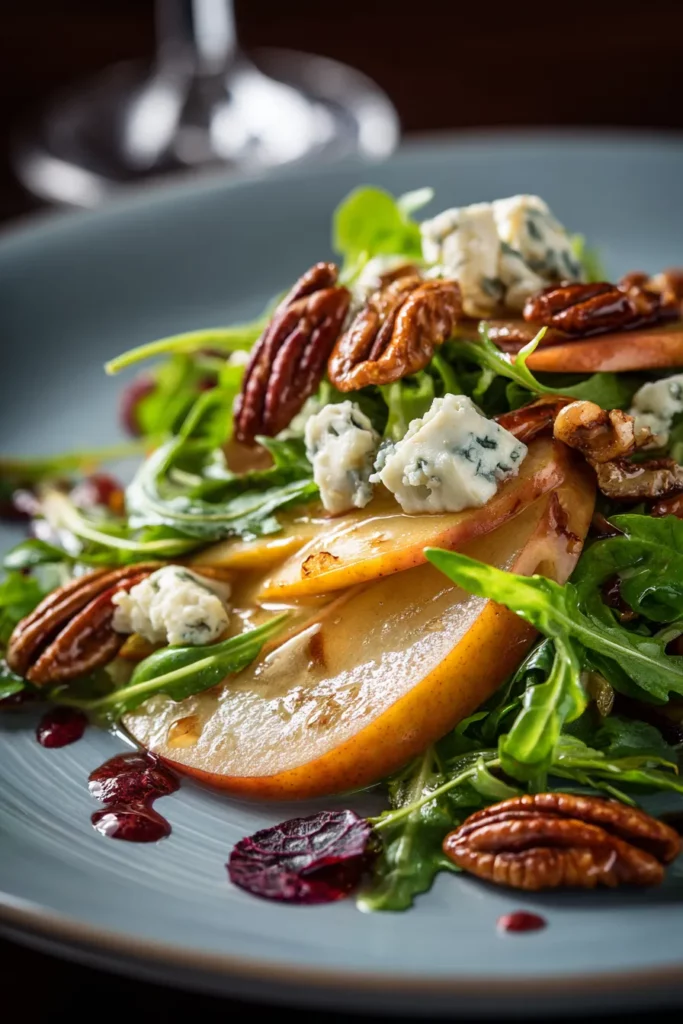
One of my most elegant salad combinations is the pear and arugula salad with gorgonzola and candied pecans. Everything about this salad feels luxurious. The sweet-crunchy pecans, the creamy-pungent gorgonzola, the delicate pears, the peppery arugula. It’s a study in contrasts that somehow creates perfect harmony.
Pear and Cheese Magic
The combination of pears and cheese is classic French bistro fare, and for good reason. The fruit’s gentle sweetness enhances rather than competes with strong cheeses. Gorgonzola is traditional, but I also love using other blue cheeses, aged goat cheese, or even a sharp aged cheddar.
For a warmer, more rustic presentation, the grilled pear and goat cheese salad with honey balsamic dressing adds a caramelized element that intensifies the fruit’s sweetness. Grilling pears might sound fussy, but it takes just minutes and transforms the fruit into something special. The heat concentrates the sugars and adds subtle char that plays beautifully with tangy goat cheese.
The honey balsamic dressing in that salad is one I use all fall long. The honey echoes the pears’ sweetness while the balsamic provides necessary acidity. It’s thick enough to coat the greens nicely without being heavy or overpowering.
Berry and Strawberry Salads: Spring’s Fresh Start
When strawberries first appear at the farmers market each spring, I get genuinely excited. After months of apples, citrus, and greenhouse produce, the arrival of local berries feels like a celebration. Fresh strawberries have a brightness and intensity that nothing else quite matches, and they bring that same vibrancy to salads.
The challenge with berry salads is preventing them from making everything else soggy. Berries release juice when cut or dressed too far in advance, so I’ve learned to add them at the last possible moment. Or sometimes I’ll dress everything else and serve the berries on the side for people to add themselves.
The strawberry crunch salad solves this problem brilliantly with a crunchy topping that stays crispy even when combined with juicy berries. The textural contrast between soft berries, tender greens, and crunchy elements creates something really special. It’s become one of my most-requested spring potluck contributions.

Sweet vs Savory Strawberry Salads
Strawberries work in both sweet and savory contexts, which makes them incredibly versatile. For sweeter preparations that work as side dishes or light desserts, the key is balancing the berries’ natural tartness with complementary flavors. Sometimes that means a sweet dressing, other times it means adding elements like honey-coated nuts or a drizzle of balsamic reduction.
Strawberries also pair surprisingly well with savory greens like spinach or arugula. Their sweetness provides nice contrast to peppery or bitter greens, while their acidity keeps everything bright and fresh. I’ll often add goat cheese or feta, toasted almonds or pecans, and a simple balsamic vinaigrette for an easy weeknight salad that feels special.
Holiday and Special Occasion Salads
Some fruit salads are everyday affairs, simple combinations you throw together for weeknight dinners or quick lunches. But others are meant for celebrations, those occasions when you want something that looks as impressive as it tastes. These are the salads that earn their place on holiday tables alongside traditional favorites.
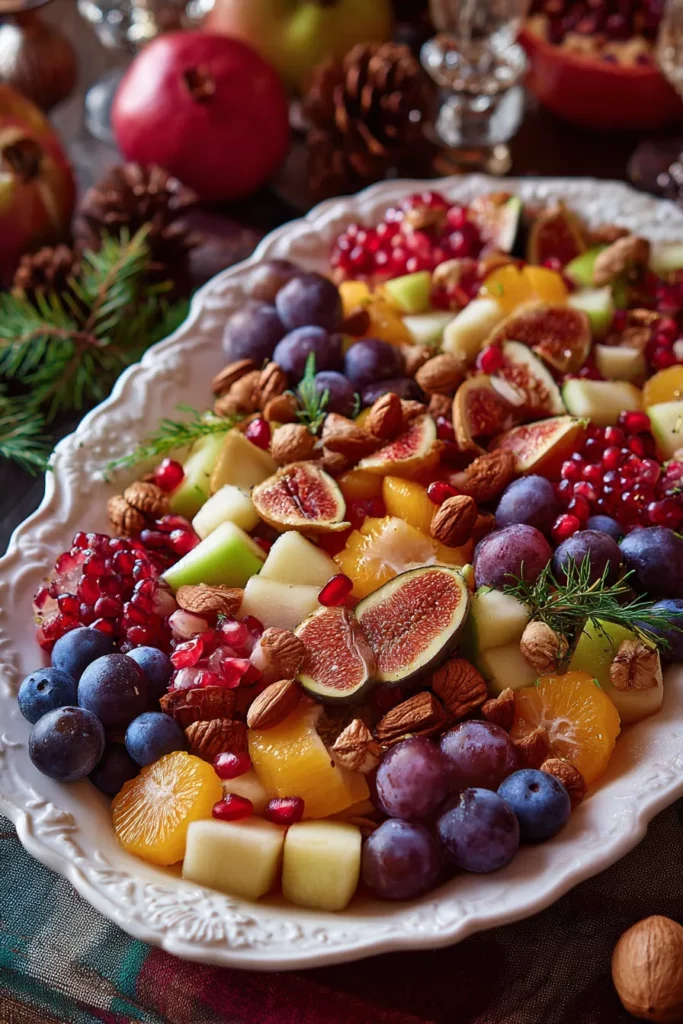
The Thanksgiving salad I make every year has become as traditional as the turkey and stuffing. It features fall fruits, candied nuts, blue cheese, and a maple dressing that captures everything we love about autumn. The colors alone make it beautiful on the table, but the flavors are what keep people coming back for more.
What makes a salad holiday-worthy? Usually it’s a combination of factors. More components than an everyday salad, creating layers of flavor and texture. Slightly more expensive or special ingredients like nuts candied with maple syrup, imported cheese, or fruits that might be out of season. And presentation that shows care, whether that’s careful arrangement on a platter or individual portions in cups or on small plates.
Autumn Celebrations
Fall gatherings call for salads that celebrate the season’s harvest. The autumn salad combines multiple fall elements, from crisp apples to toasted pecans to dried cranberries. It’s hearty enough to hold up alongside rich fall foods but bright enough to provide necessary contrast.
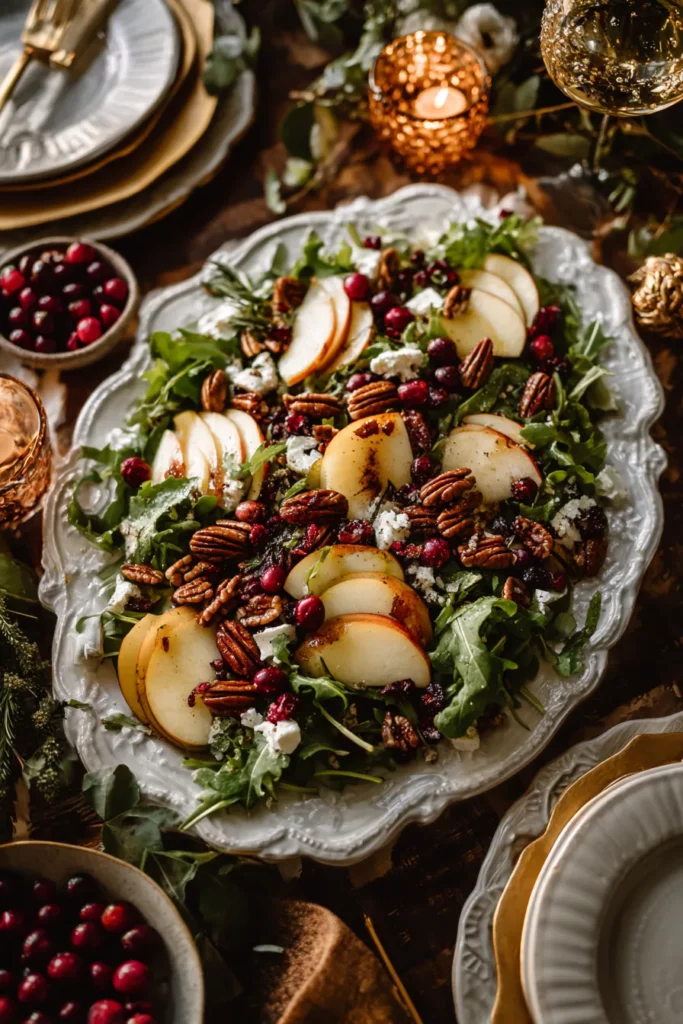
These salads also tend to work well as make-ahead options, which is crucial during busy holiday cooking. Many components can be prepped in advance. Toast the nuts a day ahead. Make the dressing. Wash and dry the greens. Then it’s just a matter of assembling everything when you’re ready to serve.
Winter Holiday Salads
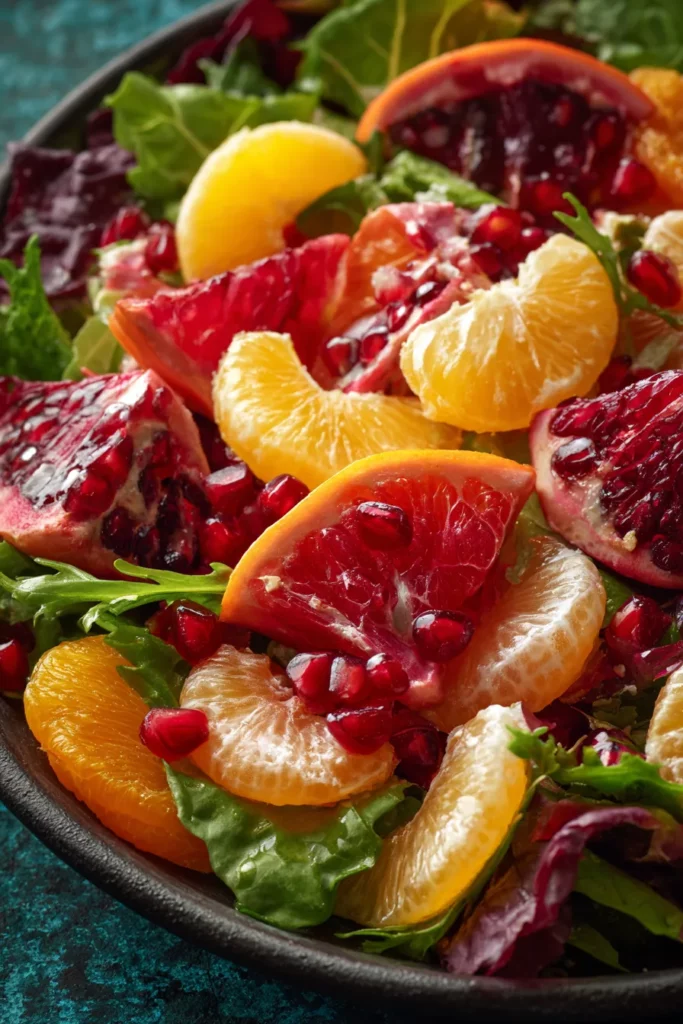
Winter holidays need salads that feel festive and seasonal despite the limited fresh fruit options. The Christmas salad recipe I rely on uses pomegranate seeds for jewel-like pops of color and tartness, along with winter citrus and sturdy greens that can handle being dressed ahead.
Pomegranates are winter’s gift to salad makers. Those ruby seeds add gorgeous color, tart flavor, and satisfying texture. They work with both sweet and savory ingredients, pairing beautifully with nuts, cheese, citrus, and all kinds of greens. Plus, their festive appearance makes any salad look more special.
Unexpected Combinations and Creative Twists
Once you understand the basics of fruit salad construction, you can start getting creative with unexpected combinations. Some of my favorite salads came from experiments that seemed risky at first but turned into surprising successes. These are the salads that make people pause and ask, “Wait, what’s in this?”

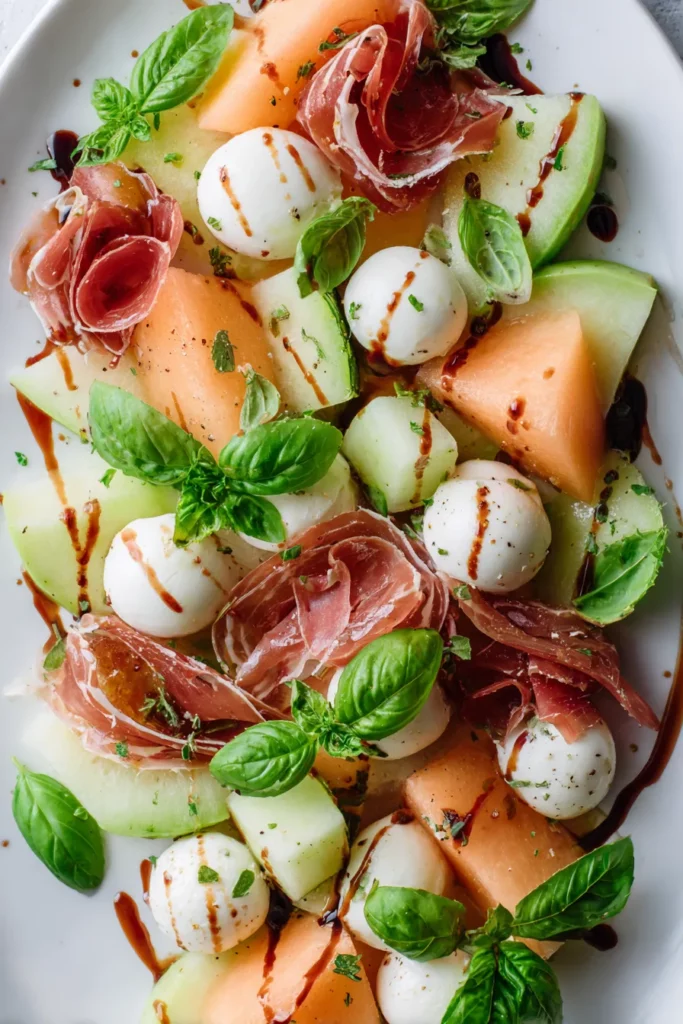
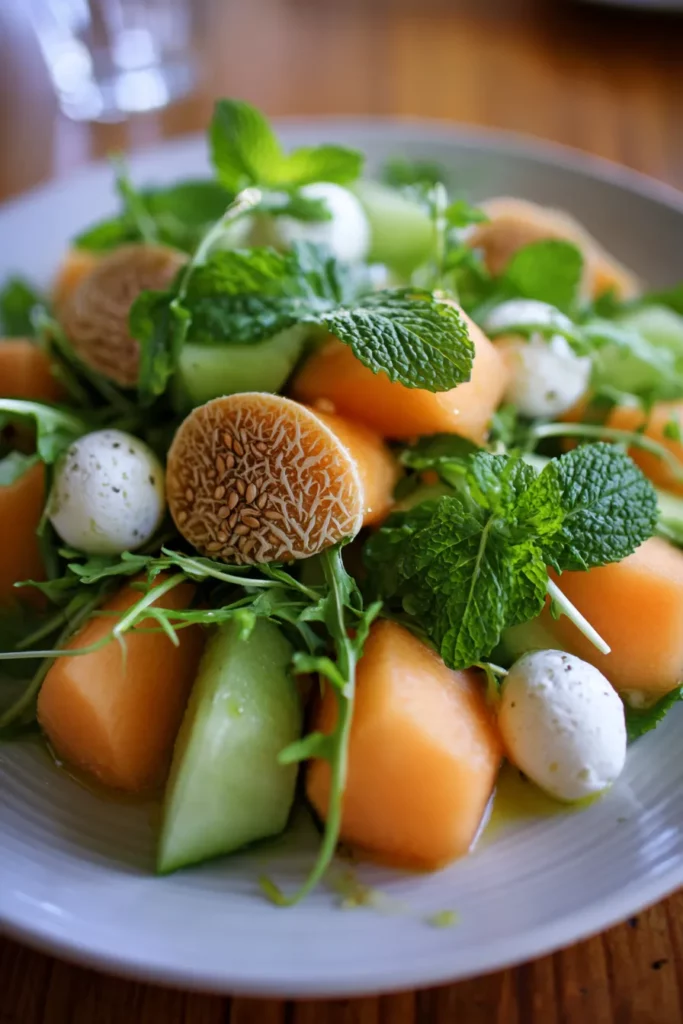
The salade de melon, mozzarella et jambon cru is a perfect example. Melon in a savory salad seems odd until you taste how beautifully it works with salty prosciutto and creamy mozzarella. This is classic Italian combination, popular in Italy during summer when melons are at their peak. The sweetness of the melon against the salt of the prosciutto creates that perfect savory-sweet balance that makes each bite interesting.
I discovered this salad during a trip to Italy and was immediately smitten. Now I make it all summer long, sometimes with cantaloupe, sometimes with honeydew, occasionally with more exotic melon varieties from the farmers market. Fresh basil and a drizzle of good olive oil are really all it needs, though sometimes I’ll add a splash of balsamic vinegar for extra depth.
Melon Salads Beyond the Basics
Melons in savory salads might seem unusual if you’re used to thinking of them only as breakfast fruit or dessert components, but they’re incredibly versatile. Their high water content makes them refreshing on hot days, and their sweetness pairs well with salty, tangy, and spicy ingredients.
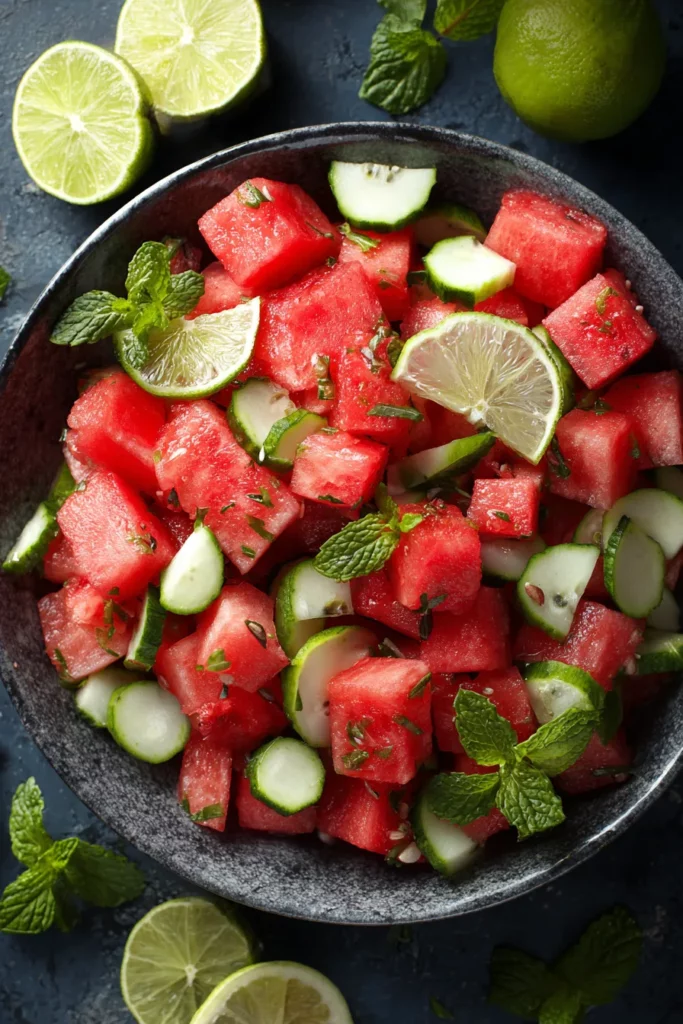
Watermelon salads have become trendy in recent years, and for good reason. Watermelon with feta is a revelation, that combination of sweet and salty that just works. I also love watermelon with cucumber, mint, and lime for a super refreshing summer salad that’s perfect alongside grilled foods.
Cantaloupe and honeydew work beautifully in mixed green salads too. Their softer sweetness compared to watermelon makes them good partners for mild cheeses like fresh mozzarella or goat cheese. Try cantaloupe with prosciutto, arugula, and fresh mint with a simple lemon vinaigrette. It’s elegant, refreshing, and completely satisfying.
Dressings That Make Fruit Salads Shine
A great dressing can elevate a simple fruit salad into something memorable, while the wrong dressing can make even the best ingredients fall flat. I’ve learned through trial and error which dressings work best with different fruits and what makes a dressing truly complementary rather than overpowering.
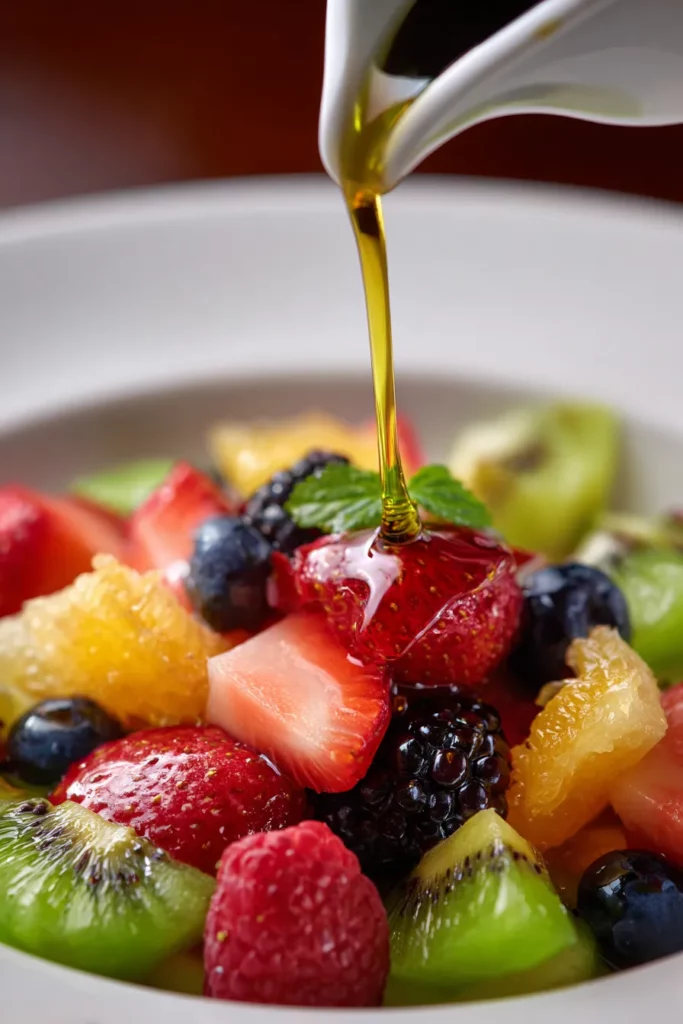
The most important rule for fruit salad dressings is balance. You’re already working with sweet ingredients, so your dressing needs to provide contrast. Acidity is essential. Whether from citrus juice, vinegar, or both, that bright acid cuts through sweetness and makes everything taste more vibrant. Fat, usually from oil or sometimes cream, carries flavors and creates a luxurious mouthfeel.
For fall fruit salads with apples or pears, I reach for maple-based dressings constantly. Maple syrup adds sweetness that echoes the fruit without competing, and its complex flavor enhances autumn ingredients beautifully. My standard maple Dijon vinaigrette uses maple syrup, Dijon mustard, apple cider vinegar, and olive oil. The mustard provides tang and helps emulsify everything into a smooth, clingy dressing.
Citrus-Based Dressings for Summer Fruits
Summer stone fruits like peaches and berries need lighter, brighter dressings. I love using citrus juice as the acid base. Lemon is classic and works with everything. Lime brings a bit more punch and pairs especially well with tropical fruits or berries. Orange juice adds sweetness and works beautifully with berries.
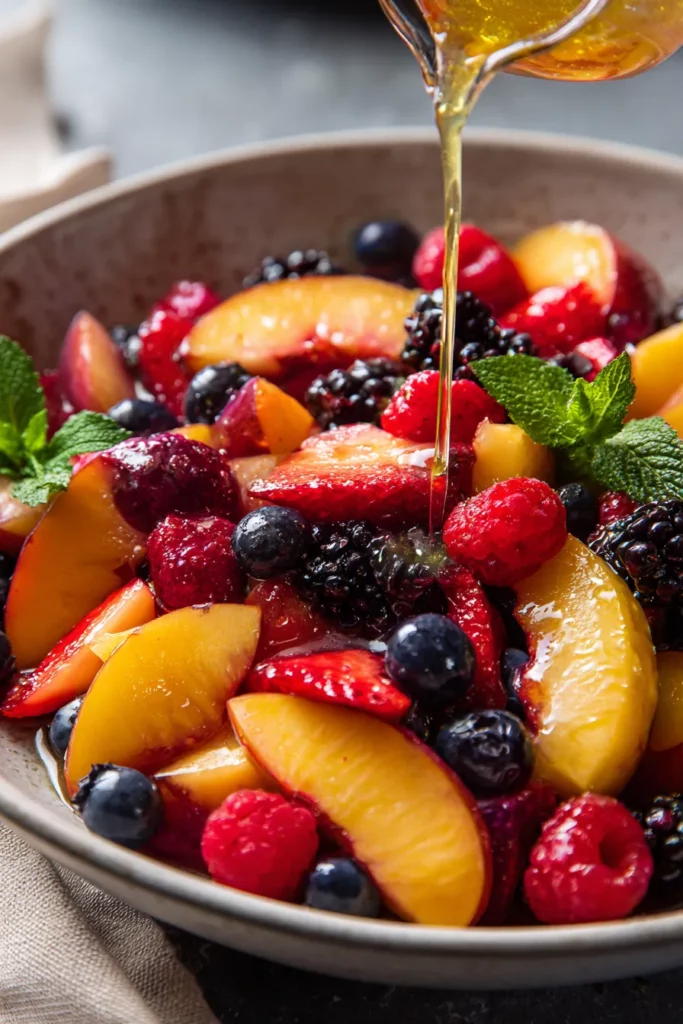
A simple honey-lime dressing is my go-to for summer fruit salads. Just whisk together fresh lime juice, honey, a touch of olive oil, and maybe a pinch of salt. It’s light enough to not overpower delicate fruits but flavorful enough to tie everything together. I’ll adjust the honey depending on how sweet the fruit is, using less when peaches are at peak ripeness, more when working with tart berries.
For creamy dressings that work with sweeter fruit salads, I’ll use Greek yogurt or sour cream as a base, lightened with a bit of milk or cream and sweetened with honey or maple syrup. These creamy dressings work especially well when you’re including nuts and want something rich that will coat everything nicely.
Balsamic Reductions and Glazes
Balsamic vinegar is one of my secret weapons for fruit salads. Its natural sweetness and complex flavor complement almost any fruit, and when reduced into a glaze, it becomes even more special. I’ll simmer balsamic vinegar with a touch of honey until it’s thick and syrupy, then drizzle it over salads just before serving.
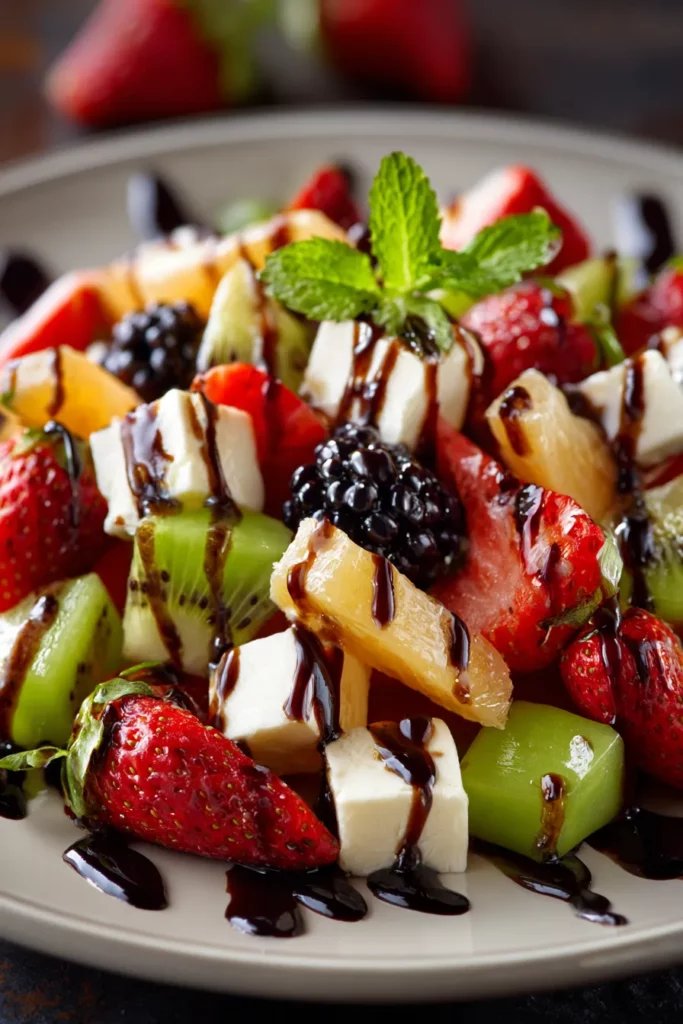
This works especially well with salads that include cheese. The balsamic glaze drips over the cheese and fruit, creating little pockets of intense flavor throughout the salad. It’s also gorgeous visually, those dark ribbons of glaze against colorful fruit and pale cheese.
Tips for Preparing Fruits and Preventing Browning
Over years of making fruit salads, I’ve learned tricks for keeping fruits looking and tasting their best. Some fruits are easy and forgiving. Others require special handling to prevent oxidation, maintain texture, or keep them from making everything else soggy. These techniques make the difference between a salad that looks beautiful from start to finish and one that turns brown and sad after an hour.
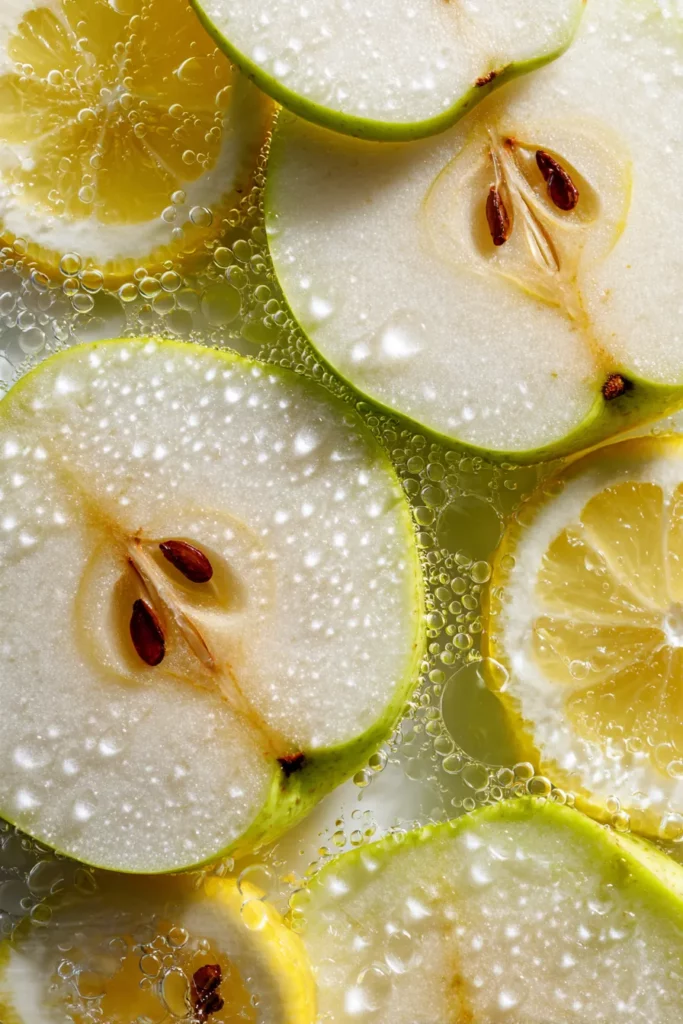
Apples and pears are the most prone to browning, that enzymatic oxidation that turns cut surfaces brown when exposed to air. The solution is acid. I keep a bowl of cold water with lemon juice or lime juice nearby when cutting apples or pears, tossing the slices in immediately after cutting. This prevents browning for several hours. If I’m making a salad ahead, I’ll drain the fruit and pat it dry before assembling, otherwise the excess water dilutes the dressing.
Another trick is using varieties that brown more slowly. Honeycrisp and Pink Lady apples naturally resist oxidation better than varieties like Red Delicious or McIntosh. When I know a salad will sit out for a while at a party, I’ll choose these varieties even if they’re not my absolute favorites.
Handling Delicate Berries
Berries require gentle handling and should always be added at the last possible moment. Strawberries release juice when cut, especially if they’ve been sitting for a while. I either slice them just before serving or leave them whole if they’re small. For make-ahead salads, I’ll prep everything else and keep the berries separate, adding them right before bringing the salad to the table.
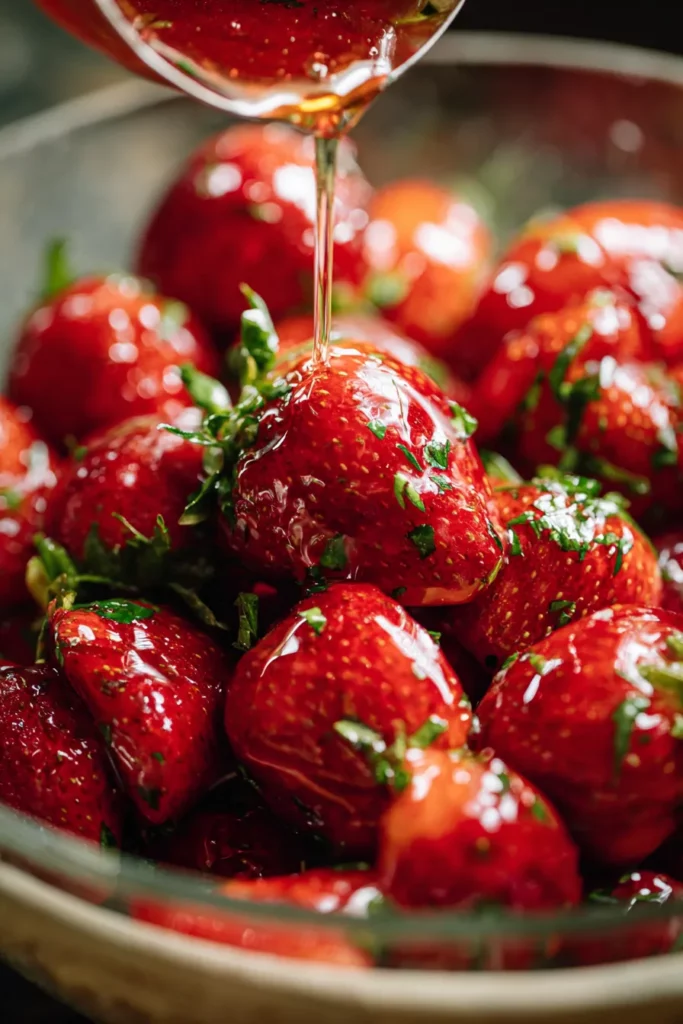
Washing berries properly makes a big difference too. I’ve learned not to wash them until right before using, as moisture speeds up deterioration. When I do wash them, I use cold water, drain them thoroughly, and pat them completely dry with paper towels. Wet berries dilute dressings and make greens soggy.
Peaches and Stone Fruit Prep
Peaches, nectarines, and plums need to be perfectly ripe for salads. Underripe stone fruits are hard, flavorless, and sometimes bitter. Overripe ones fall apart and turn mushy. I look for fruit that gives slightly when gently pressed and smells fragrant at the stem end. If I buy them underripe, I’ll leave them on the counter for a day or two until they’re ready.
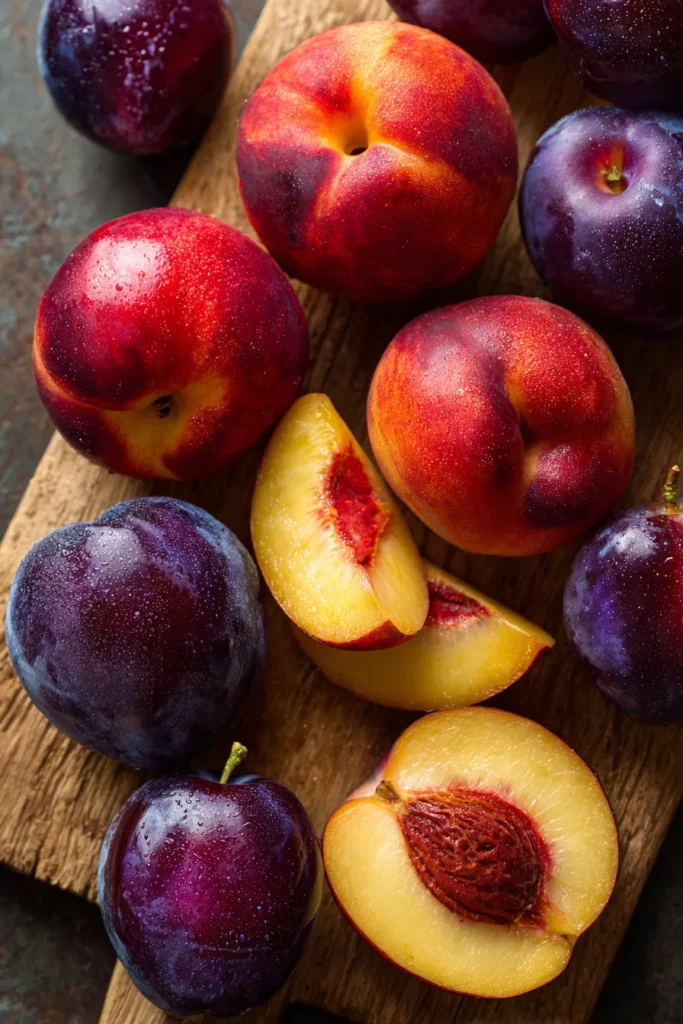
For peaches with tough skins, I’ll sometimes blanch them briefly in boiling water and then shock them in ice water. This makes the skins slip off easily. However, if the peaches are perfectly ripe and the skins are tender, I leave them on. They add color and texture, and honestly, peeling dozens of peaches is tedious.
Stone fruits should be cut just before serving when possible. They don’t brown as quickly as apples, but they do release juice and soften once cut. If I must cut them ahead, I’ll toss them with a tiny bit of lemon juice and refrigerate them in an airtight container.
Making Fruit Salads Meal-Worthy
Fruit salads often get relegated to side dish status, but with the right additions, they can absolutely be the main event. I’ve served fruit salads for lunch countless times, and nobody ever felt like they missed out on a “real” meal. The key is making sure there’s enough protein, fat, and substance to satisfy.
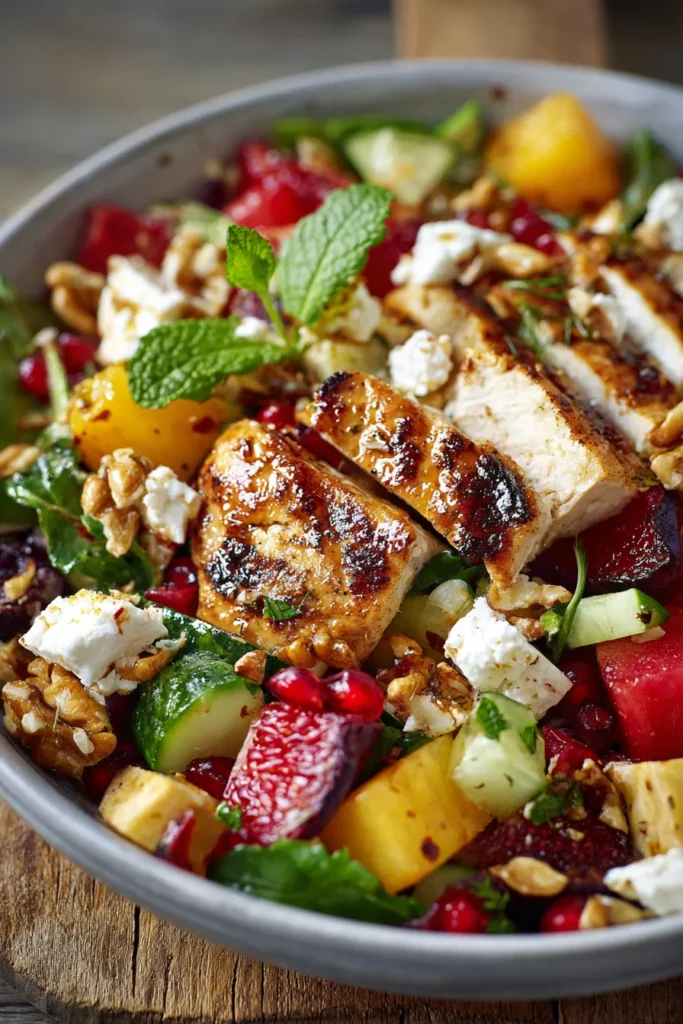
Adding grilled chicken is the most straightforward way to turn a fruit salad into a main course. I’ll season chicken breasts with salt, pepper, and herbs, grill them until cooked through, let them rest, then slice them thinly and arrange over the salad. The warm chicken against cool, crisp salad ingredients creates wonderful temperature contrast.
Cheese also adds significant protein and makes salads more filling. Generous amounts of feta, goat cheese, or blue cheese turn a side salad into lunch. I’m not talking about a light sprinkle. I mean substantial chunks or crumbles that appear in every bite. The cheese provides richness and satisfaction that keeps you full for hours.
Nuts and seeds contribute protein, healthy fats, and crucial crunch. A handful of candied pecans or toasted almonds scattered on top isn’t enough to make a salad substantial. I use at least a quarter cup per serving, sometimes more. Toast them first to intensify their flavor, and consider candying them with maple syrup or honey for extra appeal.
Grain and Legume Additions
Adding cooked grains transforms fruit salads into hearty, satisfying meals. Quinoa is my go-to because it cooks quickly and has a mild flavor that doesn’t compete with fruit. Farro adds wonderful chew and nutty flavor. Wild rice provides dramatic color and earthy taste that grounds sweeter ingredients.
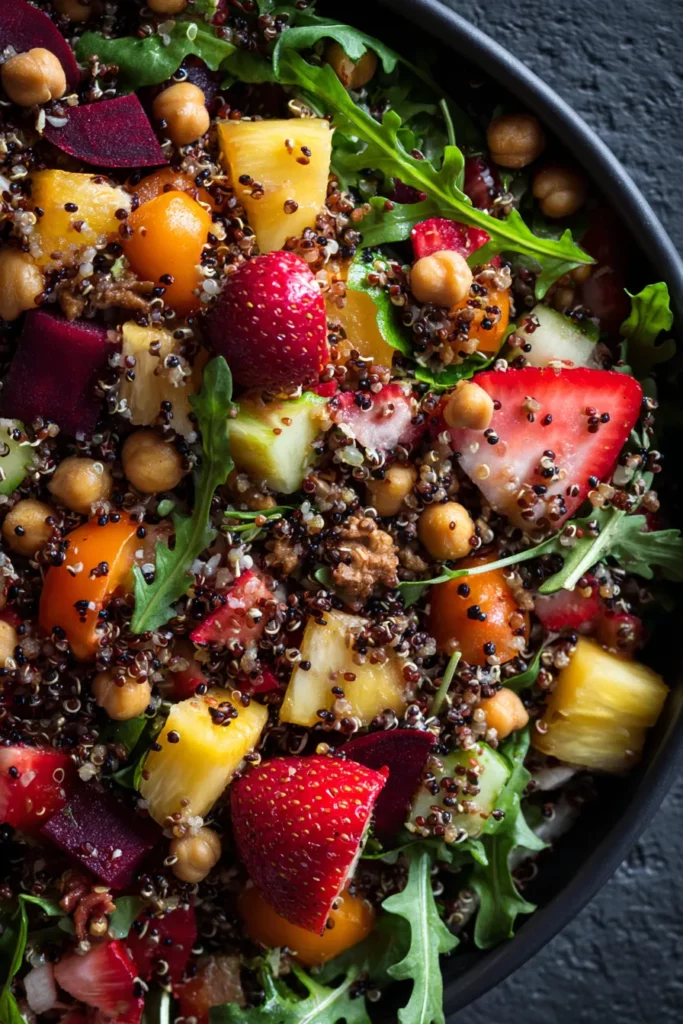
I’ll cook the grains with vegetable or chicken broth instead of water for extra flavor, then let them cool completely before adding to salads. Warm grains wilt greens and make everything sad. Once cooled, they absorb dressing beautifully and add substance without heaviness.
Chickpeas and white beans work wonderfully in fruit salads too. Their creamy texture and mild flavor complement rather than compete with fruit. They add protein and fiber, making salads genuinely filling. I always drain and rinse canned beans thoroughly, sometimes even patting them dry, so they don’t add excess liquid to the salad.
Seasonal Fruit Salad Planning
Learning to cook seasonally transformed my fruit salads from good to great. When you use fruit at its peak season, you need less manipulation, fewer ingredients, and simpler dressings because the fruit itself tastes incredible. Out-of-season fruit requires more work to make it interesting, and honestly, it’s never quite as good.
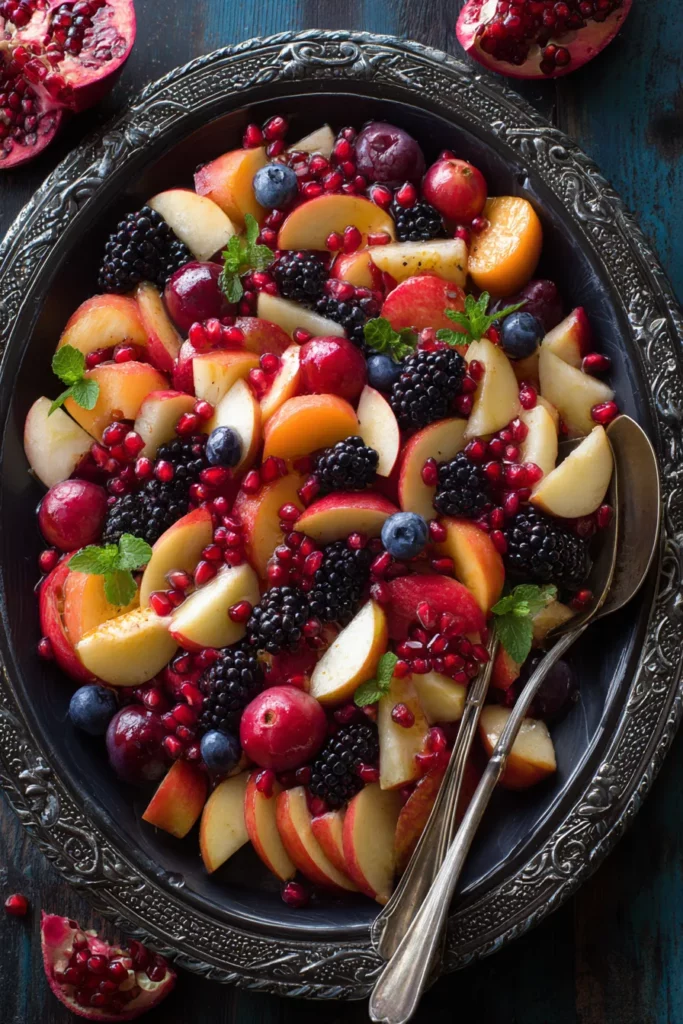
Spring brings the first fresh berries after months of storage fruits and citrus. Strawberries are the early stars, followed by blueberries and raspberries as the weather warms. Spring greens like baby spinach, arugula, and tender lettuces are also at their best. This is when I make lighter salads with simpler dressings that let delicate flavors shine.
Summer is fruit salad paradise. Stone fruits like peaches, nectarines, plums, and cherries are in season. Berries of all kinds are abundant and affordable. Melons appear at farmers markets, heavy and fragrant. Summer is when I experiment most freely, knowing that even simple combinations will taste amazing because the ingredients are so good.
Fall and Winter Fruit Salad Strategies
Fall brings apples and pears, obviously, but also the last of the stone fruits early in the season and the beginning of citrus season as it progresses. Pomegranates arrive in October and November, their jewel-like seeds perfect for adding color and tartness to autumn salads. Persimmons, an often-overlooked fall fruit, add unique sweetness and beautiful orange color.
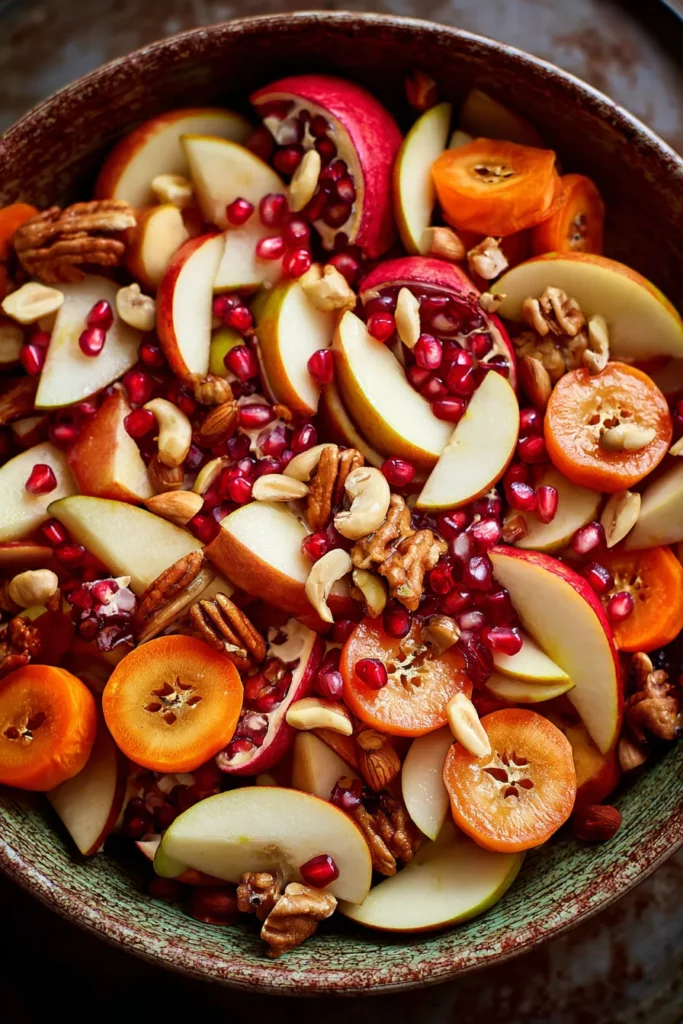
I make heartier salads in fall, with roasted vegetables, substantial cheeses, and warm spices in the dressings. These salads complement the richer foods we eat as weather cools. They also work well at room temperature or even slightly warm, which is perfect for holiday buffets where dishes sit out.
Winter requires more creativity since fresh fruit options narrow. Citrus becomes the star, with oranges, grapefruits, and blood oranges providing brightness. Pomegranates carry over from fall. Apples and pears are still good, especially if they’ve been properly stored. I’ll also use dried fruits like cranberries, cherries, and apricots to add concentrated sweetness and chewy texture.
Expert Tips for Better Fruit Salads
After making hundreds of fruit salads, I’ve accumulated tips and tricks that consistently improve results. These are the details that separate good salads from great ones, the little techniques that might seem insignificant but actually matter quite a bit.
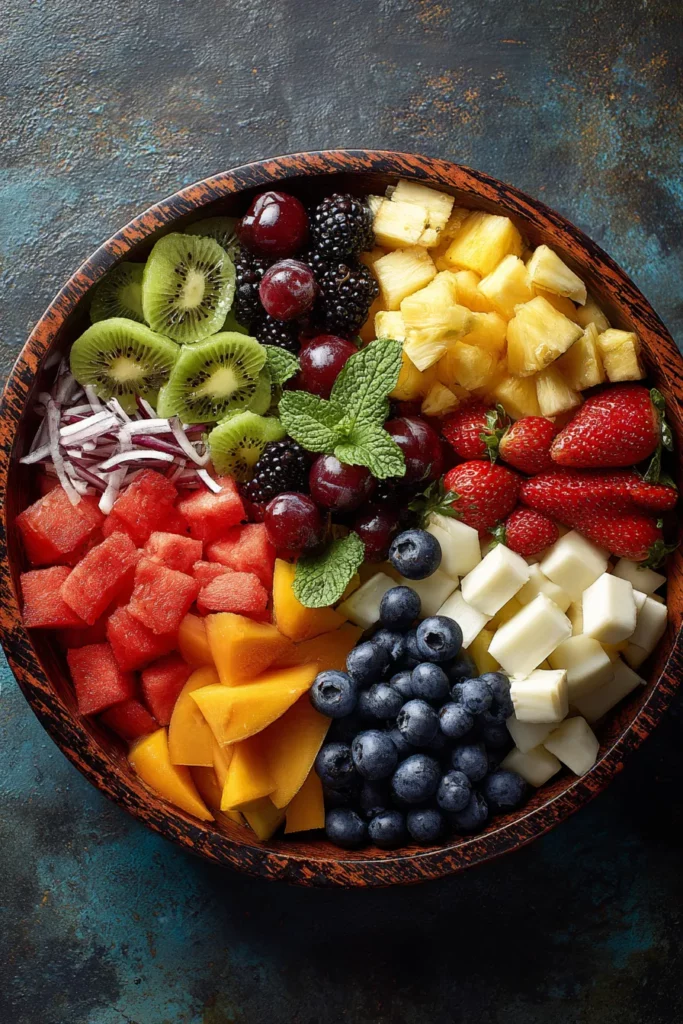
First, always dry your greens thoroughly after washing. Wet greens prevent dressing from clinging properly and dilute flavors. I use a salad spinner and then spread the greens on clean kitchen towels to air dry for a few minutes. This extra step makes a noticeable difference in how well the salad holds dressing and how crisp everything stays.
Second, dress salads at the last possible moment unless you’re specifically making a dressed salad that benefits from marinating. The moment dressing hits greens, they start to wilt. For parties, I’ll prep all components separately and assemble just before serving. If I must dress ahead, I’ll use sturdier greens like kale or cabbage that can handle it.
Temperature Matters
Room temperature ingredients taste better than cold ones straight from the refrigerator. Cold mutes flavors, making even perfectly ripe fruit taste less vibrant. I’ll take cheese, nuts, and even some fruits out of the fridge thirty minutes before serving to let them warm up slightly. The difference in flavor intensity is remarkable.
However, greens should stay cold and crisp. I keep them refrigerated until the absolute last minute, then assemble everything just before serving. This creates nice contrast between cool, crisp greens and room-temperature fruits, cheeses, and nuts.
Knife Skills and Cutting Techniques
How you cut ingredients affects both appearance and eating experience. I aim for pieces that are substantial enough to taste but not so large that they’re awkward to eat. Uniform sizes look better and ensure every bite has good distribution of ingredients.
For apples and pears, I cut thin slices rather than chunks. The slices look more elegant and provide better surface area for dressing to cling to. For peaches and plums, I cut thicker wedges that showcase the fruit’s beauty. Berries I leave whole if they’re small, halve if they’re large.
Cheese should be crumbled or cut into irregular chunks rather than perfect cubes. Those rustic, uneven pieces look more appealing and distribute better throughout the salad. Nuts should be roughly chopped so you get some in every bite, not left whole where they’re harder to eat.
Common Mistakes to Avoid
The biggest mistake I see people make is overdressing salads. More dressing isn’t better. You want just enough to lightly coat everything, not so much that it pools at the bottom of the bowl. I always dress salads in a large bowl with plenty of room to toss, using my hands or salad servers to gently combine everything until just coated.
Another common error is using dull knives. Dull knives crush and tear fruit instead of cutting cleanly, releasing excess juice and creating ragged edges. Keep your knives sharp, especially when working with soft fruits like ripe peaches or tomatoes.
Don’t forget salt. Even fruit salads need salt to make flavors pop. I add a pinch to my dressings and sometimes sprinkle a tiny bit of flaky sea salt over the finished salad. It seems counterintuitive with sweet ingredients, but salt enhances rather than masks flavors.
Conclusion
Creating beautiful, delicious fruit salads has become one of my favorite ways to celebrate each season. There’s something deeply satisfying about arranging colorful ingredients on a platter, drizzling them with a perfectly balanced dressing, and watching people’s faces light up when they take that first bite. Fruit salads prove that simple ingredients, handled with care and combined thoughtfully, can create something truly special.
The key takeaways I hope you’ll remember are these: Choose fruit at peak ripeness and seasonality whenever possible. Balance sweet with savory, soft with crunchy, rich with bright. Don’t be afraid of bold cheeses and generous amounts of nuts. Make your own dressings rather than relying on bottles from the store. And most importantly, trust your instincts and taste as you go.
These twenty-seven recipes are just the beginning. Once you understand the principles behind great fruit salads, you can start creating your own combinations based on what looks good at the market, what’s in your refrigerator, or what sounds appealing that particular day. Some of my best salads have come from improvisation, throwing together ingredients I hadn’t planned to combine and discovering magic in the bowl.
Fruit salads work for every occasion. Pack them for picnics and potlucks. Serve them at elegant dinner parties. Make them for weeknight dinners when you want something light and fresh. They’re endlessly adaptable, seasonally appropriate, and reliably crowd-pleasing. Plus, they’re one of the few dishes that can work as a side, a main course, or even a light dessert depending on how you compose them.
I encourage you to experiment beyond these recipes. Try fruits you’ve never worked with before. Combine flavors that seem unexpected. Play with different cheeses, nuts, and dressings until you find combinations that make you excited to eat. The beauty of fruit salads is their flexibility. There’s no single right way to make them, just guidelines and principles that help ensure success.
As you explore these recipes and create your own variations, remember that cooking should bring joy. Don’t stress about perfection. Some of my favorite kitchen memories involve salads that didn’t turn out quite as planned but were delicious anyway. The fruit was a different variety than the recipe called for. The cheese wasn’t exactly right. The dressing proportions were off. But we ate them anyway and enjoyed every bite.
Here’s to fresh fruit, beautiful salads, and the simple pleasure of combining good ingredients with care and creativity. May your table always have room for a bowl of something colorful, crunchy, sweet, and satisfying.
Explore more delicious inspiration:
- Apple Arugula Salad
- Best Peach and Burrata Caprese Recipe
- Pear and Arugula Salad with Gorgonzola
- Strawberry Crunch Salad
- Thanksgiving Salad
Frequently Asked Questions
How far in advance can I make fruit salad?
It depends on the ingredients. Heartier salads with apples, pears, nuts, and sturdy greens can be made several hours ahead if kept refrigerated. Delicate salads with berries, peaches, or soft greens are best assembled within thirty minutes of serving. I always keep dressing separate until just before serving to prevent wilting and sogginess.
Why do my fruit salads get watery?
Fruit releases juice when cut, especially berries and stone fruits. To prevent watery salads, cut fruit just before serving, pat it dry if you’ve washed it, and don’t let dressed salad sit too long. Also avoid overcrowding the bowl, which traps moisture and makes everything soggy.
Can I use frozen fruit in salads?
Fresh fruit works best for salads because frozen fruit becomes mushy when thawed. However, frozen berries can work in sweeter, dessert-style fruit salads where texture is less critical. Thaw completely and drain excess liquid before using.
What’s the best way to keep cut apples from browning?
Toss cut apples immediately in lemon juice, lime juice, or even orange juice. The acid prevents oxidation. You can also use a commercial produce protector, but citrus juice works just as well and adds flavor. Some apple varieties like Honeycrisp brown more slowly than others.
How do I make fruit salad more filling?
Add protein and substance through grilled chicken, hard-boiled eggs, cheese, nuts, seeds, cooked grains, or legumes. Use generous amounts rather than just a sprinkle. A substantial fruit salad should have multiple sources of protein and fat to keep you satisfied.
What cheese works best in fruit salads?
Tangy, creamy cheeses work beautifully. Goat cheese, feta, blue cheese, and fresh mozzarella or burrata are my favorites. They provide salty contrast to sweet fruit and add richness. Avoid mild cheeses like monterey jack that don’t have enough personality to stand up to fruit.
Should I peel peaches for salads?
It depends on the peach and personal preference. If the skin is tender and the peach is perfectly ripe, leave it on for color and texture. If the skin is tough or fuzzy, blanch the peaches briefly in boiling water to make peeling easy. The skin adds fiber and nutrients, but some people prefer the texture without it.
How do I candy nuts for salads?
Toss nuts with maple syrup or honey and a pinch of salt, spread on a parchment-lined baking sheet, and bake at 325 degrees Fahrenheit for about fifteen minutes, stirring halfway through. They’ll crisp up as they cool. Watch carefully toward the end as they can burn quickly.
What’s the best lettuce for fruit salads?
Arugula, baby spinach, and mixed spring greens work wonderfully. Arugula’s peppery bite complements sweet fruit. Spinach is mild and nutritious. Spring mix provides variety. Avoid iceberg lettuce, which adds crunch but no flavor. Romaine works in a pinch but isn’t my first choice.
Can fruit salads be made vegan?
Absolutely. Skip the cheese or use vegan alternatives. Make sure your dressing doesn’t contain honey if you’re strictly vegan, using maple syrup or agave instead. Add nuts, seeds, and grains for substance. Many of my favorite fruit salads are naturally vegan or easily adapted.
How do I transport fruit salad to a party?
Keep components separate until serving. Transport greens in one container, dressed or undressed depending on the recipe. Bring fruit, cheese, nuts, and dressing in separate containers. Assemble at the party location just before serving. This prevents wilting and sogginess during transport.
What’s the difference between fruit salad and a composed salad with fruit?
Fruit salad typically means the fruit is the star, with greens and other ingredients supporting it. A composed salad with fruit has more balance between components, with fruit as one element among many. Both are delicious, just with different focuses and ratios of ingredients.

🍳 Precision Meets Passion — Tools Chefs Trust Daily

- Grams & ounces — precise to 1g
- Perfect for baking & keto tracking
- Sleek stainless steel design

- German stainless precision
- Razor-sharp & dishwasher-safe
- Elegant wood block organizer

- Premium Stainless Steel Build
- Easy to Clean & Dishwasher Safe
- A Must-Have Kitchen Tool