➤ Table of Contents
I’ll never forget the first time I tried to make mashed potatoes from scratch for Thanksgiving. I was nineteen, newly living on my own, and convinced I could recreate my grandmother’s cloud-like, buttery masterpiece. What I ended up with was a gluey, paste-like disaster that stuck to the masher like cement. My roommates kindly tried a bite and suggested we order pizza instead. That humbling moment sent me on a years-long journey to understand potatoes in all their starchy, wonderful glory.
⚡ Smart Kitchen Tools Every Home Cook Swears By

- Instant-read accuracy
- Backlit display for night grilling
- Waterproof & ultra-fast probe

- 17 smart cooking presets
- XL 10L family capacity
- Roast, bake, fry & dehydrate

- 3 sizes for every recipe
- Pre-seasoned & durable cast iron
- Oven & grill ready
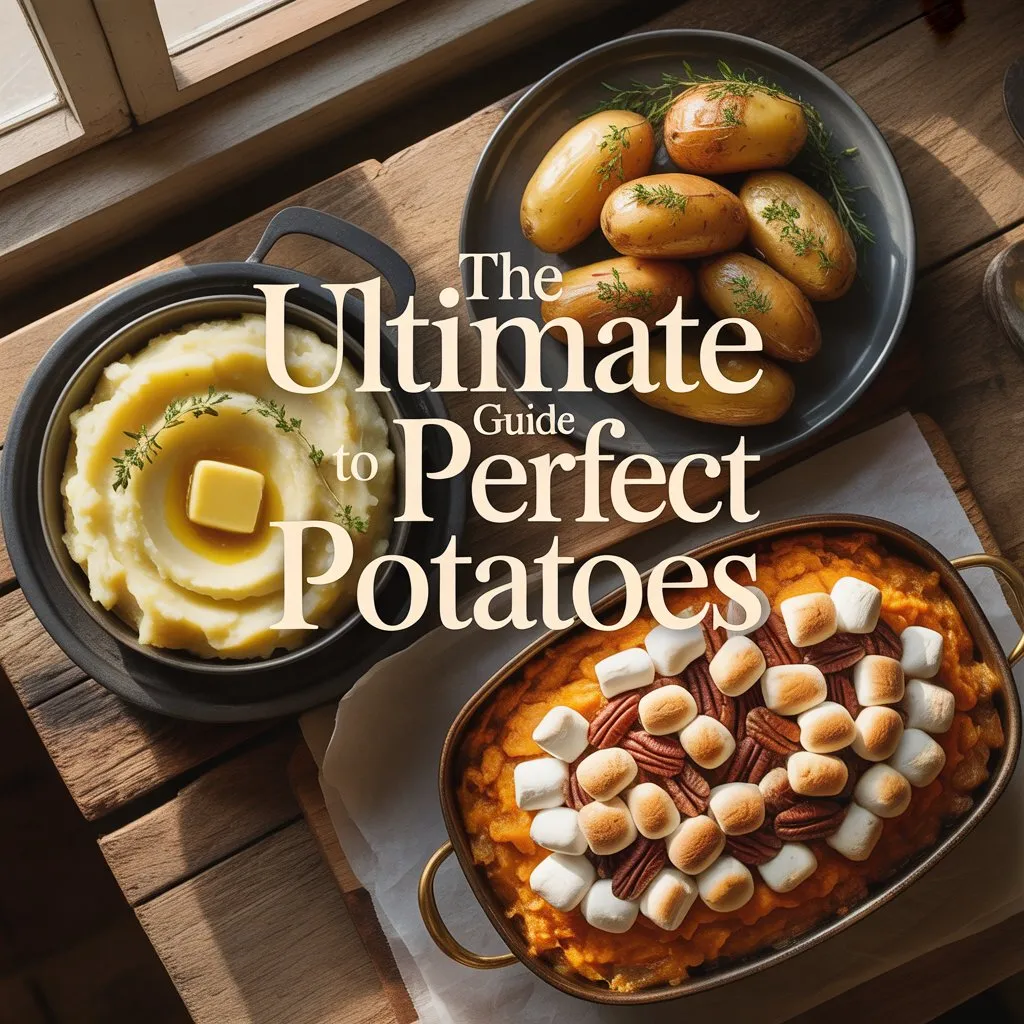
There’s something deeply comforting about potatoes, isn’t there? They’re humble, affordable, and endlessly versatile. Whether you’re craving creamy mashed potatoes that melt on your tongue, crispy roasted wedges with golden edges, or sweet potato casserole that walks the line between side dish and dessert, potatoes have a way of making any meal feel complete. They’re the vegetable that shows up to every occasion, from casual Tuesday dinners to elaborate holiday feasts, and somehow always feels appropriate.
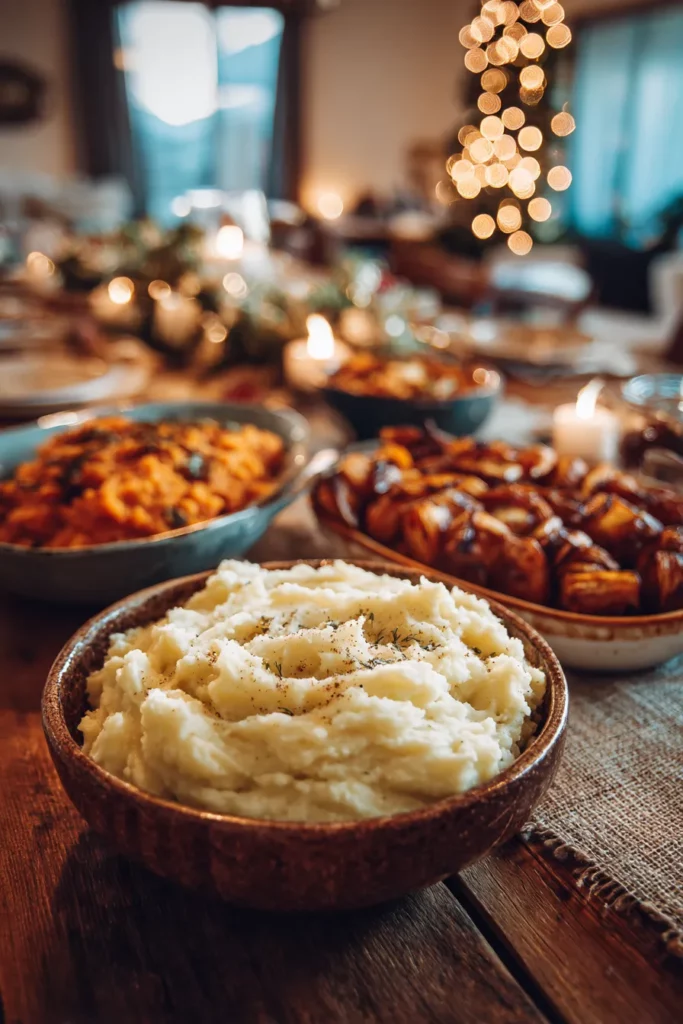
Over the years, I’ve learned that the secret to great potato dishes isn’t complicated techniques or fancy ingredients. It’s understanding which potato variety works best for each preparation, knowing when to rinse away starch and when to embrace it, and recognizing that sometimes the simplest seasonings let the potato’s natural flavor shine brightest. Sweet potatoes bring their own magic to the table, with that gorgeous orange flesh and natural sweetness that can go savory or sweet depending on your mood.
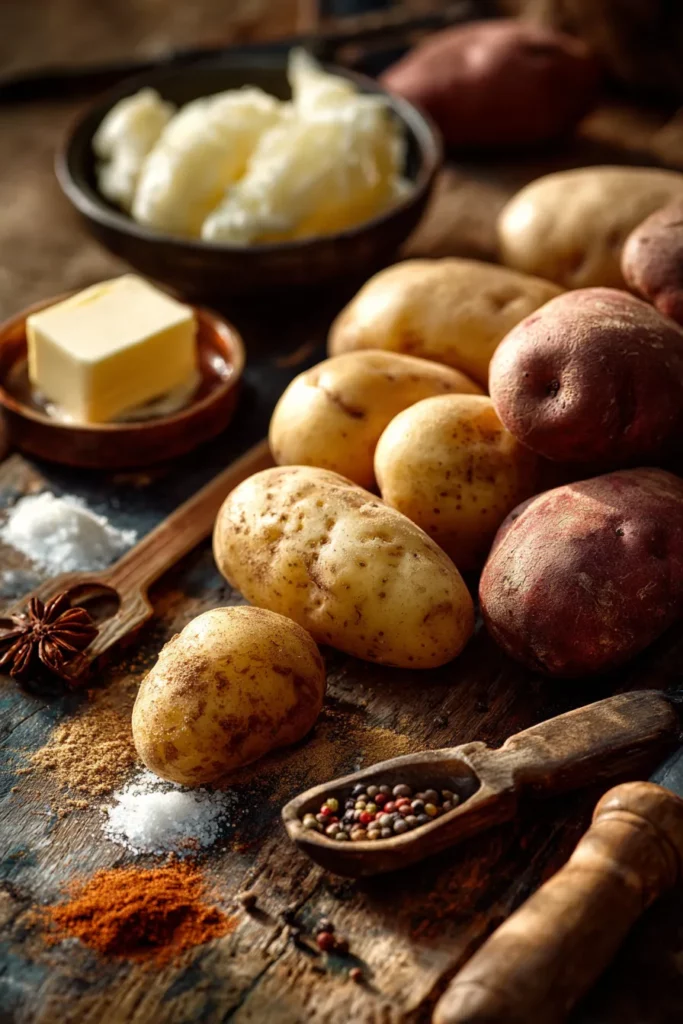
This guide is everything I’ve learned through countless batches of mashed potatoes, experiments with different roasting methods, and creative attempts to use up that ten-pound bag from the farmers market. We’ll explore classic preparations that never go out of style, creative twists that surprise and delight, and practical tips that make potato cooking easier and more successful. Whether you’re a novice cook figuring out the basics or an experienced home chef looking for new inspiration, you’ll find recipes and techniques here that work in real kitchens with real ingredients.
Understanding Potato Varieties and How to Choose Them
The produce section of my grocery store has at least eight different types of potatoes, and for years I just grabbed whatever was on sale without thinking much about it. Then I tried making crispy roasted potatoes with russets and ended up with mushy interiors and pale exteriors. That’s when I finally learned that not all potatoes are created equal, and choosing the right variety for your recipe makes all the difference.
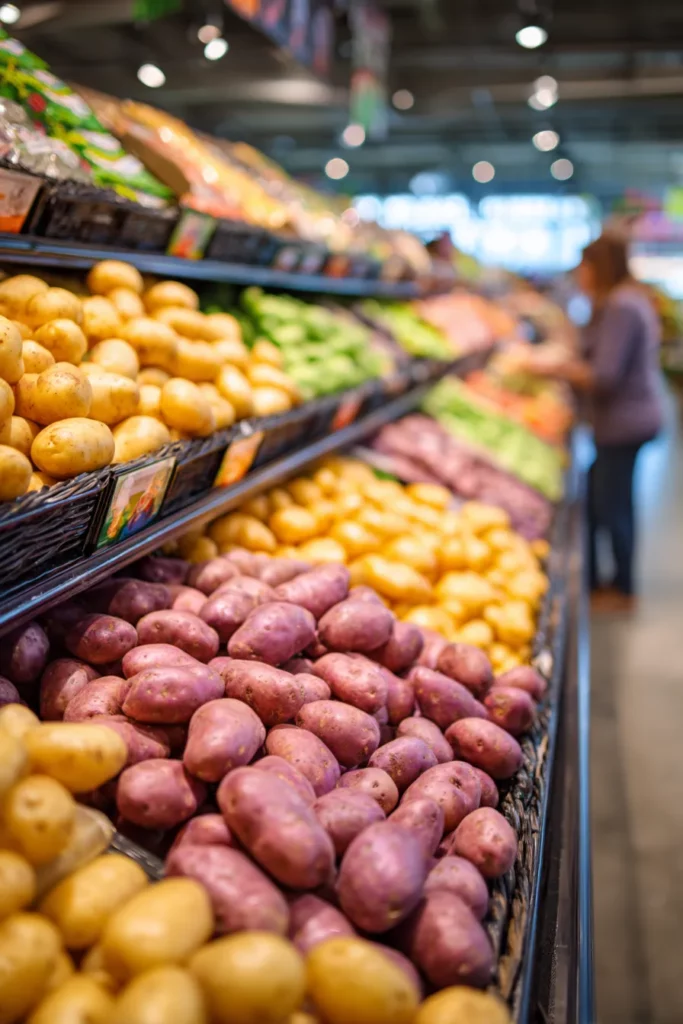
Potatoes fall into three main categories based on their starch content, and each category has its strengths. Starchy potatoes like russets and Idaho potatoes have high starch and low moisture, making them perfect for baking, frying, and mashing. Their fluffy texture when cooked is exactly what you want for the best mashed potatoes recipe that achieves that light, airy quality without turning gummy.
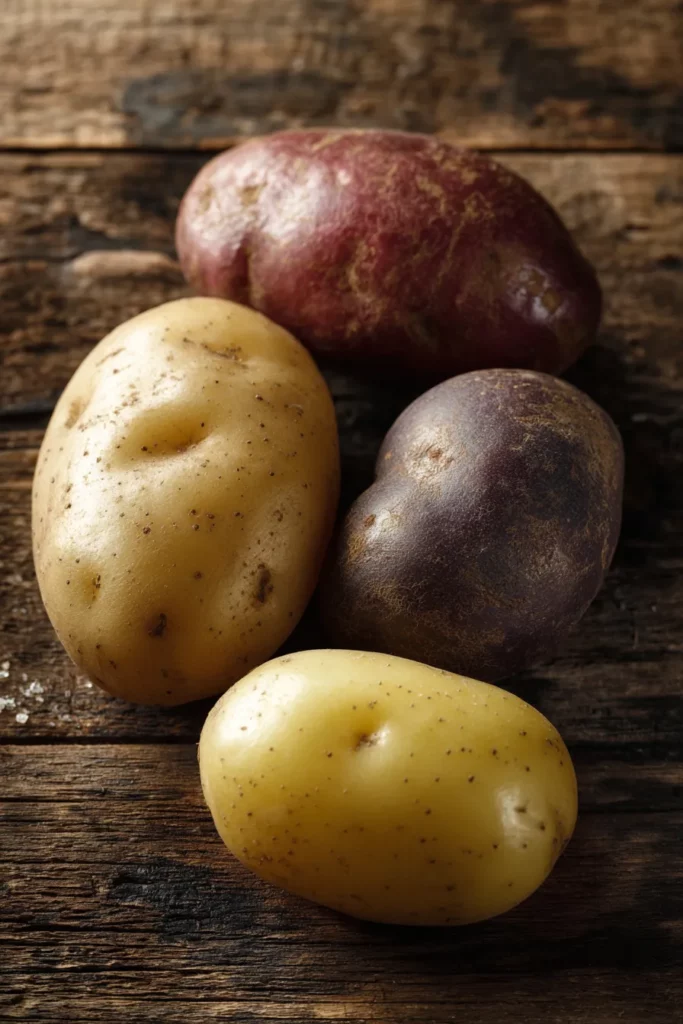
Waxy potatoes like red potatoes, new potatoes, and fingerlings have lower starch and higher moisture content. They hold their shape beautifully when cooked, which makes them ideal for potato salads, roasting, and dishes where you want distinct potato pieces rather than a creamy mash. The herby French potato salad relies on waxy potatoes to maintain their structure while absorbing all those bright, tangy flavors.
🥗 Fresh, Fast & Foolproof — Upgrades You'll Use Tonight

- Zoodles in seconds
- Heavy-duty, 10 sharp blades
- Keto, paleo & gluten-free friendly

- Meals in ~30 minutes
- 3-Qt — perfect for 1–3 people
- Pressure cook, sauté, steam & more

- Phone alerts & live temp graph
- Hands-off monitoring for smokers
- Perfect doneness, every time
All-Purpose Potatoes: The Middle Ground
Yukon Gold potatoes are my secret weapon in the kitchen. They fall somewhere between starchy and waxy, with a naturally buttery flavor and creamy texture that works in almost any preparation. I keep Yukon Golds on hand more than any other variety because they’re so forgiving and versatile. When a recipe just calls for “potatoes” without specifying type, Yukon Golds are usually a safe bet.
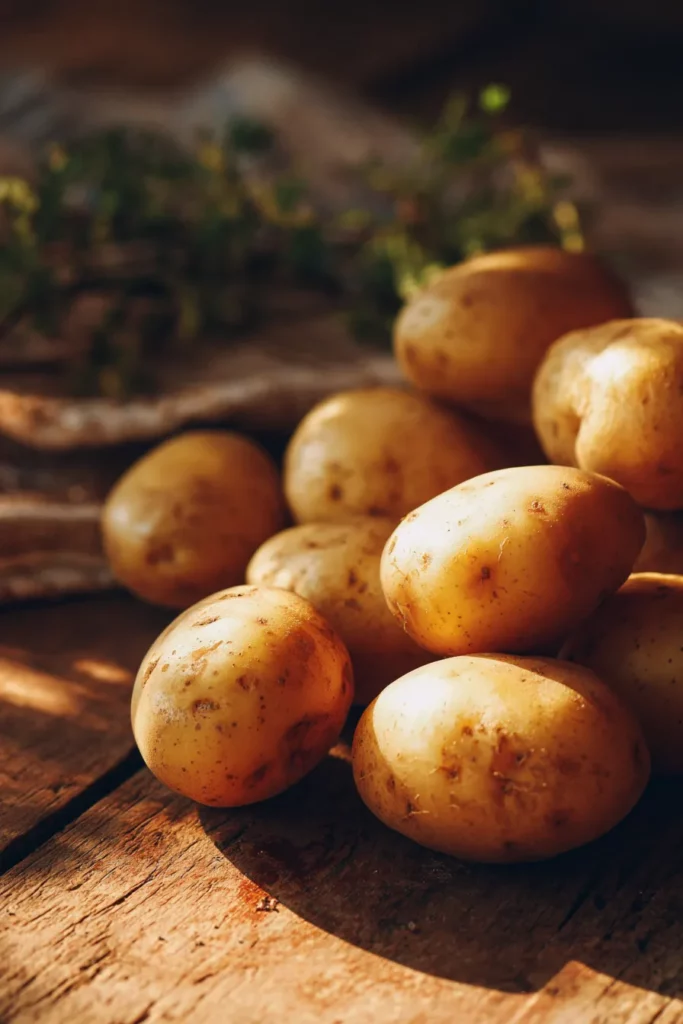
These golden beauties work wonderfully for rosemary garlic mashed potatoes, where their natural creaminess means you can use less butter and cream while still achieving that luxurious texture. They also roast beautifully, developing crispy exteriors while staying tender inside, and their thin skins mean you often don’t need to peel them.
Sweet Potatoes: A Different Beast Entirely
Sweet potatoes aren’t actually potatoes at all botanically speaking, but we cook with them in similar ways. The most common varieties you’ll find are the orange-fleshed ones, which are sweet and moist when cooked, and the white or yellow varieties, which are drier and less sweet. For most recipes, including the roasted sweet potatoes with cinnamon and honey, you want those orange-fleshed beauties.
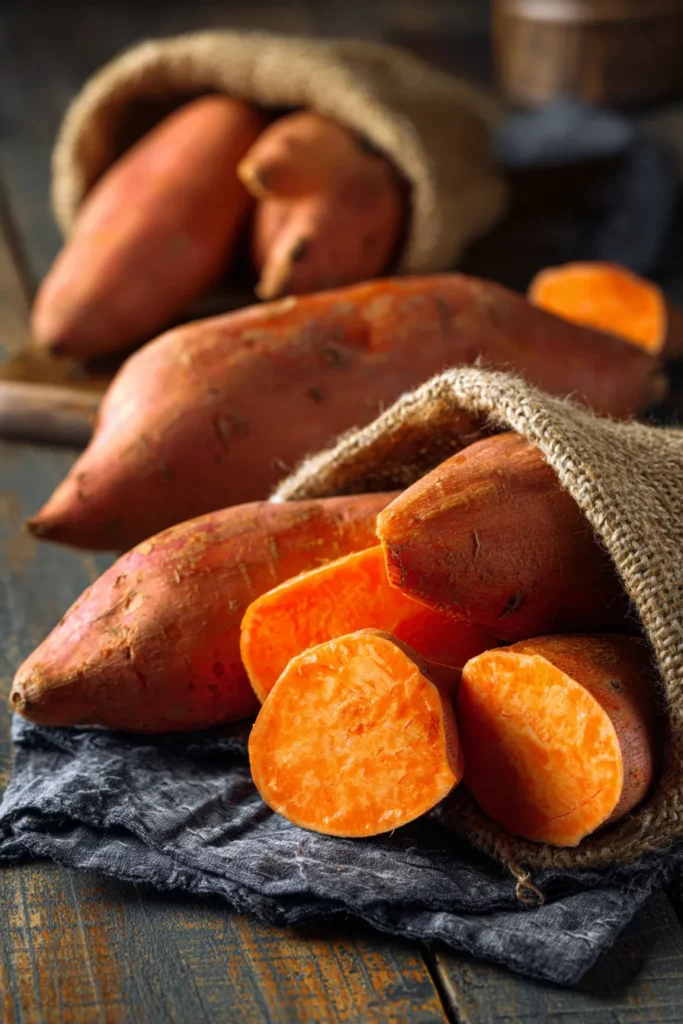
Look for sweet potatoes that are firm with smooth, unbroken skin. Avoid any with soft spots, sprouts, or a shriveled appearance. Unlike regular potatoes, sweet potatoes don’t store quite as long. Keep them in a cool, dark place but not in the refrigerator, and use them within a week or two for best quality.
Mastering Classic Mashed Potatoes and Variations
Mashed potatoes seem simple, right? Boil potatoes, mash them with butter and milk, season with salt. Yet I’ve made so many batches that turned out wrong in different ways. Too gluey, too lumpy, too bland, too runny. Each failure taught me something, and now my mashed potatoes consistently turn out creamy, fluffy, and perfectly seasoned. The secret isn’t one magic trick but rather a series of small decisions that add up.
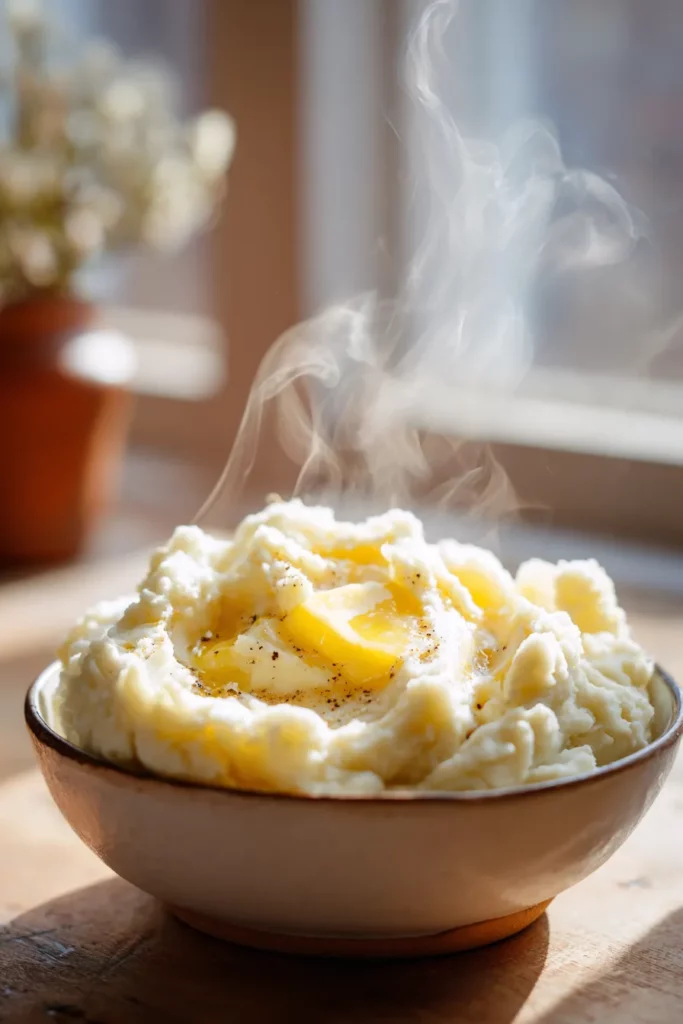
Start with the right potato. For traditional fluffy mashed potatoes, use russets or a mix of russets and Yukon Golds. Cut them into evenly sized pieces so they cook at the same rate. Here’s something I learned the hard way: start potatoes in cold water, not boiling water. This allows them to cook evenly throughout. If you drop cold potatoes into boiling water, the outsides overcook before the insides are done.
Salt the cooking water generously. This is your opportunity to season the potatoes from the inside out, and you want that water to taste like the ocean. I add at least a tablespoon of salt to my potato water. Drain the potatoes thoroughly when they’re tender, and here’s a trick that changed everything for me: return the drained potatoes to the hot pot for a minute or two to let excess moisture evaporate. Wet potatoes make watery mashed potatoes.
The Mashing Technique That Matters
How you mash makes a huge difference in texture. I use a potato ricer for the smoothest, most luxurious mashed potatoes. It creates an incredibly fine, uniform texture without overworking the potatoes. If you don’t have a ricer, a traditional potato masher works well, though you’ll need to be patient and mash thoroughly. What you should never use is a food processor or blender. These will overwork the starches and turn your potatoes into wallpaper paste.
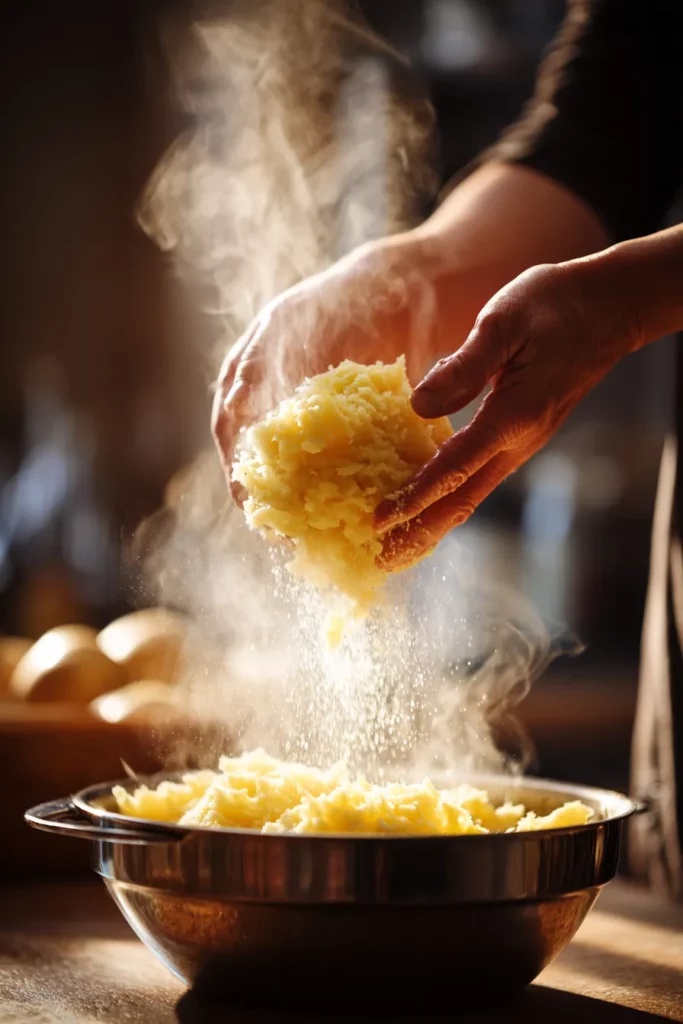
The order of additions matters too. I warm my butter and milk together before adding them to the potatoes. This keeps the potatoes hot and helps everything incorporate smoothly. Add the butter first, letting it melt into the potatoes, then gradually add the warm milk until you reach your desired consistency. Season generously with salt and white pepper. Taste and adjust. Good mashed potatoes should taste distinctly seasoned, not bland.
Once you’ve mastered the basics, the variations become endless. The French onion funeral potatoes take classic mashed potatoes in a deeply savory direction with caramelized onions, rich cheese, and a crispy topping that makes them irresistible.
Elegant Presentations: Duchess Potatoes and Beyond
When you want mashed potatoes that look as impressive as they taste, duchess potatoes are your answer. These piped rosettes of enriched mashed potatoes get brushed with egg wash and baked until golden and crispy on the outside while staying creamy inside. They’re perfect for holiday tables when you want something that feels special without requiring last-minute attention.
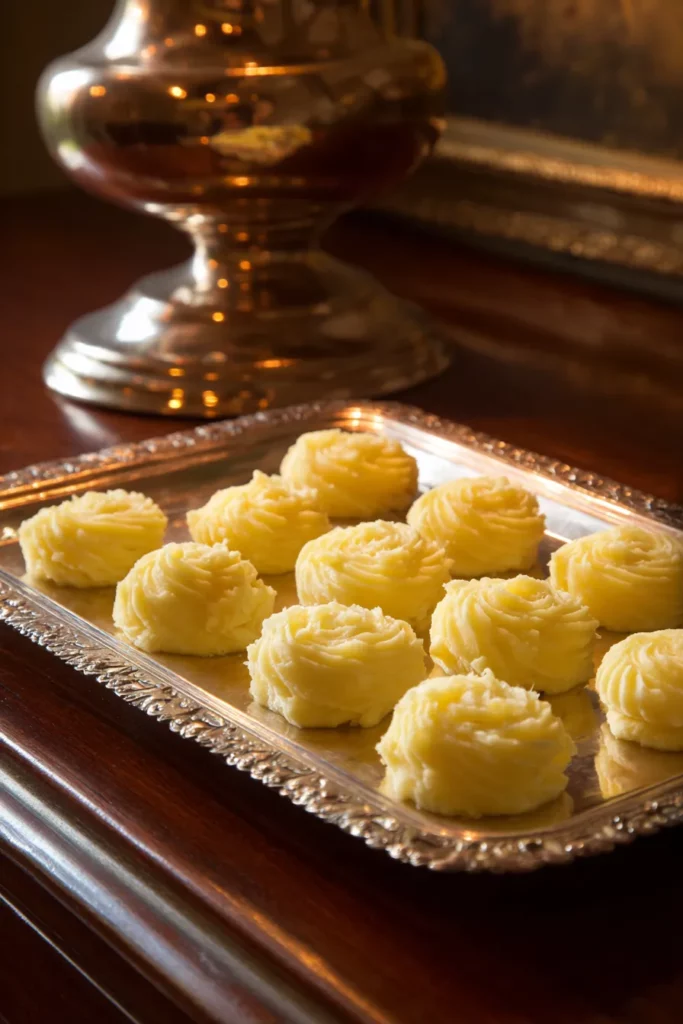
I also love transforming leftover mashed potatoes into entirely new dishes. Those cheesy mashed potato puffs turn plain mashed potatoes into golden, crispy-edged cups of comfort. They’re perfect for using up Thanksgiving leftovers or making a batch of mashed potatoes extra special.
Scalloped and Layered Potato Dishes
There’s something undeniably elegant about thinly sliced potatoes layered with cream and cheese, baked until bubbling and golden. These dishes feel fancy enough for company yet come together with minimal effort. The hardest part is waiting for them to cool slightly before serving so you don’t burn your mouth on that molten, cheesy goodness.
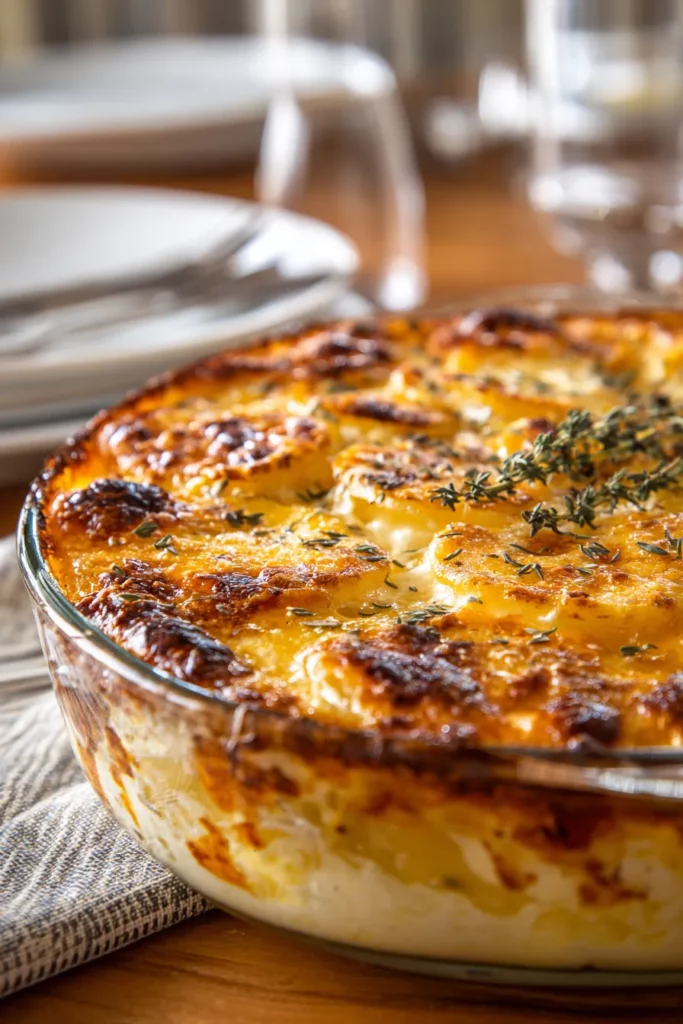
The key to perfect scalloped potatoes is slicing uniformly. I use a mandoline for this, setting it to about one-eighth inch thickness. Consistent slices mean even cooking, which is crucial when you have layer upon layer of potatoes. If you don’t have a mandoline, take your time with a sharp knife and aim for slices that are as uniform as possible.
My creamy scalloped potatoes recipe uses a mixture of heavy cream and milk for richness without being overwhelmingly heavy. I season each layer as I build the dish, ensuring every bite is properly seasoned. A little freshly grated nutmeg in the cream mixture adds subtle warmth and complexity that makes people wonder what your secret ingredient is.
Make-Ahead Strategies for Entertaining
Layered potato dishes are perfect for entertaining because you can assemble them hours ahead and bake them when needed. I often prep my scalloped potatoes in the morning, cover them tightly with plastic wrap, and refrigerate until an hour before dinner. Just remember to add an extra ten to fifteen minutes to the baking time if you’re starting with a cold dish.
The French onion potato bake combines the beloved flavors of French onion soup with tender layers of potato. The caramelized onions add deep, sweet-savory flavor, and the melted Gruyère on top creates that signature stretchy, golden crust. It’s become my go-to dish for dinner parties because it looks and tastes impressive while being surprisingly straightforward to make.
Crispy Roasted Potatoes and Creative Variations
Perfectly crispy roasted potatoes with fluffy interiors have been the subject of countless kitchen experiments in my house. I’ve tried every trick: parboiling first, starting in a cold oven, tossing in semolina, using duck fat instead of oil. What I’ve learned is that several factors work together to create those coveted crispy edges and creamy centers we all love.
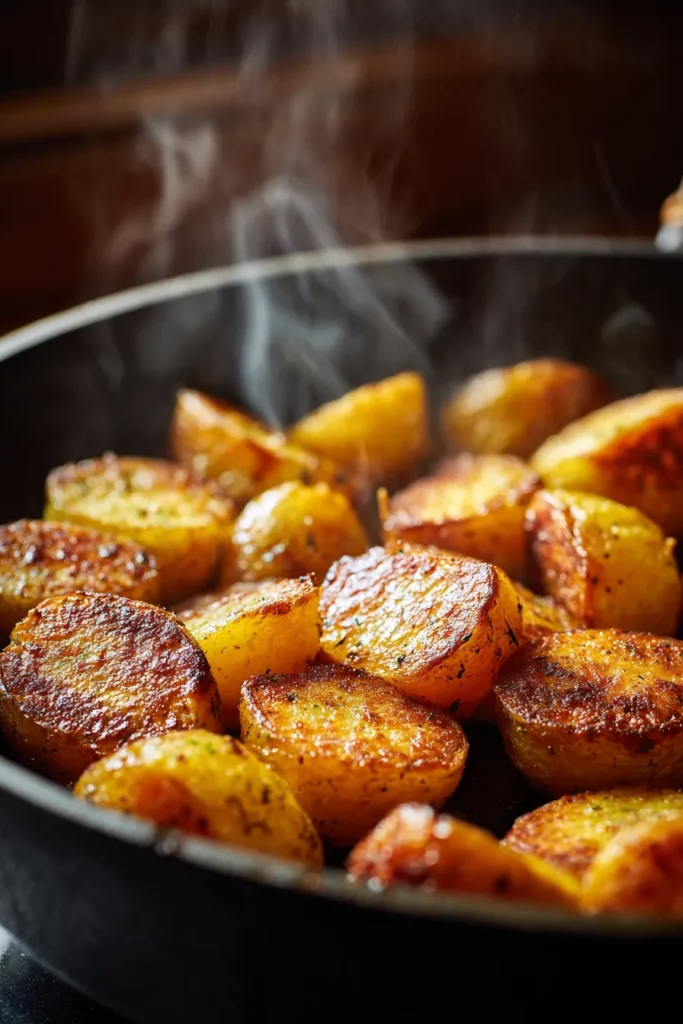
First, the potato variety matters. Waxy or all-purpose potatoes work better for roasting than starchy russets, which can fall apart. Yukon Golds are my favorite for roasting because they crisp beautifully while maintaining a creamy interior. Cut them into evenly sized pieces, about one to two inches, so they cook uniformly.
Here’s the game-changer: parboil the potatoes for about five minutes, drain them well, then give the pot a good shake to rough up the edges. Those rough, fluffy edges create more surface area for crisping. Toss them with plenty of oil or fat, season generously, and spread them on a hot baking sheet in a single layer without crowding.
Flavoring Beyond Salt and Pepper
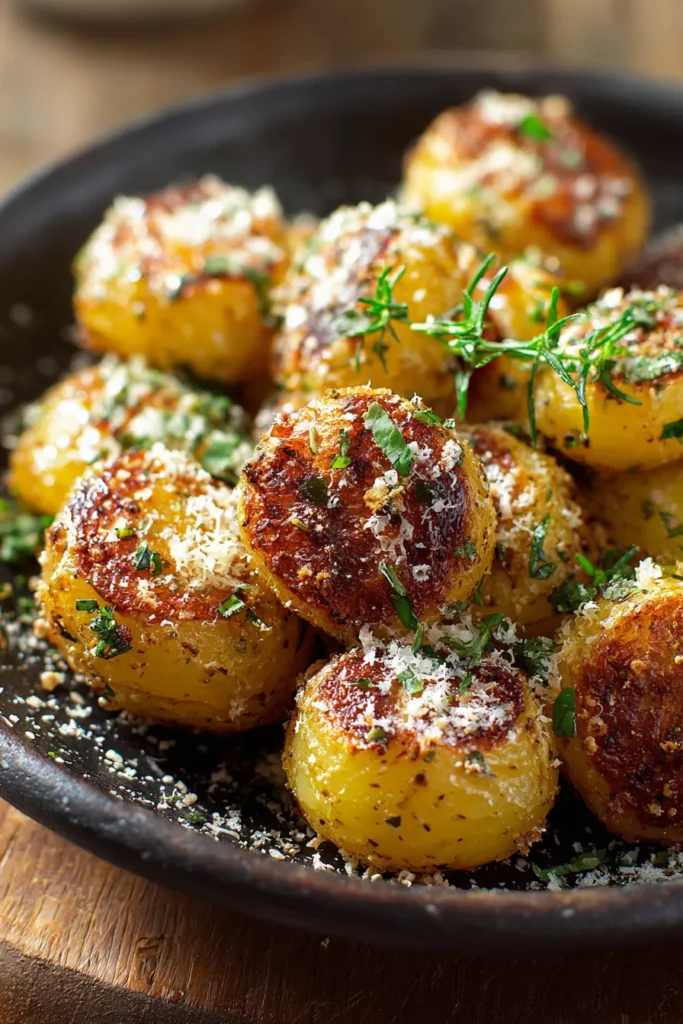
While simple salt and pepper roasted potatoes are delicious, adding herbs, spices, and other seasonings takes them to new levels. The crockpot Parmesan roasted potatoes offer a hands-off approach that still delivers on flavor, with grated Parmesan creating a savory crust and fresh herbs adding brightness.
For something more indulgent, I turn to the cheesy roasted garlic bacon potatoes. The combination of smoky bacon, pungent roasted garlic, and melted cheese transforms simple roasted potatoes into a dish that could be the meal’s centerpiece. It’s comfort food at its finest, perfect for cozy family dinners when everyone needs something warm and satisfying.
International Flavors and Mediterranean Inspiration
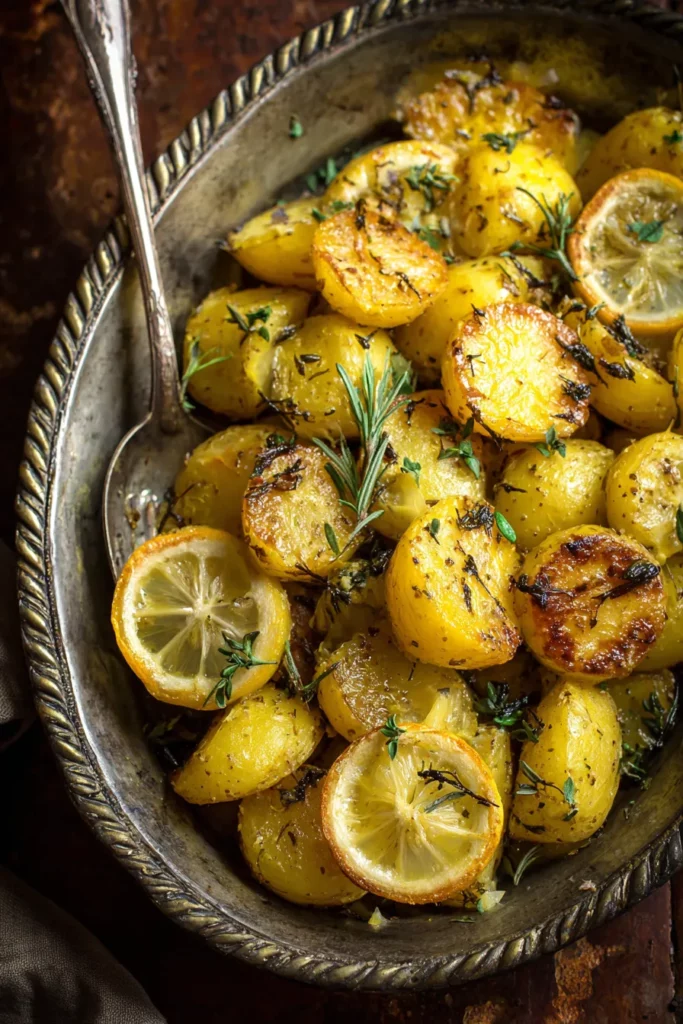
Roasted potatoes work beautifully with flavors from around the world. The crunchy Mediterranean roast potatoes bring in lemon, oregano, and garlic for bright, sunny flavors that pair perfectly with grilled meats or fish. The potatoes get tossed with olive oil and Mediterranean herbs before roasting until golden and crispy.
For a sweet and savory combination that surprises everyone, try the honey bacon roasted potatoes. The honey caramelizes in the oven, creating a glossy coating that balances the salty bacon and earthy potatoes. It’s the kind of dish that disappears from the serving platter before anything else on the table.
Potato Salads for Every Season and Occasion
Potato salad gets a bad rap sometimes, probably because we’ve all encountered those mayo-heavy, under-seasoned versions that taste like they came from a grocery store deli container. But a well-made potato salad is a beautiful thing: tender potatoes dressed while still warm, bright flavors from herbs and acid, and just enough creaminess to bring everything together without weighing it down.
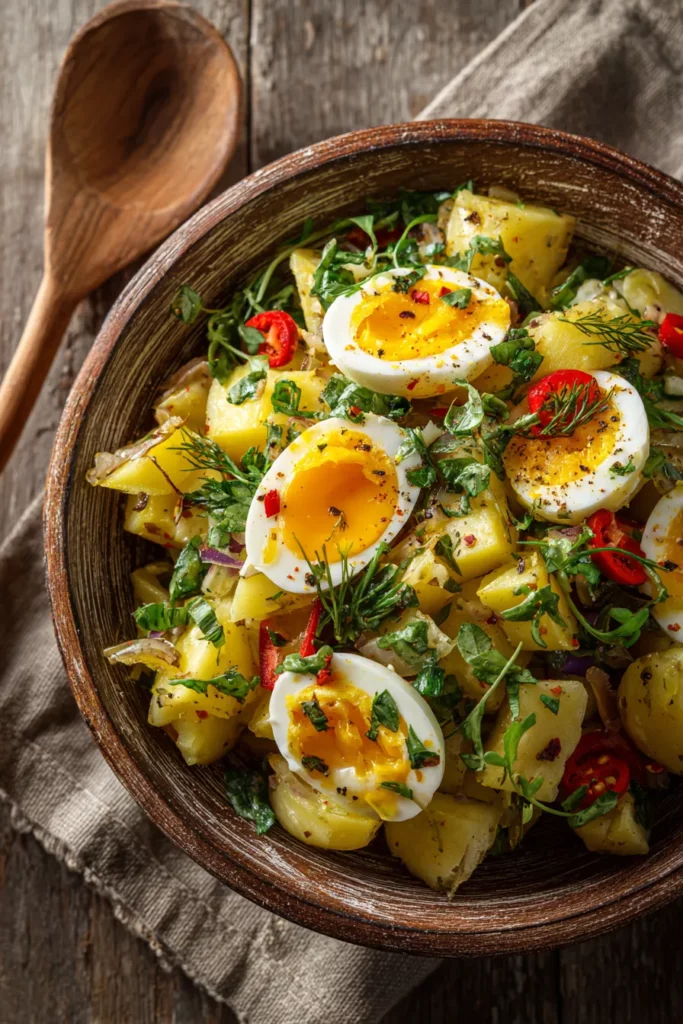
The secret to great potato salad starts with cooking the potatoes correctly. I always boil them whole and unpeeled when possible, which helps them absorb less water and maintain better texture. Start them in cold, salted water and cook just until tender when pierced with a knife. Drain them immediately and let them cool just enough to handle, then peel if desired and cut while still warm.
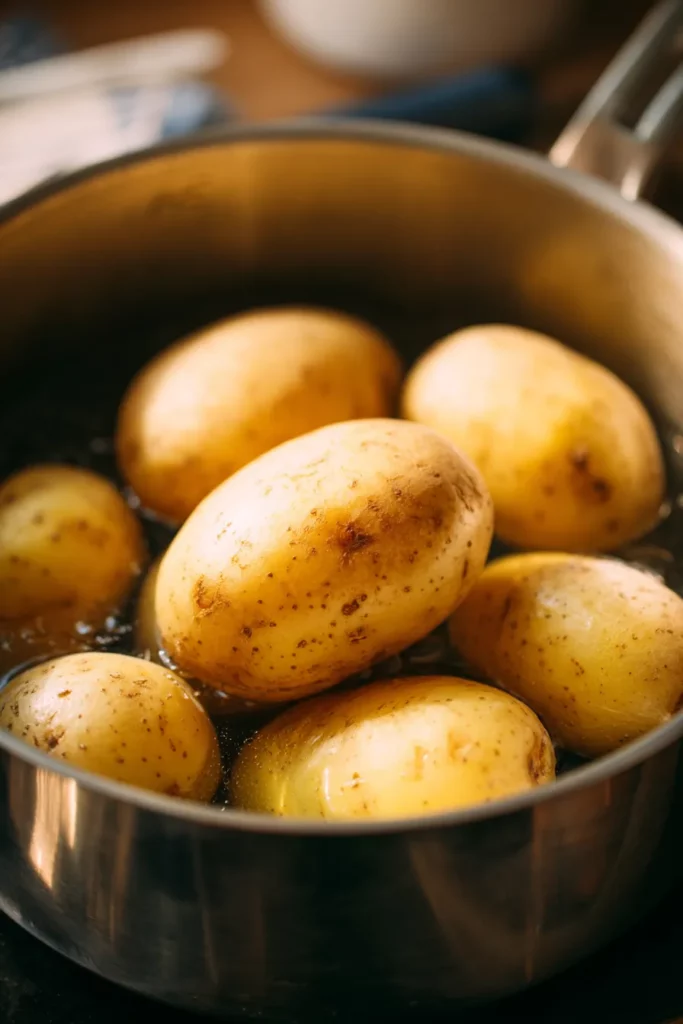
Dressing warm potatoes is crucial. They absorb flavors much better when they’re warm, so I toss them with vinegar, salt, and pepper immediately after cutting. This foundational seasoning makes all the difference. Then I let them cool to room temperature before adding the creamy elements, which prevents the dressing from becoming thin and runny.
Classic American Style
The steakhouse potato salad is my version of the classic American potato salad, elevated with better ingredients and proper technique. It has all the familiar elements like celery, hard-boiled eggs, and a creamy dressing, but each component is thoughtfully seasoned and balanced. The result is a potato salad that tastes like someone’s beloved grandmother made it, with care and attention to detail.
European Inspirations
French potato salad changed my whole perspective on what potato salad could be. Instead of heavy mayonnaise, it uses a tangy vinaigrette that lets the potato flavor shine through. The herby French potato salad tosses warm waxy potatoes with white wine vinegar, Dijon mustard, olive oil, and plenty of fresh herbs. It’s lighter and brighter than American potato salad, perfect for summer picnics and meals where you want something refreshing.
Mediterranean flavors work wonderfully in potato salad too. The Mediterranean inspired potato salad brings in olives, sun-dried tomatoes, feta cheese, and lemon for a dish that feels like a vacation on a plate. It pairs beautifully with grilled meats and seafood, and the flavors actually improve after sitting for a few hours as the potatoes absorb the bright, briny dressing.

Creative Potato Bites and Appetizers
Some of my favorite potato dishes come in small, poppable form. These bite-sized creations are perfect for parties, game days, or any time you want something more interesting than chips and dip. They’re also a brilliant way to use up leftover mashed potatoes, transforming them into something entirely new.
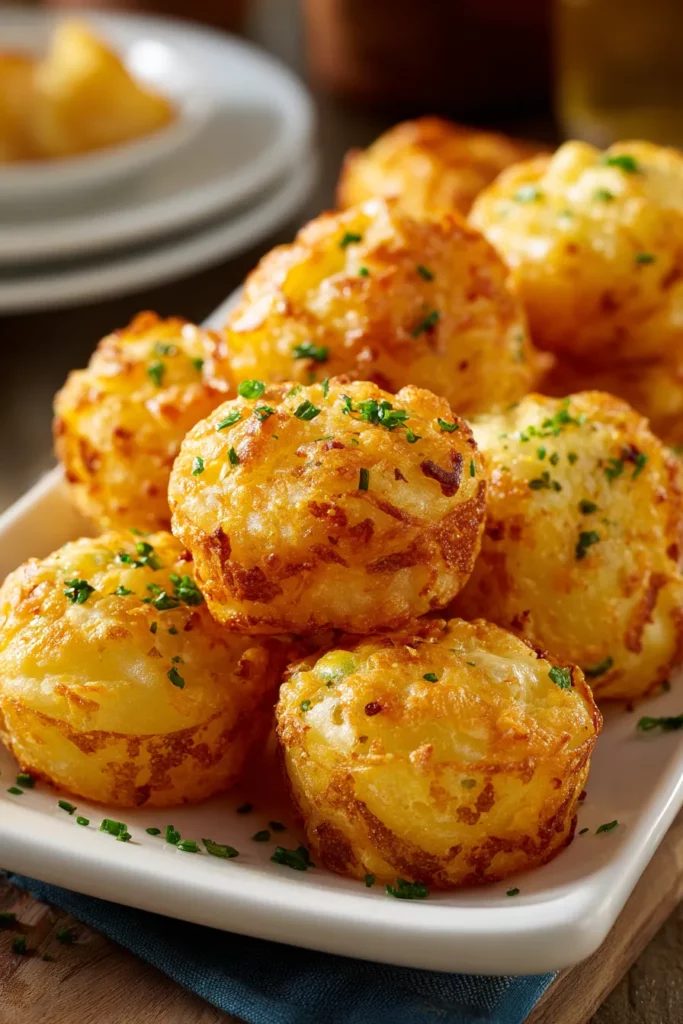
The key to successful potato bites is getting a good crispy exterior. Whether you’re baking, frying, or air frying, that golden crust provides essential textural contrast to the creamy interior. I always chill formed potato bites for at least thirty minutes before cooking, which helps them hold their shape and develop better crusts.
Mashed potato bites are endlessly variable. The crispy garlic Parmesan mashed potato cakes are probably my most-made version, with their golden exteriors and gooey, cheesy centers. They’re substantial enough to serve as a light dinner with a salad, or they work perfectly as a side dish or appetizer.
Muffin Tin Magic
Muffin tins are incredibly useful for creating portion-controlled, beautifully shaped potato bites. The creamy garlic and Parmesan potato nuggets use this technique to create individual servings with crispy tops and tender interiors. They’re perfect for meal prep because you can freeze them after baking and reheat individual portions as needed.
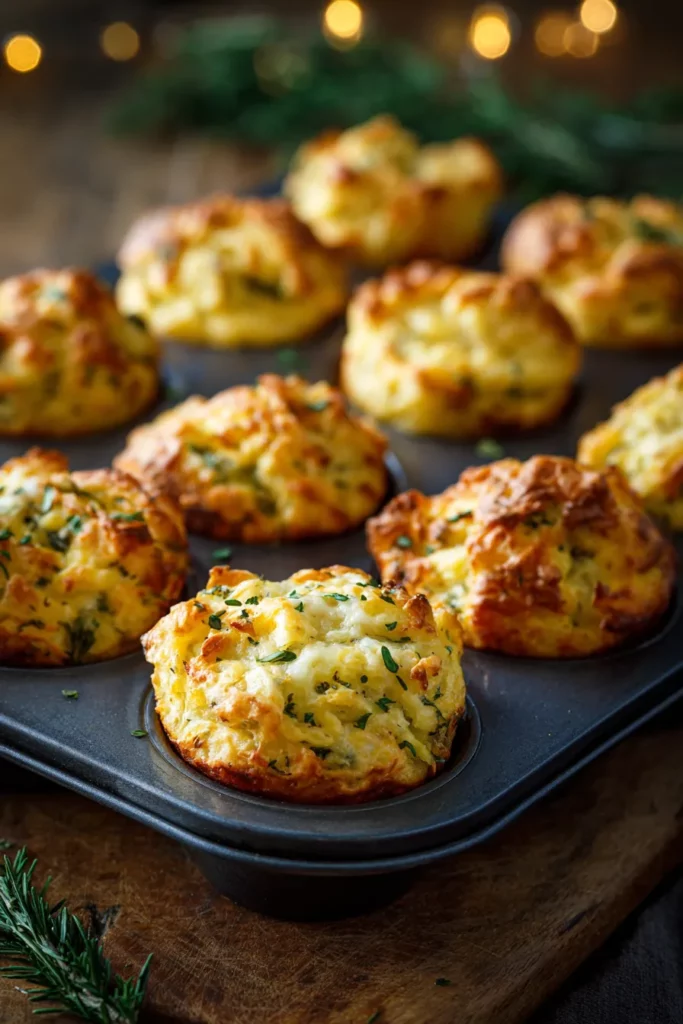
For something more elegant, the cheesy garlic mashed potato cups create little edible bowls that can be filled with toppings like sour cream, chives, bacon bits, or even chili. They’re interactive and fun, perfect for parties where guests can customize their own bites.
Classic Croquettes and Pancakes
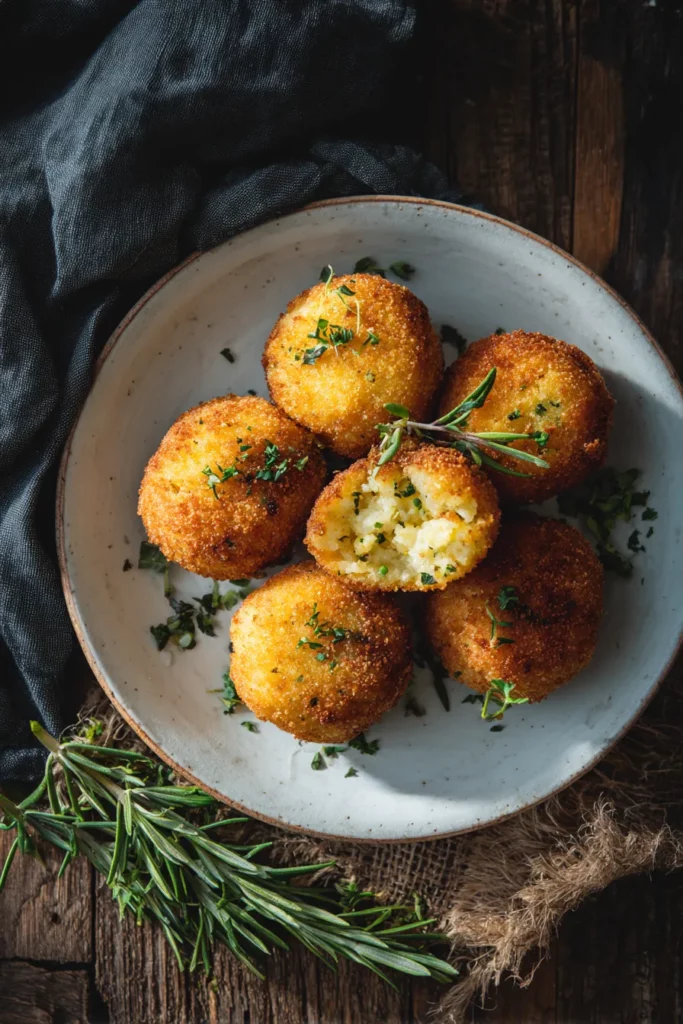
Potato croquettes have a long, delicious history in cuisines around the world. These crispy, golden cylinders of mashed potato mixed with cheese, herbs, and sometimes meat or vegetables are comfort food at its finest. My baked garlic and herb potato croquettes skip the deep frying in favor of a healthier baked version that still achieves that satisfying crunch.
Potato pancakes, whether you call them latkes or by any other name, are a celebration of crispy potato perfection. The golden potato pancakes use shredded potatoes pressed into thin patties and fried until crispy and golden. They’re perfect for breakfast topped with sour cream and applesauce, or as a side dish for dinner.
Party-Perfect Loaded Bites
When I want to impress party guests without spending hours in the kitchen, loaded potato bites are my secret weapon. The loaded baked potato bites with bacon and chives capture everything we love about loaded baked potatoes in a one-bite form. Crispy potato skin cups hold creamy mashed potato topped with bacon, cheese, and chives. They disappear from the appetizer table faster than anything else I serve.
For variety, I’ll make several different flavored potato bites. The garlic Parmesan mashed potato bites offer a more refined flavor profile, while the cheddar and herb mashed potato bites bring familiar, comforting flavors. Having a platter with different varieties keeps things interesting and ensures there’s something for every palate.
Air Fryer and Modern Cooking Methods
The air fryer has revolutionized how I cook potatoes at home. It delivers that deep-fried crispiness with a fraction of the oil, and it’s so much faster and less messy than heating up a pot of frying oil. Once I figured out the right techniques, my air fryer became my go-to tool for weeknight potato dishes.
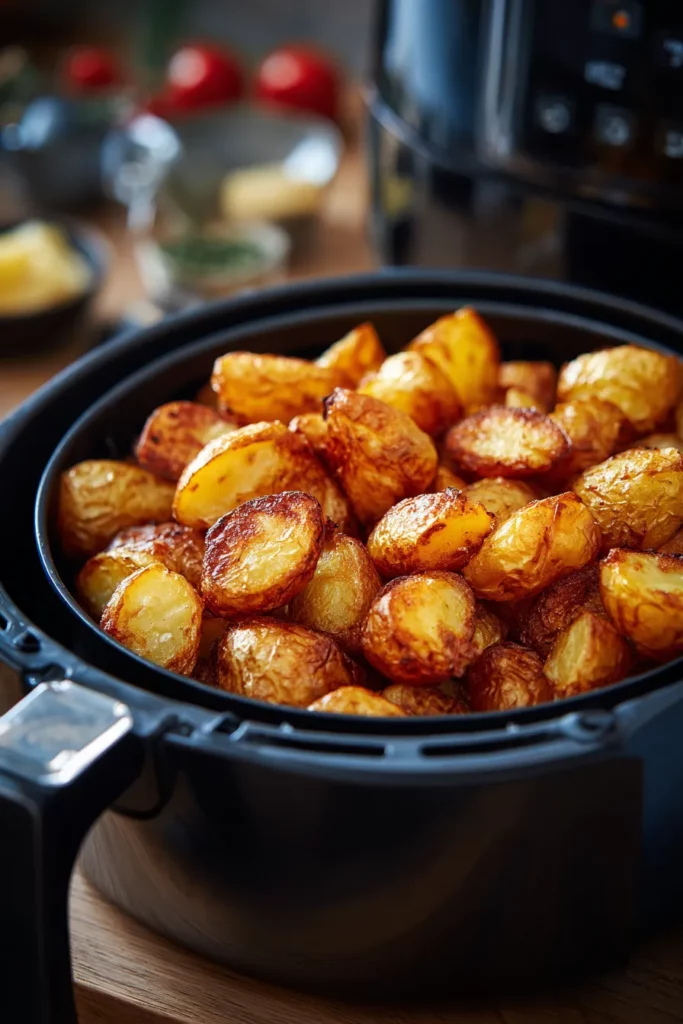
The key to successful air fryer potatoes is not overcrowding the basket. Air needs to circulate around the potatoes for them to crisp properly. I usually cook in batches if I’m making a large amount, and I always give the basket a shake halfway through to ensure even cooking on all sides.
The ranch seasoned air fryer potato wedges are a family favorite that comes together in about twenty minutes. The ranch seasoning adds so much flavor, and the wedges get perfectly crispy without any of the heaviness of traditional fried potatoes. They’re perfect alongside burgers, sandwiches, or even as a snack on their own.
Sliced and Diced Perfection
Thinly sliced potatoes in the air fryer create something magical, almost like potato chips but with a bit more substance. The air fryer sliced potatoes get incredibly crispy on the edges while staying tender in the middle. I season them with everything from simple salt and pepper to more complex spice blends depending on what else I’m serving.
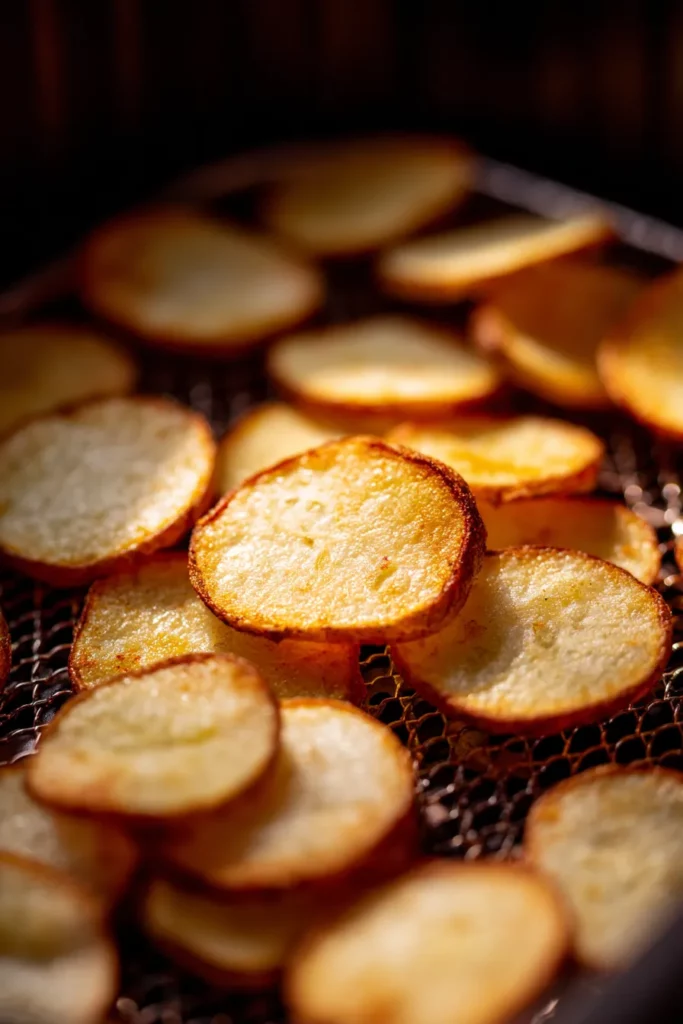
For the healthiest version of French fries, my homemade salt-free fries use the air fryer to achieve that golden, crispy exterior without added sodium. They’re perfect for anyone watching their salt intake but still craving the satisfaction of crispy fries.
Sweet Potatoes in the Air Fryer
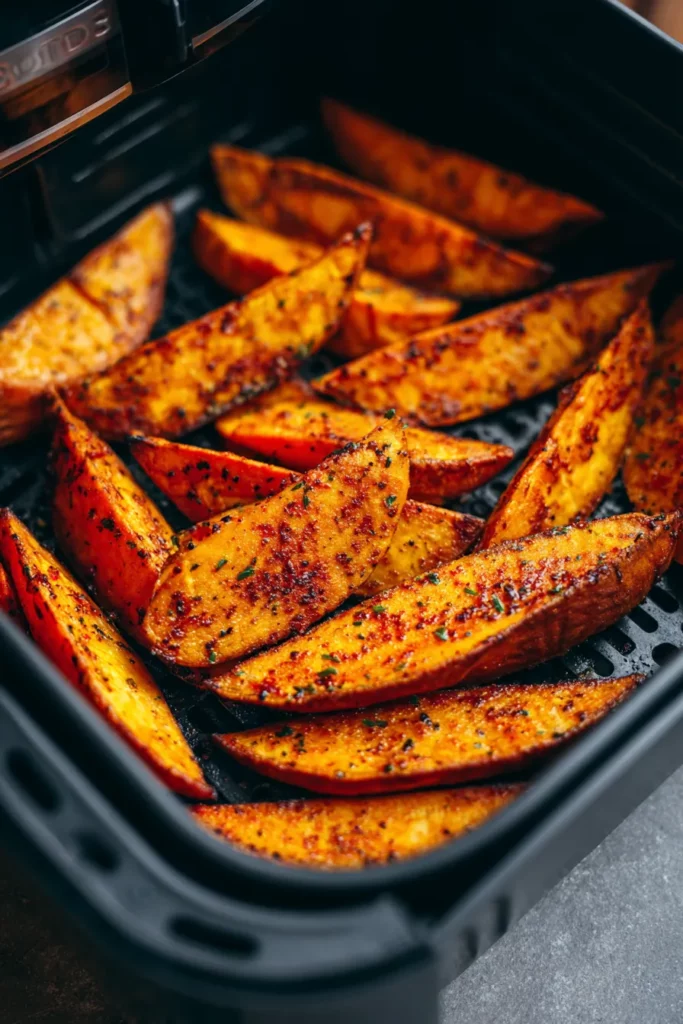
Sweet potatoes are naturally suited to the air fryer. Their high sugar content means they caramelize beautifully, developing crispy, almost candy-like edges. The air fryer baked sweet potato is my weeknight shortcut when I want that perfectly cooked sweet potato but don’t want to wait an hour for the oven. It comes out with crispy skin and fluffy, sweet interior in about half the time.
French-Inspired Potato Dishes
French cooking has given us some of the most elegant potato preparations in the culinary world. These dishes prove that potatoes can be sophisticated and refined, not just comforting and casual. What I love about French potato dishes is how they treat the humble potato with respect, allowing its flavor to shine while enhancing it with carefully chosen complementary ingredients.
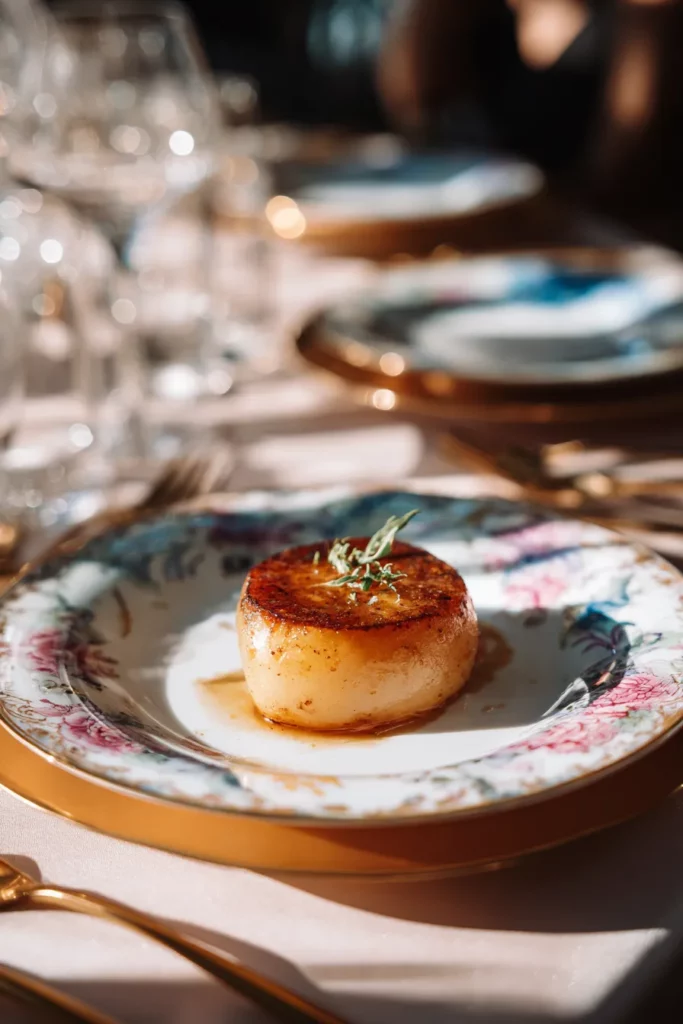
The honey and Dijon mustard roasted potatoes are a perfect example of French flavor balance. The honey provides sweetness, the mustard adds tang and complexity, and together they create a glaze that coats each potato in layers of flavor. It’s simple in concept but sophisticated in execution, the kind of dish that makes dinner feel special even on a regular Wednesday.
Indulgent Gratins and Bakes
French gratins are the ultimate comfort food, layers of thinly sliced potatoes baked in cream until tender and golden. The bacon and Reblochon stuffed potatoes take this concept in a different direction, stuffing whole potatoes with bacon and melted Reblochon cheese. The result is rich, indulgent, and absolutely delicious, perfect for cold weather meals when you need something warming and substantial.
Sweet Potato Dishes: From Simple to Spectacular
Sweet potatoes have moved beyond their traditional role as a once-a-year Thanksgiving casserole in my kitchen. Their natural sweetness and gorgeous color make them endlessly versatile, working equally well in savory and sweet preparations. I buy sweet potatoes almost as often as regular potatoes now, and I’m always finding new ways to enjoy them.
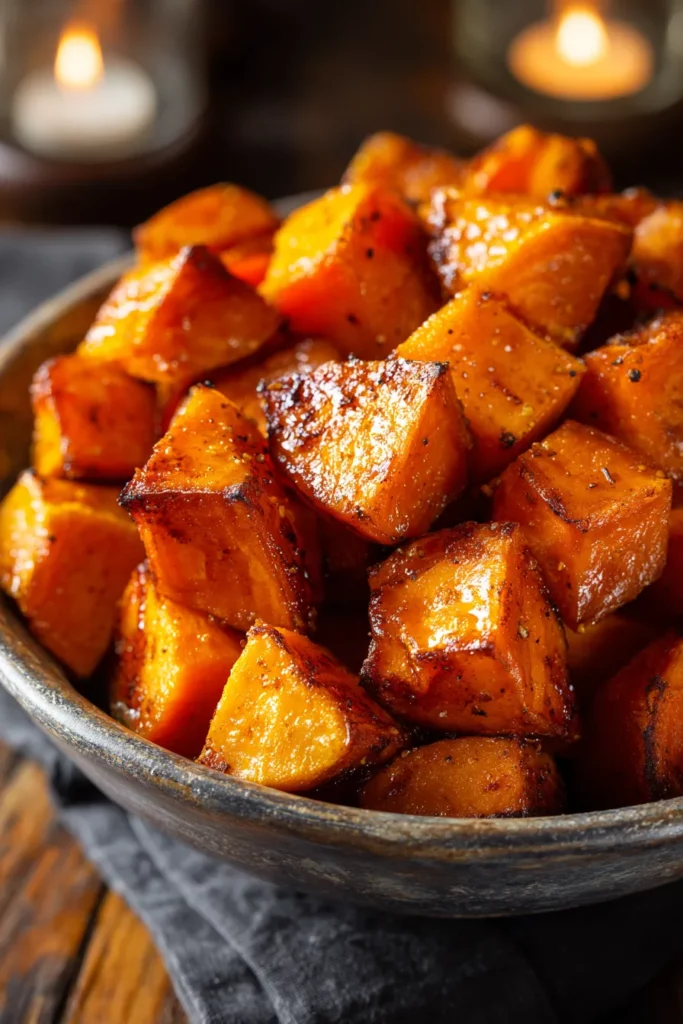
The simplest preparations are often the best. The roasted sweet potatoes with cinnamon and honey let the sweet potato’s natural flavor take center stage, with just a touch of spice and sweetness to enhance it. Cut them into cubes or wedges, toss with a little oil, cinnamon, and honey, and roast until caramelized. It’s a side dish that works with everything from pork chops to roasted chicken.
For a slightly different flavor profile, the roasted sweet potatoes with maple syrup and walnuts add nutty crunch and the complex sweetness of real maple syrup. The walnuts toast in the oven alongside the sweet potatoes, becoming fragrant and crispy. It’s elegant enough for holiday tables but easy enough for weeknight dinners.
The Sweet Potato Casserole Dilemma
Sweet potato casserole is one of those divisive dishes. Some people love the sweet, marshmallow-topped version that’s almost more dessert than side dish. Others prefer something more restrained and savory. I’ve made peace with both camps by offering options depending on the occasion and the crowd.
The sweet potato casserole with marshmallows and pecans is my nod to tradition. It’s unabashedly sweet, with fluffy mashed sweet potatoes topped with marshmallows and a pecan streusel. Kids love it, and it brings back nostalgic memories for many adults.
For a more sophisticated take, the Southern maple sweet potato casserole uses pure maple syrup instead of marshmallows for sweetness, with a crunchy pecan topping that adds texture without being cloying. It splits the difference between sweet and savory, making it more palatable for those who find traditional sweet potato casserole too dessert-like.
Twice-Baked and Stuffed Sweet Potatoes
Twice-baked sweet potatoes are one of my favorite ways to serve them because they’re essentially individual portions that look impressive on the plate. The pecan pie double baked sweet potatoes lean into the sweetness, creating a side dish that tastes remarkably like pecan pie but with the nutritional benefits of sweet potato.
For something with more complexity, the cranberry apple twice baked sweet potatoes balance the sweet potato’s natural sweetness with tart cranberries and the subtle acidity of apples. The combination is perfect for fall and winter meals, and the flavors work beautifully with pork, turkey, or ham.
Maple-Glazed Excellence
There’s something magical about the combination of sweet potatoes and maple syrup. Both have complex sweetness that complements rather than overwhelms. The maple glazed sweet potatoes with pecans and goat cheese create a sophisticated side dish where the tangy goat cheese balances all that sweetness.
Adding cranberries brings another dimension, as in the maple glazed sweet potatoes with pecans and cranberries. The tart cranberries burst in your mouth, cutting through the rich maple glaze and sweet potatoes. It’s a dish that hits all the right notes: sweet, tart, crunchy, creamy.
For an even more elevated version, the maple walnut goat cheese roasted sweet potatoes combine earthy walnuts with tangy goat cheese and sweet maple glaze. It’s the kind of dish that makes people ask for the recipe, even though it comes together easily.
One-Pan Dinners and Complete Meals
Some of my favorite meals happen when potatoes or sweet potatoes become not just a side dish but an integral part of a complete one-pan dinner. These recipes simplify cooking and cleanup while delivering satisfying, well-balanced meals that everyone enjoys.
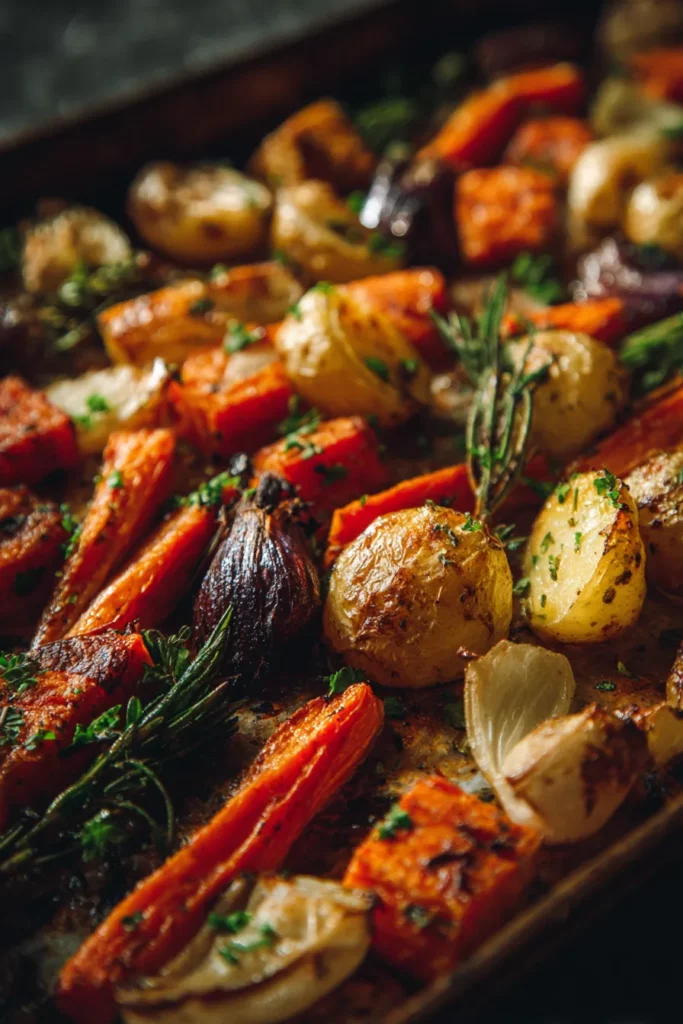
The honey garlic sausage with sweet potatoes is a weeknight hero in my house. Everything roasts together on a single sheet pan, the sweet potatoes becoming tender and caramelized while the sausage crisps up. The honey garlic sauce glazes everything, creating layers of sweet and savory flavor that make this feel much more special than the minimal effort it requires.
Sheet pan dinners work brilliantly with potatoes because they need the same high heat and roasting time as many proteins and other vegetables. The sheet pan lemon balsamic chicken with potatoes is another favorite, where the potatoes soak up all the tangy, bright flavors from the chicken marinade as everything roasts together.
Stuffed Sweet Potatoes as Complete Meals
Baked sweet potatoes become incredible vessels for all kinds of flavorful fillings, transforming from simple side dish to complete meal. The beauty of stuffed sweet potatoes is how customizable they are. You can go vegetarian with grains and beans, add protein like turkey or chicken, or even create breakfast versions.
The cranberry and walnut quinoa stuffed sweet potatoes are hearty enough to satisfy vegetarians while being so flavorful that meat-eaters don’t feel like anything’s missing. The quinoa provides protein and texture, the cranberries add bursts of tartness, and the walnuts contribute satisfying crunch. It’s wholesome comfort food that happens to be incredibly nutritious.
For using up Thanksgiving leftovers or creating a taste of the holidays any time of year, the roast turkey and cranberry stuffed sweet potatoes are absolutely brilliant. They capture all those familiar Thanksgiving flavors in a convenient, portable package. I make these the day after Thanksgiving, and they’re somehow even more satisfying than the original feast.
Expert Tips for Perfect Potatoes Every Time
After years of cooking potatoes in every imaginable way, I’ve accumulated a mental list of tips and tricks that make the difference between okay potatoes and truly excellent ones. These are the little things that recipes don’t always mention but that professionals know by heart.
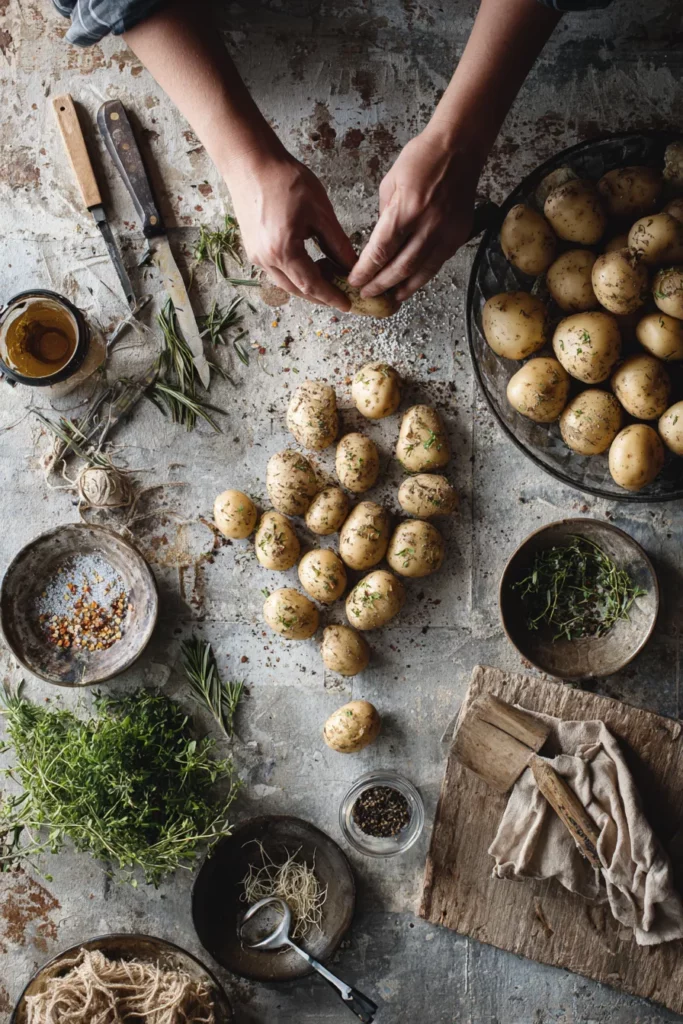
Always start with the freshest potatoes you can find. Old potatoes develop sweet spots, sprouts, and a slightly bitter flavor. Store potatoes in a cool, dark, well-ventilated place, never in plastic bags and never in the refrigerator. The cold converts potato starches to sugars, affecting both flavor and texture.
When you’re cutting potatoes for roasting or frying, try to make all the pieces roughly the same size. This ensures even cooking. If some pieces are much smaller, they’ll burn before the larger pieces are done. If some are much larger, they’ll still be raw in the center when everything else is ready.
The Starch Question
Whether to rinse cut potatoes depends entirely on what you’re making. For crispy roasted potatoes or French fries, rinsing away surface starch helps achieve better crispiness. I’ll cut potatoes, rinse them in cold water until the water runs clear, then dry them thoroughly before cooking. That extra step makes a real difference.
For mashed potatoes, never rinse the cooked potatoes. You want that starch to help create a creamy texture. But do drain them thoroughly and let excess moisture evaporate before mashing. Wet potatoes make watery mashed potatoes, no matter how much butter and cream you add.
Seasoning Throughout the Process
The biggest mistake I see people make with potatoes is under-seasoning. Potatoes have a lot of bland starch that needs salt to taste good. Season the cooking water generously when boiling potatoes. Season each layer when making gratins or scalloped potatoes. Taste and adjust seasoning at the end of cooking, especially for mashed potatoes.
Don’t be afraid to use plenty of fat either. Potatoes absorb fat beautifully, and it carries flavor throughout the dish. Whether it’s butter, olive oil, bacon fat, or cream, generous amounts of quality fat make potatoes taste richer and more satisfying. This doesn’t mean drowning them, but don’t be stingy either.
Temperature and Timing Wisdom
High heat creates the crispy exteriors we love on roasted potatoes. I usually roast at 425 to 450 degrees Fahrenheit, and I always preheat the oven fully before the potatoes go in. A hot oven means immediate crisping and better caramelization.
For boiled potatoes, start them in cold water and bring everything up to temperature together. This allows for more even cooking than dropping cold potatoes into boiling water. Test for doneness by piercing with a knife or skewer. It should slide in easily with no resistance in the center.
Sweet Potato Specific Tips
Sweet potatoes cook faster than regular potatoes, so adjust your timing accordingly. They’re also more delicate, so handle them gently to avoid breaking pieces apart. When roasting sweet potatoes, I usually go for slightly lower heat than regular potatoes, around 400 degrees, to prevent burning their higher sugar content.
The skins on sweet potatoes are thin and edible, so I often don’t bother peeling them. Just scrub them well and you’ll get extra fiber and nutrients. The skin also helps the sweet potato hold together better during cooking.
Conclusion: The Endless Possibilities of Potatoes
Standing in my kitchen now, looking at the basket of potatoes on my counter and the sweet potatoes tucked in the pantry, I feel grateful for these humble vegetables that have carried me through so many meals and memories. From that first disastrous batch of mashed potatoes to the countless successful dishes I’ve made since, potatoes have taught me patience, technique, and the value of simple ingredients prepared with care.
What I love most about cooking with potatoes and sweet potatoes is how forgiving and versatile they are. You can dress them up for holidays, keep them simple for weeknight dinners, transform leftovers into entirely new dishes, or experiment with flavors from around the world. They’re affordable, accessible, and endlessly adaptable to whatever your kitchen needs on any given day.
The key takeaways I hope you’ll remember are these: choose the right potato variety for your preparation method, don’t be shy with salt and fat, give potatoes enough space and heat to develop those crispy, caramelized bits we all crave, and season throughout the cooking process rather than just at the end. Master these basics and you’ll never make a disappointing potato dish again.
Whether you’re craving the comforting familiarity of classic mashed potatoes, the crispy satisfaction of perfectly roasted wedges, or the creative fun of loaded potato bites, there’s a potato dish here for every occasion and appetite. And the beautiful thing is that even after years of cooking potatoes regularly, I’m still discovering new preparations and flavor combinations that surprise and delight me.
So grab whatever potatoes you have on hand, sweet or regular, and start cooking. Trust your instincts, taste as you go, and remember that even if something doesn’t turn out perfectly the first time, you’re learning lessons that will make the next batch even better. That’s the gift of cooking with potatoes. They’re patient teachers, reliable companions, and always ready to be transformed into something delicious.
For more delicious inspiration using these versatile vegetables, explore these beloved recipes:
The Best Mashed Potatoes Recipe
Creamy Scalloped Potatoes Recipe
Frequently Asked Questions
Can I prepare mashed potatoes ahead of time?
Yes, though they’re best made fresh. If you must make them ahead, prepare them fully, then transfer to a buttered baking dish, cover tightly, and refrigerate for up to two days. Reheat covered in a 350-degree oven, stirring occasionally and adding extra butter or cream if needed to restore creaminess.
Why do my roasted potatoes turn out soggy instead of crispy?
The most common cause is crowding the pan. Potatoes need space around them for air to circulate and moisture to evaporate. If they’re too close together, they steam instead of roast. Use a large pan or multiple pans, and don’t skimp on the oil.
What’s the best way to reheat leftover baked potatoes?
For the best texture, reheat them in the oven or air fryer at 350 degrees until heated through, about 15 to 20 minutes. The microwave works in a pinch but makes the skin soft and the interior can become gummy. If microwaving, wrap in a damp paper towel and heat in short intervals.
Can I freeze cooked potatoes?
Mashed potatoes freeze reasonably well. Cool completely, portion into containers, and freeze for up to two months. Thaw overnight in the refrigerator and reheat gently, stirring in extra butter or cream as needed. Whole baked or boiled potatoes don’t freeze well as they become watery and mealy when thawed.
How do I prevent potatoes from turning brown after cutting?
Keep cut potatoes submerged in cold water until you’re ready to cook them. This prevents oxidation that causes browning. You can hold them this way for several hours, though eventually they’ll start losing nutrients to the water. Drain and dry them thoroughly before cooking.
Are sweet potatoes and yams the same thing?
Not botanically, but in American grocery stores, what’s labeled as yams are usually just orange-fleshed sweet potatoes. True yams are a different species entirely and are rarely found in regular supermarkets. For recipes calling for sweet potatoes, use the orange ones commonly available.
Why did my potato salad turn out gluey?
This usually happens from using the wrong potato variety or overworking the potatoes. Use waxy potatoes like red or Yukon Gold for salads, never russets. Cook them just until tender, not mushy, and handle them gently when mixing with dressing. Don’t over-stir.
How can I tell when a baked potato is done?
A properly baked potato should feel very tender when gently squeezed with an oven mitt. A knife or skewer should slide easily into the center with no resistance. The skin should be crispy and the inside fluffy. This typically takes 50 to 60 minutes at 400 degrees for medium to large potatoes.
What’s the difference between russet, Yukon Gold, and red potatoes?
Russets are high-starch potatoes that are best for baking, frying, and fluffy mashed potatoes. Yukon Golds are all-purpose with medium starch, working well for most preparations and having a naturally buttery flavor. Red potatoes are waxy with low starch, perfect for potato salads, roasting, and dishes where you want potatoes to hold their shape.
Can I make crispy potatoes without deep frying?
Absolutely. Oven roasting at high heat, air frying, or shallow pan-frying all create crispy potatoes without the mess and calories of deep frying. The key is using enough oil to coat the potatoes well, getting your cooking surface very hot before adding the potatoes, and not crowding them so they can crisp rather than steam.
Should I pierce sweet potatoes before baking?
Yes, always. Sweet potatoes contain even more moisture than regular potatoes, and piercing them with a fork several times allows steam to escape during baking. This prevents them from bursting in the oven and helps them cook more evenly.
How do I get restaurant-quality crispy potato skins?
Rub the potato skin with oil and season it with salt before baking. Bake directly on the oven rack at 400 degrees for crispier skins. Some people also like to increase the oven temperature to 450 for the last 10 minutes to crisp them even more. Never wrap potatoes in foil if you want crispy skins.

🍳 Precision Meets Passion — Tools Chefs Trust Daily

- Grams & ounces — precise to 1g
- Perfect for baking & keto tracking
- Sleek stainless steel design

- German stainless precision
- Razor-sharp & dishwasher-safe
- Elegant wood block organizer

- WiFi precision cooking at home
- 1100W — heats fast & evenly
- Perfect steak, fish & veggies