➤ Table of Contents
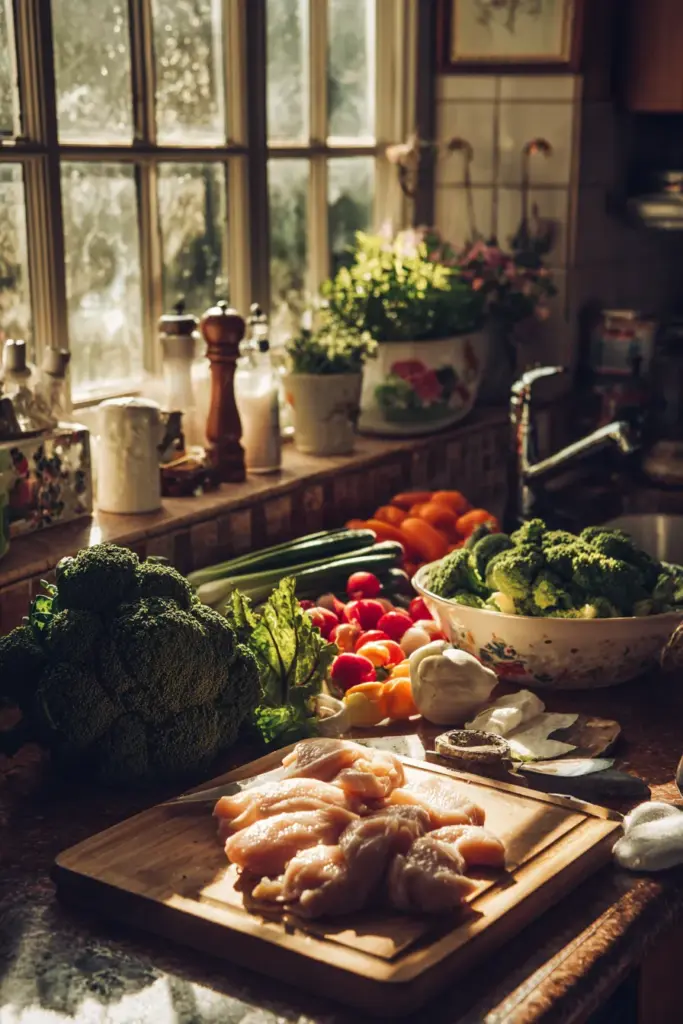
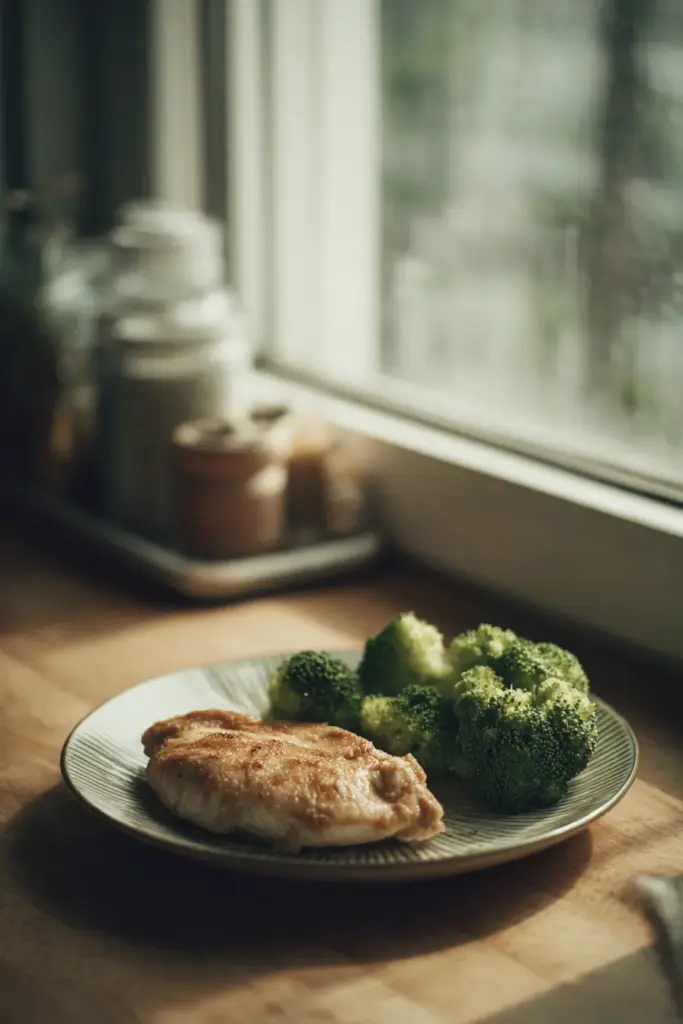
I’ll never forget the afternoon I stood in my kitchen, staring at yet another bland chicken breast and sad pile of steamed broccoli, wondering why eating healthy had to feel like such a chore. My energy was dragging, I was always hungry an hour after meals, and frankly, I was bored out of my mind with my dinner rotation. That’s when my sister, who’s a nutritionist, sat me down and explained that I wasn’t eating nearly enough protein, and more importantly, I wasn’t making it delicious enough to actually enjoy eating it.
⚡ Smart Kitchen Tools Every Home Cook Swears By

- Pure aluminum
- Durable enough for everyday cooking
- Made in the USA with quality

- 7 cooking functions in one compact cooker
- 3-quart size ideal for couples or small meals
- Up to 70% faster than traditional cooking

- 3 sizes for every recipe
- Pre-seasoned & durable cast iron
- Oven & grill ready
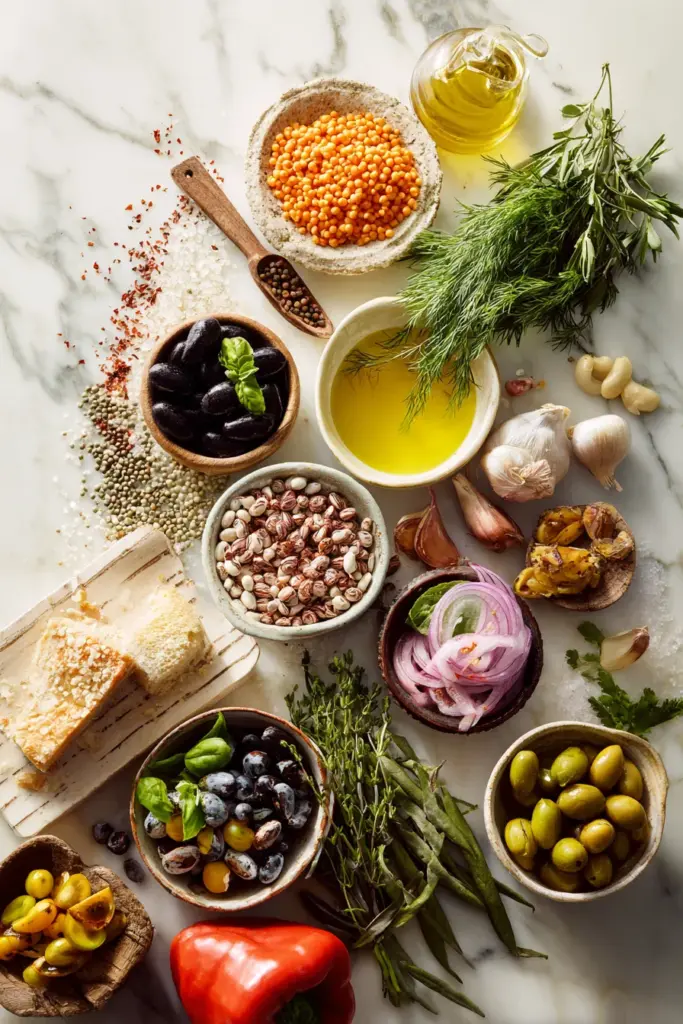
She challenged me to rethink everything I knew about high protein meals. Forget the dry chicken. Forget the boring egg whites. Forget the idea that healthy eating meant sacrificing flavor. Instead, she encouraged me to explore vibrant Mediterranean flavors, create gorgeous power bowls with layers of texture and color, and discover that protein could come from so many more sources than I’d been using.
That conversation changed everything about how I cook and eat. Now, high protein meals are the foundation of my kitchen, but they’re meals my whole family actually gets excited about. They’re colorful, flavorful, satisfying, and yes, they happen to be packed with the protein our bodies need to feel energized and full. The best part? Most of them come together quickly enough for busy weeknights, and they’re flexible enough that you can adapt them to whatever you have on hand.
This guide is everything I’ve learned about creating high protein meals that don’t feel like diet food. We’ll explore protein-packed breakfast ideas that actually keep you full until lunch, vibrant bowls that make vegetables exciting, seafood dishes that are both elegant and easy, and egg-based meals that work for any time of day. Whether you’re an athlete fueling your workouts, a busy parent trying to feed your family well, or someone who just wants to feel more energized throughout the day, you’ll find inspiration here that goes far beyond boring chicken and broccoli.
Understanding Protein and Why It Matters in Your Meals
Before we dive into the recipes and techniques, let’s talk about why protein matters so much. I used to think protein was just for bodybuilders and athletes, but I learned that every single person needs adequate protein to thrive. It’s what keeps our muscles strong, helps us feel satisfied after meals, stabilizes our blood sugar, and even supports our immune system and healthy skin.
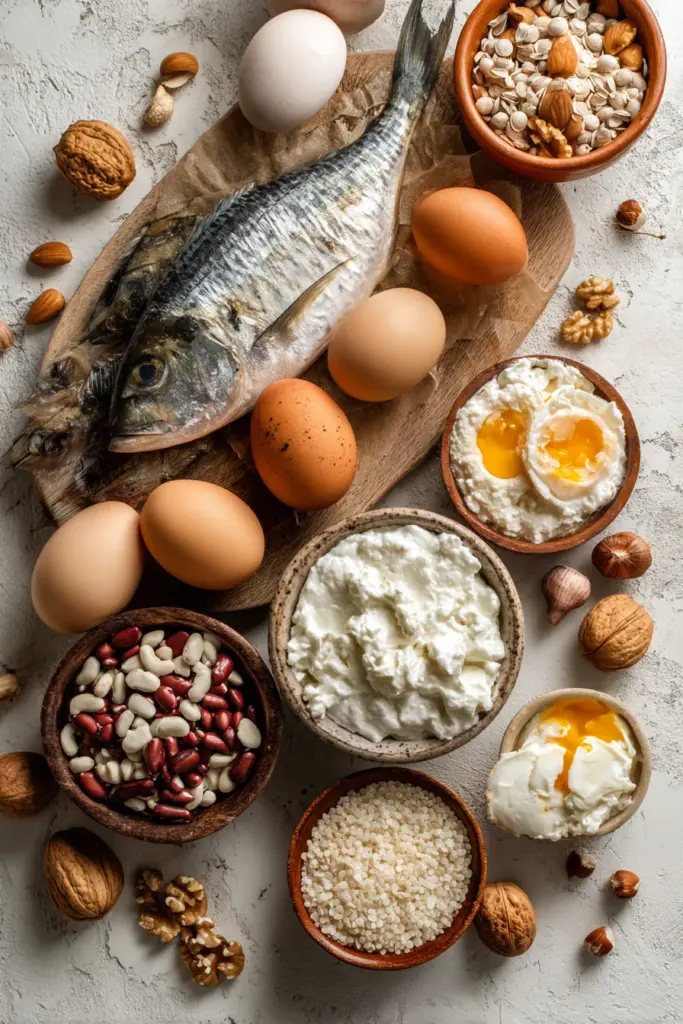
The thing is, many of us aren’t getting enough protein throughout the day, especially at breakfast. We’ll grab a bagel or a bowl of cereal and wonder why we’re starving by ten in the morning. That’s because those meals are mostly carbohydrates with very little protein to provide lasting energy and satiety.
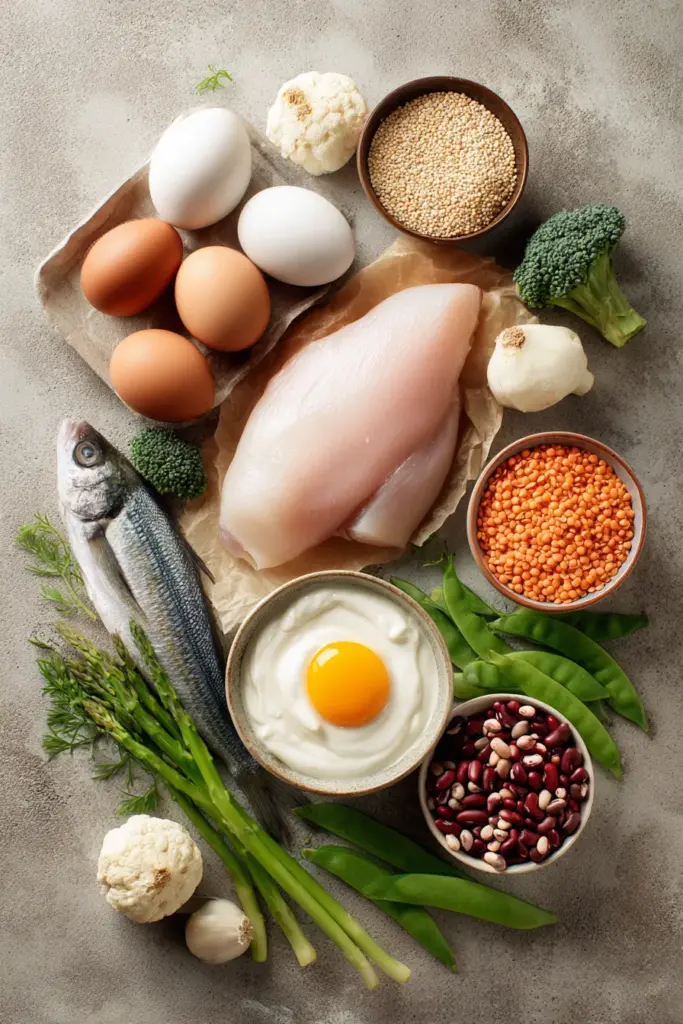
When I started prioritizing protein at every meal, I noticed immediate differences. My energy levels were more stable throughout the day. I wasn’t constantly thinking about food or rummaging through the pantry for snacks. My workouts felt stronger, and I recovered faster. Even my mood seemed more even, probably because my blood sugar wasn’t on that constant roller coaster.
🥗 Fresh, Fast & Foolproof — Upgrades You'll Use Tonight

- Zoodles in seconds
- Heavy-duty, 10 sharp blades
- Keto, paleo & gluten-free friendly

- Meals in ~30 minutes
- 3-Qt — perfect for 1–3 people
- Pressure cook, sauté, steam & more

- Phone alerts & live temp graph
- Hands-off monitoring for smokers
- Perfect doneness, every time
How Much Protein Do You Actually Need
The general recommendation is about 0.8 grams of protein per kilogram of body weight for sedentary adults, but many nutrition experts now suggest that most people benefit from more, especially if you’re active. That might mean aiming for 20 to 30 grams of protein per meal, which sounds like a lot until you realize how easy it is to hit those numbers with the right recipes.
For example, a serving of high protein Mediterranean chicken orzo delivers a substantial protein boost from the chicken while also providing complex carbohydrates and vegetables, making it a complete, balanced meal that keeps you satisfied for hours.
The key is spreading your protein intake throughout the day rather than loading it all into dinner. That means starting with a protein-rich breakfast, including protein at lunch, and ending with a satisfying protein-centered dinner. When you structure your meals this way, you’ll notice you’re less likely to experience that mid-afternoon energy crash or those late-night cravings that derail your healthy eating intentions.
Protein Sources Beyond Chicken Breast
One of the best discoveries I made was realizing how many delicious protein sources exist beyond the usual suspects. Yes, chicken breast is a great lean protein, but so are eggs, fish, seafood, Greek yogurt, cottage cheese, legumes, and even certain grains like quinoa.
Each protein source brings its own unique flavors and textures to the table. Eggs are incredibly versatile and affordable. Fish and seafood cook quickly and pair beautifully with bright, fresh flavors. Legumes like chickpeas and lentils add heartiness and fiber. Cheese, when used thoughtfully, provides both protein and rich, satisfying flavor.
The halloumi and chickpea bowls with hot honey drizzle perfectly demonstrate this variety, combining the squeaky, grillable cheese with protein-rich chickpeas for a vegetarian meal that’s anything but boring. The hot honey drizzle adds just the right sweet-spicy contrast that makes every bite interesting.
Power Bowls: The Formula for Perfect High Protein Meals
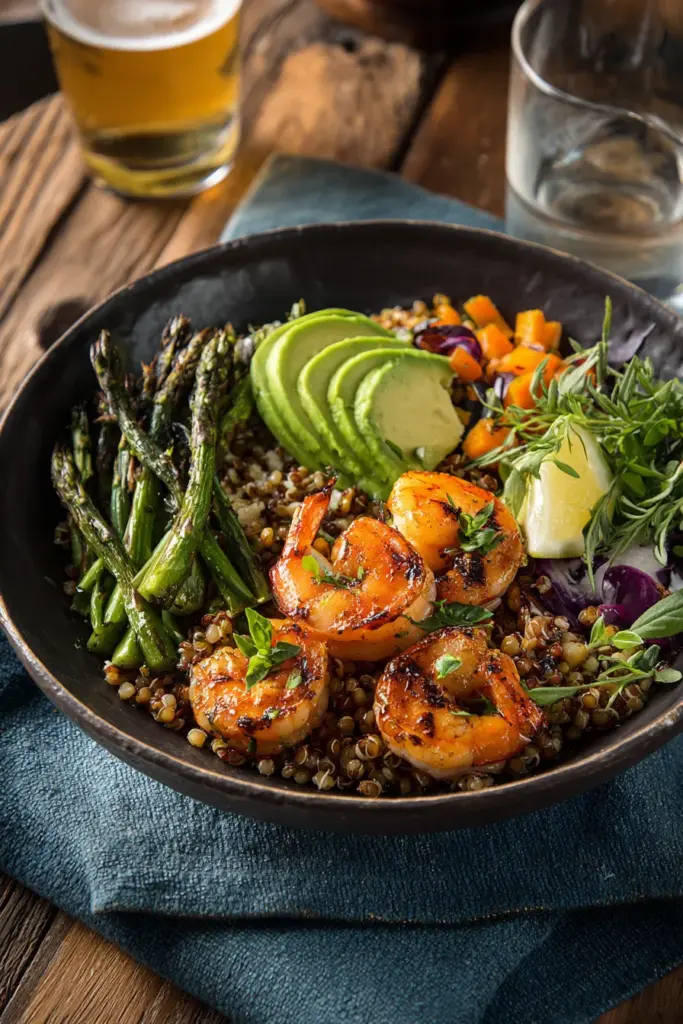
Power bowls have become my go-to format for high protein meals because they’re infinitely customizable, visually appealing, and you can prep components ahead of time. The formula is simple: start with a base, add your protein, pile on colorful vegetables, include a healthy fat, and finish with a flavorful sauce or dressing that ties everything together.
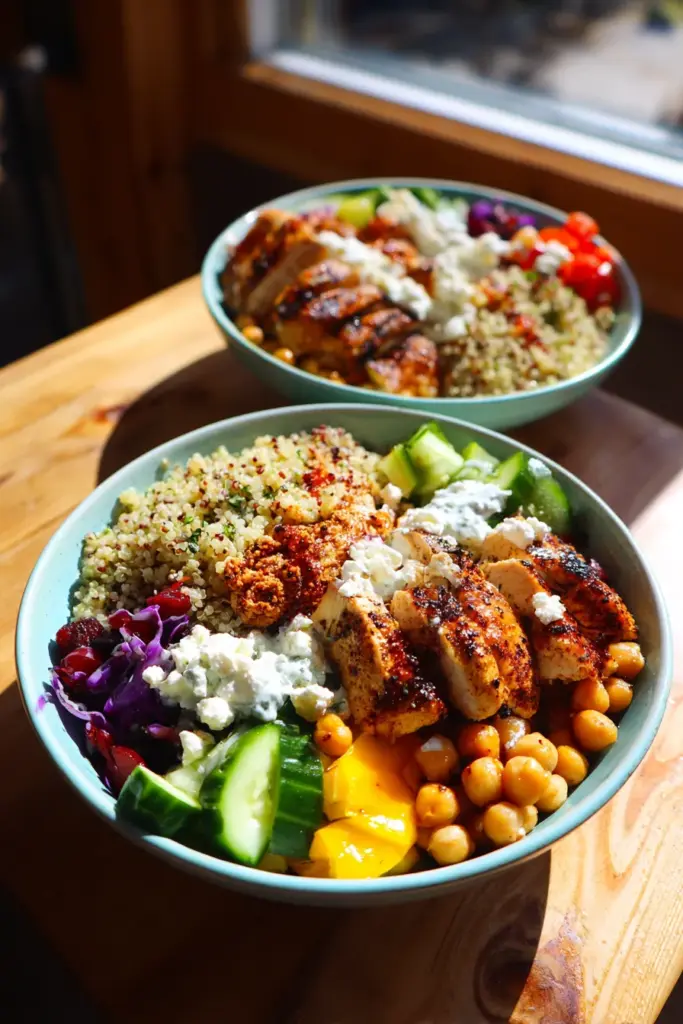
What I love most about bowl meals is how they make vegetables exciting. When you arrange ingredients thoughtfully in a bowl with different colors, textures, and flavors, suddenly eating your veggies feels like a treat rather than a chore. Each bite can be different depending on what you scoop up, which keeps the meal interesting from the first forkful to the last.
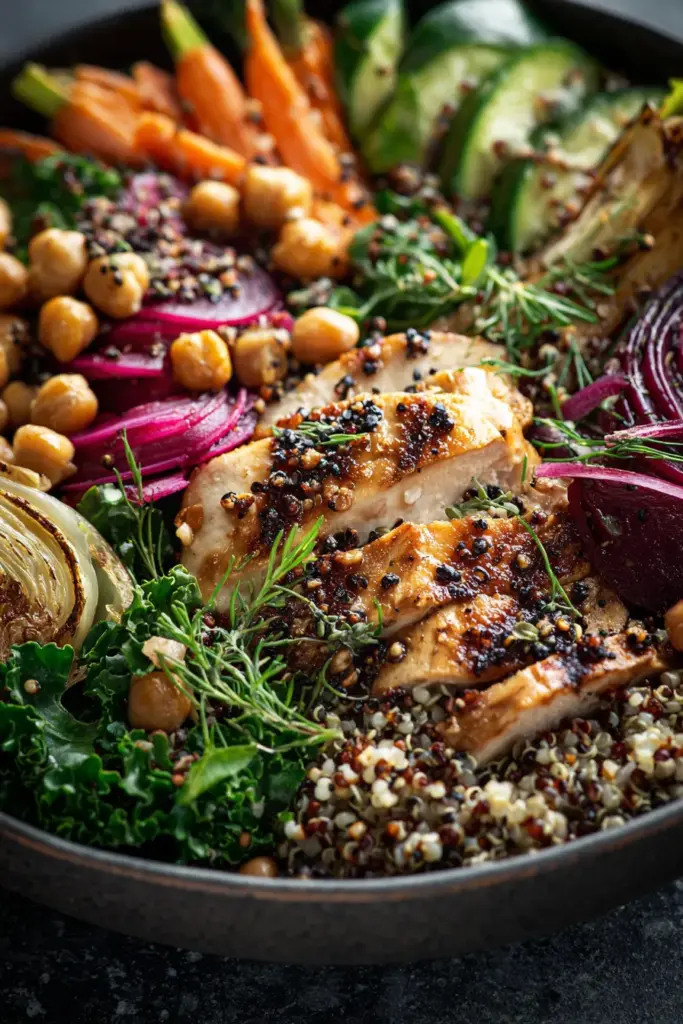
The Mediterranean power bowl has become a weekly staple in my house. It layers quinoa or farro with grilled chicken or chickpeas, crisp cucumbers, juicy tomatoes, tangy feta, and a lemon-herb dressing that makes everything sing. It’s the kind of meal that feels light and fresh but keeps you full for hours.
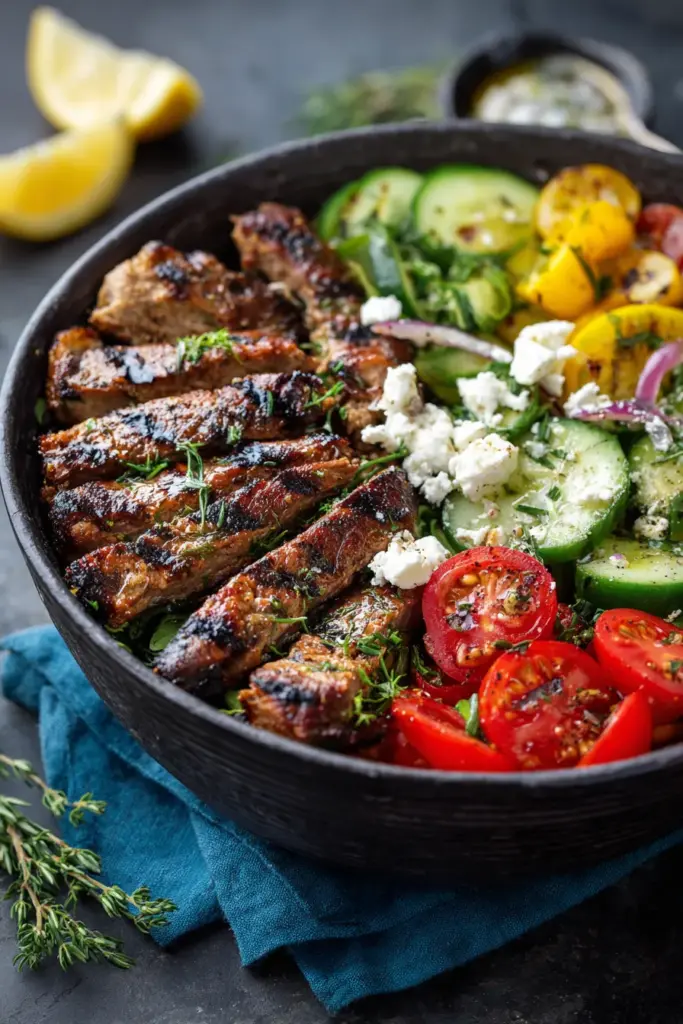
Building Your Bowl: The Base Layer
The base of your power bowl provides substance and additional nutrition. I usually choose whole grains like quinoa, brown rice, or farro because they add complex carbohydrates and fiber alongside the protein. Sometimes I’ll use cauliflower rice if I’m looking for a lower-carb option, or mixed greens when I want something lighter.
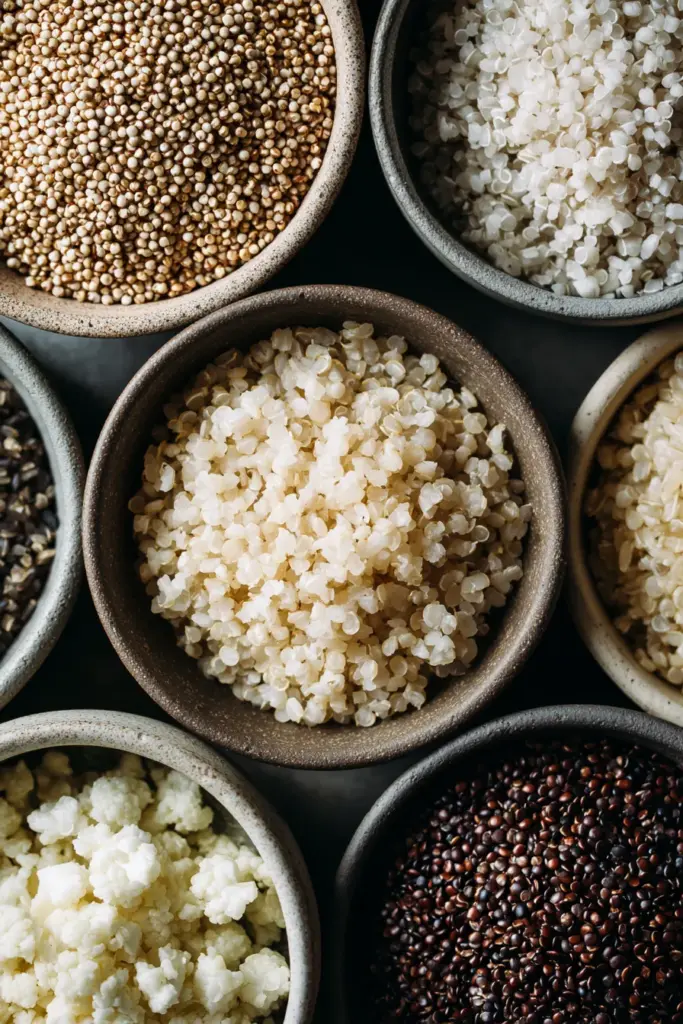
The trick is cooking your grains properly so they have good texture. Nobody wants mushy rice or crunchy quinoa. I always rinse quinoa before cooking to remove any bitterness, and I cook rice with slightly less water than the package suggests to keep it fluffy rather than sticky.
For something heartier, the sweet potato taco bowl uses roasted sweet potato cubes as part of the base, adding natural sweetness and extra nutrients. The sweet potatoes get crispy edges in the oven that contrast beautifully with the other bowl components.
Choosing and Preparing Your Protein
The protein is obviously the star of these bowls, and how you prepare it makes all the difference between a meal you look forward to and one you just tolerate. I like to marinate chicken in bright, flavorful mixtures like lemon, garlic, and herbs, or spice rubs that add complexity without extra calories.
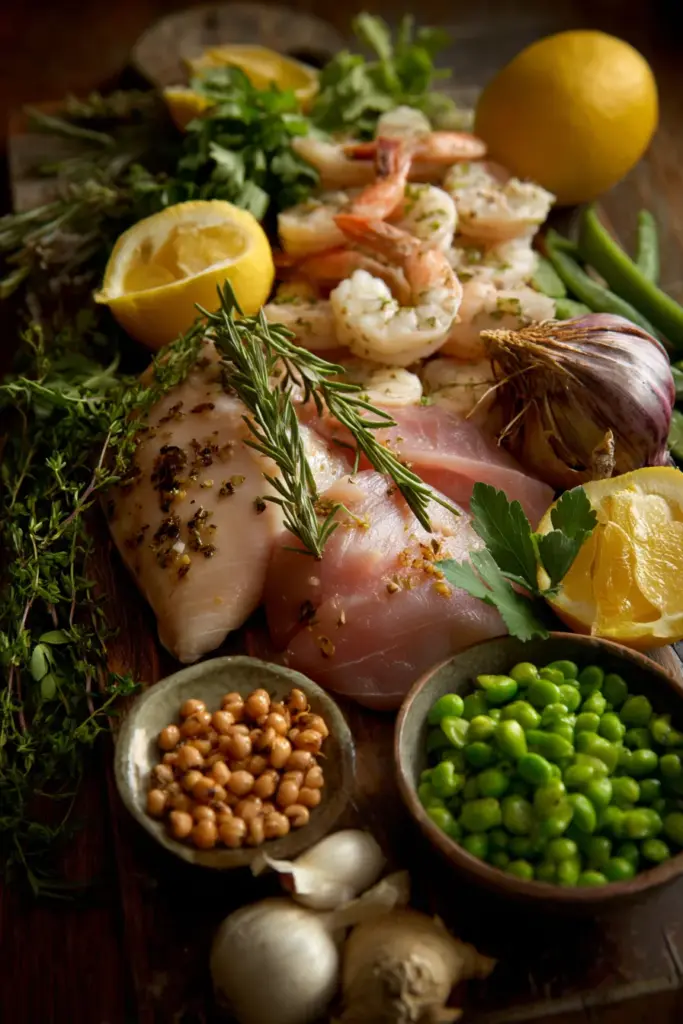
The Greek chicken power bowl features chicken marinated in a classic Greek-inspired blend of olive oil, lemon juice, oregano, and garlic. After marinating for even just 30 minutes, the chicken becomes incredibly flavorful and juicy, transforming what could be boring protein into something you actually crave.
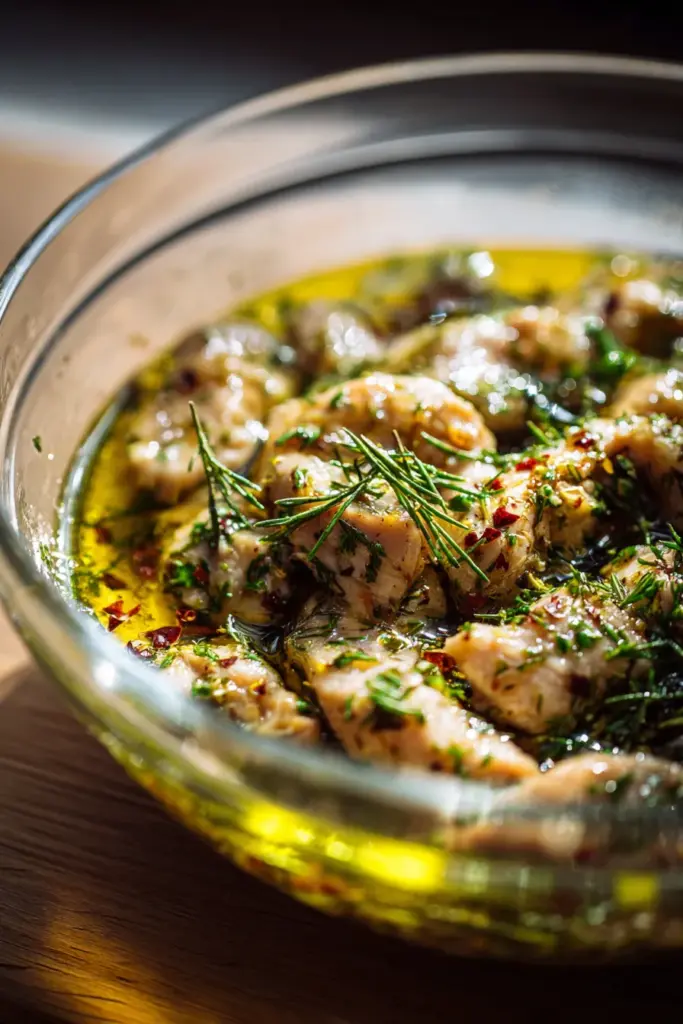
Seafood is another fantastic protein option for bowls because it cooks so quickly. The grilled shrimp bowl with avocado corn salsa and creamy sauce comes together in less time than it takes to order takeout, with juicy, perfectly seasoned shrimp as the protein centerpiece.
Adding Vegetables and Texture
This is where power bowls really shine. You can pack in so many different vegetables, each adding its own flavor, color, and nutritional benefits. I aim for a variety of textures: something crunchy like raw peppers or cucumbers, something tender like roasted vegetables, and something fresh like tomatoes or avocado.
Color matters too, not just for Instagram but because different colored vegetables provide different nutrients. Red tomatoes, orange carrots, purple cabbage, green cucumbers, and white cauliflower all bring their own vitamins and antioxidants to the party.
The grilled chicken and broccoli bowls elevate the classic combination by charring the broccoli until it’s crispy and slightly sweet, then pairing it with perfectly grilled chicken and a flavorful sauce that makes you want to lick the bowl clean.
The Sauce Makes the Bowl
Never underestimate the power of a good sauce. This is what transforms a collection of healthy ingredients into a cohesive, craveable meal. I keep several sauce bases in my refrigerator at all times: a tahini-lemon dressing, a cilantro-lime sauce, a spicy mayo, and a simple vinaigrette.
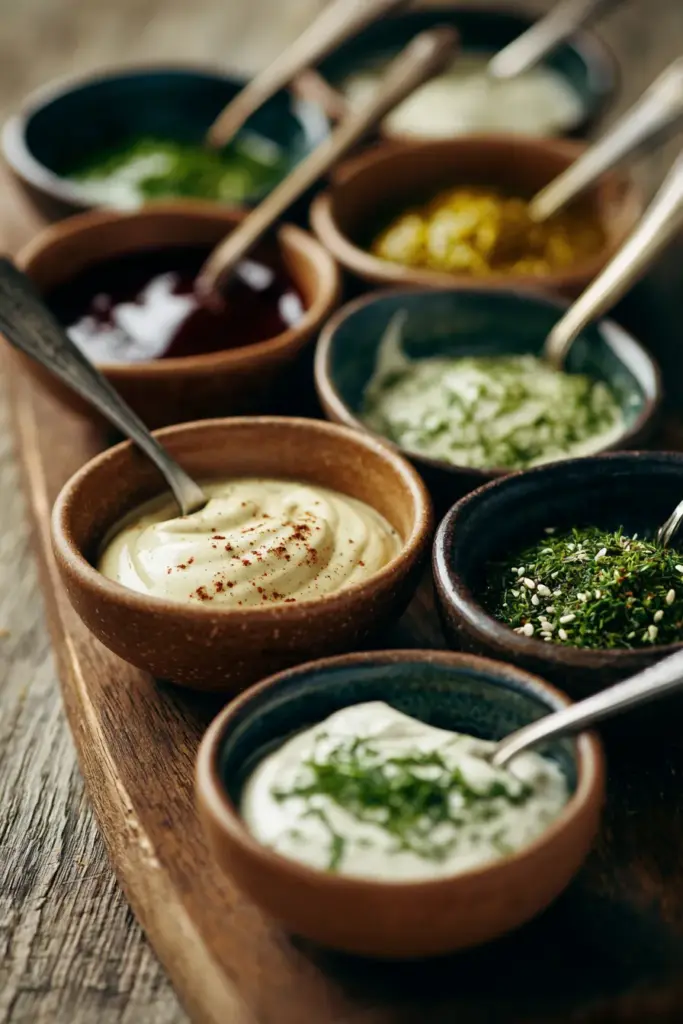
The sauce should be flavorful enough to season all the components but not so heavy that it drowns everything. I usually aim for something with a balance of fat, acid, and flavor. Greek yogurt makes an excellent base for creamy sauces because it adds protein while keeping things lighter than mayonnaise-based options.
For a complete meal with Mexican-inspired flavors, try the Mexican chicken comfort bowl, where seasoned chicken meets black beans, corn, peppers, and a creamy chipotle sauce that brings just the right amount of heat and smokiness.
Breakfast Protein: Starting Your Day Right
I used to be a chronic breakfast skipper, grabbing coffee on my way out the door and wondering why I felt shaky and irritable by mid-morning. Once I started eating protein-rich breakfasts, everything changed. My energy was stable, my focus was sharper, and I wasn’t desperately hungry by lunchtime.
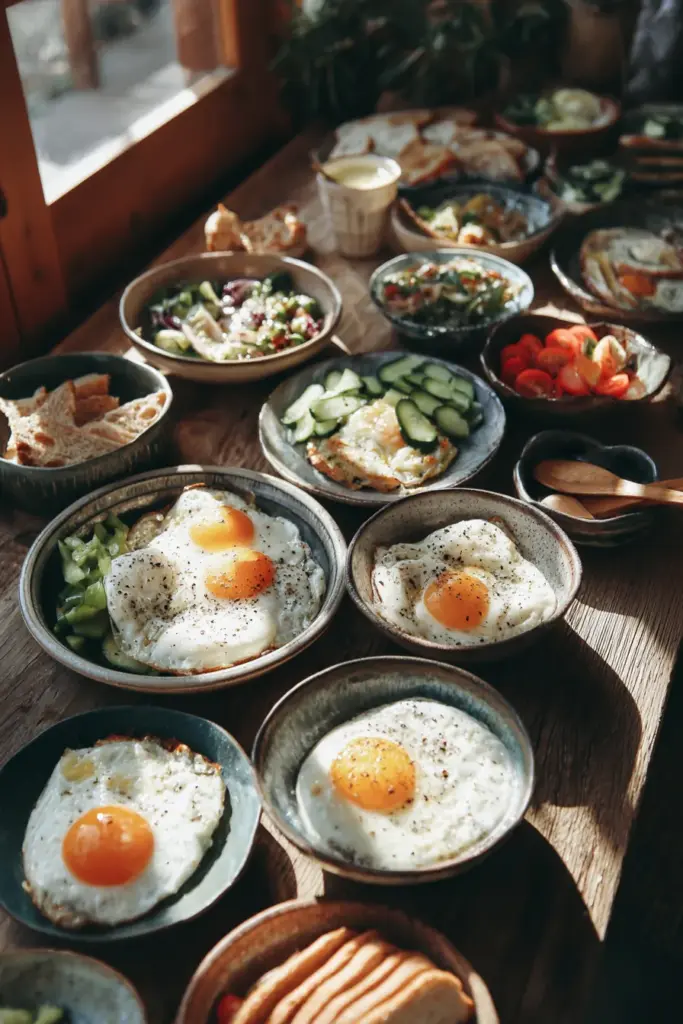
The challenge with breakfast is that many traditional breakfast foods are carb-heavy and protein-light. Bagels, toast, muffins, cereal, they’re all quick and convenient but they don’t provide the sustained energy we need. Shifting to protein-centered breakfasts meant rethinking what breakfast could be.
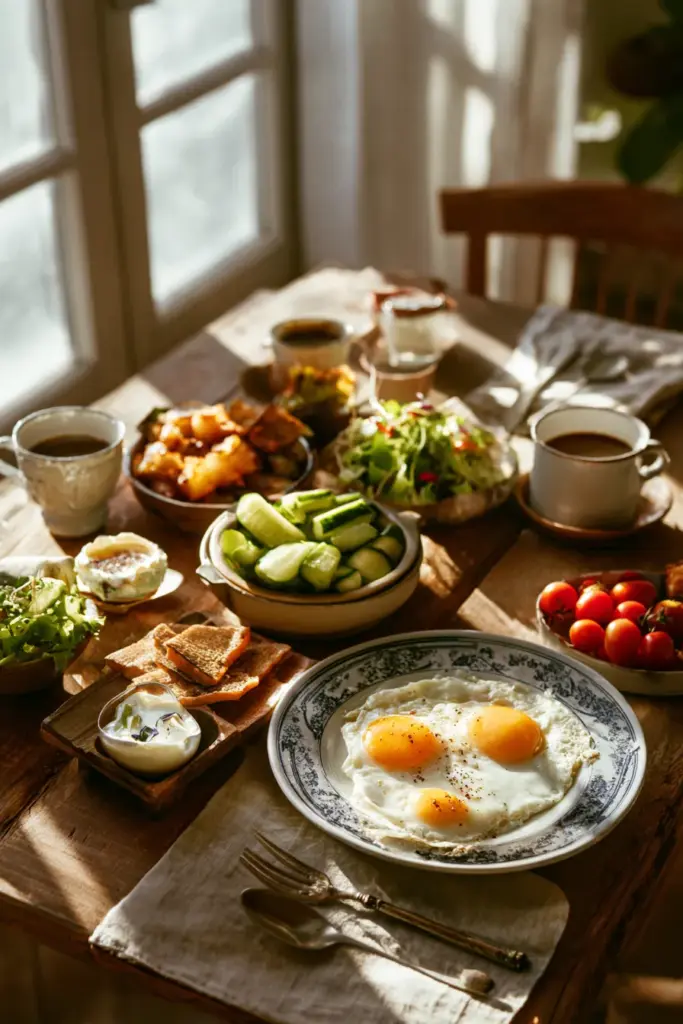
Eggs became my breakfast hero because they’re affordable, quick to cook, and incredibly versatile. But I also learned to think beyond traditional breakfast foods. Sometimes dinner for breakfast is exactly what you need, and there’s absolutely nothing wrong with eating savory, substantial food first thing in the morning.
Egg-Based Breakfast Ideas
The beauty of eggs is how many different ways you can prepare them. Scrambled, fried, poached, baked, they’re all delicious and all provide excellent protein. But where eggs really shine is in make-ahead preparations that let you grab a protein-packed breakfast even on your busiest mornings.
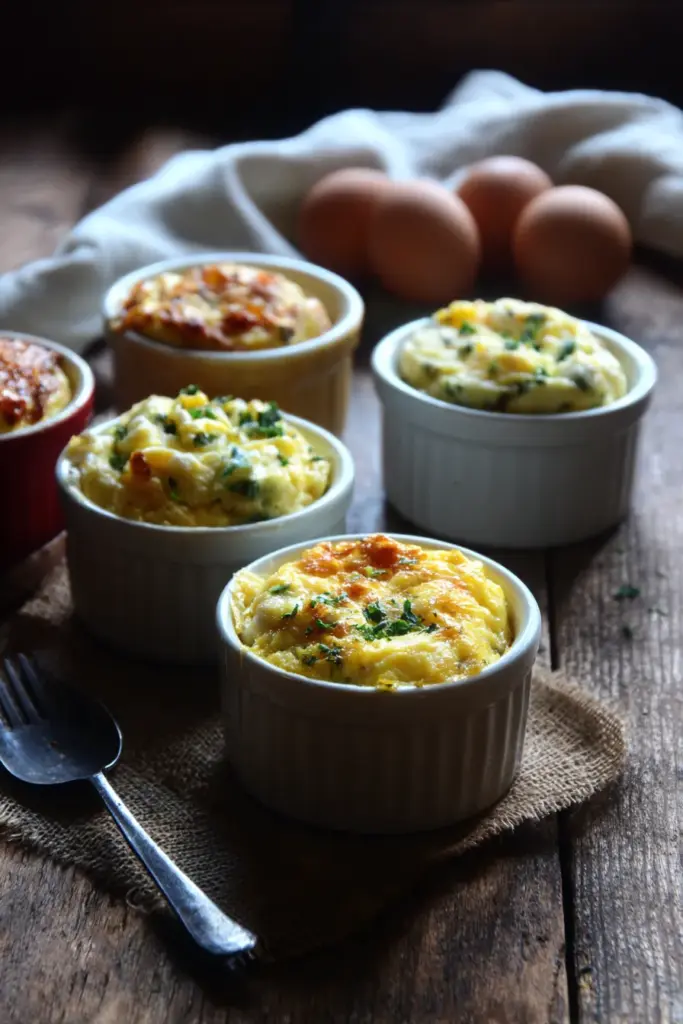
I fell in love with baked cottage cheese eggs when I was looking for something that felt indulgent but was actually incredibly nutritious. The cottage cheese adds extra protein and creates this amazingly creamy texture, almost like a cross between eggs and a soufflé. You can customize them with whatever vegetables or herbs you have on hand.
For grab-and-go convenience, nothing beats mini egg muffins with cheese and veggies. I make a big batch on Sunday afternoons, and they last all week in the refrigerator. Just reheat one or two in the microwave for 30 seconds, and you have a complete, protein-rich breakfast ready before your coffee finishes brewing.
Crustless Quiches and Frittatas
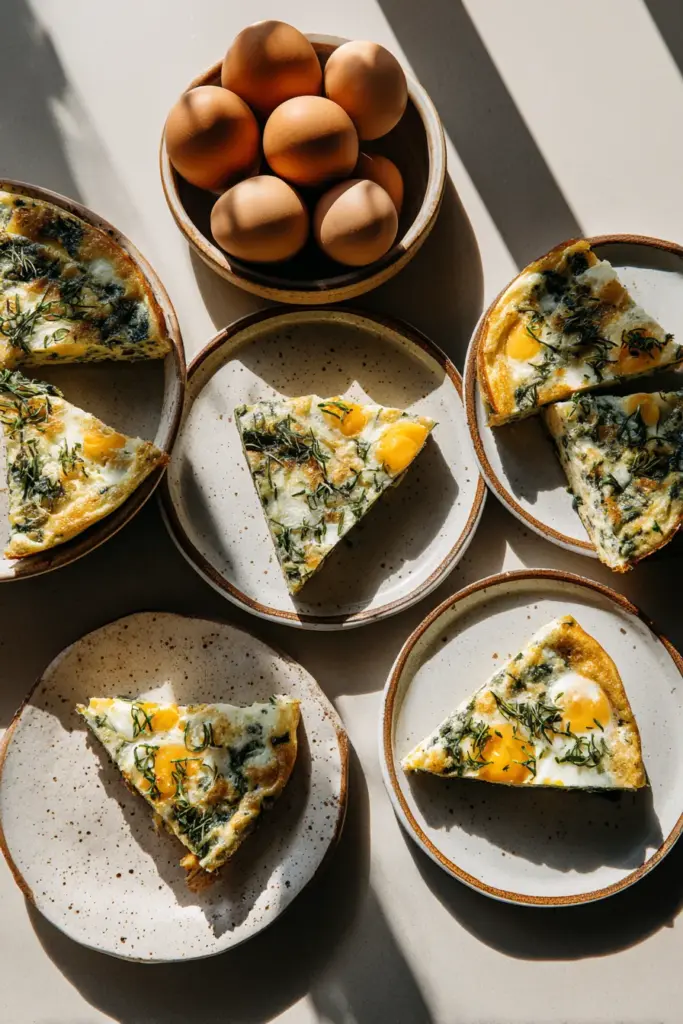
Removing the crust from quiches might seem like it’s taking away the best part, but hear me out. Without all that butter-laden pastry, you’re left with pure eggy goodness that’s lighter, easier to make, and lets the filling flavors really shine. Plus, you’re saving yourself the trouble of making or buying pie crust, which means these come together much faster.
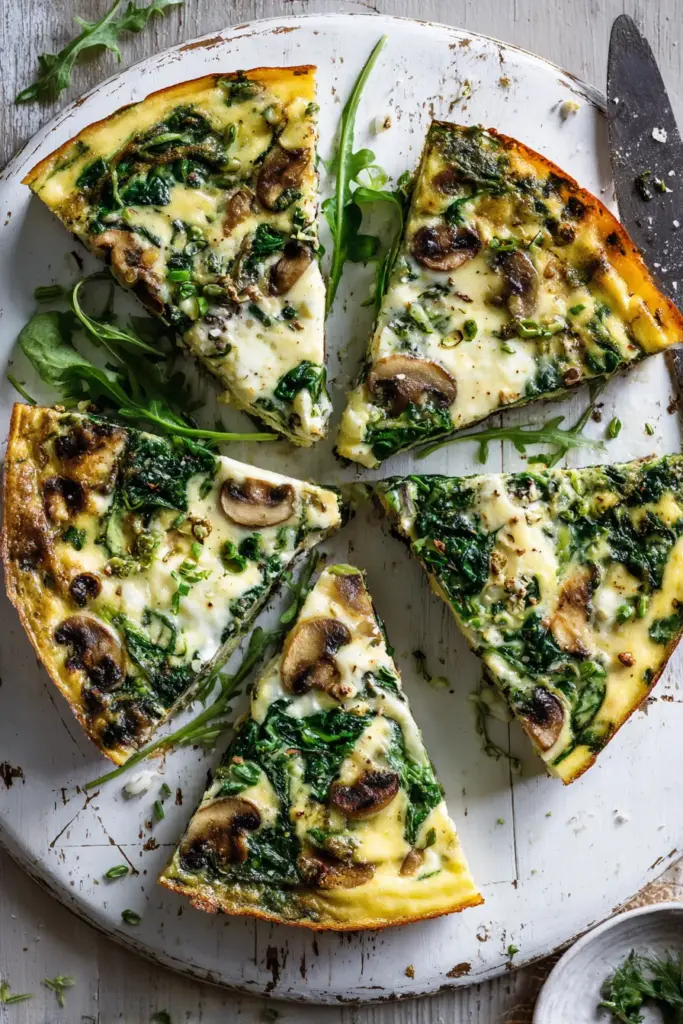
The spinach and mushroom crustless frittata has become my favorite weekend brunch dish. The earthy mushrooms and bright spinach pair perfectly with eggs and cheese, and the whole thing bakes in one pan. You can serve it warm from the oven or at room temperature, making it perfect for casual gatherings.
For something a bit more elegant, the spinach and feta crustless quiche brings Mediterranean flavors to your breakfast table. The salty, tangy feta cheese melts into pockets throughout the quiche, and the spinach adds color and nutrients. It’s fancy enough for company but easy enough for a Tuesday morning.
Seafood for breakfast might sound unusual, but the crustless salmon and dill quiche is a revelation. The salmon adds omega-3 fatty acids along with protein, and the fresh dill makes everything taste bright and special. It’s the kind of breakfast that makes you feel like you’re treating yourself well.
Creative Breakfast Bowls and Hashes
Who says breakfast has to look like traditional breakfast food? Some of my favorite morning meals are savory bowls and hashes that pack in vegetables, protein, and flavor without any of the sweetness we typically associate with breakfast.
The savory breakfast for dinner egg bowl breaks all the breakfast rules in the best way. It combines perfectly cooked eggs with roasted vegetables, avocado, and a flavorful sauce, creating something that feels more like a composed meal than typical breakfast fare. The best part? It works just as well for dinner when you’re craving breakfast food.
For a Middle Eastern-inspired breakfast that’s absolutely stunning, try baked feta eggs. The feta cheese melts into creamy pockets while the eggs bake around it, creating this gorgeous marbled effect. Add some cherry tomatoes, herbs, and good bread for scooping, and you have a breakfast that feels special enough for weekend guests.
The sweet potato, spinach, and mushroom breakfast hash is my answer to those mornings when I need something substantial and satisfying. The sweet potatoes provide complex carbohydrates and fiber, while the eggs on top add protein. Everything gets seasoned with warm spices that make your kitchen smell amazing.
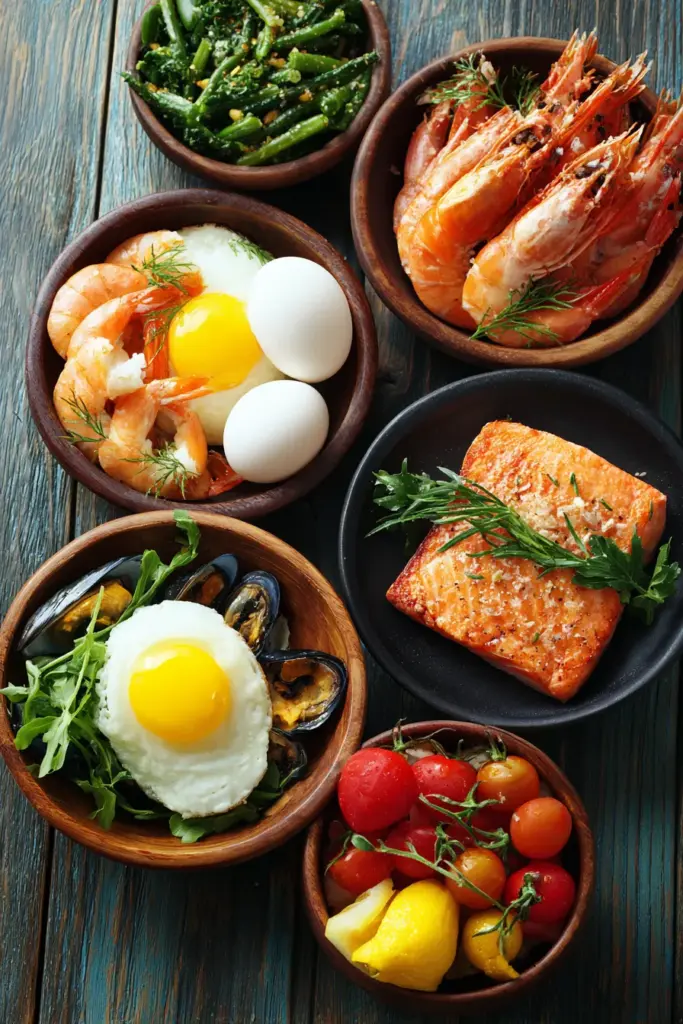
Seafood: Quick-Cooking Protein with Elegant Flavor
I’ll be honest, I was intimidated by cooking seafood at home for years. It seemed finicky, expensive, and easy to mess up. But once I learned a few basic techniques, seafood became one of my favorite proteins to cook. It’s incredibly quick, it pairs beautifully with bright, fresh flavors, and it always feels a little bit special.
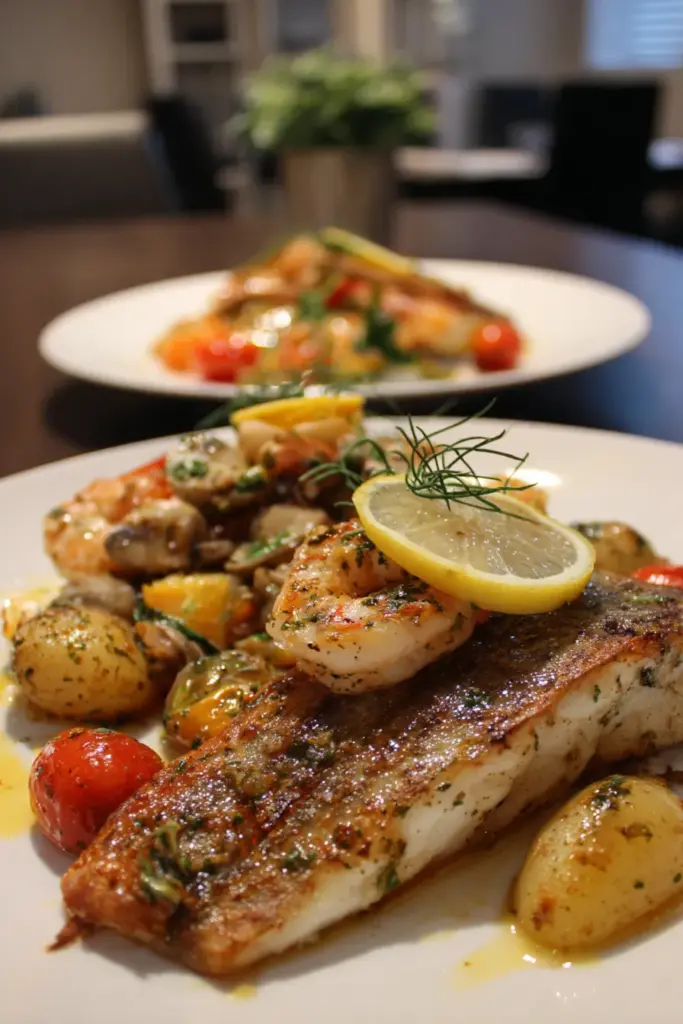
The key to great seafood is not overcooking it. Fish and shrimp cook so much faster than chicken or beef, and that window between perfectly done and rubbery is smaller. But once you learn to recognize the signs of doneness, cooking seafood becomes second nature.
Another revelation was learning that you don’t need complicated preparations for seafood to taste amazing. Simple seasonings, a hot pan or grill, and a flavorful sauce are often all you need to create something restaurant-quality at home.
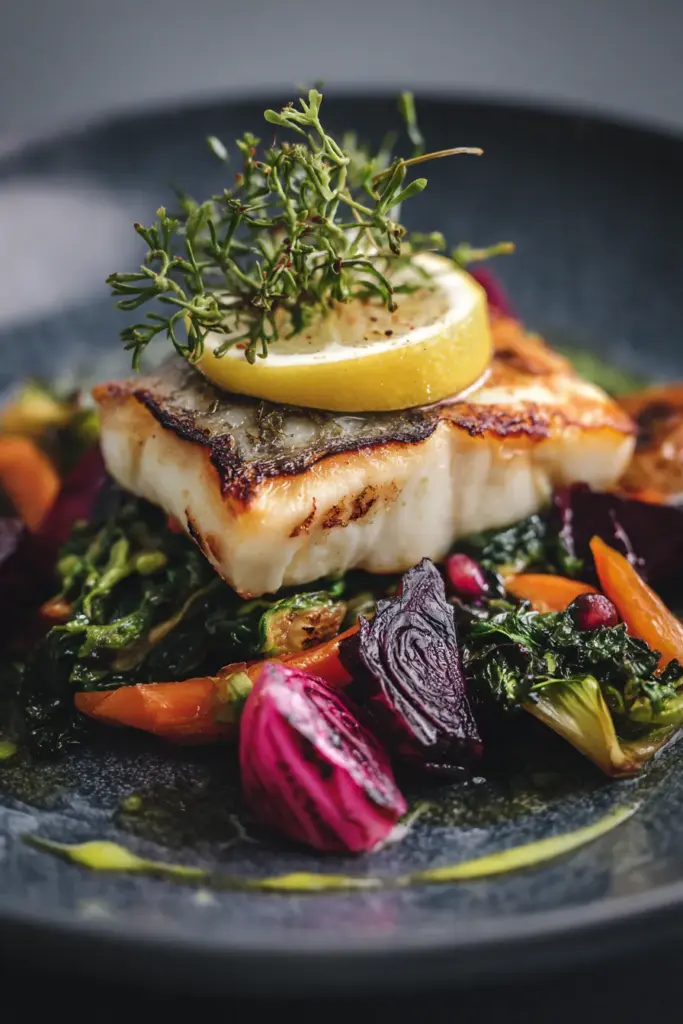
Shrimp: The Weeknight Hero
Shrimp might be the most versatile protein in my kitchen. It cooks in literally minutes, works with almost any flavor profile, and feels fancy even though it’s quick enough for weeknight cooking. I always keep a bag of frozen shrimp in my freezer for those nights when I need dinner on the table fast.
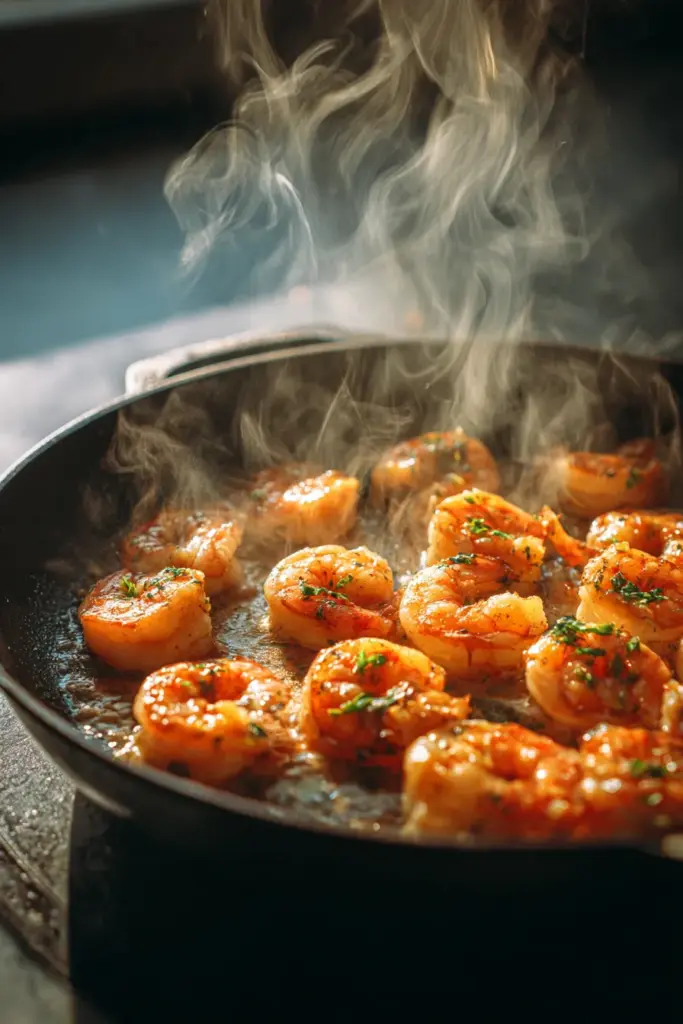

The Cajun honey butter salmon brings together spicy Cajun seasoning with sweet honey and rich butter for a sauce that’s absolutely addictive. While this recipe uses salmon, the same technique works beautifully with shrimp or any firm white fish. The key is letting the spices bloom in the butter before adding the honey, which creates layers of complex flavor.
For something light and springy, the zesty lemon garlic butter shrimp with crisp asparagus is perfection. The bright lemon cuts through the richness of the butter, the garlic adds depth, and the asparagus provides a fresh, crisp counterpoint to the tender shrimp. It’s the kind of meal that tastes like spring on a plate.
When you’re grilling, grilled shrimp skewers with garlic butter sauce should be in your regular rotation. Threading shrimp onto skewers makes them easy to flip and prevents any from falling through the grates. The slight char from the grill adds smoky flavor, and that garlic butter sauce is so good you’ll want to drizzle it on everything.
Mediterranean Seafood Flavors
Mediterranean cuisine has mastered the art of preparing seafood simply but deliciously. Fresh herbs, bright citrus, good olive oil, and maybe some tomatoes or olives are often all you need to make fish or shrimp shine.
The Mediterranean shrimp recipe perfectly demonstrates this approach. Shrimp is quickly sautéed with garlic, tomatoes, olives, and fresh herbs, creating a dish that’s bursting with flavor but takes less than 20 minutes from start to finish. Serve it over pasta, rice, or with crusty bread to soak up all that delicious sauce.
For the easiest possible preparation, the air fryer garlic parmesan shrimp delivers crispy, flavorful shrimp without any frying or splattered oil. The air fryer gives the shrimp a light, crispy coating while keeping the inside tender and juicy. It’s proof that healthy cooking doesn’t have to be complicated or time-consuming.
Fish Fillets: Beyond Basic Baked Fish
Fish fillets are wonderful weeknight proteins because they cook quickly and pair well with so many different flavors. The trick is choosing the right fish for your preparation method and not overcooking it. I look for fillets that are firm, smell fresh like the ocean rather than fishy, and have no discoloration.
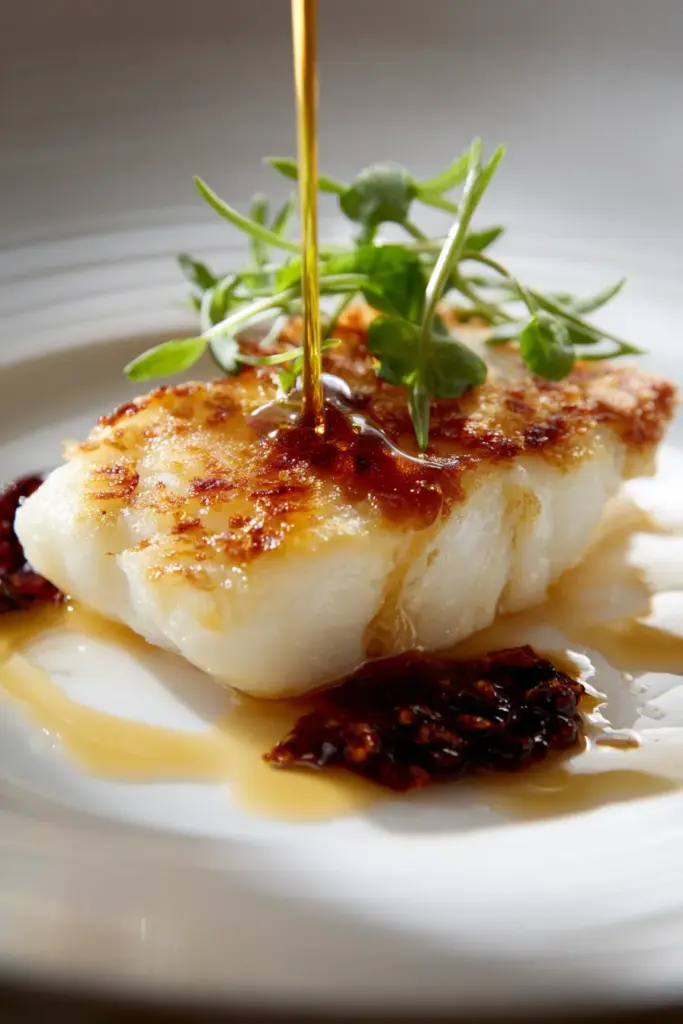
The parmesan crusted tilapia with lemon dill sauce takes mild tilapia and gives it a flavorful, crispy coating that makes it anything but boring. The parmesan crust adds both flavor and texture, while the lemon dill sauce brings brightness and freshness. It’s elegant enough for company but simple enough for a regular weeknight.
For bold, spicy flavors, nothing beats Southern-style blackened fish. The blackened catfish and grits with spicy tomato sauce brings together crispy-edged, spice-crusted catfish with creamy grits and a tangy tomato sauce. It’s comfort food with a protein punch, and the combination of textures and flavors makes every bite exciting.
If you want to take it up another notch, try the blackened catfish with spicy cheese grits and Creole sauce. Adding cheese to the grits makes them even more luxurious, and the Creole sauce brings complexity with its blend of peppers, onions, and tomatoes. It’s restaurant-quality food that you can make at home.
Tuna: Fresh and Satisfying
Canned tuna is great for quick lunches, but fresh tuna opens up entirely new possibilities. When you can’t find or afford fresh tuna steaks, canned tuna still deserves to be treated well with creative preparations that go beyond basic tuna salad.
The Mediterranean tuna cakes with herbed yogurt dip transform canned tuna into something special. Mixed with Mediterranean flavors like lemon, capers, and fresh herbs, then pan-fried until golden and crispy, these tuna cakes are protein-packed, budget-friendly, and absolutely delicious. The herbed yogurt dip adds cooling creaminess and extra protein.
Meal Prep Strategies for High Protein Success
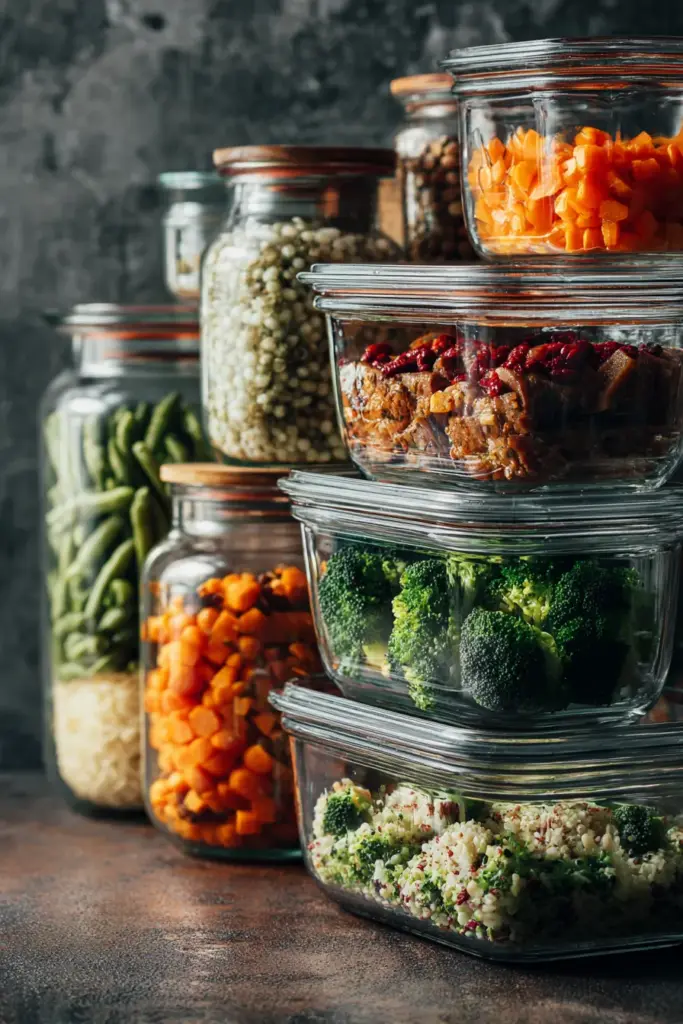
The biggest game-changer in my high protein journey wasn’t learning new recipes, it was learning how to meal prep efficiently. When you have components ready to go, throwing together a protein-rich meal becomes effortless even on your most exhausted evenings.
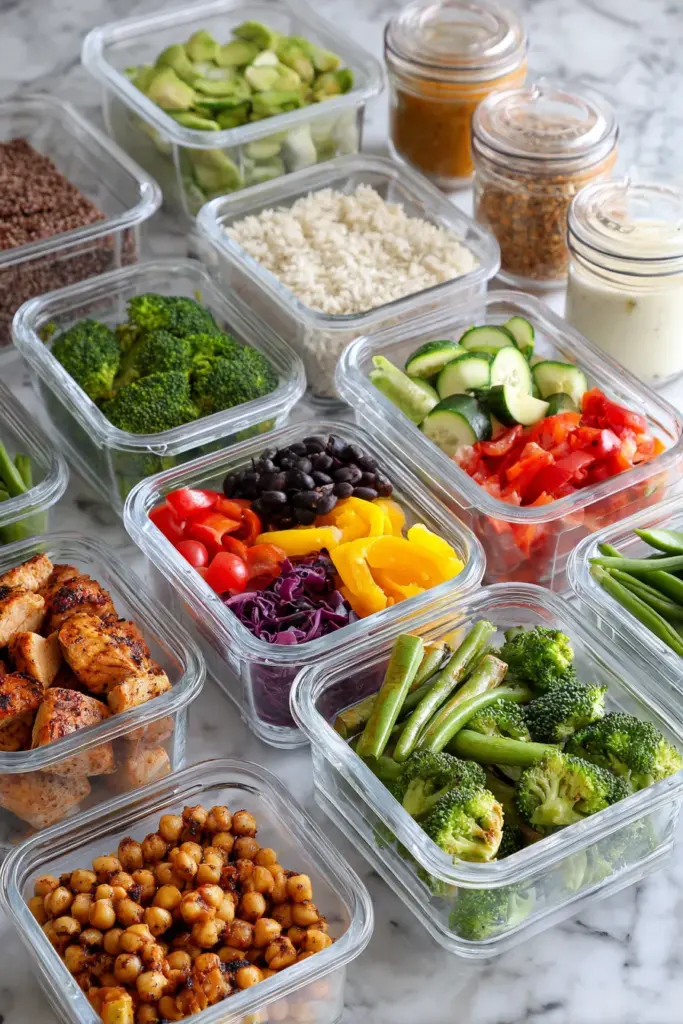
I don’t do full meal prep where I eat the same thing every day. That gets boring fast, and I like variety too much. Instead, I prep components that I can mix and match throughout the week. Cooked proteins, roasted vegetables, cooked grains, and prepared sauces give me endless possibilities without the monotony.
Sunday afternoons are my prep time, though you could easily do this any day that works for your schedule. I’ll roast a big pan of vegetables, cook a pot of quinoa or rice, grill or bake several chicken breasts, and make two or three different sauces. With these basics ready, I can assemble different meals all week without much active cooking.
Batch Cooking Proteins
Cooking protein in batches saves massive amounts of time during the week. I’ll season and bake four to six chicken breasts at once, using different seasonings on different pieces so I don’t get bored. Some get a simple salt and pepper treatment, others might get a curry spice rub, and maybe some get an Italian herb blend.
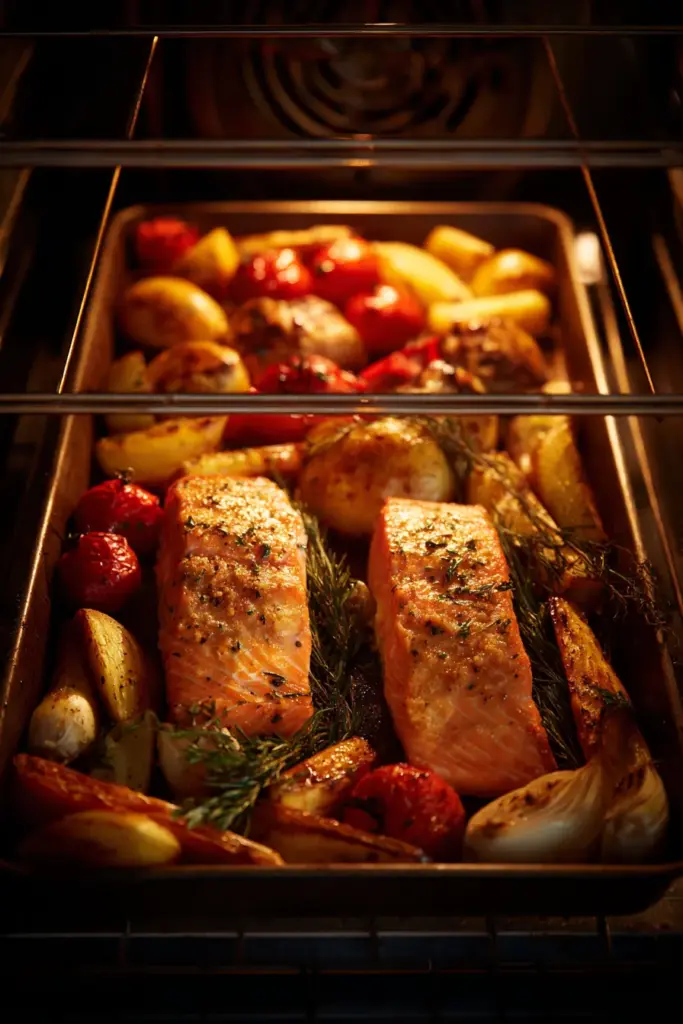
Ground meat is another excellent protein for batch cooking. I’ll brown a couple pounds of ground turkey or beef, season it well, and divide it into portions. This cooked ground meat becomes the base for so many different meals: taco bowls, pasta sauces, stuffed peppers, or mixed into grain bowls.
Hard-boiled eggs are the ultimate prep-ahead protein. I make a dozen at a time using my Instant Pot, which makes them incredibly easy to peel. They keep for a week in the refrigerator and can be eaten plain as snacks, sliced onto salads, or mashed into egg salad for quick lunches.
Prepping Vegetables and Grains
Vegetables are where meal prep really shines. I’ll roast multiple sheet pans of different vegetables all at once while the oven is already hot. Sweet potatoes, broccoli, cauliflower, Brussels sprouts, bell peppers, they all roast beautifully and stay good in the fridge for four to five days.
Grains like quinoa, rice, and farro cook well in larger batches and store perfectly. I portion them into individual containers so I can grab exactly what I need. These cooked grains reheat beautifully in the microwave, becoming the base for quick power bowls.
Raw vegetables for salads and fresh additions to bowls get washed, chopped, and stored in containers with paper towels to absorb excess moisture. Having prepped raw vegetables means I’m much more likely to actually use them rather than letting them wilt in the crisper drawer.
Sauce and Dressing Strategies
This is where meal prep becomes really powerful. Having flavorful sauces and dressings ready means you can take those plain proteins and vegetables and turn them into something exciting in seconds. I keep four to five different sauces in my refrigerator at all times.
My go-to sauces include a lemon-tahini dressing that works on everything from grain bowls to roasted vegetables, a creamy cilantro-lime sauce that’s perfect for Mexican-inspired meals, a Greek yogurt-based tzatziki for Mediterranean dishes, and a spicy peanut sauce that makes anything taste amazing.
Most homemade sauces and dressings keep for at least a week in the refrigerator, and many last even longer. I make them in mason jars so I can shake them up before using, and I always taste and adjust the seasoning before serving since flavors can mellow in the fridge.
Adapting Recipes for Different Dietary Needs
One of the questions I get asked most often is how to adapt high protein recipes for specific dietary requirements. Maybe you’re vegetarian, or you’re avoiding dairy, or you need gluten-free options. The good news is that most high protein recipes are incredibly adaptable once you understand the basic principles.
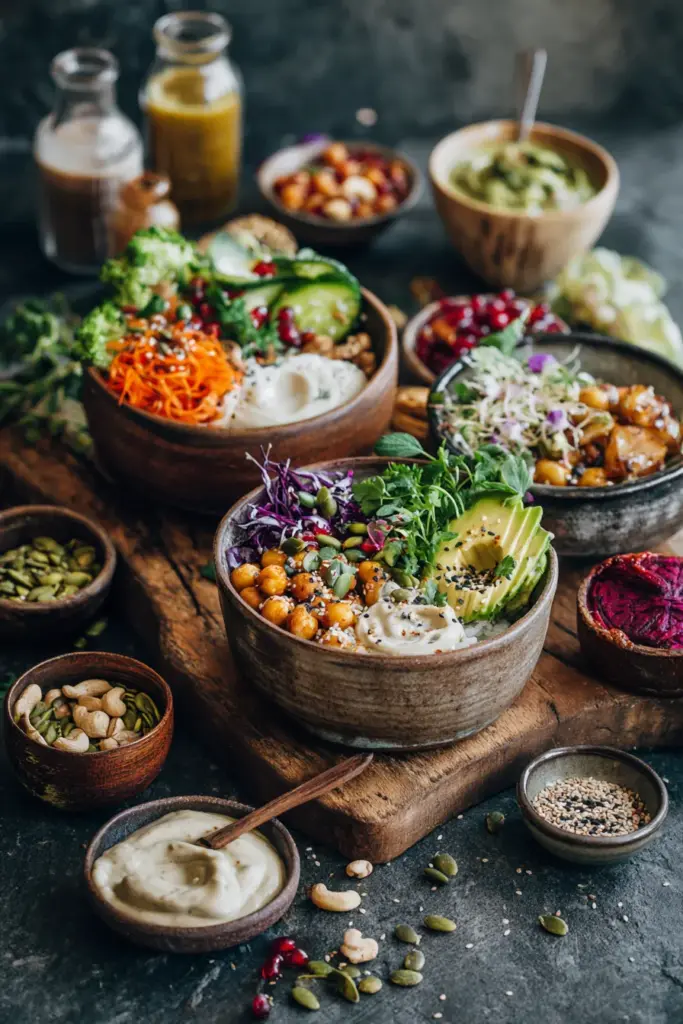
The key is identifying what role each ingredient plays in the recipe. Is it providing protein, flavor, texture, or binding? Once you know the purpose, you can usually find a suitable substitute that serves the same function. This approach has let me feed friends and family with various dietary restrictions without making them feel like they’re eating “diet food.”
Vegetarian High Protein Options
Getting enough protein as a vegetarian requires a bit more creativity, but it’s absolutely doable and delicious. The trick is combining different protein sources throughout the day to ensure you’re getting all the essential amino acids your body needs.
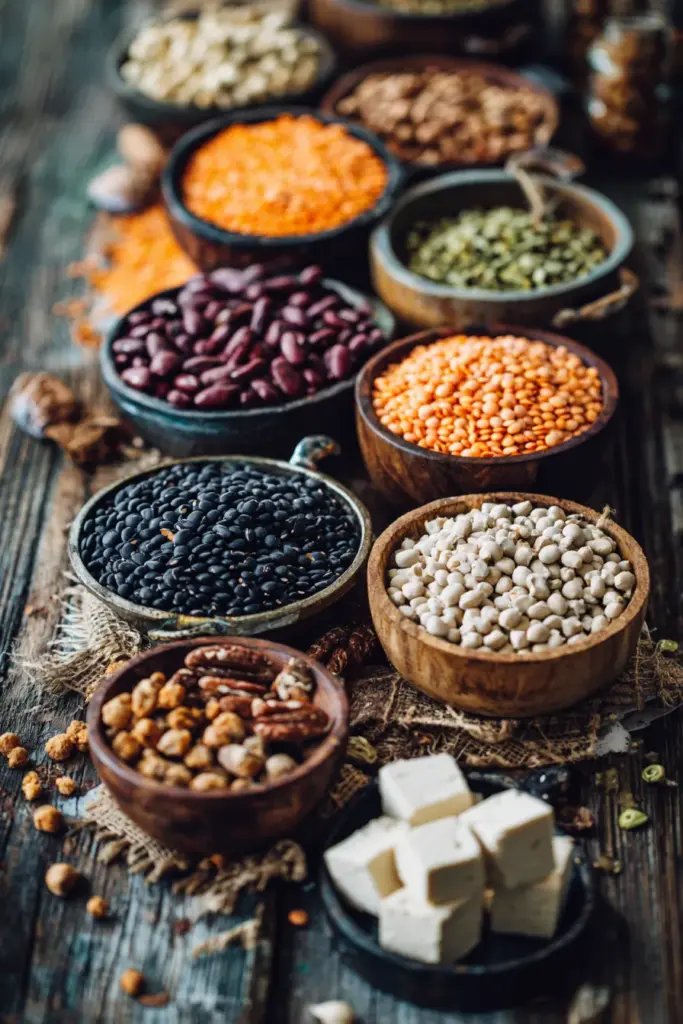
Eggs are obviously a vegetarian protein powerhouse, as are dairy products like Greek yogurt and cottage cheese. But beyond those, there are so many plant-based proteins worth exploring. Legumes like chickpeas, lentils, and black beans are affordable, versatile, and pack a serious protein punch.
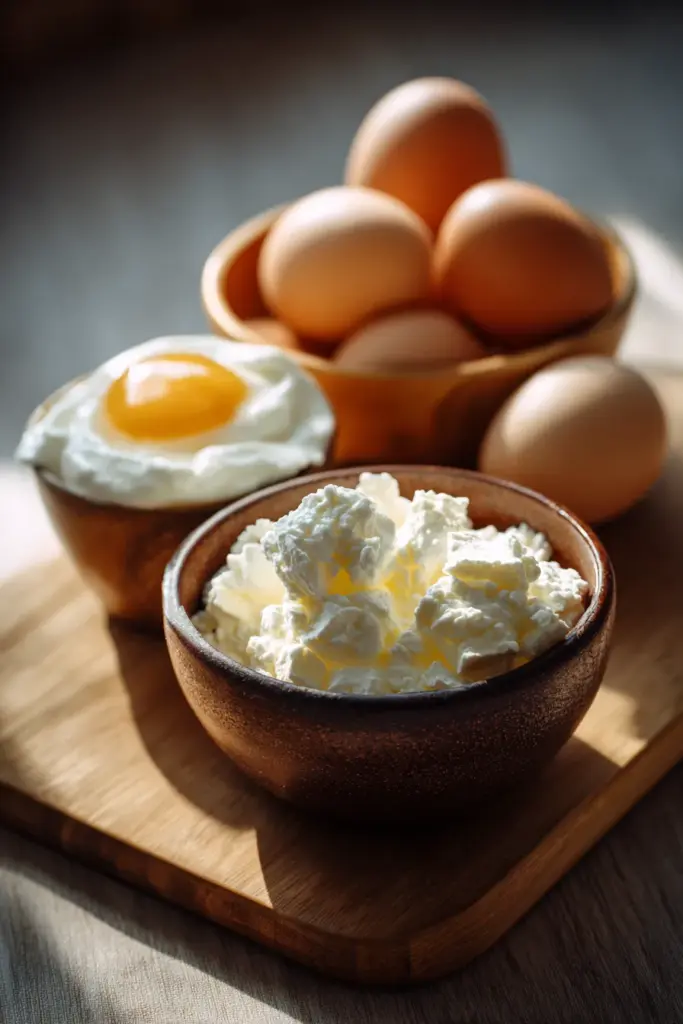
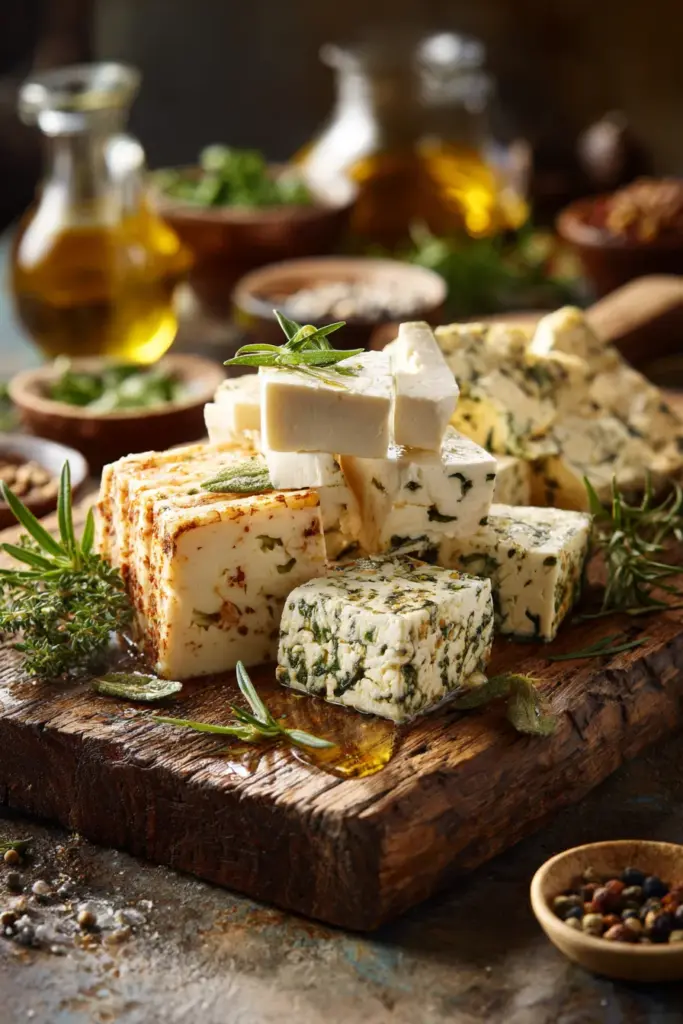
Cheese, especially varieties like halloumi, paneer, and firm cheeses, can serve as the main protein in a meal rather than just a garnish. Nuts and seeds add both protein and healthy fats, making meals more satisfying. And whole grains like quinoa contain more protein than you might expect.
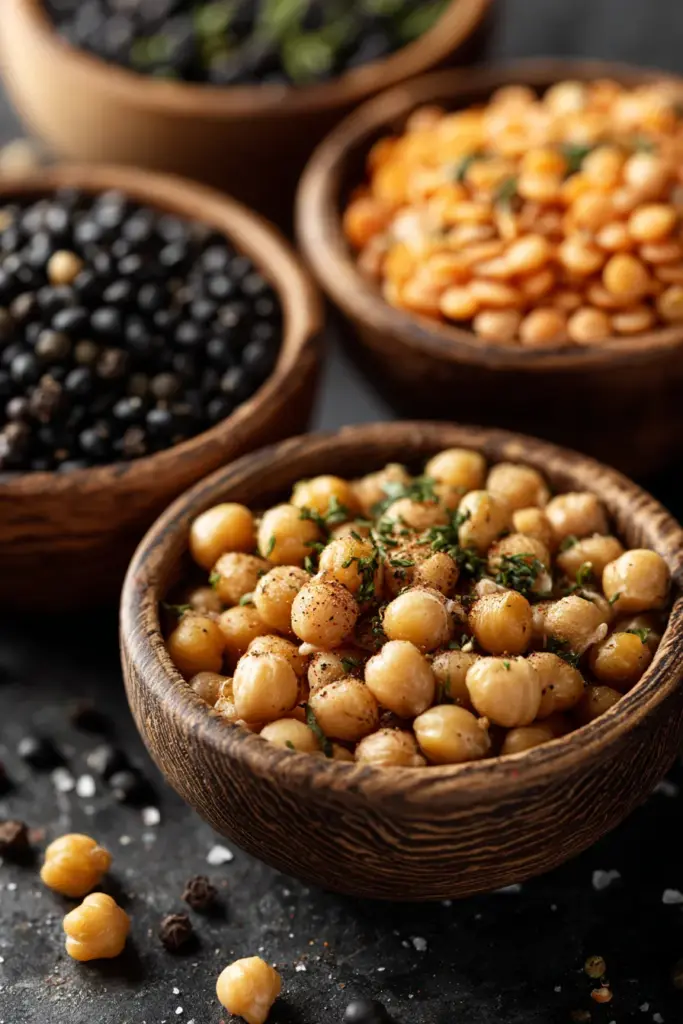
When adapting meat-based recipes for vegetarians, think about texture and substance rather than trying to directly replace the meat. Roasted chickpeas can provide protein and a satisfying bite in bowls. Crumbled tempeh or firm tofu can replace ground meat in many preparations. Large mushrooms can serve as hearty, meaty substitutes.
Dairy-Free Modifications
Many high protein recipes rely on dairy for creaminess, tanginess, or richness. Fortunately, there are excellent dairy-free alternatives that work well in most preparations. The key is choosing the right substitute for the specific role dairy is playing in the recipe.
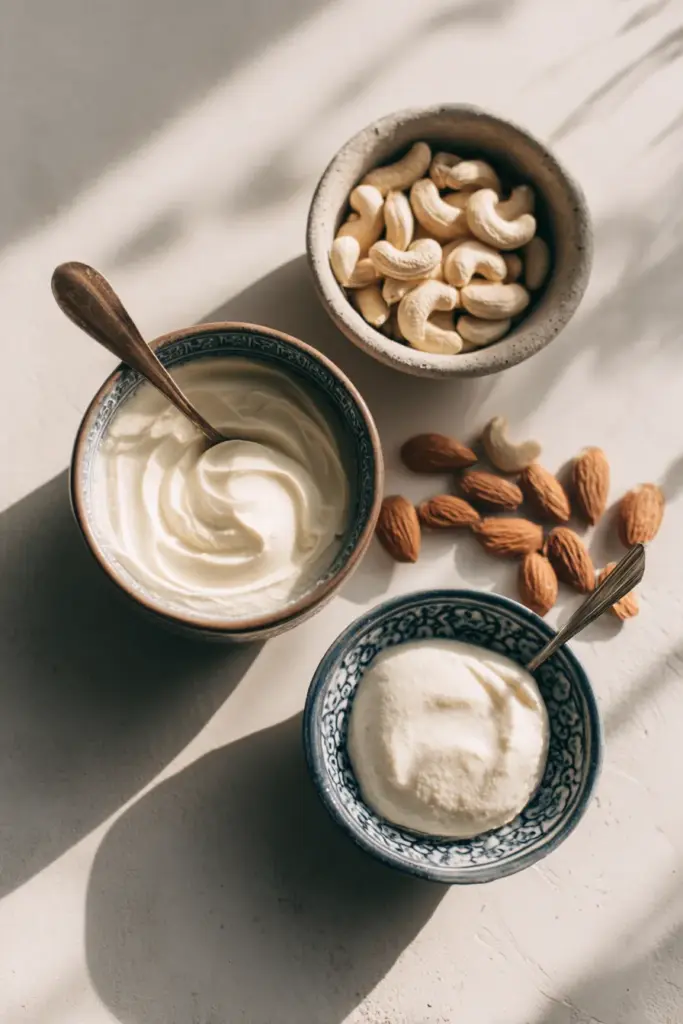
For creamy sauces, cashew cream is magical. Soaked cashews blended with water create an incredibly rich, creamy base that works in place of heavy cream or sour cream. Coconut milk is another excellent option, though it does add a subtle coconut flavor that works better in some dishes than others.
Nutritional yeast provides a cheesy, umami flavor without any dairy. It’s particularly good in sauces, sprinkled on roasted vegetables, or mixed into grain dishes. While it doesn’t melt like cheese, it adds that savory, almost cheesy taste that makes food more satisfying.
For yogurt-based sauces and dressings, coconut yogurt or almond milk yogurt work well as substitutes. They’re not quite as tangy as dairy yogurt, so you might need to add a squeeze of lemon juice or splash of vinegar to brighten the flavors.
Gluten-Free Adaptations
Most high protein recipes are naturally gluten-free or easily adapted since they focus on proteins and vegetables rather than wheat-based products. The main places where gluten shows up are in grain bases, breading, and certain sauces.
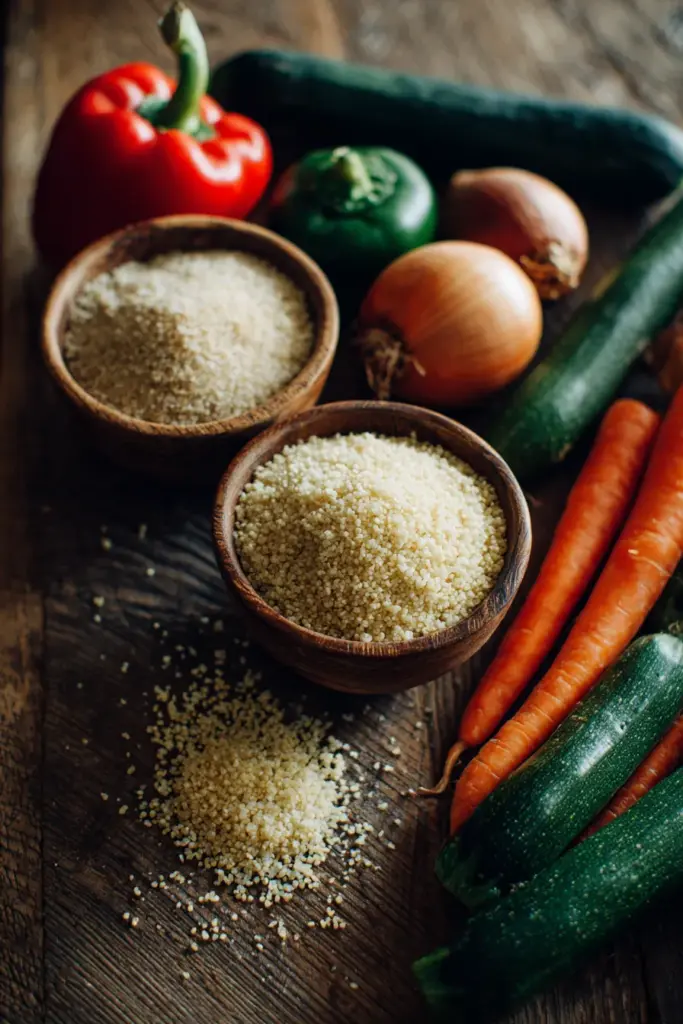
For grain bases, simply swap wheat-containing grains like farro or wheat berries for naturally gluten-free options like rice, quinoa, or certified gluten-free oats. These alternatives provide the same satisfying substance and complex carbohydrates without the gluten.
When recipes call for breadcrumbs for coating or binding, gluten-free breadcrumbs work perfectly. You can also use crushed gluten-free crackers, almond flour, or even finely chopped nuts for coating proteins before cooking.
Always check your sauces and seasonings for hidden gluten. Soy sauce contains wheat, but tamari is a gluten-free alternative that tastes nearly identical. Many spice blends and pre-made sauces may contain wheat as a thickener, so reading labels becomes important.
Expert Tips for Perfect High Protein Meals Every Time
After years of cooking high protein meals almost daily, I’ve learned some tricks that consistently lead to better results. These aren’t complicated techniques that require special equipment or culinary school training. They’re simple habits and small adjustments that make a real difference in how your food turns out.
The first and maybe most important lesson I learned is that protein quality matters. I’m not talking about expensive organic everything, though buy that if it fits your budget. I mean buying protein that’s fresh, properly stored, and hasn’t been sitting around too long. Fresh chicken should smell clean, not sour. Fish should smell like the ocean, not fishy. These quality cues ensure your protein tastes good no matter how you prepare it.
Temperature control is another crucial factor. Taking the guesswork out of doneness by using an instant-read thermometer changed my cooking completely. No more dried-out chicken because I was afraid it wasn’t done. No more rubbery shrimp from overcooking. The thermometer tells you exactly when your protein is perfectly cooked.
Marinating and Seasoning Secrets
Proper seasoning is what separates okay food from amazing food. I learned this lesson the hard way after years of under-seasoning my cooking. Protein needs more salt than you think, and it needs to be seasoned before cooking, not just after when it’s on the plate.
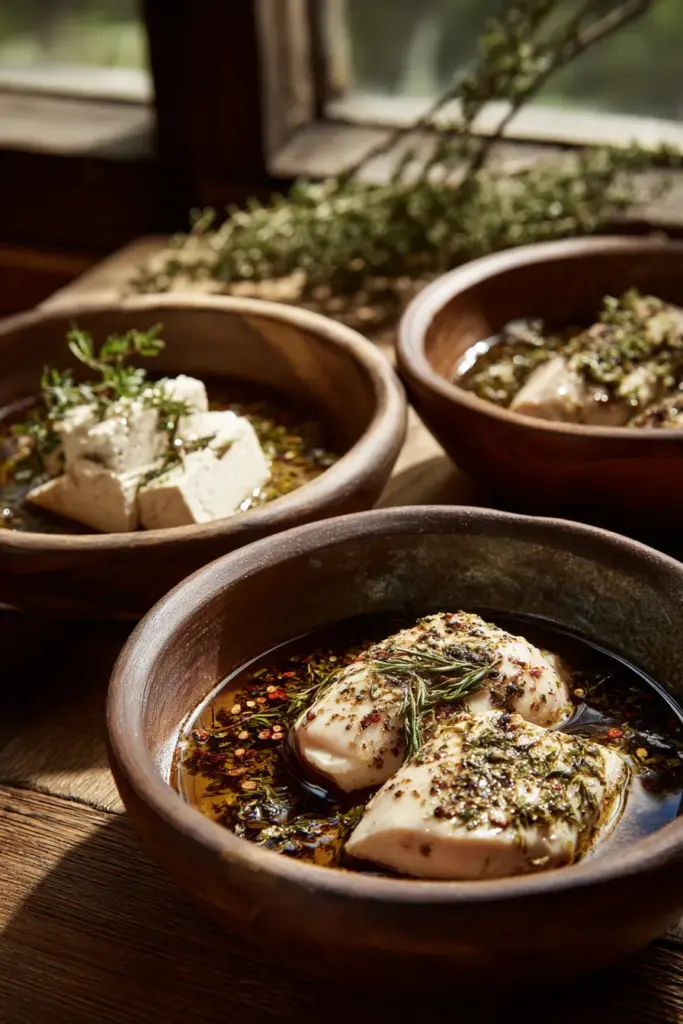
Marinating works wonders for adding flavor and tenderness to proteins. Even a quick 15-minute marinade makes a noticeable difference, though longer is often better for tougher cuts. The basic formula for a good marinade includes acid (like lemon juice or vinegar), oil, salt, and aromatics (like garlic, herbs, or spices).
Don’t be afraid to get your hands dirty. Rubbing seasonings directly onto protein with your hands ensures even coverage and helps the flavors penetrate better than just sprinkling from above. This is especially important with spice rubs, where you want every bite to have that flavor.
Salt your proteins in advance when possible. Salting chicken breasts or fish fillets 30 minutes before cooking allows the salt to penetrate deeper and seasons the protein throughout rather than just on the surface. This technique, called dry brining, also helps proteins retain moisture during cooking.
Cooking Techniques That Preserve Moisture
The number one mistake people make with protein is overcooking it. Chicken breasts, in particular, have a narrow window between perfectly cooked and disappointingly dry. Learning to nail that window consistently transformed my high protein cooking.
For chicken breasts, I pound them to even thickness before cooking. This ensures they cook evenly rather than having the thick end undercooked while the thin end dries out. A meat mallet or even a rolling pin works perfectly for this. Just place the chicken between two pieces of plastic wrap to avoid making a mess.
Letting protein rest after cooking is not optional, it’s essential. When chicken, fish, or any protein comes off the heat, it continues cooking from residual heat while the juices redistribute throughout the meat. Cutting into it immediately causes all those juices to run out onto your cutting board instead of staying in the meat where they belong.
For seafood, remember that it cooks incredibly fast. Shrimp goes from translucent to opaque in just a couple of minutes. Fish fillets often need only four to five minutes per side depending on thickness. Use visual cues like color change and flaking texture rather than relying solely on timing.
Batch Cooking Without Sacrificing Quality
Batch cooking is wonderful for saving time, but only if the food still tastes good days later. I’ve learned several tricks for keeping batch-cooked proteins from becoming dry, bland, or unappetizing by the end of the week.
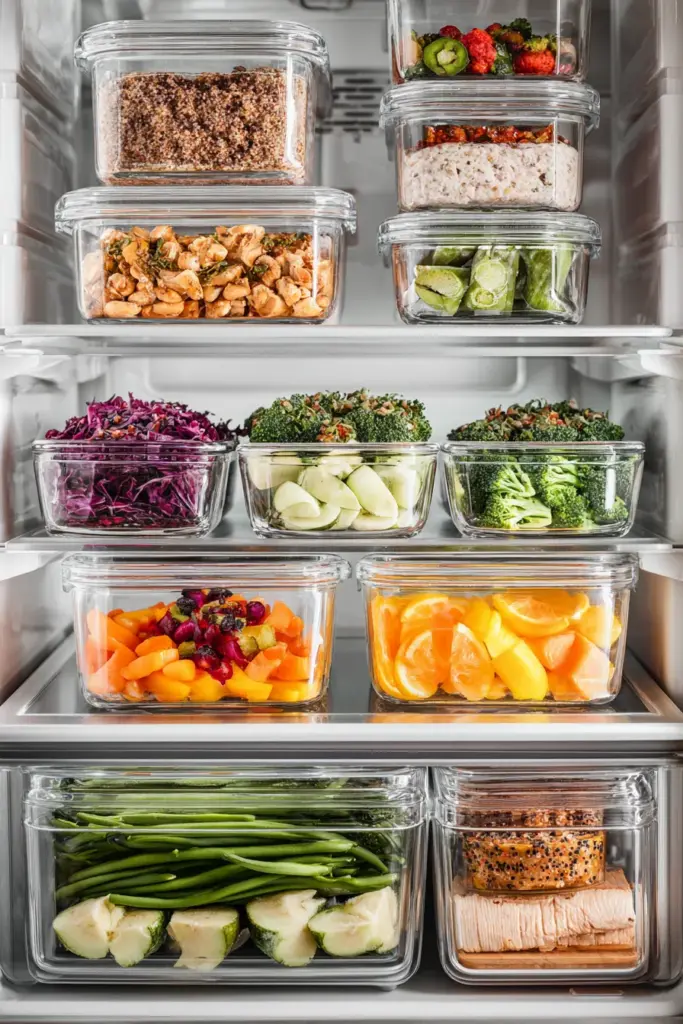
Slightly undercook proteins that you’ll be reheating later. They’ll finish cooking when you reheat them, preventing that dried-out texture that comes from cooking them twice all the way through. This applies especially to chicken and seafood.
Store proteins with some of their cooking liquid or a sauce to keep them moist. Plain, dry chicken breast stored in a container will be sad and tough by day three, but chicken breast stored in a bit of marinade or sauce stays juicy and flavorful.
Reheat gently and carefully. High heat on the microwave might be faster, but medium power for slightly longer produces much better results. For oven reheating, low and slow is the way to go. Cover proteins with foil to trap moisture while they heat through.
Common Mistakes and How to Avoid Them
Even experienced cooks make mistakes with protein sometimes. Knowing what can go wrong helps you prevent problems before they happen. These are the mistakes I see most often and the simple fixes that solve them.
Overcrowding the pan is probably the single biggest mistake home cooks make. When you pack too much protein into a pan, it steams instead of browning, and you end up with gray, tough protein instead of golden, flavorful results. Give everything space. Cook in batches if necessary.
Not patting protein dry before cooking prevents proper browning. Wet surfaces create steam when they hit hot oil, and steam prevents the Maillard reaction that creates that delicious golden crust. Use paper towels to thoroughly pat dry any protein before seasoning and cooking.
Moving protein around too much in the pan is another common error. When you place chicken, fish, or shrimp in a hot pan, resist the urge to poke at it, flip it constantly, or move it around. Let it sit undisturbed so it can develop that flavorful crust. You’ll know it’s ready to flip when it releases easily from the pan.
Using the wrong cooking fat can impact both flavor and health. Some oils have low smoke points and break down at high heat, creating off flavors and potentially harmful compounds. For high-heat cooking like searing or grilling, use oils with high smoke points like avocado oil or refined coconut oil. Save delicate oils like extra virgin olive oil for lower-heat cooking or finishing dishes.
Building Your High Protein Kitchen
Having the right tools and ingredients on hand makes high protein cooking infinitely easier. I’m not talking about needing every kitchen gadget ever invented or stocking exotic ingredients. Just a few strategic purchases and smart pantry organization can set you up for success.
The foundation of a high protein kitchen starts with good storage containers. You need airtight containers for storing prepped ingredients, portioned meals, and leftovers. I prefer glass containers because they don’t stain or hold odors, but sturdy plastic works too. Having various sizes available means you can store everything from individual portions to large batches efficiently.
An instant-read thermometer changed my protein cooking completely. No more guessing if chicken is done or accidentally overcooking expensive fish. This single tool, which costs around fifteen dollars, eliminates so much stress and produces consistently better results.
Essential Pantry Staples
Stock your pantry with ingredients that add flavor to protein without much effort. Good quality olive oil, various vinegars, soy sauce or tamari, hot sauce, and Dijon mustard form the base of countless marinades and sauces. These keep for months and let you create different flavor profiles whenever inspiration strikes.
A well-stocked spice collection is invaluable. Beyond salt and pepper, I consider garlic powder, onion powder, paprika, cumin, chili powder, dried oregano, and dried basil essential. These spices let you take protein in any flavor direction from Mexican to Italian to Indian without buying fresh ingredients every time.
Keep canned and frozen proteins on hand for emergency meals. Canned tuna, salmon, and chicken provide backup protein when you haven’t made it to the store. Frozen shrimp cooks from frozen in minutes. Individually wrapped frozen chicken breasts give you options even when your fresh protein supply has run out.
Smart Refrigerator Organization
Organize your refrigerator so high protein ingredients are visible and accessible. I keep a dedicated drawer for proteins so I always know what’s available. Store prepped vegetables in clear containers at eye level so you’ll actually use them. Keep sauces and dressings near the front where you can see them easily.
Label everything with dates so you know what needs to be used first. This prevents food waste and ensures you’re eating ingredients while they’re still fresh. I use masking tape and a permanent marker for quick labeling that’s easy to remove and reuse containers.
Maintain a running inventory of what proteins you have available. A simple list on your phone or a whiteboard on the refrigerator helps you plan meals based on what needs to be used rather than buying duplicates or letting food spoil.
Conclusion
Looking back at my journey with high protein cooking, I’m amazed at how much has changed. What started as a somewhat reluctant effort to eat healthier has become a genuine passion for creating meals that nourish my body while delighting my taste buds. The energy, satisfaction, and overall sense of wellness that comes from eating adequate protein at every meal has been transformative.
The beautiful thing about high protein meals is that they don’t require you to give up flavor, variety, or enjoyment. Whether you’re building a colorful power bowl, experimenting with seafood, creating egg-based breakfasts, or simply learning to cook chicken breast properly, there are endless possibilities for delicious, protein-rich eating. Every meal becomes an opportunity to fuel your body well while treating yourself to something truly satisfying.
Remember that perfection isn’t the goal here. Some nights you’ll create restaurant-quality meals that make you feel like a culinary genius. Other nights you’ll throw together a simple bowl of ingredients from your fridge and call it dinner. Both approaches are valuable. Both keep you nourished. The key is making high protein eating work for your real life, not some idealized version of what healthy eating should look like.
Start with recipes that excite you, build your skills gradually, and don’t be afraid to adapt things to your preferences. If you don’t like an ingredient, swap it out. If a recipe seems too complicated, simplify it. This is your kitchen, your body, and your journey. Make it work for you in whatever way feels sustainable and enjoyable.
For more delicious inspiration and protein-packed meals that your whole family will love, explore these favorites from our kitchen:
Frequently Asked Questions
How much protein should I aim for in each meal?
Most adults benefit from about 20 to 30 grams of protein per meal, which helps with satiety, muscle maintenance, and steady energy levels. This amount is easy to achieve with a palm-sized portion of chicken, fish, or meat, about three to four eggs, a cup of Greek yogurt, or a combination of plant-based proteins like beans and grains. Athletes or very active individuals might need more, while smaller or less active people might need slightly less.
Can I get enough protein without eating meat?
Absolutely. Vegetarian and even vegan diets can provide adequate protein when you include a variety of protein sources. Eggs, dairy products like Greek yogurt and cottage cheese, legumes, tofu, tempeh, nuts, seeds, and whole grains all contribute protein. The key is eating a variety of these foods throughout the day to ensure you’re getting all the essential amino acids your body needs.
What’s the best way to meal prep protein for the week?
Cook proteins slightly less than you normally would since they’ll continue cooking when reheated. Store them with a bit of sauce or cooking liquid to maintain moisture. Portion into individual containers for easy grabbing throughout the week. Most cooked proteins stay fresh in the refrigerator for four to five days, while raw proteins can be seasoned and frozen for longer storage.
Is it better to eat protein throughout the day or load it into one meal?
Research suggests that spreading protein intake across your meals is more beneficial than eating most of it at dinner. Your body can only utilize about 25 to 30 grams of protein at once for muscle protein synthesis, with excess being used for energy or stored. Eating protein at breakfast, lunch, and dinner helps maintain steady energy, controls hunger, and supports muscle maintenance better than one protein-heavy meal.
How do I keep chicken breast from drying out?
Pound chicken breasts to even thickness so they cook uniformly. Don’t overcook them, use an instant-read thermometer to check for 165 degrees Fahrenheit. Let them rest for five minutes after cooking before cutting. Consider marinating or brining them before cooking. And try cooking methods that add moisture, like braising, poaching, or baking with sauce rather than always grilling or pan-searing.
What are the easiest high protein breakfasts for busy mornings?
Hard-boiled eggs prepared ahead are the ultimate grab-and-go protein. Greek yogurt with nuts and fruit takes seconds to assemble. Make-ahead egg muffins or crustless quiches can be reheated in 30 seconds. Cottage cheese with berries requires zero prep. Or cook a batch of breakfast sausage or bacon on the weekend to pair with quick-cooking eggs during the week.
How can I make my protein meals taste better without adding lots of calories?
Focus on herbs, spices, citrus, vinegar, and aromatics like garlic and ginger, all of which add tons of flavor without significant calories. Learn to make flavorful sauces with Greek yogurt or blended vegetables as bases instead of heavy cream. Proper seasoning with salt and pepper makes a huge difference. And cooking techniques that add flavor through caramelization, like roasting and grilling, create depth without extra ingredients.
Is frozen seafood as good as fresh for high protein meals?
Frozen seafood is often fresher than what’s labeled “fresh” at the grocery store since it’s typically frozen on the boat immediately after being caught. Just thaw it properly by moving it to the refrigerator overnight rather than leaving it at room temperature or using hot water. Individually quick-frozen shrimp are especially convenient since you can take out exactly what you need and keep the rest frozen.
What’s the most affordable way to eat more protein?
Eggs are incredibly affordable protein at around 6 grams per egg and less than 25 cents each in most places. Canned tuna and salmon provide convenient protein at low cost. Buying chicken thighs instead of breasts saves money while providing more flavor. Legumes like dried beans and lentils cost pennies per serving and provide protein plus fiber. Greek yogurt bought in large containers rather than individual cups reduces cost significantly.
How do I know when my protein is properly cooked?
The most reliable method is using an instant-read thermometer. Chicken and turkey should reach 165 degrees Fahrenheit, pork should hit 145 degrees, and fish should reach 145 degrees. For shrimp, look for the color to turn from translucent gray to opaque pink and white. When pressed, properly cooked protein should feel firm but still spring back slightly rather than feeling hard or mushy.
Can I freeze cooked protein for later use?
Yes, most cooked proteins freeze well for up to three months. Cool them completely before freezing, portion them for easy use, and store in airtight containers or freezer bags with as much air removed as possible. Proteins with sauce or cooking liquid freeze better than plain, dry proteins. Label everything with the date and contents. Thaw in the refrigerator overnight for best results.
What should I do if I’m tired of chicken and want variety?
Explore different proteins like turkey, pork tenderloin, various types of fish, shrimp, and scallops. Try different cuts like chicken thighs instead of breasts. Experiment with plant-based proteins like tempeh and tofu. Change up your seasonings and cooking methods dramatically. A spicy Thai preparation tastes nothing like an Italian herb version, even with the same protein. And don’t be afraid to have protein-rich vegetarian meals occasionally for a complete change of pace.

🍳 Precision Meets Passion — Tools Chefs Trust Daily

- Grams & ounces — precise to 1g
- Perfect for baking & keto tracking
- Sleek stainless steel design

- German stainless precision
- Razor-sharp & dishwasher-safe
- Elegant wood block organizer

- Premium Stainless Steel Build
- Easy to Clean & Dishwasher Safe
- A Must-Have Kitchen Tool