➤ Table of Contents
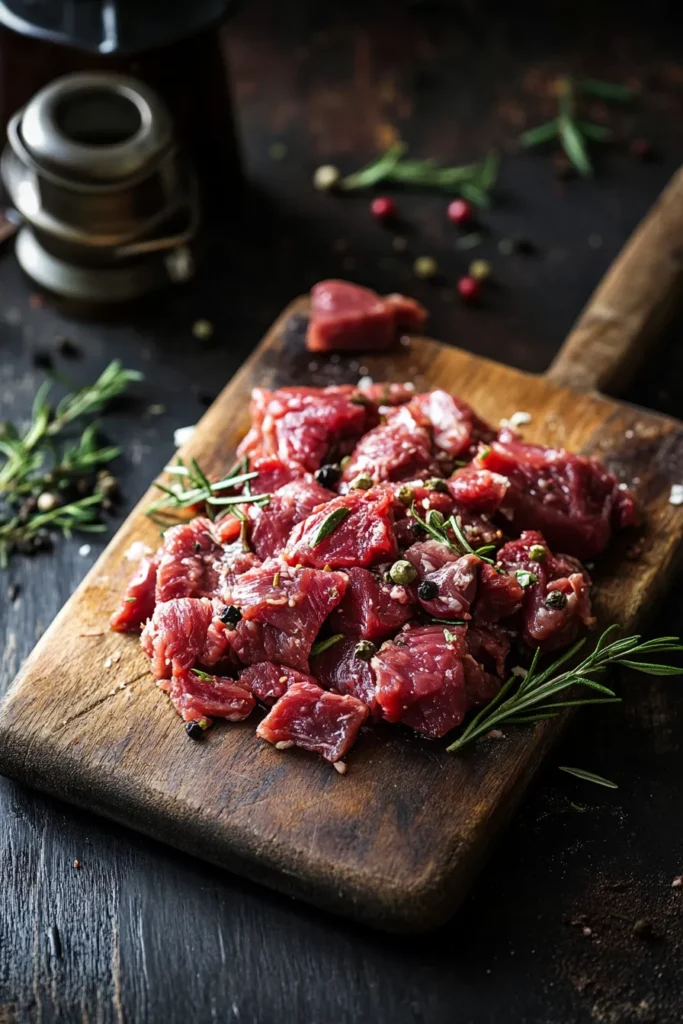
I’ll never forget the first time someone handed me a package of ground venison from their fall hunt. I stood in my kitchen, staring at this deep burgundy meat, wondering if I could really make something delicious out of it. My only experience with venison had been a dry, gamey roast at a friend’s house years ago, and I wasn’t eager to repeat that experience. But something about that gorgeous color and the pride in my friend’s eyes when he handed it over made me want to try. So I made burgers, simple ones with just salt and pepper, and I was completely blown away. The flavor was rich and complex, nothing like the harsh gaminess I remembered. It was earthy and clean, almost sweet, and I realized that venison, when handled right, might be one of the most delicious meats I’d ever cooked.
⚡ Smart Kitchen Tools Every Home Cook Swears By

- Pure aluminum
- Durable enough for everyday cooking
- Made in the USA with quality

- 7 cooking functions in one compact cooker
- 3-quart size ideal for couples or small meals
- Up to 70% faster than traditional cooking

- 3 sizes for every recipe
- Pre-seasoned & durable cast iron
- Oven & grill ready
That first package turned into dozens more over the years as I became the designated venison cook among my hunting friends. I’ve learned through plenty of trials and some spectacular errors exactly how to coax the best flavors from this lean, noble meat. Venison isn’t beef, and that’s precisely what makes it special. It requires different techniques, different fat ratios, and a willingness to think beyond traditional burger and sausage recipes. But once you understand its nature, venison becomes an ingredient that elevates everything it touches.
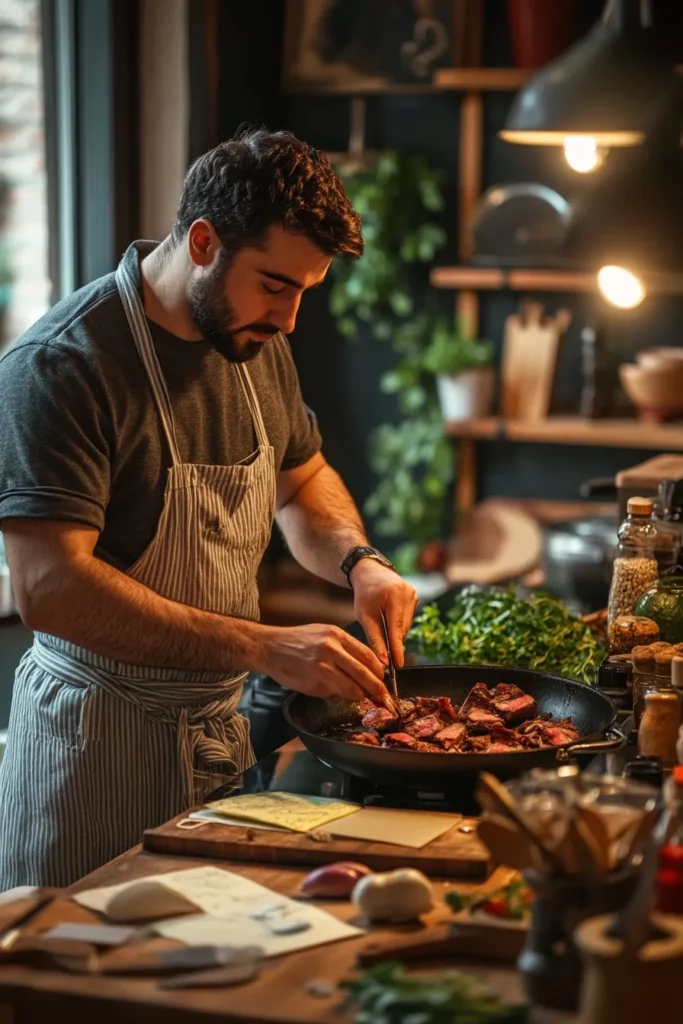
This guide is everything I’ve learned about cooking venison, from selecting the right cuts to mastering the fat ratios that make or break ground venison recipes. We’ll explore smash burgers that get crispy edges and stay juicy inside, summer sausages with the perfect snap and spice balance, bratwurst that rivals anything from Wisconsin, and breakfast sausages that will change your weekend mornings forever. Whether you’re a hunter processing your own deer or someone who’s discovered venison at the farmers market, you’ll find techniques and recipes that actually work in a home kitchen.
I believe cooking venison should be a joy, not a challenge. Every recipe here comes from real experience, complete with the mistakes I made so you can skip straight to the delicious parts. Let’s dive into the wonderful world of venison cooking together.
Understanding Venison: What Makes It Different
The first thing you need to know about venison is that it’s not just “deer beef.” It’s fundamentally different from the beef we’re all used to cooking, and understanding those differences is the key to success. Venison is incredibly lean, sometimes as low as two to three percent fat compared to ground beef’s fifteen to twenty percent. This leanness is both venison’s greatest attribute and its biggest challenge in the kitchen.
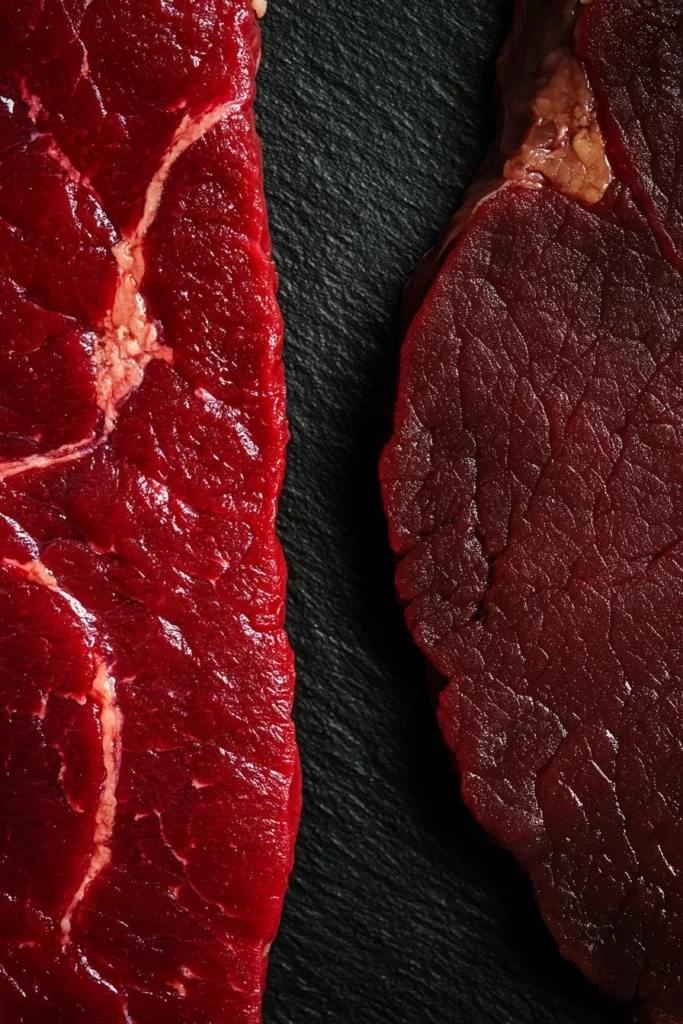
That deep red color you see in venison comes from myoglobin, the protein that stores oxygen in muscle tissue. Deer are active, wild animals, and their muscles work hard, developing rich flavor but very little intramuscular fat. This is why venison tastes so distinctly different from beef. It’s concentrated meat flavor without the richness of fat to mellow it out. Some people describe this as gamey, but I think of it as pure, clean, and deeply savory.
The lack of fat means venison can dry out quickly if you’re not careful. It also means the meat can become tough when overcooked because there’s no fat to keep it tender and moist. This is why so many people have bad venison experiences. They cook it like beef, and it turns into leather. But when you add the right amount of fat, use proper cooking techniques, and don’t overcook it, venison becomes incredibly delicious.
Choosing Your Venison Cuts
Not all venison is created equal, and the cut you’re working with matters tremendously. Ground venison is the most versatile and what we’ll focus on most in this guide. It’s perfect for burgers, sausages, meatballs, and countless other applications. Most ground venison you buy or receive from hunters comes from various cuts mixed together, usually the trim from processing larger roasts and steaks.
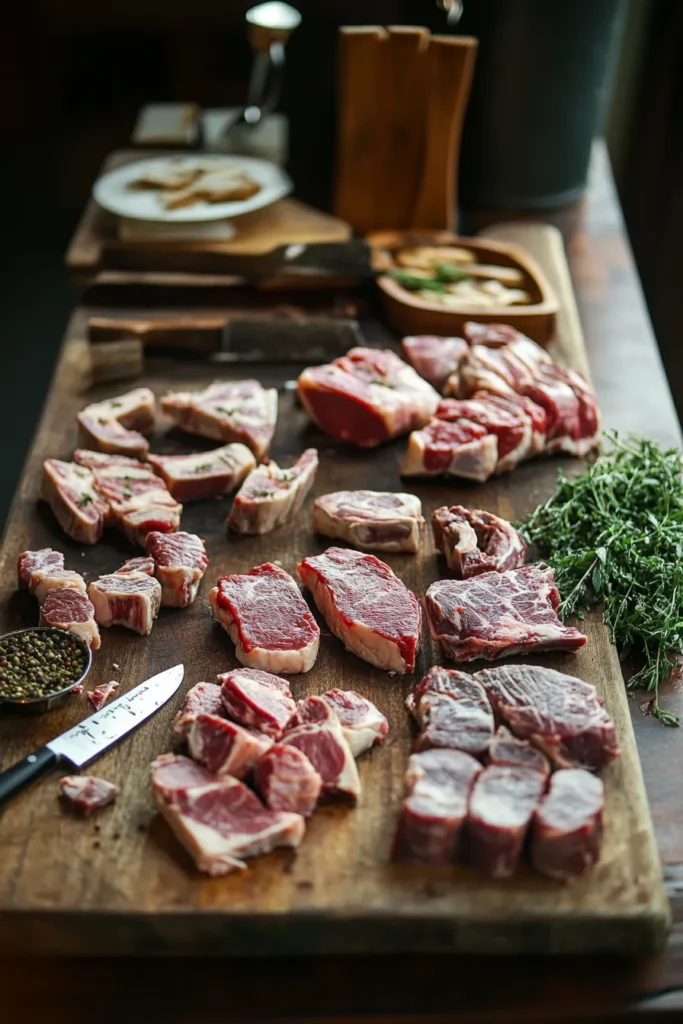
When you’re getting venison ground, you’ll often have the option to add fat. Some processors add beef fat, others use pork fat, and some hunters prefer to keep their venison pure and add fat during cooking instead. I’ve worked with all these variations, and each has its place. For burgers, I actually prefer venison mixed with beef fat or bacon because it helps the patties hold together and adds richness. For sausages, pork fat is traditional and brings its own wonderful flavor.
🥗 Fresh, Fast & Foolproof — Upgrades You'll Use Tonight

- Zoodles in seconds
- Heavy-duty, 10 sharp blades
- Keto, paleo & gluten-free friendly

- Meals in ~30 minutes
- 3-Qt — perfect for 1–3 people
- Pressure cook, sauté, steam & more

- Phone alerts & live temp graph
- Hands-off monitoring for smokers
- Perfect doneness, every time
The quality of venison also depends on how the deer was handled after the harvest. Proper field dressing, quick cooling, and careful butchering make an enormous difference in flavor. Well-cared-for venison tastes clean and mild. Poorly handled venison can indeed taste gamey or have off flavors. If you’re buying venison rather than receiving it from a hunter, look for meat that’s deep red with no brown spots, vacuum-sealed if possible, and from a reputable source.
The Fat Question: Ratios That Work
This is probably the single most important factor in cooking delicious ground venison. Pure venison is simply too lean for most applications. You need fat for flavor, moisture, and texture. Through years of experimentation, I’ve found that an eighty to twenty ratio works beautifully for most purposes. That’s eighty percent venison to twenty percent fat.
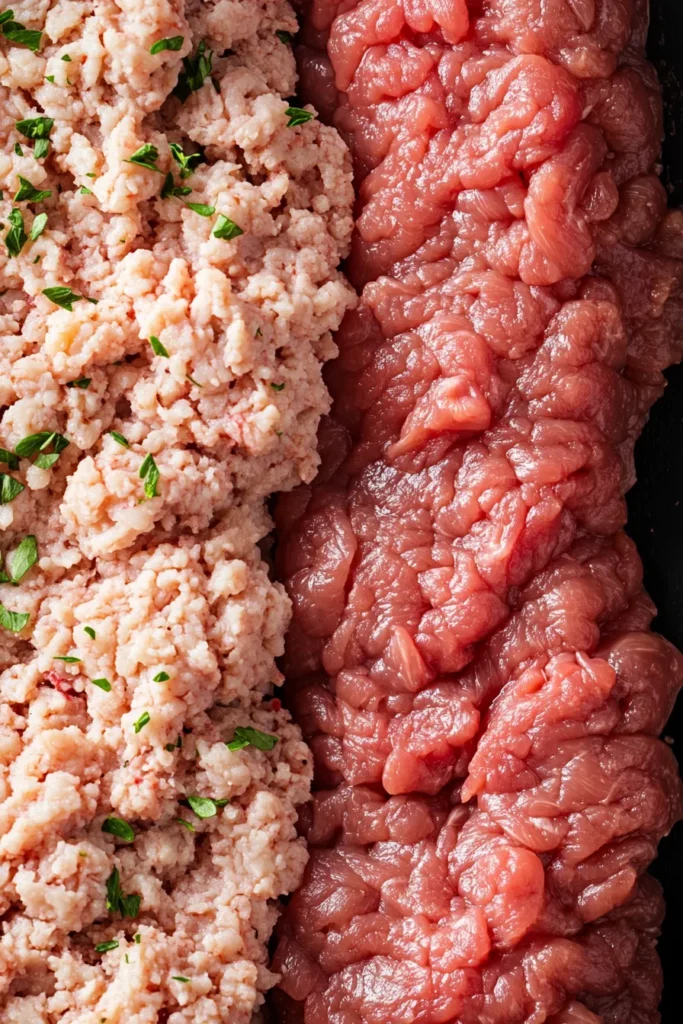
For burgers, this ratio gives you patties that stay juicy and hold together without being greasy. For sausages, you might want to go even higher with fat, sometimes up to thirty percent, because the meat will be stuffed into casings and needs enough fat to keep it tender during smoking or cooking. The venison burger meat recipes I’ve developed all work with this fundamental understanding of fat ratios.
What kind of fat should you use? Beef fat, particularly from brisket trimmings, is my go-to for burgers. It has a mild flavor that doesn’t compete with the venison. Pork fat, especially from pork shoulder or bacon, adds its own delicious flavor and works wonderfully in sausages. Some people use bacon pieces mixed right into the grind, which I love for certain applications. Each fat brings different qualities, so think about what flavors you want in your final dish.
Mastering Venison Smash Burgers
Smash burgers changed my entire approach to cooking venison burgers. For years, I carefully formed thick patties and tried to cook them like regular burgers, always ending up with something that was either overcooked and dry or undercooked in spots. Then I discovered the smash burger technique, and suddenly venison burgers became one of my favorite things to cook. The method is brilliant in its simplicity and perfectly suited to lean meat.
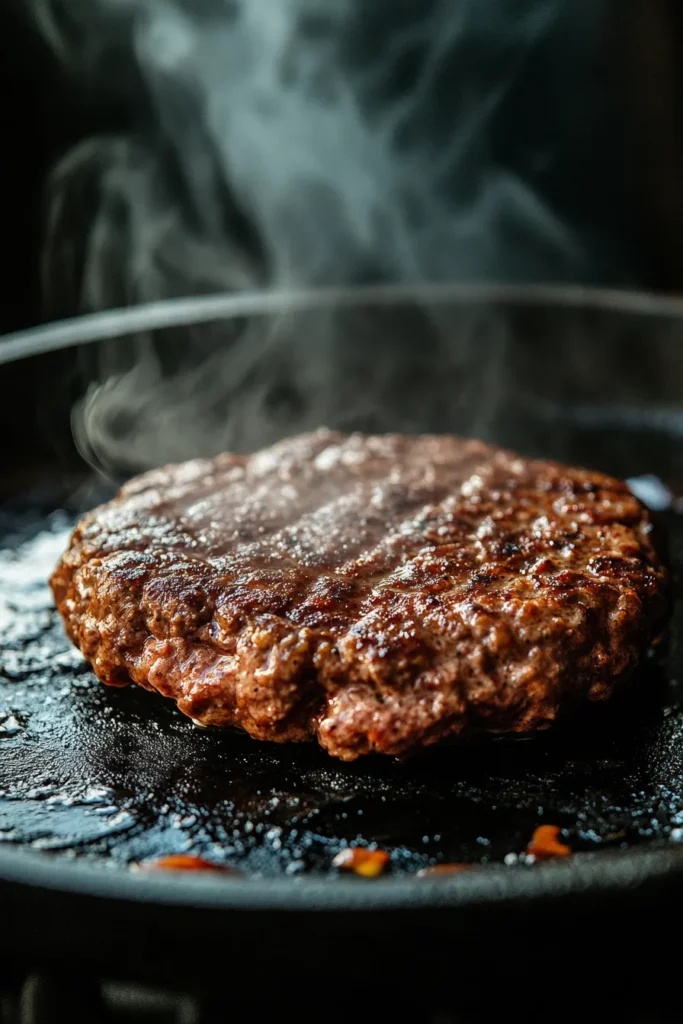
The concept is straightforward: you take a loose ball of seasoned meat and smash it hard onto a screaming hot griddle or cast iron pan. This creates maximum surface area contact with the hot cooking surface, developing a deeply caramelized crust while keeping the interior juicy. Because venison is so lean, this crust becomes even more important. It’s where most of your flavor develops, and it happens fast enough that the inside stays tender and medium.
I heat my cast iron griddle until it’s smoking hot, so hot that a drop of water evaporates instantly. I work with cold meat straight from the fridge, formed into loose balls about three to four ounces each. No packing, no pressing, just gently shaped spheres. When the pan is ready, I place the meat ball on the surface and immediately smash it with a sturdy metal spatula, pressing down hard with my other hand on top of the spatula for maximum pressure.
The Perfect Smash Technique
Here’s what I’ve learned about smashing: you get one chance to do it right. Press down hard and fast, hold for just a second, then leave it alone. Don’t smash again, don’t press on it while it cooks, just let it be. The burger will naturally release from the pan when it’s ready, usually after about two to three minutes. If you try to flip it too early, you’ll tear that beautiful crust.
Season generously right before smashing. I use kosher salt and fresh cracked black pepper, and I’m not shy about it. The high heat and quick cooking time mean you need bold seasoning. Some of my favorite versions add even more flavor with special toppings and combinations, like the maple cranberry venison smash burgers with brie and crispy bacon that balance the meat’s richness with sweet and tangy elements.
After flipping, you only need another minute or so. Venison is best served medium to medium rare, and with smash burgers, that’s easy to achieve because they’re thin enough to cook through while developing that crust. If you’re adding cheese, this is when you do it, letting it melt over the patty in that final minute.
Creative Topping Combinations
The beauty of venison smash burgers is how well they pair with both classic and creative toppings. The meat has enough character to stand up to bold flavors without being overwhelmed. One of my absolute favorites is the cranberry brie venison smash burgers with caramelized onions. The sweet onions, tart cranberries, and creamy brie create layers of flavor that complement the venison beautifully.
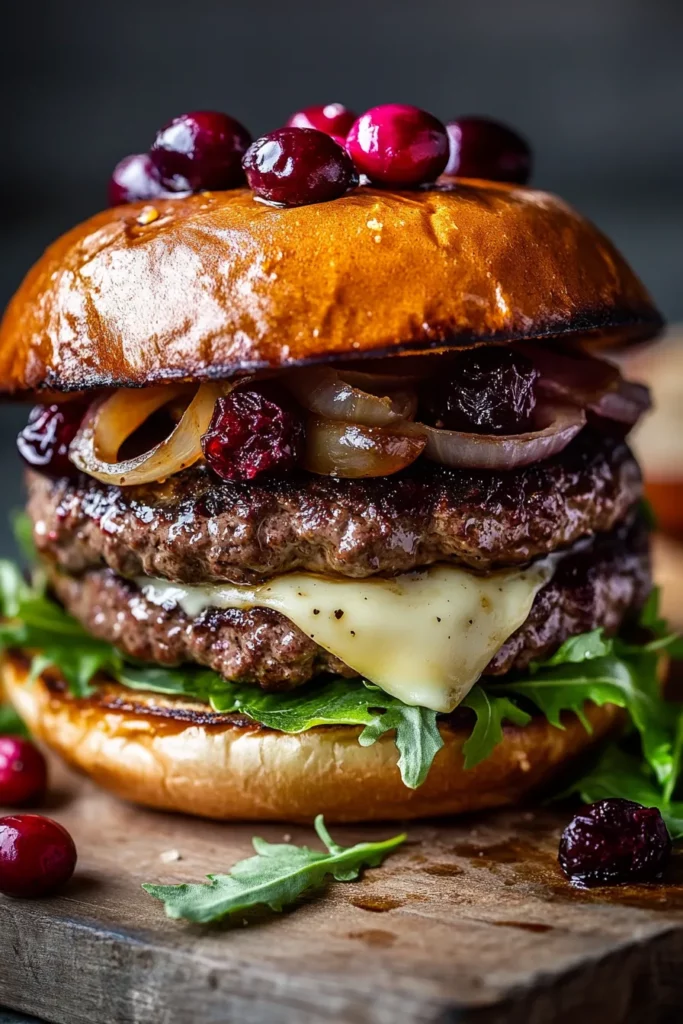
Fruit-based toppings work surprisingly well with venison’s slight sweetness. The blackberry and bacon venison burgers with creamy brie might sound unusual, but trust me on this one. The blackberries break down into a jammy sauce, the bacon adds smokiness, and the brie brings everything together with its rich creaminess.
For those who like heat with their sweet, the charred venison smash burgers with pineapple jalapeno relish and whipped goat cheese deliver an exciting flavor experience. The tropical pineapple and spicy jalapeno create a relish that’s addictive, while the tangy whipped goat cheese cools everything down.
Summer Grilling Variations
While I usually make smash burgers on a griddle, you can adapt the technique for outdoor grilling. The key is using a flat metal surface on your grill, like a cast iron griddle or plancha. You need that direct, even heat to get proper smashing and crust development. Regular grill grates won’t work for smashing, though you can certainly grill regular venison burgers on them if you’re careful about the fat content.
Summer brings out different flavor profiles in my burger making. The grilled venison smash burgers with blackberry peach salsa and whipped brie capture peak summer produce in burger form. The stone fruit salsa is bright and fresh, perfect for outdoor eating.
Another summer favorite is the blackberry bacon venison smash burgers with whipped brie. I make these when blackberries are at their peak, and guests always rave about the combination. The whipped brie is a trick I learned that makes the cheese easier to spread and lighter in texture than regular sliced brie.
Venison Sliders: Perfect Party Food
Sliders have become my go-to when I’m cooking for a crowd. They’re fun, portable, and you can make a lot of them quickly. Venison sliders work particularly well because the smaller size means you can cook them through while still keeping them juicy, and people who might be hesitant about trying venison are more willing to experiment with a small slider than a full burger.
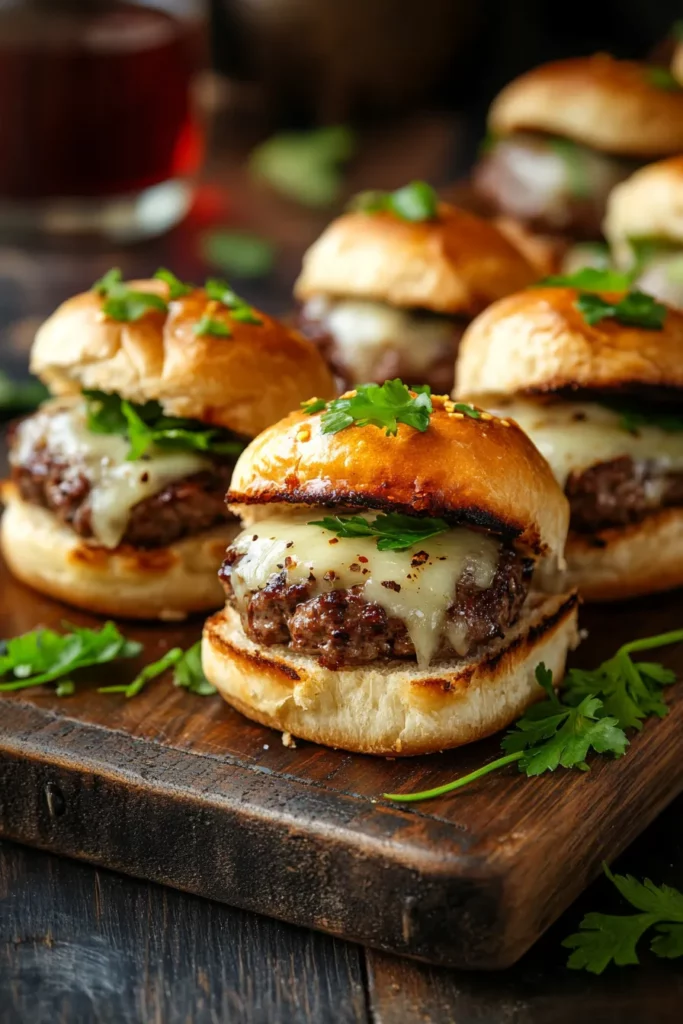
The technique for sliders is similar to full-size smash burgers but scaled down. I use about two ounces of meat per slider and cook them on a large griddle so I can make many at once. The smaller size means they cook even faster, usually ninety seconds per side, so you need to be ready with your toppings and buns to assemble quickly once they’re done.
One of the most popular versions I make is the venison burger sliders with cowboy butter. If you’ve never had cowboy butter, you’re missing out. It’s a compound butter loaded with garlic, herbs, lemon, and spices that melts over the hot slider and soaks into the bun. It’s incredibly flavorful and adds richness that venison loves.
Spicy Slider Variations
For parties where people want some heat, I turn to the sweet jalapeno venison sliders. These balance spicy pickled jalapenos with a touch of sweetness from a honey-based sauce. The contrast works perfectly with venison’s earthy flavor, and they disappear from the platter faster than I can make them.
I’ve learned to set up a slider station when hosting, with the cooked patties staying warm on one side of the griddle and all the toppings laid out for people to customize. This interactive element makes the meal more fun, and everyone gets exactly what they want. Plus, it takes pressure off me as the cook to get every single topping combination right.
The key to great sliders is using good quality slider buns. I prefer potato rolls or brioche slider buns that are soft enough to bite through easily but sturdy enough not to fall apart. Toast them lightly on the griddle before assembling. That little bit of crispness on the inside of the bun helps it stand up to juicy meat and sauces.
The Art of Venison Summer Sausage
Summer sausage was intimidating to me for years. It seemed like something that required special equipment, secret knowledge, and skills I didn’t have. But once I actually tried making it, I realized it’s much more approachable than I thought. Yes, there are some specific techniques involved, but none of them are particularly difficult. And the reward, that perfect slice of homemade summer sausage with its distinctive tang and snap, makes every bit of effort worthwhile.
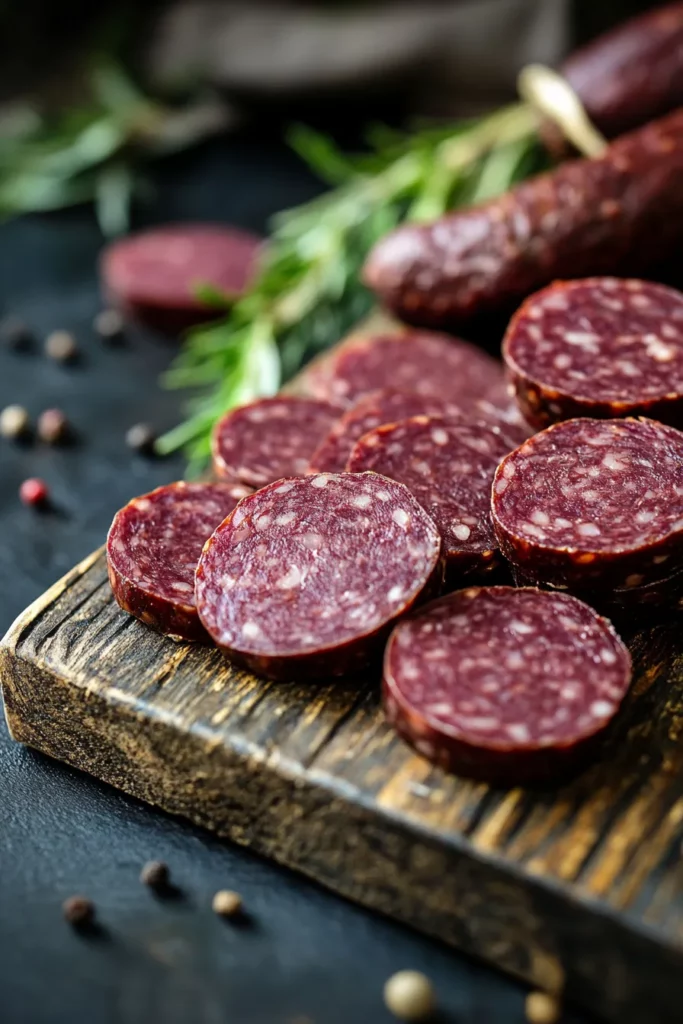
Summer sausage gets its name not because you eat it in summer, but because it’s a preserved sausage that doesn’t require refrigeration for short periods, making it perfect for summer activities like camping and picnics. The preservation comes from curing salt, which also gives summer sausage its characteristic pink color and tangy flavor. This isn’t something you can skip or substitute in summer sausage recipes. The curing salt is essential for both safety and flavor.
The basic process involves mixing ground venison with fat, seasonings, and curing salt, stuffing it into casings, and then slowly smoking or baking it until it reaches the right internal temperature. The slow cooking is crucial. Rush it, and your sausage will be dry and crumbly. Take your time, and you’ll get that perfect texture where the sausage holds together but is tender when you bite into it.
Classic Summer Sausage Techniques
My go-to method for beginners is the baked venison summer sausage recipe. Baking is more forgiving than smoking and doesn’t require any special equipment beyond your oven. You still get excellent results with the right technique, patience, and attention to temperature.
For a more traditional approach that combines venison with beef for added richness, the venison and beef summer sausage is an excellent choice. The beef fat helps keep everything moist and adds a mellower flavor that some people prefer. It’s a great option if you’re making summer sausage for people who aren’t used to pure venison.
The classic homemade venison summer sausage recipe is where I started my summer sausage journey. It uses straightforward seasonings that let the venison flavor shine through while still giving you that characteristic tangy, slightly spicy summer sausage taste that everyone loves.
Spicy and Flavored Variations
Once you’ve mastered the basics, the flavoring possibilities are endless. One of my favorites is the venison summer sausage with jalapeno and cheese. The cheese adds creaminess and the jalapenos bring heat without overwhelming the venison. When you slice into it, the cheese creates beautiful pockets throughout.
For even more heat, the venison and green chile pepper jack summer sausage amps things up with both green chiles and pepper jack cheese. It’s become a favorite among my friends who like bold flavors. The pepper jack melts slightly during cooking, creating pockets of gooey, spicy cheese throughout the sausage.
The spicy venison summer sausage with jalapeno and cheddar is another winner. Sharp cheddar holds up better than milder cheeses during the long cooking time, and its flavor complements both the venison and the spicy jalapenos beautifully.
Advanced Summer Sausage Methods
As I’ve gotten more confident with summer sausage, I’ve experimented with different methods and styles. The rustic artisan venison summer sausage uses a combination of smoking and baking to develop complex flavors. Starting with smoke gives you that wonderful smoky aroma and taste, while finishing in the oven ensures even cooking.
The baked venison summer sausage approach is what I recommend for anyone who doesn’t have smoking equipment but still wants to make excellent summer sausage at home. The key is maintaining a low, steady temperature and not rushing the process.

For the most developed flavor and traditional texture, the homemade venison summer sausage method incorporates proper curing time before cooking. Letting the meat rest with the seasonings for a day or two allows flavors to penetrate thoroughly and helps develop that characteristic tang.
Smoked Venison Sausages and Bratwurst
There’s something special about smoked sausages that you just can’t replicate any other way. The smoke penetrates the meat, adding layers of flavor that make every bite interesting. When you combine that smoke with venison’s naturally rich taste, you get sausages that are truly memorable. I’ve spent countless hours perfecting my smoked venison sausage techniques, and I’m excited to share what I’ve learned.
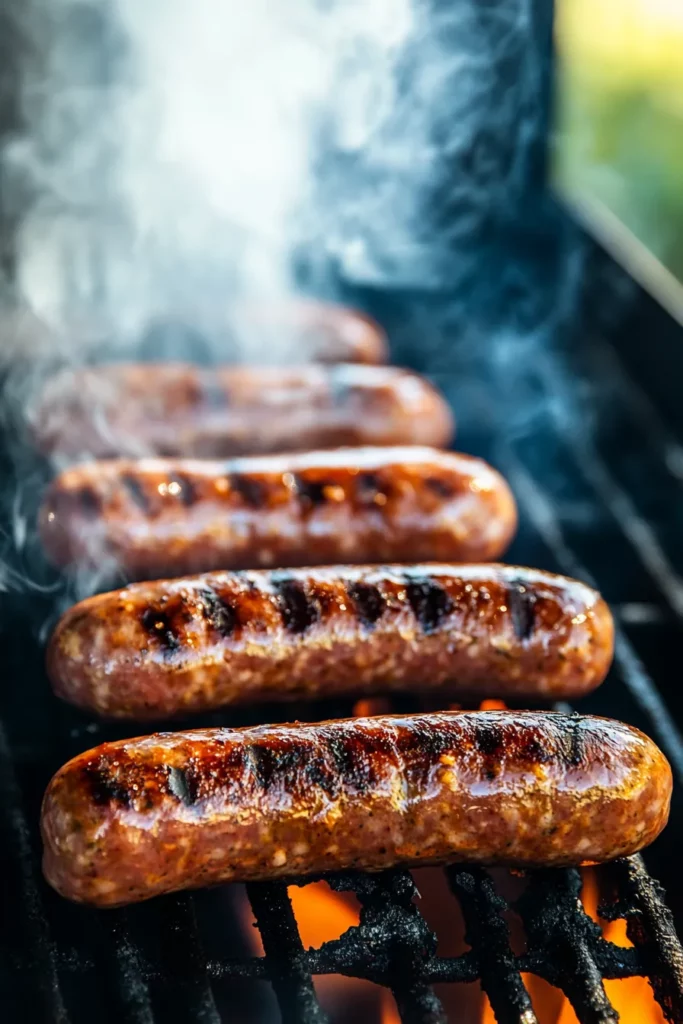
Smoking sausages requires patience more than anything else. You’re looking for low, steady heat and consistent smoke over several hours. The goal isn’t just to cook the meat but to infuse it with smoke flavor while developing the perfect texture. Too hot and your casings will burst. Too fast and the inside won’t cook properly. But get it right, and you’ll have sausages that rival anything from a fancy butcher shop.
The type of wood you use for smoking matters tremendously. I’ve tried them all, and for venison, I prefer fruit woods like apple or cherry. They give a sweet, mild smoke that complements rather than overpowers the meat. Hickory works too but can be strong, so I use it sparingly or blend it with milder woods.
Traditional Bratwurst Style
Bratwurst is one of the most satisfying sausages to make at home. The classic German style, with its blend of spices and creamy texture, translates beautifully to venison. The smoked venison bratwurst recipe I use produces sausages with authentic flavor and snap.
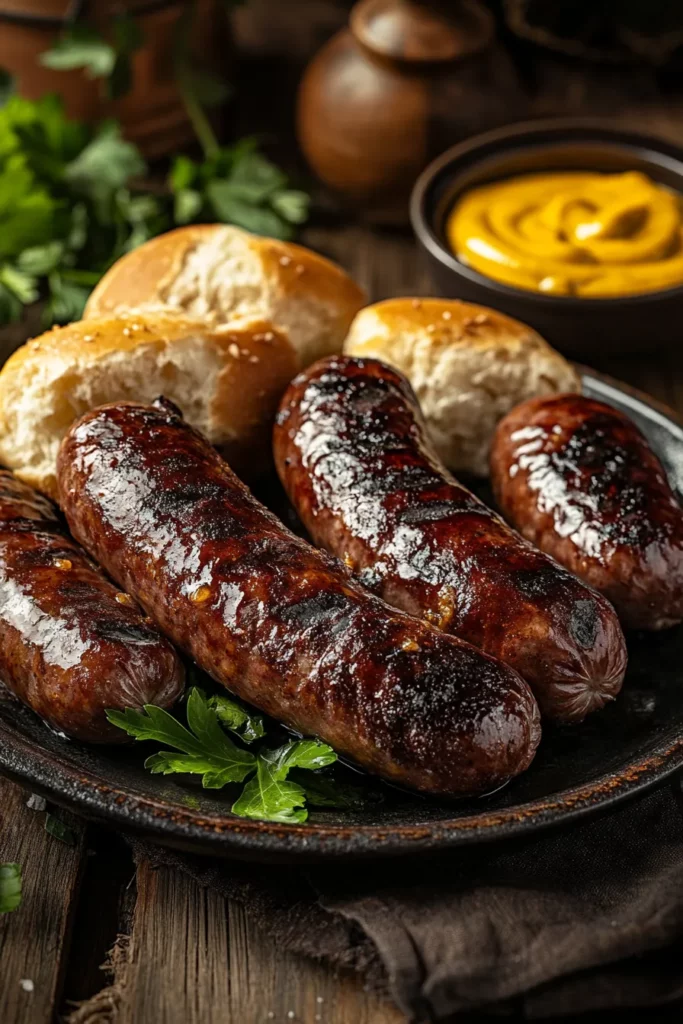
What makes bratwurst special is the spice blend. You need white pepper, nutmeg, and often a touch of mace or ginger. These warm spices complement venison’s earthiness perfectly. I also add cream or milk powder to the mix, which helps create that characteristic smooth, almost creamy texture that great bratwurst has.
The smoked venison cheddar brats are a Wisconsin-inspired variation that adds sharp cheddar to the traditional bratwurst spicing. The cheese creates pockets of richness throughout the sausage and adds a nice tang that balances the meat.
Herb and Garlic Variations
For a more aromatic bratwurst, the smoked venison bratwurst with garlic and herbs loads up on fresh herbs like parsley, thyme, and lots of garlic. These bright flavors cut through the richness and make for a lighter-tasting sausage that’s perfect for summer grilling.
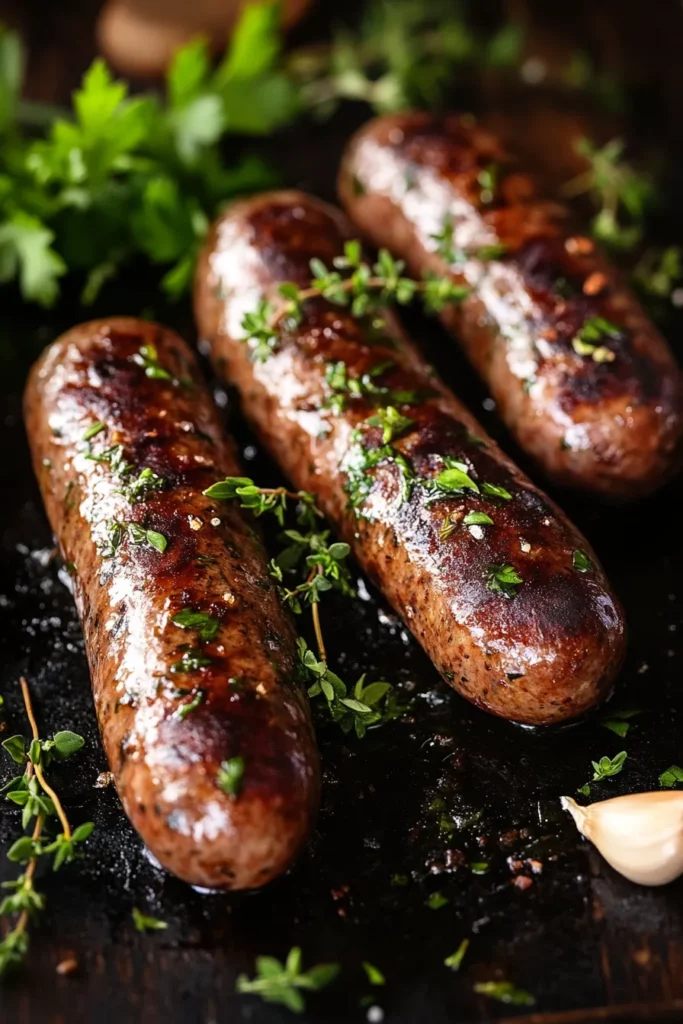
I like to serve these bratwurst the traditional way, in good crusty rolls with sauerkraut and mustard. But they’re also excellent sliced and added to pasta, grilled alongside vegetables, or simply enjoyed on their own with a cold beer. The versatility of homemade bratwurst is one reason I make big batches and freeze them for later use.
Spicy Venison Sausages and Chorizo
If you love bold, spicy flavors, venison sausages with heat are going to become your new obsession. The meat’s richness stands up beautifully to aggressive seasoning, and there’s something about the combination of gamey venison and fiery spices that just works. These are the sausages I make when I want to wake up my taste buds and add excitement to a meal.
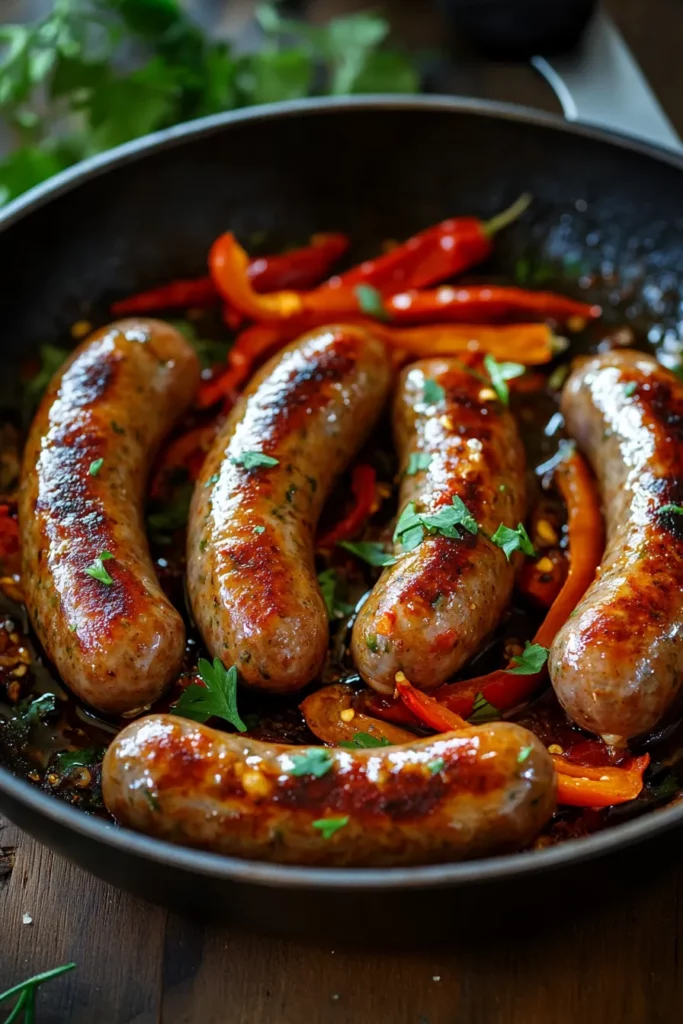
Chorizo was a revelation for me as a venison sausage option. Traditional Mexican chorizo is fresh, not smoked, and relies on dried chiles, vinegar, and spices for its characteristic flavor. It’s loose rather than stuffed into casings, which makes it even easier to work with. When you make chorizo with venison instead of pork, you get something leaner but equally flavorful.
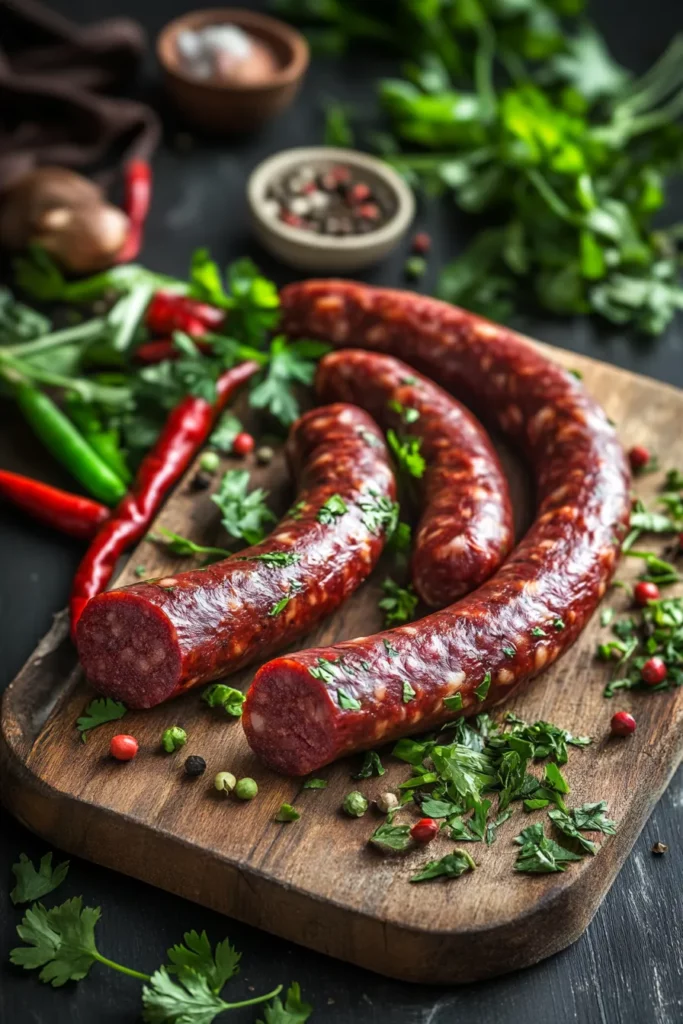
The venison chorizo with jalapeno and sharp cheddar is my weekend breakfast go-to. I’ll cook it loose in a skillet until it’s crispy at the edges, then scramble eggs right in with it. The cheese melts into everything, and the jalapenos add little bursts of heat throughout. It’s become such a favorite that I keep some in the freezer at all times.
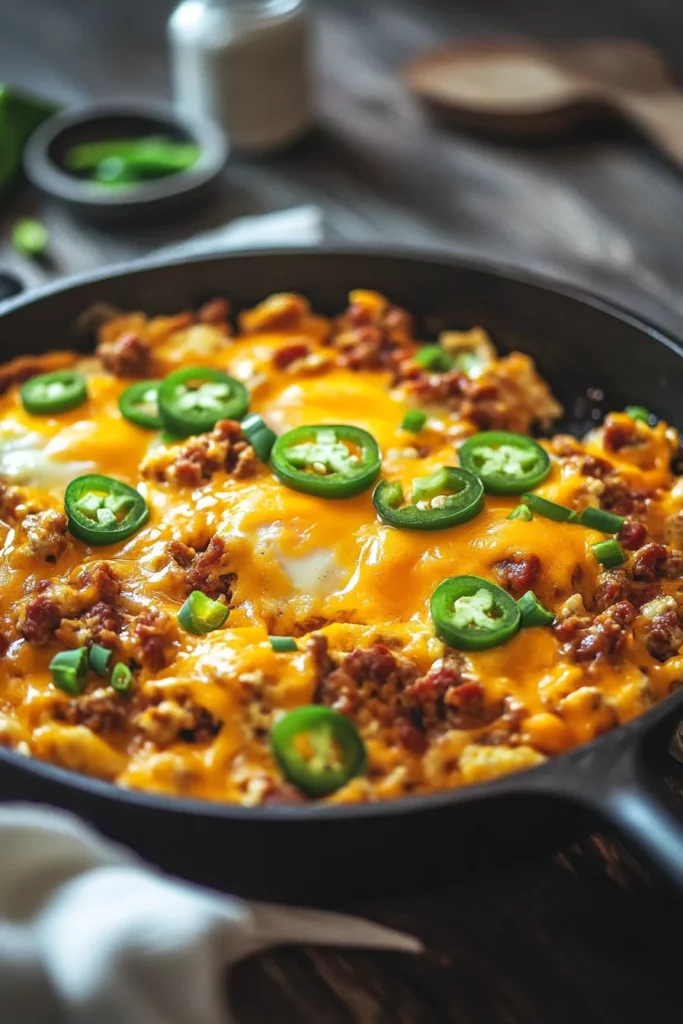
Breakfast Sausage Applications
Spicy venison breakfast sausage has converted more than one person who claimed they didn’t like venison. There’s something about the morning spices, the way they pair with eggs and toast, that makes venison shine. The cheesy spicy venison sausage combines heat with creamy cheese for a breakfast sausage that’s rich and satisfying.
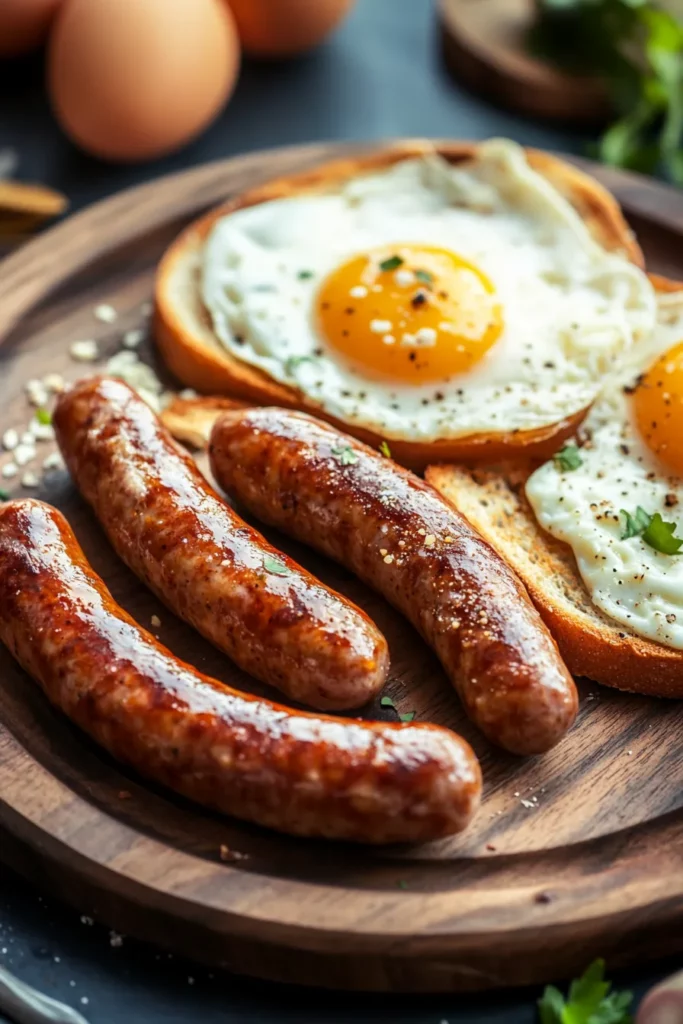
The spicy venison sausage with cheese works both as patties and as loose sausage. I’ll often make a big batch and form some into patties for quick breakfast sandwiches while keeping some loose for adding to dishes throughout the week. It’s incredibly versatile.
For maximum heat, the zesty spicy venison breakfast sausage doesn’t hold back. This is for people who want to start their day with a kick. I use a combination of fresh and dried chiles, plus plenty of black pepper and a touch of cayenne.
Smoked Spicy Variations
Combining smoke with spice creates sausages with incredible depth of flavor. The spicy smoked venison jalapeno cheddar sausage is one of my most requested recipes. The smoke mellows the heat slightly while adding complexity, and the cheddar keeps everything moist and adds richness.
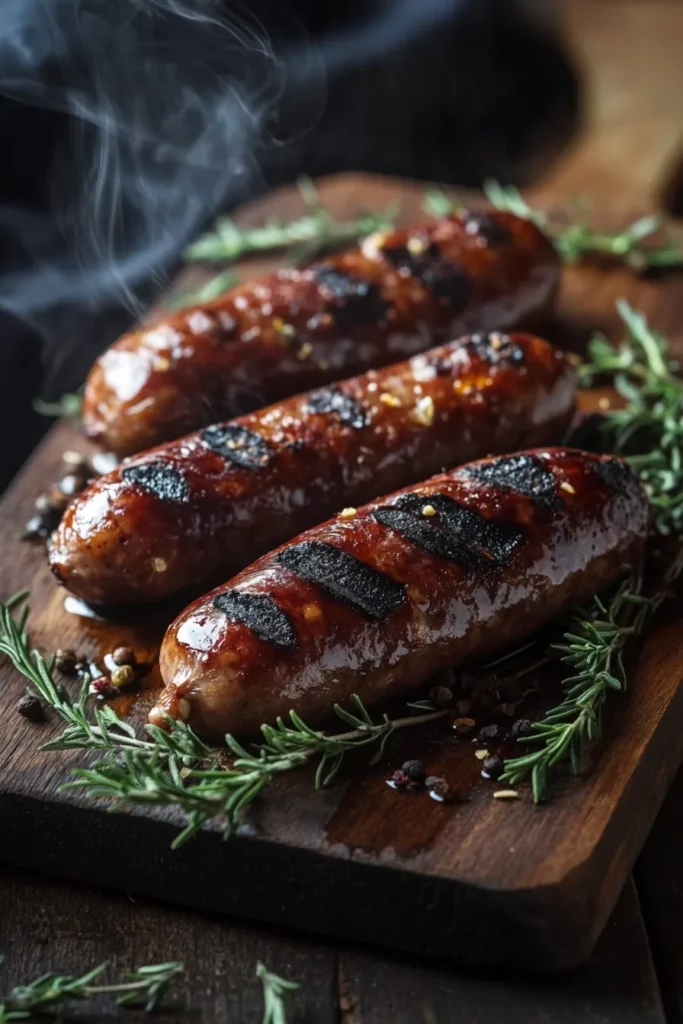
For a version you can make quickly without stuffing casings, the venison jalapeno cheddar sausage patties deliver similar flavors in a more accessible format. I shape them into patties and either pan fry or grill them. They’re perfect for breakfast sandwiches or served alongside hash browns and eggs.
The venison jalapeno cheddar patties have become a freezer staple in my house. I make a double batch, freeze them with parchment paper between each patty, and pull them out as needed for quick meals.
Traditional Link Sausages and Kielbasa
There’s something deeply satisfying about making traditional link sausages at home. Maybe it’s the way they look hanging in neat rows, or the snap when you bite through the casing, or the knowledge that you created something with such a long culinary history. Whatever it is, link sausages have become one of my favorite ways to use ground venison.
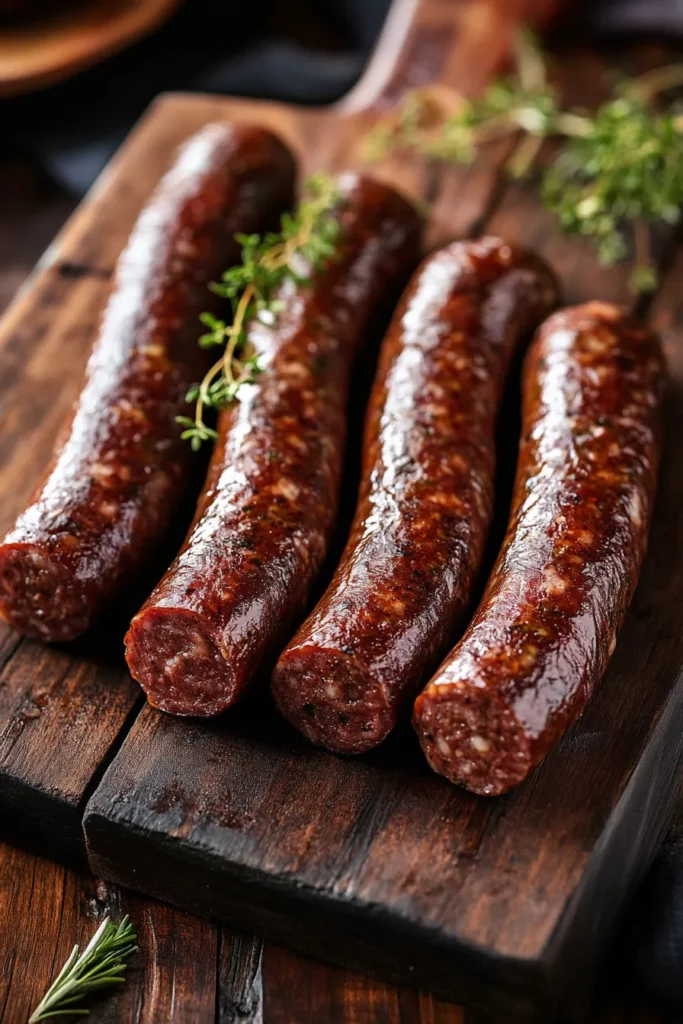
The key to good link sausages is getting the fat ratio right and not overmixing the meat. You want the mixture to be well combined and sticky enough to stuff easily, but not so worked that it becomes pasty. I mix by hand or use a stand mixer on low speed, just until everything comes together. Overmixed sausage ends up with an unpleasant, dense texture.
Stuffing sausages was scary the first time I tried it. The casings seemed so delicate, and I was sure I’d tear them all and end up with a huge mess. But natural casings are actually quite forgiving once you get the hang of it. The trick is keeping them wet, working slowly, and not overstuffing. Leave a little room in the casing for the meat to expand during cooking.
Classic Link Sausage Styles
The venison and beef sausage links are a great starting point if you’re new to sausage making. The beef adds fat and a familiar flavor that makes the transition to venison easier for people who aren’t used to game meat. These are versatile links that work for any meal.
I’ll often make a big batch of basic links and then freeze them in smaller portions. They’re perfect for quick dinners when I don’t feel like cooking from scratch. Just pull out a few links, brown them in a pan or on the grill, and serve with whatever vegetables or starches I have on hand.
Kielbasa: The Perfect Smoked Link
Kielbasa holds a special place in my heart. It’s the sausage my grandmother made every year, and learning to make it with venison has been a way of connecting with that tradition while putting my own spin on it. The smoked venison kielbasa uses traditional Polish spicing with garlic, marjoram, and black pepper.
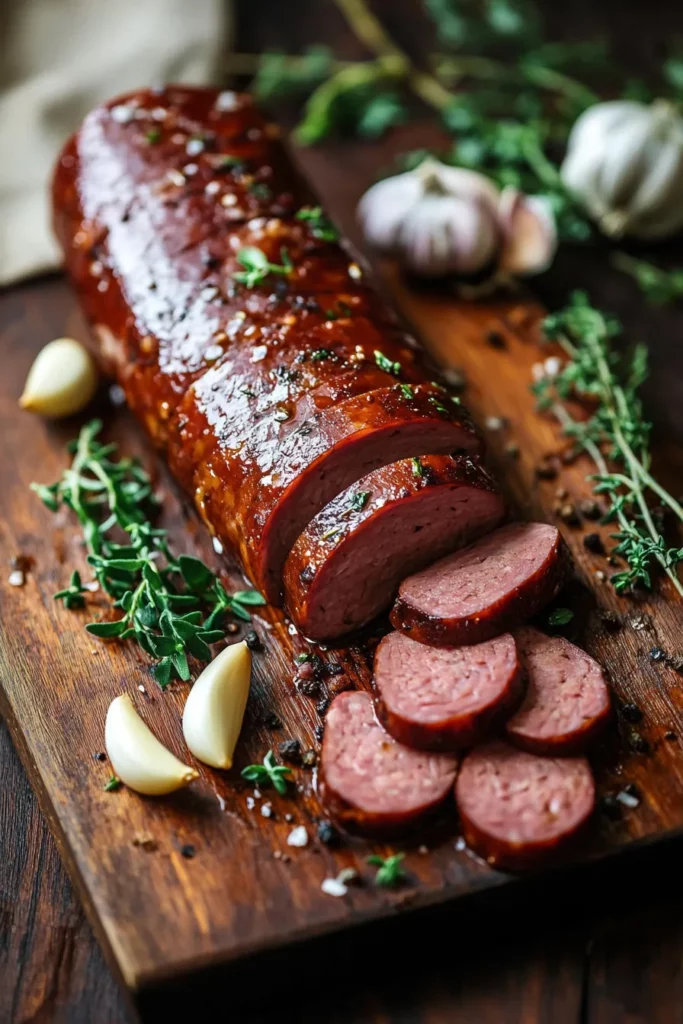
What makes kielbasa distinct is the coarse grind and the generous amount of garlic. I use fresh garlic, lots of it, along with dried marjoram which gives kielbasa its characteristic flavor. The sausages are smoked low and slow until they develop that beautiful mahogany color and smoky aroma.
Kielbasa is incredibly versatile. I’ll serve it simply sliced with mustard and bread, add it to soups and stews for meaty richness, grill it and serve with sauerkraut, or slice and fry it for breakfast. It’s one of those sausages that improves almost any dish you add it to.
Specialty Sausages and Creative Variations
Once you’ve mastered the basics of venison sausage making, the creative possibilities are endless. This is where you can really have fun, combining flavors in unexpected ways and developing signature sausages that reflect your personal taste. Some of my best sausage recipes came from experiments that I thought might be too unusual but turned out to be absolutely delicious.
The beauty of making your own sausages is that you control every ingredient. You can adjust the heat level, add ingredients that you love, skip things you don’t like, and create exactly what you’re craving. I keep a sausage journal now where I record my experiments, noting what worked and what didn’t, so I can replicate successes and avoid repeating mistakes.
Mushroom and Swiss Combinations
One of my favorite specialty sausages combines earthy mushrooms with rich Swiss cheese. The bacon mushroom Swiss sausage is a showstopper. The bacon adds smokiness and fat, the mushrooms bring umami and texture, and the Swiss melts into creamy pockets throughout the sausage.
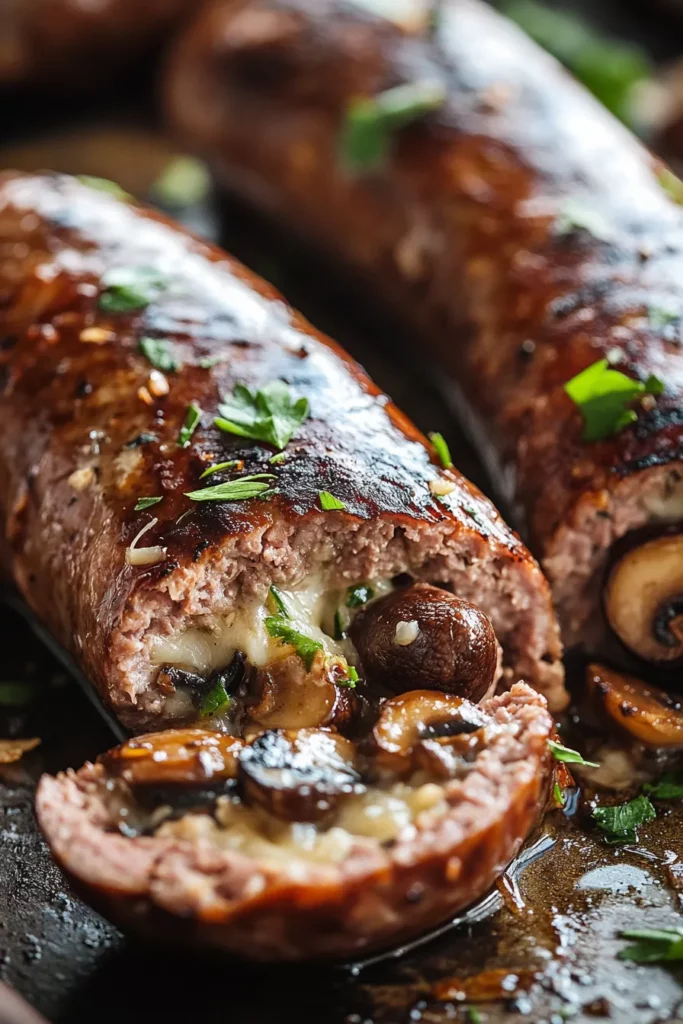
I make this sausage when I’m having people over who think they don’t like venison. The mushrooms and cheese are familiar flavors that help bridge the gap, and the bacon fat keeps everything incredibly moist and flavorful. It’s one of the sausages where people always ask for seconds and want the recipe.
Expert Tips for Perfect Venison Every Time
After years of cooking venison in every way imaginable, I’ve learned some tricks that make a real difference. These are the things I wish someone had told me when I was starting out, the small details that separate okay venison from absolutely delicious venison. Some of these tips I learned from other cooks, but many came from my own mistakes and experiments in the kitchen.
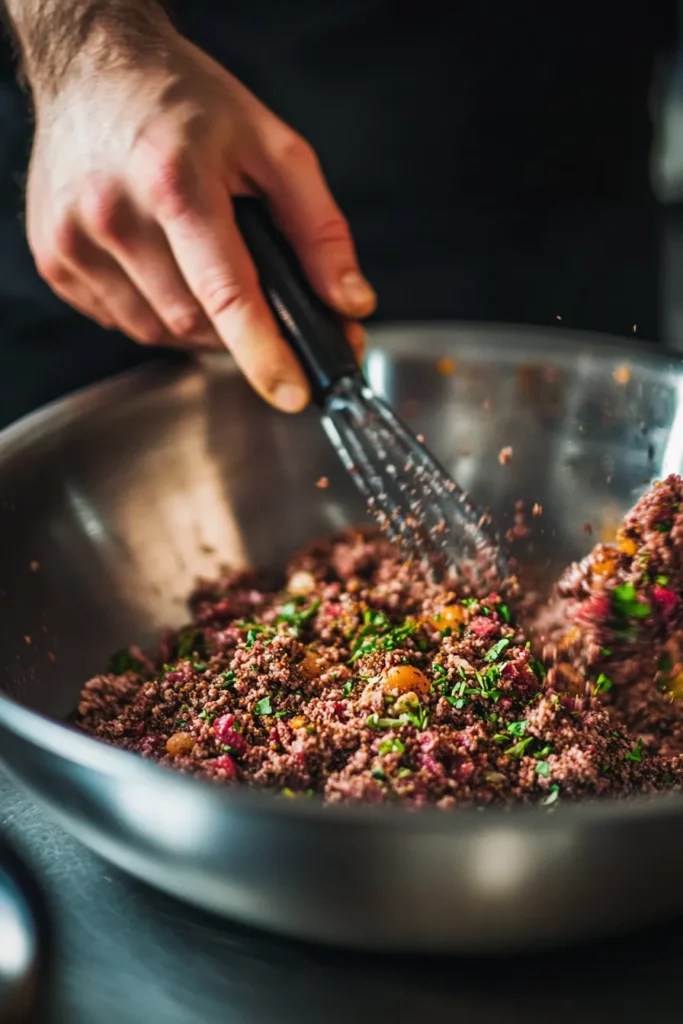
First and most important: keep everything cold. When you’re grinding meat or mixing sausage, cold is your friend. I put my grinder parts in the freezer for at least an hour before using them. I work with meat straight from the fridge, and if things start warming up during mixing, I’ll put the bowl in the freezer for ten minutes to chill it back down. Warm fat smears instead of grinding cleanly, and warm meat gets sticky and pasty when you’re trying to mix it.
Don’t be afraid of fat. I know I’ve said this before, but it bears repeating because it’s the most common mistake people make with venison. Pure venison is too lean for most applications. You need to add fat, and you need to add enough of it. Twenty percent is not too much for burgers. Thirty percent isn’t crazy for some sausages. The fat isn’t just for moisture, it’s for flavor and texture too.
Seasoning and Spice Techniques
Venison can handle bold seasoning. In fact, it needs it. Those complex, rich flavors benefit from assertive spices and seasonings that would overpower milder meats. Don’t be shy with the garlic, the black pepper, the herbs, or whatever seasonings your recipe calls for. And always, always season generously with salt. Salt doesn’t just make things salty, it enhances all the other flavors.
When making sausages, mix your seasonings thoroughly before adding them to the meat. I’ll often mix all the spices with a little bit of water or wine to create a slurry, which helps distribute the flavors more evenly throughout the meat. This prevents pockets of over-seasoned or under-seasoned sausage.
For cured sausages like summer sausage, make sure you’re using actual curing salt, not just regular salt. Curing salt contains sodium nitrite, which is essential for safety and flavor in cured meats. It’s what gives summer sausage that pink color and tangy taste. You can’t substitute regular salt or skip it entirely. Follow the recipe measurements exactly when it comes to curing salt.
Storage and Freezing Best Practices
Proper storage makes a huge difference in how long your venison stays fresh and delicious. For ground venison, I vacuum seal it in one-pound packages before freezing. If you don’t have a vacuum sealer, wrap it tightly in plastic wrap, then put it in a freezer bag with as much air removed as possible. Venison can pick up freezer flavors more easily than beef, so protection from air is important.
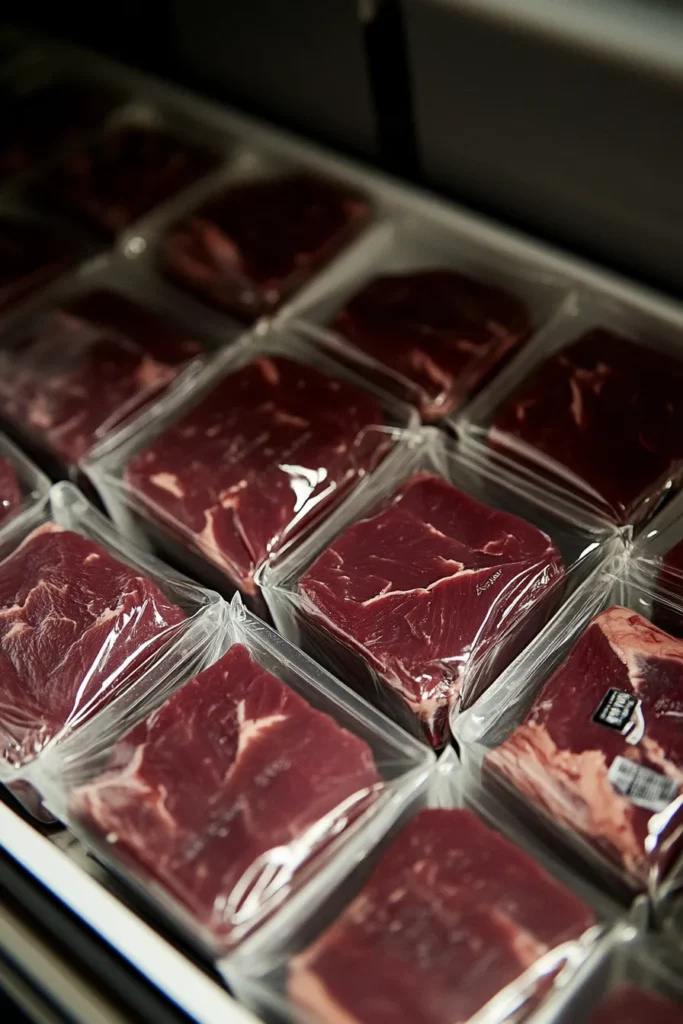
Label everything with the date and what’s in it. I also note the fat ratio on ground venison packages so I know what I’m working with when I pull it from the freezer. Nothing worse than planning to make burgers and realizing the venison you thawed is pure lean meat with no fat added.
For sausages, I freeze them in single layers on sheet pans first, then transfer to bags once they’re solid. This prevents them from sticking together in one big clump. I can pull out just the number of sausages I need instead of having to thaw the whole batch.
Common Mistakes to Avoid
The biggest mistake I see people make is overcooking venison. Because it’s so lean, it goes from perfectly done to dry and tough very quickly. For burgers and sausages, you want an internal temperature of about 155 to 160 degrees Fahrenheit. That gives you meat that’s cooked through but still juicy. Going beyond that, you’re entering dry territory.
Another common error is not letting the meat rest after grinding or mixing before forming it into patties or stuffing sausages. Give the meat at least thirty minutes in the fridge after mixing. This allows the salt to penetrate and the proteins to bind, which means your burgers will hold together better and your sausages will have better texture.
Don’t skip the taste test when making sausages. Before you stuff pounds of meat into casings, cook a small patty of the mixture and taste it. This is your chance to adjust seasoning. Too little salt? Add more. Need more spice? This is when you fix it, not after everything’s already stuffed and cooked.
Bringing It All Together: Your Venison Cooking Journey
Looking back at my venison cooking journey, from that first nervous moment with a package of ground meat to confidently making dozens of pounds of sausage at a time, I’m amazed at how far I’ve come. And really, that’s what cooking is all about. You start somewhere, you try things, some work beautifully and some don’t, and gradually you develop skills and confidence that let you create delicious food for the people you love.
Venison is a special ingredient. It connects us to the seasons, to traditional food preservation methods, to the hunters who provide it, and to the land it comes from. When you cook venison well, you’re honoring all of that. You’re taking something that required skill and patience to harvest and transforming it into meals that nourish and delight. That’s powerful, and it’s worth doing right.
The techniques we’ve covered in this guide will serve you well whether you’re making quick weeknight burgers or embarking on an all-day sausage making session. Remember to keep things cold, don’t be afraid of fat, season boldly, and most importantly, enjoy the process. Cooking should be fun, even when you’re learning and making mistakes. Those mistakes are how you figure out what works.
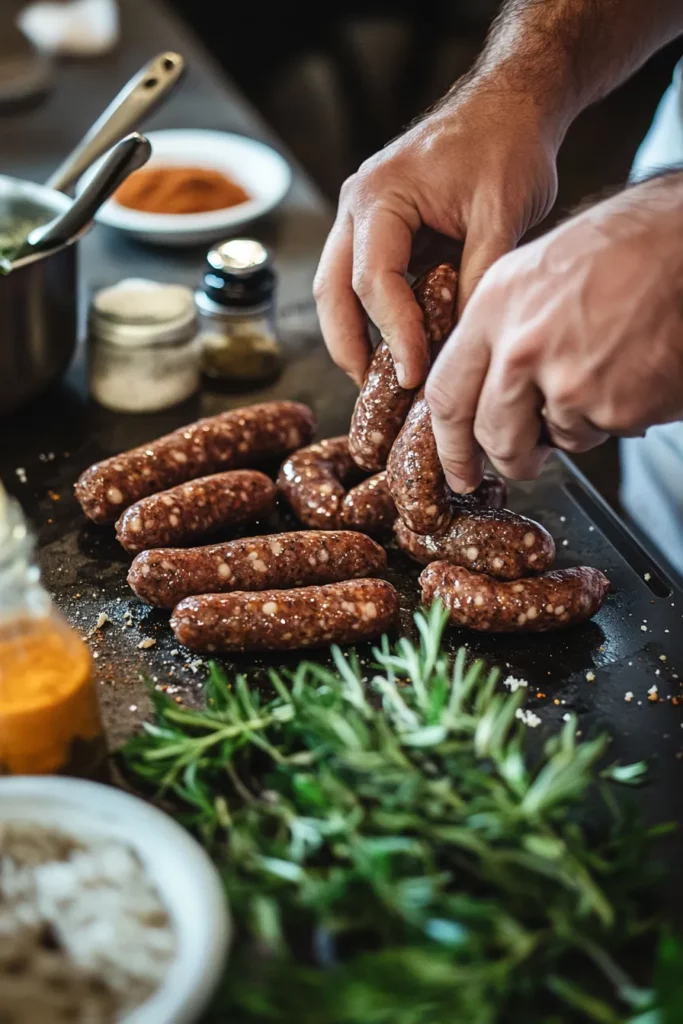
Start simple if you’re new to cooking venison. Make some basic smash burgers and get comfortable with the meat. Then maybe try a batch of breakfast sausage, which doesn’t require any special equipment. Once you’ve gotten a feel for how venison behaves and how to season it, you can tackle the more complex projects like stuffed sausages or slow-smoked summer sausage. There’s no rush. Take your time and build your skills gradually.
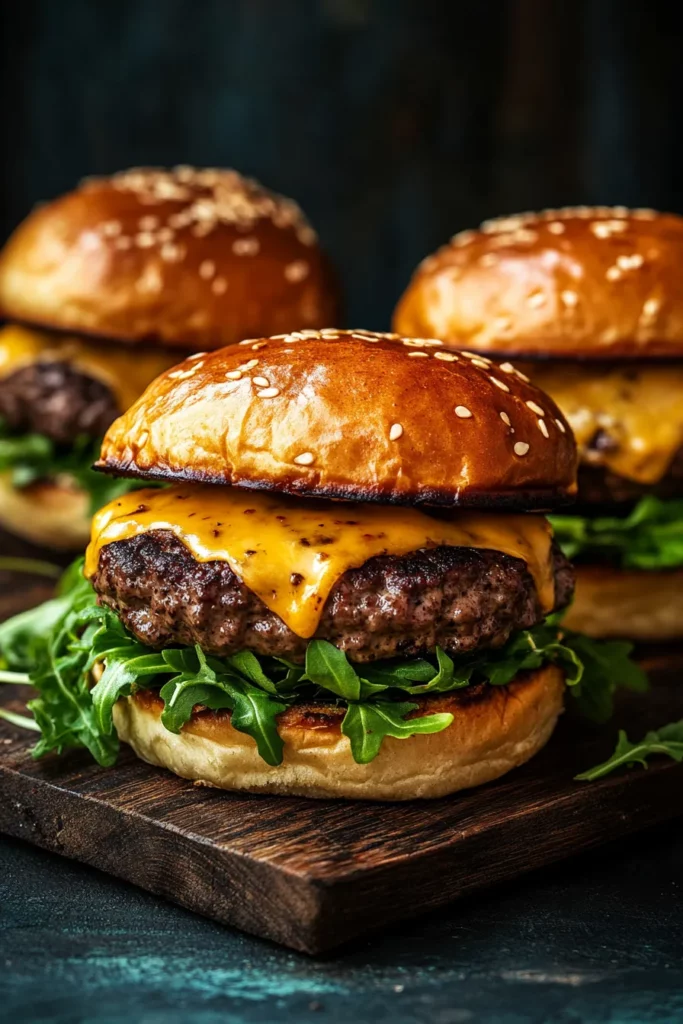
If you’re ready to explore more delicious ways to cook with venison, here are some recipes to get you started:
- Maple Cranberry Venison Smash Burgers with Brie and Crispy Bacon
- Venison Burger Sliders with Cowboy Butter
- Baked Venison Summer Sausage Recipe
Frequently Asked Questions
What’s the best fat to add to ground venison?
Beef fat and pork fat both work well, depending on what you’re making. For burgers, I prefer beef fat, particularly from brisket trimmings, because it has a mild flavor that lets the venison shine. For sausages, pork fat is traditional and adds its own delicious flavor. Bacon fat or bacon pieces mixed into the grind is another excellent option that adds both fat and smoky flavor.
How do I know if my venison has gone bad?
Fresh venison should have a clean, slightly sweet smell. If it smells sour, ammonia-like, or just off, don’t use it. The color should be deep red, not brown or gray. Properly stored frozen venison can last up to a year, but quality starts declining after six to eight months. If you’re not sure, trust your nose. When in doubt, throw it out.
Can I make venison sausages without casings?
Absolutely. Breakfast sausage, chorizo, and Italian sausage can all be made as bulk sausage without stuffing them into casings. You can form the seasoned meat into patties or simply cook it loose in a skillet. The flavor will be the same, you’ll just miss out on that satisfying snap of biting through a casing.
Why are my venison burgers falling apart?
This usually happens when the meat is too lean, too warm when you’re working with it, or not mixed enough with the fat. Make sure you’re using at least twenty percent fat, keep everything cold, and mix the meat and fat thoroughly. Also, let the formed patties rest in the fridge for thirty minutes before cooking. This helps them hold together better.
Do I need special equipment to make sausages?
For basic bulk sausage, you don’t need anything special beyond a mixing bowl and your hands. For stuffed sausages, you’ll need a sausage stuffer or a grinder attachment for your stand mixer. For smoking, you need a smoker or grill that can maintain low temperatures. But you can make excellent baked summer sausage in a regular oven with just a meat thermometer.
How long does homemade venison sausage last?
Fresh sausage will keep in the refrigerator for two to three days or in the freezer for two to three months. Cured and smoked sausages like summer sausage can last longer, sometimes several weeks refrigerated if properly sealed. Always check for any off smells or appearance changes before eating stored sausage.
Can I substitute venison in any recipe that calls for ground beef?
Usually yes, but you need to add fat. If a recipe calls for eighty-twenty ground beef, you can use venison mixed with twenty percent fat. For recipes where you drain the fat after browning, like many pasta sauces or taco meat, you might want to add a bit more fat since venison is so lean. The flavor will be richer and more complex than beef.
What’s the best way to thaw frozen venison?
The safest method is in the refrigerator, which takes twenty-four hours for a one-pound package. If you’re in a hurry, you can use the cold water method: seal the venison in a waterproof bag and submerge it in cold water, changing the water every thirty minutes. It’ll thaw in a few hours. Never thaw venison on the counter at room temperature.
Why does my venison taste gamey?
If venison tastes unpleasantly gamey, it’s usually because of how it was handled after harvest rather than the meat itself. Proper field dressing, quick cooling, and careful butchering make a huge difference. You can also soak venison in milk or buttermilk overnight to mellow any strong flavors, though well-handled venison shouldn’t need this.
How do I prevent my sausage casings from bursting?
Don’t overstuff the casings. Leave a little room for the meat to expand during cooking. Keep the temperature low and increase it gradually. Rapid temperature changes cause casings to burst. Also, prick any air bubbles you see in the casing with a pin before cooking. Finally, don’t cook frozen sausages over high direct heat, let them thaw first.

🍳 Precision Meets Passion — Tools Chefs Trust Daily

- Grams & ounces — precise to 1g
- Perfect for baking & keto tracking
- Sleek stainless steel design

- German stainless precision
- Razor-sharp & dishwasher-safe
- Elegant wood block organizer

- Premium Stainless Steel Build
- Easy to Clean & Dishwasher Safe
- A Must-Have Kitchen Tool