➤ Table of Contents
There’s this moment I remember from when I was about seven years old, sitting at my grandmother’s kitchen table on a rainy Tuesday afternoon. She’d made her famous baked mac and cheese, the kind with the golden breadcrumb topping that crackled when you broke through it with your fork. Steam rose from that first spoonful, and the cheese stretched in long, glorious strings. That bowl of pasta wasn’t just food. It was warmth, safety, and love all mixed together with elbow macaroni and sharp cheddar.

⚡ Smart Kitchen Tools Every Home Cook Swears By

- Pure aluminum
- Durable enough for everyday cooking
- Made in the USA with quality

- 7 cooking functions in one compact cooker
- 3-quart size ideal for couples or small meals
- Up to 70% faster than traditional cooking

- 3 sizes for every recipe
- Pre-seasoned & durable cast iron
- Oven & grill ready
Mac and cheese holds a special place in American hearts and kitchens. It’s the dish we turn to when we need comfort, when we’re feeding a crowd, or when we simply want something that makes us feel like everything’s going to be okay. From the bright orange box we knew as kids to the sophisticated versions we serve at dinner parties as adults, mac and cheese has evolved while keeping that essential quality that makes it so irresistible.
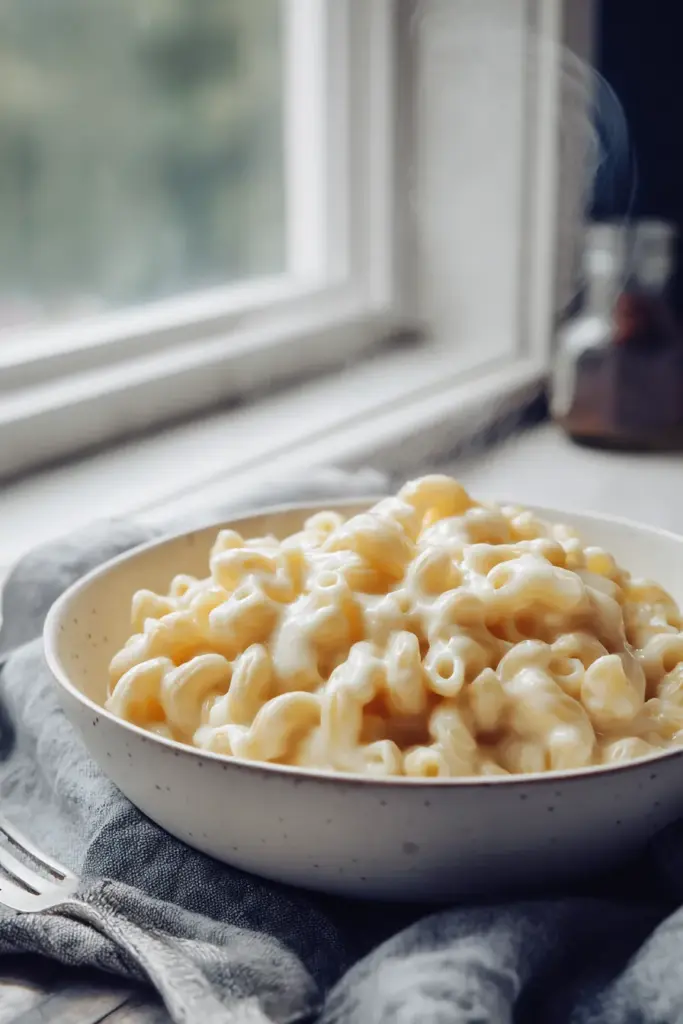
Over the years, I’ve made mac and cheese hundreds of times. I’ve experimented with different cheese combinations, tried every pasta shape imaginable, and learned through trial and error what makes the difference between a good mac and cheese and one that people ask for the recipe. I’ve made lumpy sauces that broke, dry baked versions that needed more liquid, and overly complicated recipes that weren’t worth the effort. But I’ve also discovered techniques that work beautifully, flavor combinations that surprise and delight, and shortcuts that don’t sacrifice quality.
This guide is everything I’ve learned about making mac and cheese in all its glorious forms. We’ll explore classic stovetop versions that come together in twenty minutes, baked casseroles with crispy tops, creative variations that push boundaries, and even lighter options that don’t leave you feeling weighed down. Whether you’re cooking for picky kids, impressing dinner guests, or just treating yourself to a bowl of comfort, you’ll find inspiration and practical techniques that actually work in a real home kitchen.
Understanding the Foundation: Cheese, Pasta, and Sauce Basics
The first time I tried to make mac and cheese from scratch instead of from a box, I thought it would be simple. Just cook pasta, melt some cheese, mix them together, right? Wrong. My cheese clumped into a greasy, separated mess that looked nothing like the creamy sauce I was imagining. That’s when I learned that making great mac and cheese requires understanding a few key principles.
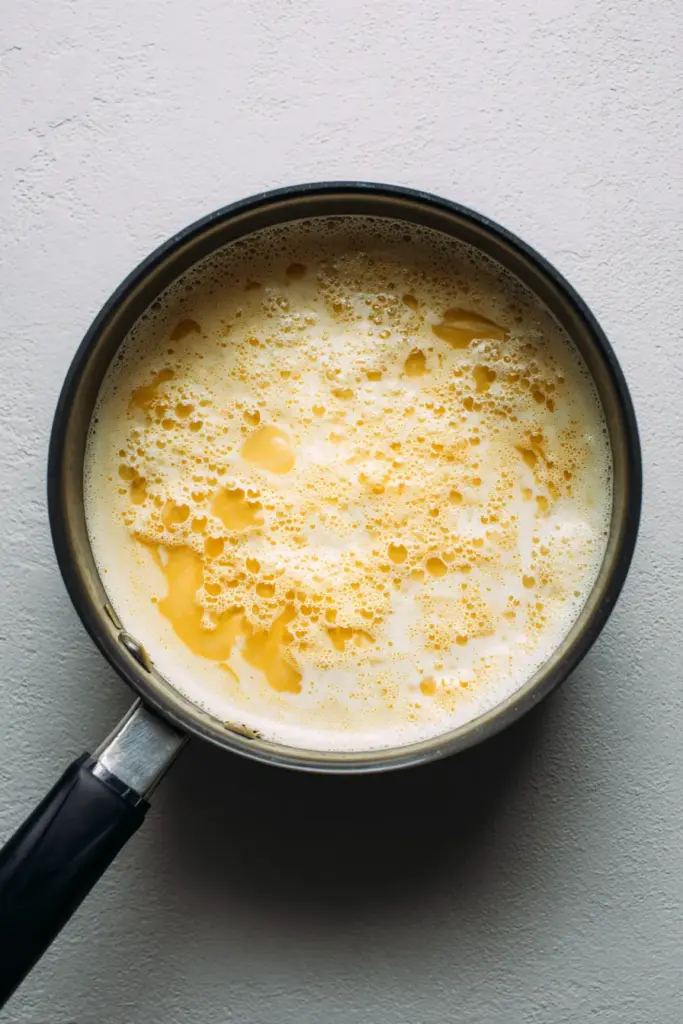
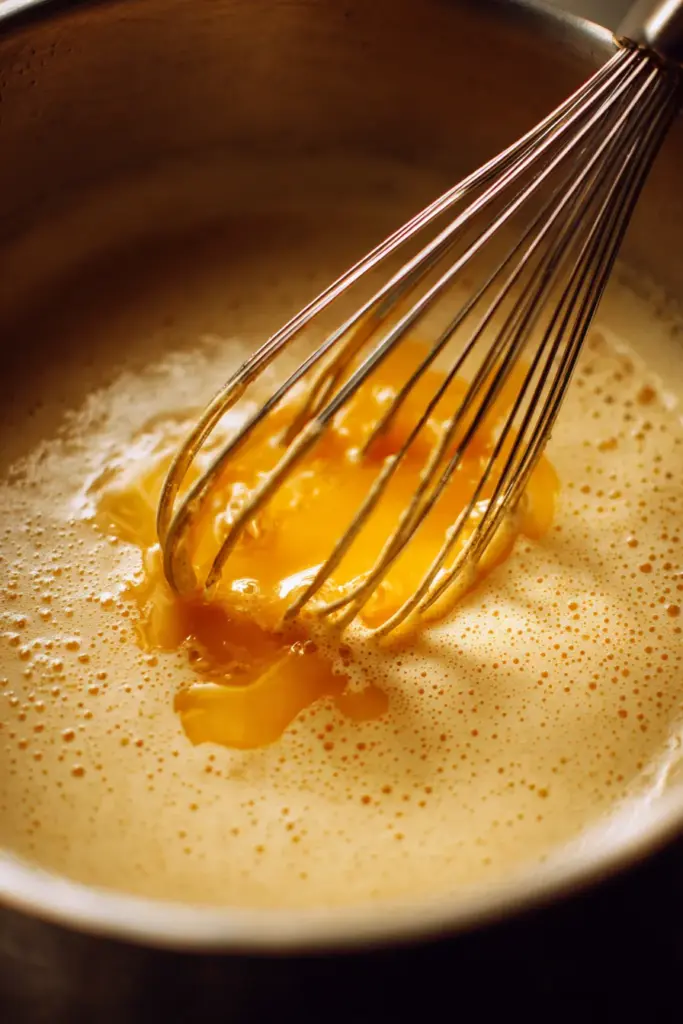
The foundation of any mac and cheese is the cheese sauce, and the secret to a smooth, creamy sauce is the roux. A roux is simply butter and flour cooked together, which then gets whisked with milk to create a base sauce called béchamel. This starchy base is what allows the cheese to melt smoothly without separating into a greasy puddle. I know it sounds fancy, but it’s actually quite simple once you do it a few times.
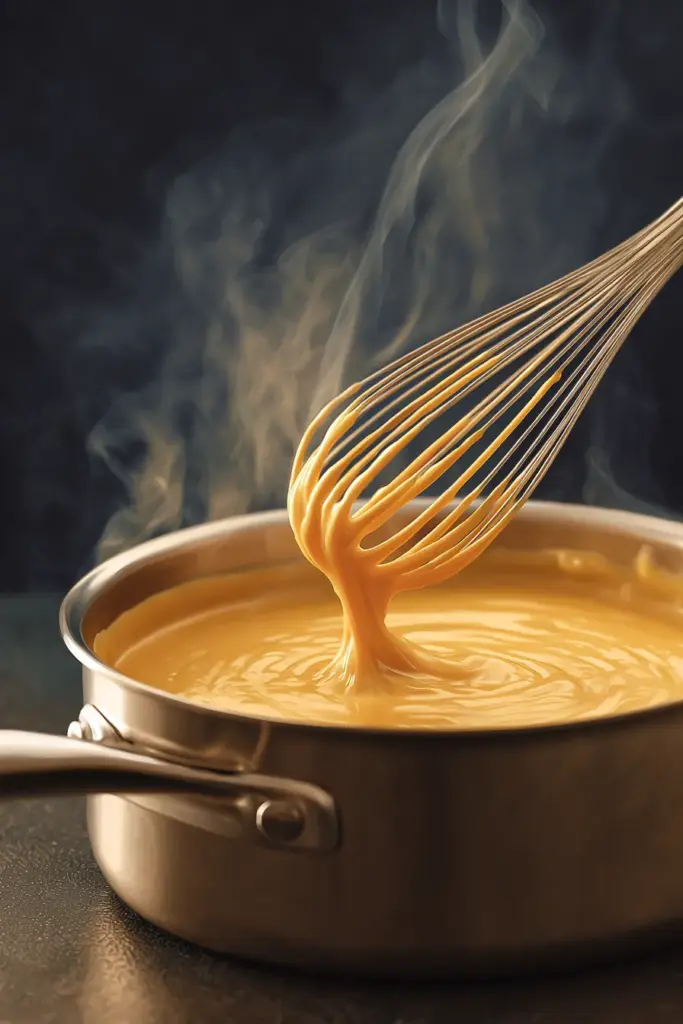
I start by melting butter in a saucepan over medium heat, then whisking in an equal amount of flour. I cook this paste for about two minutes, stirring constantly, until it smells nutty and turns a light golden color. Then comes the milk, added gradually while whisking constantly. The mixture will thicken as it heats, and once it’s smooth and bubbling gently, I remove it from the heat and stir in the cheese.
Choosing the Right Cheeses
Not all cheeses melt the same way, and that matters tremendously in mac and cheese. Sharp cheddar is the classic choice for good reason. It has bold flavor and melts relatively well, though it can get a bit grainy if overheated. I usually use sharp white cheddar as my base cheese, which gives great flavor without the artificial orange color.
🥗 Fresh, Fast & Foolproof — Upgrades You'll Use Tonight

- Zoodles in seconds
- Heavy-duty, 10 sharp blades
- Keto, paleo & gluten-free friendly

- Meals in ~30 minutes
- 3-Qt — perfect for 1–3 people
- Pressure cook, sauté, steam & more

- Phone alerts & live temp graph
- Hands-off monitoring for smokers
- Perfect doneness, every time
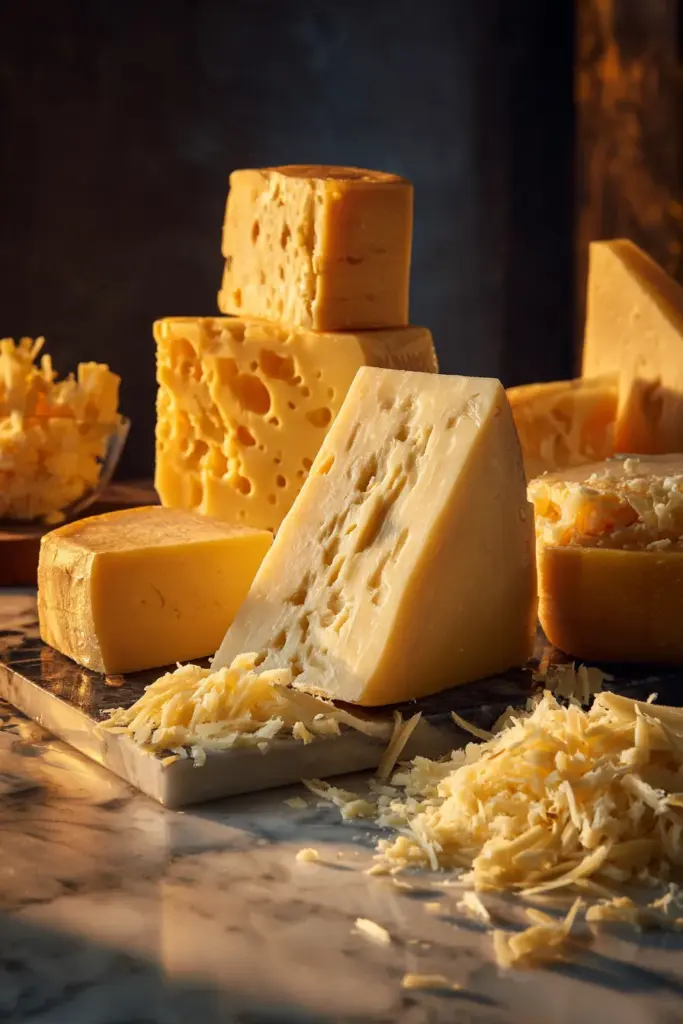
But here’s where it gets interesting. Combining different cheeses creates more complex flavors and better texture. Gruyère adds nutty, sophisticated notes. Fontina melts beautifully and adds creaminess. Parmesan brings salty, umami depth. Cream cheese or American cheese, while not fancy, help create an incredibly smooth sauce that stays creamy even when reheated.
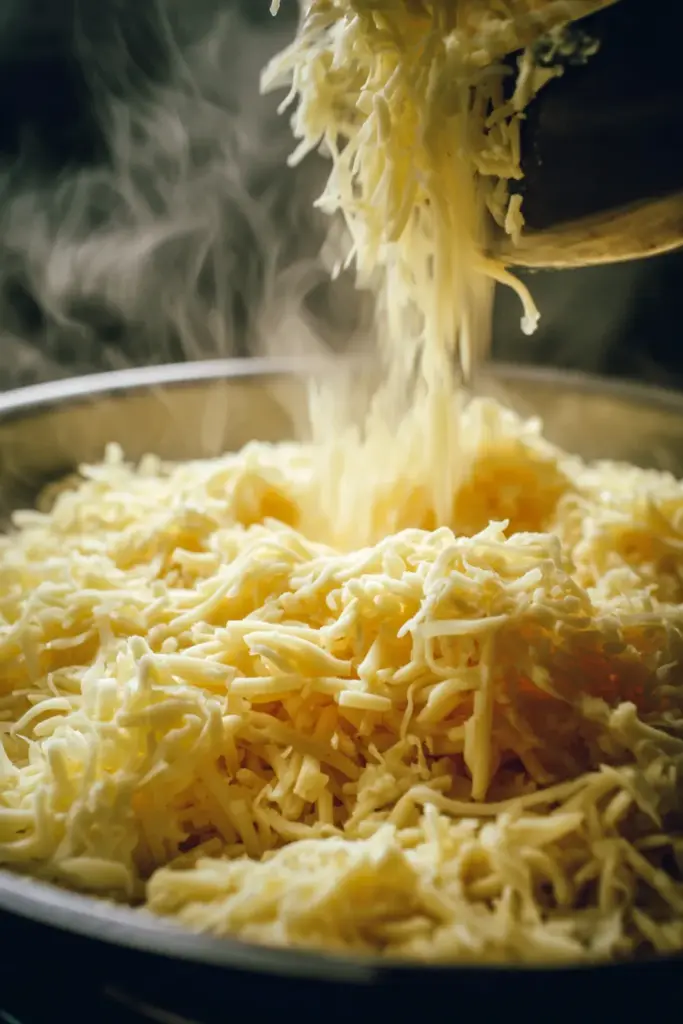
My go-to combination is about sixty percent sharp cheddar for flavor, thirty percent something creamy like fontina or Monterey Jack, and ten percent parmesan for that extra savory punch. This ratio gives you both great taste and excellent texture. The sweet and spicy honey pepper chicken with creamy macaroni cheese uses a similar multi-cheese approach that creates irresistible creaminess.
Pasta Shape Matters More Than You Think
I used to think elbow macaroni was the only proper choice for mac and cheese. Then I started experimenting with other shapes and realized that different pastas actually hold sauce differently and create distinct eating experiences. Elbows are great because they’re traditional and their curves catch sauce beautifully. But there’s a whole world of shapes worth trying.

Cavatappi, those corkscrew-shaped tubes, are my secret weapon for mac and cheese. Their spirals trap tons of cheese sauce, and their length makes every bite more substantial. Shells, especially the medium-sized ones, create little cheese sauce pockets that burst with flavor. Penne works well too, especially in baked versions where you want the pasta to hold its shape.
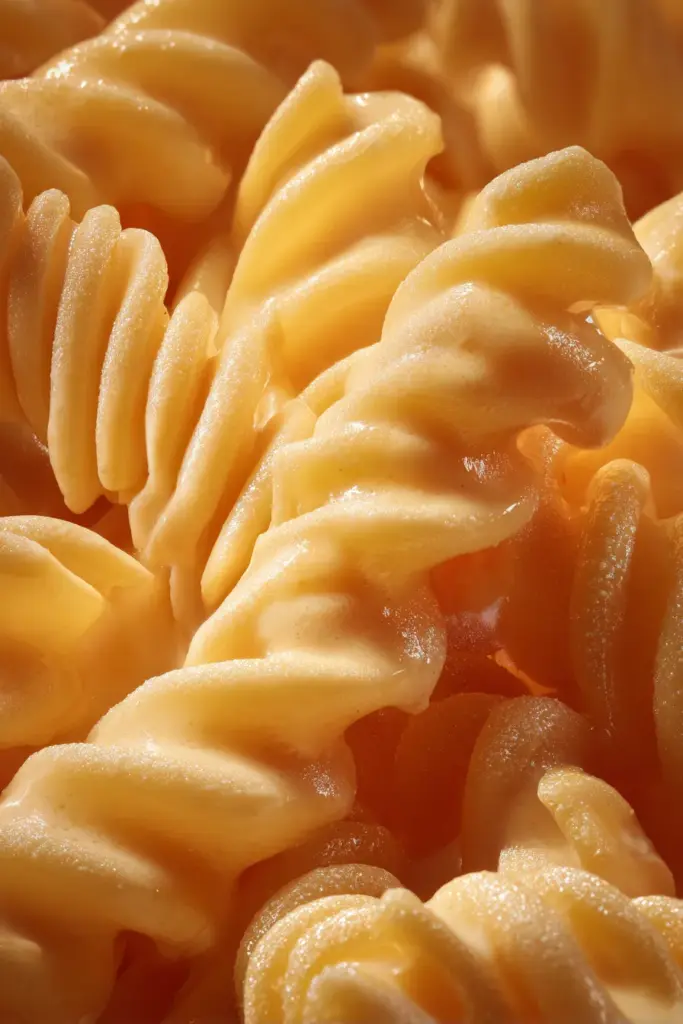
Whatever shape you choose, cook it just until al dente, meaning it still has a slight firmness when you bite it. The pasta will continue cooking when you mix it with the hot cheese sauce, and if you’re baking it, it’ll cook even more in the oven. Overcooked pasta turns mushy and can’t hold the sauce properly.
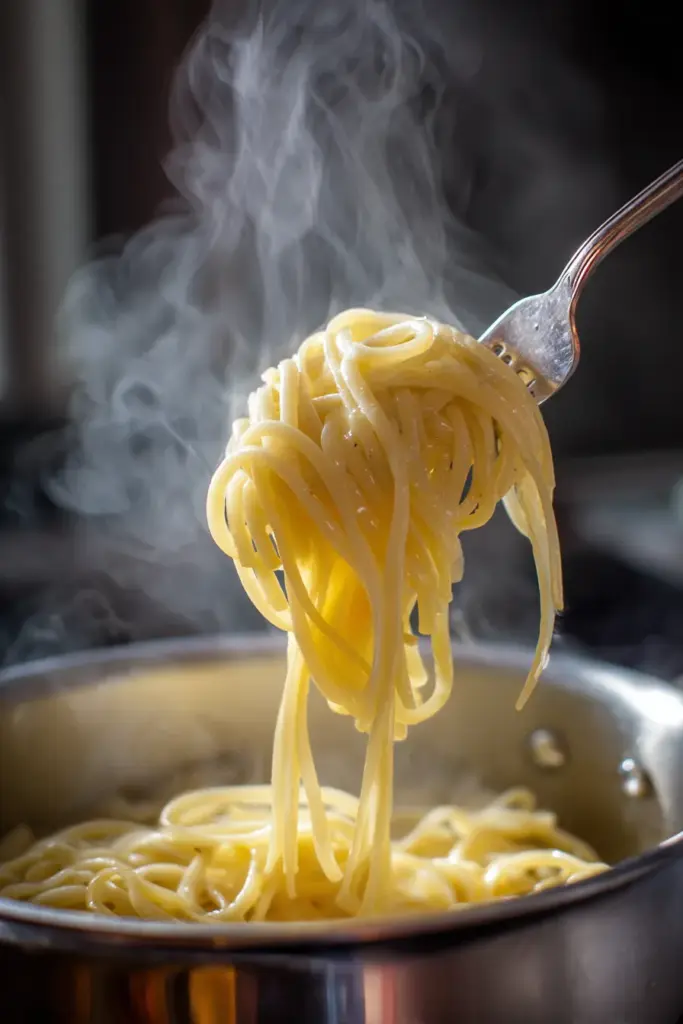
The Science of Smooth Cheese Sauce
Understanding why cheese sauce breaks or stays smooth changed everything for me. Cheese contains both fat and protein, and when cheese gets too hot, those proteins can seize up and separate from the fat, creating a grainy, greasy mess. The starch from the roux helps prevent this by coating the cheese proteins and keeping everything emulsified.
Temperature control is crucial. I always remove my sauce from direct heat before adding cheese, letting it cool just slightly. Then I add the cheese gradually, stirring constantly until each addition melts completely before adding more. If you dump all the cheese in at once or let the sauce get too hot, you’re asking for trouble.
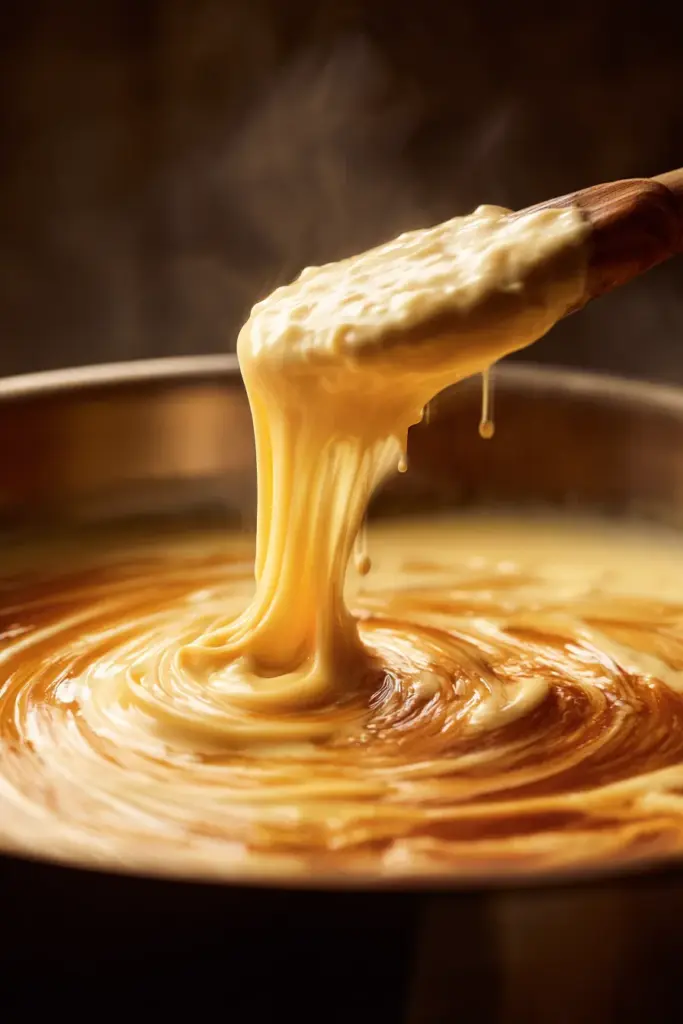
Another trick I learned is adding a tiny bit of acid, like a squeeze of lemon juice or a splash of white wine, once the cheese is melted. This brightens the flavors and helps keep the sauce smooth. Just a teaspoon or two makes a difference without making the sauce taste tangy.
Classic Stovetop Mac and Cheese: Perfecting the Quick Version
Sometimes you need mac and cheese on the table fast. Maybe it’s a busy weeknight, or unexpected guests show up, or you just have a sudden craving that won’t wait. That’s when stovetop mac and cheese becomes your best friend. Done right, it’s just as delicious as the baked version and comes together in about twenty-five minutes from start to finish.
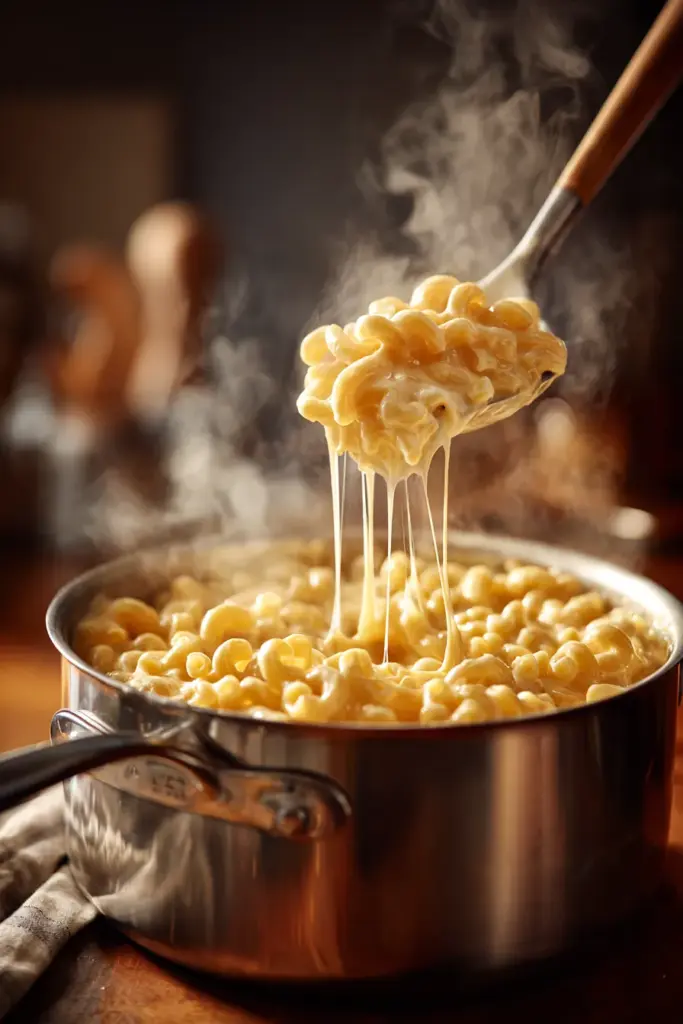
The key to great stovetop mac and cheese is working quickly once the pasta is cooked. I have all my ingredients prepped and measured before I start cooking anything. The butter, flour, milk, and shredded cheese all sit ready on the counter. This way, once I drain the pasta, I can immediately start building the sauce without the pasta sitting and getting sticky.
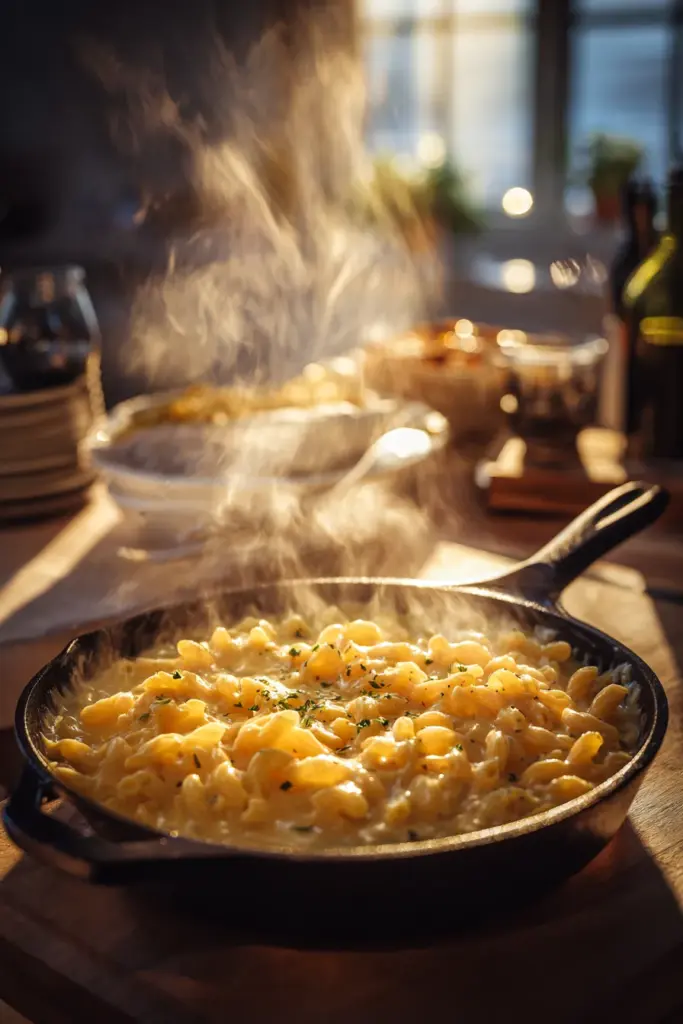
My standard ratio for a family-sized batch is three tablespoons butter, three tablespoons flour, two and a half cups of milk, and about three cups of shredded cheese. This makes enough sauce to generously coat one pound of pasta. If you like your mac and cheese extra saucy, increase the milk to three cups and add another half cup of cheese.
Building Flavor Beyond Just Cheese
While cheese is obviously the star, other flavors can elevate stovetop mac and cheese from good to memorable. I almost always add a pinch of dry mustard powder to my cheese sauce. You won’t taste mustard specifically, but it enhances the cheese flavor in a way that makes people wonder what your secret is. A tiny pinch of cayenne does the same thing, adding depth without heat.
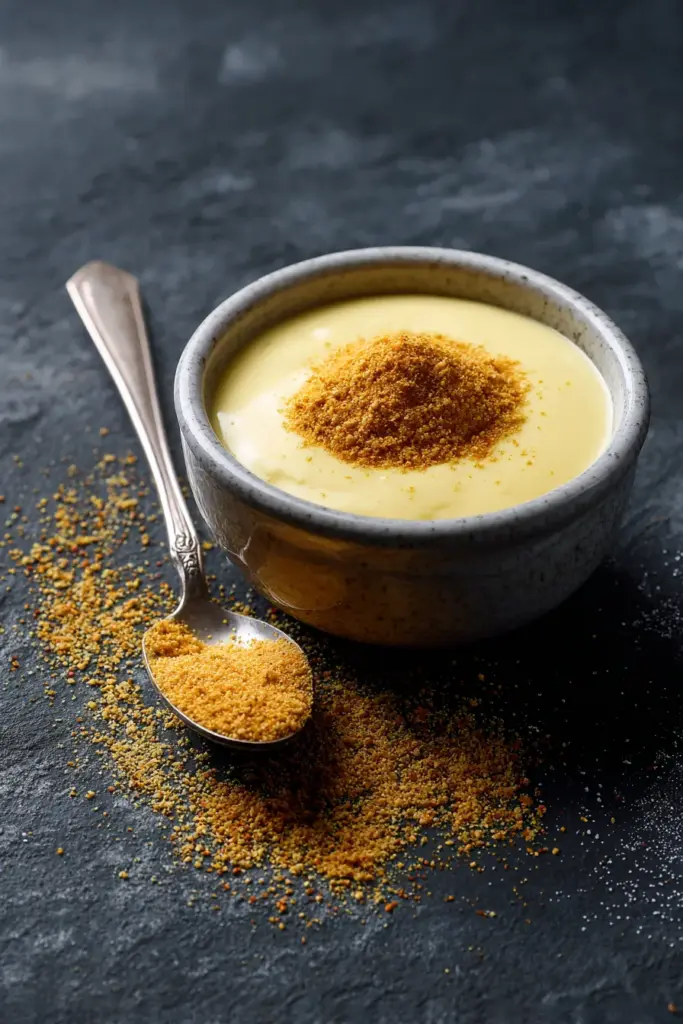
Garlic is another favorite addition. I’ll sauté a minced clove or two in the butter before adding the flour for the roux. That subtle garlic flavor throughout the sauce makes it feel more sophisticated. Sometimes I’ll add a bay leaf to the milk while it heats, then remove it before adding cheese. These small touches add complexity without overwhelming the cheese.
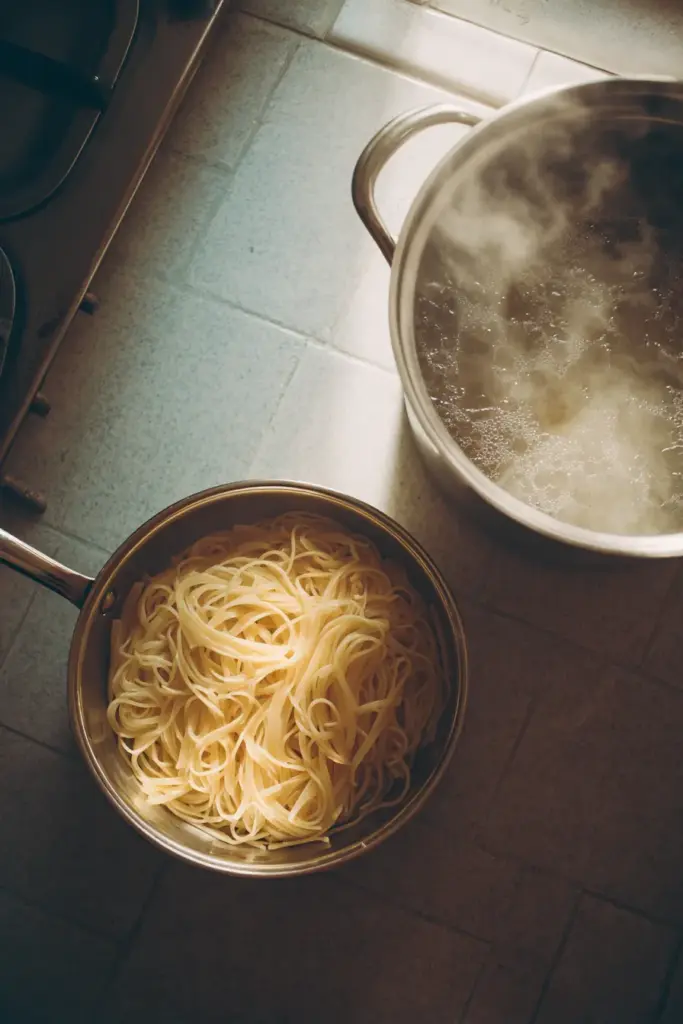
For the pasta itself, I always salt the cooking water generously. It should taste like the sea. This seasons the pasta from the inside and makes a big difference in the final dish. And here’s something I learned from Italian cooks: save about a cup of the starchy pasta cooking water before draining. If your cheese sauce seems too thick, a splash of this starchy water thins it perfectly while adding body.
Keeping It Creamy for Leftovers
Stovetop mac and cheese is best eaten right away, but sometimes you have leftovers. The challenge is that the sauce thickens dramatically as it cools, and reheating can make it gritty. I’ve found the best method is to reheat gently on the stovetop with a splash of milk, stirring frequently over low heat. The microwave works in a pinch, but use fifty percent power and stop to stir every thirty seconds.
If you know you’ll have leftovers, make the sauce slightly thinner than you’d normally prefer. As it sits, the pasta absorbs moisture and the sauce tightens up. Starting with extra sauce means your leftovers will still be creamy the next day. I also slightly undercook the pasta, by about a minute, which gives it more ability to absorb sauce without getting mushy.
Baked Mac and Cheese: Achieving Casserole Perfection
Baked mac and cheese is the showstopper version, the one you make for potlucks and holiday dinners when you want something that looks as impressive as it tastes. That golden, crispy top contrasting with the creamy interior underneath is pure comfort food magic. But getting it right requires a slightly different approach than stovetop versions.
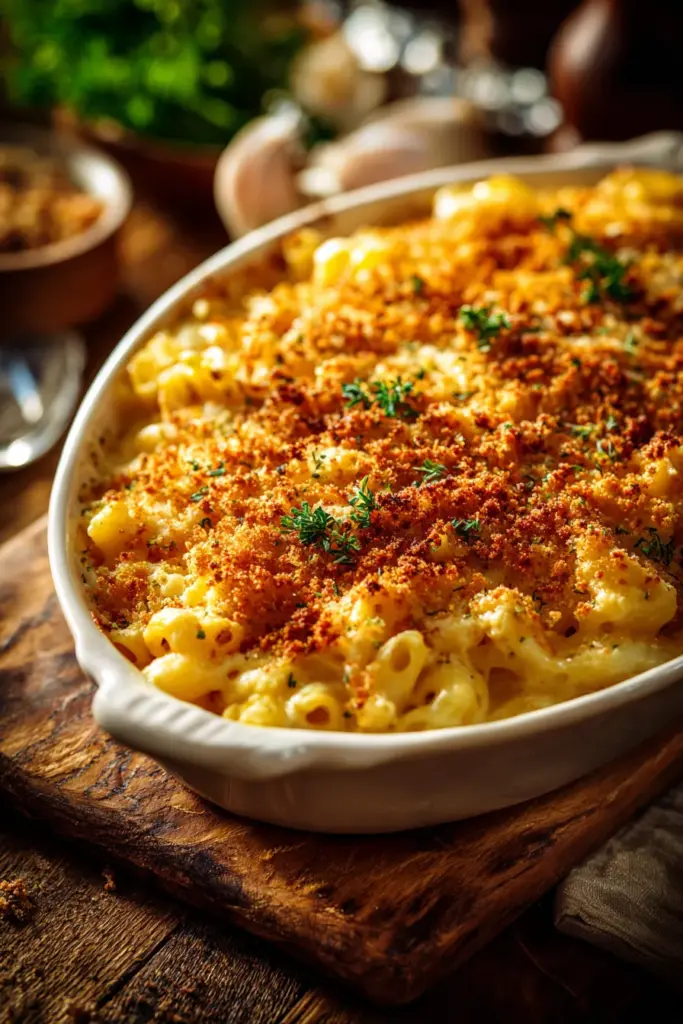
The biggest mistake I see with baked mac and cheese is making the sauce too thick before baking. Remember, the pasta will continue absorbing liquid in the oven, and the sauce will reduce as it bubbles. I make my cheese sauce noticeably thinner for baked versions, almost soupy-looking when I first mix it with the pasta. It seems wrong, but trust the process. After thirty to forty minutes in the oven, it’ll be perfectly creamy.
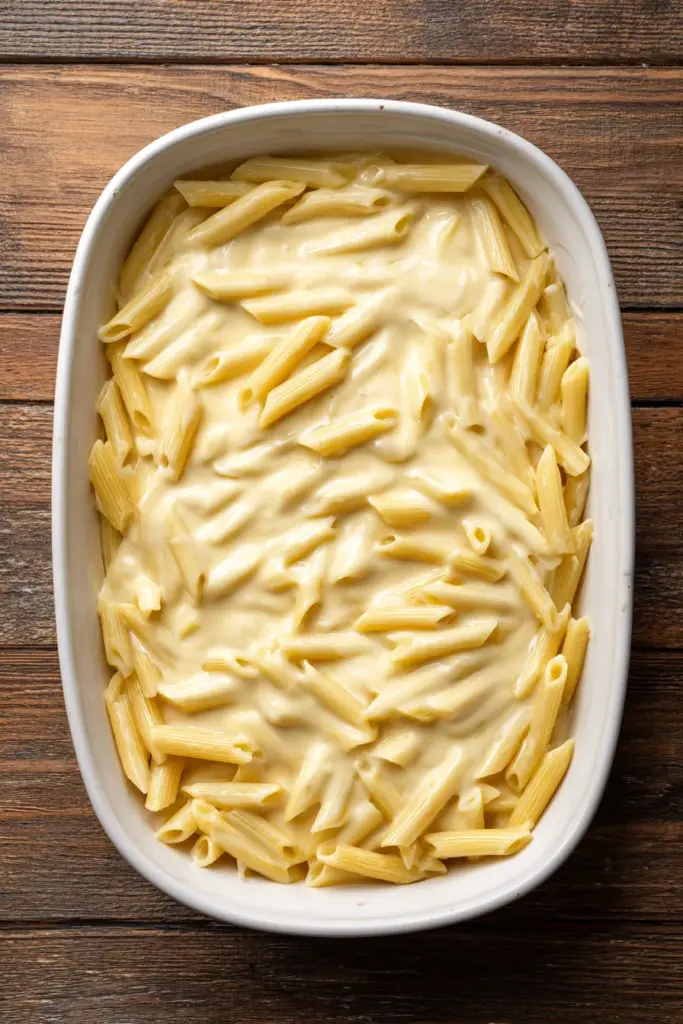
I bake mac and cheese uncovered at 350 degrees Fahrenheit. Covering it steams the top and you lose that desirable crust. If you’re worried about the top getting too dark before the inside is hot, you can cover it loosely with foil for the first twenty minutes, then remove the foil to let the top brown and crisp.
Creating the Perfect Topping
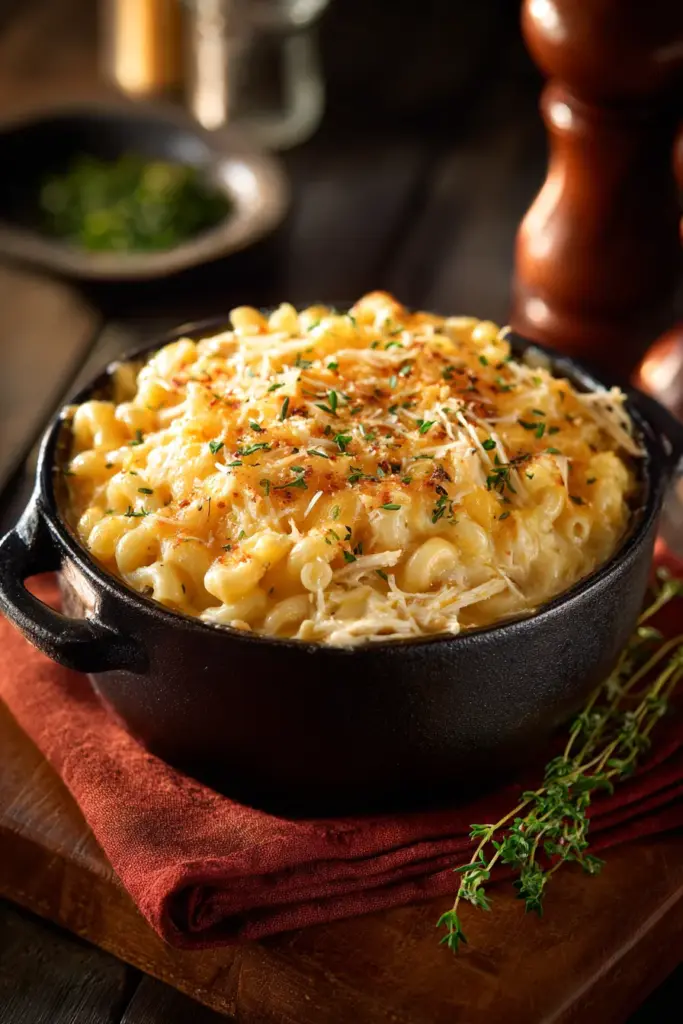
The topping is what makes baked mac and cheese special, that crunchy contrast to the creamy pasta below. My basic topping is simple: panko breadcrumbs tossed with melted butter and grated parmesan. The panko’s texture creates better crunch than regular breadcrumbs, and the butter helps everything brown beautifully. I sprinkle this over the mac and cheese before baking.
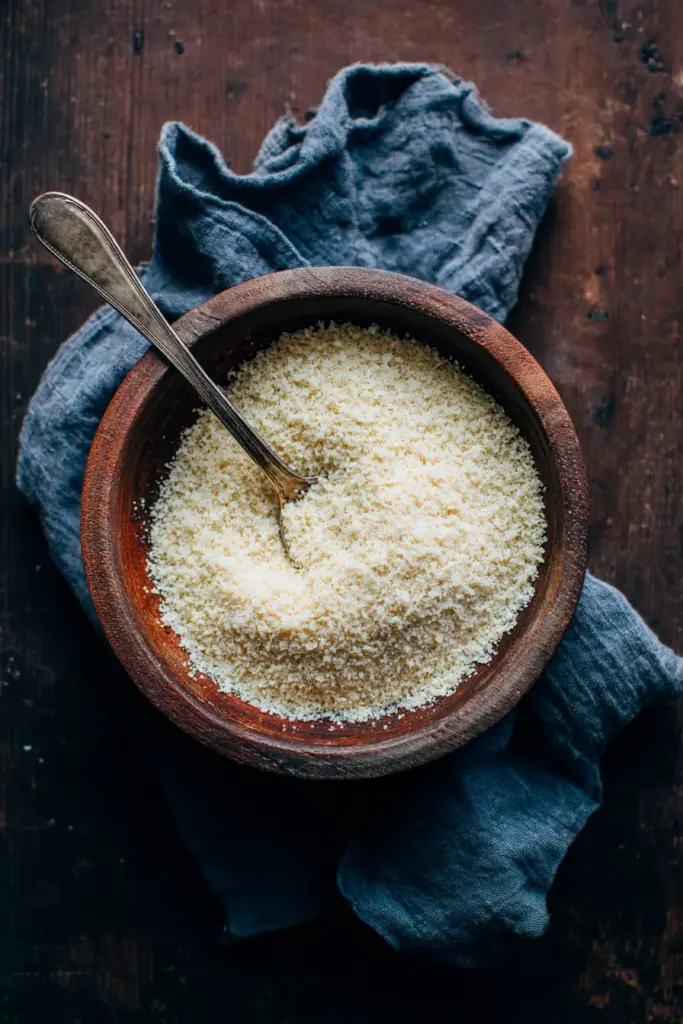
But toppings are also where you can get creative. Crushed crackers, especially Ritz crackers, make a rich, buttery topping that people love. Crushed potato chips add salt and crunch. For something more sophisticated, I’ll mix the breadcrumbs with fresh herbs like thyme or rosemary.
One of my favorite twists is adding crispy elements throughout the dish, not just on top. The ooey gooey BBQ bacon mac n cheese lasagna layers bacon throughout for smoky, salty pockets of flavor in every bite. It’s indulgent and totally worth it for special occasions.
Make-Ahead and Freezing Tips
Baked mac and cheese is perfect for making ahead, which is why it’s such a potluck favorite. I assemble the entire casserole, cover it tightly, and refrigerate for up to two days before baking. When it’s time to cook, I add about ten extra minutes to the baking time since it’s starting cold. The topping goes on right before baking to keep it from getting soggy.
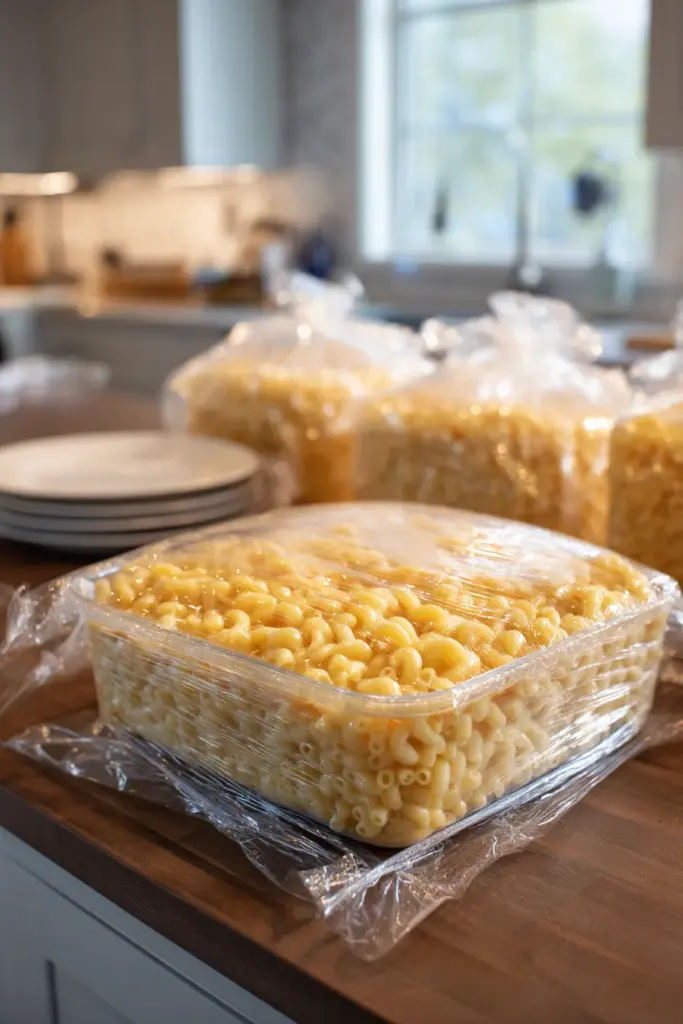

You can also freeze unbaked mac and cheese for up to three months. I use disposable aluminum pans for this, wrapping them tightly in plastic wrap and then foil. To bake from frozen, I thaw it overnight in the refrigerator first, then bake as usual. Baking from completely frozen tends to result in dried-out edges before the center is hot.
Creative Mac and Cheese Variations: Beyond the Basics
Once you’ve mastered traditional mac and cheese, a whole world of creative possibilities opens up. I love experimenting with different add-ins, mix-ins, and flavor profiles. Some of my best discoveries came from “what if” moments in the kitchen, when I wondered what would happen if I added this ingredient or tried that technique.
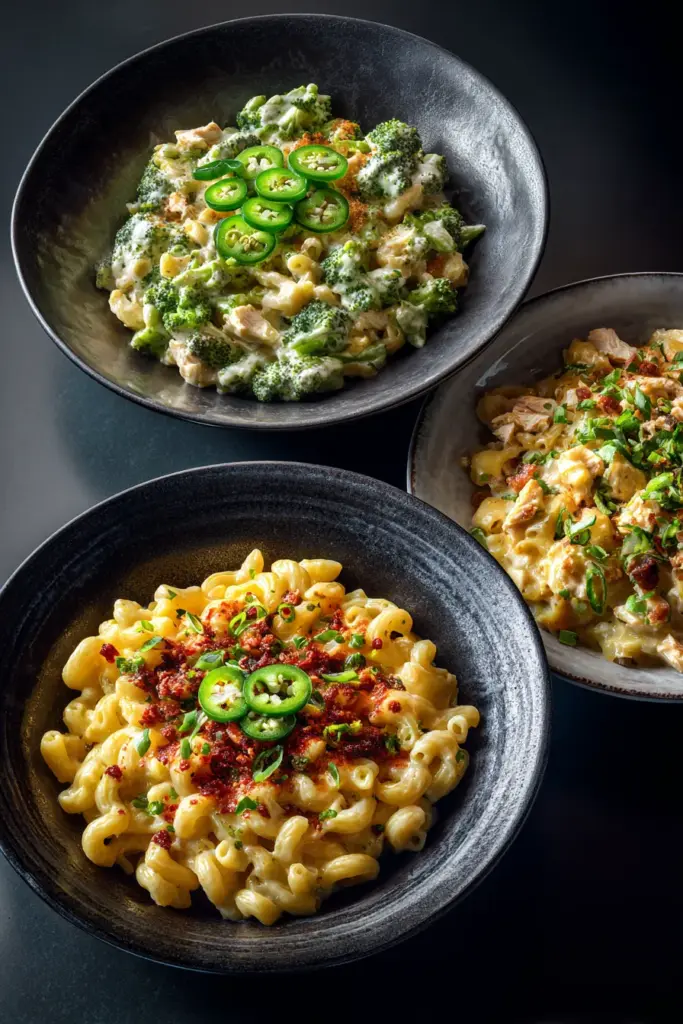
Protein additions transform mac and cheese from a side dish into a complete meal. Chicken is the most versatile option. I’ll use rotisserie chicken for ease, shredding it and folding it into the cheesy pasta before baking. The baked Caesar chicken with creamy parmesan pasta takes inspiration from Caesar salad, adding a bright, garlicky twist to classic cheesy pasta.
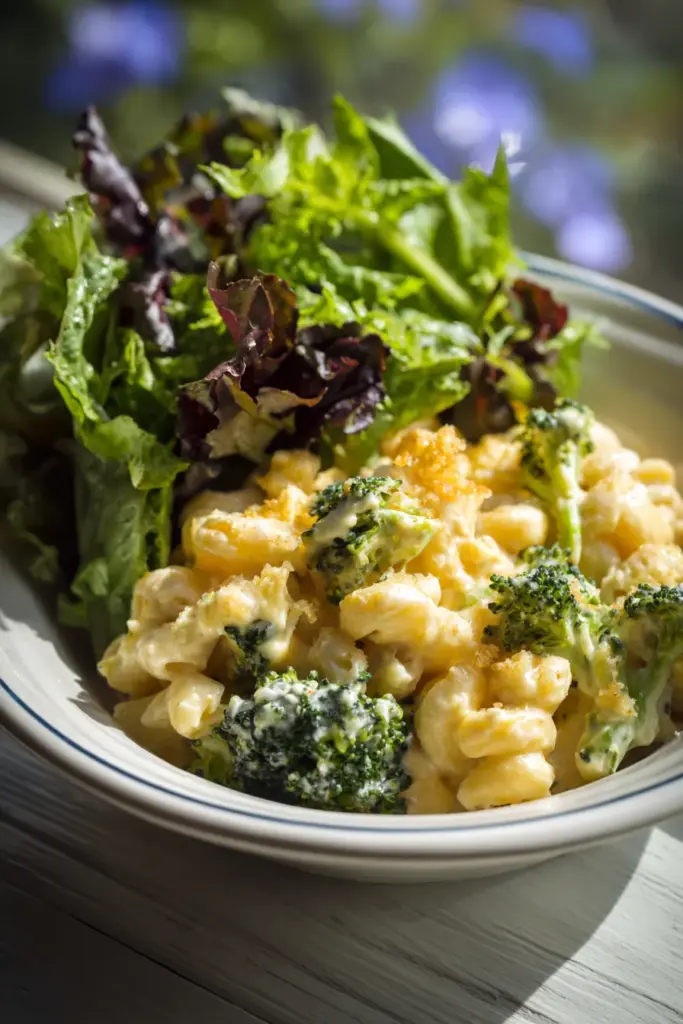
Vegetables add color, nutrition, and interesting texture contrasts. Broccoli is the classic addition, and for good reason. Its slight bitterness balances the rich cheese, and kids who might normally resist vegetables will eat them when they’re covered in cheese sauce. I blanch the broccoli briefly before adding it so it’s tender but still bright green.
Regional and International Twists
Different cuisines have their own takes on the pasta-and-cheese concept, and borrowing from these traditions creates exciting variations. The lemon garlic chicken with creamy bowtie pasta brings bright, Mediterranean flavors to the creamy pasta base, with lemon cutting through the richness.
Italian-inspired versions often include herbs like basil and oregano, plus Italian cheeses like mozzarella and asiago. The pasta with cherry tomatoes, spinach, garlic, and parmesan feels lighter and brighter while still delivering that creamy, cheesy satisfaction.
For something completely different, I love the pesto orzo with spinach and roasted cherry tomatoes. The basil pesto provides a fresh, herbal counterpoint to the creamy cheese, and the tiny orzo pasta creates a risotto-like texture that’s wonderful.
Unexpected Flavor Combinations
Some of the best mac and cheese variations come from unexpected ingredient combinations. Buffalo chicken mac and cheese, for example, combines hot sauce, blue cheese, and chicken for a spicy, tangy version that’s become incredibly popular. I make mine with a mix of cheddar and crumbled blue cheese, tossing shredded chicken with buffalo sauce before folding it into the pasta.
Bacon and jalapeño is another winning combination. The smoky, salty bacon and spicy jalapeños add excitement to every bite. I crisp the bacon, crumble it, and reserve some for topping so you get bacon throughout the dish and a crispy finish on top.
The creamy garlic pasta with spinach proves that sometimes simple is best. Lots of garlic, fresh spinach wilted into the sauce, and a generous amount of parmesan create something sophisticated from just a few ingredients.
Pasta Alternatives and Lighter Options
As much as I love traditional mac and cheese, sometimes I want something a little lighter or need to accommodate dietary restrictions. Over the years, I’ve developed versions that maintain the spirit of mac and cheese while being less heavy or more inclusive.
Using different pasta shapes can change the entire feel of the dish. Small shapes like orzo create a creamier, almost risotto-like texture. The spicy garlic parmesan orzo bake with shrimp is elegant enough for company while still delivering cheesy comfort. The tiny pasta absorbs sauce beautifully, and each spoonful is rich and satisfying.
For a lighter approach, I’ll add extra vegetables and use a bit less pasta overall. Zucchini, bell peppers, and mushrooms all work well, adding bulk and nutrition without heaviness. I sauté the vegetables first to remove excess moisture, which prevents the sauce from getting watery.
Seafood Mac and Cheese
Seafood transforms mac and cheese into something special. Lobster mac and cheese is the ultimate luxury version, but it’s honestly almost too rich for me. I prefer shrimp, which adds sweet, delicate flavor without overwhelming the cheese. The bright garlic shrimp pasta recipe balances creamy sauce with lots of garlic and a squeeze of lemon to keep it from feeling heavy.
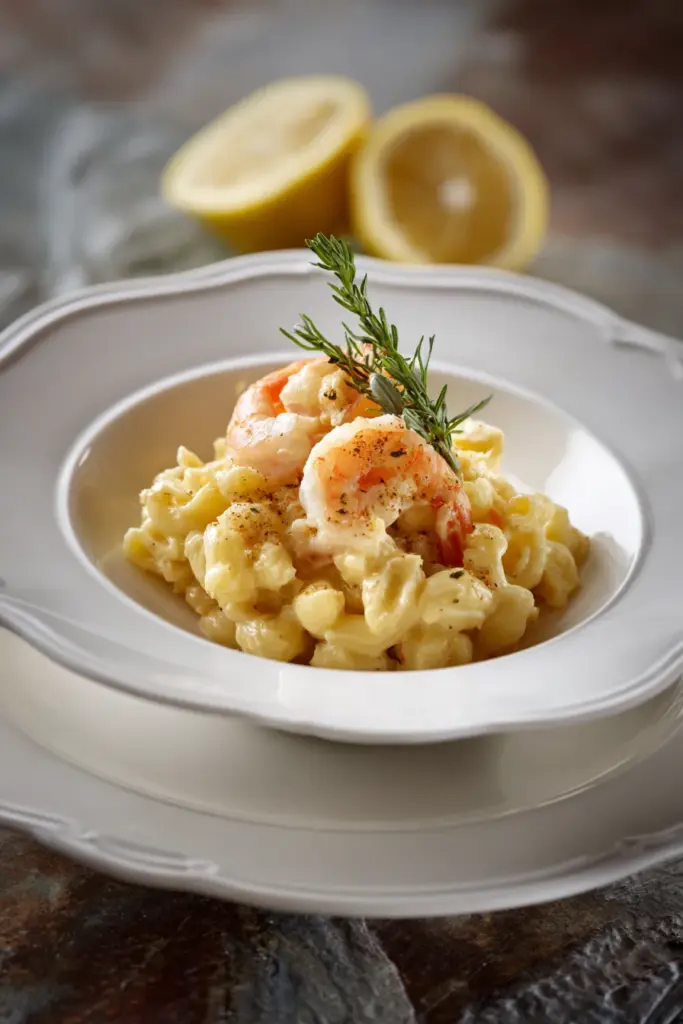
The key with seafood is not to overcook it. I usually cook the shrimp separately and fold it into the cheese sauce at the end, just to heat through. Overcooked shrimp turns rubbery, and nobody wants that. The shrimp and orzo pasta with lemon and dill uses fresh herbs and citrus to brighten the dish, making it feel more like spring than a heavy winter meal.
Adding Greens for Balance
One of my favorite ways to lighten mac and cheese without losing its essential character is adding lots of greens. Spinach is the easiest because it wilts down so much. I can add several big handfuls of fresh spinach to a batch of mac and cheese and it practically disappears, leaving just flecks of green and a subtle flavor boost.
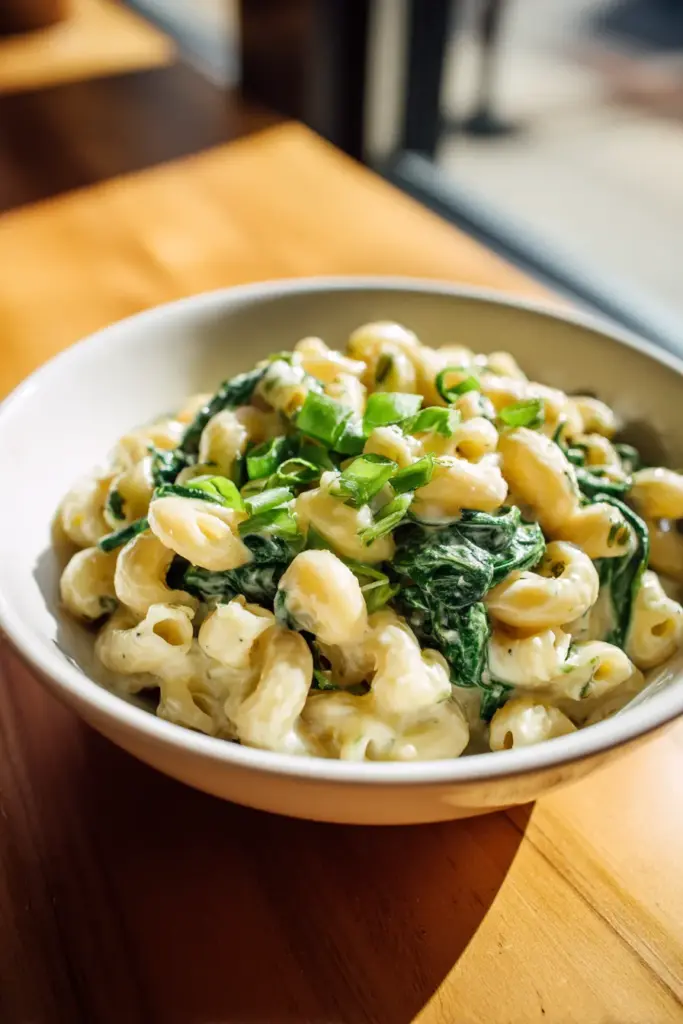
Kale is heartier and stands up well to baking. The spaghetti with kale and walnut cream sauce uses the earthy green alongside nuts for texture and nutrition. It’s creamy and comforting but feels virtuous at the same time.
For something more elegant, try the ravioli with tomatoes, asparagus, garlic, and herbs. While not strictly mac and cheese, it delivers that same creamy, cheesy satisfaction with the addition of fresh spring vegetables that make it feel lighter and more seasonal.
Vegetarian Comfort: Beyond Traditional Pasta
Some of my favorite comfort food discoveries have come from vegetarian cooking, where vegetables themselves become the star rather than just an add-in. These dishes capture the essence of what makes mac and cheese so satisfying while celebrating seasonal produce.
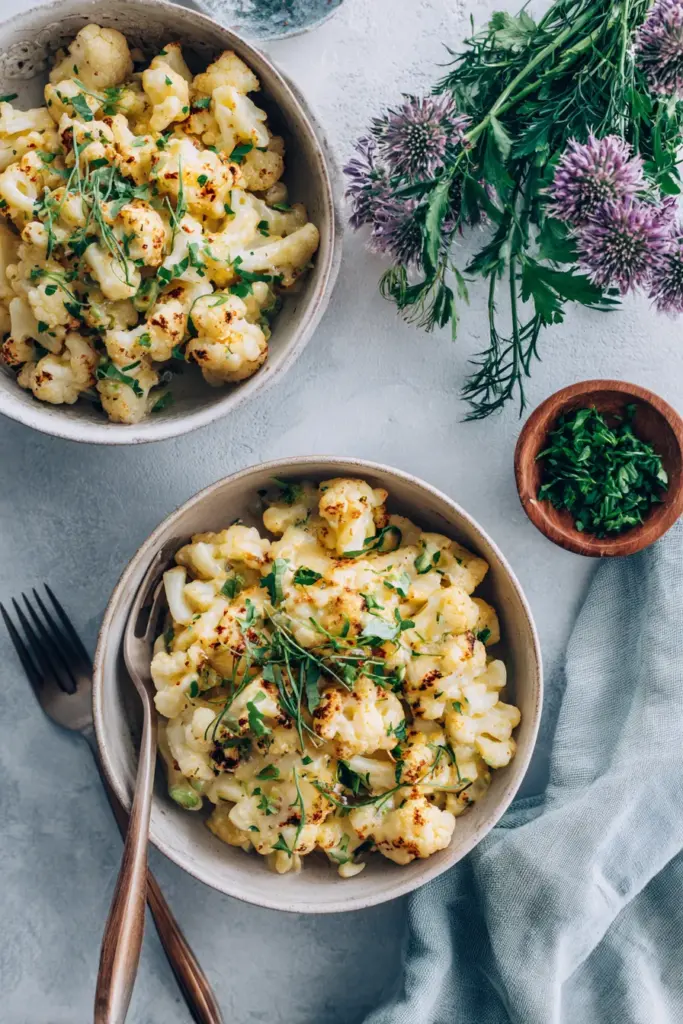
Cauliflower has become one of my favorite bases for cheese sauce. When roasted until golden and caramelized, then tossed with creamy cheese sauce, it’s absolutely addictive. The garlic parmesan cauliflower bake with spinach is what I make when I want comfort food that’s vegetable-forward. The cauliflower gets tender and almost melts into the sauce while the edges stay crispy.
I love the way cauliflower takes on creamy, cheesy flavors so well. The spinach and artichoke cauliflower Alfredo combines the beloved dip flavors with roasted cauliflower for something that feels indulgent but is actually mostly vegetables.
Stuffed Mushroom Variations
Mushrooms are another incredible vehicle for cheese and creamy fillings. Large portobello mushrooms create natural bowls perfect for stuffing with cheese mixtures. They’re meaty enough to feel substantial and absorb flavors beautifully.
The caprese stuffed garlic butter portobellos are my go-to when I want something that looks fancy but is simple to make. Fresh mozzarella, tomatoes, and basil stuffed into garlic-butter brushed mushroom caps deliver classic Italian flavors in a beautiful presentation.
For creamier options, the creamy ricotta and spinach stuffed mushrooms combine smooth ricotta with spinach and herbs for something that tastes rich and indulgent. I’ll make a whole tray of these for dinner with a salad on the side, and nobody misses the pasta.
Greek-inspired versions work beautifully too. The spinach and feta stuffed portobello mushrooms bring tangy feta and fresh spinach together in a way that’s both comforting and bright. I serve these warm from the oven with a squeeze of lemon.
Herbed Cheese Combinations
Fresh herbs elevate simple cheese fillings into something special. The goat cheese and herb stuffed portobello mushrooms use tangy goat cheese mixed with fresh herbs for a sophisticated flavor profile. It’s the kind of thing I serve when I want to impress without working too hard.
For parties or gatherings, the cheese stuffed portobello mushrooms with garlic and herbs disappear quickly. The combination of different cheeses creates depth, and the garlic and herbs make them irresistible.
Sun-dried tomatoes add concentrated flavor and pretty pops of color. The ricotta and sun-dried tomato stuffed mushrooms balance creamy ricotta with tangy, intense tomato flavor. I could eat these by the dozen.
Mediterranean and Fresh Vegetable Fillings
Mediterranean flavors pair wonderfully with mushrooms and cheese. The Mediterranean herb and feta stuffed mushrooms bring oregano, basil, and tangy feta together for bright, herbal flavors.
When I want something really creamy and luxurious, the creamy spinach and mushroom stuffed portobello mushrooms are perfect. Chopped mushroom stems get sautéed with spinach and folded into cream cheese for a double-mushroom experience that’s incredibly rich.
These same flavor combinations work in other vegetables too. The creamy spinach and mushroom stuffed bell peppers use sweet bell peppers instead of mushrooms, creating a different texture and flavor profile while maintaining that creamy, cheesy satisfaction.
Protein-Packed Comfort Food Variations
While mac and cheese is delicious on its own, adding protein transforms it into a complete meal that satisfies in a different way. Chicken is my most-used addition because it’s versatile, relatively lean, and takes on whatever flavors you pair with it.
Stuffed chicken dishes deliver comfort food appeal with elegant presentation. The spinach ricotta stuffed chicken combines tender chicken breasts with creamy ricotta and spinach filling. When you slice into them at the table, that gorgeous green and white filling spills out and looks restaurant-quality.
The technique for stuffed chicken is simpler than it seems. I butterfly the chicken breast, cutting it almost but not quite all the way through so it opens like a book. Then I spread the filling on one side, fold it closed, and secure with toothpicks if needed. A quick sear in a hot pan followed by finishing in the oven ensures the chicken cooks through while the filling stays creamy.
Multi-Purpose Cheese Stuffed Vegetables
Stuffed vegetables aren’t just for mushrooms and peppers. The same creamy, cheesy fillings work in everything from zucchini boats to tomatoes to eggplant. The key is choosing vegetables that can hold up to baking without completely falling apart.
For mushroom lovers, the spinach and cheese stuffed portobello mushroom hits all the right notes. The meaty mushroom, creamy cheese, and fresh spinach create a balanced dish that works as a main course or impressive side.
I find that these vegetable-based dishes satisfy cravings for comfort food while being lighter than traditional pasta versions. They’re also naturally gluten-free, which makes them perfect for guests with dietary restrictions. You can make them feel even more substantial by serving them over cauliflower rice or alongside a simple salad.
Expert Tips for Mac and Cheese Success
After making mac and cheese more times than I can count, I’ve accumulated a collection of tips and tricks that make the difference between okay and outstanding. These are the lessons I learned through mistakes, observations, and happy accidents in the kitchen.
First, always shred your own cheese. Pre-shredded cheese is coated with anti-caking agents that prevent smooth melting. It might save a few minutes, but the texture of your sauce suffers. A box grater or the shredding blade on your food processor makes quick work of a block of cheese, and the difference in how it melts is dramatic.
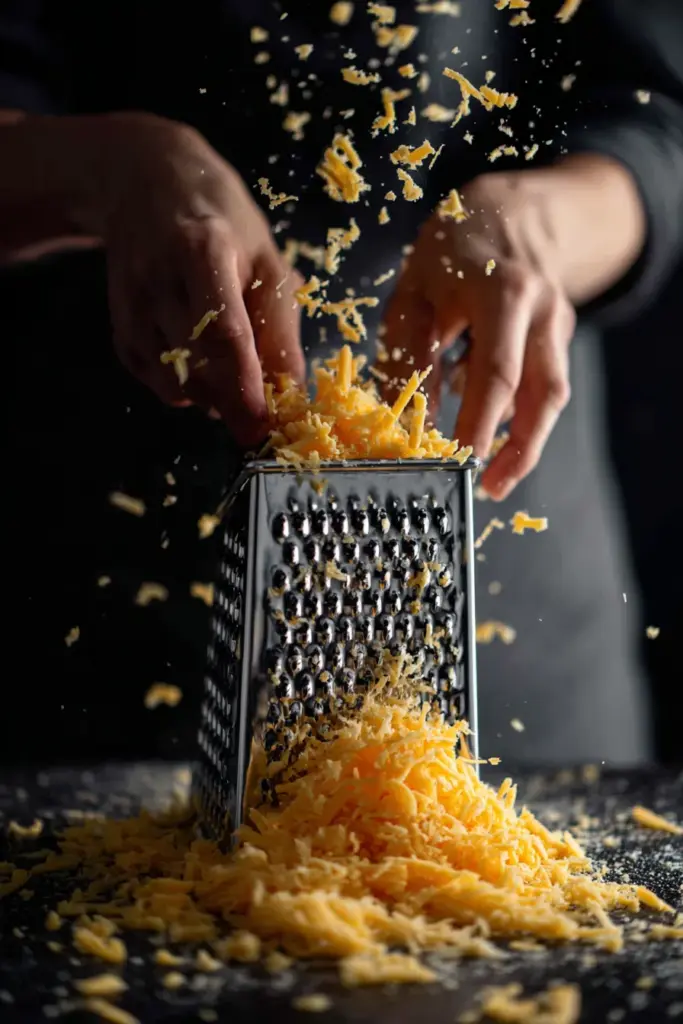
Temperature control is everything with cheese sauce. If you’re making a roux-based sauce, remove it from the heat before adding cheese. The residual heat is enough to melt the cheese without risking it breaking. If your sauce does break and separate, try whisking in a splash of cold milk or even a teaspoon of cream cheese, which can sometimes bring it back together.
Common Mistakes and How to Avoid Them
The most common mistake I see is making the sauce too thick. Remember that pasta absorbs liquid as it sits, and baked versions lose moisture in the oven. Your cheese sauce should look almost too thin when you first combine it with pasta. It seems counterintuitive, but trust that it will thicken to the perfect consistency.
Another frequent issue is bland mac and cheese. Cheese provides flavor, yes, but it also needs salt to taste its best. I season at multiple stages: the pasta water gets salted generously, the béchamel gets a good pinch of salt before the cheese goes in, and I taste the finished sauce and adjust seasoning before mixing with pasta. Under-salted cheese sauce just tastes flat and disappointing.
Overcooking the pasta is easier than you think. Since the pasta continues cooking in the hot cheese sauce and potentially in the oven too, it needs to be slightly underdone when you drain it. I aim for pasta that’s just barely al dente, with a tiny bit of resistance in the center. It’ll finish cooking perfectly in the sauce.
Make-Ahead Strategies
Mac and cheese is excellent for making ahead, but there are tricks to keep it at its best. For stovetop versions, I’ll make the cheese sauce ahead and refrigerate it separately from the cooked pasta. When it’s time to eat, I gently reheat the sauce with a splash of milk to thin it, then toss with freshly cooked pasta. This gives you most of the time savings while maintaining the best texture.
For baked versions, assemble completely but don’t add the breadcrumb topping until right before baking. The topping can get soggy if it sits on the cheese sauce for too long. I keep the topping in a separate container and sprinkle it on right before the dish goes in the oven.
If you’re making mac and cheese for a crowd, consider doubling the sauce rather than doubling the entire recipe. More sauce means everyone gets generous coverage, and you’re less likely to end up with dry spots. I’d rather have leftover sauce than not enough.
Reheating Without Ruining
Reheating mac and cheese properly is an art. The microwave is convenient but tends to dry out the pasta and make the cheese grainy. If you must use it, add a tablespoon of milk per serving, cover loosely, and use fifty percent power, stirring every minute.
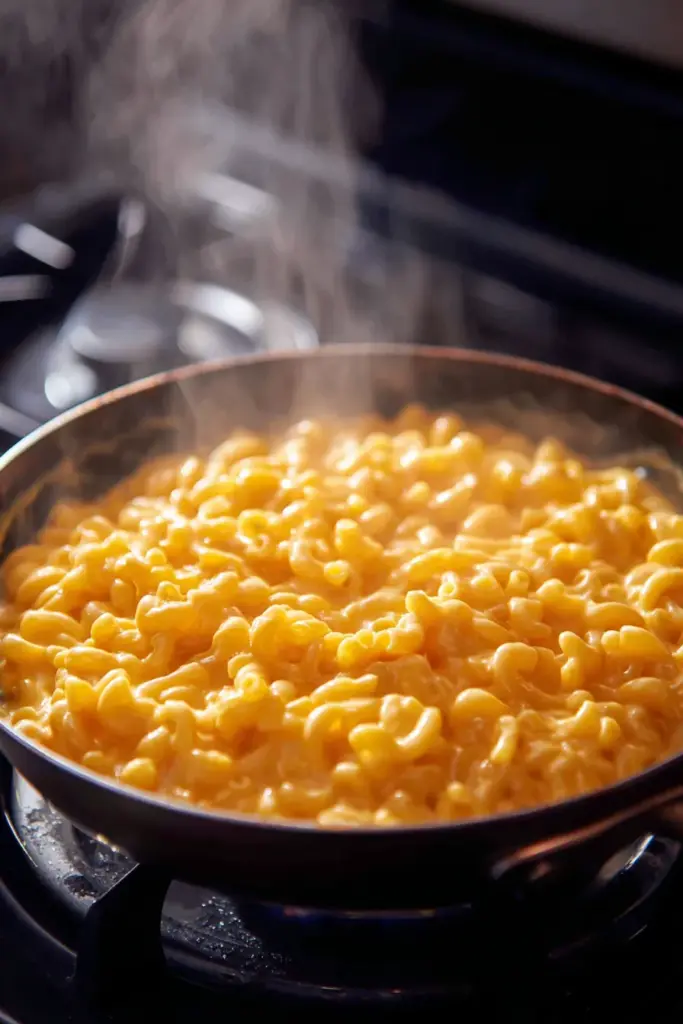
My preferred reheating method is gentle stovetop warming. I put the mac and cheese in a saucepan with a few tablespoons of milk or cream, cover, and heat over very low heat, stirring frequently. This brings it back to creamy perfection. For baked versions, I reheat in a covered dish in a 325-degree oven until heated through, then uncover and broil briefly if I want to re-crisp the top.
Conclusion: Your Mac and Cheese Journey
Mac and cheese has been a constant companion in my cooking life, evolving from simple childhood comfort to sophisticated adult satisfaction. It’s taught me about building flavors, understanding how ingredients work together, and the importance of technique even in simple dishes. Every time I make it, whether it’s a quick stovetop version on a busy Tuesday or an elaborate baked casserole for a holiday gathering, I’m reminded of why this dish has endured for generations.
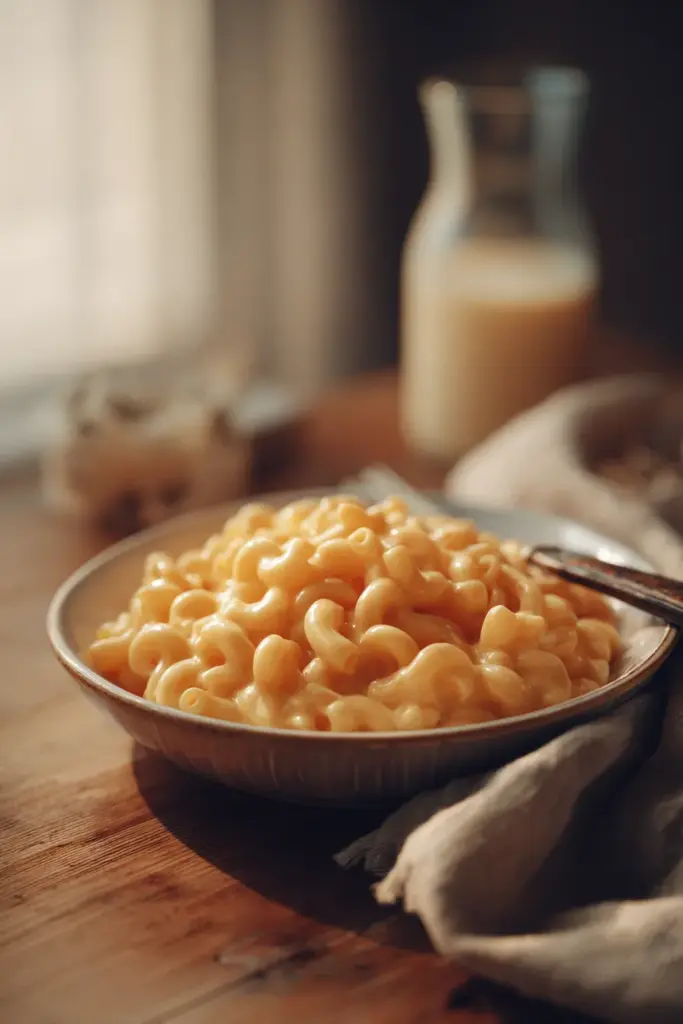
The beauty of mac and cheese is its adaptability. Start with the fundamentals we’ve covered here: a proper cheese sauce, well-cooked pasta, and good seasoning. From that foundation, you can go in any direction your tastes take you. Add vegetables for nutrition and color. Incorporate proteins for a complete meal. Experiment with different cheese combinations to find your perfect blend. Try international flavors and unexpected ingredients. Make it lighter or embrace its richness fully. There’s no wrong way to enjoy mac and cheese.
Remember that cooking is as much about the process as the result. Those moments in the kitchen, stirring a pot of bubbling cheese sauce, watching pasta transform from hard to tender, sprinkling on a buttery breadcrumb topping, these are the moments that make cooking worthwhile. Mac and cheese doesn’t require perfection. It requires attention, a little technique, and the willingness to adjust and learn as you go.
The recipes and techniques in this guide give you everything you need to make outstanding mac and cheese in whatever form appeals to you. Whether you’re feeding a family, impressing guests, or just treating yourself to a bowl of comfort, you now have the knowledge to do it well. Trust your instincts, taste as you cook, and don’t be afraid to make it your own.
Explore more delicious comfort food inspiration:
- Ooey Gooey BBQ Bacon Mac n Cheese Lasagna
- Sweet and Spicy Honey Pepper Chicken with Creamy Macaroni Cheese
- Baked Caesar Chicken with Creamy Parmesan Pasta
Frequently Asked Questions
Can I make mac and cheese without a roux?
Yes, there are several methods. You can make a sodium citrate-based sauce, which creates incredibly smooth cheese sauce without flour. You can also use evaporated milk, which has enough protein to help cheese melt smoothly without a starch thickener. Some recipes use cream cheese or American cheese as emulsifiers. Each method has slightly different texture and flavor, but all can work well.
Why does my cheese sauce get grainy?
Grainy cheese sauce usually means the proteins in the cheese have seized up from too much heat. Cheese should never boil. Remove your sauce from heat before adding cheese, and add it gradually while stirring constantly. Also, some cheeses are more prone to graininess than others. Hard aged cheeses like parmesan can be tricky on their own but work better mixed with better-melting cheeses.
Can I freeze mac and cheese?
You can freeze both baked and unbaked mac and cheese for up to three months. Unbaked tends to reheat better because the pasta hasn’t had a chance to absorb as much sauce yet. Wrap tightly in plastic wrap and foil, or use freezer-safe containers. Thaw overnight in the refrigerator before reheating. The texture might be slightly different from fresh, but it’s still delicious.
What’s the best cheese combination?
The best combination depends on your taste preferences, but I recommend using multiple cheeses for complex flavor and better texture. A good starting point is sharp cheddar for flavor, a good-melting cheese like fontina or Monterey Jack for creaminess, and a hard cheese like parmesan for depth. Avoid using all hard cheeses or all soft cheeses. The mix is what creates the best result.
How do I make mac and cheese less rich?
Use part milk and part chicken or vegetable broth for your sauce base. Add lots of vegetables like broccoli, spinach, or roasted peppers to lighten the overall dish. You can also use less cheese than recipes call for and compensate with good seasoning and aromatics like garlic and herbs. Greek yogurt can replace some of the cheese or cream for tanginess and protein with less fat.
Why is my baked mac and cheese dry?
Dry baked mac and cheese means either the sauce was too thick to begin with or it baked too long. The sauce should look quite thin and loose before baking. The pasta absorbs liquid and the sauce reduces in the oven. Cover the dish with foil for part of the baking time if you notice it drying out. You can also pour a little extra milk around the edges before baking as insurance.
Can I use milk alternatives for dairy-free mac and cheese?
Yes, unsweetened plant-based milks work in mac and cheese. Oat milk and cashew milk work particularly well because they’re creamy and neutral-flavored. Use vegan butter for the roux and nutritional yeast plus dairy-free cheese for the cheese flavor. The texture won’t be exactly the same as traditional mac and cheese, but you can definitely make a delicious dairy-free version.
What can I use instead of breadcrumbs for topping?
Crushed crackers, especially buttery ones like Ritz, make an excellent topping. Crushed corn flakes or potato chips add crunch and flavor. Panko mixed with grated parmesan and melted butter is my go-to. You can also skip breadcrumbs entirely and just use shredded cheese on top, which creates a crispy cheese crust.
How long does mac and cheese last in the refrigerator?
Properly stored in an airtight container, mac and cheese keeps for three to five days in the refrigerator. Make sure to cool it completely before refrigerating, and reheat thoroughly before serving. If it smells off or the sauce has separated significantly and looks watery or oily, it’s time to toss it.
Can I use different pasta shapes in the same recipe?
You can use any pasta shape you like, but keep in mind that different shapes have different sauce-holding abilities. Hollow shapes like penne or shells catch more sauce. Thinner shapes like spaghetti work but don’t have the same sauce-to-pasta ratio in each bite. If you’re swapping shapes, keep the weight of pasta the same and adjust sauce slightly based on how much the shape absorbs.

🍳 Precision Meets Passion — Tools Chefs Trust Daily

- Grams & ounces — precise to 1g
- Perfect for baking & keto tracking
- Sleek stainless steel design

- German stainless precision
- Razor-sharp & dishwasher-safe
- Elegant wood block organizer

- Premium Stainless Steel Build
- Easy to Clean & Dishwasher Safe
- A Must-Have Kitchen Tool