➤ Table of Contents
I’ll never forget the first time I tried to make tacos at home. I was about eight years old, standing on a stepstool next to my grandmother in her tiny kitchen, watching her brown ground beef in a cast-iron skillet that was older than my mother. The sizzle, the aroma of cumin and chili powder hitting the hot pan, the way she’d taste and adjust the seasoning without measuring anything, it all felt like magic. She let me help fold the warm tortillas around the filling, and even though half of everything fell out onto my plate, I felt so proud. That messy, delicious meal taught me something important: the best comfort food doesn’t have to be complicated, it just has to be made with care.
⚡ Smart Kitchen Tools Every Home Cook Swears By

- Pure aluminum
- Durable enough for everyday cooking
- Made in the USA with quality

- 7 cooking functions in one compact cooker
- 3-quart size ideal for couples or small meals
- Up to 70% faster than traditional cooking

- 3 sizes for every recipe
- Pre-seasoned & durable cast iron
- Oven & grill ready
Years later, tacos and wraps have become my go-to answer for busy weeknights, casual gatherings, and those moments when I want something satisfying without spending hours in the kitchen. There’s something universally appealing about food you can hold in your hands, customized exactly how you like it, with all your favorite flavors wrapped up together. Whether it’s a crispy beef taco with all the toppings, a Mediterranean chicken wrap bursting with fresh vegetables, or a creative pizza-inspired handheld creation, these recipes bring comfort and joy to the table.
What I love most about tacos and wraps is their incredible versatility. They adapt to whatever ingredients you have on hand, whatever cuisine you’re craving, whatever dietary needs you’re accommodating. Leftover roasted chicken becomes Greek wraps with tzatziki. Ground venison transforms into sophisticated tacos with chipotle cream. Even pizza can be reimagined into portable, handheld formats that kids and adults alike devour with enthusiasm.
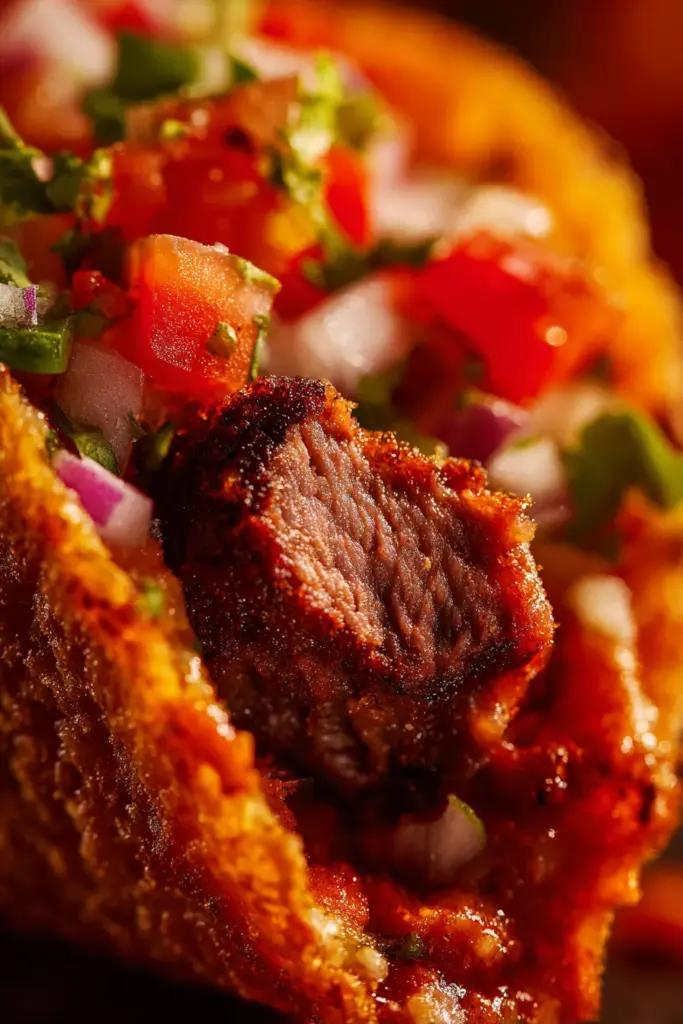
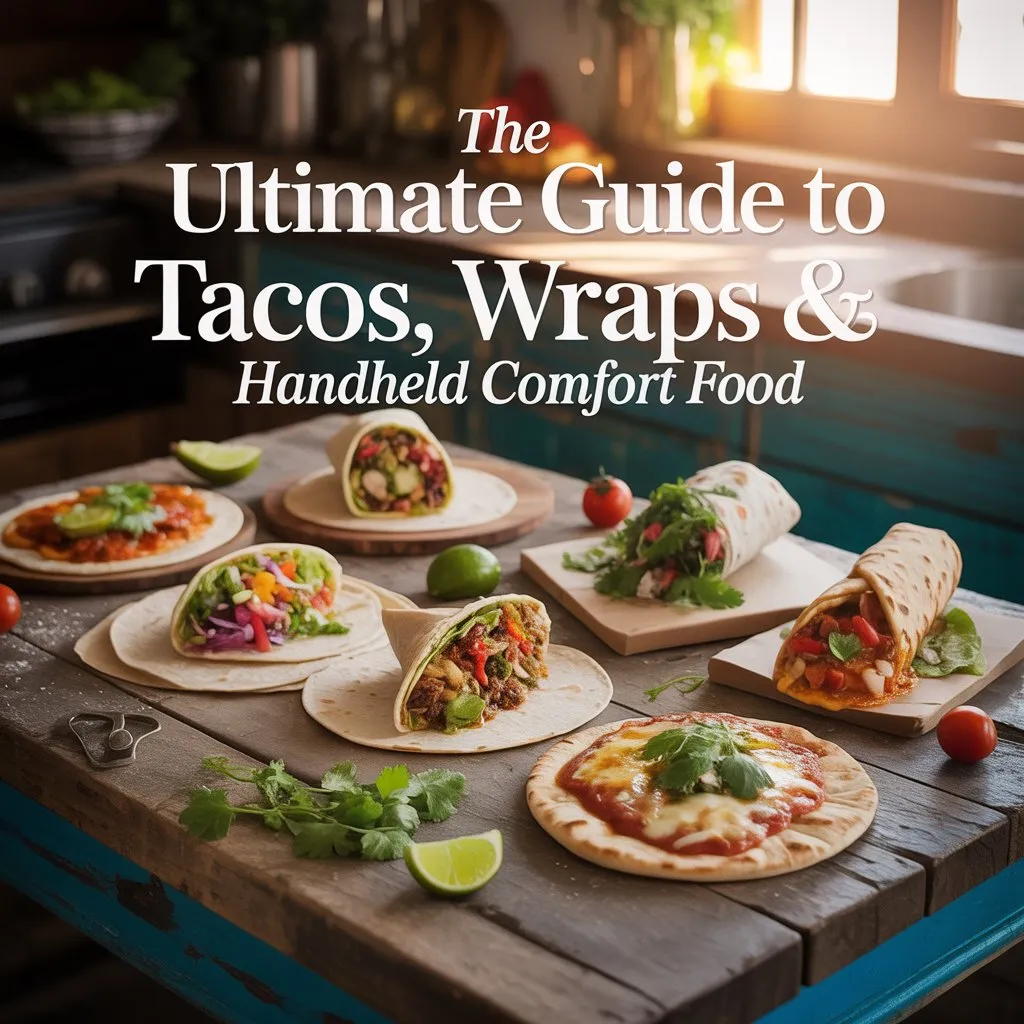
This guide is everything I’ve learned about making exceptional tacos, wraps, and handheld comfort food at home. We’ll explore classic beef tacos that rival your favorite taqueria, venture into Mediterranean flavors with pita pockets and wraps, discover creative pizza-inspired handheld creations, and even dive into game meat preparations that elevate casual dinners into something special. You’ll learn the techniques that make fillings flavorful, the tricks for keeping wraps from getting soggy, and the flavor combinations that turn simple ingredients into memorable meals. Every recipe here has been tested in my own kitchen, adjusted based on what worked and what didn’t, and perfected through the kind of trial and error that makes you a better cook.
Mastering Classic Beef Tacos
There’s a reason beef tacos remain the gold standard of handheld comfort food. When done right, they’re the perfect balance of savory, seasoned meat, crispy or soft shells depending on your preference, and fresh toppings that add brightness and crunch. But I’ve learned that the difference between mediocre tacos and outstanding ones often comes down to just a few key techniques.
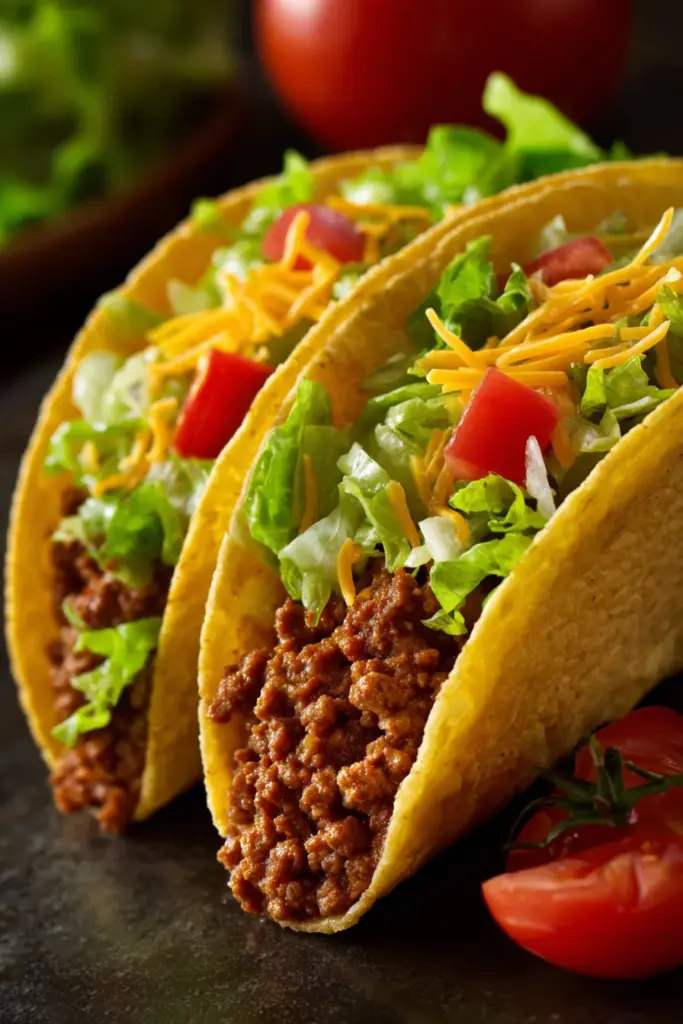
The foundation of any great beef taco is properly seasoned, well-browned meat. I learned this the hard way after making bland, gray beef tacos for years before someone finally showed me what I was doing wrong. The secret is in the browning. You need to resist the urge to stir constantly and let the meat develop a deep, caramelized crust. That’s where the flavor lives.
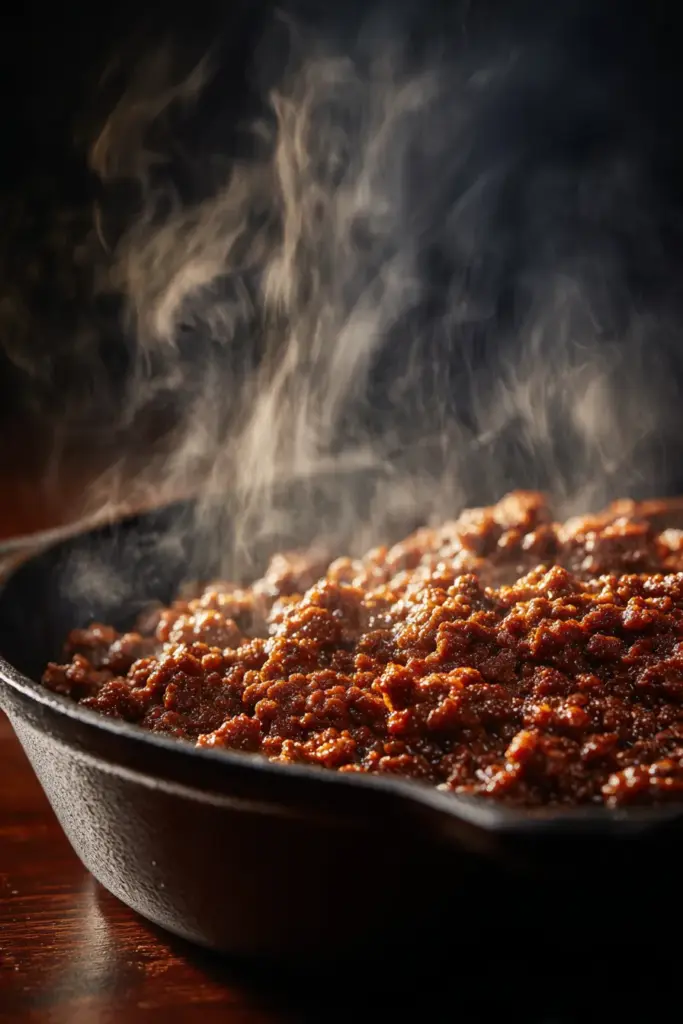
When I’m making ground beef tacos, I start with good quality ground beef, preferably 80/20 for the right balance of flavor and moisture. I brown it in batches if necessary, making sure not to crowd the pan. Once it’s nicely browned, I add my spices directly to the hot meat and let them toast for about thirty seconds before adding any liquid. This step, toasting the spices, transforms them from powdery and raw-tasting to fragrant and complex.
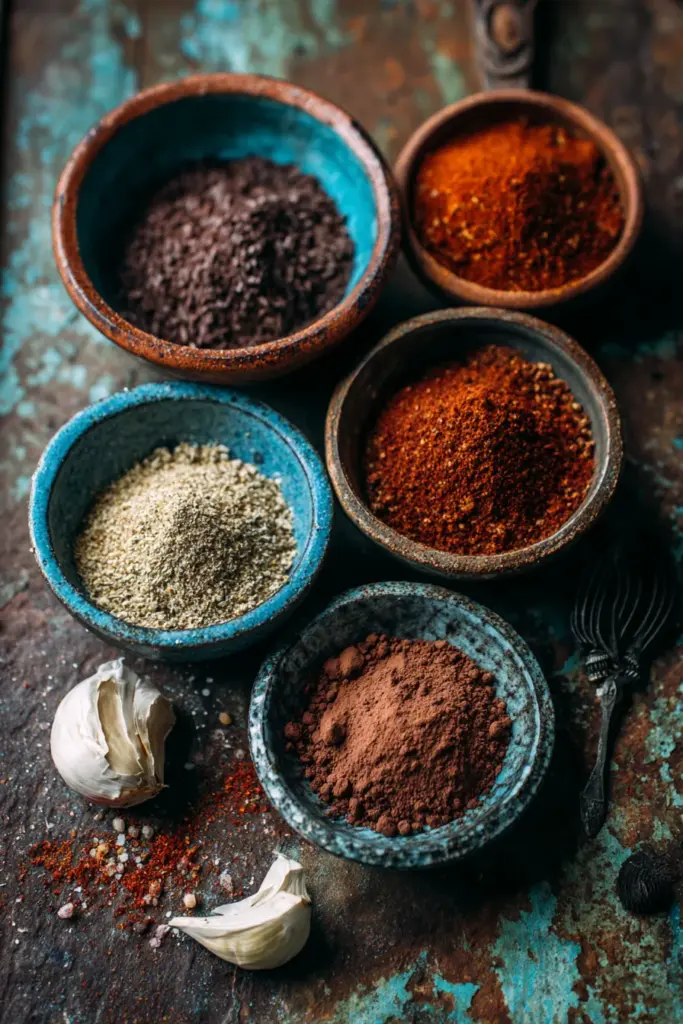
My spice blend is simple but perfectly balanced: cumin, chili powder, garlic powder, onion powder, a pinch of cayenne for heat, and just a touch of cocoa powder for depth. Yes, cocoa powder. It adds an almost imperceptible richness that makes people ask what your secret ingredient is. I learned this trick from a Mexican cookbook years ago, and it’s become a non-negotiable part of my taco seasoning.
🥗 Fresh, Fast & Foolproof — Upgrades You'll Use Tonight

- Zoodles in seconds
- Heavy-duty, 10 sharp blades
- Keto, paleo & gluten-free friendly

- Meals in ~30 minutes
- 3-Qt — perfect for 1–3 people
- Pressure cook, sauté, steam & more

- Phone alerts & live temp graph
- Hands-off monitoring for smokers
- Perfect doneness, every time
Crispy Tacos: The Art of Perfect Crunch
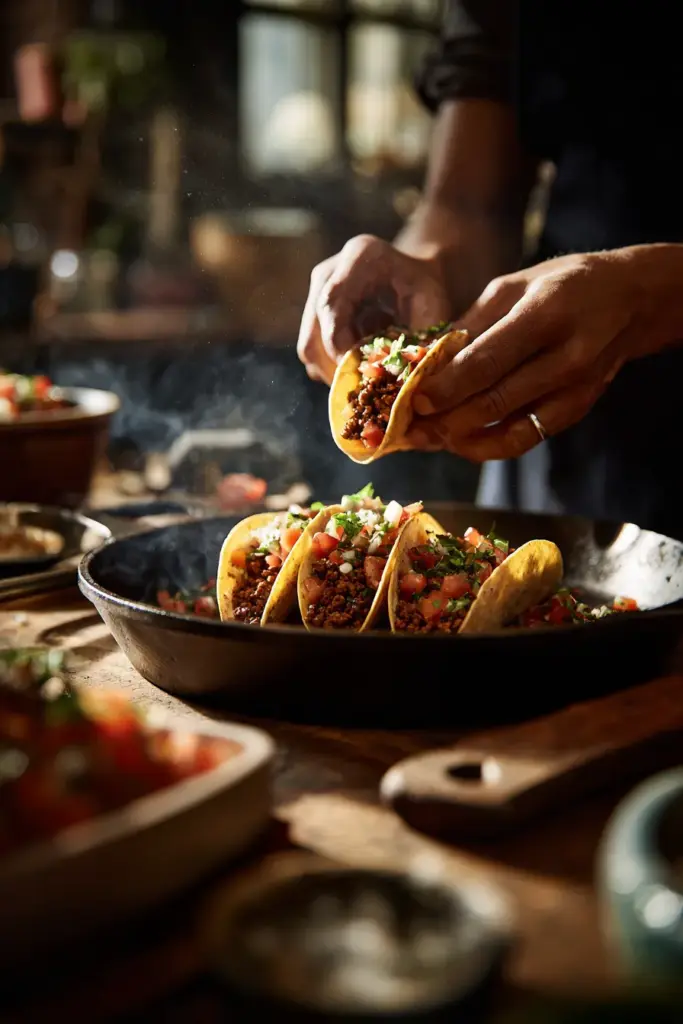
Crispy tacos hold a special place in my heart because they were my childhood favorite. That satisfying crunch when you bite through the shell, the way the warm filling contrasts with the crispy exterior, it’s texture heaven. But making crispy beef tacos at home can be tricky if you don’t know the techniques.
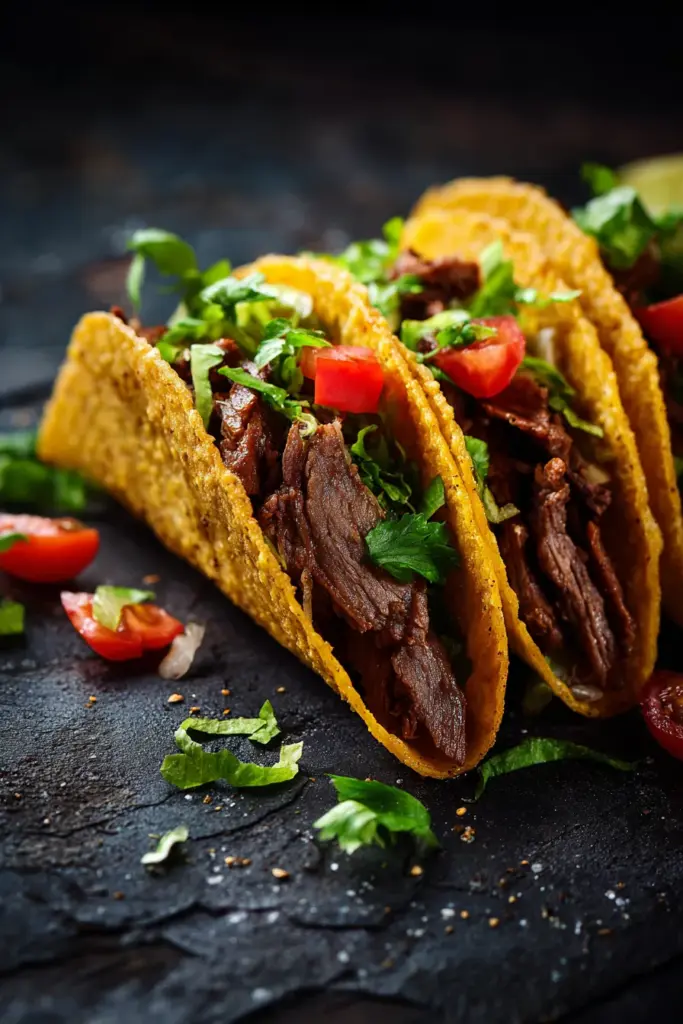
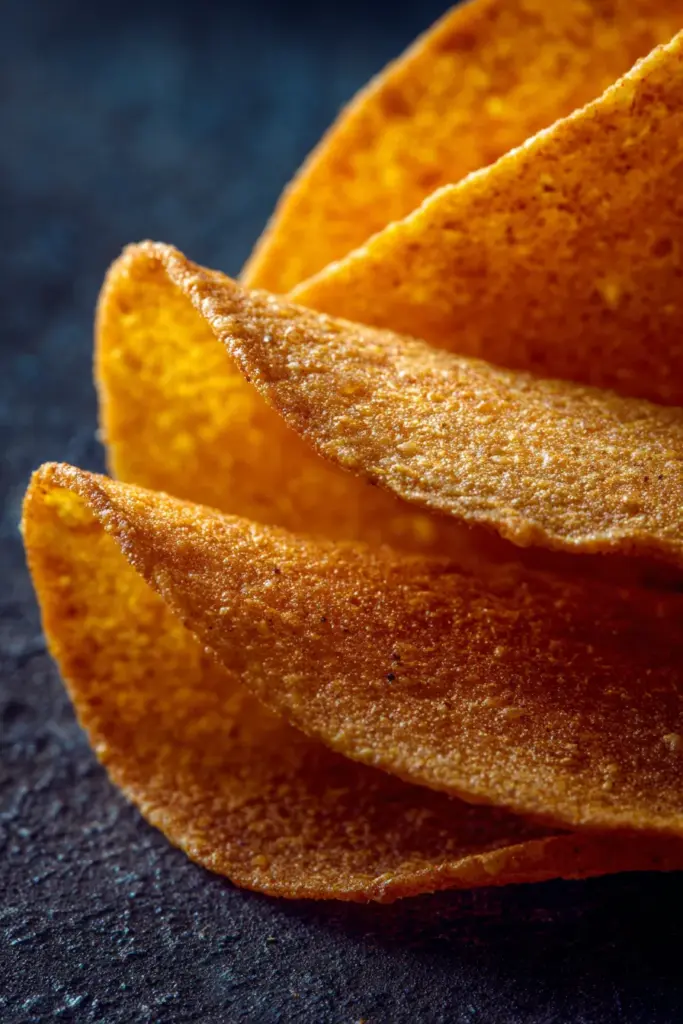
I used to buy pre-formed taco shells from the store, and they were fine, but nothing compared to freshly fried shells. The difference is night and day. Fresh corn tortillas, gently warmed to make them pliable, then carefully folded and fried until golden and crispy, create a shell that’s both sturdy enough to hold fillings and delicate enough to shatter beautifully with each bite.
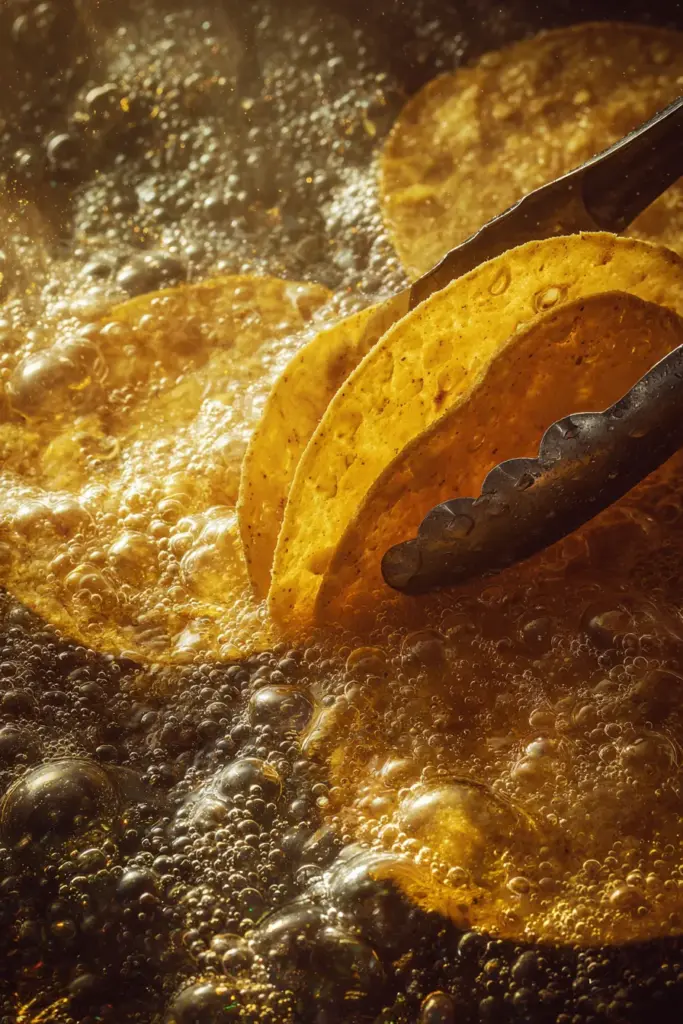
Here’s my method: heat about half an inch of neutral oil in a skillet to 350 degrees Fahrenheit. Warm your corn tortillas slightly so they’re flexible, then use tongs to hold them in a U-shape as you lower them into the hot oil. Hold them in position for about ten to fifteen seconds until they start to set, then release and let them fry for another thirty seconds per side until golden and crispy. Drain on paper towels and season with salt immediately while they’re still hot.
The timing is important because you want them to fry quickly enough to stay crispy but not so fast that they burn. If your oil is too hot, they’ll brown before they crisp. Too cool, and they’ll absorb oil and become greasy. That 350-degree sweet spot is key.
Birria-Style Tacos: The Trending Favorite
If you’ve spent any time on social media in the past few years, you’ve seen birria tacos. Those gorgeous, cheese-filled, consommé-dipped tacos that get crisped on a griddle until the cheese is melted and the tortilla is golden and crispy. They’re everywhere, and for good reason, they’re absolutely delicious.
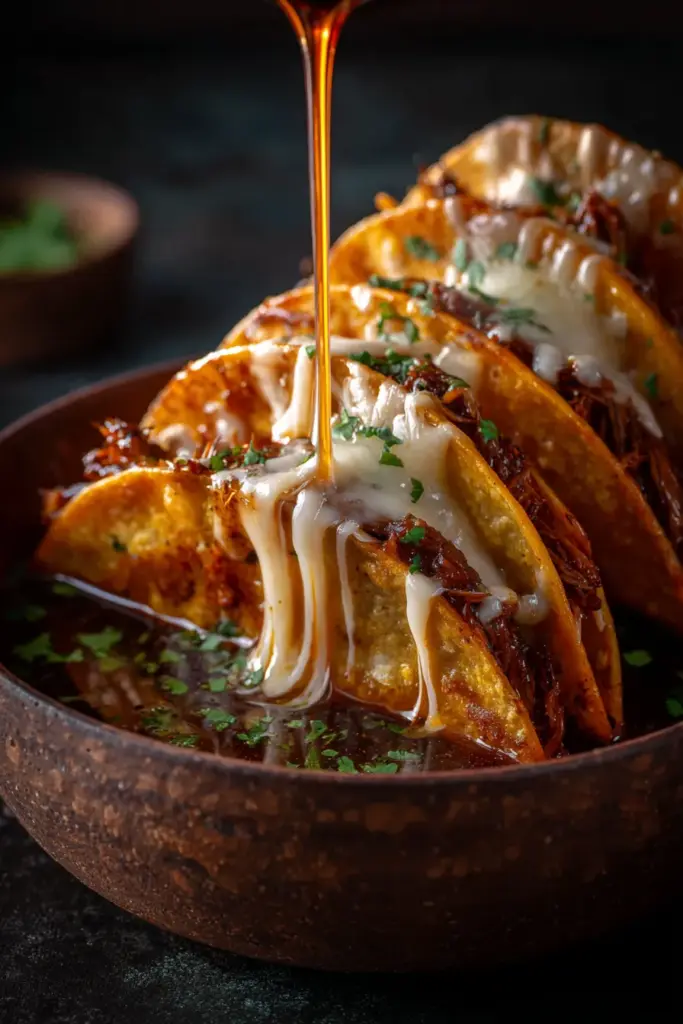
Traditional birria is a complex, hours-long endeavor involving multiple dried chiles, dozens of spices, and slow-braised meat. But my easy birria bombs tacos capture that same spirit in a more weeknight-friendly format. The key is creating a richly flavored braising liquid with dried chiles, tomatoes, and warming spices, then using that liquid as a dipping sauce for the finished tacos.
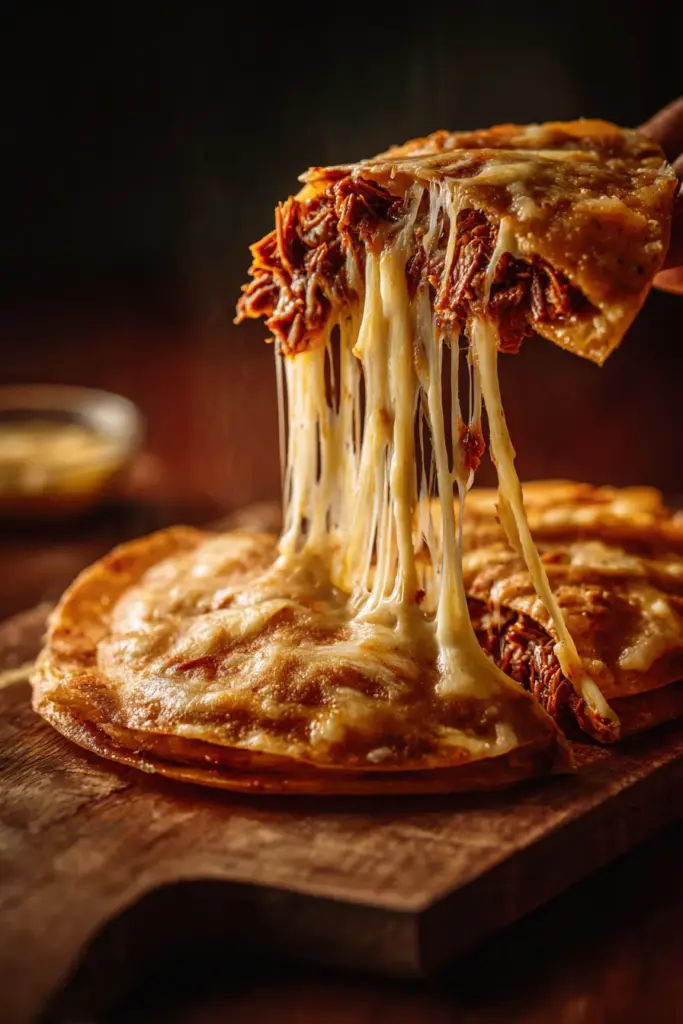
What makes birria tacos special is the double cooking method. First, you braise the meat until it’s fall-apart tender and deeply flavored. Then you dip your tortillas in the fat that rises to the top of the braising liquid, fill them with meat and cheese, and crisp them on a hot griddle. The result is tacos that are crispy on the outside, gooey with melted cheese in the middle, and served with that intensely flavored consommé for dipping.
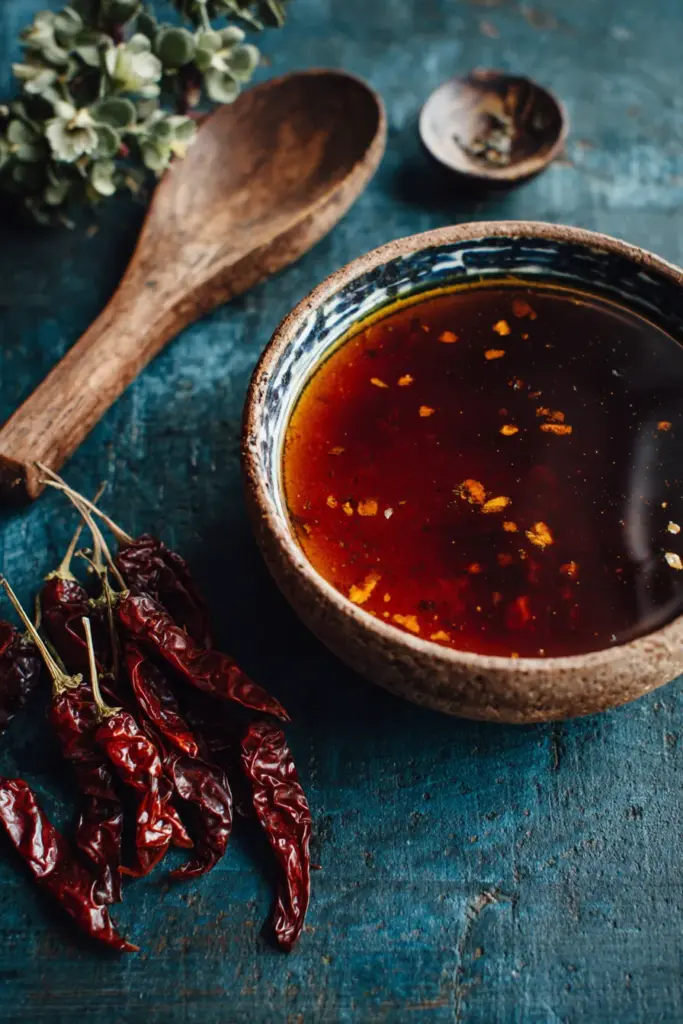
I make these for gatherings now because they’re interactive and fun. Everyone loves dipping their tacos into that rich broth, and the combination of textures and flavors is irresistible. They look impressive but the actual technique is quite simple once you understand the process.
Venison Tacos and Game Meat Preparations
When my husband started hunting years ago, I’ll admit I was intimidated by cooking venison. It seemed so different from the beef and chicken I was comfortable with. But necessity is the mother of invention, and with a freezer full of venison, I had to learn. What I discovered surprised me: venison makes absolutely outstanding tacos when prepared correctly.
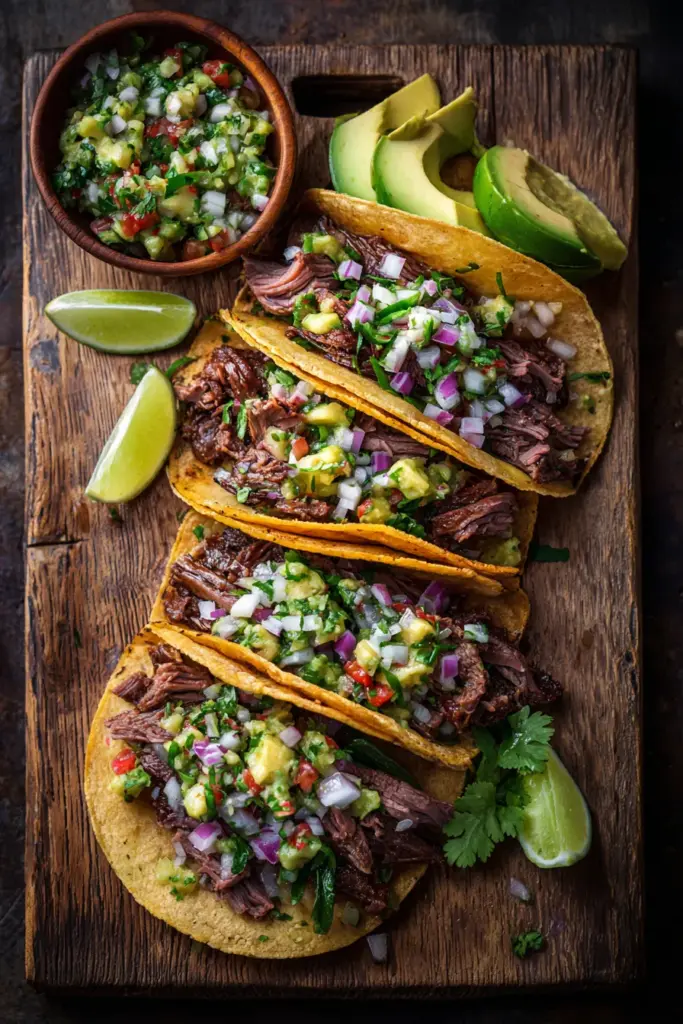
The key to cooking venison is understanding that it’s much leaner than beef. Without that fat to keep it moist, venison can easily become dry and tough if you overcook it. But when you treat it right, venison’s clean, slightly sweet, earthy flavor is actually perfect for tacos. The seasonings and toppings you’d normally use complement it beautifully.
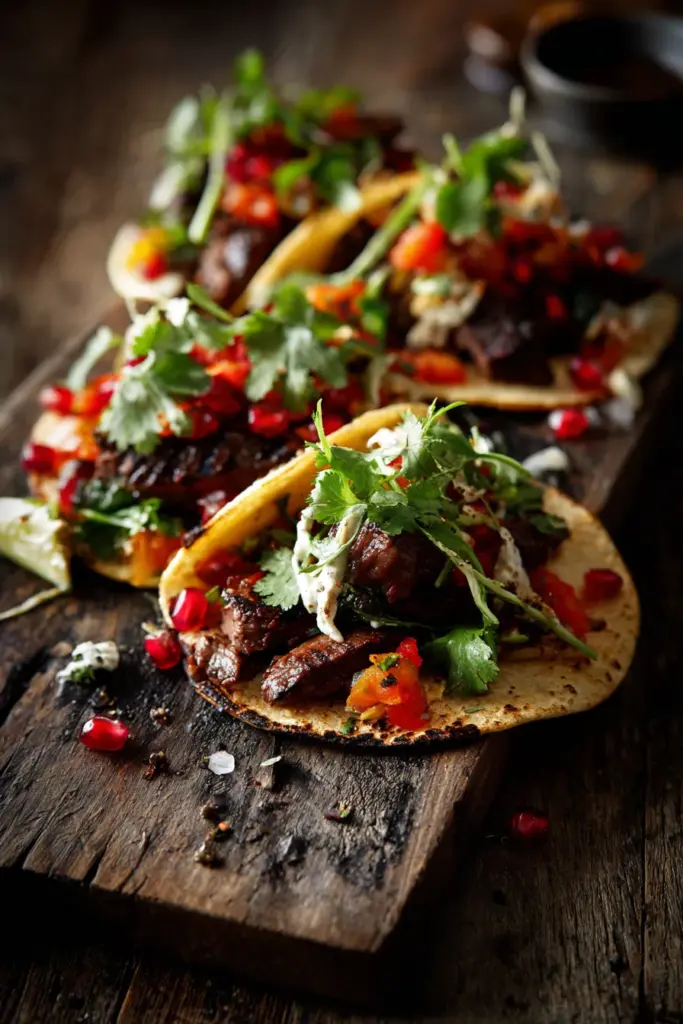
For ground venison tacos, I always add a bit of fat. Either I’ll mix in some ground pork or bacon, or I’ll add extra olive oil during cooking. This keeps the meat moist and flavorful. I season it more aggressively than I would beef, using plenty of cumin, smoked paprika, and garlic. The spicy venison tacos with avocado salsa showcase how well venison works with bold flavors and cooling toppings.
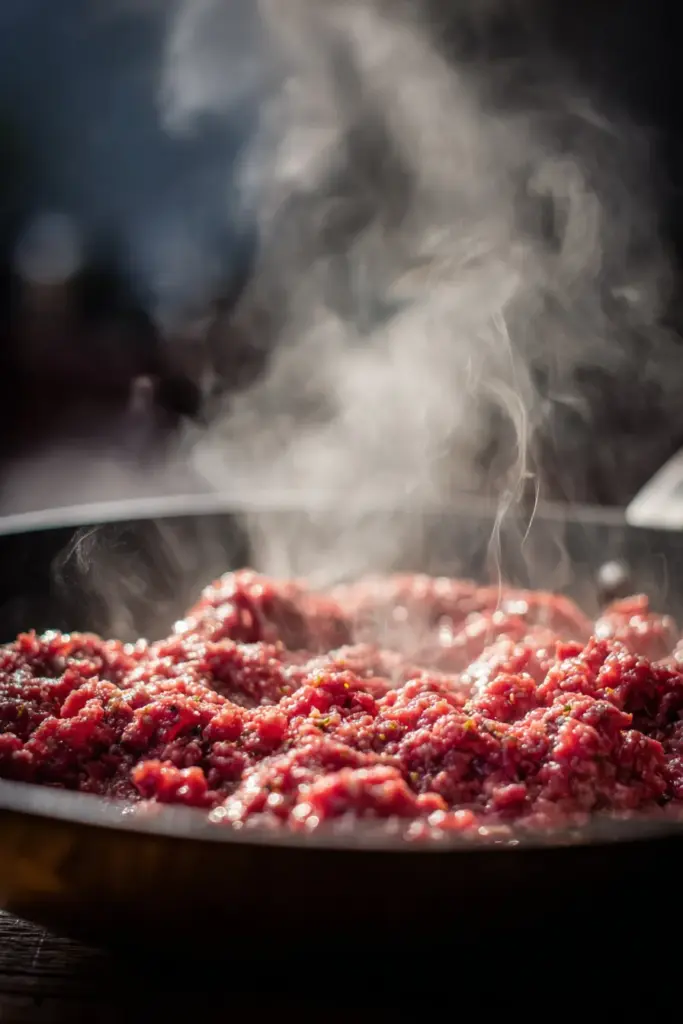
Grilling Venison for Tacos
Where venison really shines is when you grill or sear it quickly over high heat. Venison steaks or backstrap, cooked to medium-rare and sliced thin, make incredibly tender, flavorful taco filling. The key is not to overthink it or overcook it.
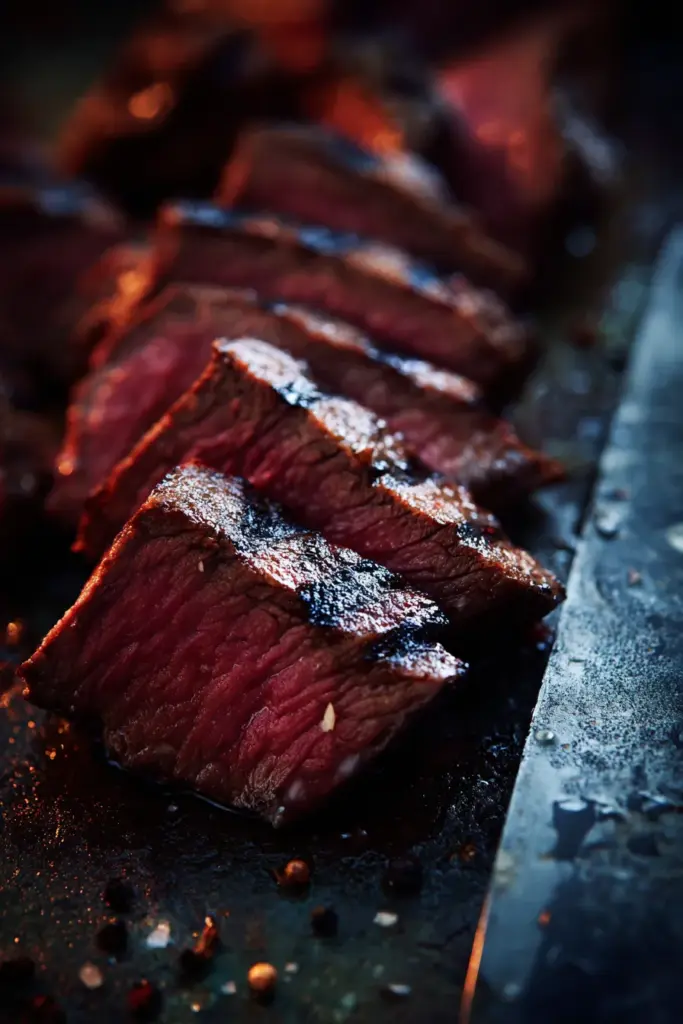
I learned to make grilled venison tacos with chipotle cream after a particularly successful hunting season left us with more backstrap than we knew what to do with. I season the meat simply with salt, pepper, and a little cumin, then grill it hot and fast. After a brief rest, I slice it thin against the grain, and it’s so tender it practically melts in your mouth.
The chipotle cream is essential here. That smoky, slightly spicy, cool and creamy sauce provides moisture and richness that complements the lean venison perfectly. I make it by blending sour cream with chipotle peppers in adobo, lime juice, and a touch of honey to balance the heat. It’s become my go-to sauce for all kinds of tacos, not just venison.
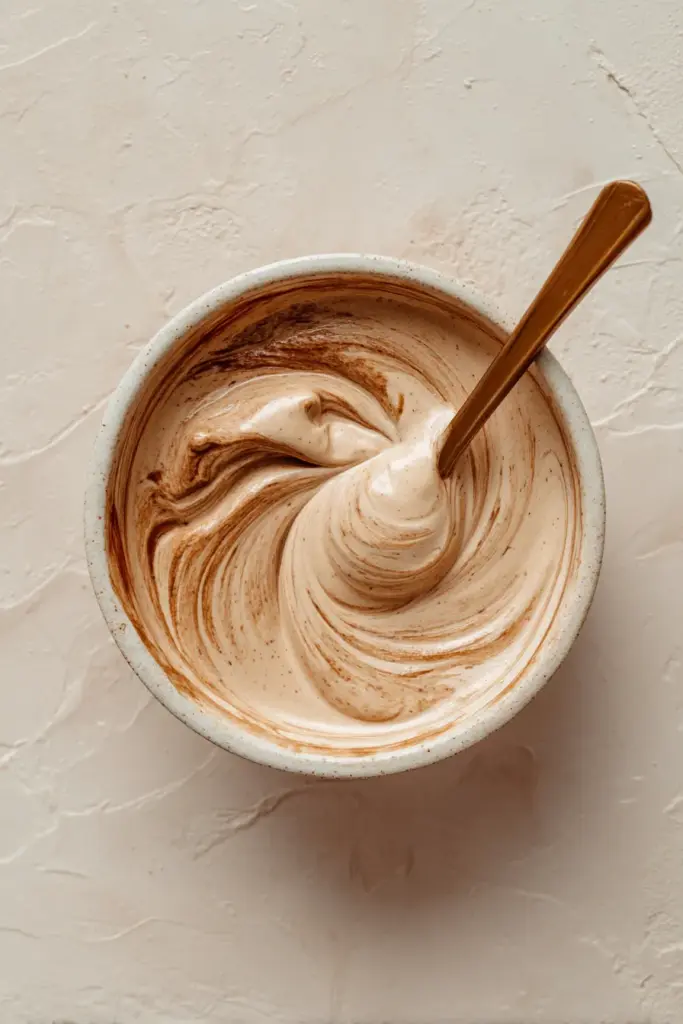
Another favorite is fire grilled venison tacos with roasted pepper salsa and lime crema. The charred, smoky flavor from the grill pairs beautifully with the sweet roasted peppers, and the lime crema adds brightness that cuts through everything. These tacos feel special enough for entertaining but are simple enough for a regular dinner.
Venison Quesadillas: A Cheesy Variation
Sometimes I want something a bit more substantial and comforting, and that’s when I turn to venison quesadillas with cheddar and jalapeno. Quesadillas are incredibly forgiving, they’re hard to mess up, and the melted cheese helps keep the lean venison moist.
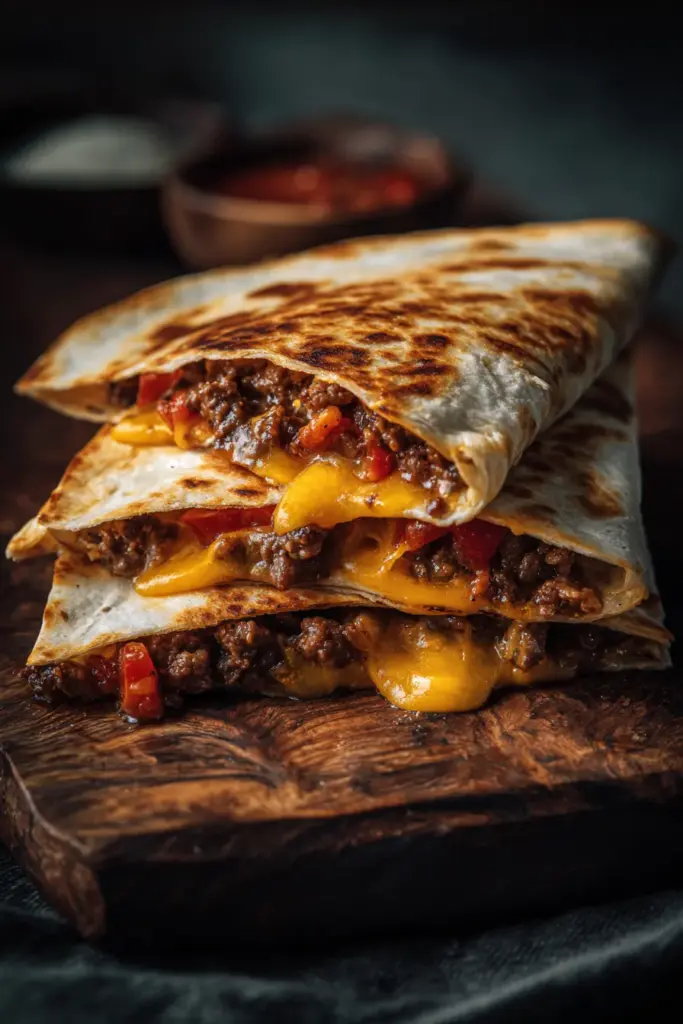
I use leftover cooked venison for these, making them a great way to use up taco meat from earlier in the week. The jalapeños add just enough heat to be interesting without overwhelming, and the sharp cheddar provides that gooey, satisfying quality that makes quesadillas so crave-worthy.
The technique for perfect quesadillas is all about heat management. Medium heat is your friend here. Too hot and the tortilla burns before the cheese melts. Too low and everything gets tough and dry. I cook them in a dry skillet or griddle, flipping once when the bottom is golden and the cheese is starting to melt. Cut into wedges and serve with sour cream, salsa, and guacamole for a complete meal.
Mediterranean Wraps and Pitas: Fresh, Bright Flavors
While I love a good taco, sometimes I crave something lighter and fresher. That’s when I turn to Mediterranean-inspired wraps and pitas. These handheld meals are packed with vegetables, herbs, and bright flavors that feel nourishing and satisfying without being heavy.
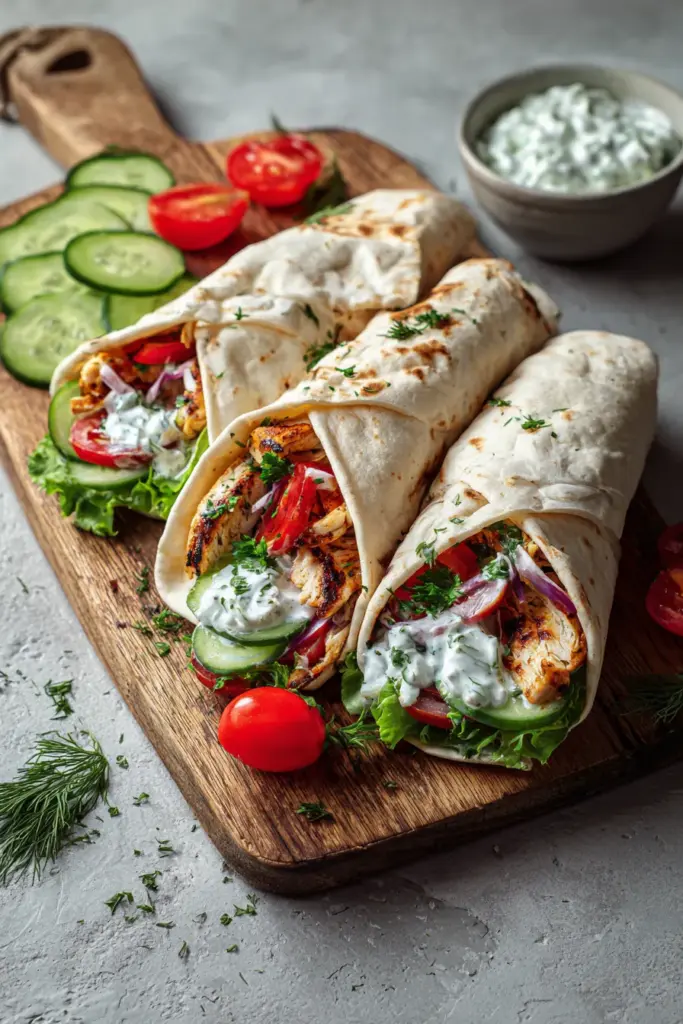
The beauty of Mediterranean wraps is how they balance protein, vegetables, and flavorful sauces in every bite. You get the satisfaction of a complete meal without any one element overwhelming the others. And because they’re typically served at room temperature or just slightly warm, they’re perfect for meal prep, picnics, or busy days when you need to eat on the go.
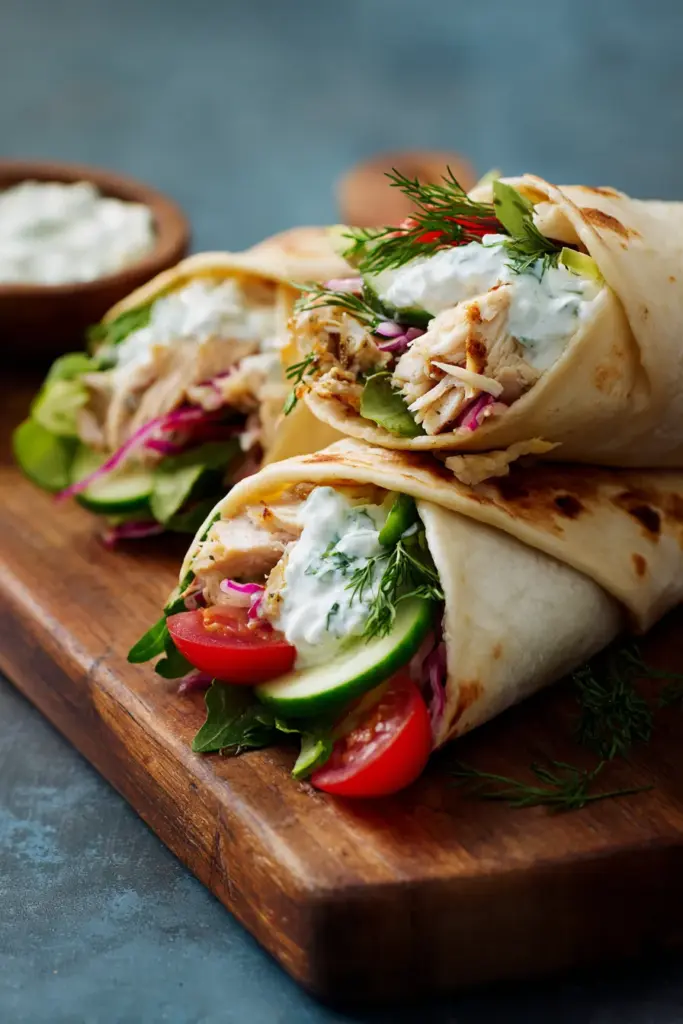
I discovered my love for these wraps during a summer when I was trying to eat lighter but kept feeling unsatisfied by salads alone. Wrapping all those salad ingredients in a tortilla or pita, along with some grilled chicken or other protein, transformed them into something much more appealing and filling.
Greek-Style Chicken Preparations
Greek flavors, lemon, garlic, oregano, olive oil, are some of my favorites to work with. They’re bright and herby without being complicated, and they make even simple chicken breast taste special. The Greek style chicken wraps with tzatziki and veggies have become a weekly staple in my house.
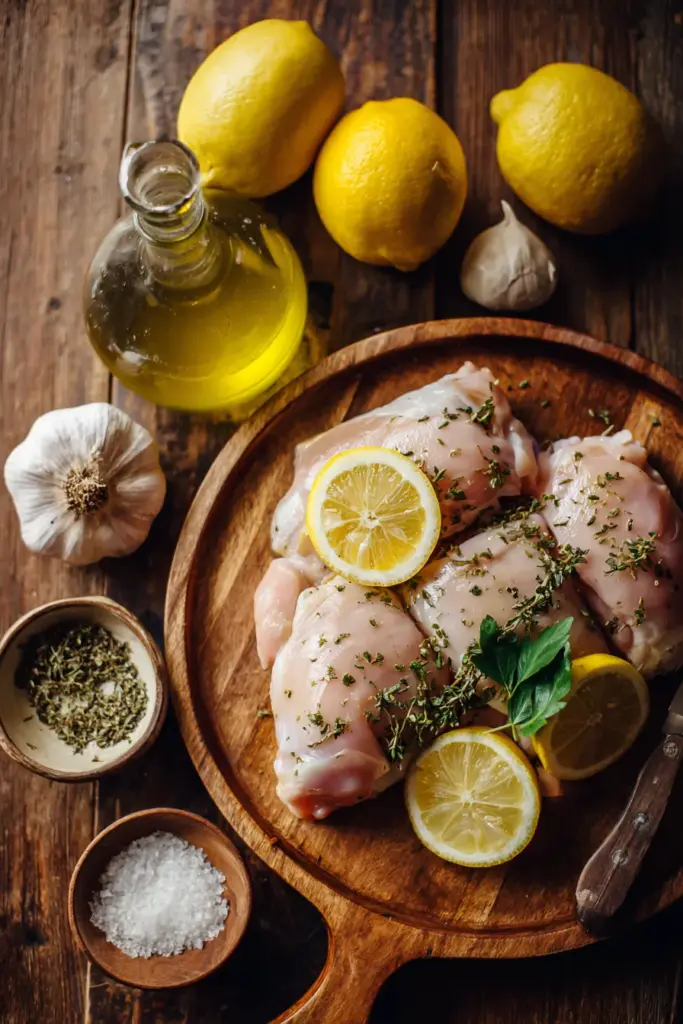
The key to these wraps is marinating the chicken. I use a simple mixture of olive oil, lemon juice, garlic, dried oregano, salt, and pepper. Even just thirty minutes makes a difference, though overnight is even better. The acid in the lemon juice tenderizes the chicken while the oregano and garlic infuse it with classic Greek flavor.
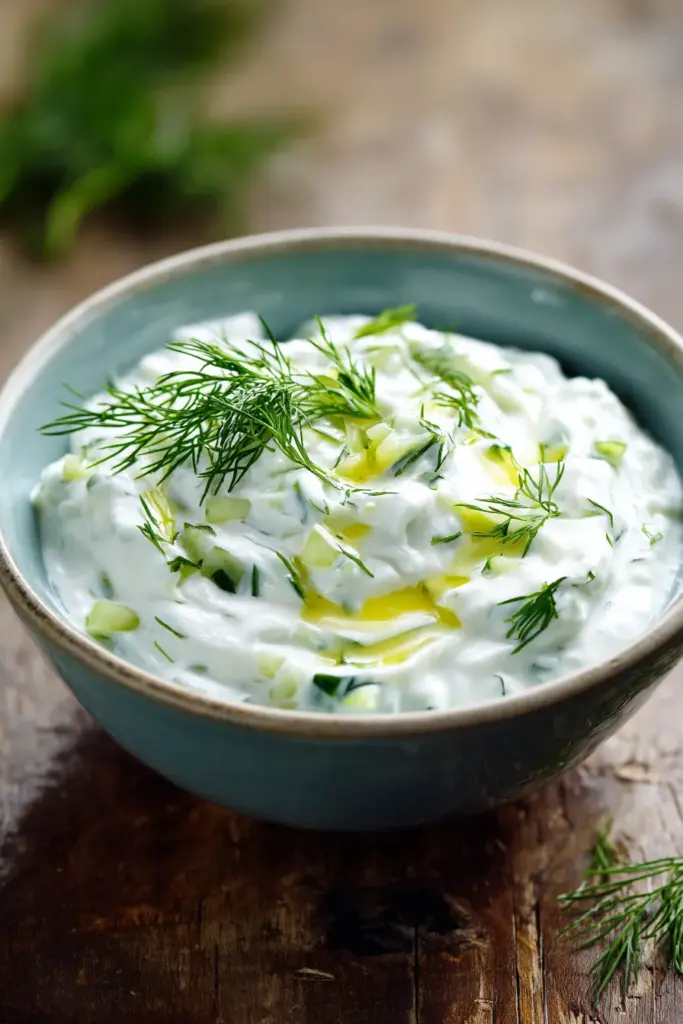
After grilling or pan-searing the chicken, I slice it thin and pile it into warm pitas or flatbreads along with crisp lettuce, juicy tomatoes, crunchy cucumbers, red onion, and a generous dollop of tzatziki. That cool, garlicky yogurt sauce is essential. It provides moisture and tang that brings everything together.
I also love making Greek chicken souvlaki with pita and tzatziki, which uses the same flavor profile but presents it differently. Threading the marinated chicken onto skewers before grilling gives you those delicious charred edges and makes serving easy. Everyone can grab a skewer and build their own pita wrap exactly how they like it.
Mediterranean Variations with Different Proteins
While chicken is the most common protein in Mediterranean wraps, there are so many other options that work beautifully. The Mediterranean chicken wraps with hummus and fresh veggies swap out the tzatziki for creamy hummus, adding a different kind of richness and that wonderful chickpea flavor.
For a lighter option, I turn to Mediterranean tuna pita pockets. These remind me of tuna salad sandwiches but elevated with Mediterranean ingredients like olives, capers, roasted red peppers, and fresh herbs. The briny, salty elements complement the tuna perfectly, and it all comes together in minutes.
When I want something that feels more substantial and special, I make Mediterranean lamb kofta wraps with yogurt sauce. The spiced ground lamb is formed into small patties or logs, grilled until charred and juicy, then wrapped in warm pita with all the classic accompaniments. The warm spices in the kofta, cumin, coriander, cinnamon, mint, create layers of flavor that make these wraps feel exotic and special.
Building the Perfect Mediterranean Wrap
The technique for assembling Mediterranean wraps matters more than you might think. I learned this after making countless wraps that fell apart or leaked sauce all over the place. The order of ingredients and how you wrap them makes a real difference.
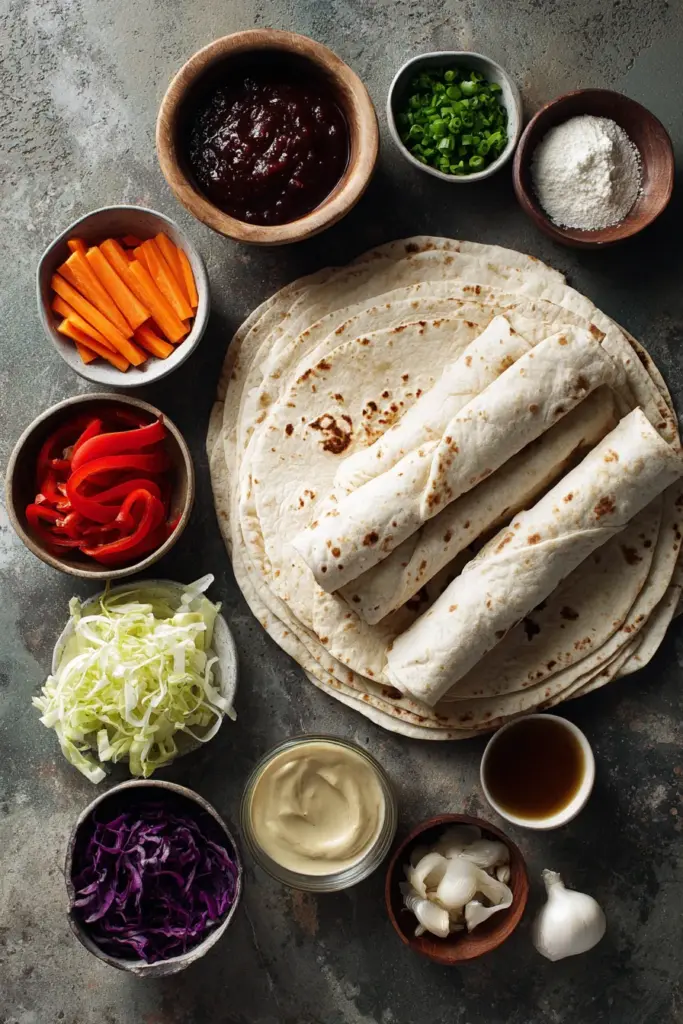
Start with your flatbread or pita slightly warmed. This makes it more pliable and less likely to tear. Spread your sauce, whether tzatziki, hummus, or yogurt sauce, in a line down the center rather than all over. This gives you a flavorful core without making everything soggy.

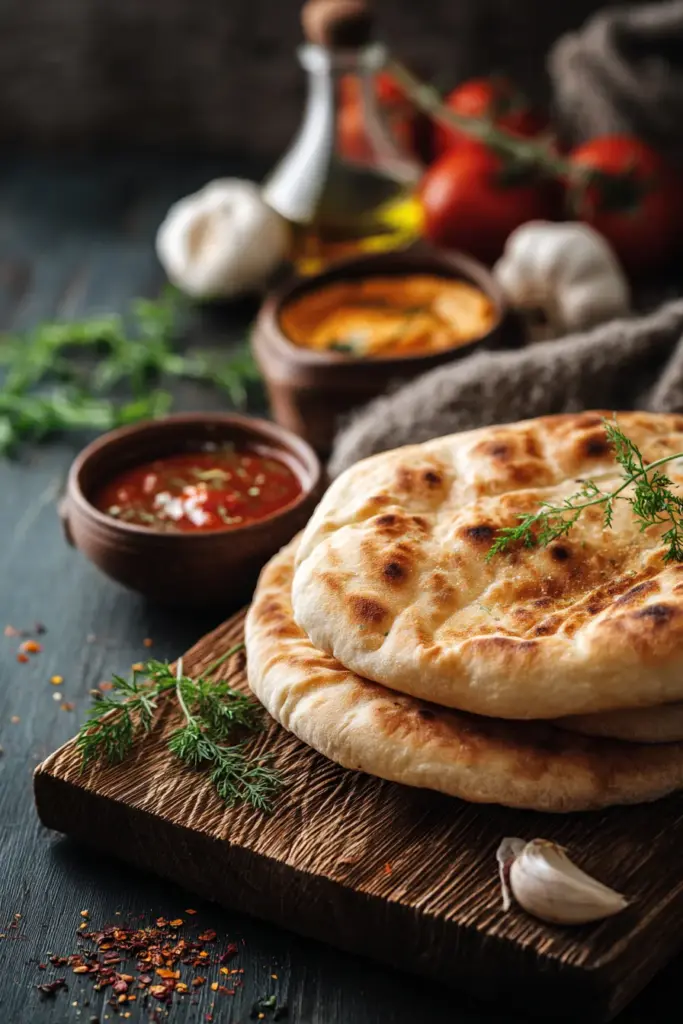
Layer your protein next, followed by vegetables. I like to arrange everything in strips or rows rather than scattering it randomly. This makes wrapping easier and ensures every bite has a bit of everything. Don’t overfill, this is crucial. It’s tempting to cram in as much as possible, but an overstuffed wrap is impossible to eat neatly.
To wrap, fold in the sides first, then roll from the bottom up, keeping everything tight as you go. If you’re making these ahead, wrap them in foil or parchment paper to hold their shape and prevent them from unrolling.
Chicken Burritos and Wrapped Meals
Burritos occupy a special category in the world of wrapped foods. They’re bigger, more substantial, and often more complex than tacos or simple wraps. When done right, a burrito is a complete meal wrapped in a tortilla, with rice, beans, protein, vegetables, and toppings all working together in harmony.
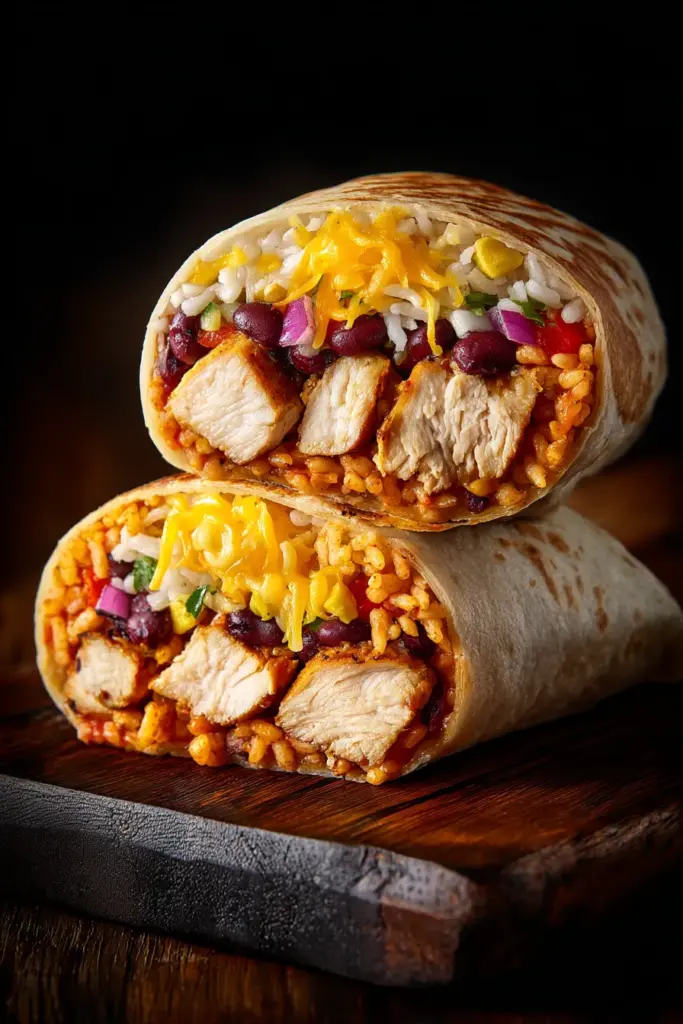
I used to be intimidated by making burritos at home because restaurant burritos are so tightly wrapped and perfectly formed. How did they get them so neat? It took practice, but I eventually learned the techniques, and now homemade burritos are one of our favorite easy dinners.
The key to a great burrito is balance. You need enough rice to provide substance but not so much that it overwhelms everything else. The beans add creaminess and protein. The meat or other protein is the star but shouldn’t dominate. Fresh vegetables add crunch and brightness. Cheese provides richness. And the sauce, whether it’s salsa, sour cream, or something more creative, ties it all together.
Mastering the Burrito Wrap
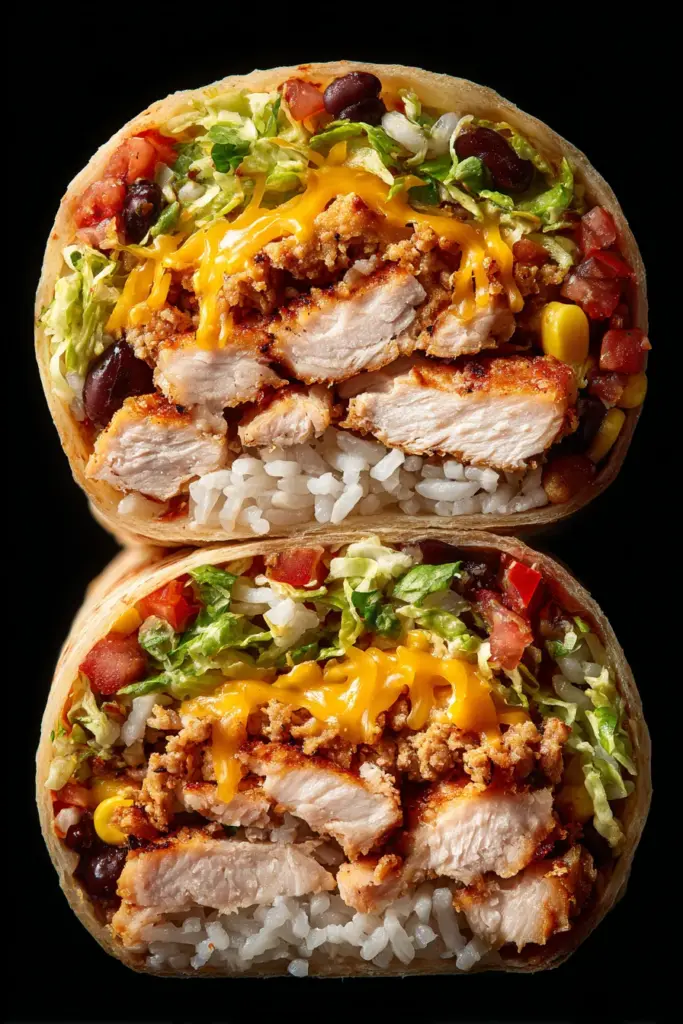
Let me share the burrito-wrapping technique that changed everything for me. It seems simple, but it makes all the difference between a burrito that stays together and one that falls apart as soon as you pick it up.
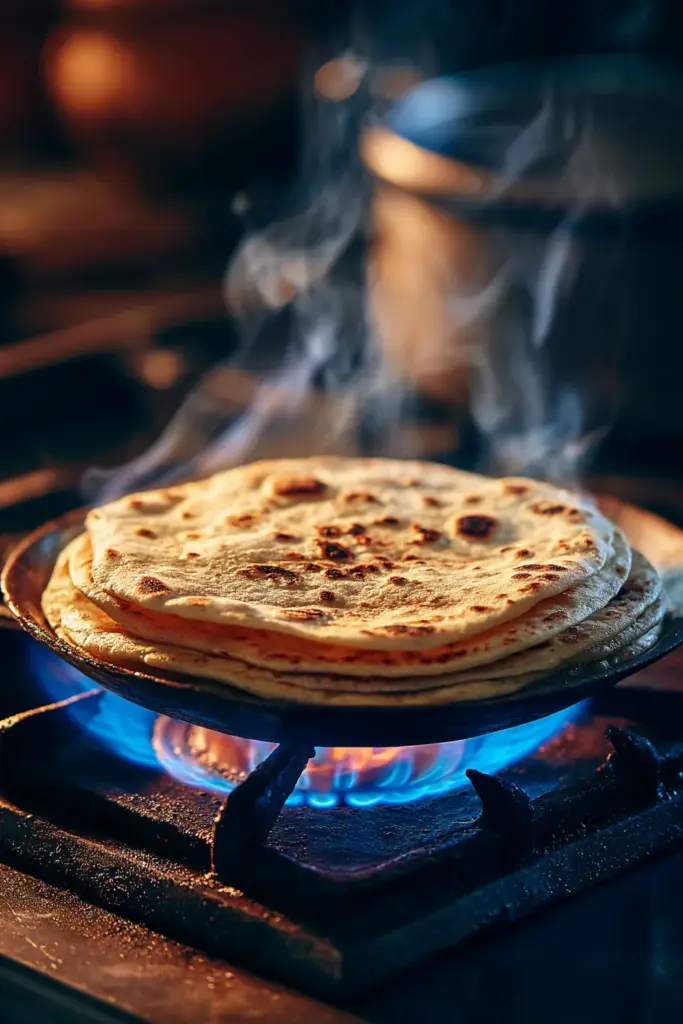
First, warm your large flour tortilla. This is non-negotiable. A cold tortilla will crack and tear when you try to fold it. I warm mine directly over a gas flame for just a few seconds per side, or in a dry skillet if I’m doing electric. The tortilla should be pliable and soft.
Place your fillings in a line across the lower third of the tortilla, leaving about two inches empty on each side. Don’t spread the fillings from edge to edge, that’s the amateur mistake. Start by folding the sides in over the empty space, then fold the bottom edge up over the filling. From here, roll forward tightly, using your fingers to tuck everything in as you go. The sides stay folded in, creating those neat, sealed ends that keep everything contained.
If you want to take it to the next level like they do at restaurants, place the wrapped burrito seam-side down on a hot griddle or in a skillet for a minute or two. This seals the seam and creates a slightly crispy exterior that’s absolutely delicious.
Avocado Lime Chicken Burritos
One of my most popular burrito recipes is avocado lime chicken burritos. These combine tender, lime-marinated chicken with creamy avocado, cilantro-lime rice, black beans, and fresh pico de gallo. The bright, fresh flavors make these feel lighter than traditional heavy burritos, but they’re still completely satisfying.
I marinate the chicken in lime juice, garlic, cumin, and a touch of honey for at least an hour, though overnight is even better. After grilling and slicing the chicken, I build the burritos with cilantro-lime rice as the base. The rice is key here. I cook regular white or brown rice, then toss it while still hot with fresh lime juice, chopped cilantro, and a pinch of salt. This simple addition transforms plain rice into something special.
The avocado goes in just before wrapping. I use sliced avocado rather than guacamole because I love those creamy chunks throughout the burrito. A squeeze of lime juice prevents browning if I’m making these ahead. With black beans, sharp cheddar, fresh pico de gallo, and a dollop of sour cream, these burritos are complete meals that the whole family devours.
Mediterranean-Style Chicken Wraps
While burritos are traditionally Mexican-inspired, the wrapped meal concept works beautifully with other cuisines too. The Mediterranean grilled chicken with pita and feta recipe takes the burrito concept and applies Mediterranean flavors and ingredients.
These wraps use grilled chicken seasoned with oregano and lemon, piled into warm pita along with cucumber-tomato salad, crumbled feta cheese, olives, and a drizzle of olive oil and lemon juice. They’re lighter than traditional burritos but still substantial and satisfying. The salty feta and briny olives create those umami-rich pops of flavor that keep each bite interesting.
What I love about this style of wrap is how fresh and vegetable-forward it is. The chicken is there for protein, but the vegetables, herbs, and cheese are equally important. It’s the kind of meal that leaves you feeling nourished and satisfied but not heavy or overly full.
Pizza-Inspired Handheld Creations
Pizza is universally beloved, but sometimes you want those familiar flavors in a more portable, handheld format. That’s where pizza-inspired wraps, rolls, pockets, and bombs come in. These creative preparations take all the elements people love about pizza, the melted cheese, the savory sauce, the endless topping combinations, and package them in ways that are easier to eat, more fun to serve, and perfect for parties or casual meals.
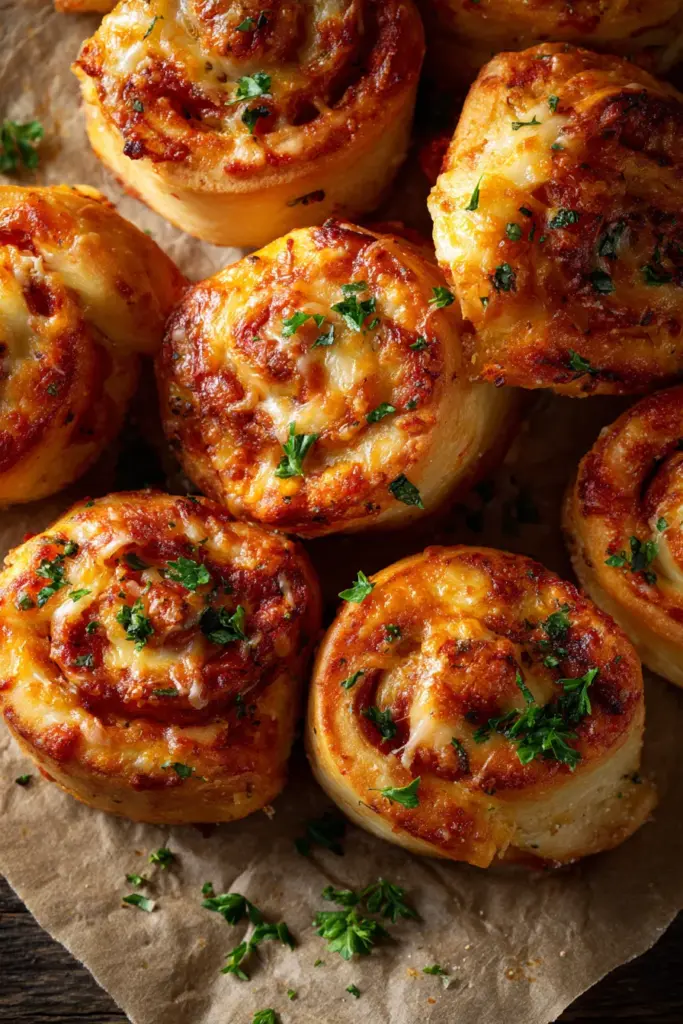
I started experimenting with these recipes when my kids were younger and constantly asking for pizza but I didn’t always want to go through the whole pizza-making process. These handheld versions satisfied their pizza cravings while giving me more flexibility and faster cooking times. Plus, they’re just fun. There’s something playful and appealing about pizza reimagined in different formats.
Pizza Roll-Ups and Pockets
The pizza roll ups were an instant hit in my house. They’re essentially pizza ingredients rolled up in tortillas, kind of like tiny stromboli. I spread pizza sauce on a flour tortilla, sprinkle with mozzarella cheese and whatever toppings we’re in the mood for, then roll it tightly and slice it into rounds. Baked until the cheese is melted and the edges are crispy, they’re perfect for lunch boxes, after-school snacks, or party appetizers.
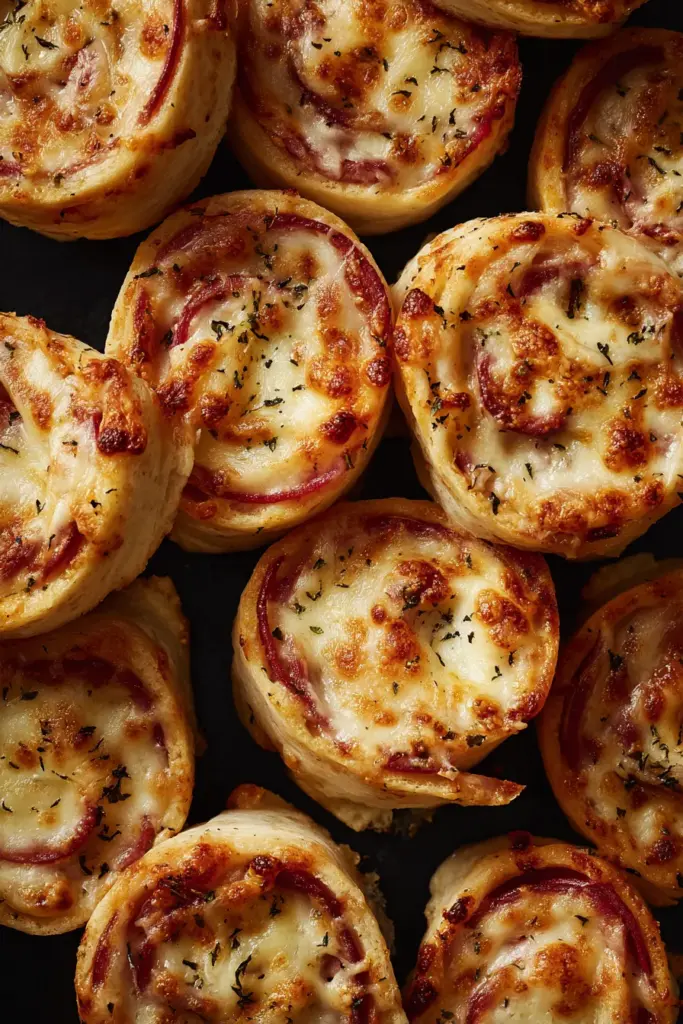
The beauty of roll-ups is how customizable they are. Each person can have exactly what they want. My son loves pepperoni and extra cheese. My daughter prefers vegetables and olives. I can make individual roll-ups tailored to everyone’s preferences, all baking on the same sheet pan.
For something more substantial, cheesy pizza pockets are like homemade Hot Pockets but infinitely better. I use store-bought pizza dough or biscuit dough, roll it out, fill it with sauce, cheese, and toppings, then seal it into half-moon shapes and bake until golden. The result is crispy, flaky pastry surrounding gooey, melted cheese and flavorful fillings. They’re completely addictive and kid-approved.
Pizza Bombs and Bites
Pizza bombs are one of those recipes that look way more complicated than they actually are. The cheesy garlic butter pizza bombs are little packages of pizza dough stuffed with mozzarella and pepperoni, sealed into balls, and baked until golden. After they come out of the oven, I brush them with garlic butter and sprinkle with parmesan. They’re like inside-out pizza, and they disappear faster than anything else I make for parties.
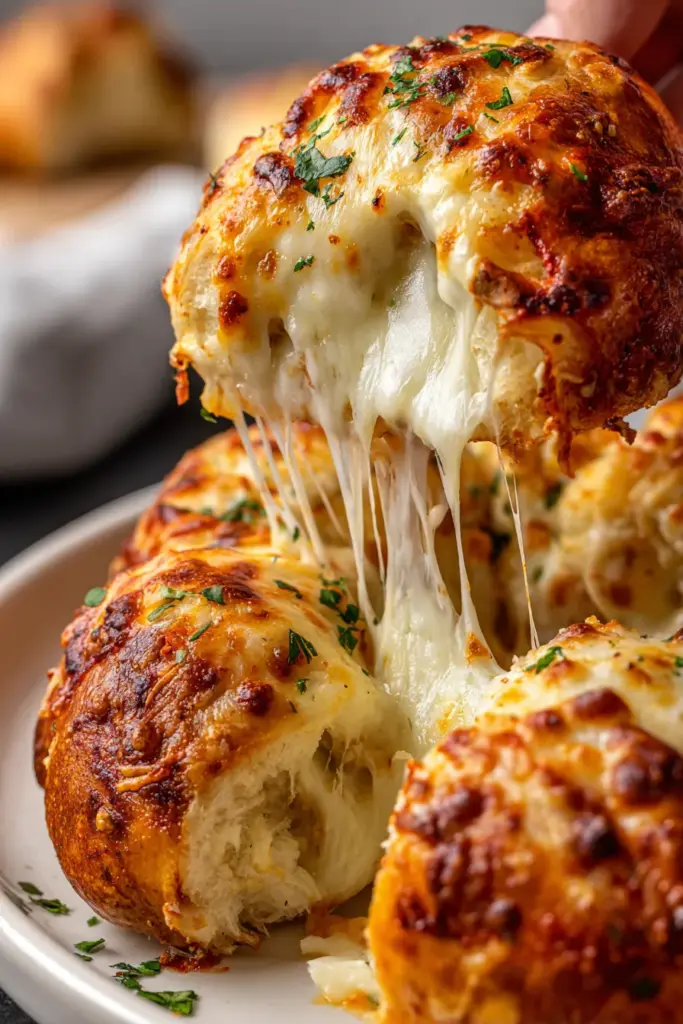
The technique is simple. Cut pizza dough into squares, place a cube of mozzarella and piece of pepperoni in the center, gather the edges up and pinch to seal, then place seam-side down in a baking dish. They bake close together so they become a pull-apart bread situation where everyone tears off their own bomb. Served with warm marinara sauce for dipping, they’re irresistible.
For holiday gatherings, I make Christmas pizza bites shaped into festive forms. They’re the same concept as pizza bombs but arranged in holiday shapes like Christmas trees or wreaths. It’s a fun way to make casual party food feel special and seasonal.
Sausage Pizza Rolls
When I want something more substantial than pizza bites but still handheld and easy, I turn to sausage pizza rolls. These are larger than the roll-ups, made with pizza dough rolled around cooked Italian sausage, cheese, and seasonings, then baked until golden and crispy.
I learned to make these from a friend whose Italian grandmother made them for every family gathering. They’re somewhere between a calzone and a sausage roll, with that satisfying ratio of bread to filling that makes each bite perfect. I brush the tops with olive oil and sprinkle with Italian seasoning and parmesan before baking for extra flavor and a gorgeous golden finish.
These are excellent for feeding a crowd because you can make a big batch ahead of time, keep them warm, and slice them into portions as needed. They travel well to potlucks and picnics. And they reheat beautifully, making them great for meal prep too.
Stuffed Breads and Creative Vessels
Beyond traditional wraps and tortillas, there’s a whole world of stuffed and filled breads that create exciting handheld meals. These preparations use bread as both the container and an integral part of the eating experience. From stuffed baguettes to shaped bread bowls, these recipes transform simple ingredients into impressive presentations.
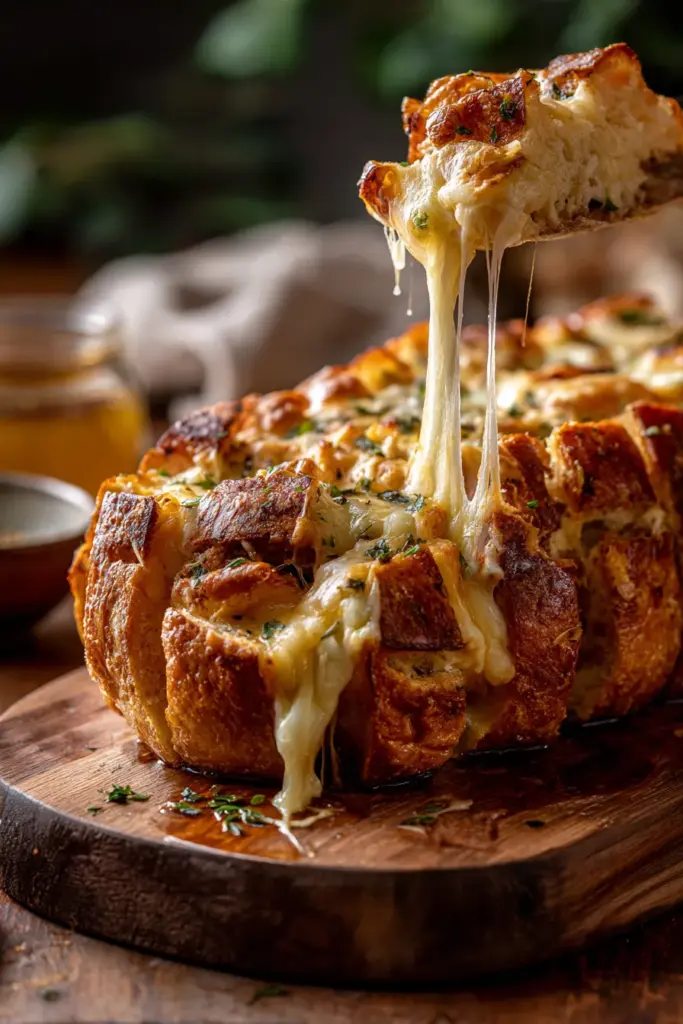
I got into stuffed breads somewhat by accident. I had leftover bread from making sandwiches and didn’t want it to go stale. I hollowed out a section, filled it with cheese and other ingredients, wrapped it in foil, and baked it. When I unwrapped it, I discovered this amazing, gooey, shareable situation that everyone fought over. That experiment led to a whole category of recipes in my repertoire.
Cheesesteak Stuffed Garlic Bread
One of my proudest creations is cheesesteak stuffed garlic bread loaf. It combines two beloved comfort foods into one over-the-top, delicious package. I start with a crusty French bread loaf, cut it almost all the way through in slices, then stuff each gap with thinly sliced steak, sautéed peppers and onions, and lots of provolone cheese.
Before baking, I brush the whole thing with garlic butter, making sure it gets into all the cracks and crevices. The bread bakes until crispy on the outside while the cheese melts and everything inside gets warm and gooey. Slicing through reveals layers of cheese, steak, and vegetables all held together by that crispy, garlicky bread.
This is the kind of thing you serve for casual gatherings or game day when you want something impressive but easy. Everyone tears off their own portion, and it’s communal and fun. The combination of cheesesteak flavors with garlic bread is basically perfect, if I’m being honest.
Holiday-Themed Stuffed Breads
I’ve found that shaped, stuffed breads make fantastic holiday appetizers because they look so festive and special. The cheesy Christmas tree bread is a showstopper that’s surprisingly easy to make. You arrange pull-apart bread pieces in a tree shape, stuff them with cheese and herbs, and bake until golden and melted.
The presentation is what makes these special. When you bring out a Christmas tree made of bread and cheese, people are impressed before they even taste it. And then they taste it and realize it’s actually delicious, not just pretty. That combination of visual appeal and great flavor makes these my go-to for holiday parties.
Another favorite is cheddar ham stuffed Christmas trees, which use crescent roll dough shaped into trees and filled with ham and cheddar. These are more like individual servings, making them perfect for buffets or potlucks where people want their own portion.
For something with a bit more substance, I make Christmas tree spinach dip breadsticks. These combine the concept of spinach artichoke dip with shaped breadsticks, creating an appetizer that’s both filling and fun. The creamy spinach dip gets wrapped in strips of dough, shaped into a tree form, and baked until golden. Serve it with extra dip on the side and watch it disappear.
Mediterranean Pizza Variations
While American-style pizza is wonderful, Mediterranean pizza opens up entirely different flavor profiles. These pizzas use ingredients like feta cheese, olives, artichokes, sun-dried tomatoes, and fresh herbs to create pies that feel lighter, brighter, and somehow more sophisticated than pepperoni and mozzarella.
My introduction to Mediterranean pizza came at a local restaurant that topped their pies with lamb, feta, kalamata olives, and fresh oregano. I was skeptical at first, where was the tomato sauce, where was the mozzarella, but one bite converted me. The combination of salty cheese, briny olives, savory lamb, and fragrant herbs was a revelation. Pizza didn’t have to follow the formula I’d grown up with.
Now I make Mediterranean pizza regularly at home. My version uses a light coating of olive oil instead of tomato sauce as the base, then gets topped with roasted red peppers, artichoke hearts, kalamata olives, sun-dried tomatoes, feta cheese, and fresh mozzarella. After baking, I finish it with fresh basil and a drizzle of balsamic glaze.
Building Mediterranean Pizza Flavor
The key to great Mediterranean pizza is balancing all those bold, assertive flavors. Each ingredient, the briny olives, the tangy feta, the sweet sun-dried tomatoes, is quite strong on its own. But when you combine them in the right proportions, they complement and enhance each other rather than competing.
I learned to use a lighter hand with toppings on Mediterranean pizza than I would with traditional pizza. These intense flavors don’t need to be piled high to make an impact. A scattering of olives, a crumbling of feta, some artichoke pieces, that’s plenty. Overloading leads to a soggy, overwhelming pizza where you can’t distinguish individual flavors.
The crust matters too. I prefer a thinner, crispier crust for Mediterranean pizzas because it provides textural contrast to the toppings without adding heaviness. A thick, doughy crust would compete with those bright flavors rather than supporting them.
Deep Dish Adventures
On the opposite end of the spectrum from thin Mediterranean pizzas is deep dish pizza. The ultimate guide to deep dish pizza pie covers everything you need to know about making this Chicago-style classic at home. Deep dish is less about the toppings and more about the experience, that thick, buttery crust, the layers of cheese and toppings, the chunky tomato sauce on top.
Making deep dish pizza requires different techniques than regular pizza. The dough needs to be richer and more pliable to line the sides of a deep pan. You layer ingredients in reverse order, cheese on the bottom to protect it from the long baking time, then toppings, then sauce on top. It bakes for much longer than regular pizza, forty-five minutes or more, to ensure the thick crust cooks through.
I’ll admit, deep dish pizza is a project. It’s not a weeknight dinner in my house. But for special occasions, cold winter weekends, or when you’re feeding a crowd, it’s absolutely worth the effort. The result is more like a savory pie than a traditional pizza, and it’s incredibly satisfying and filling.
Expert Tips for Perfect Handheld Meals
After years of making tacos, wraps, burritos, and all manner of handheld foods, I’ve learned countless little tricks that make the difference between good and great. These aren’t necessarily obvious, and I learned most of them through trial and error, but they’ve become second nature in my kitchen now.
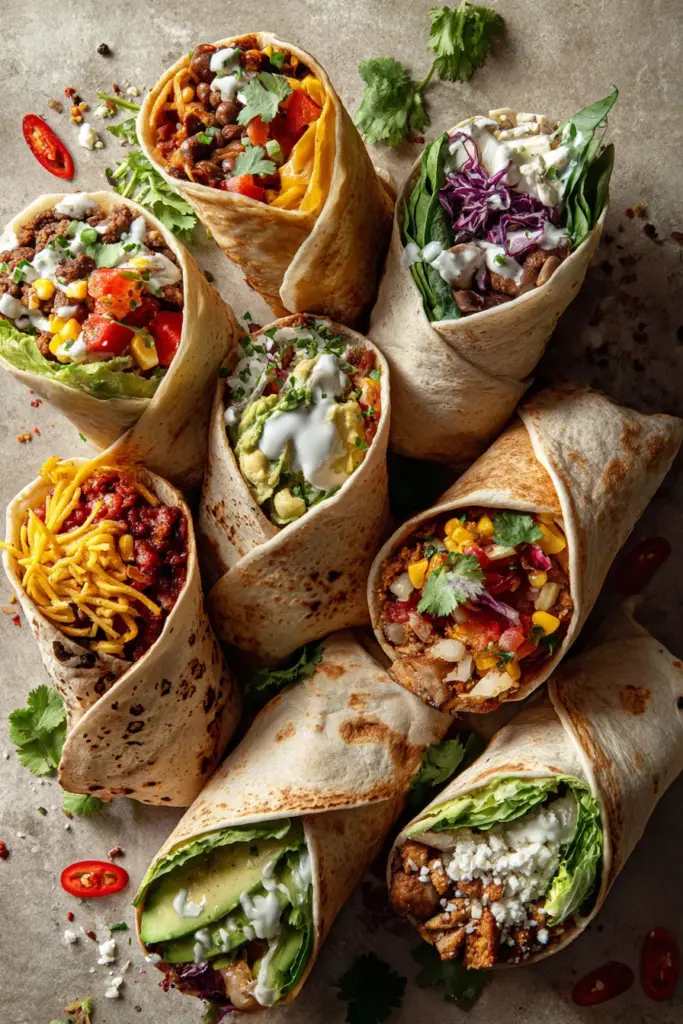
First and foremost: temperature matters more than you think. Warm tortillas, room temperature fillings that aren’t piping hot, and proper resting time for proteins all contribute to better-assembled handheld meals. I used to skip warming tortillas and wonder why my burritos kept tearing. Or I’d pile hot filling onto cold tortillas and end up with a soggy mess. Now I pay attention to temperature, and everything comes together more smoothly.
Moisture management is another crucial concept. Too much liquid and your wrap or taco falls apart. Not enough and it’s dry and hard to eat. I’ve learned to drain ingredients that release water, like cooked vegetables or canned beans. I pat proteins dry before cooking so they brown instead of steam. And I’m strategic about when and where I add sauces and dressings.
Common Mistakes and How to Avoid Them
The biggest mistake I see people make with tacos and wraps is overstuffing. I get it, you want to maximize the filling. But an overstuffed taco is impossible to eat without everything falling out. An overstuffed burrito won’t close properly. An overstuffed pita tears and leaks. Show some restraint. You can always make another one.
Another common error is not seasoning adequately at each step. Your taco meat should be well-seasoned on its own. Your rice should taste good by itself. Your vegetables should have flavor. When all these properly seasoned components come together, the result is complex and delicious. If you only season the meat and leave everything else bland, the final product will be unbalanced.
Texture is often overlooked in handheld foods. You need contrast, something crunchy, something creamy, something tender. All-soft burritos are boring. All-crunchy tacos are hard to eat. Think about including different textures in every wrap or taco you build. Crispy vegetables, creamy sauce, tender meat, maybe some crunchy nuts or seeds. This variety keeps each bite interesting.
Make-Ahead and Storage Strategies
Handheld foods are great for meal prep if you understand what holds up and what doesn’t. I prep components separately rather than assembling everything in advance. Cooked, seasoned proteins last four to five days in the fridge. Chopped vegetables keep for three to four days if stored properly. Rice and beans last about a week.
When I’m meal prepping for the week, I’ll cook a big batch of seasoned ground beef or shredded chicken, make a pot of rice, prepare some beans, and chop vegetables. Then throughout the week, I can quickly assemble tacos, burritos, wraps, or bowls using these components. It takes maybe ten minutes total to pull together a complete meal when everything’s already prepped.
For wraps and burritos specifically, I’ve learned that some hold up better than others for advance assembly. Mediterranean wraps with hummus base actually improve after sitting in the fridge for a few hours as the flavors meld. But wraps with wet ingredients like tomatoes tend to get soggy. If I’m making those ahead, I keep the wet ingredients separate and add them just before eating.
Frozen burritos are a game-changer for busy weeks. I make a double or triple batch of burritos, wrap them individually in foil, and freeze them. They keep for up to three months and reheat beautifully. Just microwave for a few minutes or bake in the oven if you want a crisper exterior. Having a stash of homemade frozen burritos means you always have a satisfying meal available even on the craziest days.
Sauce and Condiment Pairings
The right sauce can elevate a simple taco or wrap into something special. I always have several sauces ready in my fridge for quick assembly. Chipotle cream, lime crema, cilantro-lime dressing, tzatziki, and a good salsa verde are my staples. They keep for about a week and work with multiple different types of handheld meals.
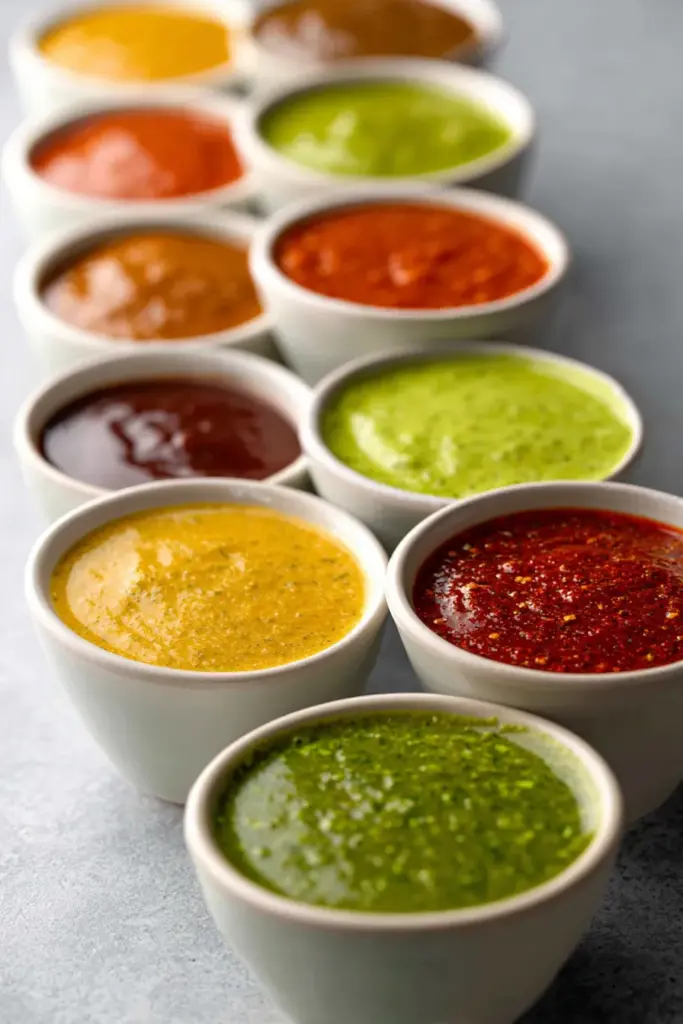
Making these sauces is quick and easy. Chipotle cream is just sour cream blended with chipotle peppers in adobo, lime juice, and a pinch of salt. Lime crema is sour cream with lime juice and zest. Cilantro-lime dressing combines cilantro, lime juice, garlic, and oil. These simple sauces add so much flavor and moisture to otherwise basic ingredients.
Don’t underestimate the power of a finishing drizzle. A little hot sauce, a squeeze of lime, a drizzle of good olive oil, these final touches brighten everything and pull all the flavors together. I used to skip this step and serve tacos and wraps as-is. Now I always finish with something acidic or spicy, and the difference is noticeable.
Bringing It All Together
As I stand in my kitchen now, years after that first awkward attempt at making tacos with my grandmother, I realize how far I’ve come. Not just in technical skill, though there’s that too, but in understanding that handheld foods represent something deeper than convenience. They’re about connection, customization, and the joy of eating with your hands in a way that feels both casual and celebratory.
What I love most about tacos, wraps, burritos, and all their cousins is their fundamental generosity. These foods invite participation and personalization. Everyone gets to build their perfect bite, choosing exactly what they want, how much, in what combinations. There’s something democratic and warm about passing around bowls of toppings and letting everyone create their own experience.
The recipes and techniques we’ve explored here are really just starting points. Once you understand the foundations, how to season meat properly, how to wrap without tearing, how to balance flavors and textures, you can improvise endlessly. That leftover roasted chicken becomes Greek wraps. Those vegetables in the crisper get tucked into quesadillas. The ground venison in the freezer transforms into sophisticated tacos with chipotle cream.
Remember that perfect handheld meals come down to a few key principles: properly seasoned components, thoughtful layering, temperature management, and textural contrast. Master these concepts and you can create delicious tacos, wraps, and handheld meals from whatever ingredients you have available. You don’t need fancy equipment or exotic ingredients. Just fresh tortillas, well-seasoned fillings, and an understanding of how to put them together.
The beauty of this style of cooking is that it scales effortlessly. Making dinner for two? Easy. Feeding a crowd of twenty? Same techniques, just bigger batches. Accommodating various dietary restrictions and preferences? Everyone builds their own, so everyone’s happy. It’s cooking that brings people together without stressing the cook, which is exactly what home cooking should be.
So whether you’re craving crispy beef tacos with all the traditional fixings, elegant Mediterranean wraps with fresh herbs and creamy tzatziki, creative pizza-inspired handheld creations, or anything in between, you now have the knowledge and inspiration to make it happen. Start with the recipes that appeal to you most, learn the techniques, make them your own, and before you know it, you’ll be creating your own variations and innovations.
Keep exploring, keep tasting, and remember that the best meals are the ones made with care and shared with people you love. That’s what my grandmother taught me all those years ago, and it’s just as true now as it was then.
Ready to explore more delicious recipes? Check out these favorites:
Frequently Asked Questions
How do I keep my tacos from getting soggy?
The key is layering strategically. Put a barrier between wet ingredients and the tortilla or shell. I often use a layer of cheese or lettuce directly on the shell, then add other ingredients on top. Also, make sure to drain cooked meat and vegetables well before assembling. For crispy tacos, serve immediately after assembling since they will soften over time.
What’s the best way to warm tortillas?
For flour tortillas, I wrap a stack in a damp kitchen towel and microwave for thirty seconds. For corn tortillas, I prefer warming them directly over a gas flame for a few seconds per side, or in a dry skillet. This gives them flexibility without making them tough. Never microwave corn tortillas without moisture or they’ll become brittle.
Can I make burrito filling ahead of time?
Absolutely. In fact, many fillings taste better after sitting for a few hours as the flavors meld. Cook your proteins, beans, and rice up to five days ahead and store them separately in the fridge. Reheat gently before assembling. Keep fresh ingredients like lettuce, tomatoes, and avocado separate until right before serving.
What’s the difference between a wrap and a burrito?
Burritos are generally larger, use flour tortillas, and typically include rice and beans along with other fillings. They’re associated with Mexican cuisine. Wraps are a broader category that can use various types of flatbreads and draw from different cuisines. Wraps are often lighter and focus more on vegetables and proteins without rice and beans.
How do I prevent my quesadillas from getting tough?
Use medium heat and don’t overcook them. High heat makes the tortillas tough and leathery before the cheese melts. Cook just until the cheese is melted and the tortillas are lightly golden. Also, use cheese that melts well, like cheddar, Monterey Jack, or mozzarella. Avoid pre-shredded cheese if possible as it contains anti-caking agents that prevent smooth melting.
What’s the best cheese for tacos?
That depends on the style of taco. For Mexican tacos, I love Cotija or queso fresco for their salty, crumbly texture. For Tex-Mex style, sharp cheddar or a Mexican blend works well. Monterey Jack melts beautifully if you want gooey cheese. For venison or game meat tacos, I often use pepper jack for a spicy kick.
How can I make my ground meat tacos more flavorful?
Brown the meat well without stirring too much, letting it develop a caramelized crust. Toast your spices in the pan before adding liquid. Use beef broth instead of water when simmering the meat with spices. Add a tablespoon of tomato paste for depth, and don’t be afraid to season generously. Taste and adjust before serving.
What’s the secret to restaurant-style crispy taco shells?
Fresh frying makes all the difference. Heat oil to exactly 350 degrees Fahrenheit and fry fresh corn tortillas folded into a U-shape. Hold them in position with tongs for the first ten seconds as they set, then release and continue frying until crispy and golden. Season with salt immediately after draining.
Can I freeze assembled burritos?
Yes, but avoid ingredients that don’t freeze well like lettuce, tomatoes, and sour cream. Stick to rice, beans, cheese, and cooked proteins. Wrap each burrito tightly in foil, place in a freezer bag, and freeze for up to three months. Reheat in the oven or microwave without thawing.
How do I keep pizza bombs from opening during baking?
Make sure to seal them thoroughly by pinching the dough together tightly. Place them seam-side down in the baking dish so they bake closed. Baking them touching each other also helps them hold together. And don’t overfill them, too much filling will force them open during baking.
What makes tzatziki sauce authentic?
Real tzatziki uses thick Greek yogurt, grated and drained cucumber, fresh garlic, lemon juice, olive oil, and fresh dill or mint. The key is draining the cucumber well after grating it, squeeze it in a kitchen towel to remove excess moisture. This prevents watery tzatziki. Let it rest for at least an hour before serving so the flavors can blend.
How do I prevent my wraps from falling apart?
Don’t overfill them, use about a cup of filling maximum. Warm the tortilla first so it’s pliable. Fold the sides in first before rolling from the bottom. Roll tightly and place seam-side down. If making ahead, wrap in parchment or foil to hold the shape. Choose sturdy tortillas or flatbreads that can handle the filling weight.

🍳 Precision Meets Passion — Tools Chefs Trust Daily

- Grams & ounces — precise to 1g
- Perfect for baking & keto tracking
- Sleek stainless steel design

- German stainless precision
- Razor-sharp & dishwasher-safe
- Elegant wood block organizer

- Premium Stainless Steel Build
- Easy to Clean & Dishwasher Safe
- A Must-Have Kitchen Tool