➤ Table of Contents
I used to think pasta was the simplest thing in the world to cook. You boil water, throw in some noodles, drain them, and toss with sauce. How hard could it be? Then I served my first dinner party and watched in horror as my carefully prepared pasta turned into a gummy, clumped mess on everyone’s plates. The sauce slid right off instead of clinging to the noodles, and I could see the polite disappointment in my guests’ eyes as they tried to eat what should have been a simple, delicious meal.
⚡ Smart Kitchen Tools Every Home Cook Swears By

- Pure aluminum
- Durable enough for everyday cooking
- Made in the USA with quality

- 7 cooking functions in one compact cooker
- 3-quart size ideal for couples or small meals
- Up to 70% faster than traditional cooking

- 3 sizes for every recipe
- Pre-seasoned & durable cast iron
- Oven & grill ready
That embarrassing evening sent me on a journey to truly understand pasta. I learned that the type of noodle matters, that pasta water is liquid gold, that timing and technique can make or break a dish. My Italian grandmother, who’d been making pasta for sixty years, finally sat me down in her kitchen and taught me what she called the “pasta secrets” that had been passed down through generations. She showed me how to taste for doneness, how to save that starchy cooking water, how to marry the pasta and sauce together in the pan rather than just dumping sauce on top.
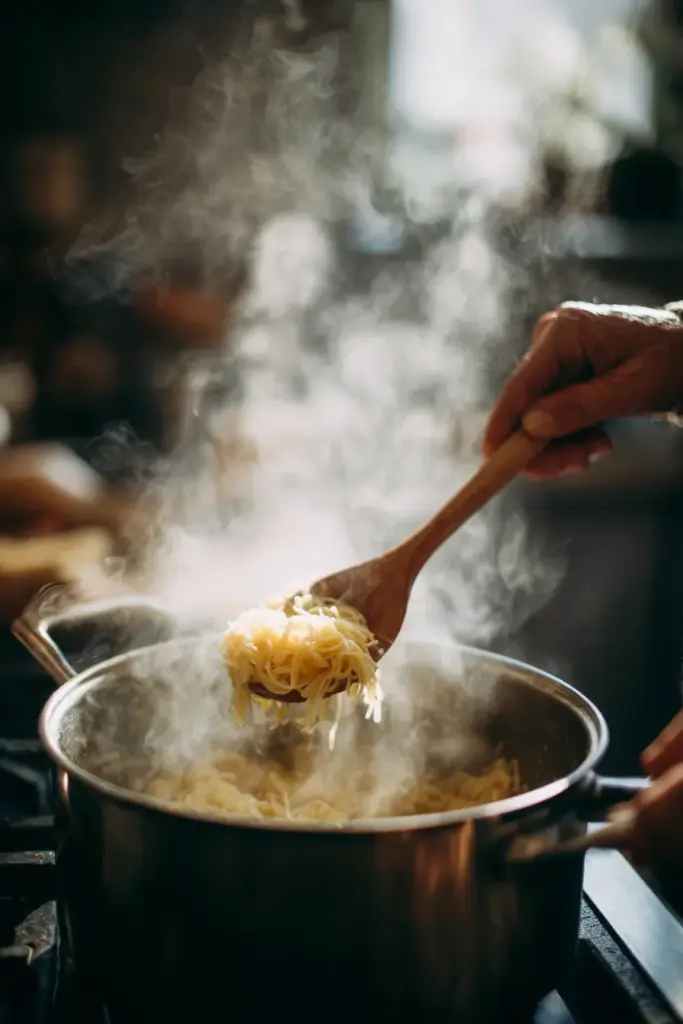
Now, years later, pasta has become one of my most reliable weeknight meals and my go-to when I want to impress without stress. I’ve collected recipes from classic Italian preparations to creative modern twists, from light and fresh to rich and comforting. Each one has taught me something new about this endlessly versatile ingredient that has sustained families across cultures for centuries.
This guide is everything I wish I’d known back when I was ruining pasta at dinner parties. We’ll explore classic Italian dishes that showcase traditional techniques, creamy comfort foods that feel like warm hugs, hearty meat-based pastas that satisfy the hungriest appetites, and lighter options for when you want something fresh. You’ll learn which pasta shapes work best with which sauces, how to cook pasta perfectly every single time, and how to build flavor in ways that transform simple ingredients into memorable meals. Whether you’re a pasta novice or someone looking to expand your repertoire, these recipes and techniques will give you confidence in the kitchen and delicious dinners on the table.
Classic Italian Pasta Dishes and Traditional Techniques
There’s something deeply satisfying about mastering the classics. These are the dishes that have been made the same way for generations, perfected over time until every element works in harmony. When I finally learned to make a proper Alfredo sauce or cooked my first truly authentic Italian pasta, I understood why these recipes have endured.
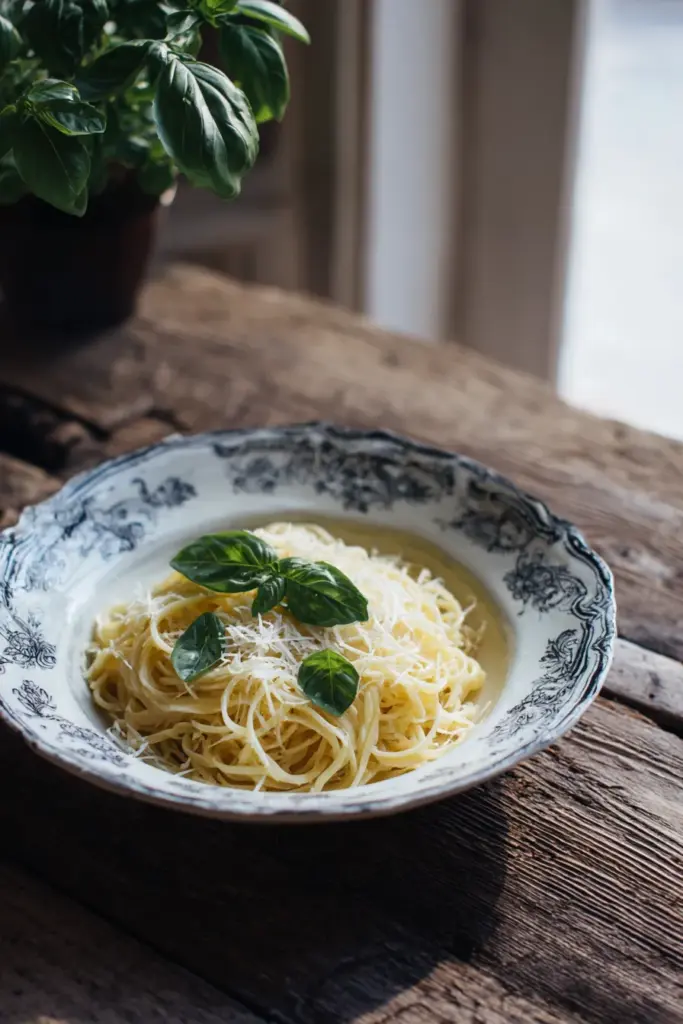
The classic homemade pasta Alfredo was a revelation when I first made it correctly. Real Alfredo is nothing like the heavy, flour-thickened sauce I’d grown up with. It’s just butter, Parmesan, and pasta water, emulsified into a silky, luxurious coating that clings to every strand of fettuccine. The key is using the starchy pasta water to create an emulsion, adding it gradually while tossing constantly over low heat.
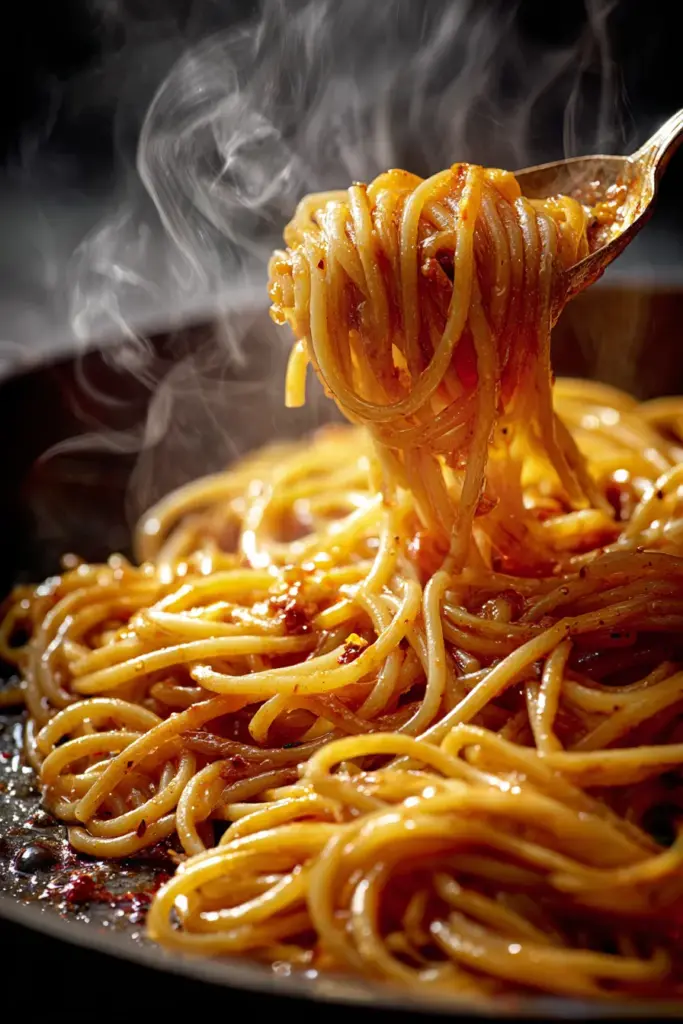
I learned that the Italian approach to pasta is about restraint and quality. They don’t drown pasta in sauce. Instead, they use just enough sauce to coat every piece, letting the pasta itself shine through. The sauce and pasta cook together briefly, allowing flavors to meld and the pasta to absorb some of the sauce. This technique, called “mantecare” in Italian, creates a cohesive dish rather than pasta topped with sauce.
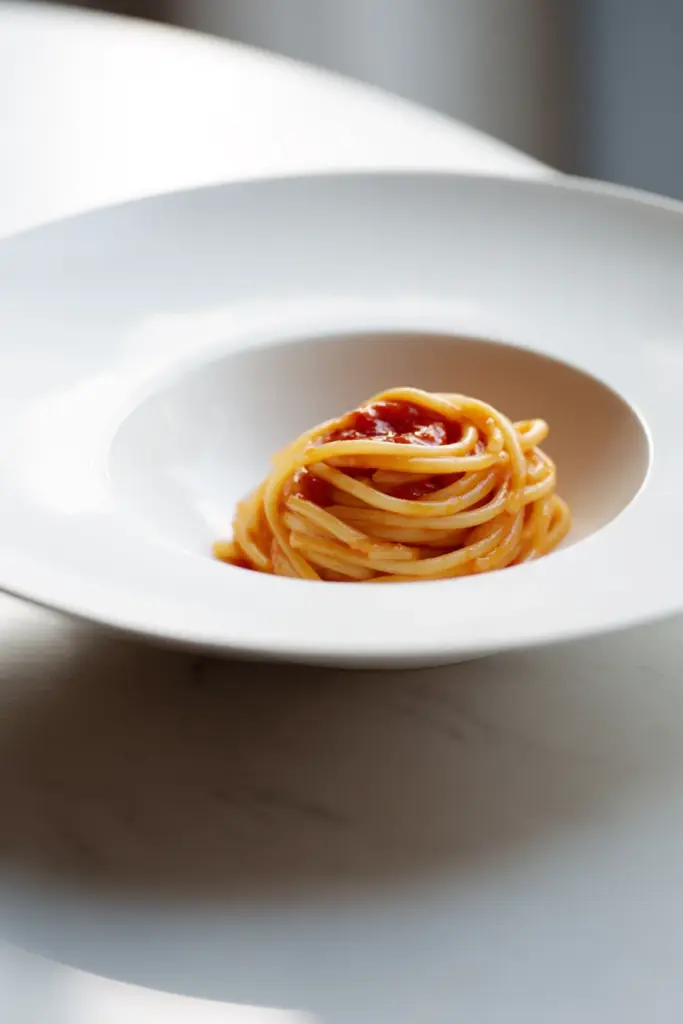
The Art of Sauce and Pasta Pairing
My grandmother always said that matching pasta shapes to sauces wasn’t just tradition, it was logic. Thin, delicate sauces pair with thin pasta like angel hair or spaghetti. Chunky sauces need pasta with nooks and crannies to catch all those bits, like rigatoni or penne. Long, flat noodles like fettuccine work beautifully with creamy sauces that coat evenly.
🥗 Fresh, Fast & Foolproof — Upgrades You'll Use Tonight

- Zoodles in seconds
- Heavy-duty, 10 sharp blades
- Keto, paleo & gluten-free friendly

- Meals in ~30 minutes
- 3-Qt — perfect for 1–3 people
- Pressure cook, sauté, steam & more

- Phone alerts & live temp graph
- Hands-off monitoring for smokers
- Perfect doneness, every time
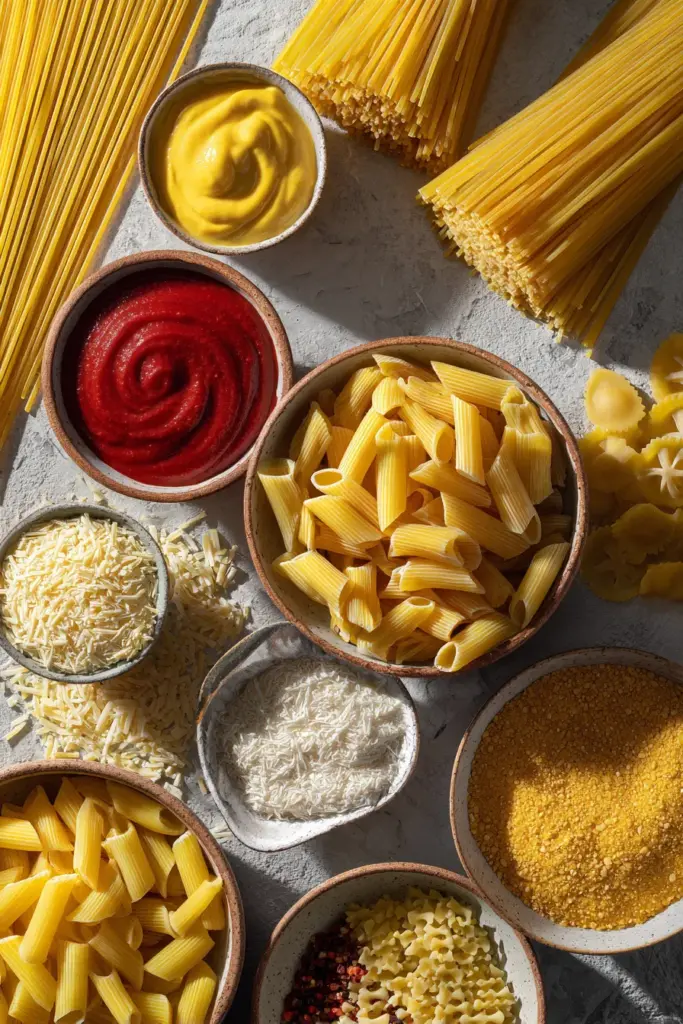
The Italian drunken noodles taught me that Italian cooking can be bold and spicy too, not just the delicate, subtle flavors I’d always associated with Italian cuisine. This dish uses wide noodles that soak up the wine-based sauce with its tomatoes, peppers, and herbs, creating something vibrant and full of personality.
Understanding these traditional pairings gives you a foundation, but don’t be afraid to experiment once you know the rules. I’ve made delicious combinations that would make Italian grandmothers gasp, but they work because I understand why traditional pairings make sense and can apply that logic to new creations.
Fresh Versus Dried Pasta
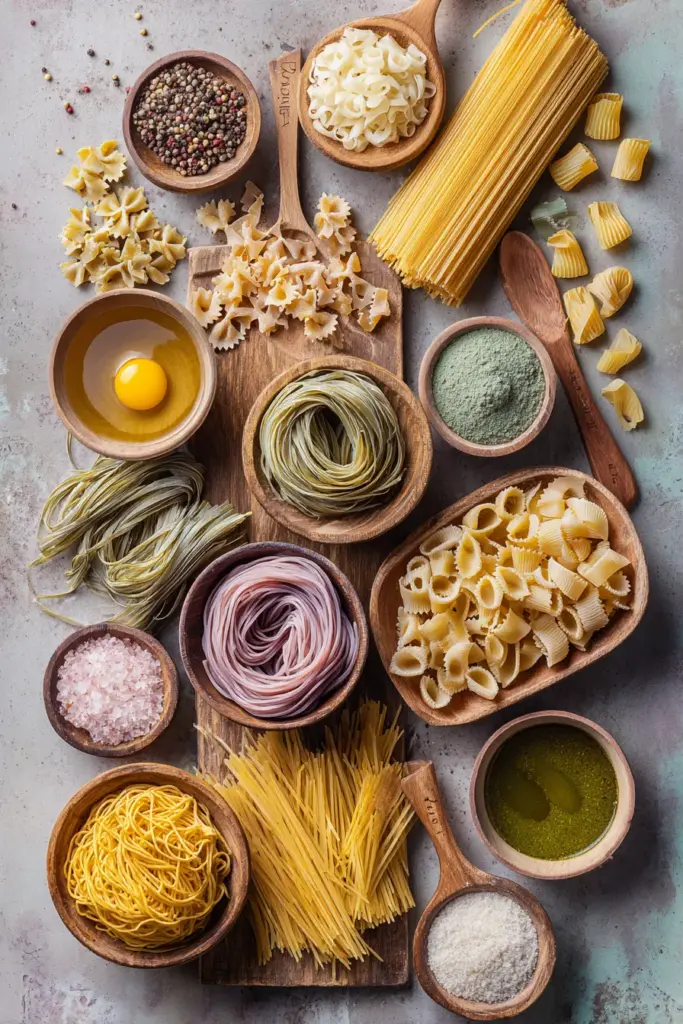
For years, I thought fresh pasta was automatically better than dried. Then I spent time cooking with Italian friends who explained that they’re simply different, each perfect for specific applications. Dried pasta, made from semolina flour and water, has a firm texture and wheaty flavor that stands up well to robust sauces. Fresh pasta, made with eggs, is tender and delicate, ideal for lighter sauces that would overwhelm dried pasta.
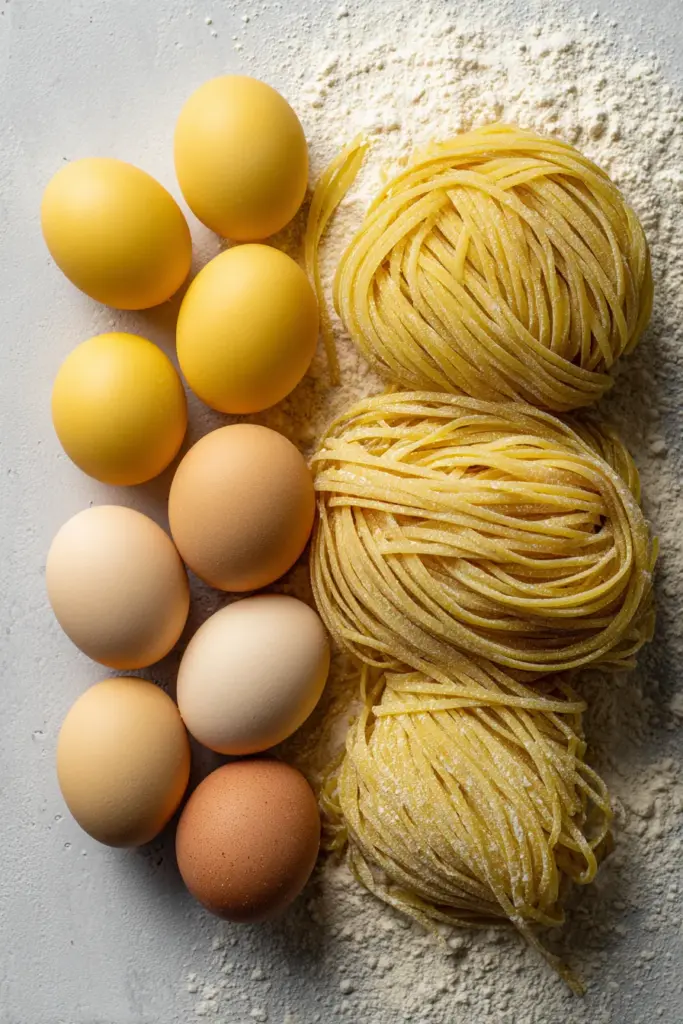
Most of my everyday cooking uses dried pasta. It’s convenient, shelf-stable, and when cooked properly, absolutely delicious. Fresh pasta is for special occasions or when the dish specifically benefits from that tender, delicate texture. Neither is better; they’re just different tools for different jobs.
Creamy and Cheesy Pasta Comfort Foods
When I need comfort, I turn to creamy pasta. There’s something about that rich, velvety sauce coating tender noodles that feels like a warm hug from the inside. These are the dishes I make on cold nights, stressful days, or any time I need food that feels like home.
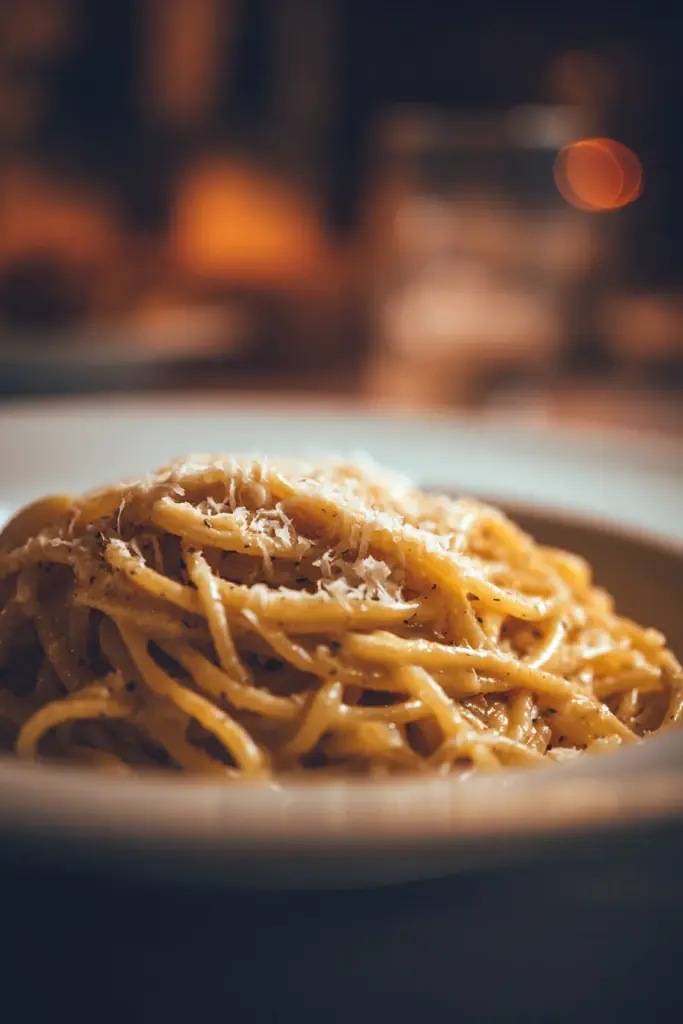
The creamy garlic pasta with spinach and sun-dried tomatoes is my go-to when I want something indulgent but not too heavy. The sun-dried tomatoes add brightness that cuts through the cream, and the spinach makes me feel like I’m eating something somewhat virtuous even though it’s definitely comfort food. I make this at least twice a month because it’s quick enough for weeknights but feels special enough for company.
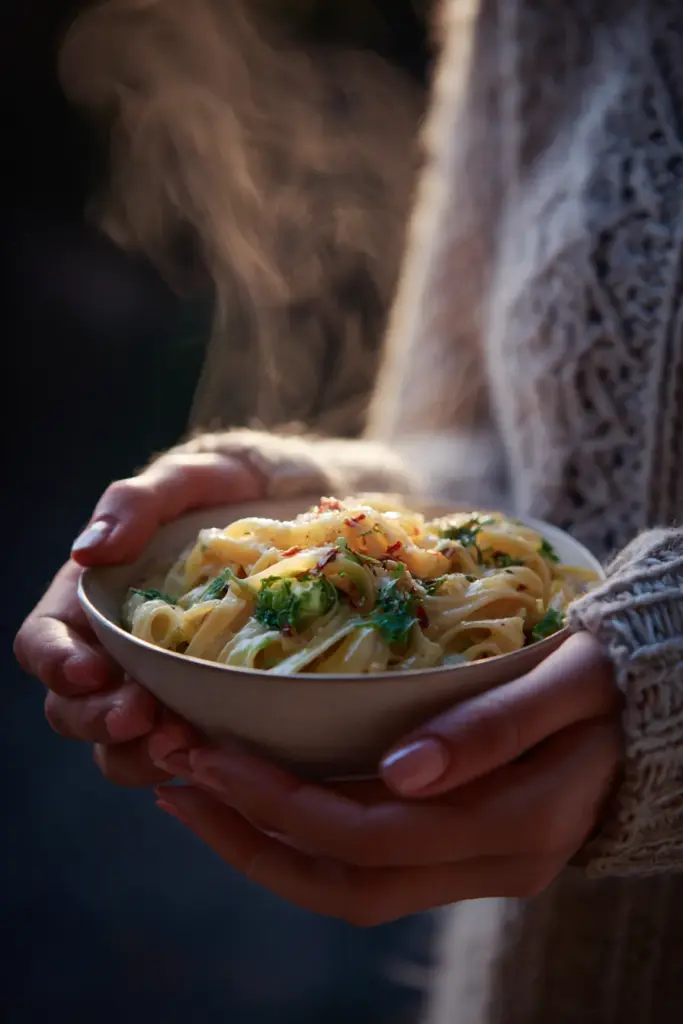
Cream-based sauces intimidated me at first because I thought they’d be tricky or easy to mess up. But I’ve learned that they’re actually quite forgiving. The key is not boiling the cream once you add it, which can cause it to break or curdle. Keep the heat gentle, stir frequently, and let the sauce reduce slowly to the perfect consistency.
Garlic and Parmesan: The Dynamic Duo
If I had to choose just two ingredients to flavor pasta for the rest of my life, it would be garlic and Parmesan. Together, they create savory, umami-rich flavors that make everything taste better. The creamy garlic Parmesan zucchini noodles proves that this combination works even when you swap traditional pasta for vegetables.
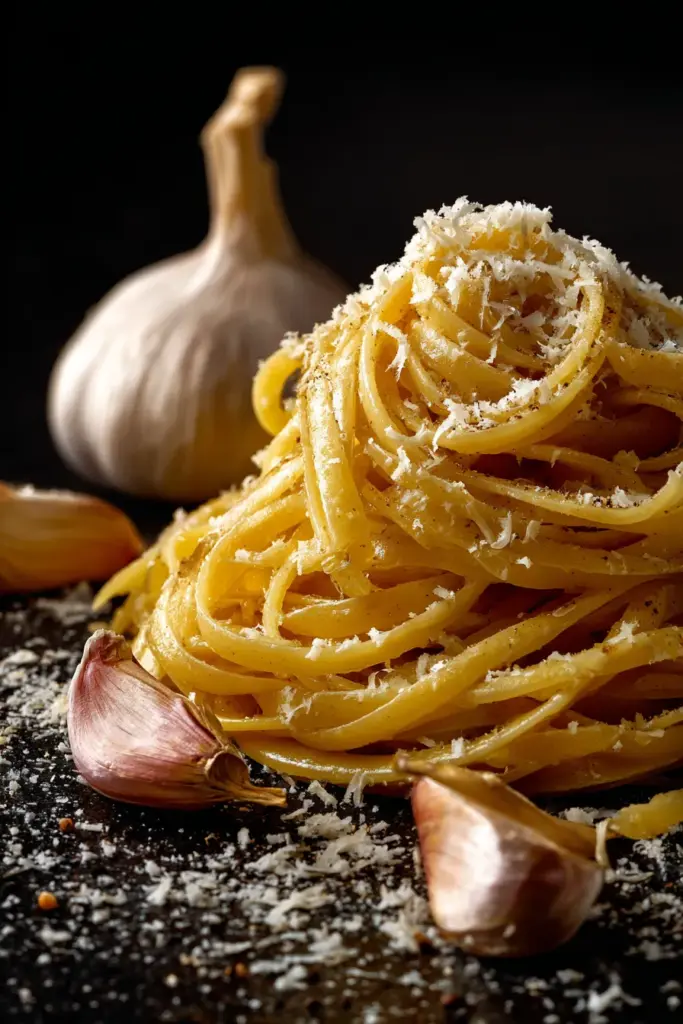
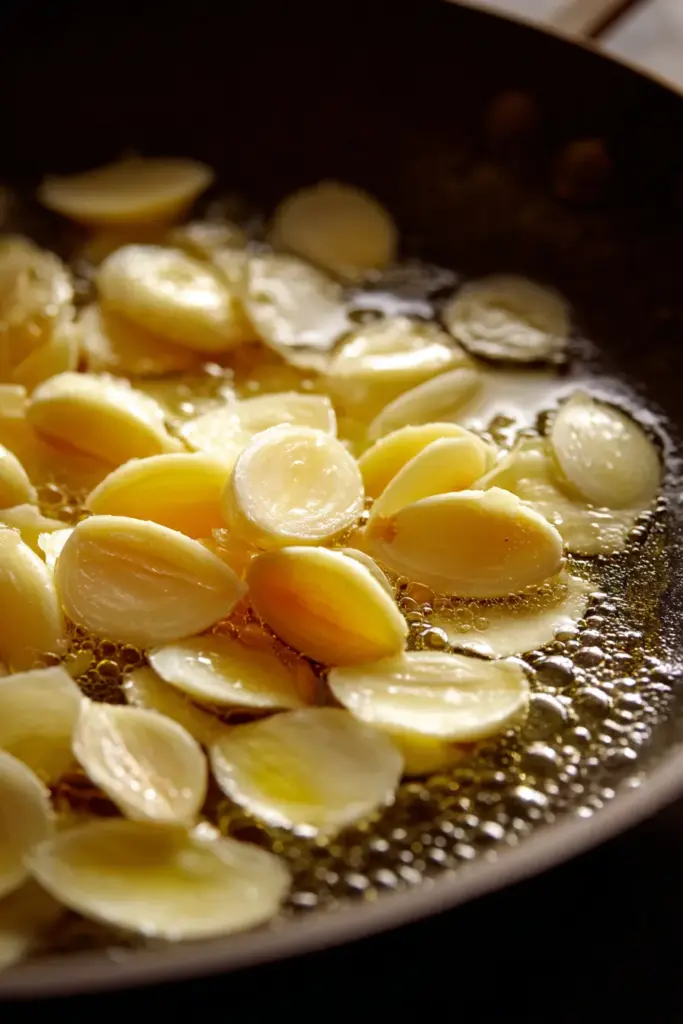
I’ve learned to cook garlic slowly in butter or oil until it’s fragrant but not brown. Burned garlic is bitter and unpleasant, while properly cooked garlic is sweet and mellow. Once the garlic is ready, I add cream and let it infuse with that garlic flavor before stirring in freshly grated Parmesan. Pre-grated Parmesan doesn’t melt as smoothly because of the anti-caking agents, so I always grate my own now.
The creamy sun-dried tomato spinach spaghetti shows how a few simple additions can transform basic creamy pasta into something more complex. The sun-dried tomatoes bring concentrated tomato flavor and a slight chew, while fresh spinach wilts into the sauce, adding color and nutrition without much effort.
Tortellini and Stuffed Pasta Dishes
Stuffed pastas like tortellini and ravioli are weeknight saviors in my house. They’re basically the protein, starch, and often vegetables all in one convenient package. Just cook them and add sauce, and dinner is ready in the time it takes water to boil.
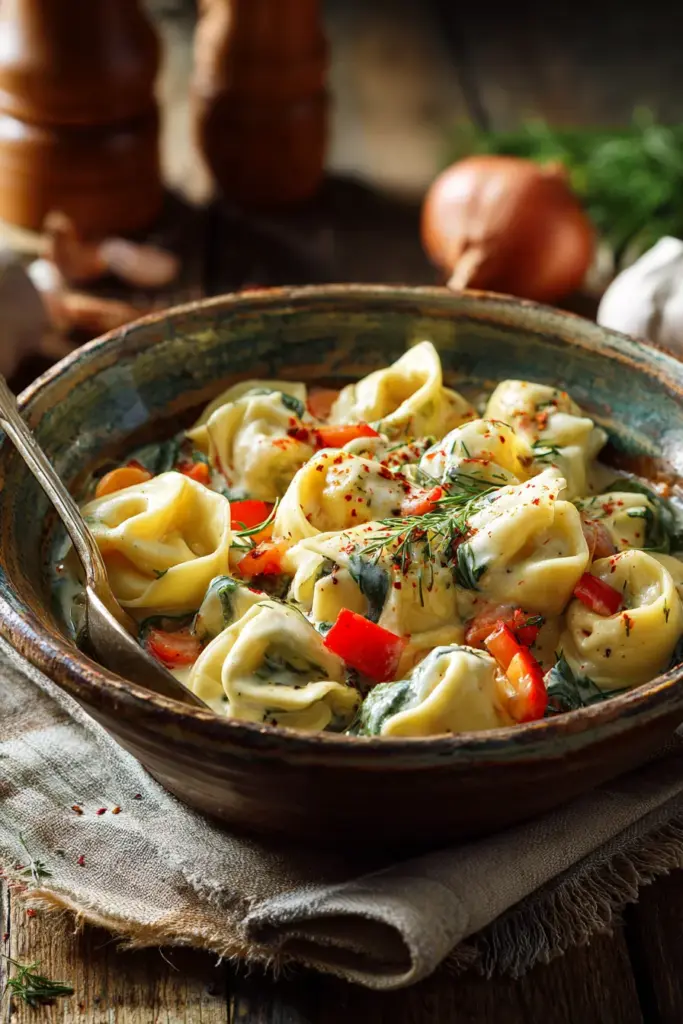
The creamy garlic Parmesan tortellini with sausage and broccoli is a complete meal in one pot. The cheese-filled tortellini provide richness, the sausage adds protein and flavor, and the broccoli brings color and texture. Everything cooks together in a creamy sauce that ties it all together. It’s the kind of dinner that makes me look like a much better cook than I actually am.
I keep several varieties of stuffed pasta in my freezer at all times. Cheese tortellini, meat ravioli, spinach and ricotta, they’re all useful for throwing together quick meals. They’re more expensive than regular dried pasta, but the convenience and built-in flavor make them worth it for busy nights.
Hearty Pasta with Sausage and Meat
Some nights call for pasta that’s substantial and satisfying, the kind that fills you up and keeps you full. That’s when I turn to meat-based pasta dishes, particularly those featuring Italian sausage. The seasoning in good Italian sausage does half the work for you, infusing the entire dish with fennel, garlic, and herbs.
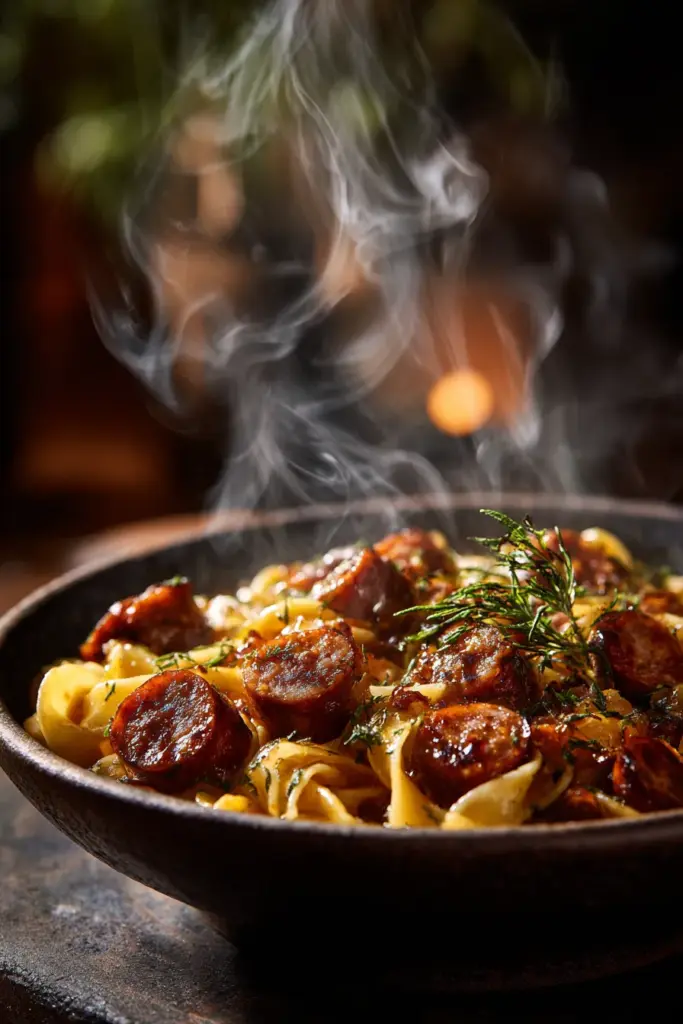
The garlic Parmesan sausage orzo has become a weekly staple in my rotation. Orzo, those little rice-shaped pasta pieces, cook quickly and have a wonderful texture that’s almost creamy. Combined with browned sausage and a garlicky Parmesan sauce, it’s comfort food that comes together in about twenty minutes.
When browning sausage for pasta, I’ve learned to really let it develop color before stirring. That caramelization on the meat adds so much flavor to the final dish. I break it up into bite-sized pieces and cook it until it’s nicely browned, then remove it from the pan before building the sauce in those flavorful drippings.
Lasagna and Layered Pasta Casseroles
Lasagna was one of those dishes I avoided making for years because it seemed complicated and time-consuming. Then I discovered shortcuts that make it manageable, and now I make lasagna regularly, especially for feeding crowds or meal prep. The crockpot ravioli lasagna changed everything for me because it eliminates both the layering complexity and the need to turn on the oven.
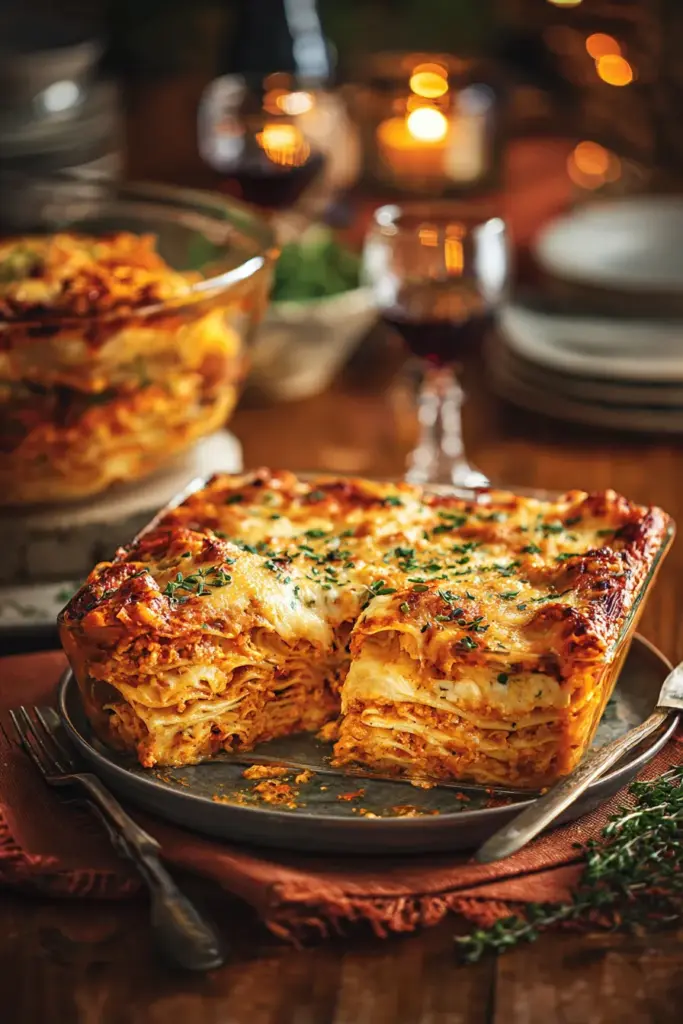
Using frozen ravioli instead of lasagna noodles means you don’t have to boil anything first or worry about the noodles being perfectly al dente. Just layer ravioli with sauce and cheese, let the slow cooker work its magic, and you’ve got lasagna with minimal effort. The ravioli filling adds extra richness and flavor too.
For something with a fun twist, the cheesy buffalo chicken lasagna with ranch drizzle brings game day flavors to a classic format. The spicy buffalo sauce, creamy ricotta, and cool ranch drizzle create layers of flavor that are unexpected but totally delicious. It’s proof that lasagna doesn’t have to be traditional to be amazing.
One-Dish Pasta Bakes
Pasta casseroles and baked dishes are perfect for meal prep, potlucks, or any time you need to feed a crowd without standing over the stove. The million dollar ravioli casserole gets its name from tasting expensive and luxurious while using mostly pantry staples and frozen ravioli.
These baked pasta dishes are forgiving and flexible. You can assemble them ahead of time and bake when ready, adjust ingredients based on what you have on hand, and they reheat beautifully for leftovers. I often double recipes and freeze half for later, giving me homemade convenience food whenever I need it.
Chicken Pasta Recipes for Every Occasion
Chicken and pasta might be the most popular combination in my recipe collection, and for good reason. Chicken is mild enough to work with any sauce, readily available, and most people love it. I probably make chicken pasta in some form at least once a week, varying the preparation to keep things interesting.
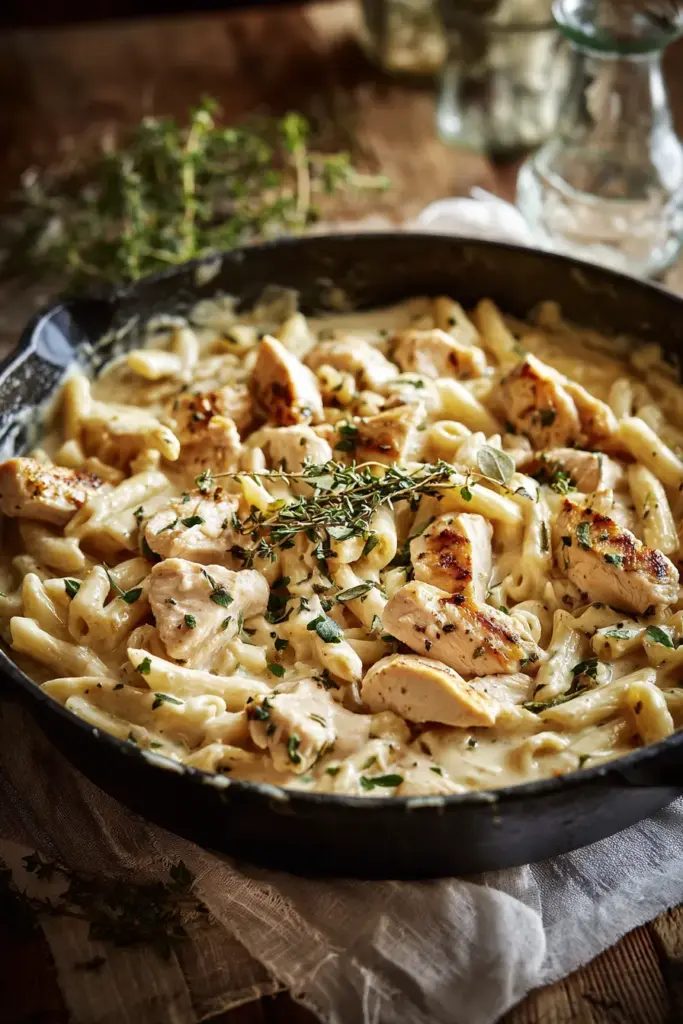
The pasta recipes with chicken collection covers so many possibilities, from light and fresh to rich and creamy. What I’ve learned is that the way you cook the chicken matters as much as the sauce you pair it with. I usually sear chicken breasts or thighs in the same pan I’ll use for the sauce, building flavor from the start.

My technique is to season chicken generously with salt and pepper, cook it in a hot pan until golden on both sides and just cooked through, then remove it while I make the sauce. The chicken rests while the sauce comes together, staying juicy and tender. I slice or dice it and add it back at the end so it doesn’t overcook.
Tuscan-Inspired Chicken Pasta
Tuscan chicken pasta has become trendy in recent years, and I understand why. The combination of sun-dried tomatoes, spinach, garlic, and cream creates the most gorgeous sauce, and it comes together surprisingly quickly. The Tuscan chicken pasta with spinach and Parmesan cream sauce is restaurant-quality food that I can make at home in less time than it would take to go out.
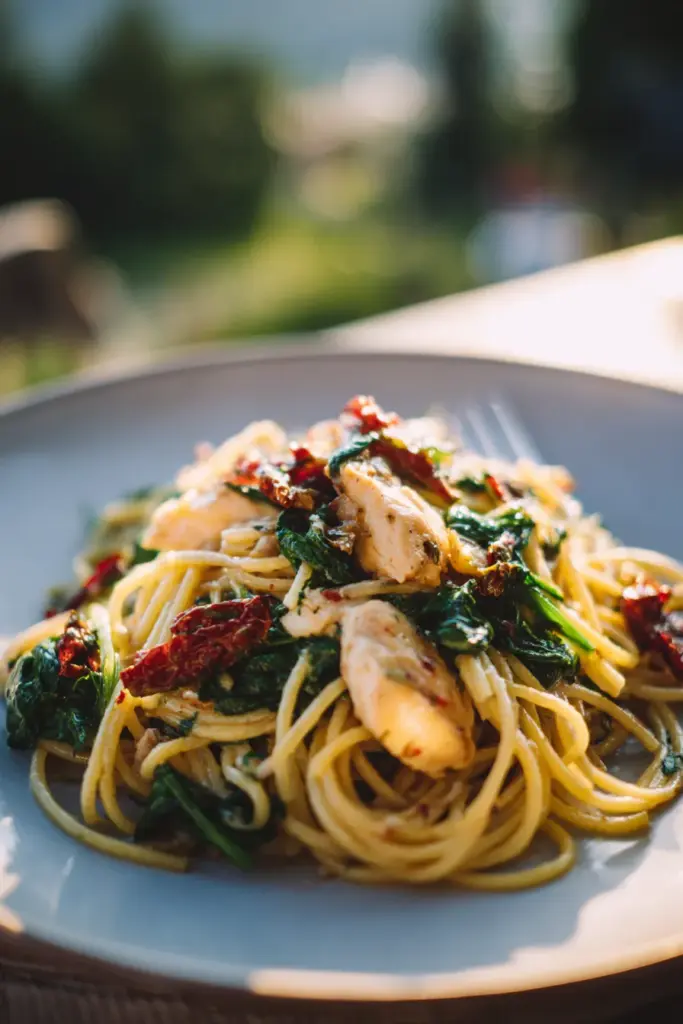
The secret to great Tuscan chicken pasta is not skimping on the sun-dried tomatoes. They provide concentrated tomato flavor and a slight sweetness that balances the rich cream sauce. I use the oil-packed kind and save that flavorful oil for cooking the chicken, adding even more dimension to the final dish.
Classic Chicken Spaghetti
Sometimes you need comfort food that reminds you of childhood, and that’s where the best chicken spaghetti recipe comes in. This is the kind of casserole that shows up at potlucks and family gatherings, with its creamy, cheesy sauce and tender shredded chicken mixed throughout.
I make this when I need to feed a crowd on a budget or when I want leftovers that actually taste good reheated. The spaghetti breaks into shorter pieces as you mix everything together, making it easy to serve and eat. It’s not fancy or sophisticated, but it’s exactly what you want when you want it.
Buffalo Chicken Variations
The flavor combination of buffalo sauce, chicken, and ranch or blue cheese has transcended its chicken wing origins to become a versatile flavor profile. The Buffalo Wild Wings pasta brings those bold, tangy flavors to noodles in a way that’s surprisingly successful.
When you’re craving buffalo chicken flavor but want something different, the buffalo chicken enchiladas or Buffalo Wild Wings crockpot chicken can satisfy that same craving with different carbs. I’ve learned that certain flavor combinations translate well across different dishes, and buffalo chicken is definitely one of them.
Soups, Stews, and Pasta in Broth
Pasta doesn’t always have to be tossed with sauce. Some of my favorite pasta dishes are actually soups, where small pasta shapes swim in flavorful broth alongside vegetables and protein. These are the meals I crave when the weather turns cold or when I’m feeling under the weather.
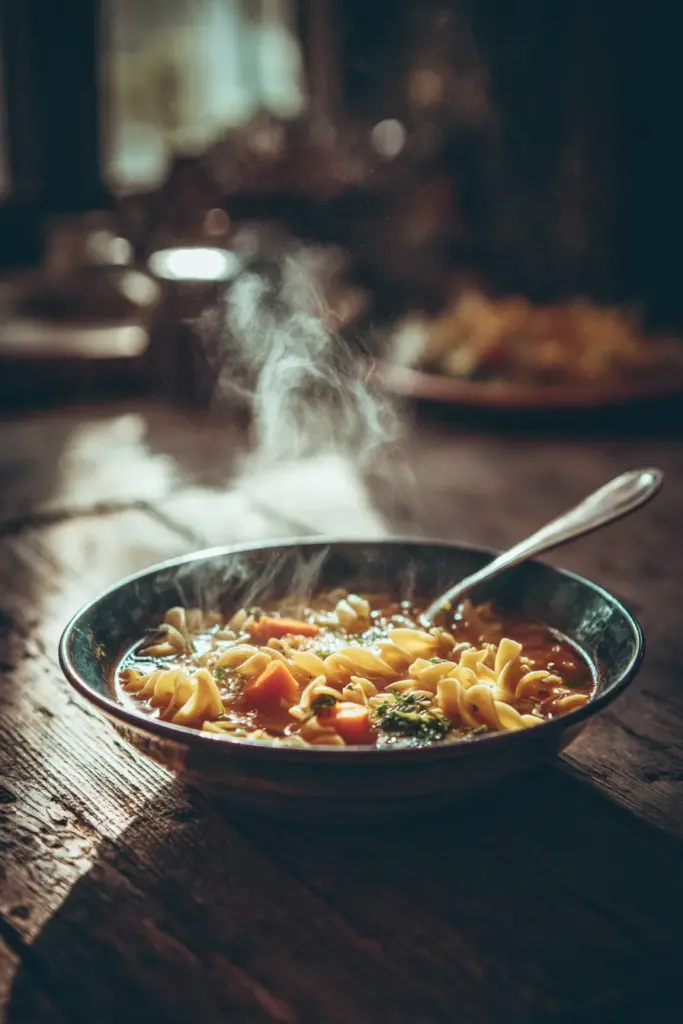
The creamy Alfredo lasagna soup takes everything I love about lasagna and transforms it into a bowl of comfort. Broken lasagna noodles, creamy broth, Italian sausage, and plenty of cheese create a soup that tastes remarkably like lasagna but is easier to make and eat. It’s genius, really.
Cooking pasta directly in soup is different from cooking it in plain water. The pasta absorbs flavor from the broth, becoming more delicious as it cooks. But you need to account for the fact that pasta will continue absorbing liquid even after cooking, so I either cook the pasta separately and add it just before serving, or I make sure to have extra broth on hand to thin the soup as needed.
Italian Sausage Soup
The savory creamy Parmesan Italian sausage soup is my answer to the Olive Garden’s Zuppa Toscana. Spicy Italian sausage, potatoes, kale, and cream come together in a soup that’s hearty enough to be a complete meal. I serve it with crusty bread for dipping, and everyone is happy.
What makes this soup special is how the flavors build. First, brown the sausage to develop flavor. Then sauté onions and garlic in those drippings. Add broth and potatoes, simmer until tender, then stir in kale and cream at the end. Each step adds another layer of flavor, creating a soup that tastes complex even though it’s quite simple to make.
Understanding Pasta Types and Cooking Techniques
Once I started paying attention to pasta shapes and their specific characteristics, my pasta cooking improved dramatically. Different shapes aren’t just about looks; they serve different purposes and work better with certain sauces and preparations.
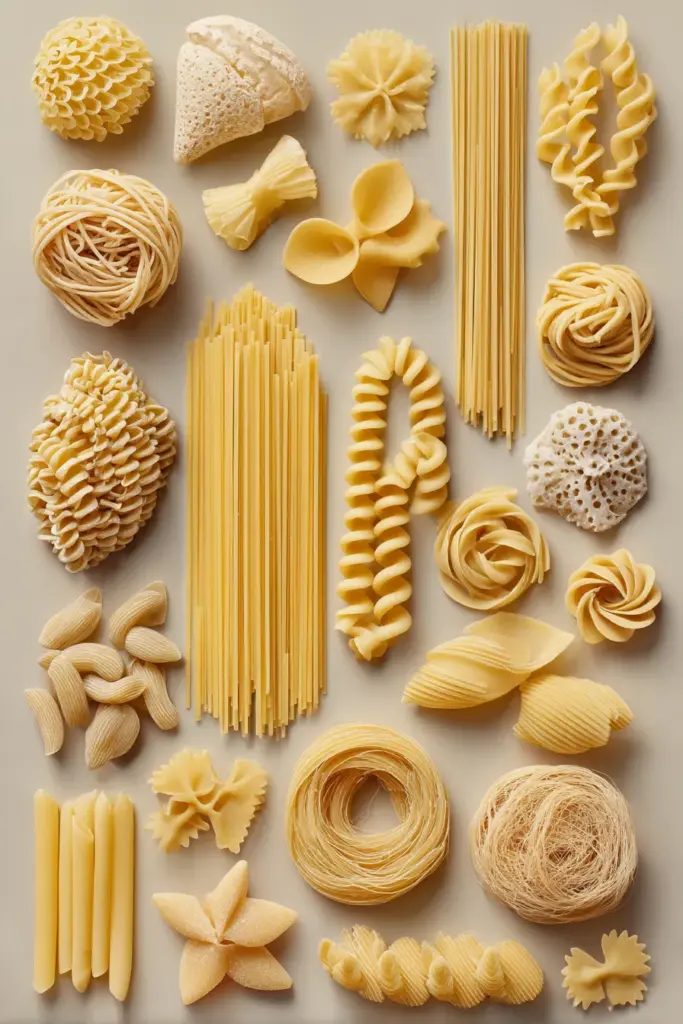
The mafalda pasta, with its ruffled edges and ribbon shape, is one of my favorite specialty shapes. Those ruffles catch sauce beautifully, and the ribbon format is elegant on the plate. I use it for special occasions or when I want to elevate a simple sauce.
Small pasta shapes like ditalini are perfect for soups where you want pasta in every spoonful. Learning how long to cook ditalini pasta properly ensures it stays al dente even in hot soup. Generally, small shapes cook quickly, usually just six to eight minutes, so I set a timer and test early.
Cooking Pasta Perfectly Every Time
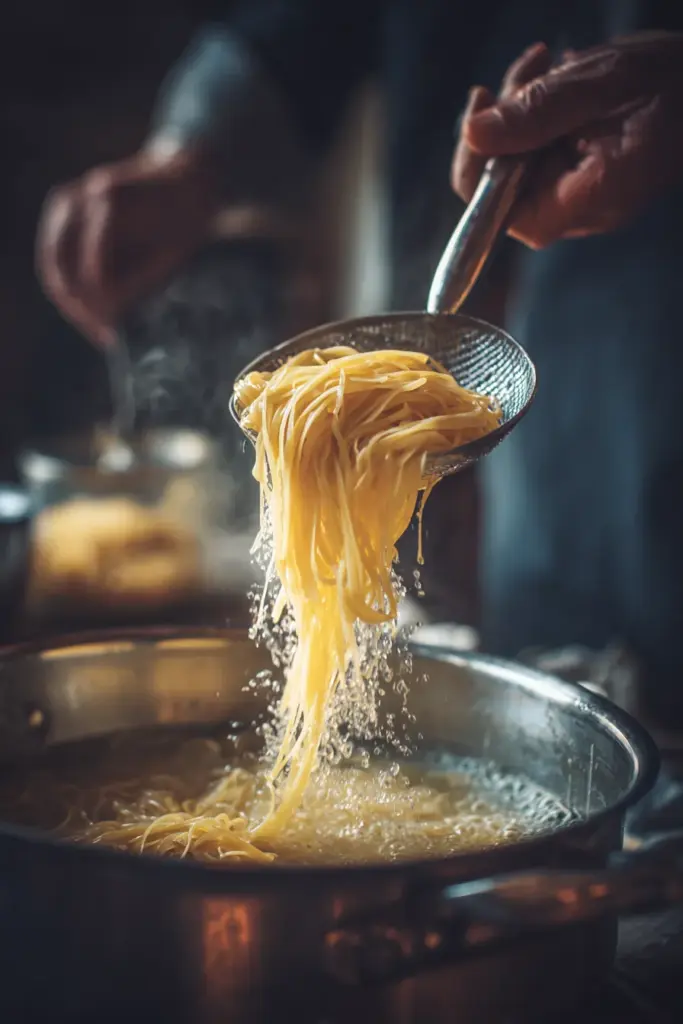
After ruining countless batches of pasta, I finally figured out the formula for perfect pasta every time. First, use plenty of water. Pasta needs room to move around or it will stick together. I use about four to six quarts of water per pound of pasta. Second, salt the water generously. It should taste like the sea. This is your only chance to season the pasta itself, so don’t skip this step.
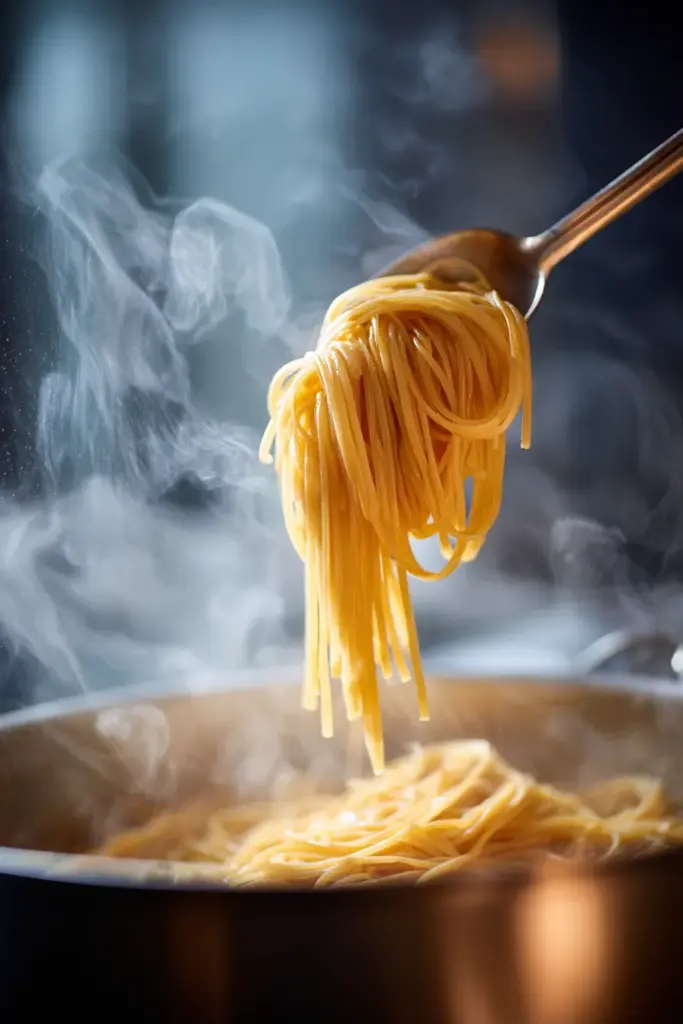
Third, don’t add oil to the water. This is a myth that won’t prevent sticking and will actually prevent sauce from clinging to the pasta. Instead, stir the pasta occasionally during cooking to prevent sticking. Fourth, taste for doneness a minute or two before the package directions suggest. Al dente means the pasta still has a slight firmness when you bite into it, and it should never be mushy or soft all the way through.
Finally, save some pasta water before draining. This starchy water is the secret ingredient that helps sauce cling to pasta and creates silky, emulsified sauces. I save at least a cup and add it back to the pasta and sauce a little at a time until everything comes together perfectly.
Protein Pasta and Healthier Options
The pasta world has expanded to include so many options beyond traditional wheat pasta. The protein penne and high protein pasta options have made it possible to enjoy pasta while hitting protein goals. These pastas, made from chickpeas, lentils, or added protein, cook similarly to regular pasta but provide significantly more nutrition.
When comparing the best protein pasta brands, I’ve found that some are much better than others in terms of taste and texture. The chickpea-based ones tend to be more neutral in flavor and closer to traditional pasta texture. I use them interchangeably with regular pasta now, and most people can’t tell the difference, especially in heavily sauced dishes.
For those watching calories, understanding rotini pasta calories and portion sizes helps with meal planning. A two-ounce serving of dried pasta is typically around 200 calories and makes a reasonable portion when combined with vegetables, protein, and sauce.
Beyond Traditional Pasta: Creative Alternatives and Companions
Sometimes the techniques and flavors we love in pasta dishes translate beautifully to other foods. I’ve discovered that my favorite pasta seasonings and preparations work wonderfully with different ingredients, expanding my repertoire beyond just noodles.
The baked zucchini boats with chicken, spinach, and feta use the same flavor combinations I love in Greek-inspired pasta but with zucchini as the vessel. The herbs, garlic, and cheese that make pasta sing do the same for vegetables. It’s a lighter option when you’re not in the mood for carbs but still want those comforting flavors.
I’ve also learned that side dishes and appetizers can round out a pasta meal beautifully. The deluxe creamy shrimp and crab spinach dip makes a luxurious starter before an elegant pasta dinner, while the decadent lobster artichoke spinach dip brings seafood flavors that complement lighter pasta dishes.
International Takes on Pasta Concepts
The idea of noodles in sauce isn’t unique to Italian cuisine, and I’ve had fun exploring how other cultures approach similar concepts. The vegetable stir fry uses Asian noodles with similar vegetables and sauces that work in Italian pasta but with different seasonings like soy sauce and ginger.
When I’m craving something different but still want the comfort of a noodle dish, I turn to recipes like Cajun shrimp and grits with garlic butter sauce. The creamy, garlic-laden sauce is reminiscent of pasta Alfredo, but grits provide a completely different texture and flavor. It’s comfort food from a different tradition that scratches the same itch.
The Louisiana dirty rice shows how rice can be just as hearty and flavorful as pasta when prepared with the right seasonings and mix-ins. I find that understanding pasta cooking principles helps me cook other starches better too, since many of the same concepts apply.
Quick Alternative Meals for Pasta Lovers
On nights when I want something fast but different from pasta, I have several go-to options that use similar pantry staples and cooking methods. The quick vegan curry comes together as fast as a pasta dish but offers completely different flavors. The easy egg fried rice is another fifteen-minute meal that satisfies the same way a quick pasta dish does.
Even sandwiches can incorporate pasta-inspired flavors. The creamy avocado bacon grilled cheese brings richness and comfort similar to creamy pasta but in handheld form. It’s proof that the flavor combinations we love can work across different formats.
Salads That Complement Pasta Meals
A crisp, fresh salad alongside pasta provides balance and makes the meal feel more complete. The refreshing creamy cucumber shrimp salad is light and cooling, perfect next to a rich, creamy pasta dish. The seafood in the salad also works nicely if your pasta features chicken or sausage, providing variety in a single meal.
For something with Mexican flair that pairs well with southwestern-inspired pastas, the avocado chicken enchiladas in avocado sauce prove that creamy, satisfying dishes exist in every cuisine. The technique of creating a smooth sauce and combining it with protein and starch is universal, just with different seasonings and cultural influences.
Expert Tips for Perfect Pasta Every Time
After making pasta hundreds of times and learning from countless mistakes, I’ve developed a system that works consistently. These aren’t complicated techniques or expensive equipment; they’re simple habits and small adjustments that make a real difference in the final dish.
First, invest in a good large pot. Pasta needs lots of water to cook properly, and a cramped pot leads to sticky, unevenly cooked noodles. I use an eight-quart pot for most pasta cooking, and it’s one of my most-used pieces of cookware. Having enough water means the pasta can move freely and the water temperature doesn’t drop dramatically when you add the pasta.
Second, taste your pasta at least a minute before the package directions say it should be done. Every stove is different, water boils at different temperatures at different altitudes, and package directions are just guidelines. The only way to know if pasta is perfectly al dente is to taste it. I fish out a piece, run it under cold water briefly so I don’t burn my mouth, and bite into it. If there’s still a slight firmness in the center, it’s ready.
The Pasta Water Secret
Pasta water is like liquid gold in Italian cooking, and I can’t stress enough how important it is. That starchy water does two crucial things: it helps sauce cling to the pasta, and it loosens sauce that’s become too thick. Before draining pasta, I always scoop out at least a cup of that cooking water.
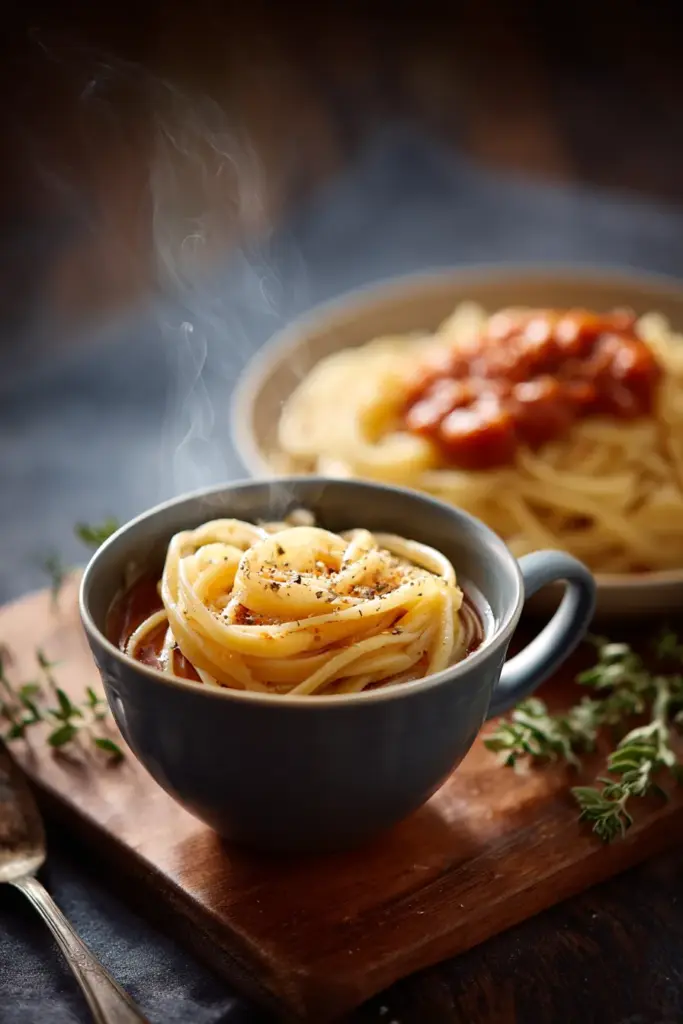
When combining pasta and sauce, I add pasta water a few tablespoons at a time, tossing everything together over low heat. The starch in the water acts as a binder, creating an emulsion that coats every strand or shape of pasta. This is how restaurants get that glossy, perfectly coated pasta that never has sauce pooling at the bottom of the bowl.
If I’m making a cream-based sauce, I use less pasta water since cream is already liquid and rich. But for oil-based sauces or tomato sauces, pasta water is essential for achieving the right consistency and making sure the sauce doesn’t separate from the pasta.
Finishing Pasta in the Pan
Here’s the technique that transformed my pasta cooking: I drain the pasta when it’s about a minute shy of perfect, then finish cooking it in the sauce. This allows the pasta to absorb some of the sauce while finishing its cooking, creating a cohesive dish where the flavors are integrated rather than just combined.
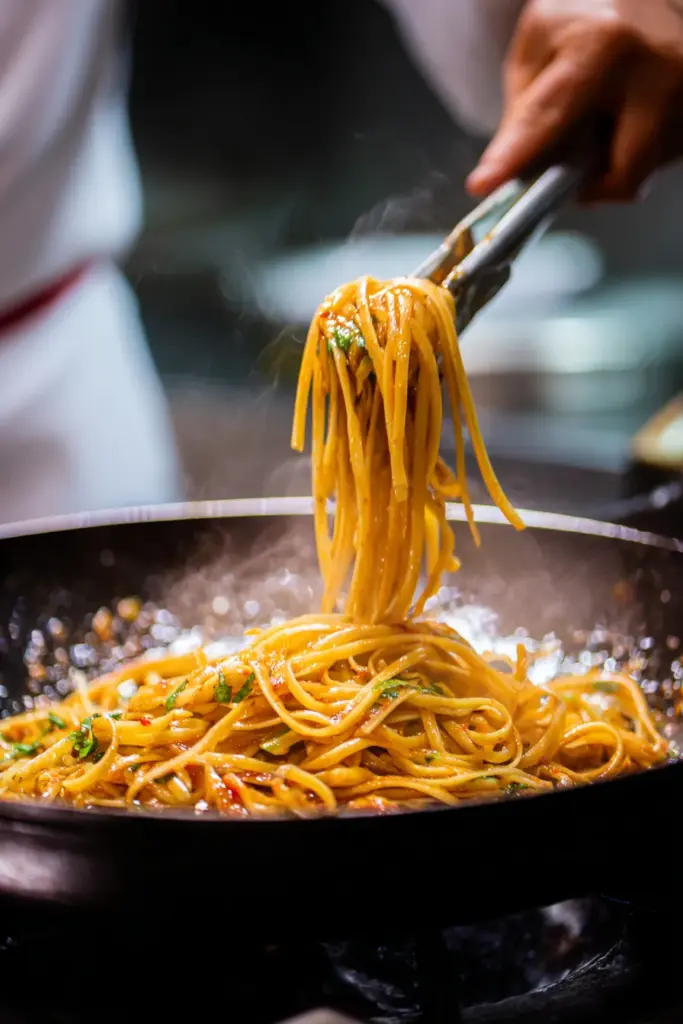
To do this, I keep the sauce warm in a large skillet or sauté pan. When the pasta is almost done, I drain it and add it directly to the sauce along with a splash of pasta water. Over medium-low heat, I toss everything together for a minute or two, adding more pasta water if needed, until the pasta is perfectly cooked and beautifully coated.
This technique works with almost any pasta and sauce combination. The key is having your sauce ready before your pasta is done cooking, so you can transfer the pasta to the sauce immediately. Let the pasta sit in a colander and it will stick together; move it quickly to the sauce and it stays separate and perfectly coated.
Seasoning and Adjusting Flavors
I used to think that if I followed a recipe exactly, the flavors would be perfect. But I’ve learned that seasoning pasta dishes is an ongoing process throughout cooking, and final adjustments are always necessary. I taste the sauce before adding pasta and adjust the salt, pepper, or acid as needed. Lemon juice or a splash of wine vinegar can brighten a heavy cream sauce. A pinch of red pepper flakes adds interest to a simple tomato sauce.
After combining pasta and sauce, I taste again. This is when I might add more Parmesan, a drizzle of good olive oil, fresh herbs, or a squeeze of lemon. These final touches take a good pasta dish and make it great. Don’t be afraid to trust your palate and adjust seasonings until the dish tastes right to you.
Conclusion
My journey with pasta has taught me that simple ingredients, when treated with respect and proper technique, can create the most satisfying meals. From that embarrassing dinner party failure to the confident home cook I am today, pasta has been my teacher, showing me that good cooking isn’t about complicated recipes or expensive ingredients, but about understanding a few fundamental principles and practicing them consistently.
The beauty of pasta is its endless versatility. You can make it light and fresh with vegetables and herbs, rich and comforting with cream and cheese, hearty and satisfying with meat and robust sauces. You can dress it up for company or throw it together on a busy Tuesday night. It’s affordable, shelf-stable, quick-cooking, and universally loved. It’s hard to think of another ingredient that checks all those boxes so completely.
What I love most about cooking pasta now is how intuitive it’s become. I don’t need to measure precisely or follow recipes exactly anymore. I understand how different shapes work with different sauces, how to adjust consistency with pasta water, how to layer flavors throughout the cooking process. This confidence comes from practice and from learning from mistakes, both of which are essential parts of becoming a better cook.
Remember that every pasta disaster is a learning opportunity. Overcooked pasta teaches you to taste early next time. Sauce that won’t cling teaches you about pasta water. Bland pasta teaches you about seasoning throughout the process. Don’t be discouraged by imperfect results; instead, pay attention to what went wrong and adjust next time. This is how you develop the instincts that make you a confident, capable cook.
As you explore the recipes in this collection, feel free to adapt them to your tastes and dietary needs. Swap proteins, adjust vegetables, make sauces lighter or richer as you prefer. The recipes are guidelines, not rules. Once you understand the basic techniques, you can create your own variations and eventually your own original pasta dishes.
Whether you’re cooking for yourself, your family, or a crowd, whether you’re looking for quick weeknight meals or impressive company dishes, pasta has you covered. It’s comfort food, celebration food, everyday food, and special occasion food all at once. It’s proof that simple ingredients, properly prepared, can nourish both body and soul.
So fill that pot with water, salt it generously, and start cooking. Save that pasta water, finish your pasta in the sauce, taste and adjust seasonings. Trust the process, trust your palate, and trust that practice makes progress. Your perfect pasta is just a pot of boiling water away.
Continue exploring more delicious inspiration with these favorites:
- Classic Homemade Pasta Alfredo Recipe
- Creamy Garlic Pasta with Spinach and Sun-Dried Tomatoes
- Tuscan Chicken Pasta with Spinach and Parmesan Cream Sauce
- Garlic Parmesan Sausage Orzo
Frequently Asked Questions
How much pasta should I cook per person?
As a general rule, I cook about two ounces of dried pasta per person for a main course. This seems like a small amount when you’re looking at dried pasta, but it expands significantly as it cooks. For big appetites or if the pasta is the only substantial part of the meal, I’ll increase to three ounces per person. For pasta as a side dish or first course, one to one and a half ounces is usually sufficient. When in doubt, I tend to make a little extra since leftover pasta is never a problem in my house.
Should I rinse pasta after cooking?
Almost never. Rinsing pasta washes away the starch that helps sauce cling to it, and it cools the pasta down when you want it hot. The only times I rinse pasta are when I’m making a cold pasta salad, where I want to stop the cooking process and cool it quickly, or if I’ve accidentally overcooked pasta and want to stop it from cooking further. For hot pasta dishes, go straight from the pot to the sauce without rinsing.
Why does my pasta stick together in clumps?
Pasta sticks together when there isn’t enough water, when you don’t stir it during the first few minutes of cooking, or when it sits in a colander after draining. To prevent sticking, use plenty of water and stir the pasta occasionally during cooking, especially right after adding it to the pot. Move the pasta to the sauce immediately after draining rather than letting it sit. If you must let pasta sit for a minute, toss it with a tiny bit of olive oil to keep the pieces separate, though this is not ideal since it can prevent sauce from clinging properly.
Can I cook pasta ahead of time and reheat it?
You can, though the texture won’t be quite as perfect as freshly cooked pasta. If I need to cook pasta ahead, I slightly undercook it, drain and rinse with cold water to stop the cooking, then toss with a little olive oil to prevent sticking. Store it in the refrigerator and reheat by dropping it briefly in boiling water or microwaving with a splash of water. For make-ahead pasta dishes, I prefer recipes like baked ziti or lasagna where the pasta is combined with sauce before final cooking, as these actually improve with time.
What’s the difference between cheap and expensive pasta?
Quality pasta is made from durum wheat semolina and often uses bronze dies that create a rough, porous surface that holds sauce better. Cheaper pasta is usually made from softer wheat and uses Teflon dies that create a smooth, slippery surface. While expensive artisanal pasta can be wonderful, I find that mid-range Italian pasta brands offer excellent quality for everyday cooking. The most important factor is cooking technique; even expensive pasta will be disappointing if you overcook it or don’t pair it with the right sauce.
How do I prevent cream sauce from breaking or curdling?
Cream sauces break when they’re heated too aggressively or when acid is added too quickly. Keep the heat medium to medium-low once you add cream, and avoid letting it boil vigorously. If you’re adding lemon juice or wine to a cream sauce, do it gradually and off heat, stirring constantly. If your sauce does break, sometimes you can fix it by whisking in a tablespoon of cold cream or a splash of pasta water while stirring vigorously over low heat. Prevention is easier than fixing, so patience and gentle heat are key.
Can I freeze cooked pasta?
Plain cooked pasta doesn’t freeze well; it tends to become mushy and waterlogged when thawed. However, pasta dishes with sauce freeze beautifully. Lasagna, baked ziti, pasta casseroles, and other sauced pasta dishes can be frozen for up to three months. Let them cool completely, wrap well to prevent freezer burn, and thaw in the refrigerator overnight before reheating. I often make double batches of pasta bakes specifically so I can freeze half for an easy future meal.
Why does restaurant pasta taste better than mine?
Restaurants have a few advantages that home cooks can replicate. They use plenty of butter and salt, which home cooks often skimp on for health reasons. They finish pasta in the pan with sauce, which most home cooks don’t do. They use pasta water liberally to create silky, emulsified sauces. And they serve pasta immediately, while it’s at the perfect temperature and texture. Try these restaurant techniques at home: don’t be shy with salt and butter, finish pasta in the sauce, use pasta water, and serve immediately. Your pasta will taste much more like restaurant quality.
What’s the best way to store leftover pasta?
Store leftover pasta with its sauce in an airtight container in the refrigerator for up to three to four days. If the pasta absorbed a lot of sauce and seems dry, add a splash of water, broth, or cream before reheating to loosen it up. Reheat pasta gently in the microwave or in a covered pan on the stovetop with a bit of added liquid. Leftover pasta actually makes excellent frittatas; mix it with beaten eggs and cheese, and cook in a skillet for a completely different meal that uses up those leftovers deliciously.
How do I make gluten-free pasta taste good?
Modern gluten-free pasta has improved dramatically, but it still requires slightly different handling than wheat pasta. Watch it carefully while cooking, as it can go from underdone to mushy very quickly. Many gluten-free pastas benefit from a quick rinse after cooking to remove excess starch. Use bold, flavorful sauces since gluten-free pasta tends to be blander than wheat pasta. Rice-based pastas work best for Asian-inspired dishes, while corn or quinoa-based pastas are better for Italian preparations. Experiment with different brands to find ones you like, as they vary significantly in taste and texture.

🍳 Precision Meets Passion — Tools Chefs Trust Daily

- Grams & ounces — precise to 1g
- Perfect for baking & keto tracking
- Sleek stainless steel design

- German stainless precision
- Razor-sharp & dishwasher-safe
- Elegant wood block organizer

- Premium Stainless Steel Build
- Easy to Clean & Dishwasher Safe
- A Must-Have Kitchen Tool