➤ Table of Contents
I’ll never forget the first time I attempted to cook a whole salmon at home. I was hosting a dinner party, and in my mind, I pictured this gorgeous, perfectly bronzed fish emerging from the oven like something from a food magazine. Instead, I ended up with an overcooked, dry disaster that made my guests reach for extra sauce with every bite. That night taught me something valuable: cooking seafood isn’t about being fancy or complicated. It’s about understanding a few key principles and respecting the delicate nature of fish and shellfish.
⚡ Smart Kitchen Tools Every Home Cook Swears By

- Pure aluminum
- Durable enough for everyday cooking
- Made in the USA with quality

- 7 cooking functions in one compact cooker
- 3-quart size ideal for couples or small meals
- Up to 70% faster than traditional cooking

- 3 sizes for every recipe
- Pre-seasoned & durable cast iron
- Oven & grill ready
Over the years, my kitchen has become a testing ground for all kinds of seafood adventures. From learning how to properly sear scallops so they develop that golden crust, to discovering that frozen shrimp can be just as delicious as fresh when handled correctly, to finally mastering the art of cooking fish so it stays moist and flaky. Each lesson came with its share of mistakes, but also with the reward of creating restaurant-quality dishes right at home.
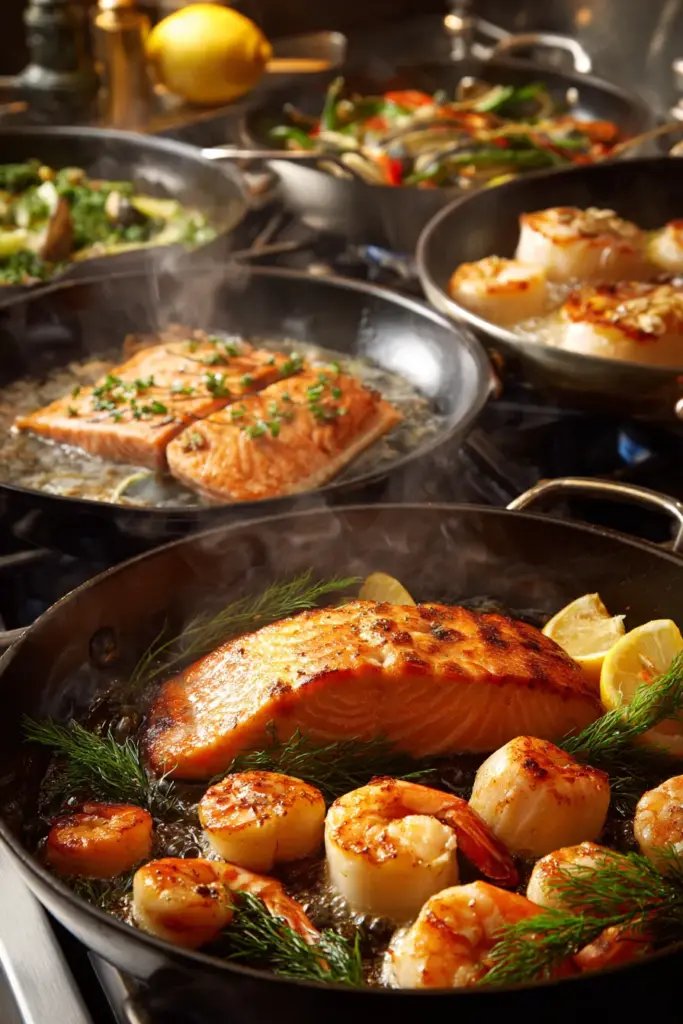
This guide is everything I wish someone had shared with me before that first salmon disaster. We’ll explore the most approachable and delicious ways to cook seafood, from quick weeknight shrimp dinners to impressive crab cakes that will make your guests think you went to culinary school. You’ll learn how to select the freshest seafood, master different cooking techniques, and build confidence with ingredients that might seem intimidating at first.
Whether you’re looking for healthy weeknight meals, creative ways to incorporate more fish into your diet, or show-stopping dishes for special occasions, you’ll find inspiration here. And because seafood cooks so quickly, many of these recipes come together faster than ordering takeout. Let me share what I’ve learned through years of trial, error, and eventual triumph in cooking all things from the sea.
Understanding Seafood: Selection, Freshness, and Storage
The difference between good seafood and great seafood often comes down to what happens before you even turn on the stove. I learned this the hard way after buying what looked like beautiful salmon fillets, only to discover they smelled fishy and tasted off when cooked. Now I know exactly what to look for, and it’s made all the difference in my cooking results.
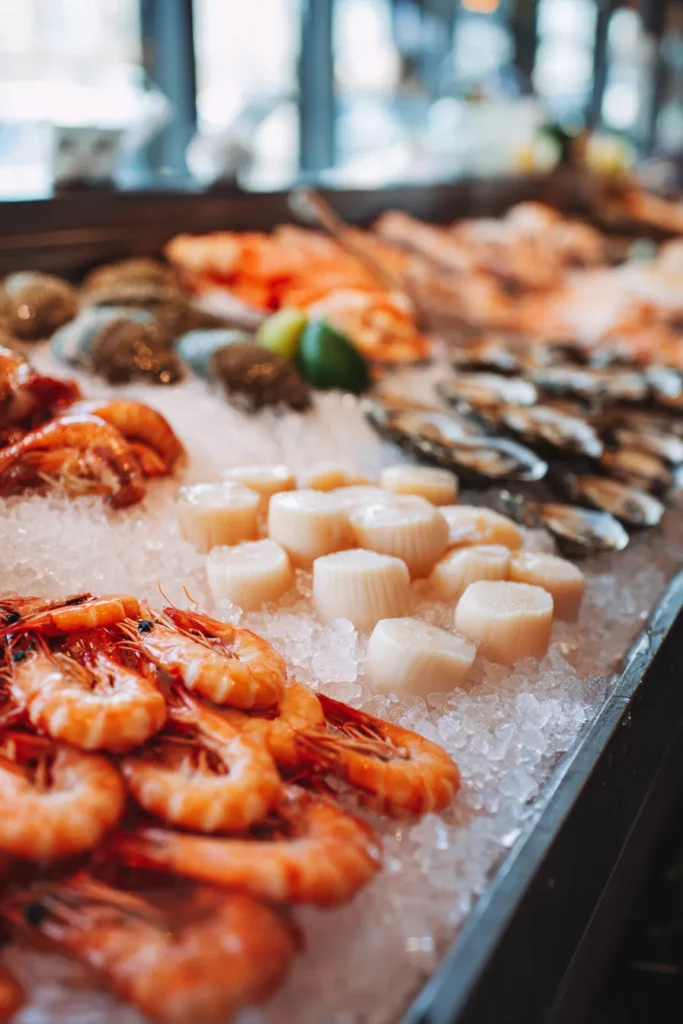
When shopping for fish, your nose is your best friend. Fresh fish should smell like the ocean, clean and slightly briny, never fishy or ammonia-like. If a fish counter smells strongly fishy, walk away. The flesh should look moist and translucent, not dull or dried out. Press it gently with your finger. It should spring back, not leave an indentation.
For shellfish like shrimp, I’ve found that frozen is often your best bet unless you live near the coast. Most shrimp is frozen right on the boat anyway, so those “fresh” shrimp at the counter were probably just thawed that morning. Buy them frozen and thaw them yourself for better quality control.
Storage Tips That Make a Difference
Here’s something that changed my seafood game completely: proper storage. Fish is incredibly perishable, more so than any other protein. When I get home from the market, I immediately unwrap the fish, pat it dry, and place it on a plate lined with paper towels. Then I cover it loosely with plastic wrap and set it on ice in the refrigerator. This keeps it at the ideal temperature just above freezing.
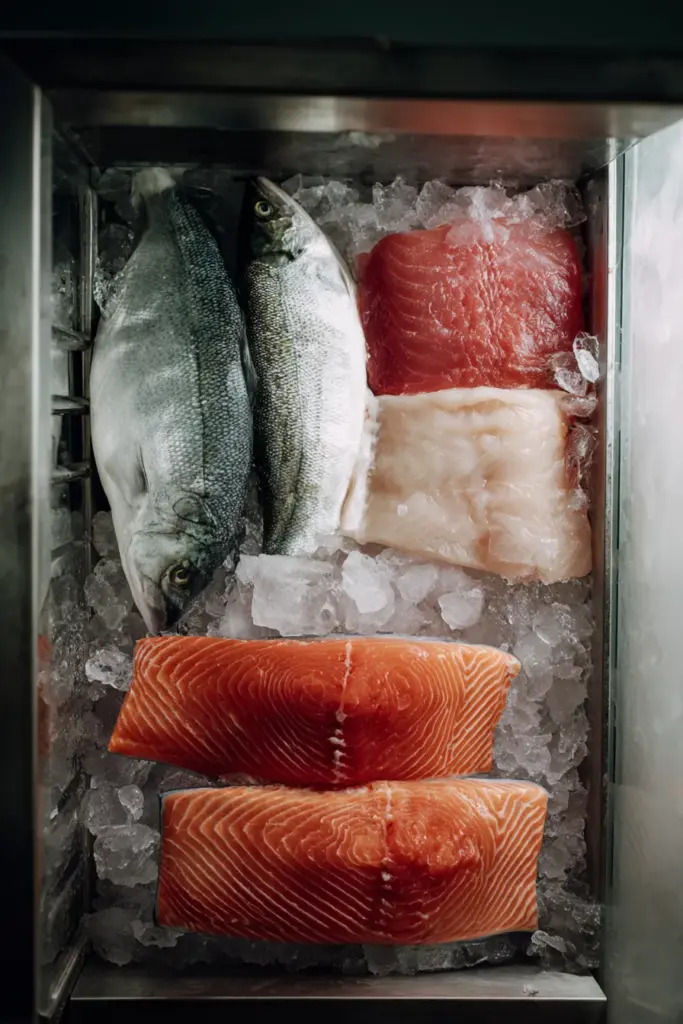
Shellfish requires different handling. Mussels and clams should stay in a bowl in the fridge covered with a damp towel, never sealed in plastic or submerged in water. They’re alive and need to breathe. Shrimp should stay as cold as possible, ideally on ice in your refrigerator if you’re not cooking them immediately.
🥗 Fresh, Fast & Foolproof — Upgrades You'll Use Tonight

- Zoodles in seconds
- Heavy-duty, 10 sharp blades
- Keto, paleo & gluten-free friendly

- Meals in ~30 minutes
- 3-Qt — perfect for 1–3 people
- Pressure cook, sauté, steam & more

- Phone alerts & live temp graph
- Hands-off monitoring for smokers
- Perfect doneness, every time
The golden rule is to cook seafood within 24 hours of purchasing for best results. If that’s not possible, freeze it properly. Wrap fish tightly in plastic wrap, then in foil, squeezing out as much air as possible. Label it with the date, and use within three months for best quality.
Frozen Versus Fresh: The Truth
I used to think fresh was always better than frozen, but that’s simply not true with seafood. Flash-frozen fish, especially something like salmon foil packs, can actually be superior to fresh if the fresh fish has been sitting around for days. The key is how it’s frozen and thawed.
When buying frozen, look for packages that are solidly frozen with no ice crystals, which indicate thawing and refreezing. Thaw frozen fish overnight in the refrigerator, never on the counter. If you’re in a hurry, seal it in a plastic bag and submerge it in cold water, changing the water every thirty minutes.
Mastering Salmon: The Gateway to Seafood Confidence
Salmon was the fish that finally made me feel confident cooking seafood. It’s forgiving enough that small timing mistakes won’t ruin it, flavorful enough that simple seasonings shine, and versatile enough to work with countless flavor profiles. Plus, it’s widely available and relatively affordable, making it perfect for regular weeknight cooking.
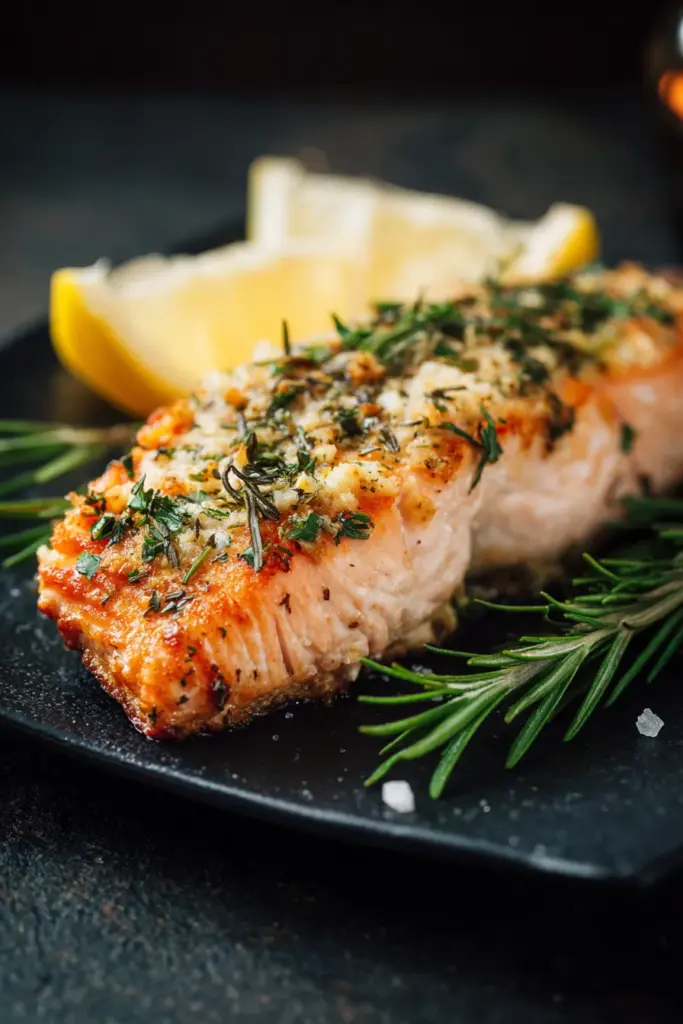
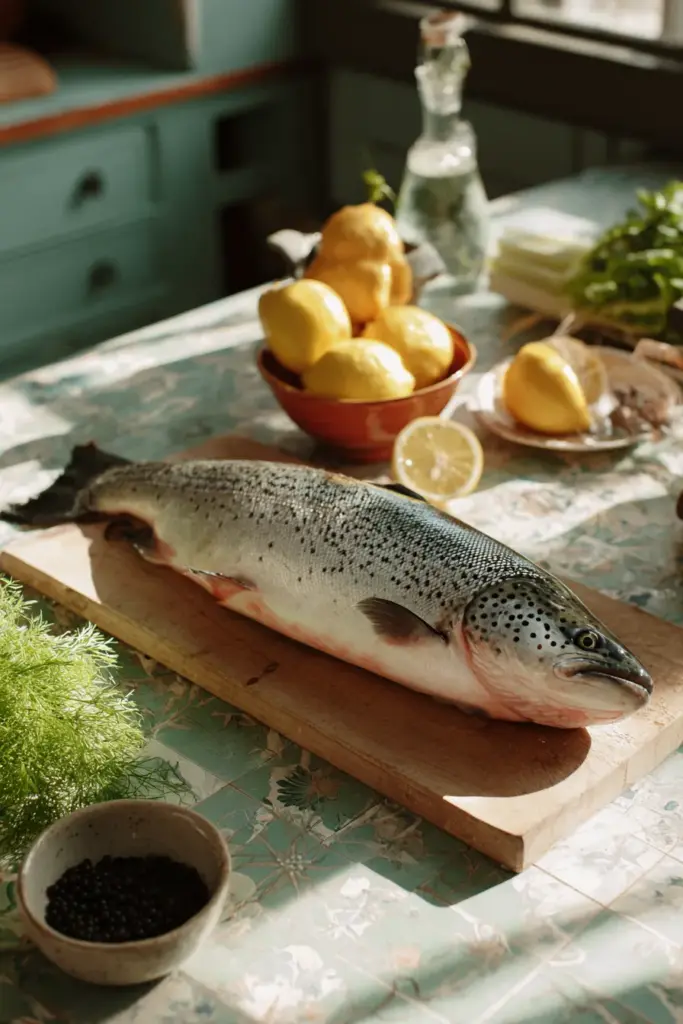
The key to perfect salmon is not overcooking it. I used to cook salmon until it was completely opaque throughout, which resulted in dry, chalky fish. Now I pull it from the heat when the center is still slightly translucent. It will continue cooking from residual heat, finishing perfectly moist and silky.
One of my favorite foolproof methods is the lemon garlic butter salmon with asparagus. Everything cooks together on one pan, the vegetables catching all those delicious buttery juices from the fish. It’s elegant enough for company but simple enough for a Tuesday night.
Different Cuts, Different Techniques
Understanding salmon cuts changed how I shop and cook. Fillets from the thicker center portion cook more evenly than tapered tail pieces. Skin-on salmon holds together better and the skin gets wonderfully crispy when seared properly. I always buy skin-on now, even if I plan to remove it before serving.
For weeknight ease, salmon portions of about six ounces each are ideal. They’re substantial enough to feel satisfying but cook quickly and evenly. When I’m feeding a crowd, I’ll often make Cajun honey butter salmon, where the sweet heat combination appeals to almost everyone.
Smaller portions work beautifully for appetizers too. The blackened salmon bites with creamy Cajun dip turn salmon into party food, with bold spices and a cooling dip that keeps everyone coming back for more.
Creative Salmon Preparations
Once you’re comfortable with basic salmon cooking, the creativity can really flow. I love incorporating salmon into dishes where it might not be expected. The crustless salmon and dill quiche is a brunch favorite that combines flaky salmon with creamy eggs and fresh herbs.
For something more indulgent, try the creamy seafood Alfredo pasta with salmon. The rich, garlicky sauce clings to both the pasta and chunks of tender salmon, creating a restaurant-worthy dish at home. It’s the kind of meal that makes weeknights feel special.
The easy salmon patties with lemon garlic sauce are another favorite, especially for using up leftover cooked salmon. They’re gluten-free, budget-friendly, and incredibly flavorful. My kids request these regularly, which tells you everything about how delicious they are.
Shrimp: The Workhorse of Seafood Cooking
If salmon made me confident, shrimp made me fearless. These little crustaceans cook in minutes, work with practically any cuisine or flavor profile, and are nearly impossible to mess up if you follow a few simple rules. They’ve become my go-to when I need dinner fast but want something that feels special.
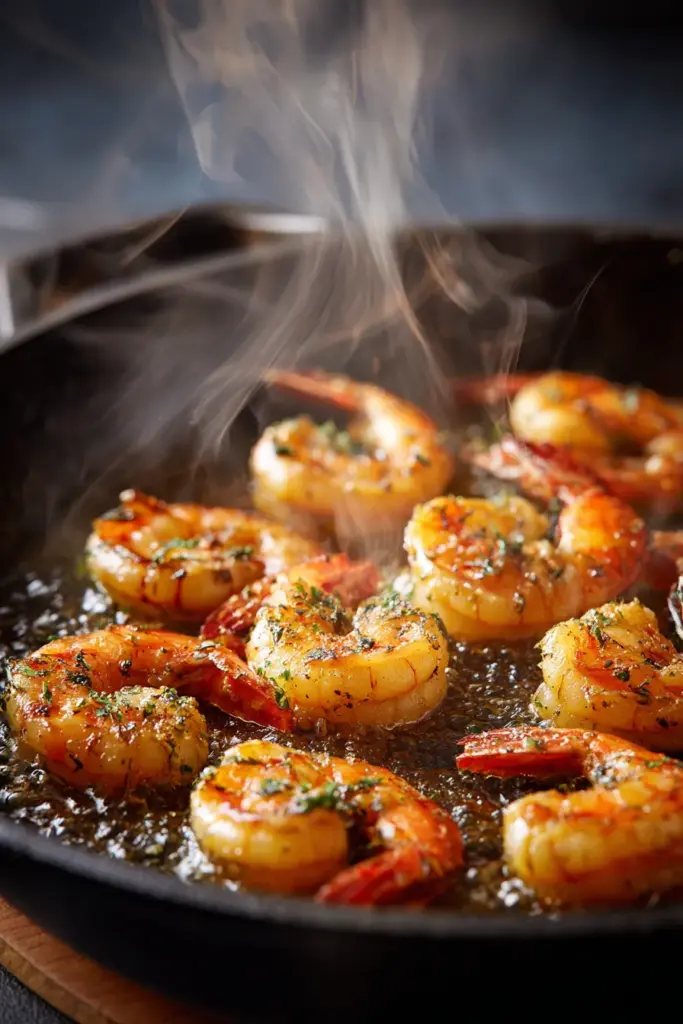
The biggest mistake people make with shrimp is overcooking them. Shrimp cook incredibly quickly, usually just two to three minutes total. They’re done when they turn pink and opaque, curling into a loose C shape. If they curl into tight O shapes, you’ve gone too far and they’ll be rubbery.
I always buy raw shrimp, usually frozen, in the shell. Yes, peeling and deveining takes a few extra minutes, but the flavor and texture are so much better than pre-cooked or pre-peeled shrimp. The shells add flavor to stocks and sauces, so I save them in the freezer for later use.
Quick Shrimp Dinners That Impress
When I need dinner in under thirty minutes, shrimp is my answer. The air fryer garlic parmesan shrimp recipe has become a weeknight staple. The air fryer gives you that crispy exterior without any deep frying, and the garlic parmesan coating is absolutely addictive.
For something with more substantial flavor, the coconut shrimp curry brings together tender shrimp in a creamy, aromatic sauce that’s both comforting and exciting. It’s the kind of dish that makes your house smell amazing and tastes even better than it smells.
The bang bang shrimp tacos are a family favorite for taco night. That sweet-spicy sauce coating crispy shrimp, tucked into warm tortillas with crunchy slaw, creates the perfect balance of textures and flavors. They’re fun, casual, and disappear fast.
Elegant Shrimp for Entertaining
Shrimp elevates any gathering, from casual get-togethers to formal dinner parties. The shrimp and orzo pasta with lemon and dill looks elegant but comes together easily. The bright, fresh flavors feel sophisticated without being fussy.
When I’m serving appetizers, the air fryer crab rangoon recipe is always a hit. While technically featuring crab, the creamy filling works beautifully with shrimp too. These crispy, creamy bites disappear the moment they hit the table.
For something truly special, the creamy shrimp and crab spinach dip is party gold. Rich, cheesy, and packed with seafood, it’s the kind of appetizer that makes people ask for the recipe. Serve it with crackers or crusty bread and watch it vanish.
Shrimp in Cajun and Creole Cooking
Growing up, I was intimidated by Cajun and Creole cooking, thinking it required special skills or hard-to-find ingredients. Then I started experimenting and realized it’s all about building layers of flavor with spices, aromatics, and good technique. Shrimp shines in these preparations.
The shrimp and catfish Creole brings together two proteins in a rich, tomato-based sauce with the holy trinity of onions, celery, and bell peppers. It’s hearty, flavorful, and perfect served over rice to soak up every drop of sauce.
For an even more impressive presentation, the red snapper shrimp and grits with a Cajun cream sauce combines tender fish and plump shrimp over creamy grits, all tied together with a spicy cream sauce. It’s Southern comfort food at its finest.
Crab: Luxury That’s Surprisingly Approachable
Crab always felt like special occasion food to me, something you ordered at fancy restaurants but never attempted at home. Then I discovered how accessible crab meat really is, especially the pasteurized lump crab meat available at most grocery stores. While it’s pricier than other seafood, a little goes a long way, and the sweet, delicate flavor is worth every penny.
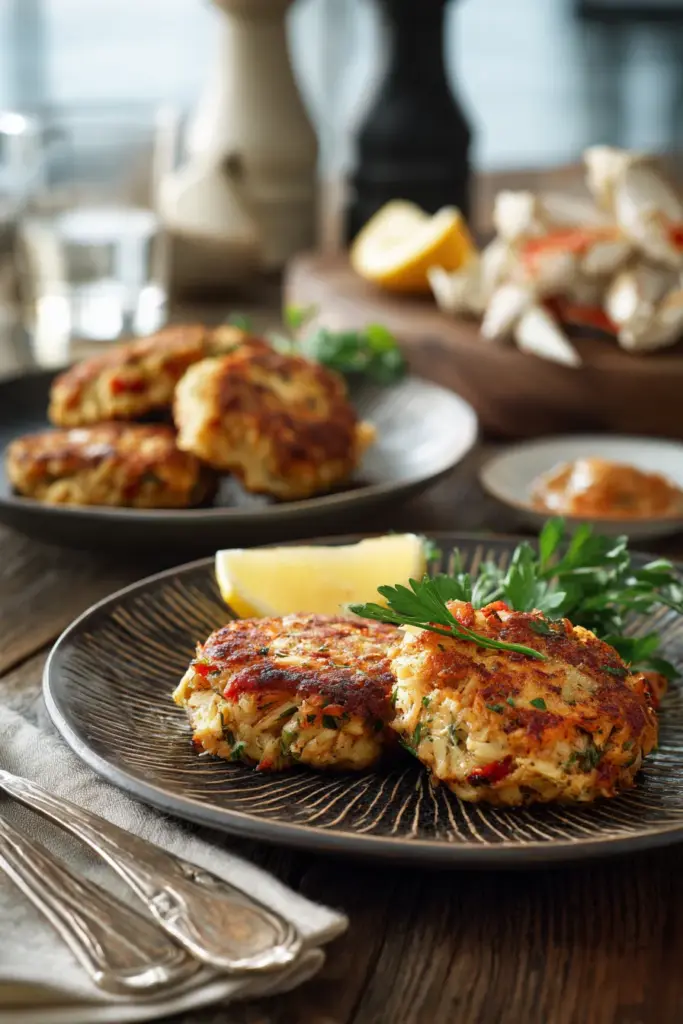
The key to cooking with crab is treating it gently and not overwhelming its delicate flavor. Crab doesn’t need heavy sauces or aggressive seasonings. Simple preparations that let the crab shine are always best. I use crab in everything from elegant dinner parties to casual weekend lunches now.
Starting with crab cakes is a great way to build confidence. The iconic Baltimore crab cakes are the gold standard, with minimal filler and maximum crab flavor. They’re all about the quality of the crab meat and the gentleness of your handling.
Crab Cake Variations and Serving Ideas
Once you master basic crab cakes, the variations are endless. I love making smaller versions for appetizers, like the crab cake appetizer bites that are perfect for passing at parties. They’re elegant, impressive, and disappear quickly.
For a lighter presentation that’s still impressive, try elegant crab cake stuffed avocados with lemon aioli. The creamy avocado complements the sweet crab perfectly, and the bright lemon aioli ties everything together. It’s fresh, beautiful, and feels decidedly upscale.
Understanding the full scope of what you can do with crab opens up so many possibilities. I created the ultimate guide to crab recipes after years of experimenting, and it covers everything from selecting crab to advanced preparations.
Crab in Pasta and Rice Dishes
Crab meat adds instant elegance to pasta dishes. The crab and linguine pasta is simple but stunning, with the sweet crab tossed with al dente pasta, garlic, white wine, and fresh herbs. It’s the kind of dish that makes a regular Tuesday feel like date night.
For something richer, the crabmeat pasta with cream sauce is indulgent and comforting. The cream carries the crab flavor throughout every bite, and a squeeze of lemon at the end keeps it from feeling too heavy.
Exploring different crab and pasta recipes has shown me how versatile this combination can be. From light and lemony to rich and creamy, there’s a crab pasta for every mood and occasion.
Crab Imperial and Stuffed Preparations
Crab Imperial is one of those classic preparations that sounds fancy but is actually quite simple. The crab imperial recipe I make features sweet crab meat bound with just enough creamy mixture to hold it together, then baked until golden and bubbling. It’s rich, elegant, and perfect for special occasions.
Understanding imperial crab seasoning combinations helps you customize the dish to your taste. Traditional Old Bay is classic, but I’ve experimented with everything from lemon-herb variations to slightly spicy versions with a touch of cayenne.
Crab also shines as a stuffing ingredient. The crab shrimp and spinach stuffed mushrooms combine two types of seafood in one elegant bite. They’re perfect for parties, looking and tasting much more complicated than they actually are.
Working with Whole Crab
Cooking whole crab might seem daunting, but it’s actually quite straightforward once you understand the basics. Learning how long to boil Dungeness crab was a game-changer for me. Fresh Dungeness crab needs only about eighteen to twenty minutes in boiling water, and the sweet, tender meat is worth the minimal effort.
Different crab dishes call for different preparations. Sometimes you want picked crab meat for cakes or dips. Other times, whole crab legs or claws make for a fun, interactive meal where everyone gets to crack their own shells.
For something unique, exploring how to prepare soft-shell crab opens up a whole new world of seafood cooking. These seasonal delicacies are entirely edible, shell and all, and become incredibly crispy when fried. They’re a special treat when you can find them fresh.
Scallops: The Secret to Restaurant-Quality Results at Home
Scallops intimidated me for years. They’re expensive, which makes mistakes costly, and they have a reputation for being tricky to cook properly. But once I learned the secrets to perfect scallops, they became one of my favorite things to cook. That golden-brown crust and sweet, tender interior are surprisingly easy to achieve once you know how.
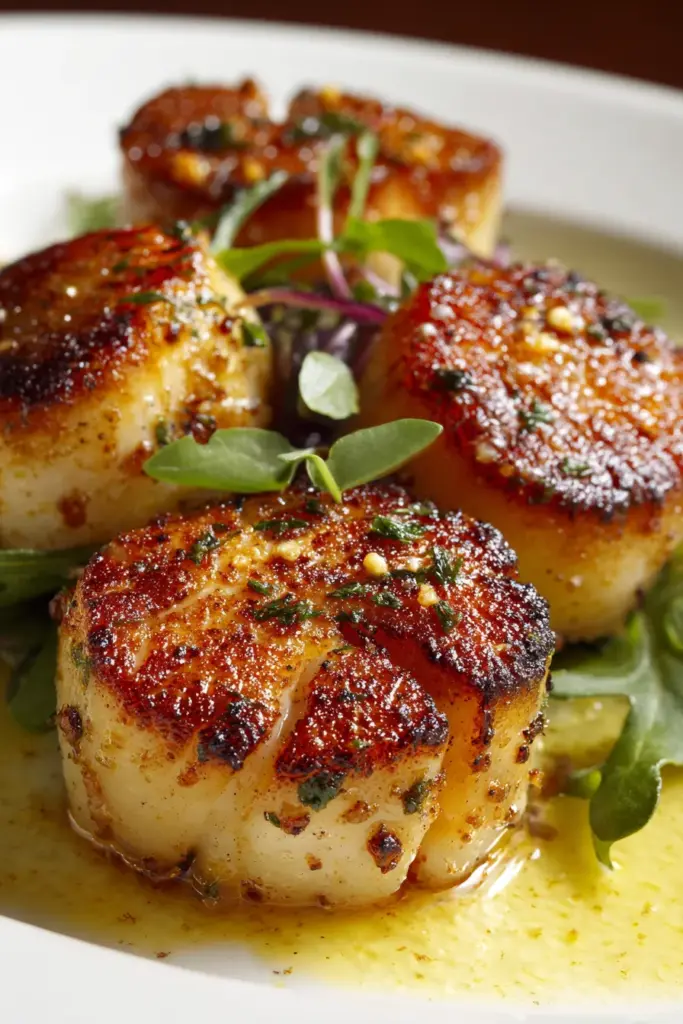
The first secret is buying dry scallops, not wet. Wet scallops have been treated with a solution that makes them absorb water, which means they’ll never develop that beautiful sear. Dry scallops might cost a bit more, but they’re worth every penny. They should look slightly ivory or beige, not bright white.
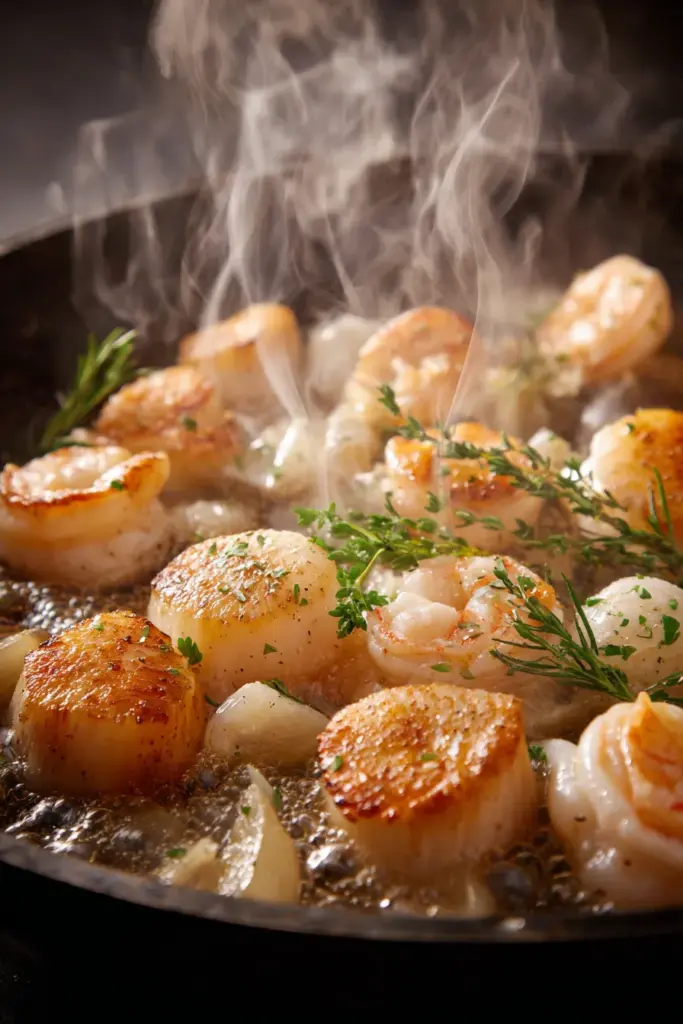
The second secret is patience. Don’t move the scallops once they hit the pan. Let them sit undisturbed for two to three minutes on high heat until they develop that gorgeous golden crust. Then flip once and cook for another minute or two. That’s it. The scallops with cream sauce recipe uses this technique perfectly, creating restaurant-quality results at home.

Elevating Scallops with Luxurious Pairings
Scallops pair beautifully with rich, indulgent accompaniments. The black garlic butter scallops with truffle polenta and roasted cipollini onions is the most elegant dish I make. It sounds complicated, but each element is actually quite simple, and together they create something truly special.
The key to this dish is treating each component with care. The creamy polenta provides a luxurious base, the sweet onions add depth, and the black garlic butter brings an earthy complexity that complements the scallops without overwhelming them. It’s the kind of dish that makes people think you spent all day in the kitchen, when really it comes together in under an hour.
For a simpler but still impressive preparation, seared scallops with a light cream sauce let the scallops shine while adding just enough richness. I’ll often serve this with asparagus or green beans for a complete meal that feels elegant but balanced.
Common Scallop Mistakes and How to Avoid Them
Beyond buying wet scallops and moving them too soon, the other common mistake is overcooking. Scallops should be opaque but still slightly translucent in the very center when you cut into them. They’ll continue cooking from residual heat after you remove them from the pan.
Another issue is not drying the scallops thoroughly before cooking. Even with dry scallops, you need to pat them completely dry with paper towels. Any surface moisture will create steam instead of that coveted sear. I sometimes even let them sit uncovered in the refrigerator for an hour before cooking to ensure they’re completely dry.
Temperature matters too. Your pan needs to be screaming hot before the scallops go in. I heat my skillet over high heat for several minutes, add oil with a high smoke point like grapeseed or avocado oil, and wait until it shimmers before adding the scallops. This is crucial for that caramelized crust.
Catfish and Other Firm White Fish: Southern Comfort and Beyond
Catfish doesn’t get the respect it deserves. This firm, mild white fish is affordable, widely available, and incredibly versatile. Growing up in the South, catfish was a staple, usually battered and fried. But I’ve learned to appreciate it in so many other preparations that showcase its sweet, delicate flavor.
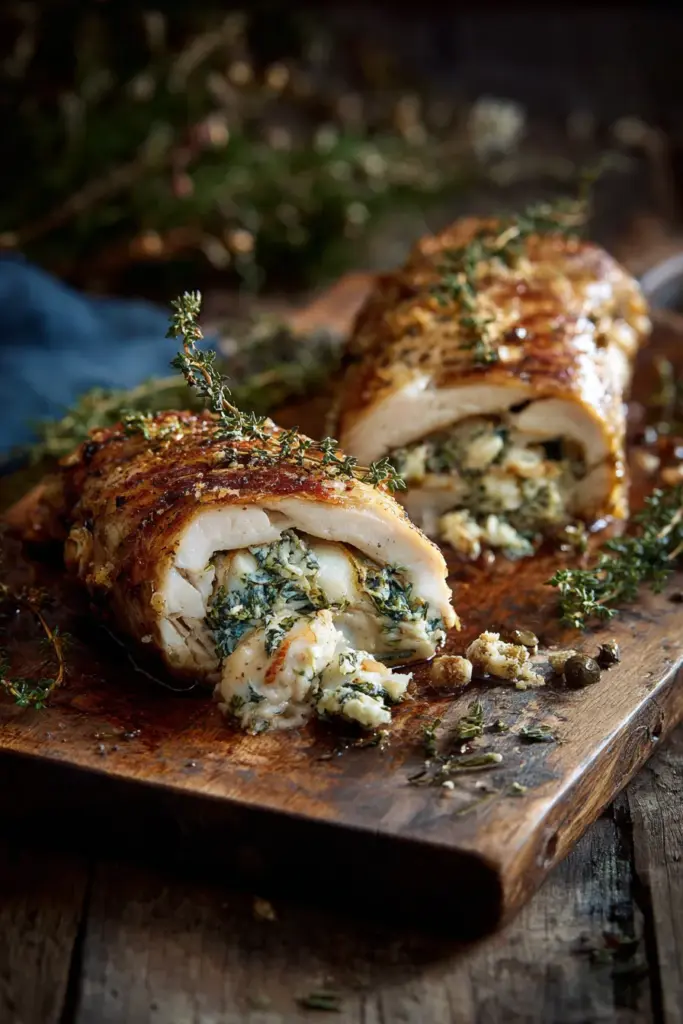
The firm texture of catfish makes it perfect for stuffing. Unlike more delicate fish that can fall apart, catfish holds together beautifully. The stuffed catfish recipe I make features a savory filling that complements the fish without overpowering it. It’s impressive enough for company but simple enough for family dinners.
For something more elaborate, the stuffed catfish with cheese, spinach, and shrimp combines multiple proteins and vegetables in one elegant presentation. The spinach adds color and nutrition, the cheese brings creaminess, and the shrimp adds another layer of seafood flavor.
Catfish with Seafood Stuffings
One of my favorite ways to dress up catfish is with seafood stuffings. The stuffed catfish with crab meat is a special occasion dish that pairs the mild catfish with sweet lump crab. It’s surf and surf instead of surf and turf, and every bite is luxurious.
The stuffed catfish fillets recipe offers flexibility in your filling choices. Sometimes I’ll use a mixture of breadcrumbs, herbs, and vegetables for a lighter option. Other times I’ll go rich with crab or shrimp and cream cheese for an indulgent dinner.
What I love about stuffed catfish is how it transforms a simple fish into something that looks and tastes restaurant-worthy. The presentation is beautiful, with the golden fish surrounding the colorful filling. It’s the kind of dish that makes people pause and admire before diving in.
Catfish in Cajun and Creole Preparations
Catfish is a staple in Louisiana cooking for good reason. Its firm flesh holds up beautifully to bold spices and long-simmered sauces. The fish doesn’t fall apart or become mushy, making it perfect for dishes with lots of liquid and flavor.
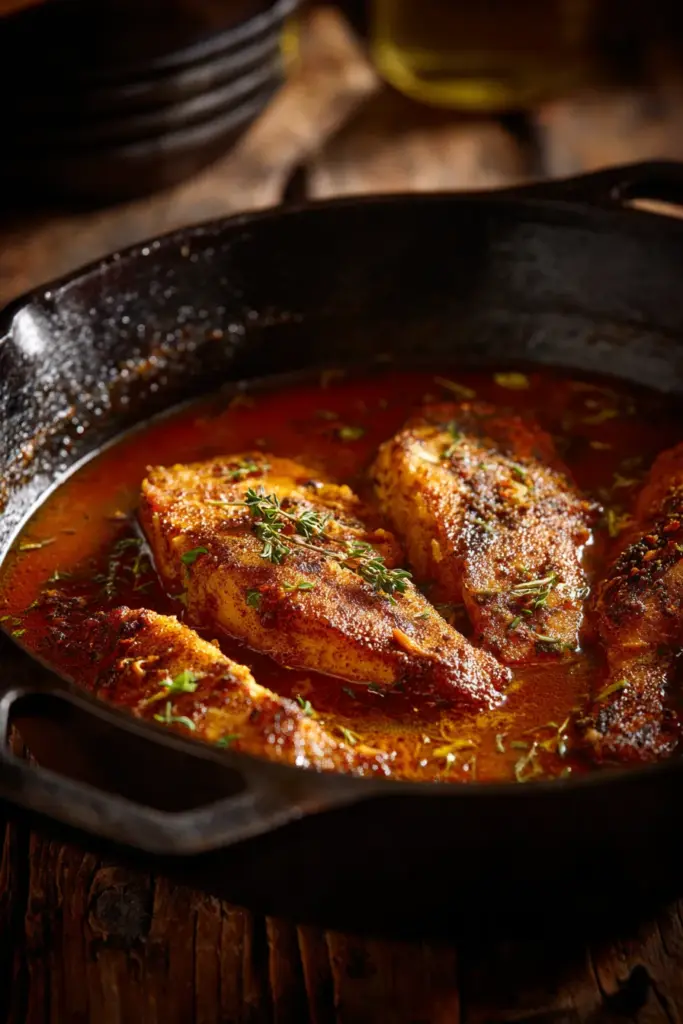
Beyond just pairing catfish with shrimp, exploring different Cajun preparations has expanded my repertoire significantly. The spicy, tomato-based sauces characteristic of Creole cooking complement catfish perfectly, while the fish provides a mild, sweet contrast to the heat and acidity.
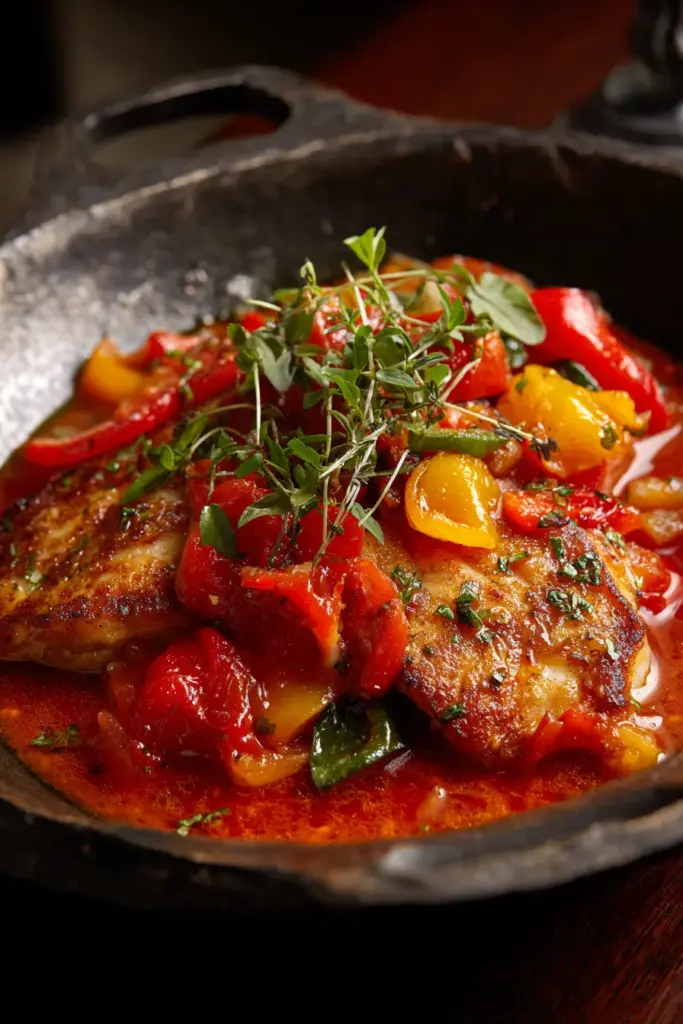
Mixed Seafood Dishes: When More is More
Some of my favorite seafood dishes combine multiple types of fish and shellfish. There’s something luxurious about a bowl or platter featuring shrimp, scallops, crab, and fish all together. These dishes feel celebratory and abundant, perfect for when you want to really impress.
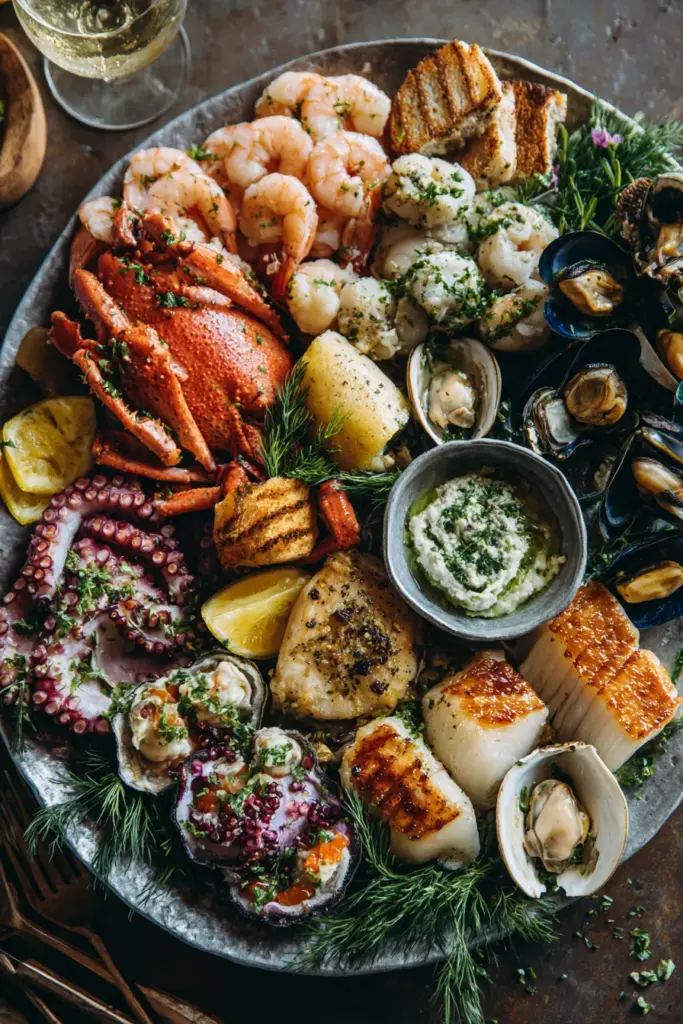
The key to successful mixed seafood dishes is understanding cooking times. Different proteins cook at different rates, so you need to add them strategically to ensure everything finishes at the same time. Scallops and shrimp cook quickly, while firmer fish needs a bit more time.
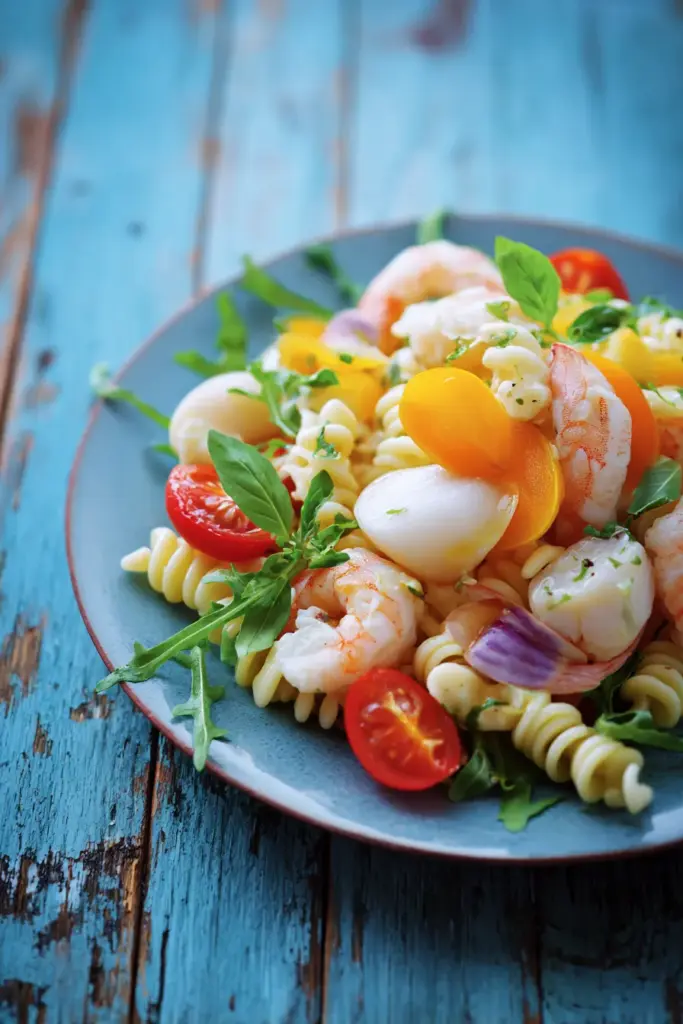
The seafood pasta salad is a summer favorite that showcases multiple types of seafood in a light, refreshing preparation. It’s perfect for picnics, potlucks, or easy dinners when it’s too hot to turn on the oven. The variety of textures and flavors keeps every bite interesting.
Creamy Seafood Combinations
Rich, creamy preparations are perfect vehicles for mixed seafood. The lobster and scallop creamy bisque is pure luxury in a bowl. The sweet lobster and tender scallops swim in a velvety broth that’s deeply flavored with seafood stock and aromatics.
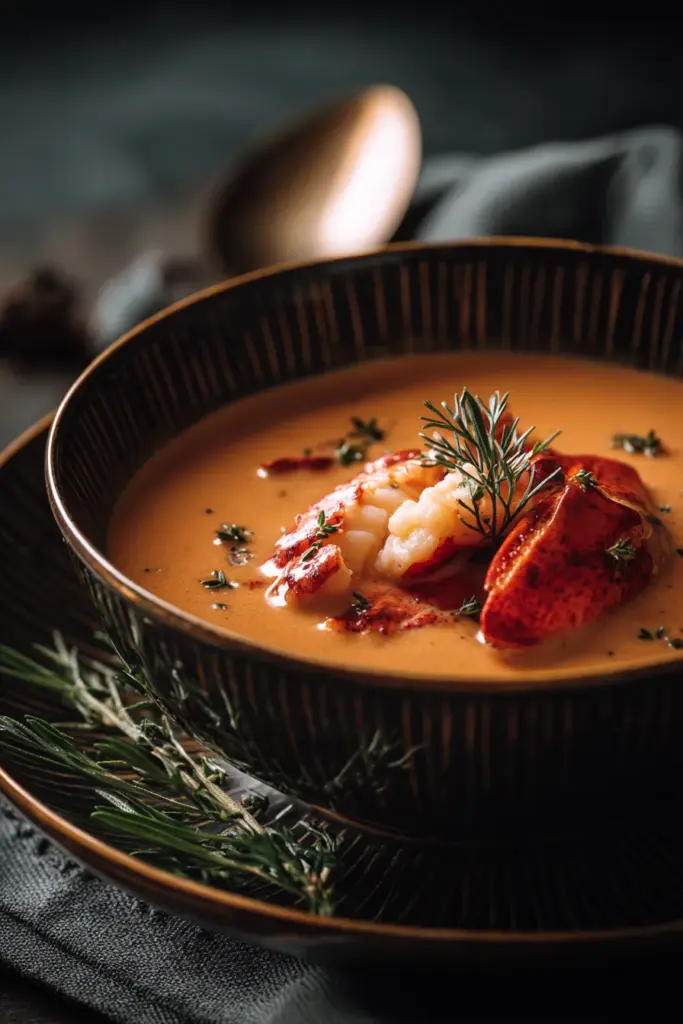
Making bisque at home might sound intimidating, but it’s mostly about building layers of flavor and taking your time. The shells and scraps from the lobster and shrimp create a rich stock that forms the base of the soup. It’s the kind of dish that makes people think you’re a much better cook than you actually are.
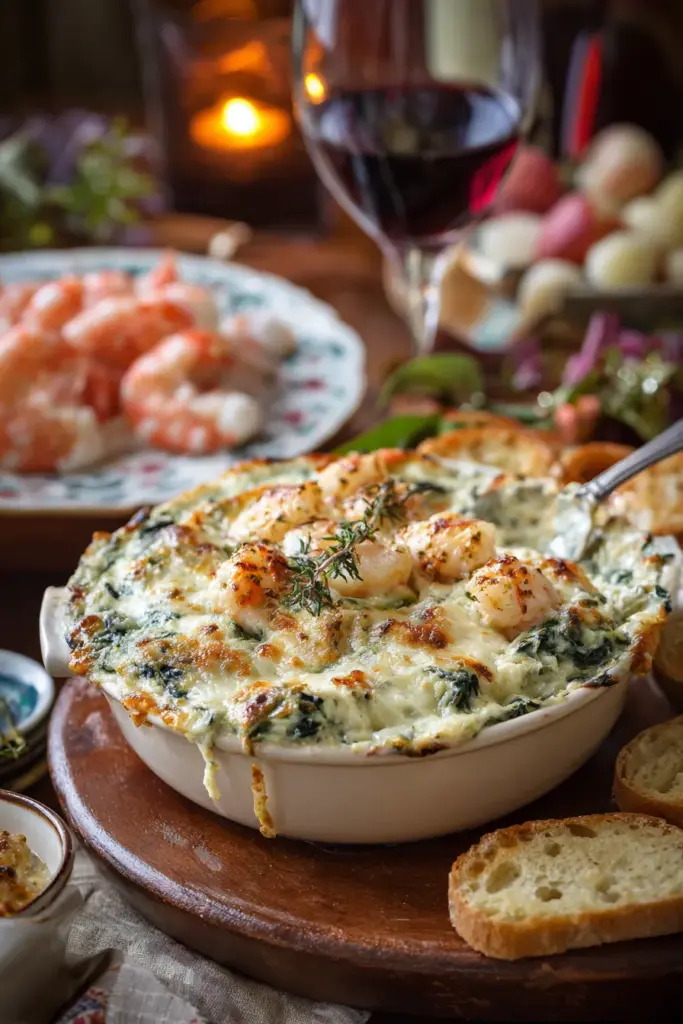
The creamy shrimp and crab spinach dip delight takes the best elements of warm spinach dip and elevates them with sweet seafood. It’s rich, indulgent, and perfect for entertaining. I serve it with toasted baguette slices or sturdy crackers that can handle the thick, creamy dip.
Seafood Bites and Appetizers
When entertaining, mixed seafood appetizers always steal the show. The crab bites are elegant little morsels that pack big flavor. They’re easy to eat while standing and mingling, which makes them perfect party food.

Exploring different crabmeat pasta dishes has shown me how well crab plays with other ingredients. Whether it’s a simple linguine or a rich, creamy fettuccine, crab adds sweetness and luxury to pasta preparations.
Mediterranean and Global Seafood Inspirations
One of my favorite things about cooking seafood is how it transcends cuisines. Fish and shellfish are enjoyed around the world, each culture bringing its own flavors and techniques. Exploring these global preparations has expanded my repertoire and introduced me to new favorite combinations.
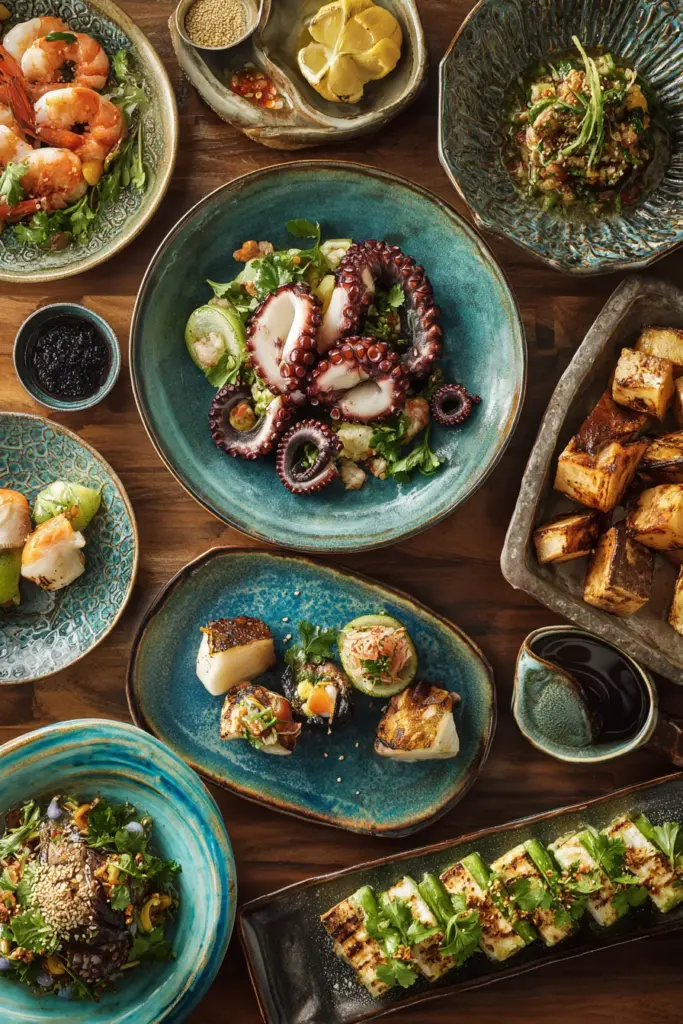
Mediterranean cooking treats seafood with respect and simplicity. The focus is on fresh fish, good olive oil, bright citrus, and aromatic herbs. There’s no heavy battering or thick sauces to hide behind. The fish is the star, supported by complementary flavors that enhance rather than mask.
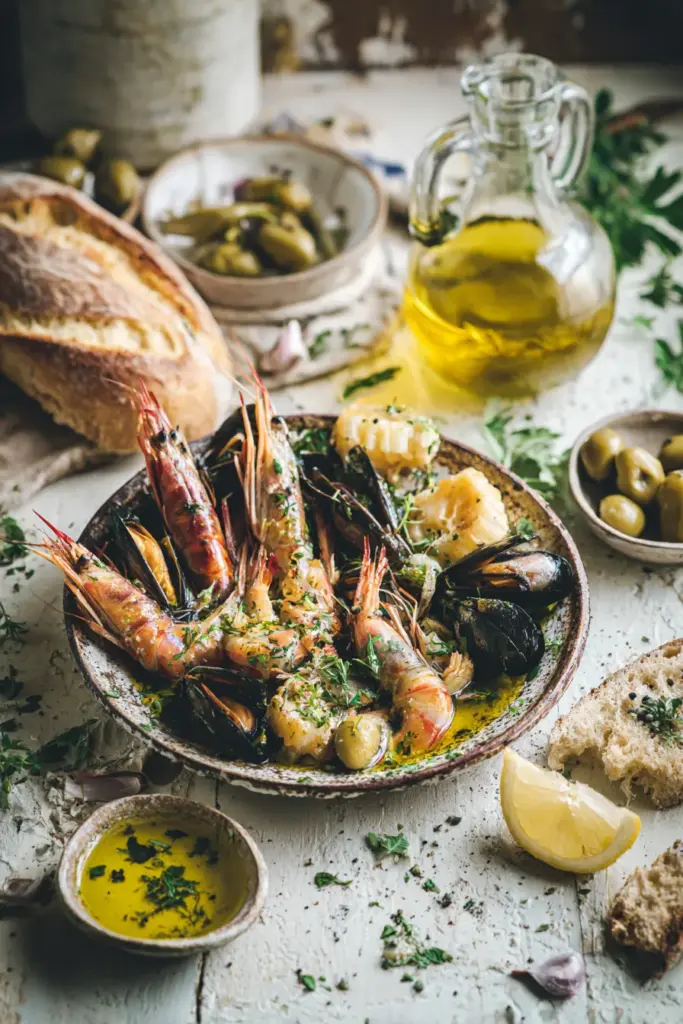
The Mediterranean tuna cakes with herbed yogurt dip showcase this approach perfectly. Instead of mayonnaise-heavy binding, these cakes use Mediterranean ingredients like olives, capers, and fresh herbs. The yogurt dip is light and refreshing, a perfect complement to the flavorful cakes.
Asian-Inspired Seafood Dishes
Asian cuisines offer incredible variety in seafood preparation, from delicate steamed fish to bold curries to crispy tempura. The flavors of ginger, soy, sesame, and chili complement seafood beautifully, creating dishes that are both familiar and exciting.
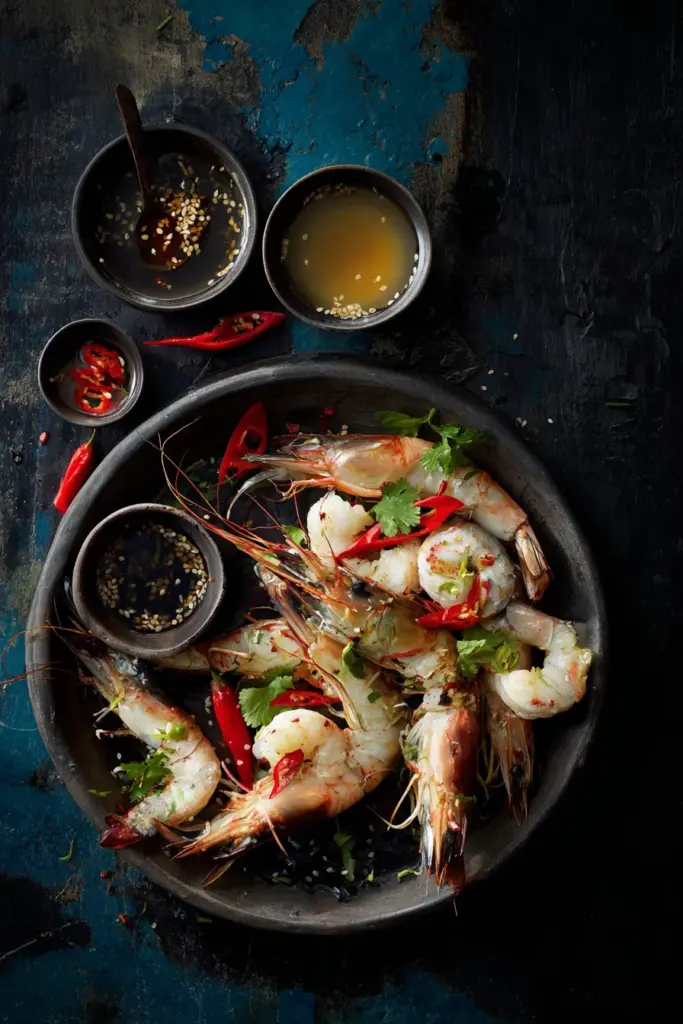
Curries are particularly wonderful for seafood because the cooking time is so quick. You can have a complex, deeply flavored curry on the table in thirty minutes. The coconut milk in many Southeast Asian curries provides richness while the aromatics and spices add depth and heat.
What I love about global seafood cooking is how it keeps things interesting. When I’m tired of my usual preparations, I can turn to Thai, Mediterranean, or Latin American flavors for inspiration. The same piece of fish becomes completely different depending on how you season and cook it.
Seafood for Special Diets and Healthy Eating
One of the best things about seafood is how naturally it fits into healthy eating patterns. Fish and shellfish are high in protein, low in saturated fat, and many varieties provide omega-3 fatty acids that are beneficial for heart and brain health. Plus, seafood cooks so quickly that it’s perfect for busy weeknights when you want something nutritious but fast.
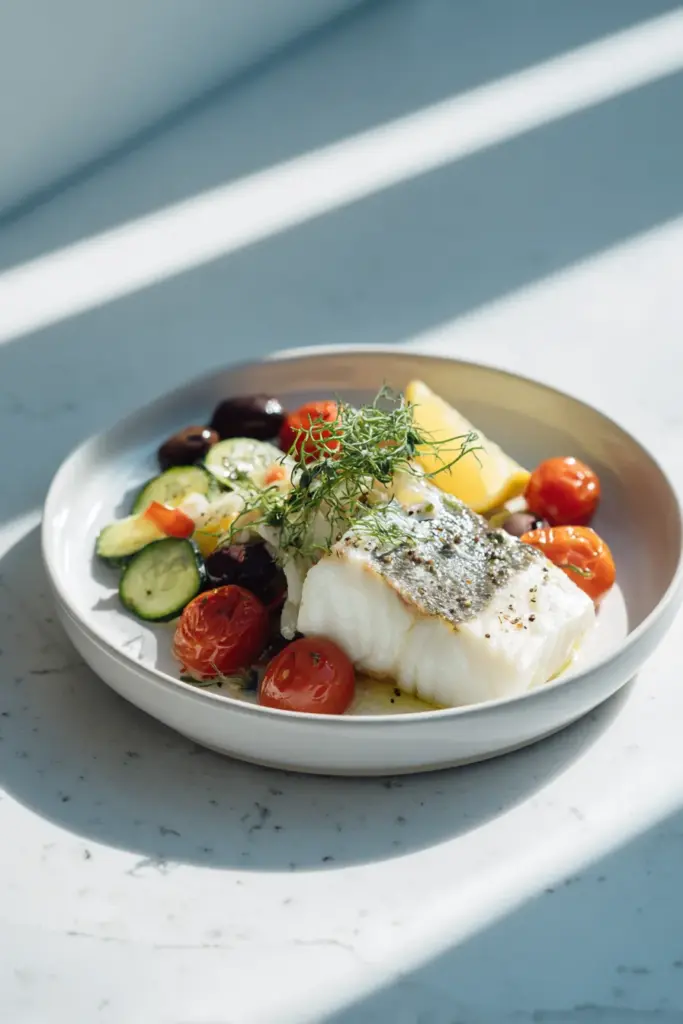
For those following gluten-free diets, seafood is a natural choice. Many of my favorite preparations are inherently gluten-free or easily adapted. Simple grilled, roasted, or sautéed fish needs no breading or flour-based sauces to be delicious.
Low-carb and keto diets also benefit from seafood’s nutritional profile. Paired with vegetables and healthy fats, seafood makes satisfying meals that fit these eating patterns perfectly. The richness of salmon or the satisfying protein in shrimp keeps you full without the need for heavy starches.
Quick and Healthy Weeknight Options
When I’m trying to eat healthier but don’t want to spend hours in the kitchen, seafood is my answer. A piece of fish seasoned simply and roasted with vegetables can be on the table in twenty minutes. It’s faster than most takeout and infinitely better for you.
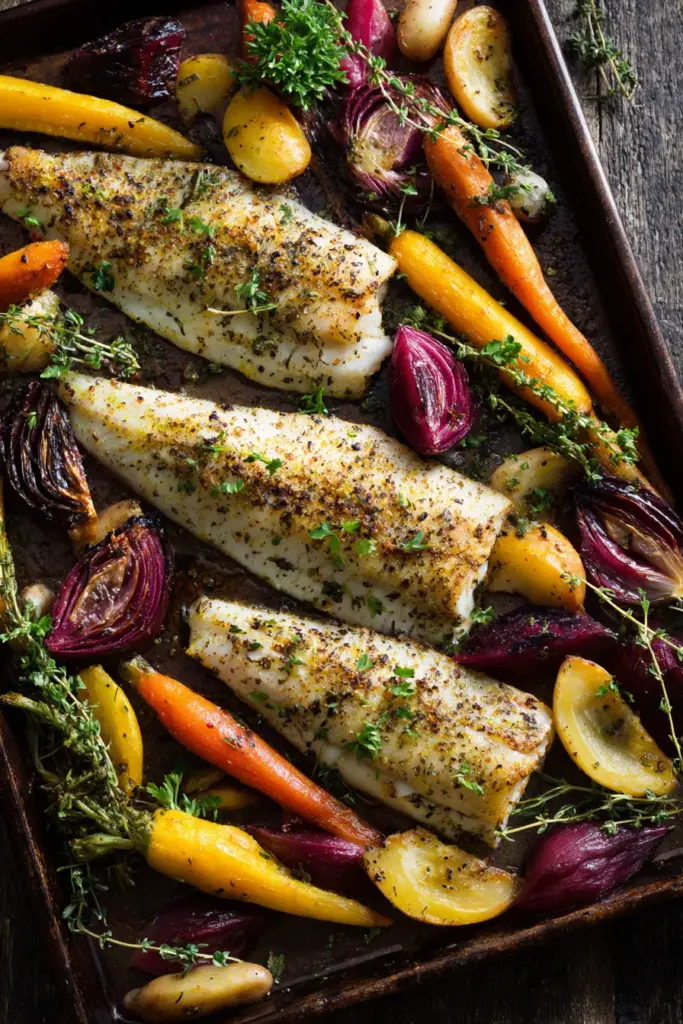
Sheet pan dinners are particularly brilliant for this. Everything cooks together, the cleanup is minimal, and you get a complete meal. Fish fillets pair beautifully with vegetables like asparagus, Brussels sprouts, or cherry tomatoes, all roasted together until tender and slightly caramelized.
Seafood salads are another healthy favorite. They’re light but satisfying, packed with protein and vegetables, and endlessly variable depending on what’s in season. A simple seared tuna or salmon salad with mixed greens, vegetables, and a bright vinaigrette is both nourishing and delicious.
Expert Tips for Seafood Success
After years of cooking seafood regularly, I’ve learned some tricks that consistently make the difference between good and great results. These aren’t complicated techniques or expensive equipment. They’re simple practices that anyone can implement to improve their seafood cooking immediately.
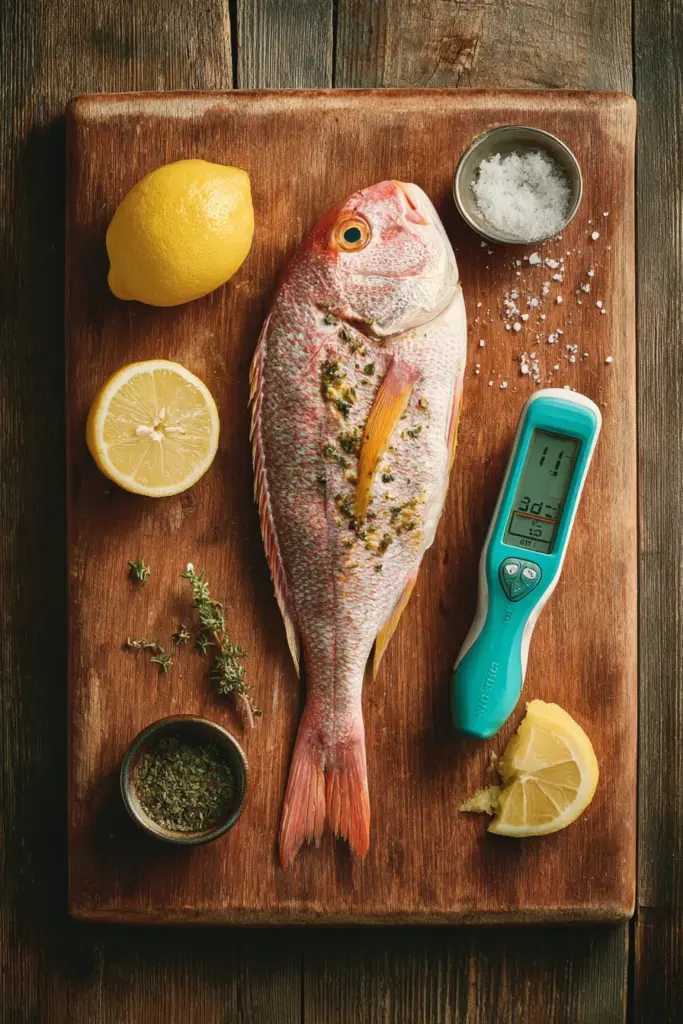
First, invest in a good instant-read thermometer. Unlike meat, where you can press and feel for doneness, fish can be tricky to judge. A thermometer takes the guesswork out. Fish is done at 145 degrees Fahrenheit, though I often pull it at 140 and let it coast to temp during resting.
Second, don’t be afraid of high heat. Many home cooks use too low a temperature, which results in steaming rather than searing. Especially for scallops and fish fillets with skin, you need high heat to develop that delicious crust. Just watch carefully because the line between perfectly seared and burned is thin.
Timing and Temperature Control
Understanding that seafood continues cooking after you remove it from heat is crucial. This carryover cooking can be the difference between perfectly moist fish and dry, overcooked fish. I always pull seafood just before it reaches the ideal temperature, knowing it will finish cooking on the plate.
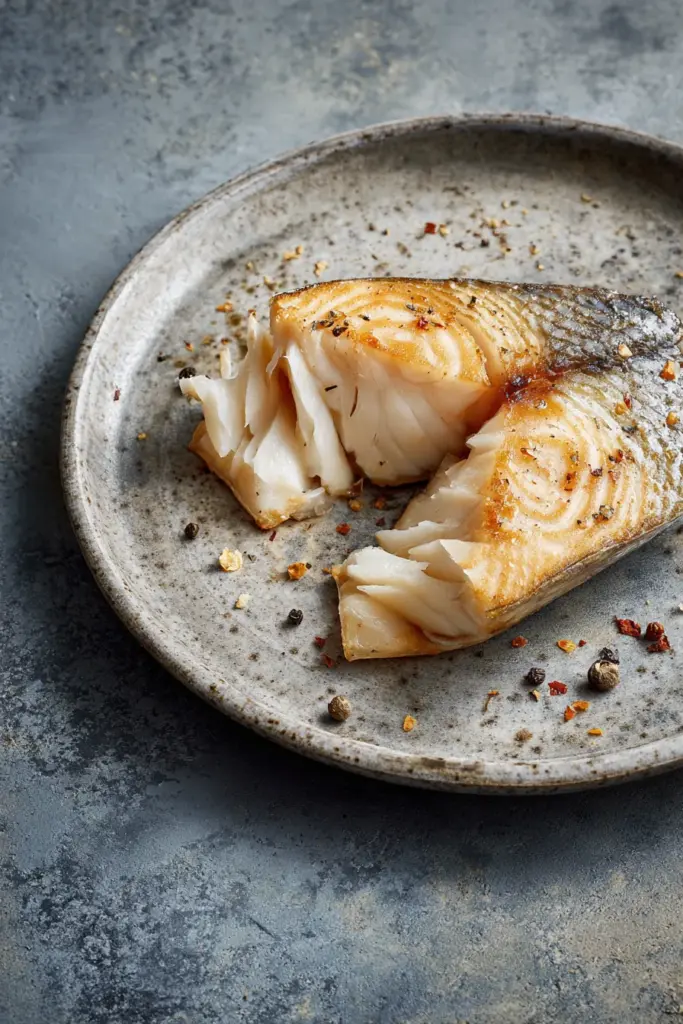
Room temperature matters more than most people realize. Taking fish out of the refrigerator fifteen to twenty minutes before cooking allows it to cook more evenly. Cold fish straight from the fridge can overcook on the outside while staying underdone in the center.
Different cooking methods require different approaches. Gentle poaching is perfect for delicate fish and keeps it incredibly moist. High-heat roasting works for firmer fish and creates caramelization. Grilling adds smoky flavor but requires vigilance to prevent sticking and falling apart.
Common Mistakes to Avoid
Overcooking is far and away the most common mistake. Fish cooks faster than you think, especially thin fillets. The residual heat continues cooking after you remove it from the heat source, so pulling it slightly underdone is actually perfect timing.
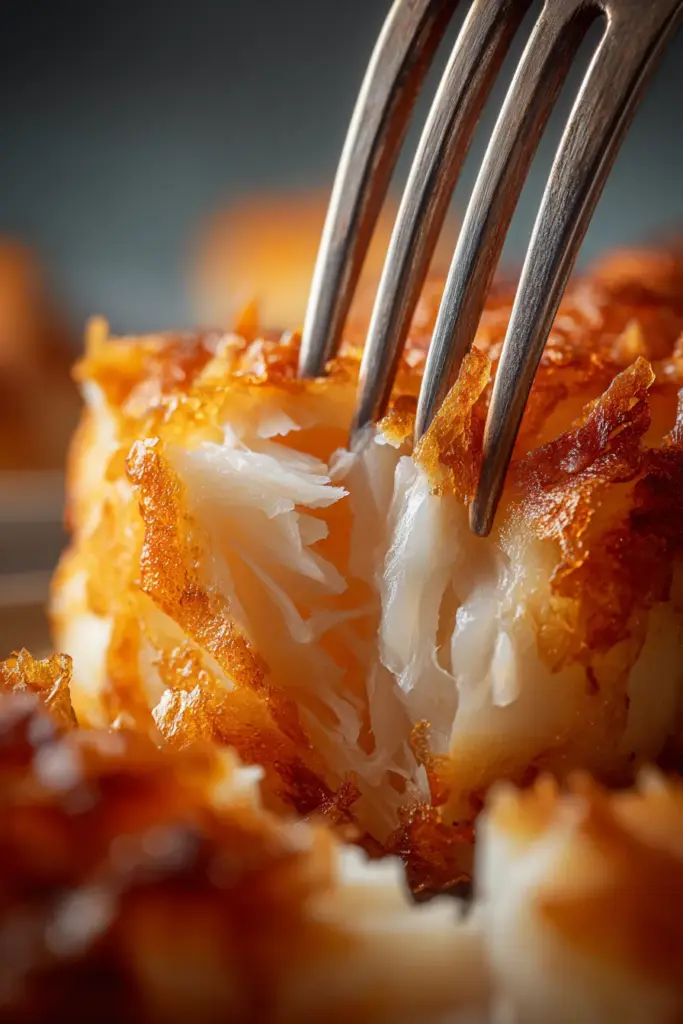
Another mistake is not seasoning enough. Seafood benefits from generous seasoning, especially salt. Don’t be timid. Season both sides of fish fillets well, and remember that shellfish can handle bold flavors too.
Using the wrong pan is another issue I see often. For searing, you need a heavy pan that holds heat well, like cast iron or thick stainless steel. Thin pans lose heat when you add cold fish, preventing proper searing. Also, make sure your pan is truly hot before adding the fish.
Flavor Building and Seasoning
While seafood is delicious simply prepared, knowing how to build complementary flavors elevates your cooking. Citrus is seafood’s best friend, with lemon being the classic but lime, orange, and grapefruit all working beautifully depending on the dish.
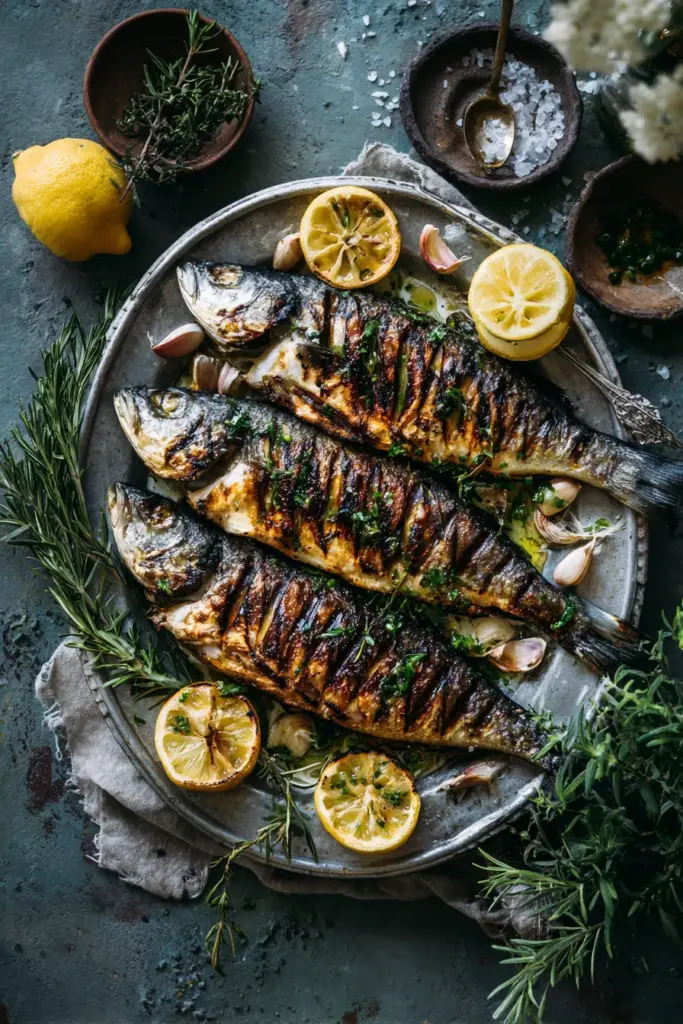
Fresh herbs bring brightness and complexity. Dill, parsley, basil, cilantro, and tarragon all pair wonderfully with various types of seafood. I like mixing herbs sometimes, creating more complex flavor profiles than a single herb provides.
Butter and olive oil are your flavor carriers. Compound butters with herbs, garlic, or citrus zest melt over hot fish and create instant sauce. Good olive oil drizzled over simply grilled fish needs nothing more than flaky salt and lemon.
Conclusion
Looking back at my seafood cooking journey, from that first disastrous salmon to the confident cook I am today, I’m amazed at how much has changed. What once seemed intimidating and complicated now feels natural and enjoyable. The kitchen disasters taught me as much as the successes, maybe more. Each overcooked scallop and dried-out fish fillet was a lesson that made me better.
The beauty of seafood is that it’s naturally suited to so many cooking styles and flavors. Whether you’re drawn to simple preparations that let the fish shine or complex dishes with layers of flavor, seafood accommodates it all. It works for quick weeknight dinners when time is tight and for special occasions when you want to impress. It fits into healthy eating plans while still feeling indulgent and satisfying.
The key lessons I hope you take from this guide are these: buy the freshest seafood you can find or afford, don’t overcook it, season it well, and don’t be afraid to experiment. Start with forgiving proteins like shrimp and salmon, build your confidence, and then branch out to more delicate fish and expensive shellfish. Each success will make you braver for the next adventure.
Remember that cooking seafood doesn’t have to be complicated to be delicious. Some of my favorite preparations are the simplest: perfectly seared fish with lemon and butter, shrimp sautéed with garlic and white wine, scallops with just salt and pepper. When you start with quality ingredients and treat them with respect, you don’t need to do much else.
Keep exploring, keep tasting, and don’t let mistakes discourage you. Every cook has burned a piece of fish or overcooked shrimp. What matters is learning from those moments and trying again. The reward is meals that nourish your body, delight your taste buds, and bring people together around your table. That’s what cooking, especially seafood cooking, is really all about.
If you’re ready to dive deeper into specific seafood preparations, explore these detailed guides:
The Ultimate Guide to Crab Recipes
Frequently Asked Questions
How can I tell if fish is fresh when buying it?
Fresh fish should smell like the ocean, clean and slightly briny, never fishy or ammonia-like. The flesh should look moist and translucent, not dull or dried out. When you press it gently, it should spring back rather than leaving an indentation. The eyes of whole fish should be clear and bright, not cloudy. If you’re buying fillets, avoid any with brown edges or gaps in the flesh.
What’s the best way to thaw frozen seafood?
The safest method is overnight in the refrigerator, placed on a plate to catch any drips. If you need it faster, seal the seafood in a plastic bag and submerge it in cold water, changing the water every thirty minutes. Never thaw seafood on the counter at room temperature, as this can promote bacterial growth. Avoid using the microwave, which can partially cook the seafood unevenly.
How do I prevent fish from sticking to the pan?
Make sure your pan is very hot before adding the fish, and use enough oil or butter to create a barrier between the fish and the pan. Let the fish cook undisturbed until it develops a crust, which naturally releases from the pan. Trying to flip too early almost always results in sticking and tearing. For fish with skin, starting skin-side down in a hot pan will give you crispy skin that releases easily.
Can I substitute one type of fish for another in recipes?
Generally yes, as long as you substitute within the same category. Firm white fish like cod, halibut, and sea bass are interchangeable. Oily fish like salmon, mackerel, and trout can substitute for each other. Delicate fish like sole and flounder work similarly. The main consideration is cooking time, which varies by thickness rather than fish type.
How long does cooked seafood last in the refrigerator?
Cooked seafood should be refrigerated within two hours of cooking and will keep for three to four days in an airtight container. Make sure your refrigerator is at 40 degrees Fahrenheit or below. If seafood smells off or looks slimy, discard it regardless of how long it’s been stored. When in doubt, throw it out.
What’s the difference between dry and wet scallops?
Dry scallops are untreated and natural, while wet scallops have been soaked in a solution of water and sodium tripolyphosphate. This treatment makes them absorb water, increasing their weight but making it nearly impossible to achieve a good sear. Wet scallops are bright white and sitting in milky liquid, while dry scallops are slightly ivory or beige and have minimal liquid. Always choose dry scallops when available.
How do I know when fish is done cooking?
Fish is done when it reaches an internal temperature of 145 degrees Fahrenheit and the flesh is opaque and flakes easily with a fork. The flesh should no longer be translucent in the center. However, I often pull fish at 140 degrees and let carryover cooking bring it to temperature, which keeps it moister. For tuna and some other fish, many people prefer it cooked to a lower temperature with a pink center.
Why does my shrimp get rubbery?
Rubbery shrimp is almost always the result of overcooking. Shrimp cook very quickly, usually just two to three minutes total. They’re done when they turn pink and opaque, curling into a loose C shape. If they curl into tight O shapes or Os, you’ve overcooked them. Remove shrimp from heat as soon as they turn pink and opaque.
Can I eat fish skin?
Yes, fish skin is not only edible but delicious when cooked properly. Salmon, sea bass, and snapper skin become wonderfully crispy when seared skin-side down in a hot pan. The skin is also nutritious, containing omega-3 fatty acids and other beneficial nutrients. Just make sure to scale the fish properly before cooking, and crisp it well to improve texture.
What’s the easiest seafood for beginners to start with?
Shrimp is probably the most forgiving seafood for beginners. It cooks quickly, is hard to mess up badly, and works with countless flavor profiles. Salmon is also beginner-friendly because it’s flavorful enough that simple seasonings work well, and it’s more forgiving of slight overcooking than delicate white fish. Both are widely available and relatively affordable for practicing.
How can I add more seafood to my diet without breaking the bank?
Buy frozen seafood, which is often less expensive than fresh and just as good quality. Canned fish like tuna and salmon are budget-friendly and nutritious. Buy whole fish when possible and learn to fillet it yourself. Shop sales and stock up when prices are good, freezing what you won’t use immediately. Consider less expensive varieties like catfish, tilapia, or mackerel instead of always choosing pricier options.
What herbs and spices work best with seafood?
Classic herbs include dill, parsley, basil, cilantro, and tarragon. These all complement seafood’s delicate flavors without overwhelming them. For spices, Old Bay seasoning is a classic for crab and shrimp. Paprika, both sweet and smoked, works beautifully with fish. Cumin and coriander bring warmth to curries and Latin preparations. Citrus zest, while not an herb or spice, is one of the best flavor additions to any seafood dish.

🍳 Precision Meets Passion — Tools Chefs Trust Daily

- Grams & ounces — precise to 1g
- Perfect for baking & keto tracking
- Sleek stainless steel design

- German stainless precision
- Razor-sharp & dishwasher-safe
- Elegant wood block organizer

- Premium Stainless Steel Build
- Easy to Clean & Dishwasher Safe
- A Must-Have Kitchen Tool