➤ Table of Contents
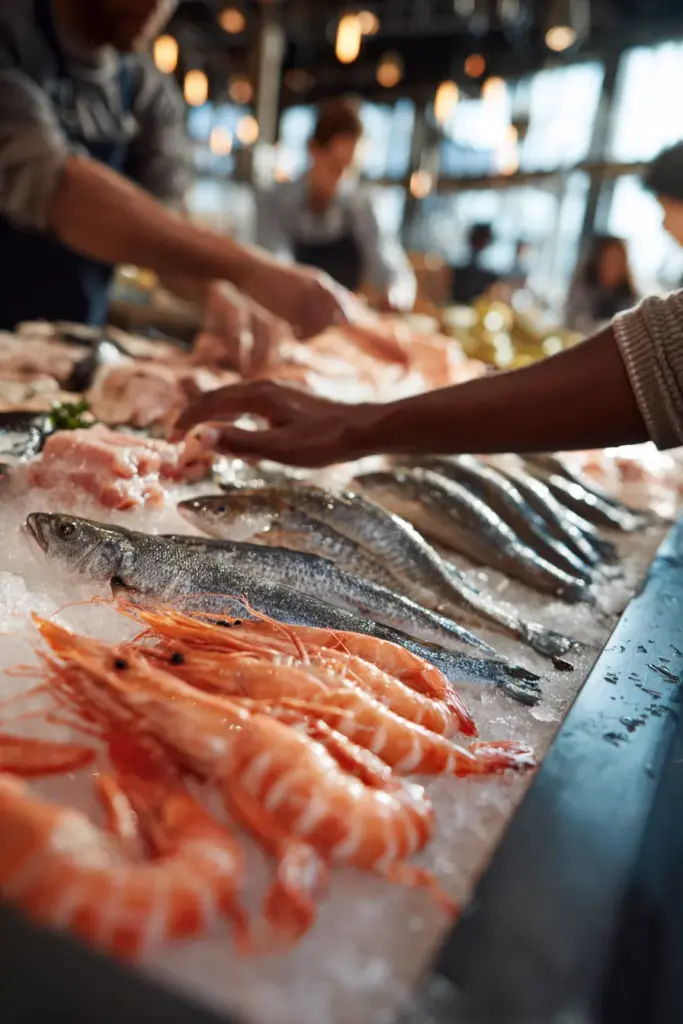
I’ll never forget the first time I stood at a fish counter, completely overwhelmed by the glistening array of seafood spread out on ice before me. My grandmother had just taught me her famous crab cake recipe, and I was determined to make it myself. But staring at those whole crabs, shrimp in their shells, and fillets I couldn’t identify, I felt utterly lost. The fishmonger must have sensed my panic because he spent twenty minutes walking me through everything, teaching me what to look for, how to tell if something was fresh, and which seafood would be most forgiving for a nervous beginner.
⚡ Smart Kitchen Tools Every Home Cook Swears By

- Instant-read accuracy
- Backlit display for night grilling
- Waterproof & ultra-fast probe

- 17 smart cooking presets
- XL 10L family capacity
- Roast, bake, fry & dehydrate

- 3 sizes for every recipe
- Pre-seasoned & durable cast iron
- Oven & grill ready
That day changed how I thought about cooking seafood. What had seemed intimidating and complicated became approachable once I understood a few key principles. Now, years later, seafood has become one of my favorite things to cook. There’s something magical about transforming something so fresh and delicate into a meal that makes everyone at the table pause mid-conversation to savor another bite.
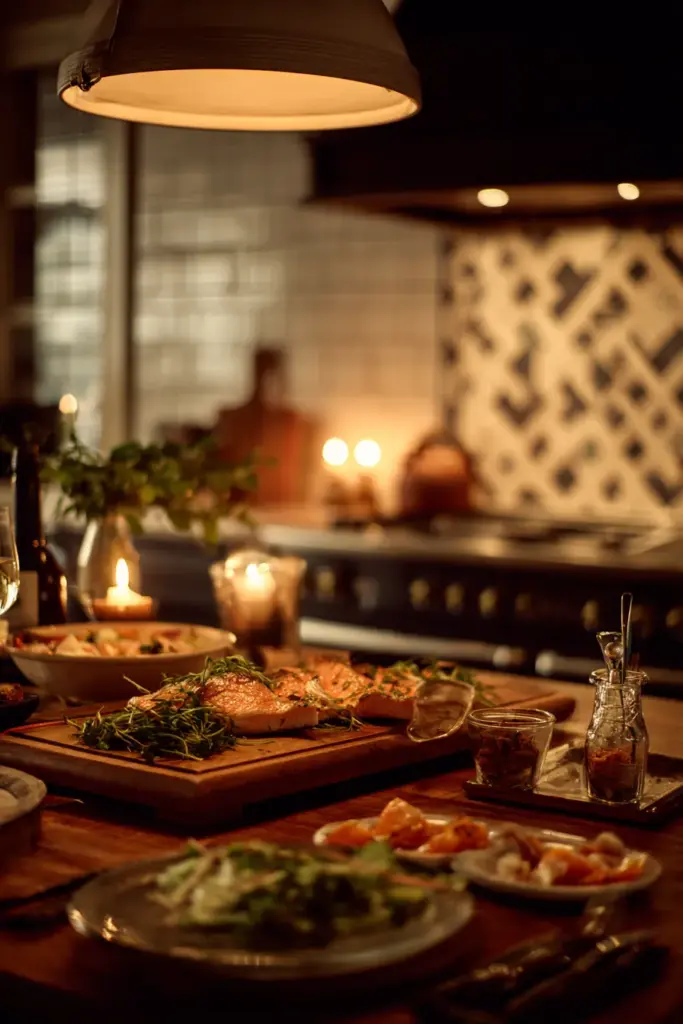
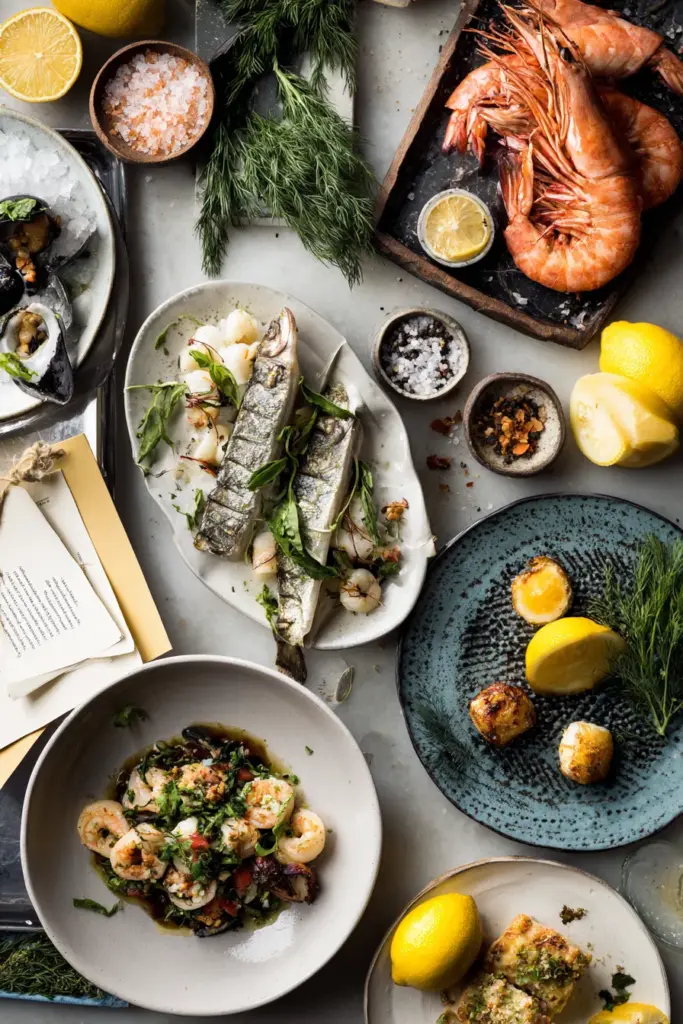
Seafood cooking doesn’t have to be reserved for special occasions or left to restaurant chefs. With the right techniques and a little confidence, you can master everything from perfectly seared scallops to flaky salmon to tender crab cakes that rival any restaurant version. This guide will walk you through it all, from selecting the freshest seafood to mastering different cooking methods to creating complete meals that celebrate the ocean’s bounty.
Whether you’re a complete beginner nervously eyeing that salmon fillet or an experienced cook looking to expand your repertoire, you’ll find practical techniques, flavor combinations that work, and recipes that have been tested in my own kitchen countless times. We’ll explore shrimp, salmon, crab, scallops, catfish, and more, learning how each variety cooks best and what flavors bring out their natural sweetness. By the end, you’ll approach that fish counter with confidence, knowing exactly what to buy and how to turn it into something delicious.
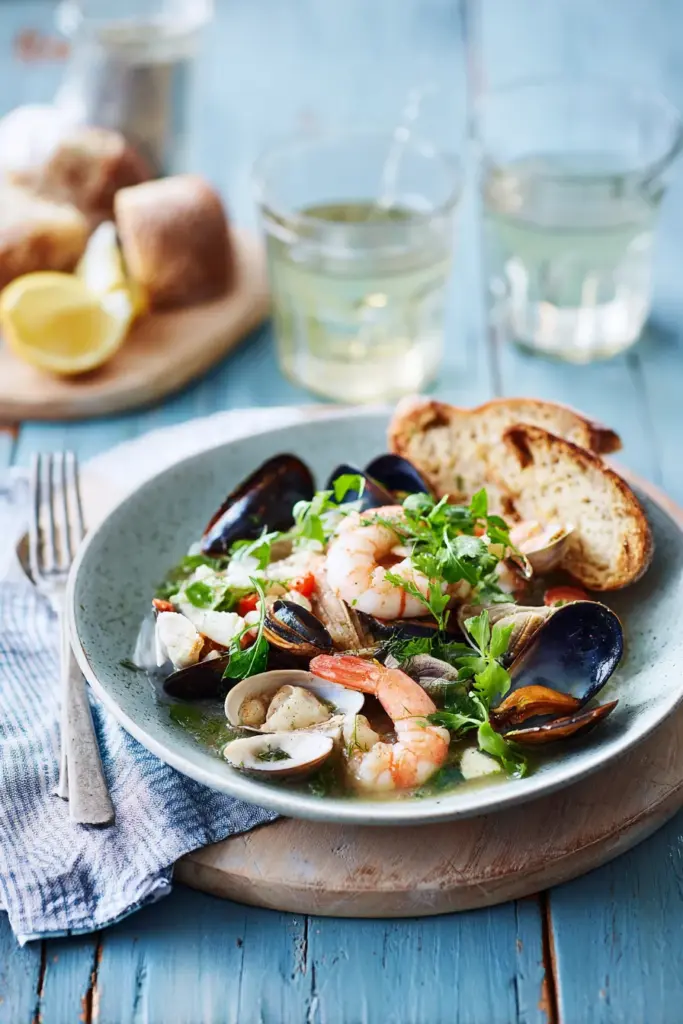
Understanding Seafood: Selection, Freshness, and Storage
The single most important factor in cooking great seafood is starting with quality ingredients. I learned this lesson the hard way when I once bought what looked like beautiful shrimp, only to discover after cooking that they were mushy and flavorless. The problem wasn’t my cooking technique. The shrimp simply weren’t fresh to begin with, and no amount of skill could fix that.
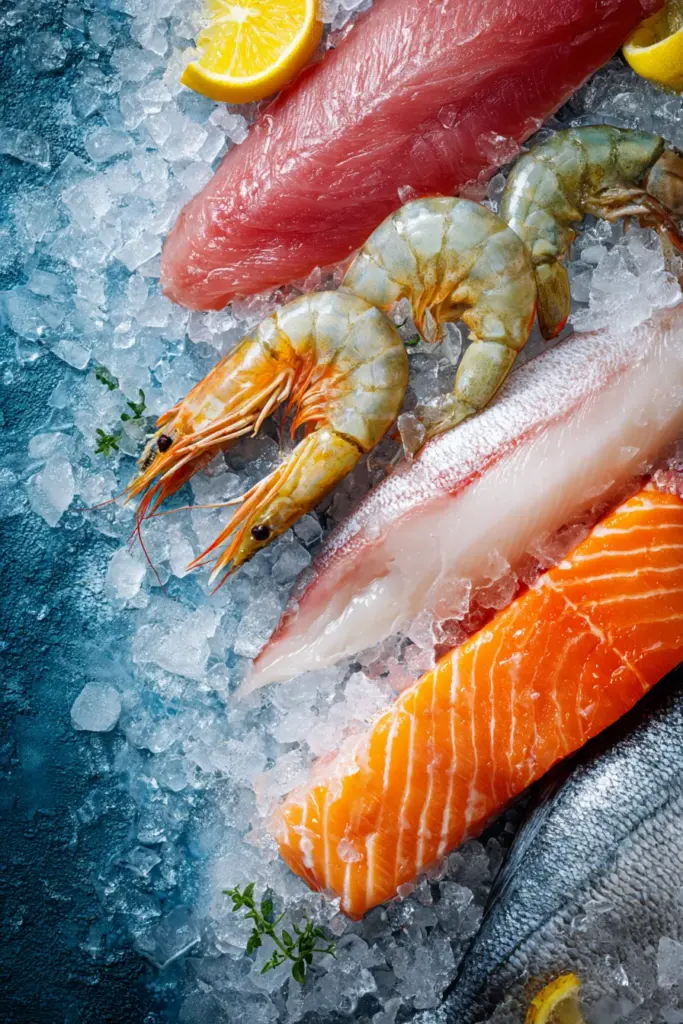
Fresh seafood should smell clean and oceanic, never fishy or ammonia-like. When I’m at the counter, I trust my nose completely. If something smells off, I don’t buy it, no matter how good the price. Fish fillets should look moist and translucent, not dull or dried out at the edges. The flesh should spring back when you press it gently, not leave an indentation.
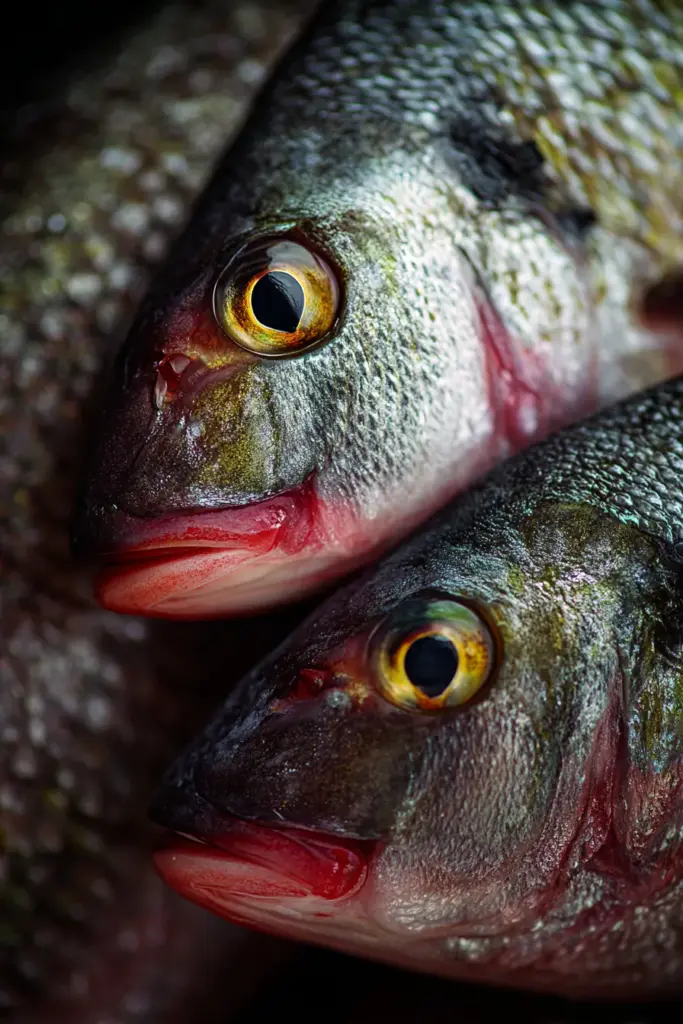
For whole fish, clear, bright eyes are your best indicator of freshness. Cloudy or sunken eyes mean the fish has been sitting too long. The gills should be bright red or pink, not brown or gray. And the scales should be shiny and intact, lying flat against the skin. These visual cues have saved me from disappointing dinners more times than I can count.
Shrimp Selection and Preparation
Shrimp are probably the most forgiving seafood for beginners, which is why they’re such a great place to start. But even with shrimp, quality matters. I always buy wild-caught when possible, as they tend to have better flavor and firmer texture than farmed varieties. Look for shrimp that are firm and slightly translucent, with no black spots or strong odor.
🥗 Fresh, Fast & Foolproof — Upgrades You'll Use Tonight

- Zoodles in seconds
- Heavy-duty, 10 sharp blades
- Keto, paleo & gluten-free friendly

- Meals in ~30 minutes
- 3-Qt — perfect for 1–3 people
- Pressure cook, sauté, steam & more

- Phone alerts & live temp graph
- Hands-off monitoring for smokers
- Perfect doneness, every time
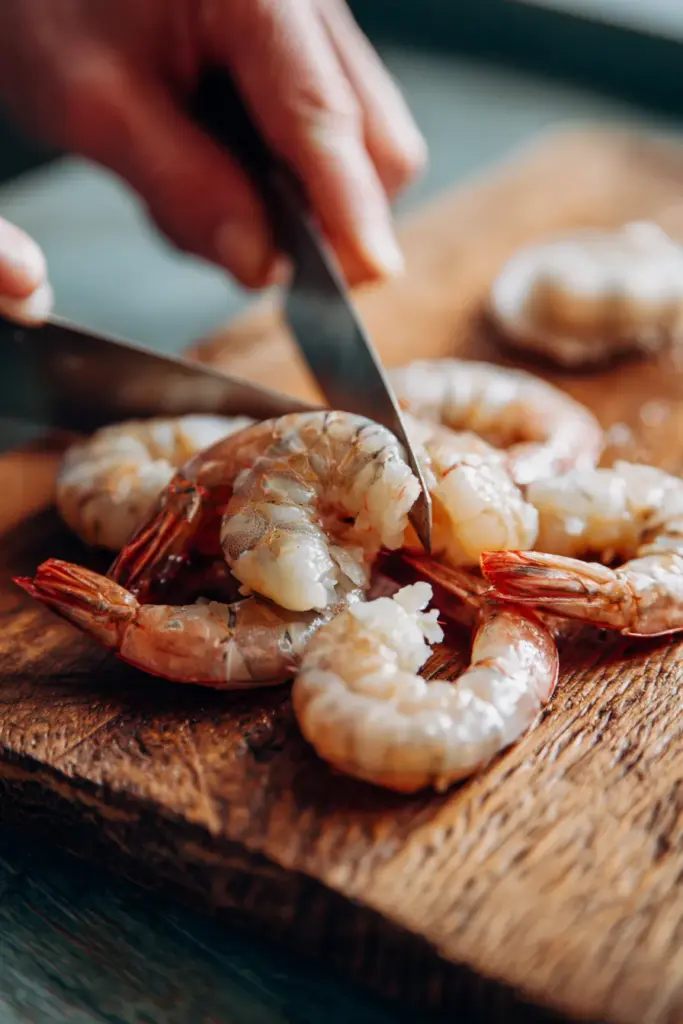
Fresh shrimp should smell like clean seawater. If they smell like ammonia, they’re past their prime. I prefer buying shell-on shrimp and deveining them myself. Yes, it takes a few extra minutes, but the flavor is so much better. The shells add richness when you cook with them, and you can save them to make seafood stock later.
Frozen shrimp can actually be excellent, especially if you don’t live near the coast. Most shrimp are frozen shortly after harvest anyway, so buying them frozen just means you control the thawing process. Thaw them overnight in the refrigerator, never at room temperature, and pat them completely dry before cooking. That moisture is the enemy of a good sear.
Selecting and Storing Fresh Fish
Salmon is one of my most-cooked fish because it’s widely available, relatively affordable, and incredibly versatile. When selecting salmon, look for flesh that’s vibrant in color, whether that’s deep red for sockeye or peachy-pink for Atlantic varieties. The flesh should look moist but not wet or slimy, and those white lines running through it should be thin and well-defined, not wide and soft.
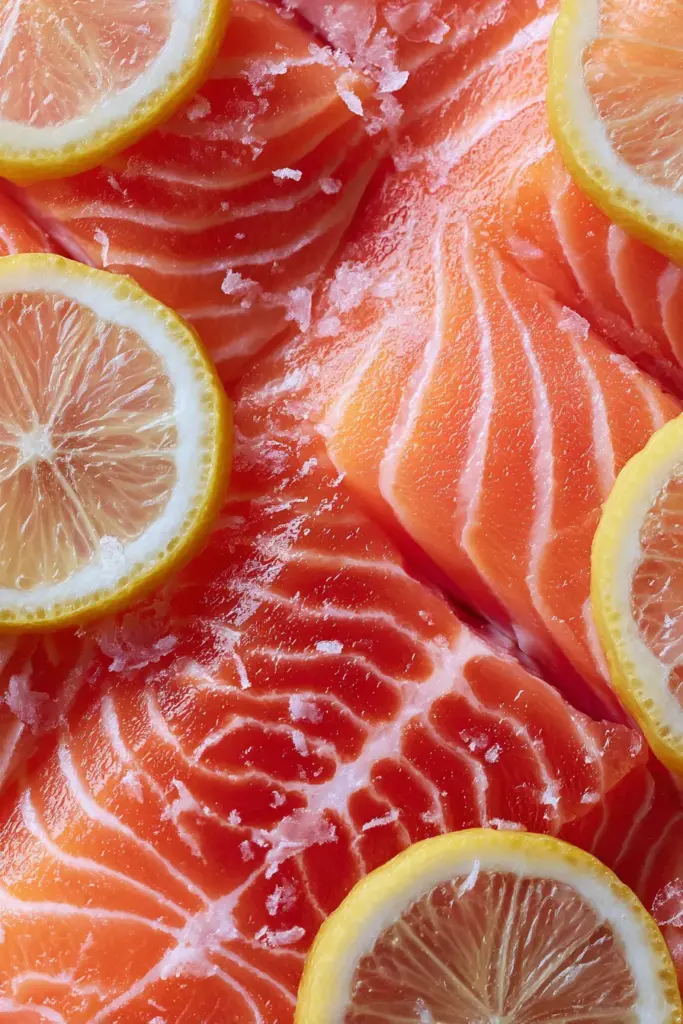
I always ask the fishmonger when the fish came in and don’t hesitate to request a different piece if the one they pull out doesn’t look perfect. They’re used to picky customers, and a good fishmonger respects someone who cares about quality. Once home, cook fresh fish within a day or two for best results. Store it in the coldest part of your refrigerator, preferably on ice in a covered container.
For longer storage, wrap fish tightly in plastic wrap, then aluminum foil, and freeze for up to three months. I portion it before freezing so I can thaw just what I need. Label everything with the date, because even in the freezer, seafood doesn’t last forever. When you’re ready to use frozen fish, thaw it slowly in the refrigerator overnight, never in the microwave or under hot water.
Mastering Salmon: Techniques That Work Every Time
Salmon was the first fish I learned to cook consistently well, and it remains my go-to weeknight protein. Its high fat content makes it forgiving of slight overcooking, and its rich flavor pairs with everything from Asian-inspired glazes to Mediterranean herbs to Cajun spices. The key to perfect salmon is understanding that different cooking methods suit different occasions and preferences.
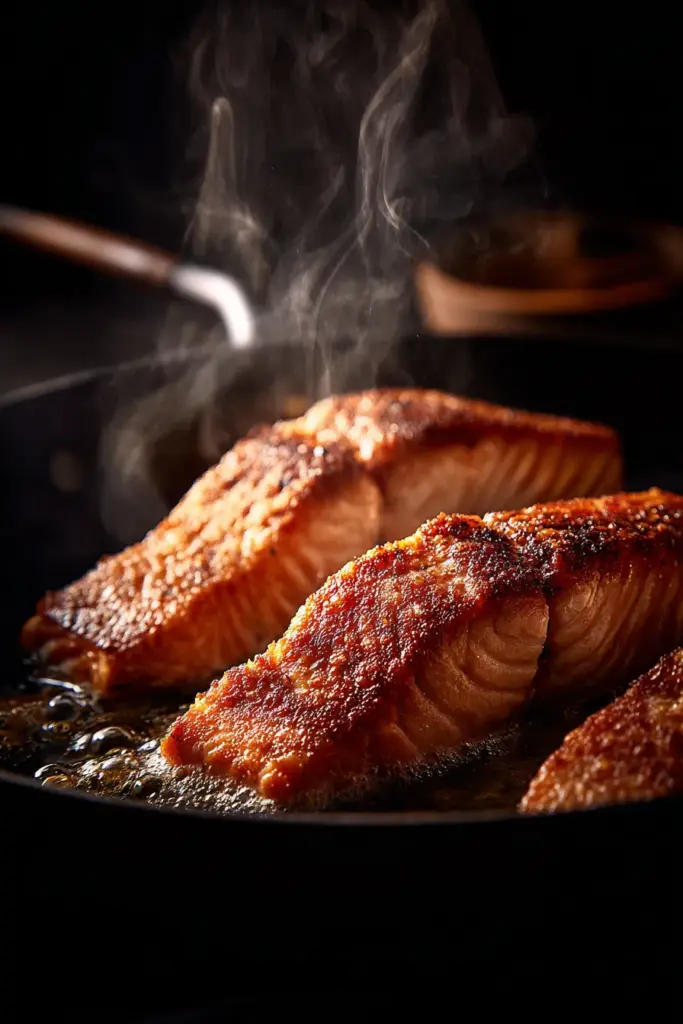
Pan-searing gives you a gorgeous crispy skin and tender, flaky interior. I heat a heavy skillet until it’s really hot, add a little oil, and place the salmon skin-side down. Then I don’t touch it for at least four minutes. That patience is crucial. Moving the fish too early tears the skin and prevents proper crisping. When it releases easily from the pan, I flip it and cook for just another minute or two on the flesh side.
The lemon garlic butter salmon with asparagus is my weeknight hero, coming together in one pan with minimal cleanup. The bright lemon cuts through the richness of the salmon perfectly, while the garlic butter adds luxurious flavor. Roasting everything together means the asparagus picks up all those delicious pan juices.
Foil Pack Cooking for Easy Cleanup
When I want even less cleanup, I turn to foil pack cooking. This method steams the salmon gently while infusing it with whatever aromatics and vegetables you include in the packet. The salmon foil packs are perfect for busy nights or cooking outdoors on the grill.
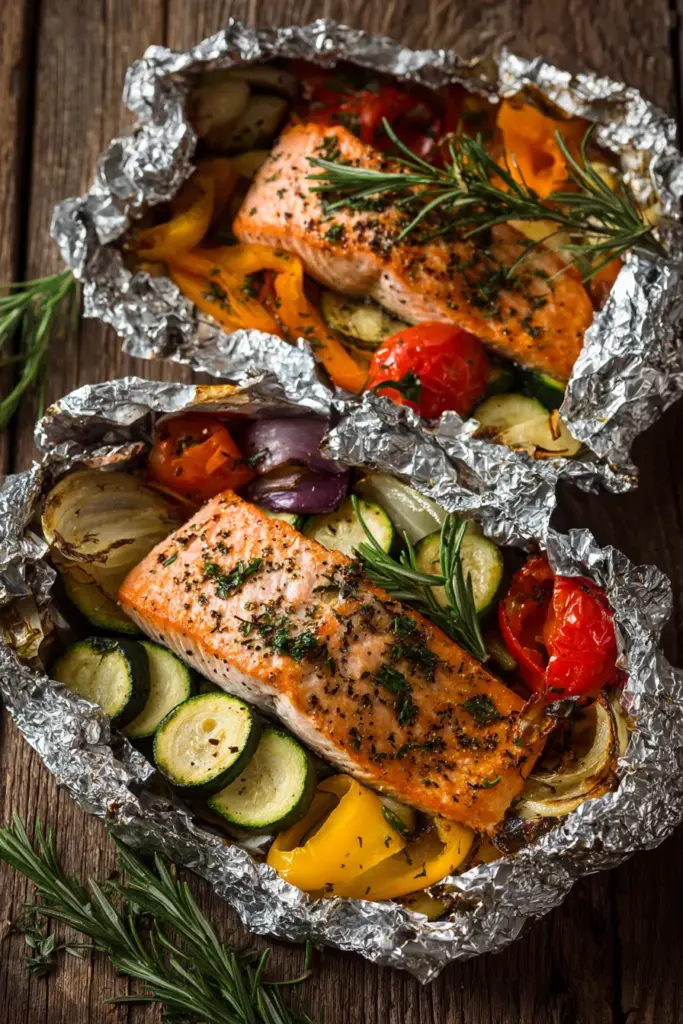
The beauty of foil packs is their versatility. You can customize each packet to suit different tastes or dietary needs. I’ll make spicy versions with chili flakes and lime for my husband, milder ones with just lemon and dill for the kids. Everything cooks at the same time, and each person gets their own perfectly portioned meal. Plus, opening those steaming packets at the table feels special somehow, like unwrapping a delicious present.
For something with bold, exciting flavors, the Cajun honey butter salmon brings sweet heat that makes your taste buds sit up and pay attention. The honey caramelizes beautifully while the Cajun spices add warmth and complexity. It’s the kind of dish that makes people ask for the recipe immediately.
Creative Salmon Applications
Beyond simple fillets, salmon works beautifully in other preparations. The easy salmon patties with lemon garlic sauce turn leftover cooked salmon or canned salmon into something special. They’re crispy on the outside, tender inside, and that bright lemon garlic sauce ties everything together.
I also love incorporating salmon into pasta dishes for a complete meal. The creamy seafood Alfredo pasta with salmon is pure comfort food, rich and satisfying without being heavy. The salmon adds protein and omega-3s to an already delicious pasta, making it feel a bit more virtuous.
For a lighter option that still feels substantial, try the blackened salmon bites with creamy Cajun dip. These are perfect as an appetizer or as part of a salad or grain bowl. The spice-crusted exterior gives way to tender, flaky salmon, and that cooling dip balances the heat perfectly.
Eggs and Salmon: A Perfect Pairing
One of my favorite brunch discoveries has been combining salmon with eggs. The crustless salmon and dill quiche is elegant enough for company but easy enough for weekend mornings. Without the crust, it’s lighter and lets the delicate flavors of salmon and fresh dill really shine through.
This quiche works equally well warm or at room temperature, making it perfect for brunch parties where you’re serving multiple dishes. I’ll make it the morning guests arrive, and it sits happily on the counter while we sip coffee and catch up. The combination of creamy eggs, flaky salmon, and aromatic dill feels sophisticated without any fuss.
Shrimp Recipes: From Simple to Spectacular
Shrimp might be my most-cooked seafood simply because they’re so quick and versatile. From weeknight tacos to elegant pasta to warming curries, shrimp adapt to whatever cuisine or mood you’re in. The key is not overcooking them. Shrimp go from perfectly tender to rubbery in less than a minute, so attention and timing matter.
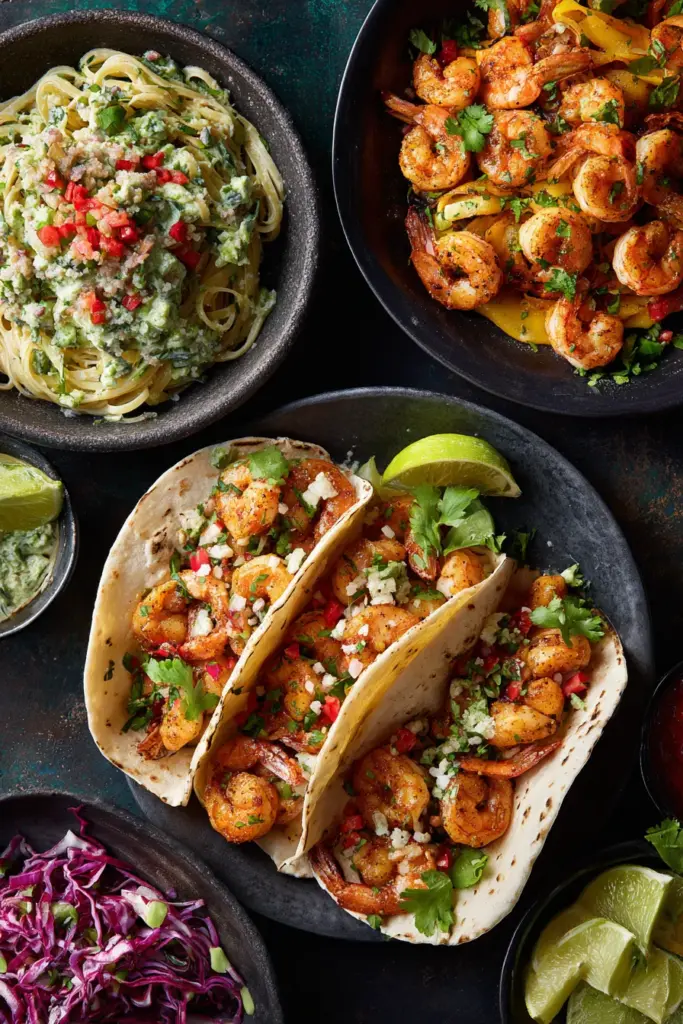
I’ve learned to cook shrimp over high heat for a short time rather than low heat for longer. When they turn pink and opaque and just start to curl, they’re done. Pull them off the heat immediately, even if it seems too soon. They’ll continue cooking slightly from residual heat, and you want to catch them at that perfect moment of tender sweetness.
The bang bang shrimp tacos have become a weekly request in my house. The crispy shrimp with that creamy, spicy sauce tucked into soft tortillas with crunchy cabbage creates the perfect bite. They’re fun, flavorful, and come together quickly enough for busy weeknights.
Shrimp in Global Flavors
One reason I love cooking shrimp is how well they work in different cuisines. The coconut shrimp curry transports you to warmer climates with its aromatic spices, creamy coconut milk, and tender shrimp. It’s the kind of dish that fills your kitchen with incredible aromas while it simmers.
I serve this curry over jasmine rice or with warm naan bread for soaking up every bit of that flavorful sauce. The beauty of curry is that you can adjust the heat level to suit your family. Start with less chili and add more at the table for those who want extra kick. The coconut milk provides a cooling base that balances whatever spice level you choose.
For a completely different flavor profile, the shrimp and catfish Creole brings Louisiana cooking to your table. This dish is all about layered flavors, from the holy trinity of onions, celery, and bell peppers to the tomatoes and spices that make Creole cuisine so distinctive. It’s hearty, satisfying, and tastes even better the next day.
Elegant Shrimp Presentations
When I want to impress guests without spending all day in the kitchen, shrimp comes to the rescue. The shrimp and orzo pasta with lemon and dill looks elegant on the plate but comes together in about thirty minutes. The tiny orzo pasta catches all that lemony, buttery sauce, and the fresh dill adds bright, herbal notes.
This dish works beautifully as a main course or as part of a larger spread for entertaining. I love how it can be served warm or at room temperature, making it ideal for summer dinners on the patio when you don’t want to fuss over timing. The seafood pasta salad takes a similar approach but serves it cold, perfect for potlucks and picnics.
The Art of Perfect Crab Cakes and Crab Dishes
Crab holds a special place in my heart because of my grandmother’s recipe, the one that started my whole seafood journey. Making great crab cakes is about respecting the crab itself, using just enough binder to hold things together while letting the sweet crab flavor shine through. Too much filler, and you’ve made bread cakes with crab garnish. Get the balance right, and you have something magical.
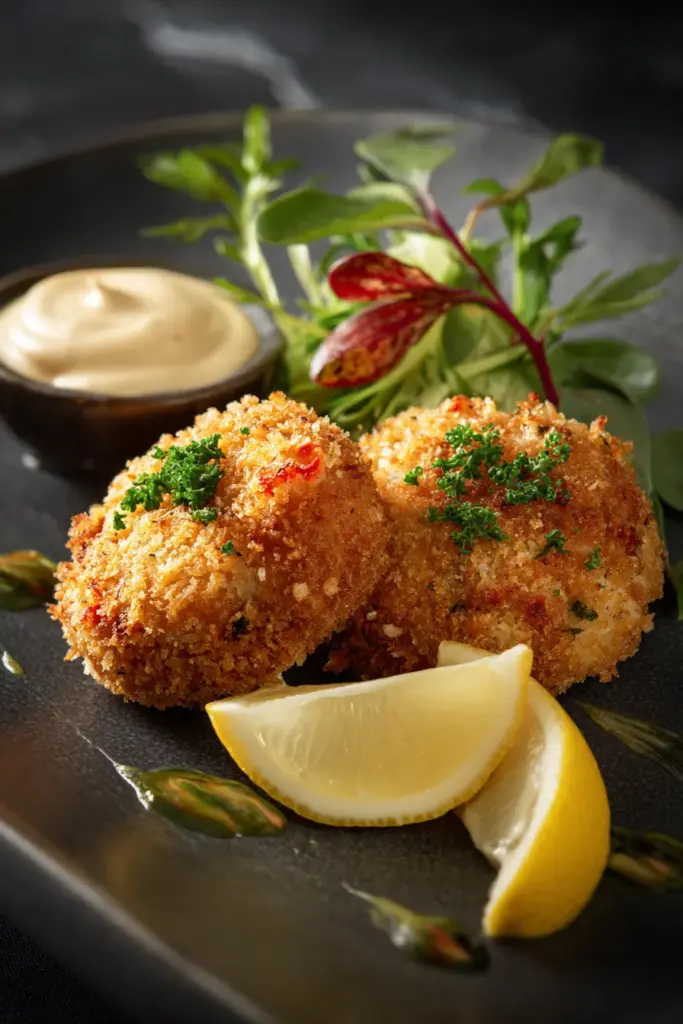
The iconic Baltimore crab cakes follow that philosophy perfectly. They’re mostly crab with just enough binding to keep them together, seasoned simply so nothing masks that delicate sweetness. I form them gently, barely pressing them together, because overworking makes them dense instead of tender.
The key to crispy exteriors is proper pan temperature and patience. I heat my skillet over medium-high with a mixture of butter and oil, which gives you butter flavor with oil’s higher smoke point. When the cakes go in, I resist the urge to move them. Let them develop that golden crust for three to four minutes before flipping once. No pressing down with the spatula, no constant fidgeting. Just leave them alone to do their thing.
Creative Crab Presentations
While traditional crab cakes are wonderful, I also love exploring different ways to serve crab. The elegant crab cake stuffed avocados with lemon aioli make a stunning appetizer or light lunch. The creamy avocado complements the crab beautifully, and the lemon aioli adds brightness that cuts through the richness.
These are perfect for warm weather entertaining when you want something impressive but not heavy. I’ll make the crab mixture ahead of time, halve the avocados right before serving, and let guests assemble their own. It’s interactive and fun while still feeling sophisticated.
For parties, the crab cake appetizer versions are perfect bite-sized treats. Mini crab cakes can be made ahead and reheated, or served at room temperature with a dollop of remoulade or aioli. The crab bites take a similar approach, creating poppable portions that disappear quickly from any appetizer spread.
Crab in Pasta and Beyond
Crab’s sweet, delicate flavor works beautifully in pasta dishes. The crabmeat pasta lets that flavor shine through with minimal ingredients. I use good quality olive oil, garlic, a touch of white wine, and fresh herbs to create a light sauce that coats the pasta without overwhelming the crab.
The crab and linguine pasta is another favorite, elegant enough for date night but simple enough for weeknight cooking. I save dishes like this for when I find good quality lump crab meat on sale, treating it as a special occasion ingredient worth savoring.
For something richer and more indulgent, the crab and pasta recipes I make often include cream or cheese for a luxurious sauce. The crabmeat pasta dishes in my repertoire range from light and lemony to rich and creamy, proving how versatile this seafood can be.
Classic Crab Preparations
Beyond crab cakes and pasta, there are classic preparations every seafood lover should know. The crab imperial is one of those dishes that feels fancy but is actually quite straightforward. Lump crab meat gets mixed with a creamy, slightly tangy sauce, piled into shells or ramekins, and broiled until golden and bubbling.

This is my go-to for impressing guests because it looks and tastes restaurant-quality. The imperial crab seasoning combinations I’ve experimented with over the years have taught me that sometimes the simplest seasonings work best. Old Bay, lemon, and a touch of Worcestershire let the crab speak for itself.
For a comprehensive exploration of everything crab, the ultimate guide to crab recipes covers techniques and preparations from basic to advanced. And the general crab dishes collection offers inspiration for every occasion and skill level.
Working with Whole Crabs
Cooking whole crabs intimidated me for years before I finally tried it. Now I wonder why I waited so long. The guide on how long to boil Dungeness crab demystifies the process completely. It’s actually quite simple: bring a large pot of salted water to a rolling boil, add the crabs, and cook for about fifteen minutes for a two-pound crab.
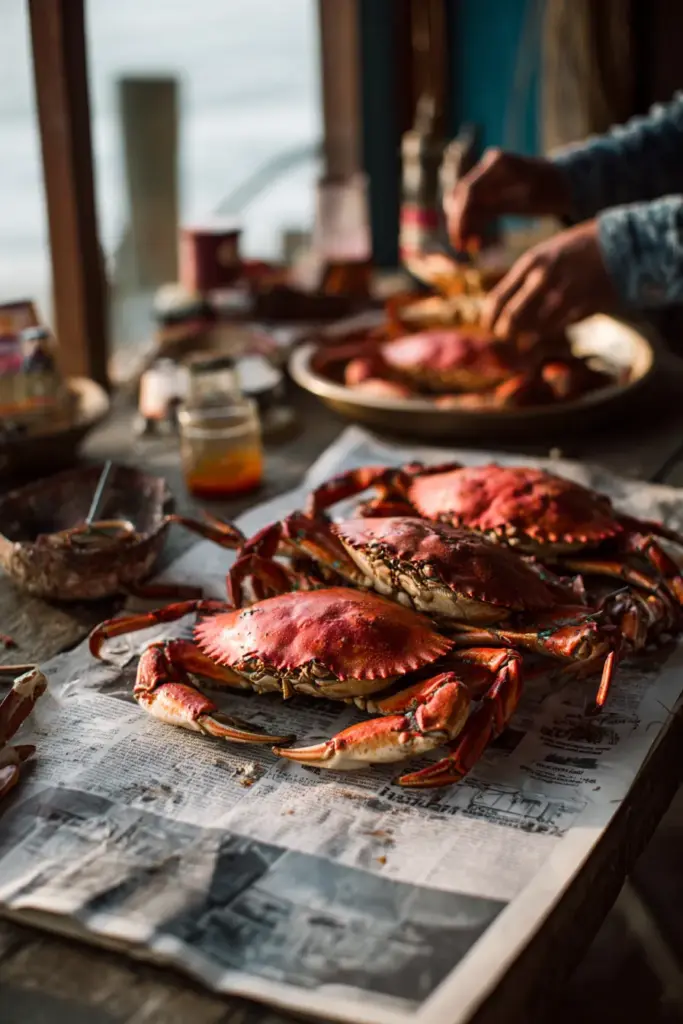
The Dungeness crab recipe I use most often involves boiling them with Old Bay seasoning and lemon, then serving with melted butter. It’s messy, hands-on eating that’s perfect for casual gatherings. Spread newspaper on the table, provide plenty of napkins, and let everyone dig in.
Soft shell crabs are a completely different experience. The guide to preparing soft shell crab explains how these seasonal delicacies need to be cleaned before cooking, but then you eat the entire crab, shell and all. Pan-fried until crispy, they’re an incredible treat during their brief season.
Scallops: Achieving Restaurant-Quality Sears
Perfect scallops eluded me for embarrassingly long. I’d get them from the seafood counter, excited to make something special, and they’d release so much water in the pan that they steamed instead of seared. Or I’d move them too soon and tear the crust I was trying to build. It took many disappointing attempts before I figured out the secrets to those gorgeous golden crusts you see in restaurants.
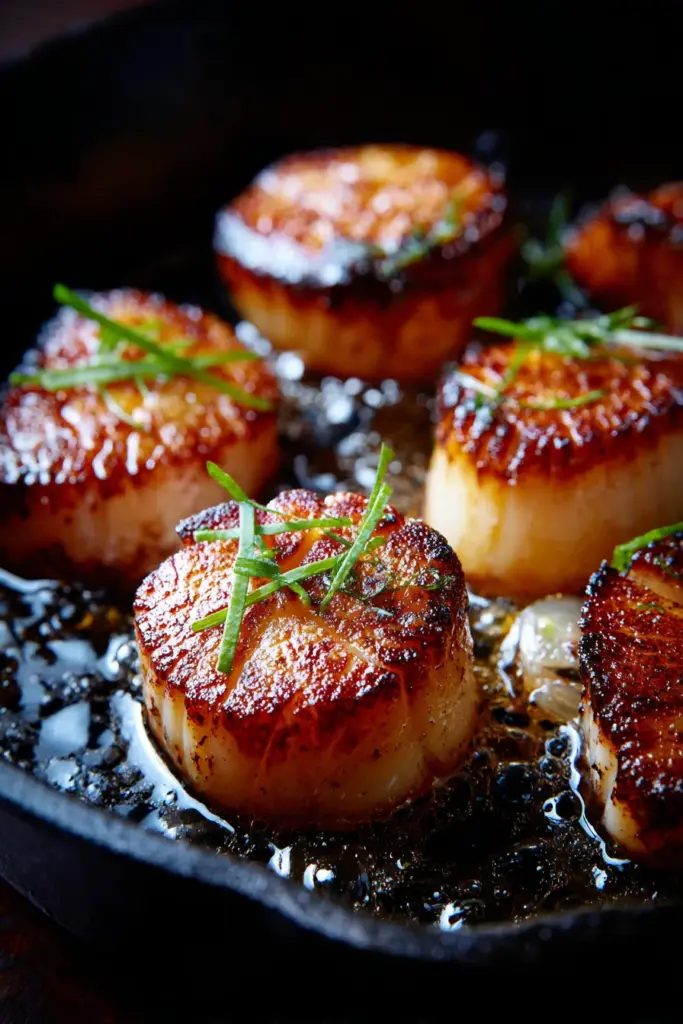
The first secret is buying dry scallops rather than wet ones. Wet scallops have been treated with chemicals to preserve them and absorb water, which makes it nearly impossible to get a good sear. They’ll be white and sitting in milky liquid in the package. Dry scallops are slightly tan or pink and don’t have excess liquid. They cost more, but they’re worth every penny for the difference in flavor and texture.
The second secret is making sure your scallops are completely dry before they hit the pan. I pat them thoroughly with paper towels, let them sit on a clean towel for a few minutes, then pat again. Any moisture will turn to steam, preventing that caramelized crust. The scallops with cream sauce start with this crucial searing step before finishing in a luxurious pan sauce.
The Perfect Sear Technique
Your pan needs to be hot, really hot, before the scallops go in. I heat a heavy skillet over high heat for several minutes, add a high-smoke-point oil like grapeseed or avocado oil, and wait until it just barely starts to smoke. Then I carefully place each scallop in the pan, leaving space between them. Crowding causes steam, and steam is the enemy of searing.
Here comes the hardest part: leave them alone. Don’t peek, don’t nudge, don’t adjust. Let them cook undisturbed for about two to three minutes until they release easily from the pan and have a deep golden crust. Flip once and cook for another one to two minutes. That’s it. Total cooking time is under five minutes for perfect scallops.
The black garlic butter scallops with truffle polenta and roasted cipollini onions is my most impressive dinner party dish. The scallops are the star, but that creamy truffle polenta and sweet roasted onions make it a complete restaurant-quality experience. It sounds complicated but comes together more easily than you’d think.
Scallops in Creamy, Comforting Dishes
While perfectly seared scallops are wonderful on their own, they also work beautifully in richer preparations. The lobster and scallop creamy bisque is pure luxury in a bowl. The sweet scallops and lobster swimming in that velvety, aromatic bisque feel like a special occasion every time.
This is the kind of soup I make when I want to really treat myself or celebrate something special. It takes time to develop the deep, complex flavors, but the actual technique isn’t difficult. Most of the work is just patient simmering, letting all those wonderful seafood flavors meld together into something greater than the sum of its parts.
Catfish and Southern Seafood Traditions
Growing up in the South, catfish was one of the first fish I learned to cook. It’s mild, affordable, and incredibly versatile, adapting to everything from simple pan-frying to elegant stuffed preparations. Catfish doesn’t have that strong fishy flavor that sometimes puts people off seafood, making it perfect for those who are new to cooking fish or feeding picky eaters.
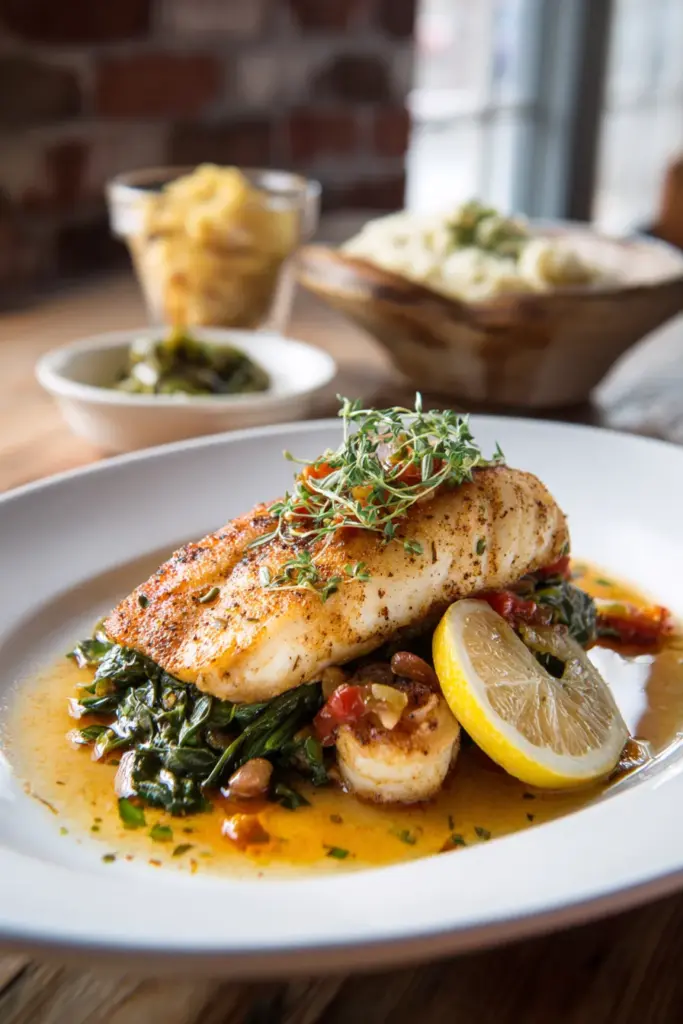
The flesh is firm and holds up well to different cooking methods. You can fry it, bake it, grill it, or stuff it. It’s forgiving of slight overcooking, though like all fish, it’s best when just cooked through. I always look for catfish fillets that are uniform in thickness so they cook evenly.
The stuffed catfish recipe elevates this humble fish into something special. Rolling the fillets around a savory stuffing transforms them into an elegant main course. The stuffing keeps the fish moist while adding flavor and visual appeal when you slice into it.
Creative Catfish Stuffing Combinations
Stuffed catfish opens up endless possibilities for creativity. The stuffed catfish with crab meat is a surf-and-surf combination that feels luxurious. The sweet crab against the mild catfish, all held together with seasoned breadcrumbs and butter, makes for an impressive presentation.
I also love the stuffed catfish fillets that incorporate vegetables and cheese for a complete meal in one package. Rolling everything up inside the fish means every bite has all the components together. It bakes in one pan, making cleanup easy on busy nights.
For the most decadent version, try the stuffed catfish with cheese, spinach, and shrimp. This brings together multiple seafood elements with creamy cheese and nutritious spinach. It’s the kind of dish that makes guests think you worked much harder than you actually did.
Catfish in Traditional Preparations
Beyond stuffing, catfish shines in classic Southern preparations. The shrimp and catfish Creole combines two Southern seafood favorites in one hearty, flavorful dish. The tomato-based sauce with its holy trinity of vegetables and Creole spices is perfect for soaking up with rice or crusty bread.
This is comfort food at its finest, the kind of dish that warms you from the inside out. I make a big pot on Sunday afternoons, and it tastes even better reheated the next day. The flavors have time to meld and deepen, and the fish stays tender even after reheating.
Tuna and Mediterranean Flavors
Fresh tuna was intimidating to me for years. It seemed too expensive to risk messing up, too restaurant-fancy for home cooking. Then I discovered that canned tuna could be transformed into something special, and I started experimenting with fresh tuna steaks, learning to appreciate their meaty texture and rich flavor.
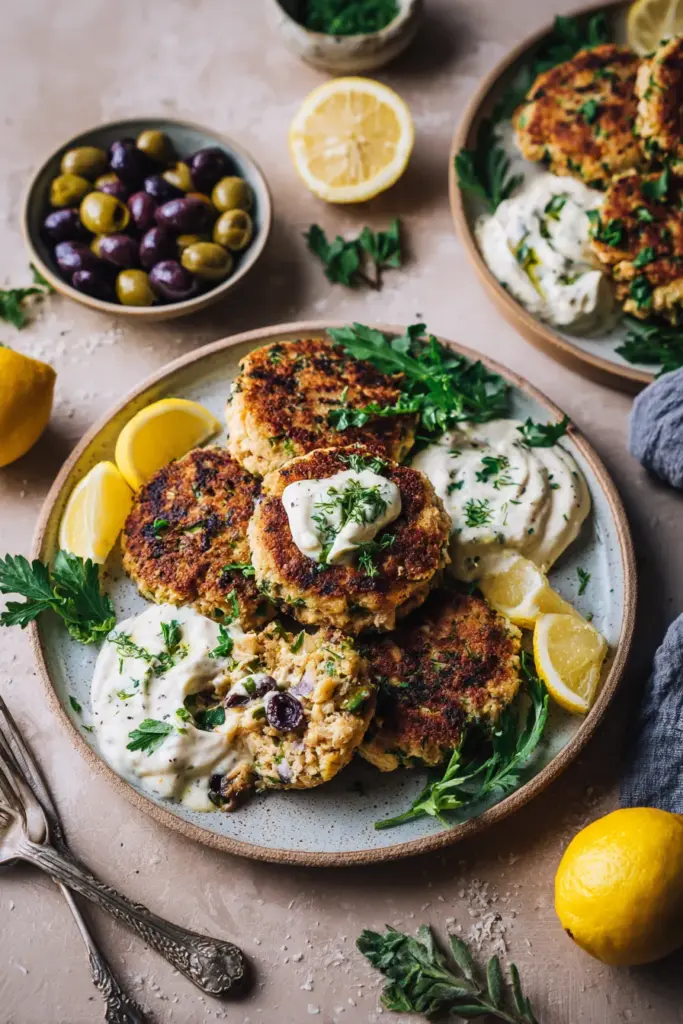
The Mediterranean tuna cakes with herbed yogurt dip use quality canned tuna to create something that feels fresh and vibrant. The Mediterranean flavors of lemon, capers, fresh herbs, and feta cheese transform humble canned tuna into elegant patties perfect for lunch or a light dinner.
These tuna cakes are lighter than traditional crab cakes, with bright flavors that feel especially good in warm weather. The herbed yogurt dip adds cooling creaminess and extra protein, making them satisfying despite being relatively light. I serve them over salad greens, in pita pockets, or alongside roasted vegetables for a complete meal.
Working with Fresh Tuna
Fresh tuna steaks should be treated almost like beef. They’re best served rare to medium-rare in the center, still pink and tender. Overcooking makes them dry and chewy, losing that silky texture that makes fresh tuna special. I sear them quickly over very high heat, about two minutes per side for a thick steak, leaving the center translucent.
Before cooking, I bring tuna to room temperature and pat it completely dry. A simple seasoning of salt and pepper is often all it needs, though a quick marinade in soy sauce, ginger, and sesame oil creates an Asian-inspired flavor profile that’s delicious. The key is keeping cook time short so the tuna stays moist and tender.
Appetizers and Dips: Starting with Seafood
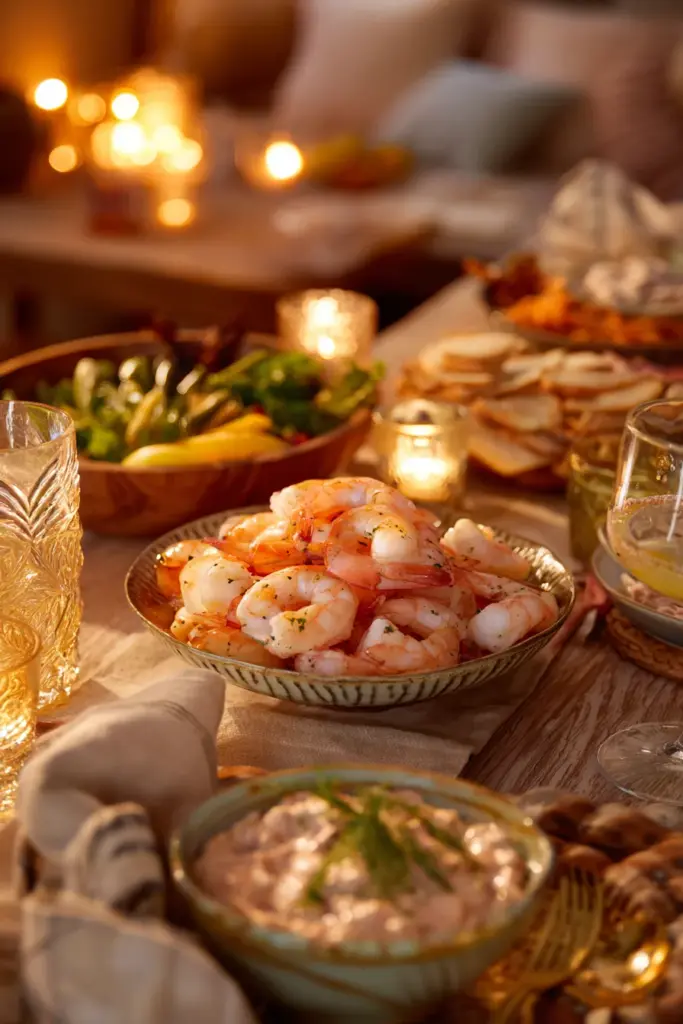
Seafood appetizers have a way of making any gathering feel more special. There’s something about passing around a platter of shrimp or crab dip that elevates the mood, making everyone relax and start enjoying themselves. I’ve learned that having a few go-to seafood starters in my repertoire makes entertaining so much easier.
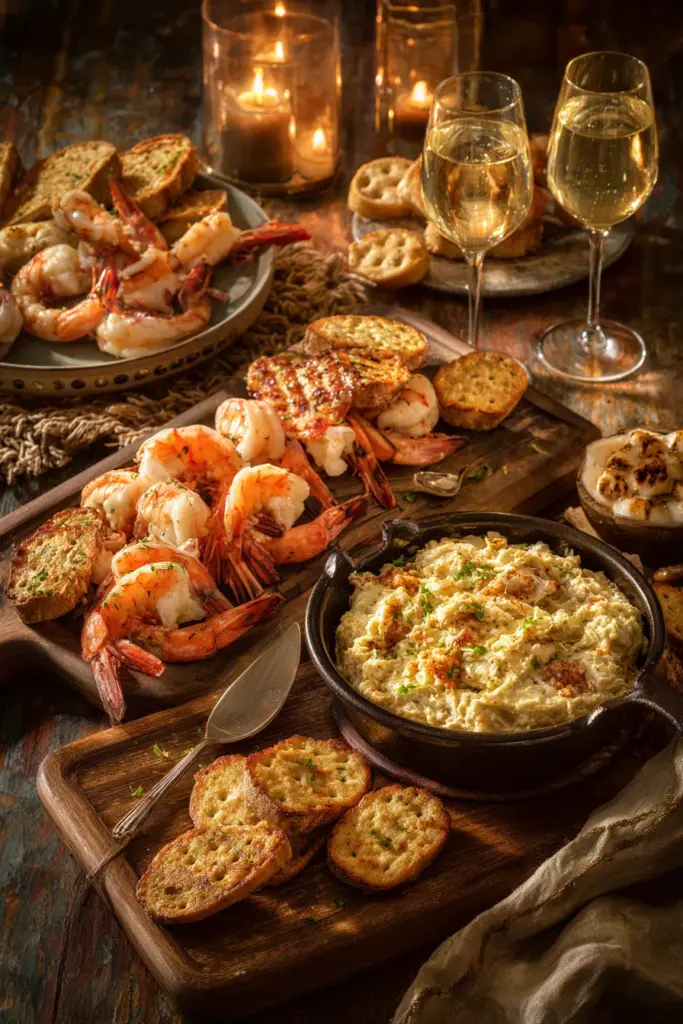
The creamy shrimp and crab spinach dip is always the first thing to disappear at parties. It’s rich, indulgent, and absolutely addictive with crackers or toasted baguette slices. I can make it ahead and just pop it in the oven when guests arrive, letting that irresistible aroma welcome them.
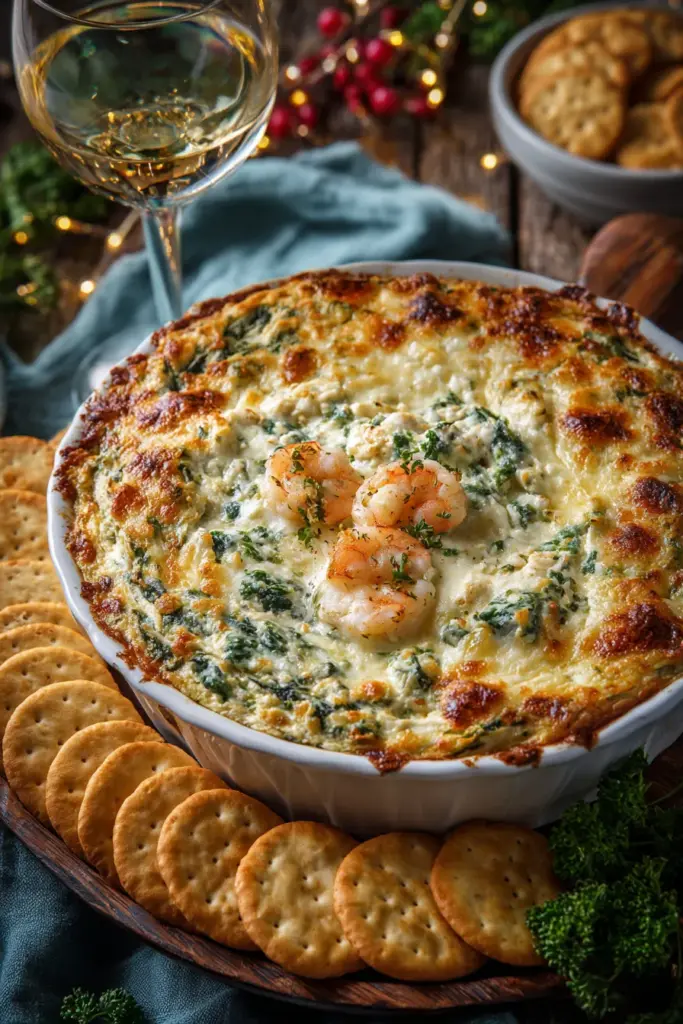
This dip combines the best of both worlds, the sweet shrimp and delicate crab held together in a creamy, cheesy base with spinach adding color and a bit of virtue to an otherwise indulgent dish. The creamy shrimp and crab spinach dip delight takes a similar approach, proving that this combination is a winner every time.
Stuffed Appetizer Bites
Stuffed mushrooms are another crowd-pleasing option that can be made ahead. The crab, shrimp, and spinach stuffed mushrooms are elegant bite-sized treats that look like you fussed but actually come together quickly. The mushroom caps become natural containers for the seafood stuffing, and they can sit at room temperature for a bit without suffering.
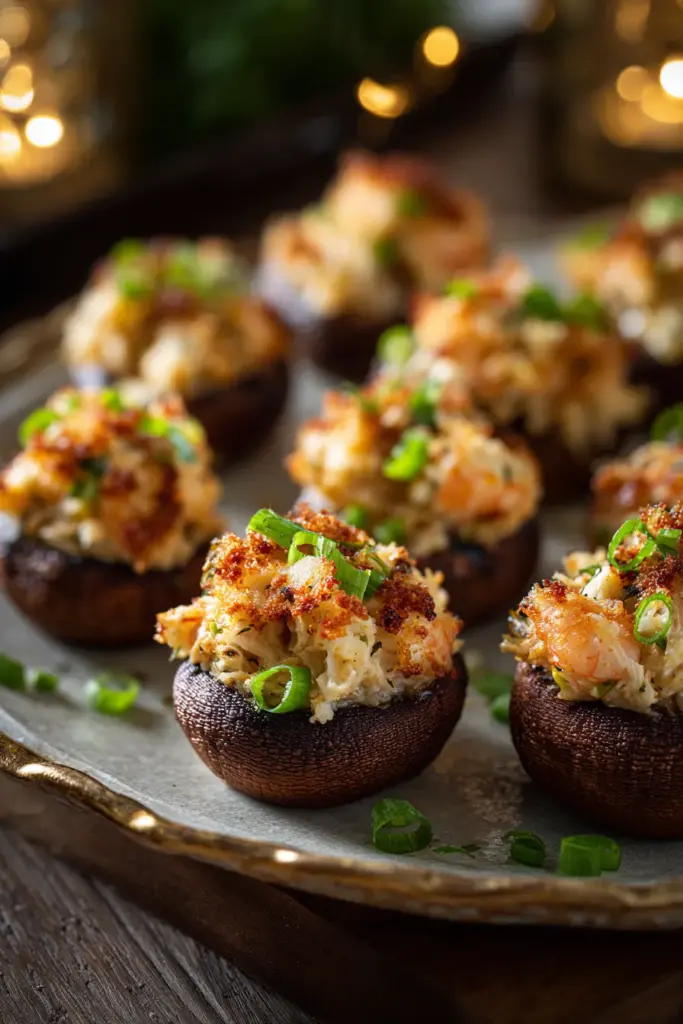
I prep these entirely ahead of time, storing them in the refrigerator until guests arrive. Twenty minutes in the oven and they emerge hot, bubbling, and irresistible. Everyone loves having individual portions, and the combination of crab and shrimp feels luxurious without being over the top.
Complete Seafood Meals and Combinations
Some of my favorite seafood dishes combine multiple types of seafood in one preparation. These mixed seafood dishes feel extra special, offering variety in every bite. The key is choosing seafood with similar cooking times or adding them to the dish in stages so everything finishes perfectly together.
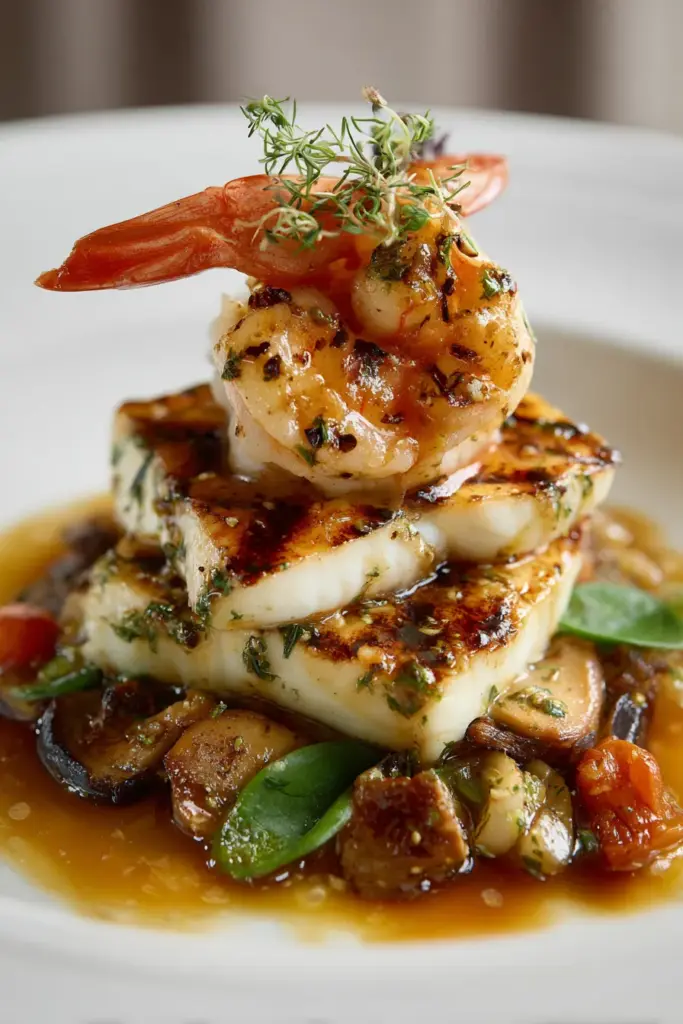
The red snapper shrimp grits with Cajun cream sauce is Southern comfort at its finest. The creamy grits provide a perfect base for the delicate snapper and sweet shrimp, all tied together with that rich, spicy Cajun cream sauce. It’s the kind of dish that makes you close your eyes and savor every bite.
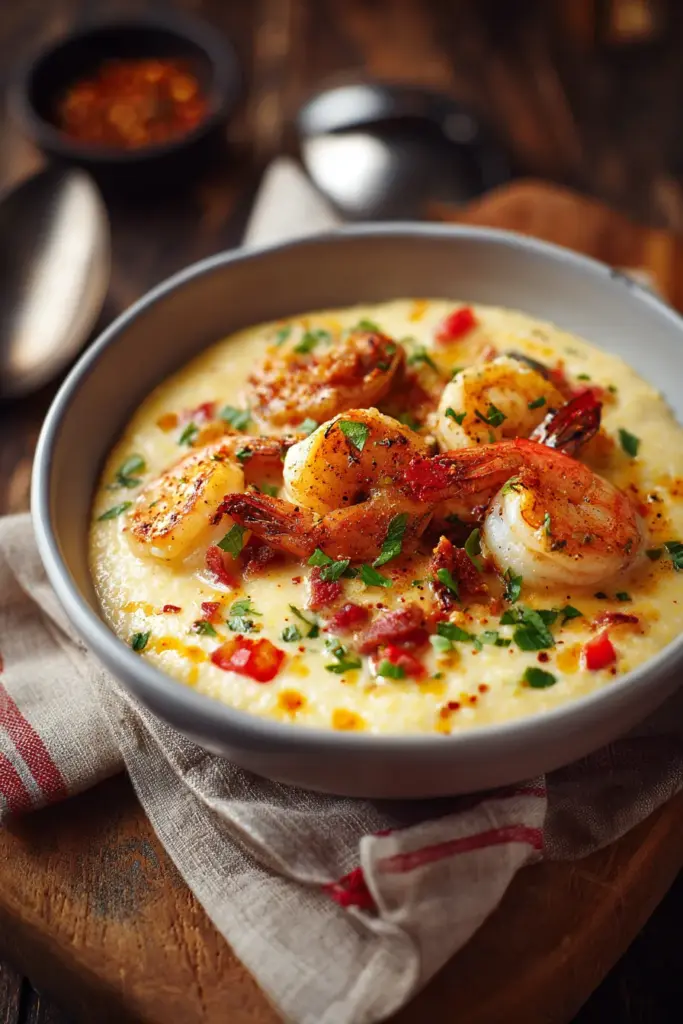
This is my go-to when I want to impress someone with Southern hospitality. The combination of textures and flavors, from the smooth grits to the flaky fish to the tender shrimp, creates a complete experience. And despite seeming complicated, it’s actually quite manageable once you understand the timing.
Understanding the Full Spectrum
For those who want to dive even deeper into seafood cooking, the comprehensive seafood recipes complete guide covers everything from basic techniques to advanced preparations. It’s the resource I wish I’d had when I first started cooking seafood, filled with the kind of practical information that actually helps you succeed in the kitchen.
This guide explores not just individual recipes but the principles behind cooking different types of seafood. Understanding why certain techniques work helps you adapt and improvise, creating your own variations based on what’s fresh and available. That’s when cooking becomes truly creative and rewarding, when you understand the fundamentals well enough to play with them.
Expert Tips for Seafood Success
After years of cooking seafood almost daily, I’ve accumulated tips and tricks that make everything easier and more successful. These are the things I wish someone had told me from the beginning, the small details that make the difference between okay seafood and truly exceptional dishes.
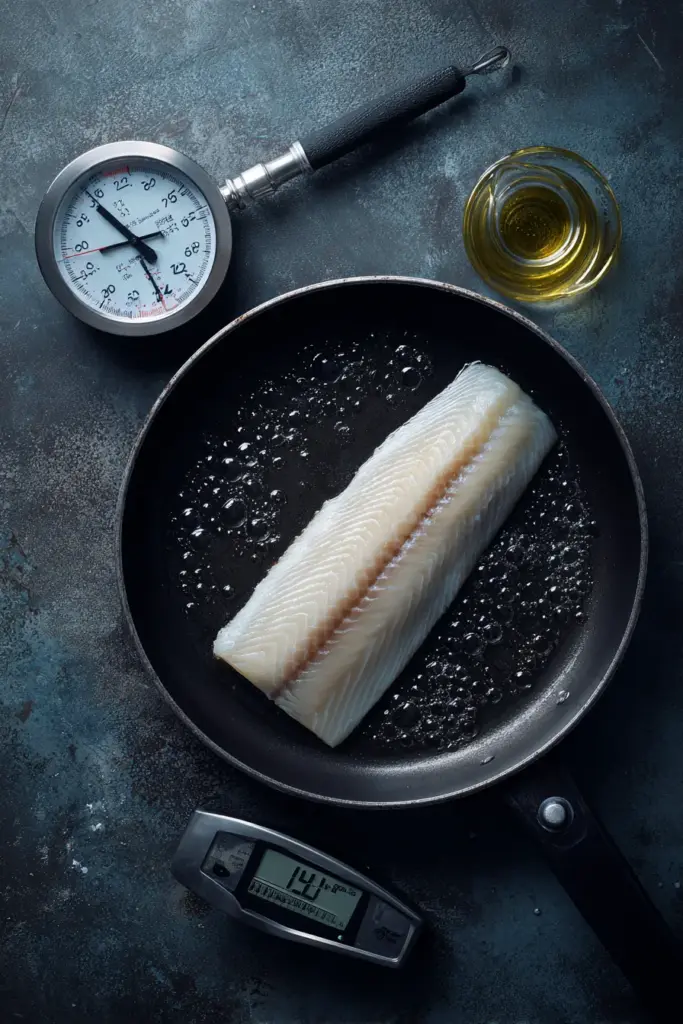
First, invest in a good instant-read thermometer. Guessing when fish is done leads to either undercooking or overcooking. Fish is done when it reaches 145 degrees Fahrenheit internally. At that temperature, it will flake easily with a fork but still be moist. For salmon, I actually prefer pulling it at 125 to 130 degrees for medium-rare, but that’s a personal preference.
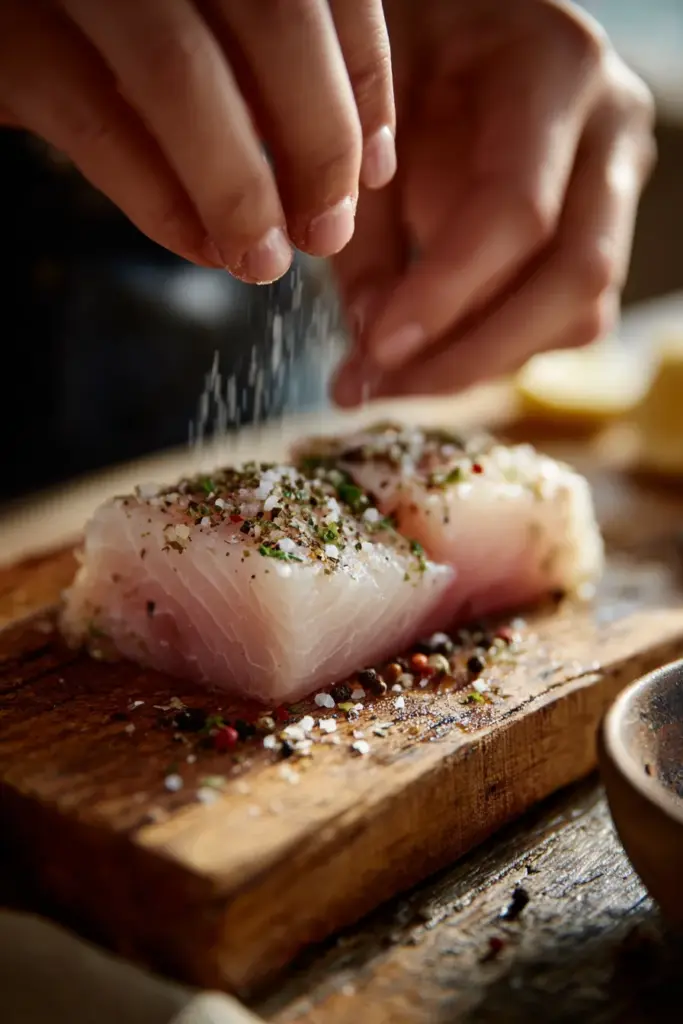
Second, season seafood just before cooking, not hours ahead. Salt draws out moisture, which is exactly what you don’t want when trying to achieve crispy skin or a good sear. Pat everything dry, season it, and immediately start cooking for best results.
Avoiding Common Mistakes
The biggest mistake I see people make with seafood is overcooking. Fish continues cooking after you remove it from heat, so pull it a minute or two before you think it’s done. That residual heat will finish the job perfectly. Overcooked fish is dry and disappointing, but slightly undercooked fish is still delicious and can always go back in the pan for another minute.
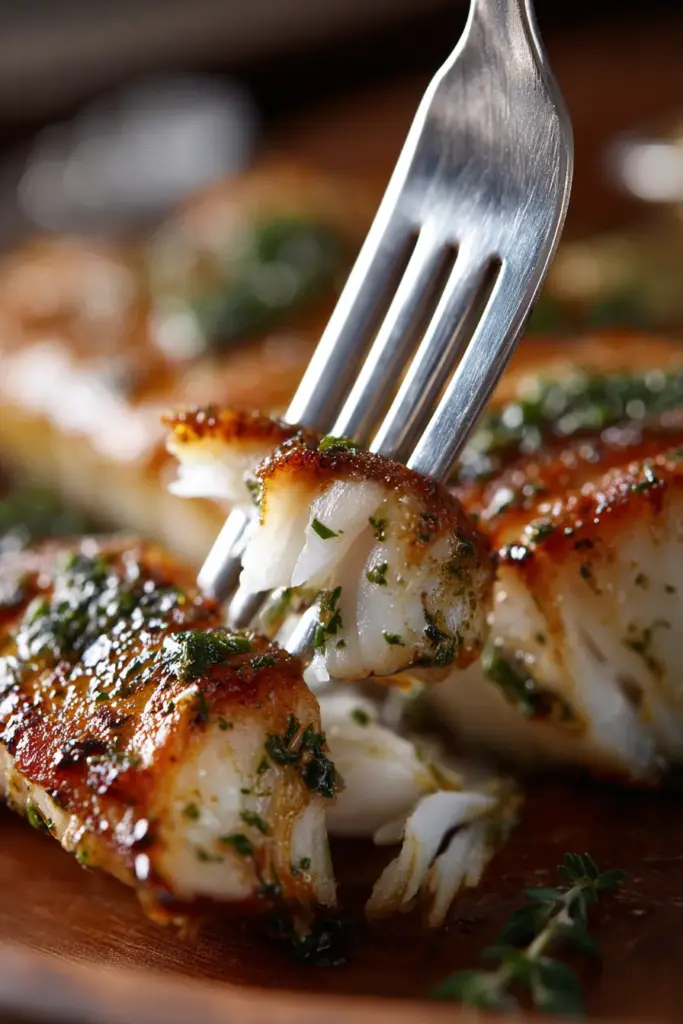
Another common error is using too-low heat. Seafood cooks quickly, and you want that caramelization and flavor development that comes from high heat. A too-cool pan means the fish releases its moisture and steams rather than sears. Get your pan hot, add your oil, wait until it shimmers, and then add the fish.
Don’t flip fish multiple times. Whether you’re pan-searing salmon or grilling shrimp, one flip is usually enough. Constant flipping prevents proper crust development and can cause delicate fish to fall apart. Practice patience, let each side cook properly, and flip just once for best results.
Flavor Building Techniques
Seafood benefits from bright, acidic flavors that cut through any richness. I always have lemons, limes, or good vinegar on hand when cooking fish. That squeeze of fresh citrus at the end brightens everything and makes flavors pop. Fresh herbs, especially dill, parsley, cilantro, and basil, add freshness without overwhelming delicate seafood flavors.
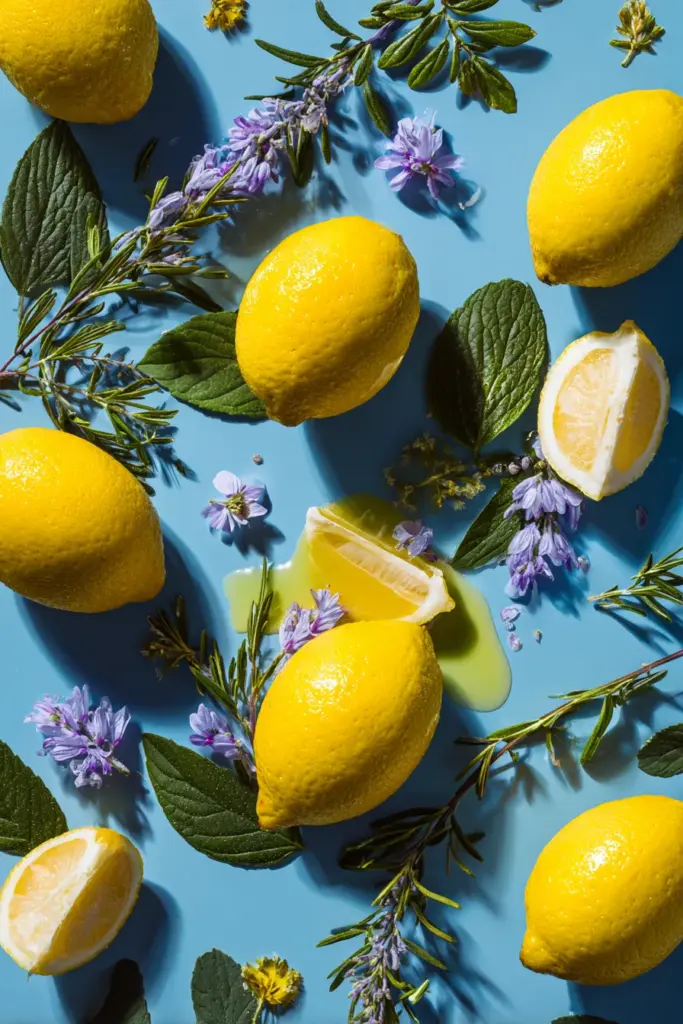
Butter and seafood are natural partners. I finish almost every seafood dish with a pat of butter swirled into the pan. It creates an instant sauce, adds richness, and helps carry flavors. Brown butter takes this even further, adding nutty complexity that’s especially good with scallops and delicate white fish.
Don’t be afraid to use bold seasonings with heartier seafood. Salmon and tuna can handle strong flavors like soy sauce, miso, or Cajun spices. Shrimp work beautifully with garlic, chili, and cumin. The key is matching the intensity of your seasonings to the character of your seafood.
Conclusion: Bringing the Ocean Home
Learning to cook seafood well has enriched my cooking life immeasurably. What once seemed intimidating has become some of my most enjoyable time in the kitchen. There’s something deeply satisfying about transforming fresh fish or shellfish into a beautiful meal, about mastering techniques that seemed impossible at first.
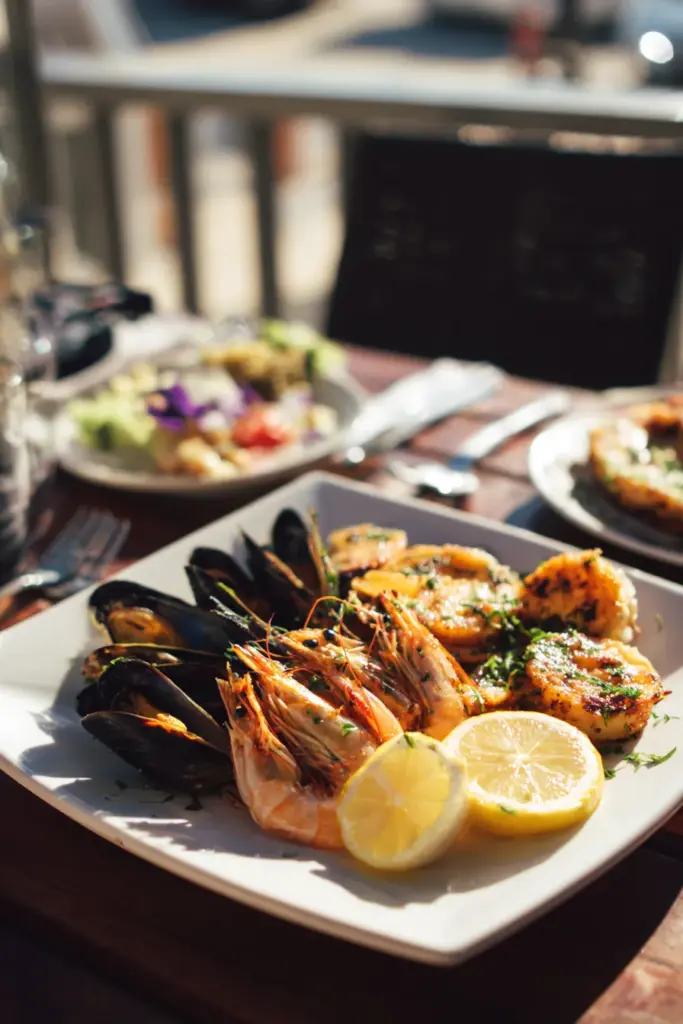
The most important lesson I’ve learned is that cooking seafood doesn’t require fancy equipment or professional training. It requires fresh ingredients, proper heat, good timing, and the confidence to trust your instincts. Start with forgiving options like salmon or shrimp, master those, and gradually work your way toward more delicate preparations. Each success builds your skills and confidence.
Remember that even experienced cooks occasionally overcook fish or end up with scallops that won’t brown. It happens. Learn from it and try again. The beauty of seafood is that it cooks so quickly that another attempt doesn’t require hours of your time. And when you nail it, when you serve perfectly seared scallops or flaky salmon or tender crab cakes to people you love and watch their faces light up, all those practice runs feel worthwhile.
Seafood cooking is also about spontaneity and adaptation. Some of my best dishes happened when I bought whatever looked freshest at the market and figured out how to cook it based on principles rather than following a recipe exactly. Once you understand the fundamentals, you can improvise and create your own variations based on what’s available and what sounds good.
Whether you’re making a simple weeknight salmon dinner or an elaborate seafood feast for special guests, approach it with curiosity and joy. Cooking is connection, and sharing good food with people you care about is one of life’s great pleasures. Let these recipes and techniques be your starting point, then make them your own.
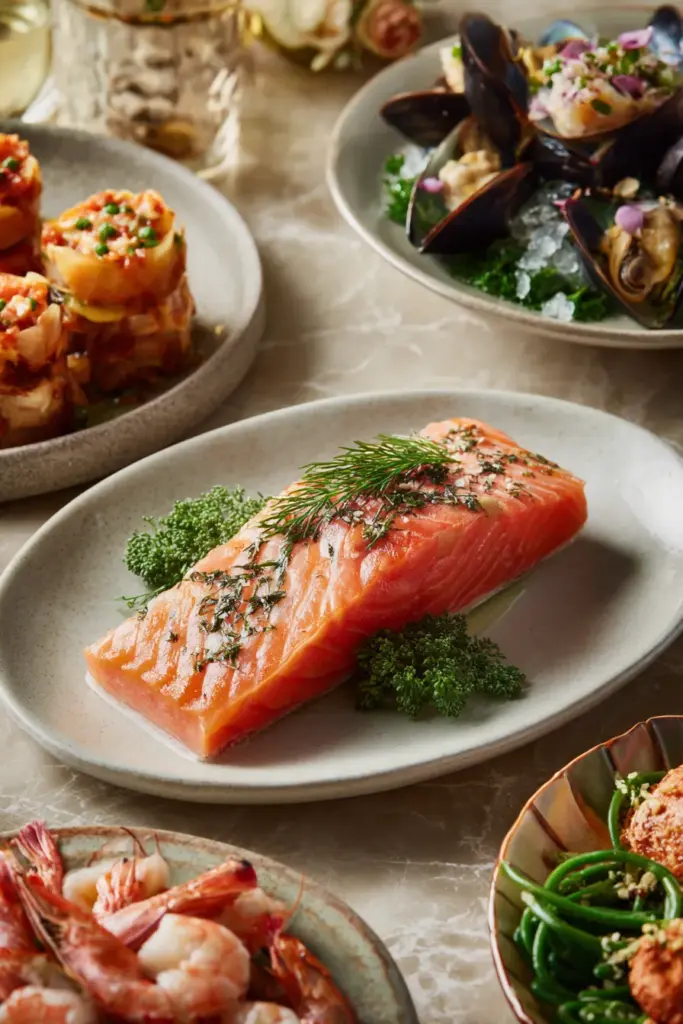
Keep exploring new seafood varieties and preparations. Visit your local fish market and ask questions. Try that unfamiliar fish. Experiment with different cuisines and flavor profiles. The ocean offers such incredible variety, and learning to cook it all is a lifelong adventure worth taking.
Explore more delicious seafood inspiration:
- Seafood Recipes Complete Guide
- The Ultimate Guide to Crab Recipes
- Lemon Garlic Butter Salmon with Asparagus
Frequently Asked Questions
How do I know if seafood is fresh?
Fresh seafood should smell clean and oceanic, never fishy or ammonia-like. Fish should have bright, clear eyes if whole, firm flesh that springs back when pressed, and moist appearance without sliminess. Shrimp should be firm and translucent. Trust your nose above everything else.
Can I use frozen seafood?
Yes, frozen seafood can be excellent quality, especially if you live far from the coast. Most seafood is frozen shortly after harvest anyway. The key is proper thawing in the refrigerator overnight and thorough drying before cooking. Never thaw seafood at room temperature or in warm water.
Why did my fish stick to the pan?
Fish sticks when the pan isn’t hot enough or when you try to flip it too soon. Make sure your pan is properly preheated, use enough oil, and most importantly, wait until the fish releases naturally before trying to flip it. It will let go when it’s ready.
How long does fresh seafood last in the refrigerator?
Fresh fish and shellfish should be cooked within one to two days of purchase for best quality. Store it in the coldest part of your refrigerator, ideally on ice. If you can’t cook it within that timeframe, freeze it promptly for later use.
What’s the difference between dry and wet scallops?
Dry scallops are untreated and have better flavor and texture. They’re slightly tan or pink and will sear beautifully. Wet scallops are treated with phosphates to absorb water and extend shelf life. They’re bright white, sitting in liquid, and won’t brown properly. Always choose dry scallops when possible.
Can I substitute one type of fish for another in recipes?
Generally yes, as long as you substitute within the same category. Flaky white fish like cod, halibut, and tilapia can usually be swapped. Firm fish like tuna, swordfish, and mahi-mahi are interchangeable. Oily fish like salmon, mackerel, and sardines work similarly in recipes. Match texture and fat content for best results.
How do I prevent overcooking seafood?
Use an instant-read thermometer and pull seafood from heat at 145 degrees Fahrenheit for most fish, or 125-130 degrees for salmon if you prefer it medium-rare. Remember that carryover cooking continues after removal from heat, so err on the side of slightly underdone. Seafood goes from perfect to overcooked very quickly.
What should I serve with seafood?
Seafood pairs beautifully with vegetables, rice, pasta, potatoes, and salads. Lighter fish work well with fresh vegetables and bright flavors. Heartier fish like salmon can handle richer sides. Consider the richness of your seafood and sauce when choosing sides, balancing heavy with light for the best meal composition.
Why is my shrimp rubbery?
Rubbery shrimp means they’re overcooked. Shrimp cook very quickly, usually just two to three minutes total. They’re done when they turn pink and opaque and just start to curl. Pull them from heat immediately at this point, even if it seems too soon.
Can I make seafood dishes ahead?
Some seafood preparations work well made ahead, like crab cakes, seafood dips, and seafood salads. However, most cooked fish is best served immediately. If you need to prep ahead, prepare all your ingredients and sauces, then cook the seafood just before serving for optimal texture and flavor.

🍳 Precision Meets Passion — Tools Chefs Trust Daily

- Grams & ounces — precise to 1g
- Perfect for baking & keto tracking
- Sleek stainless steel design

- German stainless precision
- Razor-sharp & dishwasher-safe
- Elegant wood block organizer

- WiFi precision cooking at home
- 1100W — heats fast & evenly
- Perfect steak, fish & veggies