➤ Table of Contents
I’ll never forget the first time I threw together a steak bowl on a rushed Tuesday evening. I had leftover grilled steak from the weekend, a handful of wilting greens in the crisper, and absolutely no plan for dinner. I tossed everything into a bowl with some rice, drizzled on whatever sauce I could find, and suddenly understood why bowl meals have taken over kitchens everywhere. That perfectly imperfect dinner taught me that steak bowls aren’t just convenient, they’re a canvas for creativity, a way to transform simple ingredients into something that feels restaurant-special without the fuss.
There’s something deeply satisfying about a well-built steak bowl. Maybe it’s the way each ingredient keeps its identity while contributing to the whole. Or how a properly seared piece of beef can anchor a meal that’s both nourishing and indulgent. Over the years, I’ve learned that the best steak bowls balance textures and flavors, mixing the richness of beef with bright vegetables, creamy elements, and sauces that tie everything together into something greater than the sum of its parts.
⚡ Smart Kitchen Tools Every Home Cook Swears By

- Pure aluminum
- Durable enough for everyday cooking
- Made in the USA with quality

- 7 cooking functions in one compact cooker
- 3-quart size ideal for couples or small meals
- Up to 70% faster than traditional cooking

- 3 sizes for every recipe
- Pre-seasoned & durable cast iron
- Oven & grill ready
This guide is my love letter to steak bowls in all their glorious variety. We’ll explore Korean-inspired creations with gochujang heat, Mediterranean combinations with fresh herbs and tangy cheese, Tex-Mex bowls loaded with corn and avocado, and Asian fusion dishes that marry umami-rich flavors with tender beef. You’ll learn how to pick the right cut of steak, master cooking techniques that work whether you’re grilling or pan-searing, and discover sauce combinations that transform ordinary ingredients into extraordinary meals. Whether you’re meal prepping for the week or crafting a special dinner, these bowls deliver flavor, nutrition, and pure eating pleasure in every bite.

Choosing and Preparing the Perfect Steak for Bowls
The foundation of any great steak bowl starts with selecting the right cut of beef. I learned this lesson the expensive way after buying beautiful ribeyes for bowls, only to realize their marbling and thickness made them awkward to slice and distribute. Now I know that certain cuts work better than others when you’re building bowls rather than serving whole steaks.
Flank steak has become my go-to choice for most bowl applications. It’s relatively affordable, has great beefy flavor, and slices beautifully against the grain into tender strips. The flat shape means it cooks quickly and evenly, whether I’m grilling outdoors or using a hot cast iron pan. Skirt steak works similarly well, though it’s slightly more tender and a bit pricier. Both cuts benefit from marinades, which is perfect since most bowl recipes involve flavor-forward sauces anyway.

Sirloin offers another excellent option, especially when you want something a touch more tender without breaking the bank. I’ll often buy sirloin tip or top sirloin, cut it into medallions or strips, and cook them quickly over high heat. The technique for cooking beef chuck steak can also apply to tougher cuts if you’re patient with marinating and slicing thin.
Marinating for Maximum Flavor
Marinades do double duty for steak bowls. They tenderize tougher cuts while infusing flavor that carries through the entire dish. I’ve found that the best marinades balance acid, oil, and seasonings in ways that complement rather than overwhelm the other bowl ingredients.

For Korean-inspired bowls, I use a base of soy sauce, sesame oil, brown sugar, garlic, and ginger. The Korean beef bulgogi marinade recipe I’ve developed over the years creates that perfect sweet-savory balance with just enough caramelization when the meat hits high heat. Even thirty minutes of marinating makes a noticeable difference, though overnight is ideal.
Mediterranean bowls call for brighter marinades built on olive oil, lemon juice, garlic, and fresh herbs like oregano and thyme. I’ll often add a splash of red wine vinegar and some Dijon mustard for depth. The balsamic marinated flank steak with blue cheese crust shows how a good marinade can set up layers of flavor that develop as you build your bowl.
Cooking Techniques That Work
High heat and quick cooking produce the best results for bowl steak. I want a good sear on the outside while keeping the interior medium-rare to medium. This usually means a screaming hot grill or a cast iron pan that’s been preheating for at least five minutes. The steak should sizzle dramatically when it hits the heat.

🥗 Fresh, Fast & Foolproof — Upgrades You'll Use Tonight

- Zoodles in seconds
- Heavy-duty, 10 sharp blades
- Keto, paleo & gluten-free friendly

- Meals in ~30 minutes
- 3-Qt — perfect for 1–3 people
- Pressure cook, sauté, steam & more

- Phone alerts & live temp graph
- Hands-off monitoring for smokers
- Perfect doneness, every time
For flank or skirt steak, I cook about three to four minutes per side, depending on thickness. The key is resisting the urge to move it around. Let it sit undisturbed to develop that flavorful crust. After cooking, I always let the steak rest for at least five minutes before slicing. This step isn’t optional, it allows the juices to redistribute so every slice stays moist and tender.
Slicing against the grain makes all the difference in tenderness. I look for the direction the muscle fibers run and cut perpendicular to those lines. Thin slices, about a quarter-inch thick, work best for bowls. They’re easy to eat with a fork and distribute evenly across your ingredients.
Southwest and Tex-Mex Steak Bowls: Bold, Bright, and Satisfying
Southwest-style steak bowls were my gateway into this whole bowl obsession. There’s something about the combination of charred steak, sweet corn, creamy avocado, and spicy lime dressing that just works on every level. These bowls feel festive and vibrant, like a fiesta in a bowl, but they come together quickly enough for weeknight cooking.

The star of most Tex-Mex bowls is the relationship between smoky, charred elements and bright, acidic components. I’ll grill or pan-sear my steak with a simple spice rub of cumin, chili powder, garlic powder, and smoked paprika. That spice blend creates a flavorful crust that stands up to all the other bold ingredients in the bowl. The steak avocado and roasted corn bowl captures this balance perfectly, with each element contributing its own character while playing nicely with the others.
Corn plays a crucial role in these bowls. Fresh corn, charred until some kernels turn dark and caramelized, adds sweetness and a slightly smoky flavor that echoes the steak. I cut it off the cob after grilling or char it in a dry cast iron pan. Sometimes I’ll mix it with black beans, red onion, cilantro, and lime juice to create a sort of deconstructed salsa that adds both flavor and substance to the bowl.
The Perfect Southwest Sauce
A great sauce transforms a Southwest bowl from good to crave-worthy. I usually reach for something creamy with a kick. My go-to is a cilantro-lime crema made with sour cream, fresh cilantro, lime juice, garlic, and just enough jalapeño to make things interesting. The steak avocado and roasted corn bowl with cilantro cream sauce shows how this simple sauce pulls everything together, its cool creaminess cutting through the rich beef and smoky corn.

Chipotle ranch offers another excellent option, especially if you want more heat. I blend adobo sauce from a can of chipotles with ranch dressing, adding lime juice and a touch of honey to balance the smoke and spice. The Tex-Mex steak power bowl with chipotle ranch uses this sauce to create bold flavor without overwhelming the other ingredients.
Building the Perfect Tex-Mex Base
Cilantro-lime rice serves as my standard base for Southwest bowls. I cook white rice with a bit of lime zest, then fluff it with fresh cilantro and lime juice after cooking. It’s fragrant and bright, adding another layer of flavor rather than just serving as bland filler. Sometimes I’ll use brown rice for more fiber and a nuttier taste, or cauliflower rice when I want to keep things lighter.
Beyond the base and protein, I pile on toppings that add different textures and flavors. Creamy avocado slices or guacamole bring richness. Black beans add protein and earthiness. Fresh pico de gallo or chopped tomatoes provide acidity and freshness. The grilled avocado steak bowl with charred corn salsa takes things up a notch by grilling the avocado halves, which adds a subtle smokiness and warmth that’s unexpectedly delicious.
Cheese plays an important supporting role. Crumbled cotija adds salty, tangy notes without being heavy. Shredded monterey jack or pepper jack melts slightly when it hits the warm ingredients, creating pockets of creamy goodness. I’ll often finish with a squeeze of fresh lime, some pickled jalapeños for heat, and a handful of tortilla strips for crunch. The Southwest steak and sweet corn bowl with spicy lime crema demonstrates how layering these elements creates complexity in every bite.
Korean BBQ and Asian-Inspired Beef Bowls: Sweet, Savory, and Umami-Rich
Korean beef bowls opened up an entirely new world of flavors for me. The first time I made bulgogi at home, I was shocked by how that combination of sweet, savory, and slightly funky flavors could make beef taste so incredible. Korean cuisine’s approach to beef, with its emphasis on marinades, high-heat cooking, and complementary vegetables, translates perfectly to bowl format.

The magic of Korean beef starts with the marinade. Soy sauce provides the salty base, while brown sugar or honey adds sweetness that caramelizes beautifully during cooking. Sesame oil brings nuttiness and that distinctly Korean aroma. Fresh garlic and ginger add punch, while Asian pear or apple puree tenderizes the meat while contributing subtle fruity sweetness. The Korean ground beef bowl uses a simplified version of these flavors with ground beef, making it quick and budget-friendly while still capturing that essential Korean taste.
Gochujang, Korean fermented chili paste, takes these bowls to another level. It’s spicy but not just hot, with fermented depth and subtle sweetness that adds complexity to every bite. I’ll mix it into marinades, blend it into sauces, or simply dollop it on top for those who want extra heat. The Korean beef bulgogi bowls with creamy gochujang sauce showcase how this ingredient can be the star of a creamy, spicy sauce that coats every element in the bowl.
Ground Beef Korean Bowls for Quick Weeknights
While traditional bulgogi uses thinly sliced ribeye or sirloin, ground beef versions have become my weeknight heroes. They cook in minutes, need no marinating time, and still deliver that essential Korean flavor profile. I brown the ground beef, drain excess fat, then add the sauce ingredients directly to the pan. Within fifteen minutes, I have intensely flavored meat ready to top rice.

The Korean-style ground beef bowls I make most often include a sauce of soy sauce, brown sugar, sesame oil, ginger, garlic, and red pepper flakes. I finish with green onions and sesame seeds for garnish. It’s simple but satisfying, and the leftovers reheat beautifully for lunch the next day.
Beyond Korean: Other Asian Beef Bowls
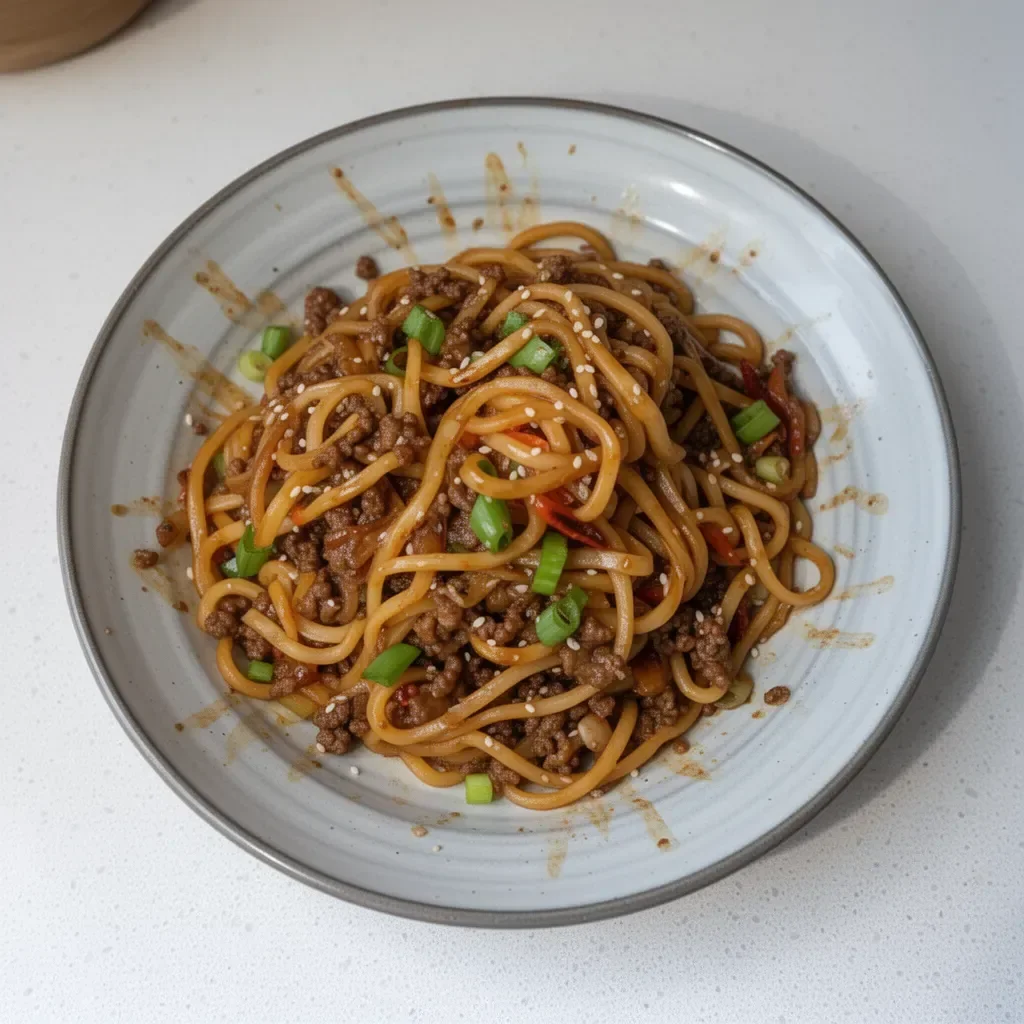
Once you’ve mastered Korean flavors, the broader world of Asian beef bowls opens up. Mongolian beef, with its sweet-savory sauce and tender strips of meat, works wonderfully over rice with steamed broccoli. The Mongolian ground beef version uses ground meat for convenience while maintaining those characteristic flavors of soy sauce, brown sugar, and lots of garlic.
Chinese-inspired bowls often feature stir-fried beef with vegetables in glossy, umami-rich sauces. The beef and vegetable stir-fry with ginger garlic sauce demonstrates the wok-hei flavor you can achieve at home with a very hot pan and quick cooking. The beef stays tender while the vegetables maintain some crunch, all bound together by a sauce that clings to every piece.
Noodle bowls offer another avenue for Asian beef dishes. The sticky Mongolian beef noodles with green onions combine chewy noodles with saucy beef in a way that’s completely satisfying. The simple black pepper beef udon takes a different approach with thick, slurpable udon noodles and a sauce that lets the black pepper shine through.
For something with more vegetables, I turn to recipes like the savory garlic ginger beef with tender bok choy stir-fry. Bok choy adds a slightly bitter, fresh element that balances the rich beef, while garlic and ginger create an aromatic base that makes the whole kitchen smell amazing. The beef lo mein brings together tender beef, vegetables, and noodles in a classic takeout-style dish that’s actually better homemade.
Mediterranean Steak Bowls: Fresh, Bright, and Herb-Forward
Mediterranean steak bowls feel lighter and brighter than their Asian or Tex-Mex counterparts. They showcase fresh herbs, tangy cheeses, crisp vegetables, and olive oil-based dressings that let quality ingredients shine without heavy sauces. These are the bowls I crave when the weather warms up or when I want something that feels healthy without sacrificing flavor.

The base for Mediterranean bowls often starts with grains rather than plain rice. I’ll use quinoa for its nutty flavor and protein boost, or farro for its chewy texture and hearty character. Israeli couscous offers another excellent option, with its pasta-like pearls that soak up dressings beautifully. Sometimes I’ll mix grains with fresh arugula or spinach, wilting the greens slightly when the hot ingredients hit them.
The steak itself gets treated differently for Mediterranean bowls. Instead of sweet marinades, I use herb-forward combinations with oregano, rosemary, thyme, garlic, lemon, and olive oil. The beef tastes clean and bright, seasoned rather than sauced. The Mediterranean steak bowls I make most often feature grilled flank steak sliced thin, served over lemony quinoa with cucumber, tomatoes, red onion, Kalamata olives, and crumbled feta.
Mediterranean Vegetables and Toppings
Cherry tomatoes roasted until they burst add sweet-tart flavor and juicy pops of freshness. I’ll roast them with garlic and olive oil until they’re blistered and slightly caramelized. Cucumbers provide cool crunch, especially when tossed with a bit of red wine vinegar and salt. Red onion, sliced thin and sometimes quick-pickled, adds sharp bite that cuts through the rich beef.

Olives are non-negotiable for me in Mediterranean bowls. Kalamata olives bring briny, fruity flavor that plays beautifully against the beef. I’ll also use marinated artichoke hearts, roasted red peppers, or sun-dried tomatoes for additional Mediterranean character. The grilled balsamic steak salad with creamy gorgonzola and sweet corn shows how mixing Mediterranean elements with unexpected additions like sweet corn creates interesting flavor combinations.
Sauces and Dressings
Tzatziki sauce has become my go-to topping for Mediterranean steak bowls. The cool, cucumber-yogurt mixture with garlic, dill, and lemon brightens every bite while adding creaminess. I make it thick enough to dollop rather than drizzle, so it sits on top of the bowl like a flavorful condiment.
Tahini-based dressings offer another direction, especially when you want something richer. I’ll thin tahini with lemon juice, water, garlic, and olive oil until it’s pourable but still substantial. The nutty sesame flavor complements grilled beef surprisingly well. Sometimes I’ll make a lemon-herb vinaigrette with lots of fresh parsley, oregano, and mint. The bright acidity and fresh herbs make every element in the bowl taste more vibrant.
Steak Bites and Skillet Beef Bowls: Quick and Flavor-Packed
Steak bite bowls represent efficiency without sacrifice. Instead of cooking a whole piece of beef and slicing it, you cut the steak into cubes before cooking, creating more surface area for browning and making the final assembly even faster. These bowls come together so quickly that they’ve become my solution for those nights when I want something special but have zero patience.

The key to great steak bites is high heat and not overcrowding the pan. I cut sirloin or ribeye into roughly one-inch cubes, pat them completely dry, and season generously with salt and pepper. Then I heat a cast iron skillet or heavy pan until it’s smoking hot. The steak bites go in, I resist the urge to stir for at least two minutes, then flip and cook another minute or two. They should be deeply browned on the outside and still pink inside.
Garlic butter transforms simple steak bites into something extraordinary. After the beef comes out of the pan, I add butter, minced garlic, and fresh herbs, let it foam and sizzle, then toss the steak bites back in to coat. The garlic butter steak bites with green beans use this technique perfectly, creating restaurant-quality flavor in about fifteen minutes total.
Pairing Steak Bites with Pasta
Steak bites work wonderfully with pasta for hearty, satisfying bowls. The beef pieces nestle into pasta shapes, ensuring you get meat in every forkful. I favor short pasta like rigatoni, shells, or fusilli that can trap sauce and hold onto those precious beef pieces.

Creamy parmesan sauces complement steak bites beautifully. The garlic butter steak bites and creamy parmesan pasta shells combine tender beef with a sauce made from heavy cream, parmesan, garlic, and butter. It’s indulgent and rich, the kind of thing that makes dinner feel like a celebration. The garlic butter steak bites with parmesan cream sauce takes a similar approach with different pasta shapes, proving the combination works no matter what noodles you prefer.
The garlic butter steak with creamy parmesan fusilli showcases how the spiral shape of fusilli catches and holds the sauce particularly well. For something with a bit more heft, the garlic butter steak parmesan rigatoni recipe uses those large tubes that can hold sauce both inside and out.
One-Pan Steak and Rice Bowls
Some of my favorite quick dinners start and finish in a single skillet. I’ll cook the steak bites first, remove them, then use the same pan to cook aromatics and rice, building flavor with every step. The honey garlic butter steak and rice skillet demonstrates this technique perfectly. The rice cooks in broth enriched by the beef drippings, while a honey-garlic butter sauce brings sweetness and richness to every component.
For something with a fruity twist, the blackberry chipotle glazed steak bites combine sweet blackberries with smoky chipotle for a glaze that’s both unexpected and delicious. The fruit’s natural sugars caramelize during cooking, creating a sticky coating that clings to the beef. The sweet and sticky steak bites use a similar approach with a more traditional sweet-savory sauce that everyone seems to love.
Ground Beef Rice Bowls and Casseroles: Comfort in a Bowl
Ground beef rice bowls occupy a special place in my cooking rotation. They’re budget-friendly, quick to prepare, endlessly variable, and deeply comforting. These aren’t fancy or complicated, they’re the meals I turn to when I need something satisfying that comes together with minimal effort and ingredients I usually have on hand.

The foundation of most ground beef rice bowls is simple: brown the beef, season it well, and serve it over rice with complementary toppings. But the magic happens in the details. How you season the beef, what you mix into the rice, and how you finish the bowl all make the difference between boring and delicious.
The cheesy hamburger rice casserole represents the ultimate comfort version. Ground beef, rice, cheese, and a few aromatics bake together into something greater than the sum of its parts. The edges get slightly crispy while the center stays creamy, and every scoop delivers that perfect ratio of beef, rice, and melted cheese. The cheesy ground beef rice casserole takes a similar approach with slight variations in seasoning and cheese choices.
French Onion Style Ground Beef
French onion flavor profiles work surprisingly well with ground beef and rice. The sweetness of caramelized onions, the depth of beef broth, and the richness of melted cheese create layers of flavor that make simple ingredients taste special. The French onion ground beef and rice casserole recipe combines these elements into a dish that tastes like you spent hours in the kitchen.

I’ll caramelize the onions first, a process that takes patience but rewards you with sweet, jammy onions that add complexity to every bite. Then I brown the ground beef, add rice and broth, and let everything simmer together. The old-fashioned French onion ground beef and rice casserole uses this technique to create a dish that feels nostalgic and comforting, like something you’d find at a church potluck but elevated with better ingredients and technique.
Mexican-Style Rice and Beef Bowls
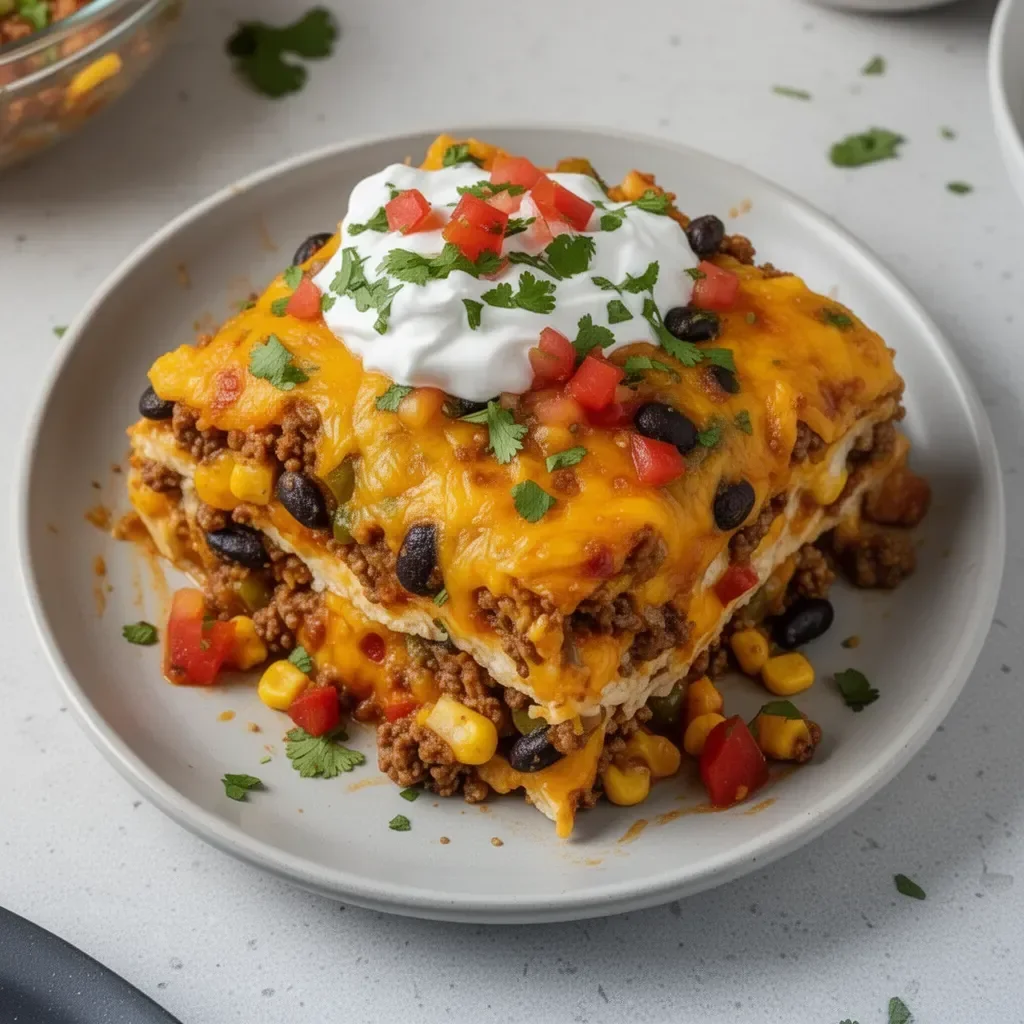
Mexican seasonings transform basic ground beef and rice into something vibrant and exciting. I’ll cook the beef with cumin, chili powder, garlic, and paprika, then mix it with rice that’s been cooked with tomatoes and spices. The creamy Mexican rice casserole with cheese and beans adds black beans and lots of cheese for a complete meal that satisfies everyone at the table.

The beauty of these casseroles is how they improve with time. The flavors meld as everything sits together, making leftovers even better than the first serving. For something with even more protein and heartiness, I’ll add an extra can of beans and maybe some corn. The easy hamburger rice casserole keeps things simple but no less delicious, proving that sometimes the most straightforward approach works best.
Ground Beef and Potato Combinations
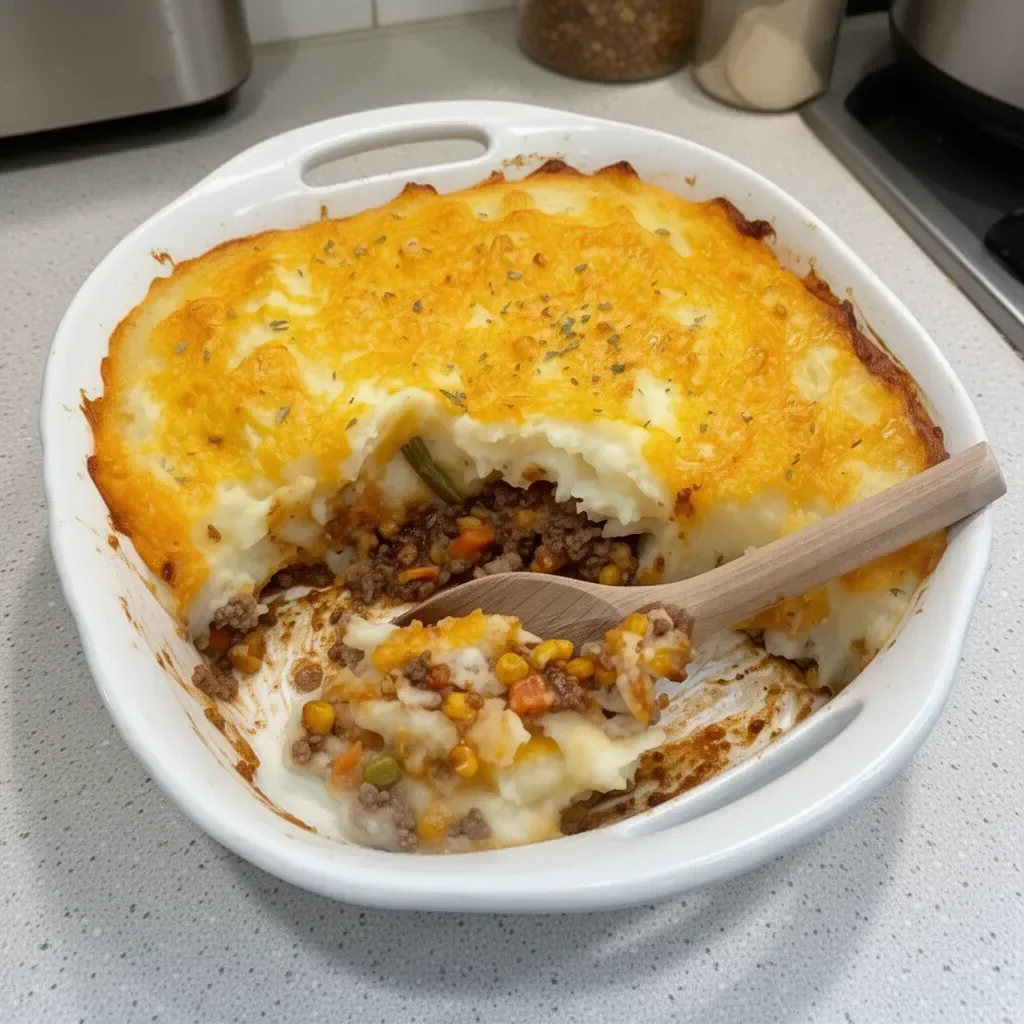
Potatoes and ground beef have always been natural partners. The ground beef and potatoes combinations I make most often involve layering or mixing seasoned beef with either mashed or diced potatoes, creating hearty meals that stick to your ribs in the best way possible.

Steak Tacos and Mexican-Style Beef Bowls
Steak tacos and burrito bowls blur the line between handheld food and bowl meals in the most delicious way. Take all the components of great street tacos, skip the tortilla or serve it on the side, and you have a bowl that captures those same bold flavors with more room for toppings and additions.

The steak for taco bowls should be seasoned assertively. I use a dry rub heavy on cumin, coriander, chili powder, garlic powder, and a touch of cinnamon for depth. After grilling, I slice it thin against the grain and let it rest in any accumulated juices. This keeps the meat moist and flavorful, ready to top rice, beans, and all the fixings.
The grilled steak elote tacos showcase how Mexican street corn elevates steak tacos. The charred corn with mayo, cotija, lime, and chili powder adds creamy, tangy, spicy elements that complement the beef perfectly. When you deconstruct these into a bowl format, each ingredient maintains its identity while contributing to the whole.

Using Leftover Steak Creatively
Leftover steak transforms into entirely new meals when you approach it creatively. The leftover steak fried rice turns yesterday’s dinner into today’s Asian-inspired bowl. I dice the cold steak, fry rice with vegetables and egg, then add the beef at the end so it warms through without overcooking. It’s a brilliant way to stretch expensive steak while creating something that feels completely different from the original meal.

Mexican Soups and Stews as Bowl Meals
Mexican beef soups often work as hearty bowl meals on their own. The Mexican beef and vegetable soup combines chunks of beef with vegetables in a rich, spiced broth. It’s substantial enough to be a complete meal, especially when you top it with avocado, cilantro, lime, and maybe some crispy tortilla strips.

Birria has exploded in popularity for good reason. The Mexican beef birria involves slowly braising beef in a rich, chile-based sauce until it’s fall-apart tender. The cooking liquid becomes a flavorful broth that you can sip alongside or pour over rice. It’s intense, deeply satisfying, and worth the time it takes to make properly.
For something quicker but still hearty, the one-pot chili beef with sweet potatoes combines ground beef with sweet potatoes, beans, and chili spices. The sweet potatoes add natural sweetness and extra nutrition while soaking up all the flavorful sauce.
Ground Beef Pasta Bowls: Creamy, Cheesy, and Completely Satisfying
Ground beef pasta combinations represent pure comfort food. These bowls bring together two of the most crowd-pleasing ingredients into meals that satisfy both kids and adults. The key is choosing pasta shapes that hold sauce well and building flavors that go beyond basic red sauce.

Creamy sauces work particularly well with ground beef. The high-protein creamy beef pasta uses a sauce made with Greek yogurt or cream cheese for extra protein while maintaining that rich, velvety texture. The beef cooks in the same pan where you’ll build the sauce, creating layers of flavor as everything melds together.
The creamy garlic beef and broccoli pasta adds vegetables to the mix without feeling like you’re trying too hard to be healthy. The broccoli florets soften in the sauce while maintaining some texture, and the garlic butter base makes everything taste indulgent.
Garlic Butter Pasta Variations
Garlic butter sauce has become my go-to for quick beef pasta bowls. I brown the ground beef, remove it, then build the sauce in the same pan with butter, lots of minced garlic, cream, and parmesan. The cheesy garlic butter linguine pasta with savory ground beef exemplifies this technique perfectly. The long pasta strands get coated in that rich sauce, with crumbles of seasoned beef throughout.

The savory garlic butter ground beef linguine takes a similar approach but lets the beef shine more prominently by seasoning it assertively before mixing everything together. Sometimes I’ll add a pinch of red pepper flakes for subtle heat or finish with fresh parsley for color and brightness.
Creamy Avocado and Mexican-Inspired Pastas
Avocado creates surprisingly delicious creamy pasta sauces. The creamy avocado cilantro pasta with ground beef blends ripe avocados with cilantro, lime juice, garlic, and pasta water to create a sauce that’s both rich and fresh. The bright green color makes it look special, and the flavor is unlike any traditional pasta sauce.

This technique works because the avocado’s natural creaminess creates body without heavy cream, while the cilantro and lime add Mexican-inspired brightness that complements seasoned ground beef. I’ll often top these bowls with diced tomatoes, more cilantro, and a squeeze of lime for extra freshness.
Stuffed Shells and Baked Pasta Bowls
Stuffed pasta takes bowl meals to another level of comfort. The creamy ricotta beef stuffed shells pasta recipe combines ground beef with ricotta, parmesan, and herbs, then stuffs it all into jumbo shells before baking in marinara. Each shell becomes its own little package of deliciousness, and the whole thing comes together in one baking dish.

For something even quicker, the creamy beef and shells skips the stuffing step and just mixes everything together. It’s faster but no less satisfying, with the shell pasta catching pockets of sauce and beef in every spoonful. The Velveeta beef bowtie pasta uses processed cheese for that ultra-creamy, slightly nostalgic flavor that somehow hits the spot perfectly.
Enchilada-Style Beef Pastas
Combining Mexican flavors with pasta might sound unusual, but it works beautifully. The beefy enchilada pasta casserole takes all the flavors of beef enchiladas and transforms them into a pasta bake. You get the spiced beef, the tangy enchilada sauce, the melted cheese, all clinging to pasta shapes instead of wrapped in tortillas.

The beef enchilada pasta streamlines the process even further, cooking everything in one pot for minimal cleanup. The pasta absorbs the enchilada sauce as it cooks, becoming deeply flavored in a way that’s impossible with separately boiled noodles. For something even more indulgent, the loaded cheeseburger stuffed pasta shells combine all the flavors of a bacon cheeseburger with jumbo pasta shells for a fun, over-the-top meal.
Beef Stroganoff and Creamy Mushroom Bowls
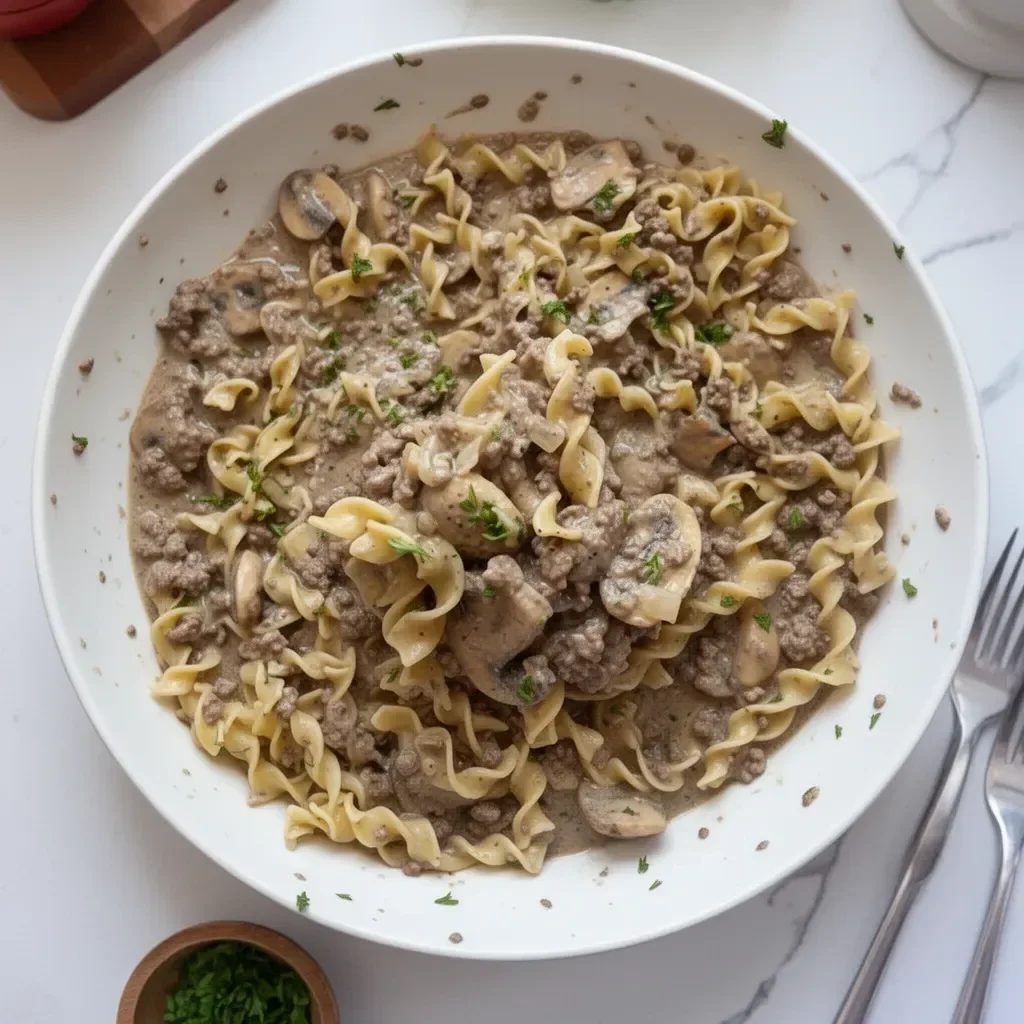
Beef stroganoff represents classic comfort food that translates perfectly to bowl format. The combination of tender beef, earthy mushrooms, and tangy sour cream sauce over noodles or rice creates layers of flavor and texture that feel both elegant and cozy. This is the bowl I make when I want something that tastes special without being fussy.

The beef and mushroom stroganoff I make most often starts with good quality beef cut into strips or medallions. I sear it quickly to develop a crust, then remove it while I cook sliced mushrooms until they’re golden brown. The pan gets deglazed with a splash of wine or brandy, then beef broth, sour cream, and Dijon mustard create that characteristic tangy, creamy sauce.

Mushrooms play a crucial role in stroganoff. I prefer a mix of varieties, cremini for earthiness, shiitake for umami depth, maybe some oyster mushrooms for texture. They need to cook long enough to release their moisture and then brown, concentrating their flavor. Rushing this step results in pale, rubbery mushrooms instead of the deeply flavored, golden pieces you want.

Quick Stroganoff Variations
For busy weeknights, the creamy Velveeta beef stroganoff and penne pasta offers a faster, more kid-friendly version. The Velveeta melts smoothly into the sauce without the risk of curdling that can happen with sour cream, and the processed cheese flavor is nostalgic and comforting. It’s not traditional, but sometimes tradition takes too long and you need dinner now.
Burgers and Burger-Inspired Bowls
Deconstructed burger bowls bring all the flavors of a great burger without the bun. This approach lets you pile on more toppings than any burger bun could hold, and it feels lighter while still delivering that satisfying burger experience. Plus, you can eat it with a fork without everything falling apart.

The viral crack burger phenomenon has taken over home kitchens for good reason. The crack burgers combine ground beef with ranch seasoning and bacon for intense, savory flavor. The viral crack burger recipe shows how mixing these ingredients directly into the beef creates patties that are pre-seasoned throughout rather than just on the surface.

When you transform this into a bowl, you can crumble or chop the cooked burger over lettuce, add all your favorite burger toppings, and drizzle with sauces that would make a bun soggy. The crack burger technique works whether you’re making patties or just browning seasoned ground beef for a quicker bowl assembly.
Smashburger Bowl Concepts
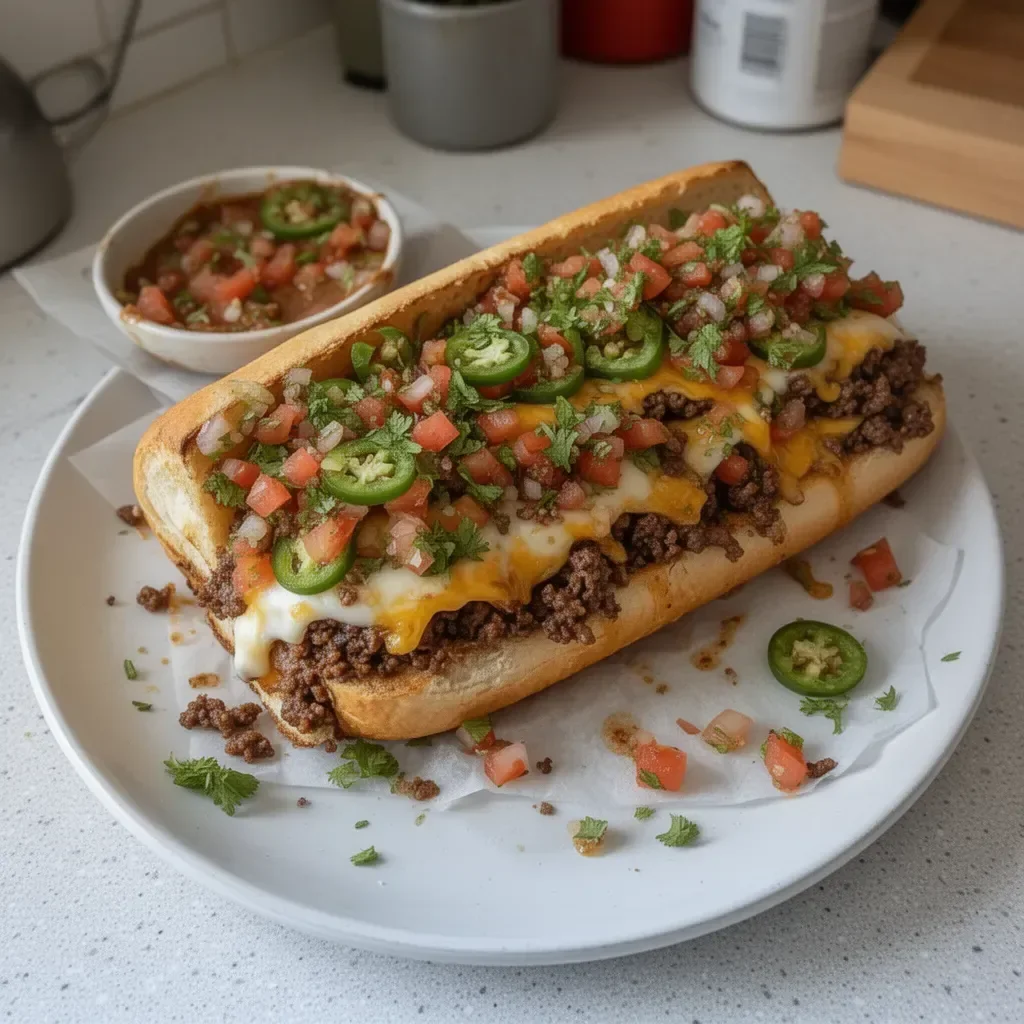
Smashburgers, with their crispy edges and juicy centers, translate wonderfully to bowl format. The smashburger quesadillas show how smashed beef can combine with other elements beyond traditional burger components. For bowls, I’ll smash the beef on a hot griddle, let it develop that crunchy crust, then break it into pieces to top rice or greens.

Gourmet Burger Bowl Variations
Upscale burger toppings create interesting bowl combinations. The bacon jam grilled cheeseburgers use sweet-savory bacon jam as a condiment that’s perfect for bowls. I’ll make the jam ahead, then use it as a topping along with caramelized onions and blue cheese for a sophisticated burger bowl experience.

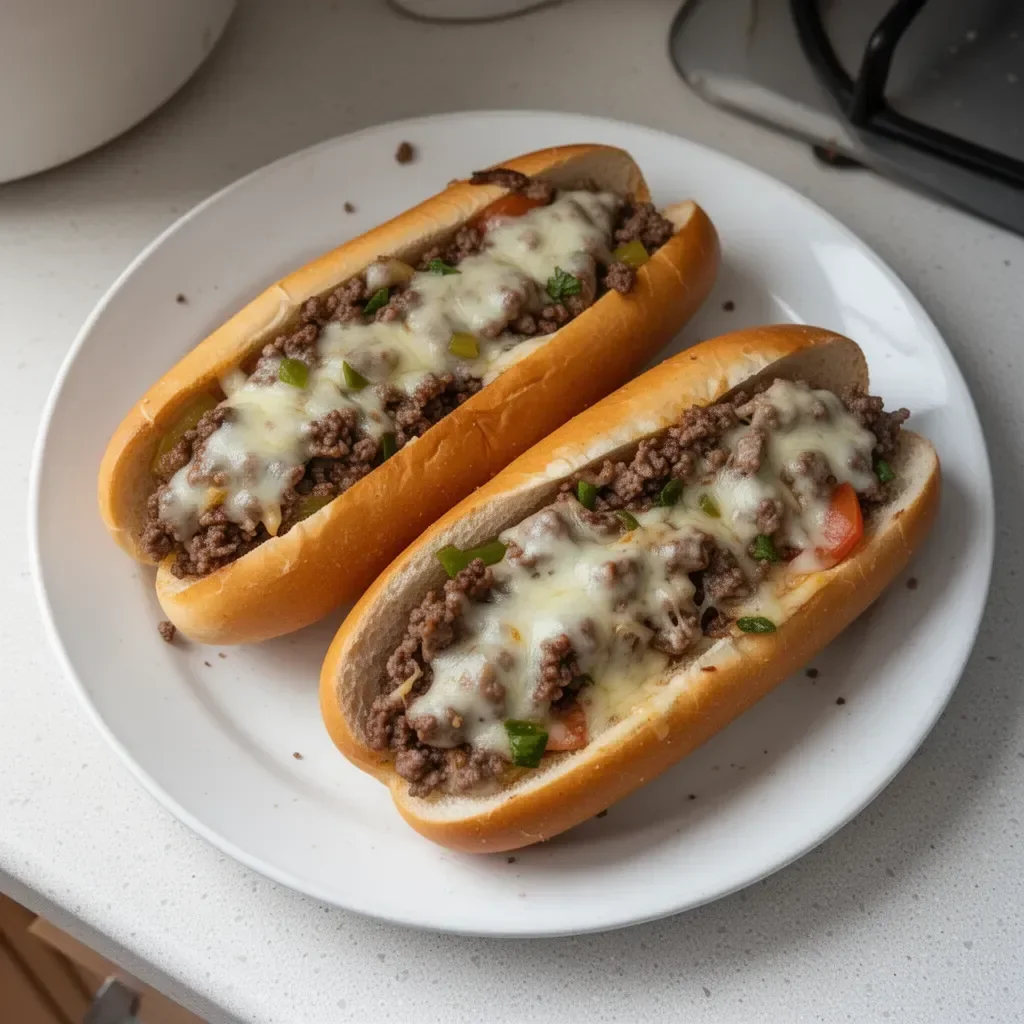
The BBQ bacon cheeseburger meatballs present burger flavors in bite-sized form. These work great over rice or pasta, with each meatball delivering bacon, cheese, and BBQ flavor. The mushroom swiss bacon burger combination translates to bowls by sautéing mushrooms, crisping bacon, and letting Swiss cheese melt over warm beef.
For something truly unique, the bacon blackberry cheesecake burger combines sweet and savory in unexpected ways. The blackberry jam with crispy bacon and cream cheese creates flavor contrasts that sound wild but actually work beautifully. The blackberry brie burger offers another fruit-and-cheese combination that elevates basic burger bowls into something special.
Garlic Parmesan Burger Bombs
The garlic parmesan cheeseburger bombs stuff seasoned ground beef around cubes of cheese, creating these little packages that ooze when you bite into them. For bowl applications, I’ll make these bombs and serve them over pasta or rice, letting the melted cheese mingle with whatever base you choose. The garlic butter bacon cheeseburger rollups recipe takes a similar approach with a different presentation.
Specialty Beef Bowls and Creative Combinations
Some of my favorite beef bowls defy easy categorization. They combine techniques and flavors from different cuisines or use beef in unexpected ways that create memorable meals. These are the bowls I make when I’m feeling adventurous or when I want to surprise dinner guests with something they haven’t seen before.
The beef tips and mushroom gravy over garlic mashed potatoes represents ultimate comfort food. Tender beef tips in rich mushroom gravy over creamy mashed potatoes creates a bowl that’s warming, satisfying, and perfect for cold weather. It feels like something you’d order at a diner but tastes better homemade.

Slow Cooker Beef Bowls
Slow cooker beef dishes make excellent bowl bases because the long cooking time creates tender meat and concentrated flavors. The crockpot beef tips and noodles transforms tough cuts into melt-in-your-mouth tender pieces swimming in savory gravy. You can start it in the morning and come home to a house that smells amazing and dinner that’s ready to serve.

The slow cooker pepper steak creates an Asian-inspired bowl with minimal effort. Bell peppers, onions, and strips of beef cook together in a sauce flavored with soy sauce, ginger, and garlic. Served over rice, it delivers restaurant-quality flavor from ingredients that have been gently simmering all day.

For something even more hands-off, the slow cooker beef brisket produces fall-apart tender meat that you can shred or slice for bowls. The cooking liquid reduces into a rich sauce that coats every strand of beef. The slow cooker beef roast works similarly, creating pot-roast-style beef that’s perfect over mashed potatoes or egg noodles.
Soup-Based Beef Bowls
Hearty soups often work as complete bowl meals. The slow cooker beef barley soup combines chunks of beef with chewy barley, vegetables, and rich broth for something that’s both soup and substantial enough to be a full meal. The barley absorbs flavors as it cooks, becoming almost creamy while maintaining its texture.
The crockpot beef barley soup takes this same concept and makes it even easier. Everything goes into the slow cooker in the morning, and by dinner time you have a pot of deeply flavored soup that tastes like it simmered for hours because it did.
Pot Roast Bowl Style
Classic pot roast becomes an excellent bowl meal when you think of it as beef, vegetables, and sauce over a starch base. The best crock pot pot roast recipe creates tender beef with vegetables in rich gravy. Serve it over mashed potatoes or egg noodles, and you have a bowl that delivers comfort and satisfaction in every spoonful.

Meatloaf and Ground Beef Casserole Bowls
Meatloaf might not seem like bowl food, but when you think of it as seasoned ground beef formed and baked, it becomes just another way to present beef in a bowl. Sliced meatloaf over mashed potatoes with vegetables creates a complete meal that hits all the right comfort food notes.

The French onion meatloaf incorporates caramelized onions and French onion soup flavors directly into the meat mixture. It’s savory, slightly sweet from the onions, and deeply satisfying. When you slice it and serve it in bowl format, those onion flavors permeate every bite.

The loaded potato meatloaf takes things further by incorporating mashed potatoes and all the fixings directly into the meatloaf itself. It’s like a loaded baked potato and meatloaf had a baby, and that baby is delicious.

Bacon and Cheese Meatloaf Variations
The bacon mushroom swiss cheese meatloaf stuffs meatloaf with sautéed mushrooms and Swiss cheese, then wraps the whole thing in bacon. When you slice through it, you get layers of beef, melted cheese, mushrooms, and crispy bacon in every piece. The double bacon swiss mushroom melt meatloaf doubles down on these flavors for something even more indulgent.

Mac and Cheese Meatloaf Mashups
The mac and cheese meatloaf casserole combines two comfort food favorites into one dish. Meatloaf forms the base, topped with creamy mac and cheese and baked until everything is hot and bubbly. The mac and cheese meatloaf and meatloaf with macaroni and cheese offer variations on this theme, each delivering that perfect marriage of seasoned beef and cheesy pasta.

Pizza-Inspired Beef Casseroles
The loaded meat lovers pizza casserole brings pizza flavors to bowl format. Ground beef combines with pizza sauce, cheese, and your favorite pizza toppings in a casserole that’s easier than making actual pizza but delivers similar satisfaction. It’s the kind of thing kids and adults both get excited about.

Expert Tips for Perfect Steak Bowls Every Time
After years of making steak bowls weekly, I’ve learned tricks that consistently produce better results. These aren’t complicated techniques, just small adjustments that make the difference between good bowls and great ones.
Temperature control matters more than you might think. I always let steak come to room temperature before cooking, about thirty minutes on the counter. Cold steak straight from the fridge cooks unevenly, with an overdone exterior and cold center. Room temperature steak cooks more uniformly and develops a better crust.

Resting meat isn’t optional, it’s essential. Those five to ten minutes after cooking allow juices to redistribute throughout the meat. If you slice immediately, all those flavorful juices run out onto your cutting board instead of staying in the beef. Be patient. Cover the steak loosely with foil and let it rest while you finish other bowl components.

Layering for the Perfect Bite
How you build your bowl affects how it eats. I start with the base, usually rice or grains, and let it cool slightly before adding other components. If everything is scalding hot, delicate greens will wilt too much and sauces will become runny. Room temperature or slightly warm bases work better.

I arrange ingredients in sections rather than mixing everything together. This lets each person customize their bites, taking more of what they love and less of what they don’t. It also looks more appealing, with distinct pockets of color and texture visible in the bowl.
Sauces should go on just before serving. If you dress the bowl too early, especially with vinaigrettes, everything gets soggy. I’ll often serve sauces on the side, letting people add as much or as little as they want. This is especially important for meal prep bowls that need to hold for a few days.
Common Mistakes and How to Avoid Them
Overcooking steak ruins bowl meals faster than anything else. I aim for medium-rare to medium, knowing the meat will continue cooking slightly as it rests. Use an instant-read thermometer and pull the steak at 130-135°F for medium-rare. It’ll coast up to 135-140°F during resting.

Don’t skip the high-heat sear. Whether grilling or pan-searing, you need serious heat to develop that caramelized crust. A weak sear results in gray, steamed-looking beef that lacks flavor. If your steak isn’t sizzling dramatically when it hits the heat, your pan or grill isn’t hot enough.

Slicing with the grain instead of against it is a texture killer. Even tender cuts become chewy when sliced wrong. Take a moment to identify which direction the muscle fibers run, then cut perpendicular to those lines. Your jaw will thank you.
Make-Ahead and Meal Prep Strategies
Steak bowls work beautifully for meal prep with a few considerations. I cook the steak and let it cool completely before refrigerating. Store it separately from other components so nothing gets soggy. Most cooked steak holds well for three to four days refrigerated.

I keep sauces and dressings separate until serving time. Even stored in the fridge, dressed greens become sad and wilted. Pack sauces in small containers and add them just before eating. This applies to anything with high moisture content like tomatoes or cucumbers, keep them separate until assembly.
Grains and rice reheat well but can dry out. I add a tablespoon of water before microwaving and cover the container to create steam. This refreshes the texture without making anything mushy. Steak reheats best at lower power levels, about fifty percent power for a minute or two, to avoid toughening.

Conclusion: Building Your Perfect Steak Bowl
Steak bowls have changed how I think about dinner. They’ve taught me that great meals don’t require complicated recipes or fancy techniques, just quality ingredients treated with respect and combined thoughtfully. Whether I’m throwing together a quick Korean ground beef bowl on a Tuesday or grilling flank steak for an elaborate Mediterranean creation on the weekend, the fundamental principles remain the same: good beef, complementary flavors, varied textures, and sauces that tie everything together.

The beauty of bowl meals lies in their flexibility. You can follow recipes exactly or use them as frameworks for your own creativity. That leftover steak from Sunday’s dinner becomes Monday’s fried rice. Ground beef and basic pantry staples transform into satisfying Korean bowls. A simple flank steak, some vegetables, and a good marinade create restaurant-quality meals at home.
Start with the basics: learn to cook your steak properly, master a few simple sauces, and understand how to balance flavors and textures. From there, experimentation becomes fun rather than stressful. Mix Asian flavors with Mexican toppings if that sounds good to you. Add an egg to anything. Swap quinoa for rice, or rice for cauliflower rice, or skip the base entirely and pile everything over greens.
The recipes and techniques in this guide give you tools to create endless variations. Each bowl can reflect your mood, the season, what’s in your fridge, or simply what you’re craving that day. That’s the real magic of steak bowls, they’re structured enough to guide you but flexible enough to evolve with your tastes and needs.
Ready to explore more delicious bowl creations? Check out these related guides:
Frequently Asked Questions
What’s the best cut of steak for bowls?
Flank steak and skirt steak work best for most bowl applications. They’re affordable, flavorful, slice beautifully against the grain, and cook quickly. Sirloin offers another good option if you want something slightly more tender. Ribeye and strip steaks are delicious but often too thick and expensive for bowls where you’re slicing and mixing with other ingredients.
How do I keep my steak tender in meal prep bowls?
Cook the steak to medium-rare, let it rest fully, then slice it thin against the grain. Store it separately from acidic ingredients and don’t reheat at full power. When reheating, use fifty percent microwave power and add a splash of water or broth to keep moisture. The steak won’t be quite as tender as fresh, but proper technique maintains good texture for three to four days.
Can I use ground beef instead of steak for these bowls?
Absolutely. Ground beef works wonderfully and costs less. Many of the flavor profiles in these recipes, especially Korean, Mexican, and Italian-inspired bowls, adapt perfectly to ground beef. You lose the steakhouse experience but gain convenience and budget-friendliness while maintaining great flavor.
What’s the best way to reheat steak without overcooking it?
Reheat gently at low temperature. In the microwave, use fifty percent power in thirty-second intervals. On the stovetop, warm it briefly in a pan with a little butter or oil over medium-low heat. In the oven, wrap in foil and warm at 250°F just until heated through. The goal is warming, not cooking further.
How long do steak bowls last in the fridge?
Properly stored, steak bowl components last three to four days refrigerated. Keep ingredients separate rather than assembled, especially sauces, dressings, and delicate vegetables. Cooked steak holds well when cooled quickly and stored in an airtight container. Rice and grains last similarly, though they may need refreshing with a splash of water when reheating.
What vegetables work best in steak bowls?
Hearty vegetables that don’t wilt quickly work best. Roasted or grilled peppers, corn, broccoli, green beans, and Brussels sprouts all hold up well. Raw vegetables like cucumbers, carrots, and cabbage add crunch. Delicate greens like arugula or spinach should be added fresh at serving time rather than stored in assembled bowls.
Can I freeze steak bowls?
Cooked steak freezes reasonably well for up to three months, though the texture won’t be quite as good as fresh. Freeze components separately rather than assembled bowls. Rice, grains, and cooked steak freeze well. Most sauces and many vegetables freeze fine. Avoid freezing delicate greens, fresh tomatoes, or cucumbers.
What’s the difference between bulgogi and regular Korean beef?
Bulgogi specifically refers to thinly sliced beef marinated in a sweet-savory sauce with soy, sugar, garlic, and sesame oil, then grilled or pan-fried. The marinade and thin slicing are what make it bulgogi. Korean ground beef uses similar flavors but with ground meat and no marinating time, making it quicker and more budget-friendly.
How do I make my steak bowls more filling?
Add more substantial bases like brown rice, quinoa, or farro instead of white rice. Include beans or lentils for extra protein and fiber. Load up on roasted vegetables, which add volume without excessive calories. Consider adding a fried or poached egg on top for richness and additional protein.
What’s the best sauce for steak bowls?
It depends on the flavor profile. For Asian bowls, try gochujang mayo, sesame-ginger dressing, or simple soy-based sauces. For Mexican bowls, cilantro-lime crema, chipotle ranch, or avocado sauce work beautifully. For Mediterranean bowls, tzatziki, tahini dressing, or lemon-herb vinaigrette complement the ingredients perfectly.
Can I make steak bowls dairy-free?
Yes, easily. Skip cheese and cream-based sauces, using alternatives like avocado, cashew cream, or coconut milk-based sauces instead. Many Asian and Mexican-inspired bowls are naturally dairy-free or easily adapted. Focus on bold seasonings, plenty of vegetables, and flavorful marinades to create satisfaction without dairy richness.
How do I get restaurant-quality char on my steak at home?
Use extremely high heat, whether grilling or pan-searing. Pat the steak completely dry before cooking, moisture prevents browning. Let your grill or pan preheat for at least five minutes until smoking hot. Don’t move the steak around, let it sit undisturbed to develop that crust. A cast iron pan works better than regular pans for indoor cooking.

🍳 Precision Meets Passion — Tools Chefs Trust Daily

- Grams & ounces — precise to 1g
- Perfect for baking & keto tracking
- Sleek stainless steel design

- German stainless precision
- Razor-sharp & dishwasher-safe
- Elegant wood block organizer

- Premium Stainless Steel Build
- Easy to Clean & Dishwasher Safe
- A Must-Have Kitchen Tool