➤ Table of Contents
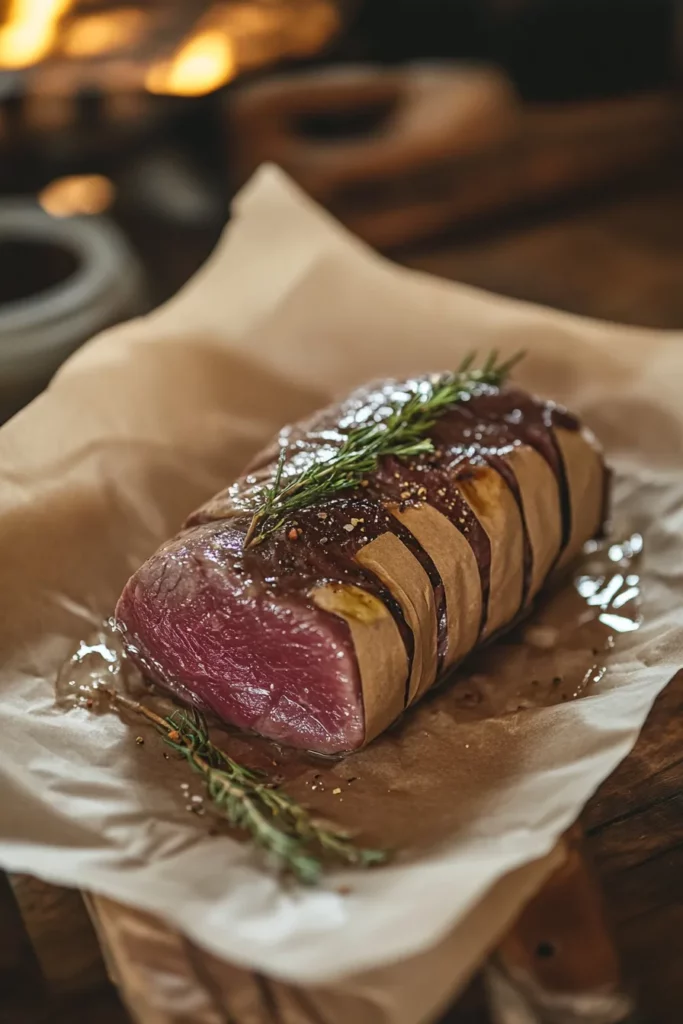
I still remember the first time my uncle handed me a brown-paper-wrapped package from his freezer, the wax paper crackling as I unfolded it. Inside was a deep burgundy venison backstrap, and honestly, I had no idea what to do with it. I’d grown up on grocery store meat, where everything came with cooking instructions on the back. This felt different—wilder, more honest, a little intimidating.
⚡ Smart Kitchen Tools Every Home Cook Swears By

- Pure aluminum
- Durable enough for everyday cooking
- Made in the USA with quality

- 7 cooking functions in one compact cooker
- 3-quart size ideal for couples or small meals
- Up to 70% faster than traditional cooking

- 3 sizes for every recipe
- Pre-seasoned & durable cast iron
- Oven & grill ready
I seasoned it simply, cooked it too long, and served something that tasted like I’d sautéed a boot. But that failure lit something in me. I wanted to understand this meat—to honor the animal, the hunter, and the tradition of cooking what the land provides. So I started asking questions, reading everything I could find, and most importantly, cooking venison every way imaginable.
Over the years, venison has become one of my favorite proteins to work with. It’s lean, flavorful, and incredibly versatile—just as comfortable wrapped in bacon with a sweet glaze as it is simmering in a rich curry or grilled over charcoal with nothing but salt and pepper. Whether you’re a seasoned hunter cooking your own harvest or someone who just picked up venison from a local farm or butcher, this guide will walk you through everything you need to know.
We’ll cover the best cuts and how to cook them, essential techniques to keep the meat tender and juicy, marinades and seasonings that complement venison’s natural flavor, and dozens of recipe ideas—from elegant backstrap preparations to hearty ground venison dishes. You’ll learn how to make your own jerky and sausage, how to avoid the most common mistakes, and how to turn even the toughest cuts into something absolutely delicious.
Cooking venison isn’t just about following a recipe. It’s about understanding the meat, respecting its lean nature, and learning to work with it instead of against it. Let’s dive in.
Understanding Venison: What Makes Wild Game Different
The first thing you need to know about venison is that it’s not beef with antlers. The flavor, texture, and fat content are completely different, and if you approach it the same way you’d cook a ribeye, you’re going to end up disappointed. Venison is lean—really lean. While a beef steak might have marbling throughout, venison has almost no intramuscular fat. This means it cooks faster, dries out more easily, and benefits enormously from fat additions like bacon, butter, or oil-based marinades.
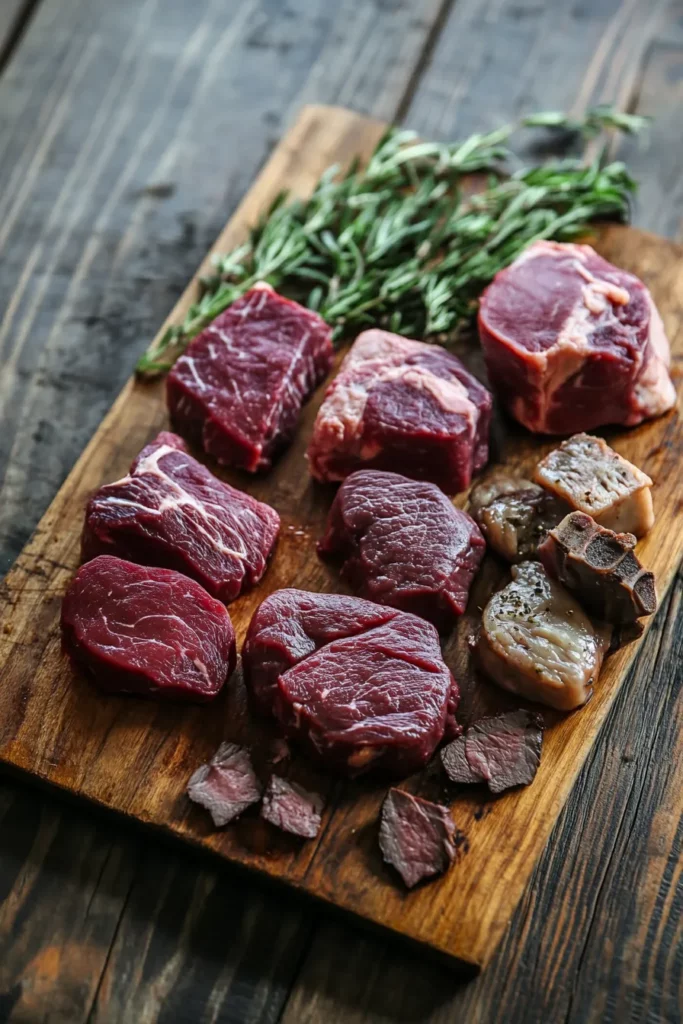
The flavor of venison varies depending on what the deer ate, how old it was, and how the meat was handled after harvest. In general, venison has a clean, slightly sweet, earthy flavor that’s richer than beef but not as intensely gamey as lamb. Some people describe it as tasting like the forest—hints of acorn, grass, and wild herbs. If you’ve had venison that tasted overly strong or “gamey,” it likely wasn’t handled properly after the kill or wasn’t trimmed well. Silver skin, fat, and connective tissue on venison can carry stronger flavors, so proper trimming makes a huge difference.
Different cuts of venison behave differently in the kitchen. The backstrap and tenderloin are the most prized—tender, lean, and perfect for quick, high-heat cooking. These are the cuts you want to treat like a fine steak, cooking them medium-rare and letting them rest before slicing. If you’re looking for show-stopping preparations, try cowboy butter venison backstrap, where herb-packed compound butter melts into every bite, or go bold with bacon-wrapped venison backstrap for added richness and moisture.
Shoulder, neck, and shank meat are tougher and best suited for slow cooking methods—braising, stewing, or grinding. These cuts have more connective tissue that breaks down beautifully over low, slow heat, creating incredibly flavorful and tender results. Ground venison is one of the most versatile forms, perfect for everything from burgers to sausage to pasta sauces. Learning how to cook ground venison properly opens up a world of everyday meal possibilities.
One more thing about venison: it’s incredibly healthy. It’s high in protein, low in fat, and rich in iron, B vitamins, and other nutrients. For people looking to eat cleaner or reduce their consumption of factory-farmed meat, venison offers a sustainable, ethical alternative that tastes incredible when cooked with care.
Mastering Venison Backstrap: The Crown Jewel Cut
If venison were royalty, the backstrap would wear the crown. This long, tender muscle runs along the spine and is the most sought-after cut for good reason—it’s incredibly tender, cooks quickly, and has a mild, sweet flavor that pairs beautifully with both bold and subtle seasonings. When cooked properly, venison backstrap rivals the finest beef tenderloin, with a texture that’s buttery and a flavor that’s distinctly its own.
🥗 Fresh, Fast & Foolproof — Upgrades You'll Use Tonight

- Zoodles in seconds
- Heavy-duty, 10 sharp blades
- Keto, paleo & gluten-free friendly

- Meals in ~30 minutes
- 3-Qt — perfect for 1–3 people
- Pressure cook, sauté, steam & more

- Phone alerts & live temp graph
- Hands-off monitoring for smokers
- Perfect doneness, every time
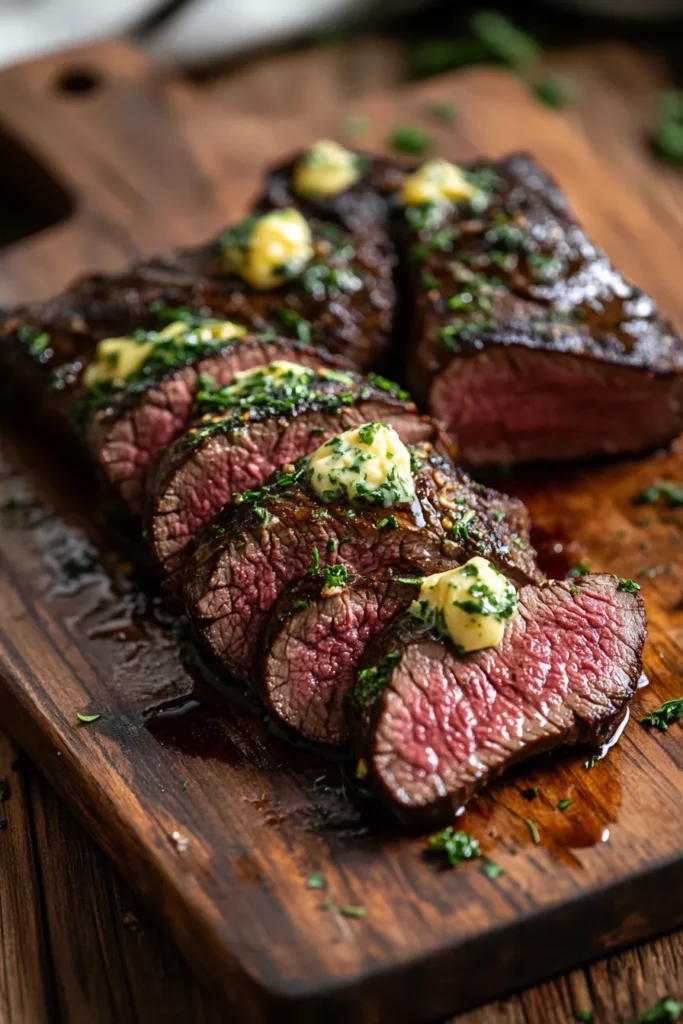
The key to perfect backstrap is simple: don’t overcook it. This cut has almost no fat, so it goes from perfectly medium-rare to dry and tough in a matter of minutes. I always aim for an internal temperature of 130-135°F, which gives you a beautiful pink center and juicy, tender meat. Let it rest for at least 5 minutes after cooking—this allows the juices to redistribute so they don’t all run out when you slice.
One of my favorite ways to prepare backstrap is stuffed. There’s something magical about slicing into a perfectly seared piece of meat and finding a molten center of cream cheese, jalapeños, or mushrooms. Try stuffed venison backstrap for a classic preparation, or kick it up with jalapeño cream cheese stuffed venison backstrap if you like a little heat. For something truly decadent, stuffed venison backstrap with jalapeño cream cheese and garlic butter glaze brings together spicy, creamy, and rich in one unforgettable dish.
Grilling backstrap is another excellent option, especially in warmer months. The high, direct heat creates a beautiful crust while keeping the interior tender and rosy. I love finishing grilled backstrap with bright, herbaceous sauces that cut through the richness. Traeger grilled venison backstrap with chimichurri rub is a summer favorite, while venison backstrap with jalapeño cilantro sauce brings fresh, zesty flavors that wake up your palate.
If you want something with a touch of sweetness, glazes work beautifully on backstrap. The lean meat takes on sticky, caramelized flavors that balance its natural earthiness. Grilled venison backstrap with brown sugar glaze is simple but stunning, while venison backstrap with blackberry jalapeño glaze combines sweet, spicy, and fruity in a way that feels both rustic and elegant.
Don’t forget about bacon-wrapped preparations—they add moisture, flavor, and a satisfying textural contrast. Bacon-wrapped venison backstrap with mushroom cream sauce is rich and comforting, perfect for a special dinner. And for taco lovers, venison backstrap tacos with blackberry chipotle salsa turns this elegant cut into something fun and shareable.
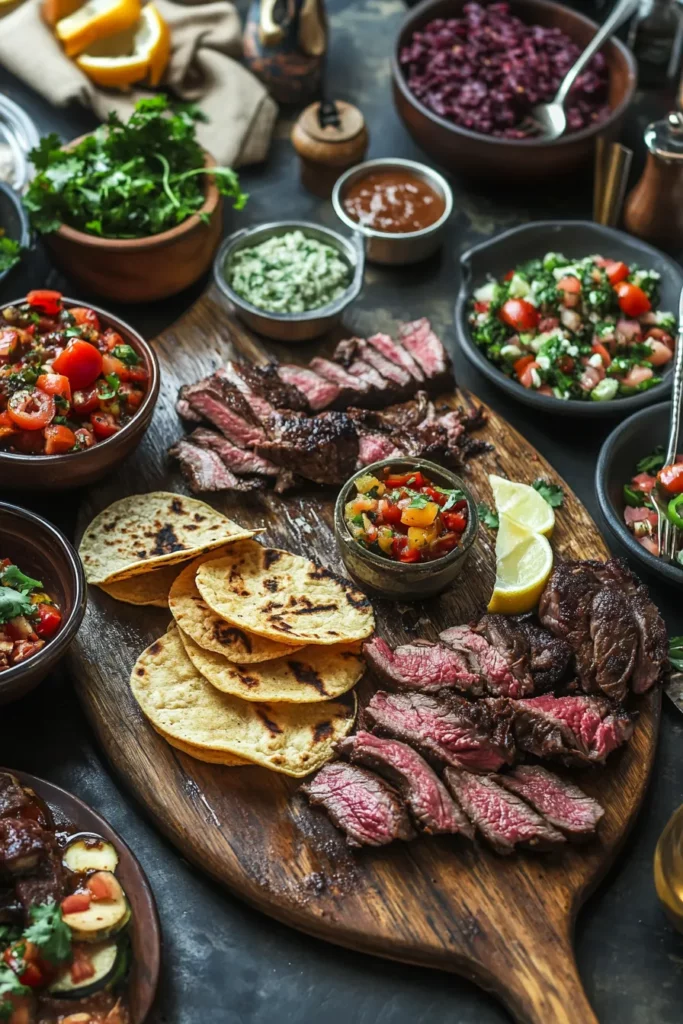
For a Latin-inspired twist, venison backstrap carne asada is marinated in citrus and spices, then grilled to perfection—ideal for tacos, salads, or rice bowls. And if you’re a fan of smoking meat, smoked venison backstrap with chimichurri adds a layer of smoky depth that pairs beautifully with the bright, garlicky herb sauce.
Grilling vs. Pan-Searing Backstrap
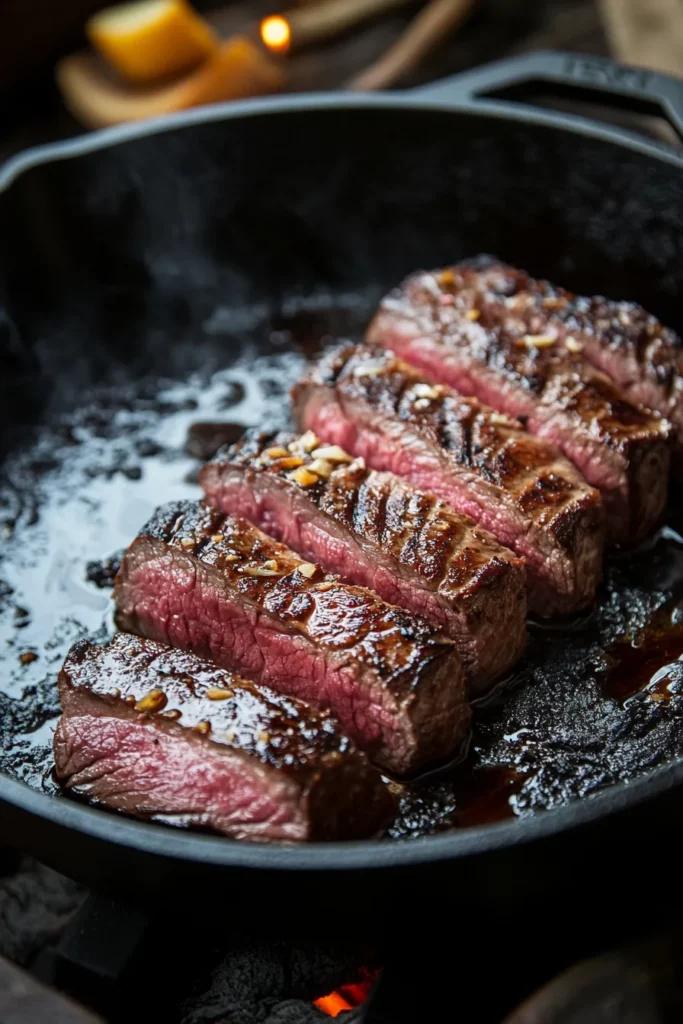
Both methods work wonderfully, but they create slightly different results. Grilling gives you those gorgeous char marks and a hint of smokiness, especially if you’re using wood or charcoal. Pan-searing in a cast-iron skillet gives you more control over the crust and lets you easily make a pan sauce with the drippings. I often sear backstrap in a hot skillet with butter and fresh herbs, then finish it in the oven for even cooking. Either way, high heat and short cooking times are your friends.
Resting and Slicing
This is where a lot of people go wrong. After cooking, let your backstrap rest on a cutting board, loosely tented with foil, for 5-10 minutes. This gives the muscle fibers time to relax and reabsorb juices. When you’re ready to slice, cut against the grain into medallions about half an inch thick. Slicing against the grain shortens the muscle fibers, making each bite more tender.
Venison Tenderloin: Small but Mighty
If backstrap is the crown, tenderloin is the hidden jewel. These two small strips of meat run inside the body cavity along the backbone, and they’re the most tender cut on the entire animal. They’re also quite small—usually only a few ounces each—so they’re often saved for special occasions or cooked whole as an elegant centerpiece.
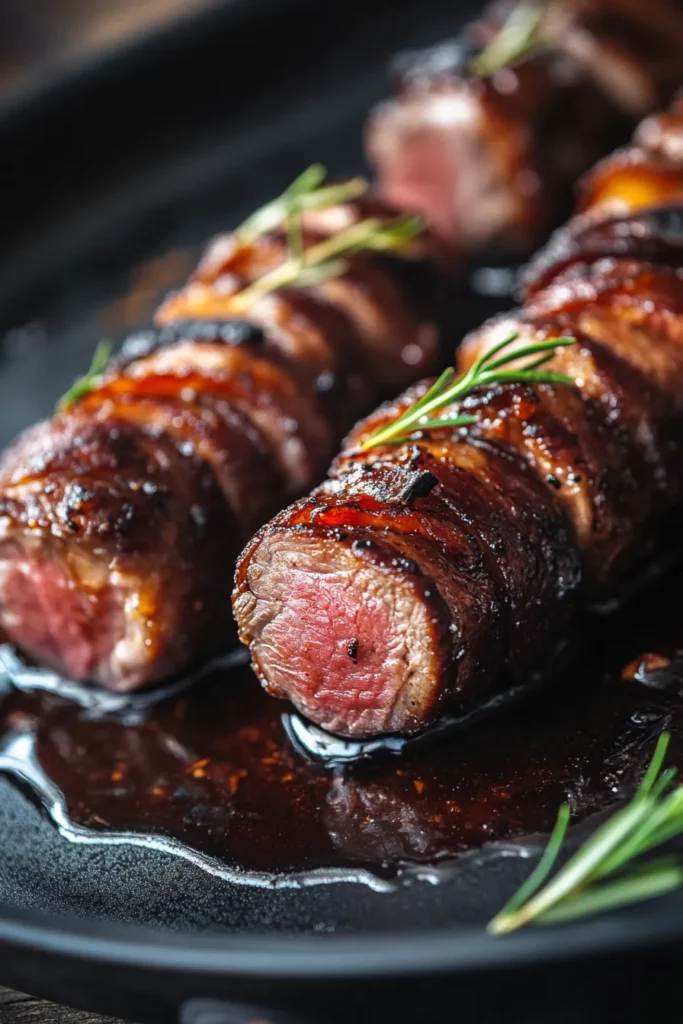
Tenderloin is incredibly delicate, which means it benefits from bold flavors and protective cooking methods. Wrapping it in bacon not only adds richness but also shields the meat from drying out. Sweet and spicy bacon-wrapped venison tenderloin is a perfect example—the bacon crisps up beautifully while keeping the meat inside juicy and tender. For something more refined, try bacon-wrapped venison tenderloin with garlic cream sauce, or embrace fall flavors with bacon-wrapped venison tenderloins with maple syrup glaze.
Glazes are another wonderful way to elevate tenderloin. The meat’s mild flavor acts as a perfect canvas for sweet, tangy, or spicy sauces. Maple-glazed venison tenderloin is a fall classic, while smoky maple Dijon glazed venison tenderloin adds a sophisticated edge with mustard and a touch of smoke. For a festive option, cranberry-glazed venison tenderloin brings tart, jewel-toned brightness that’s perfect for holiday tables.
If you’re looking for something with more texture, Parmesan-crusted venison with creamy mushrooms creates a golden, crispy exterior that contrasts beautifully with the tender meat inside. And for a fruit-forward approach, venison tenderloin with blackberry reduction and venison medallions with blueberry balsamic glaze both offer sweet-tart sauces that complement the meat’s natural richness.
For an elegant presentation with Scandinavian flair, Scandinavian-style venison tenderloin with blueberry pairs the meat with lingonberry-style fruit and earthy spices. Or try seared venison loin with blueberry balsamic reduction for a quick, restaurant-quality dish.
Ground Venison: Everyday Versatility
Ground venison is where everyday cooking meets wild game. It’s affordable if you’re processing your own deer, incredibly versatile, and can be used in virtually any recipe that calls for ground beef. The challenge with ground venison is the same as with other cuts—it’s very lean, so it can dry out or taste crumbly if not handled correctly.
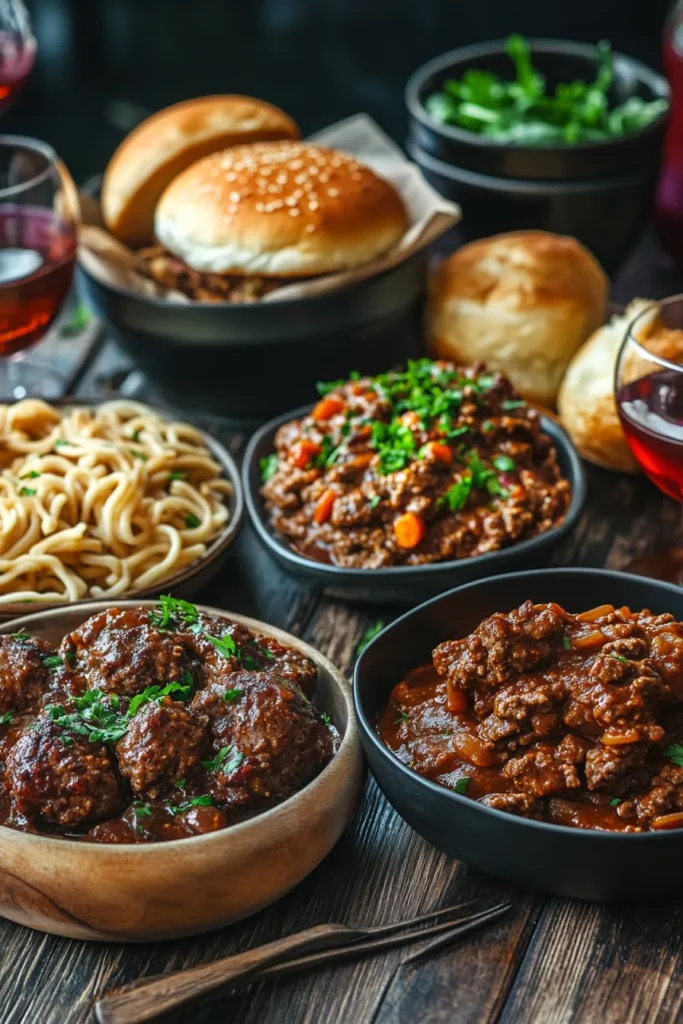
The secret to juicy ground venison is adding fat. Many hunters and butchers mix venison with Beef fat, or bacon when grinding, aiming for about 80/20 or 85/15 meat-to-fat ratio. If your venison is already ground and very lean, you can add moisture through ingredients like grated onion, eggs, breadcrumbs soaked in milk, or even a splash of Worcestershire sauce. These additions keep the meat moist and flavorful without making it greasy.
Burgers are a natural starting point. Venison burgers have a wonderful, slightly sweet flavor that pairs beautifully with bold toppings. Check out venison burger meat recipes for foundational techniques, then explore fun variations like venison burger sliders with cowboy butter for a flavor-packed bite-sized option.
Smash burgers are having a moment, and venison makes incredible ones. The high heat creates a crispy, caramelized crust while keeping the inside juicy. Maple cranberry venison smash burgers with Brie and crispy bacon is a fall and winter favorite, combining sweet, savory, and creamy in every bite. Cranberry Brie venison smash burgers with caramelized onions takes a similar approach with extra depth from slow-cooked onions.
For summer grilling, try blackberry and bacon venison burgers with creamy Brie or grilled venison smash burgers with blackberry peach salsa and whipped Brie. The fruit adds a bright, jammy sweetness that’s unexpected and delicious. And if you like a little kick, charred venison smash burgers with pineapple jalapeño relish and whipped goat cheese brings tropical heat and tangy creaminess together.
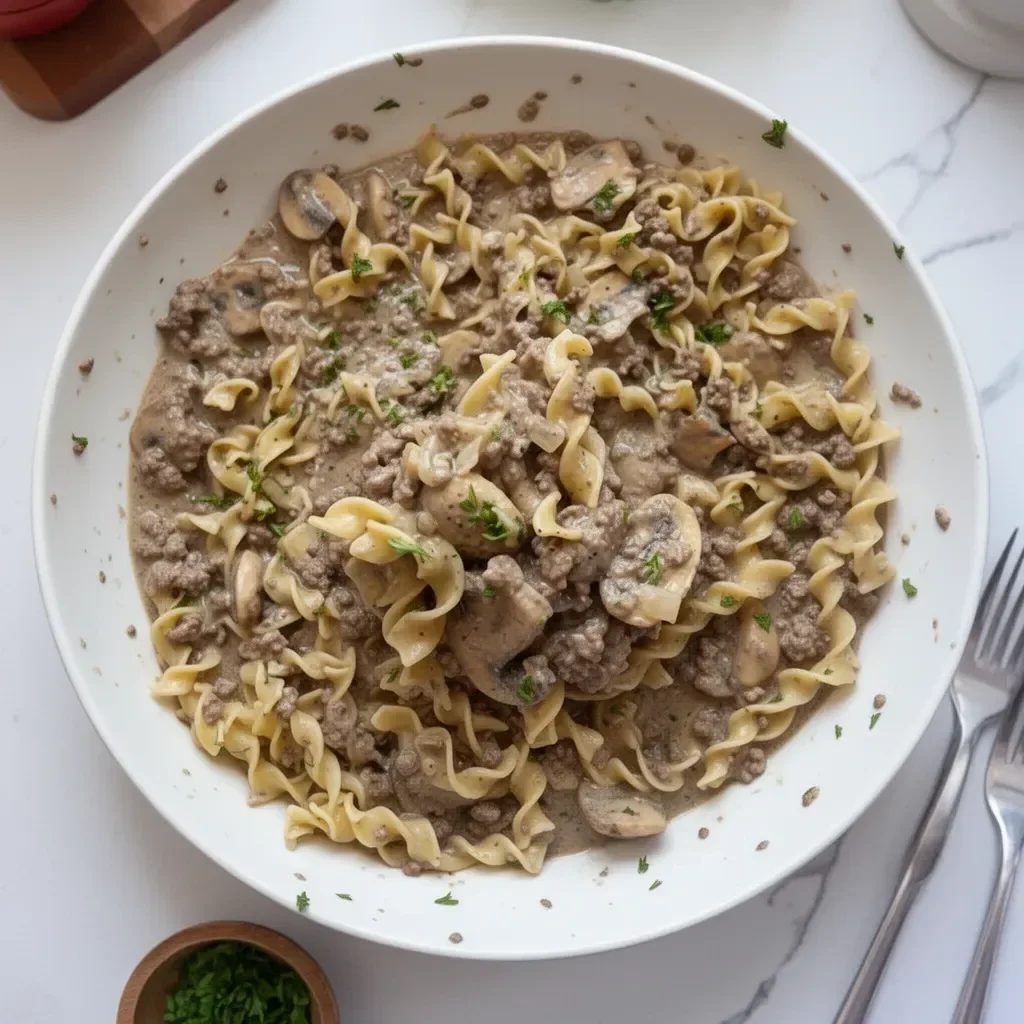
Beyond burgers, ground venison shines in comfort food classics. Ground venison stroganoff is quick, creamy, and perfect over egg noodles. Venison stroganoff casserole with egg noodles turns the same flavors into a make-ahead baked dish that’s ideal for feeding a crowd. And if you’re craving something with more cheese and comfort, cheesy venison stroganoff bake delivers in spades.
For heartier, stew-like dishes, ground venison works beautifully in chili, cabbage rolls, and slow-simmered sauces. Venison chili is a cold-weather staple in our house, rich with spices and beans, while venison cabbage rolls bring old-world comfort with tender cabbage wrapped around seasoned meat and rice.
Making Ground Venison Juicy
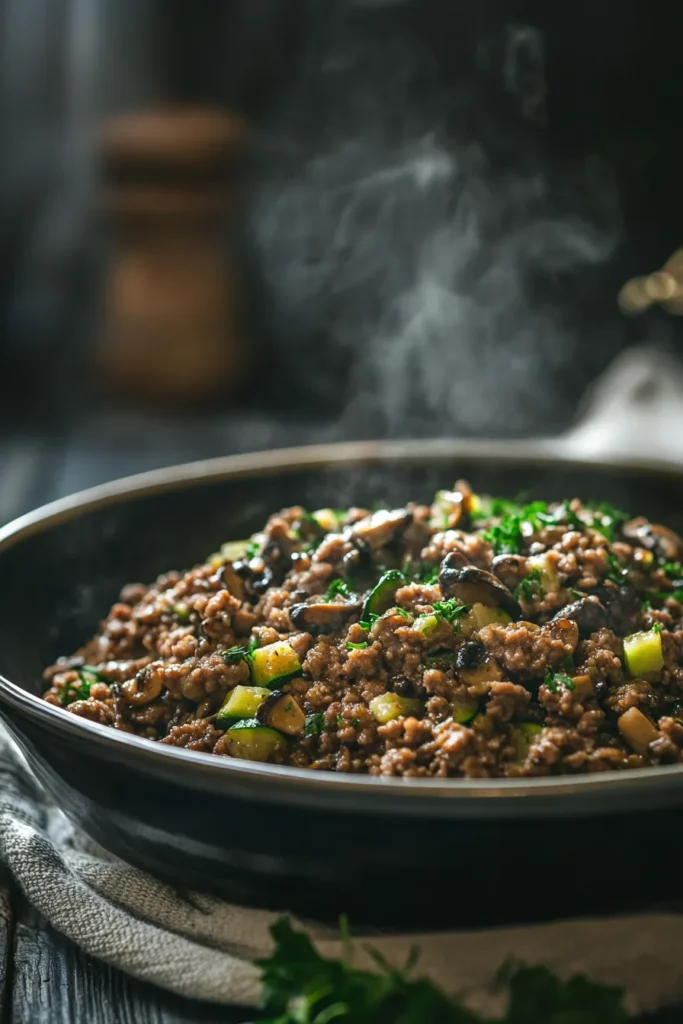
If you’re working with super-lean ground venison, here’s a trick I learned from a butcher friend: add finely diced mushrooms or grated zucchini. They release moisture as they cook, keeping the meat from drying out, and their mild flavor blends right in. You can also mix in a tablespoon of mayonnaise or sour cream per pound of meat—it sounds odd, but it works.
Venison Sausage: Flavor-Packed and Endlessly Customizable
Making your own venison sausage is one of the most rewarding ways to use wild game. Whether you’re stuffing casings for links or forming patties for breakfast, sausage lets you control the flavors, fat content, and spice level. Plus, it’s a great way to use trim and tougher cuts that might not shine on their own.
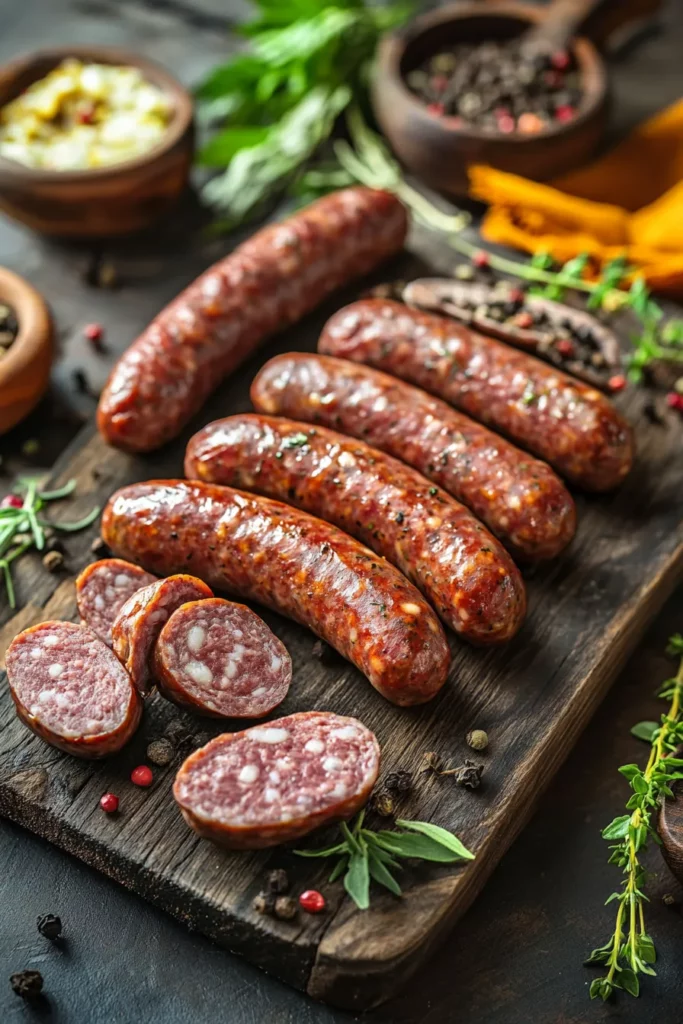
The foundation of good sausage is the right meat-to-fat ratio, proper seasoning, and thorough mixing to develop the right texture. Most venison sausages use a 70/30 or 80/20 venison-to-beef fat ratio, though you can also use beef fat or even bacon. The fat is essential—it keeps the sausage moist, helps the seasonings blend, and gives you that satisfying, juicy bite.
Breakfast sausage is a natural starting point. Smoky maple venison sausage with black pepper kick has become a weekend breakfast staple for us, combining sweet, smoky, and peppery notes. For something with more heat, try zesty spicy venison breakfast sausage, which brings a wake-up call of red pepper and garlic.
Jalapeño and cheddar is a classic flavor combination that works beautifully with venison’s mild, slightly sweet flavor. Venison jalapeño cheddar patties are perfect for breakfast sandwiches or alongside eggs and hash browns. Venison jalapeño cheddar sausage patties and zesty venison jalapeño cheddar sausage patties are similar takes with slightly different spice profiles.
For dinner sausages, options get even more exciting. Spicy venison sausage with cheese is great on its own or sliced into pasta dishes. Venison chorizo with jalapeño and sharp cheddar brings bold Mexican-inspired flavors, perfect for tacos, breakfast burritos, or crumbled over nachos.
If you have a smoker, smoked sausages take things to the next level. Smoked venison bratwurst is a summer grilling essential, while smoked venison bratwurst with garlic and herbs adds extra aromatic depth. Smoked venison cheddar brats are a tailgating favorite, and smoked venison kielbasa is perfect for slicing into soups, pastas, or serving alongside sauerkraut and mustard.
Blueberry might sound like an unusual addition to sausage, but it’s fantastic. Blueberry and thyme venison sausage patties have a subtle sweetness and herbal complexity that makes breakfast feel special. And for something truly adventurous, venison and beef sausage links blend two meats for a richer, more complex flavor.
Summer Sausage: A Hunter’s Tradition
Summer sausage is one of the most popular ways to preserve and enjoy venison. It’s shelf-stable when properly cured and smoked, making it perfect for gifting, snacking, or taking on camping trips. The texture is firm and sliceable, the flavor is tangy and slightly fermented, and it pairs beautifully with cheese and crackers.
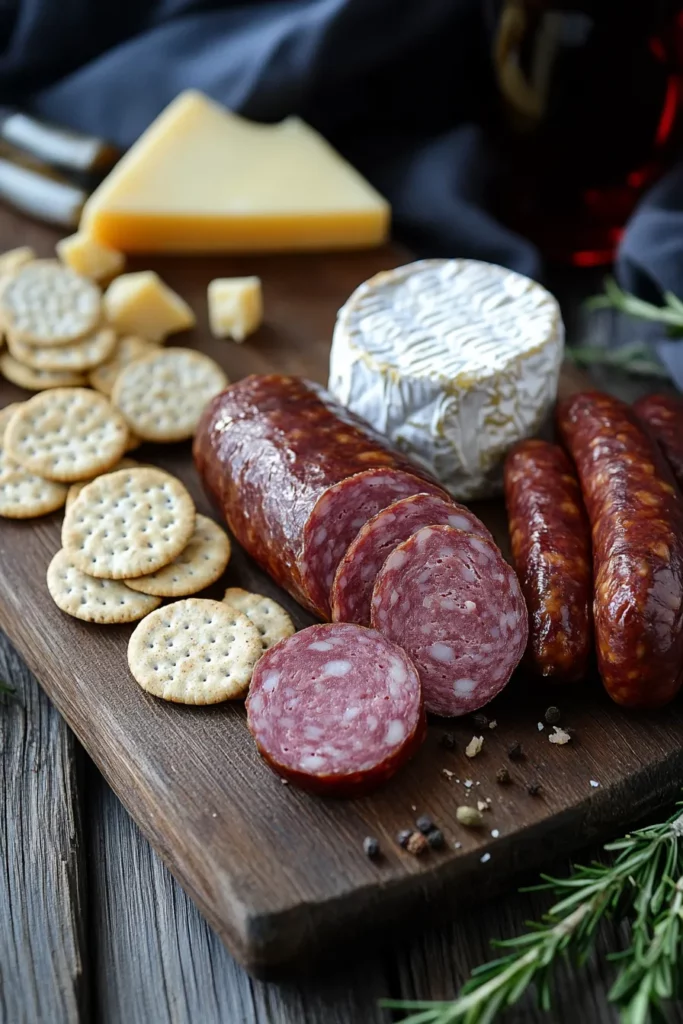
Start with a classic recipe like venison summer sausage or smoked venison summer sausage to learn the process. Once you’re comfortable, branch out into flavored versions. Venison jalapeño cheddar summer sausage is a crowd favorite, combining spicy, smoky, and creamy in every slice.
For variety, try spicy venison summer sausage with jalapeño and cheddar, classic homemade venison summer sausage, or homemade venison summer sausage. Each has subtle differences in seasoning and technique. Rustic artisan venison summer sausage leans into old-world flavors, while baked venison summer sausage offers a simpler method if you don’t have a smoker.
If you love summer sausage but want bite-sized options, venison and jalapeño cheddar sausage bites and venison jalapeño cheddar summer sausage bites are perfect for parties and snacking.
Venison Jerky and Snack Sticks: Portable Protein Perfection
Jerky and snack sticks are some of the best ways to preserve venison and create portable, protein-packed snacks that last for weeks. The process involves marinating thin slices or ground meat, then drying them slowly until they’re shelf-stable. The result is chewy, intensely flavored, and incredibly satisfying.
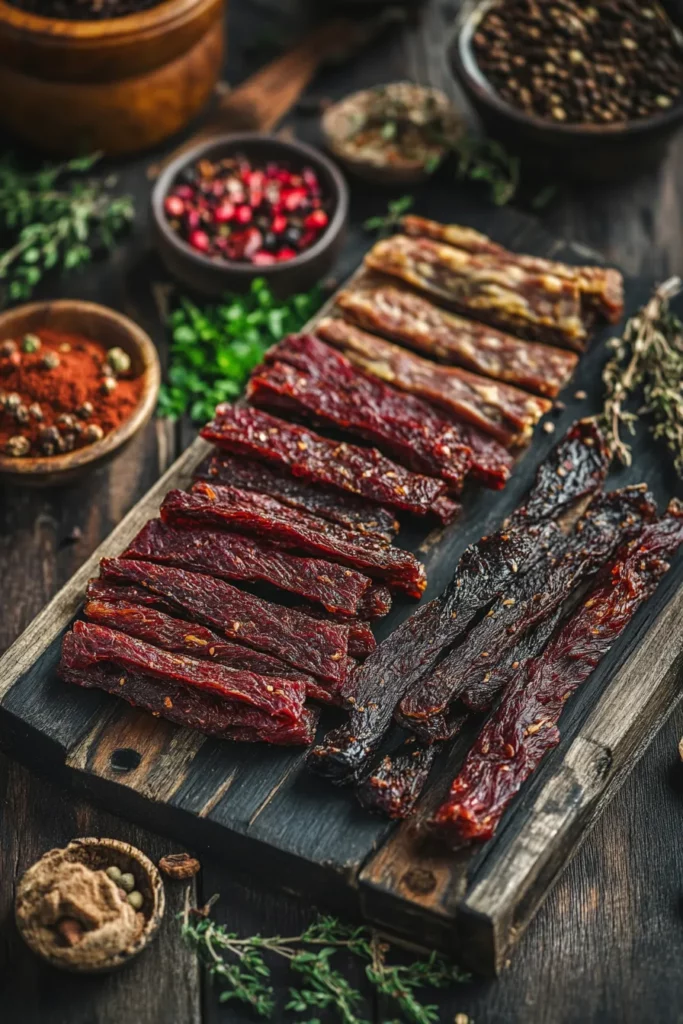
Making jerky at home lets you control the ingredients, avoid preservatives, and customize the flavors to your taste. You can use a dehydrator, smoker, or even your oven on the lowest setting. The key is consistent, low heat and patience—rushing the process results in jerky that’s either too dry or spoils quickly.
Classic flavors are always a win. Hickory-smoked venison jerky is smoky, savory, and timeless, while teriyaki venison jerky brings sweet, salty, umami flavors that are addictive. Smoked venison jerky is another straightforward option that lets the meat and smoke shine.
Maple is a natural partner for venison, adding sweetness that balances the meat’s earthiness. Maple-smoked venison jerky and classic maple venison jerky are both excellent starting points. For something more complex, try maple apple cider venison jerky with fall spices, which combines maple, apple, cinnamon, and clove for a taste of autumn.
If you like a bit of heat, sweet and spicy maple venison jerky balances sweetness with cayenne or red pepper flakes. Maple chipotle venison jerky adds smoky, earthy heat from chipotle peppers, and sweet spicy maple venison jerky offers a similar balance.
Brown sugar is another fantastic sweetener for jerky. Smoky brown sugar venison jerky has a deep, molasses-like sweetness, while brown sugar and maple venison jerky doubles down on sweetness. Caramelized brown sugar venison jerky with apple cinnamon glaze takes it even further with warm spices and fruit.
For bold, spicy options, Cajun-style venison jerky with brown sugar glaze brings Louisiana heat, and spicy wild game jerky with red pepper flakes is straightforward and fiery. Sweet and smoky deer jerky balances sugar and smoke beautifully, and honey garlic venison jerky offers sticky sweetness with savory depth.
If you’re curious about smoking techniques, how to make smoked venison jerky with applewood cherry wood walks you through the process with two of the best woods for game meat. And for a maple twist, maple syrup deer jerky uses real syrup for authentic, deep sweetness.
Don’t forget about beef jerky techniques—they translate beautifully to venison. Homemade beef jerky and honey hickory beef jerky both offer solid foundational recipes you can adapt.
Snack Sticks and Pepperoni
Snack sticks are like slim jims but infinitely better—made with quality meat, real spices, and no mystery ingredients. They’re perfect for hunting trips, road trips, or just keeping in your bag for a quick protein boost. The texture is firmer than fresh sausage but more tender than jerky, and the flavors are concentrated and bold.
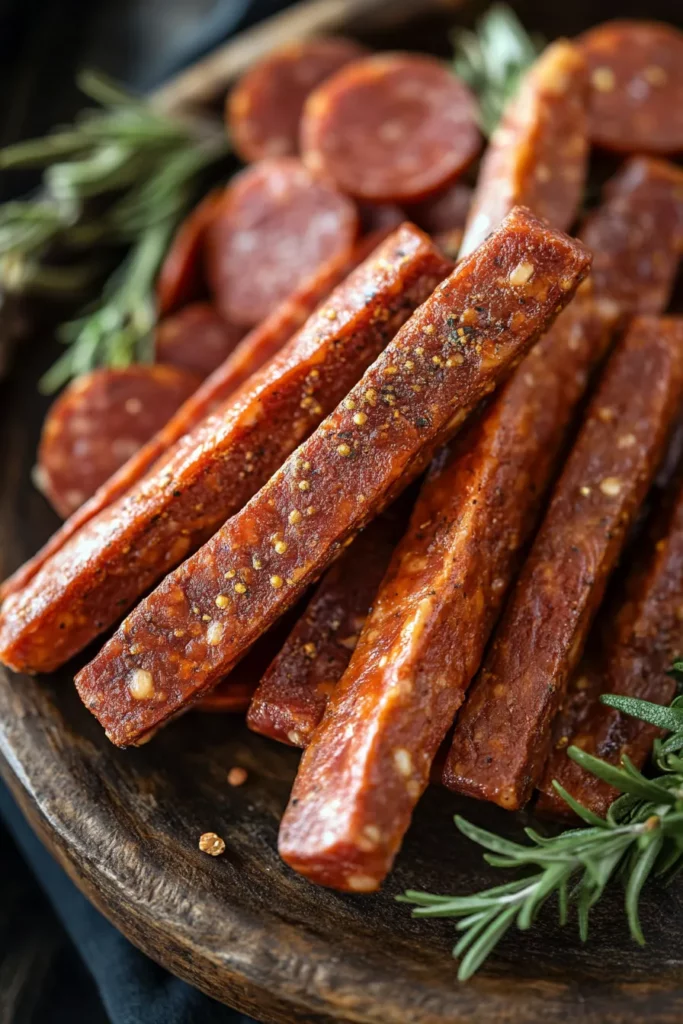
Start with spicy venison and cheddar snack sticks for a classic flavor combination. Spicy venison jalapeño snack sticks kicks up the heat, while spicy wild game snack sticks works for any wild game, not just venison.

For something with fruit and smoke, summer cherry glazed venison snack sticks for BBQ nights are sweet, smoky, and perfect for warm weather. Hickory-smoked maple venison sticks combines two classic flavors, and chipotle and cheddar venison snack sticks brings smoky heat and creamy richness.
Pepperoni is another fantastic option for venison. Wild game pepperoni sticks and wild game pepperoni sticks are both excellent starting points. Homemade venison pepperoni walks you through the full process, and smoked venison pepperoni with garlic and herbs adds aromatic complexity.
For a fun twist, pineapple venison pepperoni sticks brings tropical sweetness that’s surprisingly delicious. And if you want to see pepperoni in action, homemade smoked venison pepperoni pizza showcases how good homemade pepperoni can be.
Venison Appetizers: Small Bites, Big Flavor
Venison makes incredible appetizers—rich, flavorful, and impressive without being fussy. Whether you’re hosting game day, a holiday party, or just want something fun to snack on, these recipes deliver big flavor in small packages.
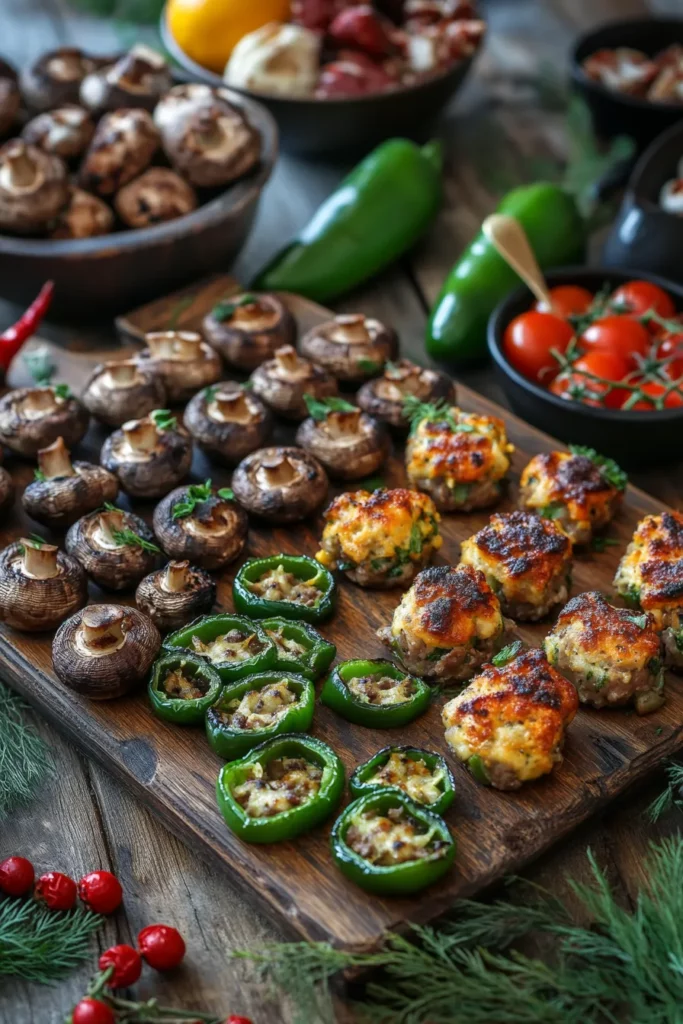
Jalapeño poppers are a natural fit for venison. The spicy, creamy filling pairs beautifully with the lean meat, and the bite-sized format makes them perfect for sharing. Candied jalapeño venison bites are sweet, spicy, and totally addictive—probably the most popular appetizer I’ve ever made. Venison jalapeño poppers with cranberry goat cheese adds tart, creamy, and tangy notes that feel festive and elegant.
For something more indulgent, try venison stuffed jalapeño bombs with smoked Gouda, where the smoky cheese melts into the meat and peppers. Sweet and spicy venison jalapeño poppers with honey drizzle balances heat with sweetness, and maple cream cheese venison jalapeño poppers with crispy bacon crumble is pure decadence.
If you’re a fan of maple and bacon, crispy maple cream cheese venison jalapeño poppers with sweet heat and maple cream cheese venison tenderloin jalapeño poppers with crispy bacon both deliver. For holidays, holiday venison jalapeño poppers with maple cream and cranberry bacon feels festive and special.
Using tenderloin in poppers might sound extravagant, but it’s worth it. Deer tenderloin jalapeño poppers and deer tenderloin jalapeño showcase the cut’s incredible tenderness in a fun, shareable format.
Stuffed mushrooms are another crowd-pleaser. Jalapeño venison stuffed mushrooms combines earthy mushrooms with spicy meat and cheese. Spicy venison and bacon stuffed mushrooms adds smoky richness, and venison stuffed mushrooms with cream cheese and spices is creamy and aromatic.
For game day, dips are essential. Cheesy venison queso dip for game day is warm, gooey, and perfect with tortilla chips. Cheesy jalapeño venison queso dip adds heat, and loaded venison queso dip goes all out with toppings and mix-ins.
Bacon-wrapped bites are always a hit. Bacon-wrapped venison with spicy cream cheese is rich, creamy, and has a little kick. Bacon-wrapped venison bites with sweet spicy glaze balances savory bacon with a sticky, caramelized coating.
Don’t forget about “deer bombs”—these crispy, cheesy, meat-filled bites are legendary in hunting circles. Crispy cheesy deer bombs are the classic version, and deer bombs with Italian dressing drizzle adds tangy, herby brightness.
Venison Tacos and Mexican-Inspired Dishes
Venison’s lean, slightly sweet flavor pairs beautifully with bold Mexican seasonings—cumin, chili powder, lime, cilantro, and smoky peppers all complement the meat without overwhelming it. Tacos are one of my favorite ways to use venison because they’re casual, fun, and endlessly customizable.
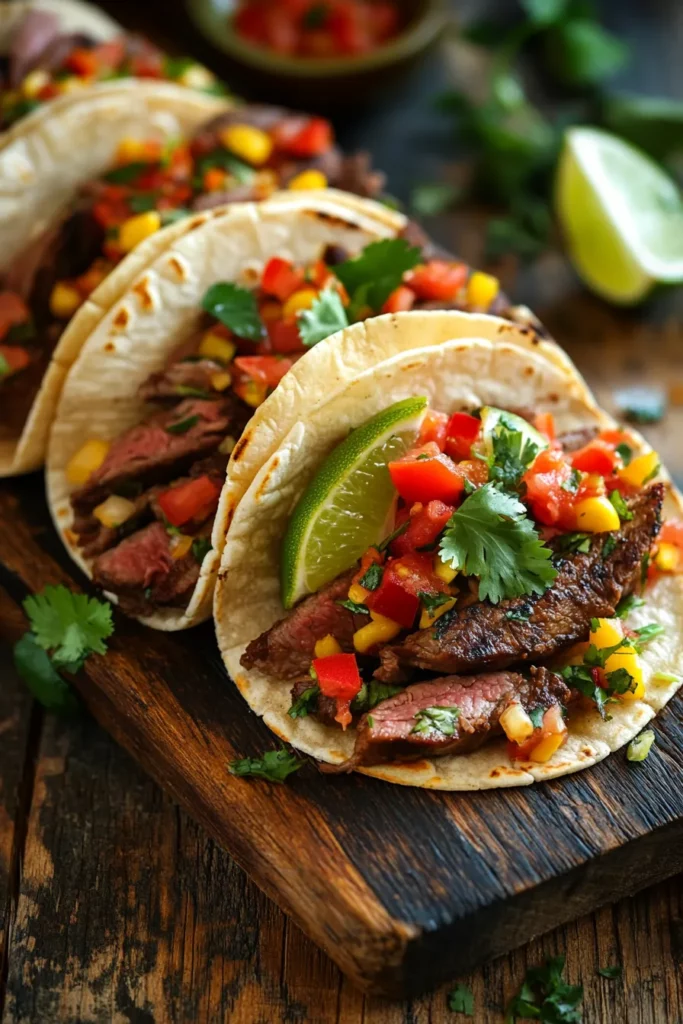
Street tacos are where it’s at. Venison street tacos keep things simple with small corn tortillas, tender meat, and fresh toppings like onion, cilantro, and lime. For something with a fruity twist, venison street tacos with strawberry salsa brings unexpected sweetness and brightness.
If you like heat, spicy venison tacos with avocado salsa delivers bold flavor with creamy, cooling salsa. Venison tacos with cilantro lime sauce is bright and herbaceous, while grilled venison tacos with chipotle cream adds smoky, spicy richness.
For heartier options, spicy venison and black bean tacos combines protein with fiber and earthy flavors. Pulled venison tacos with salsa verde uses slow-cooked shoulder or neck meat for tender, shreddable filling, and smoky venison carne asada tacos brings grilled, charred flavor that’s hard to beat.
For a show-stopping presentation, fire-grilled venison tacos with roasted pepper salsa and lime crema combines smoky meat, sweet peppers, and tangy sauce in one beautiful plate.
Beyond tacos, venison works beautifully in quesadillas. Venison quesadillas with cheddar and jalapeño are crispy, cheesy, and perfect for quick dinners or snacks.
Global Venison: International Flavors and Techniques
Venison isn’t just for traditional American or European cooking—it shines in global cuisines, too. The lean meat absorbs marinades beautifully and pairs well with bold spices, aromatics, and cooking techniques from around the world.
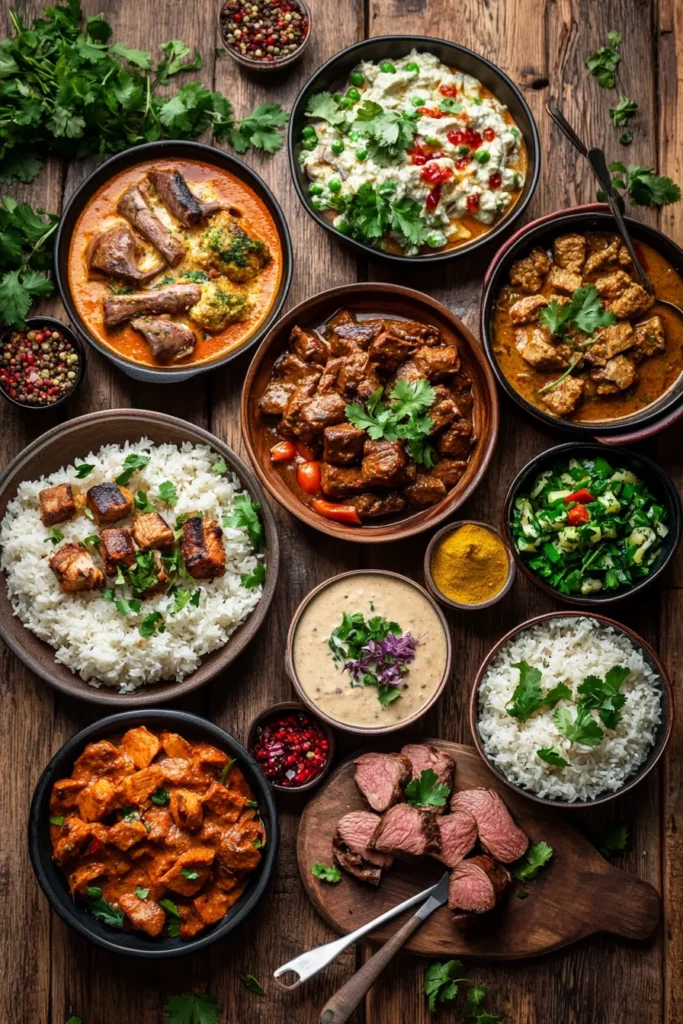
Indian-Inspired Venison
Indian spices and cooking methods are a revelation with venison. The complex spice blends, creamy sauces, and slow-simmered techniques turn lean meat into something tender and deeply flavorful. Venison tikka masala is rich, aromatic, and comforting—chunks of venison simmered in a tomato-cream sauce with garam masala, ginger, and garlic.
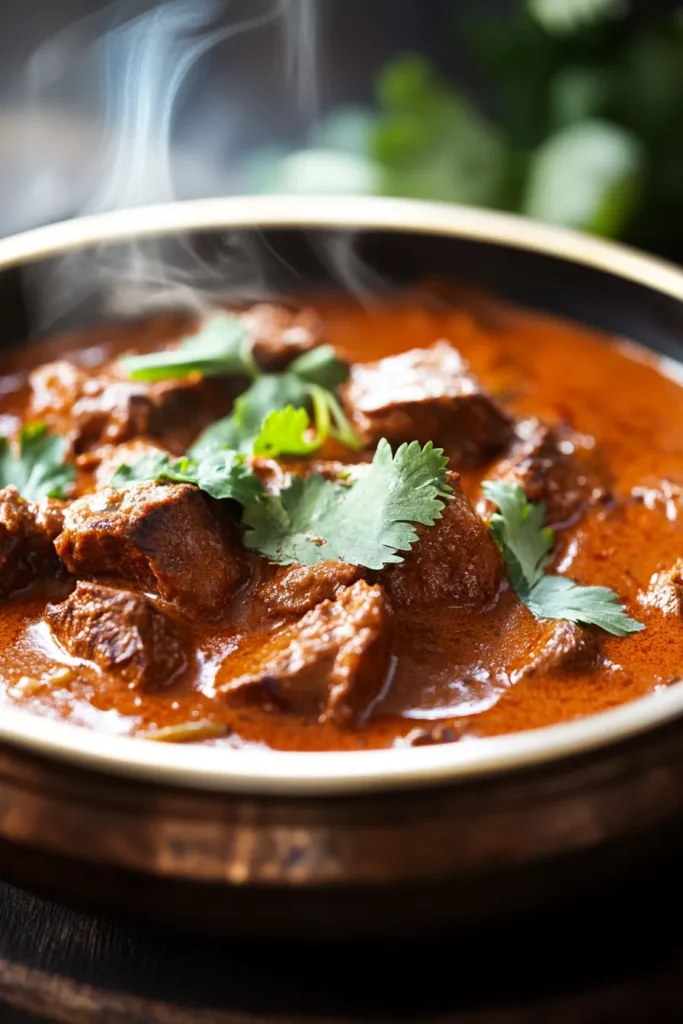
For a fun twist, venison meatballs in tikka masala sauce makes the dish more approachable and kid-friendly. Venison steak tikka masala uses larger pieces of meat for a more substantial presentation, and venison tikka masala skewers are perfect for grilling or serving at parties.
For a slower-cooked option, slow-simmered Indian venison uses tougher cuts and transforms them through low, slow cooking and layered spices.
Asian-Inspired Venison
Asian flavors—soy, ginger, garlic, sesame, and citrus—work beautifully with venison’s clean, slightly sweet profile. Venison negimaki is a Japanese-inspired dish where thin slices of venison are rolled around scallions, grilled, and glazed with teriyaki sauce. It’s elegant, flavorful, and surprisingly simple.
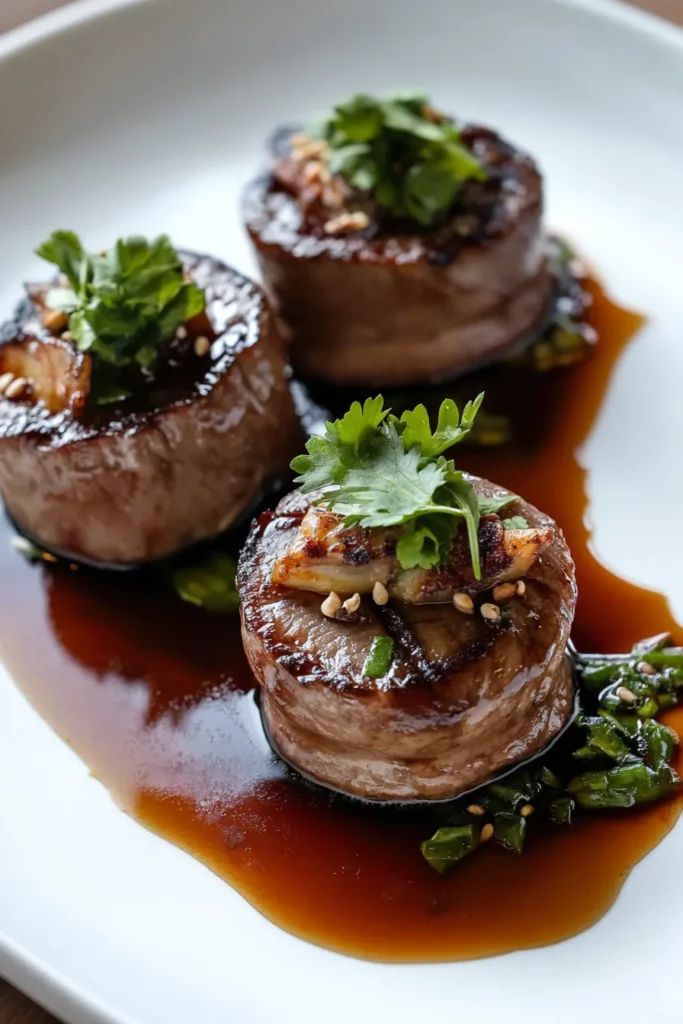
Vietnamese cuisine offers venison pho, where thinly sliced venison is added to aromatic, star anise-scented broth with rice noodles and fresh herbs. It’s light, warming, and deeply satisfying. Venison gyoza brings Japanese dumplings to life with seasoned ground venison, creating crispy, tender pockets of flavor.
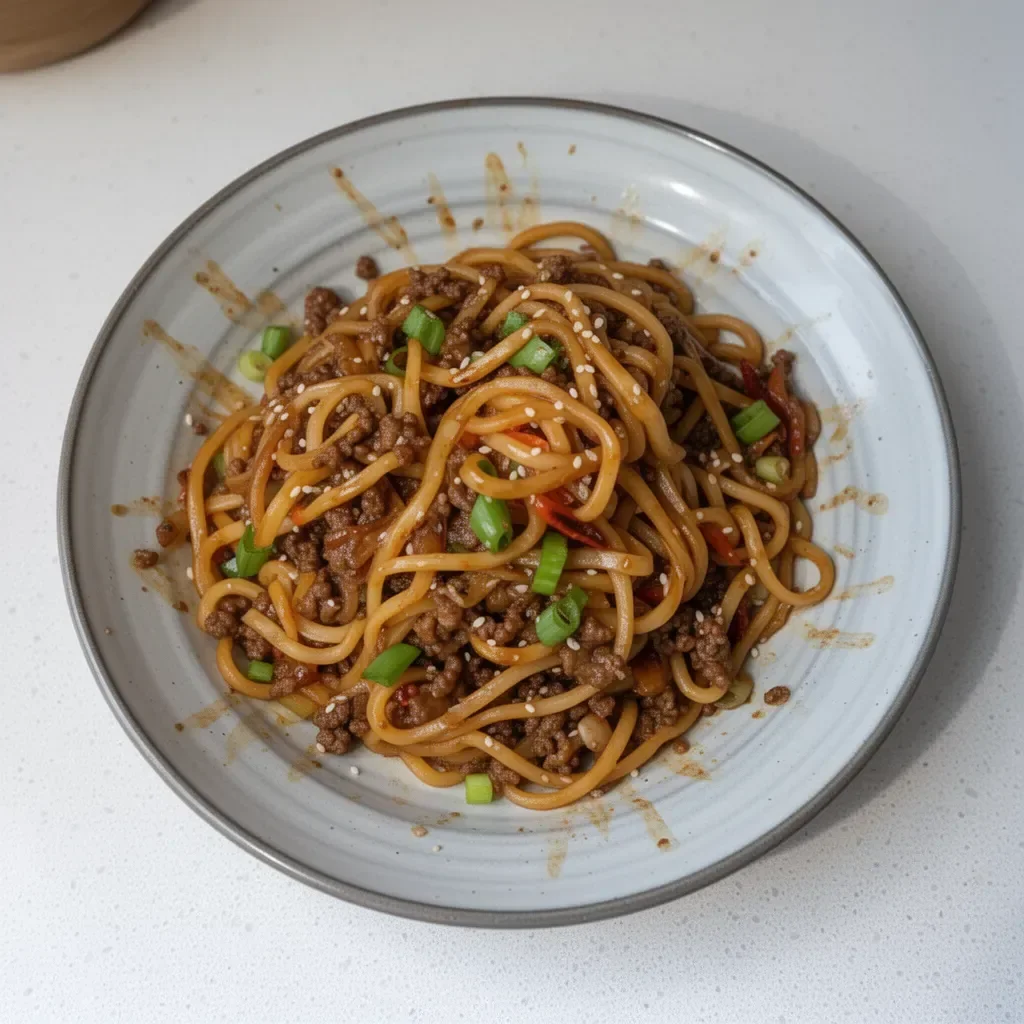
For quick weeknight meals, spicy pineapple venison stir-fry combines sweet, spicy, and savory in one pan. The high heat and quick cooking keep the venison tender while the pineapple adds brightness and caramelization.
European and American Comfort Food
Sometimes you just want comfort food, and venison delivers in spades. Venison stroganoff is a classic—tender meat in a creamy mushroom sauce over egg noodles. It’s warming, satisfying, and perfect for cold evenings.
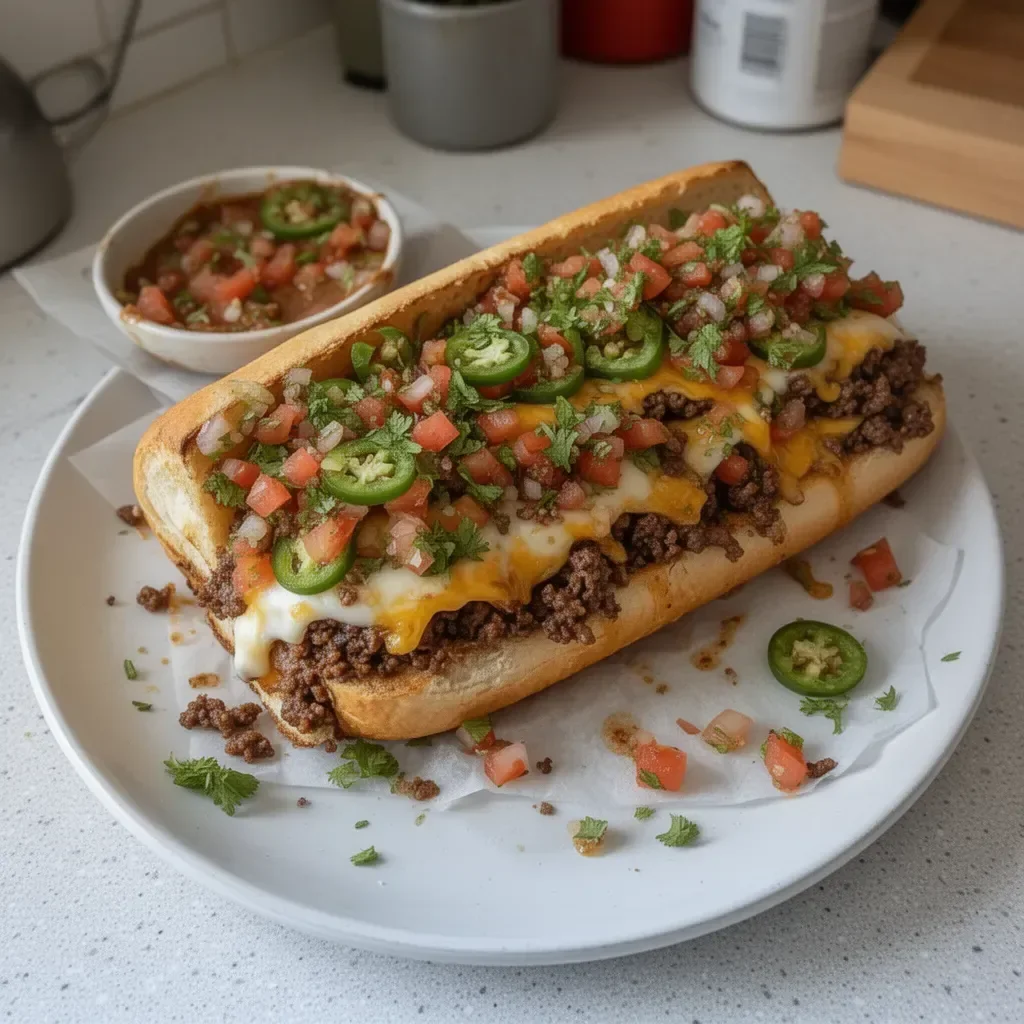
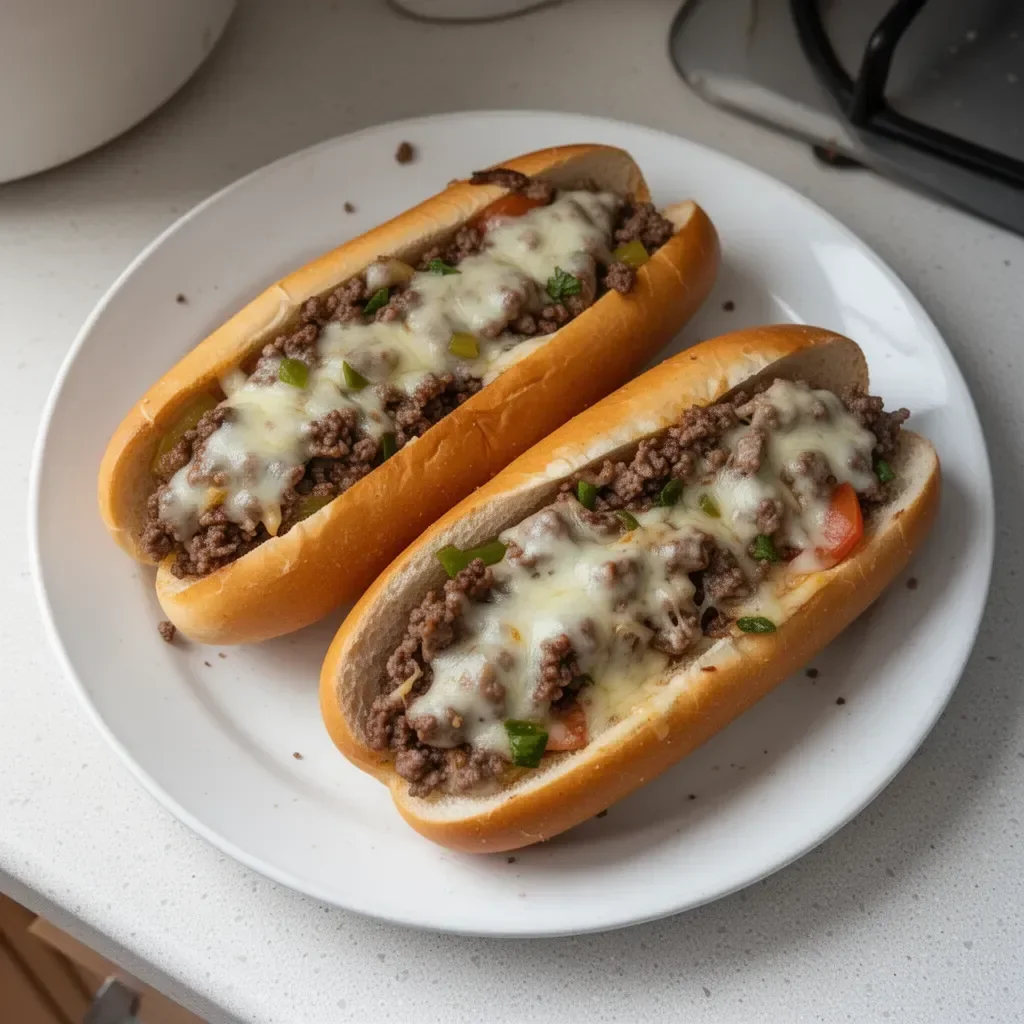
For a heartier version, venison Philly cheesesteak brings the iconic sandwich to wild game, with thinly sliced venison, peppers, onions, and melted cheese on a toasted roll. Venison and pumpkin stew is a fall favorite, combining gamey meat with sweet squash and warm spices.
Venison Pasta: Rich, Comforting, and Crowd-Pleasing
Pasta and venison might not be an obvious pairing, but they work beautifully together. The rich sauces and comforting carbs complement venison’s lean profile, and these dishes are perfect for feeding a crowd or meal prepping for the week.
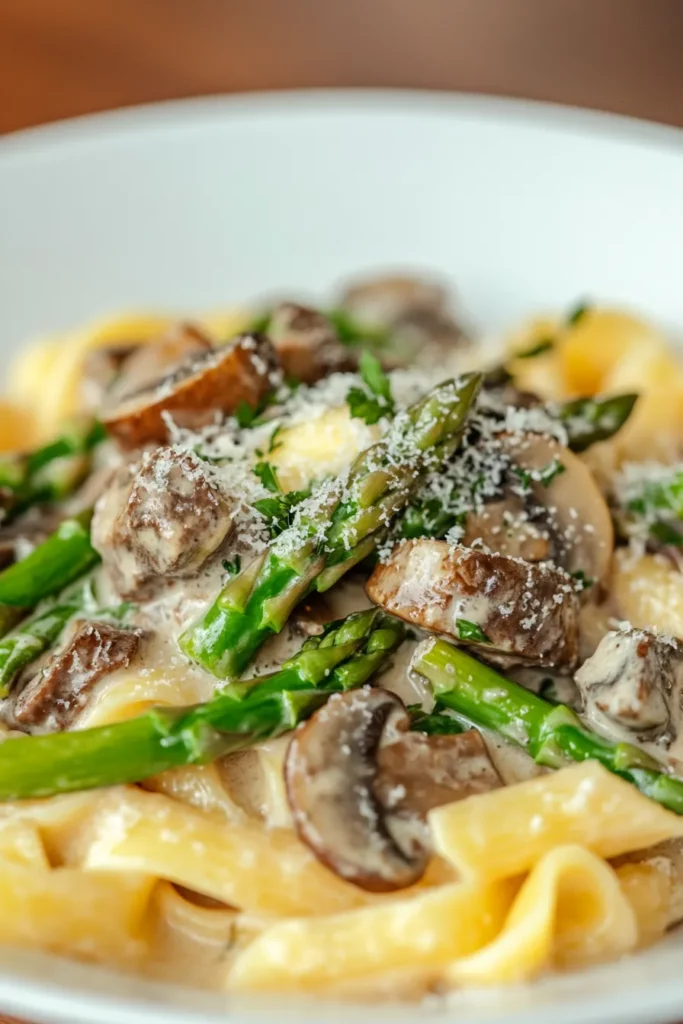
Alfredo sauce is a natural choice—creamy, garlicky, and indulgent. Venison Alfredo with asparagus and mushrooms adds vegetables and earthiness, while venison roasted garlic Alfredo with portobello mushroom leans into deep, roasted flavors.
For a more elegant presentation, roasted venison in garlic Parmesan sauce and roasted venison in garlic Parmesan sauce with portobello both showcase tender roasted meat in a rich, cheesy sauce.
If you like spice, Cajun venison pasta with roasted Alfredo sauce brings Louisiana heat and complexity to creamy pasta.
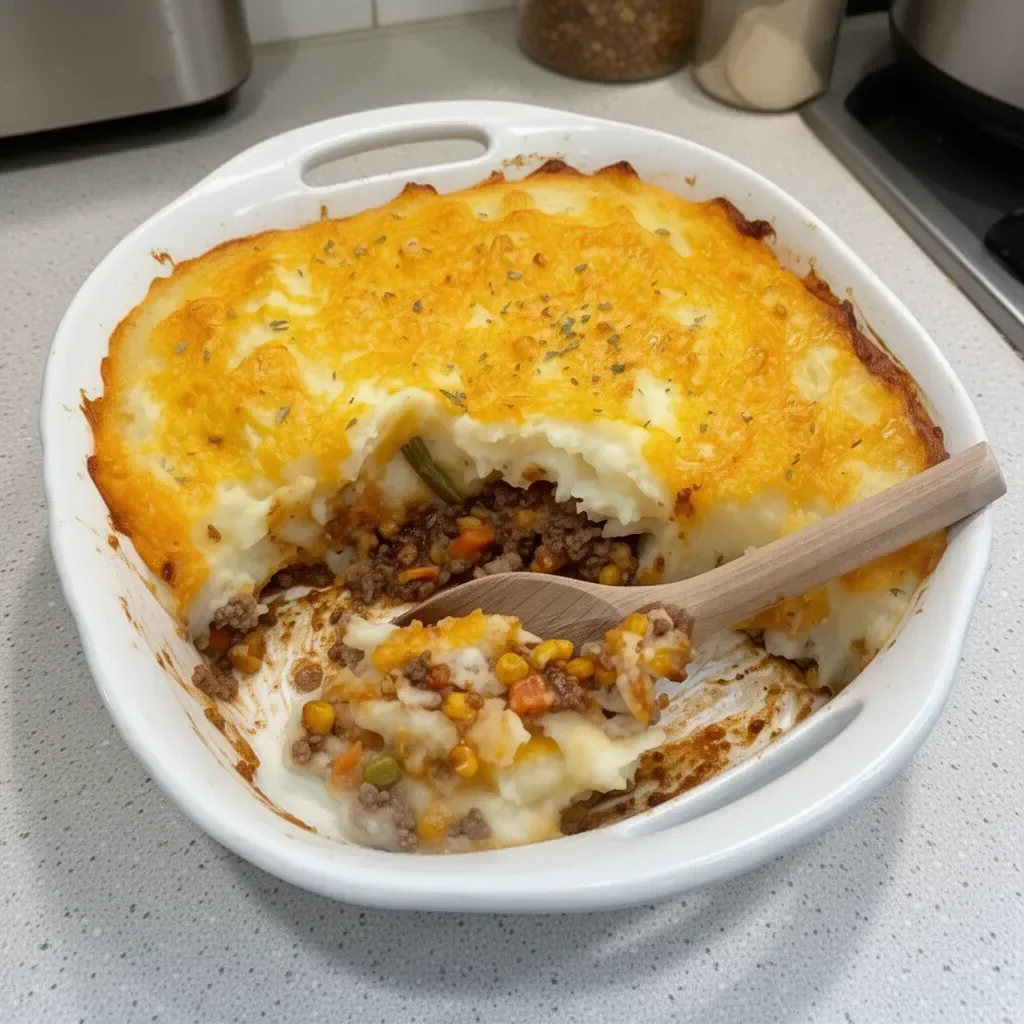
Baked pasta dishes are perfect for potlucks and family dinners. Venison Alfredo casserole combines pasta, venison, and Alfredo sauce in one bubbling, cheesy pan. Creamy venison Alfredo pasta bake is similar but with extra cheese and a golden, crispy top. Venison pasta bake recipe the ultimate comfort meal is exactly what it sounds like—pure comfort in casserole form.
For something with bold, herby flavor, venison cowboy butter pasta bake uses that famous compound butter for richness and flavor. Venison cowboy butter pasta with roasted garlic and herbs is a stovetop version that’s just as delicious.
Advanced Techniques: Marinades, Glazes, and Specialty Preparations
Once you’re comfortable with basic venison cooking, it’s time to explore more advanced techniques that elevate the meat to restaurant quality. Marinades tenderize and flavor, glazes add shine and sweetness, and specialty preparations showcase your skills.
Marinades That Transform
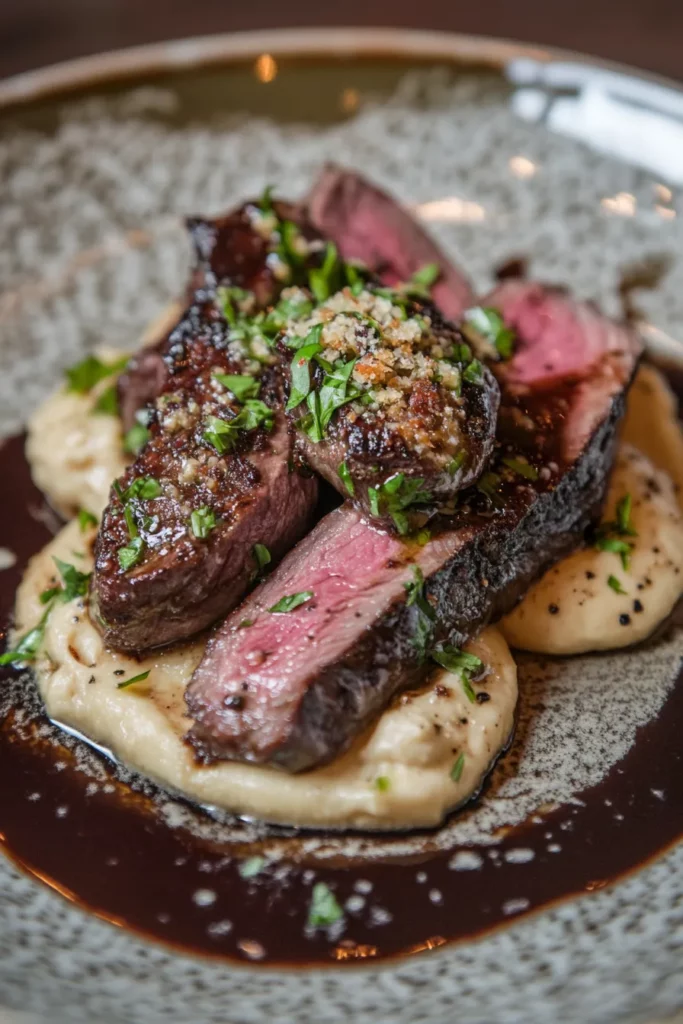
Marinades serve two purposes with venison: they add flavor and help tenderize the lean meat. Acidic ingredients like vinegar, citrus juice, or wine break down proteins, while oil carries fat-soluble flavors and keeps the meat moist. For best results, marinate venison for at least 4 hours or overnight.
Rosemary and thyme marinated venison with apple cider glaze combines fresh herbs with sweet-tart apple for a fall-inspired dish. Chipotle honey marinated venison backstrap balances smoke and sweetness, while balsamic marinated venison steak uses tangy, complex vinegar for depth.
Buttermilk-soaked venison marinade is a Southern technique that tenderizes beautifully and adds subtle tang. Vermont maple seasoning marinade for cast-iron venison steak brings maple sweetness and works perfectly for pan-searing.
For specific preparations, crockpot venison backstrap marinade is designed for slow cooking, keeping the meat moist and flavorful over hours of gentle heat.
Glazes and Sauces
Glazes coat the meat in sweet, sticky, caramelized goodness, while sauces add moisture and richness. Balsamic reductions are a favorite—balsamic glazed venison steaks with garlic showcases how simple ingredients can create complex flavor.
Fruit-based sauces and glazes pair beautifully with venison. Blackberry, blueberry, and cranberry all offer sweet-tart notes that complement the meat’s earthiness. Grilled venison with balsamic blackberry reduction combines fruit and vinegar for something truly special.
Compound butters are another game-changer. Grilled venison with cowboy butter sauce uses herb-packed butter that melts into every bite. North Carolina butter venison backstrap takes a regional approach with Southern-style seasoned butter.
For more adventurous sauces, mustard horseradish sauce venison backstrap brings sharp, pungent heat that cuts through richness. Cast-iron venison steak bites with creamy summer horseradish sauce and venison steak bites with creamy horseradish dipping sauce both showcase how horseradish elevates venison.
Regional and Specialty Preparations
Different regions have their own venison traditions. Cajun deer backstrap brings Louisiana spice and boldness to the table. Pan-seared venison steaks is a classic technique that works with any cut, creating a perfect crust and tender interior.
For cowboy butter fans, seared venison backstrap with smoky cowboy garlic butter, summer herb cowboy butter venison backstrap medallions, and grilled venison backstrap with zesty cowboy butter and fresh herbs all showcase this flavor-packed compound butter.
Cured and smoked preparations take venison in an entirely different direction. Homemade venison pastrami with mustard spice rub and smoked venison pastrami with mustard rub both create deli-style meat that’s perfect for sandwiches.
For elk lovers, smoked elk backstrap with herb butter shows how these techniques translate to other wild game.
Creative and Unexpected Venison
Sometimes the most memorable dishes are the ones that surprise you. Venison doesn’t have to be serious or traditional—it can be playful, creative, even a little wild. Venison ice cream with maple crunch might sound strange, but it’s a conversation starter that combines savory and sweet in unexpected ways.
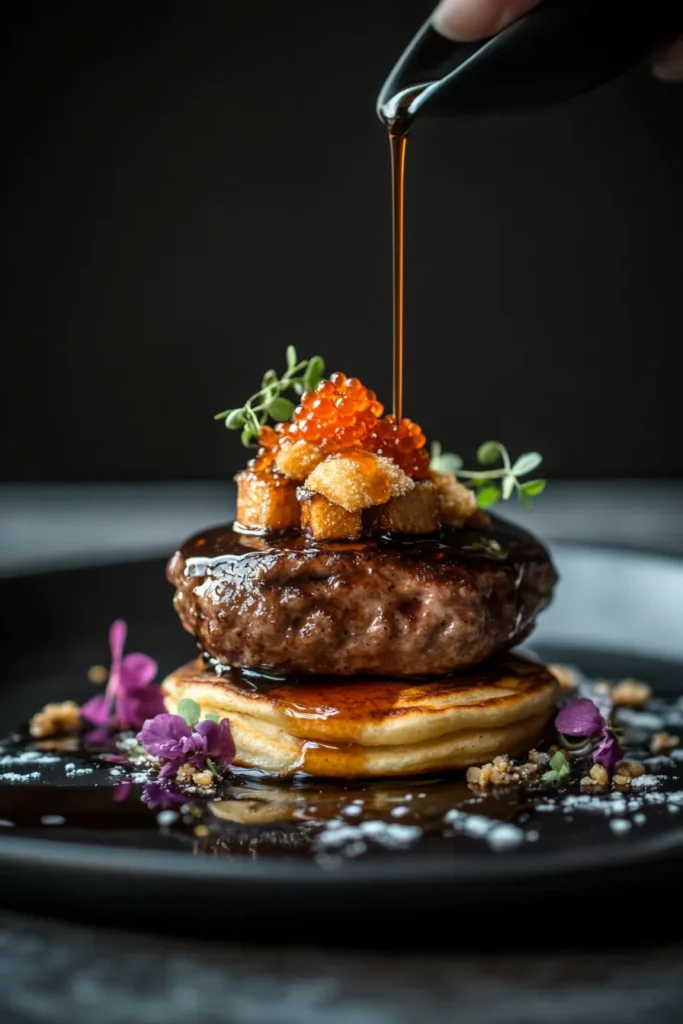
Venison stuffed pancakes with Sriracha maple syrup brings breakfast and dinner together with spicy-sweet fusion. And for the truly adventurous, venison donuts with mustard glaze pushes boundaries in the best way.
Grilled and Smoked Venison: Mastering Live Fire
There’s something primal and satisfying about cooking venison over live fire. The smoke, the char, the way fat drips and flames lick the meat—it connects you to centuries of cooking tradition. Whether you’re using a charcoal grill, gas grill, pellet smoker, or open fire, these techniques bring out venison’s best qualities.
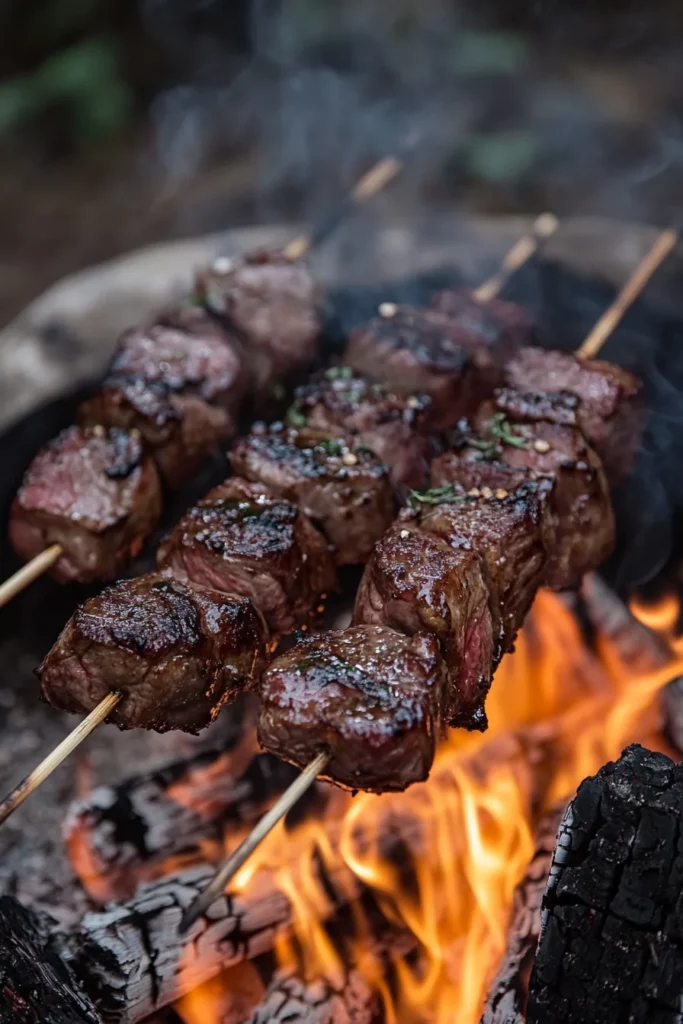
Kebabs and skewers are perfect for grilling because they cook quickly and evenly. Blackberry habanero venison kebabs combines sweet fruit with serious heat, while pineapple habanero venison skewers adds tropical sweetness. Zesty venison skewers with blackberry jalapeño glaze brings fruity, spicy, tangy flavors that caramelize beautifully on the grill.
For specialty preparations, grilled venison backstrap with jalapeño cilantro sauce keeps things bright and fresh, perfect for summer. Melty blackberry jalapeño stuffed venison medallions creates pockets of molten flavor inside perfectly grilled meat.
Chops are another excellent grilling option. Blackberry chipotle venison chops uses smoky peppers and sweet berries for a balanced, bold flavor profile.
For something truly special, portobello stuffed venison with Parmesan cream reduction combines earthy mushrooms with rich, cheesy sauce for an elegant presentation.
Expert Tips for Perfect Venison Every Time
After years of cooking venison in every way imaginable, I’ve learned some lessons the hard way so you don’t have to. These tips will help you avoid the most common mistakes and get consistently delicious results.
Temperature is Everything
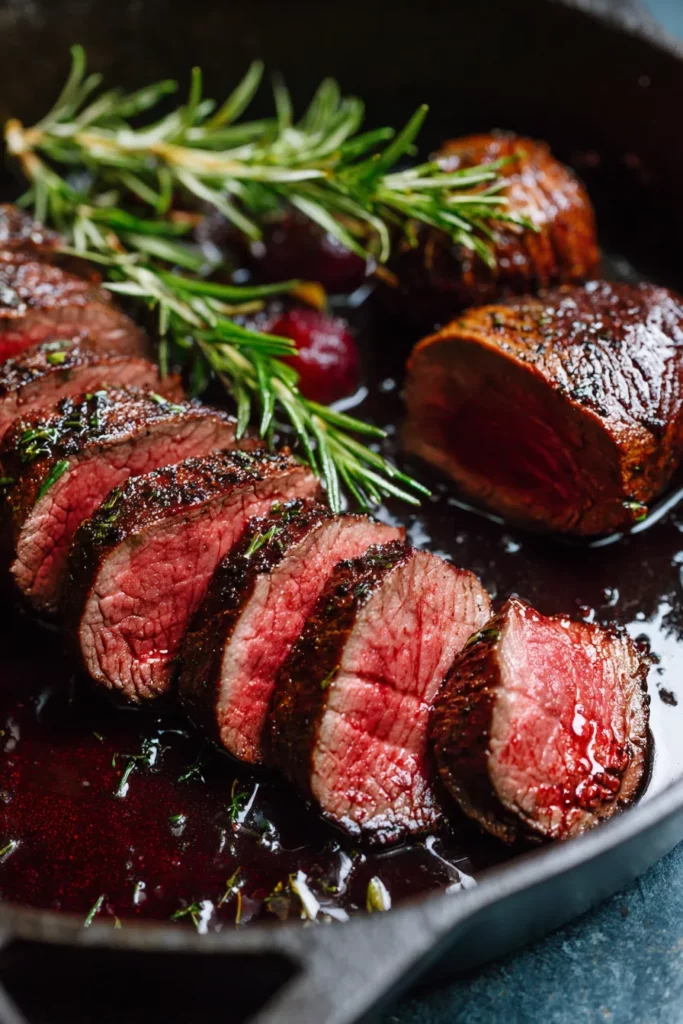
This is the single most important rule: don’t overcook venison. Because it’s so lean, there’s very little margin for error. A meat thermometer is non-negotiable. For backstrap and tenderloin, aim for 130-135°F for medium-rare. Ground venison should reach 160°F for safety, but add fat or moisture to keep it from drying out. Tough cuts like shoulder benefit from low, slow cooking to 190-200°F, where the connective tissue breaks down and the meat becomes fall-apart tender.
Rest Your Meat
Always let venison rest after cooking. For steaks and backstrap, 5-10 minutes is enough. For roasts, give it 15-20 minutes. This allows the juices to redistribute throughout the meat instead of running out onto your cutting board. Tent it loosely with foil to keep it warm.
Trim Properly
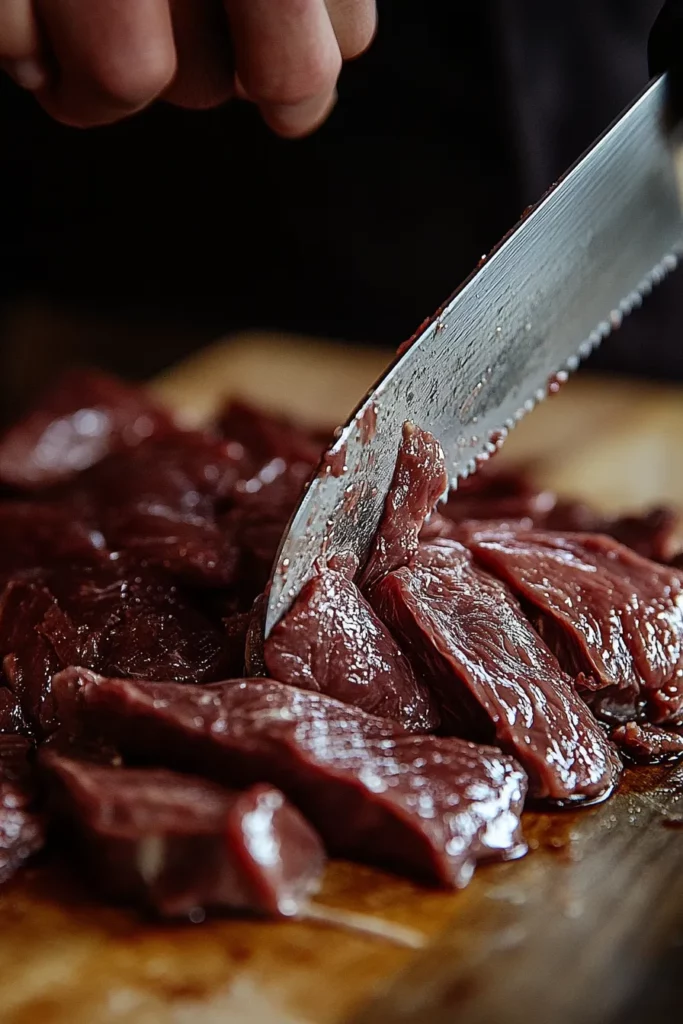
Silver skin, fat, and connective tissue on venison can carry strong flavors. Unlike beef fat, venison fat doesn’t taste good and can make the meat taste gamey. Remove all visible fat and the shiny silver skin before cooking. A sharp knife and a little patience make all the difference.
Add Fat
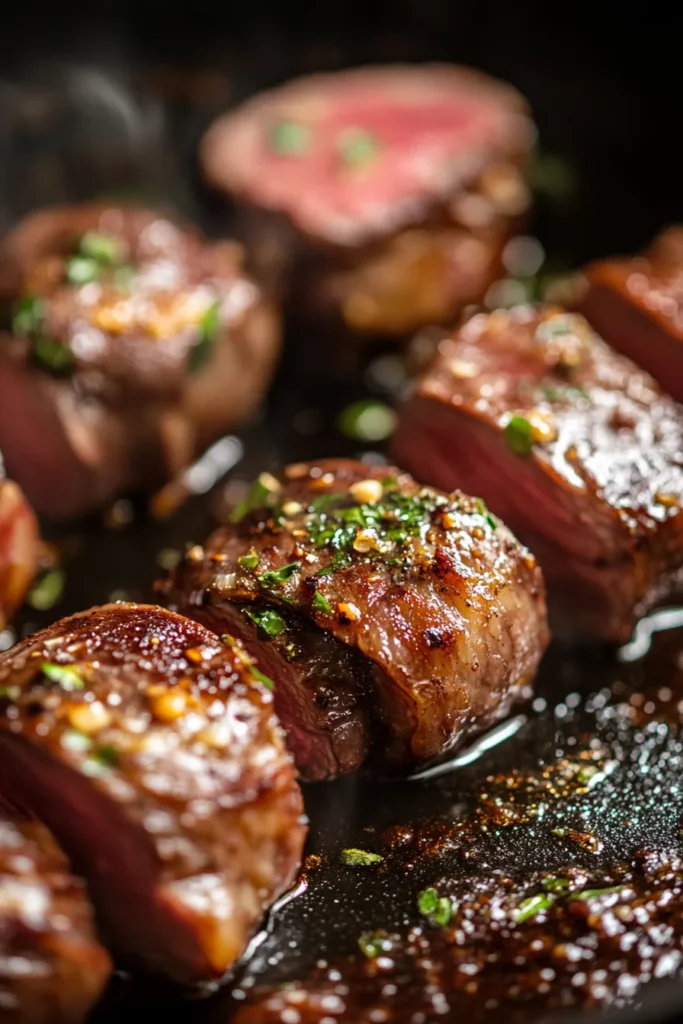
Since venison is so lean, you need to add fat somewhere. Wrap it in bacon, baste it with butter, marinate it in oil, or serve it with a rich sauce. This isn’t just about flavor—it’s about texture and moisture. Fat carries flavor and keeps the meat juicy.
Don’t Fear Bold Flavors
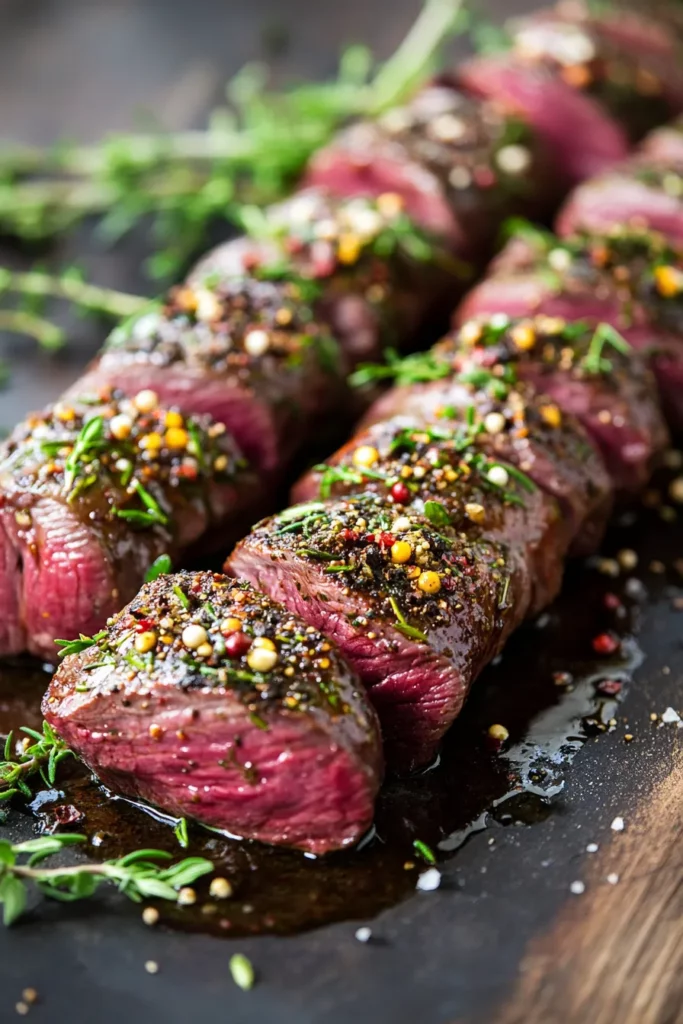
Venison can handle bold seasonings and sauces. Don’t be timid with spices, herbs, or marinades. The meat’s clean, slightly sweet flavor pairs well with everything from delicate herbs to aggressive heat.
Use the Right Cut for the Right Method
Tender cuts like backstrap and tenderloin need quick, high-heat cooking. Tough cuts like shoulder and neck need slow, moist cooking. Ground venison is versatile but needs fat added. Using the wrong method for the cut is the fastest way to ruin venison.
Experiment with Fruit
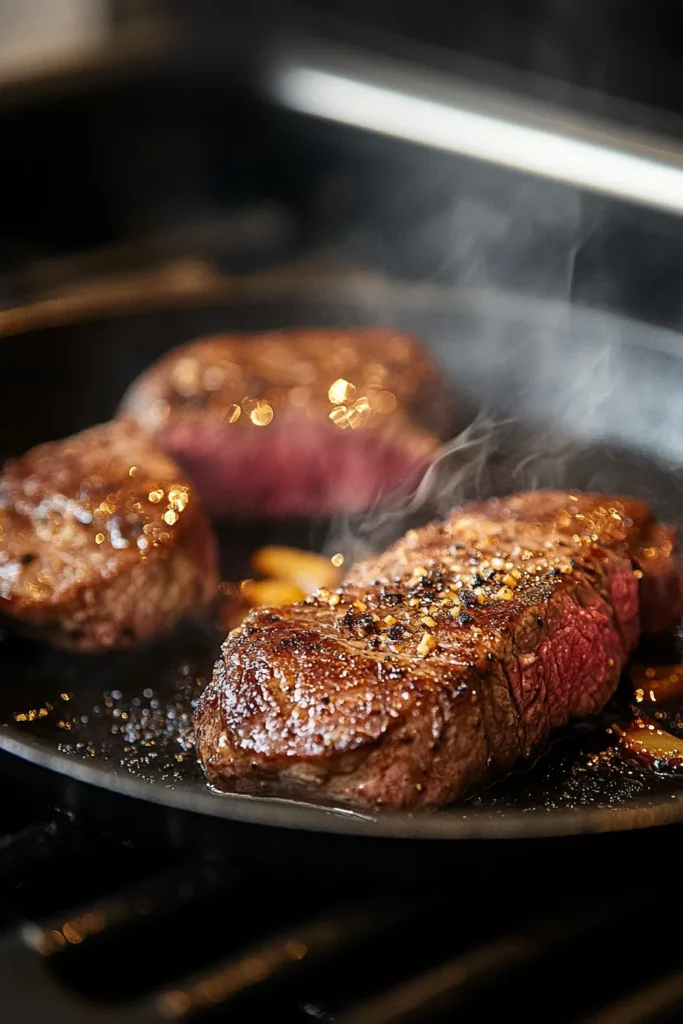
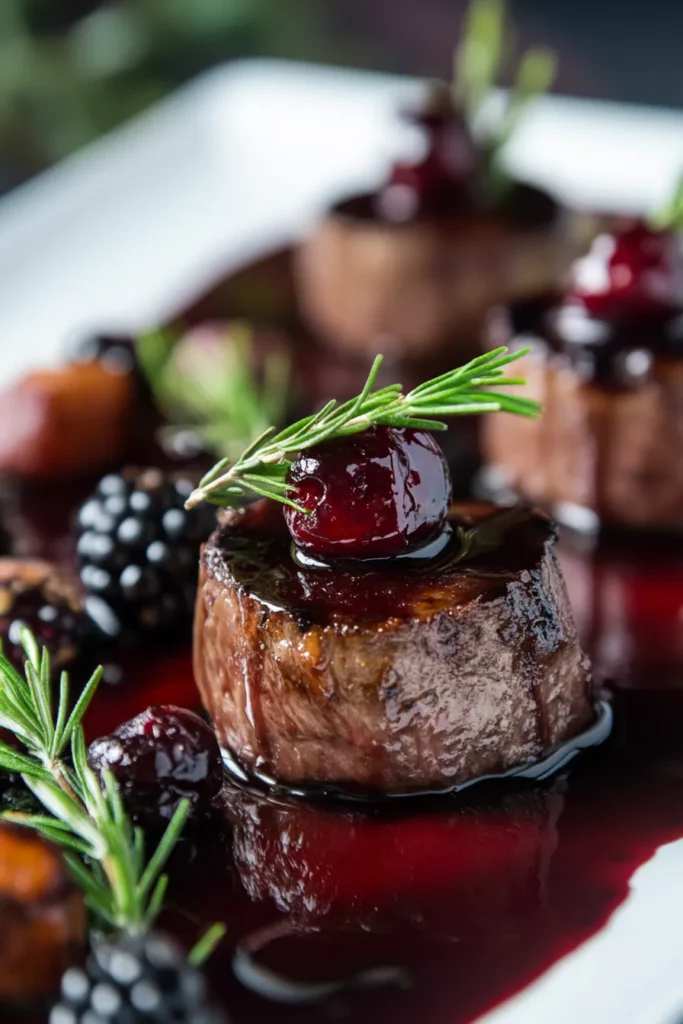
Fruit-based sauces and glazes are magical with venison. Blackberries, blueberries, cherries, cranberries, and even pineapple all work beautifully. The sweetness balances the meat’s earthiness, and the acidity brightens everything up.
Practice Mise en Place
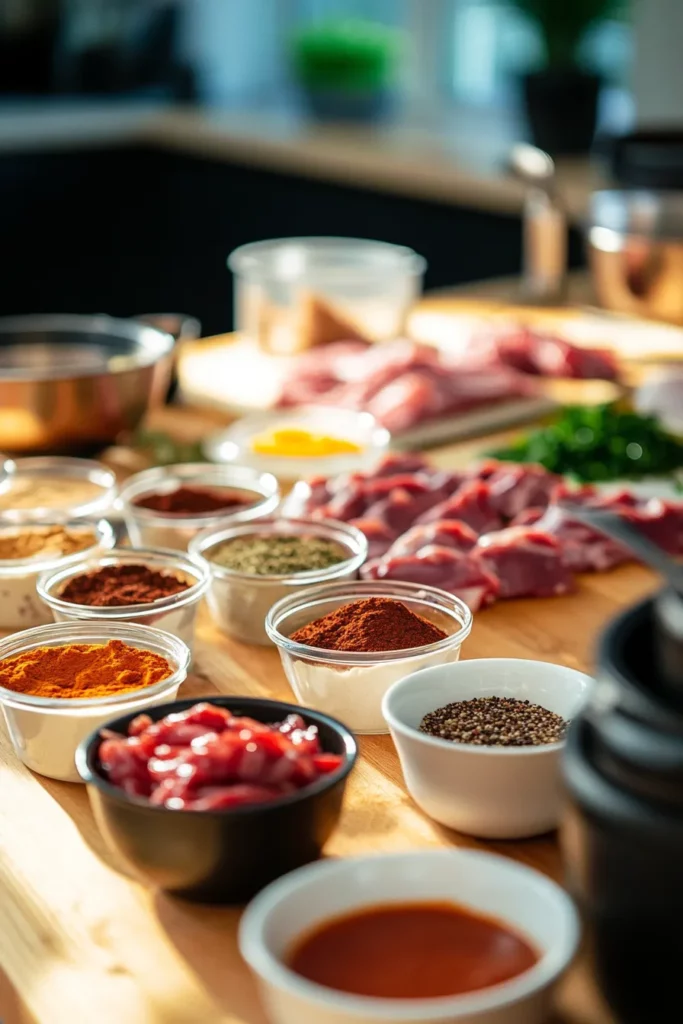
Because venison cooks so quickly, have everything ready before you start. Preheat your pan or grill, have your seasonings measured, and prepare any sauces in advance. Once you start cooking, things move fast.
Conclusion: Embrace the Journey
Cooking venison has taught me patience, respect for ingredients, and the joy of working with food that connects me to the land and tradition. It’s not always easy—lean meat demands attention, and there’s a learning curve—but the rewards are worth it. When you nail a perfectly seared backstrap, pull a batch of homemade jerky from the smoker, or watch friends devour your venison tacos, you’ll understand why this meat is so special.
The most important thing I’ve learned is that venison isn’t beef, and that’s a good thing. It has its own character, its own needs, and its own possibilities. Once you stop trying to make it behave like grocery store meat and start working with its lean, flavorful nature, everything clicks into place.
Start simple. Cook a backstrap with butter and herbs. Make a batch of burgers with added fat. Try a slow-cooked stew with tough cuts. As you gain confidence, experiment with marinades, glazes, smoking, and curing. There’s no right or wrong way to explore—just keep cooking, tasting, and learning.
Remember these key takeaways: trim aggressively to remove gamey flavors, add fat for moisture and richness, don’t overcook tender cuts, use a meat thermometer always, and let your meat rest before slicing. Master these fundamentals, and you’ll be able to cook any venison dish with confidence.
Whether you’re cooking for hunters who supplied the meat, introducing friends to wild game for the first time, or simply feeding your family something healthy and delicious, venison offers endless possibilities. It’s versatile enough for weeknight tacos and elegant enough for holiday dinners. It’s comfort food, adventure food, and everything in between.
So fire up your grill, preheat your oven, or pull out your slow cooker. Unwrap that venison from the freezer and get cooking. The kitchen is waiting, and so are some truly delicious meals.
Ready to dive deeper into specific recipes? Explore these favorites:
- Cowboy Butter Venison Backstrap – Our most popular recipe for good reason
- Candied Jalapeño Venison Bites – Sweet, spicy, and addictive appetizers
- Wild Game Pepperoni Sticks – Perfect for snacking and gifting
- Venison Tikka Masala – Rich, aromatic, and deeply flavorful
- Venison Negimaki – An elegant Japanese-inspired preparation
- Maple Smoked Venison Jerky – Classic jerky with perfect sweet-smoky balance
- Venison Street Tacos – Simple, fresh, and endlessly customizable
- Ground Venison Stroganoff – Comfort food at its finest
- Smoked Venison Summer Sausage – A hunter’s tradition worth learning
- Bacon-Wrapped Venison Backstrap – Because everything’s better with bacon
Frequently Asked Questions
How do I get rid of the gamey taste in venison?
Proper field dressing and butchering are the first steps. Remove all fat, silver skin, and connective tissue, as these carry stronger flavors. Soaking venison in milk, buttermilk, or salted water for a few hours can also help mellow the flavor. Finally, bold marinades and seasonings can balance any remaining earthiness.
What temperature should I cook venison to?
For tender cuts like backstrap and tenderloin, aim for 130-135°F for medium-rare. Ground venison should reach 160°F for safety. Tough cuts benefit from slow cooking to 190-200°F until they’re fall-apart tender. Always use a meat thermometer.
Can I substitute venison for beef in recipes?
Yes, but with modifications. Venison is much leaner, so you’ll need to add fat, reduce cooking times, and watch temperatures carefully. It works beautifully in recipes like chili, tacos, stroganoff, and pasta, but steaks and burgers need extra attention to avoid drying out.
Why is my venison tough and dry?
The most common cause is overcooking. Venison has almost no intramuscular fat, so it goes from perfectly cooked to dry very quickly. Use a meat thermometer, don’t cook past medium, and always let it rest before slicing. Adding fat through bacon, butter, or marinades also helps.
What’s the difference between backstrap and tenderloin?
Backstrap runs along the outside of the spine and is larger—usually 1-2 pounds per side. Tenderloin is inside the body cavity and much smaller, typically just a few ounces per side. Both are incredibly tender, but tenderloin is slightly more delicate.
How should I store venison?
Fresh venison should be used within 3-4 days if refrigerated. For longer storage, vacuum-seal and freeze it. Properly frozen venison lasts 6-12 months. Label everything with the cut and date. Thaw in the refrigerator, never at room temperature.
Can I make venison sausage without a grinder?
If you have ground venison already, yes! You can mix it with seasonings and fat, then form it into patties or links by hand. For summer sausage or pepperoni sticks, you’ll need casings and some basic equipment, but breakfast sausage is easy to make with just a bowl and your hands.
What’s the best way to reheat leftover venison?
Gently and with added moisture. For steaks or backstrap, slice thinly and warm in a pan with butter or sauce over low heat. For ground venison dishes, reheat covered with a splash of broth or water. Avoid microwaving whole pieces, as they’ll dry out and toughen.
Do I need to age venison?
It’s not necessary, but aging can improve tenderness and flavor. Dry aging requires controlled temperature and humidity, which most home cooks don’t have access to. Wet aging (vacuum-sealed in the refrigerator for 7-14 days) is easier and still beneficial.
What wood is best for smoking venison?
Fruit woods like apple, cherry, and peach are excellent—they add subtle sweetness without overpowering the meat. Hickory is classic and bold, while oak is neutral and reliable. Avoid mesquite with venison, as it can be too strong.
Can I cook frozen venison without thawing?
For slow-cooked dishes like stews and roasts, yes—just add extra cooking time. For steaks and backstrap, no—you need to thaw them first for even cooking and proper searing. Always thaw in the refrigerator for food safety.

🍳 Precision Meets Passion — Tools Chefs Trust Daily

- Grams & ounces — precise to 1g
- Perfect for baking & keto tracking
- Sleek stainless steel design

- German stainless precision
- Razor-sharp & dishwasher-safe
- Elegant wood block organizer

- Premium Stainless Steel Build
- Easy to Clean & Dishwasher Safe
- A Must-Have Kitchen Tool