➤ Table of Contents
I remember standing in my kitchen one Wednesday evening, staring at yet another package of chicken breasts and feeling absolutely uninspired. My family was getting tired of the same grilled chicken, the same baked chicken, the same chicken in every predictable form. Then I remembered watching my grandmother carefully butterfly a chicken breast, spread it open like a book, and fill it with a mixture of spinach and cheese before rolling it back up and securing it with toothpicks. That simple act transformed something ordinary into something magical.

⚡ Smart Kitchen Tools Every Home Cook Swears By

- Pure aluminum
- Durable enough for everyday cooking
- Made in the USA with quality

- 7 cooking functions in one compact cooker
- 3-quart size ideal for couples or small meals
- Up to 70% faster than traditional cooking

- 3 sizes for every recipe
- Pre-seasoned & durable cast iron
- Oven & grill ready
That night, I tried stuffing chicken for the first time myself. My technique was clumsy, the toothpicks poked out at odd angles, and a bit of filling leaked out during cooking. But when I cut into that first piece and saw the spiral of melted cheese and wilted spinach, when my kids actually asked for seconds, I knew I’d discovered something special. Stuffed chicken wasn’t just a cooking technique. It was a way to turn the most common protein in my refrigerator into something that felt special, impressive, and endlessly variable.
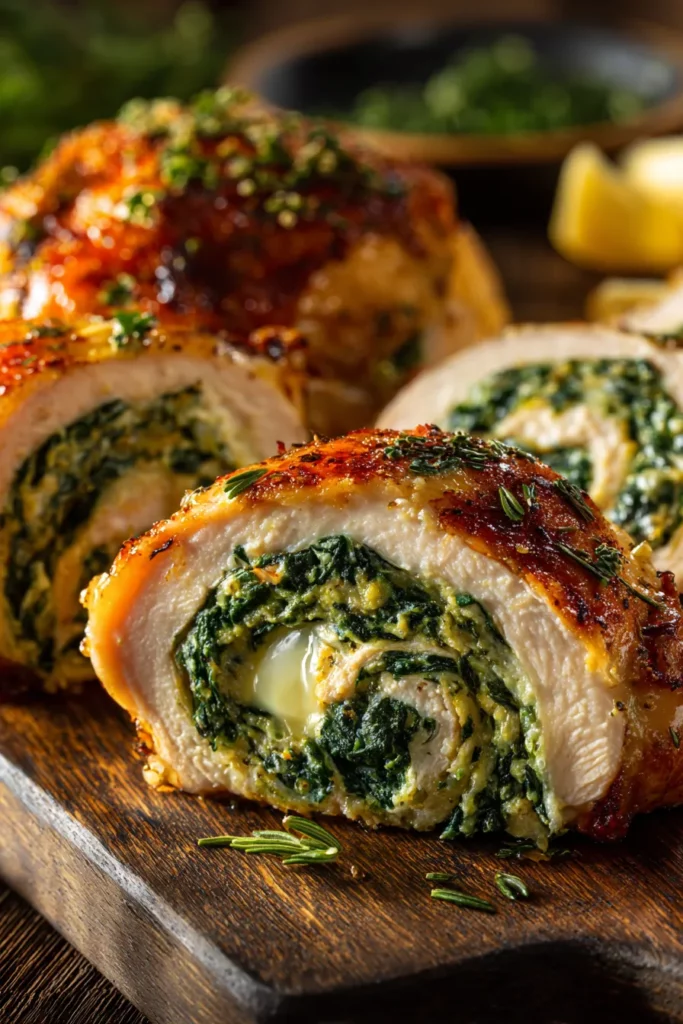
Since that evening years ago, I’ve stuffed chicken breasts with everything from classic spinach and feta combinations to unexpected pairings like blackberry and jalapeño that sound wild but taste absolutely incredible. I’ve rolled them, butterflied them, made pockets in them, and wrapped them in bacon. I’ve served stuffed chicken for Tuesday night dinners and for dates when I wanted to impress without spending hours in the kitchen.
This guide is everything I’ve learned about stuffing chicken breasts, from the basic techniques that every home cook should know to creative flavor combinations that will make your family think you’ve been taking secret cooking classes. You’ll discover how to choose the right chicken, master different stuffing methods, create your own custom fillings, and troubleshoot the common problems that trip up even experienced cooks. Whether you’re looking for quick weeknight dinners, meal prep ideas, impressive date night recipes, or healthy high-protein options, you’ll find inspiration here that goes far beyond basic chicken dinners.
Understanding Chicken Breast Basics for Stuffing Success
Not all chicken breasts are created equal when it comes to stuffing. I learned this the hard way after buying those enormous chicken breasts from the warehouse store and trying to stuff them. They were so thick and uneven that creating a proper pocket was nearly impossible, and they took forever to cook through while the outside dried out.
The best chicken breasts for stuffing are medium-sized, around six to eight ounces each. They should be relatively uniform in thickness, which makes butterflying and cooking much easier. I always look for breasts that aren’t overly plump at one end and thin at the other. If yours are uneven, you can always pound them to an even thickness before stuffing.
Fresh chicken works better than frozen for stuffing because it’s easier to work with and creates cleaner cuts. If you’re using frozen chicken, make sure it’s completely thawed and patted very dry before you start. Any excess moisture will make your stuffing soggy and can cause the chicken to steam rather than properly sear or bake.
Choosing Quality Chicken Makes a Difference
I used to think chicken was chicken, but after years of cooking, I can taste the difference between quality birds and budget options. For stuffed chicken where the meat itself is such a prominent part of the dish, using good quality chicken really matters. Look for chicken that’s plump and pink with no gray spots or strong odors.
Organic or free-range chicken tends to have better texture and flavor, though it costs more. If your budget allows, it’s worth the upgrade for special meals. For everyday cooking, standard chicken breast works perfectly fine as long as it’s fresh and properly handled. The key is cooking it correctly so it stays juicy and tender around your flavorful stuffing.
Before you start stuffing, let your chicken sit at room temperature for about fifteen to twenty minutes. Cold chicken straight from the refrigerator won’t cook as evenly, and you’ll end up with dried out edges by the time the center reaches a safe temperature. This simple step has improved my stuffed chicken more than any other single trick.
Essential Stuffing Techniques Every Cook Should Master
There are three main techniques for stuffing chicken breasts, and each creates a slightly different result. Learning all three gives you incredible flexibility in the kitchen. Some fillings work better with certain techniques, and sometimes you’ll choose a method based on how you want the finished dish to look.
🥗 Fresh, Fast & Foolproof — Upgrades You'll Use Tonight

- Zoodles in seconds
- Heavy-duty, 10 sharp blades
- Keto, paleo & gluten-free friendly

- Meals in ~30 minutes
- 3-Qt — perfect for 1–3 people
- Pressure cook, sauté, steam & more

- Phone alerts & live temp graph
- Hands-off monitoring for smokers
- Perfect doneness, every time
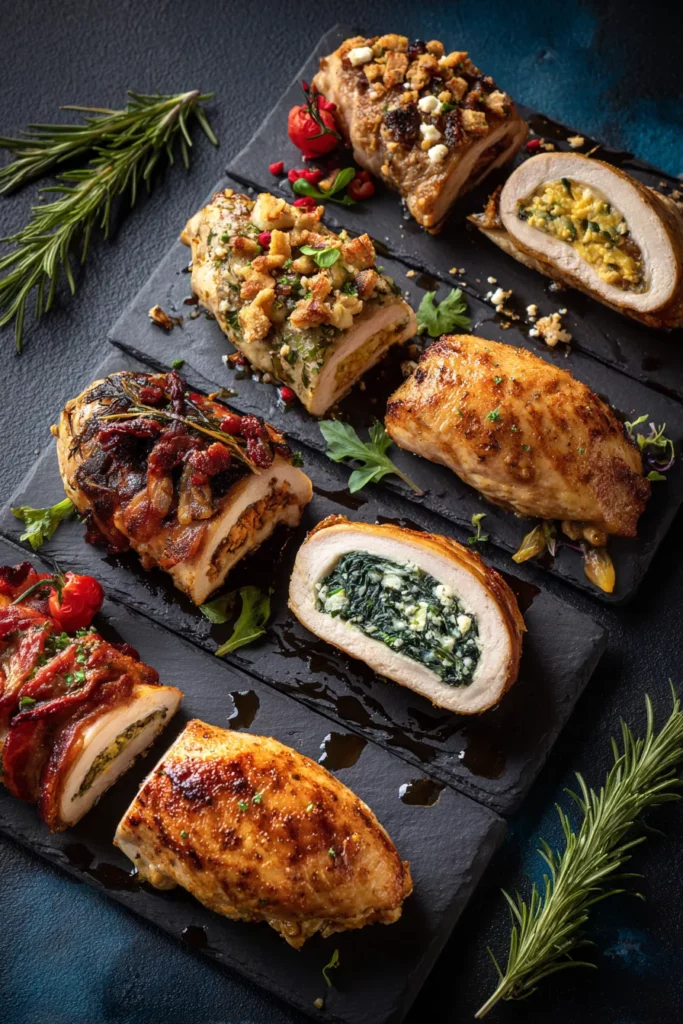
The butterfly method is probably the most common and what I use most often. You place your hand flat on top of the chicken breast and carefully slice horizontally through the middle, stopping about half an inch before you cut all the way through. Then you open it like a book, creating a large flat surface perfect for spreading filling. This method works beautifully for recipes like spinach and feta stuffed chicken breasts, where you want an even distribution of filling throughout.
The pocket method involves making a small incision in the thick side of the chicken breast and carefully cutting a pocket inside without cutting through the sides or back. This creates a little pouch you can stuff with chunky fillings that might fall out of a butterflied breast. It’s perfect for dishes like cheesy garlic butter mushroom stuffed chicken, where you want that gooey cheese to stay contained inside.
The Rolling and Securing Method
My favorite technique for impressive presentations is butterflying the chicken, pounding it thin, adding the filling, and then rolling it up like a jelly roll. This creates beautiful spiral slices when you cut into it, making even a simple weeknight dinner look restaurant-worthy. I use this method for delightful spinach and feta stuffed chicken rolls.
Securing your stuffed chicken properly is crucial. Toothpicks work in a pinch but can be annoying to remove and sometimes leave the chicken falling apart. Kitchen twine is more professional and holds everything together beautifully, though it requires a bit of practice to tie correctly. For rolled chicken, I usually use three to four pieces of twine spaced evenly along the roll.
Recently I’ve started using the method where you wrap the whole thing in a slice of prosciutto or bacon, which not only holds everything together but adds incredible flavor. The crispy bacon wrapped chicken tenders technique works wonderfully adapted for stuffed breasts, keeping everything moist while adding that smoky, salty element.
Preventing Common Stuffing Problems
The most frustrating problem with stuffed chicken is filling that leaks out during cooking. I’ve had this happen more times than I care to admit, especially when I was learning. The key is not overfilling. It’s tempting to cram as much delicious stuffing as possible into that pocket, but less is actually more when it comes to keeping everything contained.

Another trick is to chill your stuffed chicken for twenty to thirty minutes before cooking. This helps everything firm up and stick together better. For very loose or creamy fillings, I’ll sometimes add a tablespoon of breadcrumbs or panko to give the mixture more structure and prevent it from being too runny.
Searing the chicken breast on all sides before finishing in the oven creates a seal that helps lock in the filling. I heat oil in an oven-safe skillet until it’s shimmering hot, then carefully place the stuffed chicken seam-side down first. That initial sear on the seam side helps seal it shut. This technique works perfectly for recipes like juicy stuffed chicken breast with savory stuffing.
Fruit and Spicy Combinations That Will Surprise You
The first time someone suggested I try blackberry and jalapeño stuffed chicken, I thought they were joking. Fruit in savory chicken? Jalapeños with berries? It sounded bizarre. But then I tasted it, and suddenly everything I thought I knew about stuffed chicken expanded. The sweet-tart blackberries, the creamy cheese, the pop of heat from the jalapeños, it all came together in this unexpectedly perfect way that had everyone at my table asking what on earth I’d put in there.
Now fruit and spicy combinations are some of my favorite stuffings, especially when I want to serve something that feels creative and special. There’s something about that interplay of sweet, savory, creamy, and spicy that makes each bite interesting and keeps people coming back for more.
The star of this category is absolutely melty blackberry jalapeño stuffed chicken. This has become my most-requested recipe, the one people specifically ask me to make when they’re coming over. The blackberries break down slightly during cooking, creating this jammy, sweet sauce that mingles with the melted cream cheese and just enough jalapeño heat to make things exciting without overwhelming.
Variations on the Blackberry Jalapeño Theme
Once you master the basic blackberry jalapeño combination, there are so many ways to play with it. I make a version with blackberry jalapeño cream cheese chicken bake that’s perfect for feeding a crowd because you can prep everything ahead and just pop it in the oven when guests arrive.
For a simpler preparation, try blackberry jalapeño chicken, which uses the same flavor profile but in a quicker, more straightforward format. And if you want to get really fancy, the stuffed chicken with blackberry jalapeño and gooey cheese takes the concept over the top with extra cheese that gets all melty and delicious.
I’ve even adapted this flavor combination to other proteins. The melty blackberry jalapeño stuffed venison medallions show how versatile this sweet-spicy-creamy combination really is. If it works with venison, it’ll work with chicken, pork, or even thick-cut turkey.
Peaches Bring Summertime Sweetness
When blackberries aren’t in season, I turn to peaches for a similar but distinct sweet-spicy experience. Peaches have a softer, more delicate sweetness that pairs beautifully with jalapeños and cream cheese. The peach jalapeño stuffed chicken with cream cheese is perfect for summer dinner parties when you want something that tastes like sunshine.
Fresh peaches work best, but frozen will do in a pinch as long as you thaw them completely and drain off excess liquid. Too much moisture will make your stuffing runny and leak out during cooking. I usually dice the peaches fairly small so they distribute evenly throughout the filling.
The beauty of these fruit and spicy combinations is how easy they are to customize to your heat tolerance. Use one jalapeño for mild heat, two for medium, or add some of the seeds if you really want things spicy. I always remind people that you can adjust the heat up or down, but you can’t take it out once it’s there, so start conservative if you’re not sure about your guests’ preferences.
Classic Cheese and Greens Combinations
If fruit and spicy stuffings are the adventurous friend who convinces you to try something new, then cheese and greens combinations are the reliable friend who’s always there when you need them. These are the stuffed chicken recipes I turn to most often, the ones I can make without thinking, the ones that please everyone from picky kids to discerning adults.
There’s something inherently comforting about the combination of tender chicken, melted cheese, and wilted greens. It’s familiar enough to feel like home cooking but special enough to serve to company. And the variations are nearly endless, which means you can make this style of stuffed chicken a hundred times and never get bored.

Spinach and feta is the classic for good reason. The saltiness of feta cheese complements chicken beautifully, and spinach adds color, nutrition, and that slightly earthy flavor that balances the richness. I’ve made spinach and feta stuffed chicken breasts more times than I can count, and it never disappoints.
Elevating Spinach and Feta
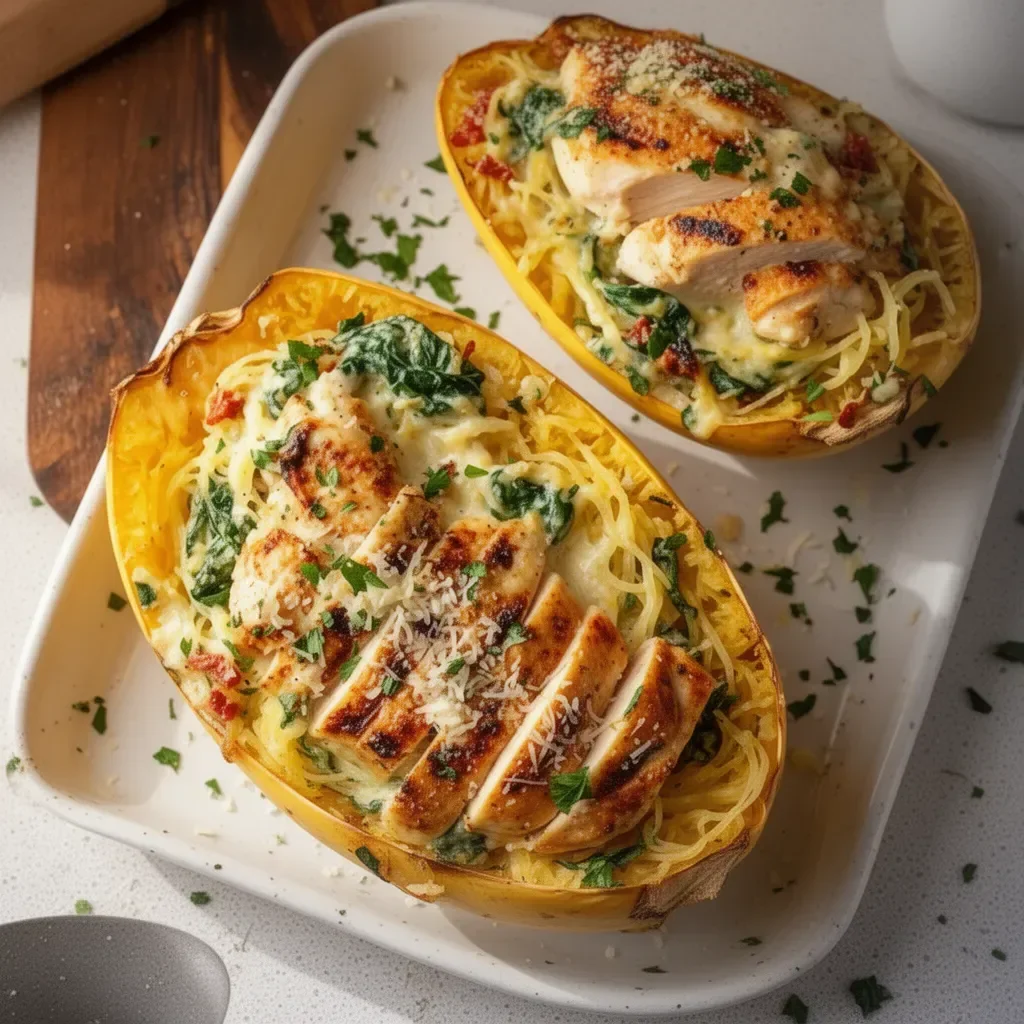
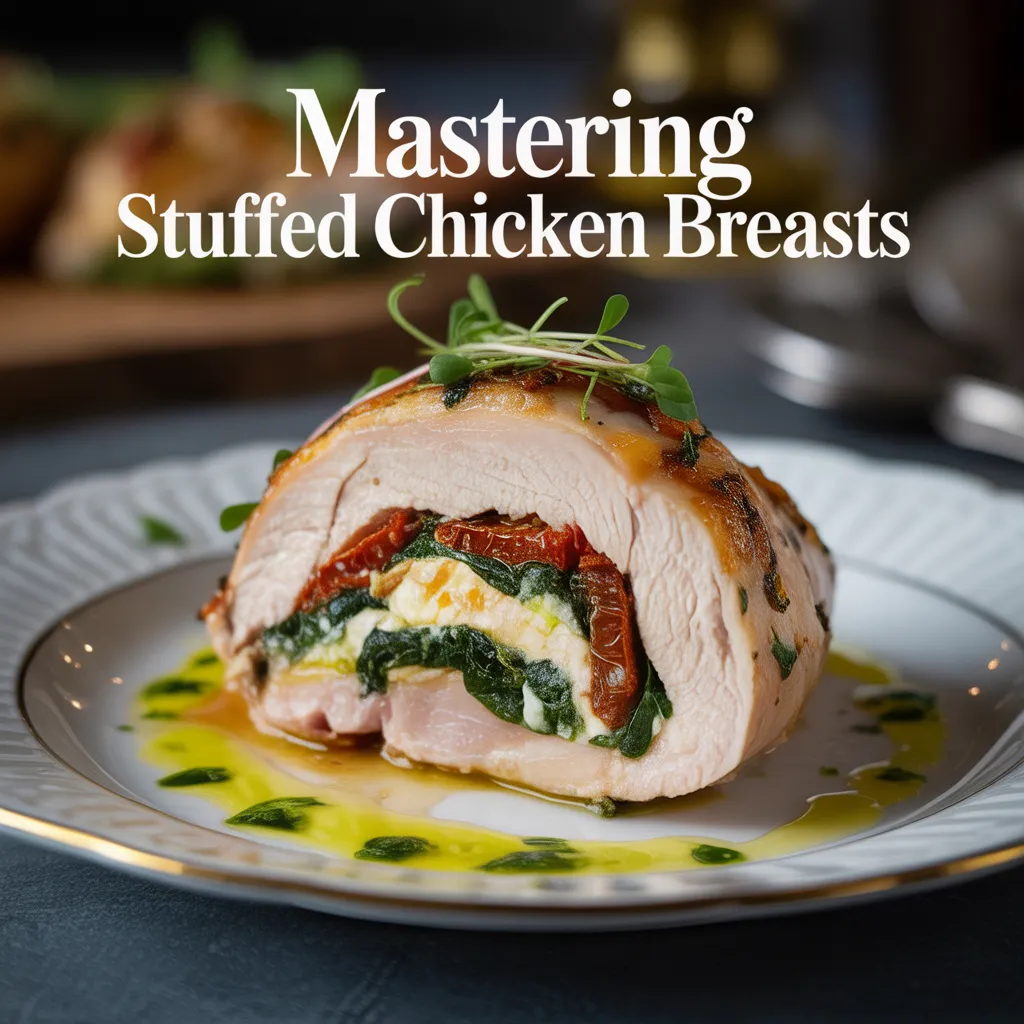
The basic spinach and feta combination is wonderful as is, but adding sun-dried tomatoes takes it to another level entirely. The concentrated tomato flavor adds brightness and acidity that cuts through the richness of the cheese. Try rolled up chicken with feta, spinach, and sun-dried tomatoes for a presentation that looks like you spent hours in the kitchen.
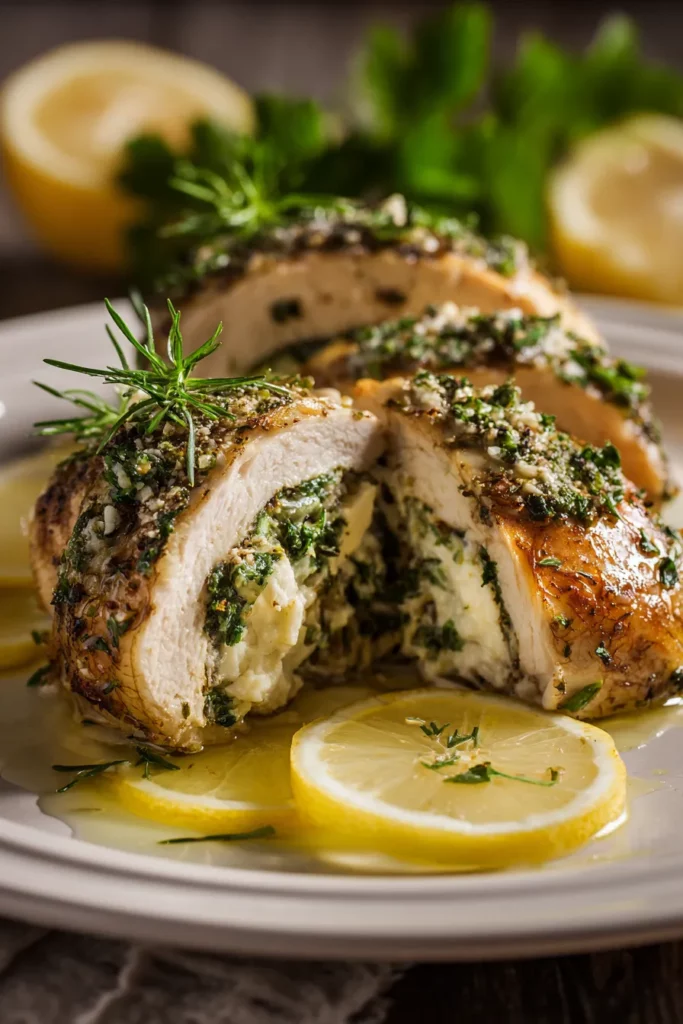
Another elevation is adding a bright, lemony sauce. The spinach and feta stuffed chicken with lemon butter sauce finishes the dish with a silky, tangy sauce that brings everything together. It’s the kind of meal that feels elegant enough for date night but is actually quite simple to execute.
For something a bit more complex in flavor, the stuffed chicken breast with spinach, feta, and sun-dried tomatoes layers multiple complementary ingredients for a stuffing that’s interesting in every bite. Each element plays its role without overwhelming the others.
Ricotta Brings Creamy Lightness
While feta is salty and crumbly, ricotta is mild and creamy, creating an entirely different texture and flavor profile when paired with spinach. I love ricotta-based stuffings when I’m serving the chicken with a bold sauce because the mild cheese doesn’t compete for attention.
The spinach and ricotta stuffed chicken with pesto sauce is one of my favorite company-worthy meals. The pesto adds intense herbal flavor and gorgeous green color, while the ricotta keeps everything creamy and light. It’s Italian-inspired comfort food at its finest.
For something a bit more textured and interesting, try chicken with spinach, ricotta, and pine nuts stuffing. The pine nuts add little bursts of richness and a pleasant crunch that contrasts beautifully with the creamy filling and tender chicken.
Spinach and Artichoke Magic
If you’ve ever loved spinach artichoke dip, you need to try it as a chicken stuffing. All those same creamy, cheesy, rich flavors work brilliantly inside a chicken breast. The creamy spinach and artichoke stuffed chicken is basically that beloved dip in chicken form, and it’s every bit as addictive.
The key to this stuffing is making sure your artichokes are well-drained and chopped fairly small. Large chunks of artichoke can make the stuffing difficult to slice through cleanly and can cause the filling to fall apart. I usually use canned or jarred artichoke hearts rather than fresh because they’re already tender and ready to use.
This combination is rich, so I usually serve it with something bright and light on the side. A simple arugula salad with lemon vinaigrette or roasted asparagus cuts through the richness perfectly. For an interesting variation on this theme, the spinach, artichoke, and parmesan crustless quiche uses similar flavors in a different format.
Gourmet Stuffings That Impress
There are nights when simple stuffed chicken is exactly what you want, and then there are nights when you want to pull out all the stops and create something truly special. These gourmet stuffings use more complex flavor combinations and often involve multiple components, but they’re still manageable for home cooks who want to elevate their game.
The secret to gourmet stuffed chicken isn’t exotic ingredients or complicated techniques. It’s about layering complementary flavors, paying attention to texture, and presenting everything beautifully. A well-executed gourmet stuffed chicken can rival anything you’d order at a nice restaurant, and making it yourself is both more economical and more satisfying.
Sun-dried tomatoes are one of my favorite ingredients for creating that gourmet feel. Their concentrated, almost sweet tomato flavor and chewy texture add so much interest to stuffings. The sun-dried tomato and basil stuffed chicken is elegant and full of bright, summery flavors that work year-round.
Pesto Elevates Everything
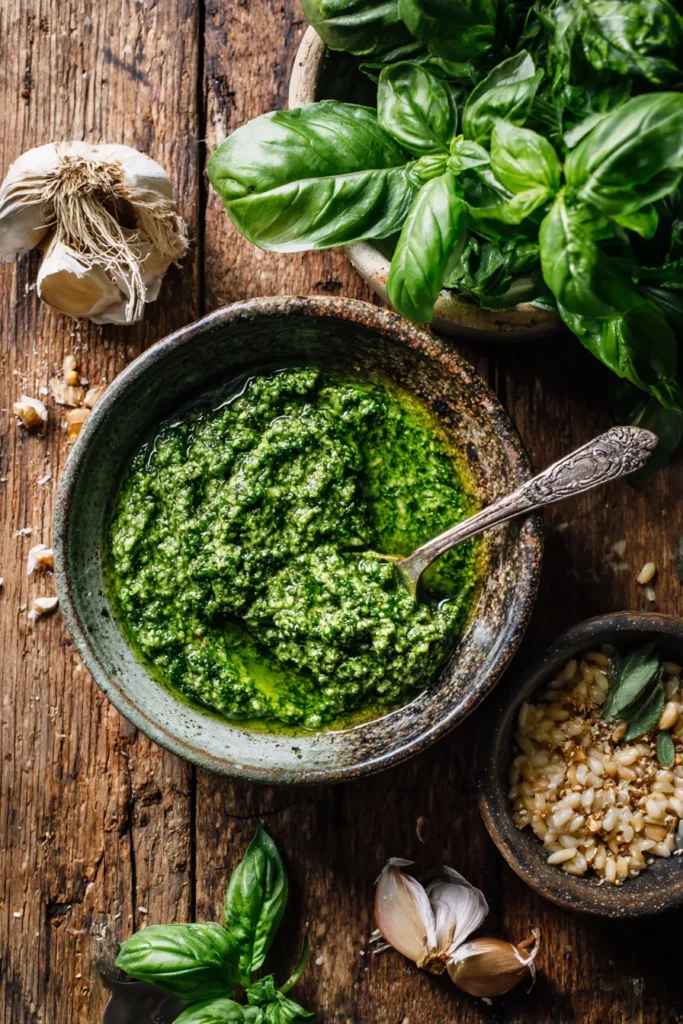
Fresh basil pesto transforms simple stuffed chicken into something that feels special and restaurant-worthy. The bright herbal flavor, the richness from pine nuts and parmesan, the garlic note, it all adds complexity without requiring complicated technique. I make basil pesto and ricotta stuffed chicken when I want to impress without stress.
You can use store-bought pesto if you’re short on time, but homemade pesto takes this dish to an entirely different level. The freshness and vibrancy of pesto you make yourself is incomparable. Plus, you can adjust the garlic, cheese, and nut ratios to your exact preferences.
P
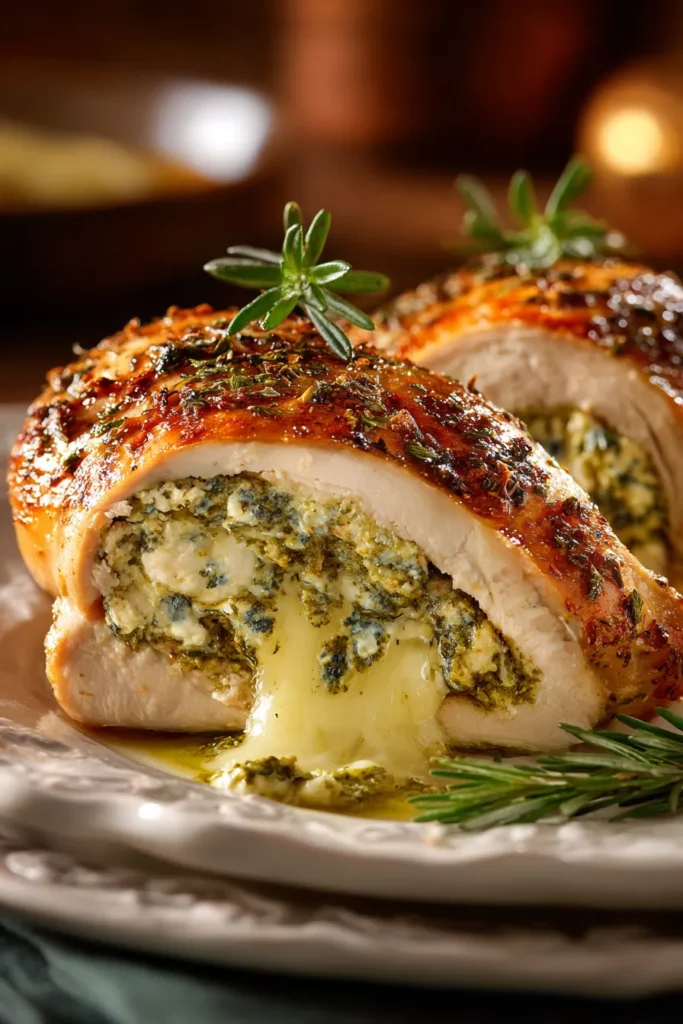
Pesto pairs beautifully with ricotta because the mild, creamy cheese provides a canvas for the pesto’s bold flavors. The combination of sun-dried tomato and ricotta stuffed chicken with basil pesto takes this concept even further, adding those chewy, intensely flavored tomatoes for another layer of interest.
Roasted Peppers Add Sweetness and Color
Roasted red peppers have a sweet, slightly smoky flavor that pairs wonderfully with chicken and cheese. They also add gorgeous color that makes your stuffed chicken look as good as it tastes. The roasted red pepper, spinach, and mozzarella stuffed chicken is colorful, flavorful, and impressive enough for company.

For an even more sophisticated take, try roasted red pepper and goat cheese stuffed chicken. The tangy goat cheese is a perfect counterpoint to the sweet peppers, creating a more complex and interesting flavor profile than standard mozzarella.
When working with roasted peppers, make sure they’re well-drained and patted dry. Excess liquid will make your stuffing watery and can cause leakage during cooking. I usually buy jarred roasted peppers rather than roasting my own because they’re convenient and consistently good quality.
Caprese-Inspired Combinations
The classic Italian combination of tomato, mozzarella, and basil translates beautifully to stuffed chicken. It’s fresh, familiar, and always crowd-pleasing. I make baked caprese chicken regularly during tomato season when I have gorgeous ripe tomatoes and fresh basil from my garden.
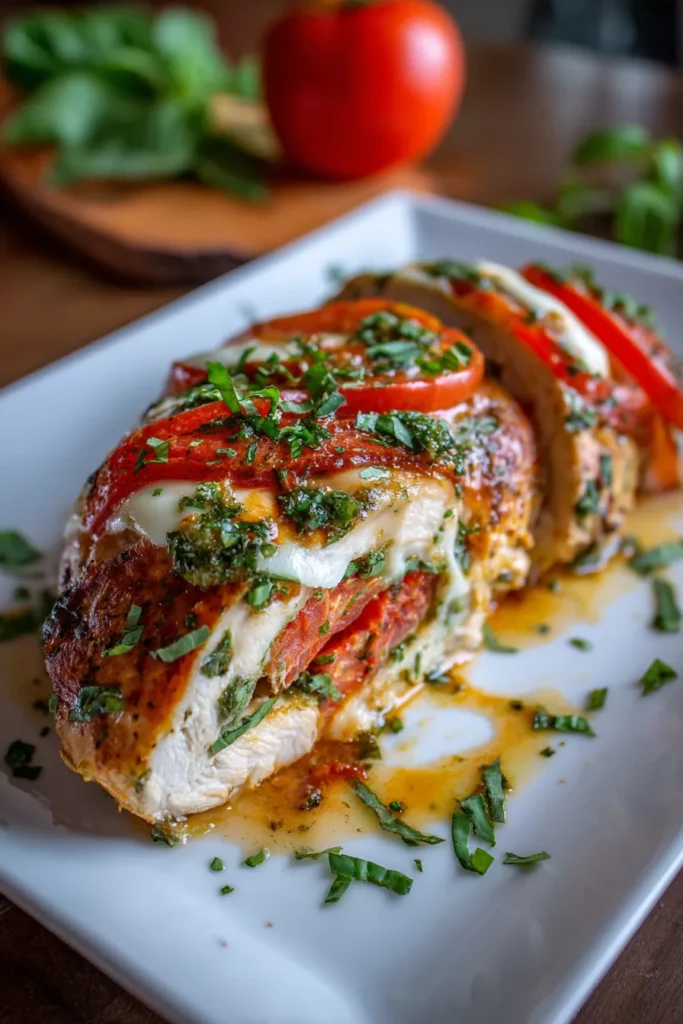
The key to caprese-style stuffed chicken is using fresh mozzarella rather than the pre-shredded kind. Fresh mozzarella melts beautifully and has a delicate milky flavor that pre-shredded mozzarella just can’t match. Slice it thinly so it melts evenly throughout the stuffing.
This same flavor combination works wonderfully in other applications too. The caprese stuffed garlic butter portobellos show how versatile these flavors are. If they work in mushrooms, they’ll definitely work in chicken.
Hot Honey and Sweet-Heat Variations
Hot honey is having a moment right now, and for good reason. That combination of sweetness and heat, the way the honey mellows the spice while the chili flakes give the honey depth and complexity, it’s absolutely addictive. When I discovered you could incorporate hot honey into stuffed chicken, it opened up a whole new category of recipes that my family can’t get enough of.
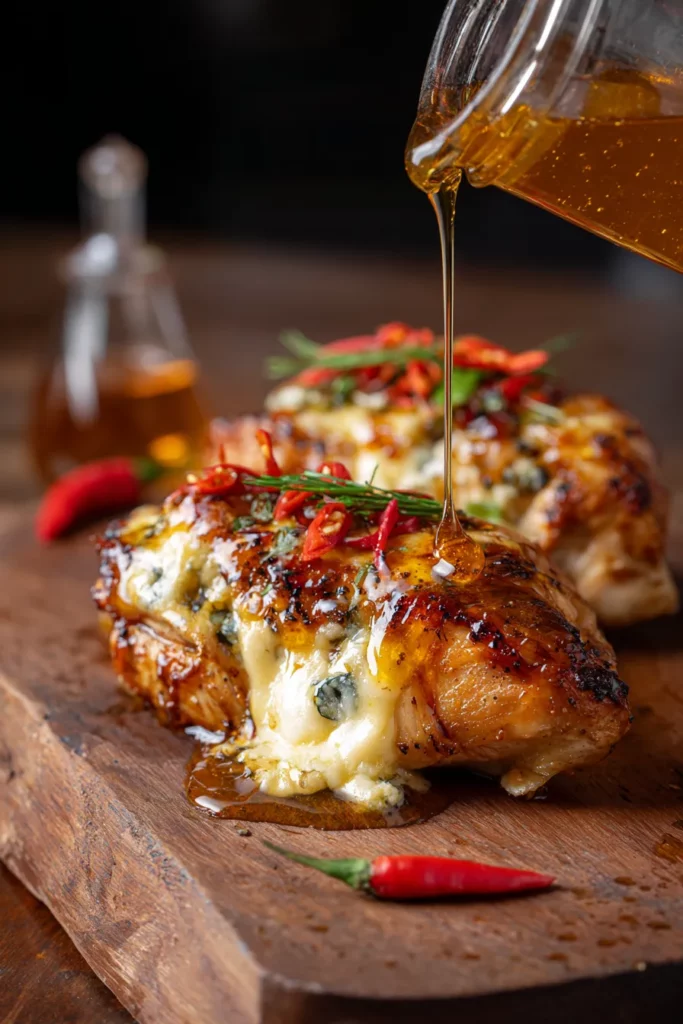
The beauty of hot honey stuffed chicken is how it walks that perfect line between comfort food and something exciting and new. The honey provides familiar sweetness, the cheese gives you that gooey, melty satisfaction, and the heat keeps things interesting without overwhelming anyone who’s not into super spicy food.
My introduction to this style was hot honey feta chicken, and it completely changed how I thought about stuffed chicken. The salty, tangy feta pairs beautifully with sweet honey and a kick of chili heat. It’s bold and balanced at the same time, which is exactly what great cooking should be.
Hot Honey Preparation Methods
You can incorporate hot honey in several ways when stuffing chicken. Some recipes mix it into the cheese filling itself, creating sweet-spicy pockets throughout. Others drizzle it over the top before or after cooking, letting it glaze the outside of the chicken. The hot honey infused feta chicken actually infuses the honey into the cheese mixture for maximum flavor in every bite.
For grilled versions, which work wonderfully in summer, the hot honey feta chicken grilled shows how versatile this flavor combination really is. The slight char from the grill adds another layer of complexity and creates those appealing grill marks that make everything look more appetizing.
If you want a simpler version that’s quicker to prepare, try honey feta chicken. It has all the essential flavors with a less complex preparation method, perfect for busy weeknights when you still want something special.
Making Your Own Hot Honey
Store-bought hot honey is convenient and delicious, but making your own lets you control the heat level and saves money. I keep a jar of homemade hot honey in my pantry because I use it on everything from stuffed chicken to pizza to biscuits.
The basic recipe is simple: gently heat honey with red pepper flakes and sometimes a splash of vinegar or a pinch of salt. The longer you let the pepper flakes steep in the warm honey, the spicier it gets. I usually make mine with about a tablespoon of red pepper flakes per cup of honey, but you can adjust up or down based on your heat preferences.
Let your hot honey cool completely before using it in stuffings. Hot honey straight from the stove can make cheese fillings too runny. Once cooled, it has the perfect consistency to mix into cream cheese or feta for your stuffed chicken creations.
Spicy Honey Feta Variations
The combination of feta and spicy honey is so good that I’ve found countless ways to use it. The feta stuffed chicken breasts with spicy honey drizzle takes a simpler approach, stuffing the chicken with plain feta and then finishing with a generous drizzle of hot honey after cooking.
This technique of adding the honey at the end rather than cooking it into the stuffing has some advantages. The honey stays glossy and beautiful, creating an impressive presentation. The heat from the hot chicken warms the honey just enough to make it pourable and aromatic. And if you have diners with different heat tolerances, they can control how much of that spicy honey they want on their individual portions.
The key to all hot honey variations is balance. Too much honey and the dish becomes cloying. Too much heat and you lose the sweet contrast that makes this combination work. Start conservative and add more of either element if needed. It’s easier to add than to fix an oversweetened or over-spiced dish.
Cream Cheese Based Stuffings for Maximum Creaminess
If there’s one ingredient that guarantees a creamy, luscious stuffed chicken, it’s cream cheese. Unlike harder cheeses that can get stringy or greasy when melted, cream cheese stays smooth and velvety, creating stuffings that are incredibly satisfying to eat. It also acts as a binder, holding other filling ingredients together and preventing leakage.
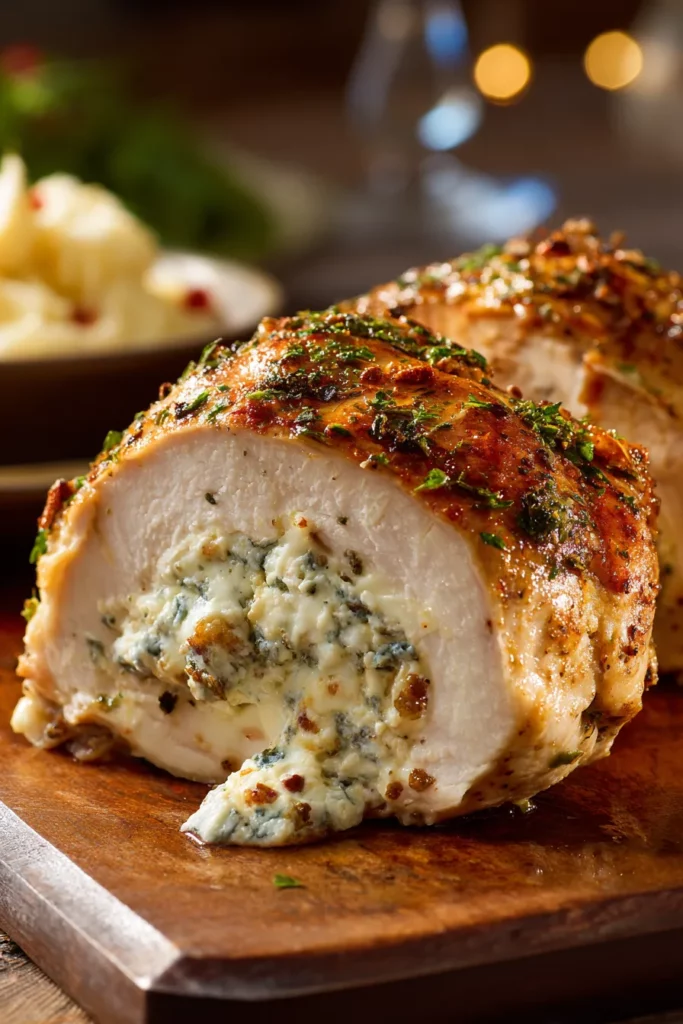
I used to think cream cheese stuffings were one-note, just creamy and rich without much depth. Then I learned how well cream cheese plays with other ingredients, how it can carry bold flavors without overwhelming them, how it creates a luxurious mouthfeel that makes even simple stuffed chicken feel indulgent.
The classic jalapeño cream cheese stuffed chicken is probably the best known cream cheese stuffing, and it’s popular for good reason. The cool, creamy cheese tempers the jalapeño heat while still letting that bright, vegetal spice shine through. It’s like jalapeño poppers but in chicken form.
Bacon-Wrapped Cream Cheese Creations
Wrapping cream cheese stuffed chicken in bacon is one of those ideas that seems almost too good to be true. The bacon keeps the chicken moist, adds smoky saltiness, and crisps up beautifully in the oven. Plus, it helps hold everything together so you don’t need toothpicks or twine.
While this technique is most often used with chicken, it works with other proteins too. The bacon wrapped venison with spicy cream cheese proves that cream cheese stuffings are incredibly versatile. The same principles that make this work with venison will make it work with chicken, pork, or even thick fish steaks.
When wrapping stuffed chicken in bacon, use thick-cut bacon that won’t overcook and become brittle before the chicken is done. I usually slightly overlap the bacon strips and secure the ends with toothpicks if needed, though often the bacon naturally adheres to itself as it cooks.
Flavoring Cream Cheese Fillings
Plain cream cheese is a blank canvas waiting for flavor. I mix in everything from fresh herbs to sautéed vegetables to different cheeses. A base of cream cheese combined with sharp cheddar, garlic, and chives creates a filling that’s tangy and savory. Cream cheese with sun-dried tomatoes and basil tastes like Italy in every bite.
For the creamiest texture, let your cream cheese sit at room temperature for at least thirty minutes before mixing. Cold cream cheese is difficult to stir and can be lumpy. Room temperature cream cheese whips up smooth and silky, creating a much better stuffing texture.
I always season cream cheese stuffings generously. Cream cheese itself is fairly mild, so it needs bold flavors mixed in to create interesting stuffings. Don’t be shy with garlic, herbs, spices, or other mix-ins. What seems like a lot when you’re mixing the filling will taste perfectly balanced once it’s inside the chicken.
Mushroom Stuffings for Earthy Richness
Mushrooms bring an earthy, umami-rich quality to stuffed chicken that’s completely different from cheese or vegetable-based stuffings. When cooked properly, mushrooms become tender and almost meaty, creating stuffings that feel substantial and satisfying even without a lot of cheese.
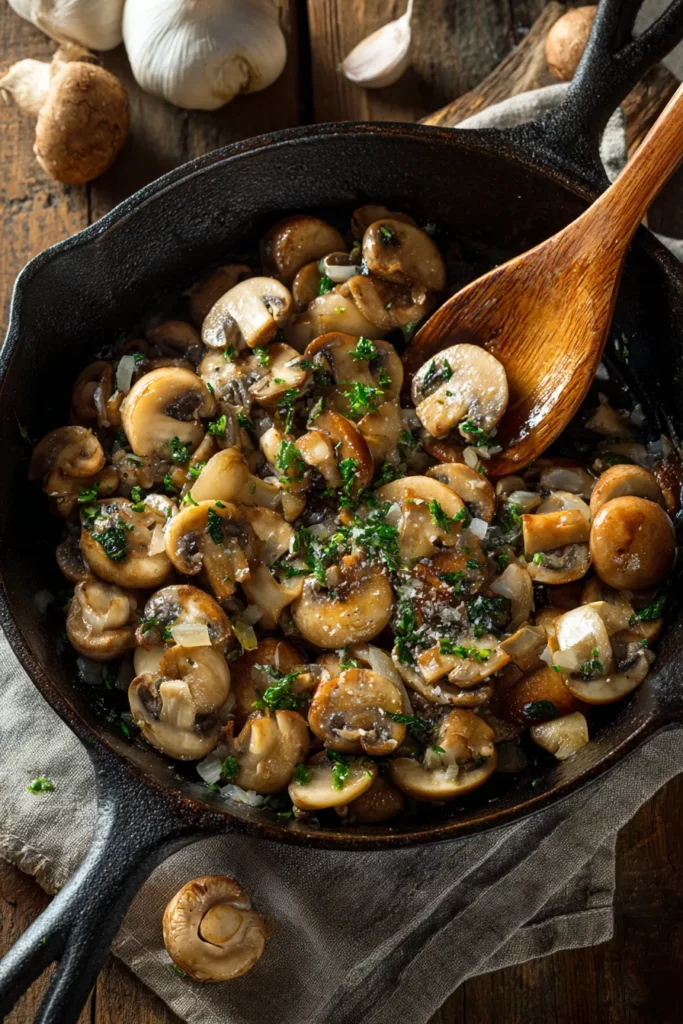
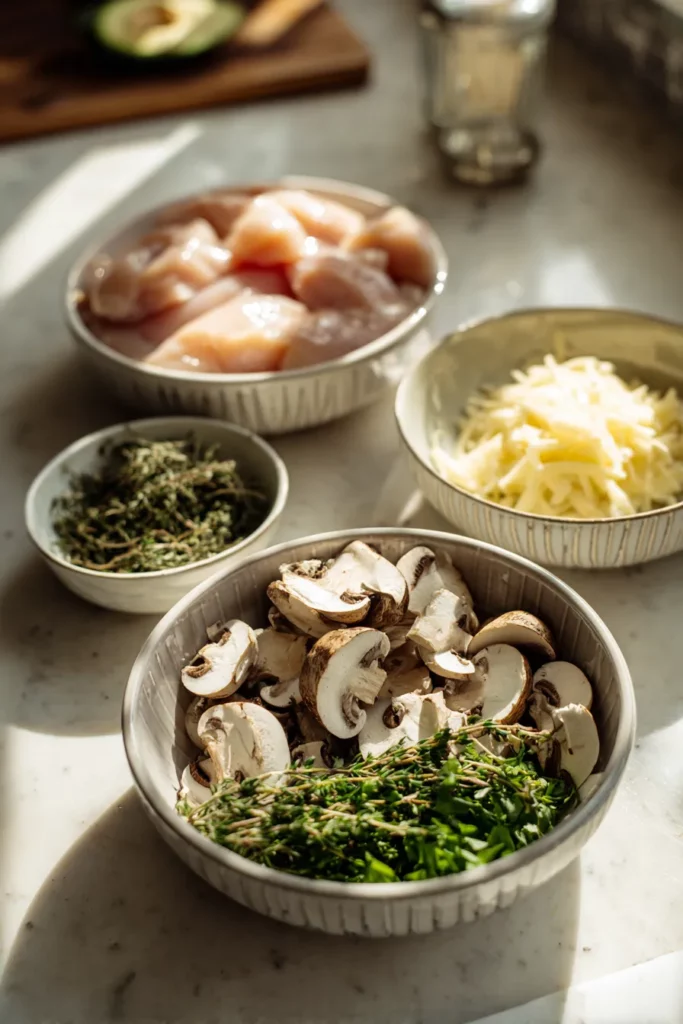
The key to great mushroom stuffings is cooking the mushrooms completely before using them as filling. Raw or undercooked mushrooms release water as they cook, which will make your stuffing watery and can cause leakage. I always sauté mushrooms until they’ve released their moisture, that liquid has evaporated, and they’ve started to brown.
My go-to mushroom stuffed chicken is cheesy garlic butter mushroom stuffed chicken. The combination of tender sautéed mushrooms, garlic, butter, and melted cheese is pure comfort food. The mushrooms add substance and that savory depth that makes this feel like a special occasion meal.
Choosing and Preparing Mushrooms
Not all mushrooms work equally well in stuffings. Button mushrooms are mild and readily available, making them a safe choice for picky eaters. Cremini mushrooms have more flavor and are my standard choice for most stuffed chicken recipes. Shiitake mushrooms bring an intense umami punch but can be overwhelming if you use too many.
I usually use a combination of mushroom types to create more complex flavor. A mix of cremini for the base and a smaller amount of shiitake for depth creates stuffings that taste restaurant-quality. Whatever mushrooms you choose, clean them properly by wiping with a damp paper towel rather than rinsing under water, which makes them soggy.
Slice your mushrooms uniformly so they cook evenly. I aim for quarter-inch slices, thick enough to have texture but thin enough to cook through quickly. Sauté them in butter over medium-high heat until they’ve released their liquid and started to caramelize. This concentrates their flavor and removes excess moisture that would make your stuffing watery.
Mushrooms in Other Applications
The techniques for stuffing chicken with mushrooms work for other vehicles too. I use the same mushroom mixtures for chicken stuffed mushrooms with herbs, which flip the script by putting chicken inside mushroom caps. It’s a fun reversal that works wonderfully as an appetizer.
The rich, earthy flavors of mushrooms also pair beautifully with other proteins. I often make chicken with spinach, bacon, and mushrooms, combining several favorite ingredients into one satisfying dish. The smoky bacon complements the earthy mushrooms perfectly.
Preparing Stuffed Chicken for Different Cooking Methods
Stuffed chicken is incredibly versatile when it comes to cooking methods. You can bake it, pan-sear and finish in the oven, grill it, or even cook it in an air fryer. Each method creates slightly different results, and choosing the right one depends on what you’re going for and what equipment you have available.

Baking is the most straightforward method and what I use most often on busy weeknights. It’s hands-off, consistent, and perfect for cooking multiple chicken breasts at once. The key to juicy baked stuffed chicken is high enough heat to brown the outside while cooking the inside through. I usually bake at 375 to 400 degrees Fahrenheit.
For extra flavor and a beautiful golden exterior, I start by pan-searing the stuffed chicken on the stovetop in an oven-safe skillet, then transfer the whole pan to the oven to finish cooking. This combination method gives you the best of both worlds: a nicely browned outside and perfectly cooked inside. Recipes like melt in your mouth chicken breast use this technique to create incredibly tender results.
Grilling Stuffed Chicken
Grilled stuffed chicken has that smoky char that makes everything taste like summer. The trick is moderate heat and patience. Too hot and the outside burns before the inside cooks through. Too cool and you won’t get those lovely grill marks.
I preheat my grill to medium heat, around 350 to 375 degrees Fahrenheit. Oil the grates well to prevent sticking, then place the stuffed chicken carefully on the grill. Close the lid and resist the urge to move it around. Let it cook undisturbed for about six to eight minutes before flipping.
For recipes like grilled chicken roll-ups with spinach, make sure everything is securely fastened before it hits the grill. Nothing’s worse than your beautiful stuffed chicken falling apart halfway through cooking. Use toothpicks or tie with kitchen twine to keep everything intact.
Creating Crusted Exteriors
Adding a crust to your stuffed chicken elevates it from good to spectacular. Parmesan crusts are my favorite because they add flavor, texture, and help seal in the filling. The parmesan crusted chicken with spinach and Alfredo sauce is restaurant-quality indulgent.
For a lighter but equally delicious crust, try crispy parmesan crusted chicken with lemon butter sauce. The bright lemon cuts through the richness of the parmesan crust beautifully. Or go herbaceous with baked chicken with rosemary parmesan crust, which adds aromatic rosemary to the mix.
Creating a crust is simple. Brush your stuffed chicken with oil or melted butter, then press the breading mixture firmly onto all surfaces. The oil helps the crust stick and promotes browning. Bake at high heat initially to set the crust, then reduce if needed to finish cooking through without burning.
Stuffed Chicken for Meal Prep and Make-Ahead
One of the best things about stuffed chicken is how well it works for meal prep. You can prepare everything ahead, refrigerate or freeze, and have impressive dinners ready to go whenever you need them. This has been a game-changer for my busy weeks when I know I won’t have time to cook from scratch every night.

For refrigerated meal prep, I stuff the chicken breasts completely, wrap each one individually in plastic wrap, and store them in the refrigerator for up to two days. This is perfect for prepping Sunday for Monday and Tuesday dinners. When I’m ready to cook, I unwrap them, let them sit at room temperature for fifteen minutes, then cook as normal.
For longer storage, freezing works beautifully. I wrap each stuffed chicken breast tightly in plastic wrap, then again in aluminum foil, and label with the date and type of stuffing. Properly wrapped stuffed chicken keeps in the freezer for up to three months. To cook from frozen, I usually thaw overnight in the refrigerator, though you can cook from frozen if needed by adding about ten extra minutes to the cooking time.
Batch Cooking for the Week
I often cook a large batch of stuffed chicken on Sunday to use throughout the week in different ways. Fully cooked stuffed chicken keeps in the refrigerator for three to four days. I’ll eat some hot for dinner the night I make it, then use the leftovers in salads, grain bowls, or sandwiches throughout the week.
Sliced cold stuffed chicken makes excellent sandwich filling. The spiral of filling stays intact when you slice it, creating beautiful sandwich cross-sections. I’ll put it on crusty bread with arugula and a smear of pesto or dijonnaise for quick, satisfying lunches.
For warm applications later in the week, I reheat stuffed chicken gently in a 325-degree oven until warmed through. Microwaving works in a pinch but can make the chicken a bit rubbery. If you microwave, do it at reduced power and add a damp paper towel over the chicken to keep it from drying out.

Transforming Stuffed Chicken into Other Meals
Leftover stuffed chicken is incredibly versatile. I’ll dice it and toss it into pasta with some of the filling creating a creamy sauce. Or slice it thin and add it to grain bowls with roasted vegetables. The creamy chicken and spinach tortellini soup is perfect for using up leftover spinach-stuffed chicken.
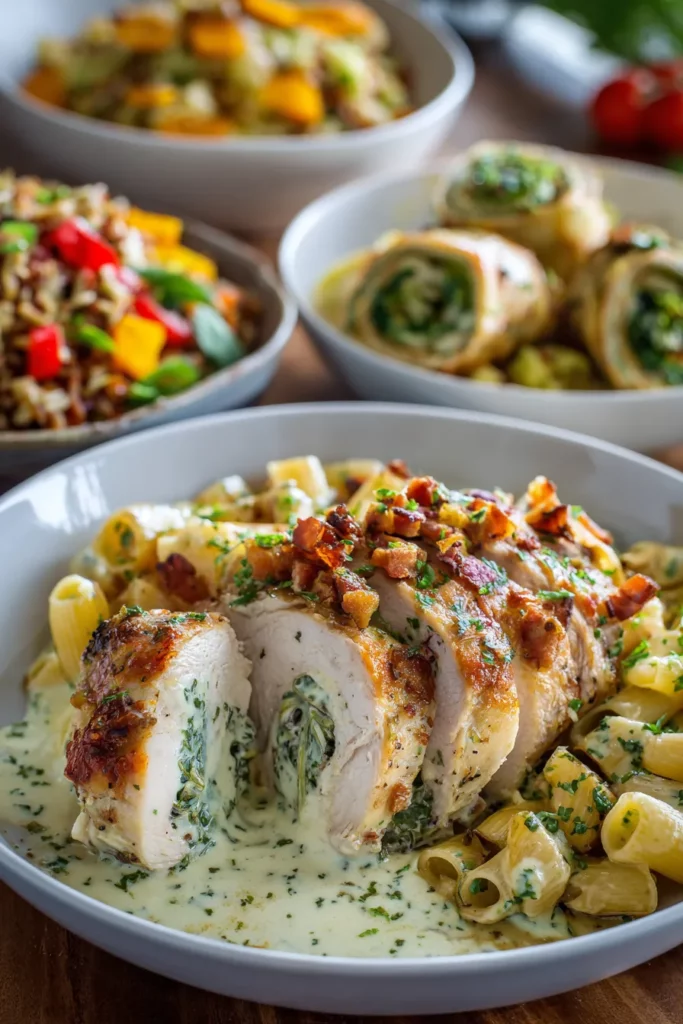
Wraps and quesadillas are another great way to use leftover stuffed chicken. The cheesy garlic chicken wraps take just minutes to assemble when you already have cooked stuffed chicken on hand. Warm tortillas, add your sliced chicken, some extra cheese, and whatever vegetables you have, then roll it up for a quick lunch or dinner.

Stuffed Chicken Casseroles and Bakes
Sometimes you want all the flavors of stuffed chicken but in a format that’s easier to serve a crowd or make ahead for busy nights. That’s where casseroles and bakes come in. These dishes take the essential components of stuffed chicken and layer or combine them in baking dishes for family-style servings.

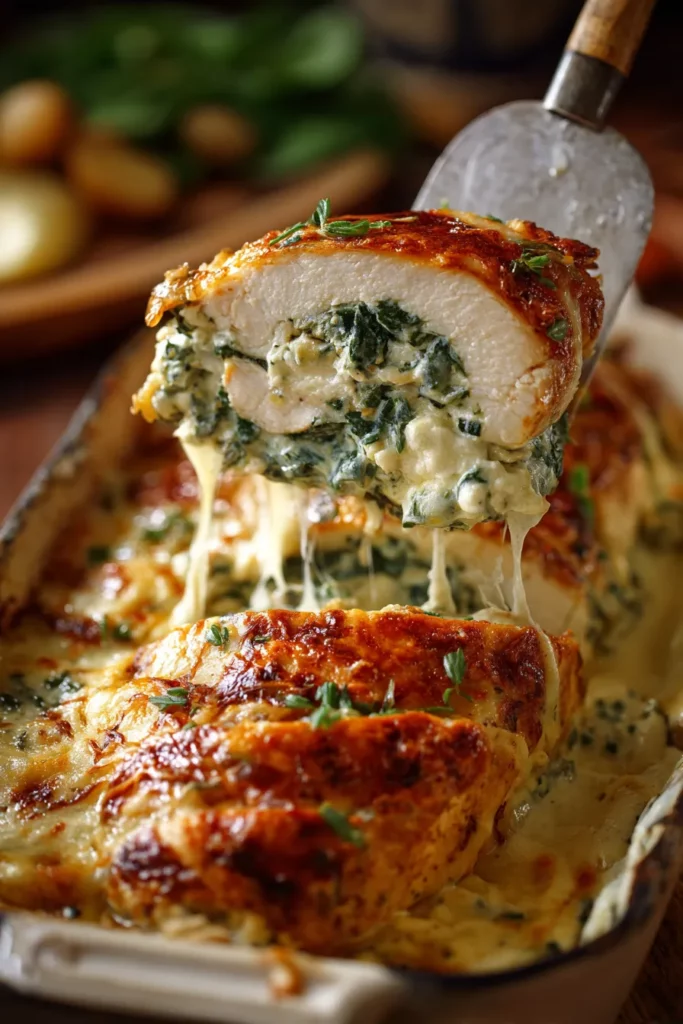
The beauty of casseroles is that you can prep them completely in advance, refrigerate them, and bake when needed. They’re perfect for potlucks, family gatherings, or those nights when you need to feed a crowd without standing over individual portions. Plus, everyone can serve themselves, making dinner feel more relaxed and casual.
One of my favorite transformations is chicken spinach casserole, which combines the classic flavors of spinach-stuffed chicken in an easy-to-serve format. Layers of chicken, spinach, cheese, and cream sauce come together in one dish that everyone loves.
Creamy Chicken Bakes
For maximum comfort food appeal, nothing beats a creamy chicken bake. The creamy chicken spinach casserole is pure indulgence, with tender chicken and wilted spinach bathed in a rich, cheesy sauce. It’s the kind of dish that makes people go back for seconds even when they’re already full.

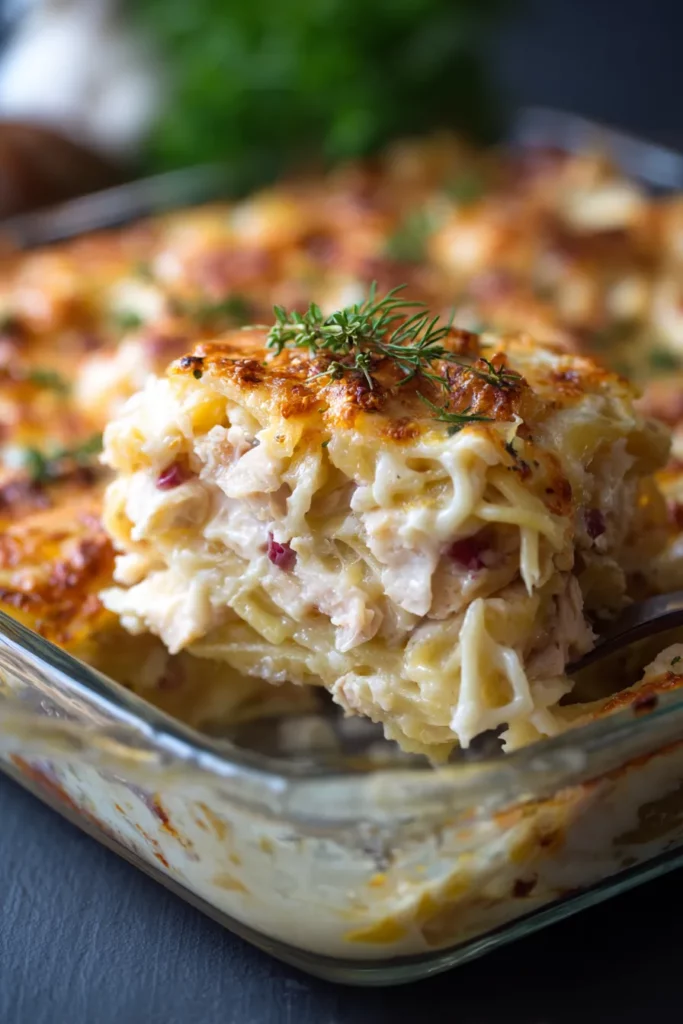
Another crowd-pleaser is chicken cordon bleu casserole, which deconstructs the classic stuffed chicken cordon bleu into casserole form. All the elements are there – chicken, ham, swiss cheese, and that creamy sauce but in a format that serves a dozen people easily.
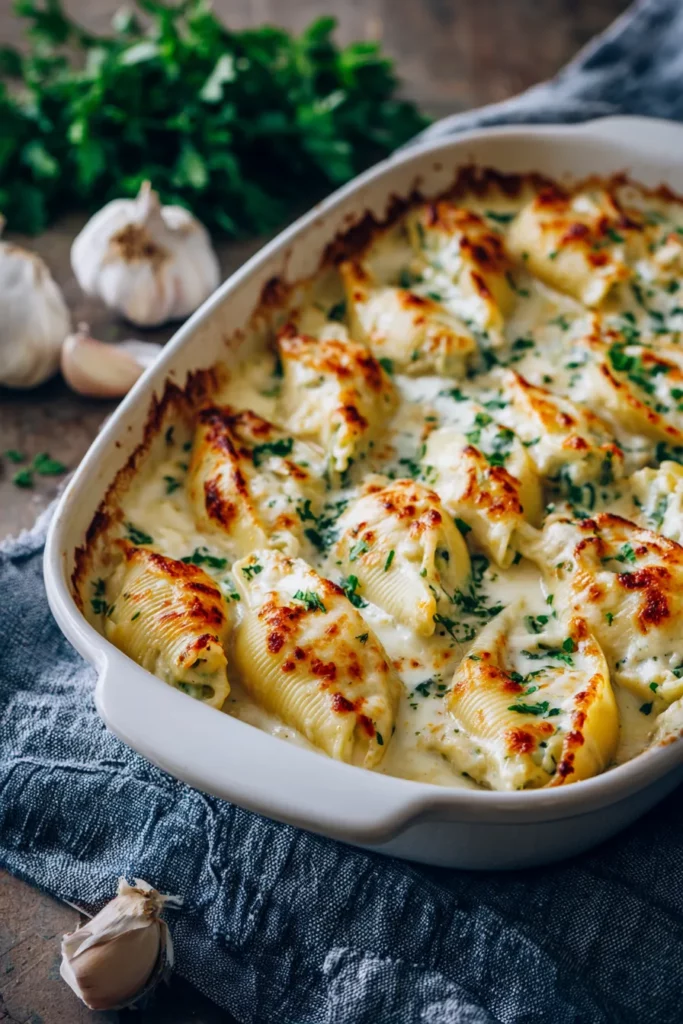
For something a bit different, try garlic butter chicken Alfredo stuffed shells. While this uses pasta instead of chicken as the vessel, the concept is similar: stuff something with delicious filling, bake it in sauce, and serve it to happy people.
Stuffing-Based Chicken Casseroles
Casseroles that combine chicken with actual stuffing ingredients are a Thanksgiving favorite that works year-round. The Dolly’s chicken and stuffing casserole has become legendary in my house. It’s comforting, easy to make, and feeds a crowd beautifully.
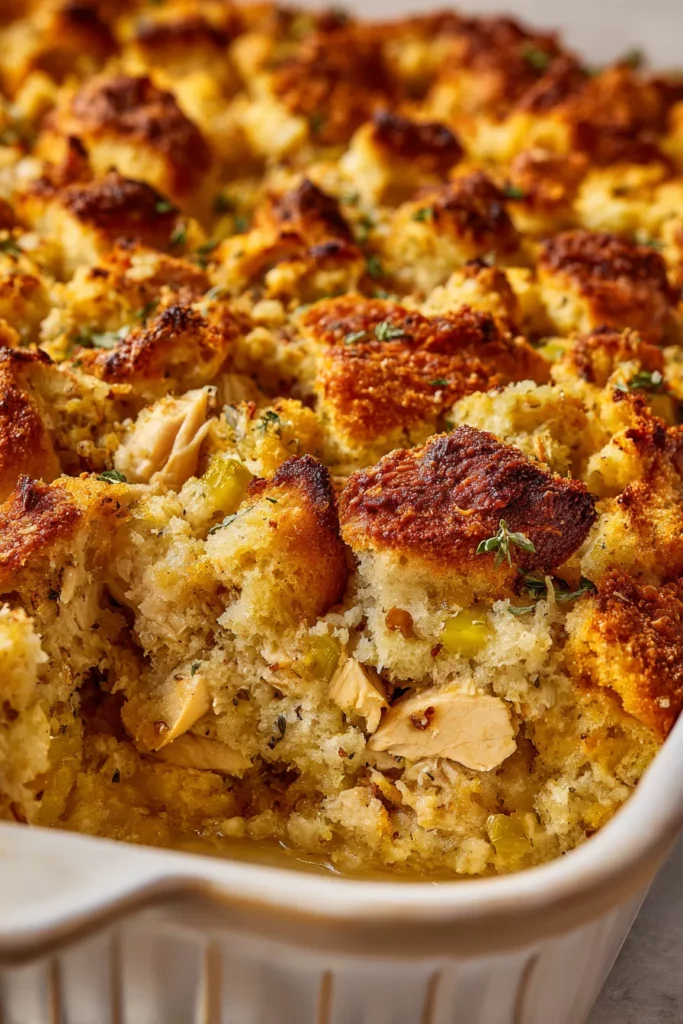
The genius of this style of casserole is how the stuffing soaks up the chicken juices and sauce, becoming incredibly flavorful and moist. The top layer gets crispy and golden while the bottom stays soft and almost pudding-like. It’s textural heaven.
These casseroles are incredibly forgiving. You can use leftover chicken, rotisserie chicken, or cook chicken specifically for the dish. You can swap in different vegetables, use various types of cheese, or adjust the seasonings to your family’s preferences. Once you understand the basic structure, you can customize endlessly.
Mediterranean and Global Flavors in Stuffed Chicken
While many of my favorite stuffed chicken recipes are Italian or American in inspiration, there’s a whole world of flavor combinations to explore. Mediterranean ingredients in particular work beautifully in stuffed chicken, bringing bright, fresh flavors that feel lighter and more vibrant than cream-heavy versions.
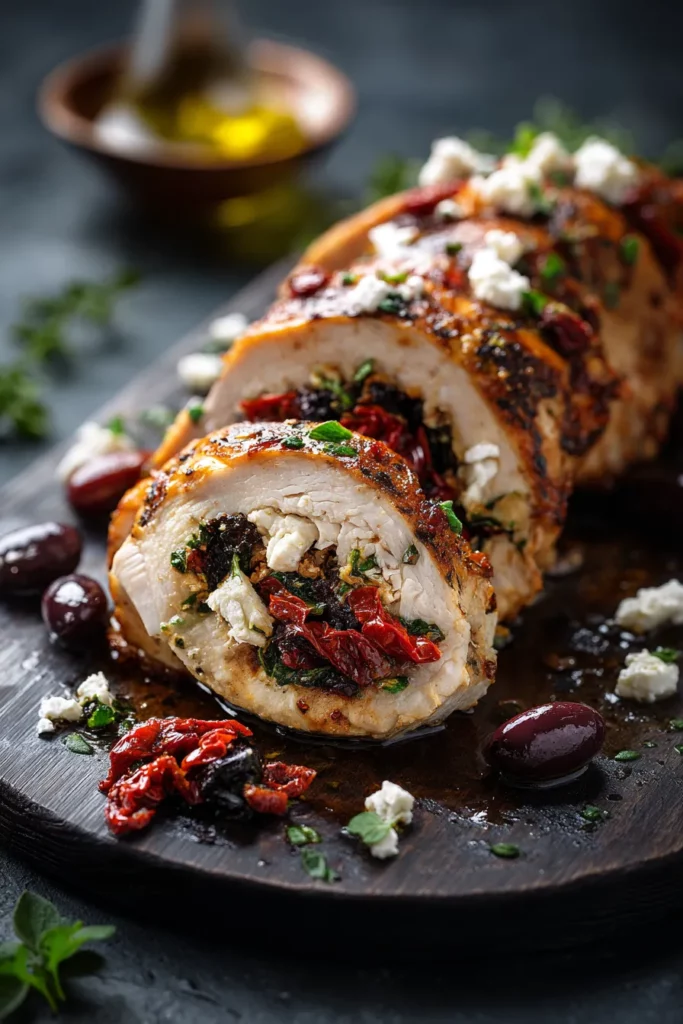
The Mediterranean diet emphasizes olive oil, fresh herbs, tomatoes, olives, feta cheese, and bright acidic elements like lemon. All of these ingredients translate wonderfully to stuffed chicken. The flavors are bold enough to stand up to the mild chicken while still feeling fresh and healthy.
I love making Mediterranean-inspired stuffings with sun-dried tomatoes, kalamata olives, feta cheese, and fresh herbs like oregano and basil. These ingredients create stuffings that are intensely flavorful without feeling heavy. The Mediterranean herb and feta stuffed mushrooms use this same flavor profile.
Greek-Inspired Stuffings
Greek cuisine offers some of the best flavors for stuffed chicken. The combination of feta, spinach, and fresh herbs with lemon and olive oil creates stuffings that taste bright and alive. I always include plenty of fresh dill in my Greek-style stuffings because that herb is so distinctly Greek and adds wonderful flavor.
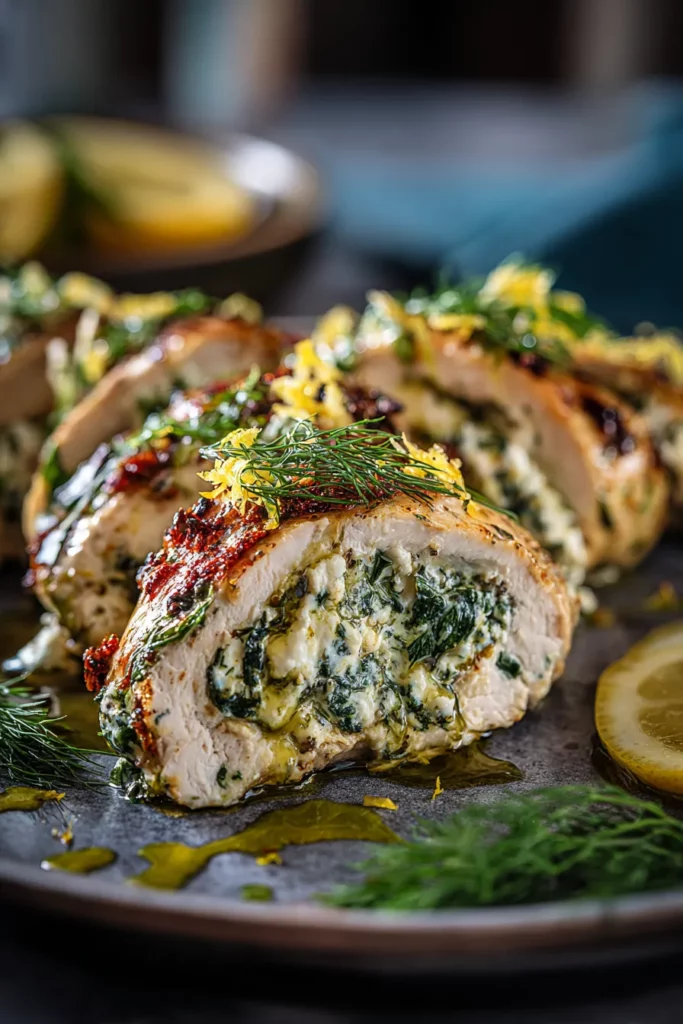
Kalamata olives, despite being quite strongly flavored, work beautifully in stuffed chicken when you chop them finely and mix them with milder ingredients. They add salty, briny pops of flavor throughout the filling. Just remember that olives are very salty, so reduce any additional salt in your recipe.
For a lighter stuffed chicken option that still feels satisfying, use lots of fresh vegetables like roasted red peppers, zucchini, and tomatoes in your filling. The vegetables add moisture and flavor while keeping things from feeling too rich or heavy.
Middle Eastern and Indian Influences
While less common, Middle Eastern and Indian spices create incredibly aromatic and flavorful stuffed chicken. I make a version with cumin, coriander, turmeric, and garam masala mixed into a cheese and herb stuffing. The warm spices transform familiar ingredients into something exotic and exciting.
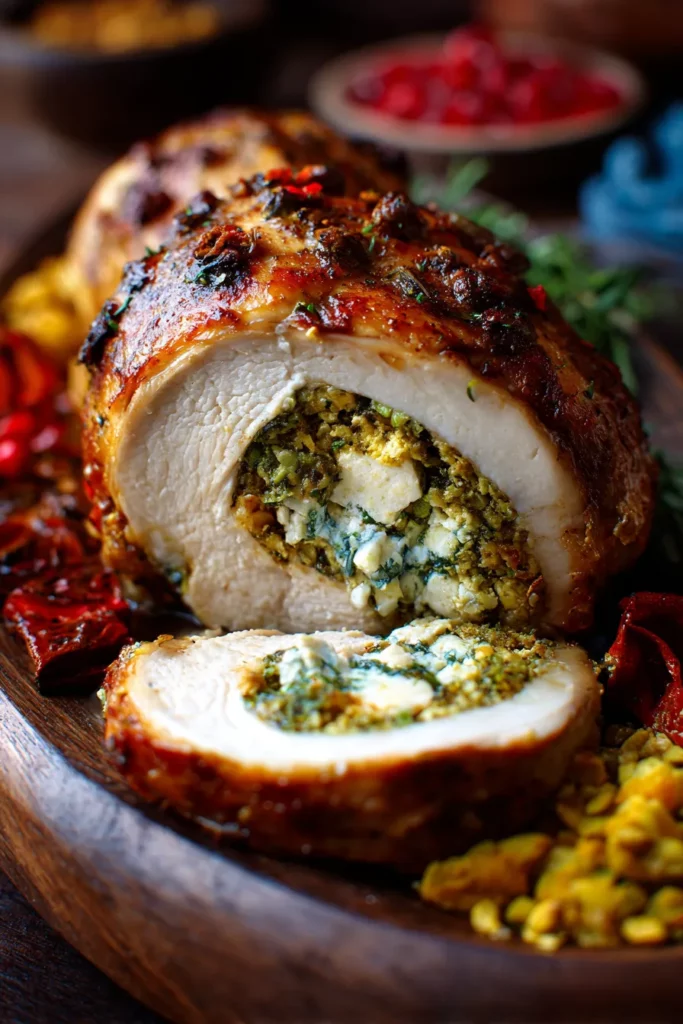
Yogurt-based marinades work wonderfully for chicken that will be stuffed and grilled. The yogurt tenderizes the meat while adding tangy flavor that complements spicy or herbaceous stuffings. Marinate your chicken for at least two hours before stuffing and cooking for maximum flavor and tenderness.
Lighter and Healthier Stuffed Chicken Options
Stuffed chicken doesn’t have to be heavy and cheese-laden to be delicious. Some of my favorite versions are actually quite light and healthy, relying on vegetables, herbs, and small amounts of cheese for flavor rather than cream cheese and butter. These lighter options are perfect when you want something satisfying but not overly rich.
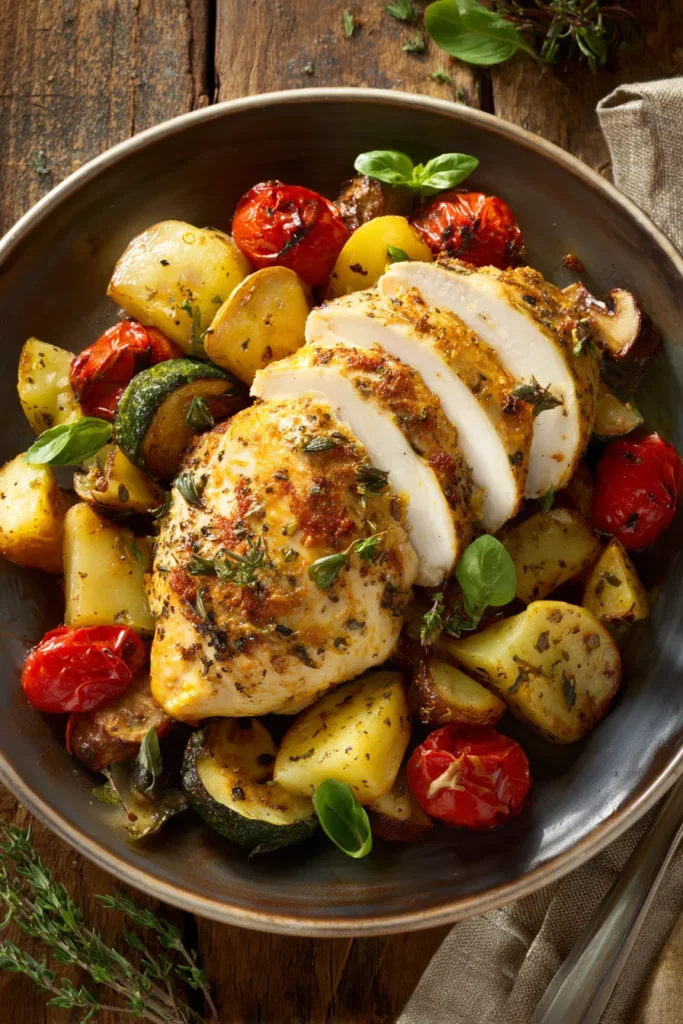
The key to making lighter stuffed chicken that’s still flavorful is using lots of fresh herbs and aromatics. Herbs don’t add calories but they add immense amounts of flavor. Garlic, shallots, fresh basil, parsley, cilantro, dill, and thyme can all make stuffed chicken taste amazing without adding richness.
Vegetables are another way to add substance and flavor to stuffed chicken without much fat. Roasted vegetables like zucchini, bell peppers, mushrooms, and tomatoes create fillings that are flavorful and satisfying. Just make sure they’re well-drained so they don’t make the stuffing watery.
Using Goat Cheese for Lighter Richness
When I want cheese in my stuffing but want to keep things lighter, I turn to goat cheese. It has such intense flavor that you can use much less than you would of cream cheese or mozzarella and still get great cheesy taste. Plus, goat cheese has a tangy quality that feels lighter and brighter than heavier cheeses.
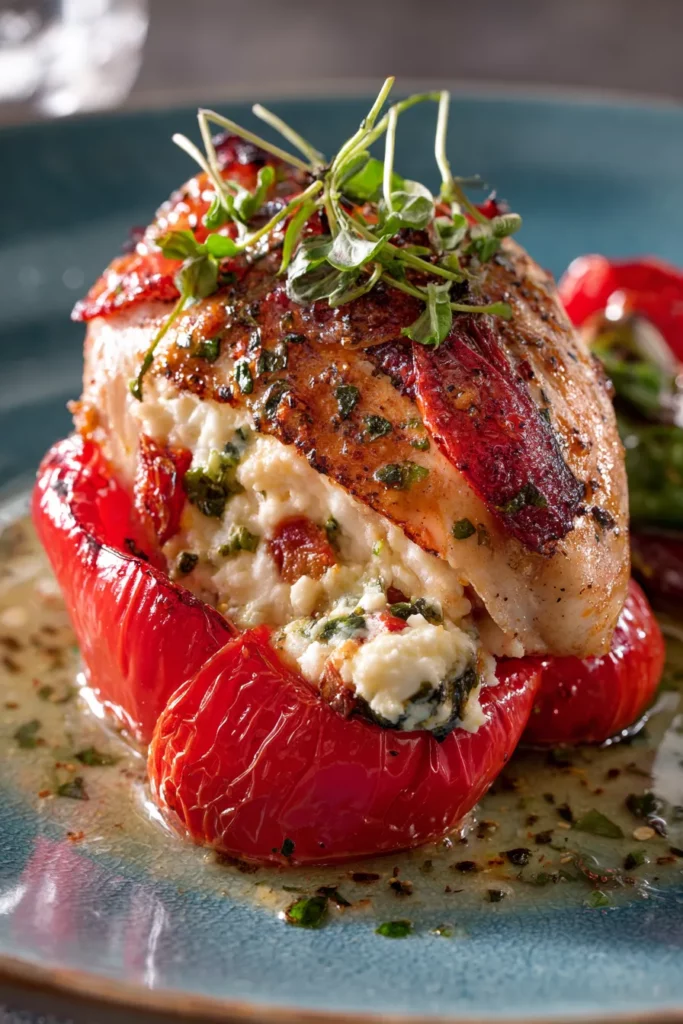
A little bit of goat cheese mixed with lots of fresh herbs and vegetables creates a filling that’s light but still creamy and satisfying. The roasted red pepper and goat cheese stuffed chicken is a perfect example of this approach.
High-Protein, Low-Carb Stuffings
For those watching carbs, stuffed chicken is naturally a great option since the chicken itself is pure protein. Keep the stuffing low-carb by focusing on cheese, vegetables, and herbs while avoiding breadcrumbs or starchy vegetables. Most of the stuffings I’ve mentioned in this guide are naturally low-carb.
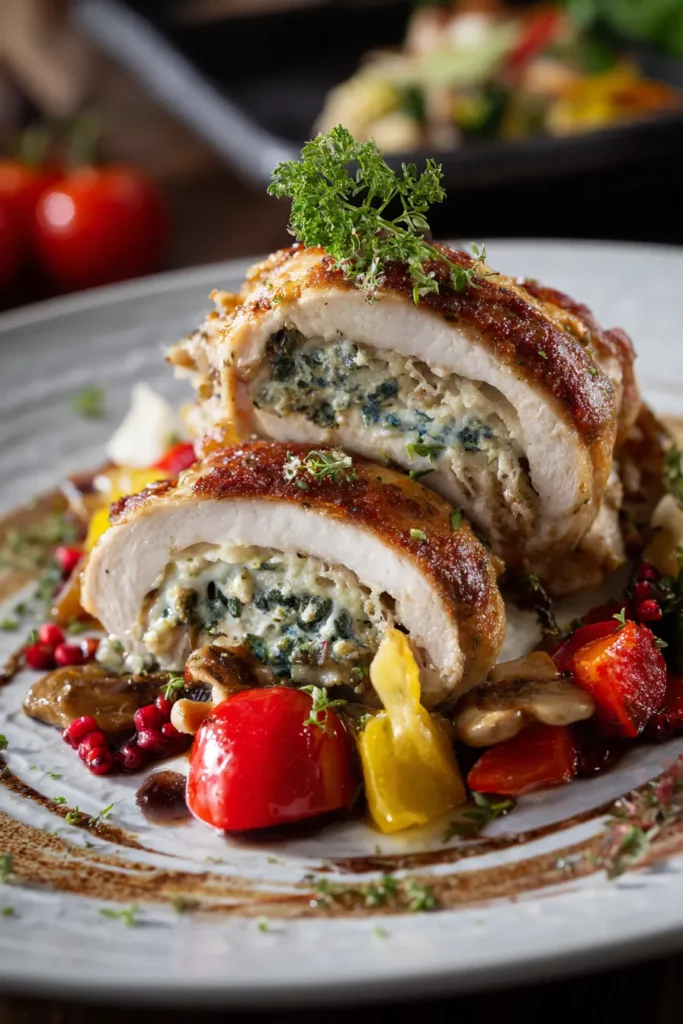
The beauty of keto-friendly stuffed chicken is that it doesn’t feel like diet food at all. The cheese, the tender chicken, the flavorful fillings, it’s all satisfying and delicious. You’re not sacrificing taste or satisfaction to meet your nutritional goals.
Side Dishes That Complete Stuffed Chicken Dinners
Even the most beautifully prepared stuffed chicken needs great sides to round out the meal. I’ve learned over the years which sides complement different styles of stuffed chicken and which combinations feel balanced and satisfying without being too heavy or too light.
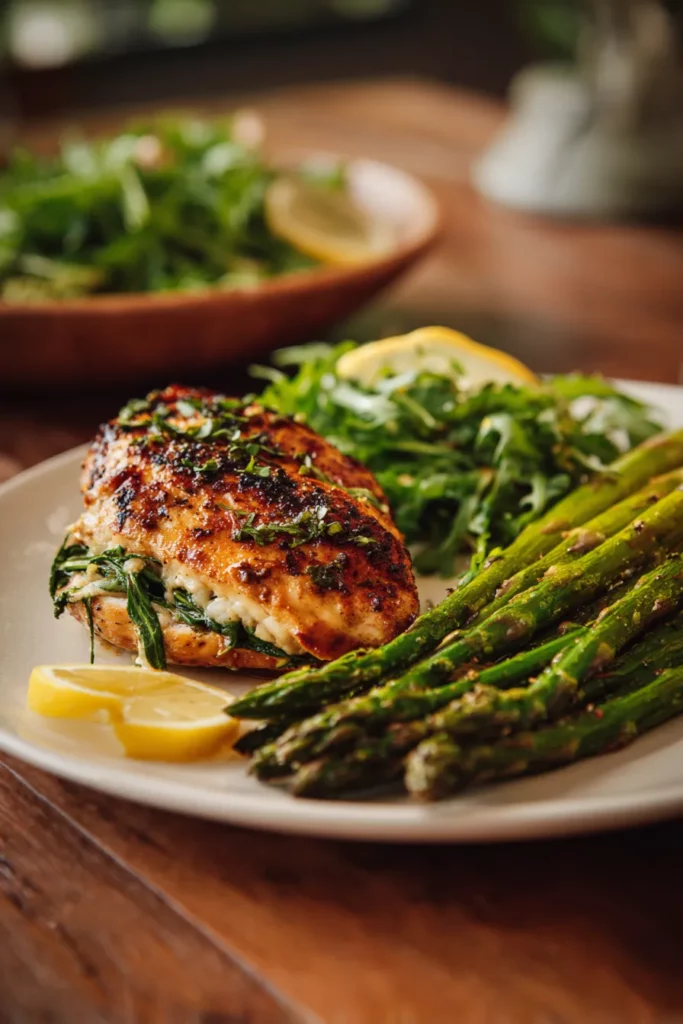
For rich, creamy stuffed chicken like spinach artichoke or cream cheese versions, I always serve something bright and acidic on the side. A simple arugula salad with lemon vinaigrette cuts through the richness perfectly. Roasted asparagus with lemon zest is another favorite that adds freshness and a bit of elegant color to the plate.
When I’m serving lighter stuffed chicken with Mediterranean flavors, I go for heartier sides like roasted potatoes or a grain pilaf. The garlic parmesan chicken and potatoes shows how well chicken and potatoes pair together, and that same principle works with stuffed chicken.
Vegetable Sides That Shine
Roasted vegetables are my go-to side for stuffed chicken because they’re easy, healthy, and endlessly variable. I’ll toss whatever vegetables I have with olive oil, salt, pepper, and roast them at high heat until caramelized and tender. Brussels sprouts, broccoli, cauliflower, carrots, and green beans all work beautifully.

For something a bit more special, try compound butter vegetables. Toss roasted vegetables with herb butter or garlic butter right before serving for an extra layer of richness and flavor. The butter melts into all the nooks and crannies, making even simple vegetables taste restaurant-quality.
Sautéed greens like spinach, kale, or Swiss chard make excellent light sides that add color and nutrition without competing with the stuffed chicken. I’ll sauté them quickly with garlic and a squeeze of lemon, letting them wilt down while keeping some texture.
Starch Options Beyond Plain Rice
While plain rice or pasta work fine with stuffed chicken, more interesting starch sides make the whole meal feel more special. I love making creamy parmesan risotto, herb-flecked couscous, or nutty quinoa pilaf. These sides have enough flavor and interest to stand beside impressive stuffed chicken.
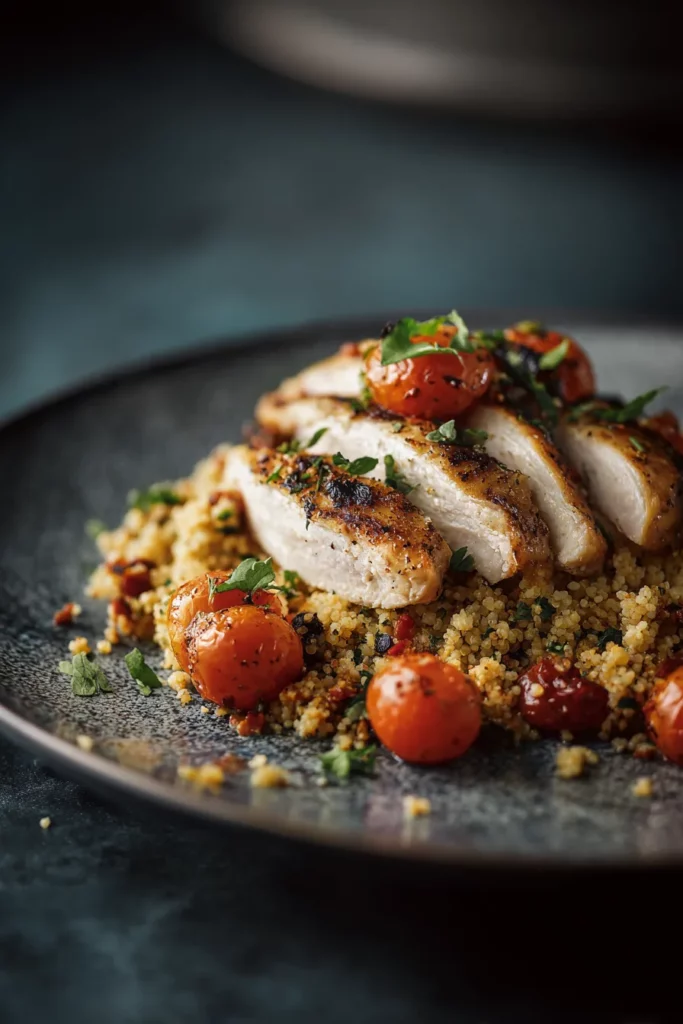
Mashed potatoes are always popular, and they’re perfect for soaking up any pan sauce from your stuffed chicken. Make them extra special by mixing in roasted garlic, fresh herbs, or a bit of parmesan cheese. Or lighten them up by using chicken broth and olive oil instead of cream and butter.
Troubleshooting Common Stuffed Chicken Problems
Even experienced cooks run into problems with stuffed chicken occasionally. The good news is that most issues are easily preventable once you know what causes them. I’ve made every mistake possible with stuffed chicken over the years, and I’ve learned exactly how to avoid them.
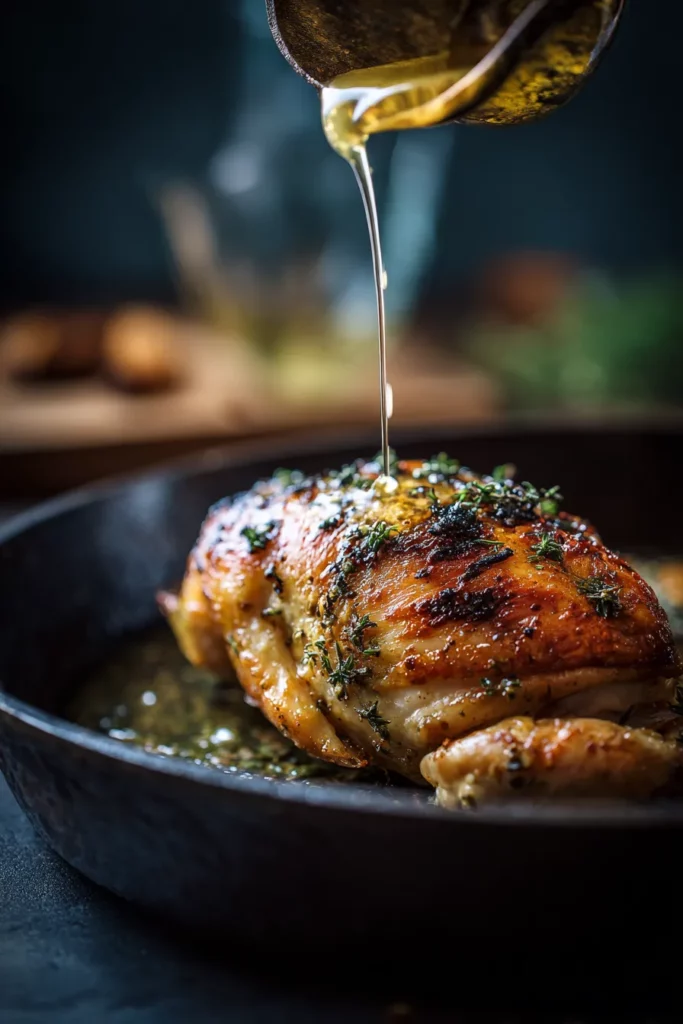
The most common problem is filling that leaks out during cooking. This happens when you overfill the chicken, don’t seal the edges properly, or use filling that’s too wet. The solution is using less filling than you think you need, pressing the edges together firmly, and adding breadcrumbs to wet fillings to give them more structure.
Another frequent issue is dry, overcooked chicken. Chicken breasts dry out quickly when overcooked, and stuffed chicken takes longer to cook through than unstuffed breasts. Use a meat thermometer and remove the chicken from heat when it reaches 165 degrees Fahrenheit. Carryover cooking will bring it up another few degrees as it rests.
Preventing Uneven Cooking
Stuffed chicken that’s cooked on the outside but raw in the middle is frustrating and dangerous. This happens when the chicken is too thick, the oven temperature is too high, or you’re not using a thermometer to check doneness. The solution is pounding chicken to even thickness, using moderate oven temperatures, and always checking with a thermometer.

For very thick stuffed chicken, I start it in a hot oven to brown the outside, then reduce the temperature to finish cooking through gently. This prevents the outside from burning before the inside is done. You can also sear it on the stovetop first, then finish in a moderate oven.
Fixing Dry Stuffed Chicken
If your stuffed chicken does turn out dry, all is not lost. A good pan sauce can save even overcooked chicken by adding moisture and richness. I’ll make a quick lemon butter sauce, creamy mushroom sauce, or even just deglaze the pan with white wine and chicken broth for a simple but effective sauce.
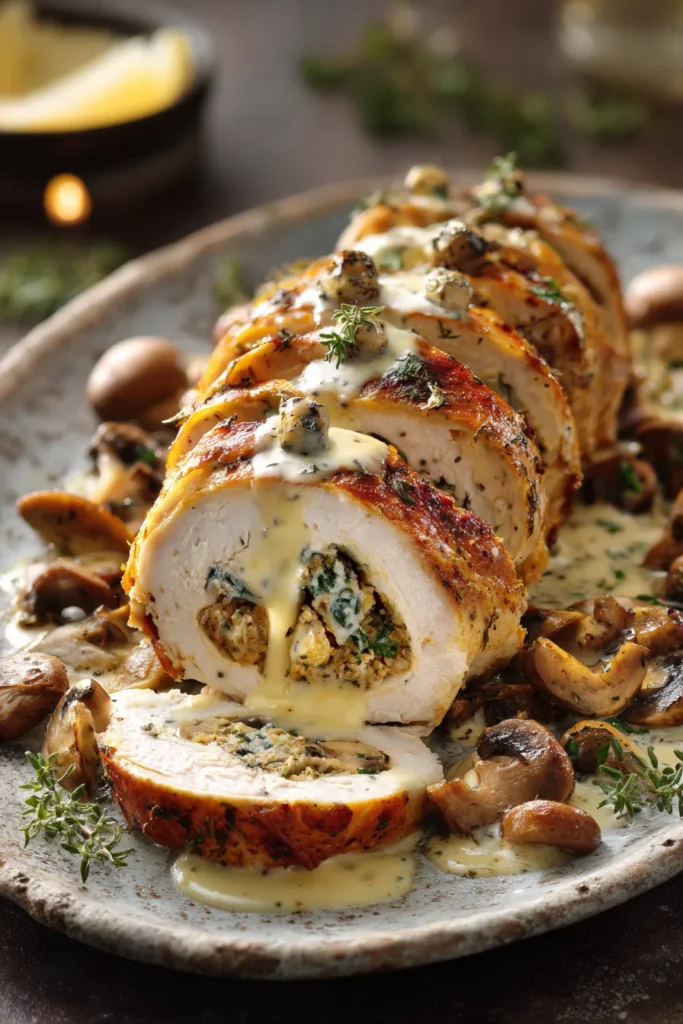
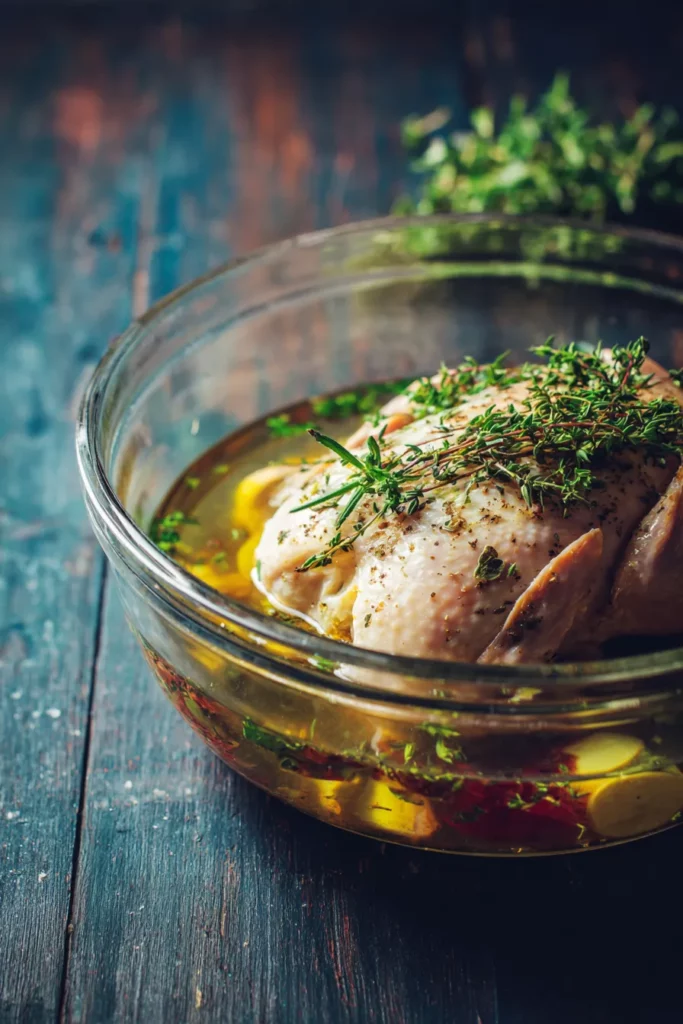
For future batches, brine your chicken before stuffing it. A simple brine of water, salt, and sugar for just thirty minutes will help the chicken retain moisture during cooking. Even better, try the melt in your mouth chicken breast technique, which creates incredibly tender, juicy chicken every time.
Creative Presentation Ideas for Stuffed Chicken
How you slice and present your stuffed chicken can transform it from everyday dinner to something special enough for company. I’ve learned that people eat with their eyes first, and a little attention to presentation goes a long way toward making meals feel more impressive.

For rolled stuffed chicken, slice it into rounds about three-quarters of an inch thick.
Arrange the rounds slightly overlapping on the plate so you can see the spiral of filling in each piece. This looks beautiful and makes the effort of stuffing and rolling chicken really shine through in the final presentation.
For pocket-stuffed chicken, slice the breast on a bias into thick slices, fanning them out slightly on the plate. This shows off the pockets of melted cheese and filling while keeping each piece substantial. Drizzle any pan sauce over the sliced chicken and around the plate for a restaurant-style presentation.
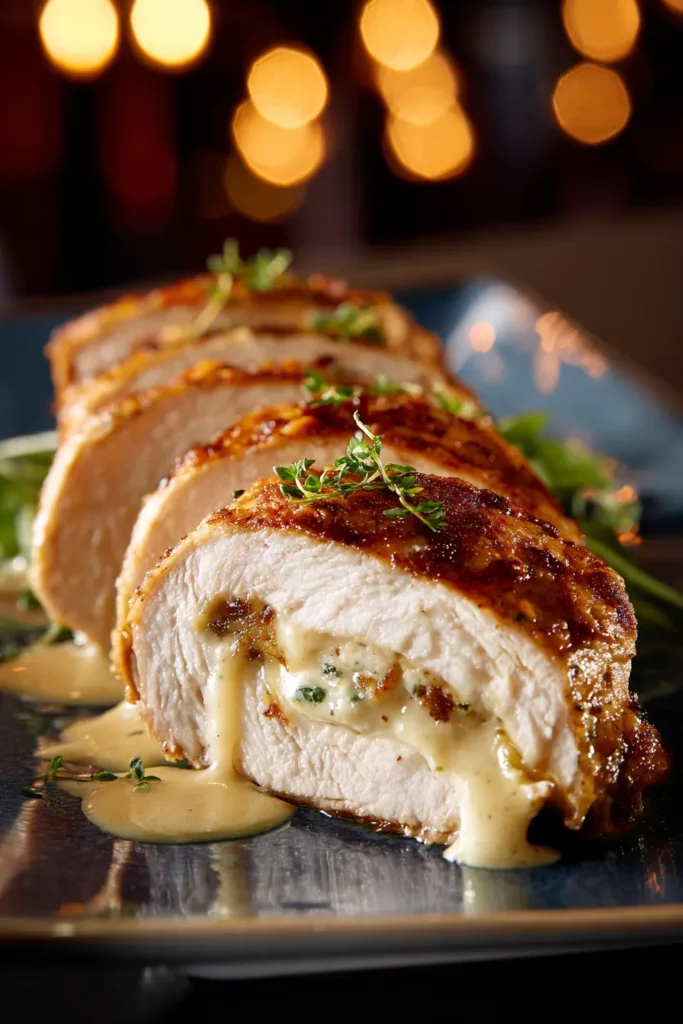
Garnishing for Visual Appeal
Simple garnishes make stuffed chicken look polished and finished. Fresh herb sprigs, a sprinkle of flaky sea salt, a grind of black pepper, or a drizzle of good olive oil all add visual interest. For Italian-inspired stuffed chicken, a few fresh basil leaves torn over the top add color and aroma.
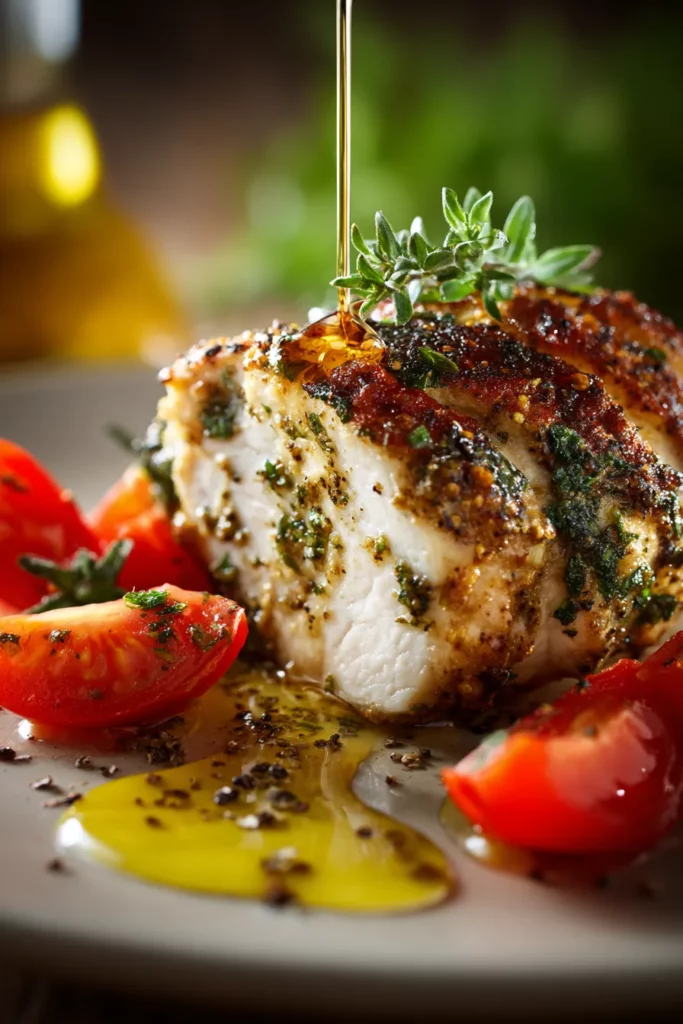
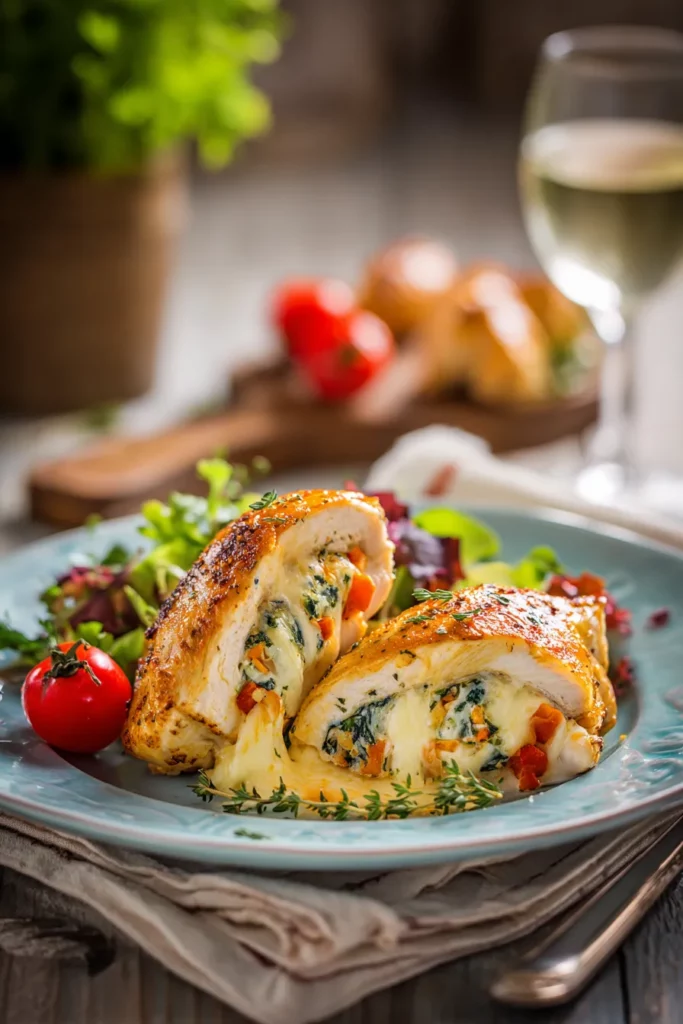
Colorful elements on the plate draw the eye and make the whole meal more appealing. If you’ve made a cream-based stuffed chicken, add some bright red cherry tomatoes or vibrant green beans on the side. The color contrast makes everything look more appetizing.
Don’t forget about the serving platter or plate choice. White plates make food look more elegant and professional. Rustic wooden boards work beautifully for family-style service. Choose vessels that complement the style of meal you’re serving.
Adapting Stuffed Chicken for Special Diets
One of the great things about stuffed chicken is how adaptable it is to different dietary needs. Whether you’re cooking for someone who’s gluten-free, dairy-free, keto, paleo, or low-sodium, you can usually find a way to make stuffed chicken work.
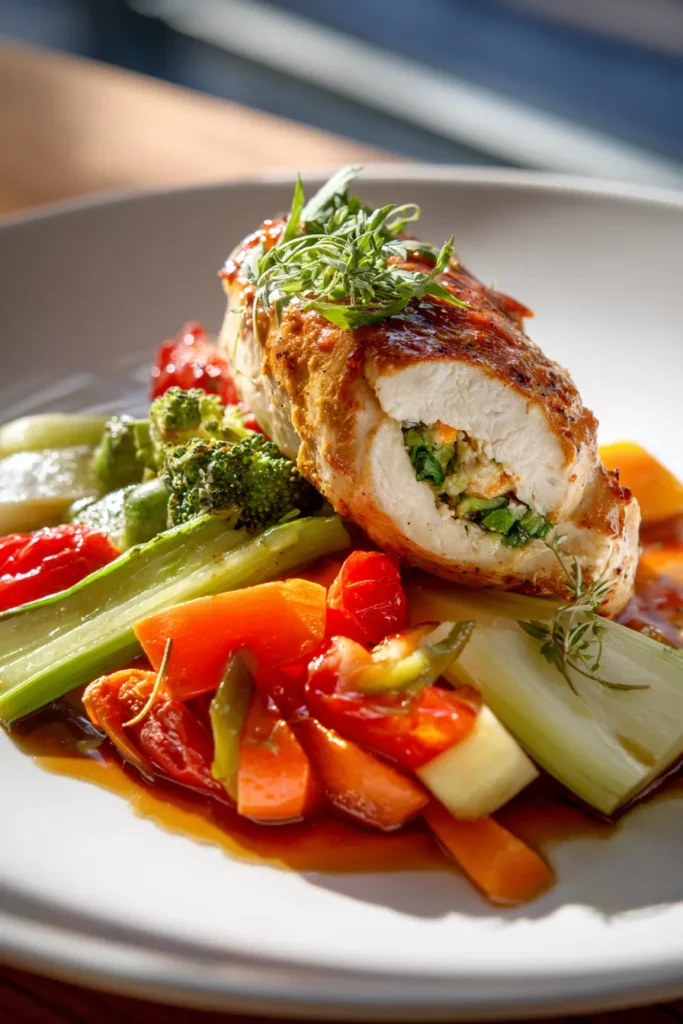
For gluten-free diets, most stuffed chicken is naturally gluten-free as long as you avoid breadcrumb coatings and ensure any pre-made ingredients like pesto or tapenade don’t contain gluten. Check labels on jarred roasted peppers and other convenience ingredients, as some contain unexpected gluten.
Dairy-free stuffed chicken requires a bit more creativity since so many fillings rely on cheese. But you can make delicious stuffings with sautéed vegetables, herbs, and dairy-free pesto. Nutritional yeast adds a cheesy flavor without actual cheese. Or use the growing number of high-quality dairy-free cheeses available now.
Making Stuffed Chicken Work for Keto
Stuffed chicken is perfect for keto diets since it’s naturally low in carbs and high in protein and fat. Most cheese-based stuffings are keto-friendly as is. Just avoid any fillings with breadcrumbs, sweet elements like dried fruit, or starchy vegetables.
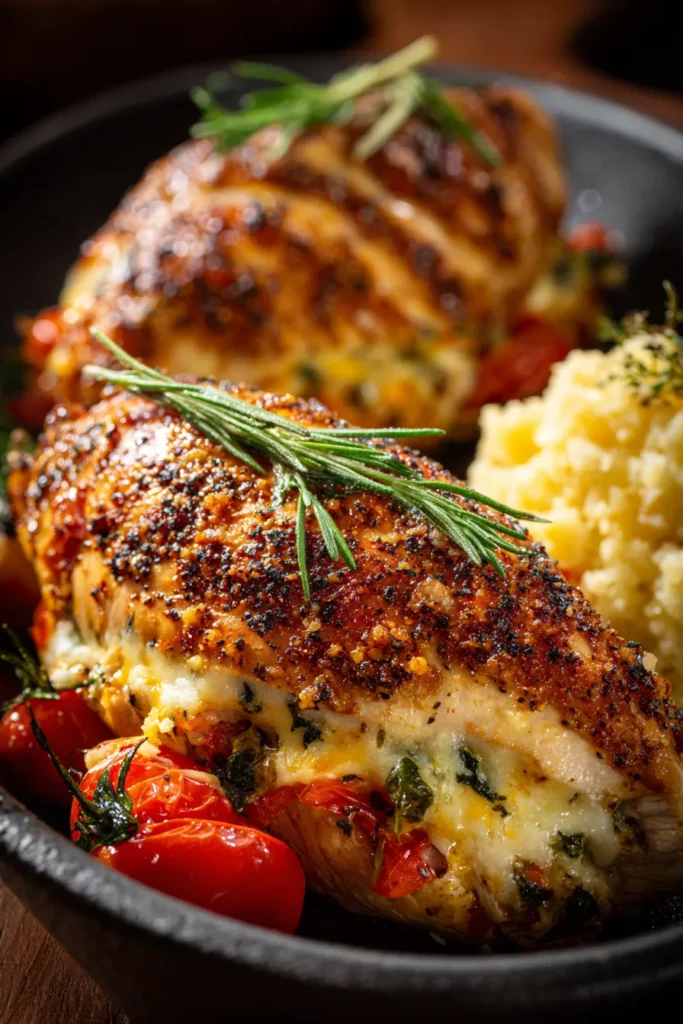
Focus on cheese, cream cheese, butter, olive oil, low-carb vegetables like spinach and mushrooms, and herbs. These create satisfying, flavorful stuffings that fit perfectly within keto macros. Serve with cauliflower rice or zucchini noodles instead of regular grains to keep the whole meal low-carb.
Low-Sodium Adaptations
Reducing sodium in stuffed chicken is definitely possible, though it requires some adjustments since cheese and cured meats are naturally high in sodium. Use low-sodium or reduced-fat cheese when possible. Focus on fresh herbs, citrus juice, and spices for flavor rather than relying on salt.
Watch out for hidden sodium in ingredients like sun-dried tomatoes, olives, capers, and jarred roasted peppers. These convenience ingredients often have added salt. Look for no-salt-added versions or rinse them before using to remove surface salt.
Expert Tips for Perfect Stuffed Chicken Every Time
After years of making stuffed chicken in every possible variation, I’ve accumulated tips and tricks that consistently produce better results. These are the little details that separate good stuffed chicken from truly exceptional stuffed chicken, the techniques professional cooks use that home cooks can easily adopt.
Always season your chicken itself, not just the filling. Too many people focus all their seasoning energy on the stuffing and forget that the chicken needs salt and pepper too. I season both sides of the butterflied chicken before adding filling so that every element of the dish is properly seasoned.

Let your stuffed chicken rest for at least five minutes after cooking before slicing. This allows the juices to redistribute throughout the meat and the filling to firm up slightly. If you cut into it immediately, precious juices will run all over the cutting board instead of staying in the chicken where they belong.
Temperature Control Is Everything
Invest in a good instant-read thermometer if you don’t already have one. This single tool will improve your stuffed chicken more than any other equipment purchase. Guessing at doneness leads to either undercooked chicken or dried-out, overcooked chicken. A thermometer gives you certainty.
Insert the thermometer into the thickest part of the chicken, making sure you’re measuring the meat temperature and not the filling temperature. Chicken needs to reach 165 degrees Fahrenheit for food safety. I usually pull mine at 160 degrees because carryover cooking during the rest period will bring it to 165.
Understanding your oven’s hot spots helps too. Most ovens have areas that run hotter or cooler than the temperature setting. Get to know your oven and rotate your pan halfway through cooking if needed for even results. Techniques from oven baked chicken thighs apply to stuffed breasts too.
Make-Ahead and Freezer Tips
Prepare stuffing ingredients in advance to make weeknight stuffed chicken doable even when you’re busy. I’ll sauté mushrooms, roast peppers, or make cheese mixtures on Sunday, then store them in the refrigerator to use throughout the week. Having stuffing components ready makes throwing together stuffed chicken quick and easy.
Freeze fully assembled but uncooked stuffed chicken for true convenience. Wrap each breast individually and freeze flat on a baking sheet before transferring to a freezer bag. This prevents them from freezing into one giant clump. Label clearly with the type of stuffing and the date.
When cooking from frozen, add about ten extra minutes to the cooking time and check carefully with a thermometer. Or better yet, thaw overnight in the refrigerator for more even cooking. Never thaw at room temperature, as this allows bacteria to grow.
Converting Regular Chicken Recipes to Stuffed Versions
Once you’re comfortable with basic stuffed chicken techniques, you can start converting your favorite regular chicken recipes into stuffed versions. This is where things get really fun and creative because suddenly every chicken recipe in your collection has stuffing potential.
The key is identifying the dominant flavors in the original recipe and figuring out how to incorporate them into a stuffing. For example, if you love honey garlic chicken breasts, you could create a cream cheese stuffing flavored with honey and lots of fresh garlic, then brush the outside with honey garlic glaze.
Creamy chicken dishes translate particularly well to stuffed versions. The creamy garlic parmesan chicken with spinach could become a stuffing of parmesan, garlic, and spinach, with the cream sauce served on the side or drizzled over the top.
Ranch and Comfort Food Conversions
Ranch flavored chicken is incredibly popular for good reason. That tangy, herby, creamy flavor is universally loved. The creamy ranch chicken could inspire a cream cheese stuffing mixed with ranch seasoning, or even better, a bacon and ranch cream cheese filling for ultimate comfort food appeal.
The chicken bacon ranch stuffed bread shows how well these flavors work in a stuffed format. Apply the same principle to chicken breasts: cream cheese, crumbled bacon, shredded cheese, and ranch seasoning create a stuffing that’s impossible to resist.
Taking Inspiration from Other Stuffed Dishes
Look beyond chicken for stuffing inspiration. Stuffed peppers, stuffed mushrooms, stuffed pasta shells, they all use similar flavor principles that translate beautifully to chicken. The stuffed bell peppers technique of combining grains, vegetables, and cheese could become a chicken stuffing with the same components.
Portobello mushroom stuffings are particularly adaptable to chicken. Recipes like baked spinach and cheese stuffed portobello mushrooms or cheese stuffed portobello mushrooms with garlic and herbs use fillings that work perfectly inside chicken breasts.
Even quiche flavors translate well. The mini spinach and mushroom quiche bites demonstrate how spinach, mushrooms, and cheese work together. Use those same ingredients to stuff chicken for a dinner that tastes like quiche but is much easier to serve.
Stuffed Chicken Variations Using Similar Techniques
Once you master stuffed chicken breasts, the same techniques apply to other proteins and even vegetables. The skills you develop making perfect butterflied, stuffed, and rolled chicken translate directly to pork chops, turkey cutlets, thick fish fillets, and even vegetables like zucchini.
I regularly make stuffed pork chops using the exact same methods as stuffed chicken. The pocket technique works beautifully with thick-cut pork chops, and most chicken stuffings taste equally delicious with pork. Just adjust your cooking time since pork can be cooked to a slightly lower internal temperature than chicken.
Zucchini boats use the same concept as stuffed chicken but with vegetables as the vessel. The cheese and herb stuffed zucchini boats show how versatile the stuffing concept really is. Hollow out zucchini halves, fill with your favorite stuffing mixture, and bake until tender.
Stuffed Bell Peppers and Beyond
Bell peppers are natural vessels for stuffing, and many of the flavor combinations that work in chicken work equally well in peppers. The cheesy spinach artichoke stuffed bell peppers use that beloved spinach artichoke combination in a different format.
For Mediterranean-inspired stuffed peppers, try stuffed bell peppers with spinach and feta or Mediterranean stuffed bell peppers with couscous. The bright, fresh flavors work beautifully whether you’re stuffing chicken, peppers, or other vegetables.
Seafood stuffings open up another world of possibilities. The crab and shrimp stuffed bell peppers show how luxurious seafood stuffings can be. While I don’t typically stuff chicken with crab and shrimp, the techniques are identical.
Mushroom Caps as Stuffing Vessels
Large portobello mushroom caps are perfect for stuffing, and they cook much faster than chicken. I make spinach and cheese stuffed portobello mushrooms as an appetizer using the same filling I’d put in chicken breasts.
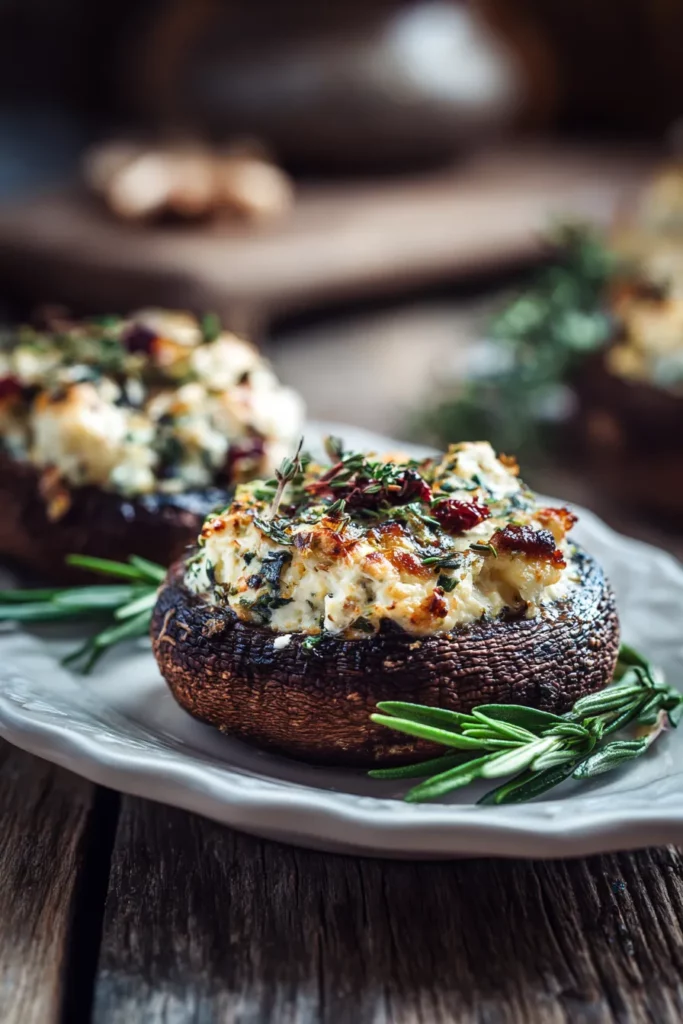
For something more elegant, the goat cheese and herb stuffed portobello mushrooms or ricotta and sun-dried tomato stuffed mushrooms showcase how gourmet ingredients work in this format.
Even simple preparations like garlic and herb cream cheese stuffed mushrooms or classic stuffed mushrooms demonstrate that basic techniques create delicious results across proteins and vegetables.
Seafood Stuffed Options
While this guide focuses on chicken, the same stuffing techniques work beautifully with seafood. Large shrimp can be butterflied and stuffed with crab mixture. Thick fish fillets like halibut or cod can be filled with spinach and cheese. The creamy garlic crab stuffed mushrooms and baked creamy crab stuffed mushrooms show how well seafood works as both filling and vessel.
The crab and shrimp stuffed mushrooms combine two types of seafood in one bite, demonstrating how mixing proteins creates complex, interesting flavors. Apply this same principle to chicken by adding small amounts of prosciutto, bacon, or sausage to your cheese-based stuffings.
Chicken Meatballs and Alternative Formats
Not every stuffed chicken dish needs to be a whole chicken breast. Ground chicken opens up entirely different possibilities for incorporating the flavors you love in stuffed chicken into more casual, family-friendly formats. Chicken meatballs with cheese centers are basically deconstructed stuffed chicken in bite-sized form.
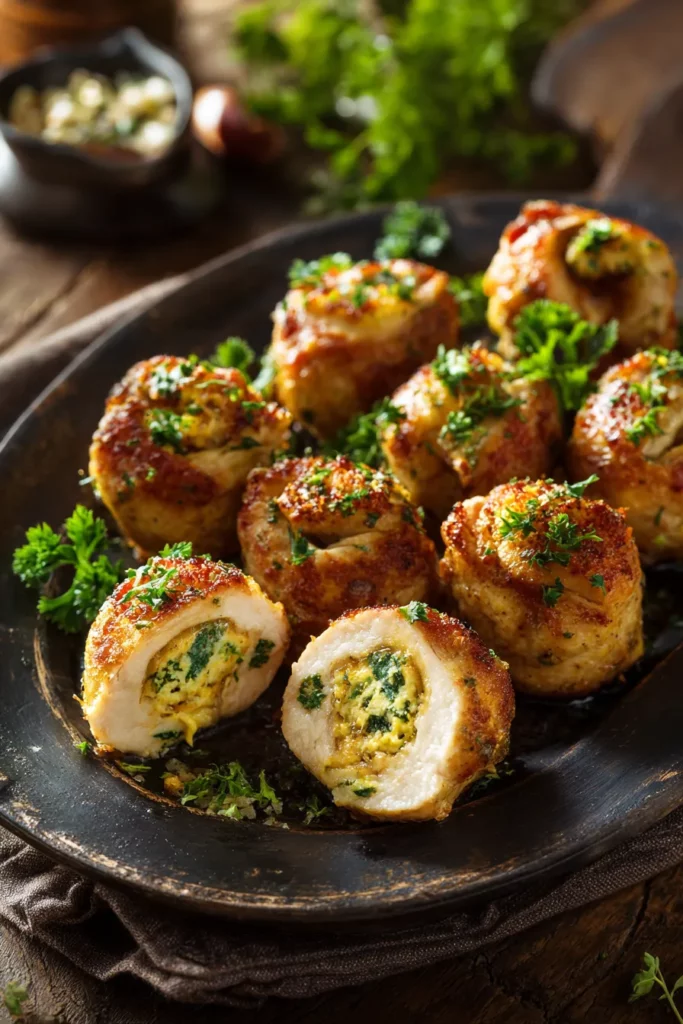
The chicken ricotta meatballs mix ricotta directly into the meatball mixture, creating incredibly tender, moist meatballs with that creamy cheese element throughout. It’s genius and so much easier than stuffing individual chicken breasts when you’re feeding a crowd.
For something more substantial, try baked chicken and ricotta meatballs with broccolini. The addition of vegetables makes this a complete meal that comes together quickly. Serve over pasta or with crusty bread for a satisfying dinner that captures stuffed chicken flavors in a different format.
Chicken Strips and Tenders with Stuffed Elements
Chicken tenders can be butterflied and stuffed just like chicken breasts, creating individual portions that cook quickly and are perfect for kids. The parmesan crusted chicken strips show how versatile chicken tenders really are.
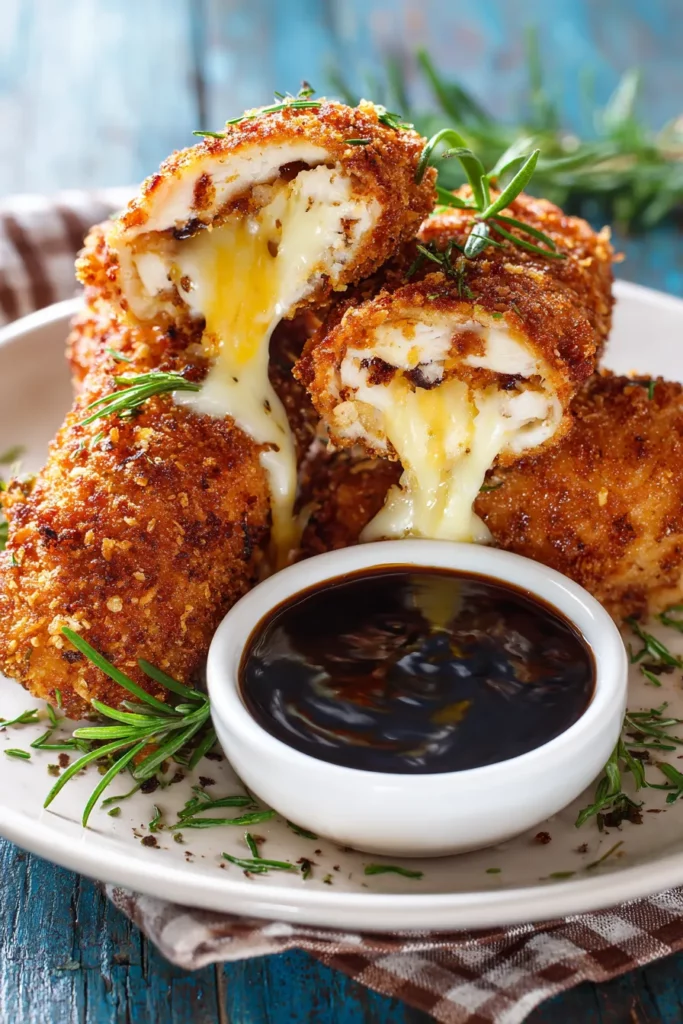
Wrapping stuffed chicken tenders in bacon creates a fun, finger-food version of stuffed chicken that’s perfect for parties. The bacon holds everything together while adding smoky flavor and crispy texture. These disappear fast at any gathering.
Sheet Pan and One-Pan Stuffed Chicken Dinners
While stuffed chicken is impressive, it doesn’t need to create a sink full of dishes. Sheet pan dinners and one-pan meals with stuffed chicken simplify both cooking and cleanup, making this style of dinner practical for busy weeknights.
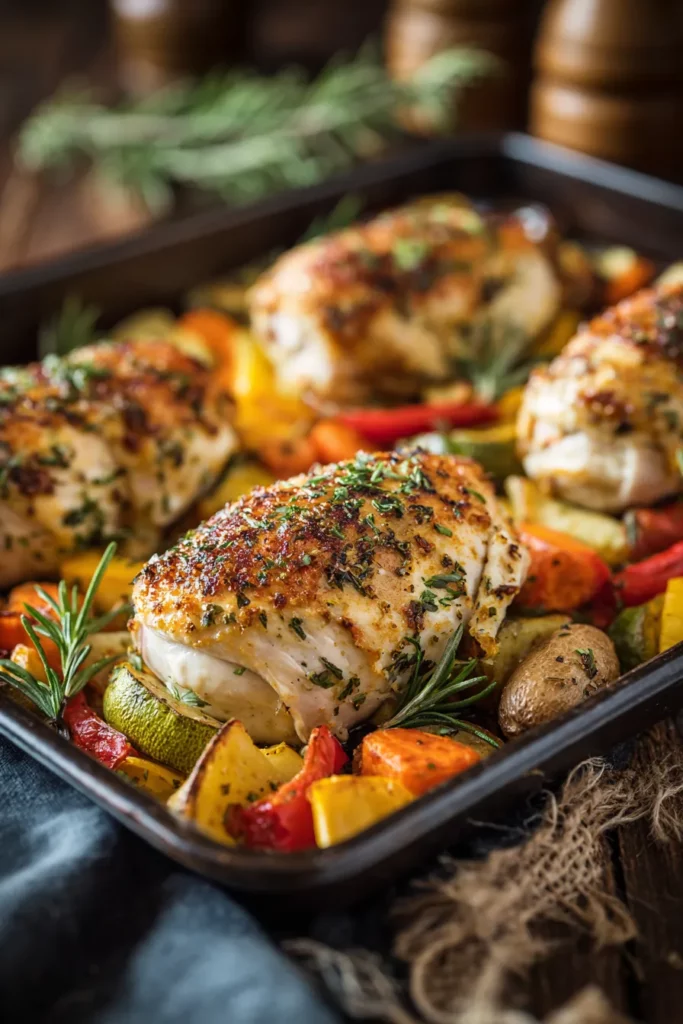
The technique is simple: arrange your stuffed chicken breasts on a sheet pan, surround them with vegetables that cook in similar time, drizzle everything with oil and seasonings, and roast it all together. The chicken juices flavor the vegetables while everything cooks in one pan. The sheet pan balsamic glazed chicken demonstrates this technique perfectly.
For a balsamic-forward flavor profile, the balsamic baked chicken breast or balsamic baked chicken show how well balsamic vinegar works with chicken. That sweet-tart glaze is perfect for stuffed chicken too, adding brightness and complexity.
Vegetables That Work Best for Sheet Pan Dinners
Choose vegetables that cook in roughly the same time as your stuffed chicken. Root vegetables like potatoes, carrots, and parsnips work well, as do Brussels sprouts, broccoli, and cauliflower. Cut everything into similar-sized pieces so it all finishes cooking at the same time.
Toss your vegetables generously with oil and seasonings. They’ll absorb chicken juices as everything cooks, becoming incredibly flavorful. I usually season vegetables more heavily than I would if cooking them alone because they’re sharing the pan with well-seasoned chicken.
For extra flavor, add aromatics like whole garlic cloves, lemon wedges, or herb sprigs to the sheet pan. These infuse everything with flavor while roasting and make your whole kitchen smell amazing.
Sauces and Glazes for Stuffed Chicken
While stuffed chicken is delicious on its own, a great sauce takes it from good to exceptional. The right sauce adds moisture, richness, and another layer of flavor that makes the whole dish feel more complete and restaurant-quality.
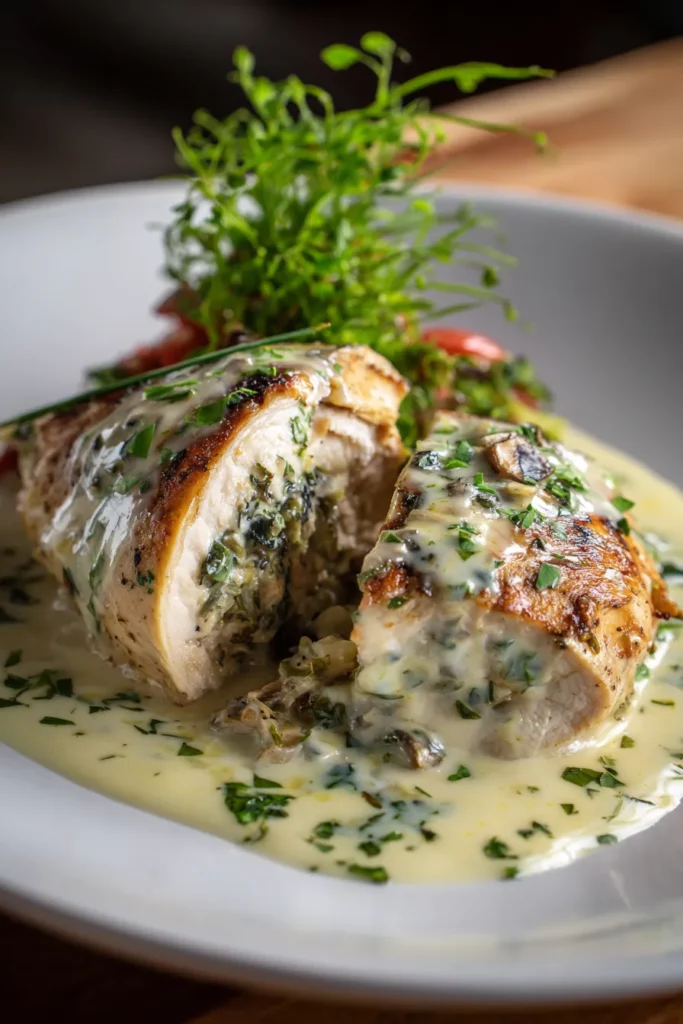
For cream-based sauces, I start with pan drippings from cooking the chicken, add garlic and white wine to deglaze, then finish with heavy cream and parmesan. This creates a rich, silky sauce that complements most stuffed chicken variations. The technique from creamy garlic parmesan chicken with spinach works perfectly.
Lemon butter sauce is another favorite because its brightness cuts through rich cheese stuffings beautifully. Melt butter, add minced garlic, squeeze in fresh lemon juice, and finish with chopped parsley. It’s simple but transforms stuffed chicken into something special.
Glazes for Grilled and Baked Chicken
Glazes add shine, flavor, and visual appeal to stuffed chicken. Balsamic reduction is one of my go-tos because it’s easy to make and adds sweet-tart complexity. Just simmer balsamic vinegar until it reduces by half and becomes syrupy, then drizzle it over your finished chicken.
Honey-based glazes work wonderfully with stuffed chicken. Mix honey with whole grain mustard, garlic, and a splash of soy sauce for an Asian-inspired glaze. Or go with hot honey for that sweet-heat combination that’s so popular right now.
For Mediterranean stuffed chicken, make a quick lemon-herb vinaigrette with olive oil, lemon juice, fresh herbs, and a touch of dijon mustard. Drizzle it over the sliced chicken and around the plate for a light but flavorful finish.
Leftover Stuffed Chicken Ideas
Leftover stuffed chicken is incredibly versatile, perhaps even more useful than freshly cooked chicken because the stuffing adds so much flavor to whatever you transform it into. I actually sometimes make extra stuffed chicken specifically for leftovers because I know how many meals I can get from it.
Sliced cold stuffed chicken makes incredible sandwiches. Layer it on crusty bread with arugula, sliced tomatoes, and a smear of pesto or aioli. The spiral of filling visible in each slice makes even a simple sandwich look and taste special.
Dice leftover stuffed chicken and add it to pasta with olive oil, garlic, and whatever vegetables you have. The cheese from the stuffing melts slightly when tossed with hot pasta, creating a light sauce. Add pasta water as needed to bring everything together.
Grain Bowls and Salads
Build grain bowls around sliced stuffed chicken for quick, healthy lunches. Start with quinoa, farro, or brown rice, add roasted vegetables, top with sliced stuffed chicken, and drizzle with your favorite dressing. The stuffed chicken provides protein and flavor, making the bowl satisfying and delicious.
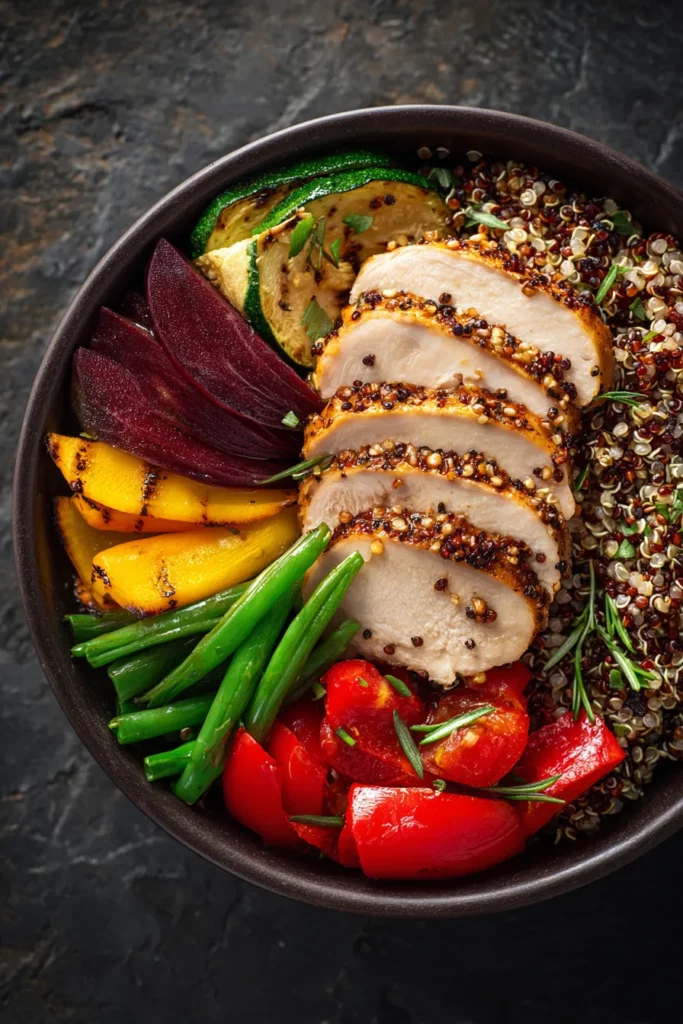
For salads, I’ll serve stuffed chicken warm or cold over mixed greens with whatever toppings complement the stuffing flavors. Spinach and feta stuffed chicken works beautifully in a Greek salad. Sun-dried tomato stuffed chicken is perfect over arugula with balsamic vinaigrette.
Soups and Stews
Diced leftover stuffed chicken can be added to soups during the last few minutes of cooking. The chicken is already cooked, so you’re just heating it through and letting it absorb the soup’s flavors. This works especially well with creamy soups or broth-based vegetable soups.
Chicken noodle soup becomes more interesting when you use stuffed chicken instead of plain chicken. The bits of cheese and vegetables from the stuffing add extra flavor and visual interest to every spoonful.
Hosting with Stuffed Chicken: Planning and Timing
Stuffed chicken is perfect for entertaining because it looks impressive, tastes delicious, and most of the work can be done ahead. I’ve served stuffed chicken at countless dinner parties, and it never fails to impress guests while keeping me relatively stress-free in the kitchen.

The key to successful entertaining with stuffed chicken is preparation. I stuff the chicken breasts completely the morning of the party or even the night before, wrap them individually, and refrigerate. When guests arrive, all I need to do is season the outside, sear if desired, and pop them in the oven.
This advance preparation means I can be with my guests instead of stressed in the kitchen. Stuffed chicken needs minimal attention once it’s in the oven, just a quick temperature check toward the end of cooking. Use that hands-off time to finish sides, set the table, or simply enjoy your guests’ company.
Menu Planning Around Stuffed Chicken
When planning a menu with stuffed chicken as the centerpiece, choose sides that can be made ahead or that cook at the same temperature. Sheet pan vegetables are perfect because they roast alongside the chicken. Salads can be prepped ahead with dressing on the side.
For a three-course meal, start with a simple soup or salad, serve the stuffed chicken with two sides for the main course, and finish with a make-ahead dessert. This structure gives you a complete, impressive meal without requiring you to be in the kitchen all evening.
Consider dietary restrictions when planning. Have at least one vegetarian side that’s substantial enough to be satisfying. Mark dishes that are gluten-free, dairy-free, or meet other dietary needs so guests can easily navigate the meal.
Timing Multiple Chicken Breasts
When cooking multiple stuffed chicken breasts for a crowd, remember that more chicken in the oven means longer cooking time. Don’t overcrowd the pan, as this traps steam and prevents proper browning. Use two pans if necessary, rotating their positions halfway through cooking for even results.
Start checking internal temperature on the smallest breast first, as it will likely finish before larger pieces. Remove each breast as it reaches temperature rather than keeping everything in the oven until the last piece is done. This prevents overcooking and ensures every guest gets perfectly cooked chicken.
Budget-Friendly Stuffed Chicken Strategies
While some stuffed chicken recipes can be pricey with specialty cheeses and prosciutto, there are plenty of ways to make delicious stuffed chicken on a budget. The technique itself doesn’t cost anything extra, and many fillings use affordable, everyday ingredients.
Buy chicken breasts in bulk when they’re on sale and freeze them individually. You’ll save significantly compared to buying small packages at full price. Freeze them flat in freezer bags so they thaw quickly when you need them.
For stuffings, focus on affordable ingredients that deliver big flavor. Cream cheese, shredded mozzarella, frozen spinach, and jarred roasted peppers are all budget-friendly and create delicious stuffings. Fresh herbs can be expensive, so use dried herbs or grow your own in pots on a windowsill.
Stretching Expensive Ingredients
When a recipe calls for expensive ingredients like goat cheese, prosciutto, or fresh mozzarella, use them sparingly mixed with more affordable options. A little bit of goat cheese mixed with cream cheese gives you that tangy flavor without the full cost. One slice of prosciutto torn into pieces and mixed with bacon goes much further than using prosciutto alone.
Make your own pesto instead of buying it, using less expensive nuts like walnuts or sunflower seeds instead of pine nuts. The flavor is just as good but the cost is significantly lower. Store homemade pesto in the freezer in ice cube trays for convenient portions.
Using Leftovers and Scraps
Leftover vegetables from other meals can become stuffing ingredients. That half onion, the remaining roasted peppers, the spinach that’s about to go bad, they all work in stuffed chicken. This reduces food waste while creating delicious dinners.
Cheese ends and bits can be combined in stuffings even if you wouldn’t serve them as is. That little bit of cheddar, the dried-out mozzarella, the crumbled feta, mix them all together for a multi-cheese stuffing that’s using up what you already have.
Conclusion
Standing in my kitchen now, looking back at all the stuffed chicken I’ve made over the years, I’m amazed at how this simple technique transformed how I cook. What started as a way to make boring chicken breasts more interesting became a gateway to countless delicious dinners, impressive entertaining, and creative cooking that never gets old.
The beauty of stuffed chicken is its incredible versatility. Sweet and spicy combinations like blackberry jalapeño. Classic comfort in spinach and feta. Gourmet elegance with sun-dried tomatoes and goat cheese. Creamy indulgence in cream cheese and bacon versions. Every mood, every season, every occasion has a stuffed chicken that fits perfectly.
But beyond the recipes themselves, mastering stuffed chicken teaches you valuable skills that apply throughout cooking. You learn to butterfly proteins, combine flavors thoughtfully, manage cooking temperatures precisely, and present food beautifully. These skills make you a better, more confident cook across all kinds of dishes.
Start with something simple if you’re new to stuffing chicken. Try a basic spinach and feta version or a straightforward cream cheese and herb filling. Once you nail the technique and see how easy it really is, you’ll find yourself getting creative, mixing and matching ingredients, and developing your own signature stuffed chicken recipes.
Remember that cooking should be joyful, not stressful. If your first stuffed chicken leaks a little or isn’t perfectly rolled, it will still taste delicious. Every batch teaches you something. Every attempt makes you better. Pretty soon you’ll be stuffing chicken without thinking, creating impressive dinners that bring people to your table and make them feel cared for.
That’s what food is really about, after all. Not perfection or fancy techniques, but creating something delicious that brings people together. Stuffed chicken does that beautifully every single time.
Explore more delicious inspiration:
- Melty Blackberry Jalapeño Stuffed Chicken
- Spinach and Feta Stuffed Chicken Breasts
- Creamy Spinach and Artichoke Stuffed Chicken
- Hot Honey Feta Chicken
- Cheesy Garlic Butter Mushroom Stuffed Chicken
Frequently Asked Questions
How do I keep the filling from falling out of stuffed chicken?
The key is not overfilling the chicken and securing it properly. Use toothpicks, kitchen twine, or wrap in bacon to hold everything together. Chilling stuffed chicken for 20-30 minutes before cooking helps the filling firm up. Also, sear the seam side first to create a seal.
Can I make stuffed chicken ahead of time?
Yes, stuffed chicken is excellent for make-ahead meals. Assemble completely, wrap individually in plastic wrap, and refrigerate for up to 2 days or freeze for up to 3 months. Cook from refrigerated within the same timeframe as fresh chicken. If frozen, thaw overnight in the refrigerator before cooking.
What temperature should stuffed chicken be cooked to?
Stuffed chicken must reach an internal temperature of 165 degrees Fahrenheit for food safety. Use an instant-read thermometer inserted into the thickest part of the chicken, not the filling. I usually remove it at 160 degrees since carryover cooking during resting brings it to 165.
Why is my stuffed chicken dry?
Overcooking is the most common cause of dry stuffed chicken. Always use a meat thermometer and remove chicken at 165 degrees. Brining chicken before stuffing helps it retain moisture. Choose chicken breasts that aren’t oversized, as very thick breasts dry out before the center cooks through.
Can I grill stuffed chicken?
Absolutely! Grill stuffed chicken over medium heat with the lid closed. Secure the filling well with toothpicks or twine since flipping is necessary. Use indirect heat if your grill runs hot. The slight smoky char from grilling adds wonderful flavor to stuffed chicken.
What are the best cheeses for stuffing chicken?
Cream cheese is ideal because it melts smoothly and holds other ingredients together. Feta adds tangy, salty flavor. Mozzarella melts beautifully and stretches. Goat cheese provides intense flavor with less volume. Parmesan adds nutty, salty notes. Mix cheeses for more complex flavor.
How do I butterfly chicken breast for stuffing?
Place your hand flat on top of the chicken breast. Using a sharp knife, slice horizontally through the middle, parallel to the cutting board, stopping about half an inch before cutting all the way through. Open like a book. Pound lightly to even thickness if needed.
Can I use frozen spinach in stuffed chicken?
Yes, frozen spinach works great and is more affordable than fresh. Thaw completely and squeeze out as much water as possible. Excess moisture makes stuffing watery and causes leakage. I wrap thawed spinach in a clean kitchen towel and twist to remove moisture.
How long does cooked stuffed chicken last in the refrigerator?
Properly stored cooked stuffed chicken lasts 3-4 days in the refrigerator. Cool it quickly after cooking, wrap tightly, and refrigerate within 2 hours. Reheat to 165 degrees before eating. Stuffed chicken also freezes well for up to 3 months when properly wrapped.
What sides go well with stuffed chicken?
For rich, cheesy stuffed chicken, serve bright acidic sides like arugula salad or roasted asparagus with lemon. For lighter stuffed chicken, choose heartier sides like roasted potatoes or grain pilaf. Roasted vegetables, sautéed greens, and creative rice or pasta dishes all pair beautifully.
Can I stuff chicken breasts without pounding them?
Yes, you can create a pocket in un-pounded chicken or butterfly it without pounding. Pounding helps ensure even cooking and makes rolling easier, but it’s not absolutely necessary. Just be aware that uneven thickness may require careful temperature monitoring to avoid dry spots.
What’s the difference between butterflying and making a pocket?
Butterflying cuts through most of the chicken horizontally to open it like a book, creating a large flat surface. Making a pocket involves cutting into the thick side to create an interior space while keeping three sides intact. Butterflying works for rolled chicken, pockets for chunky fillings.

🍳 Precision Meets Passion — Tools Chefs Trust Daily

- Grams & ounces — precise to 1g
- Perfect for baking & keto tracking
- Sleek stainless steel design

- German stainless precision
- Razor-sharp & dishwasher-safe
- Elegant wood block organizer

- Premium Stainless Steel Build
- Easy to Clean & Dishwasher Safe
- A Must-Have Kitchen Tool