➤ Table of Contents
I still remember the first week I tried keto cooking. My pantry was full of ingredients I’d never used before, like almond flour and xanthan gum, and I stood in my kitchen feeling completely lost. I’d cut out bread and pasta, but I didn’t know how to make meals that actually satisfied me. That first attempt at cauliflower rice was a soggy disaster, and my “keto bread” came out dense as a brick. But I kept trying, and slowly, I learned the tricks that make low-carb cooking not just doable, but genuinely delicious.
⚡ Smart Kitchen Tools Every Home Cook Swears By

- Pure aluminum
- Durable enough for everyday cooking
- Made in the USA with quality

- 7 cooking functions in one compact cooker
- 3-quart size ideal for couples or small meals
- Up to 70% faster than traditional cooking

- 3 sizes for every recipe
- Pre-seasoned & durable cast iron
- Oven & grill ready
The beautiful thing about keto and low-carb cooking is that once you understand the core principles, a whole world of creative possibilities opens up. You’re not just eliminating carbs, you’re discovering vegetables you never paid attention to before. Spaghetti squash becomes your new favorite pasta. Zucchini transforms into boats, noodles, and even pizza crusts. Cauliflower morphs into rice, mash, and tender baked dishes that comfort you just as much as the carb-heavy versions ever did.
This guide is everything I wish I’d had when I started my keto journey. It’s not just a collection of recipes, though you’ll find over 180 of them woven throughout these pages. It’s a comprehensive roadmap to understanding how low-carb cooking actually works, why certain substitutions succeed while others fail, and how to make meals that satisfy both your body’s nutritional needs and your soul’s craving for truly delicious food.
Whether you’re brand new to keto or you’ve been eating this way for years, you’ll find techniques that make cooking easier, flavor combinations that surprise and delight, and practical solutions to the everyday challenges of maintaining a low-carb lifestyle. From quick weeknight dinners to impressive weekend feasts, from grab-and-go breakfasts to desserts that don’t derail your macros, it’s all here. And because I believe cooking should bring joy rather than stress, every tip comes from real kitchen experience, including all the mistakes I made so you don’t have to.
Understanding Keto and Low-Carb Eating: The Foundation
Before we dive into recipes, let’s talk about what keto actually means. I spent my first month on keto confused about the difference between “low-carb” and “keto,” and whether I was supposed to be counting total carbs or net carbs. It felt overwhelming until someone explained it in simple terms that finally clicked.
Keto, short for ketogenic, is a way of eating that shifts your body from burning glucose for fuel to burning fat. This metabolic state is called ketosis, and it happens when you drastically reduce your carbohydrate intake. Most people aim for 20 to 50 grams of net carbs per day to stay in ketosis. Net carbs are calculated by subtracting fiber from total carbs, since fiber doesn’t spike your blood sugar.
Low-carb eating is a broader category. You might eat 50 to 150 grams of carbs daily, which is still much lower than the standard American diet but may not put you into ketosis. Both approaches share similar benefits like stable energy, reduced cravings, and often weight loss, but keto is more restrictive and specific in its macro ratios.
The Magic of Macro Balance
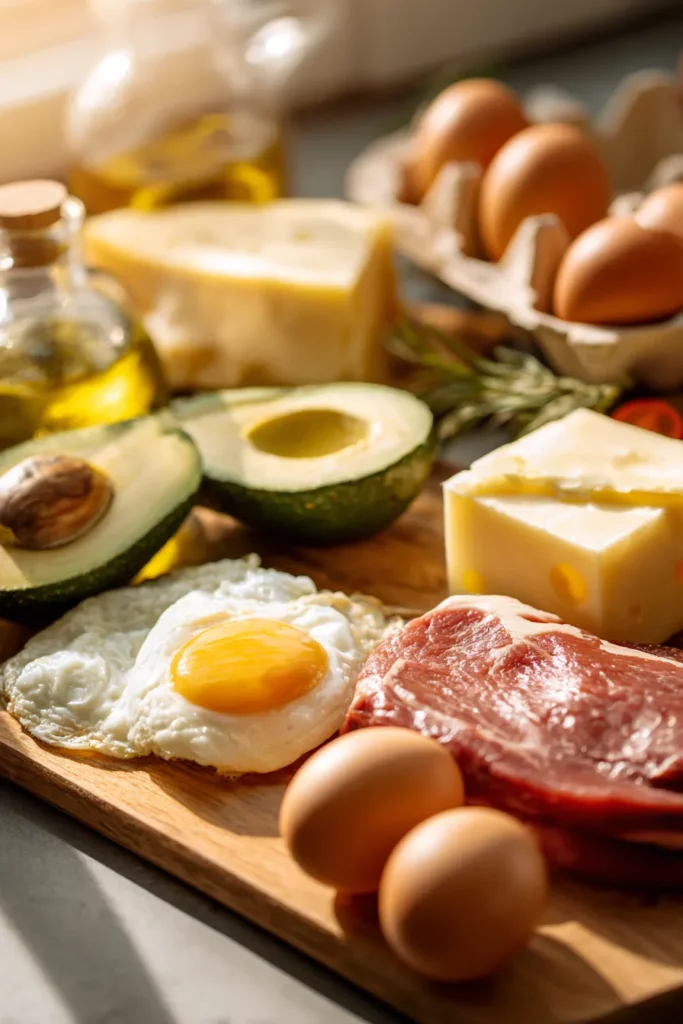
Here’s what confused me initially: keto isn’t just about cutting carbs. It’s about getting your macronutrients, or macros, in the right proportions. The typical keto breakdown is roughly 70 to 75 percent of calories from fat, 20 to 25 percent from protein, and only 5 to 10 percent from carbohydrates.
This was a revelation for me. I’d been eating low-carb but loading up on lean proteins and not enough fat. I felt hungry all the time and couldn’t figure out why. Once I started adding more healthy fats, like avocado, olive oil, butter, and nuts, everything changed. My energy stabilized, my cravings disappeared, and meals became satisfying again.
The protein piece is important too. Too little and you’ll lose muscle mass. Too much and it can actually kick you out of ketosis because your body can convert excess protein to glucose. Finding that sweet spot takes some experimentation, but most people do well with moderate protein intake, about 0.6 to 1 gram per pound of lean body mass.
🥗 Fresh, Fast & Foolproof — Upgrades You'll Use Tonight

- Zoodles in seconds
- Heavy-duty, 10 sharp blades
- Keto, paleo & gluten-free friendly

- Meals in ~30 minutes
- 3-Qt — perfect for 1–3 people
- Pressure cook, sauté, steam & more

- Phone alerts & live temp graph
- Hands-off monitoring for smokers
- Perfect doneness, every time
Why These Substitutions Work
The genius of keto cooking lies in clever carb swaps that maintain texture and satisfaction. Spaghetti squash isn’t trying to be pasta; it’s its own delicious thing that happens to work beautifully with pasta sauces. Cauliflower rice doesn’t taste like white rice, but it provides that same base for building flavorful dishes.
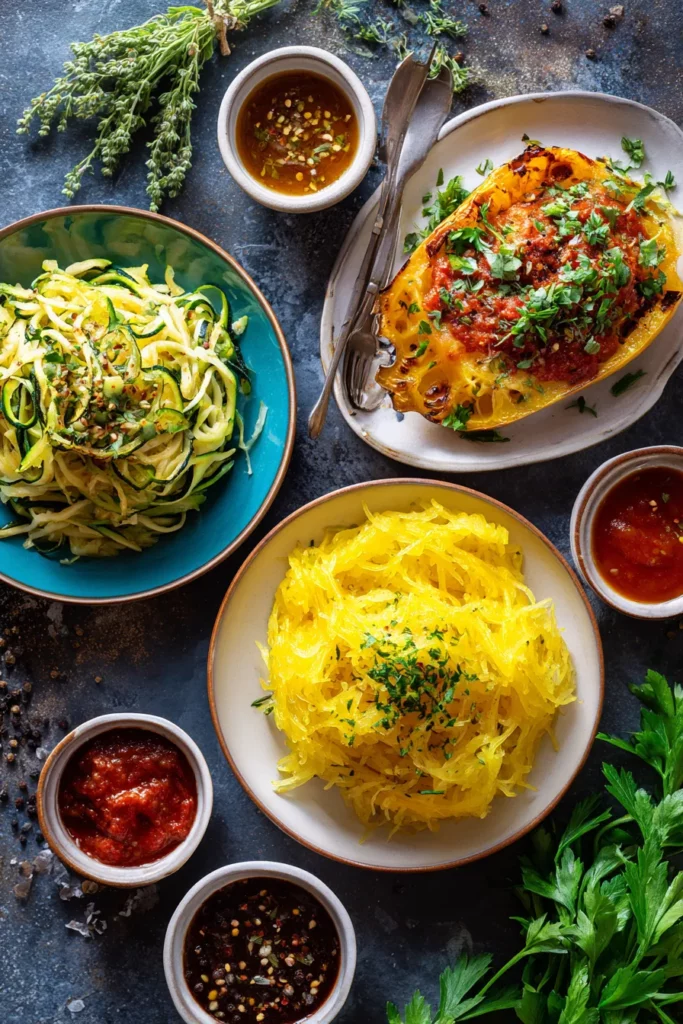
I learned to embrace these vegetables for what they are rather than what they’re replacing. When I made garlic parmesan stuffed spaghetti squash with chicken and spinach, I stopped comparing it to fettuccine Alfredo and started appreciating the slightly sweet, tender strands of squash holding all that creamy, garlicky filling. It’s different, yes, but it’s delicious on its own terms.
Keto Kitchen Essentials: Stocking Your Pantry
Walking into a grocery store when you first start keto feels disorienting. All those aisles you used to shop suddenly feel off-limits, and you’re not quite sure what to buy instead. Let me walk you through the essentials that have become staples in my keto kitchen, the ingredients I reach for weekly that make low-carb cooking actually work.
First, let’s talk fats and oils. These are your friends now, your primary fuel source. I keep extra virgin olive oil for salad dressings and low-heat cooking, avocado oil for high-heat roasting and sautéing, and coconut oil for certain recipes where its flavor works well. Butter and ghee are pantry staples too, adding richness and satisfying flavor to vegetables and proteins.
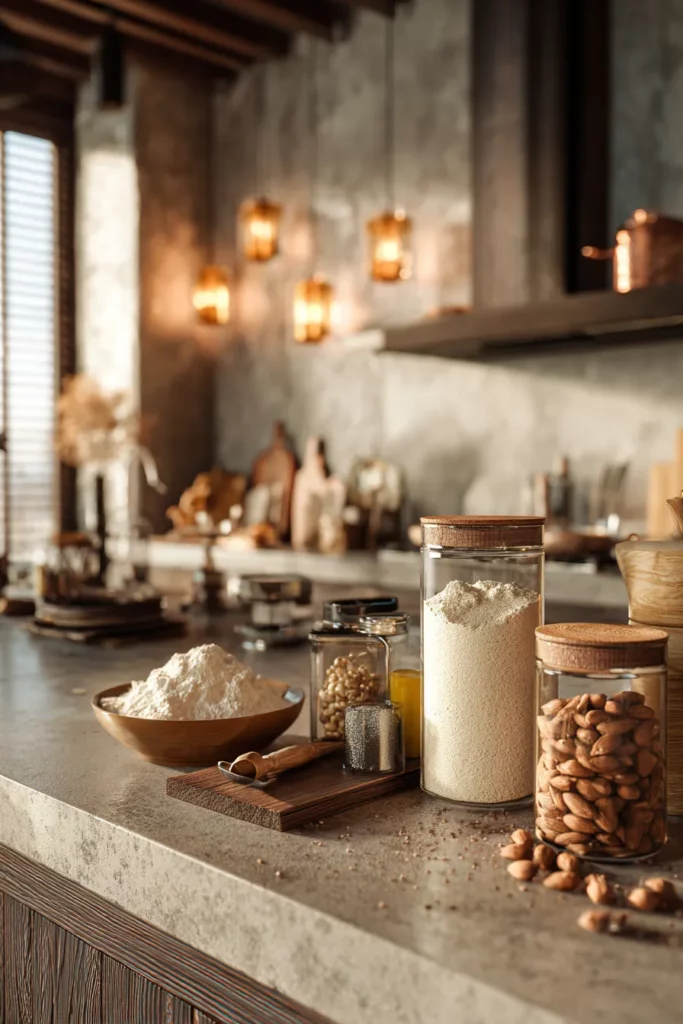
Nuts and seeds became unexpected heroes in my keto cooking. Almond flour and coconut flour are essential for baking, though they behave completely differently from wheat flour. I keep pecans, walnuts, and almonds on hand for snacking and adding crunch to dishes. Chia seeds and flaxseed meal are brilliant for adding fiber and creating egg substitutes in certain recipes.
The Vegetable Foundation
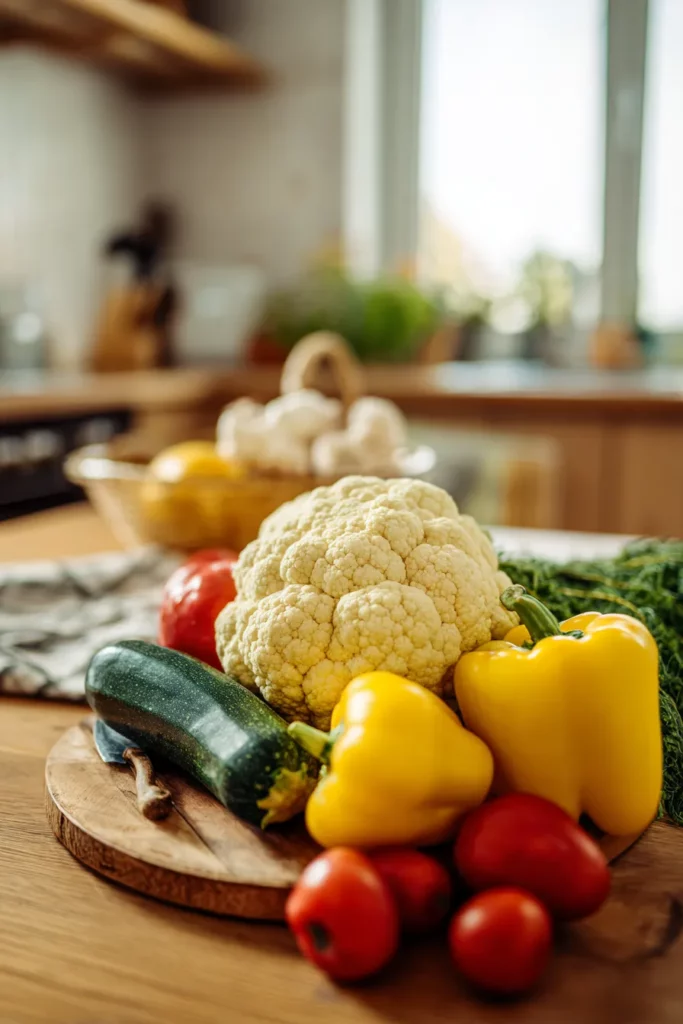
Your produce section looks different on keto. I load up on leafy greens like spinach, kale, and arugula. Cruciferous vegetables like broccoli, cauliflower, and Brussels sprouts become weekly staples. Zucchini is so versatile I usually buy four or five at a time for everything from stuffed zucchini boats with ricotta and spinach to simple roasted rounds.
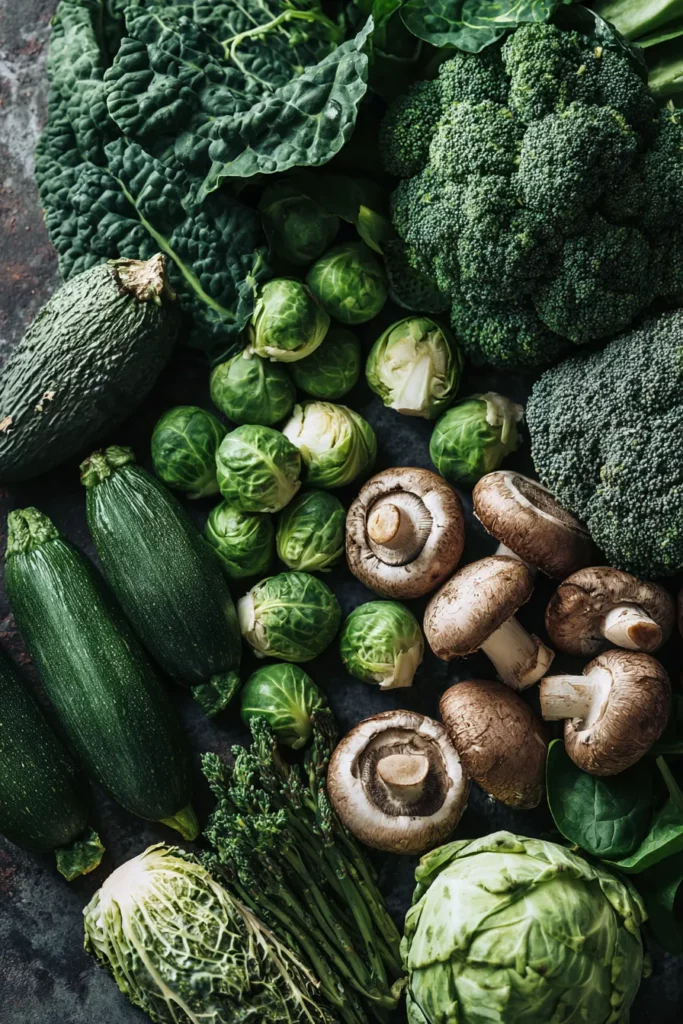
Mushrooms add meaty texture and umami depth to dishes. I particularly love portobellos for their substantial size and flavor, perfect for spinach and cheese stuffed portobello mushrooms that feel like a complete meal. Bell peppers, asparagus, and green beans round out my vegetable rotation, all low enough in carbs to enjoy regularly.
Avocados deserve their own mention. They’re the perfect keto food, loaded with healthy fats and minimal net carbs. I go through several a week, adding them to salads, making guacamole, or simply slicing them over eggs for breakfast.
Proteins and Dairy
The meat counter is your friend, but choose fattier cuts. Chicken thighs over breasts, ribeye over sirloin, salmon over tilapia. These fattier options keep you satisfied and help hit those fat macros. Ground beef, preferably 80/20 or even fattier, is incredibly versatile. I use it in the keto Mediterranean ground beef stir-fry at least twice a month.
Eggs are possibly the most perfect keto food. Inexpensive, versatile, and nutritionally dense, they show up in my meals from breakfast through dinner. Bacon and sausage aren’t guilty pleasures anymore; they’re legitimate protein and fat sources, though I choose quality versions without added sugars.
Dairy products need some attention on keto. Full-fat everything is the rule. I keep heavy cream for coffee and cooking, cream cheese for desserts and dips, and a variety of hard cheeses. Greek yogurt works in moderation, but watch the carbs. Cottage cheese and ricotta are wonderful in dishes like crustless ricotta and spinach quiche.
Mastering Spaghetti Squash: Your Pasta Replacement
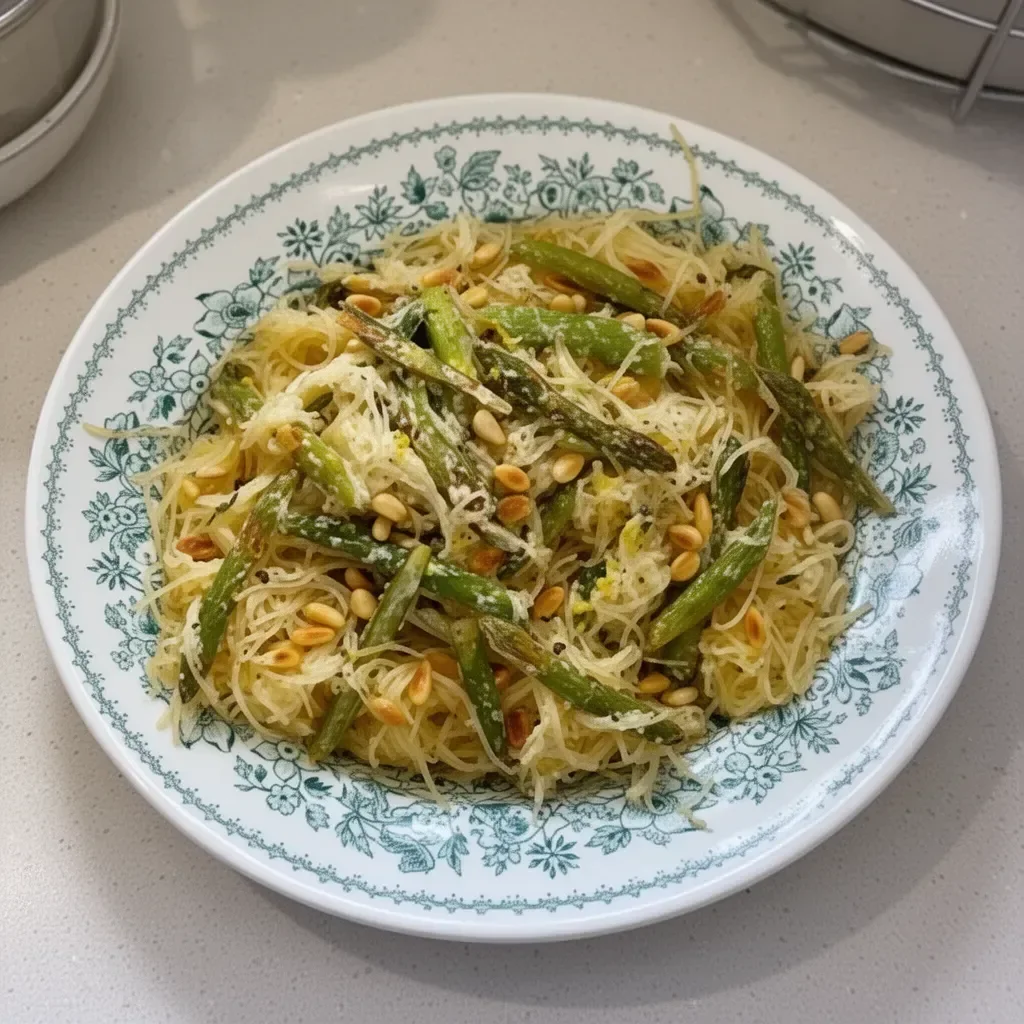
Spaghetti squash was the first vegetable that made me believe keto cooking could be genuinely satisfying. I’d heard about it for years but never tried it until I needed a pasta alternative. That first time I scraped the roasted flesh with a fork and watched it separate into perfect strands, I was hooked. It’s not pasta, but it’s its own wonderful thing.
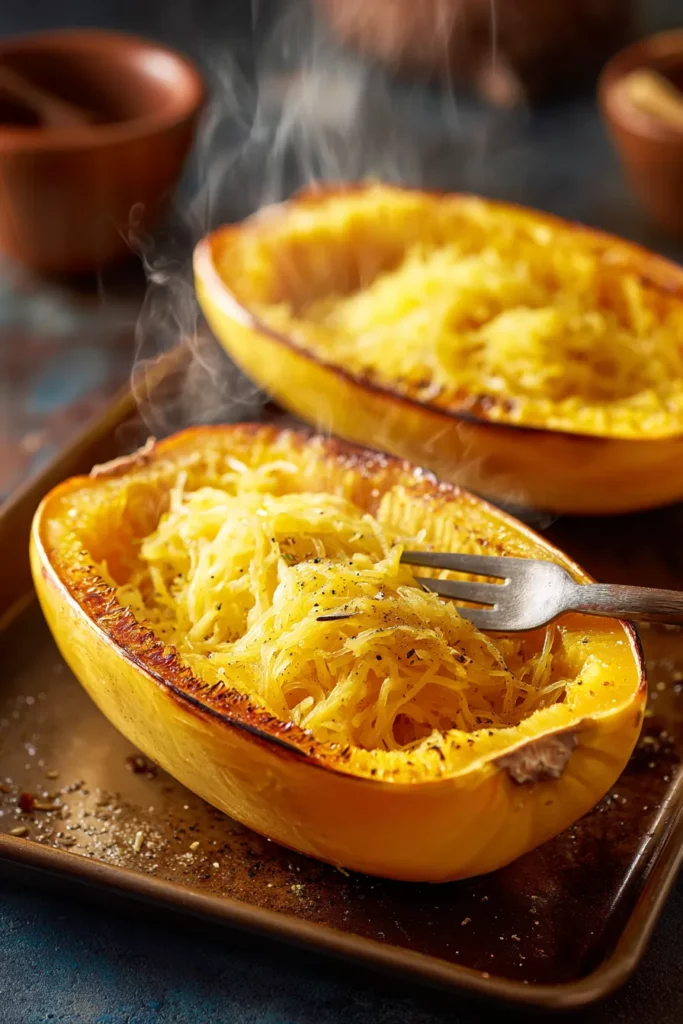
The key to perfect spaghetti squash is not overcooking it. You want the strands to have some bite, some texture to them. I roast mine cut-side down at 400 degrees Fahrenheit for about 40 minutes. The exact time depends on the size of your squash, but you’re looking for tender flesh that still has a little firmness when you test it with a fork.
Once you master the basic cooking method, the possibilities are endless. I stuff squash boats with all kinds of fillings. The chicken Alfredo spaghetti squash boats with mushrooms and spinach taste incredibly indulgent while keeping you in ketosis. The mushrooms add earthy depth, and that creamy Alfredo sauce clings to every strand.
Cheesy Spaghetti Squash Variations
Cheese and spaghetti squash are natural partners. The mild, slightly sweet squash provides the perfect canvas for rich, savory cheese sauces. I make a cheesy garlic parmesan spinach spaghetti squash that has converted more than one person to the low-carb lifestyle. It’s comfort food through and through, with layers of flavor from the garlic and parmesan.
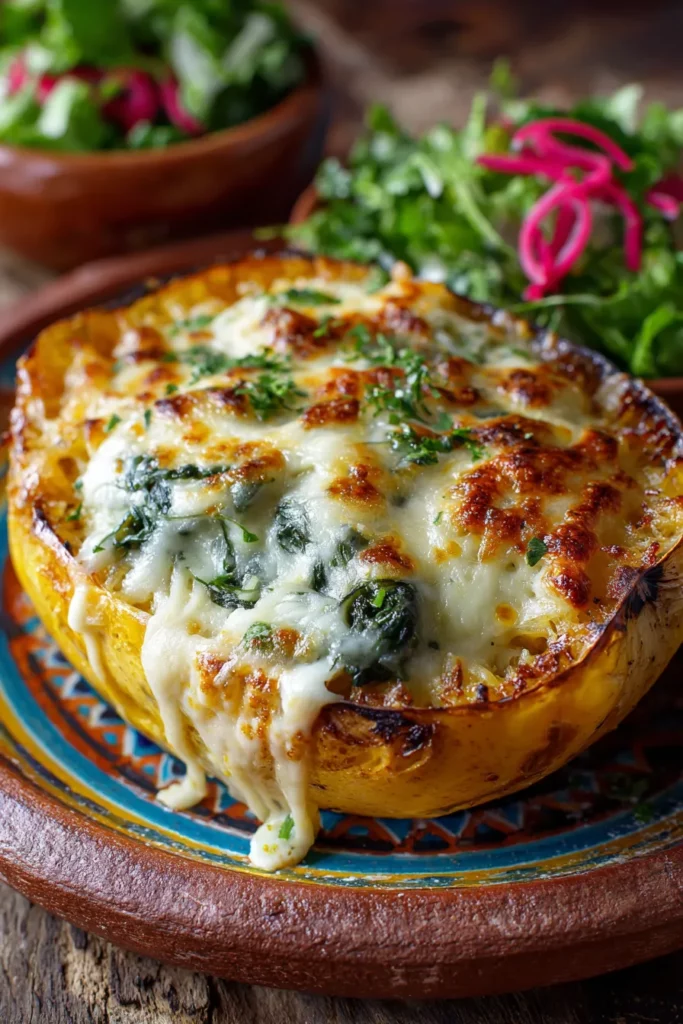
For something even more decadent, the creamy three cheese garlic herb spinach stuffed spaghetti squash is my go-to for special occasions. Three different cheeses create complexity and richness, while fresh herbs keep it from feeling heavy. My family requests this one for birthdays and holidays.
The cheesy spinach spaghetti squash bake works beautifully as a make-ahead dish. I’ll prepare it in the morning, refrigerate it, and pop it in the oven when dinner time rolls around. The flavors actually deepen after sitting, making it even better than when freshly made.
Lighter Spaghetti Squash Options
Not every spaghetti squash dish needs to be rich and creamy. Some of my favorite versions are lighter and brighter, perfect for when you want something satisfying but not heavy. The Mediterranean stuffed spaghetti squash with chickpeas and feta brings together sun-dried tomatoes, olives, and fresh herbs for a dish that feels summery and fresh even in winter.
I love making spinach and ricotta stuffed spaghetti squash when I want something lighter but still comforting. The ricotta provides creaminess without being as heavy as cream or butter-based sauces. Mixed with plenty of spinach and herbs, it’s both nutritious and delicious.
For variety, try the mushroom Alfredo stuffed spaghetti squash or the creamy pesto spaghetti squash with spinach and mushrooms. The pesto version is particularly wonderful in spring when fresh basil is abundant.
Zucchini: The Most Versatile Keto Vegetable
If I had to choose one vegetable that’s carried me through my keto journey, it would be zucchini. This humble summer squash transforms into boats, noodles, chips, pizza crusts, and casseroles. It’s mild enough to take on any flavor profile, sturdy enough to hold fillings, and so low in carbs you can eat it generously without worry.
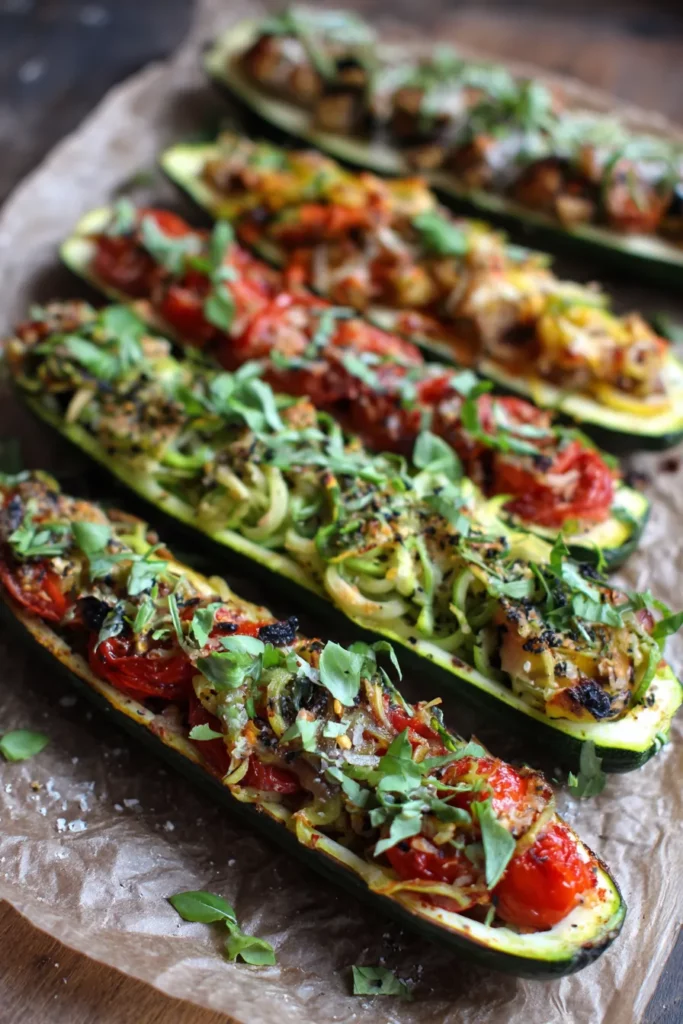
Zucchini boats are probably my most-made keto meal. The basic technique is simple: halve zucchini lengthwise, scoop out the center to create a channel, fill with your mixture of choice, and bake until tender. But within that simple framework, the variations are endless. I make buffalo chicken zucchini boats when I’m craving something spicy, and zucchini boats with ground turkey for a leaner option that still satisfies.
The beauty of zucchini boats is how they look on the plate. They feel special and intentional, like you put real effort into dinner, even though they come together quickly. The spinach mushroom and ricotta stuffed zucchini boats are elegant enough for company but easy enough for Tuesday night.
Zucchini Bakes and Casseroles
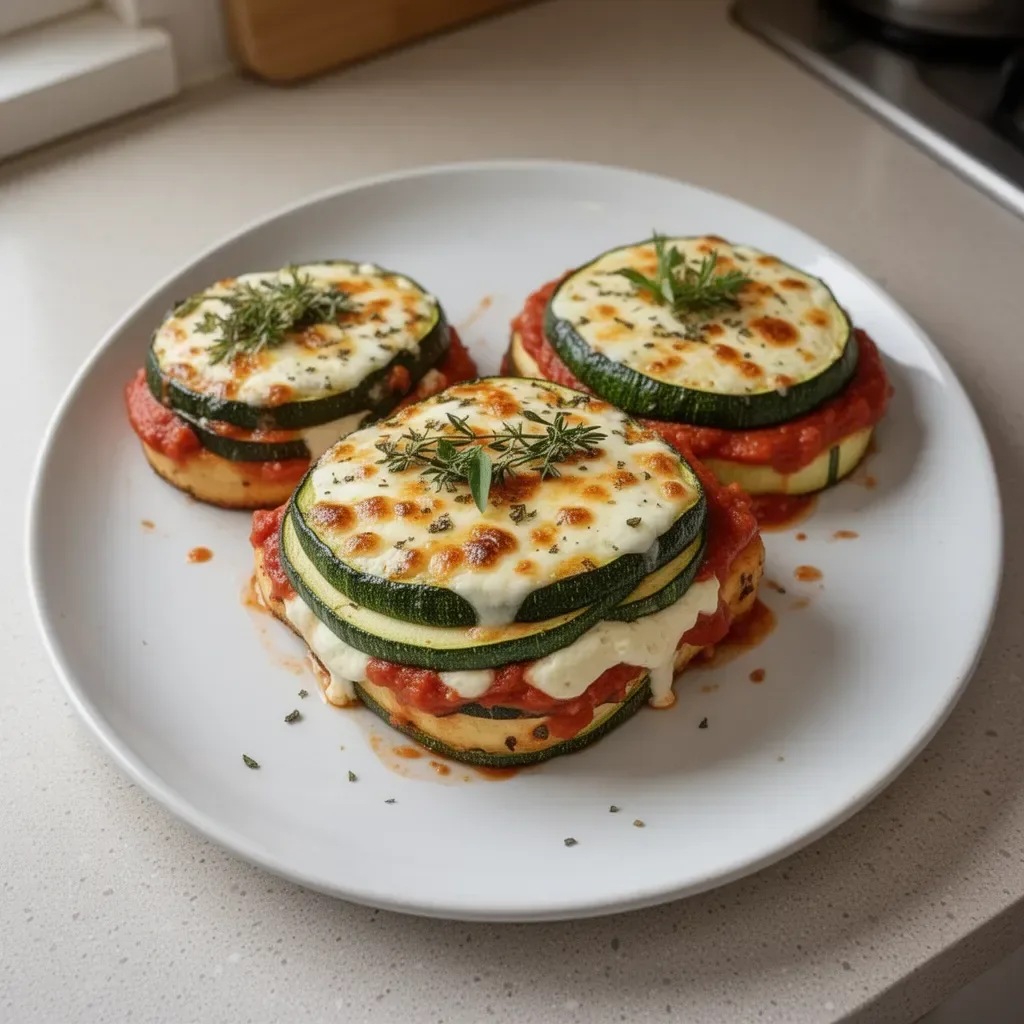
When I want something that feeds a crowd or provides leftovers for the week, I turn to zucchini casseroles. These dishes layer flavors and textures, creating something that feels substantial and comforting. The layered zucchini ground beef casserole is my answer to lasagna cravings, with thinly sliced zucchini standing in for noodles.
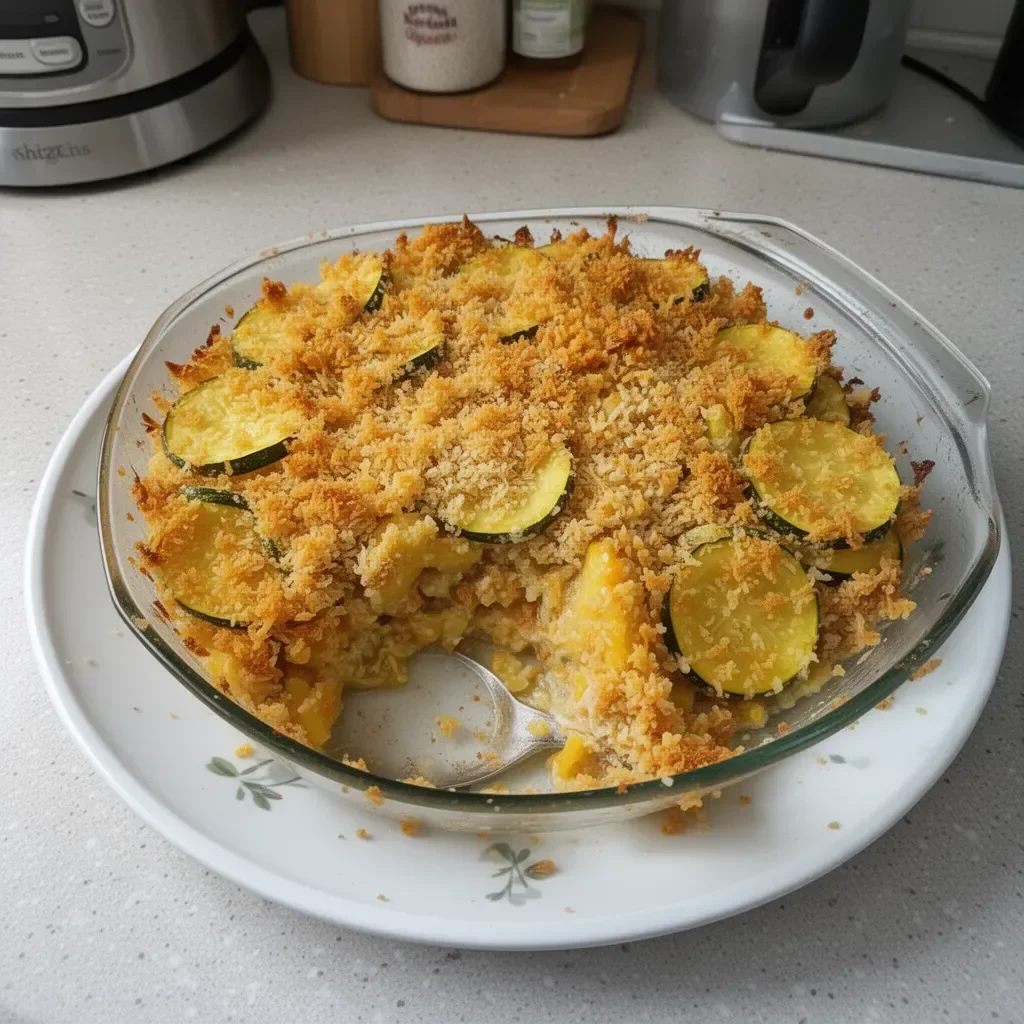
I discovered cheesy zucchini ricotta bake on a night when I needed to use up several zucchini before they went bad. Now it’s in regular rotation, especially in summer when zucchini is abundant. The ricotta creates pockets of creamy richness throughout, while the zucchini provides structure and freshness.
For something with Italian flair, the Italian chicken and zucchini bake combines tender chicken with zucchini, tomatoes, and Italian seasonings. It’s a one-pan meal that requires minimal cleanup, which is always a win in my book.
Creative Zucchini Applications
Beyond boats and bakes, zucchini transforms into surprising forms. I make zucchini pizza bites as appetizers or snacks, topping thick zucchini rounds with marinara, cheese, and pepperoni. They satisfy pizza cravings without any of the carb-heavy crust.
The zucchini and feta fritters are addictive little things, crispy on the outside and tender inside. I serve them with a dollop of Greek yogurt or sour cream, and they disappear faster than I can make them. They’re perfect for using up the giant zucchini that always seems to hide in the garden until it’s massive.
Don’t overlook simple preparations either. The air fryer squash and zucchini method produces tender vegetables with crispy edges in minutes. It’s become my default weeknight side dish, requiring almost no effort but delivering great results.
Cauliflower Magic: Rice, Mash, and More
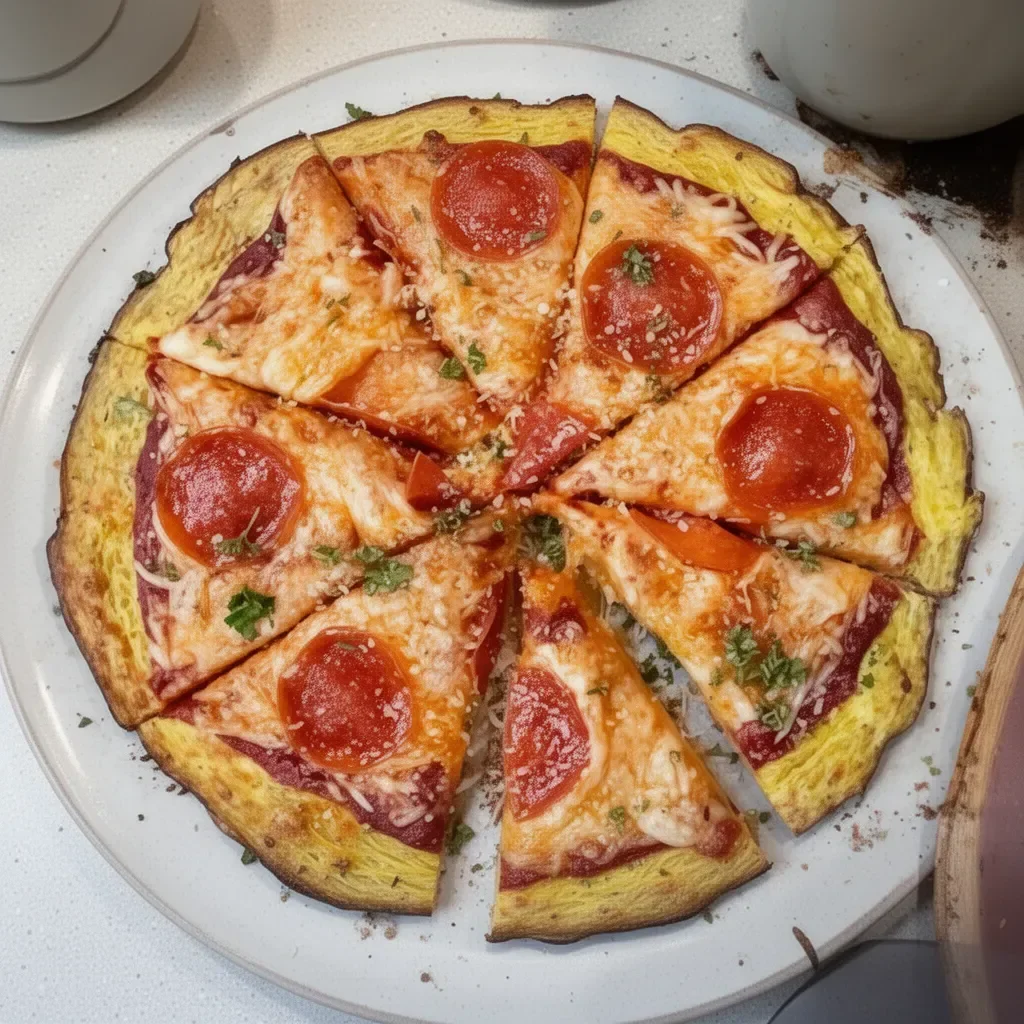
Cauliflower might be the MVP of keto vegetables. It’s so adaptable, so willing to take on different flavors and textures, that I genuinely don’t know how people did keto before cauliflower became trendy. It becomes rice, mash, pizza crust, breadsticks, and the base for dozens of casseroles and bakes.
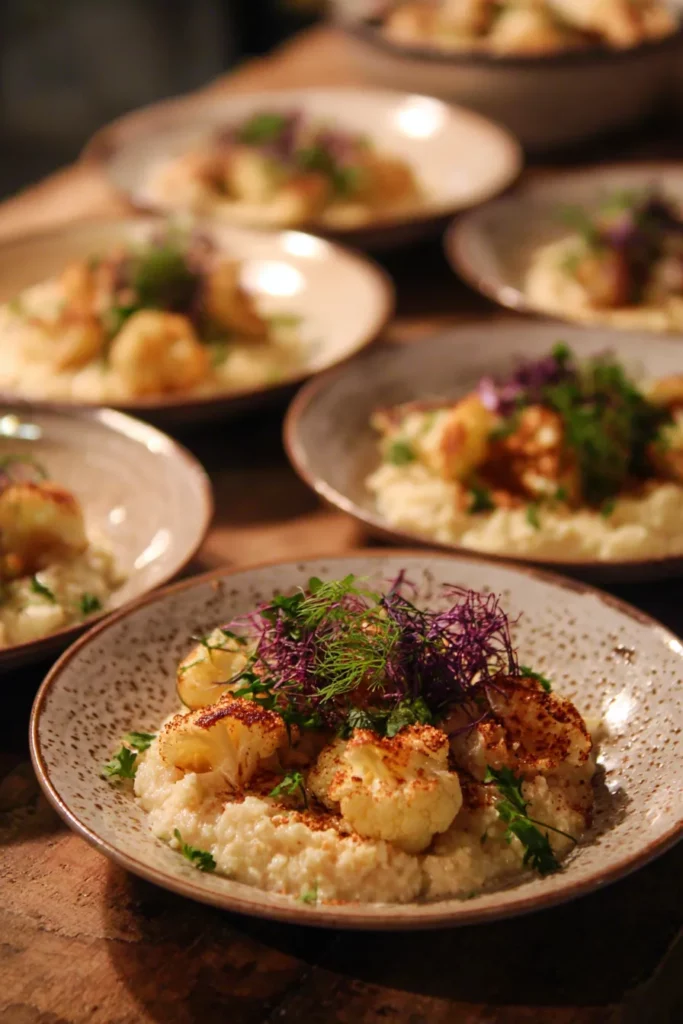
I was skeptical of cauliflower rice at first. How could it possibly replace the real thing? But when I finally tried it, prepared correctly, I understood. You’re not trying to fool yourself that it’s rice. You’re using it as a low-carb base that absorbs flavors beautifully and provides that satisfying feeling of eating something substantial.
The key is not overcooking cauliflower rice. You want it tender but with some texture, not mushy. I usually pulse raw cauliflower in a food processor until it resembles rice, then sauté it in a dry pan for just a few minutes until tender. Too much moisture makes it soggy, so I avoid adding liquid during cooking.
Roasted Cauliflower Perfection
Roasting transforms cauliflower from bland to spectacular. High heat caramelizes its natural sugars, creating crispy, golden edges and nutty flavor. I make garlic parmesan roasted cauliflower bites at least twice a month. They’re so good that non-keto family members fight over them.
The whole roasted cauliflower with garlic and herbs makes an impressive centerpiece for dinner. You roast an entire head of cauliflower until golden and tender, then slice it like a cake at the table. It’s dramatic and delicious, perfect for when you want to wow vegetarian guests.
For something extra special, try garlic parmesan cauliflower stuffed butternut squash. This dish combines two fantastic keto vegetables, the roasted cauliflower filling nestled in sweet butternut squash halves. It’s beautiful, satisfying, and packed with nutrients.
Cauliflower Soups and Comfort Dishes
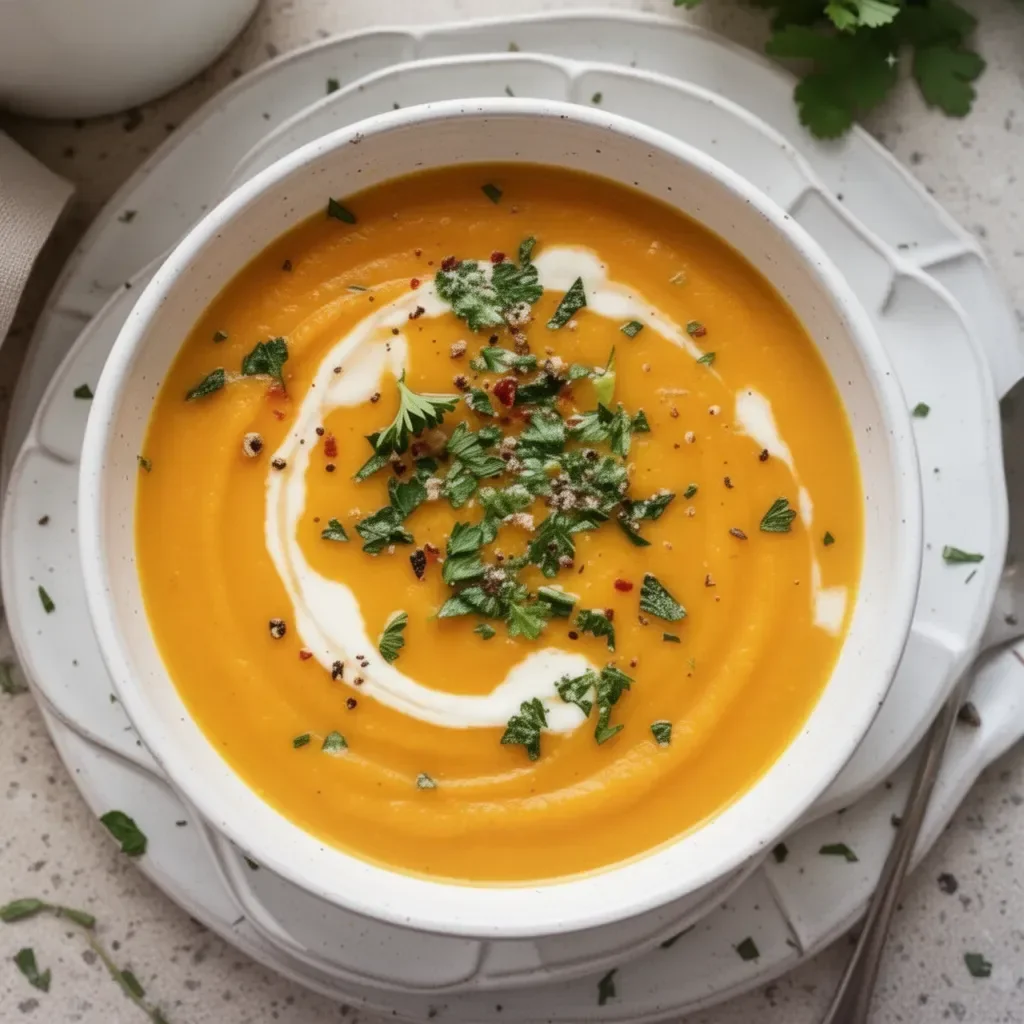
Pureed cauliflower creates the most velvety, luxurious soups. The creamy roasted garlic and parmesan cauliflower soup is one of my proudest keto achievements. It’s so rich and satisfying that guests never guess it’s low-carb. The roasted garlic adds deep, sweet flavor, while the parmesan brings umami and saltiness.
I also love the roasted garlic cheddar cauliflower soup for its cheese-forward flavor. It’s like a loaded baked potato soup but without the potatoes or the carb guilt. Topped with bacon, sour cream, and chives, it’s pure comfort in a bowl.
For lighter fare, the garlic parmesan cauliflower bake with spinach combines two powerhouse vegetables in a cheesy, garlicky casserole. It works as a main dish or a hearty side, and it reheats beautifully for meal prep.
Crustless Quiches: Breakfast and Beyond
Discovering crustless quiches was a game-changer for my keto breakfast routine. All that delicious quiche filling with the custard texture and savory flavors, but without the carb-heavy crust. They’re perfect for meal prep, reheating beautifully throughout the week. Plus, they’re impressive enough to serve at brunch but easy enough for a Tuesday morning.
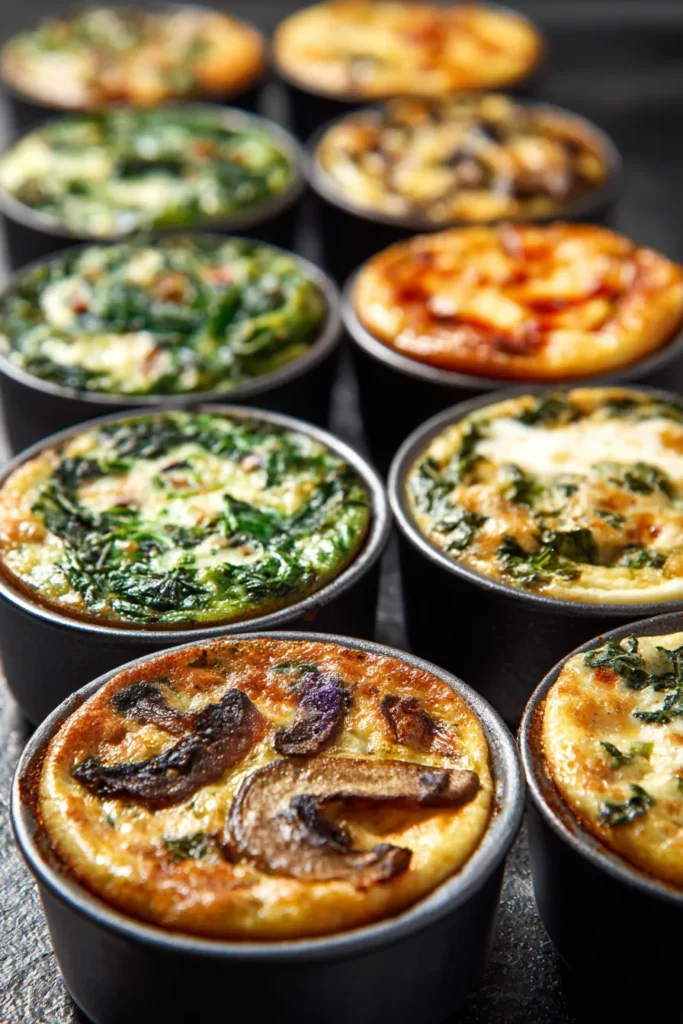
The basic technique is simple: whisk eggs with cream or half-and-half, add your fillings and cheese, pour into a greased pie dish, and bake until set. But within that framework, the flavor combinations are limitless. I probably have twenty different versions I rotate through, and I never get bored.
My go-to for company is the spinach and feta crustless quiche. The feta brings tangy saltiness that plays beautifully against the mild spinach and rich eggs. I add fresh dill when I have it, which gives the whole thing a Greek-inspired freshness.
Vegetable-Forward Quiche Variations
Loading quiches with vegetables makes them more nutritious and adds interesting flavors and textures. The zucchini tomato and basil crustless quiche tastes like summer in every bite. I make it when zucchini and tomatoes are at their peak, and the basil adds that perfect fresh herbal note.
Mushrooms bring wonderful earthy depth to quiche. I love the mushroom and Swiss crustless quiche for its classic flavor combination. The Swiss cheese melts beautifully and complements the mushrooms without overpowering them.
For something a little different, try the zucchini and goat cheese crustless quiche. The tangy goat cheese creates pockets of creamy richness throughout the quiche, while the zucchini adds moisture and mild flavor.
Protein-Packed Quiche Options
Adding meat to quiche makes it even more substantial and satisfying. The crustless sausage quiche is a family favorite, especially for Sunday brunch. I use a good quality breakfast sausage with herbs and spices, and it flavors the entire dish beautifully.
For something elegant, the crustless salmon and dill quiche feels special enough for guests. I use smoked salmon for deep flavor, and the fresh dill is essential. It’s like a lox and cream cheese bagel transformed into a keto-friendly quiche.
Don’t overlook vegetable frittatas either, which are essentially crustless quiches cooked in a skillet. The spinach and mushroom crustless frittata comes together in one pan, making cleanup easy.
Keto Main Dishes: Satisfying Dinners
The hardest part of starting keto was reimagining dinner. I was so used to building meals around rice, pasta, or potatoes that I struggled to conceptualize what a satisfying dinner looked like without those carb anchors. But once I learned to center meals around protein and vegetables with plenty of fat, everything clicked into place.
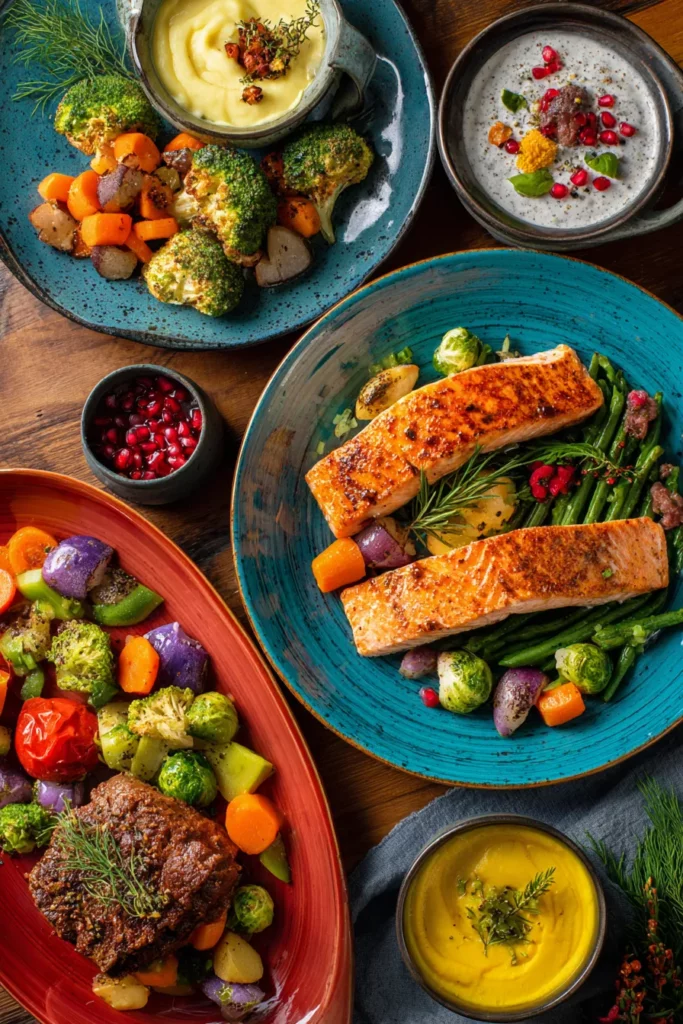
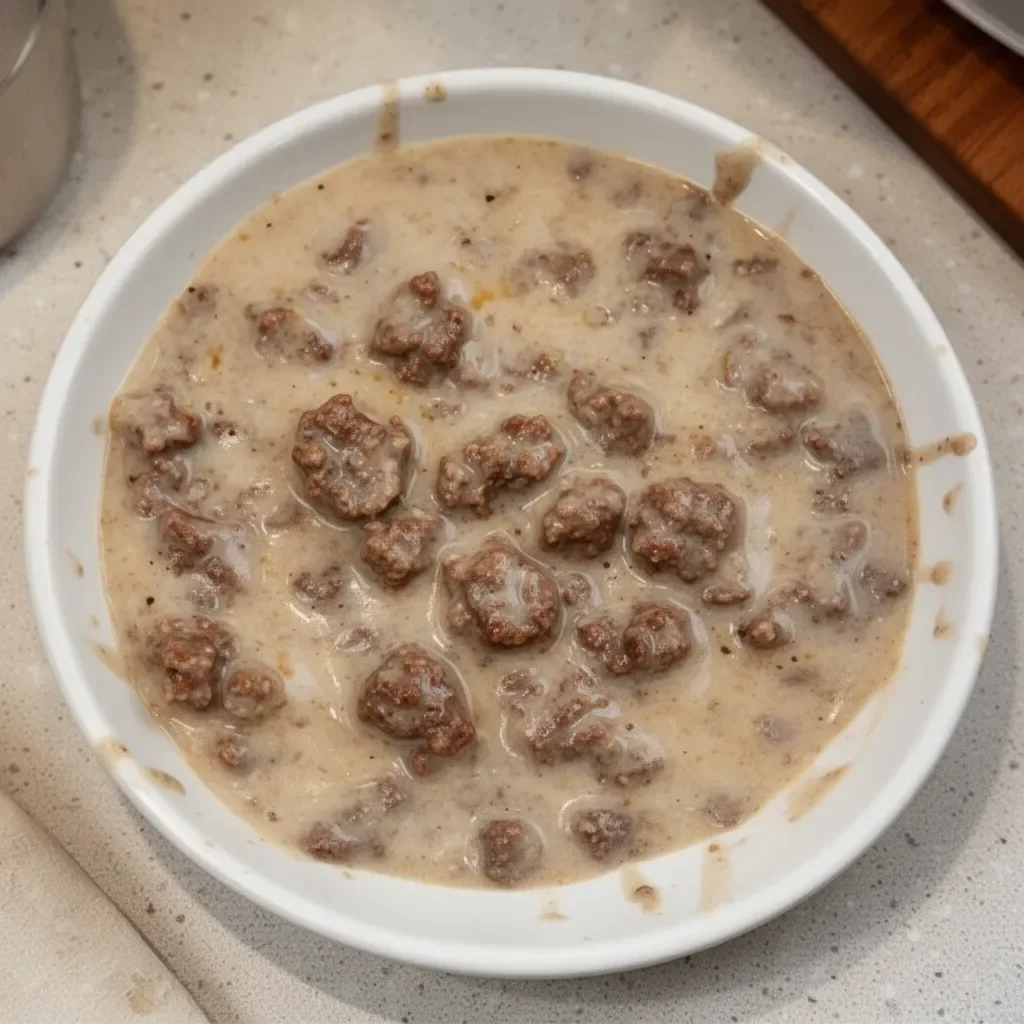
Ground meat became my best friend for quick weeknight dinners. It cooks fast, takes on any flavor profile, and works in everything from stir-fries to casseroles. The keto Philly cheesesteak roll-ups satisfy my craving for that classic sandwich without the hoagie roll. Thin slices of steak wrapped around peppers, onions, and melted cheese, all the flavor without the carbs.
When I want something with Mediterranean flair, I turn to the keto Greek meatballs. They’re packed with herbs and spices, incredibly flavorful, and work beautifully over cauliflower rice or with a Greek salad. I usually make a double batch and freeze half for easy future meals.
Chicken Dinners That Deliver
Chicken can be boring on keto if you’re not careful, but the right preparations make it anything but. The healthy sesame chicken satisfies takeout cravings with its sweet and savory sauce, and it comes together faster than delivery would arrive. I serve it over cauliflower rice and it’s perfect every time.
For something elegant, the creamy garlic parmesan chicken with spinach feels restaurant-quality. The sauce is rich and garlicky, clinging to tender chicken breasts and wilted spinach. It’s impressive enough for company but simple enough for a regular weeknight.
I love making chicken with broccoli in a creamy cheesy sauce when I need comfort food. The broccoli absorbs all that delicious sauce, and the whole thing comes together in one pan for easy cleanup.
Seafood Solutions
Fish and seafood are naturally low-carb and cook quickly, making them ideal for keto dinners. The lemon garlic butter salmon with asparagus is my go-to for an easy but fancy-feeling meal. Everything cooks on one sheet pan, and that lemon butter sauce is absolutely divine.
For something with bold flavors, try the Cajun honey butter salmon. A touch of honey balanced with Cajun spices creates a glaze that caramelizes beautifully. It’s spicy, sweet, and satisfying, proving that keto doesn’t mean bland.

The Mediterranean salmon bowl is perfect for meal prep. I’ll cook several salmon fillets on Sunday and build different bowls throughout the week with various vegetables and toppings.
Low-Carb Sides and Vegetables
Side dishes on keto deserve just as much attention as mains. They’re where you can really pack in nutrients and fiber, and when done right, they’re the part of the meal everyone gets excited about. Vegetables roasted until caramelized, Brussels sprouts crisped to perfection, cabbage transformed into something amazing, these sides make keto feel abundant rather than restrictive.
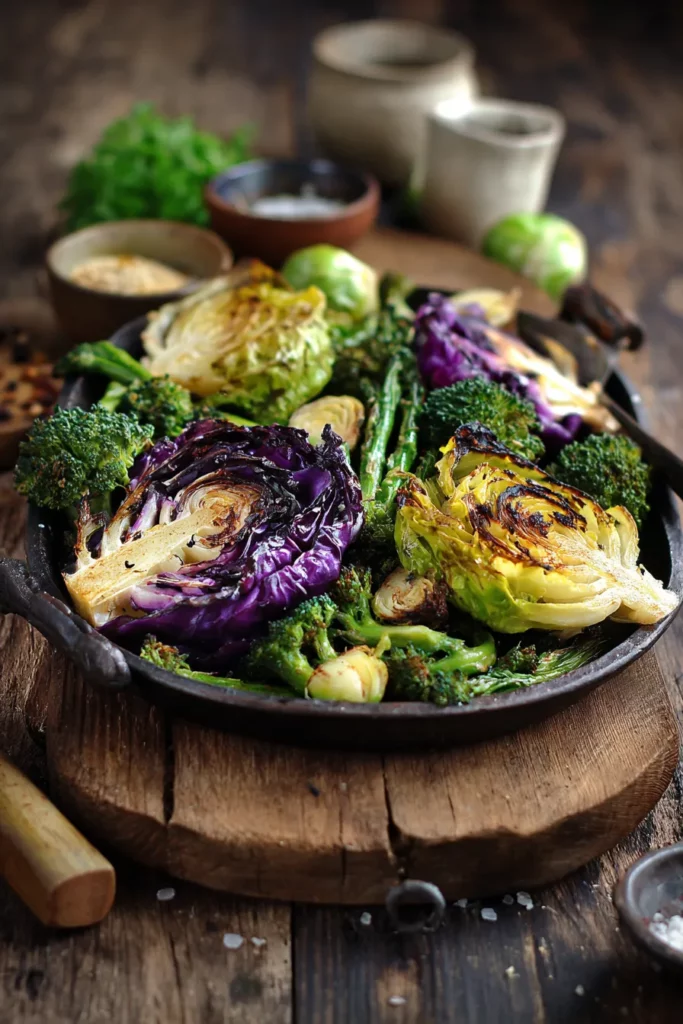
Cabbage became one of my favorite discoveries. It’s inexpensive, versatile, and incredibly low in carbs. The fried cabbage with bacon onion and garlic is so flavorful and satisfying that it could honestly be a meal on its own. The bacon fat flavors everything, and the cabbage gets tender and almost sweet.
For something more dramatic, try oven roasted garlic cabbage steaks. You slice the cabbage into thick rounds, brush them with garlic butter, and roast until the edges are crispy and caramelized. They look impressive on the plate and taste even better than they look.
The whole roasted cabbage takes it even further, roasting an entire head until tender and golden. You can then pull it apart at the table, and everyone gets those wonderful crispy outer leaves along with the tender inner ones.
Creative Vegetable Preparations
Sometimes the simplest preparations are the most surprising. I never would have thought to smash carrots until I tried crispy smashed carrots. You boil them until tender, smash them flat, then roast until crispy. The increased surface area means more caramelization and more flavor.
The same technique works beautifully with turnips. I make parmesan crusted crushed turnips when I’m craving something potato-like. The parmesan creates a crispy, salty crust, and the turnips underneath are creamy and mild.
Don’t overlook the classics either. Simple roasted Brussels sprouts, broccoli with garlic and olive oil, or sautéed spinach with butter are all perfectly keto and endlessly satisfying when done well.
Keto Salads: Fresh and Filling
Salads on keto are completely different from the sad diet salads of the past. These are loaded with healthy fats from avocado, nuts, and generous dressings. They include protein to make them substantial. And they’re packed with flavor from herbs, citrus, and interesting ingredients that keep every bite interesting.
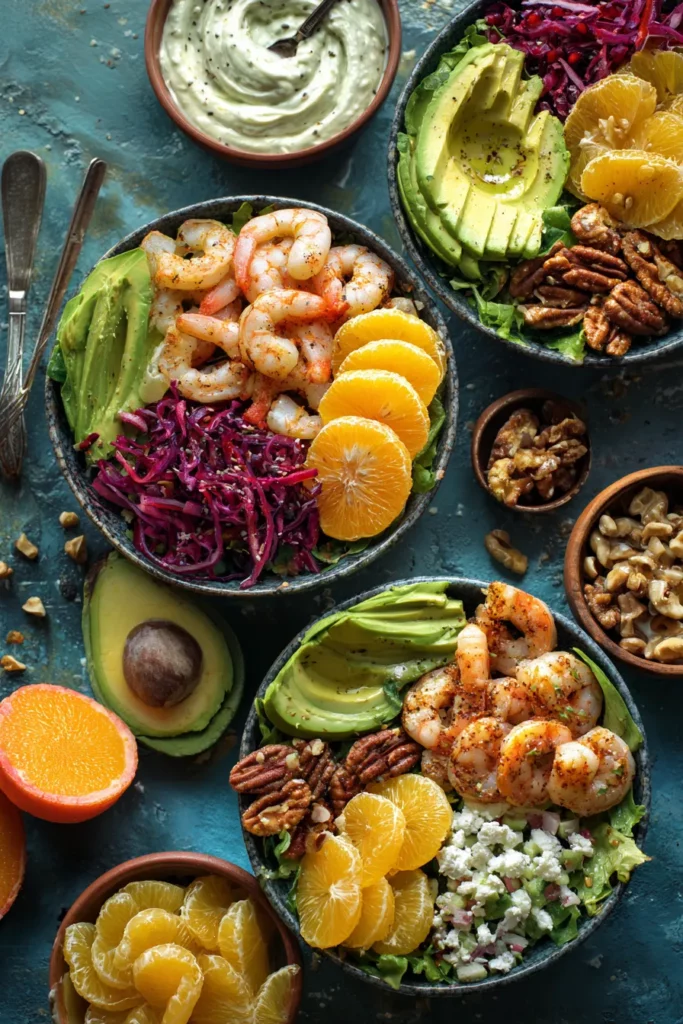
The avocado shrimp salad with lime dressing is one of my summer staples. The creamy avocado contrasts beautifully with the tender shrimp, and that lime dressing is bright and punchy. It’s light enough for hot days but substantial enough to satisfy.
For something even easier, the refreshing creamy cucumber shrimp salad comes together in minutes. The cucumbers add crunch and freshness, while a simple creamy dressing ties everything together. It’s perfect for meal prep, staying crisp for several days in the fridge.
When asparagus is in season, I make the shrimp and asparagus salad with lemon aioli on repeat. The lemon aioli is what makes it special, bright and rich at the same time, coating every piece of shrimp and asparagus.
Heartier Salad Options
Some salads are substantial enough to be complete meals. The roasted sweet potato and kale quinoa salad sits right at that border between keto and low-carb, perfect for those days when you can afford a few extra carbs. The sweet potato adds natural sweetness and the quinoa provides protein and satisfying texture.
For something with Mediterranean flair, I love combining cucumbers with various ingredients. The cucumber avocado and spinach salad with garlic dressing is refreshing and packed with healthy fats. The garlic dressing is assertive enough to stand up to all those vegetables.
Don’t be afraid to experiment with unexpected combinations. The green apple and celery salad with yogurt combines sweet, tart, and crunchy in ways that surprise and delight.
Keto Sauces and Condiments
One of the biggest challenges when I started keto was discovering that most store-bought sauces are loaded with sugar. Ketchup, barbecue sauce, teriyaki sauce, even many salad dressings, they all had hidden carbs that could kick you out of ketosis. Learning to make my own versions became essential.
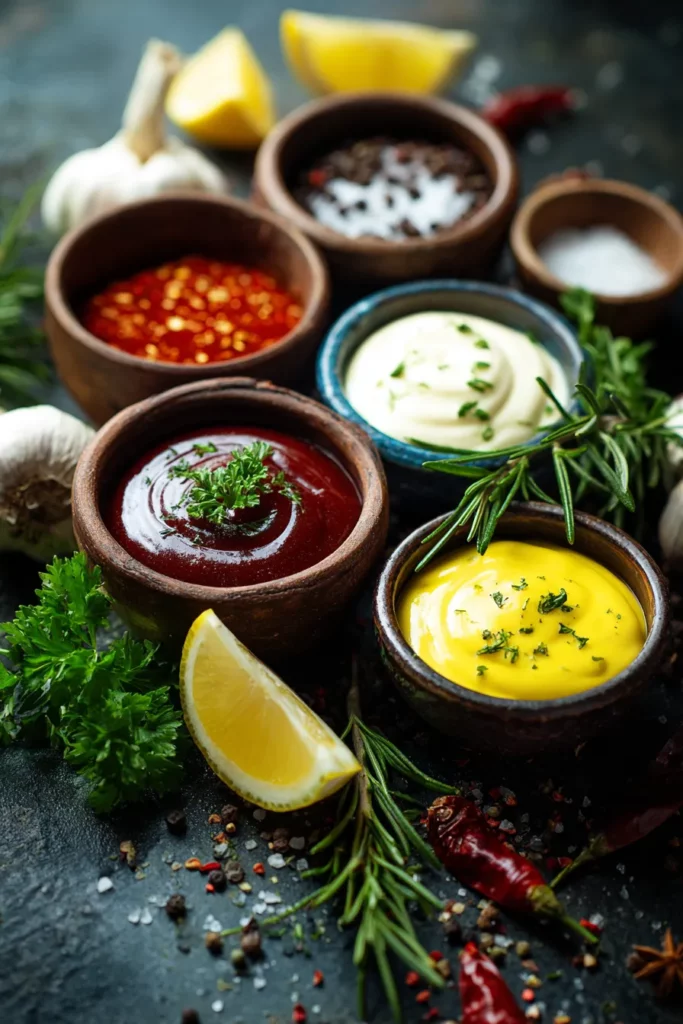
The keto BBQ sauce was a revelation. I’d missed that smoky, tangy flavor so much, and this version delivers all of it without the sugar. I use it on everything from grilled chicken to pulled pork, and no one can tell it’s sugar-free.
Making your own sauces gives you control over ingredients and flavors. Plus, many keto sauces are just as easy as opening a jar, you simply need to know the ratios. A basic vinaigrette is just oil, vinegar, and seasonings. Garlic butter is butter, garlic, and herbs. Mayo-based sauces are endlessly versatile.
Building Flavor Without Carbs
The key to great keto cooking is layering flavors. Fresh herbs add brightness without carbs. Citrus zest provides punch without the sugar of juice. Good quality fats like butter and olive oil carry flavors beautifully. Spices and aromatics like garlic and ginger add depth and complexity.
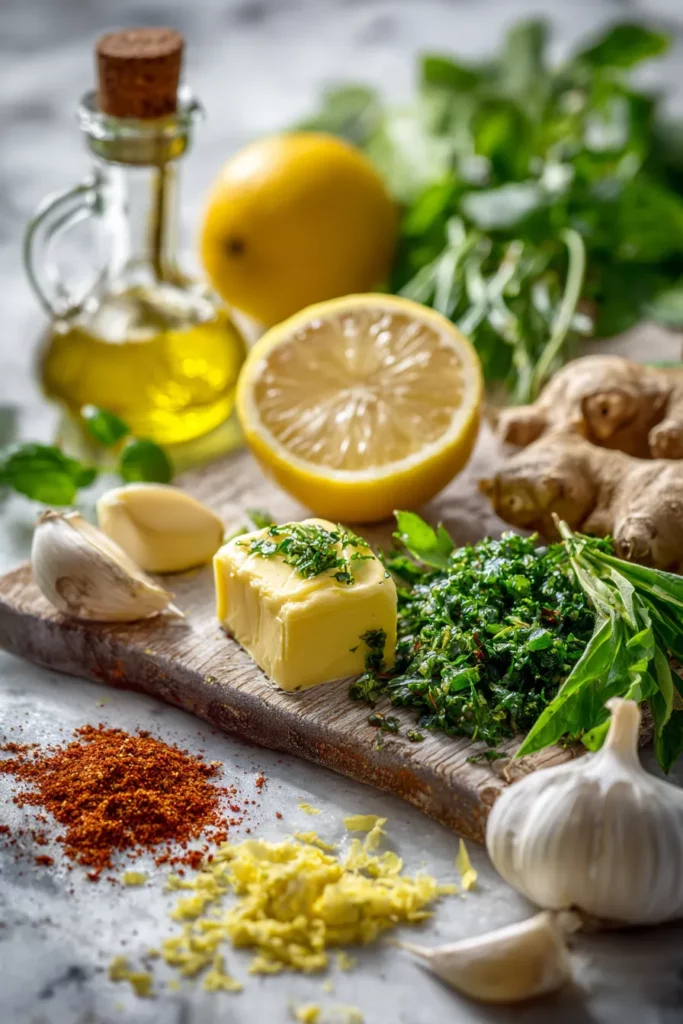
I keep a well-stocked spice cabinet now, probably better stocked than it’s ever been. Smoked paprika, cumin, curry powder, Italian seasoning, everything bagel seasoning, these all add huge flavor without adding carbs. Learning to use them confidently transformed my keto cooking from bland to bold.
Umami-rich ingredients like parmesan cheese, anchovies, soy sauce, and mushrooms add savory depth that makes dishes satisfying. Don’t be afraid to use them generously. They’re what make you feel full and content rather than deprived.
Stuffed Mushrooms: Elegant and Easy
Stuffed mushrooms are the perfect keto appetizer or side dish. They’re naturally low in carbs, the mushroom caps act as edible bowls, and they look impressive with minimal effort. I’ve probably made stuffed mushrooms in fifty different ways, and I’m still not tired of them.
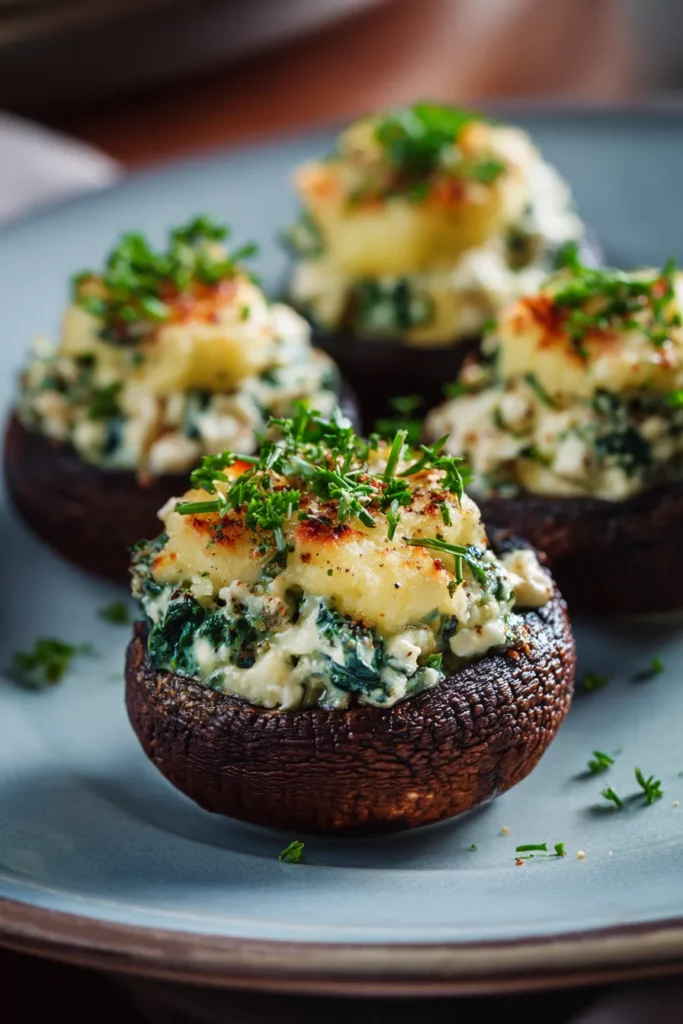
Portobello mushrooms are substantial enough to be a main course. The spinach and feta stuffed portobello mushrooms are a regular dinner in my house. The meaty mushroom caps hold generous amounts of filling, and the feta brings tangy saltiness that plays perfectly against the earthy mushrooms.
For something even more indulgent, try the creamy spinach and mushroom stuffed portobello mushrooms. The filling is rich and creamy, almost like a hot dip stuffed into mushroom caps. It’s comfort food at its finest.
Cheese-Forward Stuffed Mushroom Varieties
Cheese and mushrooms are natural partners. The cheese stuffed portobello mushrooms with garlic and herbs let the cheese shine, with fresh herbs and garlic adding complexity without overpowering the main ingredients.
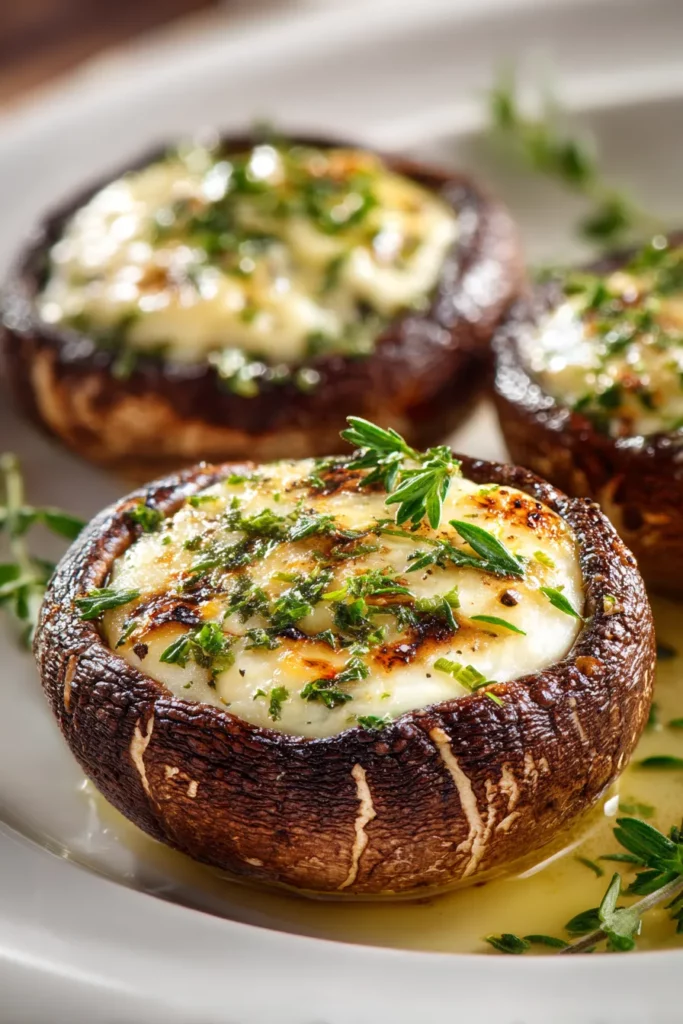
I love making goat cheese and herb stuffed portobello mushrooms when I want something a little more sophisticated. The tangy goat cheese has a different personality than mozzarella or cheddar, and it pairs beautifully with fresh herbs.
For special occasions, the creamy garlic crab stuffed mushrooms are showstoppers. The sweet crab meat mixed with cream cheese and garlic creates a filling that tastes expensive and impressive, perfect for holiday appetizer spreads.
Simple Stuffed Mushroom Techniques
The basic method for stuffed mushrooms is straightforward. Remove the stems and gently scrape out the gills if you want more room for filling. Brush the caps with olive oil and pre-bake them for about ten minutes to release some moisture. Then fill them generously and bake until the filling is hot and the cheese is melted and golden.
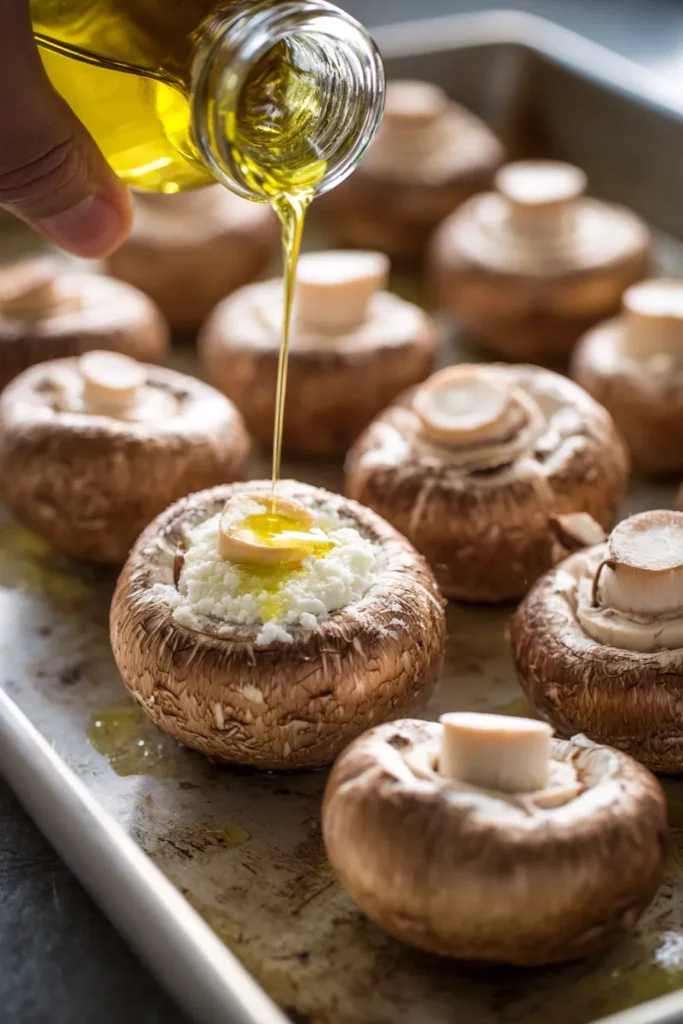
Regular button mushrooms work beautifully for appetizers. The ricotta and sun-dried tomato stuffed mushrooms are perfect for parties. The sun-dried tomatoes add intense flavor and beautiful color, while the ricotta keeps everything creamy and mild.
Don’t forget about caprese stuffed garlic butter portobellos either. Fresh mozzarella, tomatoes, and basil in a mushroom cap is simple but always delicious, especially in summer when tomatoes and basil are at their peak.
Eggplant on Keto: Beyond Parmesan
Eggplant is underrated in the keto world, and I think that’s a shame. It’s wonderfully low in carbs, takes on flavors beautifully, and has a meaty texture that makes it satisfying. Plus, it’s the base for some of the most comforting Italian dishes, which translate beautifully to keto versions.
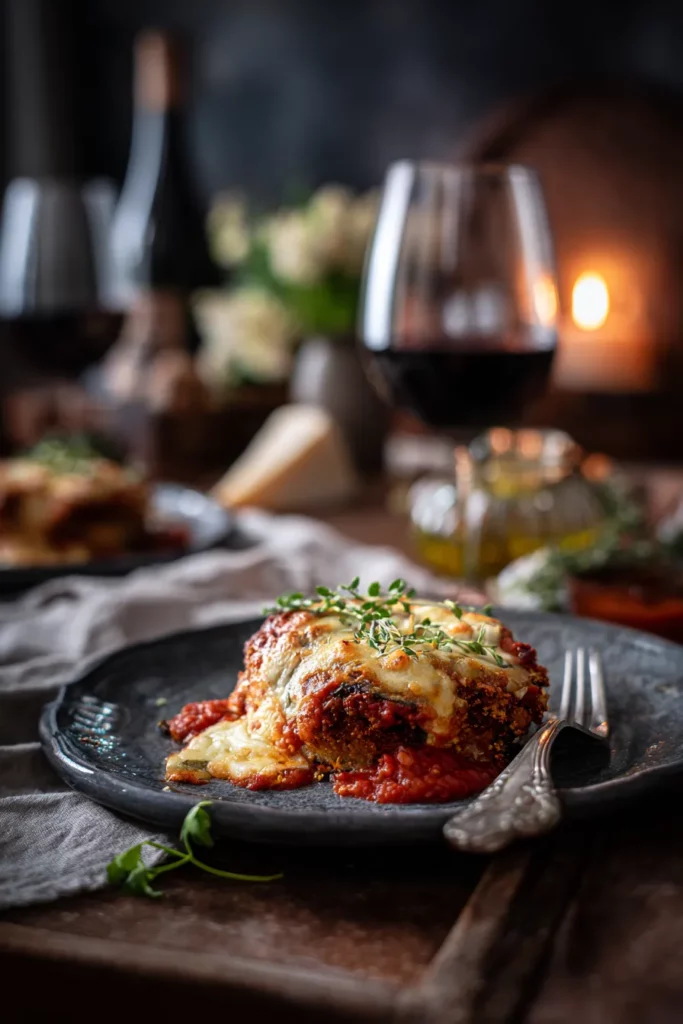
I’ll admit I was nervous about making crispy baked eggplant parmesan without traditional breading. But using almond flour and parmesan creates a coating that’s just as crispy and even more flavorful than the original. Layered with marinara and cheese, it’s pure comfort food.
The eggplant rollatini with ricotta and spinach is elegant enough for company but not difficult to make. You slice the eggplant lengthwise into thin planks, roast them until pliable, then roll them around a creamy ricotta and spinach filling. Covered in marinara and baked until bubbly, they’re restaurant-worthy.
Mediterranean Eggplant Dishes
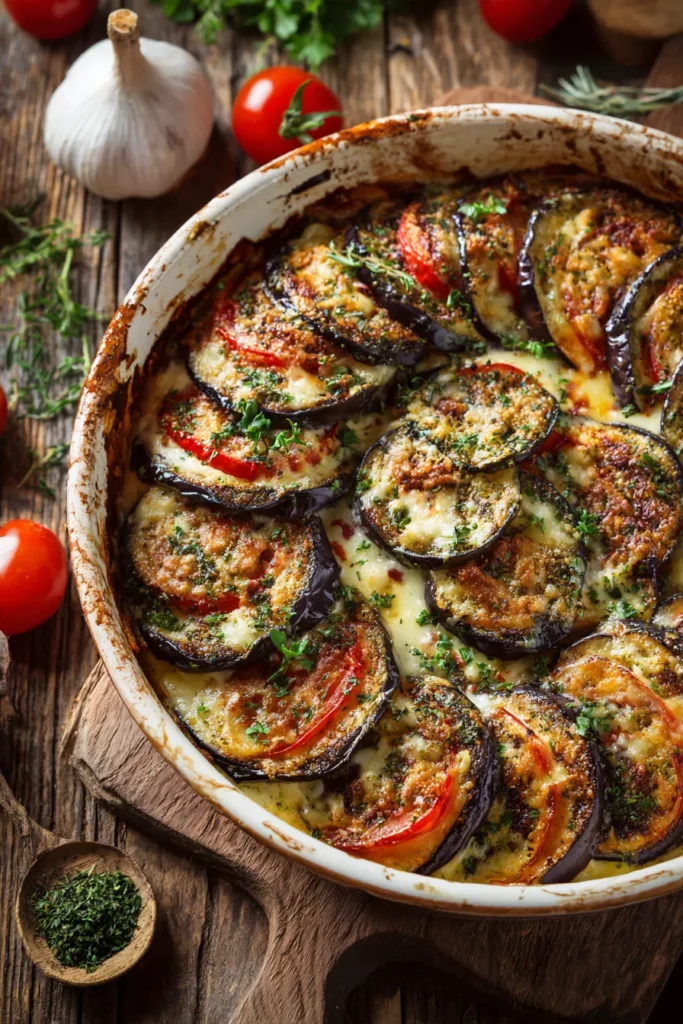
Eggplant features prominently in Mediterranean cooking, which makes it perfect for keto since that cuisine already emphasizes healthy fats and vegetables. The eggplant gratin layers thin slices of eggplant with tomatoes, cheese, and herbs, creating something that’s both rustic and refined.
For something lighter, the eggplant and zucchini scapece is a revelation. It’s an Italian dish of fried eggplant and zucchini marinated in vinegar, garlic, and mint. Sounds simple, but the flavors are bright and complex, and it’s wonderful served at room temperature as a side or antipasto.
The key to great eggplant is dealing with its moisture. I usually salt sliced eggplant and let it sit for thirty minutes before cooking. This draws out excess water and any bitterness, resulting in eggplant that browns beautifully and has the best texture.
Keto Breakfast Ideas Beyond Eggs
Breakfast on keto can feel limiting at first, especially if you’re used to toast, cereal, or oatmeal. But once you expand your breakfast thinking, you’ll find plenty of satisfying options. And honestly, some of my favorite keto meals happen in the morning.
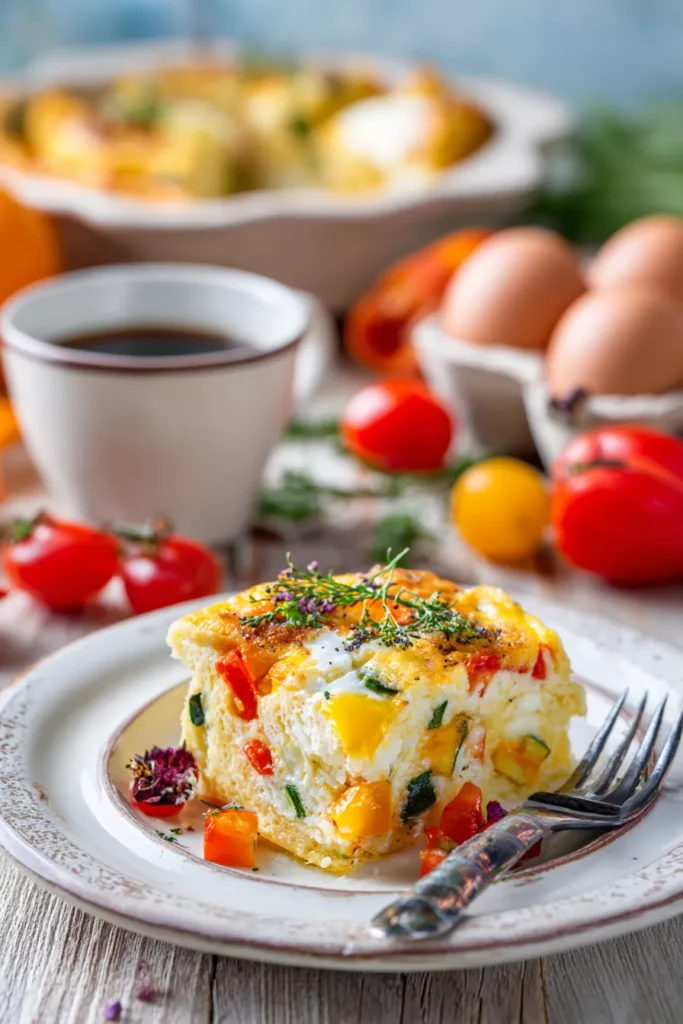
The baked cottage cheese eggs are a protein powerhouse that keeps me full for hours. The cottage cheese adds creaminess and extra protein, while the eggs provide structure. I add various vegetables and herbs depending on what I have, making it different every time.
For something with Mediterranean flair, the baked feta eggs are incredibly flavorful. The feta melts into the eggs as they bake, creating pockets of tangy, salty cheese throughout. It’s like a crustless quiche but even easier.
Make-Ahead Breakfast Options
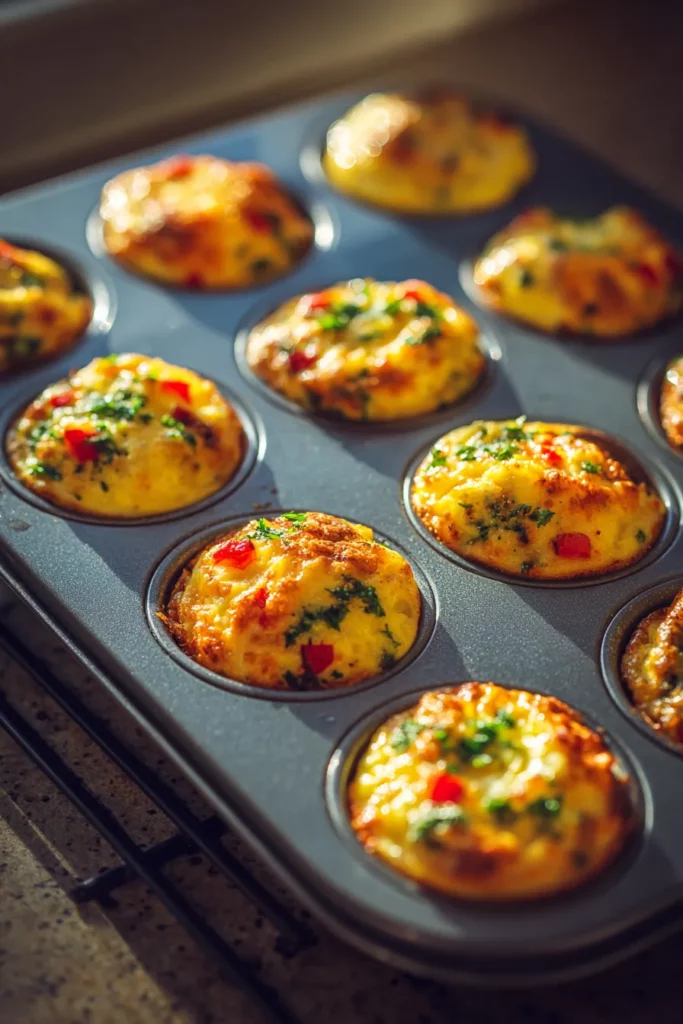
Meal prep is essential for busy keto mornings. The mini egg muffins with cheese and veggies are perfect for this. I make a batch on Sunday and grab two or three each morning for a complete, portable breakfast.
The savory breakfast for dinner egg bowl is exactly what it sounds like, a hearty egg-based bowl that works any time of day. I load it with vegetables, cheese, avocado, and sometimes leftover meat from dinner. It’s satisfying and nutritious, providing steady energy all morning.
Don’t forget about leftovers either. That leftover salmon from dinner? Perfect over a bed of spinach with a fried egg on top. Those extra meatballs? Reheat them and serve with sautéed vegetables for a protein-rich breakfast that doesn’t feel like breakfast food at all.
Keto Baked Goods and Treats
Baking on keto is its own science. Almond flour, coconut flour, and other low-carb alternatives behave completely differently from wheat flour. I failed at keto baking many times before I learned the tricks. But once you understand how these flours work, you can create treats that satisfy your cravings without derailing your progress.
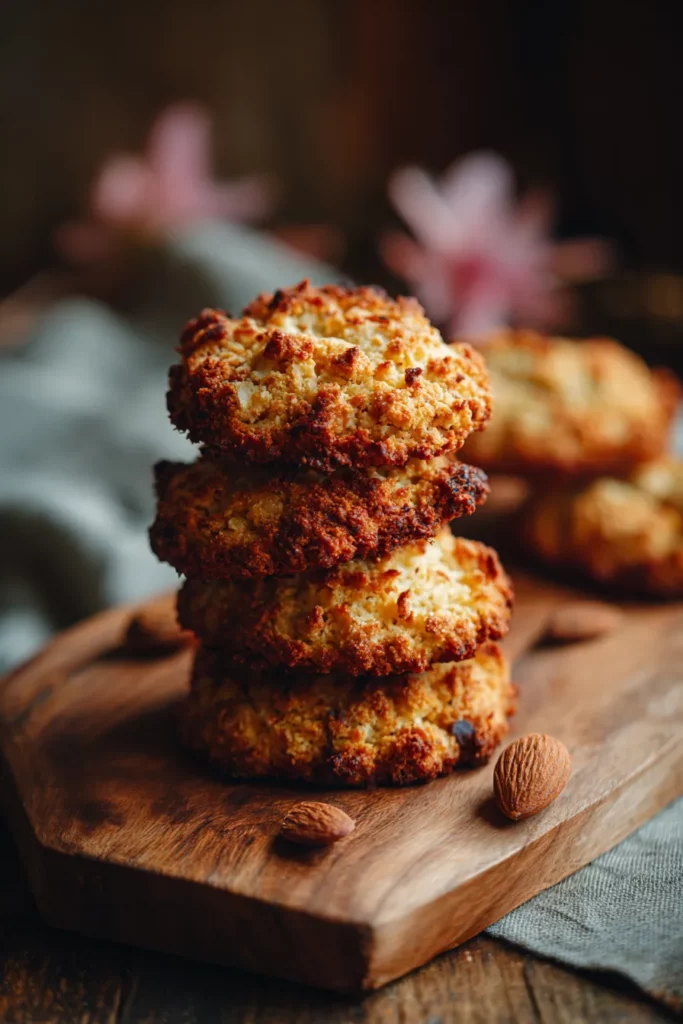
The keto three cheese biscuits are one of my proudest achievements. They’re tender, flaky, and cheesy, everything a good biscuit should be. I serve them with soup or alongside breakfast, and they’re always devoured.
For something sweet, I turn to sugar free oatmeal cookies. These use almond flour instead of traditional oats, but they have that same comforting, slightly chewy texture. I add sugar-free chocolate chips for extra indulgence.
Sweet Treats Without the Guilt
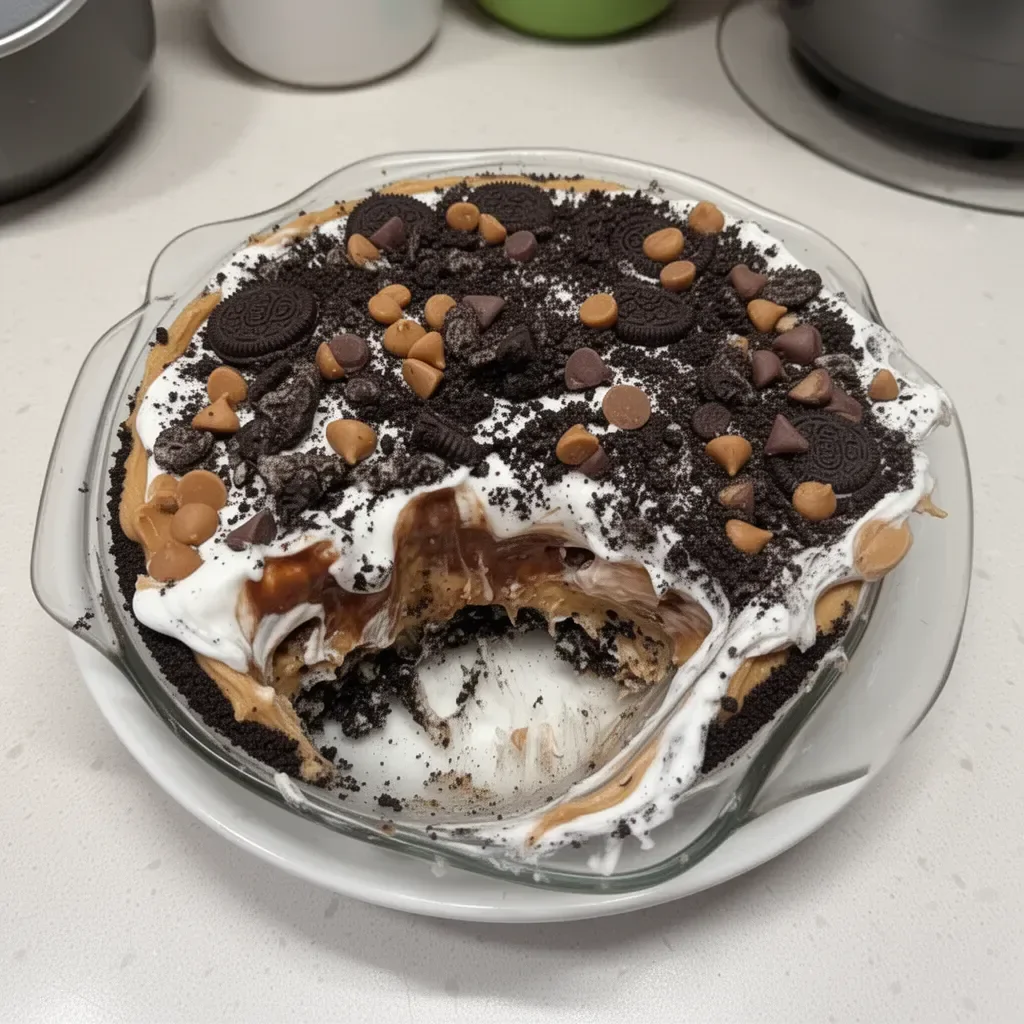
Having dessert options makes keto sustainable long-term. I keep sugar free chocolate chips in my pantry for baking and snacking. They satisfy chocolate cravings without spiking blood sugar, and they taste remarkably similar to regular chocolate chips.
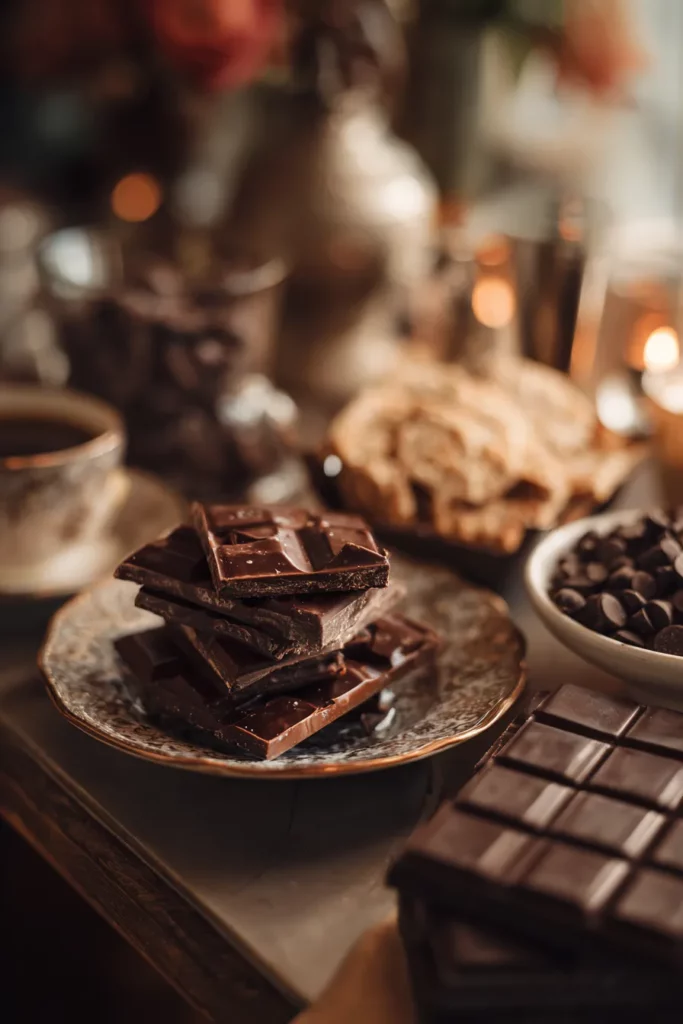
Making your own sugar free chocolate is easier than you might think. You can control the sweetness level and add flavors like mint or orange. I make batches and keep them in the freezer for whenever a chocolate craving hits.
The homemade low carb English toffee is perfect for holidays or gift-giving. It’s buttery, crunchy, and completely addictive, but it won’t spike your blood sugar like traditional toffee would.
Keto Stir-Fries and Asian-Inspired Dishes
Asian cuisine might seem tricky on keto because of rice and noodles, but the flavor profiles work beautifully with low-carb adaptations. The key is building umami-rich sauces with low-carb sweeteners instead of sugar, and serving everything over cauliflower rice or shirataki noodles instead of regular rice or wheat noodles.
The crispy tofu stir-fry with sesame ginger sauce is proof that keto can be vegetarian-friendly. The tofu gets incredibly crispy when fried properly, and that sesame ginger sauce is addictive. I serve it over cauliflower rice with plenty of vegetables.
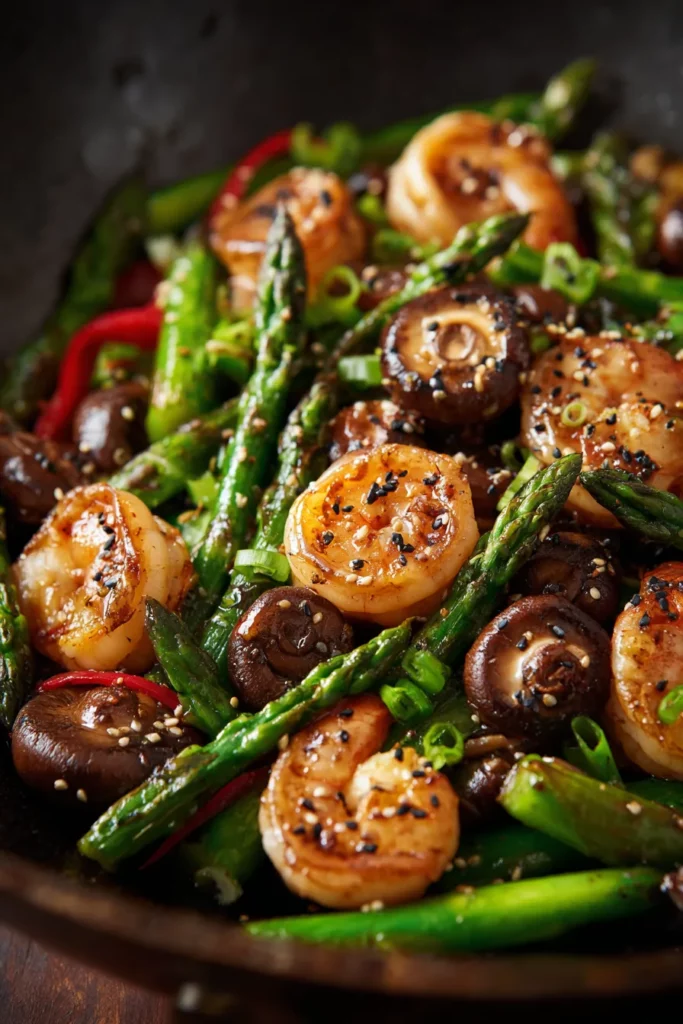
For seafood lovers, the shrimp and asparagus stir-fry with mushrooms comes together in minutes. The shrimp cook quickly, and the vegetables stay crisp-tender, everything a good stir-fry should be.
Bold Flavors That Work on Keto
Don’t be afraid of bold, spicy flavors. The spicy jalapeno chicken stir-fry brings heat and flavor, proving that keto doesn’t mean bland. The jalapenos add not just spice but also a fresh, green flavor that brightens the whole dish.
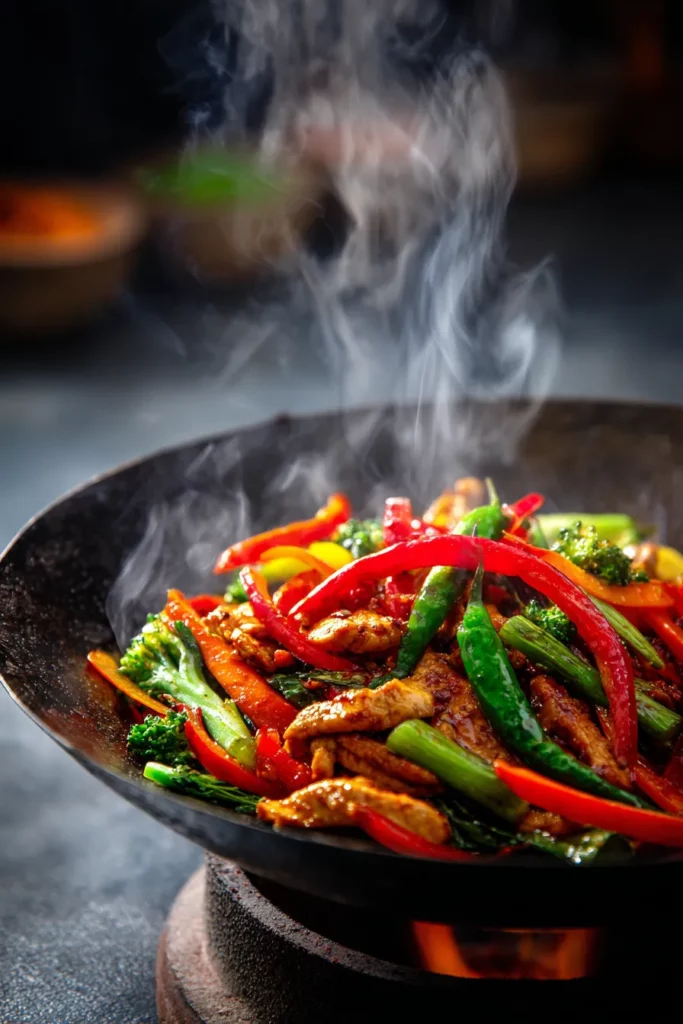
The Mongolian tofu bowls with garlic sauce replicate that sticky, sweet-savory sauce from takeout restaurants but without all the sugar. The sauce clings to the tofu and vegetables, making every bite flavorful.
Stir-fries are perfect for using up vegetables in your fridge. Almost any vegetable works in a stir-fry, and you can vary the proteins and sauces endlessly. It’s one of the most flexible cooking methods for keto.
Ground Meat Versatility on Keto
Ground meat is a keto lifesaver. It’s affordable, cooks quickly, and works in countless dishes. I always keep ground beef, ground turkey, and ground chicken in my freezer for quick meal solutions.
The oven baked cabbage burgers are genius, layering seasoned ground beef between cabbage leaves instead of buns. Everything bakes together in one dish, and the cabbage gets tender and sweet while the beef stays juicy.
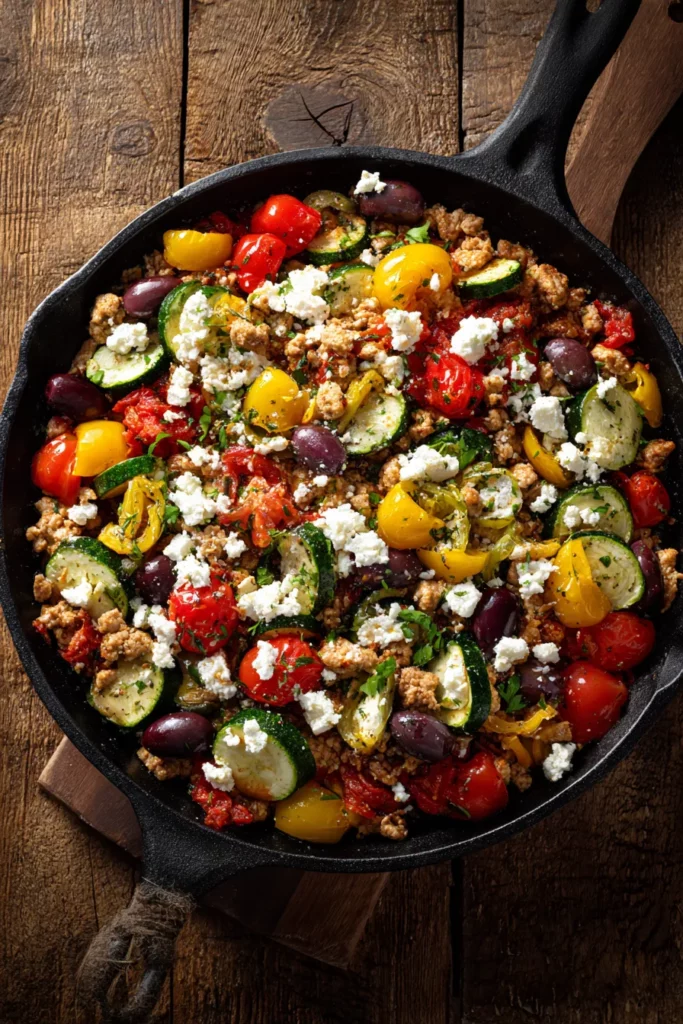
Ground chicken is leaner than beef but still incredibly versatile. The Mediterranean keto ground chicken skillet with olives and feta is one of my most-requested recipes. The olives and feta add so much flavor that you don’t miss any carbs at all.
International Flavors with Ground Meat
Ground meat adapts to any cuisine. For Greek-inspired meals, I make keto Greek meatballs packed with fresh herbs, garlic, and warming spices. They’re wonderful with tzatziki and a Greek salad.
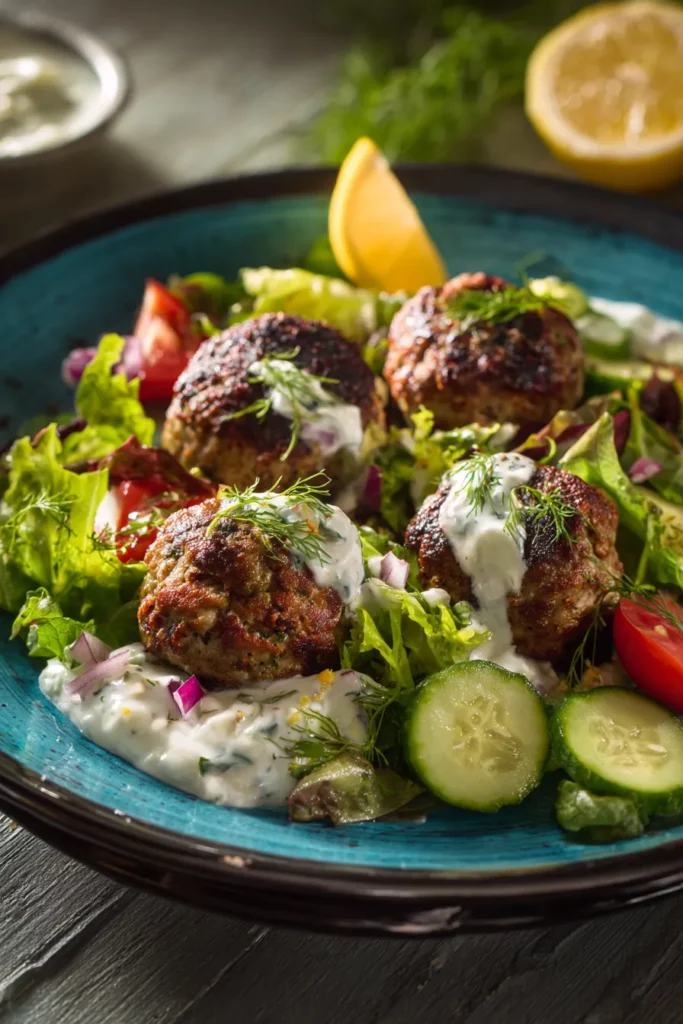
The keto Mediterranean ground beef stir-fry brings together the bright flavors of the Mediterranean in a quick weeknight meal. Tomatoes, olives, herbs, and feta transform simple ground beef into something special.
When browning ground meat for keto dishes, don’t drain off all the fat unless it’s excessive. That fat carries flavor and helps you hit your fat macros. Season generously, as ground meat benefits from bold seasoning.
Keto Soups for Comfort and Nourishment
Soup is one of the most satisfying ways to eat on keto. A big bowl of rich, flavorful soup fills you up, warms you from the inside, and can be packed with nutrients. Plus, soups are perfect for meal prep, often tasting even better the next day.
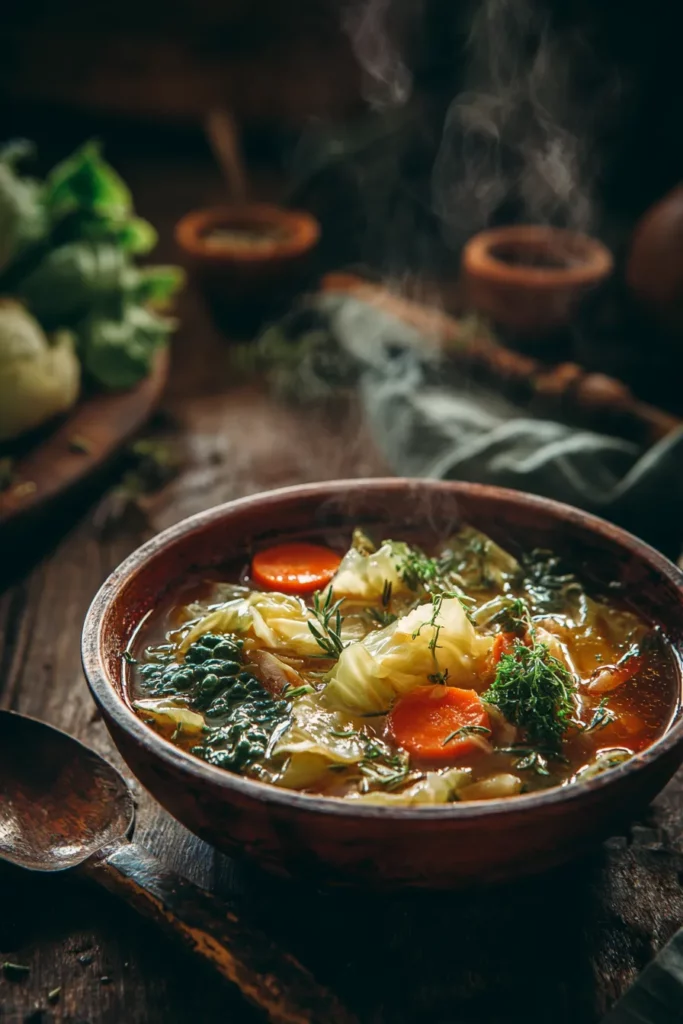
The low calorie cabbage fat burning soup is a keto staple in my house. It’s loaded with vegetables, incredibly filling, and so low in calories that you can eat a huge bowl guilt-free. I add extra protein sometimes to make it more substantial.
For something with more flavor, the Weight Watchers cabbage soup is surprisingly delicious despite its diet-food origins. The combination of vegetables and seasonings creates something that tastes intentional and satisfying rather than diet-y.
Building Better Keto Soups
The key to great keto soup is building layers of flavor. Start with aromatics like onions, garlic, and celery. Use good quality broth, preferably homemade or a high-quality store-bought version. Add proteins and vegetables that complement each other. Finish with fresh herbs, a squeeze of lemon, or a drizzle of good olive oil to brighten everything.
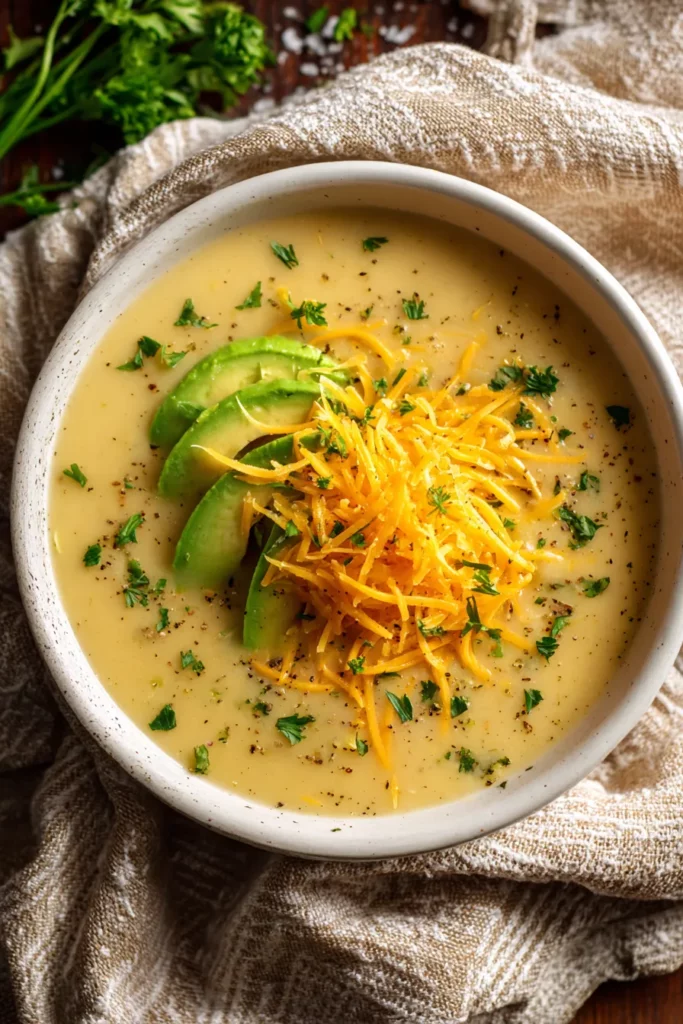
Cream-based soups are naturally keto-friendly since heavy cream is low in carbs. Pureed vegetable soups made with cauliflower or broccoli become incredibly creamy when blended with butter or cream. Bone broth provides collagen and minerals while being virtually carb-free.
Don’t forget about soup toppings. Shredded cheese, crispy bacon, sour cream, diced avocado, and fresh herbs all add flavor and fat while keeping carbs low. These toppings can transform a simple soup into something special.
Expert Tips for Keto Success
After years of keto cooking, I’ve learned countless tricks that make everything easier. These are the things I wish someone had told me on day one, the insights that come from making mistakes and figuring out solutions.
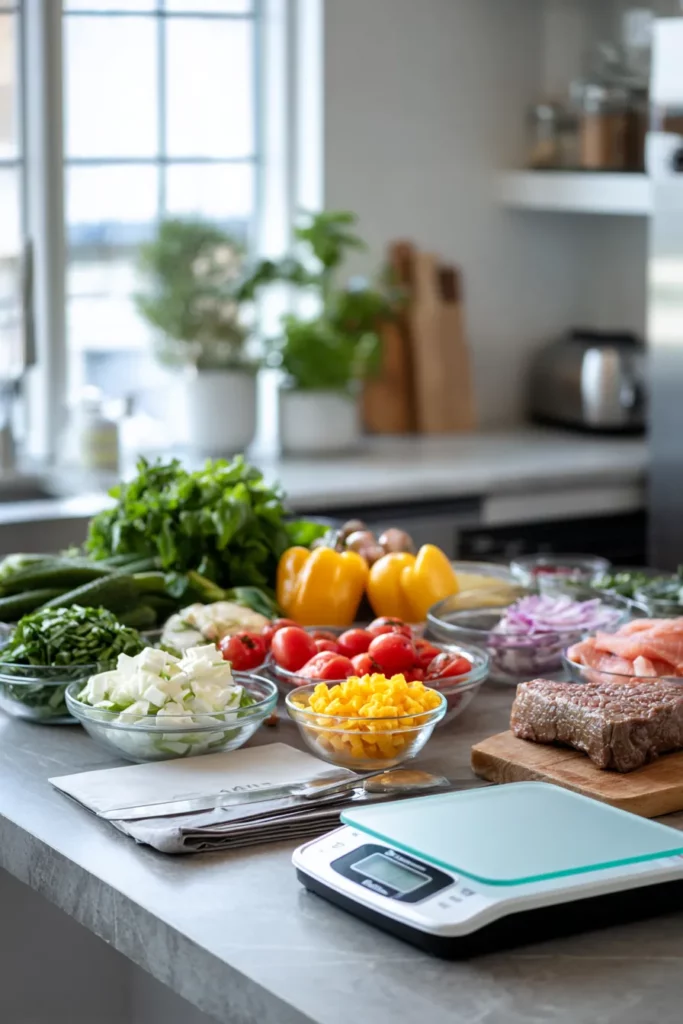
First, invest in a kitchen scale. Eyeballing portions is fine once you’re experienced, but when you’re learning your macros, weighing food is essential. I was shocked to discover how different my estimate of “four ounces of chicken” was from actual four ounces. A scale takes the guesswork out and helps you stay on track.
Meal prep is non-negotiable for long-term success. I spend two hours every Sunday preparing proteins, chopping vegetables, and making one or two full meals. This investment of time saves me countless minutes during the week and prevents those moments of desperation when I’m tempted to order pizza because there’s nothing ready to eat.
Common Mistakes to Avoid
The biggest mistake I see people make is not eating enough fat. Keto is a high-fat diet, and if you’re not getting enough fat, you’ll feel hungry and deprived. Don’t be afraid of butter, oil, avocado, and fatty cuts of meat. These foods aren’t the enemy anymore; they’re your fuel source.
Another common issue is not getting enough electrolytes. When you cut carbs, your body releases water and electrolytes along with it. This is what causes the “keto flu” in the first week. I prevent this by drinking broth daily, salting my food generously, and taking a magnesium supplement before bed.
Don’t try to replicate every carb-heavy food you used to eat. Some keto substitutes are wonderful, but others just leave you disappointed because they’re trying too hard to be something they’re not. Instead, focus on foods that are naturally low-carb and delicious in their own right. Embrace the vegetables, proteins, and fats that make keto what it is.
Making Keto Sustainable Long-Term
The key to making keto work long-term is finding foods you genuinely enjoy, not just foods you tolerate because they fit your macros. Experiment with different vegetables, proteins, and cooking methods until you find combinations that excite you.
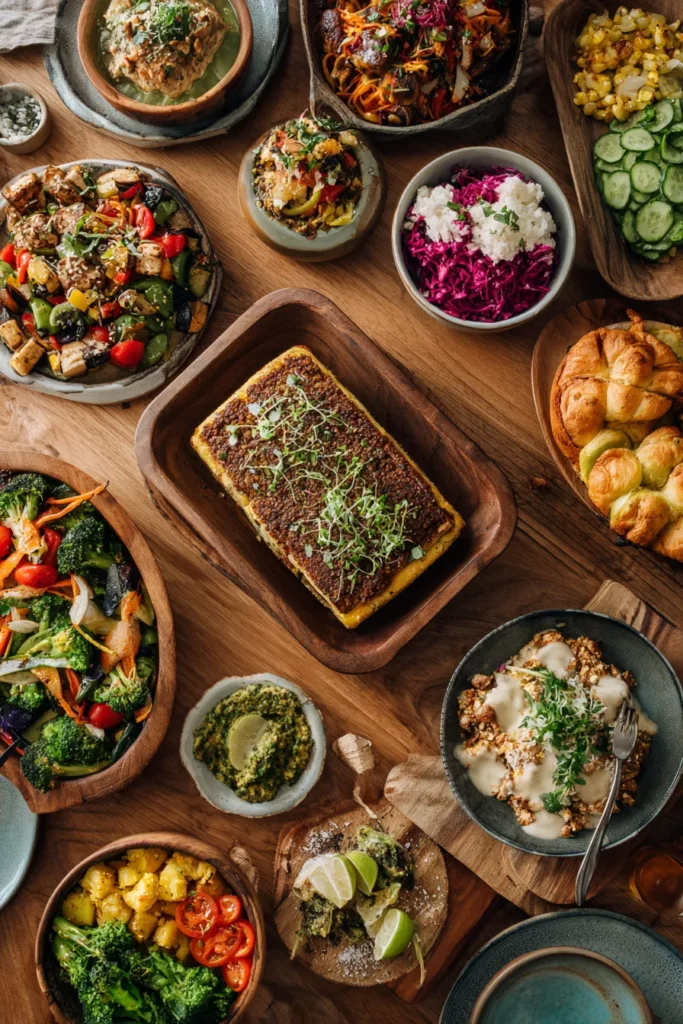
Build a rotation of ten to fifteen recipes you love and can make without thinking. These become your go-to meals when you’re tired or busy. Once you have that foundation, you can experiment with new recipes without feeling overwhelmed.
Don’t beat yourself up over mistakes or occasional indulgences. If you eat something off-plan, simply return to keto at your next meal. One meal won’t undo all your progress, but guilt and shame can derail you mentally. Be kind to yourself and focus on the overall pattern rather than individual moments.
Conclusion: Your Keto Journey Starts Here
Standing in my kitchen years ago, confused and frustrated with that first failed attempt at cauliflower rice, I never imagined I’d develop such a deep appreciation for keto cooking. But here I am, with a repertoire of dishes that satisfy me.
Frequently Asked Questions
How long does it take to get into ketosis?
Most people enter ketosis within two to four days of eating fewer than 20 to 50 grams of net carbs daily. You might experience symptoms like fatigue or headaches during this transition, but they typically pass within a week as your body adapts to burning fat for fuel.
Can I eat fruit on keto?
Most fruits are too high in sugar for strict keto, but small portions of berries can fit within your macros. Strawberries, raspberries, and blackberries are lowest in carbs. Avocados and tomatoes are technically fruits and perfectly keto-friendly.
What’s the difference between total carbs and net carbs?
Net carbs are calculated by subtracting fiber from total carbs. Since fiber doesn’t impact blood sugar, most people on keto count net carbs rather than total carbs. This allows you to eat more vegetables while staying in ketosis.
How much protein should I eat on keto?
Aim for moderate protein intake, typically 0.6 to 1 gram per pound of lean body mass. Too little protein and you’ll lose muscle. Too much and it can potentially interfere with ketosis, though this is less of a concern than many people think.
Will I lose weight on keto?
Many people lose weight on keto, especially initially as they lose water weight. Long-term weight loss depends on maintaining a calorie deficit, though keto often makes this easier because fat and protein are more satisfying than carbs, reducing overall hunger and cravings.
Can I drink alcohol on keto?
Some alcohols are lower in carbs than others. Dry wines, spirits without mixers, and light beers can fit into keto in moderation. However, alcohol can slow ketone production and may affect weight loss progress. It also lowers inhibitions, potentially leading to poor food choices.
What should I do if I plateau?
Plateaus are normal. First, make sure you’re actually in a plateau, not just experiencing normal fluctuations. If you’ve stopped losing for several weeks, try adjusting your calorie intake, increasing physical activity, or trying intermittent fasting. Sometimes simply changing up your routine can help.
How do I eat keto at restaurants?
Most restaurants can accommodate keto eating. Order meat or fish with vegetables instead of starch. Ask for sauces on the side since many contain sugar. Skip the bread basket. Don’t be shy about asking for substitutions, most places are happy to swap fries for a salad or extra vegetables.
Is keto safe long-term?
Current research suggests keto is safe for most people long-term, though you should consult your doctor, especially if you have medical conditions or take medications. Some people do keto indefinitely, while others cycle in and out or use it as a temporary tool for specific health goals.
What if I’m always hungry on keto?
If you’re constantly hungry, you’re probably not eating enough fat or calories overall. Make sure each meal includes adequate protein and fat. Add fat to your vegetables with butter or oil. Don’t be afraid of fatty cuts of meat. Hunger should decrease significantly once you’re fully adapted to keto.
Can I build muscle on keto?
Yes, you can build muscle on keto, though some athletes prefer targeted or cyclical keto approaches that include strategic carb intake around workouts. Make sure you’re eating enough protein and calories to support muscle growth, and give your body time to adapt to using fat for fuel.
What are the best keto-friendly vegetables?
Focus on above-ground vegetables, which are generally lower in carbs. Leafy greens, cruciferous vegetables like broccoli and cauliflower, zucchini, asparagus, mushrooms, and bell peppers are all excellent choices. Root vegetables like potatoes and carrots are higher in carbs and should be limited.

🍳 Precision Meets Passion — Tools Chefs Trust Daily

- Grams & ounces — precise to 1g
- Perfect for baking & keto tracking
- Sleek stainless steel design

- German stainless precision
- Razor-sharp & dishwasher-safe
- Elegant wood block organizer

- Premium Stainless Steel Build
- Easy to Clean & Dishwasher Safe
- A Must-Have Kitchen Tool