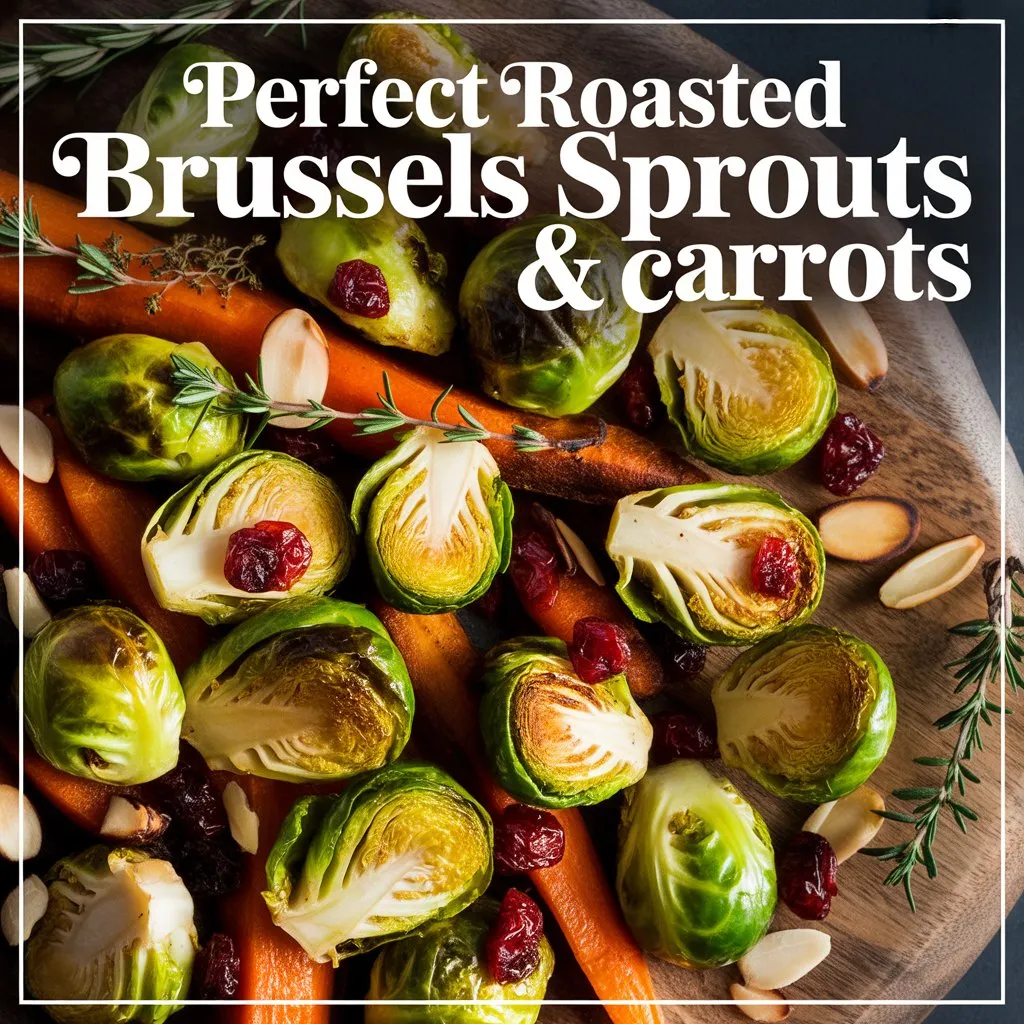
➤ Table of Contents
I’ll never forget the evening my daughter pushed her plate away and declared that she hated vegetables. We were having plain steamed Brussels sprouts and boiled carrots, and honestly, I couldn’t blame her. They were bland, mushy, and utterly joyless. But that moment became a turning point in my kitchen. I decided that if my family was going to eat vegetables, they needed to actually taste good. Not just acceptable, but crave-worthy. That’s when I discovered the magic of roasting, the wonder of glazes, and the incredible transformation that happens when you treat these humble vegetables with the respect they deserve.
⚡ Smart Kitchen Tools Every Home Cook Swears By

- Pure aluminum
- Durable enough for everyday cooking
- Made in the USA with quality

- 7 cooking functions in one compact cooker
- 3-quart size ideal for couples or small meals
- Up to 70% faster than traditional cooking

- 3 sizes for every recipe
- Pre-seasoned & durable cast iron
- Oven & grill ready
Brussels sprouts and carrots have become my go-to vegetables for weeknight dinners and holiday feasts alike. There’s something deeply satisfying about watching carrots caramelize in the oven, their natural sugars turning into golden, sweet edges. And Brussels sprouts, once the most maligned vegetable at the dinner table, become crispy, nutty, and addictive when roasted properly. These aren’t your grandmother’s overcooked vegetables. These are vegetables that people actually fight over at the dinner table.
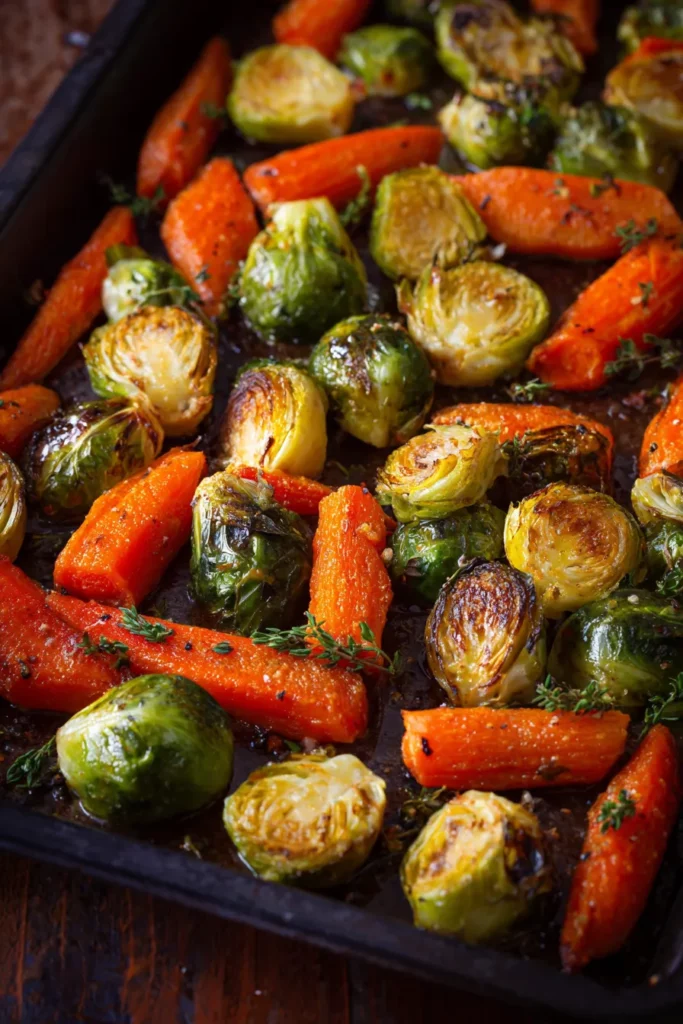
What I love most about carrots and Brussels sprouts is how well they play together and separately. They share similar cooking times and temperatures, making them perfect partners on a sheet pan. They both benefit from high heat and bold flavors. And they’re available year-round, though they truly shine in fall and winter when we’re craving hearty, comforting side dishes. From simple roasted preparations to elaborate glazed versions with nuts, cheese, and dried fruit, these vegetables adapt to any occasion.
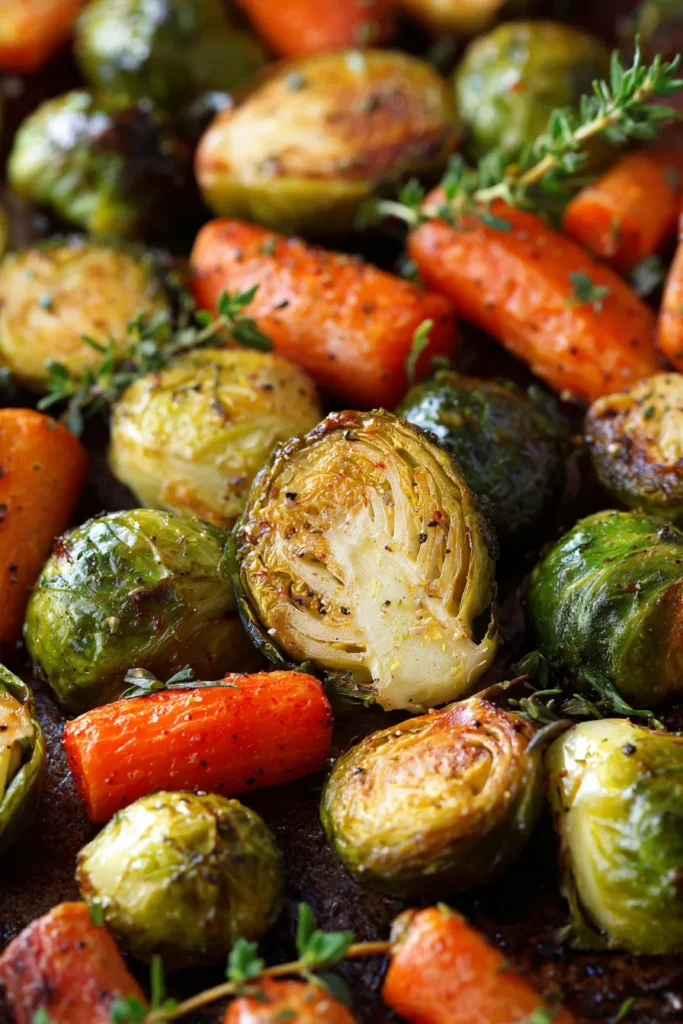
This guide is everything I’ve learned through years of experimenting, failing, and eventually mastering these two vegetables. You’ll discover how to select the best produce, the techniques that make the biggest difference, and flavor combinations that will make even the pickiest eaters ask for seconds. Whether you’re looking for quick weeknight sides, impressive holiday dishes, or creative ways to eat more vegetables, you’ll find inspiration here. And most importantly, you’ll learn how to make vegetables that taste so good, no one will think of them as the boring part of the meal.
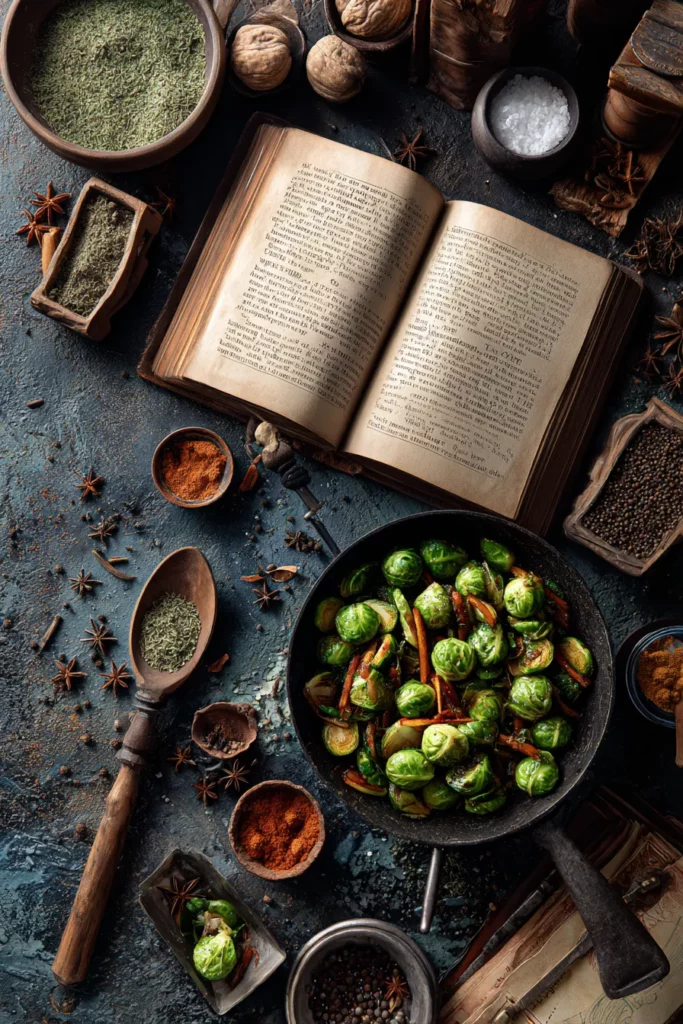
Selecting and Storing Brussels Sprouts and Carrots
The first lesson I learned about cooking vegetables well started at the farmers market, not in my kitchen. I used to grab whatever Brussels sprouts and carrots were convenient, not really paying attention to quality. Then one week I bought beautiful, fresh-picked Brussels sprouts from a local farm, and the difference was stunning. They were sweeter, more tender, and didn’t have that sulfurous smell I associated with Brussels sprouts. That’s when I realized that great cooking starts with great ingredients.
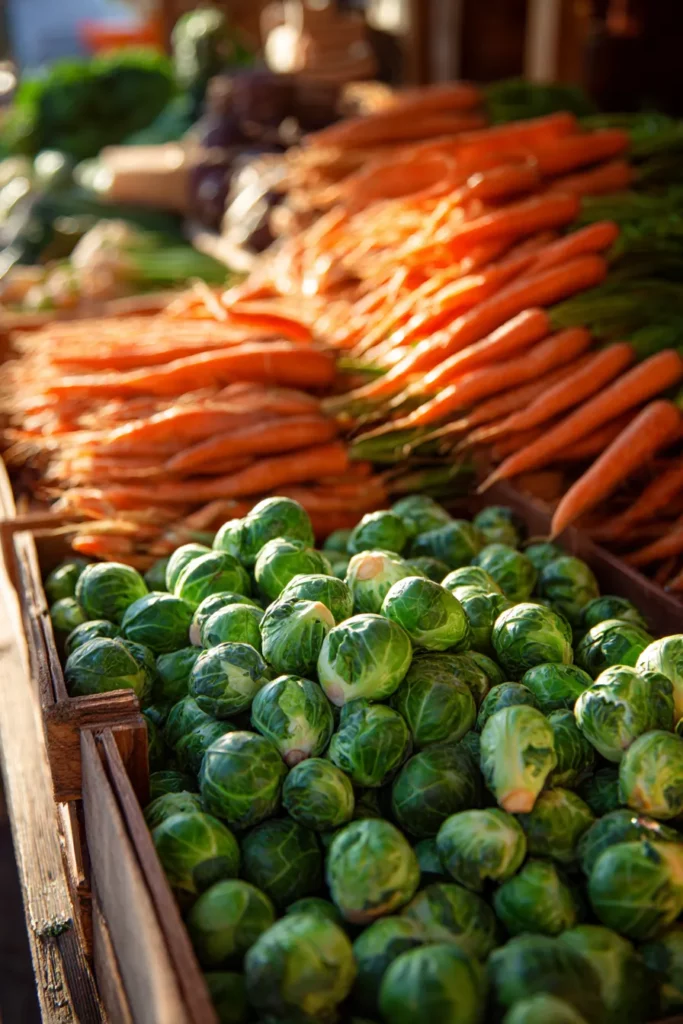
When selecting Brussels sprouts, look for tight, compact heads with vibrant green color. The leaves should be firmly attached, not loose or yellowing. Smaller sprouts, about one to one and a half inches in diameter, tend to be sweeter and more tender than larger ones. If you’re buying them on the stalk, even better. They stay fresher longer that way, and there’s something charming about cutting them off the stalk yourself.
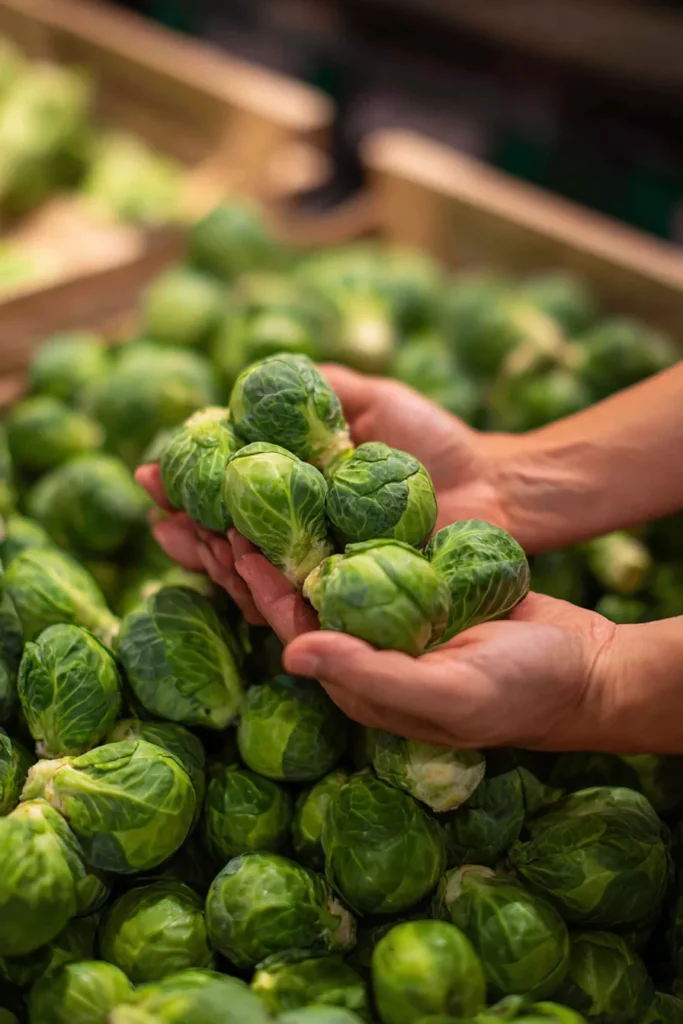
Avoid Brussels sprouts with any signs of wilting, yellowing, or black spots. Those dark spots often indicate the beginning of rot, and they’ll give your sprouts an unpleasant bitter taste. The stem end should look fresh and moist, not dried out or brown. If they smell strongly cabbage-like in the store, they’re probably past their prime.
🥗 Fresh, Fast & Foolproof — Upgrades You'll Use Tonight

- Zoodles in seconds
- Heavy-duty, 10 sharp blades
- Keto, paleo & gluten-free friendly

- Meals in ~30 minutes
- 3-Qt — perfect for 1–3 people
- Pressure cook, sauté, steam & more

- Phone alerts & live temp graph
- Hands-off monitoring for smokers
- Perfect doneness, every time
Choosing the Best Carrots
Carrots are a bit more forgiving, but there are still markers of quality worth knowing. For everyday cooking, I buy regular bagged carrots from the grocery store and they work perfectly fine. But when I want something special, I seek out farmers market carrots with their tops still attached. Those leafy greens tell you the carrots are fresh, and they often have more complex, interesting flavors than standard supermarket varieties.
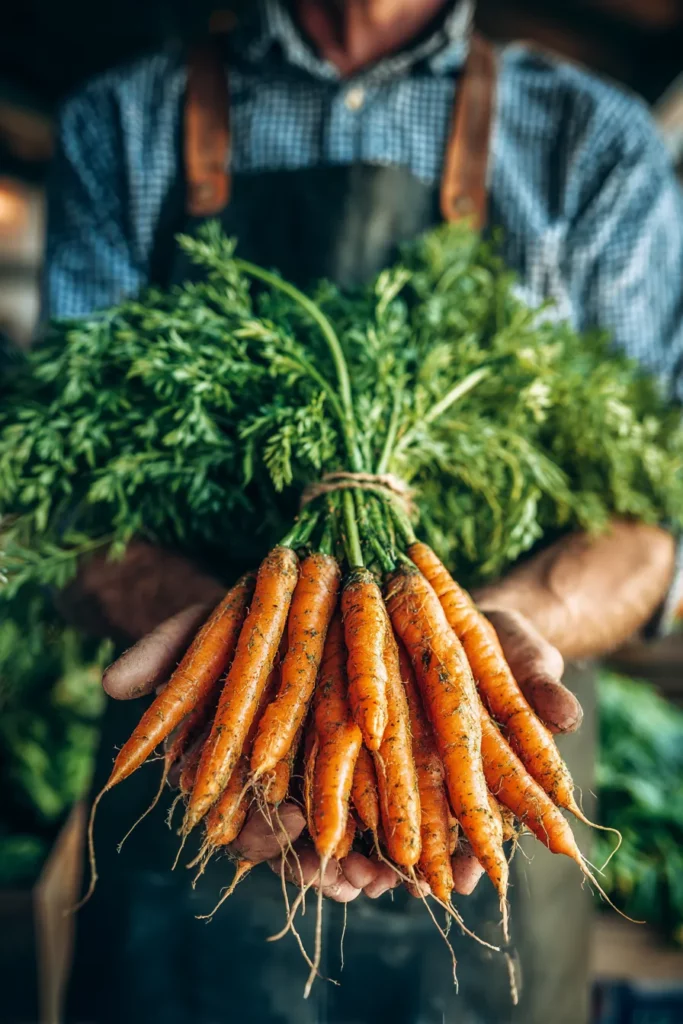
Look for carrots that are firm and smooth, without cracks, soft spots, or a lot of hairy roots. The color should be bright and even. Avoid carrots that are bendy or feel rubbery, signs that they’ve lost moisture and freshness. Baby carrots are convenient, but whole carrots that you peel and cut yourself generally have better flavor and texture.
Here’s something interesting I learned: those white lines or patches you sometimes see on carrots aren’t mold or a sign of age. They’re just the carrot drying out slightly on the surface. You can rinse them off or peel them away. They don’t affect the carrot’s quality inside.
Storage Tips That Keep Vegetables Fresh
Proper storage makes a huge difference in how long your vegetables stay fresh and how well they cook. I used to just toss everything in the crisper drawer and hope for the best. Now I have systems that keep my produce fresh for much longer.
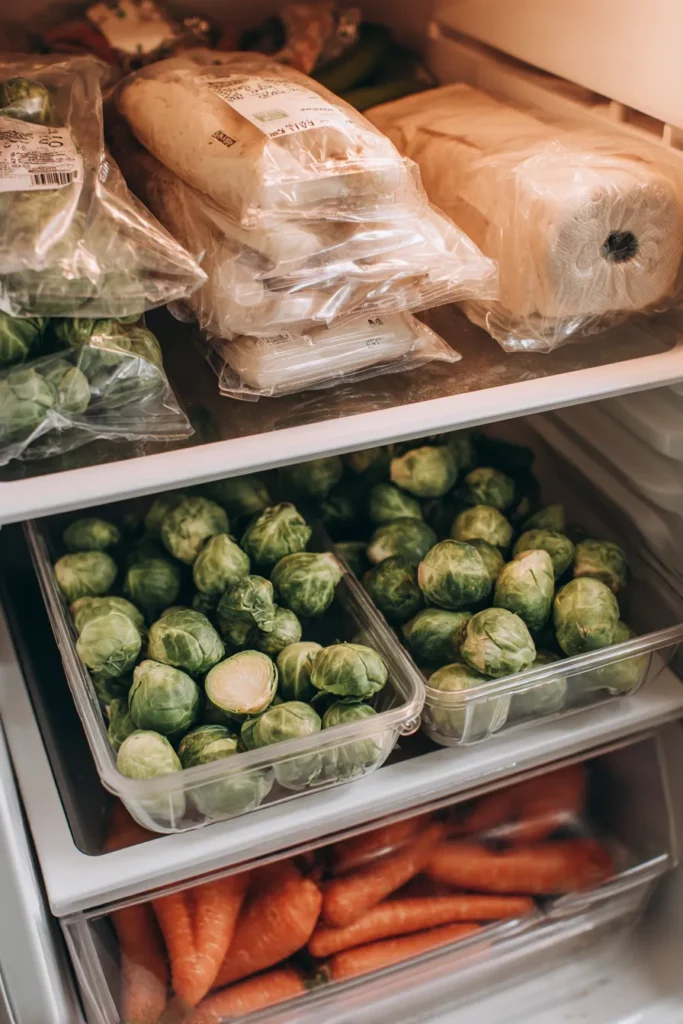
Store Brussels sprouts in a plastic bag in the refrigerator’s crisper drawer. Don’t wash them until you’re ready to use them, as excess moisture encourages mold. They’ll keep for about a week this way, sometimes up to ten days if they were very fresh when you bought them. If you bought them on the stalk, leave them on the stalk and store the whole thing in a cool place or the refrigerator. They’ll stay fresher even longer.
Carrots should also go in the crisper drawer, but handle them differently depending on whether they still have their tops. If the greens are attached, cut them off before storing. The tops draw moisture from the carrots, making them go limp faster. Store the carrots in a plastic bag with a few holes for air circulation. They’ll keep for two to three weeks, sometimes even a month.
For both vegetables, I’ve found that wrapping them in a slightly damp paper towel before placing them in a bag helps maintain ideal humidity without creating too much moisture. It’s a small step that makes a real difference, especially if you’re storing them for more than a week.
Essential Preparation Techniques for Brussels Sprouts
The way you prep Brussels sprouts determines whether they turn out crispy and delicious or soggy and disappointing. I learned this the hard way after making countless batches that were either burnt on the outside and raw inside, or evenly cooked but completely lacking in texture. Now I have a foolproof method that works every single time.
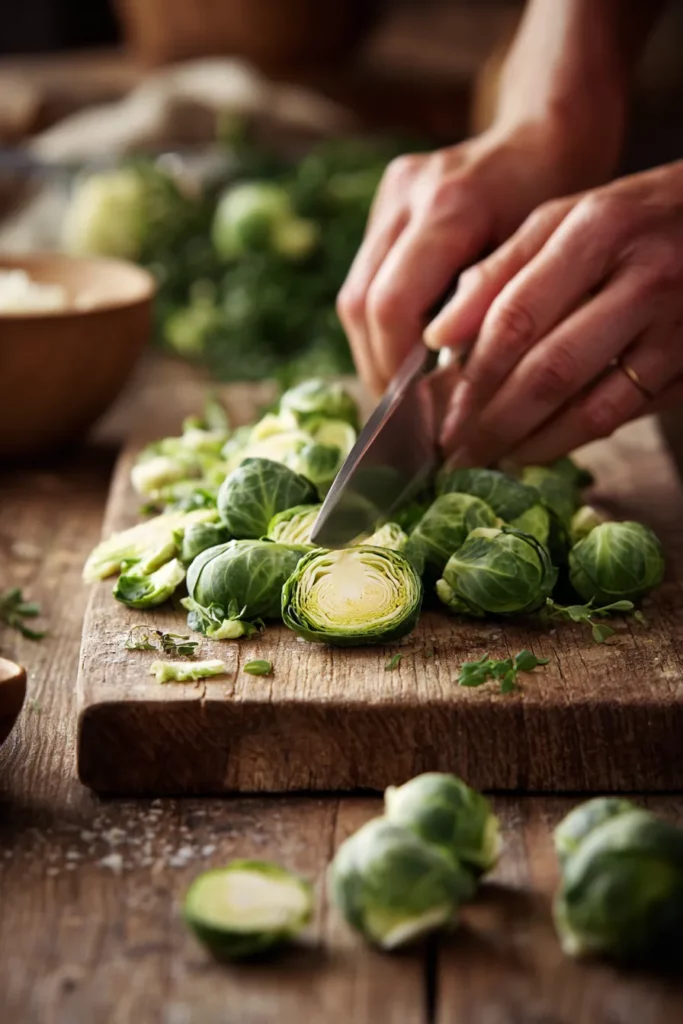
Start by trimming the stem end of each sprout, but don’t cut too much. You want to remove the dry, woody part, but leave enough stem to hold the leaves together. About a quarter inch off the bottom is perfect. Then peel away any loose or damaged outer leaves. These would burn in the oven anyway, so it’s better to remove them now.
The most important step is halving the sprouts lengthwise. This creates a flat surface that sits directly on the pan, which is crucial for getting those gorgeously caramelized, crispy spots. Some recipes say you can roast them whole, but I’ve never been happy with the results. The outside burns before the inside cooks through, or the whole thing ends up mushy. Halving them solves both problems.
The Critical Role of Drying
Here’s something I wish someone had told me years ago: Brussels sprouts must be completely dry before they go in the oven. Even a little bit of water clinging to them creates steam, which prevents proper browning and makes them soggy instead of crispy. After washing your sprouts, spread them on a clean kitchen towel and pat them thoroughly dry. I sometimes even let them air dry for fifteen minutes or so while I prep other ingredients.
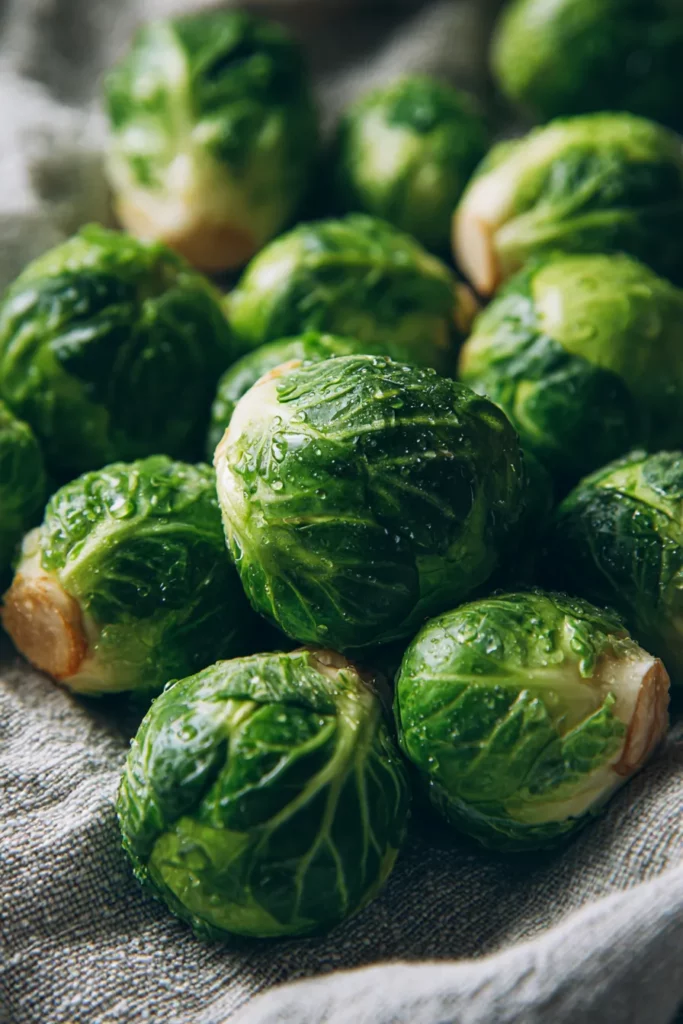
This is especially important if you’re making something like roasted Brussels sprouts where the whole point is that crispy, caramelized exterior. Excess moisture is the enemy of crispiness. I learned this after wondering why my sprouts never turned out as good as restaurant versions, and drying them properly was the missing piece.
Once they’re dry, toss them with oil. You need enough to coat each sprout lightly but not so much that they’re swimming in oil. About a tablespoon of oil per pound of sprouts is my standard ratio. Use your hands to make sure every sprout gets coated evenly, paying special attention to getting oil on those cut surfaces that will be touching the pan.
Seasoning Strategies
Salt and pepper are non-negotiable. Don’t be shy with the salt. Brussels sprouts can handle it and actually need it to balance their slight bitterness. I use about half a teaspoon of salt per pound of sprouts, sometimes more depending on what else is going on the dish.
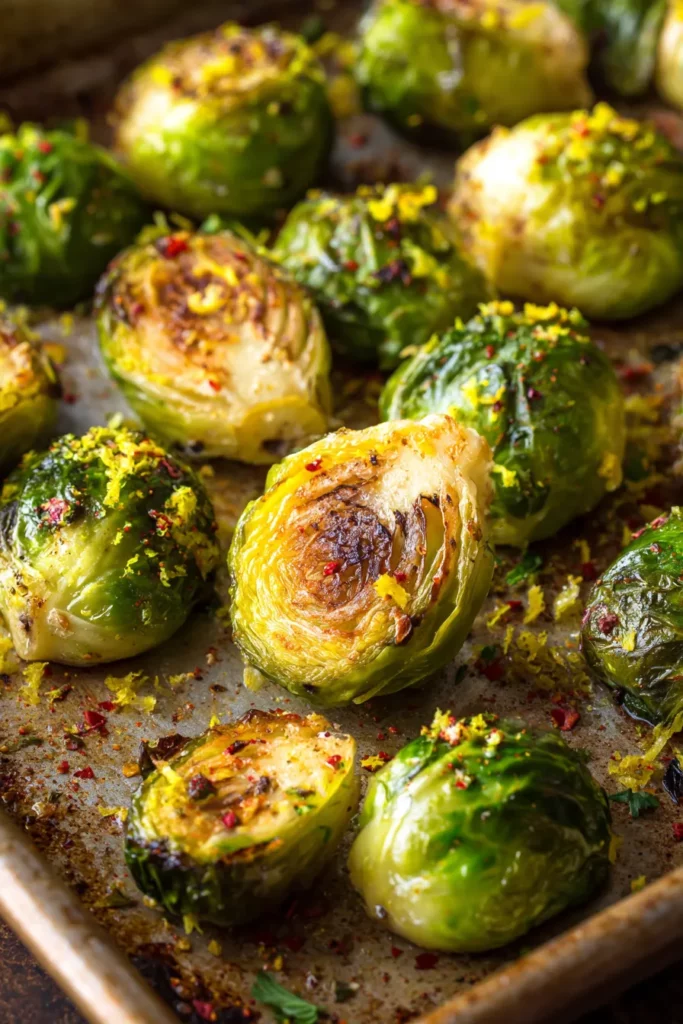
Beyond the basics, Brussels sprouts welcome bold seasonings. Garlic powder, smoked paprika, red pepper flakes, or dried herbs all work beautifully. The roasted Brussels sprouts recipe I return to most often keeps it simple with just garlic and lemon, letting the natural flavor of the sprouts shine through.
Mastering Carrot Preparation and Cutting Techniques
Carrots seem straightforward, but the way you cut them affects not just cooking time but also the final texture and flavor. I used to cut carrots however seemed convenient at the moment, not realizing that uniform sizing matters tremendously. Unevenly cut carrots mean some pieces are burnt while others are still raw, and nobody wants that.
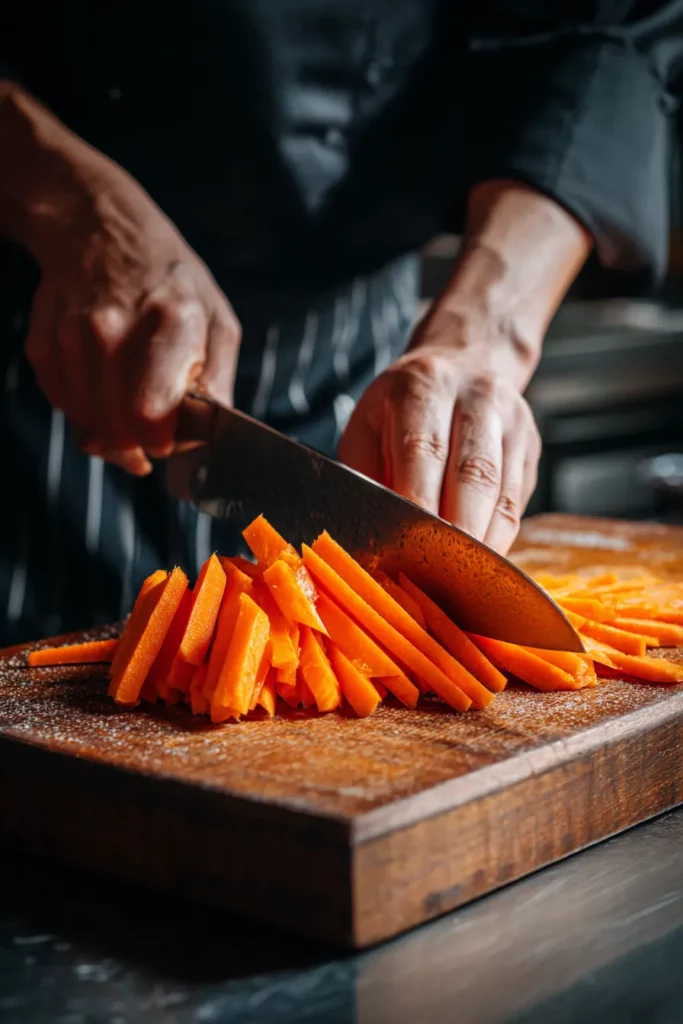
For roasting, which is my favorite method, I cut carrots into pieces that are roughly the same size. If I’m using medium carrots, I typically cut them on the diagonal into one-inch pieces. This creates more surface area for caramelization than straight cuts, and somehow the diagonal slices just look prettier on the plate. For very thick carrots, I’ll halve them lengthwise first, then cut them into pieces so everything cooks at the same rate.
Baby carrots are controversial among serious cooks, but I use them without shame when I’m in a hurry. They’re already sized for even cooking, though they don’t caramelize quite as beautifully as whole carrots that you cut yourself. For dishes where appearance matters, like holiday dinners, I stick with whole carrots. For weeknight meals, baby carrots are perfectly fine.
To Peel or Not to Peel
I used to religiously peel every carrot, thinking that was the proper way to cook. Then I started seeing chefs leave the peel on, and I decided to try it myself. Turns out, you don’t need to peel carrots if they’re fresh and clean. Just scrub them well under running water, and the peel adds extra nutrients and a slightly earthier flavor.
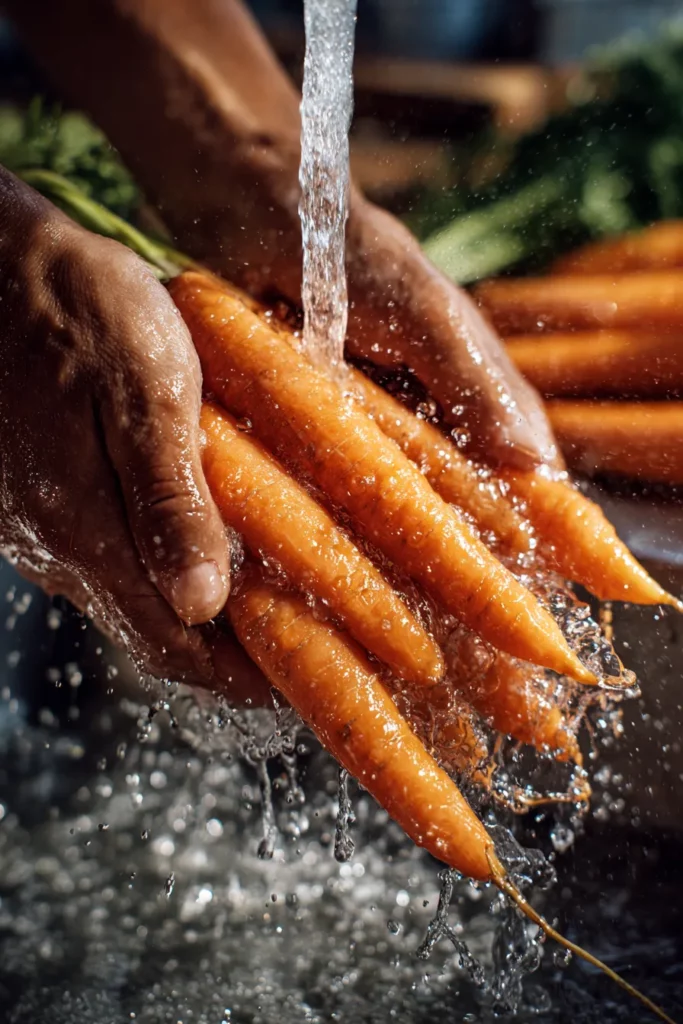
That said, older carrots with tough, bitter peels should definitely be peeled. You can tell by looking at the skin. If it’s thick, rough, or discolored, peel it. If it’s thin and smooth, scrubbing is enough. For something like garlic parmesan roasted carrots, I usually peel them because the finished dish looks more refined, but it’s not strictly necessary.
Special Cuts for Special Dishes
Sometimes a recipe calls for specific cuts that serve a purpose beyond just looking fancy. Smashed carrots, for instance, create irregular, craggy surfaces that catch glazes and seasonings beautifully. For my smashed garlic parmesan carrots, I partially cook whole carrots, then smash them gently with the bottom of a glass before roasting. The result is carrots with incredible texture, crispy edges, and lots of nooks for the garlic parmesan mixture to nestle into.
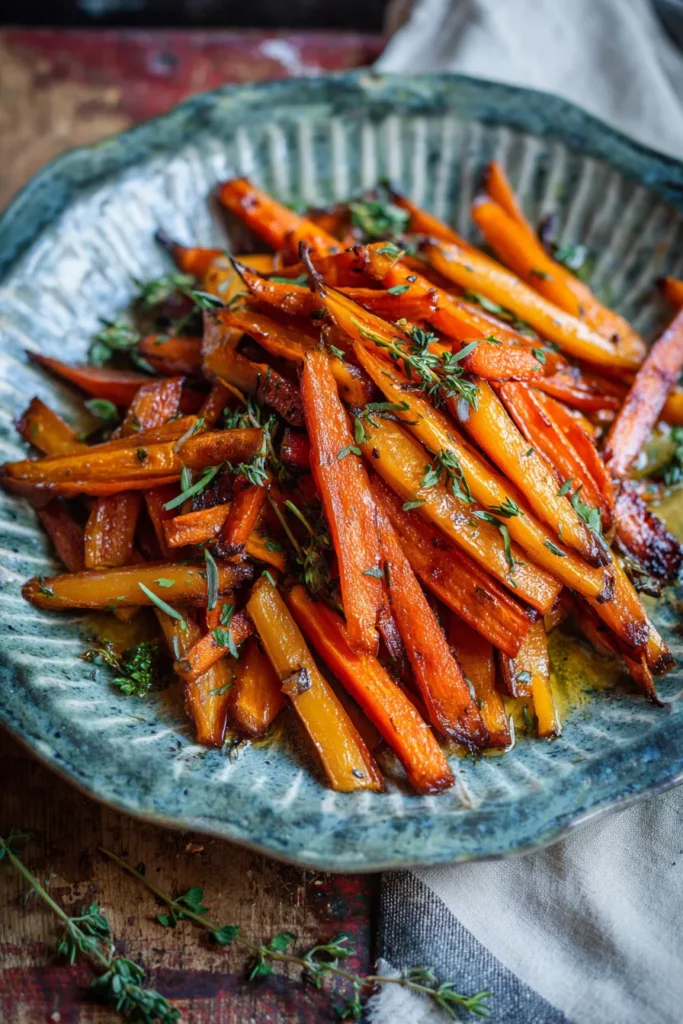
Matchstick or julienned carrots cook quickly and work well in stir-fries or light side dishes. Thick batons are perfect when you want carrots to hold their shape and provide substantial bites. Coins or rounds cook the fastest and work nicely in dishes where you want the carrots to almost melt into the sauce.
For glazed preparations like honey glazed carrots and green beans, I cut the carrots slightly smaller than usual so they cook through completely while developing a nice glaze. Nobody wants to bite into a crunchy carrot when everything else is tender and glazed.
The Art of Perfect Roasting: Temperature, Timing, and Technique
Roasting is where Brussels sprouts and carrots truly shine, transforming from simple vegetables into something you’d happily eat as the main event. But roasting isn’t just tossing vegetables on a pan and hoping for the best. There’s an art to it, and once you understand the principles, you can roast anything perfectly.
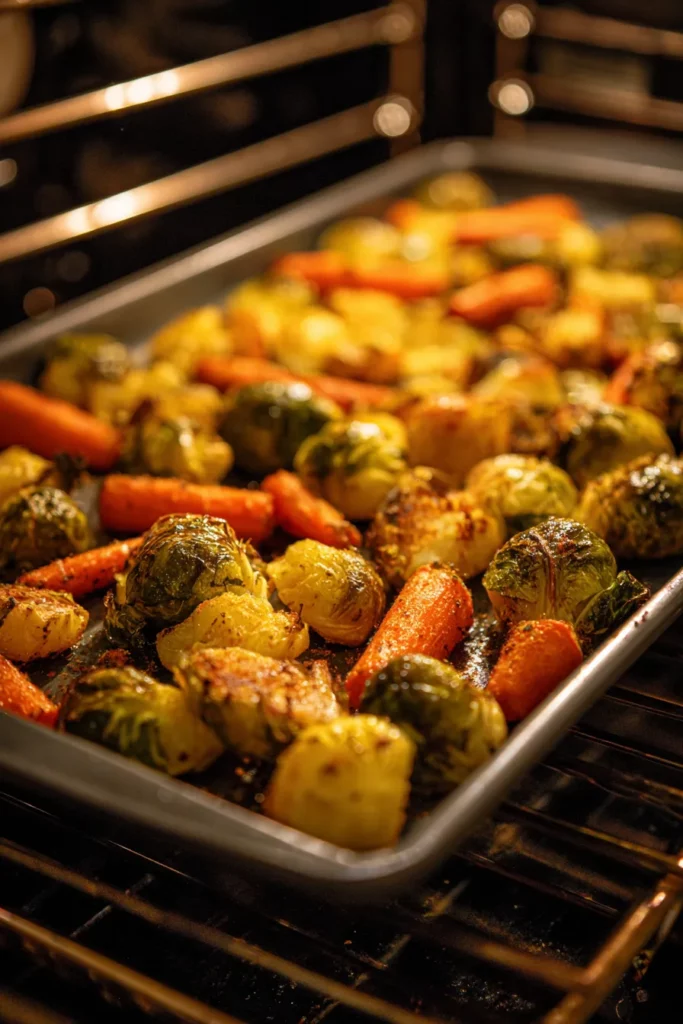
Temperature is crucial. I roast both Brussels sprouts and carrots at high heat, typically 425 to 450 degrees Fahrenheit. This high temperature is what creates that beautiful caramelization and crispy exterior. Lower temperatures cook the vegetables through, but they steam rather than roast, and you miss out on all those delicious browned bits.
My oven runs a bit cool, so I actually set it to 450 degrees when I want true 425-degree heat. Get to know your oven’s quirks. If your vegetables are taking forever to brown or burning too quickly, your oven temperature might be off. An oven thermometer is cheap and incredibly useful for confirming what temperature you’re actually working with.
Pan Matters More Than You Think
I learned this lesson after years of mediocre roasted vegetables: the pan makes a difference. Use a heavy, rimmed baking sheet, not a thin one that warps in the oven. Dark metal pans conduct heat better than shiny ones, creating more browning. And most importantly, don’t crowd the pan.
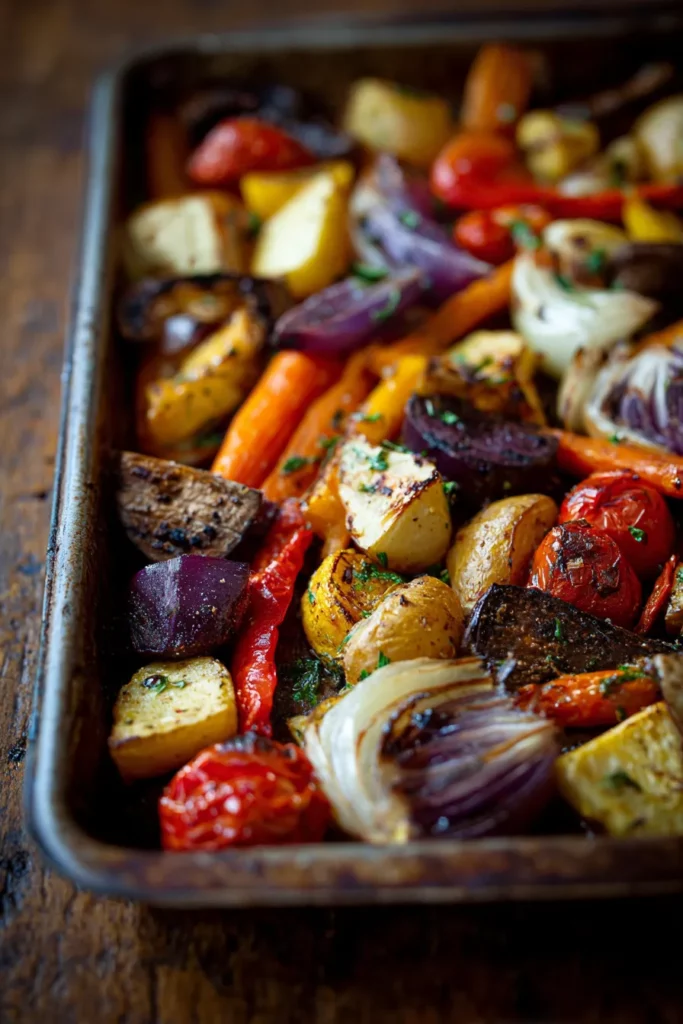
Crowding is the number one mistake I see people make. When vegetables are packed too tightly, they steam instead of roast because the moisture can’t escape. Leave space between pieces. They can touch slightly, but they shouldn’t be piled on top of each other. If you’re roasting a lot of vegetables, use two pans rather than cramming everything onto one.
For dishes like glazed carrots, proper pan space ensures each carrot piece gets gloriously caramelized rather than steamed and soggy. The same principle applies to Brussels sprouts. Give them room, and they’ll reward you with crispy exteriors and tender insides.
Timing Guidelines That Work
Brussels sprouts typically need twenty-five to thirty-five minutes at 425 degrees, depending on size. I always set a timer for twenty minutes to flip them, then check at twenty-five minutes to see if they’re done. They should be tender when pierced with a fork and deeply browned on the cut surface. If they’re not quite there, give them another five to ten minutes.
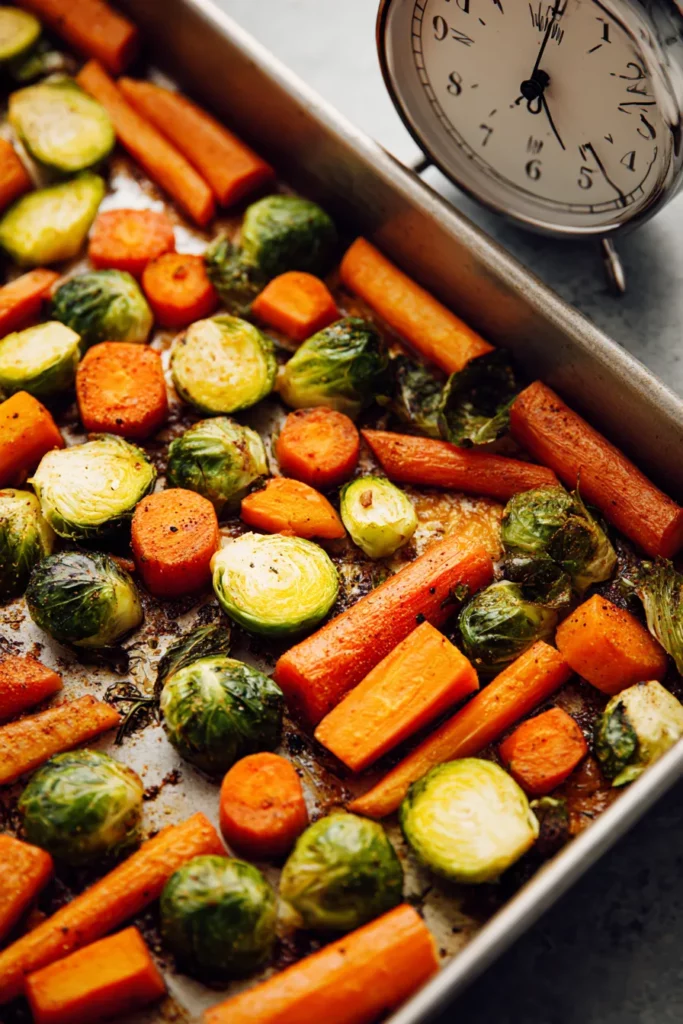
Carrots take slightly longer, usually thirty to forty minutes for one-inch pieces. Smaller pieces cook faster, larger pieces take longer. I check at thirty minutes and give them more time if needed. The edges should be caramelized and slightly crispy, and the carrots should be tender all the way through. For roasted carrots with maple syrup and thyme, I actually prefer them on the more caramelized side, so I often let them go for forty-five minutes.
When roasting Brussels sprouts and carrots together, which I do frequently because they’re perfect partners, I use the longer carrot timing. The Brussels sprouts can handle the extra time and will just get more caramelized, which is never a bad thing. The balsamic glazed roasted Brussels sprouts and carrots is one of my favorite sheet pan combinations that works beautifully with this timing.
Sweet and Savory Glazes: Flavor Profiles That Transform
Plain roasted vegetables are wonderful, but glazes take them to another level entirely. A good glaze adds complexity, balancing the natural sweetness of carrots and the slight bitterness of Brussels sprouts. Over the years, I’ve developed a mental library of glaze combinations that work for different occasions, from weeknight dinners to holiday feasts.
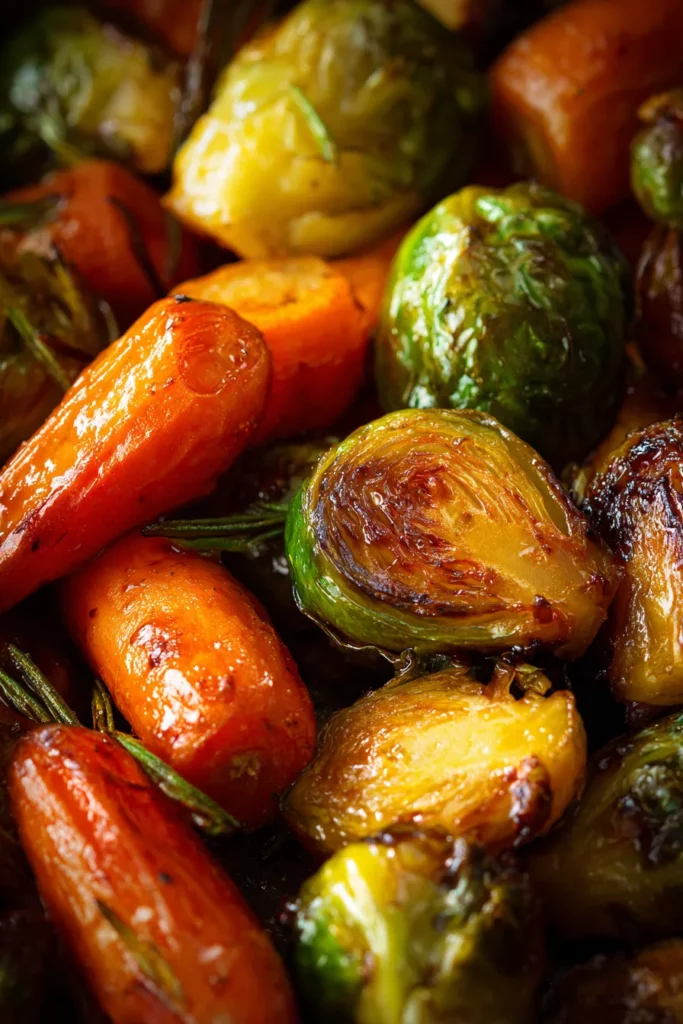
The key to a good glaze is balance. You need sweetness, acidity, salt, and often some fat to create a sauce that coats the vegetables nicely and brings all the flavors into harmony. Too sweet, and it’s cloying. Too acidic, and it’s harsh. The best glazes make you take another bite to figure out exactly what makes them so delicious.
Maple-based glazes are my go-to for fall and winter. There’s something about maple syrup’s complex sweetness that complements roasted vegetables perfectly. I’ll combine maple syrup with Dijon mustard, a splash of balsamic vinegar, and sometimes a touch of soy sauce for depth. The maple Dijon Brussels sprouts with crispy bacon crumbs uses this exact formula, and those bacon crumbs add a salty, crunchy element that makes the whole dish irresistible.
Balsamic Glazes: Classic for a Reason
Balsamic vinegar creates glazes with incredible depth and shine. I use it more than any other acid in my vegetable preparations. The trick is reducing it slightly so it thickens and clings to the vegetables rather than just running off onto the plate. Sometimes I’ll reduce balsamic vinegar with a touch of honey or brown sugar until it’s syrupy and concentrated.
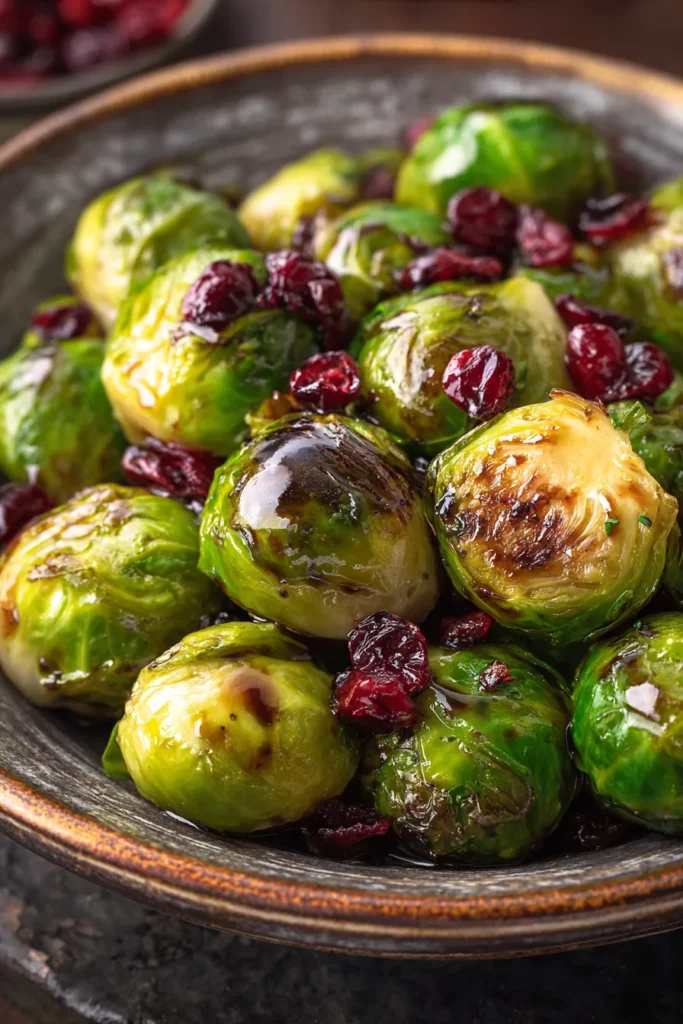
The balsamic roasted Brussels sprouts I make most often drizzles reduced balsamic over the roasted sprouts in the last few minutes of cooking, so it caramelizes slightly but doesn’t burn. The result is Brussels sprouts with a glossy, tangy-sweet coating that makes them look as good as they taste.
For something more elaborate, I’ll add other elements to the balsamic base. Dried cranberries and Parmesan turn it into something special enough for company. The balsamic roasted Brussels sprouts with dried cranberries and Parmesan hits every note—sweet, tart, salty, savory—and the cranberries plump up in the hot glaze, becoming little flavor bombs scattered throughout the dish.
Honey Glazes: Sweet with Subtle Complexity
Honey brings a different kind of sweetness than maple syrup, more floral and delicate. I use it when I want the vegetables to shine through more prominently rather than being heavily coated in glaze. Honey also caramelizes beautifully, creating crispy, slightly sticky spots that are addictive.
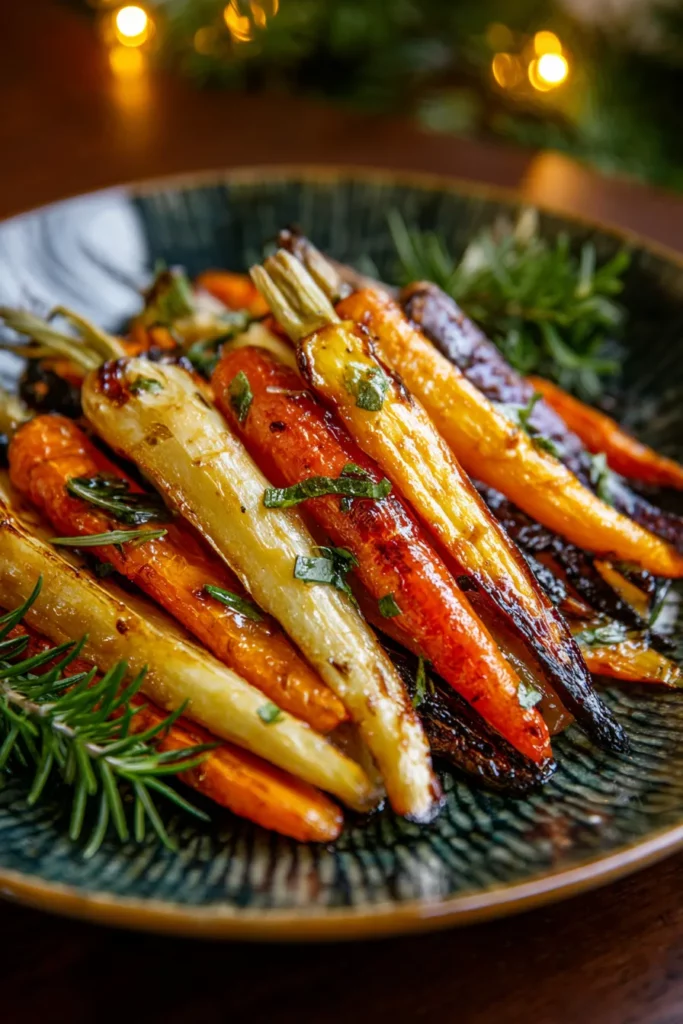
My honey balsamic roasted carrots and parsnips combines honey’s sweetness with balsamic’s tang, creating a glaze that’s both bright and rich. The parsnips add an earthy element that makes the carrots taste even sweeter by contrast. It’s become a holiday staple in my house.
For something heartier, the honey balsamic roasted carrots and sweet potatoes turns into a substantial side dish that could almost be a meal on its own. The sweet potatoes’ creamy texture contrasts beautifully with the carrots’ firmer bite, and the honey balsamic glaze ties everything together.
Creative Spice Combinations
Sometimes the glaze itself is simple, but spices make it special. I love playing with warm spices in fall and winter vegetables. Cinnamon, nutmeg, and ginger work beautifully with the natural sweetness of carrots. Cumin, coriander, and smoked paprika give Brussels sprouts an unexpected twist that makes people ask what’s in them.
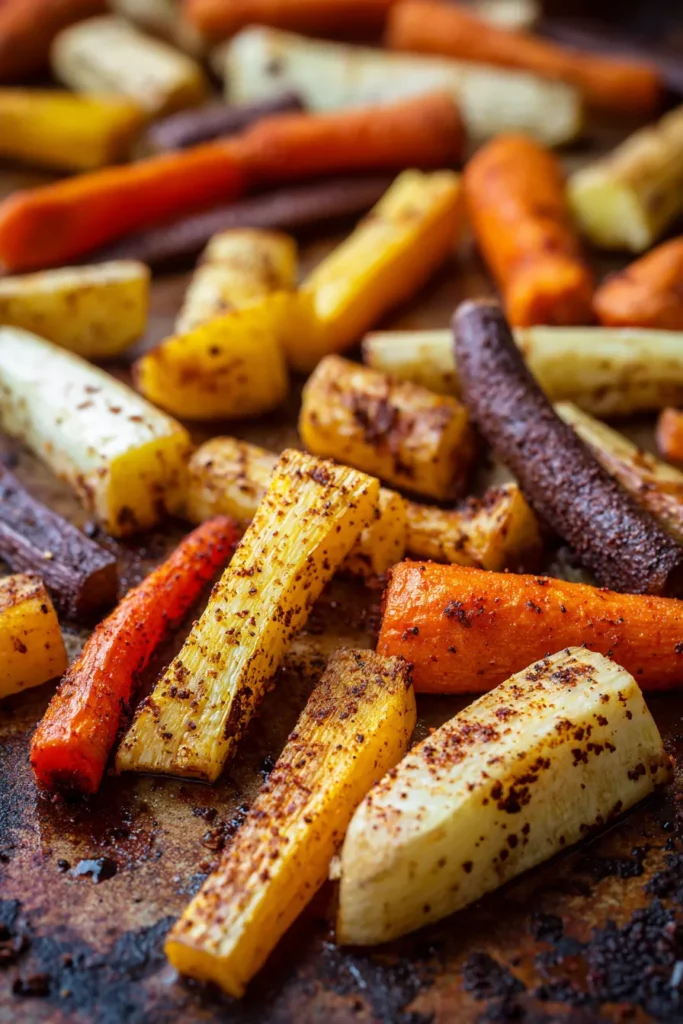
The spiced maple roasted carrots and parsnips with cinnamon is like eating vegetables and dessert at the same time, but in the best way possible. The cinnamon isn’t overpowering, just enough to add warmth and complexity. It’s perfect for Thanksgiving or Christmas dinner when you want something that feels festive.
Adding Texture: Nuts, Seeds, and Crispy Elements
One thing that elevates roasted vegetables from good to great is textural contrast. Soft, caramelized Brussels sprouts or carrots are delicious, but add some toasted nuts or crispy bacon, and suddenly you have a dish with layers of interest in every bite. I learned this from a chef friend who always finished his vegetable dishes with something crunchy, and it completely changed how I think about side dishes.
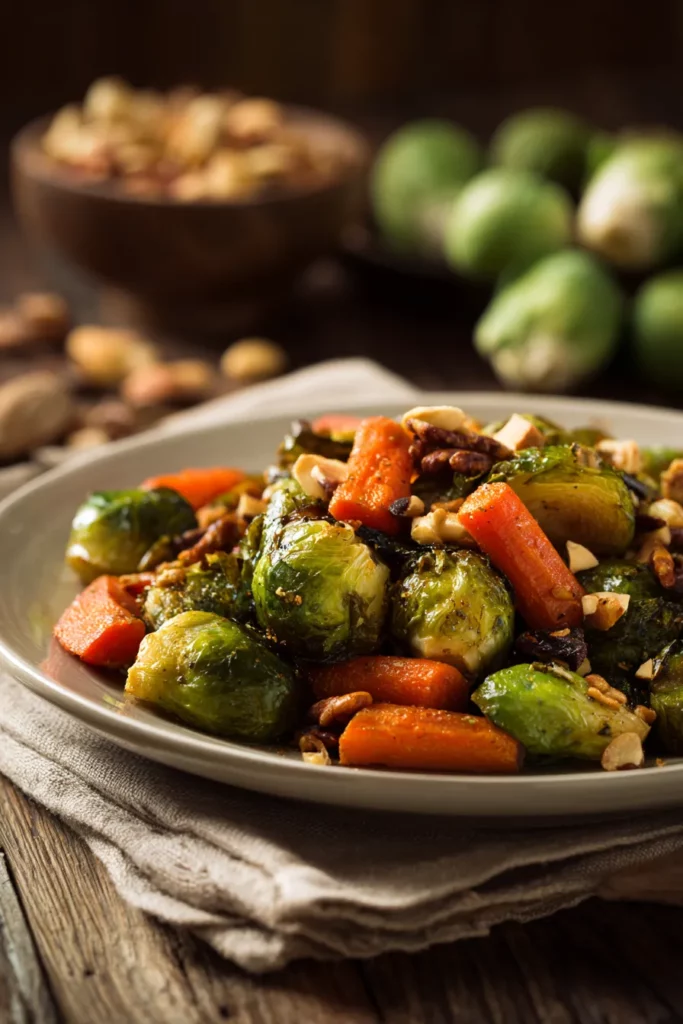
Nuts are my favorite addition because they bring their own flavor along with crunch. Pecans have a buttery sweetness that pairs beautifully with glazed vegetables. Walnuts offer a slight bitterness that balances sweet glazes. Almonds are more neutral, letting the vegetables shine while adding textural interest.
I always toast nuts before adding them to vegetables. Raw nuts don’t have the same depth of flavor, and their texture can be a bit soft. A few minutes in a dry skillet or in the oven transforms them, bringing out their oils and creating that satisfying crunch. For the honey glazed roasted Brussels sprouts with pecans and feta, those toasted pecans are essential to the dish’s success.

The Magic of Bacon
Let’s be honest: bacon makes everything better. It adds smoky, salty, crispy elements that transform vegetables from a side dish you eat because you should into something you actively crave. I’m not saying every vegetable dish needs bacon, but when it’s there, it’s usually the first thing to disappear from the serving dish.
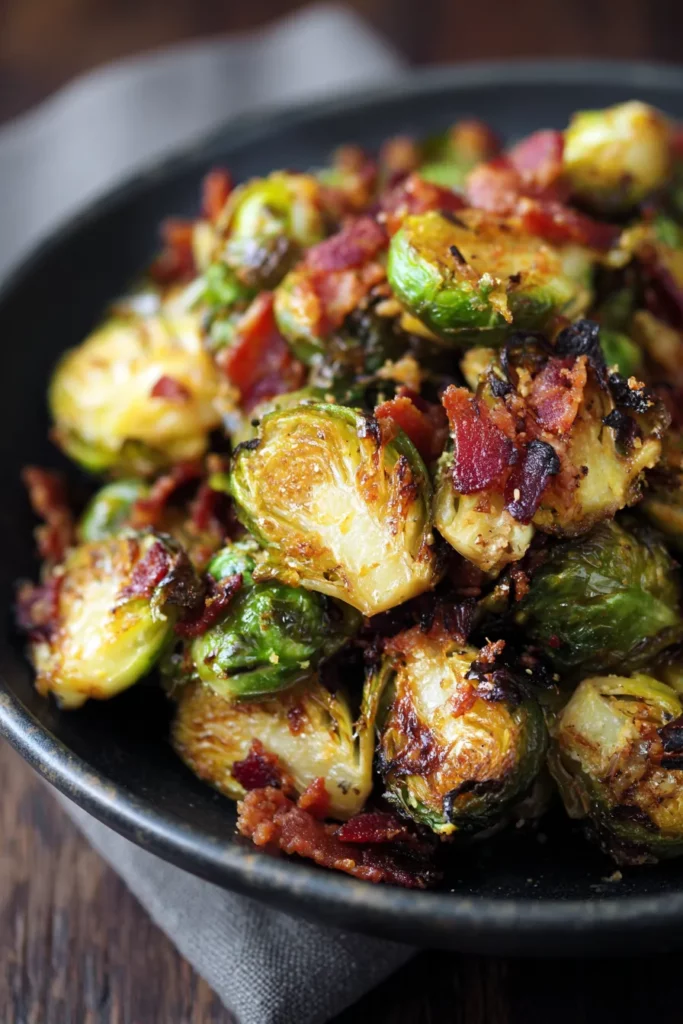
The key is rendering the bacon properly so it’s crispy, not chewy. I cook bacon separately from the vegetables, save some of the rendered fat for roasting, and crumble the crispy bacon over the finished dish. This way, the bacon stays crunchy and doesn’t get soggy from the vegetable moisture.
My crispy roasted Brussels sprouts with smoky maple bacon showcases this technique perfectly. The Brussels sprouts roast in bacon fat, absorbing that smoky flavor, while the crispy bacon bits scattered on top add textural contrast and concentrated bursts of salty richness.
For something even more indulgent, the crispy honey glazed Brussels sprouts with bacon combines sweet honey glaze with salty bacon for that addictive sweet-salty combination that keeps you reaching for another bite. It’s the dish that converts Brussels sprouts haters into Brussels sprouts believers.
Cheese as a Finishing Touch
Adding cheese to roasted vegetables might sound strange if you’ve never tried it, but trust me on this. The right cheese adds creaminess, saltiness, and umami that makes vegetables taste more complex and satisfying. I don’t mean smothering vegetables in melted cheese, though that has its place. I mean finishing roasted vegetables with crumbled or shaved cheese that partially melts from the residual heat.
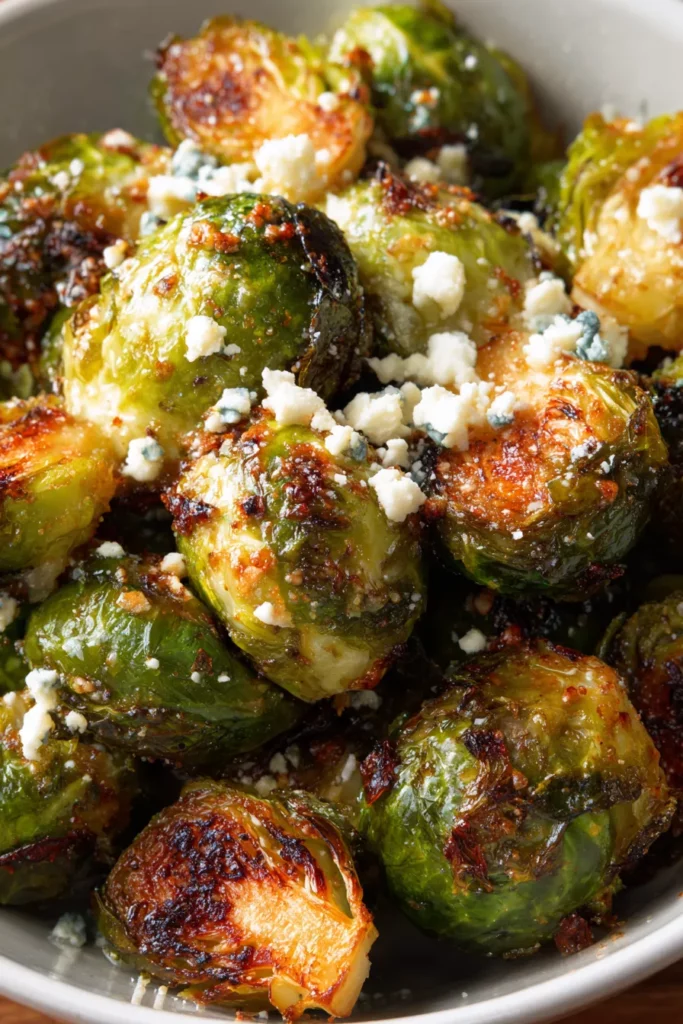
Feta is my favorite for this application. Its tangy, salty flavor and crumbly texture work beautifully with sweet roasted vegetables. The honey roasted Brussels sprouts with pecans and cranberries gets finished with feta, and those little pockets of creamy, tangy cheese are the perfect counterpoint to the sweet honey and tart cranberries.
Parmesan is another winner, especially with heartier preparations. Its nutty, salty intensity stands up to bold flavors and adds an Italian flair to vegetable dishes. For the garlic parmesan roasted Brussels sprouts with walnuts, I use freshly grated Parmesan, which melts slightly and creates these delicious cheesy bits that cling to the sprouts.
Blue cheese is more polarizing, but when you love it, you really love it. Its sharp, pungent flavor works surprisingly well with roasted Brussels sprouts. The balsamic glazed Brussels sprouts with cranberries and blue cheese might sound like a lot of competing flavors, but they actually balance each other perfectly. The blue cheese’s sharpness cuts through the sweet balsamic, the cranberries add tartness, and the Brussels sprouts ground everything with their earthy flavor.
Fruit Pairings: Unexpected Sweetness and Acidity
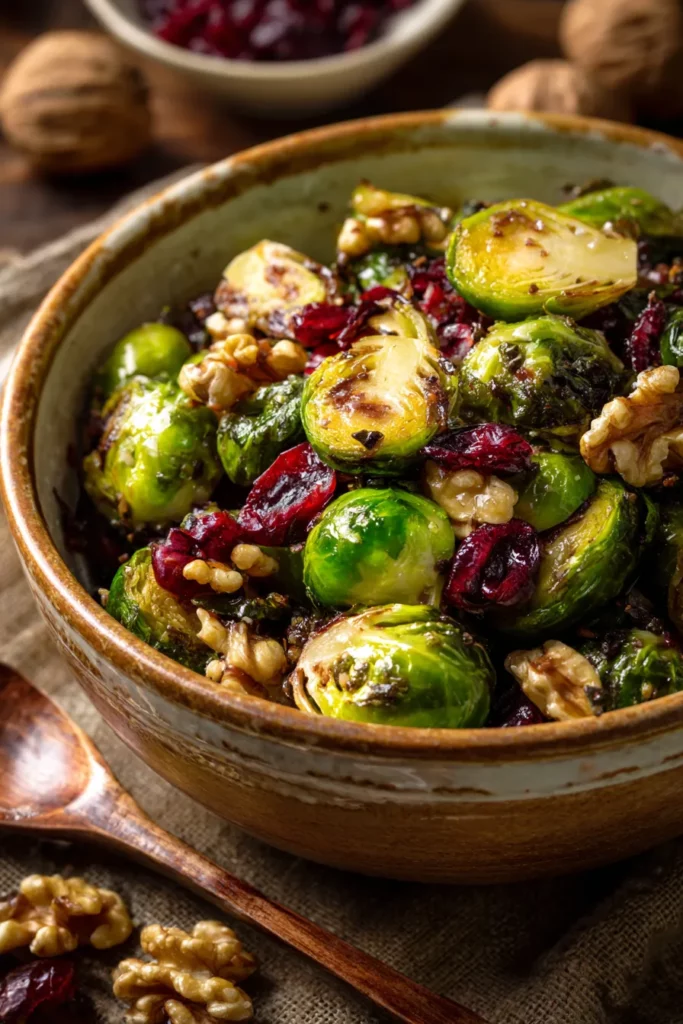
Adding fruit to savory vegetable dishes was something I initially approached with skepticism. It seemed like one of those overly fancy restaurant things that wouldn’t work in real life. Then I tried roasted Brussels sprouts with dried cranberries, and my opinion changed completely. The fruit adds little pops of concentrated sweetness and tartness that make each bite more interesting.
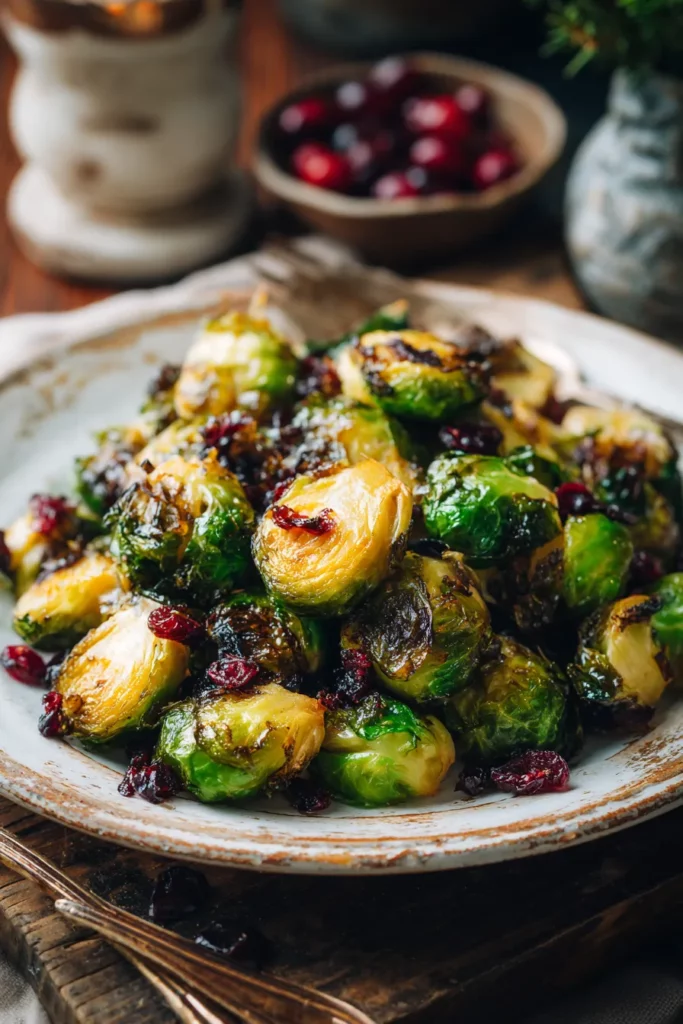
Dried fruit works better than fresh in most roasted preparations because it doesn’t release as much moisture. Cranberries are my most-used dried fruit for Brussels sprouts and carrots. They’re tart enough to not make things cloying, and their deep red color looks gorgeous against green sprouts or orange carrots. I add them toward the end of roasting so they plump up in the heat but don’t burn.
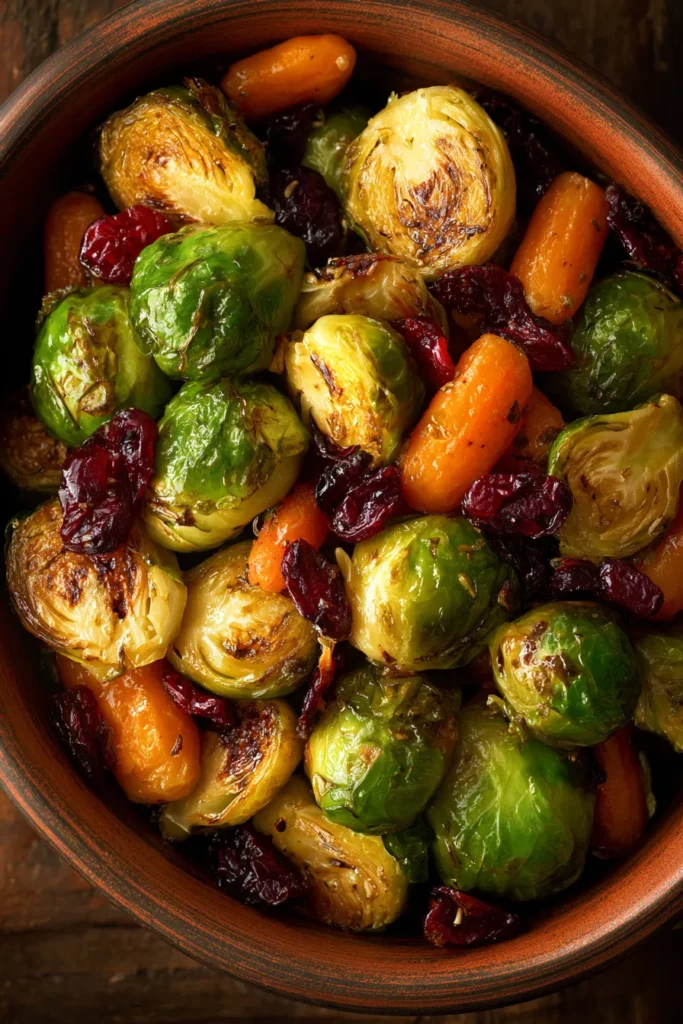
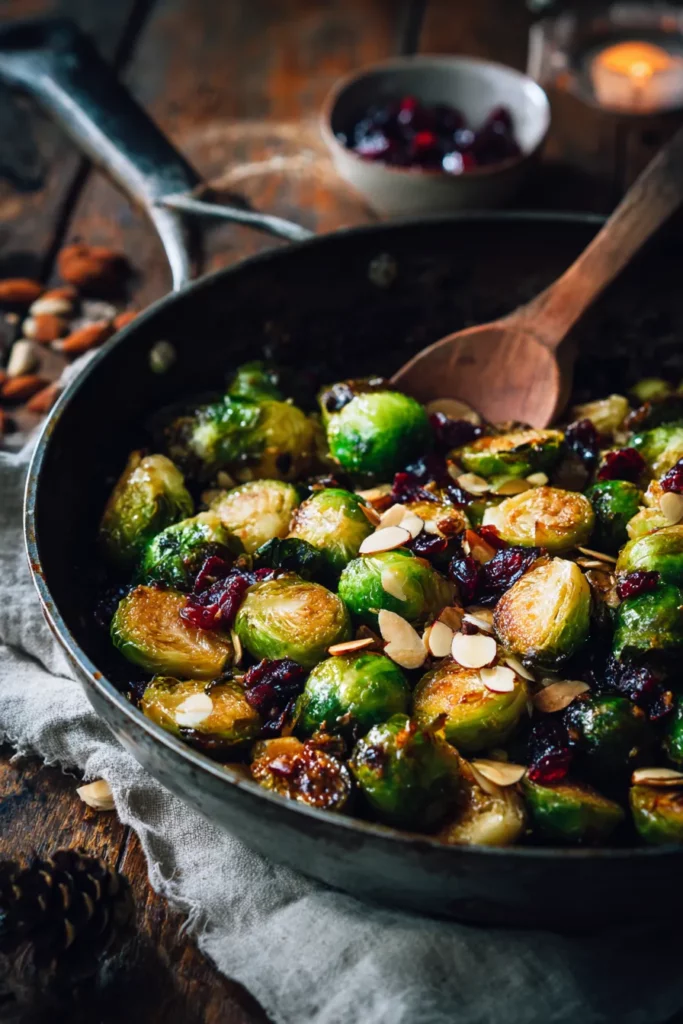
The maple roasted Brussels sprouts with almonds and cranberries is a dish I make constantly during fall and winter. The maple glaze caramelizes on the sprouts, the almonds add crunch, and those cranberries provide tart contrast that keeps the whole thing from being too sweet. It’s the kind of side dish that works equally well for Tuesday dinner or Thanksgiving.
Exploring Other Fruit Combinations
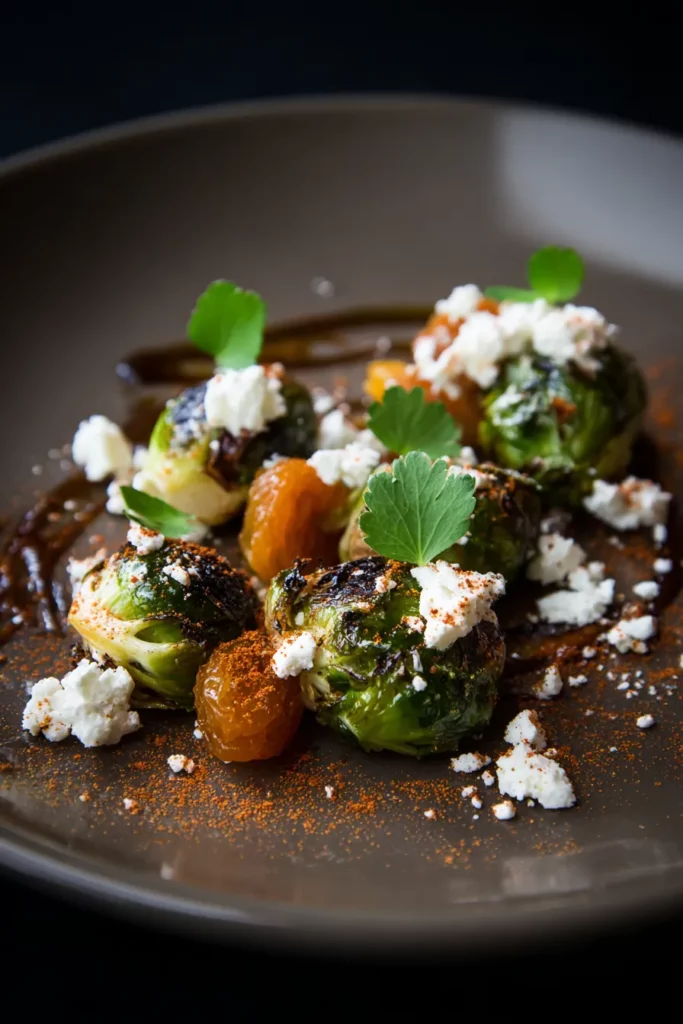
Dried apricots bring a different kind of sweetness, more floral and subtle than cranberries. They work beautifully with Brussels sprouts, especially when paired with something tangy. The smoky roasted Brussels sprouts with apricots and goat cheese is more sophisticated than it sounds, with smoked paprika adding depth and goat cheese providing creamy tanginess.
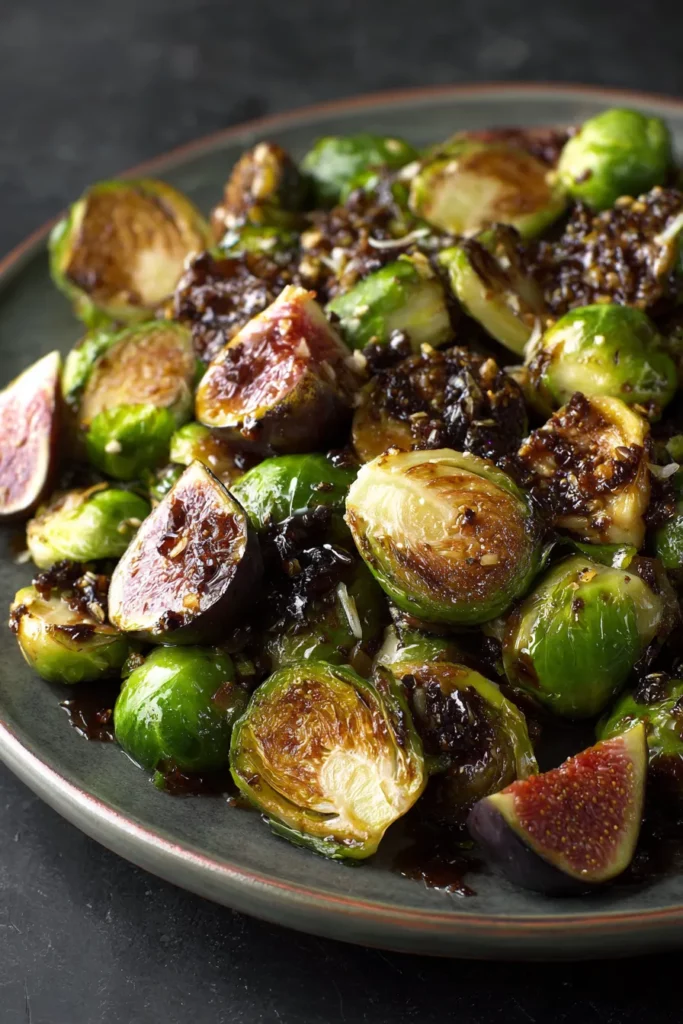
Figs, either dried or fresh, create luxurious pairings with roasted vegetables. Their honey-like sweetness and interesting texture make them feel special. The sweet balsamic roasted Brussels sprouts with figs is my dinner party go-to when I want to impress without working too hard. The figs practically melt into the balsamic glaze, creating this gorgeous, glossy coating.
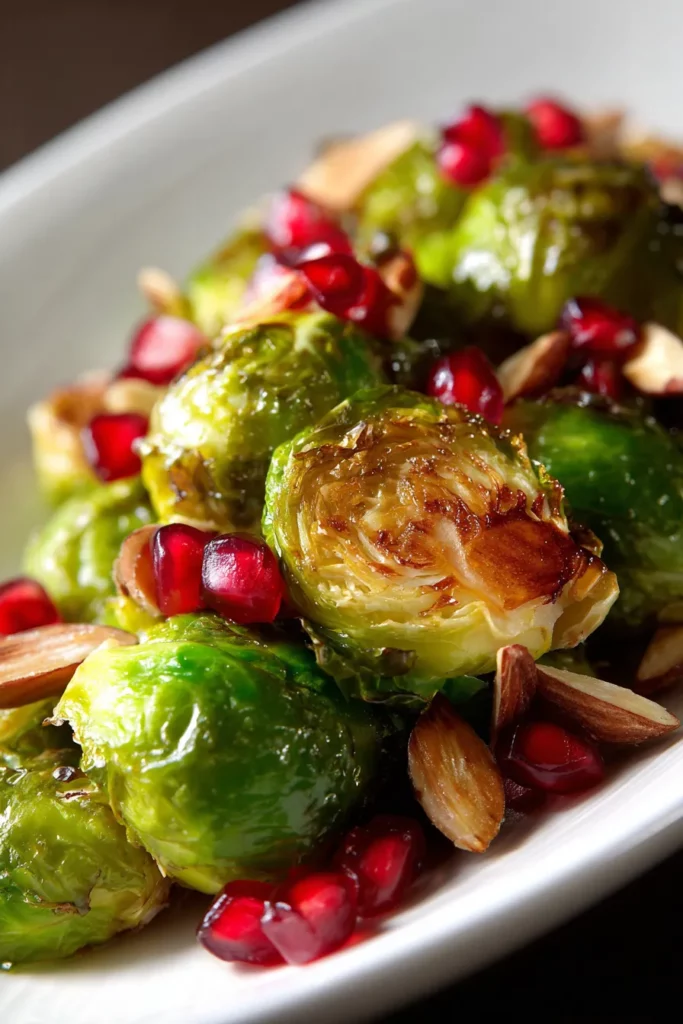
Pomegranate seeds, technically arils, add both visual drama and flavor. Their jewel-like appearance and tart juice pockets elevate simple roasted vegetables into something that looks restaurant-worthy. The roasted Brussels sprouts with pomegranate and toasted almonds is beautiful on the plate and delicious on the palate, with the pomegranate seeds bursting with tartness against the caramelized sprouts.
Citrus Notes That Brighten
Fresh citrus juice and zest bring brightness that cuts through the richness of roasted vegetables. I’ll squeeze lemon over roasted Brussels sprouts right before serving, and that hit of acid makes everything taste more vibrant. Lemon zest adds aromatic oils that perfume the whole dish.
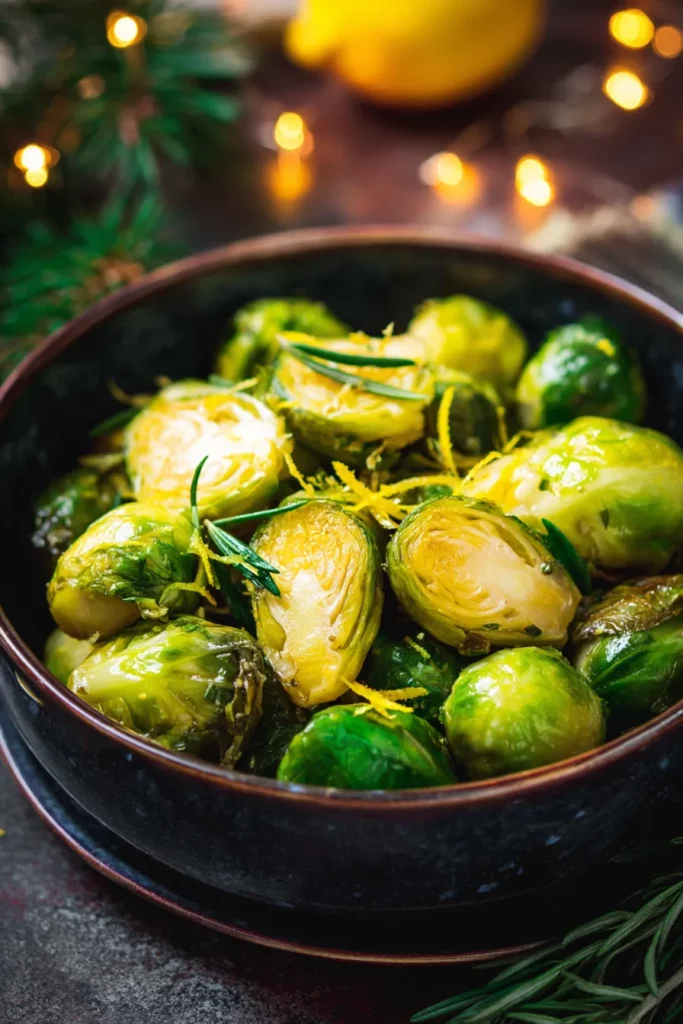
The lemon balsamic Brussels sprouts with cranberries and walnuts combines multiple elements beautifully. The lemon brightens the balsamic, the cranberries add sweetness and tartness, and the walnuts provide crunch and earthiness. It’s complex without being fussy, which is exactly what I want in a side dish.
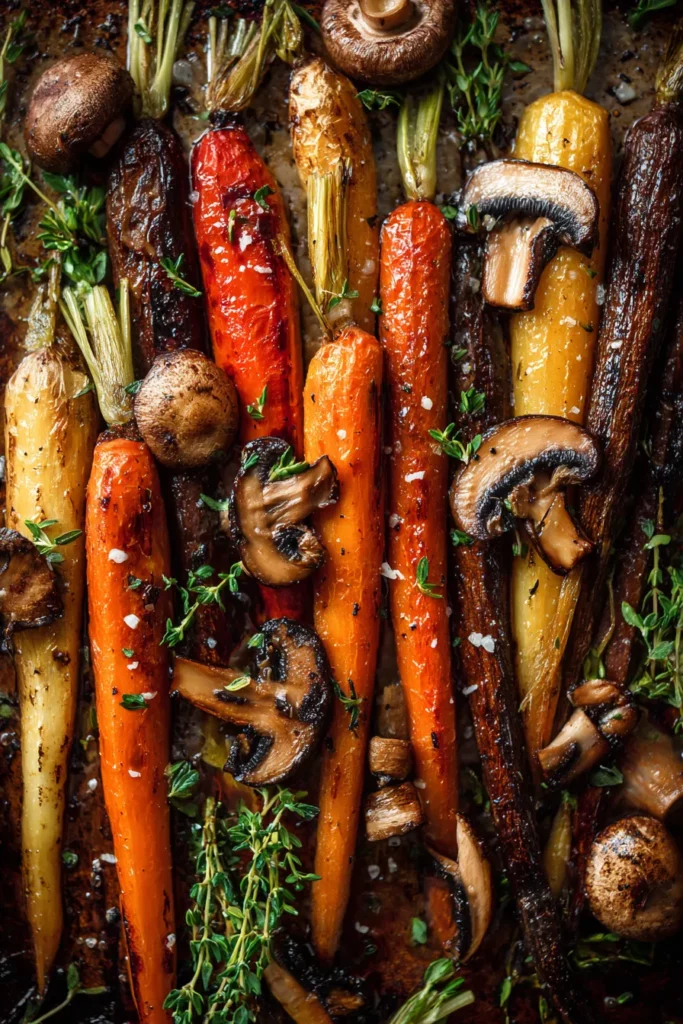
For carrots, I love combining honey with lemon in a simple glaze. The honey lemon carrots and mushrooms with thyme adds earthy mushrooms to the mix, creating a side dish with real substance. The lemon keeps everything from being too heavy, and the thyme adds herbal notes that tie it all together.
Sheet Pan Combinations and Mixed Vegetable Dishes
One of the best things about Brussels sprouts and carrots is how well they work with other vegetables on a single sheet pan. This makes weeknight cooking so much easier. You toss everything with oil and seasonings, spread it on a pan, and let the oven do the work. One pan means easy cleanup, and the vegetables often taste better when roasted together, their flavors mingling and enhancing each other.
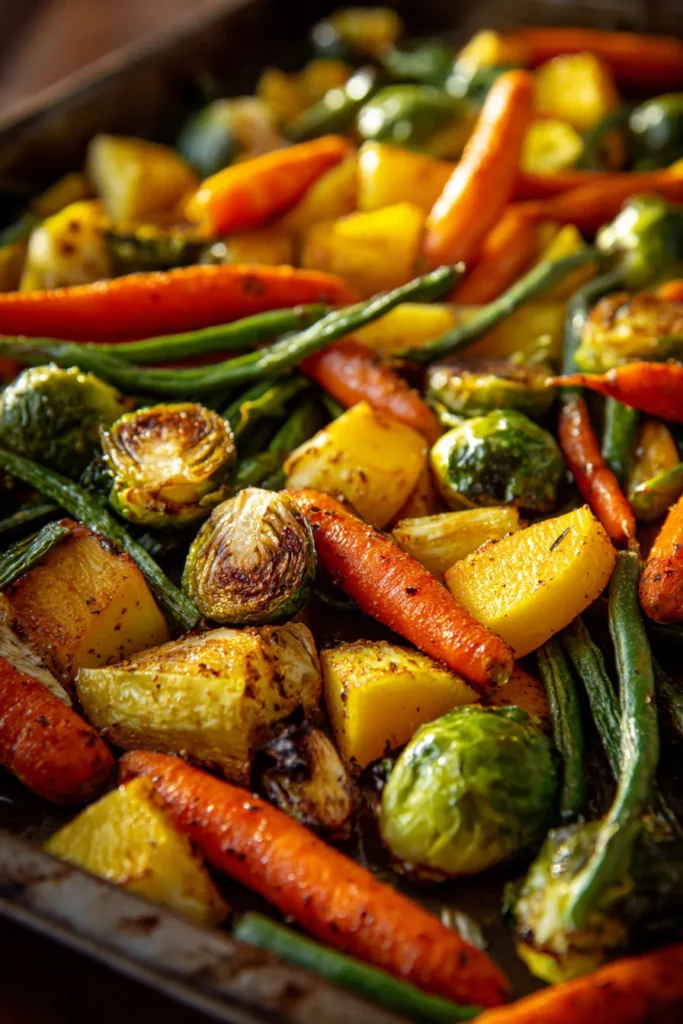
The trick to successful sheet pan vegetables is understanding cooking times. Brussels sprouts and carrots have similar timing, which makes them natural partners. But if you’re adding something that cooks faster, like green beans, or slower, like potatoes, you need to adjust your strategy. I’ll either cut faster-cooking vegetables larger or add them partway through roasting.
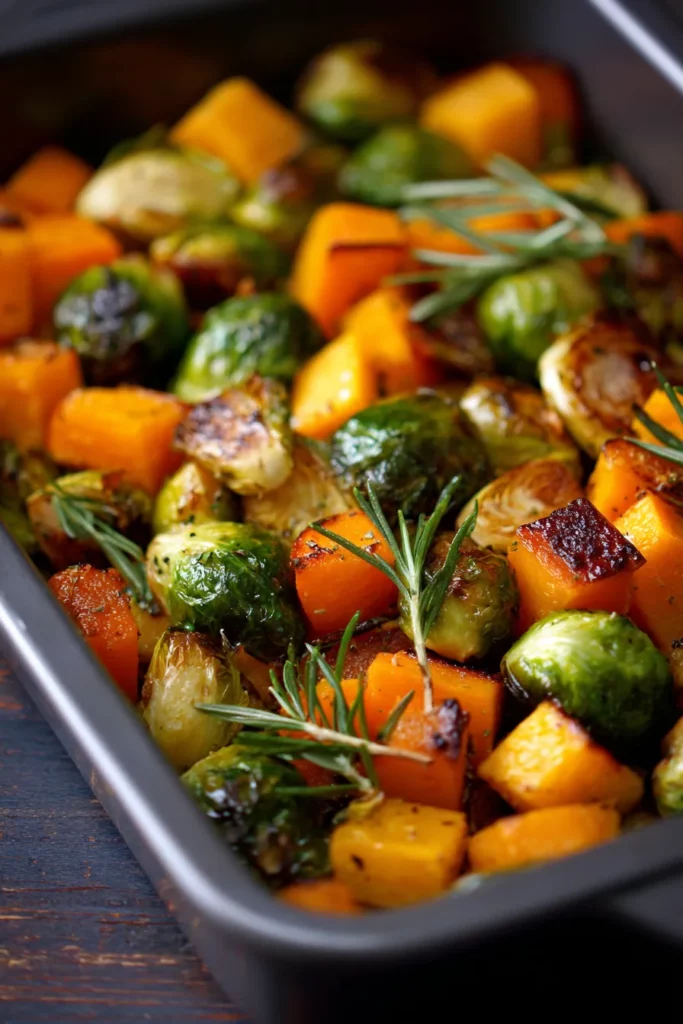
The roasted butternut squash and Brussels sprouts is a fall favorite that showcases this principle. The squash takes slightly longer than the sprouts, so I give it a head start in the oven before adding the Brussels sprouts. Both vegetables caramelize beautifully, and their flavors complement each other in ways that make the whole greater than the sum of its parts.
Potatoes and Root Vegetable Medleys
Adding potatoes to Brussels sprouts creates a heartier dish that can almost stand alone as a meal. Potatoes take longer to cook than Brussels sprouts, so I cut them smaller or give them extra time. The maple bacon roasted Brussels sprouts and potatoes is a complete side dish that’s substantial enough to satisfy even the heartiest appetites.
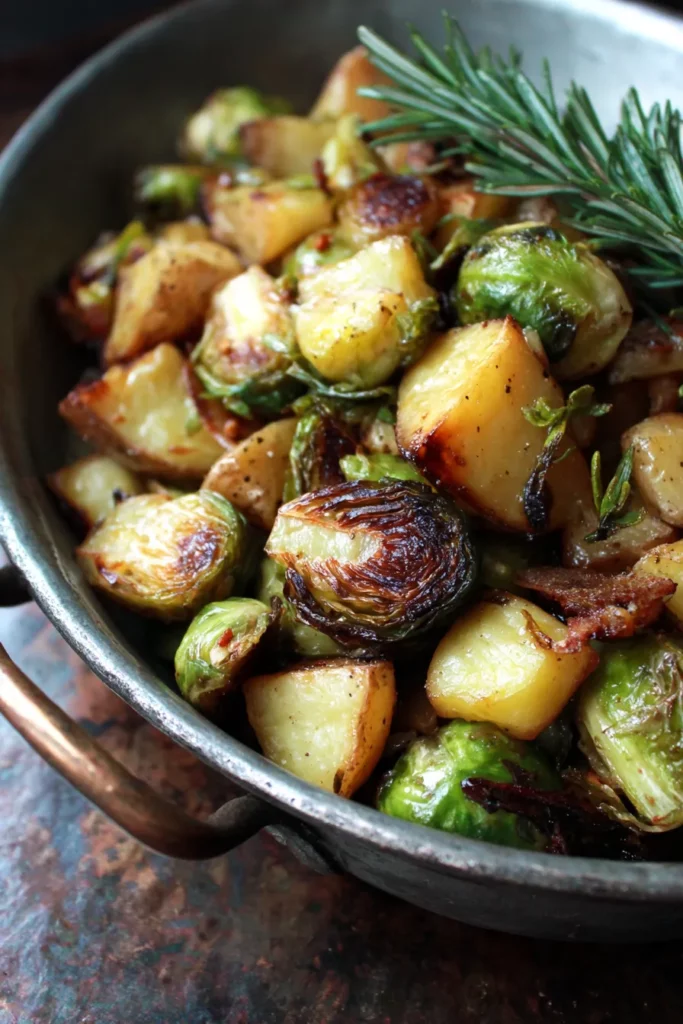
The bacon fat in that recipe does double duty, adding flavor to both the potatoes and the sprouts. The maple glaze ties everything together, and you end up with a dish that’s crispy, tender, sweet, salty, and utterly irresistible. It’s the kind of food that makes people happy just looking at it.
For something lighter but equally satisfying, I’ll combine carrots with parsnips, those underappreciated root vegetables that taste like carrots’ more sophisticated cousins. They’re slightly sweet, slightly earthy, and they roast beautifully. When you’re making a root vegetable medley, uniform sizing is crucial so everything finishes at the same time.
Adding Greens and Other Vegetables
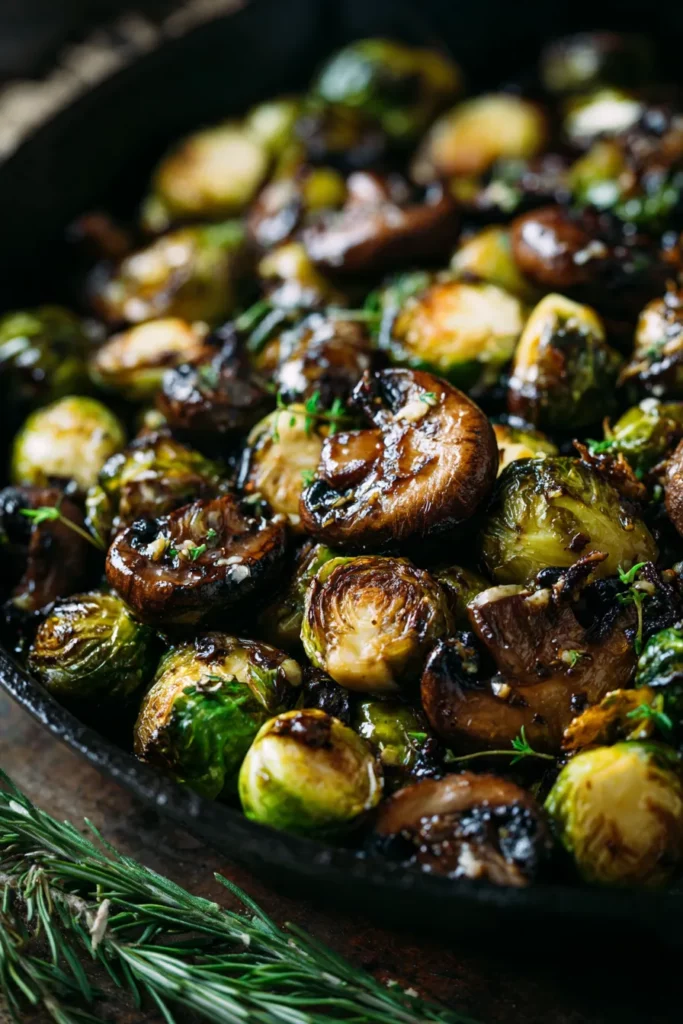
Brussels sprouts are technically a cruciferous vegetable like broccoli and cauliflower, but they pair well with entirely different vegetable families too. I love adding mushrooms to Brussels sprouts because their umami richness balances the sprouts’ slight bitterness. The garlic butter Brussels sprouts and mushrooms recipe is pure comfort food, with the garlic butter coating everything in savory goodness.
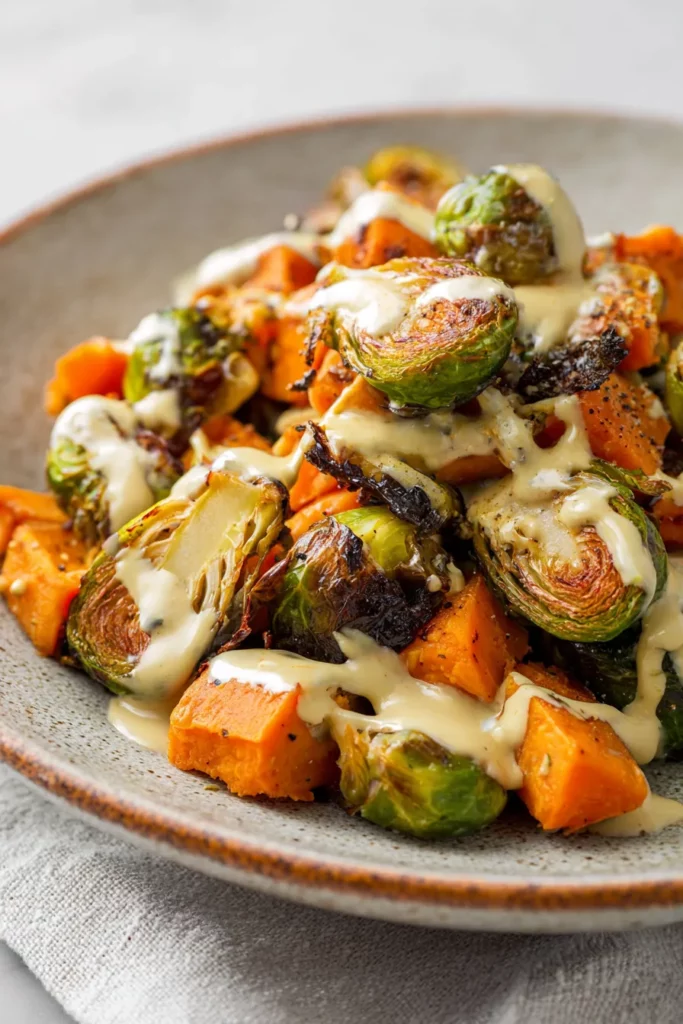
Sweet potatoes bring color and additional sweetness to vegetable medleys. The crispy Brussels sprouts with sweet potato and creamy sauce creates textural contrast between the crispy sprouts and the creamy sweet potatoes, all brought together with a tangy sauce that makes you want to lick the plate.
Green beans are another excellent addition, though they cook faster than both Brussels sprouts and carrots. I add them later in the roasting process or blanch them first to speed up the cooking. The combination of green beans and carrots is classic for a reason, and when you add a glaze, it becomes something special rather than just standard steamed vegetables.
Creamy and Indulgent Preparations
While roasting is my default method, sometimes you want something richer and more indulgent. That’s when I turn to creamy preparations that transform Brussels sprouts and carrots into comfort food. These aren’t everyday dishes, but when you want to treat yourself or impress guests, they deliver.
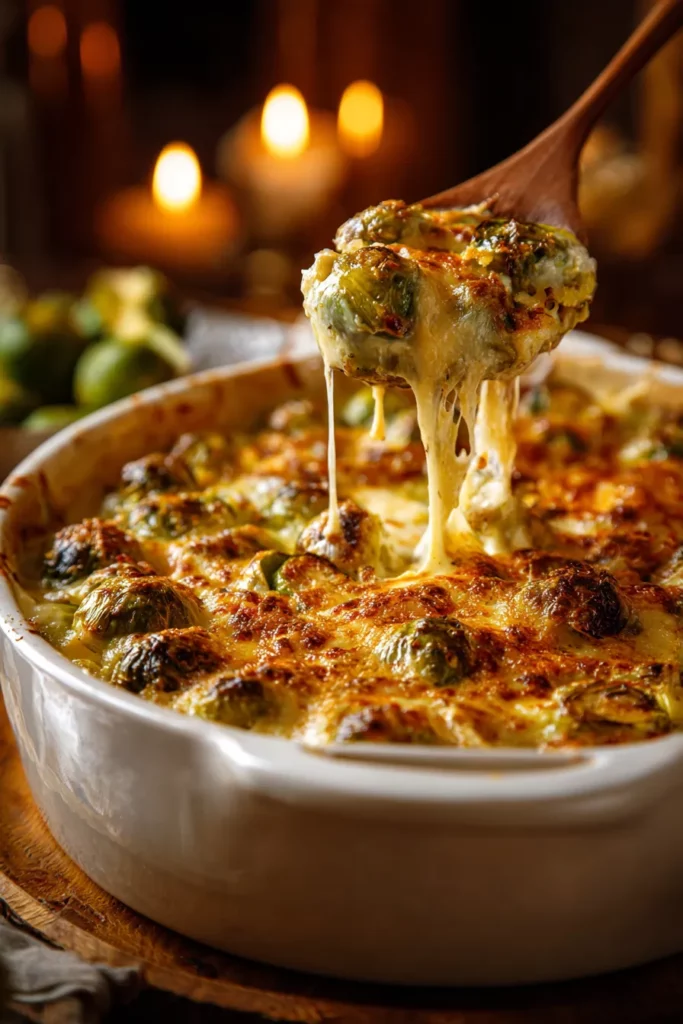
The garlicky creamy Brussels sprouts au gratin is basically Brussels sprouts’ answer to scalloped potatoes. Layers of thinly sliced Brussels sprouts bake in a garlicky cream sauce until everything is tender and the top is golden and bubbly. It’s decadent, it’s delicious, and it makes Brussels sprouts the star of the meal.
What I love about au gratin preparations is how they change the texture completely. The Brussels sprouts soften and absorb the cream, losing that firm texture they have when roasted. Some leaves get crispy on top, creating contrast with the creamy layers underneath. It’s an entirely different experience from roasted sprouts, and it’s perfect for holiday meals when you want something extra special.
Creamy Sauces and Dressings
Sometimes you want the vegetables themselves to stay crispy while adding creaminess through a sauce. This gives you the best of both worlds: caramelized, roasted flavor with rich, creamy coating. The crispy Brussels sprouts with bacon and creamy mustard sauce showcases this approach perfectly.
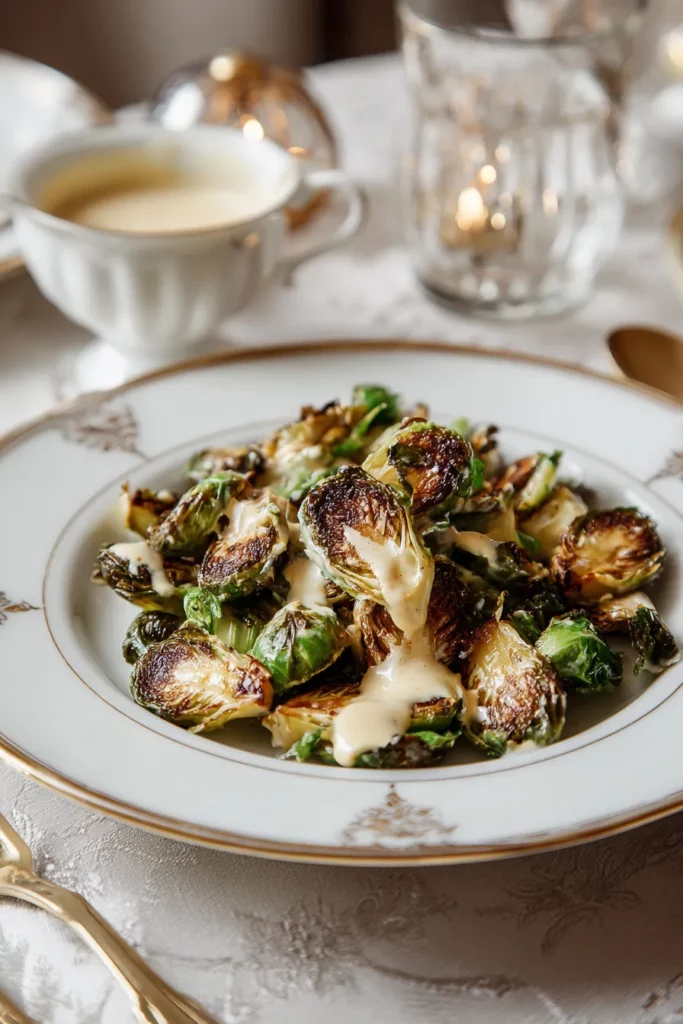
The Brussels sprouts get roasted until crispy and caramelized, the bacon cooks separately until crunchy, and then everything comes together with a creamy mustard sauce drizzled over the top. Each bite has multiple textures and flavors, from the crispy sprouts to the salty bacon to the tangy-creamy sauce. It’s complex but not complicated, impressive but not difficult.
Yogurt-based sauces offer a lighter alternative to cream-based ones while still providing that creamy element. The caramelized Brussels sprouts with roasted almonds and garlic yogurt sauce uses Greek yogurt mixed with garlic, lemon, and herbs. The yogurt’s tanginess complements the sweet, caramelized sprouts, and the almonds add necessary crunch.
Slow Cooker and Alternative Cooking Methods
While I prefer roasting, the slow cooker has its place, especially for carrots. They become incredibly tender and absorb flavors beautifully during the long, slow cooking process. The slow cooker baby carrots with honey and brown sugar is perfect for busy days when you need a side dish but don’t want to turn on the oven.
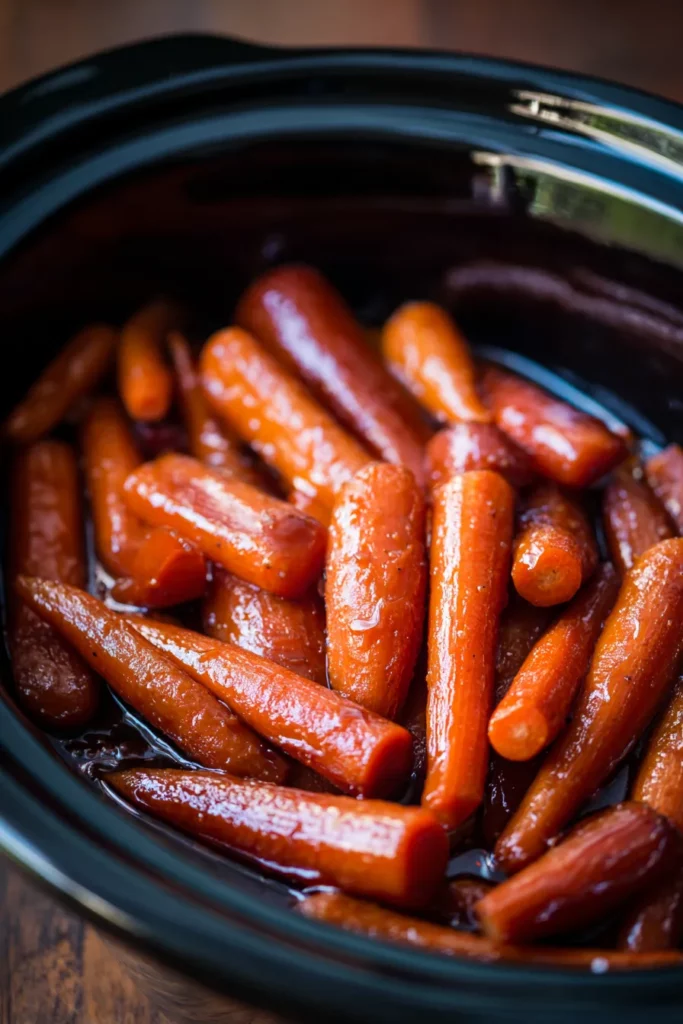
The slow cooker method works particularly well for holiday meals when your oven is already packed with turkey, ham, or other dishes. You can start the carrots in the morning, forget about them, and they’ll be perfectly tender and glazed when dinner time rolls around. Just be aware that you won’t get the caramelization you get from roasting, so the flavor profile is different, more purely sweet and less complex.
Creative and Unexpected Preparations
Once you’ve mastered basic roasting and glazing, it’s fun to experiment with more creative preparations. These are the dishes that make people do a double-take and ask, “Wait, what’s in this?” They take familiar vegetables and present them in unexpected ways that feel fresh and exciting.
Bacon-wrapped Brussels sprouts sound like something from a fancy restaurant, but they’re surprisingly easy to make at home. The crispy bacon wrapped Brussels with maple garlic glaze turns Brussels sprouts into appetizer-worthy bites that disappear faster than you can make them.
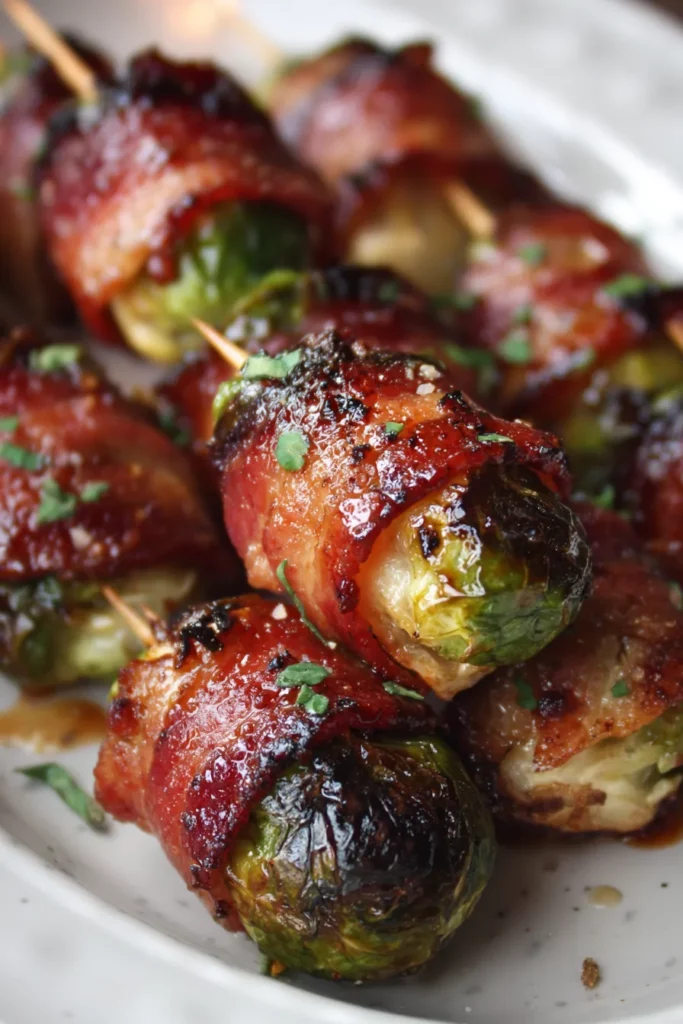
The technique is straightforward: wrap each Brussels sprout half in a piece of bacon, secure with a toothpick, and roast until the bacon is crispy. Then brush with maple garlic glaze and return to the oven for a few minutes. The result is Brussels sprouts that are smoky from the bacon, sweet from the glaze, and completely addictive. I’ve served these at parties where people who claim to hate Brussels sprouts end up eating half the tray.
Smashed and Crispy Preparations
Smashing vegetables before roasting is a technique I learned from watching professional chefs, and it’s a game-changer for texture. The crispy smashed carrots take this method and run with it, creating carrots with incredibly crispy edges and tender centers.
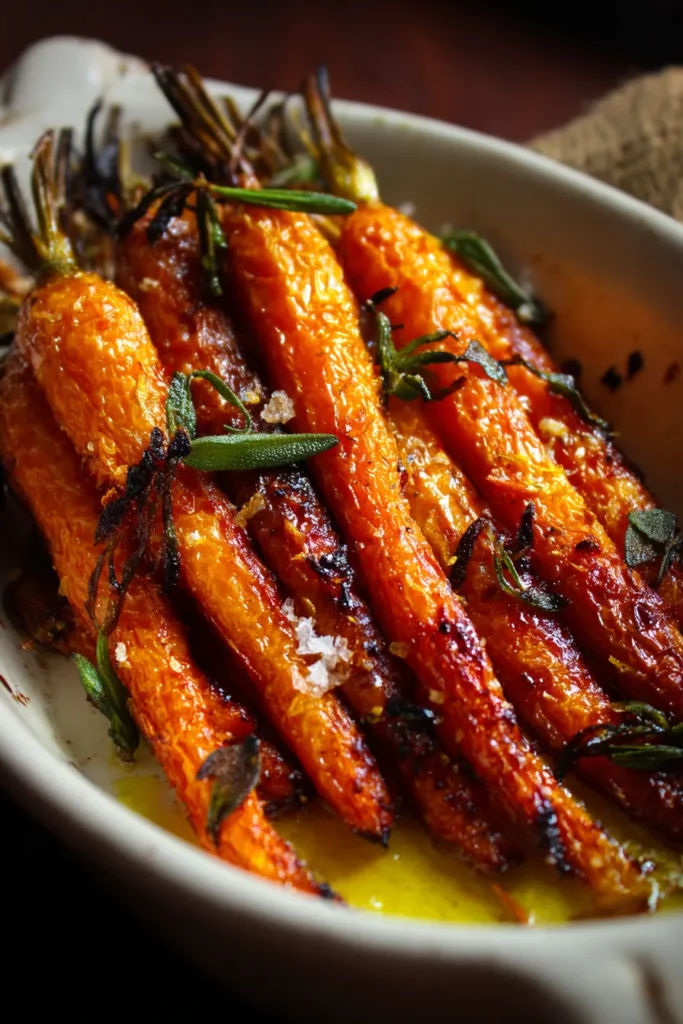
You partially cook whole carrots first, either by roasting or boiling, until they’re tender enough to smash but not falling apart. Then you smash them with the bottom of a glass or a potato masher, brush with oil and seasonings, and roast at high heat until crispy. The smashed surface creates tons of craggy edges that get incredibly crispy and catch seasonings beautifully.
This technique makes carrots interesting enough to be the star of the plate rather than just a supporting player. The textural contrast between the crispy exterior and tender interior is what makes them special. Add a sprinkle of flaky salt and maybe some fresh herbs, and you have carrots that people will talk about.
Tangy and Bright Flavor Profiles
While sweet and savory glazes dominate my vegetable cooking, sometimes I crave something brighter and more acidic. The tangy Brussels sprouts delight focuses on vinegar and lemon rather than sweet glazes, creating sprouts that taste clean and vibrant.
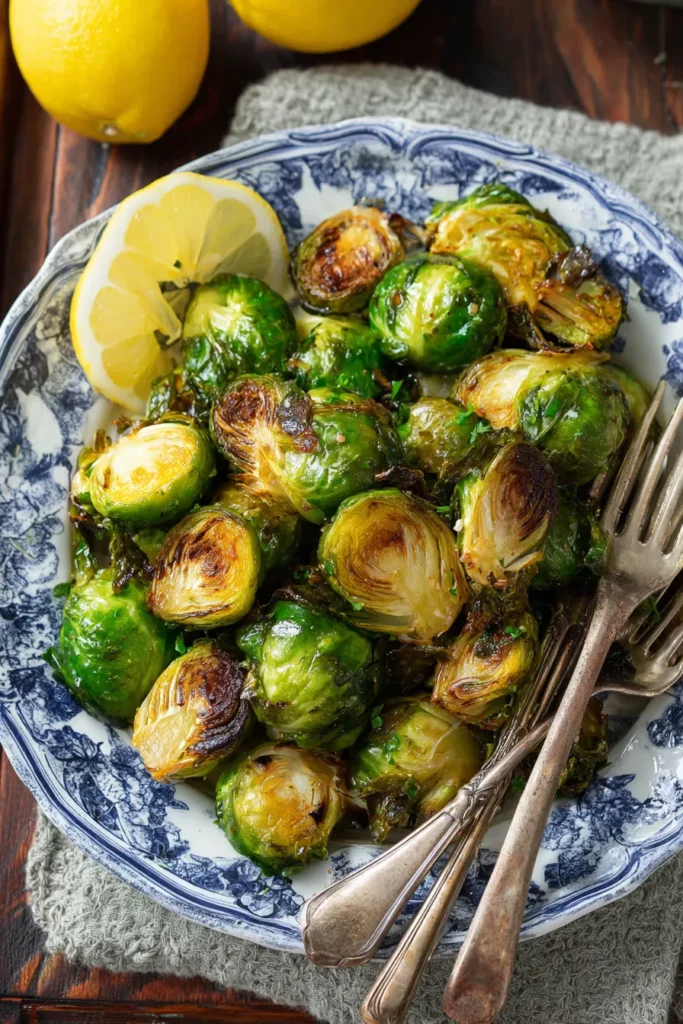
This style works particularly well when you’re serving vegetables alongside rich, heavy main dishes. The acidity cuts through richness and refreshes your palate. It’s also a good approach if you’re trying to eat lighter but still want vegetables that taste exciting rather than boring and virtuous.
Dressings can be applied after roasting rather than during, which keeps the vegetables crispy while adding flavor. The Brussels sprouts with bacon and maple Dijon dressing drizzles a warm dressing over crispy roasted sprouts just before serving. The dressing has maple sweetness and Dijon tang, and it coats the sprouts without making them soggy.
Combining Brussels Sprouts and Carrots: Best Practices
While I’ve talked about Brussels sprouts and carrots separately throughout this guide, they’re wonderful together. Their cooking times align nicely, they share flavor affinities, and their colors create an appealing presentation. Plus, having two vegetables in one dish makes it feel more complete and varied.
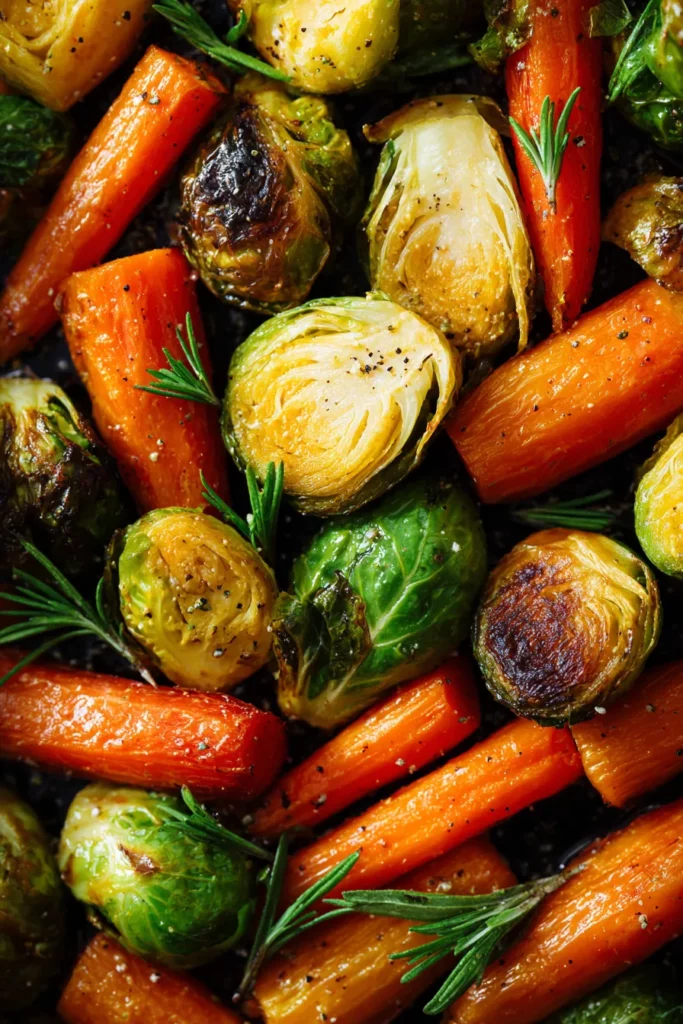
The key to successfully combining them is understanding their slight differences. Carrots are denser and take a bit longer to cook through, so I cut them slightly smaller than the Brussels sprouts or give them a head start in the oven. Brussels sprouts have more surface area, so they brown faster but can also burn more easily if you’re not careful.
When I’m making a simple roasted combination, I’ll toss everything together with oil, salt, and pepper, spread it on the pan with the carrots in a single layer on one side and Brussels sprouts on the other. This way, if one vegetable is done before the other, I can remove it while letting the slower-cooking one finish. The maple balsamic Brussels sprouts with almonds uses this technique, with the almonds added toward the end so they toast without burning.
Seasonal Variations and Additions
Fall and winter are prime time for Brussels sprouts and carrots, and I love adding seasonal elements that enhance their natural flavors. Cranberries, pecans, walnuts, and warm spices all scream autumn and work beautifully with both vegetables. The roasted Brussels sprouts with balsamic, cranberries, and pecan nuts is quintessentially fall, perfect for Thanksgiving or any cold weather meal.
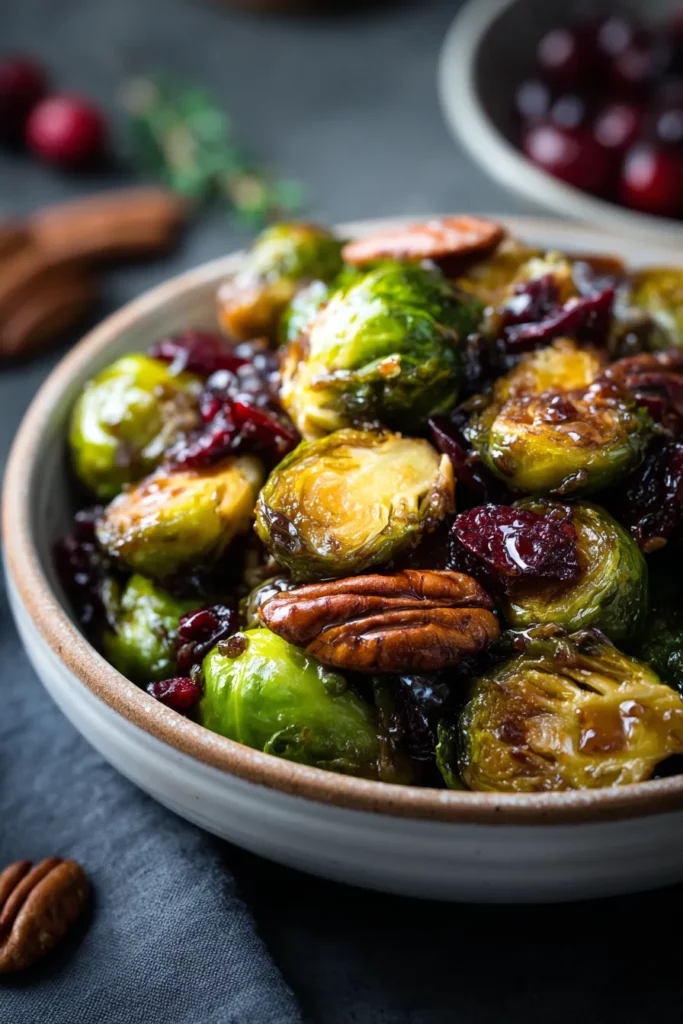
During the holidays, I’ll make the presentation more elaborate. Arranging vegetables on a platter rather than serving them from the sheet pan makes them feel more special. Garnishing with fresh herbs, extra nuts, or a final drizzle of glaze right before serving adds visual appeal and layers of flavor.
Spring and summer versions are lighter and brighter. I’ll use lemon instead of balsamic, fresh herbs instead of dried, and lighter nuts like almonds or pine nuts instead of heavy pecans. The vegetables themselves don’t change, but the supporting flavors shift to match the season.
Troubleshooting Common Problems
After years of cooking Brussels sprouts and carrots, I’ve encountered every possible problem and figured out how to fix or prevent them. These are the issues that come up most often, along with solutions that actually work.
Problem: Brussels sprouts are burnt on the outside but raw inside. This usually means your oven temperature is too high or you’re not cutting them small enough. Lower the temperature to 400 degrees and make sure you’re halving the sprouts. Very large sprouts might need to be quartered. You can also parboil Brussels sprouts for a few minutes before roasting if they’re particularly large and you’re worried about them cooking through.
Problem: Vegetables are soggy instead of caramelized. This almost always comes down to moisture and crowding. Make sure your vegetables are completely dry before oiling them. Don’t crowd the pan. Use high heat. And resist the urge to stir too often. Let vegetables sit undisturbed for at least fifteen to twenty minutes to develop that caramelized crust.
Flavor and Seasoning Issues
Problem: Brussels sprouts taste bitter. Some bitterness is natural and even desirable, but excessive bitterness usually means the sprouts are old or you’re overcooking them. Buy fresh, tight sprouts and don’t cook them to death. Sweetness, whether from glazes or from proper caramelization, balances bitterness. Adding acid, like lemon juice or vinegar, also helps.
Problem: Carrots aren’t sweet enough. Roasting should bring out carrots’ natural sugars, but if they still taste bland, you might not be cooking them long enough or at high enough heat. Let them go until they’re deeply caramelized, not just tender. You can also add a touch of sweetener, like honey or maple syrup, though good carrots shouldn’t need it.
Problem: Everything tastes the same. This means you’re not using enough salt or you’re relying too heavily on one flavor profile. Salt is crucial for making vegetables taste like themselves. Different acids, like lemon, balsamic, or wine vinegar, create entirely different flavor experiences. Don’t be afraid to experiment with spices and herbs to add complexity.
Timing and Planning Challenges
Problem: Vegetables aren’t done when the rest of dinner is ready. This is why I always give vegetables more time than I think they need. Start roasting earlier than seems necessary. You can always hold roasted vegetables in a warm oven for fifteen to twenty minutes without any problems. In fact, they often continue to caramelize slightly, which isn’t a bad thing.
Problem: Glaze burns before vegetables are cooked. Add glazes toward the end of cooking, not at the beginning. Sugary glazes burn easily. I usually roast vegetables plain for most of the cooking time, then add glaze for just the last ten minutes. If your glaze does burn, lower the oven temperature for next time or wait even longer to add it.
Expert Tips for Perfect Results Every Time
After making these vegetables hundreds of times, I’ve developed strategies that consistently produce great results. These are the small details that separate okay roasted vegetables from truly excellent ones.
Always preheat your oven fully. I know it’s tempting to throw vegetables in while the oven is still heating up, but starting with proper heat makes a real difference in browning. A fully preheated oven means vegetables start caramelizing immediately rather than steaming first. Give your oven at least twenty minutes to come to temperature.
Flip vegetables at the halfway point, but only once. More flipping than that disrupts the caramelization process. Use a thin metal spatula to get under the vegetables cleanly without tearing them. Sometimes vegetables stick to the pan, which is fine. Those stuck bits are extra caramelized and delicious. Just scrape them up and serve them along with everything else.
Make-Ahead and Storage Strategies
Roasted vegetables keep reasonably well, which makes them useful for meal prep. I’ll roast big batches on Sunday and use them throughout the week. Store cooled vegetables in an airtight container in the refrigerator for up to four days. They won’t be quite as crispy as fresh, but they’re still delicious.
To reheat, I prefer using the oven or a skillet rather than the microwave. The microwave makes them soggy. A quick blast in a hot oven or a few minutes in a hot skillet with a little oil revives them nicely. Sometimes reheated vegetables are even more caramelized than the originals.
You can also prep vegetables ahead without cooking them. Cut everything, toss with oil and seasonings, and store in the refrigerator for up to twenty-four hours before roasting. This makes weeknight cooking much faster. Just dump the prepared vegetables on a pan and into the oven when you’re ready to cook.
Scaling Recipes Up and Down
Most recipes, including all the ones I’ve linked throughout this article, are written for four to six servings. But what if you’re cooking for two or feeding a crowd? The good news is that roasted vegetables scale easily in both directions.
For smaller portions, just halve the ingredients and use a smaller pan. Cooking time stays roughly the same since you’re still working with individual pieces that are the same size. For larger quantities, multiply the ingredients but use multiple pans rather than crowding everything on one pan. You might need to rotate pans halfway through cooking for even browning.
When doubling or tripling recipes, be thoughtful about seasonings and glazes. You don’t always need to double salt or spices proportionally. Taste as you go and adjust. Glazes, on the other hand, should be scaled proportionally since they coat the vegetables rather than seasoning them internally.
Conclusion: Making Vegetables the Star of Your Meals
Looking back on my journey with Brussels sprouts and carrots, I’m amazed at how much my relationship with these vegetables has changed. They went from things I served because I should to things I genuinely crave and get excited about cooking. That transformation happened because I learned to treat them with respect, to cook them properly, and to pair them with flavors that make them shine.
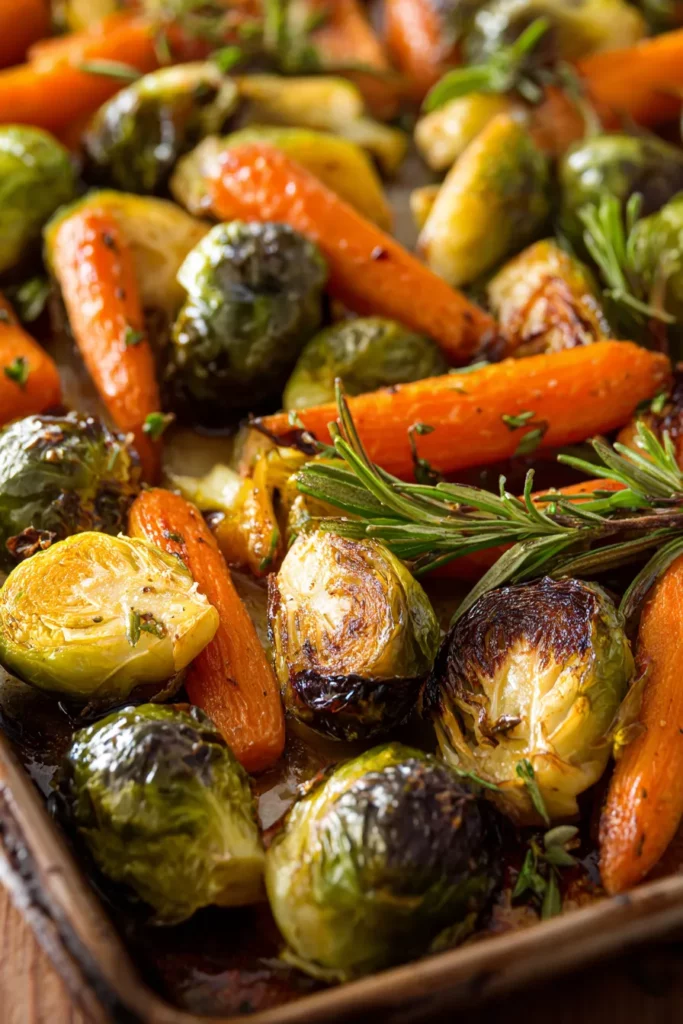
The most important lesson I can share is this: vegetables deserve the same attention and care you give to your main dishes. Don’t just steam them and call it done. Take the time to roast them properly, to glaze them thoughtfully, to add textural elements that make each bite interesting. When you do, vegetables stop being the obligation on the plate and become something people actually look forward to eating.
Start with good quality produce, use high heat, don’t crowd the pan, and be generous with salt. Those four principles will take you far. From there, experiment with glazes, nuts, cheese, and fruit until you find combinations your family loves. Pay attention to what works and what doesn’t. Keep notes if that helps. Over time, you’ll develop your own repertoire of vegetable dishes that you can make without even thinking about it.
Remember that even simple preparations can be excellent. You don’t always need elaborate glazes or multiple add-ins. Sometimes the best Brussels sprouts are just roasted with olive oil, salt, and pepper until they’re crispy and caramelized. Sometimes the best carrots are plain roasted until sweet and tender. Don’t feel like every dish needs to be complicated. Simple, well-executed techniques often produce the most satisfying results.
I hope this guide gives you the confidence to make Brussels sprouts and carrots a regular part of your cooking rotation. Try different techniques, experiment with flavors, and don’t be discouraged if something doesn’t work perfectly the first time. Even after years of cooking these vegetables, I still have the occasional batch that doesn’t turn out quite right. That’s just part of cooking. Learn from it and try again.
Most of all, enjoy the process. There’s something deeply satisfying about pulling a pan of perfectly caramelized vegetables out of the oven, their edges crispy and golden, their aroma filling your kitchen. Share them with people you care about. Make them part of your holiday traditions and your everyday meals. These humble vegetables have so much to offer when you give them the chance to shine.
For more inspiration and delicious vegetable dishes, explore these favorites:
- Maple Balsamic Brussels Sprouts with Almonds
- Honey Lemon Carrots and Mushrooms with Thyme
- Crispy Bacon Wrapped Brussels with Maple Garlic Glaze
Frequently Asked Questions
Do I have to peel carrots before roasting them?
No, you don’t have to peel carrots if they’re fresh and clean. Just scrub them well under running water to remove any dirt. The peel adds nutrients and a slightly earthier flavor. However, if the carrots are old with thick, tough peels, peeling them will improve the texture and taste.
Why do my Brussels sprouts smell bad when cooking?
Brussels sprouts contain sulfur compounds that can create unpleasant odors, especially when overcooked or boiled. Roasting at high heat minimizes this smell compared to boiling or steaming. Using fresh Brussels sprouts and not overcooking them also helps. The smell should be much milder with properly roasted sprouts.
Can I roast frozen Brussels sprouts or carrots?
You can, but fresh vegetables give much better results. Frozen vegetables contain more moisture, which makes it harder to achieve proper caramelization. If you must use frozen, thaw them completely and pat them very dry before roasting. Expect them to take slightly longer and not get quite as crispy as fresh.
What temperature is best for roasting Brussels sprouts and carrots?
I recommend 425 to 450 degrees Fahrenheit for best results. This high heat creates the caramelization and crispy edges that make roasted vegetables special. Lower temperatures will cook the vegetables through but won’t give you those delicious browned bits.
How do I prevent Brussels sprouts from falling apart?
Don’t trim too much off the stem end, as this holds the leaves together. Cut them lengthwise through the stem so each half stays intact. Handle them gently when tossing with oil and flipping during roasting. Slightly older, tighter sprouts hold together better than very fresh, loose ones.
Can I prepare these vegetables ahead for a dinner party?
Yes, you can prep vegetables several hours ahead or even the night before. Cut them, toss with oil and seasonings, and store covered in the refrigerator. Roast them just before serving for best texture. If you must roast them ahead, reheat them in a hot oven for five to ten minutes rather than microwaving.
Why are my roasted carrots still hard?
They need more time or smaller pieces. Carrots are dense and take longer to cook through than you might think. Make sure pieces are no more than one inch thick, and give them forty to forty-five minutes at 425 degrees. Test with a fork before removing from the oven.
What’s the best way to reheat leftover roasted vegetables?
Reheat in a hot oven at 400 degrees for about ten minutes, or in a skillet over medium-high heat with a little oil. Both methods revive the crispy texture much better than microwaving, which makes vegetables soggy.
Can I use the same seasonings for Brussels sprouts and carrots?
Absolutely. They share similar flavor affinities and work well with the same seasonings. Maple, balsamic, honey, garlic, bacon, nuts, and dried fruit all complement both vegetables beautifully.
How do I know when roasted vegetables are done?
They should be tender when pierced with a fork and have deep golden brown, caramelized spots on the edges. The color is important. Pale vegetables aren’t done yet. Let them go until you see real browning.
What’s the secret to extra crispy Brussels sprouts?
Completely dry sprouts before oiling, high oven temperature, proper spacing on the pan, and resist stirring too often. Let them sit undisturbed for twenty minutes to develop that crispy crust. The cut side touching the pan should be deeply browned before you flip them.
Are baby carrots as good as whole carrots for roasting?
Baby carrots work fine and save prep time, though whole carrots that you cut yourself usually have better flavor and caramelize more beautifully. For weeknight convenience, baby carrots are perfectly acceptable. For special occasions, I prefer whole carrots.

🍳 Precision Meets Passion — Tools Chefs Trust Daily

- Grams & ounces — precise to 1g
- Perfect for baking & keto tracking
- Sleek stainless steel design

- German stainless precision
- Razor-sharp & dishwasher-safe
- Elegant wood block organizer

- Premium Stainless Steel Build
- Easy to Clean & Dishwasher Safe
- A Must-Have Kitchen Tool